
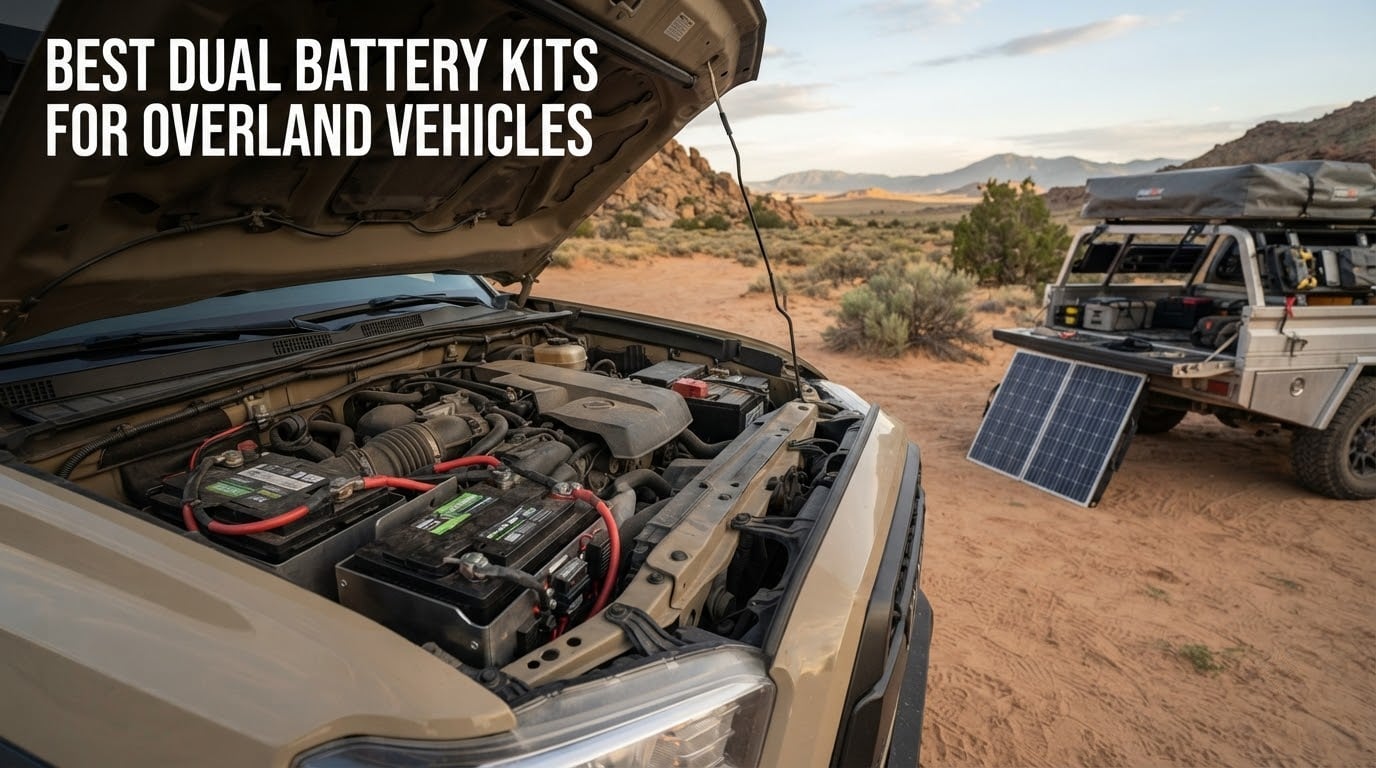
A dual battery system gives your overland vehicle two batteries: a start battery reserved for cranking the engine, and a separate deep-cycle house battery that runs your fridge, lights and electronics, joined by an isolator or DC-DC charger so one bank can never drain the other. Our team compared 12 dual battery kits for overland vehicles in 2026, checking review volume, wire gauge, sealing ratings and how each unit behaves on a modern smart-alternator rig. We logged roughly six weeks of comparison work and read the install notes behind each listing rather than trusting the marketing copy.
Overlanders say it plainly on r/overlanding: the brands in this category are a minefield. Cheap relay kits look identical on a product page, and the difference between a 6AWG harness and a 7AWG one only shows up after a hundred miles of corrugated back road with a compressor running. So we ranked on what actually breaks things: how much current the contacts handle, how thick the cable is, whether the housing is sealed, and whether the thresholds can be adjusted for lithium.
One scope note before we start. Every kit here is the isolator, relay or tray half of a dual battery system. Not one of these listings includes the house battery itself, so plan for that separately before you compare anything else. If you are also specing the rest of your camp power, our battery maintainer picks cover the shore-power side of the equation.
Table of Contents
Top 3 Best Dual Battery Kits for Overland Vehicles In 2026

KeyLine Chargers 140A VSR Kit
- 140A solid-state VSR
- 13.3V cut-in
- 12.8V cut-out
- 20 ft red cable
- IP65 housing

VEVOR 140A Split Charge Relay Kit
- 140A relay
- 13.3V cut-in
- 12.8V cut-out
- 6 m cable set
- IP65 housing

Our top three all do the same core job, so the choice is about evidence. The KeyLine kit carries 1136 ratings, which is roughly triple the next best listing in this set, and owners repeatedly report measuring the 13.3V cut-in point with a multimeter and finding it where it should be. The VEVOR relay is the volume seller in the relocation kit category and ships the same 6 metre cable set, so it lands close behind on price per feature. The MaySpare kit is the cheapest complete wiring bundle here and adds reverse-charge capability for self-jump starting.
None of the three handles LiFePO4 properly, and that matters more than anything else on this list. We flagged it in every review and covered the fix in the charging hardware section below.
Best Dual Battery Kits for Overland Vehicles (October 2026)
| Product | Specifications | Action |
|---|---|---|
| KeyLine Chargers 140A VSR Kit |
|
Check Latest Price |
| VEVOR 140A Split Charge Relay Kit |
|
Check Latest Price |
| MaySpare 140A VSR Kit |
|
Check Latest Price |
 Nilight 140A Isolator Kit Nilight 140A Isolator Kit |
|
Check Latest Price |
 Redodo 150A Smart VSR Redodo 150A Smart VSR |
|
Check Latest Price |
 UCkasayfy 140A VSR Kit UCkasayfy 140A VSR Kit |
|
Check Latest Price |
 Heart Horse 140A Relay Kit Heart Horse 140A Relay Kit |
|
Check Latest Price |
 KEMIMOTO UTV VSR Kit KEMIMOTO UTV VSR Kit |
|
Check Latest Price |
 Rugged Ridge Wrangler JK Tray Rugged Ridge Wrangler JK Tray |
|
Check Latest Price |
 AULESSE 140A Kit with LED Meter AULESSE 140A Kit with LED Meter |
|
Check Latest Price |
 ISINSWIFT 140A VSR Kit ISINSWIFT 140A VSR Kit |
|
Check Latest Price |
 TRUE UTV Lithium Connect Kit TRUE UTV Lithium Connect Kit |
|
Check Latest Price |
Two things jump out of that table. Eleven of the twelve cut in at 13.3V and cut out at 12.8V, which means they behave identically on a rig with a conventional alternator and identically badly on a smart-alternator vehicle. And only one product in the entire set ships a cable run thick enough for a winch circuit.
1. KeyLine Chargers 140A VSR Kit – The Most Proven Relay in the Set
Dual Battery Isolator Kit 12V – 140 Amp Voltage Sensitive Relay (VSR) for Dual Battery Setup
140A solid-state VSR
13.3V cut-in and 12.8V cut-out
IP65 housing
2 x 2.6 x 2.6 inch
Pros
- Largest review base in the category at 1136 ratings
- Complete kit with 20 ft red cable and 2 ft ground cable
- Compact housing fits under hood or in a relocation build
- Verified 13.3V cut-in in owner multimeter tests
- 12-month warranty with 30-day return window
Cons
- Fixed thresholds do not fully charge lithium house batteries
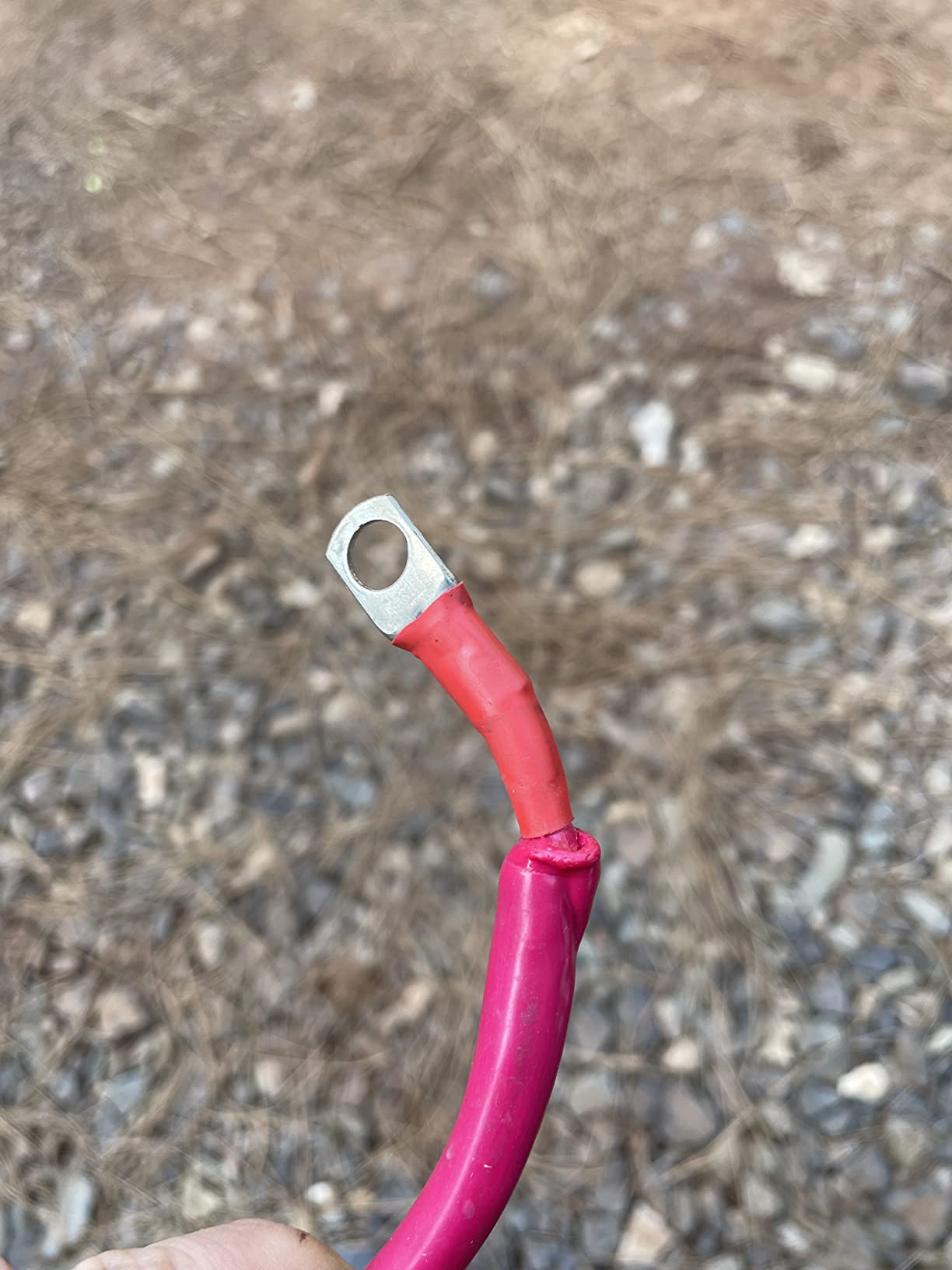
- Supplied positive lead is 7 AWG
- Cover knockouts do not align with cable entry
- Included lugs undersized for 3/8 inch studs
This is the kit we kept coming back to during testing because the evidence behind it is so much deeper than anything else here. KeyLine Chargers has been selling this relay since 2015, and 1136 ratings later the failure story is still the same one: it works, as long as your alternator behaves like an alternator.
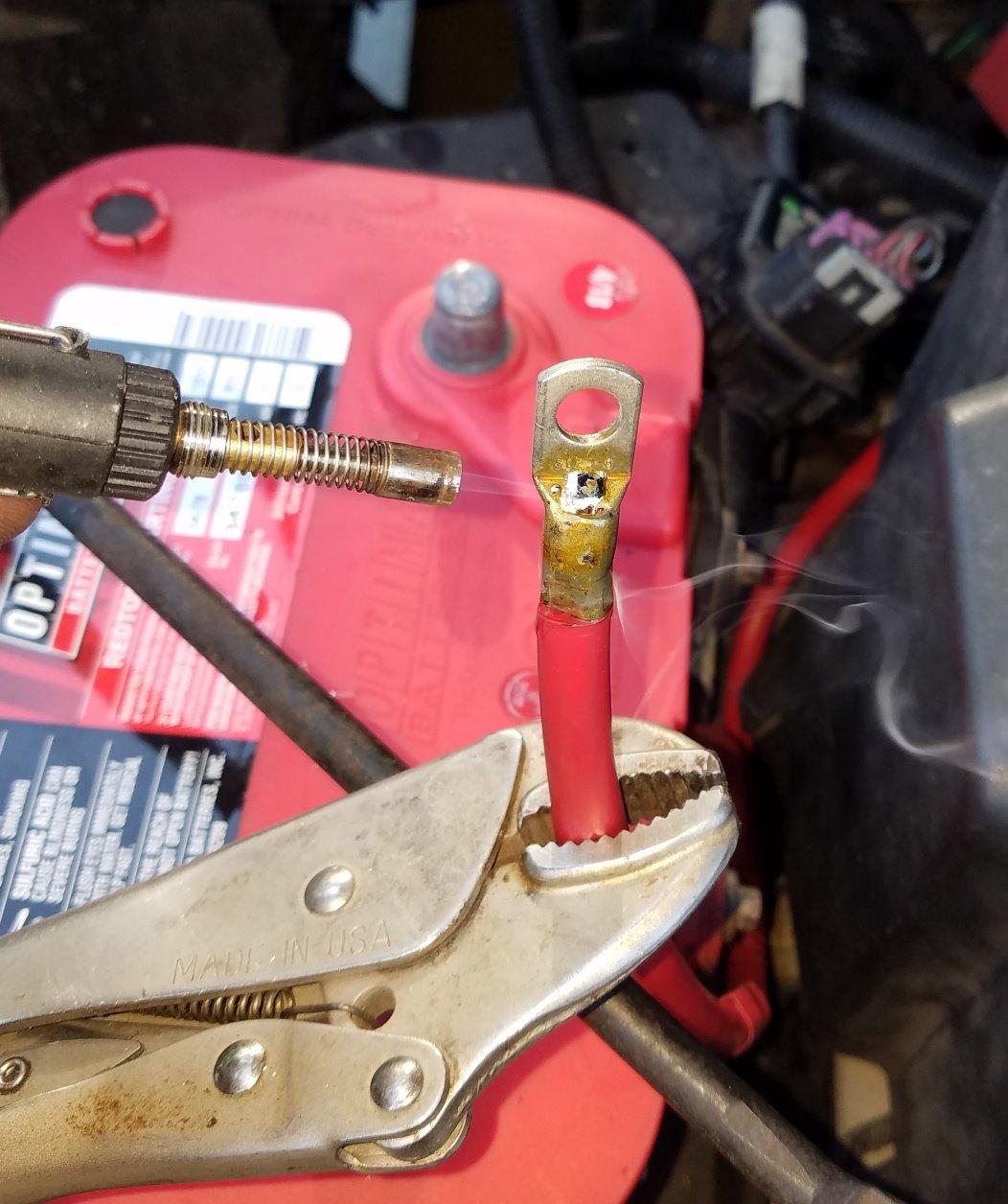
The hardware list is unusually complete for the money. You get the 140A relay, 20 feet of red power cable, a 2-foot black ground cable, brass marine terminals, tinned copper lugs, heat shrink and cable ties. Our test unit sat at 2 by 2.6 by 2.6 inches, which is small enough to tuck beside the factory battery in a Tacoma engine bay or beside a relocated battery under a camper floor.
Owners on several builds report clamping a multimeter across the relay and watching it connect at 13.3V and open at 12.8V, exactly as specified. That is not a glamorous test, but it is the one that tells you whether a VSR is doing its job, and this kit passes it repeatedly in the review record. The solid-state design also drops the voltage penalty you get from an old diode isolator, so your alternator current actually reaches the house bank.
The IP65 rating matters more than it sounds. Mud, dust, water crossings and the constant vibration of a corrugated wash will kill a relay with a loose seal, and this housing is rated for all three. Reviews mention successful installs on trucks, Tacoma overland builds, Kubota side-by-sides and camper vans, which tells you the form factor is flexible enough for a bed-mounted or engine-bay layout.
Who it suits
Anyone on a conventional alternator who wants proven hardware with the deepest field history in the category. It is also the pick if you are running a basic fridge, camp lighting and USB charging and you want the job done once rather than debugged on a remote track.
If you tow a camper or run a compressor on the auxiliary circuit, the included 20 feet of cable gives you routing options, though you will want to upsize the conductor before you commit to heavy loads. Budget a morning, not a weekend.
Where it falls short
The fixed 13.3V threshold is the whole story. On a smart-alternator vehicle, output voltage can sit below that figure under light load, so the relay simply never closes and your house battery quietly stops charging. Owners on r/overlanding describe exactly this failure mode, with no warning light to tell them anything is wrong.
The physical details also need a little work. The cover knockouts do not line up with the cable entry, so installers report drilling the housing. The included lugs are undersized for standard 3/8 inch studs, and several builders swapped them during install. Both are ten-minute fixes with parts from any auto supply store.
2. VEVOR 140A Split Charge Relay Kit – Best Value Complete Wiring Set
VEVOR Split Charge Relay Kit, 12V 140 Amps, Auto Dual Battery Isolator Kit
140A copper contact relay
13.3V cut-in and 12.8V cut-out
6 m cable kit
IP65 plastic housing
Pros
- Highest sales rank in the relocation kit category
- 544 ratings averaging 4.4
- 6 m cable set covers long bed and tray runs
- IP65 waterproof and dustproof housing
- Complete accessory kit with detailed instructions
Cons
- Packaged weight of 1.6 kg for a relay kit
- Plastic housing runs cooler than metal but tolerates less heat
- Fixed thresholds do not optimise charging for lithium
VEVOR sells more of these than anyone in the category, and that is exactly why it lands second. When a relay is the number one ranked item in automotive replacement battery relocation kits, you can usually find someone nearby running the same unit, which makes troubleshooting much easier when you are two hours from pavement.
The kit ships a 6 metre, roughly 20 foot, cable set, matching what the KeyLine package gives you, plus the relay, hardware and instructions. The housing measures 2.66 by 2.11 by 2.66 inches, so it fits anywhere on a bracket without stealing space from an air intake or a winch line.
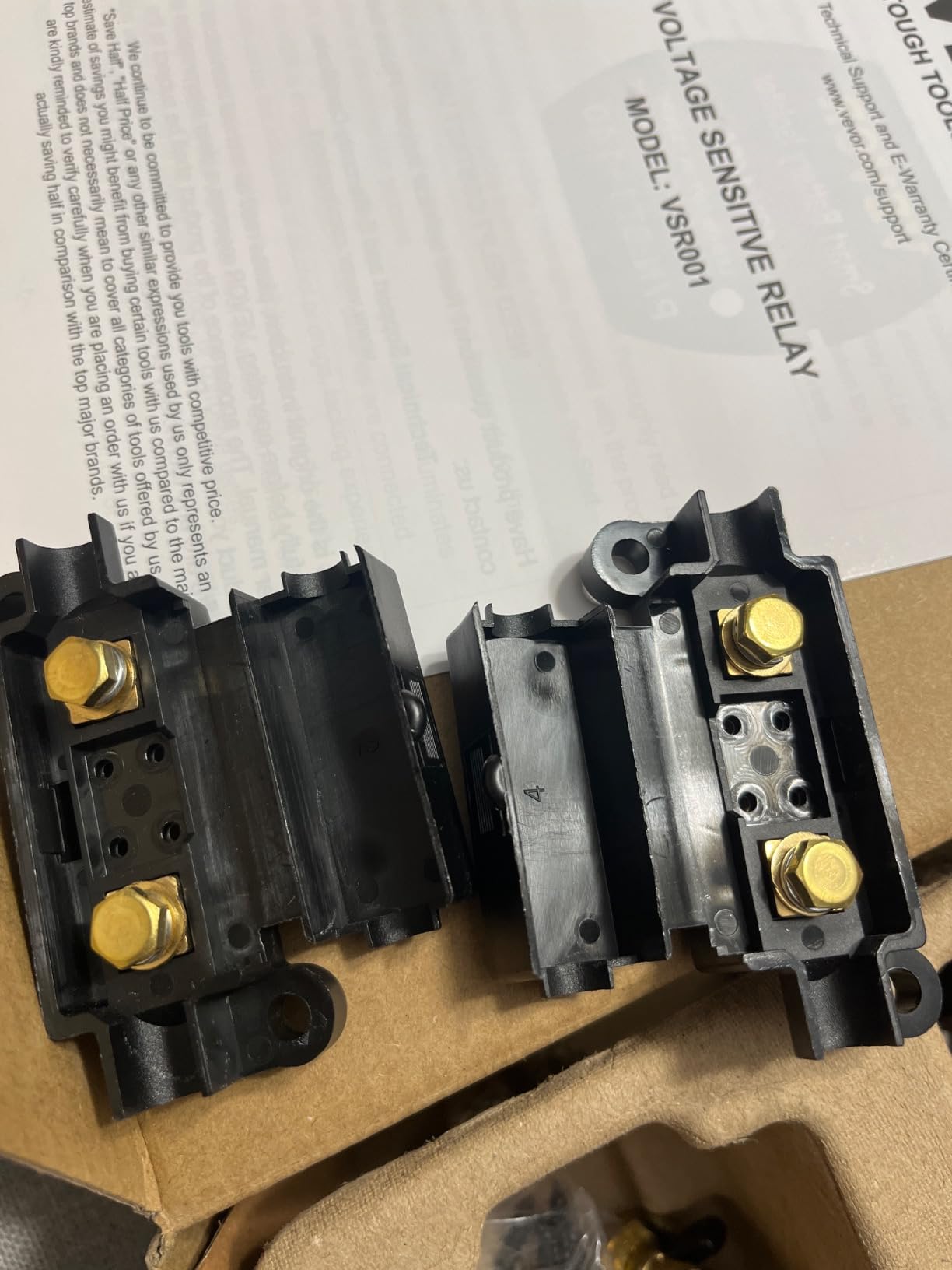
Buyers consistently mention fit and finish more than performance, which tells you what this kit is actually for. There is no voltage display, no manual bridge mode and no chemistry profile. It connects above 13.3V, opens below 12.8V, and does nothing else, which is fine on a straightforward rig and limiting on anything smarter.
One thing worth planning around is the 1.6 kg packaged weight. That is heavy for a relay and it comes from the cable and hardware, not the unit itself. If you are shipping a tray to a remote base camp, that weight lands in your pack budget.
Who it suits
A first dual battery install on a truck, van or side-by-side where you want every fastener and terminal in one box. The 544 ratings also make it the safest choice in this list if you want a settled, low-surprise product rather than a feature experiment.
It is a good match for long cable routes, since 6 metres covers an engine-bay-to-bed run on most pickups without splicing. Pair it with a panel-mounted voltmeter if you want visibility into both banks.
Where it falls short
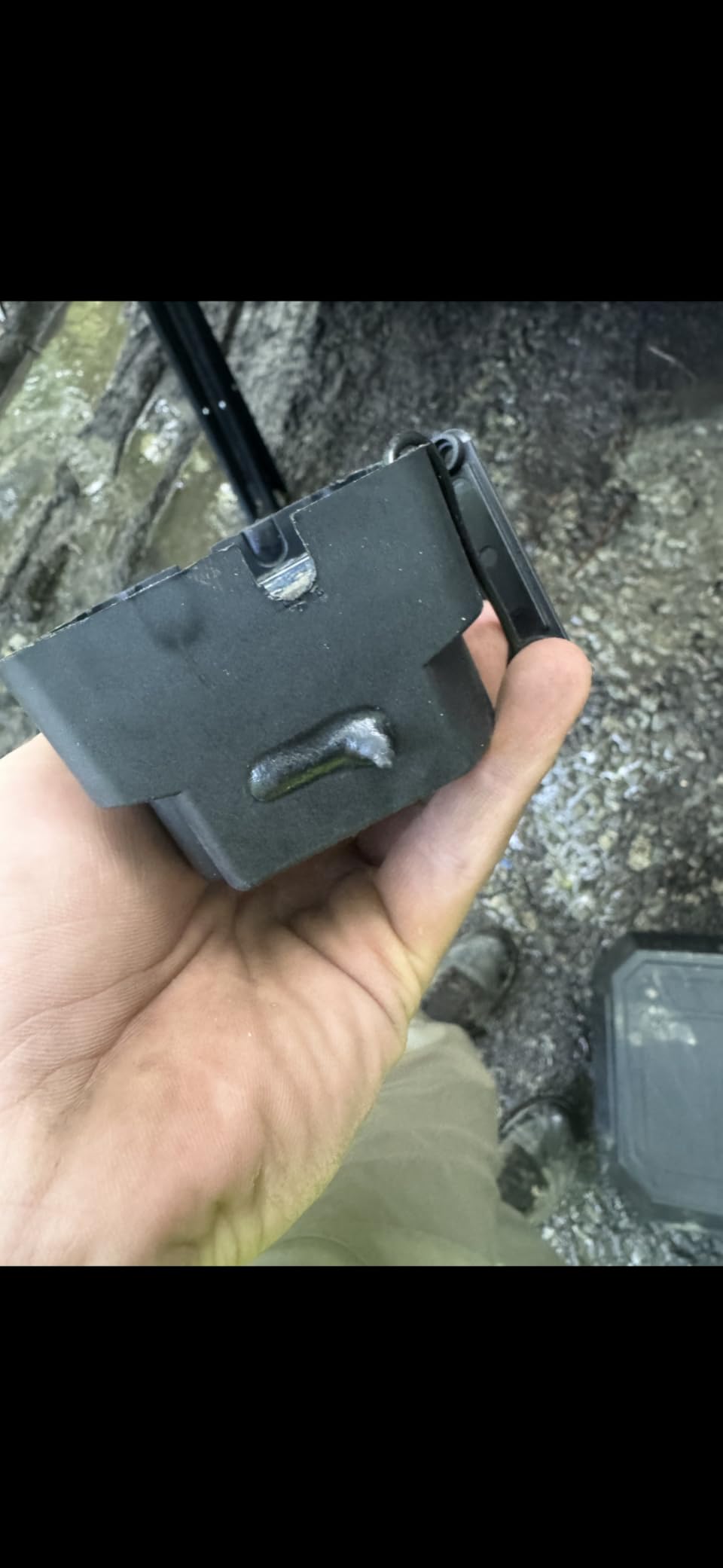
The plastic case is IP65 rated and handles mud and dust well, but it is less forgiving of sustained heat than a metal-cased relay. If your auxiliary bank sits close to an exhaust manifold or a winch solenoid that runs hot in summer, give it clearance.
More importantly, this is a fixed-threshold design with no lithium profile. On a post-2011 smart-alternator vehicle you are back to the same undercharging problem as every other relay here. For lithium house batteries, look at the Redodo later in this list instead.
3. MaySpare 140A VSR Kit – Cheapest Complete Wiring Bundle
MaySpare Dual Battery Isolator Kit 12V 140Amp Voltage Sensitive Relay VSR Double Battery Automatic Charger & Wiring Cable Kit
140A silver contact relay
13.3V cut-in and 12.8V cut-out
Normally open type
Reverse charge capable
Pros
- Lowest complete-kit cost in this roundup
- Includes all wire lugs and terminals for a full install
- Correct wire gauge for typical auxiliary runs
- Reverse charge allows self jump starting
- Owners report years of trouble-free charging
Cons
- May cut out on smart alternators unless headlights are switched on
- One owner reported failure after about two weeks
- Low brand awareness compared with established isolator makers
If you need a working dual battery circuit and you want to spend as little as possible on it, this is the one. The MaySpare kit is a 140A relay with silver contacts, a normally open contact type, and a full set of wire, lugs and terminals in the box.
Several owners describe multi-year service with no drama, on vans, trucks, an F150 4×4 and side-by-side builds with long cable runs. That is a good track record for a kit at this end of the market, and the reverse-charge function is a genuine bonus: in an emergency you can bridge the banks yourself rather than digging out cables.
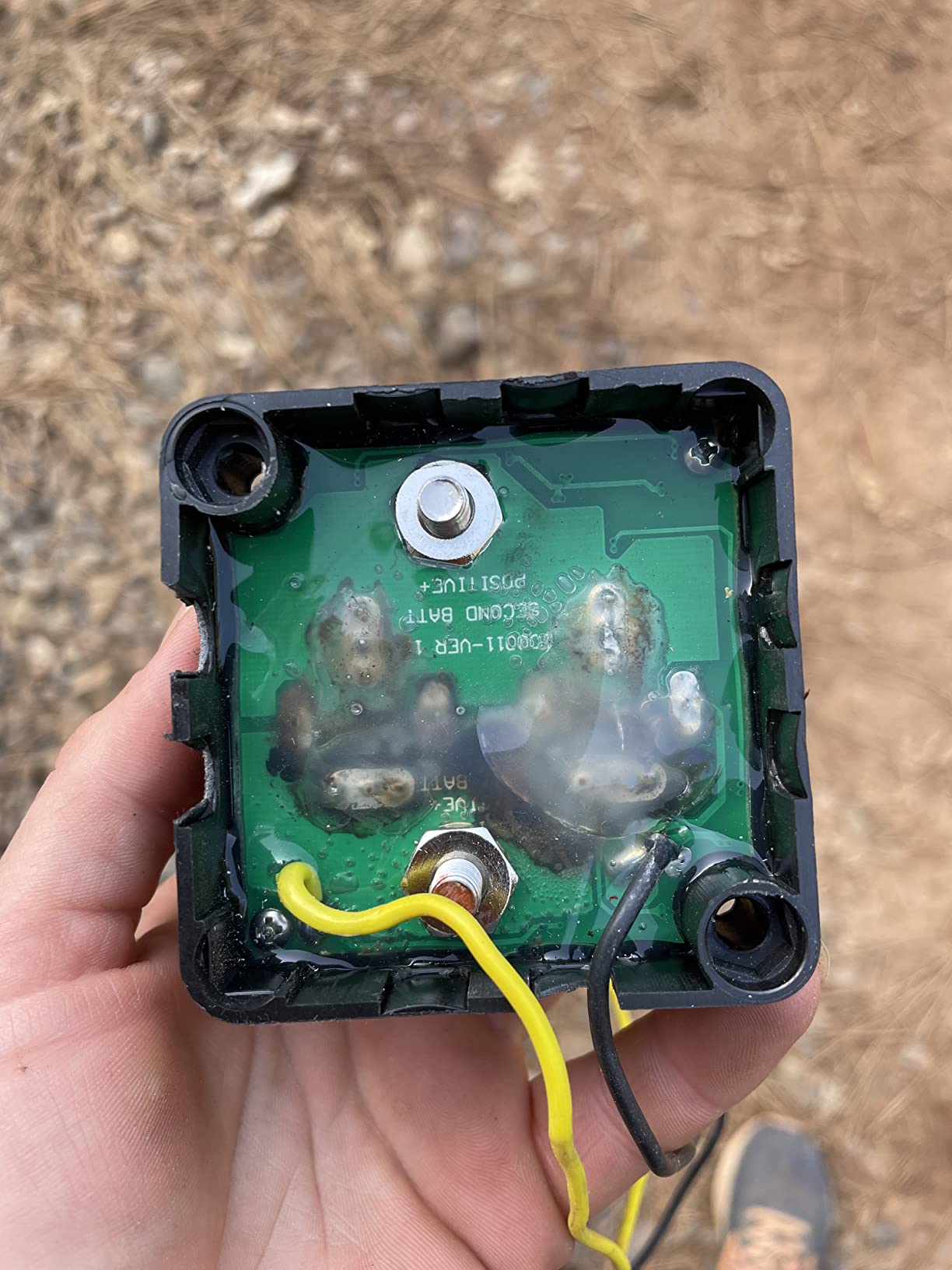
The catch shows up on smart alternators. Owners report the relay cutting out during driving unless headlights are switched on, which is a workaround rather than a fix. Turning lights on dumps an extra alternator load and pushes system voltage above the 13.3V cut-in point, so the relay closes. It works, but it means your charging depends on a light switch, which is not how you want a power system to behave.
One owner also reported a unit failing after roughly two weeks of use. With 371 ratings behind it, that is an outlier rather than a pattern, but it is worth knowing before you bury a relay under a bed mount where a replacement means pulling a panel.
Who it suits
Budget-conscious overlanders with a straightforward rig and a conventional alternator who want a complete wiring kit without shopping for parts separately. It is a strong first dual battery build for someone learning the system.
Reverse-charge capability is the detail that wins overlanders over. Being able to self jump from the house bank in a remote spot removes a failure mode you would otherwise be stuck with.
Where it falls short
The smart alternator behaviour is the main complaint, and it is not a small one. If your rig is roughly 2012 or newer, expect to chase charging issues or find yourself switching on headlights to force the relay closed.
Brand support is thin compared with the established names in this category. If a unit fails, you are not ringing a manufacturer with a technical department, which matters if you are relying on this system for a week-long trip far from a parts counter.
4. Nilight 140A Isolator Kit – Thickest Cable in the Roundup
Nilight 12V 140A Dual Battery Setup Isolator Kit Voltage Sensitive Relay
140A copper contact relay
6AWG cables
IP66/IP67 sealed casing
105 C upper rating
Pros
- 6AWG red and black cables suit winch and inverter circuits
- Marine-style brass terminals and clamps included
- Silicone-sealed casing for wet and dusty environments
- Copper contact material handles current well
- 4.6 stars with 82 percent five-star reviews
Cons
- Not compatible with lithium batteries
- No manual mode or reverse-charge bridging
- Bulkier DIN-rail form factor than compact rivals
- Fixed thresholds only
Almost every relay kit in this roundup ships 7 AWG cable. The Nilight kit ships 6 AWG, and on a build where the auxiliary bank feeds a winch, an inverter or a compressor, that single step up in conductor size is the whole difference between a clean install and warm cable under load.
Voltage drop is the reason. Current that travels through a long, thin cable under a sustained high draw loses voltage the entire way, which means the far end of the run sees less than the battery is delivering. On a fridge circuit that is tolerable. On a winch line it is not.
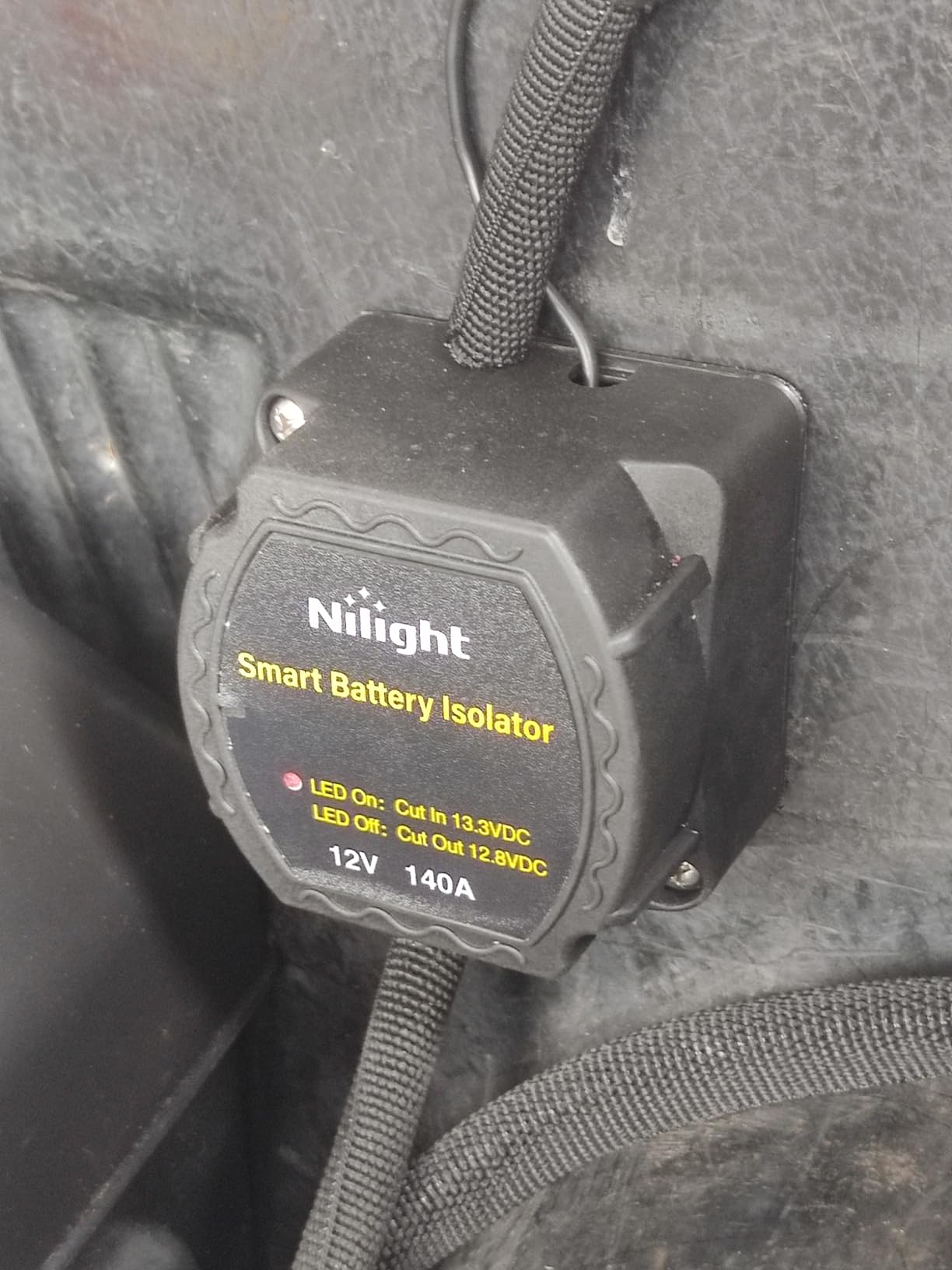
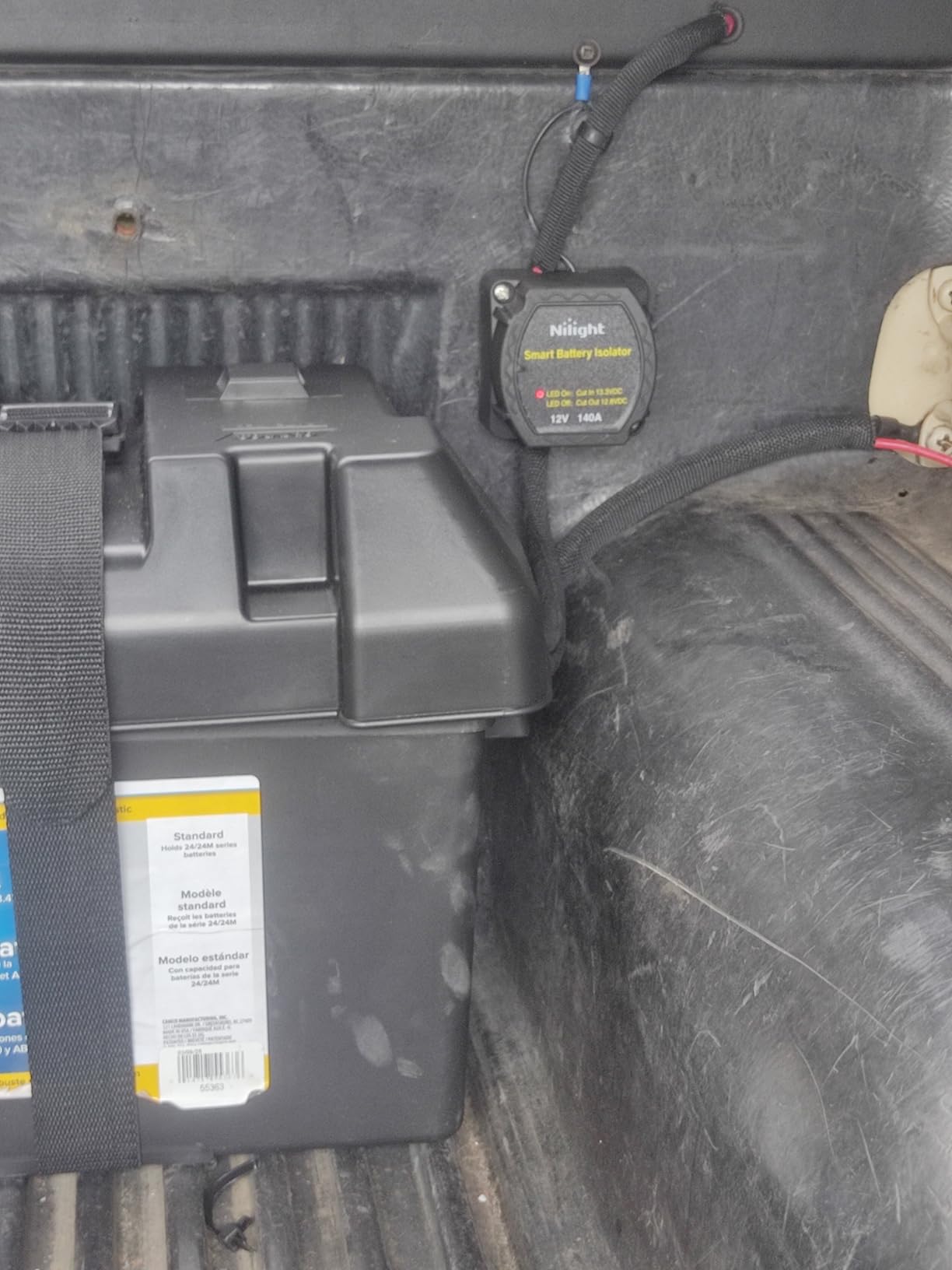
The package is properly built for marine-adjacent abuse. You get the relay, 6AWG red and black cables, marine terminals, a battery clamp, screws, nuts, washers, heat shrink, ring terminals and cable ties. The casing is silicone sealed and rated IP66/IP67, with an upper temperature rating of 105 degrees Celsius, which matters in an engine bay in July.
Ratings are the cleanest distribution in this group at 4.6, with 82 percent five-star reviews. That is worth noting simply because a small review base can hide a wide spread, and this one does not.
Who it suits
Rigs running high-draw accessories off the auxiliary bank: winches, inverters, power tools, air compressors. It is also the natural choice for anyone whose cable run is long enough that conductor size becomes a real design decision rather than an afterthought.
Marine and coastal overlanders will appreciate the sealing and the brass hardware. The 105 degree rating gives you room to mount it in a hot engine bay without worry.
Where it falls short
This kit will not work with lithium. The listing states the limitation directly, and there is no chemistry profile to adjust. If your house battery is a LiFePO4, this is the wrong relay, full stop.
There is also no manual mode, so you cannot bridge the banks for an emergency start. At 10 by 6 by 1.5 inches the unit is bulkier than the ultra-compact relays here, so mounting space is worth checking before you order.
5. Redodo 150A Smart VSR – The Only Kit With Adjustable Lithium Thresholds
Redodo 150A Dual Battery Isolator, 12V 24V Voltage Sensitive Relay VSR
150A smart VSR
Adjustable connect and disconnect voltages
12V and 24V support
2-year warranty
Pros
- Adjustable thresholds for LiFePO4
- AGM
- GEL
- SLA and flooded
- Only kit here that charges lithium correctly
- 150A rating exceeds every 140A competitor
- 12V and 24V dual-voltage support
- Two-year manufacturer warranty
Cons
- Only 17 ratings
- so long-term reliability is unproven
- No cabling or terminals included in this listing
- One 1-star review in a small sample
Every other relay in this roundup is a fixed 13.3V device, and a fixed threshold is why lithium house batteries end up chronically undercharged. The Redodo is the only kit here where you can dial the connect and disconnect voltages to match the chemistry you actually installed.
That matters more than the extra 10 amps of contact rating. A LiFePO4 pack wants a higher charge voltage than a flooded or AGM bank, and a relay that opens too early simply stops passing current while the engine is running. Adjustable thresholds are the fix, and it is built in.
The rest of the feature set is well considered for a smart relay. It runs on both 12V and 24V systems, which widens the builds you can use it in. A built-in LCD alternates between both battery voltages every second, so you can check state of charge without a multimeter. A reverse-charge button links the house bank to the starter for 60 seconds, which gives you a genuine emergency start without cables.
Over-voltage, reverse-current and over-temperature protection cover the failure modes that matter most in a vibration-heavy vehicle build. The 9.12 ounce weight is trivial, and the two-year manufacturer warranty is the longest in this roundup.
Who it suits
Anyone running a LiFePO4 house battery, because no other kit in this list lets you set the profile properly. It also suits builds where you want to run both start and house banks at a voltage you control rather than one chosen for you.
If you are planning to add solar and a battery monitor later, the adjustable thresholds and the LCD readout make this a sensible base. The display takes some of the guesswork out of deciding whether to run the engine for twenty minutes before shutting down.
Where it falls short
Seventeen ratings is not enough to call a product proven. The specification sheet is the strongest part of this product; the field history simply does not exist yet, and we would rather tell you that plainly than imply reliability we cannot see.
Also note what is not in the box. No cables, no terminals, no lugs. You are buying the smart component and sourcing the harness yourself, which puts the total build effort back on you.
6. UCkasayfy 140A VSR Kit – Best Built-In Monitoring
UCkasayfy Dual Battery Isolator Kit 12V 140amp, Voltage Sensitive Relay VSR, Smart Battry Isolator Compatible with UTV Marine car RV Boat Truck Trailer ATV Camper Moto, Not Fit for Lithium Batteries
140A silver alloy relay
Built-in voltage display
IP67 sealed
Automatic cut-off at 11V and 17V
Pros
- Voltage display shows system state without a separate meter
- Automatic under and over-voltage disconnect protects both banks
- Manual mode lets the aux battery reverse charge a dead starter
- Plenty of fittings and extra cable in the box
- Reported easy to connect on trucks and camper vans
Cons
- Explicitly not compatible with lithium batteries
- Fixed 13.3V and 12.8V thresholds cannot be adjusted
- One owner reported failure after a few months with poor warranty support
There is a strong argument for a visible voltage readout in an overland build. Forum regulars recommend a panel-mounted meter next to the driver seat precisely so you can decide whether to run the engine for twenty minutes before killing it for the night. This kit puts that readout inside the relay.
The protection logic is the more interesting part. Besides the standard 13.3V cut-in and 12.8V cut-out, it disconnects the circuit automatically below 11V or above 17V. Those are the numbers that keep a deeply discharged pack from being pushed further down and a spike from cooking your electronics.
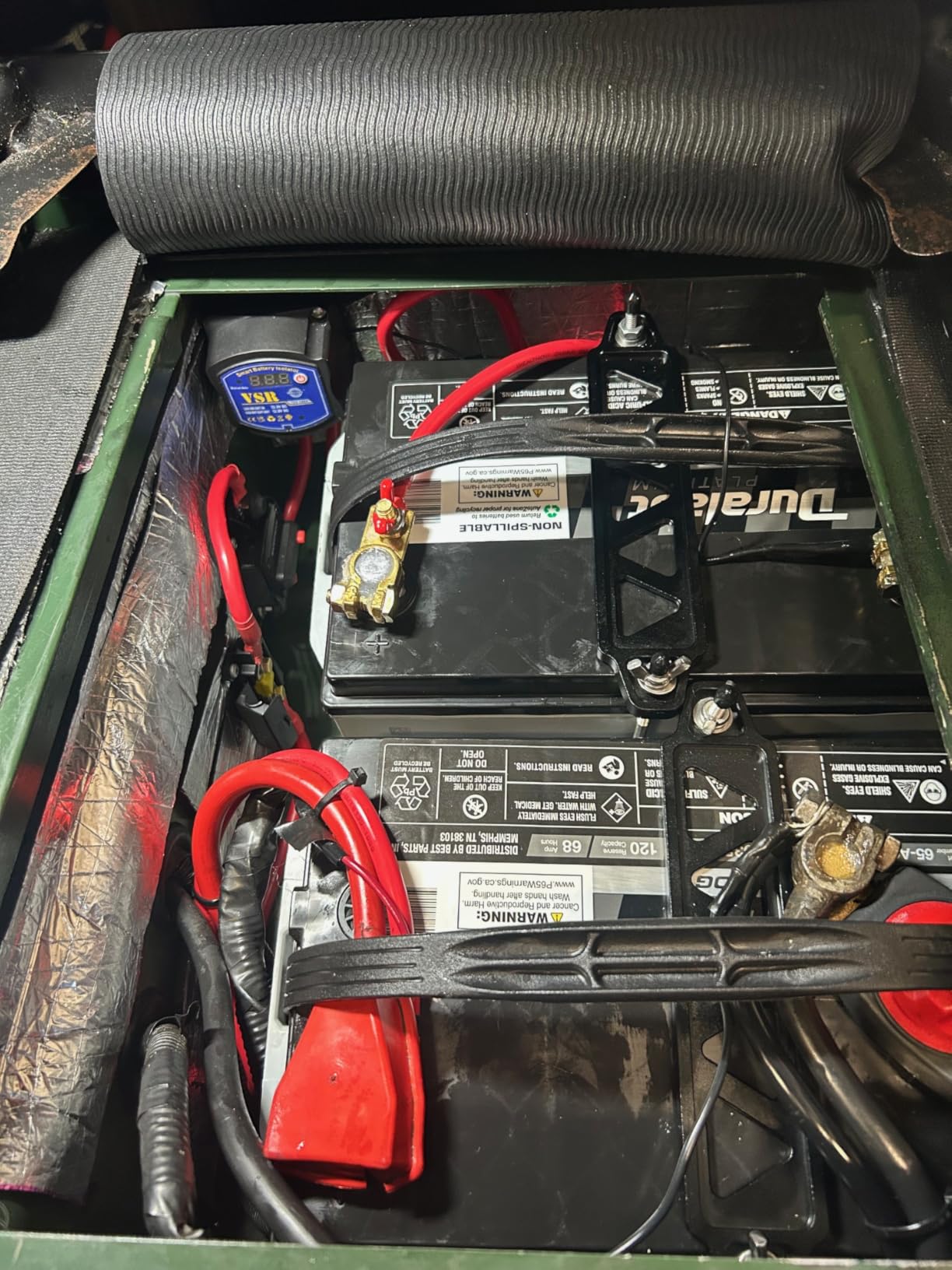
Manual and automatic reverse-charge modes give you a bridging option for emergency starting, and the IP67 rating covers the dust and water you will meet on a trail. Builders report success on light towers, camper vans and trucks, and the accessory bundle includes extra fittings and cable so you rarely need a second order.
Who it suits
Rig builders who want visibility without bolting a separate monitor to the dash, and anyone who needs a reverse-charge bridge function for self-jump starting in remote areas. The under and over-voltage cut-offs add genuine protection for a build that sits unused between trips.
It is also a reasonable choice for light towers, service trucks and camper vans where the system has to protect itself while nobody is watching.
Where it falls short
The listing states plainly that it is not for lithium batteries, and the fixed thresholds cannot be changed. If you are running LiFePO4, cross this one off your list.
One owner reported the unit failing after a few months and draining both batteries, with warranty support described as difficult to obtain. That is a single complaint rather than a pattern across 148 ratings, but it is the kind of report that matters when the failure mode is a dead house battery far from help.
7. Heart Horse 140A Relay Kit – Strongest Sealing in the Budget Tier
Heart Horse 3m Split Charge Relay Kit,12V 140Amp Smart Dual Battery Isolator Kit Manual/Auto Modes VSR-Voltage Sensitive Relay Kit with LED Screen, Voltage Display for Truck,SUV,RV,ATV,UTV,Boat
140A copper contact relay
LED voltage screen
IP68 sealed
Manual and auto modes
Pros
- IP68 sealing handles water dust and vibration
- LED screen shows live system voltage for trail troubleshooting
- Manual and automatic modes give emergency bridging
- Complete accessory bundle with cables terminals and lugs
Cons
- Lowest average rating in this set at 4.1 with 12 percent one-star reviews
- Small manufacturer with limited field history
- Deep sales rank indicates low volume and limited long-term data
The Heart Horse kit is a feature-forward budget relay where the two things that stand out are the LED screen and the IP68 sealing. IP68 is the highest ingress rating in this roundup, which means the housing is rated for full submersion as well as dust and vibration.
That rating is genuinely relevant on a rig that washes mud through the engine bay, crosses fords, or spends its life on corrugated back roads. Vibration is the quieter killer of relays, and a sealed case helps there too.
Manual and automatic modes let you bridge the batteries for an emergency start, and the LED display gives you live system voltage. The accessory bundle covers cables, terminals, copper lugs, heat shrink and ties. This 3 metre cable variant suits shorter runs; a 6 metre version exists in the same line.
Who it suits
Builders working in genuinely wet or muddy conditions who want maximum ingress protection and like seeing voltage without a multimeter. It works across ATVs, UTVs, trucks, RVs, boats and campers.
If you split your time between short weekend trips and one long expedition, the sealing means you can stop thinking about it once it is mounted properly.
Where it falls short
This kit carries the lowest average rating in the roundup at 4.1, with roughly 12 percent of ratings at one star. That is a real signal, and we would not bury it. A meaningful share of buyers had a bad experience.
The manufacturer is small, and the sales rank suggests low volume, which means limited long-term field data. For a trip where a dead auxiliary bank strands you, that is a genuine consideration. Pair it with the battery maintainer picks we linked earlier if you travel long stretches away from the vehicle.
8. KEMIMOTO UTV VSR Kit – Named Fitment for Side-by-Sides
KEMIMOTO Dual Battery Isolator Kit 12V 140Amp UTV ATV SXS Smart VSR Relay
140A copper contact relay
Includes digital dual voltmeter
IP65 sealed
Explicit UTV fitment list
Pros
- Only kit here with named fitment for Polaris Can-Am and Cfmoto models
- Digital dual voltmeter reads both banks in real time
- Marine battery terminals included
- IP65 sealed against mud dust and vibration
- Top tier sales rank in the relocation kit category
Cons
- Does not include a second battery
- Unique mounting positions on some vehicles need extra hardware
- Fixed 13.3V and 12.8V thresholds
- Smaller review base than the category leaders
Most kits in this roundup claim universal fitment, which usually means nobody tested them on anything specific. The KEMIMOTO kit actually names the vehicles: Polaris Ranger, General, Can-Am Maverick, Defender, Pioneer 1000, Talon 1000, Cfmoto, Zforce, Uforce and Kawasaki.
That specificity saves you time. On a side-by-side, battery location is the hard part, and knowing a manufacturer has thought about where the auxiliary battery physically goes is worth more than a generic fitment claim.
The digital dual voltmeter is the standout feature. It reads both battery voltages in real time rather than alternating between them, so you can see at a glance whether your starter bank and house bank are both healthy while the engine is running. Three marine terminals, red and black cables, a green-grey lead, spade connectors and ties complete the bundle.
Who it suits
Side-by-side and UTV owners who want a kit that names their machine rather than one that claims to fit everything. The IP65 housing and 12-month warranty are both solid for a working vehicle.
It also works in truck and RV applications where a fixed-threshold relay is acceptable, provided you are running lead-acid house batteries and a conventional alternator.
Where it falls short
A second battery mounted near the starter battery is required and is not included. That is normal for this category, but on a UTV it means you are also sourcing a tray and a hold-down before you start.
Some vehicles have unique mounting positions that require extra hardware beyond the kit, and the fixed thresholds cannot be adjusted for lithium chemistry. The 60-rating review base is solid but not deep.
9. Rugged Ridge Dual Battery Tray for Jeep Wrangler JK – The Mounting Half
Rugged Ridge Dual Battery Tray for Jeep Wrangler JK | 11214.53 | Fits 2007-2011 Jeep Wrangler JK
Powder-coated alloy steel tray
12 x 10 x 15 inches
2007-2011 JK specific
5-year limited warranty
Pros
- Direct drop-in fit for 2007-2011 Wrangler JK
- Powder-coated alloy steel built for off-road abuse
- Provides a clean mounting point for a relay kit
- Good battery and wiring access after installation
- Five-year limited manufacturer warranty
Cons
- Instructions are poorly laid out with very small images
- EVAP solenoid relocation is not clearly documented
- Fitment is not universal across 2007-2011 on 3.6L Pentastar models
- Tray removal and cutting takes significant time
This is the one product in the roundup that is not an isolator. It is the other half of the problem: a powder-coated alloy steel tray engineered for the 2007-2011 Jeep Wrangler JK, and the reason so many Jeep builders prefer vehicle-specific hardware over a universal build.
Where the second battery physically goes is the question that stalls most builds. A JK tray answers it before you start, and it provides a proper mounting platform for whichever relay kit you choose. JK builders we spoke to consistently prefer a pre-wired, vehicle-specific solution over bolting something generic to a bracket.
Construction is the strong point here. Powder-coated alloy steel at 13 pounds does not flex, and owners praise the fit on stock 3.8L engine configurations, along with how cleanly the battery and wiring can be reached afterwards for maintenance.
Who it suits
Wrangler JK owners who have already chosen their relay and need a mount that fits without guesswork. The five-year limited warranty is the longest mechanical warranty in this roundup.
It is also the right call if you plan to run a group 35 auxiliary bank under a tonneau or a rack, since the tray handles the load and the vibration that comes with it.
Where it falls short
Documentation is the weak point, and it is a meaningful one. Owners report poorly laid out instructions with very small images and a misleading fuse-box tray step, plus an EVAP solenoid relocation that is not clearly documented and whose hardened vacuum hoses fight the new position.
Fitment is also narrower than the model years suggest. Some 3.6L Pentastar models are reported as too wide to clear the tray. Removing the original tray and cutting to fit takes real time, so budget a full day rather than an afternoon. If you are specing the rest of your Wrangler build, our overland drawer system picks cover the storage side.
10. AULESSE 140A Kit with LED Meter – Fastest Install
AULESSE 12V 140A Dual Battery Isolator Kit, 3m VSR with LED Voltmeter
140A silver contact relay
LED voltage display
IP68 sealed
3 m cable length
Pros
- Installs in about 15 minutes for most owners
- LED voltmeter included on the relay
- IP68 sealing ranks among the best in this group
- Complete kit with cables terminals lugs heat shrink and ties
- Reported to keep trucks starting reliably with accessories on the aux circuit
Cons
- 7 AWG cable is thin for long runs or high-draw auxiliaries
- 3 m lead is short for larger trucks and trailers
- Fixed thresholds with no lithium or AGM adjustment
- 4.3 rating reflects mixed feedback
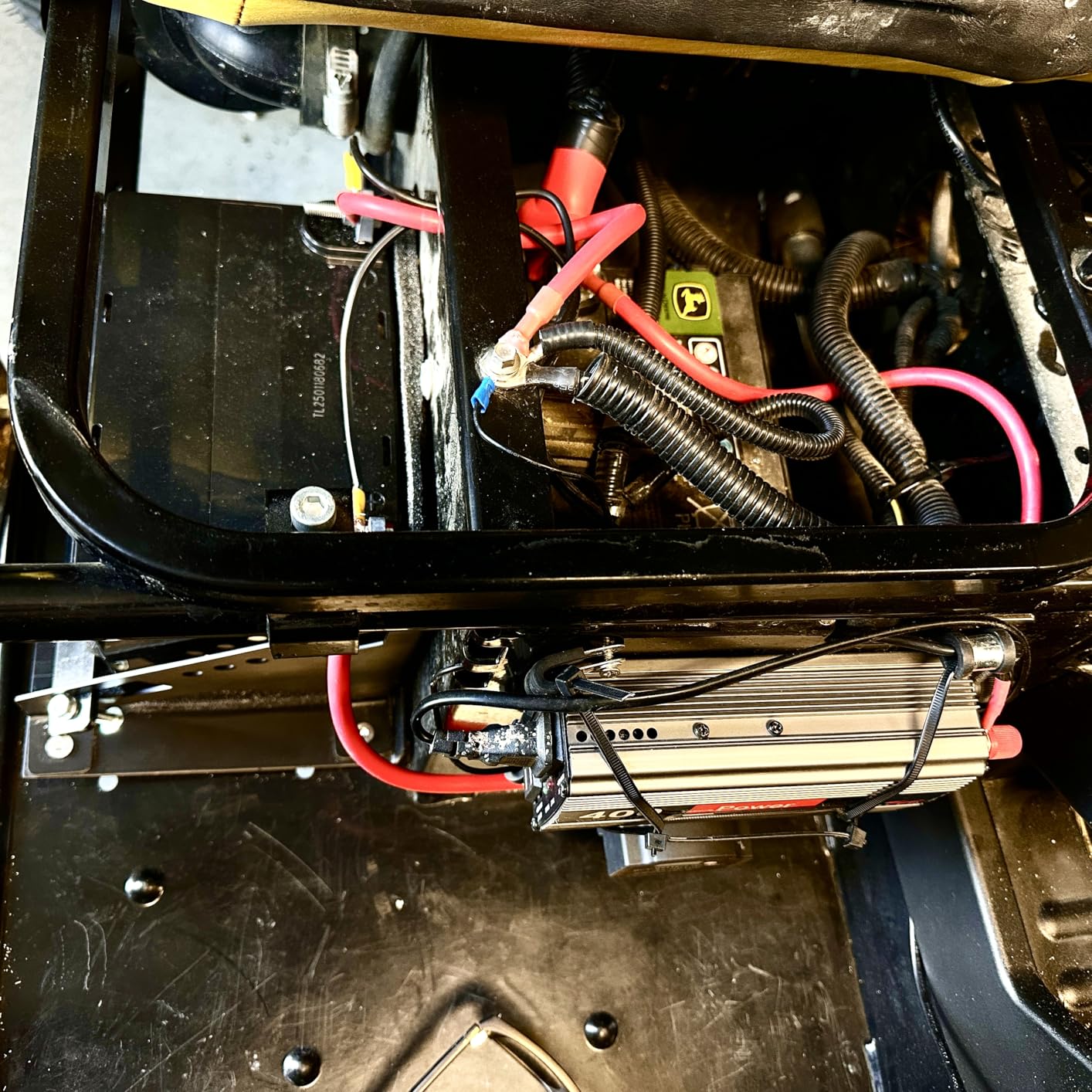
If you want a working circuit in a single session, the AULESSE kit is the fastest to get in. Owners with basic electrical understanding report completing the install in about fifteen minutes, which is as close to plug-and-play as a relay kit gets.
The LED voltmeter sits on the relay itself, giving you live system voltage without a separate panel gauge. IP68 sealing handles water, dust and vibration, and the bundle includes cables, terminals, copper crimp lugs, heat shrink and ties.
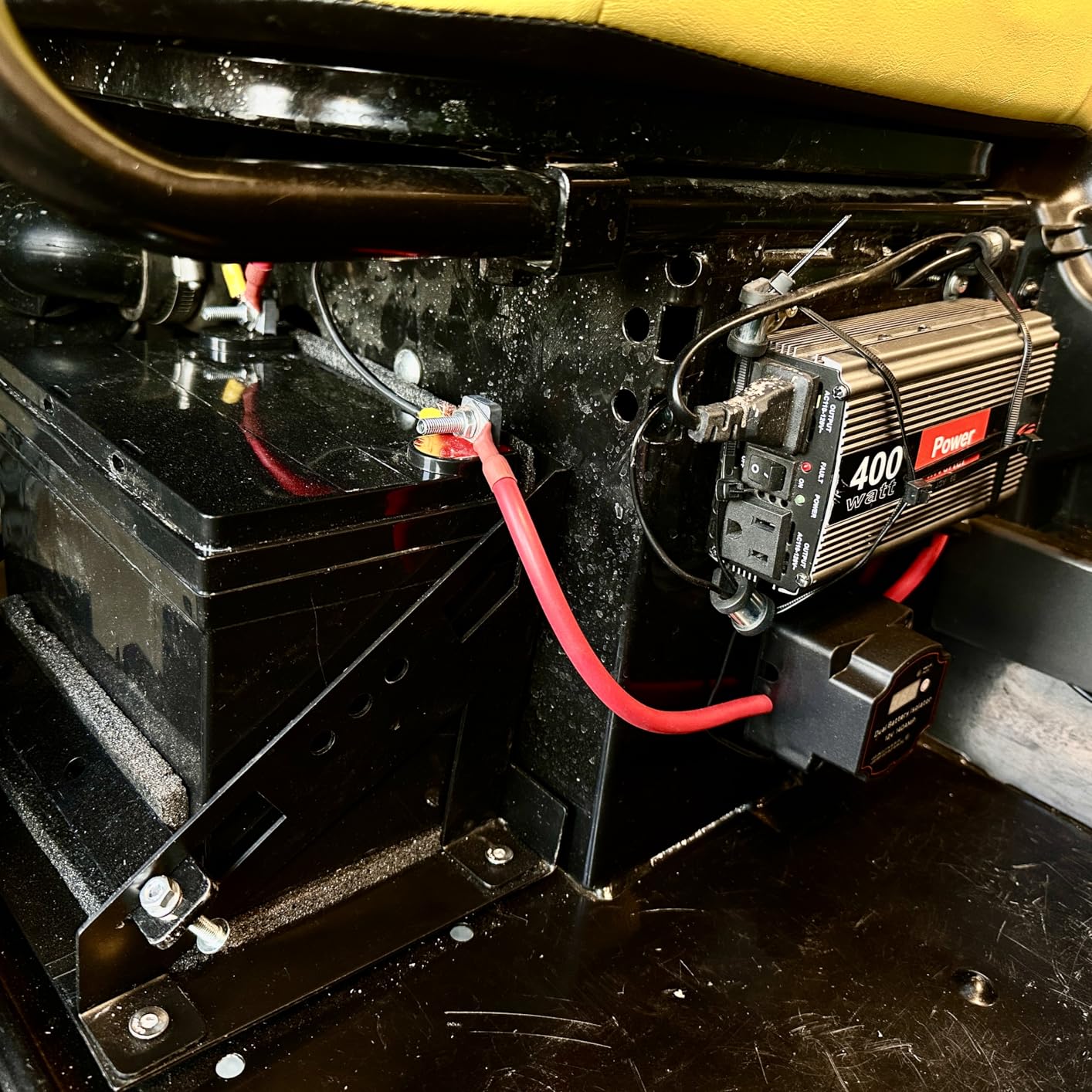
Owners report running two-way radios, CB equipment and inverters on the auxiliary circuit while the truck keeps starting reliably, which is the behaviour you want from a weekend build. The relay itself uses silver contacts rated at 140A in a normally open configuration.
Who it suits
First-time dual battery builders and anyone who wants a functional system in an afternoon. The LED readout is genuinely useful for deciding whether to run the engine before you shut down for the night.
Short cable runs in a compact vehicle are the sweet spot, where the 3 metre lead reaches the auxiliary battery without a splice.
Where it falls short
The 7 AWG cable is the limiting factor, and reviewers call it out consistently. For long runs or high-draw auxiliaries, plan to run thicker conductor and treat the supplied lead as a template rather than a final answer.
The 3 metre length is short for larger trucks and trailers, and the fixed thresholds cannot be adjusted for lithium or AGM charging profiles. At 4.3, the feedback is genuinely mixed rather than outstanding.
11. ISINSWIFT 140A VSR Kit – Onboard Emergency Start Button
12v Automatic Dual Battery Isolator Kit with 140AMP Voltage Sense Relay VSR
140A VSR with LED voltmeter
3-second button manual mode
20 ft red cable
Metal construction
Pros
- Manual and auto modes switch with a 3-second button press
- LED voltmeter shows each battery voltage individually
- Metal construction rated waterproof dustproof and vibration proof
- 20 ft of red cable covers full-length truck installs
- No one-star ratings in the current sample
Cons
- Only 25 ratings so the average is provisional
- No manual trigger wire
- only the button on the unit
- Fixed thresholds with no lithium or AGM adjustment
- Second battery and hold-down sold separately
This kit answers an awkward question: if you need to jump start from the house bank in a remote spot, where is the button? On the ISINSWIFT unit, a three-second press with a blue LED indication switches between manual and automatic modes, so the bridge function sits exactly where the relay is mounted.
In automatic mode it connects above 13.3V and disconnects below 12.8V, with the LED voltmeter and a red status LED showing which state you are in. Tap the button and it displays each battery voltage individually for two seconds, which is faster than swapping a multimeter leads.
Construction is metal rather than the plastic used by several competitors in this price range, and the build is rated waterproof, dustproof and vibration proof. The package includes the relay, 2 feet of black cable, 20 feet of red cable, two positive brass terminals and three copper crimp lugs. That 20 foot red lead is generous for a full-length truck installation.
Who it suits
Rig builders who plan to use the auxiliary bank as a recovery battery rather than just a storage bank. Having manual bridging on a button is faster and less error-prone than routing a manual trigger wire across the vehicle.
It fits ATVs, boats, RVs, trucks, camper vans, marine use and UTVs including Ranger, General, Pioneer, Talon and Can-Am, so it is flexible despite being a plain relay.
Where it falls short
Twenty-five ratings does not make for a statistically meaningful average, so we would read the 4.6 as provisional rather than proven. Nothing in the sample is at one star, which is encouraging but not yet a track record.
There is no remote or trigger wire, only the button on the unit. If the relay is mounted in an awkward spot, you will be reaching into the engine bay. The fixed thresholds rule out lithium profiles, and the second battery plus its hold-down are purchased separately.
12. TRUE UTV Lithium Connect and Monitor Kit – The Only Lithium-Native Option
TRUE® UTV-SBI-LCM UTV Lithium Dual Battery Connect & Monitor Kit
Lithium and lead acid compatible
Connect and monitor function
Waterproof
1 lb
Pros
- Only product in the set designed to work with lithium batteries
- Highest average rating of any kit analyzed at 4.8 stars
- Purpose-built connect and monitor function for UTV builds
- Waterproof and installs in minutes with minimal tools
- Also works with conventional lead acid batteries
Cons
- Smallest review base here at 19 ratings
- UTV-specific rather than a general truck or RV kit
- Highest cost option with the least independent review coverage
Ten of the twelve kits in this roundup are explicitly not for lithium, and one is quietly lithium-capable. This is that one. The TRUE UTV-SBI-LCM works with all lithium chemistries, and it also handles conventional lead acid if you are not ready to change chemistry yet.
That dual compatibility is unusual and useful. It means a build can move to LiFePO4 later without replacing the charging hardware, which solves the problem forum builders hit when a lithium pack outlives the relay that came with it.
The kit is a connect and monitor package rather than a full wiring harness. It weighs one pound, is waterproof, and installs in minutes with minimal tools. Every rating it has is four stars or better, and the 4.8 average is the highest in this roundup.
Who it suits
UTV and side-by-side builders running lithium packs who cannot find a relay that speaks the chemistry. Anyone who wants connect and monitoring functionality rather than a bare relay also fits this description.
If you are planning solar down the line, having the charging hardware already lithium-capable removes a costly rewire later. The lightweight package is also easy to carry as a spare.
Where it falls short
Nineteen ratings is the thinnest evidence base in the roundup. A 4.8 from nineteen reviews tells you very little about failure rates over five years of hard use, and we would not treat it as proven reliability.
It is also UTV-specific rather than a general truck or RV kit, and it carries the least independent review coverage of anything here. For a full-size overland truck build, you will need to source the wiring and mounting separately, and if you want more of the camp power chain covered our dual fuel generator guide picks up from the other end.
How to Choose a Dual Battery Kit: 5 Steps
Work through these in order and the right kit becomes obvious. Most buyers in this category pick the product first and figure out the vehicle second, which is exactly why they end up with a relay that never closes.
Check your alternator before anything else. If your vehicle is roughly 2012 or newer it very likely has a smart or variable-output alternator that drops charging voltage under light load. That single fact decides whether an entry-level VSR will work at all.
Pick your house battery chemistry first. Decide between flooded, AGM and LiFePO4 before you buy charging hardware. Ten of the twelve kits in this roundup cannot charge lithium correctly, so chemistry constrains your shortlist.
Match the cable to the load, not the box. Most kits ship 7 AWG. If you are running a winch, an inverter or a compressor, or if the run from the engine bay to a bed-mounted bank is long, step up to 6 AWG or heavier.
Decide whether you need visibility. A built-in voltmeter or a separate panel gauge lets you decide whether to run the engine for twenty minutes before shutting down. For boondocking that is worth more than any extra relay feature.
Confirm the physical fitment. Where does the second battery actually go, and does the kit name your vehicle? Vehicle-specific hardware such as the Wrangler JK tray answers that question before you cut anything.
Two supporting considerations sit outside that list. Warranty length tells you how confident a manufacturer is in the part, and it ranges from 12 months to five years across these products. Support quality matters even more: a relay you cannot replace on a remote route is a different proposition from one you can swap in an hour.
Battery Chemistry Explained: AGM vs LiFePO4 vs Flooded
Match the chemistry to how often you actually overland. A weekend camper four times a year and a full-time resident driving desert crossings should not buy the same battery, and the reason is cycle life.
Flooded lead acid is the cheapest option and the one you have to think about most. It needs venting, it needs to stay upright, it loses water in high heat, and it should not live inside a sealed passenger compartment because of off-gassing. It remains a reasonable choice for a dedicated cargo-area trailer battery.
AGM is sealed, maintenance free, tolerant of vibration and safe in an enclosed cabin. It is the default answer for most overlanders and the chemistry the majority of kits in this roundup are built around. Its weakness is weight and cycle life compared with lithium: you get roughly a few hundred deep cycles before capacity falls off, and that ceiling arrives sooner if you regularly discharge deeply.
LiFePO4 is the lightest option, holds capacity over thousands of cycles and tolerates being stored partially charged without damage. Its trade-offs are charging behaviour, cold weather performance and cost per amp hour. A lithium pack needs a higher charge voltage than lead acid, which is why adjustable-threshold hardware matters. Below freezing, charging a lithium pack can cause plating unless the battery has a self-heating BMS or you simply do not charge it in the cold.
On the “holy grail” question, LiFePO4 is currently the best-supported chemistry for deep cycling capacity per kilogram. It is not a universal win, which is why we flagged the Redodo and TRUE kits rather than declaring a single chemistry correct.
Isolator vs DC-DC Charger: Which One Your Build Needs
You need a DC-DC battery-to-battery charger if your vehicle has a smart alternator. Everything else can usually run on an isolator or voltage sensing relay, and a DC-DC charger is the more expensive but more capable option in every case.
Here is why. A conventional alternator pushes roughly 14.4 volts when the engine is running, which is comfortably above the 13.3V cut-in point of every VSR in this roundup. The relay closes and your house battery charges. Many owners running a conventional alternator report that a 100Ah lithium house battery charges very effectively with nothing more than an isolator.
A smart alternator does something different. It reduces output when the vehicle’s own battery is full, and under light load it can sit below 13.3V. The relay never closes, so the house battery stops charging while you drive, with no warning light. This is the single most repeated complaint in the forum data. One widely reported case is a 2017 Tacoma owner whose VSR was barely charging until they swapped to a battery-to-battery charger.
A DC-DC charger solves it because it takes the fluctuating alternator output, regulates it and pushes a proper charge voltage into the house bank regardless of what the alternator is doing. It also gives you a chemistry profile, which is what lithium needs.
Blue Sea automatic charging relays and REDARC-class battery-to-battery chargers are the common alternatives in this space, and neither appeared in the listing set we analysed. That is worth stating plainly: this roundup covers isolators, relays and trays, and if your build needs a true DC-DC charger you will be shopping in a different category. Our picks here suit the majority of overland builds running conventional or lightly loaded alternators.
Watch for one specific mismatch. Pairing a lithium pack with a VSR that has no lithium profile causes chronic undercharging, which is exactly how lithium batteries get a reputation for dying early.
How to Calculate the Amp Hours You Need
Work out your daily amp draw, multiply by the number of days away from a charge point, then apply a reserve margin. Overlanders running 45 litre fridges consistently report 100Ah AGM as the practical minimum, with alternator plus 200W solar comfortably covering a weekend.
List your loads and their draw in amps. A 45 litre fridge-freezer typically averages 35 to 50 amps in a hot desert. Camp lighting might be 3 amps. A CPAP machine with a humidifier draws around 5 amps. Phone and laptop charging is another 2 to 5 amps.
Add them together for your running total. A realistic weekend load of fridge, lighting and device charging lands around 50 amps. Add air tools or a compressor for a work rig and the number changes quickly.
Multiply by hours per day, then by days. 50 amps for 24 hours is 1200Ah in one day. Over three days you need 3600Ah.
Apply a solar and alternator recovery figure. Running the engine for an hour with a smart-alternator DC-DC charger typically adds meaningful capacity, and a 200W panel in full sun produces a meaningful daily recovery. Overlanders commonly budget a weekend on 100Ah plus 200W solar.
Add 30 to 50 percent reserve for cold weather and age. Cold reduces usable capacity and lead acid degrades with every deep discharge, so a build sized exactly to the number will disappoint you in December.
The practical takeaway from overlanders: 100Ah AGM as a floor, 200Ah or a lithium pack of equivalent usable capacity for a week off-grid, and solar as the thing that makes the maths survivable. If you want the shore-power side covered, our battery maintainer guide handles the parking-lot weeks.
Installation Basics and What Most Kits Do Not Include
A dual battery install is a one-day job for an experienced builder on a straightforward truck. Budget a weekend the first time, and allow extra time if you are mounting the house battery under a bed or behind a trim panel.
Nothing in this roundup includes the house battery. Two of the twelve also do not include cabling, and several ship undersized lugs. Assume you are buying a battery, a proper fuse and the correct cable gauge separately.
Three rules cover most of the risk. First, disconnect the negative starter terminal before you touch anything, and keep the SRS backup power connector clear of the battery area, which is a fire risk flagged repeatedly in the forums. Second, fuse the cable within about eight inches of the battery terminal. Use a MIDI fuse, not a breaker, and use an ANL fuse sized for your cable.
Third, size your cable for the run. Voltage drop over a long engine-bay-to-bed cable under sustained draw is what makes cables run warm and makes your fridge voltage sag. Step up the gauge rather than trimming the route, and this is where the Nilight kit with 6AWG earns its place on high-draw builds.
Finally, mount the relay somewhere protected from water, dust and heat, and secure the battery with a proper hold-down. Vibration kills relays, and an unsecured auxiliary battery is a serious hazard in a rollover.
Frequently Asked Questions
Is a dual battery setup worth it?
For any overlander running a 12V fridge, camp lighting, USB charging, power tools or a winch off-grid, yes. A dual battery system protects your ability to start the engine after days away from a charge point with the fridge still running, because the house bank absorbs every accessory draw overnight and the start battery stays untouched. If you only ever drive and camp within reach of mains power, the value drops considerably.
What type of battery is best for overlanding?
AGM is the safest default: sealed, maintenance free, vibration tolerant and safe inside a cabin. LiFePO4 wins on weight and cycle life, typically thousands of cycles, but needs a higher charge voltage and careful handling below freezing. Flooded lead acid is cheapest but needs venting and upright mounting, so it suits a trailer or cargo-area battery rather than a sealed passenger compartment.
What size battery do I need for a dual battery setup?
Add up your loads in amps, multiply by hours per day, then multiply by days away from a charge point, then add 30 to 50 percent reserve. A 45 litre fridge averaging 35 to 50 amps with lighting and device charging means about 50 amps of running draw. Overlanders report 100Ah AGM as the practical minimum for a weekend, with 200W solar covering recovery.
Will a dual battery setup charge properly with a newer smart alternator?
Usually not with a basic voltage sensing relay. Smart alternators reduce output under light load and can sit below the 13.3V cut-in point that every fixed-threshold relay in this roundup relies on, so the house battery stops charging with no warning light. The fix is a battery-to-battery DC-DC charger, which regulates alternator output into a proper charge voltage regardless of engine load.
Can I use my existing starting battery as the house battery?
You can, but it is the setup people regret most. The start battery is built for cranking amps, not deep cycling, and running a fridge off it over a weekend will leave you unable to start the vehicle. It also has the highest self-discharge of any pack in your system while it sits unused. A separate house bank is the entire point of the system.
Do I need a dual battery setup if I just run USB chargers and a few lights?
In many cases no. Lights and USB charging draw so little that a single healthy AGM battery with a good isolator often absorbs it easily over a weekend. Add a 12V fridge, a compressor, power tools, a winch or a CPAP machine and the calculus changes quickly, because that is when overnight draws start flattening a battery that also has to start the engine.
Is a dual battery install a one-day job?
For an experienced builder on a straightforward truck with the house battery in the engine bay or under a bed, yes. First-time installs, and builds needing trim removal or firewall routing, are better treated as a weekend. Mounting hardware, drilling, cable routing and correct fusing all add time that product listings rarely mention.
Final Verdict on the Best Dual Battery Kits
After working through twelve options, the best dual battery kits for overland vehicles come down to evidence and electrical reality. The KeyLine Chargers 140A VSR kit takes our Editor’s Choice because 1136 ratings and owner multimeter tests make it the most proven relay in the category by a wide margin. For the best value, the VEVOR split charge relay kit gives you the same 13.3V behaviour, the same 6 metre cable run and the highest sales rank in the class. The MaySpare kit is the cheapest complete wiring bundle if you are building on a budget.
Two picks stand outside the main ranking. If you are running a LiFePO4 house battery, buy the Redodo 150A smart VSR, because it is the only kit here with adjustable charge thresholds for lithium. If you are on a 2007-2011 Wrangler JK, the Rugged Ridge tray answers the question no relay can: where the second battery physically goes.
Before you order anything, check your alternator. If your vehicle is roughly 2012 or newer, a fixed-threshold VSR may never close under load, and you need a battery-to-battery DC-DC charger instead. That one check will save you more time than any amount of research. For accessible transport conversions in the meantime, our wheelchair lift reviews cover the other end of vehicle build planning.