
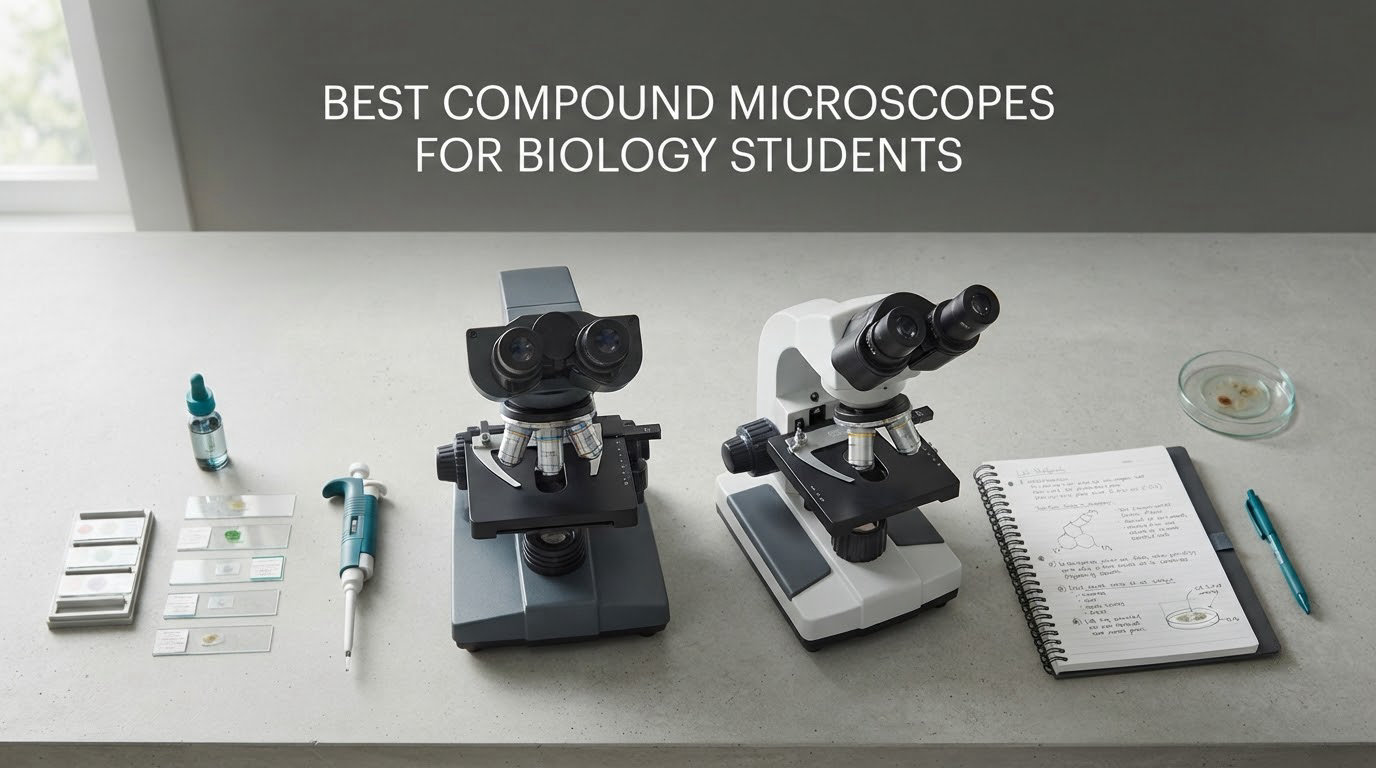
A compound microscope is a light microscope that uses two lens systems in series: an objective lens near the slide and an eyepiece you look through. It magnifies thin, stained specimens mounted on glass, usually from 40x to 1000x total.
That makes it the default instrument for biology classrooms, and it is the microscope we recommend to almost every student reading this page. Across the ten scopes below, the BEBANG 2000X is the best overall pick for a first biology microscope, the AmScope M162C kit is the safest choice for a high school student who needs slides and a lab book in the box, and the SWIFT SW350B delivers the best optics quality per pound spent.
One fact decides almost every other question in this category, and almost nobody states it plainly: total magnification equals eyepiece power multiplied by objective power. A 10x eyepiece on a 40x objective gives 400x. That means a headline figure of 2000x or 5000x is usually a 10x eyepiece multiplied by an auxiliary 2x lens, not extra resolving power.
Before the list, one warning about category drift. Many roundups published under “best microscopes for students” are not compound microscopes at all. A stereo or dissecting scope looks at whole objects with a single light path, and a USB handheld digital scope is a camera with a lens cap. Neither will mount a slide. If you want those, we have separate guides for stereo microscopes and USB microscopes. For slide-based coursework, a compound scope is the only correct answer.
We compared the ten scopes below on the specifications that actually determine whether you can resolve a cell: objective type, condenser, stage, illumination, head and build. This guide was last checked in 2026, and every pick is a genuine compound microscope.
Table of Contents
Top 3 Best Compound Microscopes for Biology Students in 2026
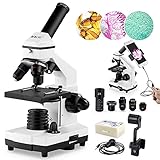
BEBANG 2000X Compound Microscope
- Achromatic 4x/10x/40x objectives
- Dual top and bottom LED illumination
- Coarse and fine focus on a metal frame
- 15 prepared slides included

AmScope M162C 1000X Microscope Kit
- Optical glass monocular optics
- 40X-1000X in five settings
- Top and bottom LED illumination
- Lab book and slide-making tools included

SWIFT SW350B Compound Lab Microscope
- Four DIN achromatic objectives
- Adjustable Abbe condenser
- Double-layer mechanical stage
- Swiveling Siedentopf binocular head
Best Compound Microscopes at a Glance (October 2026)
All ten picks, with the specifications that separate them. Total magnification, head type, stage and illumination tell you more than any headline number.
| Product | Specifications | Action |
|---|---|---|
| BEBANG 2000X Compound Microscope |
|
Check Latest Price |
 OMAX M82ES Binocular Compound Microscope OMAX M82ES Binocular Compound Microscope |
|
Check Latest Price |
| AmScope M162C 1000X Microscope Kit |
|
Check Latest Price |
 PalliPartners Compound Microscope PalliPartners Compound Microscope |
|
Check Latest Price |
 AmScope B120C-E1 Binocular Compound Microscope AmScope B120C-E1 Binocular Compound Microscope |
|
Check Latest Price |
 AmScope M102C 1000X Compound Microscope AmScope M102C 1000X Compound Microscope |
|
Check Latest Price |
| SWIFT SW350B Compound Lab Microscope |
|
Check Latest Price |
 Herwicm 40X-2500X Binocular Microscope Herwicm 40X-2500X Binocular Microscope |
|
Check Latest Price |
 JECONE 40X-2500X Compound Microscope JECONE 40X-2500X Compound Microscope |
|
Check Latest Price |
 Woehrsh Trinocular Compound Microscope Woehrsh Trinocular Compound Microscope |
|
Check Latest Price |
1. BEBANG 2000X Compound Microscope: Best Overall for Biology Students
2000X Compound Microscope for Kids Adults: Microscope for Biology Education
Achromatic 4x/10x/40x objectives
WF25X eyepiece
Dual top and bottom LED
Metal frame
Pros
- Achromatic objective lenses on a solid metal frame
- Coarse and fine focus knobs rather than coarse only
- Top and bottom LED with a 0.65 NA condenser
- 15 prepared slides and a phone adapter in the box
- Compact enough to move between rooms in its carrying bag
Cons
- Monocular head
- so one eye works and long sessions tire you
- Consumer-grade optics rather than calibrated laboratory glass
The BEBANG is the scope we hand to a student who has never looked through a microscope before. It has the three things a beginner needs and almost nothing they do not, and it is the most heavily reviewed compound microscope in this roundup with 2909 ratings averaging 4.3 stars.
Optically it is more serious than its price band suggests. The objective set is achromatic 4x, 10x and 40x on a solid metal frame with coaxial coarse and fine focus, and the illumination is dual LED with a 0.65 numerical aperture condenser and a disc diaphragm. That condenser matters more than the 2000x claim, because it gathers enough light to keep an unstained wet mount visible.
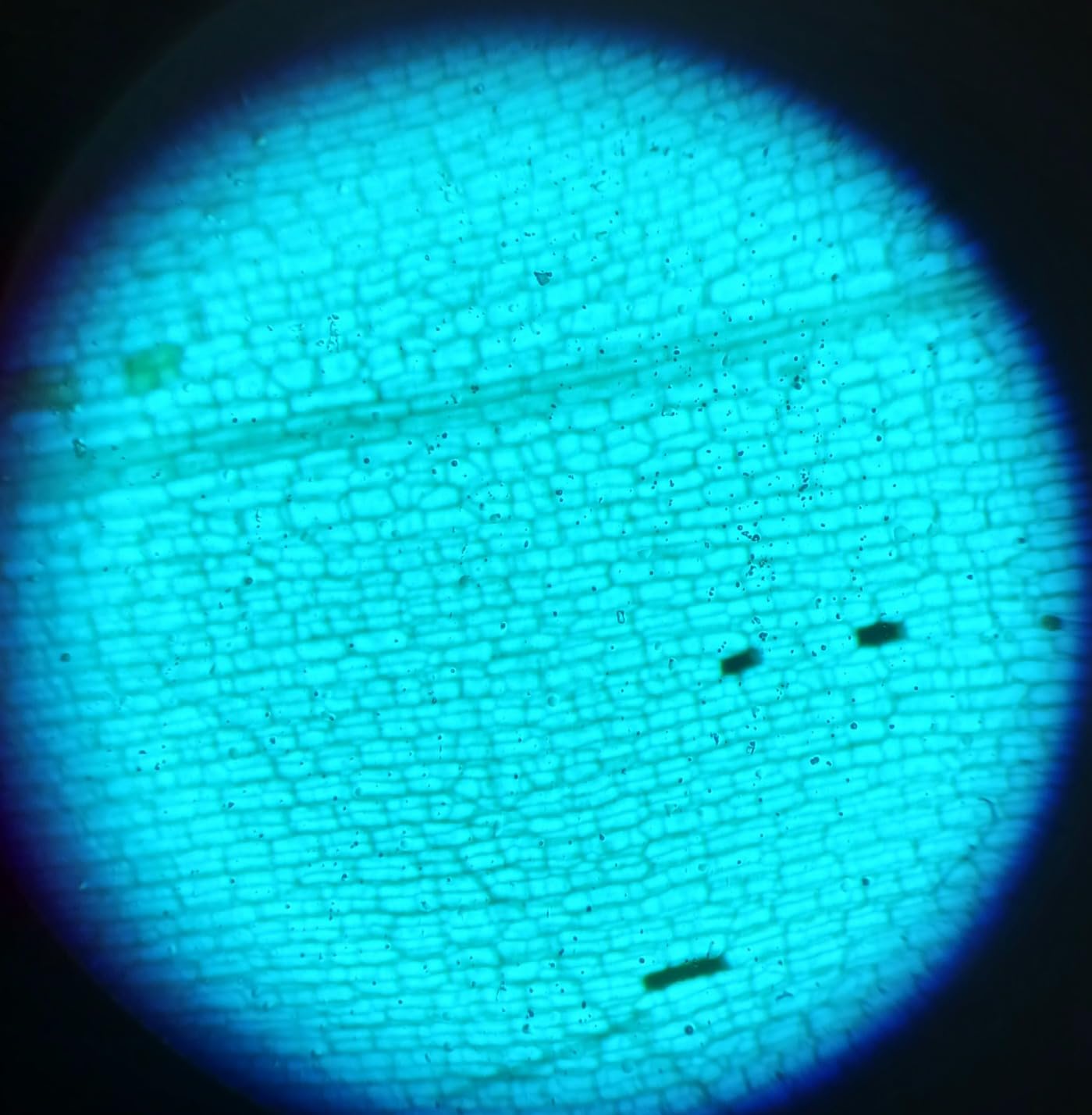
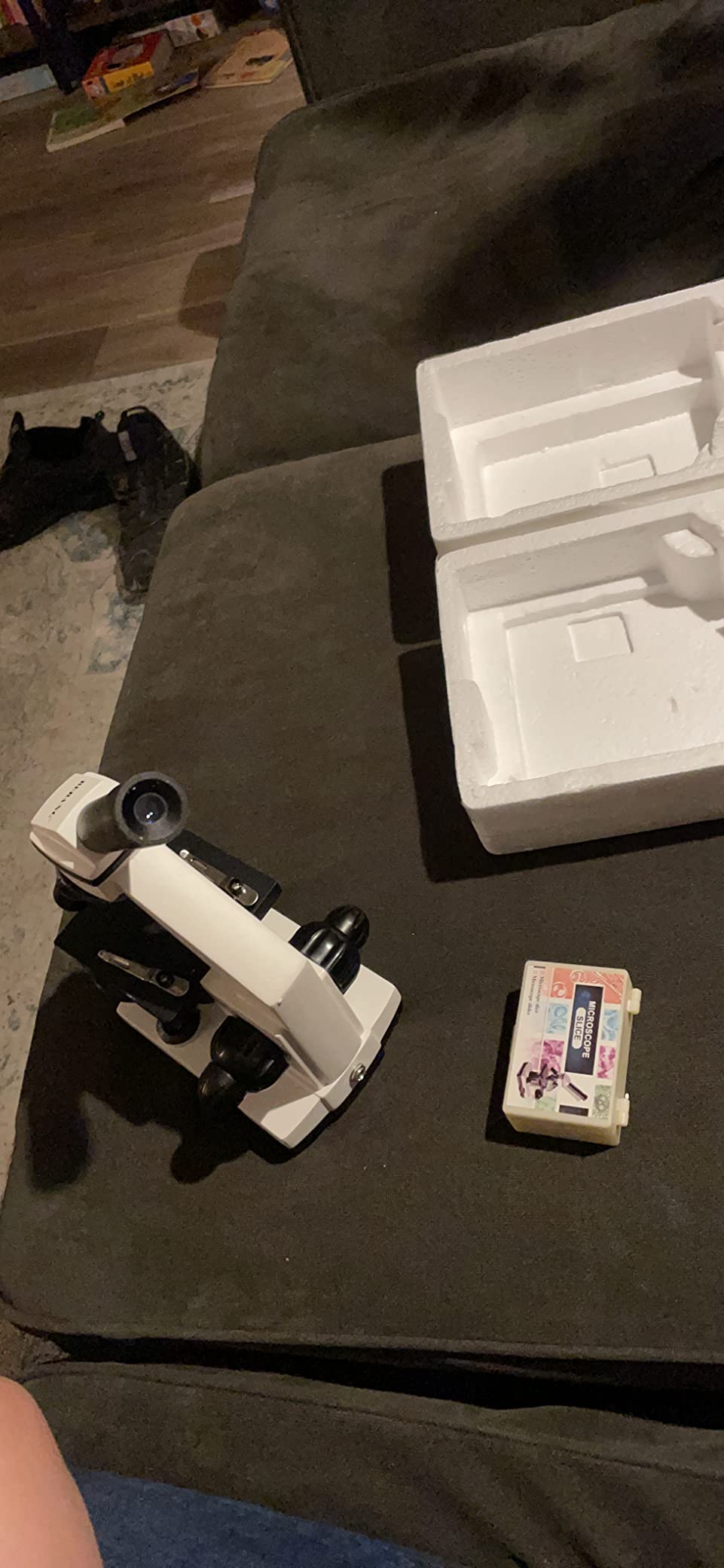
Owners consistently mention the accessory bundle as the deciding factor. Fifteen prepared slides, a phone adapter, a wire shutter, a ten-piece tool set and a carrying bag arrive in the box, so you can look at something on the afternoon you open it rather than after a second purchase.
The 2000x figure comes from stacking a WF25X eyepiece, a 2x auxiliary lens and the 40x objective. Read it as 1000x of real optical magnification with a digital-style boost above that, and you will not be disappointed. Anything smaller than roughly half a millimetre will not resolve regardless of what the box claims.
Who the BEBANG suits
It suits a high school student, a homeschool family, or anyone who wants a capable first scope without a research-grade invoice. The frame survives being carried between a kitchen table and a classroom, and the fine focus knob lets you find a plane of focus on a wet mount that a coarse-focus-only model cannot hold.
Who should skip it
Skip it if you plan three-hour lab sessions. A monocular head means one eye stays shut, which causes real eye strain, and it also means you cannot share the view with a partner or a tutor. If your course includes microbiology or histology, look at a binocular model with a 100x oil objective instead.
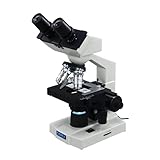
2. OMAX M82ES Binocular Compound Microscope: Best for College Labs
Awarded Best Compound Microscope 2016 – OMAX 40X-2000X Lab LED Binocular Microscope with Double Layer Mechanical Stage w Blank Slides Covers and Lens Cleaning Paper
Achromatic DIN 4x/10x/40x/100x oil
NA1.25 Abbe condenser
X-Y mechanical stage
Pros
- True 100x oil immersion objective on a revolving quadruple nosepiece
- NA1.25 Abbe condenser with iris diaphragm
- Double-layer X-Y mechanical stage with 70 x 30mm travel
- Swiveling binocular head with diopter adjustment and 55-75mm interpupillary range
- 5-year manufacturer warranty and a generous consumable bundle
Cons
- Heavier and bulkier than student-tier monocular scopes at 9.6 pounds
- Comes with blank slides only
- so prepared specimens must be sourced separately
This is the microscope we recommend to a biology major who will be doing stained smears, bacteriology and tissue slides for several years. With 2112 ratings at 4.4 stars, it carries a lot of owner history and is the only one here with a full set of laboratory-grade mechanics at a price a student can reach.
The optics are achromatic DIN objectives at 4x, 10x, 40x and 100x oil on a revolving quadruple nosepiece. DIN means a standard objective thread and screw-in eyepieces, which matters later: you can add a plan eyepiece or a camera without replacing the whole instrument. The NA1.25 Abbe condenser with iris diaphragm is what separates a real microscope from a magnifier.
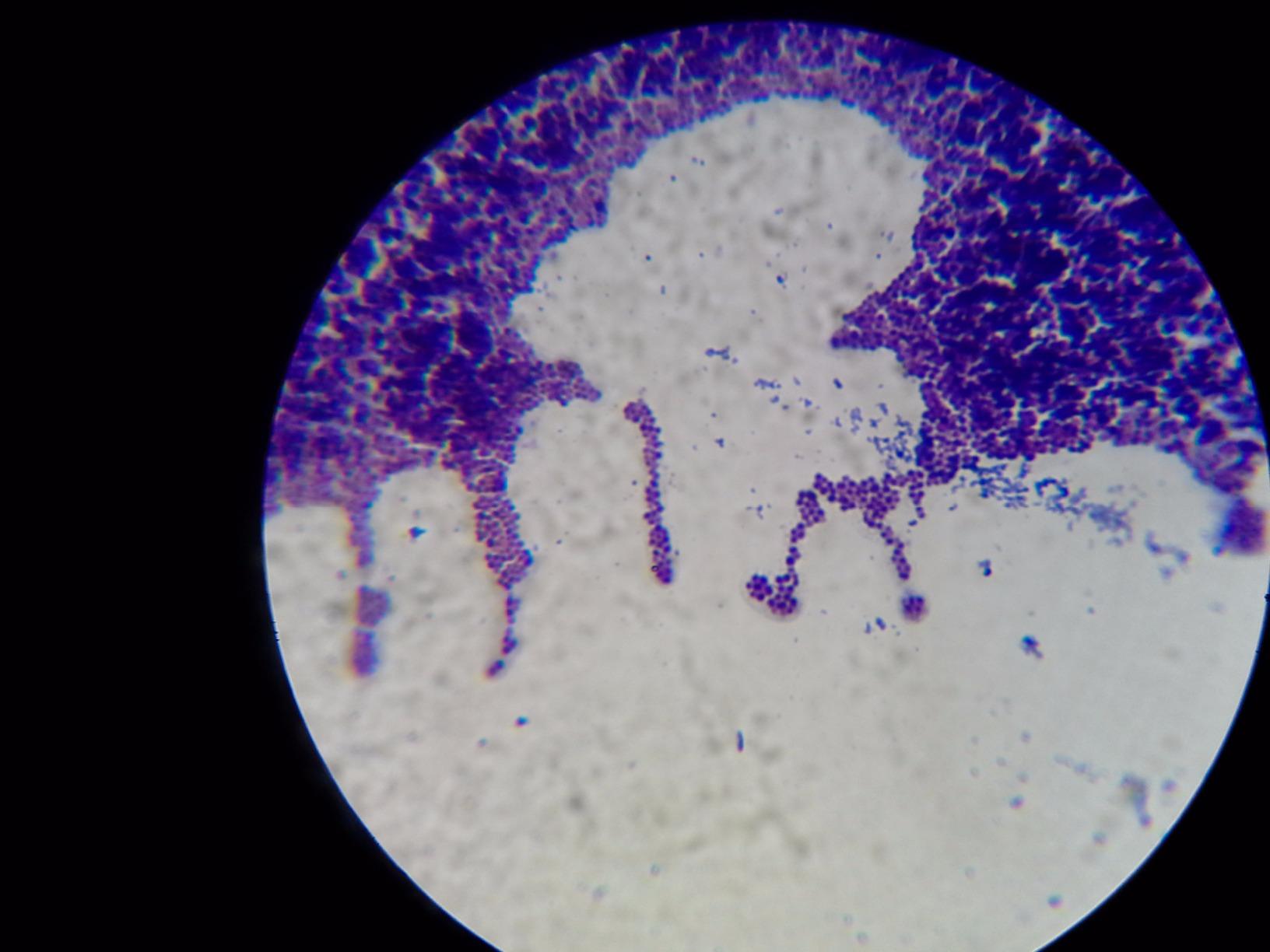
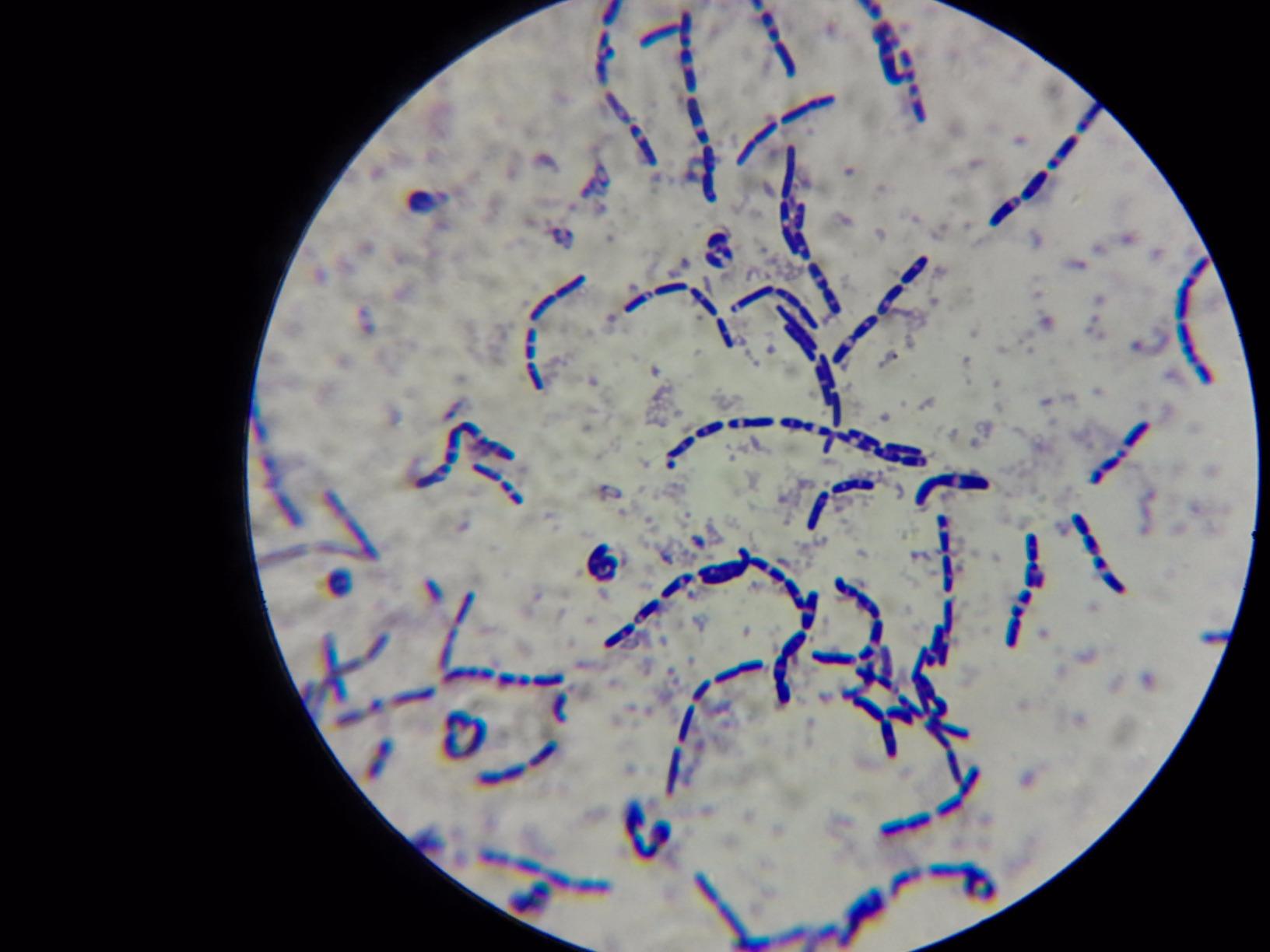
The double-layer X-Y mechanical stage gives you 70 x 30mm of travel with slide holder, and coaxial coarse and fine focus knobs sit on both sides. For a beginner this removes the single most common frustration in the category: dragging a slide across the stage and scratching it while you hunt for your specimen.
The box includes 100 blank slides, 100 cover slips and a 50-sheet pack of lens cleaning paper, plus a 100-240V AC/DC adapter. That consumable bundle alone removes the accessory shock that buyers on forums complain about most often. Budget for prepared slides separately, since none are included.
Why the mechanical stage is worth the upgrade
A clip stage forces you to push the slide with your fingers while focused, which is how beginners tear slides and lose their specimen. A mechanical stage clamps the slide once and moves it with two knobs, so centring is repeatable and your hands stay out of the light path. Once you have used one, going back is frustrating.
Where it falls short
At 9.6 pounds and 13 inches tall it is not a portable scope, and the WF20X eyepiece takes practice to use correctly because the field is narrow. If you are a complete beginner with no microscope experience and a tight budget, a monocular kit will teach you the same basics for far less.
3. AmScope M162C 1000X Microscope Kit: Best for High School Biology
AmScope M162C-2L-PB10-WM-SP14-50P100S 1000X Microscope Kit
Optical glass monocular optics
40X-1000X across five settings
Top and bottom LED lights
Pros
- Optical glass lenses rather than moulded plastic
- Real lab manual that teaches slide preparation
- Coaxial coarse and fine focus on a sturdy metal frame
- Dual LED handles prepared slides and opaque objects
- 5-year manufacturer warranty
Cons
- Glass cover slips have arrived loose inside the box
- Top LED is dim when the objective sits close to the specimen
- Stage does not travel low enough for larger opaque objects
For a high school biology class, the deciding factor is often not optics. It is whether the box contains enough material to run a term of labs without a second shopping trip. This AmScope kit arrives with a lab book, prepared slides, cover slips and slide-making tools, and it carries 1097 ratings averaging 4.5 stars.
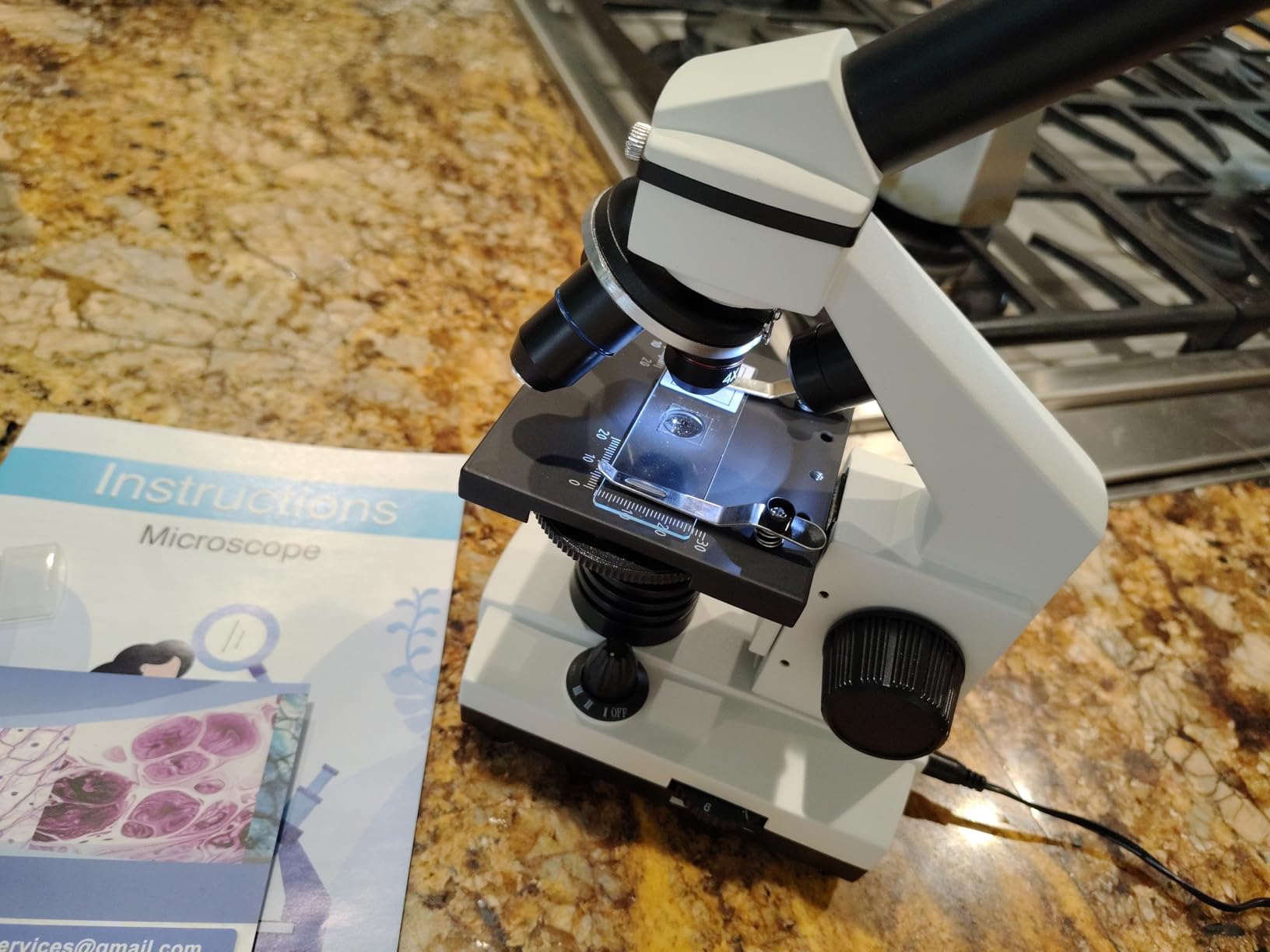
The optics are optical glass in a monocular head with top and bottom LED illumination, giving 40X to 1000X across five wide-field settings. There is no mechanical stage, but coaxial coarse and fine focus on a metal frame makes the controls feel far more precise than the plastic-bodied scopes it competes with.
What we like most is the 5-year manufacturer warranty on a student-level instrument, and the dual light sources. Top illumination lets you look at opaque subjects such as coins, fabric and insect wings, which is what makes the scope useful outside a wet mount lab.
Owners rate the bundled book highly, since slide preparation is where most beginners stall. The most common complaint is packaging rather than function: small glass cover slips have arrived loose in the box, so check them before you start and keep them in a container.
What a high school student actually needs from it
Most high school syllabi work at 40x, 100x and 400x on onion epidermis, cheek cells and pond water. This scope reaches 1000x total, which covers anything your course asks for without oil immersion. The included slide-making tools let you build your own wet mounts, which is the single best-lab-practice skill the course is trying to teach.
Where it will frustrate you
The top LED dims noticeably when the objective sits close to the specimen, so opaque subjects under high power look dim. The stage also does not travel low enough to focus comfortably on thick opaque objects. If your course leans toward microbiology, move up to a binocular model with a condenser instead.
4. PalliPartners Compound Microscope: Best Slide Kit for New Students
PalliPartners Compound Microscope for Adults & Students, White
28 slides included
4x/10x/40x objectives, WF25X eyepiece
Adjustable top and bottom LED
Pros
- Ten prepared and 18 blank slides cover a full semester
- Adjustable top LED shows opaque objects like coins and wings
- Glass optics hold up better than plastic-body rivals
- Phone clip and Bluetooth remote make photographing slides easy
- SGS certified for non-toxic materials and electrical safety
Cons
- No mechanical stage
- so small specimens are harder to centre
- Documentation is thinner than the feature list suggests
The PalliPartners solves a narrow problem better than anything else here: what a student needs in the box on day one. With 28 slides included, 10 prepared and 18 blank, plus a universal phone clip adapter and a Bluetooth remote shutter, it is the pick if the accessory shelf is where your budget actually goes.
The optics are 4x, 10x and 40x objectives with a WF25X eyepiece and a 2x auxiliary lens, giving six magnification settings from 100x to 2000x. Adjustable top and bottom LED illumination handles both translucent wet mounts and opaque objects, and coaxial coarse and fine focus knobs are a genuine step up from entry scopes.
Owners rate it as a capable starter for ages 8 to 18, with particular praise for slide quality and the SGS safety certification, which matters if the microscope lives in a classroom rather than a home. At 1.65 kg it is light enough for a child to carry themselves.
The recurring criticism is the lack of a movable stage. Finding a cell means sliding the glass by hand under low power, and the objective lenses can feel loose in the housing after rough handling. Neither is a dealbreaker for a first year, but both become irritating in a second.
Why slide supply matters more than people expect
Prepared slides are consumed, not permanent. Cheek cell and blood smear wet mounts have to be remade constantly, and cover slips run out fast once a class starts. A 28-slide bundle gives roughly a term of experiments before you need to reorder, which is why this scope appeals to teachers as much as to families.
Where it falls short
There is no mechanical stage, so centring a specimen under 400x is fiddly work rather than a knob turn. The polycarbonate and polyethylene body also feels less rigid than the all-metal competitors, and a knocked objective can develop play in its thread.
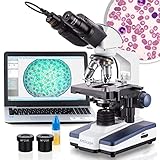
5. AmScope B120C-E1 Binocular Compound Microscope: Best for Oil Immersion
AmScope B120C-E1 LED Binocular Compound Microscope, 40X-2500X
40X-2500X binocular
Abbe condenser with iris diaphragm
Dimmable LED
USB camera included
Pros
- Oil immersion at 1000X-2500X resolves live bacteria when used correctly
- Siedentopf binocular head with adjustable interpupillary distance
- Mechanical stage with dual-axis control and a slide holder
- Fly-eye condenser lens plus dimmable LED for stained and unstained slides
- 5-year manufacturer warranty with responsive replacement parts
Cons
- Bundled 1.0 MP camera gives soft images with limited depth of field
- No calibration slide included
- so measurement work needs another purchase
- Highest price in this roundup
This is the microscope we recommend to a student in microbiology, histology or a pre-med program where the difference between seeing bacteria and not seeing them actually matters. It is also the most expensive pick here, and it earns that only if you will use the top of its range.
The head is a Siedentopf binocular design with a revolving eyepiece turret and adjustable spacing, and the stage is mechanical with precise dual-axis control. Illumination runs through an Abbe condenser with iris diaphragm and a fly-eye condenser lens, plus a dimmer, which is what lets you view both dense stained smears and nearly transparent wet mounts.
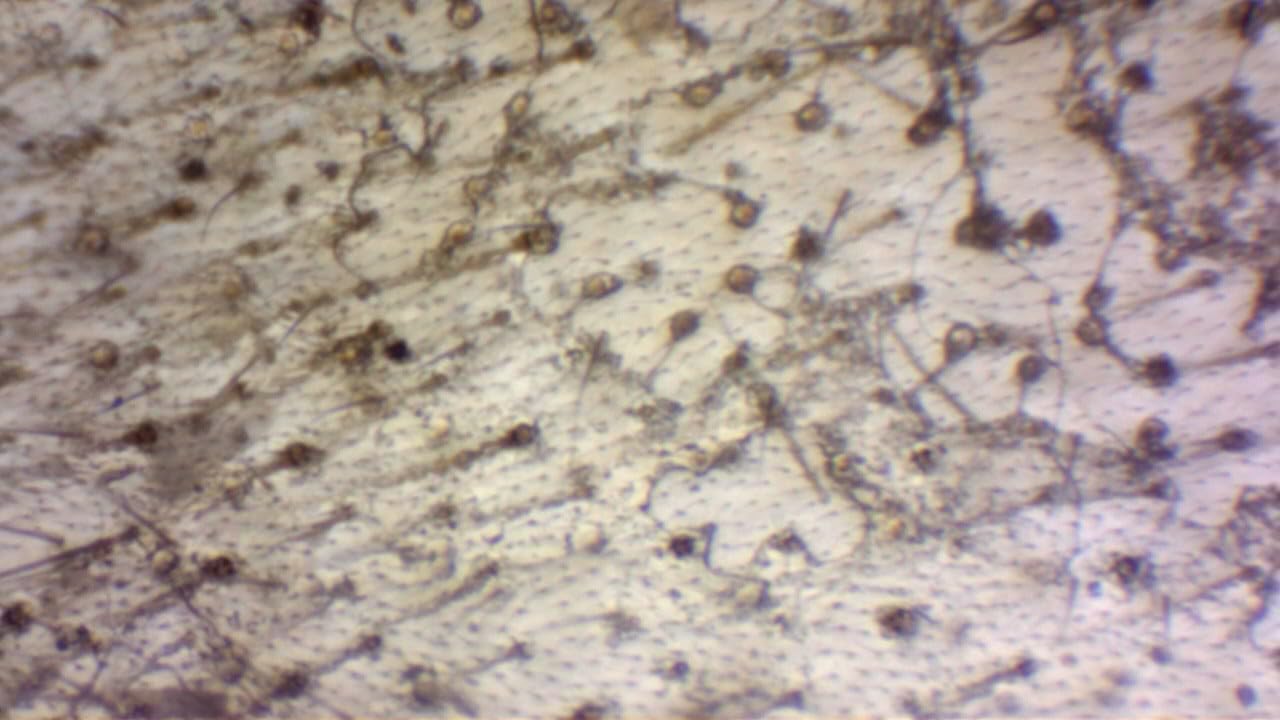
Owners consistently describe the optics, stage and condenser as genuinely laboratory-grade, and report that oil immersion at 1000x to 2500x resolves live bacteria when the technique is right. That is the honest test of a microscope, and it is the one most cheap scopes fail.
The bundled 1.0 MP USB camera with Windows microscopy software is useful for taking quick reference images, but it is the most criticised component. Output is soft with limited depth of field, so treat it as a documentation aid rather than a way to replace your phone at the eyepiece.
When oil immersion is worth paying extra for
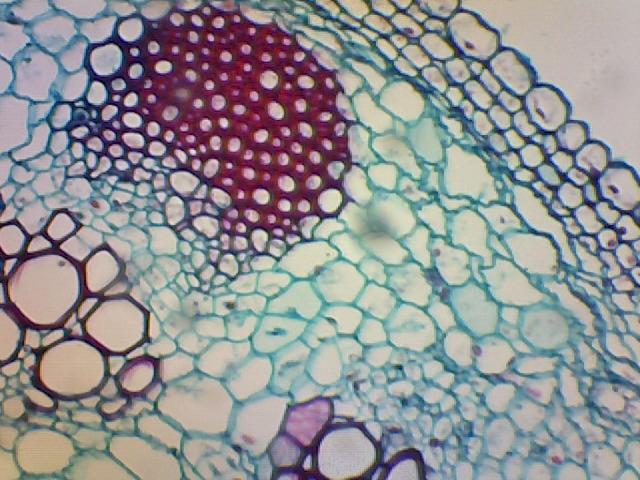
Total magnification above 400x without immersion produces light, blurry images that add no detail. A 100x oil objective is the only way to resolve bacterial morphology, blood cell detail and fine plant structures. If your course lists oil immersion in the syllabus, a scope without a real 100x objective will frustrate you all term.
Where it falls short
The camera is the weak point, and no calibration slide is included, so any measurement work means another purchase. Documentation is also reported as thin or model-number mismatched out of the box, which matters more on a scope this complex than on a simple monocular kit.
6. AmScope M102C 1000X Compound Microscope: Best Budget Starter
AmScope M102C-PB10 1000X Biological Compound Microscope with Prepared
Optical glass, metal frame
Up to 1000X
Wall-powered LED
5 prepared + 5 blank slides
Pros
- All-metal frame and all-glass lenses at the lowest cost in this roundup
- Plug-in LED is brighter than battery-powered toy scopes
- Five prepared and five blank slides so you can start immediately
- Simple enough to hand to a complete beginner without a walkthrough
Cons
- No fine adjustment knob
- only coarse focus
- Monocular head limits comfortable long sessions
- Some users report the LED failing sooner than expected
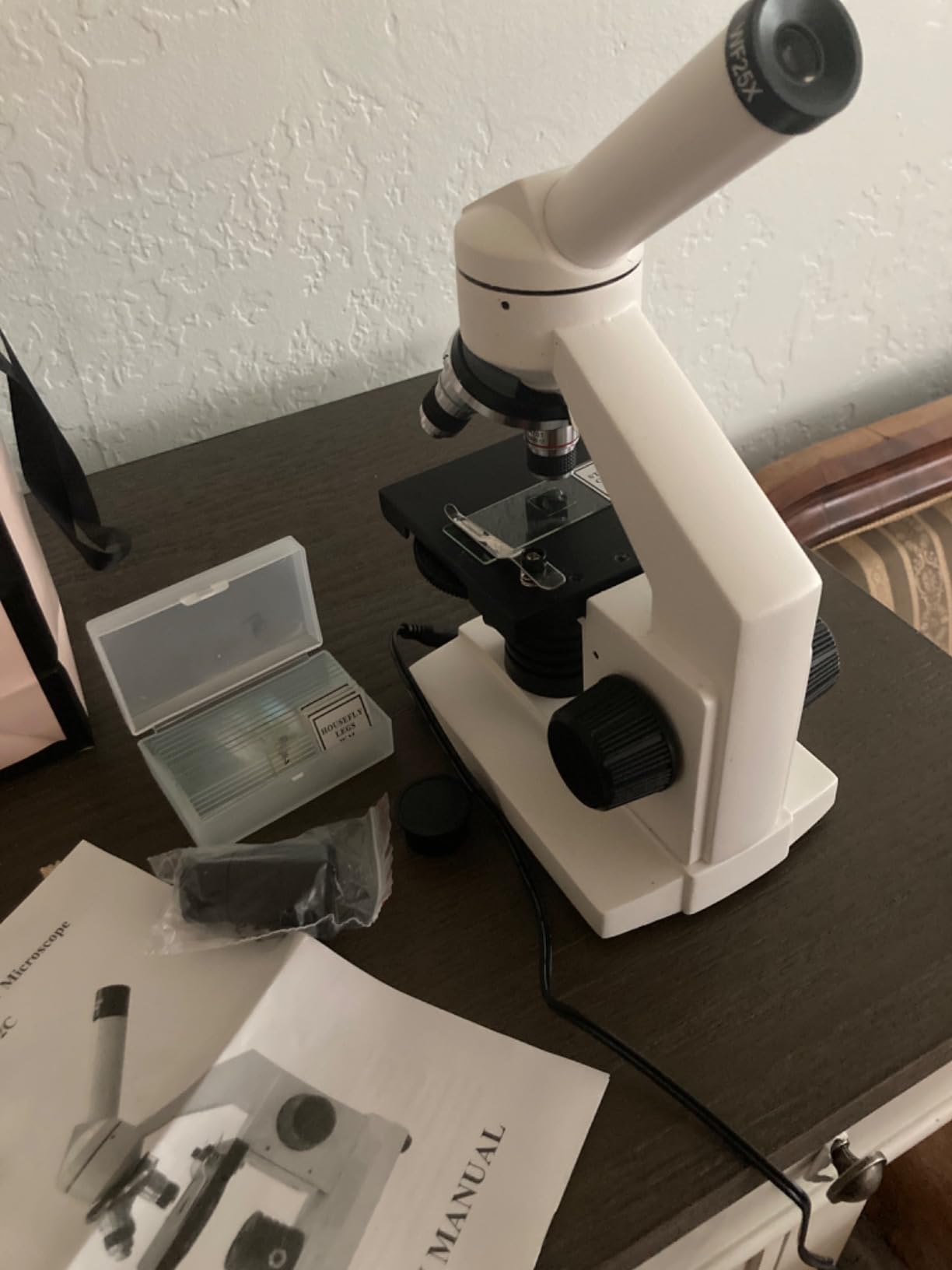
The AmScope M102C-PB10 is the cheapest way to get real optical glass lenses and a metal frame instead of a moulded plastic body. With 588 ratings averaging 4.2 stars, its build quality is closer to the picks above it than to the plastic toys below it.
Illumination is wall-powered LED, which is brighter and more consistent than the battery lamps on scopes in this tier. The condenser is single-lens with a disc diaphragm, and the monocular head gives five magnification powers up to 1000X. Five prepared and five blank slides are in the box.
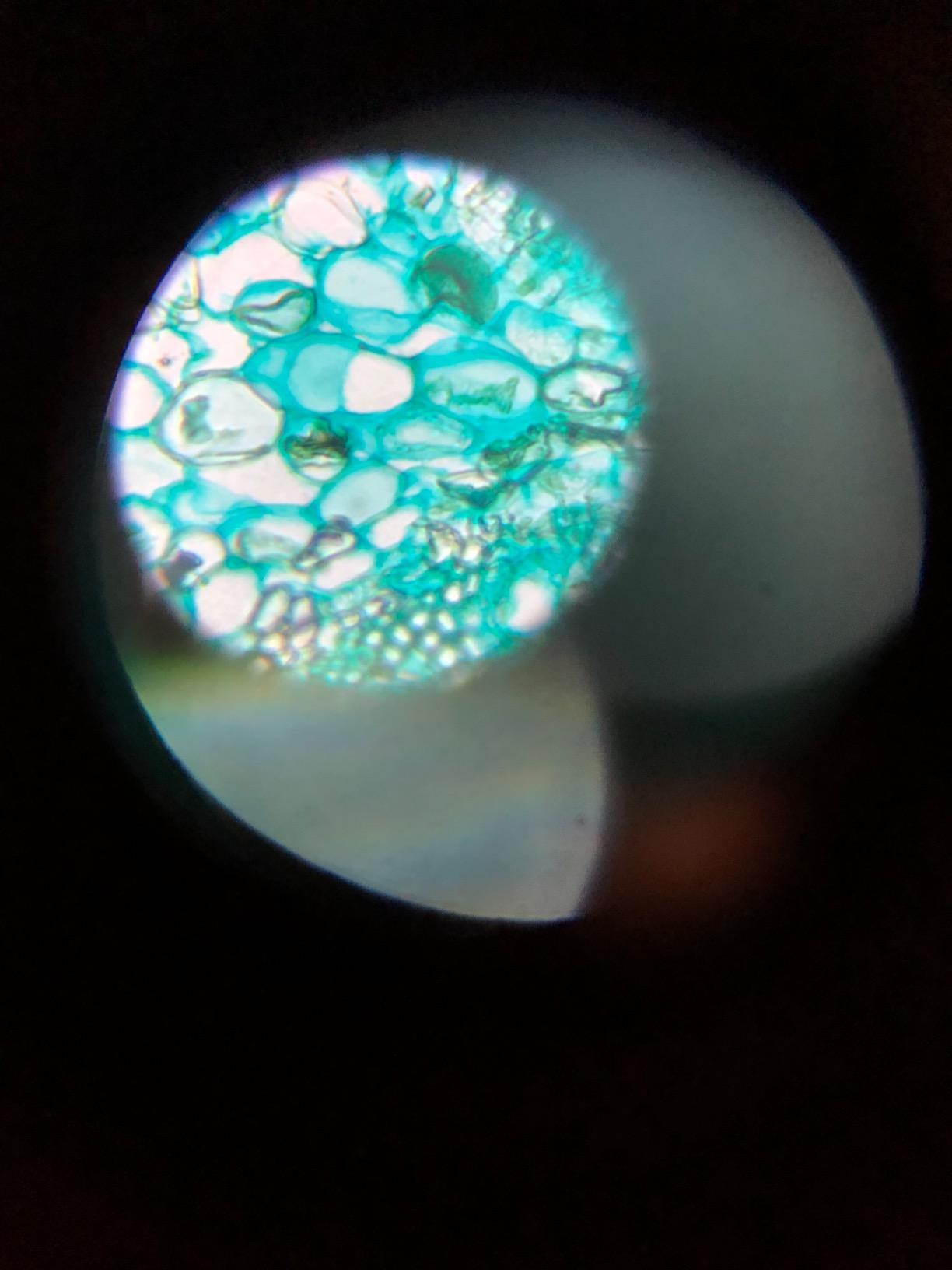
The honest limitation is the absence of a fine adjustment knob. You focus with the coarse control only, which makes a wet mount slower to bring into focus but not impossible. If you are learning microscope technique from scratch, practise the coarse-to-fine habit here and your next scope will feel easy.
Some users report the LED source failing sooner than expected, which is the most common complaint. Because the light is wall-powered rather than battery, a failed source is a simple wiring issue rather than a dead battery, and replacement parts for this model are easy to find.
Who this starter scope is really for
It suits a parent buying a first microscope for a child in primary or early secondary school, and it suits anyone who wants to learn the mechanics cheaply before upgrading. Optical glass and a metal frame are the two things you cannot retrofit later, and this scope has both.
Why most students should stretch a little further
Coarse-only focus and a monocular head are the two limits that students notice first. If you can move up one tier, the gain in fine focus and two-eye viewing is worth more than any additional magnification number. Buy this one only if the budget is genuinely fixed.
7. SWIFT SW350B Compound Lab Microscope: Best Optics Quality
SWIFT SW350B 40X-2500X Magnification, Siedentopf Binocular Head, Research-Grade Compound Lab Microscope with Wide-Field 10X and 25X Eyepieces, Mechanical Stage, Abbe Condenser
DIN achromatic objectives
Adjustable Abbe condenser
Double-layer stage
360-degree Siedentopf head
Pros
- Highest average rating in this roundup at 4.6 stars
- Four DIN achromatic objectives on a revolving turret
- Adjustable Abbe condenser with dimmable LED from below
- Double-layer mechanical stage with a secure slide holder
- Interchangeable WF10X and WF25X glass eyepieces plus a carrying handle
Cons
- Aperture adjustment on the light path feels flimsy and has limited range
- No instruction manual or starter slide kit in the base configuration
- A few buyers report difficulty reaching a sharp focus
The SWIFT SW350B is the scope we would buy for ourselves. Its 4.6 star average is the highest in this roundup, and the reason is a specification list that looks like a laboratory instrument rather than a school catalogue entry, at a mid-tier outlay.
You get four DIN achromatic objectives on a revolving turret giving 40x, 100x, 250x, 400x, 1000x and 2500x, plus interchangeable wide-field 10x and 25x glass eyepieces. Underneath sits a manually adjustable Abbe condenser with dimmable LED illumination from below, which is the component that decides whether faint unstained samples are visible at all.
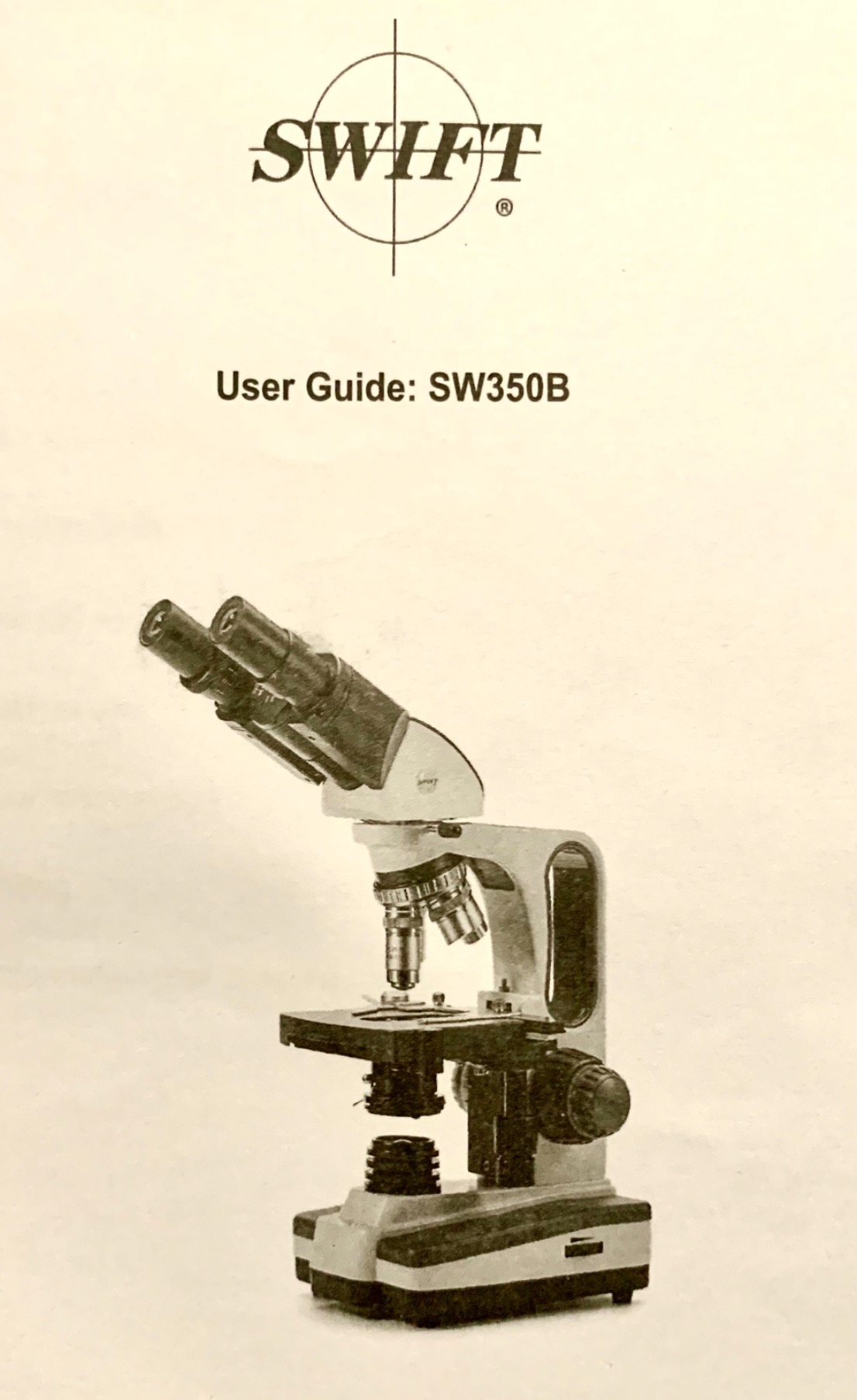
The double-layer mechanical stage with a secure slide holder and a 360-degree rotatable Siedentopf binocular head at a 30-degree ergonomic tilt make this a comfortable instrument for long sessions. At 10.7 pounds with an integrated carrying handle, it is built to be moved between a dorm room and a lab.
Owners describe it as a step change from sub-thousand-pound scopes, and the 405 ratings at 4.6 stars back that up. The two caveats are physical: the iris adjustment feels flimsy over its limited range, and the base configuration ships without a manual or a starter slide kit, so buy prepared slides with it.
What DIN objectives buy you later
DIN objectives screw into a standard thread and pair with standard eyepieces, which means you can add a plan eyepiece, a higher numerical aperture objective, or a camera adapter years from now without replacing the microscope. Most budget scopes use a proprietary thread that locks you into one supplier forever.
Where it falls short
It is a 10.7 pound instrument that is not built for a rucksack, and the manual omission is a real inconvenience for a first-time buyer. A few owners also report difficulty reaching a sharp focus, so allow yourself time to adjust the condenser and iris before judging the optics.
8. Herwicm 40X-2500X Binocular Microscope: Best Wide Field of View
Compound Microscope,40X-2500X ,WF10x and WF25x eyepieces, Dual LED Lighting and Two-Layer Mechanical Stage,Microscope for Adults…
Binocular wide-angle eyepieces
4x, 10x and 40x objectives
Dual LED with fill light
Two-layer stage
Pros
- Ultra-wide-angle eyepieces give a large field and less eye fatigue
- Dual top and bottom LED plus an integrated fill light
- Coarse and fine focus knobs on both sides of the base
- Telescoping objective lens helps prevent lens and slide collisions
- Spiral scale on the large stage helps position specimens
Cons
- Specification listing is inconsistent about maximum magnification
- Plasticky body and stage elements compared with all-metal rivals
The Herwicm’s differentiator is comfort. Its ultra-wide-angle eyepieces produce a noticeably larger field of view than the standard eyepieces on every other scope in this list, and with 256 ratings averaging 4.3 stars it is the binocular option that sits below the AmScope and SWIFT tier.
Optics are 4x, 10x and 40x objectives with a binocular head, a claimed 40x to 2500x range, and a two-layer mechanical stage with a spiral moving scale. Coarse and fine focus knobs sit on both sides of the base, so left-handed and right-handed use are equally awkward, which matters in shared lab benches.
Lighting is the other strength: adjustable top and bottom LED with an integrated fill light handles a wide range of specimens, and a telescoping objective lens with sample collision protection is a small engineering touch that prevents the most common beginner accident, driving a slide into an objective.
Be aware of one inconsistency. The listing data disagrees with itself on maximum magnification, which is a reason to read the actual objective markings rather than the marketing line. The body and stage also include plastic elements, so it does not feel as solid in the hand as the all-metal competitors.
Why field of view matters over a long term
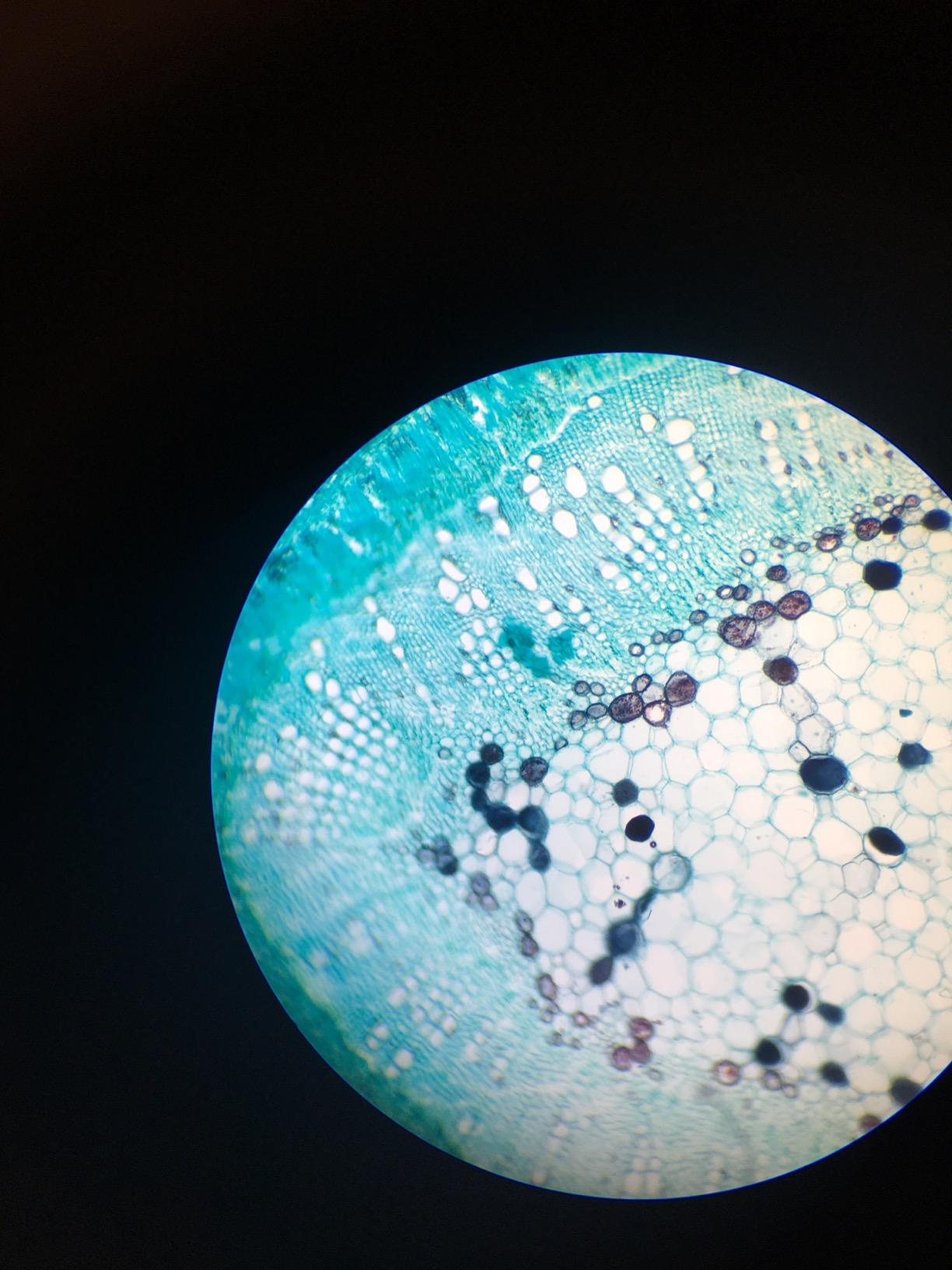
A wider field means you find your specimen faster and scan across it more comfortably, which reduces the eye strain that ends a long session. In a shared lab this is a practical advantage, since two students looking through a binocular head with a narrow field spend most of their time hunting rather than observing.
Where it falls short
There is no 100x oil objective, so microbiology and histology work is out of reach regardless of the stated magnification range. The plastic components and the inconsistent specification sheet also make it a harder buy than the similarly priced metal-frame alternatives.
9. JECONE 40X-2500X Compound Microscope: Best for Home Classrooms
Microscope for Adults & Kids, 40X-2500X High-Power Compound Microscope for Students, School Lab & Home Schooling,Equiped with Slides Set & Phone Holder (White)
WF25X and WF10X eyepieces
Dual dimmable LED
Five-colour filter wheel
Phone holder
Pros
- Five-colour filter wheel is unusual in this tier and helps with transparent samples
- Dual incident and transmitted LED with a dimmer knob
- Separate coarse and fine focus knobs give genuinely precise focus
- Integrated phone holder makes documenting slides straightforward
- Compact metal build with 5 prepared and 5 blank slides plus tweezers and droppers
Cons
- Monocular head rather than binocular for longer viewing
- Very compact frame limits stage size for larger specimens
- Highest magnification setting relies on auxiliary lenses
The JECONE ET1 is the pick for a homeschool family or a small home classroom, and its 4.4 star average from 221 ratings is well above the entry-tier norm. It packs features that normally appear on scopes costing several times more.
The eyepieces are WF25X and WF10X paired with 4x, 10x and 100x objectives across six magnification levels from 40x to 2500x. Illumination is dual incident and transmitted LED with a dimmer knob, and the five-colour filter wheel under the stage genuinely helps when a transparent sample needs contrast to become visible.
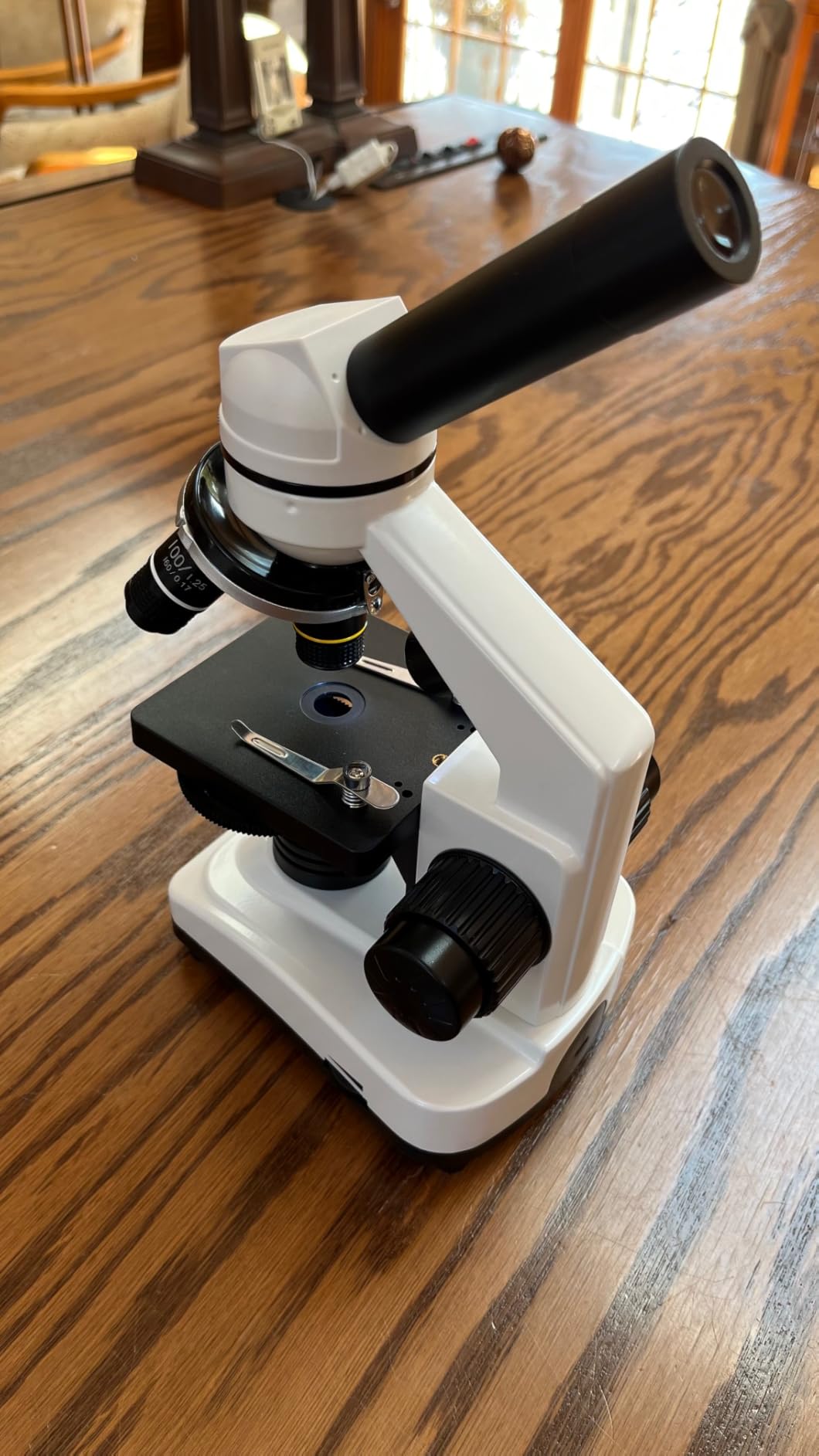
Focusing is the quiet strength. Separate coarse and fine knobs rather than a combined control means a beginner can find the specimen quickly and then refine it, which is the habit that separates a student who enjoys microscopy from one who gives up in week two. Eyepieces rotate 360 degrees and an integrated phone holder sits above them.
The accessory set includes 5 prepared slides, 5 blank slides, tweezers and droppers. Buyers highlight the filter wheel and phone holder as features usually reserved for more expensive scopes, and the compact metal build suits a small space.
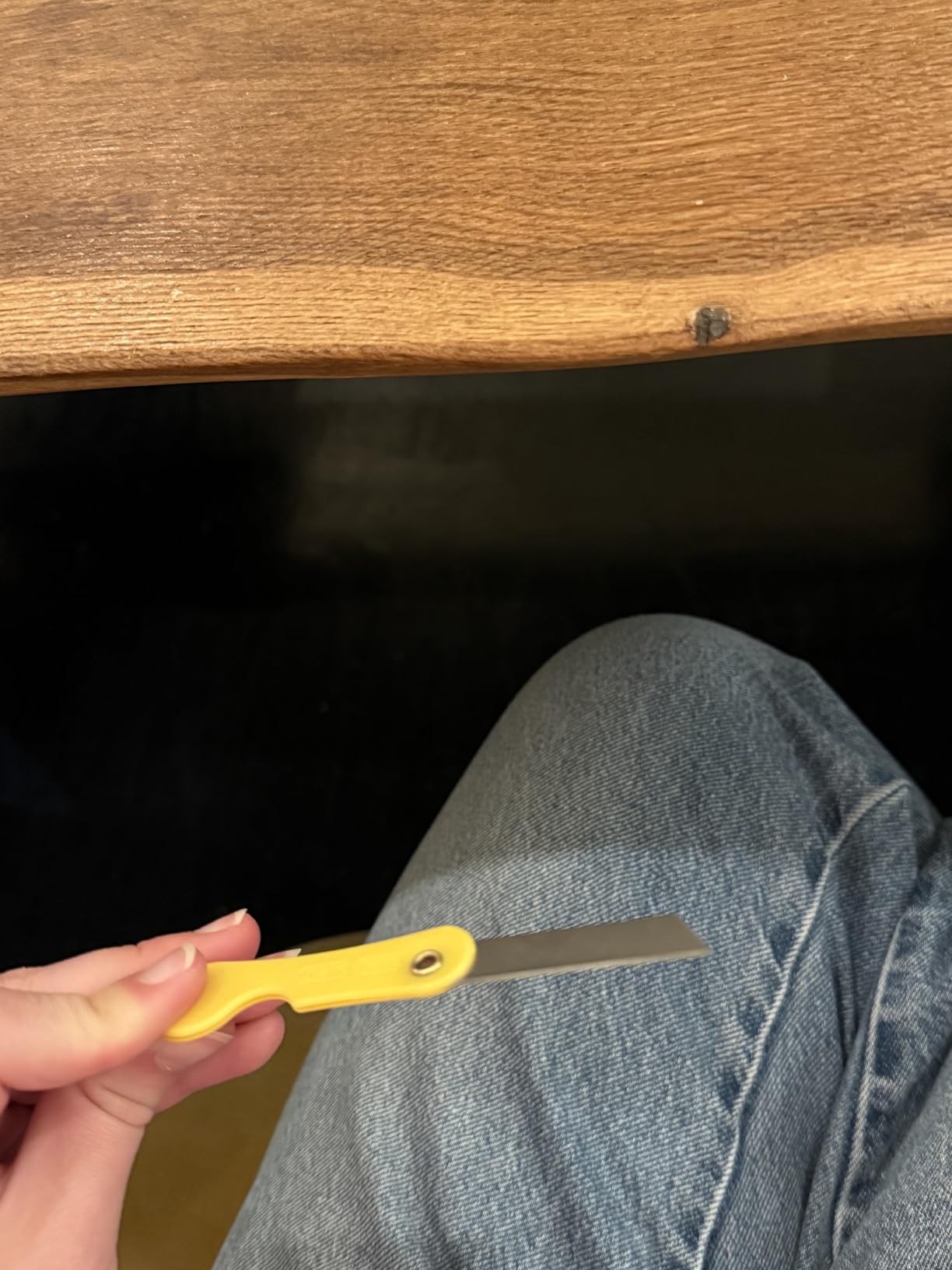
What makes it work in a home setting
A dimmer knob and a filter wheel are the two features that matter most when you are sharing one scope between a dining table and a homework desk. Colour contrast on a transparent onion cell is far easier to teach than a washed-out grey image, and dimming avoids dazzling students in a dim room.
Where it falls short
It is monocular, so long sessions still tire one eye. The frame is compact, which keeps the stage small for larger specimens, and the top magnification settings lean on auxiliary lenses rather than extra optical power.
10. Woehrsh Trinocular Compound Microscope: Best for Digital Capture
Woehrsh Trinocular Microscope 40X-5000X Magnification Laboratory Grade with Dual Mechanical Stage and HD USB Camera Microscopes for Adults(Adult Trinocular Microscope with Electronic Eyepiece)
Trinocular head, electronic eyepiece
Infinity-corrected objectives
HD USB camera
Claimed 40X-5000X
Pros
- Trinocular head leaves a dedicated port for image capture
- HD USB camera and high-pixel electronic eyepiece included in the box
- Infinity-corrected optical system with coated lenses
- 360-degree swivel head with interpupillary and diopter adjustment
- Very extensive accessory pack including slides and cover slips
Cons
- Lowest average rating in this roundup at 4.2 stars
- Magnification claims run ahead of what the optics resolve
- Heavier and more complex than a student scope needs
The Woehrsh is the only scope here with a trinocular head, meaning two eyepieces for you plus a third dedicated port for a camera. If your course requires photographed lab reports or you want to share observations with a tutor, that head design is the reason to choose it.
Optics are achromatic objective lenses on an infinity-corrected optical system, with a 360-degree swivel head offering interpupillary and diopter adjustment. Infinity-corrected systems use a separate tube lens, so objectives stay in focus even when you swap them, which is a genuine advantage for later upgrades.
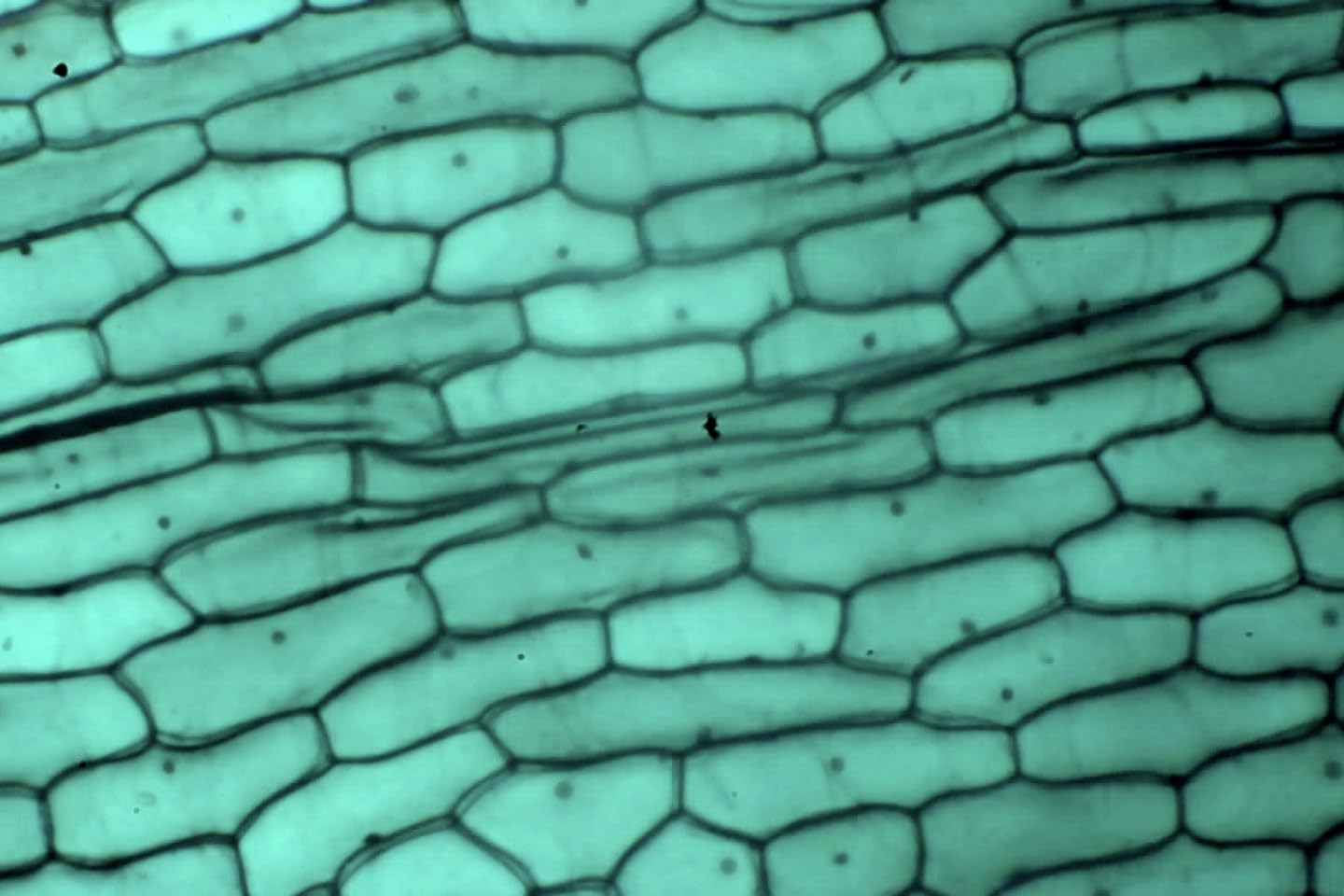
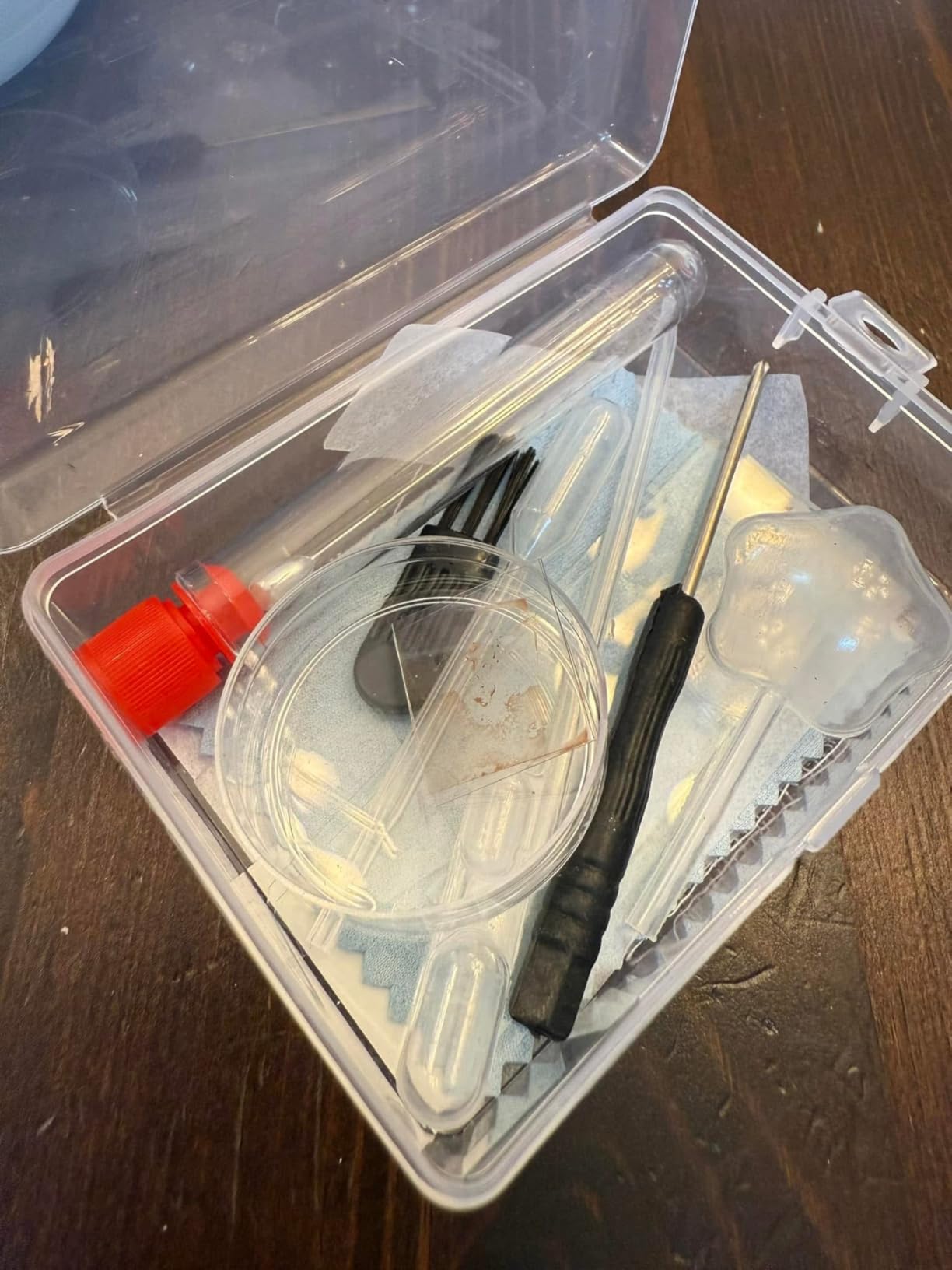
The box is unusually generous: two WF10X and two WF25X eyepieces, two 2x auxiliary lenses, high-pixel electronic eyepieces, an HD USB camera, 10 slides, 100 cover slips, sections, petri dishes, test tubes, tweezers, droppers, phone holders and a dust cover. A double-layer mechanical stage and dual coaxial focus complete the mechanical side.
Its 216 ratings average 4.2 stars, the lowest mean in the group, and two reasons stand out. The claimed 40x to 5000x range outruns what the optics resolve in practice, and the instrument is heavier and more complex than most student work requires. Buy it for the camera port, not the headline magnification.
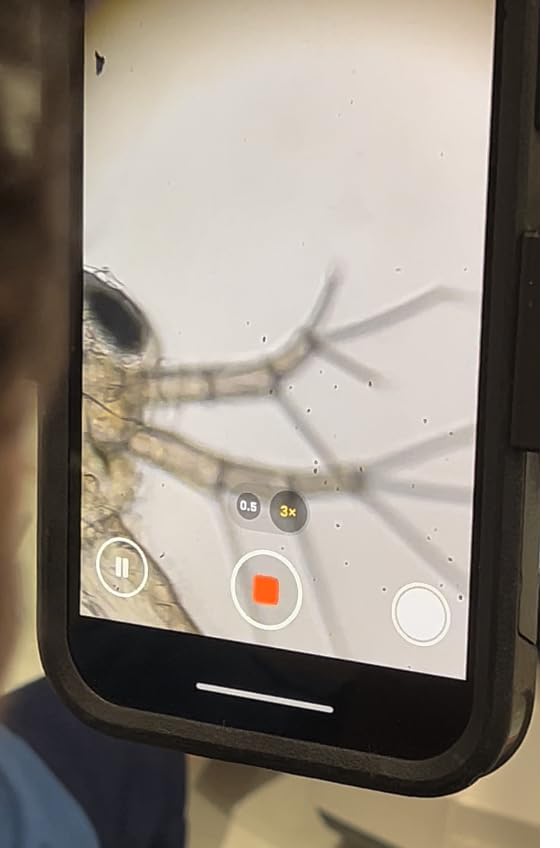
When a trinocular head is genuinely worth it
A trinocular head lets you keep both eyes on the specimen while a camera records it, which removes the awkward switch between looking and photographing. It is also the only configuration that supports a C-mount camera properly later. If you never photograph your slides, a binocular head does the same job for less.
Where it falls short
Marketing numbers here outrun the optics, so treat the top of the range as aspirational. The complexity also means a steeper learning curve, and the 4.2 star average reflects buyers who found more scope than a student actually needed. Our general microscope guide covers where such a rig starts to make sense.
How to Choose a Compound Microscope for Biology Students
Buy optics, not magnification numbers. A 2000x claim on a cheap scope adds no detail. Look instead for optical glass lenses, achromatic objectives (a lens set corrected so colours converge closer to a single focus), and a real condenser. Numerical aperture, the measure of how much light an objective gathers, is what determines resolution in practice.
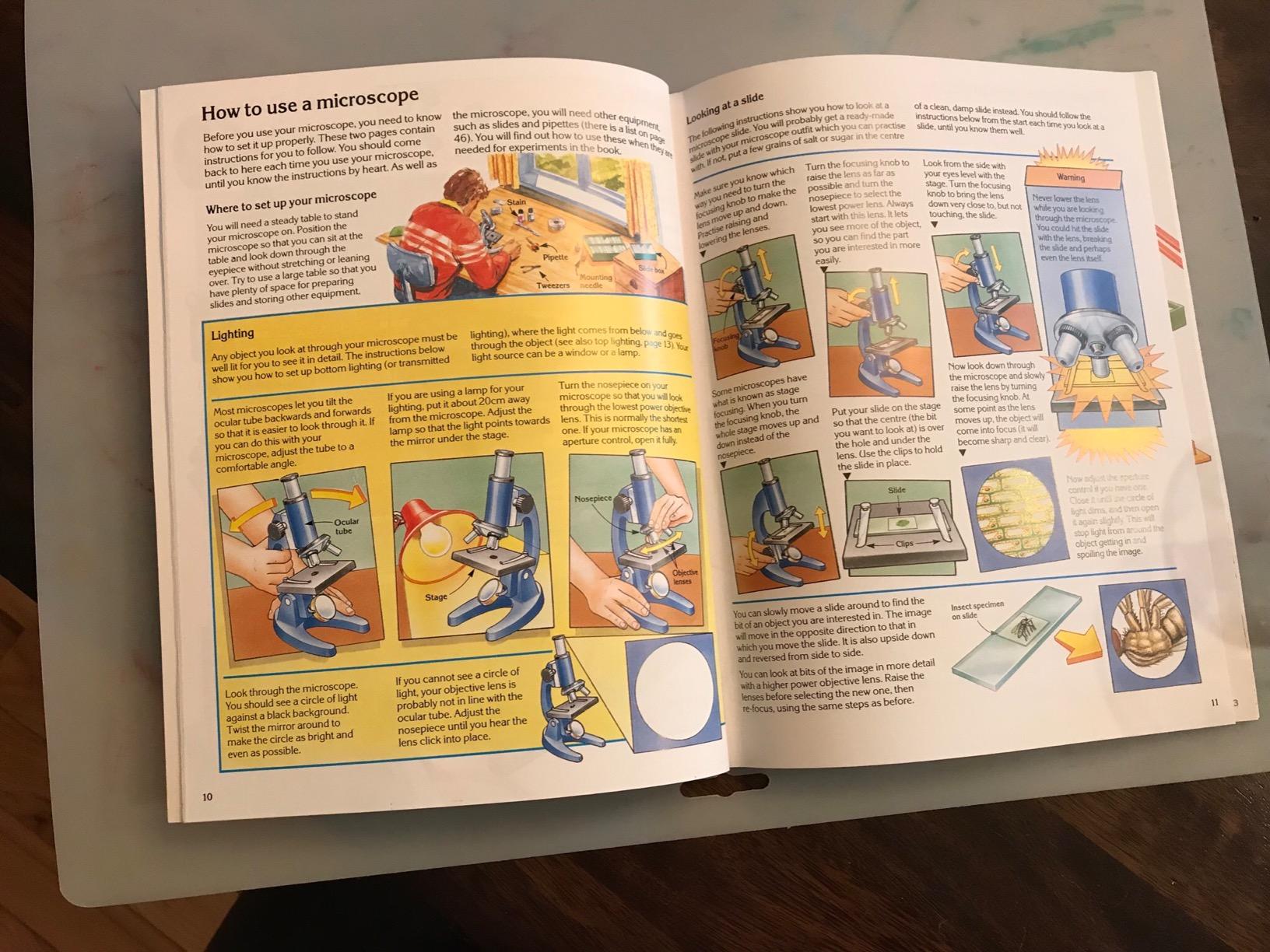
Do the magnification math yourself. Total magnification equals eyepiece power multiplied by objective power. With a 10x eyepiece, a 4x objective gives 40x, 10x gives 100x and 40x gives 400x. Anything above 1000x on a student scope usually comes from a 2x auxiliary lens stacked on top, which enlarges the image without resolving anything new.
Choose the head by session length. A monocular head uses one eye and is fine for occasional work. Binocular uses both and is the correct default for anything longer than half an hour, because alternating eyes causes strain. Trinocular adds a camera port on top of the two eyepieces. If your course includes long lab sessions, pay for binocular.
Check the illumination and condenser. Dual top and bottom LED lets you view opaque objects as well as slides, and a dimmer is far more useful than a brighter fixed light. An Abbe condenser with an iris diaphragm, or even a single-lens condenser with a disc diaphragm, is the minimum for clear wet mounts.
Decide on the stage. A mechanical stage with X-Y control clamps the slide and moves it with knobs, so you stop dragging glass around and scratching it. A clip stage works, but it is the single most reported beginner frustration in forum discussions of student microscopes.
Pick by student level. High school students do most of their work at 40x, 100x and 400x, so a binocular LED scope in the entry-to-mid tier with 4x, 10x and 40x objectives is enough. Undergraduates doing microbiology or histology need a 1000x scope with a mechanical stage and a condenser. Upper-level lab and pre-med students want plan achromatic objectives and a stage that will not scratch slides.
If you are still unsure whether you need optical hardware at all, our broader microscope buying guide covers the other types, including digital and phone-connected models that suit electronics and inspection work rather than stained slides.
What to Buy Alongside Your Microscope
Consumables are the most repeated question on microscopy forums, and the answer is consistent. Keep a stock of prepared slides for reference specimens, blank slides for your own wet mounts, and cover slips, which are thinner than a slide and need replacing every time.
Add lens cleaning paper or a microfibre cloth, since a fingerprint on an eyepiece ruins more images than a dirty objective. Immersion oil is only needed if your course uses a 100x oil objective. A stage plate or a slide holder mat is worth having if the microscope sits in a shared room.
Check what is already in the box first. Five of the ten scopes above include slides, and the OMAX includes 100 blank slides and 100 cover slips, so you may need very little. The scope that ships with nothing is the one worth budgeting for.
How to Inspect a Used Compound Microscope Before You Buy
Used buying is genuinely reasonable for a microscope, and forums regularly recommend it to students on a budget. Inspect in person if you can, and check these in order.
Look through the eyepiece with no slide and confirm the field is bright, evenly lit and free of dark blotches or fungal growth around the edges. Rock the coarse focus through its full travel and listen for a smooth, quiet movement rather than grinding. Rotate the nosepiece and confirm each objective clicks into place without wobble.
Place a prepared slide on the stage, move to 400x and check that it can be brought into focus with the fine knob alone. Then tap the stage gently: if the image swims, the mechanics are worn. Finally, run the light source for a minute and look for flicker, which is the most common failure on older LED scopes.
Frequently Asked Questions
What type of microscope is commonly used in biology classrooms?
Biology classrooms use the compound light microscope. It pairs an eyepiece with a rotating set of objective lenses to magnify thin specimens mounted on glass slides, typically across a 40x to 1000x total range. Total magnification equals eyepiece power multiplied by objective power.
What are the best compound microscopes?
The best compound microscopes for biology students are the BEBANG 2000X for overall first use, the OMAX M82ES for college labs with a mechanical stage and oil immersion objective, the AmScope M162C kit for high school, and the SWIFT SW350B for optical quality. Each of the ten picks above lists its magnification, head type, stage and illumination.
Is 1000X enough to see sperm?
Yes. Human sperm are roughly 50 micrometres long, so they are clearly visible at 400x and are typically examined at 1000x total magnification with a 100x oil immersion objective. A scope must resolve that magnification optically, which is why a condenser and achromatic objectives matter more than a headline number.
What type of microscope would a biologist use?
A working biologist uses a binocular compound light microscope with achromatic objectives and a mechanical stage. Stereo and dissecting scopes handle whole specimens, while inverted and confocal instruments are used for live cell culture and fluorescence work. For a student, a binocular compound scope with a mechanical stage covers almost all coursework.
What is the best microscope for a biology student?
For most biology students the best value is a binocular compound microscope with 4x, 10x and 40x objectives, a mechanical stage and LED illumination. The AmScope B120C-E1 and SWIFT SW350B cover standard coursework without overpaying for features a student will never use.
Is a compound microscope better than a digital microscope?
For slide-based coursework, yes. A compound microscope uses glass lenses to resolve a physical specimen, and its total magnification equals eyepiece power times objective power. Digital and USB scopes are easier to set up and better for electronics, soldering and surfaces, but they do not reproduce the resolution of an optical objective on a stained slide.
Final Verdict: Which Compound Microscope Should You Buy?
Start with the BEBANG 2000X if you are buying a first compound microscope for biology students and want a capable scope that works the day it arrives. If you are heading into college lab work, move up to the OMAX M82ES for its mechanical stage, Abbe condenser and real 100x oil objective.
Go with the AmScope M162C when the box contents matter as much as the optics, with the SWIFT SW350B when optical quality is the priority. Check every pick against your course syllabus before you buy, and buy slides and cover slips alongside whatever you choose.