
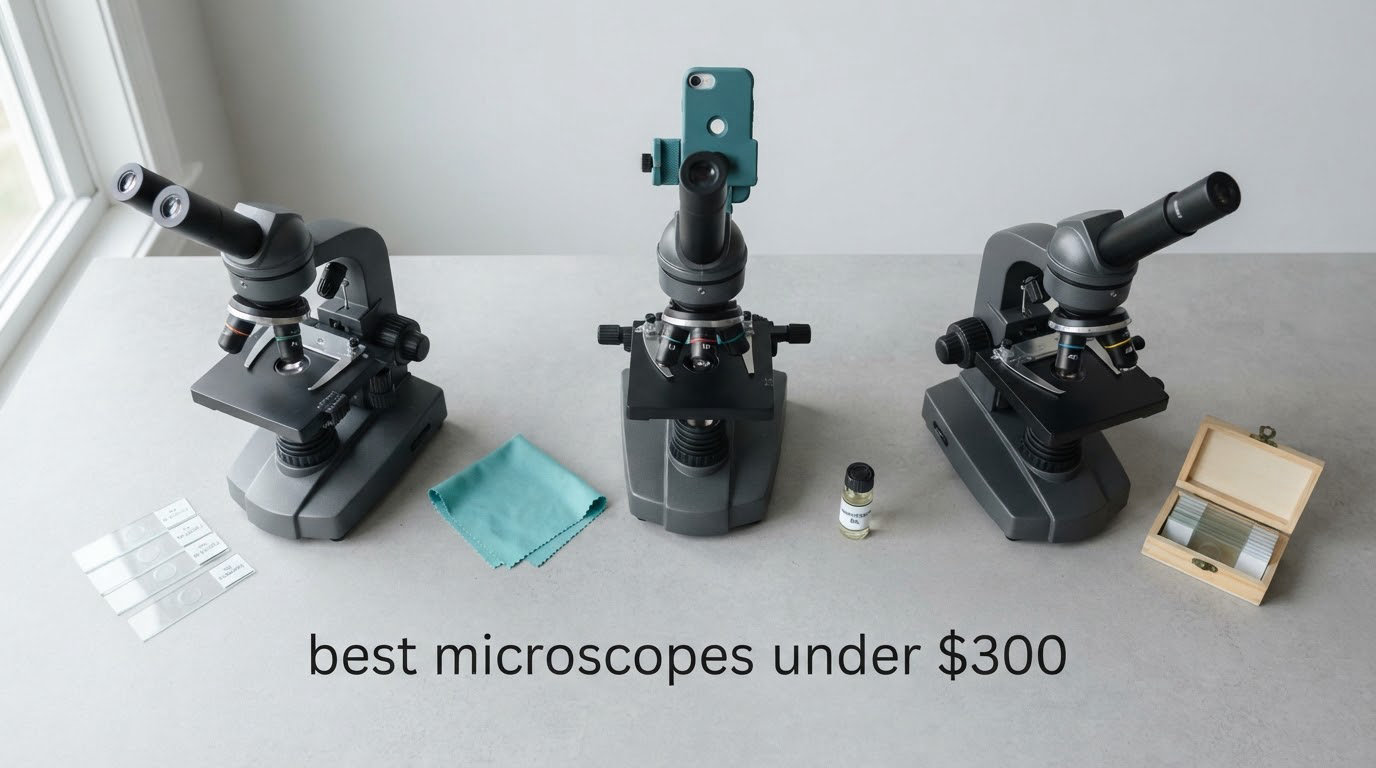
The short answer: the best microscopes under 300 dollars sit in a narrow band where you get real achromatic glass optics, proper coarse and fine focus, and LED illumination that stays bright at 400X. At the very bottom of the range you are buying plastic, and well above this ceiling you are buying laboratory hardware that costs several times more.
That middle band splits into three very different families. Compound scopes show a flat slide-mounted specimen at high power and are what most people picture when they say microscope. Stereo scopes give a three-dimensional view for dissecting, soldering and coins. Digital scopes put the image on a screen, which is easier on your eyes and much better for photos.
We compared ten of them across every category so you do not have to keep ten browser tabs open. Each pick below lists what it does well, where it falls short, and who should skip it entirely. If you are still mapping the category, our general microscope guide covers the terminology, and the stereo microscope roundup goes deeper on dissection work.
One warning before you start reading specifications. Almost every listing in this price range prints a headline magnification number, and most of them are inflated. Anything past 1000X on a light microscope is empty magnification, which means the image gets blurrier rather than more detailed. Judge these scopes on optics, focus control and stage quality, not on the biggest number on the box.
Table of Contents
Top 3 Picks for the Best Microscopes Under 300 Dollars (October 2026)
These three cover the most common needs: an all-rounder that handles coins, circuits and slides, a genuine optical trinocular for high-power biology, and the best-rated digital screen option.

Andonstar AD246S-M HDMI Microscope
- Three interchangeable lenses
- 2160P HDMI output to a large monitor
- Pro boom arm stand
- 32GB card and five slides included

Swift SW380T Trinocular
- Rotating Siedentopf head
- Four DIN achromatic objectives to 2500X
- Mechanical stage
- Trinocular camera port

TOMLOV DM9 Digital Microscope
- 7-inch built-in LCD
- 12MP stills and 1080P video
- Metal base and stand
- 16GB card included
All 10 Best Microscopes Under 300 Dollars at a Glance
Every pick below is a microscope, not a toy, and every one costs less than 300 dollars. The features column gives you the single reason each one earned its place.
| Product | Specifications | Action |
|---|---|---|
| Andonstar AD246S-M 3-Lens HDMI Digital Microscope |
|
Check Latest Price |
| Swift SW380T Trinocular Compound Microscope |
|
Check Latest Price |
| TOMLOV DM9 7-Inch Digital Microscope |
|
Check Latest Price |
 AmScope SE306R-PZ Binocular Stereo Microscope AmScope SE306R-PZ Binocular Stereo Microscope |
|
Check Latest Price |
 Herwicm 40X-2500X Binocular Compound Microscope Herwicm 40X-2500X Binocular Compound Microscope |
|
Check Latest Price |
 BEBANG 2000X Compound Microscope BEBANG 2000X Compound Microscope |
|
Check Latest Price |
 PalliPartners Compound Microscope PalliPartners Compound Microscope |
|
Check Latest Price |
 JECONE 40X-2500X Compound Microscope JECONE 40X-2500X Compound Microscope |
|
Check Latest Price |
 AmScope M150C-PS25 Portable Compound Microscope AmScope M150C-PS25 Portable Compound Microscope |
|
Check Latest Price |
 SKYBASIC Wireless Digital Microscope SKYBASIC Wireless Digital Microscope |
|
Check Latest Price |
How We Chose These 10 Microscopes
Entry-level microscope listings all look similar until you read the fine print, so we scored every model on the same seven criteria. The order below is roughly how much each one moves your experience.
First, optical quality. We looked for achromatic glass objectives and wide-field eyepieces rather than plastic lenses, because glass is where the money goes in this category. Second, a real fine-focus knob. Coarse focus alone makes anything above 400X frustrating to hold in focus.
Third, a mechanical stage with X-Y control, which is what lets you keep a small pond water creature in the field of view. Fourth, illumination that is dimmable and includes both transmitted light from below and incident light from above, so opaque subjects like coins are viewable at all.
Fifth, all-metal construction in the parts that take weight, especially the arm and stage. Sixth, what is in the box, because a first microscope with 25 prepared slides gets used and a bare one gets boxed up again. Seventh, whether a camera can be added later, either through a trinocular port or USB.
We cross-checked those criteria against what owners actually report in the reviews, since specifications on a product page describe the design and reviews describe the experience. Where a limitation appears repeatedly, we say so plainly instead of hedging.
1. Andonstar AD246S-M 3-Lens HDMI Digital Microscope – Best Overall
Andonstar AD246S-M 3 Lens 2160P HDMI Digital Microscope 2000x for Adults
Three lenses: solder, coins and slides
2160P HDMI output
Up to 2000X across lenses
Pro boom arm stand
Pros
- Covers electronics and coins and biology with one unit
- HDMI output frees your eyes and teaches a whole room
- Heat-resistant boom arm holds position over a soldering iron
- 32GB card plus five slides and tweezers in the box
Cons
- Changing lenses means removing and refitting screws
- Corded power only with no battery option
- 2000X is digital
- not optical
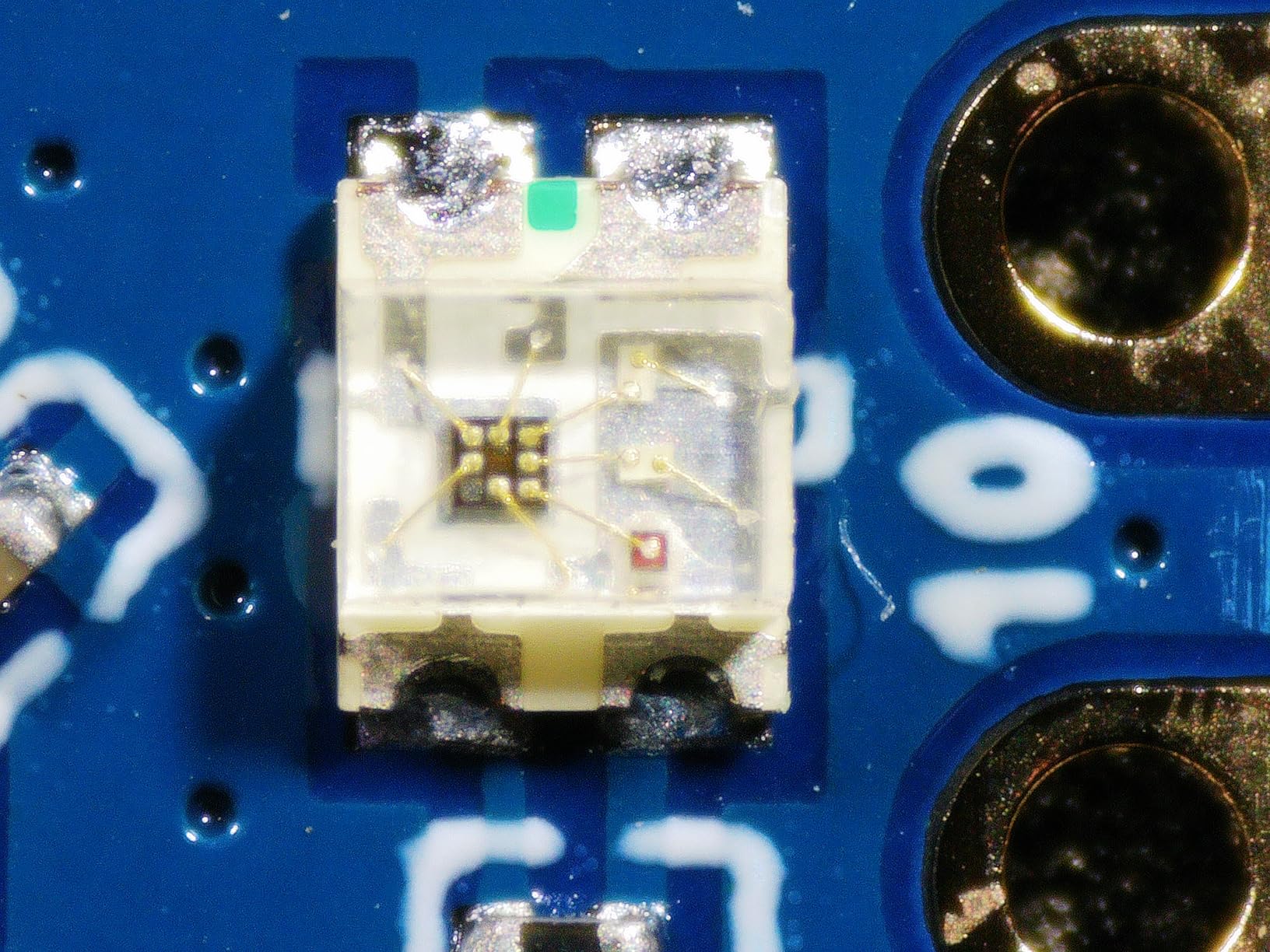
This is the microscope we would put on a bench for mixed work. The three-lens kit is the whole trick: Lens L is built for soldering and fine repair, Lens A handles coins, small parts, plants and stones, and Lens D is shaped for biological slides. One device, three very different jobs, no guessing which accessory you forgot to order.
The HDMI output is the part that surprises people. Connect it to any monitor or television and you get a 2160P feed at a size your eyes can actually work with, which turns a solo inspection job into something you can put on a screen while working. The included Windows software adds length and area measurement, so it functions as a basic inspection tool rather than just a viewer.
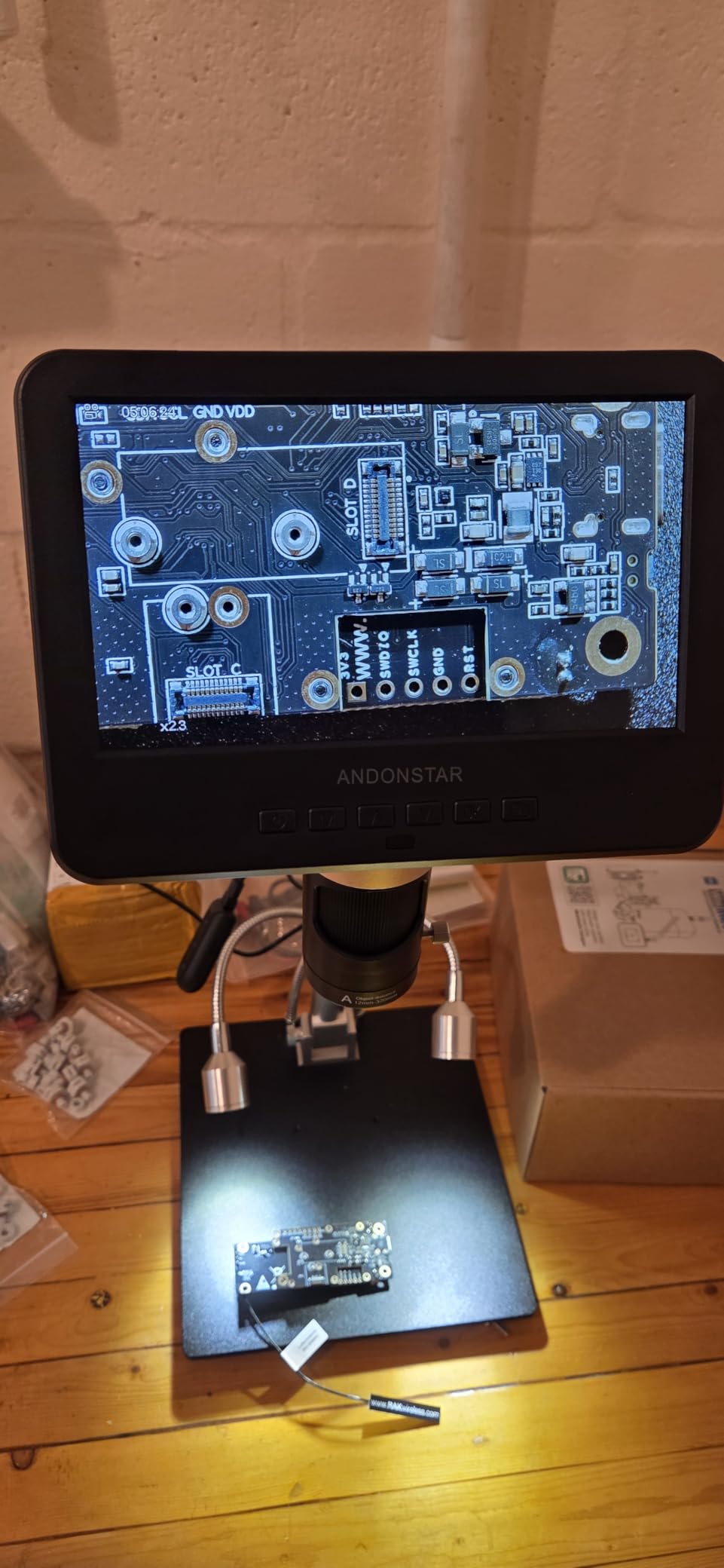
Build quality is a genuine step above handheld plastic. The boom arm is adjustable in every direction, front to back, side to side and in angle, and reviewers consistently report that it holds its position over a hot soldering iron instead of creeping. Eight LED intensity levels let you kill glare on shiny coin surfaces.
The one friction point owners mention most is the lens swap. Screws come out, the lens changes, screws go back in. If you switch between electronics and pond water several times a day, that adds up, and it is worth the setup time once you land on a primary task.
Who should buy this microscope
Buy it if you do more than one kind of work, if you want to teach or share a view, or if solder joints and coin surfaces are on your list. A family that moves between electronics, coins and leaves gets three tools out of one purchase.
Also worth it if your eyes fatigue quickly on an eyepiece. Looking at a large monitor for an hour is far easier than holding a monocular to your eye for an hour, and the measurement software gives you a written record of what you saw.
Who should skip this microscope
Skip it if you want true optical magnification for serious biology. A digital sensor is fixed-focus, and the 2000X headline depends on raising the stand and on digital zoom, so the resolution falls away as the number climbs. For stained slides at 1000X, you want glass.
Skip it if you work outdoors or away from a wall outlet. It runs on mains power only, so field use means dragging a cable or an inverter along with it.
2. Swift SW380T Trinocular Compound Microscope – Best Real Optical Power
Swift SW380T 40X-2500X Magnification, Siedentopf Head, Research-Grade Trinocular Microscope Compound Lab with Wide-Field 10X/25X Eyepieces, Mechanical Stage, Ultra-Precise Focusing, Camera-Compatible
Siedentopf head at 30-degree tilt
10X and 25X wide-field eyepieces
Four DIN achromatic objectives
Trinocular camera port
Pros
- Rotating head cuts neck and back strain during long sessions
- Trinocular port keeps a camera parfocal while two people view
- Four DIN achromatic objectives from 40X to 2500X
- Ultra-precise coarse and fine focus
- Metal body rated for real lab use
Cons
- Built-in LED can be dim above 400X
- Bundled plastic dust cover is far too small
- Working distance gets very short at 400X and 1000X
- Fourth objective slot limits low intermediate steps
This pick in the roundup behaves like a piece of laboratory equipment rather than a teaching scope, and the ergonomics are the reason owners keep it for years. The Siedentopf head rotates and sits at a 30-degree angle, so you set it once for your height and your neck stays in a neutral position through a long session.
The head is trinocular, which means the third port takes a camera while two people still view through the eyepieces and the image stays parfocal between them. That matters more than it sounds for anyone who wants photographs of slides, because you are not constantly removing glass to switch between looking and capturing.

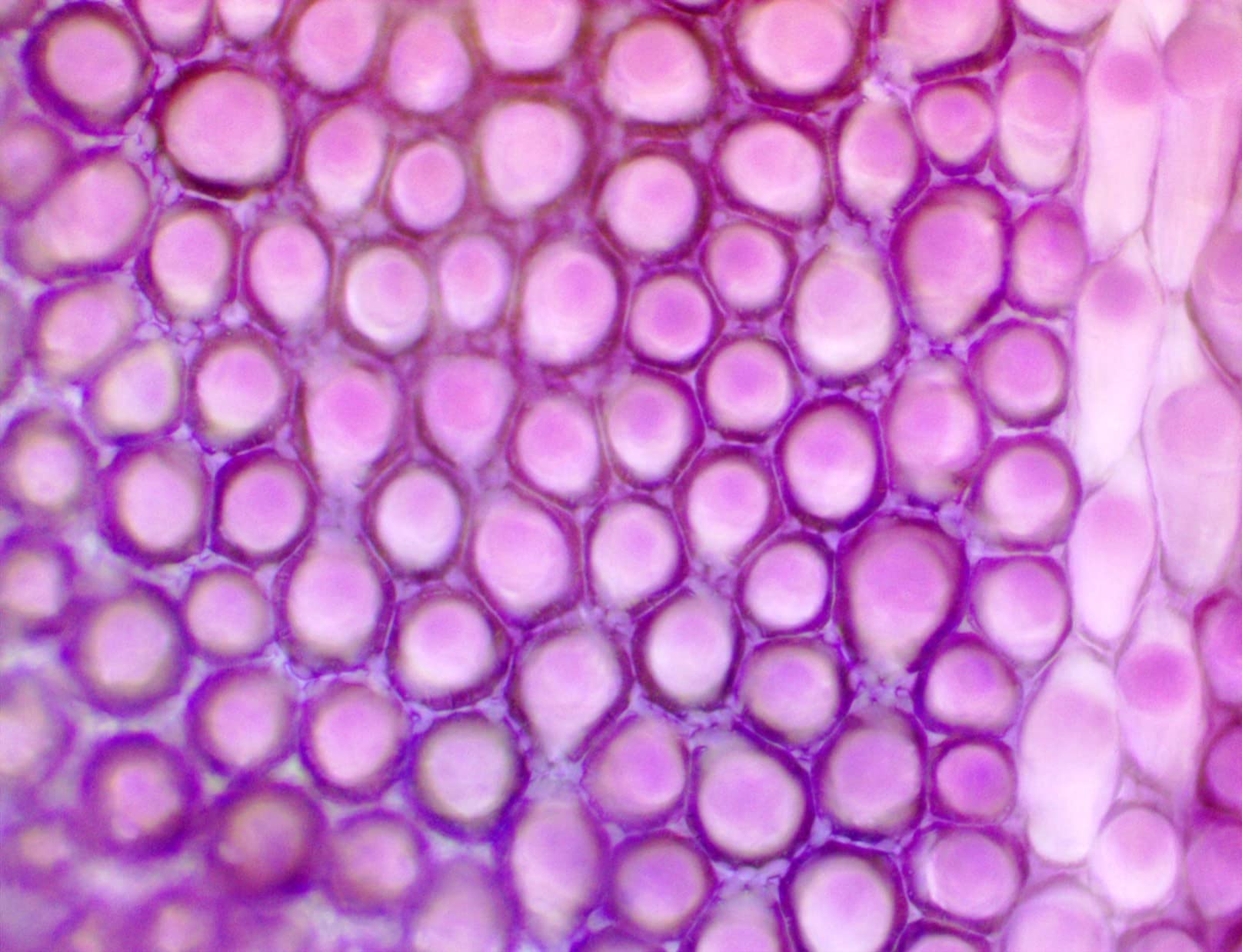
Optically, four DIN achromatic objectives on a revolving turret cover 40X, 100X, 250X, 400X, 1000X and 2500X, and the 10X and 25X wide-field eyepieces give a much wider, more comfortable view than the 10X eyepieces that ship with budget scopes. Reviewers with lab backgrounds describe the images as sharp and clean, and the wide field of view makes finding a specimen far easier.
Illumination is the weak point. The built-in LED is fine up to about 400X and can look dim beyond that, and the thick objective housings block light from an external front lamp. Working distance also gets short at 400X and 1000X, so focusing at the top of the range takes practice rather than a turn of the knob.
Who should buy this microscope
Buy it if you already know what you are looking at and want the optical honesty. Anyone moving from a phone microscope to real biology, running a homeschool lab class, or keeping specimens for the record should take the DIN objectives and wide-field eyepieces over a plastic tube scope every time.
Buy it if you sit at the scope for hours. The rotatable head and the ultra-precise fine focus are the difference between a comfortable afternoon and a stiff neck and squinting. Practising pathologists and independent researchers in the reviews treat it as a real step up from a student tube.
Who should skip this microscope
Skip it if your interest is coins, soldering or gemstones. A compound scope shines light up through a thin specimen, so opaque objects are a waste of a bright illuminator. For those, the stereo route or a digital screen model fits better.
Also skip it if you have no plan to add a camera or share the view, because the trinocular head is the main reason to pay up. And expect to buy your own dust cover, since the one bundled is far too small for the body.
3. TOMLOV DM9 7-Inch Digital Microscope – Best Rated Digital Scope
TOMLOV DM9 7″ Digital Microscope: 1080P 1200X Coin Microscope Magnifier, 12MP Ultra-Precise Focusing LCD Soldering Microscopes for Adults, PC View, 16GB
7-inch built-in LCD
12MP stills and 1080P video
Metal base and 8.5 inch stand
Eight LEDs plus goosenecks
Pros
- Large screen removes squinting and lets two people look at once
- 12MP stills and 1080P video with a 16GB card in the box
- Solid metal base and stand stay steady for soldering work
- Eight adjustable LEDs and two goosenecks kill shadows
- USB view on Windows or Mac for teaching
Cons
- Fixed-focus digital rather than a true optical axis
- 1200X depends on raising the stand so resolution drops at max zoom
- Needs a separate computer for anything beyond the built-in screen
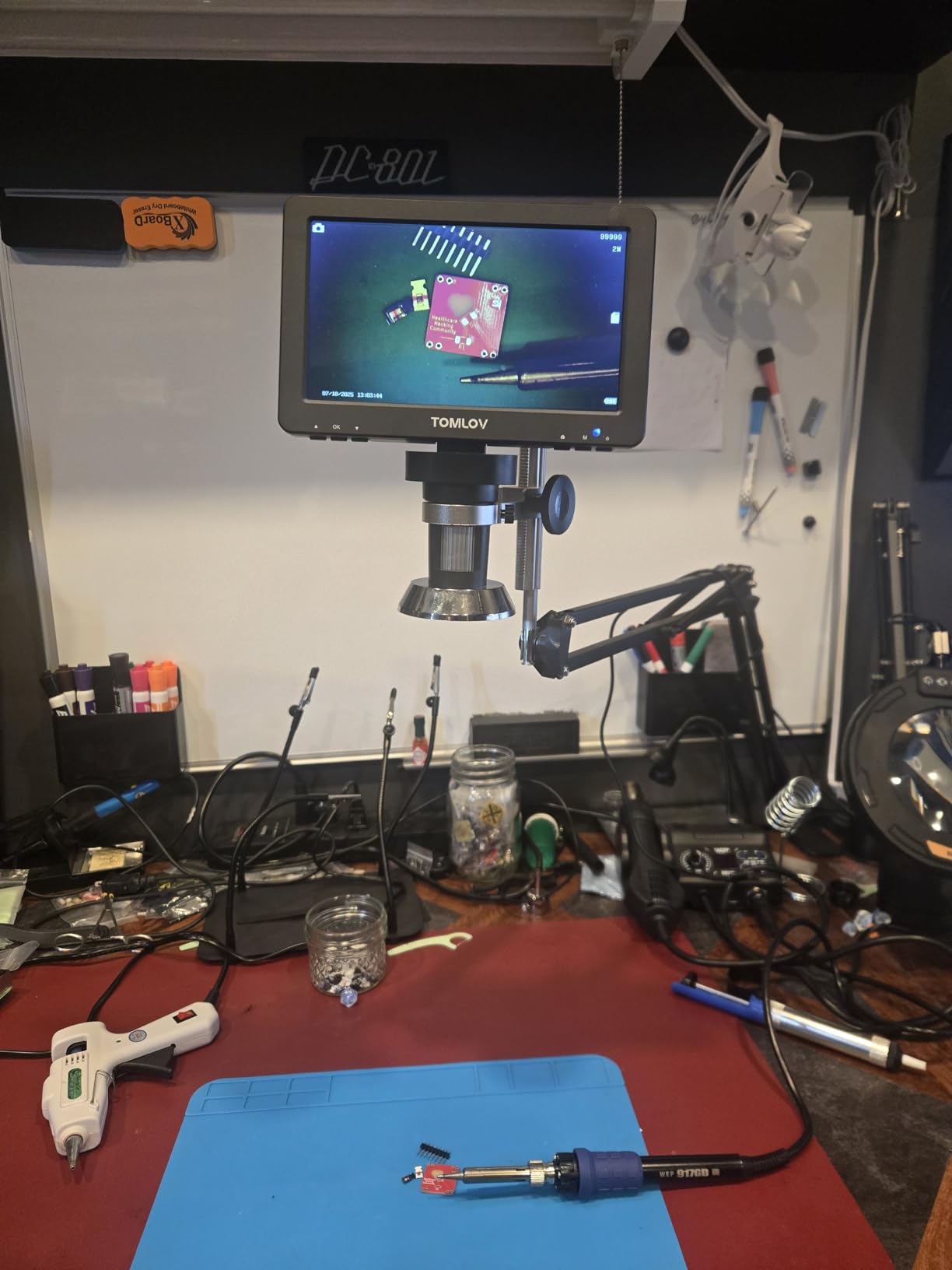
Thousands of buyers have now used this one, and it has settled into a clear role: the comfortable all-day inspection scope. The 7-inch screen is the reason. There is no eyepiece to press against, no neck craning, and you can sit back and simply look at what is happening on the base.
It records as well as it displays. Twelve megapixel stills and 1080P video write to an included 16GB card, so coin error hunts, solder joints and craft work all leave a documented trail. Connecting by USB to a Windows or Mac machine gives a larger live view for teaching, which is a genuine advantage over a small built-in panel.

The platform is well made for the money. A metal base and an 8.5 inch metal stand give a steady, shake-reduced surface with a heat-resistant area, so it holds position while you are working with a hot tool. Lighting is where most cheap digital scopes fall down, and this one has eight adjustable LEDs plus two flexible goosenecks that you can aim to reach into crevices.
Understand what the magnification number means here. Raising the stand and turning focus gives up to 1200X, but this is a fixed-focus digital axis, so image quality declines as you push toward the top of that range. The useful work happens much earlier on the dial.
Who should buy this microscope
Buy it if your sessions are long, or if anyone in the household has trouble using an eyepiece. Grandparents, younger children and anyone with neck or back issues all get more out of a screen than a monocular tube. Coin collectors who want dated photos of every find will like the record-keeping side too.
Buy it for electronics. The heat-resistant base and gooseneck lighting suit inspection work, and the metal stand is far steadier than the plastic clip stands common at this price. If you also want the very best photo and video pipeline, the USB microscope roundup covers the alternatives.
Who should skip this microscope
Skip it if you plan to look at stained blood smears or pond water at 400X and above. A digital sensor with a single lens simply does not resolve like glass, and no amount of screen magnification changes the optics. Serious biology needs a compound scope.
Also skip it if you want to work away from a computer entirely and travel with it. It needs mains power, and anything beyond the built-in screen means bringing a laptop along.
4. AmScope SE306R-PZ Binocular Stereo Microscope – Best for Stereo Work
AmScope SE306R-PZ Forward Binocular Stereo Microscope, WF10x and WF20x
20X, 40X and 80X stereo view
Forward binocular head
All-metal pillar stand
Incident and transmitted lighting
Pros
- True 3D depth perception for dissection and repair
- Heavy all-metal stand that does not slide or tip
- Switchable top and bottom lighting handles opaque and translucent subjects
- Wide-field optical glass eyepieces
- Owners report two or more years of trouble-free use
Cons
- Halogen housing runs hot and can scorch live specimens
- Field of view is narrow with the 20X eyepieces and 80X is dim
- No eye cups so eyelashes brush the lenses
- No trinocular port at this price
A stereo microscope is a different instrument, not a weaker compound scope. It uses two optical paths to give you a genuine three-dimensional view with depth perception, which is what makes delicate work possible. Insects stay in the plane of focus as you turn them, and soldering joints have depth you can actually navigate.
At 20X, 40X and 80X this one covers the range that matters for hobby work. The 20X setting is the sweet spot for general dissection and repair, where the field of view is wide enough to find your subject and the depth perception is already obvious.
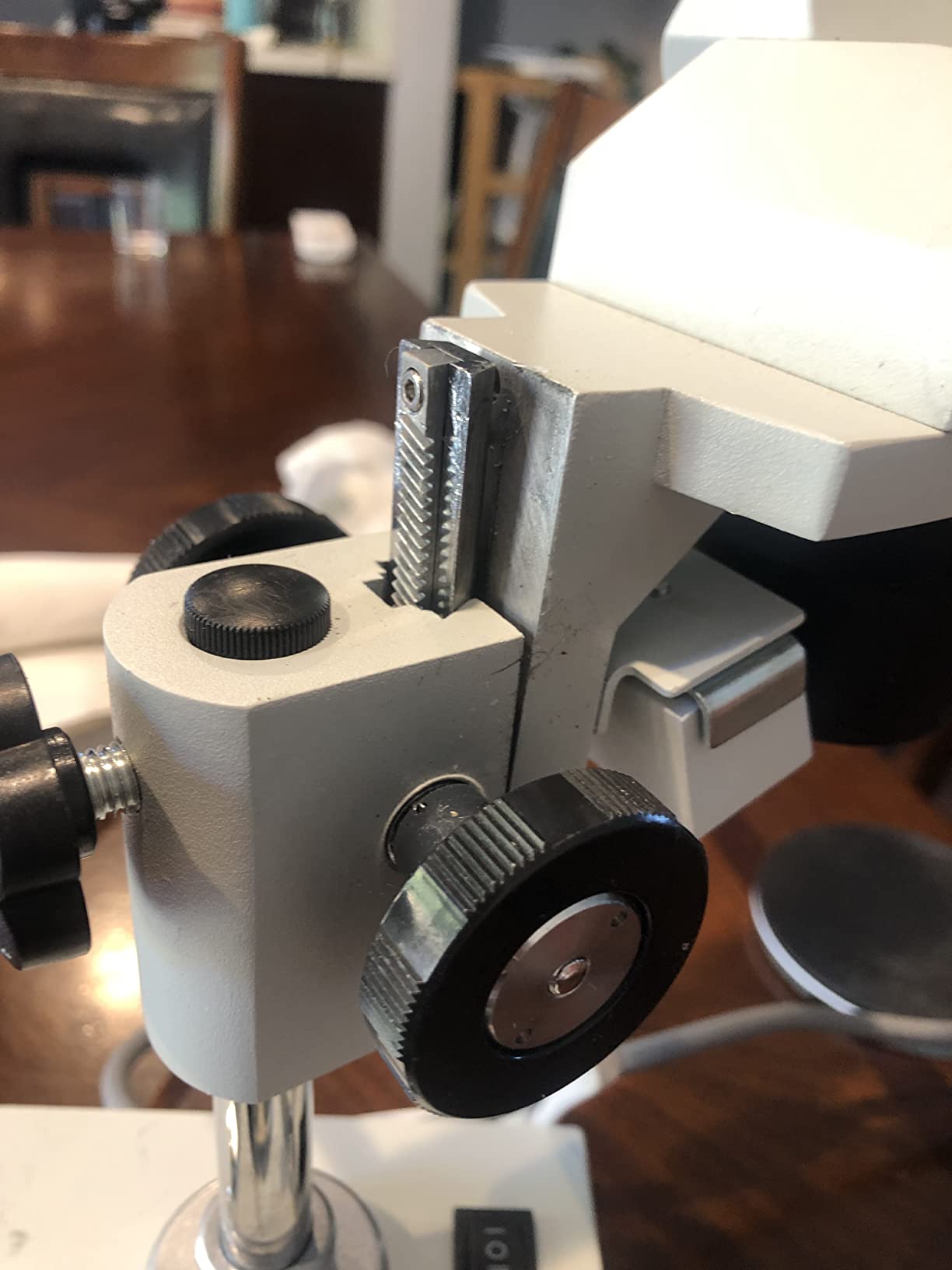
Two details make it feel like real equipment. The all-metal pillar stand is heavy in the right way, staying planted on a desk while you work instead of creeping across it, and the lighting switches between incident light from above for opaque subjects and transmitted light from below for translucent ones. That switch is what separates a useful stereo scope from a frustrating one.
Owners in the reviews include microbiology students, watch restorers and parents, and the common theme is durability over years rather than months. The complaints are consistent too: the halogen housing runs hot, the view is narrow at the higher settings, and there are no eye cups.

Who should buy this microscope
Buy it if you dissect, solder, work on watches, assemble models or handle anything where your hands and eyes need to work together in three dimensions. Long working distance at 20X means tall specimens stay reachable, which matters for insects in jars and circuit boards with components standing proud.
Buy it if you plan to share the view. Binocular eyepieces mean a second person can look at the same moment, which is exactly how you teach someone to hold a dissecting needle steady. Our stereo microscope guide goes into the mechanics in more detail.
Who should skip this microscope
Skip it if you want to see cells. A stereo scope tops out around 80X and is designed for objects, not slide-mounted transparent specimens. Also skip it for live wet mounts, because the hot halogen housing can scorch or dry out the sample you are trying to watch.
Skip it if you need photographs. There is no trinocular port at this level, so imaging means buying a separate adapter and accepting more compromise. And if you wear glasses, note there are no eye cups, which means constant lens smearing.
5. Herwicm 40X-2500X Binocular Compound Microscope – Best Value Binocular
Compound Microscope,40X-2500X ,WF10x and WF25x eyepieces, Dual LED Lighting and Two-Layer Mechanical Stage,Microscope for Adults…
Wide-field binocular head
Dual LED with fill light
Coaxial coarse and fine focus
Telescopic objective protection
Pros
- Wide-field eyepieces with a large field of view reduce eye fatigue over long sessions
- Dual top and bottom LEDs plus a fill light suit opaque and translucent samples
- Coaxial coarse and fine knobs on both sides of the base
- Two-layer mechanical stage with a spiral moving scale
- Telescopic objective extends to protect the sample
Cons
- 4X and 10X and 40X objectives give a modest optical ceiling
- Glass lenses in a metal and plastic body
- Full mechanical stage on an entry binocular can feel top-heavy
Two eyepieces at this price is the headline feature, and it is a real quality of life difference. Binocular viewing keeps both eyes open and both hands free, and combined with the wide-field eyepieces it means less eye strain over a long session than squinting down a single tube.
The lighting setup is unusually thorough for the price. There are top and bottom LEDs plus an integrated fill light, which covers both opaque subjects like fabric or coins and translucent ones like a thin plant section. A diopter-style difference between the two eyepieces is the one adjustment some people miss, and a quick turn of the ring fixes it.
The stage is the other thing that stands out. A two-layer mechanical stage with a spiral moving scale lets you slide a specimen across the field in small controlled movements instead of shimmying the whole slide with your fingers. Coaxial coarse and fine knobs are duplicated on both sides of the base, so you can drive focus with whichever hand is free.
Be clear about the ceiling. The listed objectives are 4X, 10X and 40X, so genuine optical power tops out at 400X with a 10X eyepiece. The 2500X figure comes from pairing the objectives with higher eyepieces, and that is where the image gets soft rather than more detailed.
Who should buy this microscope
Buy it if you want binocular comfort without spending near the top of the range. Homeschool families and students who spend long sessions on slides will feel the difference between two eyepieces and one, and the wide-field lenses keep the view large enough to work in.
Buy it if you move between solid and translucent subjects, since the dual lighting handles both. The telescoping objective that extends to protect the slide is a thoughtful touch for beginners who will inevitably bring a slide up too fast.
Who should skip this microscope
Skip it if bacteria, blood smears or cell detail at 1000X are the goal. The 40X objective sets a hard limit, and no eyepiece fixes that. Serious high-power work belongs to a scope with a proper 100X objective and a mechanical stage built for it.
Also weigh the chassis. The body is a mix of glass lenses, metal and plastic, so it is less rigid than an all-metal frame, and a full mechanical stage on a binocular body at this level can feel top-heavy if you are used to handling light gear.
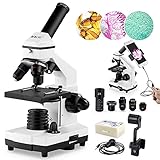
6. BEBANG 2000X Compound Microscope – Most Versatile
2000X Compound Microscope for Kids Adults: Microscope for Biology Education
100X to 2000X in six steps
Coarse and fine focus knobs
Dual LED with 0.65 NA condenser
Phone adapter and 15 slides
Pros
- Metal frame with both coarse and fine focus at a budget price point
- Top and bottom LED with a 0.65 NA condenser and disc diaphragm
- Generous bundle with phone adapter and wire shutter and 15 slides and a carrying bag
- Runs on AC or battery so it works away from a desk
Cons
- Monocular head with no second eyepiece
- Top-end magnification is eyepiece-driven rather than optical
- Rating reflects a real share of buyers disappointed at high power
This is the cheapest route into a real compound microscope in the roundup, and the reason is that it skips the plastic. A solid metal frame with both coarse and fine focus knobs puts the two features most likely to ruin a first microscope in place from day one.
The illumination is specified properly too. A top and bottom LED pair with a 0.65 numerical aperture single-lens condenser and a disc diaphragm is a genuine optical description rather than marketing filler, and it is what makes thin translucent samples viewable at all.
The accessory bundle is unusually generous for the money: a phone adapter, a wire shutter, 15 slides, ten operating accessories and a carrying bag. The phone adapter lets you hold a camera up to the eyepiece and photograph what you see, which turns a solo instrument into something you can share with a class or a family group.
It also runs on AC or battery, which is rare in this category and quietly useful if you want to take it to a kitchen table or a garden shed rather than setting up at a desk. Understand the magnification carefully: the six settings from 100X to 2000X combine 4X, 10X and 40X objectives with a 25X eyepiece and a 2X lens, so the top steps are eyepiece-driven.
Who should buy this microscope
Buy it if you want genuine compound optics for a very small outlay and you mostly look at slides rather than opaque objects. The metal frame and fine focus mean it will not feel like a toy in the hand, and 15 slides get you through the first month of experiments.
Buy it as a second scope for a classroom or club where a dozen kids need a turn, or as a portable option thanks to the battery capability. The carrying bag is a hint that the design expects movement.
Who should skip this microscope
Skip it if anyone will want to look with you. It is monocular, so there is no second eyepiece and no way to share the view, which rules it out for teaching a single child and for adult-assisted viewing.
Skip it if fine detail is the goal. The 40X objective caps real optical power, and the reviews note a real share of buyers disappointed by soft images at the highest settings. Treat 2000X as a ceiling, not a working level.
7. PalliPartners Compound Microscope – Best for Kids
PalliPartners Compound Microscope for Adults & Students, White
4X, 10X and 40X objectives
28-slide kit
Phone clip and Bluetooth shutter
SGS certified for ages 8-18
Pros
- Ranked first in its category with a 28-slide kit of 10 prepared and 18 blank slides
- Phone clip adapter and Bluetooth remote shutter let kids record what they see
- Top and bottom LEDs handle coins and translucent cells
- SGS certified for non-toxic materials and electrical safety
Cons
- Objectives can wobble in the housing if handled roughly
- Some buyers report LED output dimming over time
- Fixed stage rather than a mechanical one
- No 100X oil immersion objective included
The question behind any kids microscope is simple: will the child still be using it in three months. This one has the best answer we found, and it is not mainly about optics. It is about the 28-slide kit, with ten prepared specimens ready to go and 18 blank slides for making their own, so there is always something new to put on the stage.
The recording features close the loop. A phone clip adapter sits against the eyepiece and a Bluetooth remote shutter triggers the phone camera from a distance, so a nine-year-old can photograph a specimen without an adult learning microscopy first. Parents describe the result as a genuine interest in biology rather than a forgotten birthday present.
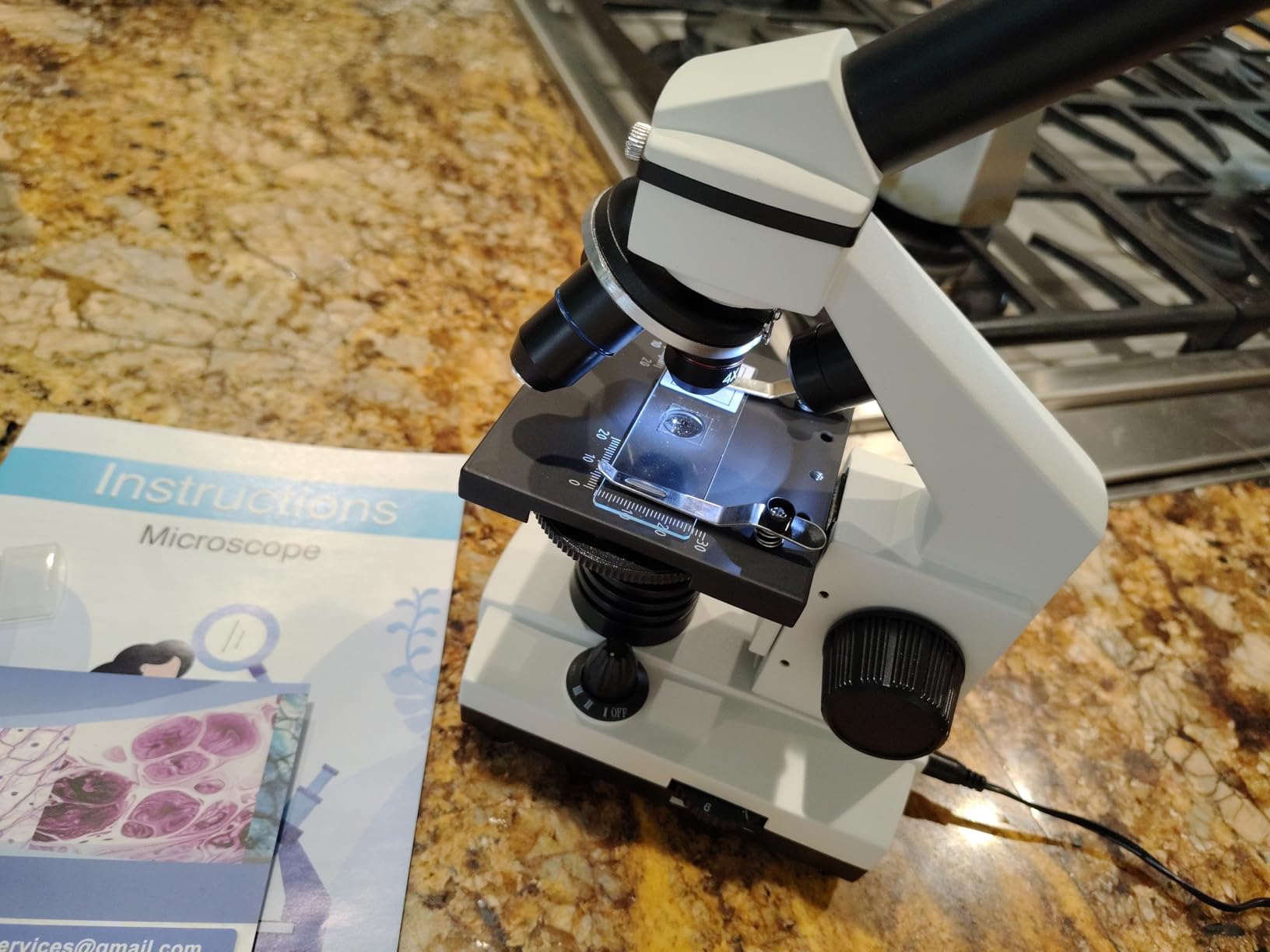
Separate top and bottom LED lights let you switch between opaque items like coins and translucent ones like cheek cells, and coaxial coarse and fine focus knobs give enough control to hold a prepared slide sharp. The body is polycarbonate and polyethylene rather than metal, which is the main trade for the low weight and low cost.
The 4.3 rating with more than a thousand reviews reflects real durability feedback. Objectives can develop play in the housing if the scope is carried roughly, and some owners report the LED output dimming and the image softening with heavy use over time. Treat it as a learning instrument rather than a permanent fixture.
Who should buy this microscope
Buy it if the main user is a child roughly 8 to 18, whether homeschooled or simply curious. The slide count, the phone recording and the top category ranking for entry monocular microscopes all point the same way: this is the kit most likely to survive a first enthusiastic month and turn into a second one.
Buy it as a gift where the wrapping matters. SGS certification for non-toxic materials and electrical safety is a specific reassurance for younger children, and the top and bottom lighting handles both coins and cheek cells, so the first session produces a result.
Who should skip this microscope
Skip it if you want a mechanical stage. The fixed stage means moving a specimen means pushing the slide, which becomes frustrating quickly with pond water or anything that swims. It also means you cannot centre a moving specimen once it settles.
Skip it if you need true 1000X. The listed objectives are 4X, 10X and 40X with a 25X eyepiece and a 2X lens, so the 2000X headline needs an oil immersion objective the kit does not include. For a child who will outgrow that within a year, look at a trinocular compound scope instead.
8. JECONE 40X-2500X Compound Microscope – Best for Phone Photos
Microscope for Adults & Kids, 40X-2500X High-Power Compound Microscope for Students, School Lab & Home Schooling,Equiped with Slides Set & Phone Holder (White)
Six levels from 40X to 2500X
Dimmable dual LED
5-colour filter wheel
Phone holder and rotating eyepieces
Pros
- Dual incident and transmitted LEDs with a dimmer knob for intensity control
- 5-colour filter wheel under the stage for staining transparent samples
- Separate coarse and fine focus knobs
- Compact metal body in a 2.95 by 4.8 by 8.15 inch footprint
- Phone holder plus 360-degree rotating eyepieces
Cons
- Objectives stop at 100X with no 40X or oil option listed
- Bundle includes only five prepared and five blank slides
- Monocular
- so no shared viewing
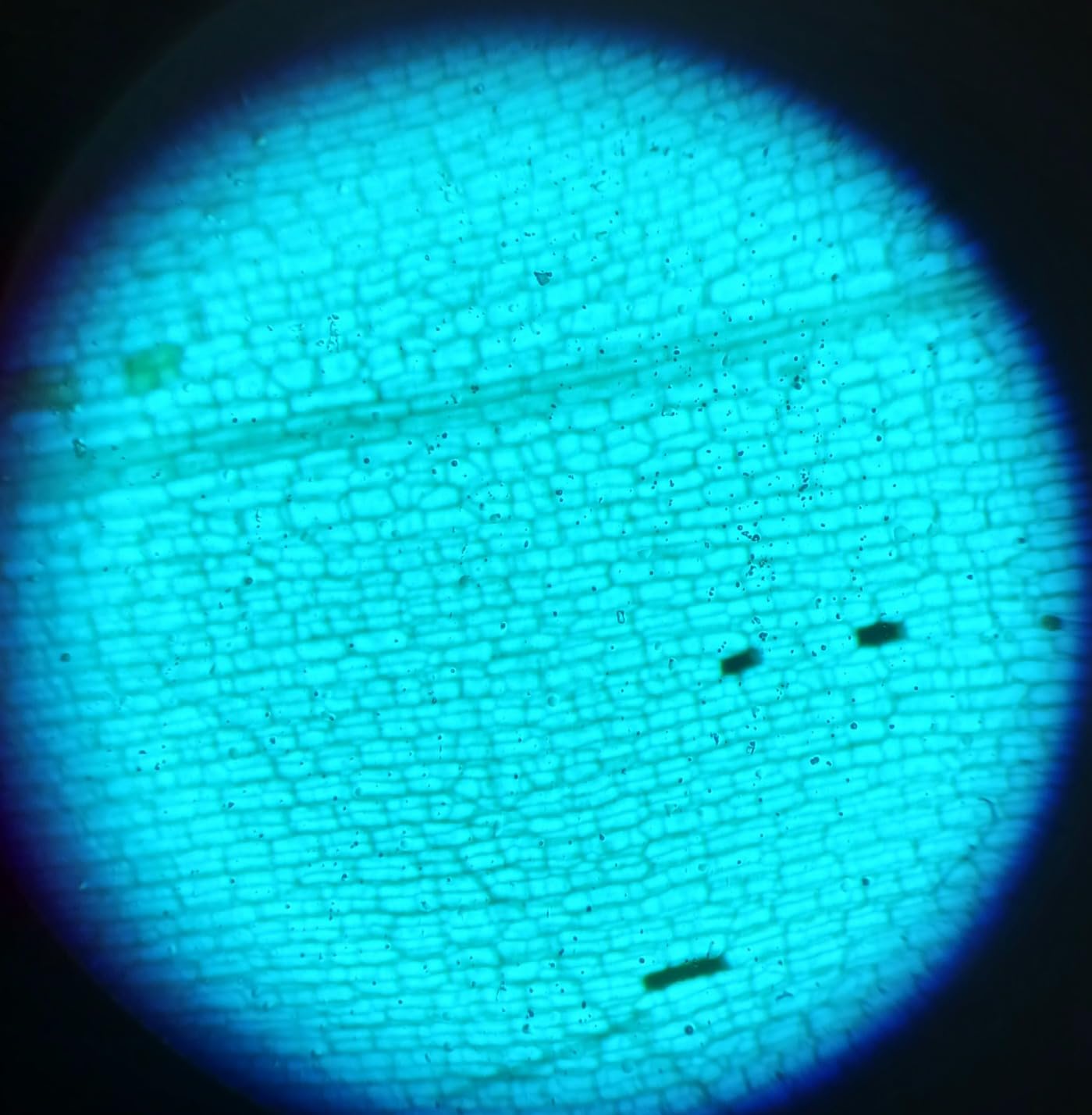
The filter wheel is the feature that makes this stand out, and it is one you normally find on bodies costing far more. A rotating five-colour disk under the stage lets you stain a nearly transparent sample with a chosen filter, which increases contrast instead of just brightness. For a first microscope, seeing a clear onion cell rather than a grey blur is a small thing that changes everything.
Lighting is properly dimmable, with both incident and transmitted sources, so you can dial brightness down to control glare on shiny surfaces and turn the top light on for opaque subjects. The separate coarse and fine focus knobs make the two-stage process intuitive: find the image, then sharpen it.
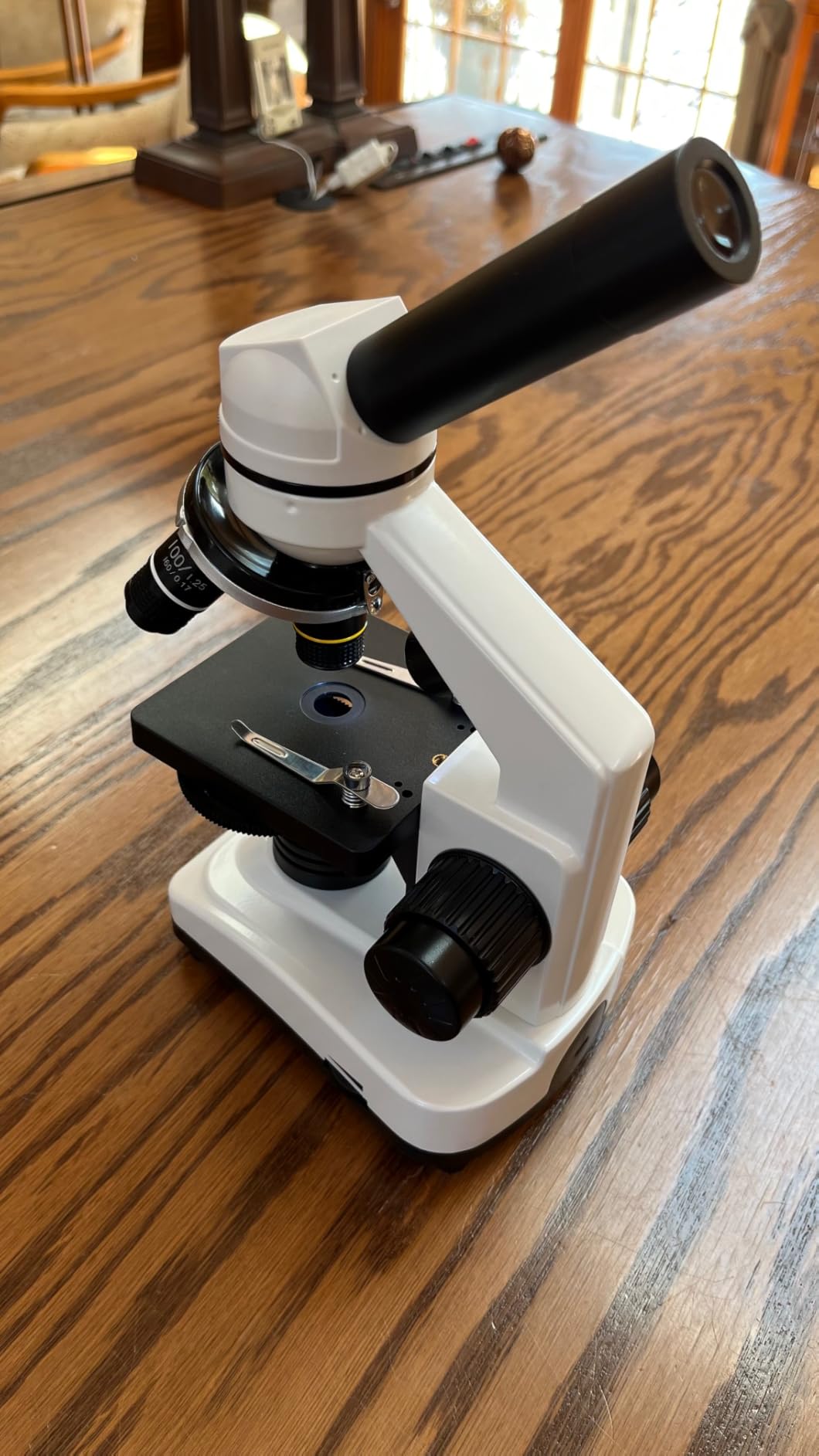
For documenting work, it comes with a phone holder and eyepieces that rotate through 360 degrees, which means you can compose a slide photo without contorting your neck or holding the phone in your teeth. The body is metal and genuinely compact at under 3 inches wide, so it fits on a small desk or in a cupboard between sessions.
The honest limitation is optical power. The listed objectives are 4X, 10X and 100X, and the 2500X ceiling depends on the WF25X eyepiece rather than a 1000X oil objective. Review volume is lower than the other budget picks here, so the consensus signal is thinner, though it has been consistently positive on build and included accessories.
Who should buy this microscope
Buy it if you want documented observations. The filter wheel, the phone holder and the rotating eyepieces together make photographing slides a normal part of using it, which suits a science club, a journal-keeping naturalist or anyone building a reference collection.
Buy it for a small space. At 2.95 by 4.8 by 8.15 inches it is the most compact metal-bodied scope in the roundup, and the dimmer plus dual lighting make it workable in a room with variable light rather than only under a desk lamp.
Who should skip this microscope
Skip it if high-power specimen detail is the reason you are buying. The stated objective list tops out at 100X with no 40X or oil immersion option named, and the 2500X figure is eyepiece-driven, so treat the practical ceiling as much lower.
Skip it if you are furnishing a shared lab. It is monocular and the bundle is modest at five prepared and five blank slides, so a classroom of students will queue. For that, the trinocular pick handles sharing properly.
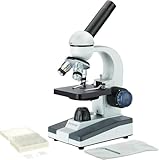
9. AmScope M150C-PS25 Portable Compound Microscope – Best First Optical Scope
AmScope M150C-PS25 Series Portable Monocular Compound Microscope – 1000X
Achromatic objectives
LED fly-eye illumination
25 prepared slides
Machined metal body
Pros
- Sturdy metal build that survives heavy use by children
- Magnification range reported as matching the listing
- 25 prepared slides included and repeatedly called a highlight
- LED fly-eye illuminator gives bright daylight-balanced light
- Owners report decent results photographing slides with a phone
Cons
- Camera shown in the listing is not included with this configuration
- Needs a hand from an adult when a young child is working
- Some buyers needed a separate camera adapter to share the view
AmScope is the brand hobbyist forum members rank first more often than any other in this category, and this model shows why. It is a proper machine: achromatic objectives, a metal enclosure and a five-year manufacturer warranty rather than a plastic shell with a sticker magnification.
The LED illuminator uses a fly-eye lens, which spreads light more evenly across the field than a bare LED. That matters more than the wattage would suggest, because even illumination means you are not constantly nudging the lamp to move a hotspot off your specimen. The 45-degree real angle of view gives an upright, comfortable working posture.
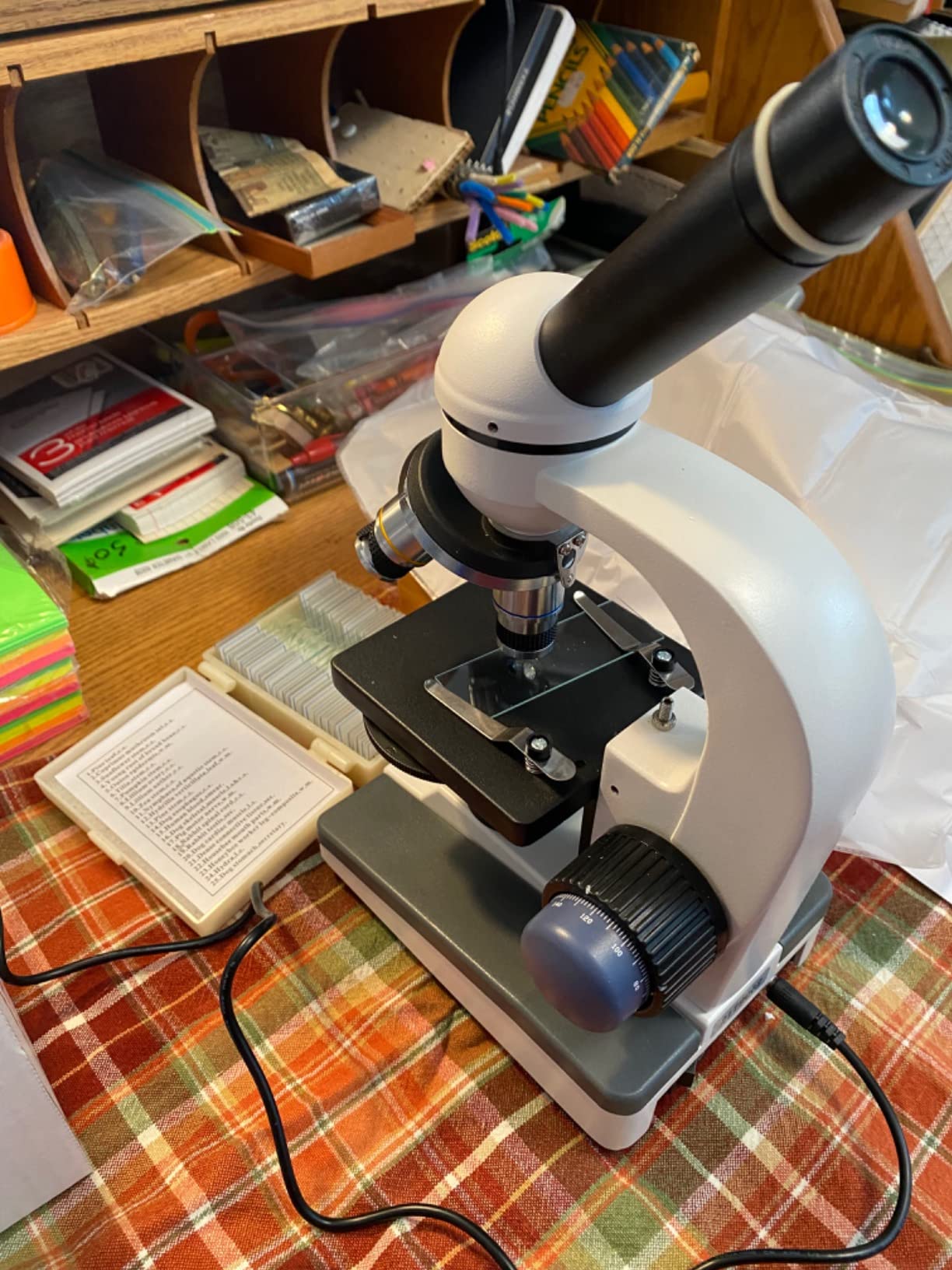
Twenty-five prepared slides come in the box, and owners single this out more than any other feature. A first microscope with a full slide kit gets used weekly, because there is something to look at on day one. Phone photography through the eyepiece also works well enough that several reviewers document their slides that way.
Two caveats are worth knowing before you order. The camera pictured in the listing is not part of this configuration, and some buyers bought a separate camera adapter afterwards to share the view. It is also monocular with a fixed stage, and a few reviewers found it more advanced for a young child working alone.
Who should buy this microscope
Buy it if you want a first microscope that will still be in use years later, or if it will be handled roughly by children. The metal body and the five-year warranty are the reason owners describe it as non-toy, and that is exactly the trait toy-grade scopes lack.
Buy it if you want a spare or a portable unit. At 3.3 pounds and under 15 inches long it is easy to move between rooms, and the wide range of compatible accessories means you can add imaging later without replacing the scope.
Who should skip this microscope
Skip it if you need two people to look at once, or if you want a mechanical stage to track a moving specimen. Neither is present, and a monocular head means every observation is single-user.
Skip it if you are buying for a child under about 10 working unsupervised. Reviewers note it needs a hand with focus and slide placement, and with a fixed stage there is less margin for error. In that case a kit with more slides and a phone shutter suits a young learner better.
10. SKYBASIC Wireless Digital Microscope – Best for Wireless Phone Viewing
Wireless Digital Microscope, Skybasic 50X-1000X Magnification WiFi Portable Handheld Microscopes with Adjustable Stand HD USB Microscope Camera Compatible with iPhone Android iPad Windows Mac Computer
WiFi to phone plus USB to computer
8 adjustable LED lights
2MP HD CMOS sensor
0.31 kg handheld body
Pros
- Works over WiFi with Android and iOS and over USB with Windows and Mac
- 2MP HD CMOS sensor with one-button photo and video capture
- Lightweight at 0.31 kg and genuinely portable for field use
- 8 adjustable LEDs for clear well-lit images
- Free app with a one-year replacement service
Cons
- Fixed-focus design with a 3-60mm working distance
- Included stand does not hold the scope reliably in position
- Two enlarge and reduce buttons do not appear to function
- App requests broad photo permissions and setup can be fiddly
Nothing else in this roundup goes outside. At 0.31 kg with a battery-powered handheld body, this fits in a pocket, and it transmits over WiFi to a phone or tablet, so you hold the scope in one hand and view on the screen in the other. That combination is genuinely useful for looking at a leaf, a mineral, a coin or a scalp in a mirror.
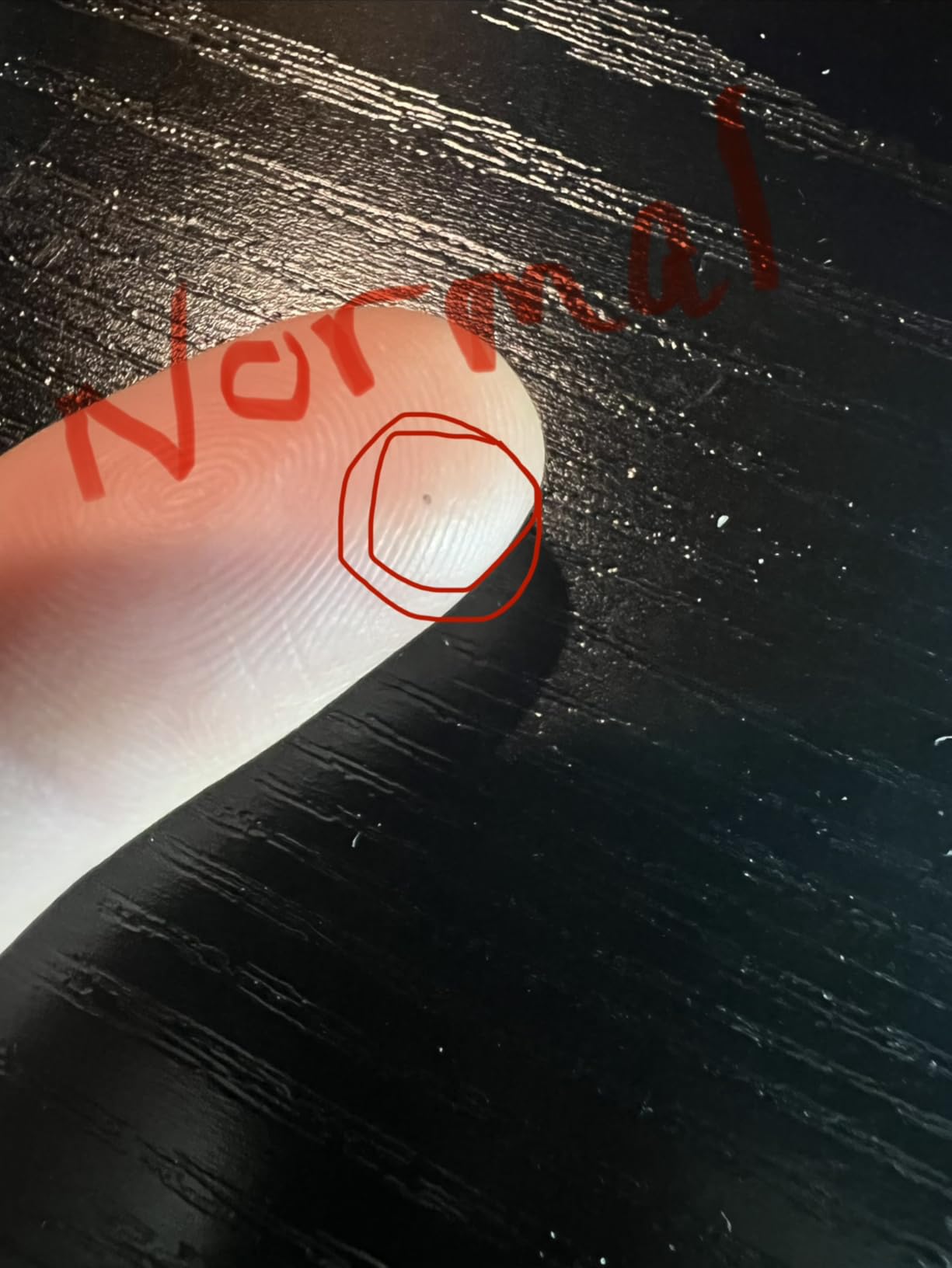
The image quality is respectable for what it is. A 2-megapixel HD CMOS sensor with eight adjustable LED lights produces 1920×1080 images on a smartphone, and one-button capture handles both photos and video. Connecting by USB to a Windows or Mac computer drops it to 720P, which is still fine for documentation.
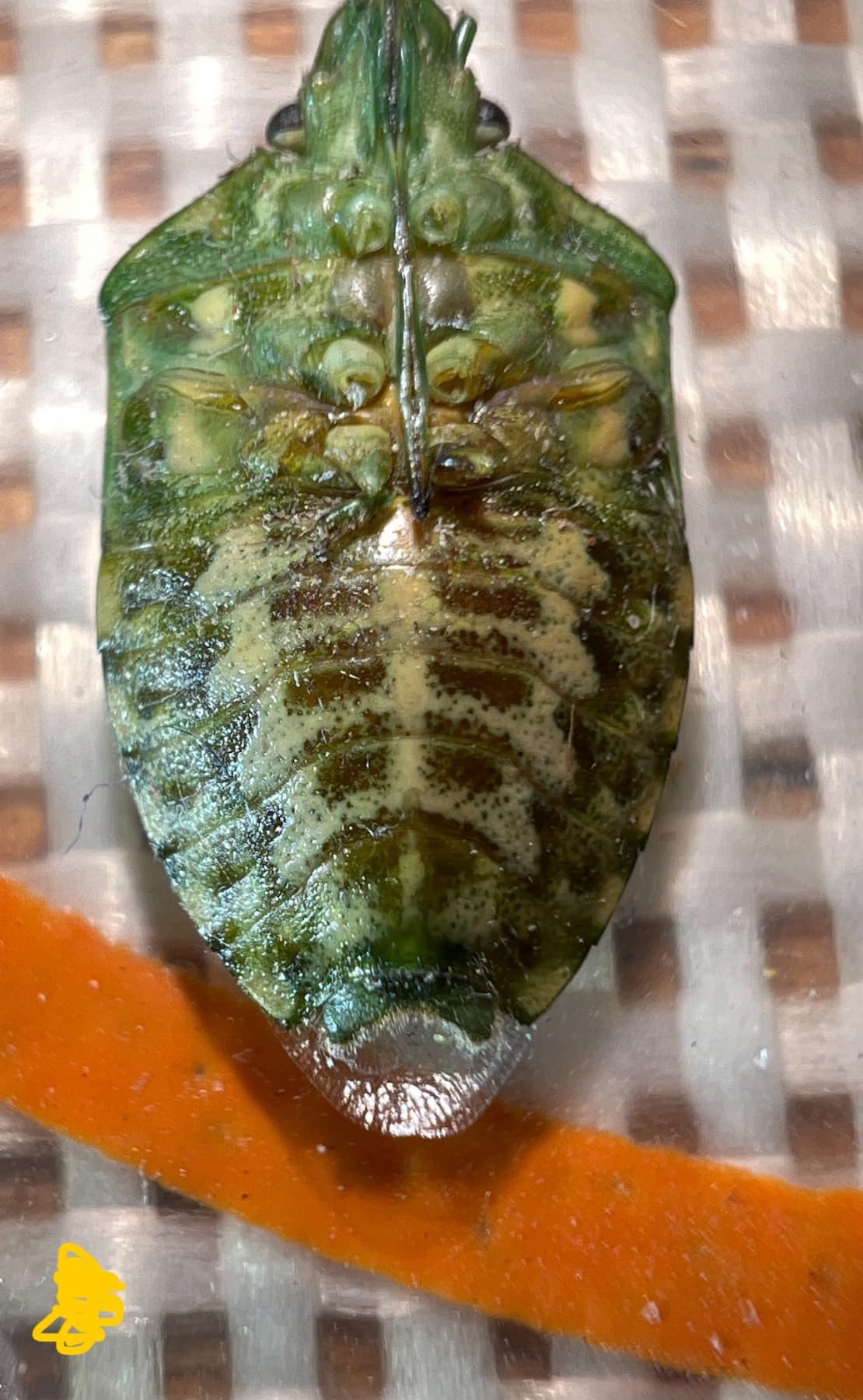
It carries the biggest review base in this roundup by a wide margin, and the pattern in those reviews is consistent. Buyers like the wireless phone connectivity, the lighting and the low entry point, and it is popular for scalp and skin checks, electronics inspection and outdoor specimens.
The stand is the weak link, and the reviews are direct about it. The tightening mechanism does not hold the scope reliably in position, so a small clamp or a stiff gooseneck holder is worth adding. It is also fixed-focus with a 3 to 60mm working distance, which means it is not an optical microscope in any meaningful sense.
Who should buy this microscope
Buy it if your interest is outdoors or casual. Weighing almost nothing and working from a phone means you can examine a garden, a beachcombed shell or a rock in the field, which no bench scope here can do.
Buy it as a secondary tool. It is excellent for electronics inspection, hair and scalp checks, textures and demonstrations on a phone screen, and it costs little enough to sit alongside a proper optical scope rather than replace one.
Who should skip this microscope
Skip it for serious biology. The manufacturer states plainly that it is not suitable for professional serious work, and fixed-focus digital magnification cannot show cells. Use it for objects, never for slides.
Skip it if you dislike software setup. The app asks for broad photo library permissions and the connection process can be fiddly, and two of the physical buttons labelled enlarge and reduce do not appear to do anything. All the real control happens in the app.
How to Choose a Microscope Under 300 Dollars?
Almost every decision comes down to one question: what are you putting under it. The three families in this roundup overlap less than the marketing suggests, and picking the wrong one is the most expensive mistake available at this budget.
A compound microscope multiplies objective power by eyepiece power, so a 40X objective with a 10X eyepiece gives 400X total. Light passes up through a thin slide-mounted specimen, and two glass lens sets form the image. This is the type for cells, pond water, blood smears, plant sections and anything on a slide. A stereo microscope uses two separate optical paths, giving a three-dimensional view with depth perception, and it is the one for insects, soldering, coins, watches and electronics. A digital microscope replaces the eyepiece with a camera and a screen, which is easier on your eyes, better for photos and useless for high-power biology.
Head type matters within compounds. Monocular means one eyepiece, so only one person views at a time and nobody shares the view. Binocular means two eyepieces, so two people can look simultaneously. Trinocular adds a third port for a camera while both eyepieces stay in use, and the image stays parfocal between them, which matters if you photograph slides regularly.
The empty magnification myth and the 1000X ceiling
Magnification past 1000X on a light microscope is empty magnification. The image gets blurrier and greyer rather than more detailed, because the lens cannot gather more information than the specimen and the light actually provide. This is the most misunderstood number in the whole category.
Here is how the trick works. Take a 4X, 10X and 40X objective set, which is the most common kit in this price range, and pair it with a 25X eyepiece and a 2X lens. The arithmetic gives you a headline figure of 2500X, and every one of those scopes prints it. The real optical power never passed 400X. Above that, you are enlarging a blurry image.
So can you see bacteria with a 1000X microscope? Yes, but only with a genuine 100X oil immersion objective, a condenser, immersion oil and a cover slip of exactly the right thickness, and only if the specimen is properly stained. In this price range you will rarely have all four, which is why buying on the headline number leads to disappointment. Judge a listing by its objective list instead, and read the highest number that is an objective rather than an eyepiece.
How much magnification each specimen needs
Match the required magnification to the specimen and you will rarely need the top of any scope’s range. The most useful numbers are lower than buyers expect.
Onion skin cells, cheek cells and typical prepared plant sections sit comfortably at 100X to 400X. Pond water and the microorganisms in it, including rotifers and protozoa, need 100X to 400X, and a mechanical stage makes the difference between tracking them and losing them. Plant cells including chloroplasts and algae work at 400X. Bacteria, blood cells and fine cell structure need 1000X with oil immersion, which is a step up this budget does not always reach. For insects, soldering joints, coins, gemstones, printed circuit boards and hair, a stereo scope at 20X to 40X beats a compound scope at any magnification.
The practical rule is that anything you can already see with your eyes is usually a stereo or digital job, and anything living on a slide in a drop of water is a compound job. That single distinction resolves most of the confusion in this category.
The five features that decide image quality
Fine focus is the first. Coarse-only focusing makes anything above 400X genuinely difficult to hold sharp, and it is the single most common deal breaker named by experienced users. Coaxial knobs, where fine and coarse share an axis, are a bonus.
A mechanical stage is the second. X-Y movement keeps a specimen centred without you pushing the slide around with your fingers, which matters for pond water, thick sections and anything that moves. It also lets you scan a large slide systematically instead of hunting for the interesting part.
Third, illumination. Transmitted light from below handles translucent specimens, and incident light from above handles opaque ones. A scope with only one of the two will rule out half your potential subjects. Dimmability matters too, because a fixed-brightness lamp either washes out transparent samples or leaves opaque ones dark. A condenser is the part that focuses light properly onto the specimen and it is frequently missing.
Fourth, glass optics. Achromatic objectives correct the colour fringing that makes a cheap lens look soft, and wide-field eyepieces give a larger view so you see more of the specimen at the same power. A diopter adjustment on one eyepiece fixes the difference between your eyes. Fifth, build: metal in the arm, stage and frame, because plastic creeps under focus pressure at high power.
Who actually makes these microscopes
Brand names obscure more than they explain in this category, and this is the question buyers ask most often without a clear answer. AmScope and OMAX, and Swift to a degree, are American brands sourcing from the same Chinese manufacturing base, which is normal for the industry and not a quality warning on its own. Celestron is a house brand that designs and specifies products and outsources production, so the scope you buy may share a factory with a cheaper badge.
What that means in practice is that the model code matters more than the logo. Near-identical AmScope listings such as the M150, M150C and M149C differ mainly in the eyepiece and accessory package, and the suffix PS25 versus PS50 tells you the slide count. A bundle code like PS25 is not a different machine. Read the objective list and the included slides, not the model number.
Forum consensus on brand order is broadly AmScope first, then OMAX, then Swift, with the advice to buy new unless you are buying in person or from a source you trust. Experienced members also argue that the best microscope is the one that gets used, and that the stepping up from the middle of the range to the top matters far less than whether it sits on a shelf.
What you spend after the microscope arrives
Budget for consumables. Prepared slides, blank slides, cover slips of the correct thickness and a small bottle of immersion oil together cost less than a single higher-end objective, and running out of cover slips is the most common first-month dead end. Anyone working with digital models may also want a USB camera option later, which is a well-trodden upgrade path for a binocular or trinocular scope rather than a full replacement.
The used market deserves a mention. Forum regulars consistently point out that a secondhand student scope from a university or a lab clear-out can be a better instrument than a new sub-150 dollar scope, because those come off multi-year depreciation rather than a budget design. Check that the stage, focus knobs and lamp all move, and expect to replace the light source. Our full microscope guide covers the used-versus-new comparison in more detail.
Frequently Asked Questions
What is the best microscope for the money?
In this price range, the best value comes from a scope with achromatic glass objectives, a real fine-focus knob, a mechanical stage and dimmable LED illumination. Those four features decide image quality far more than the headline magnification. Pick a binocular head if you will share the view, or a trinocular head if you plan to photograph slides.
What are some good budget microscopes?
Good budget options include a metal-framed monocular compound scope with coarse and fine focus for the lowest sensible outlay, a binocular model with wide-field eyepieces and dual lighting for a more comfortable step up, and a digital scope with a built-in screen if you want easy viewing and photo capture. Avoid anything with a plastic frame or coarse focus only.
Can you see bacteria with a 1000X microscope?
Only with a genuine 100X oil immersion objective, a condenser, immersion oil and a correctly sized cover slip, and only on a properly stained specimen. Most scopes printing 1000X or more in this price range reach that figure by boosting the eyepiece, which is empty magnification. Check the objective list rather than the headline number before you buy.
What are the best microscopes for home use?
For home use, a compound scope with dual top and bottom LED lighting handles both thin slide samples and solid objects, and a mechanical stage helps when viewing pond water or anything that moves. A digital scope with a screen is the most comfortable option for long sessions and for children. A stereo scope is the right choice for coins, solder joints and insects.
What is the best microscope for hobby use?
Hobbyists usually need more than one instrument, and the two most useful are a stereo scope at 20X to 40X for dissection, coins and electronics, and a binocular or trinocular compound scope with a mechanical stage for slides. A trinocular head is worth the step up if you intend to photograph specimens, since the image stays parfocal while you view.
How much does a student microscope cost?
Entry scopes with a metal frame, fine focus and dual illumination start in the high double digits and go well into the low hundreds. Digital scopes with a built-in screen sit in a similar band. At the top of this range you get wide-field eyepieces, DIN achromatic objectives, a mechanical stage and a camera-ready trinocular port. Budget separately for slides, cover slips and immersion oil.
Are AmScope microscopes of good quality?
AmScope is widely rated as the most reliable brand in this category, and experienced users in microscopy forums generally rank it ahead of OMAX and Swift. Quality varies by model rather than by brand, so check for a metal enclosure, achromatic objectives, a fine-focus knob and a manufacturer warranty of several years. Note that the suffix on the model code usually indicates the accessory bundle.
Is AmScope a Chinese brand?
AmScope is a US brand that designs and specifies its products in the United States and sources manufacturing from China, which is standard practice across the optics industry. The same applies to OMAX and to a degree Swift, while Celestron is a house brand that specifies products and outsources production. Manufacturing origin alone does not indicate build quality in this category.
Final Verdict: The Best Microscopes Under 300 Dollars
The Andonstar AD246S-M is our pick of the best microscopes under 300 dollars because it covers three different jobs with one set of lenses and gives you an HDMI feed you can share, which no optical scope in this bracket can do. If your work is genuinely optical rather than object-based, the Swift SW380T is the stronger buy, with DIN achromatic objectives, a mechanical stage and a camera-ready trinocular head.
Pick the TOMLOV DM9 if long sessions and easy photography matter more than true magnification. Pick the AmScope SE306R-PZ for any hands-on work on insects, coins or circuit boards, and the AmScope M150C-PS25 as a durable first optical scope for a student who will keep it for years. Our digital microscope roundup covers the screen-based options in more detail.
Whatever you choose, check the objective list instead of the headline number, and buy the accessories you will need in the same order. The 2026 microscope market moves slowly, so any of these ten will still be a sound decision next year.