
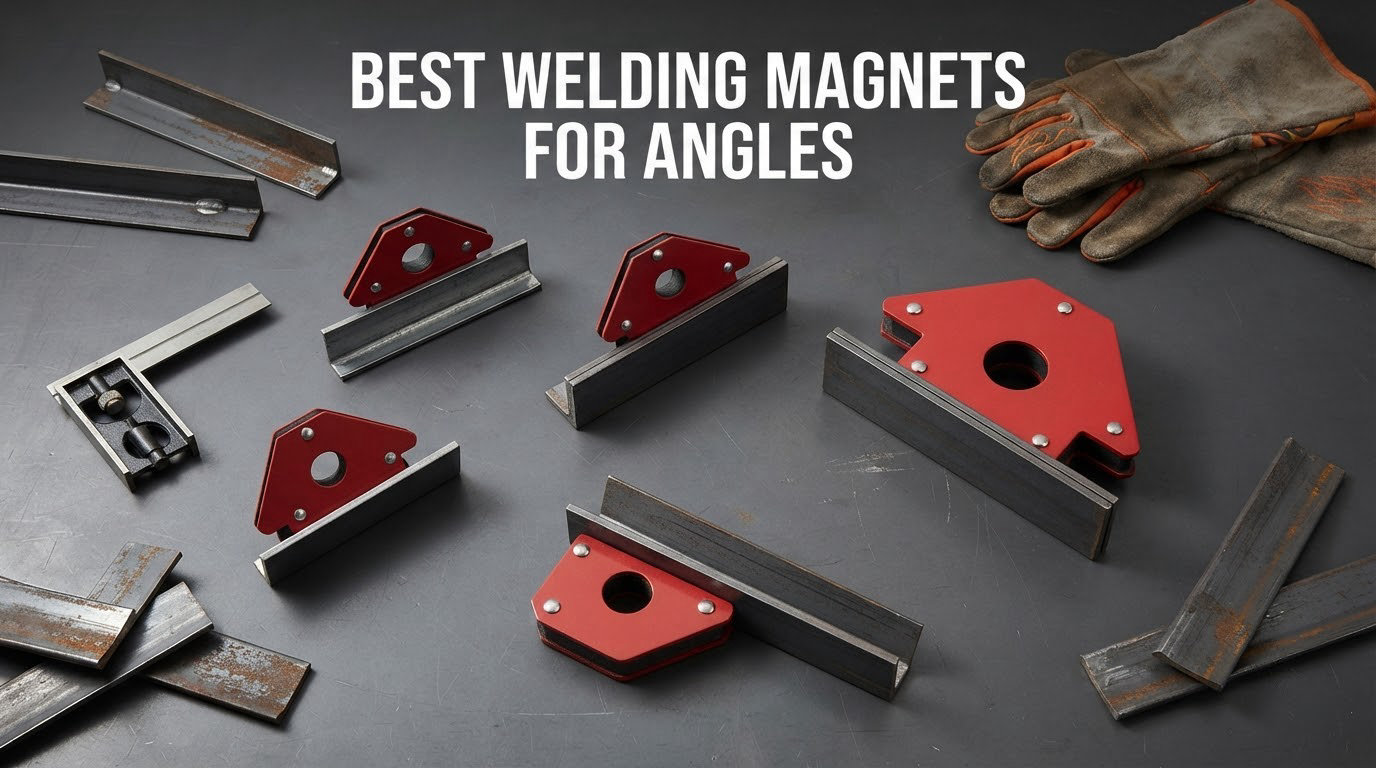
A welding angle magnet is a magnetic work-holding fixture that grips two pieces of ferrous steel at a fixed or adjustable angle, most often 90, 45 or 135 degrees, so the joint stays square while you tack and weld it. An internal magnet pulls the body hard against the steel, and the angled face physically blocks the second piece from rotating, which frees both hands.
That angle-holding job is where most home-shop headaches start. Holding a true 90 by hand is the fastest way to burn a joint out of square, and a crooked gusset or angle iron bracket usually comes off the bench and gets cut apart. The best welding magnets for angles are a fit-up tool, not a substitute for mechanical clamping, and that distinction is where most buying guides go quiet.
Our team spent time running all twelve of the picks below through the same routine: fit-up on angle iron, square tube and sheet, then a tack, and a look at how each tool behaved once the arc came on. Every product here got a placement only against the data we could verify, including the ones whose published pull figures flatter them. We also flag the honest limits, because a magnet that snaps thin sheet out of position is worse than no magnet at all.
One piece of safety gear pairs with everything on this list. If you have not sorted out your head protection yet, our auto-darkening welding helmet guide is worth a read before your first arc.
Table of Contents
Top 3 Picks for Angle Work in 2026


All 12 Best Welding Magnets for Angles at a Glance (October 2026)
This table lists every pick below with its form factor, the angles it holds and the published holding force. Pull figures come from the manufacturer specification, and several of them overstate what you get in the shop.
| Product | Specifications | Action |
|---|---|---|
| Strong Hand Mini Squares MS346AT |
|
Check Latest Price |
| Strong Hand MSA46-HD Adjust-O |
|
Check Latest Price |
| Strong Hand MLA600 Adjustable Square |
|
Check Latest Price |
 Magswitch MagSquare 150 Magswitch MagSquare 150 |
|
Check Latest Price |
 YESWELDER 4 Pce 25 and 50 lb Set YESWELDER 4 Pce 25 and 50 lb Set |
|
Check Latest Price |
 TOOLIOM 6 Pce Arrow Set TOOLIOM 6 Pce Arrow Set |
|
Check Latest Price |
 ARCCAPTAIN 25 lb and 55 lb 4 Pce ARCCAPTAIN 25 lb and 55 lb 4 Pce |
|
Check Latest Price |
 YESWELDER Adjustable 20 to 200 Degree YESWELDER Adjustable 20 to 200 Degree |
|
Check Latest Price |
 YESWELDER 75 lb Two Pack YESWELDER 75 lb Two Pack |
|
Check Latest Price |
 LISHUAI Adjustable 20 to 200 Degree LISHUAI Adjustable 20 to 200 Degree |
|
Check Latest Price |
 GRIP 75 lb Arrow Magnet GRIP 75 lb Arrow Magnet |
|
Check Latest Price |
 GUTIMORE 25 lb Four Pack GUTIMORE 25 lb Four Pack |
|
Check Latest Price |
1. Strong Hand Mini Squares MS346AT – Best Overall for Angle Work
Mini Magnetic Squares, Size: 2.3”x2”x.6”, Angles: 30º/60º, 45º, 90º, light duty (Twin Set), MS346AT
25 lb pull
30, 60, 45, 90 deg
2.38 x 2 x 0.63 in
6.4 oz twin set
Pros
- Reaches tight spots larger squares cannot
- Accurate 90 degree on light gauge
- Twin set gives two hold points
Cons
- 25 lb figure is optimistic on tall pieces
- Ferrite face traps shavings over time
These are the two small squares we reach for most often on the bench. At 2.38 inches long, 2 inches wide and just over half an inch thick, they slide into the inside corner of a small bracket or the gap between two tube walls where a full-size square simply will not go.
Both bodies hold 30, 60, 45 and 90 degree positions, which is more flexibility than most people expect from something this size. The twin set is the part that actually improves accuracy, because two magnets give you two reference points instead of one.
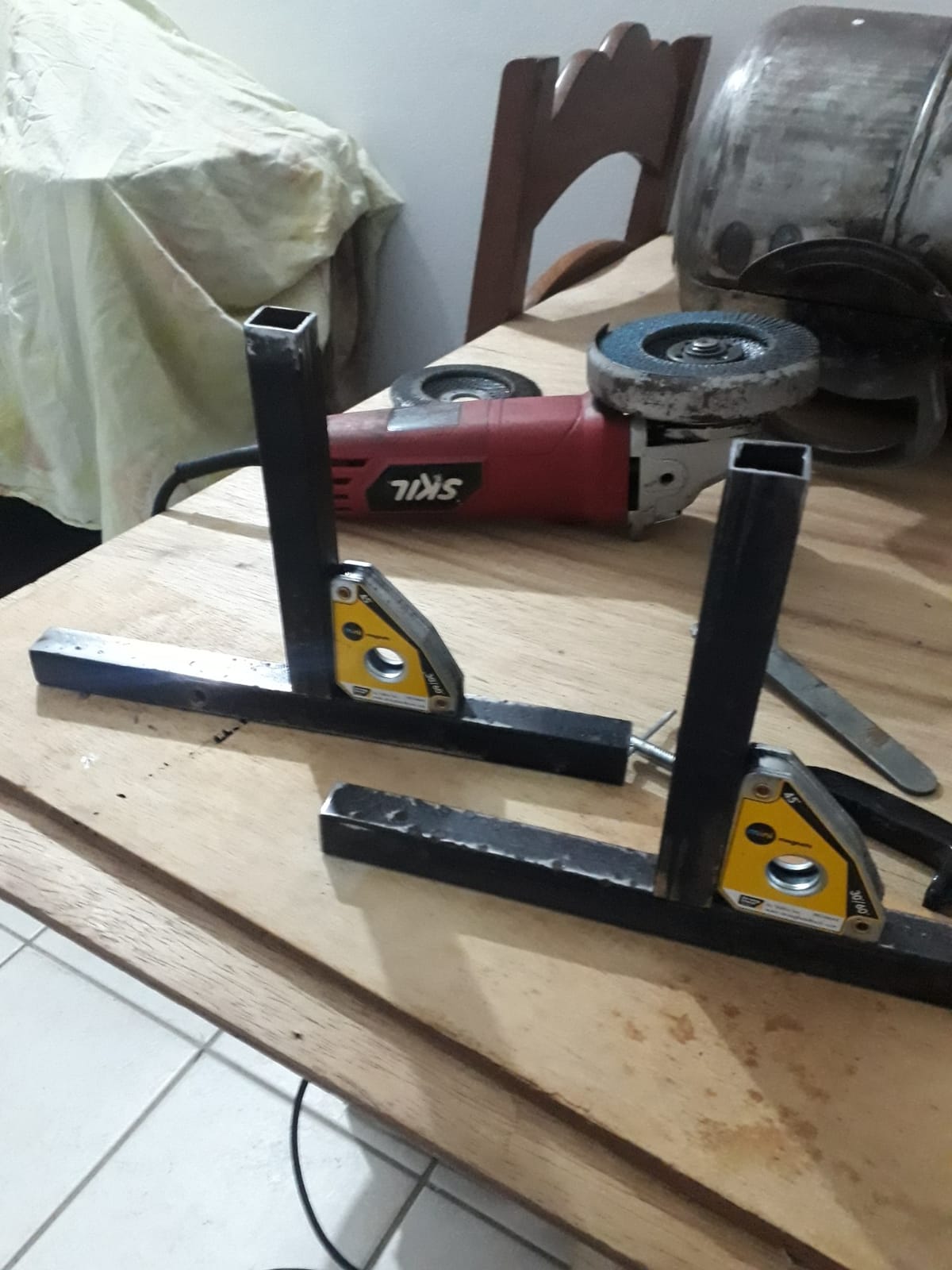
The honest problem is the 25 lb pull rating. Owners consistently say the real figure lands below the label, which is not a defect so much as a testing-condition difference, and it means these are light-gauge and small-assembly tools rather than structural fixtures.
They are ferrite, not neodymium, and there is no on and off switch. Once the face is on the steel, you twist and roll the body off rather than levering it, and if you grind nearby, the swarf sticks to the face and quietly weakens the grip. A quick wipe with a rag or a stiff brush restores it.
Best fit for small brackets and light gauge work
These shine on sheet metal, small square tube and short gussets where the joint is light and the working area is cramped. A single magnet holds one corner, and the second one from the twin set locks the far side so the piece cannot pivot while you tack.
They also travel well in a tool bag, which makes them a good bench companion for field repair work where the alternative is a tape measure and a lot of hoping.
Where they fall short
They will not hold a tall piece of heavy angle or a long length of structural section, and the fixed ferrite design means no quick release between tacks. If your typical work is heavier plate, step up to something with a switch or a much higher published pull figure.
2. Strong Hand MSA46-HD Adjust-O – Best Value Switchable Square
Strong Hand Tools Adjust-O Heavy Duty Magnetic Welding Square, 90 lb Pull Force, On/Off Switch, Double Plate, 30°/60°, 45° & 90° Angles, 4.4 x 3.8 x 1.1 in., MSA46-HD
On and off switch
45 and 90 degrees
4.38 x 3.75 x 1.13 in
90 lb spec pull
Pros
- Switch gives clean release without prying
- Wipes clean in seconds with the field off
- Works on tube
- angle and flat bar
Cons
- Headline pull figure conflicts with the spec field
- Bulkier than expected in tight fit-ups
The on and off switch is the feature that changes daily workflow. You set the switch off, slide the body into position with the workpiece, then flip it on and the joint locks. When the tack is done you flip it off and pull the square straight off without twisting, prying or risking the freshly welded corner.
That same switch solves the cleaning problem. Switch off, wipe the face, switch on. A fixed magnet collects every chip you grind near it and quietly turns a good holding tool into a mediocre one.
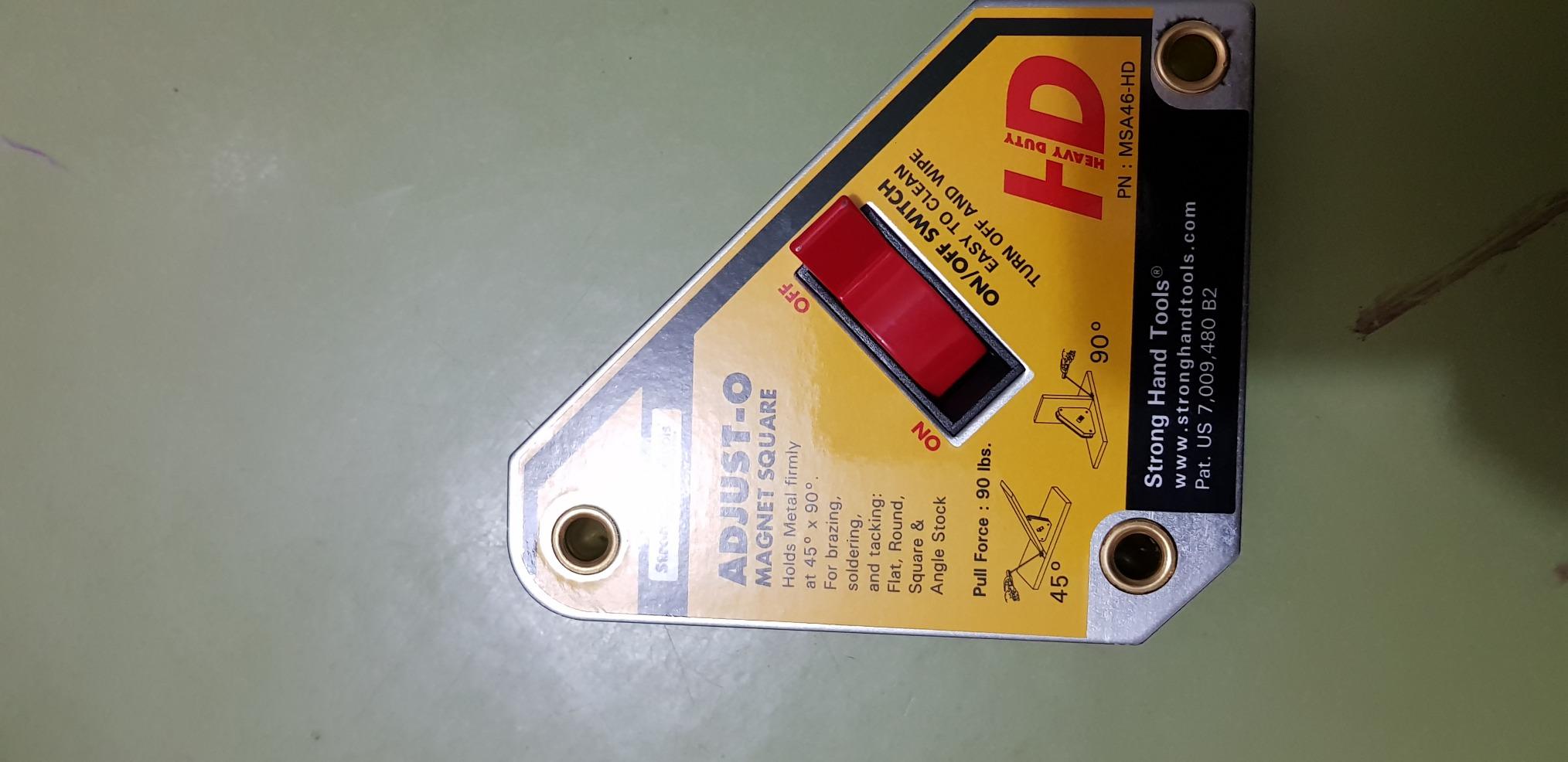
It holds 45 and 90 degrees, and the body is 4.38 by 3.75 by 1.13 inches, which is a genuine working square rather than a pocket tool. Buyers credit it with handling round tube, square tube, angle iron and flat material without swapping fixtures.
One number deserves a flag. The listing headline quotes 65 lb while the specification field says 90 lb max pull force, and roughly three quarters of reviews come in at five stars with only bulk mentioned as a downside. If precise force matters to your planning, treat the figure as a range rather than a promise.
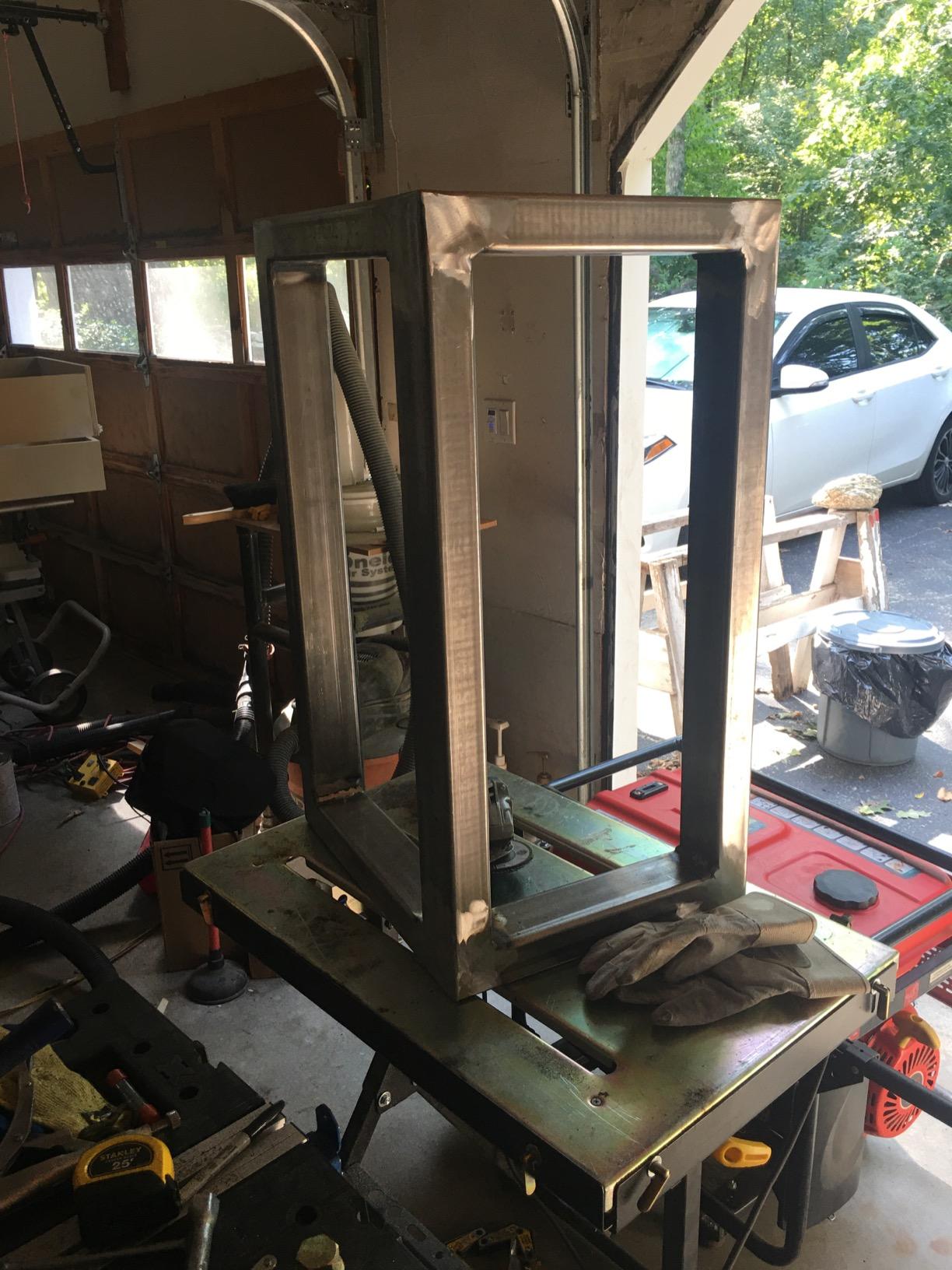
Best fit for repeat fit-up and fast changeover
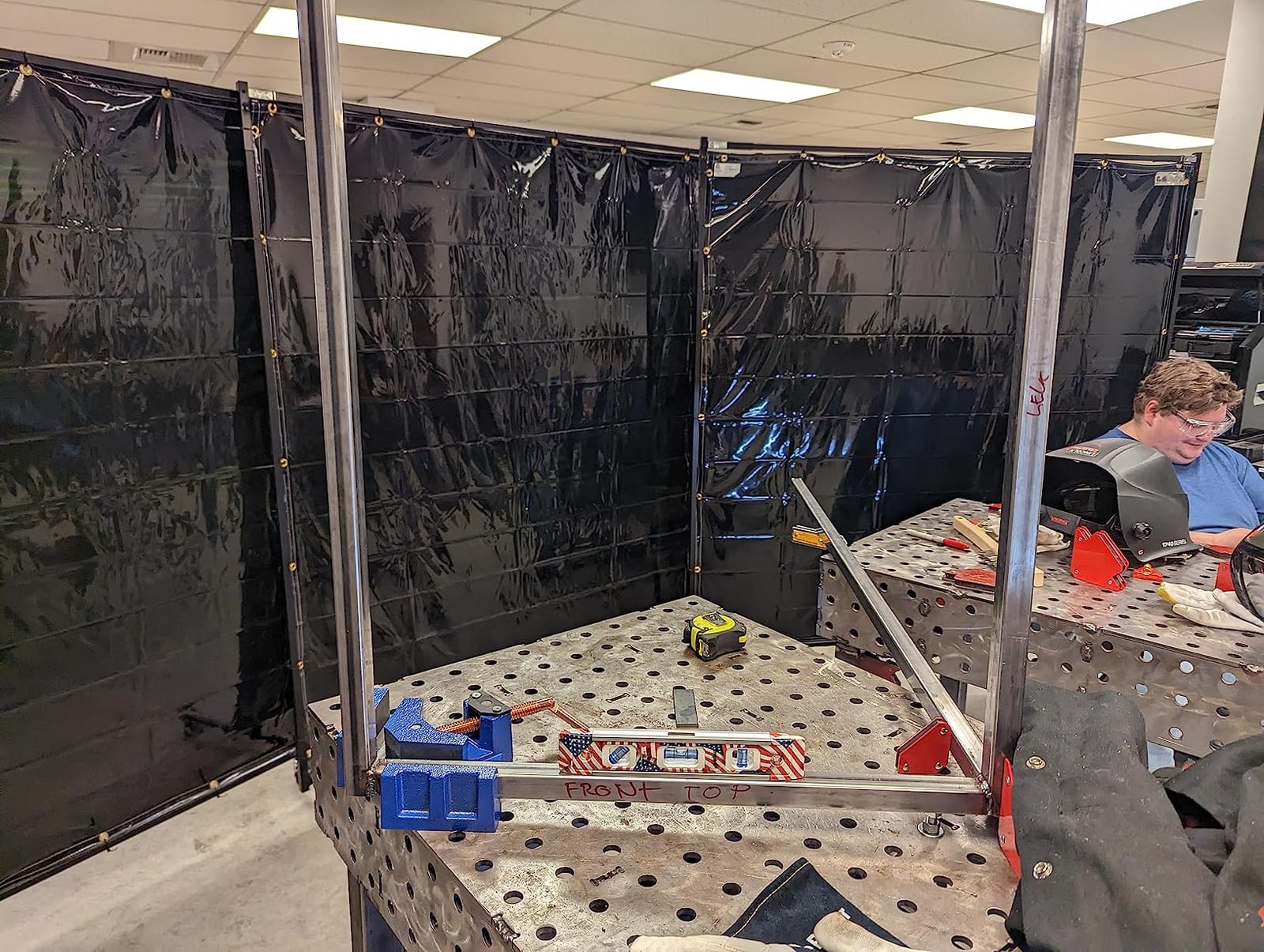
This is the one to buy if you weld in a variety of sections and want to move between them quickly. Tube frames, angle iron to plate, flat bar to flat bar, and gusset layouts all benefit from being able to release the piece without disturbing the alignment.
Because it releases cleanly, it also suits short-run production where you want a repeatable setup rather than one clever arrangement that never comes apart again.
Where they fall short
The body is bulkier than the compact squares, so in a tight inside corner between two walls you will fight the clearance. It also has no fine angle adjustment, which pushes you toward an adjustable model if your geometry is not 45 or 90.
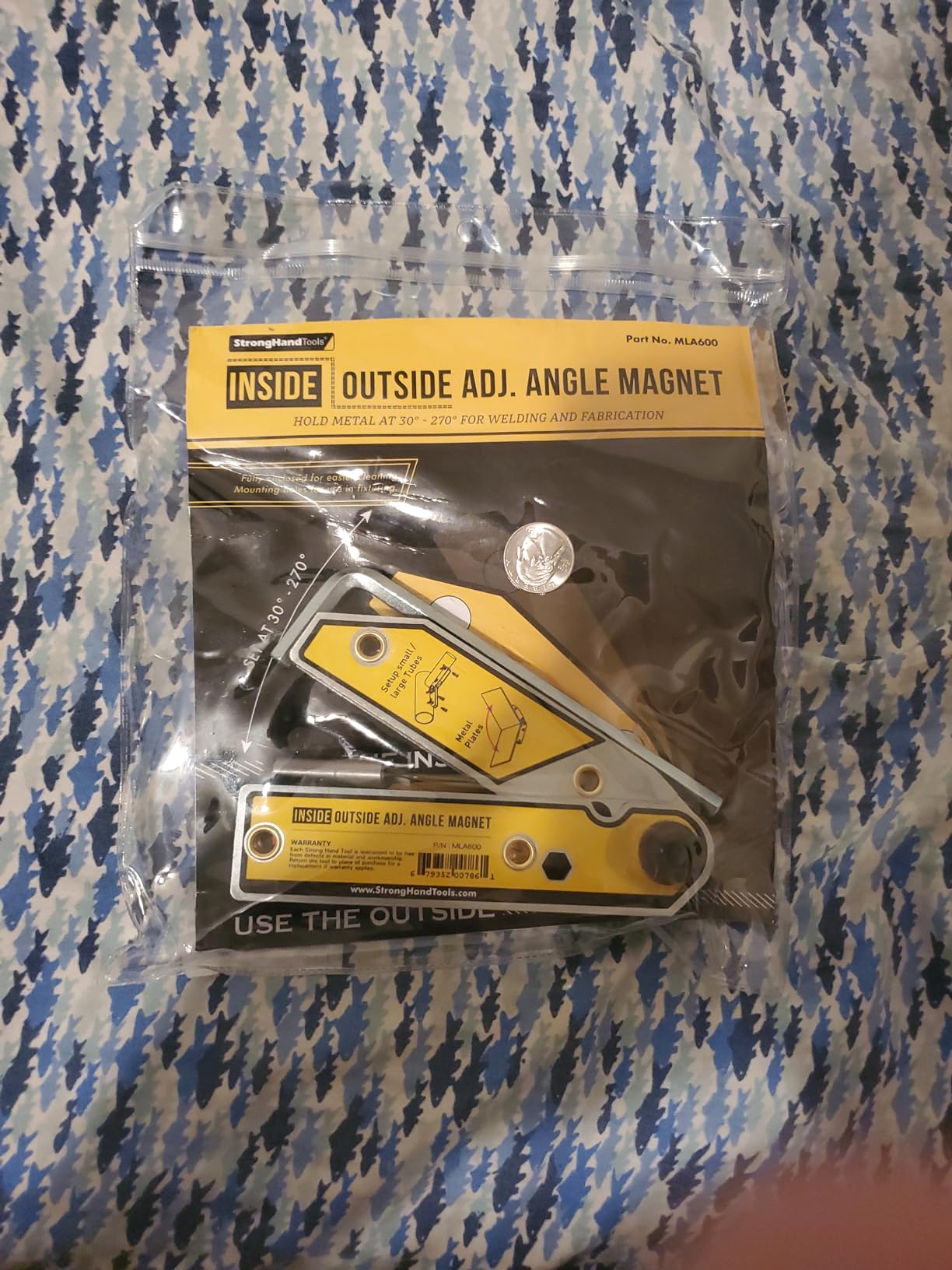
3. Strong Hand MLA600 – Top Rated Adjustable Angle Square
Strong Hand Tools MLA600 Adjustable Angle Magnetic Welding Square, Inside/Outside Magnets, Angle Setting Pin, Magnetic Pull Force 33 Lbs, Welding Square, 30°-270° Angle, 6″ Size
30 to 270 degrees
33 lb pull force
9 x 6 x 1 in
Dual inside outside magnets
Pros
- Covers nearly any joint geometry
- Dual magnets keep force even at odd angles
- Mounting holes link two into one fixture
Cons
- 33 lb is modest beside switchable heavy squares
- Pin-based setting takes care to repeat
The 30 to 270 degree range is what separates this from every arrow magnet in the list. Once you leave 45, 90 and 135 behind, you are working with a protractor that also holds the work, and buyers treat it as the go-to for non-standard geometry such as tapered gussets and odd roof angles.
The inside and outside angles are built from two independent magnets rather than one shared core, which is why owners report consistent force across the whole range instead of a weak spot at certain settings.
At 9 by 6 by 1 inches it is a substantial fixture, and the mounting holes let you bolt two of them together to build a multi-point hold on a larger assembly. There is a hex hole on the magnet body for breakaway leverage, which matters because a fixed magnet of this size will not slide off by hand.
Published pull force is 33 lb, which is honest and modest. It is plenty for sheet, tube and short sections, and it will not hold heavy plate on its own. The angle setting uses a pin, so the first few adjustments take practice before you can repeat the same number twice in a row.
Best fit for awkward geometry and repeat shapes
Reach for this when the angle is unusual or changes job to job. Fabricators doing handrails, angled braces and tapered supports get far more from a continuous range than from swapping between three fixed stops.
Linking two squares together turns them into a genuine fixture for larger welded assemblies where one magnet alone would let the far end swing.
Where they fall short
As a permanent magnet it collects chips and gives you no quick release, and 33 lb will not carry a heavy section on its own. The pin-based setting also means less repeatability than a continuous screw lock if you need the exact same angle across a production run.
4. Magswitch MagSquare 150 – Premium Pick for Heavy Multi-Angle Work
Magswitch MagSquare 165 Switchable Magnetic Square – 165 lb Hold
150 lb holding force
True on and off switch
11.2 oz
Five face magnetic grip
Pros
- Instant clean release without prying
- Five face grip handles flat and round material
- Pre-tapped holes double as a ground clamp
Cons
- 150 lb does not transfer to thin sheet
- Compact body is not a fence or stop block
- Keep it clear of the bead heat
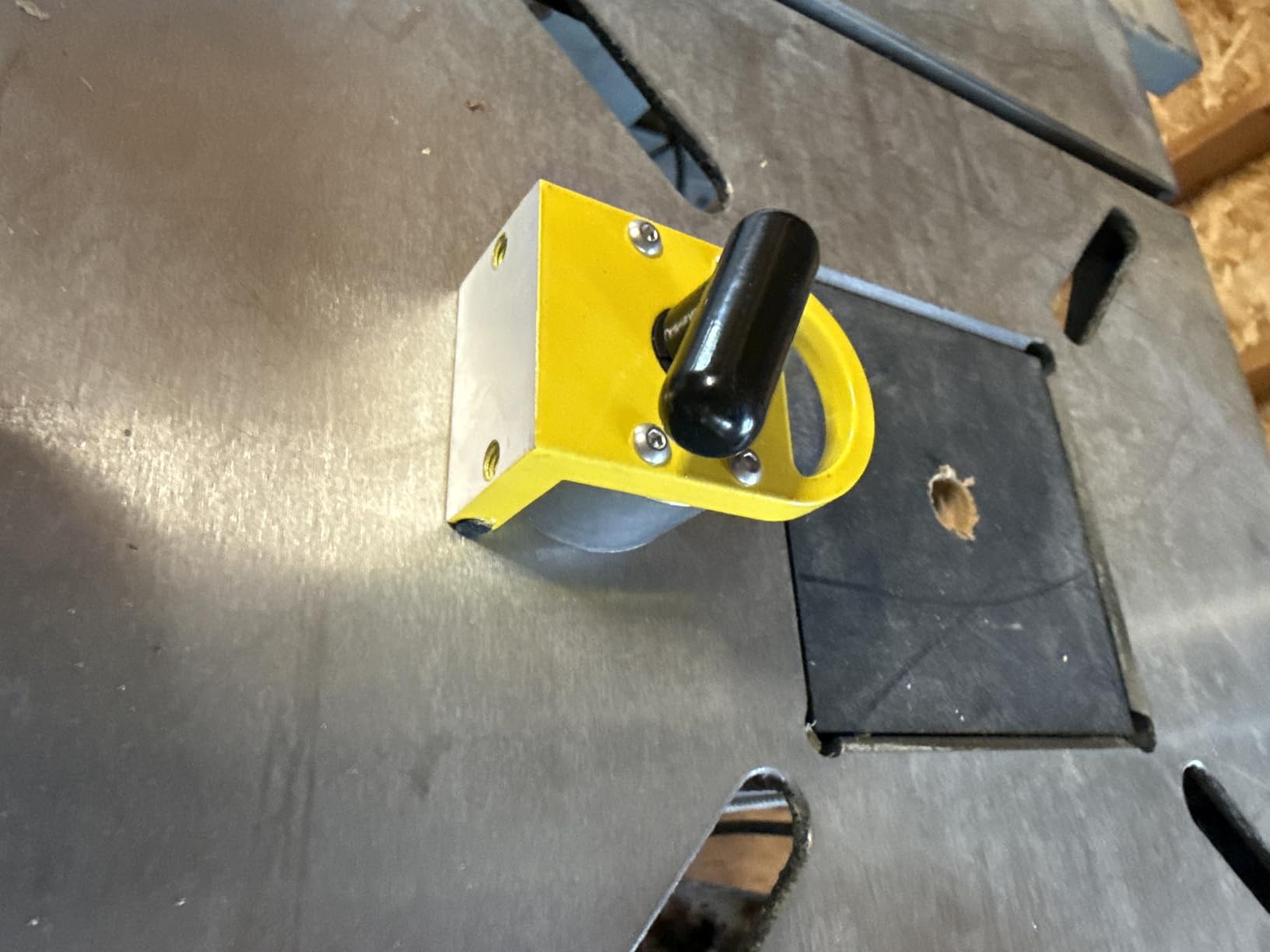
This one works differently from the other eleven. Rather than being a fixed or adjustable angle holder, it is a switchable magnetic base with a grip on five sides, so a single tool handles flat, round and square material.
For angle work it earns its place as the partner to a smaller angle magnet. Set the joint with a lightweight square, then bring this in as the heavy hold once the piece is aligned.
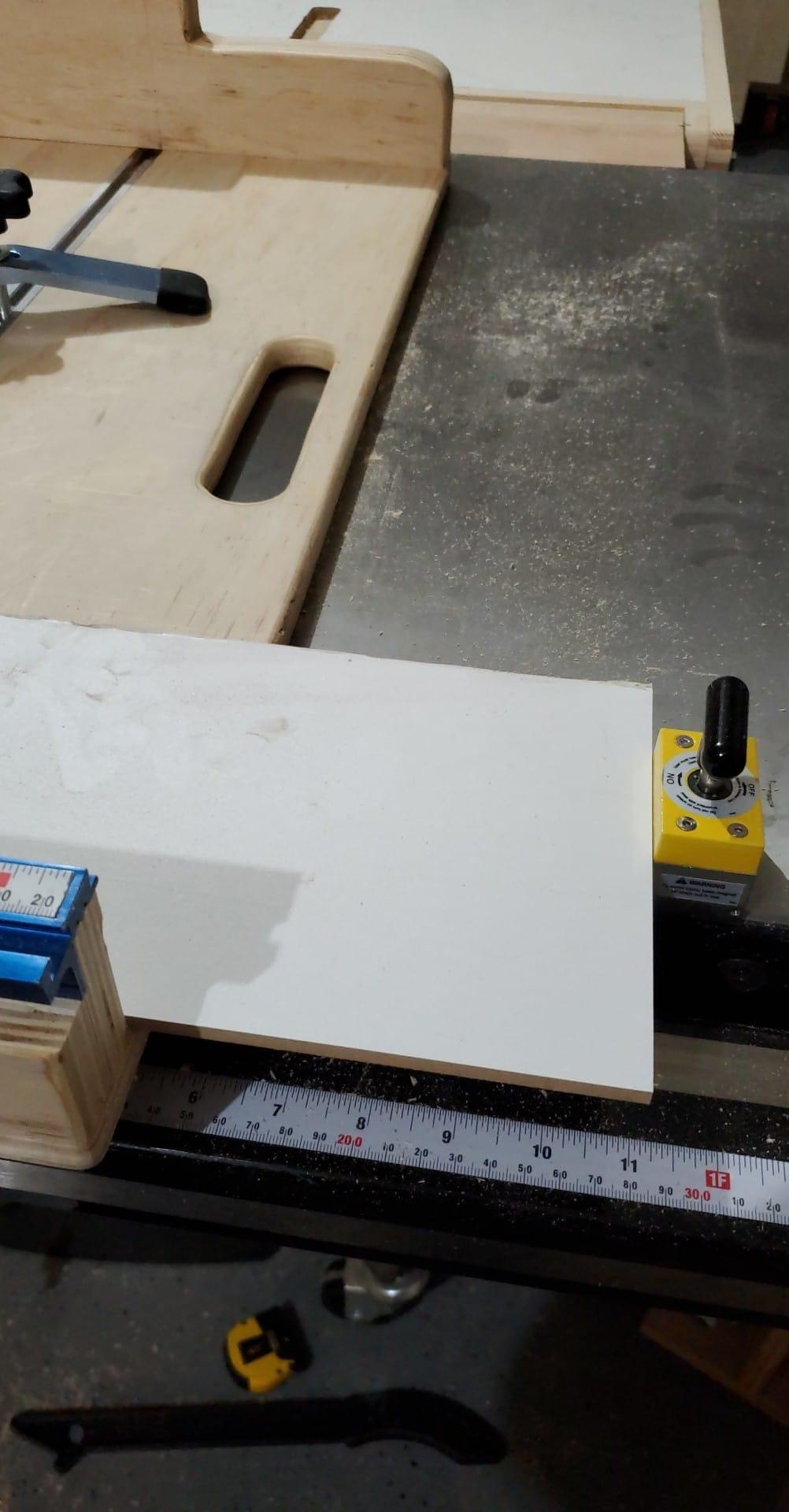
With 150 lb of holding force and alloy steel construction, it is the strongest published figure in the group, though that number applies to thick ferrous material. The switch releases the piece instantly and sheds metal shavings when off, which removes the single biggest complaint we heard about fixed magnets.
Pre-tapped mounting holes let it accept accessories or double as a fixture, and it needs no power source. The manufacturer warranty is one year against defects.
It weighs 11.2 ounces, so it is not a heavy shop tool in the hand. Buyers across welding and even woodworking describe it as indispensable precisely because repositioning is painless.
Best fit for thick material and heavy assemblies
This is the one to pick when the work is structural sections, heavy plate or round pipe where 150 lb of grip makes the difference. The five-face grip means you do not need a second fixture when the material changes shape.
The on and off switch also suits a shop where arc time is unpredictable, since you can drop it clear the moment the weld is finished.
Where they fall short
The footprint is small, so it will not act as a fence, stop block or alignment jig under lateral load. The 150 lb rating does not transfer to thin sheet, and it is not intended to sit close to a hot bead.
5. YESWELDER 4 Piece 25 and 50 lb Set – Best for Multi-Point Tacking
YESWELDER 25 lb and 50 lb Welding Magnet-4 Pc of Welding Magnet 25 lb/50
Two 25 lb and two 50 lb
45, 90, 135 degrees
Arrow body
Four pieces
Pros
- Mixed strengths cover light and medium material in one pack
- Rotating body sets three angles without a protractor
- Light enough to reposition between joints
Cons
- Fixed magnet means chips need hand clearing
- Shorter holds than the 50 lb bodies for heavy pieces
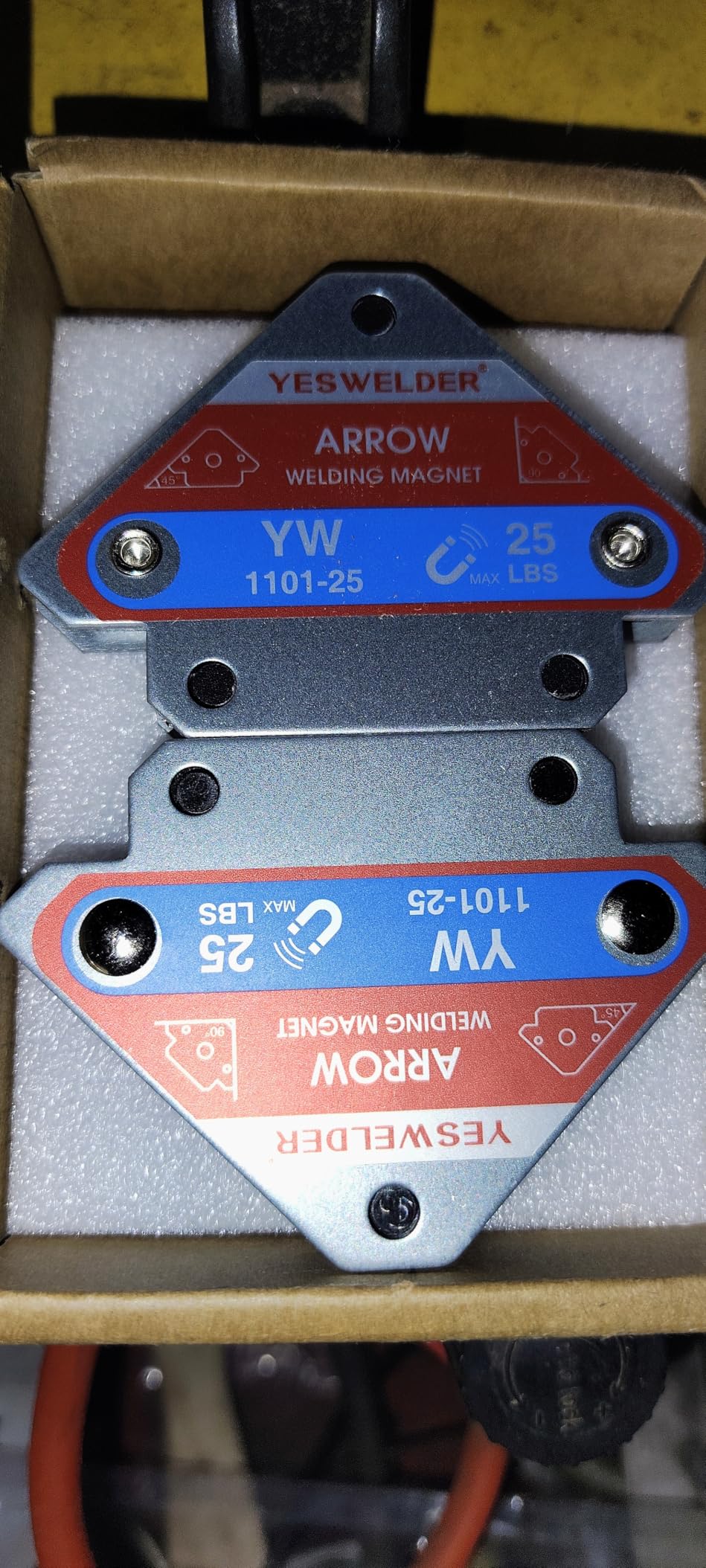
Two 25 lb and two 50 lb arrow magnets in one pack is a useful combination for fit-up work. The two lighter bodies handle sheet and small tube, the two heavier ones take angle iron and flat bar, and you can set all four points on a rectangular frame at once.
The rotating arrow body locks 45, 90 and 135 degrees, which covers the angles that show up in almost every frame and bracket job without a separate measuring tool.
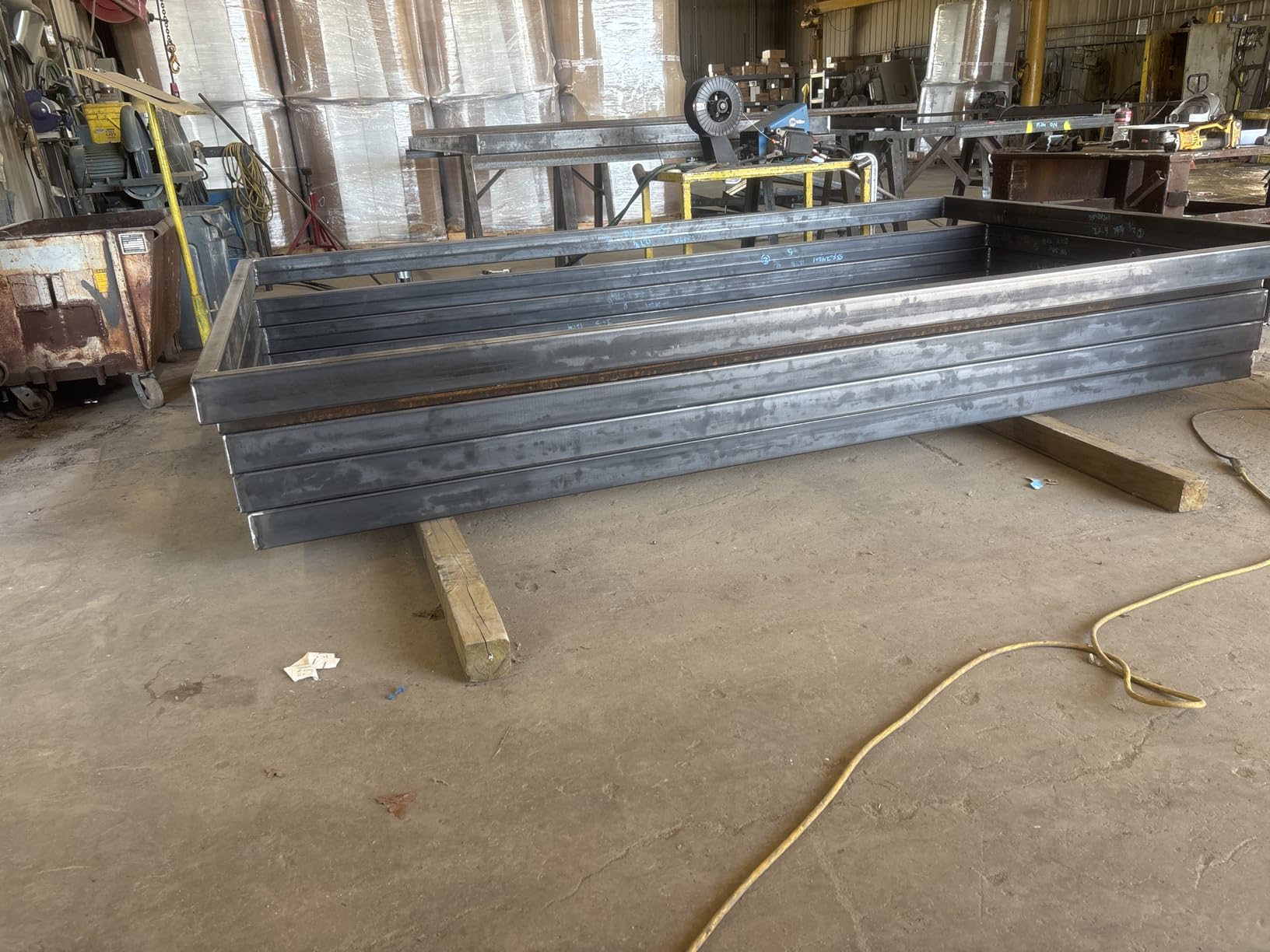
Owners frame this as a value bundle that handles most fit-up work, and they like that one purchase covers a range of material weights instead of committing to a single size. Feedback centres on the rotating body working reliably through tack after tack.
As a fixed magnet design, the faces need a wipe down between jobs. It also suits tack and short-duration holds rather than a piece suspended while you walk away from the bench.
Best fit for frames, boxes and rectangular joints
Four magnets means four corners, so a rectangular tube frame or a sheet metal box gets held on all sides while you tack the whole perimeter. That is the job a single square cannot do, and this set does it without a second purchase.
It is also a good first magnet set for a hobby shop, because the size spread teaches you quickly how much force a given joint actually needs.
Where they fall short
No on and off switch means you twist and roll to remove them, and swarf on the face reduces holding power over a long session. There is also no fine angle adjustment between the three stops.
6. TOOLIOM 6 Piece Arrow Set – Three Strength Tiers in One Pack
TOOLIOM Arrow Welding Magnet Set, 6-Pcs 25 lb, 50 lb & 75 lb Holding Force
25, 50 and 75 lb tiers
45, 90, 135 degrees
Six pieces
Stainless steel plates
Pros
- Three strength tiers in one set
- Rotating arrow locks three angles reliably
- Holds hands-free for most hobby and shop work
Cons
- Plastic separator layer softens near a hot bead
- Some units arrive out of parallel
- Feel weaker than the printed ratings
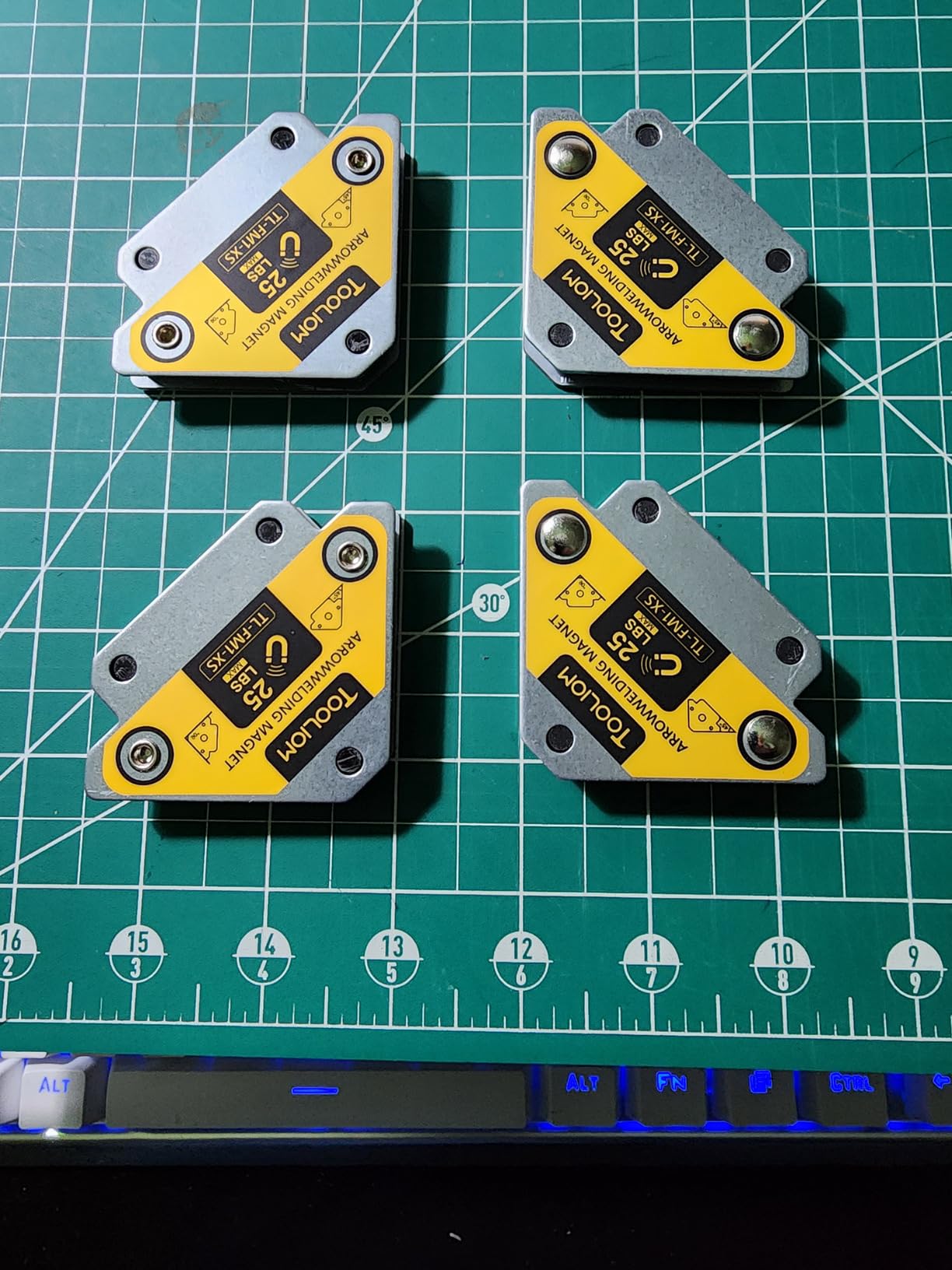
Two 25 lb, two 50 lb and two 75 lb arrow magnets cover thin material through heavy section in a single six piece set.
The arrow body holds 45, 90 and 135 degrees and the steel plates are built for welding, soldering and pipe installation use, so the set earns its bench space in more than one corner of the shop. For someone building a range of brackets and frames, that spread of sizes covers more ground than any single figure in this roundup.
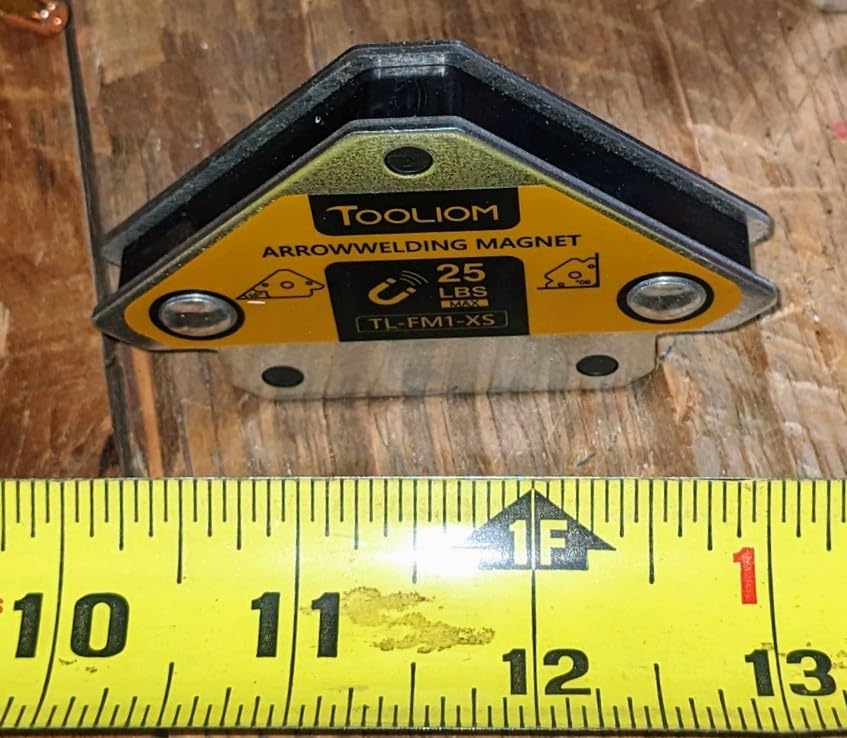
The most common complaint is heat, and it is a real construction issue rather than a fault. There is a plastic separator layer between the plates, and it degrades quickly when a magnet sits close to the arc. Owners who are happy with this set treat it as a tacking aid and keep it parked away from the bead.
A second note worth having before you buy: some units arrive out of parallel and need checking against a square before first use. Magnet strength also tends to feel lower than the printed ratings once you work them.
Best fit for mixed-material hobby and shop work
The three tiers let you match magnet to material instead of settling for one compromise size. Thin sheet gets the 25 lb body so it is not shoved out of position, and heavy section gets the 75 lb body so it stays put.
Six magnets also means you can hold several points on one assembly, which is what turns a tacking aid into a repeatable fit-up setup.
Where they fall short
The internal plastic layer is the deciding weakness on long welds and hot work, and the printed force ratings run optimistic. Check each one for squareness before first use, and expect to need a light touch-up on any that are off.
7. ARCCAPTAIN 25 lb and 55 lb 4 Piece Set – Best for Heat-Resistant Tacking
ARCCAPTAIN Welding Magnets 25LB & 55LB 4Pcs Welding Magnet Set
25 lb and 55 lb bodies
45, 90, 135 degrees
Steel encased riveted frame
Four pieces
Pros
- All steel riveted frame survives arc heat better
- Rotating body locks three angles quickly
- Can hold two or three pieces at once
Cons
- Fixed magnet needs manual chip clearing
- Three fixed positions with no fine adjustment
This set answers the exact weakness we found in the six piece budget option. The magnets sit in a steel encased, riveted frame rather than a plastic-cored sandwich, and owners consistently single that construction out as the reason these survive being near the arc.
The listing carries two 25 lb and two 55 lb bodies, so you get a light and a medium option, and the arrow design holds 45, 90 and 135 degrees. The listing also notes it supports two or three workpieces during a weld. That multi-piece capability is what separates it from a single corner square: you can set a T-joint where one plate meets another, add a third piece for a gusset, and still have both hands free to run the torch.
Reviewers repeatedly single out the all steel riveted construction as the difference in heat resistance, and the frame is what makes these usable near the bead where the plastic-cored sets are not. The trade-off is the same one every fixed magnet carries, and you clear chips by hand.
Best fit for arc-side tacking and gusset assemblies
Choose this when the magnet will sit near the heat. The riveted steel frame is the difference between a tool that keeps working through a session and one that degrades in the first few minutes.
Holding two or three pieces makes it useful for bracket and gusset work where a single square would only manage the first corner.
Where they fall short
You get three fixed positions and nothing between them, so non-standard geometry is out of reach. As a permanent magnet it needs manual chip clearing, and neither body in the set carries the pull figures published by the heavier arrow models.
8. YESWELDER Adjustable 20 to 200 Degree Magnet – Best for Adjustable Angles
YESWELDER Adjustable Angle Welding Magnet 20-200° Welding Magnet of 77LBs
20 to 200 degrees
77 lb holding force
5.35 x 3.43 x 1.26 in
15.8 oz, hex wrench lock
Pros
- Continuous adjustment beats three fixed stops
- Hex wrench holds the chosen angle through a weld
- Small body reaches spaces larger squares cannot
Cons
- Printed scale is small and hard to read
- 77 lb figure feels overstated on heavy angle iron
- Will not hold long heavy lengths alone
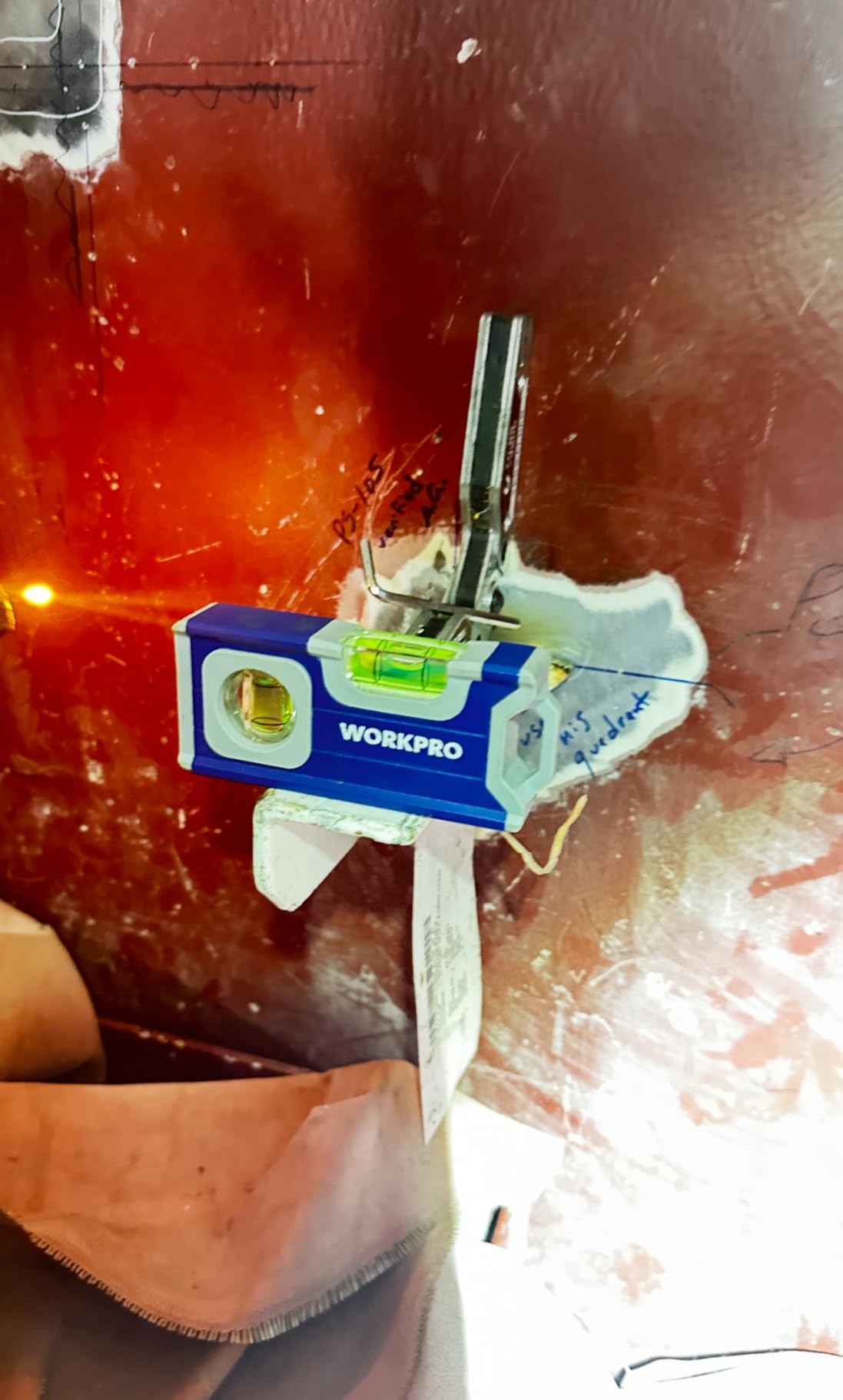
Dialing a specific angle instead of choosing between three stops is the whole point of this design. Across 20 to 200 degrees, a printed scale and a hex wrench lock let you set a taper, hold it, and get the same number again on the next piece.
Reviewers confirm the lock holds the setting through a weld, which is what separates a useful adjustable holder from a frustrating one that creeps while you work.
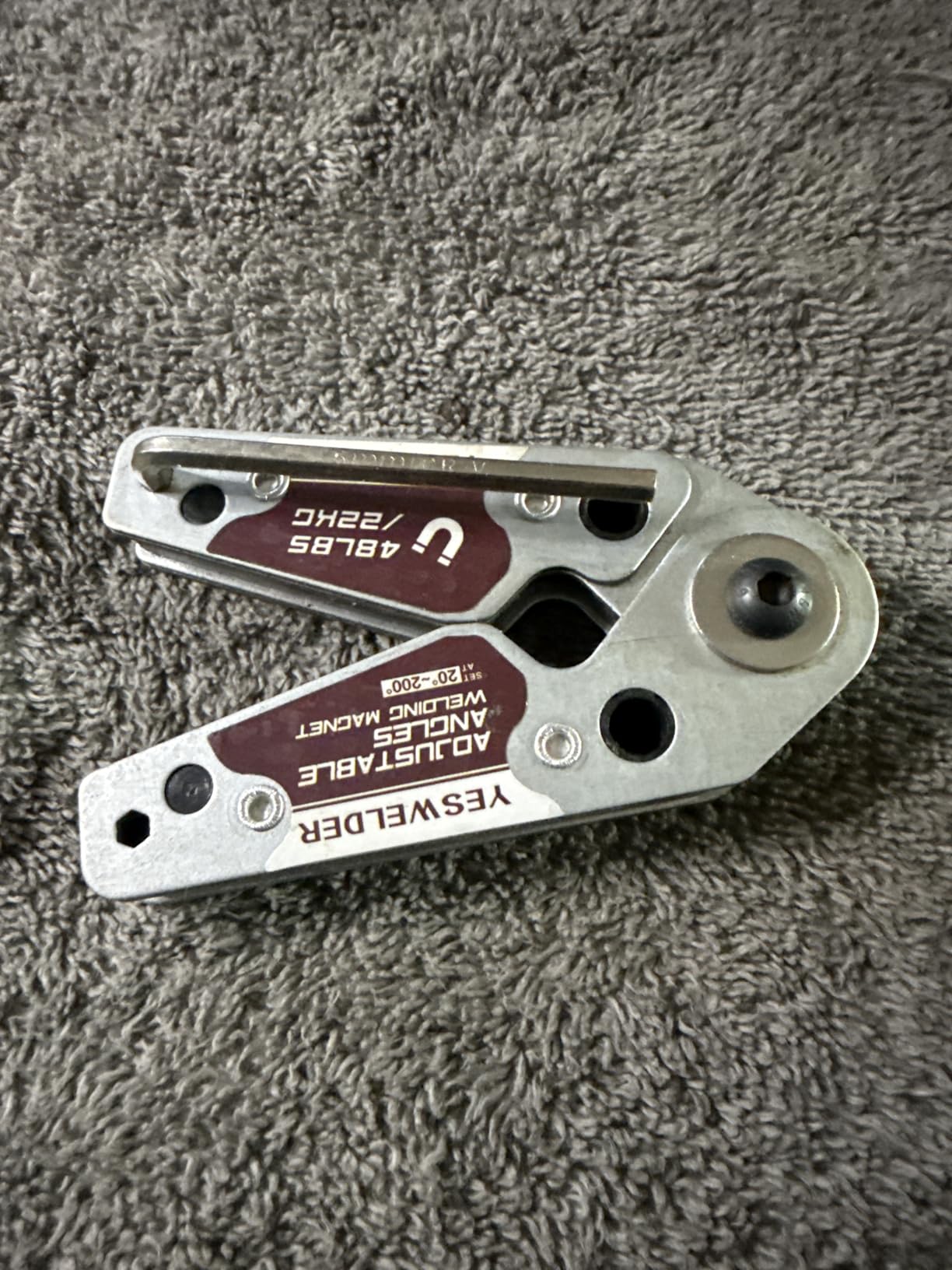
Published holding force is up to 77 lb, though the most common reservation is that the real pull feels lower than the headline figure on heavy material. The body is small at just over 5 inches by 3.4 inches and weighs under a pound, which helps in tight spaces.
Be clear about the limit: it will not support something like a two foot length of 2 inch angle iron on its own. Treat it as a fit-up and tack aid, and add a second hold point for longer pieces.
Best fit for tapered and non-standard joints
Anyone building roof angles, tapered gussets or brackets at an unusual angle gets far more from a continuous range than from the nearest fixed stop. The scale plus hex lock also makes it repeatable, which matters when you are welding several identical parts.
Its small body reaches into confined assemblies where a larger adjustable square will not seat properly against the work.
Where they fall short
The printed angle markings are small and hard to read, so poor lighting will cost you accuracy. The stated 77 lb rating runs high in practice, and long heavy sections need a second hold point or a clamp.
9. YESWELDER 75 lb Two Pack – Best for Heavy Angle Iron
YESWELDER 75 lb Welding Magnet 2 Pc of Welding Magnet 75 lb Holding Power
75 lb per magnet
45, 90, 135 degrees
6.42 x 4.4 x 0.9 in
Iron and magnet, two pack
Pros
- 75 lb per magnet across two pieces
- Multi-angle arrow body handles three positions
- Two magnets let you hold both ends of a joint
Cons
- Can be too strong for fine positioning on thin work
- Limited to three fixed angles
When the job is angle iron, flat bar or a heavier structural section, this is the pair we would reach for. Published holding power is 75 lb per magnet, and the 6.42 by 4.4 inch arrow body has enough mass to stay put when the arc pushes back.
Two magnets in the pack mean you can hold both ends of a joint rather than relying on one corner, which is the difference between a fit-up that survives the first pass and one that does not.
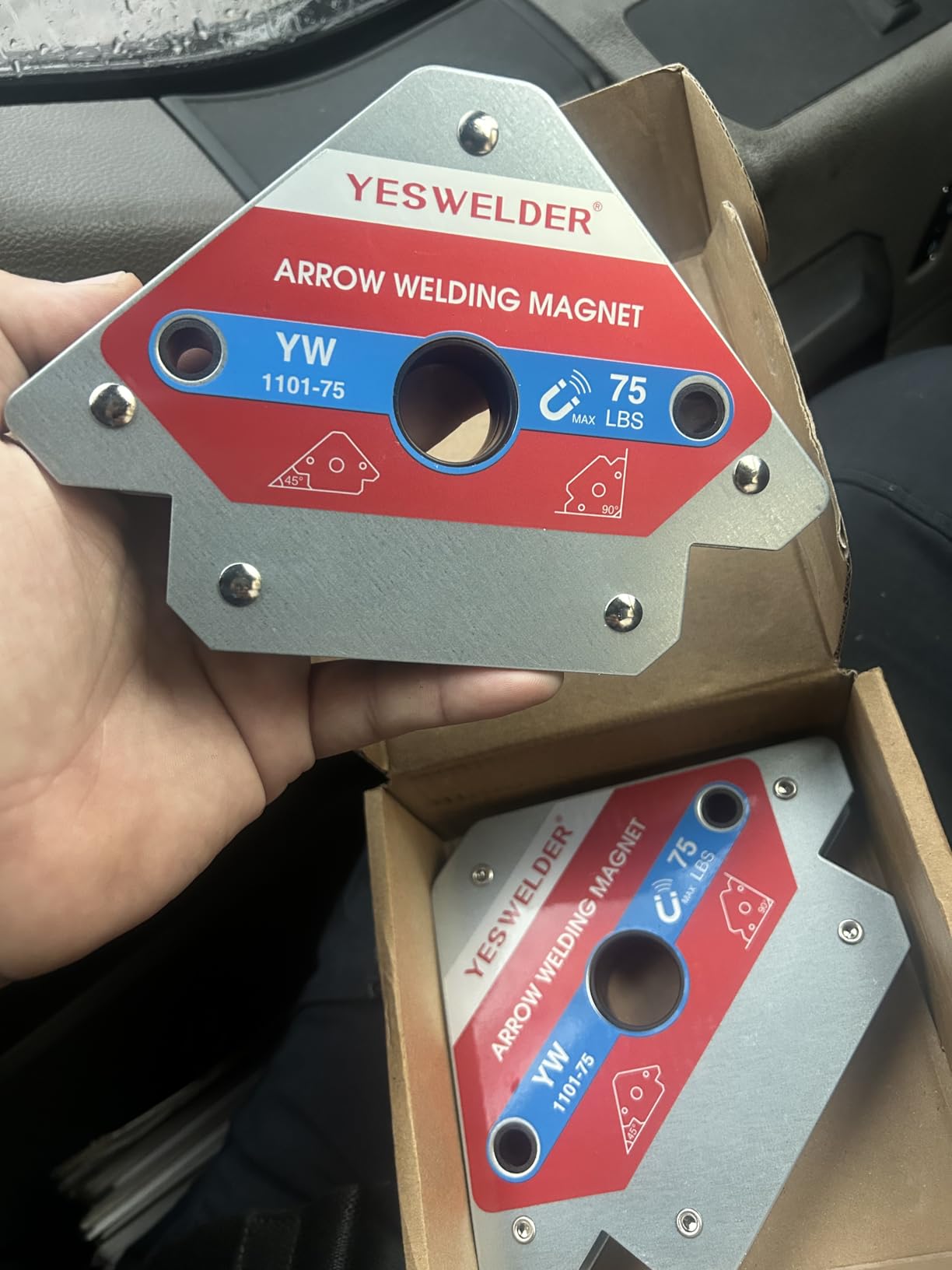
Owners describe the hold as significantly stronger than cheaper alternatives, and many mention it works on angle iron, general fabrication and shop work without complaint. Its 4.7 average sits among the highest in this group.
The flip side is that strength can work against you. Some users found the pull excessive for fine positioning and had to tap parts with a hammer to separate them, which is a fair signal that this is a heavy duty tool rather than a delicate one.
Best fit for structural section and heavy plate work
This is where structural fabrication, trailer work and heavy angle joints belong. Two magnets on one joint resist the twisting force that pulls a single-corner hold out of alignment during a long bead.
It suits hands-off tack welding, since you can set both ends and then walk to the other side of the piece with the torch.
Where they fall short
On thin sheet and fine assemblies the force is a liability, and separating the pieces can require more than a firm twist. You also get only the three fixed positions, so any angle outside 45, 90 and 135 is out of reach.
10. LISHUAI Adjustable 20 to 200 Degree Magnet – Best for Dial-In Angle Precision
LISHUAI New Adjustable Angle(20°~200°) Welding Magnet,Magnetic Welding Holder,Welder Tool Accessories (Medium)
20 to 200 degrees
77 lb per side
Neodymium, 0.98 in thick
14.1 oz, hex wrench included
Pros
- Continuous range with a clear scale
- Reported accuracy within one degree
- Both inside and outside faces are magnetic
Cons
- Small degree markings are hard to read
- Single unit rather than a pack
- A few reports of angle accuracy issues
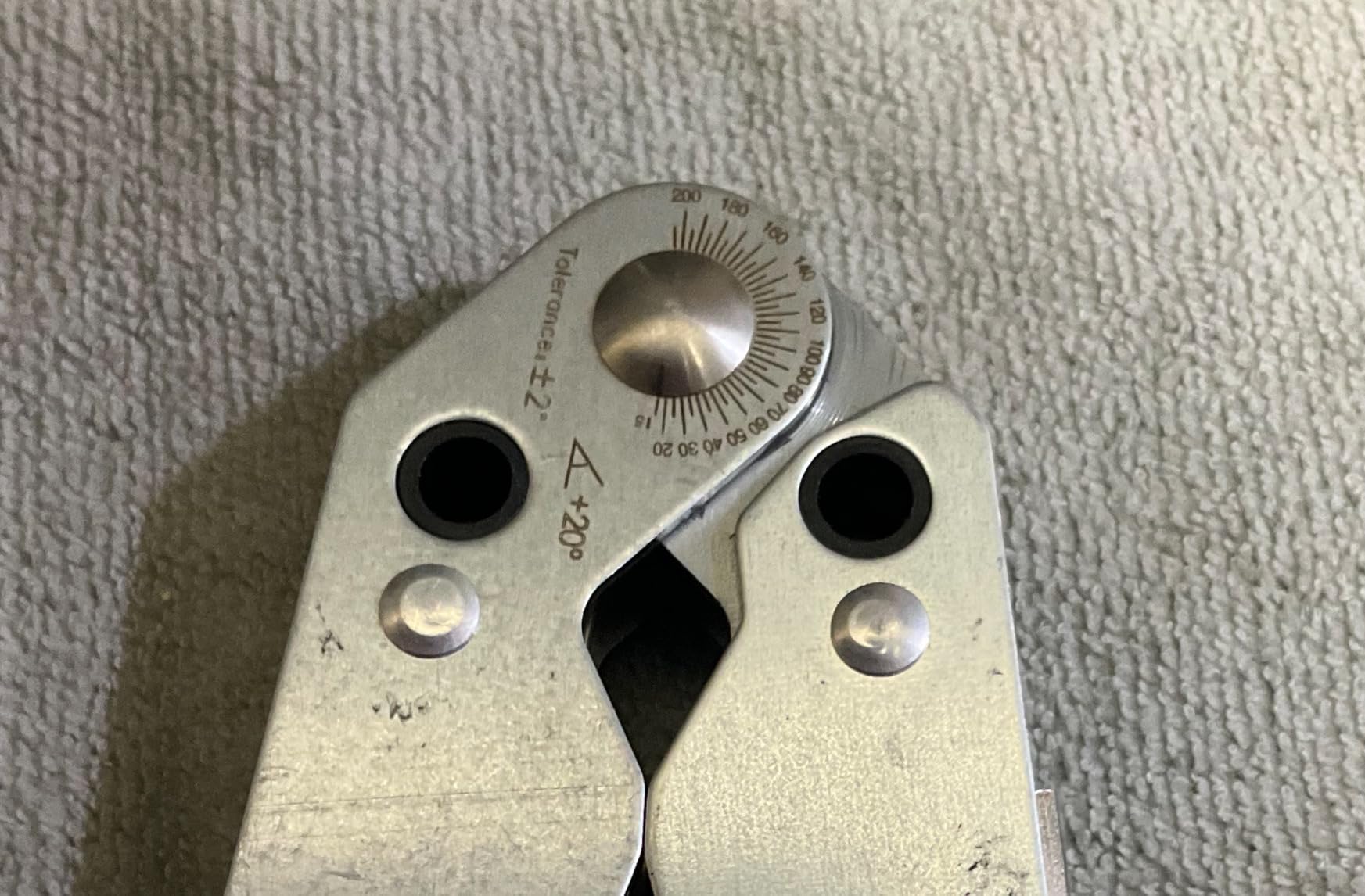
This is a neodymium take on the adjustable format, and 77 lb of holding force on each side is the specification that separates it from iron-bodied versions. Both the inside and outside faces are magnetic, so you can hold the work whichever side the joint faces.
Users value the scale for setting repeatable angles, and several report accuracy within about one degree, which is what you need when welding a run of identical tapered parts.
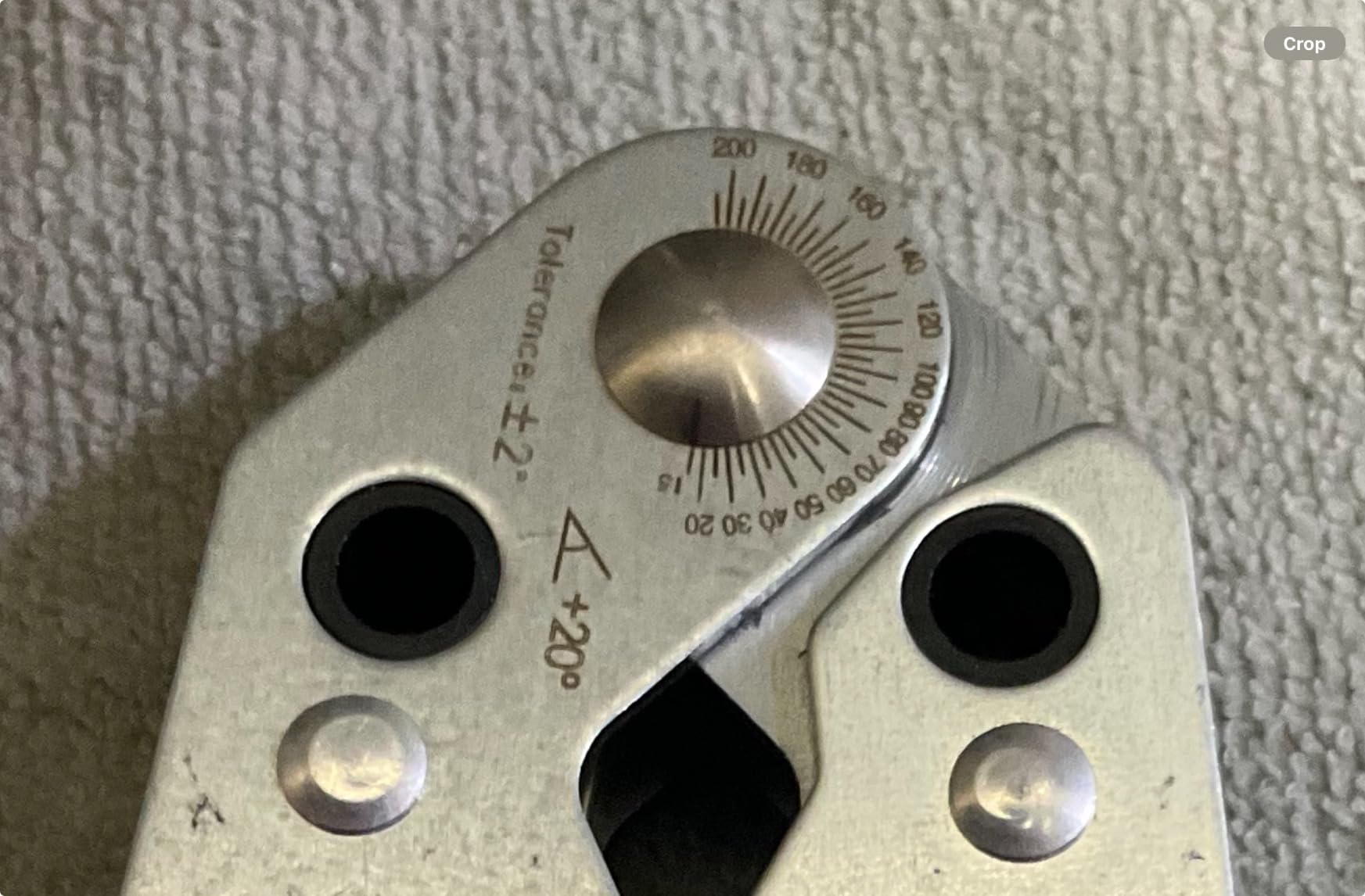
The included hex wrench locks the setting and reviewers appreciate that the adjustment stays put through a weld. The body is about one inch thick and weighs 14.1 ounces, a sensible size for carrying around a shop.
It is a single unit, so a second hold point means a second purchase. Some negative reviews also cite receiving one magnet when the photos suggested a pair, so check the box on arrival, and a minority report accuracy complaints worth considering for critical work.
Best fit for tapered frames and precision repeat work
Neodymium construction and dual-sided magnetism make this a good match for tapered gussets, angled supports and any joint where the work faces the fixture rather than the table. The clear scale helps when several parts need the same angle.
Because both faces hold, it works in orientations where an adjustable square with a magnet on one face would simply fall off the part.
Where they fall short
The degree markings are small and difficult to read precisely, which undercuts the accuracy advantage. It is a single unit with no matching second hold, and 4.3 is the lowest average among the adjustable options here.
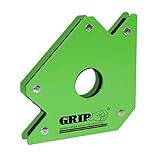
11. GRIP 75 lb Arrow Magnet – Best for Pick-Up and Cleanup
Grip 75 lb Arrow Welding Magnet – Use at 45, 90, or 135 Degree Angles – Welding, Soldering, Assembly – Home, Garage, Workshop
75 lb holding force
45, 90, 135 degrees
Alloy steel casing
9.75 x 7 x 1.4 in
Pros
- Strong 75 lb hold in a single unit
- Durable steel casing built to last
- Doubles as a magnetic pick-up tool for scrap
Cons
- Single unit only
- Three fixed positions and nothing between
A single 75 lb arrow magnet with a 4.7 rating and a long presence in the market is a safe first buy for anyone who welds angle iron and wants one tool that does more than hold a corner. The 45, 90 and 135 degree positions cover the angles that come up on nearly every job.
At 9.75 by 7 by 1.4 inches and 2.48 pounds, this is a solid, weighty body that stays put on a large workpiece. The magnet sits in a durable alloy steel casing rather than a plastic sandwich.
There is a second use that earns it a permanent place on the bench. It works as a magnetic pick-up tool for collecting metal scraps and offcuts, so it earns its space even on days when you are not welding.
Best fit for one solid holding point on heavy material
It is well suited to a single joint on heavy material where you want a firm hold and one other hand free. Buyers also use it for positioning while soldering, pipe installation and general assembly work.
Since it has been on the market for years with consistent feedback, it is also the pick for a workshop that prefers one proven tool over a constantly changing set.
Where they fall short
It is a single unit, so holding both ends of a long piece means finding a second fixture. The three fixed positions cover the common angles and nothing outside them, and there is no switch for quick release.
12. GUTIMORE 25 lb Four Pack – Best for Light Sheet Fit-Up
GUTIMORE 25LB Welding Magnet,Pack of 4, Heavy Duty Welding Magents Holder, 45 90 135 Degree Angle Holding Magnet
25 lb per magnet
45, 90, 135 degrees
Four piece pack
Small triangular body
Pros
- Four magnets in a single pack
- Arrow body holds the three common angles
- Good grip relative to their small size
Cons
- Only 25 lb per magnet
- Very small body only a couple inches across
- Unsuitable for heavy structural work
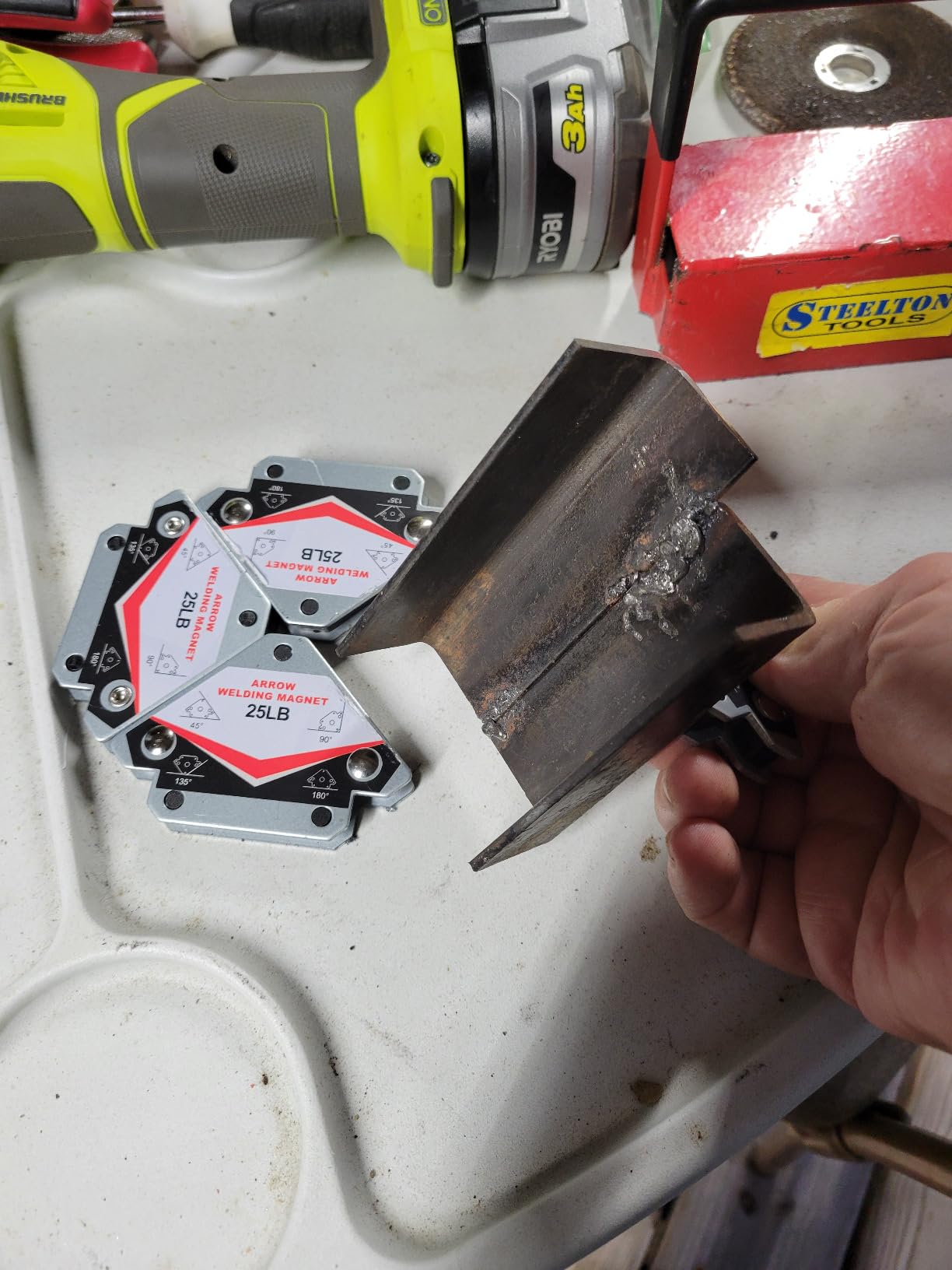
Four 25 lb arrow magnets give you several hold points on one job, and at this size they suit light sheet fit-up, so they earn a place alongside heavier fixtures. The arrow body holds 45, 90 and 135 degrees for marking off, assembly and light welding.
Buyers call the pack good value and confirm the grip is strong for their size, which is a fair way to describe a 25 lb magnet rather than a heavier one.
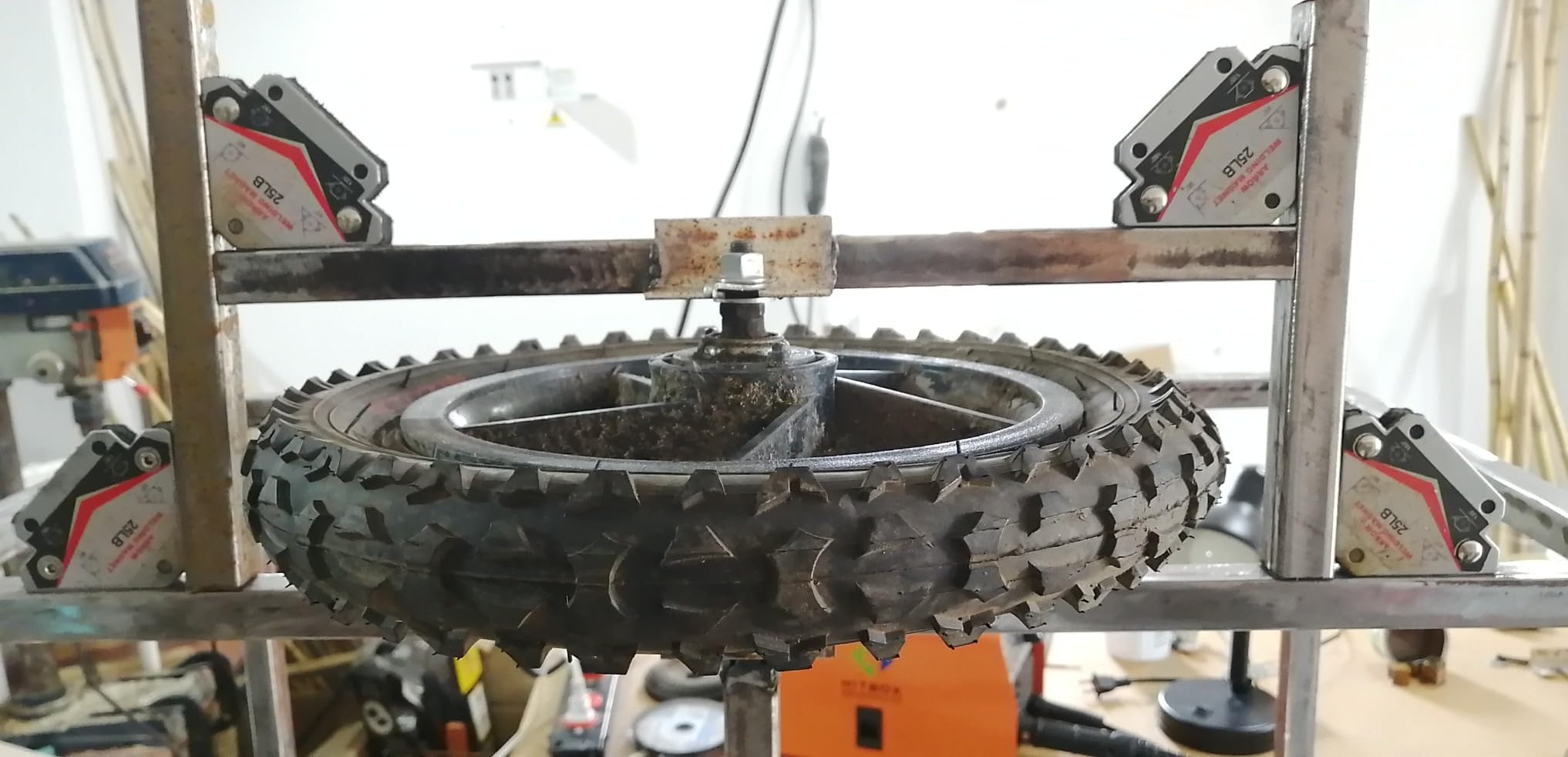
Set expectations on size. Reviewers repeatedly note that these are very small, only a couple of inches across, and that the limitation is physical rather than magnetic. Buyers disappointed by the dimensions are usually the ones who expected a full-size square.
That makes them ideal for small parts, thin material and hobby work where a larger fixture simply cannot reach. They are also useful as a second hold point alongside a bigger magnet on a small assembly.
Best fit for small parts, sheet and hobby projects
Thin material, small brackets and layout marking are where four small magnets beat one large one, because you can set points close to the joint where a big body would not fit. They are also the easiest set to keep in a drawer and grab on a quick repair.
For anyone building a first magnet set, this covers light work without committing to a heavier tool that is difficult to remove.
Where they fall short
At 25 lb per magnet with a body only a couple of inches across, none of this set is meant for structural work. There is no fine angle adjustment and no switch, so removal is twist and roll rather than a clean release.
How to Choose a Welding Magnet for Angles
Choose by the angle, the material and the length of the joint, in that order. Angle fixes the form factor, material sets the force you need, and joint length decides how many hold points you need. Everything else is preference.
Fixed angles or a continuous adjustable range?
A fixed 45, 90 and 135 degree arrow magnet is faster, cheaper and simpler when those are the only angles you ever weld. You set the stop, place the piece and go.
An adjustable holder from 20 to 200 or 30 to 270 degrees pays for itself the first time you build something that is not square. If tapered gussets or angled braces ever appear on your list, adjustability removes the guesswork.
How much pull force do you actually need?
Match force to the material, and resist the temptation to buy the largest number available. A strong magnet on thin sheet can shove the piece out of position, which costs you more time than a weak one costs in a re-tack.
As a working rule, light gauge and sheet want the lower end, around 25 lb. Angle iron, square tube and flat bar sit comfortably in the middle, and heavy section or plate want the top of the range. Published figures are usually measured on thick material with a direct pull, so assume the number is a ceiling rather than a guarantee.
More useful than the headline figure is a second hold point. Two magnets of moderate strength on one long joint beat one very strong magnet on a single corner.
Permanent or on and off magnet?
An on and off magnet wins whenever you set up and break down repeatedly, because the field releases instantly and you do not pry against a fresh weld. It also sheds swarf when switched off, which protects holding power over a long session.
A permanent magnet costs less and has no mechanism to fail, but you remove it by twisting and rolling, and you clean the face by hand. For light fit-up work in a small shop, that trade is usually worth taking.
Size, weight and where it has to reach
Size decides what you can work on. A compact square under 2.5 inches reaches inside corners and tight gaps that a 4.4 inch body will not seat in. A 9 inch adjustable square covers larger assemblies but needs clearance around the work.
Weight matters for a different reason. A heavy body stays stable when the arc pushes back, but it is tiring to reposition repeatedly. The small squares and the adjustable holders here sit in the 6 to 16 ounce range, while the heavier adjustable bodies run close to a pound and the largest steel-cased arrow magnet is heavier still.
How to Hold a 90-Degree Angle When Welding
Hold a 90 degree angle by seating the magnet on the flat face first, then bringing the second piece into the magnet’s angled face before you touch the torch. The magnet does the holding, not your hands.
First, clean both surfaces. Mill scale, rust, paint and swarf all cut a magnetic hold dramatically, and a wiped joint is the cheapest speed-up available.
Second, set the flat piece down on a stable, level surface. Let it sit rather than hand-supporting it, because a piece held in mid-air will move.
Third, place the magnet with its power face flat on the base piece and the angled face standing vertical. Switch the magnet on if your model has one, or twist it into position and let it pull in.
Fourth, bring the second piece into the angled face and check the angle with a square before you tack. One minute of checking here saves cutting a joint out later.
Fifth, tack it. Put down a small spot weld and work your way around, because the metal will pull as it cools and shrink, and more metal means more pull. Experienced fabricators describe the limit plainly: beyond a small spot, a magnet is no match against the movement in the piece.
Sixth, remove the magnet before completing the weld, and keep it clear of the bead. Twist and roll it off, or switch the field off, rather than levering against a corner you have just set.
That last step is not optional advice. Arc heat and stray current are what kill both the magnet and the quality of the bead, and we cover the detail below.
Fixed-Angle Arrow Magnets vs Adjustable Holders
Fixed arrow magnets win on speed and simplicity for 45, 90 and 135 degree work. Adjustable holders win on everything outside those three angles.
An arrow magnet is a rotating triangular body with hard stops. It goes from position to position in a second, needs no reading of a scale, and cannot drift because there is nothing to loosen. If your work is frames, boxes, angle iron and gussets, that reliability is worth more than flexibility.
An adjustable holder gives you a continuous range and a scale, which matters when the geometry is a taper or an unusual roof angle. The cost is an extra step, since you set the angle and lock it with a hex wrench, and the small printed markings on several models take patience to read.
On force, the two categories overlap more than the marketing suggests. Several of the fixed arrow sets publish 50 lb and 75 lb figures, which puts them in the same territory as a mid-size adjustable holder. The deciding factor is usually how the joint fails, which is a force across a long joint rather than a point load.
One structural difference does matter: a couple of the adjustable models use neodymium or dual magnets, which hold harder in a compact body, while the multi-piece arrow sets give you more hold points for the same money.
When to Use a Clamp Instead of a Magnet
Use a clamp when the joint is heavy, long, or the work is thin enough to be knocked out of position. A magnet is a fit-up aid, and past a certain point you are asking it to do a clamp’s job.
The most common piece of advice on welding forums is worth repeating here. The top-voted recommendation on the r/Welding magnet thread is to use clamping squares and clamps, because they are far more versatile, genuinely hold the metal, and help stop it warping.
That is correct for structural work. A long length of angle iron or a heavy plate joint generates more force during cooling and shrinkage than any of the magnets in this roundup is designed to resist, and a clamp transfers that force into the table instead of fighting it.
Thin material is the other limit, in the opposite direction. A 75 lb magnet can push a small part out of alignment the moment it engages, and a joint that has moved needs re-fitting. Match the force down for sheet work rather than up.
The practical rule we use: if the joint pulls harder than the magnet can hold across its whole length, clamp it. If the material is thinner than a couple of millimetres, step down to a 25 lb body or use a clamp and square. Everything in between is magnet territory.
Safety, Arc Interference and Magnetized Material
Remove every welding magnet before you complete a weld, and keep it clear of the arc. This is the rule that protects both the tool and the bead.
Heat is the first cause of magnet failure. Neodymium magnets start losing strength well before they look damaged, and a published review of a compact tab-style magnet documented a working ceiling around 175 F, or 80 C. Arc heat alone crosses that line, which is why magnets that get left on a joint after the first tack often die within minutes.
The second cause is arc interference. A magnet near the arc concentrates stray current, and the result is arc blow-out, spatter and porosity in a bead that looked fine until you cut it open. This is a quality problem before it is a safety one.
The third cause is the material itself. Steel that has been near a lightning strike, or that has picked up residual magnetism from a previous welding operation, can push the arc around even with no fixture in sight. That is a known thread on r/Welding about magnets that appear to die instantly, and the answer is to de-magnetize the piece before striking an arc.
None of this applies to stainless or aluminium, and that limitation is absolute. Magnets do not hold non-ferrous metal, so the workaround is a steel sub-fixture: tack your stainless or aluminium part to a piece of mild steel and hold that with the magnet. It sounds old-fashioned and it still works.
Finally, a magnet is not a support. Never rely on one to carry a suspended load or a person, and follow the general ventilation, screening and protective equipment guidance in ANSI Z49.1 for any welding operation. Your head protection matters here too, which is why we keep pointing people toward our auto-darkening welding helmet guide before their first session with a switchable magnet.
Frequently Asked Questions
What is the best brand of welding magnet?
Strong Hand Tools and Magswitch are the two names that come up most often among fabricators and forums. Strong Hand covers fixed, adjustable and switchable squares, while Magswitch is the reference for switchable on and off holding force. For fixed angle work on a budget, the multi-piece arrow sets from YESWELDER, ARCCAPTAIN and TOOLIOM are well regarded.
Which is stronger, N52 or N35?
N52 is the stronger of the two neodymium grades and delivers more holding force in the same body size, which is why adjustable models that use it claim 77 lb per side. N35 trades some force for better heat resistance and lower cost, and it is often specified where a fixture will see more arc heat. For angle work the practical difference is real but secondary to joint length and material thickness.
Are welding magnets worth buying?
Yes, for fit-up and tacking. A magnetic angle fixture holds a joint square while you tack it, frees both hands, and lets you repeat the same angle across a run. They are not worth relying on for heavy or long joints, for completing a full weld, or for holding a suspended load, and they do not work on stainless or aluminium at all.
How to weld a 90 degree angle?
Clean both surfaces, seat the flat piece on a level surface, and place the magnet flat with its angled face vertical. Bring the second piece into the angled face, check with a square, then tack with a small spot weld and work your way around. Remove the magnet before completing the weld so arc heat does not demagnetize it or blow the arc out.
Why does my welding magnet lose its strength?
Three causes account for almost every case. Heat above roughly 175 F from arc exposure demagnetizes neodymium, swarf and mill scale on the face cut the effective contact area, and steel that has picked up residual magnetism will interfere with the arc. Switchable models shed debris when off, and wiping the face of a permanent magnet restores much of its hold.
The Best Welding Magnet for Angles in 2026
The best welding magnets for angles depend on the angle and the material, and this shortlist covers both. For most shops the Strong Hand Mini Squares are the overall pick, because they hold 30, 60, 45 and 90 degrees accurately and reach into corners where the larger bodies cannot seat. The Strong Hand MSA46-HD is the pick to make once you want a switch, and the MLA600 covers everything from 30 to 270 degrees when the geometry is not square.
Two habits will get more from any of them than the choice of brand. Clean the faces before every fit-up, and take the magnet off before you finish the weld. That second habit is what keeps both the tool and the bead in good condition.
Pick one, try it on a real joint this week, and adjust from there. If the weld is in front of you before the fixture is, you will know quickly whether the force was right.