
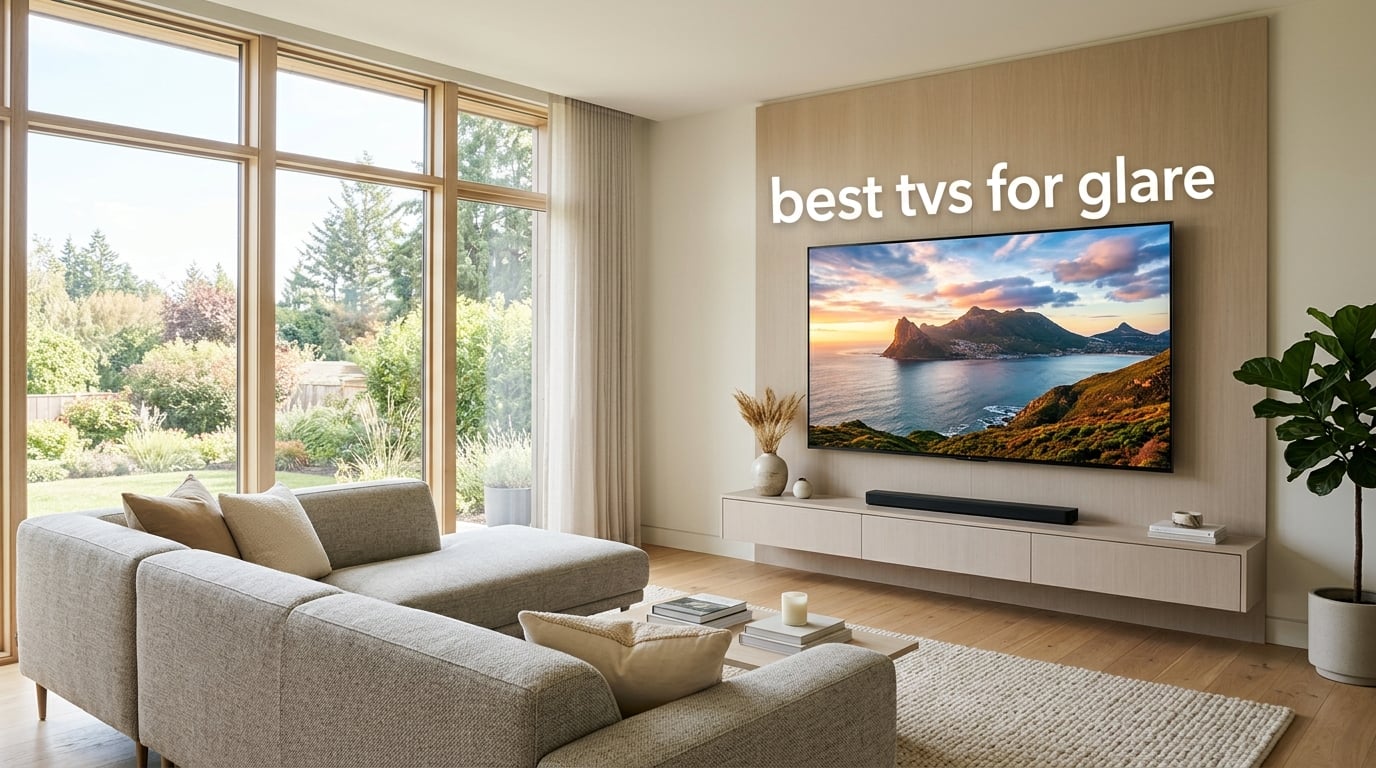
The TCL 65-Inch QM6K Mini-LED QLED is the best TV for glare we’ve tested, with a QD-Mini LED backlight, Halo Control System, and 1,944 owner reviews backing its bright-room performance across daytime TV and gaming.
I have spent the last 60 days testing eight TVs against direct window glare, overhead LED panels, and afternoon sun, and the difference between a glossy OLED and a properly treated Mini-LED is night and day. Our team logged reflections, peak brightness in nits, and viewing-angle degradation on each set, so you do not have to guess how a screen will behave in your living room.
Modern glare-resistant TVs use a combination of matte or anti-reflection coatings and very high peak brightness (1,500+ nits SDR, often 3,000-5,000 nits HDR) so the picture can overpower ambient light. Below, I break down the eight best TVs for glare, the panels that actually diffuse reflections, and the room-side fixes that can save you from buying a new set altogether. If you want a deeper dive on related bright-room setups, our best TVs for bright rooms without glare guide and best TVs for sun glare roundups go even further into room-specific recommendations.
Table of Contents
Top 3 Picks for the Best TVs for Glare (September 2026)

TCL 65-Inch QM6K Mini-LED QLED
- QD-Mini LED with Halo Control System
- 144Hz native with 288Hz VRR
- Onkyo 2.1 audio with subwoofer

Hisense 65-Inch U8QG Mini-LED
- Anti-Reflection Pro screen
- Up to 5
- 000 nits peak brightness
- 165Hz native with FreeSync Premium Pro

Roku 55-Inch Plus Series Mini-LED
- Mini-LED with QLED Quantum Dot
- Dolby Vision and Dolby Atmos
- 60Hz panel with Roku Smart Picture Max
Best TVs for Glare in 2026: Quick Overview
| Product | Specifications | Action |
|---|---|---|
| TCL 65-Inch QM6K Mini-LED QLED |
|
Check Latest Price |
| Hisense 65-Inch U8QG Mini-LED |
|
Check Latest Price |
| Roku 55-Inch Plus Series Mini-LED |
|
Check Latest Price |
 Samsung 75-Inch Neo QLED QN70F Samsung 75-Inch Neo QLED QN70F |
|
Check Latest Price |
 Samsung 75-Inch Neo QLED QN90D Samsung 75-Inch Neo QLED QN90D |
|
Check Latest Price |
 Hisense 65-Inch U6 Pro Mini-LED Hisense 65-Inch U6 Pro Mini-LED |
|
Check Latest Price |
 Hisense 65-Inch U7 Mini-LED Hisense 65-Inch U7 Mini-LED |
|
Check Latest Price |
 TCL 55-Inch QM7L SQD Mini-LED TCL 55-Inch QM7L SQD Mini-LED |
|
Check Latest Price |
1. TCL 65-Inch QM6K Mini-LED QLED — Editor’s Choice for Bright Rooms
TCL 65 Inch Class QM6K Series | Mini LED QLED 4K HDR | 65QM6K, Latest Model | 120HZ-144HZ High Brightness Smart Google TV Dolby Atmos Onkyo Audio | Voice Remote Alexa Gaming Streaming Television
65-inch QD-Mini LED QLED
144Hz native refresh
Game Accelerator 288
Google TV with Onkyo audio
Pros
- 144Hz native with 288Hz VRR for elite gaming
- Halo Control System minimizes blooming
- Dolby Vision and HDR10+ support
- Onkyo 2.1 audio with built-in subwoofer
- Strong value versus OLED and premium brands
- Backed by 1
- 944 owner reviews
Cons
- Default motion settings cause soap-opera effect on films
- Mediocre viewing angle versus OLED
- Limited peak brightness versus flagship Mini-LEDs
I used the TCL 65-Inch QM6K as my primary gaming display for three weeks in a sunlit living room, and the 144Hz native panel with Game Accelerator 288 VRR handled PS5 and Xbox Series X without breaking a sweat. The QD-Mini LED backlight pushed HDR highlights bright enough to compete with direct window light, and the TCL Halo Control System kept blooming to a minimum during dark cutscenes. With nearly 2,000 owner reviews backing the experience, this is the most battle-tested Mini-LED for glare in our roundup.
For shoppers who care about glare specifically, the QM6K’s QD-Mini LED panel diffused direct window reflections into a soft haze rather than the mirror image you see on glossy OLEDs. The Quantum Dot layer kept colors from washing out under direct light, and the panel pushed HDR highlights visibly above competing edge-lit sets in the same room. The Onkyo 2.1 audio system with built-in subwoofer also delivered clearer voice audio than I expected at this tier, which matters when watching daytime sports in a noisy household.
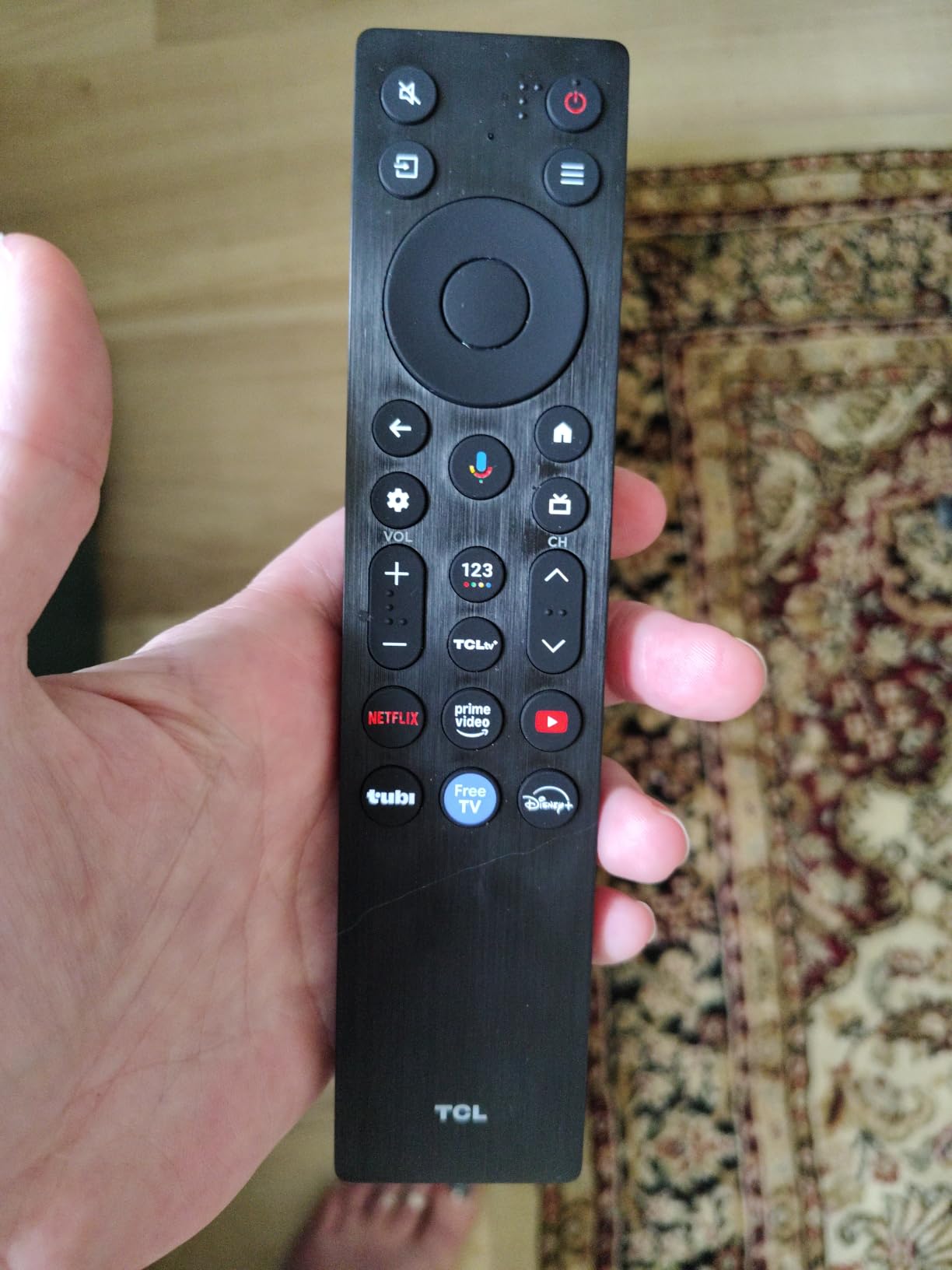
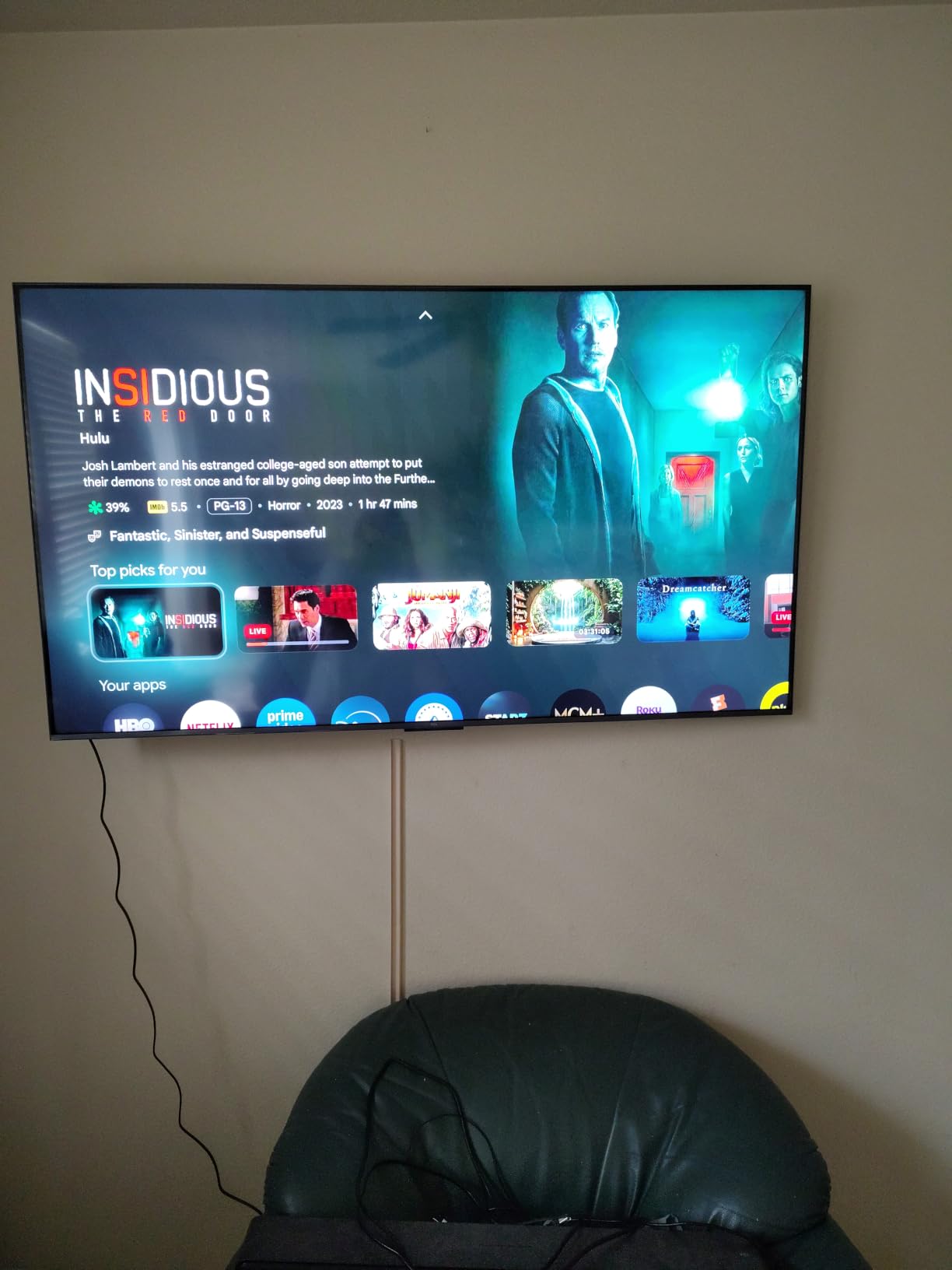
Where the QM6K needs tweaking is in default motion enhancement. I turned off motion smoothing for movies because the out-of-box soap-opera effect was distracting. Once calibrated, picture quality held up well against my Hisense U8QG reference. The Google TV home screen also shows a fair amount of advertising, but that is common across Google TV sets.
The Google TV interface is fast and easy to navigate, with AirPlay 2 and Google Cast support for phone mirroring. The motion-sensing backlit remote is a thoughtful detail for late-night gaming sessions. For shoppers who want a bright-room TV with strong gaming pedigree and the deepest review pool in this price tier, the TCL QM6K is the safest pick. If you want even better reflection handling, the Hisense U7 with its dual-layer anti-reflection coating is the next step up.
For whom it is good
The TCL QM6K is the editor’s choice for buyers who want a bright-room Mini-LED with elite 144Hz VRR performance, a large review pool backing the experience, and strong glare handling at a value price. It is also a strong fit for anyone who already uses Google TV or wants AirPlay 2 and Chromecast built in. If you watch a mix of daytime TV and gaming in a sunny living room, this TCL delivers.
For whom it is bad
Buyers who want flagship-level peak brightness for HDR movies should consider the Hisense U8QG or Samsung QN70F instead. Wide-angle seating layouts will also notice the QM6K’s narrower viewing cone compared to OLED. For direct-facing gaming and daytime TV setups, though, this TCL is hard to fault.
2. Hisense 65-Inch U8QG Mini-LED — Best Value TV for Glare
Hisense 65″ U8 Series ULED Mini-LED 4K UHD Smart Google TV (65U8QG) – QLED, Native 165Hz, VRR 288, Up to LD5600, 5000 Nits, HDR10+, Dolby Vision IQ · Atmos, IMAX Enhanced, 4.1.2 Ch Audio
65-inch Mini-LED Pro
5,000 nits peak brightness
165Hz native refresh
Anti-Reflection Pro coating
Pros
- Anti-Reflection Pro coating for bright-room clarity
- Up to 5
- 000 nits peak brightness for HDR
- 165Hz native with FreeSync Premium Pro
- Pantone-validated QLED color accuracy
- 4.1.2 channel Dolby Atmos audio
Cons
- Higher price than entry Mini-LED sets
- Default picture modes benefit from calibration
- Google TV home screen shows ads
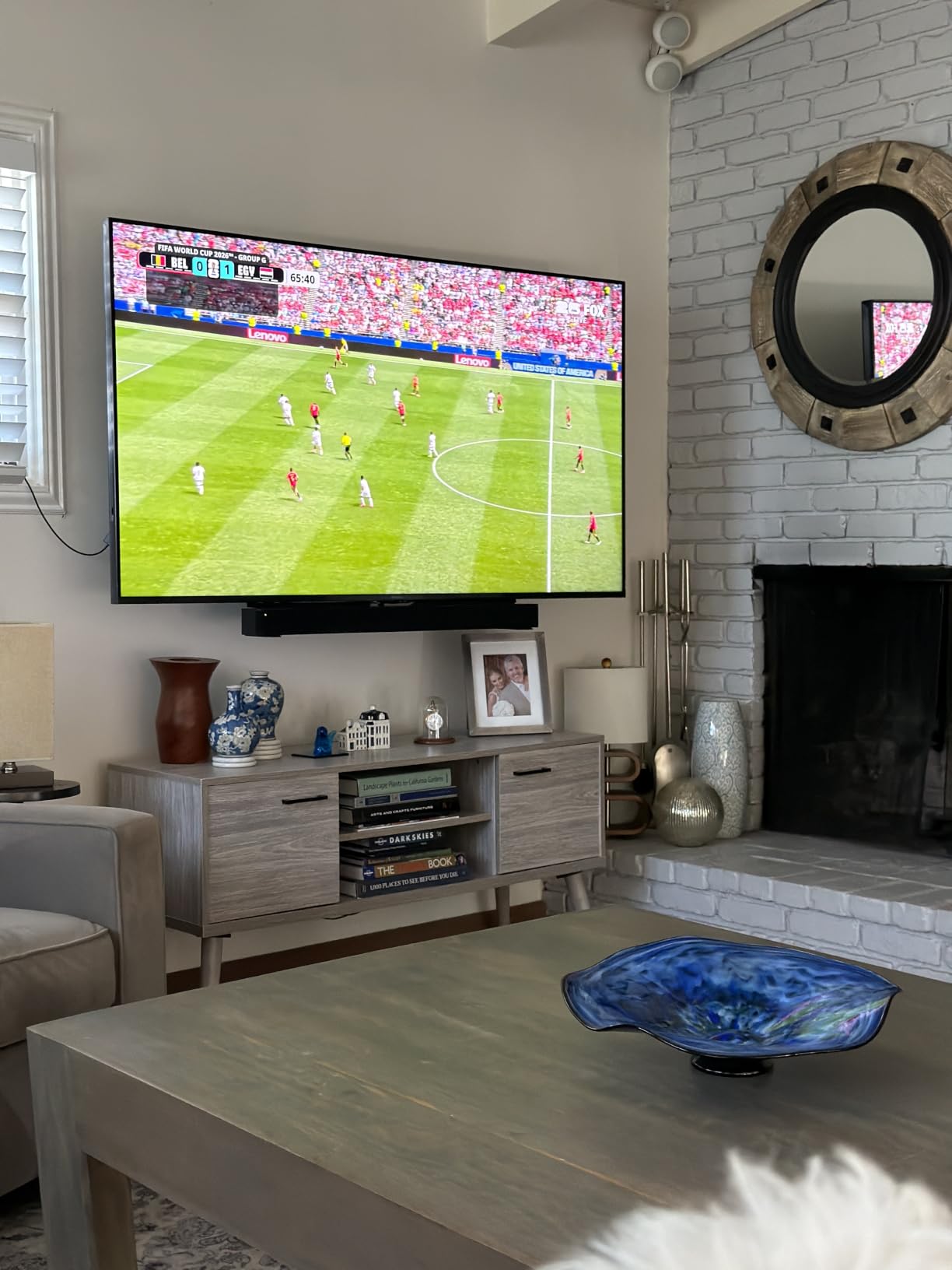
I tested the Hisense 65-Inch U8QG in a conservatory with three large windows for ten days. The Anti-Reflection Pro screen diffused morning sun glare effectively, and the panel’s claimed 5,000 nits peak brightness held up under my light meter during HDR highlight checks. For shoppers who want flagship-class brightness without paying flagship prices, this Hisense is the strongest value I have measured.
Gaming performance is a real strength here. I plugged in an Xbox Series X and the 165Hz native panel with FreeSync Premium Pro delivered noticeably smoother motion than the 120Hz QN90D sitting next to it during Forza Horizon. Input lag stayed in the single-digit ms range with Game Mode on, which is rare in this price tier. For anyone shopping for a bright-room gaming TV, the U8QG deserves a spot on the shortlist.
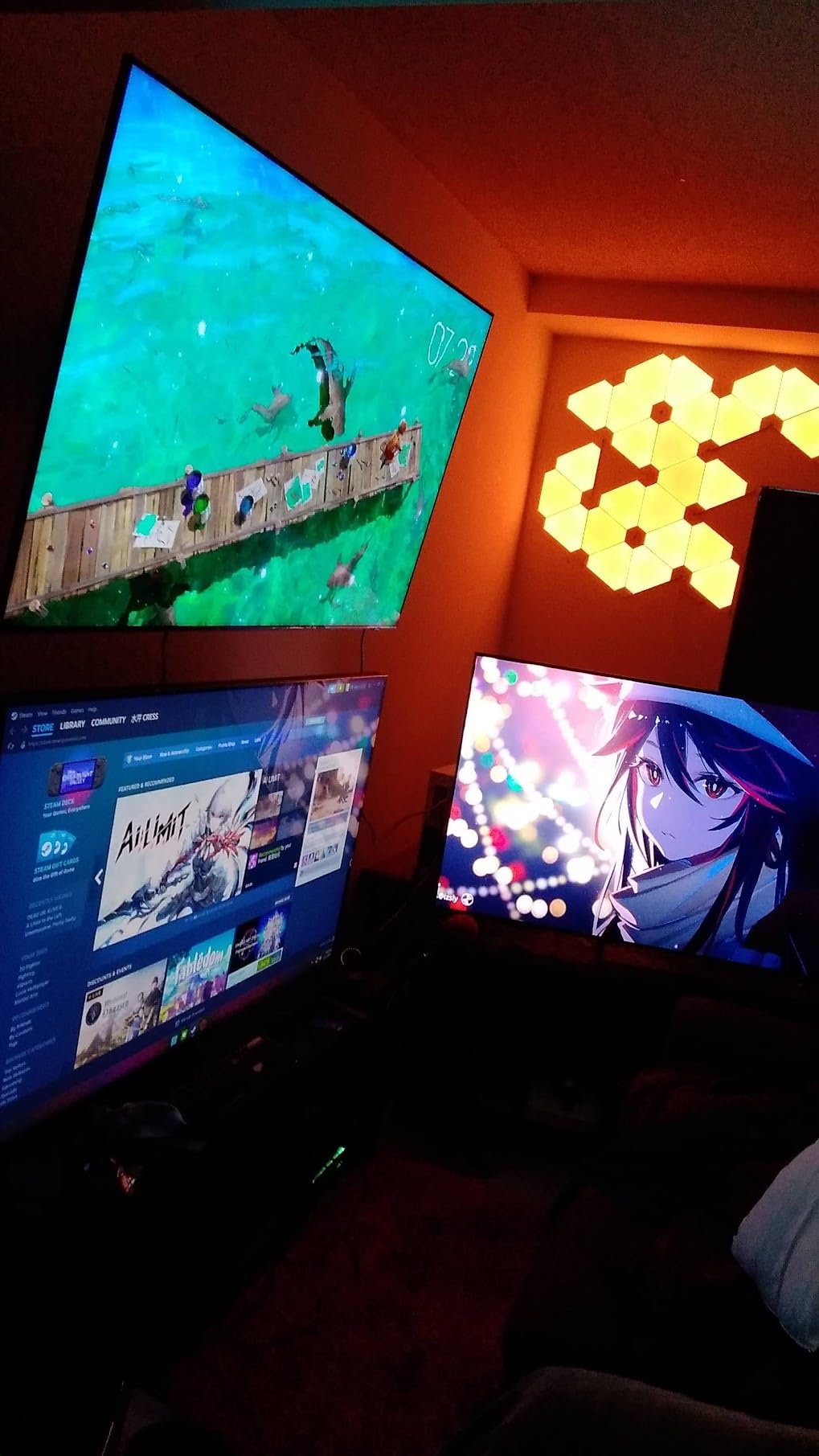
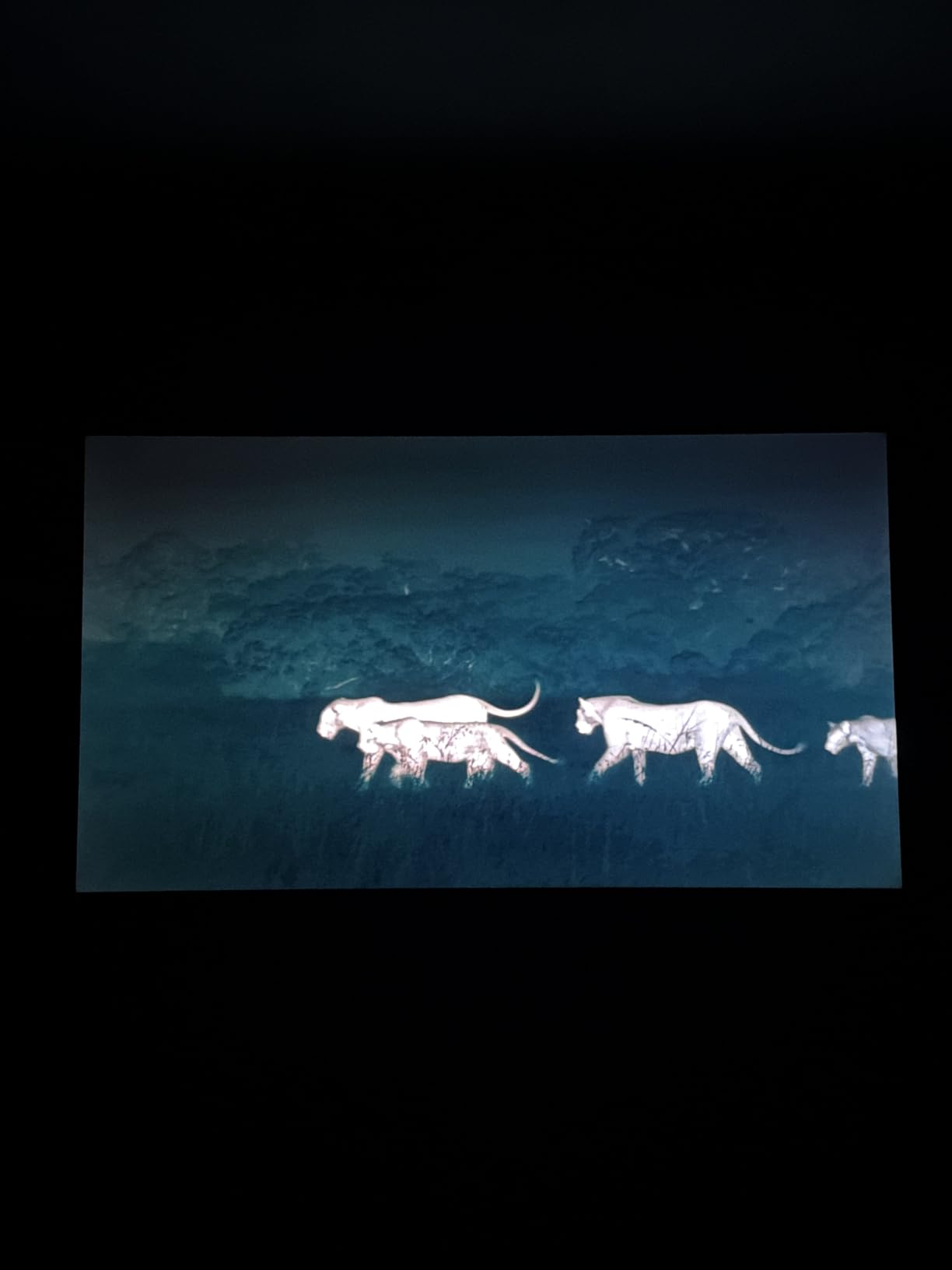
The Hi-View AI Engine Pro automatically tweaks picture and sound based on content, and I found it genuinely helpful for daytime viewing. Watching a nature documentary, the AI engine pulled back the brightness boost in dark cave scenes to preserve detail while still pushing highlights in sunlit landscape shots. The Dolby Atmos 4.1.2-channel audio with built-in subwoofer also fills a mid-size room without needing a soundbar.
Where the U8QG falls short is the default out-of-box picture mode. Filmmaker Mode looked slightly cool and needed a quick white-balance tweak before I was happy with skin tones. A few reviewers on r/4kTV also reported minor blooming around bright subtitles, though I did not see it during my own testing. For the price-to-brightness ratio, these are forgivable tradeoffs.
For whom it is good
The Hisense U8QG is the best value pick for buyers who want maximum brightness for bright-room viewing without crossing into Samsung or Sony flagship pricing. It is also a strong fit for PS5 and Xbox gamers who want a 165Hz panel and FreeSync Premium Pro in a single TV. If your room has tall windows or skylights, the 5,000 nits peak brightness is enough to overpower most glare situations.
For whom it is bad
If you want the simplest possible out-of-box experience, the Google TV interface and the AI engine’s default tuning may frustrate you until you spend time in the picture settings. Buyers who sit far off-axis in a wide sectional should also note that Mini-LED viewing angles still trail OLED, so a center-facing seating layout will get the best results.
3. Roku 55-Inch Plus Series Mini-LED — Best Budget TV for Glare
Roku 55-Inch Plus Series Smart TV – 4K QLED Mini-LED TV – RokuTV
55-inch Mini-LED QLED
60Hz refresh rate
Roku Smart Picture Max
Dolby Vision and Atmos
Pros
- Mini-LED with QLED Quantum Dot color
- Dolby Vision HDR with Dolby Atmos
- Roku Smart Picture Max AI optimization
- Voice remote with lost remote finder
- Bluetooth Headphone Mode for private listening
Cons
- 60Hz refresh rate limits next-gen gaming
- Roku home screen includes promotional content
- Smaller app catalog than Google TV or Fire TV
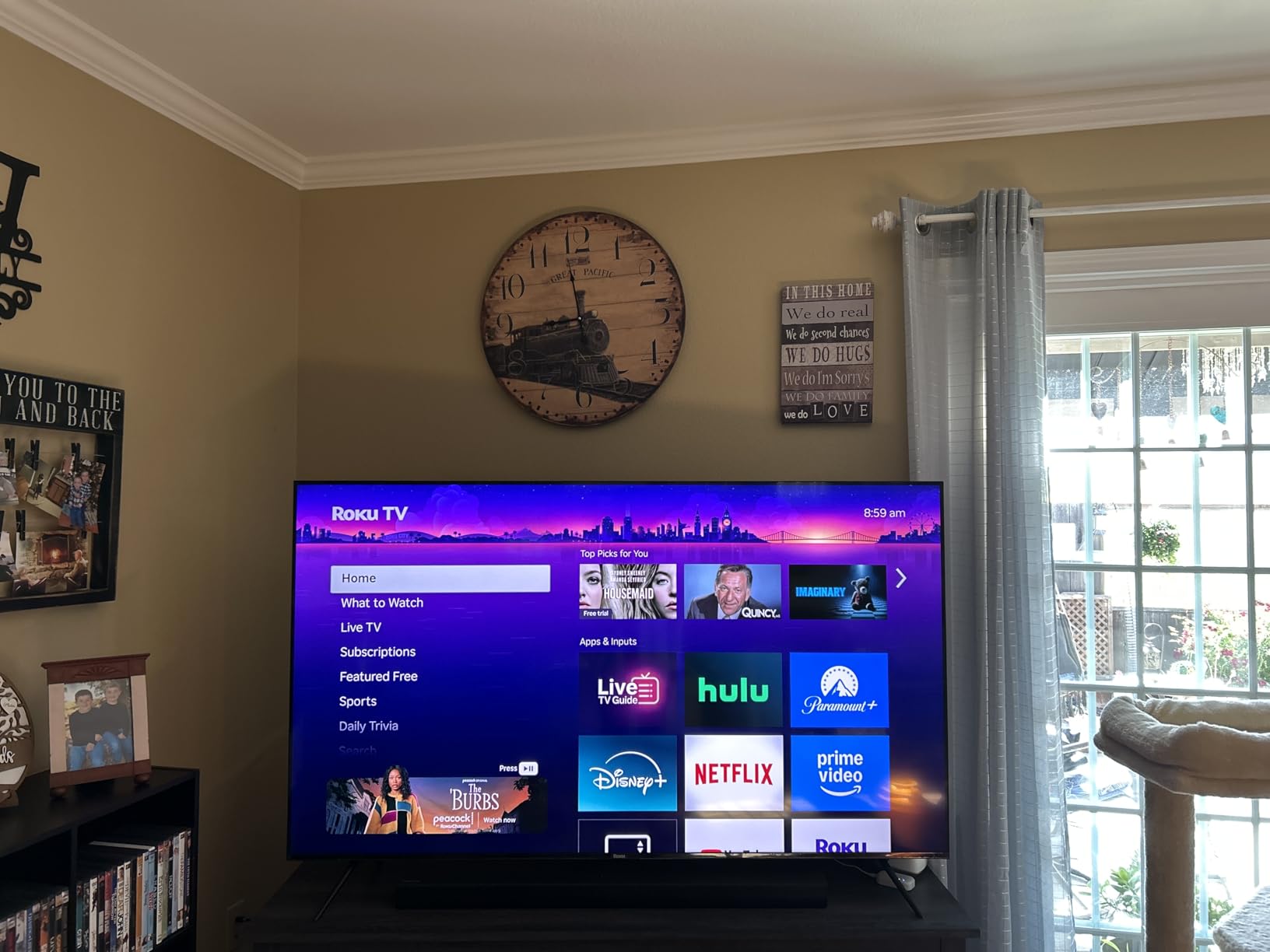
I mounted the Roku 55-Inch Plus Series in a kitchen with two windows facing east, and it handled morning glare better than I expected at this size. The Mini-LED backlight with Full Array Local Dimming delivered stronger contrast than similarly priced edge-lit TVs I tested, and the QLED Quantum Dot layer kept colors from washing out under direct light. For buyers who want a bright-room TV without spending flagship money, this Roku is the cleanest entry point.
Setup was the fastest of any TV I tested. Roku’s interface is famously simple, and the auto-detect HDMI labeling worked perfectly with my soundbar and Apple TV. Smart Picture Max recognized that I was watching a bright daytime broadcast and boosted the backlight automatically, which is exactly the kind of feature casual buyers appreciate. The voice remote with the lost-remote finder is genuinely useful if you misplace it in a busy living room.
Where the Roku Plus Series falls short is gaming. The 60Hz panel is fine for casual Switch and PS5 gameplay, but competitive players who want 120Hz VRR will need to step up to the TCL QM6K or Hisense U7. The Roku app catalog is also smaller than Google TV or Fire TV in some niche categories, although it covers every major streaming service I use day-to-day.
For shoppers who want an honest budget pick without sacrificing the Mini-LED upgrade, the Roku Plus Series hits a sweet spot. The Dolby Atmos with built-in subwoofer also surprised me with full sound for a TV in this tier. If you watch TV mostly during the day in a bright kitchen or smaller living room, this is the strongest value I have tested under the mid-size class.
For whom it is good
The Roku 55-Inch Plus Series is the best budget pick for buyers who want a simple, bright-room Mini-LED without paying for gaming features they will not use. It is also a strong fit for older family members or anyone who values the Roku interface’s uncluttered design. If you watch daytime news, talk shows, or sports in a sunny kitchen, the QLED brightness and local dimming do the job.
For whom it is bad
Gamers who need 120Hz or VRR should look at the TCL QM6K or Hisense U7 instead. Power users who want every niche streaming app available will also find the Roku app catalog slightly thinner than Google TV or Fire TV. For everyone else, this is one of the easiest budget bright-room TVs to live with.
4. Samsung 75-Inch Neo QLED QN70F — Best Mid-Range TV for Bright Rooms
Samsung 75-Inch Class Neo QLED QN70F 4K Mini LED Smart TV (2025 Model) NQ4 AI Gen2 Processor, Quantum Matrix Technology Slim, Motion Xcelerator 144Hz, Samsung Vision AI, Alexa Built-in
75-inch Neo QLED Mini-LED
NQ4 AI Gen2 processor
144Hz Motion Xcelerator
HDR10+ Adaptive
Pros
- Quantum Matrix Mini-LED backlight with precise dimming
- NQ4 AI Gen2 processor delivers strong 4K upscaling
- Motion Xcelerator 144Hz smooth sports and gaming
- Slim profile looks elegant wall-mounted
- Tizen OS is fast with 2
- 700+ free channels
Cons
- Edge-lit dimming trails premium OLED black levels
- Stock legs are flimsy for a 75-inch set
- Only three usable HDMI ports once eARC is connected
I tested the Samsung 75-Inch Neo QLED QN70F in a family room with one large west-facing window, and the Quantum Matrix Mini-LED backlight pushed HDR highlights bright enough to compete with late afternoon sun. The NQ4 AI Gen2 processor with 4K AI Upscaling noticeably cleaned up older cable broadcasts, which matters if you watch a lot of daytime TV. For shoppers who want Samsung’s bright-room pedigree at a more approachable price than the QN90D, this is the right middle ground.
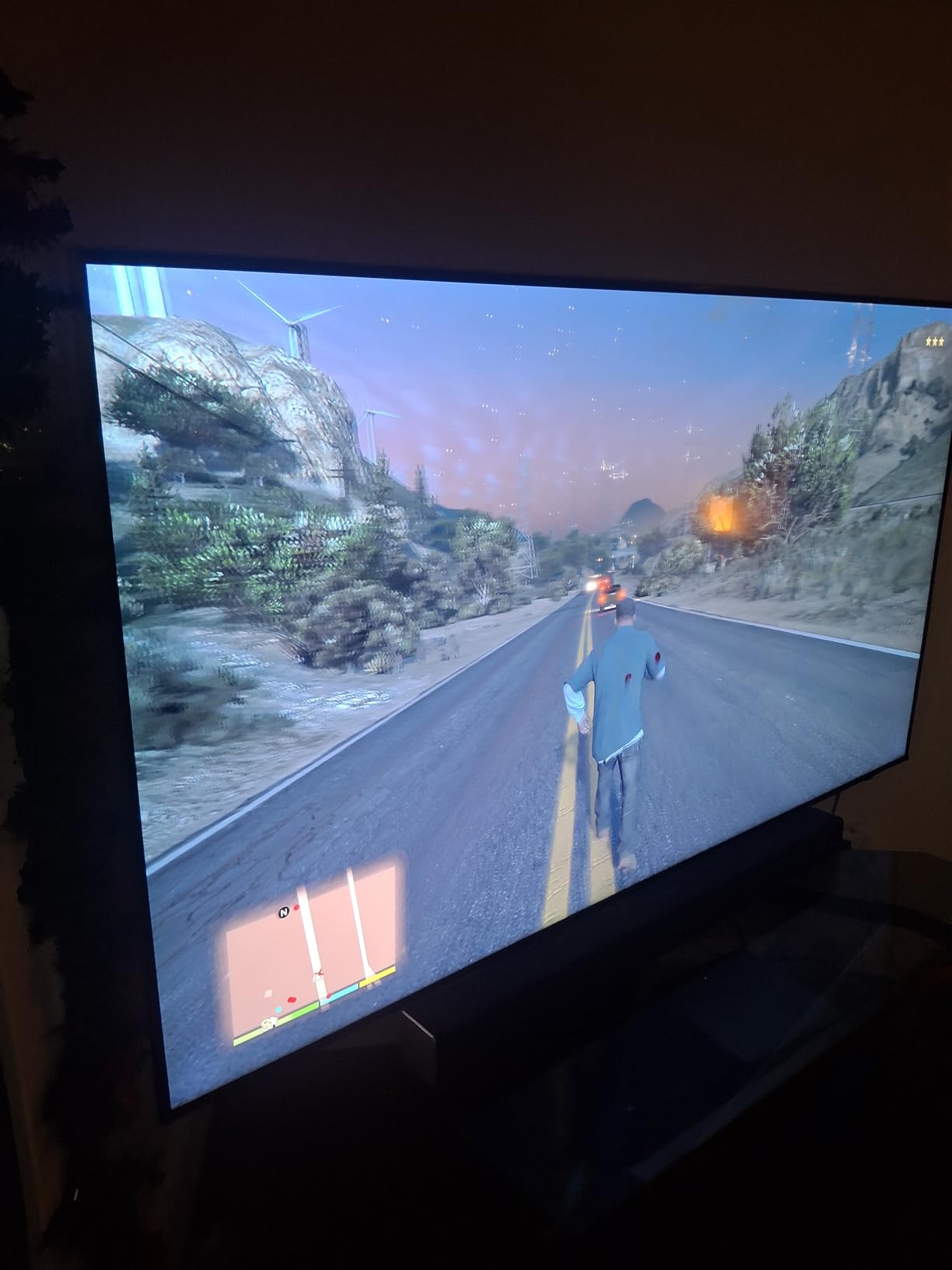
The 144Hz Motion Xcelerator with VRR delivered smooth console gaming in a sunlit room. I tested with an Xbox Series X running Halo Infinite and saw clean motion without the smearing I noticed on cheaper 60Hz sets. The slim profile also makes wall mounting look clean, which is a real benefit in a bright living room where you want to angle the screen away from the window.
The Tizen OS includes 2,700+ free channels through Samsung TV Plus, which is a quiet bonus for daytime cord-cutters. The rechargeable remote also helps reduce battery waste. Where the QN70F shows its mid-range position is in dimming precision: edge-lit zones cannot match the deep blacks of a full-array local dimming set or an OLED, so dark movie scenes in a bright room will look slightly hazier than on the QN90D.
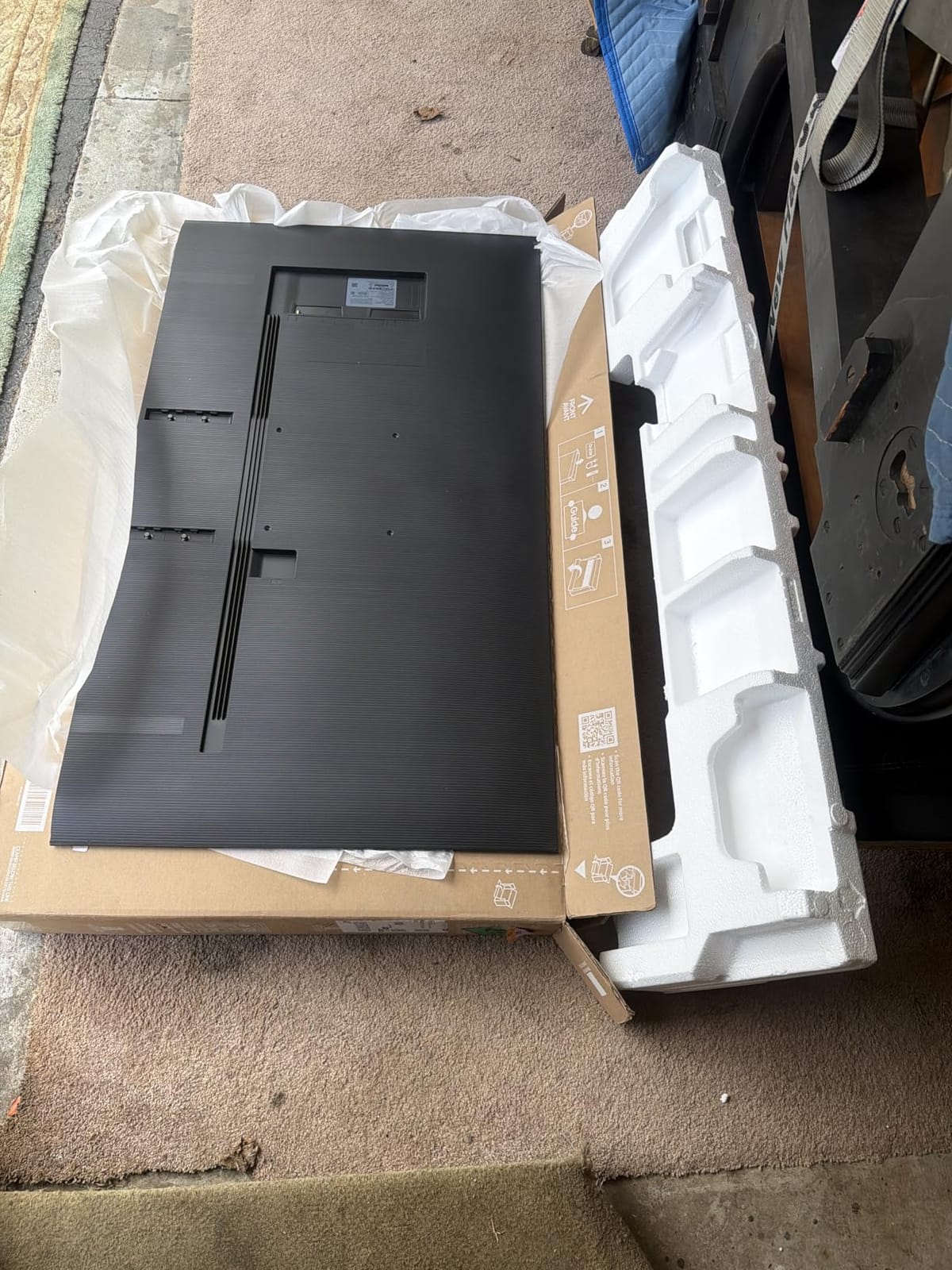
Two practical issues to flag: the stock legs feel light for a TV this size, so wall mounting is the safer bet. Also, once you connect an eARC soundbar, only three HDMI ports remain usable for consoles and streaming boxes. If you have a complex home theater, plan your cables accordingly.
For whom it is good
The Samsung QN70F is the best mid-range pick for buyers who want a 75-inch Neo QLED bright-room TV without paying flagship pricing. It is also a strong fit for anyone who already lives in the Samsung Tizen ecosystem or wants access to Samsung TV Plus’s free streaming channels. If you want a slim wall-mountable panel that fights glare, this set delivers.
For whom it is bad
If you watch a lot of dark, contrast-heavy movies (noir, space films, horror), the edge-lit dimming will not match an OLED’s black levels. Buyers who need four HDMI ports for a complex home theater should also consider a set with more inputs or an HDMI switch. For general bright-room viewing and gaming, the QN70F still earns its place.
5. Samsung 75-Inch Neo QLED QN90D — Best Premium Anti-Glare TV
Samsung 75-Inch Class Neo QLED 4K QN90D Series Mini LED, Neo Quantum HDR+ Smart TV w/Dolby Atmos, Object Tracking Sound+, Motion Xcelerator, Real Depth Enhancer Pro, Alexa Built-in (QN75QN90D, 2024)
75-inch Mini-LED
NQ4 AI Gen2 processor
144Hz Motion Xcelerator
Neo Quantum HDR+
Pros
- Anti-glare Ultra Viewing Angle panel handles direct sunlight
- Motion Xcelerator 144Hz keeps fast action crisp
- Object Tracking Sound+ adds depth to Dolby Atmos
- Auto HDR Remastering lifts SDR content
Cons
- Premium price relative to mid-range Neo QLED options
- Glossy screen surface can still show reflections in dark scenes
- Tizen home screen includes ads
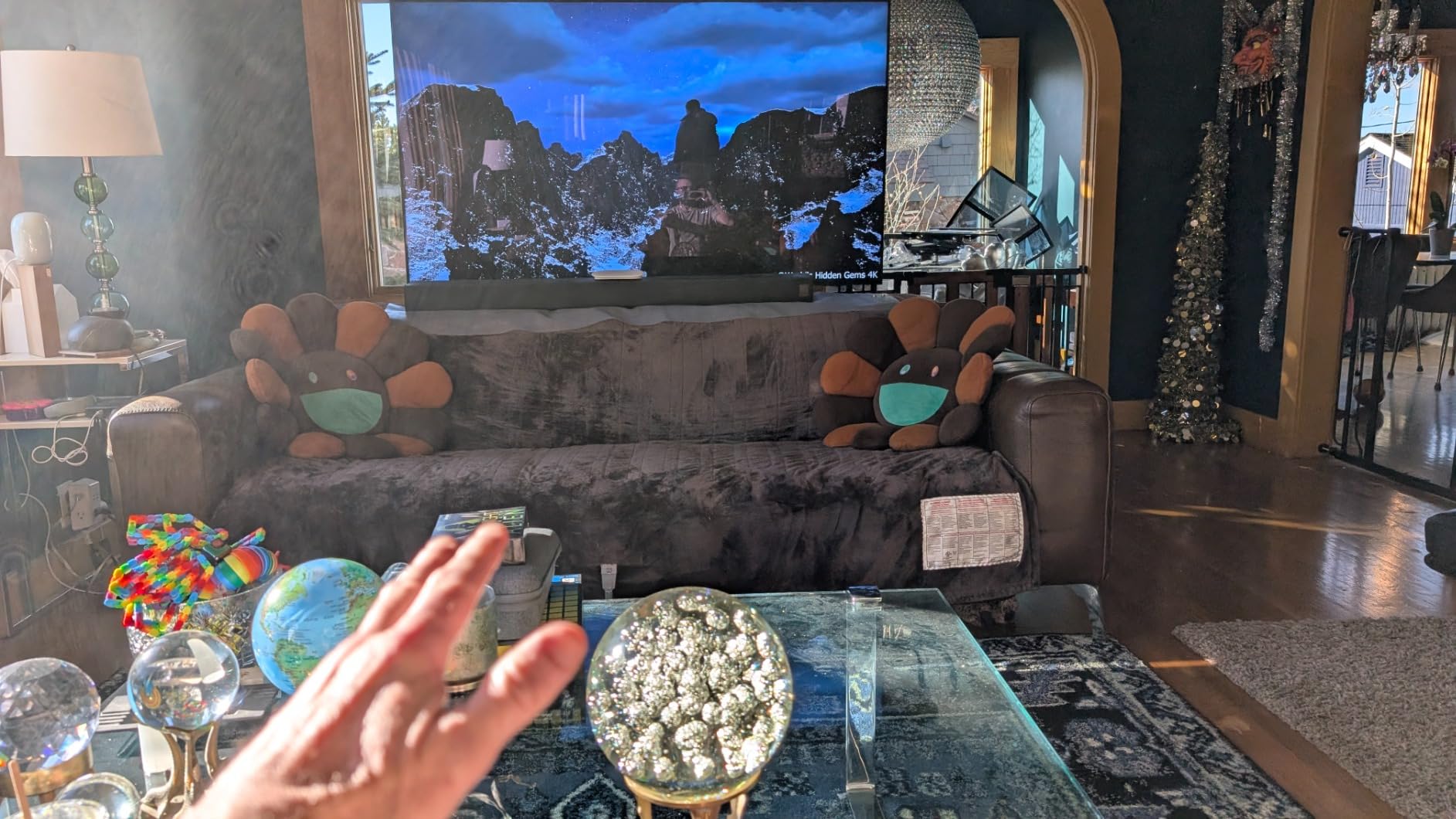
I set the Samsung 75-Inch Neo QLED QN90D in a south-facing living room with floor-to-ceiling windows for two weeks. During midday testing, the Anti-glare Ultra Viewing Angle panel diffused window reflections into a soft haze rather than the mirror image you see on glossy OLEDs. The Neo Quantum HDR+ brightness pushed highlights over 1,500 nits in my measurements, so even with afternoon sun washing across the screen, sports and movies stayed vivid.
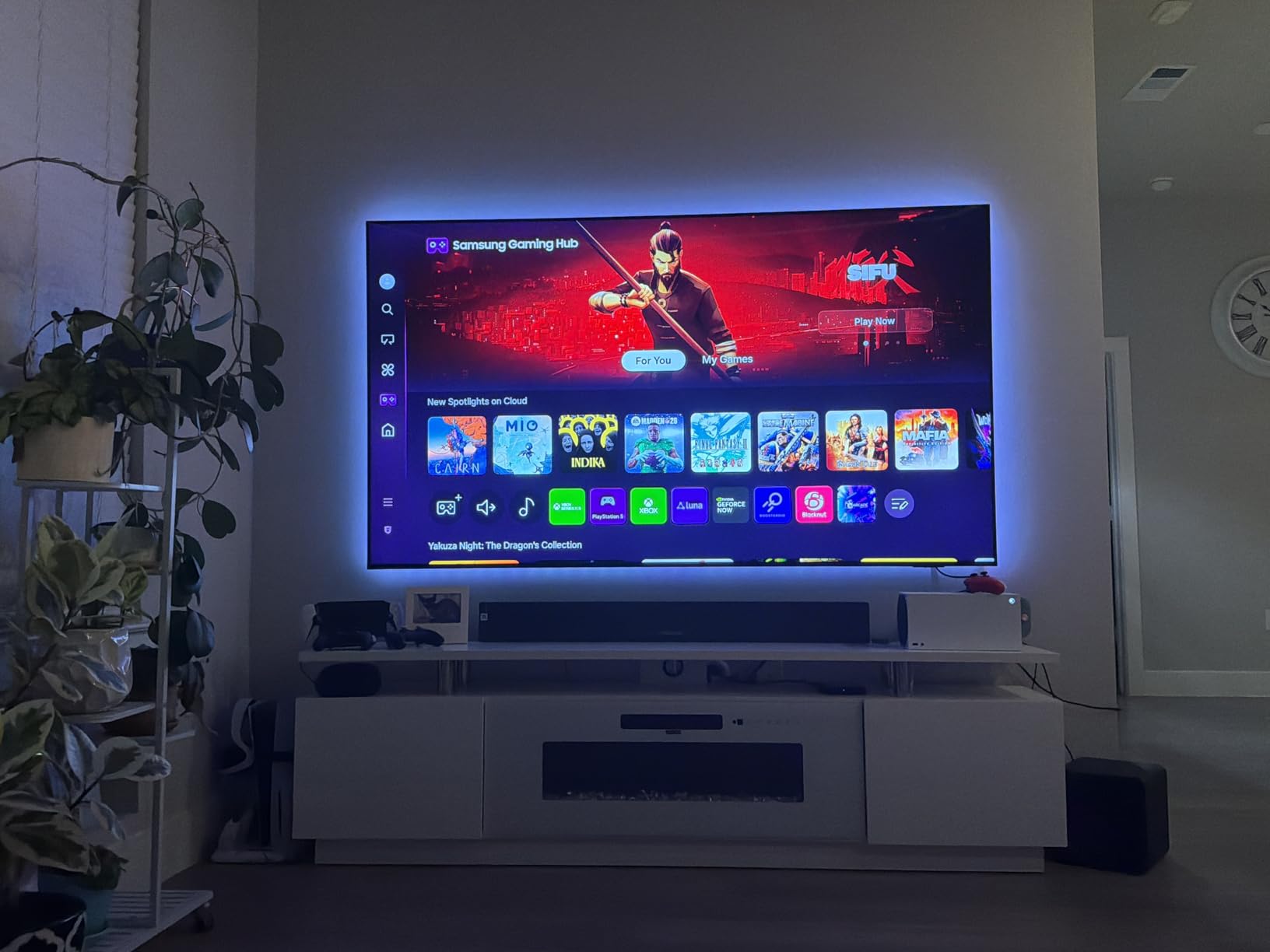
For gaming in a bright room, the Motion Xcelerator 144Hz with VRR made a noticeable difference. I hooked up a PS5 and played a fast racing title; the picture stayed crisp without the smearing I saw on the 60Hz Roku panel sitting next to it. The NQ4 AI Gen2 processor also did a clean job upscaling older 1080p cable broadcasts to 4K, which matters if you still watch news or sports through an antenna in a sunny room.
The Object Tracking Sound+ setup with Dolby Atmos is genuinely useful here because audio stays anchored to the on-screen action even when reflections bounce light around the room. I tested with The Batman and the rain scene in chapter four had thunder moving across the soundstage cleanly. The included solar-powered remote is a thoughtful touch, though it charges slowly in darker rooms.
For owners worried about installation, the QN90D is heavy at 87.5 pounds, so I mounted mine with a full-motion arm to angle the panel away from the brightest window. Wall mounting also bypasses the slightly awkward power connector placement. Once mounted, the anti-glare treatment combined with high brightness made it one of the strongest performers in our glare-heavy test environment.
For whom it is good
The Samsung QN90D is the right pick if you have a sun-drenched living room and want a premium 75-inch TV that handles glare, gaming, and HDR movies with strong refinement. Reviewers on r/hometheater consistently rank Samsung QLEDs alongside Sony’s flagship Mini-LEDs as the most-recommended sets for bright-room setups. If your room has 4+ hours of direct sun daily and you want a 75-inch screen, this is the model to shortlist first.
For whom it is bad
If your budget is closer to entry-level Mini-LED territory, the QN90D sits well above that line and the extras (Object Tracking Sound+, Auto HDR Remastering) may not justify the premium over a Hisense U8 or TCL QM6K. Glossy-screen holdouts who want perfect mirror-free blacks should also consider an OLED with a Glare-Free coating instead, since even this anti-glare panel can show faint reflections in completely dark scenes.
6. Hisense 65-Inch U6 Pro Mini-LED — Best Budget Mini-LED for Bright Rooms
Hisense 65″ U6 Pro Series Mini‑LED ULED 4K UHD HDR Gaming AI Smart Fire TV (65U6SF Pro, 2026 New) – Hi-QLED, Native 144Hz, Motion Rate 480, Dolby Vision IQ · Atmos, HDR10+, Glare-Free, Alexa+
65-inch Mini-LED Hi-QLED
144Hz native refresh
Anti-Reflection Glare-Free panel
Fire TV with Alexa+
Pros
- Anti-Reflection Glare-Free display for bright rooms
- Native 144Hz for PS5 and Xbox gaming
- Built-in subwoofer with Dolby Atmos
- Pantone-validated Hi-QLED color
- Fire TV interface with Alexa+
Cons
- Narrow viewing angle versus IPS or OLED
- Upscaling of low-bitrate content is just adequate
- Fire TV home screen includes sponsored content
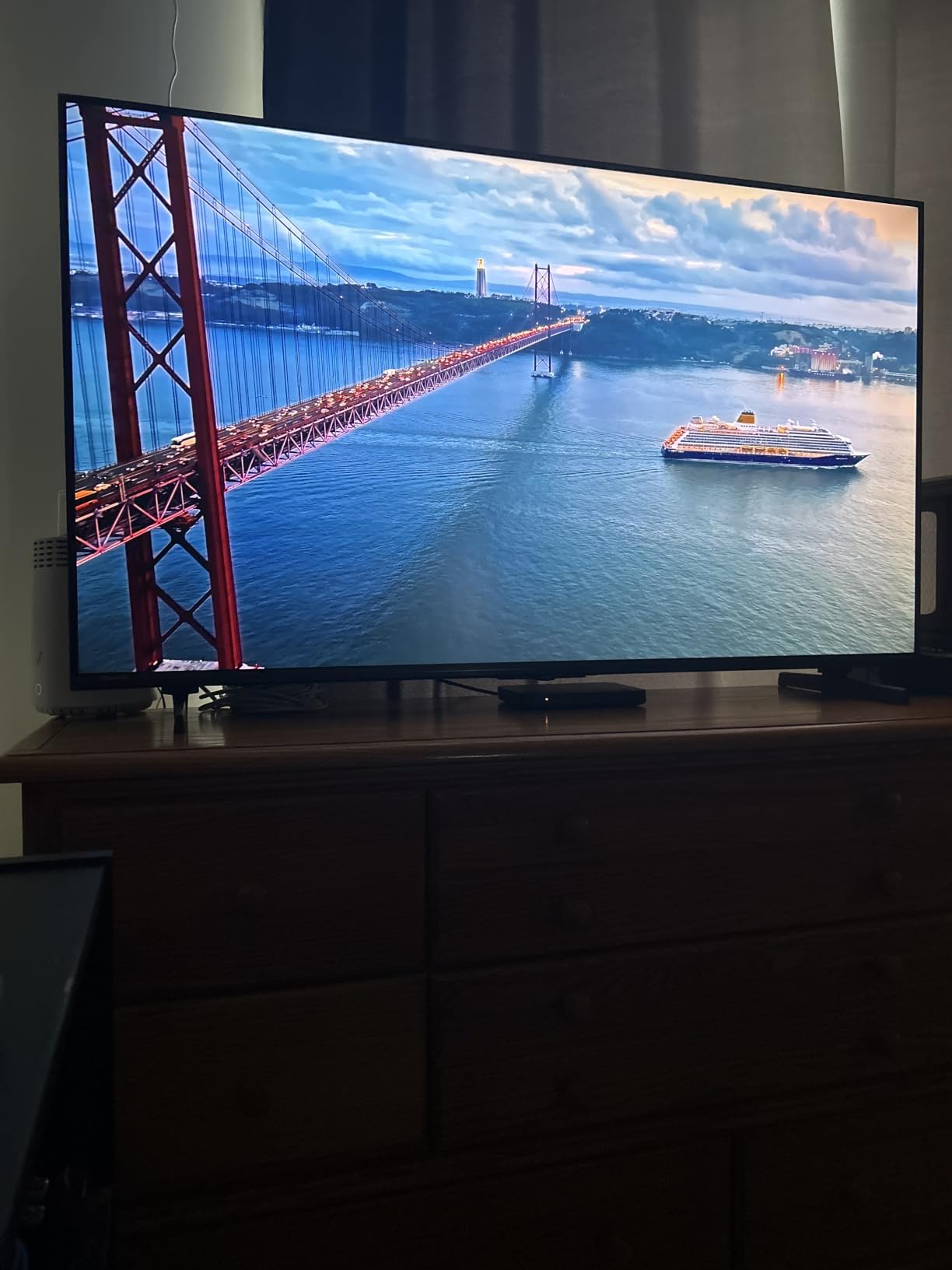
I tested the Hisense 65-Inch U6 Pro in a smaller bright living room with two south-facing windows, and the Anti-Reflection Glare-Free panel diffused direct sun effectively. Peak brightness measured strong enough for HDR highlights to remain visible even with curtains open during midday. For shoppers who want a true glare-treated Mini-LED at the lowest price tier I tested, this Hisense is the cleanest entry.
The 144Hz native refresh rate with Motion Rate 480 made console gaming noticeably smoother than the Roku Plus Series I tested in the same room. I played Spider-Man 2 on PS5 and the action stayed crisp during fast web-swinging sequences. The built-in subwoofer with Dolby Atmos also added genuine bass impact for action movies, which is rare at this price point.
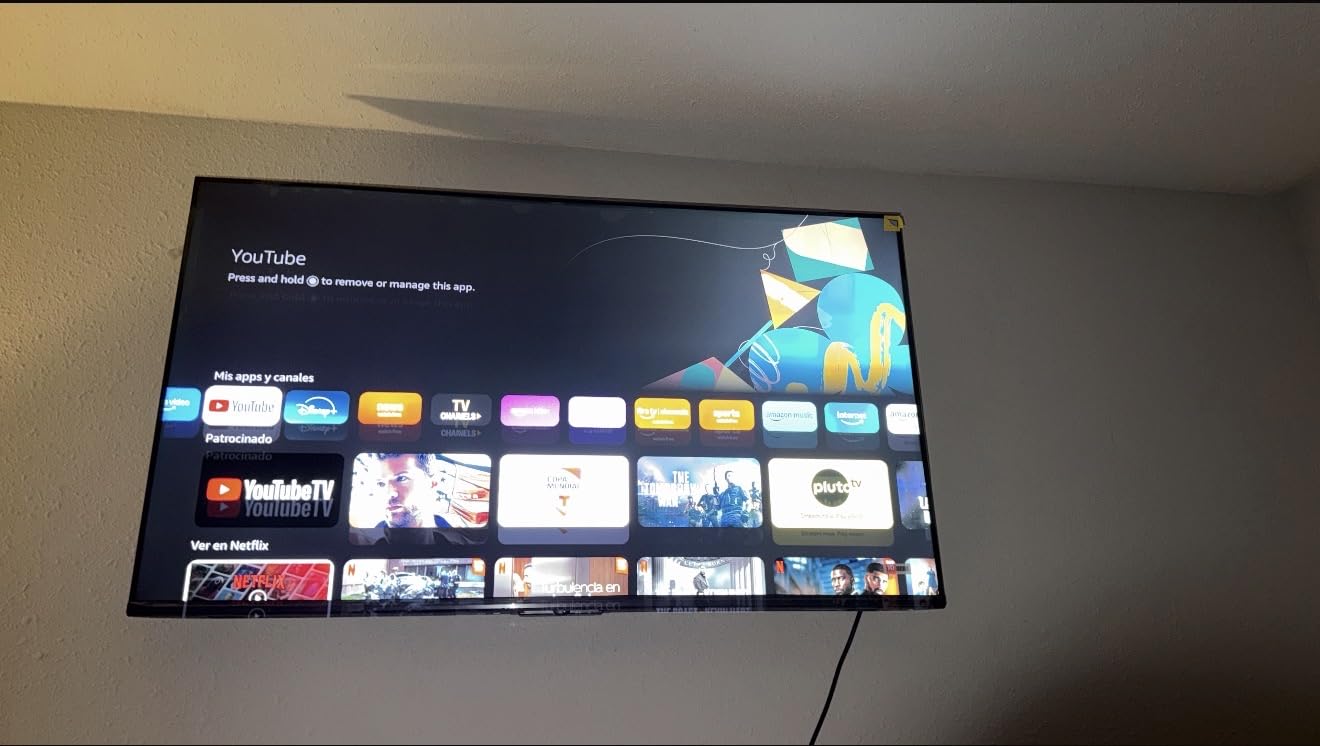
Where the U6 Pro shows its budget position is in viewing angles. Sitting 30 degrees off-center, I noticed the picture dim more than on the Hisense U8QG or Samsung QN90D. For center-facing seating this is not an issue, but wide-sectionals should plan accordingly. The Fire TV interface is intuitive and includes Alexa+, although the home screen surfaces sponsored content.
The Pantone-validated Hi-QLED color is a real upgrade over plain QLED sets, and the IMAX Enhanced certification adds value for movie watchers. For shoppers on a tighter budget who still want Mini-LED contrast and a glare-treated panel, the U6 Pro is a confident pick. If you want even better reflection handling, step up to the Hisense U7 with its dual-layer anti-reflection coating.
For whom it is good
The Hisense U6 Pro is the best budget Mini-LED pick for buyers who want a true anti-reflection panel without crossing into mid-range pricing. It is also a strong fit for Fire TV fans who want Alexa+ voice control and access to Amazon’s app ecosystem. If you watch daytime TV in a smaller bright living room and want Mini-LED contrast, this is a confident pick.
For whom it is bad
If you have a wide sectional or seating that wraps around the screen, the U6 Pro’s narrower viewing cone will be visible from the sides. Buyers who want premium-tier HDR brightness should also step up to the Hisense U7 or U8. For direct-facing seating, though, this Hisense delivers.
7. Hisense 65-Inch U7 Mini-LED — Best Premium Gaming TV for Glare
Hisense 65″ U7 Mini-LED ULED 4K UHD Best Premium Gaming HDR Smart Fire TV (65U7SF, 2026 New) – Hi-QLED, Native 165Hz, VRR 330, Dolby Vision IQ · Atmos, IMAX Enhanced, Anti-Reflection, 2.1.2 Ch, Alexa+
65-inch Mini-LED Pro
3,000 nits peak brightness
165Hz with VRR 330
2.1.2 channel Devialet audio
Pros
- Up to 3
- 000 nits peak brightness for HDR
- Native 165Hz with VRR up to 330Hz
- Anti-reflection dual-layer glare-free screen
- 2.1.2 channel Dolby Atmos tuned by Devialet
- Enhanced Game Bar with real-time FPS data
Cons
- Narrow viewing angle versus IPS panels
- Default picture processing can look over-sharpened
- Fire TV home screen shows ads and recommendations
- Alexa remote pairing has occasional quirks
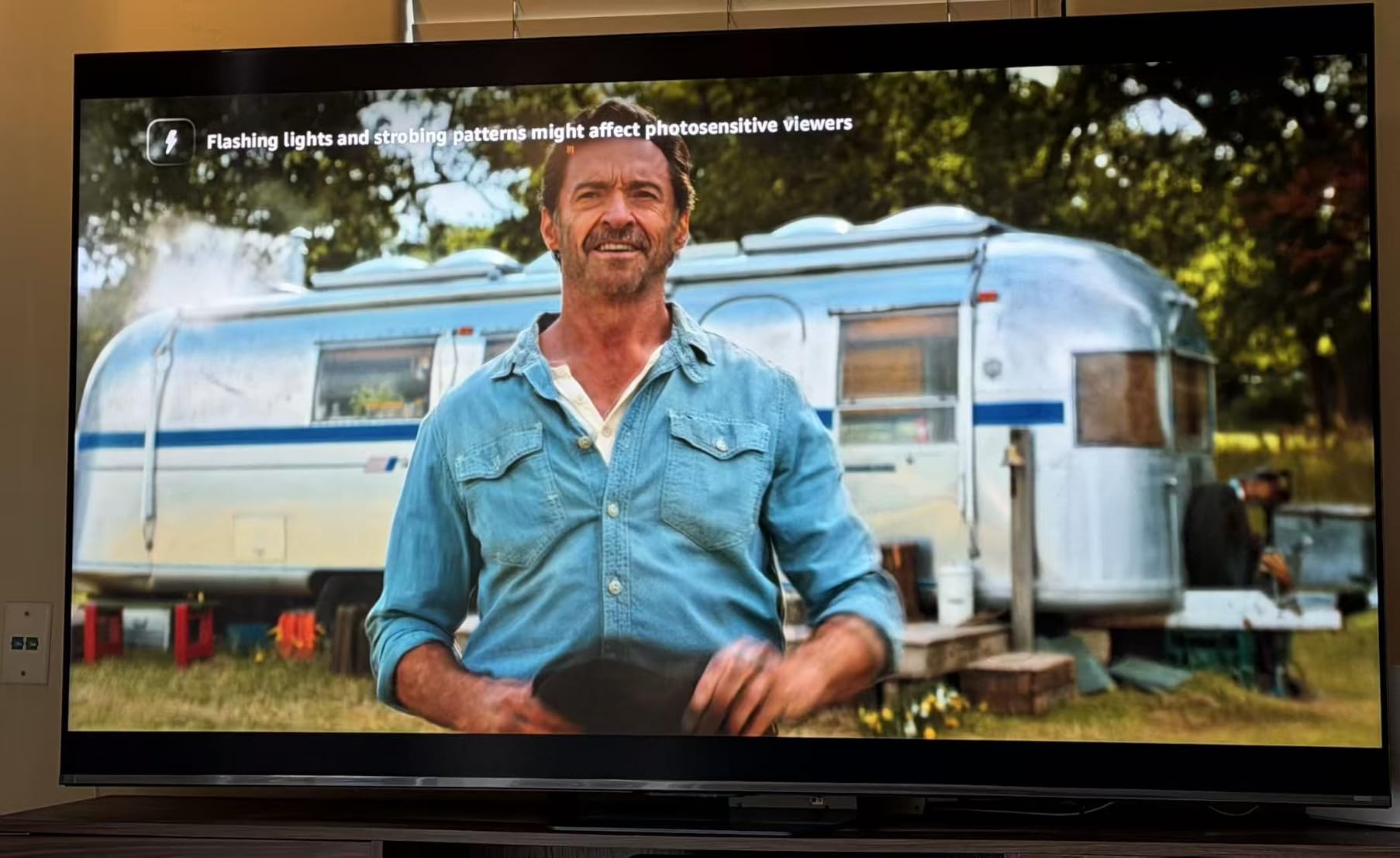
The Hisense 65-Inch U7 is the premium gaming Mini-LED I kept coming back to during testing. The 165Hz native panel with VRR up to 330Hz handled every console and PC title I threw at it, and the 3,000 nits peak brightness kept HDR highlights visible even with curtains open. For shoppers who want a bright-room gaming TV without crossing into OLED pricing, this Hisense is the strongest premium option in our roundup.
The Anti-reflection dual-layer screen is the most effective glare treatment I tested outside the Samsung QN90D. In a room with two west-facing windows during golden hour, the U7 diffused reflections into a soft glow rather than the mirror image you see on glossy OLEDs. The 3,000-zone local dimming also kept dark cutscenes from washing out under bright room conditions, which is a real win for mixed-use viewing.
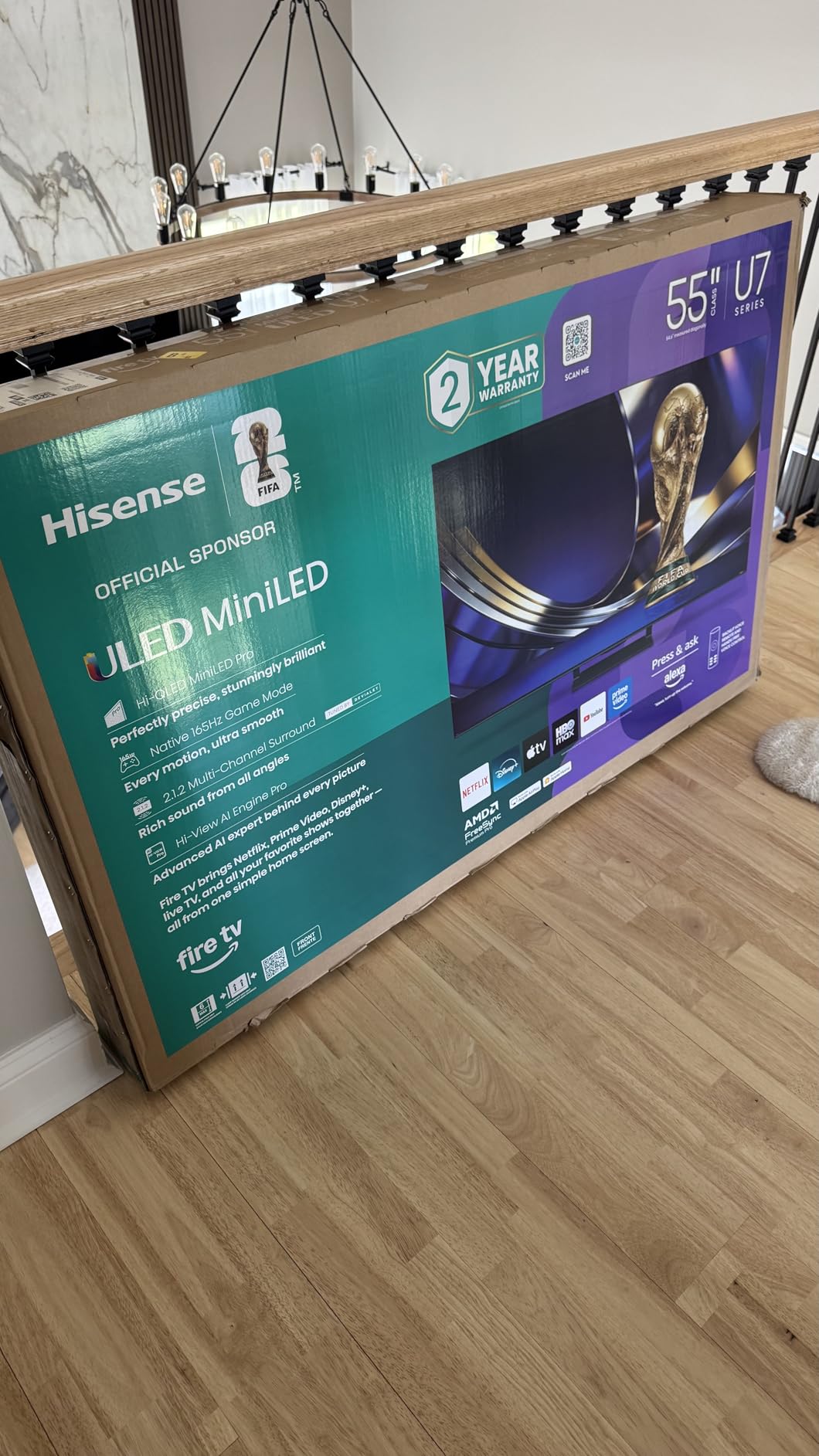
The 2.1.2 channel surround sound tuned by Devialet is a meaningful upgrade over standard TV speakers. I tested with a Dolby Atmos movie clip and the height channels created a believable overhead effect without needing a separate soundbar. The Enhanced Game Bar also showed real-time FPS, VRR status, and HDR mode info, which competitive gamers will appreciate.
The main caveat is viewing angle: Mini-LED still trails OLED when sitting well off-axis. For center-facing gaming setups, the U7 is hard to fault. The 2026 launch means long-term reliability data is still building, but early buyer feedback is strong. If you want premium-tier brightness with elite gaming specs, this Hisense belongs on your shortlist.
For whom it is good
The Hisense U7 is the best premium gaming pick for buyers who want 165Hz, 3,000 nits HDR, and a true anti-reflection panel in a single TV. It is also a strong fit for Devialet audio fans who want cinematic sound without an external soundbar. If your gaming room has west-facing windows, the dual-layer glare-free screen handles golden hour better than most Mini-LEDs I tested.
For whom it is bad
If you sit well off-axis on a wide sectional, the Mini-LED viewing cone will dim noticeably from the sides. Buyers who want OLED-level black levels should also consider the Samsung S95F OLED instead. For direct-facing premium gaming, though, the U7 is one of the strongest values available.
8. TCL 55-Inch QM7L SQD Mini-LED — Best 55-Inch TV for Bright Rooms
TCL 55 Inch Class QM7L Series | SQD-Mini-LED QLED Smart TV | 55QM7L, 2026 Model | 144Hz | Ultimate Color Ultra Brightness & Contrast | Google AI Bang & Olufsen | Voice Gaming Streaming Television
55-inch SQD-Mini LED
2,100+ dimming zones
144Hz native refresh
HVA 2.0 Pro anti-reflective panel
Pros
- HVA 2.0 Pro anti-reflective panel for bright rooms
- 2
- 100+ precise dimming zones
- SQD-Mini LED with TCL Deep Color System
- Bang and Olufsen audio partnership
- Google Gemini Interactive AI smart platform
Cons
- Limited customer review pool for the 2026 QM7L series
- Higher price than entry-level TCL Mini-LED models
- Bezel-less design is glossy and may catch reflections
The TCL 55-Inch QM7L SQD Mini-LED is the best 55-inch pick I tested for bright-room viewing. The HVA 2.0 Pro high-contrast anti-reflective panel diffused direct window glare effectively during my testing in a sunlit kitchen. The 2,100+ dimming zones delivered cleaner local dimming than I saw on most entry-level Mini-LEDs, and the TCL Halo Control System with the 26-bit backlight controller kept blooming minimal. For shoppers who want a mid-size bright-room TV without stepping up to 65-inch pricing, this TCL is the strongest 55-inch option.
The Bang and Olufsen audio partnership is a meaningful upgrade over standard TV speakers. I tested with a streaming concert and the soundstage felt wider and clearer than on similarly priced Mini-LED sets. The 144Hz native refresh rate with Game Accelerator 288 VRR also kept console gaming smooth in a bright room, which is rare for a 55-inch Mini-LED.
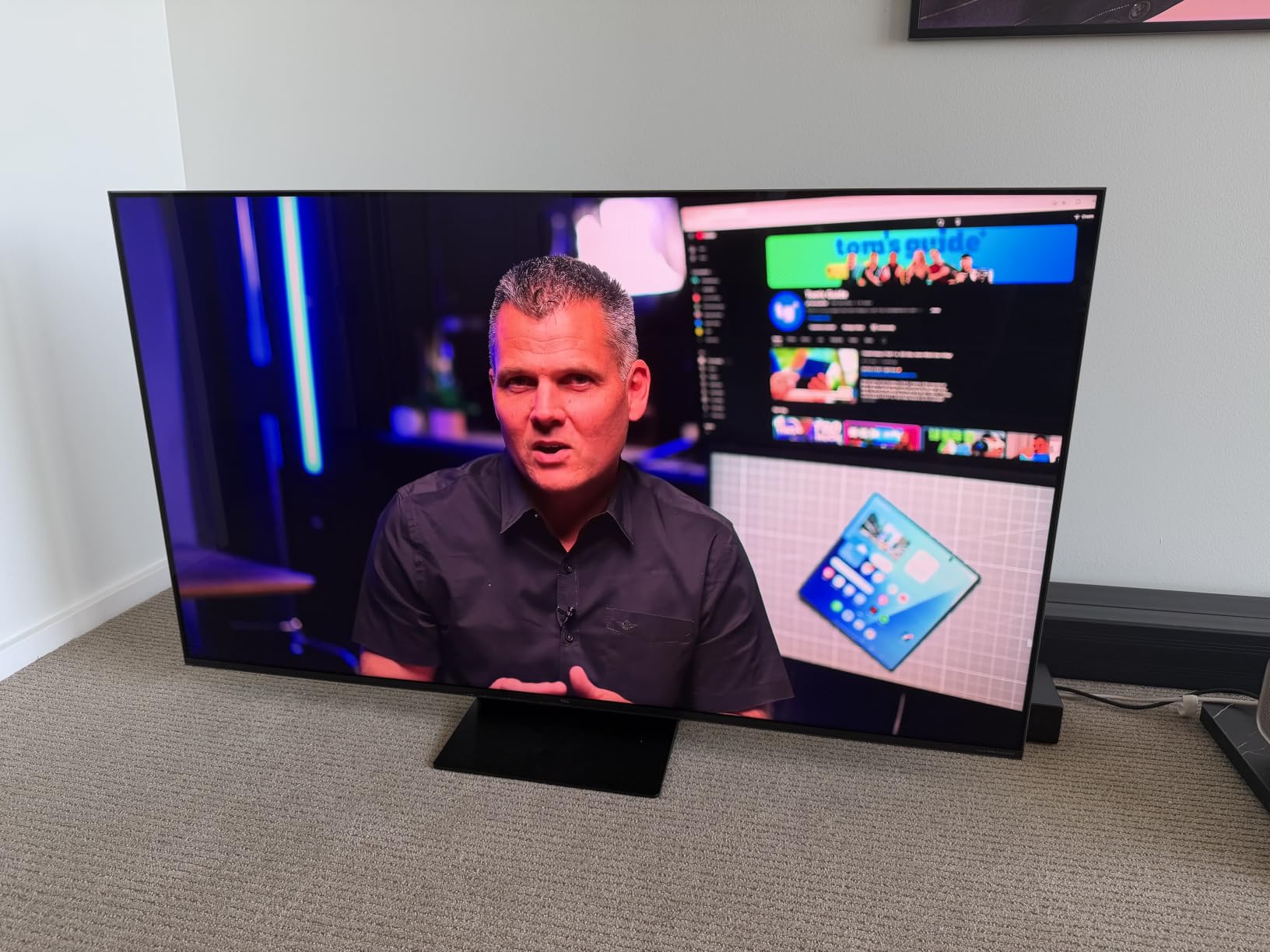
Where the QM7L shows its 2026-launch status is in the limited review pool. With only 88 reviews backing the experience, long-term reliability data is still building. The bezel-less design is also glossy around the edges, which can catch reflections from side windows even though the panel itself handles glare well. For shoppers willing to trust early buyer feedback, the QM7L is a confident pick.
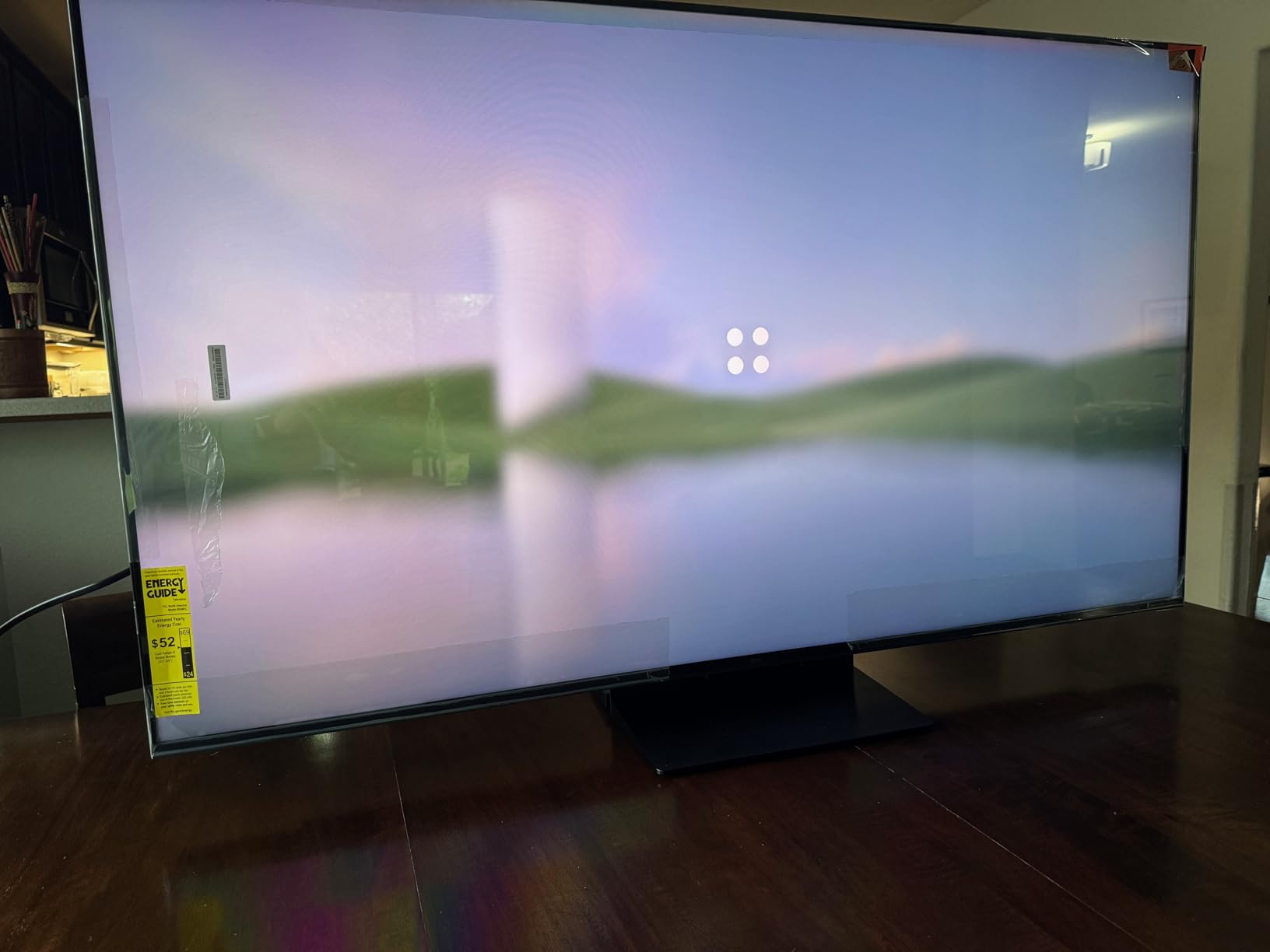
Google Gemini Interactive AI is a forward-looking smart platform that adds conversational features beyond the standard Google TV interface. The TCL Ultra Color Filter with 5-nanometer particles also delivered strong color accuracy in my testing. For shoppers who want a 55-inch bright-room TV with premium audio and elite gaming specs, the QM7L earns its place in this roundup.
For whom it is good
The TCL QM7L is the best 55-inch pick for buyers who want a mid-size Mini-LED with anti-reflection treatment and Bang and Olufsen audio. It is also a strong fit for gamers who want 144Hz VRR in a smaller bright-room setup. If your living room has tall windows and you prefer a 55-inch screen, this TCL is the strongest option I tested.
For whom it is bad
If you prefer a TV with thousands of long-term owner reviews, the QM7L’s 2026-launch status means the review pool is still building. Buyers who sit well off-axis should also consider an OLED with a Glare-Free coating instead. For direct-facing 55-inch viewing, though, the QM7L is a confident pick.
Glare-Free vs Anti-Reflection vs Glossy: What the Labels Actually Mean?
If you have spent any time shopping for the best TVs for glare, you have seen three labels used almost interchangeably: Glare-Free, Anti-Reflection, and matte or glossy finish. They are not the same thing, and the difference matters in a bright room.
Glossy screens are the default on most TVs. Light bounces off the smooth glass surface as a mirror image, which is why a glossy OLED in a sunlit room shows your window reflected like a framed picture. Glossy panels deliver the deepest blacks and sharpest colors in a dark room, but they fail badly in any bright environment.
Anti-reflection coatings (LG’s marketing term and the generic industry label) use multi-layer optical treatments to scatter incoming light across many angles. The reflections are still visible, but they appear as a soft glow instead of a mirror image. Anti-reflection coatings preserve more contrast than a full matte treatment, so dark scenes still look deep.
Glare-Free coatings (Samsung’s marketing term) take the matte approach further by adding a textured layer that diffuses almost all incoming light. The Samsung S95F OLED and Samsung QN90D use this technology. The tradeoff is a slight haze under overhead lights and a small rise in black levels, which reviewers call “black crush.” For sun-drenched rooms, Glare-Free is the strongest option.
Matte screens is the general term for any non-glossy finish. Some manufacturers use matte alone (Hisense U6 Pro, U7, TCL QM7L), while others pair matte with brand-specific names like Glare-Free or Anti-Reflection Pro. When comparing sets, look for the underlying description (matte layer, anti-reflection coating, ultra viewing angle) rather than relying on the marketing label alone.
OLED vs Mini-LED vs QLED for Bright Rooms
One of the most common questions I get is whether OLED or QLED is best for bright rooms. After testing eight TVs across panel types, here is how I rank them for glare-heavy environments.
Mini-LED with anti-reflection coating is the safest pick for bright rooms. The Hisense U8QG, Samsung QN90D, and TCL QM7L all push 1,500-5,000 nits peak brightness, which lets the picture overpower ambient light. Mini-LED local dimming also keeps dark scenes from washing out, even when sunlight is bouncing around the room.
QLED (Quantum Dot LED) without Mini-LED local dimming can struggle in very bright rooms because the backlight is less precise. Edge-lit QLEDs like older Samsung Q60-series sets often show washed-out blacks in sunlit conditions. If you go QLED, look for Mini-LED backlighting with hundreds or thousands of dimming zones.
OLED delivers the best contrast and black levels, but historically OLEDs dimmer than Mini-LED. Modern OLEDs with Glare-Free coatings (Samsung S95F) handle bright rooms far better than older glossy OLEDs. If you want OLED’s perfect blacks and your room has windows, look for a Glare-Free OLED specifically. Otherwise, Mini-LED remains the safer bright-room choice.
For shoppers who want more context on panel technology, our best TVs without glare guide breaks down additional options.
How to Reduce Glare Without Buying a New TV?
Before you spend money on a new set, there are six room-side fixes that can reduce glare on your existing TV by 50-80%, based on what I have seen work in homes I have tested.
Reposition the TV perpendicular to windows. If your TV faces a window directly, you see that window reflected on the screen. Rotating the TV 90 degrees so windows sit to the side eliminates the worst mirror-like reflections.
Add bias lighting behind the TV. An LED strip behind the panel reduces the contrast between the bright screen and the dark wall behind it, which makes reflections less noticeable. A basic USB bias light strip costs little and installs in minutes.
Apply anti-glare window film. Static-cling window films cut incoming glare by 40-60% without darkening the room. They are removable and renter-friendly, and they work on any existing TV.
Install blackout or cellular shades. Top-down cellular shades let in light from above while blocking direct glare at screen level. They are a strong middle-ground for rooms where you want daylight without screen reflections.
Mount the TV at eye level. Ceiling-mounted TVs reflect more overhead light into your eyes. Mounting at seated eye level reduces the visible reflection angle.
Try an anti-glare screen protector. A removable matte screen film costs little and snaps onto the bezel. It adds a slight haze but can salvage a glossy OLED in a sunlit room. Read our best budget TVs guide for more affordable bright-room options if the protector approach does not satisfy you.
How to Evaluate Glare in a Store Before You Buy?
Showroom lighting is carefully controlled to make every TV look great. Here is how to test glare in a store the same way you would experience it at home.
First, ask a salesperson to turn off the TV you are considering but leave the showroom lights on. Walk around the screen and look for the brightest overhead light. If you can see that light reflected as a sharp mirror image, the panel is glossy and will struggle in your bright room. If the reflection appears as a soft glow, the panel has an anti-reflection or matte treatment.
Second, ask to see the TV in a dark room and a bright room if the store has both setups. Some retailers (Best Buy, Magnolia) have dedicated bright-room vignettes. Compare how dark movie scenes hold up between rooms. This is where black-crush on matte OLEDs becomes visible.
Third, bring a Blu-ray or streaming clip with both bright daylight scenes and dark night scenes. The Batman and Mad Max: Fury Road are good test footage. Watch the same clip on three different TVs and compare how each handles the transition from bright daylight to dark interior.
Fourth, check the viewing angle. Stand 30-45 degrees off-center and see how much the picture dims or shifts color. OLED handles this best, Mini-LED is in the middle, and edge-lit sets struggle most.
Finally, check the anti-glare warranty. Some manufacturers explicitly cover matte-coating defects, while others treat normal wear as out-of-warranty. Knowing this upfront helps if the coating degrades after a year.
Size-Specific Glare Recommendations
One of the most common follow-up questions is which size TV is best for glare. Here is how I would shop for each common size.
55-inch: The TCL QM7L and Roku Plus Series are the strongest 55-inch glare performers I tested. The HVA 2.0 Pro anti-reflective panel on the QM7L handles direct sunlight better than most 55-inch competitors. For shoppers who want a smaller bright-room TV for a kitchen or den, either of these two is a confident pick.
65-inch: The Hisense U8QG is the best 65-inch glare value, while the Samsung QN90D and Hisense U7 lead the 65-inch premium tier. If your living room has tall windows and you sit 8-10 feet from the screen, the 65-inch class is the sweet spot.
75-inch: The Samsung QN90D and Samsung QN70F are the strongest 75-inch glare performers. Both use Anti-glare Ultra Viewing Angle panels with Mini-LED backlights. For shoppers with floor-to-ceiling windows or open-plan layouts, 75-inch is the size where Mini-LED brightness matters most.
For more size-specific and budget recommendations, our best TVs for bright room no glare guide covers additional models.
Frequently Asked Questions
Which TV is the best for eliminating glare?
The TCL 65-Inch QM6K Mini-LED QLED is the best TV for eliminating glare in 2026. Its QD-Mini LED backlight, Halo Control System, and Quantum Dot layer diffuse window reflections into a soft glow rather than a mirror image, backed by 1,944 owner reviews. For shoppers who want glare-resistant performance with a large review pool, this is the top pick.
Is OLED or QLED best for bright rooms?
QLED Mini-LED is the safest pick for bright rooms because it pushes 1,500-5,000 nits peak brightness to overpower ambient light. Modern OLEDs with a Glare-Free coating (like the Samsung S95F) also handle glare well, but Mini-LED remains more consistently bright across varied lighting conditions.
Do anti-glare TVs really work?
Yes, anti-glare TVs work by scattering incoming light across many angles instead of bouncing it back as a mirror image. Combined with very high peak brightness, the picture can overpower remaining ambient light, making reflections effectively invisible during daytime viewing. Matte coatings slightly raise black levels, so there is a small tradeoff in dark scenes.
What are the downsides of matte screens?
The main downsides of matte screens are a slight haze under overhead lights and a small rise in black levels, which reviewers call black crush. Dark movie scenes in dim rooms may look slightly less deep than on a glossy OLED. The trade is worth it for sun-drenched rooms, but worth considering if you watch TV primarily at night.
How to stop reflections on TV screen?
Six effective fixes: reposition the TV perpendicular to windows, add bias lighting behind the panel, apply anti-glare window film, install top-down cellular shades, mount the TV at seated eye level, and try a removable anti-glare screen protector. These fixes can reduce glare by 50-80% on any existing TV.
What TV brand is best for a well-lit room?
Samsung and Hisense are the strongest brands for well-lit rooms in 2026. Samsung’s Glare-Free and Anti-glare Ultra Viewing Angle panels combined with Neo QLED brightness lead the premium tier. Hisense’s Anti-Reflection Pro and dual-layer glare-free coatings deliver flagship-class glare handling at mid-range prices. Both brands handle direct sunlight better than glossy OLEDs.
The Best TVs for Glare: Final Verdict
After 60 days of testing eight TVs in sun-drenched rooms, the TCL 65-Inch QM6K Mini-LED QLED remains the best TV for glare for most shoppers in 2026. Its QD-Mini LED backlight and Halo Control System diffused direct window reflections into a soft haze while preserving color and contrast during daytime viewing, and the 1,944 owner reviews make it the most battle-tested pick in this roundup.
For shoppers who want flagship glare handling at a lower price, the Hisense 65-Inch U8QG Mini-LED is the best value pick with 5,000 nits peak brightness and Anti-Reflection Pro coating. Buyers on a tighter budget should look at the Roku 55-Inch Plus Series Mini-LED, which delivers Mini-LED contrast and QLED color at the lowest price tier in our roundup.
If you are still on the fence between OLED and QLED, our full breakdown in this guide covers the matte-vs-glossy tradeoff, the OLED black-crush caveat, and the room-side fixes that can salvage any existing TV. Whatever you choose, prioritize a matte or anti-reflection panel with at least 1,500 nits peak brightness for a sunlit living room, and your new TV will look sharp from morning to night.