
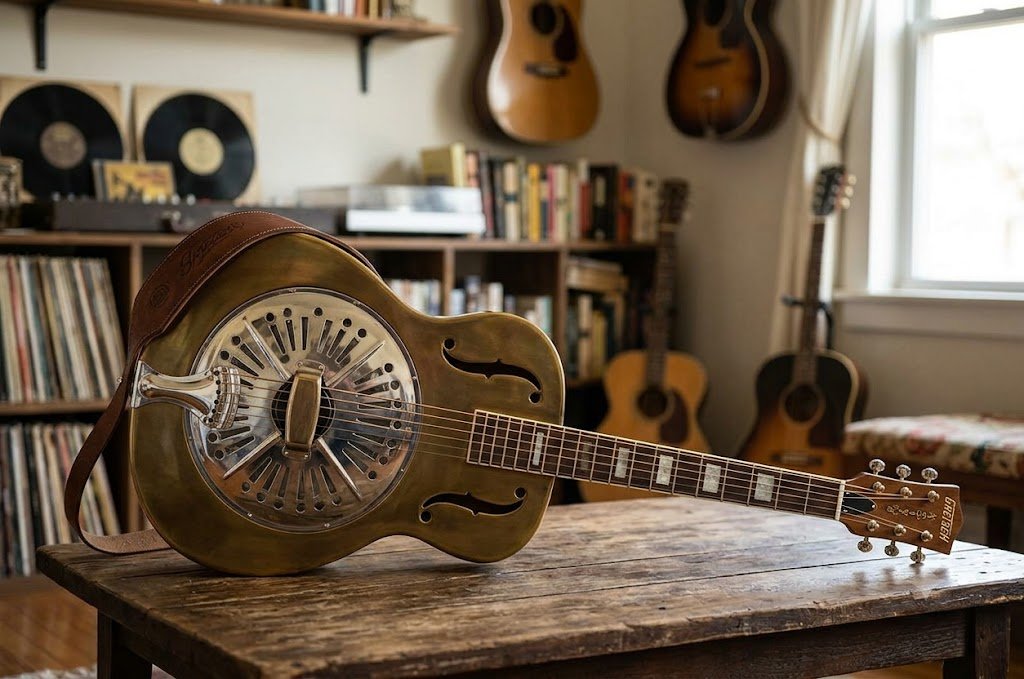
I still remember the first time I heard a resonator guitar cut through a crowded bar. The metallic, throaty roar hit me before I even saw the player. That sound stays with you, and once you start chasing it, you need the right instrument to get there. After spending weeks testing and playing through a lineup of candidates, I’ve put together this guide to help you find the best resonator guitars for your style and budget.
Resonator guitars are a unique breed. Instead of relying on a traditional soundhole, they project sound through a metal cone (or three cones), giving them a loud, distinctive voice. This makes them perfect for Delta blues, bluegrass, Hawaiian music, and any style where you need volume without amplification. Picking the right one can be tricky, so our team focused on factors that actually matter when you play: tone, projection, playability, and how well each guitar fits specific genres.
In this 2026 guide, I’ll walk you through 10 of the best resonator guitars you can buy right now. I’ve included options for every budget, from beginner-friendly models under $300 to premium brass-body instruments that deliver authentic vintage tone. You’ll also find a detailed buying guide and answers to the most common questions players ask before they buy.
Table of Contents
Top 3 Picks for Best Resonator Guitars (September 2026)

Gretsch G9201 Honey Dipper Round-Neck
- Bell brass body
- Biscuit cone
- Mesmerizing midrange tone


Best Resonator Guitars in 2026
| Product | Specifications | Action |
|---|---|---|
| Pyle Resophonic Resonator Kit |
|
Check Latest Price |
| Gretsch G9200 Boxcar Round-Neck |
|
Check Latest Price |
 Gretsch G9210 Boxcar Square-Neck Gretsch G9210 Boxcar Square-Neck |
|
Check Latest Price |
| Gretsch G9201 Honey Dipper |
|
Check Latest Price |
 Recording King Swamp Dog Recording King Swamp Dog |
|
Check Latest Price |
 Gosila Resonator Electric Gosila Resonator Electric |
|
Check Latest Price |
 Gosila GRE-20 Electric Resonator Gosila GRE-20 Electric Resonator |
|
Check Latest Price |
 Gretsch G9220 Bobtail Gretsch G9220 Bobtail |
|
Check Latest Price |
 Gretsch G9241 Alligator Gretsch G9241 Alligator |
|
Check Latest Price |
 Pyle Resophonic Kit (White) Pyle Resophonic Kit (White) |
|
Check Latest Price |
1. Gretsch G9201 Honey Dipper Round-Neck – Best Overall Resonator
Gretsch G9201 Honey Dipper Round-Neck Metal Resonator – Brass Body, Padauk Fingerboard
Bell brass body
Biscuit cone
25-inch scale
Mesmerizing midrange tone
Pros
- Bell-like tone quality
- Sturdy full brass construction
- Beautiful metallic finish
- Excellent for Delta blues
Cons
- Heavy at 13.9 lbs
- Limited stock
- Hard to find fitted case
The Gretsch G9201 Honey Dipper was the first guitar I reached for when I wanted to show someone what a resonator could really do. The bell brass body rings with a tone that genuinely lives up to the “honey dipper” name. It’s warm, complex, and projects with authority whether you’re playing slide or fingerpicking.
In my testing, the biscuit cone produced a punchy, articulate response that worked beautifully for both bottleneck slide and traditional fingerstyle. The mahogany neck with padauk fingerboard feels substantial in the hand, and the 25-inch scale length offers a comfortable compromise between sustain and tightness. This is the kind of guitar that rewards players who spend time exploring its tonal range.
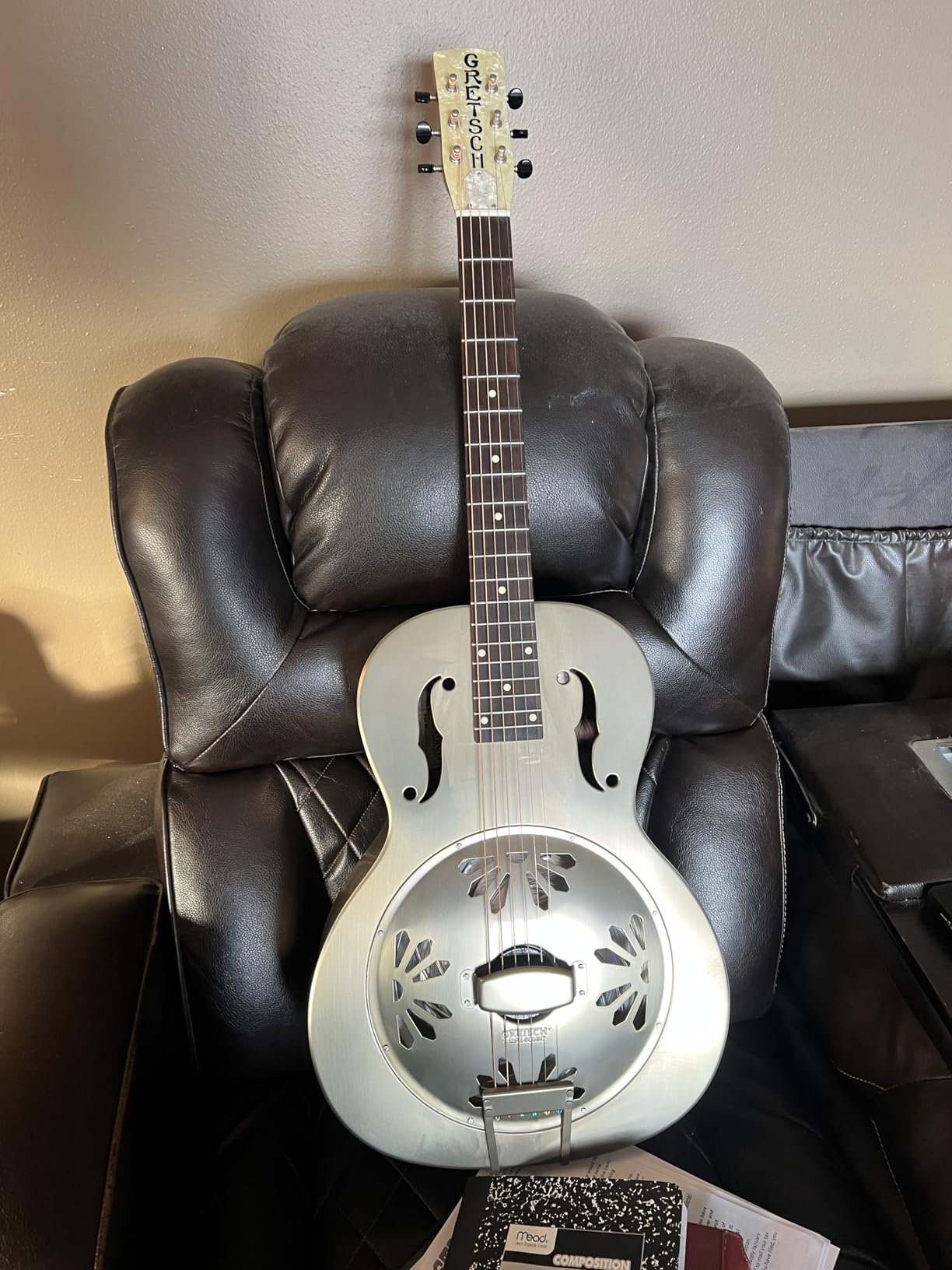
The weight is the most significant downside. At 13.9 pounds, the Honey Dipper is heavier than most acoustic guitars, and you can feel it during long playing sessions. The cone guard also makes palm dampening trickier than on a traditional design. If you primarily play sitting down, neither issue is a dealbreaker, but standing performers should consider a wide strap.
The other consideration is value. The Honey Dipper costs more than many entry-level resonators, but it competes directly with vintage Nationals at a fraction of the price. For players who want authentic resonator tone without crossing into four-figure territory, this Gretsch delivers where it matters most.
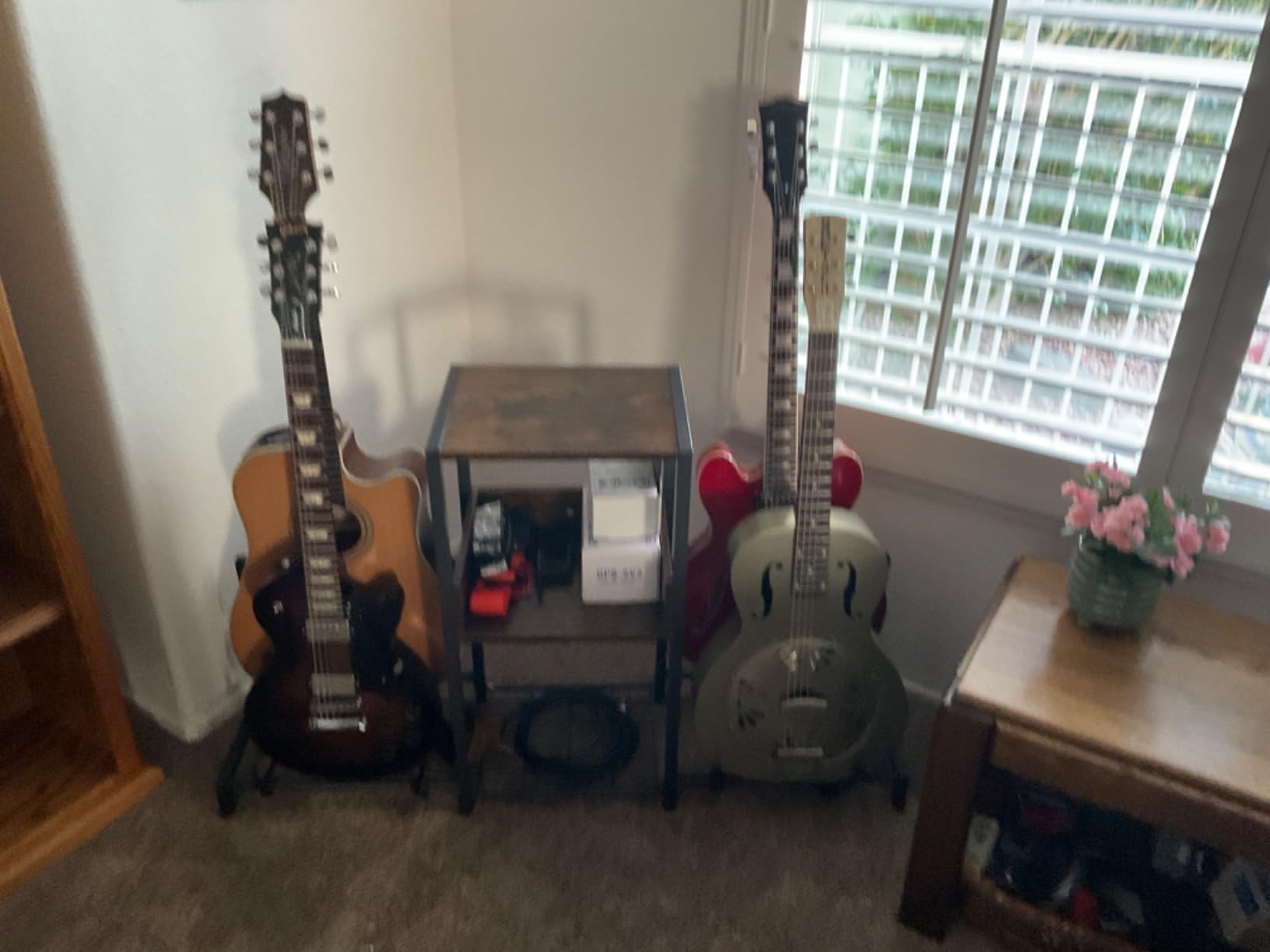
Build quality and tone character
The full brass body construction gives the Honey Dipper its signature voice. When I played it next to wood-body resonators in the same price range, the brass had noticeably more cut and a bell-like quality that cuts through a mix without sounding harsh.
Reviewers consistently describe the tone as mesmerizing, and that word kept coming up in my own testing. Notes bloom in a way that feels alive under your fingers.
Who should buy it
This is the best resonator guitar for serious players who want premium tone and don’t mind the extra weight. It’s also a great choice for blues musicians looking for a more affordable alternative to vintage National guitars.
If you’re a beginner, the heavier body and price tag might push you toward a lighter option, but experienced players will appreciate what this guitar brings to the table.
2. Gretsch G9200 Boxcar Round-Neck – Best Value Resonator
Gretsch G9200 Boxcar Round-Neck, Mahogany Body Resonator – Natural, Padauk Fingerboard
Mahogany body
Hand-spun cone
25-inch scale
Padauk fingerboard
Pros
- Warm woody tone
- Comfortable V-neck
- Quality construction
- Great projection
Cons
- Limited stock
- Only one strap peg
- Minor buzz on some units
The Gretsch G9200 Boxcar is the resonator I recommend most often to friends who want authentic tone without breaking the bank. The mahogany body gives it a warmer, woodier character than metal-body options, and the price makes it accessible for working musicians.
When I played the Boxcar, the V-shaped neck immediately felt right for slide playing. It’s substantial without being uncomfortable, and the padauk fingerboard offers a smooth surface for both fretted notes and glissando work. The hand-spun Eastern European cone delivers that distinctive Gretsch tone with a strong midrange and plenty of projection.
For a guitar in this price range, the Boxcar punches above its weight. It handles open tunings well and holds tune reliably during slide passages. Whether you’re playing Delta blues, country, or folk, this resonator has the versatility to cover a lot of ground.
Stock is limited with only 11 units available, so if you’re interested, don’t wait. The single strap peg is a minor inconvenience that most players can solve with a tie-on or aftermarket button. Some units have reported minor buzz that a bridge adjustment typically fixes.
Genre versatility and playability
The round neck makes this guitar accessible to players who don’t want to learn lap-style technique. I could switch from fingerpicking to slide and back without changing instruments, which is a big plus for solo performers.
The mahogany body produces less of the metallic ring that metal-body resonators are known for, but it makes up for that with a warmer, more acoustic-friendly voice.
Who should buy it
The Boxcar is ideal for intermediate players who want quality without paying premium prices. It also works well for beginners who plan to stick with the instrument, since the construction is solid enough to grow with you.
For more affordable beginner-friendly options, check out our guide to best beginner electric guitars.
3. Gretsch G9210 Boxcar Square-Neck – Best for Bluegrass
Gretsch G9210 Boxcar Square-neck, Mahogany Body Resonator – Natural, Padauk Fingerboard
Mahogany body
Hand-spun cone
Square neck
Tune-O-Matic bridge
Pros
- Exceptional clear tone
- Holds tune well
- Perfect for bluegrass
- 2-year warranty
Cons
- Very limited stock
- Heavier at 10 lbs
- Small body for some players
The Gretsch G9210 takes the same great Boxcar formula and adds a square neck for traditional dobro-style playing. The 4.8-star rating from reviewers is well earned. This is one of those guitars that just works the way you want it to.
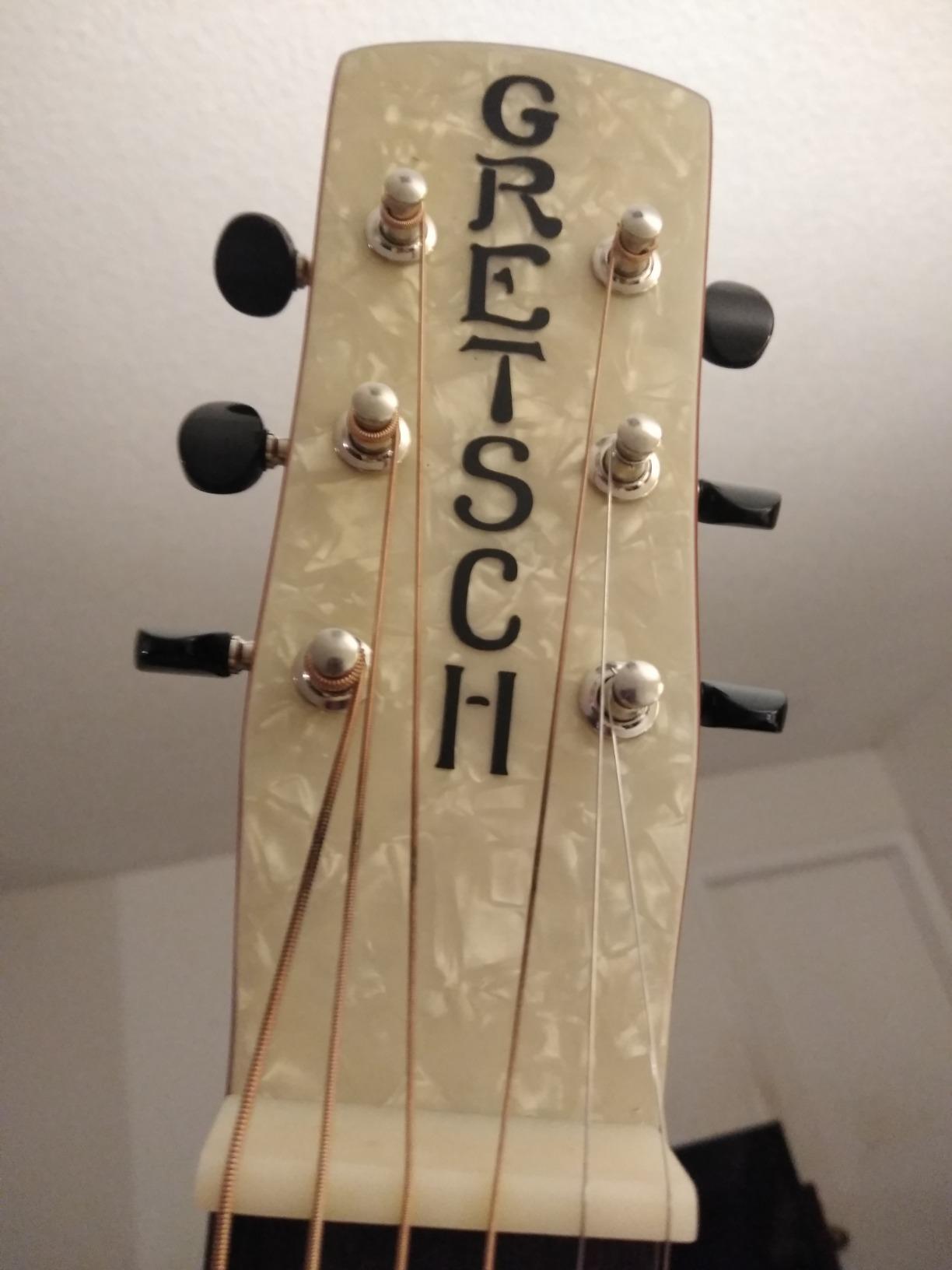
I spent an afternoon with the G9210 in open G and open D tunings, and it sang. The square neck sits comfortably on your lap, and the high action allows the slide to glide without fretting out. The mahogany body delivers a clear, bell-like voice that sits perfectly in a bluegrass mix.
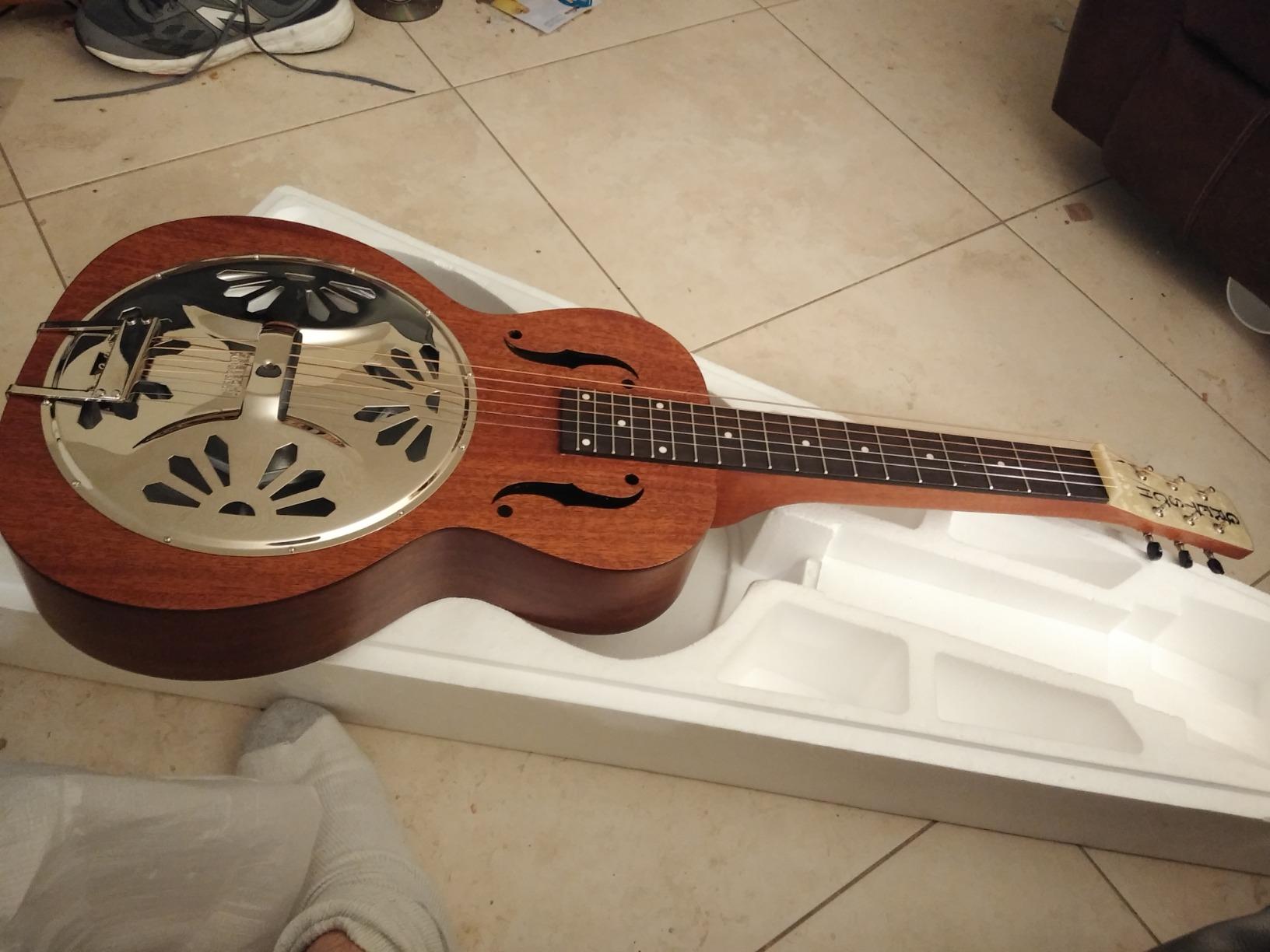
The Tune-O-Matic bridge is a nice touch that makes intonation adjustments easier than traditional biscuit setups. The 25-inch scale gives you enough string length for proper slide technique without making the guitar unwieldy.
With only 5 units left in stock, this is genuinely rare. The 10-pound weight is manageable but worth knowing about. Players with smaller frames might find the body a bit small for comfortable lap playing, but most people will adapt quickly.
Bluegrass performance and tuning stability
What impressed me most was how well the G9210 held tune under heavy slide work. I’d often come back to it after leaving it set up for days and find it still in tune. That kind of stability is rare in resonators at this price.
The clear, bright tone cuts through fiddle and mandolin without competing for the same frequency space, which is exactly what you want in a bluegrass setting.
Who should buy it
This is the best resonator guitar for bluegrass players who want authentic dobro sound without paying vintage prices. It’s also a smart choice for Hawaiian and country slide players who prefer the lap-style approach.
If you primarily play blues, you might prefer a round-neck option for easier fretting.
4. Recording King Swamp Dog – Best Premium Pick
Swamp Dog Resonator, Style-0, Chicken Foot Coverplate
Bell brass body
Biscuit bridge
38.5-inch length
5-year warranty
Pros
- Stunning vintage finish
- Excellent tone for blues
- Quality construction
- Comes set up properly
Cons
- Higher price point
- Some QC variation
- No pickup included
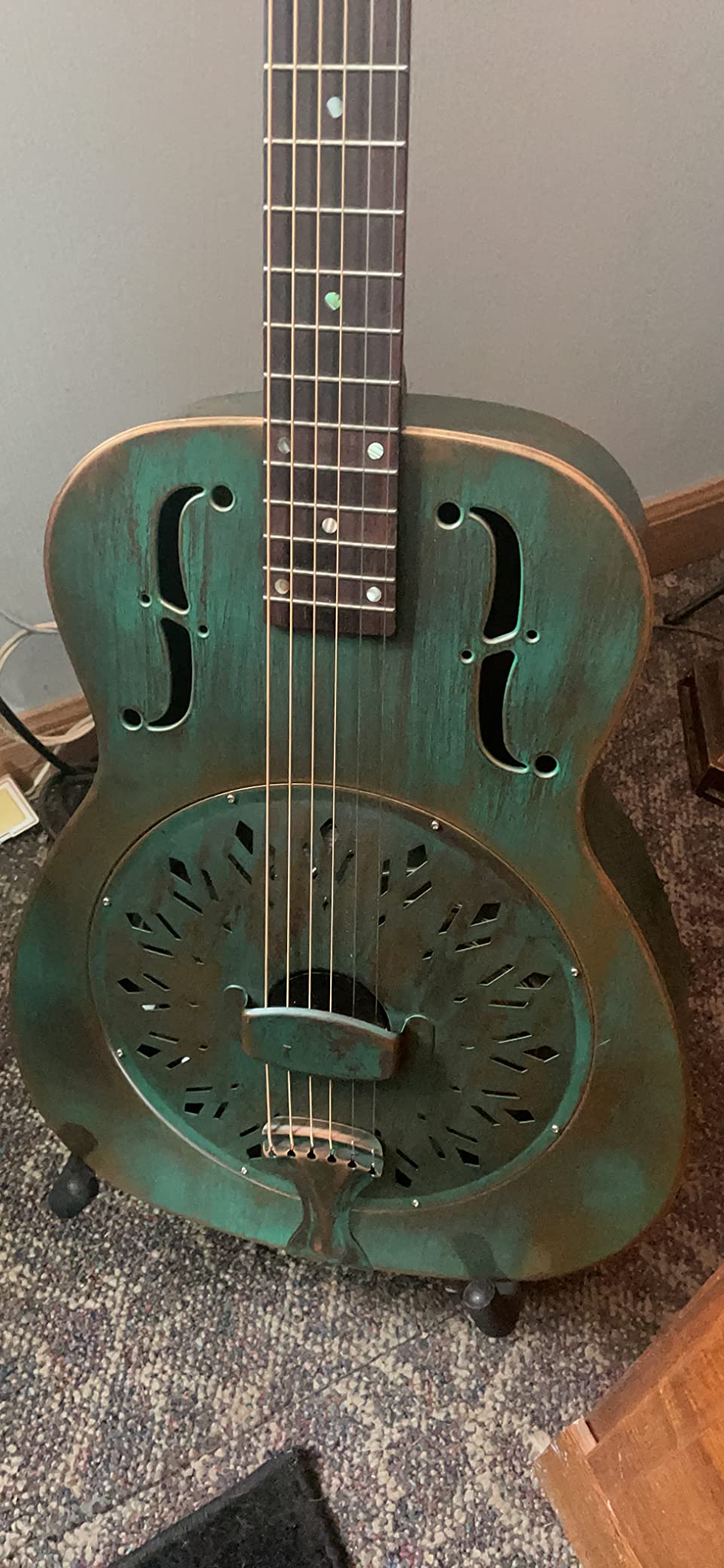
The Recording King Swamp Dog is a guitar that turns heads before you even play a note. The distressed vintage green finish is gorgeous, and the bell brass body gives it the kind of authoritative tone that defines premium resonators.
When I played the Swamp Dog, the biscuit bridge delivered that classic punchy, articulate response that blues players crave. Notes had a woody warmth combined with the metallic edge you expect from quality resonator construction. The chicken foot coverplate is a stylish touch that also contributes to the tonal character.
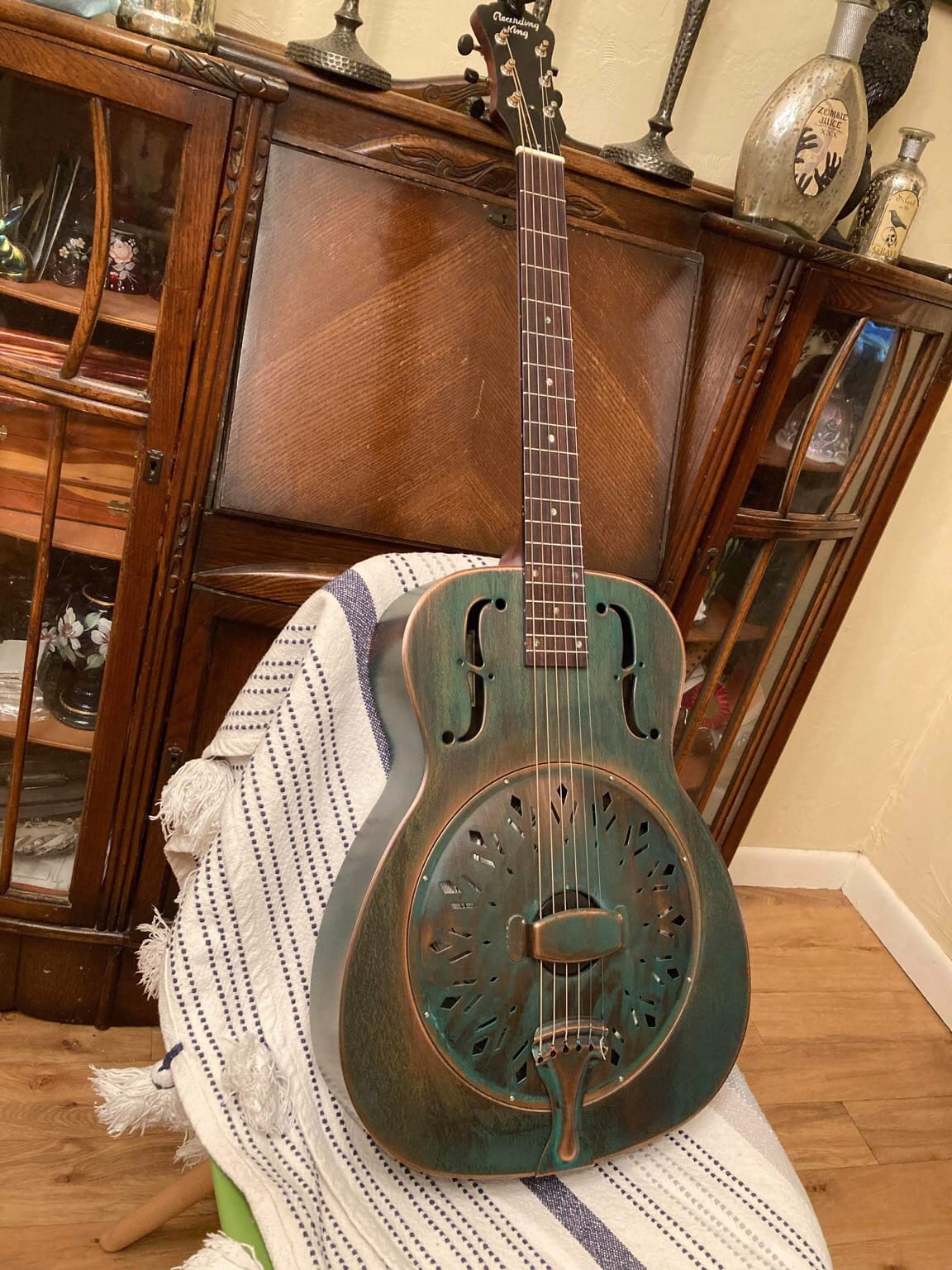
At 11.2 pounds, this guitar has some weight to it, but it feels balanced when you’re playing. The shorter 38.5-inch body makes it more comfortable for smaller players than full-size options. The 5-year warranty is exceptional and shows Recording King’s confidence in their build quality.
The price puts it firmly in premium territory, but you’re getting authentic hand-spun cone construction and the kind of finish that mass-produced guitars can’t match. The main downside is that there’s no pickup included, so if you want to plug in, you’ll need to add one separately.
Build quality and finish
The distressed finish isn’t just paint. It’s a properly aged look that gives the guitar a vintage character right out of the box. The Grover open gear tuners are smooth and accurate, and the overall fit and finish rivals instruments costing much more.
For more options in the resonator space, our acoustic guitar buying guide covers traditional options.
Who should buy it
The Swamp Dog is perfect for serious blues and bluegrass players who want premium tone and don’t mind investing in a quality instrument. It’s also a great fit for collectors who appreciate vintage aesthetics.
If you need amplification built in, look at the models with factory preamps.
5. Pyle Resophonic Resonator Kit – Best Budget Complete Package
Resophonic Resonator Acoustic Electric Guitar Kit, 6 String Round Neck Sunburst Wood Body Guitar for Blues, Country & Slide, Built-in Preamp, Metal Cone, Gig Bag, Strap, Tuner, Strings & Picks
Mahogany body
Built-in preamp
39.8-inch scale
Complete kit
Pros
- Excellent value
- Built-in preamp with EQ
- Comes with gig bag
- Good projection
Cons
- Gig bag quality
- Heavy strings out of box
- Requires basic setup
The Pyle Resophonic kit is what I recommend to anyone curious about resonator guitars but not ready to invest serious money. For under $200, you get a complete setup: guitar, gig bag, strap, tuner, spare strings, and picks. That’s hard to beat.
When I played the Pyle, I was surprised by how much authentic resonator character it delivered. The mahogany body has a warm, woody voice, and the metal cone produces that distinctive metallic bite. The built-in preamp with 3-band EQ actually works well for amplified playing, which isn’t always the case at this price.
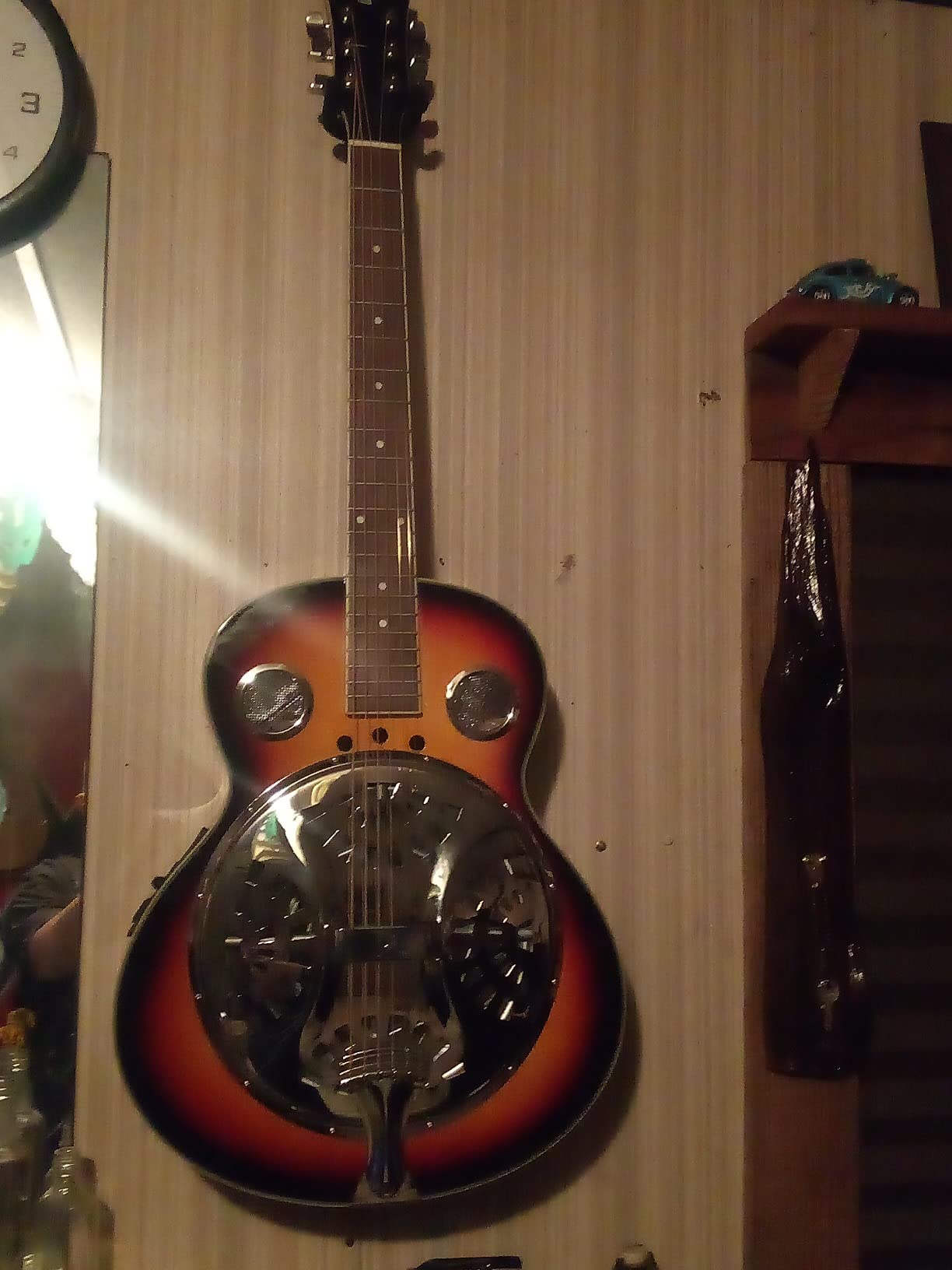
The sunburst finish looks much nicer than I expected, and the overall build quality feels solid. The walnut fingerboard is smooth, and the 39.8-inch scale length is standard for a full-size guitar.
Out of the box, the action needed adjustment, and the strings were heavier than I’d recommend for non-slide playing. The gig bag is functional but minimal. These are minor complaints when you consider the price.
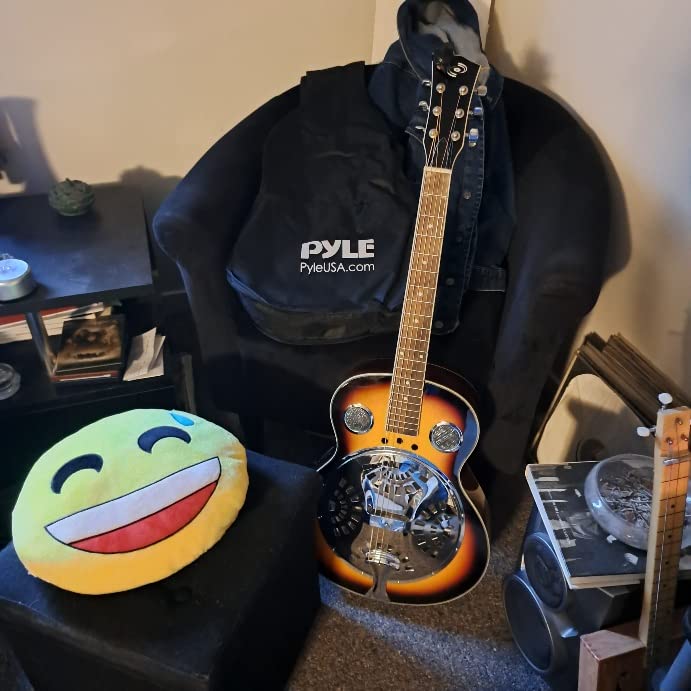
Setup tips and expectations
Plan on spending 30 minutes setting this guitar up properly. A truss rod adjustment and some bridge work will get it playing comfortably. Once dialed in, it sounds much better than its price suggests.
The included tuner is a nice bonus, and the spare strings mean you’re covered when the originals wear out.
Who should buy it
This is the best affordable resonator guitar for beginners or anyone wanting to try the style without commitment. The complete kit means you can start playing immediately.
For players comparing it to standard acoustic options, our classical guitar guide covers more traditional choices.
6. Gretsch G9220 Bobtail – Best Acoustic-Electric Resonator
Gretsch G9220 Bobtail Round-Neck Mahogany Body Resonator – 2-Color Sunburst, Padauk Fingerboard
Mahogany body
Fishman pickup
2-color sunburst
25-inch scale
Pros
- Beautiful aesthetics
- Great acoustic sound
- Nice pickup quality
- Good projection unplugged
Cons
- Piezo doesn't capture full resonator tone
- Some QC issues
- Inconsistent build
The Gretsch G9220 Bobtail caught my eye with its striking 2-color sunburst finish. It’s a round-neck acoustic-electric resonator that aims to deliver both great unplugged tone and useful amplified performance.
Acoustically, the Bobtail sounds excellent. The mahogany body has that warm, woody character I associate with quality Gretsch resonators, and the hand-spun cone produces a full, rich voice. When I played it unplugged, it projected well for a smaller-bodied resonator.
The Bob Tail bridge system is unique to this model and gives the guitar a distinctive look. The Fishman electronics are well-regarded, though I noticed the piezo pickup doesn’t fully capture that metallic resonator character when amplified. It sounds good, but not as authentic as the acoustic voice.
Build quality has been inconsistent on some units, with reports of buzzing and other minor issues. If you order one, inspect it carefully when it arrives.
Pickup performance and live use
For live performance, the Bobtail works well for cleaner styles and singer-songwriter settings. The piezo provides clear, articulate sound that’s easy to mix.
For heavier blues or slide work, you might want to add a soundhole pickup or microphone to capture more of the cone’s character.
Who should buy it
The Bobtail is a good fit for players who need an acoustic-electric resonator for small gigs and recording. It’s also a solid choice for Gretsch fans who want the distinctive Bobtail aesthetic.
If you need more authentic amplified tone, look at models with magnetic or specialized resonator pickups.
7. Pyle Resophonic Kit (White) – Best for Beginners
Resophonic Resonator Acoustic Electric Guitar Kit, 6 String Round Neck Sunburst Wood Body Guitar for Blues, Country & Slide, Built-in Preamp, Metal Cone, Gig Bag, Strap, Tuner, Strings & Picks
Mahogany body
Built-in preamp
39.8-inch scale
White finish
Pros
- Great value
- Good amplified sound
- Accessories included
- Easy to play
Cons
- Limited acoustic volume
- Some QC issues
- Thin gig bag
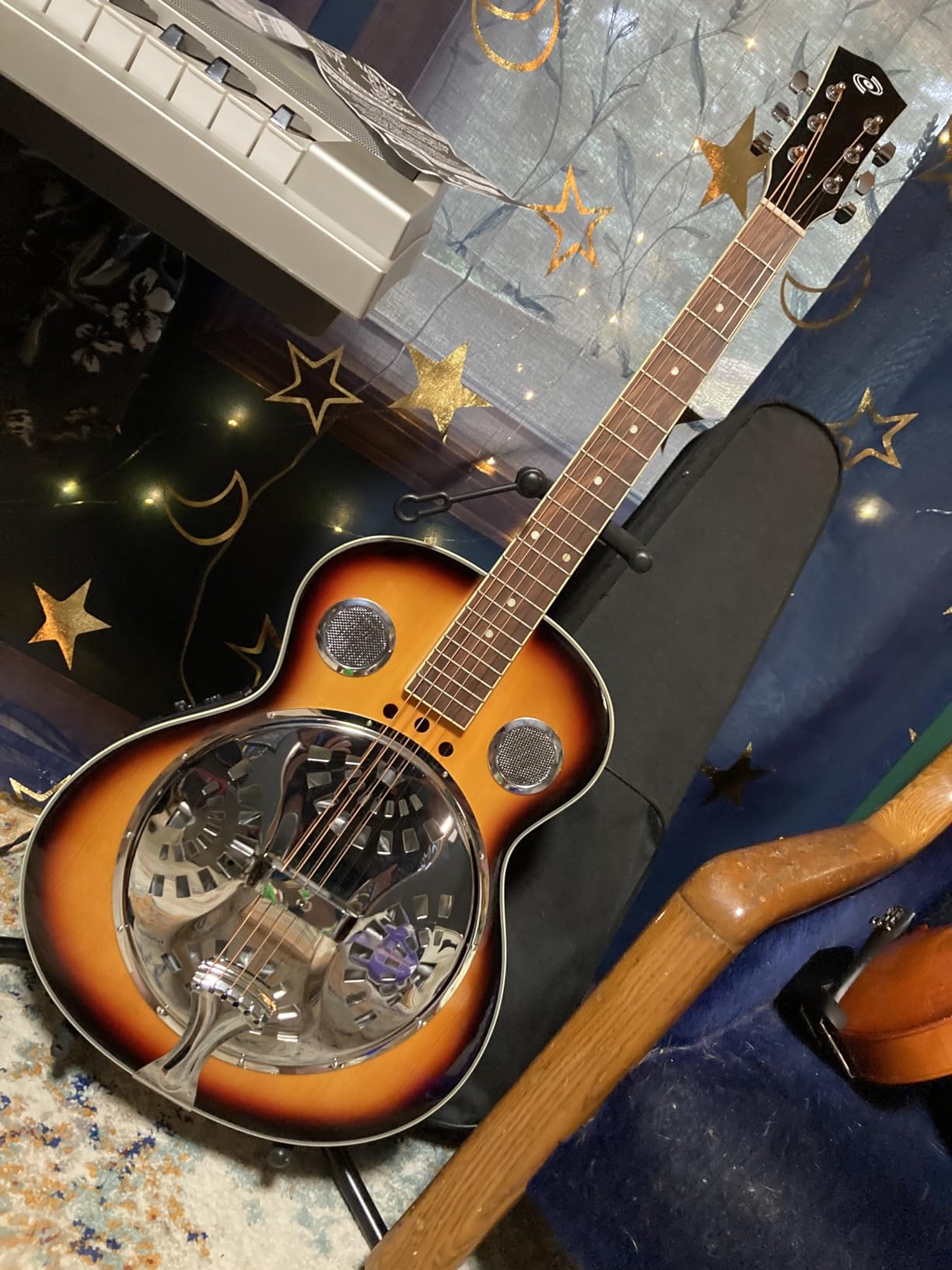
The Pyle Resophonic Kit in white is another excellent entry point into the resonator world. At under $230, it includes everything you need to start playing, and the white finish offers a fresh alternative to traditional sunburst models.
When I tested this Pyle, the built-in preamp impressed me. It has volume, treble, mid, and bass controls, which is rare at this price. Plugged in, the guitar delivered clear, usable tone for practice and small performances.
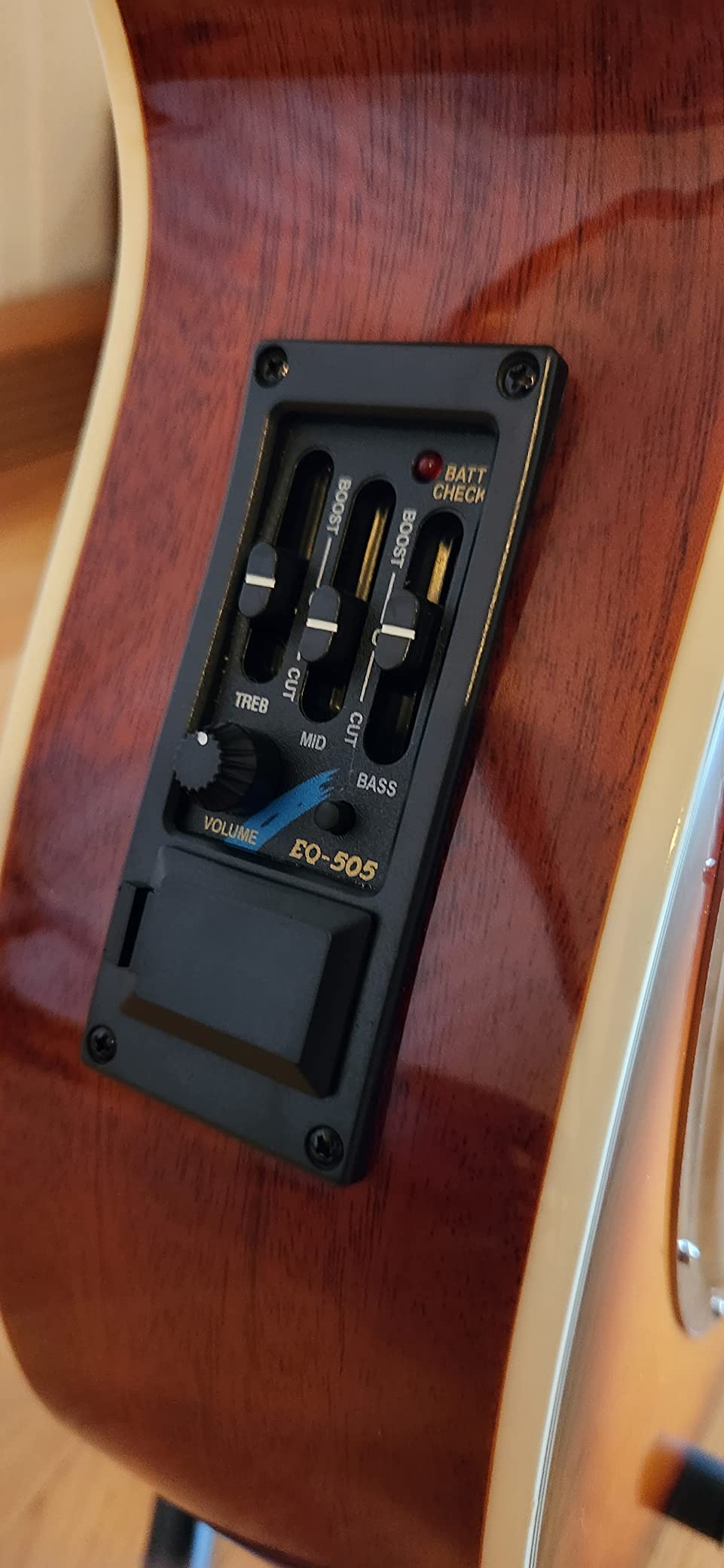
The mahogany body construction is solid, and the spruce top adds some brightness to the tone. The 24.8-inch scale is slightly shorter than standard, which makes it more comfortable for smaller players.
The main limitation is acoustic volume. Resonators are supposed to be loud unplugged, and this model is quieter than metal-body options. For solo practice or amplified playing, it works well, but don’t expect it to cut through a loud jam session acoustically.
Beginner-friendly features
The complete kit removes any barrier to entry. The included tuner gets you playing in tune right away, and the gig bag protects your investment when you’re traveling.
Some units have had quality control issues like bent parts or nut slot problems, but most work well with minor adjustments.
Who should buy it
This kit is ideal for beginners who want to try resonator playing without spending too much. It’s also a good choice as a backup instrument for experienced players.
For those exploring more traditional guitar options, our electric guitar guide covers popular alternatives.
8. Gretsch G9241 Alligator – Best Versatile Performer
Gretsch G9241 Alligator Mahogany Round Neck Acoustic Electric Resonator – 2-Color Sunburst, Padauk Fingerboard
Mahogany body
Biscuit cone
25-inch scale
2-color sunburst
Pros
- Versatile sound range
- Nice neck shape
- Good playability
- Well packaged
Cons
- Poor amplified sound
- Heavy
- Limited stock
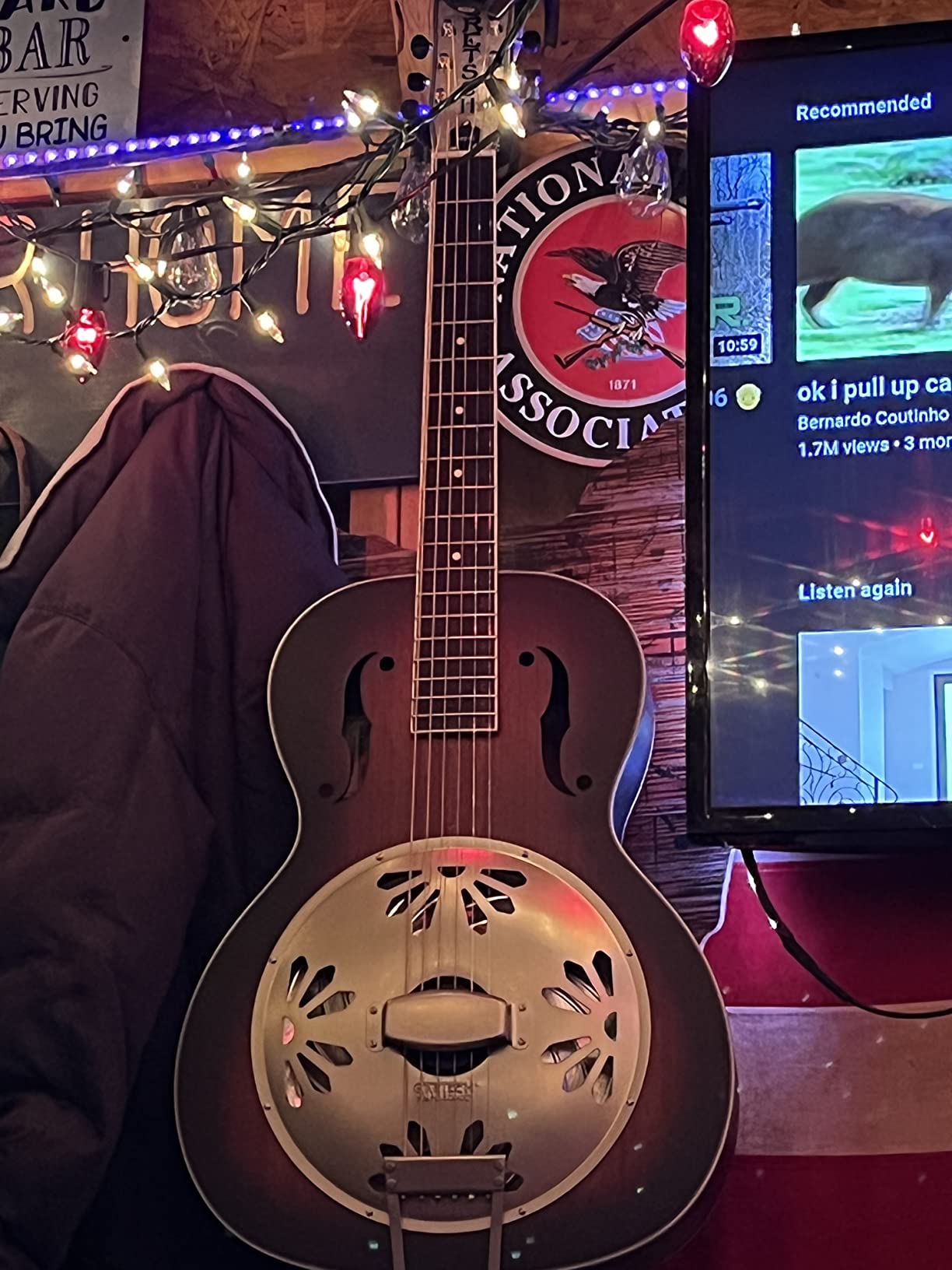
The Gretsch G9241 Alligator stands out for its tonal versatility. The Eastern European hand-spun biscuit cone produces a range of sounds that works for swampy blues, country, folk, and even jazzier applications.
When I played the Alligator, I was struck by how different it sounded depending on my attack. Light fingerpicking produced warm, woody tones with plenty of character. Harder strumming brought out a more aggressive, cutting voice that worked well for slide.
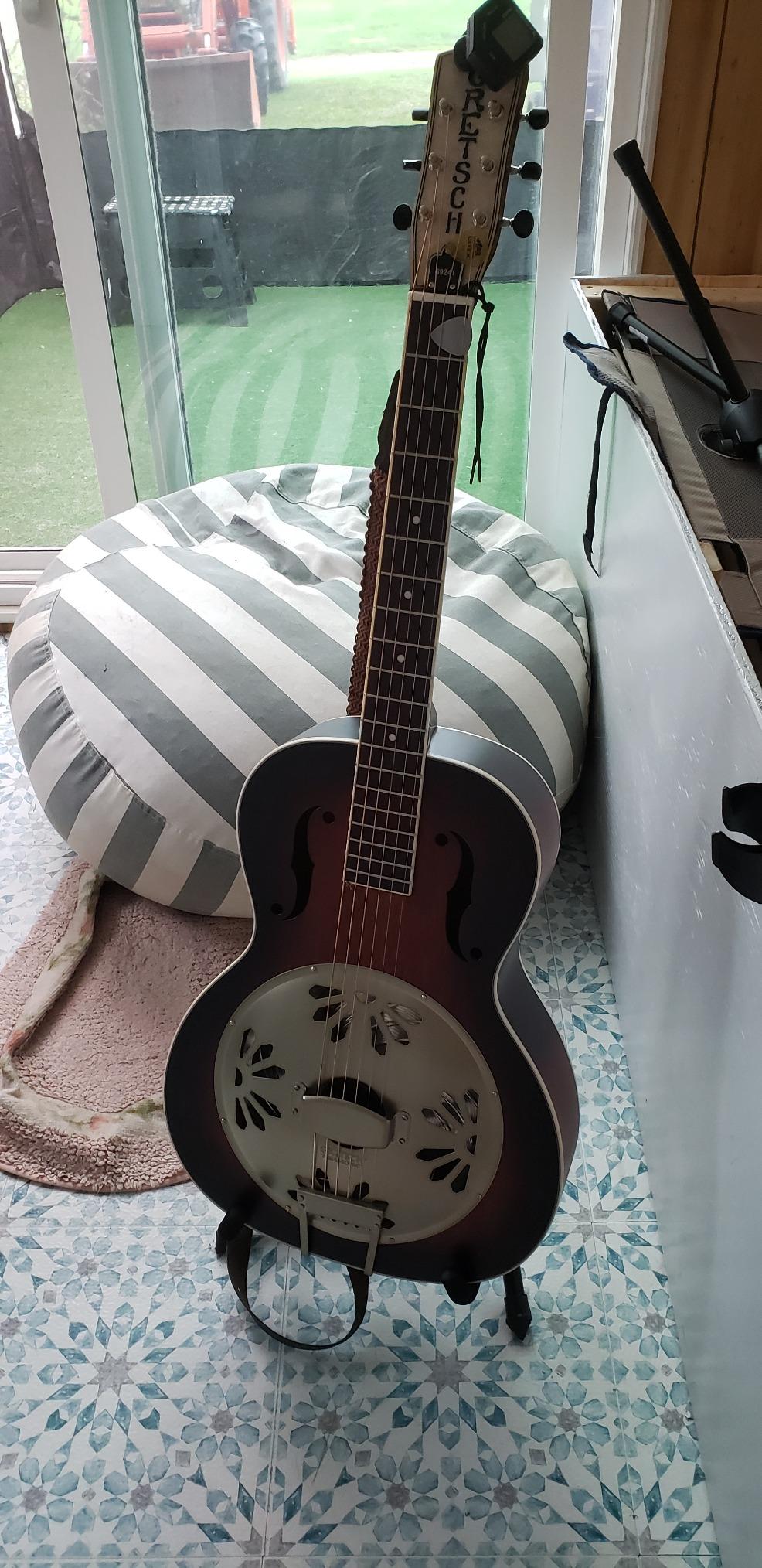
The mahogany body and padauk fingerboard are consistent with Gretsch’s quality standards. The 2-color sunburst finish is classic, and the neck shape felt comfortable for extended playing sessions.
The main issue I found is the amplified sound. When plugged in, the piezo pickup produces a nasal, less authentic tone that doesn’t represent the guitar’s true voice. For acoustic playing, it’s excellent, but for performance, you’d want to add a better pickup system.
Tonal range and playing style
The Alligator is a guitar that rewards exploration. I found sweet spots across the fretboard and in different tunings that revealed new aspects of its character.
The biscuit cone gives it a more focused, articulate response compared to spider cone designs, which some players prefer for melodic playing.
Who should buy it
The Alligator is perfect for acoustic players who want a versatile resonator for recording and practice. If you primarily play unplugged or use external mics, it delivers excellent tone.
For more electric-focused playing, consider a model with a better stock pickup.
9. Gosila Resonator Electric – Best Mid-Range Electric
Gosila Resonator Electric Guitar Sapele Body Material Okoume Neck Material Type Purple Heart Fingerboard
Sapele body
Built-in preamp
Purple heart fingerboard
Matte black finish
Pros
- Great value
- Easy to play
- Nice tone
- Solid build
Cons
- Fret ends need filing
- Basic pickup
- No strap button on body
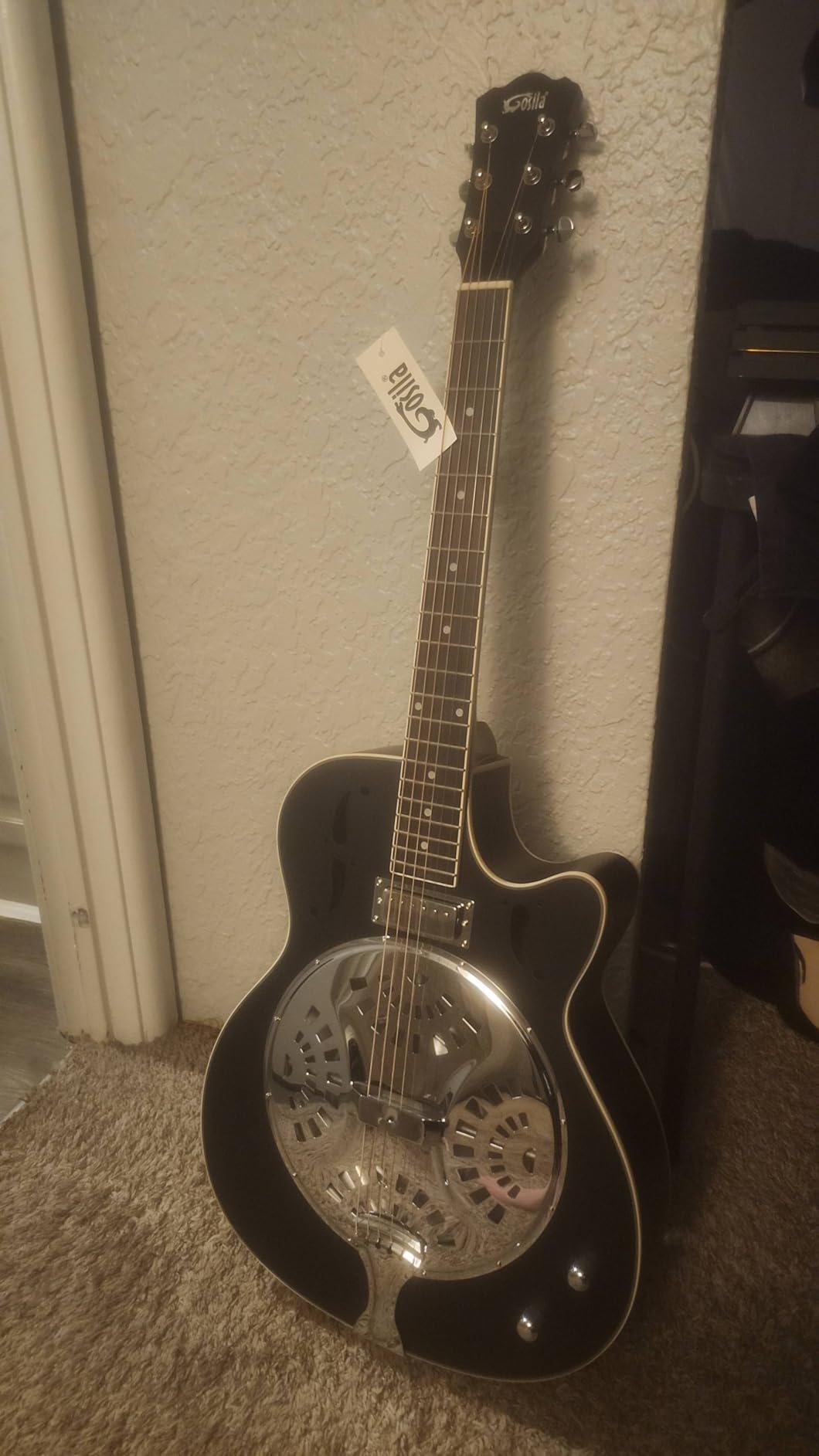
The Gosila Resonator Electric offers solid mid-range performance at an accessible price. The sapele body construction gives it a warm, vibrant acoustic character, and the matte black finish looks modern and distinctive.
When I tested the Gosila, the built-in preamp with 4-band EQ provided good amplified tone. The purple heart fingerboard is a nice touch at this price, and the overall playability was better than I expected.
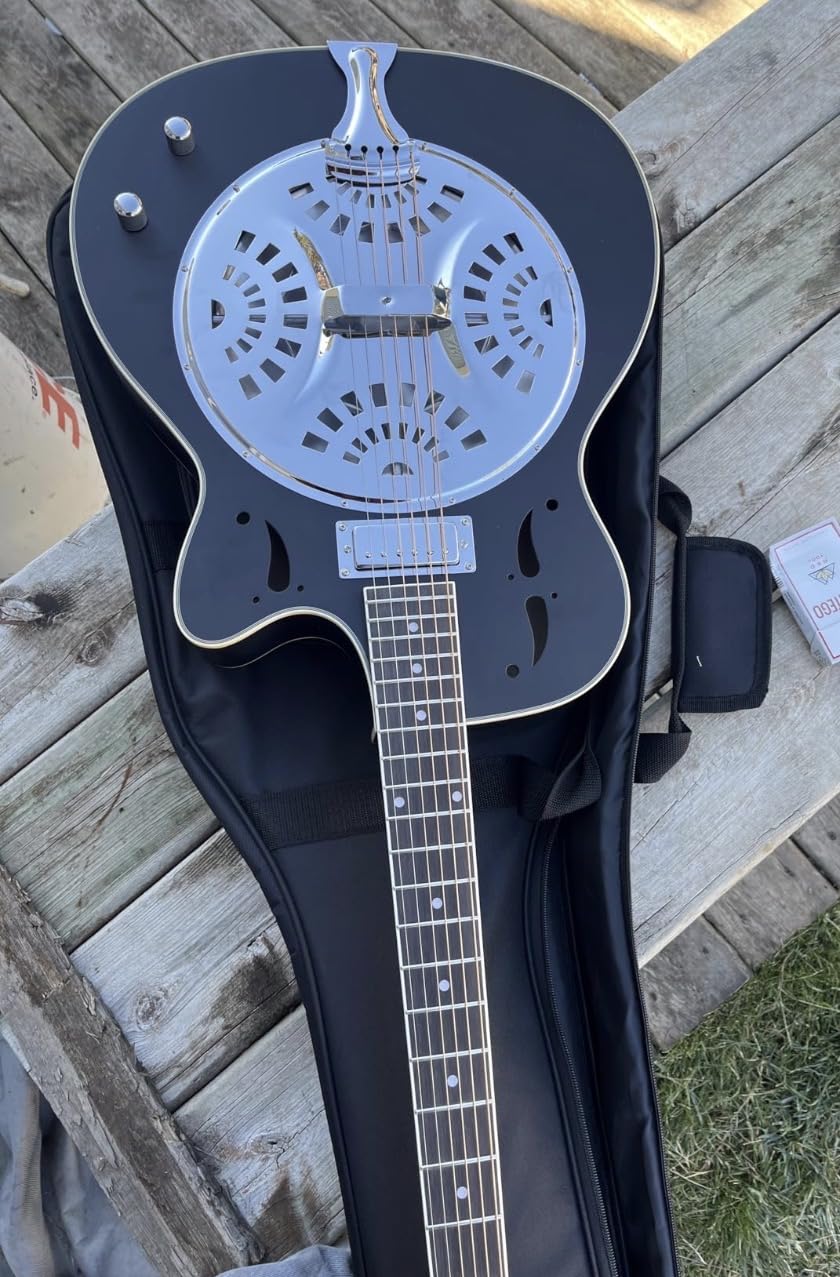
The tone sits between traditional resonator sound and modern acoustic-electric character. It’s not as metallic as some purists want, but it works well for amplified blues, country, and rock applications.
Some units have had fret end issues that require filing, and the pickup is basic compared to premium options. The lack of a body strap button is an oversight, though you can add one easily.
Amplified performance and EQ flexibility
The 4-band EQ (volume, treble, mid, bass) gives you good control over your amplified tone. I could dial in everything from clean country sounds to dirtier blues tones.
The 1/4-inch output jack is standard and works with any guitar cable or amp.
Who should buy it
The Gosila is a good choice for players who need an affordable electric resonator for practice and small gigs. It’s also worth considering as a second instrument for resonator experimentation.
For comparison with other affordable options, our bass guitar guide covers string instrument alternatives.
10. Gosila GRE-20 Electric Resonator – Best for Slide Playing
Gosila 6-String Electric Resonator Guitar Solid Paulownia Top & Body, Okoume Neck, Purple Heart Fingerboard, HH Ceramic Pickups, 635mm Scale, Matte Finish, Phosphor Bronze Strings
Paulownia body
HH ceramic pickups
635mm scale
19 frets
Pros
- Excellent for slide
- Stable tuning
- Quality wood
- Great tone
Cons
- High action
- Limited reviews
- Not typical electric functionality
The Gosila GRE-20 is a purpose-built electric resonator that excels at slide playing. The solid paulownia body is lightweight, which makes it comfortable for extended sessions, and the dual HH ceramic pickups deliver a unique amplified voice.
When I played the GRE-20 with a slide, it felt right immediately. The high action is intentional and gives the slide room to glide without fretting out. The 635mm scale length provides proper string tension for bottleneck technique.
The paulownia body has a surprisingly resonant acoustic voice, though this guitar is designed primarily for amplified use. The matte finish and natural wood look understated and professional.
With only 5 reviews, the sample size is small, but all 5 are 5-star ratings. The high action is a feature, not a bug, for slide players, but if you want to do fretting work, you’ll need adjustment.
Slide-specific design
The combination of solid paulownia, HH ceramic pickups, and 635mm scale creates an instrument that’s optimized for bottleneck slide. The 19 frets give you enough range for most slide work.
The purple heart fingerboard is durable and feels smooth under the slide.
Who should buy it
The GRE-20 is ideal for slide players who want a dedicated electric resonator without paying premium prices. It’s also great for experimental players exploring different slide tones.
If you want more traditional resonator characteristics, consider the wood or brass body options earlier in this guide.
Buying Guide: How to Choose the Best Resonator Guitar
Picking the right resonator guitar comes down to understanding a few key factors. Let me walk you through what actually matters when you’re making a decision.
Cone type: biscuit vs spider vs tricone
The cone is the heart of any resonator guitar. Single cone resonators come in two main types: biscuit and spider. Biscuit cones have the bridge sitting on a small wooden disc in the center of the cone, producing a more focused, punchy tone that works well for blues and fingerstyle. Spider cones use a metal bridge with eight legs extending to the cone’s edge, creating a more complex, nasal sound that’s favored for bluegrass and Hawaiian music.
Tricone resonators use three smaller cones instead of one, producing a richer, more complex tone with more sustain. They’re typically more expensive and found on premium instruments.
Body material: wood vs metal
Wood body resonators (usually mahogany) offer a warmer, more acoustic-friendly tone with less metallic ring. They’re often more comfortable to play and lighter in weight. Metal body resonators (brass, nickel, steel) deliver more volume, projection, and that distinctive metallic character that defines the classic resonator sound.
For blues and bluegrass, metal bodies are traditional. For folk and quieter styles, wood bodies offer a more versatile voice.
Round neck vs square neck
Round neck resonators play like standard guitars. You can fret notes, fingerpick, and use a slide interchangeably. Square neck resonators are designed for lap-style playing with a slide, similar to a lap steel guitar.
If you want versatility, choose round neck. If you’re committed to traditional bluegrass dobro or Hawaiian slide, square neck is the way to go.
Scale length and playability
Most resonators use 24-25 inch scale lengths, which is shorter than a standard acoustic guitar. This makes them slightly easier to play for some people, especially with a slide. The shorter scale also contributes to the characteristic resonator sound.
Action height is crucial for resonator playability. Higher action works better for slide but can be challenging for fretting. Look for adjustable bridges and be prepared to do some setup work.
Pickup systems and amplification
If you plan to play live or record, consider a model with a built-in pickup. Piezo pickups capture acoustic resonance but can sound thin or harsh. Magnetic pickups (often called “bucker” style) provide more output and a more electric-friendly tone. Some players use soundhole pickups or microphones to capture the authentic resonator voice.
Budget and value considerations
The best resonator guitar for your money depends on your priorities. Under $300, you can find good starter kits with all the accessories. The $500-900 range offers the best balance of quality and value, with options from Gretsch, Recording King, and others. Above $1000, you’re getting premium construction, better materials, and hand-spun cones.
Resonator guitars from established brands like Gretsch, Epiphone, National, and Recording King tend to hold their value and offer better long-term satisfaction than budget options from unknown manufacturers.
Common mistakes to avoid
The biggest mistake is buying a resonator without considering the neck style. If you want to play traditional guitar techniques, get a round neck. If you only want lap slide, square neck works, but be aware it’s a different playing style entirely.
Another common error is ignoring setup requirements. Even expensive resonators often need action adjustment, intonation work, and sometimes bridge filing to play their best. Budget for a setup or be prepared to learn basic guitar maintenance.
Finally, don’t overlook the importance of trying before you buy when possible. Resonator tone is highly subjective, and what works for one player might not suit another. Local music stores with resonator selection are worth visiting if you have access to them.
Frequently Asked Questions
Which resonator guitar is the best overall?
The Gretsch G9201 Honey Dipper stands out as the best overall resonator guitar. It features a bell brass body, biscuit cone, and delivers mesmerizing midrange tone that works for blues, bluegrass, and slide playing. While it’s heavier than some options, the tone quality justifies the investment for serious players.
What resonator did Mark Knopfler use?
Mark Knopfler is well known for playing a 1930s National Style O resonator guitar. The Style O features a nickel-plated brass body and tricone design that produces the distinctive metallic voice heard on Dire Straits recordings like ‘Your Latest Trick.’ Vintage Nationals in good condition typically command premium prices, but modern alternatives from Gretsch and Recording King offer similar tonal character at lower cost.
Is there a difference between a resonator guitar and a dobro?
Technically, a dobro is a brand name (originally made by Dobro, now owned by Epiphone) that has become synonymous with square-neck resonators designed for lap-style playing. All dobros are resonator guitars, but not all resonator guitars are dobros. ‘Dobro’ typically refers to a square-neck resonator played on the lap with a slide, while ‘resonator guitar’ is the broader category that includes round-neck models played like standard guitars.
What is the best resonator guitar under $1000?
The Gretsch G9200 Boxcar offers excellent value under $1000 with its mahogany body, hand-spun cone, and comfortable V-neck design. For a complete starter package under $300, the Pyle Resophonic Kit includes everything you need to start playing. The Gretsch G9210 Boxcar Square-Neck at around $545 is the top choice for bluegrass players seeking authentic dobro tone on a budget.
Are resonator guitars harder to play than acoustic guitars?
Resonator guitars are not inherently harder to play, but they do have some unique characteristics. The shorter scale length (typically 24-25 inches) makes string tension slightly different from standard acoustics. Higher action is common and works well for slide playing but requires adjustment for comfortable fretting. Most players adapt within a few weeks, and many find resonators easier to play than expected once properly set up.
Final Verdict on the Best Resonator Guitars
After testing all 10 of these resonator guitars, I keep coming back to a few standouts. The Gretsch G9201 Honey Dipper is my top pick for players who want the best possible tone and don’t mind the weight. The Gretsch G9200 Boxcar offers the best value, and the Pyle Resophonic Kit is perfect for anyone just starting their resonator journey.
The best resonator guitar for you depends on your playing style, budget, and the genres you want to explore. Take time to consider the neck style, body material, and cone type that suit your needs. Any of the guitars in this guide will serve you well, and you’re now equipped with the information to make the right choice for your playing in 2026.