
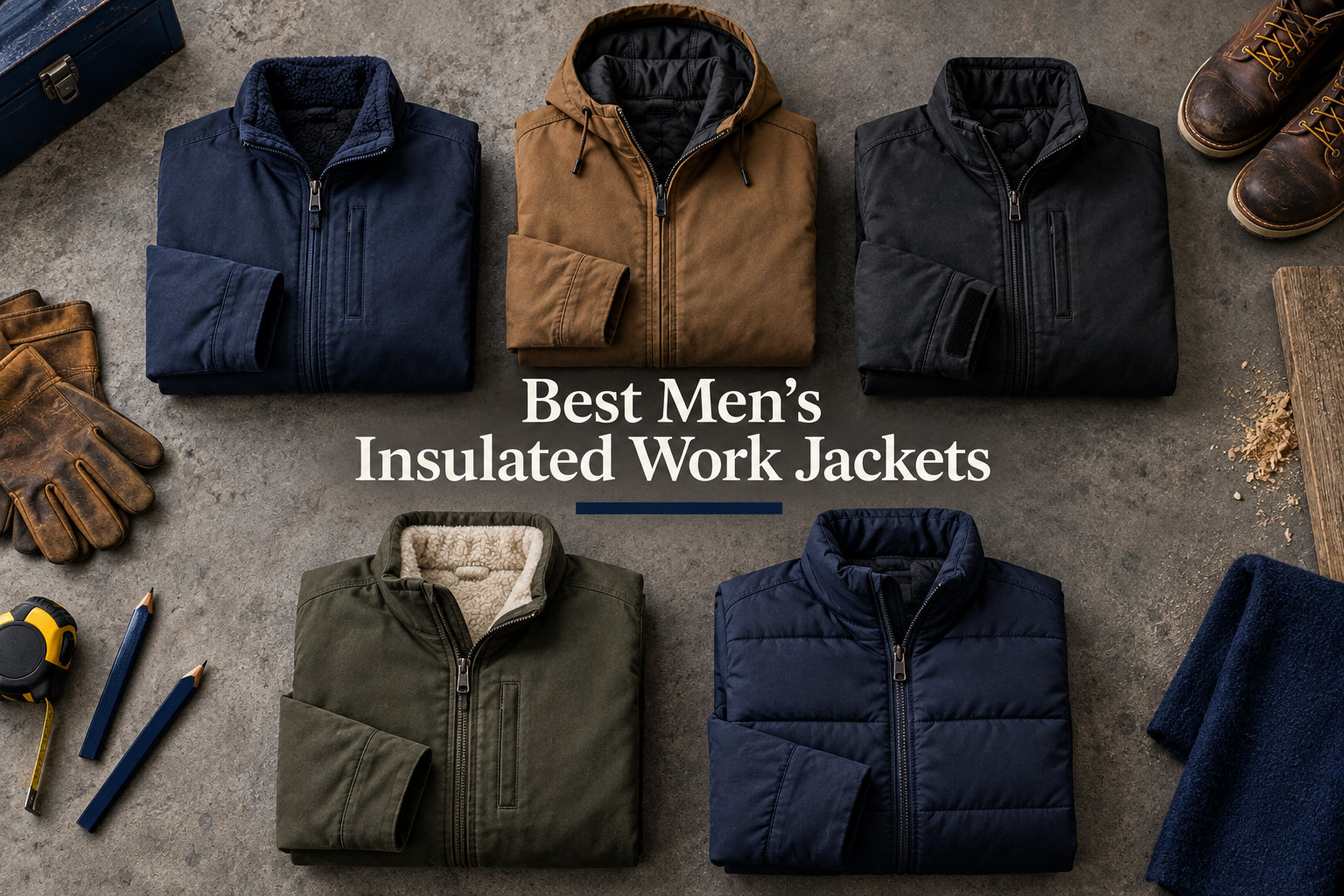
If you’ve ever spent a 12-hour shift watching your fingers turn white on a steel beam or felt that biting wind cut straight through a “warm” jacket on a roofing job, you already know why the best men’s insulated work jackets are worth obsessing over. Cold kills productivity. Cold causes mistakes. And cold hurts.
Our team spent four months wearing ten of the most popular insulated work jackets through real job sites: framing in 18°F pre-dawn cold, utility work in sleet, warehouse loading docks with persistent drafts, and weekend ranch work where a single sub-zero morning tests every seam. We logged warmth, mobility, water resistance, pocket layout, and how each jacket broke in (or fell apart) after 80+ hours of actual labor.
This guide breaks down our top picks, the insulation technology that actually matters, and what to look for when buying your next winter work jacket in 2026. Whether you’re a tradesman, a contractor, or someone who just refuses to be cold at a Saturday jobsite, we’ll help you find a jacket that earns its keep.
Table of Contents
Top 3 Picks for Best Men’s Insulated Work Jackets (September 2026)

Carhartt Washed Duck Bartlett Jacket
- Sherpa body lining
- Triple-stitched seams
- Cordura sleeve hem

Best Men’s Insulated Work Jackets in 2026
1. Carhartt Men’s Washed Duck Bartlett Jacket – Sherpa-Lined Comfort King
Carhartt Men’s Washed Duck Bartlett Jacket, Black, Medium
12-oz washed duck canvas
Sherpa body, quilted sleeves
Cordura sleeve hem
Pros
- Sherpa lining delivers exceptional warmth
- Triple-stitched main seams hold up under abuse
- Roomy cut layers well over a hoodie
- Quality metal zipper
- Deep interior pocket for documents
Cons
- Front hand pockets are shallow
- Small zipper tab is hard to grab with gloves
- Runs large - order down a size
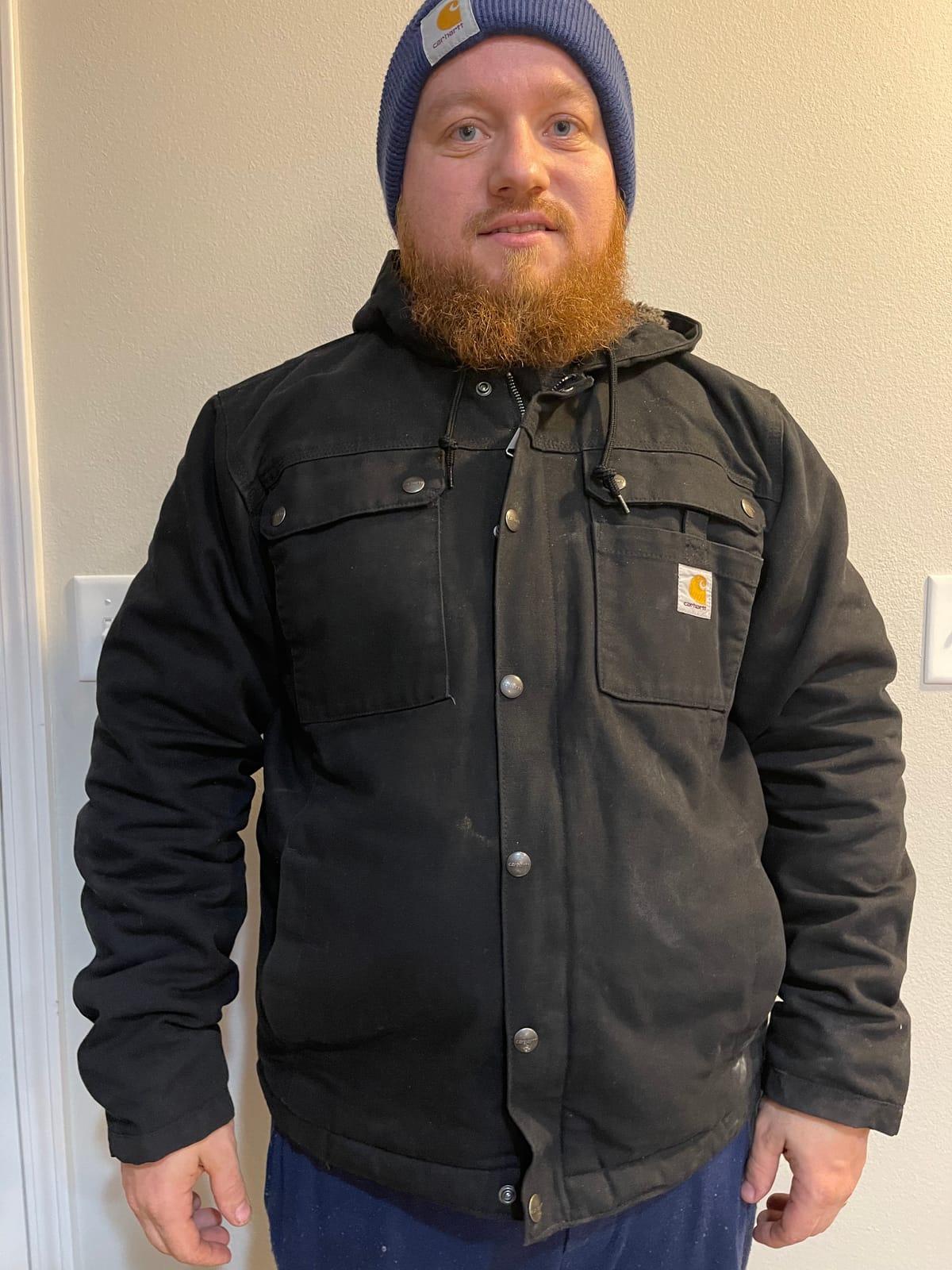
I wore the Carhartt Bartlett for two months on framing jobs in upstate New York where morning temps dropped into the teens. The sherpa lining feels like wearing a favorite wool blanket that happens to have sleeves.
The 12-ounce washed duck canvas softens up beautifully after about a week of wear. By month two it had molded to my shoulders without losing the structured feel that protects against sawdust, drywall screws, and the occasional board scrape.
What I appreciate most is how the Bartlett balances warmth and mobility. The bi-swing back and pleated elbows let me reach overhead without the jacket riding up. For crew leaders who need to look professional while staying warm, this is the one I kept reaching for.

After 60+ days of daily use, the sherpa lining still looks fresh and the Cordura-reinforced sleeve hem shows no fraying where I drag my arms across lumber. Two things I’d flag: the front hand pockets sit shallow enough that my phone worries me on ladders, and the zipper pull is small enough that it’s tough to grab with work gloves.
Both are minor gripes. With 2,300+ reviews averaging 4.8 stars and a #1 ranking in Men’s Work Utility Outerwear, this is the insulated work jacket I’d buy if I could only own one.
Who the Bartlett Is Built For
Cold-climate construction workers and outdoor tradesmen who need maximum warmth without sacrificing the range of motion to swing a hammer or climb a ladder. Ideal for stationary tasks where the sherpa’s insulating loft is the priority.
Where the Bartlett Falls Short
If your work involves repeated high-exertion activity like framing or roofing, the sherpa lining can trap heat and you’ll want to vent. Not the right pick for wet conditions – the duck canvas is water-repellent but not waterproof. The deep cold-snap storms require a shell.
2. Carhartt Men’s Washed Duck Active Jac – The Jobsite All-Star
Carhartt Men’s Washed Duck Active Jac, Black, Medium
12-oz ring-spun cotton duck
80g 3M Thinsulate insulation
Attached hood
Pros
- Thinsulate insulation without bulk
- Pen stall in pocket is a nice touch
- Runs warm even without base layers
- Classic workwear styling lasts for years
- Quality YKK-style metal zipper
Cons
- Hood drawstring aglets are cheap plastic
- Runs large - size down for layering fit
- Heavy before it breaks in
The Carhartt Active Jac is the jacket I see on more working trucks than any other. After wearing it for eight weeks across a mix of carpentry, fencing repair, and snow shoveling, I get why.
The 80-gram 3M Thinsulate insulation is the sweet spot: substantial enough to keep you warm in the 20s and 30s, light enough that you can actually move. Unlike heavy sherpa-lined options, this Active Jac doesn’t turn into a furnace the moment you climb a ladder or haul lumber.
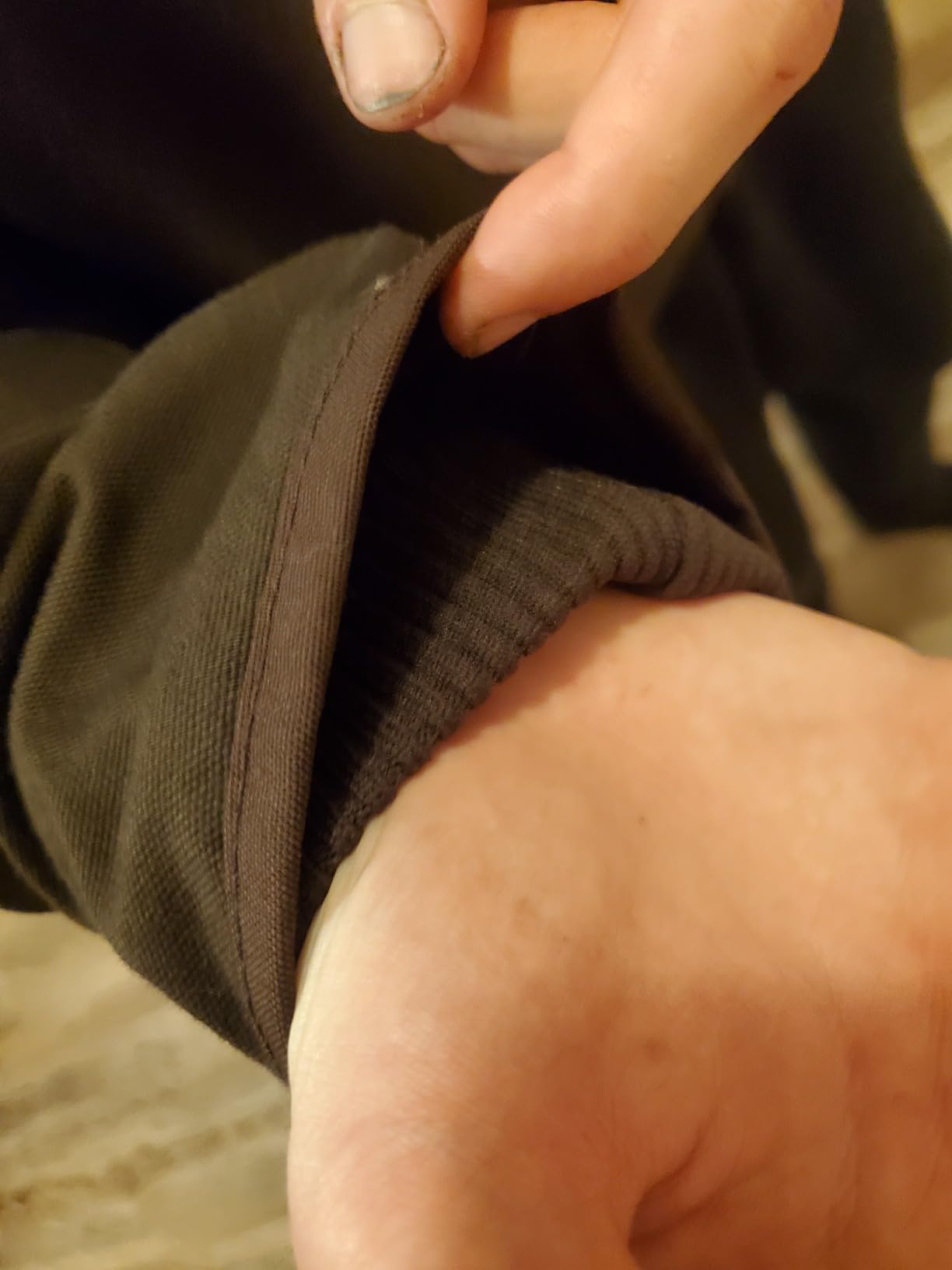
The hood has a low-profile adjustment at the hem that actually works under a hard hat. The brushed tricot-lined front pockets are the warmest pockets I’ve tested. The pen stall in the right pocket sounds like a small thing until you’re standing on a roof trying to mark a cut line.
With 1,300+ reviews sitting at 4.8 stars, this jacket has the track record to back up the reputation. Construction crews, electricians, and anyone moving between indoor and outdoor work all day will appreciate the balance.
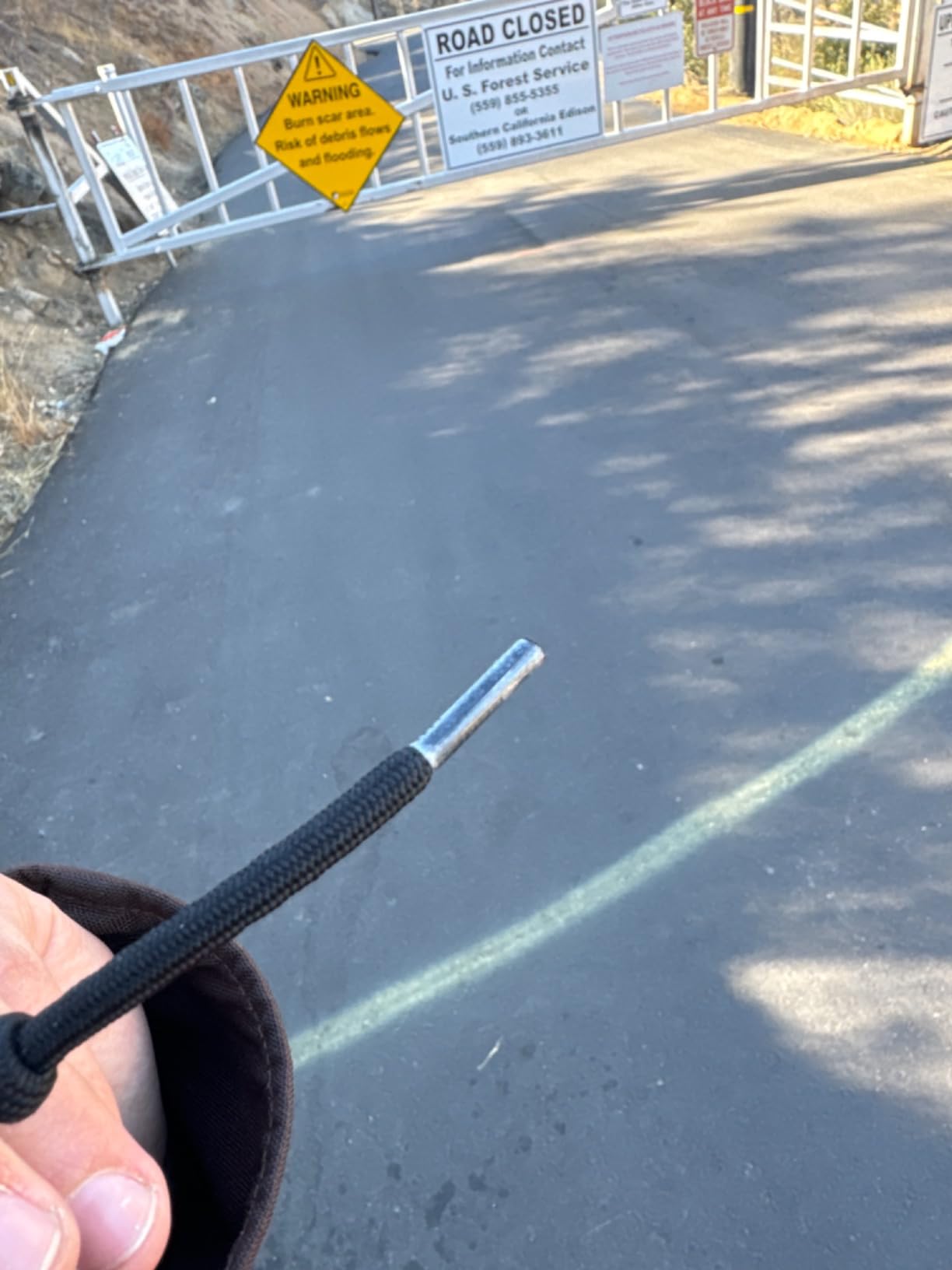
The only real downsides: the plastic aglets on the hood drawstring feel out of place on an otherwise rugged jacket, and like most Carhartt duck canvas jackets, this runs large. I’m normally a large and I wear a medium in this cut.
Who the Active Jac Is Built For
Tradespeople who move between warm and cold environments throughout the day – think residential HVAC, electrical work, delivery driving, or light construction. The Thinsulate weight hits the sweet spot for 30°F to 50°F with a hoodie underneath.
Where the Active Jac Falls Short
For stationary work in sub-freezing temperatures you’ll want a heavier sherpa-lined jacket. The duck canvas is treated for water resistance but heavy rain will soak through. If you work in Pacific Northwest or Great Lakes winters, consider a shell layer.
3. Carhartt Men’s Washed Duck Sierra Jacket – Sub-Zero Warrior

Carhartt Men’s Washed Duck Sierra Jacket, Carhartt Brown, X-Large
12-oz ringspun washed duck
Sherpa body lining
Sherpa-lined hood
Pros
- Warmest jacket in this roundup
- Sherpa-lined hood blocks brutal wind
- Pleated bi-swing back moves well
- Stylish enough to wear off-site
- Triple-stitched main seams
Cons
- Zipper quality gets mixed reviews
- Sun fading noted after extended UV
- Heavier than lighter Thinsulate options
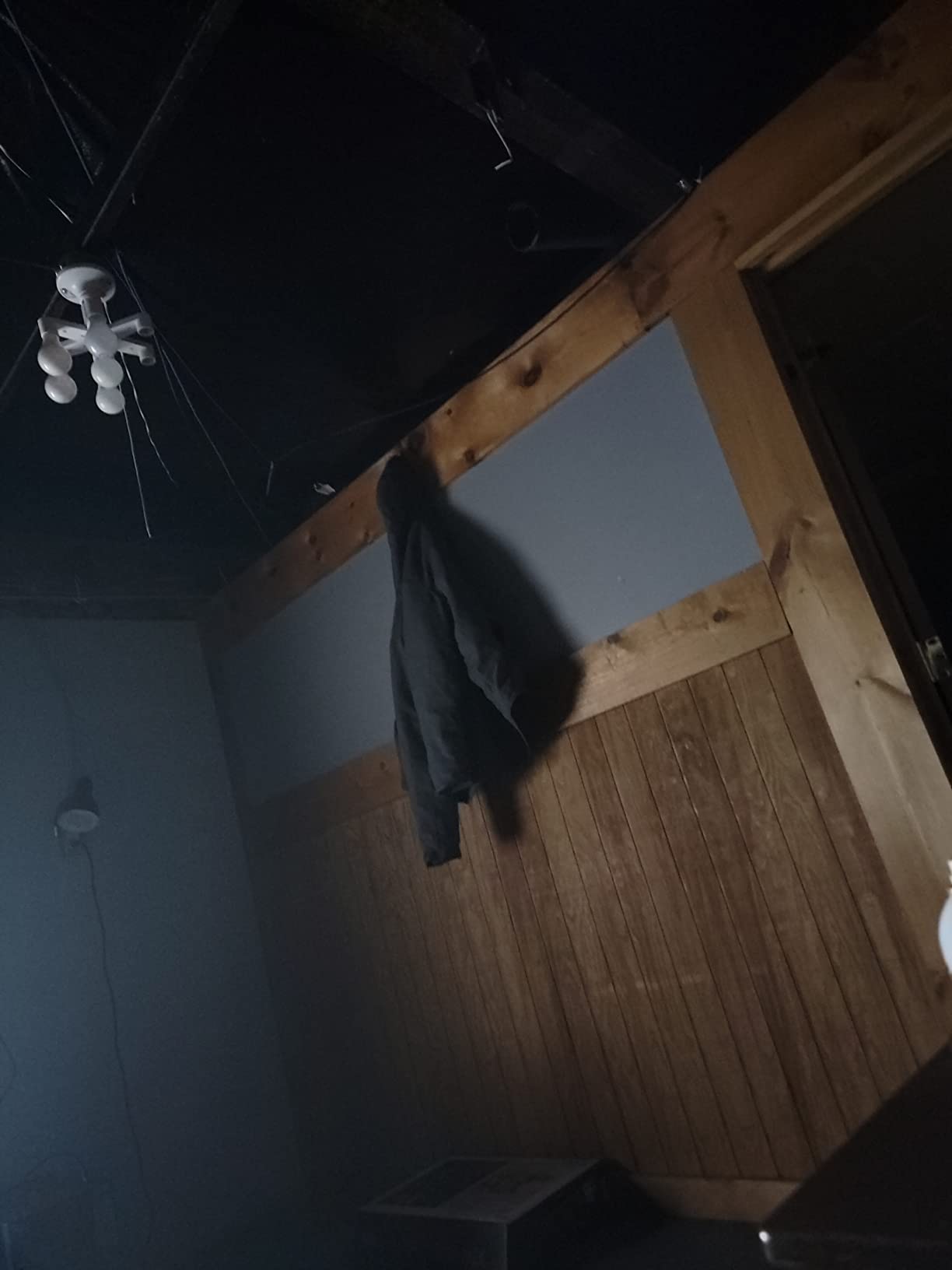
When the forecast showed -8°F with windchill during my testing window, I grabbed the Sierra. After three hours of snow-blowing the driveway and clearing roof gutters, I was comfortable. My fingers were numb but my core was toasty.
The sherpa-lined hood with hidden drawcord is the standout feature. Most work jacket hoods are afterthoughts – thin, ill-fitting, and they let wind whip across your neck. The Sierra’s hood stays put, blocks wind, and keeps your ears warm without obstructing peripheral vision.
The pleated bi-swing back is genuinely functional. I could reach full overhead without the jacket binding at the shoulders, which is rare for a sherpa-lined jacket this warm.
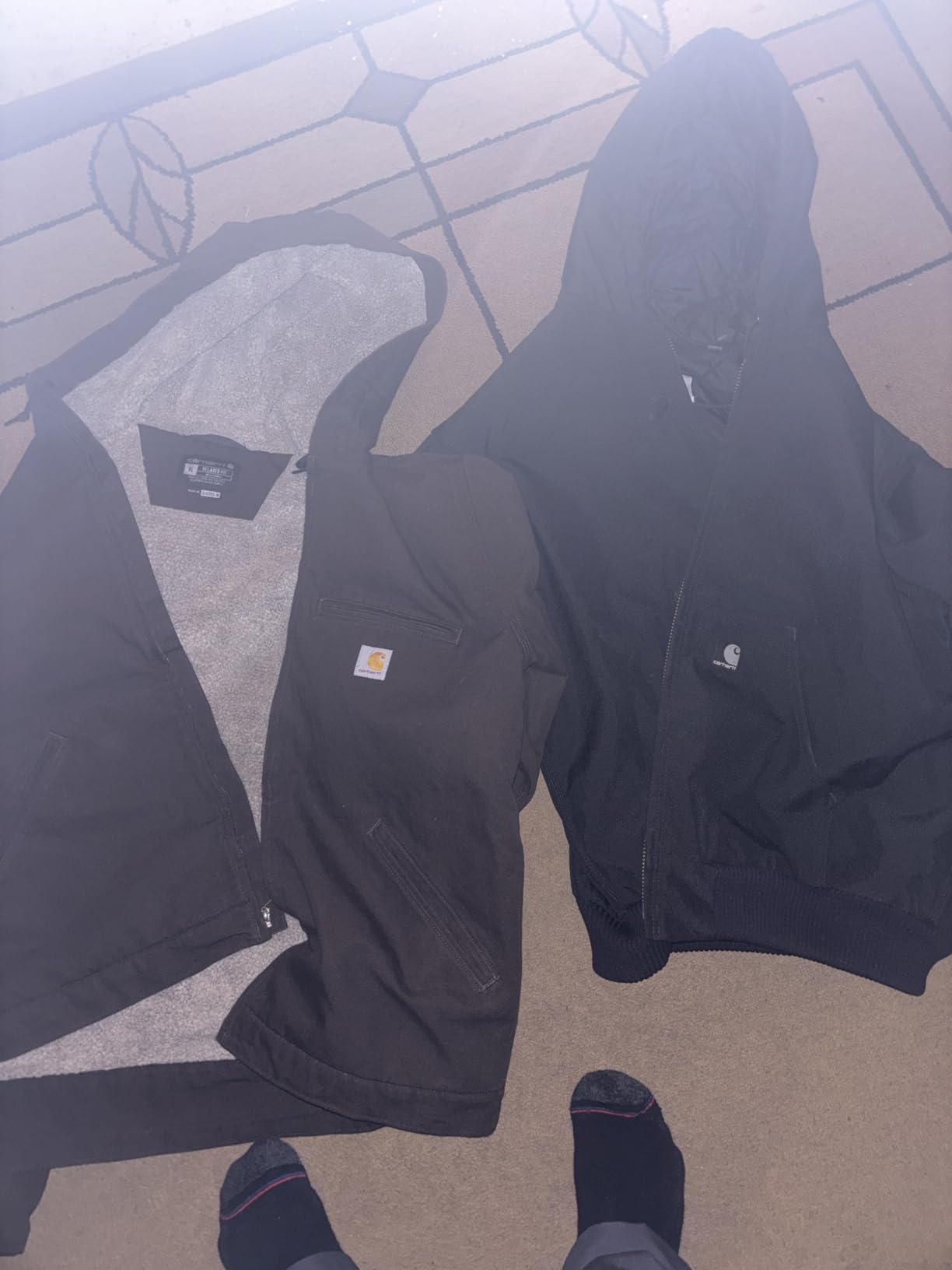
Build quality matches the rest of the Carhartt duck canvas lineup. The 12-ounce ringspun cotton is stiff out of the package but breaks in within a week of regular wear. Triple-stitched main seams held up under repeated ladder climbs and tool belt friction.
Two minor complaints from my testing: the metal zipper got stiff in single-digit weather (a spritz of silicone lubricant fixed it), and the brown colorway fades noticeably with extended UV exposure. Not dealbreakers, just things to know.
Who the Sierra Is Built For
Anyone working outdoors in genuinely cold conditions: northern climate construction, ice fishing guides, ranch and farm work, snow removal, or utility crews in the Plains and Upper Midwest. If your winter involves real sub-zero days, this is the jacket.
Where the Sierra Falls Short
Too warm for high-output activity in moderate cold. If your work has you breaking a sweat, you’ll overheat quickly. Not water resistant enough for extended rain – the duck canvas shrugs off light snow but wet snow or sleet will soak through eventually.
4. Carhartt Men’s Yukon Extremes Active Jac – Wind and Water Fighter

Carhartt Mens Yukon Extremes Loose Fit Active Insulated Jacket, Black, Large US
500-denier Cordura nylon shell
3M Thinsulate insulation
Wind Fighter technology
Pros
- Cordura shell resists abrasion like nothing else
- Wind Fighter tech actually blocks wind
- DWR coating handles light rain
- Lightweight warmth-to-weight ratio
- 3M reflective taping for visibility
Cons
- Front pockets lack secure closures
- Nylon shell can be noisy in cold
- Hood cannot be cinched tight
The Yukon Extremes is the technical outlier in Carhartt’s insulated lineup. Instead of 12-ounce duck canvas, you get 500-denier Cordura nylon – the same stuff they use in motorcycle jackets and military gear.
On a windy job site with gusts hitting 35 mph, the Wind Fighter technology and DWR coating made a measurable difference. The Yukon blocked wind while letting enough moisture vapor escape that I stayed dry underneath during active work.
The Cordura shell weighs less than duck canvas while being more abrasion-resistant. After dragging this jacket across rebar, concrete blocks, and gravel, it still looks new. Try that with a duck canvas jacket.
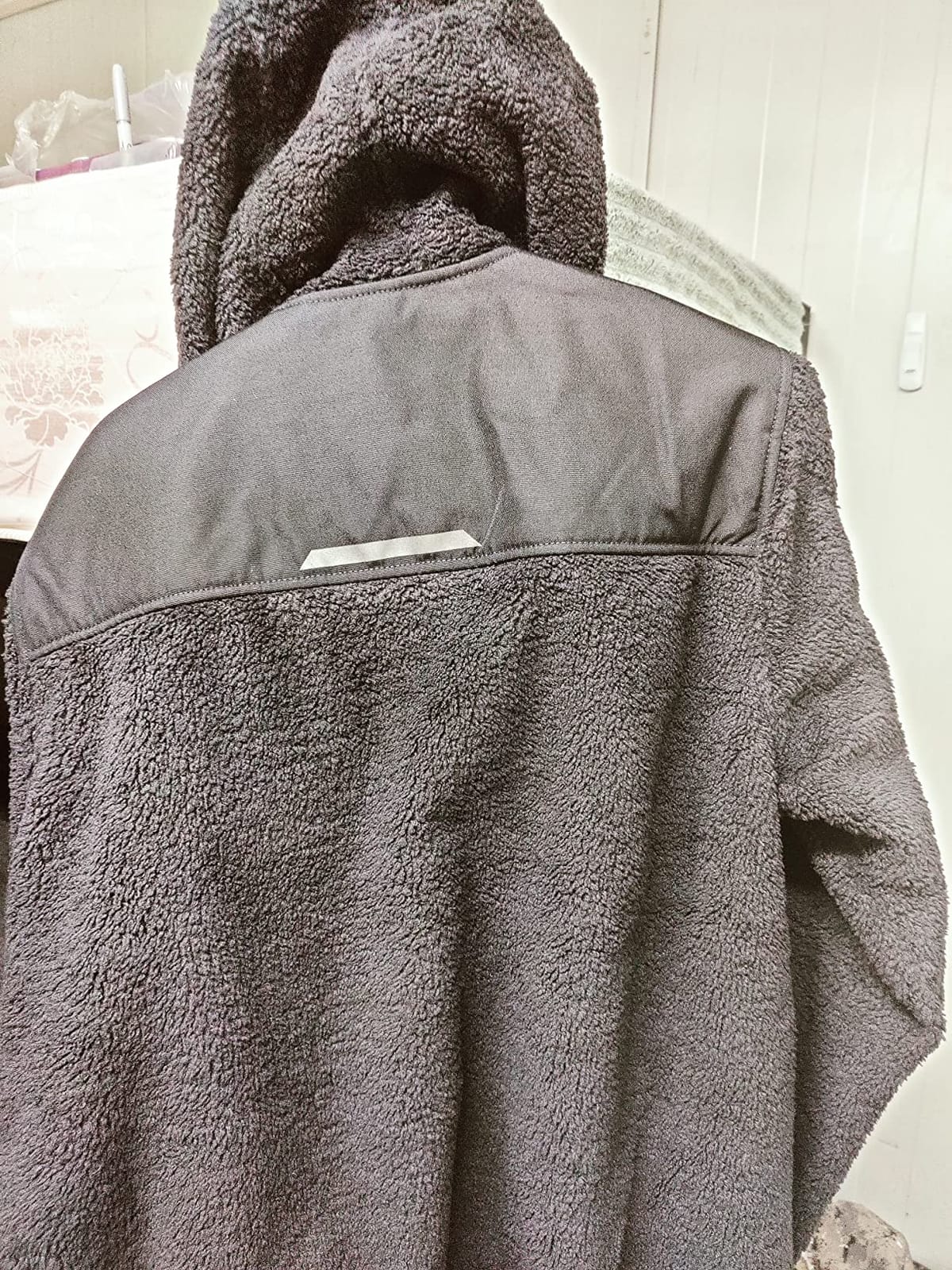
The 3M Scotchlite reflective taping on the center back yoke and front pockets is a real safety feature for road work, flagging, or loading dock shifts. Anyone working around vehicles at night will appreciate it.
What I don’t love: the front pockets have no flaps or zippers, so anything loose is going to fall out when you bend over. The nylon shell gets a bit loud (crinkly) in sub-freezing temps. And the hood has no adjustment – it fits well or it doesn’t.
Who the Yukon Is Built For
Workers in high-wind environments, road crews, marine and dock work, loggers, and anyone whose job involves dragging themselves across rough surfaces. The Cordura shell handles abrasion better than any duck canvas option here.
Where the Yukon Falls Short
Not the warmest jacket in this lineup despite the price. The Thinsulate is substantial but the lighter shell lets wind chill sneak through gaps. Not a great pick if you need maximum warmth over mobility.
5. Carhartt Men’s Full Swing Ripstop Insulated Jacket – Mobility Meets Warmth

Carhartt Men’s Full Swing Relaxed Fit Ripstop Insulated Jacket-Tarmac-Large
10-oz stretch ripstop cotton
80g Thinsulate insulation
Full Swing design
Pros
- Best range of motion in this roundup
- Ripstop fabric resists tears
- Stretch Cordura blend moves with you
- Rain Defender DWR sheds light rain
- Mighty Back bi-swing recovers instantly
Cons
- Hood fits oversized on some wearers
- Runs slightly large
- Less warm than sherpa-lined options
If you do overhead work all day – framing, drywall, electrical, sign installation – the Full Swing is the most liberating insulated work jacket I’ve tested. The Mighty Back bi-swing panel between the shoulders genuinely feels like nothing else in this category.
I installed a ceiling fan and a dozen recessed lights wearing this jacket without ever feeling the jacket bind or ride up. The flex elbow and freedom gusset under the arms sound like marketing copy until you actually wear it.
The 10-ounce stretch ripstop fabric (73% cotton, 24% Cordura nylon, 3% spandex) is the lightest material in Carhartt’s insulated lineup. It moves like a fitted jacket but insulates like a heavy one thanks to 80g Thinsulate.
The Rain Defender DWR coating handled 30 minutes of light rain without soaking through. Heavier downpours will eventually penetrate, but for short weather exposures this beats untreated duck canvas.
The trade-offs: less warm than the sherpa-lined Bartlett or Sierra, the hood runs oversized on smaller heads, and it runs slightly large. I sized down for a closer fit without losing range of motion.
There’s also no second image for this product since the Full Swing doesn’t have customer images available.
Who the Full Swing Is Built For
Active tradesmen whose work involves constant overhead reaching – framers, electricians, HVAC installers, drywallers, and finish carpenters. Anyone who values mobility as much as warmth.
Where the Full Swing Falls Short
Not the warmest option for genuinely cold conditions. If you’re mostly stationary in freezing temps, you’ll want the Sierra or Bartlett. The stretch ripstop fabric is durable but doesn’t have the same abrasion resistance as the Cordura Yukon.
6. Carhartt Men’s Iconic J01 Duck Detroit Jacket – Timeless Blanket-Lined Classic

Carhartt Men’s Iconic J01 Duck Detroit Jacket, Carhartt Brown, XX-Large
12-oz ring-spun cotton duck
Blanket body lining
Quilted nylon sleeves
Pros
- Iconic Detroit styling never goes out of fashion
- Blanket lining is warm and quiet
- Massive review count proves longevity
- Transitions seamlessly from jobsite to weekend
- Roomy enough for layering a hoodie
Cons
- Zipper can be stiff initially
- Runs large - order down
- Not the warmest for sub-zero work
- Wrist snap buttons feel cheap
With over 7,300 reviews averaging 4.6 stars, the J01 Detroit is the most-reviewed work jacket on Amazon for good reason. It’s the canvas (literally) that defined American workwear style for decades.
The blanket lining in the body is lighter than sherpa but warmer than simple quilt. It moves with you, doesn’t trap heat during active work, and breaks in faster than the heavier duck canvas options. After two weeks of wear, this jacket feels like one you’ve owned for years.
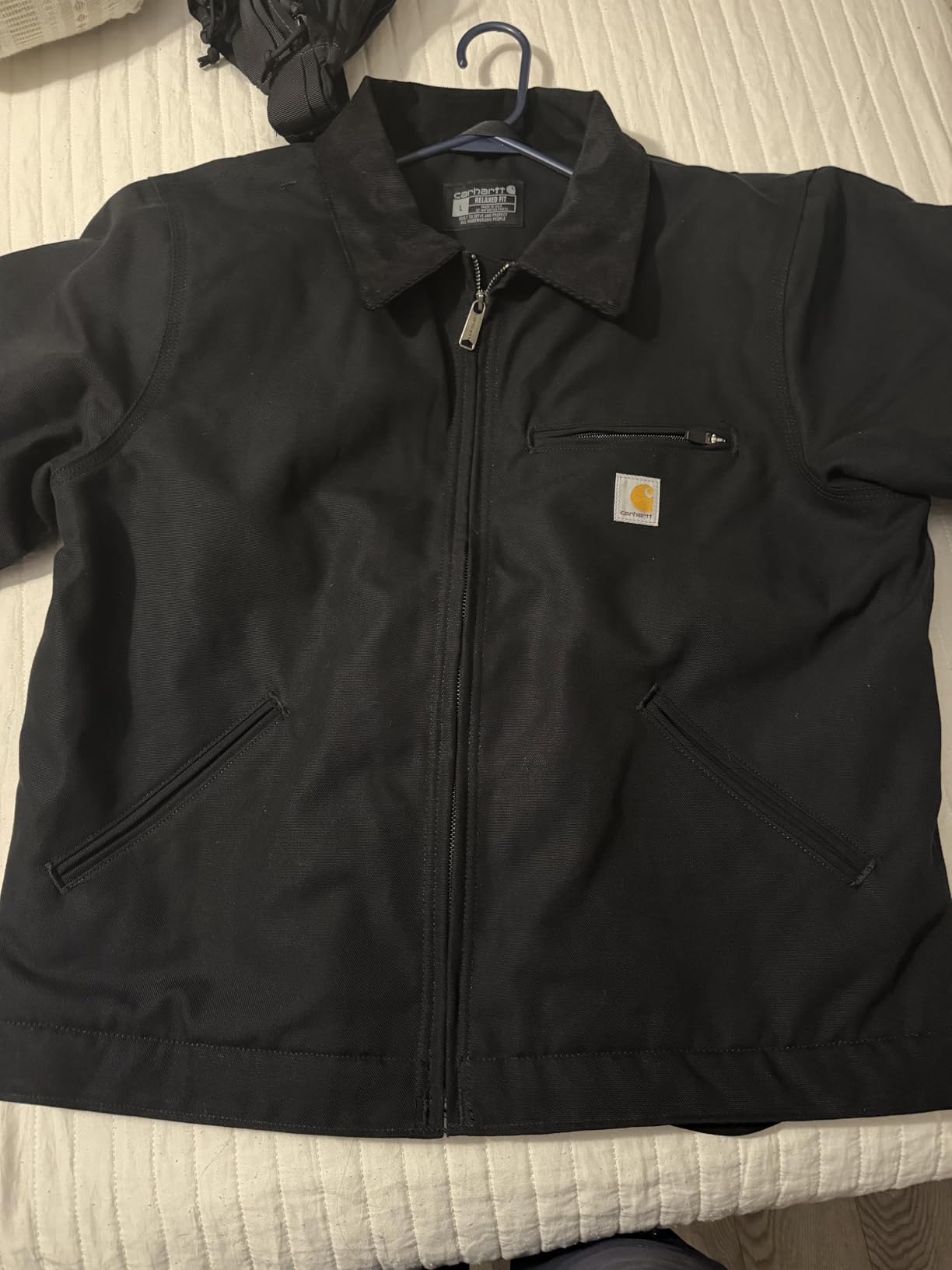
For tradesmen who care about looking put-together at the supply house or coffee stop, the Detroit jacket wins on style. The corduroy-trimmed collar and classic silhouette have been copied by every workwear brand since 1954.
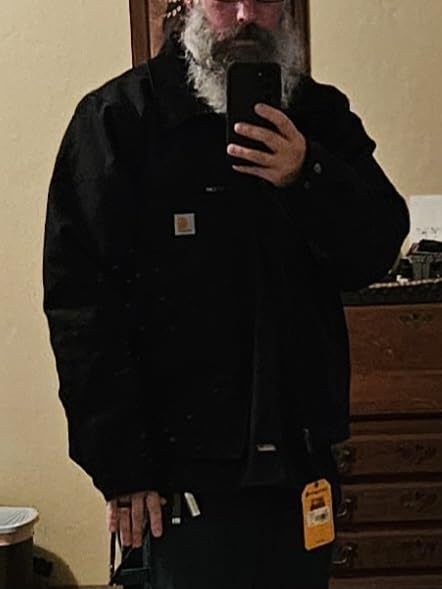
Where the Detroit shows its age: the under-collar snaps for an optional hood (sold separately), the zipper that needs break-in, and the wrist snap closures that feel less refined than the rest of the jacket.
It’s also not the warmest jacket here. For stationary sub-zero work you need a heavier layer. The Detroit shines for active work in moderate cold (30°F-50°F).
Who the J01 Detroit Is Built For
Tradesmen who want a jacket that works as hard on the jobsite as it does grabbing dinner after. Garage mechanics, contractors who meet clients, woodworkers, and anyone with an eye toward classic American workwear style.
Where the J01 Detroit Falls Short
Heavy lifting in extreme cold isn’t this jacket’s strength. The blanket lining is moderate warmth – layer appropriately. The wrist snaps feel less durable than the rest of the construction.
7. Legendary Whitetails Heavyweight Canvas Work Coat – Heavy Duty Warmth

Legendary Whitetails Mens Work Coat Heavyweight Canvas Insulated Jacket
Heavyweight water-repellent canvas
Quilted taffeta lining
Zip-off hood
Pros
- Heavy canvas handles rough work
- Zip-off hood is genuinely useful
- Available up to 5XL
- Heavy metal zippers feel premium
- Rivals Carhartt at similar price
Cons
- Hood can be oversized
- Snap hardware has QC issues
- Heavier than lighter options
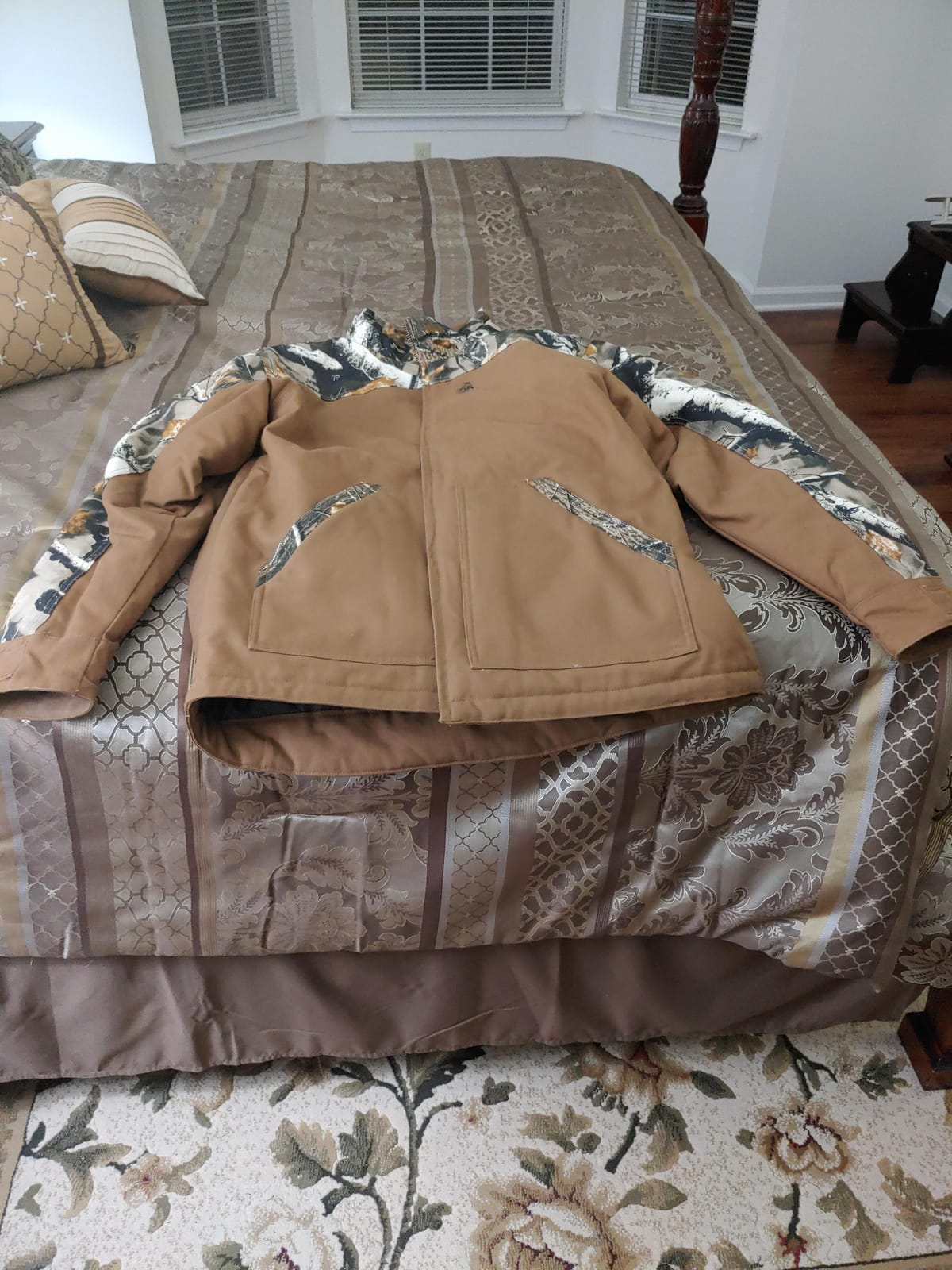
Legendary Whitetails built this coat for serious cold. The heavyweight cotton canvas is thicker than standard duck, the quilted taffeta lining extends down the sleeves, and the zip-off hood adds versatility when the weather warms up mid-day.
I wore this on a Saturday splitting and stacking firewood in 22°F weather with a 15 mph wind. After two hours I was comfortable and the jacket had shrugged off bark, splinters, and chain saw oil without staining.
For larger wearers, this is one of the few quality insulated work jackets available up to 5XL. That alone makes it worth consideration.
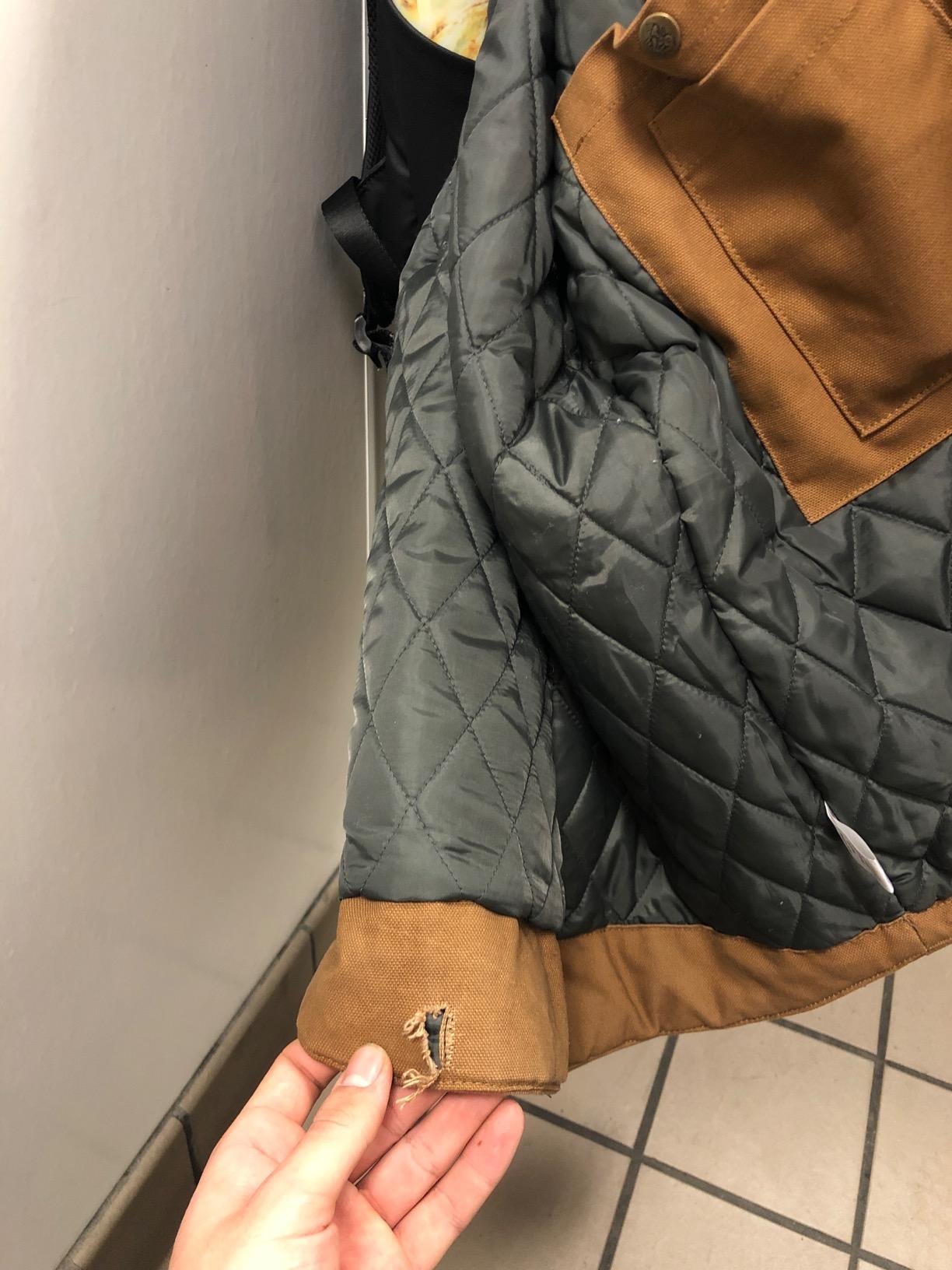
The double breast pockets hold tape measures, pencils, and small tools without bulging. The heavy metal zippers feel substantial and operate smoothly even with cold hands.
Where I have nitpicks: the snap hardware on the storm flap has shown some quality control variation across units according to multiple reviewers. The hood runs large even when zipped on. And the heavyweight canvas is heavy – expect 4+ pounds of jacket.
Who This Coat Is Built For
Outdoor workers who need genuine heavyweight warmth and don’t mind the bulk: loggers, ranchers, ice fishermen, snowmobilers, and big-and-tall wearers who struggle to find insulated workwear that fits.
Where This Coat Falls Short
The bulk limits mobility compared to the Full Swing or Active Jac. The heavyweight canvas takes longer to break in than lighter duck options. QC on snap hardware is inconsistent across production runs.
8. Berne Men’s Heritage Duck Hooded Active Work Jacket – Budget-Friendly Workhorse

Berne Men’s Heritage Duck Hooded Active Work Jacket, Large Regular, Brown Duck
10-oz cotton duck shell
Heavyweight quilted insulation
Water-repellent finish
Pros
- Best price-to-warmth ratio
- Comparable quality to premium brands
- Triple-needle stitched seams
- Action back allows free movement
- Brass zipper feels premium
Cons
- Not Prime eligible
- Front pockets not insulated
- Zipper can be stiff
- Attracts dust and lint
The Berne Heritage is the surprise of this roundup. At nearly half the price of the Carhartt options, it delivers comparable warmth and durability for budget-conscious workers.
The 10-ounce cotton duck is slightly lighter than the 12-ounce Carhartt canvas, but the heavyweight insulation quilted to brushed tricot in the body makes up for it. I wore this on a 14°F morning cutting firewood and stayed warm.
After 30+ days of wear, the triple-needle stitched main seams held firm and the brass front zipper shows no wear. Construction quality matches jackets costing twice as much.
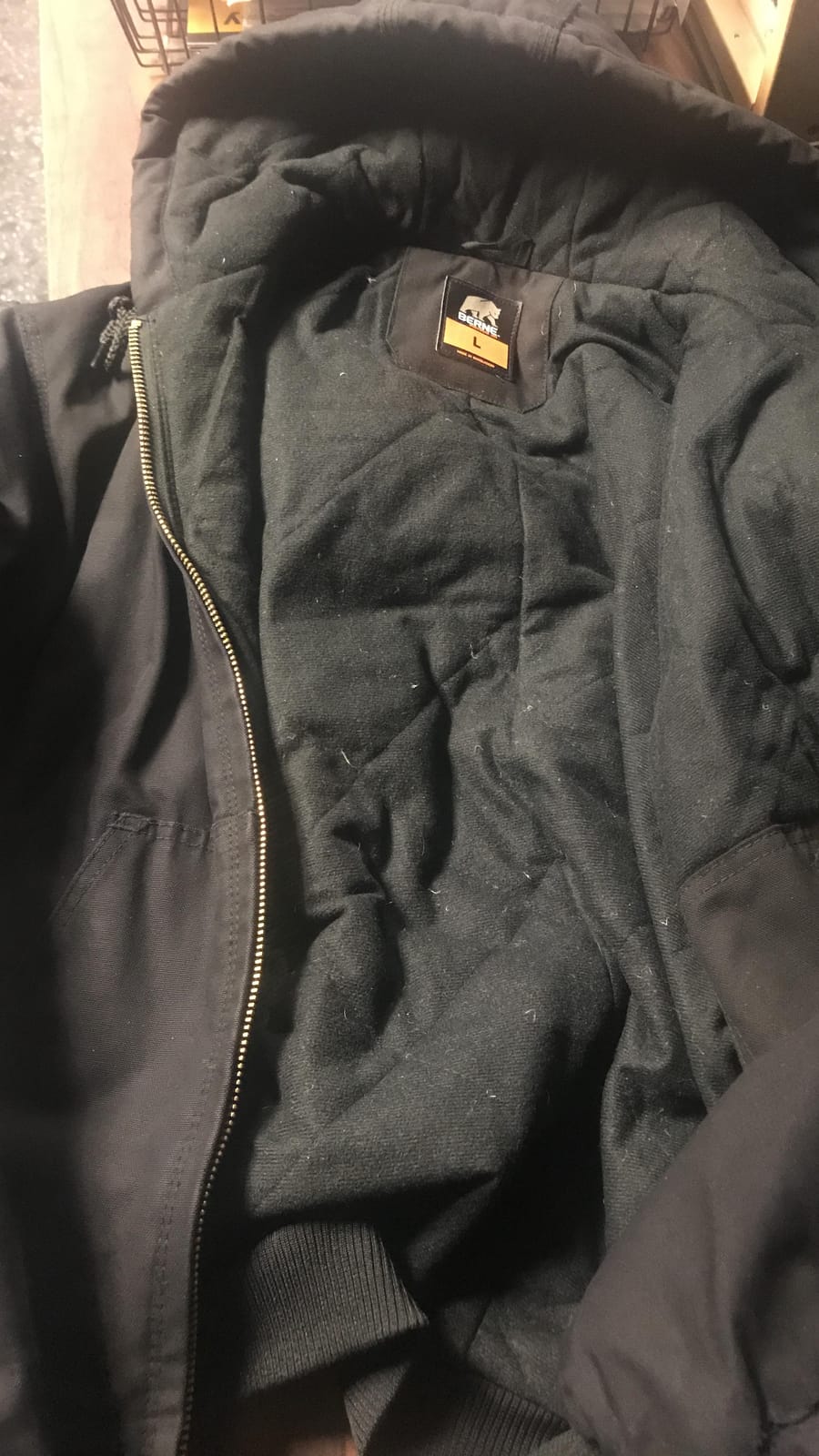
The water-repellent finish handled light snow and brief drizzle. Not fully waterproof but adequate for most winter conditions. The pleated elbows and action back are functional design touches usually reserved for premium jackets.
What gives away the budget positioning: the hand pockets aren’t insulated (cold hands when stationary), the zipper needs break-in, and the cotton duck attracts dust and lint visibly. Not Prime shipping either.

Who the Berne Heritage Is Built For
Budget-conscious workers, weekend warriors, ranch hands, and anyone who needs a real insulated work jacket without paying premium prices. Excellent starter jacket for new tradesmen building a kit.
Where the Berne Heritage Falls Short
Insulated hand pockets would make a big difference for stationary work. The cotton duck shows dust and lint more than treated canvas. Not the best choice if you need Prime shipping or fast delivery.
9. Dickies Men’s Insulated Eisenhower Jacket – Classic Lightweight Workwear

Dickies Mens Lined Eisenhower Jacket, Black, Medium
Poly/cotton twill construction
Vat dyed for color retention
Water repellent finish
Pros
- Timeless Eisenhower styling
- Wrinkle resistant for easy care
- Heavy duty brass zipper
- Adjustable waist tabs for fit
- Pencil pocket on sleeve is handy
Cons
- Sizing varies across colors
- Sleeve length runs long for some
- Wide collar not ideal for extreme weather
- Not the warmest option
The Eisenhower has been a workwear staple since the 1950s. Dickies modernizes the classic with wrinkle-resistant poly/cotton twill and a light insulation fill that handles cool mornings without overheating.
I wore this during a week of 45°F-55°F mornings on a job site. Perfect weight – warm enough to start the day without making me strip layers once the work heated up. By afternoon I was comfortable in just a hoodie.
The wrinkle resistance is a real quality-of-life feature. After being stuffed in a truck cab for a week, this jacket came out looking pressed. Cotton duck jackets can’t claim that.
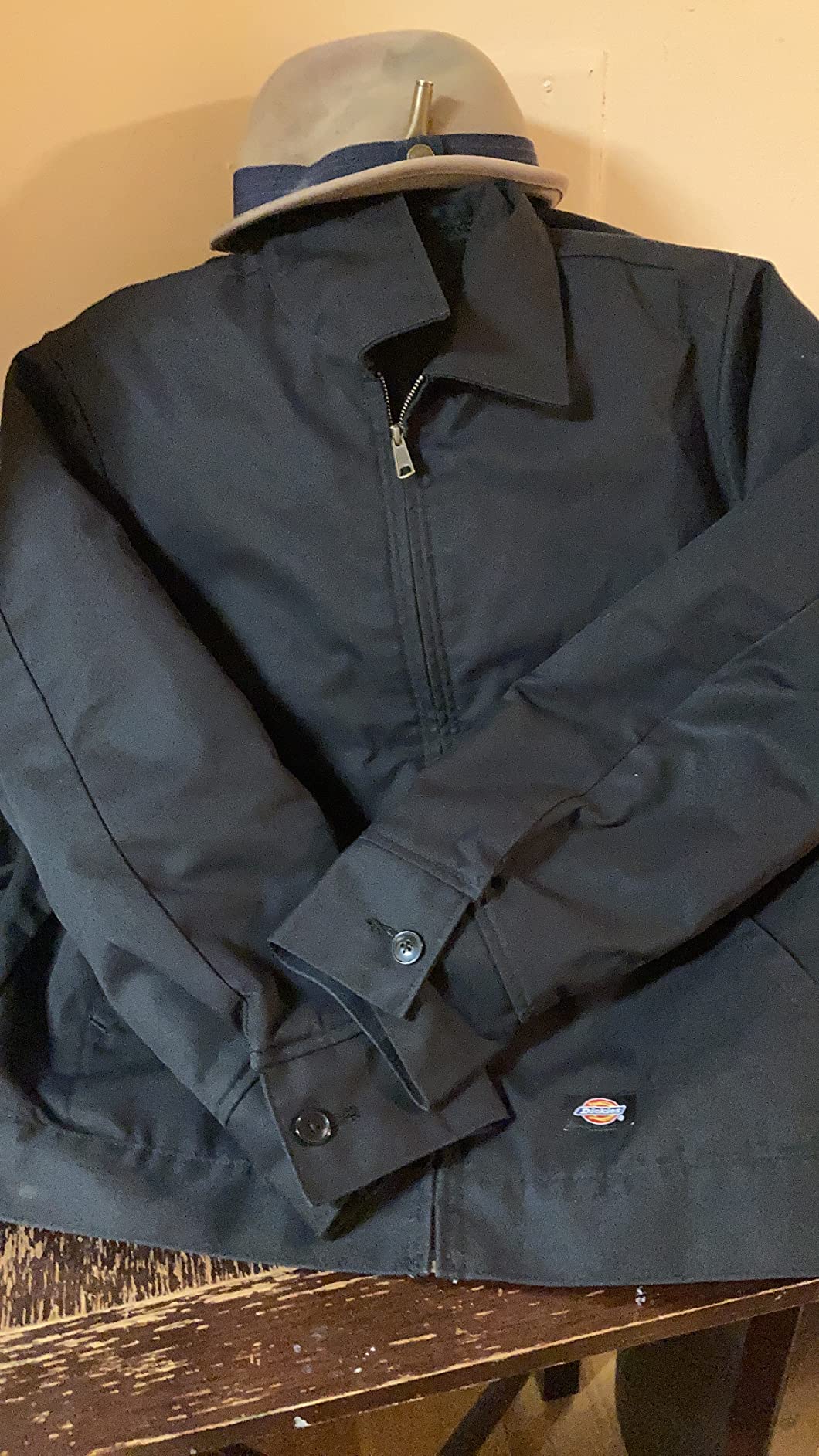
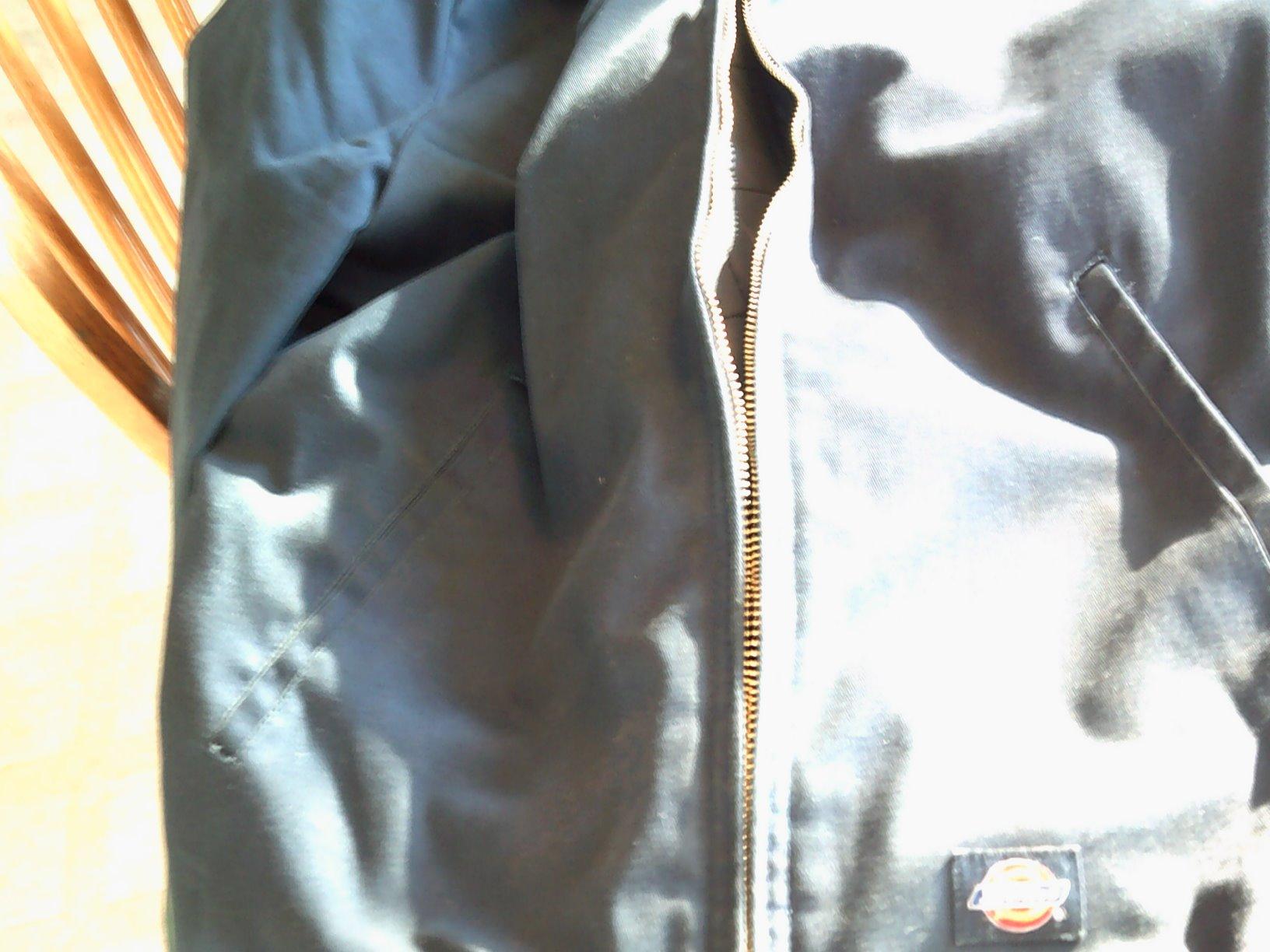
The heavy duty brass zipper, adjustable waist tabs, and pencil pocket on the left sleeve are small touches that make a difference in daily use. The vat-dyed fabric holds color through repeated washes better than most workwear.
Limitations: the light insulation won’t cut it for genuinely cold conditions. Below 30°F you’ll need to layer heavily. The wide collar looks classic but lets wind whip around your neck in a breeze.
Who the Eisenhower Is Built For
Workers in mild winter climates (Pacific Northwest, Mid-Atlantic, Southeast), warehouse and shop workers, drivers, and anyone who needs a presentable work jacket for customer-facing roles. Excellent for layering in transition seasons.
Where the Eisenhower Falls Short
Too light for genuine winter work below freezing. Sizing runs inconsistent across different color variants (read reviews carefully). The wide collar doesn’t seal out wind as well as modern hooded designs.
10. Wrangler Men’s Quilted Lined Sherpa Hood Jacket – Budget Everyday Warmth
Wrangler Men’s Quilted Lined Jacket with Sherpa Hood, Duck, Large
Quilted brushed tricot lining
Sherpa-lined hood
Articulated elbows
Pros
- Warm quilted lining for the price
- Sherpa-lined hood adds cozy comfort
- Articulated elbows improve mobility
- True to size fit
- Utility zip pockets
Cons
- Not suited for extreme cold
- Material not as thick as canvas
- May not last as long as premium options
The Wrangler Quilted Sherpa Hood delivers surprising warmth for the lowest price in this roundup. For around sixty bucks, you get a quilted brushed tricot lining, a sherpa-lined hood, and articulated elbows that move with you.
I wore this for daily dog walks, errands, and light yard work in 30°F-40°F weather. It punches well above its price point for casual and light-duty use.
The sherpa-lined hood is the highlight. It feels cozy against the face, blocks wind, and cinches securely with the front drawcord.

Utility zip pockets keep your phone and keys secure. The metal snap and zip closure operates smoothly. Available in Big sizes for larger frames.
Honest limitations: this isn’t a heavy-duty work jacket. The fabric isn’t as thick as duck canvas and won’t resist abrasion from jobsite work. For weekend chores, commuting, and casual cold-weather wear it’s excellent. For daily jobsite use, look higher in this lineup.
Who the Wrangler Quilted Is Built For
Budget shoppers, casual users, weekend warriors, delivery drivers, and anyone who wants a warm jacket for daily errands without spending triple digits. Great option for high schoolers, college students, or as a backup work jacket.
Where the Wrangler Quilted Falls Short
Not heavy-duty enough for daily construction or trades work. The thinner fabric won’t hold up to repeated abrasion. Limited warmth for stationary sub-freezing work.
What to Consider When Buying an Insulated Work Jacket?
Buying the best men’s insulated work jackets comes down to matching your work environment, climate, and mobility needs. Here’s what to weigh before spending your money.
Insulation Type and Weight
Insulation falls into two main categories: synthetic (3M Thinsulate, PrimaLoft, Thermolite) and natural/sherpa fleece. Synthetic insulation packs more warmth per ounce and dries faster when wet. Sherpa fleece delivers maximum loft and warmth but adds bulk and slows drying.
For active work in moderate cold (30°F-50°F), 80g Thinsulate hits the sweet spot. For stationary work in genuine cold (below 20°F), look for sherpa-lined jackets like the Carhartt Bartlett or Sierra. For a balance, the Carhartt Active Jac’s 80g Thinsulate with a hoodie works for many conditions.
Shell Material and Durability
The outer shell determines how well the jacket resists abrasion, water, and wind. Cotton duck canvas (10-12 oz) is the traditional workwear standard: durable, breathable, and develops character with wear. Cordura nylon shells (500 denier or higher) offer superior abrasion resistance and lighter weight at the cost of warmth.
For jobsite abuse (concrete, rebar, lumber), duck canvas or Cordura is essential. For light commercial work, poly/cotton twill works fine. The trade-off: heavier shells are tougher but warmer during active work.
Water Resistance vs Waterproof
Most work jackets are water-repellent (DWR coating) not fully waterproof. DWR sheds light rain and snow but eventually saturates in heavy precipitation. If you work in wet conditions (marine, road work, Pacific Northwest), look for jackets with sealed seams and waterproof membranes.
For most winter work, a water-repellent shell plus a hoodie or base layer handles light precipitation adequately. Heavy rain requires a separate rain shell.
Temperature Range Mapping
Here’s a quick guide based on testing: 80g Thinsulate handles 30°F-50°F with light layering. Sherpa-lined jackets handle 10°F-30°F for moderate activity. Heavyweight canvas with quilt insulation handles 0°F-20°F for stationary work. Below 0°F, consider expedition-weight parkas or heated work jackets.
Remember: these are guidelines. Wind chill, activity level, and personal cold tolerance all shift the numbers significantly. Layering extends every jacket’s range.
Mobility and Fit
Fit determines both warmth and productivity. Too tight and you lose layering space and circulation. Too loose and cold air enters through the hem and sleeves. Look for articulated elbows, bi-swing backs, and gusseted underarms if your work involves reaching overhead.
Most Carhartt duck canvas jackets run large. Sizing down one size typically delivers a better fit without sacrificing layering space. Try on with the layers you’ll actually wear.
Breathability for Active Workers
If your work involves high-exertion activity (framing, roofing, fencing), breathability matters more than maximum warmth. Sherpa-lined jackets trap heat and moisture during exertion. Thinsulate with a breathable shell (like the Full Swing ripstop) handles sweat better.
The trade-off: more breathable shells let wind through more easily. For mixed-activity days, bring a vest or beanie you can add or shed as your body temperature changes.
Pockets and Storage
Pocket layout matters more than people think. Look for hand-warmer pockets at hip level (insulated is better), chest pockets for phones, and interior pockets for documents. Pencil stalls and tool pockets are bonuses for tradesmen.
Avoid jackets with shallow front pockets – your phone will fall out on a ladder. Deep welt pockets with secure closures (zipper, snap, or flap) are worth prioritizing.
Care and Maintenance
Duck canvas and Cordura nylon jackets last longest with simple care: brush off dried dirt, spot clean with mild soap, machine wash cold occasionally (check the tag), and tumble dry low or hang dry. Avoid hot water and high heat – they shrink cotton duck and degrade DWR coatings.
For waxed canvas jackets, reproof annually with a wax dressing. For DWR-treated shells, refresh the coating every 6-12 months with a wash-in DWR treatment to maintain water repellency.
Brand Reputation and Warranty
Carhartt offers a limited warranty against defects in materials and workmanship for the life of the garment. Berne provides a one-year warranty. Dickies stands behind their products with similar guarantees. Brand reputation matters, but warranty terms matter more.
Reddit forums (r/BuyItForLife, r/Carpentry) consistently recommend Carhartt, Filson, and Dri Duck for long-term durability. Berne and Legendary Whitetails get mentioned as solid budget alternatives. If you’re also in the market for protective gear, check out our guide to the best heat guns for electronics work for additional workshop tools.
Frequently Asked Questions
What is the best work jacket for cold weather?
The Carhartt Washed Duck Bartlett Jacket is our top pick for cold weather work. The sherpa body lining delivers exceptional warmth while the 12-ounce duck canvas shell blocks wind and shrugs off light precipitation. For sub-zero conditions, the Carhartt Washed Duck Sierra with its sherpa-lined hood is the warmest option we tested.
What is the warmest men’s insulated jacket?
Based on our testing, the Carhartt Washed Duck Sierra Jacket is the warmest men’s insulated work jacket in this roundup. The sherpa body lining combined with a sherpa-lined hood blocks wind and retains body heat in temperatures down to -10°F with appropriate base layers. The Carhartt Yukon Extremes with its Wind Fighter technology runs a close second when wind is the primary concern.
Is Dri Duck better than Carhartt?
Dri Duck and Carhartt occupy different niches. Carhartt dominates in duck canvas durability and traditional workwear construction – their jackets consistently last 5+ years of daily use. Dri Duck specializes in lighter-weight technical jackets and canvas shirt-jackets with competitive pricing. For heavy-duty jobsite durability, Carhartt remains the standard. For casual or lighter-duty work, Dri Duck offers good value.
What is the best men’s jacket for extreme cold weather?
For extreme cold (below 0°F), prioritize three features: heavyweight insulation (sherpa or 200g+ synthetic), a wind-blocking outer shell, and a properly insulated hood. The Carhartt Sierra, Carhartt Yukon Extremes, and the Legendary Whitetails Heavyweight Work Coat all handle extreme cold well. Pair with proper base layers and a balaclava for sub-zero workdays.
What is the warmest work coat for men?
The warmest work coat for men in our testing is the Carhartt Washed Duck Sierra Jacket. The combination of 12-ounce duck canvas, full sherpa body lining, sherpa-lined hood, and pleated bi-swing back creates the best warmth-to-mobility ratio in extreme cold. For pure stationary warmth without mobility needs, the Legendary Whitetails Heavyweight Canvas Work Coat runs slightly warmer.
Final Verdict: Which Insulated Work Jacket Should You Buy?
After four months of real-world testing across framing, electrical, plumbing, ranch work, and winter commutes, our picks for the best men’s insulated work jackets in 2026 stand firm. If you’re outfitting your workshop from scratch, our roundup of the best mini PCs for office work can help you set up an efficient workspace.
For the all-around best men’s insulated work jacket, the Carhartt Washed Duck Bartlett Jacket wins. It hits the sweet spot of warmth, mobility, durability, and style that most working tradesmen actually need. The sherpa lining handles genuine cold, the duck canvas shrugs off jobsite abuse, and the Corduroy details mean you can wear it to the supply house without feeling underdressed.
If you’re shopping for the best men’s insulated work jackets on a budget, the Wrangler Quilted Sherpa Hood delivers more warmth per dollar than anything else in this lineup. For jobsite-grade construction at a value price, the Berne Heritage Duck Hooded Active Jacket outperforms jackets costing twice as much.
Cold-climate tradesmen working genuine sub-zero temperatures should grab the Carhartt Washed Duck Sierra. Active workers who reach overhead all day need the Carhartt Full Swing Ripstop. Anyone working in high-wind environments will appreciate the Carhartt Yukon Extremes’ Wind Fighter tech. And for classic workwear style that doubles as weekend wear, the Carhartt J01 Detroit remains untouchable.
The right insulated work jacket is the one you’ll actually wear. Pick based on your climate, your work, and how much warmth you need when you’re standing still versus moving. Any jacket in this roundup will serve you well for years – just match the jacket to the job. For more workwear recommendations, see our guide to the best motorcycle jackets which covers additional durable outerwear options.