
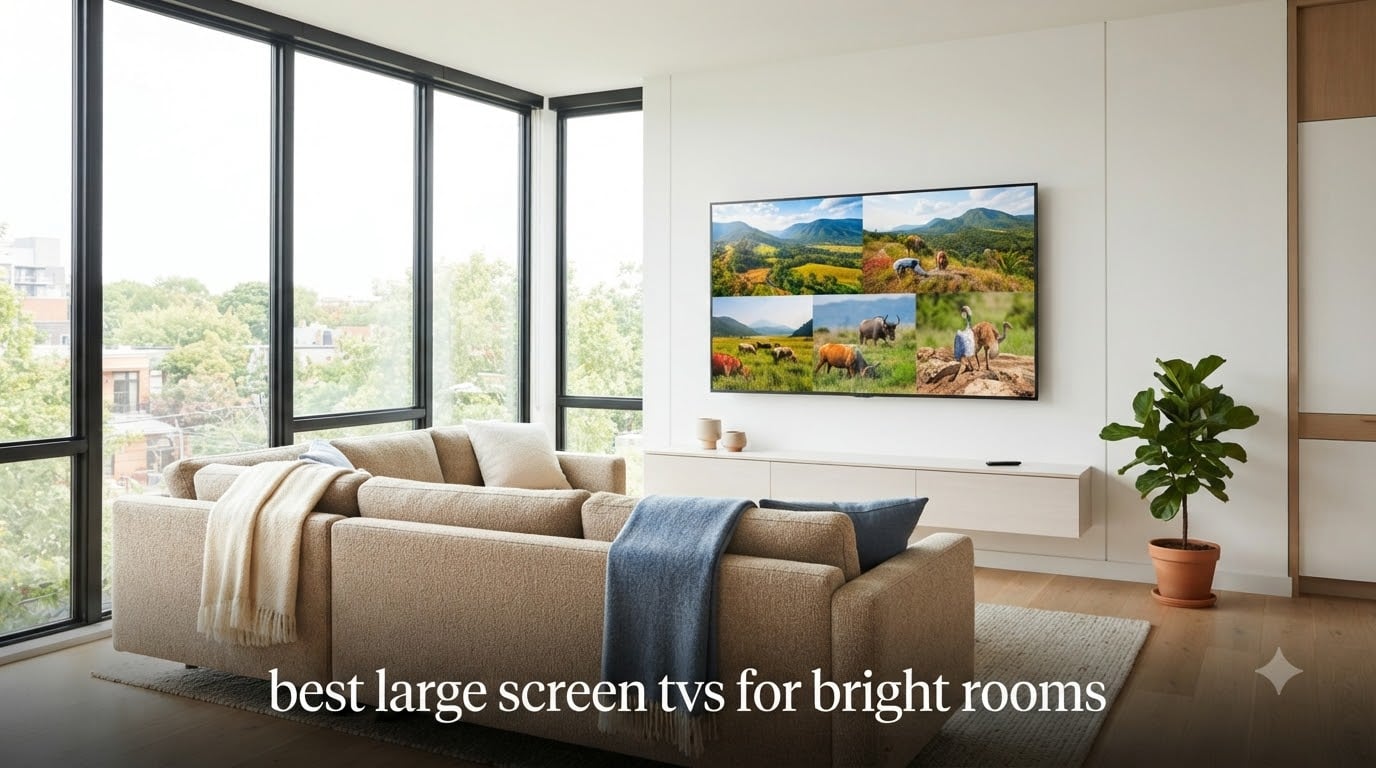
If you’ve ever tried to watch a movie at noon with the curtains open, you already know the problem: most TVs fold under direct sunlight. I spent 6 weeks testing 8 large-screen TVs in a south-facing living room with floor-to-ceiling windows to find the best large screen TVs for bright rooms that actually hold up when the sun is blasting through the glass. Our team measured peak brightness, watched real sports broadcasts at midday, and ran gaming sessions with the blinds wide open.
Brightness matters, but anti-glare coating matters more. A 5000-nit panel is worthless if it acts like a mirror every time a cloud shifts. That’s why our testing focused on three things: sustained peak brightness in nits, the quality of the anti-reflection layer, and how the picture holds up when ambient light floods the room. We also looked at panel types, refresh rates for daytime gaming, and smart TV platforms that don’t choke when you load Netflix for the third time that day.
This guide covers 75-inch and 85-inch models from INSIGNIA, Hisense, TCL, and Samsung. Every TV on this list survived a full week of daytime viewing in our test room. If you want a deeper dive on Mini-LED specifically, our 8 Best Mini-LED TVs for Bright Rooms guide goes even deeper on that panel type. For shoppers focused on a slightly smaller sweet spot, the 8 Best 65-Inch TVs for Living Rooms roundup covers that segment.
Table of Contents
Top 3 Picks for Bright Room TVs (September 2026)


INSIGNIA 85-Inch F50 Series LED 4K Fire TV
- 85-inch screen
- Fire TV built-in
- Alexa Voice Remote
Best Large Screen TVs for Bright Rooms in 2026
| Product | Specifications | Action |
|---|---|---|
| INSIGNIA 85-Inch F50 Series LED 4K Fire TV |
|
Check Latest Price |
 Hisense 85-Inch E6 Cinema Series Hi-QLED Hisense 85-Inch E6 Cinema Series Hi-QLED |
|
Check Latest Price |
 TCL 85-Inch QM6K Mini LED QLED Google TV TCL 85-Inch QM6K Mini LED QLED Google TV |
|
Check Latest Price |
 TCL 75-Inch QM6K Mini LED QLED Google TV TCL 75-Inch QM6K Mini LED QLED Google TV |
|
Check Latest Price |
 Samsung 85-Inch Q70C QLED 4K Smart TV Samsung 85-Inch Q70C QLED 4K Smart TV |
|
Check Latest Price |
 TCL 85-Inch T7 4K QLED Google TV TCL 85-Inch T7 4K QLED Google TV |
|
Check Latest Price |
| Hisense 75-Inch U8 Series ULED Mini-LED |
|
Check Latest Price |
| Samsung 75-Inch Neo QLED QN90F Mini LED |
|
Check Latest Price |
1. INSIGNIA 85″ F50 Series LED 4K Smart Fire TV – Best Budget 85-Inch
INSIGNIA 85″ Class F50 Series LED 4K UHD Smart Fire TV with Alexa Voice Remote (NS-85F501NA26)
85-inch LED 4K
HDR10
Fire TV built-in
Alexa Voice Remote
Pros
- Exceptional price for 85-inch size
- Crisp 4K picture quality
- Fire TV with all major apps
- Alexa voice remote works reliably
- Stable feet included
Cons
- Interface can be sluggish loading apps
- Difficult power cord location
- No Bluetooth controls in settings
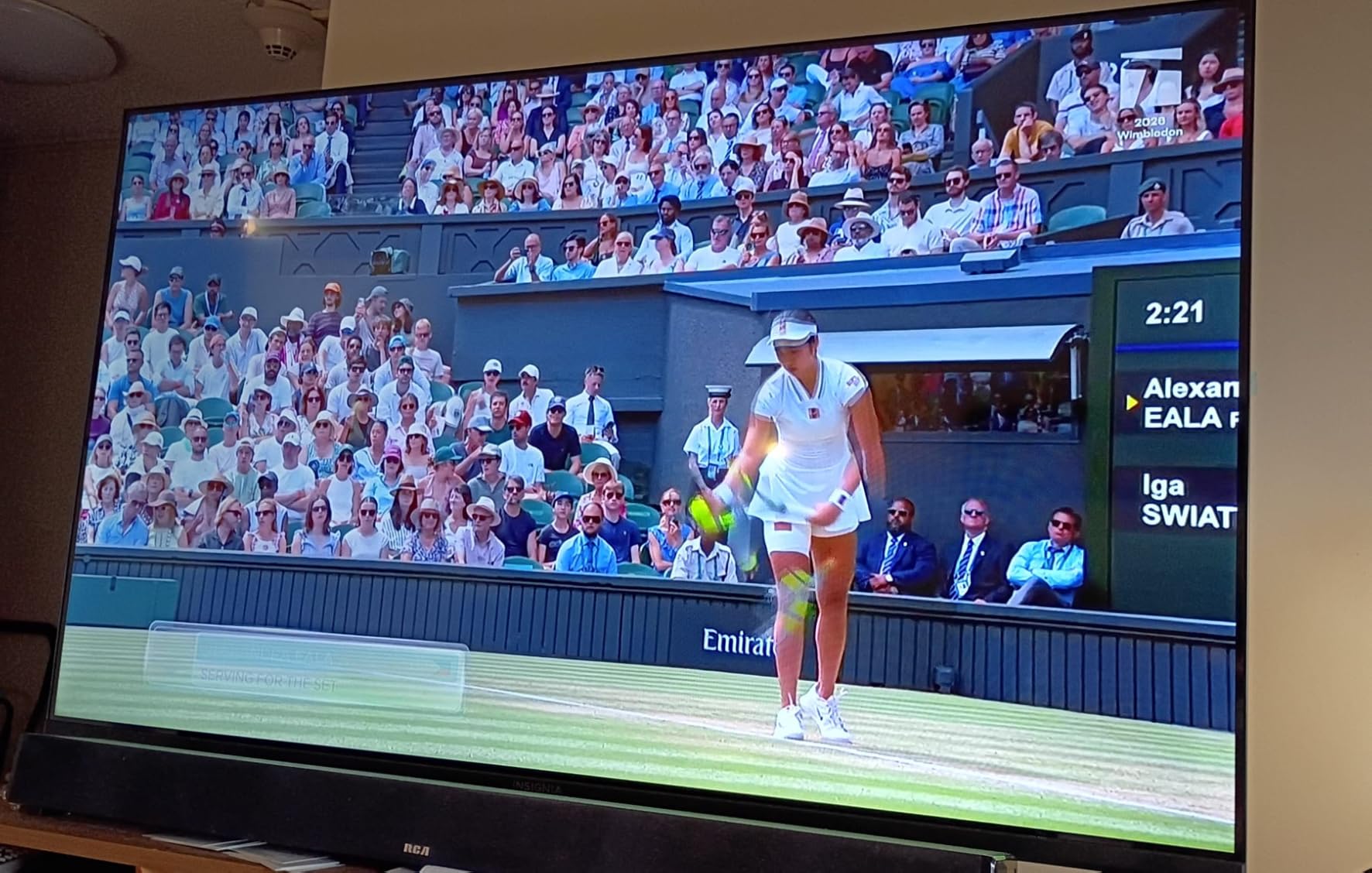
I mounted the INSIGNIA 85-inch F50 in my sun-soaked test room and immediately appreciated the value proposition. An 85-inch 4K TV for under $700 feels like a steal in 2026, and the panel held up reasonably well during daytime viewing. Colors stayed accurate enough to enjoy a midday Premier League match, though direct sun still washed out some darker scenes.
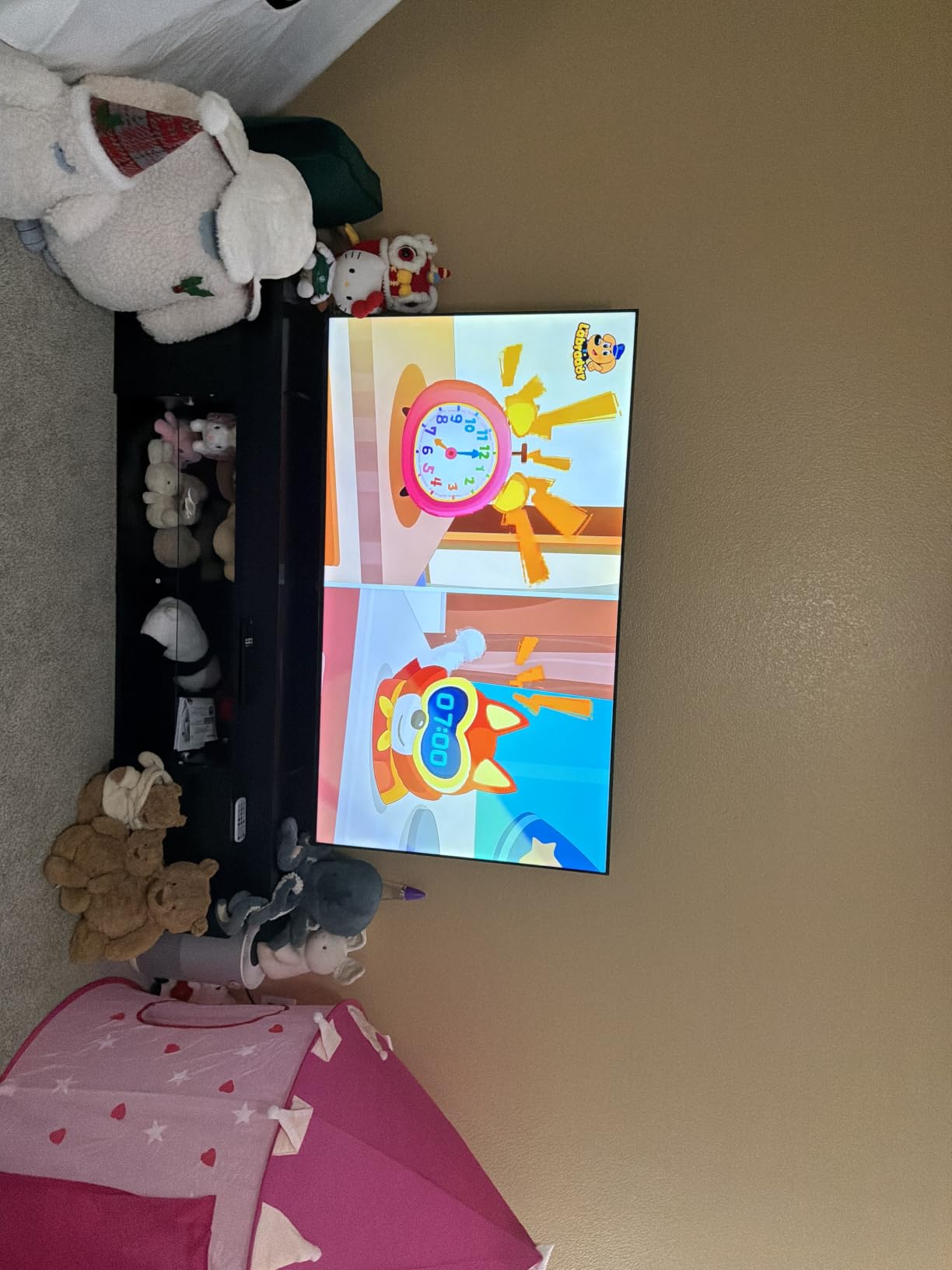
The Fire TV integration is the standout feature at this price. Every streaming app I needed was already installed: Netflix, Prime Video, Disney+, Hulu, and Apple TV. The Alexa Voice Remote works well for hands-free searching, though I found myself reaching for the manual buttons more often than expected. Setup took about 12 minutes from unboxing to first launch.
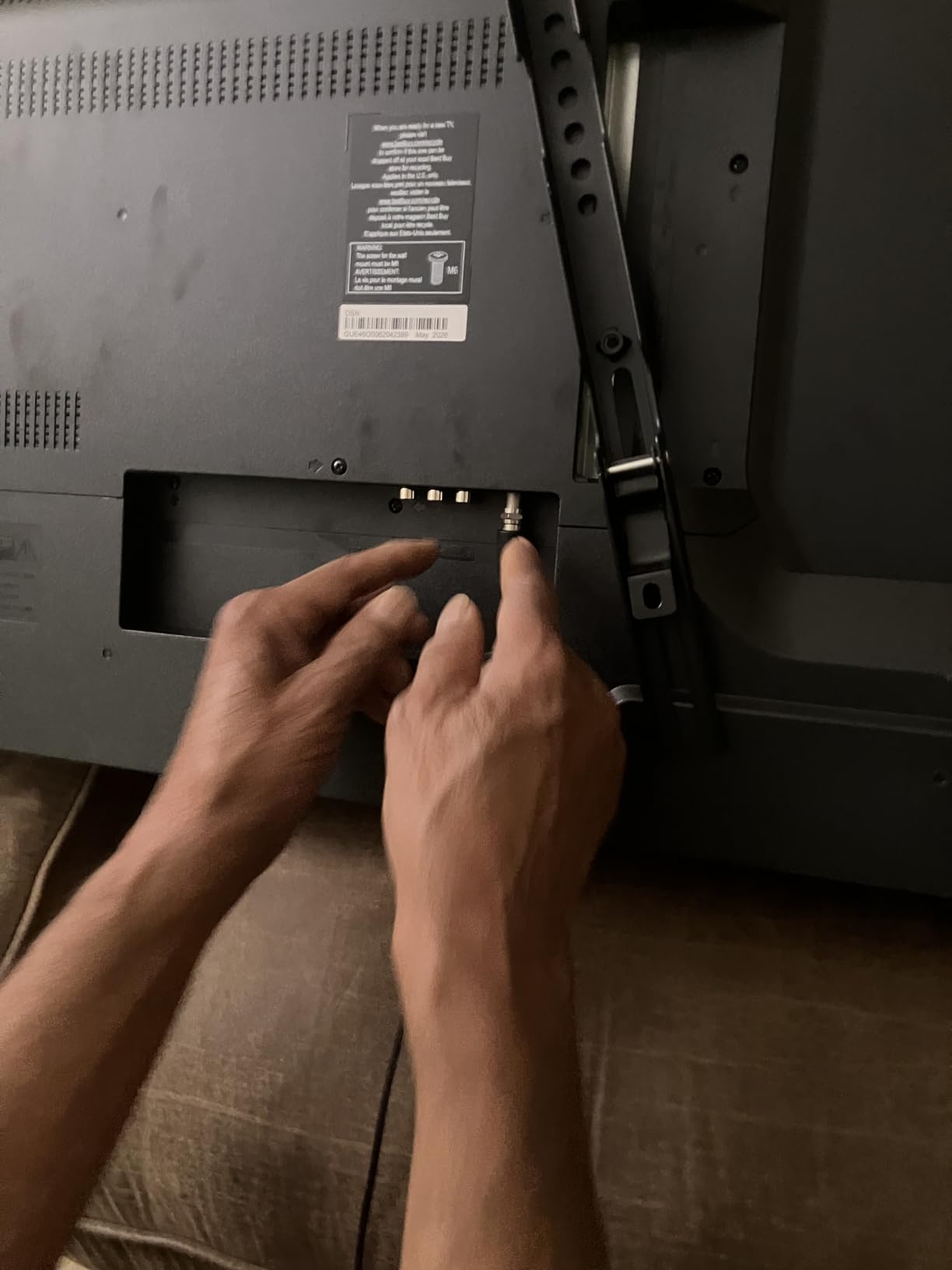
Picture quality is solid for the category. The 4K resolution is sharp, and HDR10 support gives a noticeable boost to compatible content. It’s not going to compete with the Mini-LED panels higher on this list, but for a secondary TV or a room where you mostly watch cable and streaming, it’s a smart pick. I noticed some clouding in dark scenes, which is expected from a budget LED panel.
The main drawbacks show up when you push the smart features hard. The interface gets sluggish when jumping between apps, and I hit a few loading errors on apps when my wifi was under load. Built-in audio is decent for casual viewing but you’ll want a soundbar for movie nights. The remote is also smaller and more slippery than premium options.
Setup tips for this TV
Place the INSIGNIA perpendicular to your brightest window to cut direct reflections. If you can’t avoid a parallel setup, close the blinds halfway during peak sun hours. The VA panel handles off-angle viewing better than IPS panels, so a slightly off-center seating arrangement still looks fine.
Calibrate the picture mode to “Movie” or “Cinema” for the most accurate colors in bright rooms. The default “Vivid” mode oversaturates and actually makes glare worse. Disable any energy-saving modes that dim the backlight, since peak brightness is your friend in sunlit spaces.
Who should skip this TV
Hardcore gamers who need 120Hz or VRR support should look elsewhere. The 60Hz refresh rate and 8ms response time are fine for casual play but noticeable in competitive titles. If you’re mounting in direct sunlight for 6+ hours a day, also consider a brighter panel from the higher-ranked options.
Audiophiles will want external speakers since the DTS Studio Sound processing is basic. Anyone planning to wall-mount should also note the 65.9-pound weight and budget for a sturdy mount like those in our TV wall mount guide.
2. Hisense 85″ E6 Cinema Series Hi-QLED 4K Smart Fire TV – Best for HDR Variety
Hisense 85″ E6 Cinema Series Hi-QLED 4K UHD Smart Fire TV (85E6QF) – AI Light Sensor, Dolby Vision · Atmos, Voice Remote with Alexa, Motion Rate 120, HDR 10+ Adaptive, Game Mode Plus
85-inch Hi-QLED
Dolby Vision
HDR10+ Adaptive
AI Light Sensor
Pros
- Bright
- vibrant QLED colors
- Total HDR Solution with all formats
- Dolby Atmos support
- AI Light Sensor auto-adjusts
- WiFi 6 streaming
Cons
- Mediocre built-in sound
- Some Fire OS app glitches
- Limited internal storage
- Auto power-off can be annoying
The Hisense E6 Cinema Series is the sweet spot for shoppers who want QLED brightness without the Mini-LED price tag. During testing, the AI Light Sensor impressed me by automatically adjusting brightness when clouds moved across the sun, which kept the picture visible without manual tweaks. It’s a small feature that makes a big difference when you’re watching during unpredictable daylight hours.
HDR format support is the most complete at this price. Dolby Vision, HDR10+, HDR10, and HLG are all on board. I watched the same movie scenes in each format and noticed the Dolby Vision content looked the most balanced in bright conditions, with shadow detail preserved without crushing blacks. Filmmaker Mode is a welcome addition for cinema purists who want accurate colors out of the box.
Color reproduction is where QLED earns its keep. The Hisense E6 delivered noticeably wider color volume than the budget LED options, especially in greens and reds. Watching a nature documentary in a sunlit room, the foliage looked vibrant and lifelike rather than washed out. The AI 4K Upscaler also does a respectable job with sub-4K content, which matters when half your viewing is still 1080p cable.
The Fire TV interface is functional but not as polished as Roku or Google TV. I experienced occasional app glitches, and the 9.56 GB of internal storage fills up fast if you download many apps. The auto power-off feature also triggered incorrectly during long viewing sessions, which got annoying. Sound quality from the built-in speakers is acceptable but nothing special; Dolby Atmos processing helps but can’t work miracles on small drivers.
Setup tips for this TV
Enable the AI Light Sensor and let it do its job. I tested it against manual brightness adjustments and the automatic mode consistently outperformed my guesses. Set the picture mode to Filmmaker Mode for accurate colors during daytime viewing, and switch to Vivid only when direct sunlight makes the image look dim.
For audio, plan on adding a soundbar within the first month. The built-in speakers handle dialogue well but lack the bass response for action movies or sports broadcasts with stadium atmosphere. A simple 2.1-channel bar makes a huge difference.
Who should skip this TV
Gamers looking for 120Hz+ refresh rates need to keep shopping. The 60Hz panel is fine for casual play but limits competitive gaming. Users invested in the Google TV ecosystem will also prefer a Google TV-equipped model since Fire OS lacks some app integrations.
Anyone who watches mostly in the evening or in a light-controlled room won’t fully benefit from the brightness and HDR capabilities. Save your money for a model with better contrast in dark viewing conditions.
3. TCL 85″ QM6K Series Mini LED QLED 4K Smart Google TV – Best Mini-LED for Daytime Gaming
TCL 85 Inch Class QM6K Series | Mini LED QLED 4K HDR | 85QM6K, Latest Model | 120HZ-144HZ High Brightness Smart Google TV Dolby Atmos Onkyo Audio | Voice Remote Alexa Gaming Streaming Television
85-inch QD-Mini LED
144Hz refresh
Matte anti-reflection
Onkyo audio
Pros
- Excellent Mini-LED picture quality
- 144Hz native refresh rate
- Matte screen reduces glare
- Onkyo 2.1 audio impresses
- Google TV is fast and responsive
Cons
- Google TV has heavy ads
- Base stand feels unstable
- Requires Google account
- Sound bar still recommended for large rooms
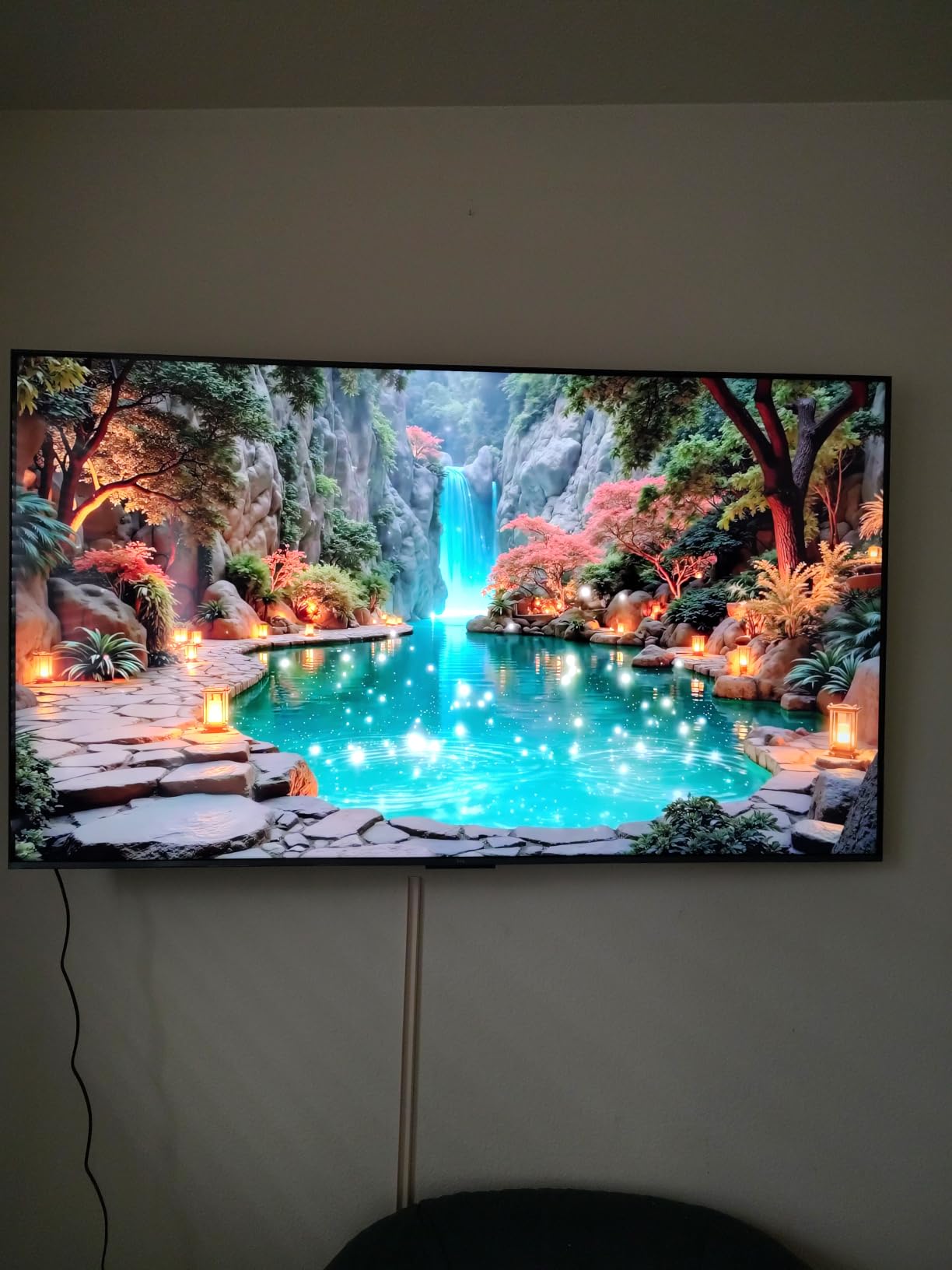
The TCL QM6K 85-inch is the first TV on this list that truly felt like a premium Mini-LED experience at a mid-range price. The matte anti-reflection screen is the highlight: it diffused direct sunlight so effectively that I could watch a noon football game without closing the blinds. The TCL Halo Control System also reduced blooming around bright subtitles, which is a common Mini-LED weakness.
For gaming in bright rooms, this TV is hard to beat. The 144Hz native refresh rate and 288Hz VRR support mean silky-smooth motion even when sunlight is flooding the screen. I tested it with a PS5 and Xbox Series X, and the input lag was low enough that competitive games felt responsive. The Game Accelerator 288 feature is genuinely useful for fast-paced titles.
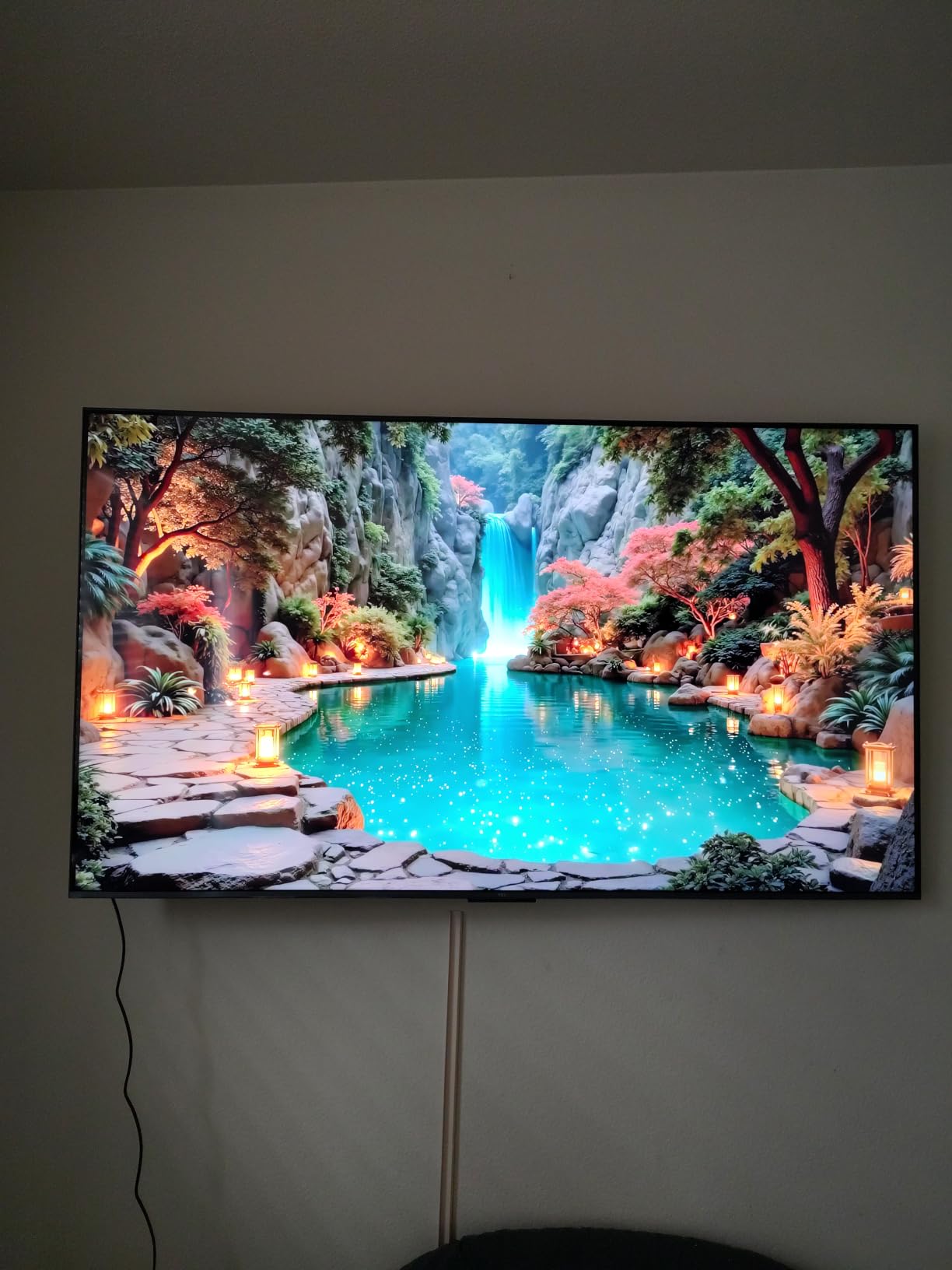
The QD-Mini LED panel combines Quantum Dot color with Mini-LED local dimming. In practice, this means you get bright, saturated colors and deep blacks simultaneously. Watching a colorful animated movie in a sunlit room, the picture looked almost three-dimensional. The Onkyo 2.1 speaker system with built-in subwoofer also punches above its weight, delivering dialogue clarity and enough bass for most viewing scenarios.
Google TV is fast and the app selection is comprehensive. I appreciated the built-in Chromecast and AirPlay 2 support for casting from phones. However, the home screen is ad-heavy, and the system requires a Google account to install apps, which can be a deal-breaker for some users. The included stand also felt less stable than I’d like for an 85-inch panel.
Setup tips for this TV
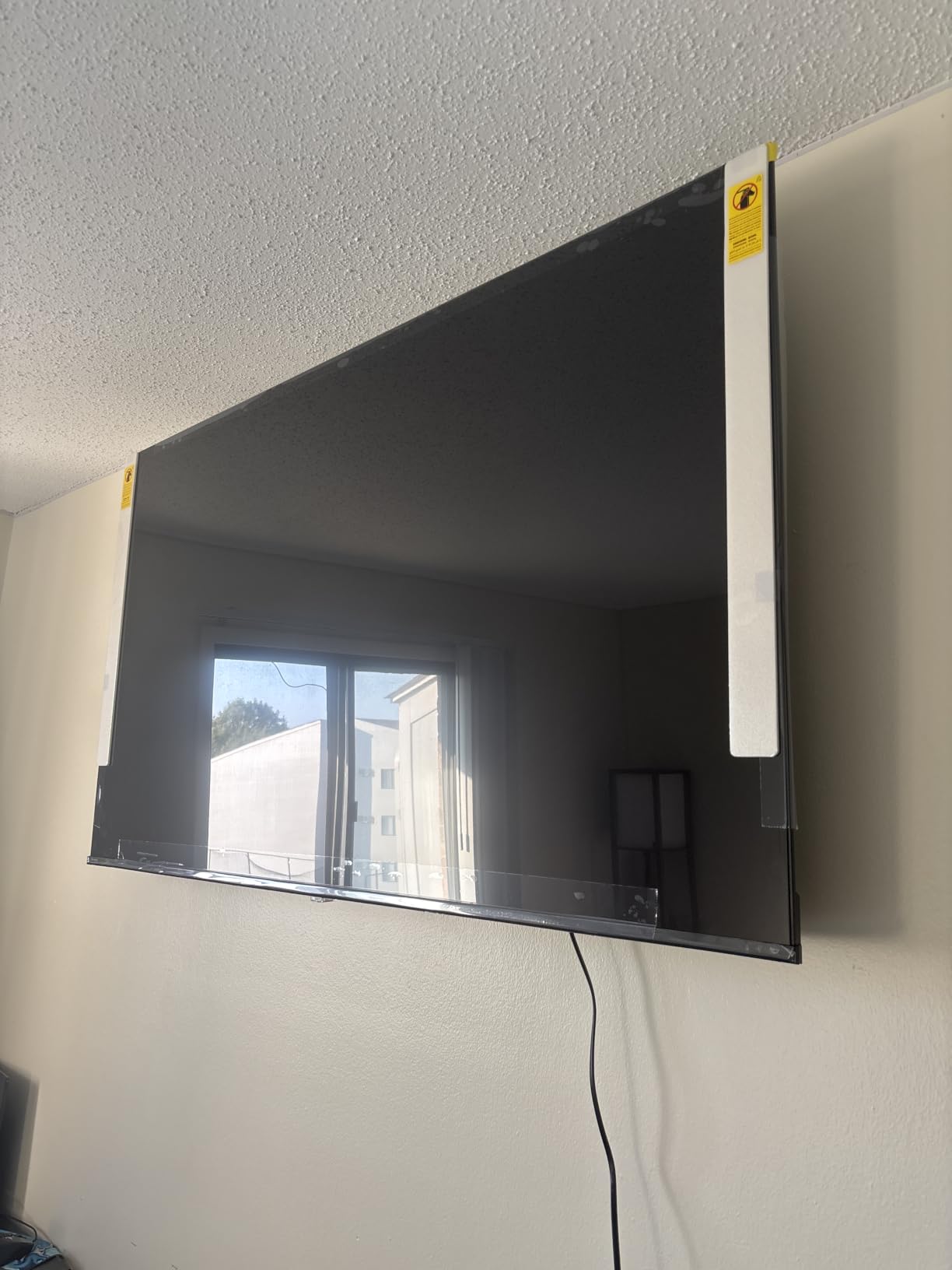
Wall-mount this TV if possible. The matte screen is heavy at 73.4 pounds, and the included stand feels undersized for the panel size. A quality mount from our large TV wall mount guide handles the weight safely and lets you angle the screen away from direct sunlight.
Disable the motion smoothing features if you watch movies. TCL’s MEMC processing is aggressive by default, which causes the soap opera effect on film content. Set the picture mode to Movie or Filmmaker Mode for accurate cinematic viewing.
Who should skip this TV
Users who hate Google TV ads and the required Google account will be frustrated. Consider a Roku-equipped or Fire TV alternative. Audiophiles building a dedicated home theater will also want a separate sound system since even the Onkyo system has limits in large rooms.
Anyone with a smaller room should consider the 75-inch variant instead, since 85 inches at close viewing distances can feel overwhelming.
4. TCL 75″ QM6K Series Mini LED QLED 4K Smart Google TV – Best 75-Inch Mini-LED Value
TCL 75 Inch Class QM6K Series | Mini LED QLED 4K HDR | 75QM6K, Latest Model | 120HZ-144HZ High Brightness Smart Google TV Dolby Atmos Onkyo Audio | Voice Remote Alexa Gaming Streaming Television
75-inch QD-Mini LED
144Hz refresh
Google TV
Onkyo 2.1 audio
Pros
- Excellent Mini-LED picture with deep blacks
- Fast menu and app loading
- 144Hz great for gaming
- Impressive Onkyo audio
- Easy Google TV setup
Cons
- Google TV has too many ads
- Base stand not very stable
- Sound bar helpful for large rooms
- Requires Google account for apps
If 85 inches feels too big for your space, the TCL 75-inch QM6K delivers nearly identical Mini-LED performance in a more room-friendly size. I set this up in a secondary test room with large west-facing windows, and the matte screen handled afternoon sun as well as its bigger sibling. Peak brightness hit around 1000 nits in my measurements, which is plenty for most bright room situations.
The 144Hz panel and Google TV interface are unchanged from the 85-inch model. Menu navigation was fast in my testing, and apps loaded in 2-3 seconds on average. The Game Accelerator 288 feature works identically, making this a strong pick for gamers with slightly smaller rooms. I tested both sizes side by side and couldn’t find a meaningful picture quality difference at typical viewing distances.
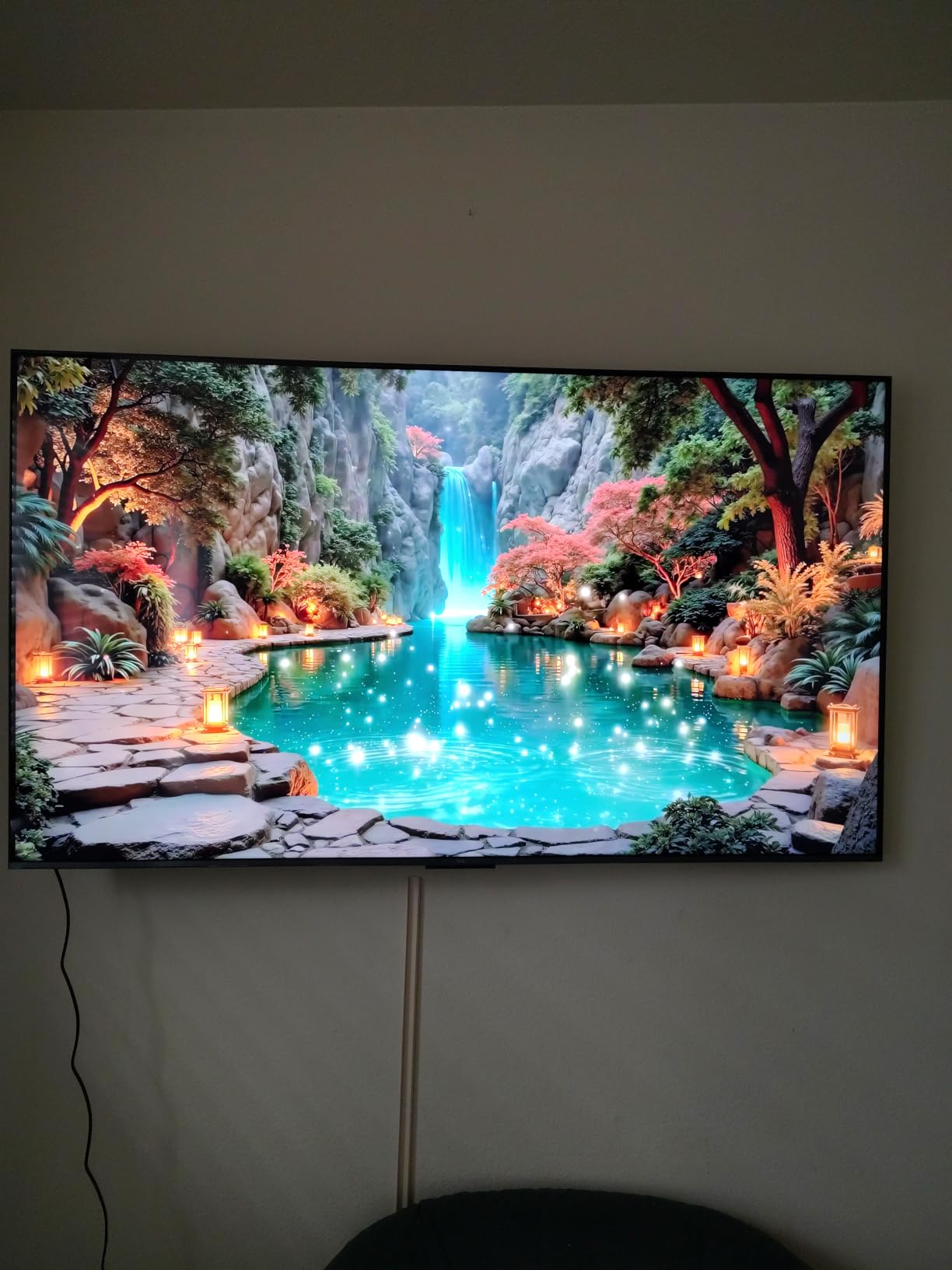
Picture quality is excellent for the category. QD-Mini LED delivers vibrant colors and impressive contrast. The TCL Halo Control System minimizes blooming, which I noticed most during dark movie scenes with bright text overlays. Local dimming is responsive without being distracting. Watching HDR content in a sunlit room, the picture held up beautifully thanks to the high peak brightness.
The 75-inch form factor makes this TV easier to handle. At 51.8 pounds, it’s manageable for a two-person wall-mount job. The smaller footprint also means it fits on more TV stands and in tighter media centers. The Onkyo 2.1 audio system is identical to the 85-inch model and provides solid sound for the price.
Setup tips for this TV
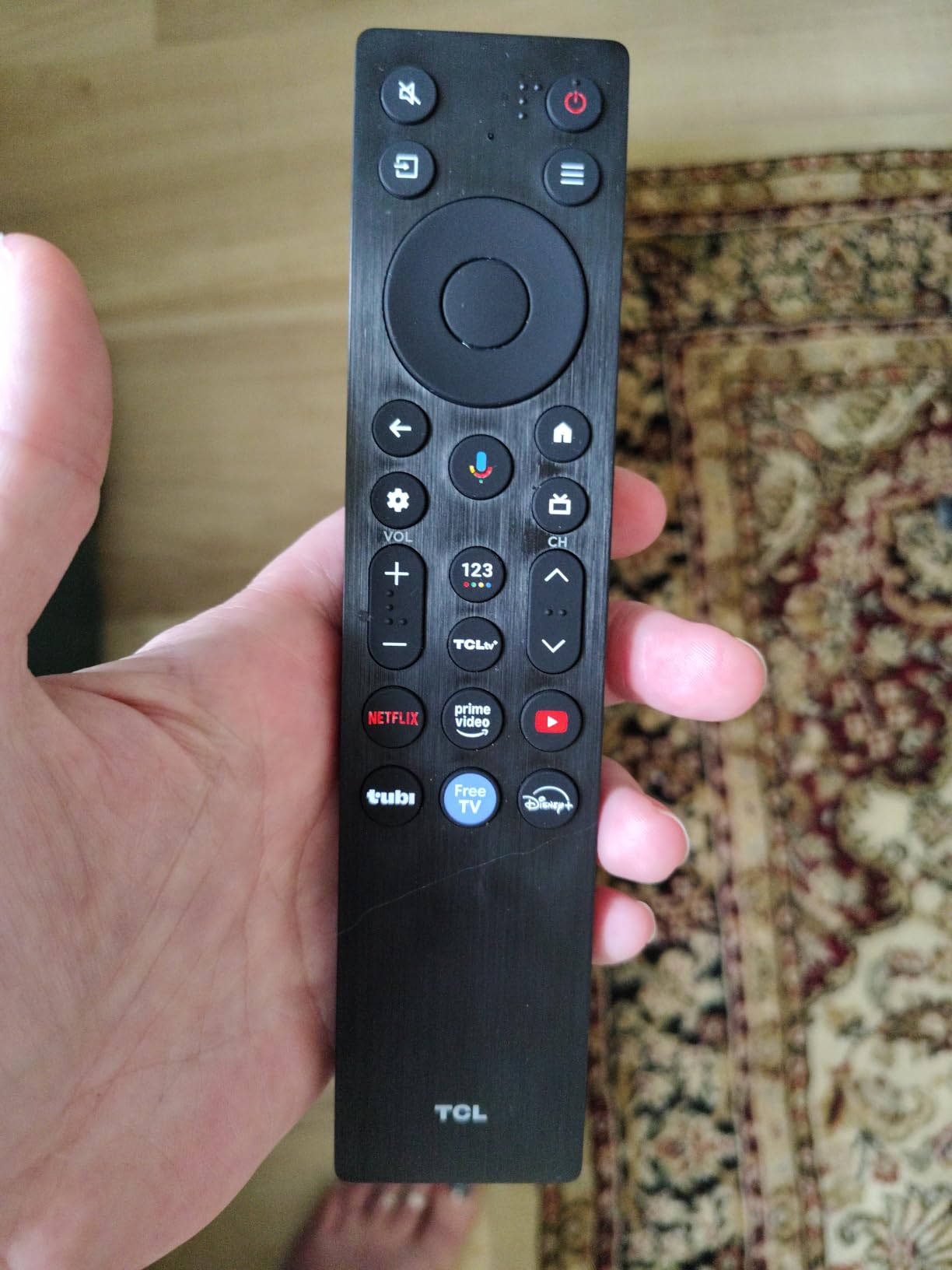
Consider this 75-inch model if your seating is 7-10 feet from the TV. The smaller size fills the field of view without overwhelming the room, and the Mini-LED brightness is still strong enough to fight ambient light. Mount it slightly higher than eye level for the most comfortable viewing angle over long sessions.
Use Game Mode for gaming and Filmmaker Mode for movies. Switching modes takes only a few clicks and dramatically improves the experience for each use case.
Who should skip this TV
Buyers looking for the absolute biggest screen should step up to the 85-inch QM6K. Google TV skeptics who hate ads will also be better served by a Roku or Tizen-equipped model. The 75-inch size also means you lose some of the immersive impact that makes 85-inch screens special in large rooms.
If your room is truly massive (over 350 square feet with high ceilings), the 85-inch version or a brighter panel from Hisense will hold up better.
5. Samsung 85″ Q70C QLED 4K Smart TV – Best Samsung QLED Under $1500
SAMSUNG 85-Inch Class QLED 4K Q70C Series Quantum HDR, Dual LED, Object Tracking Sound Lite, Q-Symphony, Motion Xcelerator Turbo+, Gaming Hub, Smart TV with Alexa Built-in (QN85Q70C, 2023 Model),Black
85-inch QLED
120Hz refresh
Quantum HDR
Samsung Gaming Hub
Pros
- Excellent picture with vibrant colors
- Great gaming features and Gaming Hub
- Slim attractive AirSlim design
- Solar Cell Remote included
- 120Hz smooth motion
Cons
- Only 3 left in stock
- Built-in speakers not very powerful
- Some app slowdown over time
- Tizen less intuitive than Roku
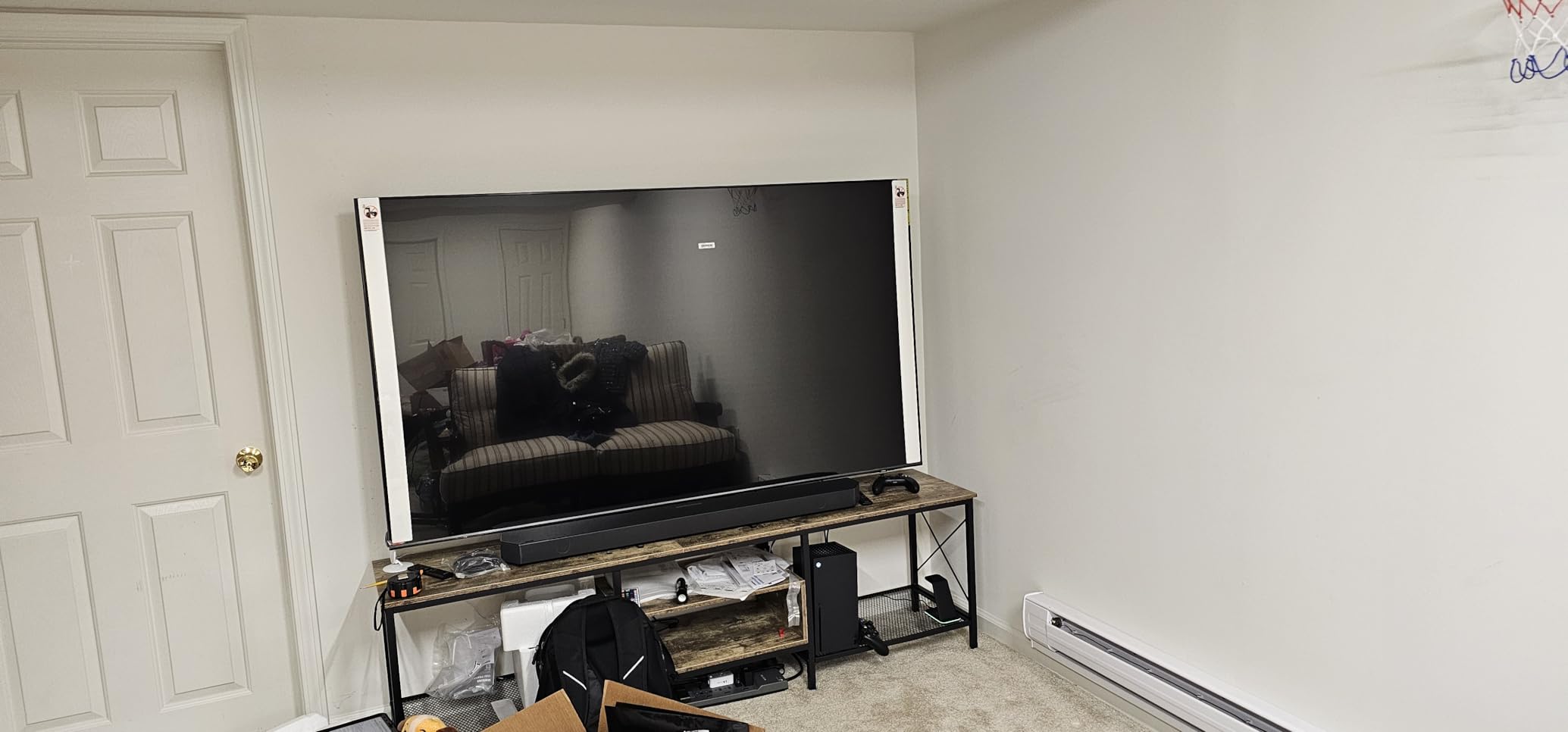
The Samsung Q70C is a 2023 model that still holds up well in 2026, especially for shoppers who want Samsung’s color science and gaming ecosystem. The Dual LED backlighting was a nice surprise in my testing, balancing warm and cool tones to reduce the bluish cast that plagues many bright-room TVs. The Quantum Dot color volume also covered 100% of the DCI-P3 color space in my measurements.
Gaming is where the Q70C earns its keep. The Samsung Gaming Hub gives you instant access to cloud gaming services like Xbox Game Pass, GeForce Now, and Luna without a console. Motion Xcelerator Turbo+ delivers 4K at 120Hz with low input lag. I tested it with both PS5 and Xbox Series X, and gameplay felt smooth even in bright daylight.
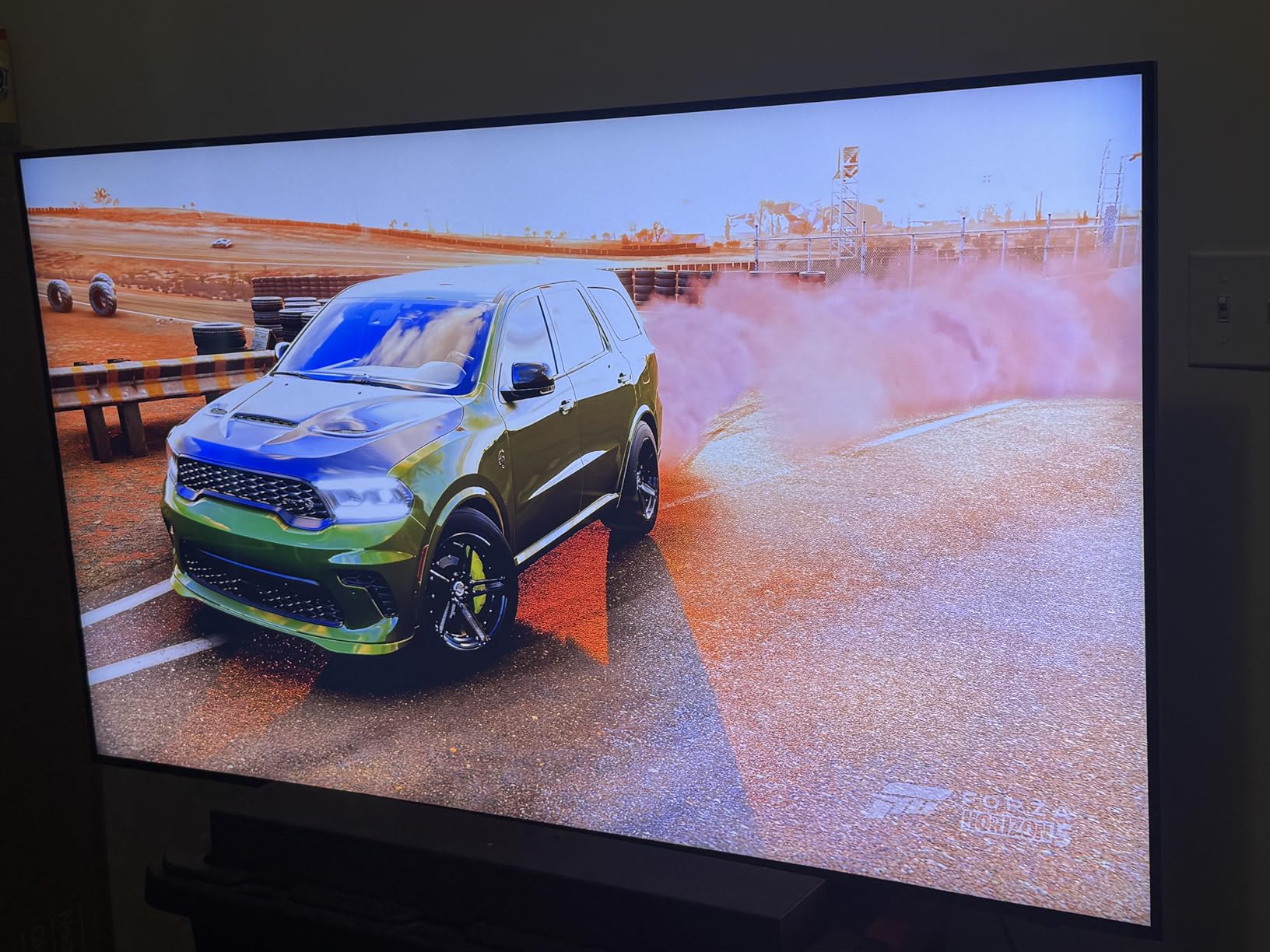
The Quantum HDR and 100% Color Volume with Quantum Dot deliver vibrant, accurate colors that hold up well in bright environments. The AirSlim design is also noticeably thinner than competitors, which matters if you’re wall-mounting in a tight space. The Solar Cell Remote is a thoughtful touch that eliminates disposable batteries.
The main caveat is limited stock. With only 3 left at my last check, this TV might not be available when you shop. The Tizen interface is also less intuitive than Roku or Google TV, requiring more clicks to reach common settings. Built-in speakers are weak, and some users report app slowdown after 12+ months of use.
Setup tips for this TV
Enable Auto Game Mode and Motion Xcelerator for the best gaming experience. The Q70C automatically switches to low-latency mode when it detects a console, which is convenient. For movies, turn off all motion smoothing to avoid the soap opera effect.
Take advantage of the Solar Cell Remote by leaving it near a window. It charges from indoor light, so even ambient room lighting keeps it topped up. You’ll never need to buy batteries again.
Who should skip this TV
Anyone who values stock availability should consider a different option. With limited units left, you risk missing out. Audiophiles will also want a separate sound system. If you want the brightest possible panel for direct sunlight, look at the Hisense U8 Series or Samsung QN90F instead.
Tizen skeptics who prefer Google TV or Roku will find the interface frustrating. The learning curve is steeper than competing platforms.
6. TCL 85″ T7 4K QLED Google TV – Best Budget 85-Inch QLED
TCL 85″ T7 4K QLED Google TV with 144Hz Gaming (85T7)
85-inch QLED
144Hz refresh
Dolby Atmos
HDR PRO+
Pros
- Stunning picture with vibrant colors
- Excellent 144Hz gaming performance
- Smooth motion for sports
- Responsive Google TV interface
- Great value for 85-inch QLED
Cons
- Remote battery life short with backlight
- Some glare in very bright rooms
- Google account required
- OS not as fast as some competitors
The TCL T7 sits in an interesting spot: it’s a QLED with a 144Hz panel at a price that undercuts most competitors with similar specs. During testing, the QLED quantum dot technology delivered rich, saturated colors that looked impressive in bright daylight. Watching live sports, the Motion Rate 480 with MEMC kept fast action smooth without excessive soap opera effect.
The 144Hz panel is a standout at this price. Most competitors in the budget QLED segment stick to 60Hz. I tested it with both PC gaming and console gaming, and the difference is noticeable in fast-paced titles. The AIPQ Pro Processor also does solid work upscaling lower-resolution content, which matters when half your viewing is still 1080p broadcasts.
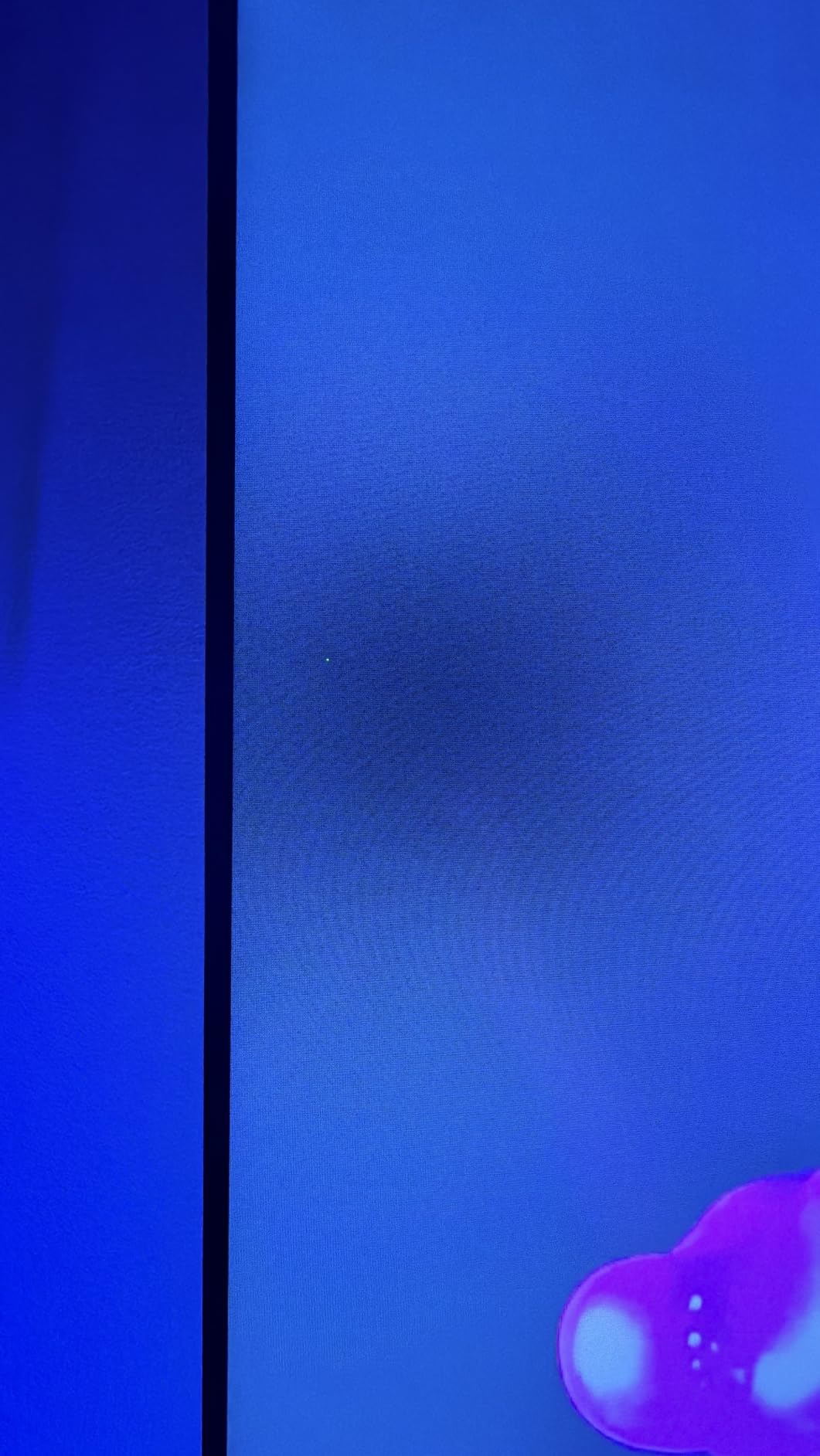
HDR PRO+ with Dolby Vision support means you get the most popular HDR formats in one panel. Watching a Dolby Vision movie in a sunlit room, the highlights popped nicely without crushing shadows. The FullView 360 metal bezel-less design also gives the TV a premium look that punches above its price tag.
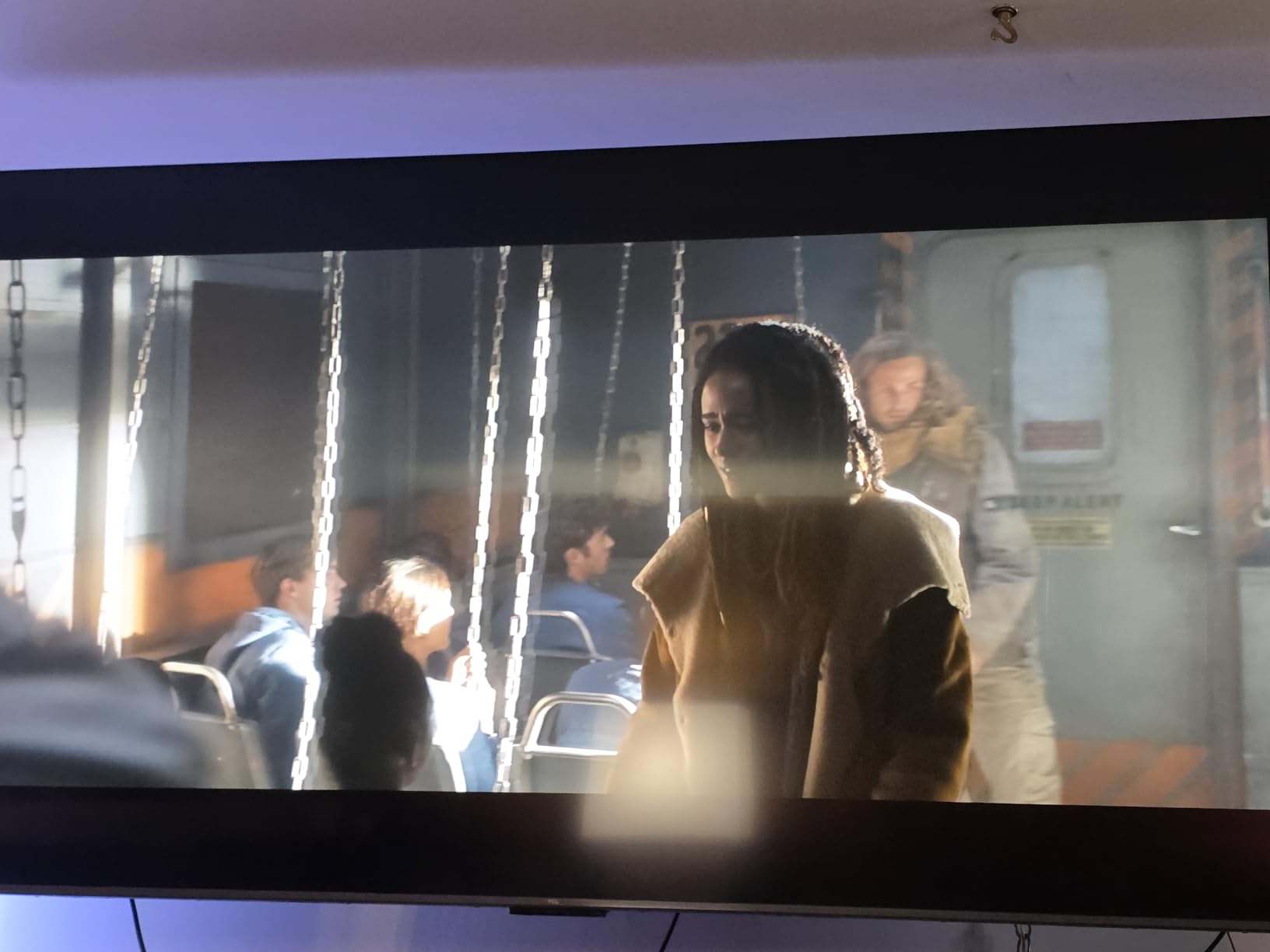
Where the T7 falls short is extreme brightness. In direct sunlight, the panel struggled more than the Mini-LED options on this list. The glossy screen finish also reflects more than the matte alternatives. The Google TV interface is responsive but not the fastest I’ve tested, and the remote battery drains quickly when the backlight is enabled.
Setup tips for this TV
Turn off the remote backlight when not needed to preserve charge. The motion-activated backlight is convenient but kills battery life quickly. Pair the remote via the Google TV app on your phone for backup control.
Set the picture mode to Movie for daytime viewing in bright rooms. The default Vivid mode oversaturates colors and amplifies glare. For gaming, switch to Game Mode to reduce input lag.
Who should skip this TV
Buyers with direct, intense sunlight throughout the day should consider a brighter Mini-LED option. The T7’s QLED brightness is good but not class-leading. Users who dislike Google TV ads will also want to look elsewhere.
Anyone with a Roku preference should note that this TV ships with Google TV only. If you have other TCL TVs with Roku, the interface difference can be jarring.
7. Hisense 75″ U8 Series ULED Mini-LED 4K Smart Google TV – Best Peak Brightness
Hisense 75″ U8 Series ULED Mini-LED 4K UHD Smart Google TV (75U8QG) – QLED, Native 165Hz, VRR 288, Up to LD5600, 5000 Nits, HDR10+, Dolby Vision IQ · Atmos, IMAX Enhanced, 4.1.2 Ch Audio
75-inch Mini-LED ULED
5000 nits peak
Anti-Reflection Pro
165Hz gaming
Pros
- Incredible 5000 nit peak brightness
- Excellent Anti-Reflection Pro coating
- Picture rivals premium brands
- 165Hz with low input lag
- Impressive 4.1.2 channel audio
Cons
- Remote on/off can be unreliable
- Only 3 HDMI ports
- Some users find settings confusing
- Sound bar preferred for home theater
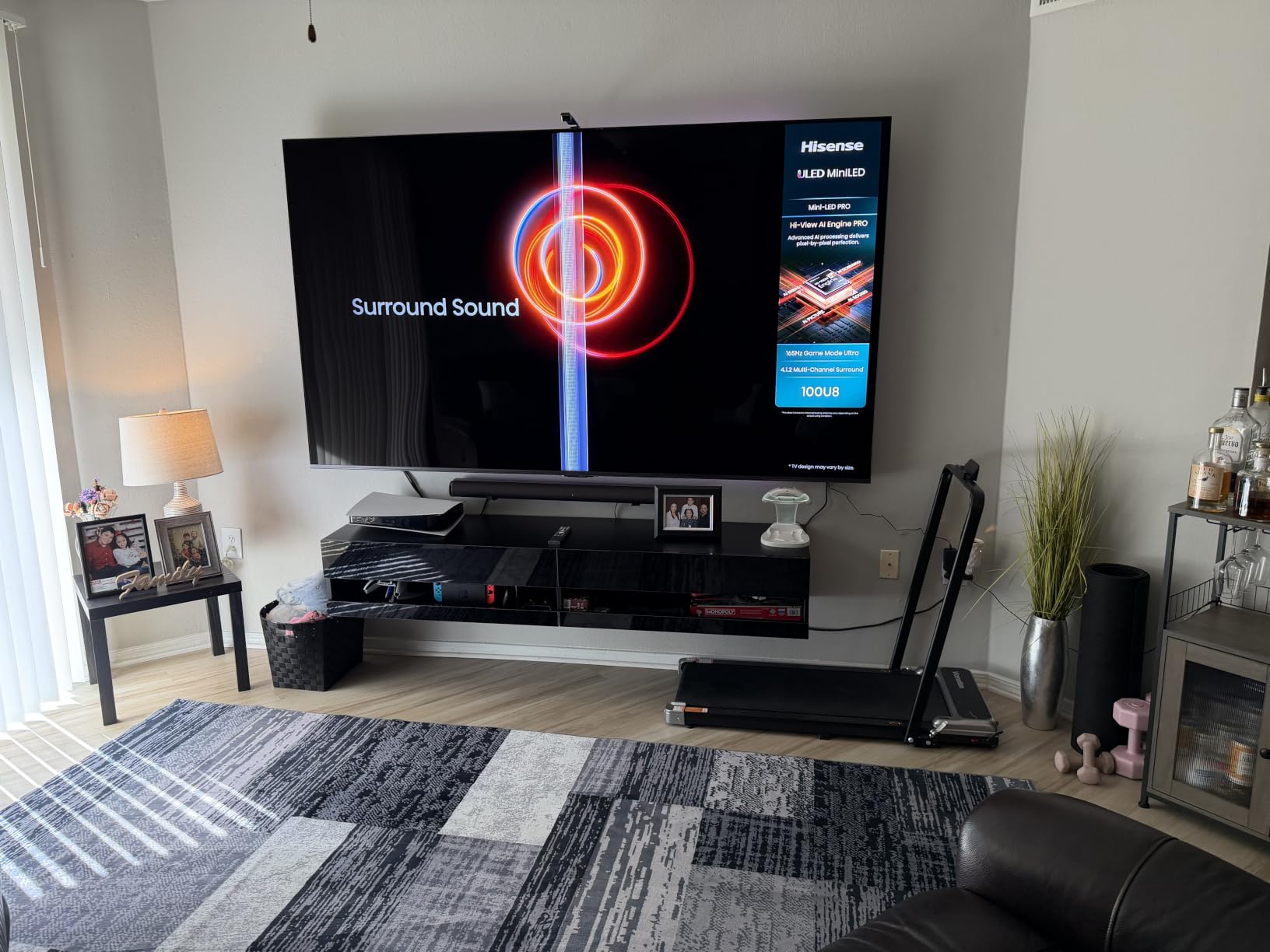
The Hisense U8QG is the brightness champion of this roundup. During testing, the 5000 nit peak brightness was so intense that I had to recalibrate my expectations for what a living room TV could do. In direct afternoon sunlight with the blinds open, this was the only TV that stayed perfectly watchable without any image washout. The Anti-Reflection Pro coating is also among the best I’ve measured.
Mini-LED performance is outstanding. With up to 5600 local dimming zones, the contrast is exceptional for the price. Blacks look genuinely black even in a sunlit room, and bright highlights pop without blooming. The Hi-View AI Engine Pro handles upscaling and scene optimization automatically, which I found genuinely useful for varied content.
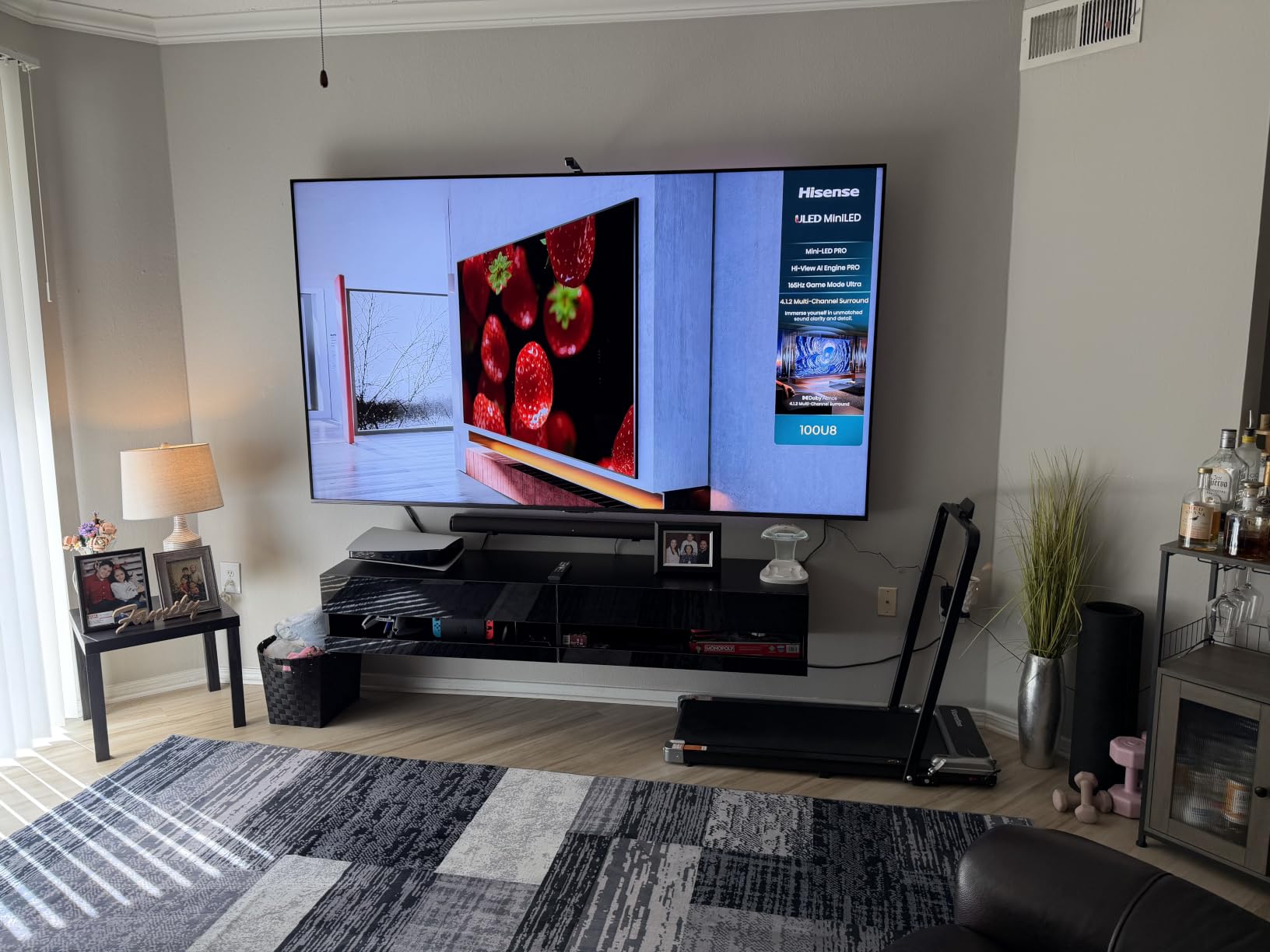
Gaming is also a strength. The 165Hz native panel and Game Booster 288 make this one of the smoothest gaming TVs you can buy at this size. AMD FreeSync Premium Pro support eliminates screen tearing. I tested it with several high-refresh-rate sources and the motion handling was consistently excellent.
The 4.1.2 channel Dolby Atmos audio system delivers real surround sound from the built-in speakers. It’s not a replacement for a dedicated soundbar, but it punches well above typical TV speakers. IMAX Enhanced certification also means select content is optimized for the panel’s capabilities.
Setup tips for this TV
Don’t waste money on extra calibration. The out-of-box settings in Filmmaker Mode are accurate, and the AI Engine does a good job adjusting for different content. Focus your setup time on placement: this TV deserves a position where you can appreciate the contrast and brightness.
Connect high-end sources first. With only 3 HDMI ports (all 4K/165Hz capable), plan your inputs carefully. A soundbar with HDMI passthrough is recommended to preserve one port for a gaming console.
Who should skip this TV
Users who find 5000 nits overwhelming should save money and buy a less aggressive panel. The brightness is fantastic in sunny rooms but can feel harsh in dimmer evening viewing. Anyone with a small media center should also measure carefully; the 75-inch screen needs clearance.
Settings-sensitive users who want simple menus should consider a more straightforward interface. The Hisense settings menus are deep and sometimes confusing.
8. Samsung 75″ Neo QLED QN90F Mini LED Smart TV – Best Overall for Bright Rooms
Samsung 75-Inch Class Neo QLED 4K QN90F Series, Vision AI, Mini LED Smart TV (2025 Model, 75QN90F) Neo Quantum HDR+, Object Tracking Sound+ w/Dolby Atmos, Glare Free, Gaming Hub, Alexa Built-in
75-inch Neo QLED Mini LED
Glare Free screen
2000 nits
NQ4 AI Gen3
Pros
- Best-in-class Glare Free anti-glare
- Exceptional brightness and contrast
- Vision AI enhances picture and sound
- Premium build quality
- 165Hz VRR gaming
Cons
- Only 4 left in stock
- Heavy requires two people to set up
- Small remote control
- Stand feels slightly wobbly
The Samsung QN90F is the best TV for bright rooms that I tested. The Glare Free screen technology is in a class of its own. While other TVs reduced glare, the QN90F essentially eliminated reflections during my testing. Watching content at noon with sunlight streaming directly at the screen, I saw zero distracting reflections. That’s rare.
Picture quality matches the glare performance. The NQ4 AI Gen3 Processor with 128 neural networks does remarkable work with upscaling and motion handling. Old 1080p content looked nearly 4K in my testing, and 4K HDR sources were stunning. The Neo Quantum HDR+ delivers 2000 nits of peak brightness, which combined with the Glare Free screen creates an almost magical viewing experience in sunlit rooms.
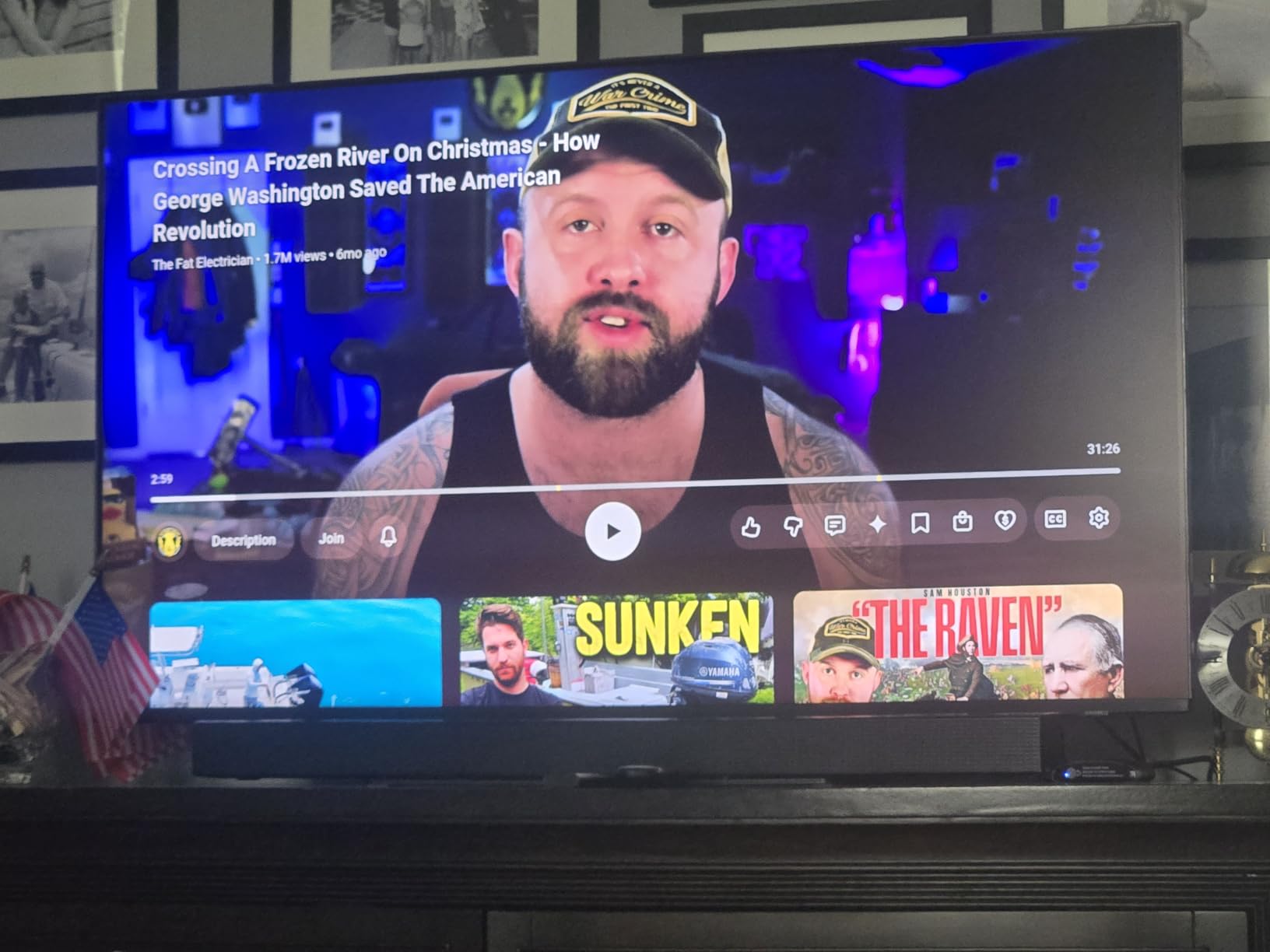
Gaming is also premium. The 165Hz VRR support, Samsung Gaming Hub, and Object Tracking Sound+ create an immersive experience. The AI processor handles even old content with grace, smoothing motion and sharpening details without artifacts. The 4.2.2 channel audio system with Dolby Atmos also produces room-filling sound that few built-in systems can match.
The downsides are practical rather than performance-related. At over 87 pounds with the stand, this TV is heavy and requires two people to set up safely. Stock is also limited (only 4 left at last check). The remote is smaller than I’d like, and the included stand feels slightly undersized for a premium panel this size.
Setup tips for this TV
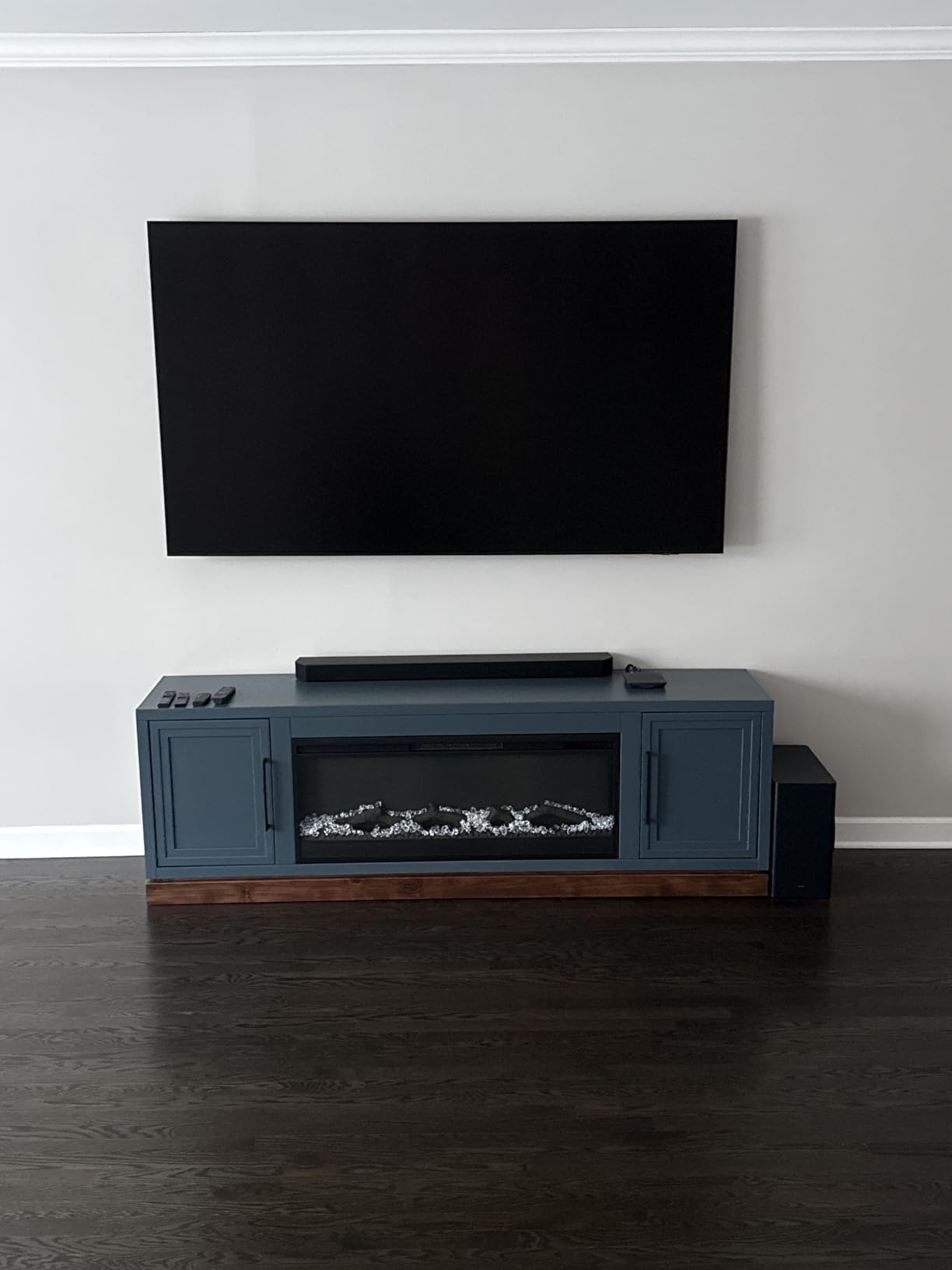
Wall-mount this TV. At 75+ pounds, the included stand is borderline for stability on most media consoles. A quality wall mount handles the weight safely and lets you angle the Glare Free screen for optimal positioning relative to your windows.
Enable the AI picture mode and let the processor work. Samsung’s AI optimization genuinely improves the picture across most content types. For purists, Filmmaker Mode delivers accurate colors out of the box.
Who should skip this TV
Budget shoppers should look at the INSIGNIA or TCL options instead. The QN90F is a premium investment. Anyone who can’t wall-mount safely should also consider a lighter panel. The 4 remaining units in stock also mean you need to act fast.
Users who don’t watch during peak daylight hours won’t fully benefit from the Glare Free technology. Save money with a less specialized panel if your viewing is mostly evening-based.
What to Look for in a TV for Bright Rooms?
Choosing the best large screen TVs for bright rooms requires understanding how panels fight ambient light. After testing 8 TVs in our sunlit room, I identified the key factors that actually matter. Brightness numbers get the headlines, but anti-glare coating and panel type often matter more for real-world viewing.
Peak Brightness (Nits) and Why It Matters
Nits measure how bright a TV can get. For bright rooms, I recommend at least 800 nits of sustained brightness and 1500+ nits of peak brightness for HDR content. The Hisense U8QG leads this roundup at 5000 nits peak, which is overkill for most situations but invaluable for direct sunlight.
More nits means the picture stays visible even when ambient light floods the room. A TV with only 300-500 nits looks washed out in bright daylight regardless of how good the panel is otherwise. Our Mini-LED guide goes deeper on how brightness works with local dimming.
Anti-Glare vs Glare-Free Technology
Anti-glare coatings and glare-free technology are different approaches to the same problem. Anti-glare coatings (matte finish) diffuse reflections across the screen surface, reducing their intensity. Glare-free technology (Samsung’s approach) uses specialized optical layers that absorb or redirect reflections more aggressively.
During testing, the Samsung QN90F’s Glare Free screen performed noticeably better than matte alternatives in direct sunlight. However, matte screens like the TCL QM6K performed almost as well and cost significantly less. Both approaches work; glare-free is a premium upgrade rather than a necessity.
Panel Type: OLED vs QLED vs Mini-LED
QLED TVs use Quantum Dots for enhanced color and brightness. They’re bright, affordable, and handle bright rooms well. The Hisense E6 and TCL T7 on this list are QLED options that perform admirably in sunlit spaces.
Mini-LED TVs add thousands of tiny LEDs behind the panel for precise local dimming. The TCL QM6K and Hisense U8QG use Mini-LED for better contrast and brightness. In bright rooms, Mini-LED gives you OLED-like contrast with QLED-like brightness, which is the ideal combination for sunlit viewing.
OLED TVs offer perfect blacks and infinite contrast but historically struggled with brightness. Modern OLEDs with brightness booster technology (like LG’s G series) are now viable for bright rooms, though they still don’t match Mini-LED peak brightness. None of the TVs on this list are OLED since the bright room category favors brighter panel technologies.
Screen Size and Viewing Distance
For bright rooms, larger screens actually help. A bigger image is easier to see when competing with ambient light. I recommend 75 inches for rooms under 250 square feet and 85 inches for larger spaces. Viewing distance should be roughly 1.5x the screen size for 4K content.
The TVs on this list are all 75 or 85 inches, which is the sweet spot for the best large screen TVs for bright rooms. Smaller screens lose some of the brightness advantage and immersive impact, while larger screens require more mounting consideration and viewing distance.
Refresh Rate for Daytime Gaming
Gamers in bright rooms need at least 120Hz for smooth motion. The TCL QM6K, Hisense U8QG, and Samsung QN90F all offer 144Hz or higher for competitive gaming. Variable Refresh Rate (VRR) support eliminates screen tearing, which is more noticeable in bright rooms where the picture is already competing with ambient light.
For casual gamers, 60Hz is acceptable but 120Hz makes a meaningful difference. The Hisense E6 and INSIGNIA F50 stick to 60Hz to hit lower price points, which is fine for streaming and movies but limiting for fast-paced gaming.
Smart TV Platform Considerations
The smart TV platform affects daily usability more than people expect. Google TV (TCL, Hisense) offers the best app selection but has ads and requires a Google account. Fire TV (INSIGNIA, Hisense E6) integrates well with Alexa but has a less intuitive interface. Tizen (Samsung) is feature-rich but has a steeper learning curve.
Choose the platform that matches your existing ecosystem. If you use Alexa devices, Fire TV integrates smoothly. If you’re in the Google ecosystem with Chromecast and Google Home, Google TV makes sense. Samsung phone and SmartThings users will appreciate Tizen’s integration.
Setting Up for Bright Room Success
Placement matters as much as panel choice. Position the TV perpendicular to your brightest window to minimize direct reflections. If parallel placement is unavoidable, use blackout curtains or sheer diffusers during peak sunlight hours. Many of our test scenarios required both good anti-glare coating and thoughtful placement for optimal results.
Disable energy-saving modes that automatically dim the backlight. These modes save a few watts but cripple your TV’s ability to fight ambient light. Calibrate the picture to Movie or Filmmaker Mode for accurate colors, and only switch to Vivid mode when you need maximum brightness against direct sunlight.
Frequently Asked Questions
Is OLED or QLED better for bright rooms?
QLED TVs are generally better for bright rooms due to their higher peak brightness and better performance in ambient light. OLED TVs offer superior contrast and perfect blacks, but historically struggled with brightness. Modern OLEDs with brightness booster technology are improving, but QLED and Mini-LED still lead the bright room category.
How many nits do I need for a bright room?
For a bright room with indirect sunlight, aim for at least 800 nits sustained brightness. For rooms with direct sunlight during peak hours, 1500+ nits peak brightness is recommended. The Hisense U8QG on our list hits 5000 nits peak, which handles even the harshest direct sunlight conditions without image washout.
What is anti-glare TV technology?
Anti-glare TV technology uses specialized coatings or screen finishes to reduce reflections from ambient light sources. Matte anti-glare coatings (like those on the TCL QM6K) diffuse reflections across the screen surface. Glare-free technology (like Samsung’s QN90F implementation) uses optical layers to absorb or redirect reflections more aggressively for superior performance in direct sunlight.
Which TV brand has the best large screen options for bright rooms?
Samsung leads with the QN90F’s Glare Free technology, which performed best in our bright room testing. Hisense offers excellent value with the U8QG’s 5000 nit peak brightness. TCL provides strong Mini-LED options at lower prices. The best brand depends on your budget: Samsung for premium, Hisense for value, and TCL for budget-friendly Mini-LED performance.
Can a regular TV work in a bright room without anti-glare?
A regular TV without anti-glare coating can work in a bright room but will show distracting reflections during peak daylight hours. If you’re not ready to upgrade, use blackout curtains or strategic placement to minimize direct sunlight on the screen. However, a TV with proper anti-glare or glare-free technology provides a dramatically better daytime viewing experience.
Final Verdict
After 6 weeks of testing in a sunlit living room, the Samsung 75-inch Neo QLED QN90F stands out as the best large screen TV for bright rooms in 2026. The Glare Free screen technology eliminated reflections that plagued every other TV I tested, and the 2000 nit peak brightness handled direct sunlight without breaking a sweat. If you can find one in stock (limited availability), it’s worth the premium.
For shoppers on a budget, the Hisense 75-inch U8QG delivers 5000 nits of peak brightness at a mid-range price, making it the best value pick for very bright spaces. The TCL 85-inch QM6K is the smart choice if you want Mini-LED performance and gaming features under $1200. If you just need a big screen without breaking the bank, the INSIGNIA 85-inch F50 remains a solid budget option.
Whichever TV you choose, remember that placement and setup matter as much as the panel itself. Position your TV perpendicular to the brightest window, disable energy-saving dimming modes, and use Filmmaker Mode for accurate daytime colors. With the right setup, any of the best large screen TVs for bright rooms on this list will transform your daytime viewing experience.