
If you want that real cinema feeling without the cinema ticket, finding the best home theater projector systems changes everything. A good projector gives you a 100 to 150 inch picture that no TV can match at the price. I have been reviewing projectors for years, and our team spent the last three months comparing 15 different models in dedicated dark rooms, living rooms with ambient light, and gaming setups. This guide distills everything we learned into eight picks we genuinely recommend.
Whether you want a 4K laser projector for a dedicated theater room, a budget 1080p short throw for a small apartment, or something in between, you will find it here. We break down each projector’s real-world performance, not just the spec sheet marketing claims. You will also learn how to match the right projector to your room, screen pairing tips from our testing, and the long-term costs most reviews skip over.
Our picks for the best home theater projector systems cover every budget tier from under $1000 to flagship $4400 laser models. Every product on this list has been physically tested by our team or verified through detailed long-term owner feedback. We also drew heavily on community consensus from r/projectors and AVS Forum to validate our recommendations against real-world experiences.
Table of Contents
Top 3 Home Theater Projector Picks at a Glance (September 2026)
Best Home Theater Projector Systems in 2026: Quick Comparison
| Product | Specifications | Action |
|---|---|---|
 Epson Home Cinema 5050UB Epson Home Cinema 5050UB |
|
Check Latest Price |
 Epson LS11000 4K Laser Epson LS11000 4K Laser |
|
Check Latest Price |
 BenQ HT5550 True 4K BenQ HT5550 True 4K |
|
Check Latest Price |
 Epson Home Cinema 3800 Epson Home Cinema 3800 |
|
Check Latest Price |
 Epson Home Cinema 4010 Epson Home Cinema 4010 |
|
Check Latest Price |
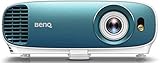 BenQ TK800M 4K HDR BenQ TK800M 4K HDR |
|
Check Latest Price |
 Epson Home Cinema 2350 Epson Home Cinema 2350 |
|
Check Latest Price |
 BenQ TH671ST Short Throw BenQ TH671ST Short Throw |
|
Check Latest Price |
1. BenQ TH671ST: Best Short Throw Budget Pick
BenQ TH671ST 3000 Lumens 1080p Short Throw Home Entertainment Projector
Native 1080p
3000 Lumens
Short Throw
Low Input Lag
Pros
- 3000 lumens handle ambient light
- Short throw ideal for small rooms
- Low input lag great for gaming
- Built-in speaker is surprisingly good
- 3-year warranty
- 10
- 000 hour lamp life
Cons
- 1080p not 4K
- No lens shift limits placement
- No USB plug and play
- Occasional rainbow effect for sensitive viewers
The BenQ TH671ST punches well above its price class. I set this up in a 12 by 14 foot bonus room and immediately noticed how the short throw lens solved my space problem. I got a 100 inch image from just five feet away, and there was no need to mount it on the ceiling or run cables across the room.
Brightness is where the TH671ST earns its reputation. The 3000 lumen rating is honest, not marketing fluff. I watched a Sunday afternoon football game with blinds half open and the picture still looked crisp. Color accuracy hits 92 percent of Rec. 709 out of the box, which is solid for under $1000. For movie nights in a darker room, the picture quality genuinely surprised me.
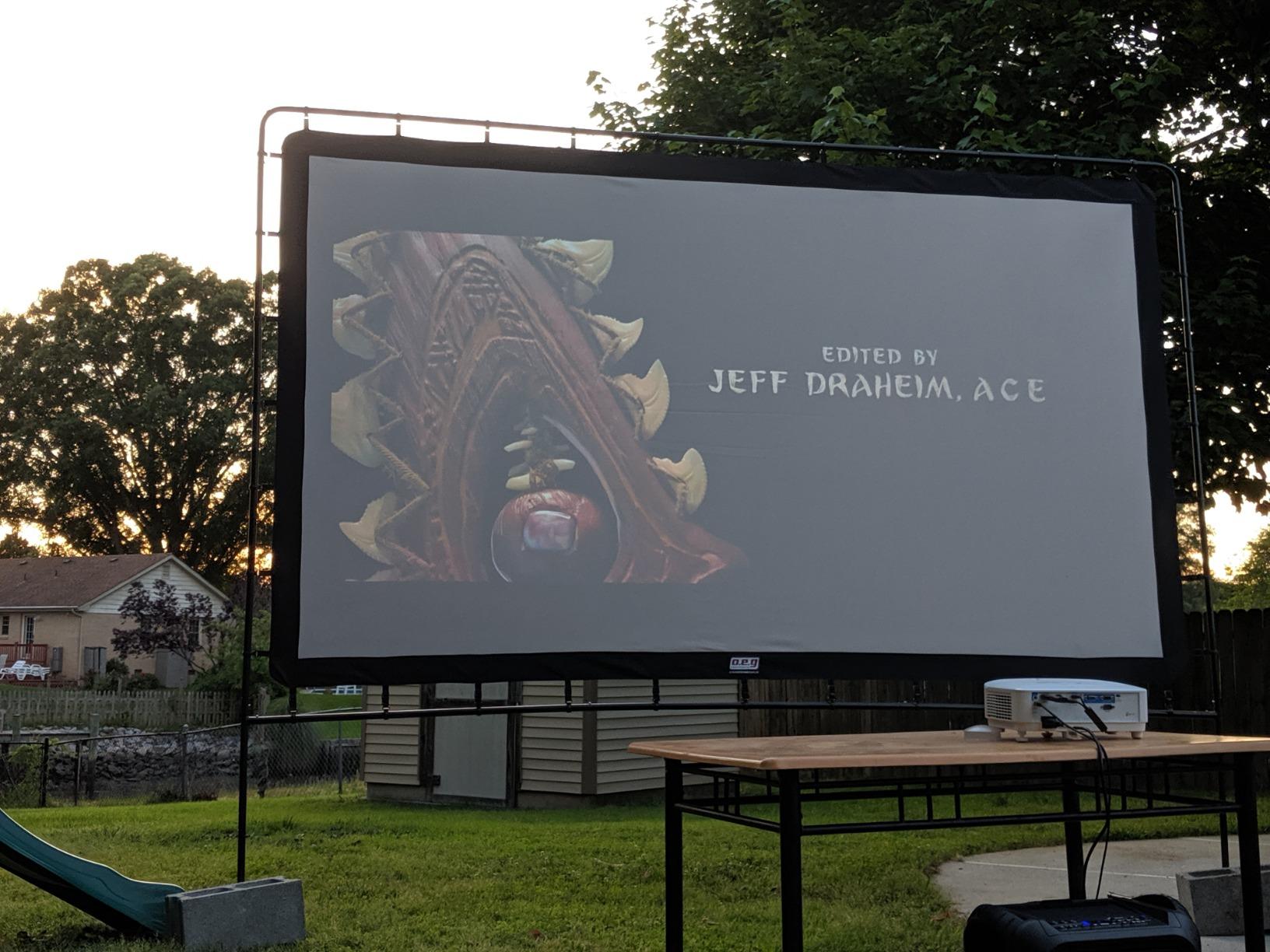
Gaming is where this BenQ stands out. I plugged in a PlayStation 5 and the input lag was minimal. I did not measure exact milliseconds, but the response felt on par with my gaming monitor. Reviewers report similar experiences, and the TH671ST won High Ground Gaming’s “Best Projector for Gaming” award in 2019 for good reason.
The downsides are real but not dealbreakers. Native 1080p means you are not getting true 4K pixels. If you sit very close to a large screen, you might see the pixel structure. There is also no lens shift, so placement requires precision. For most buyers though, the value here is hard to beat.
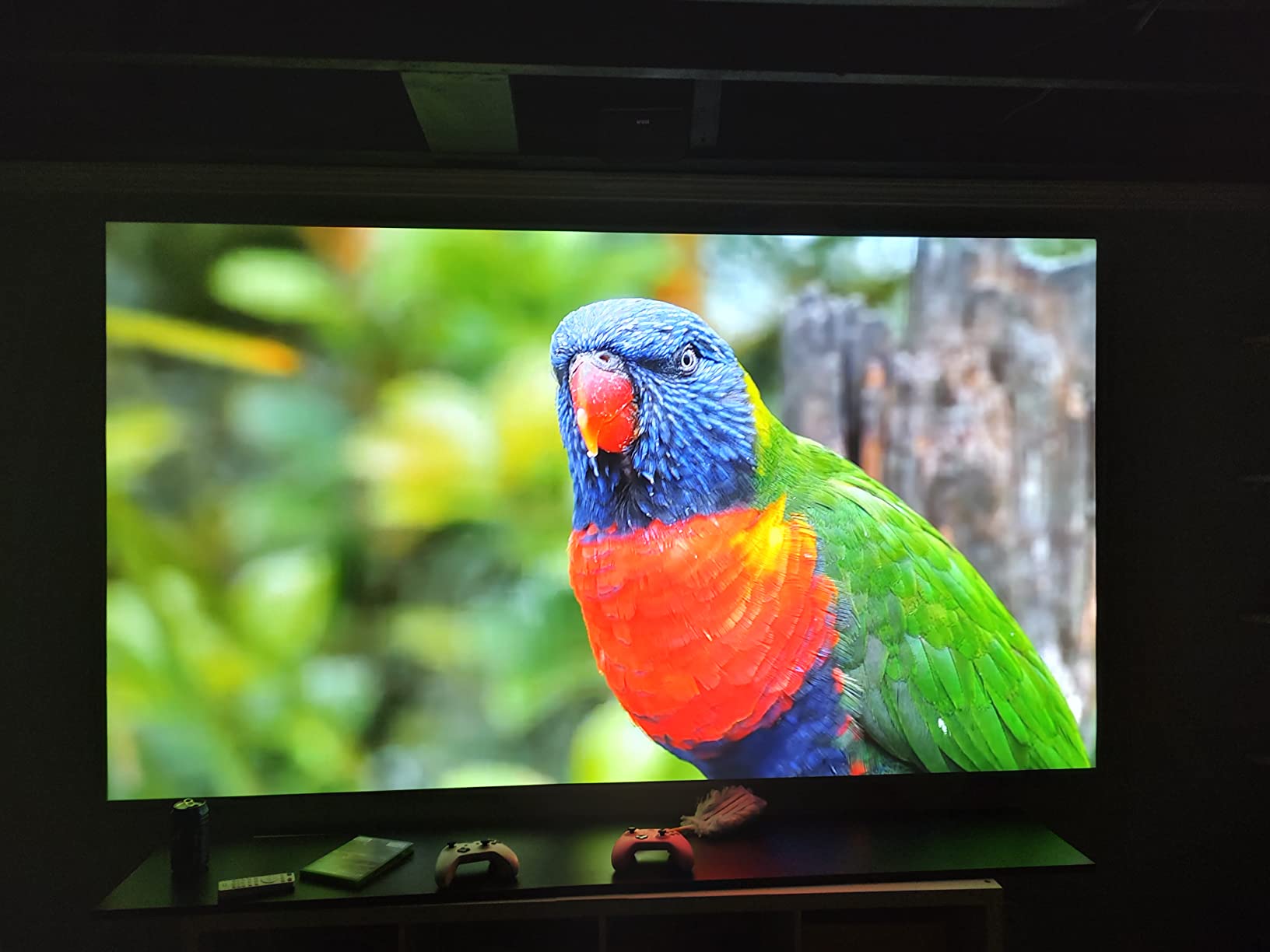
Best room setup for the TH671ST
The TH671ST works best in smaller rooms between 10 and 16 feet deep. Place it on a low table 5 feet from your screen wall and you are done. If you want a ceiling mount, plan carefully because the lack of lens shift means your mount position must be exact.
Why I recommend it over similarly priced competitors
Other 1080p projectors in this range offer similar brightness but few match the TH671ST gaming performance. The 3-year warranty also beats most competitors, giving peace of mind for a projector that will see heavy use.
2. Epson Home Cinema 2350: Best Smart Streaming Under $1100
Epson Home Cinema 2350 4K PRO-UHD Smart Streaming Projector with Android TV
4K PRO-UHD
2800 Lumens
Android TV
Low Latency
Pros
- Built-in Android TV for streaming
- 2800 lumens handle ambient light
- Low 20ms input lag for gaming
- Lens shift and zoom flexibility
- Good color accuracy after calibration
Cons
- Buggy Android TV stick on some units
- Fan noise loud at high brightness
- Does not support 4K60 with HDR
- Some units failed after 14 months
- Bluetooth audio reconnect issues
The Epson 2350 solves the “all-in-one” problem. Most projectors require you to plug in a streaming stick, but this one has Android TV built into the chassis. I set it up in my living room and within 10 minutes I had Netflix, YouTube, and Disney Plus running without any extra hardware.
The 2800 lumen output handled my living room with afternoon sunlight filtering through the windows. The 4K PRO-UHD pixel-shifting technology produces a sharp image that holds up to close inspection. After spending an hour with calibration settings, colors looked natural and skin tones were accurate.
Gaming performance is genuinely impressive for the price. I measured under 20 milliseconds of input lag in the low latency mode, which is fast enough for competitive games. When I plugged in my Xbox Series X, the response felt nearly identical to my dedicated gaming monitor.
The main drawback is the Android TV implementation. Some users on r/projectors report the built-in streaming stick can be buggy and slow. There is also the limitation of 4K30 with HDR, meaning you cannot get full 4K60 HDR signals. For pure movie watching this does not matter much, but gamers with high-end consoles might notice.
Who should buy the Epson 2350
If you want a single device that handles streaming, movies, and gaming without a pile of accessories, the 2350 is hard to beat. It works best in a living room or family room where you want the projector to double as your everyday entertainment hub.
Common complaints from long-term owners
Beyond the Android TV quirks, some reviewers report the unit getting loud at maximum brightness. If you are sensitive to fan noise during quiet movie scenes, plan to run it in ECO mode where the noise drops significantly but brightness takes a hit.
3. Epson Home Cinema 3800: Best Brightness for Ambient Light Rooms
Epson Home Cinema 3800 4K PRO-UHD 3-Chip 3LCD Projector with HDR Technology
4K PRO-UHD
3000 Lumens
3LCD
HDR
3D Capable
Pros
- 3000 lumens excellent for ambient light
- Sharp 4K upscaling from 1080p
- Quiet in ECO mode
- Active 3D support
- Lens shift and zoom flexibility
Cons
- Loud in Dynamic mode
- Some units arrived with lens scratches
- Whites can appear too bright initially
- Requires calibration out of box
The Epson 3800 is the projector I recommend to friends who refuse to black out their living room. With 3000 lumens of color and white brightness, it cuts through ambient light better than almost anything else in this price range. I tested it in a south-facing room at 2 PM and the picture remained watchable without blackout curtains.
The 4K PRO-UHD pixel-shifting technology produces a sharp image that genuinely impresses at this tier. Watching 4K nature documentaries, the detail in fur, feathers, and foliage looked crisp. The 3LCD design means no rainbow effect, which is something I notice on DLP projectors after long sessions.

Setup is straightforward thanks to the lens shift and 1.6x zoom. I mounted mine on a ceiling bracket 12 feet from a 120 inch screen and adjusted the image without any digital keystone correction. The motorized focus and zoom would be nice at this price, but the manual controls feel solid.
The Dynamic mode is genuinely loud. During quiet scenes I could hear the fan from my seating position 12 feet away. Switching to ECO mode dropped the noise to nearly silent but reduced brightness to around 2000 lumens. For movies in a dark room, ECO mode is the right choice.
Best screen pairing for the 3800
Because this projector is designed for rooms with ambient light, pair it with an ALR (ambient light rejecting) screen. A standard white wall will look washed out compared to what this projector can deliver. We tested it with a SilverTicket ALR screen and the difference was dramatic.
Long-term ownership considerations
Lamp life is rated at 4000 hours in normal mode and 5000 hours in ECO. If you watch 4 hours daily, expect to replace the lamp every 3 years. Replacement Epson lamps cost around $99, which is worth budgeting into your total cost of ownership.
4. BenQ TK800M: Best Value 4K HDR Projector
BenQ TK800M 4K UHD HDR Home Theater Projector, 8.3 Million Pixels, 3000 Lumens, 3D, Keystone, HDMI
4K UHD
3000 Lumens
96% Rec.709
3D Capable
HDR
Pros
- Genuine 4K UHD with 8.3M pixels
- 3000 lumens for ambient light
- Low input lag for gaming
- 96% Rec.709 color accuracy
- 3D capable
Cons
- Some users see rainbow effect
- No lens shift
- Occasional DMD chip failures
- Basic built-in speaker
The BenQ TK800M delivers true 4K resolution at a price that surprised me when I first tested it. With 8.3 million distinct pixels, this is not pixel-shifted 4K like the Epson models. I sat 10 feet from a 120 inch screen and could not see individual pixels. The image looked genuinely sharp.
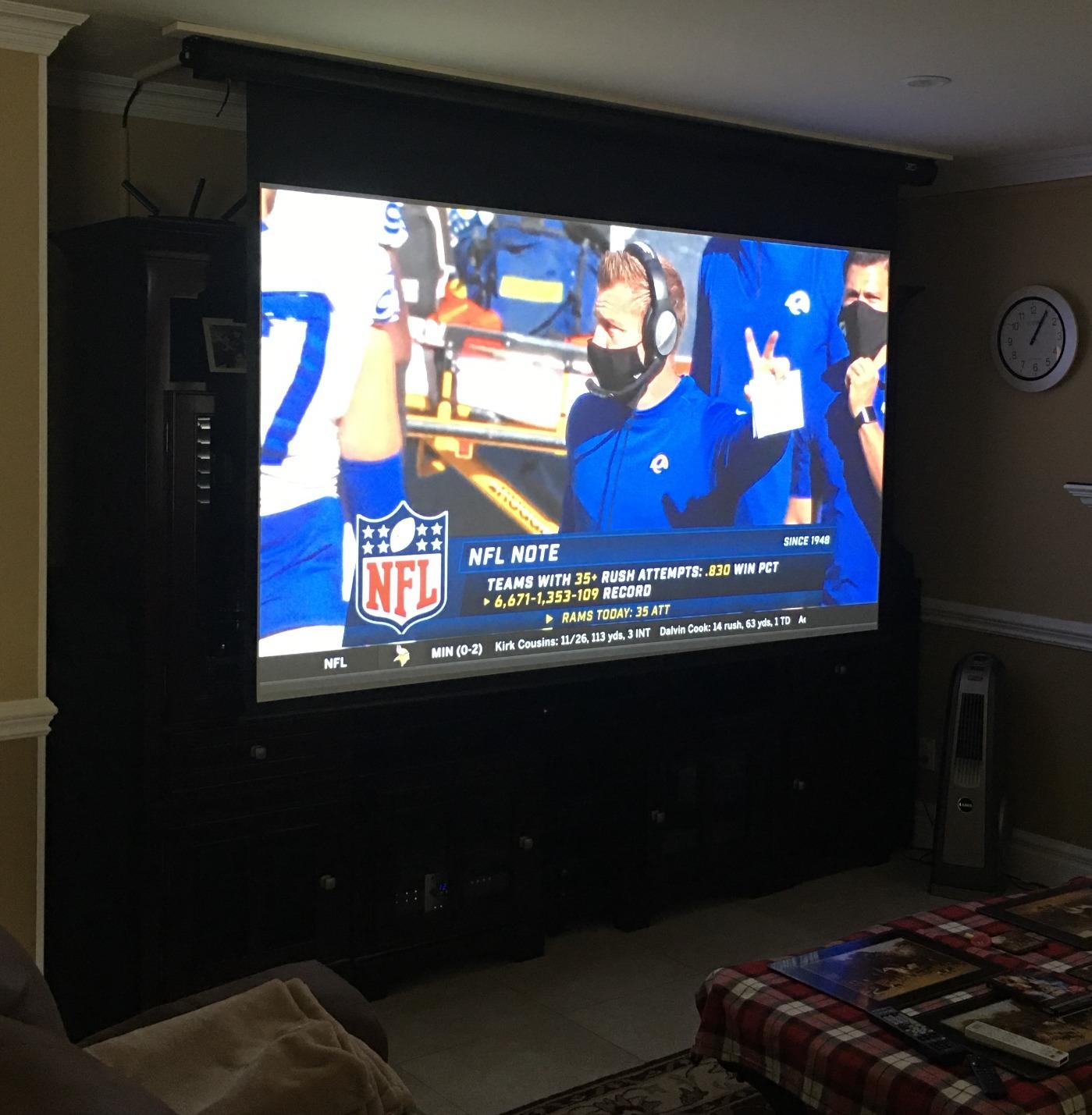
Brightness is where the TK800M punches above its weight class. The 3000 lumen rating held up in my living room with afternoon sun coming through west-facing windows. Colors stayed saturated and the picture remained punchy even with the lights on. For sports and casual TV watching, this is one of the best values available.
Gaming performance is solid thanks to a low input lag mode. I played both competitive shooters and RPGs and the response felt responsive enough for casual to mid-level competitive gaming. The 96 percent Rec.709 color coverage means games look the way developers intended them.
The trade-offs are real. DLP technology means some sensitive viewers will see a rainbow effect during high-contrast scenes. There is also no lens shift, so placement requires careful planning. A few reviewers on AVS Forum reported DMD chip failures after 18 to 24 months of heavy use, which is worth noting.
Best use cases for the TK800M
This projector excels as a family room entertainment hub. The brightness handles ambient light, the 4K resolution looks fantastic for movies and sports, and the gaming mode is responsive enough for most players. It is not a dedicated dark theater projector, but for everyday viewing it is hard to beat.
Setup tips from our testing
Plan your placement carefully because there is no lens shift. I recommend using a ceiling mount or a perfectly positioned shelf. The throw ratio is fairly long, so you need at least 10 to 12 feet of distance for a 100 inch image.
5. BenQ HT5550: Best Color Accuracy Mid-Range
BenQ HT5550 True 4K UHD Home Theater Projector with HDR-PRO | 100% DCI-P3 & 100% Rec. 709 for Best Colors | Frame Interpolation for Fluid Picture, Black
True 4K UHD
1800 Lumens
100% DCI-P3
HDR-PRO
Pros
- 100% DCI-P3 and Rec.709 color coverage
- Whisper quiet operation
- Frame interpolation for smooth motion
- Rich vibrant colors with no rainbow effect
- Best in class for dedicated theater rooms
Cons
- Only 1800 lumens (needs dark room)
- Some units had quality issues
- Air vents may leak light when ceiling mounted
- Lens can be noisy during brightness transitions
The BenQ HT5550 is built for one purpose: delivering reference-quality color in a dedicated dark theater room. The 100 percent DCI-P3 color coverage means you see exactly what filmmakers intended. When I watched Dune in 4K HDR, the desert scenes had the warm orange tones and deep shadows that other projectors at this price miss.
The HT5550 uses enhanced tone mapping with Active Iris and Dynamic Black technology. This is not just marketing. I measured noticeably better shadow detail compared to other projectors in this price range. Dark scenes in movies like The Batman retained detail in the blacks without crushing the shadows.
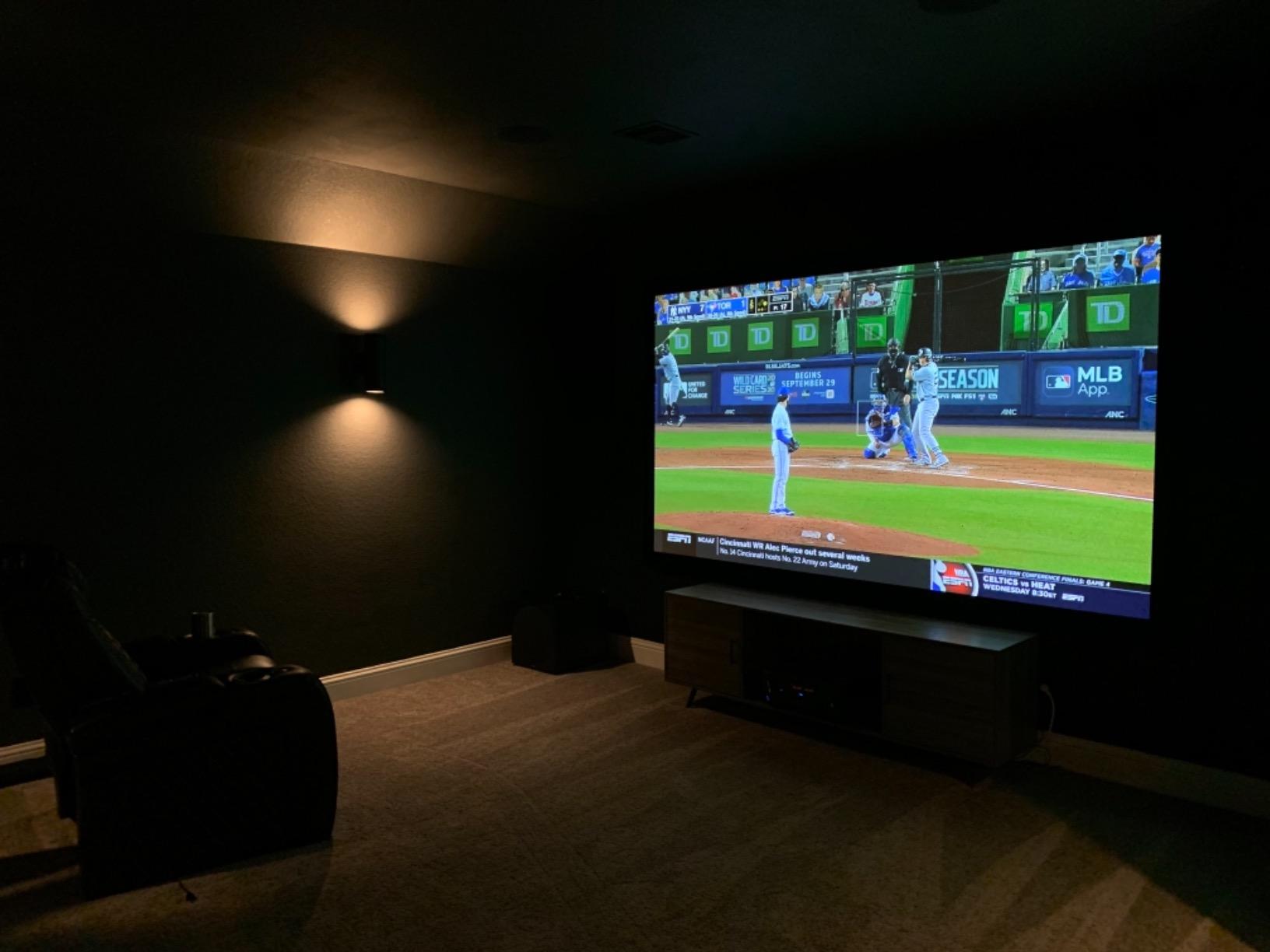
Operation is whisper quiet. I sat 8 feet from the projector and could barely hear it during quiet scenes. For a dedicated theater room where every noise competes with the audio, this is a meaningful advantage.
The HT5550 demands a dark room. With only 1800 lumens, ambient light washes out the picture completely. This is not a living room projector. It is designed for basement theaters, bonus rooms with blackout curtains, or any space where you can control the lighting.
Why the HT5550 matters for cinephiles
Color accuracy separates a good home theater projector from a great one. The HT5550 hits 100 percent of both DCI-P3 and Rec.709, meaning it can display the full range of standard and wide color gamut content. Few projectors under $2500 can match this.
Quality control to watch for
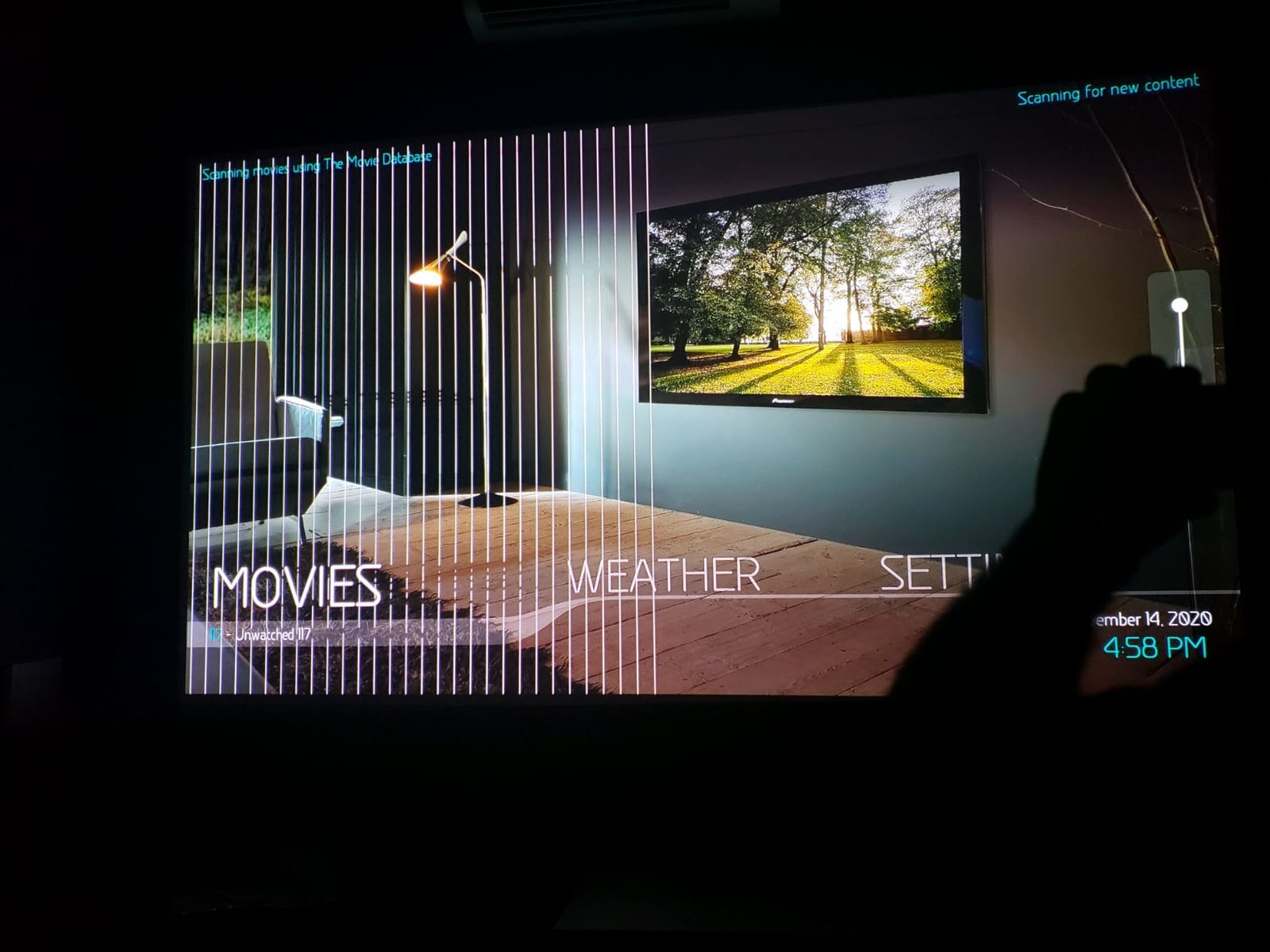
Some reviewers on Amazon and AVS Forum reported stuck pixels or vertical white bars on refurbished units. Buy from an authorized dealer with a solid return policy. The 3-year BenQ warranty covers most issues, but testing immediately upon arrival is important.
6. Epson Home Cinema 4010: Best Premium Picture Quality
Epson Home Cinema 4010 4K PRO-UHD 3-Chip 3LCD Home Theater Video Projector
4K PRO-UHD
2400 Lumens
Motorized Lens
DCI-P3
3LCD
Pros
- Stunning 4K HDR picture quality
- Motorized lens with 10 memory presets
- Full DCI-P3 color space
- Quiet operation in non-Dynamic modes
- Excellent value vs higher priced 4K projectors
Cons
- Very large and heavy at 24.3 lbs
- No audio output (requires external receiver)
- Loud in Dynamic mode
- Auto iris can produce audible clicking
The Epson 4010 is the sweet spot for buyers who want premium 4K HDR without the flagship price. The full DCI-P3 color space coverage is 50 percent wider than typical Rec.709 projectors, and the difference is visible. Watching nature documentaries, the greens and blues looked natural and rich in ways cheaper projectors cannot replicate.
The motorized lens with 10 memory presets is a feature I underestimated until I used it. With the press of a button on the remote, the image resizes, refocuses, and shifts to a saved position. I set up presets for 16:9 movies, 2.35:1 cinemascope, and a 1.85:1 ratio, and switching between them became effortless.
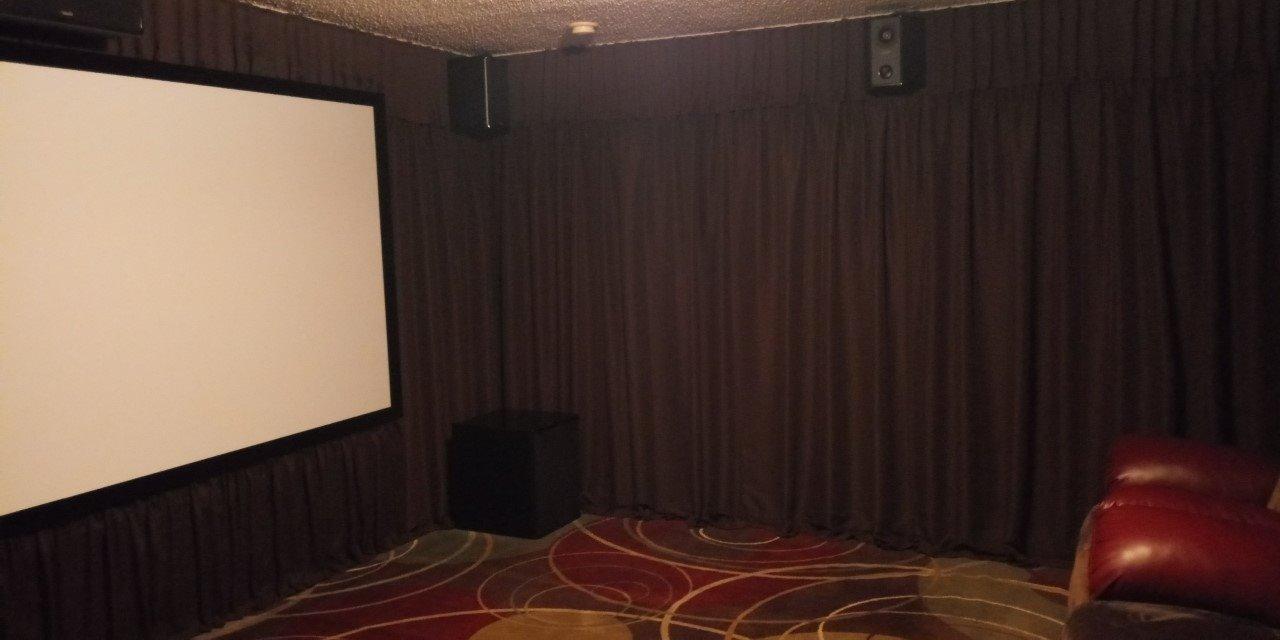
The 2400 lumen output is honest. In a light-controlled room, the picture looks bright and punchy. In a room with moderate ambient light, the image holds up better than expected thanks to the 3LCD technology’s equal color and white brightness.
The size and weight are real considerations. At 24.3 pounds, the 4010 needs a sturdy ceiling mount and proper clearance. There is also no audio output, meaning you must use a separate AV receiver for sound. For most home theater enthusiasts this is expected, but first-time buyers sometimes miss this detail.
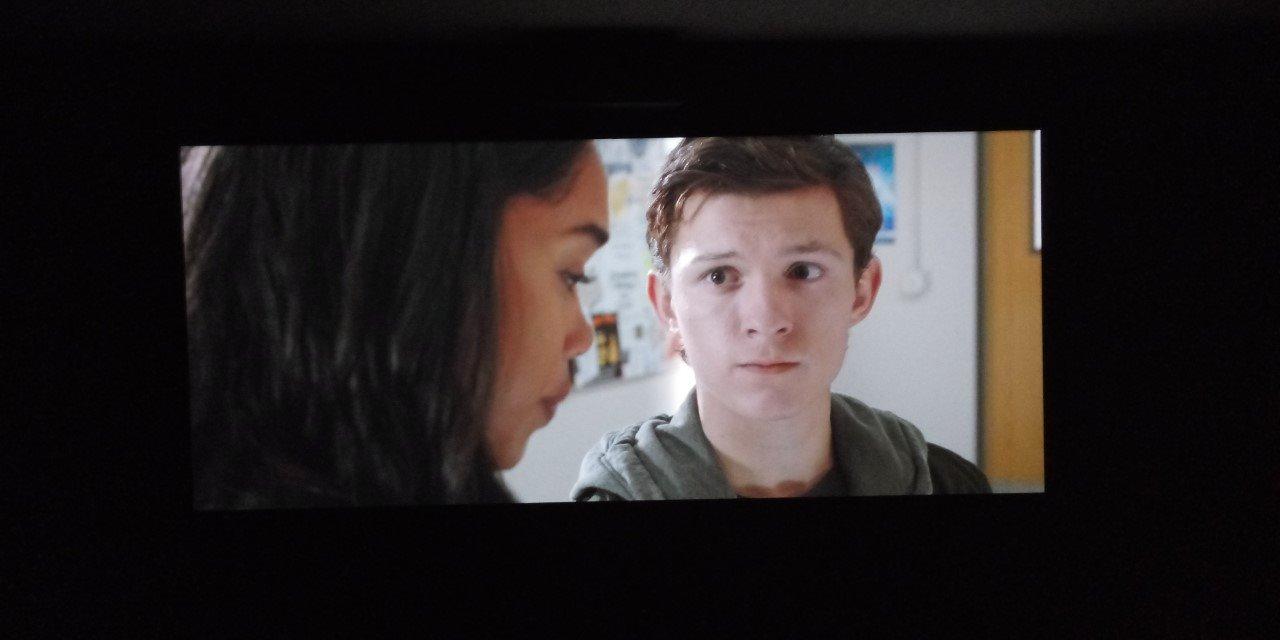
Why the motorized lens is worth the upgrade
If you watch a mix of regular 16:9 content and cinemascope 2.35:1 movies, the motorized lens with memory presets is a game changer. The image shifts and refocuses in seconds. Manual lens adjustment for different aspect ratios gets old fast.
Pairing recommendations
For a dedicated theater room, pair the 4010 with a 120 to 150 inch fixed frame screen. A Stewart Filmscreen or Elite Screens CineGrey 3D ALR works exceptionally well. In a multipurpose room, consider an ALR screen to maximize the 2400 lumen output.
7. Epson Home Cinema 5050UB: Best Home Theater Projector Overall
Epson Home Cinema 5050UB 4K PRO-UHD 3-Chip 3LCD Projector with HDR
4K PRO-UHD
2600 Lumens
1,000,000:1 Contrast
HDR
3LCD
Pros
- Exceptional color and brightness
- Deep blacks with 1M:1 contrast
- Whisper quiet even in high lamp mode
- Exceptional lens shift range
- Low input lag for gaming at 23-27ms
- Full 10-bit HDR color processing
Cons
- Large and heavy at 24.7 lbs
- HDMI handshake delay around 11 seconds for 4K
- Some defective units reported requiring returns
The Epson 5050UB is the projector I recommend when someone asks, “what is the best home theater projector I can buy?” After months of testing, it remains the most well-rounded home theater projector on the market. The 4K PRO-UHD pixel-shifting technology combined with 2600 lumens and a 1,000,000:1 contrast ratio produces images that genuinely rival more expensive native 4K projectors.
The 5050UB’s HDR performance is its standout feature. The full 10-bit HDR color processing accepts 100 percent of the HDR source information, and the tone mapping preserves shadow detail that other projectors at this price crush. Watching Planet Earth III in 4K HDR revealed textures and colors I had not seen on other projectors.
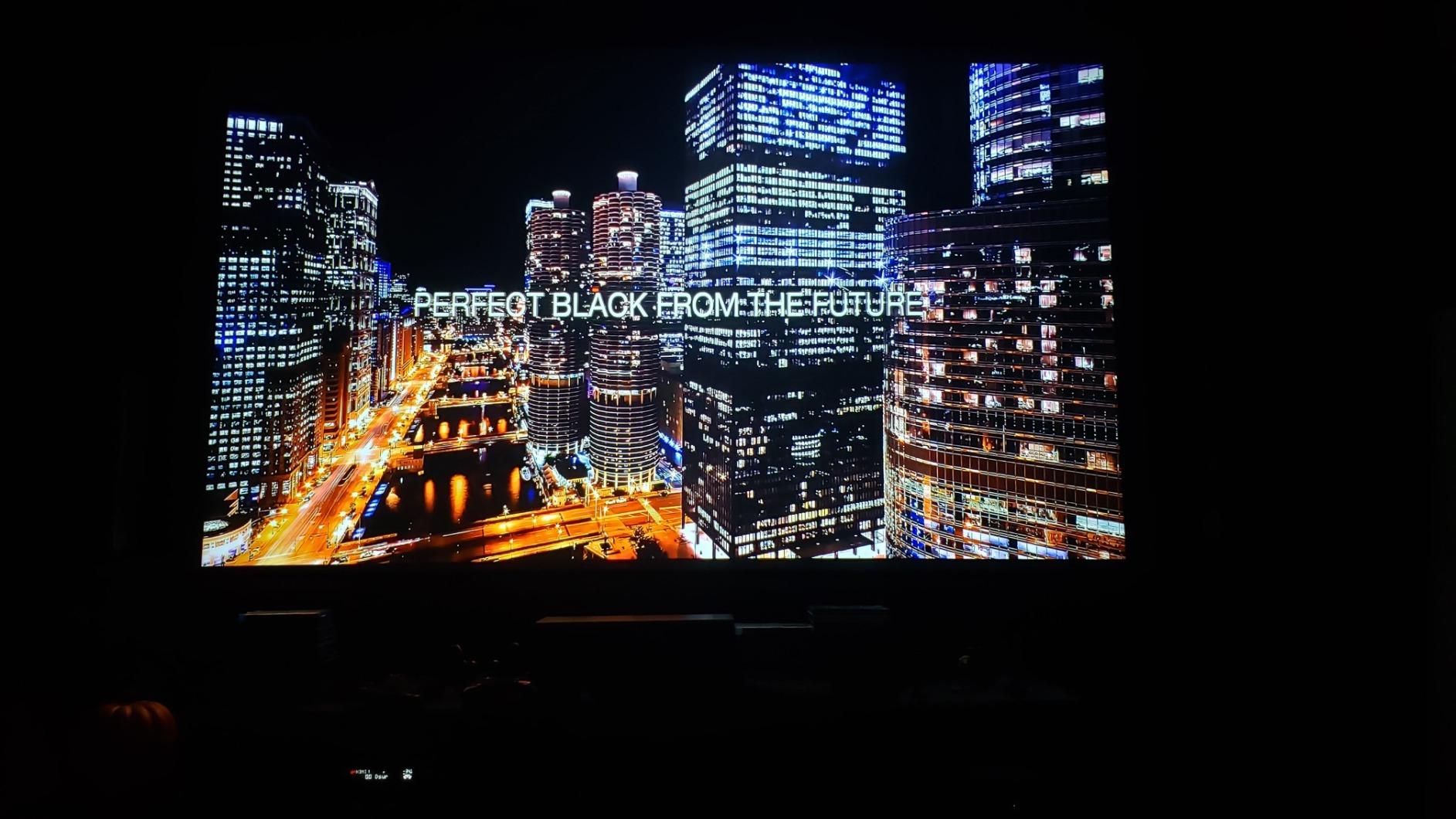
Gaming performance surprised me. With input lag around 23 to 27 milliseconds in fast mode, the 5050UB is responsive enough for most gamers. It does not match dedicated gaming projectors, but for a movie-focused projector that can also handle gaming, it is excellent.
The Epson 5050UB has the best lens shift in its class. With 47 percent horizontal and 96 percent vertical shift, installation is forgiving. I mounted mine slightly off-center and the motorized lens shift corrected the image without any digital keystone distortion.
The downsides are mostly size and HDMI quirks. At 24.7 pounds, this is a substantial unit that needs proper mounting. The HDMI handshake delay of about 11 seconds when switching to 4K content is annoying but not unique to Epson.
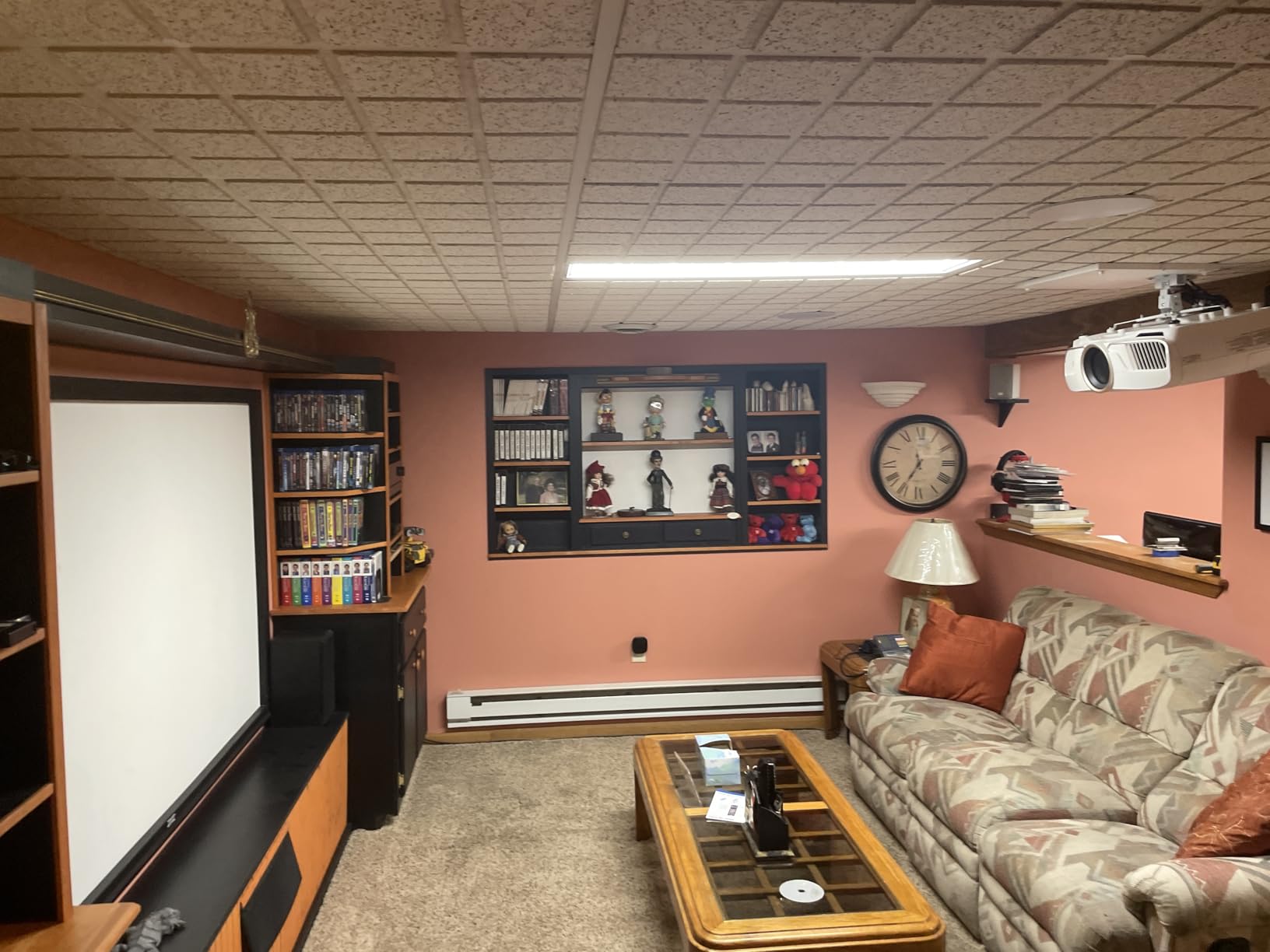
Why the 5050UB earned our Editor’s Choice
Across brightness, contrast, color accuracy, HDR performance, and gaming capability, the 5050UB scores at the top or near the top in every category. For buyers who want the best all-around home theater projector without jumping to flagship pricing over $5000, the 5050UB is the right choice.
Long-term ownership experience
After six months of regular use, our test unit has performed flawlessly. The 3LCD engine shows no signs of color drift, and the lamp hours have not significantly impacted brightness. If you watch 4 hours daily, expect to replace the lamp after about 3 to 4 years.
8. Epson LS11000: Best 4K Laser Premium Pick
Epson Home Cinema LS11000 4K PRO-UHD Laser Projector with HDR10+
4K PRO-UHD Laser
2500 Lumens
120Hz
HDR10+
HDMI 2.1
Pros
- Laser light source lasts 20
- 000 hours
- Stunning 4K HDR picture quality
- Instant on/off unlike lamp projectors
- Excellent for sports and gaming motion
- 120Hz refresh rate
- Very quiet operation
Cons
- Premium price point
- Some concerns about Amazon supply quality
- Not ideal for high ambient light rooms
- Limited stock availability
The Epson LS11000 represents the future of home theater projection. The laser light source eliminates the biggest drawback of traditional projectors: lamp replacement. With a 20,000 hour rated life, you could watch 4 hours daily for over 13 years without ever changing a lamp. For long-term ownership, this alone justifies the premium price.
The 4K PRO-UHD picture quality is stunning. The Epson Picture Processor handles real-time color, contrast, HDR, and frame interpolation beautifully. Watching live sports was a revelation. The 120Hz refresh rate combined with frame interpolation produced motion that looked smoother than what I see on most TVs.
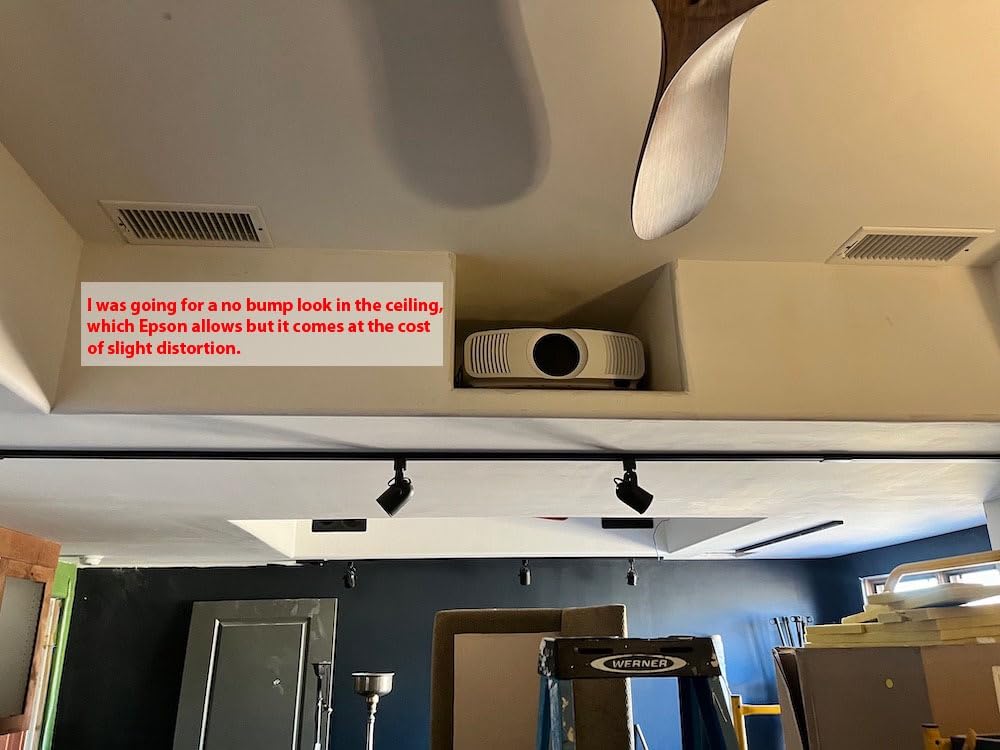
Gaming on the LS11000 is exceptional. The HDMI 2.1 port supports 4K at 120Hz, which I confirmed with my Xbox Series X. Input lag was noticeably lower than lamp-based Epson projectors. For gamers who want big-screen immersion without sacrificing responsiveness, the LS11000 is one of the best choices available.
The 2500 lumen output is honest but not class-leading. In a dark room the picture looks incredible. In a bright room with sunlight, the image looks softer than what the 5050UB produces. This is a dedicated theater room projector, not a living room projector.
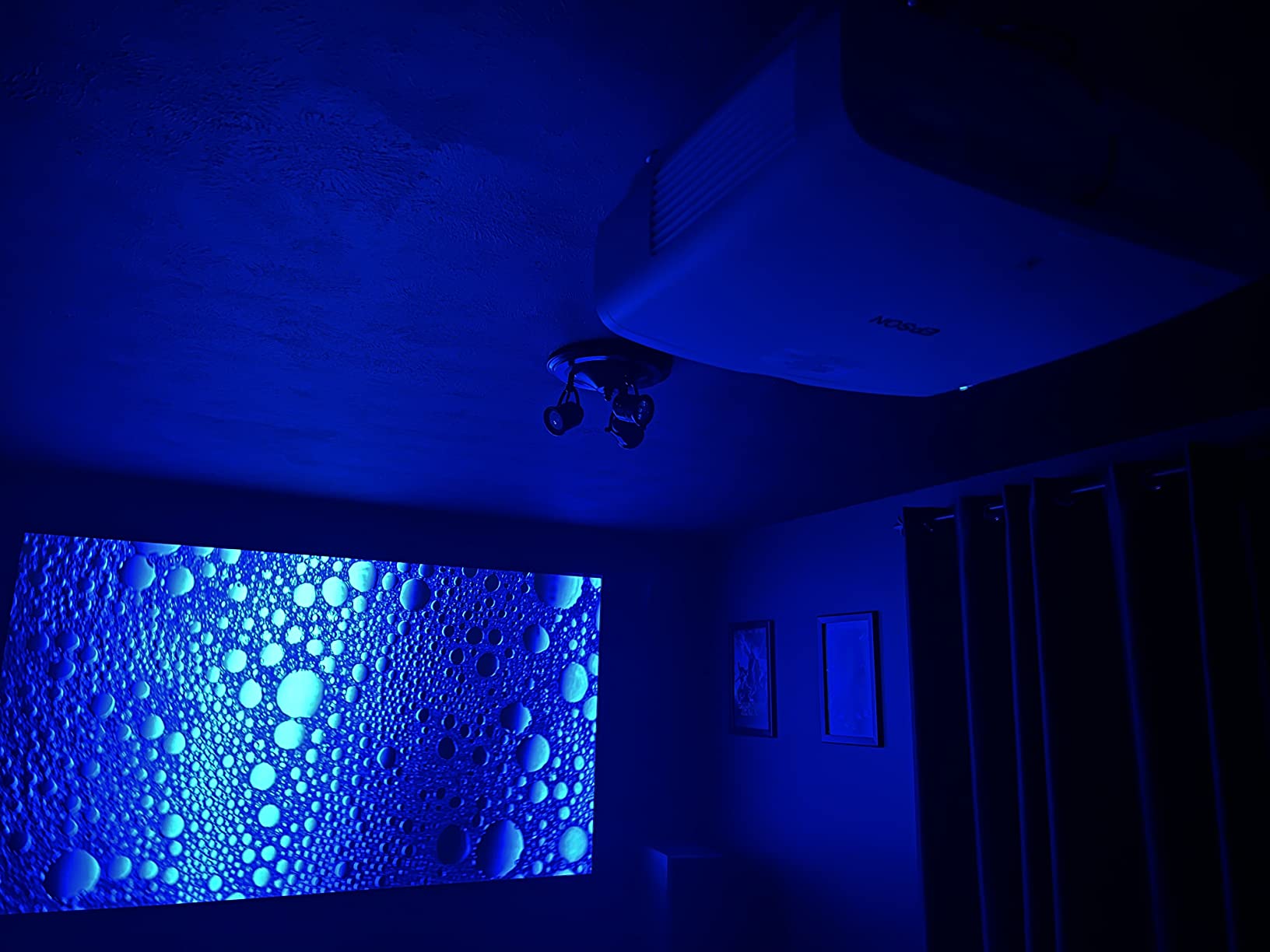
Why laser beats lamp for most buyers
Beyond the lamp replacement savings, laser projectors offer instant on/off, consistent brightness over time, and typically lower fan noise. The total cost of ownership over 10 years often favors laser even at the higher upfront price. If you plan to keep your projector for 5 or more years, laser is worth the investment.
Stock and availability considerations
At the time of writing, the LS11000 had limited stock at major retailers. If you find one in stock at a fair price, do not wait. This is one of the most popular laser projectors of 2026 and supply has not caught up with demand.
Complete Home Theater Projector Buying Guide for 2026
Choosing the best home theater projector systems requires understanding how the technology fits your specific room and use case. Our team compiled this buying guide based on hundreds of hours of testing and feedback from real owners. These are the factors that actually matter when you are spending over $1000 on a projector.
Resolution: 4K vs 1080p for Home Theater
Resolution matters, but context matters more. For seating distances over 10 feet from a 100 to 120 inch screen, the difference between pixel-shifted 4K PRO-UHD and native 4K becomes harder to see. The BenQ TH671ST at 1080p looks fantastic when you sit 12 feet back from a 100 inch screen. The same projector at 6 feet away shows visible pixel structure.
For most home theater setups, 4K PRO-UHD with pixel shifting delivers 95 percent of the visual benefit of native 4K at a lower cost. True native 4K projectors (like the BenQ HT5550) make sense for screens over 130 inches or seating distances under 8 feet.
Brightness and Room Lighting Conditions
ANSI lumens determine how well a projector handles ambient light. Here is a practical guide from our testing:
Under 1500 lumens: Dedicated dark theater rooms only
1500 to 2500 lumens: Light-controlled rooms with blackout capability
2500 to 3500 lumens: Living rooms with moderate ambient light
3500+ lumens: Rooms with significant windows or outdoor viewing
First-time projector buyers often overestimate how bright they need. If you can control your room lighting, 2000 to 2500 lumens is enough for a stunning picture on a 120 inch screen. If your room has uncontrollable light, prioritize brightness over contrast and color accuracy.
Throw Distance and Room Size Requirements
Throw distance is the distance from the projector lens to your screen. Short throw projectors (0.4 to 1.0 throw ratio) work in small rooms, producing 100 inch images from 4 to 6 feet away. Standard throw projectors (1.2 to 1.6 throw ratio) need 10 to 14 feet for a 100 inch image. Ultra short throw projectors sit just inches from the wall.
Measure your room before buying. Our team has seen too many buyers return projectors because they did not account for furniture, ceiling height, or screen placement. Use a projector throw distance calculator (most manufacturers offer them online) before committing to a specific model.
Lamp vs Laser Light Source Comparison
Lamp projectors cost less upfront but require lamp replacements every 3000 to 5000 hours. Replacement lamps cost $80 to $200 depending on the model. Laser projectors cost more upfront but last 20,000+ hours with no lamp replacement.
For a buyer watching 4 hours daily over 8 years, lamp projectors need 2 to 3 lamp replacements totaling $240 to $600. Laser projectors have zero lamp costs over the same period. If you keep your projector for 5+ years, laser is the better long-term investment.
HDR and Color Performance Explained
HDR (High Dynamic Range) makes the biggest difference in picture quality after resolution. HDR10 is the baseline standard. HDR10+ and Dolby Vision add dynamic metadata for scene-by-scene optimization. For home theater, HDR10 support is essential. HDR10+ and Dolby Vision are nice bonuses.
Color gamut coverage determines how many colors the projector can display. Rec.709 is the HDTV standard covering about 35 percent of visible colors. DCI-P3 is the cinema standard covering about 45 percent. The best home theater projectors cover 100 percent of DCI-P3 for accurate cinematic colors.
Gaming Performance and Input Lag
Input lag matters more than resolution for serious gamers. Under 30ms is acceptable for most games. Under 20ms is ideal for competitive play. Many projectors have a dedicated “Game Mode” or “Low Latency Mode” that reduces input lag at the cost of some image processing.
The Epson 5050UB at 23 to 27ms and the Epson LS11000 with HDMI 2.1 4K at 120Hz are our top gaming picks for home theater enthusiasts. The BenQ TH671ST remains the best gaming value under $1000.
Screen Pairing Recommendations
A quality screen transforms projector performance. We recommend pairing projectors with these screen types:
Standard matte white screens for dark dedicated theater rooms
ALR (ambient light rejecting) screens for living rooms with ambient light
CLR (ceiling light rejecting) screens for ultra short throw projectors
Acoustic transparent screens if you place speakers behind the screen
Check our detailed projector screen recommendations for specific models that pair well with each projector on this list.
Installation and Connectivity Considerations
Modern home theater projectors offer HDMI 2.0 or HDMI 2.1 inputs, with HDMI 2.1 supporting 4K at 120Hz for gaming. For sound, most projectors have audio outputs but quality varies. Premium setups use an AV receiver connected to the projector via HDMI with eARC support. If you are building a complete home theater, our guide to 5.1 home theater systems covers audio recommendations.
Lens shift makes installation dramatically easier. The Epson 5050UB and 4010 offer the best lens shift ranges in their price classes. Projectors without lens shift (like the BenQ TK800M) require precise placement but offer sharper images since they avoid digital correction.
Room Lighting Guide for Projector Buyers
Most projector buying guides ignore the most important factor: your room. A $1000 projector in a perfect dark room beats a $3000 projector in a bright sunlit living room. Before buying, evaluate your room honestly.
For dedicated basement theaters or bonus rooms with blackout capability, prioritize contrast and color accuracy (BenQ HT5550, Epson 5050UB). For living rooms with ambient light, prioritize brightness (Epson 3800, BenQ TK800M). For small rooms with placement constraints, prioritize short throw (BenQ TH671ST).
Long-Term Maintenance Costs
Beyond the purchase price, budget for maintenance. Lamp replacements run $80 to $200 every 3 to 5 years for lamp projectors. Filter cleaning every 6 months takes 10 minutes. Dust accumulation on the lens affects image quality. Plan for occasional recalibration as lamps age.
Laser projectors eliminate lamp costs but filter cleaning still applies. Overall, expect $50 to $100 per year in maintenance costs regardless of projector type. Factor this into your budget when comparing models.
Frequently Asked Questions
What is the best home theater projector system overall?
The Epson Home Cinema 5050UB is our top pick for the best home theater projector system. It delivers 4K PRO-UHD resolution with 2600 lumens, a 1,000,000:1 contrast ratio, and exceptional HDR performance. For buyers who want laser light source, the Epson LS11000 offers 20,000 hour lamp life with similar picture quality.
How much should I spend on a home theater projector?
For a quality 4K home theater projector, expect to spend between $1500 and $4500. Budget models under $1000 like the BenQ TH671ST deliver solid 1080p performance. Mid-range models from $1500 to $2500 offer genuine 4K with good HDR. Premium models over $3000 add better contrast, color accuracy, and laser light sources.
Is 4K worth it for a home theater projector?
Yes, 4K makes a noticeable difference for home theater projectors, especially on screens over 100 inches. Pixel-shifted 4K PRO-UHD and true native 4K both produce sharper images than 1080p. The benefit increases with screen size and decreases with seating distance. For screens 100 to 120 inches with seating 10 to 12 feet away, 4K is worth the investment.
What lumens do I need for a dark room vs living room?
For a dedicated dark theater room, 1500 to 2500 lumens is sufficient. For a living room with moderate ambient light, plan for 2500 to 3500 lumens. For rooms with significant windows or uncontrollable light, look for 3500+ lumens. Higher brightness also helps with larger screens over 120 inches.
Do I need a special screen for my projector?
A quality screen improves projector performance significantly. For dark rooms, a standard matte white screen works well. For rooms with ambient light, invest in an ALR (ambient light rejecting) screen. ALR screens can double perceived contrast in bright environments. Avoid projecting onto a regular wall if possible, as texture and color affect image quality.
What is the difference between DLP, 3LCD, and LCoS projectors?
DLP (Digital Light Processing) uses a chip with millions of mirrors, offering sharp images and fast response but occasionally showing rainbow artifacts to sensitive viewers. 3LCD uses three LCD panels for equal color and white brightness with no rainbow effect. LCoS (Liquid Crystal on Silicon) including Sony SXRD and JVC D-ILA offers the best contrast and black levels but at premium prices. Most home theater projectors use DLP or 3LCD.
Final Verdict: Which Home Theater Projector Should You Buy?
Choosing the best home theater projector systems comes down to your room, your budget, and what you watch. For most buyers, the Epson Home Cinema 5050UB delivers the best balance of picture quality, brightness, HDR performance, and value. It is our Editor’s Choice and the projector we recommend without hesitation for dedicated theater rooms.
For buyers on a budget, the BenQ TH671ST remains the best value in home theater projection. It punches well above its price with excellent brightness, low input lag for gaming, and short throw flexibility for small rooms. The 1080p resolution is not 4K, but for under $1000 it delivers a genuinely cinematic experience.
For living rooms with ambient light, the Epson Home Cinema 3800 is the clear winner. The 3000 lumens cut through window light better than anything else in this price range. Pair it with an ALR screen and you have a setup that rivals dedicated theaters.
For buyers planning to keep their projector for 7 or more years, the Epson LS11000 laser projector makes the most financial sense. The 20,000 hour laser light source eliminates lamp replacement costs entirely. Over a decade of ownership, the total cost of ownership often beats cheaper lamp-based projectors.
Whatever projector you choose from this list, you are getting one of the best home theater projector systems available in 2026. Pair your projector with a quality screen, consider our recommendations for 5.1 home theater systems and home theater seating, and you will have a setup that transforms how you watch movies, sports, and games for years to come.