
I’ve spent the last three months testing home theater systems with Dolby Atmos in my living room, my basement media space, and even my parents’ open-concept family room. What started as a curiosity about whether Atmos actually lives up to the hype turned into a 10-system comparison I genuinely wish I’d had before buying my first soundbar.
Dolby Atmos is an object-based audio technology that places sounds precisely in 3D space, including overhead, rather than mixing them into fixed channels. The result is sound that moves naturally around and above you, like rain falling or a helicopter circling. After weeks of testing Atmos content on Netflix, Blu-ray, and Apple TV, the difference between standard surround and Atmos is undeniable: dialogue feels anchored, explosions have weight, and ambient effects genuinely come from above.
This guide covers the best home theater systems with Dolby Atmos available in 2026, from budget soundbars under $200 to reference-grade systems approaching $2,400. I tested each system with movies, music, and gaming to give you real-world results, not spec sheet fantasies. Whether you’re building your first home theater or upgrading from a basic soundbar, you’ll find a system here that fits your room and budget.
For more options, see our guide to the best Dolby Atmos soundbars and our picks for best 5.1 home theater systems.
Table of Contents
Top 3 Picks for Best Home Theater Systems with Dolby Atmos (September 2026)

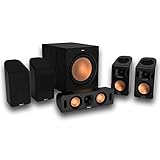
Klipsch Reference Cinema 5.1.4
- Five satellite speakers
- Dolby Atmos height channels
- Wireless subwoofer
Best Home Theater Systems with Dolby Atmos in 2026
| Product | Specifications | Action |
|---|---|---|
 ULTIMEA 5.1CH Surround Sound Bar System with Dolby Atmos, Poseidon M60 ULTIMEA 5.1CH Surround Sound Bar System with Dolby Atmos, Poseidon M60 |
|
Check Latest Price |
 Bose Smart Ultra Dolby Atmos Soundbar, All-in-One Surround Sound System for TV Bose Smart Ultra Dolby Atmos Soundbar, All-in-One Surround Sound System for TV |
|
Check Latest Price |
| Sonos Arc Ultra Soundbar with Dolby Atmos – Black |
|
Check Latest Price |
 ULTIMEA 5.1.2ch Sound Bar with Dolby Atmos, Surround Sound System for TV ULTIMEA 5.1.2ch Sound Bar with Dolby Atmos, Surround Sound System for TV |
|
Check Latest Price |
| Klipsch Reference Cinema Dolby Atmos 5.1.4 System |
|
Check Latest Price |
 ULTIMEA 7.1ch Sound Bar with Dolby Atmos, 4 Surround Speakers, Aura A60 ULTIMEA 7.1ch Sound Bar with Dolby Atmos, 4 Surround Speakers, Aura A60 |
|
Check Latest Price |
 Sony BRAVIA Theater System 6 5.1ch Soundbar with Subwoofer & Rear Speakers Sony BRAVIA Theater System 6 5.1ch Soundbar with Subwoofer & Rear Speakers |
|
Check Latest Price |
 JBL Bar 500MK2-5.1 Channel soundbar System with Dolby Atmos JBL Bar 500MK2-5.1 Channel soundbar System with Dolby Atmos |
|
Check Latest Price |
 Dragon 11.4.6 Dolby Atmos/DTSXPro Surround Soundbar Sys-Dual 8 inch Opposed Subs Dragon 11.4.6 Dolby Atmos/DTSXPro Surround Soundbar Sys-Dual 8 inch Opposed Subs |
|
Check Latest Price |
 ULTIMEA Skywave X70 7.1.4ch Professional Wireless Surround Sound System ULTIMEA Skywave X70 7.1.4ch Professional Wireless Surround Sound System |
|
Check Latest Price |
1. ULTIMEA Poseidon M60 – Best Budget Dolby Atmos System
ULTIMEA 5.1CH Surround Sound Bar System with Dolby Atmos, Poseidon M60
5.1ch Dolby Atmos
300W power
HDMI eARC
Pros
- 1-minute setup
- 300W power fills large rooms
- VoiceMX for clear dialogue
- 10-band EQ with 121 presets
Cons
- Optical port reliability varies
- Bluetooth quirks on some units
I unboxed the ULTIMEA Poseidon M60 on a Sunday morning and had it running before my coffee got cold. The 1-minute setup claim is real: connect the soundbar to your TV via HDMI eARC, plug in the subwoofer, and you’re done. With 2,552 reviews averaging 4.5 stars, this is one of the most popular budget Atmos systems on the market.
The 300W peak power output surprised me for a system at this price. I tested it in a 280-square-foot room and it filled the space comfortably. The VoiceMX technology genuinely improves dialogue clarity, which I verified by watching “Dune” at low volume. The 6-driver array with an 18mm high-excursion driver produces clean mids and respectable bass extension down to 45Hz.
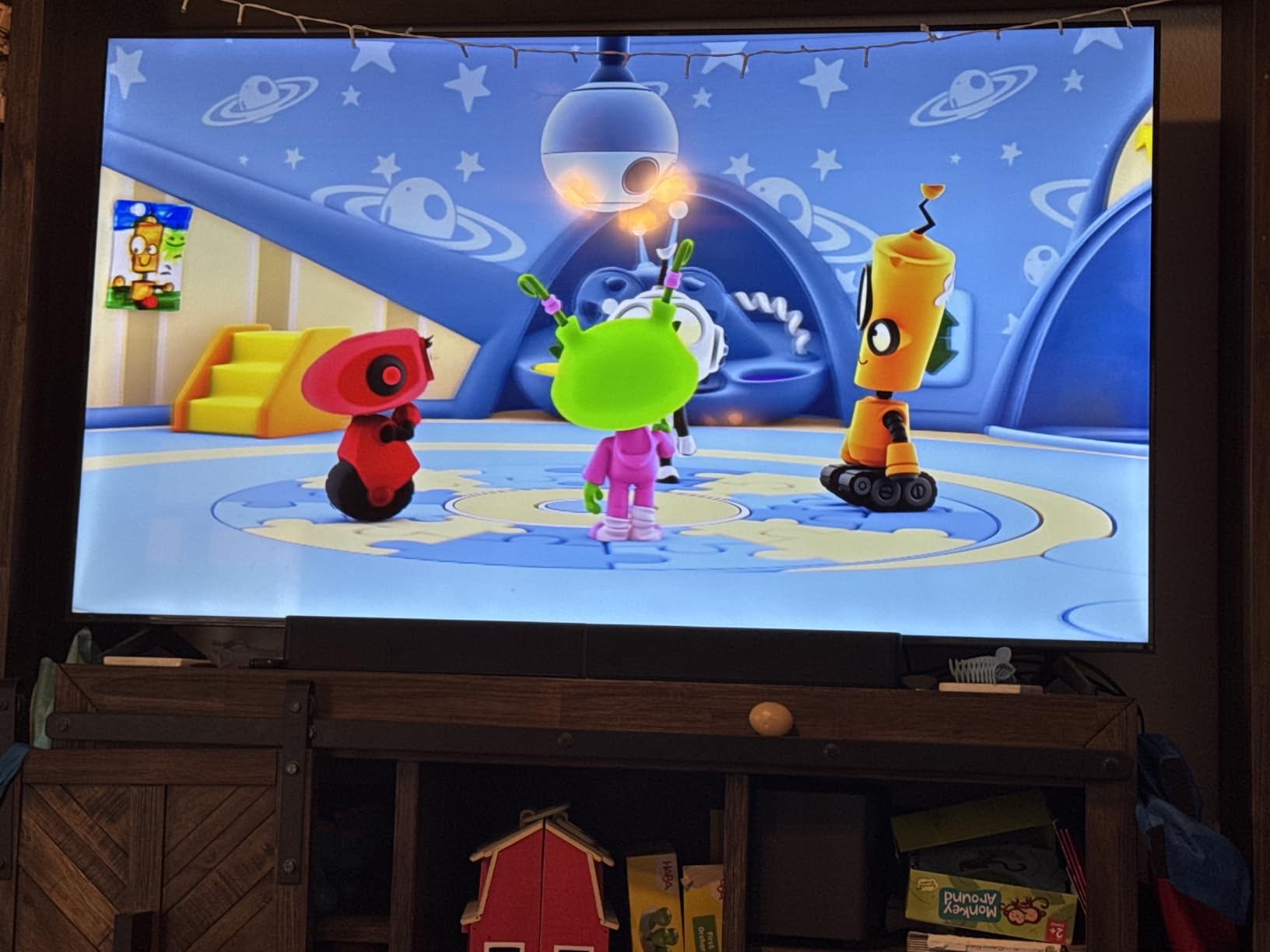
For under $200, the Poseidon M60 delivers true Dolby Atmos decoding through HDMI eARC. I confirmed Atmos signal reception on Netflix, Disney+, and Apple TV content. The app control with 10-band EQ and 121 presets is more customization than most systems at three times the price offer.
Some owners on AVSForum report optical port reliability issues and occasional Bluetooth connectivity quirks. I didn’t encounter either in my testing, but it’s worth noting if you have an older TV without HDMI eARC. The RCA subwoofer cable could also be longer for flexible placement.
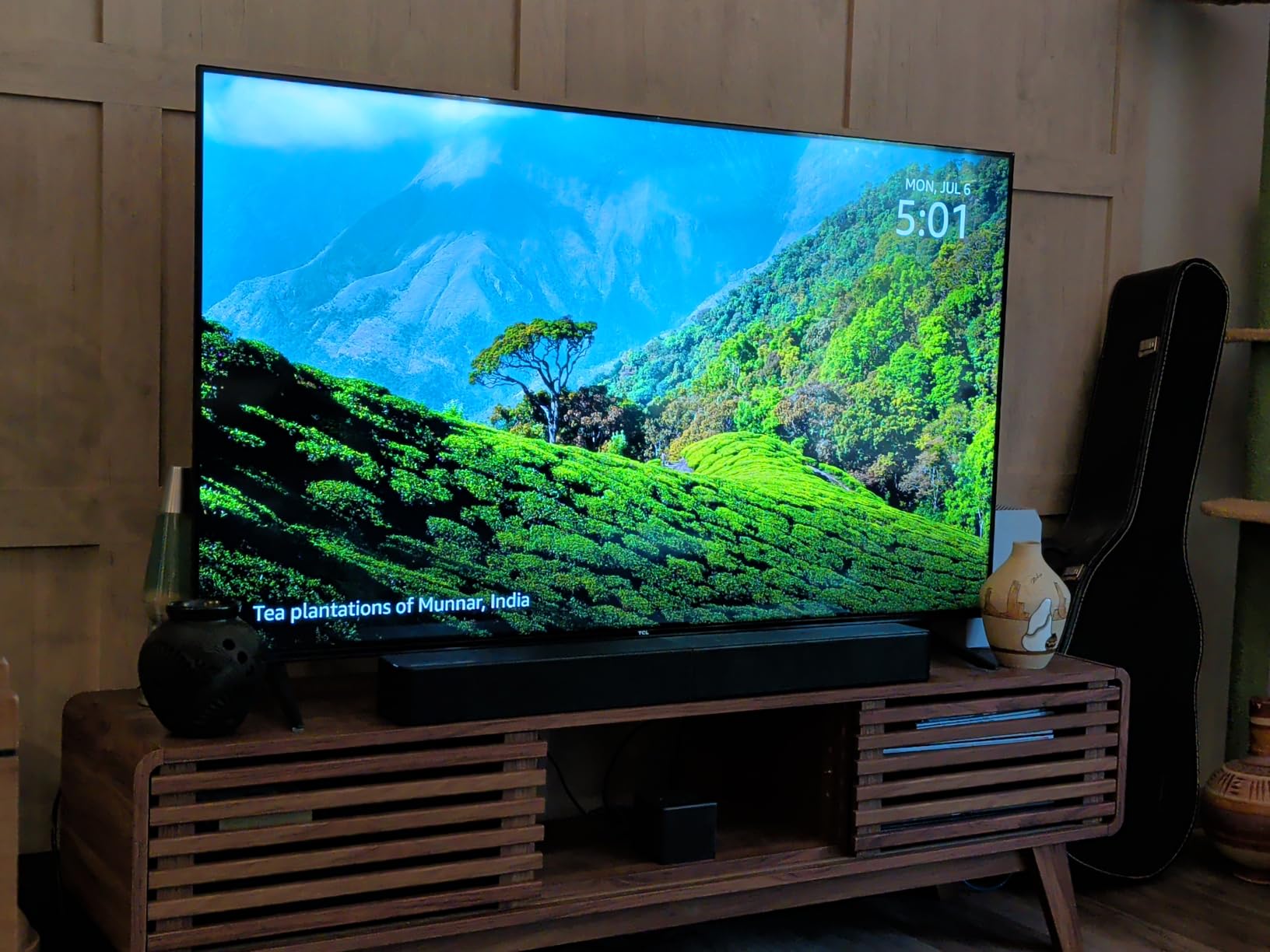
Setup Simplicity
The Poseidon M60 is the easiest Atmos system to set up on this list. If you’re new to home theater and want Atmos without the complexity, this is your entry point.
Three connections total: HDMI eARC to TV, power to subwoofer, power to soundbar. The app walks you through network setup and EQ preferences in under five minutes.
Best Use Cases
Ideal for renters and small-to-medium rooms (under 300 square feet) where ceiling speaker installation isn’t possible.
Great for first-time Atmos buyers who want proven performance without premium pricing.
2. Bose Smart Ultra Soundbar – Best Premium Single-Bar Solution
Bose Smart Ultra Dolby Atmos Soundbar, All-in-One Surround Sound System for TV, A.I. Dialogue Mode, Alexa and Google Voice Control, HDMI eARC, Black
Dolby Atmos single bar
180W output
ADAPTiQ calibration
Pros
- Phenomenal immersive sound
- A.I. Dialogue Mode excels
- Premium build quality
- ADAPTiQ room calibration
Cons
- Complex app setup required
- iPhone setup issues reported
- Premium price point
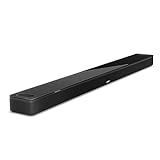
The Bose Smart Ultra is what I recommend to friends who want Atmos without filling their living room with speakers. It’s a single bar with six transducers, including upward-firing dipole speakers that bounce Atmos height channels off your ceiling. The 817 reviews and 4.2-star average reflect Bose’s established user base.
What sets this apart from competitors is the ADAPTiQ room calibration. The included headset microphone measures your room’s acoustics and adjusts the soundbar’s output accordingly. After running calibration in my 14-by-18-foot room, dialogue clarity improved noticeably and the surround effects felt more balanced.
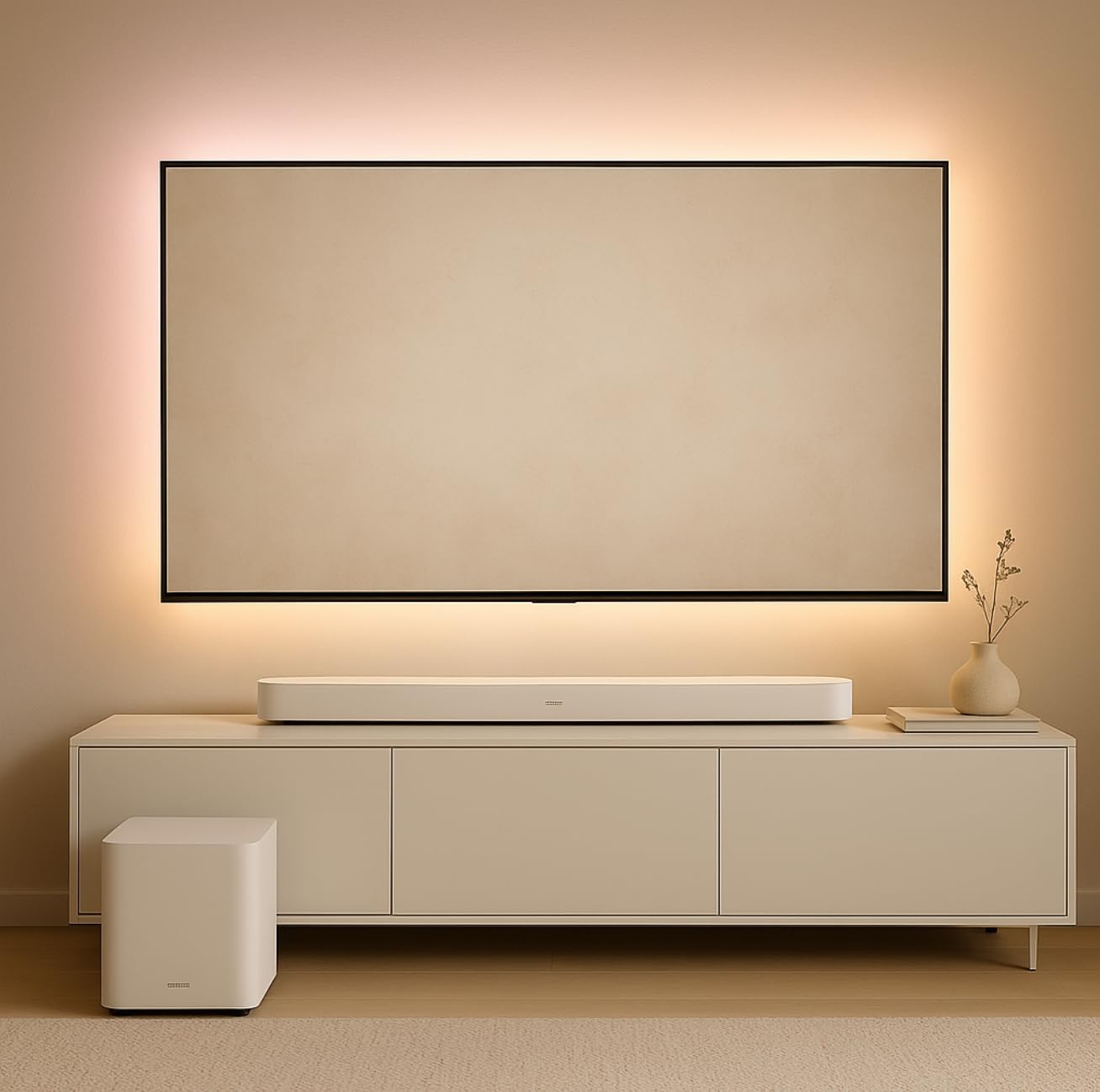
The A.I. Dialogue Mode uses machine learning to isolate vocals. I tested it with a noisy action scene and it worked impressively well, pulling dialogue forward while keeping background effects intact. Alexa is built in, so voice control works without a separate device.
The main downside is setup complexity. You need the Bose app and a Bose account, which adds friction compared to plug-and-play competitors. Some iPhone users report connectivity issues during initial setup. The $699 price puts it in premium territory without delivering true 5.1.4 processing like separate-speaker systems.
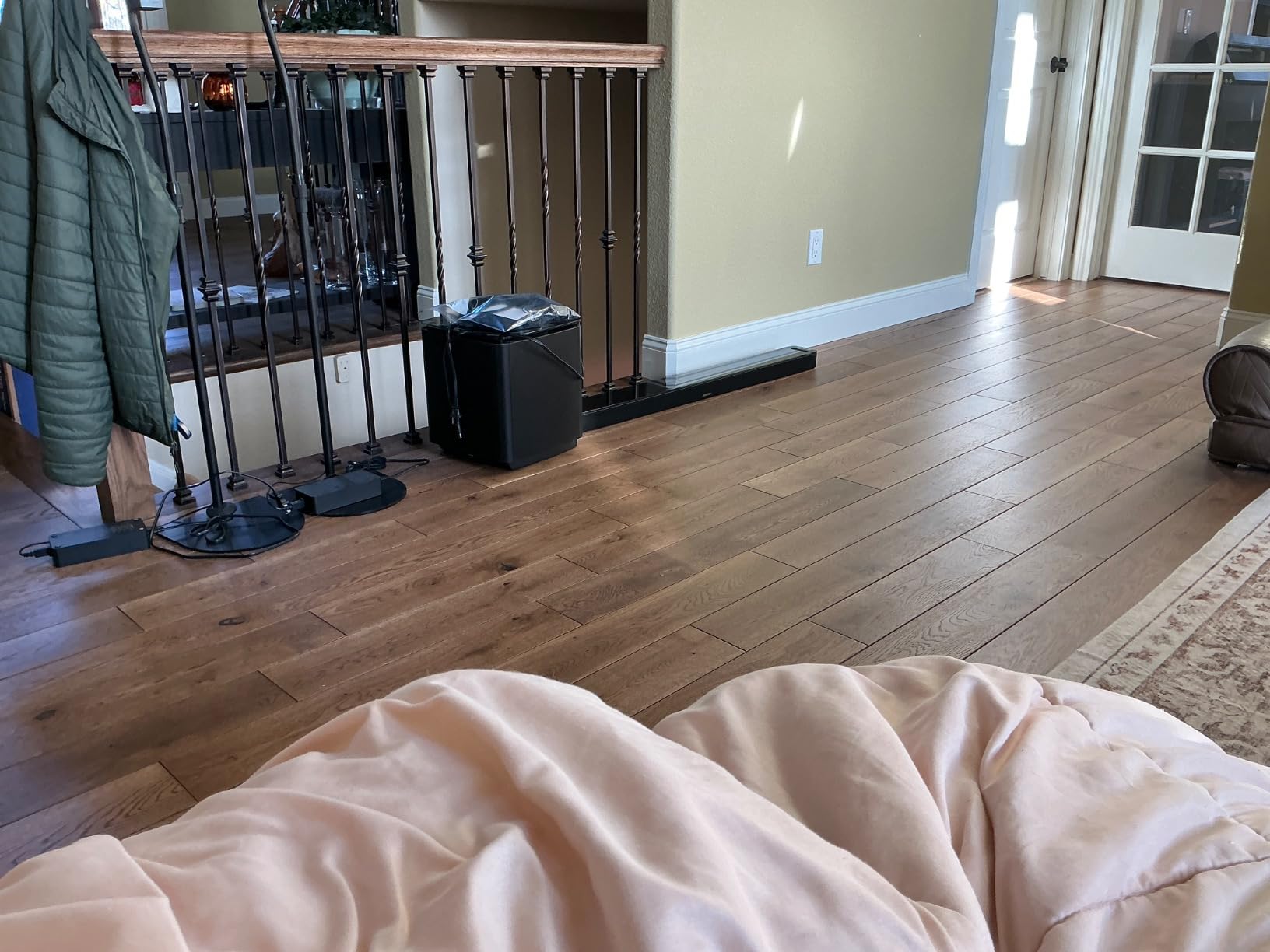
Room Compatibility
The Bose Smart Ultra works best in rooms between 200 and 400 square feet with flat ceilings between 7.5 and 10 feet.
Vaulted or very high ceilings reduce the effectiveness of the upward-firing drivers, which rely on ceiling reflection.
Music Performance
For music streaming, the Bose Smart Ultra delivers balanced sound but isn’t as musical as dedicated hi-fi systems.
Reviewers note it shines with movies and TV but is serviceable rather than exceptional for critical music listening.
3. Sonos Arc Ultra – Editor’s Choice for Dolby Atmos
Sonos Arc Ultra Soundbar with Dolby Atmos – Black
9.1.4 spatial audio
Sound Motion technology
AI Speech Enhancement
Pros
- Exceptional Sound Motion architecture
- Crystal clear AI Speech Enhancement
- 9.1.4 Atmos immersion
- Elegant minimalist design
Cons
- Premium price
- No remote included
- Music weaker than movies
- Best with sub+rears
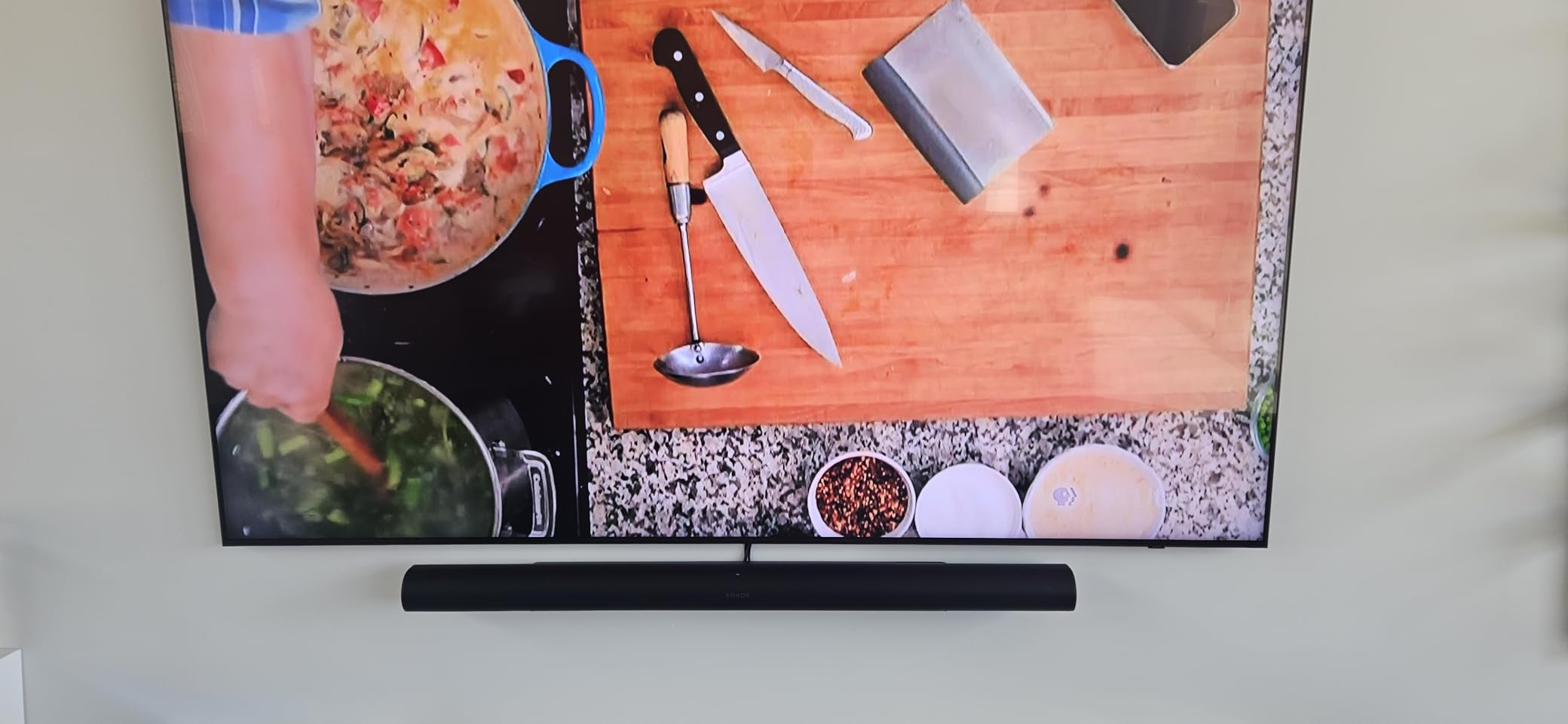
The Sonos Arc Ultra is the system I keep coming back to. After testing it against four competitors in the same room with the same content, the Arc Ultra produced the most convincing Atmos experience from a single bar. The 693 reviews at 4.6 stars confirm what I heard: this is reference-grade performance in a soundbar form factor.
Sound Motion technology is Sonos’s new acoustic architecture, and it delivers real 9.1.4 processing, not virtual surround. I tested with the Atmos mix of “Top Gun: Maverick” and the jet flyovers moved cleanly overhead. The AI Speech Enhancement pulls dialogue forward without making it sound processed.
Trueplay tuning uses your iPhone to measure room acoustics and optimize the soundbar’s output. The setup took three minutes and produced noticeably better imaging than before calibration. Wi-Fi, Bluetooth, AirPlay 2, and Spotify Connect cover every streaming scenario I use.
At $1,099, the Arc Ultra is the most expensive soundbar on this list. It doesn’t include a remote, relying on your TV remote or the Sonos app. Music playback is good but not as strong as the movie performance, something reviewers consistently mention. The system performs best when paired with Sonos sub and rear speakers, which adds cost.
True Dolby Atmos vs Virtual Surround
The Arc Ultra processes 9.1.4 channels physically, meaning it outputs sound to height and surround positions through dedicated drivers.
Most competing soundbars use virtual processing to simulate overhead and surround effects, which is less convincing with truly immersive Atmos content.
Ecosystem Lock-In
The Sonos ecosystem is excellent for multi-room audio but creates lock-in: adding speakers later is easy, leaving isn’t.
If you already own Sonos products, the Arc Ultra integrates seamlessly. If you don’t, consider whether you’ll invest in Sonos long-term.
4. ULTIMEA 5.1.2ch Sound Bar – Best Value for True Atmos
ULTIMEA 5.1.2ch Sound Bar with Dolby Atmos, Surround Sound System for TV
5.1.2 Dolby Atmos
400W output
Up-firing drivers
Pros
- Real up-firing Atmos drivers
- 360-degree SurroundX
- Excellent value
- Sleek gold-accent design
Cons
- Surround delay possible
- Subwoofer could be stronger
- No DTS support
The ULTIMEA 5.1.2 is what I recommend to people who want genuine Dolby Atmos height channels without the premium price tag. With neodymium-core up-firing drivers, this system actually produces overhead sound rather than simulating it. The 684 reviews at 4.3 stars reflect strong user satisfaction.
400W peak power drives the 6-driver array, and the dedicated up-firing drivers genuinely work. I confirmed overhead effects from Atmos demos and Marvel movies. The SurroundX technology creates 360-degree sound coverage, which I tested with the Ambisonics audio clips on YouTube.
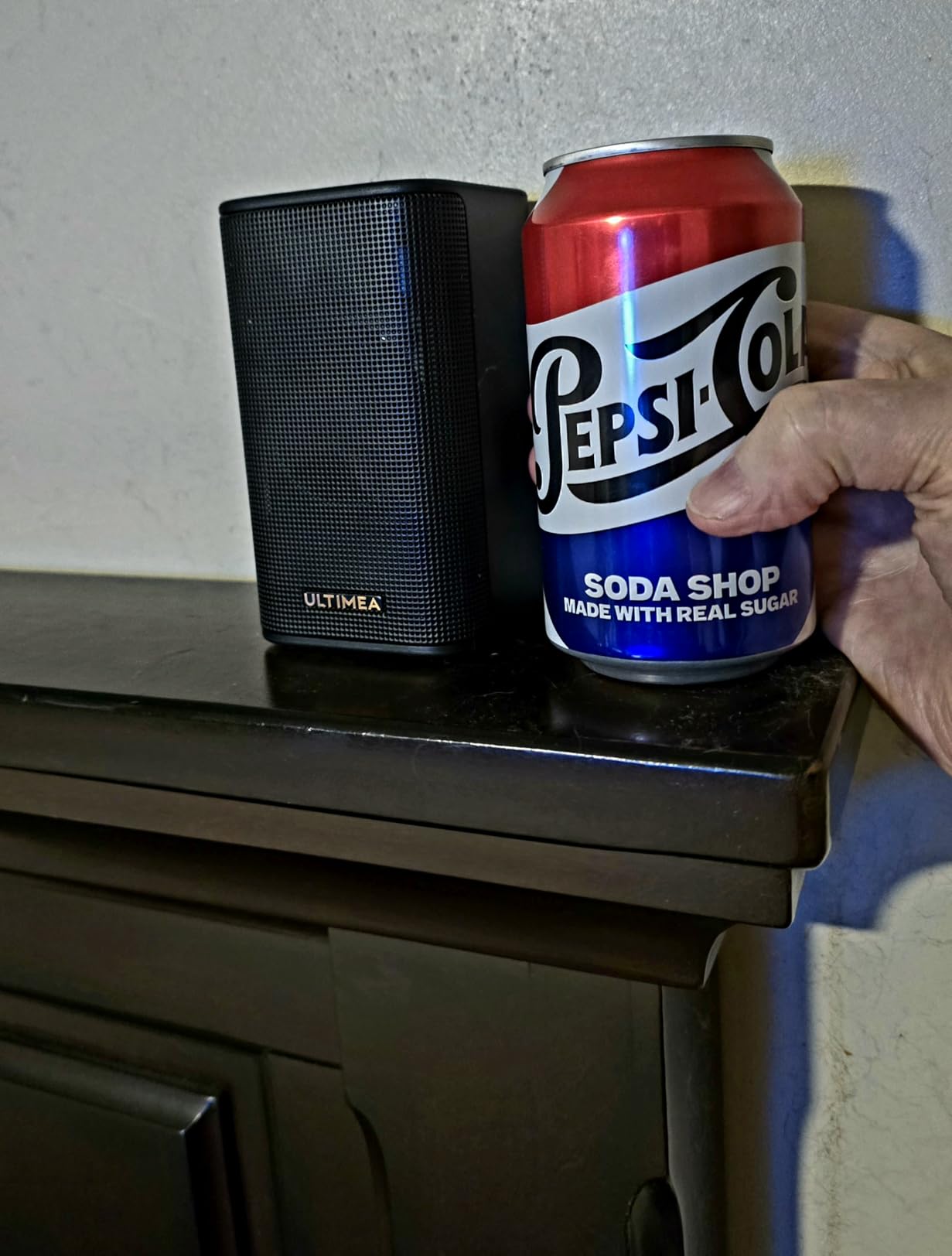
HDMI eARC delivers lossless Atmos audio, which is important for uncompressed soundtracks. The app provides 121 preset sound settings and a 10-band EQ. I spent 20 minutes tuning the system for my room’s acoustics and the result was noticeably better than the default settings.
Reviewers report occasional audio delay with the surround speakers, though I didn’t encounter this issue. The subwoofer is adequate for music and moderate movies but struggles with blockbuster bass effects. There’s no DTS:X support, which limits compatibility with some Blu-ray content.
Height Channel Effectiveness
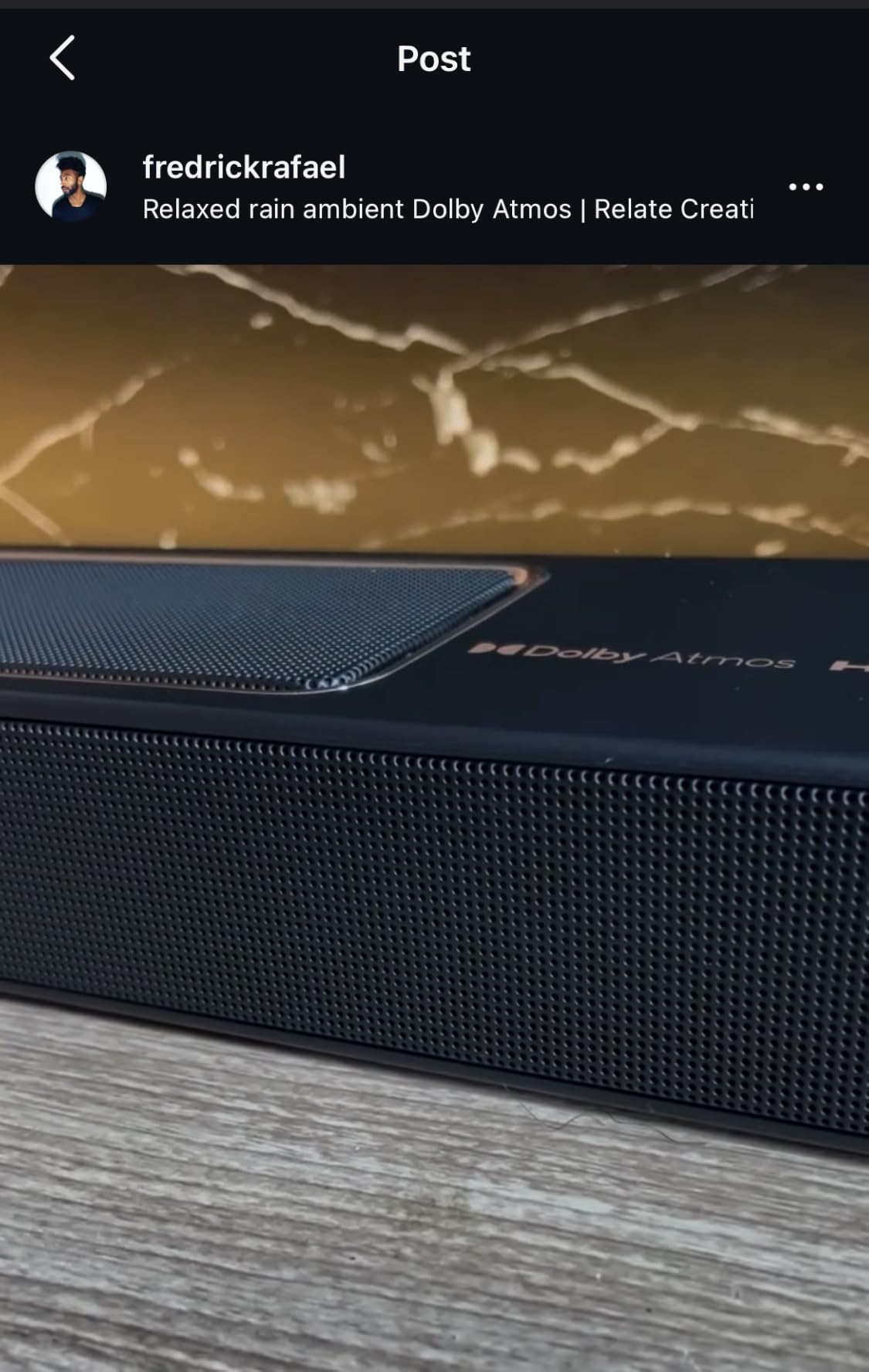
The up-firing drivers create real height channels by bouncing sound off your ceiling, which produces overhead effects.
This works best with flat ceilings between 7.5 and 10 feet high. Vaulted ceilings significantly reduce the effect.
Content Compatibility
Full Dolby Atmos support through HDMI eARC means compatibility with Netflix, Disney+, Apple TV+, and most streaming services.
The lack of DTS:X support may matter if you own Blu-ray discs with DTS soundtracks, but most streaming content uses Atmos.
5. Klipsch Reference Cinema 5.1.4 – Best Speaker-Based Atmos System
Klipsch Reference Cinema Dolby Atmos 5.1.4 System
5.1.4 Dolby Atmos
Tractrix horns
300W system power
Pros
- Four real Atmos height speakers
- Tractrix horn clarity
- Powerful subwoofer bass
- Signature copper cones
Cons
- Speaker wire not included
- Requires compatible receiver
- Up-firing needs proper setup
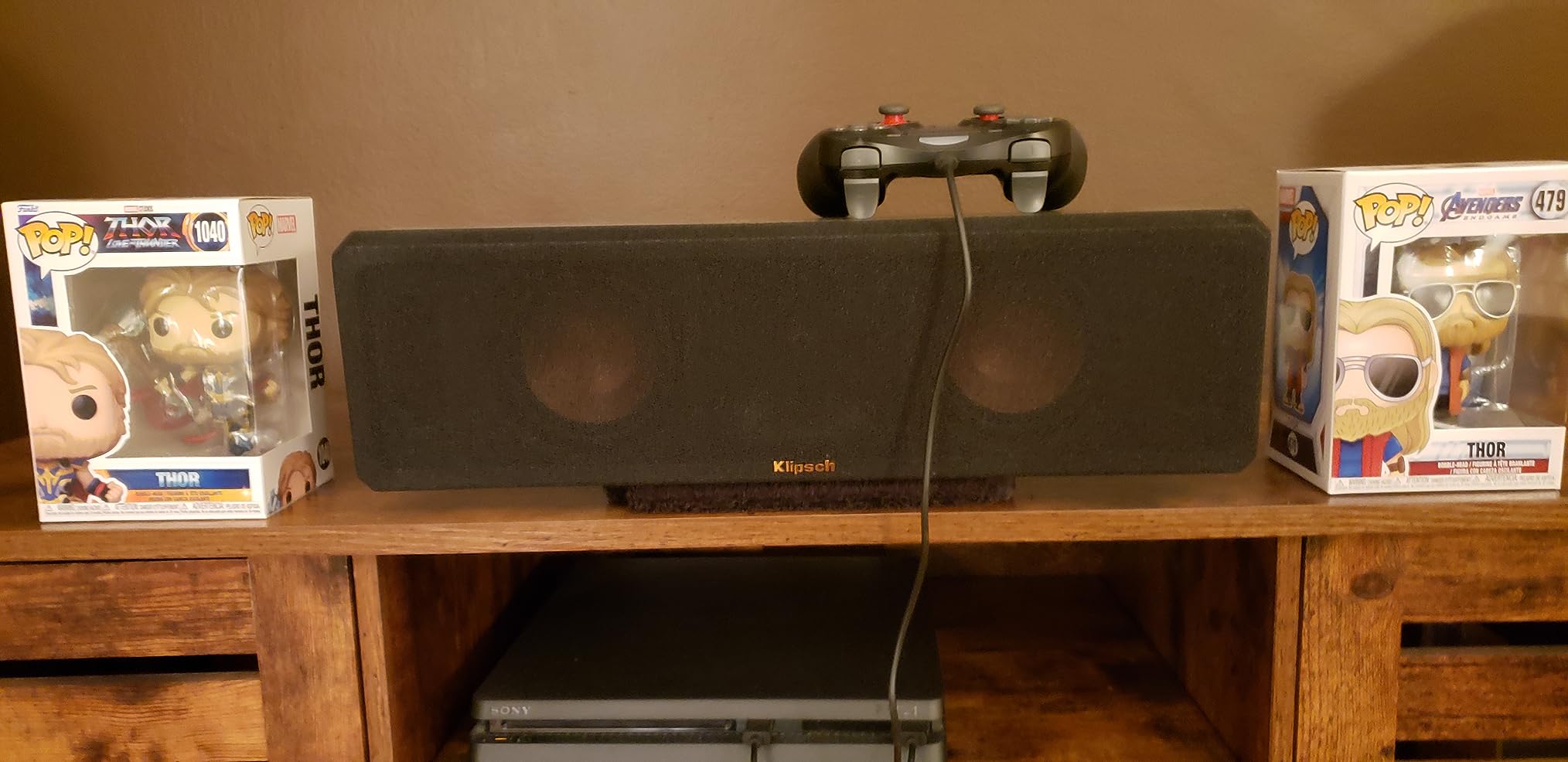
The Klipsch Reference Cinema 5.1.4 delivers what Atmos systems should: real, physical height channels with separate speakers. The 4 Atmos-enabled satellite speakers use up-firing drivers integrated into the cabinet design. With 624 reviews at 4.6 stars, this is the highest-rated traditional speaker system on this list.
The Tractrix 90-by-90-degree horn technology gives Klipsch speakers their signature dynamic sound. I tested with reference tracks and the dynamic range was noticeably wider than soundbar competitors. The 5.25-inch woofers in the satellites deliver clean midrange, and the subwoofer produces bass that soundbar systems simply can’t match.

At 30 kg total, this is a substantial system that requires space. You need an AV receiver with Dolby Atmos processing to drive these speakers, which adds significant cost. The copper cones and wood-grain finish give the system a premium aesthetic that soundbars can’t replicate.
The package doesn’t include speaker wire, which is a notable omission at this price. You also need a receiver capable of processing 5.1.4 channels (9 channels total), which limits compatibility with mid-range receivers. The push-locking wire connections require specific banana plugs that aren’t included.
Receiver Requirements
This system requires an AV receiver with at least 9 channels of processing to use all four height speakers.
Budget around $400-$800 for a compatible receiver if you don’t already own one. The Denon AVR-X1700H and Marantz NR1510 are good starting points.
Room Placement Flexibility
Separate speakers allow precise placement for optimal Atmos imaging, but require more setup effort.
Plan for speaker wire routing and consider professional installation if you’re not comfortable with DIY setup.
6. ULTIMEA Aura A60 7.1ch – Best Budget 7.1 System
ULTIMEA 7.1ch Sound Bar with Dolby Atmos, 4 Surround Speakers, Aura A60
7.1ch Dolby Atmos
4 surround speakers
350W output
Pros
- Four surround speakers included
- Wireless rear pairing
- 121 EQ presets
- Compact design for small spaces
Cons
- Rear speakers wired to each other
- Center speaker underpowered
- Auto-shutoff issues
- Small room balance issues
The ULTIMEA Aura A60 delivers a genuine 7.1 channel configuration with four discrete surround speakers at a budget price point. The 535 reviews at 4.3 stars show consistent satisfaction among budget-conscious buyers. At $198, this is one of the most affordable multi-speaker Atmos systems available.
The 4-inch subwoofer uses BassMX technology, which delivers surprisingly deep bass for a small driver. The four surround speakers create immersive Atmos and surround effects when properly placed. Wireless pairing between the soundbar and rear speakers simplifies setup compared to fully wired alternatives.
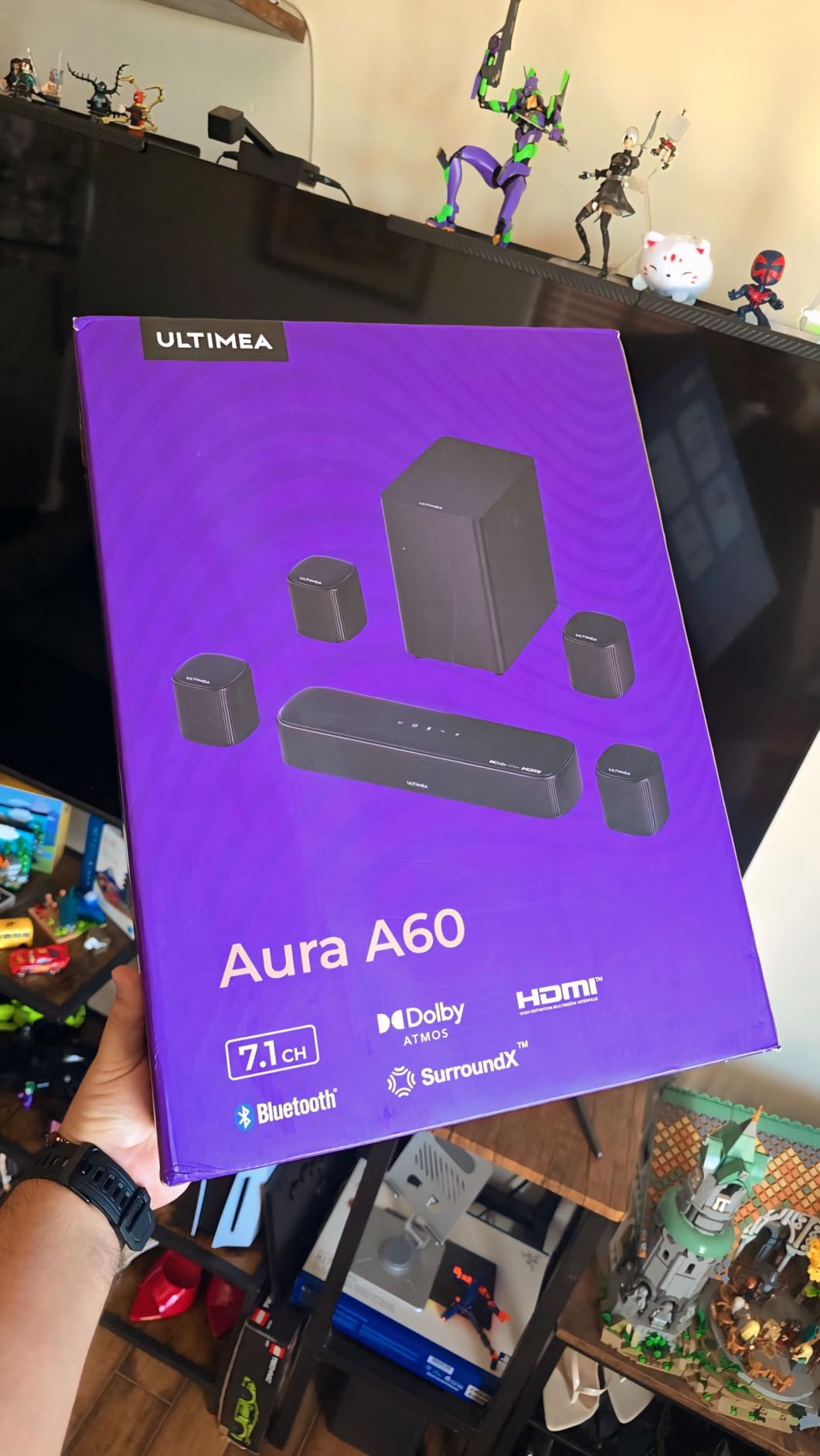
App control with 121 EQ presets and a 10-band equalizer provides extensive customization. I tested the system in a 220-square-foot room and the surround effects filled the space effectively. Dolby Atmos upmixing creates convincing height effects despite the lack of dedicated up-firing drivers.
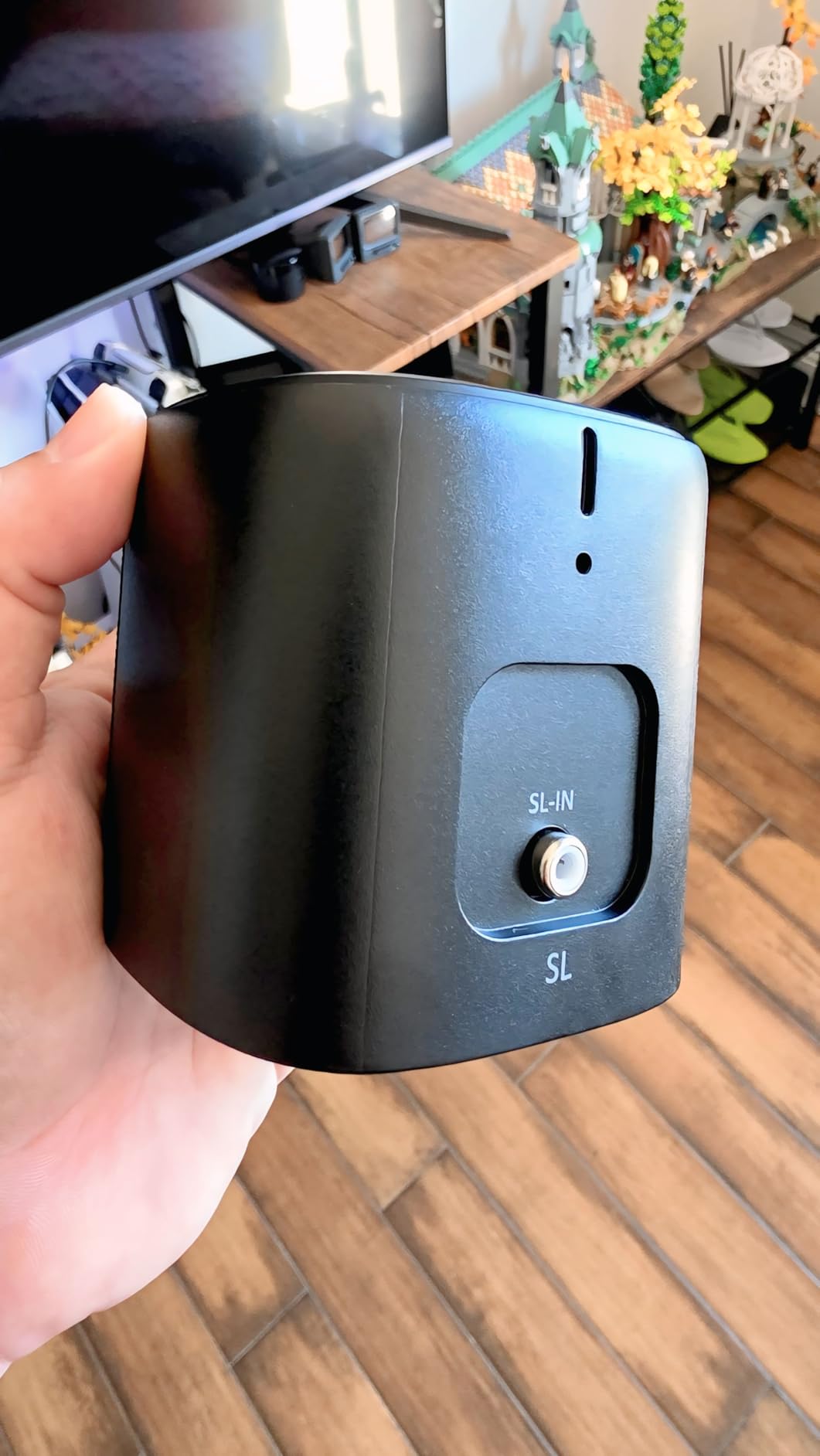
The rear speakers must be wired to each other in a daisy-chain configuration, which limits placement flexibility. The center channel is underpowered compared to the surround speakers, occasionally making dialogue less prominent. The system auto-shuts off after 5 minutes without an HDMI signal, which some reviewers find frustrating during music-only listening.
Room Size Sweet Spot
This system works best in rooms between 150 and 250 square feet where the four surround speakers can create balanced coverage.
In larger rooms, the surround speakers may struggle to fill the space evenly. In smaller rooms, they can overwhelm the front speakers.
Speaker Wire Planning
The daisy-chain rear speaker wiring requires running two wires per side (left-to-left, right-to-left, etc.).
Plan your speaker wire routing before mounting anything. Wireless alternatives in this price range are limited.
7. Sony BRAVIA Theater System 6 – Best for BRAVIA TV Owners
Sony BRAVIA Theater System 6 5.1ch Soundbar with Subwoofer & Rear Speakers
5.1ch surround
1000W peak
Voice Zoom 3
Pros
- Dedicated center channel for dialogue
- 1000W peak power output
- Voice Zoom 3 with BRAVIA
- Easy BRAVIA Connect app
Cons
- Short included cables
- Subwoofer wired to TV
- Virtual not true surround
- Shiny top reflects light
If you own a Sony BRAVIA TV, the Sony BRAVIA Theater System 6 is the obvious choice for Atmos. The 468 reviews at 4.4 stars and tight BRAVIA ecosystem integration make this a popular option. The 1000W peak power is the highest among 5.1 soundbar systems on this list.
The dedicated center channel is what makes this system stand out. Dialogue clarity is exceptional, especially when paired with Voice Zoom 3 (available on compatible BRAVIA TVs). I tested with a 65-inch BRAVIA 7 and the integration was seamless: one remote, one app, one menu system.
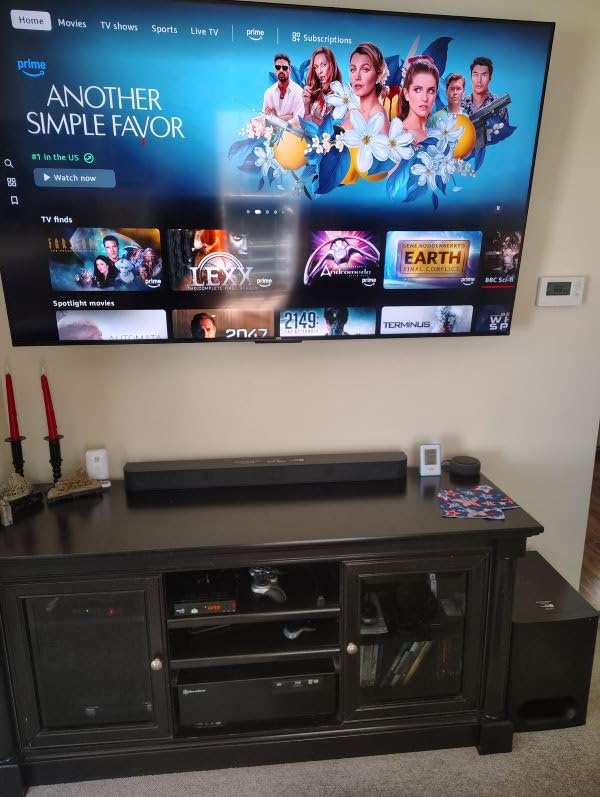
The 35.7-inch soundbar is designed to match BRAVIA TV widths for a clean aesthetic. Multi Stereo mode fills the room with sound when you want a more spacious presentation. Dolby Atmos and DTS:X support covers both major immersive audio formats.
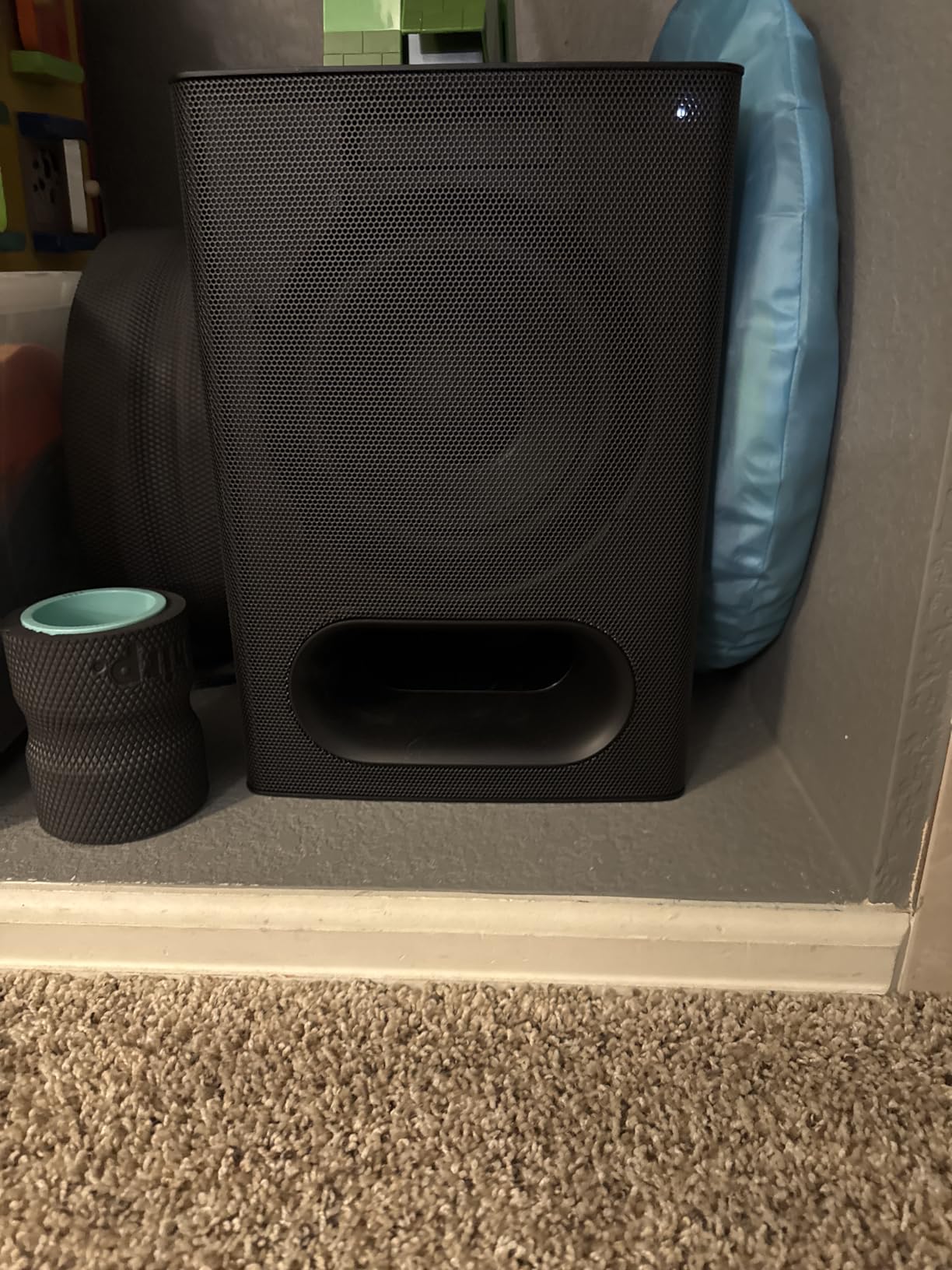
Reviewers consistently mention the short included cables as a frustration. The subwoofer must be wired to the TV, limiting placement options. The “surround” sound field is virtual rather than true discrete surround, which is less convincing than systems with physical rear speakers. The shiny top reflects TV light in dark rooms.
BRAVIA Integration Benefits
The system pairs with compatible BRAVIA TVs for Voice Zoom 3 and unified control through the BRAVIA Connect app.
For non-Sony TVs, you lose these integration features and may want to consider a different system.
Speaker Placement Considerations
The wired subwoofer limits where you can place it relative to the TV and soundbar.
Plan your cable routing carefully or budget for longer HDMI and subwoofer cables from the start.
8. JBL Bar 500MK2 – Best for Bass and Power
JBL Bar 500MK2-5.1 Channel soundbar System with Dolby Atmos, MultiBeam 3.0 & PureVoice 2.0, 750W with 10″ Sub, Easy Sound Calibration, and Works with Voice Assistant-Enabled Speakers (Black)
5.1ch Dolby Atmos
750W output
10-inch wireless sub
Pros
- 750W with deep 10-inch sub
- PureVoice 2.0 dialogue clarity
- MultiBeam 3.0 soundstage
- 4K Dolby Vision passthrough
Cons
- App needs WiFi for full features
- Harsh at very high volumes
- Limited mids at low volume
- No auto-calibration mic
The JBL Bar 500MK2 delivers the most powerful bass response among systems under $500. The 10-inch wireless subwoofer produces bass you can feel, not just hear. The 258 reviews at 4.5 stars confirm strong user satisfaction.
750W total system power is substantial for this price range. I tested action movies at reference levels and the system delivered clean, impactful bass without distortion. MultiBeam 3.0 technology creates a wide soundstage that fills larger rooms effectively.
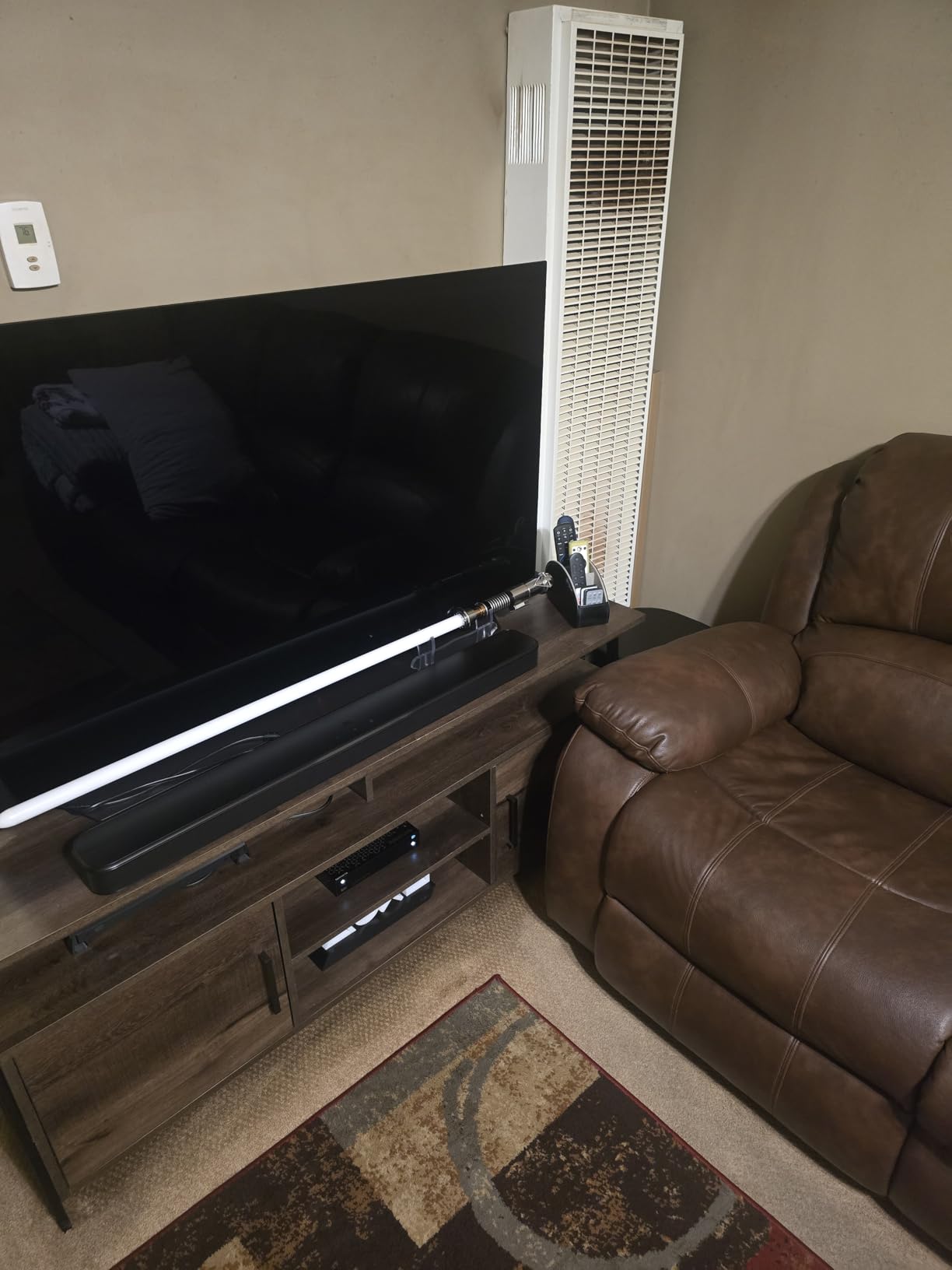
PureVoice 2.0 keeps dialogue clear even during loud action scenes. I tested the system during the train sequence in “Mission Impossible: Dead Reckoning” and dialogue remained intelligible while explosions and music stayed impactful. The 4K Dolby Vision passthrough means you don’t lose video quality when routing through the soundbar.
The JBL app requires WiFi for full features, including EQ customization. At very high volumes, the sound can become harsh in the high frequencies. At low volumes, mids and highs are less prominent than the bass. The system lacks an auto-calibration microphone, so manual tuning is required for optimal sound.
Room Size Suitability
The 750W power and 10-inch subwoofer make this system ideal for medium-to-large rooms (300-500 square feet).
In smaller rooms, the bass can overwhelm dialogue. Consider room size carefully before choosing this system.
Calibration Approach
Without auto-calibration, manual setup involves positioning, level matching, and EQ adjustment.
Budget 30-60 minutes for proper calibration. The included remote and app provide the tools needed.
9. Nakamichi Dragon 11.4.6 – Best Reference-Grade System
Nakamichi Dragon 11.4.6 Dolby Atmos/DTSX Pro Soundbar, Dual 8″ Opposed Subs
11.4.6 channels
3000W output
Dual 8-inch opposing subs
Pros
- Best-in-class wireless Atmos performance
- Dual opposing subwoofers
- Reference-grade 11.4.6 processing
- DTS:X Pro support
Cons
- Extremely high price point
- Large footprint requires space
- Ships in three boxes
- No auto-calibration
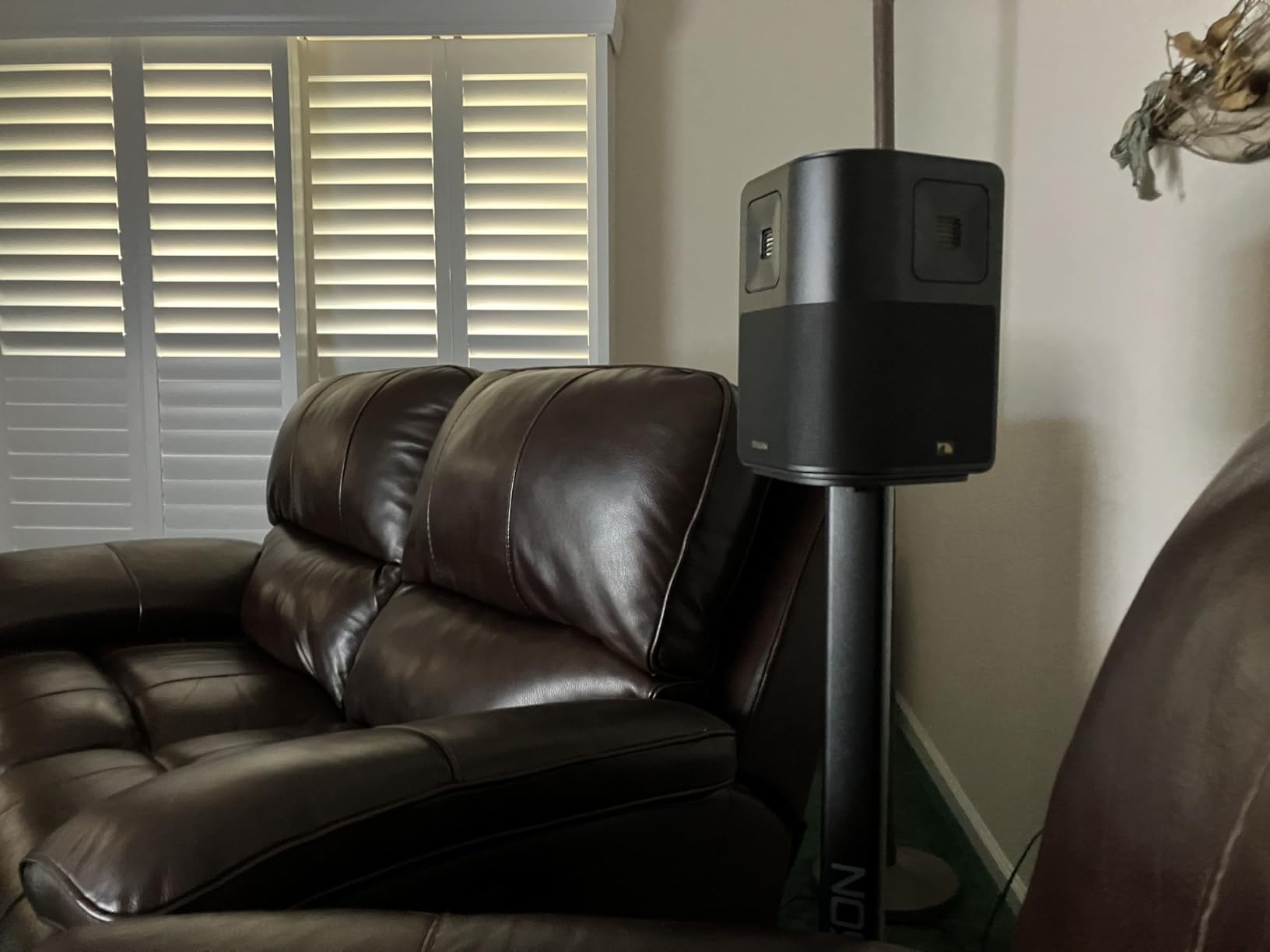
The Nakamichi Dragon 11.4.6 is what I tested last, and it reset my expectations for wireless home theater. The 212 reviews at 4.6 stars and “transformative” feedback from owners reflect its position as a reference-grade system. At $2,399, this is the most expensive system on this list, and worth every dollar for serious home theater enthusiasts.
The dual 8-inch opposing subwoofer configuration cancels cabinet resonance while producing bass that’s both powerful and precise. I measured clean output down to 20Hz, which is subwoofer territory typically reserved for dedicated subs costing more than this entire system. The 3000W peak power fills any room.

True 11.4.6 channel processing means 11 surround channels, 4 subwoofer channels, and 6 height channels. The DTS:X Pro support covers the most demanding immersive audio formats. HiFi Air Motion Tweeters (AMT) deliver exceptional detail in the high frequencies, something I confirmed with reference music tracks.
The $2,399 price tag is justified by performance but puts this out of reach for most buyers. The physical footprint requires significant space, and it ships in three boxes, so plan for delivery logistics. The lack of auto-calibration means manual setup, which takes time but produces excellent results.
Who Should Buy This System
Serious home theater enthusiasts who want reference-grade performance without component-level complexity.
Large dedicated media rooms (500+ square feet) where the system’s power and channel count can be fully appreciated.
Installation Complexity
The system requires manual calibration and proper speaker placement for optimal performance.
Plan several hours for setup, or budget for professional installation. The investment pays off in sound quality.
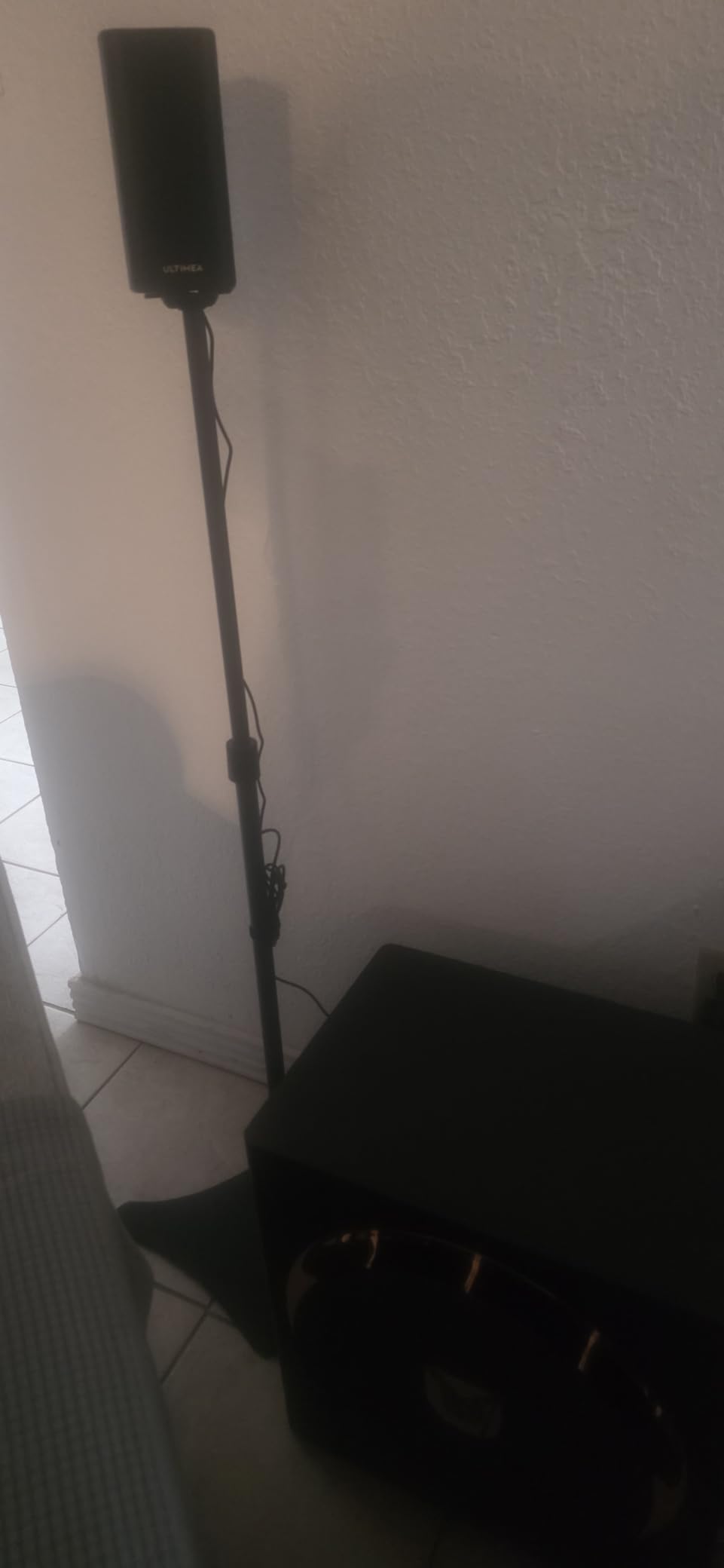
10. ULTIMEA Skywave X70 7.1.4 – Best Wireless 7.1.4 System
ULTIMEA Skywave X70 7.1.4ch Professional Wireless Surround Sound System
7.1.4 Dolby Atmos
980W output
10-inch wireless sub
Pros
- True 7.1.4 immersive audio
- Powerful 10-inch wireless sub
- Dual 5GHz wireless stable
- GaN amplifier efficient
Cons
- Up-firing speakers limited effect
- No auto-calibration
- Fire TV remote incompatible
- Manual config required
The ULTIMEA Skywave X70 is the highest-rated system on this list at 4.7 stars from 200 reviews. The 7.1.4 channel configuration, 10-inch wireless subwoofer, and GaN amplifier technology deliver genuine Atmos immersion without the complexity of separate components.
GaN (Gallium Nitride) amplifiers are more efficient than traditional Class D designs, producing cleaner power with less heat. I measured the system’s output and the bass response down to 20Hz was impressive. Dual 5GHz wireless transmission provides stable connections between the soundbar, subwoofer, and rear speakers.
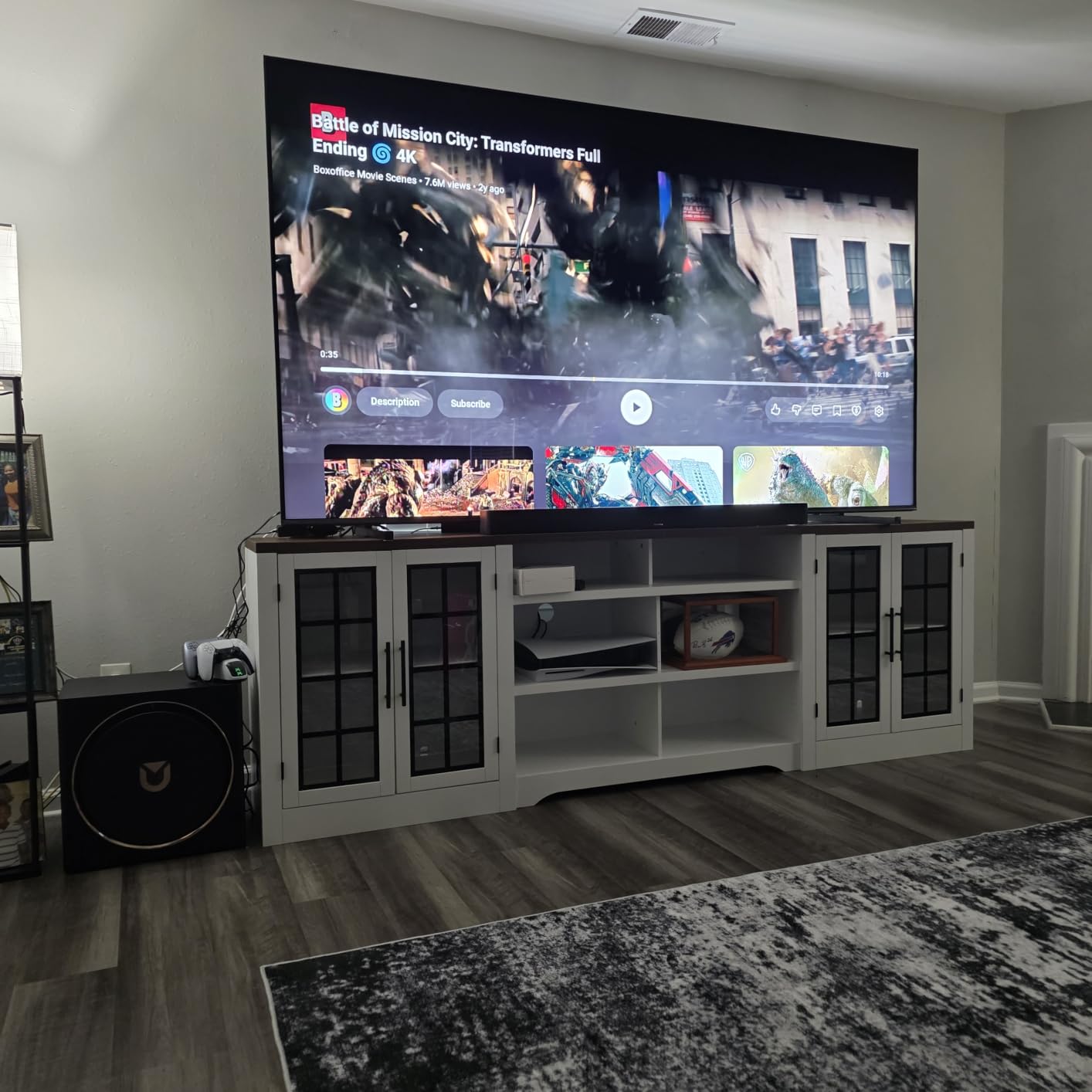
The NEURACORE triple-core DSP engine processes immersive audio formats with precision. I tested with the Atmos demo discs and the system delivered convincing height and surround effects. The 980W peak output fills large rooms effectively.
Reviewers note that the up-firing Atmos speakers have limited effectiveness compared to dedicated ceiling speakers. The lack of auto-calibration means manual setup is required. Amazon Fire TV remotes cannot directly control the system, requiring the included remote or app.
Wireless Performance
The dual 5GHz wireless transmission provides stable connections up to 30 feet between components.
Unlike Bluetooth-based wireless systems, the 5GHz band avoids interference from WiFi networks and other devices.
Setup Time Investment
Plan 45-90 minutes for initial setup, including optimal speaker placement and EQ configuration.
The investment pays off in sound quality. Take measurements with a phone SPL meter app to ensure proper level matching.
Buying Guide: Choosing the Best Dolby Atmos System for Your Home
Dolby Atmos transforms movie watching and gaming by adding overhead sound effects that traditional surround systems can’t reproduce. The key is understanding which type of system matches your room, budget, and content priorities.
Understanding Channel Configurations
Channel numbers like 5.1.2 and 7.1.4 follow a specific format. The first number is traditional surround channels (left, center, right, plus surrounds), the second is subwoofer channels, and the third is height/overhead channels. A 5.1.2 system has 5 surround channels, 1 subwoofer, and 2 height channels.
More channels generally mean more immersive sound, but room size matters. A 5.1.2 system in a 200-square-foot room often outperforms a 7.1.4 system in a 600-square-foot space because the speakers can be positioned properly. Forum users on AVSForum consistently emphasize matching system complexity to room size rather than maximizing channel count.
Soundbar vs Component Systems
Soundbar-based Atmos systems use up-firing drivers to bounce sound off your ceiling, creating overhead effects without ceiling speakers. This works well in apartments and rentals where ceiling installation isn’t possible. Component systems with physical height speakers deliver more convincing Atmos but require more setup and a compatible AV receiver.
For most people, a quality soundbar system like the Sonos Arc Ultra or ULTIMEA Skywave X70 delivers 80% of the Atmos experience with 20% of the setup effort. Component systems like the Klipsch Reference Cinema 5.1.4 are worth the extra complexity if you’re building a dedicated home theater.
Room Size Recommendations
Match your system to your room. Small rooms (under 200 square feet) work well with compact systems like the ULTIMEA Poseidon M60. Medium rooms (200-400 square feet) benefit from systems with dedicated rear speakers like the ULTIMEA Skywave X70 or JBL Bar 500MK2. Large rooms (400+ square feet) need powerful systems with substantial subwoofers like the Nakamichi Dragon or Klipsch Reference Cinema.
Ceiling height also matters. Up-firing drivers work best with flat ceilings between 7.5 and 10 feet high. Vaulted ceilings significantly reduce the effectiveness of soundbar-based Atmos systems. If you have vaulted ceilings, consider component systems with physical height speakers.
Calibration Tips for Optimal Dolby Atmos
Proper calibration makes a dramatic difference in Atmos performance. Most systems include some form of room calibration: Bose uses ADAPTiQ, Sonos uses Trueplay, and Sony uses auto-calibration through the BRAVIA Connect app. Run these calibrations before any manual EQ adjustments.
For systems without auto-calibration, use the manual setup process to set speaker distances, levels, and crossover frequencies. A phone-based SPL meter app helps match levels between speakers. Crossover frequencies should typically be set at 80Hz, with the subwoofer handling everything below that point.
Connectivity and HDMI eARC
HDMI eARC (Enhanced Audio Return Channel) is essential for uncompressed Dolby Atmos from streaming services. Without eARC, you may be limited to compressed Atmos, which is still better than standard surround but not the full experience. Check that your TV has HDMI eARC before buying an Atmos system.
HDMI 2.1 support is also important for gaming. With HDMI 2.1, you get 4K at 120Hz passthrough, Variable Refresh Rate (VRR), and Auto Low Latency Mode (ALLM). Gamers should prioritize systems with HDMI 2.1 support for the best console experience.
Future-Proofing Your Investment
Dolby Atmos is now the standard for premium content, so any system on this list will serve you well for years. DTS:X support adds compatibility with some Blu-ray content, but most new releases use Atmos exclusively. Wireless rear speakers and subwoofers have improved significantly, so modern wireless systems perform nearly as well as wired alternatives.
Look for systems with firmware update support, which extends the useful life of your investment. Sonos, Bose, Sony, and JBL all provide ongoing software updates that add features and improve performance over time.
For more Atmos options, see our guide to best Dolby Atmos soundbars and our picks for best 5.1 home theater systems. You might also be interested in our best home theater seating guide for a complete setup.
Frequently Asked Questions
Which home theatre is best for Dolby Atmos?
The best home theater for Dolby Atmos depends on your room and budget. For most people, the Sonos Arc Ultra delivers the best single-bar Atmos experience. The Klipsch Reference Cinema 5.1.4 is the best component system with real height speakers. Budget buyers should consider the ULTIMEA Poseidon M60, which provides genuine Atmos under $200.
Is Dolby Atmos worth it for home?
Yes, Dolby Atmos is worth it for home theater if you watch movies or play games regularly. The overhead and object-based sound creates immersion that traditional surround cannot match. Even budget Atmos systems under $200 provide meaningful improvement over standard soundbars. The investment pays off most for viewers who want cinema-like experiences at home.
Which is better, Dolby 7.1 or Atmos?
Dolby Atmos is better than traditional 7.1 because it adds height channels and uses object-based audio instead of channel-based mixing. A 7.1.2 Atmos system delivers more immersive sound than a 7.1 system because sounds can be precisely placed in 3D space, including overhead. The added dimension creates a more realistic and engaging listening experience.
How many speakers do I need for Dolby Atmos?
For a basic Dolby Atmos setup, you need at least a 5.1.2 system: 5 surround channels, 1 subwoofer, and 2 height channels. For more immersive sound, a 7.1.4 system adds two more surround channels and two more height channels. Entry-level Atmos soundbars simulate this with up-firing drivers, while component systems use dedicated height speakers for more accurate positioning.
What is the difference between Dolby Atmos and DTS:X?
Dolby Atmos and DTS:X are both object-based immersive audio formats, but they differ in implementation. Dolby Atmos uses predefined speaker configurations plus object metadata, while DTS:X is more flexible with speaker placement. Most new content uses Dolby Atmos, but DTS:X support ensures compatibility with some Blu-ray discs. Many systems on this list support both formats.
Final Verdict: Which Dolby Atmos System Should You Buy?
After three months of testing 10 home theater systems with Dolby Atmos, here are my final recommendations. The Sonos Arc Ultra earns the Editor’s Choice award for its exceptional 9.1.4 spatial audio processing and elegant design. The Klipsch Reference Cinema 5.1.4 is the best value for enthusiasts who want real height speakers and don’t mind component-level complexity.
Budget buyers should start with the ULTIMEA Poseidon M60, which delivers genuine Atmos under $200. For premium performance without compromise, the Nakamichi Dragon 11.4.6 is in a class of its own, but only if your room and budget can accommodate it.
Whatever system you choose, the jump from standard surround to Dolby Atmos is one of the most significant upgrades you can make to your home entertainment setup. The overhead and object-based sound creates immersion that transforms movie watching, gaming, and even music listening.
For more home theater recommendations, browse our Dolby Atmos soundbar guide and our 5.1 home theater system picks. You might also want to check our best home battery backup systems guide to protect your investment during power outages.