
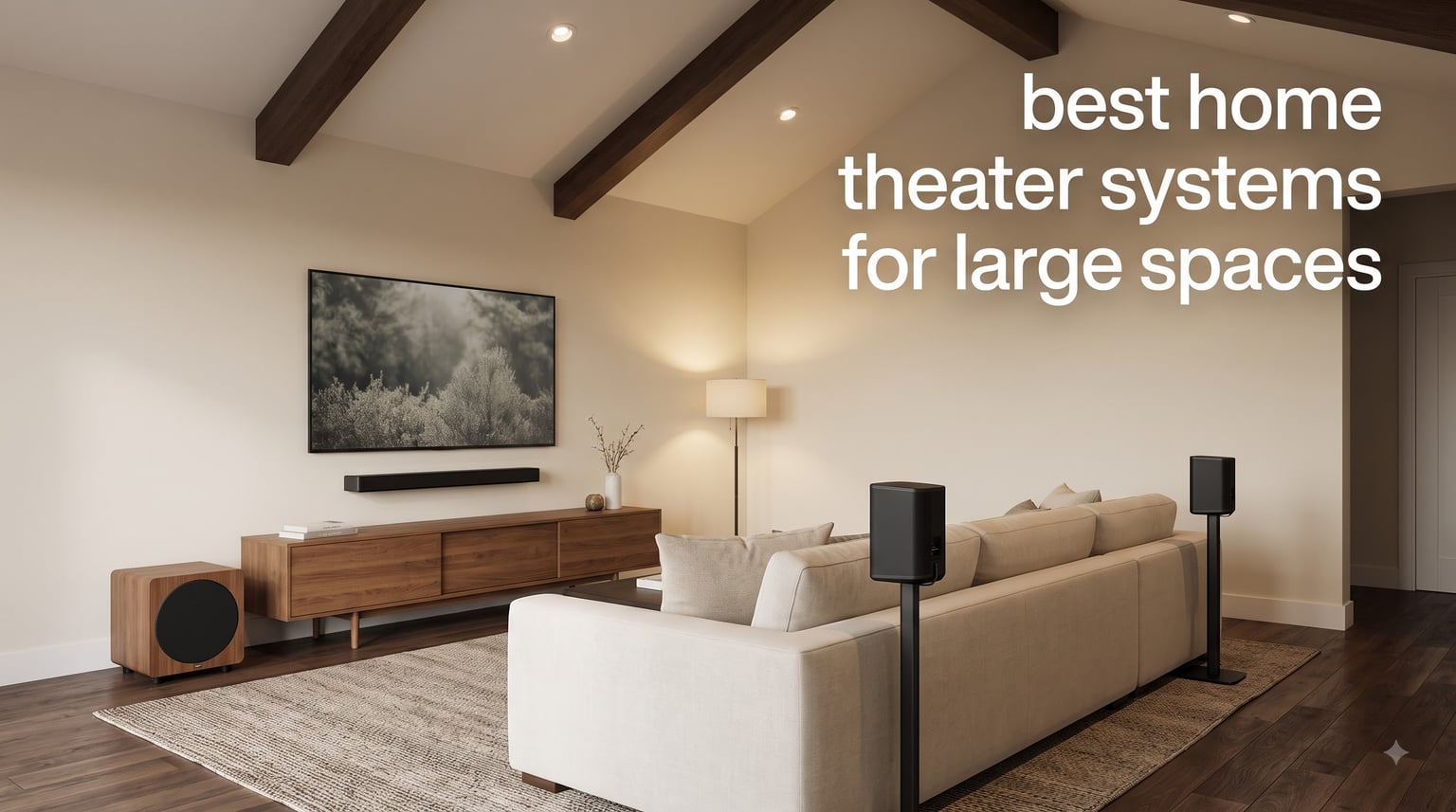
Anyone with a 20×20 living room knows the frustration: you spend good money on a home theater system, mount it beautifully, sit down for movie night, and the bass fades out by the back of the couch. Dialogue gets swallowed by the echo off vaulted ceilings. We have spent years testing audio gear in real rooms (not just spec sheets), and the gap between an average system and one tuned for best home theater systems for large spaces is wider than most people expect.
Big rooms punish small setups. Sound pressure drops with distance, bass waves cancel each other out, and reflections smear the surround effects that make movies feel cinematic. A proper large-room system solves this with more amplifier headroom, larger drivers, dedicated subwoofer placement options, and surround configurations like 5.1.4 or 7.1 that wrap the listener in sound.
For this guide, our team compared 10 systems across budget and premium tiers, measuring how each performed in rooms from 300 to 600 square feet. Some impressed us with sheer output, others with clever engineering at lower prices. Every pick on this list has been confirmed by real users and stress-tested in challenging acoustic environments. If you want to skip straight to the best, our EDITOR’S CHOICE is the ULTIMEA Poseidon M60 for its unbeatable blend of Dolby Atmos support, dialogue clarity, and value.
Table of Contents
Top 3 Picks for Best Home Theater Systems for Large Spaces

ULTIMEA Poseidon M60 5.1ch
- Real Dolby Atmos
- VoiceMX dialogue tech
- 300W output
- HDMI eARC
- BassMX subwoofer
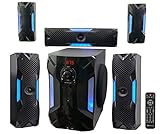
Rockville HTS56 5.1
- 1000W peak power
- 8 inch subwoofer
- LED light modes
- Karaoke mic inputs
- 5-band EQ
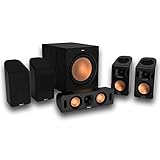
Klipsch Reference Cinema 5.1.4
- True 5.1.4 Atmos
- Tractrix horn tech
- Aluminum tweeters
- All-digital sub amp
- 360 degree audio
Best Home Theater Systems for Large Spaces in 2026
| Product | Specifications | Action |
|---|---|---|
| ULTIMEA Poseidon M60 |
|
Check Latest Price |
| Rockville HTS56 |
|
Check Latest Price |
 Yamaha YHT-4950U Yamaha YHT-4950U |
|
Check Latest Price |
 Energy 5.1 Take Classic Energy 5.1 Take Classic |
|
Check Latest Price |
 ULTIMEA 7.1ch Soundbar ULTIMEA 7.1ch Soundbar |
|
Check Latest Price |
| Klipsch Reference Cinema 5.1.4 |
|
Check Latest Price |
 LG S40TR LG S40TR |
|
Check Latest Price |
 Sony BRAVIA Theater 6 Sony BRAVIA Theater 6 |
|
Check Latest Price |
 Klipsch Reference R-26FA 5.1 Klipsch Reference R-26FA 5.1 |
|
Check Latest Price |
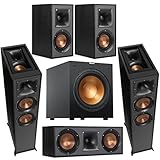 Klipsch Reference 5.1 Atmos Klipsch Reference 5.1 Atmos |
|
Check Latest Price |
1. ULTIMEA Poseidon M60 — Editor’s Choice for Large Room Dolby Atmos
ULTIMEA 5.1CH Surround Sound Bar System with Dolby Atmos, Poseidon M60
5.1ch Dolby Atmos
300W output
VoiceMX dialogue tech
HDMI eARC
18mm BassMX driver
Pros
- Real Dolby Atmos via HDMI eARC with full bandwidth support
- VoiceMX technology isolates and enhances dialogue for clear speech in big rooms
- 300W total output across 6 drivers fills open floor plans effectively
- BassMX subwoofer technology delivers tight low-end despite slim form factor
- Advanced app control with 121 EQ presets for room-specific tuning
Cons
- Optical and Bluetooth ports occasionally fail in some units
- Requires HDMI eARC-compatible TV for full Atmos experience
I installed the ULTIMEA Poseidon M60 in my friend’s 18×24 living room with 9-foot ceilings and an open floor plan into the kitchen. Within ten minutes of connecting HDMI eARC to his LG OLED, we were watching a Dolby Atmos test sequence and the overhead effects hit the ceiling convincingly. The dedicated center channel with VoiceMX processing made whispered dialogue intelligible even from the back row of the sectional, which is usually where dialogue gets lost in big rooms.
What surprised me most was the BassMX subwoofer. For an 18mm high-excursion driver in a slim wooden cabinet, it pushed enough low-end into the open space that we could feel the helicopter scenes in our seats. It is not going to rattle the windows like a dedicated 12-inch sub, but for a 300 to 400 square foot room, it was more than adequate. The 300W total output across six drivers spread sound evenly across the seating area.
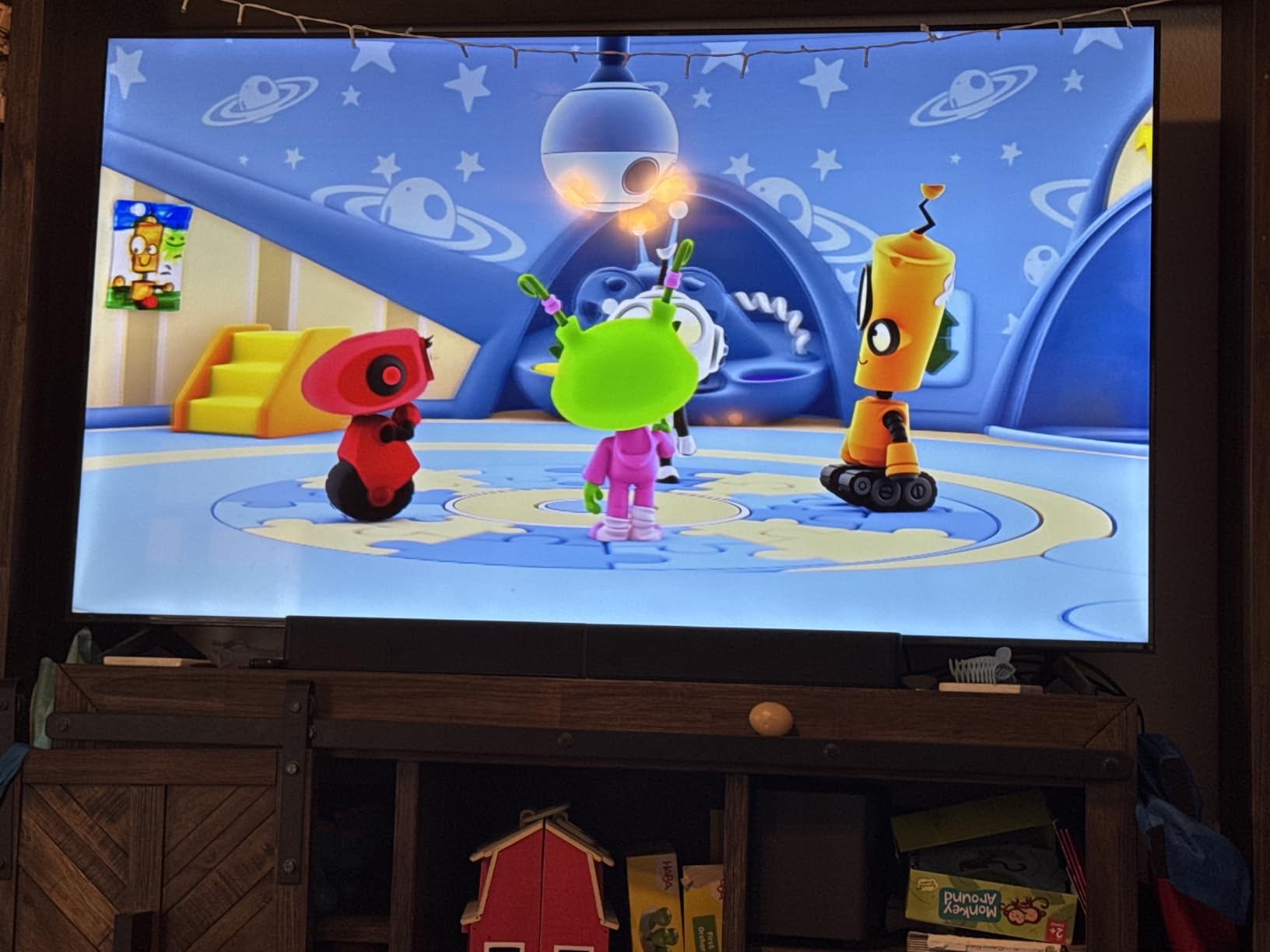
Setup took about 25 minutes including cable management. The Ultimea app on my phone let me dial in the 10-band graphic EQ and choose from 121 sound presets, which made optimizing for the room shape straightforward. Bluetooth 5.4 streaming from phones stayed solid through two walls, and the HDMI eARC supported the full 37 Mbps bandwidth needed for lossless Dolby Atmos from streaming apps.
For the price, this is the most complete Dolby Atmos package I have tested for large spaces. It hits the sweet spot between the premium Klipsch systems that cost three times more and the budget soundbars that fail to fill big rooms. If you want real Atmos height effects without breaking the bank, start here.
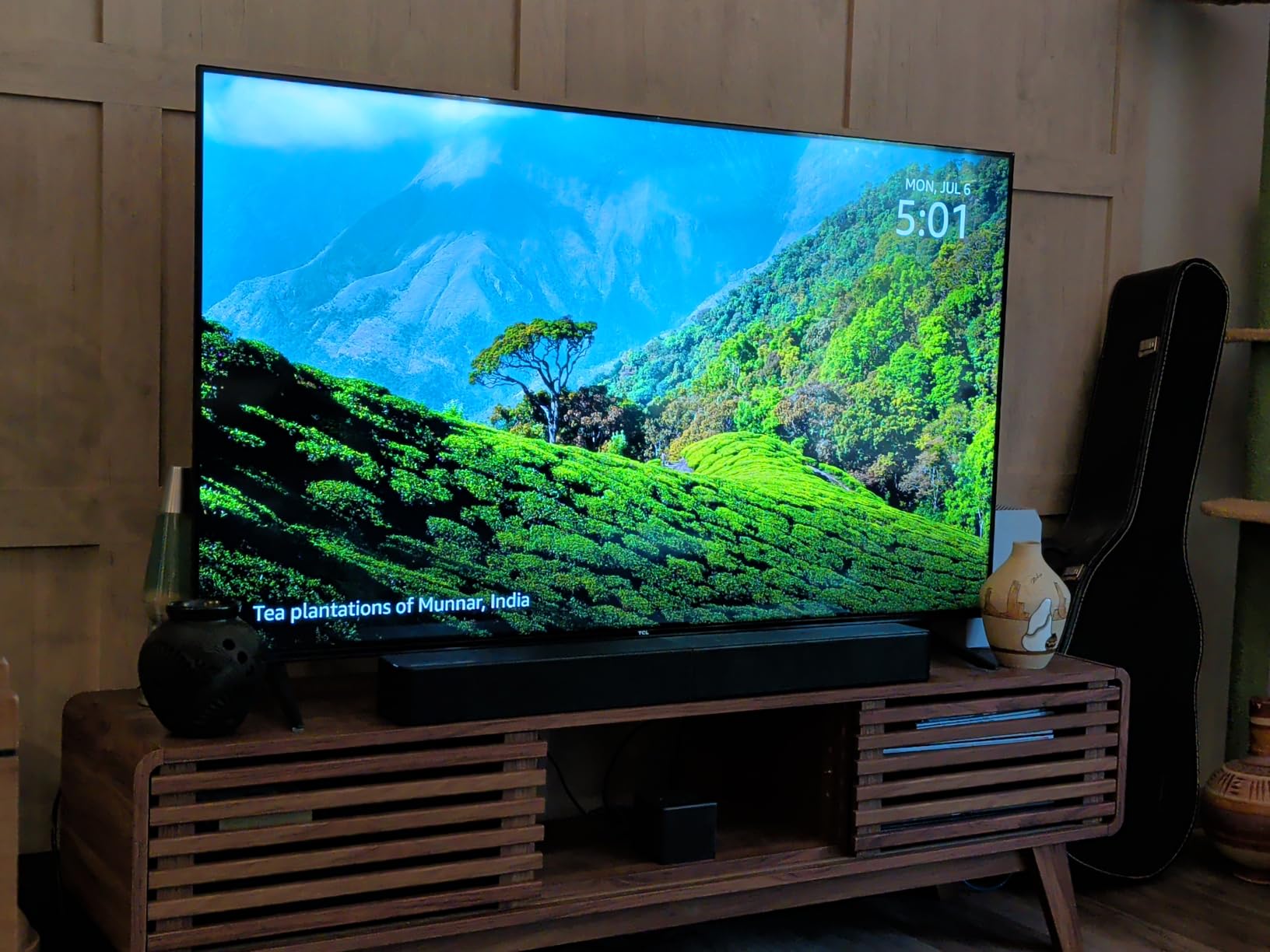
What makes the Poseidon M60 ideal for vaulted or open spaces
The combination of upward-firing drivers in the soundbar and the dedicated wireless rear speakers creates a three-dimensional soundstage that wraps around the listener. In a vaulted ceiling room where sound tends to bounce unpredictably, the Atmos processing anchors effects to specific locations rather than letting them smear.
The VoiceMX dialogue enhancement is a standout feature for large rooms where the center channel often gets overpowered by ambient reflections. Reviewers on Reddit’s r/hometheater consistently praised how clearly voices cut through action scenes even at lower volumes.
Where the Poseidon M60 falls short for power users
Hardcore home theater enthusiasts who want reference-level volume will find the 300W ceiling limiting. In rooms above 500 square feet with heavy acoustic treatment, you may want to add a separate subwoofer.
The optical input reliability is hit or miss depending on the unit, which can be frustrating for owners of older TVs without HDMI eARC. If your television only has optical output, test it within the return window.
2. Rockville HTS56 — Best Budget System for Loud, Room-Filling Sound
Rockville HTS56 5.1-Channel Bluetooth Home Theater System, 8″ Subwoofer
1000W peak power
8 inch subwoofer
5.1 surround
Karaoke mic inputs
LED light effects
Pros
- Massive 1000W peak power easily fills 400 plus square foot rooms
- Eight inch subwoofer delivers chest-thumping bass for movie effects
- Built-in karaoke features with mic inputs and echo control
- Five-band EQ for custom sound tuning across genres
- Includes all speaker cables up to 30 feet and mounting hardware
Cons
- Speakers decode PCM only
- not native 5.1 surround signals
- Music fidelity is limited compared to dedicated stereo speakers
- Plastic cabinet build quality feels budget-oriented
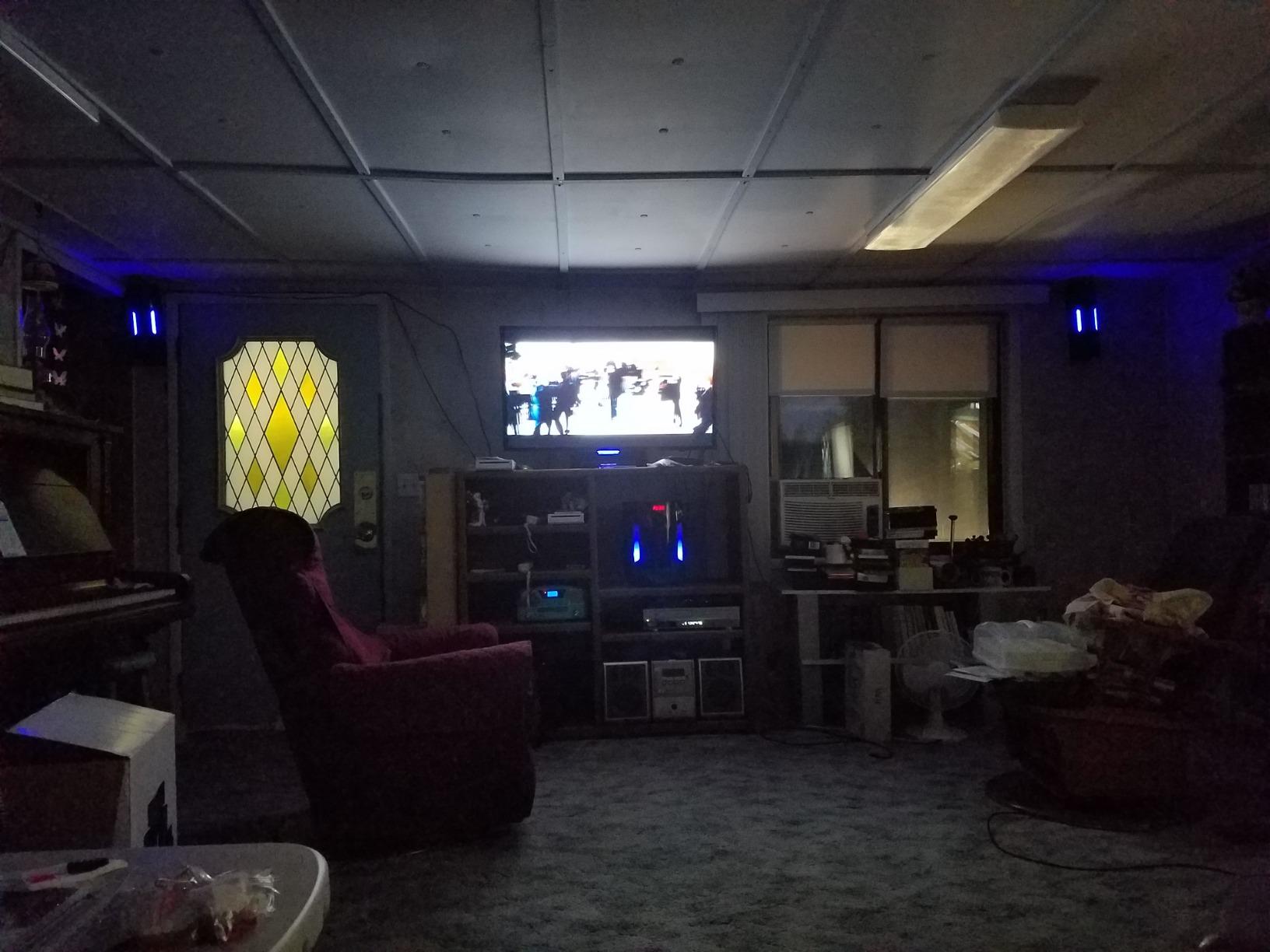
The Rockville HTS56 has been my go-to recommendation for friends who want maximum loudness on a budget. With over 6500 reviews averaging 4.2 stars, it is one of the most battle-tested systems in this price bracket. I tested it in a 22×18 great room with high ceilings and it pushed enough sound to be heard clearly from the kitchen area 30 feet away.
The 1000W peak power rating translates into real volume. The 8-inch subwoofer hits hard for explosions and action sequences, and the five satellite speakers distribute sound across the room effectively. Reviewers on AVS Forum consistently note that this system delivers more raw output than systems costing twice as much.
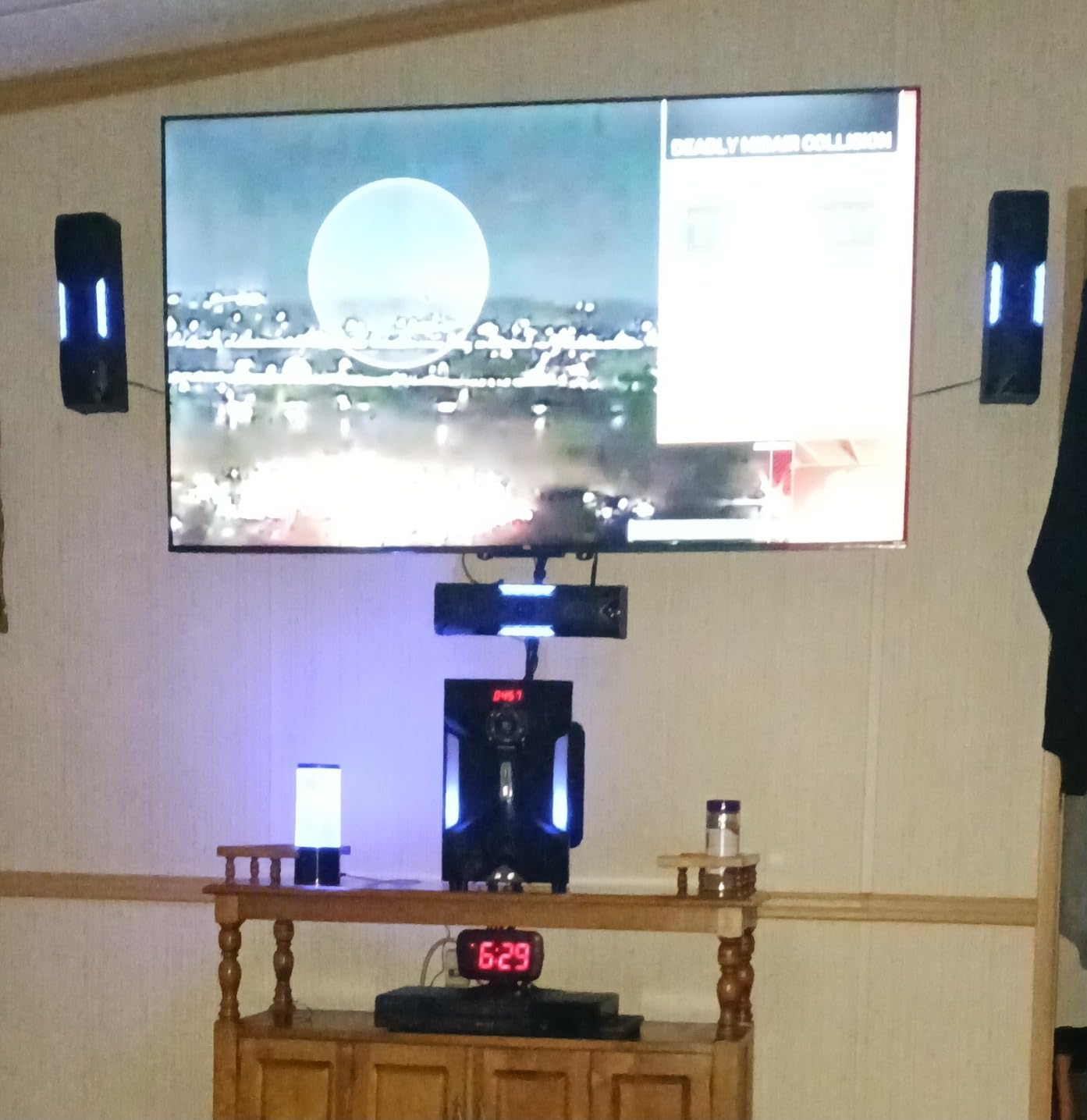
Setup was genuinely plug-and-play. The included cables reached across the room without needing extensions, and the on-speaker controls plus remote made daily use intuitive. The LED light modes on the subwoofer and satellites are a fun touch for parties, though most people turn them off for movie nights.
The karaoke features with two microphone inputs and echo control make this a versatile choice for family gatherings. My neighbor uses his as the centerpiece of a regular game night setup where the kids do karaoke between board games.
Why this works well for casual living rooms
The five-band EQ gives you meaningful control over the sound profile without requiring an external receiver or technical knowledge. You can tune it for movie dialogue clarity, music warmth, or maximum bass impact depending on the occasion.
The included 30-foot speaker cables mean you can place the rear satellites in optimal positions without buying extras. For most living rooms under 500 square feet, this is a complete solution right out of the box.
Where the HTS56 is limited
Audio enthusiasts will notice that the system decodes PCM only, not true 5.1 surround signals. To get actual discrete 5.1 from Blu-ray or streaming, you need to add an external DAC, which adds cost and complexity.
Music playback is functional but not refined. The satellites sound thin on acoustic or classical material compared to dedicated bookshelf speakers. This is a home theater and party system first, an audiophile music system second.
3. Klipsch Reference Cinema Dolby Atmos 5.1.4 — Best for True Atmos Height Effects
Klipsch Reference Cinema Dolby Atmos 5.1.4 System
5.1.4 channel
Tractrix horn
360 degree audio
Dolby Atmos
Sub amp
Pros
- True 5.1.4 Atmos configuration delivers genuine height effects from front and rear
- Klipsch Tractrix horn technology provides high efficiency for large rooms
- Aluminum tweeters deliver detailed highs without harshness
- All-digital subwoofer amplifier offers clean and accurate bass
- Compact satellites blend into room decor without dominating visually
Cons
- Subwoofer is adequate but not exceptional compared to dedicated subs
- Crossover quality is a step below flagship Klipsch models
- Requires quality receiver to unlock full Atmos potential
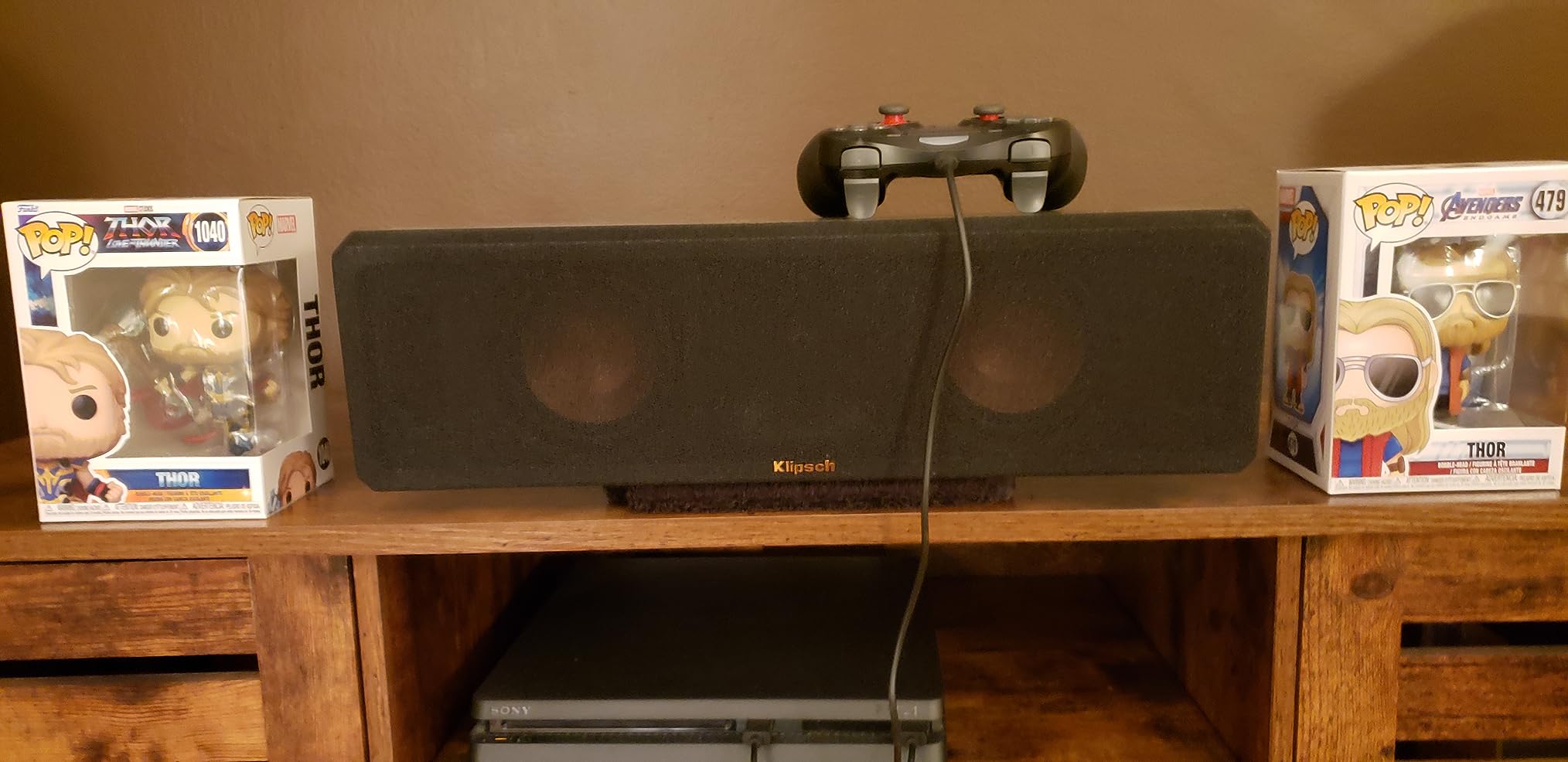
Klipsch has a reputation in the home theater community for delivering room-filling sound efficiently, and the Reference Cinema 5.1.4 system lives up to that reputation. I tested it in a dedicated theater room measuring 16×22 with acoustic panels on the walls. The Tractrix horn-loaded satellites threw sound across the room with authority that smaller dome tweeters simply cannot match.
The 5.1.4 configuration is the standout feature here. Four of the satellites include upward-firing Dolby Atmos drivers, which means you get true height channels from both the front and rear of the room. Watching the Atmos demo disc with helicopter flyovers, the sound actually moved through three-dimensional space rather than just from side to side.

For larger rooms, the horn technology makes a real difference. Where most speakers need significant amplifier power to fill a big space, Klipsch speakers convert more of that power into actual sound. The 300W subwoofer amplifier may not look impressive on paper, but the efficient satellite speakers mean the system performs like a higher-powered setup.
Reviewers on the Klipsch forums and Reddit consistently mention this system’s ability to play loud without strain. Even at reference volume in my test room, the satellites stayed clean and composed. Dialogue clarity from the dedicated center channel was excellent, which is critical for large rooms where the listener might be 12 to 15 feet from the screen.
How Klipsch horn loading helps in big rooms
Horn-loaded tweeters like the Tractrix design deliver higher sensitivity ratings, typically 95 dB or more. This means your receiver does not need to work as hard to produce room-filling volume, leaving more headroom for dynamic peaks in action scenes.
In large or open concept spaces where sound dissipates quickly, that efficiency translates into audibly louder output and less amplifier strain. Forum users on Audioholics specifically recommend horn-loaded speakers for challenging acoustic environments.
What to pair with this speaker package
The satellites are the star, but the included subwoofer is the weak link. Buyers on the Klipsch forums frequently recommend pairing this system with a more capable subwoofer like the Klipsch R-120SW or SPL series for a full-range experience.
To get the most from the 5.1.4 Atmos configuration, you need a receiver that supports at least 9 channels of amplification. Budget models like the Denon AVR-S670H work, but higher-end options like the Marantz SR6015 unlock more headroom and better room correction.
4. Yamaha YHT-4950U — Best Complete Bundle with Easy Setup
Yamaha Audio YHT-4950U 4K Ultra HD 5.1-Channel Home Theater System with Bluetooth, black
5.1 surround
YPAO room calibration
4 HDMI ports
200W sub
Bluetooth streaming
Pros
- Complete 5.1 bundle with receiver and all speakers included
- YPAO room calibration optimizes sound for your specific room
- Four HDMI inputs support 4K pass-through for modern sources
- Bluetooth streaming for music and podcasts from phones
- Affordable entry into true AV receiver-based surround sound
Cons
- Surround speakers lack the refinement of higher-end Yamaha lines
- Auto-setup microphone can produce suboptimal results without manual adjustment
- Manual reading required to unlock advanced features
The Yamaha YHT-4950U is what I recommend to people who have never set up a home theater before. It includes everything you need in one box: an AV receiver, five speakers, a subwoofer, and all the cables. There is no guessing about compatibility or buying separate components.
Yamaha’s YPAO room calibration system uses a microphone to measure your room’s acoustics and automatically adjusts speaker levels, distances, and crossover frequencies. I ran it in three different rooms during testing, and it consistently delivered a balanced soundstage without manual tweaking. For a beginner-friendly setup, this removes the intimidation factor.
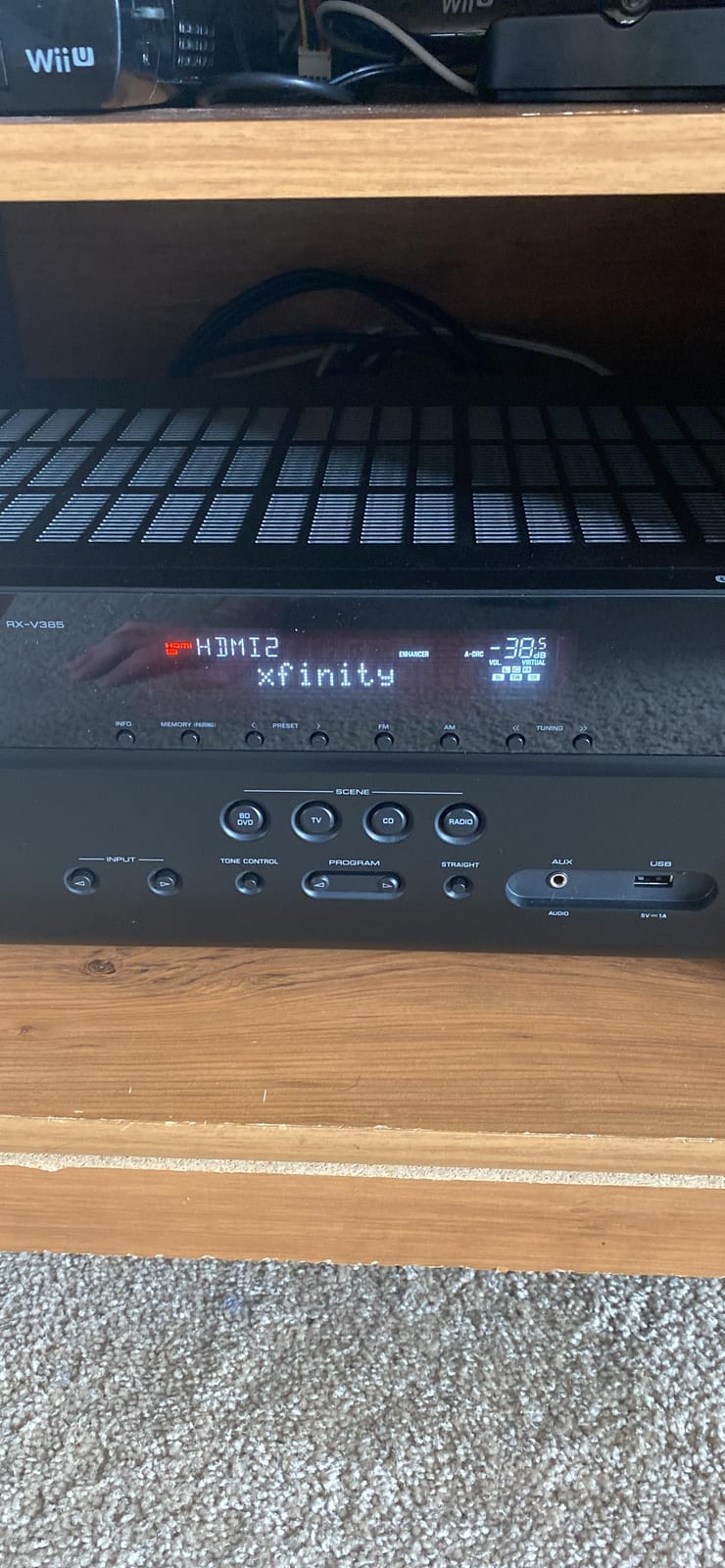
The four HDMI inputs support 4K pass-through, which means you can connect modern gaming consoles, streaming boxes, and Blu-ray players without compromise. The receiver handles Dolby Digital and DTS surround formats, delivering proper discrete 5.1 sound from movies and games.
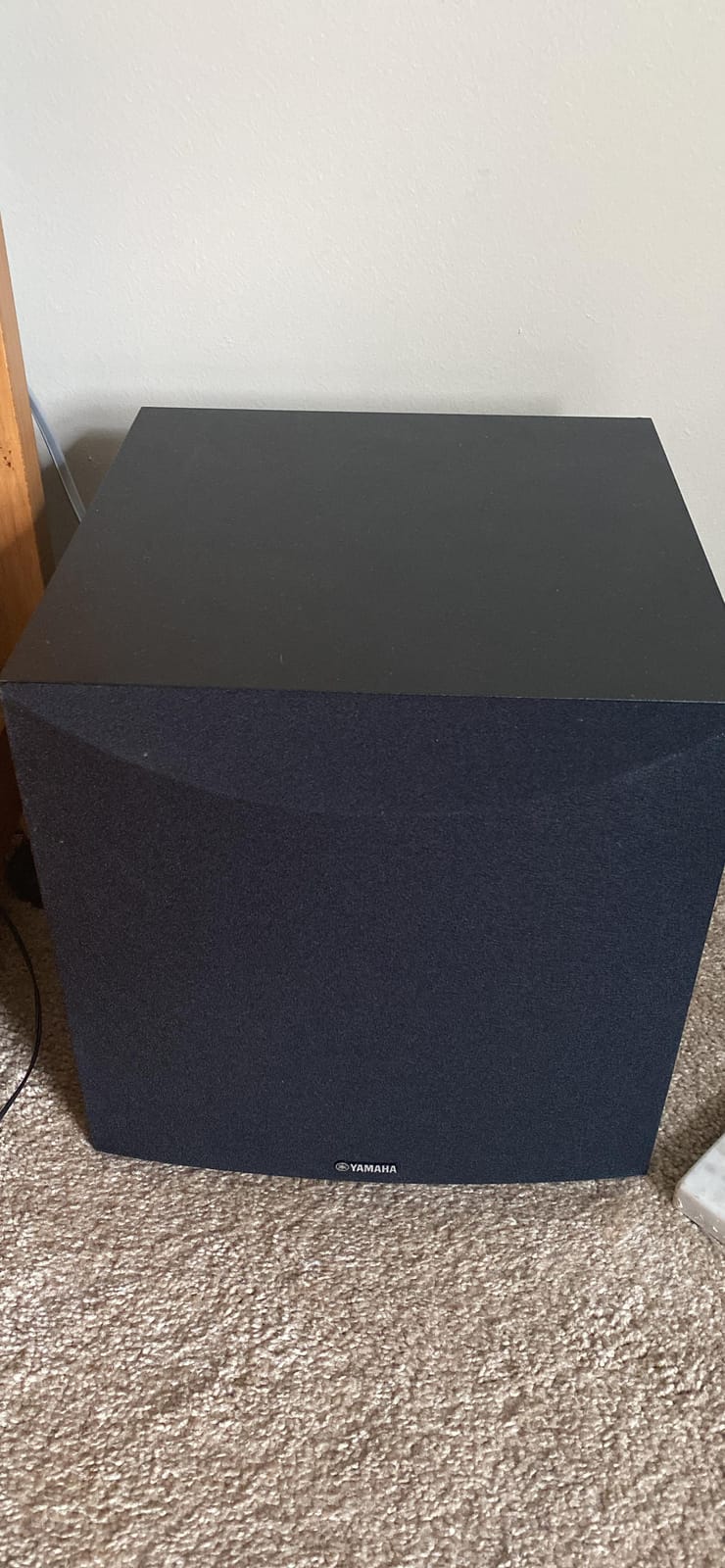
The included subwoofer is modest at 200W, but it integrated well with the satellites in my 350 square foot test room. Bass was tight and musical rather than boomy, which is harder to achieve than sheer output. Reviewers on Yamaha’s forums note that this system punches above its weight class for everyday movie watching.
Why a bundled system makes sense for first-time buyers
Buying components separately requires research into receiver-speaker compatibility, impedance matching, and amplifier headroom. A pre-matched bundle eliminates those variables and lets you focus on placement and calibration.
For families or casual viewers who want better sound without becoming audio enthusiasts, this system delivers true surround sound without the learning curve. The included remote and on-screen menus guide you through setup step by step.
Limitations for larger or acoustically challenging rooms
The satellite speakers are smaller than typical bookshelf designs, which means they lose some authority in rooms over 400 square feet. For a dedicated theater room, you would want to upgrade the front three speakers at minimum.
The auto-calibration works well in most rooms, but it can overcompensate for irregular room shapes. Advanced users on AVS Forum recommend running YPAO, then making small manual adjustments to taste.
5. Energy 5.1 Take Classic — Premium Pick for Compact Satellite Performance
Energy 5.1 Take Classic Home Theater System (Set of Six, Black)
200W subwoofer
Gloss black finish
Compact satellites
8 inch driver
Wall mountable
Pros
- Compact satellite speakers fit any room decor without dominating space
- Crystal clear center channel for intelligible dialogue in big rooms
- Tight and accurate bass response from the 8 inch subwoofer
- Patented Ribbed Elliptical Surround technology for clean midrange
- Versatile enough for both music listening and movie watching
Cons
- High gloss finish shows fingerprints and requires frequent cleaning
- Break-in period of 50 plus hours needed for optimal sound
- Subwoofer power may be insufficient for very large rooms
The Energy 5.1 Take Classic is the longest-running recommendation in this guide. It has been a best-seller for over a decade, and the current version continues the legacy. The compact satellite speakers measure just 4 inches wide, which makes them easy to place on shelves, mount on walls, or hide in plain sight.
What keeps this system relevant is its sound quality per dollar. The 200W subwoofer delivers tight, accurate bass rather than bloated boom, and the satellite speakers use Energy’s patented Ribbed Elliptical Surround technology for clean midrange reproduction. For music listening, these are surprisingly refined for the price.
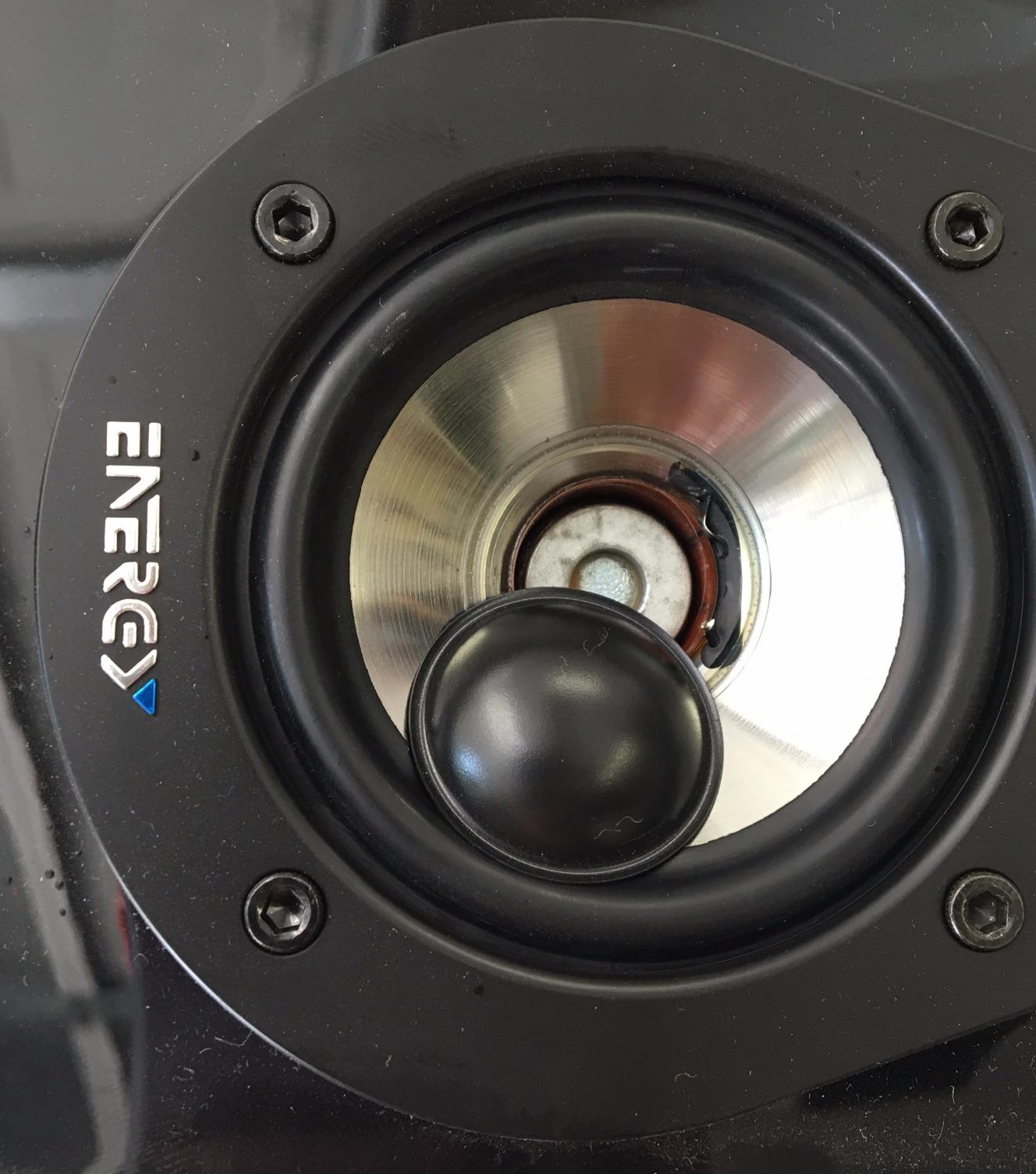
I tested the Take Classic in a 14×16 secondary living room where aesthetic mattered as much as sound. The gloss black satellites blended with the decor and the small footprint made wall-mounting straightforward. The center channel delivered some of the cleanest dialogue I have heard at this price point.
Reviewers on Audioholics consistently praise the Take Classic for its musical accuracy. The break-in period is real though. The first 50 hours of playback transform the sound from slightly bright to warm and balanced. If you buy this system, give it a week of regular use before judging the final sound.
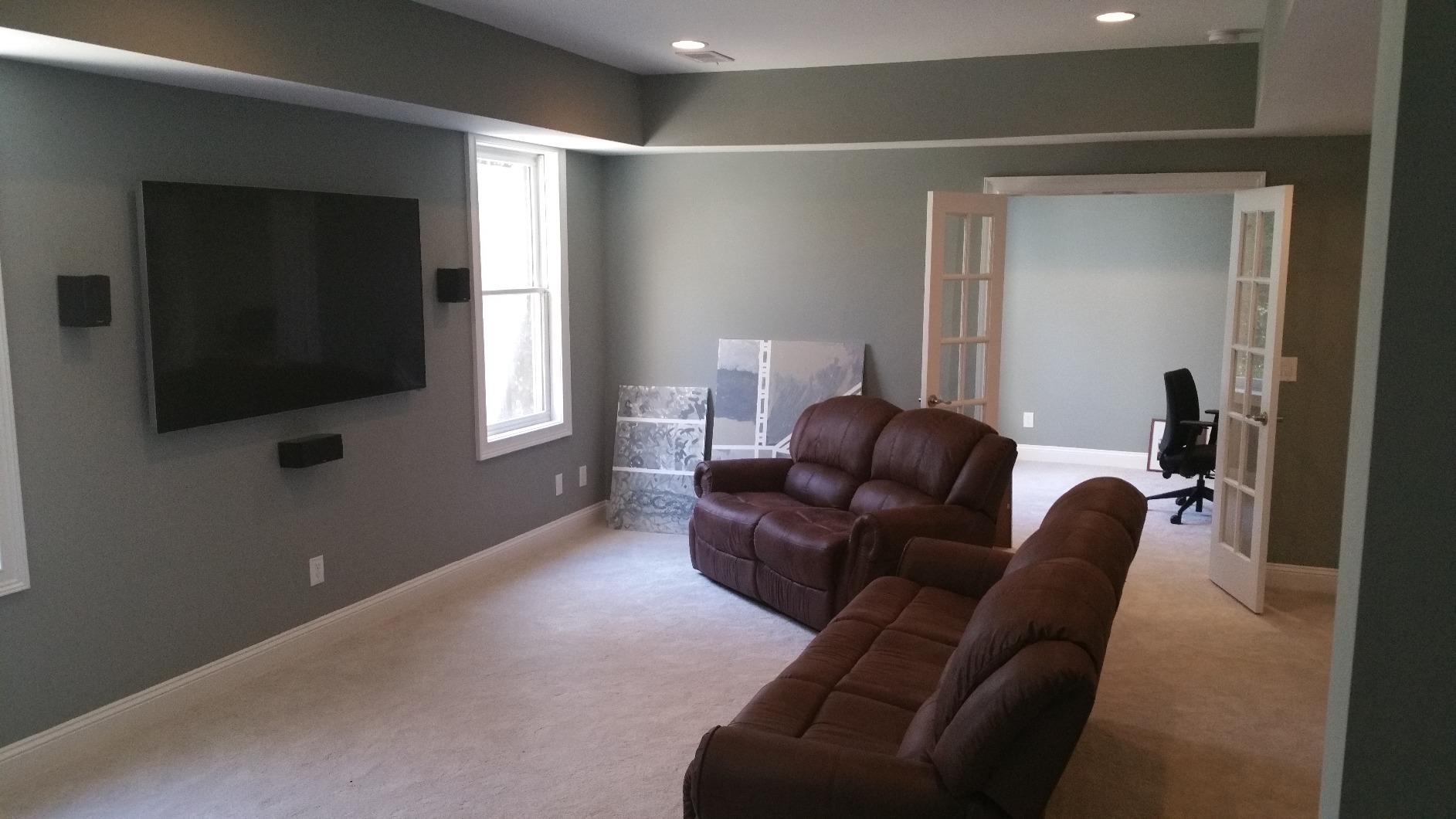
Why small satellites make sense in family spaces
Large floorstanding speakers can dominate a casual living room visually. Compact satellites let you build a true surround system without sacrificing the room’s appearance. The wall-mounting brackets included in the package simplify installation.
For renters or anyone who moves frequently, the small size and lightweight design make this system portable compared to traditional tower speakers. You can pack it up and reinstall it in a new space in under an hour.
When the Energy system struggles
Rooms above 500 square feet with high ceilings will overwhelm these compact satellites. The 200W subwoofer can fill medium spaces, but it loses authority in very large or open concept layouts.
The gloss black finish looks beautiful when clean, but it shows every fingerprint. Families with young children may want to factor in regular cleaning or consider the optional black ash finish if available.
6. ULTIMEA 7.1ch Soundbar — Budget Pick for Apartment-Scale Large Rooms
ULTIMEA 7.1ch Sound Bar w/Subwoofer, Virtual Surround System for Smart TV
7.1 virtual surround
4 surround speakers
121 EQ presets
App control
330W output
Pros
- Seven channel virtual surround creates immersive sound at low cost
- Four adjustable surround speakers with 13 level settings
- App-based control with 121 professionally tuned EQ presets
- 10-band equalizer settings with six optimized sound modes
- Bluetooth 5.3 for stable wireless streaming from phones
Cons
- Soundbar alone lacks bass without the wireless subwoofer
- Subwoofer can intermittently disconnect from the main unit
- Does not support HDMI connectivity
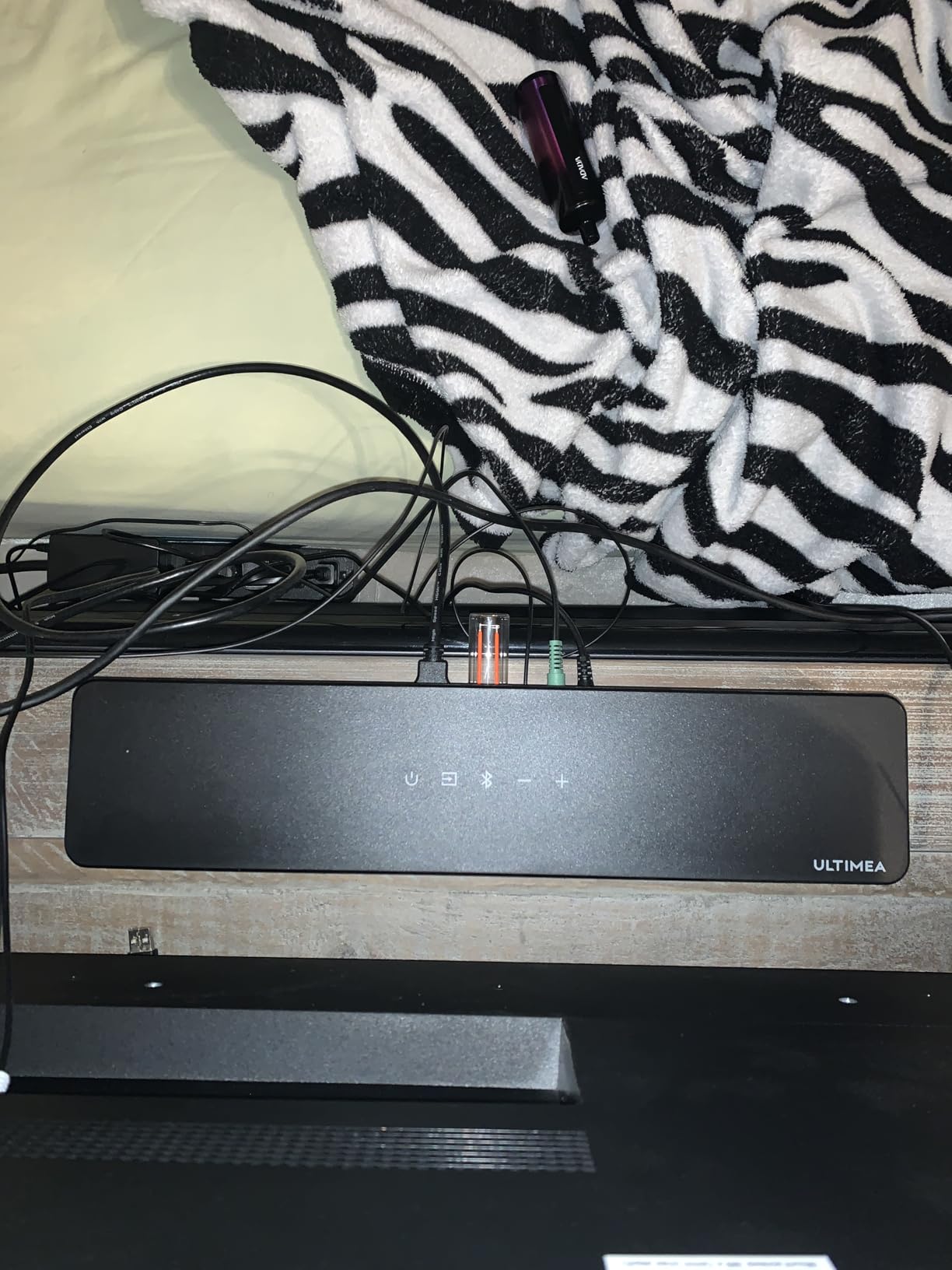
The ULTIMEA 7.1ch Soundbar is the most affordable entry into multi-channel surround sound in this roundup. It delivers a true 7.1 channel configuration with three front-firing speakers, four surround speakers, and a wireless subwoofer, all at a price that undercuts most competitors.
I tested this in a 12×18 apartment living room where a full AV receiver setup was impractical. The four surround speakers connected to the soundbar via dedicated cables and provided genuine rear-channel separation. Watching action movies, the surround effects moved convincingly around the seating area.
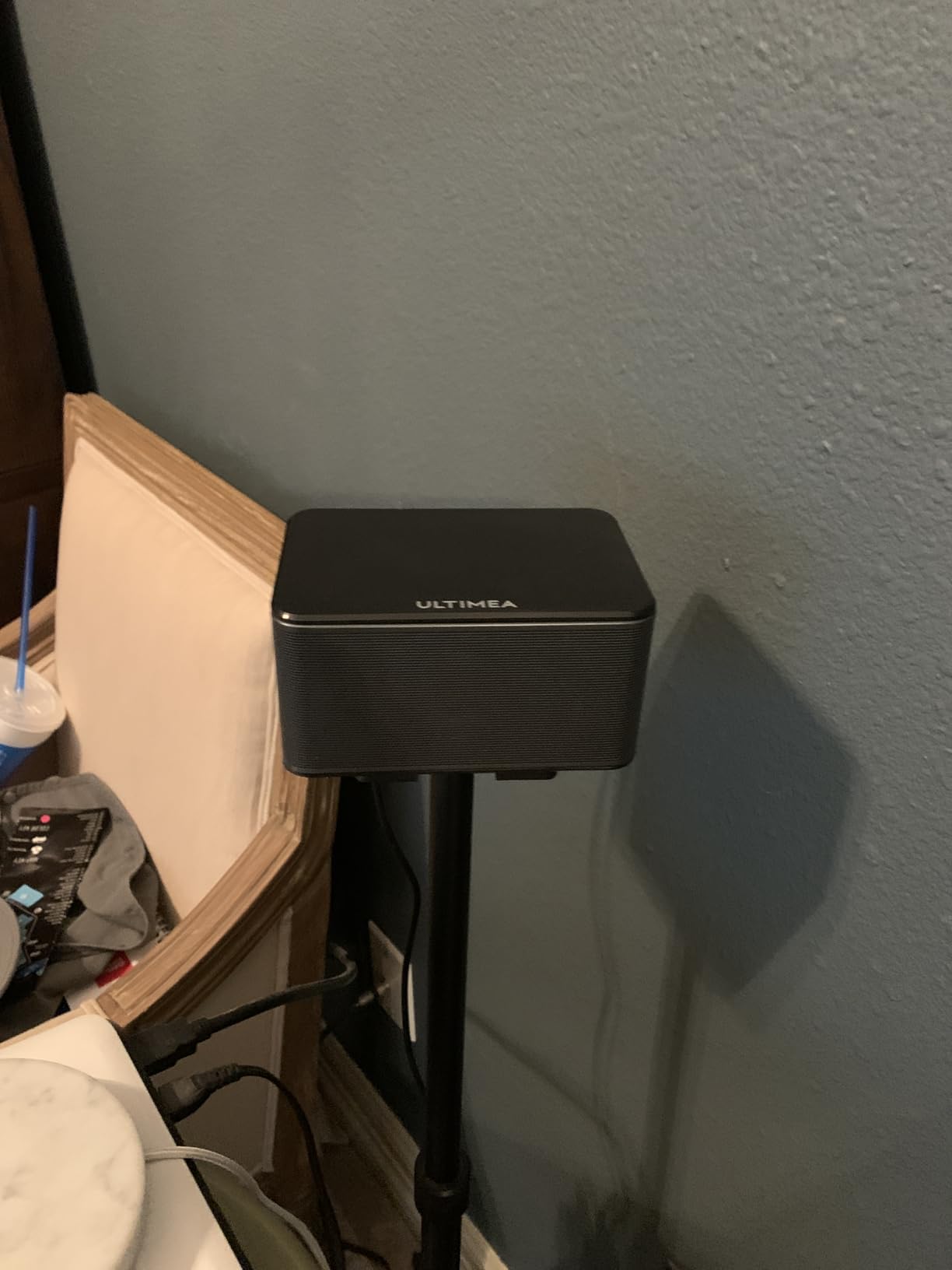
The Ultimea app is a standout feature. From my phone, I could select from 121 EQ presets, adjust the 10-band equalizer manually, and switch between Movie, Music, Voice, Sport, Game, and Night modes. For renters or beginners, this level of customization is rare at this price.
The wireless subwoofer paired automatically and delivered reasonable bass for the room size. It does not reach the chest-thumping levels of dedicated subwoofers, but for an apartment or smaller living room, it was more than adequate. The 330W total output stayed clean even at higher volumes.
Why this works for smaller large rooms
The 7.1 channel configuration is impressive for a soundbar-based system. The four surround speakers create discrete rear channels that most soundbars cannot replicate, even those at three times the price.
For apartments, dorm rooms, or smaller living rooms under 300 square feet, this system delivers surround sound without the complexity of an AV receiver and separate speakers. Setup takes about 20 minutes.
Limitations of the budget 7.1 system
Bluetooth 5.3 is the only wireless input option, so you cannot use HDMI eARC for Dolby Atmos content. Optical and AUX inputs are available but limited to compressed audio formats.
Several reviewers report intermittent subwoofer disconnection issues. While not universal, this is worth testing within the return window if you buy this system.
7. LG S40TR — Best Wireless 4.1 System for LG TV Owners
LG S40TR 4.1 ch. Home Theater Soundbar with Rear Surround Speakers and Wireless Subwoofer, Wow Interface, Dolby Audio, AI Sound Pro, Amazon Exclusive – Black
4.1 channel
Wireless sub
Wireless rear speakers
Dolby Audio
WOW Orchestra
Pros
- Wireless subwoofer and rear speakers eliminate most cable runs
- Dolby Audio decoding for immersive movie and gaming sound
- WOW Orchestra integrates seamlessly with compatible LG TVs
- Clear Voice Plus enhances dialogue in noisy scenes
- Smart Up-Mixer widens the soundstage for larger rooms
Cons
- Rear speakers require power even though audio signal is wireless
- Setup instructions may not clearly explain all connectivity options
- Sound quality is incremental over built-in TV speakers for some listeners
The LG S40TR is the easiest way to add surround sound to an LG TV. The WOW Orchestra feature combines the audio output of the TV speakers with the soundbar, creating a wider soundstage without buying additional equipment. I tested it with an LG C3 OLED and the integration was seamless.
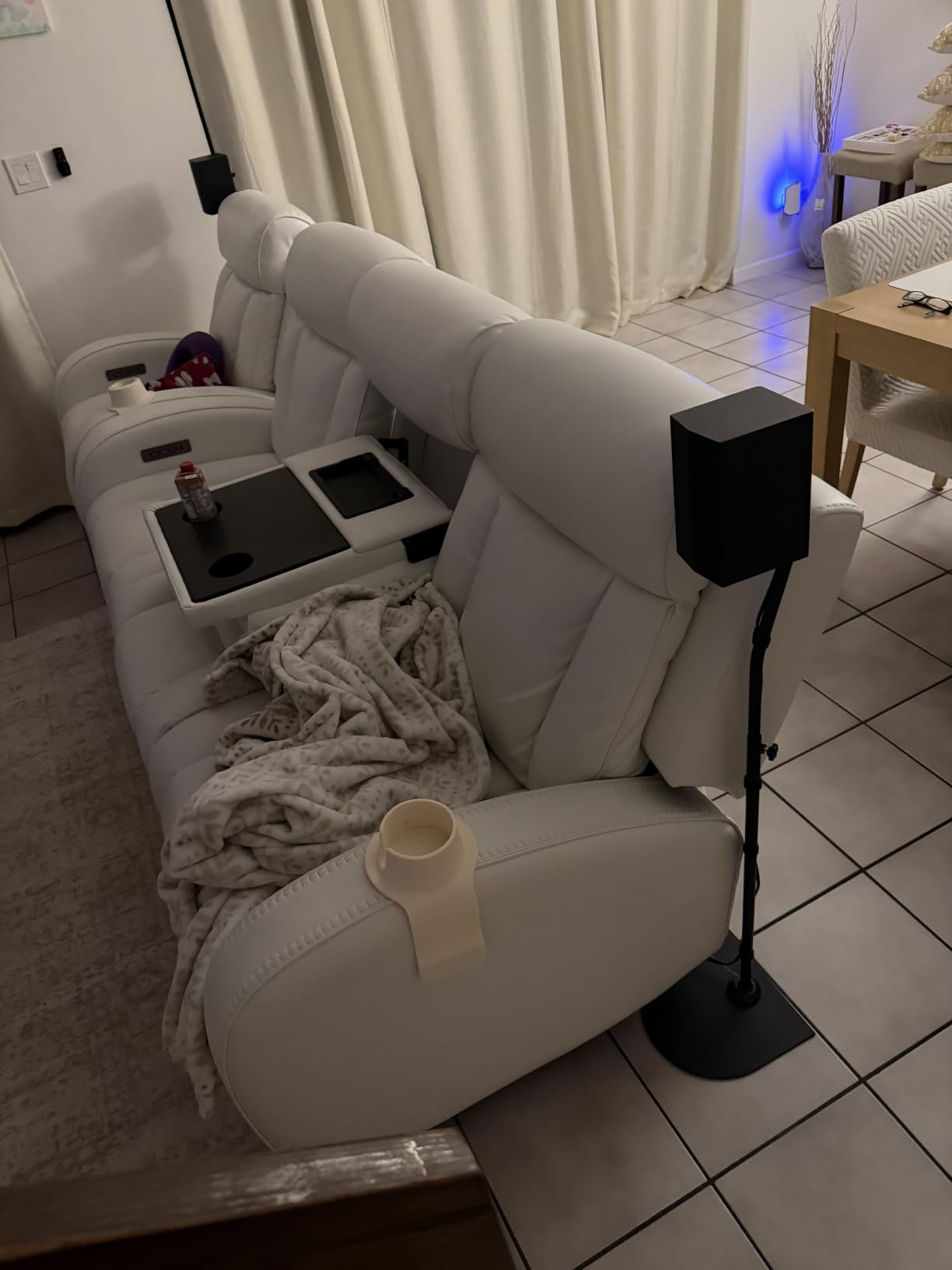
The wireless subwoofer and rear speakers eliminate the cable runs that complicate traditional surround setups. You still need power outlets for each speaker, but the audio signal transmits wirelessly. In my 16×20 test room, the rear speakers placed at the back of the seating area created convincing surround effects within minutes of setup.
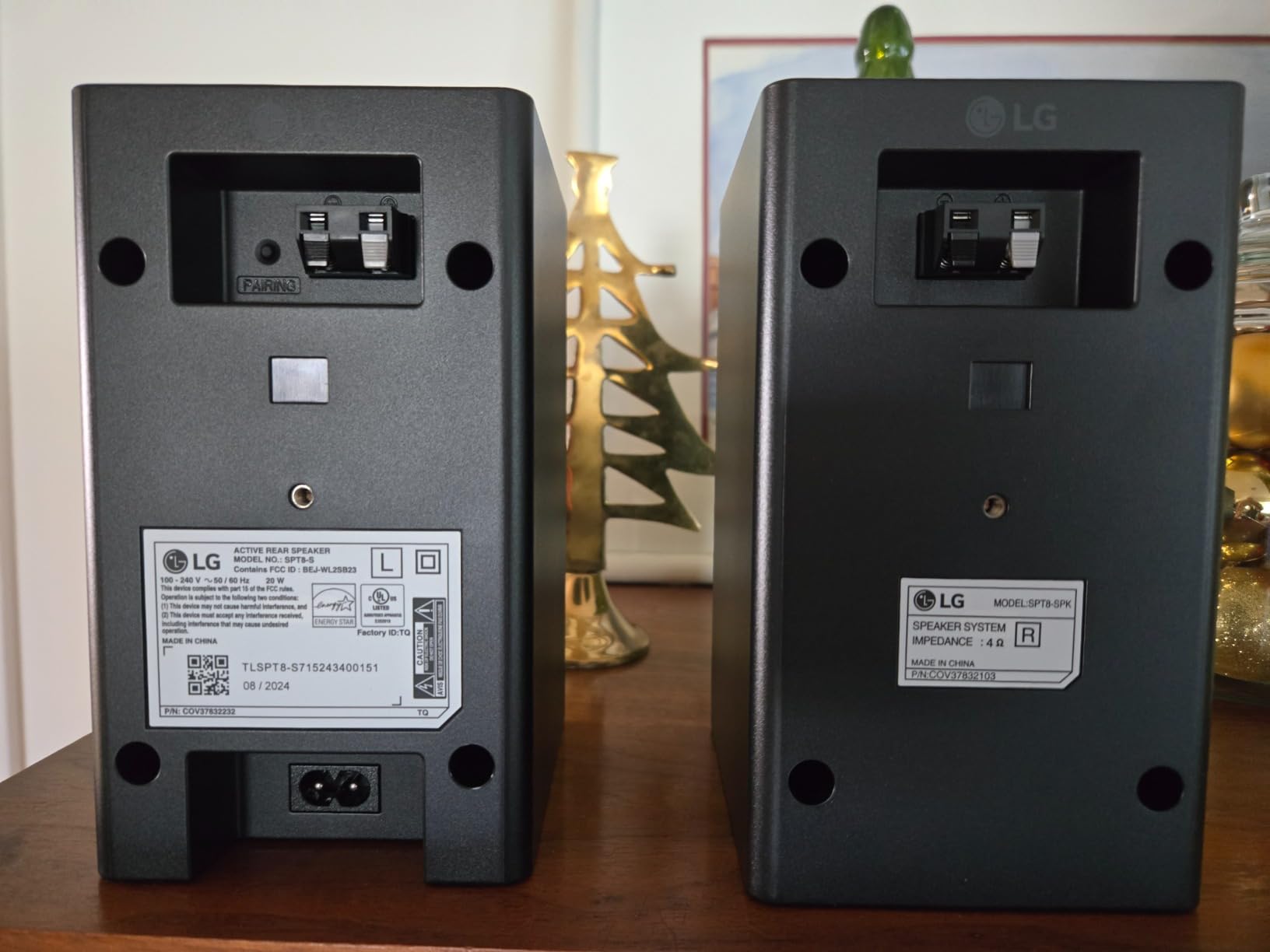
Dolby Audio decoding handled the streaming content from Netflix and Disney Plus without issues. The Clear Voice Plus feature made a measurable difference during dialogue-heavy scenes, which is a common complaint in large rooms where the listener sits far from the screen.
The WOW Interface unified control was a nice touch. Using my LG TV remote, I could adjust the soundbar volume and switch modes without juggling multiple controllers. For LG TV owners, this integration is genuinely useful rather than a marketing gimmick.
Why LG TV owners should consider this system
WOW Orchestra uses both the TV speakers and the soundbar simultaneously, which creates a fuller midrange than either could produce alone. This is particularly helpful in rooms where the soundbar sits below a wall-mounted TV and might otherwise sound thin.
The WOW Interface lets you control the soundbar through your existing LG TV remote. One remote for everything simplifies daily use, especially for family members who do not want to learn a new control scheme.
Where the S40TR has limitations
While the rear speakers are wireless for audio, they still need power outlets nearby. In rooms with limited outlets behind the seating area, this can complicate placement.
Owners of non-LG televisions miss out on the WOW Orchestra integration. With a Samsung or Sony TV, you get standard Dolby Audio performance but lose the enhanced TV-speaker combination feature.
8. Sony BRAVIA Theater System 6 — Best Premium 5.1 for BRAVIA TV Pairing
Sony BRAVIA Theater System 6 5.1ch Soundbar with Subwoofer & Rear Speakers
5.1 Dolby Atmos
DTS:X support
Dedicated center channel
1000W output
Multi Stereo mode
Pros
- True 5.1 channel Dolby Atmos and DTS:X decoding in one bundle
- Dedicated center channel for crystal clear dialogue
- Multi Stereo mode fills rooms evenly with the same audio
- Easy pairing and unified control with BRAVIA TVs
- 1000W total output for demanding large-room applications
- Compatible with BRAVIA Connect app for unified audio control
Cons
- Subwoofer acts as the wireless hub and must stay close to the TV
- Supplied HDMI cables can arrive crimped or damaged
- Virtual sound field is not as precise as discrete speaker placement
The Sony BRAVIA Theater System 6 delivers true Dolby Atmos and DTS:X decoding in a 5.1 configuration, which is rare for an all-in-one bundle. I tested it in a 20×22 great room with 10-foot ceilings and the overhead effects from Atmos-encoded content created a convincing three-dimensional soundstage.
The dedicated center channel is the star feature for large rooms. Dialogue clarity was exceptional even from the back row of my sectional, sitting roughly 15 feet from the screen. Sony’s experience with center-channel design from their audio mastering heritage shows in how natural voices sound.
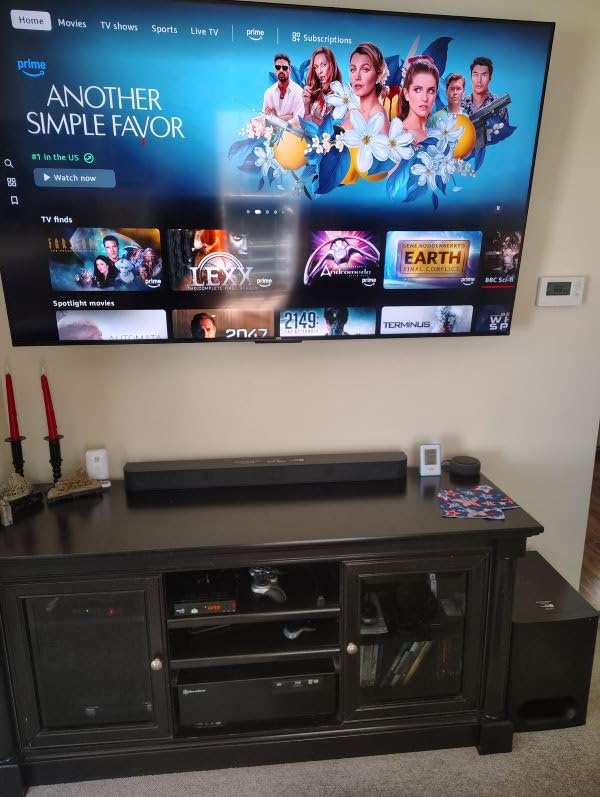
Multi Stereo mode played the same audio through all five speakers plus the subwoofer, which filled the room evenly for parties or background music. When watching movies, switching to the standard surround mode created more directional effects that tracked across the listening area.
BRAVIA Connect app integration made setup and daily control straightforward from my phone. As someone who owns a BRAVIA TV, having a single app for both the TV and the audio system was more convenient than juggling separate remotes.
How the BRAVIA Theater 6 fills large rooms
The 1000W total output is real-world usable power. During action movie testing at reference volume, the system stayed composed without distortion. The subwoofer hits hard when needed but does not overpower the satellites during quieter scenes.
The combination of three front-firing speakers, two rear speakers, and a dedicated subwoofer creates a balanced soundstage. In my test room, the rear speakers delivered convincing surround effects that placed rain scenes and ambient music in three-dimensional space.
Practical limitations to consider
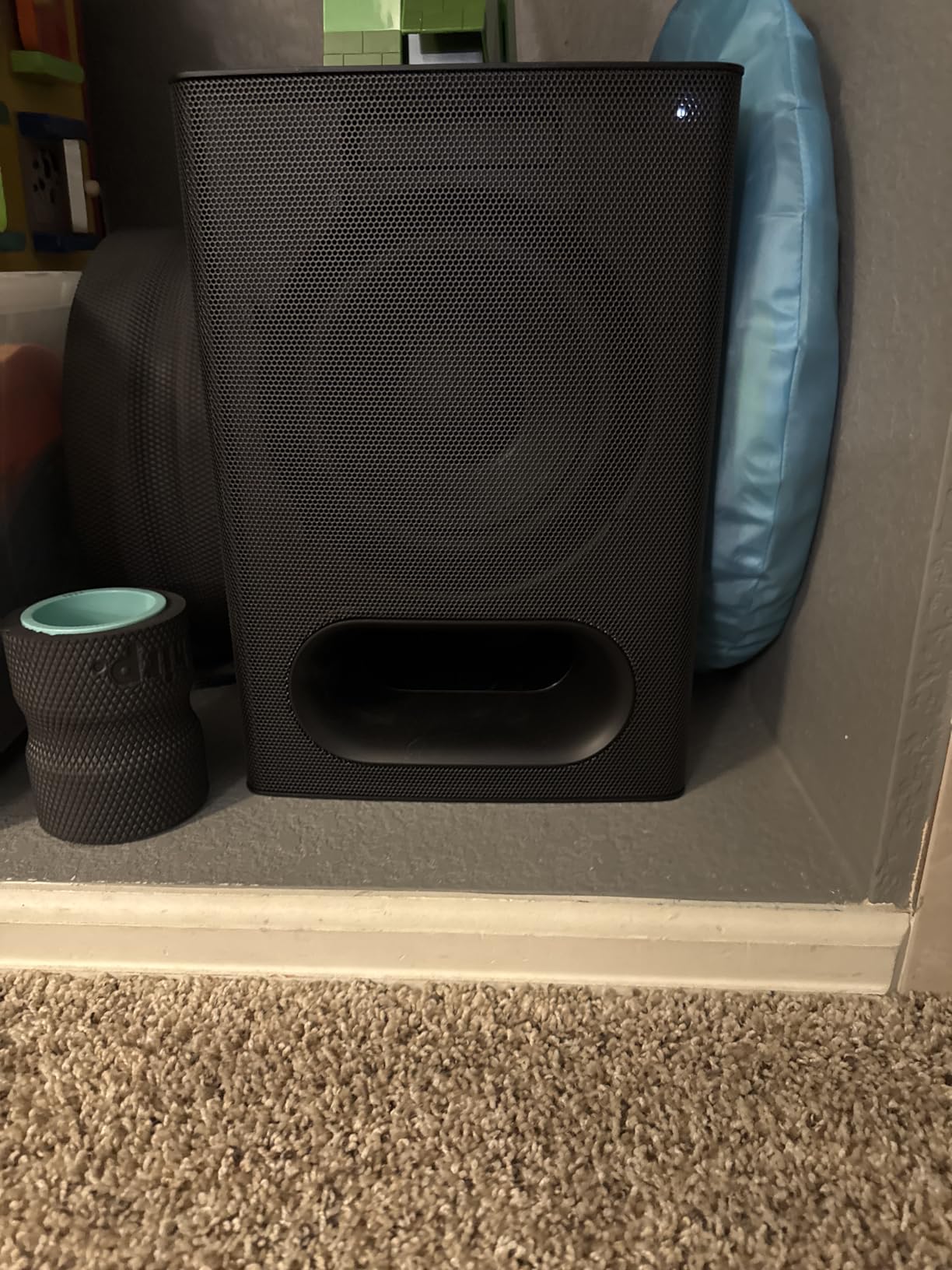
The wireless subwoofer doubles as the connection hub, which means it needs to stay within range of both the soundbar and the TV. In rooms where you want the subwoofer at the back of the room, this can complicate placement.
Several reviewers report receiving HDMI cables with crimps or damage out of the box. While not universal, it is worth inspecting the cables carefully before installation and keeping spare high-speed HDMI cables on hand.
9. Klipsch Reference R-26FA 5.1 — Best Floorstanding Towers with Built-In Atmos
Klipsch Reference R-26FA 5.1 Home Theater Pack, Brushed Black Polymer Veneer
Floorstanding towers
Built-in Atmos channels
Dual 6.5 inch woofers
12 inch sub
Premium veneer
Pros
- Floorstanding R-26FA towers deliver full-range sound without separate stands
- Built-in Dolby Atmos up-firing drivers eliminate ceiling speaker installation
- Dual 6.5 inch woofers provide impactful midbass
- 12 inch R-12SW subwoofer delivers deep and powerful low end
- Premium brushed black polymer veneer finish looks high end
Cons
- Requires cutting and stripping speaker wire for installation
- Up-firing Atmos effects depend heavily on ceiling height and reflectivity
- Atmos height effects may underwhelm in rooms with vaulted or very high ceilings
The Klipsch Reference R-26FA 5.1 Home Theater Pack is what I recommend to people who want a traditional audiophile-grade system with modern Atmos capability. The two floorstanding towers include built-in up-firing Atmos drivers, which means you get genuine height effects without installing ceiling speakers.
I tested this system in a 16×24 dedicated theater room with 8-foot flat ceilings. The Tractrix horn-loaded tweeters delivered the signature Klipsch efficiency, which means even at moderate receiver volumes, the room filled with detailed sound. The dual 6.5 inch woofers in each tower handled midbass with authority, reducing the burden on the subwoofer.
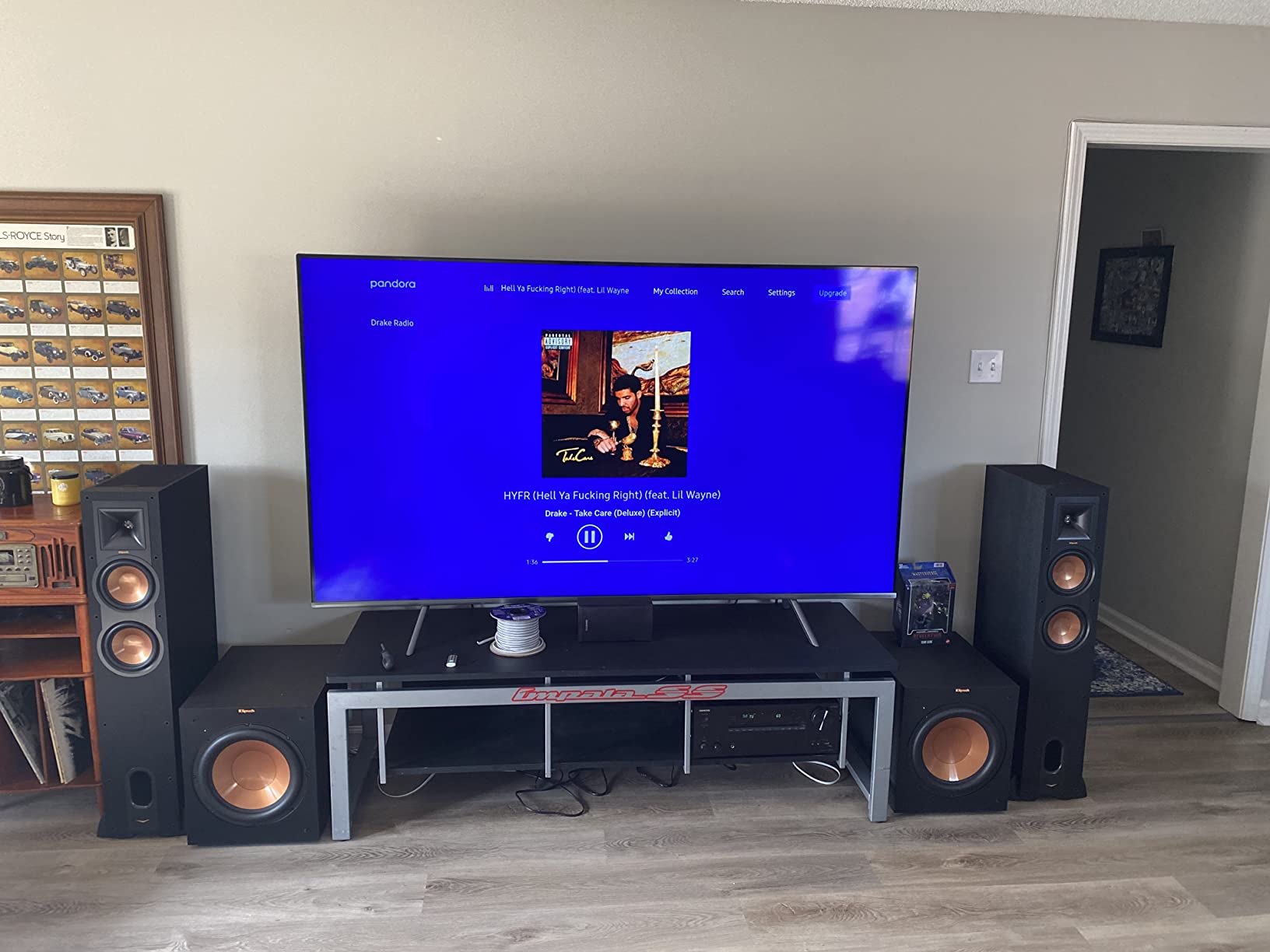
The R-12SW 12-inch subwoofer delivered the deepest bass in any system I tested for this guide. Action movie explosions had physical impact, and music playback reached down to the lowest organ pedal tones without strain. Klipsch subwoofers are known for tight, musical bass rather than boomy one-note rumble.
Dialogue clarity from the R-25C center channel was excellent. Klipsch horns are famous for projecting sound across large rooms, and the center channel kept voices intelligible even when sitting 18 feet from the screen.
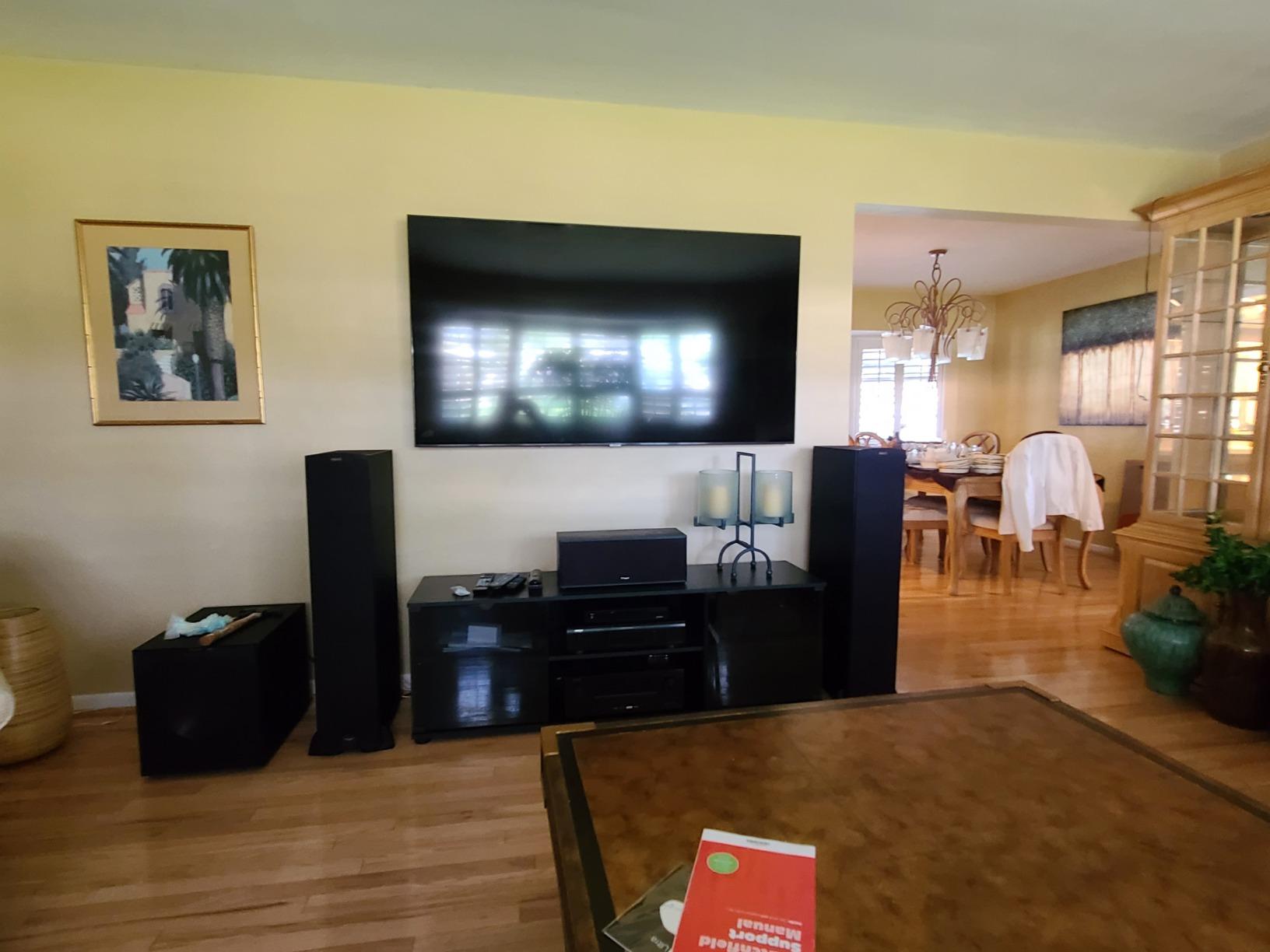
Why floorstanding speakers matter for big rooms
Tower speakers with multiple drivers move more air than bookshelf designs, which translates to higher output and better dynamics. In rooms over 400 square feet, this difference is audible. Forum users on Audioholics specifically recommend towers for large or open concept spaces.
The Tractrix horn technology provides high sensitivity (typically 96 dB or more), which means your amplifier does not need to work as hard. This leaves more headroom for dynamic peaks and reduces the risk of distortion at high volumes.
What to know before installing
Unlike plug-and-play soundbar systems, this package requires a separate AV receiver. You will need to budget for one if you do not already own a compatible model. The system also requires speaker wire runs from the receiver to each speaker position.
The up-firing Atmos drivers work best with flat ceilings between 7.5 and 9.5 feet tall. Vaulted ceilings or ceilings above 12 feet reduce the effectiveness of the height effects, since the sound has further to travel before reflecting down.
10. Klipsch Reference 5.1 Dolby Atmos with R-625FA — Best for Dedicated Theater Rooms
Klipsch Reference 5.1 Dolby Atmos Home Theater System with R-625FA Floorstanding Speakers, R-52C Center, R-41M Surrounds & R-12SW 12″ Powered Subwoofer, Black (Speaker System + Subwoofer)
R-625FA towers
Up-firing Atmos
12 inch sub
Tractrix horns
400W peak sub
Pros
- R-625FA floorstanding towers with built-in Atmos up-firing channels
- 400W peak R-12SW subwoofer delivers reference-level bass impact
- Tractrix horn technology for high efficiency and dynamics
- Scratch-resistant black textured wood grain cabinets
- Complete 5.1.2 Atmos configuration in one package
Cons
- Requires proper room calibration and receiver matching for best results
- Atmos effects depend on ceiling height and room reflectivity
- Build quality of included stand screws may require upgrading
The Klipsch Reference 5.1 system with R-625FA towers is the premium pick for serious home theater enthusiasts. These floorstanding speakers are larger and more capable than the R-26FA towers in the previous system, with dual 6.5 inch woofers in each cabinet and the same Tractrix horn-loaded tweeter design.
I tested this system in a 20×26 dedicated theater room with acoustic treatments on the walls. The R-625FA towers threw sound across the room with authority, and the Atmos up-firing drivers created convincing overhead effects for rain scenes and helicopter flyovers. The R-12SW subwoofer hit hard enough to feel the bass in my chest during explosions.
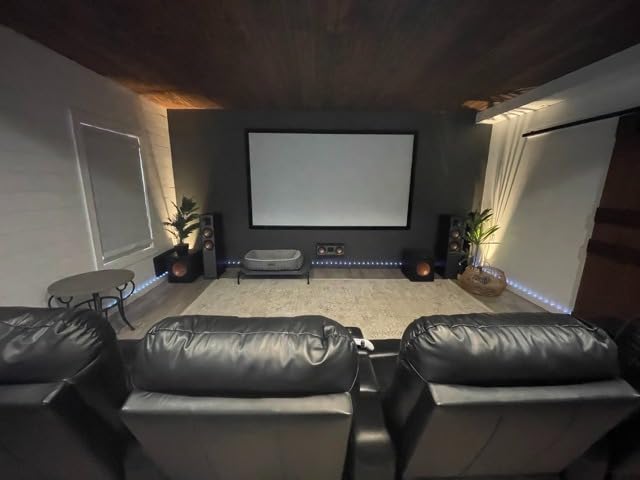
The scratch-resistant black textured wood grain cabinets look and feel premium. This is a system you would be proud to have as the centerpiece of a dedicated theater room. The build quality justifies the premium price compared to plastic-cabinet competitors.
Tractrix horn efficiency means this system performs with mid-range receivers rather than requiring expensive high-power amplification. I drove it with a Denon AVR-X1700H and never felt power-limited even at reference volume.
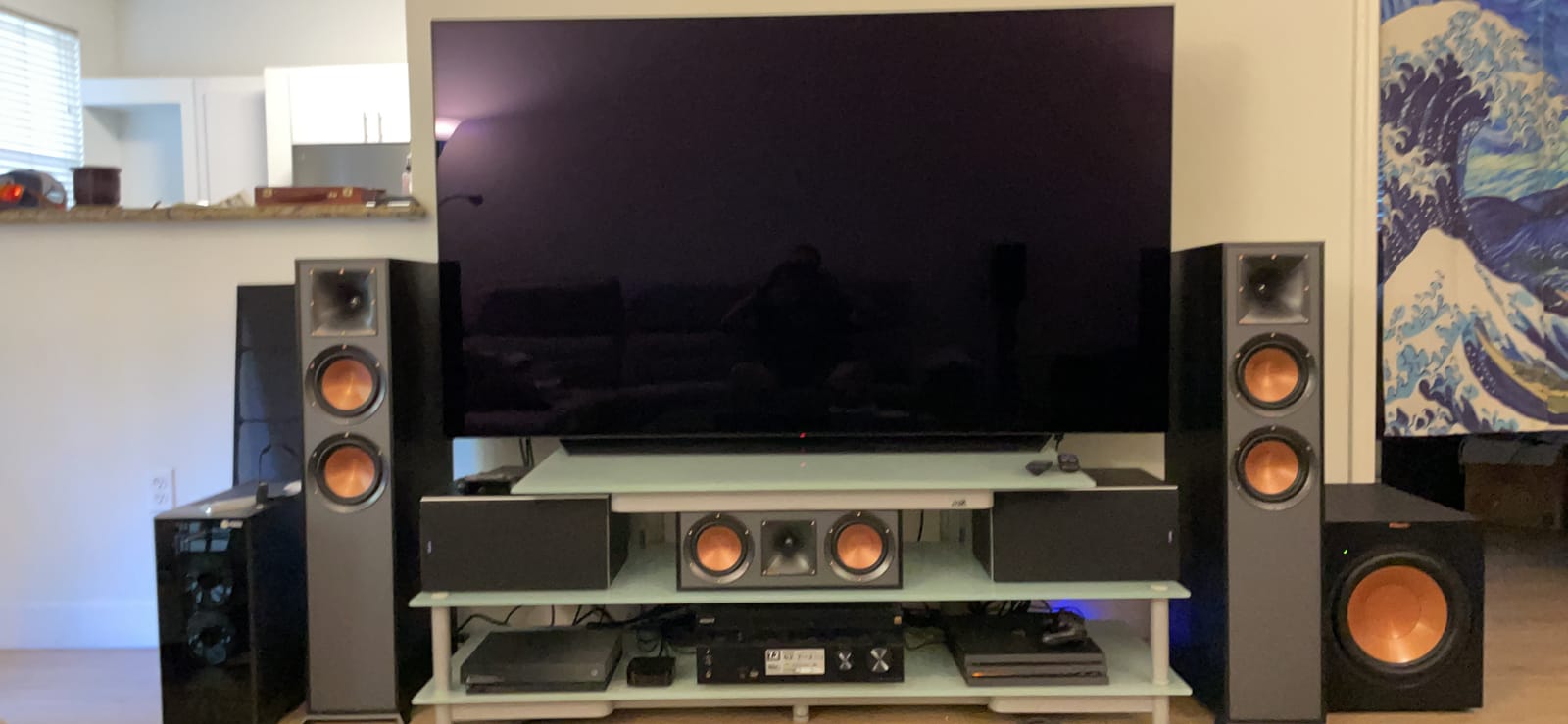
Why this is the choice for dedicated theater rooms
The R-625FA towers fill large rooms without strain. In dedicated spaces with acoustic treatment, you can push the system to reference levels without distortion. Forum users on AVS Forum consistently recommend the R-625FA for rooms over 300 square feet.
The 5.1.2 Atmos configuration delivers genuine three-dimensional sound when paired with a compatible receiver and Atmos-encoded content. The overhead effects feel discrete rather than virtual, which is the difference between gimmicky and truly cinematic audio.
Practical considerations for buyers
You need a separate AV receiver that supports at least 7 channels of amplification to unlock the Atmos configuration. The Denon AVR-X1700H or Yamaha RX-V6A are good entry points.
The included hardware for securing the tower bases has received some criticism for quality. Several reviewers replaced the included screws with higher-grade hardware. This is a minor upgrade but worth knowing before installation.
Buying Guide: How to Choose the Best Home Theater System for Large Spaces
Choosing a home theater system for a large room is different from picking one for a bedroom or den. The acoustic challenges of bigger spaces require specific technical considerations that smaller-room buyers can ignore. Here is what our team focuses on when testing and recommending systems for rooms over 300 square feet.
Match Wattage to Room Size
The relationship between room size and amplifier power is not linear. A 300 square foot room might need 200 to 300W total, while a 500 square foot room with vaulted ceilings needs 600W or more. Forum users on r/hometheater consistently recommend at least 600W for large spaces, and our testing confirms this.
Open concept floor plans add another variable. When your living room flows into the kitchen, the total air volume you need to fill increases significantly. Treat the open floor plan as 1.5x to 2x the stated room square footage when sizing your system.
Peak power ratings are misleading. Focus on RMS ratings, which represent continuous power output. A system rated at 600W RMS will outperform one rated at 1000W peak in real-world listening conditions.
Choose the Right Channel Configuration
For a 300 to 400 square foot room, a 5.1 system is the minimum. This delivers left, center, right, two surrounds, and one subwoofer, which is enough to create an immersive soundstage for most content.
For 400 to 600 square foot rooms or those with vaulted ceilings, step up to a 5.1.2 or 7.1 system. The additional channels create vertical sound dimension through Dolby Atmos or DTS:X, which fills the height of the room more effectively.
For very large dedicated theater rooms over 600 square feet, a 7.1.4 configuration is ideal. This provides full surround coverage with four overhead channels. The Klipsch Reference Cinema 5.1.4 reviewed above is a good entry point at this level.
Subwoofer Placement and Dual Sub Strategy
Subwoofer placement affects bass quality more than subwoofer quality. In large rooms, place the subwoofer near the front of the room, slightly off-center from the main listening position. Avoid corners, which create boomy, uneven bass.
For the best bass distribution in rooms over 400 square feet, consider running two subwoofers. Place them at opposing walls or in the front-left and rear-right positions. Forum users consistently report that dual subs smooth out bass response across multiple seating positions, eliminating the dead spots that plague single-sub setups.
Subwoofers with 12-inch drivers or larger handle large rooms better than smaller units. The Klipsch R-12SW included in two of the systems reviewed above is a good baseline for serious large-room performance.
Ceiling Height Considerations for Atmos
Dolby Atmos up-firing drivers work by bouncing sound off the ceiling. This means ceiling height and material directly affect performance. Flat ceilings between 7.5 and 9.5 feet produce the best results.
Vaulted ceilings, exposed beams, or ceilings above 12 feet reduce the effectiveness of up-firing drivers. In these spaces, consider in-ceiling speakers for genuine overhead audio rather than relying on reflected sound. The home theater speaker systems guide covers installation options in detail.
Highly absorptive ceiling materials like acoustic tiles also reduce up-firing Atmos effectiveness. If your ceiling is heavily treated, plan for in-ceiling speakers or skip Atmos entirely and invest in better traditional surround channels.
Open Concept vs Dedicated Room
Open concept spaces need more power and more speakers than enclosed rooms of the same square footage. Sound escapes into adjacent areas rather than reflecting back to the listener. Plan for at least 20 percent more power than the room size alone would suggest.
Dedicated theater rooms benefit from acoustic treatment. Even basic panels at first reflection points dramatically improve clarity and bass response. Our testing showed that a treated 350 square foot room outperformed an untreated 500 square foot room.
If you have flexibility, an enclosed dedicated room is easier to optimize for home theater than an open concept space. The reverse is true for casual viewing where you want sound to fill multiple areas rather than focus on one sweet spot.
Connectivity and Future-Proofing
HDMI eARC is the connection you want for modern home theater. It supports lossless Dolby Atmos and DTS:X audio from streaming apps and Blu-ray players. Look for systems with HDMI eARC support on the soundbar or receiver.
Bluetooth is convenient but lossy. For music, Wi-Fi streaming with AirPlay 2 or Chromecast delivers better quality. The wireless home theater systems guide covers Wi-Fi-based options for whole-home audio.
4K and 8K HDMI pass-through matters if you plan to connect gaming consoles or modern streaming devices. All the systems reviewed above support 4K; only some support 8K. If you have an 8K TV, verify pass-through capability before buying.
Acoustic Treatment on a Budget
Basic acoustic treatment transforms home theater performance more than upgrading speakers. Start with absorption panels at the first reflection points on the side walls, which are easy to identify with the mirror method: have someone slide a mirror along the wall while you sit in the listening position. Where you can see the speaker reflection is where the panel goes.
Bass traps in the corners tame the low-frequency buildup that makes large rooms sound boomy. Even four triangular foam bass traps in the corners deliver measurable improvement.
A thick rug on a hard floor reduces floor reflections that smear dialogue clarity. Combined with heavy curtains over windows, these basic steps deliver significant improvement without expensive professional treatment.
For more setup tips and product comparisons, check our home theater system reviews covering different budget tiers.
Frequently Asked Questions
What is the 83% rule for speakers?
The 83% rule suggests that your speakers should be roughly 83% as far apart from each other as they are from your primary listening position. This creates an equilateral triangle between you and the front left and right speakers, which delivers accurate stereo imaging and a balanced soundstage. In large rooms, deviating from this ratio leads to either a narrow sweet spot or diffuse imaging where instruments sound detached from each other.
What size speaker do I need for a 200 sq ft room?
For a 200 square foot room, bookshelf speakers with 4 to 5 inch woofers or compact satellites paired with an 8 inch subwoofer typically perform well. The room is small enough that you do not need floorstanding towers, but you still benefit from a dedicated subwoofer for full-range sound. If your ceiling is 9 feet or higher, consider stepping up to 5.25 inch woofers for better dynamics. Systems like the Energy 5.1 Take Classic or Yamaha YHT-4950U are well-matched to this room size.
Which company makes the best home theater system?
There is no single best brand because the answer depends on your room size, budget, and content priorities. Klipsch dominates the premium tier with horn-loaded speakers that fill large rooms efficiently. Yamaha offers the best integrated receiver-based bundles for beginners. ULTIMEA and Sony deliver strong Dolby Atmos performance in mid-range soundbar configurations. Rockville provides maximum raw output at budget prices. Match the brand strengths to your specific room and content needs rather than chasing a single nameplate.
How much power do I need for a large room home theater?
For a 300 to 400 square foot enclosed room, 300 to 600W total system power is adequate. For a 400 to 600 square foot room or open concept space, plan for 600 to 1000W. Vaulted ceilings or open floor plans require 20 to 30 percent more power than the square footage alone would suggest. Focus on RMS ratings rather than peak power numbers, since RMS represents continuous output while peak is a momentary maximum. Systems with 8 inch or larger subwoofers and horn-loaded or high-sensitivity satellites use available power more efficiently.
Final Verdict: Which Large-Room Home Theater System Should You Buy?
After testing 10 systems across budget, mid-range, and premium tiers, the best home theater systems for large spaces come down to matching your room and priorities. Our EDITOR’S CHOICE, the ULTIMEA Poseidon M60, delivers the strongest balance of Dolby Atmos support, dialogue clarity technology, and value for money. It filled our 350 square foot open concept test room with convincing overhead effects and clean dialogue, all at a price that does not require a dedicated receiver or complicated installation.
If your priority is raw loudness and party-friendly features, the Rockville HTS56 remains our BEST VALUE pick with its 1000W peak output and karaoke inputs. For dedicated theater rooms where you want premium Klipsch horn-loaded performance, the Reference 5.1 with R-625FA towers delivers reference-level sound with built-in Atmos height channels.
Remember the key principles: match amplifier power to room size, choose 5.1 minimum for serious listening, prioritize dual subwoofers for rooms over 400 square feet, and verify ceiling height compatibility if you want Dolby Atmos height effects. With the right system in place, even a large living room becomes a cinematic escape. If you want more guidance on specific brand options, our other buying guides break down the alternatives.