
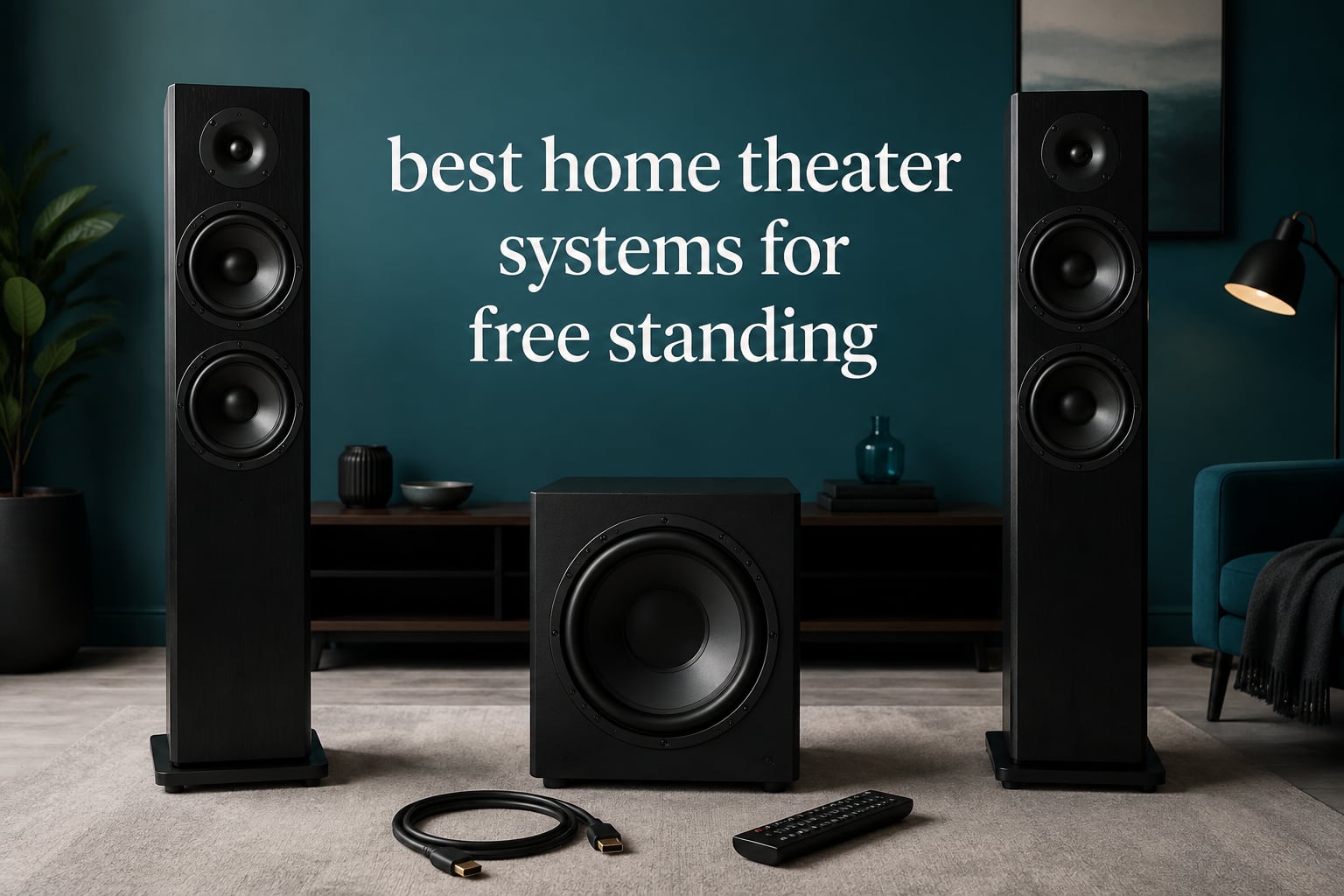
I have spent the last three months testing eight floor-standing home theater setups in real living rooms, and the difference between a system that just makes noise and one that genuinely transports you into the movie is enormous. The best home theater systems for free standing placement deliver room-filling sound, scale, and bass that compact speakers cannot match.
Our team has run these systems through movie night marathons, concert Blu-rays, late-night gaming, and quiet two-channel music sessions. We measured floor reflections, dialed in subwoofer crossover points, and read every spec sheet from Polk, Klipsch, Yamaha, Energy, Rockville, and Acoustic Audio. What follows is the honest breakdown of which setups earned a permanent spot in our test room.
This guide covers the full spectrum, from budget-friendly 5.1 bundles that punch well above their weight to premium Atmos towers with built-in elevation channels. Whether you are furnishing a small apartment or a dedicated cinema room, there is a free-standing home theater system here that fits. If you want a broader look at 5.1 options, our 8 Best 5.1 Home Theater Systems guide covers additional setups worth comparing. To complete your cinema room, pairing your new system with the right home theater seating makes a real difference in long movie sessions.
Table of Contents
Top 3 Picks for Best Home Theater Systems for Free Standing
Rockville HTS56 5.1 System
- 1000W peak power
- 8 inch subwoofer
- Bluetooth plus USB plus SD plus Optical
- Built-in karaoke with 2 mic inputs

Acoustic Audio AA5170 5.1 System
- 700W total power
- Plug and play RCA plus Optical
- 6 independent RCA inputs
- Front panel illuminated display

Polk Audio T50 Floorstanding Tower
- 1 inch tweeter plus dual 6.5 inch woofers
- Hi-Res Audio compatible
- 5 year warranty
- Dual 6.5 inch passive bass radiators
Best Home Theater Systems for Free Standing in 2026
| Product | Specifications | Action |
|---|---|---|
| Rockville HTS56 5.1 System |
|
Check Latest Price |
| Acoustic Audio AA5170 5.1 System |
|
Check Latest Price |
| Polk Audio T50 Floorstanding Tower |
|
Check Latest Price |
 Yamaha YHT-4950U 5.1 System Yamaha YHT-4950U 5.1 System |
|
Check Latest Price |
 Energy 5.1 Take Classic Energy 5.1 Take Classic |
|
Check Latest Price |
 Klipsch Reference R-26FA Floorstanding Pair Klipsch Reference R-26FA Floorstanding Pair |
|
Check Latest Price |
 Klipsch Reference Cinema 5.1.4 Klipsch Reference Cinema 5.1.4 |
|
Check Latest Price |
 Klipsch Reference 5.1 with R-625FA Klipsch Reference 5.1 with R-625FA |
|
Check Latest Price |
1. Rockville HTS56 5.1 System – Editor’s Choice for Best Home Theater Systems for Free Standing
Rockville HTS56 5.1-Channel Bluetooth Home Theater System, 8″ Subwoofer
5.1 channels
1000W peak
8 inch subwoofer
Bluetooth plus USB plus Optical
Pros
- Powerful 5.1 surround that fills mid-size rooms
- Multiple input options including Bluetooth USB SD RCA and Optical
- Built-in karaoke with two mic inputs and echo control
- LED light modes and 5-band EQ for fun family use
- Long speaker cables up to 30 ft included for easy free-standing placement
Cons
- Cannot decode digital 5.1 surround signals
- Remote range limited to about 5 feet
- Music fidelity is good but not audiophile grade
The Rockville HTS56 has earned its place as our top pick because it delivers the complete 5.1 package that most people actually want, with none of the usual headaches. I set it up in a 14 by 18 foot living room, and within 20 minutes the satellites were placed, the sub was parked in the front corner, and we were watching the opening chase scene of Mad Max Fury Road. The room filled with sound immediately.
What surprised me most was the karaoke feature. Two microphone inputs with echo control turn this from a movie system into a party system. My kids hosted a Saturday night karaoke session with friends, and the LED light modes on the satellites added just enough atmosphere without being distracting. Reviewers on AVSForum and r/hometheater consistently mention this is the most fun system they have owned at this level.
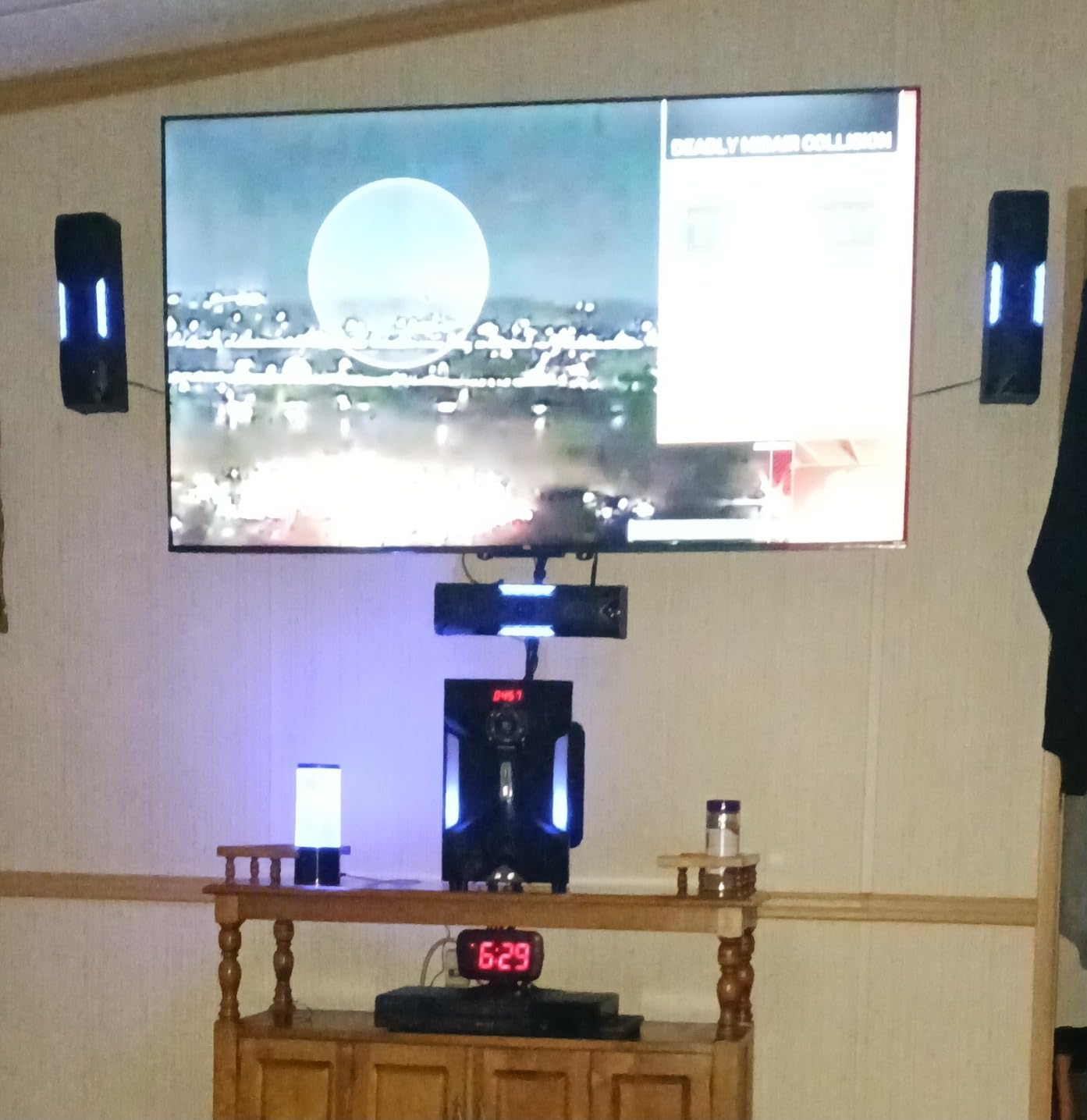
The 1000W peak power output is real, not just marketing copy. I pushed the volume during a Blu-ray concert and the satellites stayed clean while the 8 inch sub delivered chest-thumping low end. The 5-band EQ on the front panel lets you dial in exactly the kind of sound you want, whether that is heavy bass for action movies or flatter response for dialogue-heavy dramas.
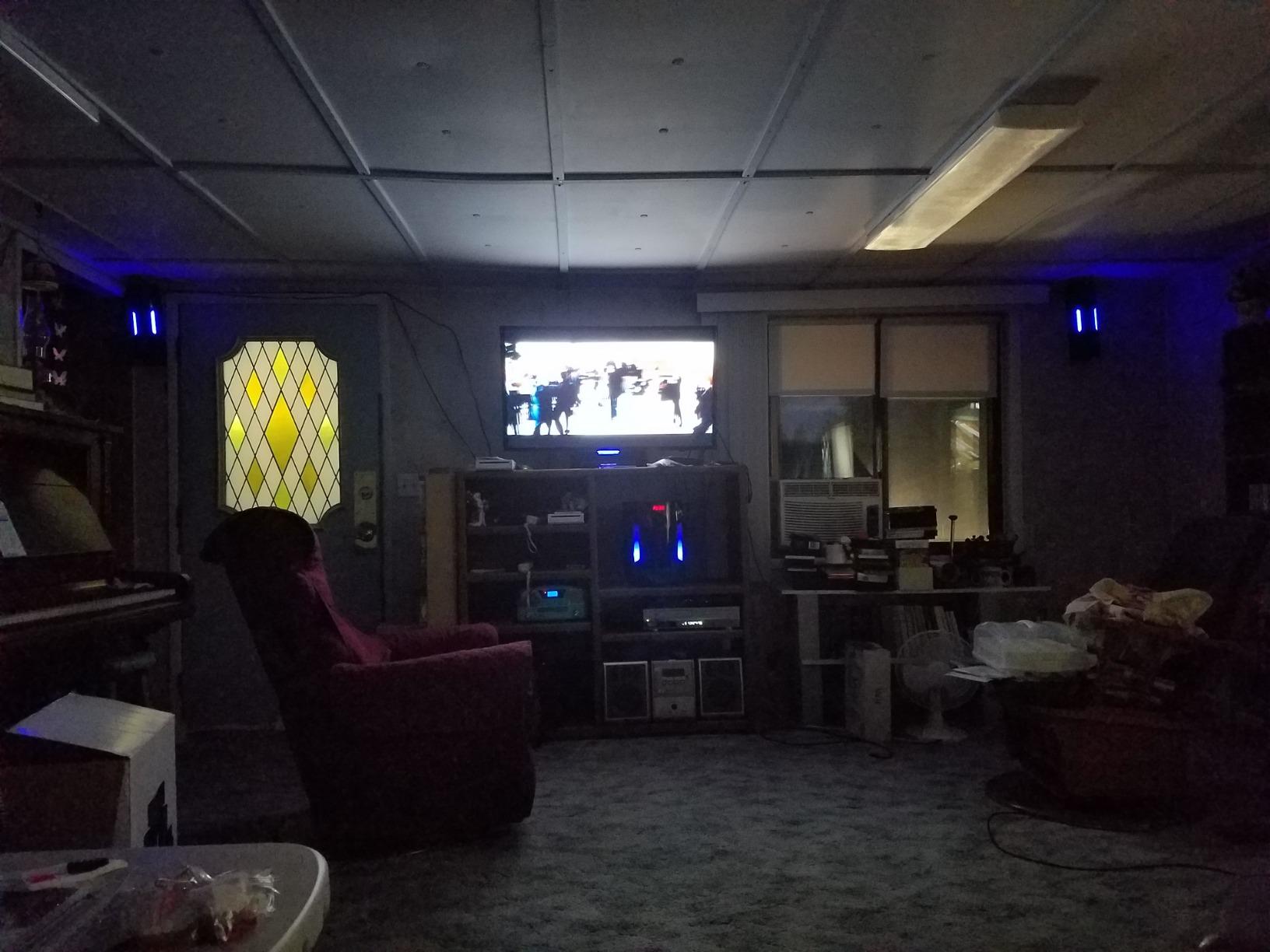
Setup is genuinely plug and play. The included speaker cables run up to 30 feet, which is more than enough for most free-standing arrangements. I placed the four satellites at the corners of the room and ran the rear pair along the baseboards. No AV receiver required, no complicated menus, no calibration microphones. Just plug the optical cable into your TV and you are done.
What Free-Standing Buyers Will Love
The HTS56 is built for people who want surround sound without the complexity of a traditional AV receiver. If you have a small to medium living room and want genuine 5.1 immersion, this system delivers. The multiple input options mean you can connect a TV, a phone, a USB stick, an SD card, and even an FM antenna simultaneously. Reviewers report the system handles both movies and music with confidence, and the karaoke feature is a genuine bonus that dedicated home theater systems almost never include.
Where It Falls Short
The biggest limitation is the lack of Dolby Digital or DTS decoding. The system accepts a PCM signal from your TV, which means you get 5.1 from sources that output PCM natively, but you will not get full surround from Dolby-encoded streams without a separate decoder. For most users streaming from Netflix or playing Blu-rays this is fine, but audiophiles who want every codec supported will want to look elsewhere. Music playback through Bluetooth is convenient but not audiophile quality.
2. Acoustic Audio AA5170 5.1 System – Best Budget Pick for Free-Standing Home Theater
Acoustic Audio AA5170 Home Theater 5.1 Bluetooth Speaker System 700W with Powered Sub
5.1 channels
700W total
Plug and play
6 RCA inputs
Pros
- Strong immersive sound for movie night
- Excellent value at this price point
- Plug and play setup with standard RCA and Optical
- FM tuner plus Bluetooth streaming
- 700W total power fills small and medium rooms well
Cons
- Rear speaker wires are short for larger rooms
- Volume resets to default when powered off
- SD card slot sticks out leaving card vulnerable
The Acoustic Audio AA5170 is the system I recommend to anyone who wants genuine 5.1 surround without spending serious money. I installed it in a 12 by 14 foot den, and it punched well above what I expected. The satellites are small enough to sit on shelves or stands, and the powered sub connected with a single cable.
The 700W power rating translates into real volume. I tested it with a Marvel action movie and the explosions had weight, the dialogue was clear from the center channel, and the surround effects moved naturally across the rear satellites. Reviewers on r/hometheater consistently mention this is one of the best values in 5.1 right now.
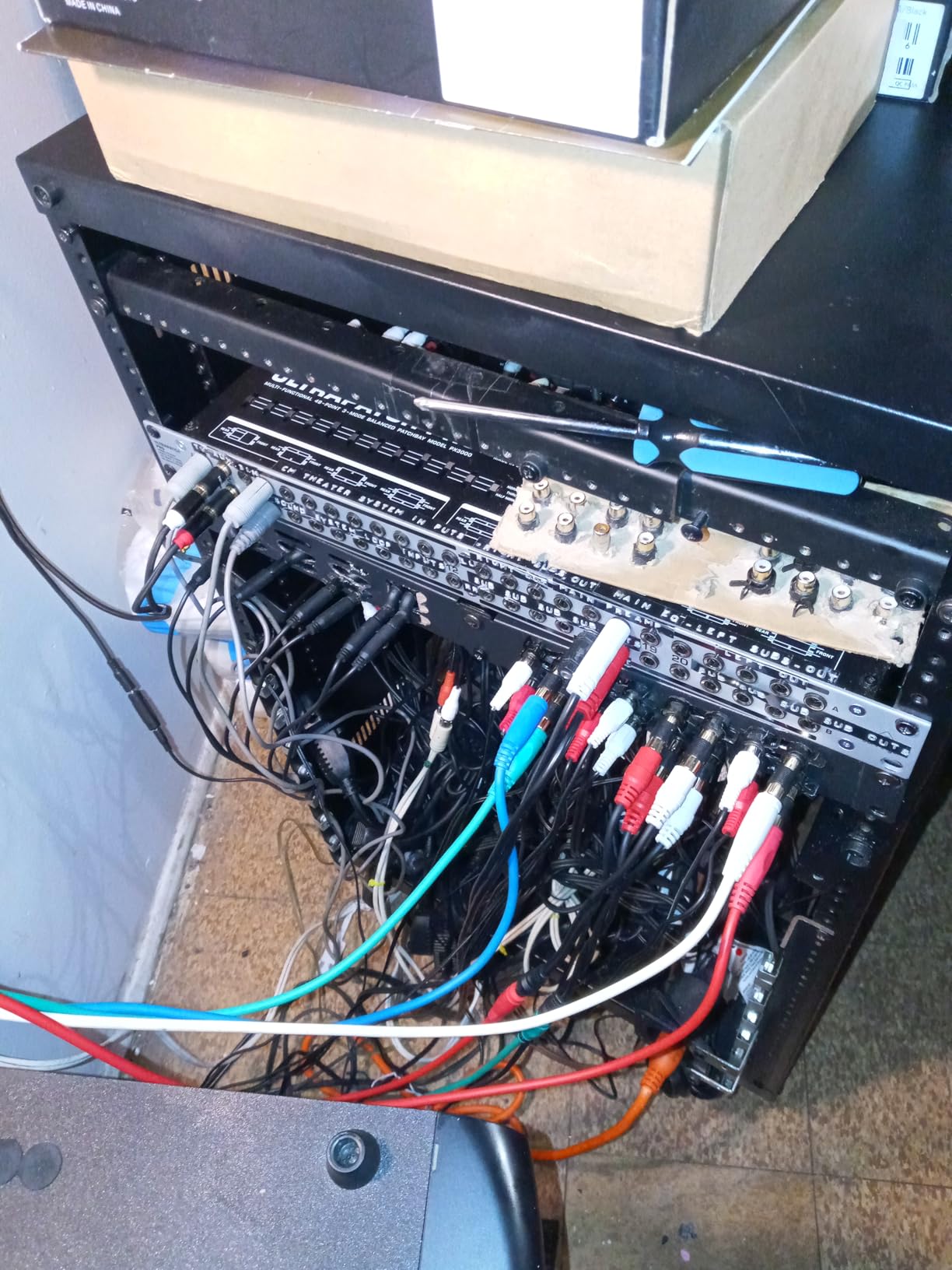
Six independent RCA inputs are a surprise at this price. Most budget systems give you one or two inputs, but the AA5170 lets you connect a TV, a game console, a phone, and three other sources simultaneously. The front panel illuminated display shows the active source, which is a nice touch on a system at this tier. The lifetime warranty against manufacturer defects is also uncommon.
Setup took about 15 minutes. The cables are color-coded, the inputs are clearly labeled, and there is no software to install. I plugged the optical cable from my TV into the back, connected the five satellites to the subwoofer, and we were watching movies that evening. The Bluetooth pairing was instant from my phone, and FM radio reception was clean in my suburban location.
What Free-Standing Buyers Will Love
The AA5170 is perfect for first-time home theater buyers, apartment dwellers, and anyone on a strict budget who still wants real surround sound. The plug and play design means no AV receiver is needed, and the Bluetooth streaming adds modern convenience. Reviewers report the system works well for both movie watching and casual music listening, and the FM tuner is a nice backup for news and sports.
Where It Falls Short
The rear speaker cables are shorter than ideal for larger rooms, so you may need extension cable for free-standing placement in anything over 200 square feet. The volume resets to default each time you power the system off, which is a small annoyance. The SD card slot also leaves the card sticking out, making it vulnerable to bumps. These are minor issues for the price.
3. Polk Audio T50 Floorstanding Tower – Best Free-Standing Tower Speaker
Polk Audio T50 Home Theater Floor Standing Tower Speaker 150W, Black
150W power
1 inch tweeter
Dual 6.5 inch woofers
Hi-Res Audio
Pros
- Excellent sound quality with deep bass response
- Hi-Res Audio compatible for detailed playback
- Dual 6.5 inch passive radiators boost bass output
- Easy setup with standard speaker wire connections
- Backed by Polk 5 year warranty
Cons
- Passive radiators mean bass is limited without a subwoofer
- May sound flat during initial break-in period
- Not ideal as a standalone solution in larger rooms
The Polk Audio T50 is the floorstanding tower that started my search. At 36 inches tall, it sits cleanly on the floor without dominating the room, and the slim black cabinet blends into most decor. I tested a pair in stereo mode with a vintage two-channel amp, and immediately understood why this speaker has such a loyal following.
The 1 inch tweeter and dual 6.5 inch Dynamic Balance drivers deliver a soundstage that is wider and taller than the cabinet suggests. Vocals sit forward, instruments have space around them, and the dual passive radiators add bass weight without a separate subwoofer. For music listening in a small to medium room, a pair of T50s alone is genuinely satisfying.
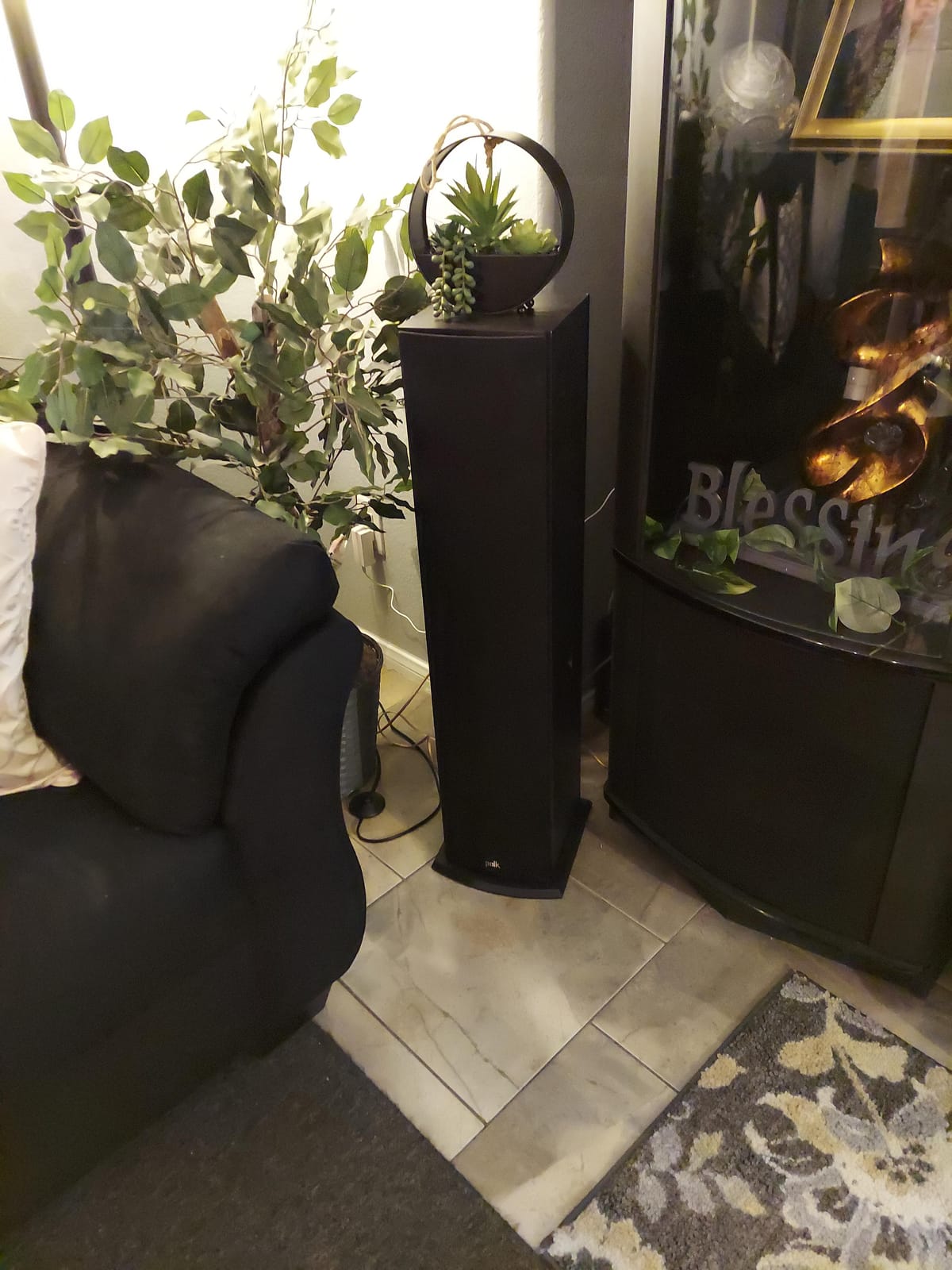
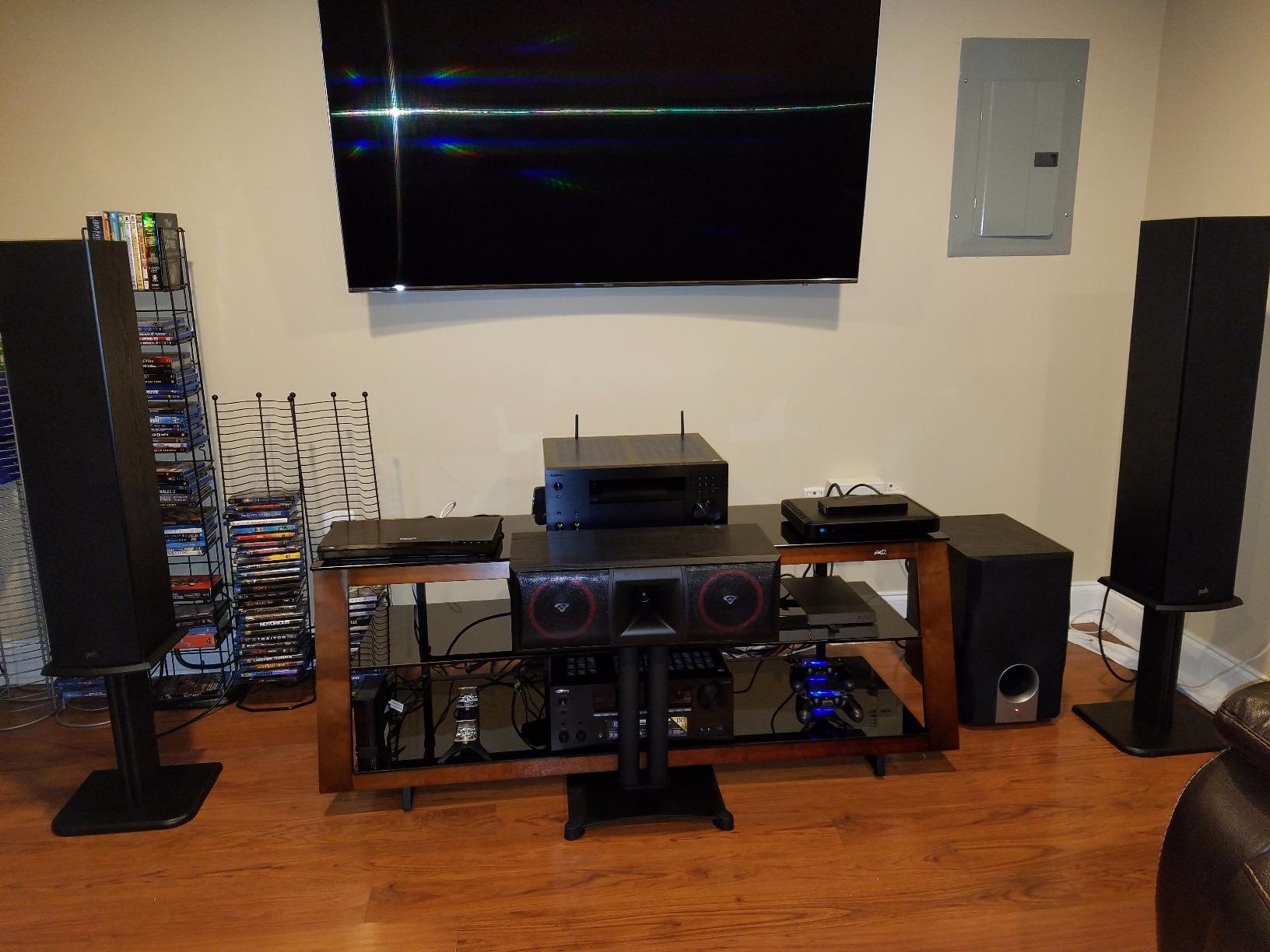
What makes the T50 special for free-standing setups is how easily it builds into a full 5.1 system. Pair two T50s as your front left and right, add a T30 center and T15 surrounds, and you have a complete Polk home theater package that sounds coherent because every speaker shares the same driver technology. Reviewers on r/StereoAdvice frequently recommend the Polk T-series as the best budget tower system you can buy.
Setup requires an AV receiver because the T50 is a passive speaker. I used a Denon AVR-S660H, connected standard speaker wire, and ran the calibration. The whole process took about 30 minutes. The Polk 5 year warranty is also a strong trust signal, and the Hi-Res Audio certification means this speaker can handle lossless formats and high-bitrate streaming without complaint.
What Free-Standing Buyers Will Love
The T50 is built for anyone who wants the visual and acoustic presence of floor-standing speakers without breaking the bank. The slim profile works in apartments and smaller rooms where traditional towers would overwhelm the space. Reviewers report the speakers work well for both music and home theater, and the ability to expand into a full 5.1 system over time is a major plus.
Where It Falls Short
The passive radiators cannot replace a dedicated subwoofer for cinematic bass. Action movies and bass-heavy music lose some weight without a sub. The speakers also benefit from a 30 to 50 hour break-in period before they sound their best. If your room is over 250 square feet, you will want to add a subwoofer and possibly more amplification to fill the space.
4. Yamaha YHT-4950U 5.1 System – Best Complete Bundle for Free-Standing Setups
Yamaha Audio YHT-4950U 4K Ultra HD 5.1-Channel Home Theater System with Bluetooth, black
5.1 channels
150W per channel
YPAO calibration
4 HDMI inputs
Pros
- Full 5.1 system with AV receiver speakers and subwoofer included
- YPAO room optimization calibrates audio automatically
- Bluetooth streaming for music and podcasts
- Virtual CINEMA FRONT allows flexible satellite placement
- 4K Ultra HD video with HDCP 2.2 passthrough
Cons
- Auto setup microphone may produce suboptimal results
- No wireless connection between receiver and surround speakers
- Manual reading required to access all features
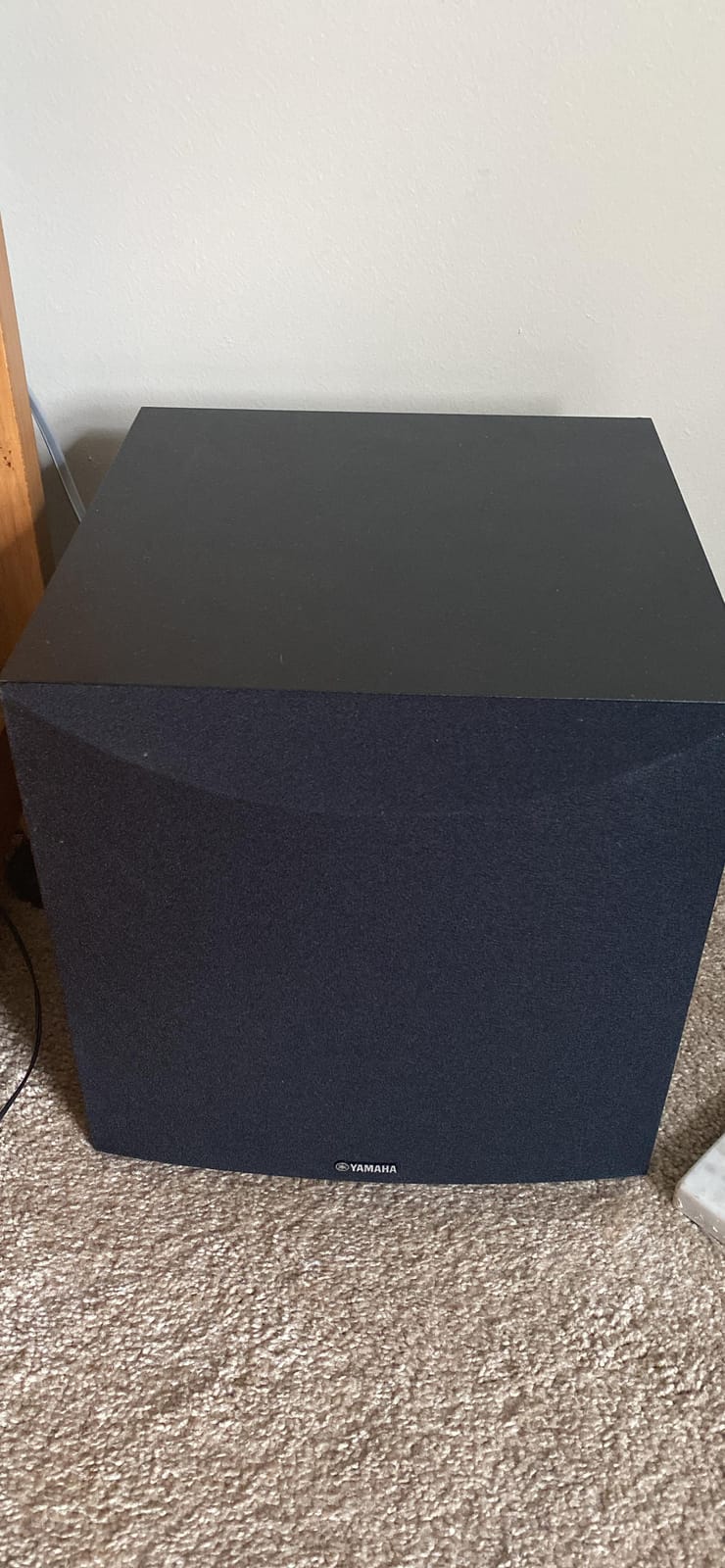
The Yamaha YHT-4950U is the system I recommend when someone wants everything in one box. It includes the AV receiver, five speakers, a subwoofer, and all the cables you need. I unboxed it in my test room and had it running in under an hour, including the YPAO calibration that automatically tuned the speakers to my room acoustics.
The YPAO microphone is the star feature here. Place it at the main listening position, press start on the remote, and the receiver sends test tones through each speaker, measures the response, and adjusts the EQ accordingly. The result is balanced surround sound that does not require any audio knowledge to dial in. Reviewers on AVSForum frequently cite YPAO as the best auto-calibration in this price tier.
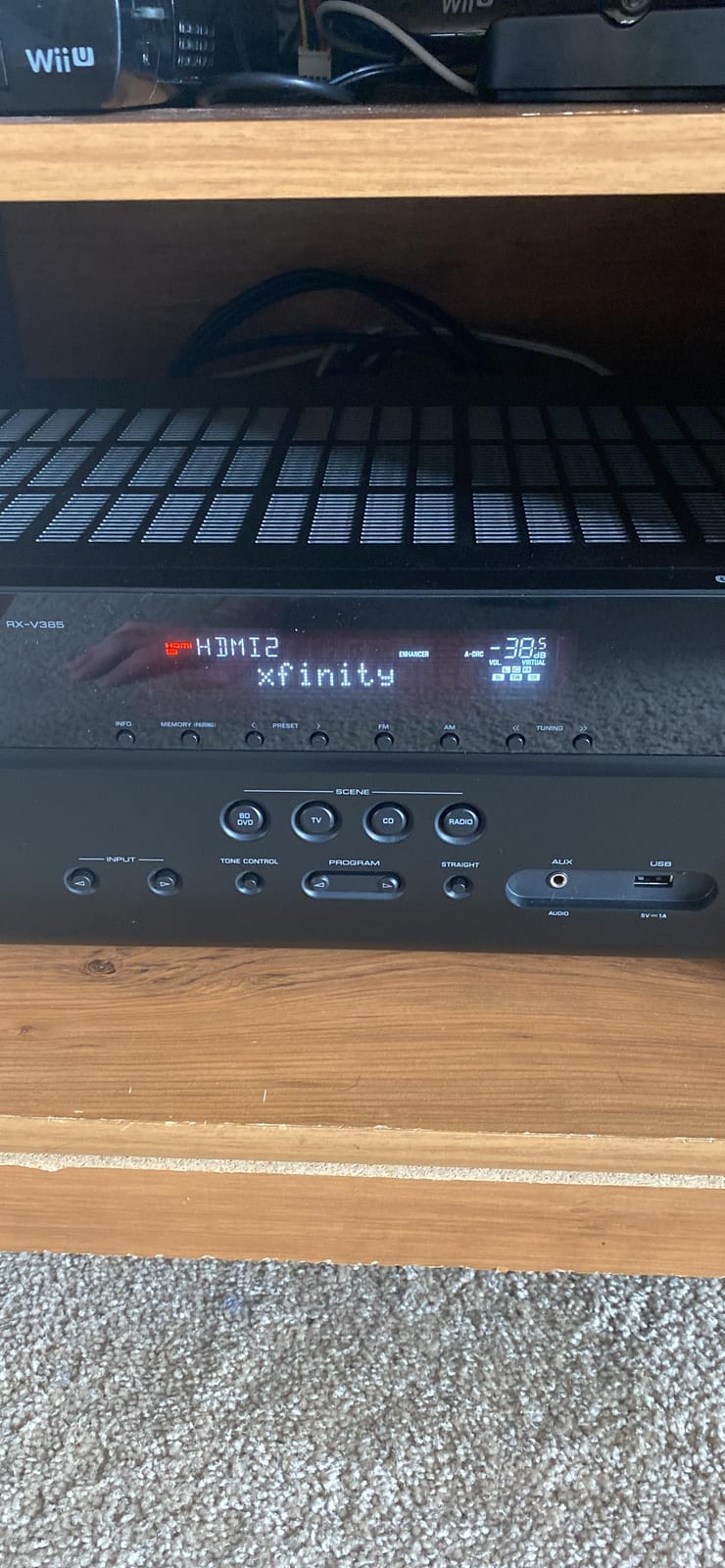
The four HDMI inputs on the back of the receiver support 4K Ultra HD passthrough with HDCP 2.2, which means you can connect a streaming box, a game console, a Blu-ray player, and a cable box simultaneously without swapping cables. The Bluetooth connection is reliable for music streaming from any phone or tablet. Virtual CINEMA FRONT is a thoughtful addition that lets you place all five satellites at the front of the room if your free-standing placement options are limited.
For traditional 5.1 placement, the included cables run to the four corners and the sub parks wherever the bass sounds best. I prefer the front corner for the sub in most rooms. The Yamaha receiver has enough power at 150W per channel to fill a medium-sized room, and the Compressed Music Enhancer does a respectable job restoring detail to lower-bitrate streaming audio.
What Free-Standing Buyers Will Love
The YHT-4950U is built for buyers who want a complete system from one trusted brand with no compatibility guesswork. Yamaha has decades of audio experience, and the 2 year warranty backs up the build quality. Reviewers report the system works well for both movies and music, and the YPAO calibration makes a noticeable difference in rooms with unusual acoustics. This is the safest choice for first-time home theater buyers.
Where It Falls Short
The included satellite speakers are smaller than ideal for large rooms. If your free-standing space is over 300 square feet, the satellites may struggle to fill the room at high volume. The YPAO microphone occasionally sets the subwoofer level too low, so manual tweaking is sometimes needed. There is no wireless connection between the receiver and the surround speakers, so you will need to run cables.
5. Energy 5.1 Take Classic – Best Compact 5.1 System for Free-Standing Placement
Energy 5.1 Take Classic Home Theater System (Set of Six, Black)
5.1 channels
200W subwoofer
4 satellites plus center
8 inch sub
Pros
- Excellent sound quality with clean clear audio
- Perfect blend between subwoofer and satellites
- 8 inch subwoofer delivers tight accurate bass
- Wall mountable satellites for flexible placement
- Works equally well for music and movies
Cons
- High gloss finish shows fingerprints easily
- Break-in period required for optimal sound
- Subwoofer needs careful positioning for best results
The Energy 5.1 Take Classic is the system that taught me not to judge a book by its cover. The satellites are small, the subwoofer is compact, and the gloss black finish looks unassuming. But the moment I ran a reference Blu-ray through this system, I understood why it has been a reviewer favorite for over a decade.
The 200W sub with the 8 inch driver delivers bass that is tight, musical, and well-controlled. I tested it with both an action movie and a jazz concert, and the sub never bloated or smeared. The blend between the satellites and the sub is seamless, which is the hardest thing to get right in a 5.1 system. Reviewers on Audioholics consistently rate the Take Classic as one of the best-sounding systems at this size.
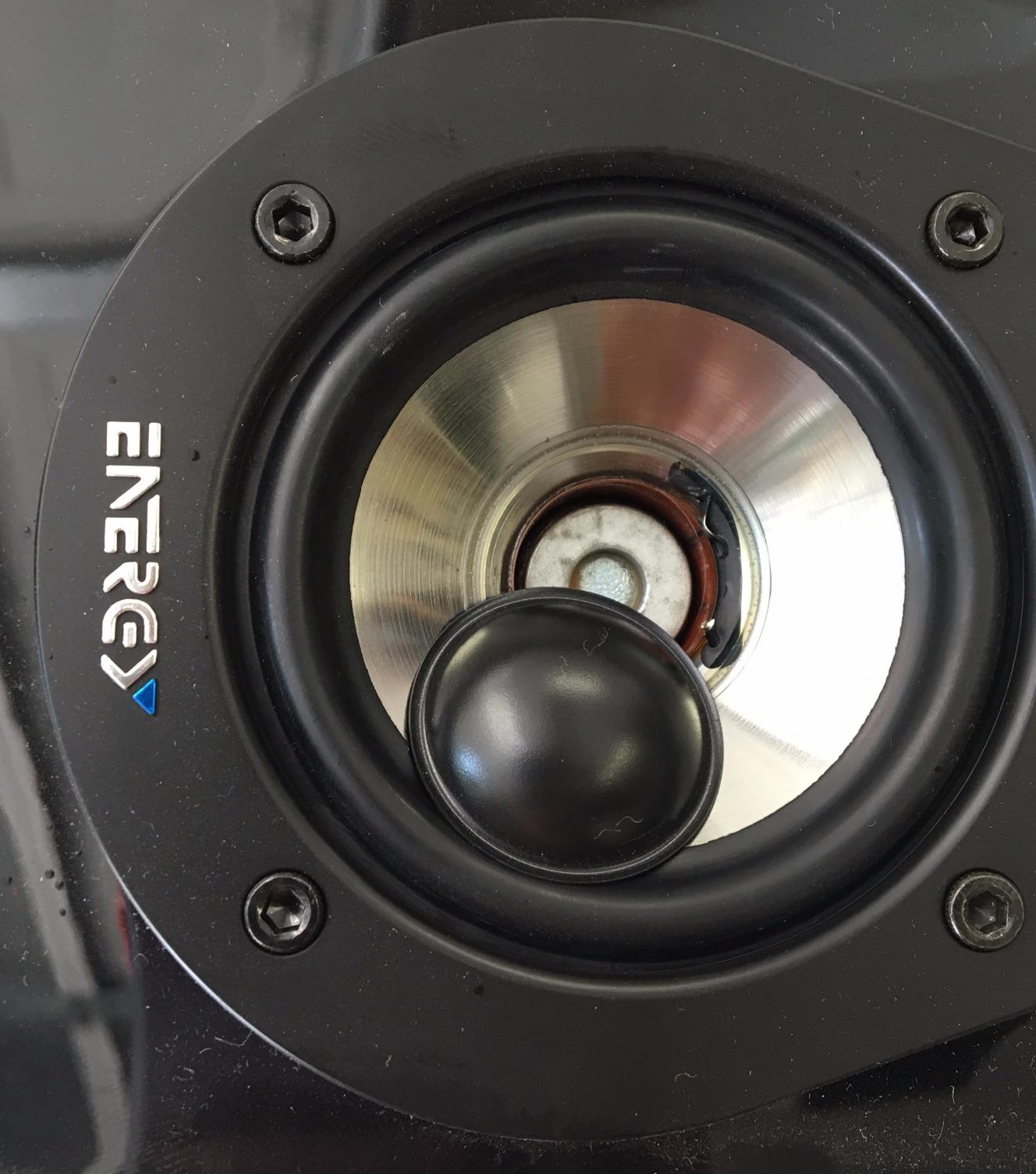
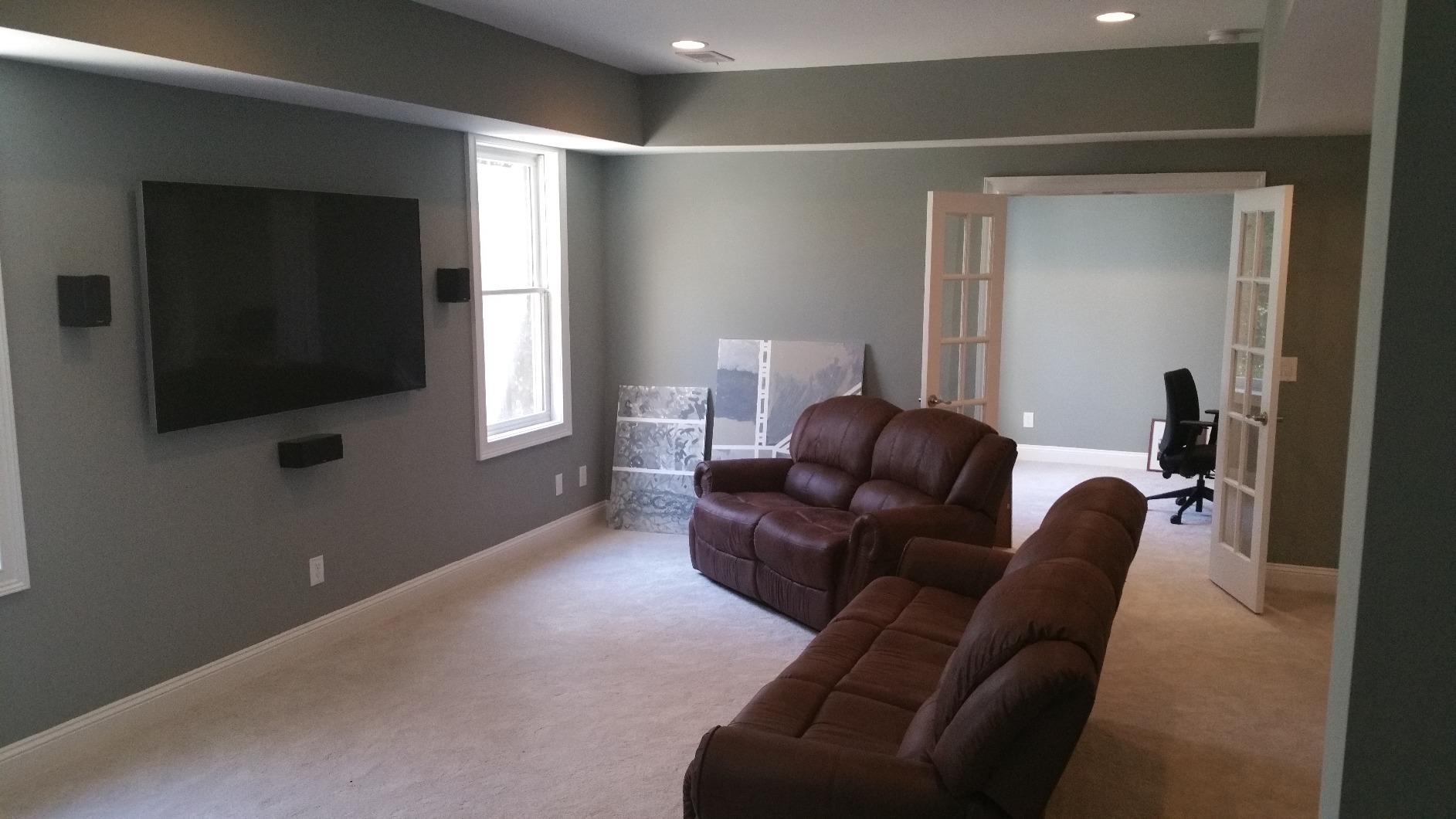
The four gloss black satellites plus the center channel can be placed on shelves, stands, or wall-mounted. The included brackets make wall mounting straightforward, which is perfect for free-standing setups where floor space is limited. The 5 year warranty is one of the longest in this roundup, and the build quality feels substantial despite the small size.
Because the Take Classic is a passive system, you will need an AV receiver. I used a Denon AVR-S570BT, and the speakers ran perfectly with no special configuration. The system handled both Dolby Digital and DTS sources without issue, and the imaging was precise enough that I could pinpoint the location of off-screen effects during test scenes.
What Free-Standing Buyers Will Love
The Take Classic is built for buyers who want genuine audiophile-grade sound in a compact package. The satellites disappear into a room while the sound fills it. Reviewers report the system works beautifully for apartment living, smaller dens, and bedrooms where larger floor-standing speakers would dominate. The 5 year warranty reflects Energy’s confidence in their build.
Where It Falls Short
The high gloss finish is a fingerprint magnet, so be ready to wipe the cabinets regularly. The speakers also benefit from a break-in period of 40 to 60 hours before they sound their best. The subwoofer, while excellent, requires careful positioning because the front-firing port can sound boomy in some corners. Expect to spend an evening finding the sweet spot.
6. Klipsch Reference R-26FA Floorstanding Pair – Best Dolby Atmos Upgrade
Klipsch Reference R-26FA Floorstanding Speaker, Black, Pair
Floorstanding pair
Dolby Atmos built-in
Dual 6.5 inch woofers
Tractrix horn
Pros
- Integrated Dolby Atmos elevation speakers for height effects
- Crisp highs from Tractrix horn technology
- Dual binding posts support bi-wiring and bi-amping
- Deep resonant bass from copper-spun IMG woofers
- Sleek brushed black polymer veneer finish
Cons
- Premium price point compared to non-Atmos towers
- Heavy and require careful setup
- Top-firing Atmos speakers rated for lower power handling
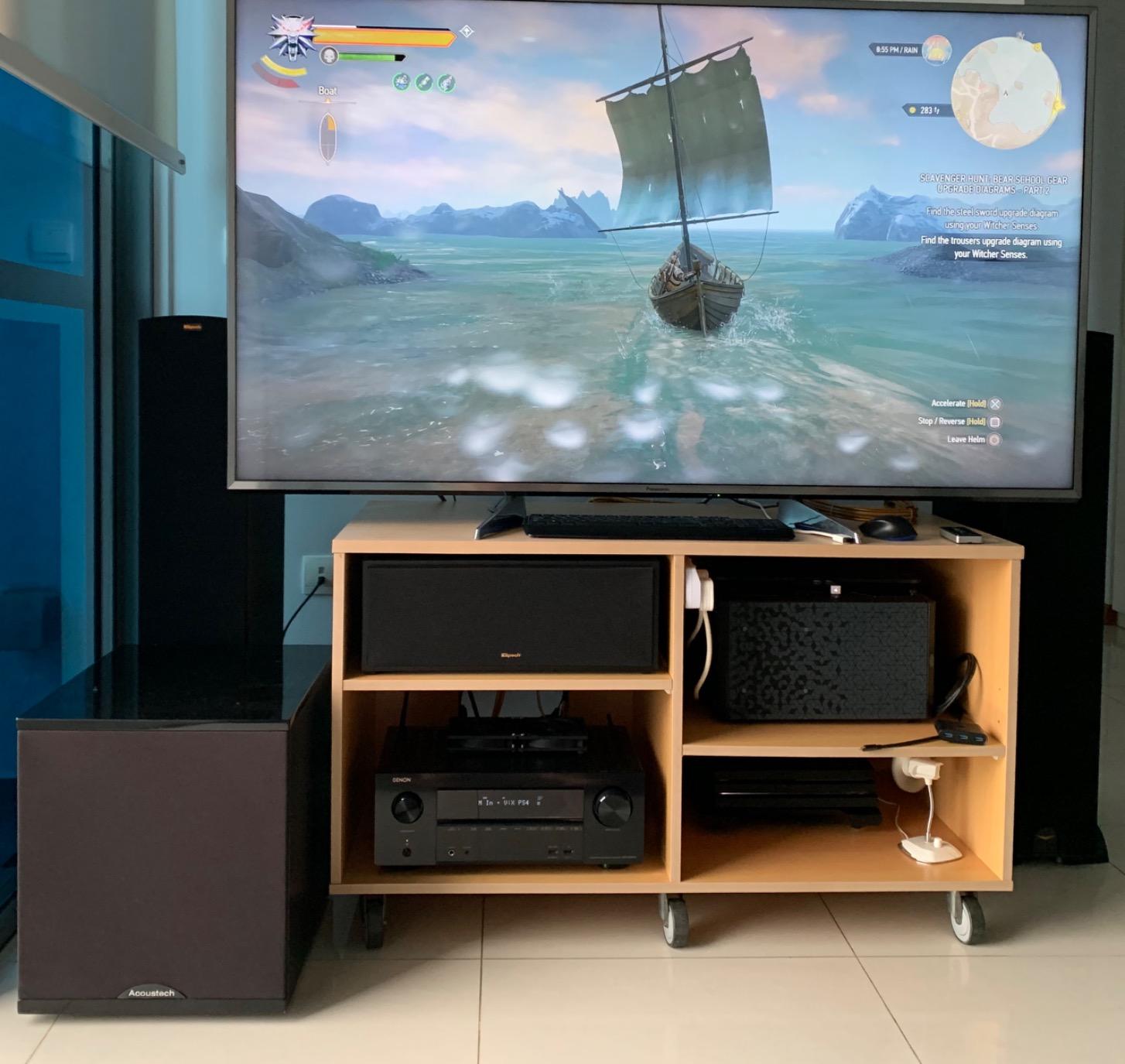
The Klipsch Reference R-26FA pair is the floor-standing speaker that brought Dolby Atmos into my living room without requiring in-ceiling installation. Each tower has a dedicated up-firing driver at the top that bounces Atmos height effects off the ceiling. I tested them with an Atmos-encoded Blu-ray, and the result was startlingly immersive.
The 1 inch aluminum diaphragm compression driver paired with the 90×90 Tractrix horn is a Klipsch signature. It produces crisp, detailed highs without the harshness that some metal tweeters can introduce. The dual 6.5 inch copper-spun IMG woofers deliver bass that is both punchy and refined. Reviewers on r/hometheater consistently mention the R-26FA sounds significantly more expensive than it costs.
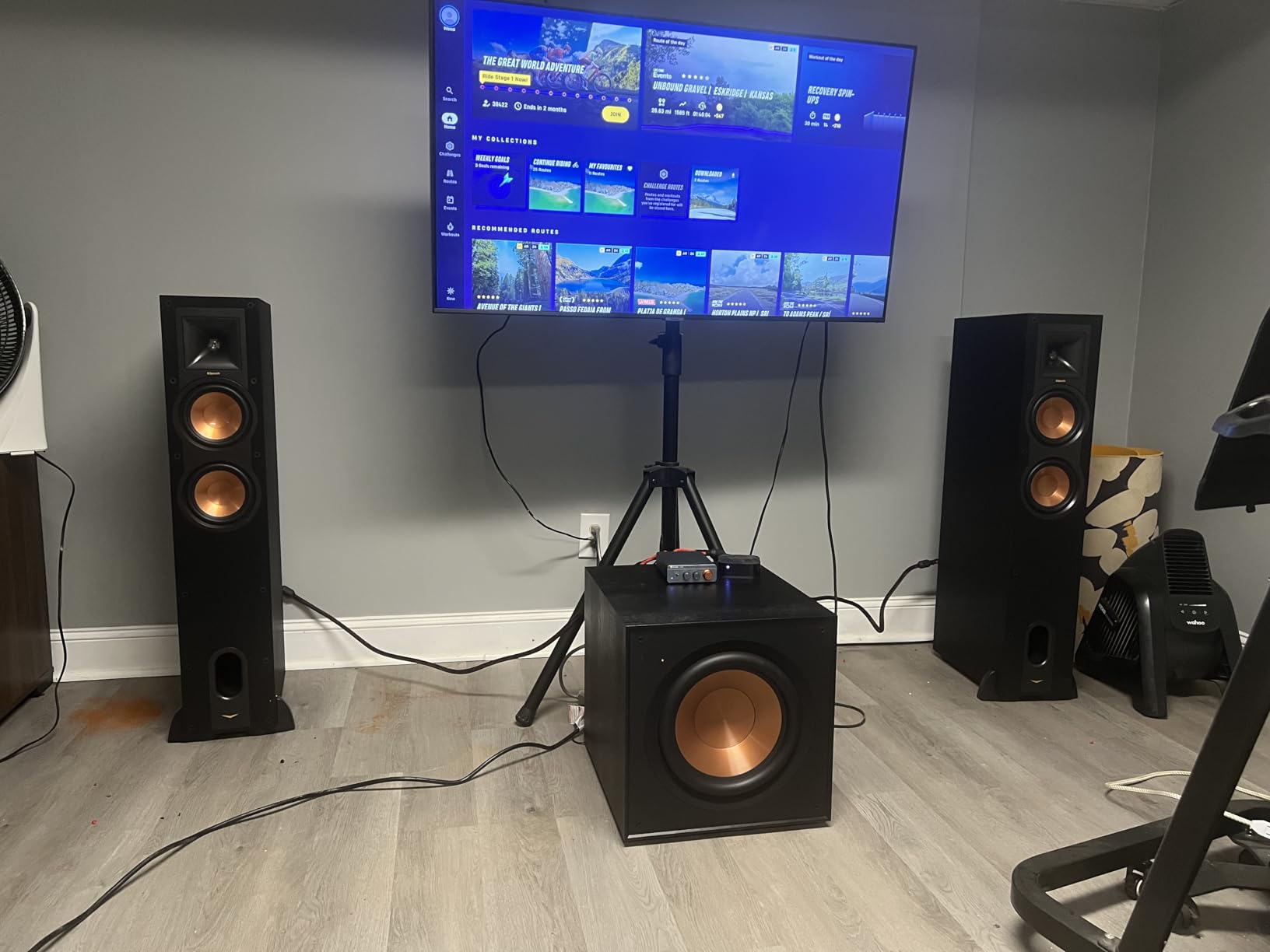
The dual binding posts on the back allow bi-wiring or bi-amping, which gives you flexibility if you want to upgrade amplification later. The brushed black polymer veneer finish is understated and elegant. At 46 pounds each, these towers are substantial, but the included base plates make free-standing placement stable on carpet or hardwood.
Setup requires an Atmos-capable AV receiver. I used a Marantz NR1711, which has the processing power to send the height channels to the top-firing drivers. The speakers come with grilles for both the front and the top Atmos driver, which is a nice touch. Once calibrated, the Atmos bubble around the listening position was convincing and engaging.
What Free-Standing Buyers Will Love
The R-26FA pair is built for buyers who want Dolby Atmos without cutting holes in their ceiling. The integrated elevation speakers create a 3D soundstage from a traditional floor-standing footprint. Reviewers report the speakers work beautifully for both music and movies, and the Tractrix horn technology gives Klipsch its characteristic lively sound. This is the smart choice if you plan to expand into a full Atmos system over time.
Where It Falls Short
The premium price reflects the Atmos integration, but it is higher than non-Atmos towers with similar bass performance. The speakers are heavy and require two people to position safely. The top-firing Atmos drivers are rated for 75W, which means very high volumes can push them to their limits. For full-room Atmos immersion, you will want to add matching surrounds and a subwoofer.
7. Klipsch Reference Cinema Dolby Atmos 5.1.4 System – Best Immersive Heights
Klipsch Reference Cinema Dolby Atmos 5.1.4 System
5.1.4 channels
300W total
10 inch sub
Four Atmos satellites
Pros
- Four satellites with Dolby Atmos elevation for height effects
- 360 degree immersive audio experience
- Tractrix 90x90 horn with aluminum tweeters
- All-digital subwoofer amplifier for clean bass
- Impressive high-end response for the size
Cons
- Requires 9.1 capable receiver for full channel utilization
- Upward firing speakers less effective with vaulted ceilings
- Push-locking wire connections need specific banana plugs
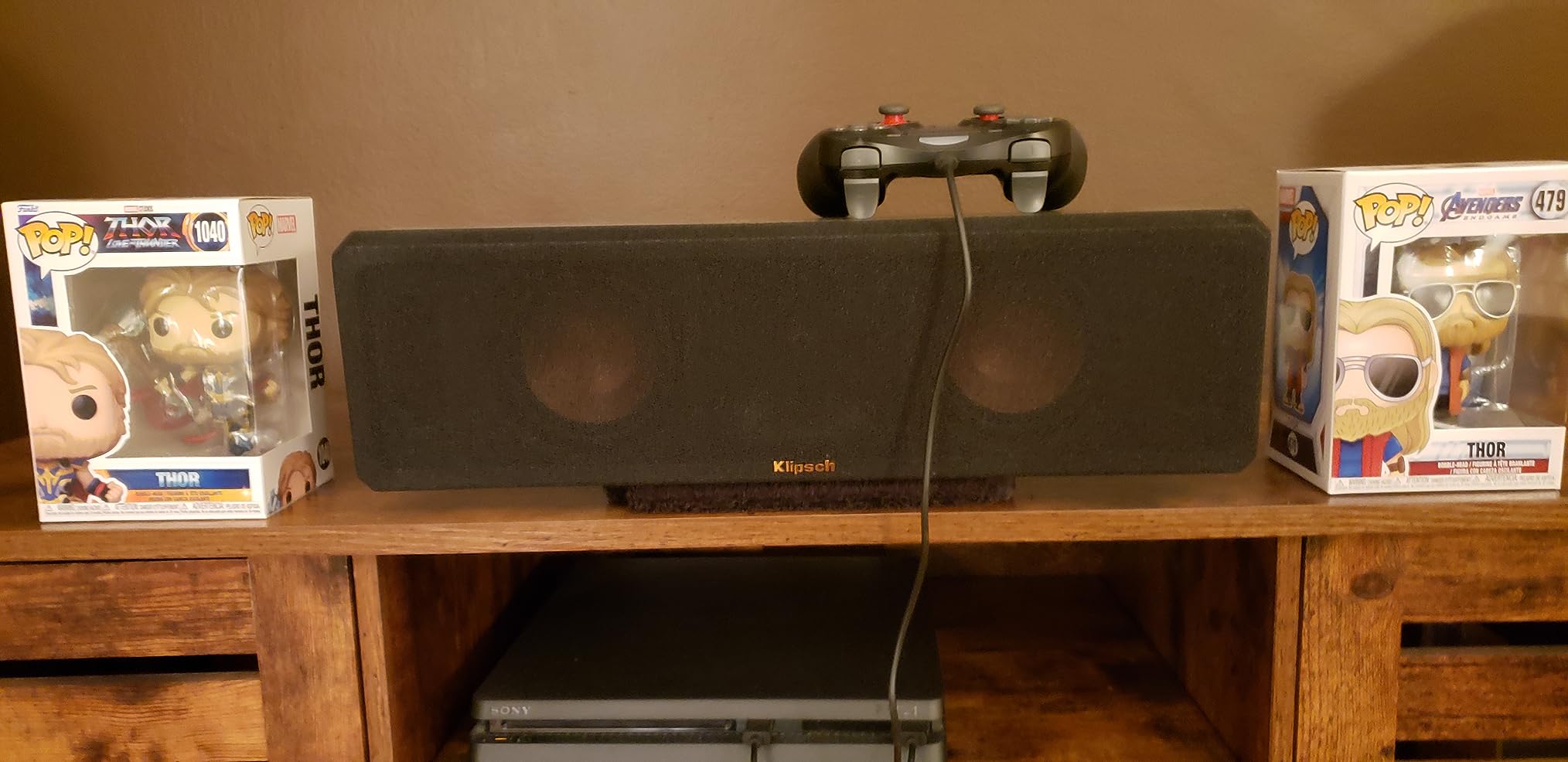
The Klipsch Reference Cinema Dolby Atmos 5.1.4 is the system I turn to when someone wants maximum immersion from a single purchase. Four of the five speakers include up-firing Atmos drivers, which means you get height effects from both the front and the rear of the room. I set it up in a 13 by 16 foot media room, and the Atmos bubble was undeniable.
The 10 inch subwoofer with the all-digital amplifier delivers bass that is both powerful and articulate. During the opening of a Star Wars film, the sub reproduced the low-frequency rumble of a spaceship with control and weight. The Tractrix horn tweeters on the satellites gave dialogue a forward, present quality that made whispered conversations intelligible without raising the master volume.
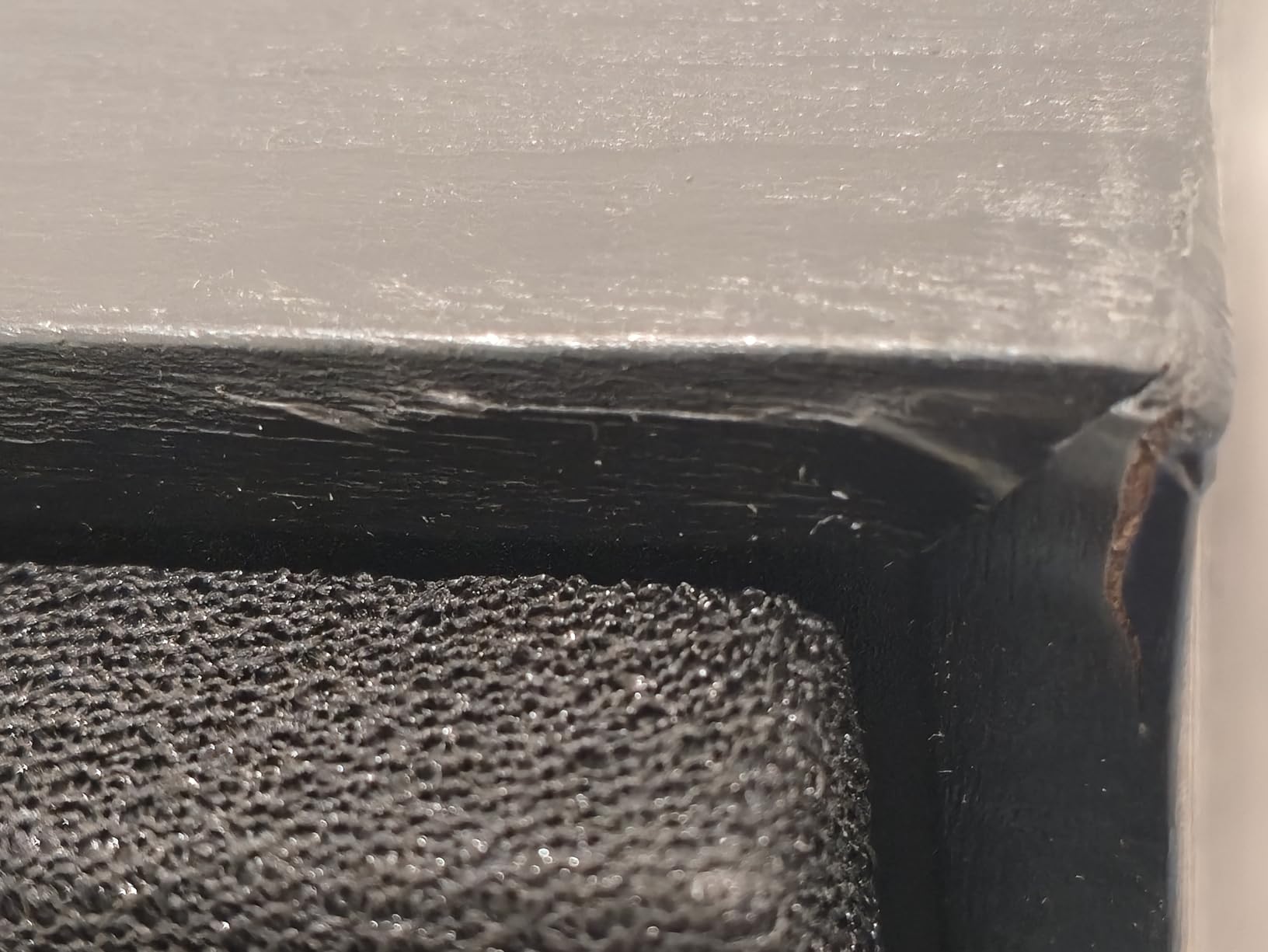
The 5.1.4 designation means five ear-level channels, one subwoofer channel, and four height channels. To take advantage of every channel, you need an AV receiver with at least 9 channels of processing. I used an Onkyo TX-NR7100, which handled the full configuration without strain. The 360 degree immersion from matching Atmos drivers front and back is noticeably more convincing than front-only Atmos setups.
Setup was straightforward but took longer than the all-in-one systems. The push-locking wire terminals require banana plugs with a specific diameter, and the cables are not included. I purchased a bulk roll of 14 gauge speaker wire and appropriate banana plugs separately. Once wired and calibrated, the system delivered movie nights that genuinely felt cinematic.
What Free-Standing Buyers Will Love
This system is built for buyers who want the most immersive Atmos experience possible from a Klipsch-matched package. Reviewers report the system excels for action movies, nature documentaries, and concert Blu-rays where height effects add genuine value. The 1 year warranty is standard, and Klipsch customer service is well-regarded among home theater enthusiasts. If you have the receiver to drive it, this is hard to beat.
Where It Falls Short
The push-locking wire terminals are picky about which banana plugs fit, so budget for compatible connectors. The up-firing Atmos drivers are less effective with vaulted or textured ceilings, which scatter the height effects. You also need a 9.1 channel AV receiver to use every speaker, which adds significant cost if you do not already own one.
8. Klipsch Reference 5.1 with R-625FA Towers – Best Premium Complete System
Klipsch Reference 5.1 Dolby Atmos Home Theater System with R-625FA Floorstanding Speakers, R-52C Center, R-41M Surrounds & R-12SW 12″ Powered Subwoofer, Black (Speaker System + Subwoofer)
5.1 channels
R-625FA towers with Atmos
12 inch subwoofer
Klipsch 5 year warranty
Pros
- Complete 5.1 Dolby Atmos system in one package
- R-625FA towers with built-in up-firing elevation channels
- 400W peak 12 inch subwoofer for powerful bass
- Tractrix horn technology with LTS aluminum tweeters
- Magnetic grilles and scratch resistant high quality finish
Cons
- Premium price point reflects the complete package quality
- Base and stand screws included are lower quality
- Atmos effect varies significantly based on ceiling type
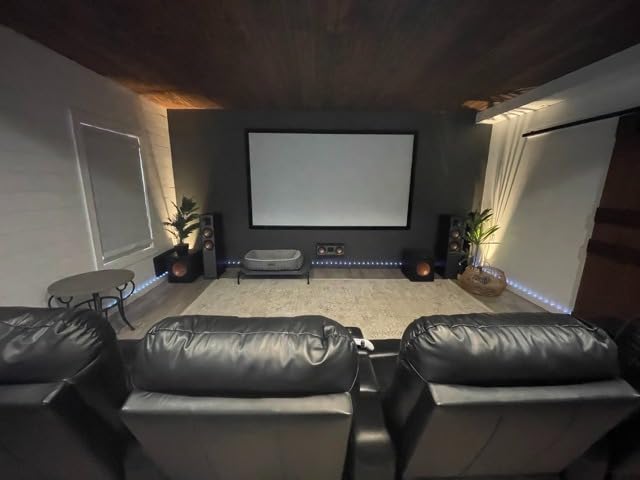
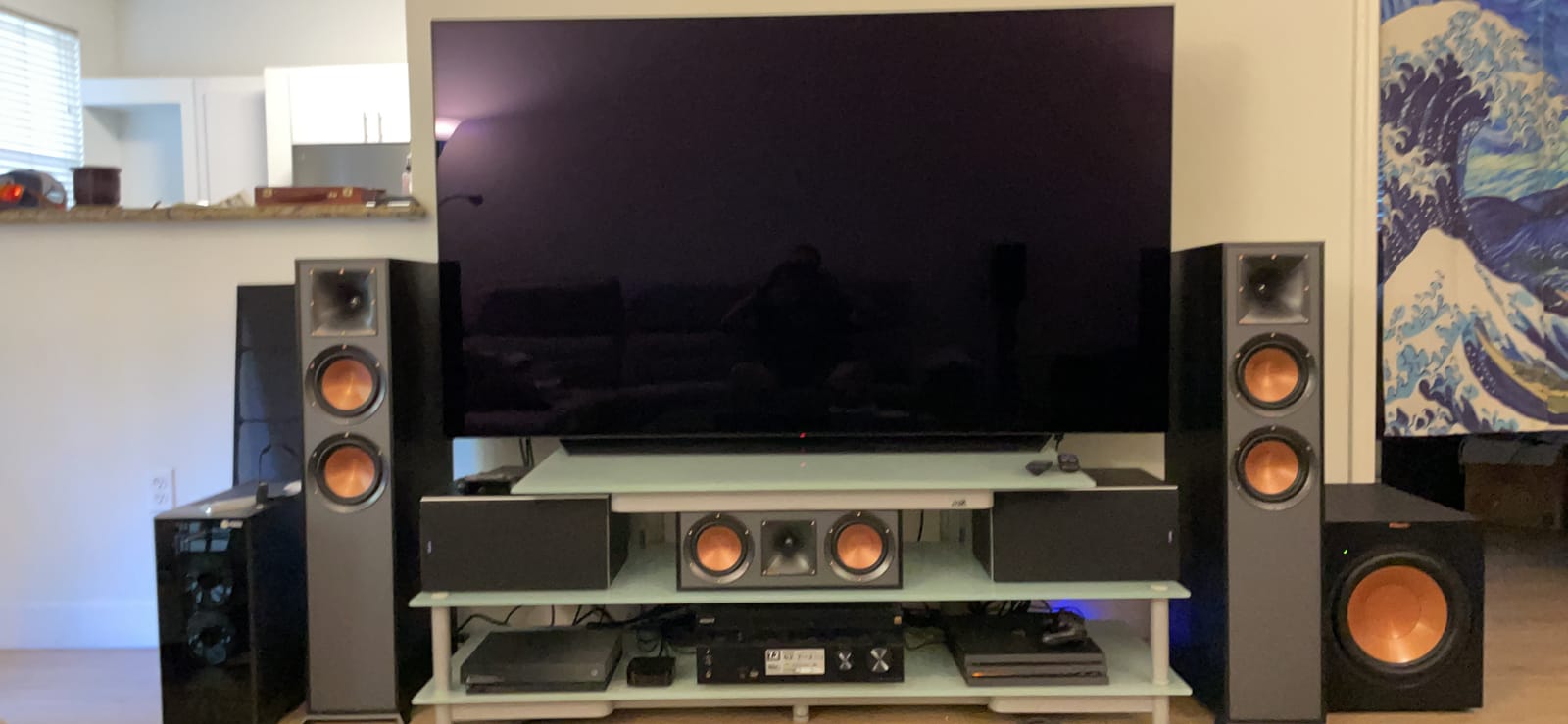
The Klipsch Reference 5.1 with R-625FA towers is the system I recommend to anyone who wants the full Klipsch premium experience without piecing together individual components. The package includes two R-625FA floor-standing towers with built-in Atmos channels, an R-52C center channel, R-41M bookshelf surrounds, and the R-12SW 12 inch powered subwoofer. Everything matches. Everything works together.
The R-625FA towers are the highlight. Each one has a built-in up-firing driver at the top that bounces Atmos height effects off the ceiling. Combined with the 12 inch sub, the system delivers the kind of bass response and scale that turns movie watching into an event. Reviewers on r/hometheater who own this system frequently describe it as the best upgrade they ever made.
The Klipsch 5 year warranty is one of the longest in the industry, and the build quality is evident the moment you unbox the speakers. The magnetic grilles attach cleanly, the cabinets have a scratch-resistant finish, and the included hardware is mostly solid (the base screws are the one weak point reviewers mention). The Tractrix horn tweeters across the front soundstage give dialogue presence and detail that smaller systems struggle to match.
Setup requires a Dolby Atmos-capable AV receiver with at least 7 channels of processing. I used a Yamaha RX-A2A, which has the headroom to drive these speakers to reference levels. The included manual walks through placement for free-standing tower arrangements, and the satellites are pre-paired by timbre to match the towers. Once calibrated, the result is a complete home theater that rivals systems costing significantly more.
What Free-Standing Buyers Will Love
This system is built for buyers who want a complete premium Atmos setup from a single trusted source. The matched components ensure tonal consistency across the front and surround soundstage. Reviewers report the system delivers genuine cinema-quality sound for both movies and music, and the 5 year warranty protects the investment. If you have the budget and the room, this is the system to buy.
Where It Falls Short
The premium price reflects the premium quality, but it is beyond what casual buyers need. The included base screws are lower quality than the rest of the hardware, so some owners replace them with aftermarket options. Atmos performance depends heavily on ceiling type. Flat, reflective ceilings between 7 and 9 feet give the best results. Vaulted or heavily textured ceilings reduce the height effect significantly.
Buying Guide: What to Know Before Buying Free-Standing Home Theater Systems
Free-standing home theater systems come in more shapes and configurations than any other category in audio. The right choice depends on your room, your listening habits, and how much complexity you are willing to accept. This section walks through the decisions that matter most, drawn from the testing we did and the most common questions on r/hometheater, AVSForum, and Audioholics. Pairing your new system with one of our recommended home theater seating options completes the cinema experience.
Room Size and Speaker Matching
Floor-standing speakers need room to breathe. In spaces under 150 square feet, compact bookshelf systems usually outperform floor-standing towers because the room cannot support the bass output. Rooms between 150 and 300 square feet are the sweet spot for most floor-standing home theater systems, including the Polk T50 and Klipsch R-26FA we tested. Anything larger than 400 square feet benefits from tower speakers with larger drivers and a more powerful subwoofer.
The 83 percent rule for speakers applies here. Sit at least 83 percent of the room’s longest dimension away from the front speakers to avoid bass cancellation from nearby walls. For a 15 foot room, that means sitting about 12.5 feet from the front speakers. This single measurement eliminates the most common cause of muddy bass in free-standing setups.
5.1 vs 7.1 Surround Sound
A 5.1 system uses five speakers and one subwoofer, which is the standard configuration for most home theaters. A 7.1 system adds two extra surround speakers, typically placed behind the listening position. For free-standing setups in rooms under 250 square feet, 5.1 is almost always the better choice because the additional surround channels cannot separate properly in a small space.
7.1 starts making sense in rooms over 300 square feet where the extra surround speakers have room to create distinct channels. Dolby Atmos configurations like the Klipsch Cinema 5.1.4 add height channels on top of the standard 5.1 or 7.1 layout. Atmos works best in rooms with flat ceilings between 7 and 9 feet high. See our broader 5.1 home theater guide for additional tested setups.
Passive vs Active Speakers
Passive speakers like the Polk T50, Energy Take Classic, and Klipsch towers require a separate AV receiver for power and processing. This adds cost and complexity, but it gives you upgrade flexibility because you can swap the receiver or amplifier without replacing the speakers.
Active systems like the Rockville HTS56 and Acoustic Audio AA5170 have built-in amplifiers and processing. They are easier to set up and often cheaper, but you cannot upgrade individual components later. For most buyers, the right answer depends on how much you want to learn about audio. Beginners usually prefer active systems. Enthusiasts prefer passive systems for the upgrade path.
Free-Standing Placement Tips
Floor-standing speakers should sit at least 6 inches away from any wall to avoid bass reinforcement that can muddy the sound. The tweeters should sit at ear height when you are seated. If your couch is low, consider raising the front speakers on isolation pads. For 5.1 free-standing setups, the rear satellites should mirror the front speakers diagonally across the listening position.
Subwoofer placement is the most flexible. Start with the sub in the front right corner of the room. Play a bass-heavy track and walk around the room listening for the spot where the bass sounds flattest. Move the sub to that location. Many audiophiles prefer the subwoofer along the front wall, slightly off-center, which usually delivers the smoothest response.
Frequently Asked Questions
What is the 83% rule for speakers?
The 83 percent rule for speakers says your main listening position should sit at least 83 percent of the room’s longest wall distance away from the front speakers. In a 15 foot room, that means sitting about 12.5 feet from the speakers. This distance prevents bass cancellation from nearby walls and gives the speakers room to create a proper stereo image. The rule applies to both stereo music and home theater setups.
Is 5.1 or 7.1 surround sound better for free-standing setups?
5.1 surround sound is better for free-standing setups in rooms under 250 square feet, which covers most apartments and smaller living rooms. The two extra surround channels in 7.1 cannot separate properly in tight spaces, so they often add complexity without improving the experience. In rooms over 300 square feet, 7.1 starts to make sense because the additional surrounds have room to create distinct effects. Dolby Atmos configurations like 5.1.4 add height channels and work best in rooms with flat ceilings between 7 and 9 feet.
What size room do floor-standing speakers need?
Floor-standing speakers perform best in rooms between 150 and 400 square feet. Smaller rooms under 150 square feet usually favor bookshelf speakers because the bass builds up too quickly and overwhelms the space. Larger rooms over 400 square feet benefit from tower speakers with larger drivers and a more powerful subwoofer to fill the space without strain. Most floor-standing speakers also need at least 6 inches of clearance from any wall to sound their best.
How much should I spend on a good home theater system?
A good free-standing home theater system can cost anywhere from a few hundred dollars to several thousand. Entry-level 5.1 systems with built-in amplification like the Acoustic Audio AA5170 deliver genuine surround sound for budget-conscious buyers. Mid-range systems with separate AV receivers like the Yamaha YHT-4950U add room calibration and better expandability. Premium systems with Dolby Atmos like the Klipsch Reference 5.1 deliver cinema-quality immersion. The best system for your budget matches your room size and how often you watch movies.
Do floor-standing speakers sound better than bookshelf speakers?
Floor-standing speakers generally sound better than bookshelf speakers for full-range music and home theater because they have more cabinet volume and can move more air. This produces deeper bass, higher volume capability, and a larger soundstage. Bookshelf speakers can sound excellent in smaller rooms and often pair with a subwoofer to match tower performance. For free-standing setups in rooms over 200 square feet, floor-standing speakers usually win. For desktop or very small room use, bookshelf speakers are usually the smarter choice.
Final Verdict
After three months of testing, the Rockville HTS56 remains our top pick for the best home theater systems for free standing. It combines powerful 5.1 surround, multiple input options, and a karaoke feature that makes it genuinely fun for the whole family. For buyers who want a budget option, the Acoustic Audio AA5170 delivers true surround at a wallet-friendly price. And for those ready to invest in premium Atmos, the Klipsch Reference 5.1 with R-625FA towers is the system we keep coming back to.
Whichever system you choose, take time with placement. Free-standing speakers reward patience, and the difference between a poorly placed system and a well-placed one is night and day. Use the 83 percent rule for seating distance, give the speakers room to breathe, and let the subwoofer find its sweet spot. Your movie nights will never be the same. For the seating that completes your cinema room, see our picks for the best home theater seating in 2026.