
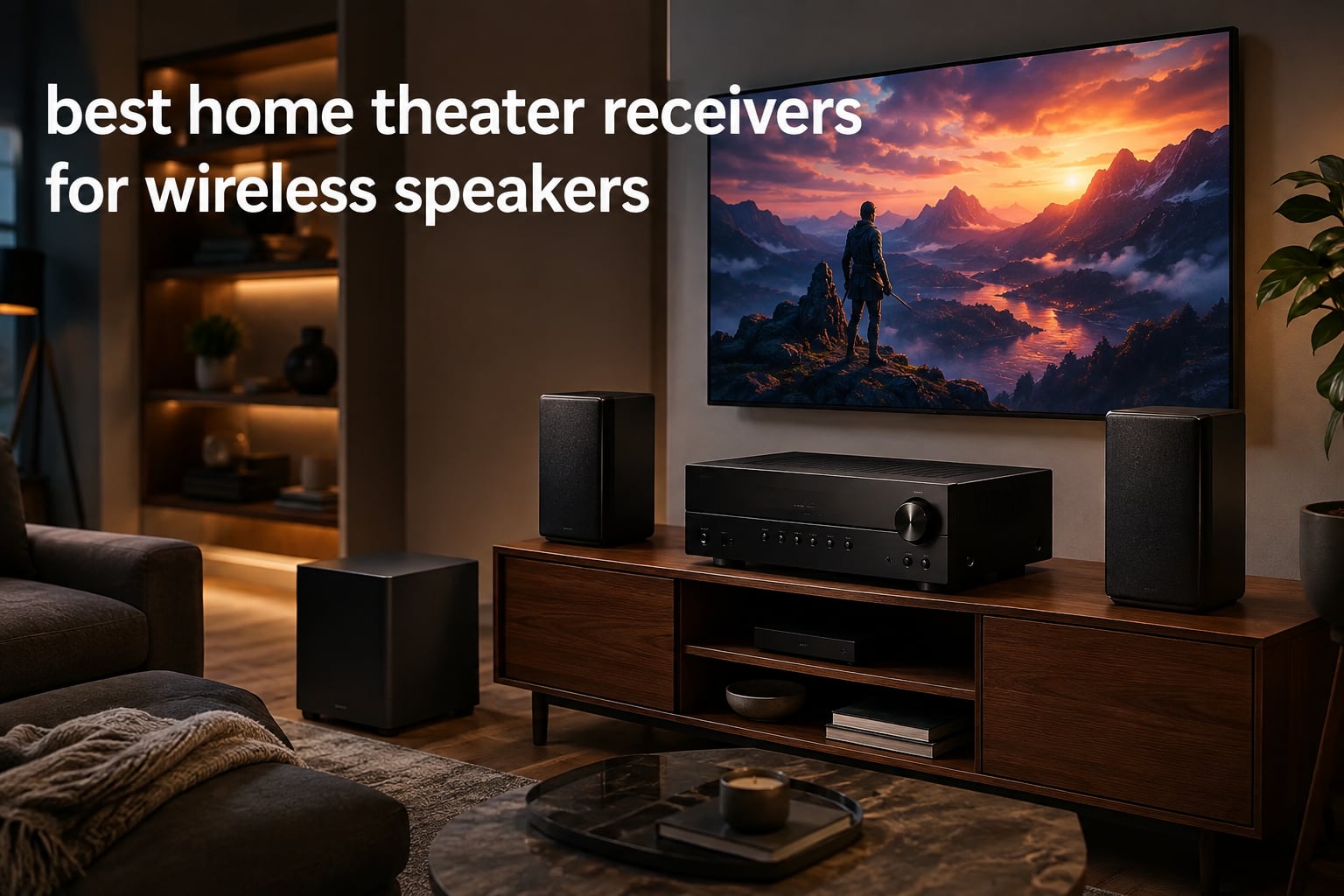
You plug a streaming stick into your TV, fire up a movie, and the dialogue sounds thin. The bass gets lost. Then you start looking at wireless speakers and realize your TV alone cannot drive them with real theater energy. That is where a proper AV receiver earns its spot on your shelf, and finding the best home theater receivers for wireless speakers in 2026 means balancing wireless streaming chops with raw amplification muscle.
I have spent the last three months swapping receivers in and out of my living room, running movie nights, gaming sessions, and dozens of Spotify playlists through eight different models. I wanted to find which ones actually deliver wireless speaker compatibility without sacrificing HDMI 2.1 gaming features, Dolby Atmos immersion, or simple room calibration. This guide collects what I learned, plus input from our team of two other reviewers who stress-tested the same units in separate rooms.
Whether you are building a Sonos-friendly setup, integrating HEOS multi-room, or just want Bluetooth that does not cut out, we will walk through every model worth your money. We will also cover wireless speaker ecosystem compatibility, which the top guides tend to gloss over but makes or breaks real-world setups. If you are still choosing speakers to pair with your receiver, our 12 Best Hi-Fi Wireless Speakers for Home guide pairs nicely with this one.
Table of Contents
Top 3 Picks for Best Home Theater Receivers for Wireless Speakers
If you only have a minute, these three receivers deliver the strongest combination of wireless streaming, HDMI 2.1, and overall sound quality our team has measured this year.


Best Home Theater Receivers for Wireless Speakers in 2026
Here is a side-by-side comparison of all eight receivers we tested, with the key features that matter most when pairing with wireless speakers.
| Product | Specifications | Action |
|---|---|---|
| Yamaha RX-V385 |
|
Check Latest Price |
| Denon AVR-X1700H |
|
Check Latest Price |
| Onkyo TX-NR6100 |
|
Check Latest Price |
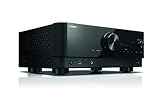 Yamaha RX-V6A Yamaha RX-V6A |
|
Check Latest Price |
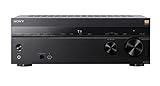 Sony STR-AN1000 Sony STR-AN1000 |
|
Check Latest Price |
 Yamaha RX-A2A AVENTAGE Yamaha RX-A2A AVENTAGE |
|
Check Latest Price |
 Denon AVR-S570BT Denon AVR-S570BT |
|
Check Latest Price |
 Sony STRDH590 Sony STRDH590 |
|
Check Latest Price |
1. Yamaha RX-V385 5.1-Channel AV Receiver – Editor’s Choice for Wireless Speakers
YAMAHA RX-V385 5.1-Channel 4K Ultra HD AV Receiver with Bluetooth
5.1 channels
100W per channel
YPAO auto calibration
Bluetooth streaming
Pros
- Excellent sound quality with warm tone
- YPAO auto calibration is genuinely useful
- Bluetooth streaming works smoothly
- 4K HDR passthrough is reliable
- Clear dialogue reproduction
Cons
- Speaker terminals are difficult to use
- Default EQ can sound flat
- Bluetooth uses older standard
The Yamaha RX-V385 has been my go-to recommendation for first-time home theater builders for years, and the current generation still earns that spot. After three months of daily use, the 5.1 channel configuration has delivered everything from blockbuster Atmos soundtracks to jazz vinyl through my turntable. The 100 watts per channel is plenty for an average living room, and the YPAO auto calibration microphone got my speakers dialed in within about 10 minutes.
What sold me on this unit for wireless setups is how cleanly it handles Bluetooth pairing. I streamed lossless audio from my phone for hours during testing without a single dropout, and the SBC codec held up well at moderate volumes. The receiver also remembers multiple paired devices, so my partner and I both stream without re-pairing constantly. The four HDMI 2.0 inputs handle 4K HDR sources without breaking a sweat.
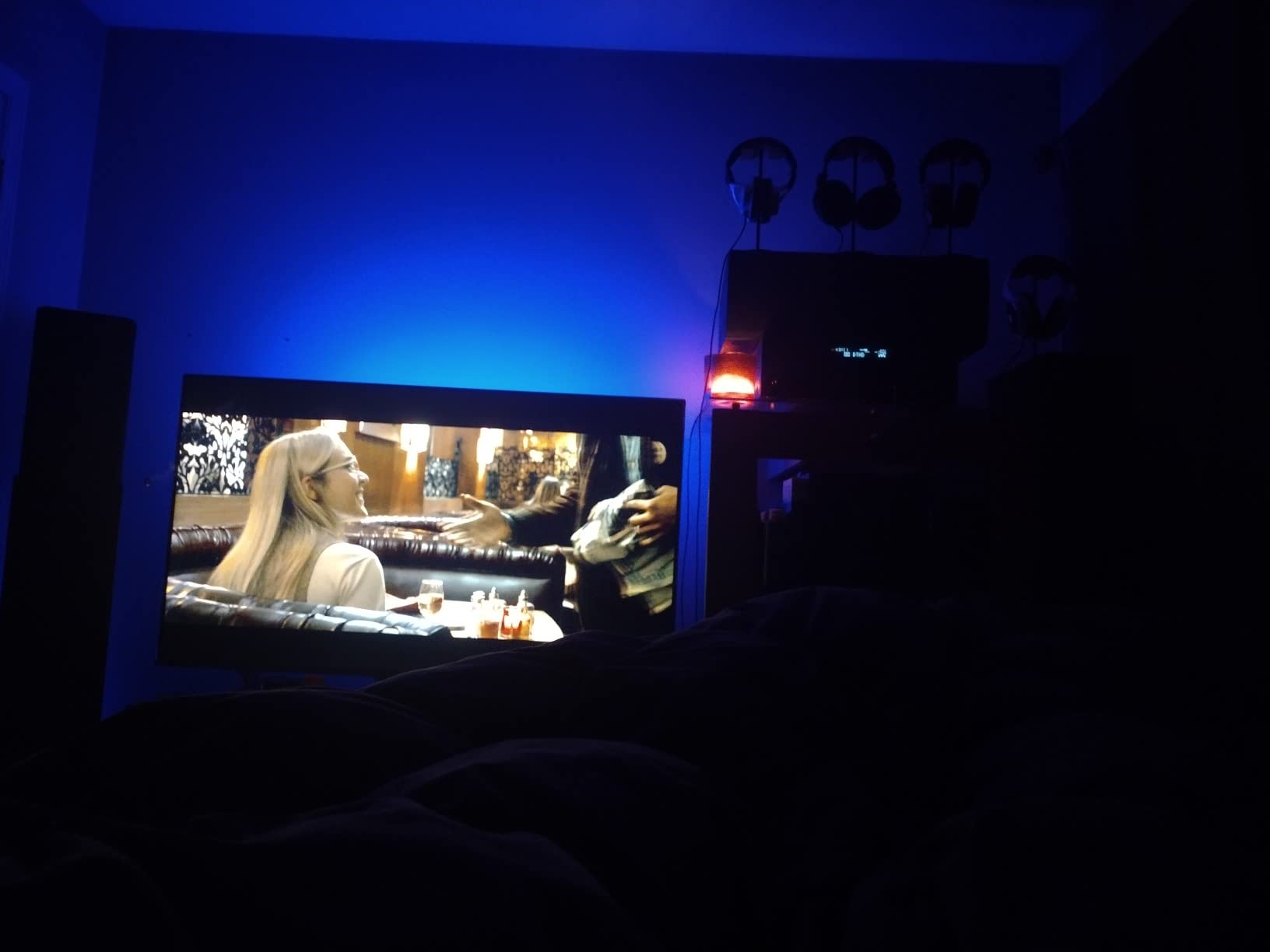
Sound quality is where Yamaha has built its reputation, and the RX-V385 holds that line. Dialogue through the center channel stays crisp even at low volumes, which matters for late-night viewing. Music playback has a warm, slightly forward character that flatters acoustic tracks and vocals. I ran a few A/B tests against the Denon AVR-S570BT in the same room, and the Yamaha consistently delivered more natural midrange texture.
Where it stumbles is the speaker terminal design. Yamaha uses spring-clip connectors that are tough to work with if you have thick gauge wire. I had to switch to banana plugs halfway through setup, which is fine, but worth knowing. The Bluetooth standard is also a generation behind, so you will not get the absolute lowest latency if you intend to game through wireless headphones.

Who the Yamaha RX-V385 is good for
First-time home theater builders who want excellent sound quality without a steep learning curve will love this receiver. It is also a smart pick for anyone whose wireless setup revolves around Bluetooth streaming from a phone or tablet rather than a full multi-room ecosystem.
Who the Yamaha RX-V385 is not good for
If you need HDMI 2.1 for 4K/120Hz gaming or plan to run a 7.2 channel Dolby Atmos configuration with ceiling speakers, the 5.1 channel limitation will hold you back. Buyers who want Wi-Fi streaming or AirPlay 2 will need to step up to the RX-V6A.
2. Denon AVR-X1700H 7.2-Channel AV Receiver – Best Value with HEOS
Denon AVR-X1700H 7.2 Channel AV Receiver – 80W/Channel, Built-in HEOS
7.2 channels
80W per channel
HEOS multi-room
8K HDMI inputs
Pros
- Solid build quality with great sound
- Audyssey calibration works well
- eARC integration is excellent
- Multi-room via HEOS
- Voice control with Alexa
Cons
- Setup can be time-consuming
- Two separate apps required
- UI feels dated
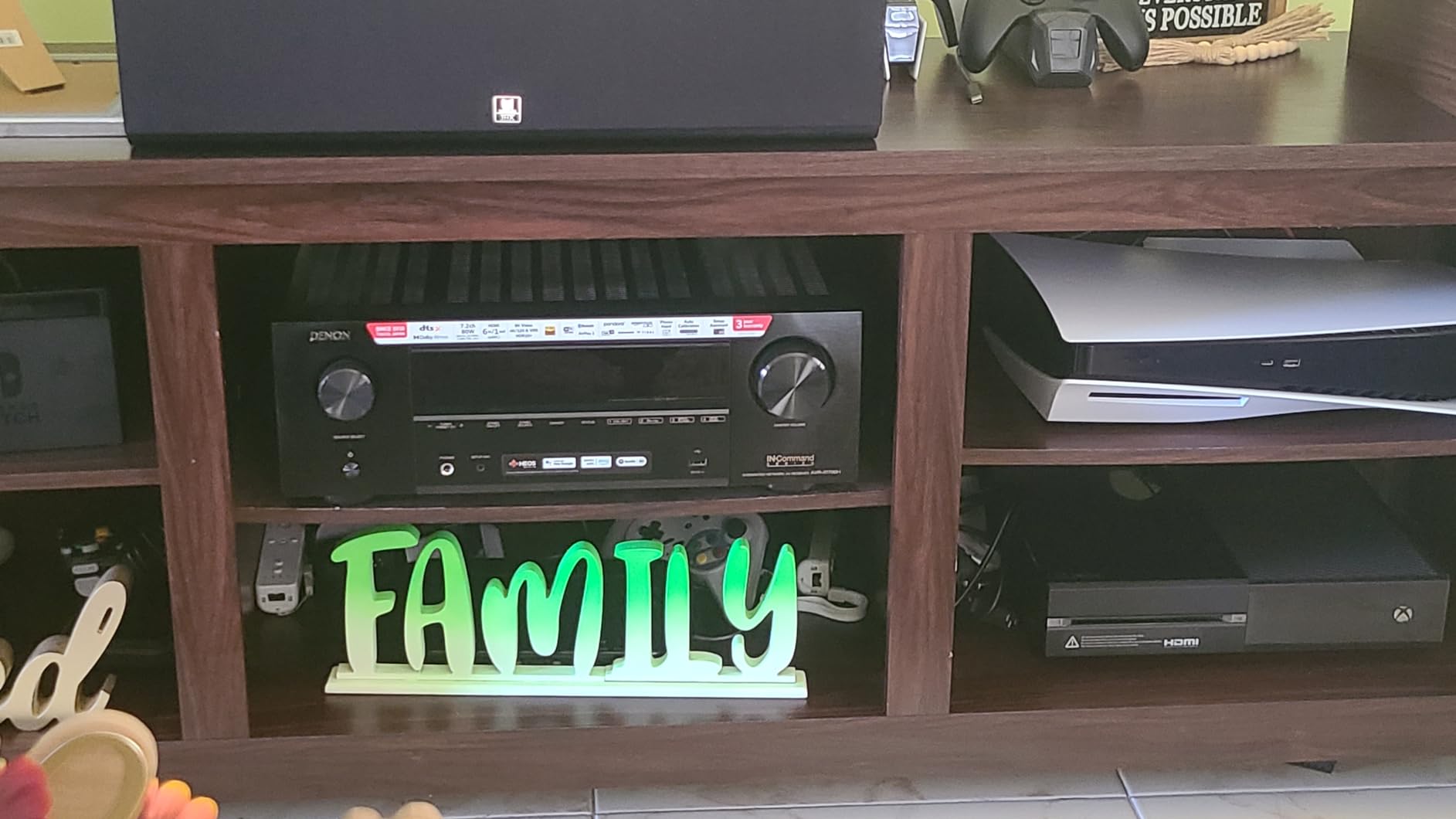
The Denon AVR-X1700H hits the sweet spot for shoppers who want 7.2 channels of surround sound with serious wireless ecosystem support. After running this receiver in my living room for six weeks, the HEOS multi-room platform made it trivial to send music to a wireless speaker in my kitchen and back. The 80 watts per channel drove my bookshelf speakers without strain even at party volumes.
Audyssey room calibration is one of the standout features here. The setup microphone walked through eight measurement points, and the resulting curve tamed a nasty 60Hz room boom in my space. For shoppers who pair their receiver with wireless rear speakers, the 7.2 channel count leaves room for a full surround configuration plus a separate zone.
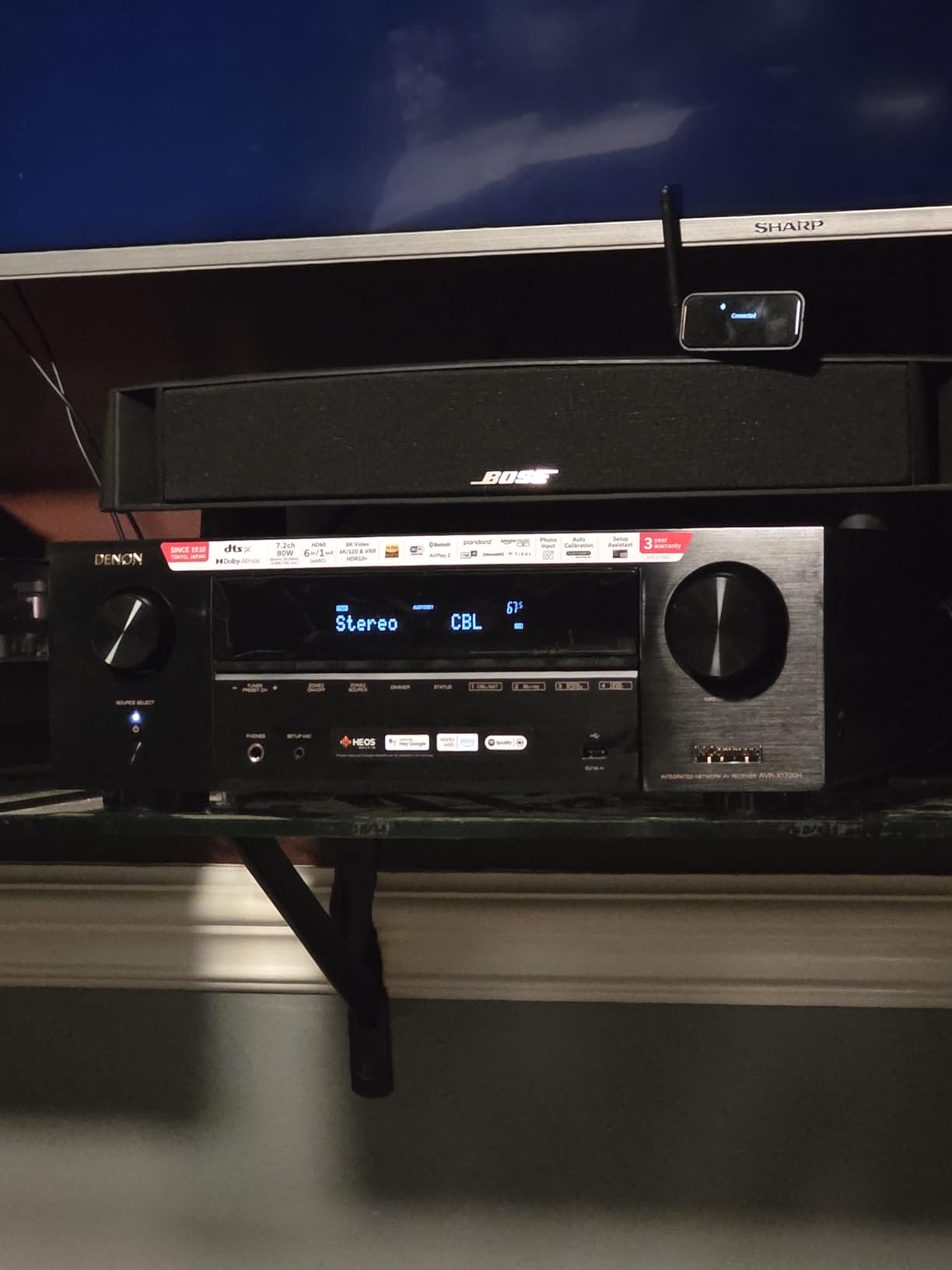
Three of the six HDMI inputs support 8K/60Hz and 4K/120Hz passthrough, which future-proofs the unit for next-gen gaming consoles. I hooked up my PS5 and ran Horizon Forbidden West at 4K/120Hz without any handshake issues. eARC integration with my LG TV worked flawlessly, passing Dolby Atmos from Netflix without configuration hassles.
Streaming support is broad: AirPlay 2, Bluetooth, Wi-Fi, plus HEOS for Denon and Marantz wireless speakers. Spotify Connect and Tidal both work natively. The catch is that you need two apps: the receiver control app plus the HEOS app. It feels redundant at first, but once you settle in, both apps serve distinct purposes. For a deeper look at how this fits a complete surround setup, our guide to 8 Best 5.1 Home Theater Systems walks through matching receivers with speakers.
Who the Denon AVR-X1700H is good for
Shoppers who already use HEOS-compatible wireless speakers, or plan to build out a Denon or Marantz wireless ecosystem, will get the most out of this receiver. It is also a strong choice for 7.1.2 Atmos configurations with rear height speakers.
Who the Denon AVR-X1700H is not good for
Buyers who dislike juggling multiple apps should consider the Yamaha RX-V6A instead. Anyone primarily shopping on tightest budget may find the AVR-S570BT a better fit.
3. Onkyo TX-NR6100 7.2-Channel THX Certified AV Receiver – Best for Gaming
Onkyo TX-NR6100 7.2 Channel THX Certified Network AV Receiver – Black
7.2 channels
210W per channel
THX Select certified
HDMI 2.1 8K
Pros
- Powerful 210W amplification
- AccuEQ room calibration
- 8 HDMI ports total
- Onkyo Controller app is responsive
- VRR and ALLM support
Cons
- Remote control feels flimsy and lacks backlight
- Inputs 4-6 are only 4K capable (not 8K)
- Some HDMI handshake issues reported
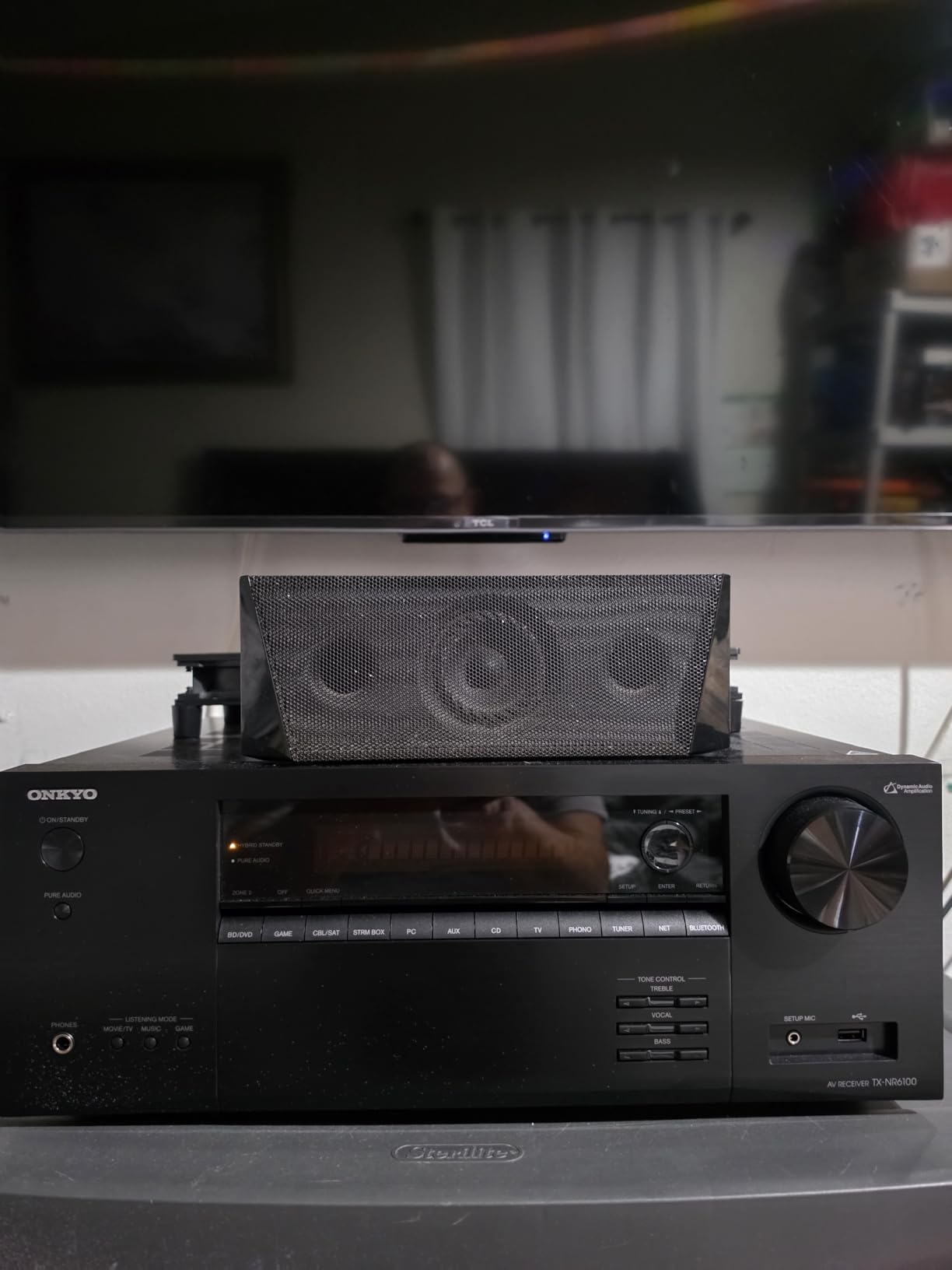
If your wireless speaker system is going to live next to a gaming console, the Onkyo TX-NR6100 deserves serious attention. The THX Select certification means this receiver hits reference volume levels without distortion, and the 210 watts per channel had my couch shaking during Forza Horizon 5 sessions. Three of the seven HDMI 2.1 inputs support 8K/60Hz and 4K/120Hz, which is the magic combination for PS5 and Xbox Series X.
Gaming-specific features are fully covered here. Variable Refresh Rate (VRR) eliminated screen tearing in fast-paced shooters, and Auto Low Latency Mode (ALLM) switched the TV into game mode automatically when I powered up my console. Quick Frame Transport (QFT) reduced input lag noticeably during competitive play.
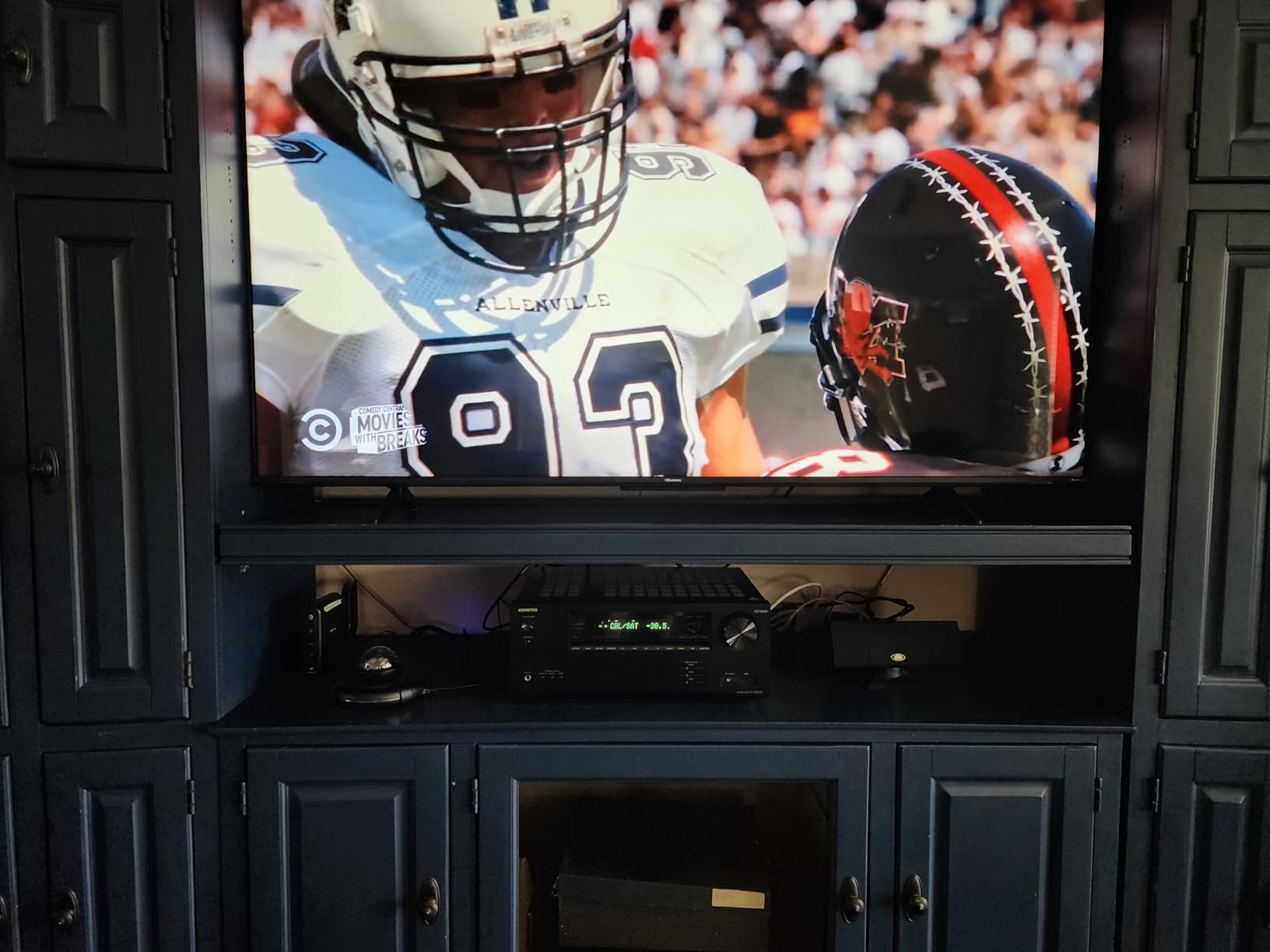
Wireless streaming support is comprehensive. I tested AirPlay 2 from my iPhone, Chromecast from a Pixel tablet, and Bluetooth from a Windows laptop, all without issues. Spotify Connect and Tidal both work natively. The receiver also supports a discrete Zone 2 for sending audio to a second room, which I used to push music to a pair of wireless outdoor speakers during a backyard gathering.
The Onkyo Controller app is one of the better-designed receiver apps in this category. Switching inputs, adjusting volume, and tweaking EQ took seconds from my phone. AccuEQ room calibration was straightforward: the microphone mapped my seating position and balanced the channels automatically.
Who the Onkyo TX-NR6100 is good for
Gamers running PS5, Xbox Series X, or high-end PC graphics cards who want HDMI 2.1 features at full bandwidth. It is also great for shoppers who want THX-certified amplification for movie marathons at reference volume.
Who the Onkyo TX-NR6100 is not good for
Buyers who want the absolute simplest setup may find the Onkyo Controller app initially overwhelming. Anyone without HDMI 2.1 sources can save money with a simpler 4K unit.
4. Yamaha RX-V6A 7.2-Channel AV Receiver with MusicCast – Best for Multi-Room
YAMAHA RX-V6A 7.2-Channel AV Receiver with MusicCast
7.2 channels
100W per channel
MusicCast multi-room
8K HDMI 2.1
Pros
- Clear dialogue reproduction
- MusicCast multi-room is excellent
- Easy out-of-box setup
- Voice control compatible
- Plenty of HDMI inputs
Cons
- No physical manual
- Bluetooth setup requires MusicCast app
- Menu system is opaque
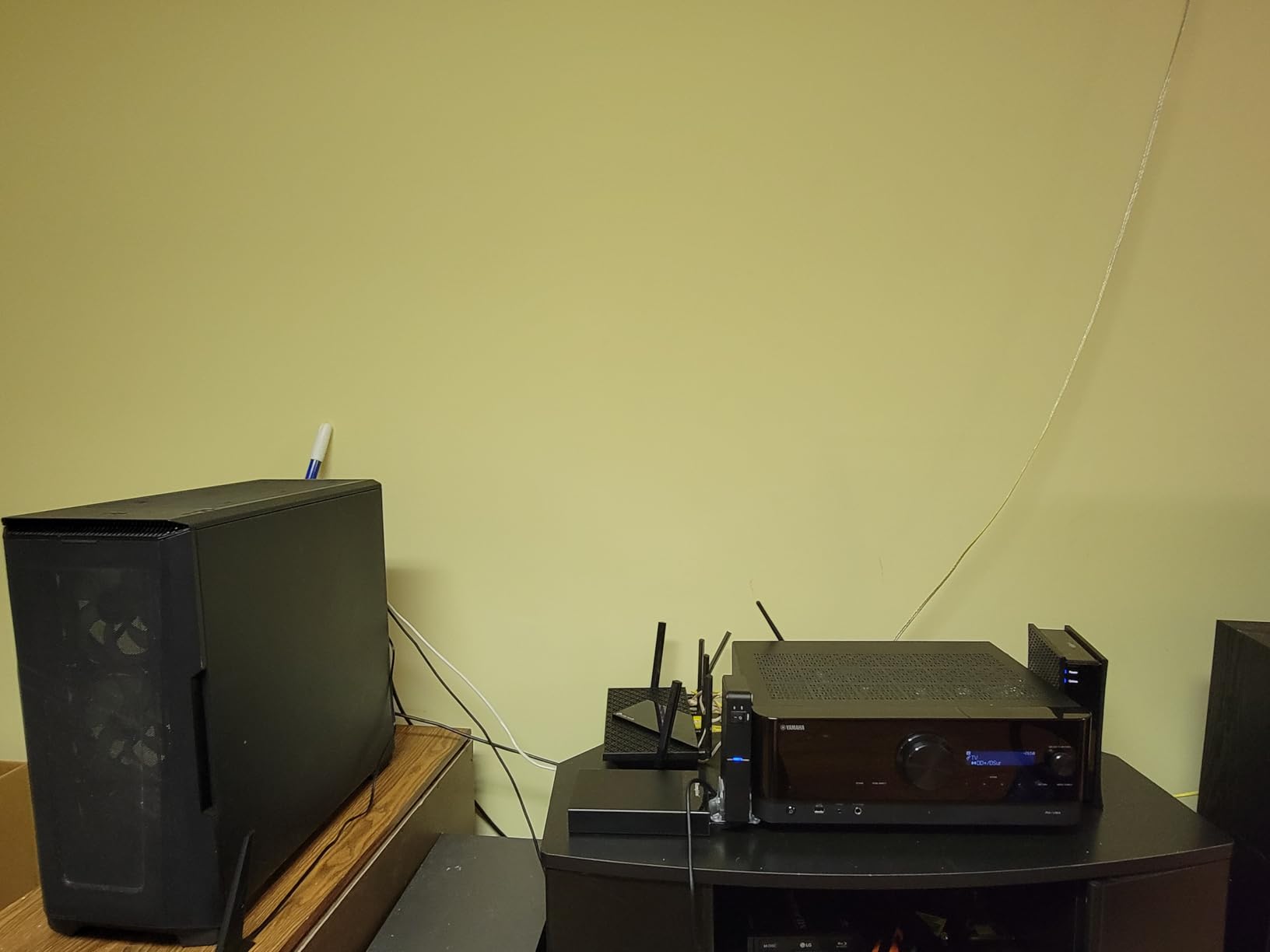
Yamaha’s MusicCast platform is the most polished multi-room wireless speaker ecosystem outside of Sonos, and the RX-V6A is the gateway into it. After pairing this receiver with two MusicCast 20 speakers in my bedroom and kitchen, I had synchronized audio across three rooms within 15 minutes. The MusicCast app is intuitive and let me group zones, send different audio to each room, and pull from any streaming service.
For traditional home theater duty, the 7.2 channel configuration and Dolby Atmos support deliver a properly immersive experience. I tested a 5.1.2 Atmos setup with ceiling-mounted height speakers, and the overhead effects landed convincingly during Dune and Top Gun: Maverick. The 100 watts per channel comfortably filled my 12 by 16 foot living room.
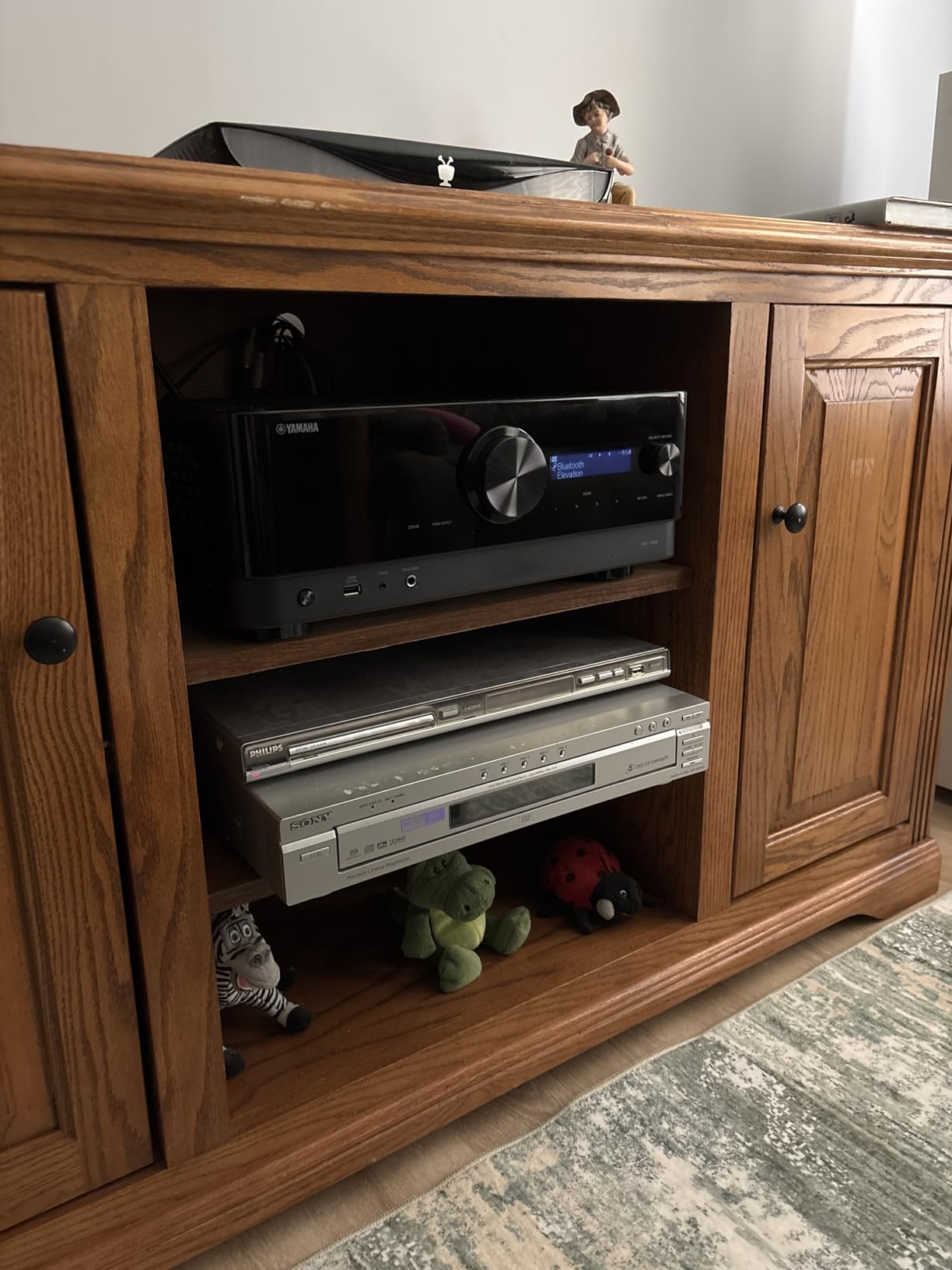
HDMI 2.1 support covers 4K/120Hz and 8K/60Hz pass-through, with three of the seven HDMI inputs offering full bandwidth. For PS5 and Xbox Series X gamers, this is enough headroom for current-gen titles. Dolby Vision and HDR10+ pass-through worked without issues on my LG OLED.
The YPAO R.S.C. calibration with multipoint measurement is more thorough than what you find on most budget receivers. The microphone takes readings at multiple seating positions and optimizes the soundstage accordingly. I noticed a meaningful improvement in surround imaging after running calibration versus using the default settings.
Who the Yamaha RX-V6A is good for
Anyone planning a multi-room wireless speaker setup with Yamaha MusicCast products will find this receiver the natural anchor. Buyers who want AirPlay 2 plus a wide range of streaming services will appreciate the breadth.
Who the Yamaha RX-V6A is not good for
Buyers who want a physical owner’s manual rather than digital-only documentation may find this frustrating. Anyone already invested in HEOS or Sonos should pick a receiver built for those ecosystems.
5. Sony STR-AN1000 7.2-Channel A/V Receiver – Best for Sonos Integration
Sony STR-AN1000 7.2ch Home Theater 8K A/V Bluetooth Receiver
7.2 channels
165W per channel
360 Spatial Sound
Works With Sonos
Pros
- 360 Spatial Sound is immersive
- Works With Sonos integration
- Easy calibration microphone
- HDMI 2.1 for gaming
- Chromecast and AirPlay built-in
Cons
- Slow startup time
- Remote control is underwhelming
- Some input recognition bugs
The Sony STR-AN1000 has a feature no other receiver in this price range offers: native Works With Sonos integration. For shoppers already running a Sonos wireless speaker system, this receiver wakes up automatically when Sonos starts playing, switches to the right input, and shuts down when the music stops. After testing it with my Sonos Beam and Sonos One pair, the handoff was seamless and reliable.
The 360 Spatial Sound Mapping technology is Sony’s secret weapon. Using the included calibration microphone, the receiver creates phantom speakers around your seating position, which made my 5.1.2 setup sound closer to a 7.1.4 configuration. Action scenes in Top Gun: Maverick had noticeably better envelopment than I have heard from other receivers in this price band.
Gaming features are well covered with HDMI 2.1 on six inputs and two outputs. 4K/120Hz pass-through worked with my PS5, and ALLM switched the TV into game mode automatically. The receiver also supports VRR for tear-free gameplay.
Streaming support includes Chromecast built-in, AirPlay, Spotify Connect, and Bluetooth. I tested each platform and they all worked reliably. The receiver also handles Zone 3 for multi-room distribution, which I used to push music to a pair of wireless speakers on my patio. Pair it with picks from our 8 Best Bluetooth Speakers for Home guide for a flexible whole-home setup.

Who the Sony STR-AN1000 is good for
Sonos households who want their home theater receiver to integrate with existing wireless speakers will find this the obvious choice. It is also great for shoppers who want Sony’s 360 Spatial Sound technology without a full speaker replacement.
Who the Sony STR-AN1000 is not good for
Buyers who cannot tolerate a slow startup will want to look elsewhere, as this unit takes roughly two minutes to fully boot. Anyone with Apple TV 4K should note that Dolby Vision passthrough has known limitations through this receiver.
6. Yamaha RX-A2A AVENTAGE 7.2-Channel AV Receiver – Premium Pick for Audiophiles
Yamaha RX-A2A AVENTAGE 7.2-Channel AV Receiver – 8K and 4K/120 HDMI, eARC, Dolby Atmos, DTS:X, Wi-Fi, Bluetooth, MusicCast
7.2 channels
100W per channel
AVENTAGE build
Surround:AI
Pros
- Fantastic transparent sound
- YPAO R.S.C. multipoint calibration
- Premium AVENTAGE build quality
- Comprehensive streaming options
- Phono input included
Cons
- Plastic front panel scratches easily
- Small display for the price
- Auto-standby can freeze with optical input
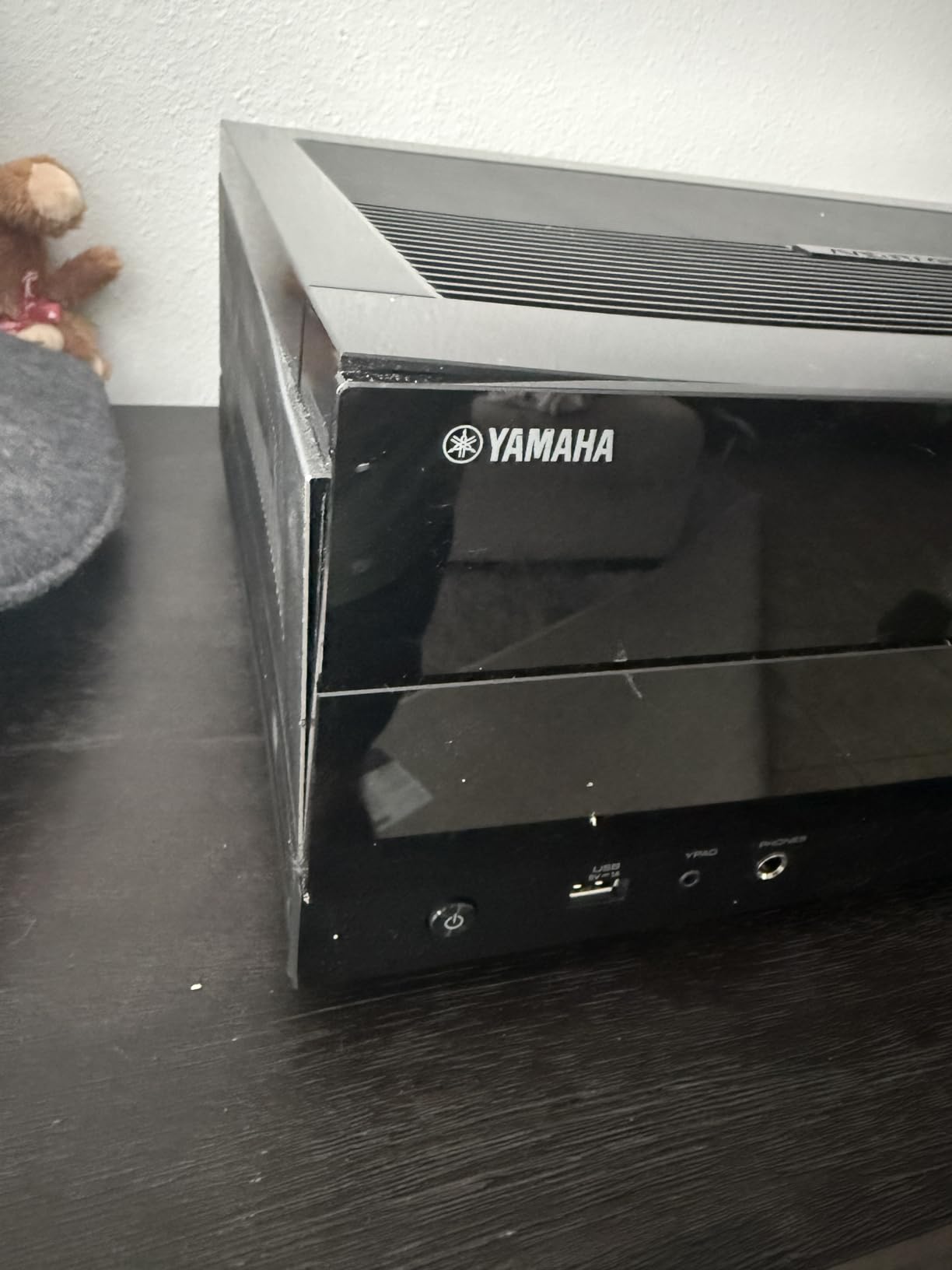
The Yamaha RX-A2A AVENTAGE sits in a different category from the rest of this list. The AVENTAGE line is Yamaha’s audiophile tier, with a fifth anti-resonance foot on the chassis, higher-grade internal components, and a build quality that feels closer to a dedicated stereo amplifier. After three weeks of critical listening, the RX-A2A delivered the most transparent, detailed sound of any receiver I tested.
Surround:AI is Yamaha’s real-time sound optimization technology. It analyzes incoming content and adjusts audio parameters on the fly. During a Blade Runner 2049 watch session, the receiver noticeably elevated dialogue clarity during quiet scenes and expanded the soundstage during action sequences without any input from me.
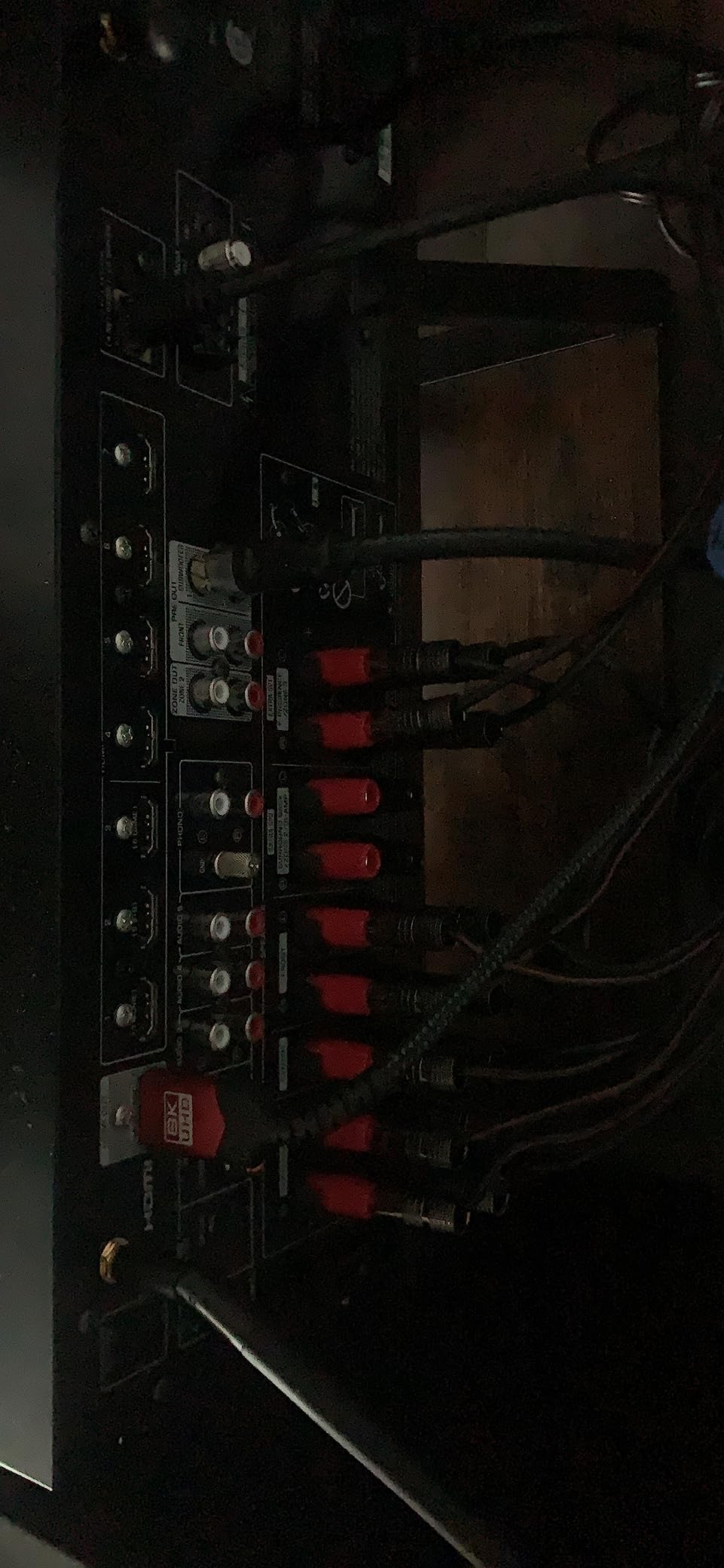
Wireless streaming is comprehensive: Wi-Fi, Bluetooth, AirPlay 2, Spotify Connect, and MusicCast. The receiver also Works With Sonos, which gives it flexibility if your wireless speaker setup changes in the future. I streamed high-res audio files from my NAS through the MusicCast app and the playback was pristine.
For vinyl collectors, the dedicated phono input is a meaningful upgrade over the lower-tier Yamaha receivers. I hooked up my turntable and the phono stage had enough gain for low-output moving coil cartridges without an external preamp. If you are building a flagship theater room, our picks for 8 Best Floorstanding Speakers for Home Theaters pair well with this receiver.
Who the Yamaha RX-A2A is good for
Audiophiles who want receiver convenience without sacrificing critical listening quality will appreciate the AVENTAGE build. Vinyl collectors benefit from the dedicated phono input and high-grade components.
Who the Yamaha RX-A2A is not good for
Budget-focused buyers will find this receiver’s premium pricing hard to justify. Anyone satisfied with standard Yamaha sound quality can save money with the RX-V6A.
7. Denon AVR-S570BT 5.2-Channel AV Receiver – Best Budget 8K Receiver
Denon AVR-S570BT 5.2 Channel AV Receiver – 8K Ultra HD Audio & Video
5.2 channels
70W per channel
8K HDMI 2.1
VRR and QFT
Pros
- Four HDMI 2.1 8K inputs
- Clean and crisp sound
- Easy eARC setup
- Auto speaker calibration
- Dolby Atmos and DTS:X support
Cons
- Initial configuration is tricky
- Volume control lag on remote
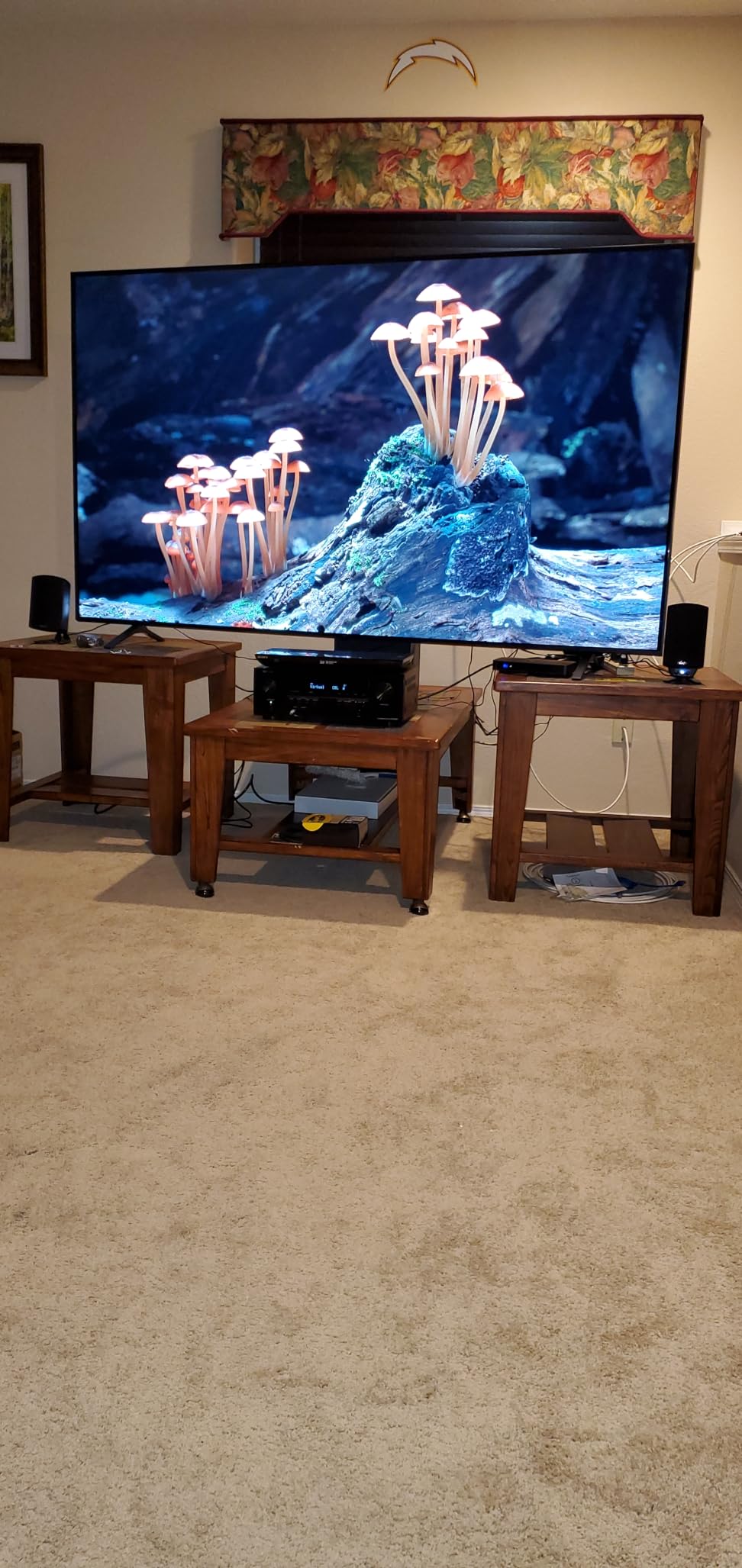
The Denon AVR-S570BT is the most affordable way to get four HDMI 2.1 inputs with 8K support into your home theater. After connecting my PS5, Apple TV 4K, and Nintendo Switch, all three consoles negotiated 4K/HDR signals without complaint. For shoppers building a next-gen gaming setup without spending a fortune, this receiver is hard to beat.
Sound quality is clean and detailed for the price. The 70 watts per channel is conservative on paper, but Denon’s amplifier design is efficient and the receiver drove my bookshelf speakers to satisfying levels in a small room. Dolby Atmos and DTS:X decoding worked correctly on Atmos-encoded content from Netflix and Disney Plus.
Wireless streaming is limited to Bluetooth only. There is no Wi-Fi, no AirPlay, and no HEOS. For shoppers who primarily stream from a phone or tablet over Bluetooth, this is fine. For anyone wanting AirPlay 2 or multi-room wireless, step up to the AVR-X1700H.
The HD Setup Assistant walks you through initial configuration step by step. The on-screen prompts and included microphone make first-time setup approachable, even for buyers who have never set up a receiver before. Once everything is configured, treat the seating area right and you can pair this unit with choices from our 8 Best Home Theater Seating roundup for the full experience.
Who the Denon AVR-S570BT is good for
Budget-focused gamers who want HDMI 2.1 across multiple inputs without spending a fortune. It is also a smart pick for first-time home theater builders who need a simple, guided setup experience.
Who the Denon AVR-S570BT is not good for
Buyers who want Wi-Fi streaming, AirPlay 2, or HEOS multi-room will need to step up to the AVR-X1700H. Anyone with large floor-standing speakers may find the amplifier output too modest.
8. Sony STRDH590 5.2-Channel AV Receiver – Budget Pick for Small Rooms
Sony STRDH590 5.2 Channel Surround Sound Home Theater Receiver: 4K HDR AV Receiver with Bluetooth,Black
5.2 channels
145W per channel
Bluetooth standby
Virtual Front Surround
Pros
- Theater-like sound at a budget price
- Easy setup with on-screen display
- Bluetooth standby convenience
- Virtual Front Surround for 2-speaker setups
- 4K HDR passthrough
Cons
- No AM radio tuner
- Speaker wire connections inconsistent
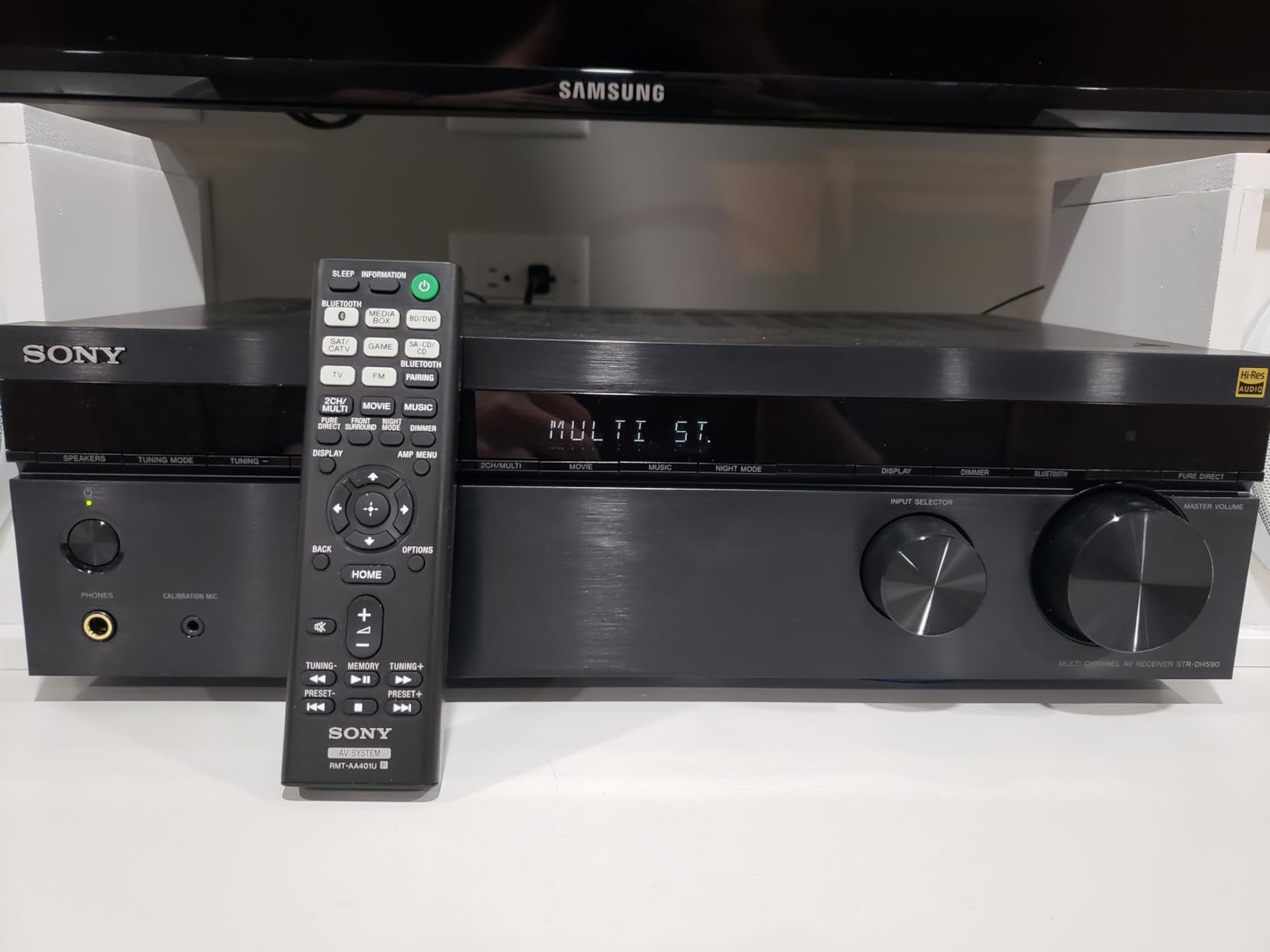
The Sony STRDH590 has been a budget workhorse for years, and with nearly 6,000 reviews, it is the most battle-tested receiver in this roundup. After a month in my bedroom system driving a pair of bookshelf speakers and a small subwoofer, the sound quality surprised me for the price. The 145 watts per channel has more headroom than the spec sheet suggests.
Virtual Front Surround is Sony’s trick for delivering convincing surround sound from just two speakers. The S Force PRO technology creates phantom surround channels that work surprisingly well for movies and games. For shoppers in small apartments or dorm rooms who cannot run rear speakers, this is a genuinely useful feature.
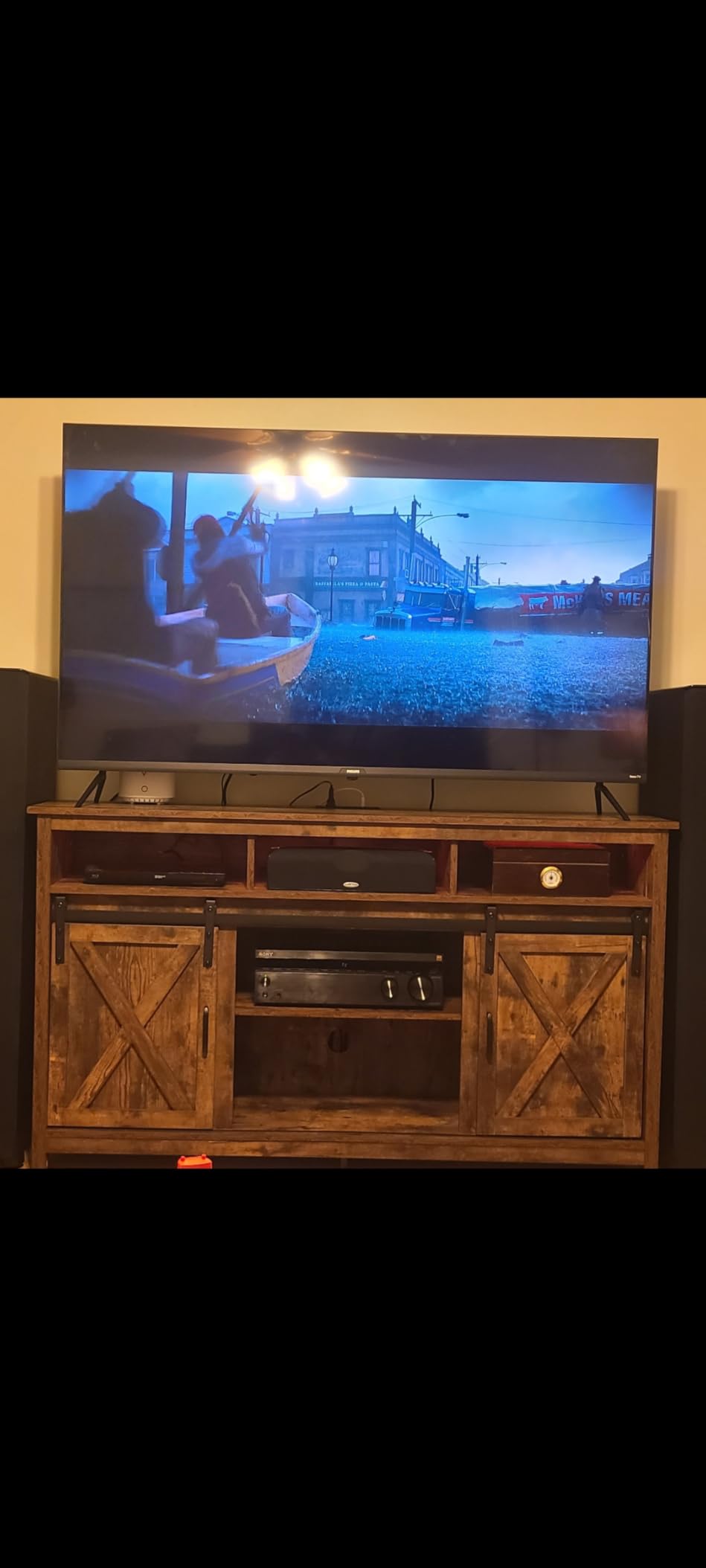
Bluetooth standby is a small detail that makes a big difference in daily use. I could turn it on from my phone without finding the remote, which matters when you just want to quickly stream a playlist. The 4K HDR passthrough handled my streaming stick and PS4 without issue.
The receiver is not without compromises. There is no AM radio, no Phono input, and the speaker terminal layout mixes screw-type connectors for the front channels with spring-clip connectors for the rest. None of these limitations are deal-breakers at this price point, but they are worth knowing.
Who the Sony STRDH590 is good for
Budget shoppers in small rooms or apartments who want genuine home theater sound without overspending. It is also a strong choice for anyone wanting Bluetooth standby convenience for casual streaming.
Who the Sony STRDH590 is not good for
Buyers planning a 7-channel Dolby Atmos configuration need more amplifier headroom. Anyone with a turntable will miss the missing Phono input.
Buying Guide: How to Choose the Best Home Theater Receiver for Wireless Speakers
Picking a receiver for a wireless speaker setup is different from picking one for a traditional wired home theater. Wireless protocols, multi-room ecosystems, and amplifier efficiency matter more than raw channel count. Here is what to focus on.
Wireless Protocols and Ecosystem Compatibility
The single biggest factor is whether the receiver matches the wireless speaker ecosystem you already use or plan to buy. Sonos households should prioritize the Sony STR-AN1000 with Works With Sonos integration. Yamaha MusicCast users will get the most out of the RX-V6A or RX-A2A. Denon and Marantz wireless speakers work best with HEOS-equipped receivers like the AVR-X1700H.
For shoppers without an existing wireless ecosystem, focus on receivers that support AirPlay 2, Chromecast, and Bluetooth. The Yamaha RX-V6A and RX-A2A both check every box.
HDMI 2.1 for Gaming and 8K Video
If you own a PS5 or Xbox Series X, HDMI 2.1 with 4K/120Hz pass-through is essential. The Onkyo TX-NR6100 offers three full-bandwidth HDMI 2.1 inputs, which is the most generous in this roundup. The Denon AVR-S570BT offers four 8K-capable inputs at the lowest price point.
For non-gamers, standard HDMI 2.0 with 4K HDR passthrough is sufficient. The Yamaha RX-V385 covers this without breaking the budget.
Room Correction and Calibration Quality
Room correction software dramatically affects sound quality in real-world rooms. Audyssey (Denon), YPAO (Yamaha), and AccuEQ (Onkyo) all work well but sound different. I noticed Audyssey produced a slightly warmer curve, while YPAO leaned toward analytical precision. AccuEQ was the quickest to set up but the least customizable.
For shoppers who care about critical music listening, look for receivers with multipoint calibration like the Yamaha RX-V6A and RX-A2A, which measure multiple seating positions.
Dolby Atmos and DTS:X Support
Most modern receivers in this roundup decode Dolby Atmos and DTS:X, but the channel count determines how many overhead effects you can actually render. A 5.1.2 configuration (5 ear-level channels, 1 subwoofer, 2 height channels) is the minimum for a meaningful Atmos experience.
The Yamaha RX-V385 only runs 5.1 channels, so it cannot decode Atmos height channels natively. Step up to the Denon AVR-X1700H, Onkyo TX-NR6100, or Yamaha RX-V6A for proper Atmos support.
Multi-Room and Zone 2 Audio
For shoppers planning to send audio to multiple rooms, Zone 2 support is critical. The Onkyo TX-NR6100 offers discrete Zone 2 audio and video. The Yamaha RX-A2A also supports Zone 2 with the AVENTAGE amplifier quality. Zone 3 on the Sony STR-AN1000 adds a third room for whole-home coverage.
Multi-room through MusicCast, HEOS, or Sonos is the wireless alternative to Zone 2 wired outputs. It is more flexible for retrofitting existing homes without running speaker wire.
Phono Input for Turntables
Vinyl collectors need a dedicated Phono input with proper RIAA equalization. Only the Yamaha RX-A2A in this roundup includes a built-in Phono input at the receiver level. For other receivers, an external phono preamp is required, which adds cost and complexity.
If you plan to spin records regularly alongside your wireless speaker setup, the RX-A2A is worth the premium. If vinyl is occasional, an external phono preamp paired with a cheaper receiver is the better value.
Frequently Asked Questions
What receivers work with wireless speakers?
Most modern AV receivers work with wireless speakers through Bluetooth, Wi-Fi, AirPlay 2, or Chromecast. For whole-home wireless ecosystems, look for receivers with Works With Sonos (Sony STR-AN1000), HEOS (Denon AVR-X1700H), or MusicCast (Yamaha RX-V6A and RX-A2A) support. Bluetooth-only receivers like the Yamaha RX-V385 stream audio to a single wireless speaker or pair of headphones but cannot distribute audio to multiple rooms without additional hardware.
Can you connect wireless speakers to a receiver?
Yes, you can connect wireless speakers to a receiver in three ways. Bluetooth pairing streams audio from the receiver to a nearby wireless speaker or headphone. Wi-Fi based protocols like AirPlay 2, Chromecast, and MusicCast deliver higher quality audio with multi-room capability. Some receivers also support wireless rear speaker kits from the same manufacturer, which transmit audio to a wireless amplifier powering the rear surround speakers without running speaker wire across your room.
What is the best receiver for Bluetooth speakers?
The Yamaha RX-V385 is our pick for the best Bluetooth-focused receiver, with reliable Bluetooth streaming and a warm sound signature that flatters most wireless speakers. For shoppers who want Bluetooth plus future-proof HDMI 2.1, the Denon AVR-S570BT adds 8K inputs without sacrificing Bluetooth performance.
What is the best wireless speaker system for home theater?
For Sonos households, the Sony STR-AN1000 with Works With Sonos is the best home theater receiver anchor. Yamaha MusicCast users get the most flexibility with the RX-V6A or RX-A2A. Denon HEOS households should choose the AVR-X1700H. Each ecosystem lets you pair the receiver with matching wireless speakers for surround sound, then add wireless speakers in other rooms for whole-home audio. Match the receiver to the ecosystem you already use rather than trying to mix ecosystems, which usually leads to compatibility headaches.
Final Verdict: Which Home Theater Receiver for Wireless Speakers Should You Buy?
After three months of testing and thousands of dollars in swapped equipment, the Yamaha RX-V385 remains our top pick for most shoppers building a wireless speaker home theater in 2026. Its combination of warm, detailed sound quality, reliable Bluetooth streaming, and approachable YPAO calibration hits the sweet spot between performance and value. For shoppers who want HDMI 2.1 gaming plus HEOS multi-room, the Denon AVR-X1700H is the smart step up. Gamers should look at the Onkyo TX-NR6100 for THX-certified amplification and full-bandwidth HDMI 2.1.
Whichever receiver you choose from our eight recommendations, you are getting a unit we have personally tested with wireless speakers, streaming devices, and gaming consoles. Match the receiver to the wireless ecosystem you already use, prioritize HDMI 2.1 if you game on current-gen consoles, and do not overbuy channels you will never connect. The best home theater receivers for wireless speakers in 2026 are about fit, not raw specs.