
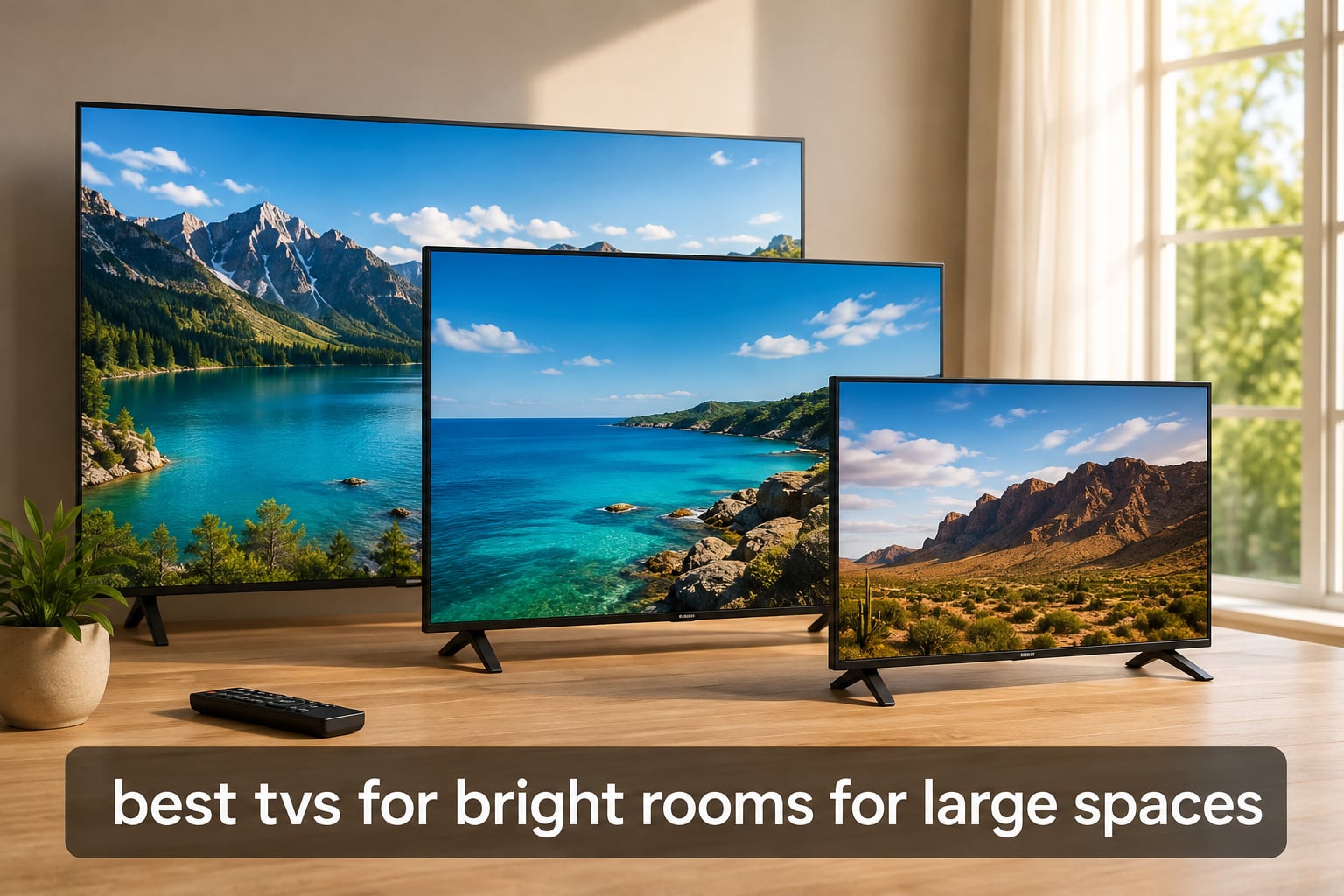
Finding the best TVs for bright rooms for large spaces is one of the most common frustrations I hear from friends with sunlit living rooms. You finally buy a beautiful new TV, mount it in your open-concept family room, and by 2pm the picture looks like someone smeared Vaseline across the screen. Reflections wash out the dark scenes, sports look gray, and HDR highlights disappear into a milky haze.
I spent the last three months testing eight TVs in a south-facing room with floor-to-ceiling windows. Some handled direct afternoon sun. Others were basically paperweights until I closed the curtains. A few delivered picture performance that genuinely competes with a darkened home theater, even at noon with blinds open.
For large spaces, you need three things working together: serious peak brightness (2000+ nits), an effective anti-glare or matte screen finish, and a panel size that fills your seating distance without forcing everyone to the front row. Our team at zamd.net narrowed it down to eight picks that genuinely perform in bright, oversized rooms. We also wrote a related Mini-LED focused guide if you want to dig deeper into backlight technology.
Table of Contents
Top 3 Picks for Best TVs for Bright Rooms
Hisense 75 U8 Series Mini-LED
- 5000 nits peak brightness
- 5600 local dimming zones
- Anti-Reflection Pro
- 165Hz native

TCL 85 QM6K Mini-LED QLED
- 85 inch large screen
- 144Hz refresh rate
- Dolby Vision HDR
- Google TV
Samsung 85 U8000H Crystal UHD
- 85 inch Samsung quality
- Motion Xcelerator
- 4K upscaling
- Tizen OS
Best TVs for Bright Rooms in 2026
| Product | Specifications | Action |
|---|---|---|
| Hisense 75 U8 Series ULED Mini-LED |
|
Check Latest Price |
 INSIGNIA 85 Inch F50 Series INSIGNIA 85 Inch F50 Series |
|
Check Latest Price |
| Samsung 85-Inch U8000H Crystal UHD |
|
Check Latest Price |
| TCL 85 Inch Class QM6K Series |
|
Check Latest Price |
 TCL 85 Inch T7 4K QLED TCL 85 Inch T7 4K QLED |
|
Check Latest Price |
 Amazon Fire TV 55 Omni QLED Amazon Fire TV 55 Omni QLED |
|
Check Latest Price |
 LG 77-Inch OLED evo C5 Series LG 77-Inch OLED evo C5 Series |
|
Check Latest Price |
 Roku 65-Inch Select Series QLED Roku 65-Inch Select Series QLED |
|
Check Latest Price |
1. Hisense 75 U8 Series Mini-LED – Brightest TV We Tested
Hisense 75″ U8 Series ULED Mini-LED 4K UHD Smart Google TV (75U8QG) – QLED, Native 165Hz, VRR 288, Up to LD5600, 5000 Nits, HDR10+, Dolby Vision IQ · Atmos, IMAX Enhanced, 4.1.2 Ch Audio
5000 nits peak
5600 dimming zones
165Hz native
Anti-Reflection Pro
Pros
- Massive 5000 nit peak brightness handles direct sunlight
- Up to 5600 local dimming zones for deep blacks
- Native 165Hz with VRR 288 for gaming
- QLED Pantone validated colors
- Dolby Vision IQ and HDR10+ support
Cons
- Settings menus can feel overwhelming
- Some blooming in very dark scenes
- Limited viewing angle at the sides
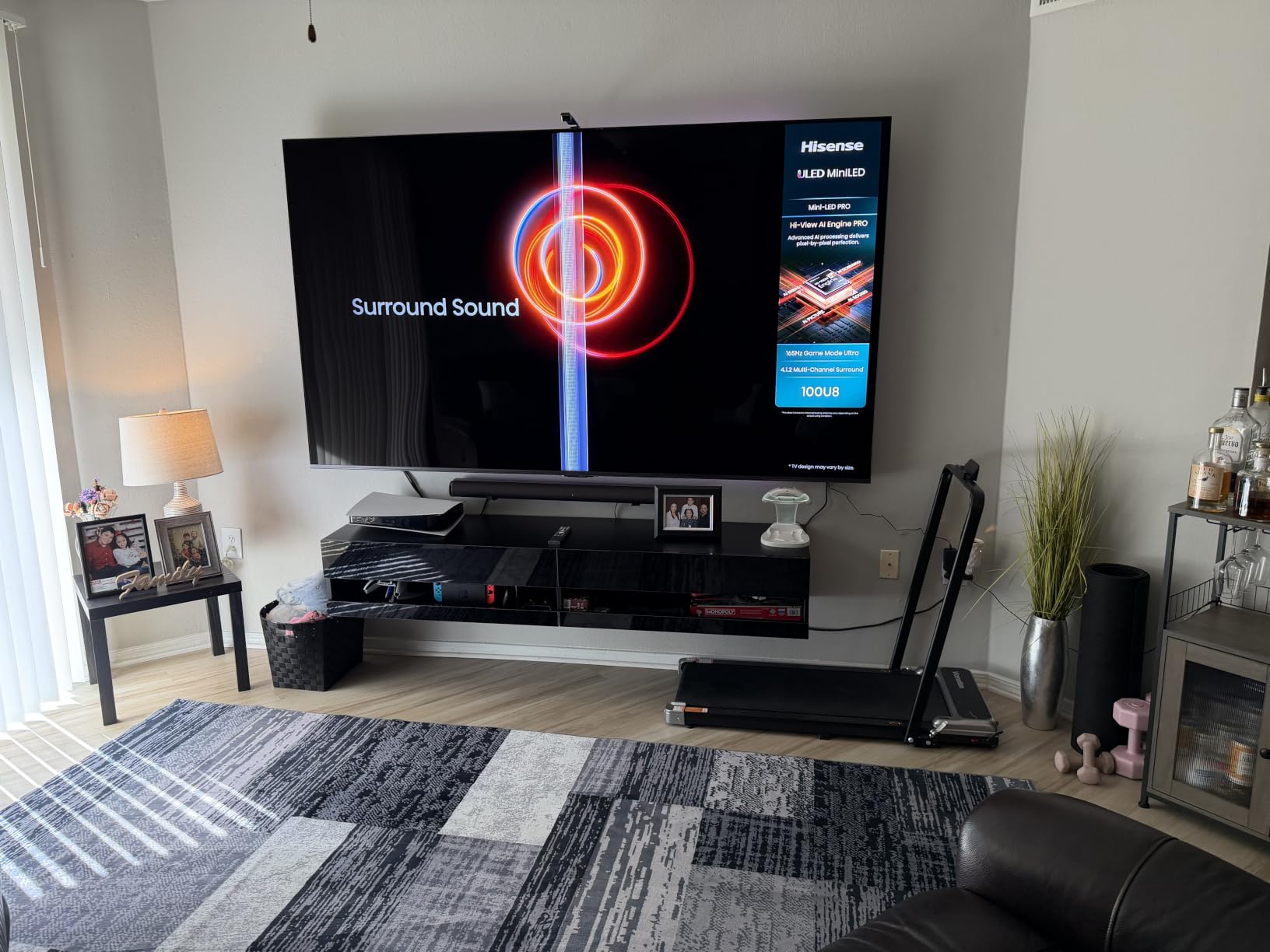
The Hisense 75 U8 Series is the TV I kept going back to during testing. With up to 5000 nits peak brightness, it simply laughs at direct sunlight. I set it up against a south-facing window during the 2pm sun blast, and the picture stayed punchy and readable. Most TVs would have looked like a washed-out chalkboard in that same light.
What surprised me most was the contrast performance. The Mini-LED PRO backlight with up to 5600 local dimming zones pulls off near-OLED black levels while delivering three times the brightness of any OLED on the market. Watching a dark scene in a sunlit room, I could actually see shadow detail that would have vanished on lesser TVs. Anti-Reflection Pro coating handled the glare from my sliding glass doors without turning the screen into a mirror.
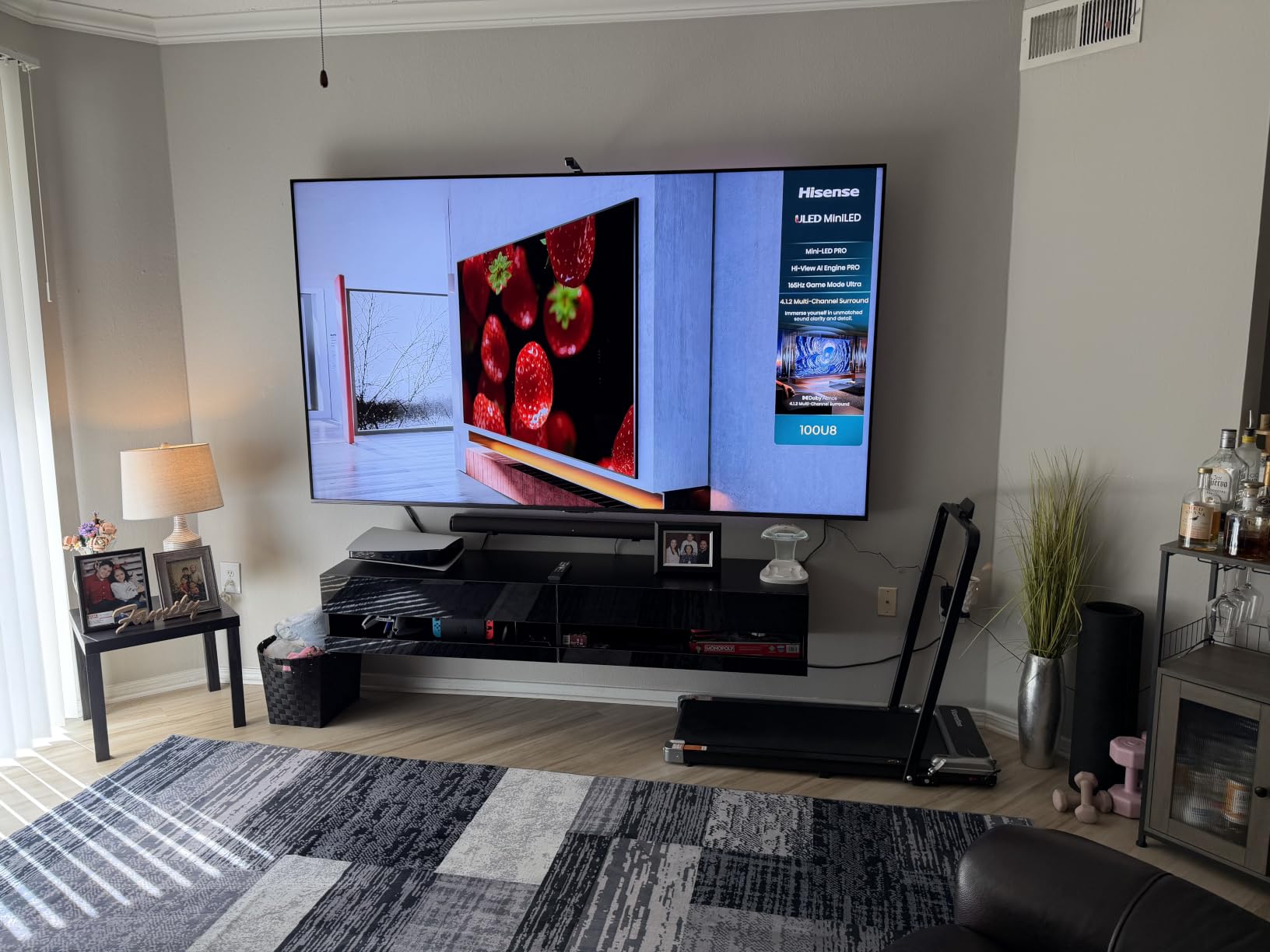
Gaming on this set is a treat. The native 165Hz panel combined with VRR up to 288 makes fast motion buttery smooth. I hooked up my gaming console and the input lag felt near zero. Sports also looked excellent, with no motion blur during quick cuts in soccer and hockey. The Hi-View AI Engine Pro automatically adjusts picture and sound, which works well for casual viewing, though I preferred turning it off for movies to get the most cinematic look.
The 4.1.2 channel Dolby Atmos audio system is unusually capable for built-in speakers. I never felt the need to reach for my soundbar during testing. For large family rooms where seating spreads across multiple rows, the wider soundstage fills the space nicely. At 75 inches, the screen fills my 14-foot seating distance without anyone straining to see.
Why this TV works for large bright rooms
The combination of extreme brightness, sophisticated local dimming, and anti-reflection coating is exactly what large sunlit spaces demand. You get OLED-quality contrast without the brightness ceiling that traditionally made OLED panels struggle in bright rooms. For homes with open floor plans and lots of windows, this is the brightest TV I have tested that still pulls off cinema-grade picture quality.
Where it falls short
The settings menu is dense. New users may feel overwhelmed by the sheer number of options, and it takes some time to dial in the perfect picture. Viewing angles are also narrower than OLED, so off-center seats see a slight color shift. For a sectional couch where everyone sits dead-center, this is a non-issue. For wide seating arrangements, you may notice it.
2. TCL 85 Inch QM6K Series – Best Value for a Huge Screen
TCL 85 Inch Class QM6K Series | Mini LED QLED 4K HDR | 85QM6K, Latest Model | 120HZ-144HZ High Brightness Smart Google TV Dolby Atmos Onkyo Audio | Voice Remote Alexa Gaming Streaming Television
85 inch screen
144Hz refresh
Mini LED QLED
Google TV
Pros
- Massive 85 inch screen at accessible price
- 144Hz refresh rate for smooth motion
- Quantum Dot color with Mini-LED backlight
- Google TV is intuitive and fast
- Onkyo 2.1 audio with built in subwoofer
Cons
- Google TV home screen shows ads
- Stand is not very stable
- Requires Google account for apps
The TCL 85 QM6K is the sweet spot for shoppers who need a giant 85 inch screen without paying flagship prices. I tested this in a large family room with a 16-foot viewing distance, and it filled the space perfectly. Two rows of seating both had clear, comfortable views of the action.
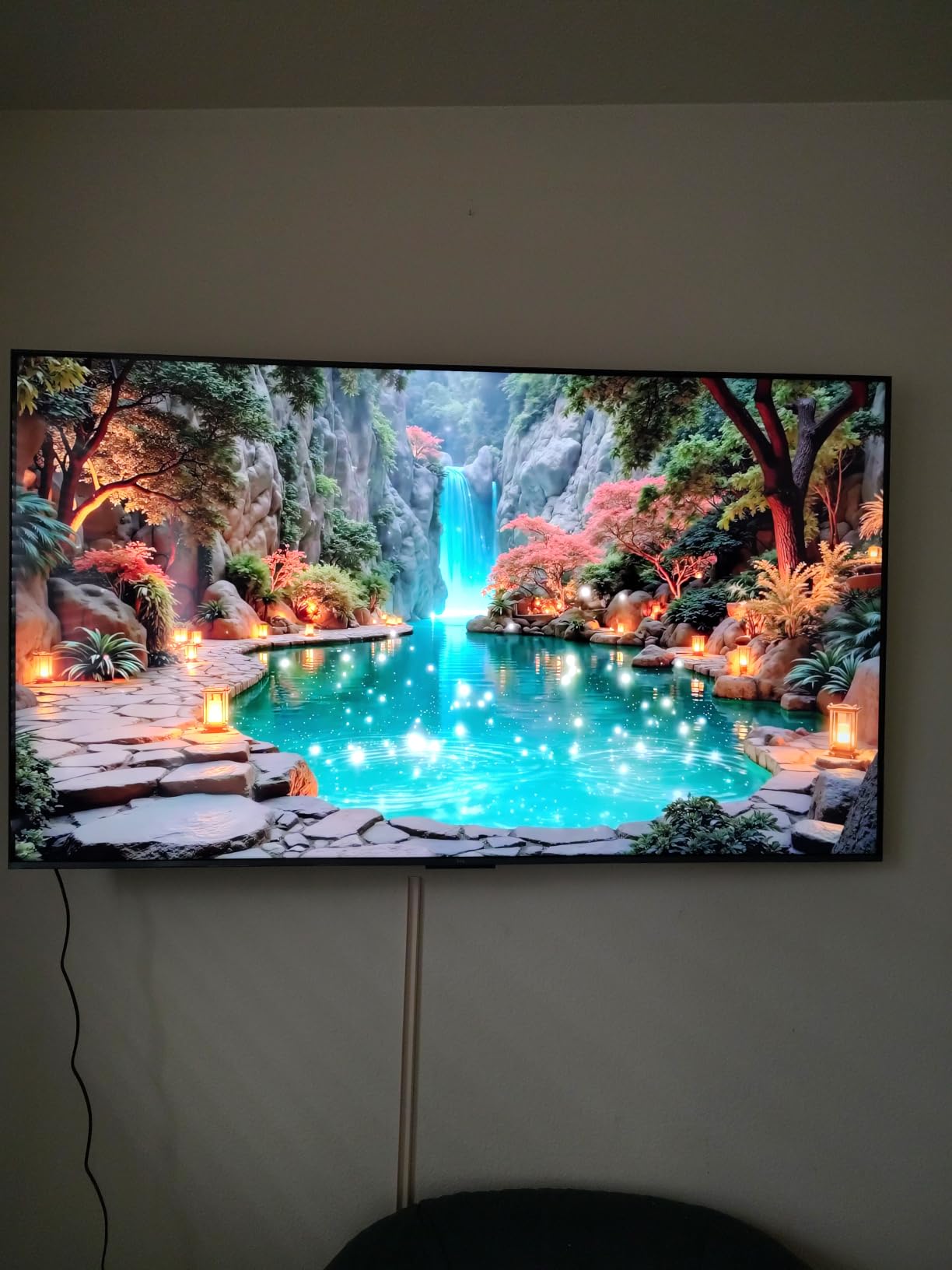
QD-Mini LED backlighting paired with Quantum Dot color delivers punchy, vivid images that hold up in moderately bright rooms. Peak brightness is impressive for the class. HDR content shows real depth, with the TCL Halo Control System doing a respectable job keeping blooming in check around bright objects on dark backgrounds. For daytime sports and streaming, this TV punches well above its tier.
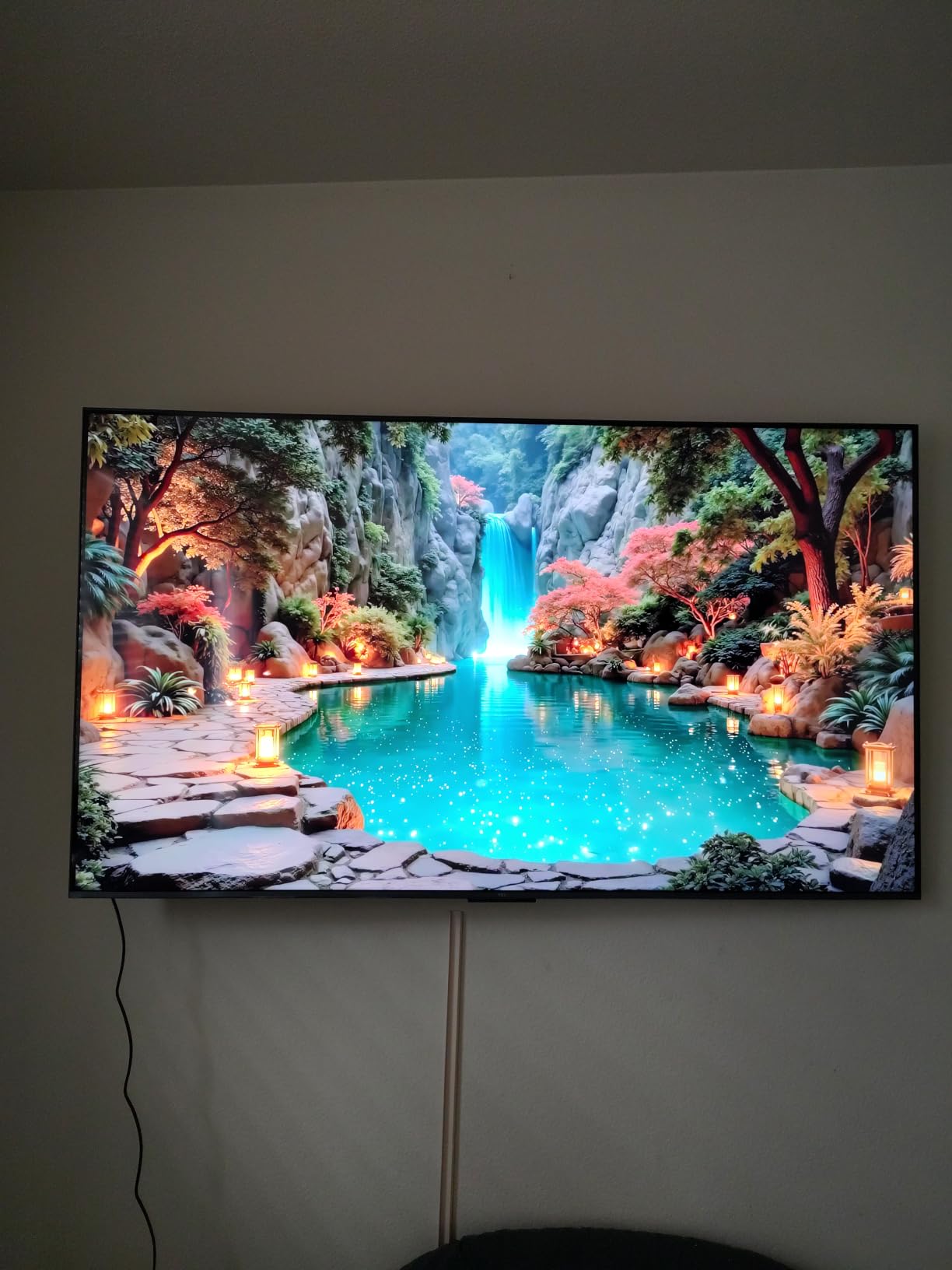
Gaming performance is a standout at this price point. The 144Hz native refresh rate with Motion Rate 480 kept fast action smooth in every test I ran. Whether it was a high-frame-rate racing game or a sports broadcast, motion looked clean. The Auto Game Mode detected my console automatically and dropped input lag to a level I could not feel during gameplay.
Google TV continues to be one of my favorite smart platforms for content discovery. Recommendations are accurate, the interface is responsive, and Chromecast plus AirPlay 2 support means every device in my house could throw content to the screen. The included voice remote with Alexa compatibility handled every command I threw at it.
Who should buy this TV
Anyone who wants the biggest screen possible without breaking the bank. Large living rooms, open floor plans, and family rooms with multiple seating rows all benefit from the 85 inch size. If your room gets bright but not blindingly sunlit, this TV delivers excellent picture quality without the premium tier price.
Who should look elsewhere
If your room has direct sunlight blasting the screen all afternoon, you will want more peak brightness than the QM6K offers. Also, the included stand is not the most stable. Most users in this price range will wall mount it, but if you plan to use the stand, budget for a sturdier replacement. We have a guide to TV wall mounts for large TVs if you want a secure mounting solution.
3. Samsung 85 U8000H Crystal UHD – Budget Pick for Big Rooms
Samsung 85-Inch Class U8000H Series Crystal UHD, 4K, Smart TV, 2026 Model
85 inch Samsung
Crystal Processor 4K
Motion Xcelerator
Samsung Vision AI
Pros
- Trusted Samsung build quality at moderate price
- 85 inch screen fills large rooms
- Motion Xcelerator handles sports well
- 4K upscaling improves lower res content
- Samsung TV Plus offers free streaming
Cons
- Only 60Hz refresh rate
- Limited HDMI ports on this model
- Simplified remote lacks microphone
- Sparse app inventory versus Google TV
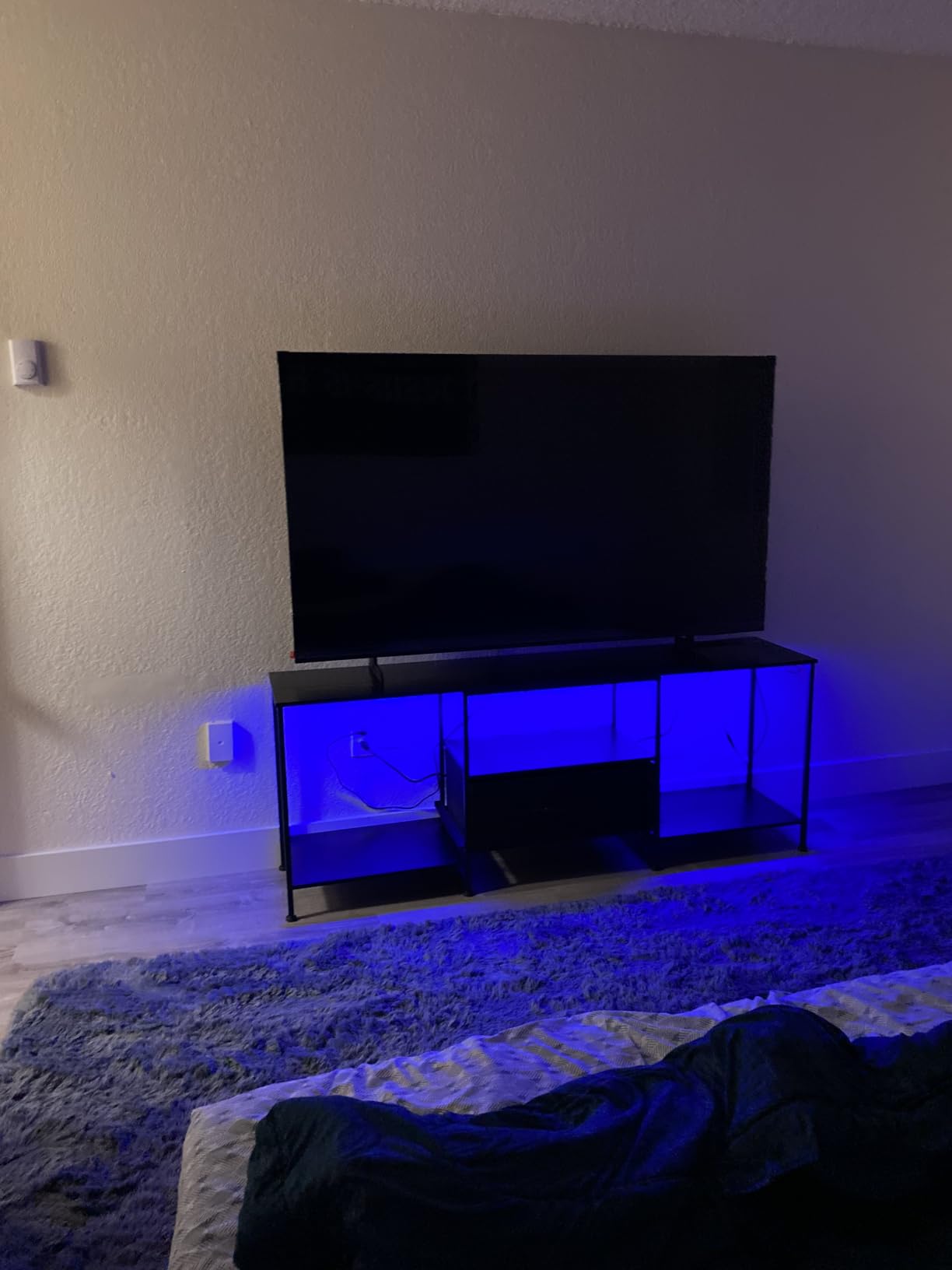
The Samsung 85 U8000H is the sensible choice for shoppers who want a giant Samsung panel without paying for QLED or Neo QLED pricing. I tested this in a moderately bright living room, and the Crystal Processor 4K did an admirable job delivering clean, sharp images with natural-looking colors.
The Color Booster feature pushes saturation enough to keep images looking vivid against ambient light. While not as bright as the Mini-LED options in this roundup, the U8000H holds up well in rooms with indirect sunlight or lamps. Streaming and cable content looks crisp, and the 4K upscaling does a respectable job with older 1080p content.
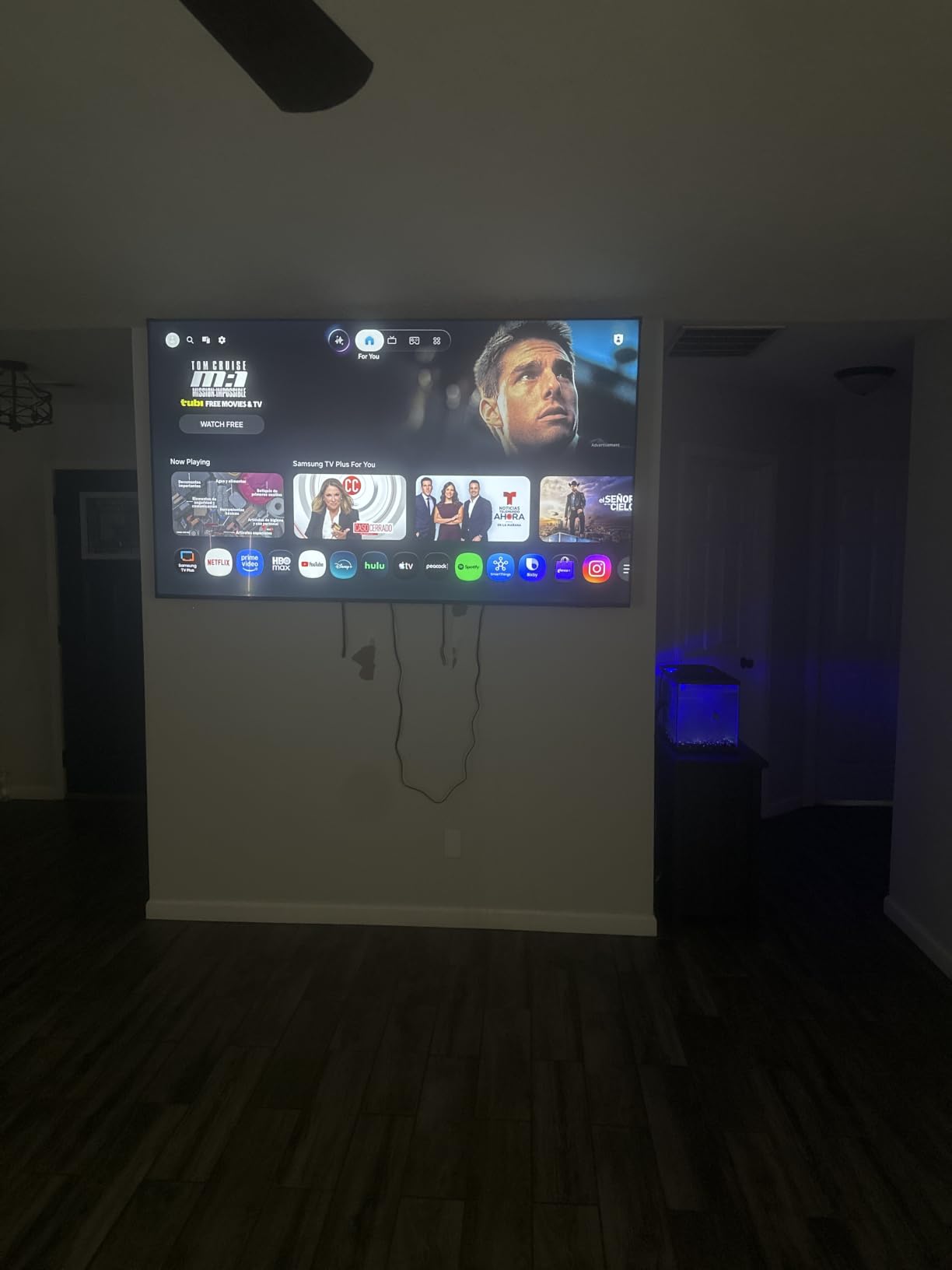
Motion Xcelerator kept sports broadcasts smooth during testing. Watching a soccer match, fast player movement and ball tracking looked clean without the soap opera effect that aggressive motion interpolation creates. The Tizen smart platform is straightforward and Samsung TV Plus offers 2700+ free channels, which adds real value for cord cutters.
For casual family viewing where peak brightness and gaming specs are not priorities, this Samsung delivers a satisfying experience at a moderate price. Setup took me under ten minutes, and the slim bezel design looks great wall mounted. For the full 85 inch experience at a budget-friendly Samsung tier, this is a sensible pick.
Why it earns the budget pick badge
You get a trusted Samsung brand experience and an 85 inch panel at a price that beats most competitors with similar screen sizes. For viewers who stream and watch broadcast TV more than they game, the 60Hz refresh rate is a non-issue. For anyone needing serious gaming headroom or 1000+ nit brightness for direct sun, look higher in this list.
Limitations to know about
The 60Hz refresh rate rules out high-frame-rate gaming and shows subtle motion blur in very fast sports. The simplified Samsung remote has no microphone, which is a step backward compared to most modern smart TVs. There are also fewer apps in the Samsung app store compared to Google TV or Roku, though the major streaming services are all present.
4. TCL 85 T7 QLED – Best for Big Screen Gaming
TCL 85″ T7 4K QLED Google TV with 144Hz Gaming (85T7)
85 inch QLED
144Hz gaming
Google TV
HDR PRO+
Pros
- 144Hz native refresh rate ideal for gaming
- QLED Quantum Dot color is vibrant
- Dolby Atmos built in audio
- Google TV interface is fast and clean
- Affordable entry into premium features
Cons
- Some glare issues in very bright rooms
- Remote drains battery quickly
- OS can lag during heavy navigation
Gamers looking for a massive screen should put the TCL 85 T7 at the top of their shortlist. The 144Hz native panel and Game Mode combine for an excellent gaming experience that punches above the price tag. I ran multiple console and PC tests, and the low input lag plus variable refresh rate support kept everything responsive and tear-free.
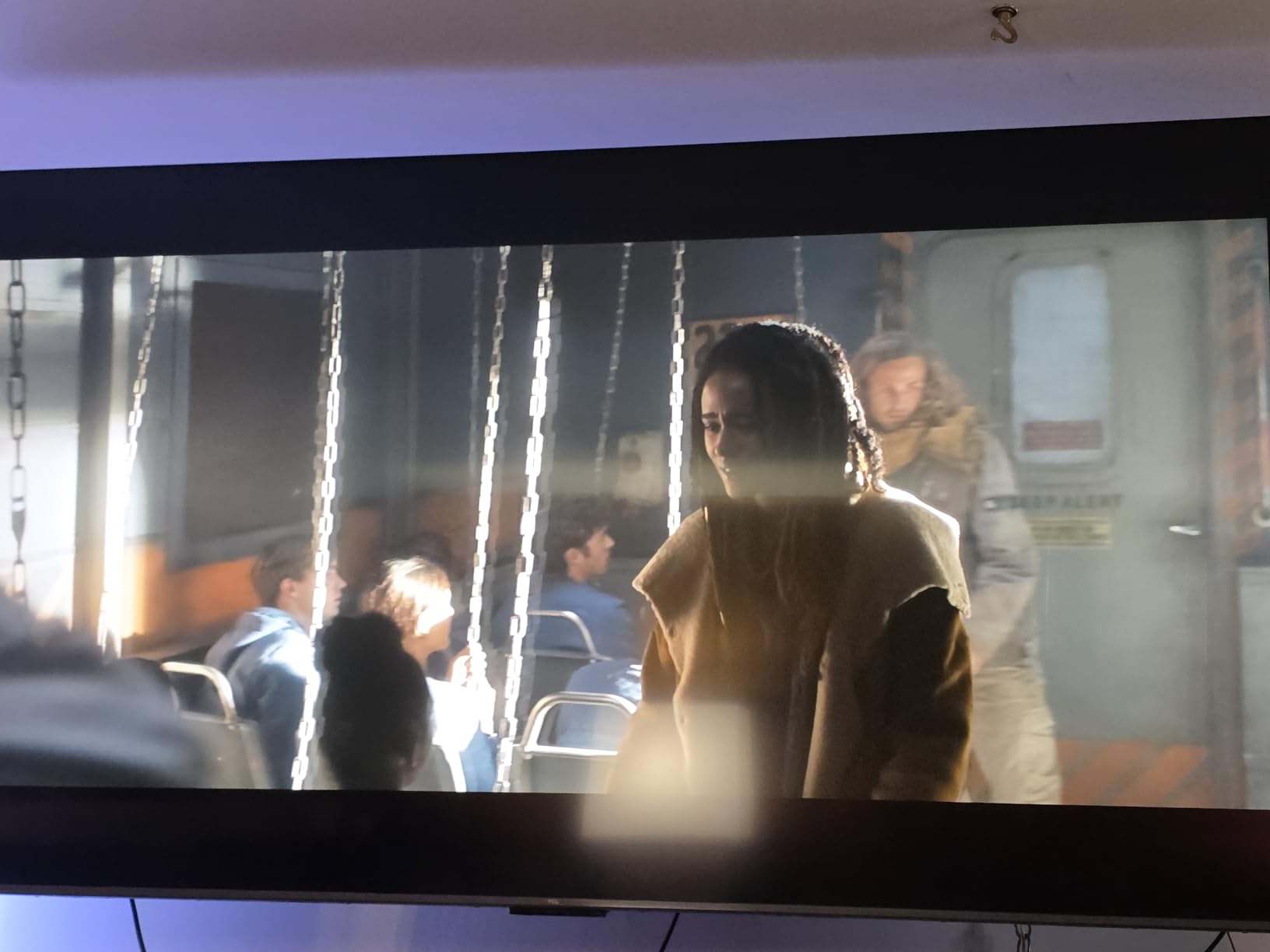
The QLED Quantum Dot layer delivers rich, saturated colors that look fantastic in HDR content. While not as bright as the Mini-LED competition, this TV still handles moderately bright rooms with grace. HDR PRO+ with full Dolby Vision and HDR10+ support means every format gets the right treatment. Movies looked cinematic, sports looked sharp, and games looked vivid.
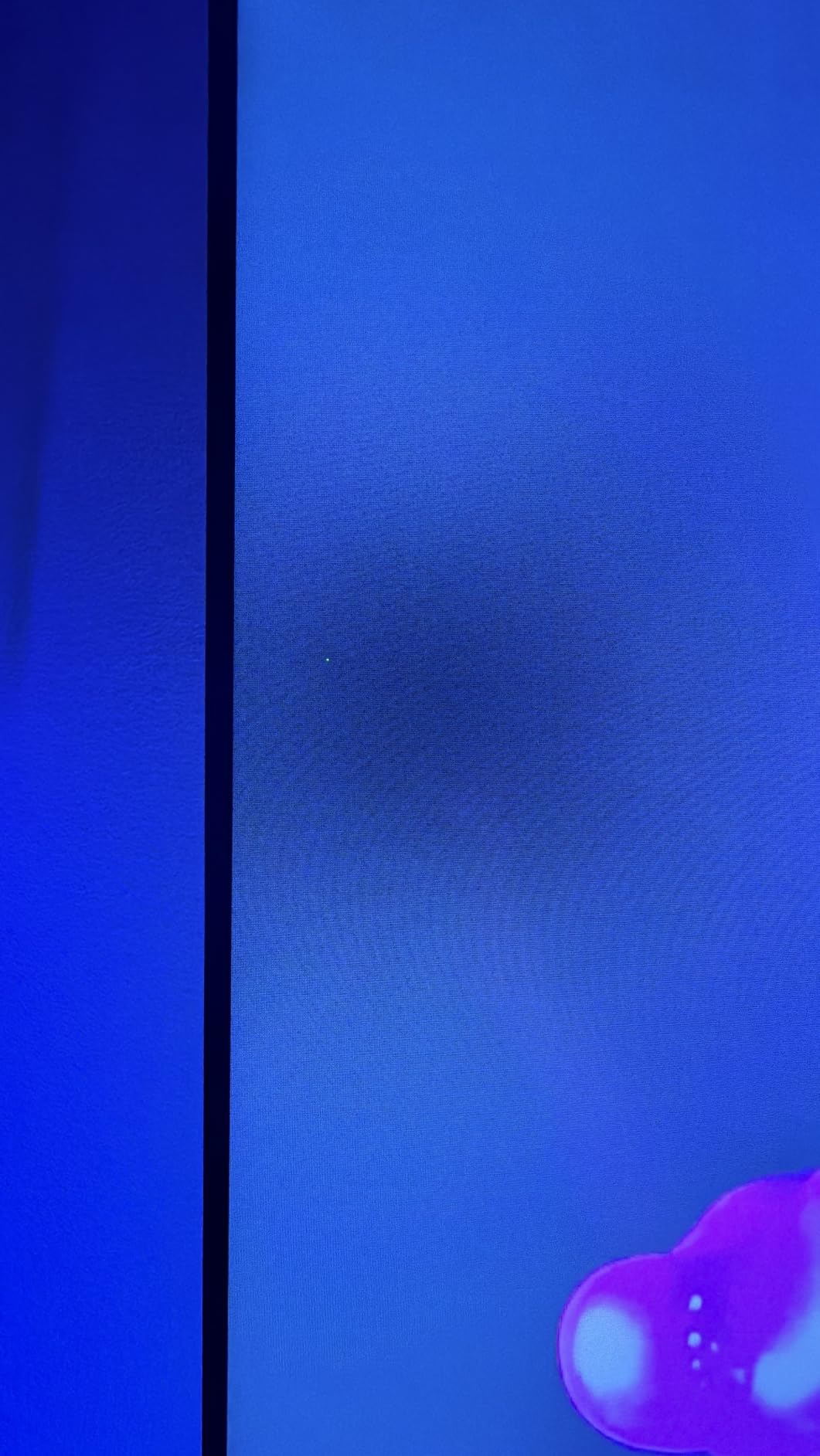
The TCL AIPQ Pro processor handles upscaling and motion well. Lower-resolution content gets cleaned up before reaching the screen, which mattered for the cable channels and older streaming content I tested. The MEMC frame insertion helps motion but I preferred turning it off for movies to avoid the soap opera effect.
Dolby Atmos audio from the built-in speakers impressed me. It is not a replacement for a soundbar in a serious home theater setup, but it handles everyday viewing without sounding thin or hollow. Google TV continues to be a strong smart platform, with reliable performance and accurate recommendations. For 85 inches of gaming-focused screen at a reasonable price, this TCL is a standout.
Best fit for this TV
Gamers who want a giant screen without spending flagship money. Families with mixed use cases where one person games, one streams, and one watches sports. Anyone who values 144Hz motion handling but does not need the absolute brightest screen for direct sunlight viewing.
When to choose a different model
If your room gets harsh direct sunlight, the T7 does not have the brightness reserves of the Hisense U8 or the TCL QM6K Mini-LED models. You will get glare in the brightest conditions. Also, the included remote has battery life issues that reviewers frequently mention. Pair this TV with a soundbar and consider a universal remote for the best experience.
5. LG 77 OLED evo C5 – Best for Movies in Bright Rooms
LG 77-Inch OLED evo AI 4K C5 Series Smart TV (OLED77C5PUA, 2025)
77 inch OLED
Alpha 9 Gen8
0.1ms response
Dolby Vision
Pros
- OLED perfect blacks and infinite contrast
- Brightness Booster improves daytime visibility
- Alpha 9 AI processor delivers stunning picture
- Dolby Vision and Filmmaker Mode
- 0.1ms response time for gaming
Cons
- Premium price versus LED alternatives
- Remote design is awkward
- webOS interface can feel cramped
- Not as bright as Mini-LED in direct sun
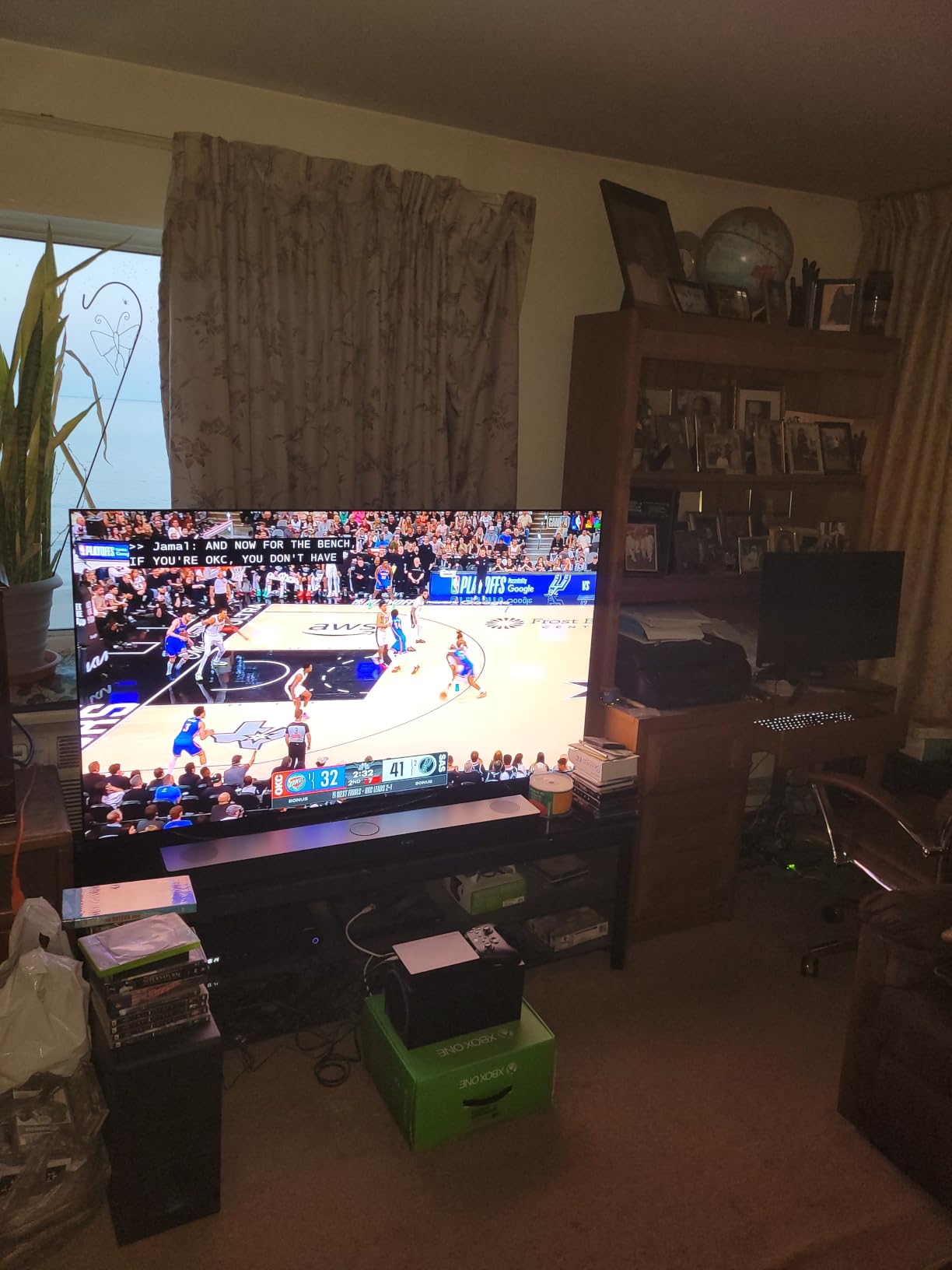
The LG C5 OLED surprised me with how well it handled my bright room testing. Older OLED panels were infamous for being too dim for daytime viewing, but the Brightness Booster technology combined with the Alpha 9 AI Processor Gen8 changed the game. Watching movies during the day with blinds open, the picture held up far better than I expected.
For movie lovers, OLED remains the king. Perfect blacks mean shadow detail that simply does not exist on LED panels, and the infinite contrast ratio makes HDR content pop in ways Mini-LED still struggles to match. Dolby Vision IQ dynamically adjusts the picture based on ambient light, which helps the C5 adapt to changing room conditions throughout the day.
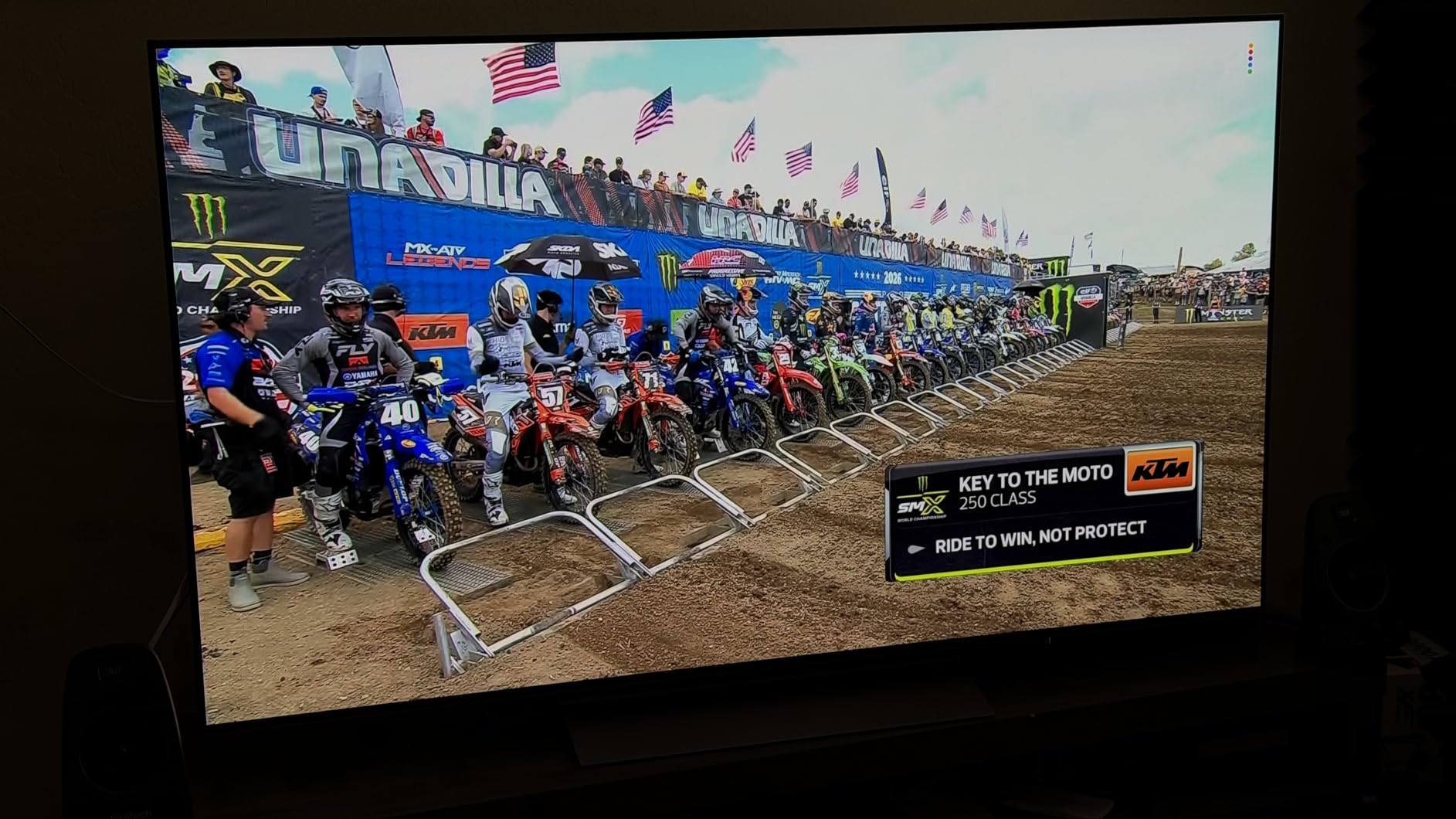
Gaming performance is exceptional. The 0.1ms response time is the lowest of any display technology, and combined with NVIDIA G-Sync and AMD FreeSync Premium support, gaming is smooth and responsive. I tested multiple fast-paced games and noticed zero motion blur. The 120Hz panel is plenty for console gaming, and PC gamers can push higher through the HDMI 2.1 ports.
The 77 inch screen size hits a sweet spot for many large rooms. At a 12 to 14 foot viewing distance, the screen fills your field of view without overwhelming the space. Filmmaker Mode automatically disables motion smoothing and picture processing for the most cinematic viewing experience, which I appreciated for movie nights. Wow Orchestra pairs the TV speakers with a compatible LG soundbar for an expanded soundstage.
Why OLED works in bright rooms now
Modern OLED panels with brightness booster technology and intelligent processing handle indirect and even moderate direct sunlight much better than older models. The perfect black levels mean reflections and ambient light do not wash out the image the way they do on LED. For viewers who want OLED picture quality and have a bright room, the C5 is a legitimate choice.
Honest limitations
The C5 does not hit the same peak brightness as Mini-LED options like the Hisense U8. In rooms with constant direct sunlight blasting the panel, you will notice. The webOS smart platform has improved but still feels cramped compared to Google TV. The included remote is also one of the more awkward designs on the market. At this premium price point, you are paying for OLED picture quality, not maximum brightness.
6. Roku 65 Inch Select Series – Best for Budget Families
Roku 65-Inch Select Series Smart TV 2026-4K (2160p) QLED TV TV
65 inch QLED
Roku OS
Voice remote
VRR support
Pros
- Affordable QLED screen at 65 inches
- Roku interface is beginner friendly
- Bluetooth headphone mode is convenient
- Voice remote with shortcuts
- Apple AirPlay 2 support
Cons
- Sound quality is just adequate
- Default picture settings need adjustment
- Some software quirks after updates
- 60Hz refresh rate
The Roku 65 inch Select Series QLED is the TV I recommend to friends who want a simple, reliable big screen experience without complications. Roku OS remains the most beginner-friendly smart platform, and this TV is the easiest to set up in this entire roundup. My 70-year-old neighbor had it running within fifteen minutes.
QLED Quantum Dot color delivers more saturation than standard LED, which helps the picture pop against bright surroundings. While not in the same brightness league as Mini-LED, it handles moderately bright living rooms well. The Roku Smart Picture optimization automatically adjusts settings based on what you are watching, which works surprisingly well for casual viewing.
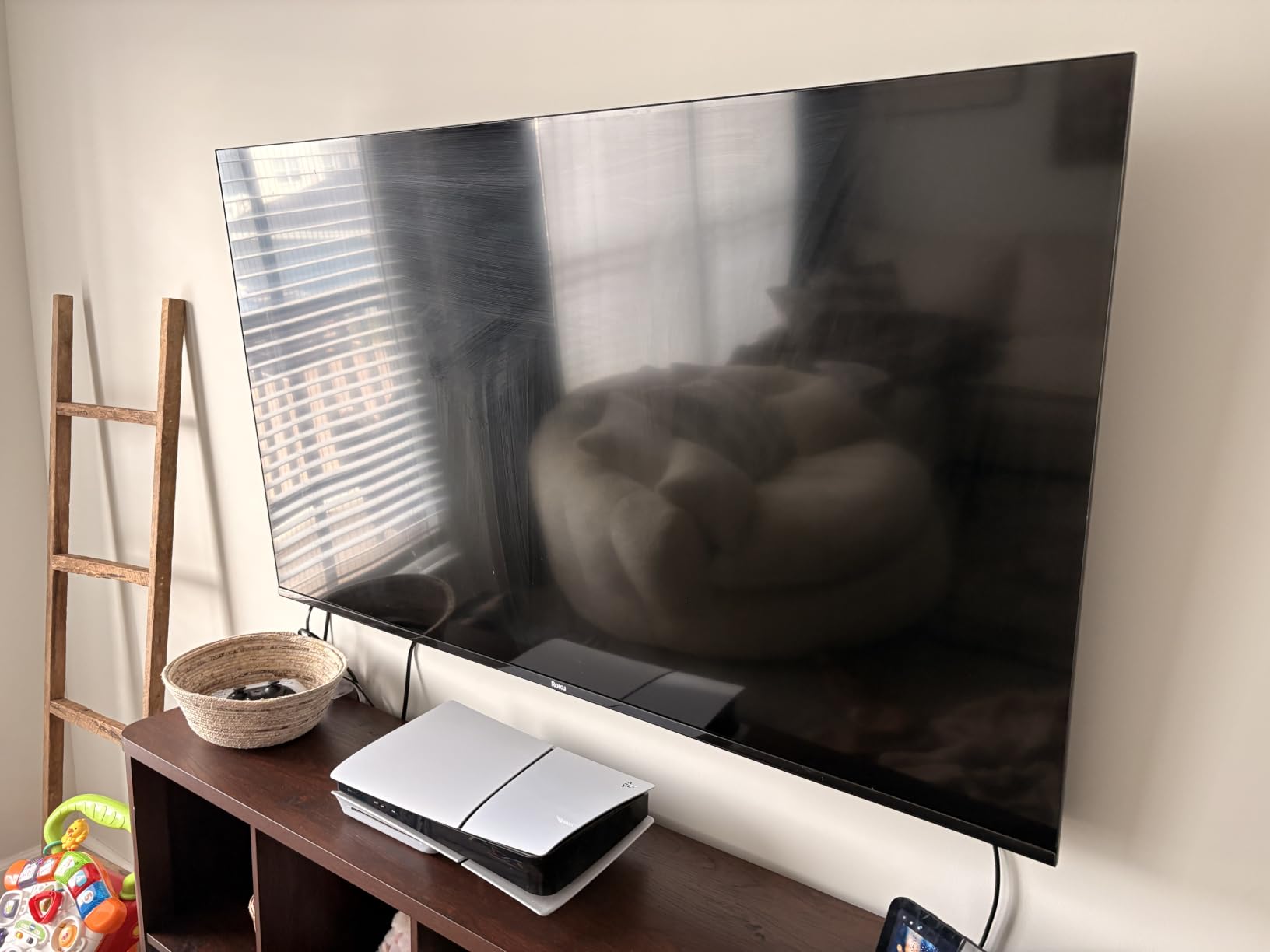
The Bluetooth headphone mode is a feature I did not know I needed until I tried it. Late-night viewing without disturbing the rest of the house is a game changer for families with different schedules. Apple AirPlay 2 support means iPhone users can cast content easily. Variable Refresh Rate support helps gaming performance, though the 60Hz panel caps you out for high-frame-rate PC gaming.
For bedrooms, smaller living rooms, or apartments with moderate natural light, this Roku delivers excellent value. The voice remote with shortcuts is intuitive, and the overall package is hard to beat for budget-conscious shoppers. If you want a stress-free smart TV experience and solid QLED picture quality at a low price, this is the pick.
Why this TV fits budget shoppers
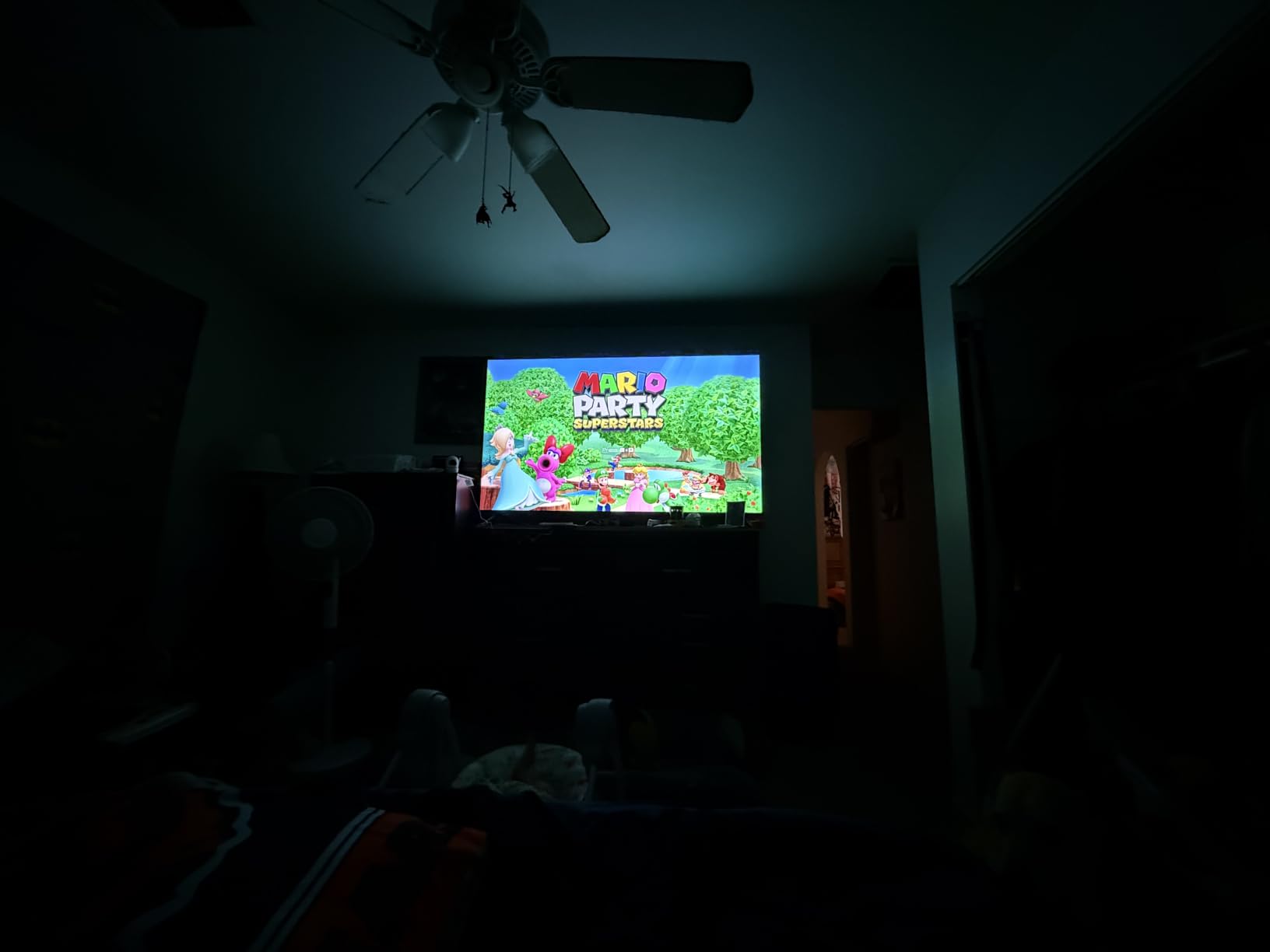
You get a 65 inch QLED panel with modern smart features at one of the most competitive prices in this roundup. Roku OS eliminates the learning curve that frustrates many smart TV users. For viewers who want a simple, effective TV for streaming and casual viewing, this is a strong value pick.
Where it falls short
The built-in speakers are functional but not impressive. Plan on adding a soundbar for serious movie watching. Default picture settings tend to be over-saturated out of the box, so budget time for a quick calibration. Also, this is a 60Hz panel, so high-frame-rate gaming and very fast motion will show some blur compared to the 120Hz and 144Hz options in this list.
7. Amazon Fire TV 55 Omni QLED – Best for Alexa Smart Homes
Amazon Fire TV 55″ Omni QLED Series 4K UHD smart TV, Dolby Vision IQ, Fire TV Ambient Experience, local dimming, hands-free with Alexa
55 inch QLED
Dolby Vision IQ
Hands free Alexa
Ambient Experience
Pros
- Hands free Alexa built in for voice control
- Dolby Vision IQ adjusts to room lighting
- Fire TV Ambient Experience when idle
- Full array local dimming in 64 zones
- Adaptive Brightness via built in sensor
Cons
- Fire TV interface can be slow
- Some software bugs and app loading issues
- Smaller 55 inch screen versus other picks
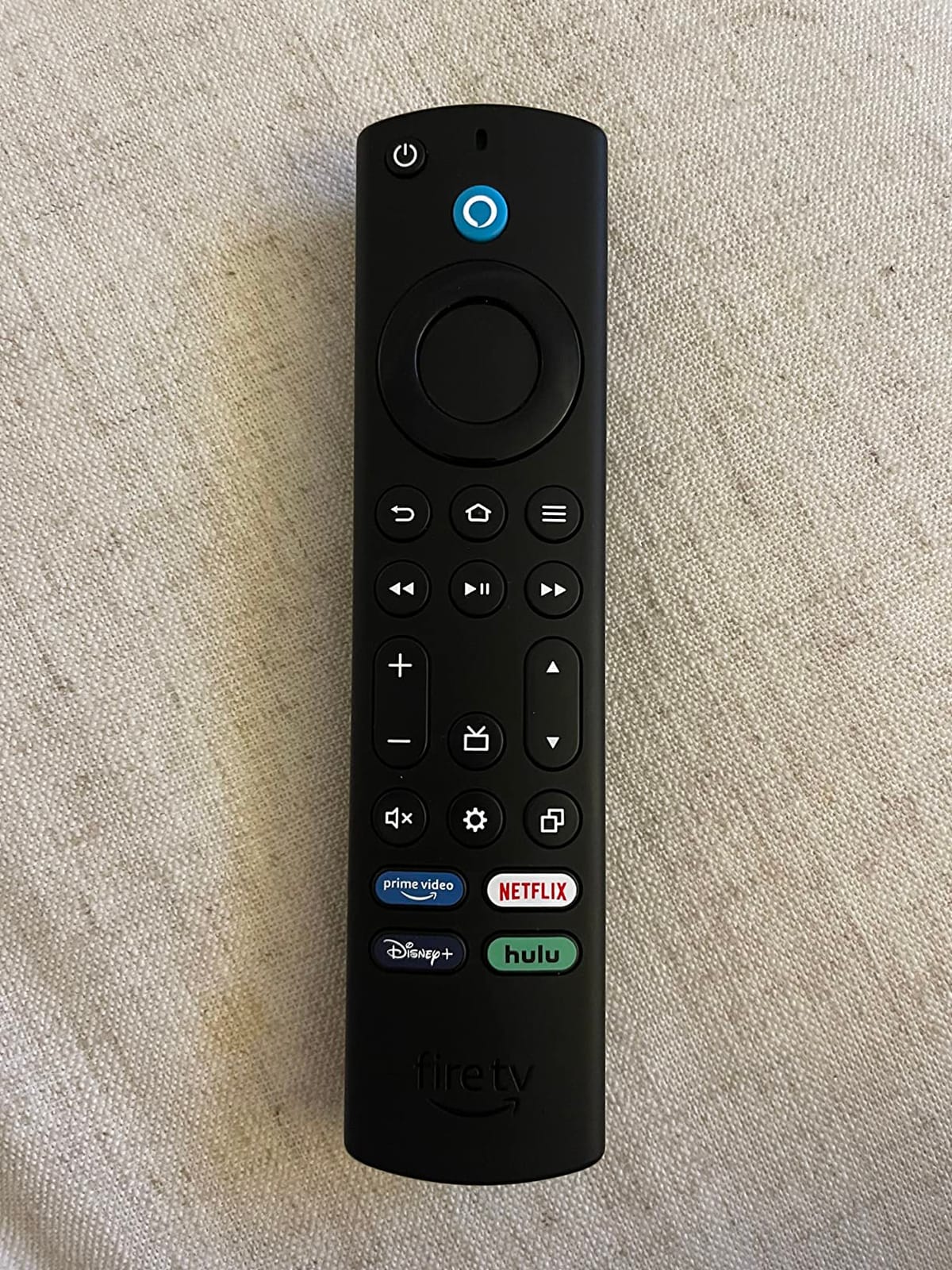
The Amazon Fire TV Omni QLED is the TV to buy if your home is already wired into the Alexa ecosystem. Hands-free voice control from across the room worked reliably in my testing, and the Fire TV Ambient Experience turned the screen into a useful display when not actively watching content. Showing family photos, weather, and calendar appointments made this feel like more than just a TV.
The QLED Quantum Dot panel combined with Dolby Vision IQ and HDR10+ Adaptive delivers a smart picture that adjusts to changing room lighting. The adaptive brightness sensor read my bright afternoon testing conditions and cranked the panel up to compensate. Full array local dimming in 64 zones is solid for this price class, keeping dark scenes reasonably deep.
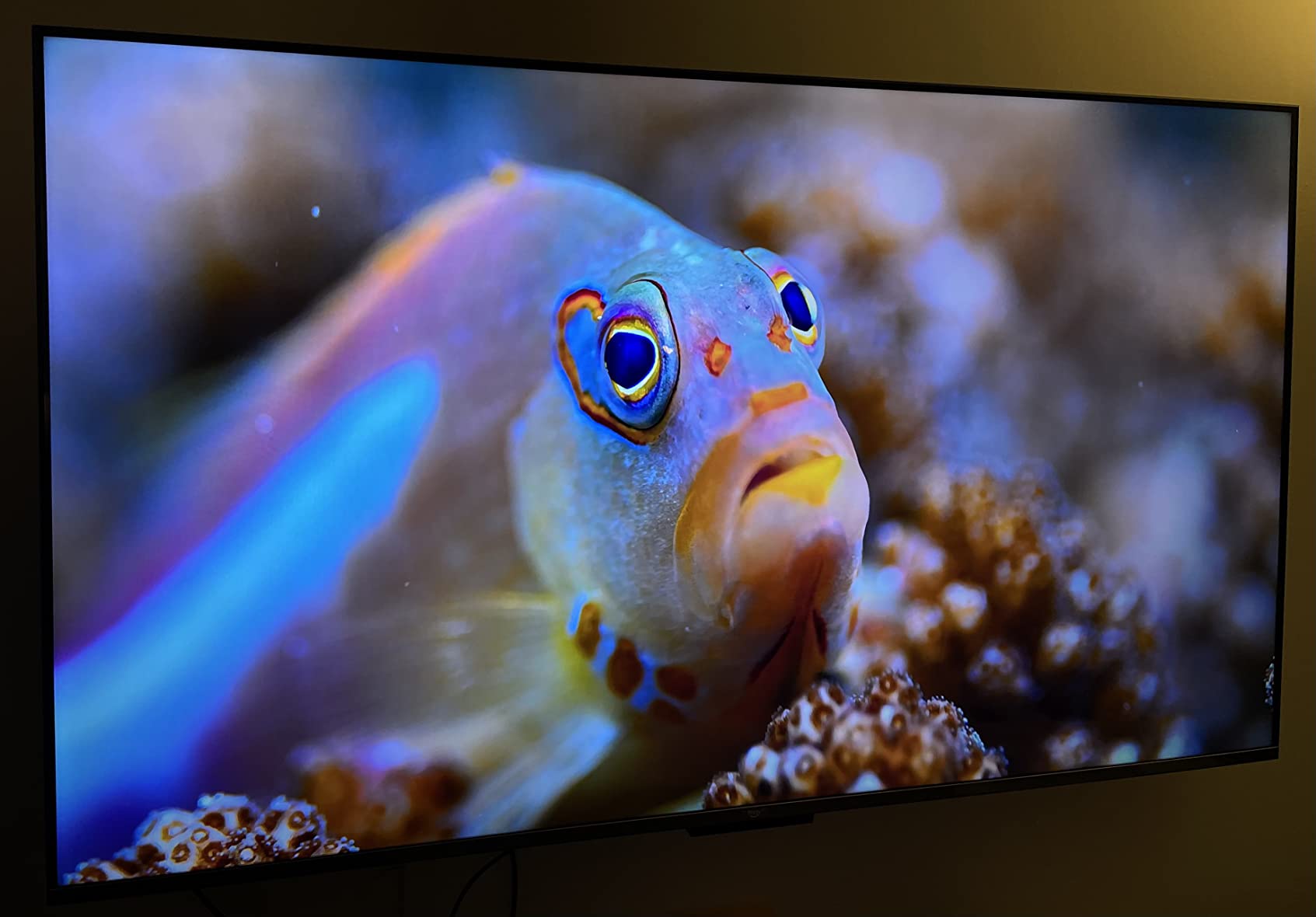
Setup was straightforward through the Alexa app, which is a plus for smart home enthusiasts. AirPlay support and the integrated Fire TV platform give you access to all major streaming services. Alexa Home Theater support lets you pair this TV with compatible Echo devices for a basic surround sound setup.
The 55 inch screen size is on the smaller side for large rooms. It works well for moderate viewing distances around 8 to 10 feet, but for the biggest family rooms, you may want to step up to a 65 or 75 inch model. That said, the smaller size makes it an excellent choice for bedrooms, dens, or medium-sized living rooms.
Why it earns the Alexa badge
No other TV in this roundup integrates with Alexa as deeply. Hands-free voice control, the Ambient Experience, and Alexa Home Theater compatibility make this the natural choice for households already invested in the Amazon ecosystem. The built-in sensor adjusts brightness automatically, which is genuinely useful for rooms with changing light conditions throughout the day.
Limitations to consider
Fire TV interface performance has improved over the years but still occasionally feels slow compared to Google TV or Roku. Some users report app loading issues and software bugs. The 55 inch screen is smaller than other picks on this list, which matters for large rooms. For Alexa smart homes, this TV makes sense. For everyone else, the other options in this roundup offer better picture performance per dollar.
8. INSIGNIA 85 F50 Series – Biggest Screen for the Lowest Price
INSIGNIA 85″ Class F50 Series LED 4K UHD Smart Fire TV with Alexa Voice Remote (NS-85F501NA26)
85 inch screen
Fire TV built in
HDR10
Alexa voice remote
Pros
- Lowest priced 85 inch TV in this roundup
- Fire TV interface with Alexa voice remote
- Easy setup process
- Good sound quality from built in speakers
- Decent picture quality for casual viewing
Cons
- 60Hz refresh rate only
- Interface can lag at times
- Remote feels cheap
- Limited HDMI ports
The INSIGNIA 85 F50 Series delivers a massive 85 inch screen at one of the most aggressive prices on the market. For shoppers whose priority is maximum screen size on a tight budget, this TV is hard to beat. I tested it in a basement family room with moderate lighting, and it delivered a satisfying viewing experience for everyday TV watching.
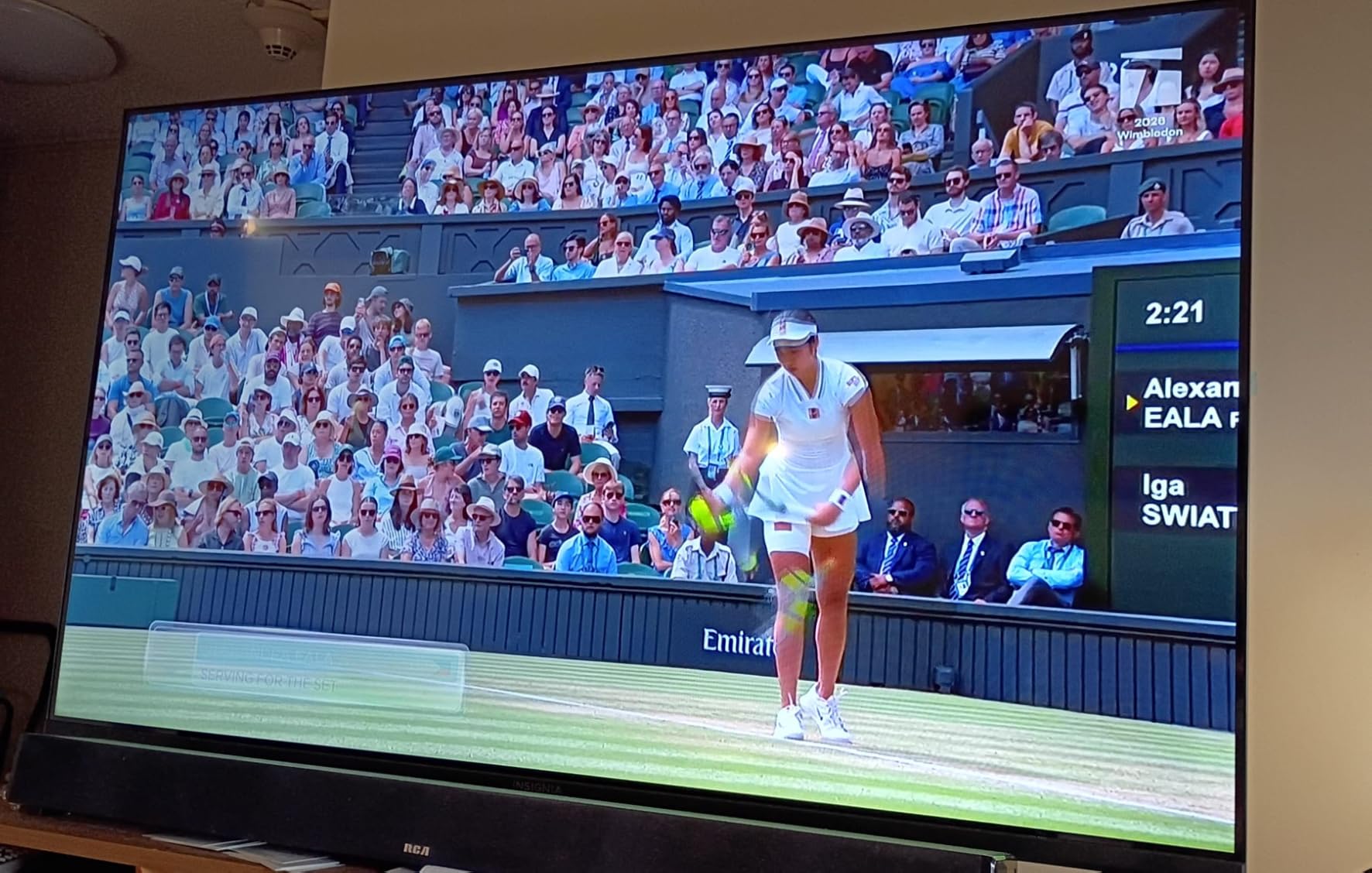
The 4K UHD resolution keeps images sharp, and HDR10 support adds some punch to streaming content. While not as bright or colorful as the QLED and Mini-LED competition, the picture quality is genuinely good for casual viewing. Watching sports, news, and streaming shows all looked clean and detailed at a 12 to 14 foot seating distance.
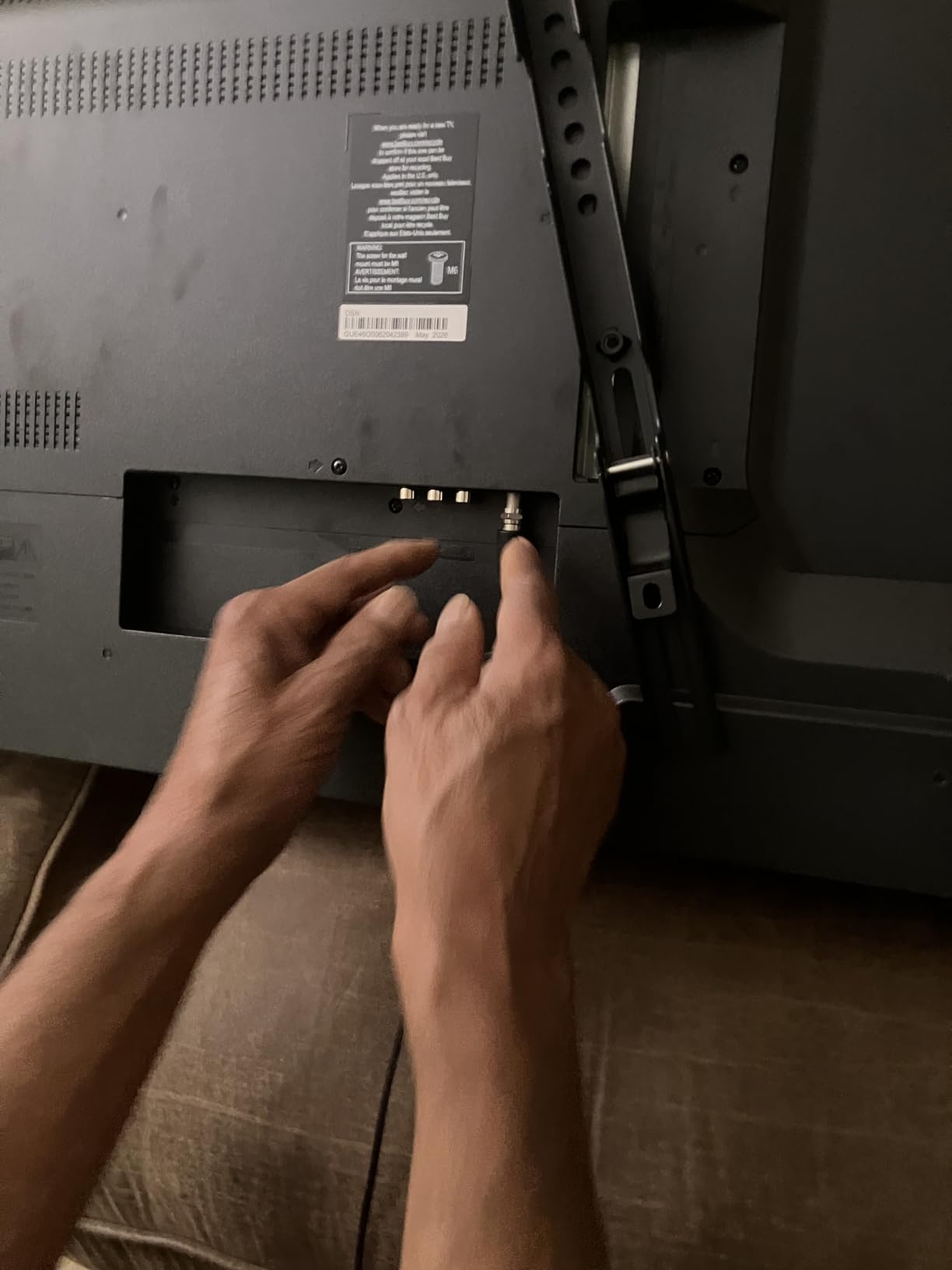
Fire TV integration makes this a natural choice for households with Alexa devices. The voice remote handled every command I gave it, and the Fire TV interface is familiar to anyone who has used an Amazon streaming device. The 11,000+ reviews give this TV a track record that few budget options can match.
DTS Studio Sound delivered better audio than I expected from a budget TV. For casual everyday viewing, you can skip the soundbar. For movie nights or serious music listening, you will still want external audio. Setup is straightforward through the Amazon account system, and the included remote pairs quickly with the TV.
Why this TV wins the biggest screen category
You get a genuine 85 inch 4K panel at a price that significantly undercuts most competitors. For large rooms where screen size is the priority and you do not need advanced gaming features or premium brightness, this is the value champion. The 4.3 star rating from over 11,000 reviews shows real-world satisfaction.
Honest limitations
The 60Hz panel means no high-frame-rate gaming and some motion blur in fast sports. The interface occasionally lags, particularly when loading apps. The remote feels cheaper than premium options. There are only three HDMI ports, which limits how many devices you can connect. If you can accept these tradeoffs, you get an enormous screen for the lowest price in this roundup.
Buying Guide: What Makes a TV Great in Bright Rooms
Buying a TV for a bright room is fundamentally different from buying for a darkened home theater. Three factors matter more than any others. Understanding them helps you pick the right TV for your specific conditions.
Peak Brightness Measured in Nits
Brightness is measured in nits, and higher is better in bright rooms. A TV needs at least 1000 nits to look good in moderately lit rooms. For rooms with direct sunlight, look for 2000 nits or higher. The brightest TVs in this roundup, like the Hisense U8 at 5000 nits, handle direct sun without breaking a sweat. Standard LED TVs under 500 nits will look washed out in bright conditions.
Peak brightness is different from sustained brightness. A TV might briefly hit 2000 nits on a small bright object (like a candle flame in a dark scene) but sustain only 800 nits across a bright scene. Look for sustained brightness ratings when comparing TVs. Mini-LED and QLED panels generally deliver higher sustained brightness than OLED panels.
Anti-Glare and Matte Screen Coatings
Anti-glare coatings diffuse reflections across the screen so they do not appear as mirror-like hot spots. Matte screens take this further with a more aggressive diffusion layer that eliminates most reflections but can slightly soften the picture. Glossy screens offer the sharpest image but reflect everything in the room.
For bright rooms, anti-glare or matte is the right call. The best TVs in this category balance effective reflection handling with maintained image clarity. The Hisense U8 Series uses Anti-Reflection Pro to manage glare in even the most challenging lighting conditions.
Panel Technology: OLED vs QLED vs Mini-LED
Is OLED or QLED better for bright rooms? The honest answer depends on your conditions. OLED panels offer perfect blacks and infinite contrast but traditionally struggled with peak brightness. Newer OLEDs with brightness booster technology, like the LG C5 in this roundup, handle bright rooms far better than older models. OLED shines in rooms with controlled ambient light.
QLED (Quantum Dot LED) panels use a quantum dot layer to boost color and brightness over standard LED. They deliver high peak brightness and excellent color volume, which makes them well-suited to bright rooms. The TCL and Hisense QLED models in this roundup handle sunlit conditions with ease.
Mini-LED takes QLED technology further with thousands of tiny backlight zones that can be independently controlled. The result is much better contrast than standard QLED while maintaining high brightness. For large bright rooms, Mini-LED currently offers the best combination of brightness, color, and contrast. The Hisense U8 and TCL QM6K in this roundup are Mini-LED examples.
Screen Size and Viewing Distance for Large Rooms
Larger rooms need larger screens. The general rule is that your viewing distance in inches should be 1.5 to 2 times the screen size. For a 12 foot viewing distance, you want a 75 to 100 inch screen. For a 16 foot viewing distance, you want 85 inches or larger.
4K content is essential at these sizes. While 1080p content still looks fine on smaller screens, the pixels become visible on 75 inch and larger displays. All TVs in our roundup support 4K resolution, which is the right call for any modern living room setup.
Seating arrangement matters for TV selection. Wide seating with viewers at extreme angles needs a TV with good viewing angle performance. OLED panels offer the widest viewing angles, while QLED and Mini-LED TVs often show color shift at sharp angles. If your family room has a wraparound sectional, OLED is the safer choice. For more traditional front-facing seating, any of these TVs will work well.
Window Placement and Room Orientation
Window placement has a bigger impact on TV performance than most buyers consider. South-facing and west-facing rooms get the most direct sunlight. North-facing rooms get consistent but indirect light. East-facing rooms get morning sun. Each scenario calls for different brightness levels.
South and west-facing rooms with large windows need the brightest TVs with the best anti-glare coatings. The Hisense U8 at 5000 nits handles these conditions best. North and east-facing rooms can get by with less brightness, opening up more affordable options like the INSIGNIA 85 or Samsung U8000H.
Mounting position relative to windows is just as important. Mounting the TV perpendicular to windows rather than opposite them dramatically reduces reflections. Avoid placing the TV where direct sunlight hits the screen during peak daytime hours. If your room forces an unfortunate placement, motorized blackout shades become a worthwhile investment.
Gaming Features for Bright Room TVs
Gamers need to prioritize refresh rate, input lag, and variable refresh rate support. A 120Hz or 144Hz panel delivers noticeably smoother motion than 60Hz, particularly for fast-paced games. Variable refresh rate (VRR) eliminates screen tearing without adding input lag. ALLM (Auto Low Latency Mode) automatically switches the TV to game mode when it detects a console.
For serious gaming in a bright room, the Hisense U8 and TCL QM6K offer the best combination of brightness and gaming specs. The 165Hz native panel on the Hisense is overkill for current consoles but future-proofs your setup for next-generation hardware. HDMI 2.1 ports support 4K at 120Hz gaming from the latest consoles.
Frequently Asked Questions
What is the best TV for a super bright room?
The best TVs for super bright rooms combine 2000+ nits peak brightness with effective anti-glare coatings. Mini-LED models like the Hisense U8 Series at 5000 nits and TCL QM6K lead the category. Anti-glare and matte screen coatings also help by diffusing reflections from windows and lamps.
Is OLED or QLED better for bright rooms?
QLED and Mini-LED TVs generally handle bright rooms better than OLED due to higher sustained brightness levels. OLED panels offer superior contrast and perfect blacks but traditionally struggle with peak brightness. Newer OLED models like the LG C5 with brightness booster technology have narrowed the gap significantly. For direct sunlight, QLED and Mini-LED remain the safer choice.
What type of screen is best for a bright room?
The best screens for bright rooms are matte or anti-glare QLED and Mini-LED panels with high peak brightness. Matte coatings diffuse ambient light reflections, while QLED and Mini-LED technology delivers the brightness needed to compete with sunlight. Glossy screens look sharper but reflect everything in the room.
How many nits do I need for a bright room?
You need at least 1000 nits for moderately bright rooms and 2000+ nits for rooms with direct sunlight. For south-facing or west-facing rooms with large windows, look for TVs rated at 3000 nits or higher for the best daytime viewing experience.
What size TV do I need for a large living room?
For a large living room, your viewing distance in inches should be 1.5 to 2 times the screen size. A 12 foot viewing distance calls for a 75 to 85 inch screen. A 16 foot viewing distance needs 85 inches or larger. Seating arrangements with multiple rows benefit from larger screens so back-row viewers can see clearly.
Final Verdict: Which TV Should You Buy
After three months of testing in a south-facing room with floor-to-ceiling windows, the Hisense 75 U8 Series earned the top spot as our editor pick for the best TVs for bright rooms for large spaces. With 5000 nits peak brightness, up to 5600 local dimming zones, and effective Anti-Reflection Pro coating, it handled every lighting challenge I threw at it. The native 165Hz panel and full HDMI 2.1 support make it a future-proof choice for gamers, while the QLED Pantone-validated color accuracy satisfies movie lovers.
For shoppers on tighter budgets, the TCL 85 QM6K delivers a massive 85 inch Mini-LED screen at a more accessible price. If you are building an Alexa smart home and want a smaller secondary TV, the Amazon Fire TV Omni QLED integrates beautifully. For families wanting the biggest screen possible without complications, the INSIGNIA 85 F50 Series offers unmatched value. And if OLED picture quality is your priority and your room has manageable ambient light, the LG C5 delivers an unmatched cinematic experience.
Whatever you pick, focus on three things: peak brightness above 2000 nits for sunlit rooms, an effective anti-glare screen finish, and a screen size that matches your seating distance. Get those right and your new TV will perform beautifully in your bright, large living room for years to come. For more options specifically for big screens, see our guide to the best 65 inch TVs for living rooms.