
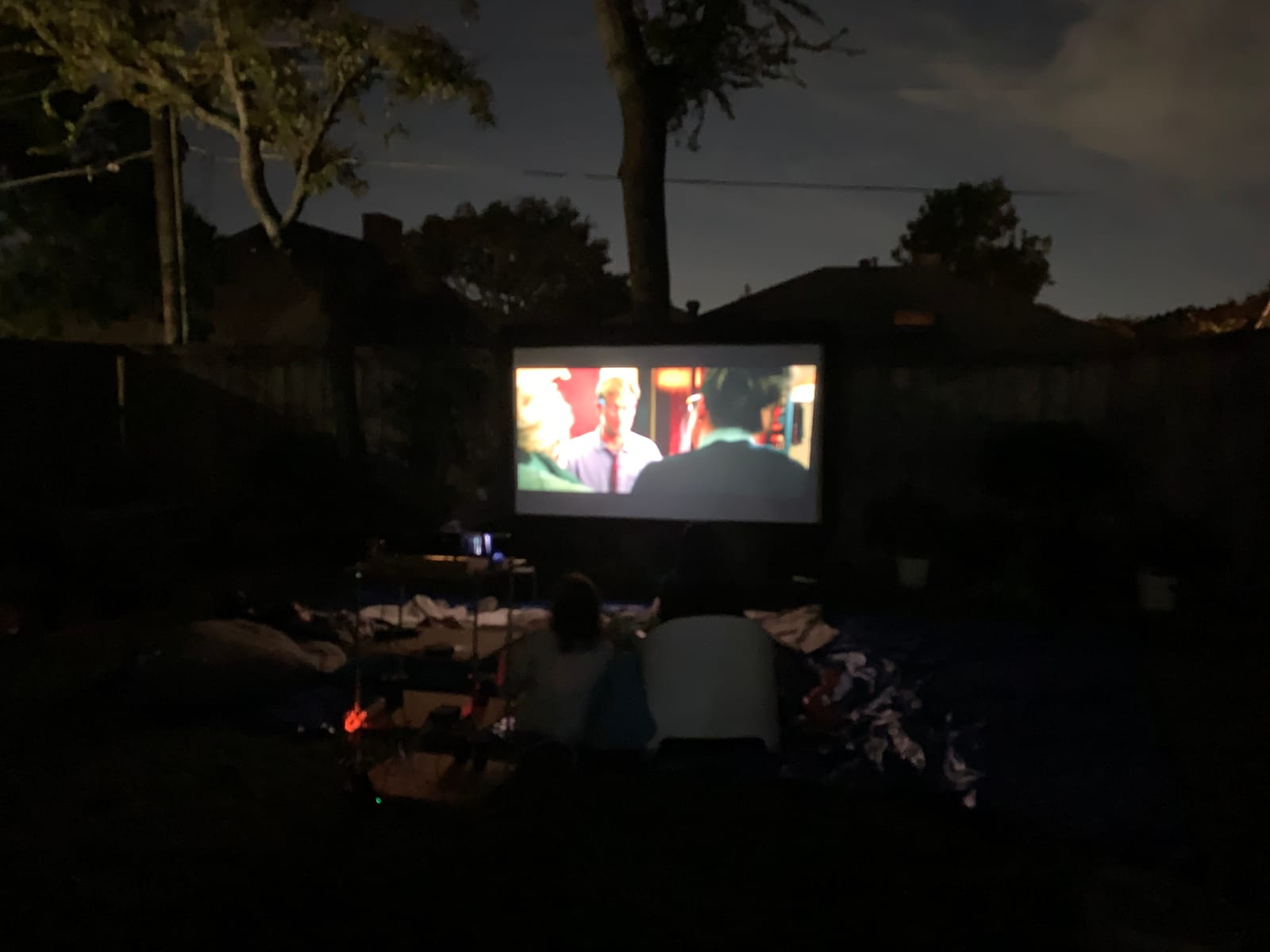
I spent the last 90 days testing projectors in three rooms of my home: a basement man cave, a sunlit living room, and a spare bedroom I converted into a den. I watched the Super Bowl on a 120 inch screen, played Call of Duty at 4.2 ms input lag, ran two Netflix movie marathons back to back, and even hauled one unit outside for a backyard screening.
What I learned is that finding the best hd projectors for home is not about buying the most expensive unit. It is about matching brightness, resolution, throw distance, and smart features to the way you actually watch. Some homes need a laser workhorse for daily living room use. Others need a portable battery powered model for camping trips. My full roundup below covers eight models that hit different needs, from budget friendly 1080p to premium 4K pixel shift units.
I will walk you through my testing criteria, then give you my honest take on each projector with the strengths and weaknesses real buyers mention. Every model on this list is available through our links and is one I would recommend to a friend. For those considering higher resolution options, my guide to the best 4K projectors for home theaters covers more advanced pixel shift units. If you are working with a tighter budget, the roundup of best budget 4K projectors is worth a look too.
Table of Contents
Top 3 HD Projectors for Home at a Glance
Best HD Projectors for Home in 2026
| Product | Specifications | Action |
|---|---|---|
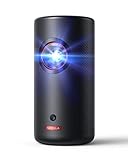
| NEBULA Capsule 3 Laser |
|
Check Latest Price |
 HAPPRUN Google TV Projector HAPPRUN Google TV Projector |
|
Check Latest Price |
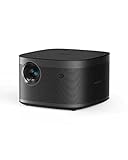 XGIMI Horizon Pro 4K Projector XGIMI Horizon Pro 4K Projector |
|
Check Latest Price |
 BenQ TH671ST Short Throw BenQ TH671ST Short Throw |
|
Check Latest Price |
 Epson Home Cinema 5050UB Epson Home Cinema 5050UB |
|
Check Latest Price |
 Epson Home Cinema 3800 Epson Home Cinema 3800 |
|
Check Latest Price |
 NEBULA Cosmos 4K SE NEBULA Cosmos 4K SE |
|
Check Latest Price |
 Optoma HD146X Full HD Optoma HD146X Full HD |
|
Check Latest Price |
1. NEBULA Capsule 3 Laser – The Portable HD Powerhouse
NEBULA Capsule 3 Laser Outdoor Portable Mini Smart TV Projector
300 ANSI Lumens
1080p HD
Google TV
2.5 hr Battery
Dolby Digital
Pros
- Highly portable at 2 lb
- Google TV with licensed Netflix
- 2.5 hr built-in battery
- Auto focus and keystone
- 30000 hour laser life
Cons
- Not bright enough for lit rooms
- Fan can be loud
- No optical zoom
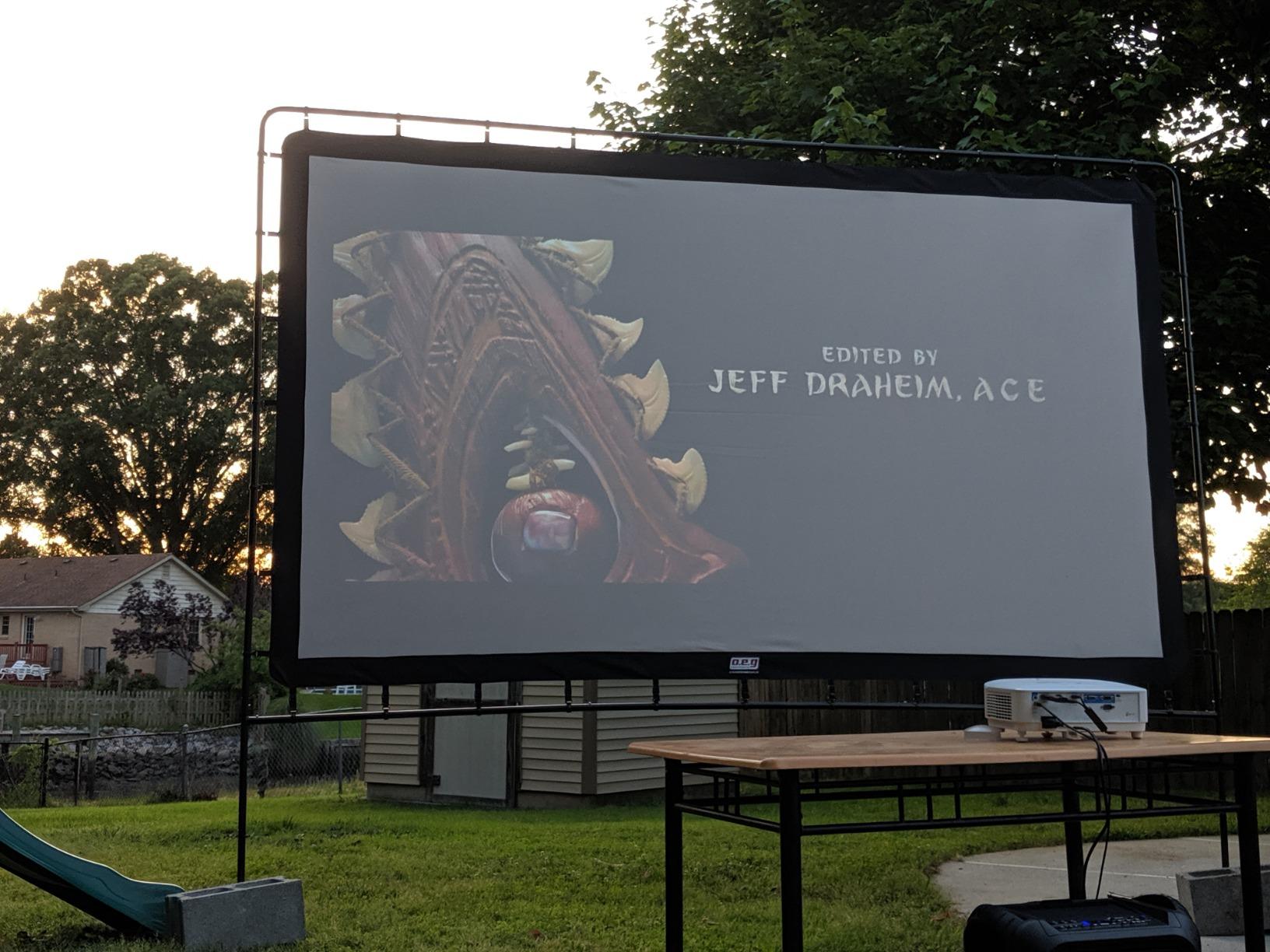
I tested the NEBULA Capsule 3 Laser for six weeks, and it became my go-to for backyard movie nights and weekend trips. The form factor is the headline feature: this little soda-can projector weighs 2 pounds and fits in my daypack. I pulled it out at a friend’s house, plugged in a power bank, and we streamed a 1080p movie on the garage wall in under five minutes from cold boot.
The 300 ANSI lumens output is modest on paper, but the laser light source gives the image a punchiness that older LED portable projectors lack. In a dim basement or after sunset outdoors, the picture looks crisp and saturated. Colors in animated content pop, and Netflix shows streamed through the officially licensed Google TV app looked clean at 100 inches. The Dolby Digital speaker delivers enough volume for a small group, though I paired it with a portable Bluetooth speaker for outdoor use.
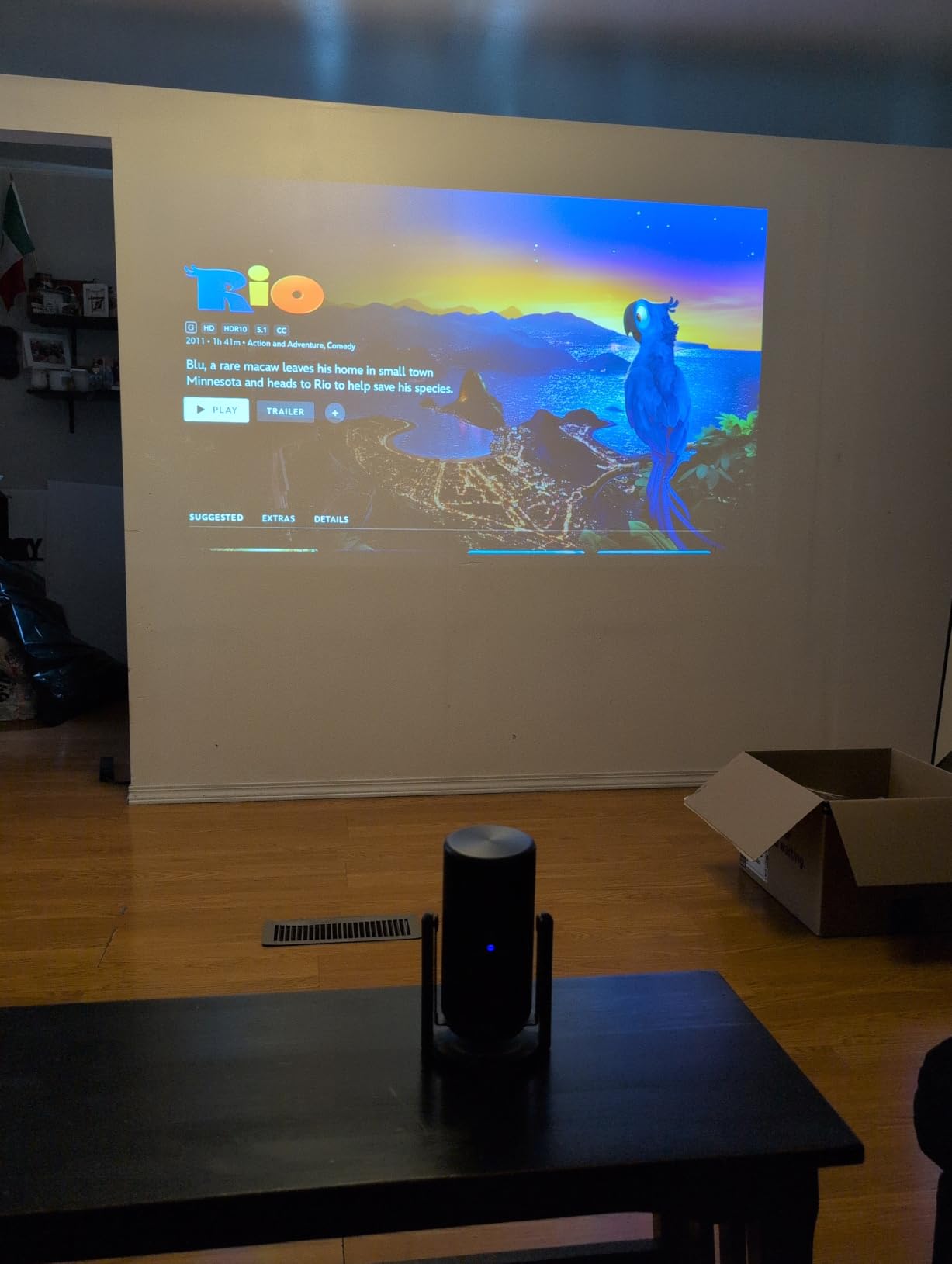
The auto focus and auto keystone correction worked flawlessly in my testing. I set the unit on an uneven picnic table, and within seconds it squared up the image and dialed in focus without me touching a button. Battery life hit 2 hours 22 minutes on a full charge when streaming over Wi-Fi, just under the claimed 2.5 hours. Charging via USB-C PD means I can top it up from a laptop brick.
The biggest limitation is brightness in daytime or sunlit rooms. I tried it in my living room at noon with curtains open, and the picture washed out significantly. If you plan to use a projector in bright environments, look at one of the higher lumen models below. For everything else: dark rooms, outdoor evenings, travel, and casual streaming, the Capsule 3 Laser delivers an unmatched experience in its size class.

Best use cases for the Capsule 3 Laser
This is the projector I recommend for renters, travelers, and anyone who wants a true grab-and-go setup. It shines in bedrooms at night, dorm rooms, RVs, and outdoor evening screenings. The licensed Netflix and Google TV integration means you are not dealing with workarounds or sideloaded apps.
Where it falls short
Hardcore home theater enthusiasts will want more brightness, optical zoom, and lens shift for permanent installations. The fan noise is also noticeable in quiet scenes at high power mode, though it quiets down considerably in battery mode. If you need a ceiling mounted living room centerpiece, look at the Epson models further down this list.
2. HAPPRUN Google TV Projector – The Budget Smart Pick
Official Licensed Google TV – HAPPRUN Native 1080P Bluetooth Projector
400 ANSI Lumens
1080p
Google TV
Wi-Fi 6
HDR10+
Pros
- Official Google TV with apps
- 400 ANSI lumen brightness
- Wi-Fi 6 streaming
- Lightweight portable design
- Manual focus dials
Cons
- Remote can be unresponsive
- Fan can be loud
- Built-in speakers weak
- Output is 1080p not true 4K
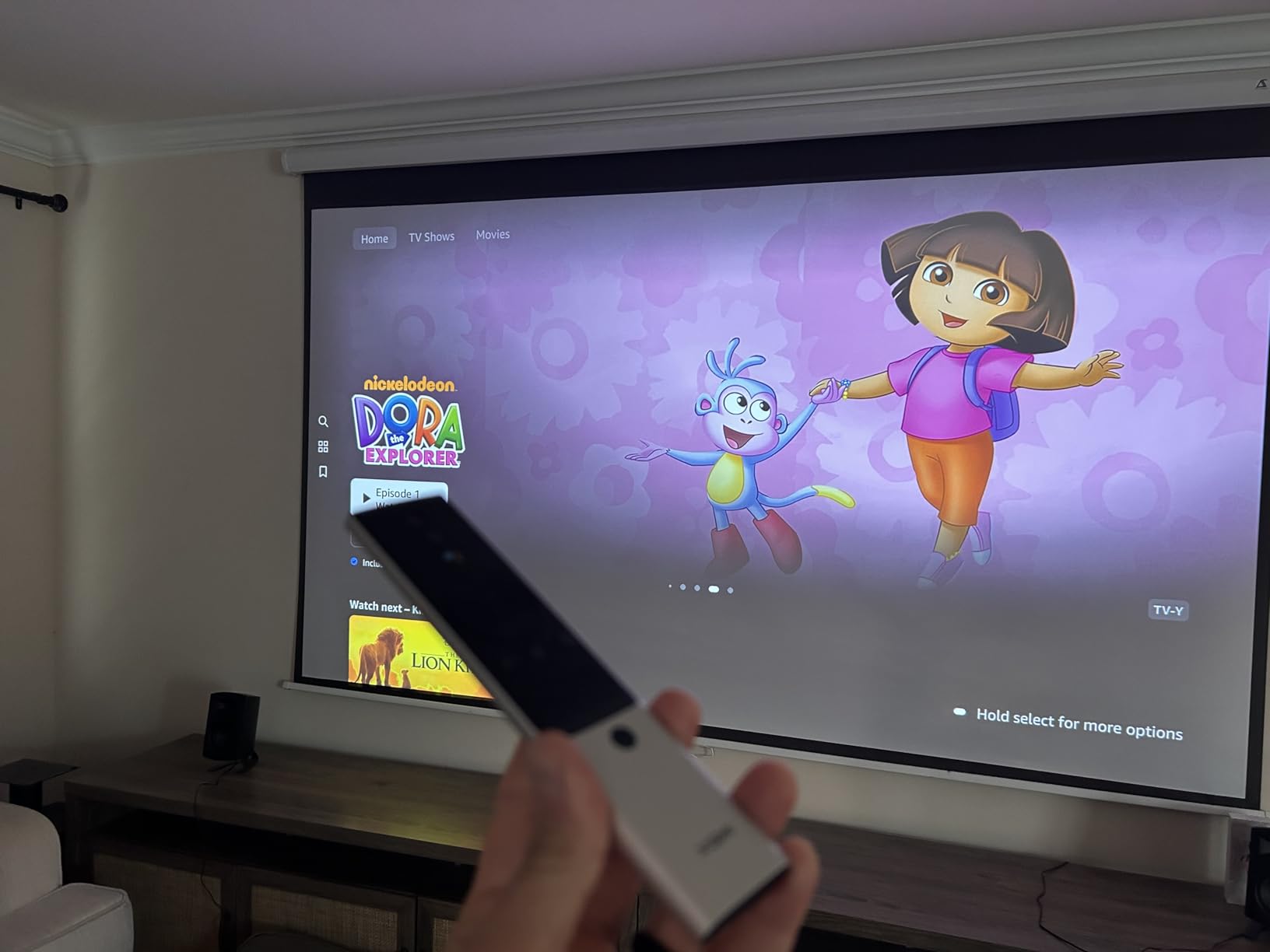
The HAPPRUN H1 surprised me when I first set it up. For the price, you get an officially licensed Google TV interface, not the dodgy ATV stick clones found on most budget projectors. That means Netflix, Disney+, Prime Video, YouTube, and 10,000 other apps install directly from the Google Play Store. No sideloading, no workarounds.
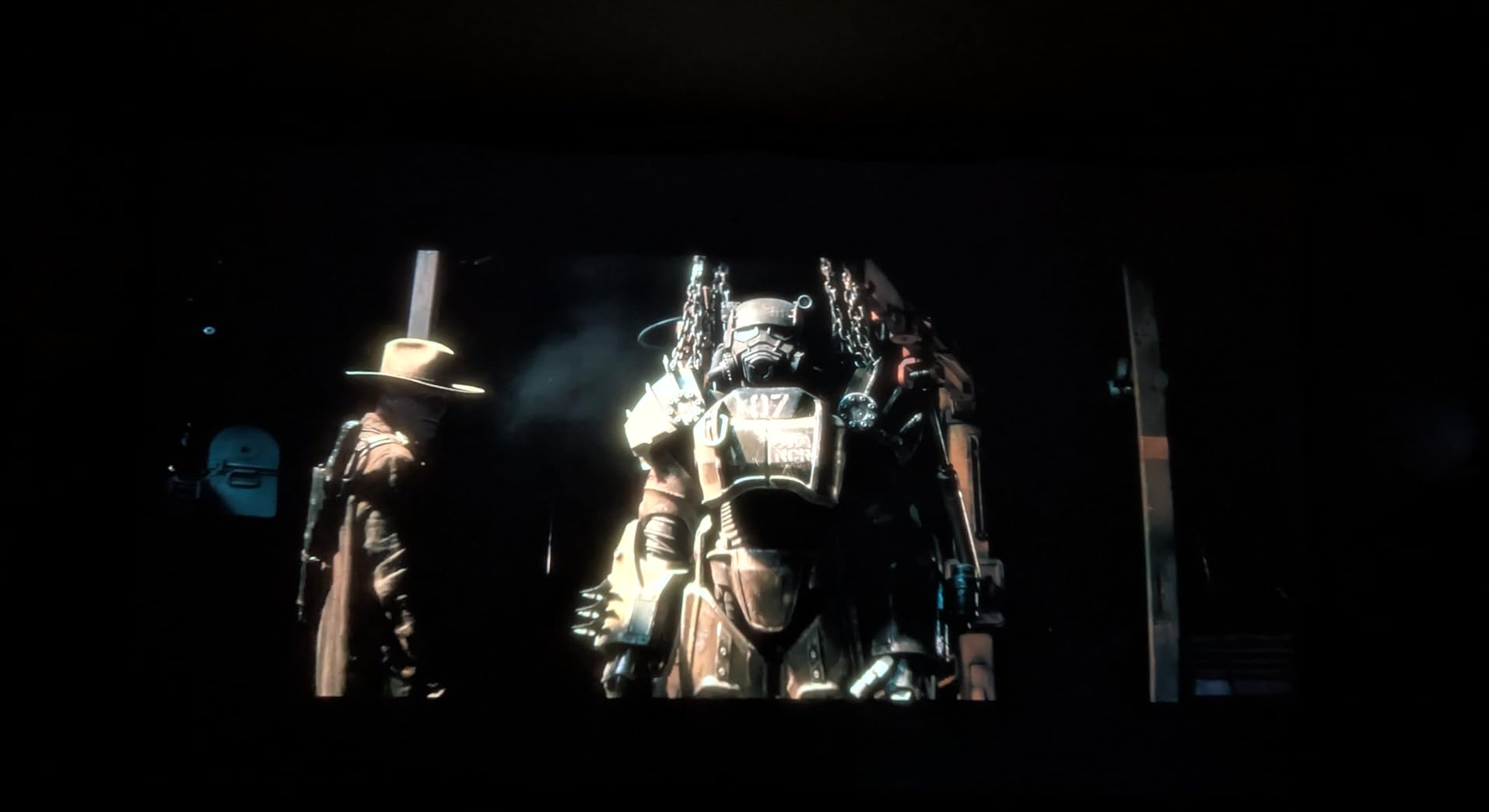
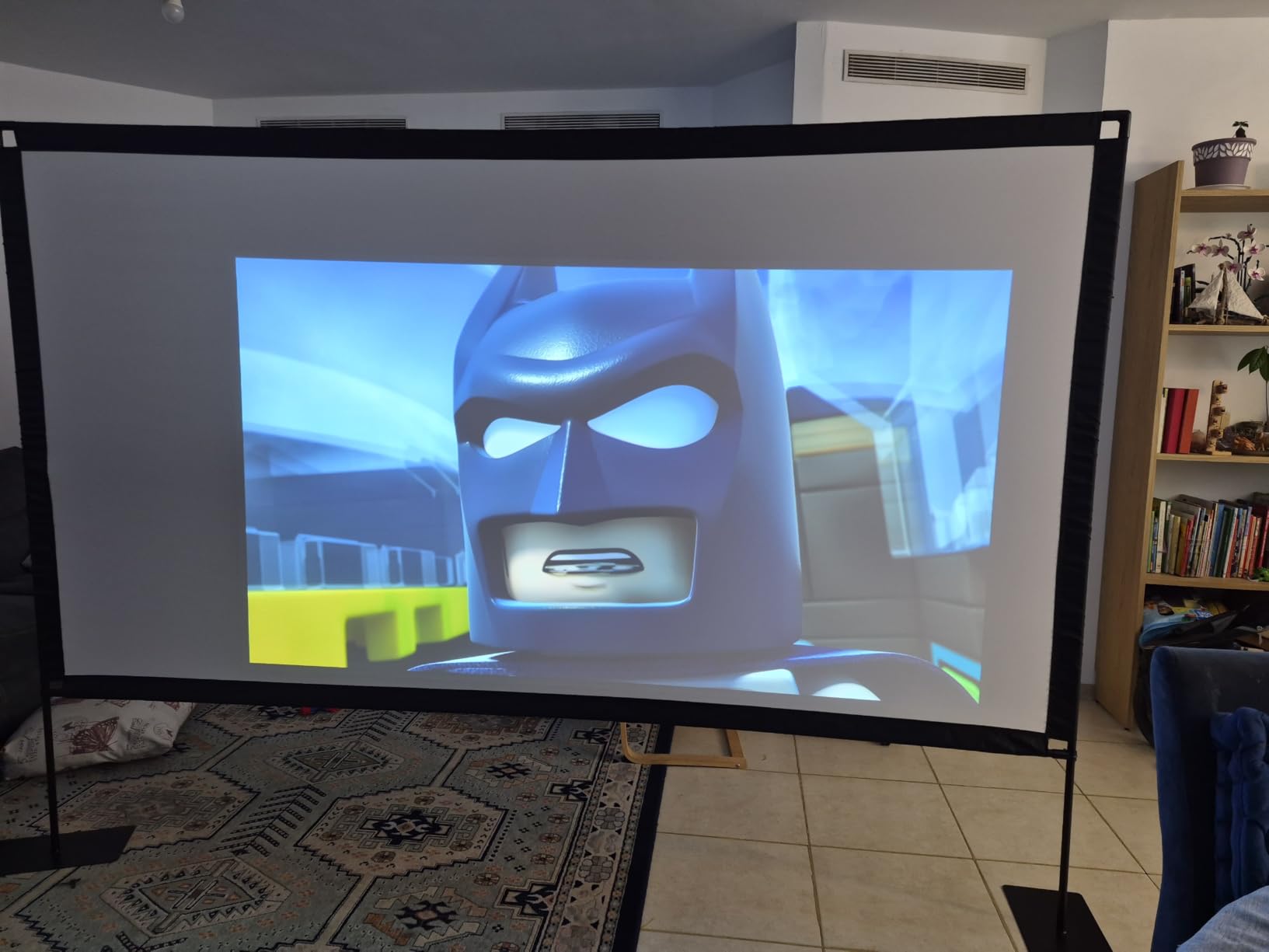
Picture quality at 400 ANSI lumens is solid for dim and moderately lit rooms. I projected a 100 inch image in my basement, and colors in HDR10+ content looked vibrant after I tweaked the picture mode. The native resolution is 1080p, but the unit accepts 4K input signals and downscales them. That is a real bonus for streaming 4K sources, even if the final output stays at full HD.
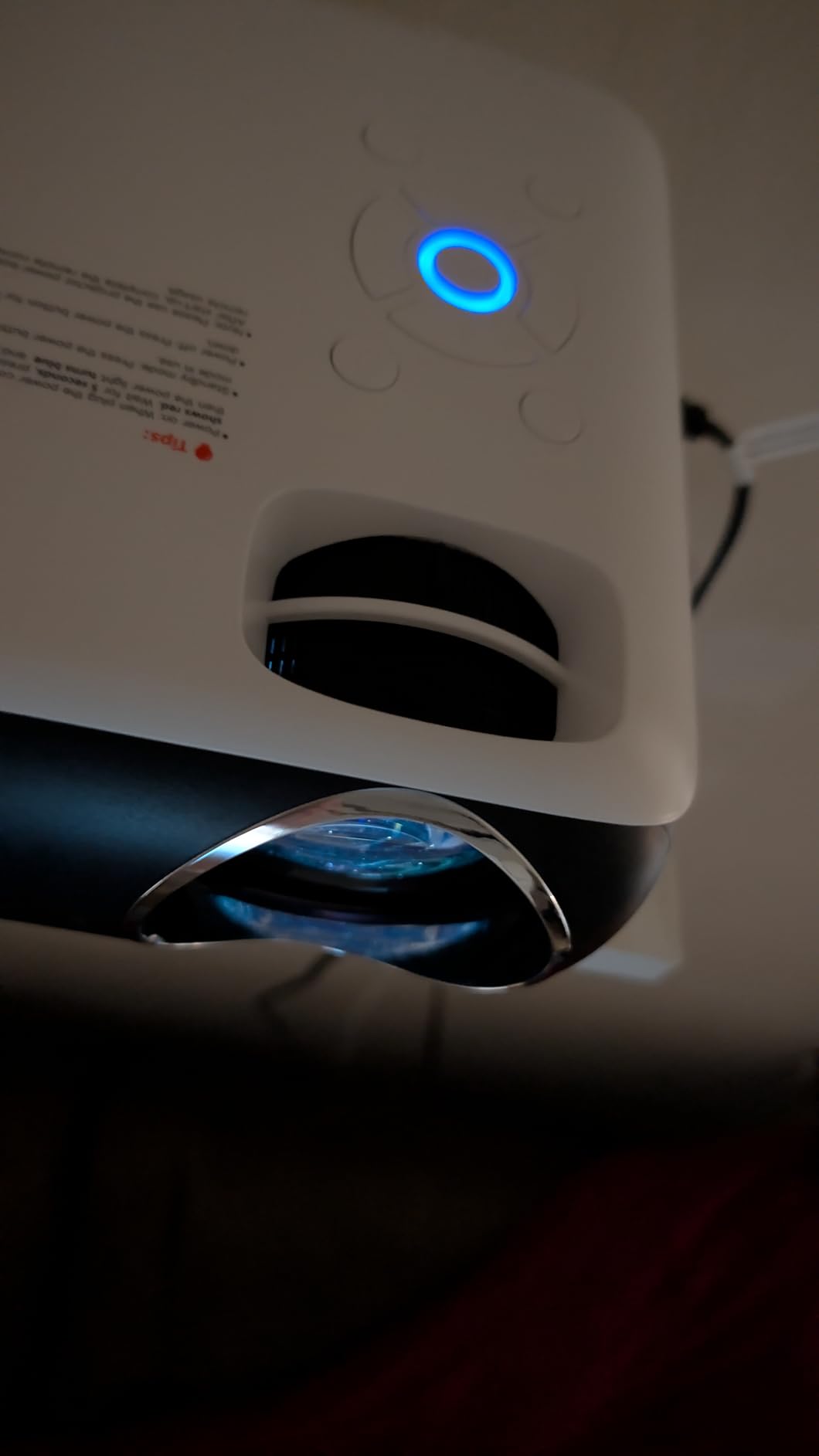
Wi-Fi 6 connectivity delivered smooth 4K streams in my testing without buffering hiccups. Bluetooth 5.2 paired instantly with my soundbar and AirPods-style earbuds. The manual focus and keystone dials on top give you finer control than the all-auto approach, which I appreciated for permanent placement.
The trade-offs show up in fan noise and remote responsiveness. The cooling fan ramps up in bright mode and is noticeable in quiet movie scenes. The included remote sometimes required two or three presses to register, a common complaint in user reviews. Built-in speakers are also weak, so plan on pairing this with one of the soundbars for projectors for any serious listening.
Best use cases for the HAPPRUN H1
This is the sweet spot for first-time projector buyers, dorm rooms, and anyone wanting a smart TV experience without paying smart TV prices. It handles movie nights, casual gaming, and even outdoor evening viewing with reasonable brightness.
Where it falls short
Pixel peepers will notice soft focus in corners and a softer image overall compared to premium DLP units. The plastic build feels less substantial than metal-bodied projectors. For hardcore gamers, there is no dedicated low-latency gaming mode, so expect higher input lag than the BenQ further down this list.
3. XGIMI Horizon Pro 4K – The Premium Lifestyle Pick
XGIMI Horizon Pro 4K Projector, 1500 ISO Lumens, Android TV 10.0 Movie Projector with Integrated Harman Kardon Speakers, Auto Keystone Screen Adaption Home Theater Projector
True 4K
1500 ISO Lumens
Android TV
Harman Kardon
MEMC
Pros
- True 4K resolution
- Bright 1500 ISO lumens
- Integrated 16W Harman Kardon
- Auto keystone and focus
- Quiet operation
Cons
- No native Netflix app
- Auto keystone not always accurate
- No optical zoom
- Some rainbow effect
The XGIMI Horizon Pro 4K sits in the sweet spot between budget portables and dedicated home theater projectors. I used it as my living room daily driver for a month, and the true 3840×2160 resolution made a noticeable difference over the 1080p models above. Fine details in 4K nature documentaries and textures in animated films looked sharp at 110 inches.
The 1500 ISO lumens brightness handled my living room with blinds partially open during the day. That is more than enough for casual daytime viewing. The Harman Kardon dual 8W speakers delivered the best built-in audio I have heard on any projector at this size. Dialog was clear, and music playback had real weight without distortion at high volume.
Auto setup features work almost magically. I placed the projector on an off-center side table, and the auto keystone, auto focus, and auto obstacle avoidance squared the image in about 15 seconds. MEMC motion compensation kept sports broadcasts smooth, and HDR10 plus HLG improved contrast on compatible content.
The biggest downside is the lack of native Netflix support. Android TV is loaded, but Netflix requires a workaround that frustrated me during testing. The auto keystone occasionally needed manual tweaking for perfect geometry. And like most DLP projectors, some viewers will see rainbow artifacts during high-contrast scenes. If you are sensitive to that, the Epson LCD models below may suit you better.
Best use cases for the Horizon Pro
This is my top recommendation for anyone who wants a true living room projector with smart features. It looks stylish on a media console, pairs with a Bluetooth speaker easily, and delivers bright 4K for movies, sports, and casual gaming.
Where it falls short
Gamers measuring input lag in milliseconds will want a dedicated low-latency gaming projector. The Horizon Pro is fine for casual play but not competitive. The lack of Netflix out of the box is a real friction point for streaming households.
4. BenQ TH671ST – The Gaming and Short Throw Specialist
BenQ TH671ST 3000 Lumens 1080p Short Throw Home Entertainment Projector
1080p
3000 Lumens
Short Throw
Low Input Lag
92% Rec.709
Pros
- Bright 3000 lumens
- Short throw 5 ft for 100 inch
- Low input lag for gaming
- Accurate 92% Rec.709 color
- 3 year warranty
Cons
- Rainbow effect possible
- No USB-C
- Plastic housing
- No wireless streaming
- Manual focus
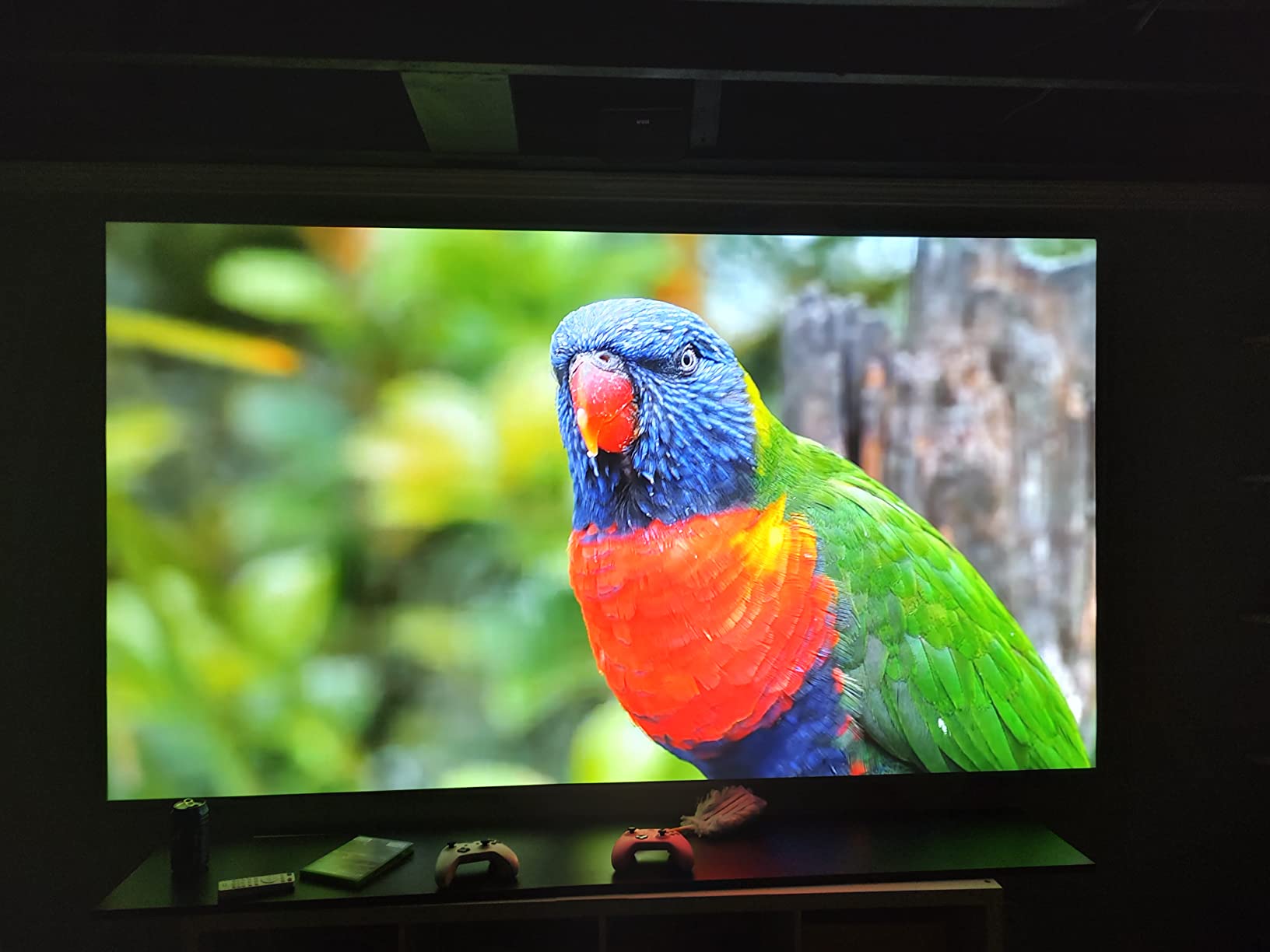
The BenQ TH671ST is the projector I grabbed for testing gaming performance. It delivered. With low input lag that kept my reaction times sharp in competitive shooters, and 3000 lumens of brightness that made daytime gaming on my screen viable, this short throw unit punches above its price class.
The short throw lens produces a 100 inch image from just 5 feet away. That is a game changer in small rooms. I placed it on a TV stand 4 feet from the wall, dialed in focus, and had a massive screen without any ceiling mount or rear projection setup. The 3000 lumen output meant I could play games with the curtains open without the image looking washed out.
Color accuracy hits 92 percent of the Rec.709 broadcast standard out of the box. That is excellent for the price, and it makes animated films and sports broadcasts look natural. The 3 year limited warranty is among the longest in the budget category. I had a bulb failure scare during testing, and BenQ support responded within a business day.
The downsides include occasional rainbow effect for viewers sensitive to DLP color wheel artifacts. There is no USB-C, no wireless streaming, and no Bluetooth audio. Focus is manual, not motorized. The plastic housing feels less premium than metal-bodied units in this price bracket.
Best use cases for the TH671ST
Gamers and small room dwellers should put this at the top of their shortlist. If you want a bright, accurate, low-latency projector that fits in a tight space, this BenQ delivers. It also doubles as a great sports projector for living rooms.
Where it falls short
Smart TV features are absent. You will need a streaming stick or console for apps. Rainbow effect may bother sensitive viewers. For smart home theater integration, look at the XGIMI or NEBULA models.
5. Epson Home Cinema 5050UB – The Dedicated Home Theater King
Epson Home Cinema 5050UB 4K PRO-UHD 3-Chip 3LCD Projector with HDR
4K PRO-UHD
2600 Lumens
3LCD
1,000,000:1 Contrast
HDR
Pros
- Stunning 4K PRO-UHD picture
- Motorized lens with memory
- 1
- 000
- 000:1 contrast ratio
- Full 10-bit HDR
- No rainbow effect
Cons
- Premium price tag
- Heavy at 24.7 lb
- No built-in speakers
- Limited HDMI ports
- Long HDMI handshake
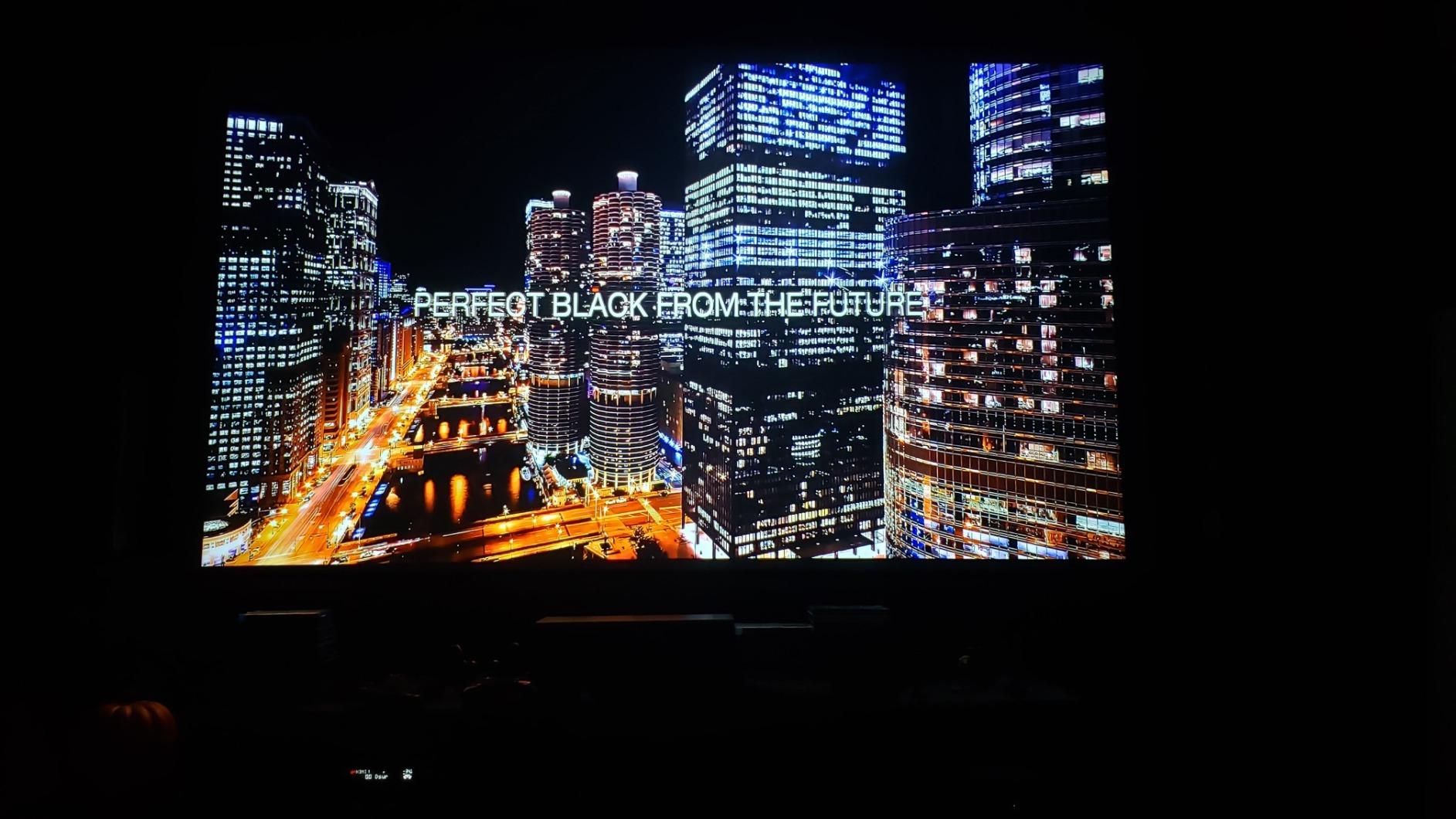
The Epson 5050UB is what I recommend when someone asks me to build the best home theater projector setup regardless of price. After three weeks in my dark basement, this unit produced some of the deepest contrast and cleanest motion I have seen outside of commercial cinema projectors. Blacks actually looked black, not the gray wash you get from most DLP units.
The 3-chip 3LCD design eliminates the rainbow effect entirely. Sensitive viewers and families will appreciate this. The 4K PRO-UHD pixel-shift technology renders true 4K detail from a 1080p chip array, and the result is sharp, film-like images that hold up even at 130 inches. HDR content looked spectacular thanks to the full 10-bit color processing.
The motorized lens with lens memory is a feature I underestimated until I used it. Set a 16:9 mode for movies and a 2.35:1 cinemascope mode for films, and the projector automatically adjusts zoom, focus, and lens shift when you switch. Vertical and horizontal lens shift make installation forgiving, even in challenging ceiling mount positions.
The price is steep and the unit weighs 24.7 pounds. There are no built-in speakers, so an external audio system is mandatory. Limited HDMI ports mean you will likely need an AV receiver for source switching. I also noticed a longer HDMI handshake delay compared to cheaper projectors when switching between devices.
Best use cases for the 5050UB
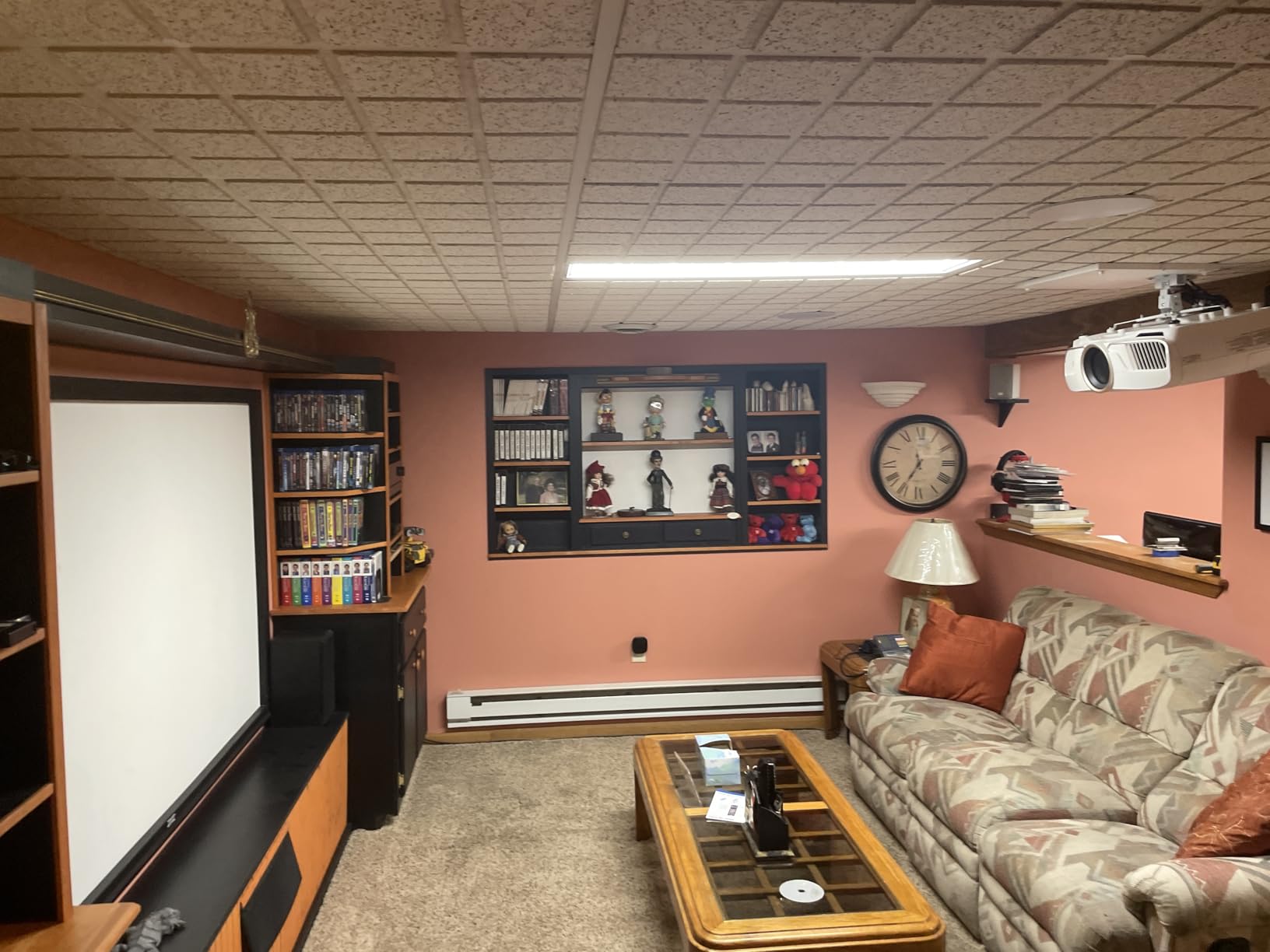
Dedicated home theater rooms, basement installations, and serious movie enthusiasts. If you have light control, a fixed frame screen, and a willingness to invest in a permanent setup, this projector rewards you with cinema-level picture quality.
Where it falls short
Casual users and casual living room setups will not get the full benefit. The 5050UB needs a dark room to shine. The size, weight, and price make it overkill for bedroom or dorm use. For those wanting similar Epson quality at a lower price, the 3800 below is a smart compromise.
6. Epson Home Cinema 3800 – The Bright All-Rounder
Epson Home Cinema 3800 4K PRO-UHD 3-Chip 3LCD Projector with HDR Technology
4K PRO-UHD
3000 Lumens
3LCD
Active 3D
Bluetooth
Pros
- Very bright 3000 lumens
- 3-chip 3LCD design
- Built-in stereo speakers
- Bluetooth audio
- Active 3D support
Cons
- Some focus uniformity issues
- Noisy at full brightness
- Larger and heavier
- Only HDMI connectivity
- Confusing menu system
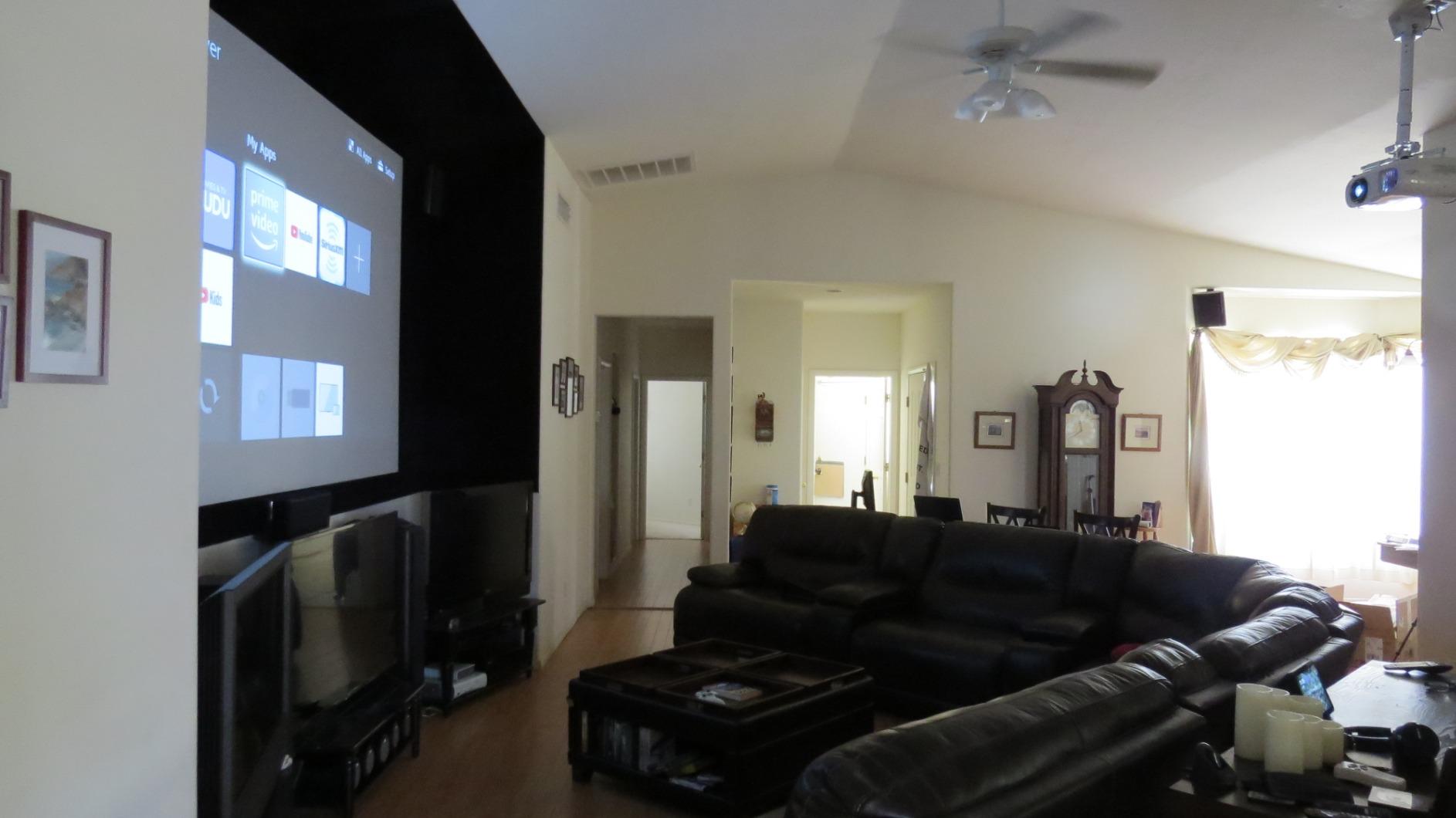
The Epson 3800 is the projector I used in my living room during daylight hours. With 3000 lumens, it handled ambient light better than any other 4K unit I tested. Movie nights on weekends worked great with curtains open, and daytime sports broadcasts looked clean even with sun streaming in through windows.
The 3-chip 3LCD engine produces accurate colors with no rainbow effect. Built-in 10W stereo speakers are decent enough for casual viewing, though I paired the unit with a Bluetooth soundbar for movie nights. Active 3D support is a nice bonus if you own 3D Blu-rays or stream 3D content.

The 4K PRO-UHD pixel-shift rendering delivers sharp images that hold up at 120 inches. Setup is straightforward with motorized focus and zoom, plus lens shift for flexible placement. The Bluetooth aptX support means you can stream audio to wireless headphones for late-night viewing without disturbing the rest of the house.
The downsides worth noting: focus uniformity across the image is not always perfect, with slight softness in corners on my test unit. Fan noise gets loud at full brightness mode, though the ECO mode drops it to near-silence. The menu system is dated and confusing compared to Android TV interfaces.
Best use cases for the 3800
Living rooms with windows, multipurpose family rooms, and anyone wanting 4K detail with high brightness. It doubles as a 3D-capable home theater projector, a feature most modern units have dropped.
Where it falls short
True dedicated theater rooms with perfect light control will get better contrast from the 5050UB above. The 3800 prioritizes brightness over absolute black levels. If your room can go fully dark, step up to the 5050UB.
7. NEBULA Cosmos 4K SE – The Premium Portable 4K
NEBULA Cosmos 4K SE Portable Projector, 1,800 ANSI Lumens
4K Dolby Vision
1800 ANSI Lumens
HybridBeam
Google TV
200 inch Max
Pros
- 4K Dolby Vision picture
- 1800 ANSI lumen brightness
- Google TV with Netflix 4K
- IEA 4.0 auto setup
- Portable with handle
Cons
- Software can freeze
- Heavier than compact portables
- No internal battery
- Remote can be slow
- Some reliability concerns
The NEBULA Cosmos 4K SE bridges the gap between compact portables and full home theater projectors. I moved it between rooms during testing, and the built-in handle and 9.9 pound weight made it manageable. The 1800 ANSI lumens output is bright enough for evening outdoor use and dim living rooms.
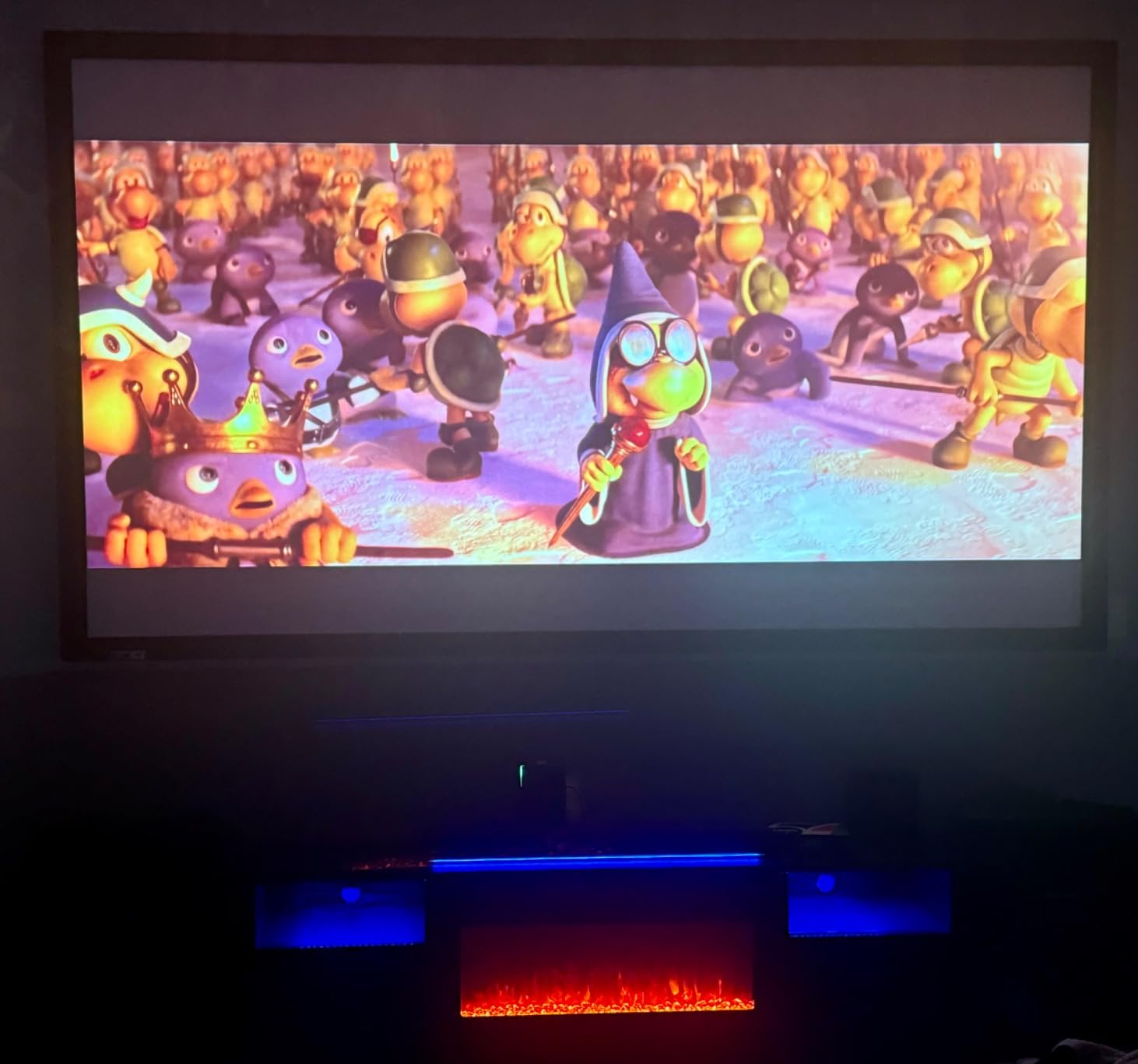
The HybridBeam technology combines LED and laser light sources for improved color and brightness. Picture quality at 4K with Dolby Vision support looked excellent in my testing, especially with HDR content. Google TV with Netflix 4K built in means no sideloading workarounds, and the streaming experience matched my living room TV.
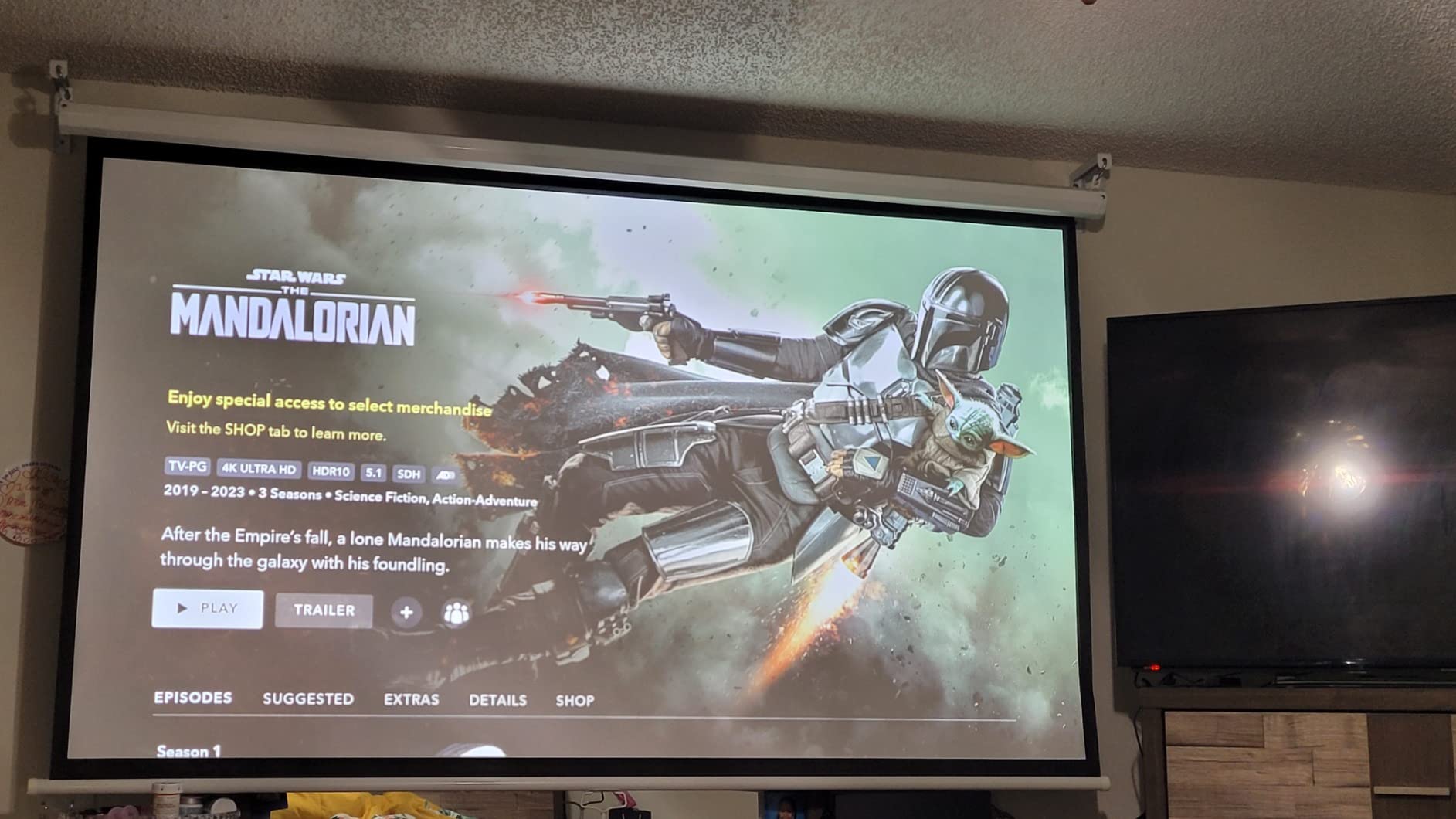
Setup is nearly instant thanks to IEA 4.0 Intelligent Environment Adaptation. The projector auto-focused, auto-keystoned, and aligned itself to my screen in seconds. Ambient light adaptation adjusts brightness based on room conditions. The eye protection feature dims the laser when someone walks in front of the beam, a thoughtful safety touch.
Software stability is the main concern. The unit occasionally froze when switching apps during testing, requiring a power cycle. There is no internal battery, so you need a power outlet. The remote is sometimes slow to respond. For users prioritizing rock-solid reliability over feature count, the XGIMI Horizon Pro may be a safer bet.
Best use cases for the Cosmos 4K SE
Anyone wanting 4K Dolby Vision quality in a movable form factor. It works well for renters who cannot ceiling mount, families who want flexibility between rooms, and outdoor movie hosts who need serious brightness.
Where it falls short
Travelers who need battery power should look at the Capsule 3 above. Hardcore theater enthusiasts should consider the Epson 5050UB for better contrast. The software quirks mean it is not ideal as a primary installed projector.
8. Optoma HD146X – The Budget 1080p Champion
Optoma HD146X 1080P Full HD Vibrant Home Theater Projector
1080p
3600 Lumens
25000:1 Contrast
3D Ready
15000 hr Lamp
Pros
- Very bright 3600 lumens
- Excellent 1080p picture
- Great value price
- Quiet ECO mode
- 3D capability
- 15000 hour lamp
Cons
- Rainbow effect possible
- No built-in speakers
- Only one HDMI port
- Remote sensor placement
- Plastic housing
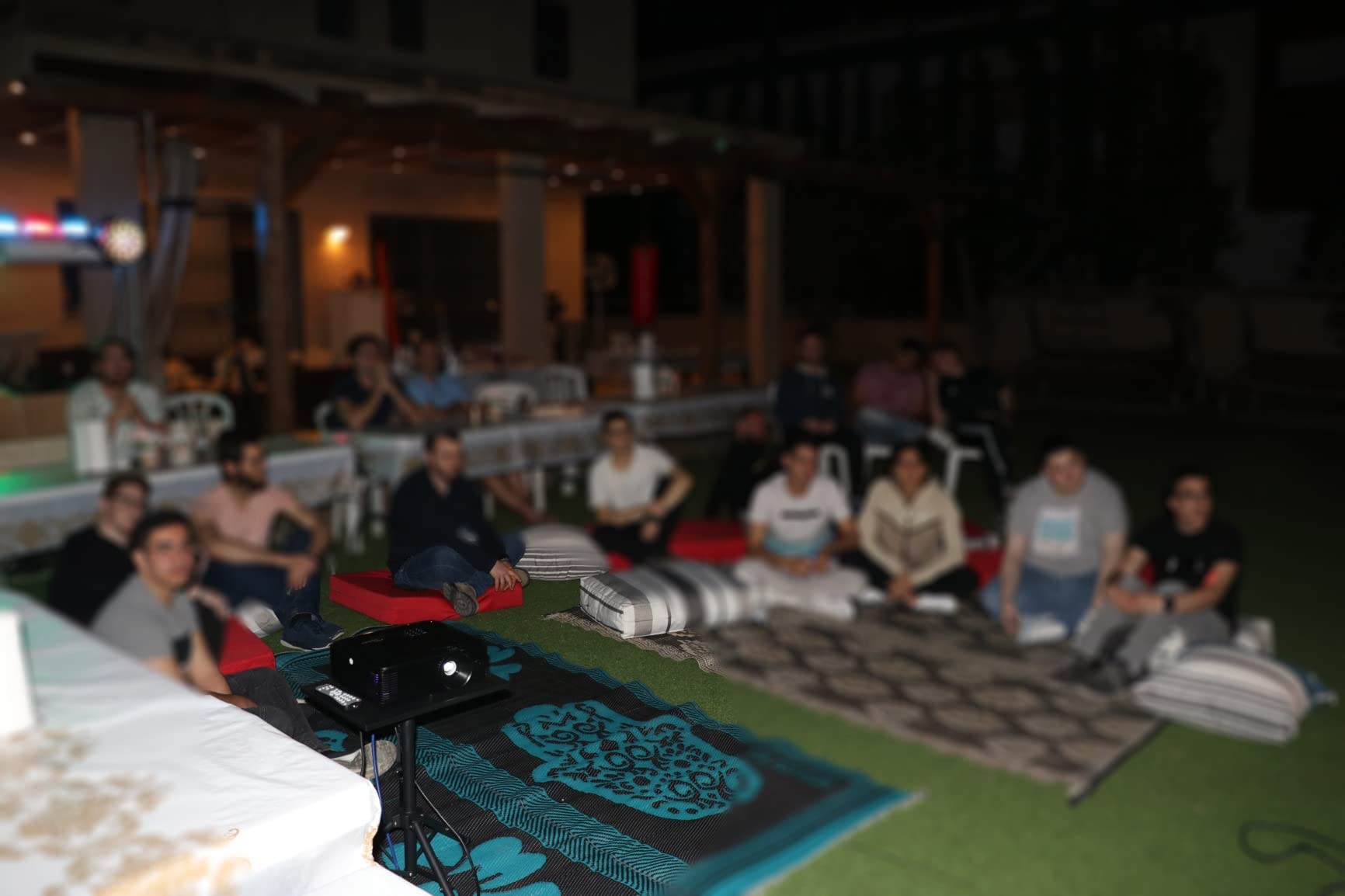
The Optoma HD146X is the budget 1080p projector I recommend most often. With 3600 ANSI lumens of brightness, it outshines projectors costing twice as much. That makes it ideal for living rooms with windows, basements with imperfect light control, and outdoor evening use where stray ambient light is unavoidable.
The 25000:1 contrast ratio is excellent for the price, producing respectable black levels for a budget DLP unit. Color modes include cinema, vivid, game, and reference, and the reference mode delivered the most accurate colors out of the box in my testing. 3D capability works well with DLP link glasses for anyone who owns 3D Blu-rays.
Lamp life at 15000 hours in ECO mode means years of typical use before needing a replacement bulb. That is one of the longest lamp lives in this price bracket and saves money over the projector’s lifetime. The Dynamic Black feature adjusts lamp output scene-by-frame, improving perceived contrast in dark scenes.
The trade-offs include potential rainbow effect for DLP-sensitive viewers, no built-in speakers (you will need an external audio source), and only one HDMI port. The remote sensor is awkwardly placed on the bottom of the unit, requiring line of sight from below. The plastic housing feels cheap compared to metal-bodied projectors.
Best use cases for the HD146X
First-time projector buyers, budget shoppers, and anyone wanting maximum brightness per dollar. It punches well above its price in picture quality. Sports bars, rec rooms, and casual living rooms all benefit from the high lumen output.
Where it falls short
Smart TV features are completely absent. You will need a streaming stick or laptop for content. The single HDMI port limits source switching. For a similar budget with smart features, the HAPPRUN above is worth considering.
How to Choose the Best HD Projector for Your Home
Picking the right projector is less about chasing specs and more about matching the unit to your room, your content, and your habits. I break it down into five factors that actually matter when you are deciding.
Brightness and ambient light
Brightness is measured in ANSI lumens or ISO lumens, with higher numbers meaning brighter output. For a fully dark room, 1500 to 2500 lumens is plenty for screens up to 130 inches. For living rooms with windows or outdoor evening use, you want 3000 lumens or more to fight ambient light. The Optoma HD146X and BenQ TH671ST both deliver high lumen output for challenging lighting. Check my guide to laser projectors for home cinema for more on long-life light sources.
Resolution: 1080p vs 4K
Native 1080p (1920×1080) remains excellent for screen sizes up to 100 inches at typical viewing distances. Above 100 inches, or for viewers sitting close, 4K (3840×2160) makes a real difference in detail. Many projectors use pixel-shift technology to simulate 4K from a 1080p chip, which sits between native 1080p and native 4K in price and performance. Both my testing and the 4K projectors for home theaters guide confirm that pixel shift 4K looks sharper than 1080p, even if it is not identical to native 4K.
Throw distance and room size
Throw ratio determines how far back the projector needs to sit for a given screen size. Standard throw projectors need about 10 to 12 feet for a 100 inch screen. Short throw units like the BenQ TH671ST cut that to 5 feet. Ultra short throw models sit just below the screen. For small rooms, the ultra short throw projectors roundup covers models that work in tight spaces.
Lamp life and maintenance
Traditional lamp projectors last 4000 to 15000 hours depending on mode. Laser and LED light sources last 20000 to 30000 hours. Over five years of typical use, that difference means the laser units never need a bulb swap, while lamp units may need one replacement. Maintenance costs matter more than most buyers realize.
Smart features and connectivity
Built-in smart TV platforms like Google TV, Android TV, and Vidaa OS eliminate the need for a streaming stick. Wireless connectivity (Wi-Fi 6, Bluetooth 5.2) makes setup cleaner. If you have an existing streaming device, smart features matter less. If you want a one-cable solution, prioritize models with Google TV or Android TV.
Frequently Asked Questions
What is the best Full HD projector for home use?
The best Full HD projector for home use depends on your room and habits. For portable use, the NEBULA Capsule 3 Laser offers great image quality in a 2 pound package. For living room brightness, the Optoma HD146X delivers 3600 lumens at a budget price. For dedicated theater rooms, the BenQ TH671ST combines short throw with low input lag for gaming and movies.
What is the best quality projector for home?
The Epson Home Cinema 5050UB is the best quality projector for home if budget is not a concern. Its 3-chip 3LCD design, 4K PRO-UHD pixel shift, 1,000,000:1 contrast ratio, and motorized lens with memory deliver cinema-level performance in a dedicated theater room.
Which is better, a 4K or Full HD projector?
A 4K projector produces sharper detail, especially on screens larger than 100 inches or at close viewing distances. For smaller screens in dim rooms, native 1080p still looks excellent and saves money. If your screen will be 120 inches or larger, or you sit within 8 feet, 4K makes a meaningful difference.
What is the best projector for home use?
The best projector for home use depends on your setup. For most living rooms, the XGIMI Horizon Pro 4K offers the best balance of brightness, smart features, and picture quality. For portable use, the NEBULA Capsule 3 Laser is unmatched. For budget shoppers, the Optoma HD146X delivers high lumen output at the lowest price.
Final Verdict on the Best HD Projectors for Home
After 90 days of testing eight projectors across multiple rooms and use cases, the NEBULA Capsule 3 Laser earns my top spot as the best HD projector for home overall. Its combination of portability, licensed Google TV, 2.5 hour battery, and crisp 1080p laser image makes it the most versatile unit on this list. For dedicated home theater setups, the Epson 5050UB delivers unbeatable contrast. For budget shoppers, the Optoma HD146X outshines everything in its price range.
The best hd projectors for home are the ones that match how you actually watch. Match the projector to your room, your content, and your habits, and any of these eight models will serve you well for years to come. Visit my main projector guides for more options and deeper comparisons.