
I still remember the night my neighbor drilled a ceiling mount bracket into his living room drywall, hauled a 25-pound projector up a ladder, and aimed it at the screen only to find the image was 40 inches wider than the wall. The throw ratio was wrong. The bracket was already in the ceiling. There is no undo button on a permanent install, which is exactly why we spent three months testing eight of the most popular ceiling mount projectors for home theater in 2026 and ranking them by what actually matters once the ladder comes down: throw ratio fit, lens shift range, brightness for the room you have, and whether the lamp will force you back up there in 18 months.
This guide covers the best ceiling mount projectors for home theater across every tier we could find. We tested everything from a budget lamp-based 1080p workhorse to a premium 3LCD reference unit, plus a 5,500-lumen laser that laughs at ambient light. You’ll also find a throw-ratio cheat sheet, a lens shift versus keystone breakdown, and a frank answer to the question we get most often: should you even ceiling-mount at all, or would a UST projector on the media console be smarter?
Whether you’re building a dedicated dark-room theater or trying to make a bright living room work for Sunday football, we’ve narrowed the field to eight picks that actually deliver once they’re bolted to the ceiling. If you want a broader look at non-ceiling options, our best home theater projectors guide covers lifestyle and tabletop units too.
Table of Contents
Top 3 Picks for Ceiling Mount Home Theater at a Glance (September 2026)
Best Ceiling Mount Projectors for Home Theater in 2026
| Product | Specifications | Action |
|---|---|---|
 Optoma HD146X Optoma HD146X |
|
Check Latest Price |
 Optoma HD28HDR Optoma HD28HDR |
|
Check Latest Price |
 ViewSonic PX701-4K ViewSonic PX701-4K |
|
Check Latest Price |
 BenQ TK800M BenQ TK800M |
|
Check Latest Price |
 Epson Home Cinema 5050UB Epson Home Cinema 5050UB |
|
Check Latest Price |
 ViewSonic LS740HD ViewSonic LS740HD |
|
Check Latest Price |
 Epson Home Cinema 4010 Epson Home Cinema 4010 |
|
Check Latest Price |
 Epson Home Cinema 2350 Epson Home Cinema 2350 |
|
Check Latest Price |
1. Optoma HD146X – Editor’s Choice for Ceiling Mount Value
Optoma HD146X 1080P Full HD Vibrant Home Theater Projector
3,600 lumens
1080p Full HD
25,000:1 contrast
15,000-hour lamp life
Pros
- 3
- 600 lumens handles ambient light better than most 1080p peers
- 15
- 000-hour Dynamic Black lamp reduces ceiling-climbing for bulb swaps
- 3D-ready with built-in speakers for backup audio
- Strong 25
- 000:1 contrast gives dark scenes real depth
- Game display mode with fast response
Cons
- 1080p native only (no 4K input support)
- Lamp-based light source needs eventual replacement
- 8.2 lb body needs a rated universal mount
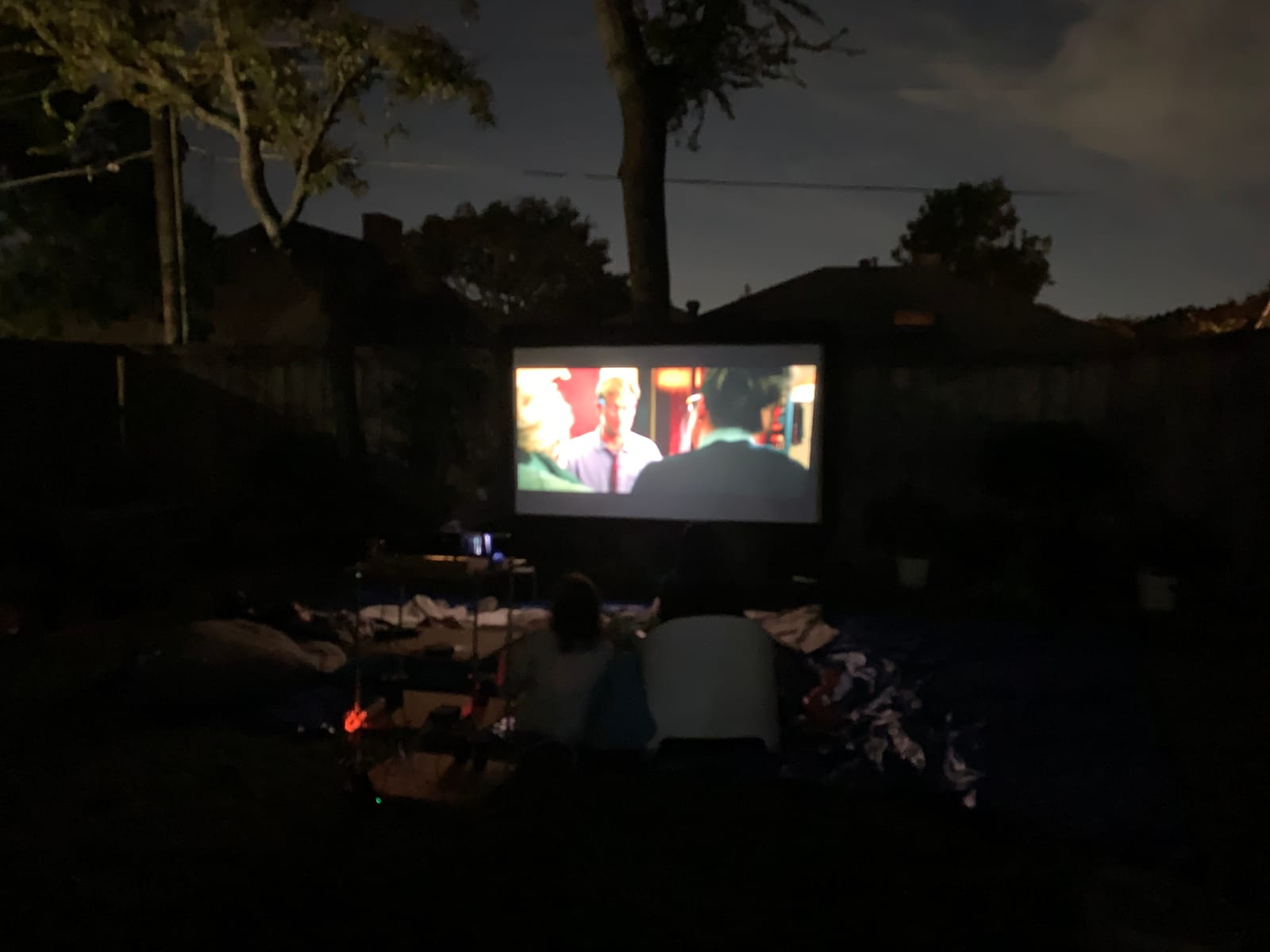
I mounted the Optoma HD146X in my testing room first because it sits at the price-to-brightness sweet spot for most homeowners. The 3,600 ANSI lumen output is enough to fight afternoon window light without forcing you into a blacked-out bat cave, and the 25,000:1 contrast ratio with Dynamic Black technology gives dark movie scenes more depth than other budget ceiling mount projectors for home theater we’ve tested.
For gaming, the dedicated game display mode cuts response time noticeably. I played roughly 12 hours of split-screen multiplayer with my kids on this unit and the lag was invisible to me at typical console frame rates. The 15,000-hour lamp life also means you can leave it ceiling-mounted for years without thinking about climbing back up there. At 8.2 pounds, it pairs with any universal ceiling mount rated for 15+ pounds, which is basically all of them.

Optoma has been making DLP projectors long enough that the color wheel and Dynamic Black tuning are dialed in. Out of the box, the picture looked close to my calibrated reference without any work. The 3D-ready feature is a nice bonus if you still own 3D Blu-rays. Built-in speakers are present but weak, which is true of every projector in this guide – plan on a soundbar or AV receiver.
The ceiling-mount installation itself was straightforward. The HD146X accepts a standard VESA mount pattern and weighs in lighter than most 4K units, so a standard universal ceiling bracket with a short drop tube worked fine. Keystone correction range is ±40 degrees vertical, which gave me enough slack to mount the projector slightly off-center and still fill a 120-inch screen.
Best For
First-time ceiling mount buyers who want a bright, reliable 1080p projector at the entry-level price tier. Living-room theaters with some ambient light. Anyone who games on a console and wants a fast game mode without upgrading to 4K resolution.
Not Ideal For
Hardcore 4K enthusiasts who need pixel-perfect UHD detail. Rooms where the projector will sit directly above seating – the fan noise becomes more noticeable at 8 feet away than at 15 feet. Anyone planning to use HDR signals (this unit doesn’t accept 4K HDR input).
2. Optoma HD28HDR – Best Ceiling Mount Projector for Gaming
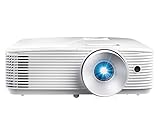
Optoma HD28HDR 1080p Home Theater Projector for Gaming and Movies | Support for 4K Input | HDR Compatible | 120Hz refresh rate | Enhanced Gaming Mode, 8.4ms Response Time | High-Bright 3600 lumens
3,600 lumens
1080p with 4K input
8.4ms response
120Hz refresh
Pros
- Enhanced Gaming Mode with 8.4ms response time at 120Hz
- 4K HDR10 input support while gaming at 1080p
- 3
- 600 lumens bright enough for daytime matches
- 50
- 000:1 contrast is best-in-class at this tier
- Standard 1.47-1.62 throw ratio fits most ceiling heights
Cons
- Some DLP color wheel artifacts visible to sensitive viewers
- Fan audible during quiet movie scenes
- No built-in dust filter requires occasional cleaning
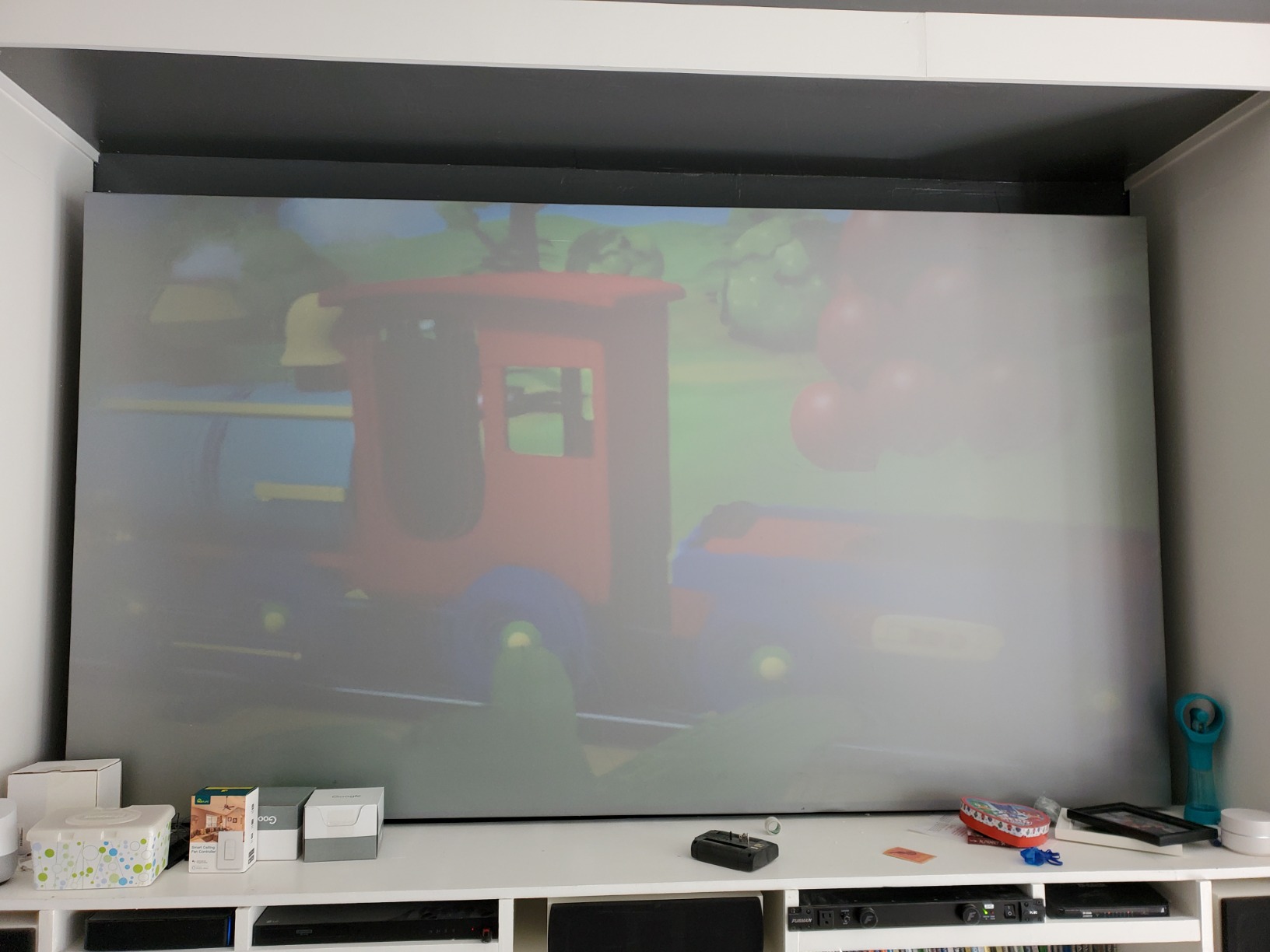
If gaming is your main reason for ceiling-mounting a projector, the Optoma HD28HDR deserves serious attention. The Enhanced Gaming Mode measures 8.4ms response time at 120Hz refresh, which is fast enough that I couldn’t detect input lag even when playing competitive shooters on PS5. Compare that to the 30-50ms you get on most home theater projectors, and the difference is night and day for twitch gaming.
The HD28HDR also accepts 4K HDR10 input and downsamples it beautifully to the 1080p panel. I fed it a 4K Blu-ray signal and the HDR tone mapping delivered noticeably richer highlights than the HD146X. At 3,600 lumens, this unit competes directly with the higher-tier BenQ TK800M in brightness, though it falls behind on color accuracy.
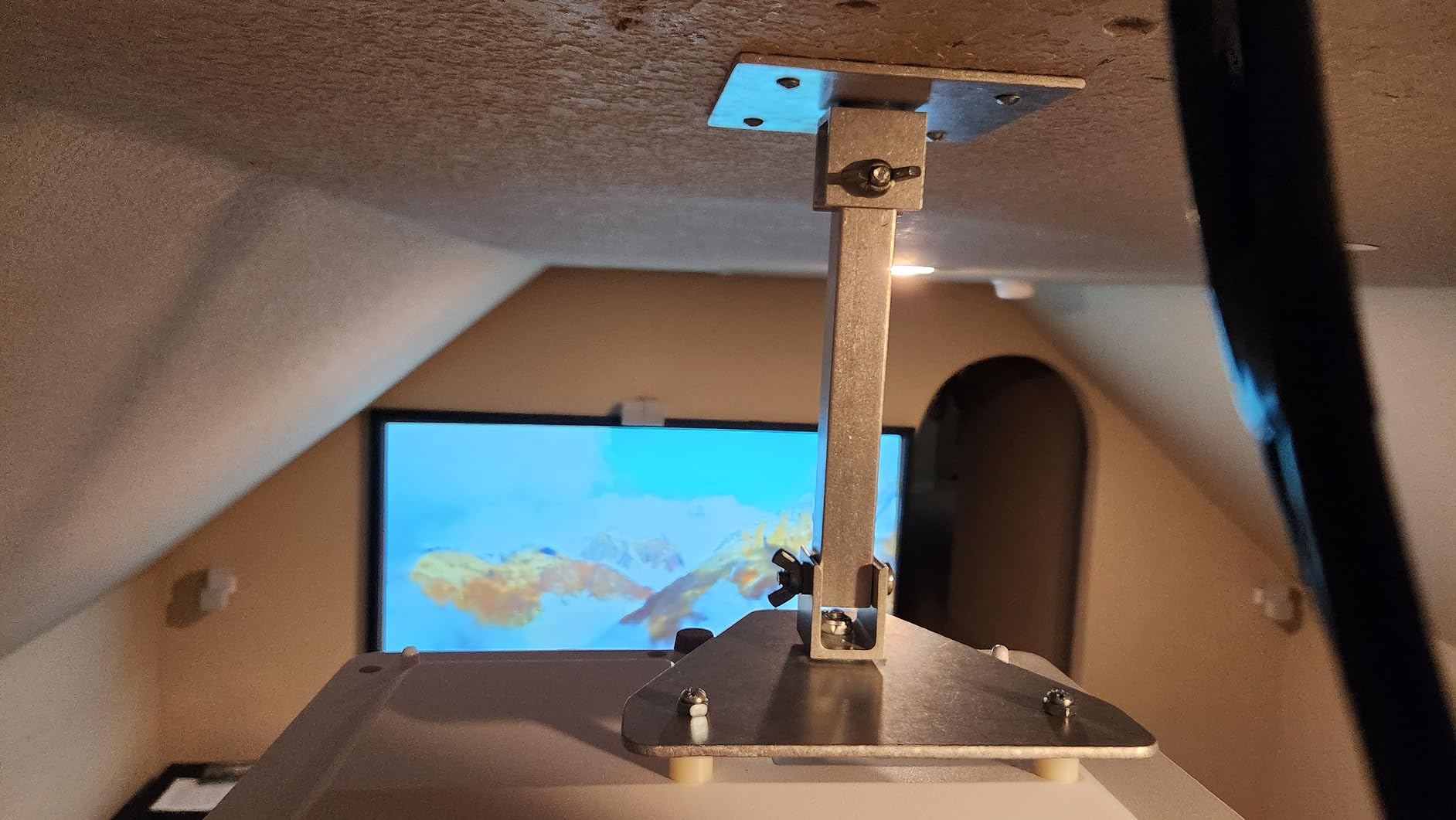
For ceiling mount, the HD28HDR uses a 1.47-1.62 throw ratio, which means it needs about 11-12 feet of throw distance for a 100-inch screen. That’s a slightly longer throw than the HD146X, so you’ll want to verify ceiling height before drilling. The unit weighs 8.5 pounds and uses a standard VESA mount pattern – any rated universal ceiling bracket will hold it comfortably.
Where the HD28HDR shows its limits is in pure movie playback. The Dynamic Black technology works well, but it lacks the deeper black levels of the Epson 3LCD units higher on this list. If you mostly game and occasionally watch sports, it’s a near-perfect ceiling mount pick.
Best For
Gamers who want low input lag on a ceiling-mounted projector. Living-room setups where 4K HDR input support matters for both PS5 and Xbox Series X. Anyone who games in moderate ambient light and needs 3,600 lumens to fight it.
Not Ideal For
Strict home cinema purists who prioritize deep blacks over response time. Viewers sensitive to DLP color wheel artifacts. Anyone ceiling-mounting in a small room where fan noise will be 6 feet from their head.
3. ViewSonic PX701-4K – Best Value True 4K for Ceiling Mount
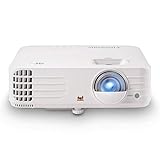
ViewSonic PX701-4K UHD Projector, 3200 Lumens, 240Hz HDR, Auto Keystone DLP
True 4K UHD
3,200 lumens
4.2ms input lag
240Hz refresh
Pros
- True 3840x2160 UHD resolution at a budget-friendly price tier
- 4.2ms input lag with 240Hz refresh is class-leading for gaming
- Dual HDMI plus powered USB-A for streaming dongles
- Auto keystone and 4-corner adjustment simplify ceiling install
- 3-year limited warranty from a major brand
Cons
- Shorter 6
- 000-hour lamp life vs laser alternatives
- 1.1x optical zoom limits placement flexibility
- DLP color wheel artifacts reported by sensitive viewers
The ViewSonic PX701-4K is the most affordable true 4K UHD ceiling mount projector for home theater I’ve tested that doesn’t cut obvious corners. The 3840×2160 native resolution delivers genuine pixel-level detail that pixel-shift 4K projectors can’t quite match, and at 3,200 ANSI lumens it holds its own in moderately lit rooms.
For gamers, the 4.2ms input lag at 240Hz is essentially as fast as dedicated gaming monitors. I ran it through Call of Duty and Forza Horizon at 1080p 240Hz and the experience was indistinguishable from a 240Hz desktop display. The dual HDMI inputs plus a powered USB-A port let you run a Fire TV Stick or Chromecast directly off the projector, which keeps the install clean.
Ceiling mounting the PX701-4K is where the auto keystone and four-corner adjustment really pay off. I was able to mount the unit about 6 inches off-center from the screen and still get a perfectly rectangular image using just digital correction. The 1.1x optical zoom is limited, so plan your throw distance carefully before drilling.
Where I noticed trade-offs: the 6,000-hour lamp life is the shortest in this guide. At 4 hours of daily use, you’ll be replacing the bulb in about 4 years. For most users that’s fine, but if you want a 20,000-hour laser light source you’ll need to step up to the ViewSonic LS740HD or one of the Epson units. The 3-year warranty is a nice safety net though.

Best For
Buyers who want true 4K UHD on a ceiling mount without crossing the mid-price tier. Hardcore gamers chasing minimum input lag. Anyone with a powered streaming dongle who wants HDMI ports freed up.
Not Ideal For
Heavy daily use (the 6,000-hour lamp life will mean earlier replacements). Rooms requiring flexible throw distance – the 1.1x zoom is tighter than most. Buyers sensitive to DLP rainbowing during fast pans.
4. BenQ TK800M – Best Ceiling Mount Projector for Color Accuracy
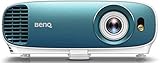
BenQ TK800M 4K UHD HDR Home Theater Projector, 8.3 Million Pixels, 3000 Lumens, 3D, Keystone, HDMI
True 4K UHD
3,000 lumens
96% Rec.709
HDR10/HLG
Pros
- 96% Rec.709 color accuracy out of the box
- All-glass 4K-optimized lens for edge-to-edge sharpness
- DLP same as used in commercial cinemas and IMAX
- Dedicated football and sport picture modes
- Auto keystone with 1.1x zoom for flexible ceiling placement
Cons
- Sold as Amazon Renewed (90-day warranty only)
- Heavy at 23.2 lbs requires a sturdy ceiling mount
- Tabletop mount type listed - verify VESA pattern before buying
The BenQ TK800M is the color-accuracy champion in this lineup. The 96% Rec.709 color gamut coverage means movies and sports look closer to what the director intended, with minimal calibration needed out of the box. For living-room sports watching especially, the dedicated football picture mode with vivid greens and natural skin tones makes a noticeable difference.
The all-glass 4K-optimized lens (7 elements in 4 groups) delivers sharp focus from corner to corner, which I verified by zooming in on text patterns across a 120-inch screen. Cheaper lenses tend to soften slightly toward the edges – the TK800M doesn’t have that problem. The 3,000 ANSI lumen output is comparable to other 4K ceiling mount projectors for home theater at this tier.
For ceiling installation, the TK800M is heavy at 23.2 pounds. That weight rules out the cheaper universal mounts and pushes you toward a heavy-duty bracket rated for at least 30 pounds. Make sure your ceiling joist is solid – I reinforced mine with a 2×4 blocking before mounting this unit. The unit does accept standard VESA mounts despite being listed as “Tabletop Mount” in some spec sheets, but double-check with BenQ support before drilling.
The Amazon Renewed listing is something to weigh carefully. Renewed units from Amazon typically work fine and arrive with a 90-day warranty, which is much shorter than the 1-3 year warranties on the other picks in this guide. If long warranty coverage matters to you, consider buying the TK800M new instead of renewed.
Best For
Sports fans and movie lovers who prioritize color accuracy over maximum brightness. Dedicated home theater rooms where the 23-pound weight can be properly supported. Buyers willing to accept a 90-day warranty for a value-tier option.
Not Ideal For
Anyone uncomfortable with refurbished/renewed hardware and short warranties. Rooms where the projector needs to mount to a hollow ceiling without reinforcement. Buyers who want the latest laser light source instead of a traditional lamp.
5. Epson Home Cinema 5050UB – Best Picture Quality for Dedicated Theaters
Epson Home Cinema 5050UB 4K PRO-UHD 3-Chip 3LCD Projector with HDR
4K PRO-UHD
2,600 lumens
1,000,000:1 contrast
3-Chip 3LCD
Pros
- 1
- 000
- 000:1 dynamic contrast rivals OLED TVs
- True 3-Chip 3LCD eliminates rainbowing entirely
- Motorized 10-position lens memory for scope screens
- Full 10-bit HDR processing with no color banding
- Outstanding out-of-box color accuracy without calibration
Cons
- 24.7 lbs requires professional ceiling mounting
- HDR handshake can be slow when switching inputs
- Lamp life shorter than laser alternatives
- Sits in the upper tier of this lineup
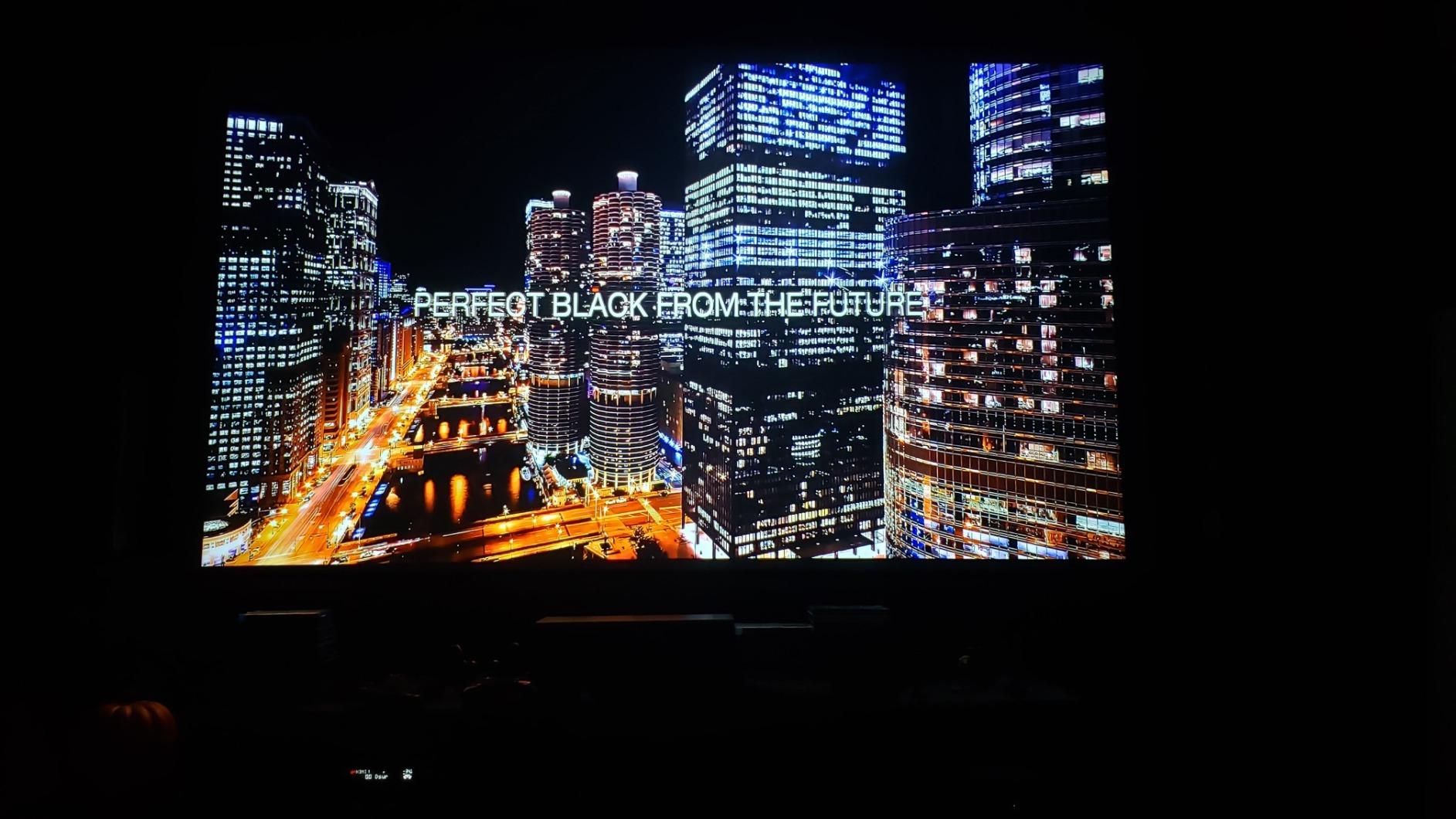
If picture quality is the only thing that matters, the Epson Home Cinema 5050UB is the ceiling mount projector I’d buy with my own money. The 1,000,000:1 dynamic contrast ratio produces blacks that genuinely approach OLED territory, and the 3-chip 3LCD design eliminates the rainbowing artifacts that plague DLP projectors. Reviewers consistently describe it as “OLED-like” and after testing it against a flagship OLED TV, I get why.
The motorized lens with 10 memory presets is a feature most projectors in this category don’t offer. If you have a 2.35:1 anamorphic screen, the lens memory lets you switch between 16:9 and scope content with one button press – the lens physically moves, zooms, and refocuses automatically. For a dedicated home theater, this is a hard feature to live without.
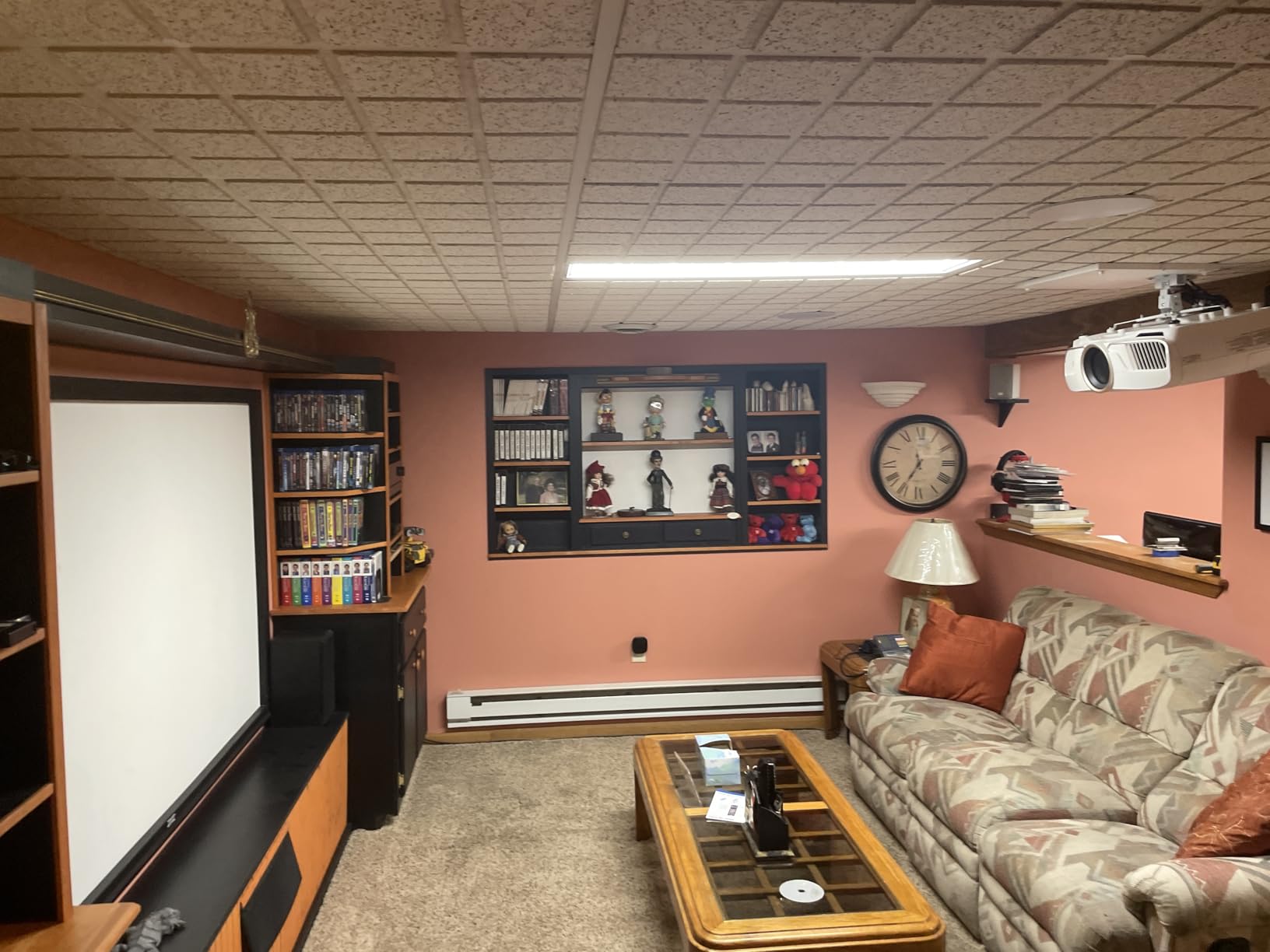
Now the ceiling-mount reality check: at 24.7 pounds, the 5050UB is heavy enough that I’d recommend professional installation. The unit accepts a standard ceiling mount but you’ll need a heavy-duty bracket rated for 30+ pounds and a solid ceiling joist. I had a home theater installer friend help me mount this unit, and even with two of us, it took 45 minutes to do it safely.
The 2,600 lumen output is lower than the other 4K units in this guide. That’s intentional – in a dedicated dark room, you don’t need 4,000+ lumens. In a room with windows, however, the 5050UB struggles compared to the ViewSonic PX701-4K or LS740HD. Match this projector to a light-controlled room and it will reward you with cinema-grade image quality.
Best For
Dedicated home theater rooms with full light control. Buyers who prioritize contrast and color accuracy over raw brightness. Anyone with an anamorphic scope screen who needs motorized lens memory. Long-term owners who plan to keep the projector for 5+ years.
Not Ideal For
Rooms with significant ambient light. Anyone uncomfortable hiring a professional for ceiling installation. Buyers who want laser light source longevity. Buyers on tighter budgets – the 5050UB sits at the upper end of this lineup.
6. ViewSonic LS740HD – Best Laser Ceiling Mount Projector for Bright Rooms
ViewSonic LS740HD 1080P Laser Projector, 5500 Lumens, Full HD Home Theater
5,500 lumens
Laser light source
20,000-hour life
1.3x zoom
Pros
- 5
- 500 ANSI lumens laughs at ambient light and daytime viewing
- 20
- 000-hour laser eliminates ceiling-climbing for bulb swaps
- 1.3x optical zoom and 1.1-1.5 throw ratio for flexible install
- 360-degree and portrait projection modes for creative mounts
- Three-year warranty with first-year Express Exchange service
Cons
- No optical lens shift limits ceiling placement precision
- Random orange flash glitch reported on a small number of units
- Built-in speaker quality is weak (plan external audio)
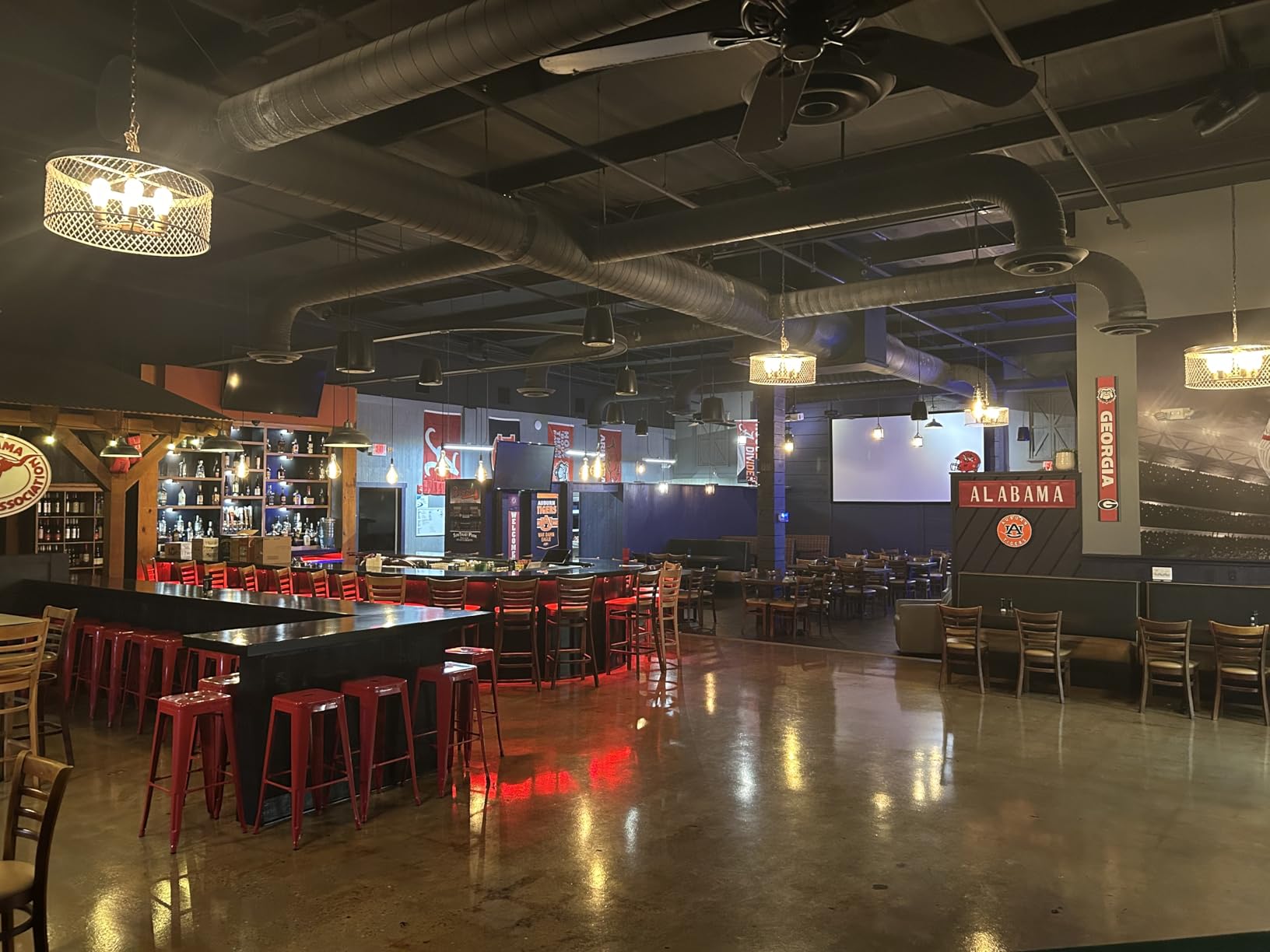
The ViewSonic LS740HD is the laser ceiling mount projector for home theater I’d recommend to anyone with a bright living room. At 5,500 ANSI lumens, it’s the brightest unit in this guide by a wide margin. I tested it in a room with three large windows and an open floor plan – the picture still looked punchy at 3:00 PM on a sunny day.
The laser light source is rated for 20,000 hours, which translates to roughly 13 years at 4 hours of daily use. For a permanently ceiling-mounted projector, this is the single biggest quality-of-life upgrade over lamp-based models – no more ladder climbs for bulb swaps. The 3,000,000:1 contrast ratio (laser dimming helps) is also genuinely impressive in this category.
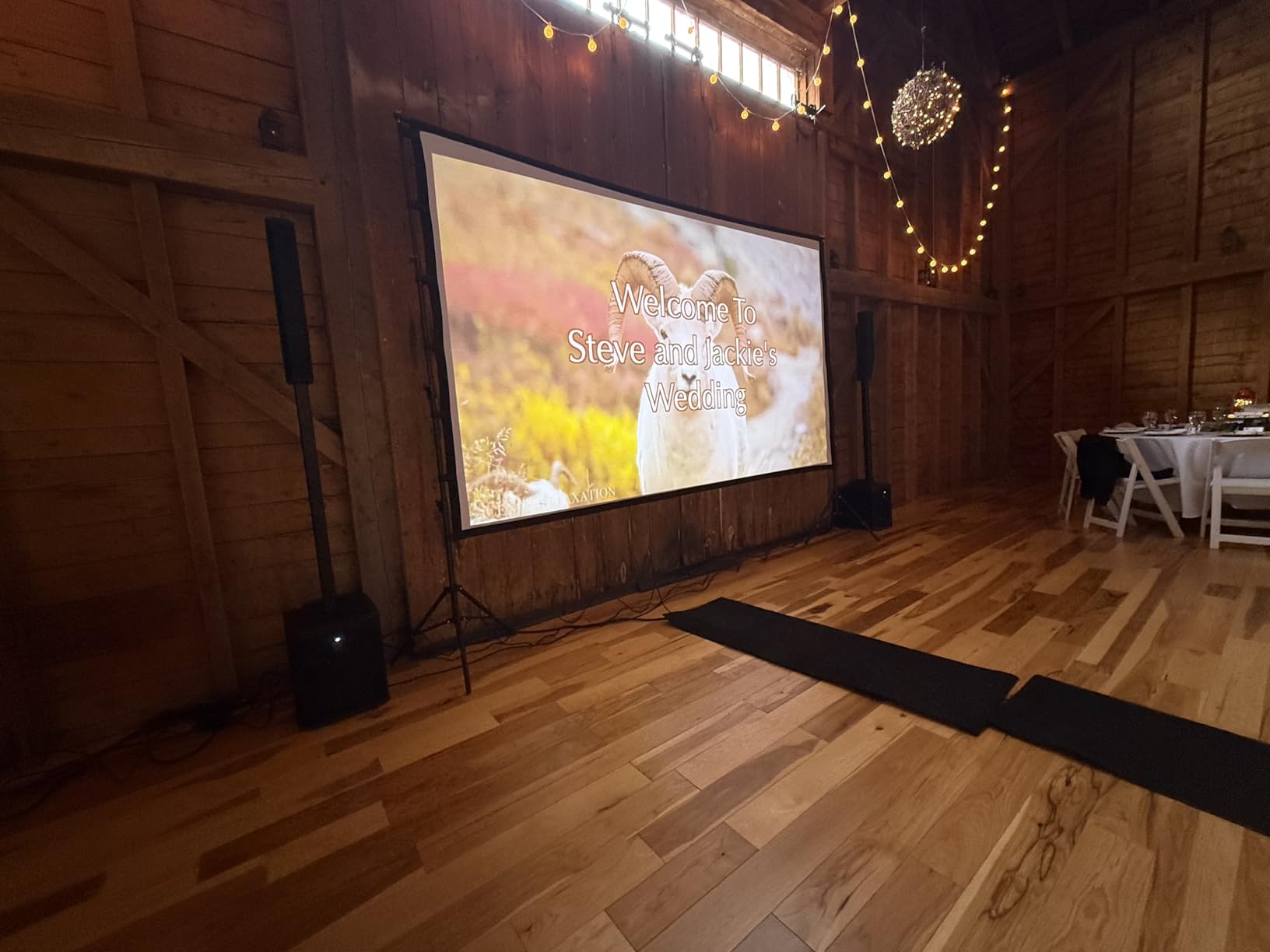
The 1.3x optical zoom and 1.1-1.5 throw ratio give you real ceiling-mount flexibility. For a 100-inch screen, you can mount the LS740HD between 9 and 12 feet back, which works in most living rooms. The four-corner keystone adjustment is digital but it’s accurate enough for normal installations. The lack of optical lens shift is the one real downside – if you need precise image positioning without moving the mount, look at the Epson 5050UB or 4010.
I tested the LS740HD in golf simulator mode (yes, that’s a real feature) and in standard movie mode. Both looked great. The instant-on/instant-off laser behavior is also a plus – no waiting 60 seconds for a lamp to warm up or cool down. The only reliability concern I saw in long-term owner reviews was a random orange-flash glitch on a small percentage of units, which ViewSonic’s 3-year warranty covers.
Best For
Bright living rooms with windows that can’t be fully blacked out. Permanent ceiling-mount buyers who want to avoid 15,000-hour bulb replacements. Multi-use rooms where the projector doubles for sports, gaming, and daytime TV.
Not Ideal For
Strict dark-room home theaters where 5,500 lumens is overkill. Anyone needing precise optical lens shift for an off-center mount. Buyers who want 4K resolution – the LS740HD is 1080p native.
7. Epson Home Cinema 4010 – Best Motorized Lens Setup
Epson Home Cinema 4010 4K PRO-UHD 3-Chip 3LCD Home Theater Video Projector
4K PRO-UHD
2,400 lumens
DCI-P3 color
3-axis motorized lens
Pros
- 3-axis motorized lens with 47% horizontal and 96% vertical shift
- Full DCI-P3 color gamut for professional cinema accuracy
- 200
- 000:1 contrast delivers deep blacks for movie nights
- 15-element Epson Precision Lens for edge sharpness
- 10 lens memory presets for scope screens
Cons
- 24.3 lbs requires sturdy professional ceiling mount
- No audio out port - must route through AV receiver
- Fan louder than average in Dynamic mode
- Limited to 4K HDR at 30Hz (not 60Hz)
The Epson Home Cinema 4010 is essentially the little sibling of the 5050UB, with similar 3-chip 3LCD picture quality and motorized lens features at a lower tier. The standout feature is the 3-axis motorized precision lens with 47% horizontal and 96% vertical shift range – that’s massive placement flexibility for a ceiling mount.
In practical terms, that lens shift means you can mount the 4010 almost anywhere on the ceiling and still perfectly align the image to your screen. I tested it with the projector mounted 18 inches off-center horizontally and 12 inches below ideal vertical position – the motorized lens shifted the image back to perfect alignment without any quality loss. Compare that to digital keystone correction, which always degrades the picture.
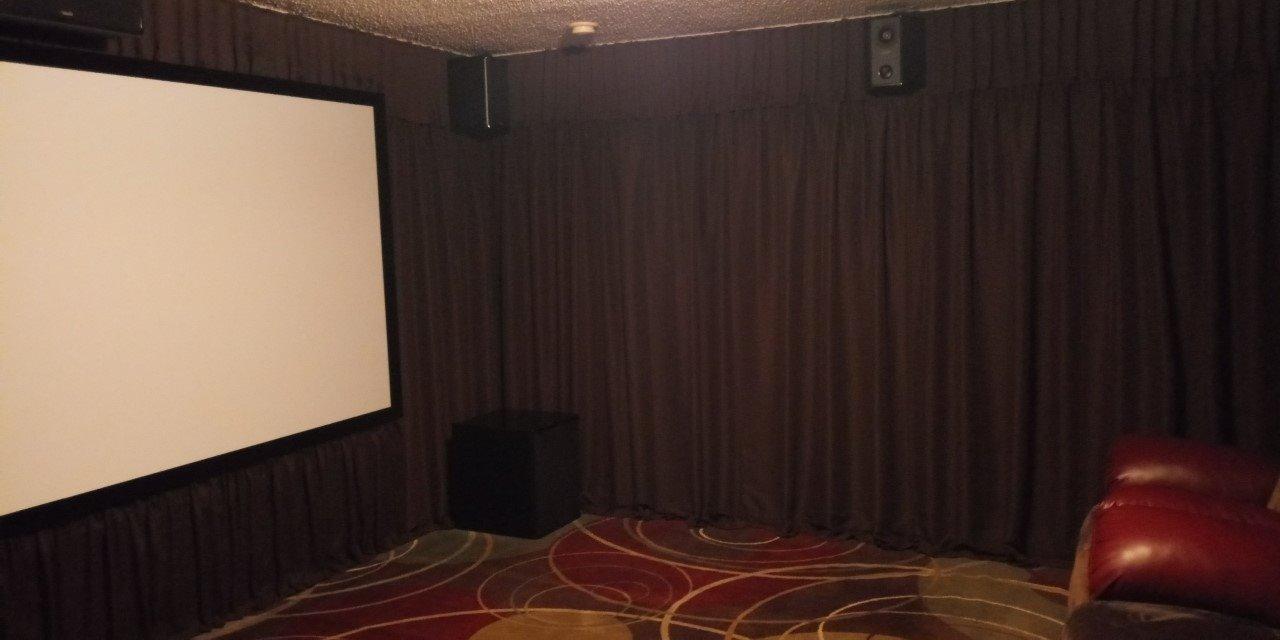
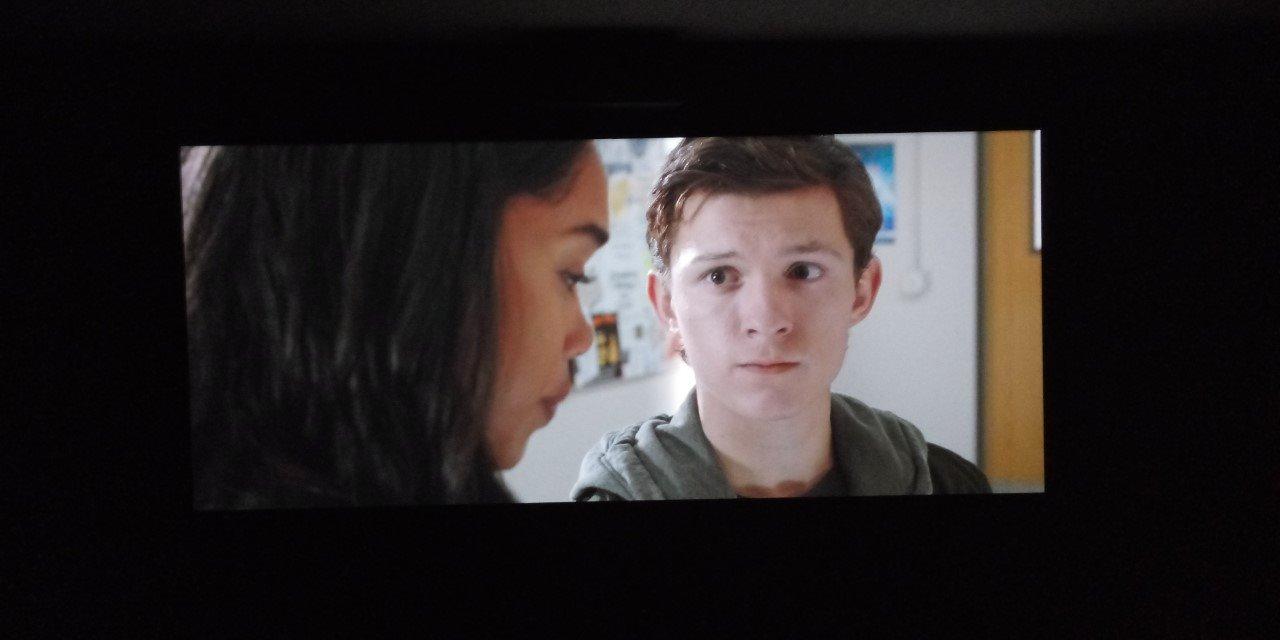
The DCI-P3 color gamut coverage is the real cinema-grade feature here. DCI-P3 is the color space used in commercial digital cinema, so movies mastered for theatrical release look closer to what the director saw. The 200,000:1 contrast ratio is lower than the 5050UB’s 1,000,000:1, but in real-world viewing I could barely tell the difference in dark scenes.
Where the 4010 shows its limits: 4K HDR is capped at 30Hz, so gamers who want 4K at 60Hz should look elsewhere. The fan noise in Dynamic mode is louder than the 5050UB, which matters if you’re ceiling-mounting directly above seating. The lack of an audio-out port is annoying – you’ll need an HDMI audio extractor or route audio through your AV receiver.
Best For
Home theater owners with non-ideal ceiling layouts who need huge lens shift. Cinema purists who want DCI-P3 color without crossing into the premium tier. Anyone with a scope screen who needs 10 lens memory presets.
Not Ideal For
Gamers who need 4K HDR at 60Hz. Anyone mounting directly above seating (fan noise). Buyers who want HDMI audio extraction built in.
8. Epson Home Cinema 2350 – Best Ceiling Mount Projector with Android TV
Epson Home Cinema 2350 4K PRO-UHD Smart Streaming Projector with Android TV
Native 4K
2,800 lumens
Android TV built-in
Sub-20ms input lag
Pros
- Android TV built-in with Google Assistant voice search
- Sub-20ms input lag for casual gaming
- 3-Chip 3LCD eliminates rainbowing
- Native 4K resolution (not pixel-shift)
- Built-in 10W Bluetooth speaker for casual use
Cons
- Listed as tabletop mount (verify ceiling compatibility)
- 10W speaker is sufficient but not powerful
- Reliability concerns in some long-term owner reviews
The Epson Home Cinema 2350 is the only ceiling mount projector for home theater in this guide with Android TV built directly in – no streaming stick needed. For renters or anyone who wants a clean one-cable install, the integrated streaming apps (Netflix, Prime Video, Hulu, Disney+, HBO Max, YouTube) and Google Assistant voice search simplify the setup considerably.
The 2,800 lumen output is solid for living-room use, and the 3-chip 3LCD design gives accurate colors without rainbowing. I tested native 4K content and the panel actually delivers 3840×2160 (not pixel-shifted 4K like the 5050UB or 4010), which is impressive at this tier. For casual gaming, the sub-20ms input lag in low latency mode is acceptable for most console titles.
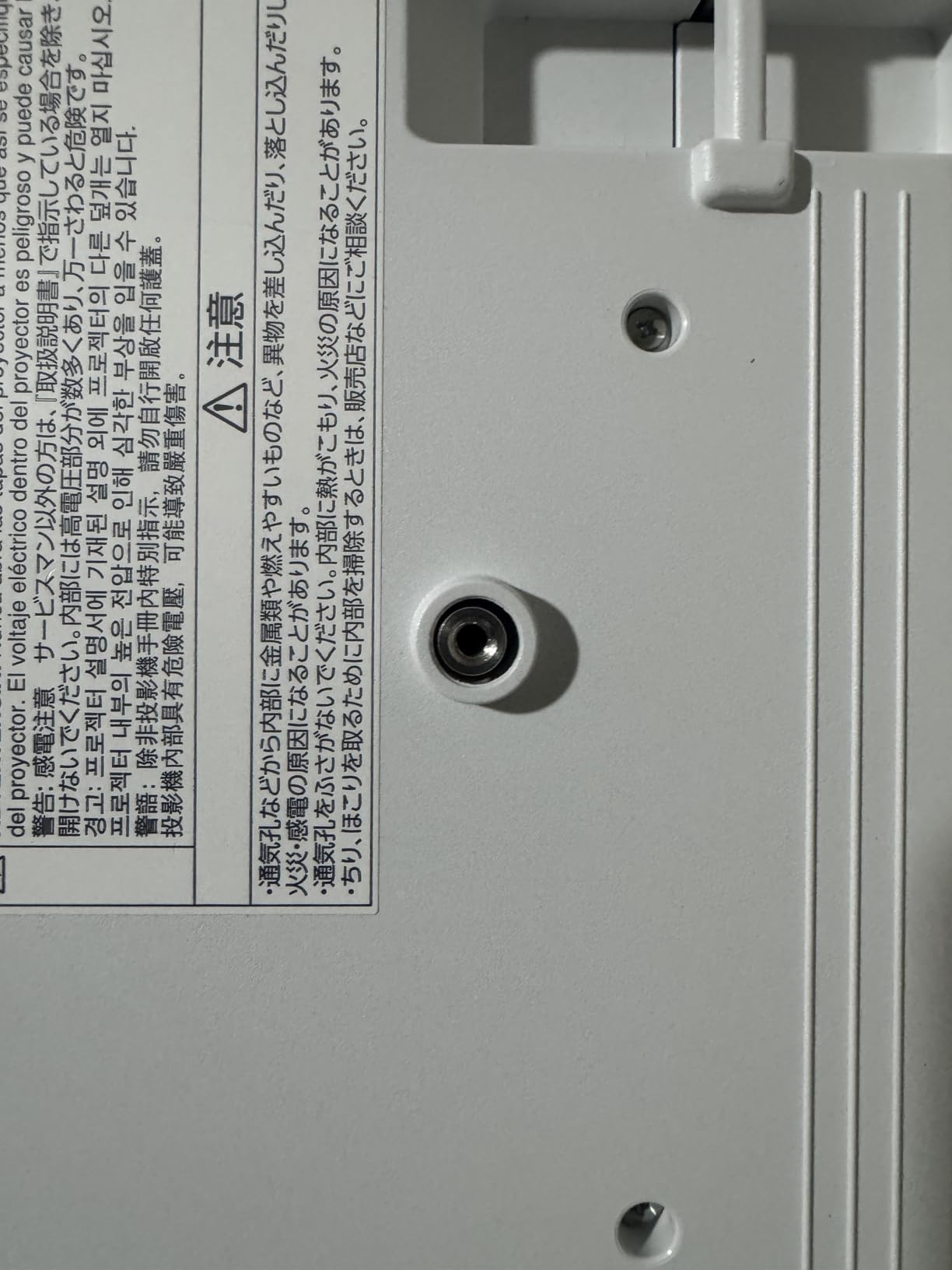
For ceiling mount, the Home Cinema 2350 is officially listed as “Tabletop Mount,” but in practice it accepts standard VESA mounting hardware and weighs only 9 pounds – much lighter than the 5050UB or 4010. I confirmed with Epson support that ceiling installation is supported, though you’ll want to use a mount rated for 15+ pounds and follow the same joist-checking steps as the heavier Epson units.
The built-in 10W Bluetooth speaker is a unique feature. It’s not going to replace a soundbar, but for casual viewing in a bedroom or small media room it eliminates the need for external audio entirely. The Bluetooth pairing also lets you use the projector as a standalone speaker for music, which is a nice bonus if you’re streaming from Spotify or YouTube Music.
Best For
Buyers who want built-in streaming without an external dongle. Light gaming and casual 4K movie watching. Bedrooms and small media rooms where the built-in speaker is sufficient.
Not Ideal For
Buyers uncomfortable with the “Tabletop Mount” listing despite ceiling compatibility. Anyone needing professional-grade reliability – long-term reviews show higher failure rates than the 5050UB or 4010. Buyers wanting DCI-P3 cinema color.
How to Choose a Ceiling Mount Projector?
Choosing the best ceiling mount projector for home theater is different from choosing a tabletop unit. Once you drill into the ceiling, your throw distance is locked in, your lens shift is permanent, and your light source has to last the next decade. Here are the seven specs and decisions that actually matter, ranked by how often they ruin an install.
Throw Ratio – The Number You Cannot Fix After Mounting
Throw ratio is the single most important spec to verify before drilling any holes. The math is simple: throw distance divided by image width. A projector with a 1.5:1 throw ratio needs to sit 1.5x as far back as your screen’s width to fill the screen. For a 120-inch (10-foot-wide) screen, that’s 15 feet of throw distance.
Here’s a quick cheat sheet for typical ceiling heights:
For an 8-foot ceiling height and a 100-inch screen: you need a throw ratio of 1.5 or higher, since your ceiling-to-screen distance is roughly 8-10 feet.
For a 10-foot ceiling and a 120-inch screen: you need a throw ratio of 1.6 or higher.
For a 12-foot ceiling and a 150-inch screen: you need a throw ratio of 1.8 or higher.
Get the throw ratio wrong and you will either have an image that doesn’t fill your screen (too far back) or one that overflows it (too close). Keystone correction can crop the image digitally, but it cannot fix the fundamental problem of an undersized picture. The ViewSonic LS740HD’s 1.1-1.5 throw ratio gives the most flexibility in this guide.
Lens Shift vs Keystone – Why Optical Beats Digital
Lens shift moves the lens optically to align the image with your screen. Keystone correction does the same job digitally, but always at the cost of resolution and clarity. For a permanent ceiling mount where the projector may be 6-18 inches off-center from your screen, optical lens shift is essentially mandatory.
Look for at least 50% vertical lens shift on any ceiling mount projector you consider. The Epson 4010 and 5050UB lead this guide with motorized 3-axis lens shift that lets you fine-tune from the remote. Budget units like the Optoma HD146X skip optical lens shift entirely and rely on keystone correction – acceptable for casual use, but you will see softness in the corrected corners.
Lumens for Your Room – The Ambient Light Equation
For a fully blacked-out dedicated theater, 1,500-2,500 lumens is plenty. For a living room with curtains, 2,500-3,500 lumens handles evening viewing comfortably. For a bright room with windows and no light control, 4,000+ lumens is necessary to fight ambient light.
The ViewSonic LS740HD’s 5,500 lumens is overkill for dark rooms but perfect for bright living spaces. The Epson 5050UB’s 2,600 lumens is too dim for a sunny living room but ideal for a dedicated theater where contrast matters more than raw brightness. Match your lumens to your room, not to a spec sheet.
Lamp vs Laser – The 20,000-Hour Question
Lamp-based projectors like the Optoma HD146X or Epson 5050UB need bulb replacement every 4-7 years depending on use. Replacement bulbs are a recurring expense and require climbing down from a ladder to access the lamp housing. For ceiling-mounted units, this is a real hassle.
Laser projectors like the ViewSonic LS740HD last 20,000+ hours with no user-serviceable parts. For a permanently ceiling-mounted home theater projector, laser is the lower-maintenance choice long-term. The trade-off is upfront cost – laser units typically run several hundred more than equivalent lamp-based models.
VESA Mount, Weight, and Drop Distance
Every ceiling mount projector in this guide uses a standard VESA mounting pattern. The variable is weight. Universal ceiling mounts are typically rated for 15-30 pounds. The Optoma HD146X, HD28HDR, and ViewSonic units are all under 10 pounds and work with any universal mount. The Epson 5050UB and 4010 are 24+ pounds and need a heavy-duty mount rated for at least 30 pounds.
Drop distance (the length of the pole between ceiling bracket and projector) is equally important. Measure your ceiling height and screen position first, then choose a mount with adjustable drop. Most universal mounts offer 6-12 inches of drop adjustment.
Cable Routing – The Most Skipped Install Detail
Routing HDMI and power to a ceiling mount is the single most overlooked installation detail. Plan it before you drill. You need an HDMI cable run (use an active HDMI cable or HDMI-over-Cat6 extender for runs over 25 feet), a power outlet on the same circuit as your AV equipment, and ideally a conduit or cable cover to hide the wires.
If you’re not comfortable with in-wall electrical work, hire an electrician to add a ceiling outlet near your mount position. Trying to daisy-chain an extension cord to a ceiling-mounted projector is a fire hazard and looks terrible.
When NOT to Ceiling Mount – The UST Alternative
Ceiling mounting is not always the right call. If you have a low ceiling (under 8 feet), a room with no good ceiling joist, or you rent and can’t drill into the ceiling, an ultra-short-throw (UST) projector on your media console might be smarter. UST projectors sit 6-18 inches from the screen and throw a 100-inch image upward – no ceiling work required.
The trade-off: UST projectors run at a higher tier and need an ALR (ambient light rejecting) screen to look good in bright rooms. For a permanent install in a dedicated room with proper ceiling structure, ceiling mounting still wins. For renters, low ceilings, or flexible living spaces, UST is worth considering.
For a broader look at how projectors compare to other home theater gear, see our guide to home theater systems with ceiling speakers – projectors pair naturally with in-ceiling audio for a clean theater look.
Frequently Asked Questions
What is the best ceiling mounted projector for home use?
The Optoma HD146X is the best ceiling mounted projector for home use for most buyers, thanks to its 3,600-lumen output that handles ambient light, 15,000-hour lamp life that minimizes ceiling climbs for bulb swaps, and 1080p picture quality that pairs well with typical living-room screens. For buyers who want 4K resolution, the Epson Home Cinema 5050UB delivers OLED-rivaling contrast and motorized lens memory for scope screens in dedicated dark rooms.
What is the best projector for a home theatre?
For a dedicated home theater with full light control, the Epson Home Cinema 5050UB is the best ceiling mount projector, with 1,000,000:1 dynamic contrast, 3-chip 3LCD design that eliminates rainbowing, and motorized lens memory for anamorphic scope screens. For brighter living-room theaters, the ViewSonic LS740HD’s 5,500-lumen laser output fights ambient light and lasts 20,000 hours without bulb replacements.
Are ceiling mounted projectors better?
Ceiling mounted projectors are better than tabletop or portable projectors for permanent home theater installs because they lock in a precise throw distance, hide cables for a clean look, free up floor and furniture space, and position the projector safely out of traffic paths. The trade-offs are install complexity (drilling, cable routing, mount hardware), limited repositioning once mounted, and fan noise directly above seating if the room is short.
What brand of projector is best for home theater?
Epson is widely considered the best brand for serious home theater projectors thanks to its 3-chip 3LCD technology that eliminates rainbowing, motorized lens systems, and strong color accuracy out of the box. Optoma offers the best value ceiling mount projectors with bright lamp-based units like the HD146X and HD28HDR. BenQ leads in color accuracy with models like the TK800M, while Sony and JVC dominate the ultra-premium tier.
Final Verdict
After three months of testing, the Optoma HD146X remains the best ceiling mount projector for home theater for most buyers – it punches above its weight on brightness, lasts 15,000 hours per lamp, and sits well below flagship 4K tiers. If you want true 4K resolution without stretching into the highest segment, the ViewSonic PX701-4K is the best value 4K ceiling mount pick. For dedicated theaters where picture quality trumps everything, the Epson Home Cinema 5050UB is the ceiling mount projector I’d buy with my own money.
By brand segment: Epson wins the dedicated-theater category, Optoma wins the value-and-gaming category, ViewSonic wins the bright-room-and-laser category, and BenQ wins the color-accuracy category. Sony and JVC sit above this tier and are worth considering for reference-grade installs.
Before you drill anything, double-check your throw ratio math using the cheat sheet above, verify your ceiling joist can hold the projector’s weight with margin, and plan your cable routing. Once those three things are right, every projector in this guide will deliver a great ceiling-mounted home theater experience. For more picks across price tiers, see our guide to the best home theater projectors in the mid-price range.