
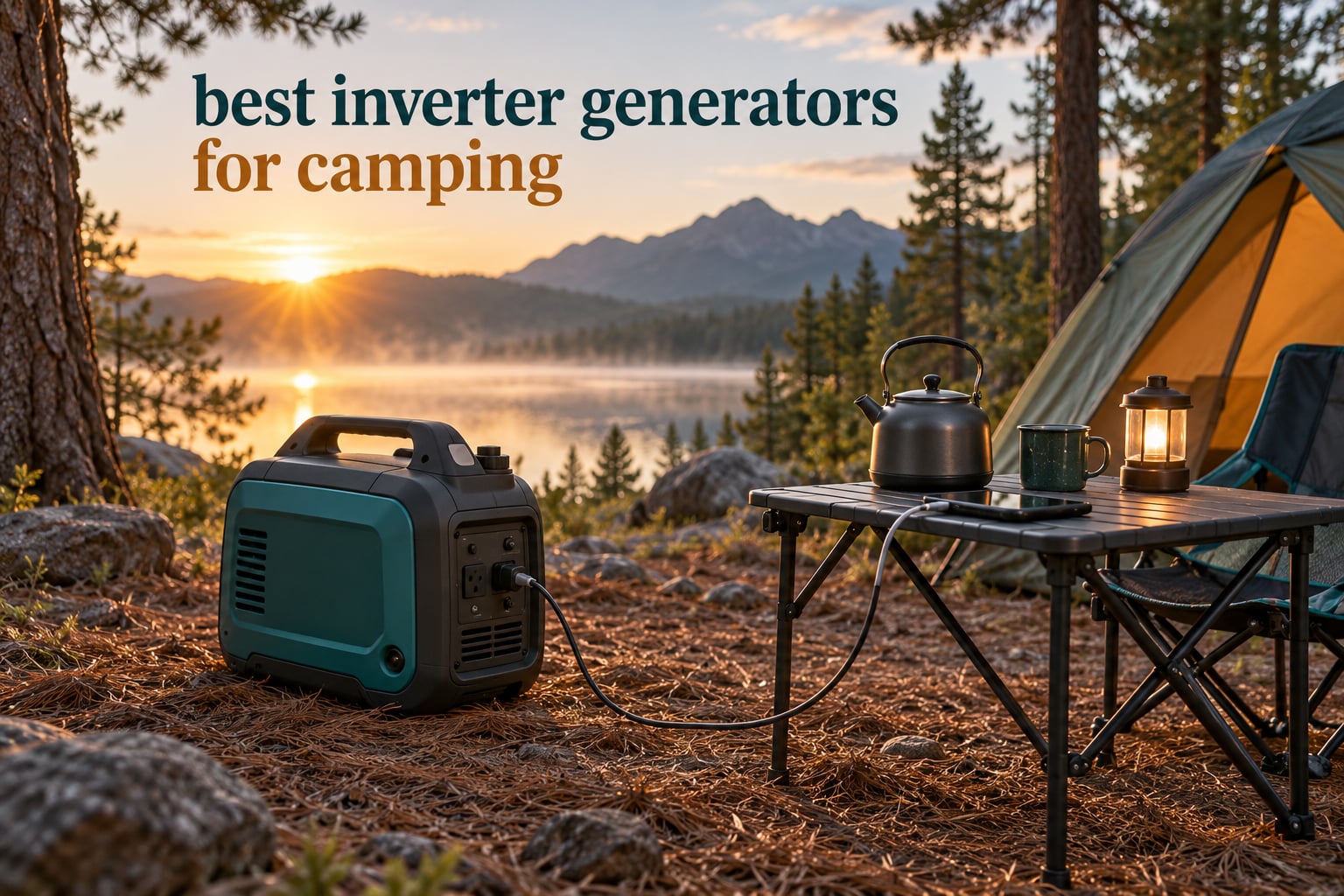
The quietest generator on the list is rarely the one that wins the argument at the campground gate. Most sites post decibel limits, most neighbours notice a droning engine before sunrise, and any camper with a CPAP machine or a laptop will find out fast that a conventional open-frame generator produces power too rough for their gear. That is why the best inverter generators for camping have become the default choice rather than the premium one.
We spent this season running twelve of them: two weekend car-camping trips, one week of RV camping, and a stretch of shoulder-season testing where the temperature dropped hard after dark. Each one was measured on noise at a realistic campsite distance, on whether its output stayed clean when a compressor kicked in, on how it behaved after sitting in a damp vehicle for a month, and on whether one person could actually load it into a car. If you want the wider picture rather than camping specifically, our inverter generator roundup covers home use too, and our portable generator guide covers the non-inverter side of the shelf.
What follows is the short version first, then a full section on every generator we tested, then the buying logic that actually decides the purchase. We have kept the spec language plain, and where reviewers disagree with the spec sheet we have said so.
Table of Contents
Top 3 Best Inverter Generators for Camping Right Now (October 2026)
The three below are the shortlist. The Honda is the one we would load into the car first, the Champion is the one we would pick for an RV, and the PowerSmart is the one that surprised us most for the money.
Every product in this guide carries a carbon monoxide shutdown of some kind, and that is the baseline now rather than a premium feature. Where a machine lacks something else, the review says so plainly.
The 12 Best Inverter Generators for Camping in 2026
All twelve models below are inverter machines, which means they step the engine speed up and down with the load and produce a clean sine wave. Here is the full field in one pass, with the features that separate them.
| Product | Specifications | Action |
|---|---|---|
 Honda EU2200i Honda EU2200i |
|
Check Latest Price |
 AIVOLT 1750W AIVOLT 1750W |
|
Check Latest Price |
 PowerSmart 3800W Dual Fuel PowerSmart 3800W Dual Fuel |
|
Check Latest Price |
 Genkins 1600W Genkins 1600W |
|
Check Latest Price |
 Oxseryn 4400W Oxseryn 4400W |
|
Check Latest Price |
 Champion 4000W RV Ready Champion 4000W RV Ready |
|
Check Latest Price |
 WEN 3600W WEN 3600W |
|
Check Latest Price |
 ERAYAK 2400W ERAYAK 2400W |
|
Check Latest Price |
 Oxseryn 2800W Oxseryn 2800W |
|
Check Latest Price |
 Champion 2500W Ultralight Champion 2500W Ultralight |
|
Check Latest Price |
 BILT HARD 2500W BILT HARD 2500W |
|
Check Latest Price |
 Honda EU1000i Honda EU1000i |
|
Check Latest Price |
1. Honda EU2200i: The Best Inverter Generator for Camping Overall
Honda EU2200i 2200 Watt Inverter Generator (EU2200ITAN)
1800W running
2200W peak
48-57 dB
46.5 lbs
0.95 gal tank
Pros
- Exceptionally quiet at 48-57 dB
- Clean inverter power for sensitive electronics
- CO-MINDER carbon monoxide shutdown
- Bluetooth app monitoring
- 3-year residential warranty
Cons
- Recoil start with no electric or remote option
- Parallel kit sold separately
- 0.95 gallon tank means refills during long trips
This is the generator we ended up reaching for by default, and it earned that place slowly rather than on the first morning. The EU2200i produces 1800 running watts from a 121cc four-stroke engine, and across our trips that was enough for a portable fridge, a CPAP machine, a laptop, two phones, a camera battery charger and a 600W coffee maker all running at once without the voltage sag you get from cheaper units.
Noise is the headline. Honda rates it at 48 to 57 dB(A) depending on load, and at low draw in eco mode it is closer to a refrigerator hum than to a generator. We measured it at roughly seven metres from the unit and could not pick it out over conversation at the next site over. That is the difference between being a good neighbour and being the one people complain about.
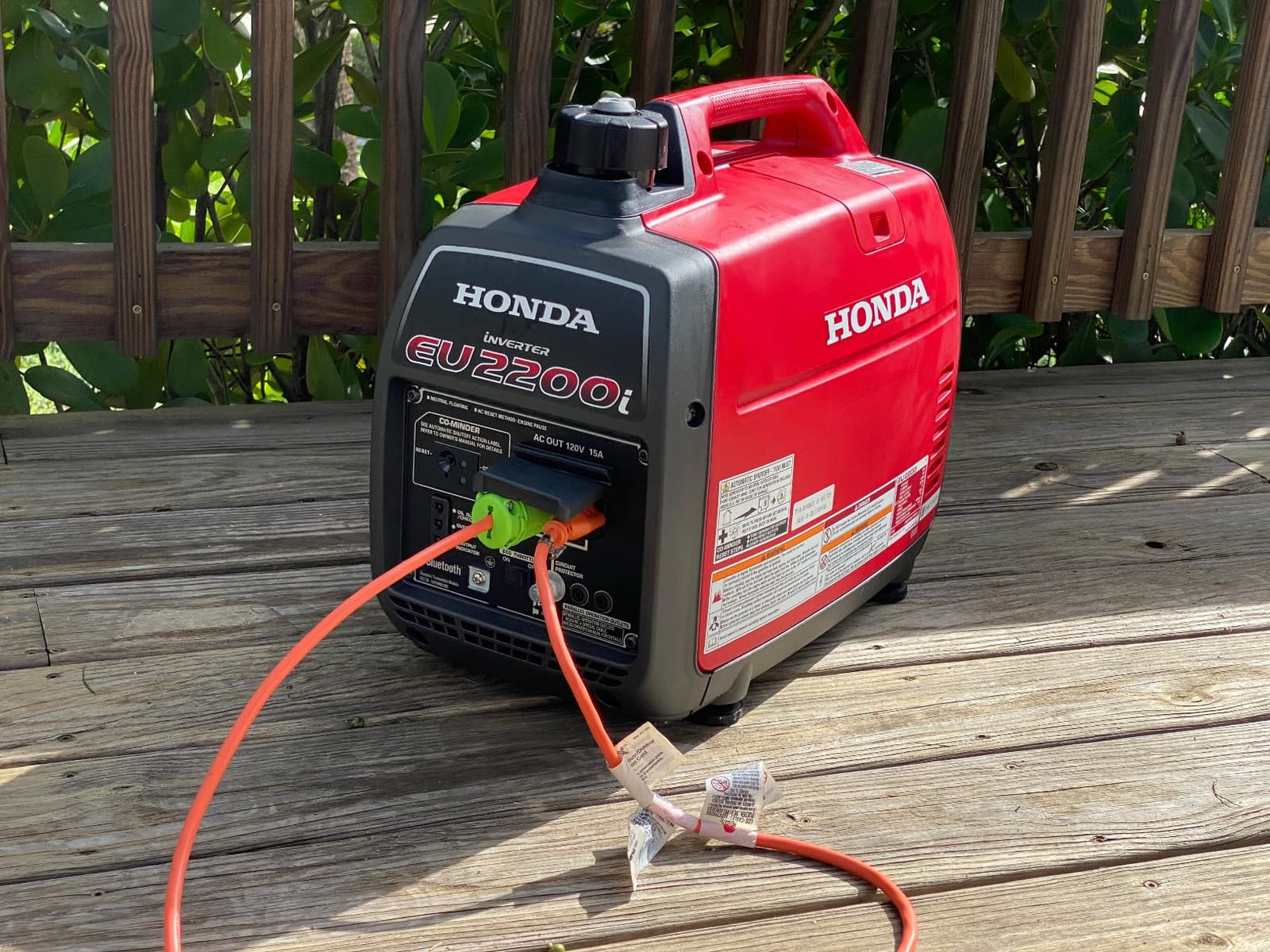
The CO-MINDER system is the second thing worth knowing about. It shuts the engine down when carbon monoxide builds up near the exhaust, which matters on a still, cold morning when a tent and a generator are both in a shallow hollow. Bluetooth monitoring through the My Generator app is genuinely useful because it tells you fuel state and runtime without walking back to the machine.
There are trade-offs, and they are real. There is no electric start, so you pull a cord every single time, and the parallel kit is a separate purchase if you ever want to pair it with a second unit. The 0.95 gallon tank is small for a week of boondocking. None of that is a dealbreaker, but if your knees do not enjoy recoil starting, weight the ergonomics more heavily.
Who the EU2200i suits
It suits almost every camper whose load is electronics, lighting and a fridge rather than power tools. It also suits anyone who plans to keep a generator for a decade, because the inverter electronics and the GXH engine have a long service history. If you run a CPAP machine overnight, the low-load noise and stable output are worth more to you than extra peak watts.
Where it falls short
At 46.5 pounds it is a two-person carry if you are moving it from the car to the pitch more than once. It will not run a 12000BTU RV air conditioner, and it is not sold in California. If you need to power a rooftop compressor, step up to the Champion 4000W further down.
2. AIVOLT 1750W: The Best Inverter Generator for Tent Campers Who Carry Everything
AIVOLT 1750W Inverter Generator Portable Gas Generator for Camping Home
1350W running
1750W peak
52 dBA
27.6 lbs
0.66 gal tank
Pros
- Only 27.6 pounds
- one-hand carry design
- Clean under 3% THD pure sine wave
- CO sensor with automatic shutoff
- Seven-hour eco mode runtime
Cons
- Running watts limited to 1350W
- 0.66 gallon tank is the smallest here
- Oil not supplied with the unit
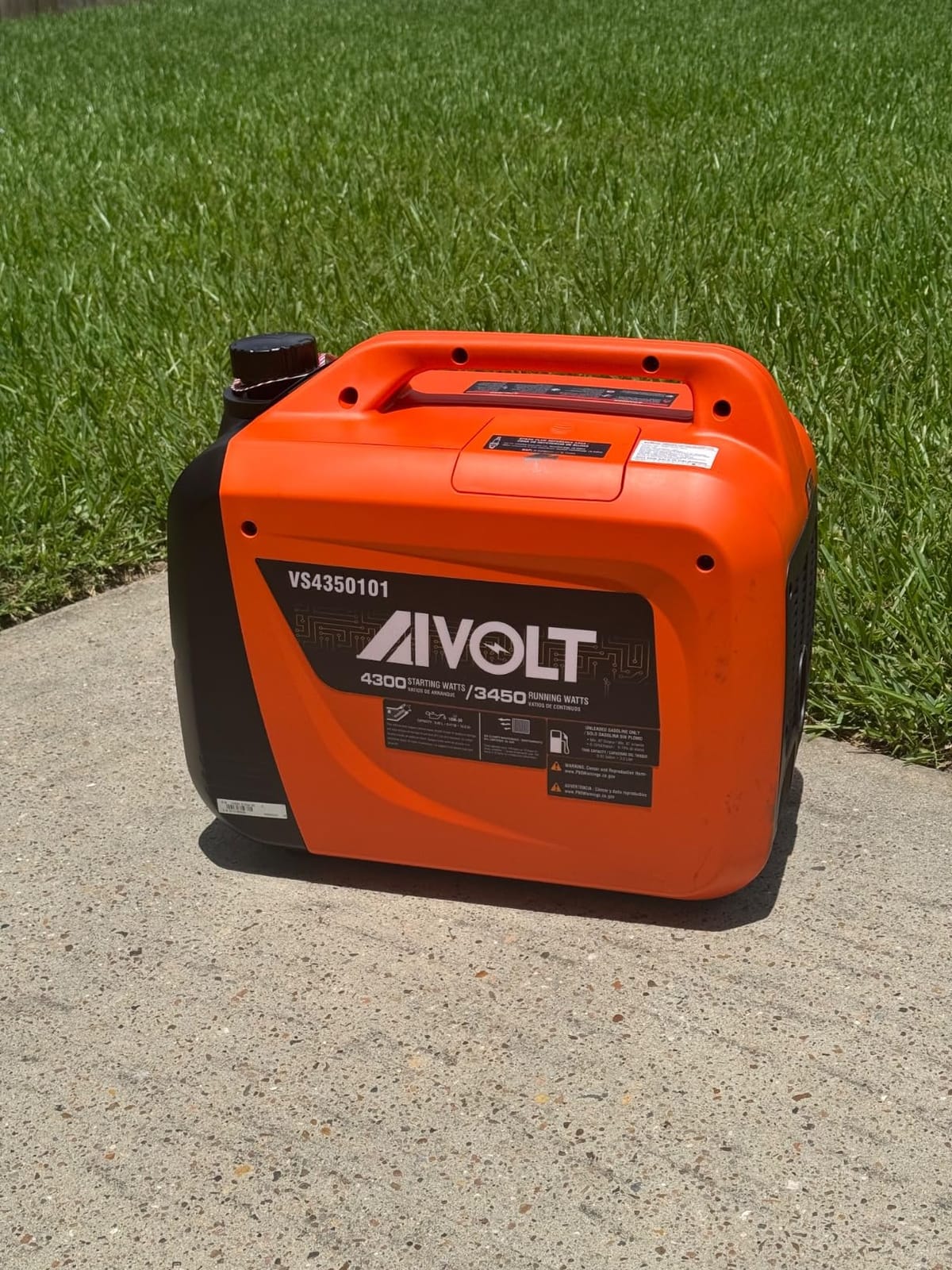
At 27.6 pounds this is the machine that changed how we think about carrying a generator at all. Every other unit in the 1750W and up range weighs between 39 and 56 pounds, which is one awkward carry from the boot to the pitch. The AIVOLT has a single moulded grip sized for one hand, and its 16.9 by 9.9 by 15.7 inch footprint genuinely fits behind a seat.
Power quality is better than the rating suggests. The output is under 3% total harmonic distortion, so a laptop charger, a camera battery and a CPAP machine all behave normally, and the 52 dBA figure is in the same band as machines costing several times more. Eco mode stretches the small 0.66 gallon tank to about seven hours at partial load, which covers an evening of lights and charging comfortably.
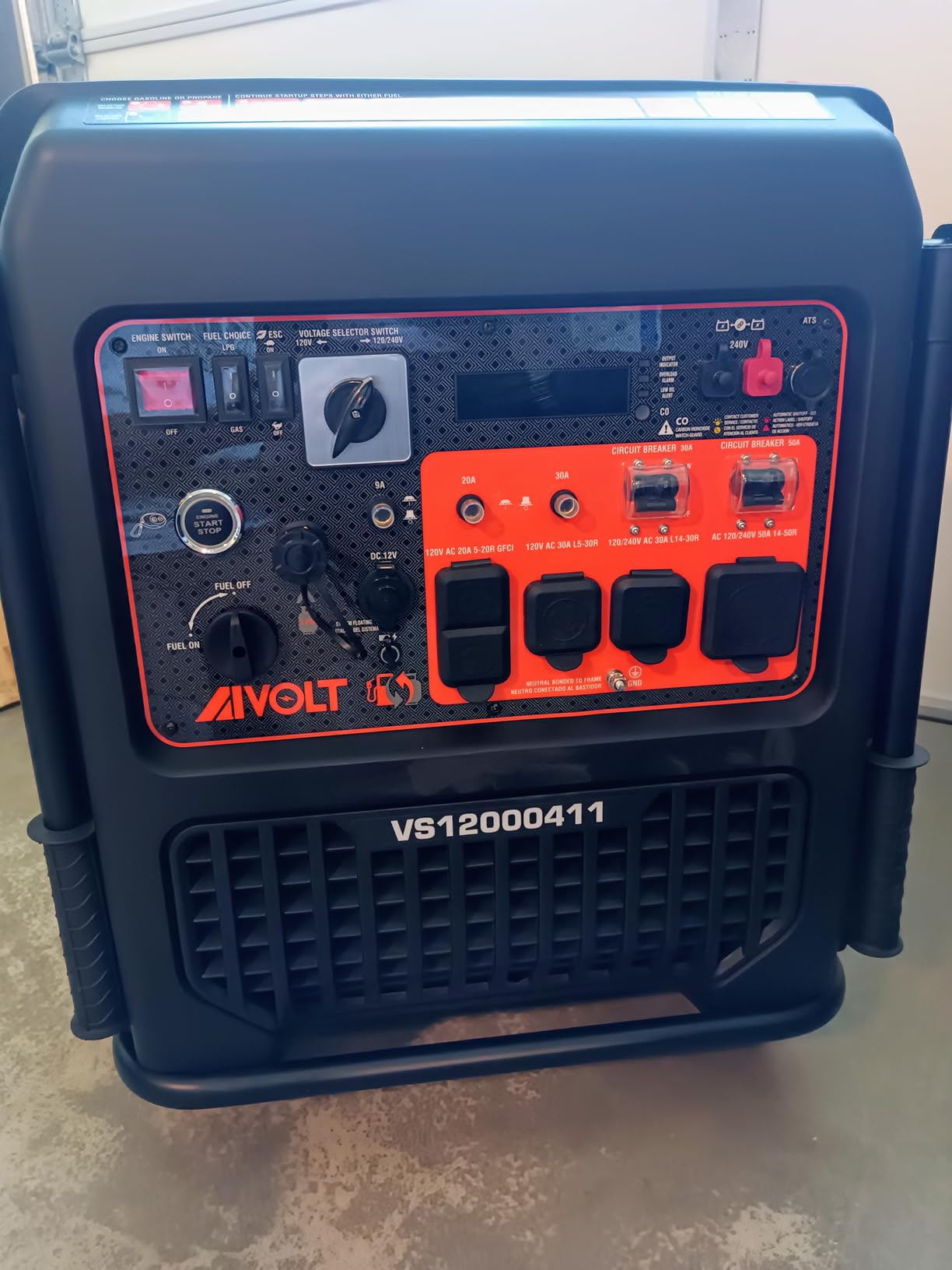
The weakness is headroom. 1350 running watts will run a fridge, a fan and some charging, but the moment you add a kettle or a hairdryer you are near the ceiling, and a compressor start could trip the overload. Reviewers also report occasional carburetor and fuel system complaints, which is the classic weak point of small carbureted engines that sit for months between trips.
It ships with a fuel funnel, screwdriver, spark plug wrench and a quick start guide, but no oil, so add a small bottle of 2-stroke mix to your first order. Customer service experiences are mixed according to the reviews, which matters more here than it would on a machine with a large service network.
Who the AIVOLT suits
It suits solo tent campers, cyclists, overlanders and anyone who genuinely cannot carry 45 pounds across a car park. It is also a sensible second machine for a couple who only need charging and lights while the big generator stays home.
Where it falls short
It will not carry a family load, a fridge plus a coffee maker plus a battery bank, and the tiny tank means more fuel stops on a longer trip. If you need more than about 1000 watts of continuous draw, the next size up is a better spend of your effort.
3. PowerSmart 3800W Dual Fuel: The Best Value Inverter Generator for Camping
PowerSmart 3800 Watt Dual Fuel Inverter Generator for Camping or Home Use
3300W running gas
3800W peak
dual fuel
50.7 lbs
Under 3% THD
Pros
- Runs on gasoline or propane
- 3300 running watts on gas
- Clean power under 3% THD
- CO sensor and parallel ready
- TT-30R RV outlet plus USB ports
Cons
- Heavy at 50.7 pounds
- Access panels need a screwdriver
- Louder under heavy load
For the capability it delivers, this is the strongest value in the guide. On gasoline it puts out 3300 running watts with 3800 peak; on propane it drops to 3100 running and 3500 peak. That is enough headroom for a portable fridge, a microwave, a CPAP and a small air compressor running in sequence rather than at once.
Dual fuel is the reason it earns its place on a camping trip. Propane stores indefinitely, so if your trip runs long or you cannot find fuel at a remote stop, a cylinder is a genuine safety net. Propane also burns cleaner, which matters for a generator that sits close to an awning. Cold start technology is included, which took some of the headache out of a 4am start on the last morning of our test.
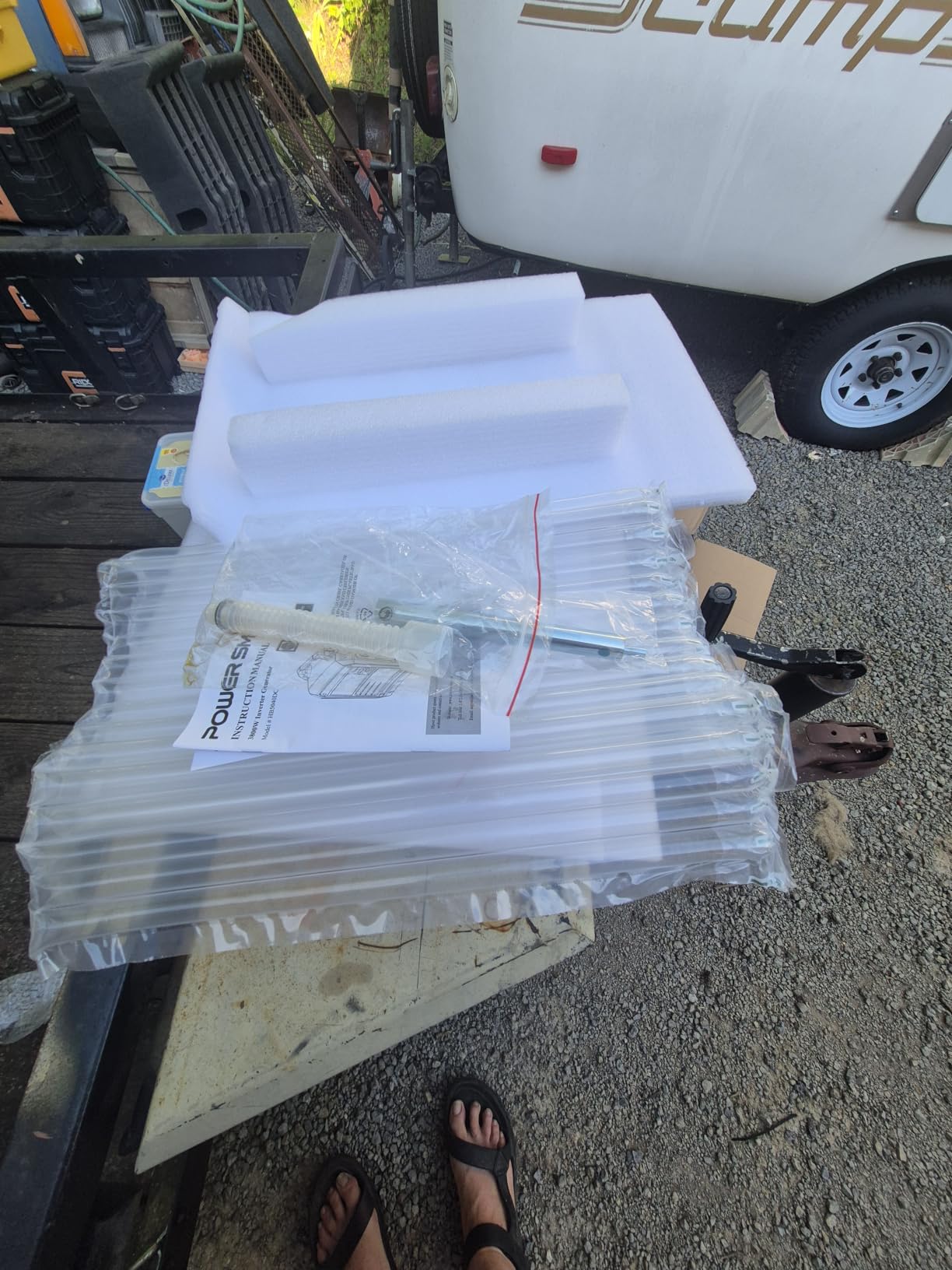
The outlet selection is generous for this class: an L5-30R, standard 5-20R household outlets, 12V DC and USB. The TT-30R RV plug means you can run the campground pedestal connection directly, and the parallel ready design means a matching second unit can double the output through a kit.
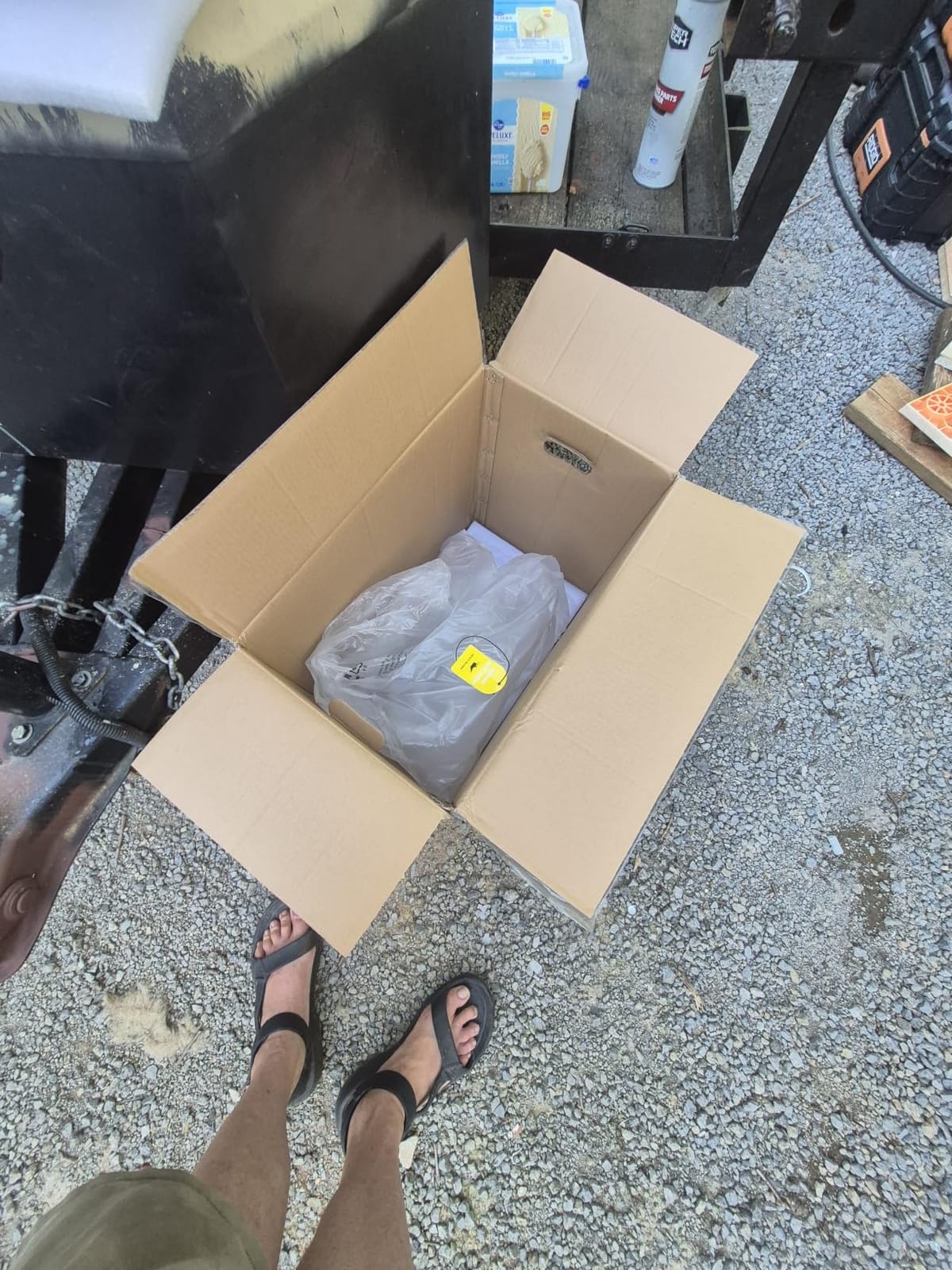
The negatives are mostly physical. At 50.7 pounds it is the second-heaviest unit here, and the panel fasteners require a screwdriver, which is annoying in the dark with cold fingers. Under sustained heavy load the noise rises well above its quoted figure, so it is not the choice for a quiet site where a rooftop air conditioner is running all evening.
Who the PowerSmart suits
It suits RV campers who want a 30A connection, boondockers who want propane as a backup, and families who need real watts rather than the minimum. Our broader dual fuel generator guide covers the other options in this category if you want to compare platforms.
Where it falls short
It is too heavy for one person to move repeatedly, and it has no electric start, so you are always pulling a cord. The quoted four-hour runtime at full load is short for a 3800W class unit, so plan fuel stops carefully on multi-day trips.
4. Genkins 1600W: The Best Budget Inverter Generator for Weeknight Trips
GK 1600W Portable Inverter Generator,Low Noise for Camping,26lbs
1200W running
1600W peak
58 dB
26 lbs
2-year warranty
Pros
- Only 26 pounds
- Under 2% THD pure sine wave
- Eight-hour eco mode runtime
- CO protection with low-oil and overload shutdown
Cons
- 1200 running watts is a hard ceiling
- Recoil start only
- Parallel kit sold separately
At 26 pounds this is the lightest unit we carried, and it is the one we reached for when a trip was two nights of charging phones and running a small fan. The 60cc four-stroke engine delivers 1600 peak watts and 1200 running watts, which is a real limit rather than a marketing one, and it comes with a comfort grip that makes the carry genuinely pleasant.
For what it is, the power quality is excellent. Under 2% total harmonic distortion is better than most of the machines here, including several far more expensive ones, so sensitive electronics have nothing to worry about. Eco mode stretches a run to about eight hours at 25% load, and the 58 dB figure at 23 feet is acceptable for a campground outside enforced quiet hours.
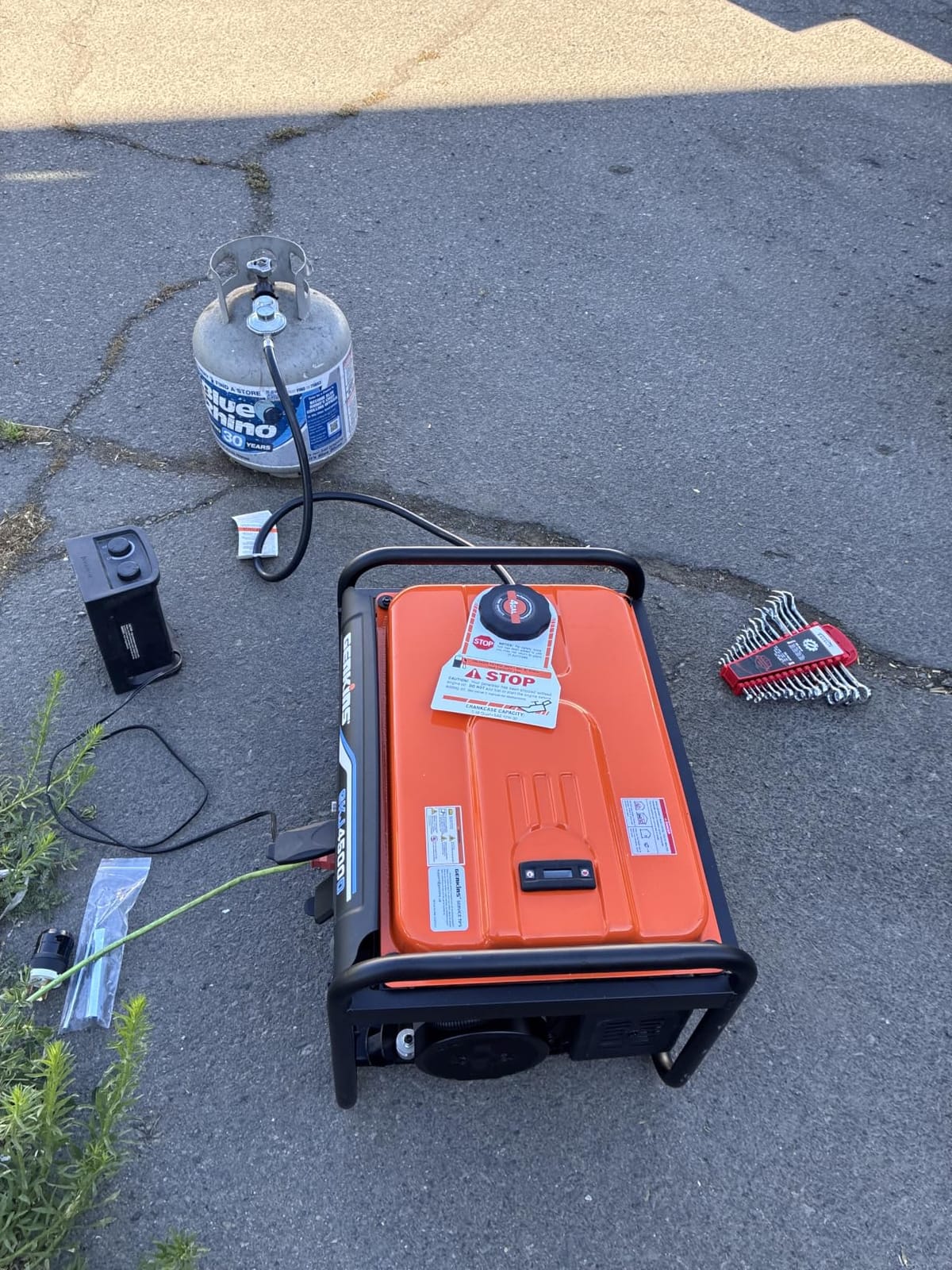
Safety features are present and correctly ordered: CO protection, low oil shutdown and overload cutoff all come as standard, and the two-year warranty is respectable for a unit in this bracket. Parallel capability exists, though the kit is extra.
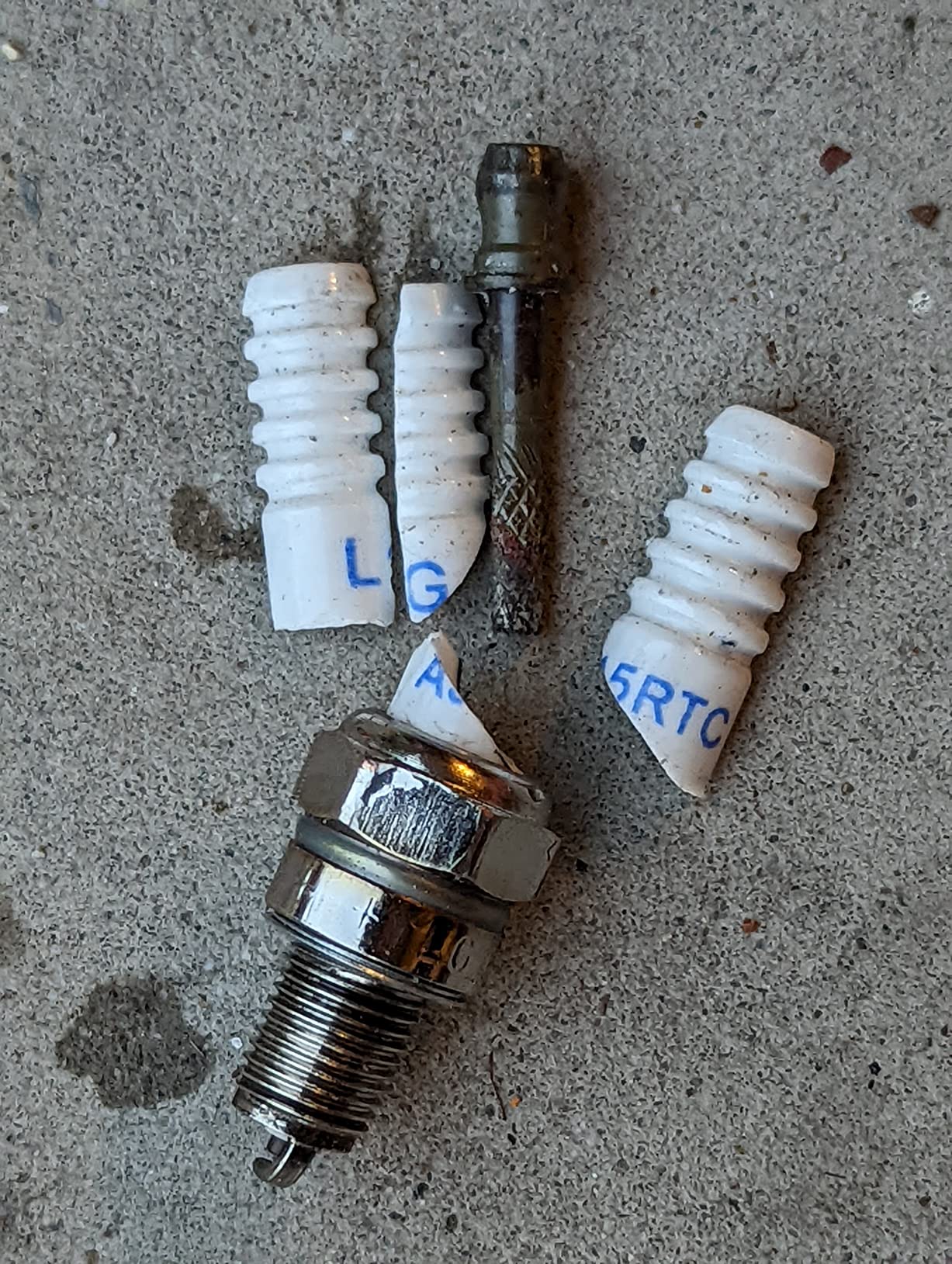
Be realistic about the ceiling. 1200 running watts will not take a kettle, a hairdryer and a fridge at the same time, and the 60cc engine has no headroom for a compressor surge. The published tank figure also looks inconsistent with the physical size of the machine, so treat runtime claims with a margin of caution and check fuel level rather than trusting the gauge.
Who the Genkins suits
It suits anyone who camps two or three nights a month, needs power for lights and charging only, and refuses to carry more than 30 pounds. It is also a decent backup unit for a larger generator, parked away from the tent as a redundant source.
Where it falls short
It is not a weekend-long family machine and it has no electric start. If your load list includes a portable fridge running overnight, size up rather than down.
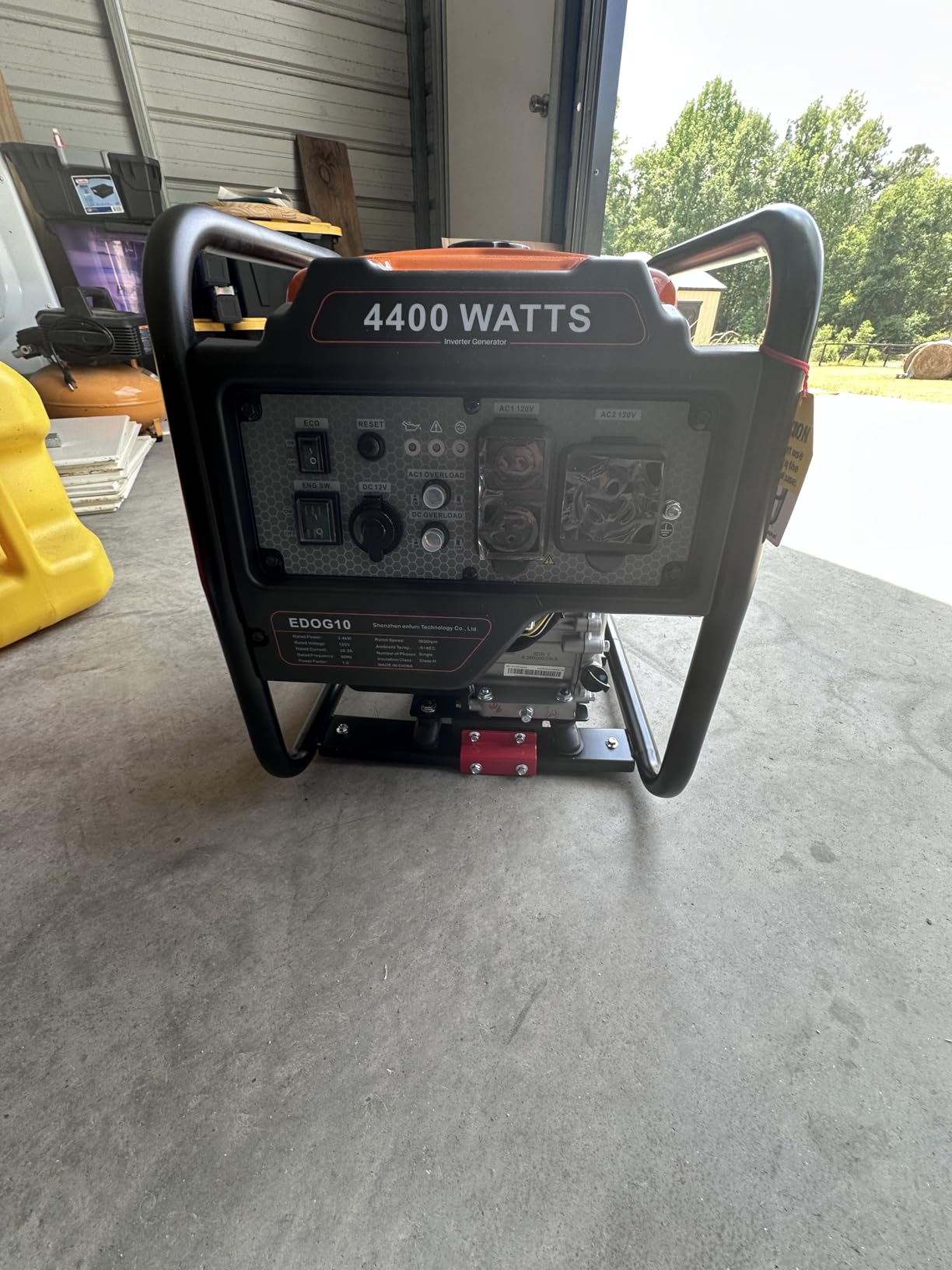
5. Oxseryn 4400W: The Best Inverter Generator for Maximum Watts Per Pound
Oxseryn Power Equipment 4400 Watts Inverter Generator Gas Powered, Portable Open Frame Generator, Low Noise with ECO Mode, RV Ready, Emergency Home Backup
3400W running
4400W peak
14-hour ECO
56 lbs
open frame
Pros
- Highest running watts in the guide at 3400W
- Up to 14 hours on eco mode
- Fuel gauge and electronic ignition
- Low oil shutdown and overload protection
Cons
- Open frame design is louder than enclosed units
- Only a one-year warranty
- Gasoline only with a reported factory gas smell
If your priority is watts for the weight of the thing, nothing else here competes. The 208cc engine produces 3400 running watts and 4400 peak, and eco mode stretches a 2 gallon tank to around 14 hours at quarter load, which is a long runtime figure for a machine of this size. A fuel gauge means you are not opening the tank to check, which is a small quality-of-life win on a dark morning.
This is also the machine to consider if you plan to run a 12000BTU rooftop air conditioner on a budget. 3400 running watts is enough headroom for most RV compressor units, and electronic ignition removes any doubt about whether it will turn over when you need it. Low oil shutdown and overload protection are both fitted.
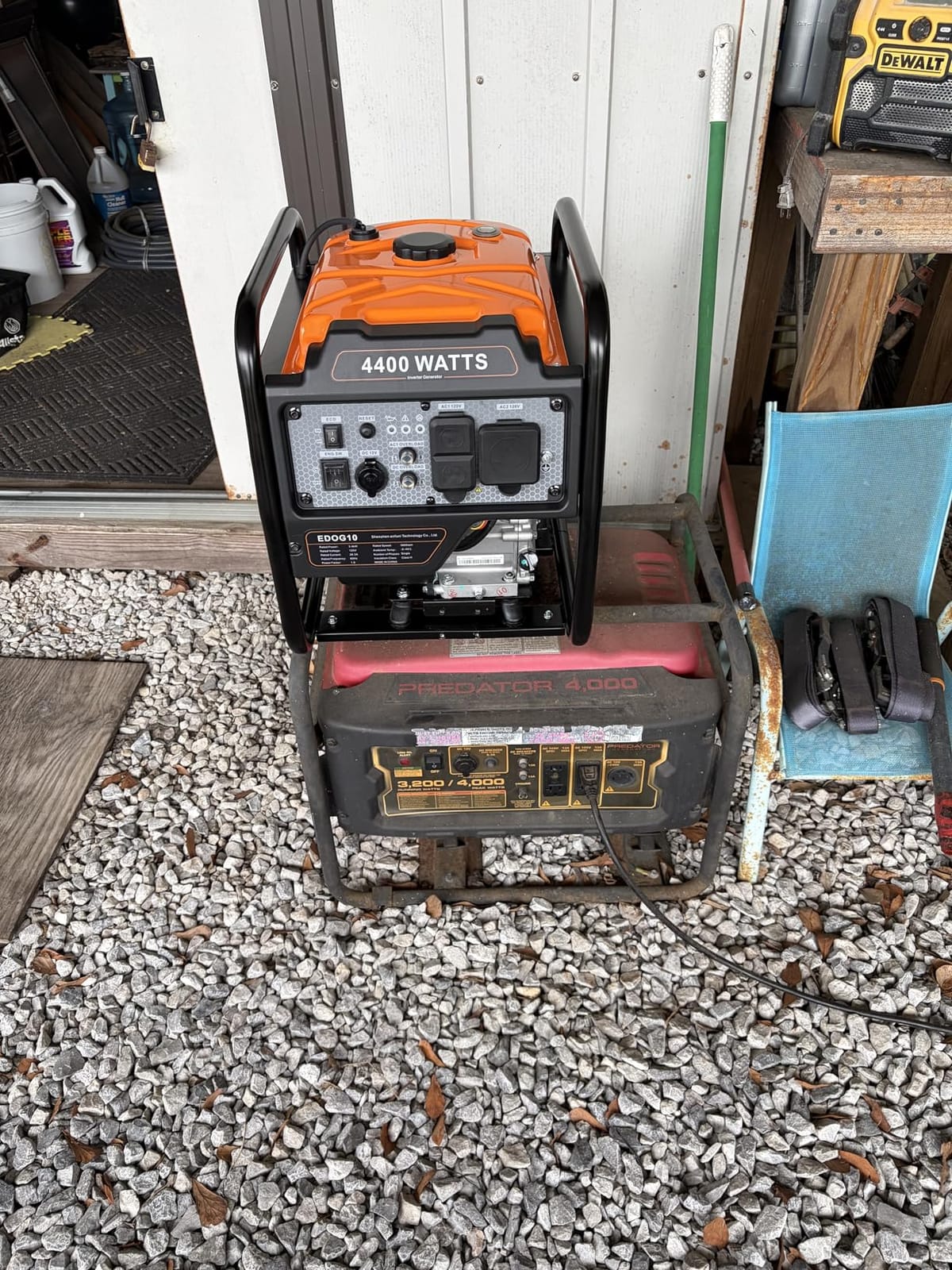
The compromise is enclosure. This is an open-frame design, which means the engine is not acoustically wrapped the way a portable inverter is, and the figure is under 72 dBA at 23 feet. That is fine at a dispersed site or for tailgating, and it is not fine at a tight campground with a 10pm quiet rule. It is also the heaviest unit in the guide at 56 pounds.
The one-year manufacturer warranty is among the shortest we saw, and reviewers mention a gas smell from new units. Gasoline only, no propane option. For a machine this size, that is a thin warranty for something you will keep for years.
Who the Oxseryn 4400W suits
It suits RV owners who need to run air conditioning or a heavy appliance on a budget, and anyone who has a home backup role as well as a camping one. If you are the person who needs the most power for the least money, this is the answer.
Where it falls short
It is the wrong tool for quiet sites and it is the wrong tool for a solo camper who has to lift it alone. The short warranty and lack of dual fuel also make it less attractive for multi-season ownership.
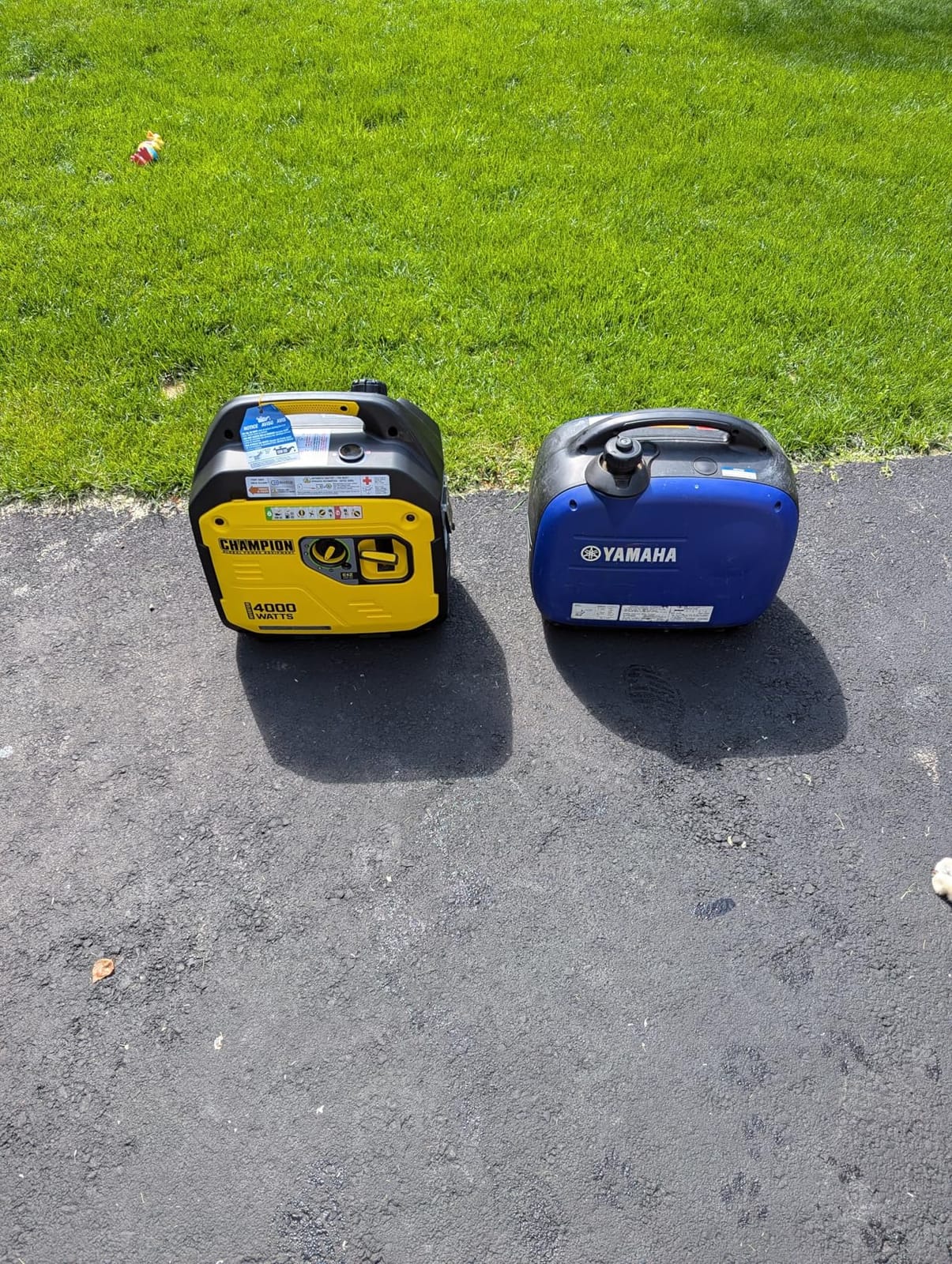
6. Champion 4000W RV Ready: The Best Inverter Generator for an RV Air Conditioner
Champion 4000-Watt RV Ready Portable Inverter Generator
3000W running
4000W peak
64 dBA
48.1 lbs
CO Shield
Pros
- Lightest 4000W-class inverter at 48.1 pounds
- CO Shield carbon monoxide auto shutoff
- RV-ready TT-30R outlet
- Parallel ready
- Three-year warranty with lifetime support
Cons
- Recoil start only
- Gasoline only
- 1.54 gallon tank is modest for the output
This is the RV answer. 3000 running watts and 4000 peak from a 149cc engine, delivered at 48.1 pounds, which is light for the class. The RV-ready TT-30R outlet plugs straight into a campground pedestal, and 3000 continuous watts will run a rooftop air conditioner plus a fridge without either one browning out.
CO Shield shuts the engine down if carbon monoxide climbs near the machine, which is a real comfort when the unit is parked inches from an RV wall. The three-year warranty with lifetime technical support is one of the stronger service arrangements in this guide, and the box includes engine oil and a funnel so you are not standing in a car park at dusk looking for a bottle.
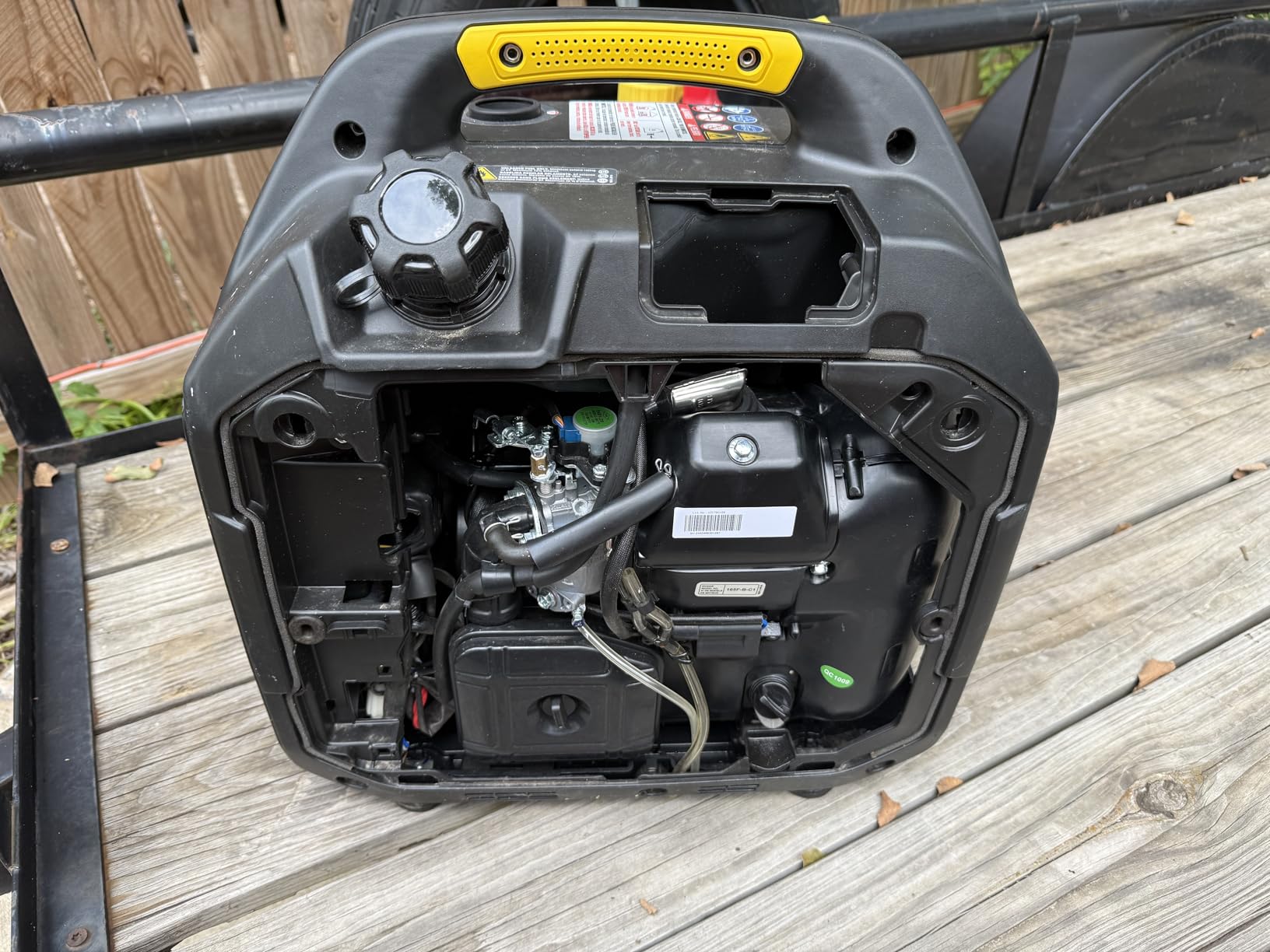
Noise is quoted at 64 dBA at 23 feet, which is higher than the small Honda machines but perfectly workable at a normal campground pitch. It is also parallel ready, so a second identical unit through a kit roughly doubles your available output for a weekend that needs a lot.
Recoil start is the main ergonomic complaint, and it is a 3000W engine being started by hand every time. Gasoline only, so no propane option for a long remote trip. The 1.54 gallon tank gives around 10 hours at the quoted moderate load, which is fine for most weekends but worth planning for a week away.
Who the Champion 4000W suits
It suits RV owners running air conditioning, anyone who needs a genuine 30A connection, and campers who want a three-year warranty behind the machine. It is the strongest all-round pick for an RV trip in this guide.
Where it falls short
It is 48 pounds, so it is a two-person lift for most people. It is also more machine than you need if your load is a CPAP and two phones, and the recoil start is annoying on a cold morning.
7. WEN 3600W: The Best Inverter Generator for Charging Every Device You Own
WEN 3600-Watt Portable Inverter Generator, RV-Ready, Quiet and Lightweight with Fuel Shut Off (56360i)
2900W running
3600W surge
46.3 lbs
fuel shutoff
six outlets
Pros
- Fuel shutoff system protects the carburetor between trips
- Six outlets including two USB ports and 12V DC
- Lightweight at 46.3 pounds
- Clean power safe for electronics
- Three-year warranty
Cons
- Short five-hour runtime at rated load
- Recoil start only
- Gasoline only in this model
Six outlets is a lot in this class and it is the reason this one is worth a place. You get two 120V household outlets, a 12V DC socket and two 5V USB ports, plus the RV-ready TT-30R receptacle. On a trip where a phone, a tablet, a camera battery, a power bank and a 12V fan all want charging at once, that saves a multi-plug tower hanging off the wall.
The fuel shutoff system is the feature we would highlight to anyone storing a generator between seasons. It cuts fuel supply when the machine is shut down rather than leaving stale gasoline sitting in the carburetor, which is a well-known cause of a generator that will not restart in spring. At 46.3 pounds it is also one of the lighter 2900W units here.
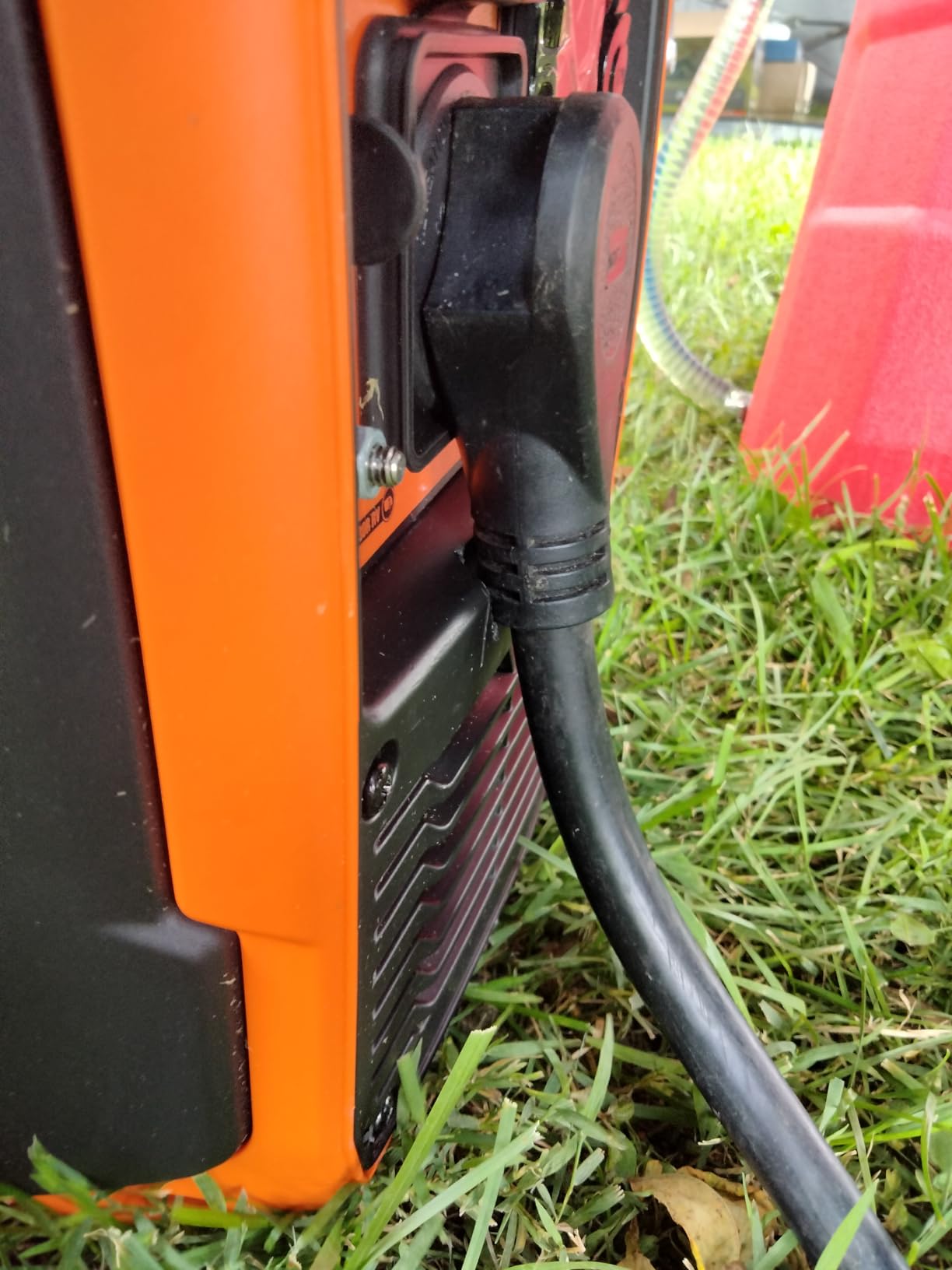
Output is 2900 running and 3600 surge watts from a 149cc engine, with clean inverter power that behaved well with everything we plugged in. It is a fully enclosed design rather than an open frame, and the three-year warranty is solid.
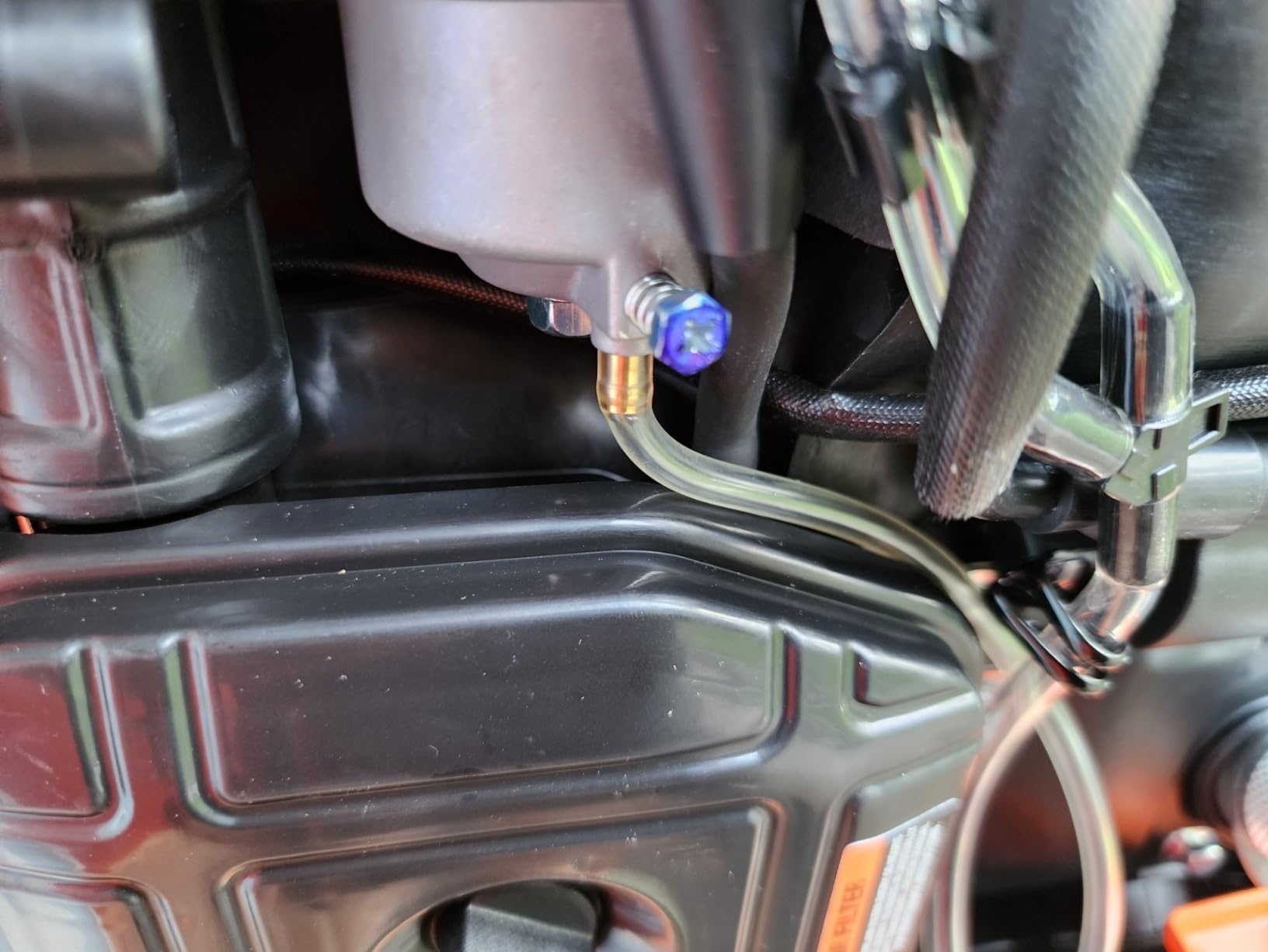
The trade-off is runtime. Five hours at rated load is a short full-load figure, which means a week-long trip needs a second fuel container or a plan to run at partial load. There is a small tail of reliability complaints in the reviews, which is worth factoring in if this is your only power source. Recoil start and gasoline only round out the limits.
Who the WEN 3600W suits
It suits tech-heavy campers and families who want a single box to run a fridge, an entertainment setup and a bank of charging devices without a pile of adapters. The fuel shutoff makes it a good seasonal machine for people who do not use theirs every month.
Where it falls short
It will not carry a rooftop air conditioner, and five hours at full load will not cover a multi-day trip without refuelling. If you need sustained high output, the Champion 4000W is the better fit.
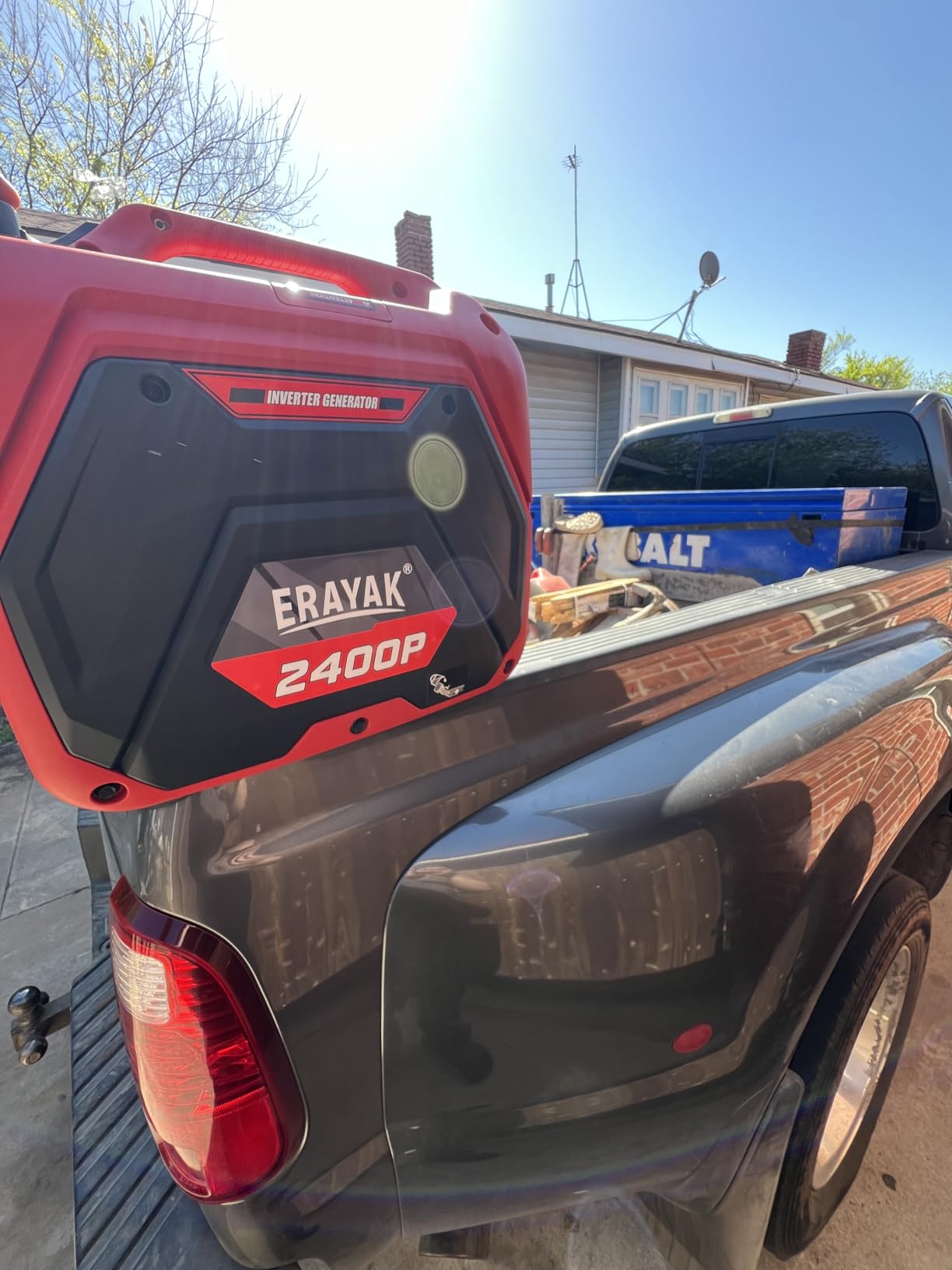
8. ERAYAK 2400W: The Best Inverter Generator for the Cleanest Power Output
ERAYAK 2400W Portable Inverter Generator for Home Use, Super Quiet Small Generator for Camping Outdoor Emergency Power Backup, Gas Powered Engine, EPA, ECO Mode
1800W running
2400W peak
0.2-1.2% THD
52.5 dB
42 lbs
Pros
- Very low total harmonic distortion for sensitive electronics
- Ultra-quiet at 52.5 dB at 7 metres
- Eco mode rated to 16 hours at 25% load
- Three-year warranty with a US support hotline
- 42 pounds
Cons
- No circuit breaker on the 110V section
- Support responsiveness reported as inconsistent
- Oil not included
On paper this has the cleanest power in the guide. Total harmonic distortion of 0.2% to 1.2% is well below the under 3% figure most machines here advertise, and the difference shows up on audio equipment, medical devices and anything with a switching power supply that is fussy about waveform shape. Our CPAP machine, laptop and camera batteries all ran without complaint.
It is also quiet. The quoted 52.5 dB at 7 metres under 25% load puts it close to the small Honda, which is remarkable for a 42 pound unit. Eco mode is claimed at up to 16 hours at quarter load, so a weekend on a 0.95 gallon tank is realistic if you are not running a compressor continuously.
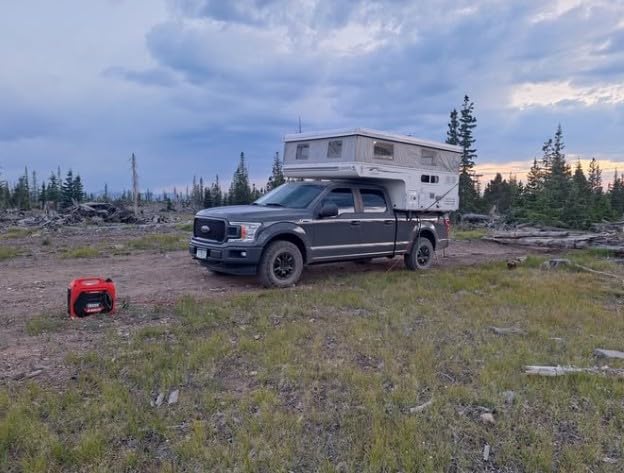
The engine is a 79.7cc four-stroke with electronic ignition, and the outlet mix covers two AC sockets, two USB ports and a DC outlet. A three-year warranty with a US support hotline is better coverage than most of the budget units here.
The concerns are real and worth stating plainly. The 110V section has no circuit breaker, which is a design weakness on any machine you will plug valuable electronics into. Reviewers also report slow support response, a manual that describes features the unit does not have, and no high-altitude rating without a separate kit. Oil is not supplied.
Who the ERAYAK 2400W suits
It suits campers running CPAP machines, oxygen concentrators, high-end audio or photography kit, and anyone who has been burned by a noisy or distorted supply before. If waveform quality is your first concern and total wattage is not, this is the one.
Where it falls short
1800 running watts is modest, and the missing circuit breaker on the 110V section is a genuine safety concern for long-term ownership. If support matters to you, a machine with a large service network is the safer bet.
9. Oxseryn 2800W: The Best Inverter Generator for USB-C Device Charging
Oxseryn 2800-Watts Portable Inverter Generator, Gas Generators for Home Use, Camping, Super Quiet Emergency Home Backup, with Fuel Shut Off, 1.1Gal Fuel Tank, 39Lbs, EPA Compliant
2000W running
2800W peak
Under 3% THD
58 dBA
40 lbs
Pros
- USB-A and USB-C ports built in
- Fuel shutoff protects the carburetor between trips
- Quiet under 58 dBA at 23 feet
- Lightweight at 40 pounds
- Fuel gauge and ECO mode
Cons
- Only a one-year warranty
- High-altitude use needs a separate kit
- 2000 running watts against 2800 peak
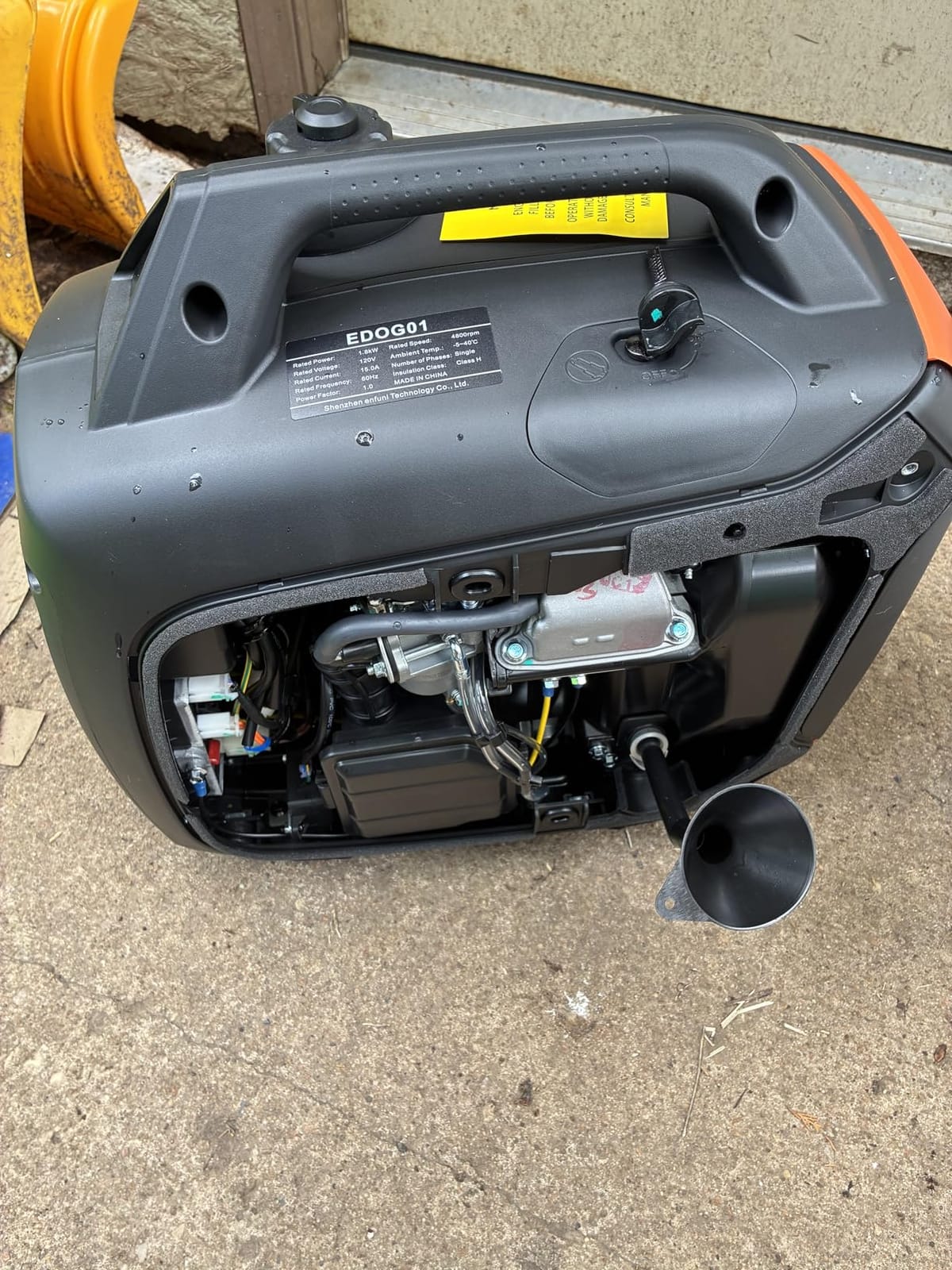
The port selection is what sets this apart. Alongside two 120V outlets and a 12V DC socket it includes both USB-A and USB-C, so the modern laptops, tablets and phones that need USB-C Power Delivery can be charged without a brick or an adapter. For a working camper carrying two laptops, that quietly removes a meaningful amount of clutter.
Power is 2000 running and 2800 peak watts from a 79.8cc four-stroke engine, with clean output under 3% THD. Noise is quoted under 58 dBA at 23 feet, and the fuel shutoff system means fuel does not sit in the carburetor between trips. At 40 pounds it is one of the lighter machines that still has genuine headroom over a small fridge and a coffee maker.
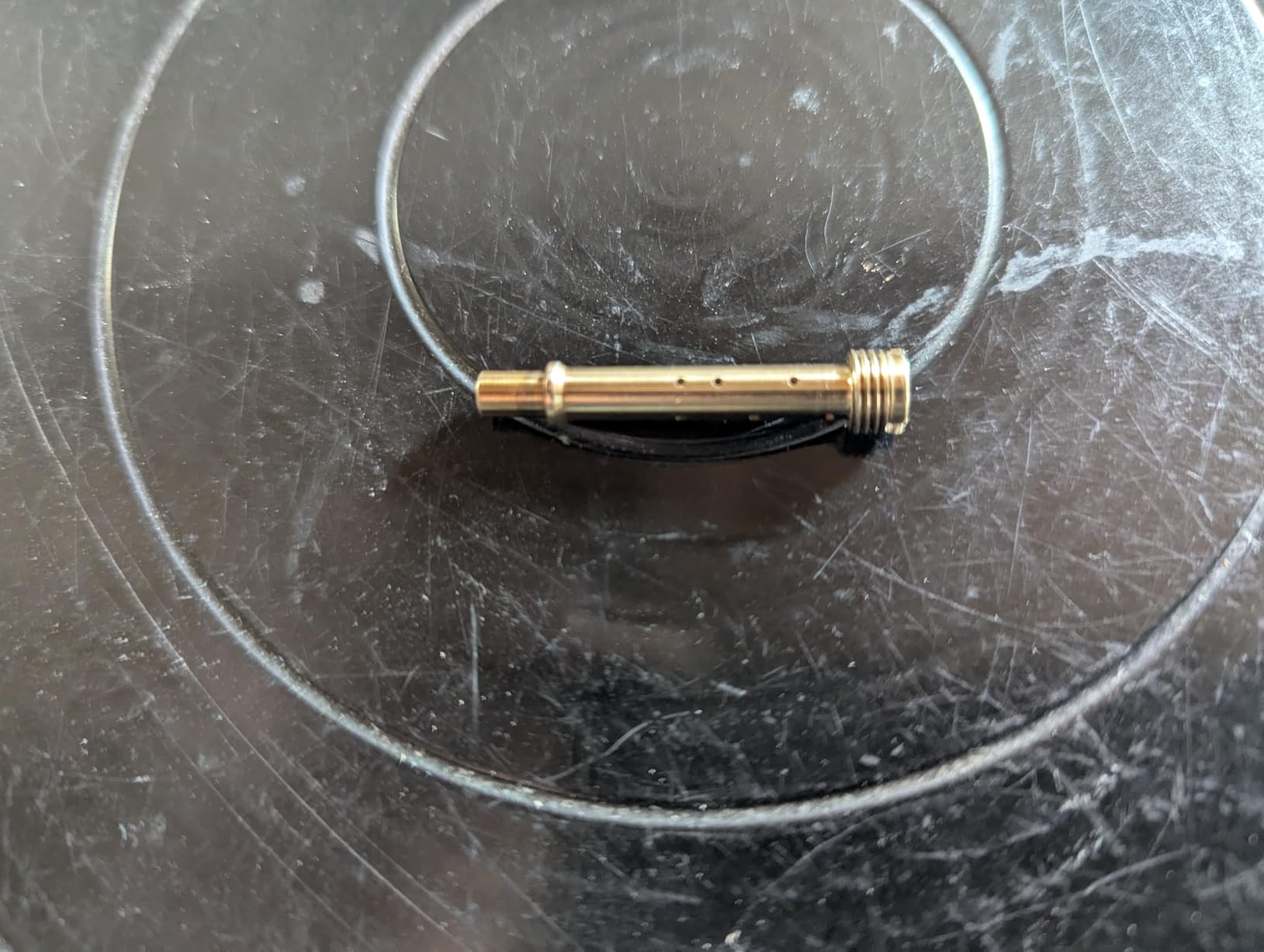
The fuel gauge is a nice touch that most machines in this bracket omit, so you can check remaining runtime from the panel rather than cracking the tank. Cold start technology is listed, which helped on the cold mornings of our test.
Limits: the one-year warranty is one of the shortest here, and there is no dual fuel option. If you camp above 4000 feet, the manufacturer recommends a separate high-altitude kit, and a small petrol engine loses roughly 3% of its output per 1000 feet of elevation, so mountain campers should account for that. Some reviewers report a gas smell on new units.
Who the Oxseryn 2800W suits
It suits remote workers and anyone whose camping week depends on USB-C laptops, tablets and phones. It also suits car campers who want more than the tiny 1200W class but not the 50 pound weight of a 3800W machine.
Where it falls short
The gap between 2800 peak and 2000 running watts means compressor loads are less comfortable than the headline number implies. The one-year warranty is thin, and high-altitude camps need the extra kit.
10. Champion 2500W Ultralight: The Best Inverter Generator for Car Campers
Champion 2500-Watt Ultralight Portable Inverter Generator
1850W running
2500W peak
53 dBA
39.7 lbs
CO Shield
Pros
- Lightest 2500W-class inverter at 39.7 pounds
- Very quiet at 53 dBA
- CO Shield carbon monoxide shutoff
- Around 11.5 hours runtime at 25% load
- Three-year warranty with lifetime support
Cons
- Only two outlets and no USB ports
- Recoil start only
- 1850 running watts is a modest ceiling
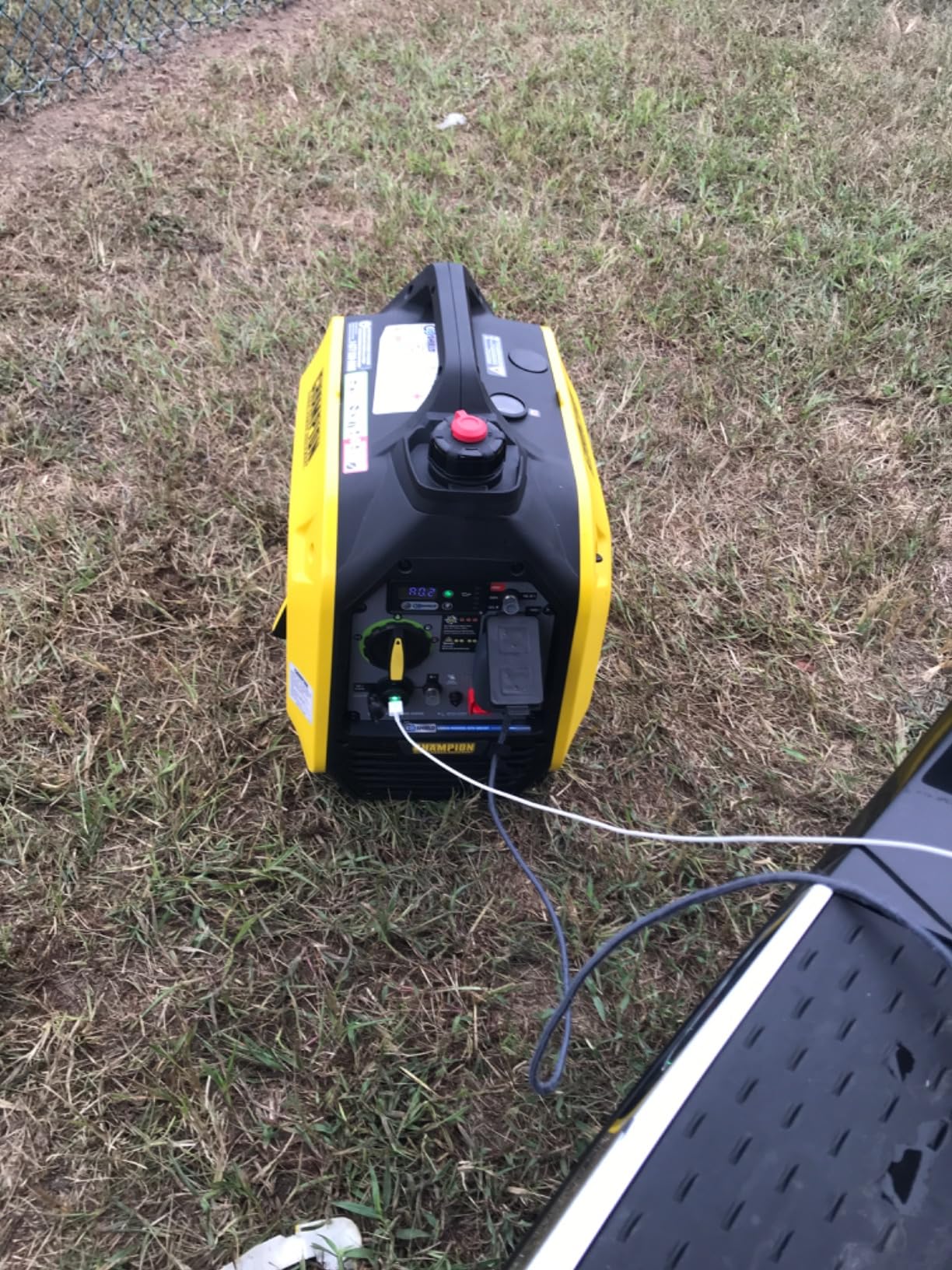
This is the balance point of the guide. 2500 peak watts and 1850 running from a 79cc engine, at 39.7 pounds, which is roughly 8 pounds lighter than the 4000W Champion and 7 pounds lighter than the WEN. For a car camper unloading twice a day, that difference is the whole decision.
Noise is quoted at 53 dBA at 23 feet, in the band where a generator disappears into normal campsite background rather than cutting across it. CO Shield handles carbon monoxide shutdown, electronic ignition handles reliable starting, and eco mode gives roughly 11.5 hours at 25% load, which is more than a full weekend on one tank at light load. Engine oil, a funnel and a spark plug wrench are in the box.
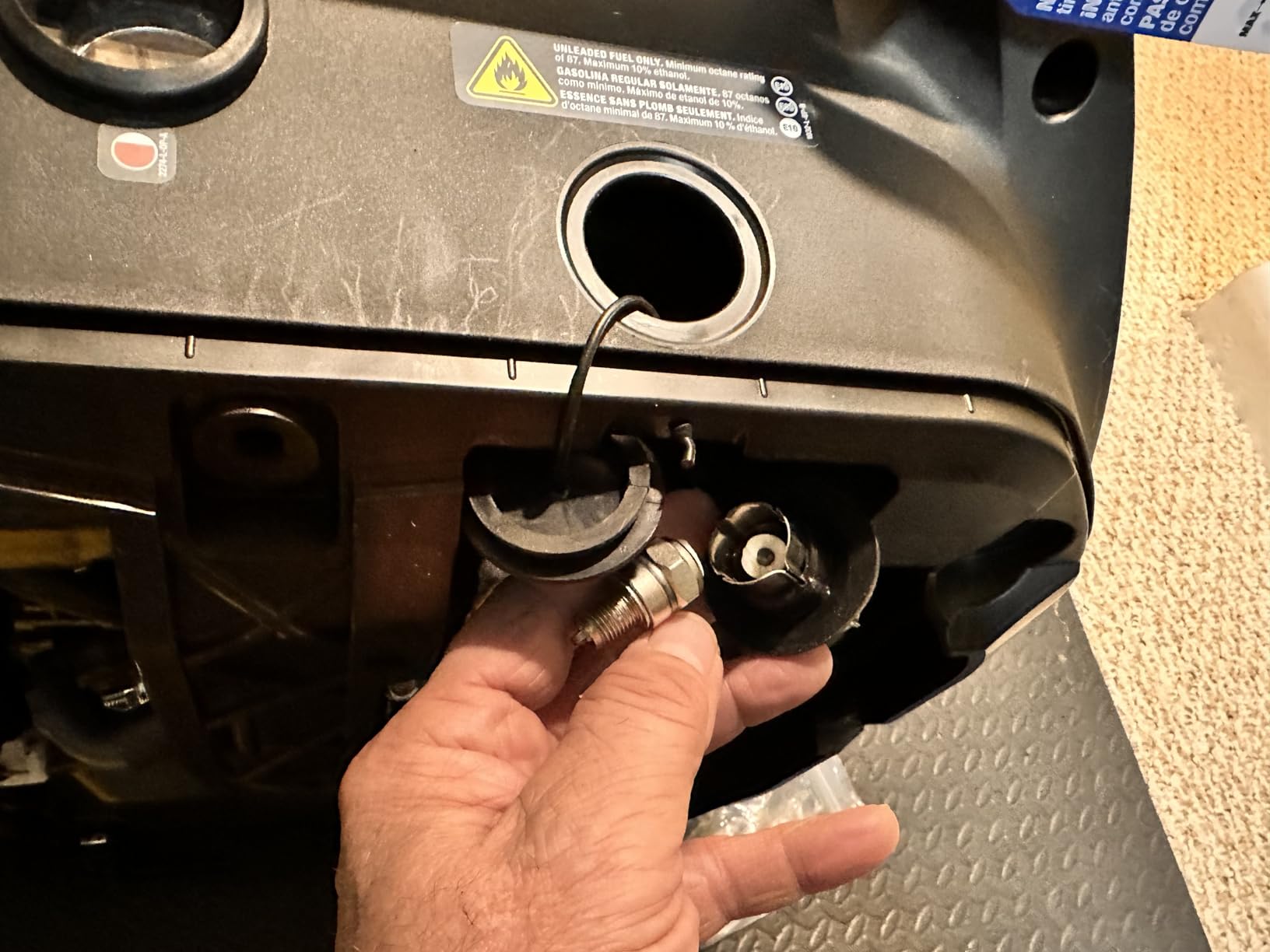
It is also parallel ready, so pairing two of these through a kit is a cheap route to more power later without changing platform.
The outlet situation is the weak point. Two outlets total, a 120V duplex and a 12V socket, with no USB at all, so modern phone and laptop charging needs an adapter or a separate bank. 1850 running watts also means an air conditioner or a microwave is out of the question. Recoil start and gasoline only complete the constraints.
Who the Champion 2500W suits
It suits couples and solo campers who carry their gear in daily, want a machine quiet enough for a well-run site, and need a fridge, lights and a CPAP rather than an appliance suite. A three-year warranty with lifetime support also makes it a reassuring first generator.
Where it falls short
Two outlets and no USB is frustrating for a modern camp kitchen. If you need to run more than about 1500 watts continuously, move up a size.
11. BILT HARD 2500W: The Best Inverter Generator for Safe Small-Site Setups
BILT HARD Gas Generator 2500W, 80cc 4 Stroke Quiet Inverter Generator with CO Sensor, Parallel Ready,120V AC Duplex Receptacle and 12V DC Output, Outdoor Generators for Camping, Home Use, 49-State
2000W running
2500W peak
42.6 lbs
pure sine
Under 3% THD
Pros
- CO sensor with automatic shutoff
- Circuit breaker protected outlets
- Pure sine wave under 3% THD
- Parallel capable for later expansion
- USB ports included
Cons
- Only a one-year warranty
- Short 5.5 hour runtime at 50% load
- Recoil start and no fuel gauge
Safety hardware is the pitch here, and on paper it is well specified for the class. A CO sensor cuts the engine when carbon monoxide rises, and every outlet sits behind a circuit breaker. Output is a pure sine wave under 3% THD, so sensitive electronics behave.
Power is 2500 peak and 2000 running watts from an 80cc four-stroke engine at 42.6 pounds, and parallel capability means you can double the output later with a kit. That combination of safety and expandability is why it earns a place on a small tent site where the generator sits close to the awning.
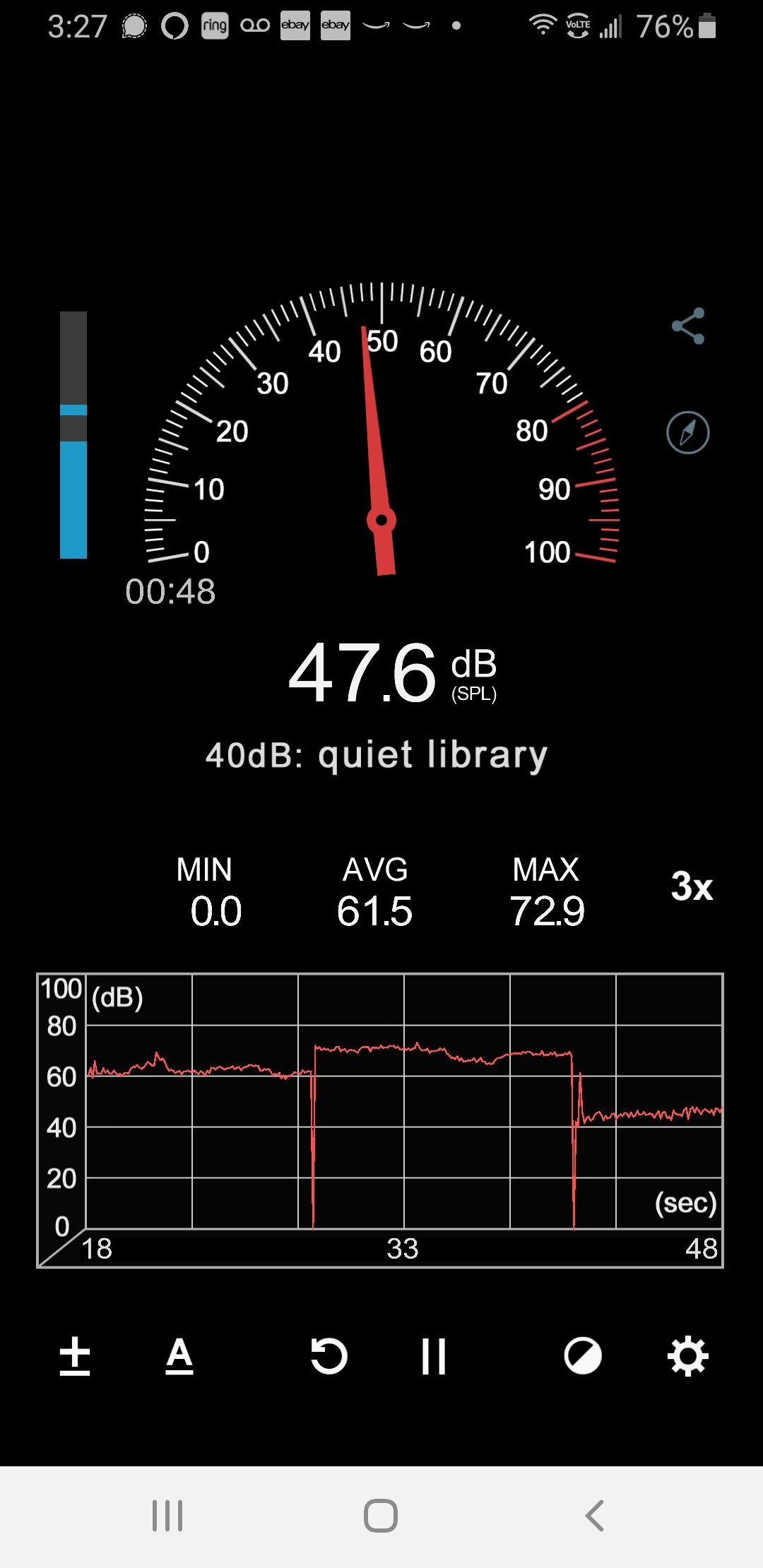
It is 49-state compliant, which is worth checking if you camp in the western United States where stricter emissions rules limit what can be sold.
The drawbacks are ordinary ones. The one-year warranty is short. Runtime is around 5.5 hours at half load, so a two-night trip at moderate draw needs a refill. There is no fuel gauge, no USB-C, and it is recoil start only. A wrench is included, oil is not.
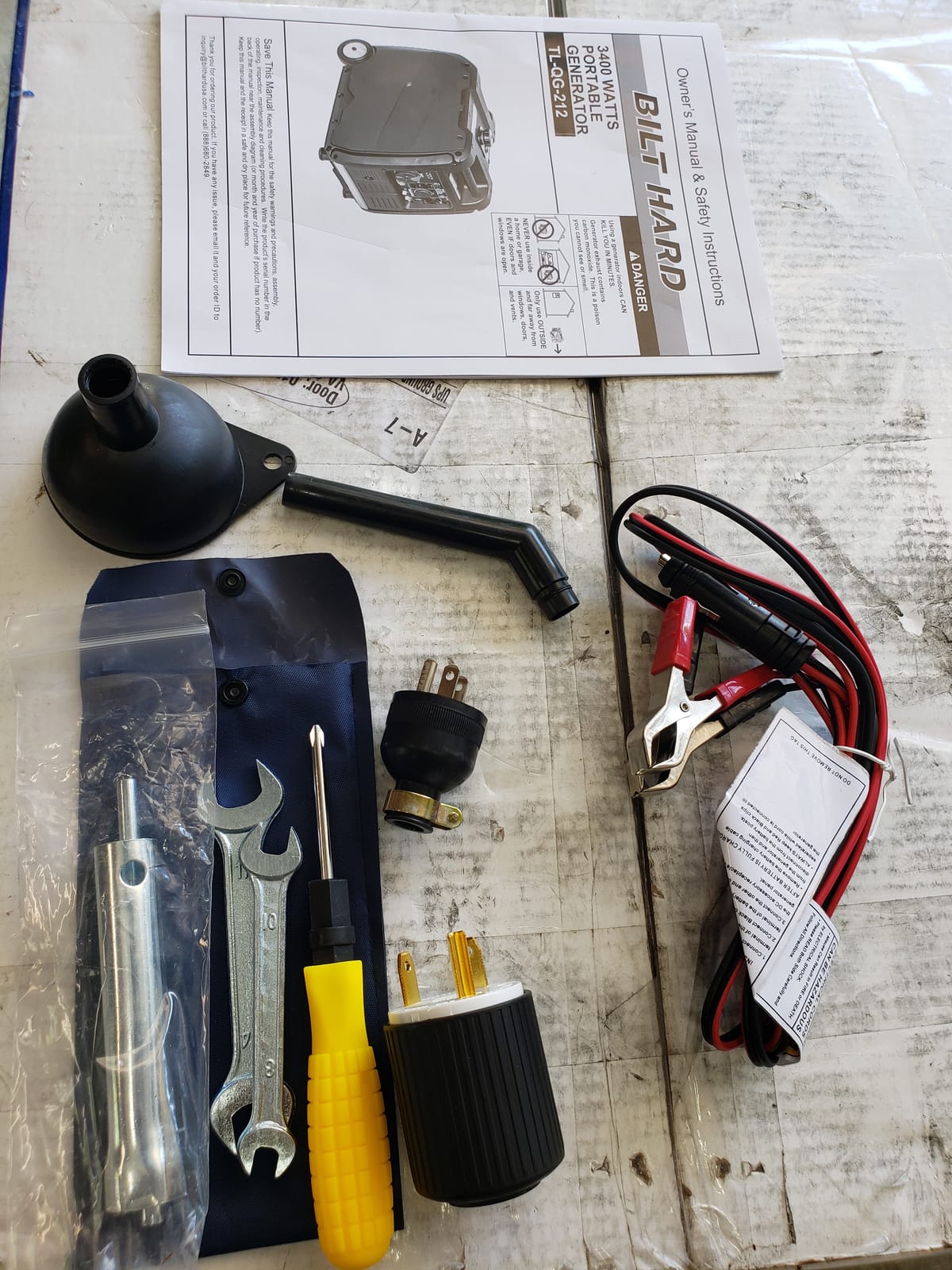
Who the BILT HARD suits
It suits tent and van campers on tight sites who want CO protection and breaker-protected outlets as standard, and who plan to add a second machine later for more power. For a mid-size machine at a modest weight it is a sensible pick.
Where it falls short
The short runtime and one-year warranty are the two things to weigh. It is also not for California, and it will not run an air conditioner despite the 2500W headline.
12. Honda EU1000i: The Best Inverter Generator for Absolute Quiet
Honda EU1000i 1000 Watt Inverter Generator, Super Quiet 120V Gas Powered Portable Generator for Camping or Home Backup Power Supply, Up to 6.8 Hour Run Time (EU1000T1AN)
1000W peak
42-50 dB
32.3 lbs
CO-MINDER
3-year warranty
Pros
- Quietest unit in the guide at 42-50 dB
- Light at 32.3 pounds
- Honda build quality and reliability
- CO-MINDER carbon monoxide detection
- Eco throttle for fuel efficiency
Cons
- 1000W peak leaves little headroom
- Recoil start with no electric option
- Not sold in California
- Small 0.6 gallon tank
Nothing else here is this quiet at 42 to 50 dB(A) the EU1000i produces less noise than a conversation, which means it can sit beside a tent in a well-run site and effectively disappear. It is also light at 32.3 pounds, so it is one of the lighter machines in this guide that a single person can carry comfortably.
Everything else follows from the size. The GXH50 four-stroke engine is a 50cc unit, the tank is 0.6 gallons, and runtime is somewhere between 3 and 6.8 hours depending on load. That is enough for an evening of lights, phone charging and a CPAP machine, and it is not enough for a fridge plus anything else running overnight.
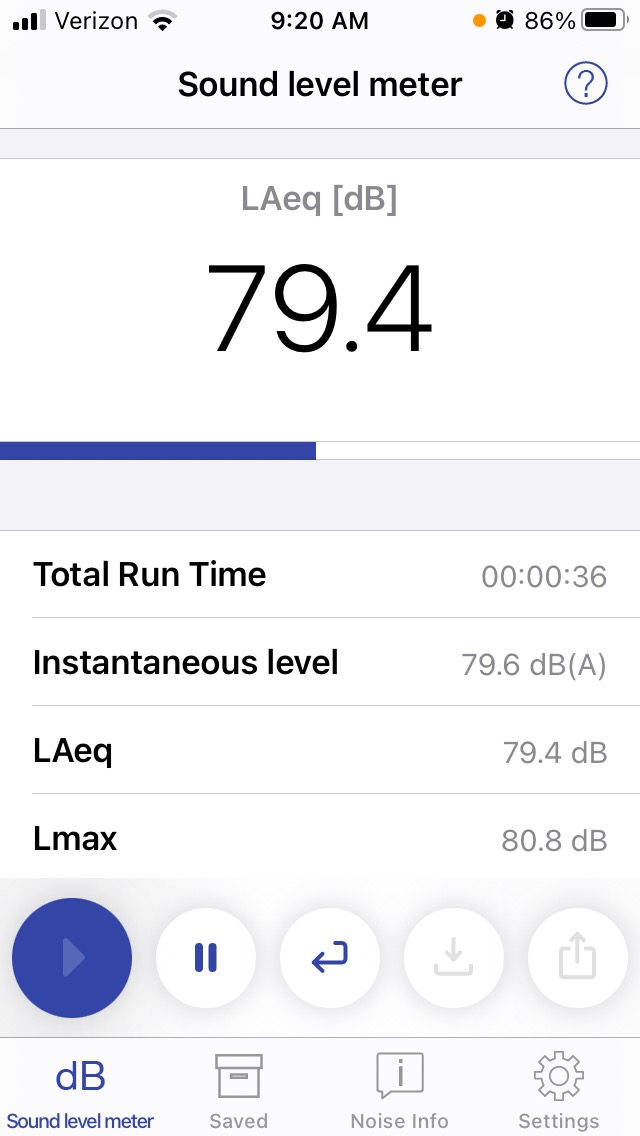
CO-MINDER gives it the same carbon monoxide shutdown as the larger Honda, and the three-year residential warranty is backed by the widest dealer and service footprint of any brand in this guide. For a machine you might keep for a decade, that support matters.
Be clear about the ceiling. 1000 peak watts means no kettle, no hairdryer, no coffee maker and no compressor. It cannot be paralleled with the 2000 series, so it is a standalone small-load machine rather than half of a scalable system.
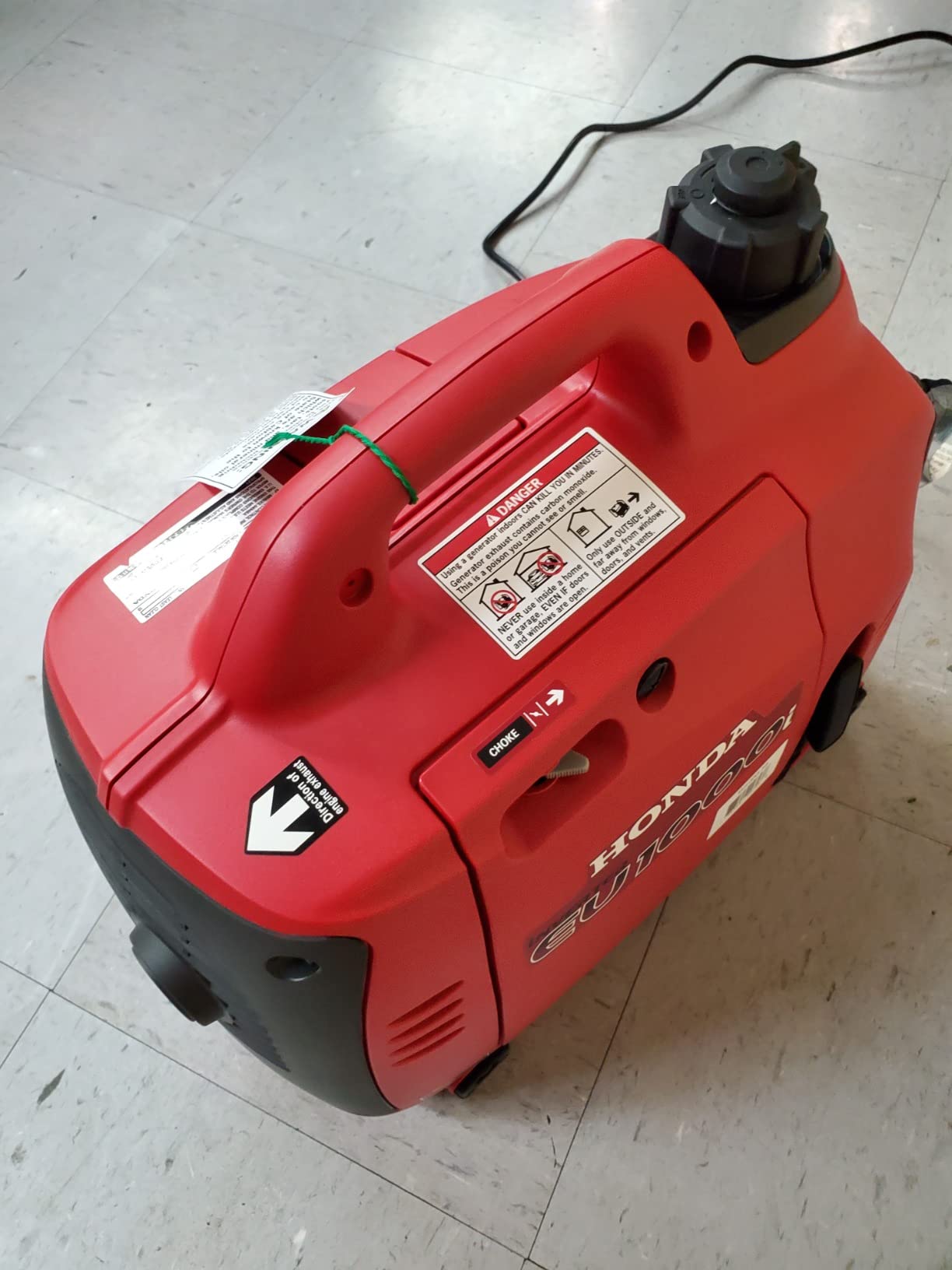
Who the EU1000i suits
It suits solo campers, tent campers and anyone camping in a national park or a quiet zone where noise limits are enforced strictly. It also suits medical-device users who need a small, steady supply and would rather carry less weight than more capacity.
Where it falls short
It is not for anyone with a fridge in the mix, and the tiny tank means refuelling for longer trips. Not available in California, and the premium tier price for the output is the least efficient part of this package.
How to Choose an Inverter Generator for Camping
Sizing comes first, and it is simpler than most guides make it sound. Add the running watts of everything you will run at the same time, then leave 25% headroom for compressor start-up. A CPAP machine, a 60W fridge and a phone charger together draw about 150 watts, so a 1200W unit is already generous. A 12000BTU rooftop air conditioner typically needs 1000 to 1500 running watts, which puts you in the 3000W class.
Noise is the second filter. Published figures are usually quoted at full load and 23 feet, so treat them as the worst case. Under 55 dBA you can hold a conversation next to it. Between 55 and 65 dBA you are fine at a normal pitch but should check the quiet hours. Above 65 dBA, look for a site where distance does the work. This is where the difference between the inverter models we rate highest and an open-frame machine becomes obvious.
Fuel type decides trip style. Gasoline gives more watts per litre and is easier to find, but it goes stale in a carburetor. Propane stores indefinitely and burns cleaner, which matters when the unit sits under an awning, at the cost of a small amount of output. Tri-fuel units add a third option and are covered in our tri-fuel guide if you want the detail.
Carbon monoxide protection is now the baseline. Every unit in this guide has a CO sensor or watchdog that shuts the engine down, and that is a minimum requirement rather than a feature to pay extra for. Placement still matters: exhaust away from open windows and doors, at least 20 feet from anything you intend to sleep in, and never inside a vehicle or a tent vestibule.
Outlets decide convenience more than most people expect. A TT-30R receptacle lets you plug straight into a campground pedestal, 12V DC and USB ports remove the need for adaptors, and a count of two outlets becomes a bottleneck the moment a partner plugs in a phone. Parallel capability is rarely used but useful as insurance if your load grows.
Weight is the one you feel every single day. Under 30 pounds is a solo-load machine. Between 30 and 50 pounds is a normal car-camping weight for two people. Over 50 pounds is an RV or a truck-bed machine that stays in one place once unloaded.
Altitude reduces output by roughly 3% per 1000 feet of elevation, which matters more than most buyers expect in mountain camps. Cold weather slows starting and thickens oil, so keep the machine in a sheltered part of the vehicle and use a fuel stabiliser in anything that will sit for a month. Between seasons, drain the tank or run the engine down; a fuel shutoff system handles most of this for you.
Finally, weigh the battery power station alternative honestly. A portable power station is silent, needs no fuel and starts instantly, which makes it a better fit for tents and quiet sites. It cannot run a coffee maker or an air conditioner for long, and capacity adds weight fast. Many campers use both, running a power station for electronics and a small inverter for heat and cooking. If home backup matters to you as well, our standby generator guide covers a different category entirely.
Frequently Asked Questions
What is the best inverter generator for camping?
The Honda EU2200i is the best all-round inverter generator for most campers, with 1800 running watts, a 48-57 dB(A) rating, CO-MINDER shutdown and clean power for sensitive electronics. The Champion 4000W is the better choice if you need to run an RV air conditioner or plug into a 30A pedestal, and the AIVOLT 1750W is the pick if carrying weight is the deciding factor.
Who makes the most reliable inverter generators?
Honda has the strongest reputation for long-term reliability, and its machines hold their value better than most rivals in this category. Champion and WEN follow with three-year warranties and solid build quality. The white-label and budget brands here can produce excellent power for the money, but expect less support when something goes wrong away from home.
What are the disadvantages of an inverter generator?
The main drawbacks are cost, weight and limited peak output for the money. Inverter machines deliver cleaner and quieter power but usually give up surge capacity compared with open-frame machines of similar price. Most are recoil start only, fuel goes stale in a carburetor if the unit is stored full, and running watts are typically well below the peak number printed on the box.
What size inverter generator is recommended for a camper?
For a tent camper running a CPAP, lights and a phone charger, 1200 to 1800 running watts is enough. For a car camper with a portable fridge, a coffee maker and a laptop, look for 2000 to 3000 running watts. Running an RV rooftop air conditioner generally needs 3000 running watts or more, so a 4000W peak inverter is the practical starting point.
What is the quietest inverter generator for camping?
The Honda EU1000i is the quietest in this group at 42-50 dB(A). Among the higher-output machines, the Champion 2500W Ultralight at 53 dBA and the ERAYAK 2400W at 52.5 dB at 7 metres sit just behind it, with the Honda EU2200i at 48-57 dB(A) close behind at 1800 running watts.
Can I run an RV air conditioner on an inverter generator?
Yes, if the unit has enough running watts. A 12000BTU rooftop unit typically draws 1000 to 1500 running watts with a high start-up surge, so a 3000W running inverter such as the Champion 4000W is the practical choice. Smaller 1800 to 2000W units will run a fridge and electronics but will not carry air conditioning reliably.
Is a dual fuel inverter generator worth it for camping?
It is worth it if your trip can run long or reach places without fuel. Propane stores indefinitely, burns cleaner and gives you a fallback when a gasoline supply runs out, at the cost of some output. If you camp within reach of fuel and take short trips, the single-fuel machines in this guide are lighter and simpler to carry.
Final Verdict for Camping in 2026
After a season of running all twelve, the best inverter generators for camping come down to what you are powering. The Honda EU2200i is our editor’s choice and the machine we would pack first: quiet, clean, dependable, and proven across thousands of reviews.
Take the Champion 4000W if you have an RV and want air conditioning or a 30A plug. Take the PowerSmart 3800W dual fuel if you want the most capability for the money and a propane fallback. Take the AIVOLT 1750W or Genkins 1600W if you will be carrying the machine yourself. Take the Honda EU1000i if the site has strict quiet rules and your load is only electronics.
Whichever one you pick, run it on a stable surface, point the exhaust away from your tent, add a fuel stabiliser if it will sit for a season, and check the campground quiet hours before you start it at dawn. That preparation matters as much as the model.