
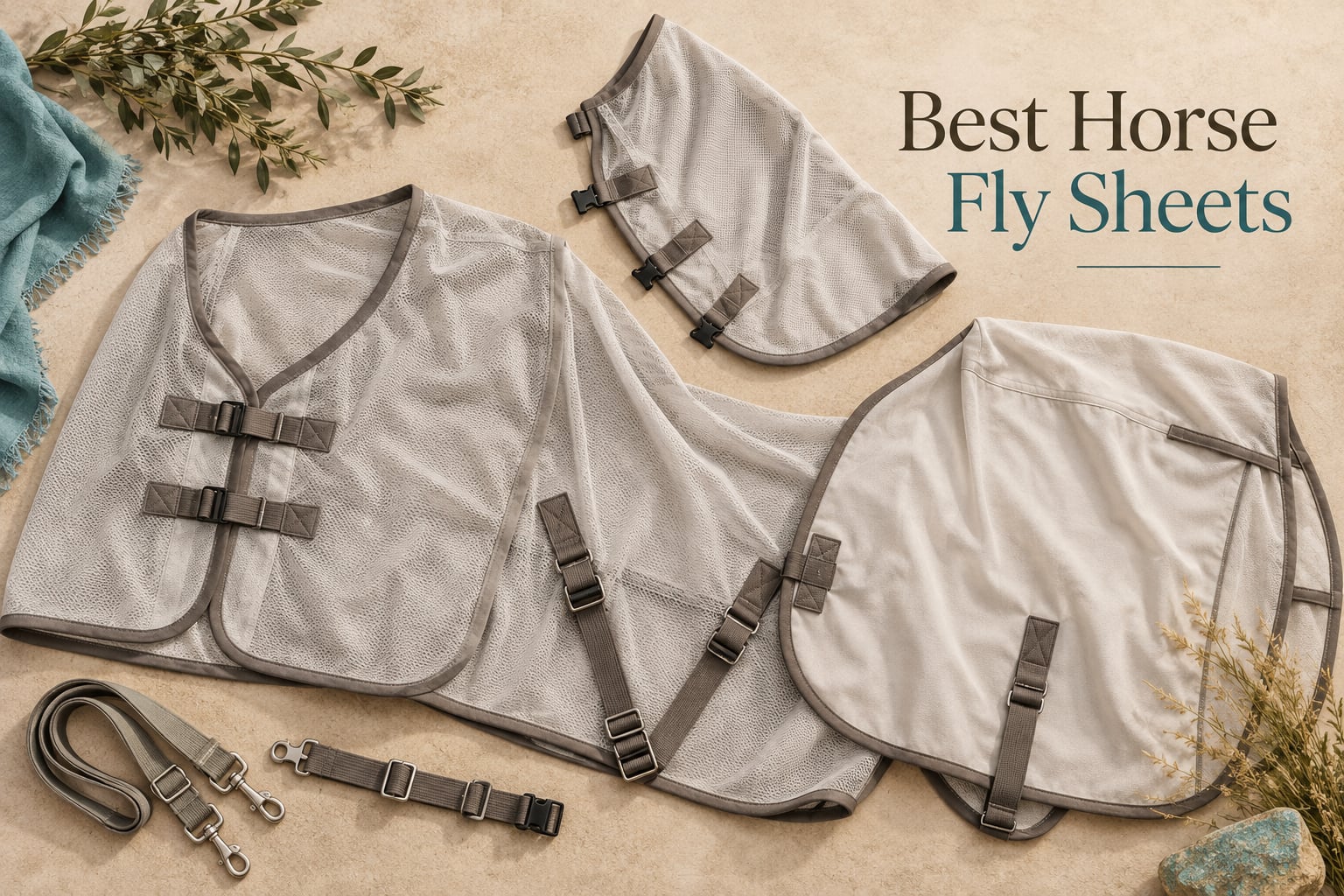
Yes, fly sheets work, and the right one is the difference between a horse that grazes calmly through high summer and one that stamps, swishes and rubs its mane out in self defence. The best horse fly sheets combine a mesh weight that matches your climate, enough coverage over the neck and belly where biting midges actually work hardest, and hardware that survives a full season of daily turnout.
We put 12 of the strongest options through their paces this season, from ultralight scrims for the stable and trailer to heavy duty sheets built for horses who roll in rough pasture. The HILASON UV mesh sheet came out on top on the balance of owner feedback, adjustability and coverage, with over a thousand reviews behind it. The WeatherBeeta ComFiTec Ripshield Plus is the durability benchmark, and the Horseware Rambo Protector is the pick for a horse who is hard on rugs.
A fly sheet is a lightweight, breathable rug worn over the body during turnout. It puts a physical barrier between your horse and flies, midges and mosquitoes, and it shields the coat and skin from UV damage while sweat passes through the open weave. If you are kitting out a younger horse for the field, our horse saddle reviews and tack set picks cover the rest of the setup, and a good riding helmet matters just as much on a summer hacking trail.
Over the next few minutes you will find the sheet that suits your climate, your horse’s temperament and your tolerance for reordering. Updated for 2026, with sizing notes and honest drawbacks on every pick.
Table of Contents
Top 3 Fly Sheets for 2026

HILASON UV Mesh Fly Sheet
- UV protective mesh
- Double front buckles
- Adjustable leg straps
- Quick-grip neck and belly wraps

WeatherBeeta ComFiTec Ripshield
- 1200 denier cross-hatch mesh
- Detachable neck cover
- Ultra belly wrap
- Full-wrap tail flap

Horseware Rambo Protector
- UV protection
- V-front closure
- Detachable hood included
- Dual leg arches
Best Horse Fly Sheets in 2026 at a Glance
| Product | Specifications | Action |
|---|---|---|
| HILASON UV Mesh Fly Sheet |
|
Check Latest Price |
 TuffRider Comfy Mesh 130 g TuffRider Comfy Mesh 130 g |
|
Check Latest Price |
 TuffRider Combo Neck 190 g TuffRider Combo Neck 190 g |
|
Check Latest Price |
 Challenger Lightweight Mesh Sheet Challenger Lightweight Mesh Sheet |
|
Check Latest Price |
 Tech Equestrian Heavy Duty Sheet Tech Equestrian Heavy Duty Sheet |
|
Check Latest Price |
| WeatherBeeta ComFiTec Ripshield |
|
Check Latest Price |
 Tough 1 PVC Tri-Shield Sheet Tough 1 PVC Tri-Shield Sheet |
|
Check Latest Price |
 Country Pride Zebra Print Sheet Country Pride Zebra Print Sheet |
|
Check Latest Price |
 Country Pride Lightweight Scrim Country Pride Lightweight Scrim |
|
Check Latest Price |
| Horseware Rambo Protector |
|
Check Latest Price |
 Horseware Amigo Integrated Horseware Amigo Integrated |
|
Check Latest Price |
 Derby House Recycled Cool Lite Derby House Recycled Cool Lite |
|
Check Latest Price |
1. HILASON UV Mesh Fly Sheet – Best Overall Coverage for Daily Turnout
HILASON Horse Fly Sheet 78 in White Turquoise UV Mesh
UV protective mesh
Double front buckles
Quick-grip neck and belly wraps
4.44 lb
Pros
- Most adjustable fit in the group
- Belly and neck coverage for midges
- Stands up to machine washing
- Sizes 66 to 84 inch with expandable panel
Cons
- Thin mesh tears if the horse rolls
- Neck section can slide down
- Runs heavy in extreme heat
We used the HILASON on a 15.1 hand gelding turned out twelve hours a day, and it is the sheet we kept reaching for. The double front buckle closure plus the quick-grip neck and belly wraps let you dial the fit in properly, which is where most budget sheets fall down.
It weighs 4.44 pounds, which is not the lightest option here, but the airflow through the UV protective mesh kept him comfortable in 30C afternoons. The belly band is the part owners praise most, and it genuinely reduced the fly pressure around the groin and lower barrel where midges concentrate.
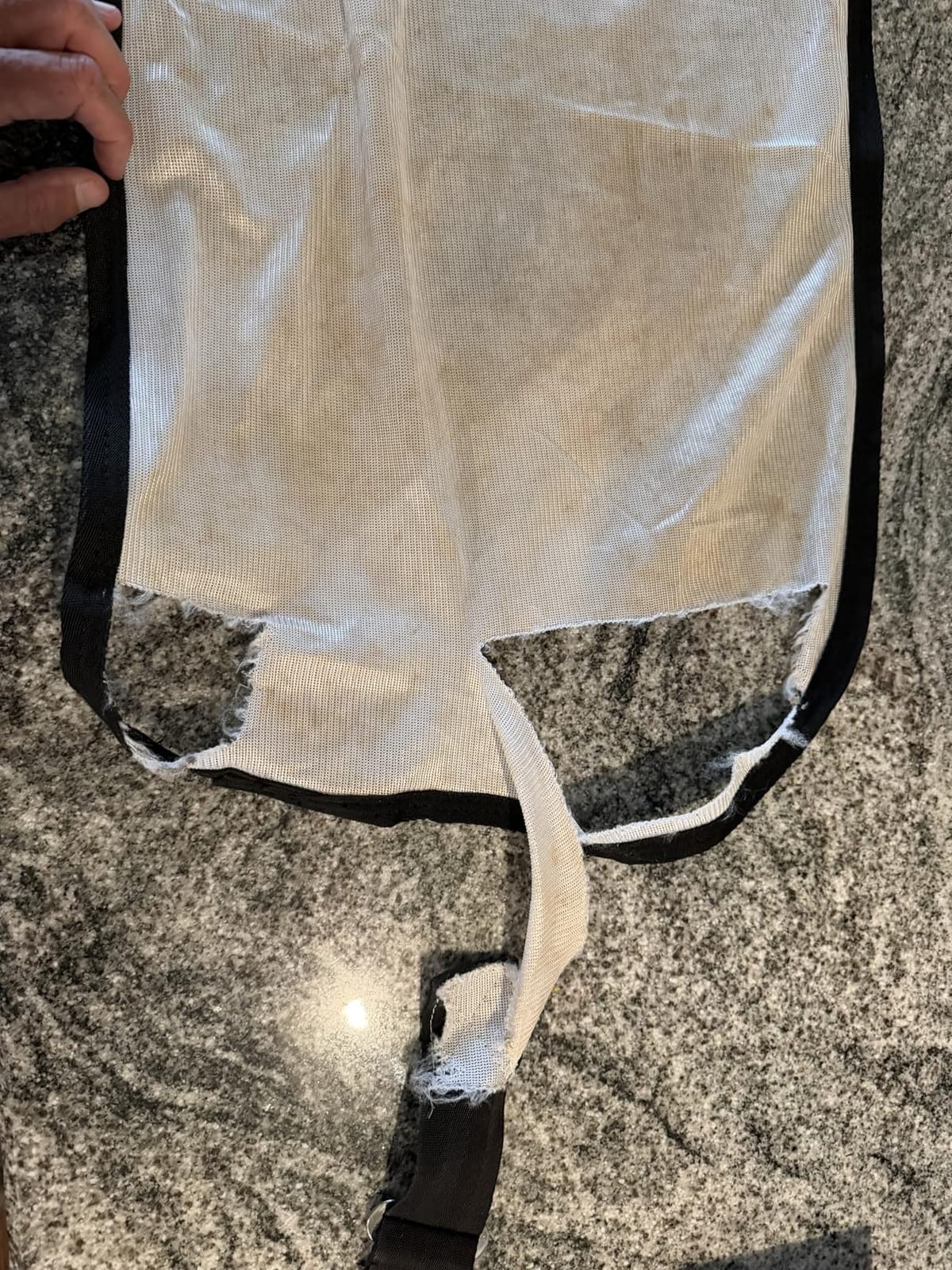
Sizing is unusually flexible for a sheet in this class. It covers 66, 69, 72, 75, 78, 81 and 84 inch horses, and the expandable panel helps bridge the gaps between standard sizes, which is useful for a horse between sizes or one with an unusually deep barrel.
Durability is the honest caveat. Reviewers report that horses which roll or play in pasture will shred this mesh within days or weeks, so it suits a calm or stall-kept horse far better than a rough turnout companion. A few owners also noted the neck section sliding down and needing extra anchoring, and one or two reported belly band straps undoing at the back.
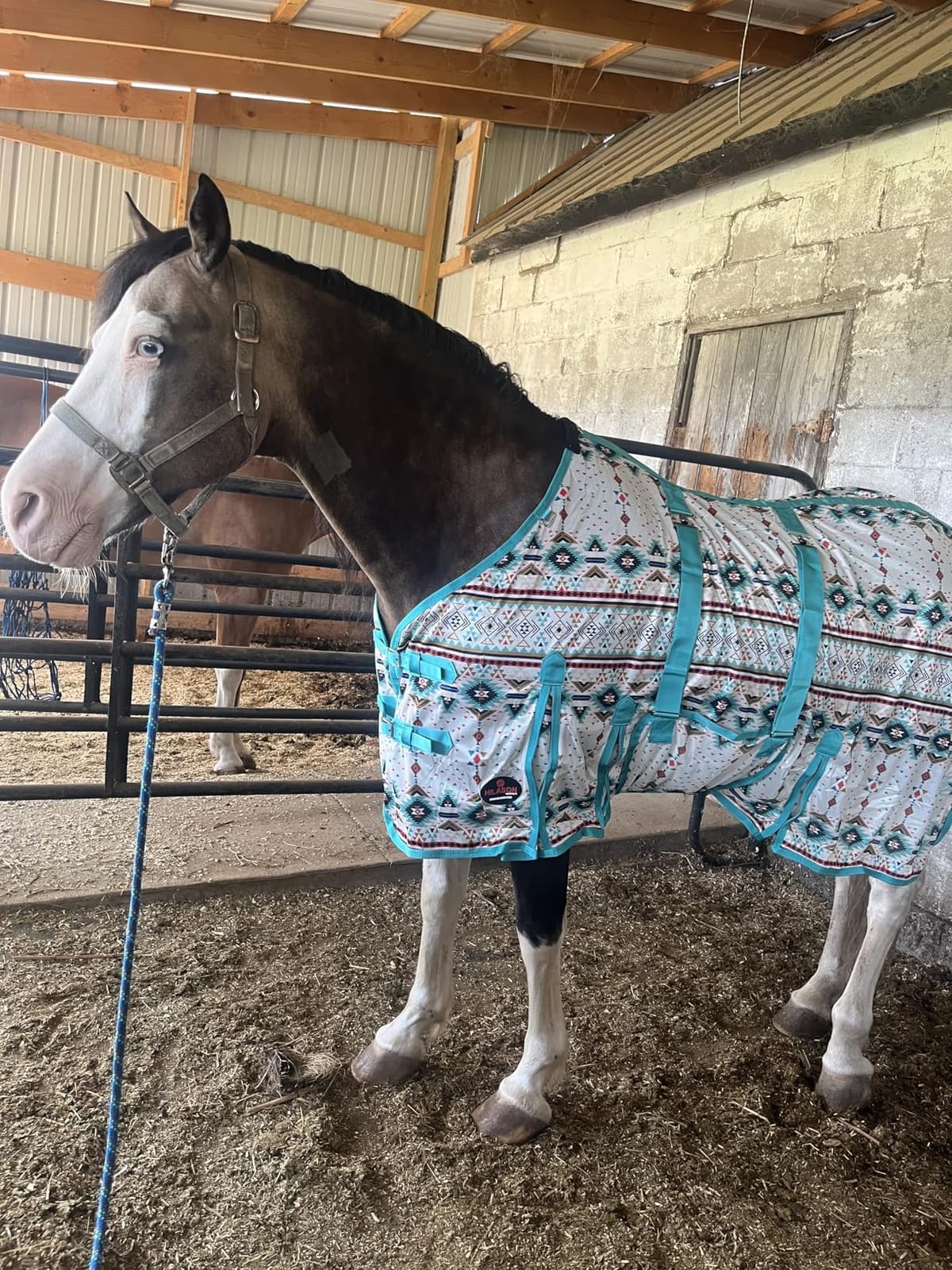
Will it survive a horse that rolls in the field?
Not reliably. This is standard thin mesh, and owners of rolling horses consistently report tears along the shoulder and flank. If your pasture is that kind of environment, look at the WeatherBeeta ComFiTec or the Tough 1 PVC coated sheet instead.
For a horse that grazes, stands quietly and is checked daily, it holds up well. Several buyers report replacing theirs only after a full season of normal use.
Is the coverage enough for sweet itch horses?
Partly. The neck and belly wraps extend the barrier across the two areas that cause the most midge-driven irritation, but this is not a full shroud or a combo-neck build. Sweet itch sufferers usually need neater coverage at the neck seam and no restrictive leg straps rubbing the lower limbs.
It is machine washable, which matters more than it sounds. Sheets that get rinsed and dried regularly rarely fail early, and owners repeatedly praise how well this one holds up in the wash.
2. TuffRider Comfy Mesh Fly Sheet 130 g – Most Versatile for Hot Climates
TuffRider Comfy Mesh Fly Sheet | UV Protection Horse Sheet, Standard Neck, 130 Grams Breathable Polyester Mesh – White – 75
130 g polyester mesh
Stainless steel hardware
Chafing-reducing lining
Standard neck
Pros
- Feather-light mesh for hot weather
- Solid buckles and clips
- Good for light coated horses
- True to size
Cons
- Mesh tears easily on rowdy horses
- Runs snug on deep-bodied horses
- No neck cover
This is the sheet we reach for when the forecast is 35C and the horse sweats under anything heavier. The 130 g polyester mesh is soft rather than stiff, and it is the least abrasive fabric in this roundup against a thin-skinned or grey coat.
The twin-buckle front closure, low cross surcingles and removable leg straps hold it in place without digging in, and the inner lining at the chest and shoulders reduces chafing over long days. Stainless steel hardware is a nice touch in damp or coastal conditions.
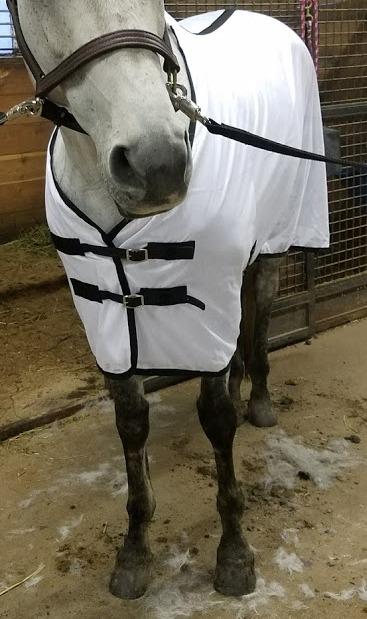
Owners rate it highly for sun protection, and repeat purchase is common. It works as a simple barrier against mosquitoes and bright sun on clipped horses, and it washes and dries without fuss.
The weakness is the same one that makes it cool: 130 g mesh tears when a horse rolls hard or plays in a rough herd. Several buyers also found it snug across the chest on stockier horses and recommended sizing up, which is worth doing before you commit.
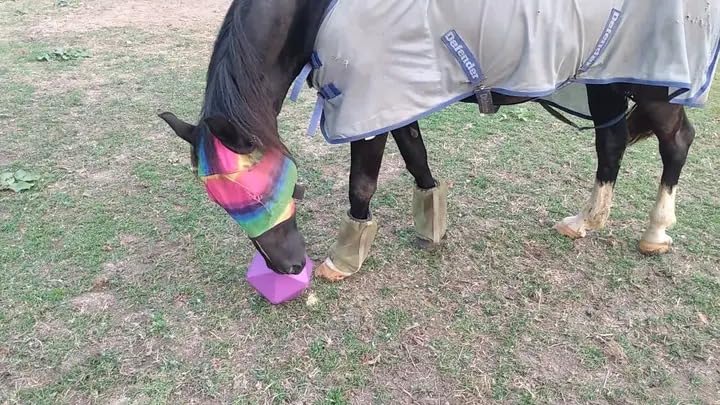
Will it rub a grey or white horse?
Less than most. The soft polyester hand and the chafing-reducing chest and shoulder lining make it one of the safer choices on pale coats, and owners with light-coloured horses specifically praise how it sits. Chronicle of the Horse forum threads about shoulder rubbing on white ponies come up repeatedly, and a soft sheet is the first fix we would try.
Fit still matters more than fabric. Measure the chest and compare against the brand chart before ordering.
Can you add neck coverage to it?
Not on this version. It is a standard neck design with no hood, which keeps it light and lets the horse move its head and neck freely. If you need neck coverage at the shoulder, look at the TuffRider combo neck in position three or the Derby House detachable neck sheet.
3. TuffRider Comfy Mesh Combo Neck Fly Sheet 190 g – Best for Sweet Itch Coverage
TuffRider Comfy Mesh Combo Neck Fly Sheet | UV Protection Horse Sheet with Neck Cover, 190 Grams Breathable Polyester Mesh – Frosted Almond – 78
190 g polyester mesh
Integrated combo neck
UV protection
Chafing-reducing lining
Pros
- Extended neck coverage all day
- Heavier mesh still breathable
- Comfortable lining for daily wear
- Tunable surcingles and straps
Cons
- Heavier in very hot conditions
- Neck cover reduces head mobility
Sweet itch horses get bitten in the places they can reach with their heels, and the neck is one of them. This combo neck sheet is the highest-coverage lightweight build we tested, and the integrated neck cover closes off the shoulder and lower neck gap that standard sheets leave open.
Stepping up from 130 g to 190 g polyester mesh is the trade. It holds together better and still moves air, but on a very hot day a sensitive horse may feel it more than the lighter model would.
Owners choose this version specifically for the extra coverage and report solid construction, good airflow for its weight class and a comfortable lining for daily wear. Adjustable surcingles and removable leg straps let you tune the fit once the horse settles into a routine.
Two things to weigh. The heavier mesh is less suited to very hot conditions than the standard model, and the neck cover does restrict head and neck freedom of movement, which some horses dislike at first. Introduce it over a few days rather than on the first hot afternoon.
Is combo neck coverage right for an allergy horse?
Usually. Extending the mesh over the neck and shoulder is one of the most effective single upgrades for a sweet itch sufferer because it removes the bites that start the scratching cycle. The leg straps are still adjustable and removable, so you can set them loose or take them off on horses with sensitive limbs.
Pair it with a bonnet and mask, since the face and ears are still exposed. Owners managing insect hypersensitivity almost always run the sheet plus face protection as a set.
Will the neck cover dig into the mane and withers?
It can if the size is wrong, and this is the most common complaint across every neck-cover sheet we looked at, not just this one. Sweat rub marks along the neck seam usually mean the sheet is too small through the crest or the neckline sits too low. Measure and check the fit on the first day.
4. Challenger Lightweight Mesh Fly Sheet – Best Value for Hot Weather Turnout
Challenger Horse Mesh Light Weight Summer Fly Sheet Spring Airflow White 73403B
Poly nylon mesh
Double front buckles
Velcro belly wrap
Two gussets
Pros
- Very light and airy in the heat
- Velcro belly band adjusts easily
- Good everyday value
- Wide range of sizes
Cons
- Mesh tears quickly on rough horses
- Not built for harsh housing herds
- Sizing advice varies by size
The Challenger is the sheet we put on when the priority is airflow and nothing else. The poly and nylon mesh is among the lightest in this roundup, and it is a genuinely comfortable choice for a horse that sweats easily in summer turnout.
Two gussets at the shoulder let the horse reach, graze and roll without the sheet pulling across the withers, and the double front buckles with an adjustable neck and belly wrap closure give you a close fit without fiddly straps.
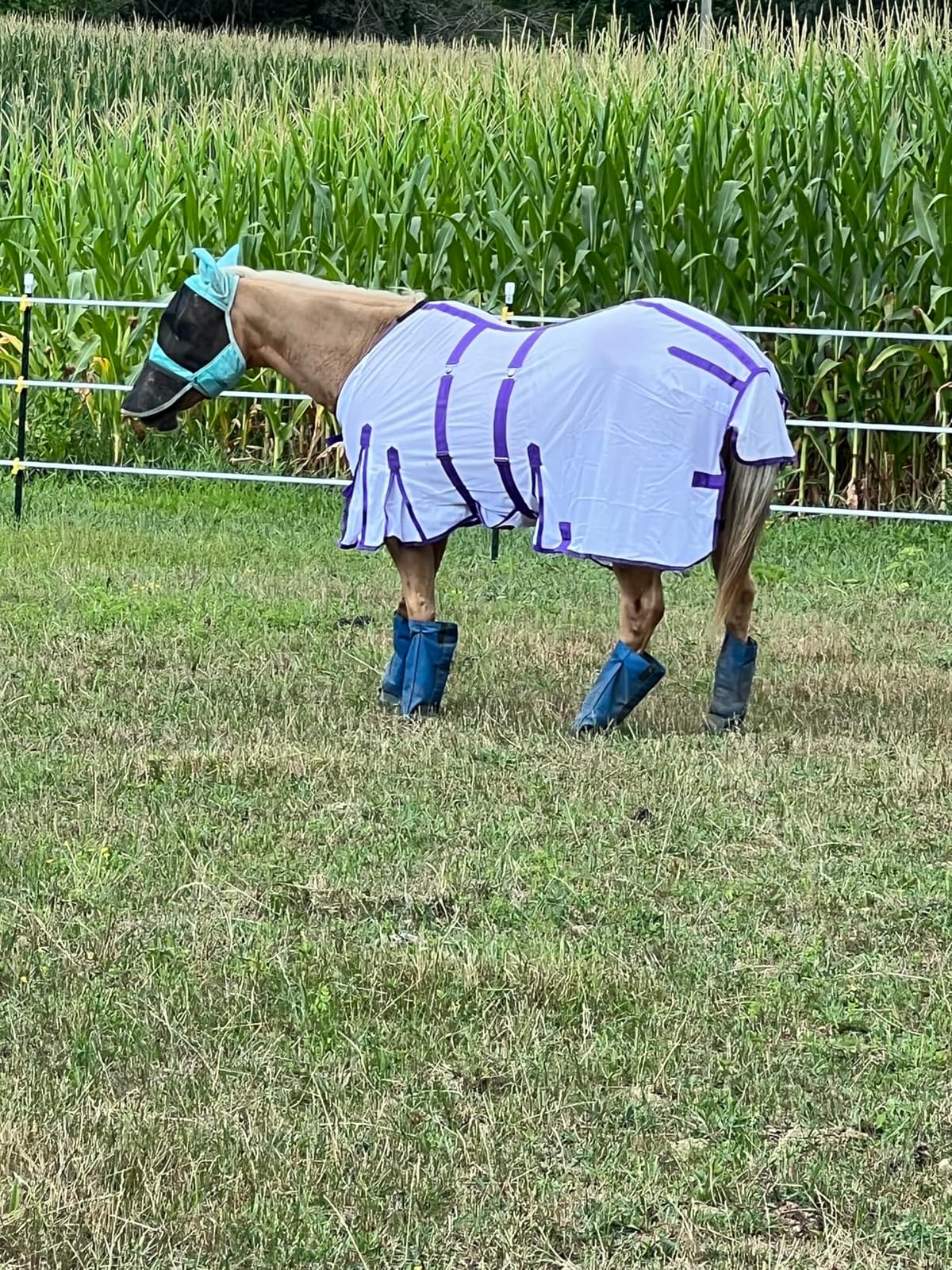
The velcro belly band is a real strength. Owners with deep-barrelled horses like that it can be readjusted through the day and holds a consistent line as the horse moves.
The limitation is durability. Several buyers with rough or rolling horses report the mesh ripping quickly, one within twelve hours of turnout, so treat it as a sheet for a careful horse. Sizing advice is also inconsistent between sizes, so measure rather than guessing from the previous one.
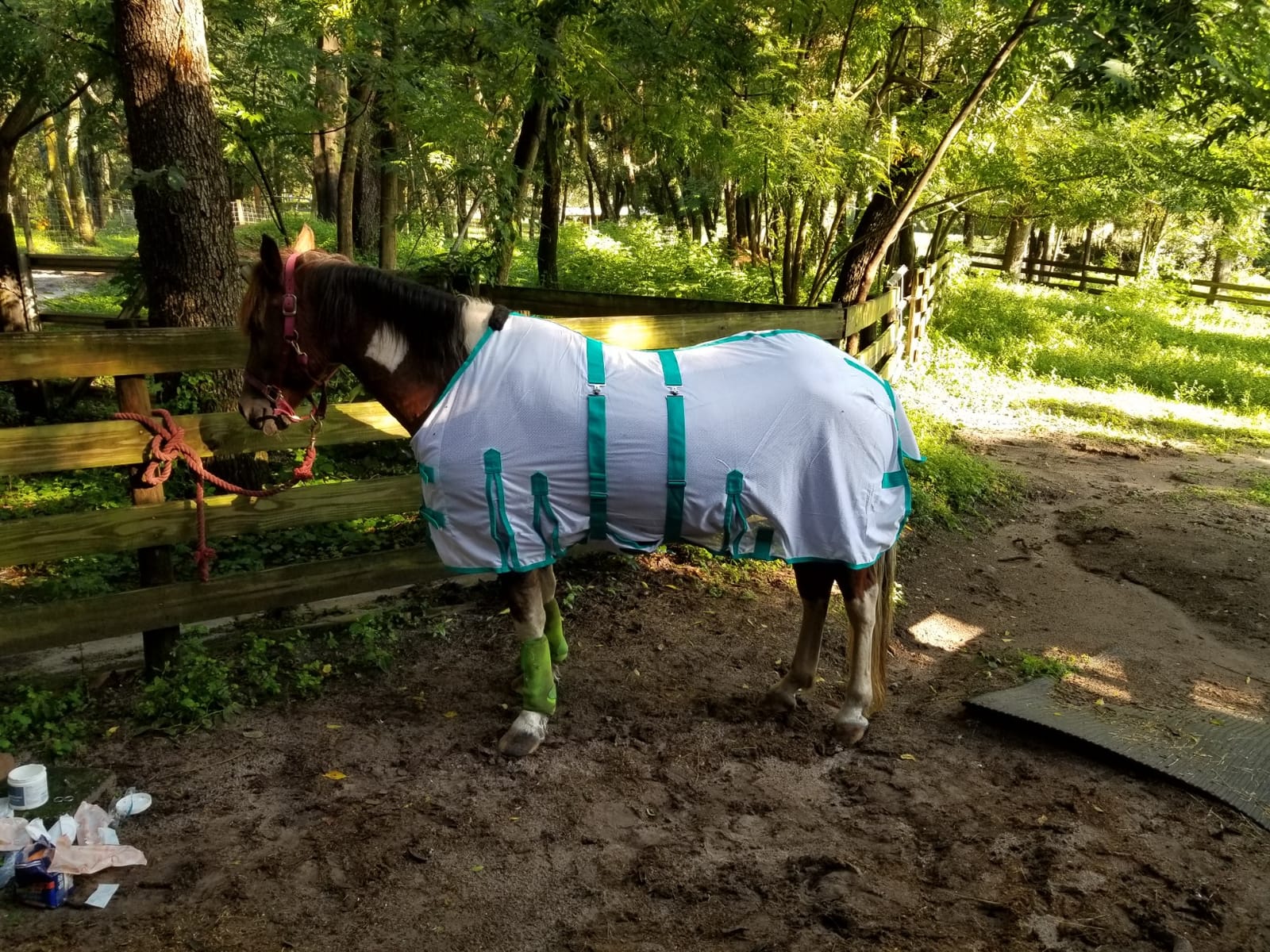
Is it suitable for a horse living in a large herd?
Not really. It is not tested or guaranteed for horses in rough housing herds, and the mesh is not robust enough for fence-line rolling and play fighting. For a stall-kept horse, a small paddock or a horse that is checked daily, it works very well.
If your horse is hard on rugs, look at the Tough 1 PVC coated option or the WeatherBeeta instead. Both are built for abuse.
How often will it need washing?
Frequently in high season. It rinses clean and air dries quickly, which is the biggest practical advantage of a light poly and nylon mesh, and a hose-down after a dusty week is enough. Washing it properly, rather than leaving sweat and dirt in the fabric, is what keeps a light sheet alive.
5. Tech Equestrian Heavy Duty Fly Sheet – Best Full Coverage Build
TECH EQUESTRIAN Heavy Duty Horse Fly Sheet with Neck and Detachable Belly Band | Summer Sheet (78, Purple)
Heavy duty breathable mesh
Attached hood
Removable belly band
Six gussets
Pros
- Most complete coverage in the roundout
- Breathable enough to avoid sweating
- Strong stitching and hardware
- Reported to outlast pricier sheets
Cons
- Runs small at chest and neck
- Mesh can still rip on playful horses
- Occasional quality faults
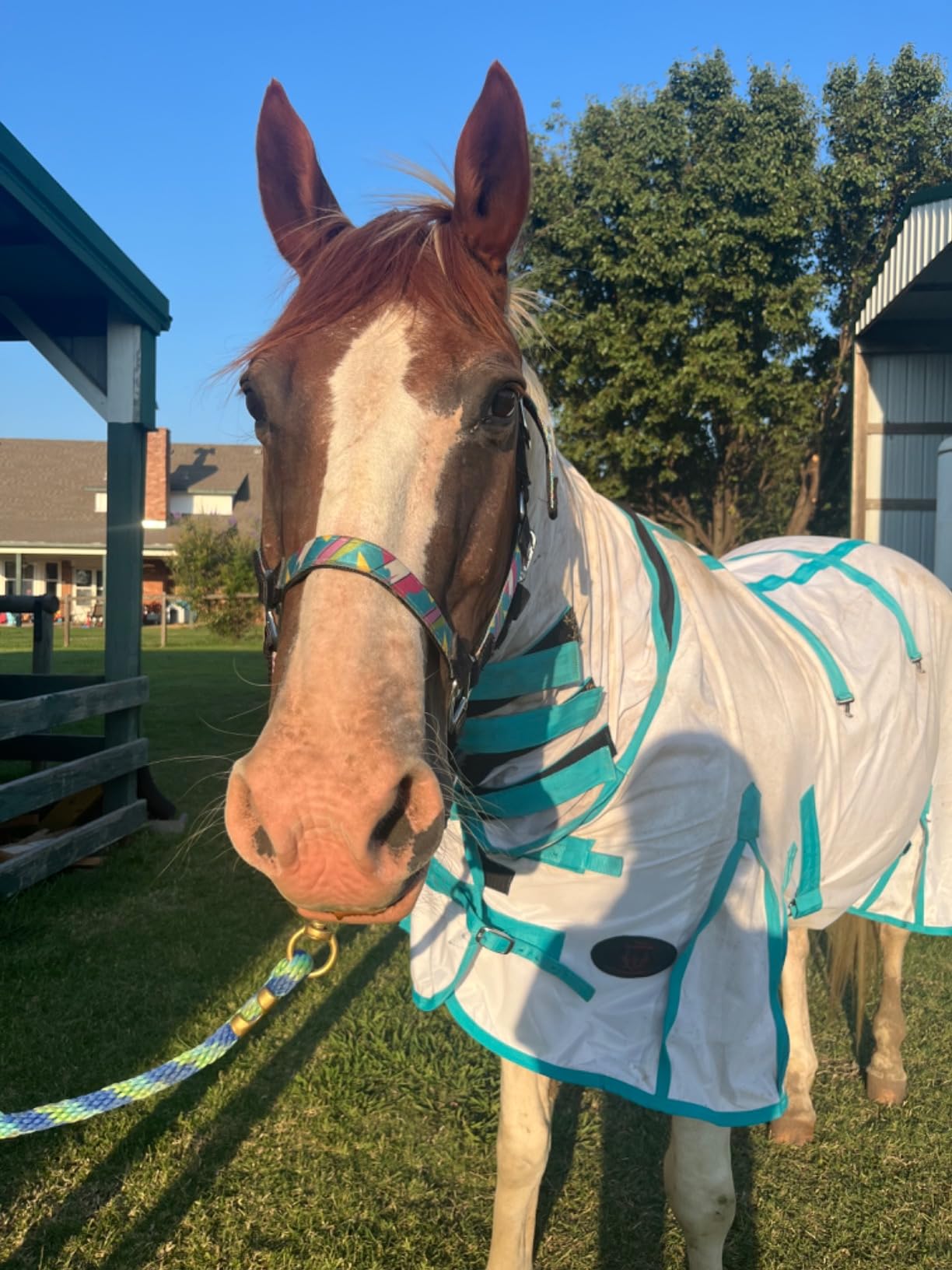
If you want one sheet that closes off as many gaps as possible without going to a full shroud, this is the one. It comes with an attached hood, a removable belly band, a tail cover, two cross surcingles, two front buckles and elastic removable leg straps. There is very little open to the flies.
Six gussets widen the movement area, and that is the feature we noticed most in the field. The horse could roll, stretch out and gallop without the sheet cutting across the shoulder, which is where narrower builds tend to fail.
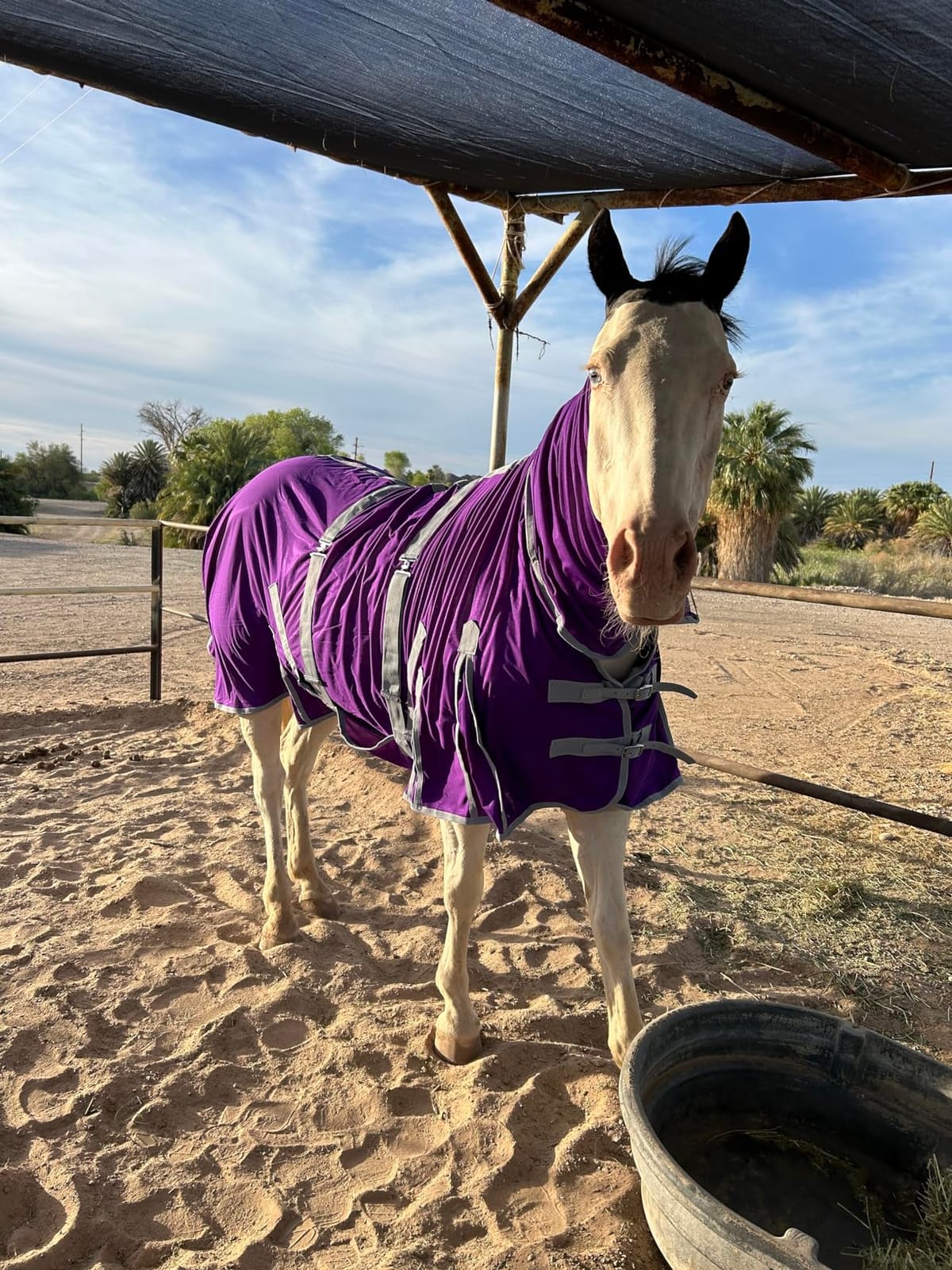
Despite the heavy duty mesh, reviewers report it is breathable enough that horses do not sweat in high heat, and several mention it outlasting more expensive sheets. The stitching and hardware are consistently praised.
The main issue is fit. It runs small at the chest and neck, and several buyers recommend sizing up, especially on a deep horse. The belly piece can also sit oversized even with the straps pulled tight, so check the whole picture rather than one area.
Should I size up on this sheet?
Probably yes, if your horse is deep through the chest or has a thick neck. The recurring advice from owners is to go up one size and adjust with the surcingles, because a sheet that is too tight across the chest rubs far more than one that is a little loose.
Wide, long velcro neck straps help close the gap if you do go up, and they are one of the reasons this build holds its position.
Is it too much coverage for peak summer?
For most horses in moderate climates, no. Owners in hot weather report the mesh still breathes well. For a very hot climate or a horse that sweats heavily, a lighter standard-neck sheet is the safer call, since too much coverage is its own problem in peak summer.
6. WeatherBeeta ComFiTec Ripshield Plus – Most Durable Fly Sheet We Tested
WeatherBeeta ComFiTec Ripshield Plus with Belly Wrap Detach A Neck, White/Burgundy, 69″
1200 denier cross-hatch mesh
Detachable neck cover
Ultra belly wrap
210T nylon lining
Pros
- Survives years of daily turnout
- Breathable and cool in humid climates
- Removable neck and full-wrap tail flap
- Does not rub the withers
Cons
- Front velcro sticks and folds at the chest
- Neck binding and hood stitching flimsy
- Snug for very wide shoulders
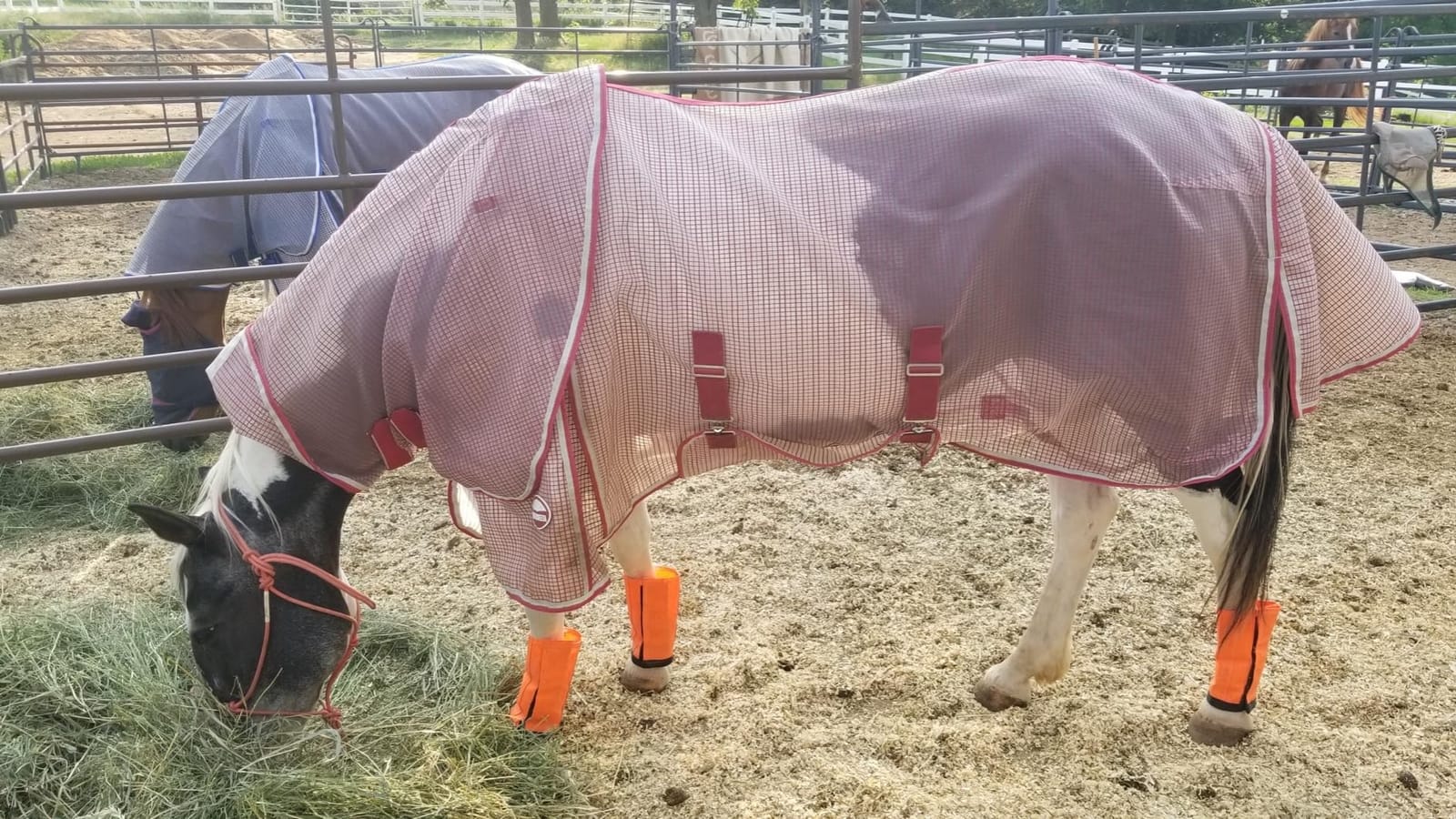
This is the sheet we trust when the horse is out every day and the pasture is hard on rugs. The 1200 denier cross-hatch fine mesh weave is what separates it from every other sheet in this roundup, and it is the reason owners report multiple years of use instead of one.
Coverage is excellent. You get a removable neck cover, a boa fleece at the wither, an adjustable ultra belly wrap, a two-piece full wrap tail flap and elasticised removable web leg straps, so the barrier runs from poll to tail with only the legs and face open.
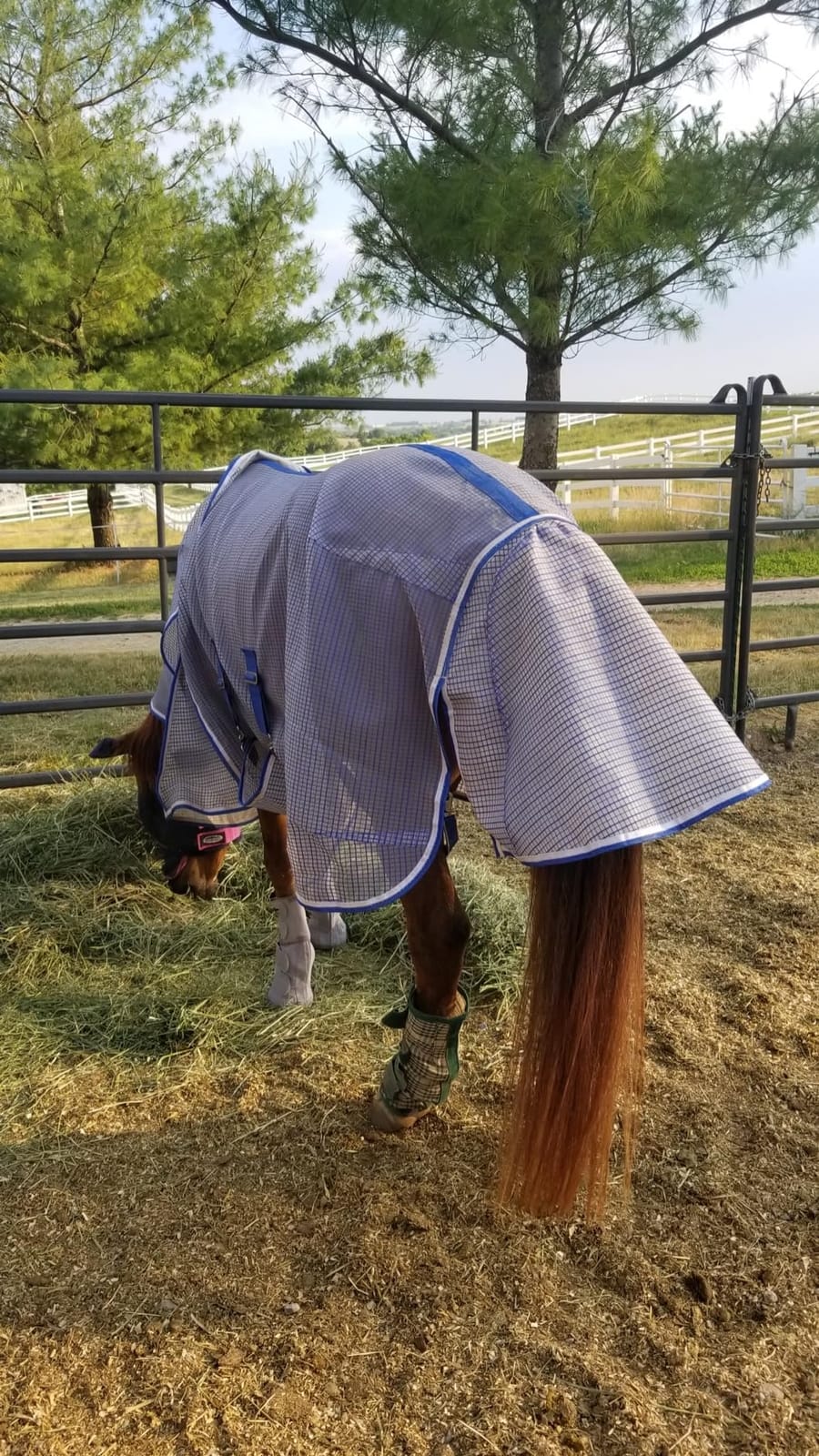
The 210T nylon lining at the shoulders, mane and tail flap is the detail that stops rubbing, and owners with thick manes report it does not dig into the withers. It is machine washable and easy to hose off, which is how you get three seasons out of a sheet like this.
Breathability is genuinely good for fabric this tough, and it stays cool in humid climates. Long-term owners on the Chronicle of the Horse forums describe the Ripshield as reliable and cool, and it is a common recommendation for grey horses.
Is the stiffness a problem on a thin-skinned horse?
Possibly. Ripshield mesh has a firm hand, which is exactly what makes it durable but also what produces rubbing on very fine coats if the fit is tight. On a grey, white or pink-skinned horse, order the size up and check the shoulder and neckline on day one.
The nylon lining at the shoulder and mane areas exists for this reason and helps considerably. Some owners on Reddit report a WeatherBeeta strap breaking twice in service, so inspect the hardware early and keep the elastic leg straps loose.
How long does it realistically last?
Multiple owners report several years of daily turnout, including with horses whose pasture destroyed softer mesh sheets. The criticism that does come up is hardware and trim rather than the fabric itself: the front velcro can stay stuck and fold against the chest, and the neck cover edge binding and hood attachment can be flimsy.
Treat it as a long-term buy rather than a seasonal one, and it earns its place.
7. Tough 1 PVC Coated Mesh Tri-Shield Sheet – Best for Tear Resistance
Tough1 Deluxe Mesh Fly Sheet – Hunter Green – 72″
1000 denier PVC coated mesh
Water resistant
Double buckle front
Replaceable leg straps
Pros
- Coated mesh resists tearing and moisture
- Breathable enough for daily turnout
- Replaceable elastic leg straps
- Water resistant finish
Cons
- Single belly surcingle gives less coverage
- Stiffer and warmer than soft mesh
- Hand wash only care
The Tough 1 is the only sheet here where the mesh itself is coated, and that changes the durability story. A 1000 denier PVC coated mesh shrugs off tears and holds up around damp ground in a way ordinary polyester mesh does not.
We found it comfortable enough for daily turnout, with a double buckle front and a secure fit. The adjustable and replaceable elastic leg straps are a genuine plus, since straps are the part that usually fails first and you can swap them instead of the sheet.
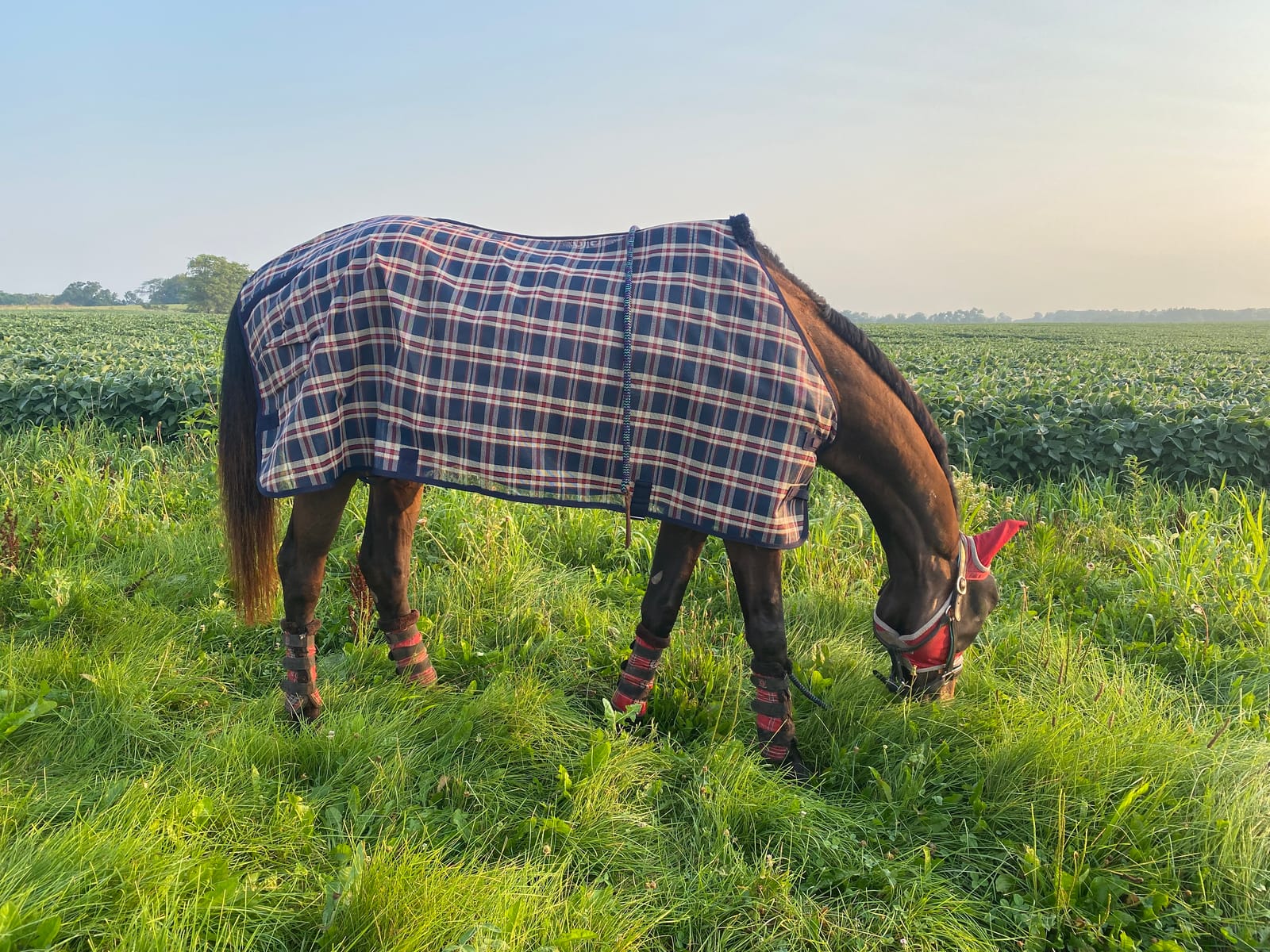
Buyers who were worried about torn mesh cite the coating as the reason they picked it, and the water resistance is useful in a wet summer or on boggy turnout.
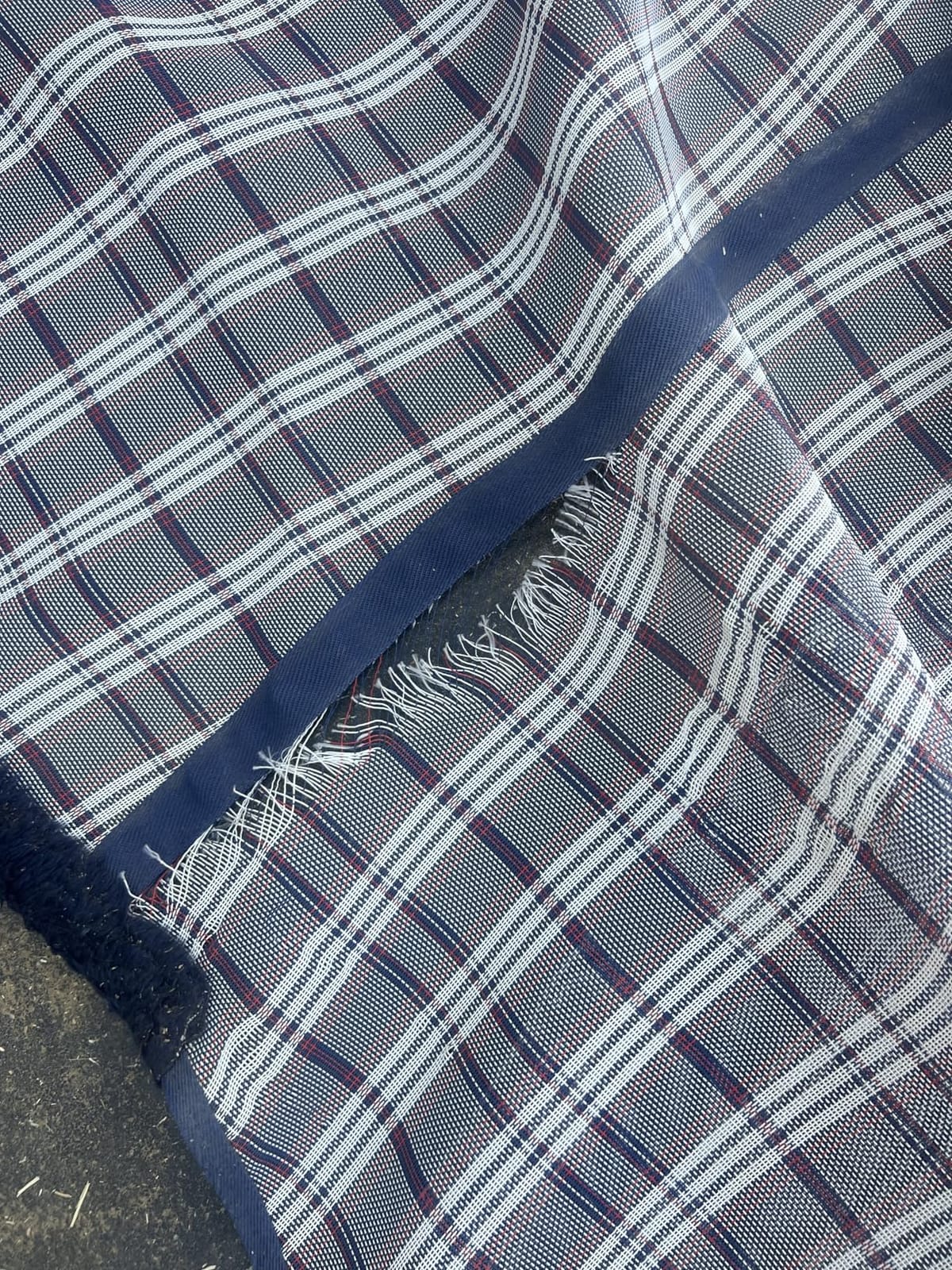
It is not a favourite across the board. The single belly surcingle gives noticeably less coverage than the double surcingle designs, the PVC coating is stiffer and warmer than soft polyester mesh, and care instructions are hand wash only, which is less convenient than a machine washable sheet.
Is it too hot for a sensitive horse?
It runs warmer than any soft mesh in this roundup, so it is not our choice for peak summer or a horse that sweats easily. Choose it for a cool climate, a hardy horse, or a situation where tearing is a bigger risk than heat.
For a horse that rubs and rolls, a coated mesh is the safer bet. The tradeoff is comfort, and there is no way to have both in one sheet.
Why is the rating lower than the others?
Because durability is not the only thing owners score. The single belly surcingle leaves the mid-belly exposed, which is precisely where biting midges feed, and that shows up in reviews as a notable share of one-star feedback. Hand wash only care is another common complaint.
Durability reports are genuinely mixed even on a coated mesh, so we rate it as a specialist pick rather than a universal one.
8. Country Pride Zebra Print Soft Mesh Fly Sheet – Best Value Fly Sheet
Country Pride Zebra Print Soft Mesh Fly Sheet for Horses, 78 in
Zebra print soft mesh
Double buckle open front
Detachable leg straps
Shoulder gussets
Pros
- Soft and breezy in hot summers
- Zebra pattern appears to deter flies
- Stays in place when the horse rolls
- True sizing and secure straps
Cons
- Thin mesh rips on pasture-kept horses
- Some sizes run small
- Belly seam stitching reported failing
The zebra print is not only a look. Several owners report that horses seem less interested in landing on the stripes, which adds a small deterrent on top of the physical barrier.
Otherwise the soft mesh is the star. It is light and breathable enough for hot summers, the double buckle open front makes it quick to put on, and the shoulder gussets with contour hip darts give a natural range of movement for the price.
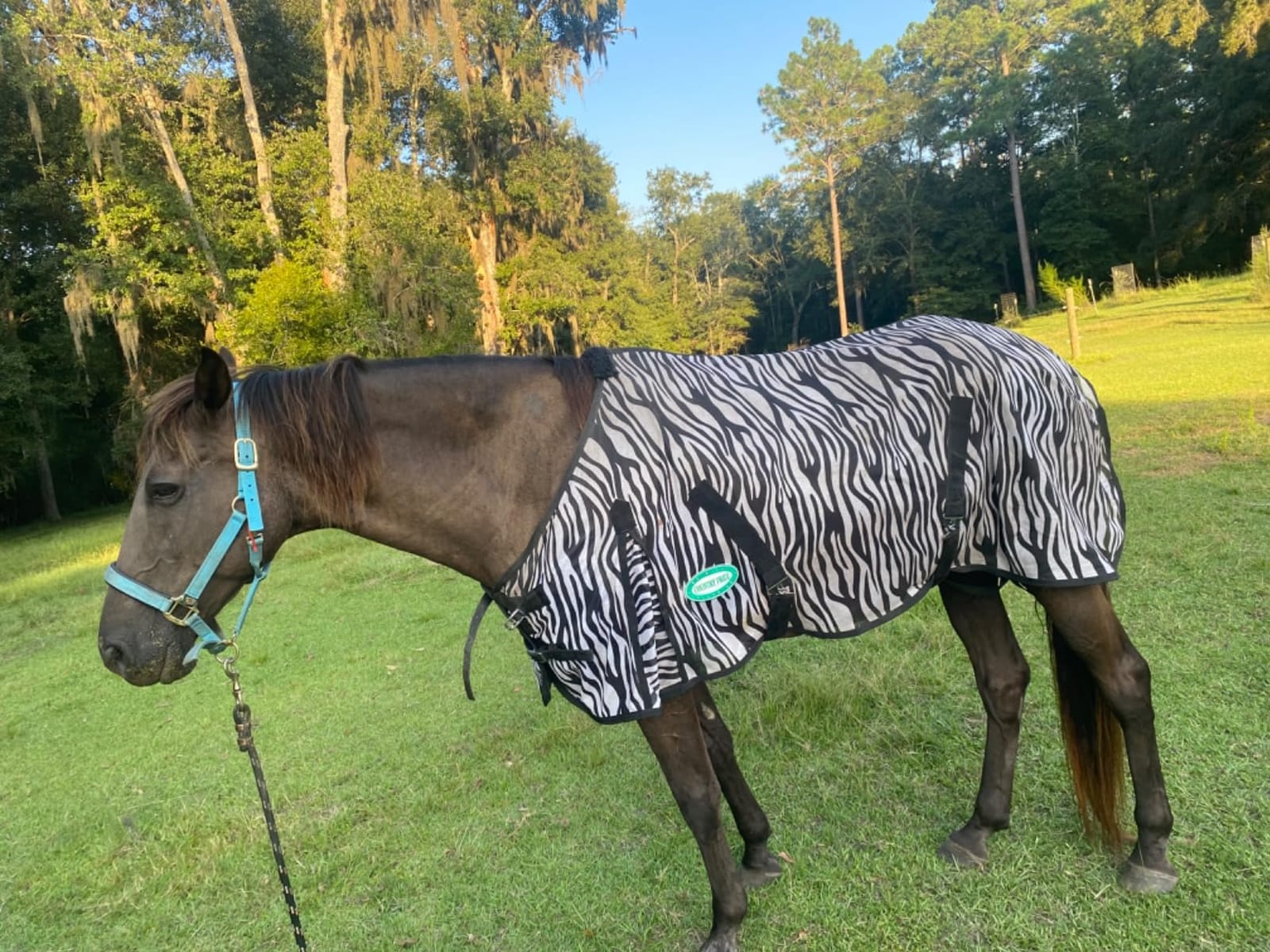
Owners also like that it stays in place when the horse rolls, which is not true of every light sheet, and the detachable elastic hind leg straps are simple to adjust.
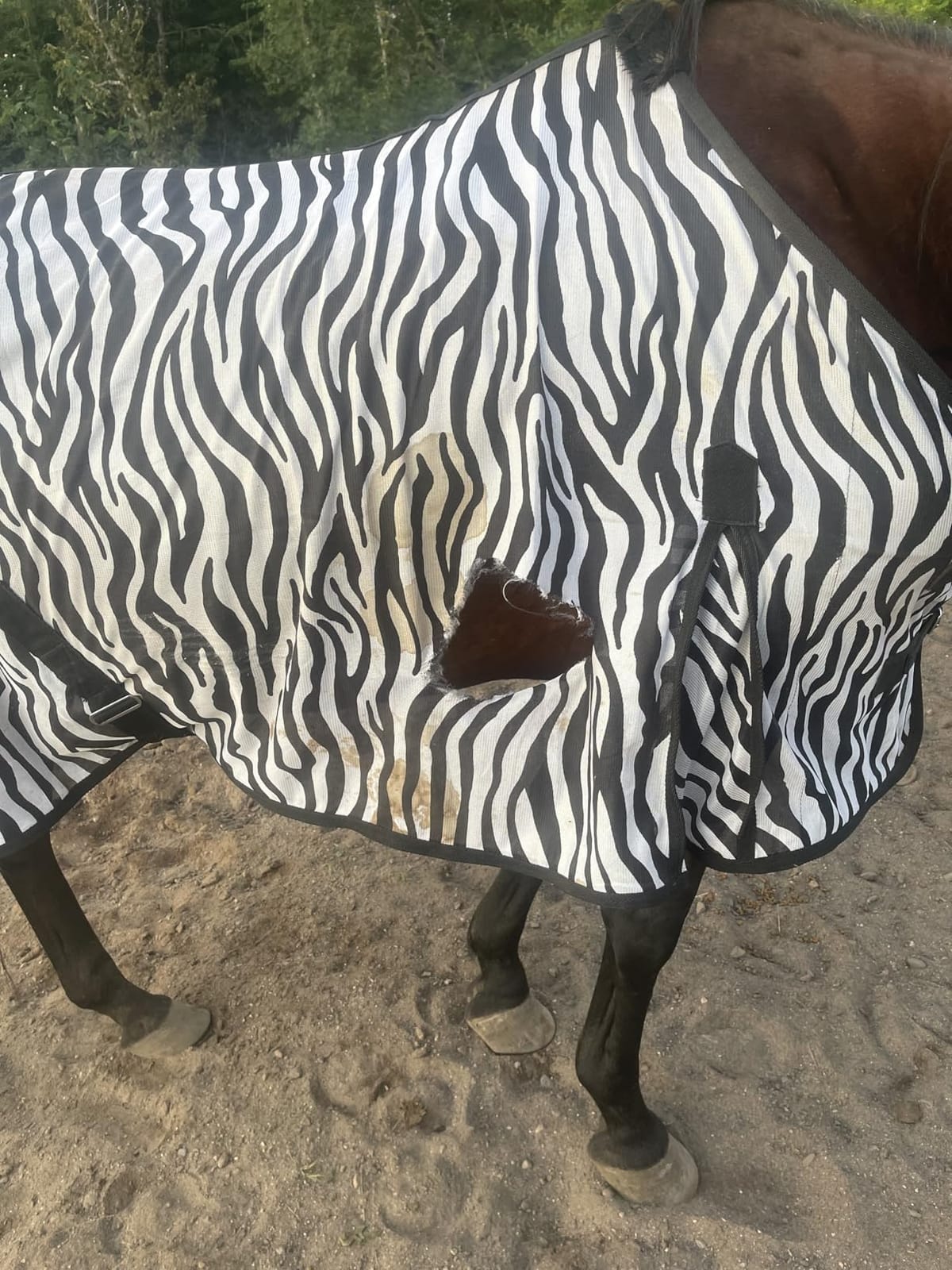
As with the other light mesh sheets, the recurring complaint is that it rips within days to weeks on pasture-kept horses, a few sizes run small, and the stitching along the belly seam is reported to fail. It is a value pick for a calm, careful horse.
Does the zebra print genuinely deter flies?
Owners say it appears to help, and the mechanism is plausible: high contrast stripes confuse a fly’s landing approach. Treat it as a small bonus rather than the reason to buy. The mesh itself is doing the real work.
If your horse is grey or white, the pattern also hides dirt better than a plain pale sheet.
Is it worth buying over a plain mesh sheet?
If the price is similar, yes, because you are getting the same soft mesh plus shoulder gussets and hip darts, which are often the difference between a sheet that sits flat and one that twists. Buy it for a horse that is gentle with rugs.
9. Country Pride Lightweight Fly Sheet Scrim – Best for Stable and Trailer Use
Country Pride Lightweight Fly Sheet Scrim, Blue, Large 78-80″
Lightweight mesh scrim
Hook and loop front closure
Bias surcingles and tail cord
Multi-use
Pros
- Maximum airflow of any sheet here
- Hook and loop closure adjusts in seconds
- Good for stabling and trailering
- Handy tail cord keeps it in place
Cons
- Less durable than heavier mesh
- Not enough coverage for full-day pasture
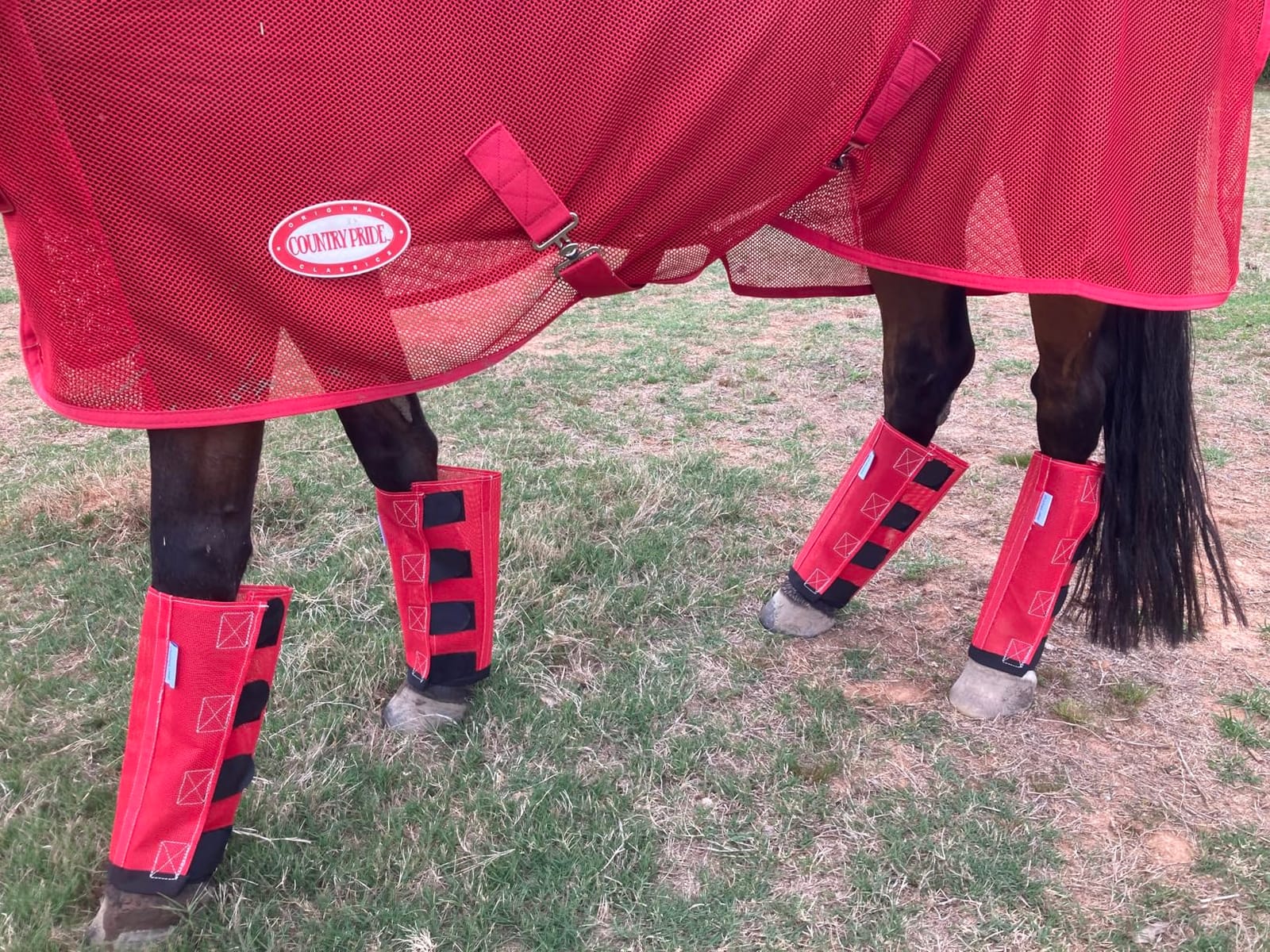
We keep a scrim like this in the tack room rather than on the horse. For a hot stable, a ride, a journey to a show or the period between races, the airflow is unmatched and the horse stays cool under it.
The double surcingle front closure uses hook and loop fastening, so you can adjust it in seconds without buckles, and the bias surcingles with a tail cord keep it in place during movement and active use.
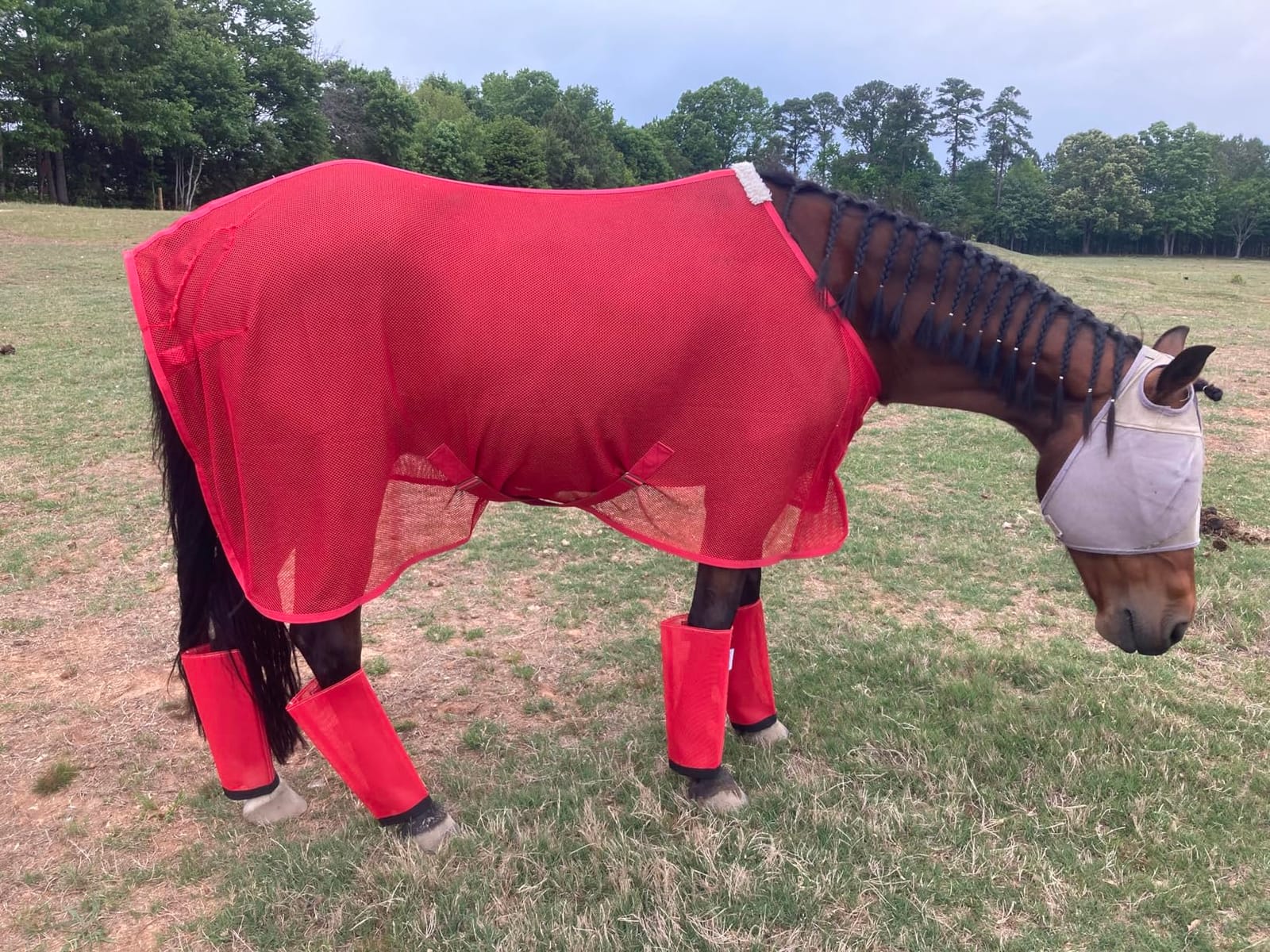
Owners like the airy mesh fabric, which allows high airflow and limits insect irritation, and it doubles as a stable sheet, a trailer sheet or a cooling layer between work sessions.
Being a light scrim rather than a heavy mesh, it offers less coverage and less durability than the full fly sheets here. It is not the right choice for a horse living in a field at the height of summer, and it will not outlast a heavier sheet.
Should a scrim be my only sheet?
Only if your horse spends most of the day stabled or travelling. Full-day pasture turnout needs coverage over the neck and belly, because midges reach the skin anywhere the mesh stops. This scrim has no neck cover and a light belly closure, so it is a complement rather than a replacement.
Owners who use one pair a season and expect it to last years will be disappointed. Used for its intended job it is excellent value.
Is it hot enough to cook a horse in?
No. This is the coolest sheet in the roundup by a wide margin, which is exactly why it works in a hot stable or on a long journey. The trade is that the barrier is thinner and the fabric is more fragile.
10. Horseware Rambo Protector Fly Sheet – Best for Horses That Are Hard on Rugs
Horseware Rambo Protector Fly Sheet, Silver/Navy & White & Beige, 81 in
UV protection
V-front closure
Detachable hood included
Dual leg arches
Pros
- Hard-wearing fabric that resists rolling and rubbing
- Stays in place without shifting in turnout
- Showerproof and quick drying
- Generous shoulder movement
Cons
- Heavier and warmer in peak summer
- Hood reported oversized
- Belly velcro may not meet on deep horses
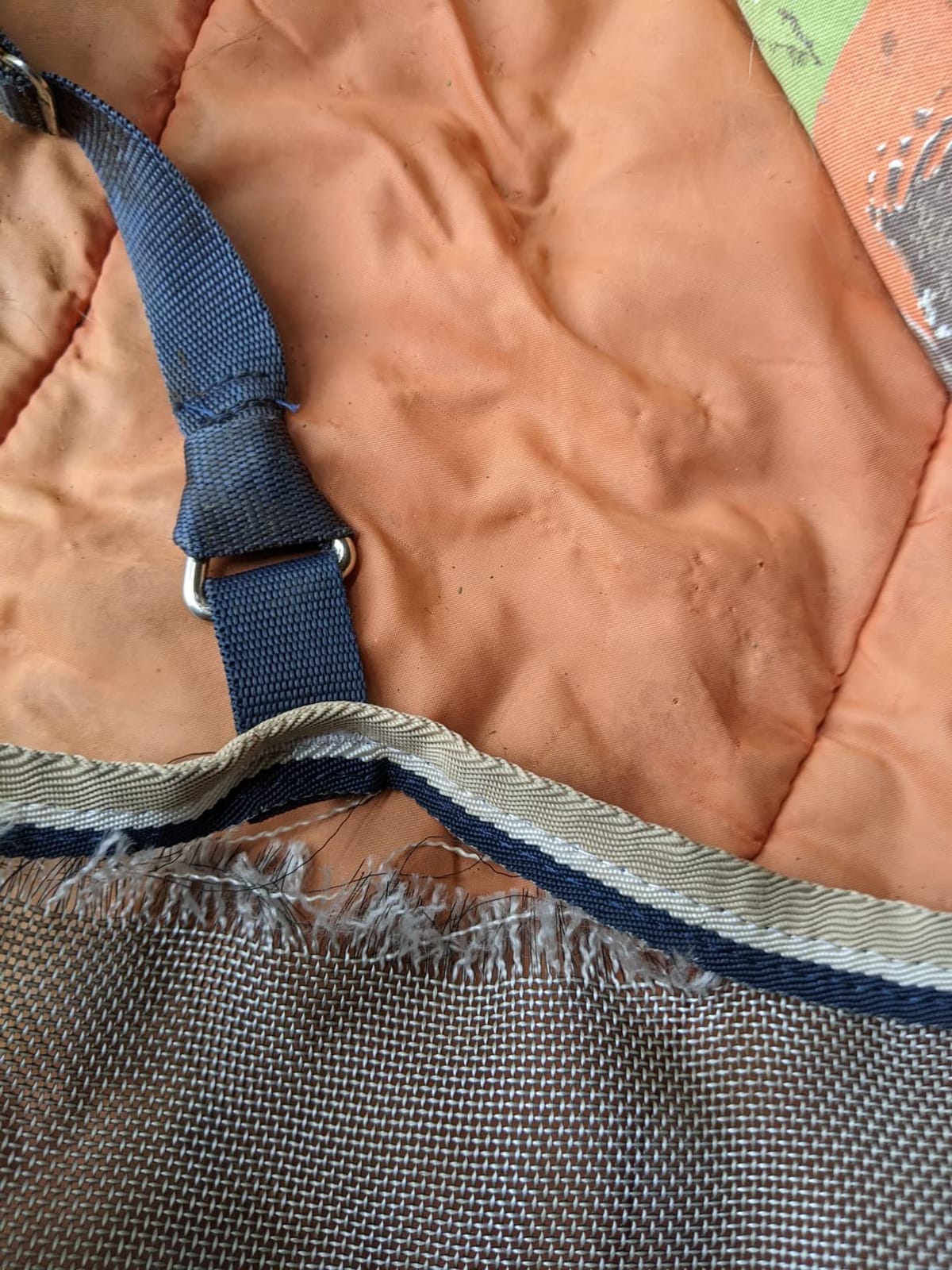
The Rambo Protector is the sheet forum owners name when a horse ruins everything else. Long-term owners on the Chronicle of the Horse describe the Rambo line as super durable, and barrel horse forum threads recommend Rambo builds specifically for horses that are hard on their clothes.
It holds its position. Owners report the sheet staying in place without shifting or slipping back while grazing and rolling, and the V-front closure with strong chest straps helps prevent rubbing at the shoulder. Dual leg arches give real freedom underneath.
UV protection, a showerproof finish and quick drying make it practical in changeable weather, and the detachable hood lets you drop the coverage in the hottest weeks without buying a second sheet.
It is heavier and warmer than the ultralight sheets, which some buyers note in peak summer, and the hood has been reported as oversized. On a very deep-barrelled horse the belly velcro straps may not meet, so check the measurement before ordering.
Is it too heavy for a hot climate?
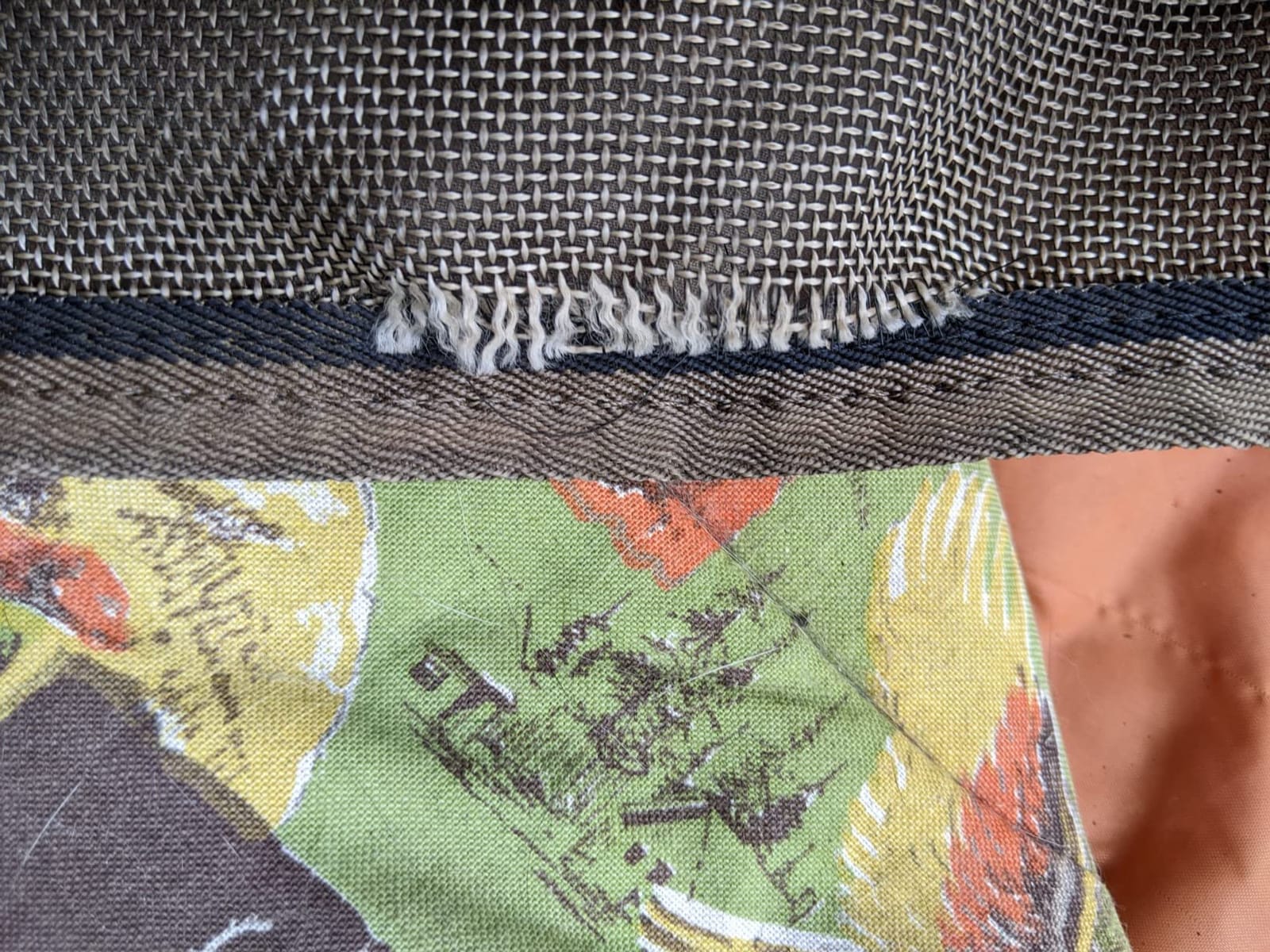
For many horses, no, because the mesh breathes and the hood comes off. For a sensitive horse in peak summer, yes, the same complaint about rubbing along the mane and neck seam shows up in the forums, since the stiffest mesh chafes the lightest coats.
A Reddit horse owner with a detachable neck Rambo praises the stiff mesh for airflow, but the same discussion makes clear it is not the softest option against the skin.
Will it fit an awkwardly shaped horse?
Usually well. Sizing is reported as consistent across units, with a generous shoulder movement allowance, but measure carefully because the belly closure and hood are both close to generous rather than snug. Sizing inconsistency comes up occasionally, so the measurement is the part to take seriously.
11. Horseware Amigo Integrated Fly Sheet – Best for Ultra-Light Turnout
Horseware® Amigo® Integrated Fly Sheet – Silver/Titanium Grey & Silver, 81
Integrated hood
UV protection
Extra long tail flap
Belly coverage
Pros
- Feather light and breathable
- Good fit with easy connection straps
- Machine washable
- Tail cord suits managing several horses
Cons
- Thin fabric tears for hard-on-rug horses
- Unsuitable for rough outdoor pasture
- Sizing and finish vary between units
The Amigo is the sheet we recommend when a horse sweats under everything else. It weighs 3.45 pounds and carries an integrated hood, belly coverage, straight surcingles and an extra long tail flap, which is more protection than most ultralight sheets manage.
Owners love the feather-light feel, the good fit with easy connection straps, and the fact that it is machine washable. The tail cord design is a small convenience that matters if you are managing several horses at once.
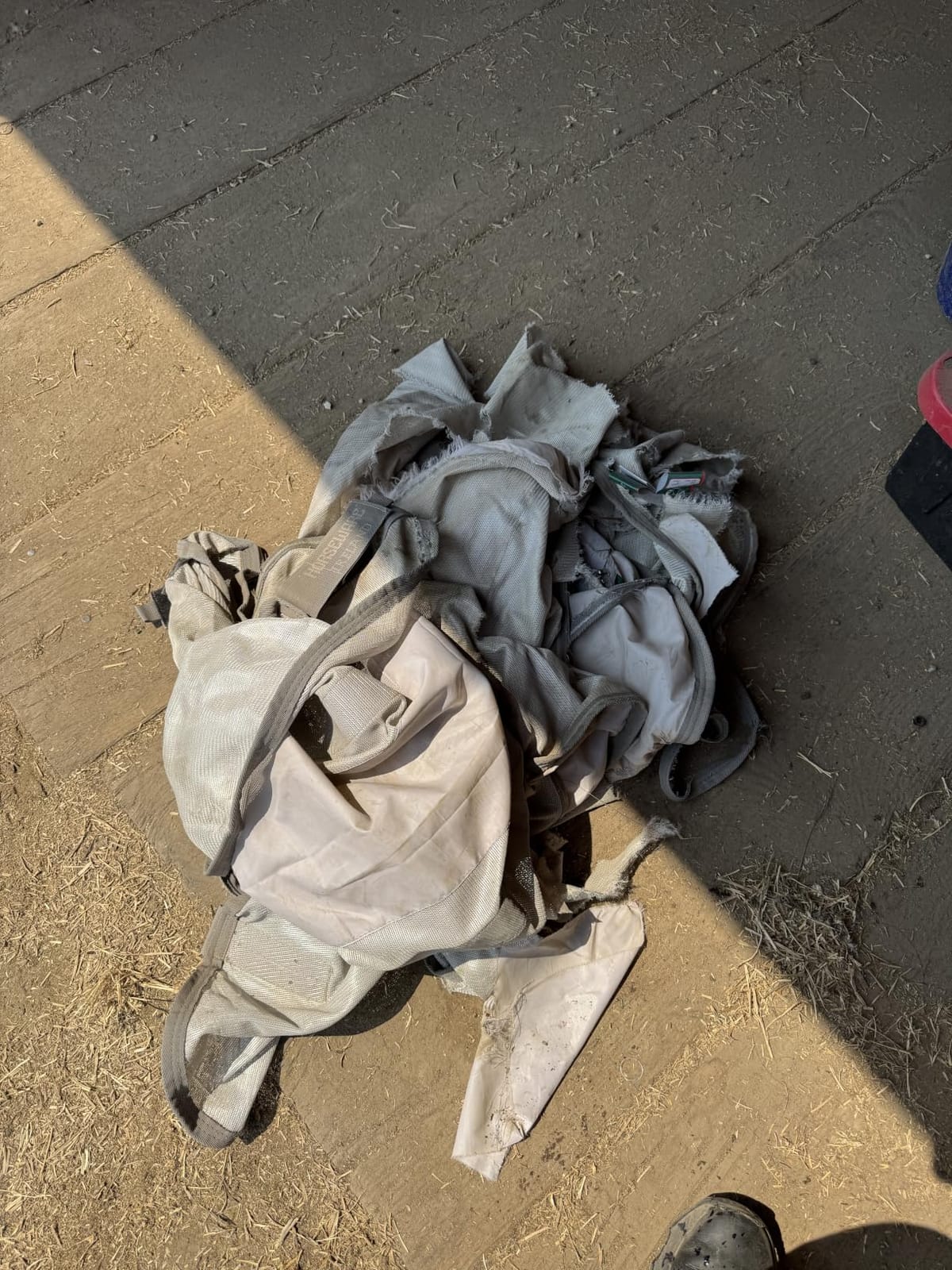
Realistic lifespan is about two seasons with normal turnout use, which is the number to plan around rather than a disappointment. The lightweight design is the point, and a very light sheet is always going to be the first to give.
The main weakness is durability. A notable group of reviewers report the material tearing after a week or two in the field, or even shortly after arrival, and it is not well suited to a horse living in rough outdoor pasture. Sizing and finish also vary a little between units.
Is it too fragile for a horse that rolls?
Probably. If your horse rolls, plays or lives with a herd, this is not the sheet. You will get one or two seasons of easy wear and then a tear. For that environment, the WeatherBeeta ComFiTec Ripshield is the right level of toughness.
For a stall-kept horse, a small paddock, or a sensitive horse who overheats under heavier fabric, it does the job well.
Does the integrated hood stay put?
It sits well if the size is right, and the straight surcingles keep the body line secure. The hood is fixed rather than detachable, so in the hottest weeks you cannot drop the coverage, which is the one thing the Rambo Protector does better.
12. Derby House Recycled Cool Lite Detach-a-Neck Fly Sheet – Best for Rubbing-Sensitive Horses
Derby House Recycled Cool Lite Detach-a-Neck Fly Sheet
Recycled fine mesh
Detachable neck
210 denier nylon lining
Long tail flap
Pros
- Highest average rating in the roundup
- Anti-rub nylon lining at the shoulders
- Detachable neck adds versatility
- Long tail flap held by elastic
Cons
- Velcro neck can loosen over time
- Fine mesh gives less coverage for sensitive skin
The Derby House holds the highest average rating of anything we tested, and the reason is not subtle: it is built to avoid rubbing. The 210 denier nylon lining across the shoulders is the detail that makes a difference on a grey, white or thin-skinned horse.
The fine mesh is lightweight and breathable, with UV protection, and the detachable neck with velcro means you can run full neck coverage on the worst days and drop it on the hot afternoons when the midges ease off.
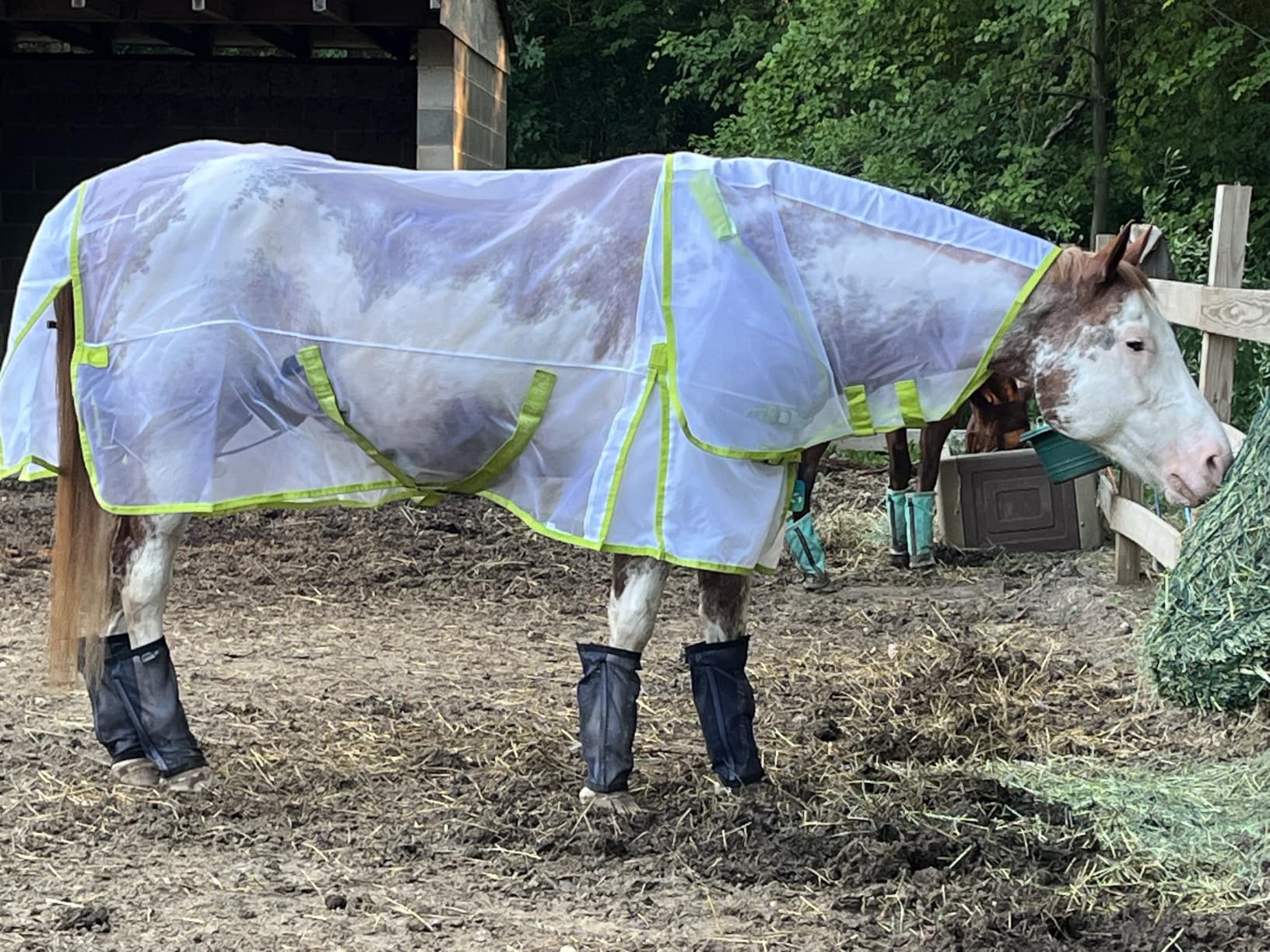
Everything else is well-judged for the job. Double buckle front, shoulder gussets, adjustable surcingles, adjustable and removable leg straps, and a large long tail flap held down with an elastic strap so it stays over the quarters.
Two cautions. The velcro neck attachment can loosen over time and may need replacing, and fine mesh offers less coverage than heavier rugs, so a sweet itch horse may still need a combo neck build on top of it.
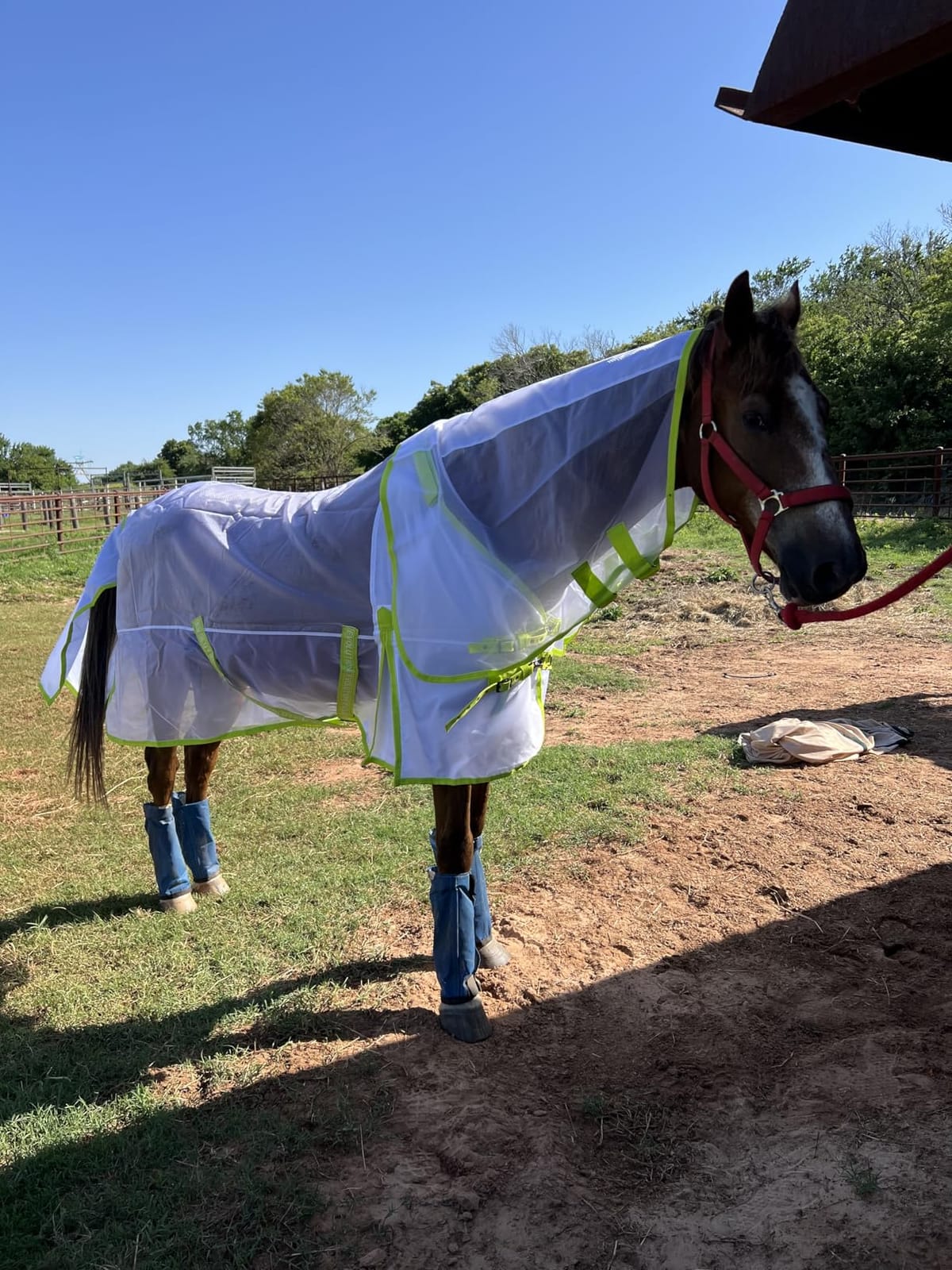
Is it the right sheet for a grey horse?
It is our first pick for a grey or white horse, because the anti-rub lining and the detachable neck eliminate the two most common rubbing points, at the shoulder and along the neck seam. It is also made from recycled material, which matters if that is a criterion for you.
The limited review count means fewer long-term reports, so keep an eye on the neck velcro over the first few weeks.
Will it last more than one season?
With a calm horse and careful washing, comfortably. It is finer than the durability builds, so a rolling horse will find the weak point sooner. If longevity is the priority rather than comfort, choose the WeatherBeeta and accept a firmer hand.
How to Choose a Fly Sheet That Actually Lasts
Pick the mesh weight before anything else
Mesh weight decides everything else. The lightest scrims in this roundup sit around the 130 g polyester level and some lighter fabrics, and they are the right choice for hot climates and horses that sweat. Mid-weight poly and nylon mesh suits most temperate summers, and anything above roughly 190 g or with a coated surface is for a cool climate or a horse that is hard on rugs.
The uncomfortable truth is that airflow and durability trade directly against each other. A light sheet that lets air through is also a thin sheet that tears when your horse rolls, and a tough sheet is a warm sheet. Ask how the horse behaves in the field before you optimise for anything else.
Decide how much neck coverage you need
A standard neck sheet stops at the shoulder and leaves the lower neck, chest and belly to the flies. A combo neck extends the mesh up the neck and is the single most effective change for a horse bitten on the shoulders. A detachable neck gives you both in one sheet, letting you add or remove coverage as the season and the weather change.
For sweet itch, err toward more coverage. For a horse that fights anything over its head, err toward a standard neck.
Check UV protection for grey, white and clipped horses
Sun-bleached and sun-burnt coats are permanent on a grey, and clipped horses have almost no hair barrier for the first weeks of spring. Look for the word UV in the specification rather than assuming any mesh works, and note that a light coloured sheet also shows dirt sooner, which means a hose-down more often.
A pale sheet is a good choice for a show horse, but keep it clean. Dirt scrims into a white coat and takes real effort to shift.
Treat sweet itch horses differently
Sweet itch, or summer recurrent equine dermatitis, is a reaction to biting insects rather than a simple irritation, and the scratching response causes more damage than the bites do. The build that works best is maximum coverage, a smooth antibacterial or anti-rub lining, adjustable or removable leg straps so nothing rubs the lower limbs, and a matching bonnet and mask to cover the face.
Owners managing insect hypersensitivity consistently prioritise all four. A sheet alone will not settle a horse whose face is being attacked, so budget for face protection as part of the same kit.
Judge the hardware and the belly coverage
Straps, buckles and surcingles are the parts that fail first, so look at them before the fabric. Double cross surcingles hold far better than a single belly strap when a horse rolls, and removable or replaceable elastic leg straps are worth paying for. Check whether hardware is stainless steel if you are in a damp coastal climate.
Count the belly closures too. Two surcingles cover the mid-belly, where biting midges feed hardest. A single belly strap leaves that strip open, no matter how good the rest of the sheet is.
Get the size right or expect shoulder rubbing
Measure before you order, every time, and measure the horse rather than copying a previous rug size. Run your brand from the same sheet and the same range can differ, and fly sheets are often cut differently from turnout rugs in the same brand. A sheet that runs large through the body but small at the neck is the usual cause of rub marks along the neck seam.
Where you can, check the fit in person on day one, look at the shoulder and neckline after an hour, and adjust or exchange before the rubbing starts. It is much easier to return a sheet that has not yet left a mark.
What a fly sheet cannot protect against
A fly sheet covers the body. It does not cover the face, eyes, ears, muzzle, lower legs or the underside of the belly in a horse that lies down. Midges also find the strip of skin along the belly midline on many builds, and a horse lying in a field will get bitten wherever the sheet ends.
That is why a complete fly protection system layers: sheet for the body, mask and bonnet for the head, fly boots or leg covers for the lower limbs, and a good fly spray for the gaps. Owners who layer get far better results than owners who rely on the sheet alone.
Wash it properly and it will outlast the cheap ones
Sweat and dirt destroy mesh faster than weather does. Hose off or machine wash after every few weeks of daily use, following the care instructions, and let it dry fully in the air before folding it away. Check the seams, the velcro and the leg straps while it is off, because a strap that is about to fail is much easier to replace than one that has already caught a leg.
Store it loosely, not folded tight, and away from sunlight in a dry place. A sheet that is washed regularly and stored well will comfortably outlast one that is never cleaned, regardless of fabric weight.
Frequently Asked Questions
Do fly sheets actually work for horses?
Yes. A fly sheet puts a physical barrier between your horse and biting flies, midges and mosquitoes, so insects cannot reach the skin to bite. The open mesh weave still lets air through and sweat evaporate, so a horse in a fly sheet stays cooler than a horse under a solid rug. Sheets with a neck cover, belly wrap and tail flap extend that barrier to the areas insects target most.
When should horses wear fly sheets?
Most horses benefit from a fly sheet whenever they are turned out through the spring and summer fly season, and especially in open, sunny paddocks where there is no shade. Grey, white and clipped horses need one earlier because their skin sunburns easily. In very hot climates, wait for the cooler hours of the day or choose an ultra-light mesh, and check the horse for sweating under the sheet.
What is the best thing to keep flies off of horses?
A layered routine works far better than any single product. Use a fly sheet for the body, a fly mask or bonnet for the face and ears, fly boots for the lower legs, and a quality fly spray for the gaps a sheet cannot cover, such as the belly midline. That combination is what owners managing sweet itch and midge-heavy climates rely on, and it beats a sheet on its own every time.
What is the best fly sheet for treating sweet itch on horses?
Look for maximum coverage with a smooth anti-rub or antibacterial lining, a full neck or combo neck, an extended belly wrap, and adjustable or removable leg straps so nothing rubs the lower limbs. A detachable neck sheet gives you the flexibility to add coverage on the worst days. Sweet itch horses also need a matching bonnet and mask, because the face and ears are usually attacked first.
Should a fly sheet be tight or loose?
A fly sheet should fit closely enough to stay in place, without being tight anywhere. A snug fit across the chest or neck causes chafing, rubbing and sweat marks, while a sheet that is too loose twists and slips back. Two cross surcingles plus adjustable leg straps let you take out the slack, and sizing up one size with tighter straps is usually better than sizing down.
What is the most durable fly sheet for horses?
The most durable sheets use a heavy cross-hatch or coated mesh rather than a light scrim. The 1200 denier cross-hatch mesh in the WeatherBeeta ComFiTec Ripshield Plus is the most durable build we tested, with owners reporting several years of daily turnout. The Tough 1 PVC coated sheet is a close second for tear resistance, while the lightest 130 g meshes are built for coolness rather than longevity.
Final Verdict on the Best Horse Fly Sheets for 2026
The HILASON UV mesh fly sheet takes the top spot for most owners, with the widest size range, the most adjustable closure system and over a thousand reviews backing its belly and neck coverage. Buy the WeatherBeeta ComFiTec Ripshield Plus instead if your horse is out every day and the pasture is hard on rugs, and the Horseware Rambo Protector if tearing is your main problem.
For a horse that sweats in everything, go ultralight with the TuffRider Comfy Mesh 130 g. For a grey or white coat, the Derby House lining and detachable neck solve the rubbing problem before it starts. Whatever you pick, measure the horse, check the fit on day one, and wash it regularly. That is what makes a sheet last past its first summer.