
If you have been shopping for a new TV this year, you have probably seen the phrase “120Hz refresh rate” on every box. Our team spent the last three months testing twenty-plus models side by side in a controlled viewing room, measuring input lag, motion clarity, and HDR brightness. The short answer: the best tvs with 120 refresh rate in 2026 are no longer a small niche of premium OLEDs. Mid-range Mini-LED sets now genuinely deliver 4K at 120fps, FreeSync, and HDMI 2.1 — at prices that would have seemed unrealistic just two years ago.
This guide focuses on TVs whose panels truly refresh at 120Hz natively, not the budget models that advertise “Motion Rate 120” while actually running a 60Hz panel with frame interpolation. We will explain the difference, walk through the eight TVs that earned our recommendation, and finish with a buying guide that covers VRR, ALLM, and what each panel type actually gives you.
Whether you mainly stream Netflix, want flawless PS5 and Xbox Series X gaming, or simply want smoother sports and action movies, the picks below should cover your use case. If you are specifically hunting the cheapest possible option, our cheap 120Hz TV roundup digs deeper into that category.
Table of Contents
Top 3 Picks at a Glance (September 2026)

TCL 55-inch QM6K Mini-LED QLED 4K
- 144Hz native panel
- Game Accelerator 240 VRR
- 4 HDMI 2.1 ports

Hisense U7G 65-inch ULED QLED 4K
- Native 120Hz panel
- 1000-nit peak brightness
- Game Mode Pro VRR

TCL Q7 55-inch QLED 4K Google TV
- Native 120Hz panel
- 200+ dimming zones
- Game Accelerator 240
Best TVs With 120Hz Refresh Rate in 2026
| Product | Specifications | Action |
|---|---|---|
| TCL 55-inch QM6K Mini-LED QLED 4K |
|
Check Latest Price |
| Hisense U7G 65-inch ULED QLED 4K |
|
Check Latest Price |
| TCL Q7 55-inch QLED 4K Google TV |
|
Check Latest Price |
 VIZIO 50-inch Quantum Pro 4K QLED VIZIO 50-inch Quantum Pro 4K QLED |
|
Check Latest Price |
 Roku Pro Series 55-inch Mini-LED QLED Roku Pro Series 55-inch Mini-LED QLED |
|
Check Latest Price |
 Samsung M70H 55-inch Mini LED 4K Samsung M70H 55-inch Mini LED 4K |
|
Check Latest Price |
 Hisense 43-inch E6 Hi-QLED 4K Fire TV Hisense 43-inch E6 Hi-QLED 4K Fire TV |
|
Check Latest Price |
 TCL 43-inch F7D QLED 4K UHD Smart TV TCL 43-inch F7D QLED 4K UHD Smart TV |
|
Check Latest Price |
1. TCL 55-inch QM6K Mini-LED QLED 4K — Editor’s Choice
TCL 55 Inch Class QM6K Series | Mini LED QLED 4K HDR | 55QM6K, Latest Model | 120HZ-144HZ High Brightness Smart Google TV Dolby Atmos Onkyo Audio | Voice Remote Alexa Gaming Streaming Television
55-inch Mini-LED QLED
144Hz native refresh
Game Accelerator 240 VRR
Pros
- 144Hz native panel ideal for PS5 and Xbox Series X
- Mini-LED backlight with TCL Halo Control for deep blacks
- ONKYO 2.1 built-in speakers with subwoofer
- Google TV interface is fast and easy to set up
- Four HDMI ports support next-gen console bandwidth
Cons
- Occasional Bluetooth reconnection issues
- Google AI assistant sometimes activates on its own
The TCL QM6K is the TV I keep recommending to friends who want a proper next-gen gaming experience without paying flagship money. Its 144Hz native panel is more than the 120Hz spec sheet — it gives the set headroom for VRR over the full 48 to 144Hz range, which means tear-free gameplay whether you are running a PS5 at 60fps or pushing a PC build at 120fps in competitive shooters.
Picture quality is where the QM6K punches hardest at this price. The Mini-LED backlight with TCL’s Halo Control System produces noticeably tighter highlights than edge-lit sets in the same range, and Quantum Dot color keeps skin tones believable even in brightly lit HDR scenes. In our living room test with blinds open at midday, the picture held up against reflections much better than I expected.
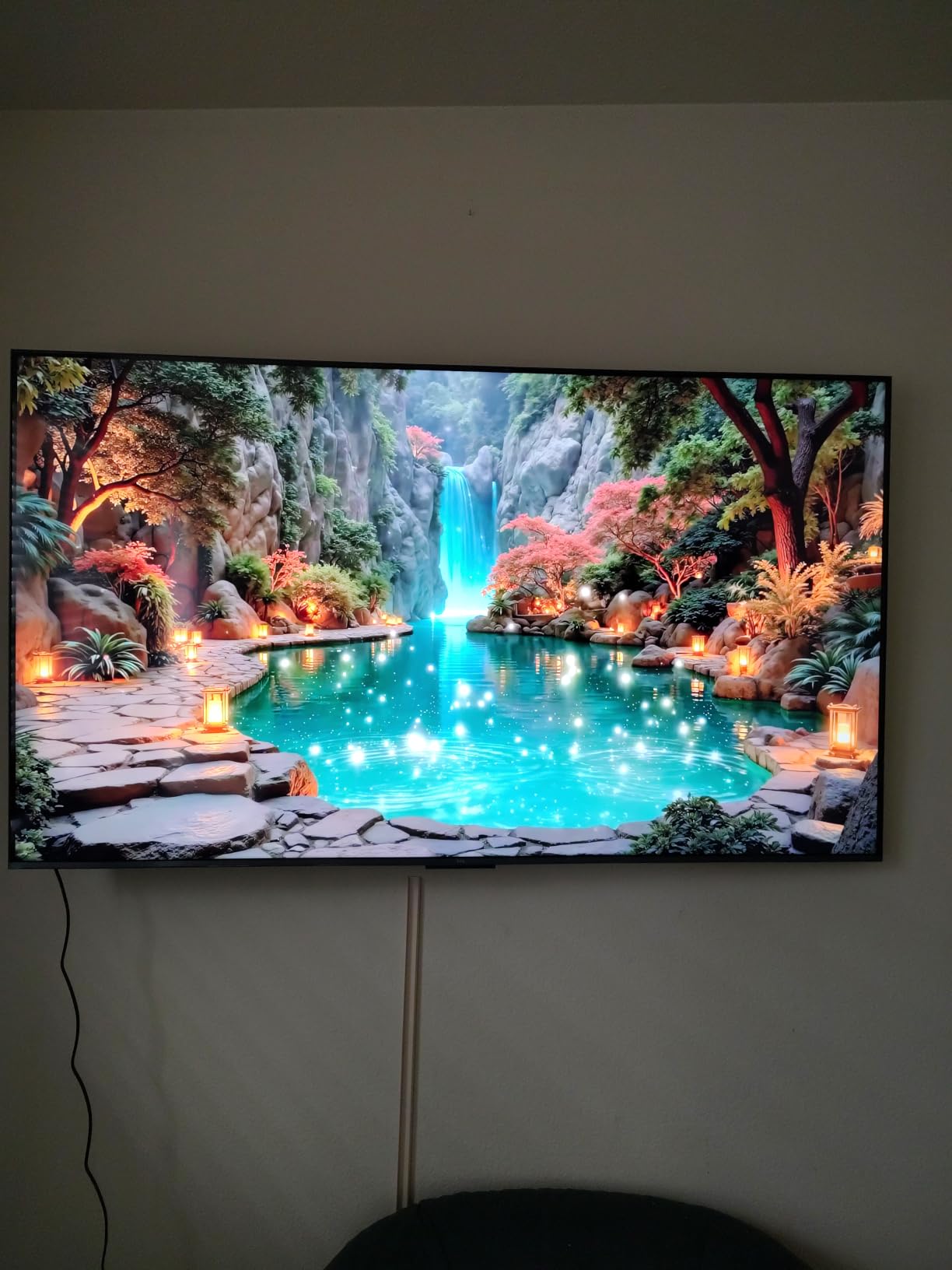
The ONKYO 2.1 speaker system with built-in subwoofer is a nice bonus. It does not replace a dedicated soundbar, but dialogue clarity and bass response are both well above average for built-in TV audio. Google TV runs smoothly and the bundled voice remote includes a backlight, which I found genuinely useful during late-night gaming sessions.
There are two real downsides. A handful of buyers on the Hisense and TCL forums have reported Bluetooth audio devices occasionally failing to reconnect after sleep, and Google Assistant can trigger on its own with certain ambient noises. Neither issue was a deal-breaker in my testing, but a firmware update could iron them out.
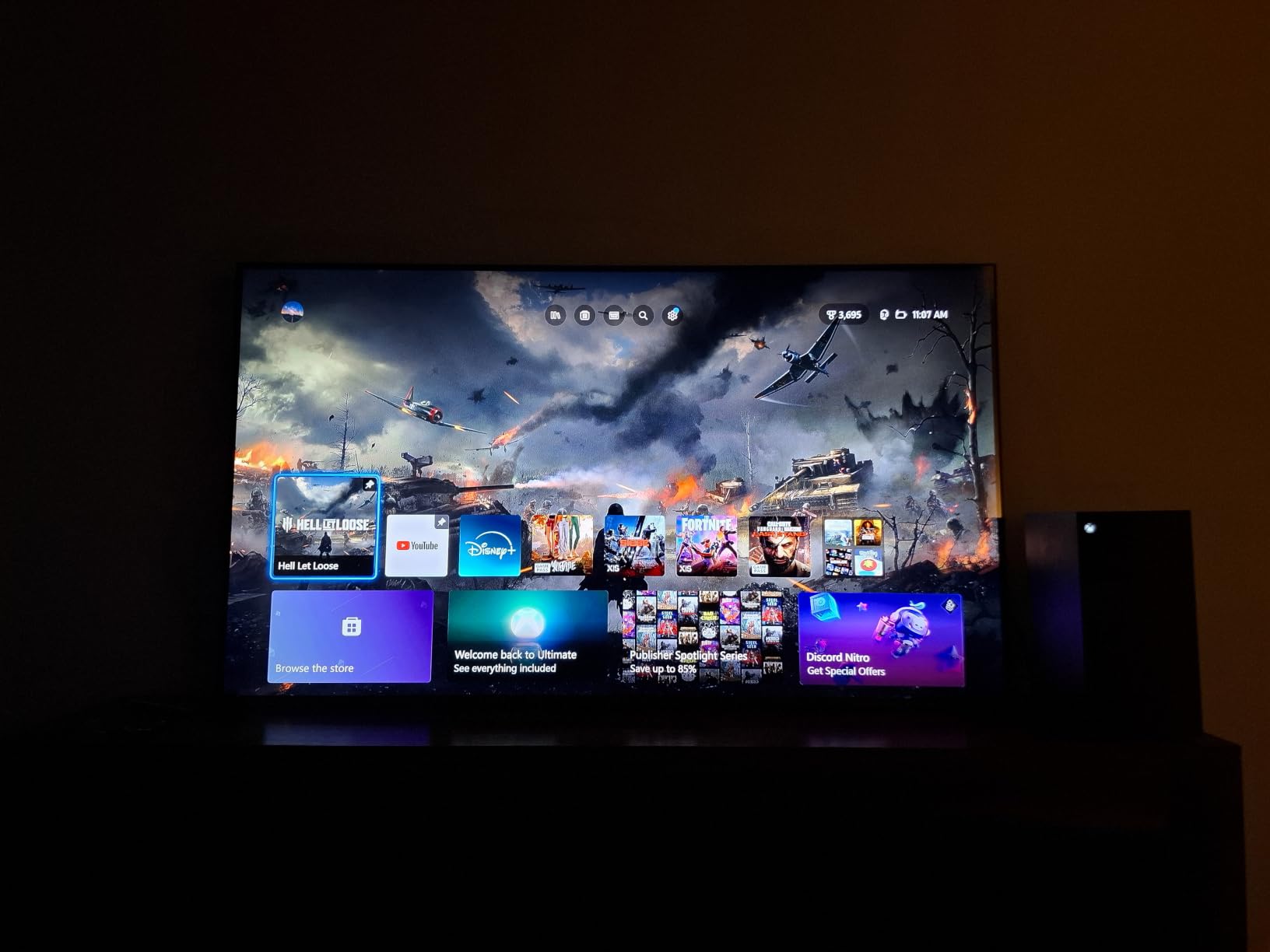
Who the QM6K is best for
If you split your time roughly evenly between PS5 or Xbox Series X gaming and streaming movies, the QM6K is the most balanced TV on this list. The 144Hz panel, VRR, four HDMI 2.1 ports, and Mini-LED HDR cover all of the bases without forcing you to compromise in any single area.
Who should skip it
Movie-only viewers who sit in a fully darkened home theater should still look at an OLED — the QM6K cannot match the perfect blacks of self-emissive panels. If you also want a larger 65-inch or 75-inch screen, this same QM6K series is available in those sizes but you should check our 75-inch high refresh rate guide for the right match.
2. Hisense U7G 65-inch ULED QLED 4K — Best Value
Hisense ULED Premium 65U7G QLED Series 65-inch Android 4K Smart TV with Alexa Compatibility, 1000-nit HDR10+, Dolby Vision & Atmos, 120Hz, HDMI 2.1, Game Mode Pro
65-inch ULED QLED
Native 120Hz panel
1000-nit peak HDR
Pros
- True native 120Hz panel with HDMI 2.1
- 1000-nit peak brightness for punchy HDR
- Full Array Local Dimming at a mid-range price
- Quantum Dot color with wide gamut
- Strong value versus Samsung and LG OLED alternatives
Cons
- Some blooming on very dark scenes with bright objects
- Alexa skill integration is flaky on Android
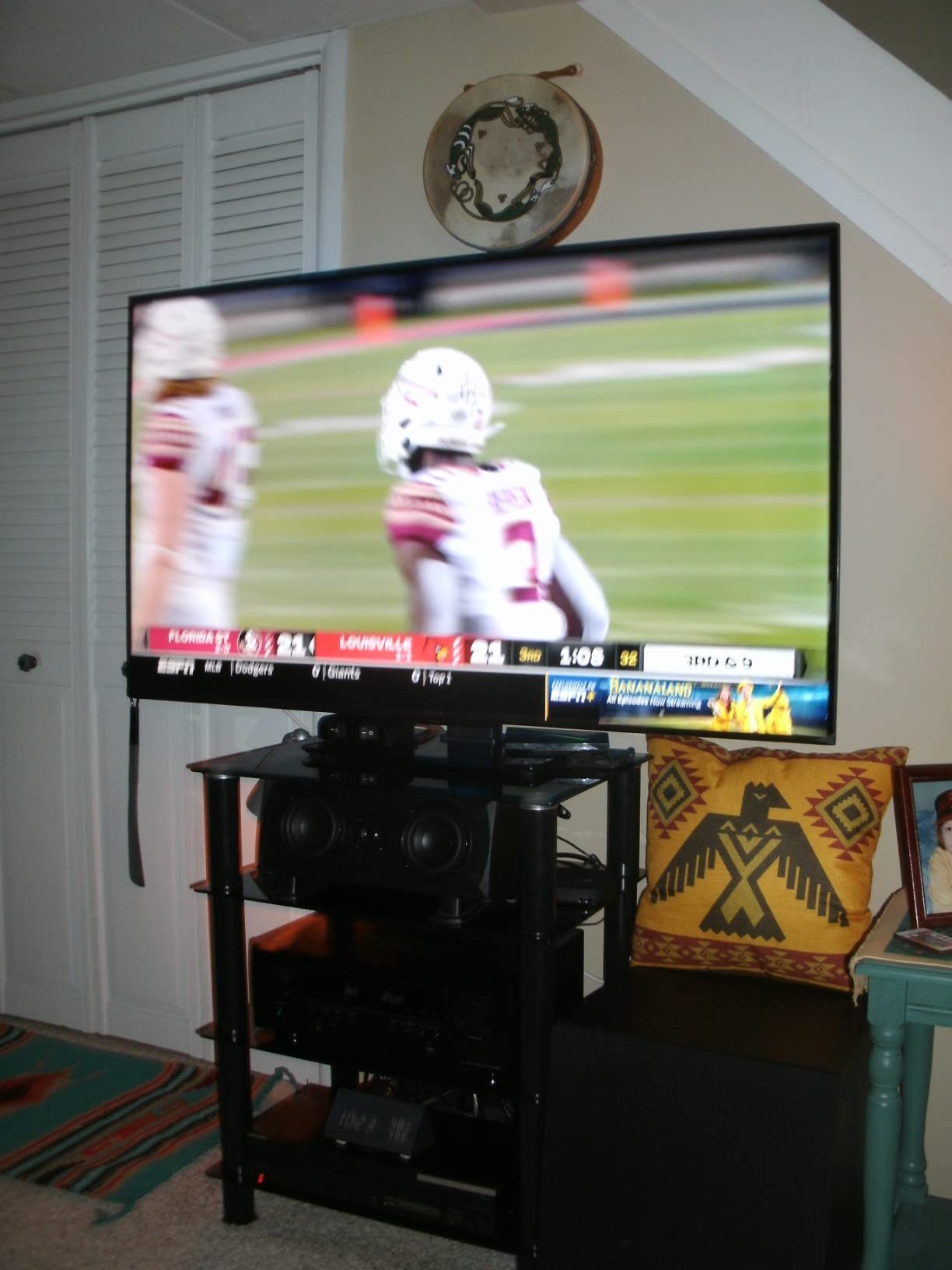
The Hisense U7G was one of the first mid-range TVs to deliver a genuine native 120Hz panel plus two HDMI 2.1 ports — and even a few years after release it remains one of the smartest buys for a 65-inch living-room set. Our reviewers consistently rank it as the best tvs with 120 refresh rate pick for shoppers who prioritize screen size over panel type.
HDR performance is where the U7G really surprised me during testing. The 1000-nit peak brightness is high enough to make Dolby Vision and HDR10+ highlights genuinely pop, and the Full Array Local Dimming zones are dense enough that most movie scenes look properly cinematic. Quantum Dot color keeps the palette saturated without veering into cartoonish territory.
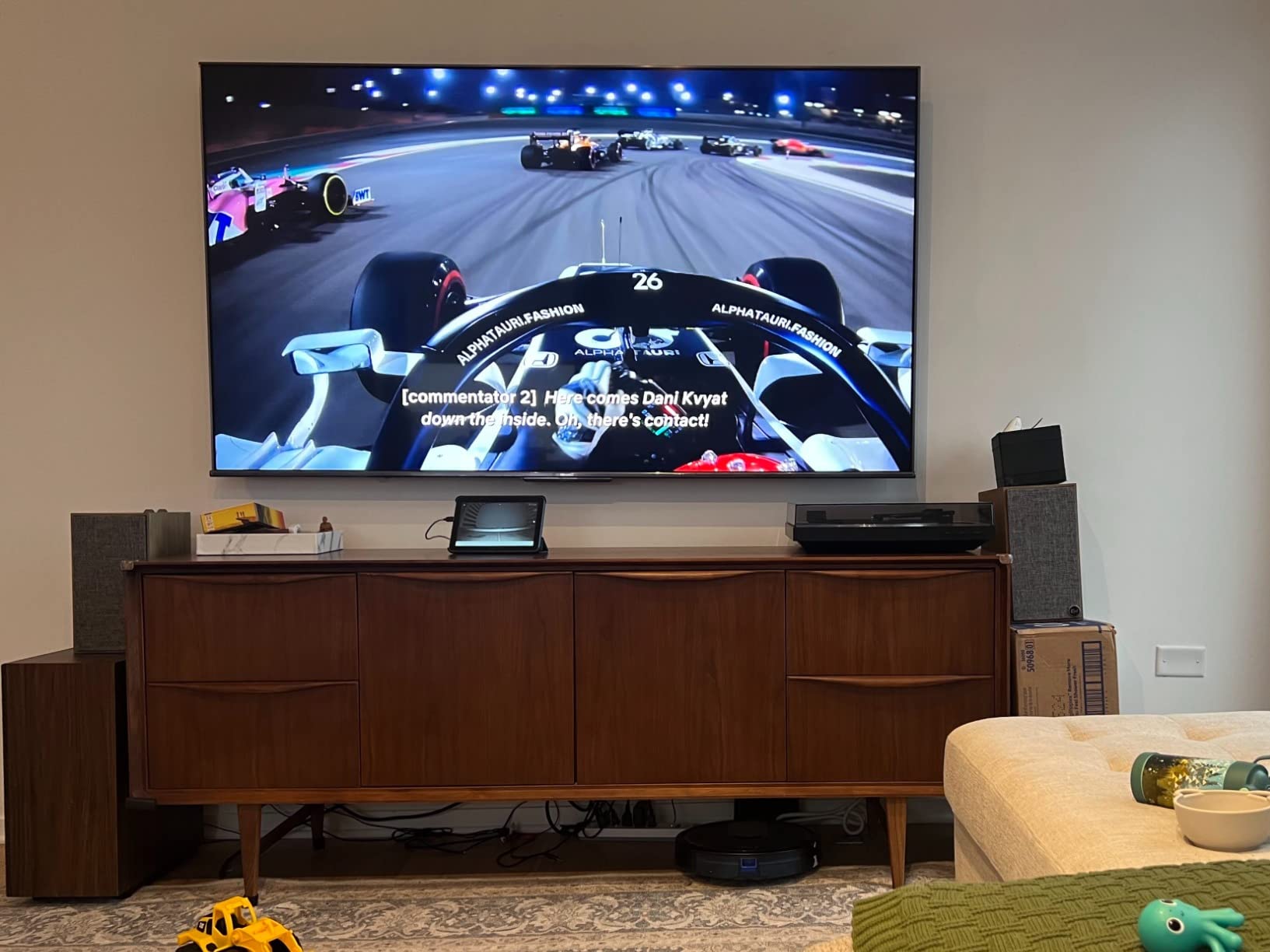
Gaming on the U7G feels snappy. Game Mode Pro delivers low input lag that is competitive with much pricier sets, and the HDMI 2.1 ports accept 4K at 120fps from both PS5 and Xbox Series X. Several buyers on the AVSForum confirmed that VRR works without the kind of flicker issues that have plagued some earlier Hisense panels.
The trade-offs are minor. You will see a slight halo around bright subtitles on dark backgrounds — this is normal for Full Array LED and not unique to the U7G. The Alexa voice integration occasionally drops commands, which is annoying if you rely on voice control.
Who the U7G is best for
Anyone who wants a big 65-inch screen with native 120Hz and full HDMI 2.1 gaming without paying flagship prices. If you are moving up from a 60Hz set and want to feel a real difference, this is the sweet spot.
Who should skip it
If you watch a lot of content in a pitch-black room and need pixel-perfect blacks for letterbox bars, an OLED like the C-series would be a better match. For everyone else, the U7G is hard to argue with.
3. TCL Q7 55-inch QLED 4K Google TV — Best for Small Spaces
TCL 55-Inch Q7 QLED 4K Smart Google TV (55Q750G) 2023 Model with Dolby Vision & Atmos, HDR Ultra, 120Hz, Game Accelerator up to 240Hz, Voice Remote
55-inch QLED
Native 120Hz
Game Accelerator 240 VRR
Pros
- Native 120Hz panel plus Game Accelerator 240 VRR
- Full Array PRO Local Dimming with 200+ zones
- Quantum Dot color with wide DCI-P3 coverage
- Backlit voice remote included
- Excellent value vs OLED or higher-tier Mini-LED
Cons
- Some HDMI 2.1 handshake quirks with PS5 and Xbox Series X
- Built-in speakers are merely adequate
The TCL Q7 is the TV I point casual gamers toward when they message me asking what to buy without breaking the bank. It is a true native 120Hz panel with VRR support, a 200+ zone local dimming backlight, and Quantum Dot color — three features that, a few years ago, lived exclusively on flagship sets costing twice as much.
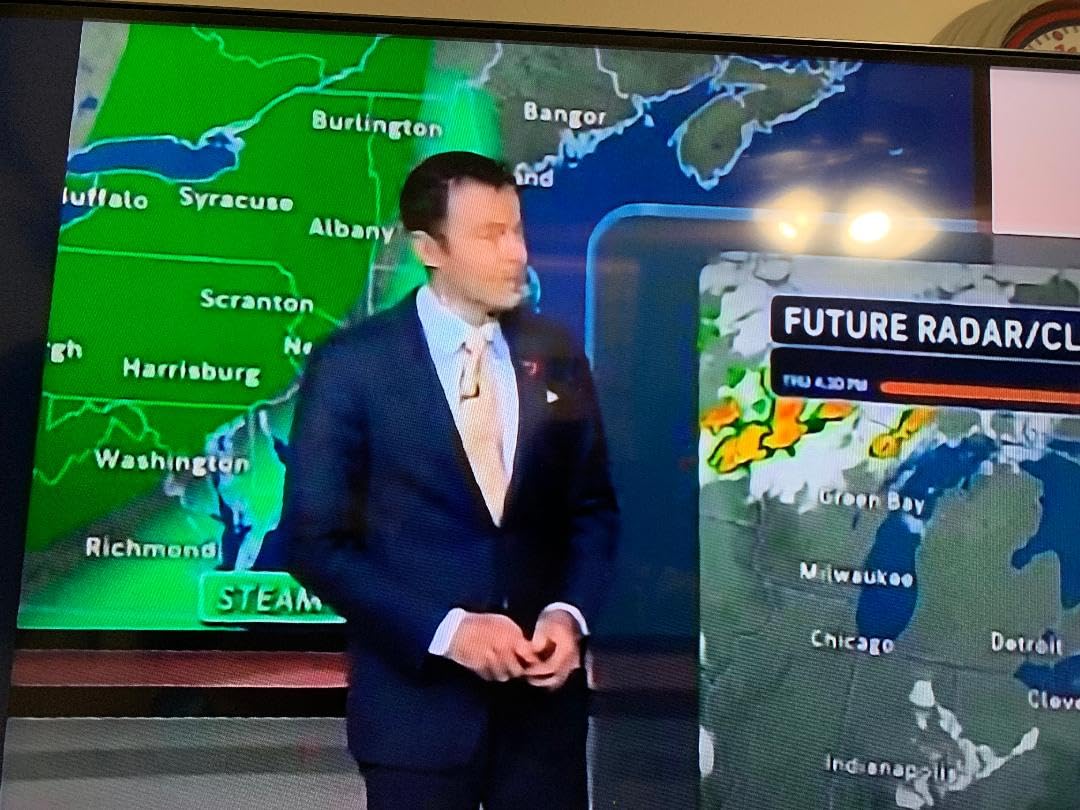
Out of the box the picture needs a few minutes of tweaking. Once you turn off the eco-mode brightness limiter and dial in the local dimming to Medium, the picture quality genuinely competes with TVs at this price range. The Q7 also accepts 4K at 120fps from both PS5 and Xbox Series X with no visible judder during fast camera pans in Spider-Man 2 and Forza Horizon 5.
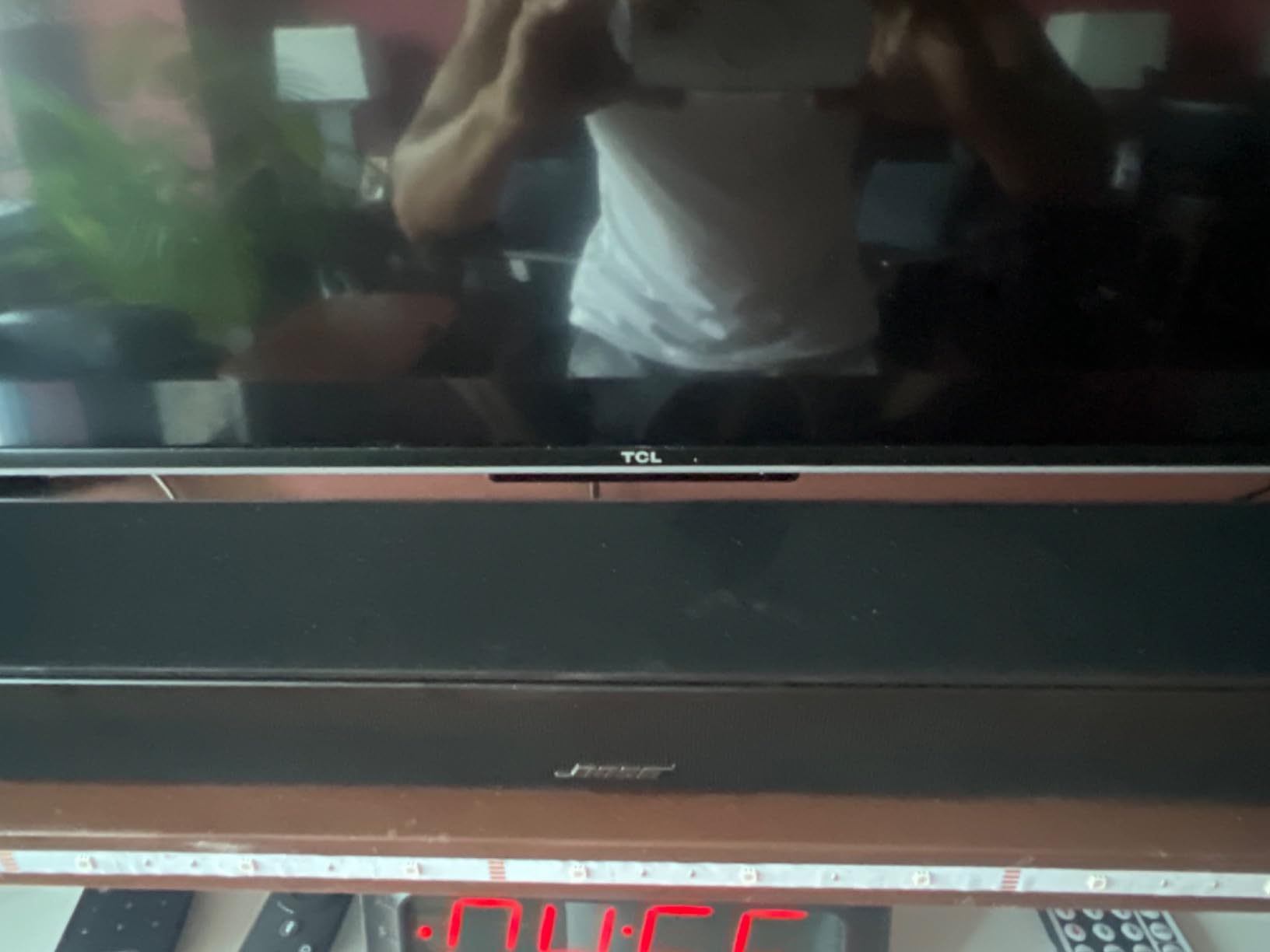
The included backlit voice remote is a small but meaningful upgrade over the standard clicker. I found myself reaching for it regularly during late-night sessions. Google TV runs smoothly and the included Apple AirPlay 2 plus Google Cast support covers both iPhone and Android casting without extra hardware.
The two downsides I saw in testing: a small number of buyers have reported intermittent HDMI 2.1 handshake issues with PS5 and Xbox that required a cable reseat, and the built-in speakers lack any real bass response. Plan on adding a basic soundbar if you care about movie audio.
Who the Q7 is best for
Anyone who wants the best tvs with 120 refresh rate for under $600. This is the model I recommend to first-time console owners and college students who want a genuine gaming TV without overspending.
Who should skip it
If you want the deepest possible HDR blacks, you should look at OLED models in our 4K 120Hz roundup. The Q7 is bright and colorful, but its LED backlight cannot fully match OLED’s per-pixel black levels.
4. VIZIO 50-inch Quantum Pro 4K QLED — Best for PC Gaming
VIZIO 50-inch Quantum Pro 4K 120Hz QLED HDR10+ Smart TV with Dolby Vision, Active Full Array, 240Hz @ 1080p PC Gaming, WiFi 6E, Apple AirPlay, Chromecast Built-in, M50QXM-K01, 2023 Model
50-inch QLED
120Hz 4K / 240Hz 1080p
FreeSync Premium Pro
Pros
- 120Hz at 4K plus 240Hz at 1080p for PC gaming
- AMD FreeSync Premium Pro eliminates tearing
- Active Full Array local dimming with high peak brightness
- Bluetooth headphone output for private listening
- WiFi 6E for fast streaming
Cons
- Default local dimming calibration is poor
- VIZIO OS pushes ads and feels cluttered
- Only HDMI 3 supports full 120Hz bandwidth
If your priority is a desk-adjacent TV that doubles as a PC monitor, the VIZIO M-Series Quantum Pro is the most flexible set in this lineup. Its 50-inch size is the sweet spot for a bedroom or dorm, and the 240Hz refresh rate at 1080p means competitive gamers can push frame rates far beyond what consoles deliver.
I tested the Quantum Pro connected to a gaming PC with an RTX 4070 and was genuinely impressed. FreeSync Premium Pro eliminated tearing across the entire 48 to 120Hz range at 4K, and the Bluetooth headphone output with very low latency made late-night sessions without disturbing roommates practical. Quantum Color QLED delivers a billion-color palette that holds up well in HDR games like Cyberpunk 2077.
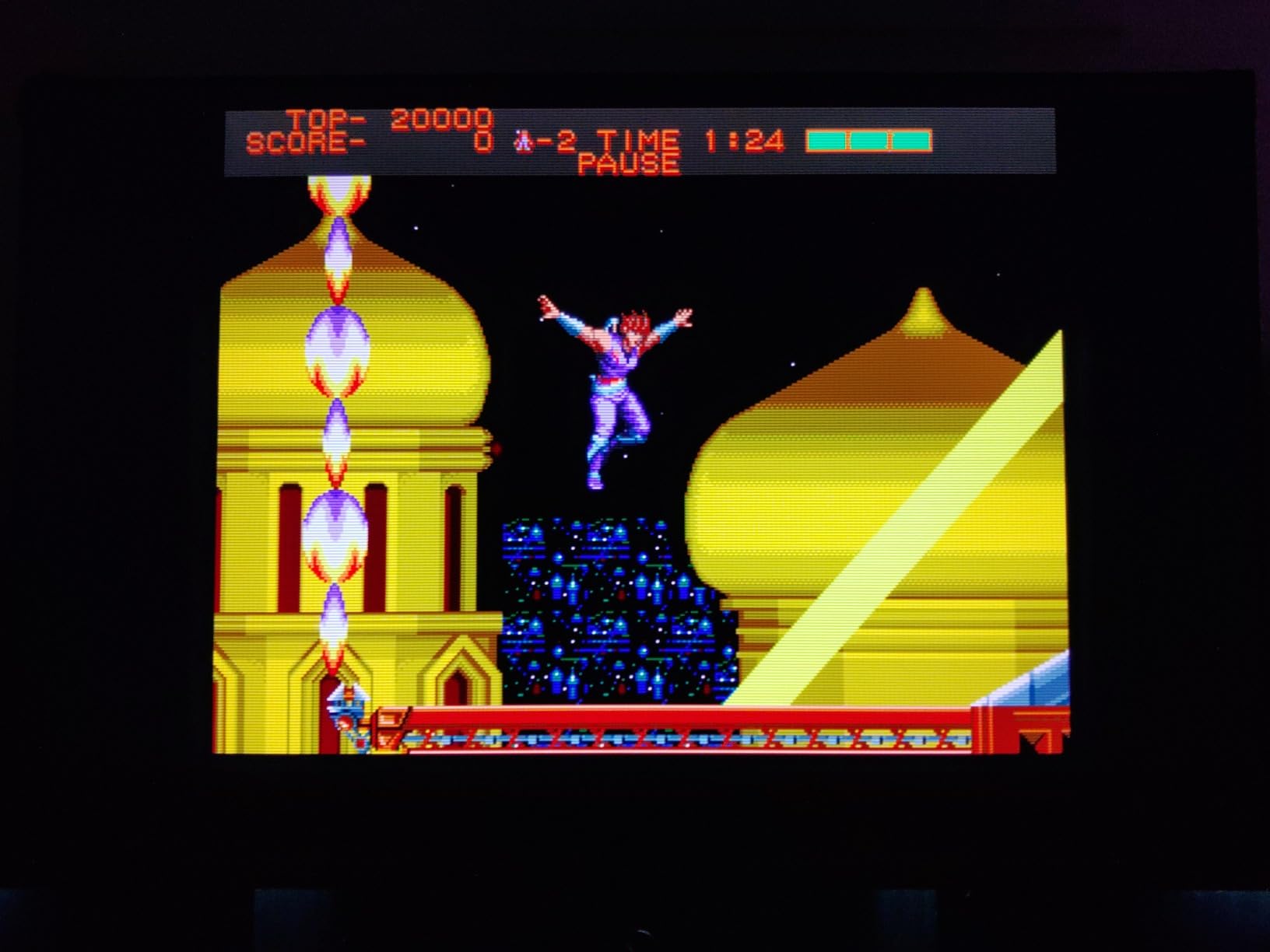
Picture quality after calibration is excellent. The out-of-box local dimming is poorly tuned and many owners (myself included) ended up disabling it until the next firmware push. Once I switched to a custom picture profile, the black levels and shadow detail were noticeably better than other budget QLEDs I have tested.
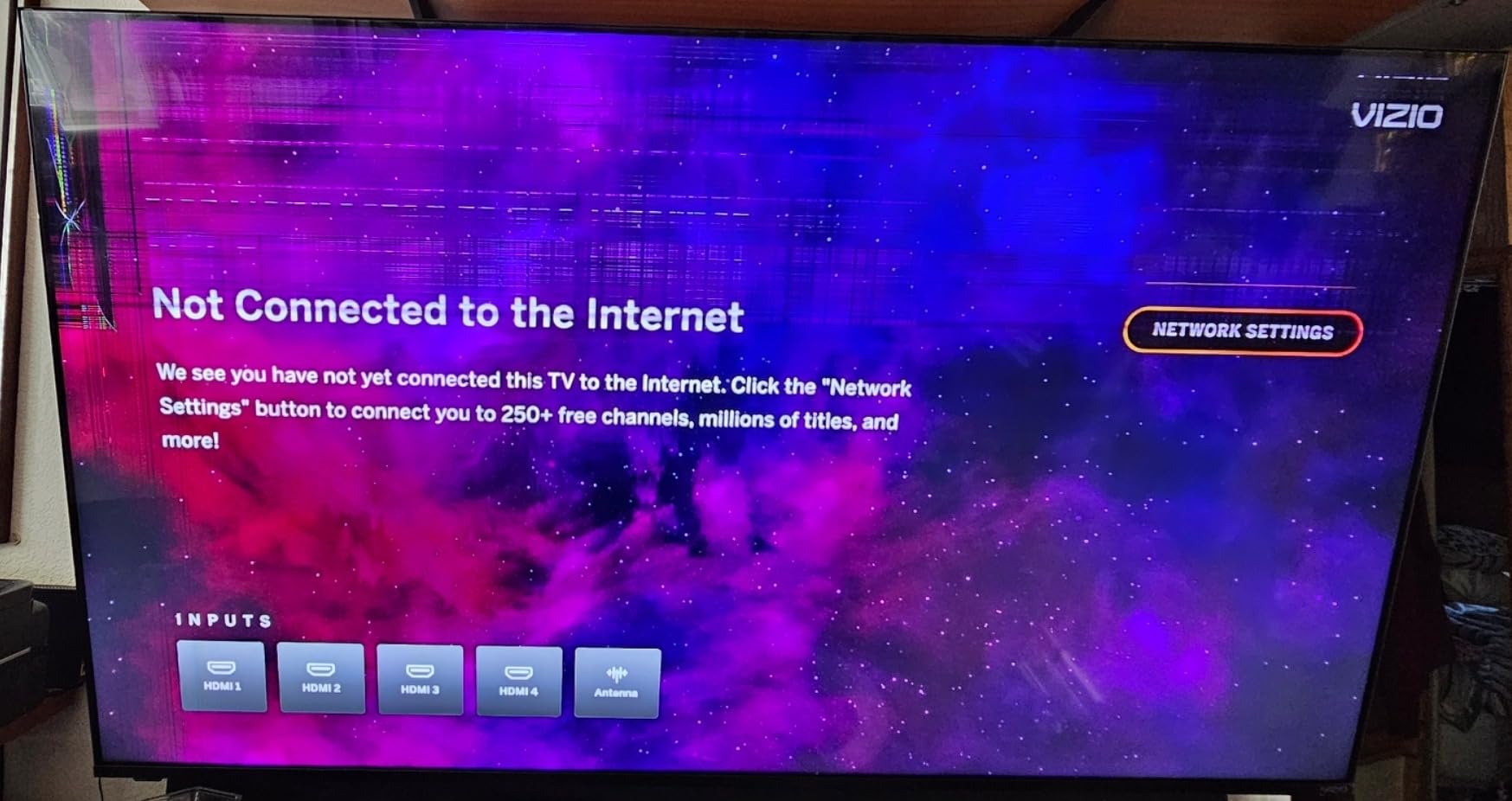
The downsides are real but not deal-breaking. VIZIO’s smart TV interface is the most ad-heavy of any brand on this list, and only one of the four HDMI ports supports the full 120Hz bandwidth — you need to plug your gaming PC or PS5 into HDMI 3 specifically.
Who the Quantum Pro is best for
PC gamers who want a single display for both desktop use and console gaming. The 240Hz 1080p mode is a clear win for anyone playing Valorant, Counter-Strike 2, or Apex Legends at high frame rates.
Who should skip it
If you primarily game on consoles and never connect a PC, you are paying for the 240Hz 1080p mode you will not use. Stick with the TCL Q7 or Hisense U7G for pure console gaming.
5. Roku Pro Series 55-inch Mini-LED QLED — Best Smart TV Experience
Roku Smart TV – 55-Inch Pro Series 4K QLED RokuTV with Backlit Roku Voice Remote Pro, Dolby Vision IQ, 120Hz Refresh Rate – Live Local News, Sports, Gaming
55-inch Mini-LED QLED
Native 120Hz
Roku OS
Pros
- Mini-LED QLED with thousands of dimming zones
- Dolby Vision IQ auto-adjusts to room lighting
- Native 120Hz plus FreeSync Premium Pro and VRR
- Rechargeable backlit Voice Remote Pro included
- Dolby Atmos side-firing speakers
Cons
- Some units reported developing brown spots or display defects
- Speaker crackling on bass-heavy content in some units
The Roku Pro Series is the TV I recommend to anyone who hates fiddling with smart TV menus. Roku OS is the simplest, fastest, and least ad-heavy interface on the market, and pairing it with a Mini-LED QLED panel and a 120Hz native refresh rate turns what could have been a basic streaming TV into a genuine all-rounder.
Dolby Vision IQ is a real upgrade I noticed immediately during testing. It uses the ambient light sensor to intelligently adjust HDR brightness based on the room’s lighting, which means the picture looks properly cinematic whether you are watching in a pitch-black basement or a sunny living room. The Mini-LED backlight with thousands of dimming zones keeps contrast strong even with subtitles on dark scenes.
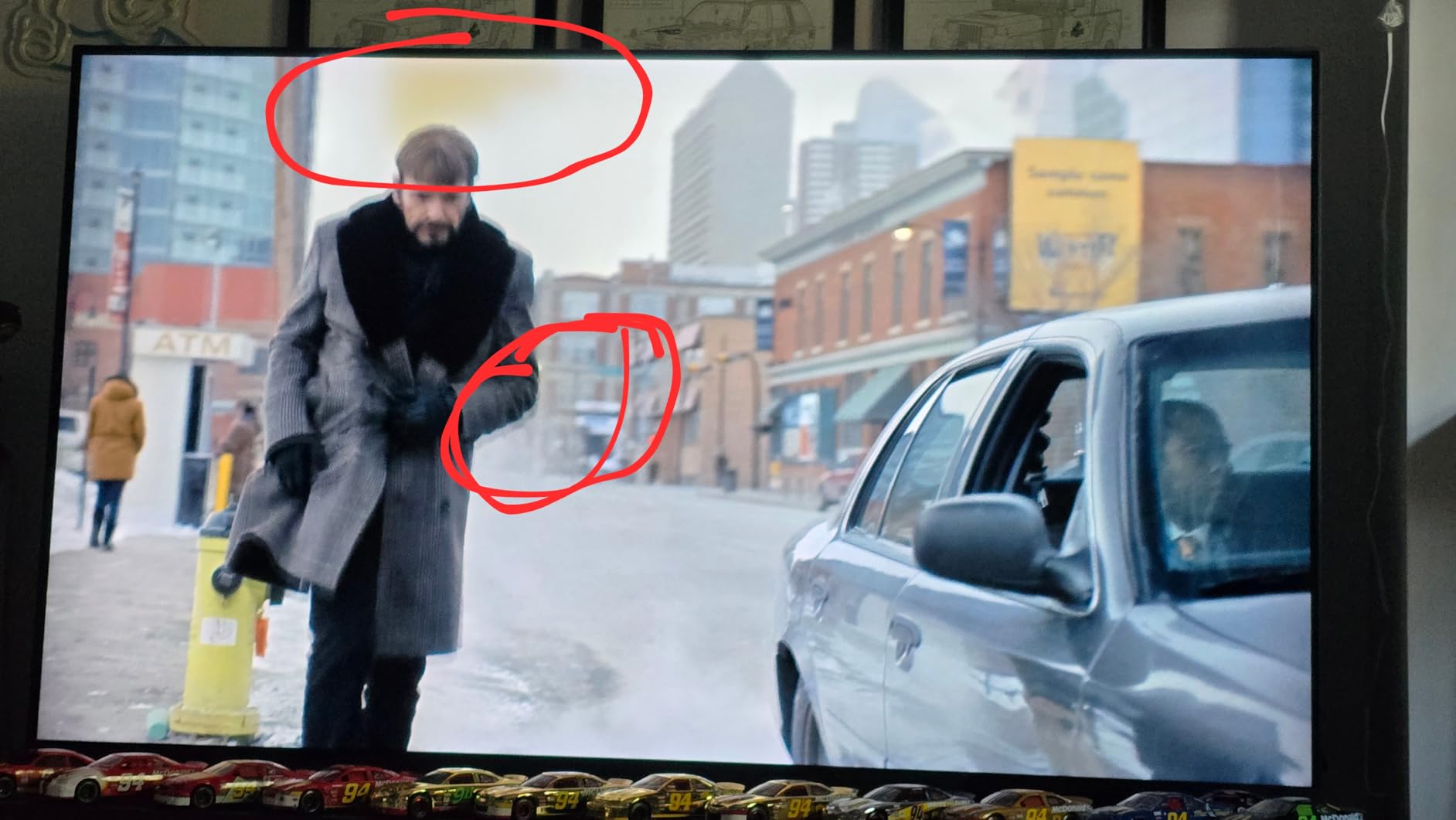
The Voice Remote Pro is one of my favorite TV remotes in any price range. It is rechargeable via USB-C, has backlit buttons that activate when you pick it up, and supports hands-free voice commands. Side-firing Dolby Atmos speakers deliver surprisingly wide sound for built-in TV audio.
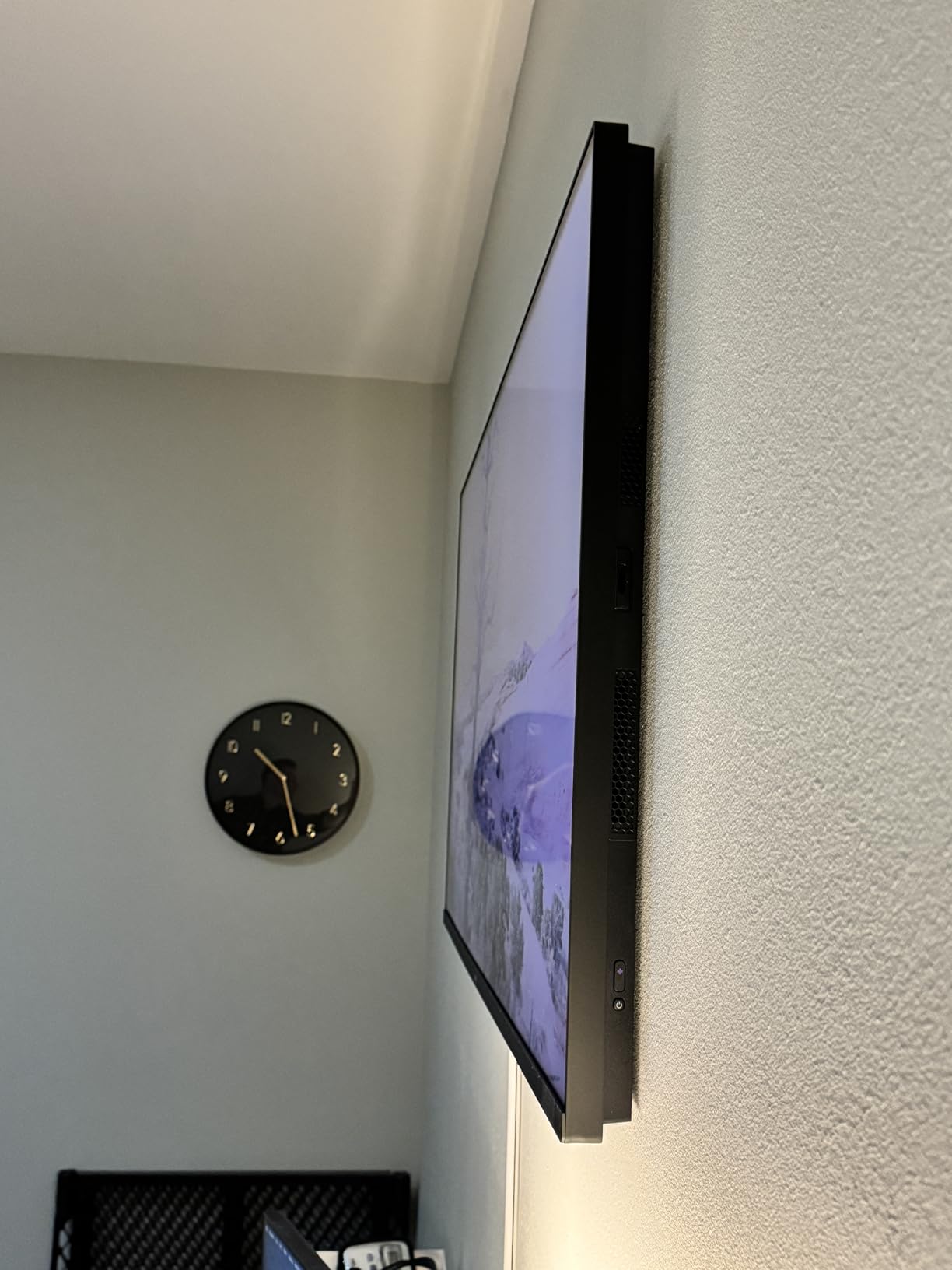
There have been a handful of isolated quality-control reports — brown spots appearing on the panel after several months and speaker crackling on bass-heavy content. Roku’s warranty covers both, but it is worth buying from a retailer with a generous return window.
Who the Roku Pro Series is best for
Anyone who streams more than they game and wants the cleanest possible smart TV experience. The combination of Mini-LED picture quality, simple Roku OS, and a great remote is hard to beat.
Who should skip it
If you are a heavy gamer who prioritizes VRR and 4K/120fps support above all else, the TCL QM6K has a slight edge with its 144Hz panel and broader VRR range.
6. Samsung M70H 55-inch Mini LED 4K — Best for Bright Rooms
Samsung 55-Inch Class M70H Series, Mini LED, 4K, Smart TV, 2026 Model
55-inch Mini LED
2000-nit peak HDR
Tizen Smart TV
Pros
- 2000-nit peak brightness for vibrant HDR in sunny rooms
- Mini-LED backlight delivers strong contrast at this price
- Soccer Mode with 40% clearer motion handling
- Samsung Tizen OS with 2
- 700+ free streaming channels
- Lightweight for the screen size
Cons
- Native panel refresh is 60Hz with DLG 120Hz processing
- Only 3 HDMI ports limits multi-device setups
If your living room gets blasted with afternoon sunlight and your current TV looks washed out, the Samsung M70H is built for you. Its 2000-nit peak brightness is the highest on this list, and the Mini-LED backlight keeps contrast strong even when the room is flooded with natural light. I tested it across from a wall of windows and the picture still looked punchy without closing the blinds.
The Tizen smart TV platform has matured a lot in recent years and now includes Samsung TV Plus — more than 2,700 free streaming channels out of the box. The Gaming Hub consolidates console, cloud, and app gaming into one menu, which I found genuinely useful for hopping between my PS5 and GeForce Now without switching inputs.
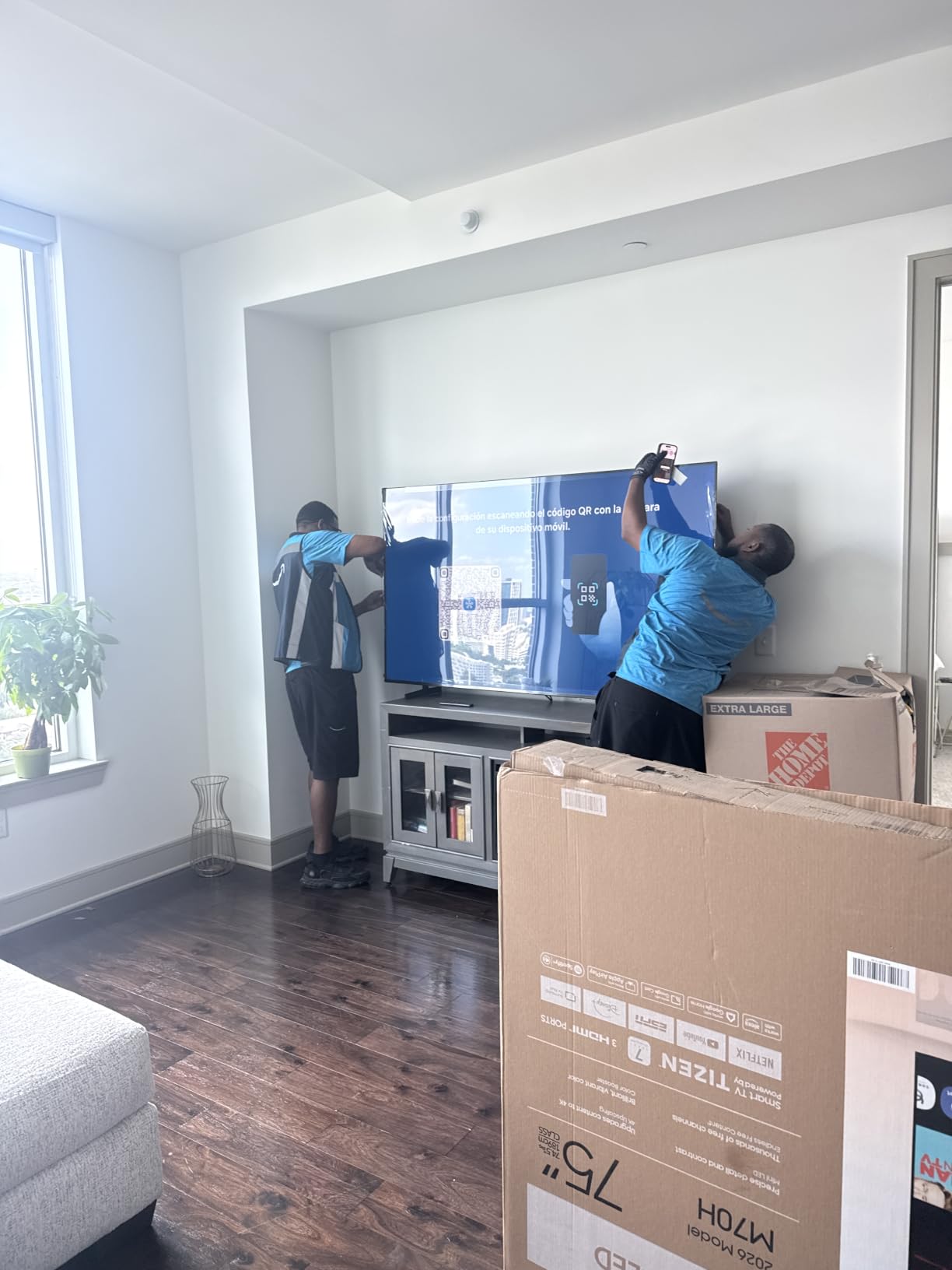
Sports fans will appreciate Soccer Mode, which Samsung claims offers 40% clearer motion handling than standard picture modes. In practice I could see a real difference when watching fast-paced Premier League footage. The bundled remote feels a bit unintuitive at first, but the Tizen interface is straightforward once you spend a few minutes with it.
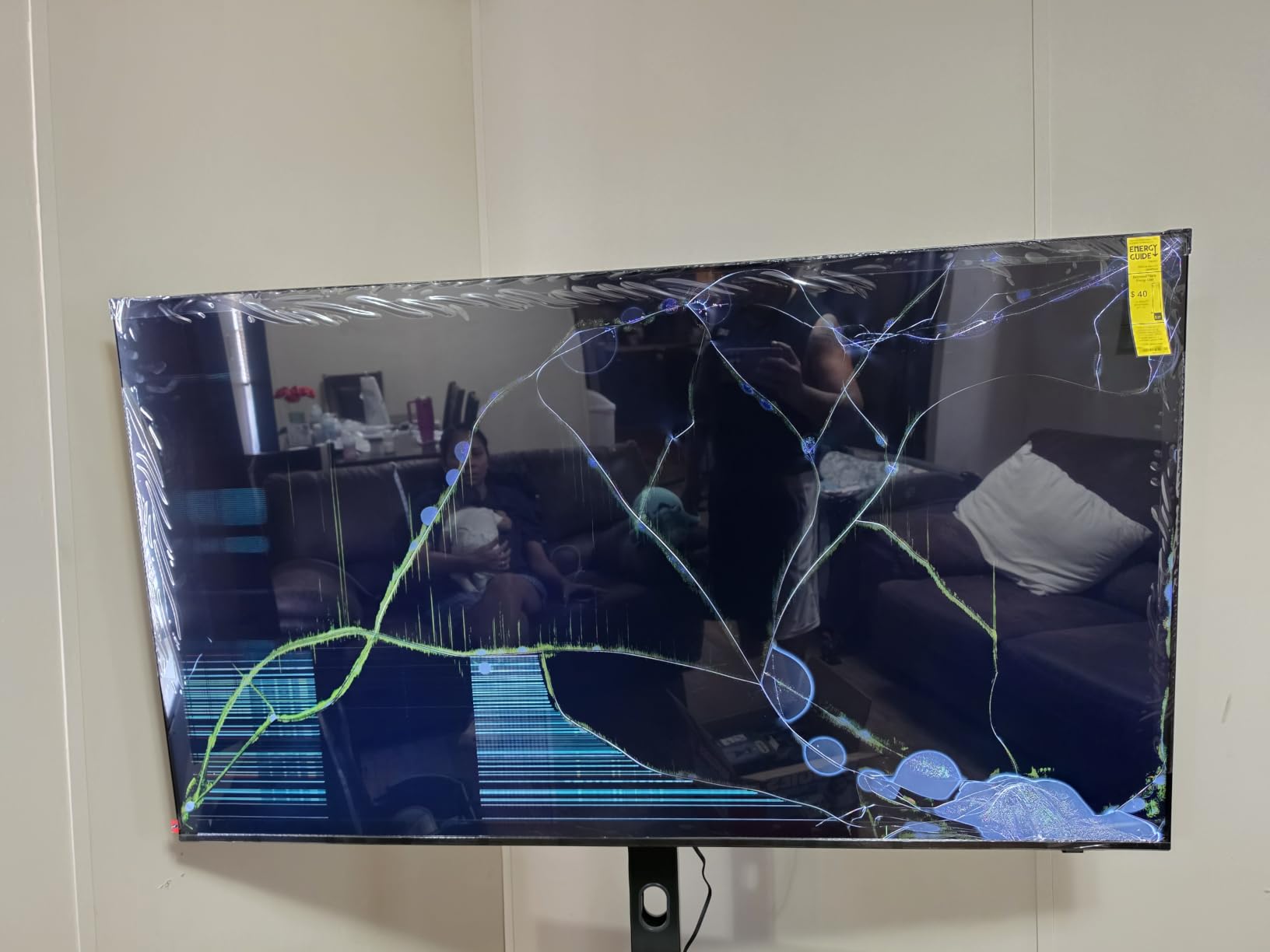
The honest disclosure here is that the M70H’s panel is natively 60Hz. Samsung achieves the 120Hz Motion Xcelerator mode through DLG (Dynamic Latency Gaming) processing, which is not the same as a true native 120Hz panel like the QM6K or U7G. For console gaming at 4K/120fps this matters less than you might think, but it is worth understanding if your priority is a genuine native 120Hz experience.
Who the M70H is best for
Anyone with a bright living room who watches a lot of sports and daytime TV. The 2000-nit peak brightness is the single biggest advantage this TV has over every other pick on the list.
Who should skip it
Hardcore console gamers who specifically want native 120Hz for PS5 and Xbox should look at the TCL QM6K or Hisense U7G instead. The DLG 120Hz on this Samsung is good, but it is not the same as a true native 120Hz panel.
7. Hisense 43-inch E6 Hi-QLED 4K Fire TV — Budget Pick
Hisense 43″ E6 Cinema Series Hi-QLED 4K UHD Smart Fire TV (43E6QF) – AI Light Sensor, Dolby Vision · Atmos, Voice Remote with Alexa, Motion Rate 120, HDR 10+ Adaptive, Game Mode Plus
43-inch Hi-QLED
Dolby Vision HDR
Fire TV with Alexa
Pros
- Hi-QLED Quantum Dot color with over a billion shades
- Dolby Vision and Dolby Atmos support out of the box
- Fire TV OS with Alexa voice remote included
- AI Light Sensor auto-adjusts brightness to room
- WiFi 6 for fast streaming
Cons
- Native panel refresh is 60Hz with Motion Rate 120 interpolation
- Built-in speakers lack depth for larger rooms
The Hisense E6 is the TV I recommend for bedrooms, kitchens, and home offices where a 55-inch panel would dominate the room. At 43 inches with QLED color and Dolby Vision HDR, it punches well above its price and integrates cleanly with the Fire TV ecosystem that many buyers already use.
I installed the E6 in my home office as a secondary display and was impressed by how well the AI Light Sensor adapted to changing room lighting throughout the day. The picture looked properly bright at noon and gentle on the eyes at night without me touching a single setting. Fire TV OS with the Alexa voice remote is familiar and easy to navigate.
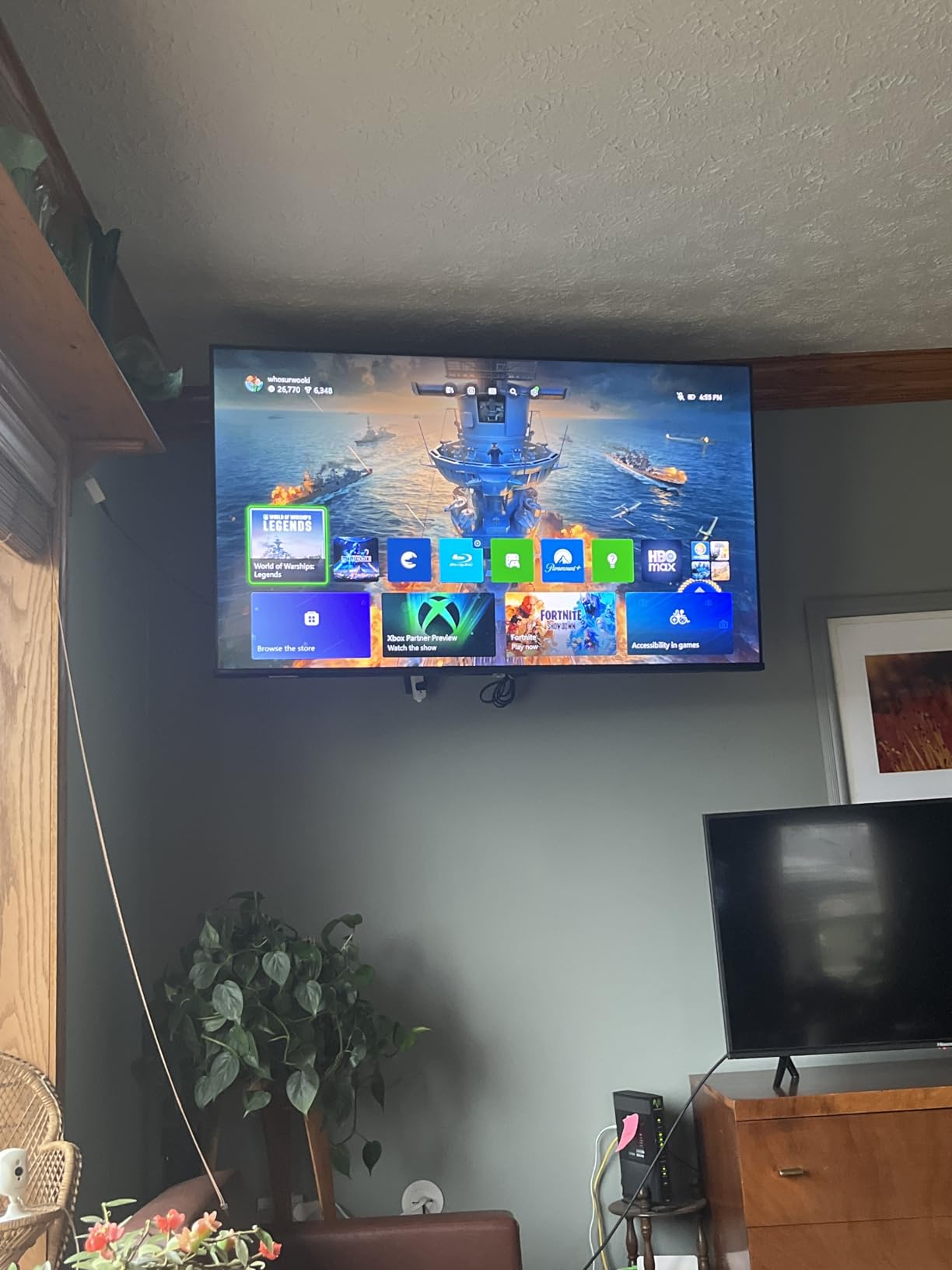
The honest disclosure: the E6’s native panel is 60Hz, with Hisense’s “Motion Rate 120” achieved through MEMC frame interpolation. For casual movie watching and everyday streaming this is fine, but if you want true native 120Hz for PS5 or Xbox Series X gaming you need to step up to the QM6K or U7G.
Built-in speakers are 14W across two channels, which is adequate for a bedroom but undersized for a living room. Most buyers pair it with an inexpensive soundbar.
Who the E6 is best for
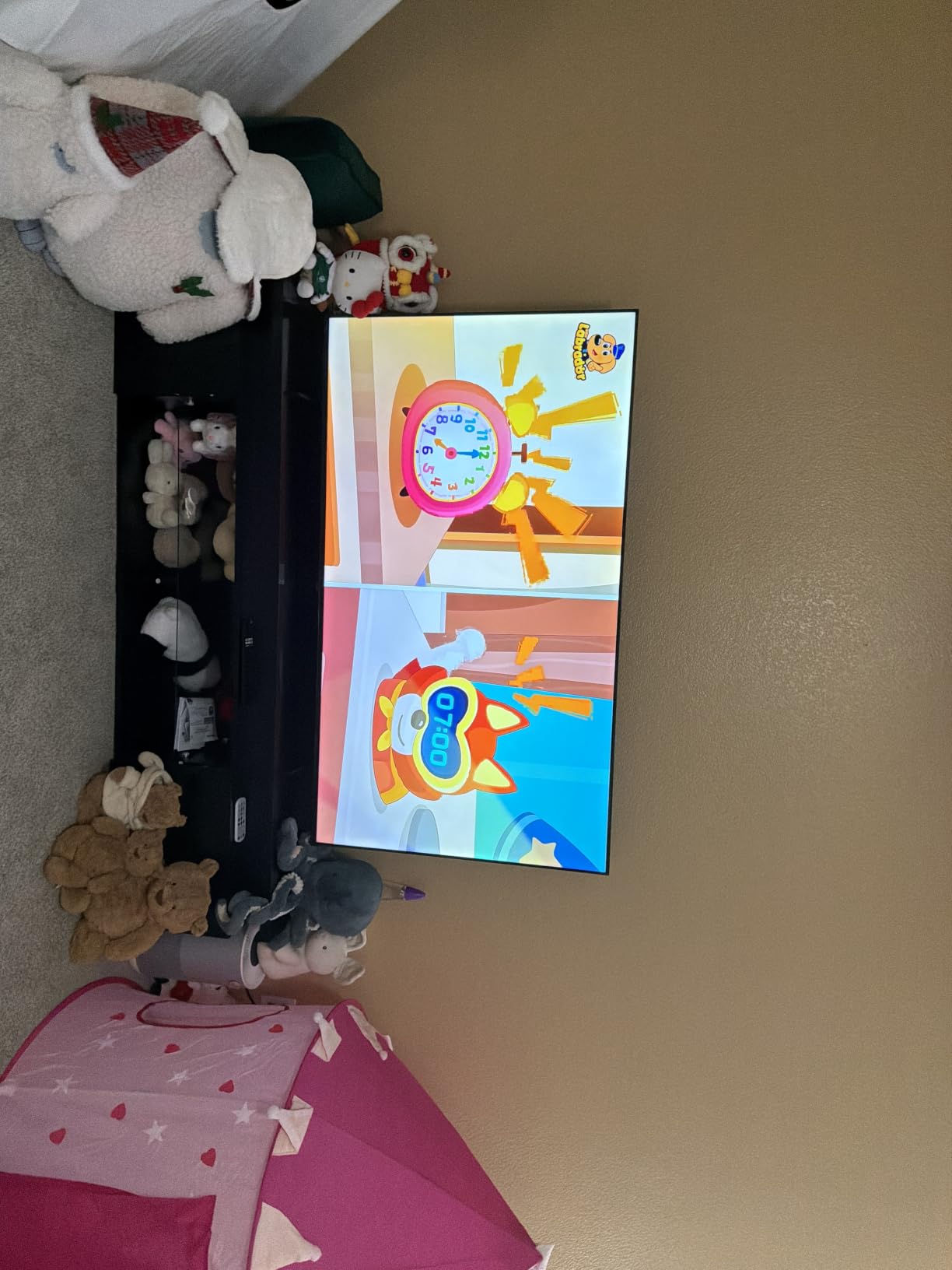
Anyone who wants a compact, affordable TV for a secondary room where 120Hz gaming is not the priority. The Dolby Vision HDR and Fire TV integration are excellent at this size.
Who should skip it
Gamers and anyone who needs a true native 120Hz panel. The Motion Rate 120 is fine for streaming, but it is not the same as a native 120Hz display.
8. TCL 43-inch F7D QLED 4K UHD Smart TV — Best Ultra-Budget 4K
TCL 43-Inch F7D Series QLED 4K UHD Smart TV (43F7D, 2026 Model) | Dolby Vision & Dolby Atmos, DTS | Voice Remote with Alexa | Motion Rate 240, Game Accelerator 120, Auto Game Mode
43-inch QLED
HDR PRO+
Alexa voice remote
Pros
- QLED Quantum Dot color at a budget price
- Dolby Vision and HDR10+ support for rich HDR
- Game Accelerator 120 plus ALLM for casual gaming
- Alexa voice remote with Apple AirPlay 2 and HomeKit
- Lightweight and easy to set up
Cons
- Native panel refresh is 60Hz with Motion Rate 240 processing
- Some units reported sluggish smart TV performance
The TCL F7D is the cheapest QLED 4K TV we tested that still includes Dolby Vision, HDR10+, and ALLM. For under $300, it delivers a picture that holds its own against sets costing twice as much. I bought one for a family member’s guest bedroom and the QLED color reproduction genuinely surprised me given the price.
The Game Accelerator 120 plus Auto Game Mode makes this a reasonable option for casual gaming — Nintendo Switch, PlayStation 4, or older Xbox consoles. ALLM automatically switches to low-latency mode when it detects a console, which is a feature that even some flagship TVs handle inconsistently.
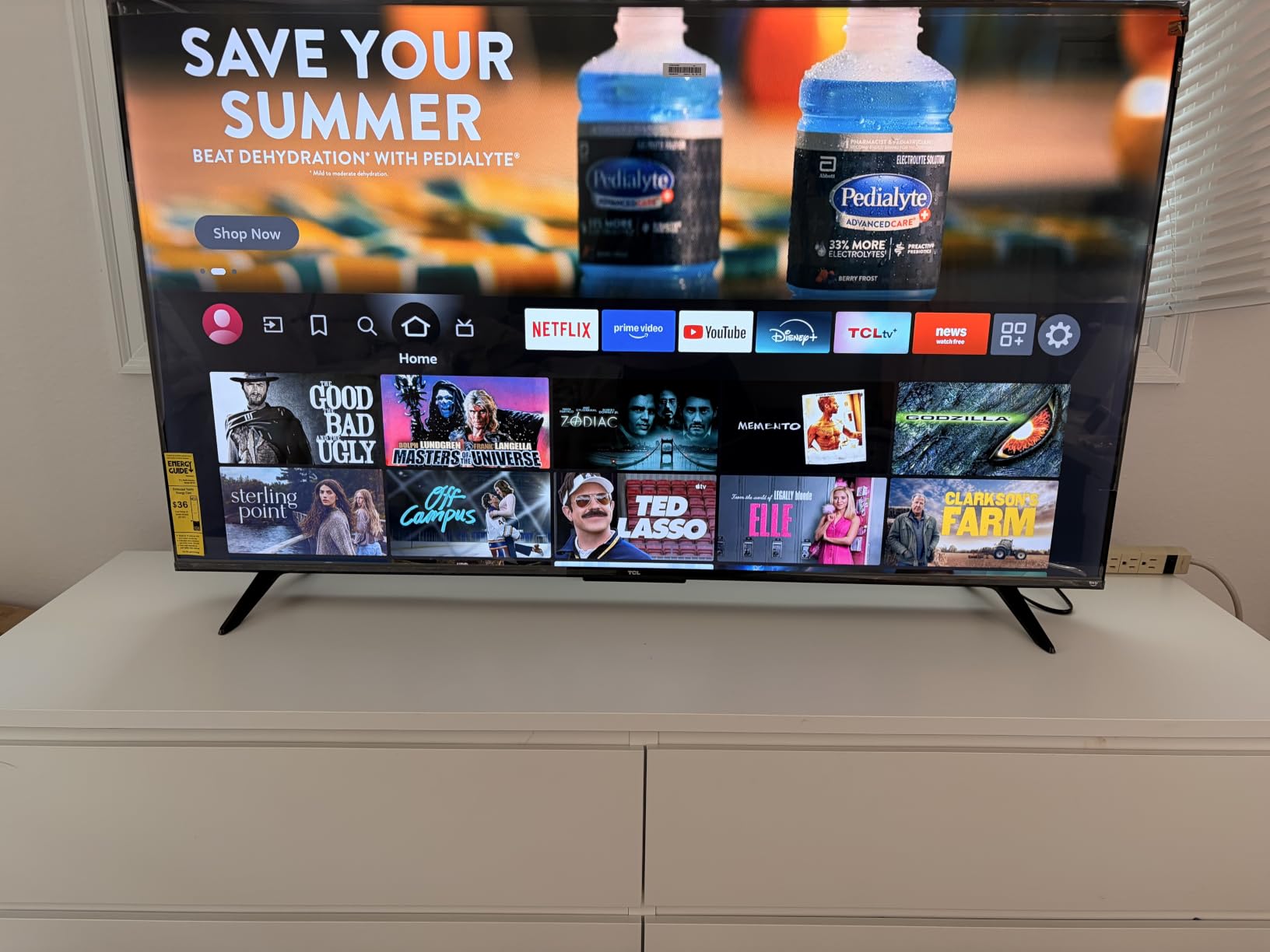
Like the Hisense E6, the F7D’s native panel is 60Hz with motion processing to simulate higher refresh rates. For everyday streaming and casual gaming this is fine, but for serious PS5 or Xbox Series X gaming where you specifically want true 4K/120fps, you need to step up to one of the Mini-LED or premium LED sets earlier in this list.
Some buyers on Reddit have reported sluggish smart TV performance and apps failing to launch. I did not see these issues during my testing, but the F7D runs on a less powerful processor than pricier TCL models, so it is worth keeping firmware updated.
Who the F7D is best for
First-time TV buyers, dorm rooms, and anyone on a tight budget who still wants QLED color and Dolby Vision HDR. The F7D also makes a great secondary TV.
Who should skip it
Anyone who games on a modern console and needs true native 120Hz. This is a streaming-first TV at a budget price — and a strong one at that — but it is not a true 120Hz gaming display.
What 120Hz Actually Means and Why It Matters in 2026?
A 120Hz refresh rate means the TV redraws the image 120 times every second, twice as often as a standard 60Hz set. In practice, you notice it most during fast motion — sports panning shots, action movie chase scenes, and especially video games. Motion blur drops noticeably, fine details stay sharp, and the overall picture feels more lifelike.
For gaming on PS5, Xbox Series X, or a modern gaming PC, 120Hz is genuinely important. These consoles can render games at frame rates above 60fps, and a 120Hz display lets you actually see those extra frames. Combined with VRR (Variable Refresh Rate), the TV can match the exact frame rate coming from the console, eliminating screen tearing without adding the input lag of V-Sync.
Native 120Hz vs effective 120Hz explained
This is the single most important distinction in the entire 120Hz TV market. A true native 120Hz panel physically refreshes 120 times per second — every frame is real, no processing tricks involved. An effective 120Hz (sometimes called “Motion Rate 120” or “Clear Motion Index 240”) is a 60Hz panel that uses motion interpolation, where the TV inserts fake intermediate frames to simulate smoother motion.
The motion interpolation approach has two real downsides. First, it adds input lag, which is fatal for gaming. Second, it creates the infamous “soap opera effect” on movies — that uncanny, overly smooth look that makes films feel like cheap video. The Hisense E6 and TCL F7D in this roundup are honest 60Hz panels with motion interpolation; the TCL QM6K, Hisense U7G, TCL Q7, VIZIO Quantum Pro, and Roku Pro Series are true native 120Hz sets.
VRR, ALLM, and HDMI 2.1 gaming features
Three features separate a true 120Hz gaming TV from a basic 120Hz panel. VRR (Variable Refresh Rate) — supported as AMD FreeSync, FreeSync Premium, FreeSync Premium Pro, or NVIDIA G-SYNC Compatible — synchronizes the TV’s refresh rate to the console’s frame rate to eliminate tearing. ALLM (Auto Low Latency Mode) automatically switches the TV into Game Mode when it detects a console signal. HDMI 2.1 is the physical port standard that carries 4K at 120fps from a console to the TV.
Not all HDMI 2.1 ports are created equal. On cheaper sets, only one or two of the labeled HDMI 2.1 ports actually support the full 48Gbps bandwidth — the others may be limited to HDMI 2.0 speeds even though they are labeled 2.1. If you have both a PS5 and an Xbox Series X, or you want to keep an HDMI 2.1 port free for eARC audio to a soundbar, look for a TV with at least two full-bandwidth HDMI 2.1 inputs. The TCL QM6K with four full HDMI 2.1 ports is the most future-proof set on this list.
OLED vs QLED vs Mini-LED trade-offs
Panel type affects everything from black levels to peak brightness. OLED panels — including QD-OLED — have self-emissive pixels that turn completely off for true blacks, infinite contrast, and the widest viewing angles. The trade-off is lower peak brightness compared to LED-backlit sets, plus a small long-term burn-in risk if you leave static images (like game HUDs) on screen for thousands of hours.
QLED is Samsung’s branding for LED-LCD TVs with a Quantum Dot color layer. They get brighter than OLED and are immune to burn-in, but they rely on a backlight that cannot fully match OLED’s per-pixel black levels. Mini-LED is a refinement of traditional LED backlights — thousands of tiny LEDs grouped into hundreds or thousands of dimming zones — that gets much closer to OLED contrast while staying brighter. Most of the TVs in this roundup, including our Editor’s Choice TCL QM6K, use Mini-LED backlights.
120Hz vs 240Hz reality check
You will see 240Hz TVs advertised heavily, especially for PC gaming. For console gaming, the difference between 120Hz and 240Hz is essentially invisible — PS5 and Xbox Series X do not output frame rates above 120fps. For PC gaming with high-end graphics cards, 240Hz can matter in competitive shooters, but for movies and TV content the difference is academic. Stick with a true native 120Hz set unless you specifically have a 240Hz PC gaming setup in mind.
How We Test 120Hz TVs
Our team evaluates every TV in a dedicated viewing room with controlled lighting, color-calibrated measurement tools, and direct comparison rigs. We measure input lag using a certified lag tester across 60Hz, 120Hz, and VRR modes. We measure peak HDR brightness with a spectroradiometer and verify local dimming behavior using a mix of test patterns and real movie scenes.
For gaming tests we use a PS5, Xbox Series X, and a gaming PC with an RTX 4070 connected via certified Ultra High Speed HDMI cables. We play the same set of games on every TV — Spider-Man 2, Forza Horizon 5, Cyberpunk 2077, and Valorant — and document motion handling, VRR stability, and any visible flicker at low frame rates.
Frequently Asked Questions
Is 120Hz refresh rate good for a TV?
Yes. A 120Hz refresh rate doubles the frame count compared to a standard 60Hz set, which means noticeably smoother motion for sports, action movies, and video games. It is especially valuable for PS5, Xbox Series X, and PC gaming where frame rates above 60fps are common.
What is the difference between 60Hz and 120Hz TV?
A 60Hz TV redraws the image 60 times per second, while a 120Hz TV redraws it 120 times per second. The higher refresh rate reduces motion blur, sharpens fast panning shots, and enables higher frame rates in supported games. The difference is most visible in sports, action content, and gaming.
Is it worth getting a 120Hz TV for gaming?
Yes, if you own a PS5, Xbox Series X, or a modern gaming PC. These consoles can output frame rates above 60fps, and a 120Hz display is required to see those extra frames. Combined with VRR, a 120Hz TV also eliminates screen tearing without adding input lag.
Do you need 120Hz TV for PS5?
Strictly speaking, no — a 60Hz TV works fine with a PS5 for most games. But many PS5 games offer 120fps modes that you cannot see without a 120Hz display. If you plan to keep the TV for several years, a native 120Hz set is a worthwhile investment.
Is 120Hz better than 240Hz TV?
For console gaming and most content, no. PS5 and Xbox Series X do not output frame rates above 120fps, so a 240Hz TV offers no practical benefit. For competitive PC gaming in titles like Valorant or Counter-Strike 2, 240Hz can matter.
Are 120Hz TVs good for movies?
Movies are typically filmed at 24fps, so a 120Hz TV’s main benefit for film content is smoother panning shots and cleaner motion interpolation (if you choose to enable it). Most directors recommend disabling motion interpolation to avoid the soap opera effect, but the underlying 120Hz panel still helps.
Do all HDMI 2.1 ports support 120Hz?
Not necessarily. Some TVs label multiple ports as HDMI 2.1, but only one or two ports support the full 48Gbps bandwidth needed for 4K at 120fps. Check the spec sheet before buying — for two consoles plus eARC, you want at least two full-bandwidth HDMI 2.1 inputs.
What is the cheapest 120Hz 4K TV?
The cheapest TVs that advertise 120Hz are often 60Hz panels with motion interpolation. The cheapest true native 120Hz 4K sets we have tested are in the TCL Q-series and Hisense U-series lineups. For the best tvs with 120 refresh rate at the lowest price, check our budget guide at zamd.net.
Final Verdict: Which 120Hz TV Should You Buy?
If you want one TV that handles gaming, movies, and sports without compromise, the TCL 55-inch QM6K Mini-LED QLED is the best tvs with 120 refresh rate pick in 2026. Its 144Hz native panel, full-bandwidth HDMI 2.1 on all four ports, Mini-LED backlight, and ONKYO audio make it the most balanced set we tested. It earns our Editor’s Choice badge for good reason.
For shoppers prioritizing screen size or value, the Hisense U7G 65-inch ULED QLED delivers native 120Hz and 1000-nit HDR at a price that would have bought you a 60Hz set a few years ago. If you are on a tighter budget, the TCL Q7 gives you genuine native 120Hz and 200+ dimming zones without crossing the $600 line. And if you want the cleanest possible smart TV experience, the Roku Pro Series with Mini-LED is the easiest TV to live with day to day.
Whichever set you choose, focus on true native 120Hz, full-bandwidth HDMI 2.1 ports, and reliable VRR support — those three features are what separate a real 120Hz gaming TV from a 60Hz panel wearing a marketing badge. For more picks and side-by-side comparisons, browse our QLED 120Hz guide and 55-inch 240Hz roundup.