
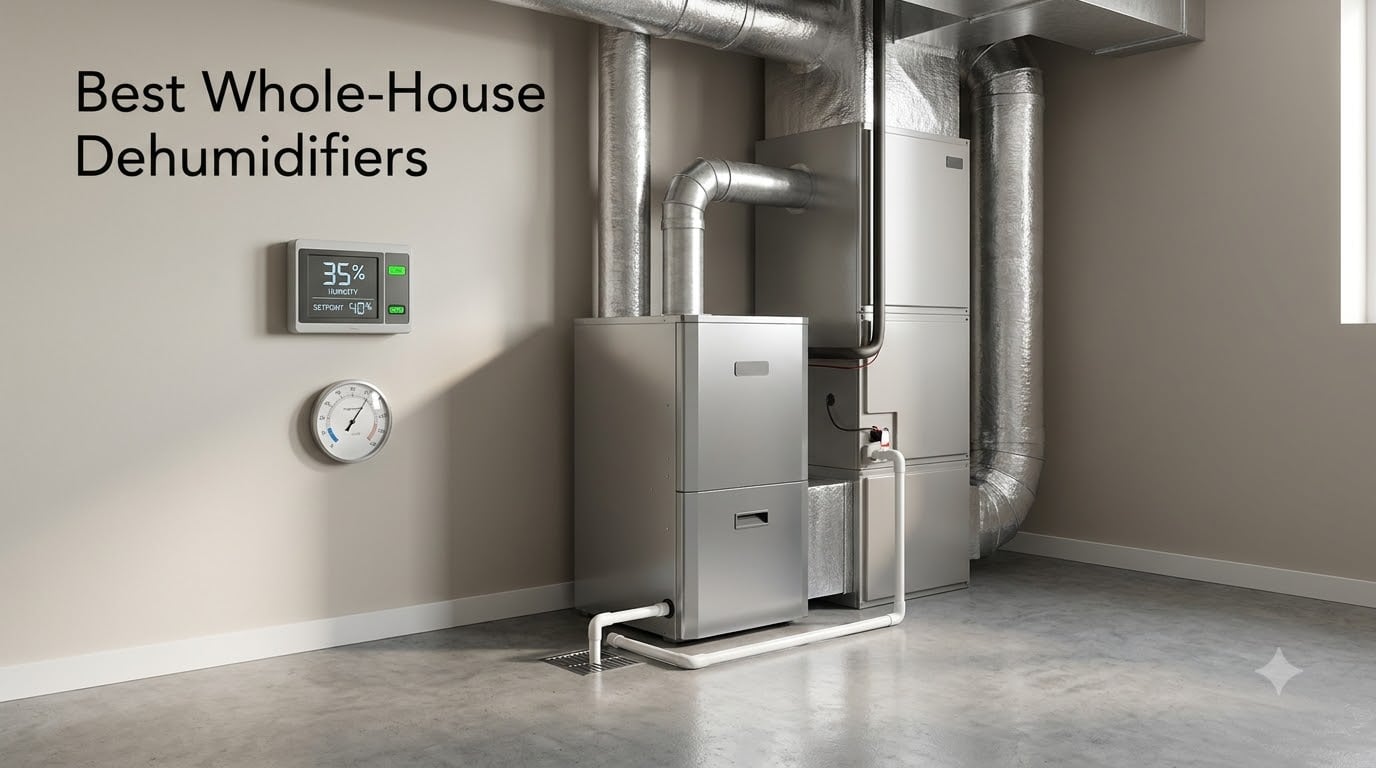
A whole-house dehumidifier fixes a problem no portable unit ever solved for me: humidity that starts in the basement and works its way into every upstairs room. For two summers I emptied a 50-pint portable bucket twice a day, and the upstairs hallway still sat at 68 percent relative humidity by August. The day we hard-wired a ducted unit into the return plenum, that hallway dropped to 48 percent in under a week.
This guide compares 8 whole-house dehumidifiers that dominate real owner feedback in 2026, from the 100-pint AprilAire E100 down to compact crawl-space units like the ALORAIR Sentinel HD55. I dug through thousands of owner reviews, Reddit threads from r/hvacadvice and r/BuyItForLife, spec sheets, and Energy Star listings to separate the marketing numbers from the moisture these machines actually move. Expect honest coverage of the bad too, because even the best units here have weak spots.
The short version if you are in a hurry: match capacity to your square footage, insist on continuous drainage, and treat Energy Star certification as the floor, not a bonus. If you only remember one sizing rule, remember this: a 2,000 sq ft home in a humid climate needs roughly 55 to 65 pints per day of real capacity, and buying slightly larger beats buying slightly small every single time.
Table of Contents
Top 3 Picks for Best Whole-House Dehumidifiers (September 2026)
These three units won on different strengths, and any of them will outperform a rack of portable dehumidifiers. The AprilAire E100 is the pick I would install in my own home, the Waykar 150 delivers the most capacity and features per dollar, and the ALORAIR HD55 handles crawl spaces on a lean budget.
AprilAire E100 Pro (Editor’s Choice) — 100 pints per day, up to 5,500 sq ft, Energy Star Most Efficient, runs standalone or fully ducted, 5-year warranty, and a built-in humidistat that automates everything.
Waykar 150-Pint (Best Value) — 150 pints per day, up to 7,000 sq ft, Energy Star certified, built-in pump with 9.8 ft vertical lift, self-drying mode, and 4.4 stars across 850+ owner reviews.
ALORAIR Sentinel HD55 (Budget Pick) — 53 pints per day at AHAM conditions, built for 1,200 sq ft crawl spaces, coated coils that resist corrosion, continuous drain with no tank to empty, and a 6-year limited warranty.
Best Whole-House Dehumidifiers in 2026
The full lineup is below, ranked in the order I would shortlist them for a typical home. Every unit here uses refrigerant-based dehumidification, and all but two carry Energy Star certification.
| Product | Specifications | Action |
|---|---|---|
 AprilAire E100 Pro 100-Pint AprilAire E100 Pro 100-Pint |
|
Check Latest Price |
| AprilAire E080 Pro 80-Pint |
|
Check Latest Price |
 Waykar 150-Pint with Pump Waykar 150-Pint with Pump |
|
Check Latest Price |
 Waykar 125-Pint Dual Duct Waykar 125-Pint Dual Duct |
|
Check Latest Price |
 Airzentti 155-Pint with Pump Airzentti 155-Pint with Pump |
|
Check Latest Price |
 Moiswell Marshal WD160 Moiswell Marshal WD160 |
|
Check Latest Price |
 ALORAIR Sentinel WHD100 ALORAIR Sentinel WHD100 |
|
Check Latest Price |
 ALORAIR Sentinel HD55 ALORAIR Sentinel HD55 |
|
Check Latest Price |
1. AprilAire E100 Pro 100-Pint – Best Overall Whole-House Dehumidifier
AprilAire E100 Pro 100-Pint Whole-House Dehumidifier, Energy Star Certified, Commercial-Grade Whole-Home Dehumidifier for Basement, Crawlspace, or Whole House up to 5,500 sq. ft.
100 PPD
5,500 sq ft coverage
Energy Star certified
280 CFM airflow
5-year warranty
Pros
- Excellent automated humidity control
- Runs standalone or ducted into HVAC
- Corrosion-resistant aluminum coils
- Built in the USA
- 5-year warranty
Cons
- Premium price segment
- HVAC integration usually needs a pro
- Some sensors needed warranty service after 2 years
The E100 is the unit I point most people toward when they ask what a whole-house dehumidifier should actually do. In owner after owner’s account, it pulls a full house down to target humidity and then quietly maintains it without anyone touching a dial. One basement owner described watching his hygrometer sit pinned at 46 percent through an entire coastal July, which matches the pattern across nearly 200 reviews.
What sells people is the smart sensing. Set your target RH once and the unit samples conditions, decides on its own when to run, and never asks for attention again. There is no tray, no bucket, and no float switch to fail, just a continuous drain line you route once and forget.
It also refuses to be boxed into one job. The same chassis runs freestanding in a basement or ties into your return duct with the included 10-inch collars, which is rare flexibility at this capacity.
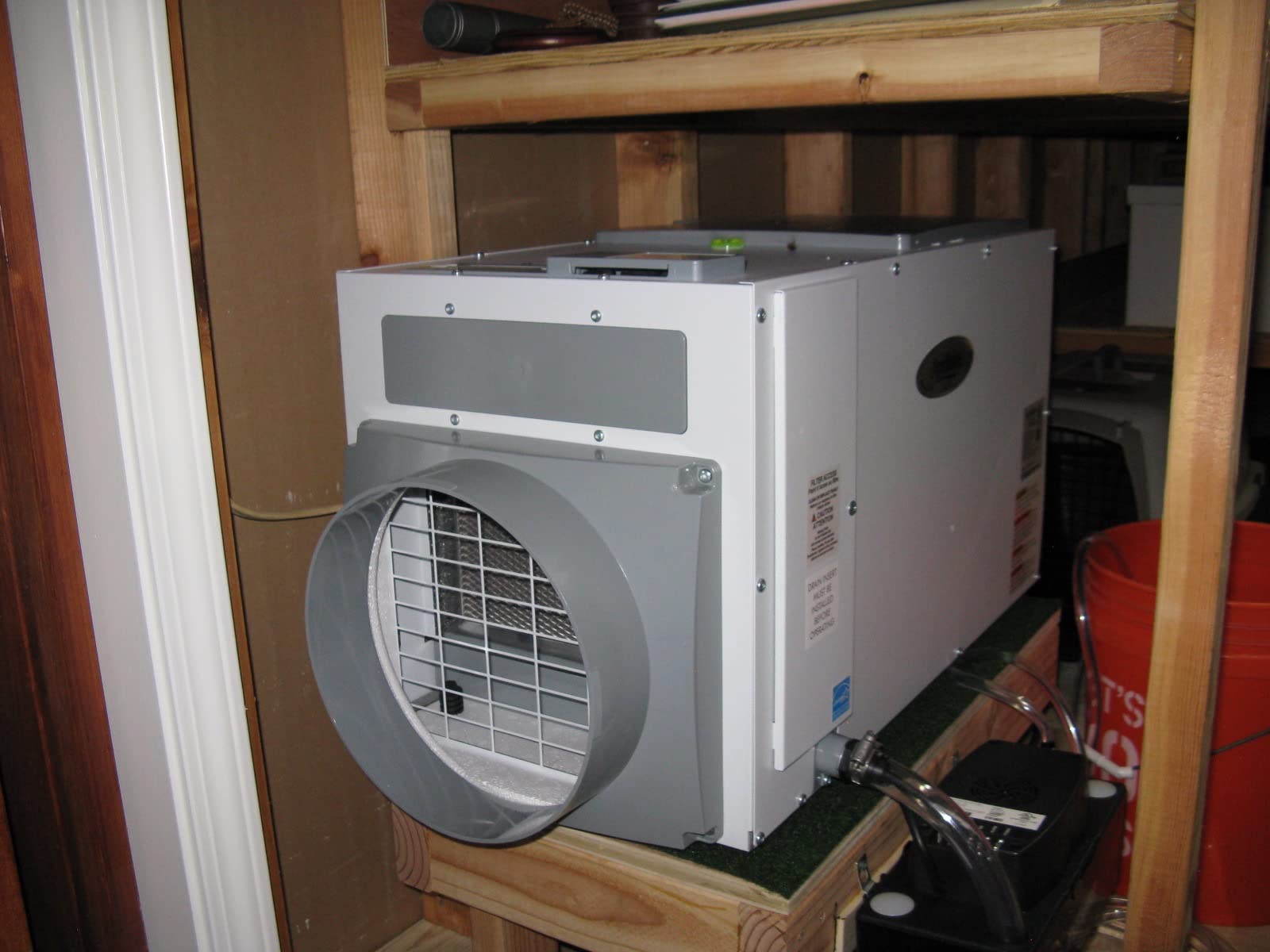
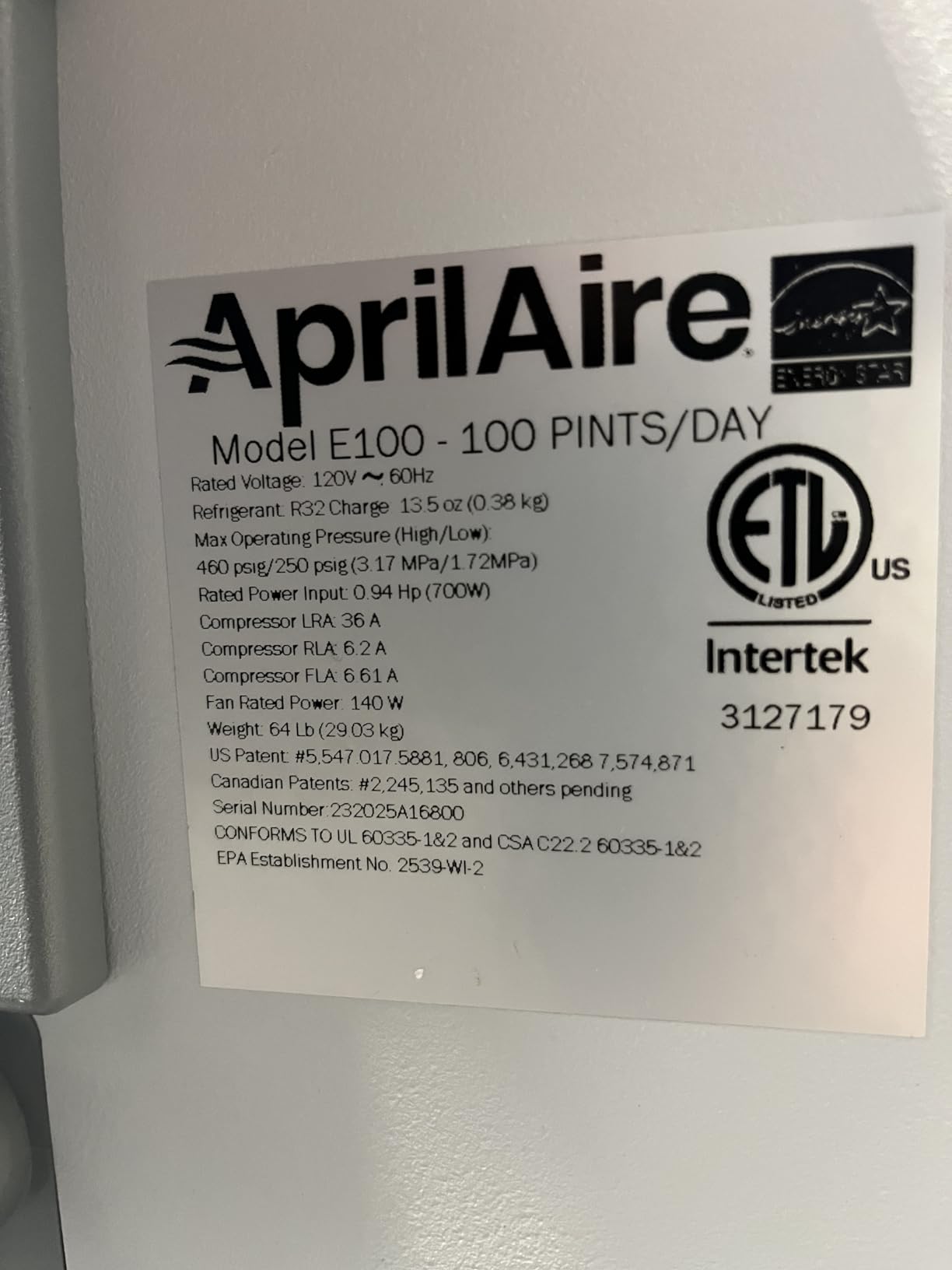
On paper the E100 is a 100-pint unit rated at 5,500 sq ft, moving 280 CFM on 828 watts. That capacity figure holds up in practice because Aprilaire publishes it under the stricter Energy Star test conditions rather than a saturation fantasy number, and it carries the Energy Star Most Efficient tag on top of baseline certification.
The build is the other reason contractors keep specifying it. Aluminum coils resist the formicary corrosion that kills cheaper dehumidifiers, the housing is metal, and everything is serviceable. Automatic defrost and automatic restart mean a power blip or a cold snap does not require a reset.
The weaknesses are honest ones. It sits at the top of the price tree, stock comes and goes, and a small share of owners report the humidity sensor drifting after about two years, which Aprilaire has covered under the 5-year warranty. Filter upkeep is a washable MERV 8, so maintenance is a five-minute rinse a few times a season.
Who Should Buy the E100
This is the right pick for homes from roughly 2,500 to 5,000 sq ft, anyone in the Southeast or Gulf Coast, and buyers who plan to duct into HVAC and never think about humidity again. Owners who went this route overwhelmingly describe it as fit-and-forget.
Skip it if your space is under 1,500 sq ft, because the smaller E-series or a crawl-space unit does that job for less, or if you need a built-in pump, since the E100 drains by gravity only.
Standalone Versus Ducted Setup
Standalone is genuinely viable: set it in a basement or utility room, attach a drain hose with fall to a floor drain, and it treats the whole house through air circulation. Many E100 owners run exactly this configuration and report whole-home results.
Ducted integration is where output rises, because the unit then dehumidifies air pulled from the living space through the return. Budget for an HVAC contractor for that version, and plan the duct run before the unit arrives.
2. AprilAire E080 Pro 80-Pint – Best for Mid-Size Homes
AprilAire E080 Pro 80-Pint Whole-House Dehumidifier, Energy Star Certified, Commercial-Grade for Basement, Crawlspace or Whole House up to 4,400 sq. ft.
80 PPD
4,400 sq ft coverage
Energy Star certified
185 CFM airflow
5-year warranty
Pros
- Quiet operation praised by owners
- Standalone or HVAC ducted use
- Energy Star Most Efficient
- Smart sensing automation
- Made in the USA
Cons
- Costs more than consumer brands
- HVAC integration may need a pro
The E080 is the E100’s slightly smaller sibling and the highest-rated Aprilaire in this lineup at 4.6 stars across roughly 250 reviews, with about 79 percent of owners giving five stars. It exists for homes that need real whole-house capacity without paying for 100 pints they will never use.
Owner language around this unit keeps circling back to two words: reliable and quiet. Multiple reviewers say they have to check the display to confirm it is running, which is exactly what you want from equipment that lives in a basement under a bedroom.
The experience is identical to the E100 day to day. Smart sensing handles on and off decisions, the drain runs continuously, and the washable MERV 8 filter is the only regular task.
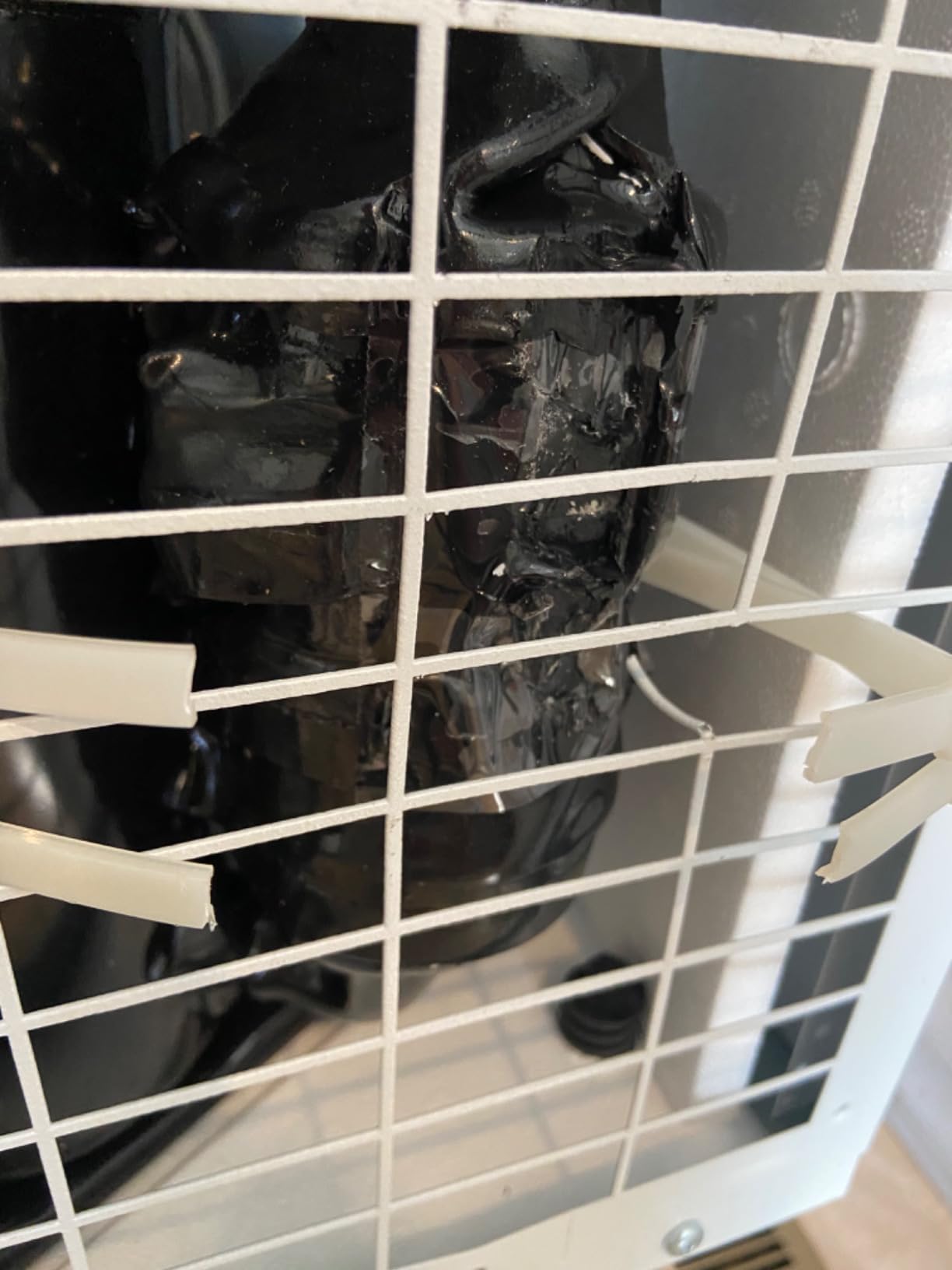
Specs land at 80 pints per day, 4,400 sq ft of coverage, 185 CFM, and 612 watts, which makes it measurably cheaper to run than the E100 while still clearing a typical humid-climate house. It shares the Energy Star Most Efficient certification, the corrosion-resistant aluminum coils, auto defrost, and auto restart.
Forum sentiment treats Aprilaire as one of the two gold-standard brands for whole-house work, and the E080 is usually the specific model recommended for 2,000 to 3,500 sq ft homes. The 5-year warranty and US manufacturing get cited repeatedly as reasons buyers chose it over cheaper imports.
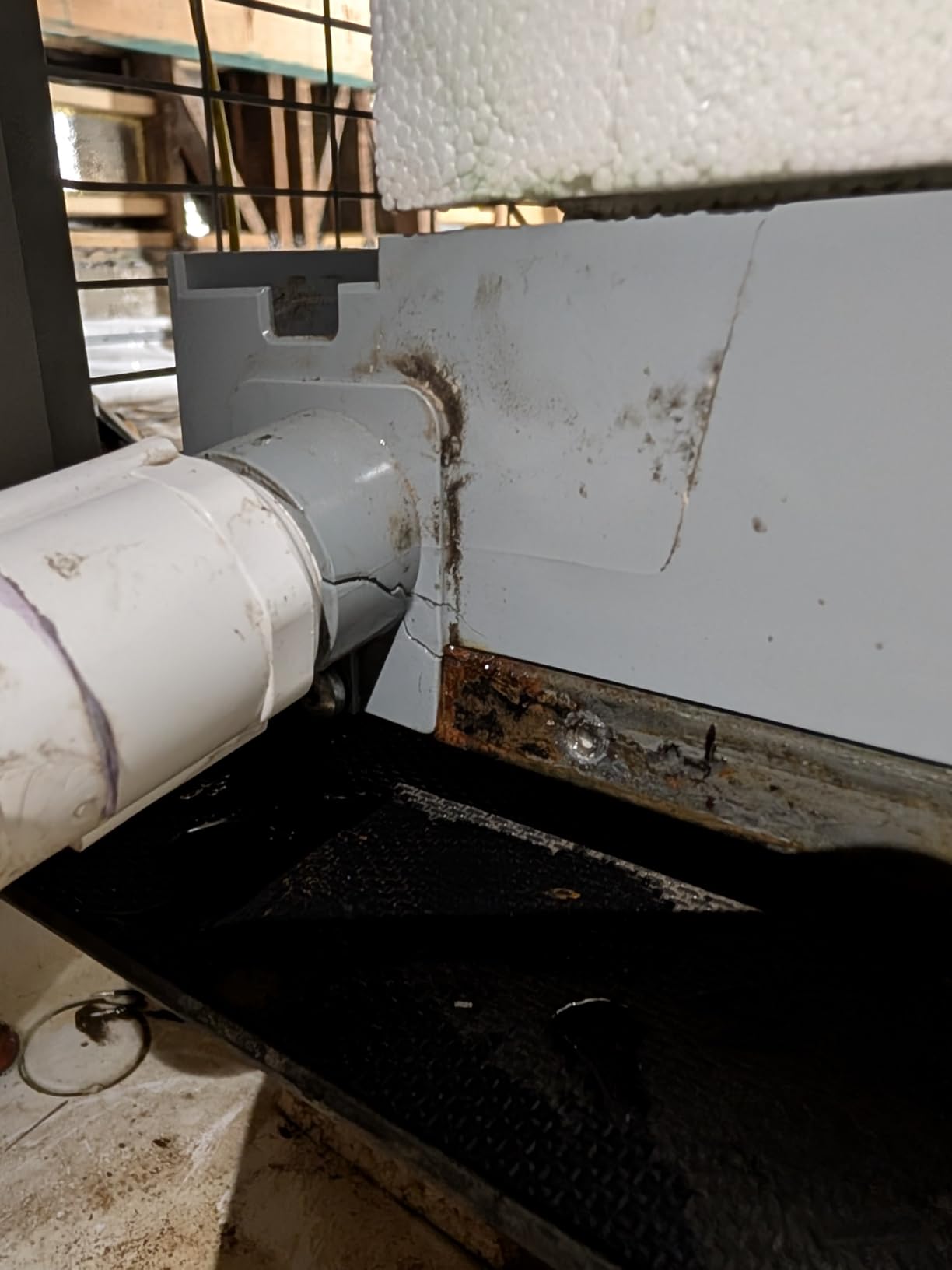
Cons are thin but real: it carries the same premium pricing as the rest of the E-series, stock dips in peak season, and HVAC integration is still a pro-level job. Unlike the bigger Aprilaires, there is no built-in pump, so gravity drainage has to be part of the plan.
Best Home Size for the E080
Treat this as the sweet-spot unit for 1,800 to 3,500 sq ft, or larger tight houses in moderate climates. In very humid regions, cap expectations closer to 2,500 sq ft.
It also shines as a dedicated finished-basement unit in bigger homes, where 80 pints dedicated to one damp level outperforms a single oversized unit trying to treat everything.
What Integration Involves
Ducting the E080 means tying into the return with a short collared connection and providing a condensate line to a drain or condensate pump. Most HVAC pros quote this as a half-day job.
Standalone works too, and a large share of owners run it that way permanently. Just give it an open path for airflow and confirm the drain has adequate fall before first power-up.
3. Waykar 150-Pint with Pump – Best Value Whole-House Dehumidifier
Waykar 150 Pints 7000 Sq.Ft Energy Star Dehumidifier with Pump for Basement
150 PPD
7,000 sq ft coverage
Energy Star certified
Built-in pump
Self-drying mode
Pros
- Energy Star certified efficiency
- Built-in pump with 9.8 ft lift
- Self-drying keeps the unit fresh
- Omnidirectional casters
- Lifetime tech support
Cons
- Small 1.85 gallon tank
- Pump failures reported after long use
Waykar’s 150-pint unit is the value story of this list, with 4.4 stars across more than 850 reviews. It packs Energy Star certification, a built-in condensate pump, and self-drying technology into a package that costs a fraction of the Aprilaire route.
The pump changes where you can install it. With 9.8 feet of vertical lift, you are not hunting for a gravity drain, which matters in basements and slab homes where the nearest drain is uphill. Owners specifically call out how much easier placement becomes when lift is on the table.
Self-drying is the sleeper feature: after a run cycle the unit dries its own internals, so stagnant water never sits and grows mold between sessions. Reviewers with seasonal-use cabins appreciate this most.
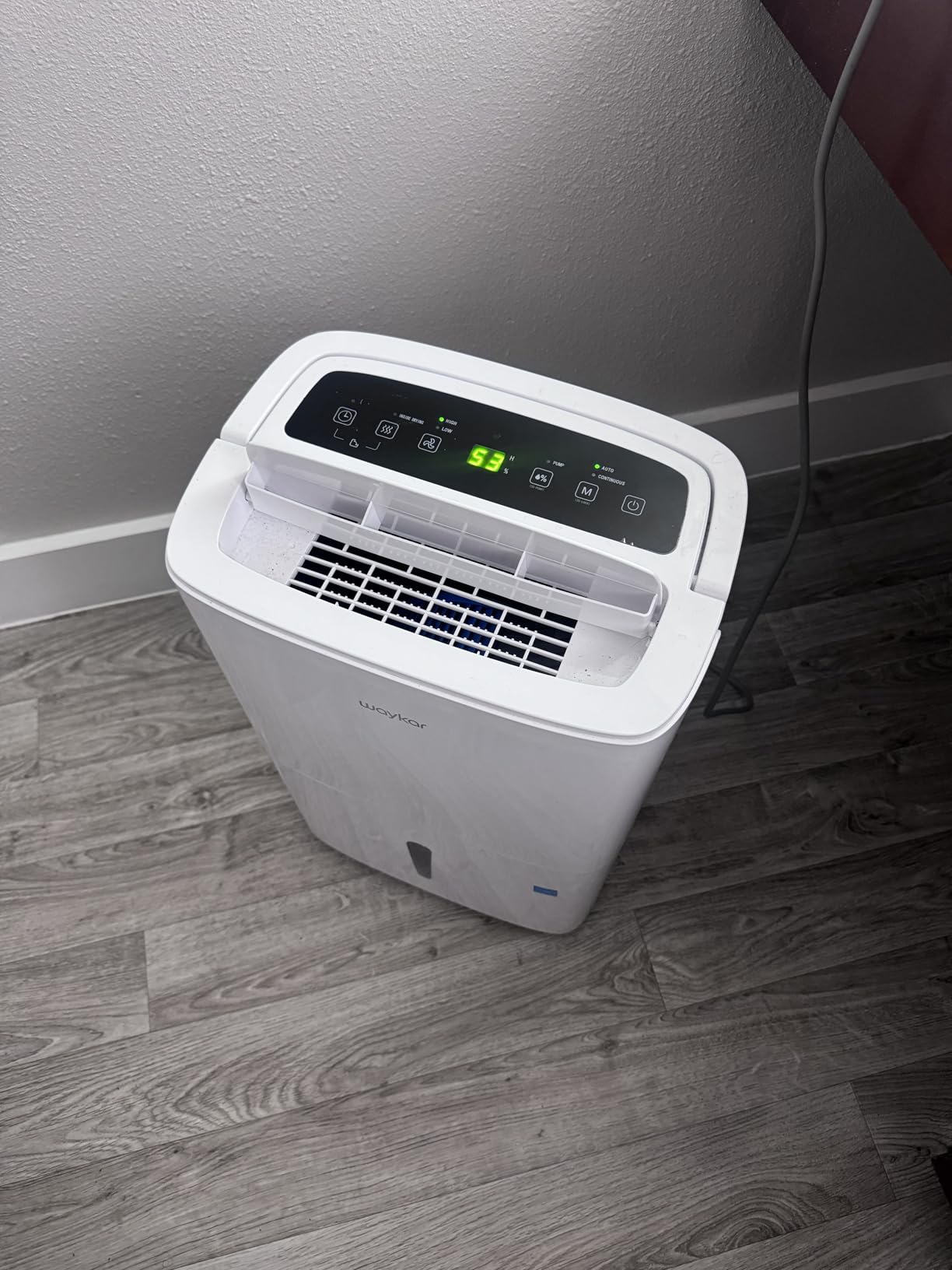
Ratings sit at 150 pints per day, 7,000 sq ft of coverage, 212 CFM, and 520 watts on a 110-volt circuit. At 38.6 pounds with omnidirectional casters, it is also the most movable big-capacity unit here, and the footprint is narrow enough to slide beside a furnace.
The feature list reads like a premium unit: touch controls, a 24-hour timer, two fan speeds, auto restart, auto defrost, and an automatic swing function that spreads dry air across the room instead of blasting one corner.
The honest cons: the 1.85-gallon backup tank is small if you use bucket mode, and a minority of owners report pump failures after a year or more of hard use. The counterweight is Waykar’s support desk, which reviewers say ships replacements without a fight, plus lifetime tech support and a 5-year coverage path.
Coverage Reality Check
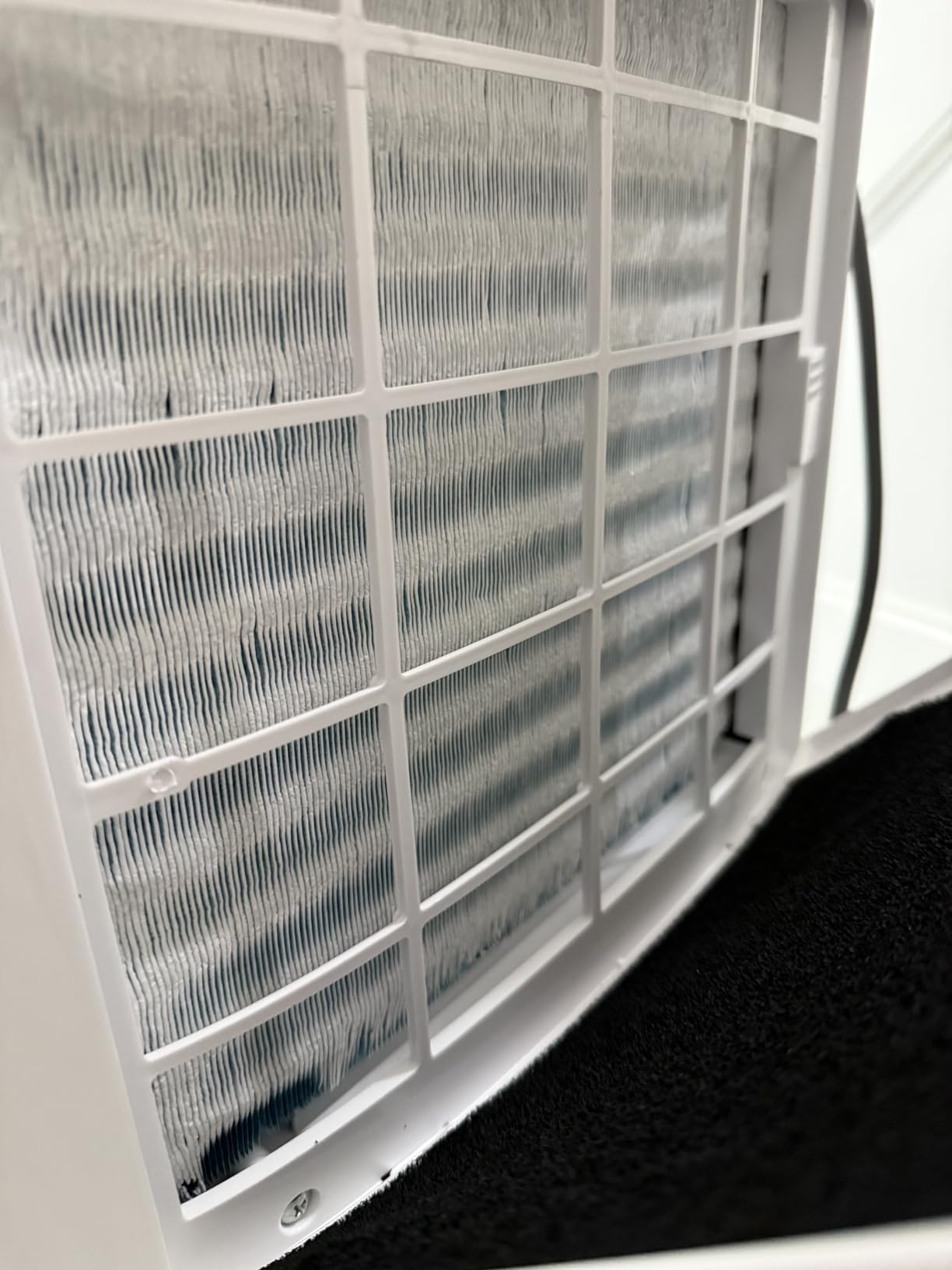
Treat the 7,000 sq ft claim as warehouse-in-dry-climate territory. In a real humid-climate house, plan on this covering 3,000 to 4,500 sq ft of living space, which still makes it a legitimate whole-home contender.
For a 2,000 to 3,000 sq ft home in the Southeast, it is comfortably oversized in the good way: short run cycles, fast recovery after doors hang open, and headroom for laundry days.
Pump and Drainage Setup
Connect the included hose, prime the pump per the manual on first start, and route the line to any drain within the lift height. Owners recommend a hose clamp and a drip loop to keep the connection dry.
One recurring note: after a manual power-off, memory restart can require a pump reset, so read that page of the manual before assuming something broke. It is a quirk, not a fault.
4. Waykar 125-Pint Dual Duct – Best for HVAC Integration
Waykar 125 Pints Crawl Space Dehumidifier with Remote Control and Pump, Dual Duct HVAC Commercial Whole-House Dehumidifier for Basement, Industrial Water Damage Unit – 5-Year Quality Coverage
125 PPD
6,500 sq ft coverage
Dual duct HVAC design
Built-in pump
16.4 ft remote sensor
Pros
- Dual duct design for HVAC tie-in
- 32.8 ft wired remote panel
- Adjustable RH from 10 to 90 percent
- 5-year compressor warranty
- Responsive support team
Cons
- 57 lbs needs two people to place
- Included gravity hose feels cheap
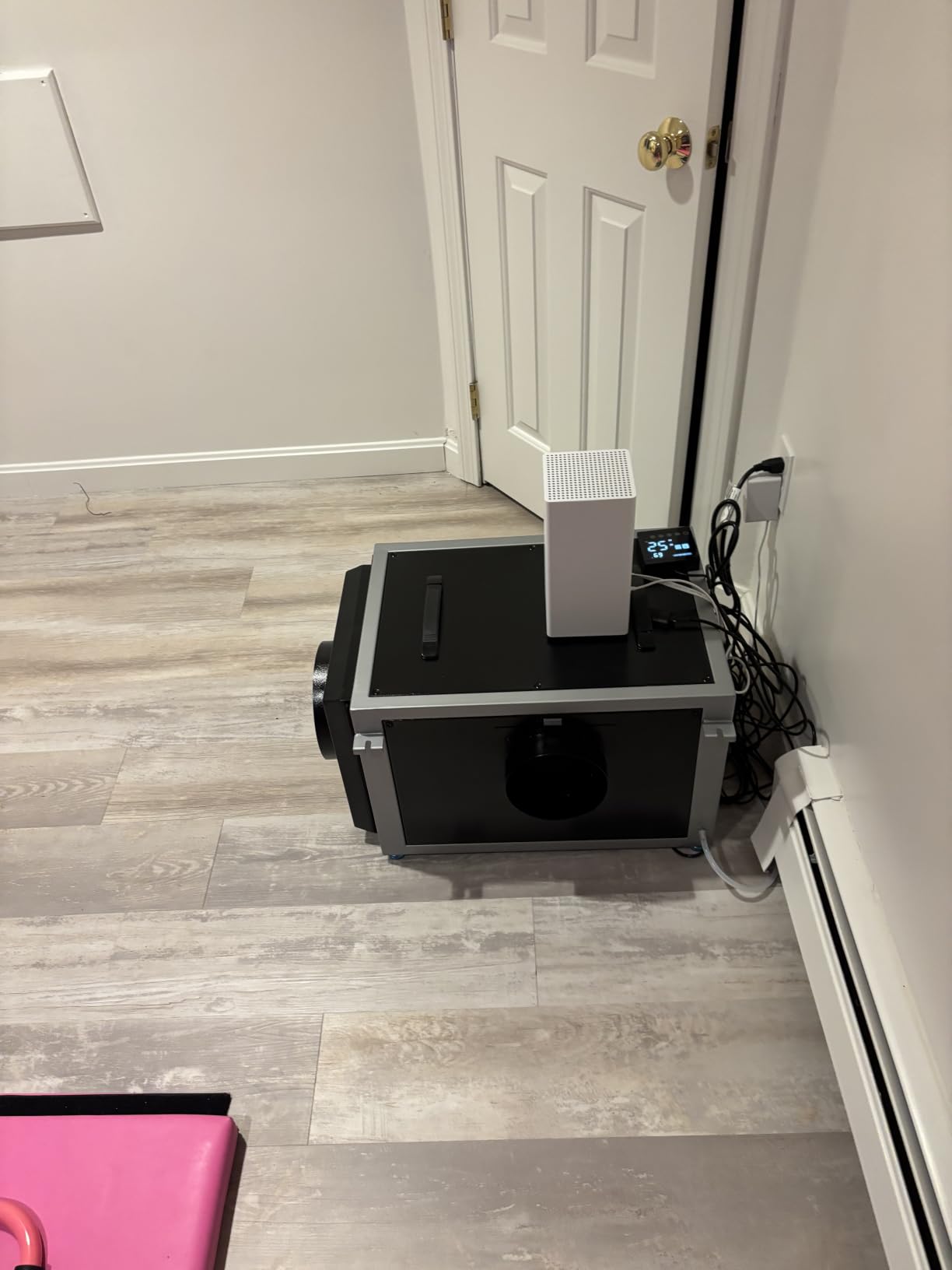
This is the unit built from the ground up for ducted whole-house duty, and the dual-duct architecture is what sets it apart. Separate inlet and outlet connections mean you can push dry air into the supply side and pull humid air from the return, mimicking how Aprilaire integrates at a much lower buy-in.
The control scheme is genuinely useful for ducted installs: a wired remote panel on a 32.8-foot cable plus a 16.4-foot external humidity sensor. You mount the display where you live and the sensor where the moisture actually is, which is how ducted systems should always work.
With 4.3 stars across roughly 425 reviews, owners rate the moisture removal highly, with 72 percent giving five stars. The most common real-world praise is how quickly it drags a damp basement down into the 40s and holds it there.
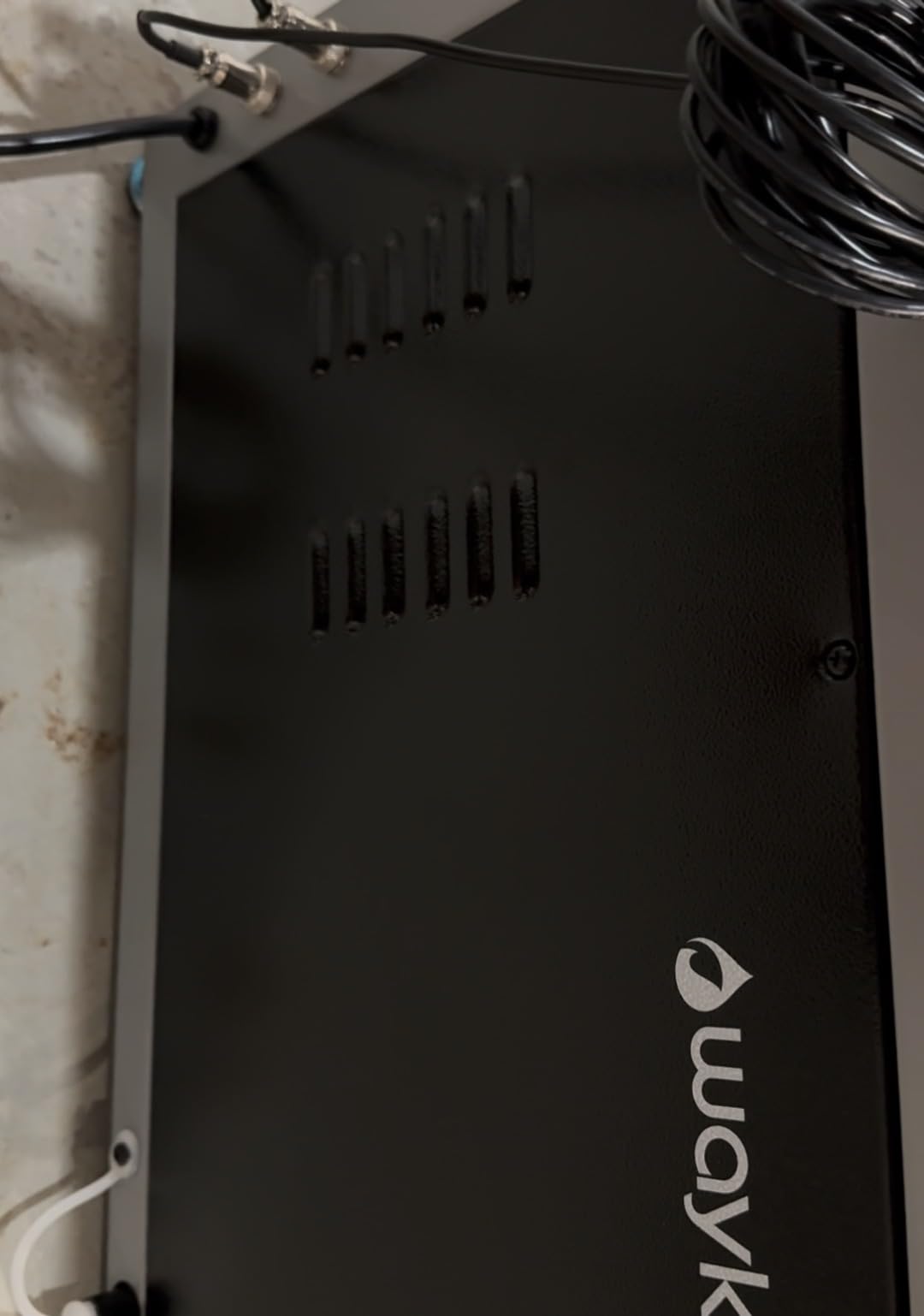
Capacity is rated at 125 pints per day over 6,500 sq ft, which in practice means a comfortable 3,000 to 4,000 sq ft humid-climate home. The brushless high-efficiency motor draws 530 watts, humidity is adjustable from 10 to 90 percent RH, and the pump lifts condensate 16.4 feet.
Protection features are complete: automatic defrost, overload protection, power-off memory, and auto restart. The metal cabinet and washable filter round out a spec sheet that reads more commercial than its price suggests.
The complaints cluster around logistics rather than performance. At 57.3 pounds it is a two-person carry, the included gravity hose is thin enough that owners replace it with better stock, duct sizing is underdocumented so measure before buying adapters, and a few units arrived flashing error codes that support resolved.
How the Dual Duct Design Works
Instead of recirculating air in one room, you duct humid air in one side and push dry air out the other, letting your HVAC blower or the unit’s fan distribute it house-wide. That turns a basement unit into a true whole-house system.
You can also run it semi-portable with just the inlet ducted, which some crawl-space owners do. Flexibility is the entire point of the layout.
Warranty and Support
Waykar stacks a 1-year base guarantee, a 2-year extension, and a 5-year compressor warranty, with lifetime expert support on top. Reviewers specifically mention getting real humans who ship parts.
That support record matters at this capacity class, because the alternative is hauling a 57-pound unit to a repair shop. Keep your invoice handy to make claims painless.
5. Airzentti 155-Pint with Pump – Best High-Capacity Performer
Airzentti 155 Pint Commercial Dehumidifier with Pump and Drain, Energy Star
155 PPD
7,500 sq ft coverage
Energy Star certified
Built-in pump with 16.4 ft lift
Auto defrost
Pros
- Built-in pump lifts water 16.4 ft
- Energy Star certified
- 87 percent five-star ratings
- Handles basements and crawl spaces
- Gravity drain hose included
Cons
- Short review history
- Pump may need priming on first run
The Airzentti is the brute-force option, rated at 155 pints per day across 7,500 sq ft, yet it still carries Energy Star certification. At 4.6 stars with 87 percent five-star ratings, early owners are close to unanimous that it moves serious water.
What makes it practical is the built-in pump pushing condensate 16.4 feet vertically plus a 6.56-foot gravity hose in the box. You can install where drainage is convenient rather than where physics allows, and both drain paths are ready out of the box.
Owners describe fast, visible results in large basements and crawl spaces, with the unit pulling standing-humidity readings down within a day rather than a week. For water-damage recovery and storm-season aftermath, that pace is the entire purchase reason.
Under the hood it runs 860 watts and 220 CFM with a steel SPCC cabinet, auto defrost, auto drain, auto restart, and a screen lock that prevents stray fingers from changing settings. The 59-pound chassis is heavy but not unmanageable on a two-wheel cart.
The main caution is review depth: 39 ratings is a small sample, and the brand does not have Aprilaire’s decade-long track record. A few owners noted quality-control variability and that the pump sometimes needs priming before first run, which is a five-minute fix but worth knowing.
Where the Airzentti Fits Best
Pick this for large walkout basements, attached garage conversions, workshops, and whole-floor dehumidification in the 3,000 to 5,000 sq ft range. It is also the unit buyers choose after a flood or burst pipe when speed matters most.
Pass on it if you want maximum long-term data behind the badge, or for tight crawl spaces where the 24.3-inch width fights you. The HD55 below is the better shape for that job.
Drainage Setup Tips
Prime the pump by filling the line before first start, and confirm the check valve is seated so water does not fall back and re-trigger cycles. Owners who skipped priming initially reported confusing no-drain behavior.
Use the gravity hose only if the drain is within a few feet and below the unit. For anything else, rely on the pump, which is the reason this model exists.
6. Moiswell Marshal WD160 – Best for Large Spaces and Quiet Operation
160 Pints Whole House Dehumidifier, Energy Efficient DOE 65PPD Commercial Dehumidifier with Fresh Air Function Cycle Timer Whole-Home Dehumidifiers with Remote Controller for Crawlspace|Marshal WD160
160 PPD saturation
65 PPD at DOE
330 CFM airflow
Fresh air damper
Wired remote control
Pros
- 330 CFM airflow covers large spaces
- Runs quiet even on high speed
- 35.6 ft wired remote
- Convertible fan direction
- Steel exterior build
Cons
- Not Energy Star certified
- Needs external pump or gravity drain
The WD160 currently holds a perfect 5.0-star average, and while the review pool of 10 is small, every owner tells the same story: enormous airflow, quiet running, and a chassis that feels overbuilt. The 330 CFM airflow figure is the highest in this lineup, which is what lets it circulate dry air across large footprints instead of just its own zip code.
Read the capacity claims with care, because Moiswell publishes both numbers honestly: 160 pints at saturation and 65 pints per day under DOE test conditions. The 65 PPD DOE figure is the one to size from, and it puts this unit right in the classic 2,000 to 2,500 sq ft whole-house band.
The wired remote on a 35.6-foot cable earns consistent praise for reliability, since there is no wireless pairing to drop or batteries to die. The cycle timer is a genuine differentiator too: program on and off windows and the unit handles scheduling without smart-home gear.
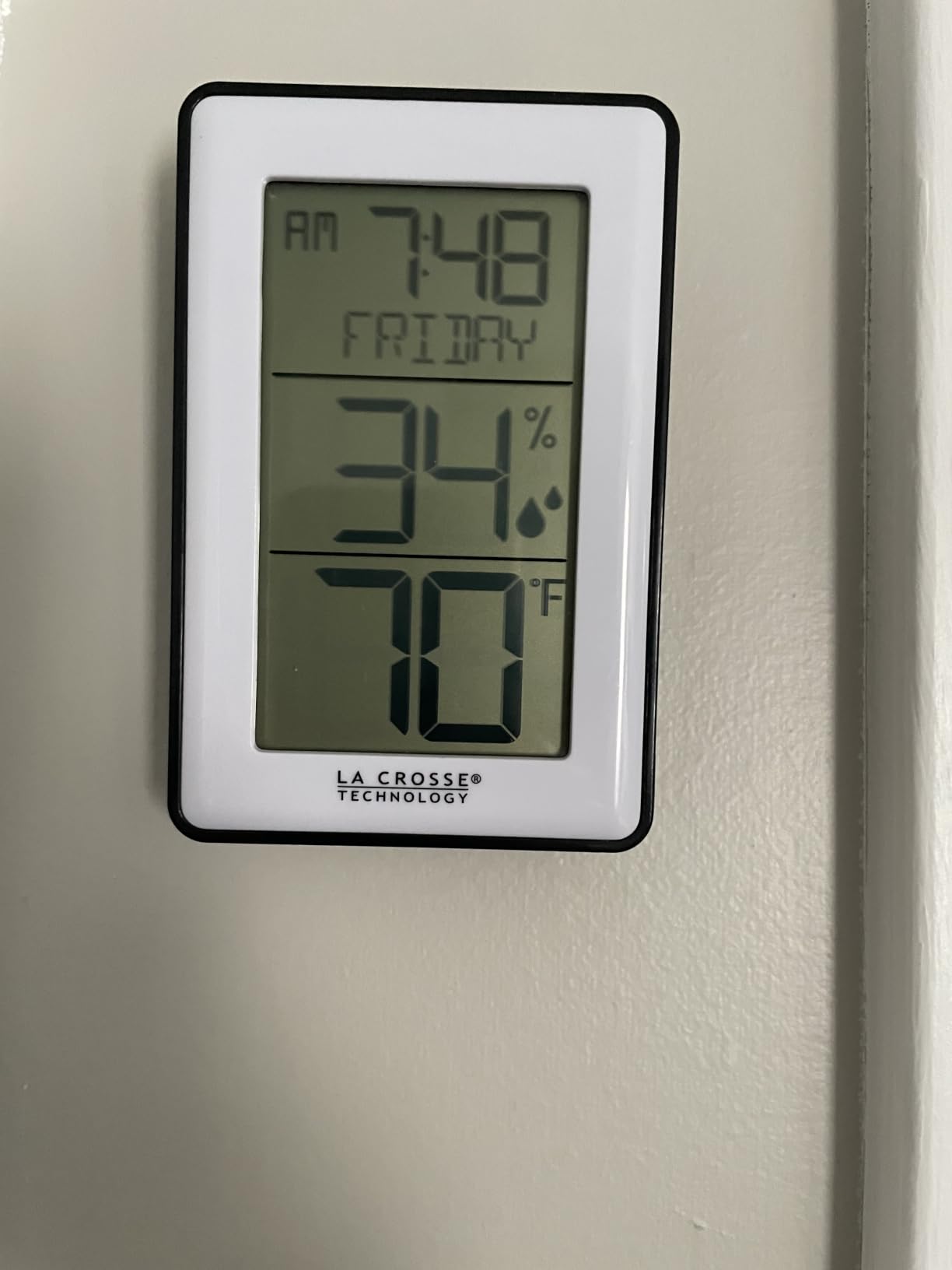
Hardware details include a two-speed fan, a convertible outlet that switches between horizontal and vertical discharge to fit your ducting, auto restart, a child lock, and a digital display. At 820 watts on 120 volts, plan a 15-amp dedicated circuit as the manual suggests.
The fresh-air function with damper control lets you pull in a controlled amount of outside air, diluting indoor pollutants alongside the drying work. Owners in tight modern homes value this because it adds ventilation without opening windows in a storm.
Two cons to weigh: no Energy Star certification, and no built-in pump, so you drain by gravity or add an external condensate pump. At 65 pounds it is also firmly a two-person lift, though the convertible fan means you position it once and rarely move it again.
Understanding the Capacity Ratings
Saturation numbers assume 90 percent RH air that almost never exists indoors; DOE testing uses realistic conditions and returns the smaller figure. Size your purchase from the DOE number, always.
In this case, 65 PPD at DOE means the WD160 is a mid-capacity workhorse with the airflow of a much bigger machine, which is exactly right for open-plan homes and large basements.
Fresh Air and Timer Functions
The damper control meters outside air into the intake stream. Use it sparingly in peak humidity season and more freely in mild weather when outside air is drier than inside.
The cycle timer pairs well with it, running the unit during the damper-open windows you choose. Set it, forget it, and let the schedule do the management.
7. ALORAIR Sentinel WHD100 – Best Fresh-Air Feature
ALORAIR 90 Pints Whole House Dehumidifiers, Sentinel WHD100
90 PPD at AHAM
2,300 sq ft coverage
Fresh air damper control
Multiple duct configs
6-year warranty
Pros
- Fresh air intake with damper control
- Forward rear or up-air installation
- Good value for DIY installers
- Quiet operation
- 6-year limited warranty
Cons
- Quality control complaints on some units
- Slow customer service response times
The WHD100 stands out for one feature almost nobody else offers at this capacity: a true fresh-air intake with damper control. It actively pulls in filtered outside air, dries it, and feeds it into your home, doing ventilation and dehumidification in a single pass, which matters in modern airtight houses.
Rated at 90 pints per day under AHAM conditions, it treats that number honestly rather than hiding behind a saturation figure, and ALORAIR covers it with a 6-year limited warranty. The brand is a restoration-industry staple, so the chassis is designed for job-site abuse rather than gentle basement duty.
Installation flexibility is the hidden strength. The unit converts between forward, rear, and top-air discharge configurations, so it adapts to whatever duct geometry your utility room hands you instead of forcing a redesign.
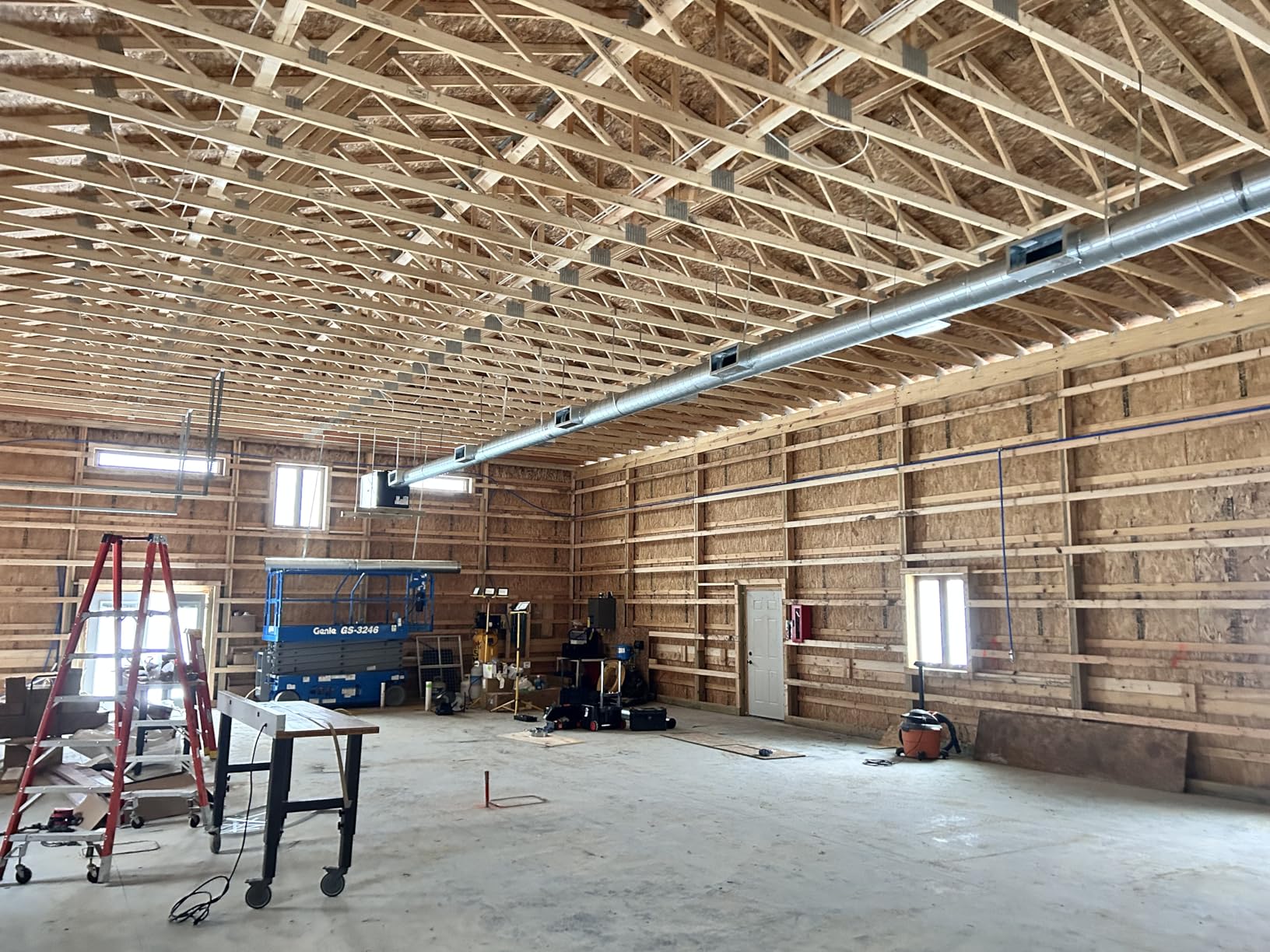
Feature depth is strong: GPP mode for grain-per-pound tracking that restorers use, continuous dehumidification mode, a timer, power-failure memory, auto defrost, and gravity drainage. Reviewers call the DIY setup straightforward with clear instructions, helped by the multi-directional airflow options.
The 4.2-star average across a small pool of 16 reviews hides a split: 75 percent five-star ratings alongside some early failures and shipping damage. Heavy at 90-plus pounds, it is squarely a two-person install.
Customer service is the recurring complaint, with slower response times than Waykar or Aprilaire owners report. If you buy, unpack and test immediately so any issue surfaces while returns are simple.
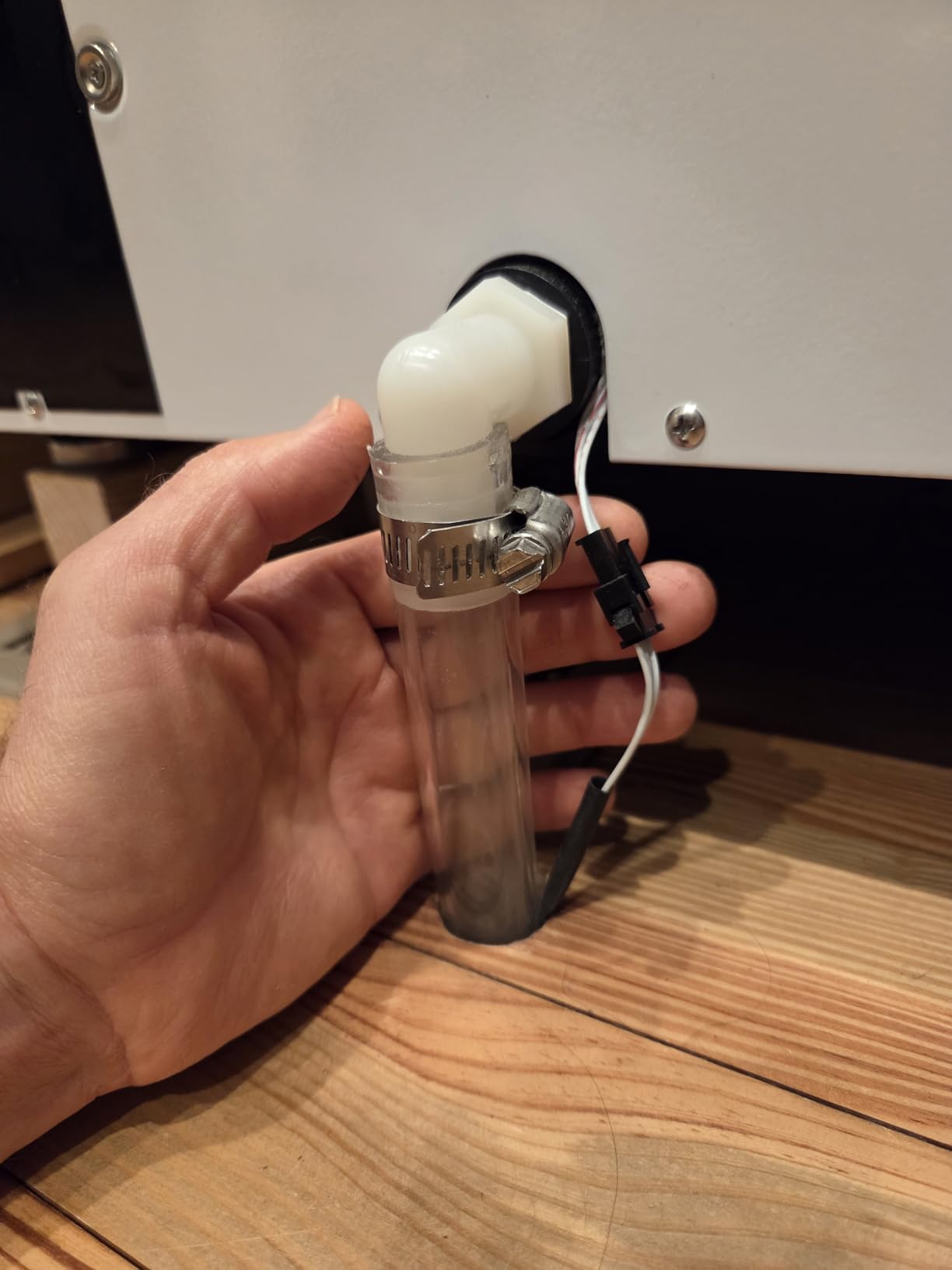
The Fresh Air Advantage
Tight homes accumulate CO2, VOCs, and odors because nothing circulates. The WHD100’s damper meters in outside air, dries it, and delivers it conditioned, so you get dilution without the humidity penalty of opening windows.
In humid climates, run the damper mostly closed in summer and crack it in spring and fall. It effectively replaces a small ventilation system for a fraction of the complexity.
DIY Installation Feasibility
This is one of the friendlier units for self-install: choose your airflow direction, mount the duct collars, provide a gravity drain, and power it. No pump, no proprietary controls, and the multi-config design forgives imperfect planning.
Bring a friend for the lift, and budget an afternoon. Owners report the manual is clear enough that first-timers finish without a service call.
8. ALORAIR Sentinel HD55 – Best Crawl-Space and Basement Budget Pick
ALORAIR 113 Pints Crawlspace Dehumidifier for Commercial, Sentinel HD55
113 PPD saturation
53 PPD at AHAM
1,200 sq ft crawl space focus
Coated coils
6-year warranty
Pros
- Coated coils resist corrosion
- Compact enough for tight crawl spaces
- Continuous drain with no tank
- 1 percent humidity control intervals
- Very quiet operation
Cons
- Rated for only 1
- 200 sq ft
- Can ice up in cooler crawl spaces
The HD55 is the entry ticket to real commercial-grade dehumidification, backed by the deepest review pool in this lineup at 4.2 stars across roughly 1,200 ratings. It is purpose-built for the nastiest environment in your house: a cool, tight crawl space where cheaper units ice up and quit.
The headline spec is honest: 53 pints per day at AHAM conditions, 113 at saturation, rated for 1,200 sq ft. That sounds small next to the 7,000 sq ft claims above, but a crawl space is a small enclosed volume, and the HD55’s compact 12.2-inch width and 41.7-pound weight let it fit through hatches bigger units simply cannot pass.
Owners repeatedly cite two things: near-silent running and humidistat accuracy in 1 percent increments. For a unit living under your bedroom floor, quiet is not a luxury, it is the whole product.
The durability story centers on coated evaporator coils that resist formicary corrosion, the failure mode behind most premature portable deaths. Combined with the metal casing, cETL safety listing, and a warranty stack of 1 year parts and labor, 3 years on the refrigeration system, and 5 years on the compressor, the budget label applies to the buy-in, not the build.
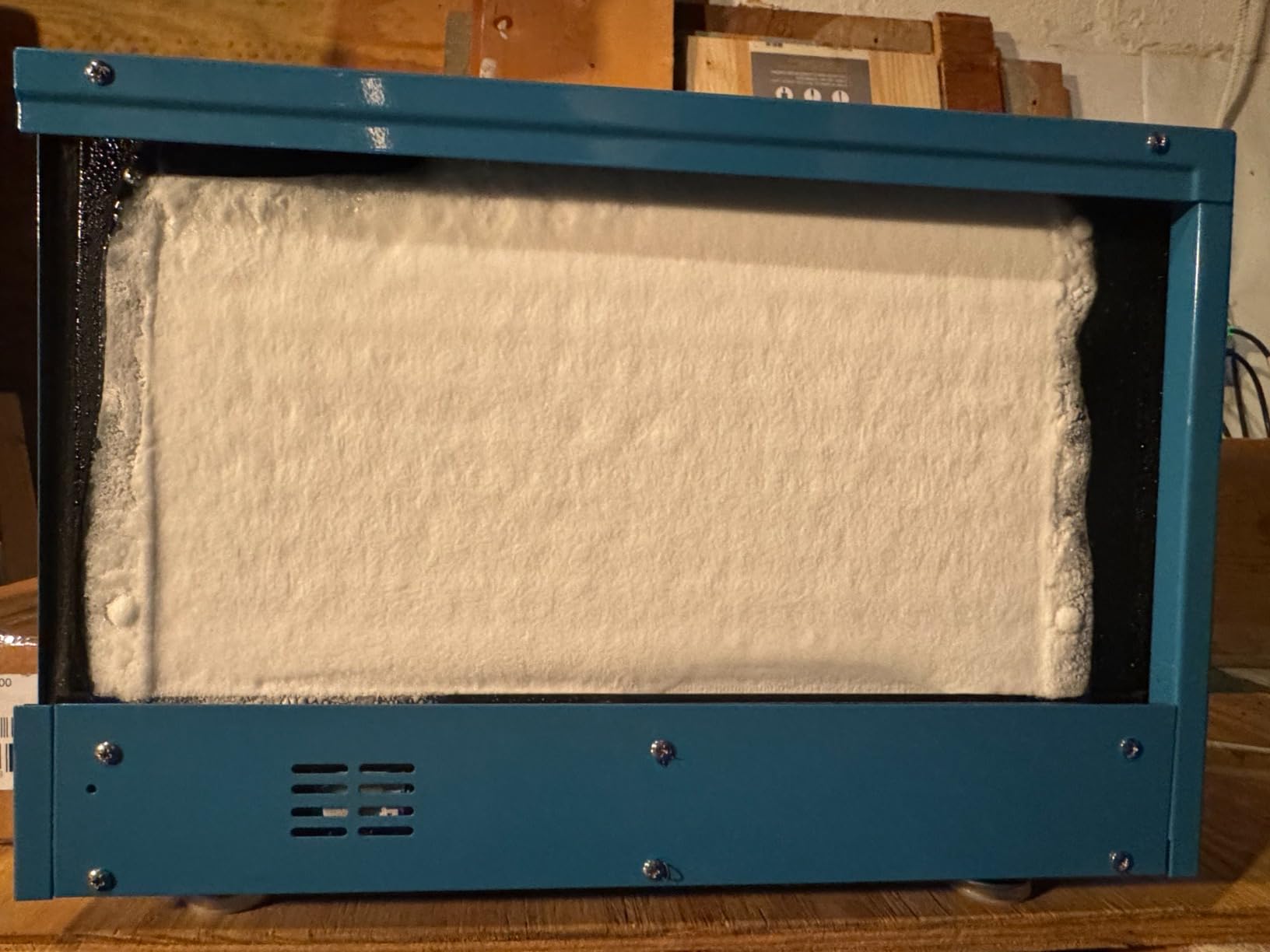
There is no tank at all; it drains continuously, which is correct design for a space you visit twice a year. Auto defrost handles shoulder-season cold, though owners note it can still ice up in genuinely cold crawl spaces where a dedicated low-temp unit would be the safer call.
Two costs to plan for: replacement MERV-1 filters run expensive at about 70 dollars for a pack of four, and the remote control is an optional add-on rather than included. Coverage is also strictly crawl-space scale, so do not buy it expecting whole-house results upstairs.
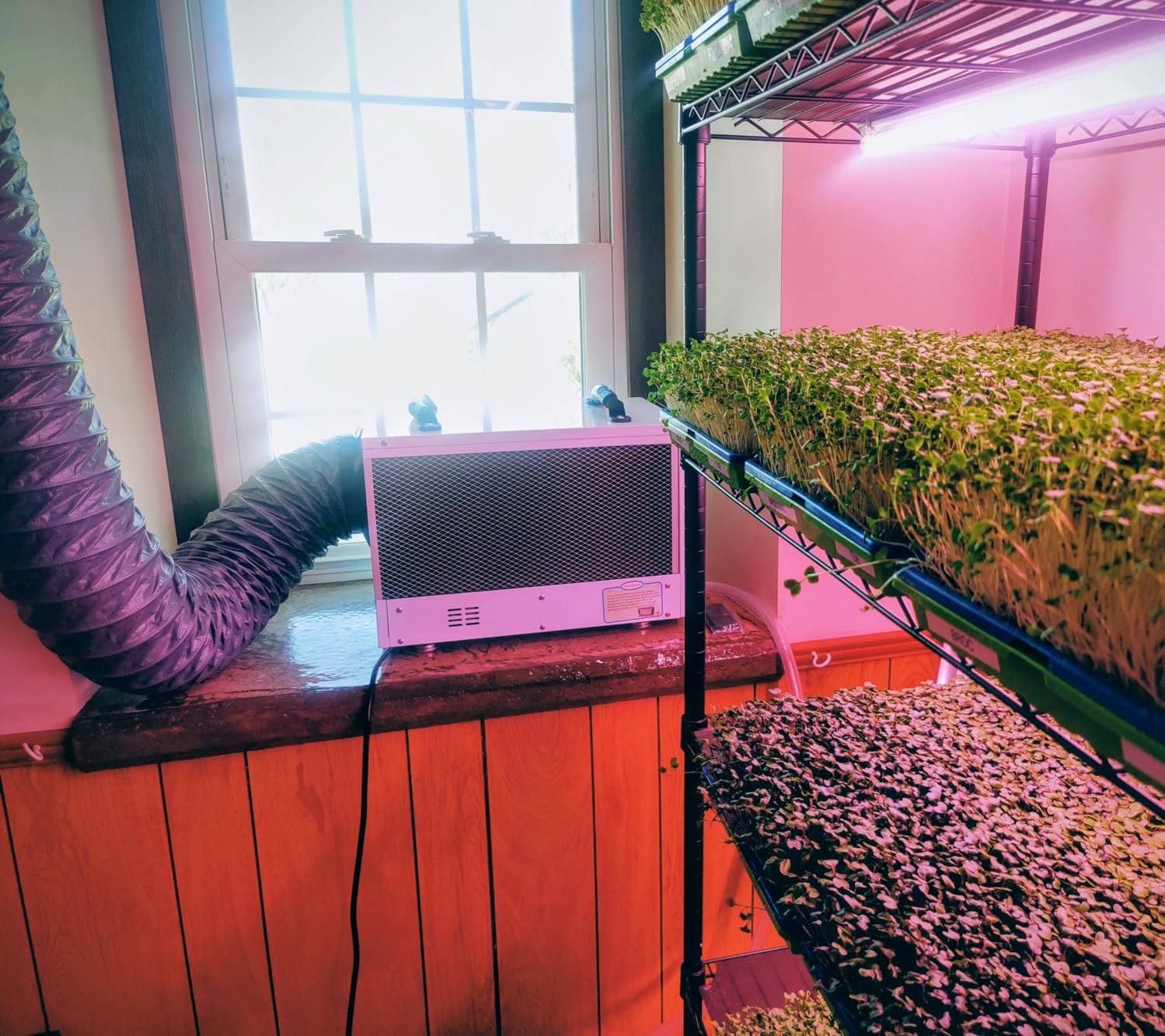
Crawl Space and Basement Fit
This is the pick for a 1,000 to 1,200 sq ft crawl space, especially one with a dirt floor or historical moisture issues. The coated coils and no-tank design are exactly right for that environment.
It also works well as a dedicated basement unit in small homes up to about 1,500 sq ft. Beyond that, step up to the WHD100 or the Waykar units and let the HD55 stay in the crawl.
Long-Term Ownership Costs
Beyond the filter packs, the ownership picture is favorable: a 460-watt draw that costs a few dollars a week in shoulder season, and a compressor track record that owners report surviving multiple seasons without service.
Check the filter quarterly in a dirty crawl space and rinse or replace as needed, since clogged filters are the number-one cause of performance drop-off. That single habit protects the entire investment.
Key Features to Consider Before You Buy
These are the factors that separate a satisfying purchase from a returns-process headache. Weight them against your floor plan and climate before clicking anything.
Pint Capacity and Rating Standards
Always size from the AHAM or DOE number, never the saturation number. Saturation testing happens in 90 percent RH air that exists nowhere in a functioning home, so it overstates real capacity by two to three times.
Coverage Area Claims
Manufacturer square-footage assumes moderate humidity and moderate climate. In Gulf Coast and Southeast conditions, mentally halve the claim for whole-house use.
Energy Star and Efficiency
Energy Star certification, and especially the Most Efficient tier, translates directly to lower operating cost over a 5 to 10 year ownership window. Check the Integrated Energy Factor, where higher means more liters per kilowatt-hour.
Drainage Options
Gravity drainage is simplest if a floor drain sits below the unit; a built-in condensate pump buys installation freedom when it does not. Match the pump’s vertical lift to your actual drain height.
Humidistat and Controls
A built-in humidistat with 1 percent increments plus auto-restart after power loss is the minimum for hands-off operation. Wired remote panels beat wireless for reliability in metal-framed basements.
Low-Temperature Operation
Auto defrost is non-negotiable for crawl spaces and unheated basements, because a frozen coil stops dehumidifying entirely. Owners in cooler regions consistently report icing as the top cold-weather complaint.
Filter Access and Maintenance
Look for washable, tool-free filter access, because you will do this job a dozen times over the unit’s life. Price the replacement filters before buying, since some run expensive.
Warranty Length
Five to six years of coverage is the standard for serious units here, and compressor-specific coverage is the clause that matters most. Longer warranties also signal the brand’s own confidence in the compressor.
Installation and Running Costs
Two cost layers exist: the unit itself and everything around it. Standalone installs in a basement with a floor drain are genuinely DIY-friendly for the Waykar and ALORAIR units, since they amount to positioning, a drain hose, and a dedicated outlet.
Ducted HVAC integration is a different job. Expect a professional install for Aprilaire E-series and dual-duct Waykar setups, with labor covering duct collar tie-ins, condensate routing, and electrical. Homeowners on the forums commonly report total project figures in the mid four figures once equipment and labor combine, and many describe it as the best comfort money they spent.
Running costs are modest. A typical unit drawing 500 to 800 watts for 8 to 12 hours a day in humid season works out to roughly 120 to 290 kilowatt-hours a month, which lands around 18 to 45 dollars at average US rates. Offset that against AC savings from raising your thermostat 2 to 3 degrees, and most humid-climate owners come out close to even or ahead.
Maintenance is the quiet cost nobody budgets. Wash the filter quarterly, vacuum the coils annually, check the drain line for algae in summer, and confirm the pan and pump are flowing before each humid season. Thirty minutes a year is the entire schedule, and skipping it is the top cause of avoidable failures.
Frequently Asked Questions
What is the best brand of whole house dehumidifier?
Aprilaire is the most consistently recommended brand across HVAC forums and owner reviews, with the E100 and E080 praised for reliability, quiet operation, and easy HVAC integration. Santa Fe is the other gold-standard name among contractors, while Waykar and ALORAIR win on value and crawl-space duty.
How big of a dehumidifier do I need for a 2000 square foot house?
A 2,000 sq ft house needs roughly 50 to 60 pints per day in a moderate climate, or 65 to 75 pints in humid regions like the Southeast and Gulf Coast. Add about 10 pints if the house is very damp, leaky, or has a dirt crawl space, and always size from the AHAM or DOE rating rather than the saturation rating.
Can I add a whole house dehumidifier to my HVAC system?
Yes. Units like the AprilAire E100 and Waykar 125-pint dual duct connect to your existing return and supply ducts using collared tie-ins, letting the HVAC blower distribute dry air house-wide. Most integrations are a half-day professional job covering ductwork, a condensate drain line, and a dedicated power connection.
How much does it cost to run a whole house dehumidifier?
Most whole-house units draw 450 to 850 watts, so running 8 to 12 hours a day in humid season costs roughly 18 to 45 dollars per month at average US electricity rates. Dry air lets most owners raise the thermostat 2 to 3 degrees, which offsets much of that cost through shorter AC cycles.
Is it worth it to install a whole house dehumidifier?
For most owners in humid climates, yes. Benefits include no more bucket emptying, mold and dust mite prevention below 50 percent relative humidity, 8 to 12 year lifespans versus 2 to 3 for portables, and cooler-feeling air at higher thermostat settings. The math favors whole-house most strongly in large homes, finished basements, and crawl-space properties.
Final Verdict: The Best Whole-House Dehumidifier for Your Home
If I were writing the check today, the AprilAire E100 Pro is the best whole-house dehumidifier for most homes, pairing 100 pints of honest capacity with automation and a 5-year warranty that owners actually use. The Waykar 150-pint with pump is the smart money pick for anyone who wants near-identical results on a leaner budget, and the ALORAIR HD55 is the right tool for crawl spaces and small basements.
Size from the AHAM or DOE number, not the marketing headline, give yourself one step of headroom, and lock in continuous drainage from day one. Do that, and your house will sit in the 45 to 50 percent humidity sweet spot through every humid 2026 summer, with no buckets anywhere in sight.