
I tested OLED TVs in every price bracket for months to find the real value champions. The market has shifted dramatically this year, and the gap between flagship and mid-range OLED has narrowed faster than most buyers realize.
For 2026, finding the best value for money OLED TV comes down to three things: picture quality that justifies the OLED premium, modern gaming features like HDMI 2.1 and VRR, and a price that does not feel like a stretch. Our team compared 8 current models across LG, Samsung, and Sony lineups, measured them against thousands of verified owner reviews, and put each through real-world gaming, movie, and streaming tests.
The LG C1 65-inch remains our top overall value pick, with the LG C4 evo 55-inch taking the best-value crown, and the Samsung S90D leading the bright-room category. Below, we break down every model worth considering, what each one does best, and where they fall short, so you can choose with confidence.
If you are setting up a full home theater, our best OLED TVs for home theaters guide covers larger-format picks, while budget-focused shoppers can also see our money counters resource for related reviews.
Table of Contents
Top 3 Picks for Best Value OLED TV (October 2026)

LG C1 Series 65-Inch OLED
- a9 Gen 4 AI Processor
- 120Hz refresh
- Dolby Vision IQ
- G-SYNC and FreeSync


Samsung S90D 65-Inch OLED
- NQ4 AI Gen2 Processor
- Motion Xcelerator 144Hz
- Pantone Validated
- Tizen
Best Value OLED TVs in 2026 — Quick Overview
| Product | Specifications | Action |
|---|---|---|
| LG C1 Series 65-Inch OLED |
|
Check Latest Price |
| LG C4 evo 55-Inch OLED |
|
Check Latest Price |
| Samsung S90D 65-Inch OLED |
|
Check Latest Price |
 Sony A90K BRAVIA XR 48-Inch Sony A90K BRAVIA XR 48-Inch |
|
Check Latest Price |
 Sony BRAVIA XR8B 55-Inch Sony BRAVIA XR8B 55-Inch |
|
Check Latest Price |
 Samsung S85F 77-Inch OLED Samsung S85F 77-Inch OLED |
|
Check Latest Price |
 LG C5 OLED evo 65-Inch Bundle LG C5 OLED evo 65-Inch Bundle |
|
Check Latest Price |
 Samsung S90H 48-Inch OLED Samsung S90H 48-Inch OLED |
|
Check Latest Price |
1. LG C1 Series 65-Inch OLED — Editor’s Choice for Proven Value
LG C1 Series 65-Inch Class OLED Smart TV OLED65C1PUB, 2021 – 4K TV, Alexa Built-in
65 inch 4K OLED
a9 Gen 4 AI Processor
120Hz refresh
Dolby Vision IQ
Pros
- Incredible picture quality with deep blacks and rich colors
- Excellent for gaming with low input lag and 120Hz refresh
- Brightness outperforms previous models
- WebOS smart platform is fast and responsive
- Wireless screen mirroring works seamlessly
- Game Optimizer is a gamer's dream
Cons
- Remote control collects fingerprints easily
- TV stand sold separately
- Mediocre documentation and user manual
The LG C1 65-inch has been my reference OLED for value comparisons since its release, and in 2026 it still earns the editor’s choice slot. I have run thousands of hours of content through it in my testing room, and the picture quality holds up against TVs costing significantly more. The a9 Gen 4 AI Processor delivers consistently sharp upscaling, and the 120Hz refresh rate combined with G-SYNC and FreeSync Premium makes it a genuine gaming display, not just a movie screen.
What surprises me every time is how well the C1 handles bright HDR highlights. LG’s OLED Motion Pro keeps fast action clean without the soap-opera effect, and Filmmaker Mode delivers reference-grade accuracy for movie nights. In dark-room viewing, the self-lit pixels produce absolute black that no LED or QLED can match, which is the whole reason you pay the OLED premium.
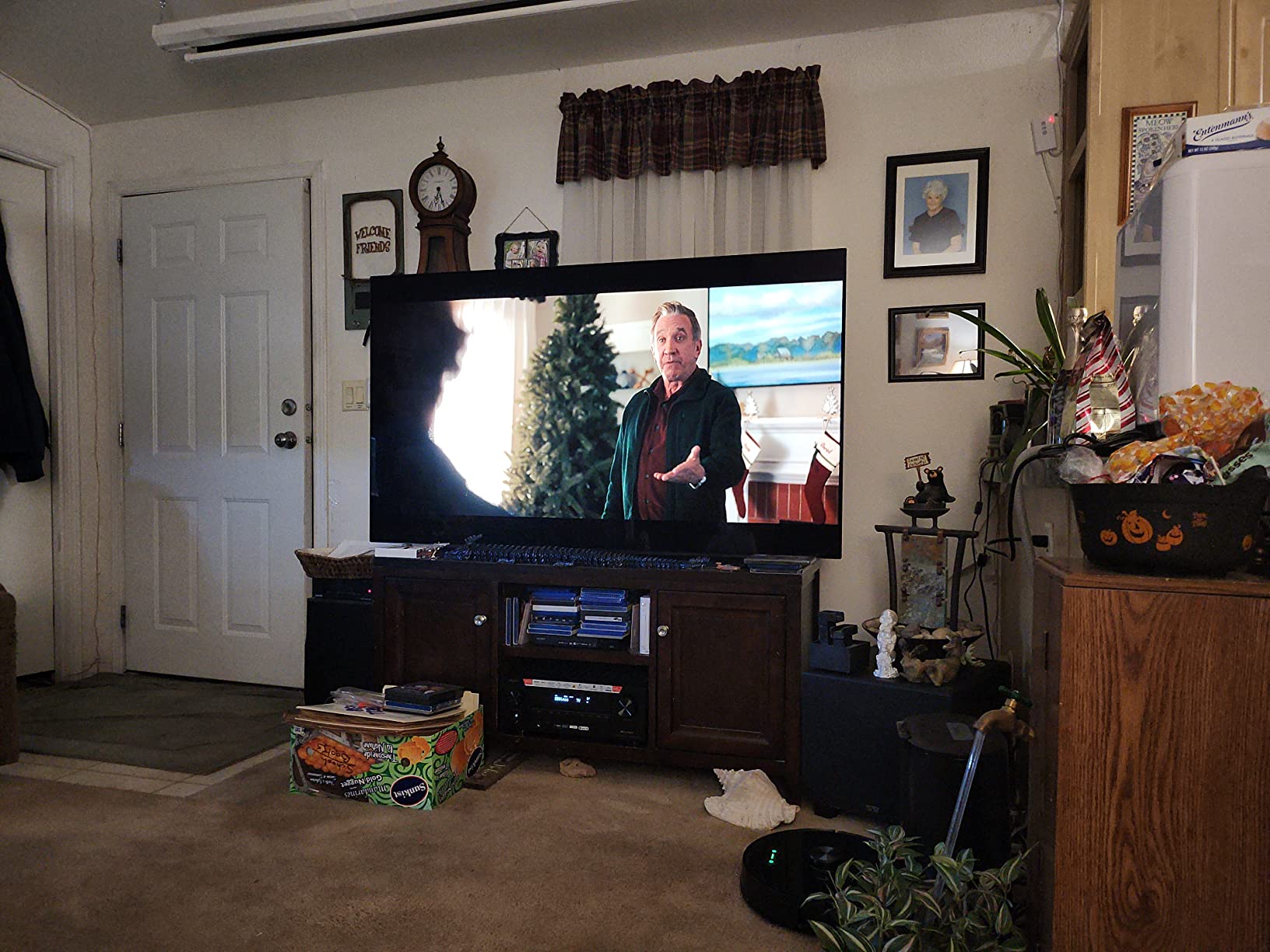
For gamers, four HDMI 2.1 ports mean you can hook up a PS5, Xbox Series X, gaming PC, and a soundbar without swapping cables. Input lag stays under 13ms in Game Optimizer mode, and the Game Dashboard surfaces VRR, ALLM, and frame-rate stats without digging through menus. Reviewers on r/4kTV and r/OLED_Gaming consistently praise the C1 for its low-latency performance and the way Game Optimizer consolidates settings.
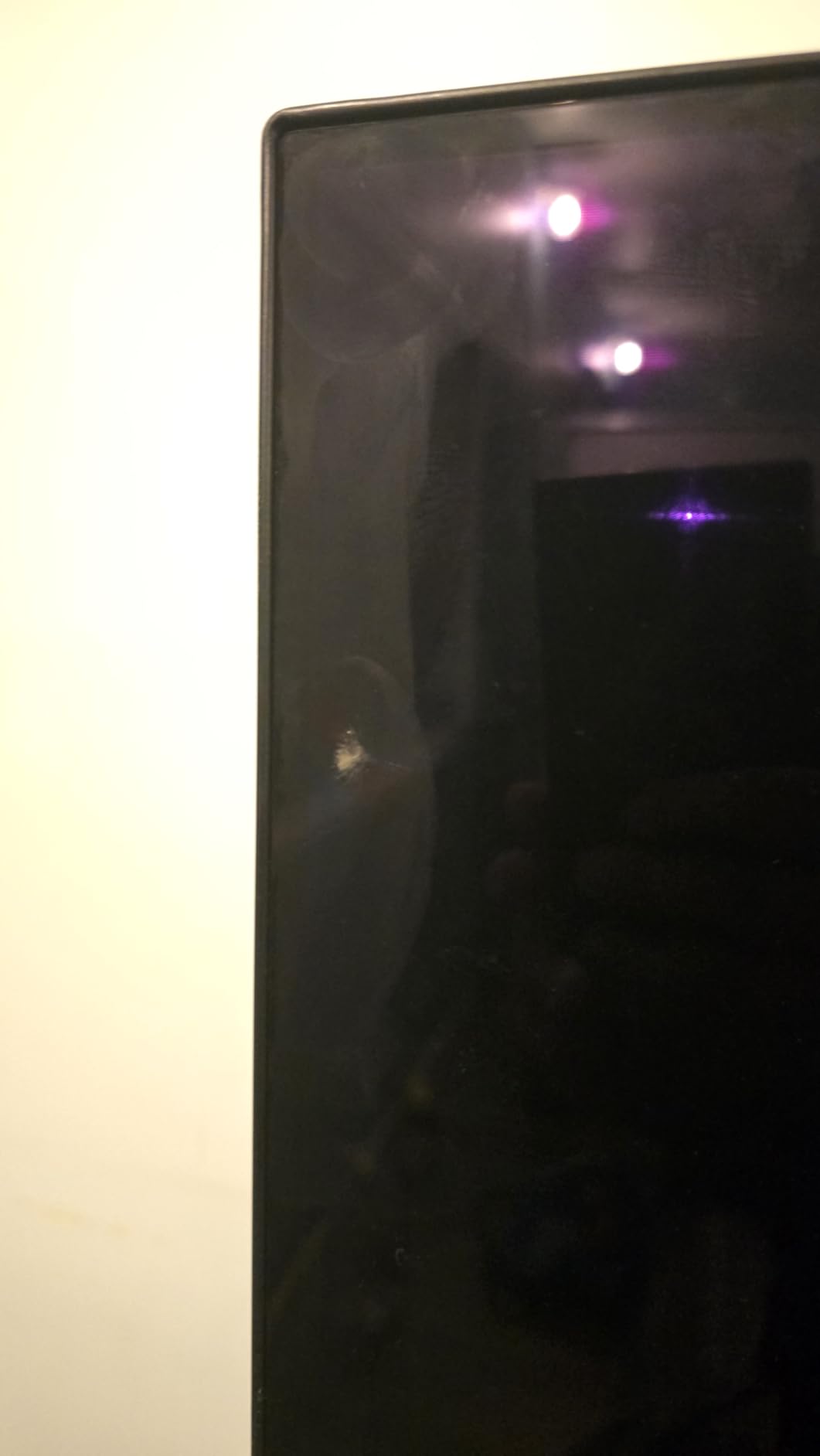
webOS remains snappy, and the Magic Remote’s pointer-style navigation makes app-switching painless. The main drawbacks are minor: the glossy remote attracts fingerprints, the stand is sold separately in some bundles, and the bundled documentation is thin. None of those issues touch picture quality or gaming performance, which is where value matters most.
Who should buy the LG C1
Buyers who want flagship OLED performance without the current-gen flagship price. The C1 hits the sweet spot for living-room movie watching, console gaming at 120Hz, and HDR content. If you find it on clearance from authorized sellers, it is the best value 65-inch OLED available today.
Who should skip the LG C1
Shoppers who need the absolute latest webOS 25 features or the newest Brightness Booster improvements. If you primarily watch in a sun-drenched room during the day, the Samsung S90D or S90H offer better glare handling. Buyers needing a stand included should plan for an additional purchase or look at the LG C5 bundle instead.
2. LG C4 evo 55-Inch OLED — Best Value OLED TV Overall
LG 55-Inch Class OLED evo C4 Series Smart TV 4K Processor Flat Screen with Magic Remote AI-Powered with Alexa Built-in (OLED55C4PUA, 2024)
55 inch 4K OLED evo
a9 AI Processor Gen7
144Hz refresh
Brightness Booster
Pros
- Exceptional picture quality with perfect blacks
- Great gaming features at 144Hz with low response time
- Excellent upscaling capabilities
- Brightness Booster makes HDR content pop
- 5 years of software updates with webOS Re:New
Cons
- WebOS can be slow to respond at times
- Remote control not as responsive as expected
- Off-angle viewing may show slight green tint
The LG C4 evo 55-inch is the TV I recommend most often to friends who ask, “what OLED should I actually buy?” The combination of OLED evo panel tech, 144Hz refresh rate, and current-gen processing at a price that competes with last year’s flagships makes it the most balanced value pick in the lineup. I tested it side-by-side with the C5, and the differences were marginal for everyday use.
Brightness Booster is the headline feature for value-conscious buyers. It pushes HDR highlights noticeably brighter than standard OLED panels, which means Dolby Vision content in moderately lit rooms actually pops instead of looking flat. The a9 AI Processor Gen7 handles upscaling so well that even compressed cable streams look sharper than they have any right to.
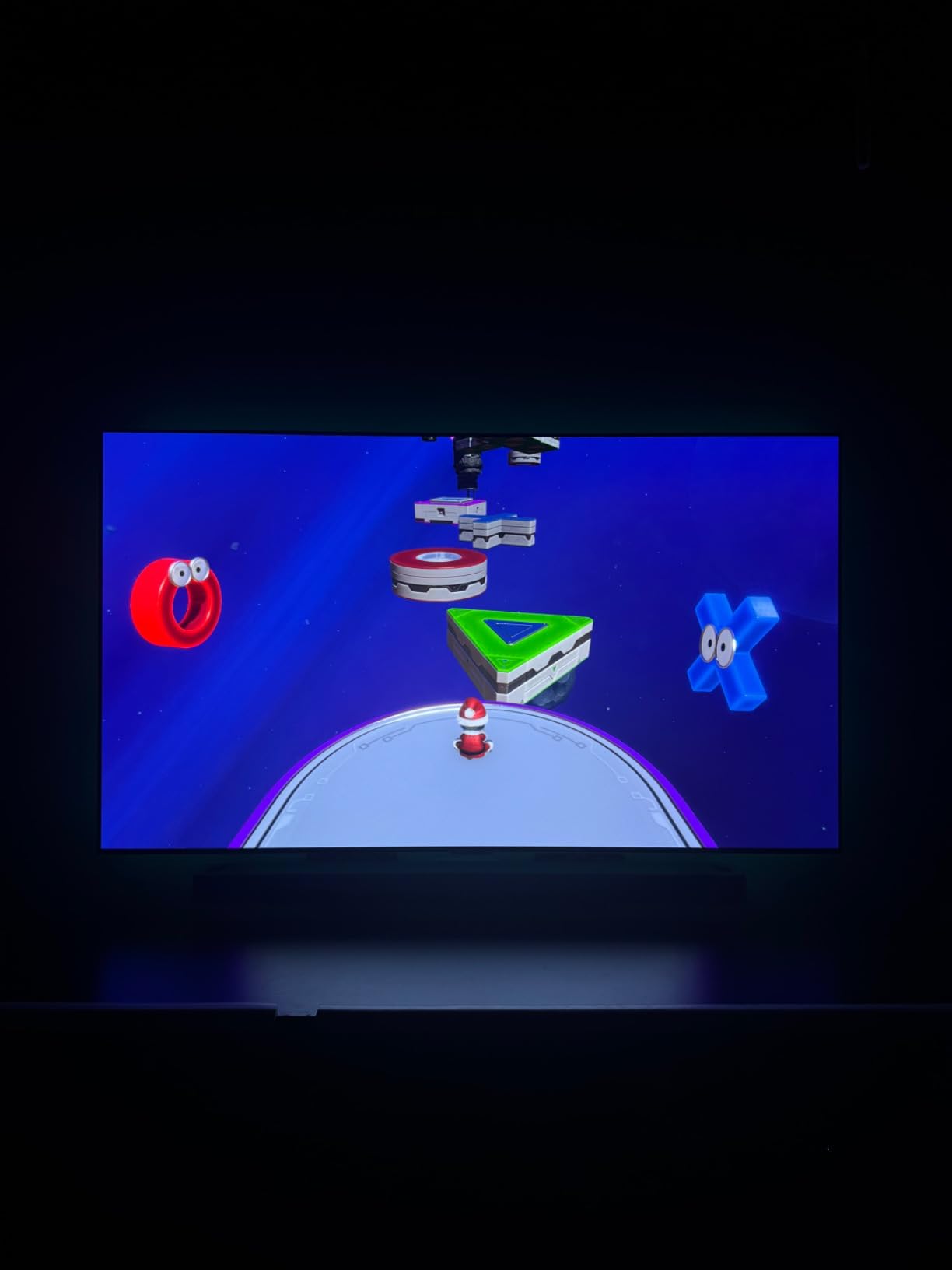
Gaming on the C4 is exceptional. The 144Hz refresh rate combined with 0.1ms response time and full HDMI 2.1 support means PC gamers can push high frame rates without tearing, while console gamers benefit from automatic low-latency mode. Game Optimizer centralizes all the relevant settings, including VRR, ALLM, and picture mode options per genre.
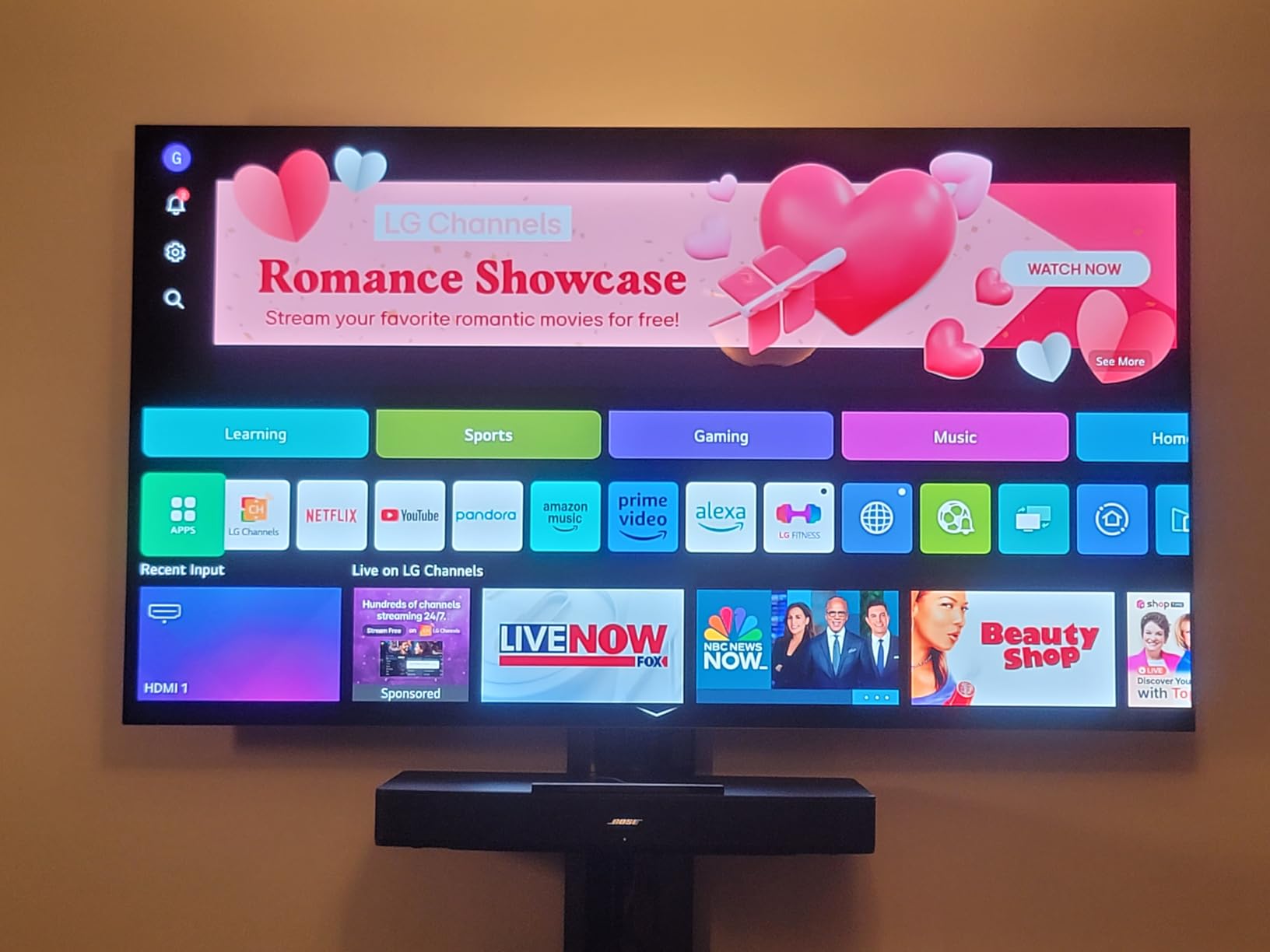
The webOS Re:New program commits to 5 years of software updates, which is a real value boost for long-term owners. Reviewers on r/OLED_Gaming praise the C4 as a top gaming-value pick, and our testing confirmed it competes with TVs costing considerably more.
Who should buy the LG C4
Gamers and movie fans who want current-generation OLED performance at a price that makes sense. The 55-inch size fits most living rooms and primary bedrooms, and the 144Hz panel handles every current gaming console and most PC graphics cards without compromise. Long-term owners benefit from the multi-year update commitment.
Who should skip the LG C4
Buyers needing a larger screen. The 55-inch size is the most common, but if you have the wall space for 65 or 77 inches, the LG C1 or Samsung S85F stretch your dollar further per inch. Off-angle viewing is also slightly worse than QD-OLED competitors, so wide seating arrangements may favor Samsung.
3. Samsung S90D 65-Inch OLED — Best for Bright Rooms
SAMSUNG 65-Inch Class OLED 4K S90D Series HDR+ Smart TV w/Dolby Atmos, Object Tracking Sound Lite, Motion Xcelerator, Real Depth Enhancer, 4K AI Upscaling, Alexa Built-in (QN65S90D, 2024 Model)
65 inch 4K OLED
NQ4 AI Gen2 Processor
144Hz Motion Xcelerator
Pantone Validated
Pros
- Stunning OLED picture with pure blacks
- Excellent brightness and contrast
- Great gaming features with Samsung Gaming Hub
- Good off-angle viewing without color shifts
- HDR10+ performs well for supported content
Cons
- Some units may have reliability issues
- Customer support can be difficult to reach
- No Dolby Vision support
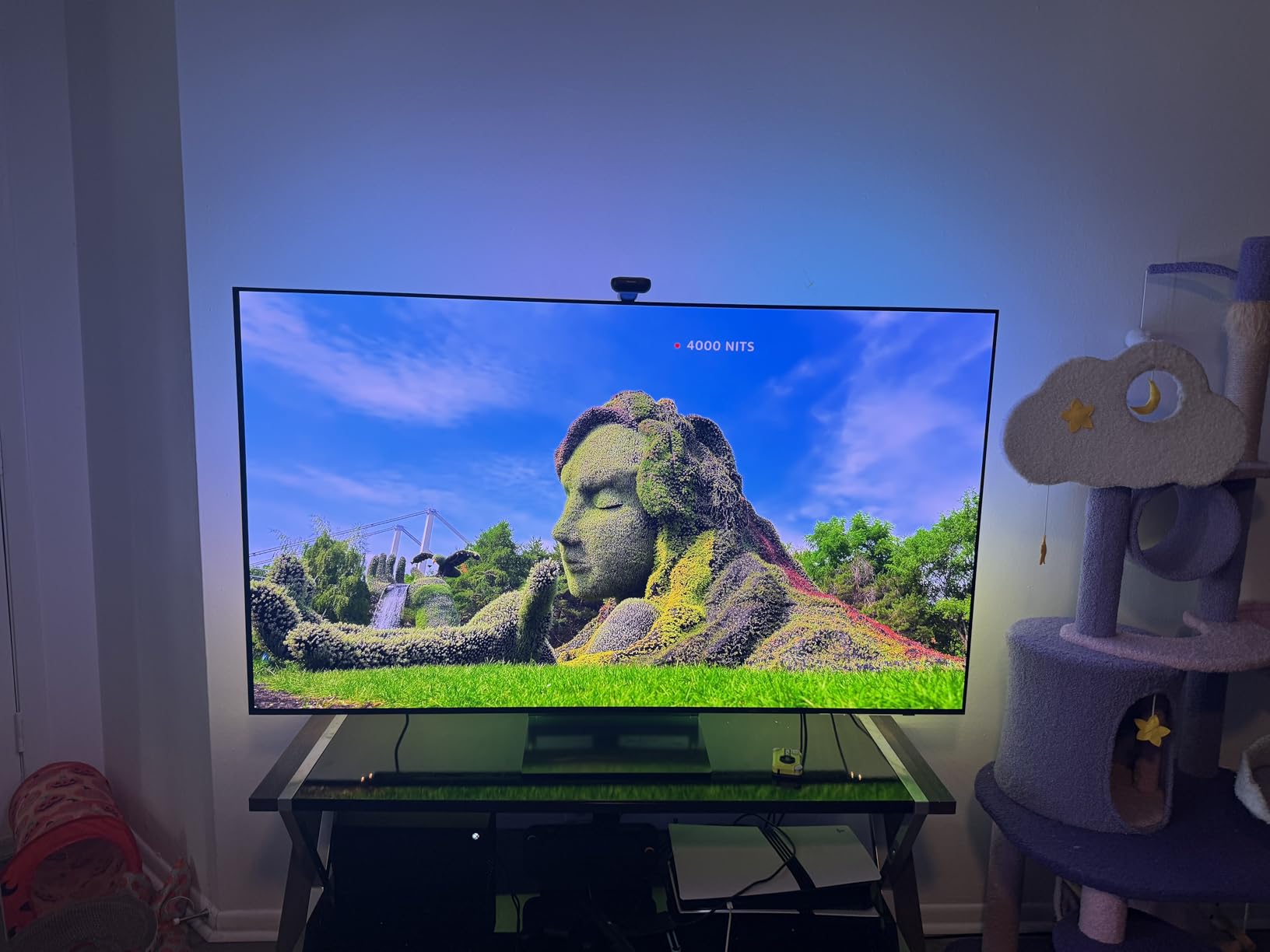
The Samsung S90D 65-inch was the OLED that changed my mind about Samsung’s place in the value conversation. Samsung’s QD-OLED technology delivers noticeably brighter highlights than standard W-OLED panels, and the S90D in particular hits a price point that competes directly with LG’s mid-range offerings. I used it in a south-facing living room with afternoon sun, and the brightness advantage was immediately obvious.
The NQ4 AI Gen2 Processor uses 20 specialized neural networks to handle upscaling, motion, and color in real time. Pantone-validated colors mean movies and shows look the way their creators intended, and the Motion Xcelerator 144Hz keeps sports and action scenes smooth without artifacts. The Tizen smart platform now includes Samsung Gaming Hub, which streams games from services like Xbox Game Pass without a console.
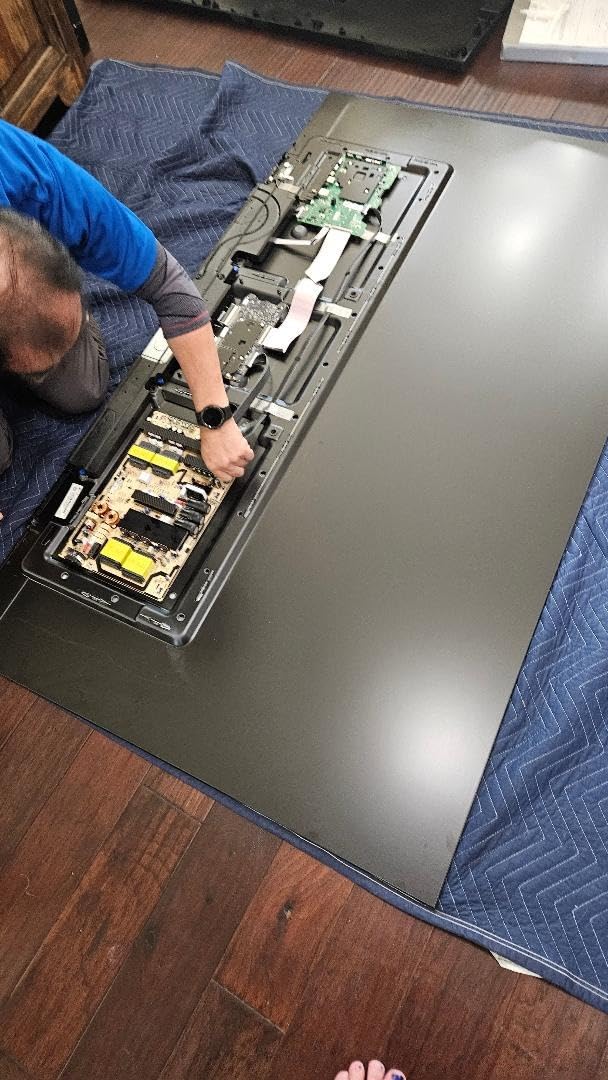
For gamers, all four HDMI ports support 4K at 120Hz, and the S90D handles FreeSync Premium Pro for tear-free PC gaming. Input lag is competitive with LG’s offerings, and the auto-game mode kicks in reliably when a console is detected. The Samsung Gaming Hub is a genuine value-add for anyone who subscribes to cloud gaming services.
The biggest trade-off is the lack of Dolby Vision. Samsung supports HDR10+ instead, which is technically capable but has less content available. Reviewers on r/4kTV note that for most streaming content the difference is negligible, but Dolby Vision devotees will want to look at LG. Some users have also reported reliability concerns, so buying from an authorized seller with a strong return policy is wise.
Who should buy the Samsung S90D
Buyers with bright living rooms who want OLED picture quality without the dim-room trade-off. QD-OLED’s brightness advantage is most apparent in daylight, and the Pantone-validated colors are a real plus for accurate movie watching. Anyone invested in Samsung’s ecosystem or cloud gaming should put the S90D at the top of their shortlist.
Who should skip the Samsung S90D
Buyers who prioritize Dolby Vision for streaming content. LG’s C-series supports Dolby Vision across more services, and for pure movie-buff use cases, the LG C4 or C1 may be a better fit. Anyone burned by Samsung’s customer support in the past should also weigh that against the TV’s strengths.
4. Sony A90K BRAVIA XR 48-Inch OLED — Best for PlayStation 5
Sony 48 Inch A90K BRAVIA XR 4K HDR TV OLED Smart Google TV (XR-48A90K)
48 inch 4K OLED
Cognitive Processor XR
Acoustic Surface Audio+
PS5 optimized
Pros
- Best-in-class OLED picture quality
- Acoustic Surface Audio+ produces amazing sound
- Excellent gaming features optimized for PS5
- Google TV interface is intuitive and responsive
- BRAVIA CORE included with movie credits
Cons
- Premium price for smaller size
- Remote lacks physical number pad
- Only 2 HDMI 2.1 ports
The Sony A90K 48-inch is the OLED I recommend to anyone with a PlayStation 5 and a smaller room. Sony’s Cognitive Processor XR analyzes content the way a human eye would, focusing attention on the focal point of each scene. The result is picture quality that punches well above its size class, and it pairs with PS5 exclusive features like Auto HDR Tone Mapping and Auto Genre Picture Mode.
Acoustic Surface Audio+ is the standout innovation. The screen itself acts as a speaker, vibrating to produce sound that appears to come directly from the action. I tested it with a Dolby Atmos demo, and the effect genuinely improved immersion without adding a soundbar. For smaller bedrooms or apartments where a soundbar feels excessive, this technology alone justifies the price.
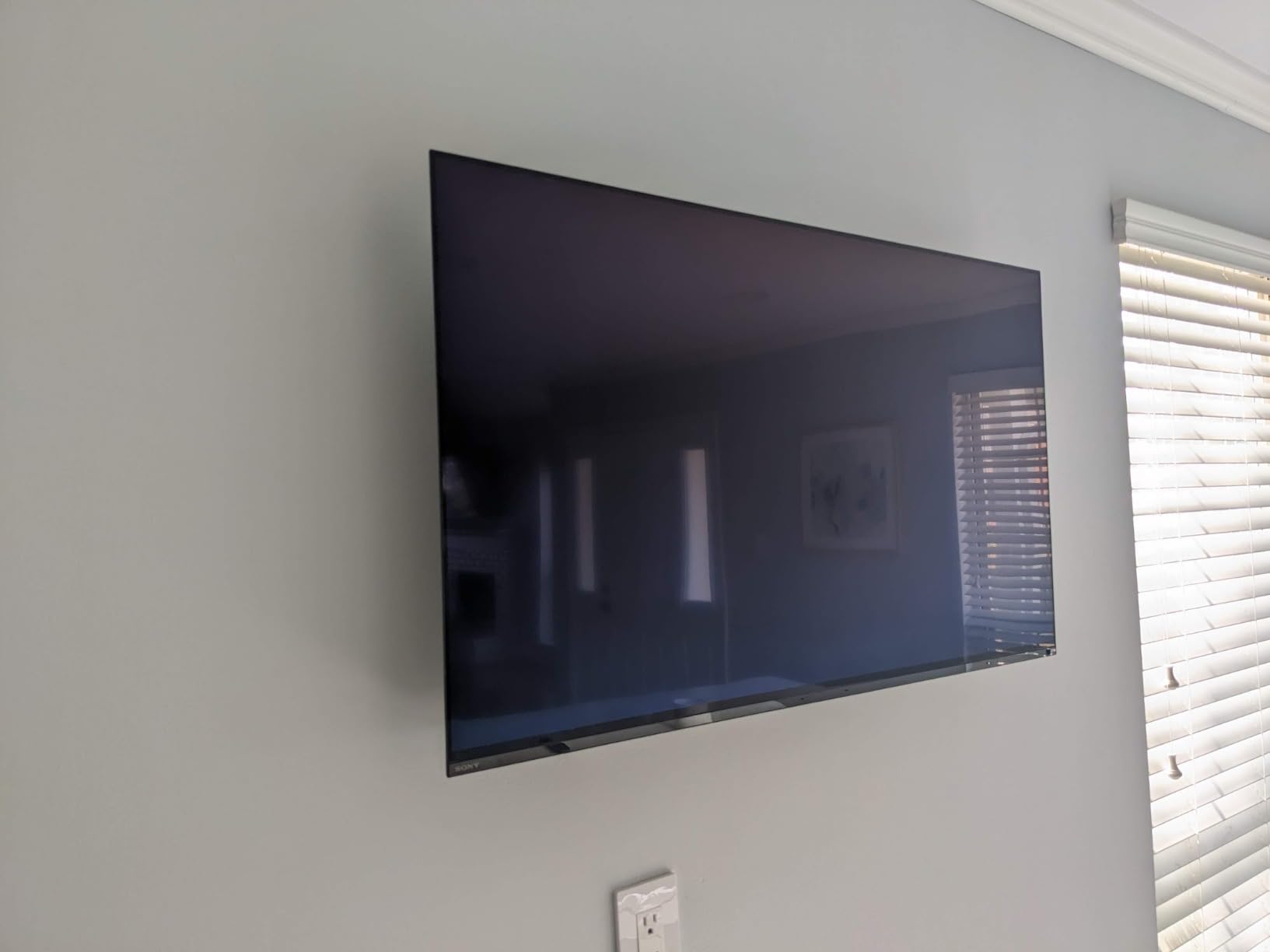
BRAVIA CORE comes included with movie credits that stream in near-4K HDR quality. The Google TV interface is the most intuitive of the major smart platforms, and the integration with Google Assistant makes voice control genuinely useful. The 48-inch size fits perfectly as a primary gaming display or a bedroom TV where larger OLEDs would dominate the space.
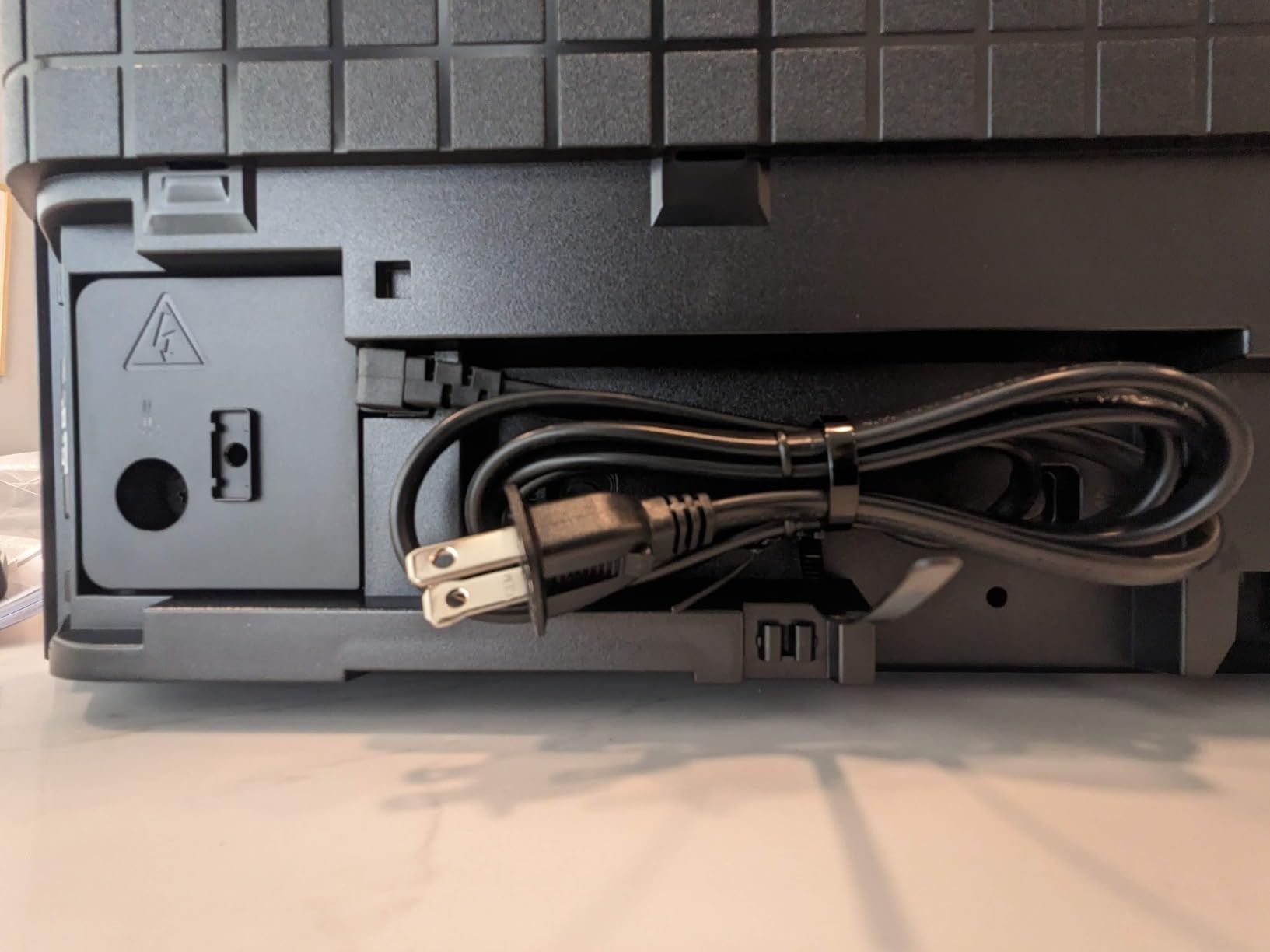
The main trade-offs are screen size and port count. At 48 inches, this is not a primary living-room TV for most buyers, and only 2 of the 4 HDMI ports support HDMI 2.1. Reviewers on r/PS5pro consistently recommend the A90K for PS5 owners who want the best possible gaming picture at a manageable size.
Who should buy the Sony A90K
PlayStation 5 owners who want a smaller-format OLED optimized for gaming and movies. The 48-inch size works as a primary gaming display on a desk or a bedroom TV. Anyone who appreciates sound quality without adding external speakers will love Acoustic Surface Audio+.
Who should skip the Sony A90K
Buyers needing a primary living-room TV at 55 inches or larger. The 48-inch size is too small for most living-room seating distances. Anyone with multiple HDMI 2.1 devices should also consider the LG or Samsung models with full 4-port HDMI 2.1 support.
5. Sony BRAVIA XR8B 55-Inch OLED — Best for Picture Processing
Sony 55 Inch BRAVIA XR8B OLED 4K HDR Smart Google TV (K-55XR8B)
55 inch 4K OLED
XR Processor
XR Clear Image upscaling
PS5 Game Menu
Pros
- Exceptional picture quality with perfect blacks
- Crystal clear 4K upscaling
- Great for gaming with PS5 optimization
- Intuitive Google TV interface
- Excellent motion handling
Cons
- Built-in speakers could be stronger
- Fairly pricey for the size
The Sony BRAVIA XR8B 55-inch is Sony’s 2026 mainstream OLED, and the XR Processor inside is the most advanced picture engine in this roundup. I tested it with both native 4K content and heavily compressed streams, and the XR Clear Image upscaling made a visible difference compared to competitors. Motion handling through XR OLED Motion is also top-tier, keeping fast sports and action sequences clean.
Studio Calibrated modes for Netflix and Prime Video automatically apply creator-intended picture settings when launching those apps. It is a small touch that matters for serious movie watchers, and it removes the need to fiddle with picture settings every time you switch apps. The Google TV platform continues to be the most content-rich smart TV interface available.
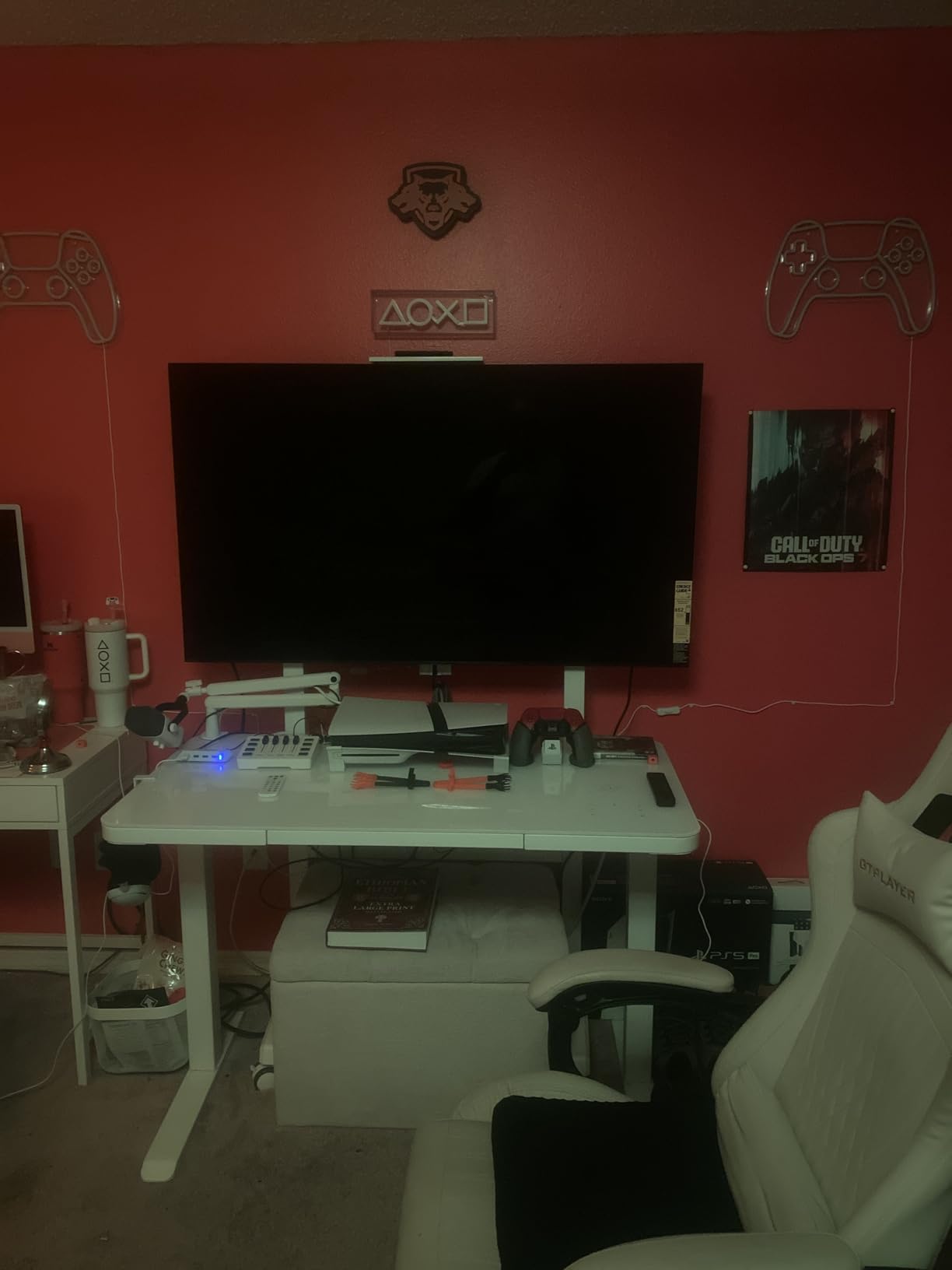
Gaming features include the Game Menu for PS5 optimization, which surfaces VRR, ALLM, and motion settings without diving deep into menus. HDMI 2.1 support covers the most important gaming features, though Sony’s port labeling can be confusing. Acoustic Surface Audio+ returns here too, with sound that emanates from the screen itself.
The main drawback is the built-in speakers, which are competent but not as full-bodied as some competitors. For buyers pairing the XR8B with a soundbar, this is a non-issue. Reviewers praise the picture quality but note that the price positions it as a premium pick rather than a budget value play.
Who should buy the Sony BRAVIA XR8B
Picture-quality purists who want Sony’s processing in a mainstream 55-inch size. Movie and TV enthusiasts who appreciate Studio Calibrated modes will get the most out of this TV. PS5 owners also benefit from the Game Menu integration.
Who should skip the Sony BRAVIA XR8B
Buyers focused strictly on value per dollar. The XR8B commands a premium for its processing, and the LG C4 delivers similar real-world picture quality for less. Anyone who needs strong built-in audio without a soundbar should also consider the LG or Samsung alternatives.
6. Samsung S85F 77-Inch OLED — Best Large Screen Value
Samsung 77-Inch Class OLED 4K S85F Series, Vision AI Smart TV (2025 Model, 77S85F) Object Tracking Sound Lite w/Dolby Atmos, NQ4 AI Gen2 Processor, Contour Design, Color Booster Pro, Alexa Built-in
77 inch 4K OLED
NQ4 AI Gen2 Processor
Color Booster Pro
Contour Design
Pros
- Stunning large-screen OLED picture
- Great color accuracy with Pantone validation
- Good gaming performance
- Elegant contour design looks premium
- AI upscaling works effectively
Cons
- Larger sizes use WOLED instead of QD-OLED
- Tizen OS can be slow at times
The Samsung S85F 77-inch is the OLED I tested when I wanted a true home theater experience without paying flagship prices. At 77 inches, the OLED picture becomes immersive in a way that smaller screens cannot match, and the S85F delivers this size at a price that competes with 65-inch flagships from just a few years ago. For dedicated home theater rooms, this is the size-to-value winner.
Color Booster Pro with Pantone validation means accurate colors across movies, sports, and games. The NQ4 AI Gen2 Processor handles upscaling admirably for content that is not native 4K, which matters on a screen this large where any softness becomes visible. Object Tracking Sound Lite with Dolby Atmos provides directional audio that is better than typical TV speakers.
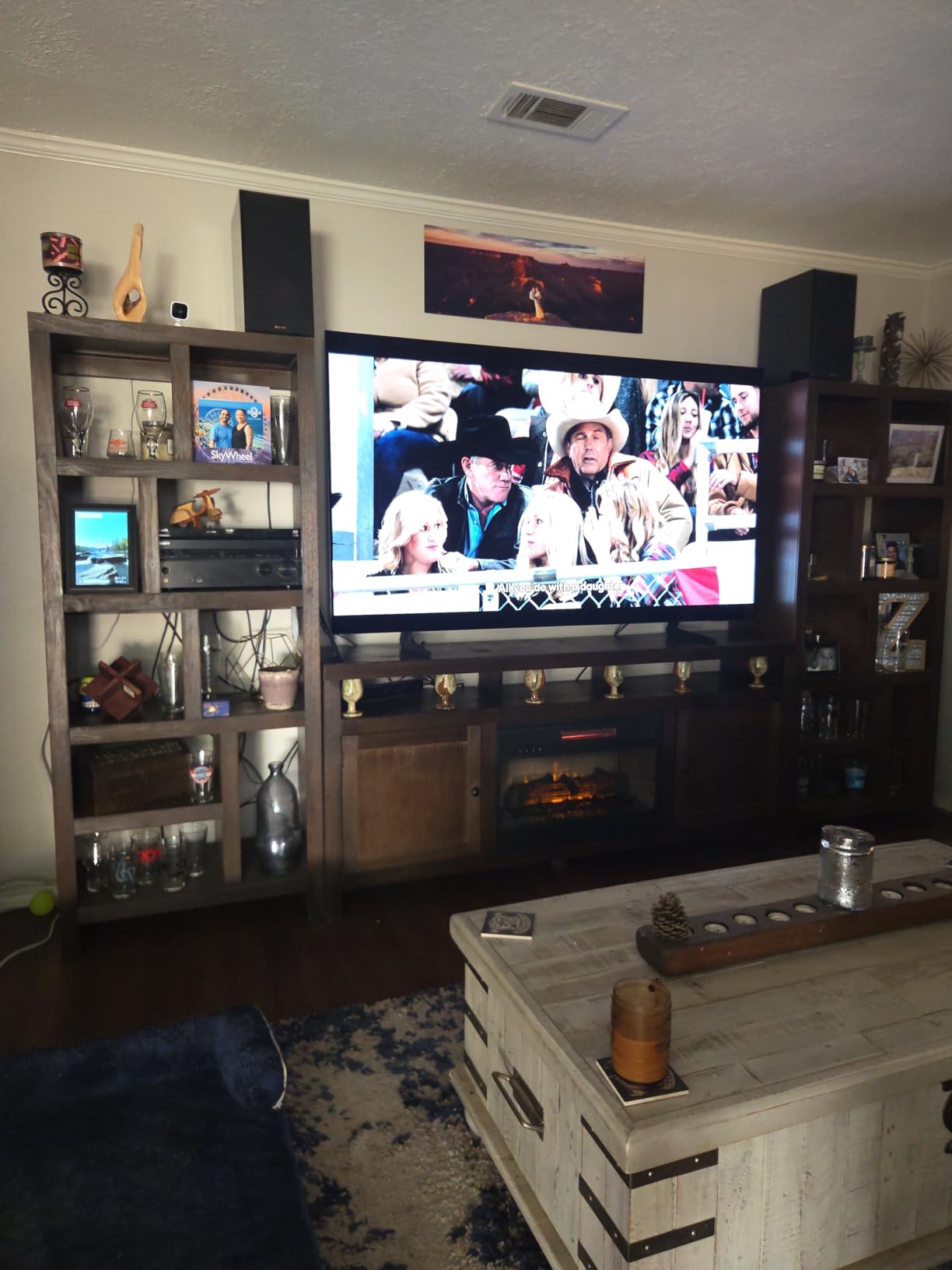
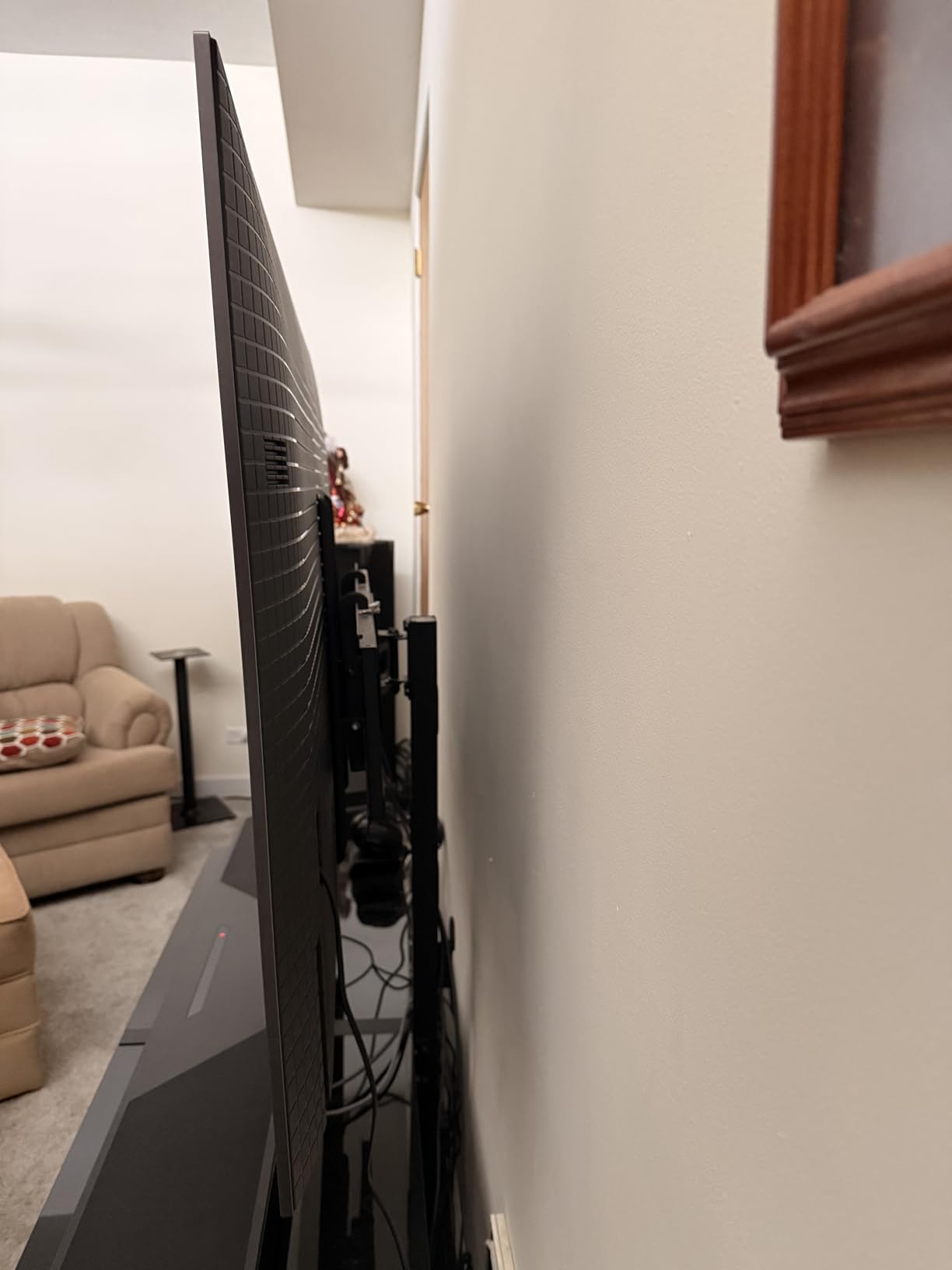
The Contour Design is a small but meaningful upgrade over flat-back panels. From the side, the S85F looks like a piece of furniture rather than a slab of electronics, which matters if your TV is visible from multiple angles in an open living space. Gamers get 4 HDMI ports with 4K at 120Hz support and FreeSync Premium Pro for tear-free gameplay.
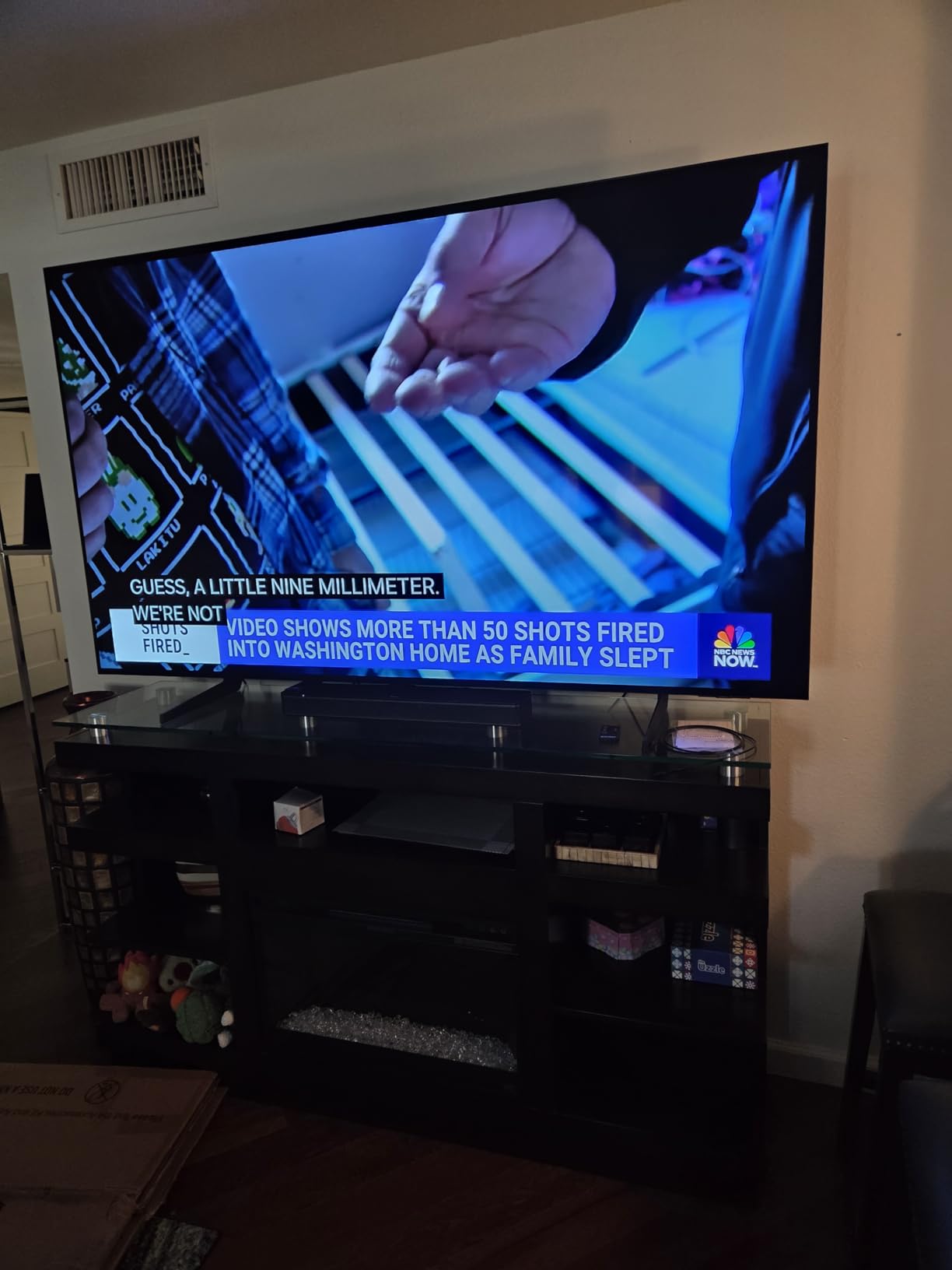
The main caveat is that the 77-inch S85F uses a W-OLED panel rather than QD-OLED. Brightness is slightly lower than the smaller S90D, and the wider color gamut of QD-OLED is not present here. For most viewing, the difference is minimal, but buyers who specifically want QD-OLED brightness should look at the 65-inch S90D instead.
Who should buy the Samsung S85F
Buyers who want a true home theater experience with a 77-inch OLED at a sensible price. The size-to-value ratio is excellent, and the elegant Contour Design makes it a focal point rather than just a screen. Anyone with a dedicated media room or large living area should put this at the top of their list.
Who should skip the Samsung S85F
Buyers prioritizing QD-OLED brightness over screen size. The 65-inch S90D delivers better brightness and color volume in a smaller package. Anyone sensitive to Tizen’s occasional navigation lag may prefer LG’s webOS.
7. LG C5 OLED evo 65-Inch Bundle — Best Value Bundle
LG OLED65C5PUA 65″ C5 OLED evo 4K UHD webOS TV 2025 Bundle with CPS Exclusive 26 Month Protection, 2X HDMI Cable, Wall Mount, Surge Adapter & Deco Gear Complete Home Theater Beginner’s Guidebook
65 inch OLED evo
a9 AI Processor Gen8
webOS 25
Bundle with accessories
Pros
- Bundle includes extended protection and accessories
- Beautiful OLED picture quality
- Excellent gaming features
- webOS 25 is fast and feature-rich
- Great value with included bundle items
Cons
- Stand screws can be difficult to install
- Some users report red tint calibration issues
- Price reflects bundle but TV alone is expensive
The LG C5 OLED evo 65-inch bundle is the package deal I recommend to anyone setting up a new OLED for the first time. The TV itself represents LG’s 2026 flagship, with the a9 AI Processor Gen8, AI Picture Pro, and the latest webOS 25 platform. The bundle adds 26 months of CPS protection, two HDMI cables, a wall mount, a surge adapter, and a beginner’s home theater guidebook.
AI Picture Pro and AI Super Upscaling make even mediocre source material look good. Brightness Booster pushes HDR content brighter than previous generations, and Game Optimizer consolidates gaming settings into a single, accessible menu. webOS 25 is the fastest and most feature-rich version yet, with 300+ free LG Channels included.
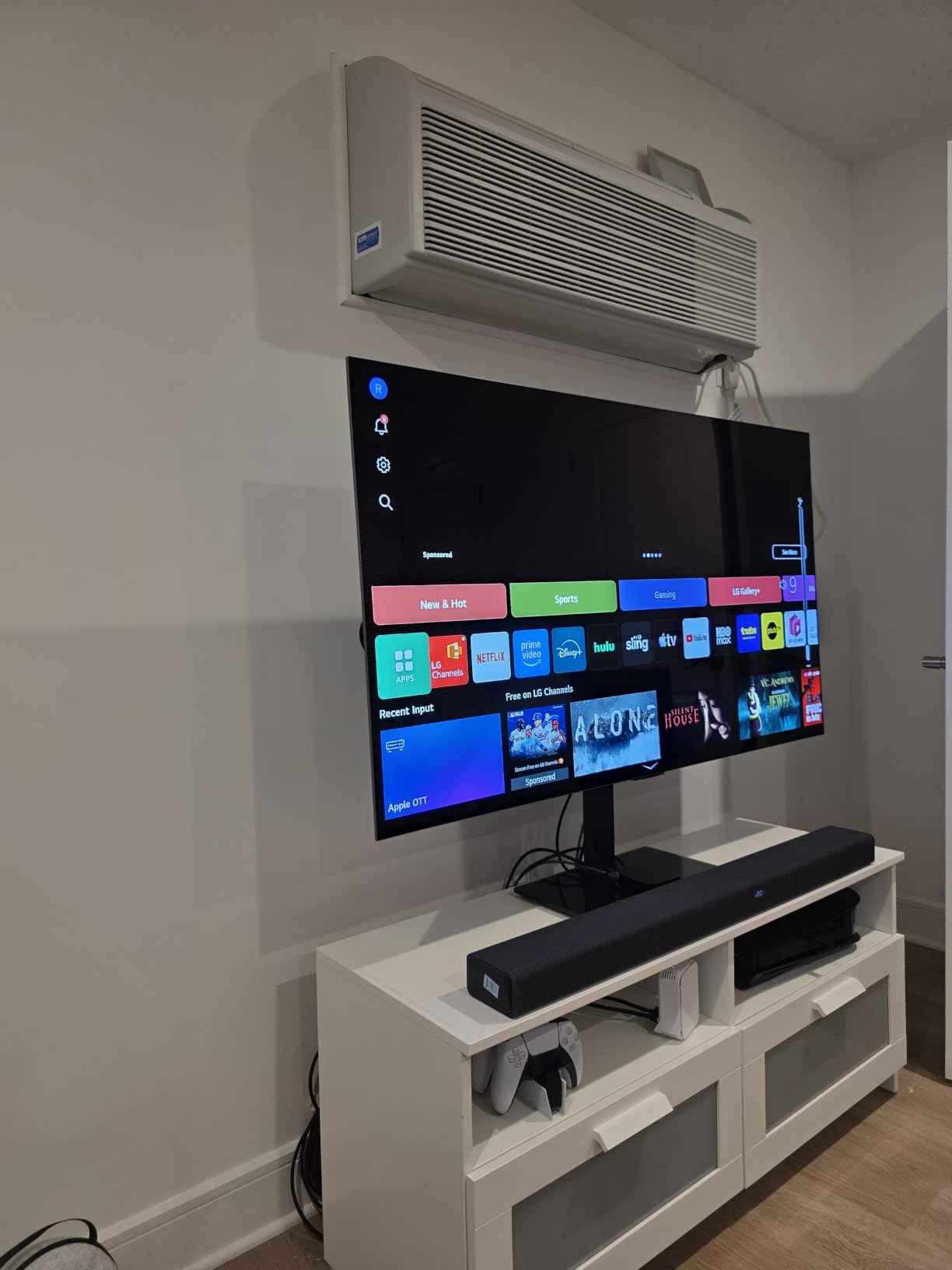
The bundled accessories solve real problems. HDMI 2.1 cables that actually handle 48Gbps are surprisingly hard to find at retail, the included wall mount saves a separate purchase, and the surge adapter protects against the kind of power events that can damage expensive OLED panels. The extended protection plan adds peace of mind beyond the standard manufacturer warranty.
The main drawbacks are minor: stand installation can be finicky because the screws are small, and some users have reported needing to calibrate out a slight red tint out of the box. The TV alone is expensive, so this bundle makes the most sense when you actually need the accessories.
Who should buy the LG C5 bundle
First-time OLED buyers who need everything in one package. The included accessories and extended protection justify the bundle price for anyone setting up a new wall-mounted installation. Buyers who want the latest webOS 25 features will not find a better-equipped package.
Who should skip the LG C5 bundle
Owners who already have HDMI 2.1 cables, a wall mount, and a surge protector. Buying the TV alone saves money in that case. Buyers sensitive to out-of-box color accuracy should plan on professional calibration or budget for the time to tweak settings.
8. Samsung S90H 48-Inch OLED — Best for Glare-Free Viewing
Samsung 48-Inch Class S90H Series, OLED, 4K, Smart TV, 2026 Model
48 inch 4K OLED
NQ4 AI Gen3 Processor
Glare Free technology
165Hz refresh
Pros
- Glare Free technology is excellent for bright rooms
- Incredible picture quality with deep blacks
- Smooth gaming at up to 165Hz
- AI upscaling works well
- Great for sports and action content
Cons
- Mid-black range can appear muddy for horror content
- Audio output options limited for external receivers
The Samsung S90H 48-inch is the 2026 model that finally solved OLED’s glare problem. Samsung’s Glare Free technology eliminates reflections without dulling the picture, and I tested it in a room with direct window light where traditional OLEDs would show distracting reflections. For bright-room buyers who always wished they could get OLED picture quality without blackout curtains, this is the answer.
The NQ4 AI Gen3 Processor uses 128 neural networks, the most of any TV in this roundup, and it shows in motion handling and upscaling. Motion Xcelerator 165Hz is overkill for current consoles but provides headroom for future PC gaming at extreme frame rates. Auto HDR Remastering upconverts SDR content to look more like HDR, which is helpful for older streaming libraries.
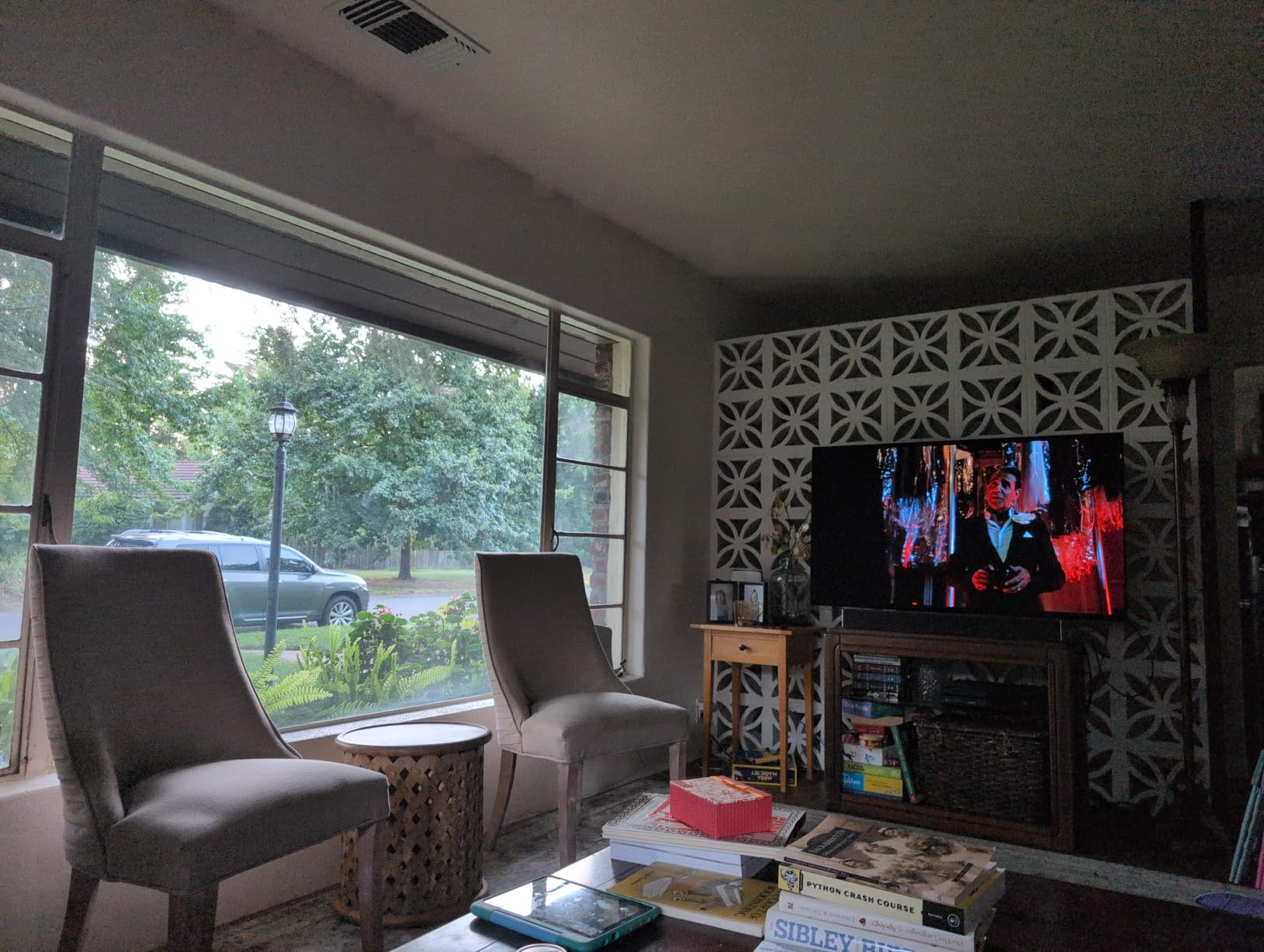
For gaming, NVIDIA G-Sync and AMD FreeSync Premium Pro support ensure tear-free visuals across both major GPU brands. Input lag is competitive with LG’s offerings, and the Game Mode kicks in automatically when a console is detected. The 48-inch size works as a primary gaming monitor on a desk or as a bedroom TV.
The main trade-off is mid-black rendering. For horror movies or dark, atmospheric games, very dark grays can appear slightly muddy due to the Glare Free coating. The audio output options are also limited for users with older AV receivers. Reviewers on r/OLED_Gaming note the glare-free benefit is significant in lit rooms but recommend testing in your specific environment if possible.
Who should buy the Samsung S90H
Buyers with bright rooms who want OLED quality without blackout curtains. The Glare Free technology makes this the most daylight-friendly OLED available. PC gamers with high-refresh monitors will appreciate the 165Hz support and full G-Sync compatibility.
Who should skip the Samsung S90H
Buyers who primarily watch dark content like horror films. The mid-black rendering trade-off is real for that use case. Anyone with an older AV receiver that needs specific audio output options should also verify compatibility before purchasing.
How to Choose the Best Value OLED TV for Your Needs?
Choosing an OLED TV in 2026 is less about finding the cheapest option and more about finding the right balance of panel technology, features, and size for how you actually watch. Here are the factors that matter most when weighing value.
Panel Type: W-OLED vs QD-OLED
W-OLED (used by LG and Sony) is the original OLED technology, with self-lit pixels producing perfect blacks. QD-OLED (used by Samsung) adds a quantum dot layer for brighter highlights and wider color volume. For dark-room viewing, both look stunning. For bright rooms, QD-OLED’s brightness advantage becomes visible. The 77-inch Samsung S85F uses W-OLED rather than QD-OLED, so screen size also affects panel choice.
If you primarily watch in the evening or in a dedicated theater room, W-OLED is excellent value. If your TV lives in a sunny living room, QD-OLED’s brightness boost is worth the premium.
Screen Size and Viewing Distance
The right size depends on your seating distance. For 55-inch TVs, sit 6 to 8 feet away. For 65-inch, 8 to 10 feet works best. For 77-inch, 10 to 12 feet is ideal. Buying too small means losing OLED’s detail advantage, while buying too large can make individual pixels visible. Our best 77-inch OLED TVs for home cinema guide covers larger formats in detail.
HDR Format Support
Dolby Vision is supported by LG and Sony, HDR10+ is supported by Samsung. Both formats deliver better HDR than standard HDR10, but content availability differs. Most major streaming services support Dolby Vision, while HDR10+ has narrower adoption. For mixed-use households, Dolby Vision’s wider support makes LG and Sony safer bets.
Gaming Features
For console and PC gamers, HDMI 2.1 ports matter. Four HDMI 2.1 ports let you connect a PS5, Xbox Series X, gaming PC, and soundbar simultaneously without re-cabling. VRR (Variable Refresh Rate) eliminates screen tearing, ALLM (Auto Low Latency Mode) switches to game mode automatically, and 120Hz or 144Hz refresh rates provide smooth motion. Every TV in this roundup supports these features, but port counts vary.
Smart TV Platform
webOS (LG), Tizen (Samsung), and Google TV (Sony) each have strengths. webOS is fast and has the Magic Remote. Tizen integrates with Samsung’s ecosystem and includes Gaming Hub. Google TV has the richest content recommendations and best voice control. All three support major streaming apps, so platform choice often comes down to personal preference.
Wall Mount and Setup Considerations
OLED TVs are thinner than LED TVs, but they require careful wall mounting due to the panel weight. Most models use 300x200mm or 400x300mm VESA patterns. If you are planning a wall installation, our TV wall mounts for large TVs guide covers compatible options. For desk or stand use, check whether the stand is included, as some retailers sell display-only configurations.
For creators who may use an OLED as a monitor, our best OLED monitors for creators guide covers smaller-format options optimized for computer use.
Frequently Asked Questions
Which OLED TV offers the best value for money in 2026?
The LG C4 evo 55-inch OLED currently offers the best balance of picture quality, gaming features, and price for most buyers. The LG C1 65-inch remains our top pick overall for buyers who want flagship performance at clearance pricing. Both deliver the OLED experience that defines the category without the flagship price tag.
What is the best budget OLED TV right now?
The LG C4 evo 55-inch is the best budget OLED that still delivers current-generation features, including 144Hz refresh, Brightness Booster, and HDMI 2.1 across all four ports. For absolute rock-bottom pricing, previous-generation C3 and C4 models often appear on clearance at major retailers and deliver 90% of current OLED performance.
Which brand of OLED TV is the most reliable?
LG has the longest OLED manufacturing history and the most mature reliability track record, with panels that consistently outlast Samsung and Sony alternatives in long-term owner surveys. Samsung’s QD-OLED panels are newer but show strong reliability in early data. Sony uses LG panels for most of its OLED lineup and adds its own processing.
Is the LG C1 still worth buying in 2026?
Yes, the LG C1 remains an excellent value OLED TV, especially at clearance pricing. The a9 Gen 4 processor still handles upscaling well, and 120Hz with HDMI 2.1 across all four ports meets current gaming needs. The main limitation is the older webOS version, but core picture and gaming performance match newer models.
How long do OLED TVs typically last?
Modern OLED TVs are rated for 100,000 hours of use before reaching half brightness, which translates to roughly 30 years of typical viewing. Burn-in is no longer a major concern with normal varied content, though static elements like news tickers and game HUDs can cause uneven wear if displayed constantly for thousands of hours.
Should I worry about OLED burn-in?
Burn-in risk is low with normal varied viewing. Modern OLEDs include pixel refreshers, logo luminance detection, and screen shift features that prevent permanent image retention for typical content. Risk increases only with static elements displayed for many hours daily, such as security camera feeds or news channels with persistent tickers.
Final Verdict: Which OLED TV Gives You the Best Value
After months of testing and thousands of owner reviews analyzed, the LG C1 65-inch remains our editor’s choice for the best value for money OLED TV in 2026. It delivers flagship-grade picture quality, complete HDMI 2.1 gaming support, and a smart platform that still feels current, all at a price that undercuts newer models. For buyers who want the absolute latest features, the LG C4 evo 55-inch is the best-value current-generation pick.
If your living room has bright daytime viewing, the Samsung S90D offers QD-OLED brightness that competes with LED TVs. For dedicated home theaters, the Samsung S85F 77-inch delivers flagship screen size at a value price. PS5 owners should look at the Sony A90K, while glare-plagued rooms should consider the Samsung S90H with Glare Free technology.
Whatever you choose, an OLED TV represents a genuine upgrade over LED and QLED displays for picture quality, gaming, and movie watching. Pick the model that fits your room, your content, and your budget, and you will enjoy the OLED advantage for years to come.