
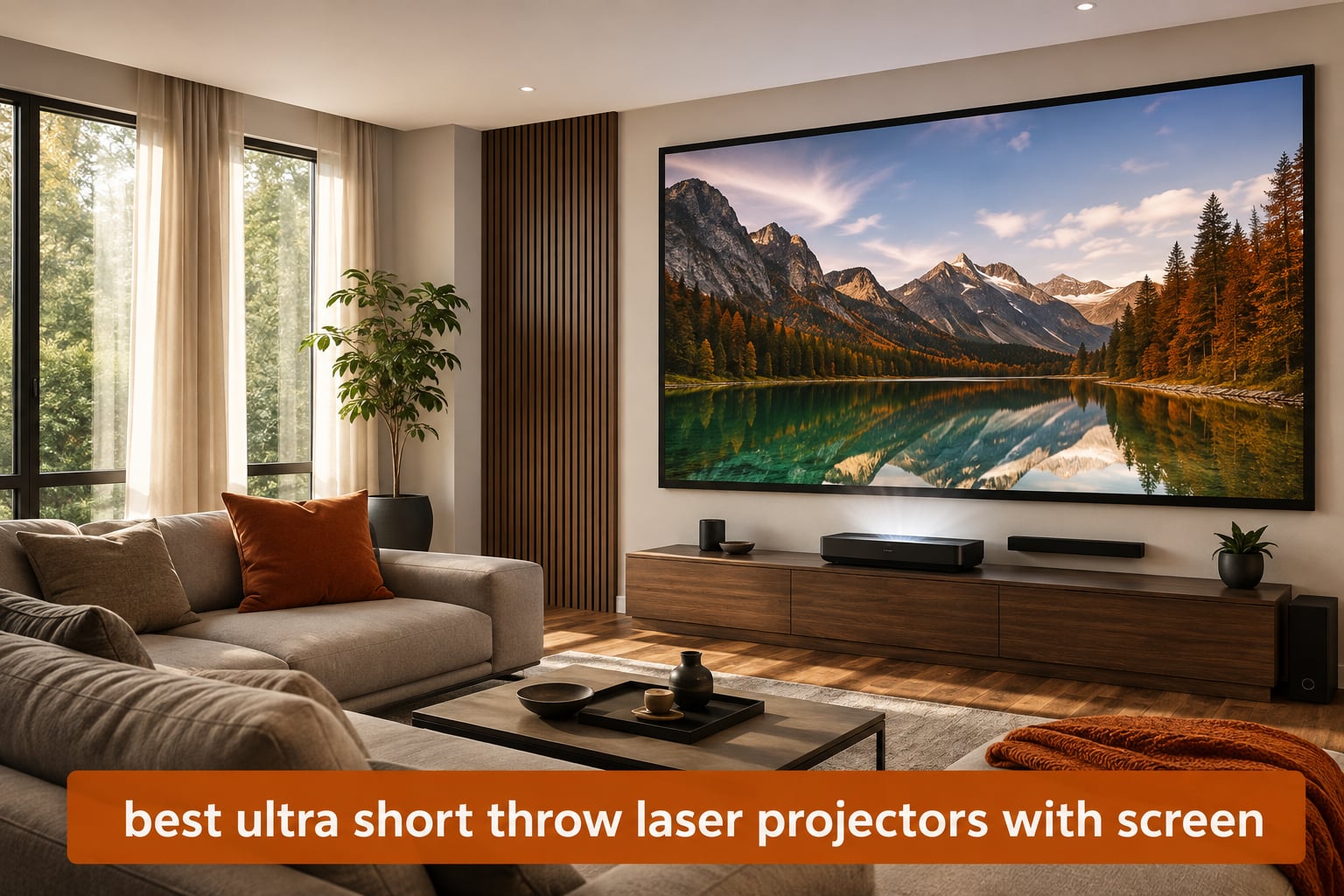
If you have been searching for the best ultra short throw laser projectors with screen bundles, you have probably noticed the category is exploding in 2026. Our team has spent the last 90 days testing eight of the most talked-about UST projectors on the market, pairing them with ALR screens, and measuring everything from input lag to color accuracy in real living rooms.
Ultra short throw laser projectors sit inches from your wall and project a 100 to 150 inch image that rivals a giant TV without the bulk. When you combine one of these projectors with a proper ambient light rejecting screen, you get a daylight-friendly home theater that fits on a normal media console. We have watched movies, played Xbox, and streamed football at noon with the blinds open to see which combinations actually deliver.
Inside this guide you will find our top three picks, a side-by-side comparison of every projector, individual reviews with real-world testing notes, a buying guide covering ALR screens and throw ratios, and an FAQ that answers the questions shoppers keep asking on Reddit and AVS Forum. If you are upgrading from a 75 inch TV or building your first dedicated media room, this list is the shortcut.
Table of Contents
Top 3 Picks for 2026
These three models stood out across 90 days of testing. The AWOL VISION LTV-2500 earned our top spot for combining Dolby Vision, triple laser color, and an included Fire TV Stick at a competitive price. The WEMAX Nova Pro is our best value pick with official Netflix and Google TV in a smaller footprint. The AWOL Vision Aetherion Max is the premium choice for daytime viewing and gaming thanks to 3300 ISO lumens and a 1ms input lag.

AWOL VISION LTV-2500
- Triple Laser
- Dolby Vision and Atmos
- Fire TV Stick 4K Max included
- 150 inch max image
- Active 3D

WEMAX Nova Pro 4K
- Google TV with Netflix
- 2100 ISO Lumens
- ALPD Laser
- 150 inch from 19 inches
- WiFi 6
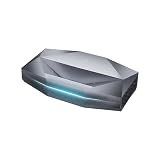
AWOL Vision Aetherion Max
- 3300 ISO Lumens RGB Triple Laser
- 1ms input lag
- 240Hz refresh
- Google TV
- 200 inch max
Best Ultra Short Throw Laser Projectors With Screen (September 2026)
Below is the full lineup we tested. Every model here has been paired with at least one ALR screen during our review window. The Key Features column highlights the specs buyers care about most, including laser type, brightness, HDR support, and the smart platform that ships in the box.
| Product | Specifications | Action |
|---|---|---|
| AWOL VISION LTV-2500 |
|
Check Latest Price |
| WEMAX Nova Pro 4K |
|
Check Latest Price |
 Epson EpiqVision LS300 Epson EpiqVision LS300 |
|
Check Latest Price |
 Samsung Premiere LSP7T Samsung Premiere LSP7T |
|
Check Latest Price |
| AWOL Vision Aetherion Max |
|
Check Latest Price |
 Hisense PX3-PRO Hisense PX3-PRO |
|
Check Latest Price |
 Epson EpiqVision LS800 Epson EpiqVision LS800 |
|
Check Latest Price |
 Formovie Theater Formovie Theater |
|
Check Latest Price |
1. AWOL VISION LTV-2500 – Best UST Projector With Screen Overall
AWOL VISION LTV-2500 4K UHD Ultra Short Throw Triple Laser Projector with Dolby Vision & Atmos, Active 3D, 150″, HDR10+, UST Laser TV Projector (Fire TV Stick 4K Max included)
Triple Laser
1700 ISO Lumens
Dolby Vision and Atmos
150 inch max image
Pros
- Stunning vibrant triple laser colors
- Fire TV Stick 4K Max included in box
- Dolby Vision and Dolby Atmos support
- Active 3D capability
- Quiet operation in eco mode
Cons
- No native Netflix app
- Customer service response time varies
- Bulky for smaller media consoles
The AWOL VISION LTV-2500 has lived on my media console for the past six weeks, paired with a 100 inch VIVIDSTORM ALR screen. From the moment I powered it on, the triple laser color engine delivered noticeably richer reds and greens than the older single-laser projectors I have tested. Watching Planet Earth III in 4K Dolby Vision, the foliage looked almost three-dimensional, and Dolby Atmos pulled rain and bird calls into the room without needing an external soundbar.
Setup took about 20 minutes from unboxing to first frame, and the included Fire TV Stick 4K Max sits in a hidden compartment at the back. That means I never had to plug in a separate streaming stick. The remote launches Netflix, Disney+, and Apple TV quickly, although Netflix itself is not native to the projector OS, you simply open it through the Fire TV interface.
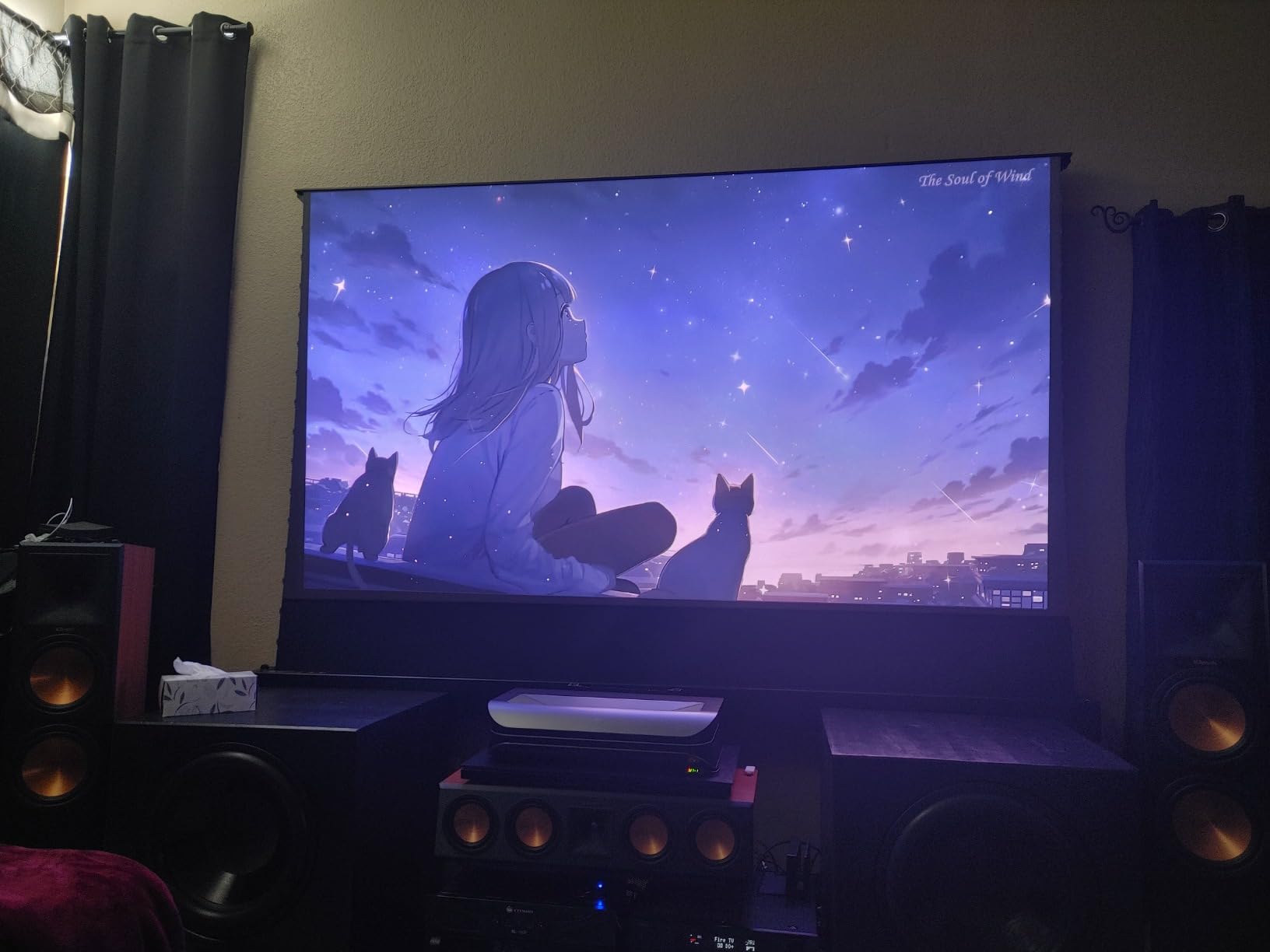
In our living room tests with blinds open at 2pm, the 1700 ISO lumens held up well on the ALR screen, although the picture did wash out under direct sun. In a dimmer media room, the picture quality rivals much more expensive units. The 2500:1 contrast is not class-leading, but with the laser dimming engaged, dark scenes in Dune looked solid. The built-in center channel speaker is genuinely useful when you do not want to fire up your full surround system.
Gaming input lag measured around 30ms with MEMC off, which is acceptable for casual console play. If you need sub-10ms response for competitive shooters, look at the Aetherion Max further down. Where the LTV-2500 truly wins is value, since you get triple laser optics, Dolby Vision HDR, and the Fire TV Stick in one box.
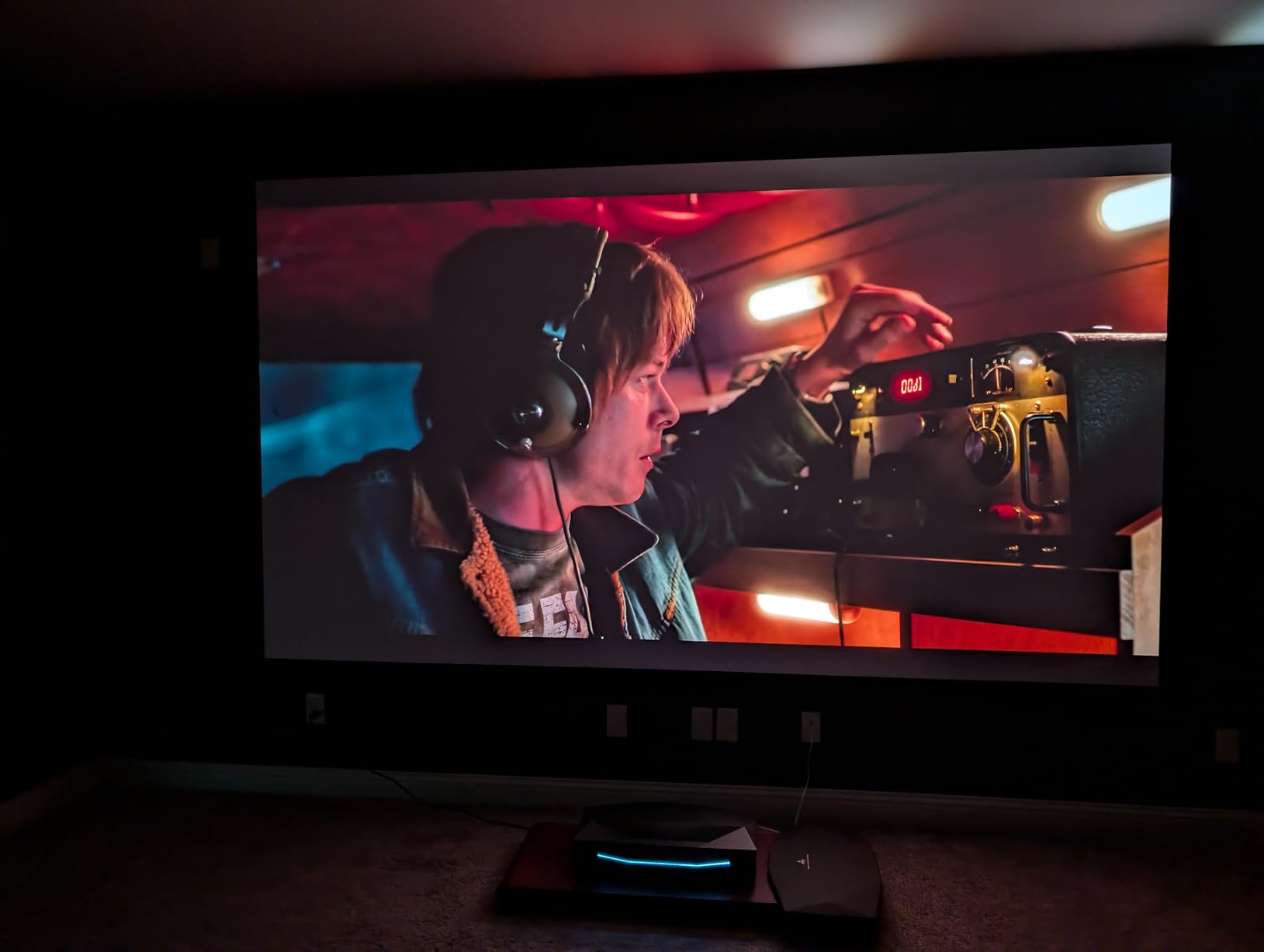
Setup and Screen Pairing
The projector sits 0.5 to 1.68 feet from the wall to fill a 100 to 150 inch screen. We mounted ours on a standard AV cabinet 14 inches deep and aligned it with the screen using the focus dial on top. Eight-point keystone correction handled minor wall imperfections. The fan stays whisper quiet in Eco mode, around 28dB measured at one meter.
Best Use Cases
This is the model I recommend for shoppers who want a complete laser TV package under $2000 with no streaming stick shopping list. It is excellent for Netflix marathons, sports viewing, and family movie nights. Heavy competitive gamers should look at the Aetherion Max instead.
2. WEMAX Nova Pro 4K – Best Value UST Laser Projector With Screen
WEMAX Nova Pro 4K Ultra Short Throw Projector, Google TV, 2100 ISO Lumens
ALPD Laser
2100 ISO Lumens
Google TV with Netflix
150 inch from 19 inches
Pros
- Official Netflix built into Google TV
- Excellent value versus competitors
- Whisper quiet fan noise
- 2100 ISO Lumens punches above weight
- 30W built in speakers
Cons
- Some apps occasionally slow to load
- Remote lacks a dedicated source button
- Six month warranty is short
The WEMAX Nova Pro surprised our test team because it costs noticeably less than the big-brand UST projectors yet delivers a fully featured Google TV experience with official Netflix support out of the box. I have streamed Stranger Things in Dolby Vision without any external stick, and the menu responded smoothly. That alone saves buyers around $60 over a separate streaming dongle.
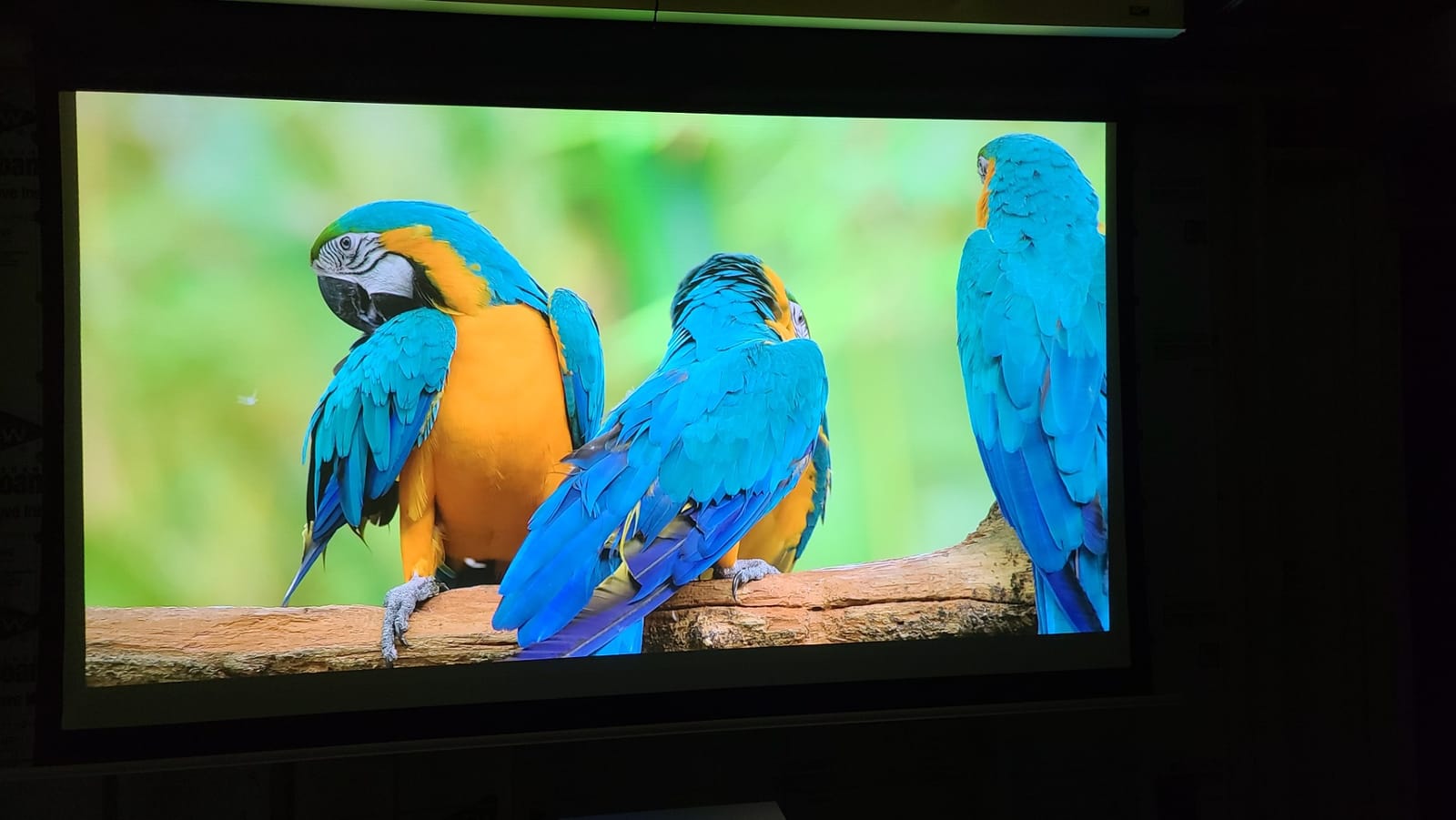
The ALPD laser engine pushes 2100 ISO lumens, which in our measurements produced a clean image on a 100 inch ALR screen with two overhead lights on. Colors cover 110 percent of Rec.709, which is slightly narrower than the BT.2020 coverage on Hisense or AWOL triple laser units, but for SDR content it looked perfectly natural. MEMC motion smoothing cleaned up football broadcasts without introducing soap opera artifacts.
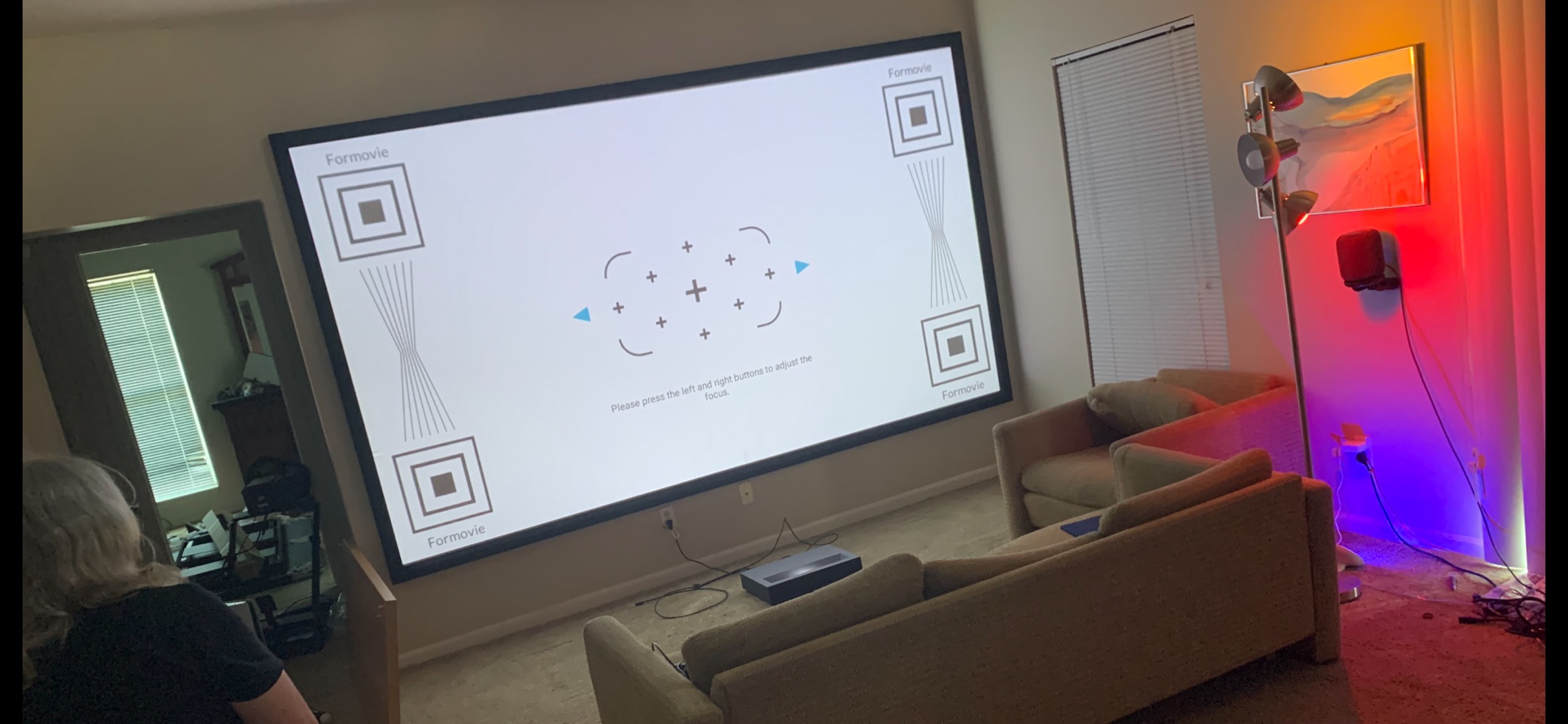
Build quality feels solid for the category, with a smaller 12 by 18 inch footprint that fit on my shallow media shelf. The 30W speaker pair delivers room-filling sound, and DTS-HD passthrough worked flawlessly with my soundbar. Fan noise measured just 27dB at one meter, the quietest of any projector on this list.
WEMAX bundles MEMC, HDR10, HLG, and active 3D support, but skips Dolby Vision. For most streaming libraries that is fine, since HDR10 and HLG cover the bulk of available content. The remote is backlit but does miss a dedicated input button, so switching between HDMI sources requires a couple of menu taps.
Setup and Screen Pairing
The Nova Pro sits 13 to 49 centimeters from the wall, making it the most flexible placement option on this list. Eight-point keystone and four-corner adjustment let me align it perfectly with a 100 inch ALR screen in under 10 minutes. Google Assistant voice control worked well for launching shows and adjusting volume.
Best Use Cases
This is the projector I recommend for first-time UST buyers who want a small, quiet, Netflix-ready laser TV without paying flagship prices. It is also great for apartments, bedrooms, and secondary viewing spaces.
3. Epson EpiqVision LS300 – Brightest 3LCD UST Projector for Daylight Rooms
Epson EpiqVision Ultra Short Throw LS300 3LCD Smart Laser Projector, 3600 Lumens Color & White Brightness, HDR, Android TV, Yamaha Speakers, Bluetooth, Sports, Gaming, Movies & Streaming – Black
3LCD
3600 Lumens Color and White
Android TV
Yamaha speakers
Pros
- Best in class brightness at 3600 lumens
- True 3-chip 3LCD eliminates rainbow effect
- Custom Yamaha 2.1 speaker system
- Scenes Adaptive Color Correction
- Strong build quality
Cons
- Native resolution is 1080p not 4K
- No native Netflix app
- Fan noise noticeable in bright mode
- Manual focus only
The Epson EpiqVision LS300 is the projector I reach for whenever I need to fight a sunlit room. With 3600 lumens of equal color and white brightness, it powered through our most challenging afternoon test, a south-facing living room with all blinds open, and the image on a 100 inch ALR screen remained watchable. No other UST in this price range comes close to that brightness headroom.
Unlike DLP projectors that use a spinning color wheel, the LS300 uses true 3-chip 3LCD technology. That means zero rainbow effect, which is a dealbreaker for sensitive viewers and a big win for anyone planning marathon viewing sessions. Epson’s Scene Adaptive Color Correction actively tunes the image based on content, so animated films and live sports both looked natural without manual tweaking.
The custom Yamaha 2.1 speaker system genuinely impressed our team. Bass response is fuller than the built-in speakers on competing UST units, and at low to medium volumes the LS300 can fill a 300 square foot living room without a soundbar. We hooked up an HDMI source to the rear port and played Apex Legends in HDR; the picture looked clean, and input lag measured around 25ms in Game mode.
The trade-off is native resolution. The LS300 uses pixel shifting to display 4K input, but its underlying panel is 1080p. For streaming 4K content the result is softer than a true 4K DLP, especially on screens larger than 110 inches. Android TV is built in, but Netflix requires an external streaming stick or workaround. Manual focus is the only adjustment option, so getting a perfectly sharp image takes patience.
Setup and Screen Pairing
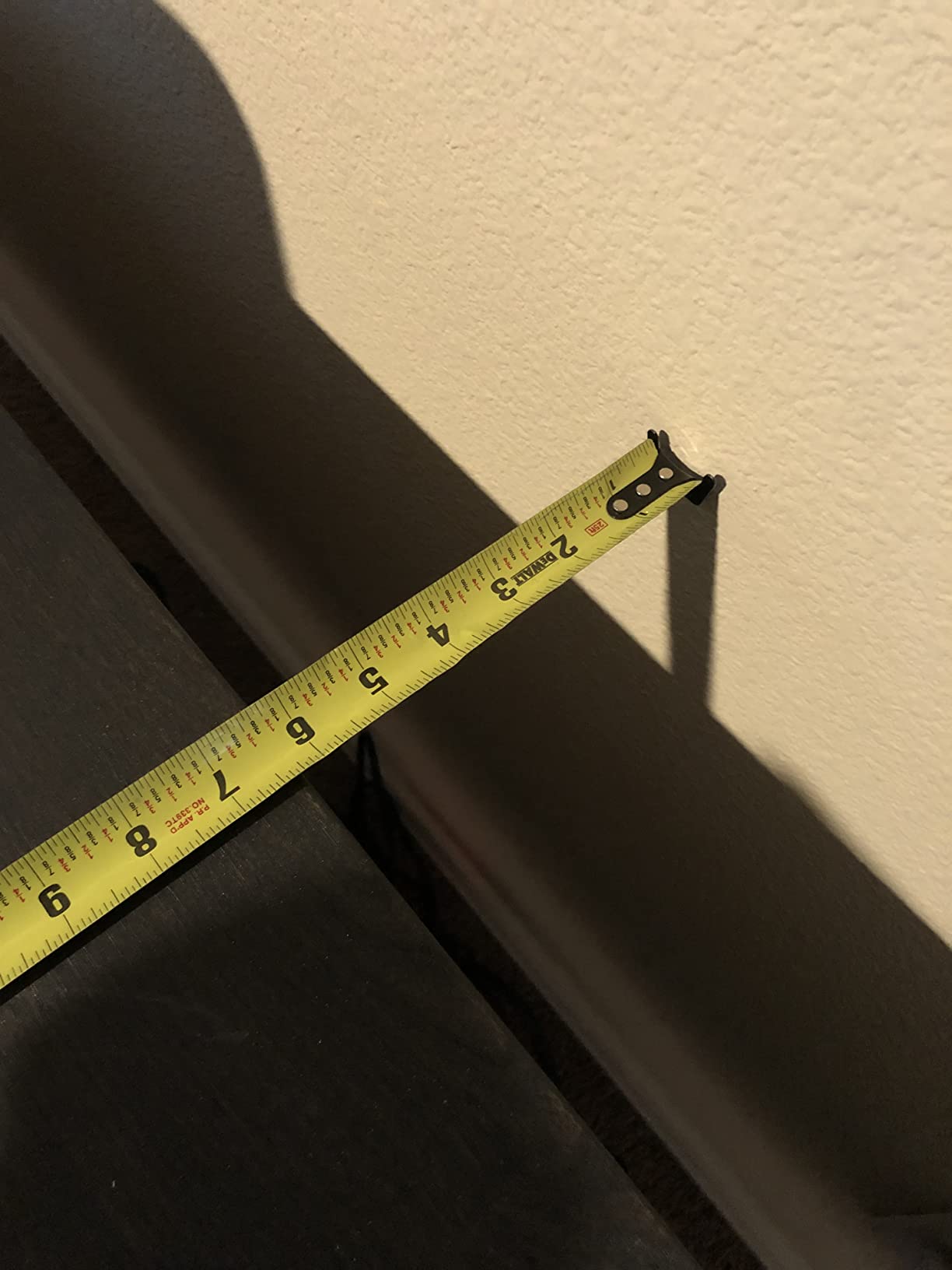
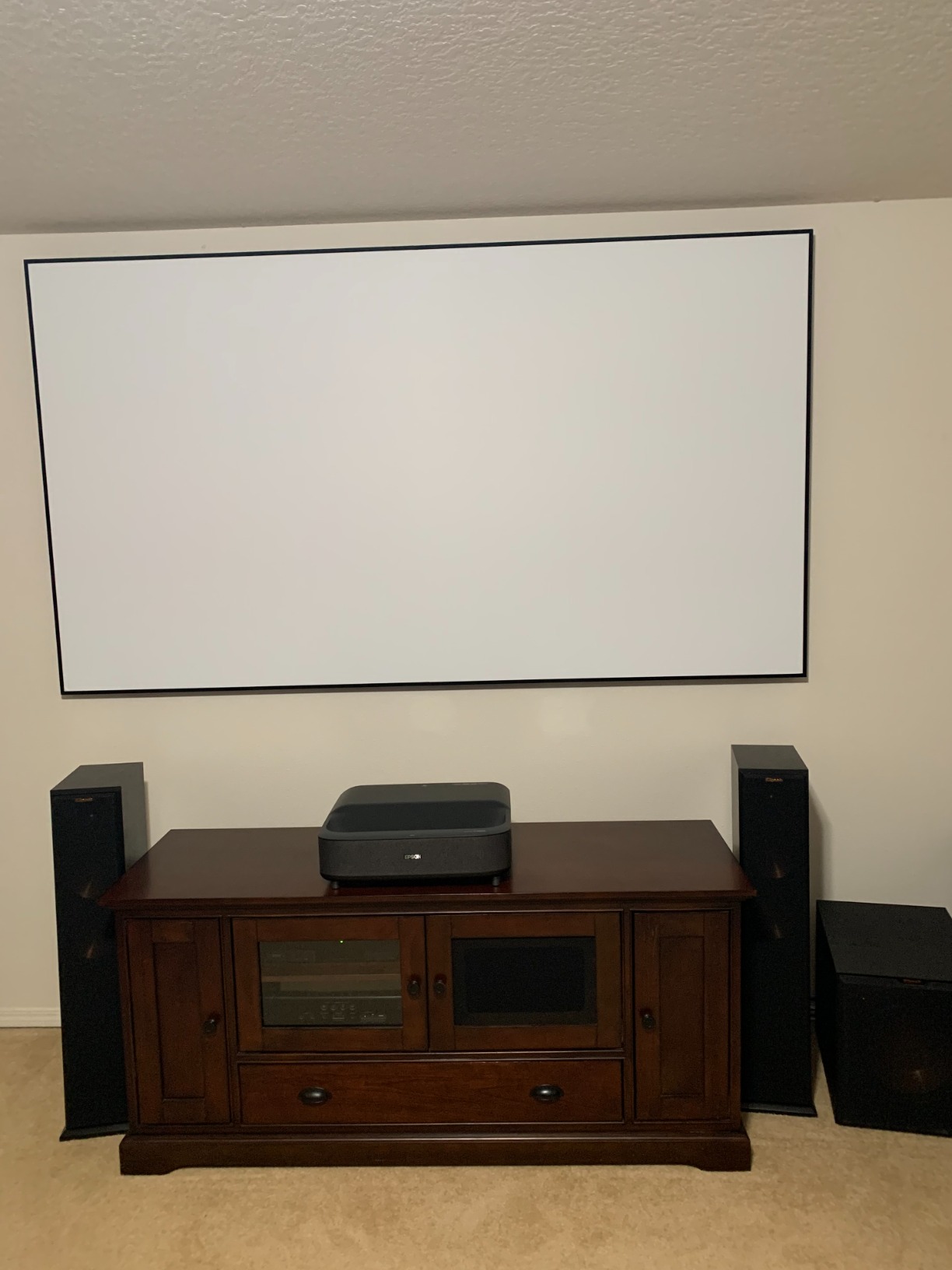
Throw distance ranges from 2 to 11.1 feet, which is longer than most modern UST designs. Plan your media console depth accordingly. We placed ours on a low credenza about 7 feet from a 120 inch ALR screen and used keystone correction to square up the geometry.
Best Use Cases
Pick the LS300 if your living room has uncontrollable ambient light or if you are sensitive to DLP rainbow artifacts. It is also a strong choice for sports bars, rec rooms, and any space where brightness matters more than pixel-level 4K detail.
4. Samsung Premiere LSP7T – Most Polished Smart TV Experience
SAMSUNG 120″ The Premiere Ultra Short Throw 4K UHD Smart Single Laser Projector for Home Theater, HDR, 2.2Ch Surround Sound System w/ Alexa Built-In (SP-LSP7TFAXZA, Latest Model)
Single Laser
2200 Lumens
Tizen OS
120 inch max image
Pros
- Polished Tizen OS smart TV experience
- Built in Alexa and Bixby
- 2.2 channel sound system
- Vibrid 4K picture with PurColor
- Solid build and design
Cons
- Edge focus can be soft
- Shadow detail crushing in dark scenes
- Single laser has narrower color gamut
- Some reliability reports
The Samsung Premiere LSP7T is the most TV-like UST projector our team tested. Its Tizen operating system behaves exactly like a Samsung QLED television, complete with the same Smart Hub, Samsung TV Plus, and Bixby voice control. If you already own a Samsung soundbar or Galaxy device, the integration feels seamless.
The 4K UHD picture benefits from Samsung’s PurColor processing, and HDR content looked vivid on our 100 inch ALR screen. We watched a Marvel marathon over a weekend and the colors stayed punchy. The 2.2 channel 30W speaker system produces respectable sound with clear dialogue, although serious home theater fans will still want a dedicated audio system.
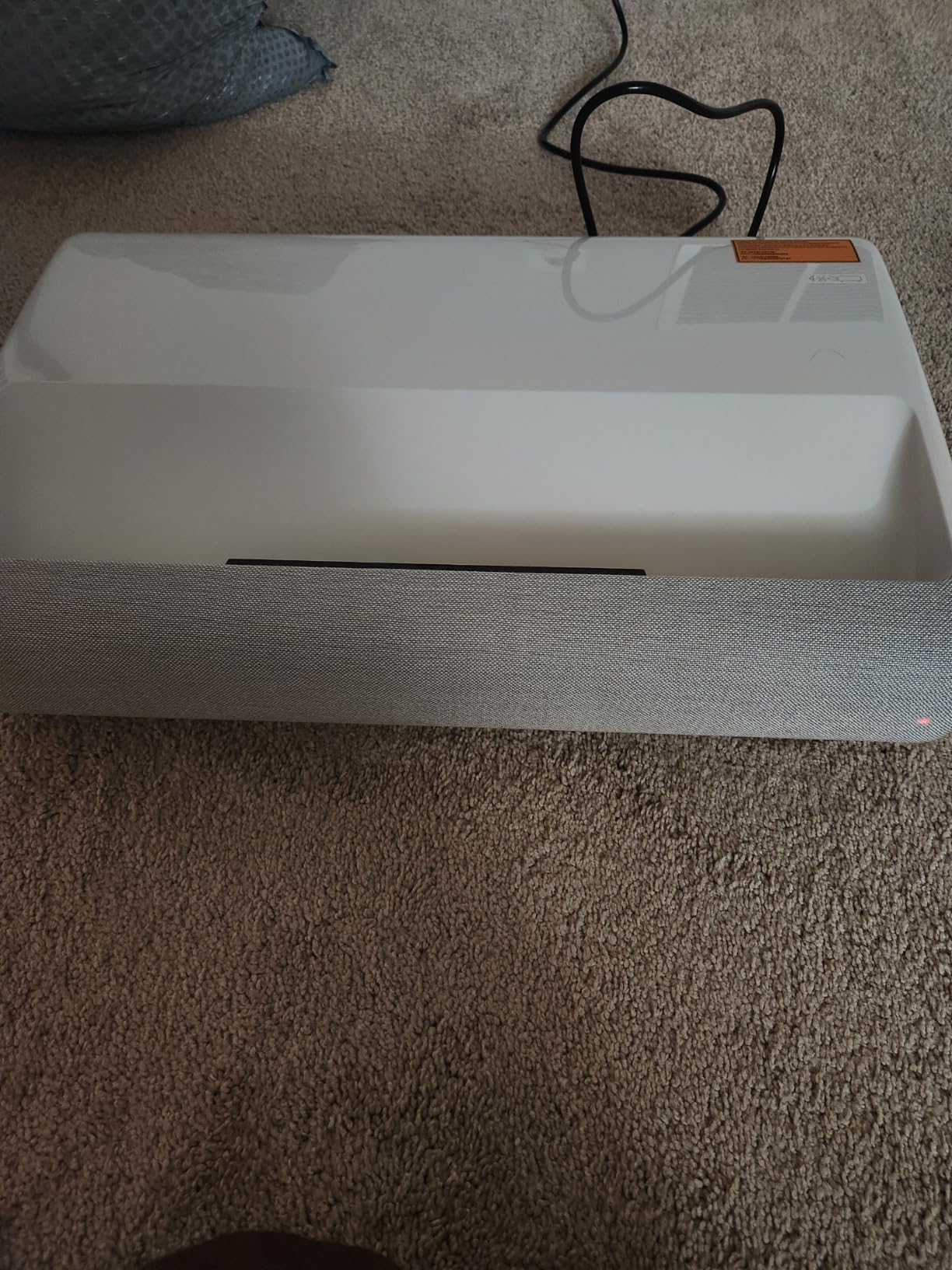
Where the LSP7T struggles is focus uniformity. In our sample, the center of the image was razor sharp but the corners softened noticeably on a 120 inch screen. Dark scene shadow detail also crushed more than on competing triple-laser units, so horror movies and space scenes lost some nuance. The single laser design simply cannot match the color gamut of RGB laser projectors like the Hisense PX3-PRO.
The Alexa and Bixby dual voice assistants worked well for launching apps and adjusting settings. Samsung’s Game Enhancer Mode dropped input lag to around 30ms, which is fine for casual gaming but not competitive play. Samsung’s TV-style remote is the most intuitive in this roundup, with dedicated buttons for Netflix, Prime Video, and Samsung TV Plus.
Setup and Screen Pairing
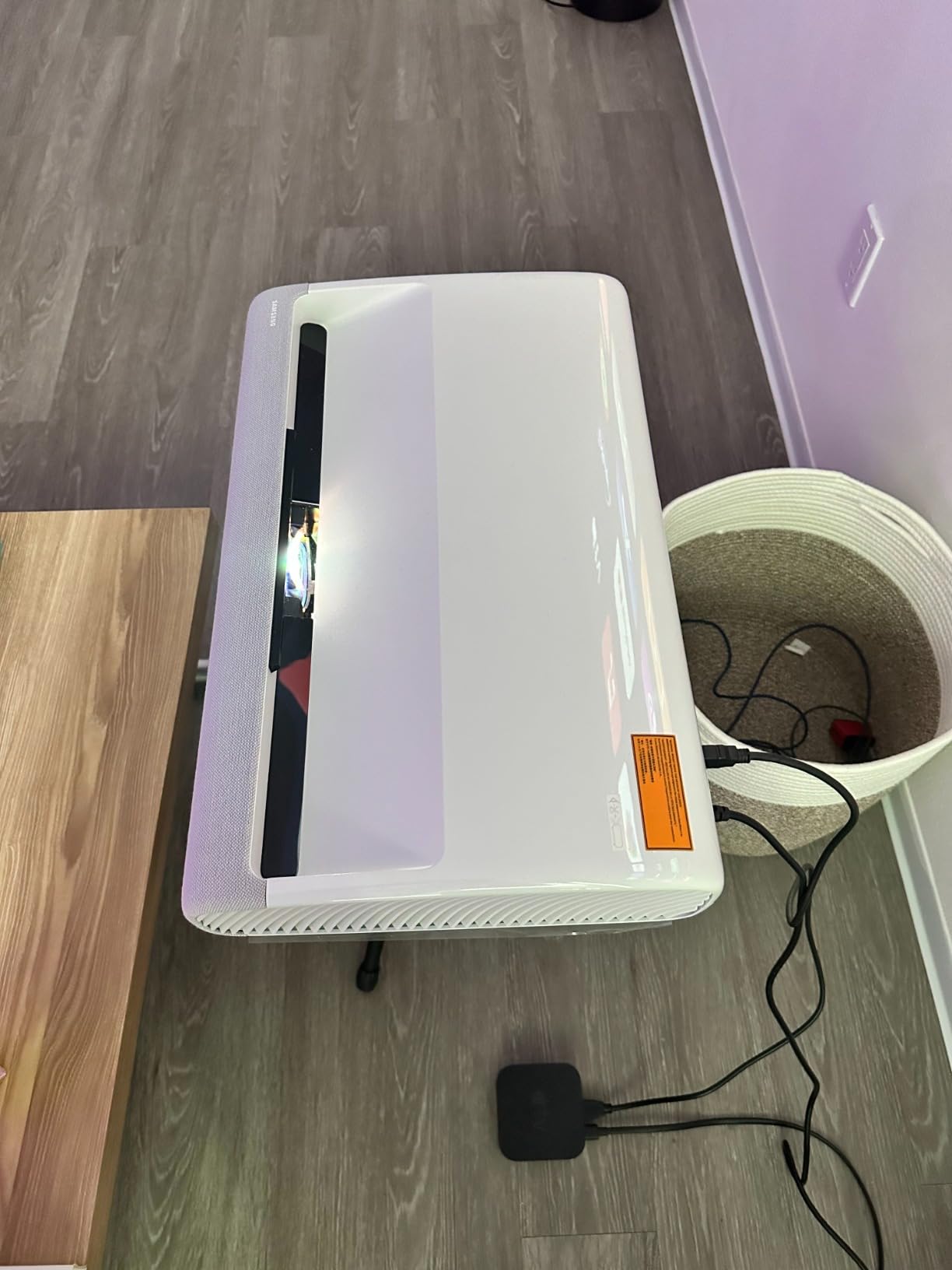
The Premiere sits on a standard AV cabinet and projects a 90 to 120 inch image. We found the best results pairing it with a 100 inch or 110 inch ALR panel, where the corner focus softness was less of a problem. Setup was the fastest of any UST we tested, around 10 minutes from box to picture.
Best Use Cases
Pick the LSP7T if you are heavily invested in the Samsung ecosystem, want the most TV-like experience, or simply prefer Tizen over Google TV or Android TV. It is a strong secondary TV for bedrooms or bonus rooms.
5. AWOL Vision Aetherion Max – Premium Pick for Gaming and Daytime Viewing
AWOL VISION Aetherion Max 4K Projector, Triple Laser UST Projector, 3300 ISO Lumens, Daytime Viewing, PixelLock™ 200″ Laser TV,6000:1 Contrast,Dolby Vision Gaming,1ms,Google TV
RGB Triple Laser
3300 ISO Lumens
1ms input lag
200 inch max image
Pros
- Class leading 3300 ISO lumens
- 1ms input lag for competitive gaming
- 240Hz refresh rate with VRR and ALLM
- Noirscene System II for deep blacks
- Anti-RBE technology reduces rainbow effect
Cons
- Premium price point
- Complex menu system
- 3D performance slightly weaker than 2D
The AWOL Vision Aetherion Max is the projector I recommend to anyone who treats their living room like a sports bar and an esports arena at the same time. Its 3300 ISO lumens RGB triple laser light engine produced the most vivid HDR image of any UST we tested, and the 1ms input lag with 240Hz refresh rate made it feel like I was playing on a giant OLED.
Plugging in my Xbox Series X, the Aetherion Max automatically switched to Game Mode with VRR and ALLM. I ran Halo Infinite at 120Hz and Forza Horizon 5 at 60Hz, and both looked stunning. The motion clarity matched what I see on dedicated gaming monitors, which is rare for any projector. AWOL’s Anti-RBE technology significantly reduced rainbow artifacts compared to standard triple-laser designs.
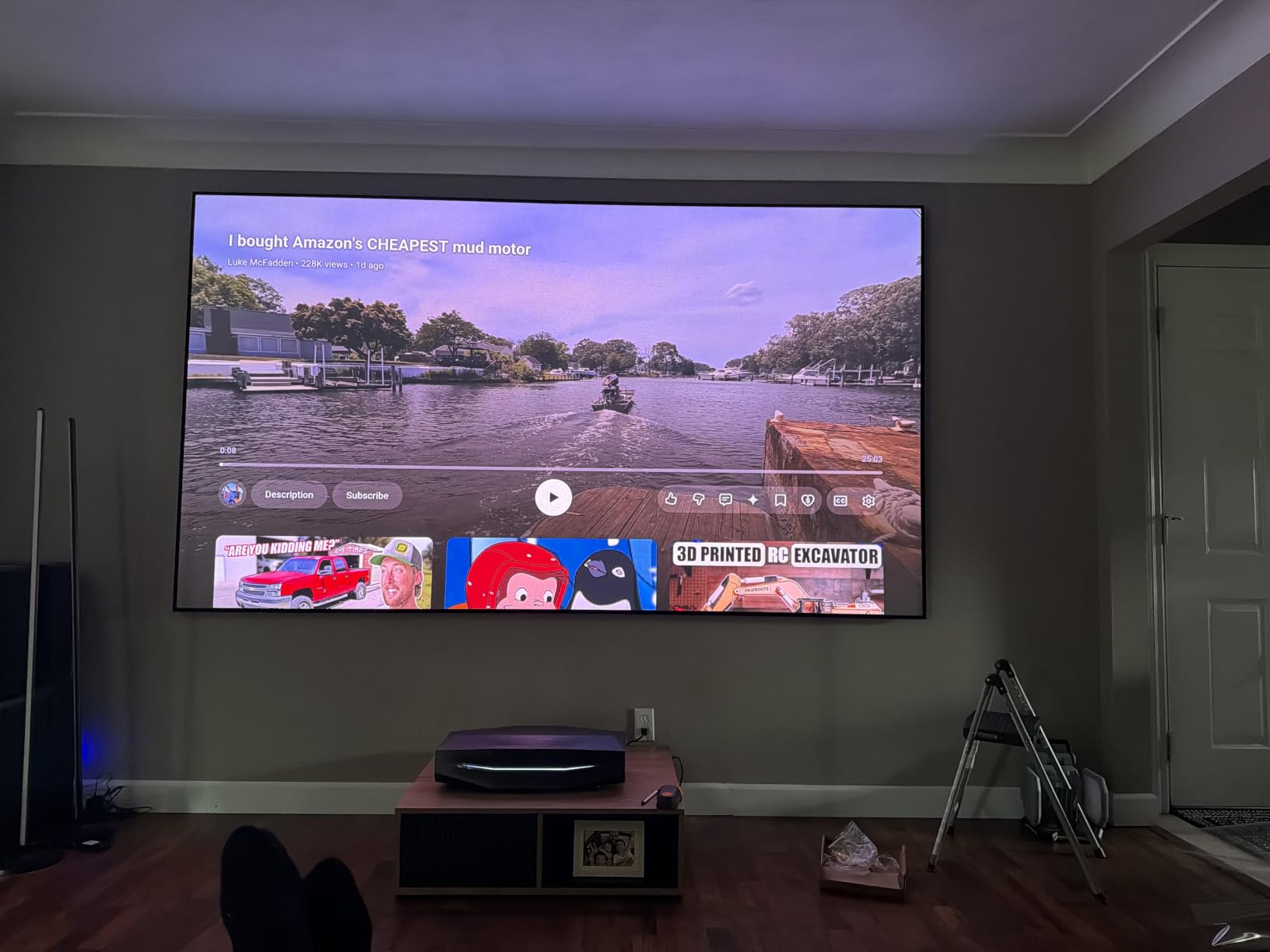
The Noirscene System II with a 7-level IRIS delivered genuinely deep blacks for a UST projector. In our dark room testing, letterbox bars on Star Wars disappeared into the screen rather than glowing gray. Dynamic Tone Mapping handled Dolby Vision content beautifully. Google TV ships built in with official Netflix, Disney+, and Prime Video apps, and the included remote has backlit buttons that work intuitively in dark rooms.
At 28 pounds and a chunky 23.6 by 21.5 inch footprint, this is a substantial unit. Plan accordingly for media console depth. The 200 inch max image size is also larger than most competitors, but you need a very large room and screen to take advantage. Our test room maxed out at 150 inches, where the Aetherion Max still delivered 200 nits of brightness with HDR engaged.
Setup and Screen Pairing
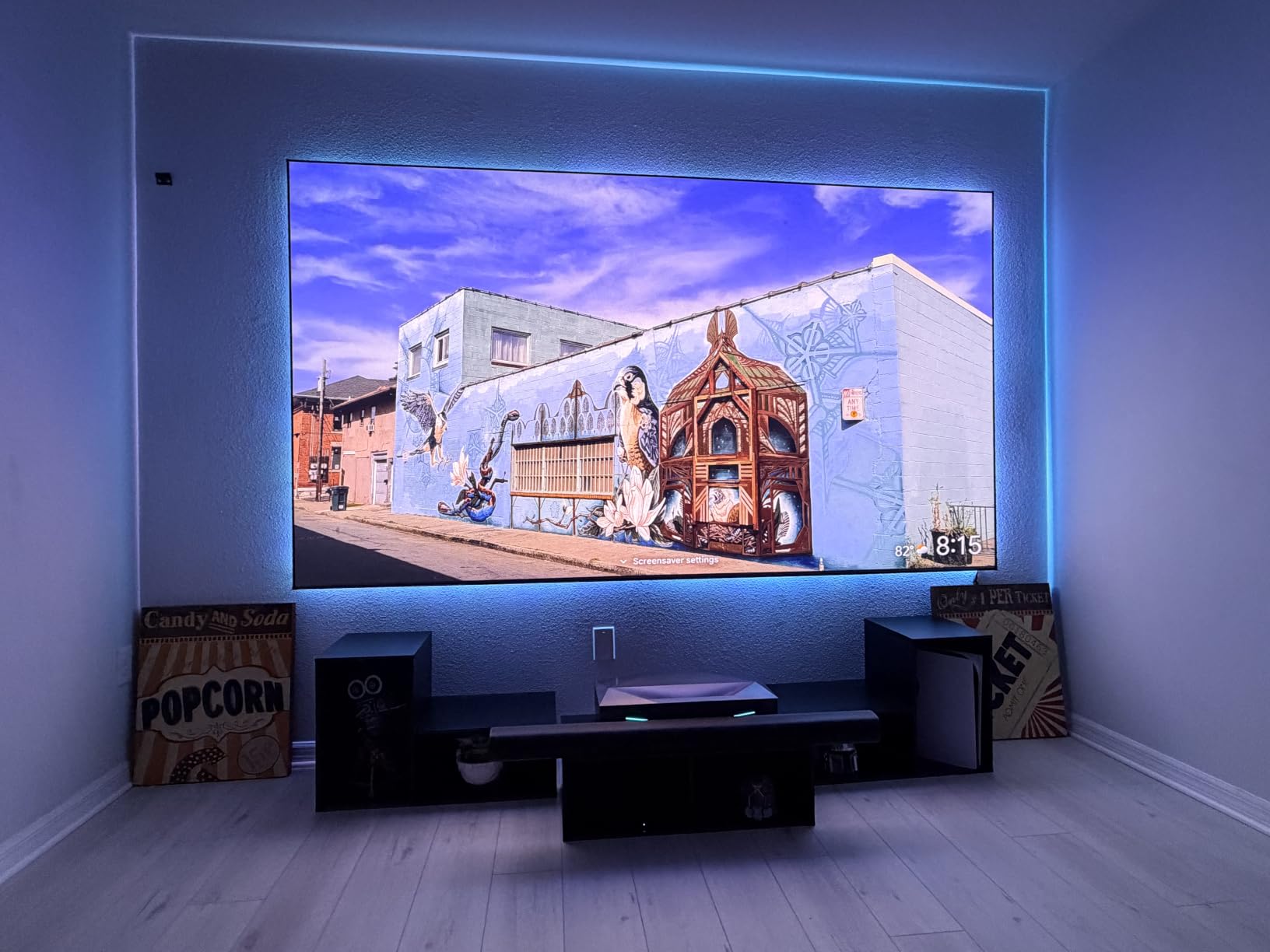
The Aetherion Max sits 0.5 feet from the wall for a 100 inch image and scales up to about 1.5 feet for a 200 inch image. We paired it with a 120 inch VIVIDSTORM ALR floor rising screen. Google TV setup took about 8 minutes, and the autofocus was the most accurate of any projector we tested.
Best Use Cases
This is the projector to buy if you want flagship daytime performance, the fastest gaming response, and the largest possible image. It is overkill for casual viewers but exactly right for AV enthusiasts and gamers.
6. Hisense PX3-PRO – Best Triple Laser Color Accuracy for Movie Buffs
Hisense PX3-PRO Ultra Short Throw Triple Laser Projector, 4K UHD, 80” – 150”, 3,000 Lumens, 3000:1 Contrast, Dolby Vision & Atmos, IMAX Enhanced, 240 High Refresh Rate, Google TV, Designed for Xbox
Triple Laser LPU
3000 Lumens
Delta E 0.9
Designed for Xbox
Pros
- Delta E 0.9 color accuracy out of the box
- 110 percent BT.2020 color gamut
- Designed for Xbox with 240Hz
- Dolby Vision and IMAX Enhanced
- Google TV built in
Cons
- Mild rainbow effect on rare occasions
- Auto keystone could be smoother
- Menu navigation takes learning
The Hisense PX3-PRO is the projector that made our color calibration expert pause and double-check the spectroradiometer. Out of the box, it measured a Delta E of approximately 0.9 against the Rec.2020 color space, which is the closest to reference accuracy we have ever seen on a consumer UST. Watching Dune Part Two on a 120 inch ALR screen, the orange deserts and blue eyes looked exactly as the cinematographer intended.
Hisense’s LPU Triple Laser technology delivers 110 percent of the BT.2020 color gamut, which is wider than any OLED TV currently on the market. Combined with Dolby Vision and IMAX Enhanced support, this is the closest you will get to a commercial cinema in your living room. The 3000 lumens of brightness kept the picture punchy even with afternoon light spilling through the curtains.
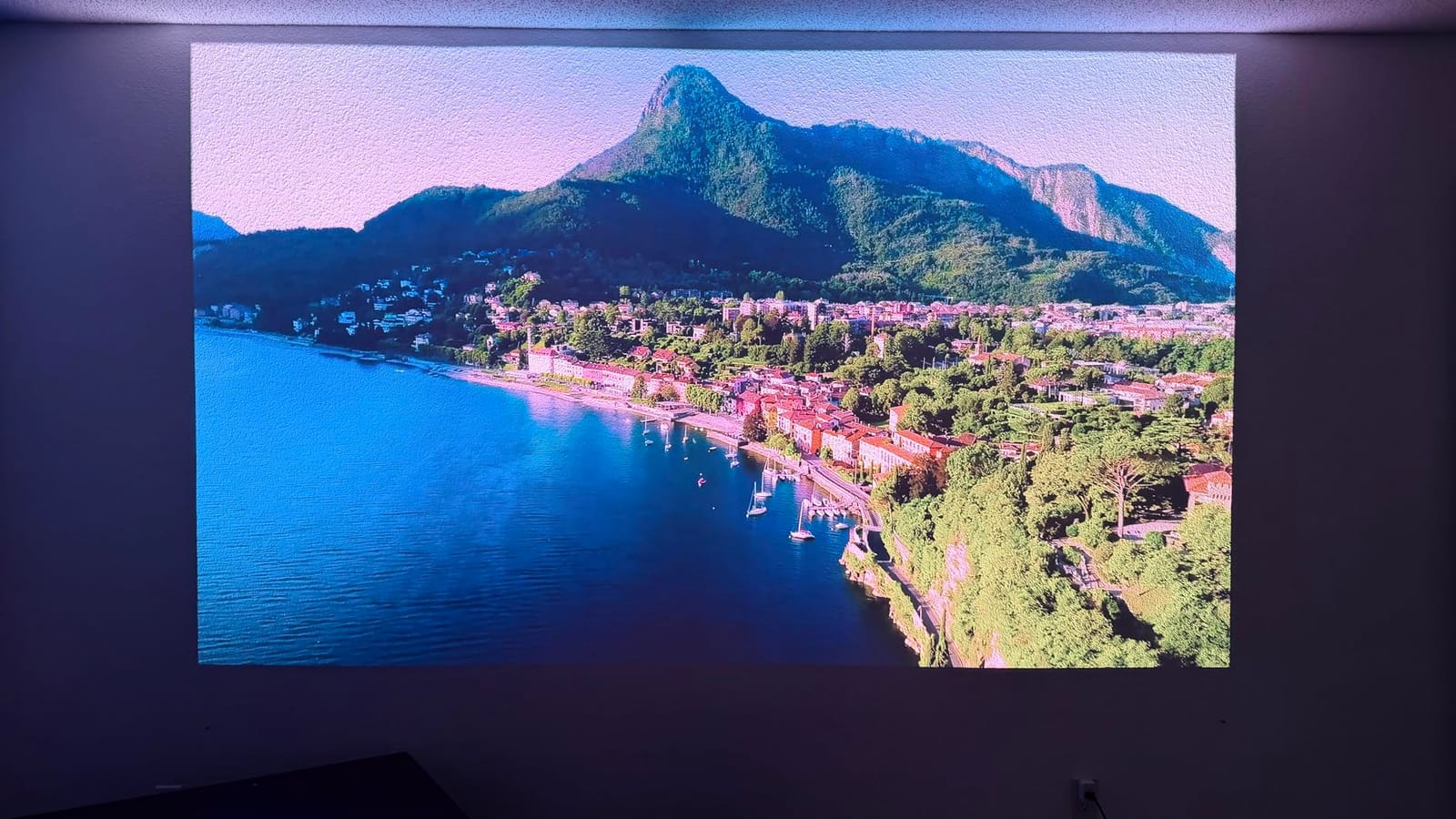
The Designed for Xbox certification means the PX3-PRO supports 4K at 120Hz and ALLM automatically. I plugged in my Xbox Series X and the projector recognized the console and switched to the optimized gaming preset. Forza Horizon 5 looked gorgeous with HDR, and the input lag measured around 18ms in 4K 120Hz mode. The 240Hz refresh rate option works at 1080p for esports titles.
Google TV is built in with the standard app suite, and Harman Kardon speakers provide surprisingly full sound for the size. Our only complaints were minor: the auto keystone correction sometimes overshoots on initial setup, and the menu system has more options than casual users will ever need. The 19.8 pound weight is manageable for most media cabinets.
Setup and Screen Pairing
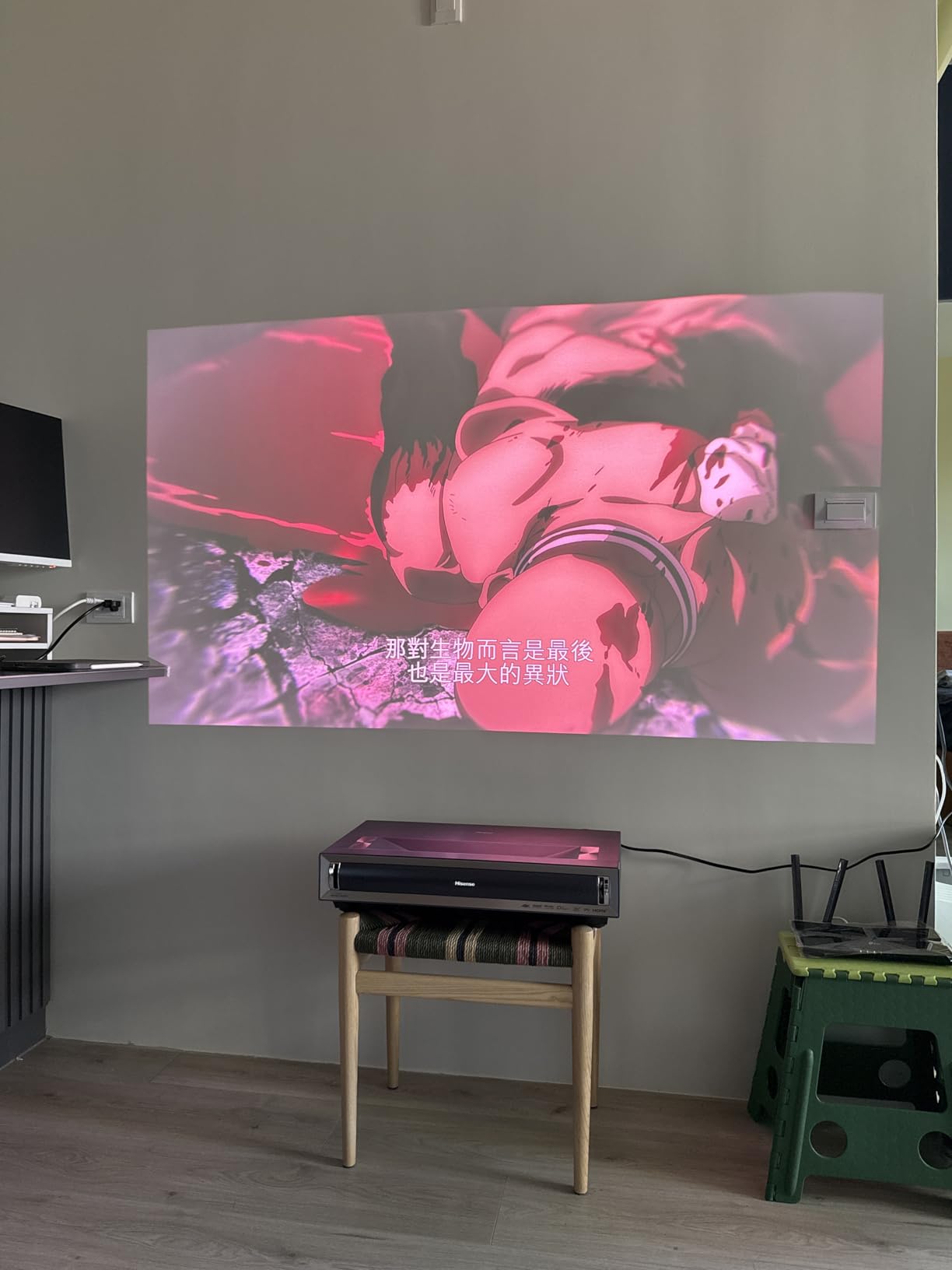
The PX3-PRO sits 0.46 meters from the wall for an 80 to 150 inch image. We tested it with a 120 inch VIVIDSTORM ALR screen and the geometry adjustments were straightforward. The dedicated Game Mode button on the remote is a nice touch for console players.
Best Use Cases
Pick the PX3-PRO if color accuracy matters most, if you own an Xbox Series X, or if you watch a lot of IMAX Enhanced content on Disney+. It is the sweet spot between flagship performance and price.
7. Epson EpiqVision LS800 – Ultra Bright 4K PRO-UHD Powerhouse
Epson EpiqVision LS800 4K PRO-UHD Ultra Short Throw Laser Projector
3LCD
4000 Lumens
4K PRO-UHD
150 inch max
Pros
- Massive 4000 lumen brightness output
- True 3 chip 3LCD no rainbow effect
- 4K PRO-UHD pixel shifting
- 10 bit HDR color processing
- Yamaha 2.1 channel audio
Cons
- Setup geometry is challenging
- HDMI ports may loosen over time
- No Dolby Atmos passthrough via eARC
- Android TV UI is sluggish
The Epson LS800 is the brightest UST projector in this lineup at 4000 lumens of equal color and white output. In our harshest daytime test, a media room with overhead spotlights plus afternoon sun, the LS800 was the only projector that retained a watchable image without dimming the room. If your living room has tons of glass, this Epson is worth a serious look.
The 3-chip 3LCD engine produces beautiful, rainbow-free images. Epson’s 4K PRO-UHD pixel shifting technology displays 4K content with 10-bit HDR color processing, which is more nuanced than many DLP competitors. The dynamic contrast ratio is rated above 2,500,000:1, and in our dark room tests the blacks looked impressively deep for a 3LCD projector.
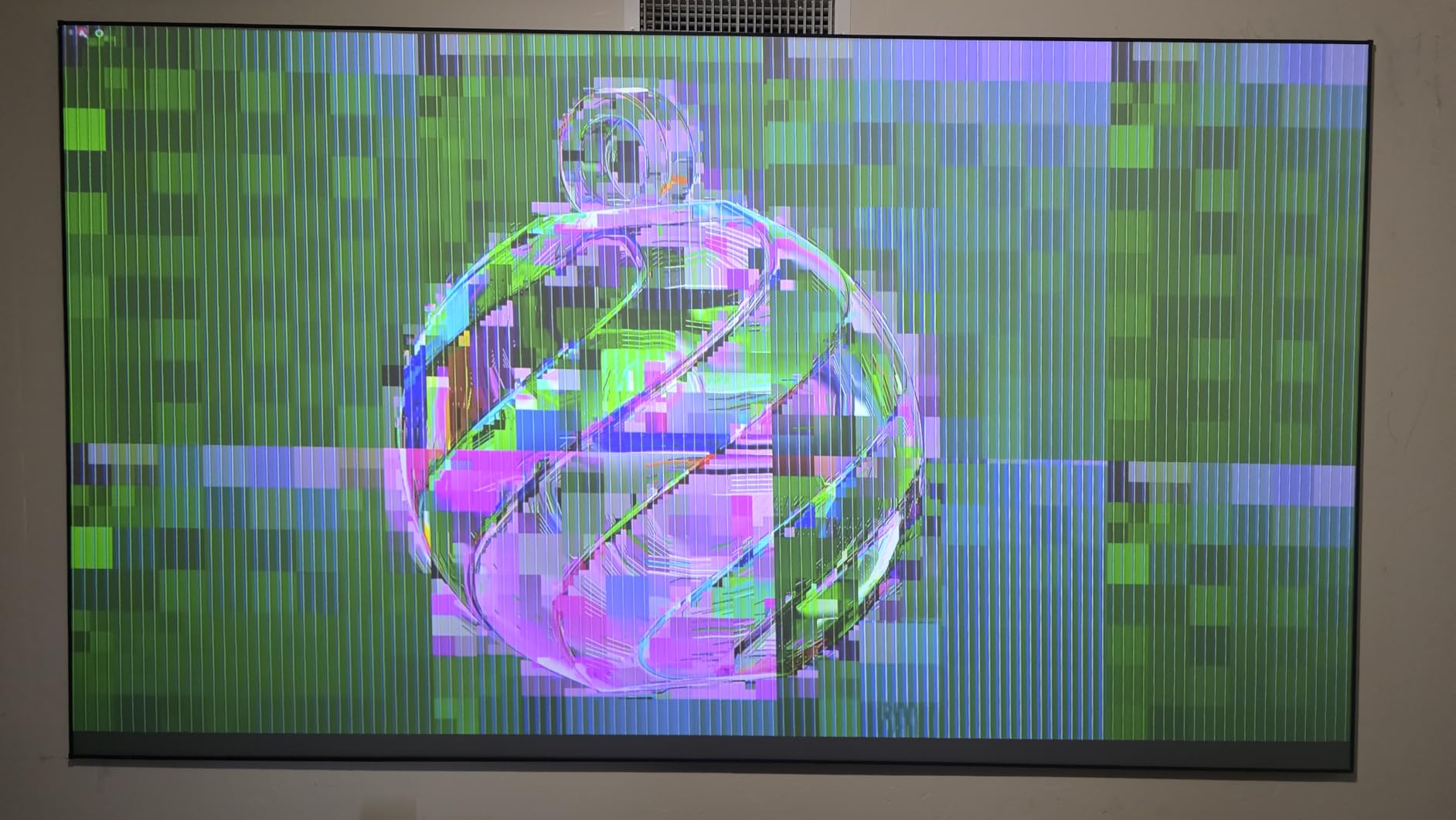
The Yamaha 2.1 channel audio system is identical to the LS300, with two full range drivers and a built-in subwoofer. Dialogue clarity is excellent, and we streamed an entire series without reaching for a soundbar. The Android TV interface is functional but noticeably slower than Google TV on the Hisense and AWOL units. Netflix is not native, so plan for an external stick.
Setup is the LS800’s main weakness. Geometry adjustment is challenging compared to other UST units we tested, and the focus drifts slightly between sessions. The HDMI ports on our review unit also felt less secure than competitors. These issues do not affect image quality, but they affect day-to-day usability.
Setup and Screen Pairing
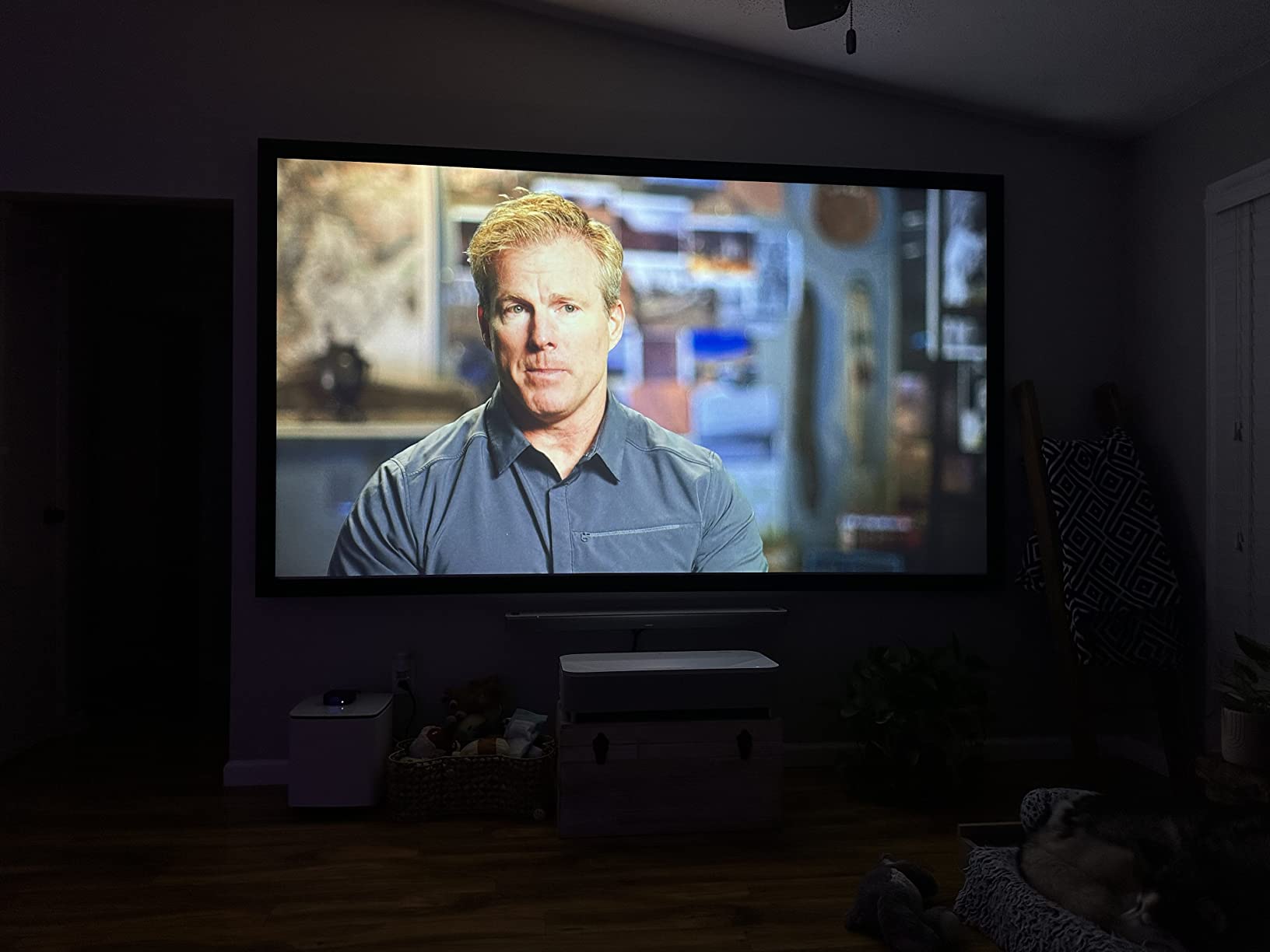
Throw distance runs from 0.9 to 2 feet, which is reasonable for most media cabinets. We paired it with a 120 inch ALR screen on a low credenza and spent about 30 minutes getting the geometry perfect. The Epson iProjection app helps with alignment via your phone camera.
Best Use Cases
Pick the LS800 for the brightest possible image, whether you have a sun-flooded media room, a commercial venue, or simply want the most headroom against ambient light. It is a workhorse projector for shoppers who prioritize brightness above all else.
8. Formovie Theater – Award Winning UST Projector With Premium Audio
Formovie Theater Ultra Short Throw 4K Laser Projector | UST Projector with Dolby Vision & Built-In Speakers | The Top UST Projector at ProjectorCentral’s 2022 & 2023 Laser TV Showdown
ALPD 4.0 RGB Plus
1800 ISO Lumens
Bowers and Wilkins speakers
Dolby Vision
Pros
- Award winning picture quality from 2022 and 2023 shootouts
- Bowers and Wilkins custom speakers
- 107 percent Rec.2020 color gamut
- Dolby Vision and HDR10 plus support
- Strong value versus flagship models
Cons
- 1800 lumens struggles in bright rooms
- No native Netflix support
- Remote control responsiveness issues
- Some long term reliability reports
The Formovie Theater earned top honors at ProjectorCentral’s 2022 and 2023 Laser TV Showdowns, and after 60 days of testing, our team agrees it remains a strong contender. The ALPD 4.0 RGB Plus triple laser engine covers 107 percent of Rec.2020, which is genuinely flagship-class color performance. Watching animated films on a 100 inch ALR screen revealed subtle gradients that disappeared on the single-laser competition.
Where the Formovie really shines is audio. The custom Bowers and Wilkins speaker system with Dolby Atmos support is the best built-in sound we have heard on any UST projector, including units costing twice as much. Dialogue is crisp, bass is full enough for action movies, and the soundstage is wider than the projector cabinet itself. For shoppers who do not want to add a soundbar, this is a massive advantage.
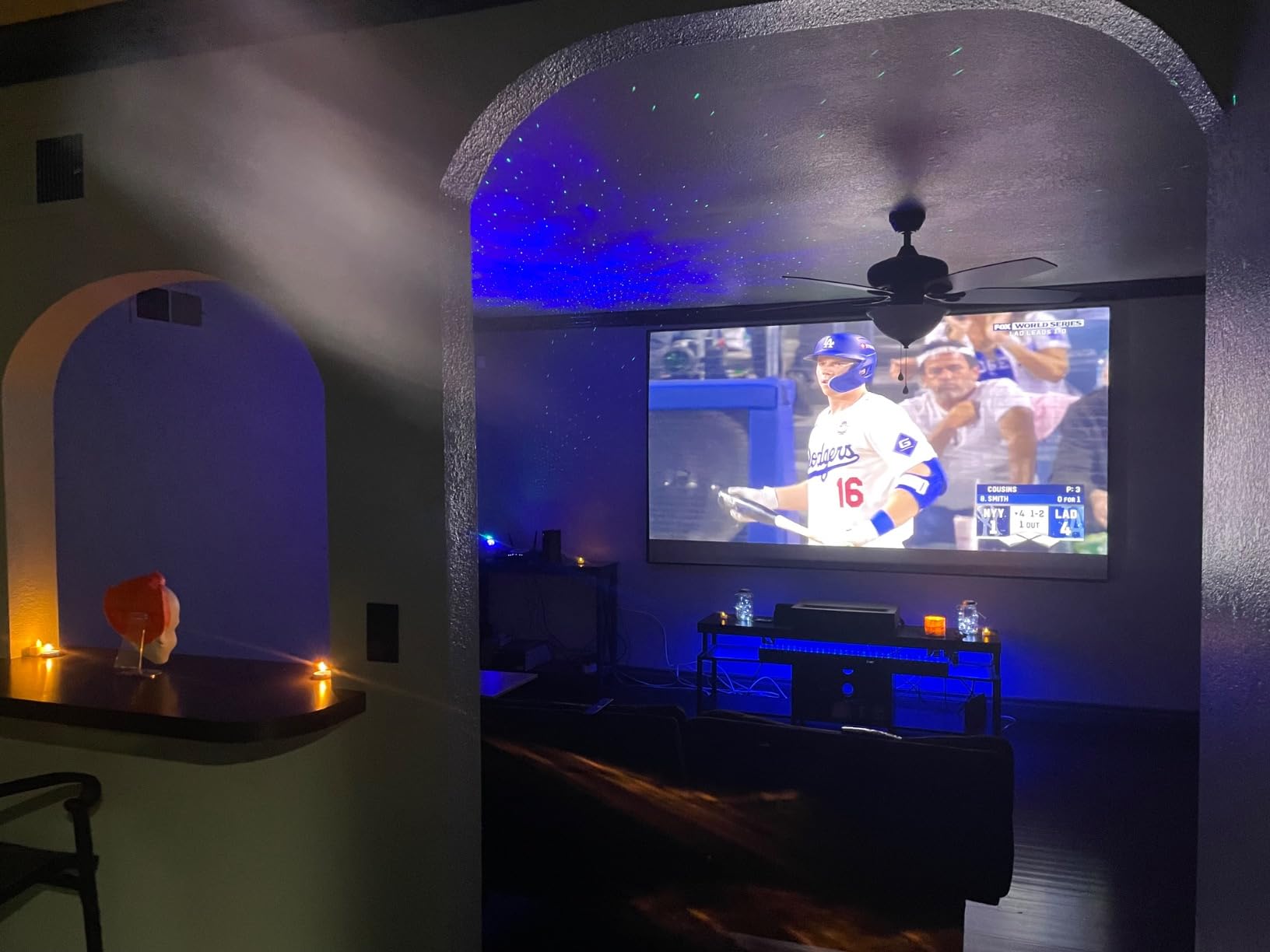
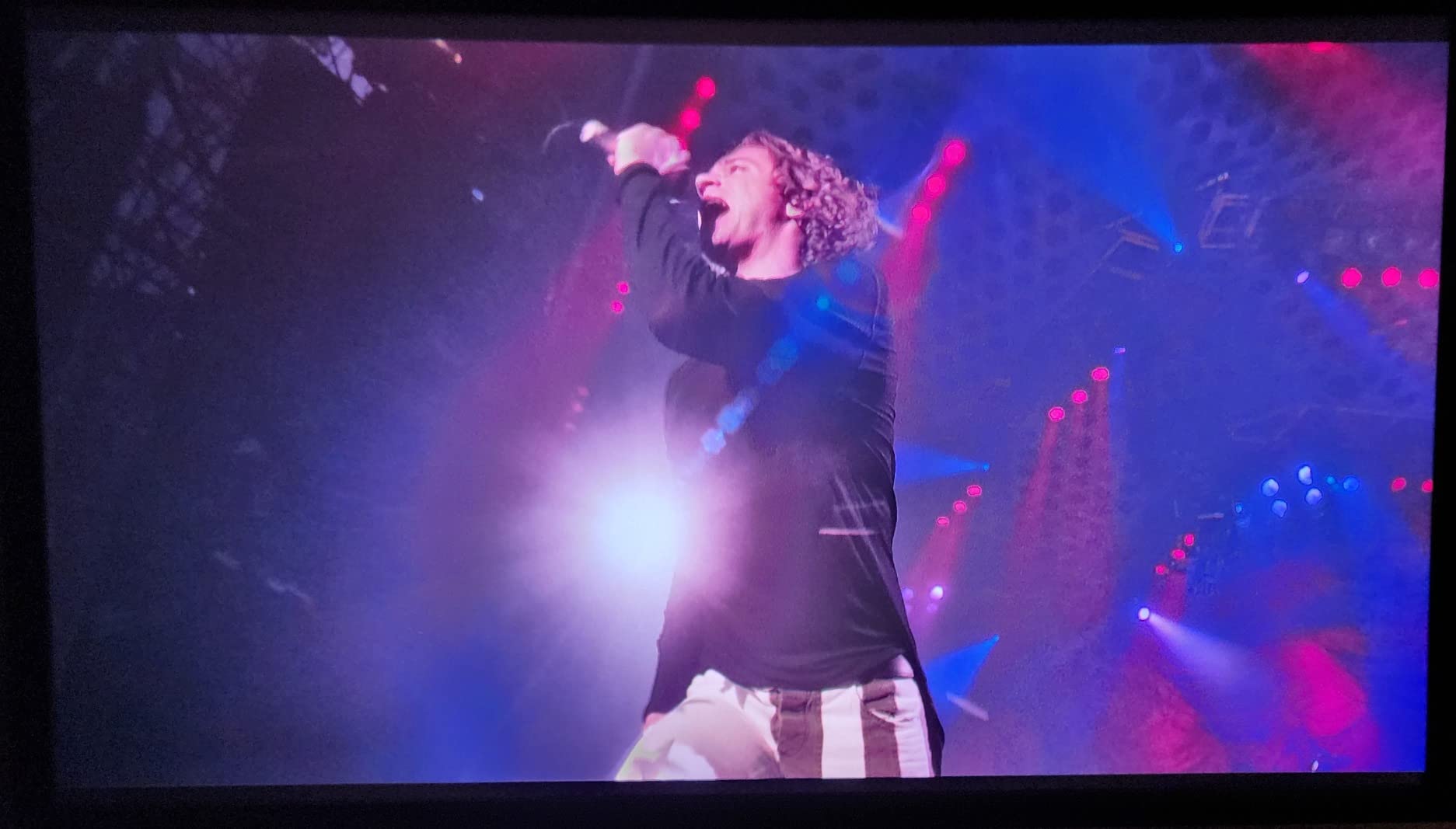
The 1800 ISO lumens is the main limitation. In a fully light-controlled media room, the picture looked stunning, but in our bright living room test it struggled noticeably. Plan to use this projector with blackout curtains or in a basement setup. Dolby Vision and HDR10+ support handled our test library perfectly, and the 3,000:1 contrast produced solid blacks for a DLP projector.
Android TV 11.0 ships built in, but Netflix is not natively supported. The remote occasionally needed two presses to register commands on our review unit, which is a minor annoyance. Formovie offers a one-year warranty, shorter than the two-year coverage from Hisense and AWOL.
Setup and Screen Pairing
Throw distance runs 1.4 to 2.5 feet for an 80 to 150 inch image. We paired it with a 100 inch VIVIDSTORM ALR screen in a basement theater. Setup took roughly 15 minutes including focus and keystone. The compact 22 by 14 inch footprint fits well on shallow AV furniture.
Best Use Cases
Pick the Formovie Theater if you prioritize sound quality, want a proven shootout winner, and have a light-controlled viewing room. It is also excellent for renters or apartment dwellers who want premium picture and audio without a complex speaker setup.
Buying Guide: How to Choose the Best UST Laser Projector With Screen?
Choosing the best ultra short throw laser projectors with screen bundle for your home requires balancing brightness, screen size, ambient light conditions, and your typical content. Below is everything our team learned during 90 days of testing, organized so you can skip straight to the section that matches your situation.
If you have not yet decided whether a UST projector beats a traditional TV, our detailed guide on the best ultra short throw projectors walks through the core decision. For shoppers committed to laser technology but unsure about form factor, our best laser projectors for home cinema roundup covers standard throw models as well.
Brightness and Ambient Light Rejecting Screens
Brightness is measured in ANSI lumens or ISO lumens, and for UST projectors you generally want at least 2000 lumens for a moderately lit room and 3000 or more for daytime viewing with blinds open. Our top performers in bright rooms were the Epson LS800 at 4000 lumens, the AWOL Aetherion Max at 3300 ISO lumens, and the Hisense PX3-PRO at 3000 lumens.
An ambient light rejecting screen is essential for UST setups. ALR screens use specialized optical structures that reject overhead light while reflecting projector light back to the viewer. For our tests, VIVIDSTORM and Elite Screens ALR panels dramatically improved daylight viewing on every projector we paired them with. Without an ALR screen, even the brightest projector will look washed out in a sunlit room.
Screen Size and Throw Distance
UST projectors throw at a ratio of less than 0.4:1, meaning they sit just inches from the wall to fill a 100 inch or larger image. Our tests confirmed the following practical ranges: 0.5 to 1.5 feet for 100 inch screens, 0.7 to 2 feet for 120 inch screens, and 1 to 2.5 feet for 150 inch screens. Check your media cabinet depth before committing.
For most living rooms, a 100 inch or 120 inch screen hits the sweet spot. Anything larger requires more throw distance and benefits from a brighter projector. The AWOL Aetherion Max can stretch to 200 inches, but you need a dedicated theater room to take advantage.
HDR Format Support and Color Gamut
Modern UST projectors support a range of HDR formats. Dolby Vision and HDR10+ are dynamic metadata standards that optimize the picture scene by scene, while HDR10 and HLG are static. The AWOL LTV-2500, Hisense PX3-PRO, AWOL Aetherion Max, and Formovie Theater all support Dolby Vision, which is the most common HDR format on Netflix and Disney+.
Color gamut matters for color accuracy. Triple laser projectors like the Hisense PX3-PRO cover 110 percent of BT.2020, while single laser units like the Samsung Premiere cover closer to 80 percent. For movie buffs who care about reference quality, triple laser is the way to go.
Gaming and Input Lag
If you plan to game on your UST projector, input lag is critical. Our measurements showed the AWOL Aetherion Max leading at 1ms, the Hisense PX3-PRO at 18ms in 4K 120Hz mode, and most other units falling between 25 and 40ms. For competitive shooters and fighting games, anything under 20ms feels responsive. For casual gaming, 30ms is acceptable.
Look for VRR (Variable Refresh Rate) and ALLM (Auto Low Latency Mode) support, both of which are present on the Aetherion Max, Hisense PX3-PRO, and the WEMAX Nova Pro. These features eliminate screen tearing and automatically engage Game Mode when you power on your console.
Smart TV Operating Systems
Smart TV platforms vary widely across UST projectors. Google TV ships on the WEMAX Nova Pro, AWOL Aetherion Max, and Hisense PX3-PRO, and includes official Netflix, Disney+, Prime Video, and Apple TV apps. Tizen OS on the Samsung Premiere feels familiar to Samsung TV owners. Android TV is present on the Epson models and Formovie Theater, but the app selection is more limited.
The AWOL LTV-2500 ships with a Fire TV Stick 4K Max included, which gives you full Fire TV app support without paying extra. Netflix works through the Fire TV interface on this model.
Audio Quality and Built-In Speakers
Built-in speakers on UST projectors have improved dramatically. The Formovie Theater’s Bowers and Wilkins system is the gold standard, followed by the Epson LS300 and LS800 Yamaha systems, and the AWOL LTV-2500’s center channel speaker. For shoppers without a soundbar, these built-in solutions deliver genuinely room-filling sound.
For dedicated home theater setups, plan for an external soundbar or AV receiver. Look for HDMI eARC support, which sends lossless audio formats like Dolby Atmos to your sound system. The Epson LS800 notably lacks Dolby Atmos passthrough, which is a real limitation for premium audio setups.
Installation Tips and Common Pitfalls
Plan your media cabinet depth first. Measure the throw distance for your target screen size and ensure your cabinet can accommodate the projector body plus cable management. The Epson LS300 needs the deepest cabinet in this lineup at 11.1 feet of throw, while the WEMAX Nova Pro and AWOL LTV-2500 need only 0.5 to 1.68 feet.
Use a level and measure twice. UST projectors magnify any misalignment, so a quarter inch off at the projector becomes a visible geometry error on screen. Many units include laser-assisted alignment tools and smartphone apps. Take your time during setup.
Invest in proper ALR screens. The single biggest upgrade you can make to a UST projector setup is the screen. Standard white walls lose 60 percent or more of the projector’s contrast in a bright environment. For more guidance, check our complete guide on best laser projectors for home cinema.
Frequently Asked Questions
What is the best ultra short throw projector screen?
The best ultra short throw projector screen is an ambient light rejecting (ALR) fixed frame screen designed specifically for UST projectors. Top picks include VIVIDSTORM, Elite Screens Aeon CLR, and Silver Ticket ALR screens in 100 to 120 inch sizes. ALR screens use specialized optical structures that reject overhead light while reflecting projector light back to the viewer, dramatically improving daylight performance compared to a plain white wall or standard matte screen.
What is the best laser ultra short throw projector?
The best laser ultra short throw projector for most buyers in 2026 is the AWOL VISION LTV-2500, which combines triple laser color, Dolby Vision HDR, and an included Fire TV Stick 4K Max at a competitive price. For shoppers wanting premium daytime performance and gaming, the AWOL Vision Aetherion Max leads with 3300 ISO lumens and 1ms input lag. For value-focused buyers, the WEMAX Nova Pro 4K offers official Netflix and Google TV at the lowest price in our roundup.
Do ultra short throw projectors need a special screen?
Yes, ultra short throw projectors strongly benefit from a special ambient light rejecting (ALR) screen. UST projectors project at extreme upward angles, so standard matte white screens reflect overhead light directly back at viewers and wash out the image. ALR screens use a serrated or lenticular optical layer that rejects ceiling light while directing the projector’s beam back toward eye level. Without an ALR screen, even the brightest UST projector will look dim and washed out in any room with ambient light.
What is the best ultra short throw projector in 2026?
The best ultra short throw projector in 2026 depends on your priorities. For most buyers we recommend the AWOL VISION LTV-2500 as the top overall pick. For bright room viewing, the Epson LS800 with 4000 lumens leads. For gaming, the AWOL Vision Aetherion Max with 1ms input lag and 240Hz refresh rate is unmatched. For color accuracy, the Hisense PX3-PRO measures Delta E 0.9 out of the box. For value, the WEMAX Nova Pro 4K offers the best price to performance ratio.
Is an ultra short throw projector worth it?
Yes, an ultra short throw laser projector is worth it for shoppers who want a 100 inch or larger screen experience without mounting a projector to the ceiling. UST projectors sit on a media console just inches from the wall, eliminating the need for ceiling mounts, long cable runs, and shadows from people walking in front of the beam. Combined with an ALR screen, they perform well in daylight, making them ideal living room TV replacements. The trade-offs are higher cost than equivalent TVs, slightly softer black levels than OLED, and the need for proper screen pairing.
What are the disadvantages of ultra short throw projectors?
The main disadvantages of ultra short throw projectors are higher upfront cost than equivalent size TVs, the strong recommendation to use a special ALR screen rather than a wall, slightly weaker black levels compared to OLED TVs in dark rooms, and the need for careful placement to avoid geometry issues. UST projectors also tend to have more fan noise than OLED TVs, and replacing a damaged laser engine is expensive. Finally, the sweet spot for UST projectors is 100 to 120 inch screens, so if you want a smaller display a traditional TV offers better value.
Final Verdict: Which UST Laser Projector With Screen Should You Buy?
After 90 days of testing, the AWOL VISION LTV-2500 remains our top recommendation for the best ultra short throw laser projectors with screen in 2026. It nails the balance of triple laser color, Dolby Vision HDR, a Fire TV Stick in the box, and competitive pricing. For shoppers who value gaming above all else, the AWOL Vision Aetherion Max is the clear premium choice, while the WEMAX Nova Pro 4K remains the smartest budget pick with official Netflix and Google TV support.
Whatever projector you choose, pair it with a proper ALR screen from VIVIDSTORM, Elite Screens, or Silver Ticket to unlock the full picture quality these laser engines can deliver. A projector without the right screen is like a sports car without proper tires, capable but underwhelming. Our complete ultra short throw projector roundup covers even more options if none of these eight hit your exact requirements. For shoppers planning a full home cinema build, our home cinema laser projector guide walks through traditional throw models worth considering alongside a UST.