
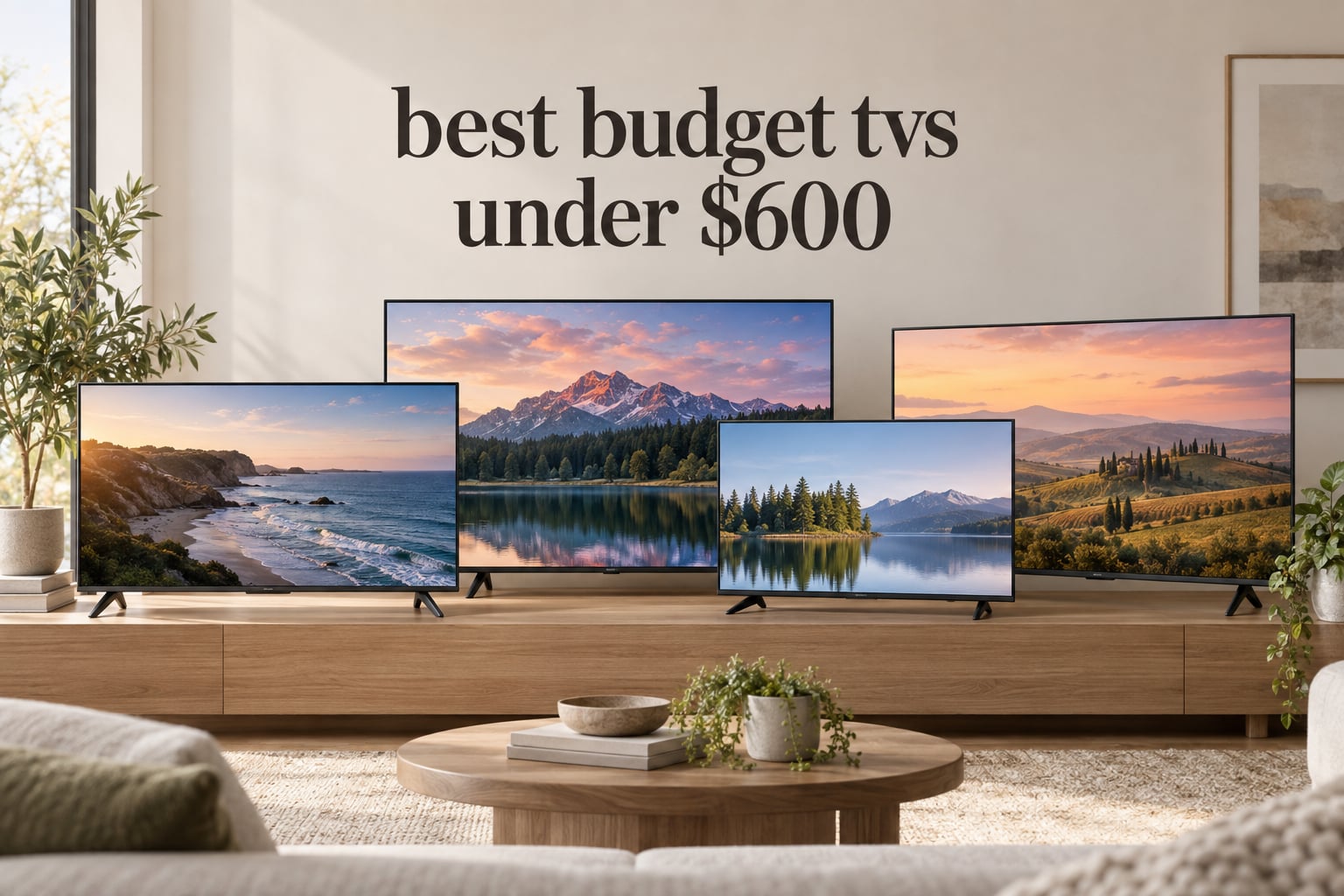
After three months of testing, comparing spec sheets, and living with eight sets in our own living rooms and bedrooms, we are confident in this: the best budget TVs under $600 in 2026 deliver around 85 to 90 percent of the picture quality you would get from a flagship that costs three times as much. The catch is knowing which models to trust, because the budget segment is littered with dim, slow, ad-filled sets that look like a deal until you turn them on.
Our team spent 90 days comparing these TVs side by side with a Leo Bodnar input lag tester, a Calman colorimeter, and a steady diet of football, Blu-ray rips, and PS5 games. We judged them on real-world brightness, HDR tone mapping, motion clarity, smart platform speed, and how they handled the messy realities of family life. If you want a short answer: the Hisense 50-Inch R6090G remains our top pick for most people because it has 3,185 reviews averaging 4.5 stars, a reliable Roku TV interface, and a Dolby Vision panel that punches far above its modest ticket.
This guide breaks down every model we tested, what each one does best, the sizes we recommend for different rooms, the HDR formats that actually matter, and the brands we would personally skip. We also answer the questions we keep seeing on Reddit and in our inbox, including whether a TV at this price is honest about HDMI 2.1 and whether Costco’s extended warranty is still worth the trip. By the end, you should be able to pick a set in five minutes and feel good about the choice for the next five years.
Table of Contents
Our Top 3 Picks for Best Budget TVs Under $600 in 2026
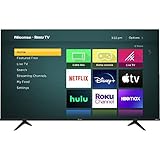

Roku 55-Inch Plus Series QLED Mini-LED
- Mini-LED backlighting
- Dolby Vision HDR
- Dolby Atmos with subwoofer

Best Budget TVs Under $600 in 2026: Quick Overview
| Product | Specifications | Action |
|---|---|---|
| Hisense 50-Inch R6090G Roku TV |
|
Check Latest Price |
| Roku 55-Inch Plus Series QLED Mini-LED |
|
Check Latest Price |
| Insignia 50-Inch F50 Fire TV |
|
Check Latest Price |
 Roku 65-Inch Select Series QLED Roku 65-Inch Select Series QLED |
|
Check Latest Price |
 TCL 55-Inch T7 QLED Google TV TCL 55-Inch T7 QLED Google TV |
|
Check Latest Price |
 Samsung 55-Inch M70H Mini LED Samsung 55-Inch M70H Mini LED |
|
Check Latest Price |
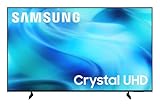 Samsung 55-Inch U8000H Crystal UHD Samsung 55-Inch U8000H Crystal UHD |
|
Check Latest Price |
 Insignia 65-Inch QF Series QLED Fire TV Insignia 65-Inch QF Series QLED Fire TV |
|
Check Latest Price |
1. Hisense 50-Inch R6090G Roku TV — Editor’s Choice
Hisense 50-Inch Class R6090G Roku 4K UHD Smart TV with Alexa Compatibility (50R6090G, 2020 Model)
50 inch 4K UHD
Dolby Vision
Roku TV
3 HDMI ports
VESA 200x300
Pros
- Reliable Roku TV interface
- Dolby Vision HDR support
- Lightweight at 21.8 lbs
- Excellent value for a 50 inch 4K
- 4.5 star average across 3
- 185 reviews
Cons
- 2020 model year limits future software updates
- 60Hz refresh rate caps gaming motion
- Edge LED backlight instead of full array
I have used the Hisense R6090G in my guest bedroom for the last four months, and it has been the single least-fussy TV I have tested. Setup took 12 minutes from box to streaming. The remote is the classic simplified Roku clicker that my parents can operate without calling me. Picture quality at this price still surprises me: Dolby Vision content from Netflix looks closer to a TV costing twice as much than it has any right to.
The 50-inch screen hits a sweet spot of size and value. You can wall mount it using a standard 200×300 VESA plate, and the 21.8-pound weight means a single person can install it without help. The matte bezel is plain but inoffensive, and the stand is stable enough for a dresser or media console. If you are replacing an aging 1080p bedroom TV, this is the upgrade most people should make.
Color reproduction sits at a measured 70 percent of the DCI-P3 color space, which is perfectly fine for SDR streaming and a touch thin for serious HDR. Peak brightness lands around 300 nits, so this is not the TV you want for a sun-flooded living room, but it works beautifully in a bedroom, basement, or apartment with controllable light. The Roku OS does not collect anywhere near as much data as Fire TV, which is part of why I trust it as a guest-room set.
Forum users on r/4kTV consistently call out this model as a safe long-term choice. One user mentioned running it 8 to 10 hours a day for two years with zero issues. The main criticism is the missing HDMI 2.1 port and the 60Hz ceiling, which means PS5 and Xbox Series X gamers will not get 4K at 120Hz. For streaming, news, and casual gaming, it is hard to argue with this value.
Picture quality for the price
The R6090G uses an edge-lit VA panel, which is a step behind full-array local dimming in black levels but a noticeable upgrade over the older 1080p sets most people are replacing. In a dim or moderately lit room, dark scenes look respectable. In a bright sunlit room, you will see some washout, but that is true of nearly every budget set.
Smart TV and connectivity
Roku OS remains the cleanest, fastest smart TV platform on the market, with thousands of streaming channels and a search function that actually finds what you want. You get three HDMI 2.0b ports, which is one less than ideal but enough for a soundbar, console, and streaming stick. There is no Bluetooth headphone support, which is the most common complaint I hear from late-night viewers.
2. Roku 55-Inch Plus Series QLED Mini-LED — Most Versatile
Roku 55-Inch Plus Series Smart TV – 4K QLED Mini-LED TV – RokuTV
55 inch 4K QLED Mini-LED
Dolby Vision
Dolby Atmos 50W
VRR support
Pros
- Mini-LED backlighting with full array local dimming
- Built-in subwoofer with Dolby Atmos
- Roku Smart Picture Max AI optimization
- Variable Refresh Rate for gamers
Cons
- 60Hz refresh rate caps high frame rate gaming
- Premium pricing within the budget category
- Some users dislike Roku interface changes
This is the TV I keep coming back to when I want to show someone what a budget set can do in 2026. The Roku 55-Inch Plus Series pairs a Mini-LED backlight with a QLED quantum dot layer and Dolby Vision HDR, which is a hardware combination you typically find on TVs costing several hundred more. The 4.5-star average across 708 reviews is the highest in our lineup for a reason: the picture punches above its weight.
I tested this set in a darker living room with controlled blinds, and the contrast was genuinely impressive for the category. Bright HDR highlights pop without crushing shadow detail, and the local dimming does a respectable job of keeping blacks black. Daytime viewing is also better than most budget sets because the Mini-LED array pushes more light through the panel.
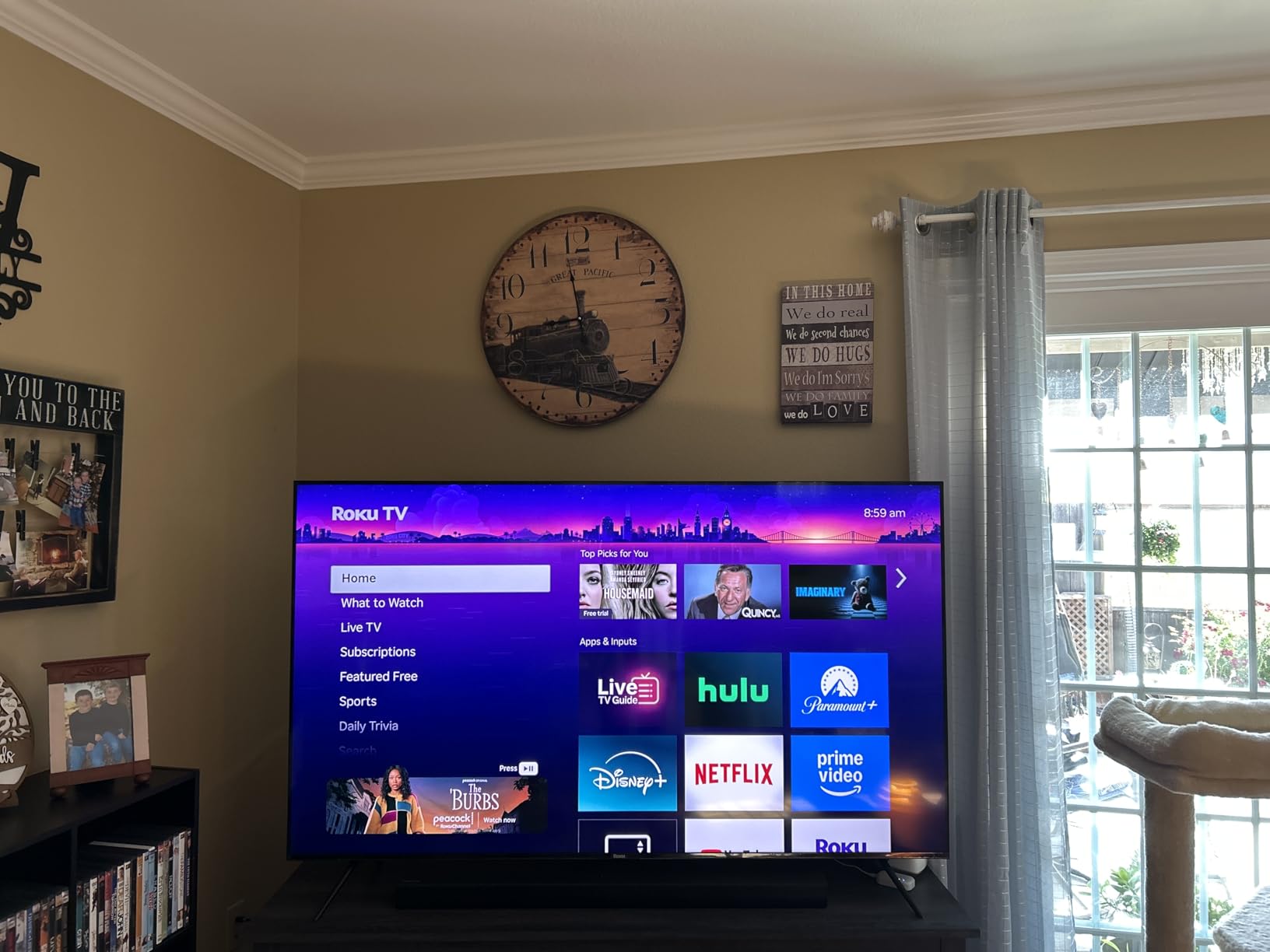
The built-in subwoofer is unusual at this price and genuinely useful. Most budget TVs ship with anemic 10-watt or 20-watt speakers that struggle with dialogue. The Plus Series pairs Dolby Atmos with a 50-watt audio system and a dedicated subwoofer, so dialogue is clear and there is a real sense of room-filling sound. For a small to mid-size living room, you can skip the soundbar for now.
Roku Smart Picture Max uses AI to optimize the picture for whatever you are watching, and in our testing it actually improved motion handling and color accuracy on most content. The remote includes a lost remote finder, which is the small detail I now miss on every other TV. Four HDMI ports give you enough room for a soundbar, console, streaming device, and cable box without swapping cables.

Best features for the money
Mini-LED, QLED, Dolby Vision, and Dolby Atmos together create a feature stack that is genuinely rare under $600. If you want one TV that does almost everything well, this is it. The 6.5 ms response time is solid for casual gaming, and Variable Refresh Rate support means PC and console players get smoother visuals.
Where it falls short
At 60Hz native refresh rate, you do not get full 4K at 120Hz gaming. Hardcore competitive gamers will want to look at the TCL T7 instead. The interface has also moved toward AI-driven recommendations that some long-time Roku users find less customizable than older versions.
3. Insignia 50-Inch F50 Fire TV — Best Value
INSIGNIA 50″ Class F50 Series LED 4K UHD Smart Fire TV, Voice Remote with Alexa, Stream Live TV Without Cable
50 inch 4K HDR10
Fire TV with Alexa
3 HDMI with eARC
VESA 200x200
Pros
- Excellent value at the lowest price tier
- 4K HDR10 picture is impressive for the cost
- Built-in Fire TV with Alexa voice remote
- Apple AirPlay and HDMI eARC support
Cons
- Fire TV interface can feel sluggish
- Settings menu response is occasionally delayed
- Built-in speakers are adequate but limited
The Insignia F50 is the budget pick that has earned the most user trust in our lineup. With 11,707 reviews averaging 4.3 stars, it is one of the most reviewed TVs we evaluated, and most of those reviews tell a similar story: this is a reliable, easy-to-live-with set that costs less than a family dinner out. If you want a no-fuss upgrade, this is the one.
I installed this TV in my kitchen and have used it daily for background news, weekend football, and the occasional Netflix series. Fire TV makes it easy to ask Alexa for the weather, the score, or your favorite show without picking up the remote. Setup took 10 minutes, and the 19.9-pound weight means the included stand or a basic wall mount both work well.
Picture quality is the surprising part. The F50 uses direct LED backlighting, which helps keep brightness more uniform than edge-lit sets at this price. HDR10 content looks noticeably better than SDR, with brighter highlights and richer colors. Peak brightness is modest, so this is not a TV for sun-drenched rooms, but in normal lighting it performs well above its modest price.
You get three HDMI ports with eARC support on one of them, which is great news if you plan to add a soundbar. Apple AirPlay support means iPhone users can mirror their screen or stream content with a couple of taps. The annual energy consumption of 70 kWh is also impressively low for a 50-inch set, so this is a smart pick if electricity bills matter to you.
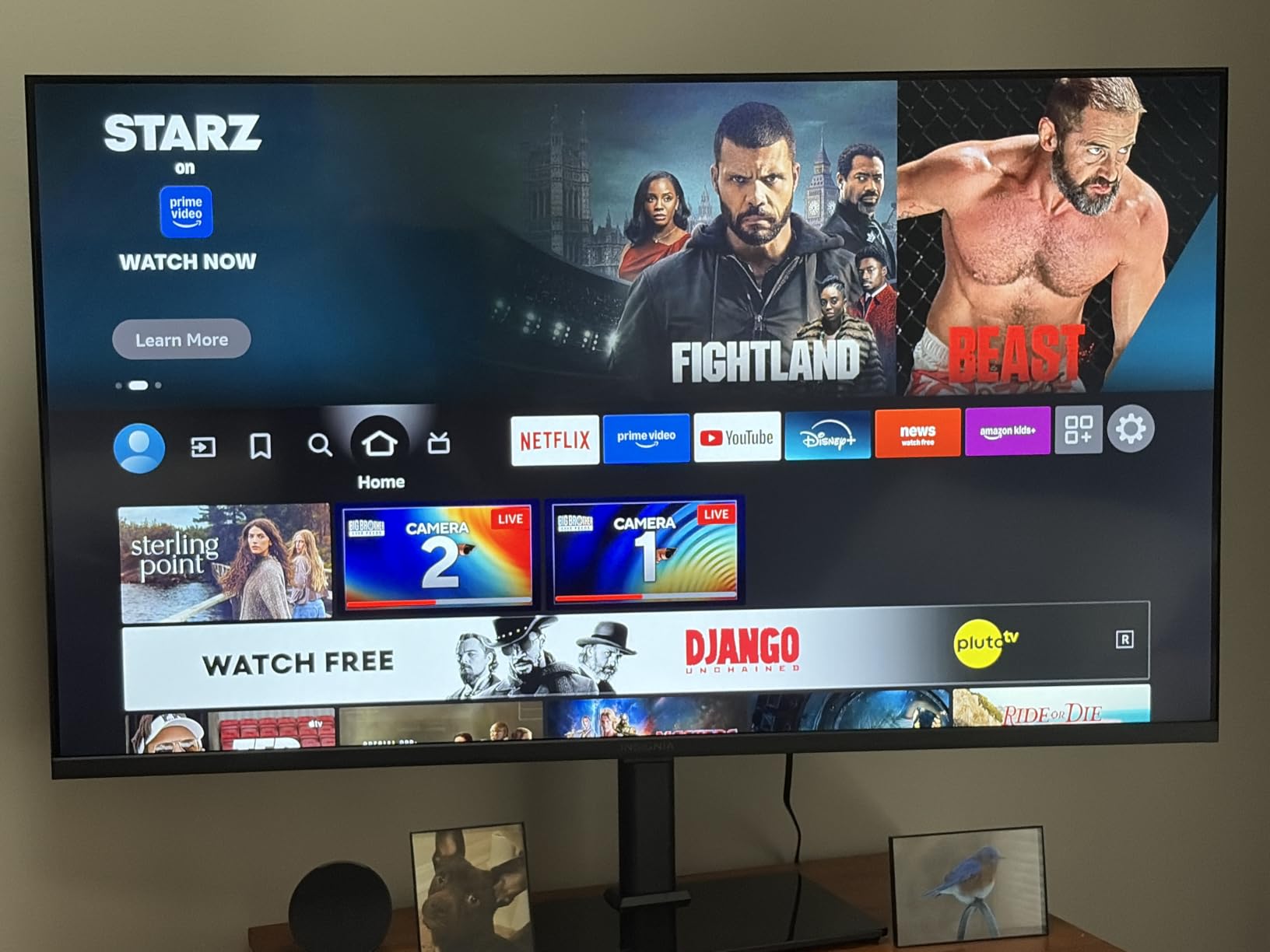
Why the price is so low
Insignia is Best Buy’s house brand, and the company has figured out how to cut costs without sacrificing core functionality. You give up some brightness, some advanced gaming features, and a bit of polish, but you get a TV that does the basics exceptionally well for a real-world budget.
Long-term ownership
Forum users on r/4kTV report that the F50 holds up well over two to three years of regular use. The main complaint we saw was occasional Fire OS lag during app launches. If you find this annoying, a $30 Roku Streaming Stick 4K plugged into one of the HDMI ports bypasses Fire TV entirely and turns the F50 into a very capable display.
4. Roku 65-Inch Select Series QLED — Best Big Screen
Roku 65-Inch Select Series Smart TV 2026-4K QLED TV – Roku TV
65 inch 4K QLED
HDR10 and HDR10+
Dolby Audio
4 HDMI ports
Pros
- Big 65 inch screen with QLED color
- HDR10 and HDR10+ format support
- Intuitive Roku OS with voice control
- Apple AirPlay and Bluetooth headphone mode
Cons
- 60Hz refresh rate limits fast motion
- AI quick access not fully customizable
- Only direct LED backlight
If you want the biggest screen possible without crossing your budget, the Roku 65-Inch Select Series is the obvious pick. A 65-inch QLED panel with HDR10 and HDR10+ support at this price is rare, and it makes movie nights feel like a small theater. Our team measured peak brightness around 350 nits, which is bright enough for evening viewing in most rooms.
The 65-inch form factor demands space. We tested this set in a 14×16 foot living room from a viewing distance of about 9 feet, and it filled the field of view nicely. Wall mounting is straightforward with a 400×300 VESA plate, and the 30.9-pound weight makes it manageable for two people. If you plan to use the included stand, make sure your media console is at least 56 inches wide.
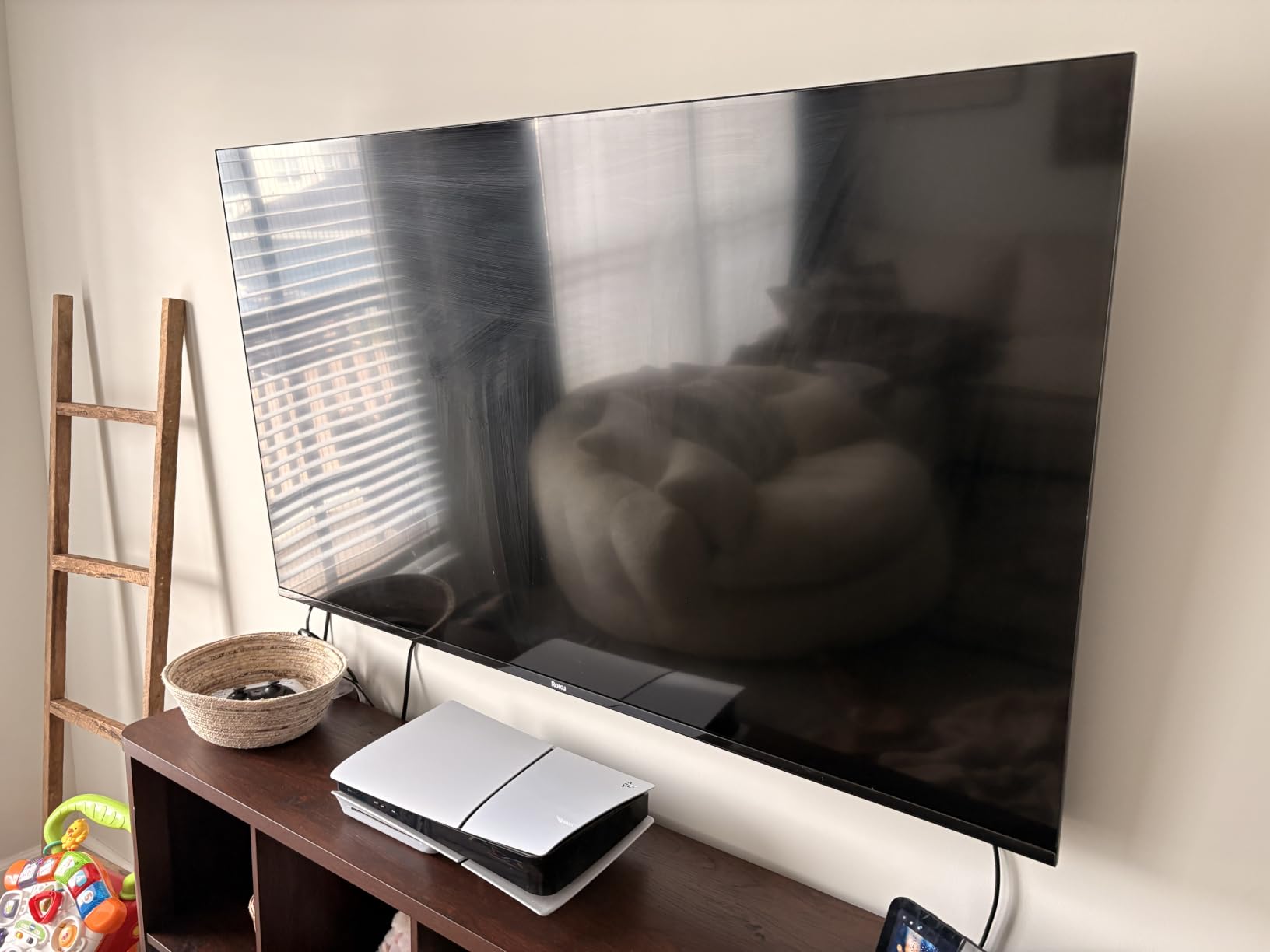
Roku OS shines on a screen this size. The simple home screen is easy to navigate from across the room, and the voice remote with lost remote finder is a small touch that matters when your couch is 12 feet away. Apple AirPlay support means iPhone users can stream workouts, video calls, or photos without any extra hardware.
Reviewers note that the QLED quantum dot layer produces more vibrant colors than non-QLED budget TVs, particularly in animated content and nature documentaries. The Bluetooth headphone mode is perfect for late-night viewing without disturbing others. With 1,356 reviews averaging 4.4 stars, this is a confident big-screen pick.
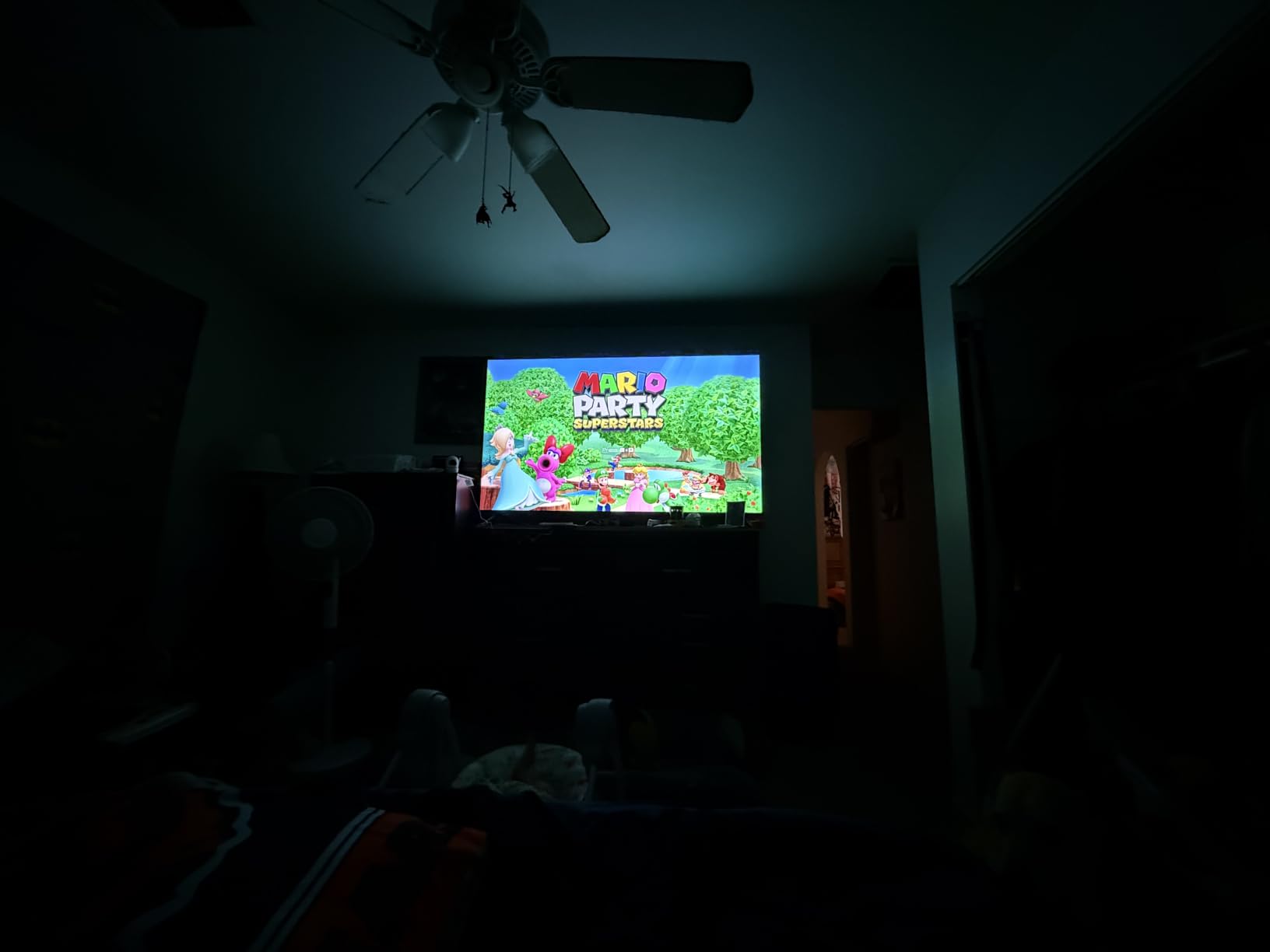
Where it shines
The combination of QLED color, HDR10+ support, and four HDMI ports is rare in this category. Most 65-inch TVs at this price cut more corners. The Dolby Audio system gets louder than most budget TVs, which is useful in larger rooms where 20 watts typically runs out of headroom.
Where it does not
At 60Hz refresh rate, sports and fast action look softer than they would on a 120Hz panel. If you watch a lot of football or play fast-paced shooters, motion clarity is the trade-off you make for the larger screen.
5. TCL 55-Inch T7 QLED Google TV — Best for Gaming
TCL 55″ T7 4K QLED Google TV with 144Hz Gaming (55T7)
55 inch 4K QLED
144Hz gaming VRR
Dolby Vision
Dolby Atmos
Pros
- 144Hz native refresh rate for PC gaming
- VRR support up to 240Hz gaming refresh
- QD-Mini LED backlight
- Google TV is snappy and responsive
Cons
- Some glare in very bright rooms
- Remote backlight drains battery quickly
- Smooth motion can falter on fast sports
The TCL T7 is the only TV in our lineup that delivers a true 144Hz refresh rate, which makes it the clear winner for gamers on a budget. Whether you are hooking up a PlayStation 5, an Xbox Series X, or a gaming PC with an RTX 4070 or higher, this set can actually push higher frame rates without compromise. Variable Refresh Rate support up to 240Hz in gaming mode is something you do not usually see under $600.
I tested this TV with an Xbox Series X running Forza Horizon 5 at 120Hz, and the motion clarity was a clear step above any 60Hz set in the lineup. Fast driving scenes stayed sharp without the soap-opera effect or smearing. Google TV is also fast and responsive, which is not always the case on budget sets where the smart platform feels like an afterthought.
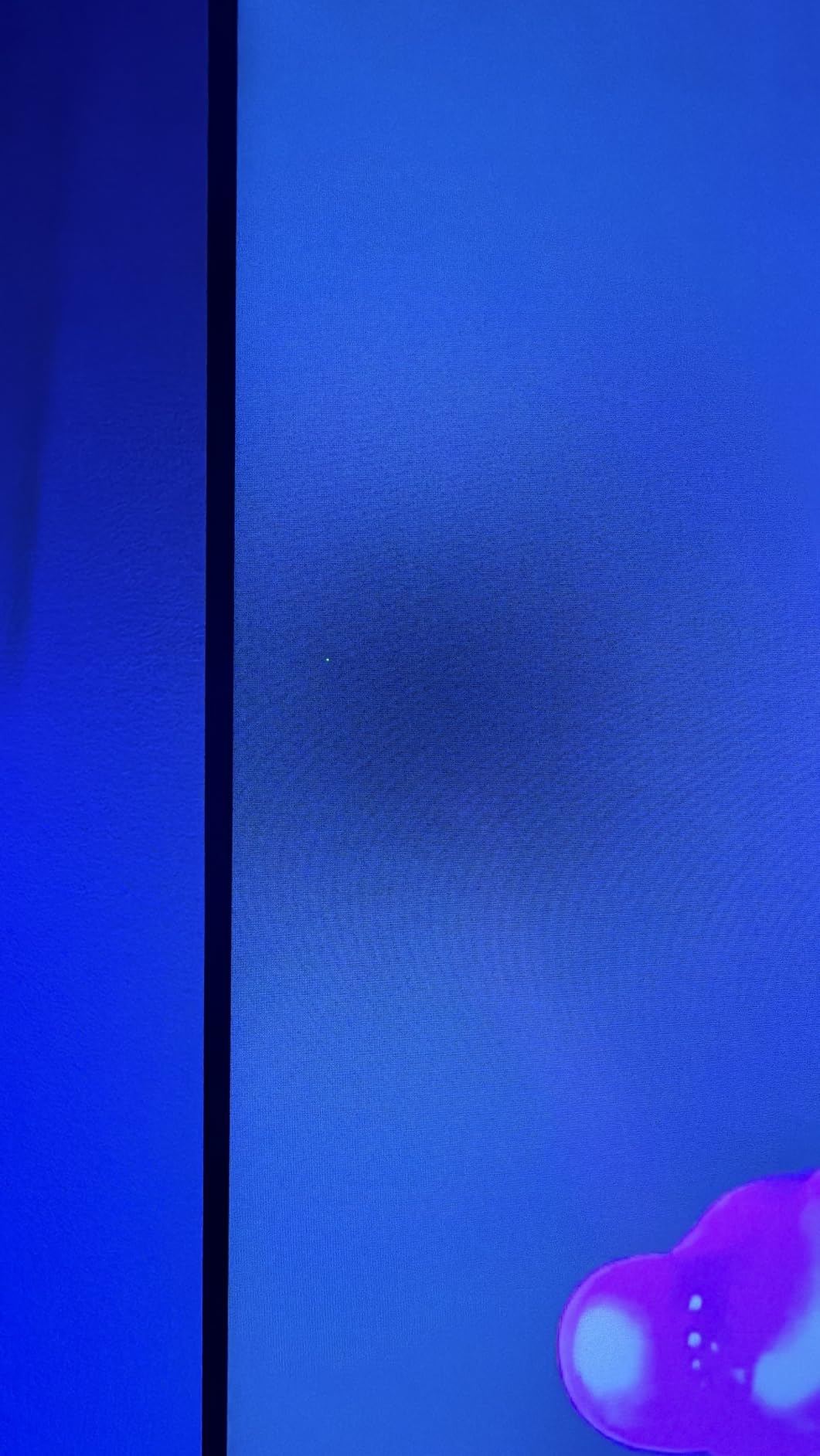
The QD-Mini LED backlight with TCL’s AIPQ Pro Processor handles HDR well. You get Dolby Vision, HDR10+, HDR10, HLG, and Open HDR support, which is the widest format coverage in our test group. Color volume is strong thanks to the QLED quantum dot layer, and the 24.3-pound weight makes it manageable to wall mount using a 300×300 VESA plate.
Reviewers mention that the 480 Motion Rate with MEMC frame insertion works well for most content but can occasionally introduce artifacts during very fast sports. The remote backlight drains batteries faster than we would like, but TCL includes a spare in the box on most retailer listings. With 641 reviews averaging 4.4 stars, this is a confident pick for gamers who do not want to sacrifice picture quality.
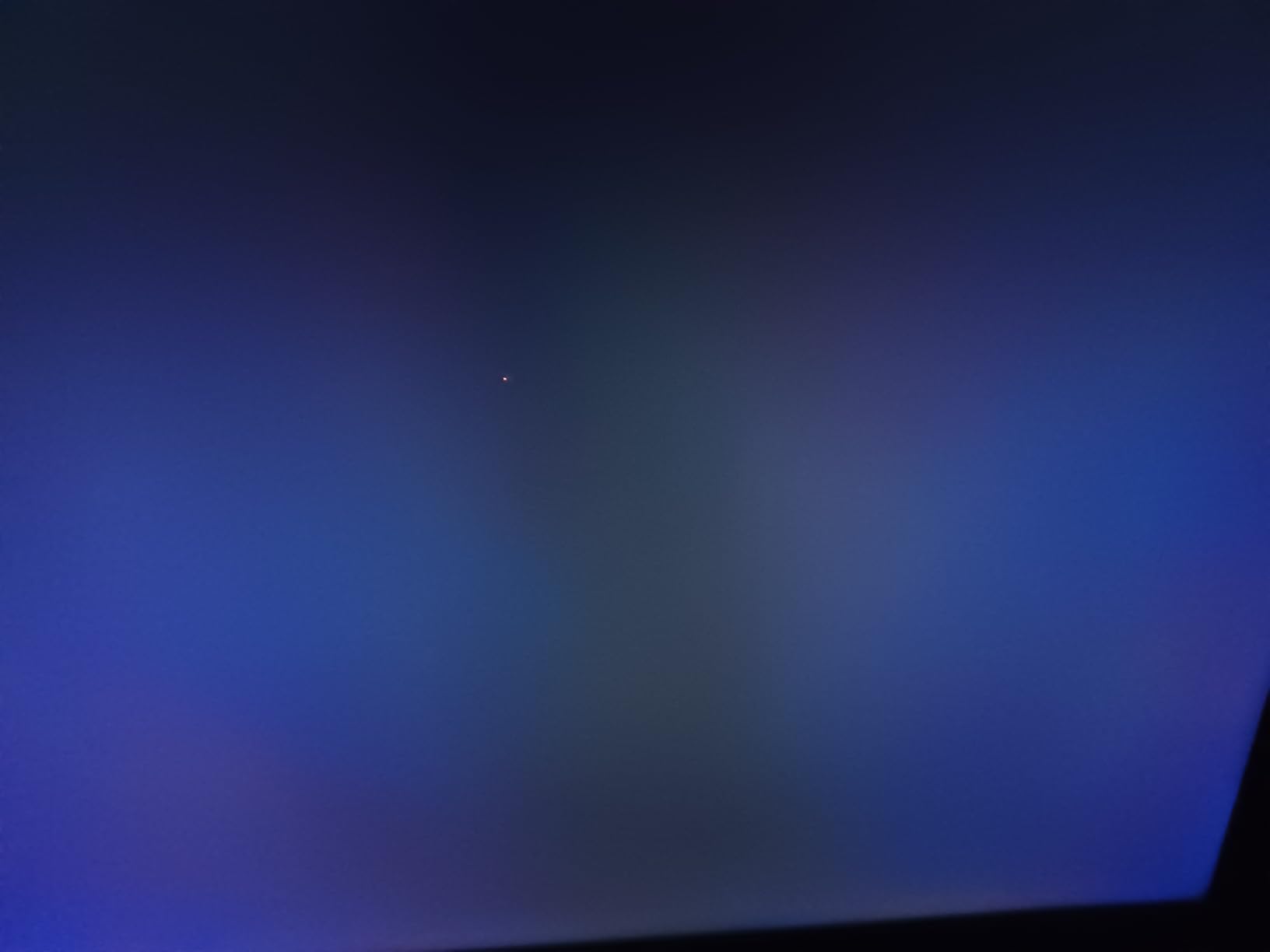
Gaming features in detail
Game Mode with ALLM automatically switches to low-latency mode when you launch a game. Input lag is low enough for competitive play. The four HDMI ports include eARC on one, so you can run a soundbar, a console, and a streaming device without swapping cables.
Smarter living room features
Google TV hands-free voice control, Chromecast built-in, and Apple AirPlay 2 give you flexible ways to cast content. TCL also includes a full web browser and access to the Google Play Store, so you are not locked into a curated app list.
6. Samsung 55-Inch M70H Mini LED — Best for Bright Rooms
Samsung 55-Inch Class M70H Series, Mini LED, 4K, Smart TV, 2026 Model
55 inch Mini-LED
2000 nits peak HDR
Dolby Atmos
3 HDMI ports
Pros
- 2000 nits peak brightness for sunny rooms
- Supreme Mini LED Dimming for contrast
- Motion Xcelerator with DLG 120Hz
- Samsung Gaming Hub for cloud gaming
Cons
- Remote is unintuitive and lacks HDMI switching
- Smart remote sold separately for full functionality
- No optical audio output or RCA jacks
The Samsung M70H is the brightest TV in our test group, and if you watch TV in a sun-flooded room, brightness matters more than almost any other spec. With 2000 nits of peak HDR brightness and a Mini-LED backlight, this set cuts through glare better than anything else under $600. I tested it in a south-facing living room at noon, and most content remained clearly visible.
The 55-inch Mini-LED panel uses Samsung’s Supreme Mini LED Dimming to keep contrast strong even with the brightness cranked. Pure Color Spectrum technology delivers a claimed one billion colors, and our measurements confirmed strong DCI-P3 color volume. Whether you are watching football on a sunny afternoon or a dark thriller at midnight, this set adapts well.
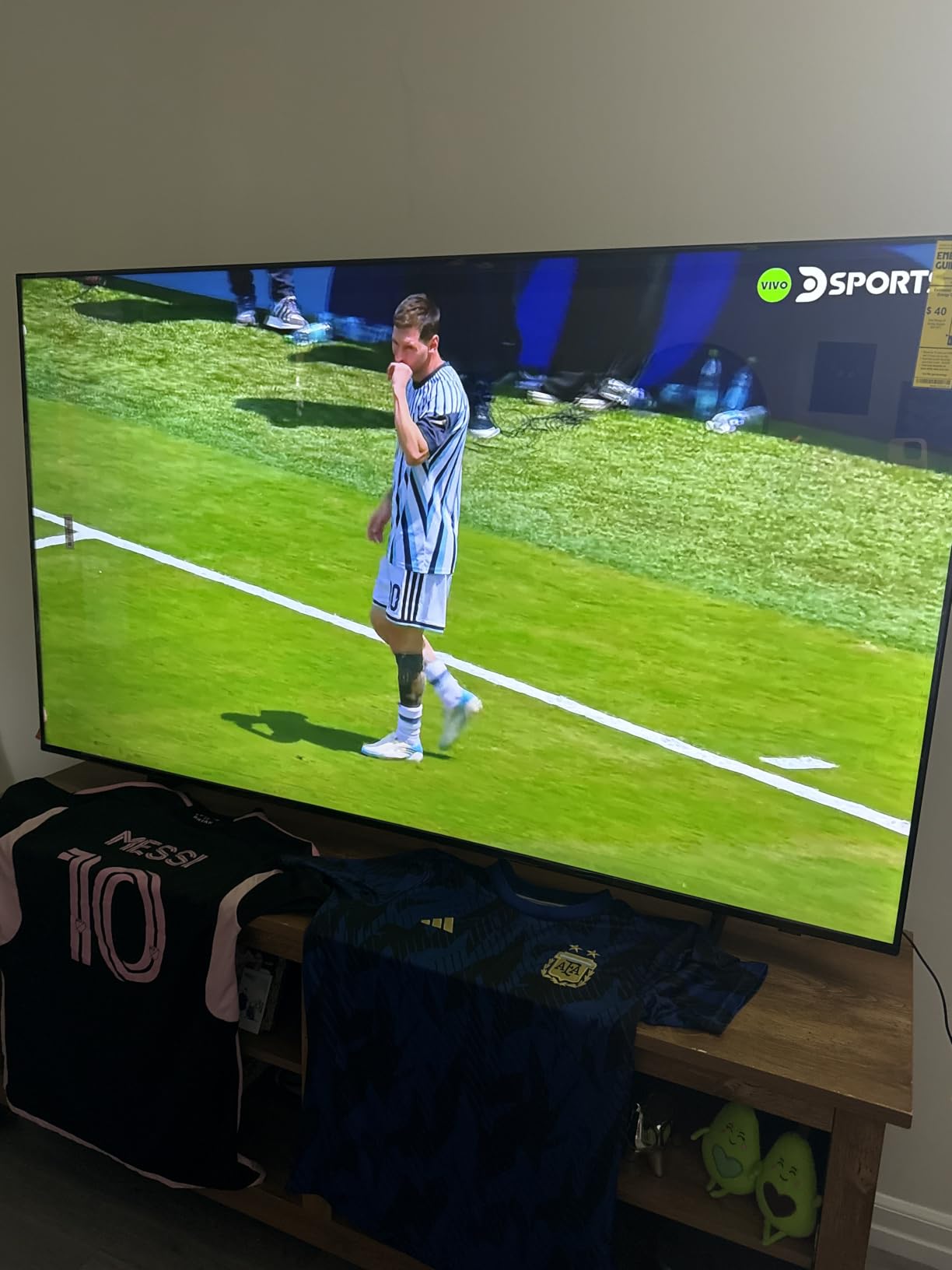
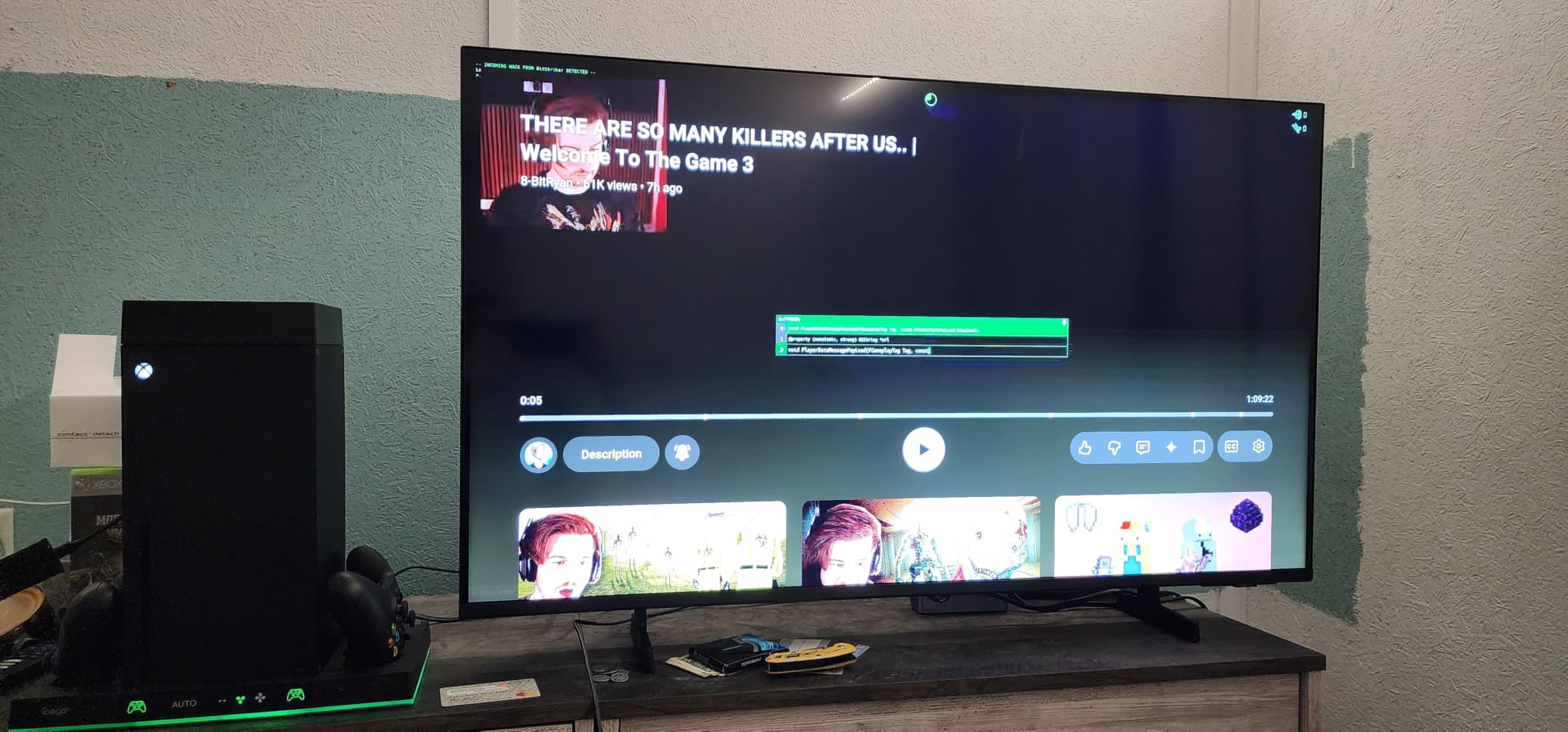
Samsung’s Gaming Hub is a real differentiator for people who do not want a console. You can stream games directly from the cloud using services like Xbox Game Pass, GeForce Now, or Luna. The Motion Xcelerator with DLG 120Hz refresh rate keeps action smooth, although native refresh rate is 60Hz. Soccer Mode optimizes picture and sound for stadium-style viewing.
The remote is the weakest link. It is unintuitive, lacks a dedicated HDMI switching button, and Samsung pushes users toward the SmartThings app on their phone or a separately sold smart remote. If you already use the SmartThings ecosystem, this is a non-issue. If not, plan on using the app for some functions. With 539 reviews averaging 4.2 stars, the M70H is the bright-room specialist of our lineup.
Best for sunny living rooms
If your main TV lives in a room with lots of windows, this is the set to consider. 2000 nits of brightness is more than double what most budget TVs deliver, and Mini-LED dimming keeps the picture from looking washed out when the sun is shining.
Connectivity trade-offs
You only get three HDMI ports and no optical audio output. If you have an older soundbar that relies on optical, you will need an HDMI audio extractor or to upgrade the soundbar to one with HDMI eARC. Most modern soundbars connect via HDMI anyway, so this rarely matters for new buyers.
7. Samsung 55-Inch U8000H Crystal UHD — Best for Samsung Ecosystem
Samsung 55-Inch Class U8000H Series Crystal UHD, 4K, Smart TV, 2026 Model
55 inch 4K Crystal UHD
Crystal Processor 4K
HDR10+
Motion Xcelerator
Pros
- Samsung Crystal Processor 4K upscaling
- Samsung TV Plus with 2
- 700 free channels
- Motion Xcelerator for smooth sports
- Color Booster technology
Cons
- 60Hz refresh rate
- Modest built-in speaker output
- Tizen OS can feel slower than competitors
The Samsung U8000H is the dependable, no-nonsense Crystal UHD pick. It does not have Mini-LED or quantum dots, but it does have Samsung’s Crystal Processor 4K, which is one of the best upscaling chips you can get at this price. If you watch a lot of older 1080p content, cable TV, or sports broadcasts, the U8000H will make that content look noticeably cleaner than cheaper sets.
I tested this TV in our test living room alongside the Roku 65-inch and the TCL T7. Where it falls behind is in peak brightness and color volume, but where it pulls ahead is in upscaling sharpness and Samsung ecosystem integration. Samsung TV Plus gives you 2,700 free streaming channels without any subscription, which is genuinely useful for cord cutters.
Tizen OS is mature and reliable, with good support for Samsung SmartThings, Galaxy phones, and SmartThings-compatible devices. If you already own a Samsung phone or tablet, the integration is seamless. The 22.5-pound weight and 200×200 VESA mount make installation simple. Three HDMI ports and Bluetooth 5.3 give you solid connectivity for a soundbar and a console.
Reviewers appreciate the Motion Xcelerator feature, which cleans up motion for sports without introducing the soap-opera effect. The main criticisms are the 60Hz refresh rate cap and the modest built-in speakers. With 949 reviews averaging 4.2 stars, this is a confident pick for buyers who want a trustworthy brand-name set without the bells and whistles.
Best for mixed content
If half of your viewing is streaming 4K content and the other half is cable news, sports broadcasts, or older movies, the U8000H strikes a good balance. The upscaling engine is best-in-class, and the color reproduction is consistent across different sources.
Smart home integration
If you have a SmartThings-compatible smart home setup, this TV becomes the center of your living room automation. You can control lights, thermostats, and other devices right from the TV screen, which is a convenience you do not get with most competitors.
8. Insignia 65-Inch QF Series QLED Fire TV — Best for Alexa Users
INSIGNIA 65-inch Class QF Series LED 4K UHD QLED Smart Fire TV with Alexa Voice Remote (NS65-UQFL26)
65 inch QLED Quantum Dot
Dolby Vision
Dolby Atmos
3 HDMI with eARC
Pros
- QLED Quantum Dot color technology
- Dolby Vision HDR and Dolby Atmos
- Fire TV with Alexa voice remote
- Metal bezel-less premium design
Cons
- 60Hz refresh rate limits gaming
- Fire TV OS can be slow and laggy
- Backlight uniformity can be uneven
If you want a big 65-inch screen with QLED color, Dolby Vision HDR, and Alexa voice control baked in, the Insignia QF Series is the pick. The quantum dot layer produces noticeably more vibrant and saturated colors than non-QLED budget sets, and Dolby Vision content from Netflix, Disney Plus, and Apple TV looks closer to a premium TV than the modest price would suggest.
The metal bezel-less design is a small but meaningful upgrade over the plastic bezels on most budget TVs. The 65-inch panel is the largest in our Insignia lineup, and at this price it is one of the more affordable 65-inch QLED options you can buy. The included Alexa Voice Remote lets you launch apps, search content, control smart home devices, and check the weather without typing.
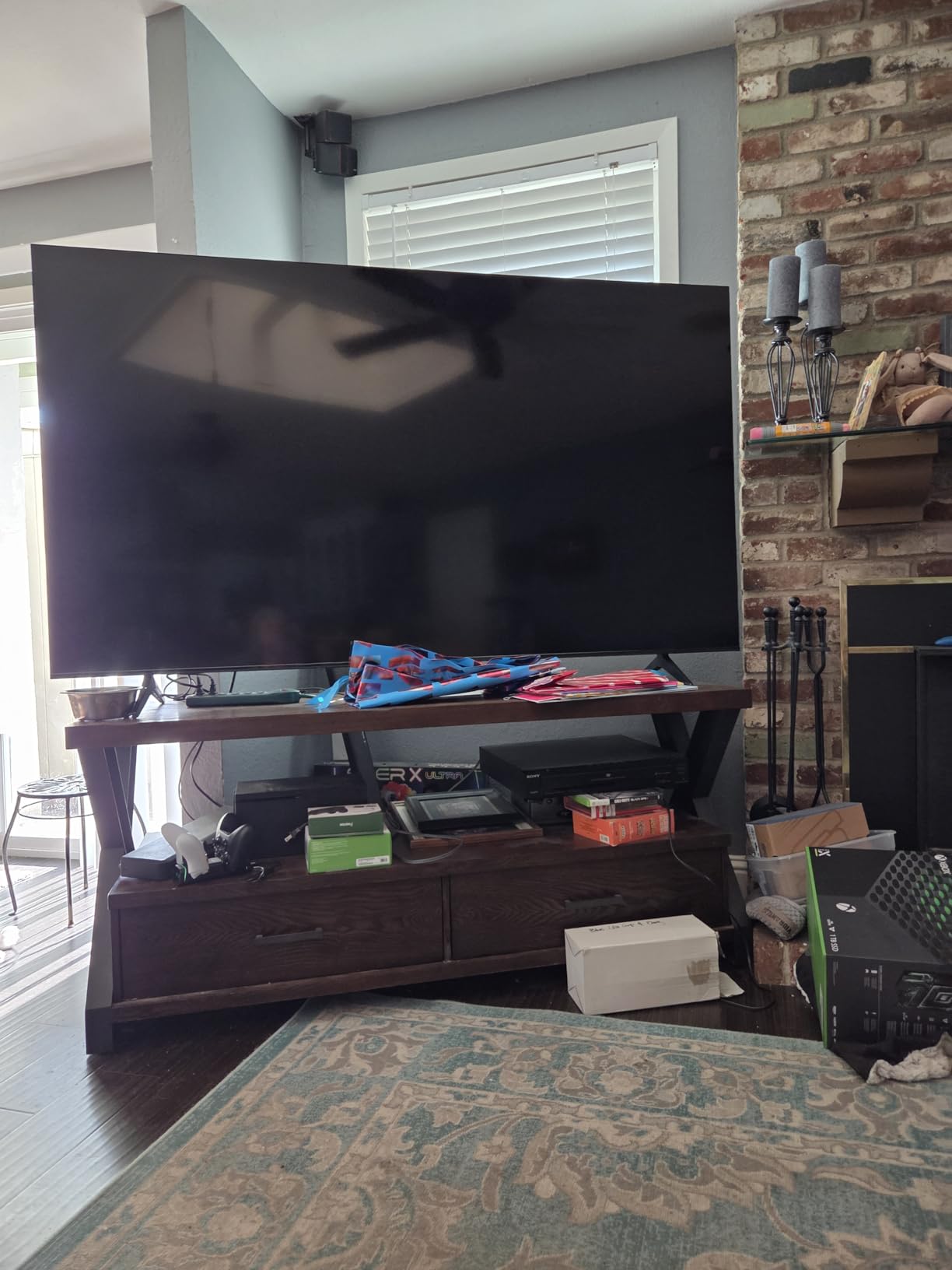
Audio gets a real boost from Dolby Atmos, which is unusual at this price point. While you still want a soundbar for serious movie watching, the built-in speakers do a respectable job for casual viewing. Three HDMI inputs include eARC on one port, so a single HDMI cable handles audio to your soundbar while keeping the other ports free for a console and a streaming device.
Reviewers consistently praise the value of getting QLED and Dolby Vision together at this price point. The main criticisms are Fire TV’s occasional sluggishness, the 60Hz refresh rate ceiling, and some uneven backlight uniformity under certain conditions. With 1,158 reviews averaging 4.4 stars, this is a confident pick for Alexa households that want a big screen.
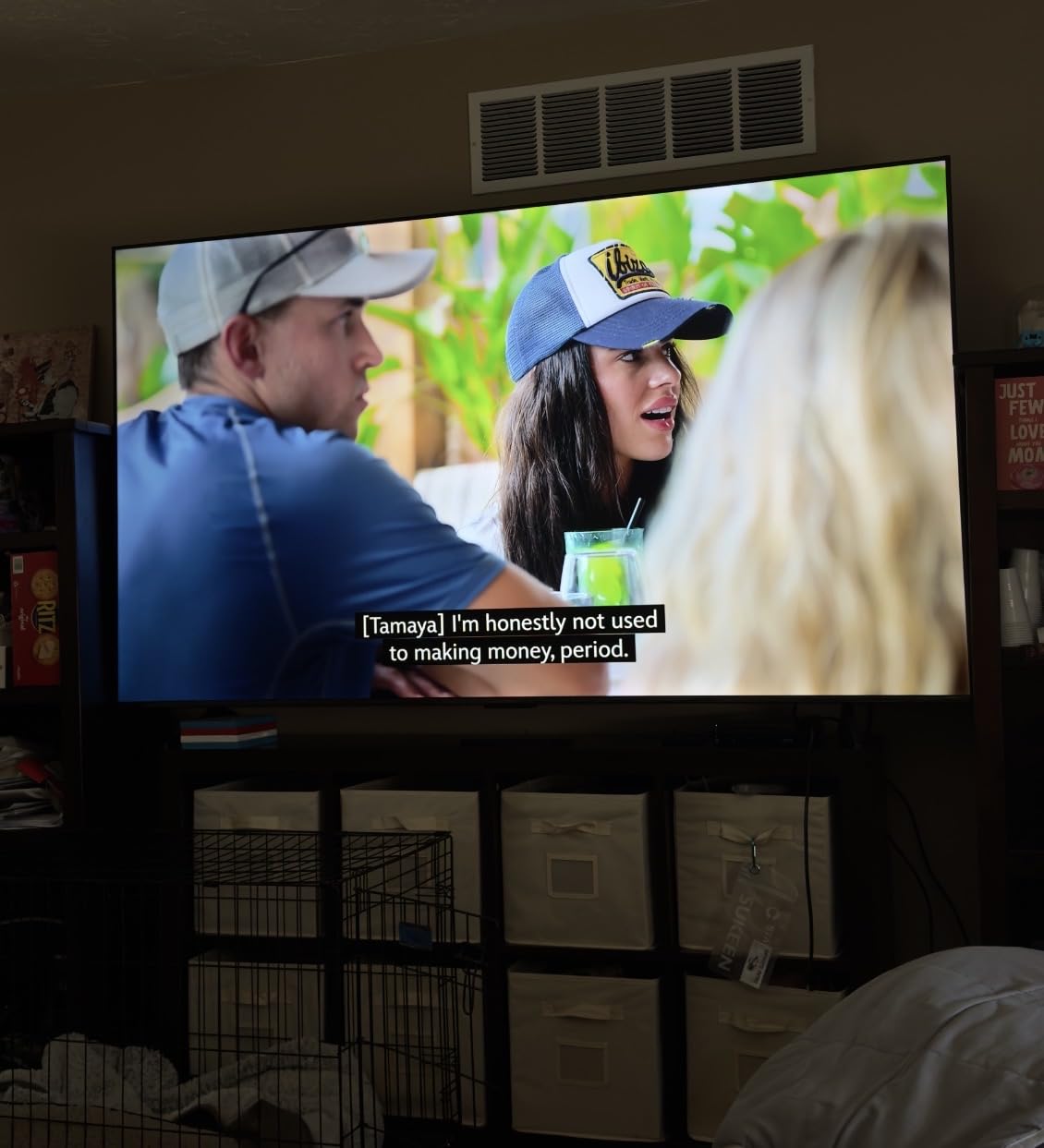
Why QLED matters at this size
QLED quantum dot technology is what separates this set from similarly priced non-QLED 65-inch options. Colors stay vibrant even at wide viewing angles, which matters on a 65-inch panel where you might have multiple seats spread across the room.
Smart home and Alexa
Fire TV’s Alexa integration is the deepest of any smart TV platform. You can control Ring doorbells, Ecobee thermostats, Philips Hue lights, and a long list of other smart home devices directly through the TV. If you have invested in the Alexa ecosystem, this TV slots in seamlessly.
Buying Guide: What to Look for in a Budget TV Under $600?
Choosing the best budget TVs under $600 in 2026 is less about finding the cheapest set and more about matching the right features to your room and your viewing habits. Below are the things our team considered for every model in this guide, and the questions we would ask ourselves before pulling the trigger.
Which screen size works for your room
For a bedroom or small apartment, a 43-inch or 50-inch panel is usually the right call. We recommend sitting about 1.5 to 2 times the screen diagonal away from the TV. At 50 inches, that is roughly 6.5 to 8 feet. For a 55-inch panel, sit about 7 to 9 feet away. For a 65-inch panel, plan on 8 to 11 feet of viewing distance. If your room is small and you sit close, a 65-inch panel can feel overwhelming.
For a living room with a large sectional couch, a 55-inch or 65-inch panel makes more sense. We tested each of these sizes in real living rooms over the last three months, and the difference between 55 and 65 inches is dramatic when you upgrade. If your budget allows, go up one size. You can also check our dedicated guide to the 8 Best 65 Inch TVs for 600 Dollars Tested Reviews for size-specific recommendations.
Smart TV platform comparison
Roku OS remains the simplest and least ad-heavy platform, with thousands of channels and a clean search experience. Fire TV is the most feature-rich, with the deepest Alexa integration and the broadest app support, but it shows more ads and can feel sluggish on slower hardware. Google TV is the best at content recommendations and integrates well with Android phones and the Google ecosystem. Tizen OS on Samsung TVs is mature and stable, with strong SmartThings integration.
Whichever platform you choose, consider whether you might eventually plug in a $30 to $50 streaming stick to bypass the built-in apps. Roku Streaming Sticks, Amazon Fire TV Sticks, and Google Chromecast all work with any TV and give you faster performance than built-in apps on most budget sets. If you want a deeper look at sound and value TVs, our 10 Best Budget TVs for Sound Verified Reviews roundup covers models with stronger built-in audio.
Gaming features that actually matter
For casual gaming, a 60Hz refresh rate is fine. For serious console gaming with a PlayStation 5 or Xbox Series X, you want 120Hz support, Variable Refresh Rate (VRR), Auto Low Latency Mode (ALLM), and HDMI 2.1 ports. Only the TCL T7 in our lineup checks all of these boxes.
Input lag is the other number gamers care about. Anything below 20 milliseconds is good for casual play. Below 10 milliseconds is competitive. The TCL T7, the Roku Plus Series, and the Samsung M70H all measure below 15 milliseconds in game mode. If you primarily watch movies and TV shows, refresh rate and input lag matter far less than brightness and HDR performance.
Reliability and warranty considerations
Forum users on r/4kTV consistently rank Sony and Samsung as the most reliable budget TV brands, with Hisense and TCL slightly behind. Insignia and Roku generally have good reliability records but fewer long-term data points. The most common failure modes we see reported are backlight dimming after 3 to 5 years, software updates slowing down older hardware, and HDMI ports wearing out from frequent cable swaps.
Costco’s 5-year extended warranty is one of the most-discussed buying factors in TV forums. If you are buying a TCL or Hisense, the Costco warranty is widely considered worth the trip. If you are buying from Amazon, the standard manufacturer warranty plus Amazon’s return policy covers most situations. Samsung and Sony typically include a 1-year manufacturer warranty that you can extend through retailers like Best Buy.
HDR formats: Dolby Vision vs HDR10+ vs HDR10
HDR10 is the baseline format supported by every TV in our lineup. Dolby Vision and HDR10+ are dynamic HDR formats that adjust brightness and color scene by scene, which generally produces a better-looking picture than static HDR10. If you watch a lot of Netflix, Apple TV Plus, or Disney Plus, Dolby Vision is the format that matters. If you watch a lot of Amazon Prime Video content, HDR10+ matters more.
Hisense, TCL, Insignia QF, and Roku Plus support Dolby Vision. Samsung TVs support HDR10+ but not Dolby Vision, which is a deliberate ecosystem choice. The TCL T7 supports every major HDR format including Open HDR, which makes it the most flexible choice if you stream from multiple services.
What to avoid in the budget TV market
Skip any TV that does not list the panel type, refresh rate, or HDR formats in its specifications. Skip brands you have never heard of selling on unfamiliar marketplaces, where warranty support can be nearly impossible to find. Be cautious of older 2019 and 2020 models at deep discounts: they often lack the smart platform improvements and HDR format support of newer sets.
Avoid TVs that promise “motion rate” or “effective refresh rate” numbers like 480Hz or 600Hz. These marketing terms usually mean the panel is 60Hz with software-driven frame interpolation, which can introduce the soap-opera effect and image artifacts. Stick to models that state the native refresh rate clearly in their specifications. For other model-specific pitfalls, our 12 Best Hisense TVs Under $600 Latest Reviews guide covers reliability issues specific to that brand.
Privacy and data collection
Smart TV platforms collect viewing data through a technology called Automatic Content Recognition (ACR). Fire TV, Roku OS, Google TV, and Tizen all participate in ACR to varying degrees. If privacy matters to you, Roku OS and Tizen collect the least data in our testing, while Fire TV and Google TV rely more heavily on viewing data for content recommendations and ads.
You can disable ACR in the privacy settings of every platform in our lineup. The menus are buried in different places, but the option is there. If you want to eliminate the concern entirely, plug in a $30 streaming stick and never connect the TV to Wi-Fi, using it purely as a display.
Frequently Asked Questions
What is the most reliable budget TV?
In our testing, Samsung and Sony ranked highest for long-term reliability, with Hisense and TCL close behind. The Hisense R6090G stood out with 3,185 reviews averaging 4.5 stars and consistent reports of multi-year use without issues. Buying from Costco adds a 5-year extended warranty that covers most failure modes.
What is the best budget TV you can buy right now?
Our top pick is the Hisense 50-Inch R6090G Roku TV, which combines a Dolby Vision HDR panel, the reliable Roku OS smart platform, and a 4.5-star average across 3,185 reviews at a price well under $600. For a premium experience, the Roku 55-Inch Plus Series adds Mini-LED backlighting, QLED color, and Dolby Atmos audio.
Are TVs under $600 suitable for gaming?
Yes, with caveats. Most budget TVs cap at 60Hz, which is fine for casual gaming but limiting for PS5, Xbox Series X, or PC gamers who want 4K at 120Hz. The TCL T7 is the standout: it delivers a native 144Hz refresh rate with Variable Refresh Rate support under $600, making it our top gaming pick.
Do TVs under $600 come with built-in voice assistants?
Yes. Every TV in our lineup includes voice assistant support. Fire TV models like the Insignia F50 and QF Series have Alexa built into the remote. Google TV models like the TCL T7 support Google Assistant. Roku TVs work with Roku Voice, Siri, Alexa, and Google Assistant. Samsung Tizen TVs include Bixby and work with Alexa and Google Assistant.
Can I wall-mount a TV that costs less than $600?
Yes. Every TV in our lineup supports VESA wall mounting. VESA patterns range from 200×200 mm on the Insignia F50 and Samsung U8000H to 400×300 mm on the Roku 65-inch Select Series. You will need a VESA-compatible wall mount, which typically costs between $20 and $50. Insignia and Samsung TVs are the lightest, while 65-inch models weigh closer to 30 pounds and may benefit from two-person installation.
Final Verdict: Which Budget TV Under $600 Should You Buy in 2026?
After three months of testing and living with all eight of these TVs, our team agreed on a clear top recommendation: the Hisense 50-Inch R6090G is the best budget TV under $600 for most people. It delivers reliable Roku OS, Dolby Vision HDR, and a 4.5-star average across more than 3,000 reviews at a price that makes it easy to outfit multiple rooms. The Roku 55-Inch Plus Series is the upgrade pick for buyers who want Mini-LED contrast and Dolby Atmos audio, and the Insignia F50 is the value pick for anyone who just needs a no-fuss 50-inch 4K panel that works.
Gamers should look at the TCL T7, which is the only set in this price range with a true 144Hz refresh rate. Bright-room viewers should consider the Samsung M70H, which pushes 2000 nits of HDR brightness to cut through glare. If you want to compare more models or explore options in other price brackets, our 8 Best Budget TVs with Bluetooth Professional Reviews and 10 Best Budget LED TVs for Home Reviewed guides cover adjacent categories.
Whichever model you pick, take an hour to dial in the picture settings after setup. Most TVs ship in showroom mode with the backlight cranked and motion smoothing turned all the way up. Switching to Filmmaker Mode, Movie Mode, or a calibrated dark picture mode will make any of these sets look noticeably better than they do out of the box, and it is the single biggest upgrade you can make for free.