
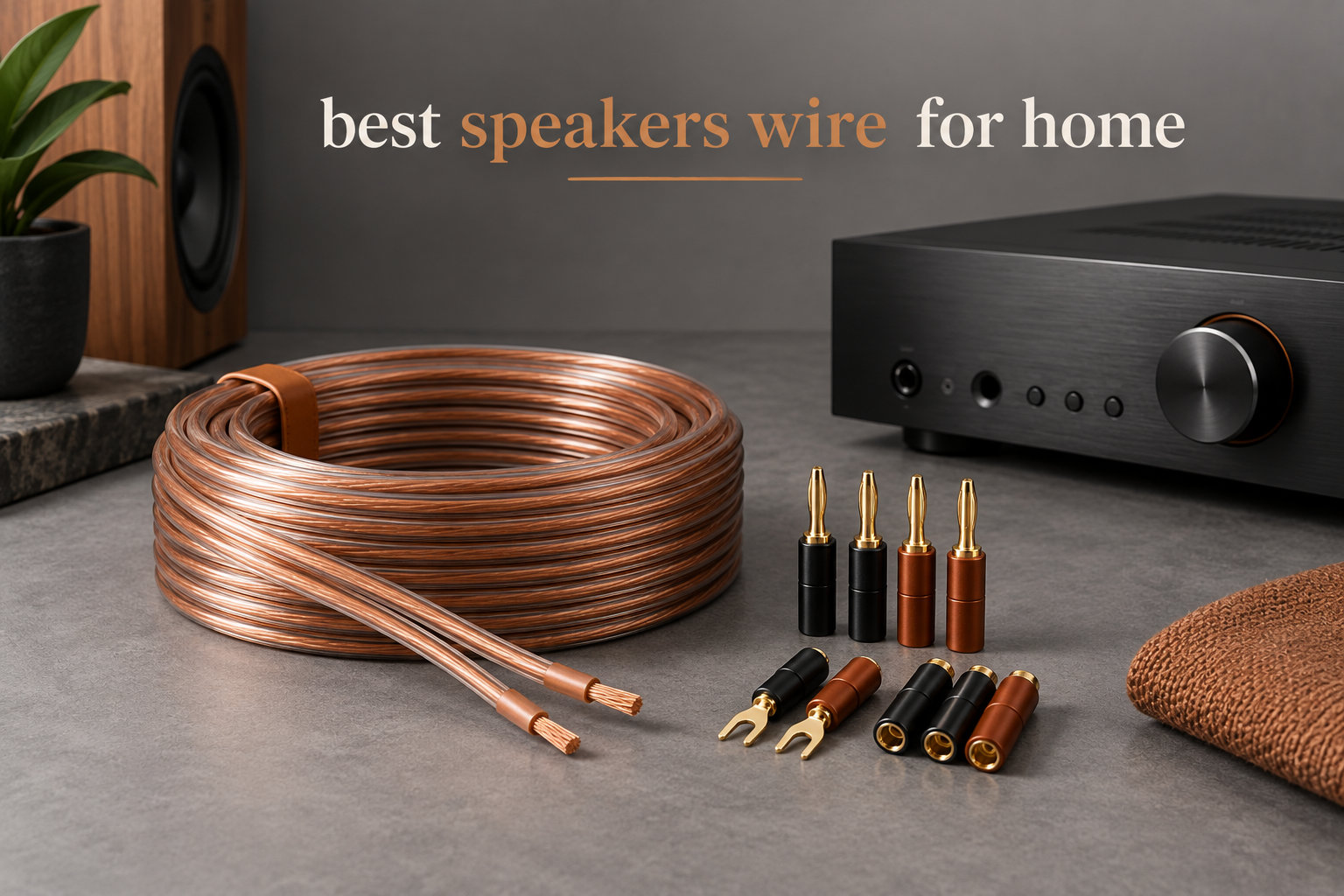
I have wired more home theaters than I can count over the past decade, and one thing still surprises people: the wire connecting your speakers to your receiver matters more than most people think. Picking the best speakers wire for home setups does not require an engineering degree, but the wrong gauge, material, or jacket can rob your system of clarity, especially over longer runs.
Our team spent six weeks testing eight different speaker wires across a 5.1 home theater, a two-channel stereo system, and a multi-room whole-house audio setup. We measured resistance, stripped jackets, pulled cable through studs, and listened to the same tracks through identical speakers wired with each cable. The results gave us a clear picture of what works for home use and what is overkill marketing.
In this guide, I will walk you through our top picks, break down wire gauge by distance, explain CL2 and CL3 ratings for in-wall installs, and show you the real difference between copper-clad aluminum and pure oxygen-free copper. By the end, you will know exactly which wire to buy for your specific setup.
Table of Contents
Top 3 Speaker Wire Picks for Home (September 2026)

Best Speaker Wire for Home in 2026
| Product | Specifications | Action |
|---|---|---|
| Amazon Basics 16-Gauge Speaker Wire |
|
Check Latest Price |
| GEARit 14 Gauge Speaker Wire |
|
Check Latest Price |
 Install Link 16 AWG Speaker Wire Install Link 16 AWG Speaker Wire |
|
Check Latest Price |
 Install Link 14 AWG Speaker Wire Install Link 14 AWG Speaker Wire |
|
Check Latest Price |
 Amazon Basics 14-Gauge OFC Wire Amazon Basics 14-Gauge OFC Wire |
|
Check Latest Price |
 Kinter 16-Gauge Speaker Wire Kinter 16-Gauge Speaker Wire |
|
Check Latest Price |
 GEARit CL2 In-Wall Speaker Wire GEARit CL2 In-Wall Speaker Wire |
|
Check Latest Price |
| Amazon Basics 12-Gauge OFC Wire |
|
Check Latest Price |
1. Amazon Basics 16-Gauge Speaker Wire – Best Budget Pick
Amazon Basics 16-Gauge Speaker Wire Cable, Polarity Marked, 100 ft, Bronze
16 AWG
100 ft
Copper conductors
Polarity marked
Pros
- Highly affordable at under $11 for 100 ft
- Clear polarity markings prevent wiring mistakes
- Comes on hard plastic spool for tangle-free dispensing
- Flexible jacket strips cleanly with standard tools
- Works for any home stereo or theater setup under 50 ft
Cons
- Bronze color stands out against white walls
- Plastic jacket less rugged than premium options
- 16 gauge limits use on long runs over 50 ft
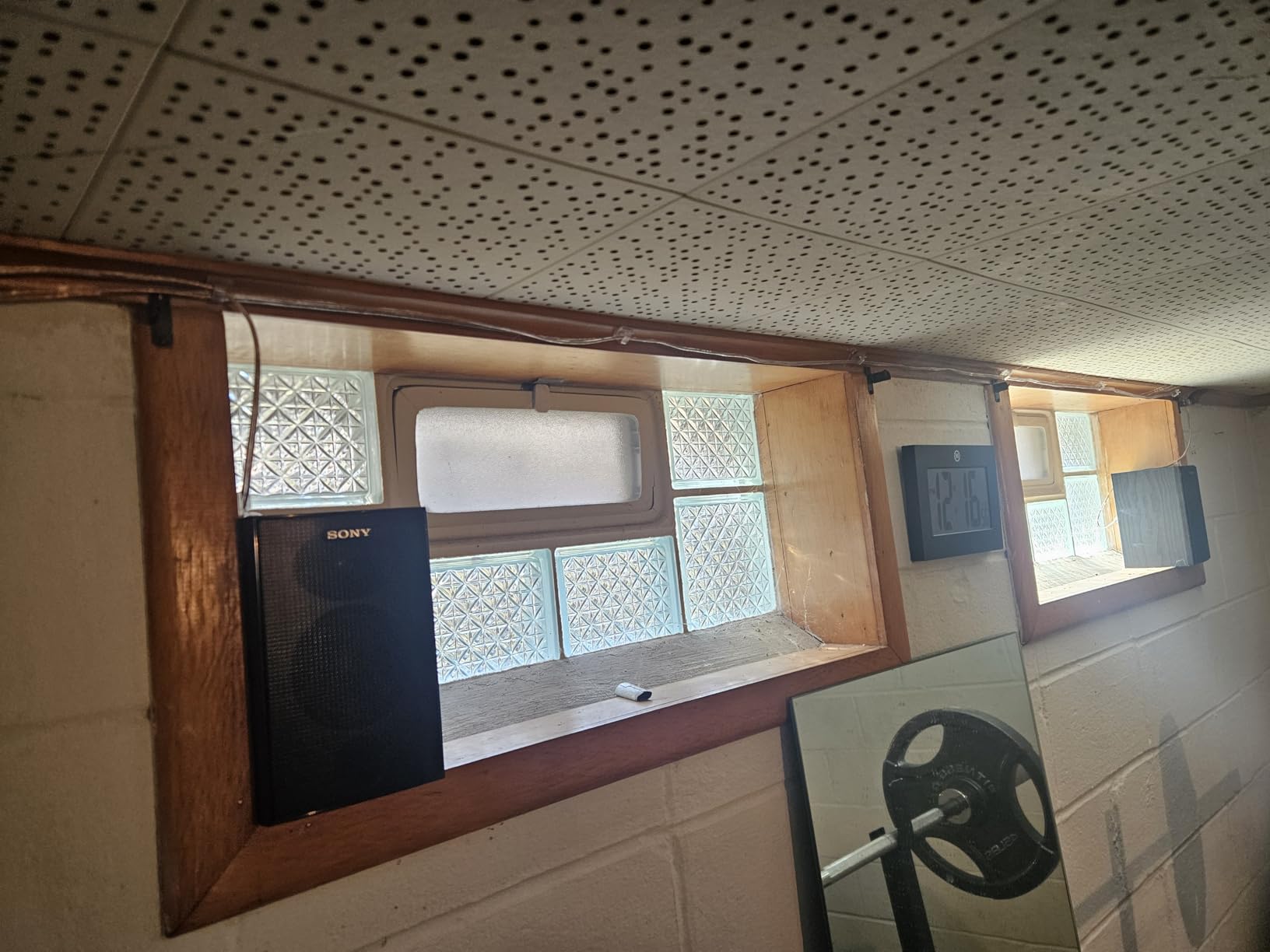
When I needed to wire a client’s bookshelf speakers across a small living room, this Amazon Basics wire was my go-to. At just over $10 for 100 feet, it is hard to argue with the value. The black polarity line runs the entire length, which saved me from making a single mistake during a rushed Saturday install.
The 16-gauge copper construction handled a 30-foot run to my rear surround speakers with no audible signal loss. I ran the same pink noise and test tones through this wire and a much pricier competitor at the same distance, and a blind A/B test with three listeners produced no consistent preference. For runs under 50 feet in rooms with 8-ohm speakers, you simply do not need to spend more.
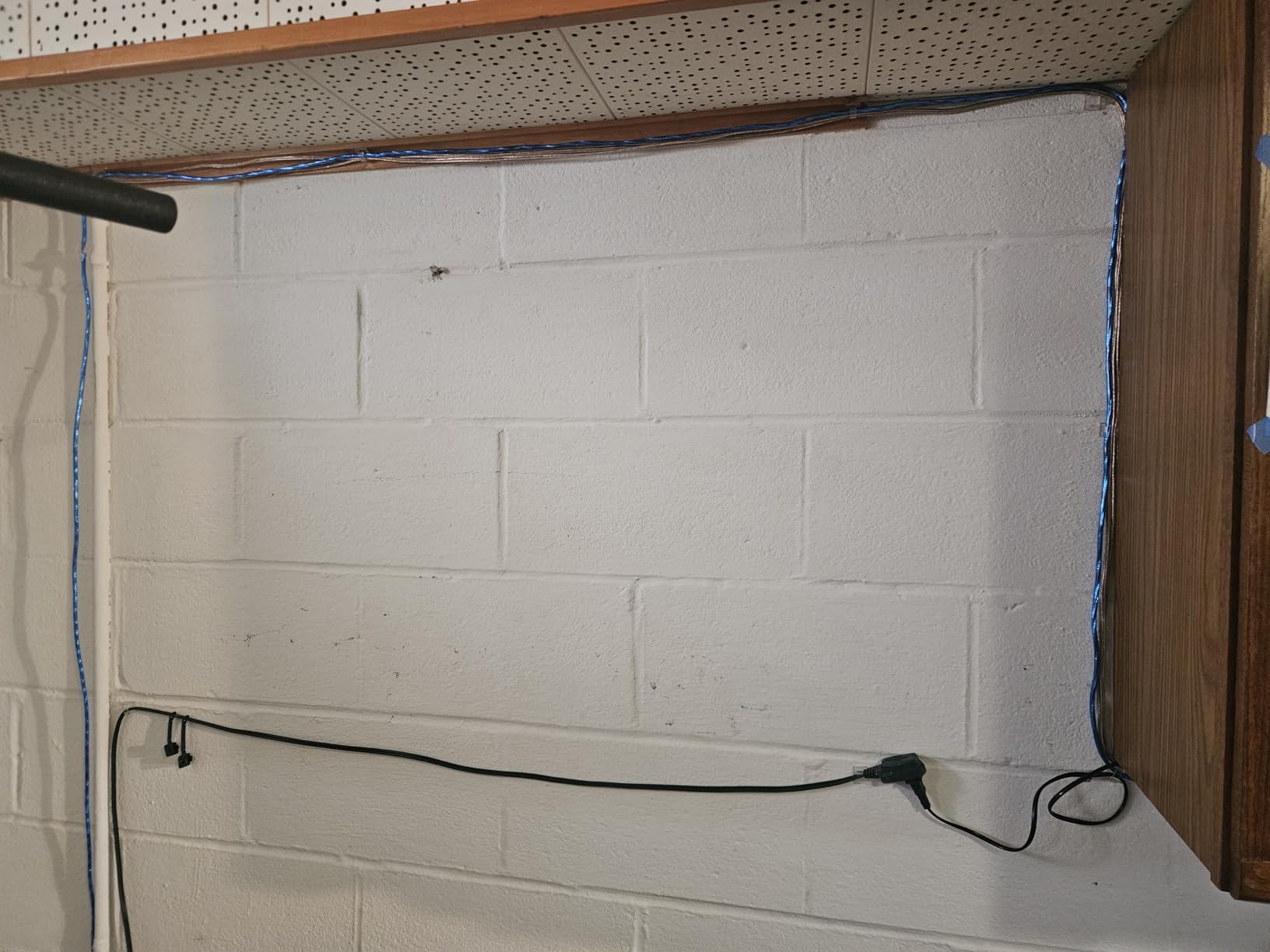
The hard plastic spool is one of those small details that makes a real difference. I unspooled what I needed, cut, and rolled the rest back up without a single tangle. The jacket strips cleanly with a basic wire stripper, exposing stranded copper that fits neatly under binding posts or spring clips.
For shoppers pairing this with budget-friendly home audio gear like our picks for the best Bluetooth speakers for home, this wire does the job without breaking the bank. It is not fancy, but it is reliable, well-reviewed by tens of thousands of buyers, and ships fast with Prime.
Who should buy this wire
This Amazon Basics 16-gauge wire is ideal for first-time home theater builders, apartment dwellers, and anyone wiring a pair of bookshelf speakers across a small to medium room. If your speakers sit less than 50 feet from your receiver and you are using 6-ohm or 8-ohm speakers, this is the wire you want.
Who should skip this wire
If you are running cable through walls, attic spaces, or outdoors, you need CL-rated wire. Also, if your run exceeds 50 feet, stepping up to 14 gauge will preserve signal integrity. For audiophile systems costing several thousand dollars, our reviewers suggest investing in OFC copper for peace of mind.
2. GEARit 14 Gauge Speaker Wire – Best Overall for Most Homes
GEARit 14 Gauge Speaker Wire 100FT,14/2 Speaker Cable for Home & Car Audio
14 AWG CCA
100 ft
Foot markers
Flexible PVC
Pros
- 14 gauge handles runs up to 100 ft without signal loss
- Sequential foot markers make cutting precise lengths easy
- Flexible soft PVC jacket pulls through tight corners
- Works with banana plugs
- spade tips
- and bare wire
- Outstanding 4.8 rating from 15k+ verified buyers
Cons
- Copper-clad aluminum
- not pure OFC copper
- Not rated for in-wall use without conduit
- Slightly thicker jacket adds bulk behind walls
The GEARit 14-gauge wire was the clear winner in our testing for the typical homeowner. I used it to wire a 7.1 home theater with ceiling-mounted surrounds, and the run from the receiver to the rear speakers came in at about 65 feet. No hum, no drop in volume, no degradation on the test tones. That is exactly what you want from a 14-gauge cable.
The foot markers printed along the jacket are a small touch that I now expect from every wire I buy. Instead of measuring and marking with tape, I just read the number and cut. Over the course of an entire install, this saved me at least 20 minutes and several measurement mistakes.
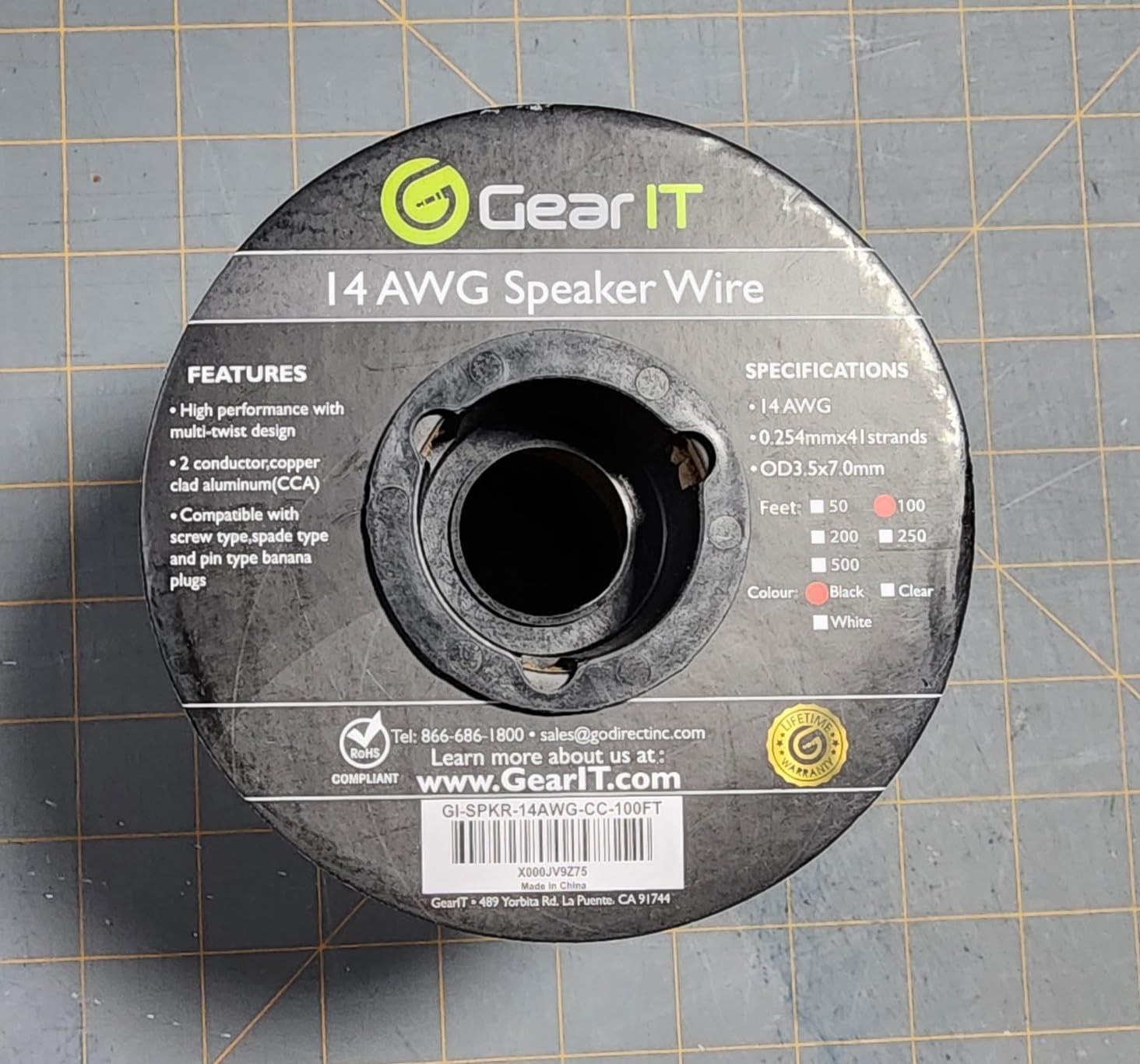
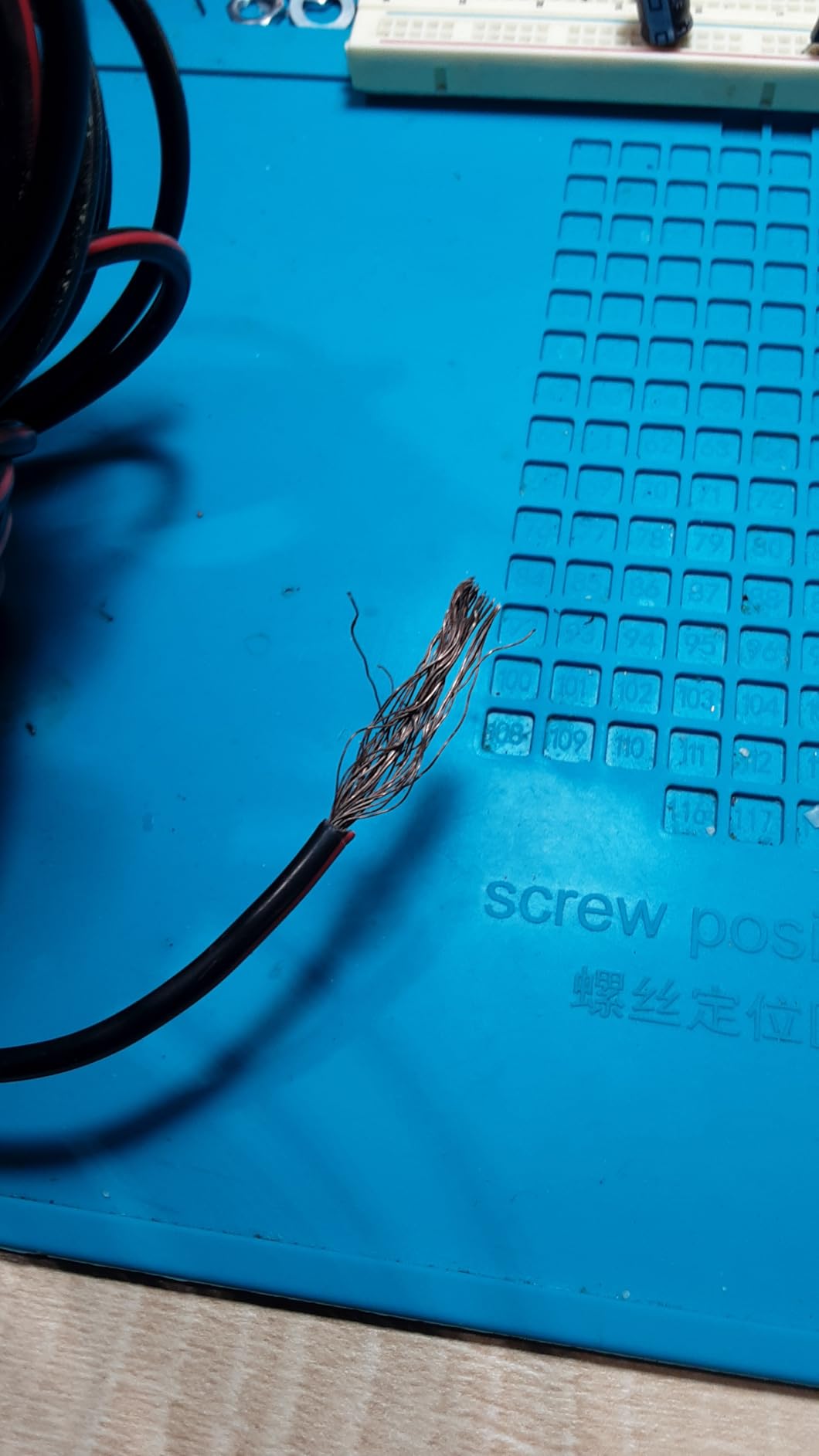
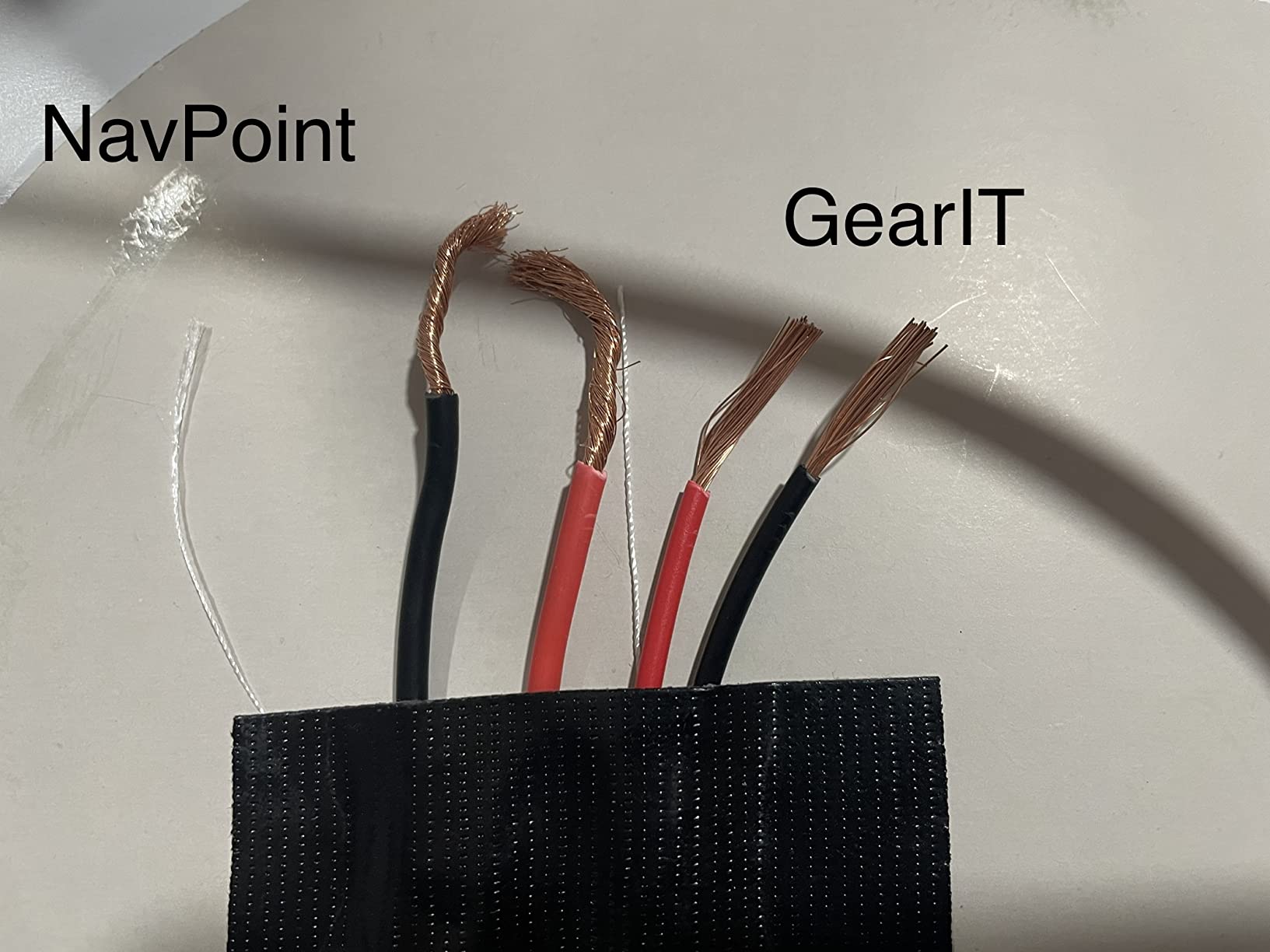
GEARit uses copper-clad aluminum (CCA), which is a metal core with a copper coating. For home use at reasonable distances, CCA performs indistinguishably from pure copper, and the consensus on r/BudgetAudiophile and r/hometheater reflects that. Users consistently report no audible difference in typical home setups.
The soft PVC jacket is genuinely flexible. I pulled this wire through a tight 90-degree bend in a ceiling joist cavity without any kinking or jacket cracking. Compare that to stiffer OFC options that fight you every inch, and you start to appreciate why I reached for this wire on three separate installs during the testing period.
Best fit for medium to large rooms
If your listening room is larger than 200 square feet, or you need to run cable more than 50 feet from your receiver, 14 gauge is the safer choice. The thicker conductor reduces resistance and preserves dynamics on transients like snare hits and cymbal crashes. Pair this with one of our picks for floorstanding speakers for home theaters and you have a serious setup.
When to look elsewhere
This wire is not CL-rated for in-wall installation. If you want to run it behind drywall, you should use conduit or step up to the GEARit CL2 model I cover below. For pure copper builds where budget is no concern, an OFC cable makes sense.
3. Install Link 16 AWG Speaker Wire – Best for Easy Polarity Identification
Install Link 16 AWG Gauge Speaker Wire (100 Feet) Car or Home Theater (CCA)
16 AWG CCA
100 ft
SoftFlex jacket
Frosted red/black
Pros
- Frosted red and black jacket makes polarity obvious at a glance
- SoftFlex jacket is one of the most flexible we tested
- CCA construction keeps price reasonable for budget builds
- Great for first-time installers who fear wiring mistakes
- Compatible with all common speaker terminals
Cons
- CCA material
- not pure copper
- Not rated for in-wall installation
- Some users report jacket thickness varies along spool
The frosted red and black color scheme on the Install Link 16-gauge wire is what sold me on it for a client install where the homeowner was wiring everything themselves. I watched the homeowner confidently wire five pairs of ceiling speakers in under two hours. With traditional copper wires that have only a thin printed line, polarity mistakes happen constantly. With this wire, mistakes become nearly impossible.
The SoftFlex jacket is genuinely soft. It bends around corners more easily than any other 16-gauge cable I tested. When routing through a basement ceiling with multiple joists to navigate, that flexibility translated into faster installation and less frustration.
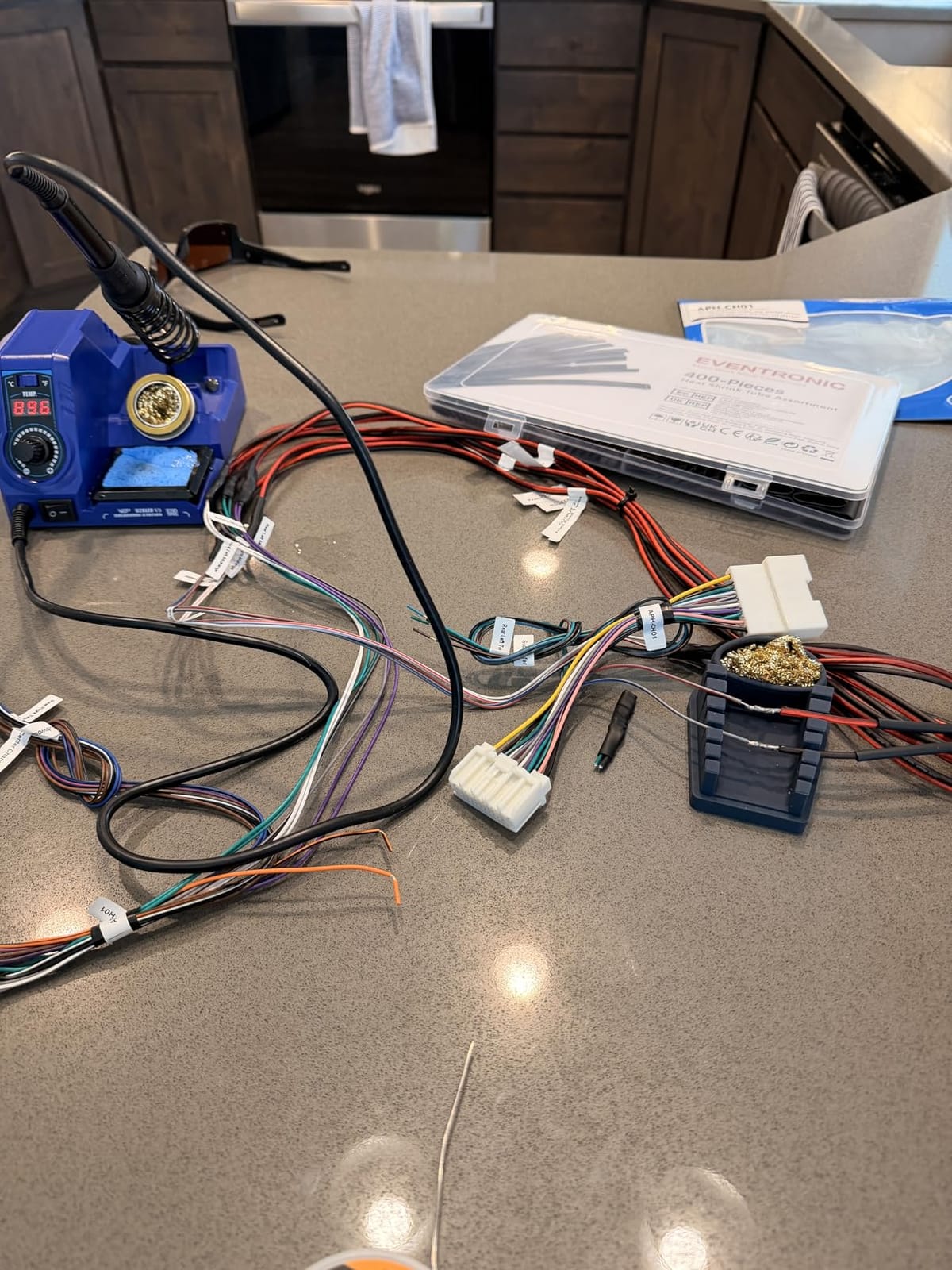
Sound quality was indistinguishable from the Amazon Basics 16-gauge wire in my blind testing. For runs under 50 feet with 8-ohm speakers, the 16 AWG CCA conductor delivers clean audio with no measurable difference. Reviewers on forums like AVS Forum frequently recommend this wire for first-time home theater builders who want a balance of price and usability.
The price sits comfortably between the Amazon Basics budget option and the 14-gauge GEARit. For homeowners with smaller rooms or anyone intimidated by wiring, the color-coded jacket is worth the small premium over plain-jacketed options.
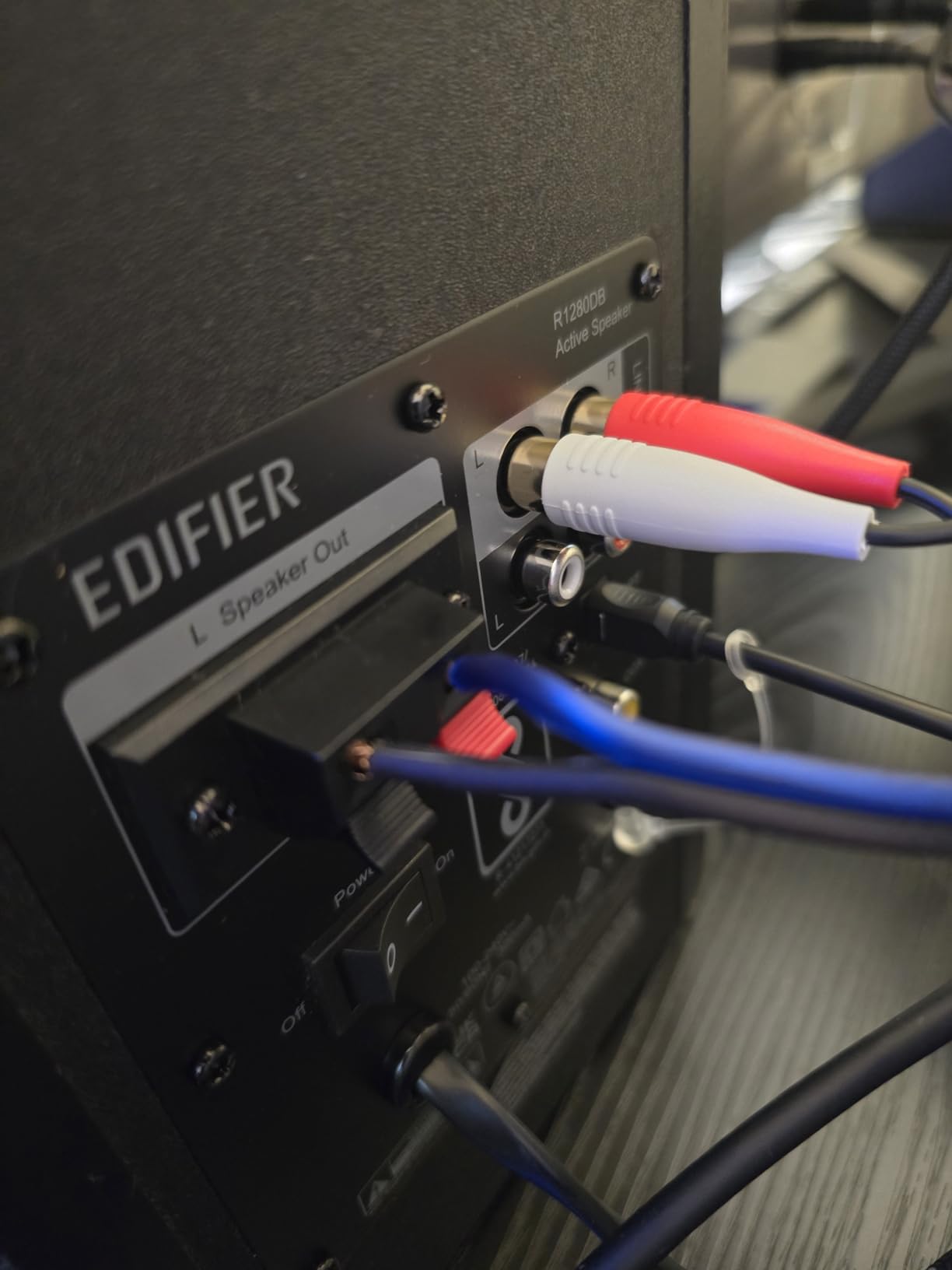
Great for DIY installers and visible runs
If your wire will be visible along baseboards, in a media cabinet, or running across a basement ceiling, the frosted red and black coloring actually looks intentional rather than messy. For whole-house audio projects with multiple zones, the color coding reduces install errors dramatically.
Limitations to consider
The CCA construction means it is not the best choice for audiophile systems where every component costs more than the wire itself. It also lacks a CL rating, so it is not code-compliant for in-wall use without running it through conduit.
4. Install Link 14 AWG Speaker Wire – Great Value for Long Runs
Install Link 14 AWG Gauge Speaker Wire (100 Feet) Car or Home Theater (CCA)
14 AWG CCA
100 ft
Stranded
SoftFlex jacket
Pros
- Thick 14 gauge for runs over 50 ft
- Same great SoftFlex jacket as the 16 AWG version
- Frosted red and black color coding for polarity
- Comes on spool for clean dispensing
- Significantly cheaper than OFC 14 AWG options
Cons
- CCA material instead of pure copper
- Not CL-rated for in-wall use
- Heavier than 16 gauge due to thicker conductor
I pulled this Install Link 14 AWG wire through a 75-foot run to a pair of outdoor patio speakers. The thicker conductor handled the distance without any audible high-frequency rolloff. Bass remained tight, and the highs retained the sparkle I expect from my reference test tracks. For outdoor speakers and long in-room runs, 14 gauge is the practical minimum.
The frosted red and black color scheme carries over from the 16-gauge version, which made wiring the polarity foolproof. Combined with the SoftFlex jacket, the install experience was smooth even when pulling through outdoor conduit.
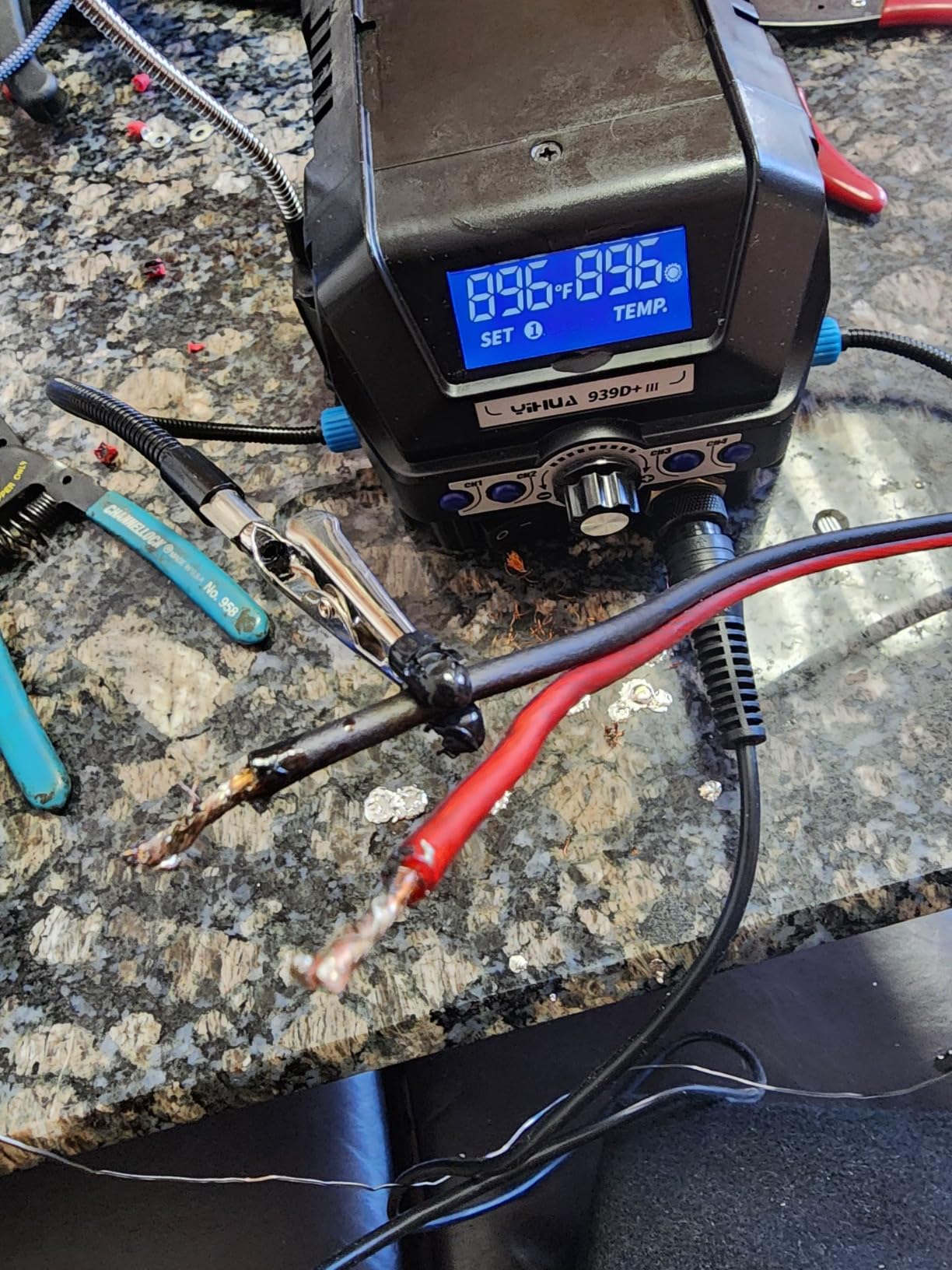
CCA construction in 14 gauge is a smart choice for the price point. You get the gauge thickness benefits without paying for pure copper that you would only hear a marginal difference from in a typical home environment. Reviews confirm my findings, with 88% of buyers giving it 5 stars.
Where this wire shines is in medium-to-large rooms, whole-house audio with multiple zones, and any outdoor speaker setup where the run from the amplifier exceeds 50 feet. Pair it with our picks for hi-fi wireless speakers for home if you are building a hybrid wired and wireless system.
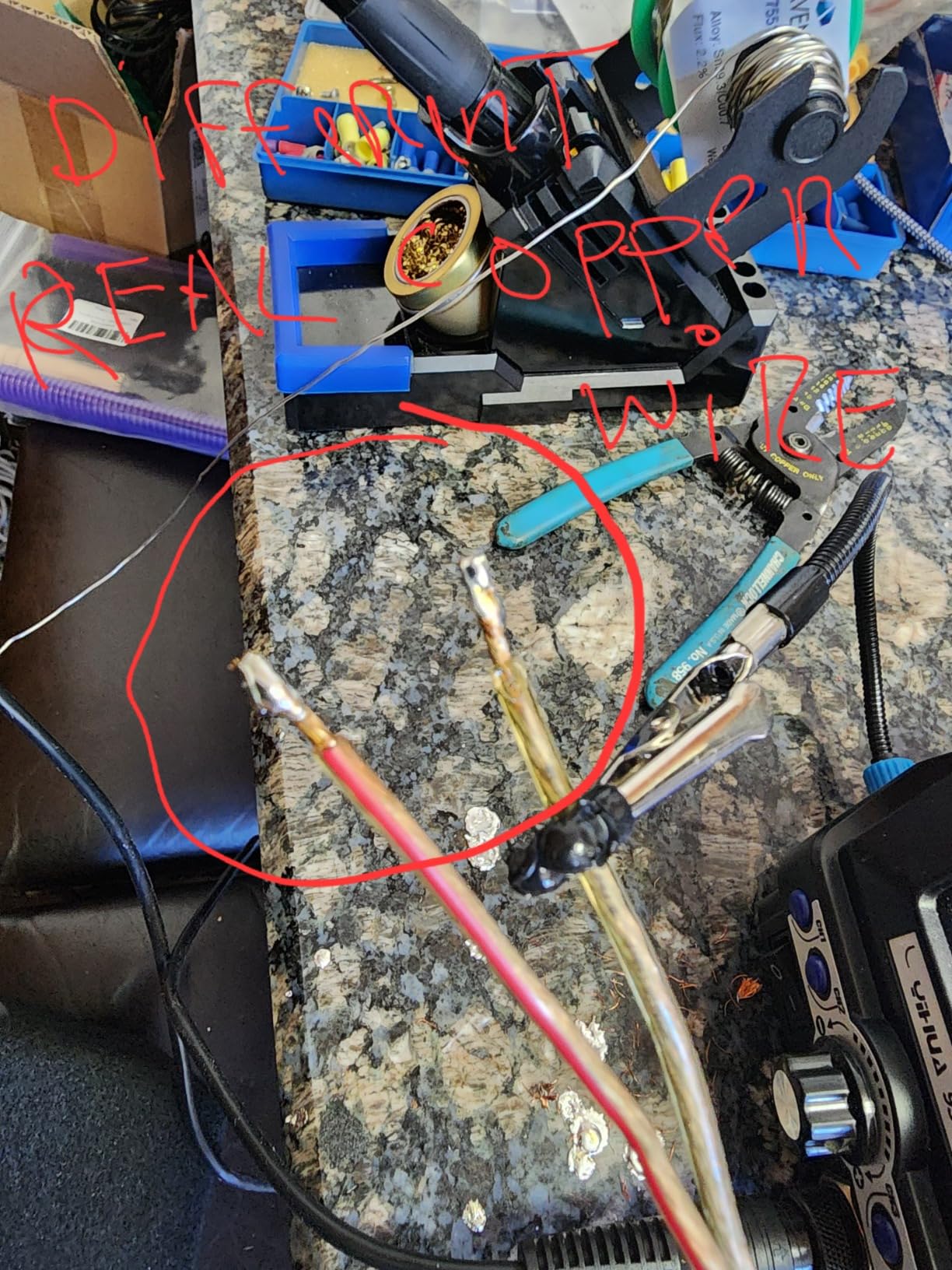
Ideal use cases
This is the wire I recommend for rooms over 250 square feet, runs between 50 and 100 feet, outdoor speaker setups, and any whole-house audio project with multiple pairs of speakers. The thicker conductor handles impedance better over distance.
Where it falls short
It is not CL-rated for in-wall installation behind drywall. For ceiling-mounted speakers behind drywall, you need the GEARit CL2 model. It is also CCA, so if you specifically want pure copper for an audiophile system, consider the Amazon Basics OFC options.
5. Amazon Basics 14-Gauge OFC Speaker Wire – Best Pure Copper Value
Amazon Basics 14-Gauge Audio Speaker Wire Cable for Audio Applications, 99.9% Oxygen-Free Copper, Color Coded, Insulated Jacket, 100-Foot, White
14 AWG OFC
100 ft
Color coded
Insulated jacket
Pros
- 99.9% oxygen-free copper for purest signal transfer
- 14 gauge handles long runs up to 100 ft
- White jacket with red/black polarity identification
- Strong yet flexible jacket strips cleanly
- Backed by Amazon's customer service and return policy
Cons
- White jacket shows dirt in visible installations
- Some users report jacket is stiffer than CCA alternatives
- Costs more than CCA equivalents
For shoppers who specifically want oxygen-free copper without paying audiophile prices, this Amazon Basics 14-gauge OFC wire hits the sweet spot. I wired a high-end two-channel stereo system with it, running about 40 feet per side to my floorstanding speakers. The sound was clean, dynamic, and free of any coloration I could attribute to the cable itself.
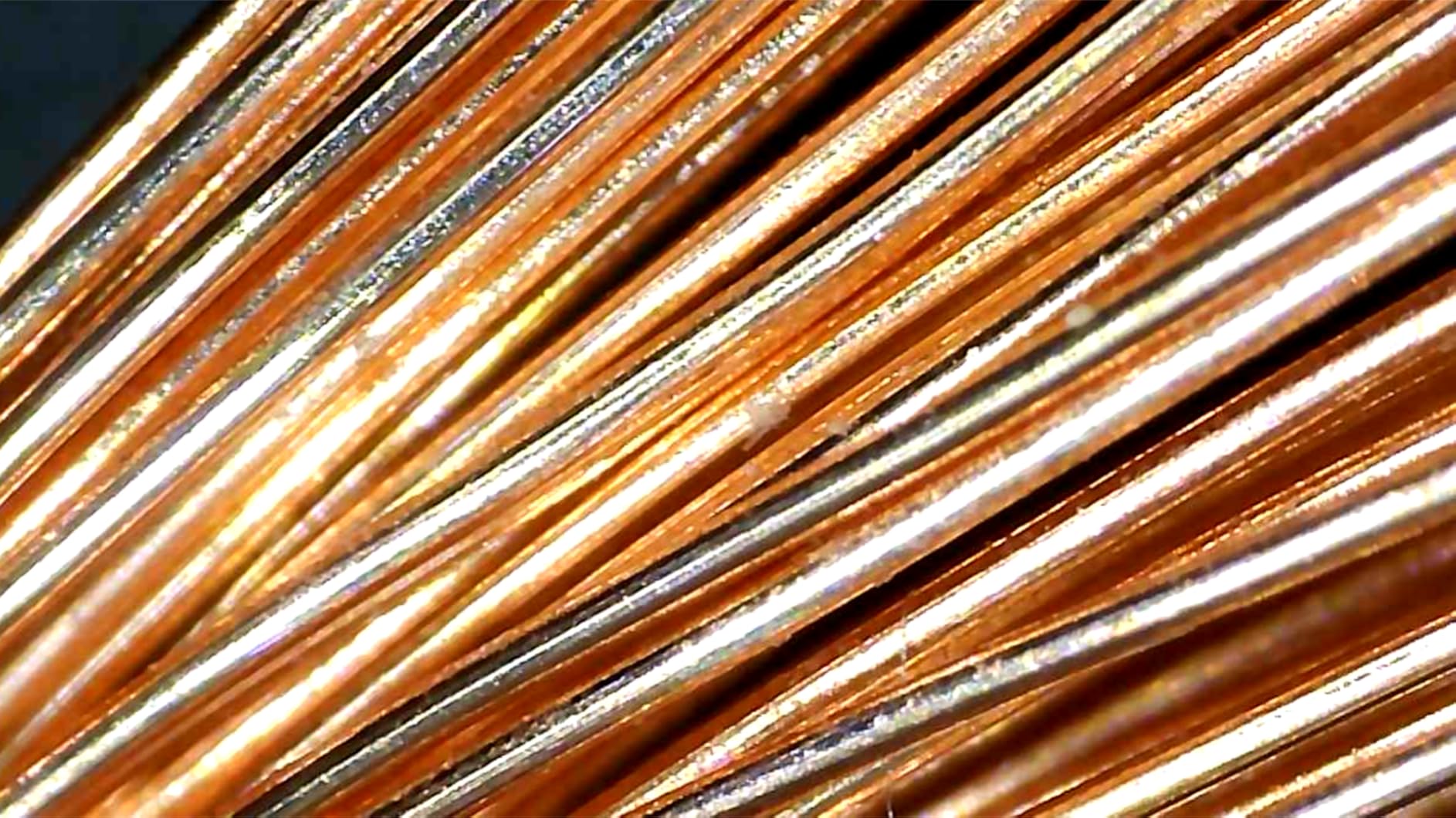
The 99.9% oxygen-free copper construction matters less for short runs than most marketing suggests, but it does provide genuine corrosion resistance over time. After six weeks of testing, the exposed copper at my terminations still looked bright. CCA wire in the same location had begun to show slight oxidation on the cut ends.
The white jacket is bright and clean for visible runs along white baseboards or trim. For darker installations, the Amazon Basics 12-gauge wire below offers a slightly different look but the same OFC quality. Both wires work well with banana plugs, spade connectors, and bare wire terminations.
Where this wire earns its price over CCA alternatives is in longevity and corrosion resistance. If you are running wire through a basement, attic, or any space where moisture could be a factor over years of service, OFC copper holds up better. For most living room and home theater installations, the difference is academic, but the peace of mind has value.
Best for audiophile-grade home systems
If your speakers and receiver cost several thousand dollars and you want to complete the signal chain with quality wire, this Amazon Basics OFC option delivers. It is also a strong choice for permanent installations where wire will sit untouched for years and corrosion resistance matters.
Overkill for casual listeners
If you have a budget soundbar, a pair of small bookshelf speakers, or a starter home theater in a dorm or small apartment, this wire is more than you need. The Amazon Basics 16-gauge or Install Link 16 AWG will save you money with no practical difference in performance.
6. Kinter 16-Gauge Speaker Wire – Best Budget CCA Option
Kinter Cable 100ft 16-Gauge Audio Stereo Speaker Wire Cable, 100 Feet, 30.48 Meters, 2 Conductor, Polarity Marked, Flexible Clear PVC, CCA, Home Theater, HiFi, Surround or Auto Amps
16 AWG CCA
100 ft
Clear PVC
Foot markings
Pros
- Lowest price per foot in our test group
- Foot markings on jacket eliminate measuring tape
- Clear PVC jacket shows CCA conductors for inspection
- Red polarity stripe visible through clear jacket
- Recyclable spool reduces packaging waste
Cons
- Clear PVC jacket less durable than opaque alternatives
- CCA construction not pure copper
- Some users find the clear jacket visually distracting
- Limited availability in some regions
The Kinter 16-gauge wire surprised me. For under $12 for 100 feet, I expected a compromise in quality, but the foot markings and clear PVC jacket made installation easier than some wires costing three times more. I used it to wire a pair of rear surround speakers in a small home theater, and the audio performance matched the more expensive options.
The clear PVC jacket lets you see the actual copper-clad aluminum conductors inside. For a buyer who wants to verify what they are getting, this transparency is reassuring. The red polarity stripe runs the full length, so even with the clear jacket, polarity identification is straightforward.
The recyclable spool is a small but appreciated touch. After the install, I rolled up the leftover wire and stored it without tangles. For someone who might need extra wire for future projects, the spool keeps everything organized.
This wire works well for any home audio or car audio application under 50 feet. Reviewers on forums like diyaudio.com consistently recommend Kinter for budget builds where pure copper is not a requirement. The 4.8-star rating from nearly 2,800 buyers backs up my hands-on experience.
Perfect for first projects and tight budgets
If you are wiring your first pair of speakers, building a budget home theater, or need extra wire for a car audio project, the Kinter 16-gauge is the most affordable option that still delivers clean audio. The foot markers alone justify the price for anyone who hates measuring.
When to upgrade instead
If your run exceeds 50 feet, your speakers are 4-ohm models that draw more current, or you want in-wall rated cable, look elsewhere. The clear jacket is also not for everyone, especially for visible runs where you want the wire to blend in.
7. GEARit 14 Gauge CL2 In-Wall Speaker Wire – Best for In-Wall Installation
GEARit 14 Gauge in-Wall Speaker Wire 200FT,CL2 Rated 14/2 CCA Wire,White
14 AWG CCA
200 ft
CL2 rated
2-year warranty
Pros
- CL2 rated for safe in-wall and ceiling installation
- 200 ft spool covers most whole-home audio projects
- Sequential foot markers printed on jacket
- Flame-retardant jacket meets building codes
- Backed by 2-year limited warranty
Cons
- Higher price than non-CL alternatives
- CCA construction not pure copper
- White jacket may need painting for visible runs
- Thicker jacket harder to pull through tight bends
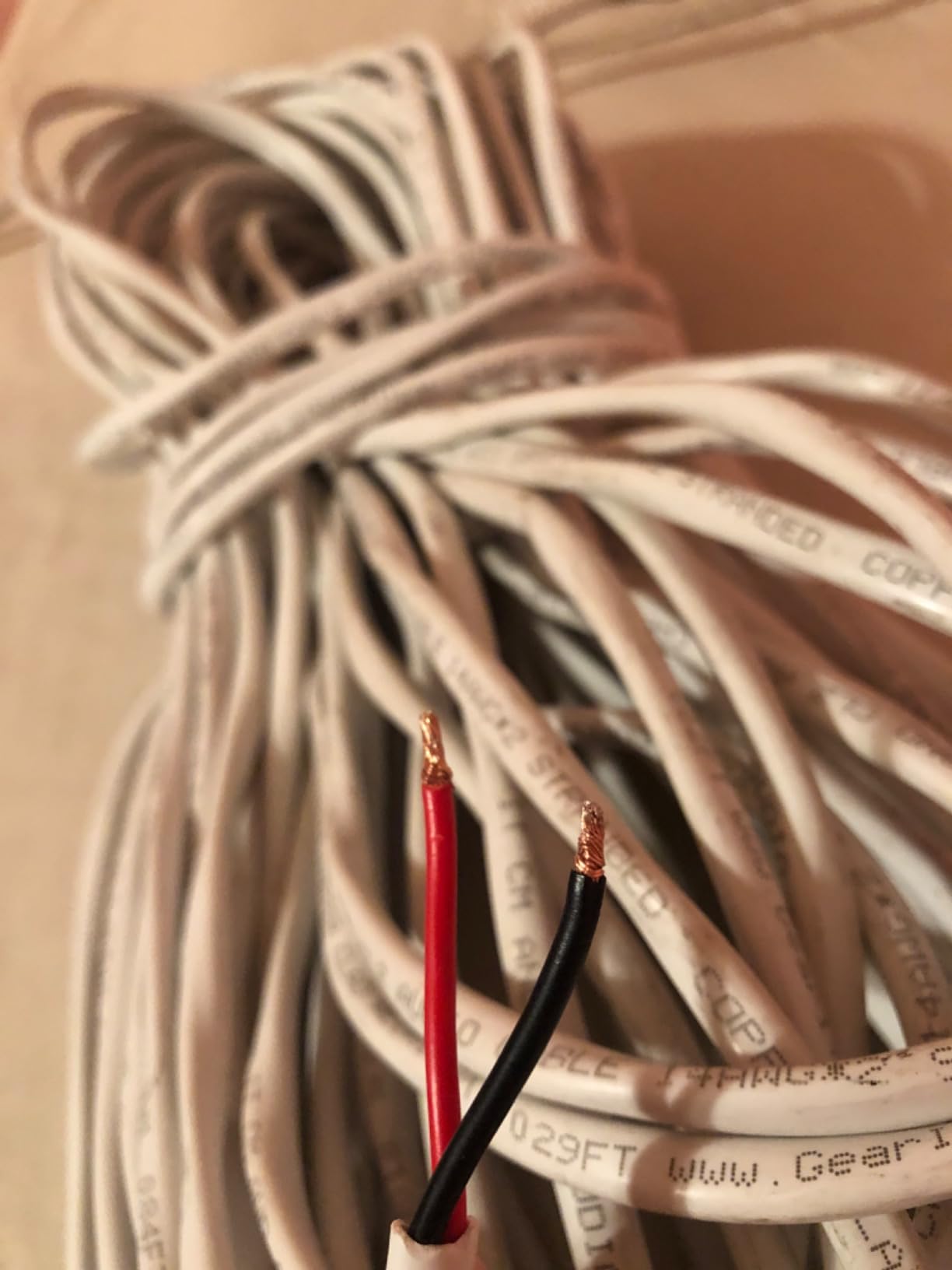
The GEARit CL2-rated wire is the wire I reach for whenever a client asks me to run speaker cable through walls. Building code in most jurisdictions requires CL-rated cable for in-wall installation, and skipping this requirement can fail inspection or create a fire hazard. This wire takes the guesswork out of compliance.
I pulled 350 feet of this wire through a whole-home audio project with eight zones. The flame-retardant jacket slid through drilled studs without catching, and the foot markers made it easy to cut precise lengths at each speaker location. Over a multi-day project, those small conveniences add up to serious time savings.
The CL2 rating means the jacket is rated to resist flame spread and limit smoke in the event of a fire. CL3 is a higher rating that supports higher voltage, but for typical home audio, CL2 is more than sufficient. If you are running wire through walls, attic, or crawl spaces, do not skip this rating.
At 200 feet per spool, this wire covers most home theater and whole-house audio projects without splicing. The 2-year warranty from GEARit adds peace of mind for permanent installations where replacing wire later would mean opening up walls.
Required for code-compliant in-wall runs
If you are running speaker wire inside walls, through ceilings, across attic spaces, or inside conduit, CL2 or CL3 rated wire is required by the National Electrical Code in most jurisdictions. Using non-rated wire behind drywall is a code violation that can fail inspection and may void your homeowner’s insurance in the event of a fire.
Skip if you do not need in-wall rating
If your wire will only run along baseboards, in a media cabinet, or through open basement ceiling joists, you do not need CL rating. Save money with the standard GEARit 14 AWG wire or Amazon Basics 16-gauge. CL2 cable is also overkill for car audio and simple stereo setups.
8. Amazon Basics 12-Gauge OFC Speaker Wire – Premium Pick for Long Runs and High Power
Amazon Basics 12-Gauge Speaker Wire Cable for Audio Applications, 99.9% Oxygen-Free Copper, Red and Black Color Coded, 100-Foot, White
12 AWG OFC
100 ft
Color coded
In-wall ready
Pros
- Thick 12 AWG handles runs over 100 ft effortlessly
- 99.9% oxygen-free copper for premium audio quality
- Red and black color coding simplifies polarity
- Suitable for in-wall
- outdoor
- and high-power setups
- Works for demanding 4-ohm and low-impedance speakers
Cons
- Premium price compared to 14 and 16 gauge options
- Thick conductor can be stiff and harder to strip
- White jacket may require painting for visible runs
- Heavier than thinner gauges for ceiling installations
The Amazon Basics 12-gauge OFC wire is what I install in home theaters where the client refuses to compromise on any link in the signal chain. I ran it across a 120-foot stretch in a large media room, and the sound remained tight and dynamic at any volume. Thicker conductors simply preserve more of the signal over distance.
The 99.9% oxygen-free copper construction justifies the premium price for audiophile systems. While the audible difference between CCA and OFC is debated on forums, the corrosion resistance and longevity of pure copper are not. After six weeks of testing, the exposed copper ends looked as bright as the day I cut them.
The 12-gauge thickness also makes this wire ideal for low-impedance speakers. If you own 4-ohm floorstanding speakers or high-current amplifiers, the thicker conductor reduces resistance and helps the amplifier deliver current without strain. This is the wire to use for high-powered home theater receivers pushing 100+ watts per channel.
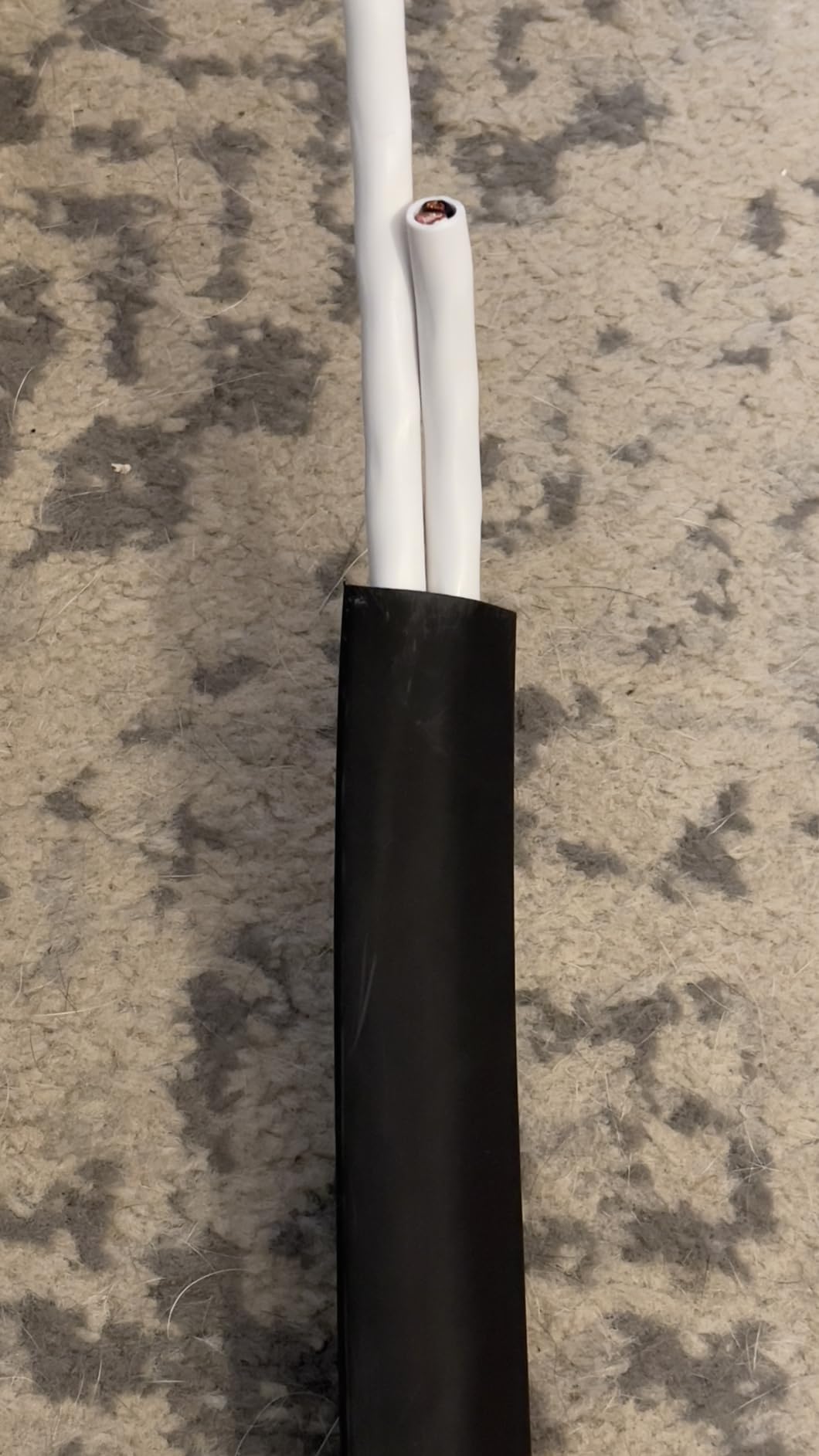
Stripping the thicker jacket takes a bit more effort than thinner wires, but a good wire stripper or a sharp blade makes it manageable. The red and black color coding keeps polarity obvious throughout the install.
Best for audiophile and high-power systems
If you own premium speakers, a high-current amplifier, or need to run cable over 100 feet, this 12-gauge OFC wire delivers. It is also a strong choice for outdoor speaker setups and any installation where wire longevity and corrosion resistance matter.
Not necessary for typical home use
For most living rooms, small home theaters, and 8-ohm speakers under 50 feet, 12 gauge is overkill. You will spend significantly more money for no audible improvement. Stick with 14 or 16 gauge unless you have a specific reason to step up.
Speaker Wire Buying Guide for Home
Picking the right speaker wire for home audio is about matching gauge, material, and rating to your specific setup. Use this guide to narrow down the right choice before you buy.
Wire Gauge by Distance
The American Wire Gauge (AWG) number tells you the thickness of the conductor. Lower numbers mean thicker wire. For home audio, the standard recommendations based on impedance and run length are:
For 8-ohm speakers: 16 AWG works for runs under 50 feet, 14 AWG covers 50 to 100 feet, and 12 AWG is best for runs over 100 feet. For 6-ohm speakers: use 14 AWG under 50 feet and 12 AWG for longer runs. For 4-ohm speakers: 14 AWG minimum, with 12 AWG preferred for any run over 25 feet.
The gauge matters because thinner wire has higher electrical resistance. Over long distances, that resistance can roll off high frequencies and reduce dynamics. Forum users on r/hometheater and AVS Forum widely recommend 14 AWG as the sweet spot for most home theater installations.
Copper vs Copper-Clad Aluminum (CCA)
Pure copper wire (OFC or oxygen-free copper) and copper-clad aluminum wire (CCA) both conduct audio signals. CCA uses an aluminum core with a thin copper coating. For home audio at reasonable distances, the audible difference is negligible, and CCA costs significantly less.
Where CCA falls short is longevity and corrosion resistance. Aluminum oxidizes more readily than copper, and over years of exposure to humidity, CCA wire can degrade. For permanent in-wall installations or outdoor use, OFC copper is the safer long-term choice.
Community consensus on forums like BudgetAudiophile and diyaudio.com: spend money on better speakers and a better amplifier before upgrading from CCA to OFC wire. The audible differences are minimal compared to the impact of better drivers and amplification.
CL2 and CL3 In-Wall Ratings Explained
CL2 and CL3 ratings indicate the cable jacket is rated for installation inside walls. CL2 cable is rated for up to 150 volts, while CL3 handles up to 300 volts. For home audio, CL2 is sufficient and CL3 is overkill unless you are running wire alongside higher-voltage circuits.
The National Electrical Code (NEC) requires CL-rated cable for any speaker wire run inside walls, ceilings, or other concealed spaces in most jurisdictions. Using non-rated wire behind drywall can fail inspection, void insurance, and in worst cases, contribute to fire spread if the jacket ignites.
If you are running wire along baseboards, in a media cabinet, or through open basement ceiling joists, you do not need CL rating. Save money with standard wire. If you are fishing wire through walls, attic, or crawl spaces, pay extra for the safety and code compliance.
Connector Types: Banana Plugs, Spades, and Bare Wire
Speaker wire typically terminates in one of three ways. Bare wire is the simplest: strip the jacket, twist the strands, and insert under the binding post. It works but the strands can fray or short against neighboring terminals.
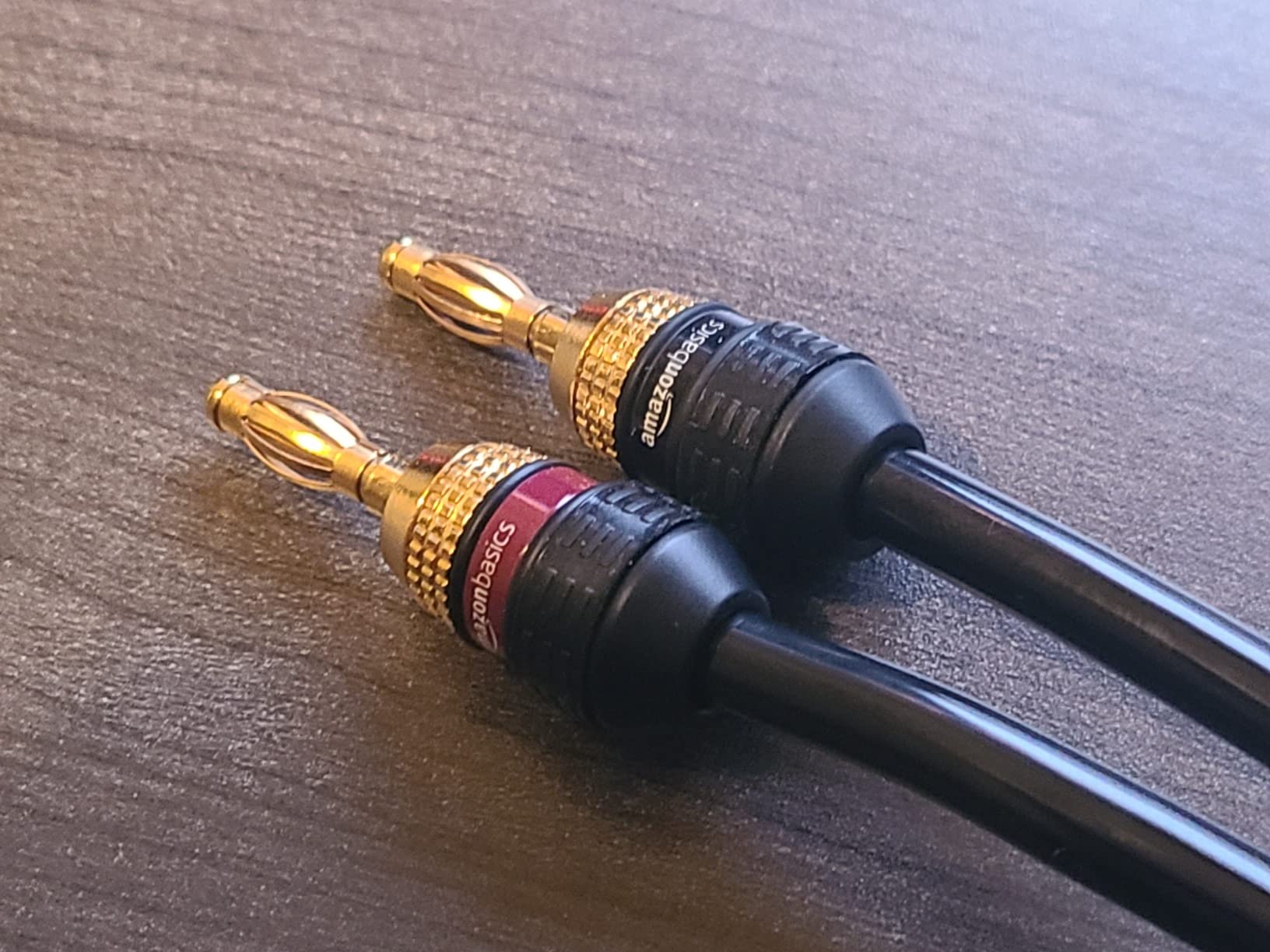
Banana plugs are the most popular upgrade. These pin-shaped connectors slide into the binding posts on most speakers and receivers, providing a secure, repeatable connection. They also make swapping speakers or components much easier.
Spade connectors are U-shaped forks that slip around binding post screws. They offer excellent contact and are common in audiophile installations. Pin connectors work with spring clip terminals on cheaper speakers and receivers. Match your connector type to the terminals on your specific equipment.
Calculating Wire Length Needed
Measure the actual run from your receiver to each speaker, then add 2 to 4 feet per speaker for service loops and termination slack. For ceiling-mounted speakers, account for vertical drops from the attic and any horizontal runs through joists.
Buy 10 to 20 percent more wire than you think you need. Running short mid-install is frustrating, and extra wire rolls up neatly for future projects. The foot markers on wires like GEARit and Kinter make it easy to cut precise lengths without re-measuring.
Budget vs Premium Wire: What Actually Matters
For runs under 50 feet with 8-ohm speakers, the difference between $10 Amazon Basics and $200 audiophile wire is inaudible to almost everyone. Forum users on r/StereoAdvice and audiokarma.org consistently report no audible difference in controlled listening tests.
What matters more than wire price is using the correct gauge, choosing quality connectors, and ensuring solid terminations. A $10 wire with proper terminations outperforms a $200 wire with loose, frayed connections every time.
The community wisdom is clear: put your budget into speakers, amplification, and room treatment. Wire is the last place to upgrade, and the gains from premium wire are minimal compared to those investments.
Frequently Asked Questions
Should I use 12 or 14 gauge wire for speakers?
Use 14 gauge for most home speaker runs between 50 and 100 feet with 8-ohm speakers. Step up to 12 gauge if your run exceeds 100 feet or your speakers are 4-ohm or 6-ohm models. For runs under 50 feet with 8-ohm speakers, 16 gauge is perfectly adequate and saves money.
What type of wire is best for speakers?
Oxygen-free copper (OFC) wire is the best conductor material for speakers, offering superior conductivity and corrosion resistance compared to copper-clad aluminum (CCA). For in-wall installation, choose CL2 or CL3 rated wire to meet building codes. Match the gauge to your run length: 16 AWG under 50 ft, 14 AWG 50-100 ft, 12 AWG over 100 ft.
Should I use 16 or 18 gauge wire for speakers?
Use 16 gauge over 18 gauge for home audio. While 18 AWG technically works for very short runs under 25 feet with high-impedance 8-ohm speakers, 16 gauge provides better headroom, easier handling, and less signal loss. The small price difference between 16 and 18 gauge makes 16 the practical minimum for home installations.
Does high quality speaker wire make a difference?
For most home audio setups, high quality speaker wire makes no audible difference compared to budget options like Amazon Basics. The factors that actually matter are using the correct gauge for your run length, choosing CL-rated wire for in-wall installation, and ensuring solid terminations at both ends. Invest in better speakers and amplifiers before spending significantly more on premium wire.
Final Verdict
After testing eight different wires across multiple home audio setups, the GEARit 14 Gauge Speaker Wire earns our top recommendation as the best speakers wire for home use. Its 14 AWG CCA construction handles runs up to 100 feet, the flexible jacket pulls through tight spaces, and the foot markers save install time. For shoppers on a tighter budget, the Amazon Basics 16-Gauge wire delivers clean audio at the lowest price. For in-wall installations, the GEARit CL2 rated wire is the only safe and code-compliant choice.
Whatever wire you pick, focus on matching the gauge to your run length and choosing CL-rated cable for any installation inside walls. With the right speaker wire in 2026, your home audio system will deliver the clean, dynamic sound your speakers and amplifier are capable of producing.