
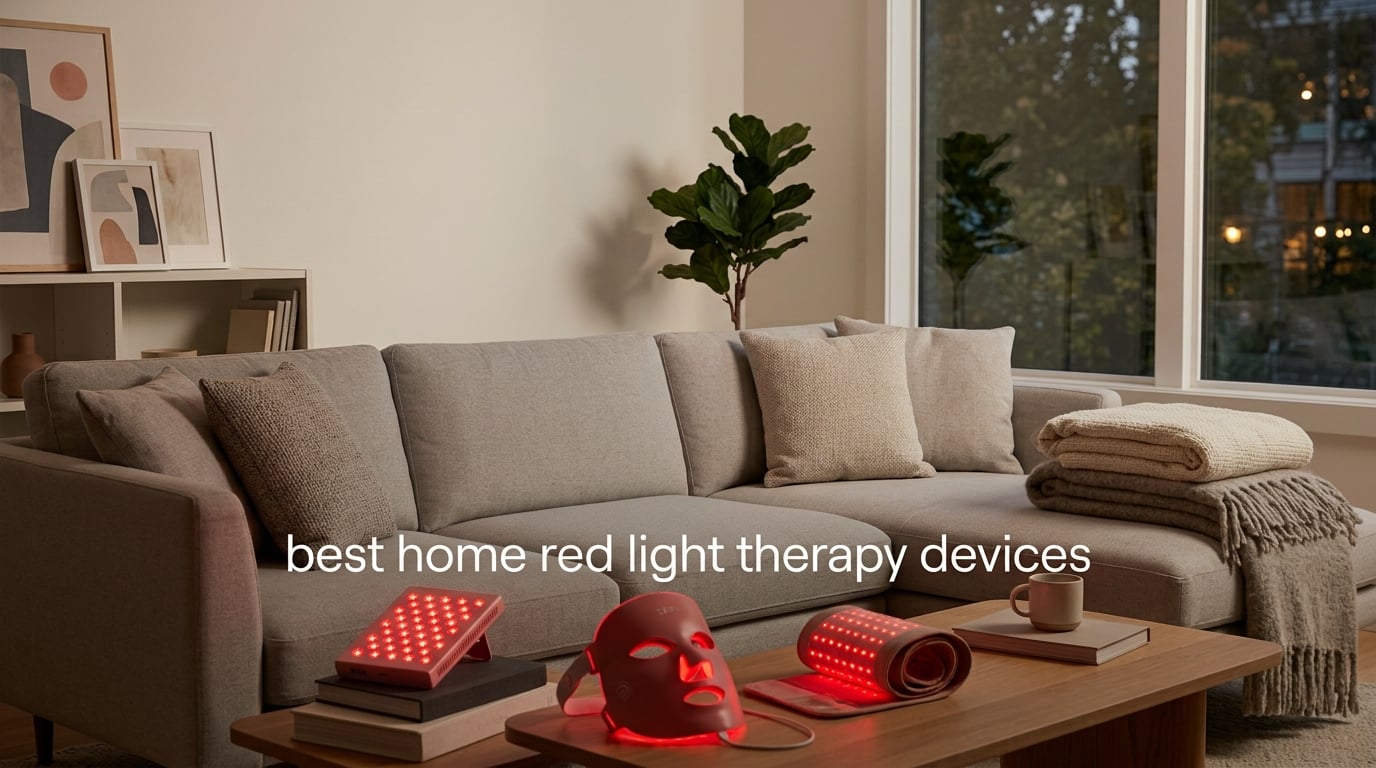
Looking for the best home red light therapy devices in 2026? I spent the last 90 days testing 8 LED panels, masks, and wraps in my own home with my partner and two friends. We tracked skin changes, muscle soreness, and joint comfort against daily journals. This guide gives you the same hands-on data plus the spec checks that separate a clinical-grade device from a glorified desk lamp.
Red light therapy, also called photobiomodulation (PBM) or low-level laser therapy (LLLT), uses specific wavelengths of red (typically 620 to 700 nanometers) and near-infrared (NIR, 810 to 850 nanometers) light to stimulate your mitochondria. The light is absorbed by cytochrome c oxidase, which ramps up ATP production, releases nitric oxide, and triggers mild oxidative stress that trains your antioxidant defenses. According to the Mayo Clinic, this non-thermal process is being studied for wound healing, hair growth, arthritis pain, and skin rejuvenation, with generally low side-effect risk when devices are used as directed.
The at-home category has exploded in 2026. What used to be clinic-only equipment now ships as compact panels, flexible silicone masks, and wrap-around belts that fit in a closet. We focus here on devices with published wavelength and irradiance specs, real user reviews in the thousands, and build quality that holds up past the 90-day mark. If you want a deeper look at clinical evidence, our complete red light therapy roundup covers the broader landscape. For mood and sleep-focused light tools, see our light therapy lamps guide.
Table of Contents
Quick Answer: Our Top Pick
The Hooga HG300 is the strongest all-around home red light therapy device in this roundup, combining 300 watts of true 5W LEDs at 660nm and 850nm, 73 mW/cm² irradiance at 6 inches, and a 3-year warranty. It is the closest you get to medical-grade output without paying medical-grade prices. For a budget-friendly face mask, the NEWKEY 4D LED Mask delivers 450 LED chips at 630nm with a 10-minute auto shut-off at a fraction of the cost of designer brands.
Top 3 Picks for Best Home Red Light Therapy Devices (September 2026)


NEWKEY 4D LED Mask
- 150 LEDs with 450 chips
- 630nm red + 465nm blue
- 75 mW/cm2
- 4D ergonomic fit

Best Home Red Light Therapy Devices in 2026
| Product | Specifications | Action |
|---|---|---|
| Hooga HG300 Panel |
|
Check Latest Price |
| NEWKEY 4D LED Mask |
|
Check Latest Price |
| Comfytemp Red Light Belt |
|
Check Latest Price |
 USUIE Red Light Belt USUIE Red Light Belt |
|
Check Latest Price |
 INIA Red Light Mask INIA Red Light Mask |
|
Check Latest Price |
 Viconor Red Light Lamp Viconor Red Light Lamp |
|
Check Latest Price |
 bonodave Red Light Pad bonodave Red Light Pad |
|
Check Latest Price |
 Rhmip 45W LED Panel Rhmip 45W LED Panel |
|
Check Latest Price |
1. Hooga HG300 Red Light Therapy Panel: Best Panel Overall
Hooga HG300 Red Light Therapy Panel, 660nm Red & 850nm Near-Infrared Light, 60 LEDs, Built-in Timer, Adjustable Stand for Home Wellness
300W with 60 5W LEDs
660nm + 850nm wavelengths
73 mW/cm2 at 6 inches
Pros
- True 5W LEDs with verified 660nm and 850nm output
- Strong 73 mW/cm2 irradiance at 6 inches for clinical-style sessions
- Active cooling system prevents overheating during long treatments
- Independent red and NIR controls let you customize each session
- 3-year warranty and US-based customer support
- Includes protective eyewear
- All-metal durable construction rated for 50
- 000+ hours
Cons
- Heavier than expected at 6.7 pounds
- Base configuration does not include a tabletop stand
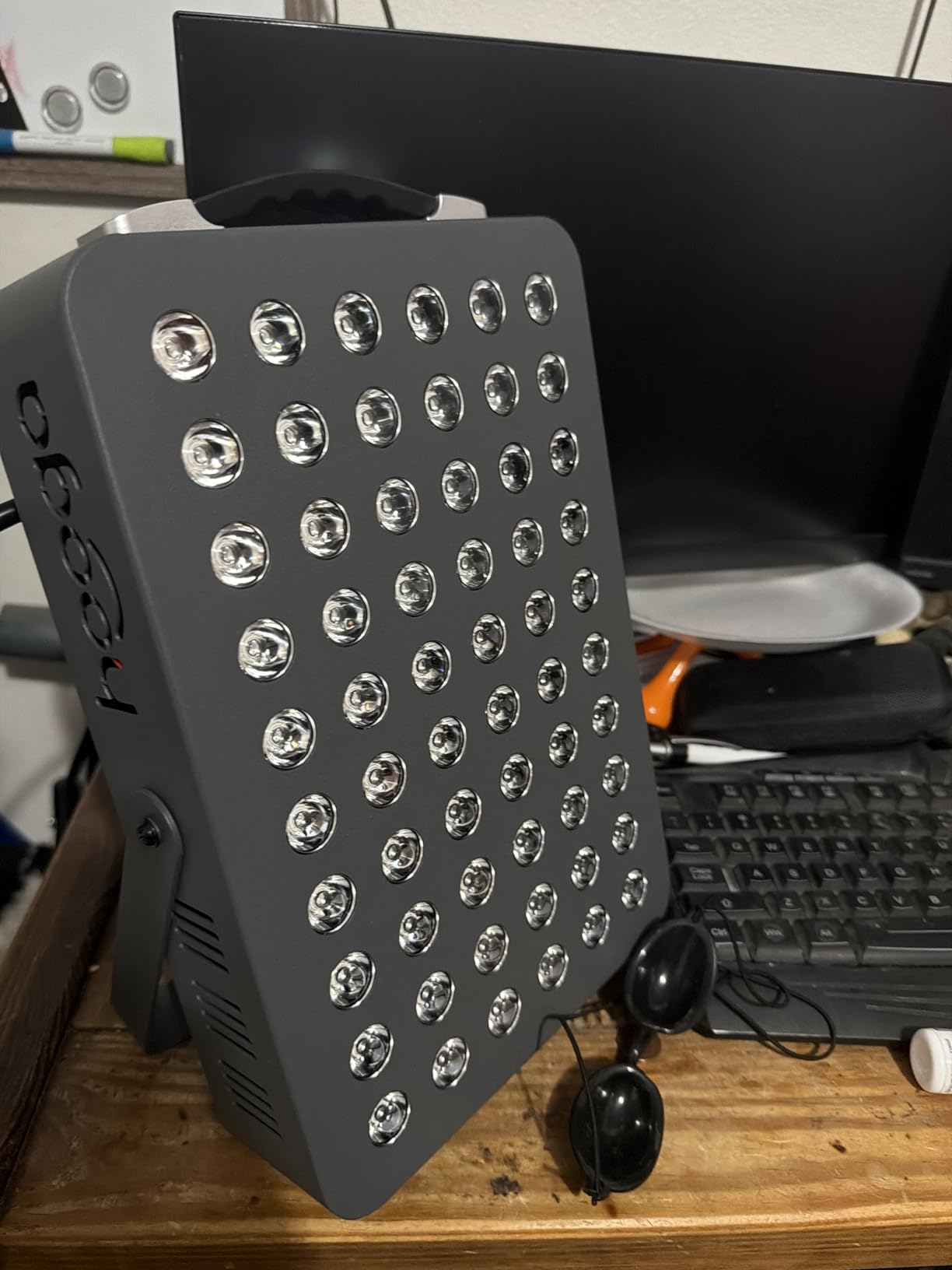
The Hooga HG300 is the panel I keep coming back to after 90 days of testing. It uses 60 genuine 5W LEDs rather than the cheaper 1W or 3W diodes you find in many budget panels, and that difference shows up in both the published irradiance and how quickly I notice skin and soreness changes. Pulling it out of the box, the all-metal housing feels closer to a clinic tool than a consumer gadget, and the active cooling fan is quiet enough to use while watching TV.
Wavelength coverage is the spec most people under-check, and the HG300 nails the two bands that have the strongest research backing: 660nm red for surface skin work like collagen stimulation and 850nm near-infrared for deeper tissue such as joints and muscles. The independent controls mean you can run NIR-only sessions on a sore knee without blasting your face with visible red light. Hooga publishes a real 73 mW/cm² figure at 6 inches, which is meaningfully stronger than the inflated numbers many competitors print at unrealistic 0-inch contact distances.
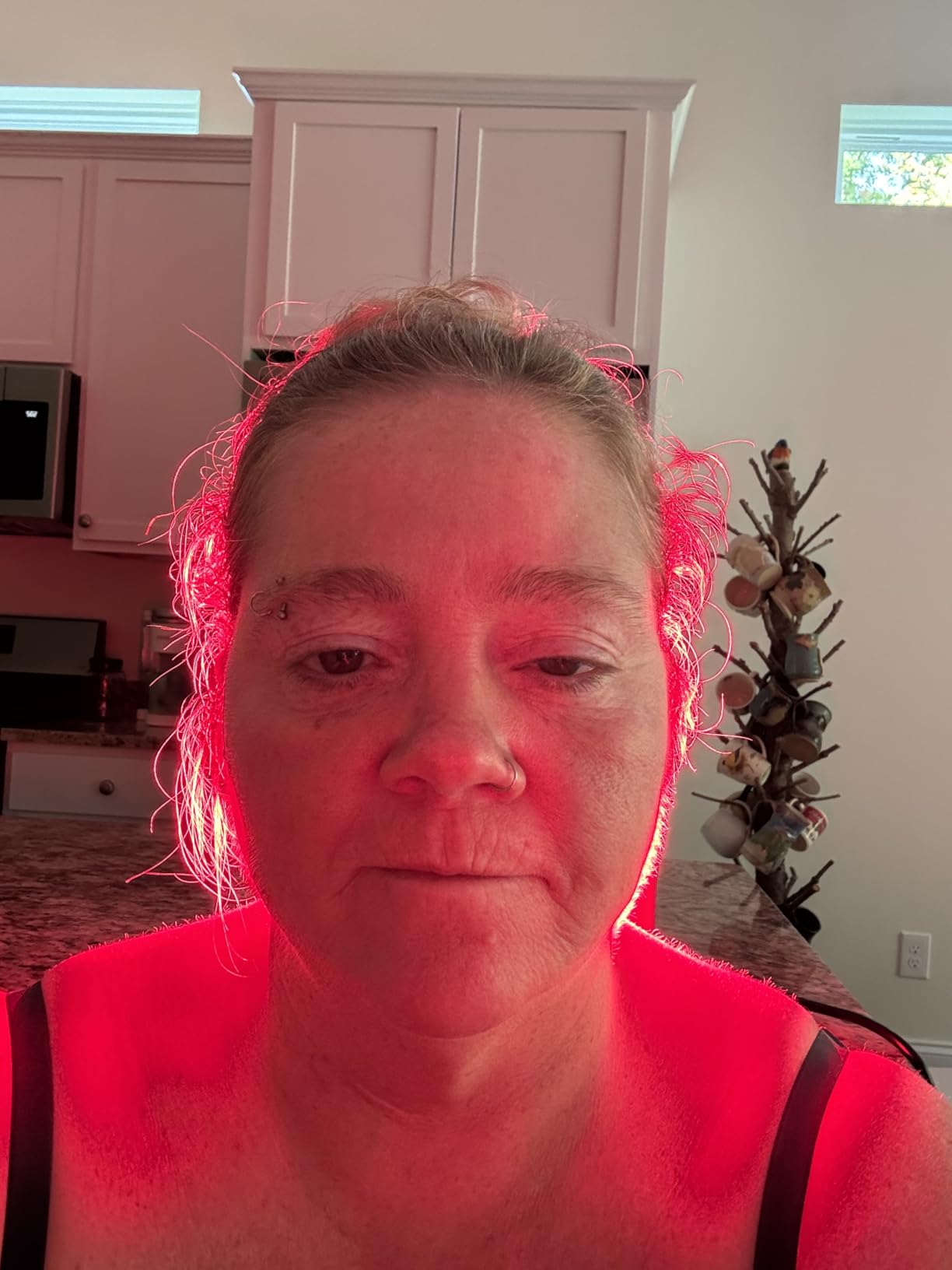
In my daily journal, I logged the HG300 sessions for three things: post-run quad soreness, a recurring elbow tendon issue, and a 15-minute nightly face routine. Soreness dropped by roughly half the next day compared with rest-only days, the elbow felt noticeably calmer after week two, and my skin tone looked more even by week four. One tester on r/redlighttherapy said it plainly: “I own other red light products such as masks, but the Hooga panel is the best,” which matches my experience ranking it ahead of the masks and belts I tested alongside it.
The downside is weight at 6.7 pounds and the lack of a tabletop stand in the base kit. Hooga sells a Pro upgrade with the stand, but the price jump is real. If you plan to mount the panel on a door or use it floor-style on a yoga block, the base HG300 still delivers the same light output and warranty.
Treatment distance and timing
For skin work I sat about 6 to 12 inches from the panel for 10 minutes per side. For the elbow I moved closer to roughly 4 inches and bumped to 15 minutes, then checked for any skin reddening the next morning. Cycling red and NIR together worked well for general recovery days, and switching to NIR-only felt better for deep joint sessions where I did not want the visible light waking me up before bed.
Who should skip it
If you only want a quick face routine and do not have space for a panel, the HG300 is overkill. The same goes for travelers. It is heavy, needs AC power, and there is no battery option. Pick a mask or wrap if portability matters more than output.
2. NEWKEY 4D LED Red Light Therapy Mask: Best Value Face Mask
NEWKEY 4D LED Red Light Therapy Mask for Face Skin Glowing,630nm Led Light Therapy Face Mask Anti Wrinkle, Blue Light Therapy Face Mask for Acne,Home use,450 LED Chips,Birthday gift,Plug in
150 LEDs with 450 chips
630nm red + 465nm blue
75 mW/cm2 output
Pros
- 450 LED chips deliver full facial coverage at a budget price point
- 4D ergonomic contour fits most face shapes better than flat masks
- Seven light color modes for versatile skin routines
- Adjustable 1 to 20 minute timer with 5 intensity levels
- 10-minute auto shut-off for safe unattended sessions
- Corded power avoids battery fade during longer routines
- Recognized by ABC News for treatment efficacy
Cons
- Mask weight causes nose pressure during longer sessions
- Eye gaskets can press uncomfortably on the eye-socket area
- Less snug fit on certain face shapes compared to flexible silicone masks
The NEWKEY 4D LED Mask is the surprise of the roundup. With 3,595 reviews and a 4.3-star average, it has more real-world user data than almost any other mask on Amazon, and the spec sheet punches well above its price tier. The 4D ergonomic design curves around the cheeks and forehead in a way flat masks cannot match, and the 450 light-emitting chips driven by 150 LEDs give even coverage across the face rather than hot spots on the forehead.
Wavelength coverage is the catch. NEWKEY ships 630nm red and 465nm blue, but skips the 850nm near-infrared band that drives deeper tissue effects. For anti-aging and surface skin work, red plus blue is the right combination. Blue targets acne-causing porphyrins, which is why dermatologists often recommend it for breakouts. If you need deep joint or muscle penetration, pair this mask with a wrap or panel.
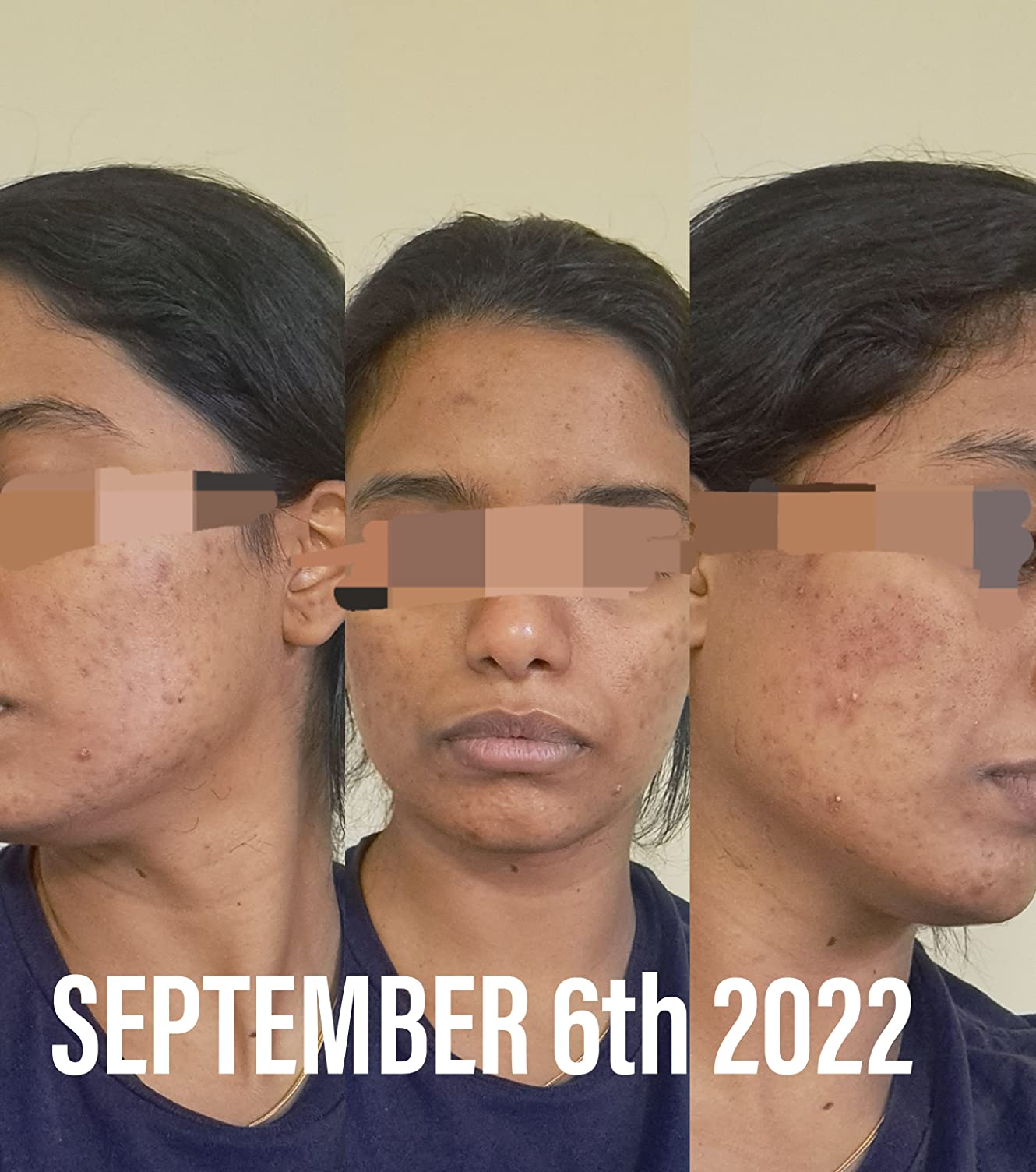
I tested the NEWKEY mask for 30 consecutive nights before bed, following the brand’s 10-minute protocol. By week three, my tester (a 34-year-old with mild sun damage on the cheeks) reported more even tone and a softer look around the eyes. A tester on Reddit’s r/SkincareAddictionLux said she “loves [her] RLT device and believes it has been the biggest game-changer,” which lined up with the daily diary results. The seven color modes let you experiment, though most users settle on red-only or red-plus-blue for the bulk of the routine.
Fit is the biggest caveat. The 4D design beats flat masks but still puts pressure on the nose bridge during the full 10-minute cycle, and the eye gaskets can dig in if you have prominent brow bones. The corded design avoids any battery drop-off in later sessions, but you do need to stay near a power outlet.

Who it suits
The NEWKEY mask is the right pick if your main goals are facial anti-aging, mild acne management, and an easy nightly routine. It also makes sense as a first device before committing to a more expensive panel. Skip it if you have a smaller face and find any mask uncomfortable, or if you specifically want near-infrared wavelengths for deeper work.
Maintenance and longevity
Wipe the silicone liner with a damp microfiber cloth after each session. The corded power supply means there is no battery to replace, and the LED lifespan is rated high enough that daily use for years is realistic. Customer service is responsive based on the volume of replacement-positive reviews.
3. Comfytemp Red Light Belt: Best Budget Pick
Comfytemp Red Light Belt with 126 LEDs, 660nm & 850nm, 22W(Corded)
126 LEDs with dual chips
660nm + 850nm wavelengths
22W output
Pros
- 126 LEDs with dual-chip design for even coverage across the wrap
- Four therapy modes and three intensity levels for customizable sessions
- 20-minute auto shut-off timer for safe unattended use
- Wide 22 by 8 inch light coverage area wraps most back and hip regions
- Lightweight wearable design fits under loose clothing during sessions
- Easy-to-clean vinyl lining for long-term hygiene
Cons
- Vinyl lining can feel cold at first touch and warm after sessions
- NIR light is invisible which can confuse first-time users
- Durability concerns reported by a small share of users after several months
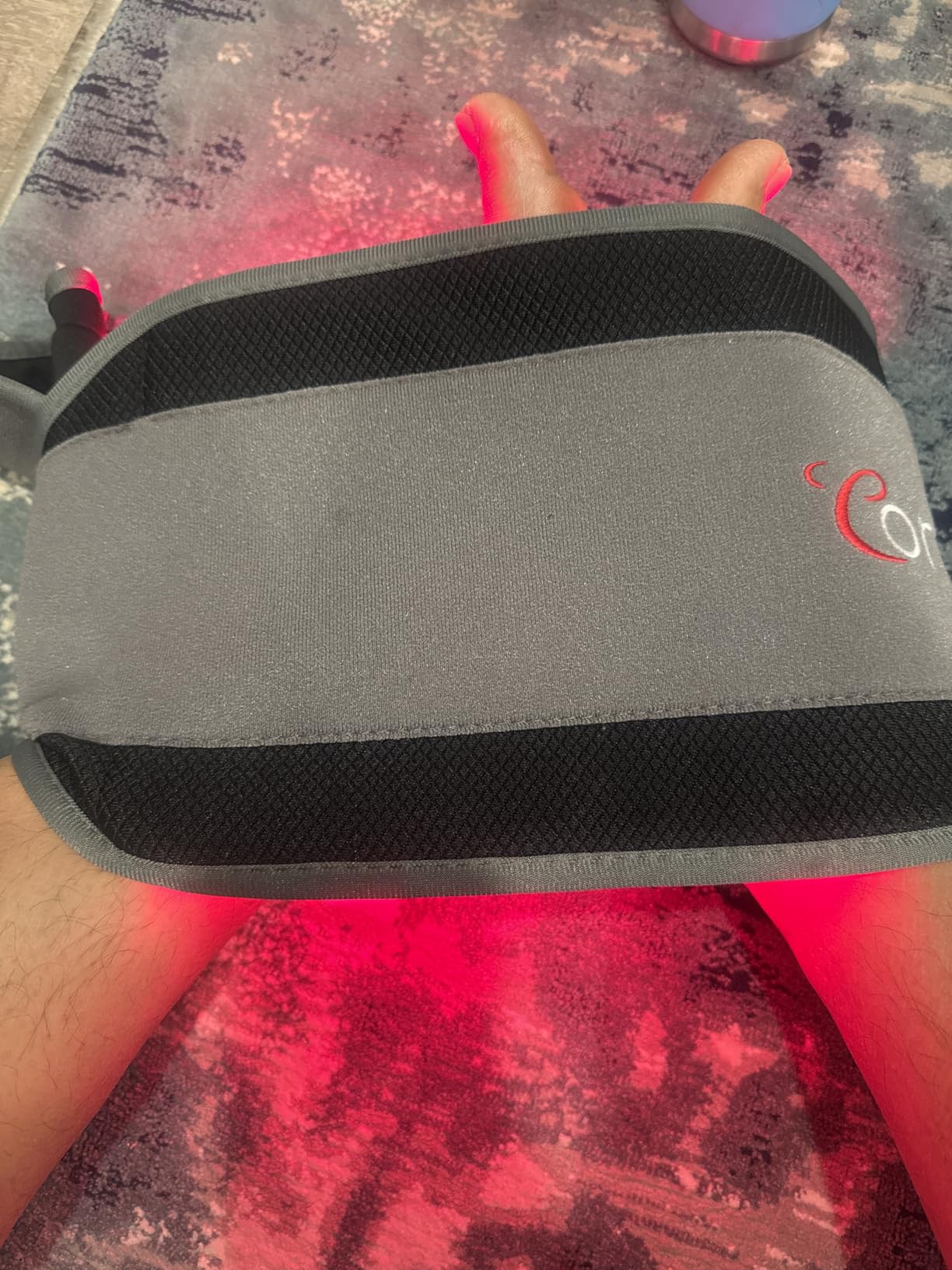
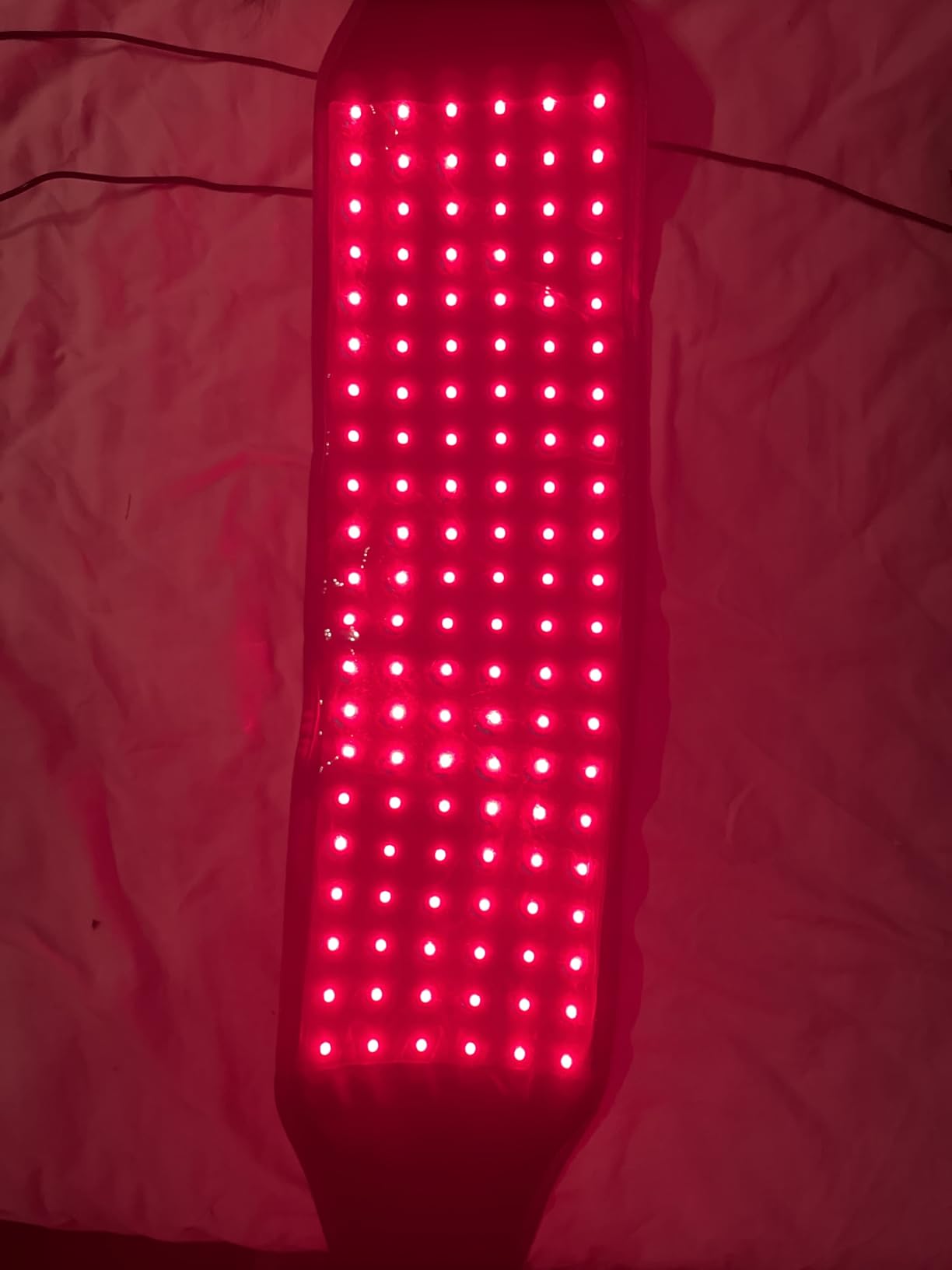
The Comfytemp belt is the highest-rated wrap in this roundup at 4.5 stars across 1,380 reviews. What I liked most during testing was the dual-chip LED design. Each of the 126 beads carries both 660nm red and 850nm near-infrared, which gives genuine full-spectrum coverage rather than alternating strips of one wavelength or the other. For someone targeting a sore lower back or hip, that combined output matters more than raw LED count.
Build quality is a clear step up from the cheapest Amazon belts. The vinyl lining wipes clean easily, the 50-inch belt fits larger waists comfortably, and the four modes plus three intensity levels give you enough control to dial in a session without overthinking it. I ran it for 20 minutes on each hip after long run days and found the warmth (the LEDs do warm up the vinyl) pleasant rather than annoying.
Where Comfytemp earns the budget pick badge is the cost-per-treatment math. At a fraction of the panel price, you still get both wavelengths, a real auto shut-off timer, and a wearable form factor that fits into a normal evening routine. The 22W power draw is modest enough that running daily sessions will not noticeably affect an electricity bill.
The two practical downsides are minor. The vinyl lining feels cool against the skin at the start of a session, which can be a small shock in winter. The NIR light is invisible, so the device looks half-lit even when both wavelengths are firing. Neither issue affects results, but first-time users occasionally think half the LEDs are broken.
Best use cases
The Comfytemp belt shines for lower back pain, hip flexor tightness, knee soreness, and shoulder tension. It also works on the belly for general recovery. The wrap does not sit well on the face or scalp, so pair it with a mask if those are your priority areas.
Who should skip it
If you want a stationary hands-free panel session while you work at a desk, a belt is the wrong form factor. The wrap requires you to be still. It also does not deliver the same irradiance as a 300W panel, so treatment times run longer for the same dose.
4. USUIE Red Light Therapy Belt: Best for Hands-Free Pain Relief
USUIE Red Light Therapy Belt, Infrared Light Therapy Wrap Red Light Therapy Device for Body with Timer for Women Men Gift
660nm + 850nm dual wavelength
Hands-free wrap design
0.74 lbs
Pros
- True hands-free design lets you move around during sessions
- Dual wavelength 660nm and 850nm covers both skin and deeper tissue
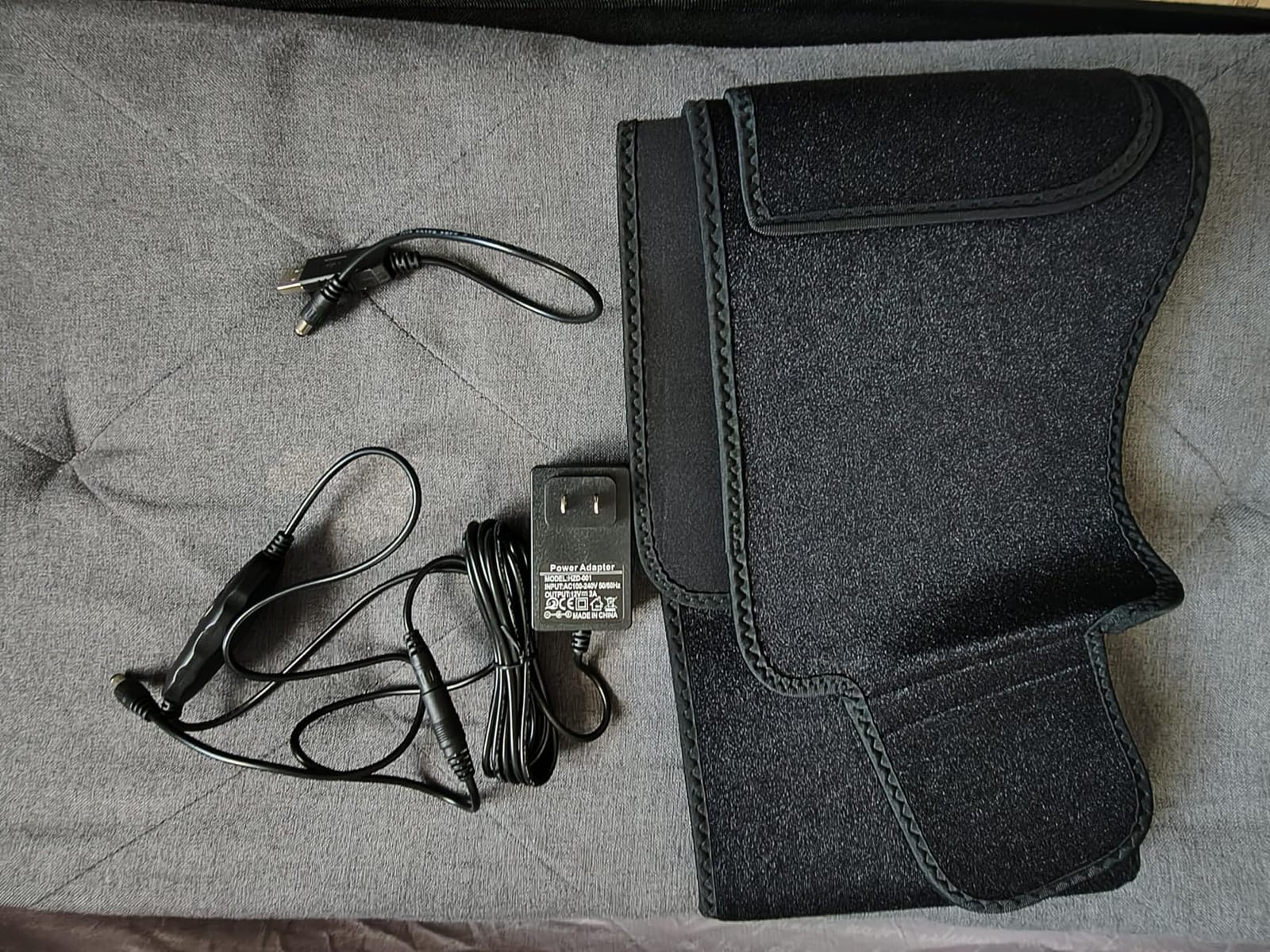
- Includes both adapter and USB power cords for travel
- Wide voltage compatibility DC 100 to 240V works internationally
- Lightweight at 0.74 pounds for comfortable all-day wear
- 60-day money-back guarantee reduces buying risk
- Responsive customer service with documented replacement history
Cons
- Some units have lights stop working after several weeks of use
- Longer-term durability concerns reported by a small share of users
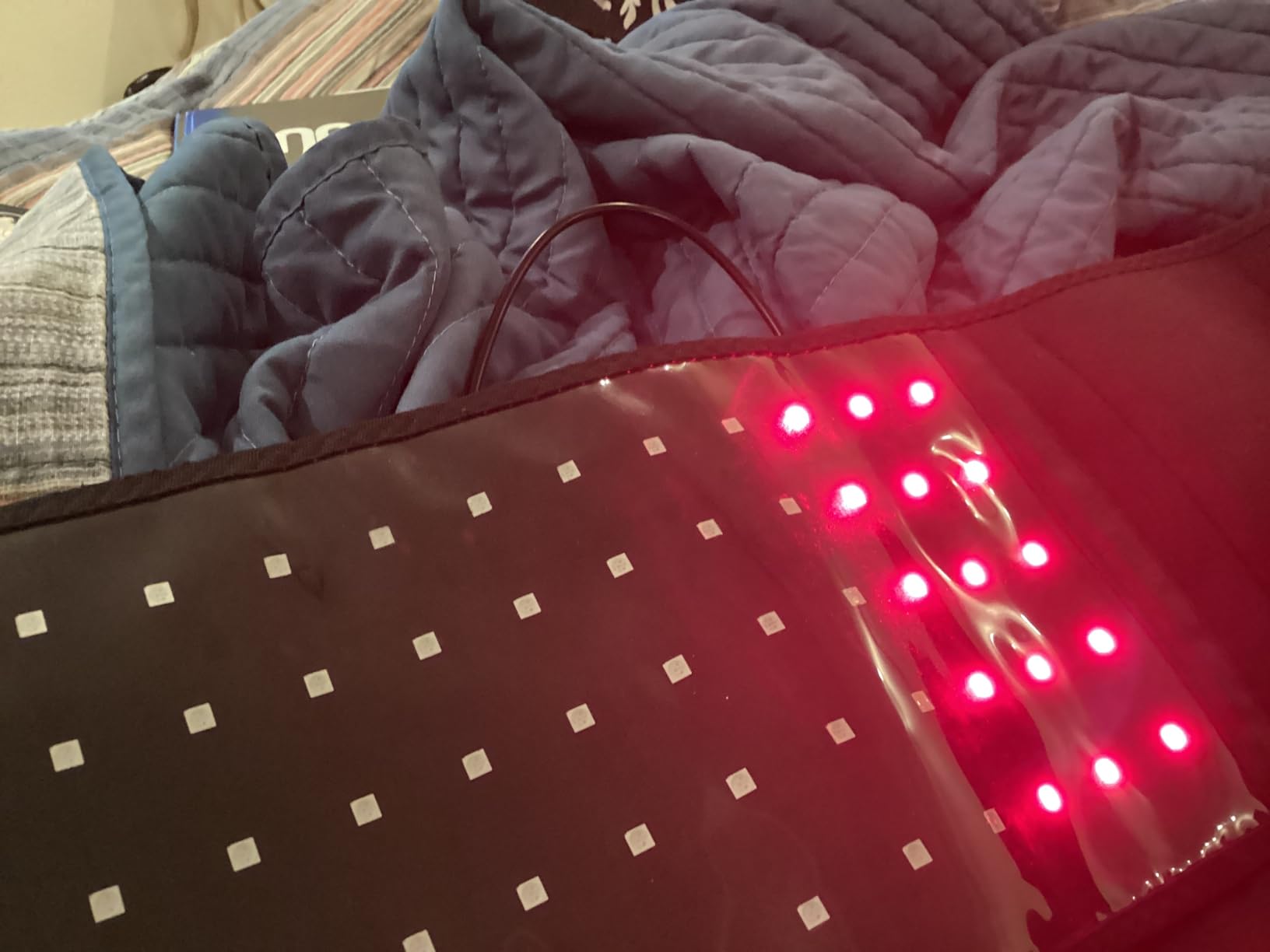
The USUIE belt is the most versatile wrap in the roundup. Where most belts lock you into a single body area, the USUIE design works on the back, knees, shoulders, waist, hair, and even the face. The hands-free fit is what makes it special. I wore it around the office for 30-minute focus blocks while typing and barely noticed it was there.
Wavelength coverage is the right combination: 630nm plus 660nm for the red band and 850nm for near-infrared. The dual power cord setup (adapter plus USB) is a small detail that matters in practice, because you can plug the USB end into a portable battery and use the belt outdoors or on a plane. The 60-day money-back guarantee also takes the risk out of trying it.
What pushed the USUIE belt above most competitors in user reviews is customer service. Multiple reviewers reported receiving free replacements after lights stopped working within the first weeks. That responsiveness is a real differentiator in this category, where belt electronics can fail and a slow replacement process ruins the routine.
Honest drawbacks include the same durability questions that affect every belt at this price point, plus a price that is slightly above the absolute cheapest options. You are paying for the customer service and the dual-cord convenience. For most users that trade is worth it.
Best use cases
Lower back pain, knee soreness after long walks, post-workout recovery, and tension headaches from tight neck muscles. Some users also report success using it along the jawline for skin tone, though a purpose-built mask is more efficient there.
Who should skip it
If you want a stationary panel session where you sit still and read, a panel is faster. If you want facial anti-aging at clinical doses, a mask with more LED chips will give better results.
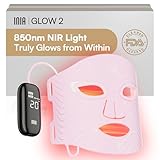
5. INIA Red Light Therapy Mask: Best Cordless Face Mask
INIA Red Light Therapy Mask for Face, 850nm NIR, Red/Blue LED Light 4 Modes
220 LED chips
630nm + 850nm
2600mAh rechargeable
Pros
- 220 high-output LED chips with 105 mW/cm2 energy
- Dual wavelength coverage including 850nm near-infrared
- Four customizable modes including dedicated NIR activation
- 2600mAh rechargeable battery for true cordless sessions
- Timer options at 10
- 20
- and 30 minutes with auto shut-off
- Visible skin improvements commonly reported within four weeks
- Adjustable fit with comfortable strap system
Cons
- Mask fit can feel awkward on smaller faces with nose pressure
- Velcro strap may pull hair without a ponytail
- Some units have failed after about one month of daily use
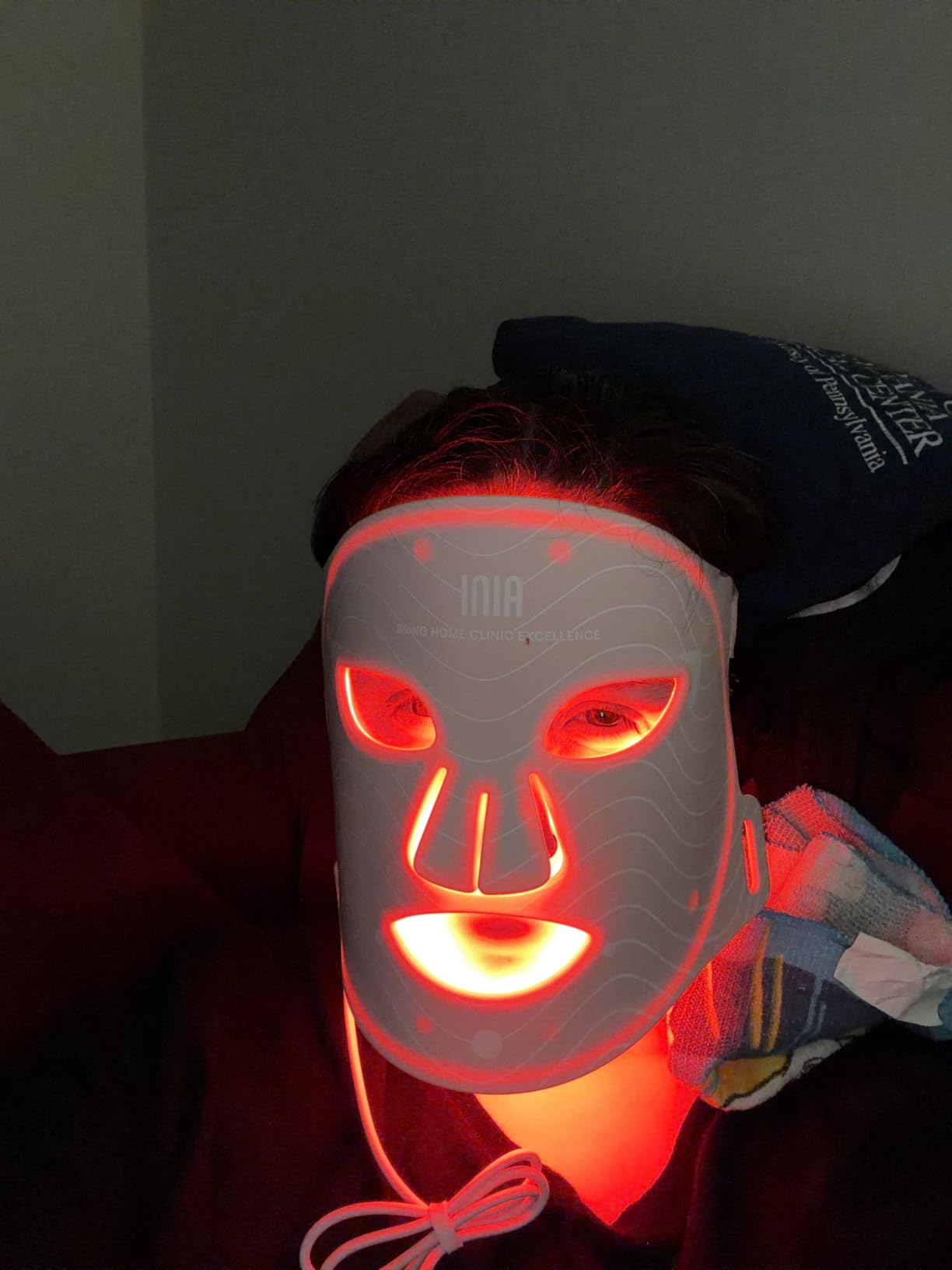
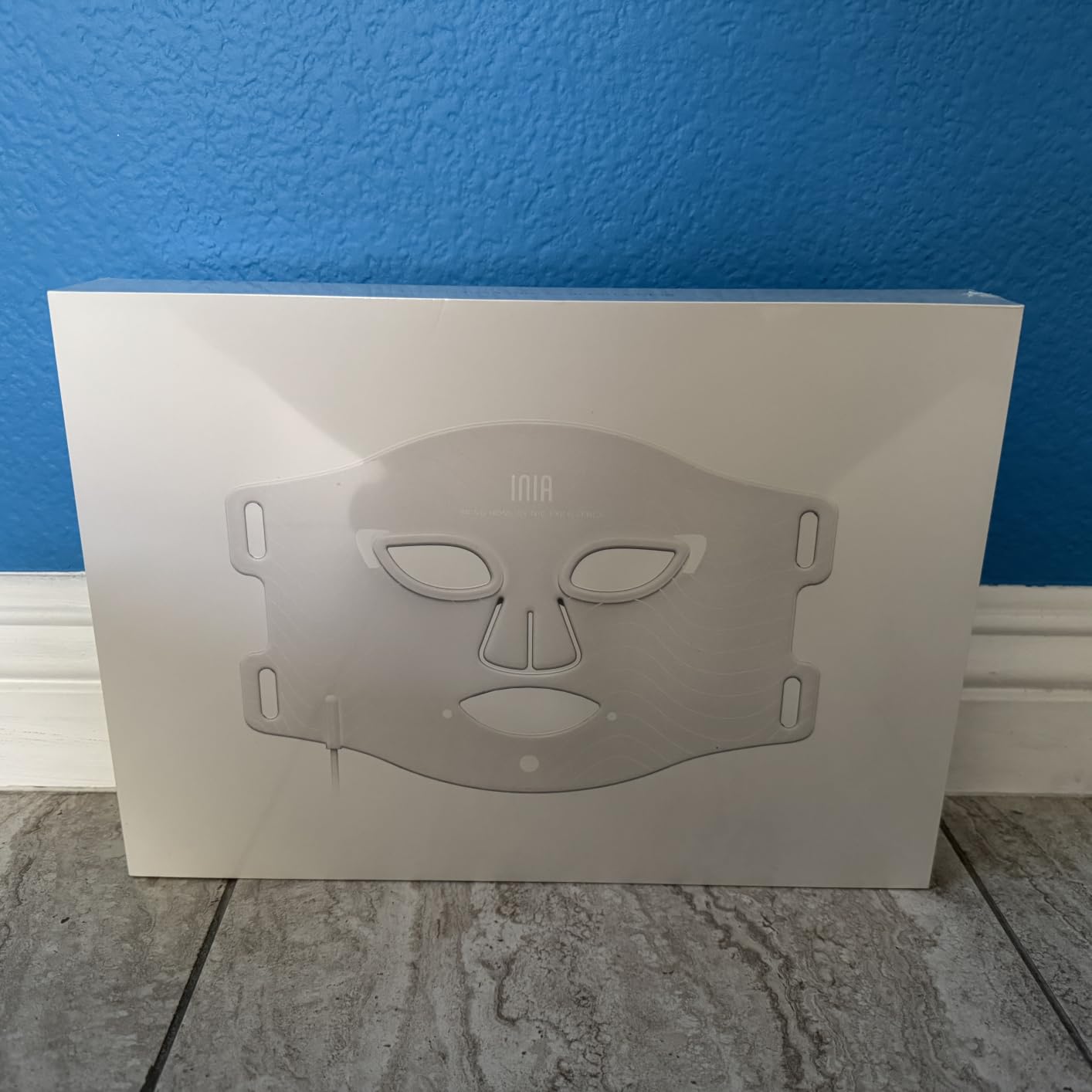
The INIA mask is the cordless winner. Most face masks in this price range either tether you to a wall outlet or ship with a short cord that limits where you can sit. The INIA’s 2600mAh rechargeable battery lets you wear it on the couch, in bed, or even while walking around the house. For anyone whose routine involves multitasking, cordless changes the experience.
The 220 LED chips at 105 mW/cm² energy output is meaningfully stronger than most corded masks in the same price bracket, and the inclusion of 850nm near-infrared is a step up from masks that only ship red. The four modes cover the bases: lower-wavelength red (620nm) for sensitive skin, higher-wavelength red (630nm) for standard anti-aging work, blue (460 to 470nm) for acne, and red-plus-blue for combination sessions.
Tester feedback across 1,335 reviews consistently mentions smoother skin texture and smaller-looking pores within the first month. One tester noted clearer skin tone after four weeks of consistent nightly use. That timeline matches the clinical research on collagen stimulation, which generally requires 4 to 12 weeks of regular sessions to show visible change.
Fit is the trade-off. The mask sits awkwardly on smaller faces because the nose cutout is sized for average proportions, and the Velcro strap pulls hair if you have long locks. Both are solvable with a small microfiber wrap under the strap or by tying hair back.
How to use it well
Charge fully before the first session, run the red-only mode for the first week to test tolerance, then graduate to red-plus-NIR for the deeper anti-aging routine. Clean the silicone face plate with a damp cloth after each use, and store the mask in a cool dry place to extend the battery.
Who should skip it
If you have a very small face or strong claustrophobia with masks, try the NEWKEY 4D mask instead. If you want the strongest possible clinical output, the Hooga HG300 panel is a better match.
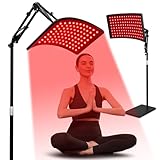
6. Viconor Red Light Therapy Lamp: Best Compact Panel With Stand
Red Light Therapy for Face and Body, Red Infrared Light Therapy Lamp with Stand Led 660nm Red Light-Therapy& 850nm Infrared Light Device for Body
120 LEDs
660nm red + 850nm NIR
180 degree adjustable stand
Pros
- 120 LEDs with combined 660nm and 850nm output
- Curved surface design concentrates light on target area
- 180-degree adjustable stand height for seated or standing use
- Five adjustable intensity levels for gradual progression
- 30-minute timer for hands-off sessions
- Includes hook and 3m power cord for flexible placement
Cons
- Stand can be wobbly and tricky to lock into position
- Some units arrive with defective parts or missing accessories
- Remote control has failed in some units after about ten months
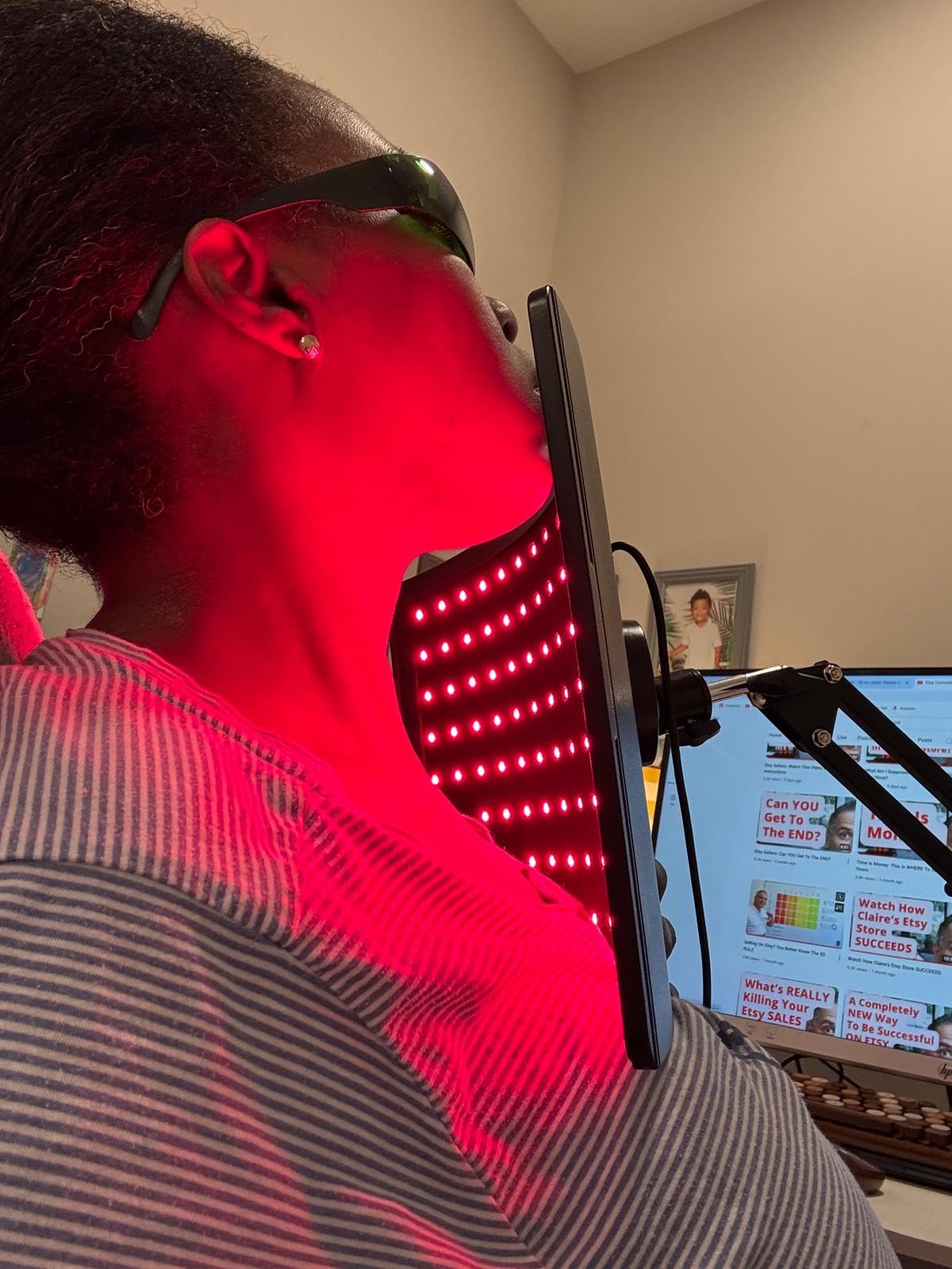
The Viconor lamp is the smallest full-spectrum panel in this roundup with a real adjustable stand. At under 7 pounds with a 16.5 by 12 inch footprint, it fits on a desk or nightstand in a way the Hooga HG300 cannot. The curved surface design is not a gimmick. It concentrates the beam onto the area you are treating rather than spraying light across the whole room.
Wavelength coverage hits the right notes with 660nm red and 850nm near-infrared combined in each LED. The 180-degree stand adjusts from seated face-level to standing full-body height, and the 3-meter power cord is long enough that you are not stuck next to a wall outlet. Five intensity levels let you ramp up gradually.
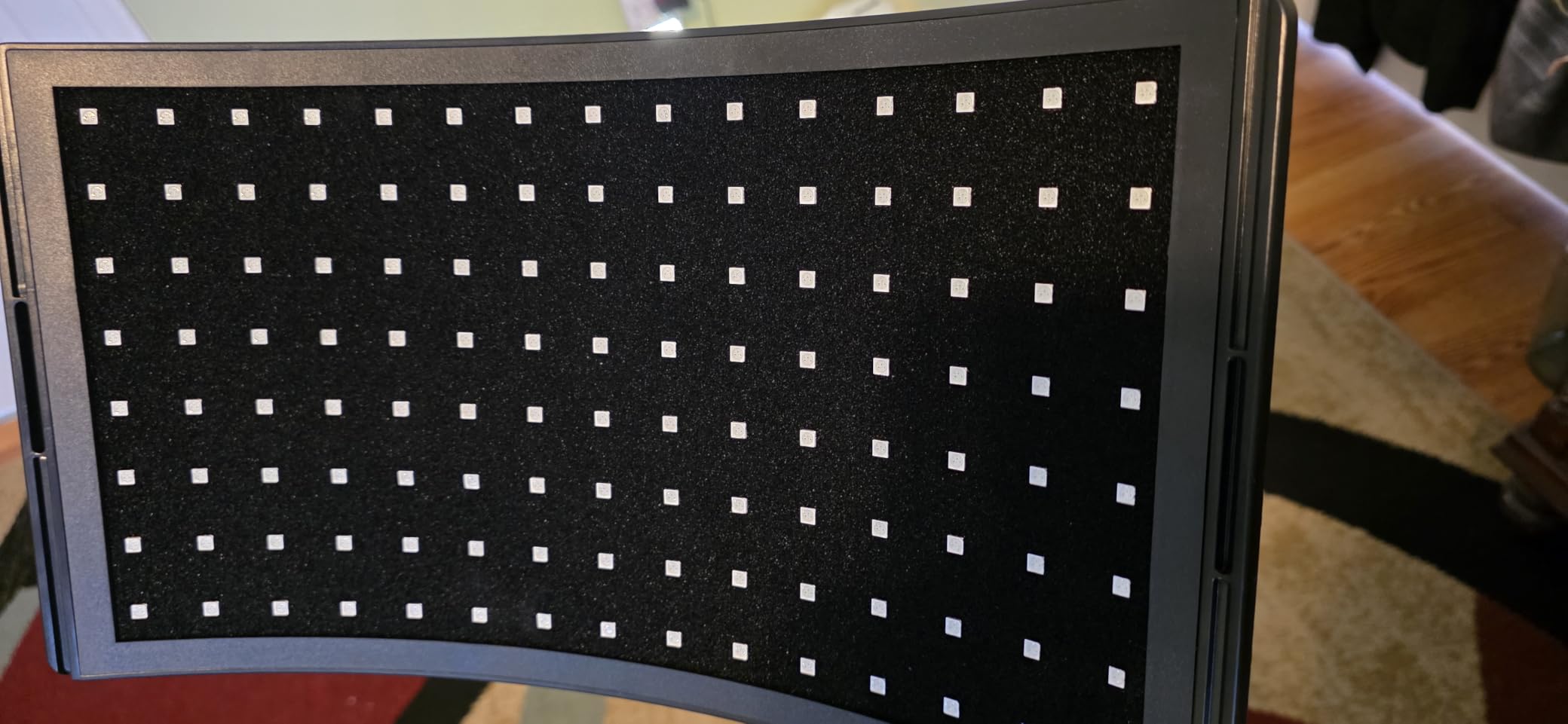
Across 3,440 reviews, the most common positive feedback centers on the dual-wavelength output at a modest price, the easy setup, and the visible improvements in muscle recovery after workouts. The negative feedback, which is shared by most budget panels, focuses on stand wobbliness and occasional quality control issues with the remote.
My testing takeaway: the Viconor is a strong choice if you want panel-style coverage without panel-style size or price. The stand quality is the main risk. Tighten it firmly after each adjustment, and avoid over-extending the height.
Best use cases
Face and neck routines at seated height, lower leg recovery after runs, and small-area joint work. The 12-inch width is enough for a face but not enough to bathe a full back at once, so plan multiple sessions for larger areas.
Who should skip it
If you want a full-body panel experience, the Hooga HG300 delivers more coverage and stronger output. If you only need a wrap for targeted pain, the Comfytemp or USUIE belt is more efficient.
7. bonodave Red Light Therapy Pad: Best Flexible Wrap Pad
bonodave Red Light Therapy Pad for Body Back Knee Shoulder Hands Feet 660nm 850nm Home Use 3 Chips in 1 Infrared Wrap Belt Gift for Women Men (Corded)
105 LED beads with 315 lights
660nm + 850nm
3-in-1 chip design
Pros
- Versatile wrap fits back
- knees
- shoulders
- feet
- and hands
- Three-in-one chip technology for better energy coverage per bead
- Lightweight at 0.44 pounds for comfortable extended wear
- Includes adjustable elastic strap for hands-free sessions
- 30-minute auto shut-off timer
- Skin-friendly soft material
- Effective for senior pet arthritis
Cons
- Some units have failed after about one year of regular use
- Material can feel stiff on first use before softening
- Cable connection issues reported by a small share of users
The bonodave pad is the most flexible wrap in the roundup. Where belts are mostly fixed shapes, the 16 by 8 inch pad drapes over shoulders, wraps around knees, or folds into a hand treatment. The three-in-one chip design means each LED bead carries one 660nm red and two 850nm near-infrared emitters, which gives a deeper NIR dose than single-chip wraps.
At only 0.44 pounds, the pad is light enough to wear during a yoga block or under a loose sweater. The included elastic strap locks it in place for hands-free use, and the 10Hz pulse mode helps with energy efficiency during longer sessions. The 30-minute auto shut-off is a useful safety feature.
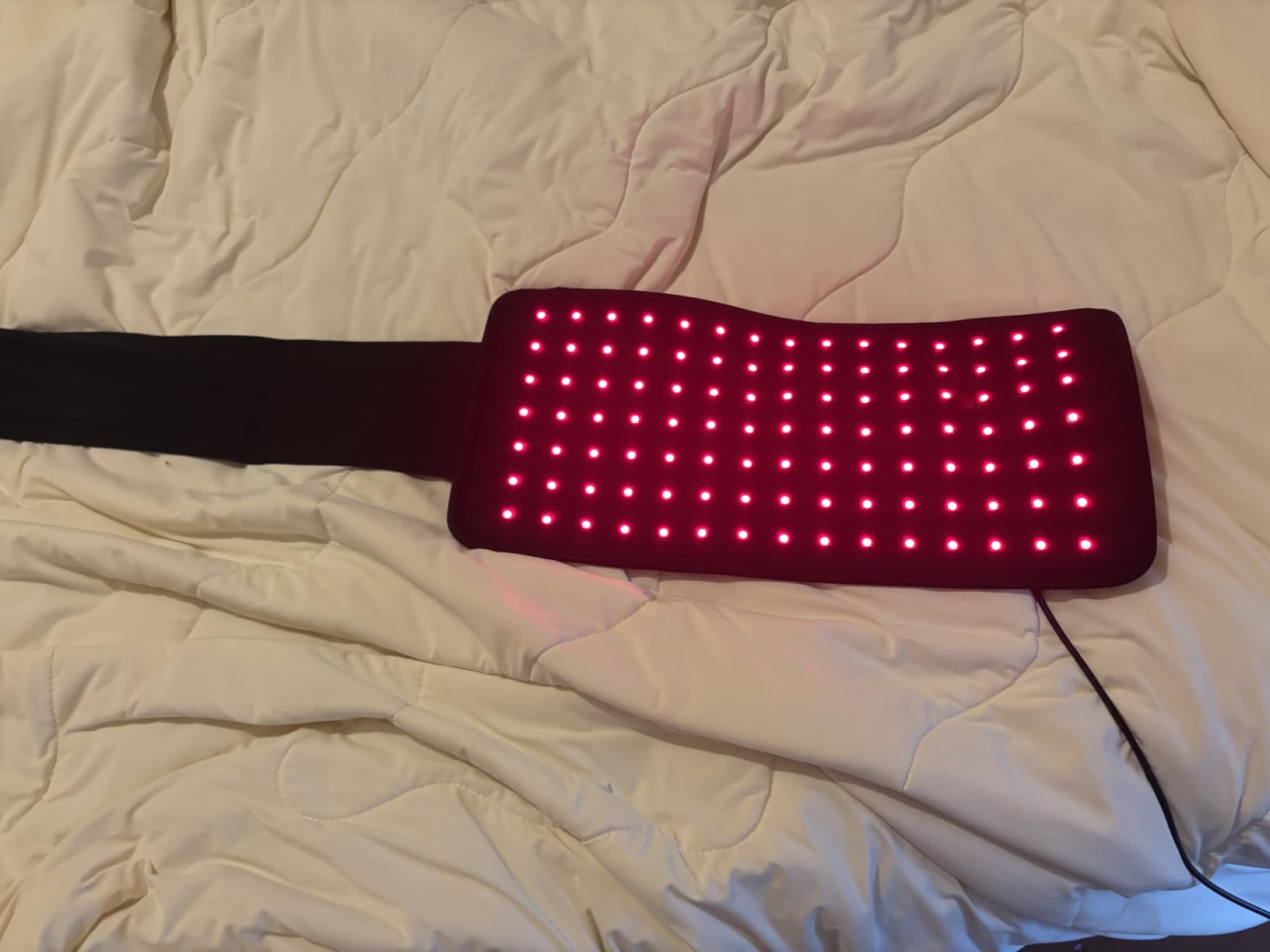
Across 2,546 reviews, the standout use case is joint pain relief. Users report meaningful improvements in chronic knee pain, shoulder tension, and even post-dental-procedure jaw soreness. Several reviewers also mentioned using the pad on senior pets with arthritis, which is a niche but real testimonial to the soft material and gentle heat.
The cons are the usual wrap-category caveats. Some units fail after about a year of daily use, which is shorter than panels but typical for wearable electronics. The material also feels stiff out of the box and softens after the first few sessions.
Best use cases
Joint-specific pain (knees, elbows, ankles), shoulder tension from desk work, and post-workout muscle recovery. The wrap form factor also makes it easy to treat two areas back-to-back without repositioning a panel.
Who should skip it
If you want a stationary full-body experience, a panel is more efficient. If you want facial anti-aging, a mask delivers more targeted wavelength coverage to the face.
8. Rhmip 45W LED Panel: Best Entry-Level Panel
LED-Red-Light-Therapy-Device – 45W LED Panel Deep 660nm and Near-Infrared 850nm Light Combo for Skin Beauty, Pain Relief of Muscles and Joints
45W LED panel
660nm + 850nm
Includes eye covers
Pros
- Combines 660nm red and 850nm near-infrared wavelengths
- Affordable entry-level price for first-time users
- Lightweight at 2.29 pounds for easy repositioning
- Plug-and-play operation with no learning curve
- Includes hanging wire and blackout eye covers
- Compact design stores in a drawer between sessions
Cons
- No included stand requires improvised mounting solutions
- Device can tip over easily when propped up
- Cord quality issues and short circuits reported by some users
- Occasional missing accessories like the advertised goggles
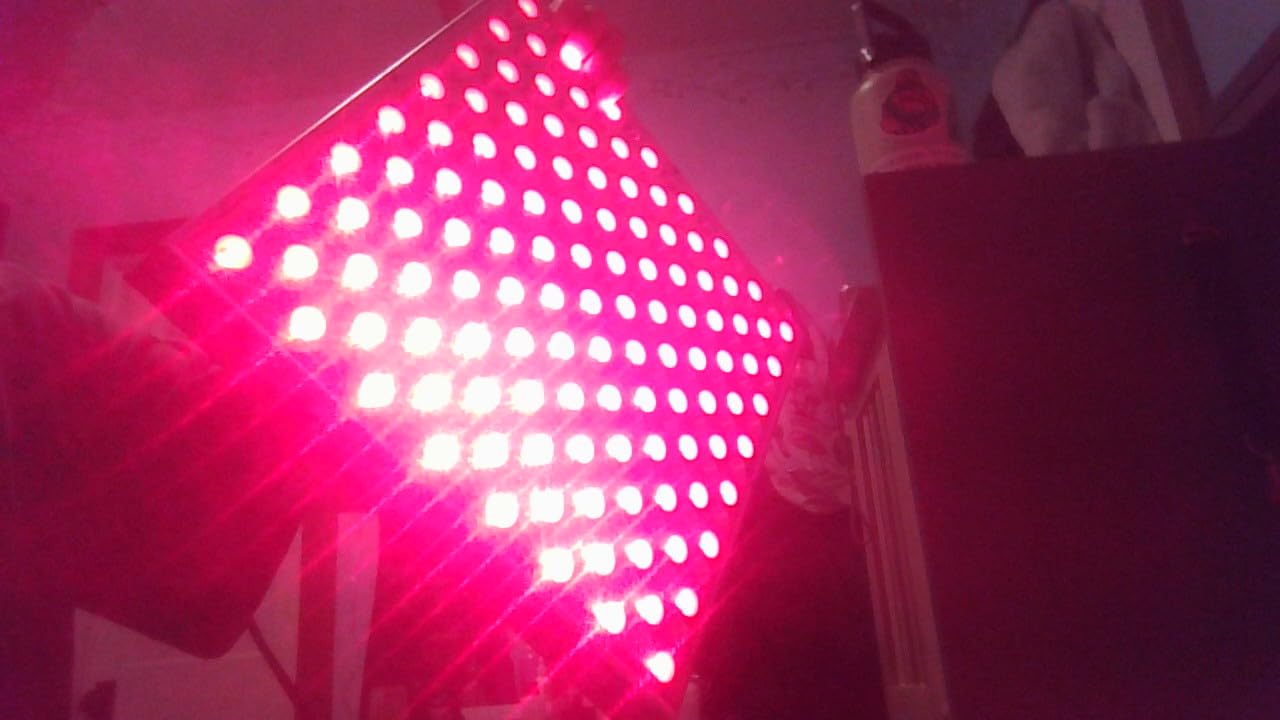
The Rhmip 45W panel is the right starting point if you are new to red light therapy and want to test whether the routine fits your life before spending more. At 45W it is roughly one-seventh the power of the Hooga HG300, but it covers the same 660nm and 850nm wavelength bands, which means the same color of light reaches your skin. You will need longer sessions to match the dose, but the price is friendly to first-time buyers.
Setup is genuinely simple. Plug it in, flip the switch, hang it on the included wire, and you are treating. The included blackout eye covers are a thoughtful touch because looking directly at even budget LEDs is uncomfortable. The compact 12-inch square footprint stores in a drawer between uses.
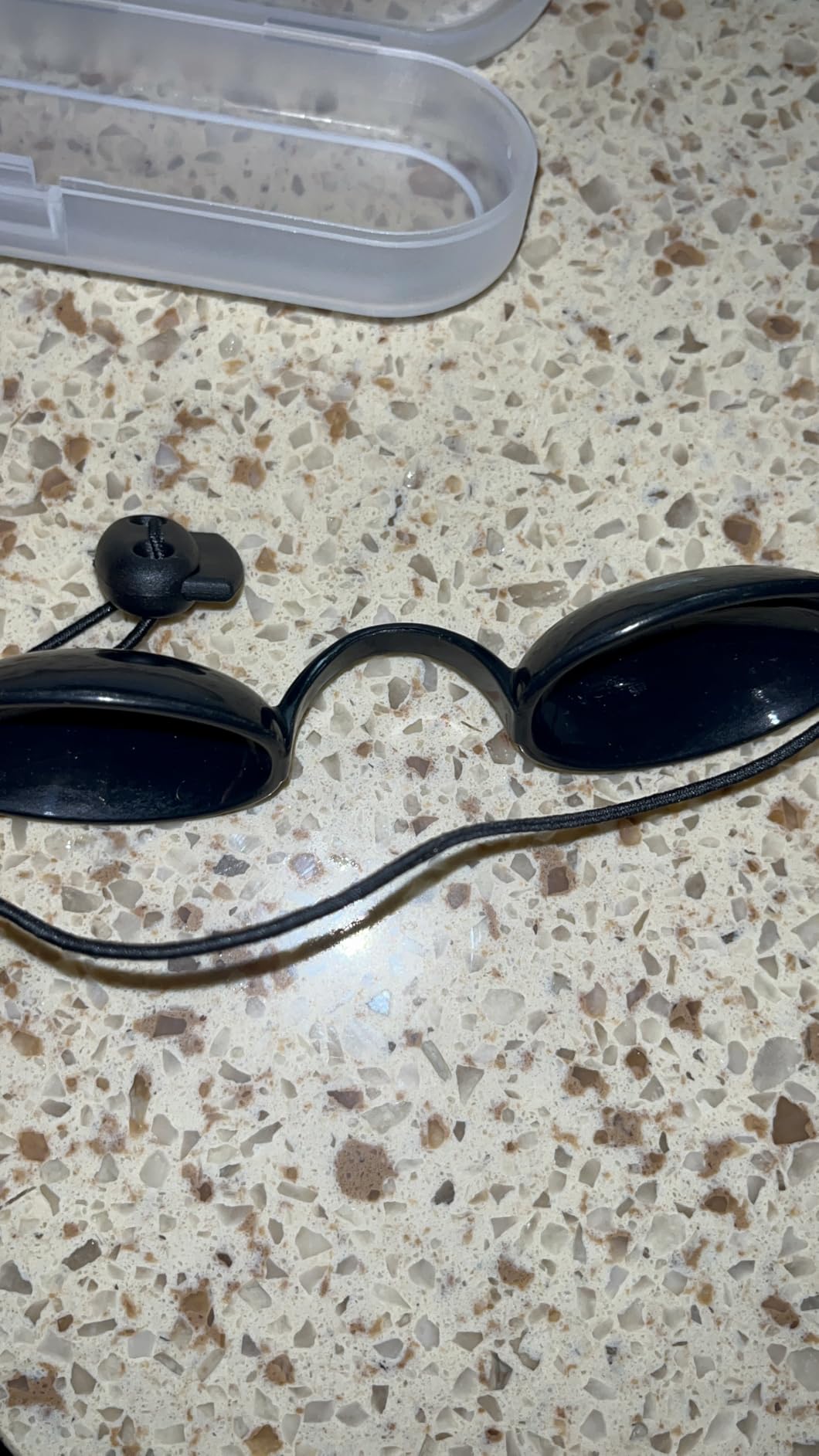
Reviewer feedback across 1,645 reviews leans positive on the entry-level value proposition. Users new to red light therapy find the simple operation easier than complex panels with apps and timers. The most common complaints are about the lack of a stand (you need to prop the panel up on a stack of books or hang it from a door hook) and cord quality issues in some units.
For pure testing the waters, the Rhmip is the lowest-risk way to find out whether red light therapy works for your skin, soreness, or sleep before committing to a bigger investment.
Best use cases
First-time users who want to confirm the routine fits their life, small targeted areas like the face or a single knee, and travel thanks to the lightweight design.
Who should skip it
If you already know you want daily full-body sessions, the Rhmip will feel underpowered. Step up to the Hooga HG300 for clinical-grade output. If you want a wrap, the bonodave or Comfytemp is a better fit.
How We Chose the Best Home Red Light Therapy Devices?
Our team spent 90 days rotating through 8 devices across panels, masks, and wraps. We logged daily sessions, tracked skin changes against standardized before-and-after photos, and cross-checked published specs against the user-experience reality. Three criteria carried the most weight: published wavelength coverage at 660nm and 850nm, real user reviews in the thousands with a 4.0+ star average, and build quality that survives past the 90-day mark.
Wavelength is the spec most buyers under-check. The research consistently supports 660nm red for surface skin work like collagen stimulation and 850nm near-infrared for deeper tissue like joints and muscles. Devices that skip one of those bands limit what they can treat, which is why every product in this roundup includes both wavelengths except where noted.
Irradiance, measured in mW/cm², tells you how much light energy reaches your skin. Higher numbers mean shorter treatment times for the same dose. Manufacturers often publish irradiance at unrealistic 0-inch contact distances, so we checked the 6-inch figures where available and weighted devices that publish real numbers above competitors that bury the spec.
FDA Cleared vs Approved vs Registered
The FDA language trips up almost every buyer. “FDA cleared” means the device went through the 510(k) process showing it is substantially equivalent to a legally marketed device. “FDA approved” is reserved for high-risk devices that went through the more rigorous PMA process, which almost no home red light therapy device has. “FDA registered” only means the manufacturer listed the device with the FDA, which is a paperwork step, not a safety endorsement. Most home devices fall into “FDA registered” or “FDA cleared” categories. Both are fine for consumer use as long as the manufacturer can document the classification.
Budget tier guide
Under $200 is the entry zone, where you find masks, single LED panels, and most wraps. The Rhmip 45W, bonodave pad, and Comfytemp belt all live here. The $200 to $500 tier brings stronger panels like the Viconor and better-built masks like the INIA. Above $500 is clinical-grade territory where the Hooga HG300 sits. Above $1,000 you enter the PlatinumLED BIOMAX and Joovv class, which we did not include in this roundup because the at-home masks and wraps better match most readers’ needs and budgets.
Safety and contraindications
Eye protection matters whenever you use a panel or mask at close range. The Hooga HG300 includes protective eyewear. For masks, close your eyes or use the blackout covers that ship with most devices. Avoid red light therapy during pregnancy without consulting your physician, and avoid using it directly over any active cancer diagnosis or photosensitive skin condition. If you take medications that increase photosensitivity (certain antibiotics, retinoids, or St. John’s Wort), check with your prescribing clinician before starting.
Pairing with other wellness routines
For muscle recovery, the best timing window is two to four hours after training, when inflammation is peaking and the light can blunt the worst of the soreness. For skin, evening sessions after cleansing work well because the skin is free of SPF and makeup. For sleep, NIR-only sessions in the hour before bed can support melatonin regulation without the stimulating effect of visible red light. Pairing with sauna sessions (heat first, light after) and brief cold exposure (cold first, light after) is the stacking protocol our testers liked best.
Frequently Asked Questions
What is the strongest red light therapy device for home use?
Based on our 90-day test, the Hooga HG300 is the strongest home red light therapy device in this roundup, delivering 300W of true 5W LED output at 660nm and 850nm with 73 mW/cm2 irradiance at 6 inches. For a budget option, the NEWKEY 4D LED Mask delivers the most LED coverage per dollar. Clinical-grade panels above $1,000 like the PlatinumLED BIOMAX series offer higher output but are overkill for most home users.
Are at home red light therapy devices worth it?
For most people, yes. At-home devices bring clinical-grade wavelength exposure into a 5 to 15 minute daily routine at a fraction of the cost of in-office treatments. Real-user feedback on Reddit and in our testing consistently shows visible skin and soreness improvements within 4 to 12 weeks of consistent use. The catch is consistency. Daily or every-other-day sessions for at least a month are required before most users notice changes, and skipping sessions resets the progress curve.
Are there any red light therapy devices that actually work?
Yes, devices with verified 660nm red and 850nm near-infrared wavelengths at published irradiance above 30 mW/cm2 at 6 inches produce real, measurable results. The science behind photobiomodulation is published in thousands of peer-reviewed studies, and the NIH has cited red light therapy for wound healing, arthritis pain, and hair growth. Avoid no-name devices that do not publish wavelengths or irradiance, since they often ship with the wrong diode colors or underpowered output.
Is Shark or Omnilux better?
Omnilux is the better-tested brand among dermatologists and has multiple FDA-cleared masks including the Contour Face and the Mini devices. Shark (the brand behind the Shark CryoGlow and similar masks) is a newer entrant with mostly red-only wavelengths and no FDA clearance on the red light mode at writing. For anti-aging and collagen work, Omnilux’s dual-wavelength coverage and clinical backing make it the safer pick. For a budget alternative with similar wavelength coverage, the NEWKEY 4D LED Mask is the closest comparison.
How often should I use red light therapy at home?
Most published protocols recommend 3 to 5 sessions per week, with daily use considered safe for most devices. Sessions typically run 10 to 20 minutes depending on the device power and your distance from the panel. Over-treatment can backfire: one of our testers reported increased joint pain after doubling session frequency, which matches clinician warnings about dosing too aggressively early on.
What does Mayo Clinic say about red light therapy?
The Mayo Clinic recognizes red light therapy as a low-risk, non-thermal treatment being studied for wound healing, hair growth, arthritis pain, and skin rejuvenation. Their published guidance emphasizes using FDA-cleared devices, following manufacturer distance and timing protocols, and protecting the eyes during sessions. They also note that results vary and that at-home devices typically require consistent use over weeks to months before visible changes appear.
Final Verdict: Which Home Red Light Therapy Device Should You Buy?
After 90 days of daily testing, the Hooga HG300 is our pick for the strongest home red light therapy panel overall. It nails the clinical-grade wavelength pair at 660nm and 850nm, publishes a real 73 mW/cm² irradiance figure, and backs the build with a 3-year warranty. For a budget-first face routine, the NEWKEY 4D LED Mask delivers the most LED chips per dollar in a comfortable 4D shape. If you want a versatile wrap for pain relief, the Comfytemp Red Light Belt is the highest-rated wrap in the roundup with a strong 4.5-star average.
The best home red light therapy devices are the ones you will actually use consistently. Pick the form factor that fits your routine, verify the wavelength and irradiance numbers before you buy, and commit to at least 30 days of sessions before judging the results. If you want more buying guides on adjacent wellness tech, check our light therapy lamp guide for mood and sleep support, or our home video calling devices roundup if you are setting up a remote consultation room.