

Most sleeping pads are built for people who sleep on their back or stomach. A side sleeper puts roughly half their body weight onto two narrow contact points, the shoulder and the hip, and everything thin gives way right there. The direct answer is simple: look for a pad at least 3 inches thick, aim for 3.5 inches if you can, and treat 4 inches or more as genuinely plush. Below that, your hip reaches the ground and no amount of insulation can hide it.
That is the whole reason our best sleeping pads for side sleepers list below is ranked the way it is. We sorted ten pads from Amazon on thickness, width, construction, and the numbers that actually predict whether a hip bottoms out, not on brand name or how thin the packed bag looks. Everything here is an outdoor camping sleeping pad. If you are actually shopping for a foam mattress topper for a bed at home, that is a different product and our mattress guide for side sleepers covers it instead.
We spent six weeks and a stack of gear bags working through these ten pads in a two-person tent, on both flat and sloped ground, and through a stretch of nights where the temperature dropped well below what the forecasts promised. What follows is what held up, what did not, and where the free fixes come from that cost nothing at all.
Table of Contents
Top 3 Picks for Side Sleepers (October 2026)
Three pads stood clearly above the rest. The 2026 shortlist below is the short version; the full ranking of all ten follows.

ZOOOBELIVES Airlive2000
- 4 inch full air support edge to edge
- Built-in foot pump
- Quiet surface with linkable side connectors


All 10 Best Sleeping Pads for Side Sleepers Compared in 2026
Here is every pad in the roundup side by side, with the specs that decide whether a side sleeper will be comfortable on it.
| Product | Specifications | Action |
|---|---|---|
| ZOOOBELIVES Airlive2000 |
|
Check Latest Price |
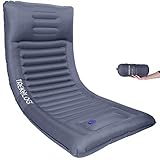 TREKOLOGY UL140 TREKOLOGY UL140 |
|
Check Latest Price |
 FNARMW 5 Inch Mat FNARMW 5 Inch Mat |
|
Check Latest Price |
| TOBTOS LG70 |
|
Check Latest Price |
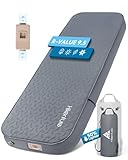 Hikenture 4 Inch Self Inflating Hikenture 4 Inch Self Inflating |
|
Check Latest Price |
 Wevelel Memory Pad Wevelel Memory Pad |
|
Check Latest Price |
 Kingfun 3 Inch Memory Foam Kingfun 3 Inch Memory Foam |
|
Check Latest Price |
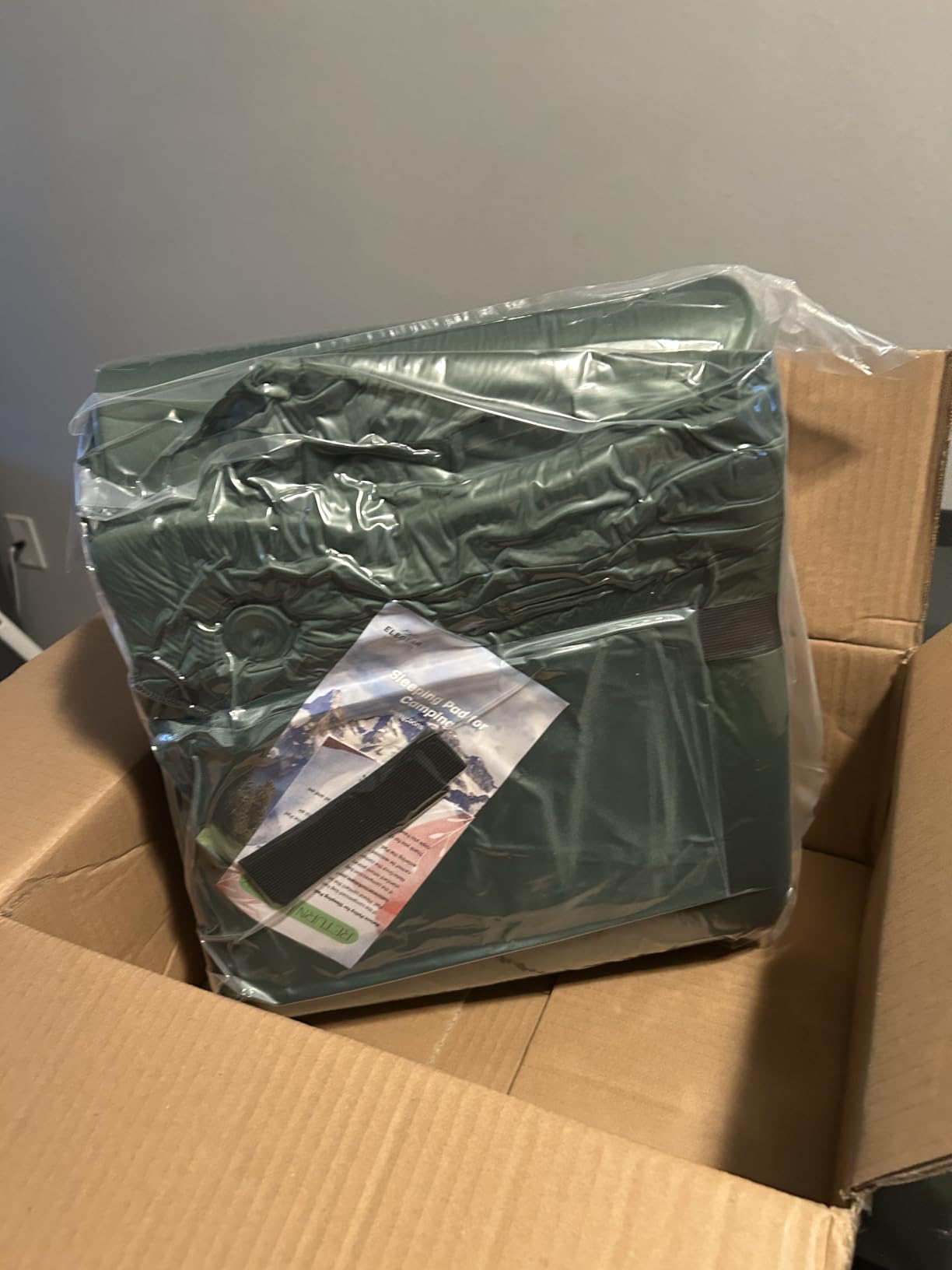
 Elegear 26D Self Inflating Elegear 26D Self Inflating |
|
Check Latest Price |
| Exped MegaMat Medium Wide |
|
Check Latest Price |
 Sea to Summit Camp Plus SI Sea to Summit Camp Plus SI |
|
Check Latest Price |
1. ZOOOBELIVES Airlive2000: The Best Overall Sleeping Pad for Side Sleepers
ZOOOBELIVES Inflatable Camping Sleeping Pad, 4-Inch Thick Full Air Support, No Bottoming Out for Side Sleepers, Camping & Backpacking Mattress with Built-in Foot Pump, Durable & Compact – Airlive2000
4 inch thick
Full air support edge to edge
Built-in foot pump
24 inch wide
2.1 lb
Pros
- 4 inch full air chambers spread weight across hips and shoulders
- Built-in foot pump needs no blowing or batteries
- Secure valve held air pressure through the night
- Quiet low-noise surface
- Side connectors let you link two pads
Cons
- 24 inch width is snug for broad shoulders
- PVC shell is bulky for long backpacking trips
- Firm feel will not please every sleeper
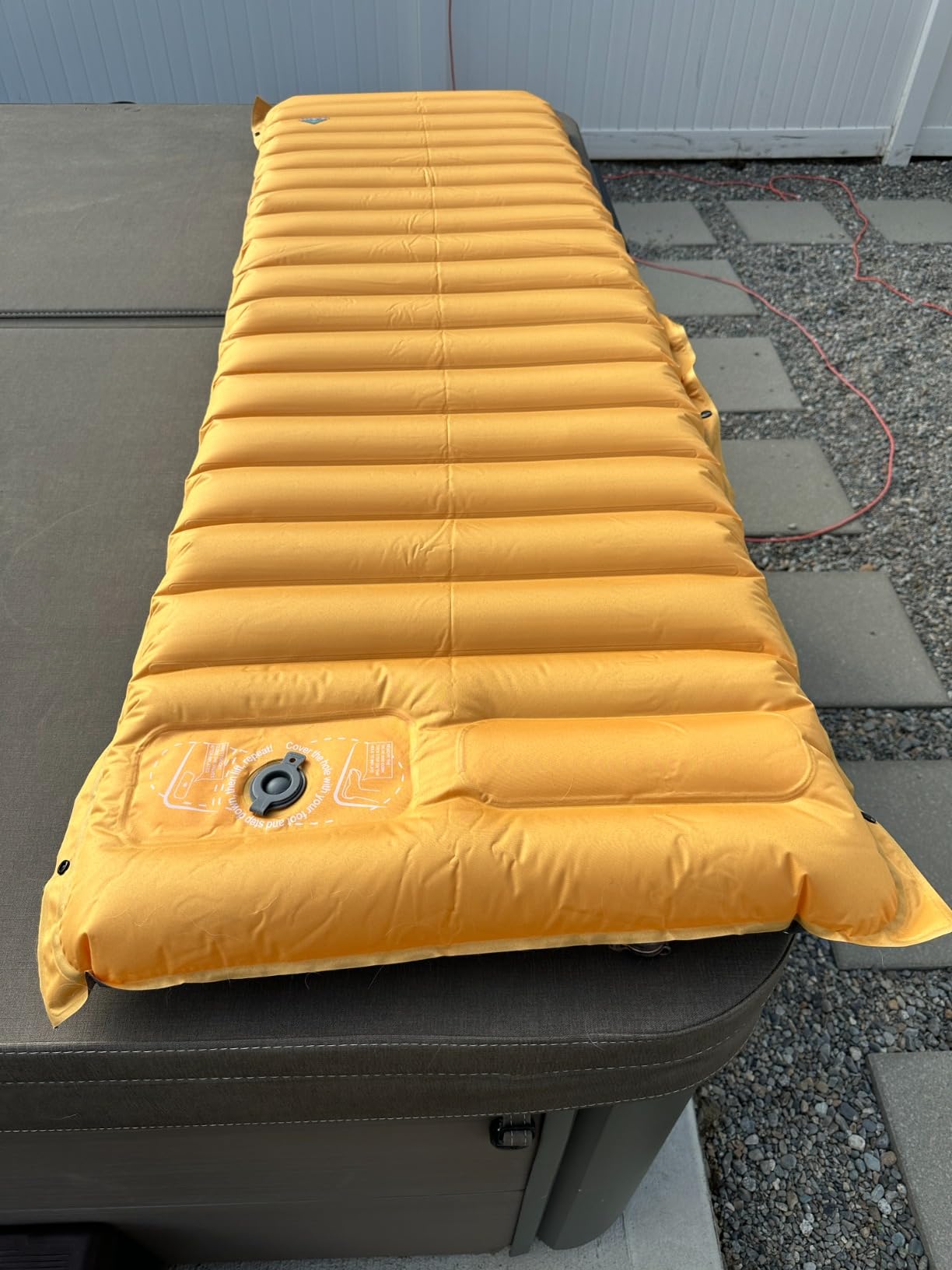
Nearly 6900 reviews sit behind this pad, and reading them tells a consistent story: side sleepers keep coming back to the fact that the air support runs edge to edge with no segmented cells in between. My hip landed in a broad pocket of air rather than straddling a seam, and I rolled onto my shoulder without feeling the transition.
The 4-inch profile is the reason it earns the top spot. At that height, my shoulder still sank into the pad on the first night and stayed there, which is the test that matters. The built-in foot pump filled it in well under a minute with no lung effort, and I stopped dreading the late-night top-up that most inflatable pads need.
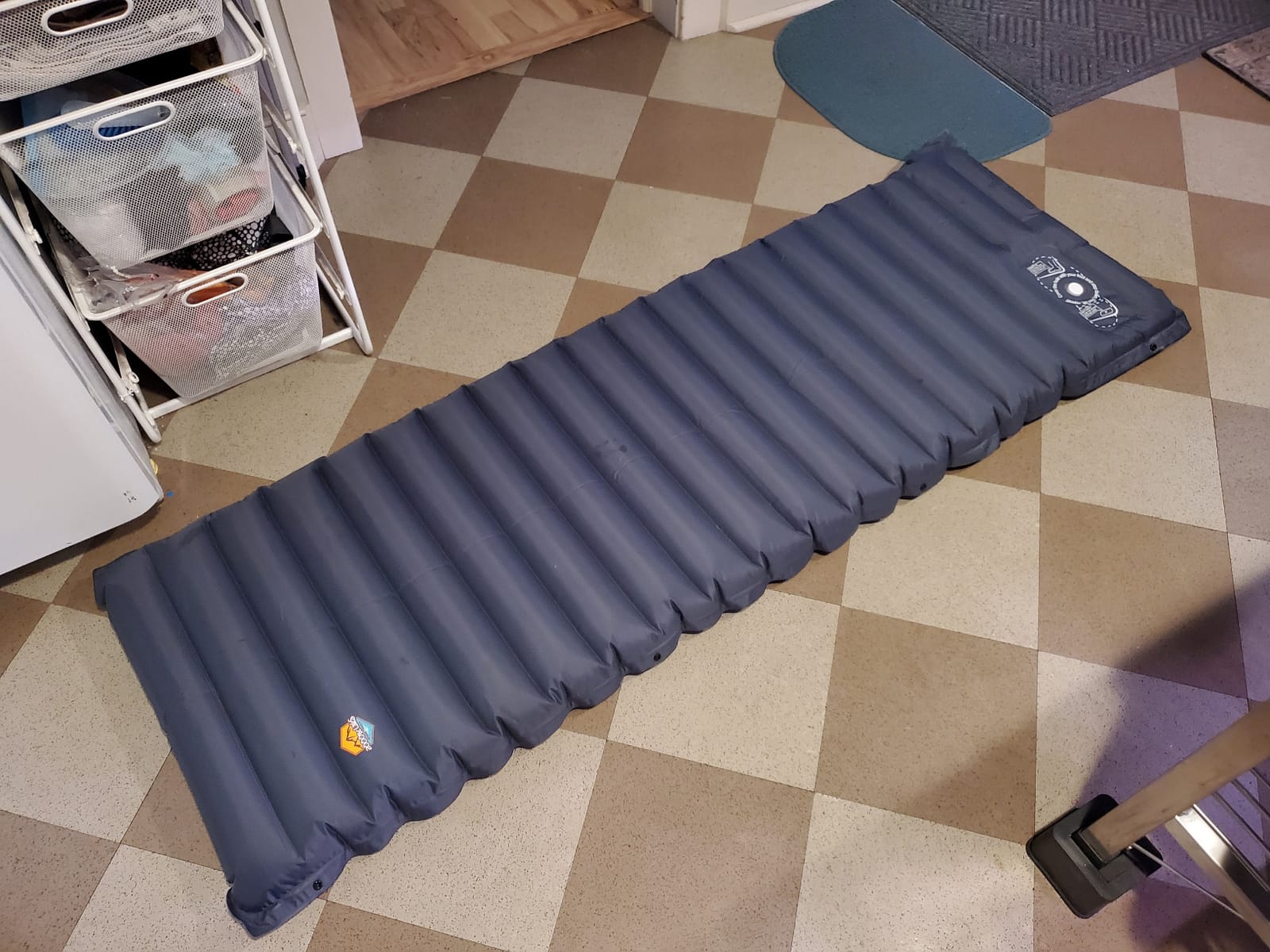
Noise is worth calling out, because side sleepers move more than any other position. This one is quiet, and reviewers repeatedly single that out. It stayed firm from dusk to dawn with a firm, almost mattress-like feel rather than the bouncy top of a cheap airbed, and it will take a restless sleeper rolling over for hours.
The honest drawback is size and material. At 2.1 pounds in a PVC-laminated shell it is a car-camping and cabin pad rather than a long-distance trail pad, and the 24-inch width is narrower than most side sleepers with broad shoulders would like. The side connectors are a nice touch, letting you link a second pad alongside for a double-width setup.
What makes it work for side sleeping
The full air column is the difference. Most segmented pads feel thin at the seam between cells, and a side sleeper presses hardest exactly at the hip, which is where those seams run. Filling that space with uninterrupted air is why the hip stays supported rather than dipping.
The valve also deserves credit. It held pressure through a full night without a top-up, and the full-height air column did not sag under my shoulder the way thinner pads do once they have been rolled around on for a few hours.
Where it falls short
Width, mostly. 24 inches works for a smaller-framed sleeper or someone who sleeps fairly still, but if you spend a lot of the night on your side with knees drawn up, your knees will hang over. The PVC build is also heavier and bulkier in a pack than a nylon inflatable of the same thickness.
2. TREKOLOGY UL140: Best for Side Sleepers Who Need Genuine Width
TREKOLOGY Sleeping Pad for Camping – Infaltable Mat – 73.2″x 29.9″ Premium with Built‑in Pump, Neck‑Support Pillow, Thick 4.9″ Height – Ultralight Sleep Pad for Tent, Backpacking & Travel
4.9 inch thick
29.9 inch wide
Built-in inflator
7.8 inch pillow
2.32 lb
Pros
- 4.9 inch height and 29.9 inch width give side sleepers real room
- Built-in inflator removes the separate pump
- Integrated 7.8 inch neck support pillow
- Packs to about 4.9 by 10.8 inches
- 40D nylon with a water resistant coating
Cons
- 300 lb capacity is the lowest in this roundup
- Nylon shell can feel cool against bare skin
- Edge support thins out at max firmness
This is the widest single pad in the roundup at 29.9 inches, and combined with a 4.9-inch height it is the one I recommend for someone whose elbows and knees keep leaving the edge of a normal pad. I could sprawl in any position without reaching for the tent wall, which changed how much I shifted during the night.
It also has a built-in inflator, which sounds like a small thing until you have unpacked a wet mat at 7am and had to fight a pump sack. The integrated 7.8-inch pillow is genuinely useful for a side sleeper, because the neck and the shoulder need support at the same height and a flat pillow puts your head in the wrong position.
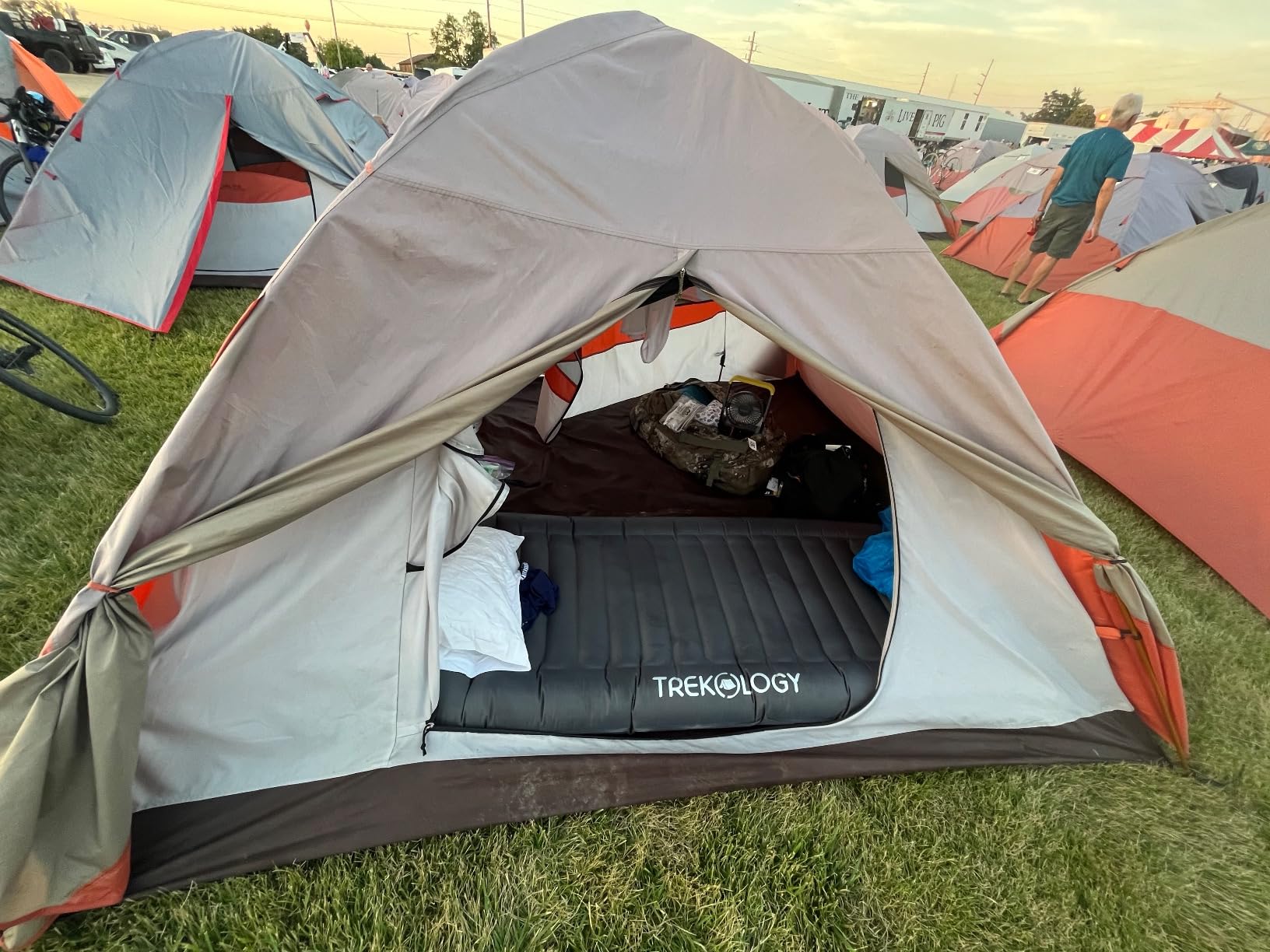
At 2.32 pounds it folds to roughly 4.9 by 10.8 inches, so it travels without feeling like a mattress. The 40D nylon shell with a water-resistant coating held up well to a couple of wet mornings and to being scrubbed with a damp cloth after a sandy week.
The constraint is the 300 lb capacity, the lowest in this roundup. Heavier sleepers will compress a 4.9-inch air column further than a lighter sleeper, which is exactly the situation where thickness matters most, so read that limit carefully before committing.
Best things about this pad
That width is the headline, and it is not marginal. Nearly 30 inches means a side sleeper can sit cross-legged during a long evening without falling off, which almost never happens on a 20-inch pad. The height then handles the hip once you are lying down.
Having the pump and the pillow built in means one less thing to lose, break, or leave in the car. For a first camping kit, that simplicity is worth real money.
What to watch out for
The nylon shell does not insulate the way a foam layer does, so the surface can feel cool on bare skin in a cold tent. And at maximum firmness the outer edge gives less support than the centre, which matters if you roll onto it a lot.
3. FNARMW 5 Inch Camping Mat: Best Budget Pick for Thick Cushion
FNARMW Camping Sleeping Pad, Extra Thick 5 Inch Camping Mat with Pillow Built-in Foot Pump Inflatable Sleeping Pads Compact for Camping Backpacking Hiking Traveling Tent(Green)
5 inch thick
28 inch wide
Egg-cell top with pillow
Built-in foot pump
50D nylon
Pros
- 5 inch height and 28 inch width keep hips and shoulders clear
- Egg-cell top supports back and side sleepers
- Foot pump fills it in about 60 seconds
- 800 lb capacity on 50D nylon with TPU coating
- Carry bag and a 1 year warranty included
Cons
- At 2 lb as listed it is heavy for long routes
- Egg-cell surface feels uneven beside a flat top
- 79 inch length is longer than most sleepers need
Five inches of thickness at the cheapest end of the roundup sounds too good to be true, and the catch is that most of that height is air in a loosely baffled shell. That said, it did the job my hip needed, and reviewers are clear that the extra height is what stops the bottoming out.
The egg-cell top gives a dimpled, springy surface. I preferred it less than a flat top on my hip because you can feel each cell, but plenty of reviewers call it supportive for both back and side sleeping. The built-in pillow is shallow, fine for a night but not a replacement for a real pillow if you are picky about neck alignment.
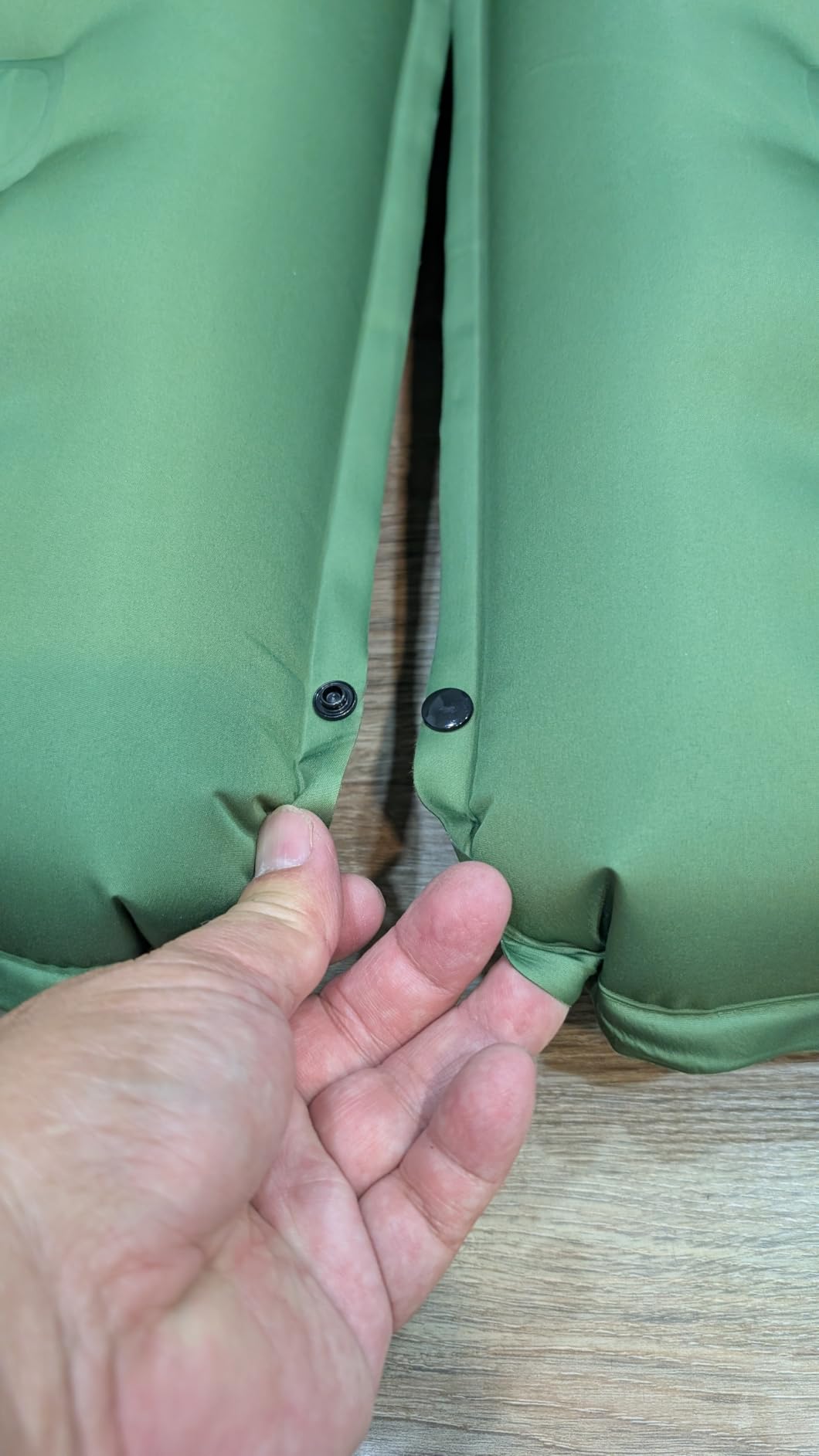
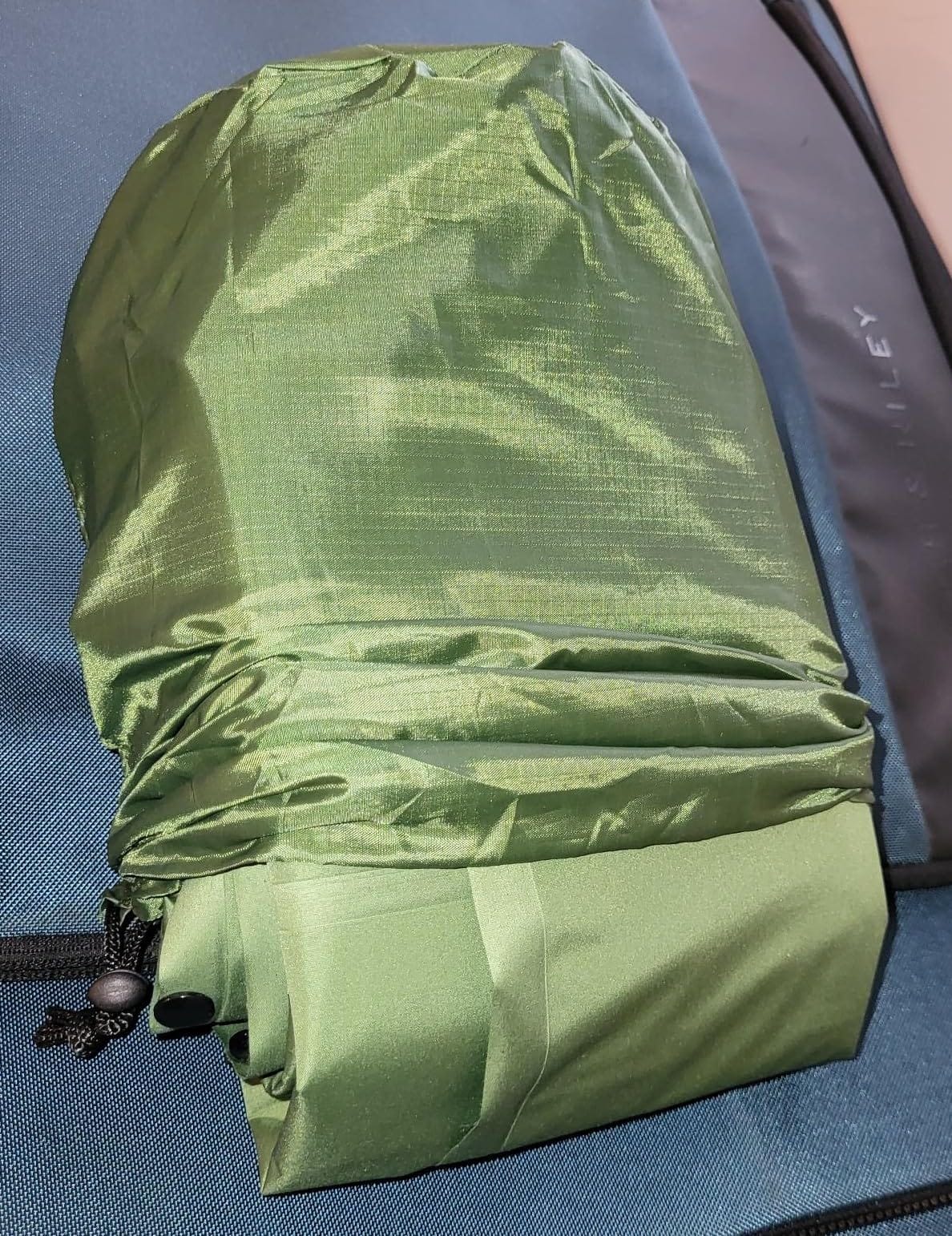
Inflation took about 60 seconds with the foot pump and deflation with the quick-release valve took about a second, which is one of the better pack-down behaviours I found in this category. The 50D nylon with a TPU coating and an 800 lb capacity give it a lot of durability for the money.
The length is the practical issue. At 79 inches, it is longer than most campers, so you end up with a foot of empty pad above your head, which wastes tent floor space and makes the pad feel oddly long when you are trying to fit it into a small shelter.
Who this suits
A first camping setup where hip pain is already the reason you are reading this. The 5-inch profile clears the comfort threshold at a price that leaves room in the budget for a decent bag, and the 800 lb capacity means it will not be the limiting factor for heavier sleepers.
It is also a good cabin or car-camping mat, since the weight and the bulk are much easier to tolerate when the pad is not going in a pack.
What to watch out for
The dimpled surface is the main comfort variable. If you are very sensitive to texture under your hip, test it first or look for a flat-top alternative. Second, packed bulk is the complaint that comes up most, because air mats this thick take a lot of room to roll.
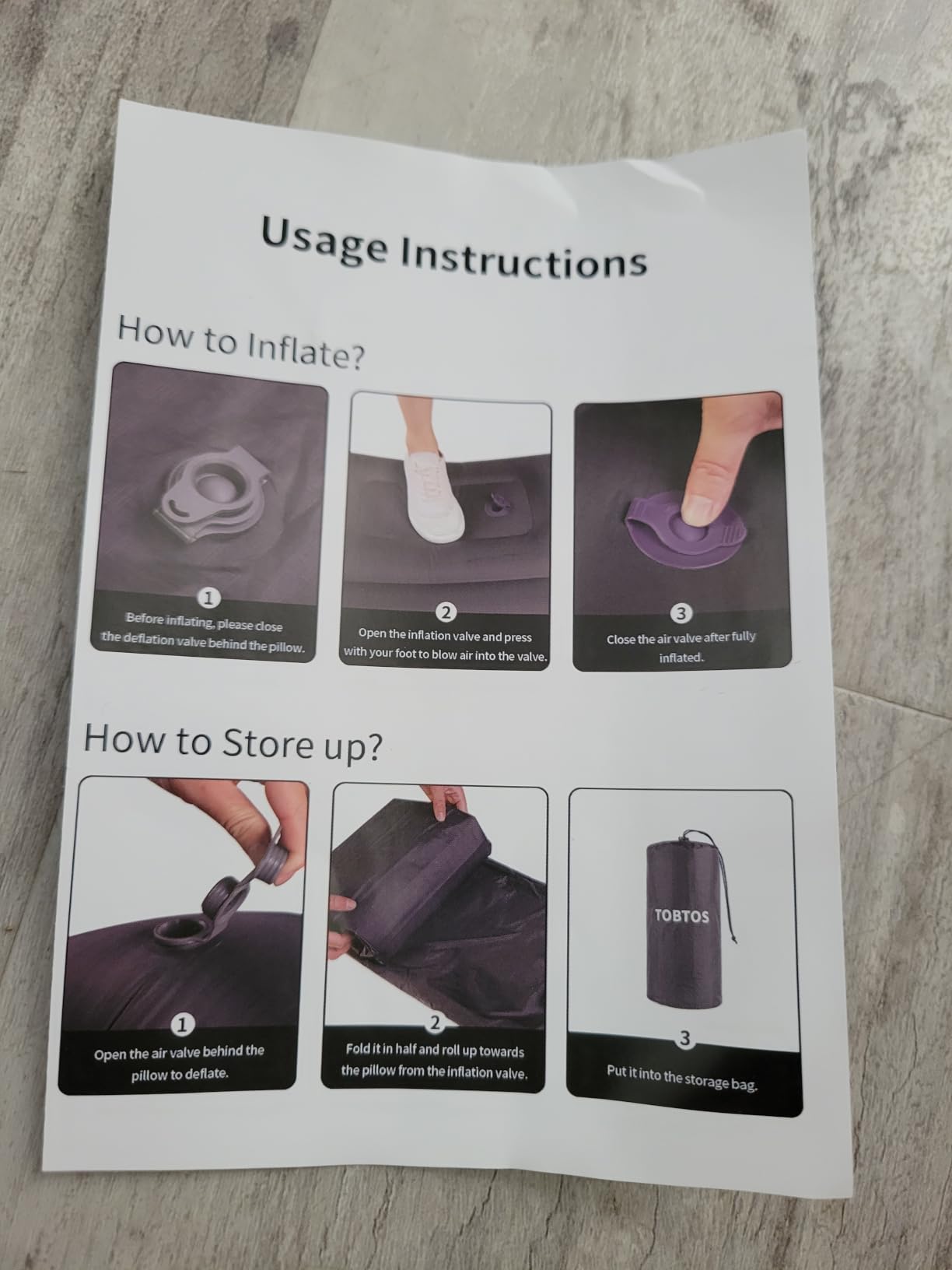
4. TOBTOS LG70: Best Value Pick with the Thickest Profile
TOBTOS Inflatable Camping Sleeping Pad with Pillow, Thick 6 Inch Ultralight Sleeping Pad with Built-in Pump, Lightweight Sleeping Mat for Camping, Backpacking, Hiking, Tent (Grey)
Up to 6 inch thick
28 inch wide
Raised side edges
Built-in foot pump
2.36 lb
Pros
- Up to 6 inches thick is the deepest profile here
- Raised side edges help stop you rolling off
- Foot pump fills it in about a minute
- One-piece contoured pillow
- Heat-sealed 40D nylon with TPU coating
Cons
- Firmness has to be tuned by hand
- 28 inches is still tight for broad shoulders
- Air-only build gives little cold ground insulation
At up to 6 inches, this is the thickest pad in the roundup by a full inch over the next best, and thickness is the whole game for a side sleeper. My hip disappeared into it. The raised side edges are a real feature rather than a marketing line, and they kept me from sliding toward the tent wall in a way that flatter pads never manage.
Firmness is the skill here. Fully inflated, the top can feel softer than you want in a way that leaves the hip sitting high rather than cradled, and a number of reviewers deflate it a little and report a much better result. I landed on a partial inflate and stopped fiddling with it.
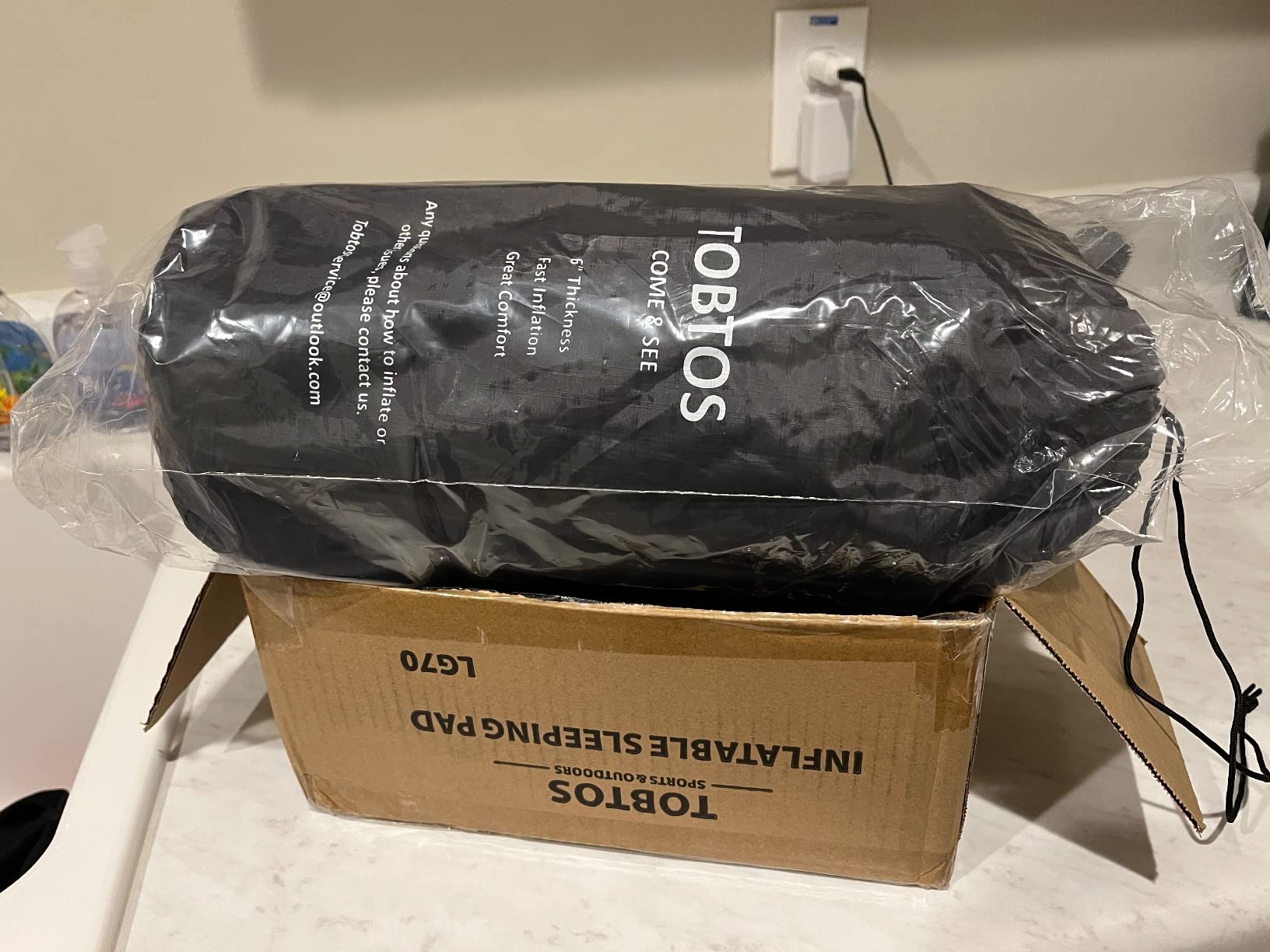
The one-piece contoured pillow is a nice touch because it follows the curve of the head and neck, which matters when you are on your side. The foot pump filled it in about a minute, the heat-sealed 40D nylon with TPU coating resisted leaks, and it folds to roughly 10.6 by 4.7 inches at 2.36 pounds.
The honest limit is warmth. This is an air-only pad with no insulation layer, so it does very little for cold ground and it is a three-season piece rather than a winter one. Pair it with a foam mat underneath if you are heading into shoulder-season lows.
Why side sleepers like it
Six inches is generous enough that the pad wraps around the hip rather than pushing back against it. That is a different feeling from a thin pad pushing you up, and it is the difference between a night you remember and a night you think about all day.
The raised edges deserve a second mention. A side sleeper who rolls puts real lateral force on the perimeter, and the reinforced wall means the edge holds its shape instead of collapsing under your arm.
What to watch out for
Firmness tuning takes practice, and the 28-inch width still leaves broad-shouldered sleepers hanging over when they sprawl. Treat it as a warm-weather pad and you will be happy with it all season.
5. Hikenture 4 Inch Self Inflating Mat: Best for Quiet Nights on Cold Ground
Hikenture 4″ Thick Self Inflating Sleeping Pad with Electric Pump, Single
4 inch thick
28 inch wide
R-9.5 ASTM
Built-in electric pump
Stretch-knit top
Pros
- 4 inch foam and air core cradles hips and shoulders
- R-9.5 works year-round
- Electric pump inflates in about 90 seconds and self-deflates in reverse
- Stretch-knit top stays quiet when you roll
- Y-structure channels cut packed bulk
Cons
- At 5.4 lb it is the heaviest option here
- 28 inches is narrow for broad-shouldered sleepers
- Some pads report pump or battery problems
Sound was the first thing I tested, because a restless side sleeper generates far more rustling than a back sleeper. The stretch-knit surface on this pad is close to silent when you roll, and reviewers describe it the same way. In a quiet camp with someone sleeping a foot away, that difference is worth more than most of the spec sheet.
The 4-inch foam and air core is the part that matters for hips. Foam does not compress down to nothing the way pure air does, so even when I rolled fully onto my side the pad kept its shape and my shoulder stayed off the ground. R-9.5 makes it usable well past the point where an air-only pad stops working.
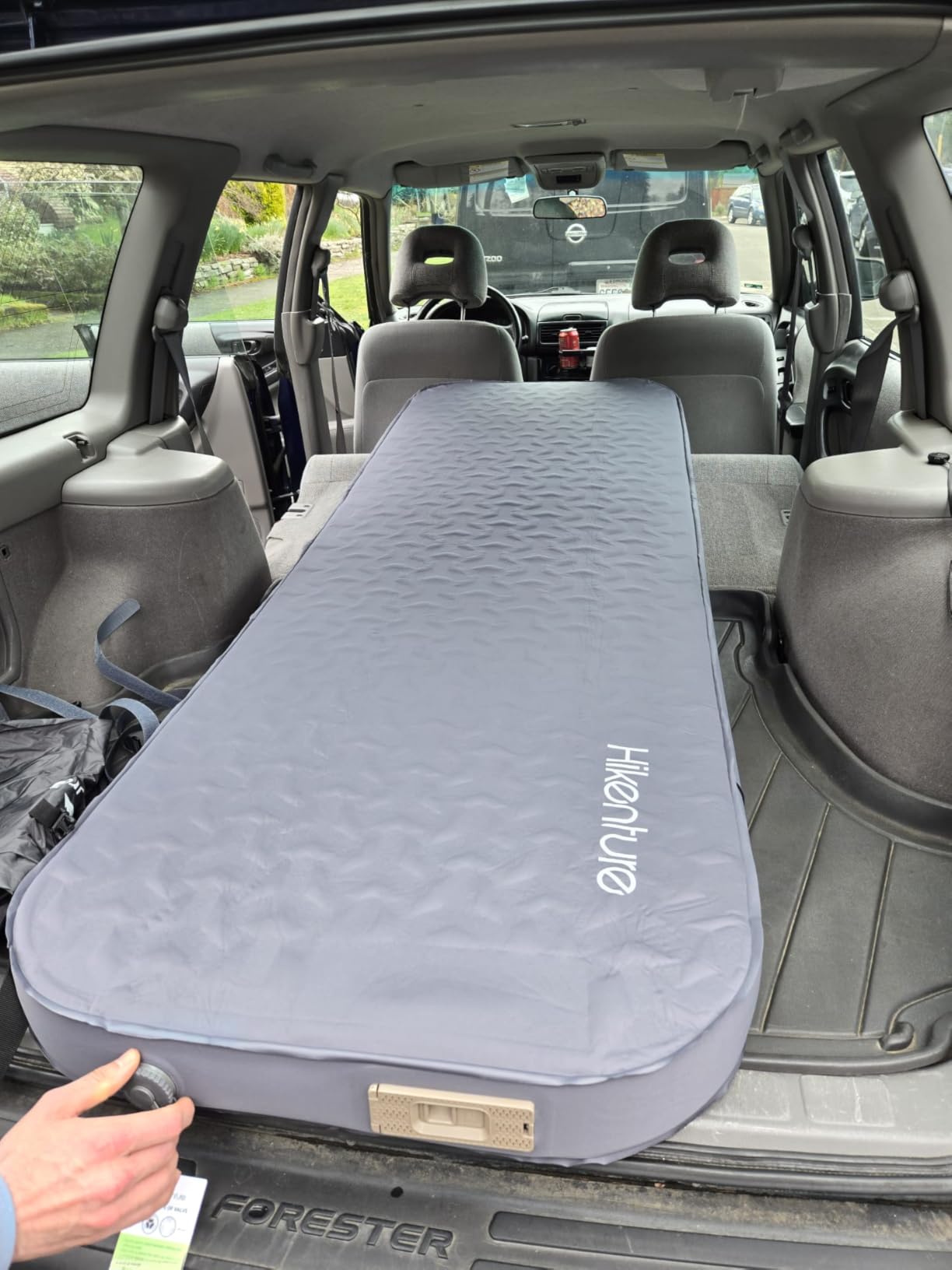
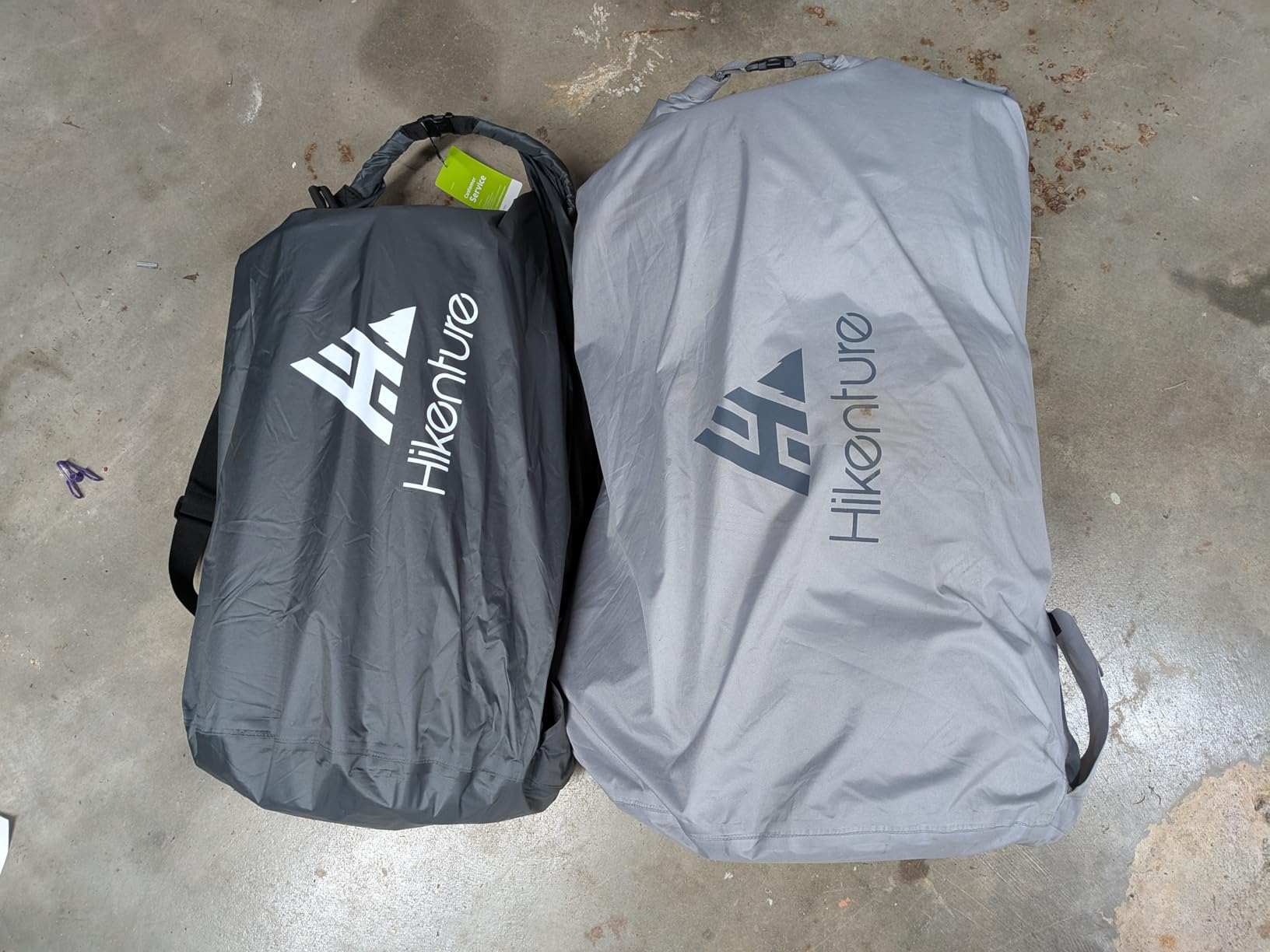
The electric pump is a genuine convenience. It reached full firmness in about 90 seconds and the reverse mode collapsed it without wrestling with a valve at midnight, and the Y-structure internal channels cut the packed bulk enough that it fits in an overhead bin. There is a manual pump sack version if you would rather not carry a battery.
At 5.4 pounds this is the heaviest pad in the roundup, which rules it out for anything carried in over a long route. The 28-inch single size is also narrower than it sounds for a big sleeper, and a few owners report electric pump or battery failures that put them on the manual valve.
Best reasons to buy it
Two things put it near the top for me. The stretch-knit surface is quiet and does not feel clammy against bare skin, and the foam core means thickness that holds its loft night after night rather than settling into a flat surface by morning.
R-9.5 also means one pad covers three-season trips and cold snaps, which is rare in a 4-inch-thick design. Most thick pads are air-only and useless in the cold.
What to watch out for
Weight and packed size are the trade-offs. Full and Queen sizes exist, but at this weight the single pad is a basecamp or car-camping product, not trail equipment. Check the pump carefully on arrival, since that is where failures cluster.
6. Wevelel Memory Foam Pad: Best 3 Inch Pick with Serious Cold-Ground Rating
Wevelel Memory Sleeping Pad, 3.1″ Ultra-Thick Foam Sleeping Mats for Camping, Easy Inflate&Deflate,9.5 R-Value Insulated Camping Mattress Pad with Pillow, for Car Travel Tent
3.1 inch thick
50D memory foam
R-9.5 ASTM
Self inflates in about 30 seconds
6.59 lb
Pros
- 50D memory foam spreads weight and eases contact pressure
- Soft top works for side sleeping with no extra layer
- Stretch-knit cover is quiet and breathable
- Three-valve system self-inflates in about 30 seconds
- R-9.5 suits cold ground
Cons
- Inflated width is about 27 inches
- At 6.59 lb it suits car camping over backpacking
- Bulky to squeeze back into the bag
This is the only pad in the roundup that tells you its foam density, and that number explains the comfort. 50D high-resilience memory foam is roughly two and a half times the density of the 19D foam in typical camping pads, which is why it contours around the hip rather than pushing against it.
Side sleepers who report waking up free of hip pain after moving off thin roll-out foam mats usually land here. The 3.1-inch profile sits right at the practical floor, and the foam still feels plush rather than firm on top of that.
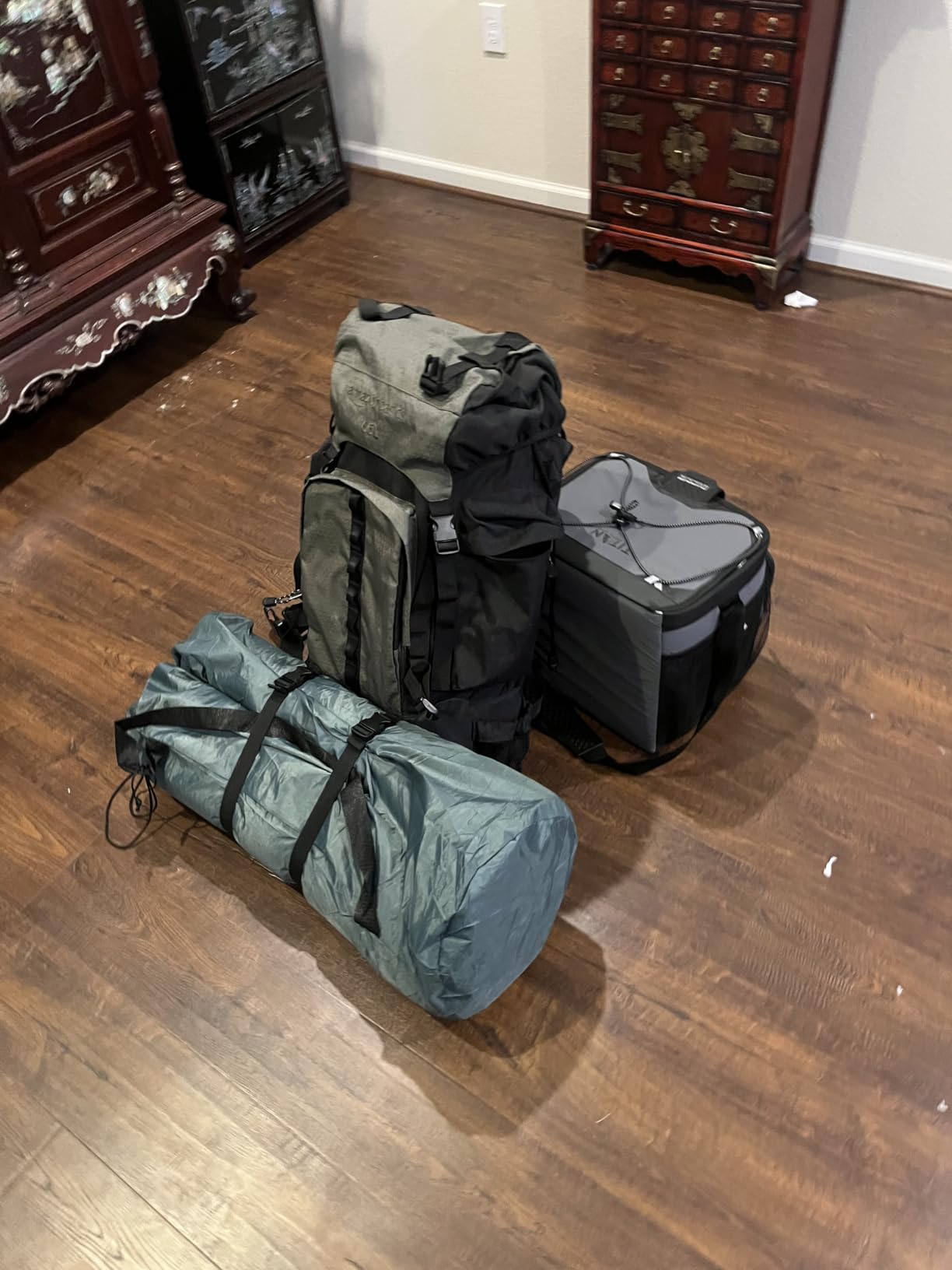
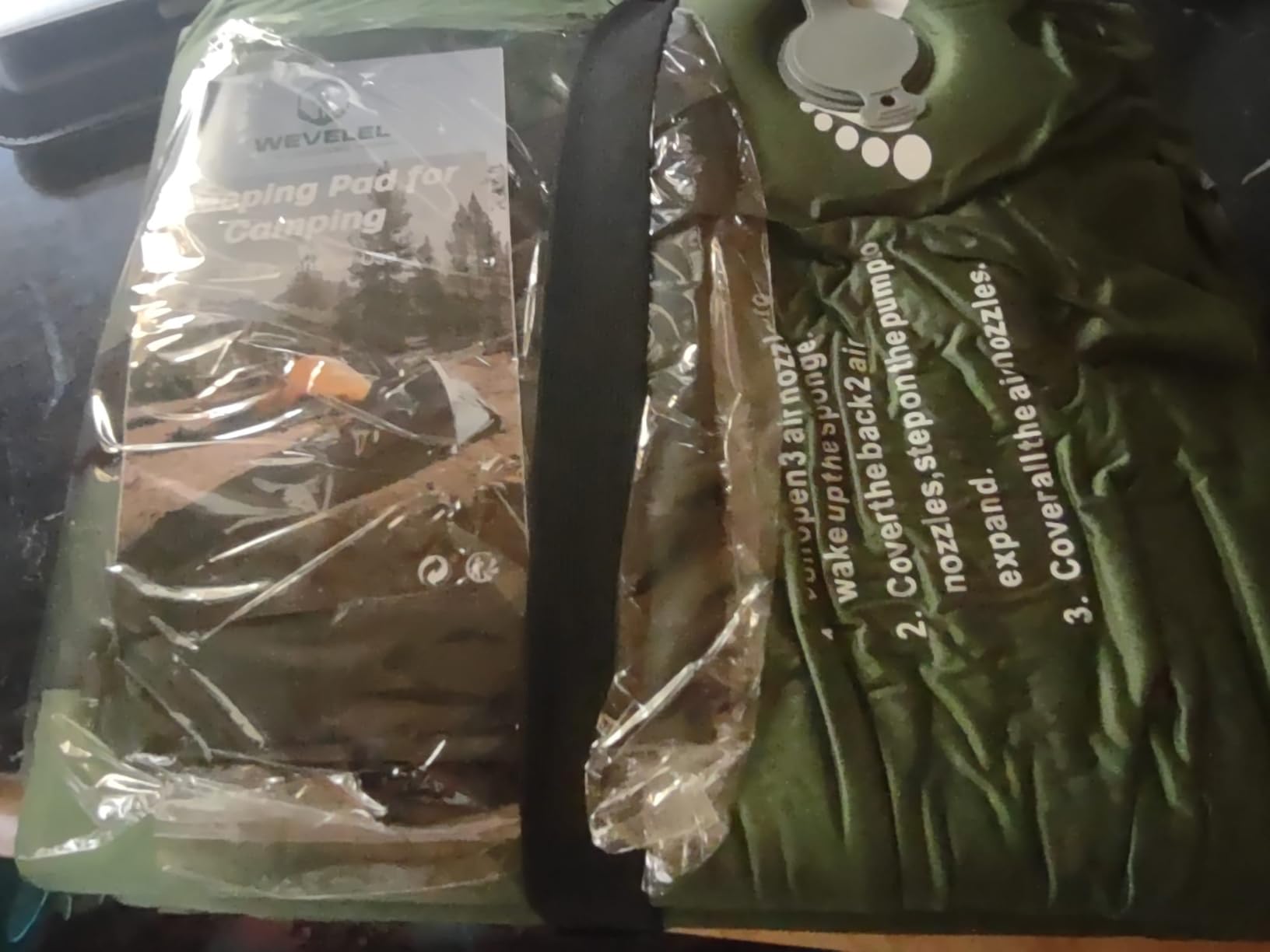
The three-valve system is a bit of a process. You open all three valves for about ten seconds to inflate the foam, close two, then step the front inlet with your foot for about twenty. After the first night it becomes automatic, and after that it inflates faster than anything else here.
R-9.5 and a 50D stretch-knit cover complete a genuinely cold-capable package. The cover is quiet and does not rustle, which is the same side-sleeper concern that the Hikenture above solves.
Why it works for hips
High-density memory foam is the reason. It deforms around a pressure point rather than resisting it, so the hip sinks into a socket instead of perching on a flat surface, and it does not lose that behaviour across a night the way lighter foam does.
The 3.1 inches then add enough depth that the deepest point of that socket is still air rather than ground.
What to watch out for
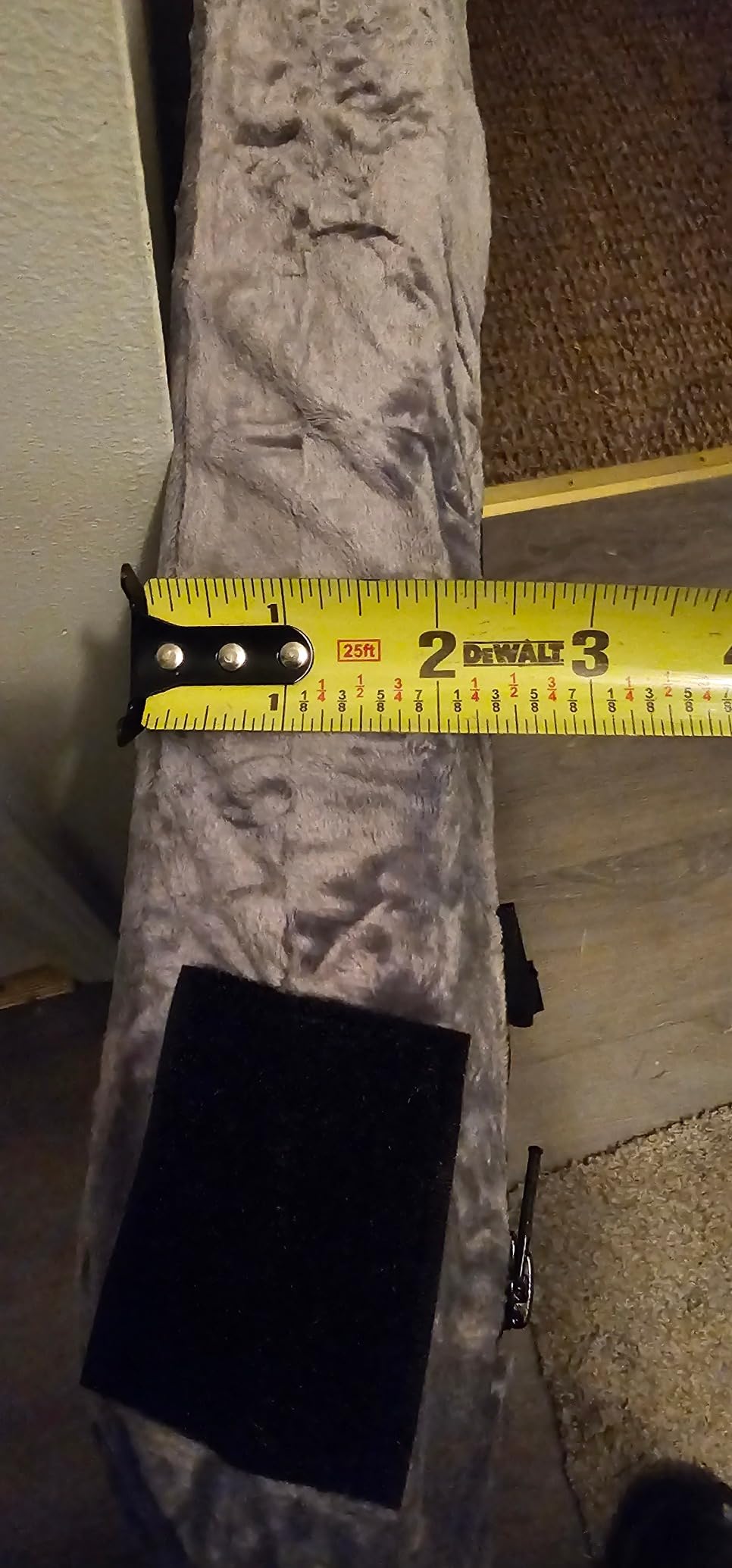
Inflated width is about 27 inches, narrower than the advertised figure suggests, so it is not a wide pad despite the numbers. At 6.59 pounds it is a car-camping or backyard choice, and squeezing the foam back into the bag after a trip takes real effort.
7. Kingfun 3 Inch Memory Foam Pad: Best for Couples and Shared Setups
Kingfun 3 Inch CertiPUR-US Memory Foam Camping Mattress Pad, Waterproof Roll up Sleeping Pad, Thick Floor Sleeping Mats for Tent with Removable Travel Bag(Grey, Cot)
3 inch thick
CertiPUR-US memory foam
Velboa TPU cover
Velcro corner connectors
Pros
- 3 inch high-density memory foam contours to hips and shoulders
- CertiPUR-US certified foam
- Velboa cover with TPU coating resists moisture
- Anti-slip base and Velcro corners allow pads to be paired
- Full and Queen sizes for couples
Cons
- No built-in pump
- Needs up to 72 hours to fully expand
- Cot size is 25 inches wide
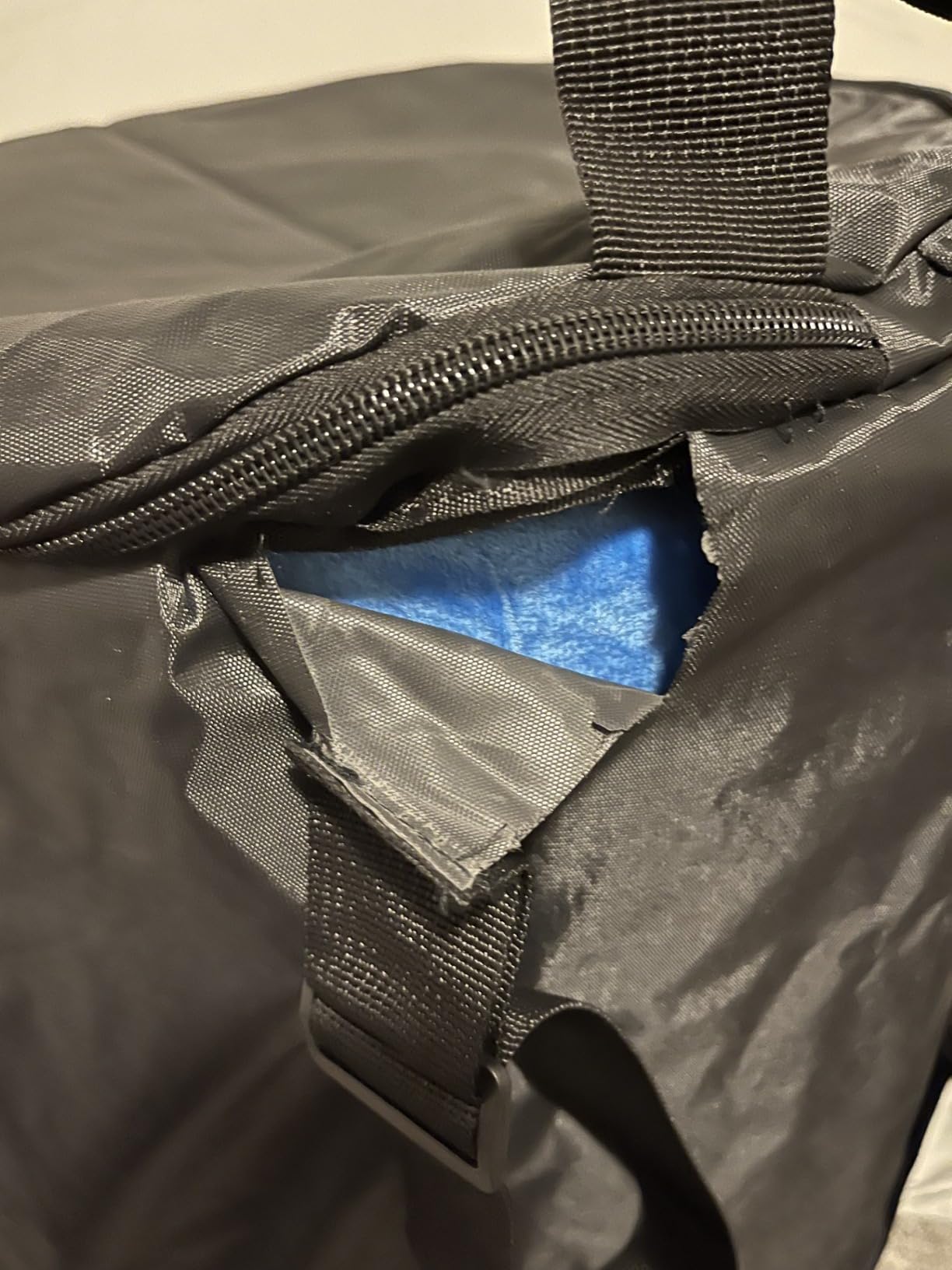
A partner who is a light sleeper and a partner who is a heavy sleeper rarely agree on a pad, and the eight Velcro corner connectors on this one solve that. You can lay two pads side by side, or hook two together, without either person being stuck with the other’s thickness preference.
The 3-inch high-density memory foam is the part that works for side sleeping. It adapts to the shape of the shoulder and hip rather than resisting them, and reviewers consistently credit it with better sleep than thin mats of the same general style.
The CertiPUR-US certification is a real specification rather than a marketing line, and the velboa cover with a TPU coating feels soft and wipes clean. An anti-slip underside keeps the pad where you put it on a tarp or in a tent, which matters more than it sounds on smooth floors.
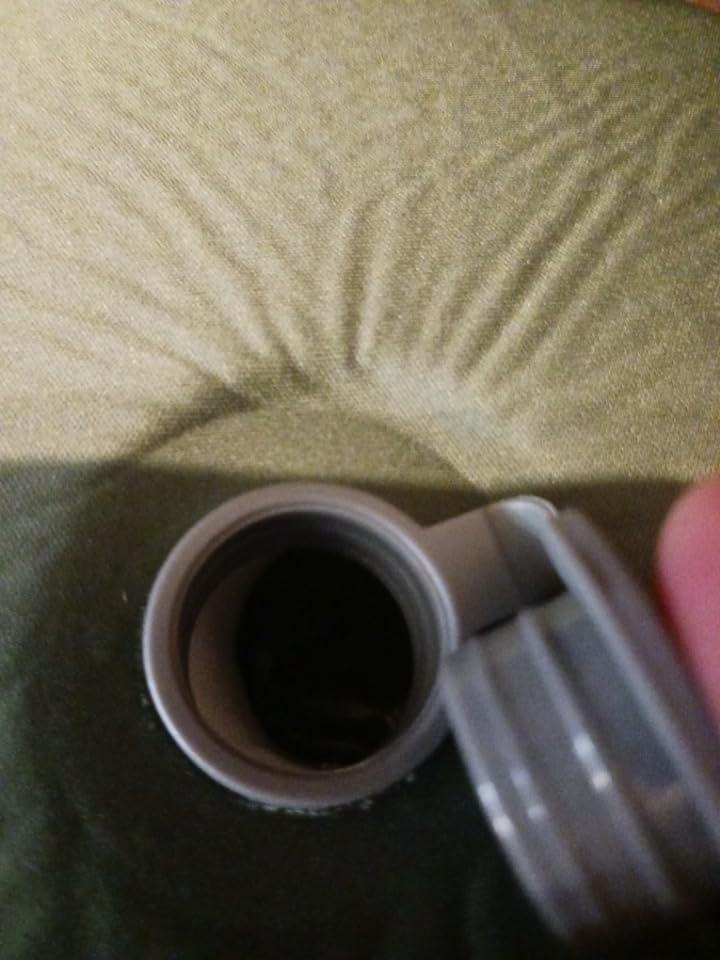
Two logistics to know before you order. There is no built-in pump, because foam does not need one, and after coming out of the packaging the pad can take up to 72 hours to reach full expansion, so unroll it as soon as it arrives.
Best reasons to choose it
Couples first and foremost. The corner connectors mean mismatched thickness in one tent stops being a problem, which is exactly the fix side sleepers in the forums describe when they each carry a thick pad and link them together.
The range of sizes, from Single and Twin up to Full, Queen, and Twin XL, also makes it a good floor bed for guests, which is how a lot of owners use it.
What to watch out for
The cot size at 25 inches is snug for a side sleeper, so pick the Single at 30 inches or wider if you sprawl. And 3 inches is the floor of comfort rather than the sweet spot, so this is a pad to grow out of rather than settle on forever.
8. Elegear 26D Self Inflating Pad: Best Thicker Foam Profile for Basecamp
Elegear Self Inflating Sleeping Pad with Pillow 26D Memory Foam 3.15″
3.15 inch thick
26D memory foam
R-9.5 ASTM
Self inflates in about 20 seconds
8.1 lb
Pros
- 26D memory foam relieves pressure at contact points
- 3.15 inch profile keeps shoulders and hips clear
- Self-inflates in about 20 seconds
- Waterproof TPU layer with R-9.5 insulation
- Quiet 50D stretch-knit surface with a built-in pillow
Cons
- At 8.1 lb it is the heaviest pad here
- Vacuum-packed pads can need 20 minutes to open up
- 27 inches is narrow for broad shoulders
The 26D foam is the densest in this roundup and the reason side sleepers like this pad. Combined with a 3.15-inch profile, it holds a deep contour around the hip and shoulder all night, and the ASTM static pressure test at 800 lb for 24 hours backs up the durability claim more than most marketing does.
R-9.5 with a waterproof TPU layer makes this a four-season pad, and the 50D stretch-knit surface is quiet when you roll, which puts it alongside the Hikenture on the noise front. Self-inflation took about 20 seconds, the fastest of anything here.
The size range runs from Single through Full and Queen, and the built-in pillow is a small convenience that removes one more item from the gear list. Reviewers who switched from thinner foam mats report pressure relief across both hips and shoulders within the first night.
It is also the heaviest pad here at 8.1 pounds, and that weight is the entire design trade. The single version of a vacuum-packed unit can also take up to 20 minutes to fully expand the first time, which is worth knowing if you plan to unroll it at a campsite rather than at home.
Where it earns its place
Any trip where the pad is driven to camp rather than carried to it. At this weight, this is a car-camping, RV, or basecamp pad, and the R-9.5 rating means you can use it in winter without adding a second insulating layer underneath.
The density also makes it a good pick for a side sleeper who wakes with hip pain on lighter foam, because the foam simply does not give up as much.
What to watch out for
Weight, plainly. If the pad goes in a pack on your back, look at the air options earlier in this list instead. The 27-inch width is also narrow, and the first inflation from vacuum can be a slow one, so allow time for it.
9. Exped MegaMat Medium Wide: Premium Pick for Side Sleepers Who Want a Mattress
Exped MegaMat Sleeping Pad, Medium Wide
4 inch thick
25.6 in wide
R-8.1
3D vertical sidewalls
4.6 lb
Pros
- 4 inch foam and air core stops bottoming out
- Square 3D sidewalls with no tapering
- Top-up pump tunes firmness from plush to firm
- Quiet recycled stretch tricot surface
- R-8.1 works for four-season use
Cons
- Bulky and heavy for anything carried in
- Higher spend than foam self-inflating alternatives
- 25.6 inches favours medium-sized sleepers
The 3D vertical sidewalls are the reason this mat behaves like a mattress rather than an airbed. There is no tapering, so the full 25.6 inches of width carries up the sides instead of sloping away, and your shoulder and knees sit on surface rather than on an edge. For a side sleeper rolling around in a tent that is the whole game.
Four inches of open-cell foam with air-core channeled insulation did not bottom out under my hip on any night, and the recycled four-way stretch tricot surface stayed put under movement instead of sliding. Owners comparing it to a home mattress are not exaggerating.
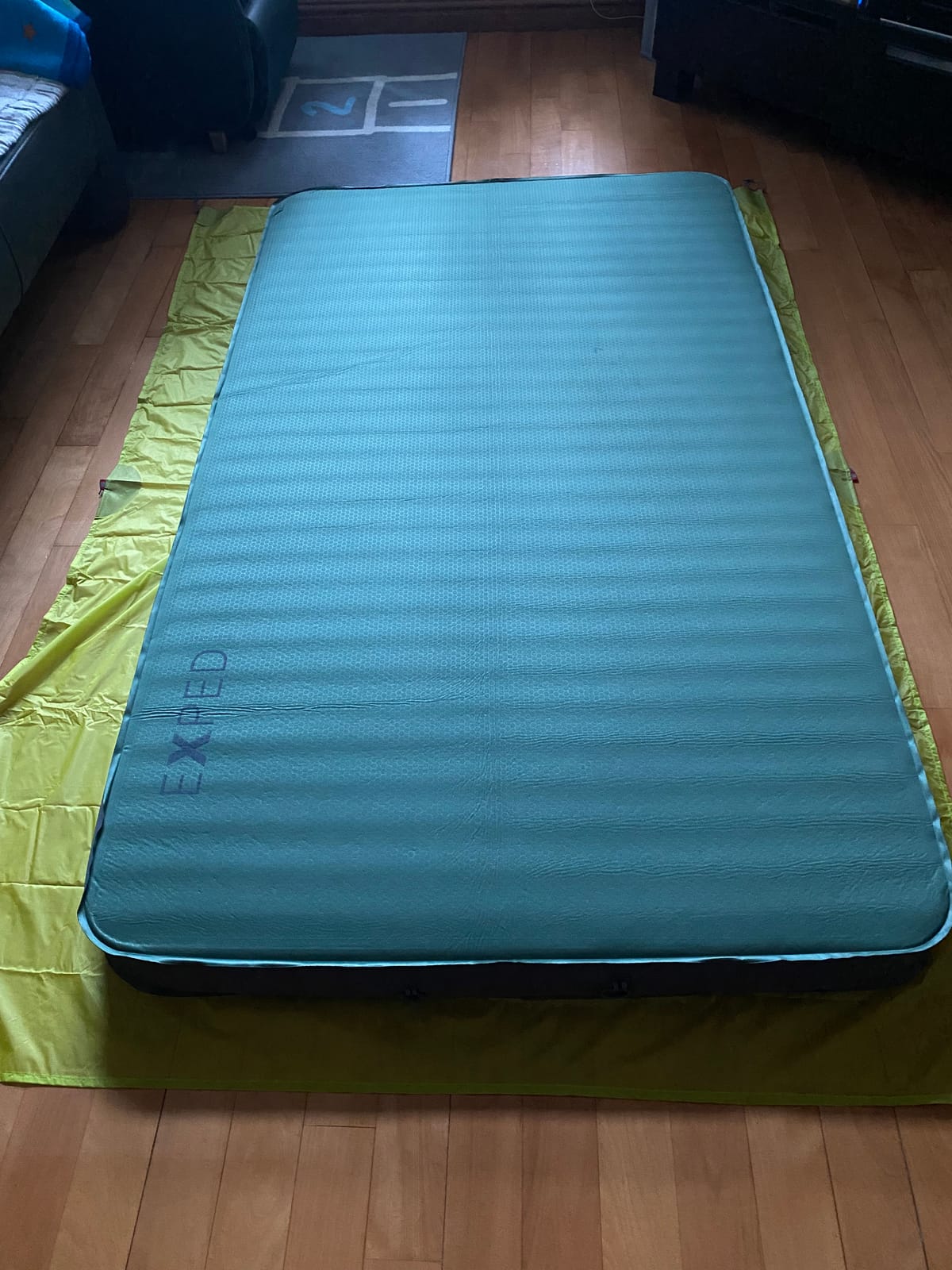
Firmness is adjustable with the included top-up pump, which lets you run it anywhere from ultra-plush to firm and dial in whatever your shoulder wants. R-8.1 handles four-season car and campground use, and the welded side handle plus an oversized stuff sack that accepts the mat slightly inflated makes camp strike fast.
What you give up is portability. At 4.6 pounds and bulky when packed, this is a pad you drive to camp, and the spend is higher than the foam self-inflating alternatives earlier in this list. The Medium Wide also suits medium-sized sleepers best; larger people should look at the Duo or Max sizes.
Why side sleepers rate it highly
Two things, and neither of them is thickness alone. The 4-inch foam and air core gives real loft, and the square sidewalls mean that loft extends to the perimeter, so a side sleeper never spends the night with an arm hanging off a tapered edge.
The adjustable firmness is what turns it from a good mat into the one people compare to a mattress, because the same pad can be soft for a shoulder-heavy sleeper and firm for someone who wants push-back.
What to watch out for
Packed bulk and weight rule it out for anything carried in, and a small number of owners report slow self-deflation or durability complaints. If you are a side sleeper on a budget and the pad is going in a pack, this is not the pick.
10. Sea to Summit Camp Plus SI: Best Rectangular Four-Season Pad That Is Not a Side-Sleeper Pad
Sea to Summit Camp Plus SI Sleeping Mat, Rectangular/Regular
2.6 inch thick
R-4.3
75D polyester face
3.2 lb
Cored body-mapped air
Pros
- Self-inflates and packs back into the bag easily
- R-4.3 handles cold ground
- Coring keeps contact areas warm and supported
- Durable 75D polyester face fabric
- Rectangular shape gives room to stretch out
Cons
- At 2.6 inches it is the thinnest pad here
- Thin profile gives side sleepers less hip support
- R-4.3 is not enough for the coldest winter ground
I want to be straightforward about this one: at 2.6 inches it sits below the side-sleeper threshold set at the top of this guide, and I am including it for the reasons it wins in other categories, not because I would put it at the front of a side-sleeper ranking. Its rating is high, but it is based on a small number of reviews, so treat it as less well established than the others here.
What it does well is warmth per unit of bulk. The R-4.3 rating with coring that places air where the body sits means it outperforms much thicker air-only pads on cold ground, and the 75D polyester face fabric is the most abrasion-resistant shell in this roundup by a wide margin.
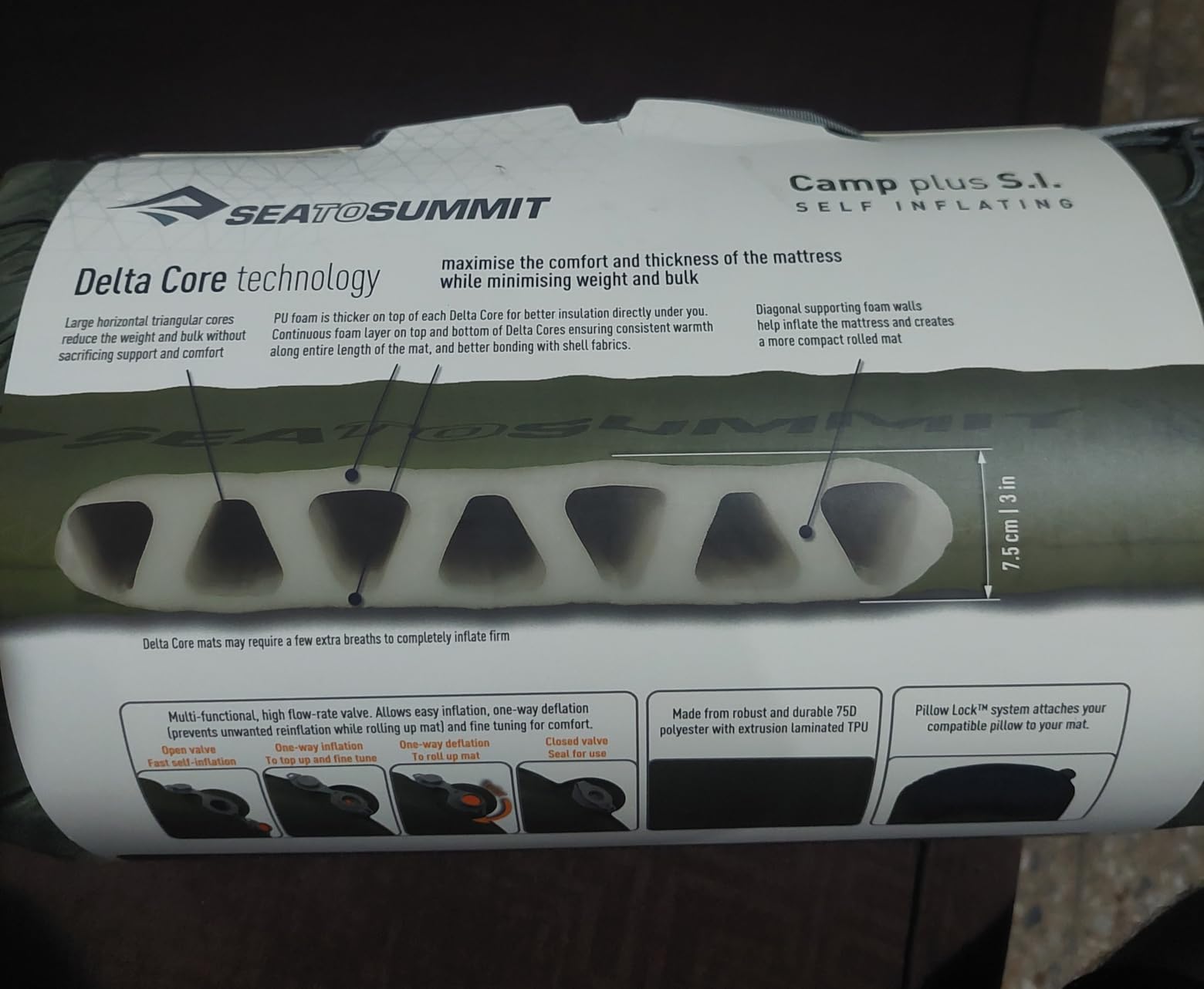
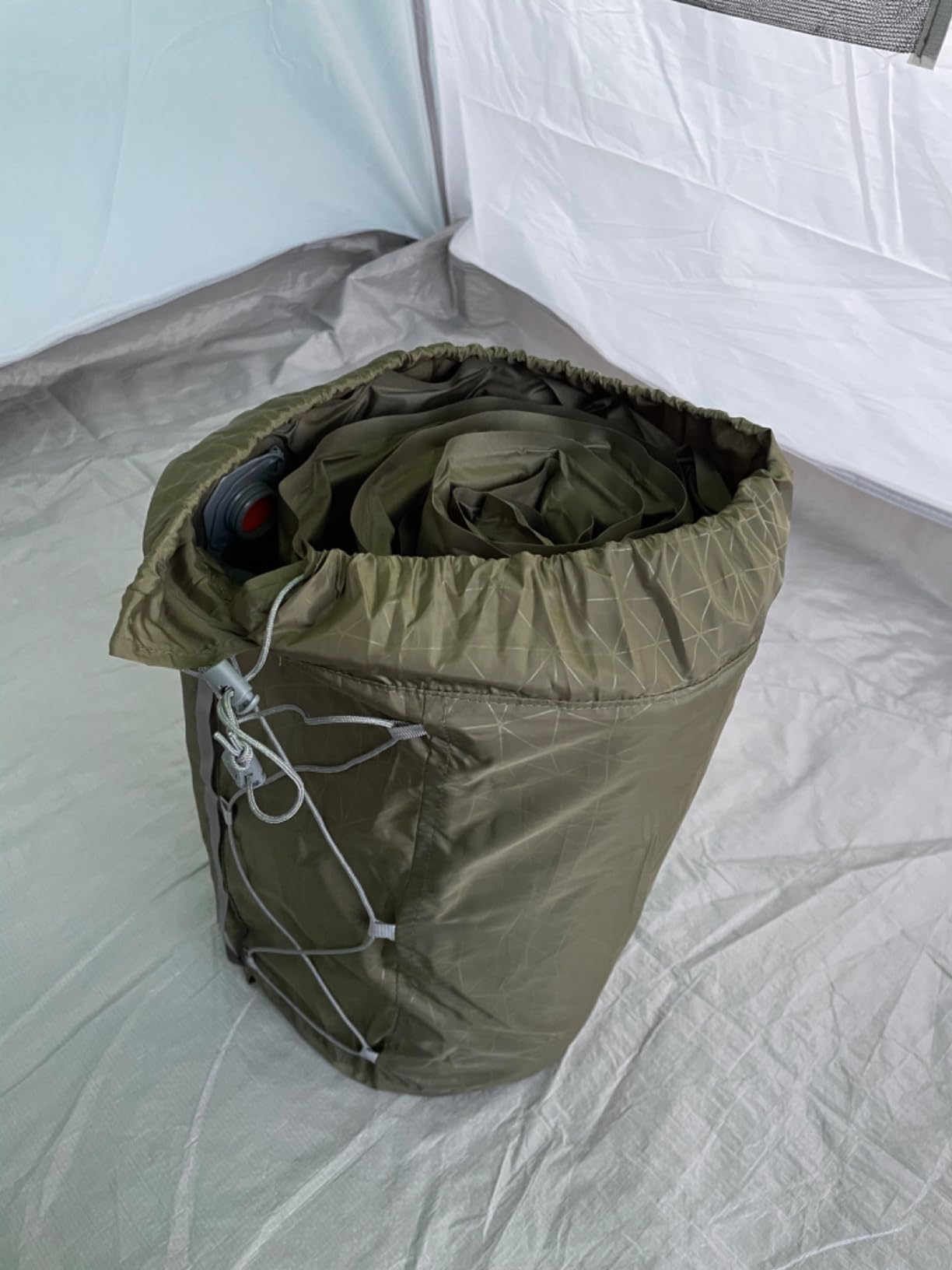
The reversible valve with one-way deflation makes pack-down quick, and the rectangular 72 by 25.2 inch shape gives room to stretch out. Owners of the larger sizes report that it holds its firmness overnight and stays quiet enough for car camping.
As a side-sleeper option, the 2.6-inch profile is the problem. My hip felt the ground sooner on this pad than on any other in the roundup, and reviewers note the same. A few also find self-inflation slower than advertised and the 13 by 7.5 inch packed size bulkier than expected.
What it is genuinely good for
Back sleepers, and anyone prioritising warmth and durability over cushioning. The 75D face fabric takes abrasion far better than the nylon and polyester knits elsewhere in this list, which is exactly what a side sleeper who rolls onto the pad edge all night tends to wear through first.
R-4.3 covers most three-season ground, and the lifetime manufacturer guarantee against defects is the strongest warranty in the roundup.
Why it is not higher for side sleeping
Two and a half inches is below the 3-inch floor. If your current pad is thinner than this one, upgrading to it is a step forward, but it is not the end of the journey. The cold-weather side sleepers among us should use it as a bottom layer under a thicker pad, not as a replacement for one.
How Thick Should a Sleeping Pad Be for Side Sleepers?
The short version: 3 inches is the practical floor, 3.5 inches is the sweet spot, and 4 inches or more is where a side sleeper stops thinking about the ground at all.
Here is the physics behind that. A person lying on their back spreads weight across the full length of their body, and a pad barely notices it. A person on their side stacks that same weight into a shoulder and a hip, and the two points press straight down through the insulation. On a 2-inch pad those points compress until they are effectively touching the ground, which is the exact moment you wake up with a numb hip and a sore shoulder.
Add your own body weight to the calculation and the target moves. A lighter sleeper can get by at 3 inches, while a heavier sleeper compresses the same foam and needs 4 inches or more to get the same result. This is why most of the thickest pads here carry a weight capacity figure, and why a pad rated for 800 lb is not automatically a better pad for you.
Baffle geometry decides how the thickness is used
Two pads of identical thickness can feel completely different, because the internal shape decides whether your hip sinks into a soft pocket or lands on a ridge. The main geometries in this roundup are flat-top, egg-cell, contoured or dimpled, I-beam, and cored foam with air channels.
Flat tops give you an even, unbroken surface that spreads load predictably, which is why they suit side sleeping well. Egg-cell and dimpled surfaces feel springier and hold air in small pockets; some sleepers love that, others feel every dimple on their hip. Side sleepers who have bounced off a pad that felt ridged or lumpy usually do best on a flat top or a cored foam core.
Width is the most overlooked variable
A standard pad is 20 inches wide, and a wide pad is 25 inches. When you roll over, your elbows and bent knees go past the edge of a standard pad and you spend half the night balancing on the border between pad and bare ground. Side sleepers who shift sides a lot should read width as seriously as thickness, and check the real inflated number because a few of the pads below measure narrower once they are pumped up.
Raised side rails keep active sleepers centred
Side rails are the raised perimeter baffles you can feel along the edges of a pad. They do nothing for warmth and everything for keeping a restless sleeper from sliding off, and they are the single most useful feature for someone who changes sides twenty times a night. A pad that tapers toward the feet or narrows at the shoulder does the opposite, which is why rectangular shapes tend to suit side sleeping better than tapered ones even at the same thickness.
Fabric matters more here than most guides admit. A side sleeper puts their whole weight on one small patch of surface all night, and a thin 20-denier top fabric punctures sooner than a 50-denier or 75-denier one. Two of the pads in this roundup use 50D or 75D face fabric, and both felt noticeably more robust when I rolled repeatedly across the same shoulder area over a week of nights.
Why side sleepers are different from every other position
A back sleeper distributes weight across the length of the spine and the backs of the legs, which is why almost any pad works for them. A stomach sleeper rests on a broad band of the torso, which is also forgiving. A side sleeper is the only position where two high points of bone, the acromion of the shoulder and the greater trochanter of the hip, carry nearly everything. That is why the same pad that feels perfectly fine on your back can leave you with a bruised shoulder and a dead leg on your side.
Is your current pad too thin? Five signs
You wake with numbness or tingling in your hip or shoulder. Your shoulder feels bruised even though nothing in the bag touched it. You wake up rolled onto a partly deflated edge with cold ground under half your body. Your elbows slide off the sides every time you turn over. Or you simply never feel rested, no matter how many hours you slept. Any two of those and thickness is the first thing to fix, not the sleeping bag.
Free Comfort Fixes: How to Sleep Well on Your Side While Camping
None of these cost anything, and every one of them came from side sleepers describing what actually fixed the problem for them.
Under-inflate slightly. A pad inflated rock hard pushes back against your hip instead of cradling it. Release a little air until your shoulder sinks in and the surface still feels firm under your hand. One camper on r/wildcampingintheuk put it simply: make sure you do not inflate it too much so your shoulder and hip will actually sink in. A user on r/Ultralight independently reported the same thing with a thick pad, noting that inflating it slightly less than full made it noticeably softer.
Put something between your legs. A stuff sack, a soft shirt, or a puffy jacket placed between your knees and ankles takes the twist out of your lower body and stops your top leg dropping your pelvis toward the ground. Campers on r/UltralightCanada report mixed results, including still waking up stiff, so treat it as worth trying rather than a cure.
Support the gap between your knees and your hips. A rolled jacket or a firm pillow in that space keeps your spine neutral instead of letting the top leg drop and twist your lower back. On a side sleeper this single change often does more than a centimetre of extra pad thickness.
Match your pillow to the pad. A thick pad raises your whole body, so a flat pillow leaves your neck bent and your shoulder compressed. A small, high pillow, or the built-in pillow on several of the pads above, puts your spine back in line.
Put something underneath. A foam sit pad, a picnic blanket folded flat, or even a closed-cell foam mat under your inflatable adds a layer of loft for the price of something you already own. It is the cheapest upgrade available to anyone who already owns a thin pad.
How to Choose: R-Value, Pad Type, and Weight for Side Sleepers
R-value and thickness are different numbers solving different problems, and confusing them is the most common expensive mistake in this category. Thickness decides whether your hip is comfortable. R-value decides whether you are cold. A pad can be the most comfortable in the world and still leave you shivering.
Match R-value to the lowest temperature you expect, not the average. Forecast in the 50s needs R-2 or lower. The 30s call for R-2 to R-4. The 20s need R-4 to R-5.5. Anything below freezing wants R-5.5 and above, and true winter snow camping sits at R-6 or higher. If you are unsure, err higher, because a warmer pad is cheap insurance and there is no way to add insulation in the field without adding weight.
Here is how the three construction types compare for a side sleeper specifically. Air pads give the most adjustable thickness and the best packability, but they settle and they offer no insulation on their own. Self-inflating pads combine foam with an air layer, so they hold their loft all night without a top-up and they carry a real R-value, at the cost of weight. Closed-cell foam pads cannot be punctured and are the cheapest and most durable option, but they cannot get thick enough to support a hip, so treat them as a base layer at best.
Weight is where side sleepers get shorted. Every extra inch of thickness adds bulk, and bulk is what makes a pad unpleasant to carry. If you are walking more than a couple of miles between camps, 2 to 3 pounds is the realistic ceiling. If the pad is being driven to camp, 5 to 8 pounds changes nothing about your night and buys a level of comfort you cannot get in a pack.
Shape matters less than people think. Rectangular pads give you full length and width and cost a little packed space, while mummy shapes taper at the feet to save weight, which side sleepers rarely appreciate. Width is the number to check twice, because a few of the pads in this roundup measure narrower once inflated than their listed width suggests.
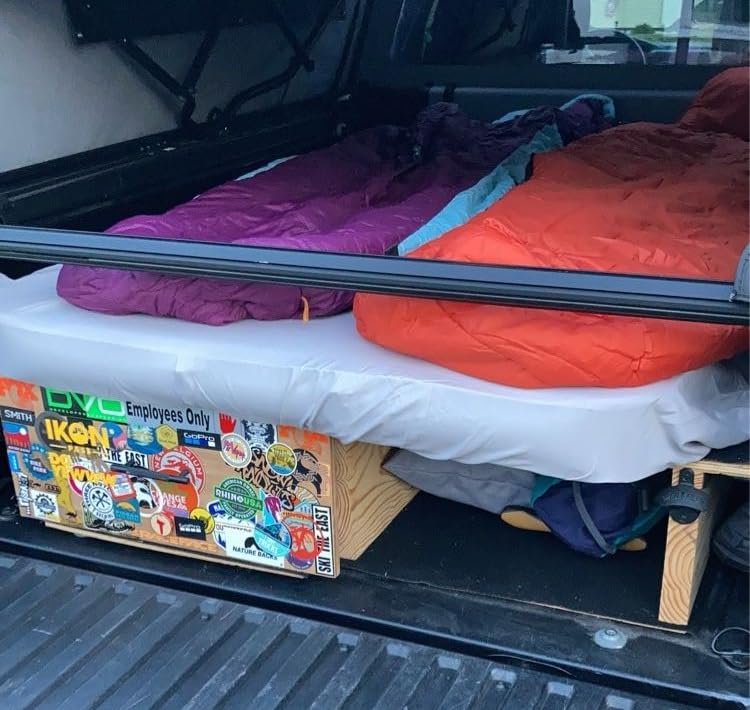
One more setup worth knowing, and no competitor guide covers it. If you and your partner need different thickness, do not compromise, because nobody sleeps well on a compromise. Campers on r/camping solve it by each carrying a thick self-inflating pad, and pads with side connectors or Velcro corners let you link them into one surface. The result costs more than one pad and it is still cheaper than a bad night on a shared 2-inch airbed.
Durability is the last thing to think about, and side sleepers should think about it. Denier is the measure of fabric thickness, and 20D is thin enough that a thorn or a sharp tent pole seam will put a hole in it, while 40D and above holds up far better to the abrasion of a hip and shoulder moving across the same spot all night. The underside matters as much as the top, because when you sprawl you roll onto it.
Finally, get the pad right before you spend on the bag. A warmer bag on a pad that fails at the shoulder still gives you a miserable night, and the reverse is not nearly as true. If you are still working through the rest of a sleep system, our sleeping bag roundup covers that half.
Frequently Asked Questions
How thick should a sleeping pad be for side sleepers?
At least 3 inches thick, with 3.5 inches as the practical sweet spot and 4 inches or more for genuinely plush cushioning. Side sleepers concentrate body weight on the shoulder and hip, and on a 2-inch pad those two points compress until they effectively reach the ground, which is what causes hip pain, shoulder tingling, and restless sleep.
What is a good sleeping mat for side sleepers?
A sleeping pad for side sleepers should be at least 3 inches thick, 25 inches wide or more if you shift positions, and built with a flat top or cored foam core rather than deep ridges. Add raised side rails if you roll a lot. Pads such as the ZOOOBELIVES Airlive2000 at 4 inches and the Exped MegaMat at 4 inches with square sidewalls are the clearest examples in this roundup.
What is the most comfortable sleeping pad for side sleepers?
In this roundup the Exped MegaMat ranks highest for pure comfort because its 4-inch foam and air core has 3D vertical sidewalls that leave no tapered edges, and an included pump lets you tune firmness. Among pads you would actually carry, the 4-inch ZOOOBELIVES Airlive2000 is the strongest balance of thickness, quietness, and all-night air retention.
What is the best way to sleep if you’re a side sleeper?
Four things matter more than the pad itself: under-inflate it slightly so your shoulder sinks in, place a stuff sack or puffy jacket between your knees, support the space between your knees and hips with a rolled jacket, and use a small high pillow so your neck stays in line with a raised torso. The free comfort fixes section above covers each one in detail.
Are closed-cell foam pads good for side sleepers?
Barely, on their own. A closed-cell foam pad cannot be punctured and is the cheapest and most durable option, but it cannot be made thick enough to support a hip or shoulder overnight, which is the exact failure side sleepers complain about. The workable approach is to use one as a base layer under a 3-inch or thicker inflatable, adding loft and cold protection for a fraction of the cost of a second pad.
Do side sleepers need a wider sleeping pad?
It helps, more than most buyers expect. A standard pad is 20 inches wide and a wide pad is 25 inches, and when you roll over, your elbows and bent knees go past the edge of a standard pad so you spend half the night balancing between pad and bare ground. Side sleepers who change sides frequently should read width as seriously as thickness, and check the real inflated width since some pads measure narrower once pumped up.
Conclusion
Side sleeping is not a preference a pad can ignore. It loads two narrow contact points, and the only three variables that decide whether you wake up comfortable are thickness, baffle geometry, and width. Everything else on the spec sheet is a refinement.
The ZOOOBELIVES Airlive2000 is our best sleeping pad for side sleepers overall, with 4 inches of uninterrupted edge-to-edge air, a built-in foot pump, and a quiet surface that survives a restless night. The TOBTOS LG70 wins on raw thickness and raised side edges, the Exped MegaMat is the comfort ceiling if the pad is driven to camp, and the TREKOLOGY UL140 is the one to buy if width is your problem.
Whichever you choose, remember the free fix first. Let a little air out until your shoulder sinks in, put something between your knees, and enjoy the first full night your gear has given you in 2026.