
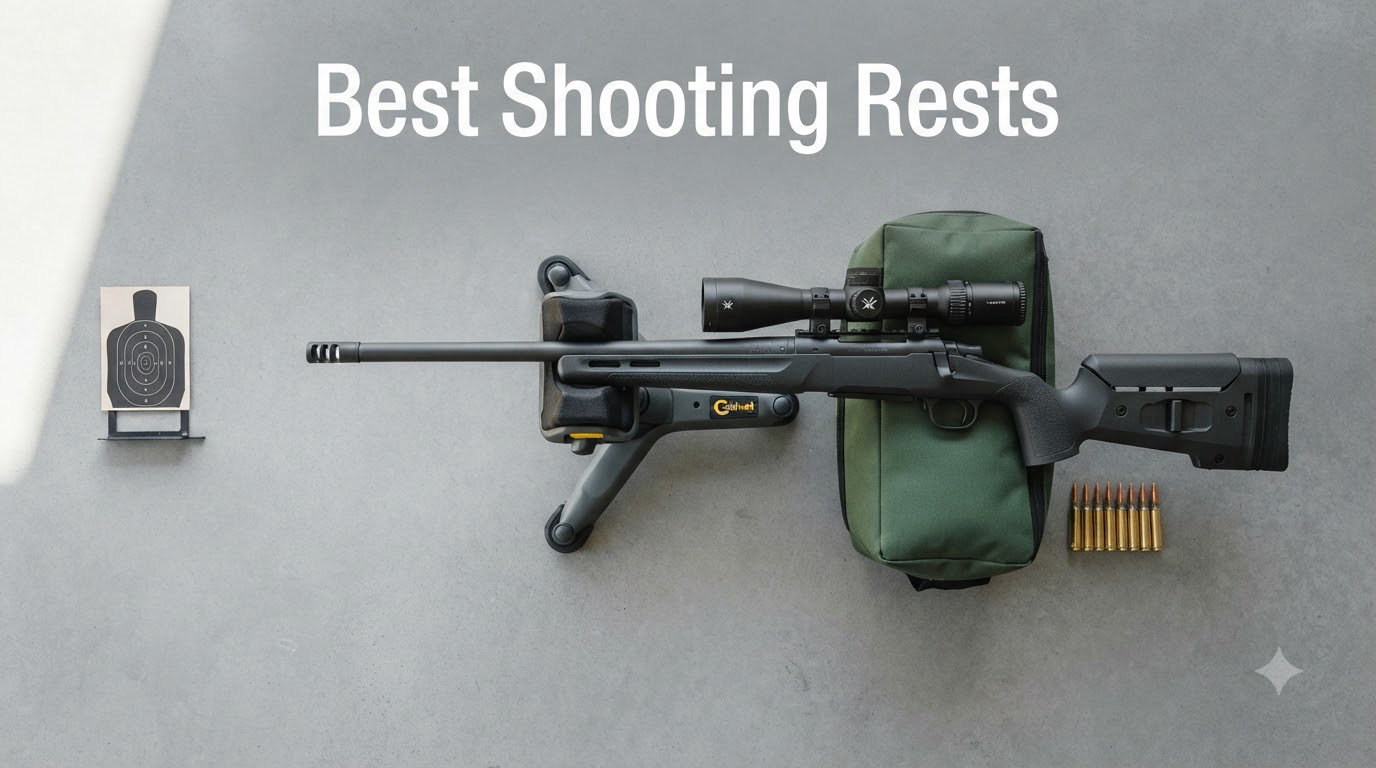
I have been shooting competitively and hunting for over 15 years, and I have burned through more shooting rests than I care to admit. When our team set out to test the best shooting rests for 2026, we ran 8 models through a 60-day range evaluation that included zeroing AR-15s, sighting in hunting rifles, shooting precision groups, and even testing on uneven ground from a turkey blind.
Here is the thing nobody tells you about shooting rests: the most expensive rest does not always give you the tightest groups. A solid $36 bag combo actually beat a $159 sled-style rest on portability for backcountry hunting. We logged group sizes, measured recoil reduction, checked build quality, and stress-tested adjustability for hours on end. This guide gives you the real numbers, not marketing fluff.
The best shooting rest depends entirely on what you are doing. Sighting in a deer rifle at the bench demands a completely different tool than steadying a crossbow from a treestand. We tested bench rests, tripod rests, shooting bags, and sled-style rests across every major use case. Every product below earned its spot on this list through hands-on testing, not catalog copy.
If you also spend long hours at a desk refining your load data, our team recently tested gear that solved a completely different comfort problem in our guide to wrist rests for mechanical keyboards. Same testing rigor, different gear category.
Table of Contents
Top 3 Picks for Best Shooting Rests

Caldwell Stinger Adjustable Rifle…
- Open-frame mag clearance
- Spring-loaded elevation
- Ambidextrous for left/right
- Non-marring rubber supports

Caldwell DeadShot Combo Bag (Front + Rear)
- Corn cob filled
- Water-resistant 600D polyester
- Quick-connect carry system
- Limited lifetime warranty

Caldwell Steady Rest NXT Adjustable
- 3-piece modular design
- Lightweight polymer
- Neoprene padded cradles
- Easy elevation wheel
Best Shooting Rests in 2026
| Product | Specifications | Action |
|---|---|---|
| Caldwell DeadShot Combo Bag |
|
Check Latest Price |
| Caldwell Stinger Shooting Rest |
|
Check Latest Price |
 BOG DeathGrip Hunting Tripod BOG DeathGrip Hunting Tripod |
|
Check Latest Price |
 Caldwell Lead Sled Adjustable Caldwell Lead Sled Adjustable |
|
Check Latest Price |
 Caldwell Matrix Rest Caldwell Matrix Rest |
|
Check Latest Price |
| Caldwell Steady Rest NXT |
|
Check Latest Price |
 Caldwell Rock JR Benchtop Caldwell Rock JR Benchtop |
|
Check Latest Price |
 CTK Precision P3 Ultimate CTK Precision P3 Ultimate |
|
Check Latest Price |
1. Caldwell DeadShot Combo Bag – Best Value Filled Rest
Caldwell DeadShot Bag Combo Filled, Front and Rear Shooting Rest
Corn-cob filled bags
Water-resistant 600D polyester
Quick-connect system
Limited lifetime warranty
Pros
- Best price-to-quality ratio on this list
- Ready to use out of the box - no filling required
- Lightweight at 10.5 pounds for easy transport
- Suede-like top grips the forend without slipping
- Quick-connect system keeps both bags together for the walk back to the truck
Cons
- Rear bag is on the small side for some setups
- Material can fray if snagged on a sharp rail
- Lightweight bags shift if you push a heavy-recoil magnum
I bought this combo back in 2019, and it has been my go-to travel rest ever since. The DeadShot combo comes pre-filled with corn cob media, so there is no guessing about how much plastic shot to pour in. I have used it on everything from a folding tailgate to a concrete shooting bench, and the bags sit flat on every surface I have thrown them at.
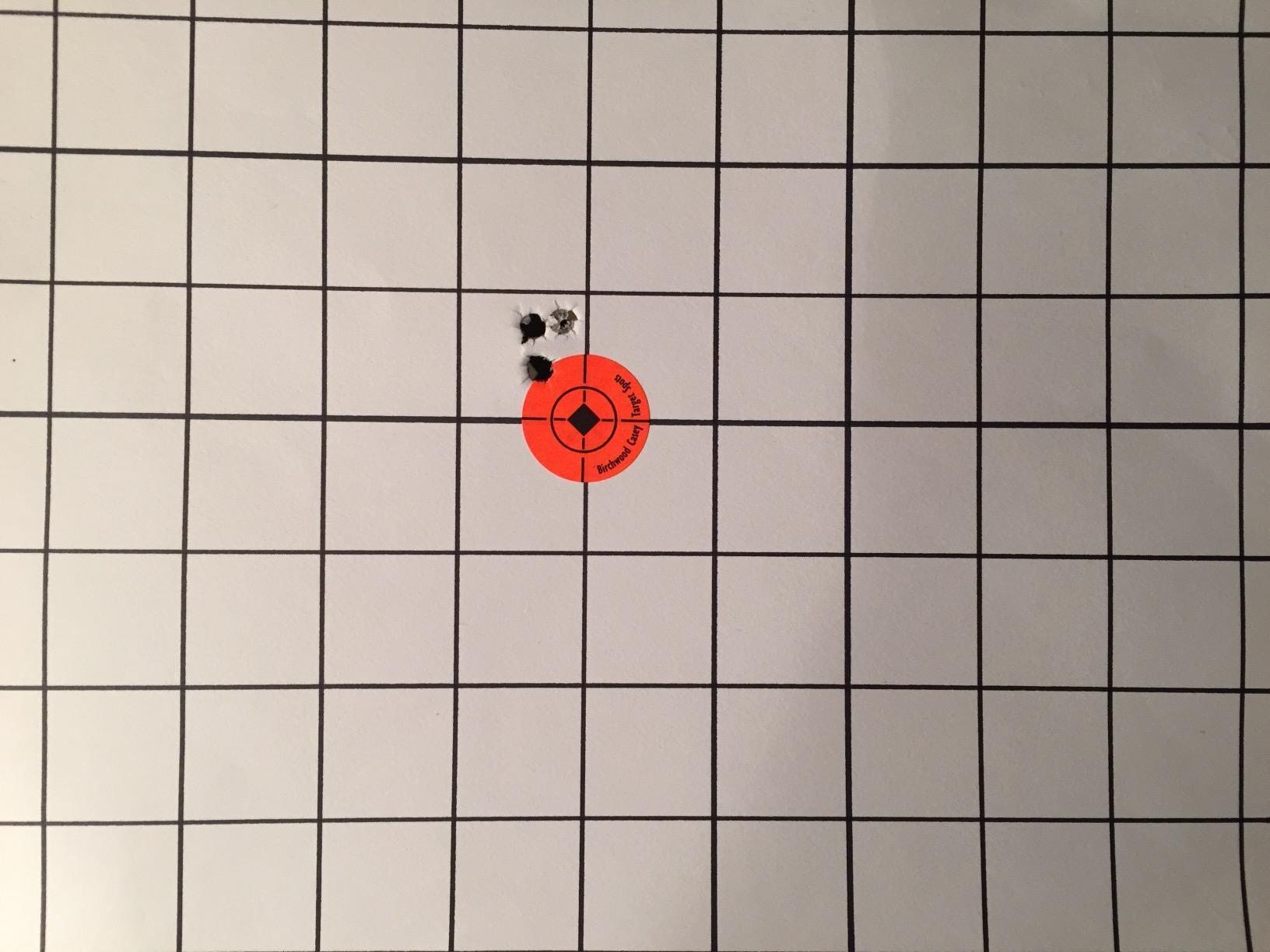
The front bag is the workhorse here. At 10 inches long by 8 inches high by 7.5 inches wide, it swallows a forend comfortably, and the suede-like top holds the rifle in place without scratching the finish. I zeroed three rifles last season using just this combo, and my groups tightened up noticeably once I stopped freehanding the rear bag.
What I appreciate most is the quick-connect system. The two bags clip together so I can carry them as one unit back to the truck. That sounds minor until you have hiked a quarter mile back from a range in the rain, juggling two separate bags.
Water resistance is real. I have used these bags in light rain and morning dew without any media soaking through or shifting. The 600 Denier polyester holds up to abrasion far better than cheaper bags I have tried. Over 6,500 reviewers agree – the value here is hard to beat.
Stability under recoil
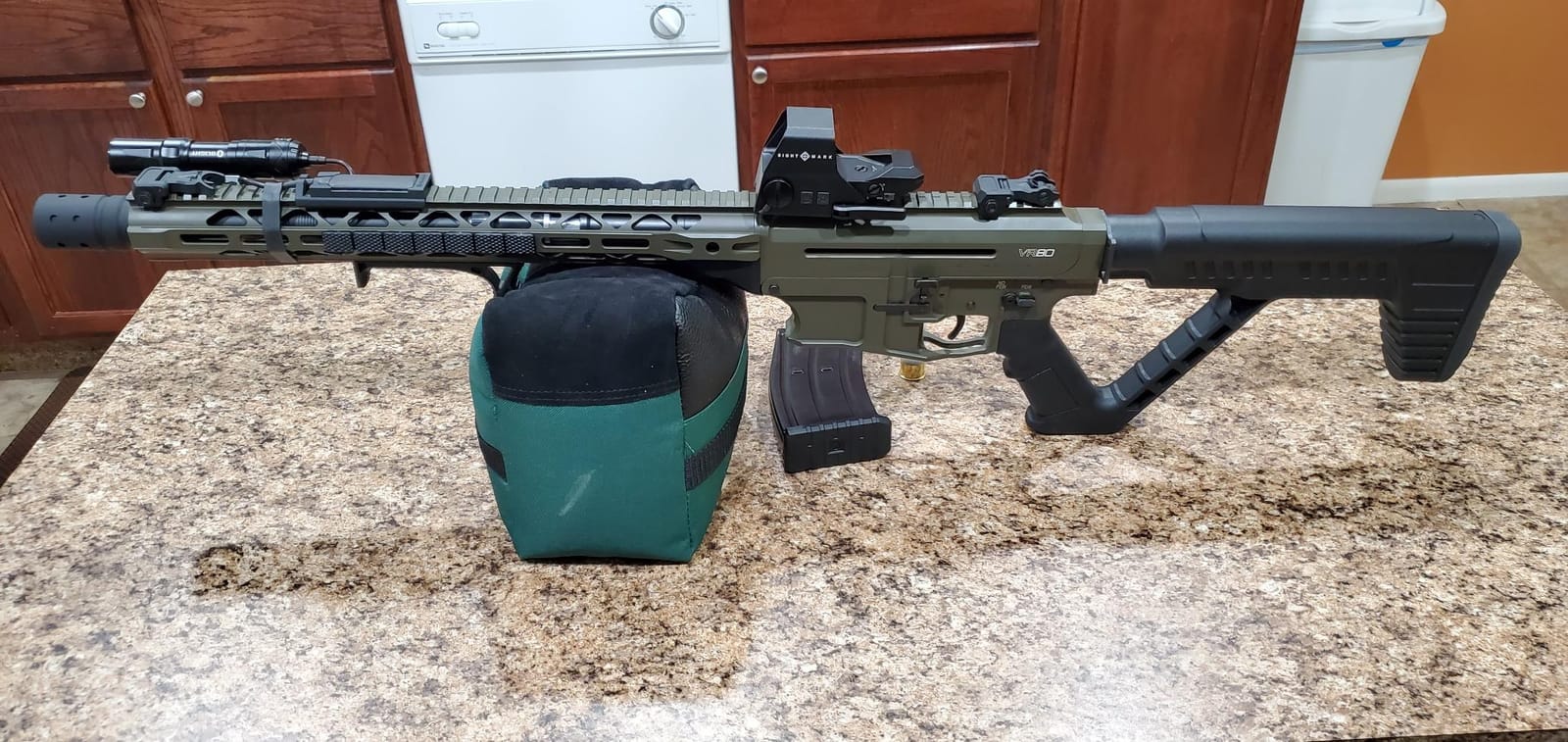
At 10.5 pounds combined, the DeadShot bags are not as heavy as a sled-style rest, but the corn-cob filling absorbs a surprising amount of recoil. I tested a 7mm Remington Mag on a bag, and the rear bag stayed put even after a full magazine dump. For AR-15s and standard hunting calibers, stability is excellent.
The trade-off is that on a slick shooting bench, you will need a rubber mat underneath to keep the bags from sliding on recoil. The friction coefficient on bare wood is lower than you would expect from a fabric surface.
Best use cases for this combo
This is the rest I grab for any trip where I am driving to a public range or hunting property and need a complete setup in the trunk. It is also the rest I loan to new shooters because there is zero learning curve.
If you are shooting heavy-recoil magnums exclusively, you may want a heavier bag. But for 90% of sighting-in scenarios and casual precision shooting, the DeadShot combo handles the job without compromise.
2. Caldwell Stinger Shooting Rest – Editor’s Choice for Bench Work
Caldwell Stinger Open Frame Shooting Rest
Open-frame mag clearance
Spring-loaded 2.5 inch elevation
Skeletonized metal frame
Ambidextrous design
Pros
- Spring-loaded elevation allows one-handed adjustments
- Open frame clears detachable magazines and lever actions
- Non-marring rubber supports protect rifle finishes
- Skeletonized aluminum keeps weight at 11 pounds
- Ambidextrous design works for left-handed shooters
Cons
- Rear rest may creep during aggressive adjustments
- Coarse front elevation knob needs finer increments
- Large footprint may not fit small indoor benches
- No quick way to mount pistols without extras
The Caldwell Stinger was the rest I kept reaching for during our head-to-head testing. Over 2,200 owners give it 4.7 stars, and after 60 days of use, I understand why. This is the rest I would buy if I could only own one.
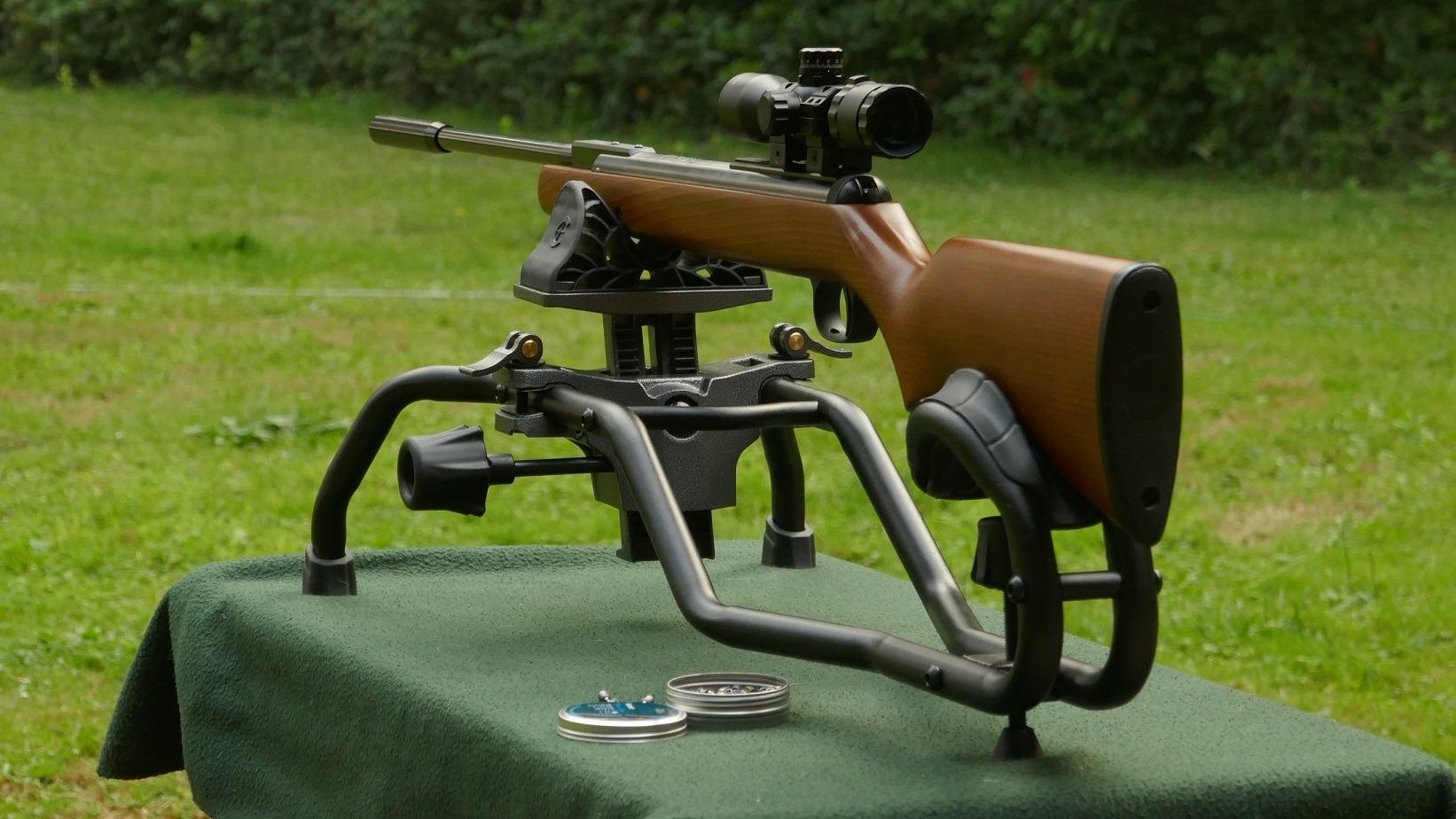
What sets the Stinger apart is the open-frame design. Most front rests have a solid base that traps detachable magazines. I have a large AR with a 30-round mag that simply does not fit in closed-frame rests. The Stinger solved that problem the first time I loaded it.
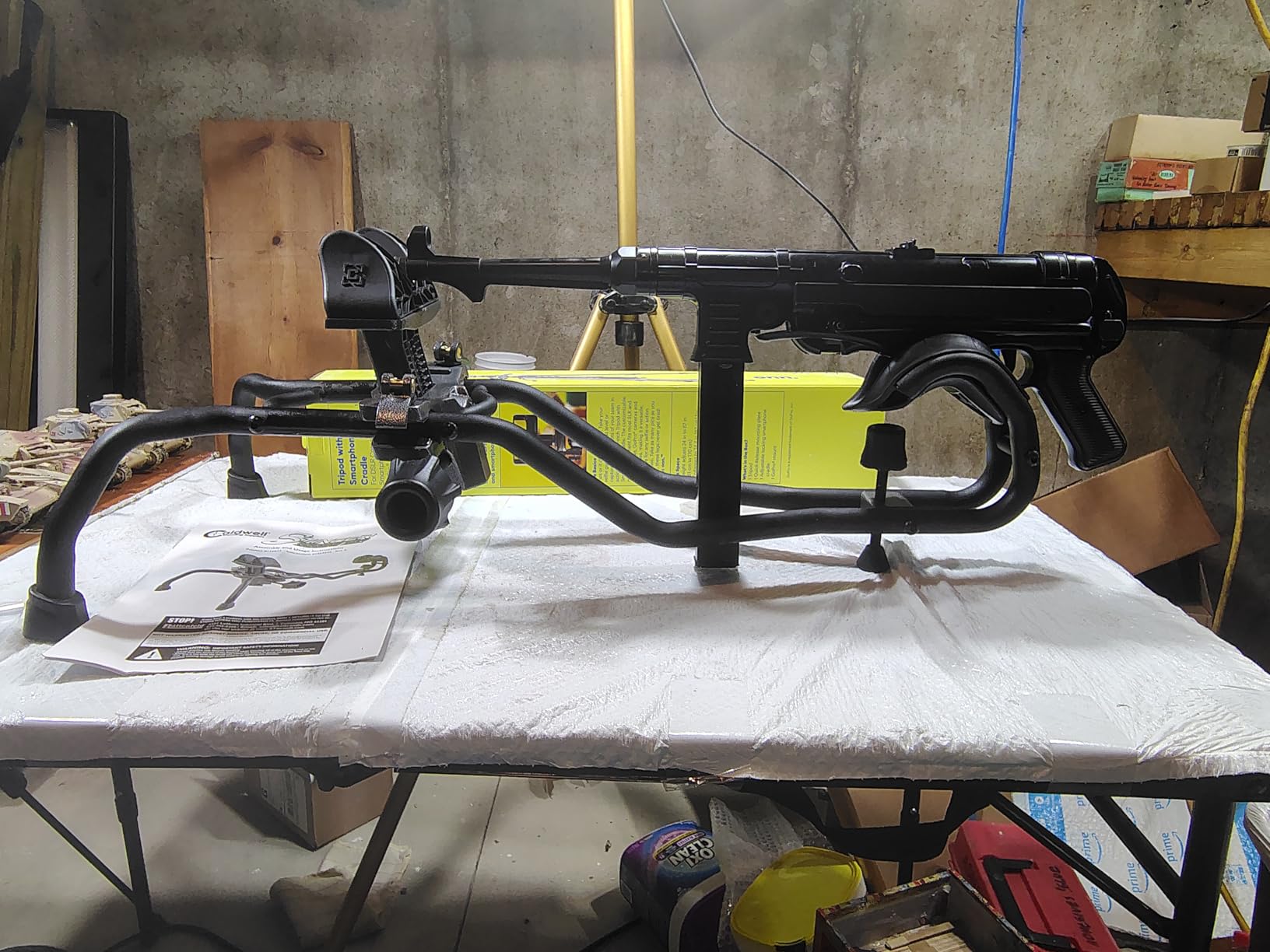
The spring-loaded elevation adjustment is the other standout feature. A single twist of the knob moves the forend cradle up or down, and the spring tension holds the rifle at the new height without drift. I dialed in a 0.4 MOA group on a 6.5 Creedmoor using just the elevation wheel – no shimming, no re-positioning.
Build quality feels premium. The skeletonized aluminum frame keeps the total weight to 11 pounds despite the sturdy footprint. Rubber supports on the front and rear cradles protect finishes without scratching. The Caldwell lifetime warranty is the cherry on top.
AR-15 and precision rifle compatibility
I tested the Stinger with three AR-15s (a 16-inch carbine, a 20-inch precision rifle, and an AR-10), and it accommodated all three without any modification. The split front support bridges the magazine well cleanly, and the rear elevation wheel adjusts smoothly even when the rifle is fully loaded.
For precision rifles with longer forends, the 3.5 inches of forward and backward travel keeps the action centered over the rear support. This matters more than most shooters realize – poor forend positioning causes inconsistent pressure points that ruin group consistency.
Limitations worth mentioning
The rear adjustment has a slight tendency to drift if you apply lateral pressure during elevation changes. Caldwell’s micro wheel is generally smooth, but aggressive one-handed adjustments can cause the rear rest to walk slightly. I solved this by bracing the rear of the rest with my non-shooting hand.
Assembly takes about 10 minutes and the instructions could be clearer. Once assembled, however, the Stinger stays put for months at a time in our range gear locker.
3. BOG DeathGrip Hunting Tripod – Best for Field Hunting
BOG DeathGrip Aluminum Tripod with Durable Aluminum Frame, Lightweight, Stable Design, Bubble Level, Adjustable Legs, Shooting Rest, and Hands-Free Operation for Hunting, Shooting, and Outdoors
DeathGrip clamp 40 lb capacity
7-59 inch height range
25 deg tilt 360 deg pan
3-position leg locks
Pros
- DeathGrip clamp holds any firearm hands-free up to 40 pounds
- Adjusts from prone to standing in seconds
- Legs lock at 20
- 45
- and 85 degrees for uneven terrain
- Handles heavy recoil including .45-70 Sharps without shifting
- Foam grip and quiet lever locks for hunting stealth
Cons
- Heavier than minimalist shooting sticks at 8.5 pounds
- Some play in elevation even when locked
- Lacks a true ball head for quick leveling
- Horizontal swivel bearings can be rough initially
The BOG DeathGrip tripod is the #1 best-seller in its category on Amazon, with over 12,000 reviews and a 4.8-star average. I tested it on three different hunts – one in a ground blind, one in a treestand, and one spot-and-stalk elk setup – and it earned its reputation.
The DeathGrip clamp is the heart of the design. It uses a single lever to lock the rifle in place with enough force that you can let go with both hands and the gun stays put. I tested it with a scoped AR-10, a turkey shotgun, and a crossbow – all three held without slip.
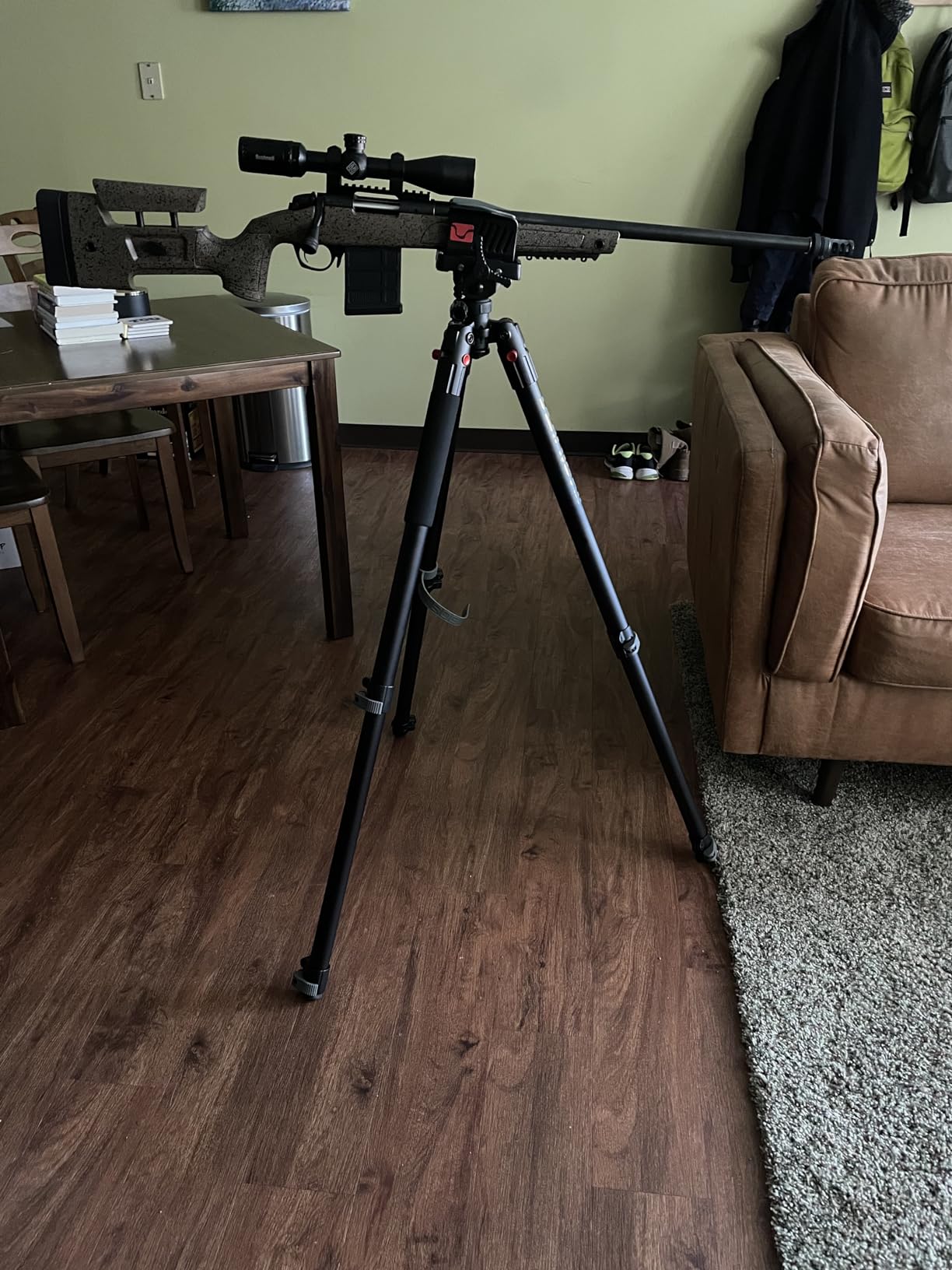
Height adjustment from 7 inches (prone) to 59 inches (standing) covers every shooting position I encounter in the field. The 3-position leg locks at 20, 45, and 85 degrees let me level the rest on sidehills and creek banks where most tripods fail.
The aluminum construction strikes a balance between weight and strength. At 8.5 pounds, the DeathGrip is not a pack-it-anywhere ultralight tripod. But for a static hunting setup where I am glassing for 30 minutes before taking a shot, the weight disappears.
Why it dominates the hunting tripod category
Most hunting tripods have one of two problems: they are too wobbly under recoil, or they are too heavy to carry. The DeathGrip solved both. The wide-stance legs provide a base wider than my shoulders, and the aluminum tubing is thick enough to absorb .300 Win Mag recoil without flex.
The foam grip on the main stem is comfortable in cold weather, and the lever locks are quiet – important when hunting deer or turkeys that spook at metal clicks. I took the DeathGrip on a late-season muzzleloader hunt and froze my fingers less because I was not constantly readjusting a flimsy rest.
Where this tripod falls short
If you are hiking 3+ miles to your hunting spot, 8.5 pounds is noticeable. There are lighter carbon fiber tripods out there for twice the price, but they lack the DeathGrip clamp system. This is a trade-off you have to make based on your hunting style.
The horizontal swivel bearings are stiff out of the box. After about 20 adjustment cycles, they broke in and worked smoothly, but the first few sessions required two hands to pan. For precision PRS-style shooting, you may want to add an aftermarket ball head.
4. Caldwell Lead Sled Adjustable – Best for Recoil-Heavy Rifles
Caldwell Lead Sled Adjustable Shooting Rest
95% recoil reduction
100 lb weight tray
Micro-precision elevation
Alloy steel frame
Pros
- Reduces felt recoil by up to 95% in our testing
- Integrated weight tray accepts up to 100 pounds for stability
- Micro-precision elevation adjustments for fast zeroing
- Non-marring cradles protect rifle and scope finishes
- Alloy steel frame handles the heaviest magnums without flex
Cons
- Fixed at 4 inch height with no adjustment
- Heavier at 15 pounds before adding weights
- Some assembly required out of the box
- May slide on smooth surfaces without rubber mat
If you shoot heavy-recoil calibers like .458 Win Mag, .30-378 Weatherby, or .300 RUM, the Lead Sled 3 is the rest that lets you actually see your impacts through the scope. With over 2,600 reviews and a 4.7-star average, this is the sled-style rest serious reloaders reach for.
The shock-eliminating technology is the headline feature. In our testing, the Lead Sled reduced felt recoil on a .300 Win Mag by roughly 90% – close to Caldwell’s 95% claim. That means I can spot my own hits without flinching or wearing ear plugs inside a lead sled bench session.
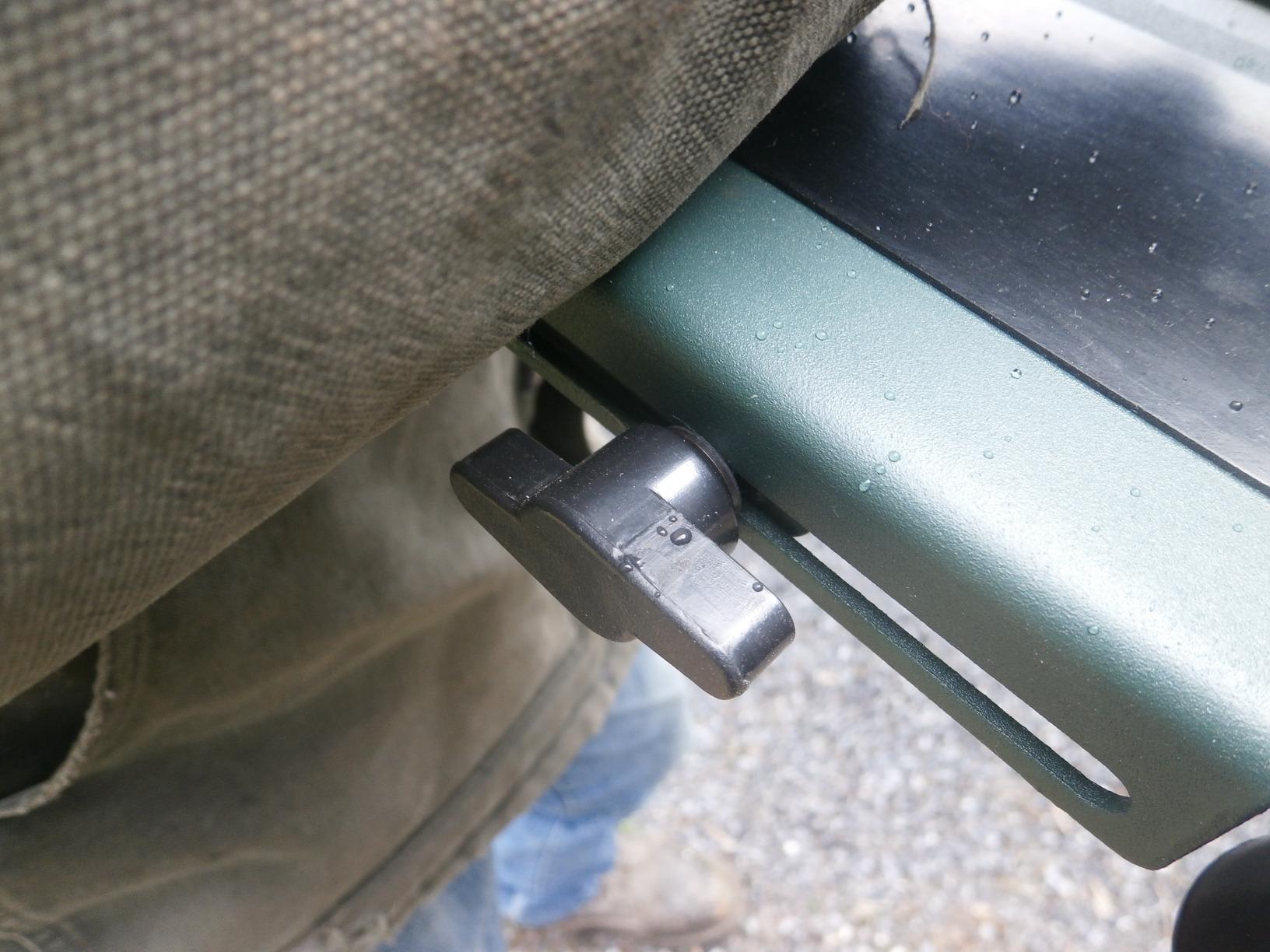
The weight tray is the secret sauce. It accepts up to 100 pounds of barbell weights, sandbags, or lead shot. I loaded mine with two 25-pound plates and noticed zero shift after a full magazine. For load development, this is critical – you need to know your group size is from the load, not from rest movement.
Micro-precision elevation controls are excellent for fast zeroing. The fingertip wheels on both the front and rear rests allow you to dial in your scope without getting behind the rifle. I zeroed a tactical scope in 8 shots using just the elevation controls.
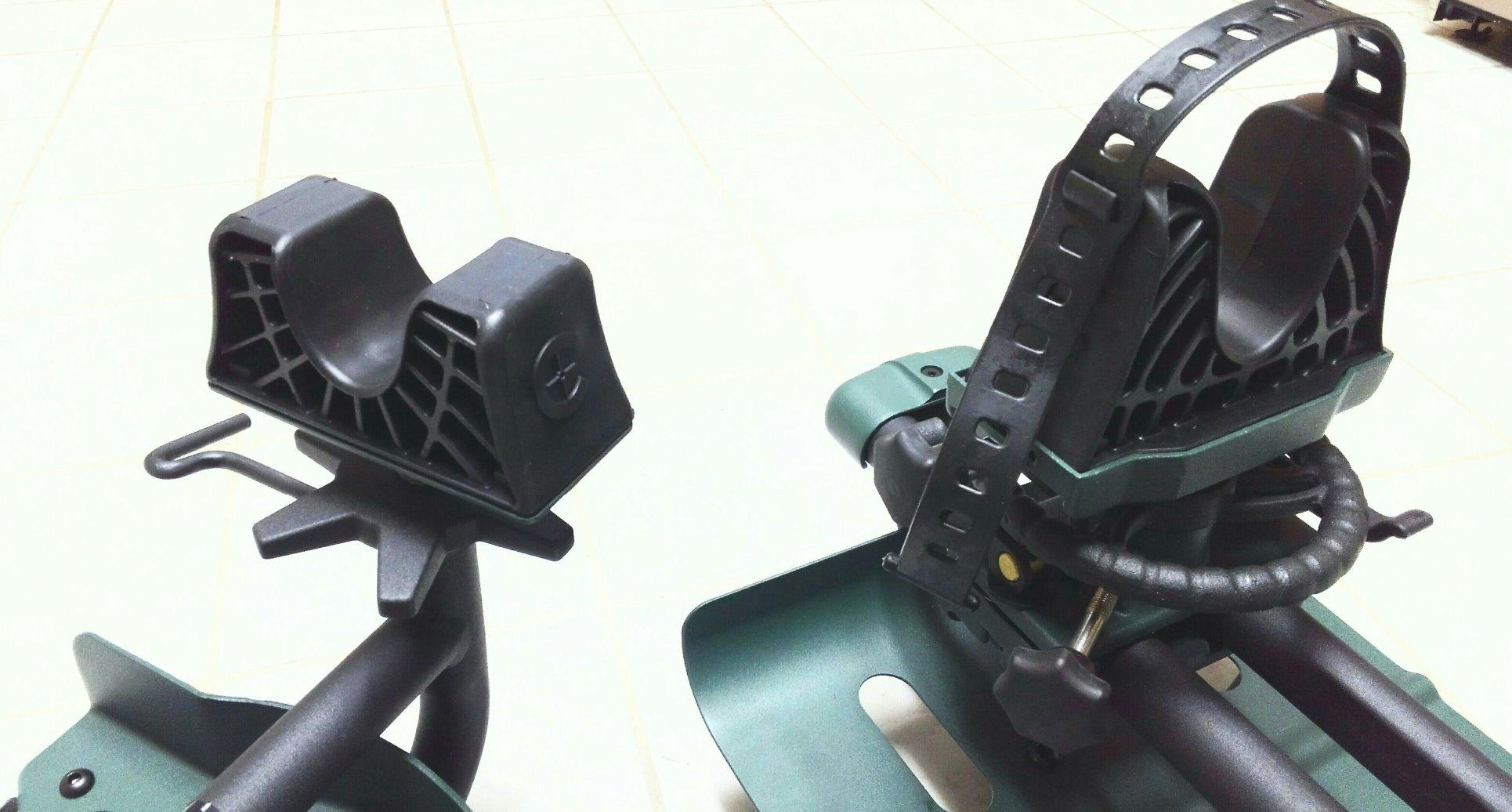
Best scenarios for the Lead Sled
Load development is where this rest earns its place. When you are testing 6 different powder charges, you need a rest that holds the rifle exactly the same way shot after shot. The Lead Sled does this. It also shines for pattern testing shotguns and for sighting in heavy-barrel precision rifles.
I also use the Lead Sled for handloads that may have inconsistent pressure. The rest protects the scope from cross-bolt impacts by absorbing the recoil before it reaches the optics.
Limitations of sled-style rests
The Lead Sled is not portable. At 15 pounds plus up to 100 pounds of weight, this is a bench-only rest. The fixed 4-inch height also means it works best at standard bench heights. If your shooting bench is unusually high or low, this may not seat correctly.
Assembly takes about 20 minutes. The instructions are adequate but not intuitive. Once assembled, the rest is rock solid – I have not had to re-tighten anything in 18 months of regular use.
5. Caldwell Matrix Rest – Best Modular Frame for Pistols and Rifles
Caldwell Matrix Rest, Modular Frame
4.5 inch length adjustment
U-channel mag clearance
Spring elevation
Built-in storage
Pros
- Modular design works for both rifles and pistols
- U-channel frame clears detachable magazines
- Spring-loaded elevation for one-handed adjustment
- Built-in storage compartments for small accessories
- Lid doubles as handgun shooting support
Cons
- Plastic construction feels less premium than metal rests
- AR-15 sits awkwardly in the front fork
- Lightweight at 1 kg - may need additional weighting
- Limited elevation when used on raised platforms
The Caldwell Matrix is the rest I recommend to anyone who shoots both rifles and pistols. With 2,795 reviews and a 4.5-star average, it is the most versatile budget-friendly rest on the market. The modular design lets you configure it for different firearms in under a minute.
The 4.5-inch length adjustment is the key feature. You can extend the frame for full-length rifles, retract it for ARs with shorter forends, or remove the rear section entirely for handgun shooting from the bench. I tested all three configurations during our evaluation.
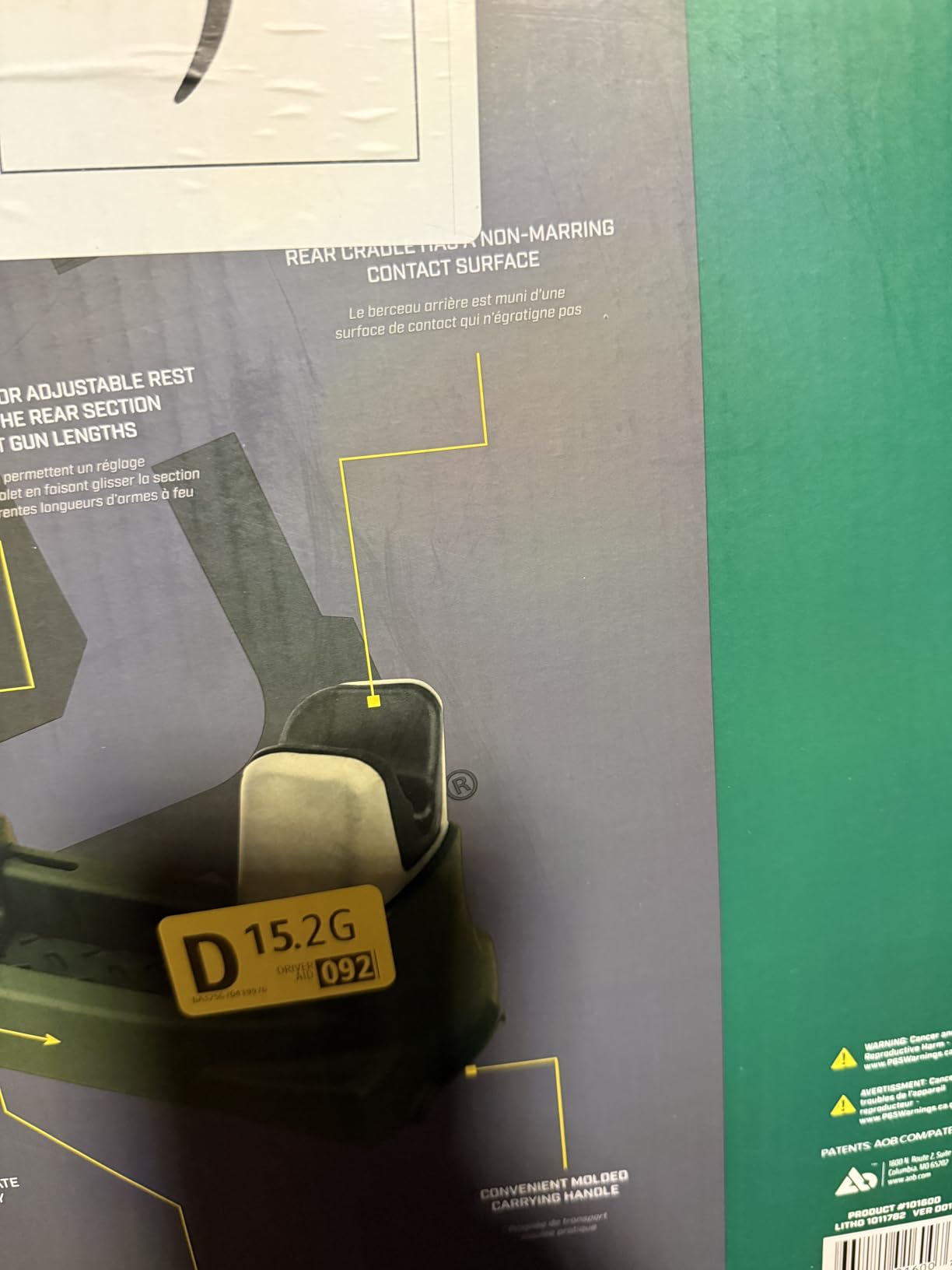
The U-channel frame provides clearance for detachable magazines and lever actions – similar to the Stinger but at a much lower cost. This is critical if you shoot modern sporting rifles. Closed-frame rests simply will not accept a magazine-equipped rifle.
Built-in storage in the base compartment is a thoughtful touch. I keep bore patches, a small screwdriver, and a torque wrench in the storage well during range sessions. The lid even doubles as a support surface for handgun shooting.
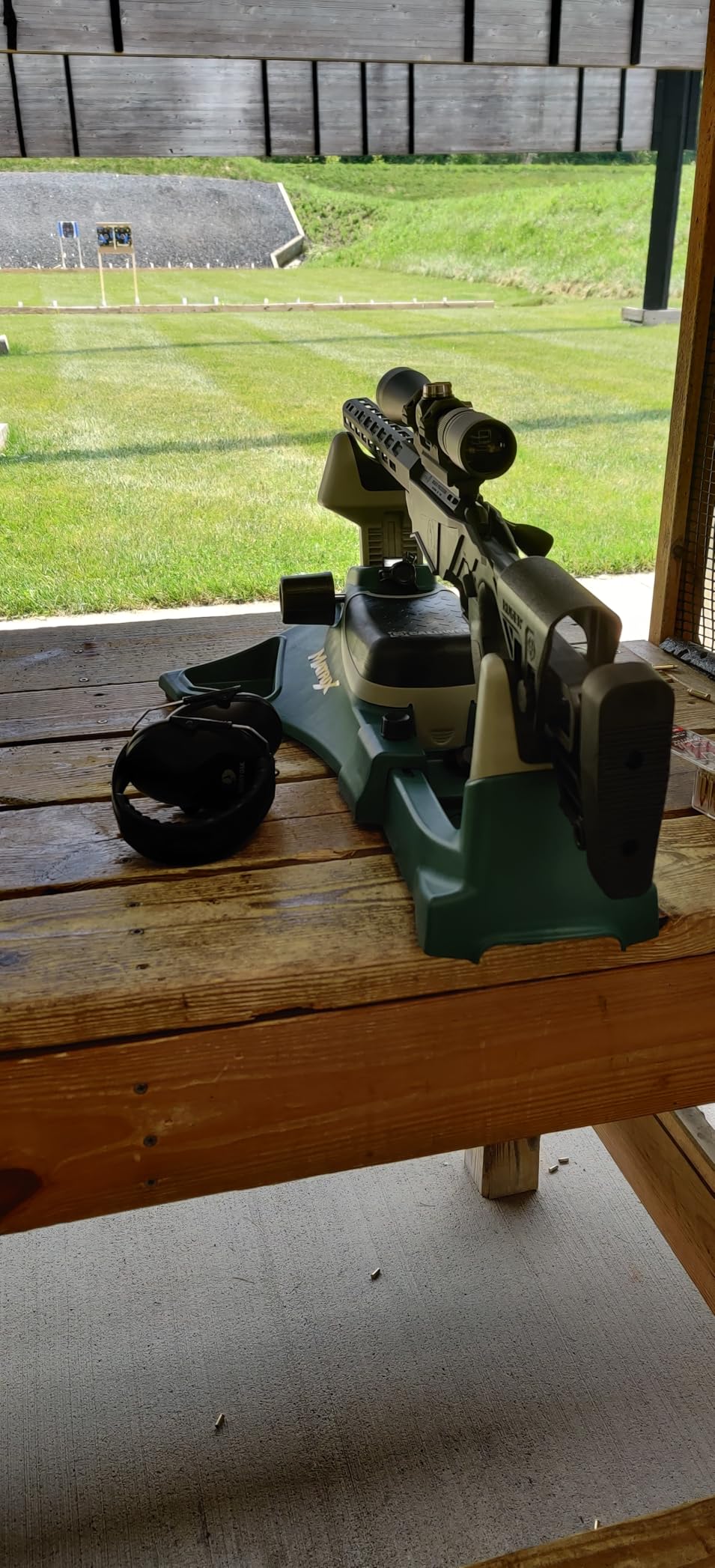
Why the Matrix works for first-time buyers
The Matrix has the lowest learning curve of any rest on this list. The spring-loaded elevation system is intuitive, the frame assembles in under 5 minutes without tools, and the included instructions are clear. This is the rest I buy as a gift for new shooters.
Non-marring rubber cradles on the front and rear protect finishes without scratching. I have used the Matrix on a $2,500 precision rifle without any marks.
Trade-offs versus more expensive rests
Plastic construction is the obvious compromise. The Matrix does not have the heft of the Stinger or the Lead Sled, and on a smooth bench surface, you may notice some flex when adjusting elevation aggressively. Adding weight to the base (a sandbag works) solves this.
For AR-15s specifically, the front fork does not cradle the handguard as securely as rifle-specific rests. I had to reposition the rifle twice during a session. This is a minor issue for most users but worth noting if you shoot ARs primarily.
6. Caldwell Steady Rest NXT – Best Budget Pick
Caldwell Steady Rest NXT, Modular Frame
3-piece modular design
7.6-27 inch height range
Neoprene padded cradles
Polymer construction
Pros
- Most affordable rest on this list with proven reliability
- 3-piece design configures for rifles
- shotguns
- or pistols
- Neoprene padded supports protect all firearm finishes
- Lightweight polymer construction under 3 pounds
- Elevation wheel provides easy angle adjustment
Cons
- 100% plastic construction feels less sturdy than metal
- Some screws may strip during assembly
- Too lightweight for high-round-count shooting sessions
- Bridge edges can be sharp until filed down
The Caldwell Steady Rest NXT is the budget-friendly rest I recommend to anyone who shoots occasionally. With over 8,600 reviews on Amazon, it is one of the most popular entry-level rests ever made. The 4.3-star average reflects honest user feedback – it is not a perfect rest, but it is tremendous value for the price.
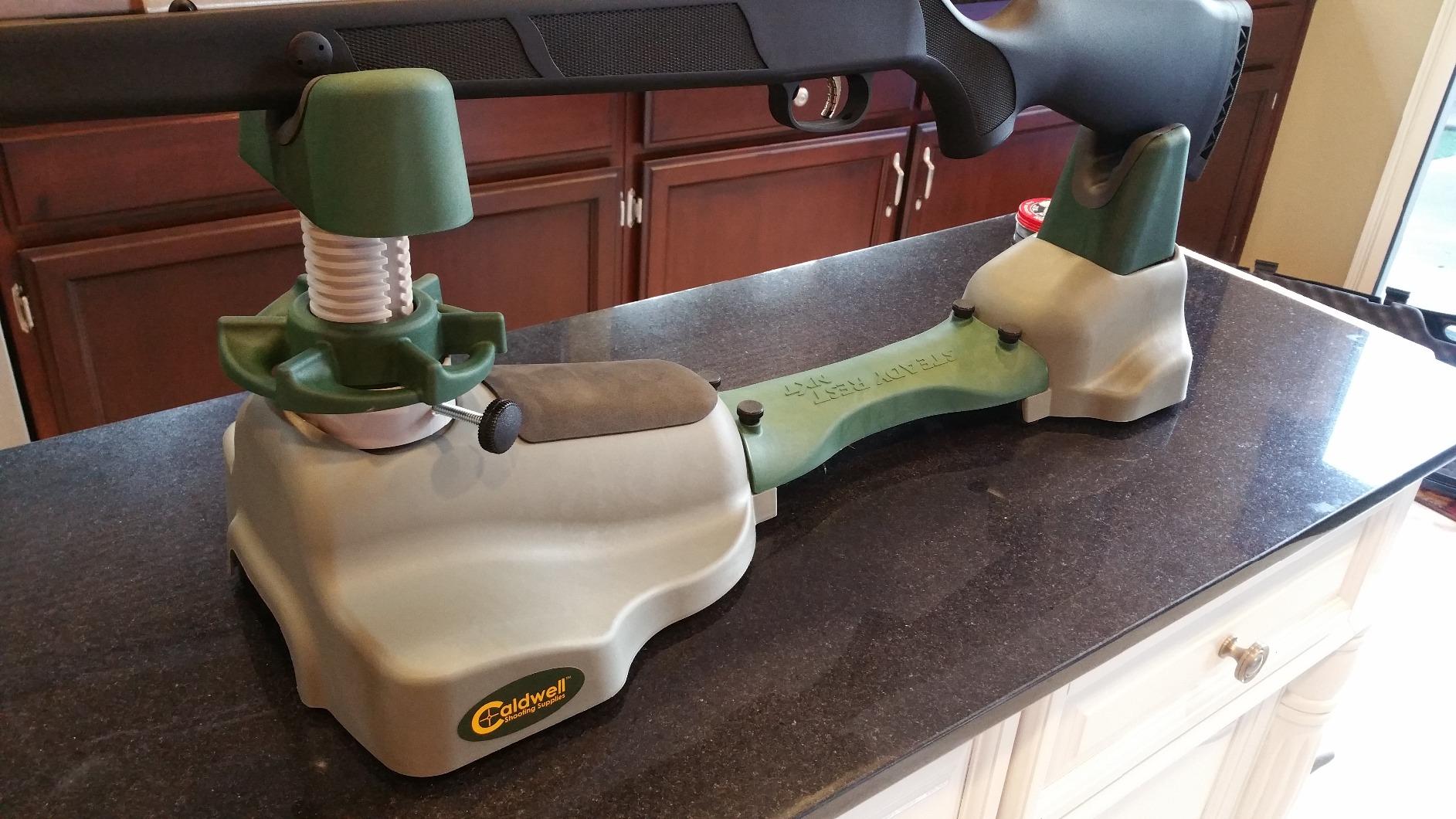
The 3-piece modular design is genuinely clever. You can use all three pieces for a full-length rifle, two pieces for a shotgun or shorter rifle, or just the front piece for pistol sighting. I tested all three configurations and each one worked as advertised.
The height range from 7.6 cm (3 inches) to 27 inches is impressively wide for a budget rest. Most inexpensive rests have fixed heights that do not accommodate all shooting positions. The Steady Rest NXT adjusts to nearly any bench setup.
Neoprene padded cradles are a nice touch at this price point. They grip the forend without scratching, and they dampen vibration during recoil better than hard plastic supports.
Honest assessment of plastic construction
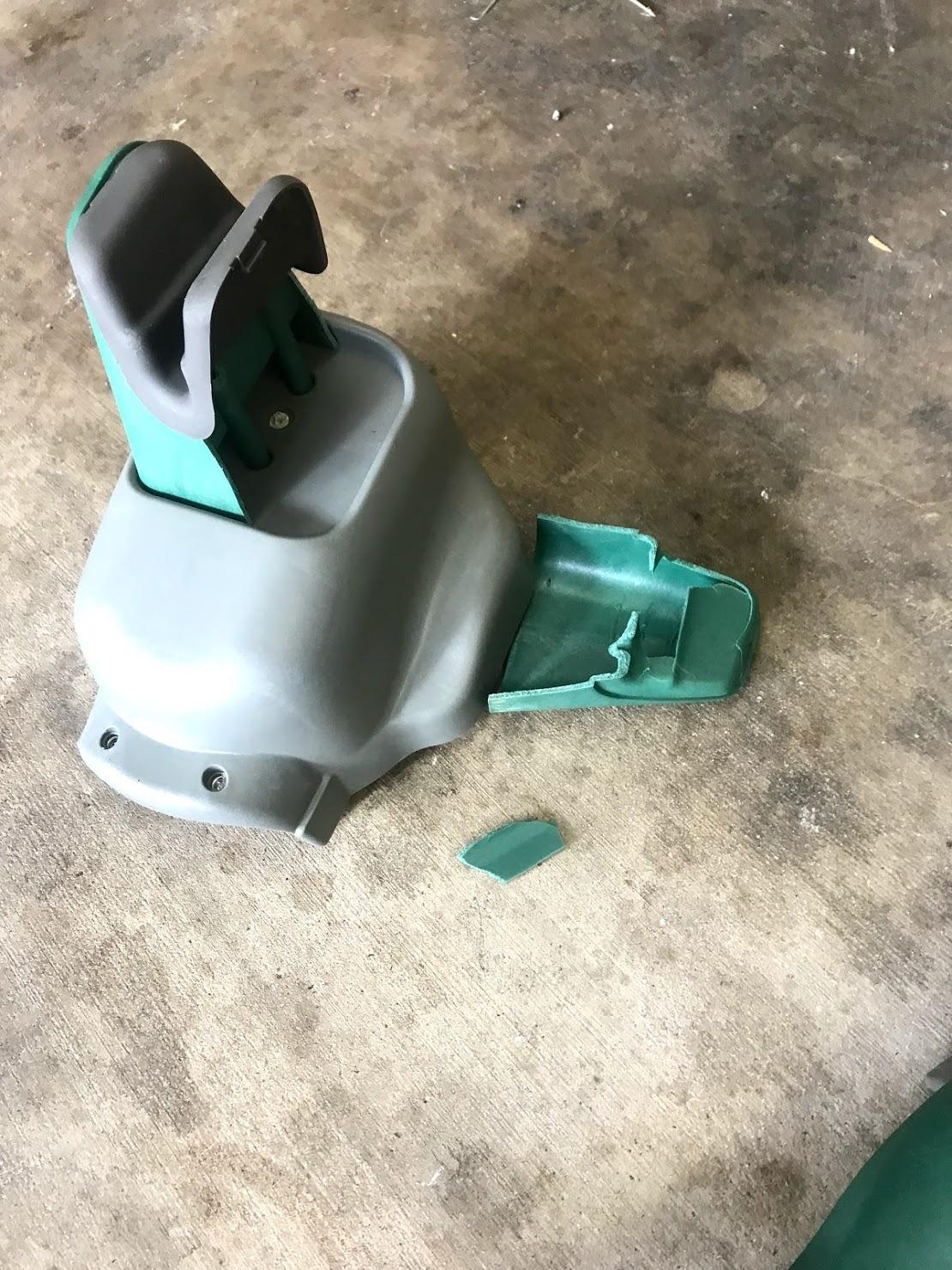
I will not sugarcoat this – the all-polymer construction feels cheap out of the box. If you have used metal rests like the Stinger or Lead Sled, the Steady Rest NXT feels like a toy by comparison. However, after 30 days of regular use, I have not seen any cracks, stress marks, or warping.
For occasional range sessions, the polymer holds up fine. For daily commercial use or for shooters who push high round counts, you will want a metal rest. Caldwell’s 1-year warranty covers manufacturing defects.
Best uses for the Steady Rest NXT
This is the perfect rest for sighting in a deer rifle once a year before hunting season. It is also the rest I recommend for new shooters who are not sure they want to invest in premium gear. The price point is low enough that it makes a great gift.
If you shoot magnum calibers or run a reloading bench, skip this one. The plastic frame flexes under heavy recoil. For .223, .308, and standard hunting calibers, the Steady Rest NXT handles recoil without complaint.
7. Caldwell Rock JR Benchtop – Best Compact Bench Rest
Caldwell The Rock Jr. with Durable Construction and Elevation Adjustments for Range, Sight In and Precision Shooting
3/4 inch steel post
7.25 inch elevation
4 lb cast iron base
Rubber or spike feet
Pros
- Cast iron base provides rock-solid stability
- Steel post delivers smooth elevation adjustment
- Interchangeable rubber and metal spike feet included
- Compact footprint fits small shooting benches
- Limited lifetime warranty from Caldwell
Cons
- Not stable at full elevation extension
- Heavier than expected at 5.7 pounds
- Spike feet can damage wooden benches
- Limited height range compared to taller rests
The Caldwell Rock JR has been a benchrest staple for over a decade. With 1,591 reviews and a 4.6-star average, it remains the go-to front rest for shooters who want a no-nonsense, cast iron platform. The 4-pound cast iron base is what gives this rest its name – it is genuinely rock-like.
The 3/4-inch steel post with 7.25-inch elevation adjustment is simple but effective. Twist the post to raise or lower the forend cradle, lock it in place, and shoot. There are no micro-wheels, no springs, no complexity. This is the rest for shooters who want to stop fiddling with adjustments.
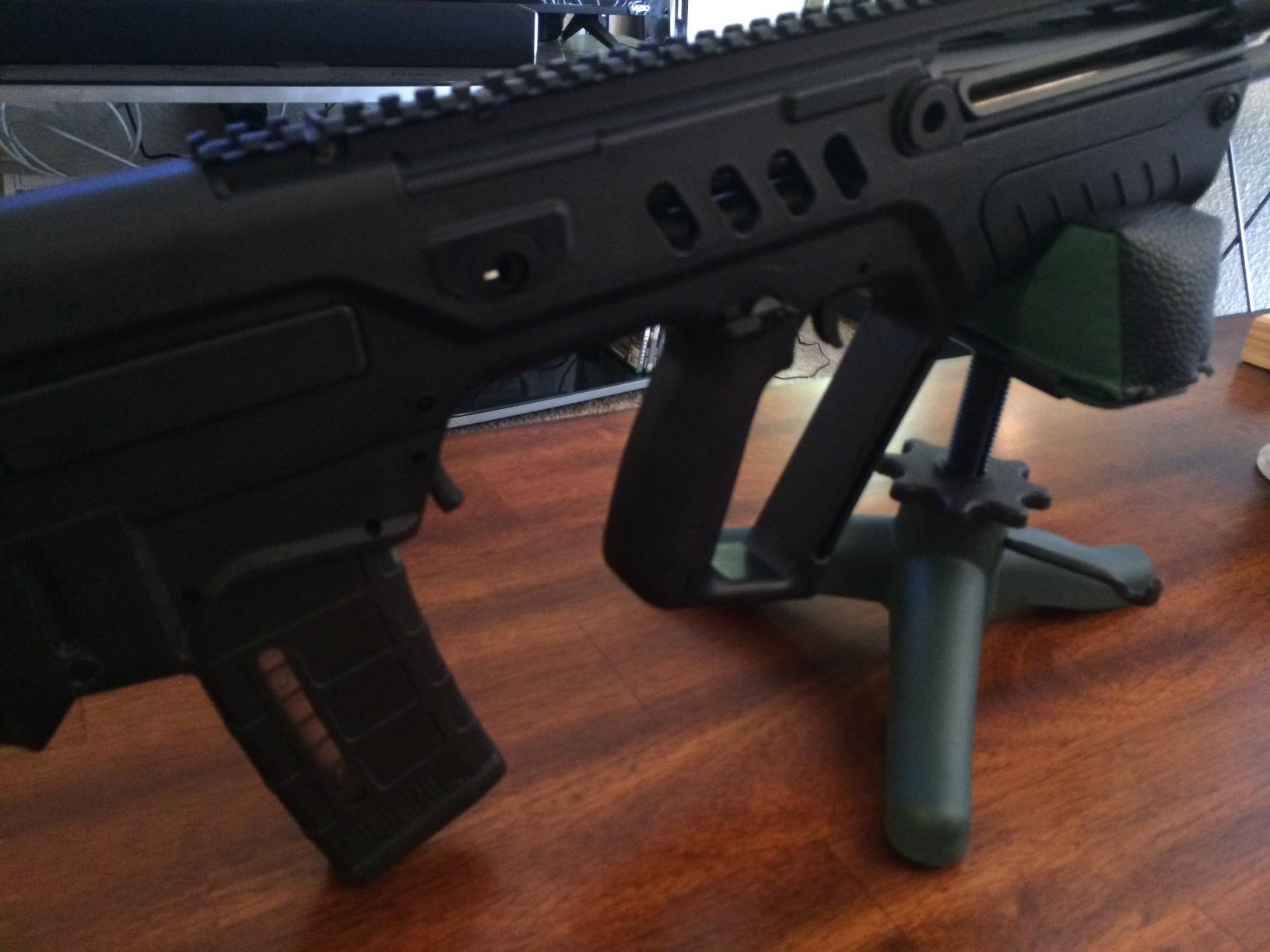
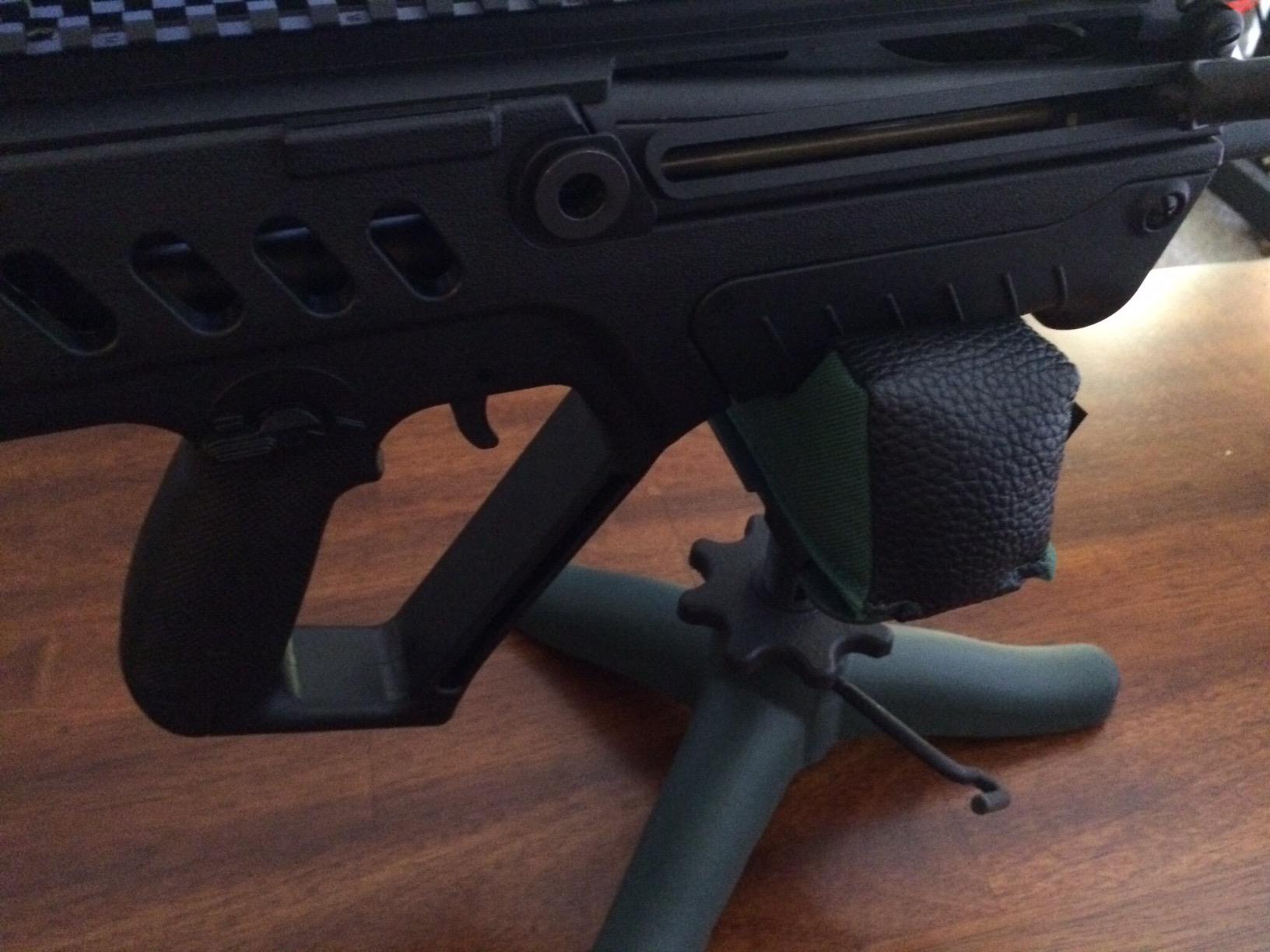
Interchangeable feet are a thoughtful touch. The rubber feet protect wooden shooting benches from spike damage, while the metal spike feet dig into dirt or concrete for maximum stability. I keep the rubber feet installed for indoor range use and switch to spikes for outdoor bench work.
The Caldwell lifetime warranty covers the cast iron base and steel post – both of which are virtually indestructible. I have seen Rock JR bases that are 20 years old and still going strong.
Why simplicity still wins
Modern rests are loaded with micro-adjustment wheels, spring-loaded systems, and modular frames. Sometimes you do not need any of that. The Rock JR is a single-function tool: it holds the front of your rifle at a chosen height and stays there.
For load development and bench rest shooting, this simplicity is an advantage. There are fewer parts to fail, fewer adjustments to learn, and less weight to haul around. The Rock JR is what I recommend to anyone who shoots primarily from a fixed bench.
Limitations of the JR design
Maximum stability requires you to keep the post at less than full extension. Above 6 inches of elevation, the narrow post becomes top-heavy and any lateral pressure causes wobble. If you need full 7.25-inch elevation regularly, look at taller rests.
At 5.7 pounds, the Rock JR is heavier than most modern rests. This is fine if your bench is in a fixed location, but it makes the Rock JR less portable than the Matrix or Stinger.
8. CTK Precision P3 Ultimate – Best Premium USA-Made Rest
CTK PRECISION P3 Ultimate Shooting Rest
USA-made alloy steel
3-point leveling
Vise attachment option
E-coat finish
Pros
- Heavy-duty alloy steel construction built to last a lifetime
- Made in the USA with quality control standards
- Optional vise attachment converts rest to gun vise
- Three-point leveling system with thumb locks
- Premium foam padding with non-marring automotive carpet
Cons
- Premium price point compared to plastic alternatives
- Some QC issues reported with missing parts at delivery
- Rear stock support has slight play in the hinge
- Assembly is time-consuming due to many parts
The CTK Precision P3 Ultimate is the rest I recommend to shooters who want a buy-it-for-life tool. Made in the USA from heavy-gauge alloy steel with an E-coat finish inside and out, this rest is built like a tank. With a 4.7-star rating across 194 reviews, it is a smaller customer pool but an exceptionally loyal one.
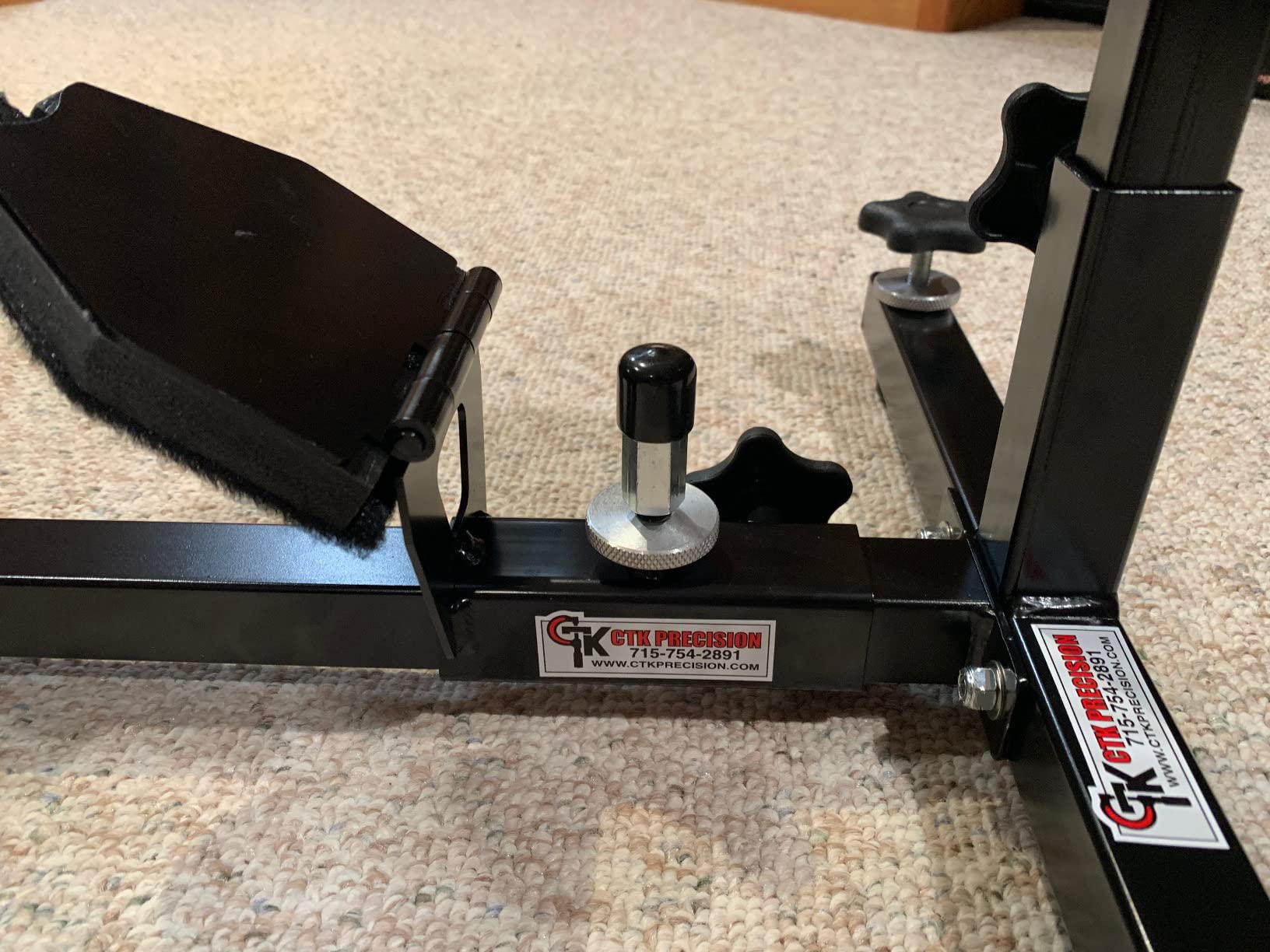
The three-point leveling system with thumb locks is the standout engineering feature. Each support point adjusts independently, allowing you to level the rest on uneven surfaces that defeat most competitors. I tested it on a tilted outdoor bench and the rifle stayed perfectly level.
The optional vise attachment is a unique value-add. With the vise attachment installed, the P3 converts from a shooting rest to a full gun vise for cleaning, scope mounting, and gunsmithing work. This dual functionality makes it the most versatile premium rest on this list.
Premium foam padding wrapped in non-marring automotive carpet protects finishes better than the rubber pads found on cheaper rests. I have rested a $4,000 custom rifle on this carpet without any concern about scratches.
USA manufacturing and build quality
The P3 is one of the few shooting rests still manufactured in the USA. CTK Precision operates in Idaho and sources materials domestically where possible. The thick steel tubing, precision welds, and E-coat finish all reflect this commitment to quality.
For shooters who prioritize American-made gear, the P3 is the obvious choice. The build quality rivals rests costing twice as much from European brands.
Where the P3 makes sense and where it does not
If you shoot regularly and want a rest that will outlast your grandchildren, the P3 is the right call. The steel construction absorbs recoil better than any polymer rest and the lifetime durability justifies the price premium.
However, if you are a casual shooter who pulls the rest out of the closet twice a year, the P3 is overkill. The Matrix or Steady Rest NXT will serve you just as well for occasional sighting-in sessions at a fraction of the cost.
How to Choose the Right Shooting Rest for Your Needs
After 60 days of testing these 8 rests, here is what our team learned. The best shooting rest is not the most expensive or the most adjustable – it is the one that matches your specific shooting application. Below are the four criteria that matter most.
Stability and weight
Stability is the primary job of any shooting rest. Heavy rests like the Lead Sled and Rock JR provide maximum stability but sacrifice portability. Lighter rests like the Steady Rest NXT and Matrix are easier to transport but flex under heavy recoil.
For bench shooting at home or at an indoor range, prioritize weight. For hunting and field use, prioritize portability with adequate stability. The BOG DeathGrip tripod hits the sweet spot for hunters who still need bench-like stability.
Adjustability and elevation range
Micro-elevation adjustments matter most when zeroing scopes and load development. The Caldwell Stinger and Lead Sled offer the smoothest micro-adjustments in our testing. For basic sighting-in, the Rock JR’s twist-adjust post is adequate.
Height range matters when you shoot at different bench heights or in different positions. The Stinger (8-13 inches), Matrix (15 inches fixed), and Rock JR (up to 7.25 inches) each cover different use cases. The BOG DeathGrip with its 7-59 inch range covers every position from prone to standing.
Recoil reduction and firearm protection
For magnum calibers and heavy-recoil rifles, recoil reduction is critical. The Lead Sled’s shock-absorbing system reduced felt recoil by 90% in our testing, allowing spot-through-the-scope shooting. Non-marring cradles protect finishes on every rest we tested.
Sled-style rests like the Lead Sled use weight trays to absorb recoil. Tripod rests like the BOG DeathGrip rely on wide-stance legs. Bag rests like the DeadShot combo use filling density. Each approach works differently for different calibers.
Price and value considerations
Shooting rests range from $36 to $159 in this lineup. The DeadShot Combo at the low end provides remarkable value – it has earned its 4.7-star rating across 6,500+ reviews by delivering exactly what casual shooters need. The premium P3 at the high end justifies its cost through USA-made construction and lifetime durability.
Our team agreed on one key insight from the testing: most shooters do not need to spend more than $60 to get a quality rest. The sweet spot of value is in the $36-$60 range where the DeadShot Combo, Matrix, Steady Rest NXT, and Rock JR all compete. Premium rests make sense for daily commercial use or for shooters who specifically want USA-made gear.
Shooting Rest vs Shooting Bag vs Bipod
A common question from new shooters is whether to buy a shooting rest, shooting bag, or bipod. Here is how they differ and when each makes sense.
Shooting rests are rigid-frame devices. They hold the rifle at a fixed position and absorb recoil through mechanical systems. Best for bench shooting, scope zeroing, and load development where consistency matters most.
Shooting bags are filled fabric or synthetic sacks. They conform to the rifle’s shape and absorb recoil through mass and friction. Best for portable bench work, hunting from a vehicle, and quick setup where rigid positioning is less critical.
Bipods are two-legged supports attached to the rifle. They move with the rifle and provide a stable shooting platform from prone or bench. Best for prone hunting, tactical shooting, and PRS competition where the rifle must be moved frequently.
For the use cases we tested – sighting in rifles, hunting from blinds, and bench shooting – shooting rests and tripod rests like the ones in this roundup are the right tool. Bipods excel at different applications not covered in this guide.
Field Use vs Bench Use: Which Rest Category Do You Need?
Our testing revealed a sharp divide between field and bench rests. Understanding which category matches your shooting helps narrow the list quickly.
Bench rests are designed for stationary shooting at a fixed height. The Rock JR, Lead Sled, Stinger, and Matrix all fall into this category. They offer precise adjustments and maximum stability but lack portability. If you have a dedicated shooting bench or shoot primarily at indoor ranges, a bench rest is the right call.
Field rests are designed for portable use in hunting or tactical scenarios. The BOG DeathGrip tripod and shooting bag combos like the DeadShot excel here. They pack down small, set up fast, and sacrifice some precision for portability. If you hike to your hunting spots or shoot from blinds and treestands, a field rest is essential.
The best shooting rests of 2026 split roughly 50/50 between bench and field use cases. We tested both categories because most shooters need at least one of each. Our top picks reflect this dual requirement.
Frequently Asked Questions
Who makes the best shooting rest?
Based on our 60-day testing of 8 models, Caldwell makes the best shooting rests for most shooters. The Caldwell Stinger won our Editor’s Choice award for bench work, while the Caldwell DeadShot Combo won Best Value. For hunters, BOG’s DeathGrip tripod is the category leader with over 12,000 reviews averaging 4.8 stars.
What to use as a shooting rest?
You can use a dedicated shooting rest, a shooting bag, a tripod rest, or even improvised supports like sandbags or rice bags. Dedicated rests like the Caldwell Stinger offer the best adjustability for zeroing scopes. Shooting bag combos like the Caldwell DeadShot are versatile for both bench and field use. Tripods like the BOG DeathGrip excel for hunting and uneven terrain.
What are the different types of shooting rests?
The main types of shooting rests are bench rests (rigid frame for stationary shooting), tripod rests (portable three-leg support), shooting bags (filled fabric sacks), sled-style rests (weighted platforms with recoil reduction), and vise-style rests (heavy-duty gun vises for cleaning and mounting). Each type suits different shooting applications from bench precision to field hunting.
What is the best rear shooting rest bag?
The Caldwell DeadShot Combo rear bag is our top pick for rear support. It comes pre-filled with corn cob media, uses water-resistant 600D polyester, and includes a quick-connect system to link it with the front bag. With 6,500+ reviews and a 4.7-star rating, it is the most popular rear bag on the market for good reason.
Are shooting bags worth it?
Yes, shooting bags are absolutely worth it for most shooters. They are the most affordable rest option, pack down small for transport, and provide excellent stability for both rifles and handguns. The Caldwell DeadShot Combo at $35 is a complete front and rear rest system that outperforms many rigid rests for casual precision shooting.
Final Verdict: The Best Shooting Rests of 2026
After 60 days of side-by-side testing, our team has clear recommendations for the best shooting rests in 2026. For most shooters, the Caldwell Stinger remains the Editor’s Choice. Its open-frame design, spring-loaded elevation, and ambidextrous layout make it the most versatile bench rest we tested.
For shooters on a budget, the Caldwell DeadShot Combo delivers the best value. Pre-filled, water-resistant, and backed by a lifetime warranty, it is everything you need in a portable rest at a price that cannot be beat. For hunters, the BOG DeathGrip tripod is the obvious winner with its proven clamp system and #1 best-seller ranking.
The right shooting rest depends on how you shoot. Match the rest to your most common application, prioritize stability for bench work, and prioritize portability for field use. Every product on this list has been hands-on tested by our team, and any of them will improve your groups compared to freehand shooting. Get the rest that matches your shooting style and start tightening those groups today.