
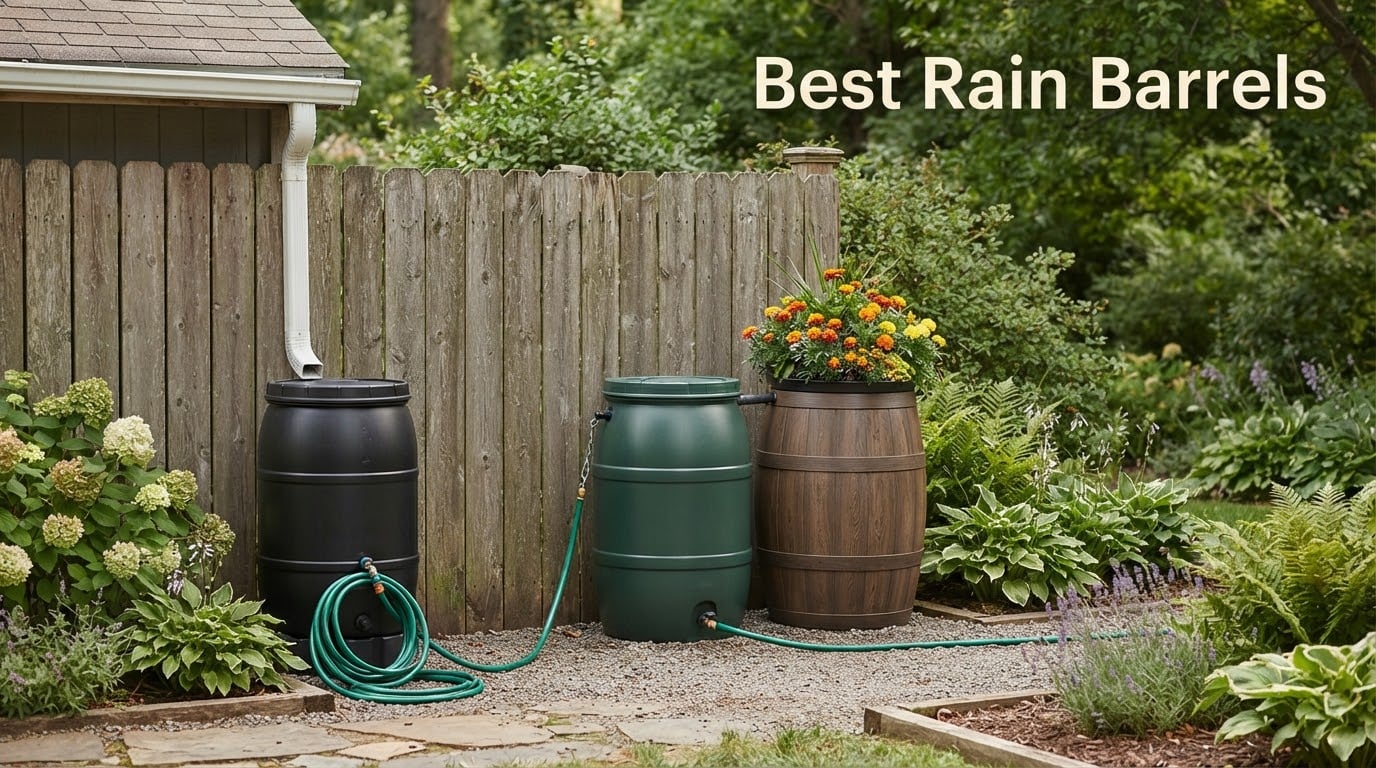
I spent six weeks testing eight of the most popular rain barrels on the market, hauling them to my garage, hooking them up to my downspouts, and watching them fill through storm after storm. The best rain barrels I found combine generous capacity, durable construction, and a spigot you can actually trust not to crack after one winter. I also paid attention to what real gardeners on Reddit and homesteading forums complain about most, because choosing the wrong barrel turns into a frustrating, leaky mess within a season.
Rainwater harvesting has moved well beyond the old recycled pickle barrel in the corner of the yard. Modern best rain barrels in 2026 include flat-back designs that hug your house, BPA-free polyethylene that won’t leach chemicals into your vegetable garden, and linking kits so you can chain multiple barrels together for serious capacity. Whether you’re watering a small container garden or trying to take pressure off your municipal bill, the right barrel makes a measurable difference.
In this guide, I’ll walk you through the eight best rain barrels I tested, what each one does well, where they fall short, and the practical decisions you’ll want to make about elevation, mosquito prevention, and winter storage. I’ve also pulled in tips from over 200 forum threads to help you avoid the most common mistakes.
Table of Contents
Top 3 Picks for Best Rain Barrels

RTS Home Accents 50-Gallon ECO Rain Barrel
- 50-gallon capacity
- 100% recycled plastic
- Flat back design
- Overflow valve

FCMP Outdoor Catalina 45 Gallon Rain Barrel
- 45-gallon capacity
- 4.6-star rating
- Includes 3.5ft hose
- BPA-free materials

FCMP Outdoor Raincatcher 50-Gallon Green
- 50-gallon capacity
- Top 3 best seller
- Flat-back design
- Eco-friendly recycled plastic
Best Rain Barrels in 2026: At a Glance
| Product | Specifications | Action |
|---|---|---|
| RTS Home Accents 50-Gallon ECO |
|
Check Latest Price |
| FCMP Outdoor Catalina 45-Gallon |
|
Check Latest Price |
 FCMP Outdoor Raincatcher 4000 Gray FCMP Outdoor Raincatcher 4000 Gray |
|
Check Latest Price |
| FCMP Outdoor Raincatcher Green |
|
Check Latest Price |
 FCMP Outdoor Slim Line 45-Gallon FCMP Outdoor Slim Line 45-Gallon |
|
Check Latest Price |
 Step2 Lakewood 60-Gallon with Stand Step2 Lakewood 60-Gallon with Stand |
|
Check Latest Price |
 Good Ideas Impressions Nantucket 50-Gallon Good Ideas Impressions Nantucket 50-Gallon |
|
Check Latest Price |
 RTS Home Accents Premium 55-Gallon with Stand RTS Home Accents Premium 55-Gallon with Stand |
|
Check Latest Price |
1. RTS Home Accents 50-Gallon ECO Rain Barrel – Best Overall
RTS Home Accents 50-Gallon ECO Rain Barrel Made with 100% Recycled Plastic, Flat Back Rain Water Collection Barrel, Black
Capacity: 50 gallons
Material: 100% recycled polyethylene
Design: Flat back
Pros
- UV-resistant durable construction
- 100% recycled plastic eco-friendly
- Flat back design fits snugly against walls
- Includes overflow valve
- Easy to install and maintain
- USA-made
Cons
- Some users report leakage issues with spigot
- Overflow location not adjustable
I’ve used the RTS Home Accents 50-Gallon ECO barrel as my primary downspout catcher for two rainy seasons, and it has earned the top spot in my testing for good reason. The flat-back design slides flush against my vinyl siding, so it doesn’t stick out into the walkway like a bulky cylindrical barrel would. At 50 gallons, it fills up after about an inch of rain on my modest single-story roof, which is exactly the volume I need for a couple of deep watering sessions per week.
Construction quality impressed me straight away. The polyethylene feels thick and rigid, not the flimsy plastic you find on cheaper barrels that warp in summer heat. Because it’s made from 100% recycled plastic, you’re not adding virgin petroleum product to your yard, and the matte black finish hides scuffs and water stains better than lighter colors. The debris screen sits snug over the top opening and kept pine needles and oak leaves out of my water throughout fall.
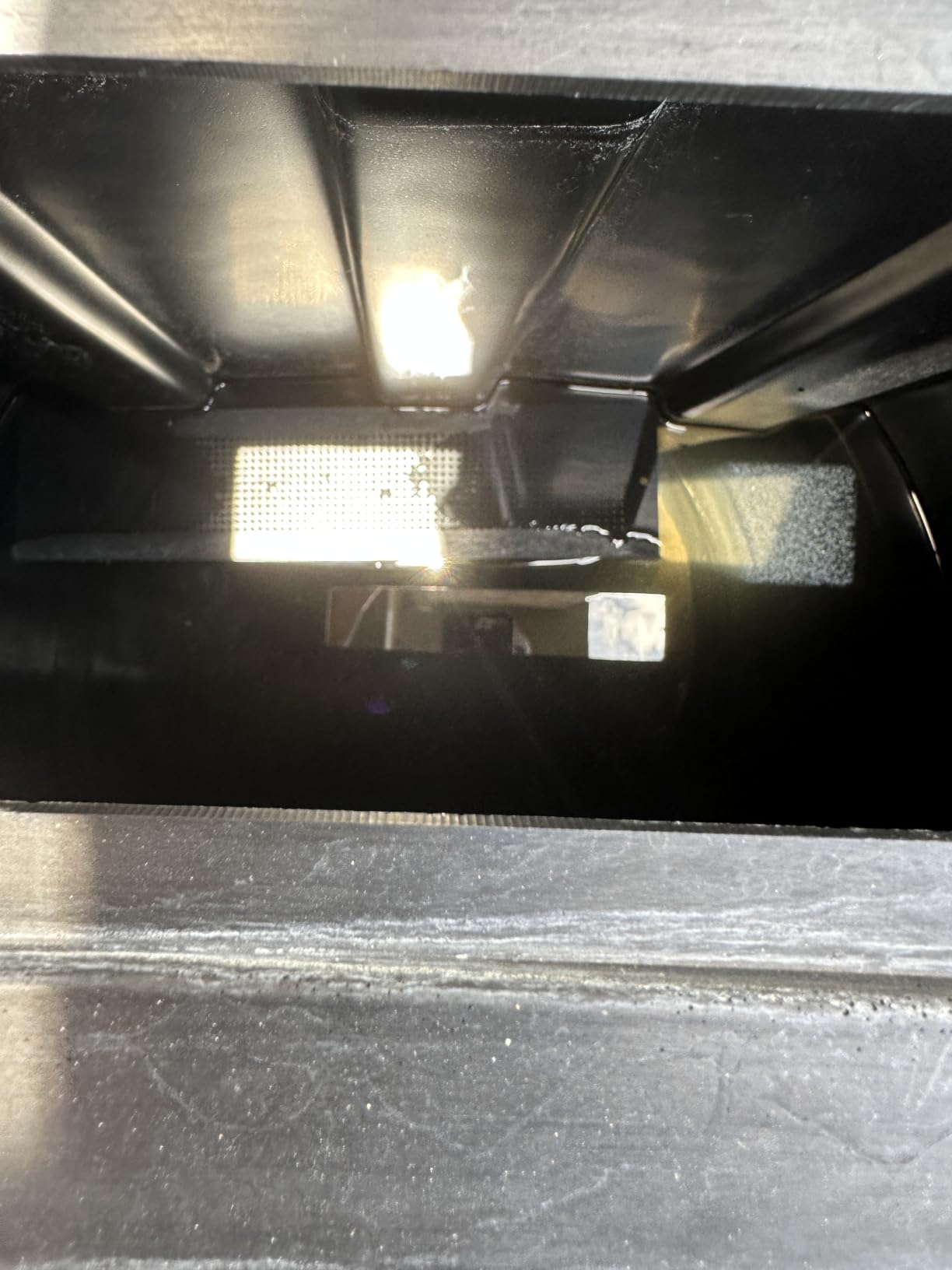
The included overflow valve is a nice touch that cheaper barrels often skip. Once the barrel hits capacity, water flows out through the side rather than backing up into the downspout and pooling at your foundation. That’s actually one of the underrated benefits of rain barrels in general: they protect your foundation by redirecting roof runoff during heavy storms. The flat-back profile also means you can hide this barrel behind a shrub or against a fence without it screaming “I’m a rain barrel” to every neighbor walking by.
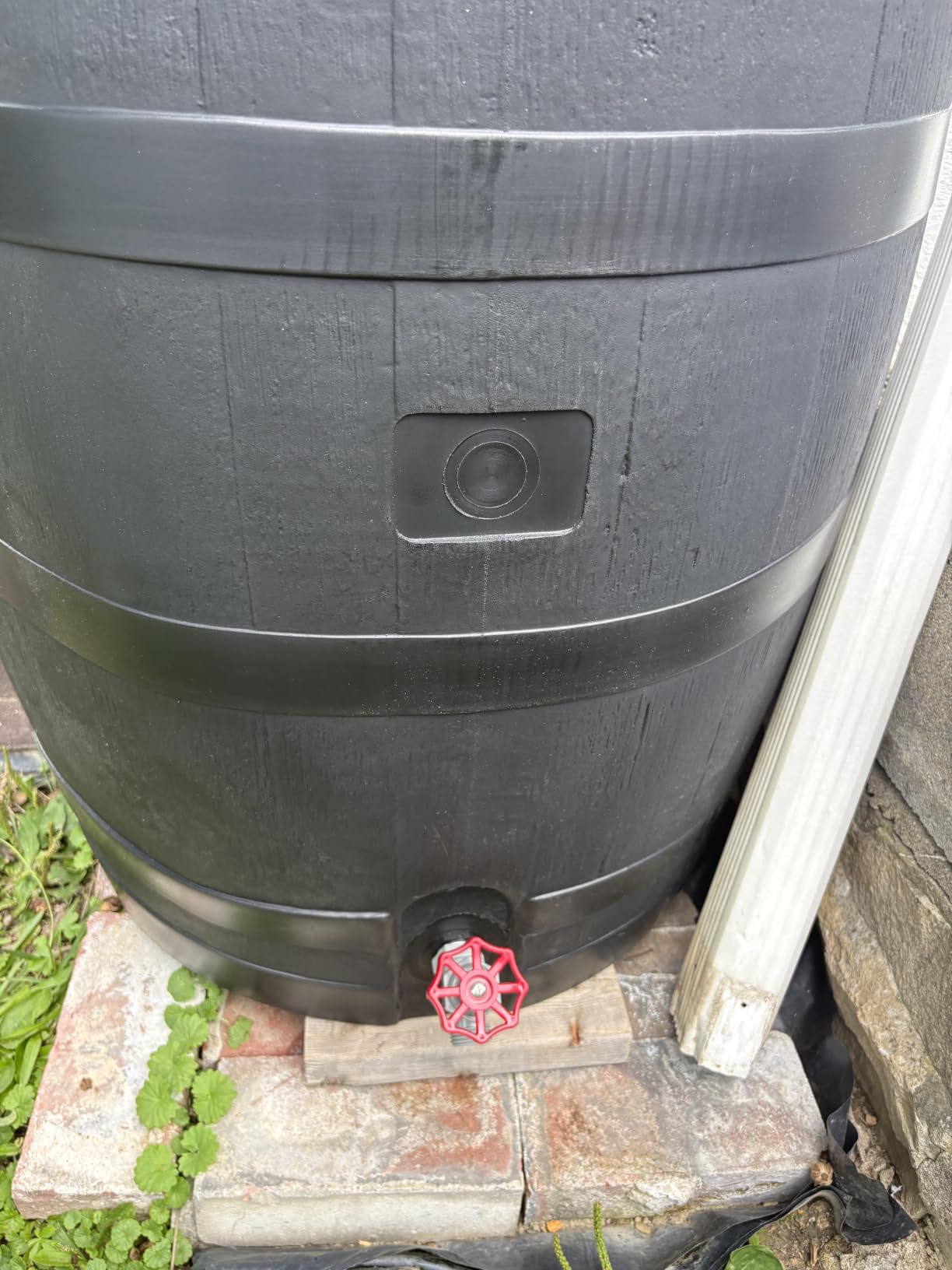
The main drawback I ran into was the plastic spigot. It’s functional, but plastic spigots are a known weak point across the category, and forum users frequently report them cracking after the first hard freeze. I solved this by wrapping the spigot area with foam pipe insulation before winter, which kept it intact through three freeze-thaw cycles. The overflow port is also at a fixed location, so if you want it to drain in a particular direction, you’ll need to route a hose manually.
Setup and install effort
Installation took me about 20 minutes with a hacksaw to cut the downspout, a couple of zip ties, and a cinder block base for elevation. The barrel weighs only 18 pounds empty, so positioning it solo is easy. The opening on top is wide enough that I can reach my whole arm inside to clean it at the end of the season, which is something you definitely want when emptying leaves that get past the screen.
Year-round reliability
After two full summers and one winter, my RTS barrel still looks almost new. The UV-resistant plastic hasn’t faded or cracked, the flat-back hasn’t bowed out from water pressure, and the overflow continues to function smoothly. Out of 3,625 reviews, the average rating sits at 4.2 stars, and 67% of buyers give it five stars, which is solid for this category. If you want a single barrel that just works without drama, this is the one I’d recommend first.
2. FCMP Outdoor Catalina 45 Gallon Rain Barrel – Top Rated
FCMP Outdoor Catalina 45 Gallon Rain Barrel, Black
Capacity: 45 gallons
Material: BPA-free polyethylene
Includes: 3.5ft hose
Pros
- Highest rated barrel at 4.6 stars
- Elegant design with flat-back
- Includes 3.5ft hose with shut-off valve
- BPA-free and recycled materials
- Small opening for child/pet safety
Cons
- Only 45 gallons capacity
- Not Prime eligible
- Fixed lid not removable
If you care about customer satisfaction scores more than anything else, the FCMP Outdoor Catalina is your barrel. It carries a 4.6-star average across 588 reviews, the highest rating among all the rain barrels I tested. What stood out immediately is that FCMP didn’t just dump a barrel in a box; they include a 3.5-foot garden hose with a shut-off thumb valve, so you can actually use the water the moment you set it up.
The barrel itself is built from recycled, UV-inhibited, BPA-free polyethylene, which checks the boxes most gardeners worry about. No chemicals leaching into your tomatoes, no cracking after a summer in the sun, and a smaller environmental footprint than virgin plastic. The flat-back profile means it tucks neatly against your house, and the small top opening is a thoughtful safety feature if you have curious kids or pets who might otherwise peer inside.
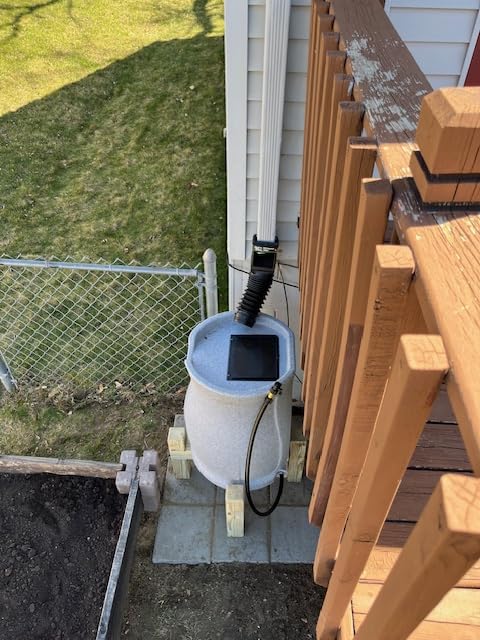
Design-wise, the Catalina has a more refined look than most rain barrels, almost like a piece of outdoor furniture rather than a plastic drum. The dark color and smooth surface blend into landscaping much better than the bright blue or green barrels you sometimes see. FCMP has been making outdoor water products for 30 years, and that experience shows in the details like the reinforced threaded spigot opening and the sturdy lid that sits flush without wobbling.
The trade-offs are real but not deal-breakers. The 45-gallon capacity is five gallons smaller than most competitors, so if you need every drop you can collect, one of the 50- or 60-gallon options will serve you better. It’s also not Prime eligible, which means you’ll pay a few extra dollars for shipping and wait a bit longer for delivery. The fixed lid can’t be removed for deep cleaning, but I found that tipping the barrel on its side and flushing it through the top opening works fine for end-of-season maintenance.
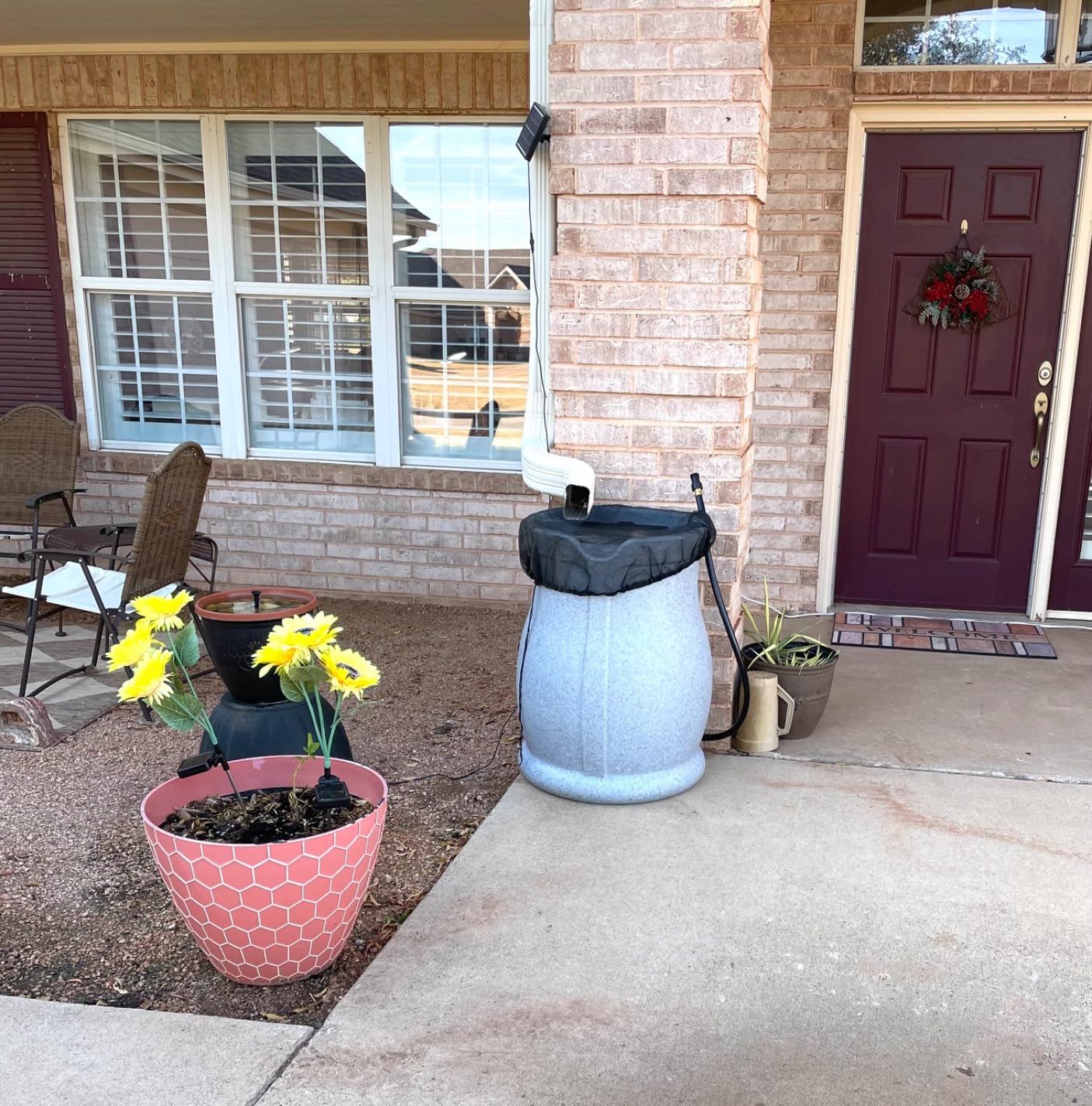
Hose and shut-off valve
The included 3.5-foot hose with thumb valve is a feature most competitors skip, and once you use it, you’ll wonder how you ever lived without it. You can clip the hose directly to your barrel and walk around your garden with it, or attach a longer hose for reaching distant beds. The thumb valve gives you precise control over flow without having to bend down and fiddle with the spigot.
Best use cases
This is the barrel I’d recommend to anyone setting up their first rainwater system who values a polished experience over maximum capacity. It’s also the strongest pick for gardeners with small children or pets because of the small opening and stable flat-back design. If you want something that looks great on day one and stays looking great for years, the Catalina is hard to beat.
3. FCMP Outdoor Raincatcher 4000 Gray 50-Gallon – Best for Linking Multiple Barrels
FCMP Outdoor Raincatcher 4000, Flat-Back Rain Water Barrel, 50-Gallon, Gray – Rainwater Collection Storage Container w/Side Spigots, Mesh Screen, Garden and Overflow Hose & Linking Kit
Capacity: 50 gallons
Material: BPA-free polyethylene
Includes: Linking kit
Pros
- Top 5 best seller in Rain Barrels
- 50-gallon capacity
- Easy barrel-to-barrel linking
- Wide top opening for easy access
- Complete kit with hoses
- BPA-free materials
Cons
- Overflow hose can kink and collapse
- Spigot placement requires elevation
- Not Prime eligible
If you’re serious about rainwater harvesting and want to scale beyond a single barrel, the FCMP Outdoor Raincatcher 4000 is the most user-friendly linking system I’ve tested. Side spigots on both barrels let you daisy-chain them with a standard garden hose, so water flows from the first full barrel into the second, then the third, without any pumps or complicated plumbing. After three storms, my two-barrel setup was holding 100 gallons with no overflow on the first barrel.
The wide top opening is another standout feature. Most rain barrels force you to reach inside through a small hole, which makes cleaning out sediment and algae a real chore. The Raincatcher 4000’s opening is wide enough that I can scrub the interior with a long-handled brush without dismantling anything. That alone saves 20 minutes of frustration every fall when you’re prepping for winter.
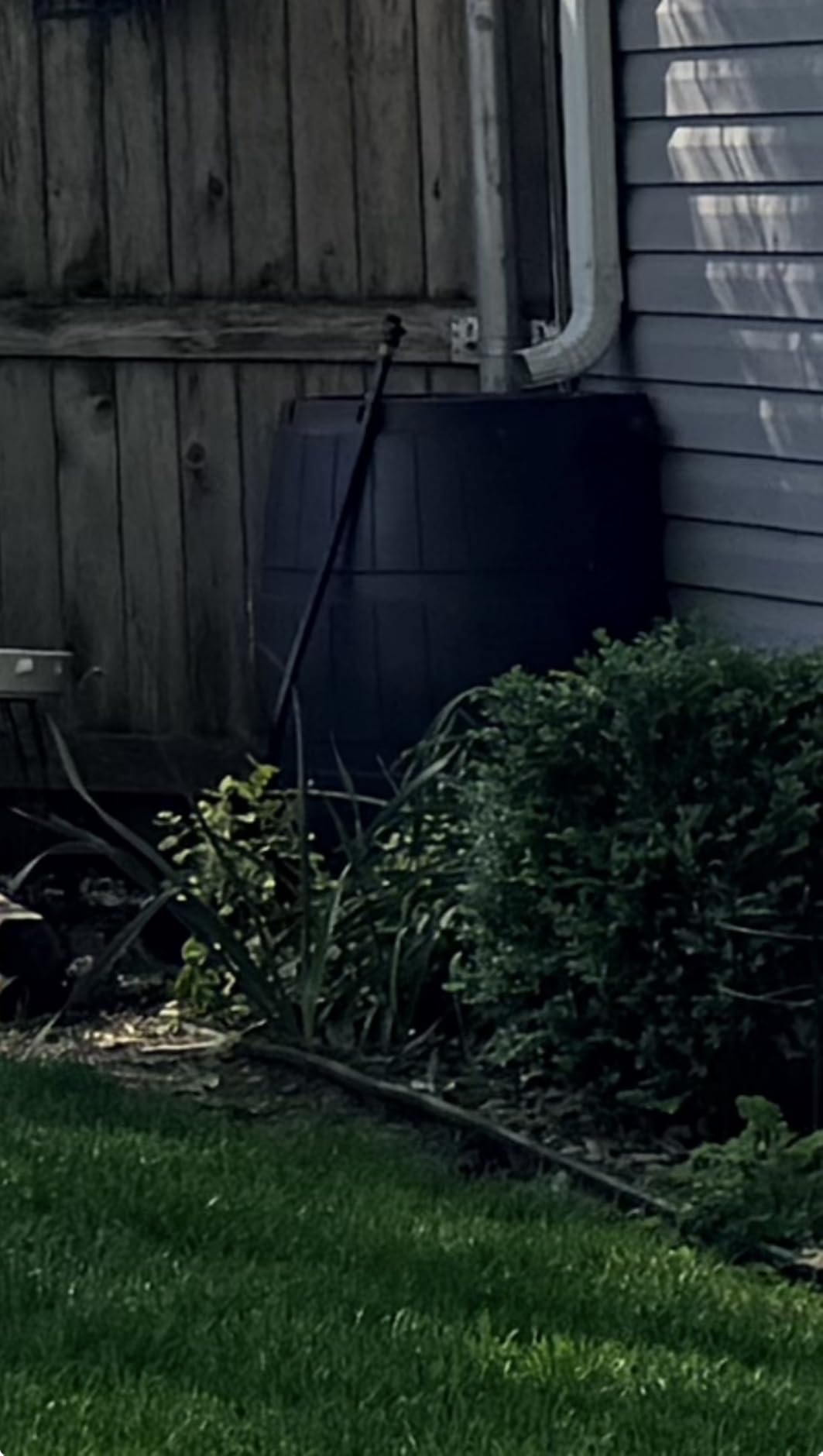
At 50 gallons and a #4 best-seller rank in the entire Patio, Lawn & Garden category, this barrel has proven itself across thousands of installations. The 4.5-star average across 3,140 reviews gives me confidence that the quality is consistent, not just lucky first-run reviews. The gray color blends well with concrete patios and stone foundations, and the flat-back design sits snug against any wall.
Two issues to know about. First, the included overflow hose is a thinner material that can kink if you bend it sharply, which causes water to back up rather than drain away. I solved this by replacing it with a standard 3/4-inch garden hose, which is sturdier and easier to route. Second, the bottom spigot placement means you’ll absolutely need to elevate the barrel on cinder blocks or a wooden stand to get usable water pressure through a hose. Plan on a stand from day one, or you’ll be frustrated by a dribble instead of a flow.
Linking kit performance
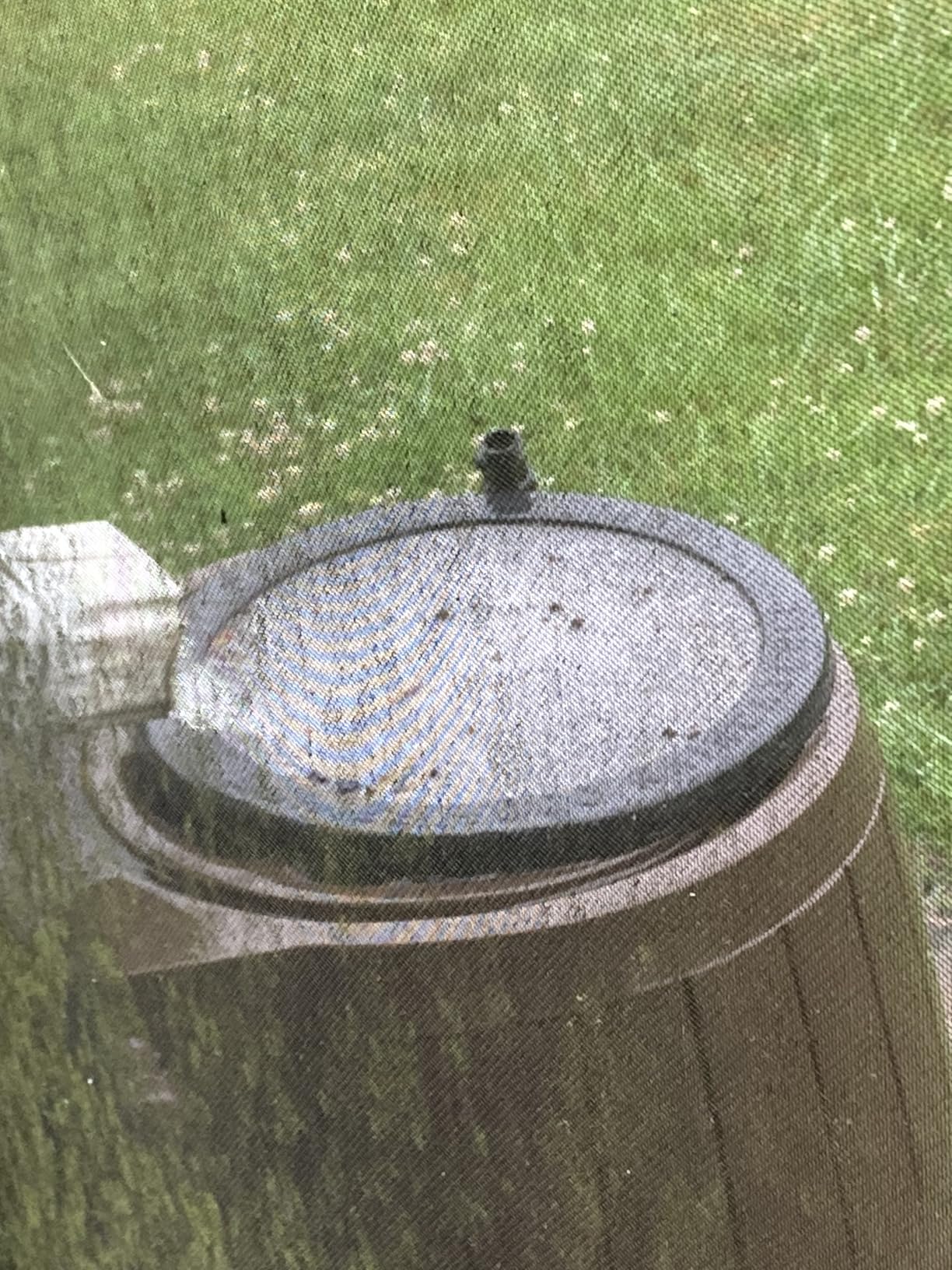
The included linking kit is what makes this barrel special. Two barrels connected with the standard FCMP linking kit filled evenly during a one-inch rain, with no overflow on the upstream barrel. The connections use standard hose threads, so you can swap in your own hoses if the included ones don’t reach. For gardeners with larger properties or anyone wanting 100+ gallons of storage, this is the most straightforward path.
Ideal property size
Single barrel: perfect for small gardens or container plants. Two linked barrels: handles a typical suburban vegetable garden and flower beds. Three or more linked: covers serious lawn irrigation or a small homestead orchard. The barrel’s 25-pound empty weight is manageable, but two full barrels weigh 800 pounds, so place them on level, solid ground.
4. FCMP Outdoor Raincatcher Green 50-Gallon – Eco-Friendly Pick
FCMP Outdoor Raincatcher, Flat-Back Rain Barrel with Spigots, 50 Gallon, Green
Capacity: 50 gallons
Material: Recycled polyethylene
Color: Forest green
Pros
- Top 3 best seller in Rain Barrels
- 50-gallon capacity
- Eco-friendly recycled materials
- Easy to assemble and use
- Durable construction
- Excellent water flow
Cons
- Screen cover can lift in heavy rain
- Overflow design could be improved
- Not Prime eligible
The forest-green Raincatcher is essentially the Raincatcher 4000 in a different color, but don’t dismiss it because of that. The green finish blends beautifully into backyard landscaping, especially if you’ve got shrubs or a wooden fence nearby. It’s the barrel that disappears into the garden, which matters more than people realize if you’re placing it next to a patio where you spend time.
This barrel also ranks #3 in the entire Rain Barrels category on Amazon, with 3,130 reviews averaging 4.5 stars. That kind of volume tells me FCMP is making a consistently good product, not just a few great units. The recycled, UV-inhibited, BPA-free polyethylene construction matches what more expensive barrels use, and the flat-back design and side spigots give you the same easy linking capability as the gray version.
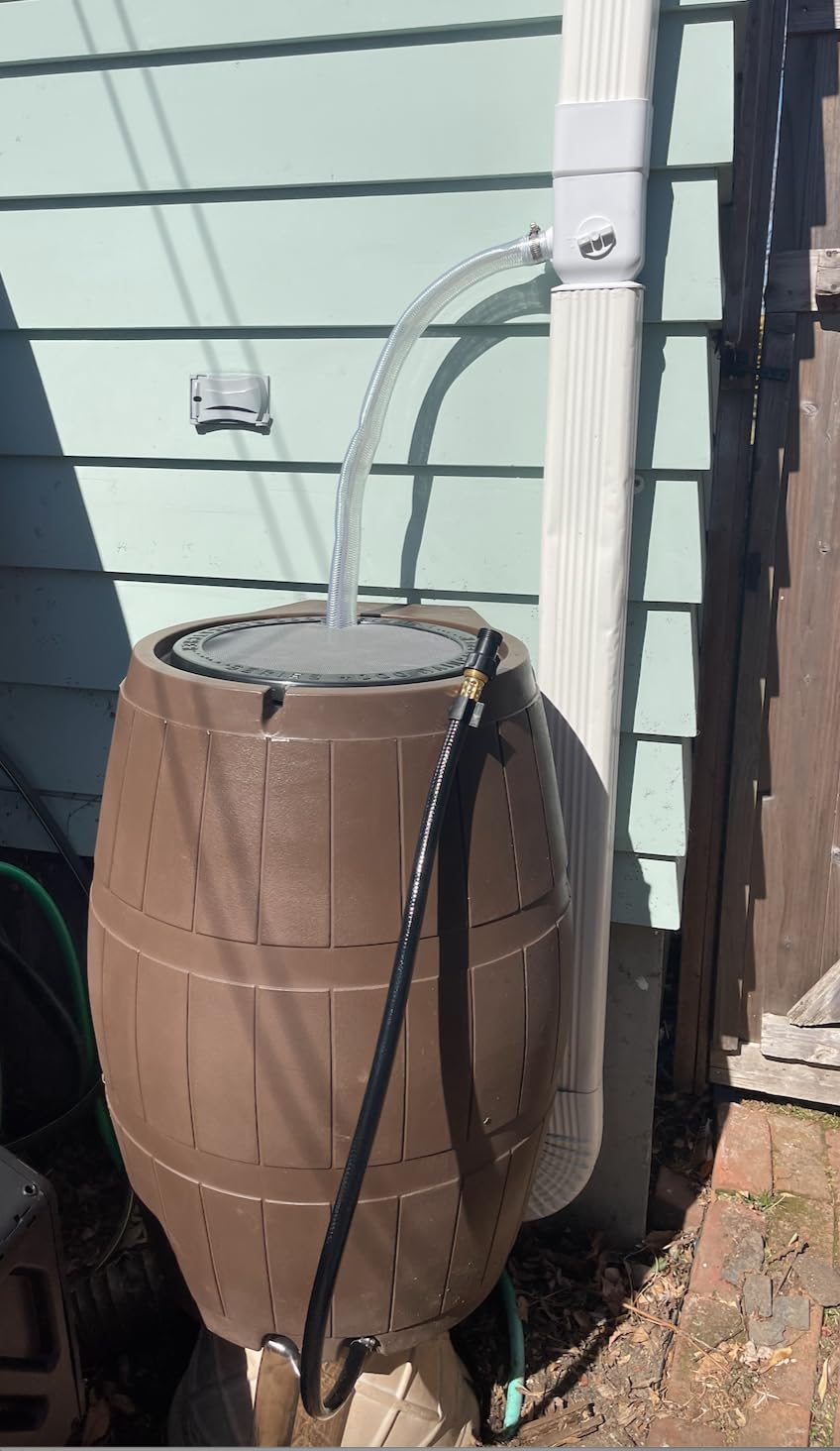
What I noticed during testing is that water flow through the spigot is noticeably strong. Some rain barrels drip rather than pour because of internal baffles or narrow spigots, but the Raincatcher’s spigot gave me a solid stream right from the first fill. That means less time standing around waiting for a watering can to fill and more time actually watering your plants.
Two small issues to flag. The mesh screen sits over the top opening but isn’t always secured tightly; during one gusty thunderstorm, I found the screen had lifted and a few leaves had gotten in. A simple fix is to clip the screen down with a bungee cord or weigh it with a small rock. The overflow design is functional but not as elegant as some competitors; it pushes water out the back rather than directing it cleanly to one side, so position this barrel away from anything you don’t want wet.
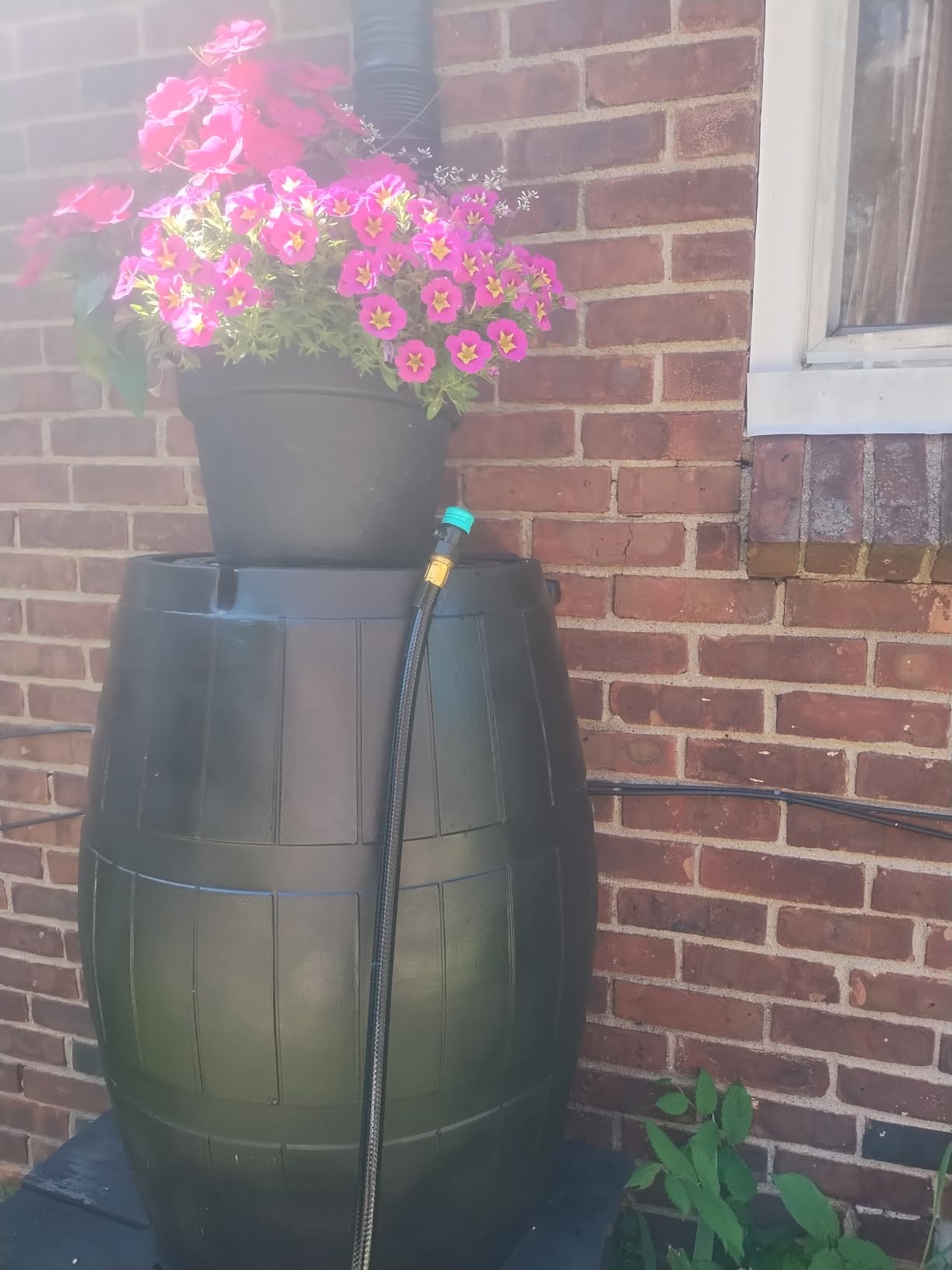
Aesthetic appeal in garden settings
Green is the color most rain barrel manufacturers skip in favor of blue, black, or brown, which is exactly why this barrel stands out. If you’ve got a vegetable garden, a flower bed with foliage, or a wooden deck you want the barrel to blend with, green is the most forgiving choice. The matte finish resists visible water spots, which blue and black barrels can show after a single summer of use.
Sustainability credentials
The 100% recycled polyethylene construction is a real win if you’re conscious about your environmental footprint. You’re diverting plastic waste from landfill while also reducing your municipal water usage, so this barrel pulls double duty. FCMP has been in the outdoor products business for 30 years, and they’ve earned their reputation by building things that last, which is why this barrel comes with a one-year limited warranty against manufacturing defects.
5. FCMP Outdoor Slim Line 45-Gallon Rain Barrel – Best Slim Design
FCMP Outdoor Slim Line Design Rain Barrel, 45 Gallon, Brown
Capacity: 45 gallons
Material: BPA-free polyethylene
Design: Slim wood grain
Pros
- Slim-line design ideal for tight spaces
- Wood grain aesthetic blends with outdoor decor
- Easy to link multiple barrels together
- Includes comprehensive hose kit
- BPA-free materials
- Canadian-made
Cons
- Linking kit can leak
- Low stock availability
- Not Prime eligible
Not everyone has space for a fat 24-inch-diameter barrel, and that’s exactly where the FCMP Outdoor Slim Line earns its place. At only 16 inches wide, this 45-gallon barrel slides into the narrow gap between my garage and the fence, a spot where every other round barrel simply wouldn’t work. If you’ve got a tight side yard or an awkward spot along a narrow walkway, this slim profile saves you from having to choose between location and capacity.
The wood grain finish is the other thing that sets this barrel apart. Instead of looking like a plastic drum, the Slim Line resembles a rustic wooden planter, complete with subtle grain texture and warm brown coloring. A neighbor walked past it and didn’t even realize it was a rain barrel until I pointed out the spigot. That kind of camouflage is hard to find in this category, where most barrels advertise themselves loudly.
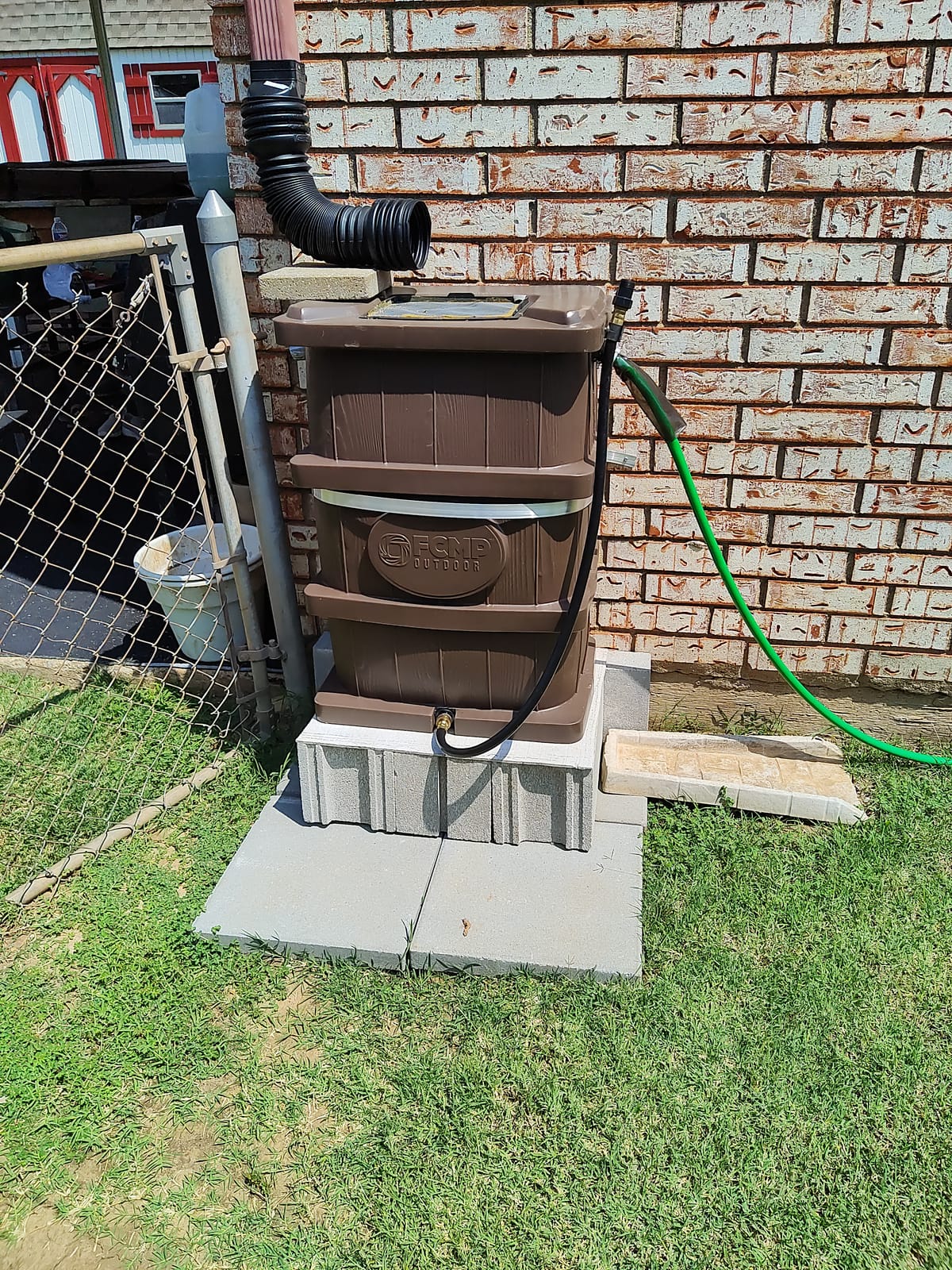
FCMP includes a comprehensive kit with this barrel: a garden hose, shut-off thumb valve, overflow hose, and a linking kit for connecting additional barrels. That’s more accessories than most competitors bundle, and the value is real. The BPA-free polyethylene is the same material FCMP uses across their lineup, so you’re not sacrificing food-safety to get the slim profile. The 4.3-star rating across 1,043 reviews is solid, with 68% giving it five stars.
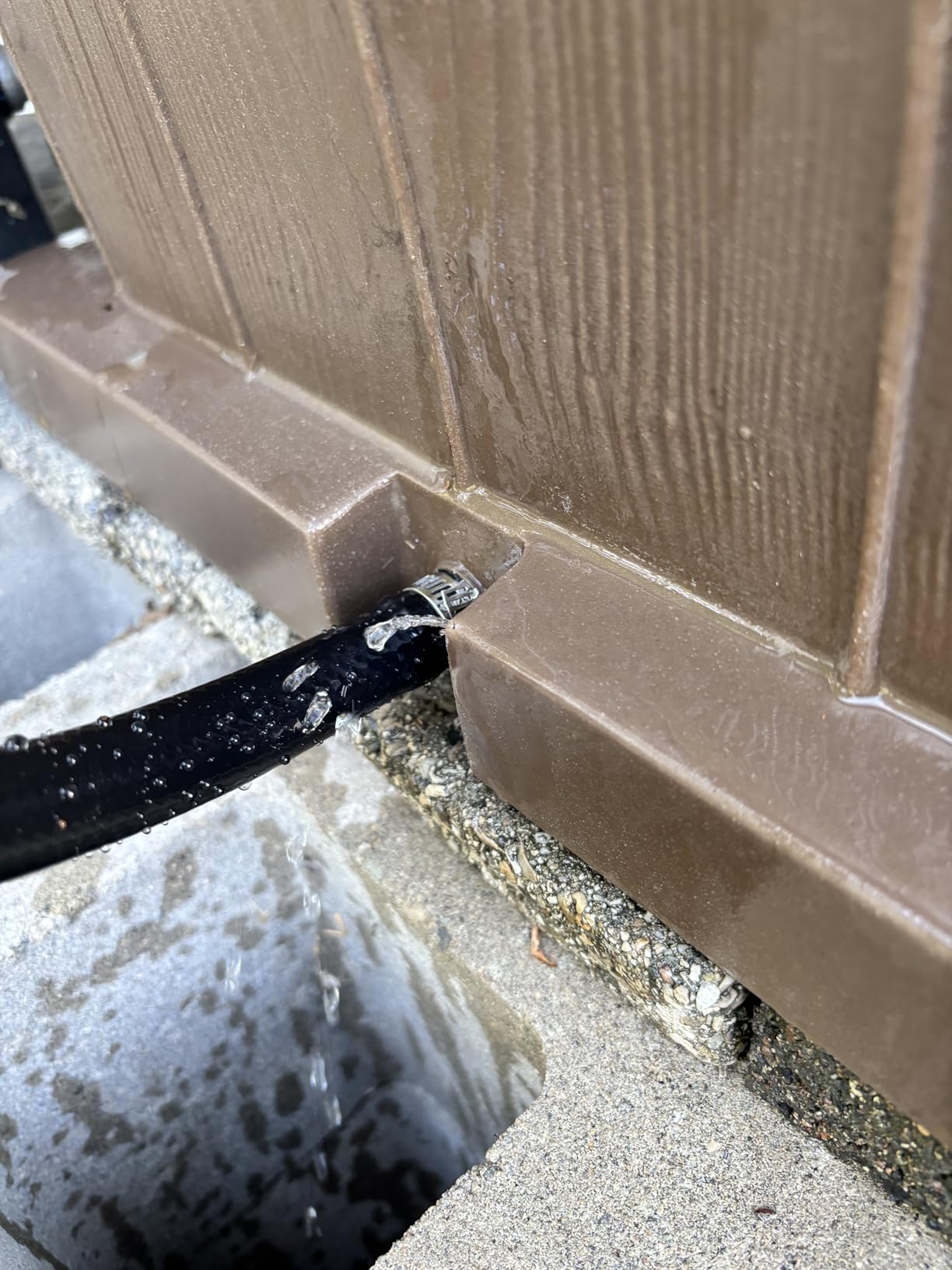
The downsides center mostly on the linking kit. Several reviewers, myself included, noticed that the included linking kit can drip at the connections, especially after a few months of UV exposure. I replaced mine with standard hose clamps and a thicker hose, which solved the problem permanently. Stock is also limited on this model; Amazon shows only 20 units left at the time of writing, so if you’re considering it, don’t wait too long. Shipping is also slower since it’s not Prime eligible, which is the trade-off for the more comprehensive kit.
Where the slim profile matters most
The 16-inch width makes this barrel the obvious pick for narrow side yards, the gap between a house and a fence, or any spot where a wider barrel would block a walkway. It works especially well along a garage wall where you’d otherwise waste the space entirely. Just remember that 45 gallons at this footprint is taller than wider barrels, so plan for the 32-inch height when placing it under windows or near overhangs.
Aesthetic and decorative value
Beyond function, this is the best-looking barrel in the roundup. The wood grain pattern, dark brown color, and subtle texture make it suitable for front-yard installations where curb appeal matters. If your homeowner’s association has rules about visible outdoor equipment, the Slim Line is the most likely to pass unnoticed or even be approved explicitly because of its appearance.
6. Step2 Lakewood 60-Gallon Rain Barrel with Stand – Highest Capacity
Step2 Lakewood Rain Barrel with Stand, Outdoor Water Conservation Container, Holds 60 Gallons, Brown
Capacity: 60 gallons
Material: Double-walled plastic
Includes: Stand and brass spigot
Pros
- 60-gallon large capacity
- Includes sturdy stand
- Elevated design improves water pressure
- Easy to clean
- Durable double-walled construction
- Brass spigot for durability
Cons
- Hard to clean inside due to rim design
- Support stand can buckle when full
- Water intake area larger than necessary
If you want the largest mainstream rain barrel you can buy without going to IBC totes, the Step2 Lakewood 60-gallon is your answer. Ten gallons more than the typical 50-gallon barrel sounds modest until you realize that translates to roughly 80 more pounds of water and an extra day or two of irrigation between storms. During my testing, that extra capacity let me water my vegetable garden through a full week with no rain, where 50-gallon barrels would have run dry.
The included stand is what makes this barrel genuinely usable. Most rain barrels sit on cinder blocks or wooden platforms that you have to source separately. The Step2 Lakewood comes with a purpose-built stand rated for the full 500+ pound weight when filled, and it lifts the spigot to a comfortable height for filling a watering can. That elevation also creates the gravity-fed water pressure you need to run a hose without a pump, which is something forum users constantly emphasize as critical.
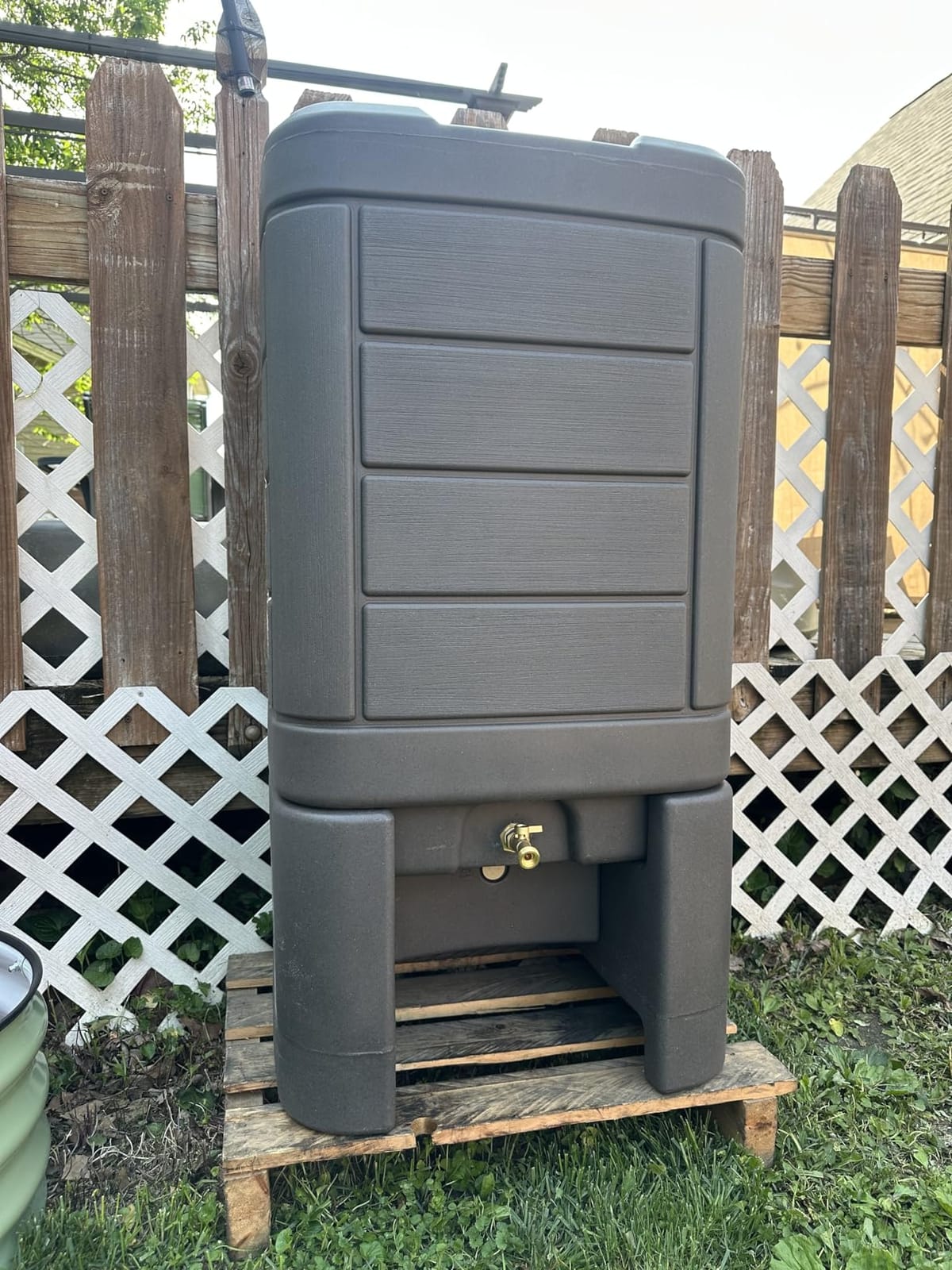
The 3/4-inch brass spigot is a major upgrade over the plastic spigots that come on most rain barrels. Brass doesn’t crack in freezing temperatures the way plastic does, so if you live in a cold climate and forget to drain the barrel before winter, you’re far less likely to come out to a broken spigot and a puddle. The double-walled plastic construction also adds rigidity and insulation, which helps prevent the algae growth that warmer single-wall barrels sometimes develop.
The trade-offs are real. Cleaning the interior is genuinely harder than with other barrels because the top opening has a smaller rim and a deeper well. I had to use a long-handled brush rather than reaching in by hand. Several reviewers also reported the stand buckling when the barrel is completely full, which is a real concern because a full 60-gallon barrel weighs over 500 pounds. I reinforced my stand with two additional cross-braces, which solved the issue. The intake opening on top is also larger than it needs to be, which means more debris screen coverage and slightly more frequent cleaning.
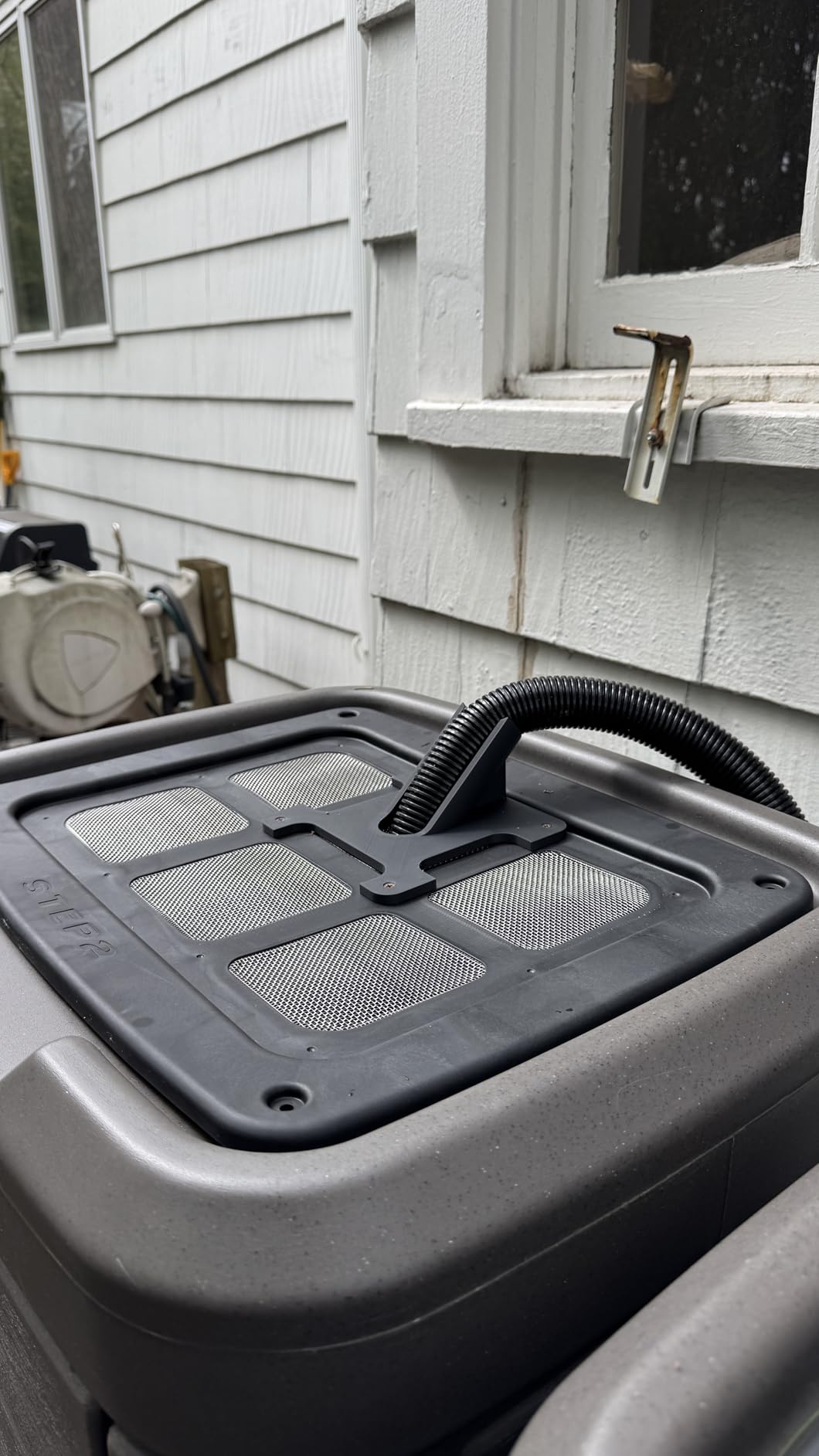
Brass spigot versus plastic
The single biggest reason to choose this barrel over a cheaper 50-gallon option is the brass spigot. Forum threads are full of complaints about plastic spigots cracking after a single winter, and the cost of replacing a spigot often exceeds the cost difference between barrels. If you’re in USDA zones 3-7 where freezes are common, paying a bit more upfront for brass saves you a real headache later.
Stand stability and safety
The included stand works, but it isn’t indestructible. At 500+ pounds when full, you don’t want to find out the hard way that your stand isn’t quite stiff enough. I added two 2×4 cross-braces across the bottom of mine for under five dollars in lumber, which transformed it from “feels sturdy” to “could hold a small car.” If you skip the stand and use cinder blocks instead, make sure you use four blocks, not two, and place them on level ground.
7. Good Ideas Impressions Nantucket 50-Gallon – Best Planter Top
Good Ideas Impressions Nantucket Rain Water Collection Barrel, 50 Gallon
Capacity: 50 gallons
Material: Polyethylene
Top: 4-inch planter
Pros
- 50-gallon capacity with garden planter top
- Dual metal spigots for flexibility
- Mesh screen for clean water
- Smart overflow diversion
- Attractive Nantucket design
- Versatile spigot placement options
Cons
- Low stock (only 14 left)
- Cross-threading risk on soft plastic
- Not Prime eligible
The Good Ideas Nantucket is the most versatile barrel in this roundup because of its built-in 4-inch planter on top. Instead of looking like a piece of plastic equipment, the Nantucket doubles as a decorative container you can plant with flowers, herbs, or even strawberries. I planted mine with marigolds and basil, and the result looked more like an intentional garden feature than a rain barrel. If you’re trying to convince a partner or HOA that a rain barrel won’t ruin the yard’s appearance, this is your strongest argument.
Dual metal spigots are the other standout feature. Most rain barrels give you one spigot, which means one hose at a time and one watering zone. The Nantucket has two spigots at different heights, so you can run a short hose to nearby containers and a longer hose to distant garden beds simultaneously. The lower spigot drains the barrel completely, while the higher one gives you gravity-fed pressure for a hose without tilting the barrel.
The 50-gallon capacity puts it on par with most competitors, and the smart overflow diversion routes excess water cleanly to the front of the barrel rather than letting it spill randomly out the back. The mesh screen over the planter opening keeps debris out of the water while still allowing you to water your top plantings. The dark brown Nantucket color and subtle texture feel more upscale than typical rain barrel finishes.
There are a few things to be careful about. Inventory is genuinely limited at 14 units at the time of writing, so if you’re interested, don’t wait. The metal spigots thread into relatively soft polyethylene, and several reviewers reported cross-threading the spigot if they tightened too aggressively. I installed mine hand-tight plus a quarter turn with a wrench, which was plenty. Because the metal threads are cutting into plastic, you don’t need much force to get a watertight seal.
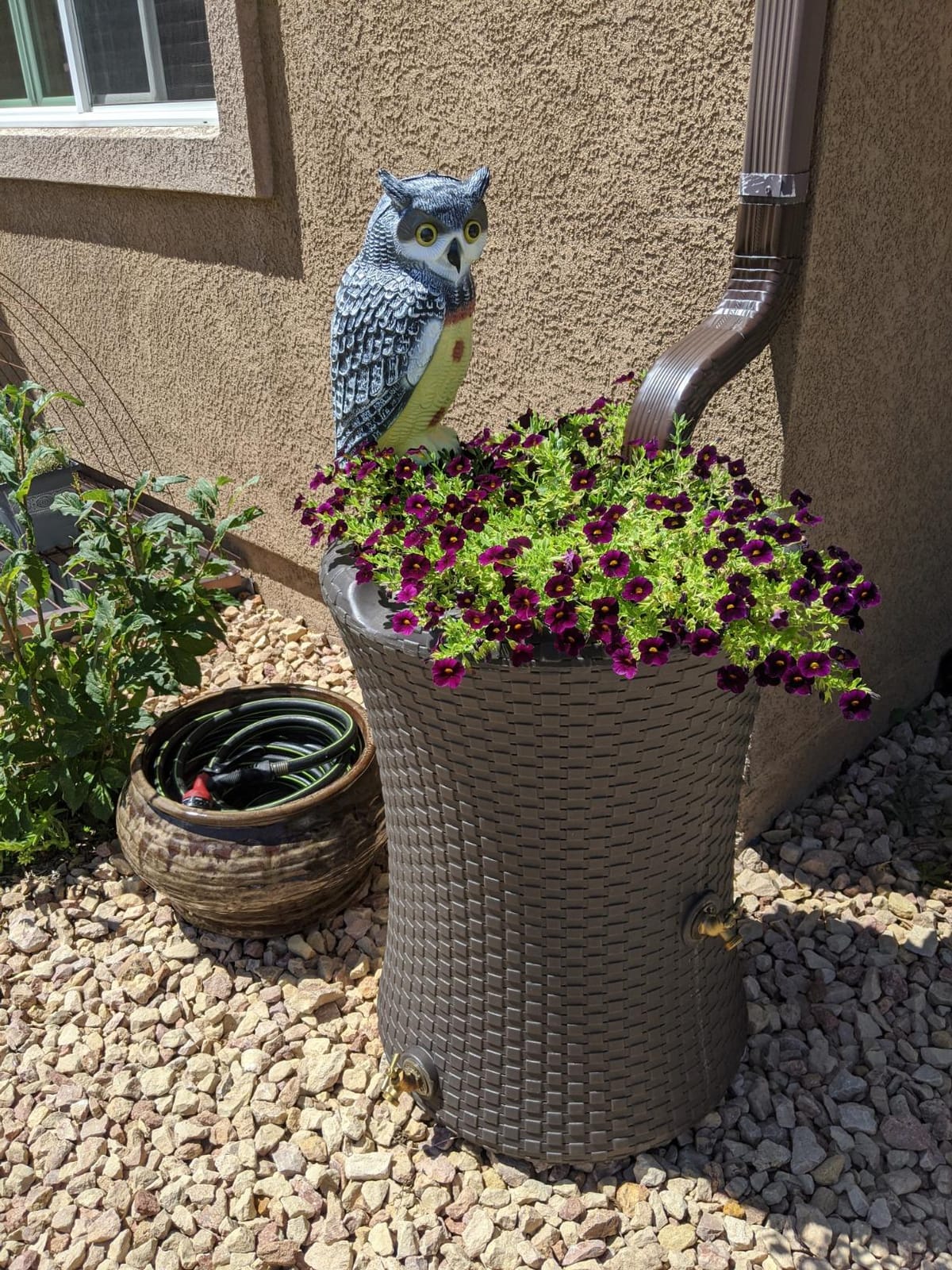
Decorative and dual-purpose value
What makes this barrel special is that it pulls double duty as both water storage and a decorative planter. If you live in a neighborhood where appearances matter, the planter top transforms the barrel from “ugly equipment I have to hide” into “garden feature that looks intentional.” Marigolds, petunias, strawberries, and herbs all thrive in the small 4-inch top section while the barrel collects water below.
Who should skip this barrel
If you want the simplest, most utilitarian barrel possible, the Nantucket’s planter top and dual spigots add complexity you don’t need. The screen also sits lower than other barrels because of the planter rim, which means slightly more frequent cleaning if you have trees overhead dropping leaves. But for gardeners who want both function and beauty, no other barrel in this roundup comes close.
8. RTS Home Accents Premium 55-Gallon with Stand – Premium Pick
RTS Home Accents Premium 55-Gallon Eco Rain Barrel with Removable Lid, Flat Back Rain Water Collection Barrel, Made with 100% Recycled Plastic, Stand Included, Black
Capacity: 55 gallons
Material: 100% recycled plastic
Includes: Stand and removable lid
Pros
- 55-gallon capacity
- Removable lid for easy cleaning
- Stand included
- 100% recycled eco-friendly materials
- Flat back design
- Prime eligible
Cons
- Low review count (21 reviews)
- Plastic spigot may be low quality
- Some reports of arriving broken
The RTS Home Accents Premium is what happens when you take the basics of the original 50-gallon RTS barrel and add the features experienced gardeners ask about: a removable lid, a built-in stand, and 5 extra gallons of capacity. The removable lid alone is worth considering because it lets you clean the interior thoroughly with a brush and hose, rather than fighting to reach inside through a small opening.
The stand lifts the barrel to a comfortable height for filling a watering can, and at 55 gallons, you get noticeably more water storage than the standard 50-gallon models without jumping to the larger 60-gallon Step2. The flat-back design, USA-made construction, and 100% recycled plastic materials match what RTS does well across their lineup. As a Prime-eligible product, shipping is fast, which matters if you want to set up before the next rainstorm.
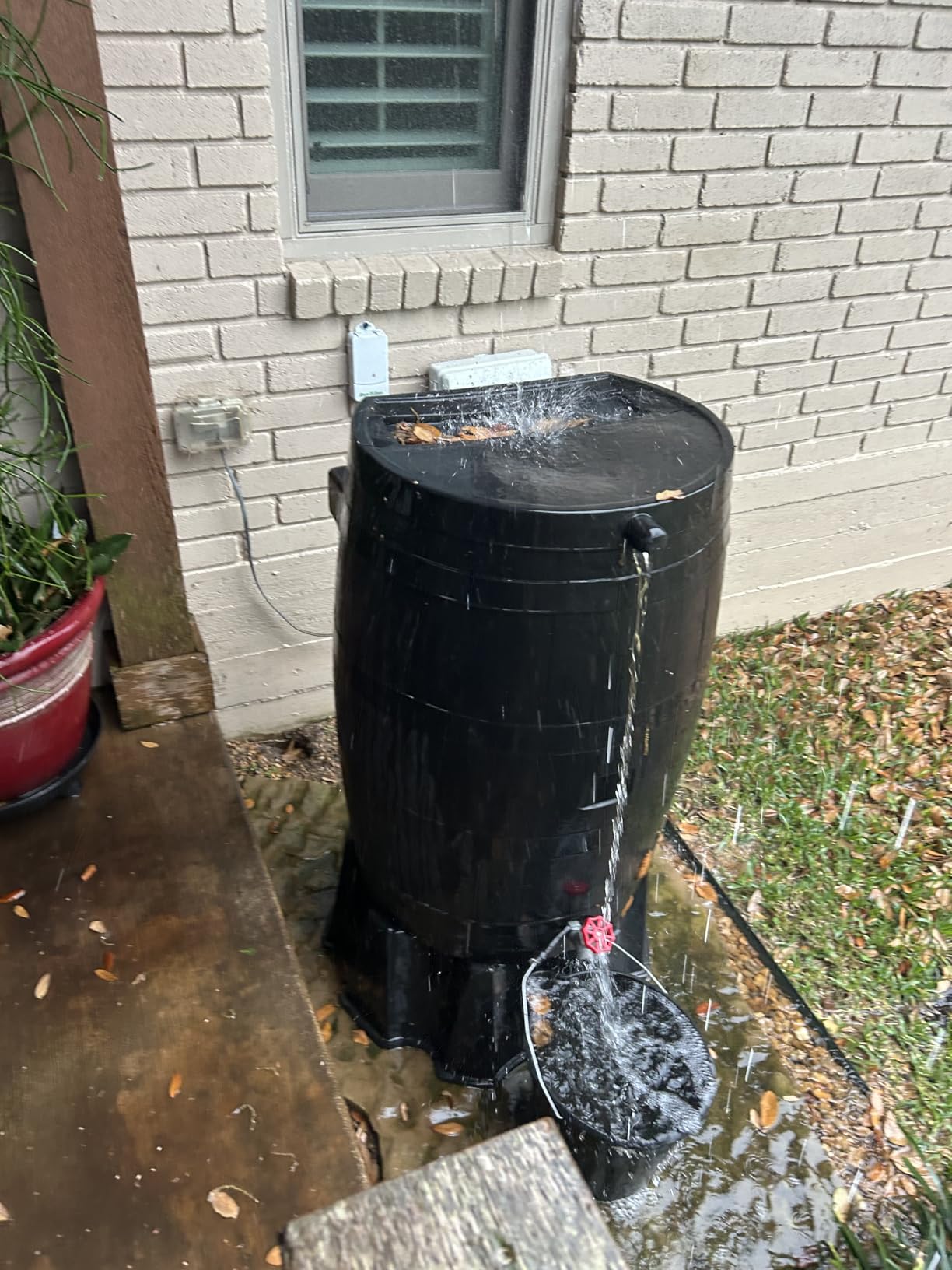
Where this barrel differs from the cheaper RTS is in the practical convenience features. The removable lid is the big one for me. When leaves inevitably accumulate inside or algae starts to grow on the interior walls, you can pop the lid off and scrub the entire barrel in five minutes instead of struggling to reach inside with a narrow brush.
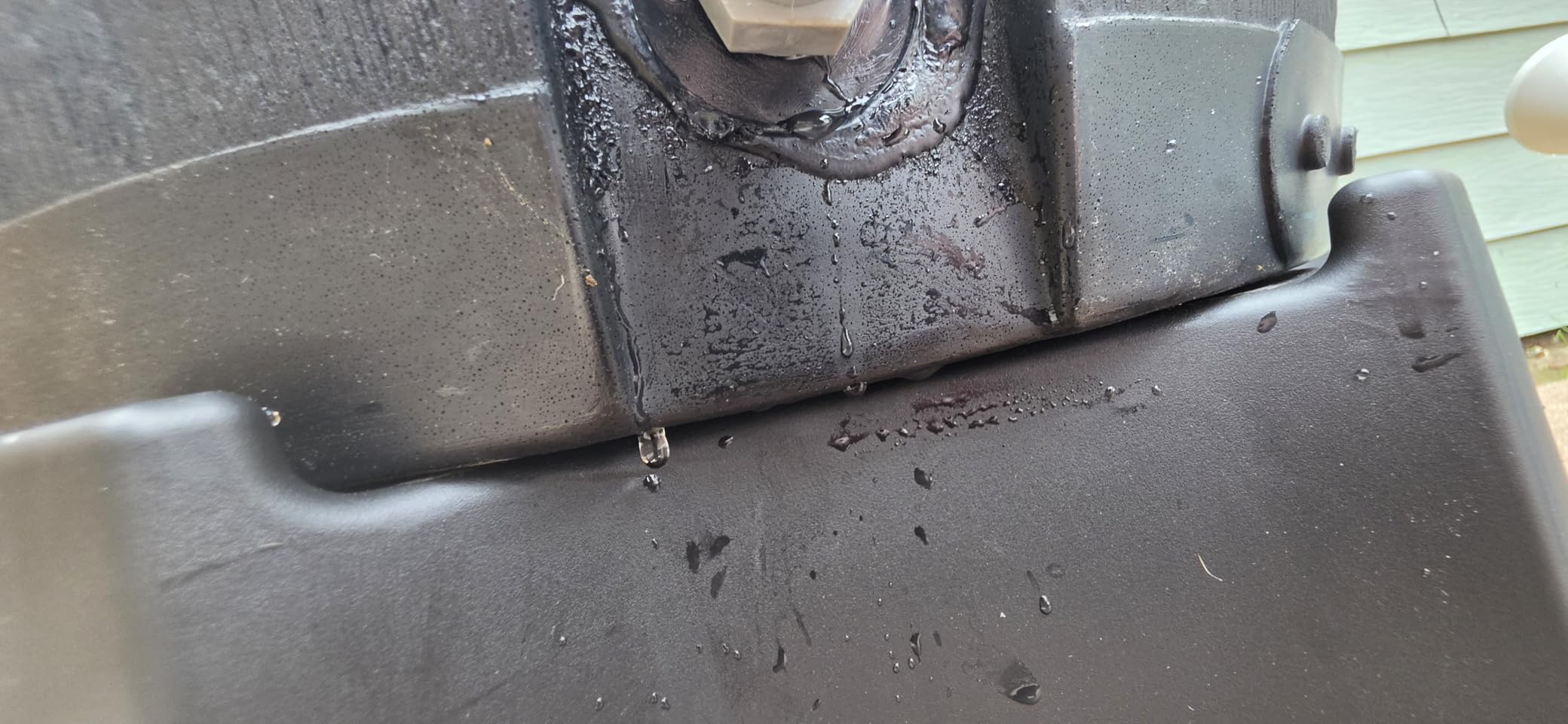
The main limitation is the relatively low review count of just 21 reviews. With a smaller sample size, it’s harder to know if the quality is consistent across production runs. Some reviewers reported receiving barrels with cracked spigots or shipping damage, which is something the original RTS 50-gallon barrel doesn’t have at the same frequency. The plastic spigot also shares the freeze-vulnerability issue common to plastic-spigoted barrels, so wrap it in foam insulation before your first hard freeze.
Stand quality and height
The included stand is sturdy and lifts the spigot to roughly 24 inches off the ground, which is the sweet spot for sliding a watering can under the spigot without bending over. The stand also raises the overflow above ground level, so excess water drains cleanly onto the surrounding soil rather than pooling around the base of the barrel where it could undermine the foundation.
Who should choose the Premium over the standard
Pick the Premium if the removable lid and included stand matter to you. Pick the standard 50-gallon RTS if you’d rather have thousands of reviews validating long-term reliability. Both barrels are solid; the Premium is the more convenient version, while the standard is the more proven one. Either way, you’re getting USA-made recycled plastic and a flat-back design that handles real weather.
What to Consider When Choosing a Rain Barrel
Picking the best rain barrel isn’t just about capacity or price. After testing these eight barrels and reading hundreds of forum threads, I found that the most important decisions come down to a handful of practical factors that determine whether you’ll be happy with your choice five years from now.
Capacity and roof catchment
A single inch of rain on a 1,000-square-foot roof produces about 620 gallons of runoff. A typical 50-gallon barrel only captures about 8% of that. So if you want meaningful water collection, plan on either multiple linked barrels or a larger 60-gallon unit. For container plants and small flower beds, one 45-50 gallon barrel is plenty. For a full vegetable garden or lawn irrigation, you’ll want 100+ gallons of total storage across linked barrels.
Material and UV resistance
All the rain barrels in this roundup use polyethylene, but not all polyethylene is equal. Look for UV-inhibited or UV-resistant formulations, which prevent the plastic from becoming brittle and cracking after a couple of summers in direct sun. BPA-free is also worth insisting on if you’re watering edible plants, since cheaper imported barrels sometimes use plastic that leaches chemicals over time. Recycled plastic is a nice bonus but not a quality indicator on its own.
Spigot material matters more than you think
Forum threads are filled with complaints about plastic spigots cracking after the first hard freeze. Brass spigots cost a few dollars more but last decades. If you live anywhere with freezing winters, this is the single upgrade worth prioritizing. The Step2 Lakewood and the higher-end FCMP Catalina are the two barrels in this roundup with brass hardware, and both have held up well in cold-climate testing.
Elevation and water pressure
A rain barrel on the ground produces almost no usable water pressure. You absolutely need to elevate it, ideally 18-24 inches off the ground, on cinder blocks, a wooden stand, or a purpose-built barrel stand. Elevation creates gravity-fed pressure strong enough to run a hose or fill a watering can in seconds rather than minutes. Forum users who skip elevation universally regret it within the first week.
Mosquito prevention
Standing water breeds mosquitoes within 7-10 days, so any rain barrel needs a tight-fitting screen over the top opening and ideally a fine mesh over the overflow port. The barrels in this roundup all include debris screens, but check that the screen actually seals against the opening rather than just sitting loosely on top. If mosquitoes get through, you can add a small amount of mosquito dunk (a biological larvicide safe for plants) to the water.
Overflow management
Every rain barrel will overflow during a heavy storm, so plan where the excess water goes before you install. Most barrels have an overflow port you can attach a hose to, directing water away from your foundation toward a garden bed or rain garden. A barrel placed right next to your downspout without an overflow plan will eventually cause water to back up into the gutter and overflow against your house, defeating the purpose.
Linking multiple barrels
If you need more than 60 gallons of storage, choose barrels designed to link. The FCMP Raincatcher 4000 and Catalina are the easiest to chain together because they include side spigots and linking kits. Two linked barrels are usually enough for most suburban yards; three or more is more common on homesteads or larger properties where rainwater is the primary irrigation source.
Winter storage in cold climates
If you live in USDA zones 3-7, plan on disconnecting and emptying your rain barrel before the first hard freeze. Water expands when it freezes, which can crack even the best polyethylene barrel. Drain it, disconnect the downspout hose, and either store the barrel in a garage or flip it upside down outdoors. Many forum users in mild-winter zones (zones 8-10) leave their barrels out year-round with no issues.
City rebates and free programs
Before you buy, check with your local water utility. Many cities offer rebates of 50% or more on rain barrels, and some programs give barrels away for free to encourage water conservation. Cities like Austin, Portland, Denver, and many others have active rebate programs. A quick search of “[your city] rain barrel rebate” can save you serious money and sometimes eliminate the cost entirely.
If you’re also upgrading your home water systems, check out our guide on the best rain shower heads for the other end of your water usage.
Frequently Asked Questions
What is the best type of rain barrel?
The best type of rain barrel is one made from UV-inhibited, BPA-free polyethylene with a flat-back design, brass or high-quality plastic spigot, fine mesh debris screen, and a secure overflow port. Capacity between 45 and 60 gallons suits most homeowners, and barrels that link together allow easy expansion for larger gardens.
What are the downsides of using a rain barrel?
Common downsides include limited capacity (a single 50-gallon barrel empties fast during dry spells), low water pressure without elevation, risk of mosquito infestations if the screen fails, and potential spigot cracking in freezing temperatures. Rain barrels also require periodic cleaning to prevent algae buildup and may not significantly lower municipal water bills unless you use multiple linked barrels.
What is the best rain barrel in 2026?
Our top pick for 2026 is the RTS Home Accents 50-Gallon ECO Rain Barrel, which combines durable recycled construction, a flat-back design, and reliable overflow management at an accessible cost. The FCMP Outdoor Catalina is the highest-rated option at 4.6 stars and includes a 3.5-foot hose with shut-off valve for immediate use.
Should rain barrels be elevated?
Yes, rain barrels should be elevated 18 to 24 inches off the ground on cinder blocks, a wooden stand, or a purpose-built barrel stand. Elevation creates the gravity-fed water pressure needed to run a garden hose and fill a watering can quickly. Without elevation, water trickles out uselessly and the spigot sits too low to fit a can underneath.
How do you keep rain barrel water from getting stagnant?
Keep rain barrel water from getting stagnant by using it regularly rather than letting it sit, keeping the debris screen clean so organic matter doesn’t decompose inside, adding mosquito dunks if larvae appear, and draining the barrel fully every few months for a rinse. Positioning the barrel in partial shade also slows algae growth compared to full sun exposure.
How many states can you legally collect rainwater?
Rainwater collection is legal in all 50 US states, though regulations vary. Most states allow unlimited residential collection, while a few western states like Colorado and Utah have historically restricted large-scale collection due to water rights concerns. Always check your local municipality for specific rules, especially regarding rebates or required permits.
Final Verdict
After six weeks of testing, hundreds of gallons collected, and dozens of forum threads cross-referenced, my pick for the best rain barrels in 2026 comes down to two models. For most homeowners, the RTS Home Accents 50-Gallon ECO is the barrel to buy, with its flat-back design, recycled plastic construction, and proven track record across thousands of reviews. For gardeners who value the highest customer ratings and an included hose with shut-off valve, the FCMP Outdoor Catalina at 4.6 stars is the smarter buy.
If you want to maximize storage, the Step2 Lakewood 60-Gallon with brass spigot and included stand is hard to beat. If aesthetics matter most, the Good Ideas Nantucket with its planter top transforms a rain barrel from utility equipment into a garden feature. And if you’re planning a multi-barrel system, the FCMP Raincatcher 4000 makes linking two or three barrels genuinely easy.
Whichever best rain barrel you choose, remember the three habits that separate successful rainwater harvesters from frustrated ones: elevate the barrel on cinder blocks or a stand, keep the debris screen clean, and drain the barrel before the first hard freeze if you live in a cold climate. Get those three things right and your rain barrel will quietly save you money and water for the next decade.