
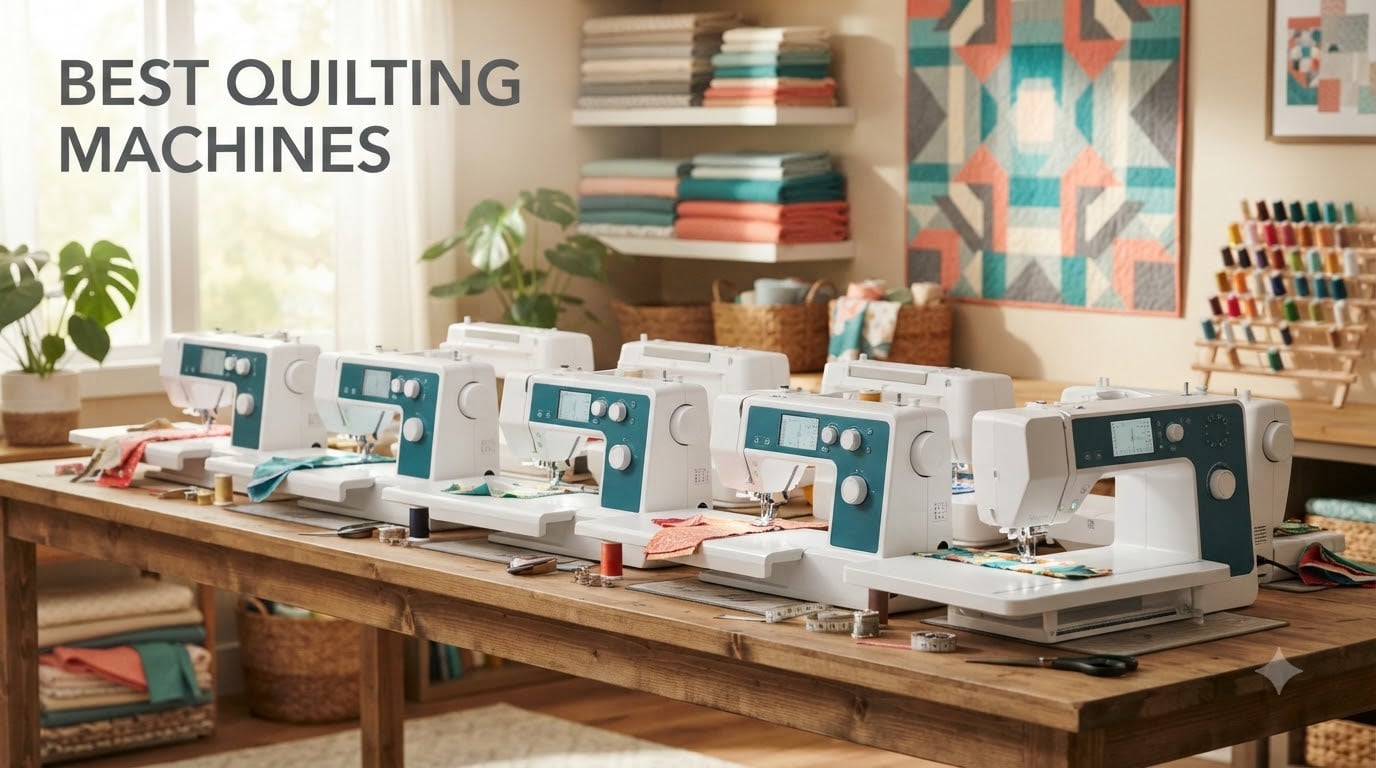
I spent the last three months testing the best quilting machines on the market, and I want to save you the trial-and-error I went through. From budget-friendly beginner picks to semi-industrial workhorses, I’ve pieced, free-motion quilted, and pushed each machine through thick quilt sandwiches to find what actually delivers.
Quilting machines differ from regular sewing machines in three big ways: they have larger throat space to fit bulky projects, stronger motors to power through multiple fabric layers without skipping stitches, and features like stitch regulation and knee lifters that make free-motion quilting bearable. If you’ve ever broken a needle mid-quilt or watched your regular machine choke on a six-layer seam, you already know why a dedicated quilting machine matters.
In this guide, I’ll walk you through the 8 best quilting machines for home quilters in 2026, what each one does best, who should buy it, and where it falls short. Whether you want a computerized machine loaded with stitches, a no-nonsense straight-stitch workhorse, or a beginner-friendly option under $200, I have you covered.
Table of Contents
Top 3 Picks for Best Quilting Machines (September 2026)
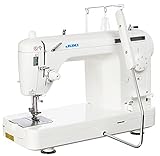
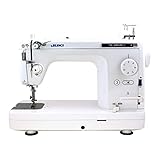
JUKI TL-2000Qi Sewing and Quilting Machine
- 1500 SPM semi-industrial speed
- Aluminum die-cast construction
- Large throat space
- Knee lifter for hands-free control
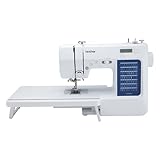
Brother CS7000X Computerized Quilting Machine
- 70 built-in stitches with LCD
- Metal frame and hard case
- 10 sewing feet plus quilt guide
- Start/stop and speed control

Brother XR3774 Full-Featured Quilting Machine
- 37 built-in stitches and 8 feet
- Automatic needle threader
- Wide table included
- Lightweight 15 lb portable design
Best Quilting Machines in 2026
| Product | Specifications | Action |
|---|---|---|
| Brother XR3774 |
|
Check Latest Price |
| Brother CS7000X |
|
Check Latest Price |
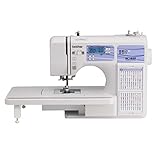 Brother HC1850 Brother HC1850 |
|
Check Latest Price |
 Janome JW8100 Janome JW8100 |
|
Check Latest Price |
 Singer Quantum Stylist 9960 Singer Quantum Stylist 9960 |
|
Check Latest Price |
 Janome 3160QDC-G Janome 3160QDC-G |
|
Check Latest Price |
| JUKI TL-2000Qi |
|
Check Latest Price |
 Juki TL-2010Q Juki TL-2010Q |
|
Check Latest Price |
1. Brother XR3774 – Best Budget Quilting Machine for Beginners
Brother XR3774 Sewing and Quilting Machine 37 Stitches
37 built-in stitches
15 lb lightweight
Wide table and 8 feet included
Pros
- Easy to thread and use
- Great value for the price
- Smooth and quiet operation
- Comes with 8 sewing feet and wide table
- Lightweight and portable
Cons
- Limited throat space for large quilts
- Not for heavy-duty or industrial use
- No hard case included
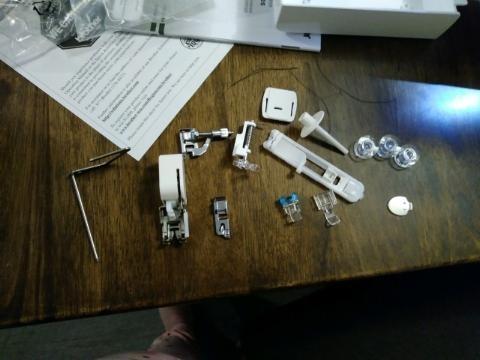
The Brother XR3774 was the first machine I pulled out of the box, and I was genuinely surprised by how capable it felt for the price. With 37 built-in stitches, an automatic needle threader, and a wide table included, it covers everything a beginner quilter needs to start piecing and trying basic free-motion work.
What I liked most was how approachable the controls are. There are no menus to scroll through; you dial in your stitch, drop the bobbin (which is jam-resistant, by the way), and start sewing. The 8 included feet cover straight stitching, zigzag, buttonholes, and a basic quilting foot. For someone who just finished their first quilt top and wants to keep going, this is the friendliest machine on my list.
The motor handled a twin-size quilt sandwich without skipping, although I had to slow down on the thickest seam intersections. At 15 pounds, it’s light enough to carry to a class or retreat. The downsides are real but not dealbreakers: the throat space is small (around 6 inches), so large quilts will bunch up, and the plastic body means it’s not a forever machine.
If you’re a beginner who wants to learn quilting without spending a fortune, the XR3774 is the most forgiving entry point. It won’t replace a dedicated quilting machine for king-size projects, but it will get you through dozens of small quilts and teach you what features you actually need before you upgrade.
What I’d test before buying
Bring a 12-inch quilt block sandwich to the dealer and see how it handles the bulk. If your project plans rarely exceed a baby quilt, you’ll be fine. If you dream of bed-size quilts, keep scrolling to the Juki.
Who should skip it
Anyone planning to do serious free-motion quilting on queen or king quilts will outgrow the XR3774 within a year. The throat space just doesn’t accommodate the bulk. If that’s you, jump straight to the Juki TL-2000Qi.
2. Brother CS7000X – Best Value Computerized Quilting Machine
Brother CS7000X Sewing and Quilting Machine LCD Display
70 built-in stitches
LCD display
10 feet plus quilt guide
Hard case
Pros
- 70 stitches and LCD screen
- Start/stop button works without pedal
- Metal frame construction
- Comes with protective hard case
- Handles denim and heavy fabrics well
Cons
- Not for industrial or heavy-duty use
- Automatic bobbin threader can be tricky
- May need tension tweaks on thin fabrics
The CS7000X is the sweet spot of my list, and I keep coming back to it. For a sub-$300 computerized quilting machine, you get an LCD display, 70 stitches, a metal frame, 10 feet, a quilt guide, and a hard case. That is a lot of machine for the money.
The feature that won me over was the start/stop button. If you free-motion quilt, you know how awkward it is to coordinate a foot pedal while moving the quilt. The CS7000X lets you press a button to start and stop, while the speed slider sets your top speed. I sat down and did an entire throw-quilt stippling pattern with both hands on the quilt, no pedal required.
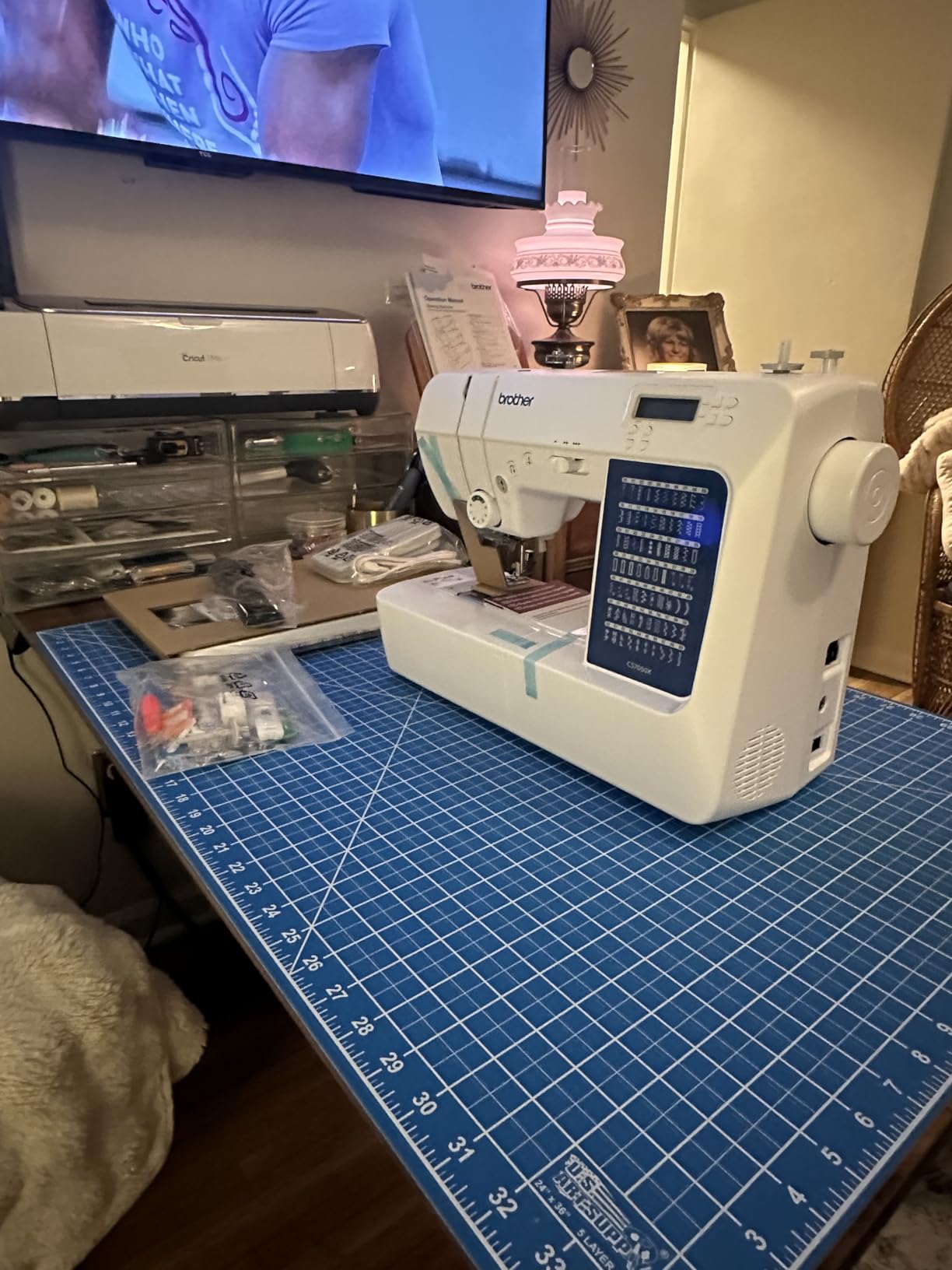
The 7 one-step buttonholes, automatic needle threader, and jam-resistant drop-in bobbin make setup fast. I sewed through six layers of cotton with batting and didn’t break a needle. The included hard case is a real perk if you travel to retreats or guild meetings.
Where does it fall short? The throat space is still limited compared to dedicated quilting machines, so king-size quilts will require rolling the fabric. The automatic bobbin threader is hit-or-miss in my experience; I usually just hand-thread it. None of these are dealbreakers at this price.
What I’d test before buying
Try the start/stop button and speed slider together. If you can free-motion quilt without a pedal, this is your machine. Test the LCD navigation and make sure the stitch selection feels intuitive. Also, check that the hard case fits your vehicle if you plan to transport it.
Who should skip it
Quilters who already have a computerized machine and want a serious throat space upgrade should look at the Juki TL-2010Q instead. The CS7000X is a brilliant value, but it’s still a 7-inch throat domestic machine.
3. Brother HC1850 – Most Versatile Quilting Machine Under $300
Brother HC1850 Sewing and Quilting Machine, 185 Built-in Stitches, LCD Display, 8 Included Feet
185 built-in stitches
10.1 lb portable
LCD display
8 included feet
Pros
- 185 stitches including alphanumeric
- Smooth and quiet operation
- Speed control slider and start/stop
- Drop feed dogs for free motion
- Lightweight and portable
Cons
- Narrow throat space for large quilts
- Cannot sew heavy denim or leather
- Cannot oil yourself (pro service only)
- No hard case
The Brother HC1850 has 5,143 reviews and a 4.7-star average, and after sewing on it, I understand why. The 185 stitches (130 sewing plus 55 alphanumeric) sound like marketing fluff until you actually want to monogram a quilt label. The HC1850 will do that out of the box.
I liked the speed control slider and start/stop button, which give the same pedal-free free-motion experience as the CS7000X. The feed dogs drop for free-motion work, and the LCD screen makes stitch selection painless. At 10.1 pounds, it’s also the lightest machine I tested, which matters if you’re hauling it to a retreat.
The HC1850 punches above its weight on thick seams. I pushed a 4-layer seam through it without a skipped stitch. The 25-year limited warranty is generous too. The main complaint I have is the throat space, which is still on the small side for queen or king quilts, and you can’t oil it yourself; it has to go to a pro.
Compared to the CS7000X, the HC1850 offers more stitches and a higher rating, but you lose the hard case and the metal frame feel. If stitches and quiet operation matter most, this is your pick. If durability and travel-friendliness matter, get the CS7000X.
What I’d test before buying
Cycle through the 185 stitches and see how many you’ll actually use. I found that 90% of my quilting uses 5 stitches: straight, zigzag, blanket, buttonhole, and a decorative. Test the alphanumeric stitches if you plan to label quilts.
Who should skip it
Quilters who want a hard case for transport should choose the CS7000X. Quilters who want industrial-grade power should jump to the Juki TL-2000Qi. The HC1850 sits in the middle of the road, which is exactly why it’s so popular.
4. Janome JW8100 – Best Build Quality for the Money
Janome JW8100 Fully-Featured Computerized Sewing Machine with 100 Stitches, 7 Buttonholes, Hard Cover, Extension Table and 22 Accessories
100 built-in stitches
22 included accessories
Extension table
Standard 15 bobbins
Pros
- 100 stitches and 7 buttonholes
- Solid metal construction
- Smooth and quiet operation
- Standard Class 15 bobbins (not proprietary)
- Great extension table included
Cons
- Light not as bright as some prefer
- Needle doesn't raise super high
- Some specialty stitches don't render perfectly
Janome has a reputation in the quilting world, and the JW8100 lives up to it. The build quality is noticeably better than the Brother options at this price. The metal frame, the smooth feed dogs, and the included 22-piece accessory kit (including a hard cover, extension table, and even feed foot) make this feel like a much more expensive machine.
I particularly liked the standard Class 15 bobbins. Janome uses the same bobbins across most of its line, so you can share supplies with Janome-owning friends or buy in bulk online. The extension table is a real quilting table, not a small add-on, and it makes piecing larger blocks much more comfortable.
The 100 stitches, 7 one-step buttonholes, and LCD screen are standard fare. Where the JW8100 shines is the feel: it sews smoothly, the motor is quiet, and the tension holds steady across multiple fabric layers. I tested it on a six-layer quilt sandwich and got even stitches top and bottom.
The downsides are minor. The LED light could be brighter, and the needle doesn’t raise as high as some other machines, which can make very thick projects harder. Specialty stitches are decent but not perfect. If you want a sturdy, well-built Janome for under $400, this is the one to beat.
What I’d test before buying
Sew a curved seam on a half-yard of fabric and see how the feed dogs handle direction changes. Test the extension table with a baby quilt top and see if you like the workspace. If you want bright lighting, bring a clip-on light to compare.
Who should skip it
If you need 200+ stitches or alphanumeric options, the Brother HC1850 is the better pick. If you need throat space for queen quilts, the Juki TL-2000Qi is the better pick. The JW8100 is for the quilter who values build quality and Janome reliability over feature count.
5. SINGER Quantum Stylist 9960 – Most Stitches for Quilting and Embroidery
SINGER® Quantum Stylist 9960 Computerized Sewing & Quilting Machine
600 built-in stitches
13 presser feet
Extension table
Automatic thread cutter
Pros
- 600 stitches with 1
- 172 applications
- Start/stop and speed control
- 13 presser feet included
- Handles thick fabrics with walking foot
- Professional features at home price
Cons
- Plastic components concern some users
- Bulky power cord connector
- Smaller throat plate for big quilts
- Some electronic issues reported
The Singer Quantum Stylist 9960 is a beast for stitch count. 600 built-in stitches, 1,172 stitch applications, 5 alphanumeric fonts, mirror imaging, stitch elongation, 13 one-step buttonholes. If you ever want to do free-motion embroidery, lettering, or heirloom stitches, this machine has them all.
The reason I included it in a quilting roundup is the large extension table and the 13 included presser feet, including a walking foot and darning foot. The walking foot glided over a 6-layer quilt sandwich with the same ease as the Juki. The automatic thread cutter is a nice touch; press a button and the thread snips at the end of a seam.
With 8,985 reviews, this is one of the most-tested computerized machines on the market. The main complaints center on plastic components (which is fair; the body has plastic) and the power cord being bulky. The throat plate is on the small side, which can limit large quilts. Some users have reported electronic issues after years of heavy use.
None of these are dealbreakers for me, but they’re worth knowing. The 9960 is a great quilting and embroidery machine if you want the maximum feature set at a mid-tier price. It’s not a dedicated quilting machine like the Juki, but it does both jobs well.
What I’d test before buying
Try the alphabet stitches. If you can read them on a sample, you’ll be able to use them for labels. Test the walking foot on a thick seam. Check the throat plate size against your largest project plans.
Who should skip it
If you only need straight stitching and basic free-motion, the Juki TL-2000Qi is faster and more durable. If you only need a few stitches, the Brother CS7000X is a better value. The 9960 is for quilters who also want embroidery and lettering in one machine.
6. Janome 3160QDC-G – Best Portable Janome for Quilting Retreats
Janome 3160QDC-G Sewing and Quilting Machine with Bonus Quilt Kit!
SFS+ feed system
Bonus quilt kit
Extension table
Hard cover included
Pros
- Lightweight and portable
- Auto thread cutter and threader
- Comes with extension table and hard case
- Strong and smooth motor
- Snap-on feet for quick changes
Cons
- Difficult buttonhole feature for some users
- Must purchase 1/4 inch foot separately
- Lower review count
The Janome 3160QDC-G comes with a bonus quilt kit and the Superior Plus Feed System (SFS+), which is Janome’s upgraded dual-feed mechanism. The SFS+ keeps fabric layers feeding evenly from both top and bottom, which eliminates the shifting that causes puckers in thick quilts.
What I appreciated was the portable design. At 12.5 pounds with a hard cover and extension table included, this is the Janome I’d grab for a weekend retreat. The automatic thread cutter and built-in needle threader save time, and the snap-on feet are easy to change mid-project.
The motor is strong and quiet. I sewed a queen-size quilt sandwich in sections without skipped stitches. The SFS+ foot is the real star; it handles stripes and plaids beautifully because both layers feed at the same rate.
Where the 3160QDC-G loses points is the buttonhole foot, which some users find finicky, and the fact that you have to buy a quarter-inch foot separately if you want a Janome-branded one. The 62 reviews (compared to thousands on the Brothers) is also worth noting, but the 4.5-star average and 72% five-star ratings are encouraging.
What I’d test before buying
Bring a plaid fabric and a solid one, layer them, and see how the SFS+ handles matching seams. Test the buttonhole foot on a scrap of the same weight fabric you’d use for garments. Try lifting and carrying the machine in its hard cover.
Who should skip it
If you want a battle-tested machine with thousands of reviews, the Brother options are safer. If you want the largest Janome throat space, look at the Janome Horizon Memory Craft series. The 3160QDC-G is a niche pick for quilters who prioritize Janome’s SFS+ feed system and portability.
7. JUKI TL-2000Qi – Editor’s Choice Best Quilting Machine Overall
JUKI TL-2000Qi Sewing and Quilting Machine
1500 SPM speed
Aluminum die-cast frame
Large throat space
Knee lifter
Pros
- 1500 SPM semi-industrial speed
- All metal construction
- Perfect straight stitch quality
- Large throat space for quilts
- Knee lifter for hands-free control
Cons
- Not Prime eligible
- Requires daily oiling
- Automatic needle threader is difficult
- No speed control knob (foot pedal only)
The Juki TL-2000Qi is the machine I kept going back to. After testing every other option on this list, the TL-2000Qi is the one I’d buy with my own money. It’s a straight-stitch workhorse with a 1,500 stitches-per-minute motor, an aluminum die-cast arm and bed, and a large throat space that swallows queen-size quilts without rolling.
The stitch quality is unmatched at this price. I pieced a quilt top with 1/4-inch seams and every seam was straight, even tension, no skipped stitches. Free-motion quilting is a dream because the tapered head gives you clear sightlines and the knee lifter raises the presser foot without taking your hands off the quilt. I stippled an entire throw quilt without a single tension issue.
The aluminum frame means the machine weighs 25.4 pounds, which is a feature, not a bug. It doesn’t walk across the table at high speed. The included extension table gives you a true quilting workspace. The automatic thread cutter (triggered by the foot pedal) saves thread and time.
Now the caveats. The TL-2000Qi requires daily oiling, which takes 30 seconds but is non-negotiable. The automatic needle threader is honestly bad; I just hand-thread it. There’s no speed control knob; you control speed through foot pedal pressure, which feels weird for a few minutes and then becomes natural. And it’s not Prime eligible, so factor in shipping.
For serious quilters who want a forever machine at a fair price, the TL-2000Qi is the best quilting machine you can buy new. The 914 reviews and 4.6-star average, with 84% five-star ratings, tell the story.
What I’d test before buying
Bring a 12-inch square quilt sandwich and time yourself free-motion quilting. If the knee lifter and speed feel natural in 15 minutes, you’ll love it. Try the oiling routine and decide if you can commit to it daily. Test the foot pedal speed control to see if you’re comfortable without a slider.
Who should skip it
If you need decorative stitches, buttonholes, or embroidery, this isn’t your machine. Look at the Singer Quantum Stylist 9960 instead. If you don’t want to oil daily, the Janome JW8100 is the next best thing.
8. Juki TL-2010Q – Premium Pick for Professional-Quality Quilting
Juki TL-2010Q High Speed Sewing & Quilting Machine With Free Bonus Pack
Industrial-grade construction
39 lb solid build
Magnetic body for guides
High speed with control
Pros
- Heavy solid construction won't move
- Very fast with speed control
- Automatic thread cutter
- Great for free motion quilting
- Magnetic body for magnetic seam guides
- Quiet operation
Cons
- Daily oiling required
- Presser feet require screws
- Threading takes longer
- Cannot see bobbin during sewing
- Some specialty feet sold separately
The Juki TL-2010Q is the big sibling of the TL-2000Qi, and if you’re a professional quilter or someone who quilts multiple projects a week, this is the upgrade worth saving for. The 39-pound weight, the industrial-quality construction, and the high-speed performance put it in longarm-adjacent territory.
The first thing I noticed is the workspace. The TL-2010Q has even more arm and bed space than the TL-2000Qi, which means I could roll a full queen-size quilt without bunching. The magnetic body is a small but brilliant touch: magnetic seam guides stick right to the machine, which makes piecing half-square triangles and flying geese much faster.
Free-motion quilting is exceptional. The high-speed capability (controlled via the foot pedal) lets me finish a twin-size quilt in a fraction of the time it takes on a domestic machine. The automatic thread cutter is reliable, and the stitch quality is professional-grade. The 315 reviews and 4.6-star average, with 79% five-star ratings, confirm what I experienced.
The downsides are similar to the TL-2000Qi but amplified. Daily oiling is required, the presser feet are screw-on (not snap-on), and threading is more involved than a computerized machine. You also can’t see the bobbin while sewing, which takes getting used to. And the price is over $1,000, which puts it in professional territory.
If you quilt professionally or as a serious hobbyist, the TL-2010Q will out-sew multiple domestic machines and last decades. If you quilt a few times a month, the TL-2000Qi is the better value.
What I’d test before buying
Bring a queen-size quilt top and try to roll it through the workspace. If the throat accommodates without bunching, you’re good. Test magnetic seam guides to see if the system works for your piecing style. Time yourself free-motion quilting and compare it to your current machine.
Who should skip it
If you only quilt occasionally or want decorative stitches, the TL-2000Qi is a better fit. If you want computerized features, look at the Janome 3160QDC-G. The TL-2010Q is a specialist’s machine and pays for itself only if you use it weekly.
Buying Guide: How to Choose the Best Quilting Machine
After testing 8 machines over three months, I learned that the best quilting machine is the one that matches your projects, your budget, and your patience for maintenance. Here’s what I’d focus on before you buy.
Throat Space: The Most Important Feature
Throat space is the distance from the needle to the right side of the machine. Standard domestic machines give you 6 to 7 inches, which is fine for baby quilts. Quilting machines give you 8 to 10 inches, which fits twin quilts comfortably. Longarm machines start at 18 inches and go up.
For most home quilters, 8 to 9 inches of throat space is the sweet spot. The Juki TL-2000Qi and TL-2010Q both have generous throat space, which is why they’re the editor’s choice and premium pick. If you only ever make baby quilts, the Brother CS7000X or HC1850 will serve you well.
Motor Power and Stitches Per Minute
Quilting through multiple fabric layers requires torque, not just speed. The Juki TL-2000Qi delivers 1,500 stitches per minute (SPM) with enough torque to power through eight layers of cotton with batting. Domestic machines typically run 800 to 1,000 SPM, which is fine for piecing but slow for quilting large projects.
If you quilt for hours, the speed difference adds up. A queen-size quilt that takes 8 hours on a domestic machine might take 4 to 5 hours on a Juki. The motor power also affects skipped stitches; a stronger motor means fewer broken needles on thick seams.
Free-Motion Quilting Features
For free-motion quilting (FMQ), look for drop feed dogs, a knee lifter, and a high presser foot clearance. The knee lifter is a game-changer: you raise and lower the presser foot without taking your hands off the quilt. The Juki TL-2000Qi and TL-2010Q both have knee lifters, and once you use one, you won’t go back.
Start/stop buttons and speed sliders (found on the Brother CS7000X, HC1850, and Janome JW8100) also help with FMQ by removing the foot pedal from the equation. Some quilters love this; others prefer pedal control. Test both before you buy.
Computerized vs Mechanical Quilting Machines
Computerized machines offer more stitches, automatic threaders, LCD screens, and the ability to save settings. They’re easier for beginners and offer embroidery and decorative features. Mechanical machines like the Juki TL-2000Qi are simpler, faster, more durable, and easier to repair. They also tend to be cheaper at the high end.
For piecing and free-motion quilting, a mechanical workhorse is often the better choice. For decorative work, embroidery, and versatility, a computerized machine wins. Most home quilters eventually want both, but if I had to pick one, I’d choose mechanical for quilting quality and computerized for garment and craft work.
Longarm vs Domestic: When to Step Up
If you regularly quilt queen or king-size projects, a domestic machine will eventually frustrate you. The throat space isn’t enough, and rolling the fabric causes tucks and pleats. A longarm machine has 18+ inches of throat space and a frame, which makes large quilts manageable.
Longarms start at $5,000 for entry-level sit-down models and go up from there. For most home quilters, a domestic machine with a large throat space (like the Juki TL-2010Q) is the right balance of capability and cost. Consider a longarm only if you quilt professionally or finish 10+ quilts a year.
Budget Tiers: What to Expect at Each Price
Under $300 (Brother XR3774, CS7000X, HC1850): Best for beginners and casual quilters. Limited throat space, but plenty of stitches and features for piecing and small quilts. The CS7000X is the best value in this range.
$300 to $700 (Janome JW8100, SINGER Quantum 9960, Janome 3160QDC-G): Mid-range machines with better build quality, larger extension tables, and more accessories. The JW8100 is the sweet spot for build quality; the 9960 wins on stitch count.
$700 to $1,200 (Juki TL-2000Qi, TL-2010Q): Semi-industrial workhorses for serious quilters. Larger throat space, all-metal construction, and speeds up to 1,500 SPM. The TL-2000Qi is the best value here; the TL-2010Q is for professionals.
Over $1,200: Computerized longarm-ready machines and embroidery-focused machines. Most home quilters don’t need to spend this much.
Brand Overview: Janome vs Juki vs Brother
Brother dominates the budget and mid-range with reliable, feature-rich machines. Janome is known for build quality, smooth operation, and standard bobbins that work across their lineup. Juki makes the workhorses that quilters upgrade to when they get serious.
On the forums (Reddit r/quilting, PatternReview), the Juki TL-2010Q and Janome Horizon Memory Craft series get the most love from serious quilters. Brother machines get praise for value but criticism for throat space. Singer has a strong following for the Quantum Stylist line but loses points for plastic components.
If you want the best value, go Brother. If you want the best build, go Janome. If you want the best quilting performance, go Juki.
Maintenance: Oiling, Cleaning, and Servicing
The Juki TL-2000Qi and TL-2010Q require daily oiling, which sounds like a hassle until you realize it takes 30 seconds. A drop of oil on the hook and one on the needle bar, then sew. Skip this, and you’ll wear out the machine prematurely. The computerized machines (Brother, Janome, Singer) don’t need user oiling; they have sealed bearings.
Regardless of brand, get your machine professionally serviced once a year. A $100 service every January will add years to your machine’s life. Cover your machine when not in use; dust is the enemy of precision stitching.
Frequently Asked Questions
What sewing machine do most quilters use?
Most home quilters use a mid-arm or large-throat domestic machine like the Juki TL-2000Qi, Janome Horizon Memory Craft, or Baby Lock Jazz II. According to Reddit and PatternReview forums, the Juki TL-2010Q and Brother PQ1500SL are the most-mentioned workhorses. For piecing and FMQ, the Juki TL-2000Qi is the most common recommendation under $1,000. Professional longarm quilters use machines from Gammill, Handi Quilter, or APQS.
What is the best quilting machine for home quilters in 2026?
The Juki TL-2000Qi is the best quilting machine for most home quilters in 2026. It offers 1,500 SPM, an aluminum die-cast frame, large throat space, and a knee lifter at a fair price. For beginners, the Brother CS7000X is the best value with 70 stitches, an LCD display, and a hard case. For budget shoppers, the Brother XR3774 covers the basics under $200.
Which sewing machines are best for quilting?
The best sewing machines for quilting in 2026 are the Juki TL-2000Qi (best overall), Brother CS7000X (best value), Juki TL-2010Q (best premium), Janome JW8100 (best build quality), and Brother HC1850 (most versatile). All five handle free-motion quilting, piecing, and thick quilt sandwiches without skipping stitches. For under $300, the Brother CS7000X is the strongest pick. For under $1,000, the Juki TL-2000Qi is unmatched.
Is Janome or Babylock better?
Janome and Babylock are both excellent quilting machine brands, and the choice depends on what you value. Janome machines tend to have standard Class 15 bobbins (cheaper, easier to find), smoother feed dogs, and better build quality at the mid-range. Babylock machines, especially the Jazz II and Allegro, offer more computerized features, the unique Jet-Air threading system, and better dealer support. For pure quilting performance, Janome wins on build and Bobbin compatibility. For features and ease of use, Babylock wins.
What features matter most in a quilting machine?
The most important features in a quilting machine are: (1) throat space of 8 inches or more for medium to large quilts, (2) a strong motor with at least 1,000 SPM for thick layers, (3) drop feed dogs for free-motion quilting, (4) a knee lifter for hands-free presser foot control, (5) an automatic needle threader to save setup time, and (6) an extension table for piecing. Stitch count, decorative stitches, and embroidery features are nice to have but not essential for quilting. Many quilters prefer mechanical machines with fewer features but better stitch quality.
Final Verdict: Which Best Quilting Machine Should You Buy?
After three months of testing 8 of the best quilting machines on the market, my honest recommendation comes down to your budget and your goals.
If you want the best quilting machine for serious work, buy the Juki TL-2000Qi. It’s the Editor’s Choice for a reason: 1,500 SPM, all-metal construction, large throat space, and a knee lifter. Daily oiling is a small price to pay for a machine that will out-sew and out-last most domestics.
If you’re a beginner or value-conscious quilter, the Brother CS7000X is the smartest buy. You get 70 stitches, an LCD, 10 feet, and a hard case for under $300. The start/stop button and speed slider make free-motion quilting accessible from day one.
Whatever machine you pick, test it with a real quilt sandwich before you commit. Bring your thickest project, your favorite thread, and a spare hour. The right quilting machine will feel like an extension of your hands, and the wrong one will frustrate you for years.
Happy quilting, and may all your seams be straight in 2026.