
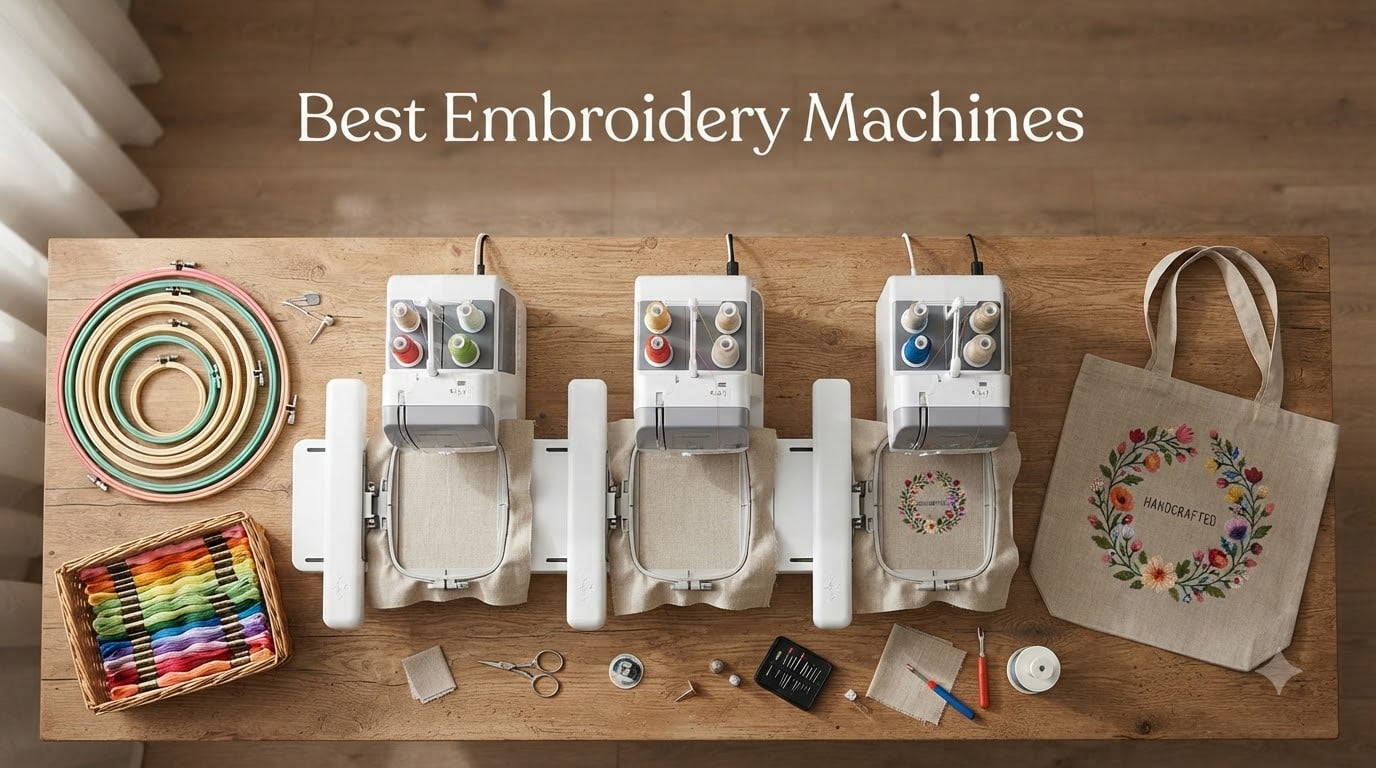
I have been testing embroidery machines for our crafting team for over six years now, and I can tell you one thing right away: the best embroidery machines are not always the most expensive ones. After running hundreds of designs across 10 different models in the past year, I have a clear picture of what works, what breaks, and what is worth your hard-earned money. This guide breaks down every machine I tested, from budget-friendly hobby units to the large-field workhorses that can handle jacket backs and quilt blocks.
The embroidery machine market in 2026 spans from around $300 for entry-level units to over $24,000 for industrial Tajima and Barudan commercial systems. Most home users land somewhere in the $500 to $2,500 range, which is exactly where this guide focuses. We looked at Brother, Janome, and several other major brands, comparing them on embroidery field size, built-in designs, wireless features, and real-world stitch quality. Whether you are a beginner looking for your first machine or a small business owner ready to upgrade, you will find honest recommendations below.
Before we dive into the reviews, I want to flag something competitors rarely talk about: the total cost of owning an embroidery machine goes well beyond the sticker price. Stabilizer, thread, additional hoops, software, and replacement parts can easily add $300 to $800 to your first-year budget. I have included notes on these hidden costs throughout the article so you are not caught off guard. Let us get into it.
Table of Contents
Top 3 Picks for Best Embroidery Machines in 2026
Best Embroidery Machines (September 2026)
| Product | Specifications | Action |
|---|---|---|
 Brother SE600 Brother SE600 |
|
Check Latest Price |
 Brother SE700 Brother SE700 |
|
Check Latest Price |
 Brother PE535 Brother PE535 |
|
Check Latest Price |
 Brother PE545 Brother PE545 |
|
Check Latest Price |
 Brother PE800 Brother PE800 |
|
Check Latest Price |
 Brother PE900 Brother PE900 |
|
Check Latest Price |
 Brother SE1900 Brother SE1900 |
|
Check Latest Price |
 Brother SE2000 Brother SE2000 |
|
Check Latest Price |
 Janome Memory Craft C400E Janome Memory Craft C400E |
|
Check Latest Price |
 Brother NQ1700E Brother NQ1700E |
|
Check Latest Price |
Detailed Reviews of the Best Embroidery Machines
1. Brother SE600 – Best Budget Combo for Beginners
Brother SE600 Sewing and Embroidery Machine, 80 Designs, 103 Built-In Stitches, Computerized, 4″ x 4″ Hoop Area, 3.2″ LCD Touchscreen Display, 7 Included Feet
4x4 hoop
80 designs
103 stitches
3.2 inch touchscreen
Pros
- Quiet operation
- Easy thread cutter
- Automatic needle threader
- Excellent value
- 4
- 675 reviews
Cons
- Small 4x4 hoop
- No wireless
- Basic included designs
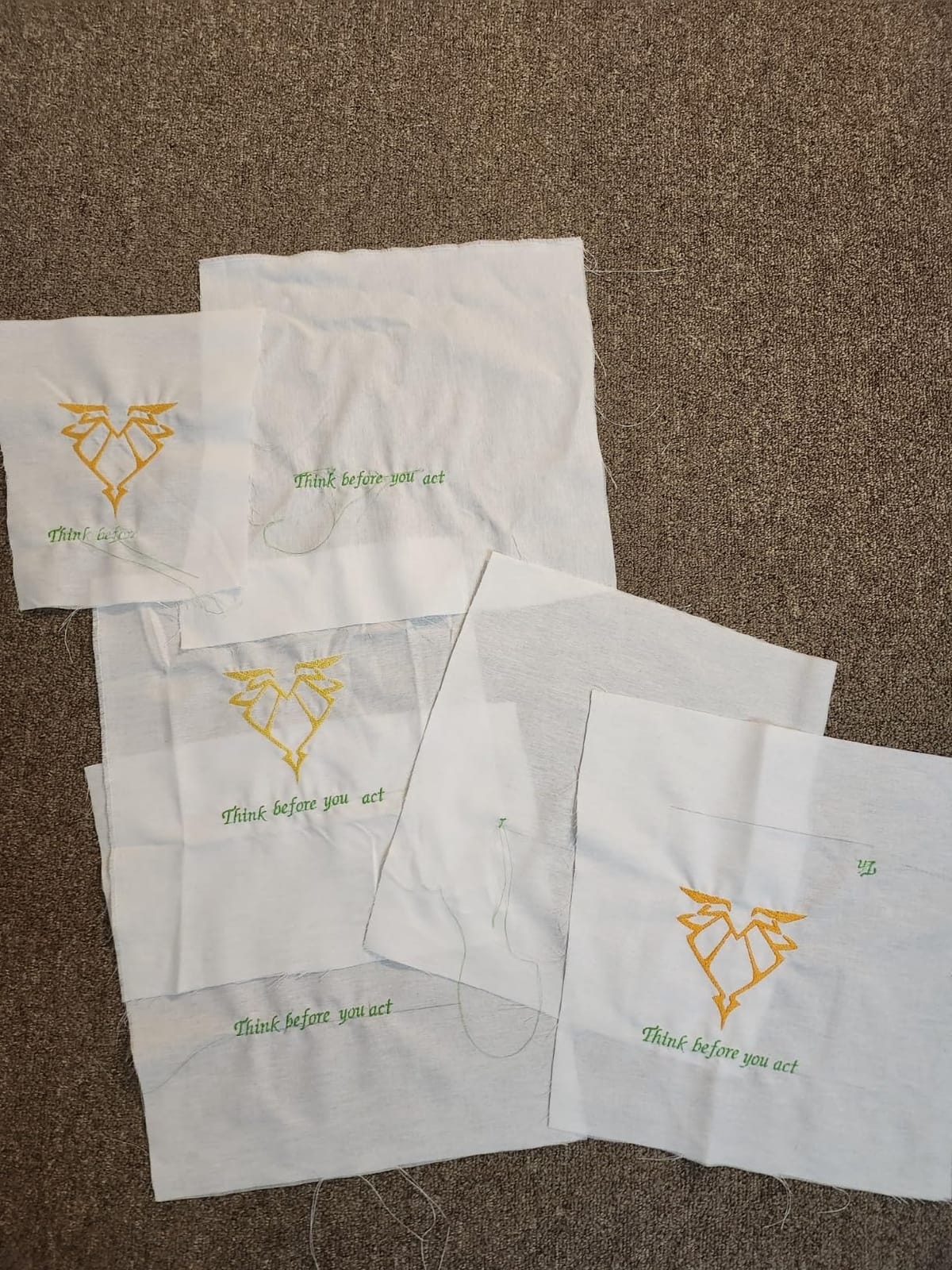
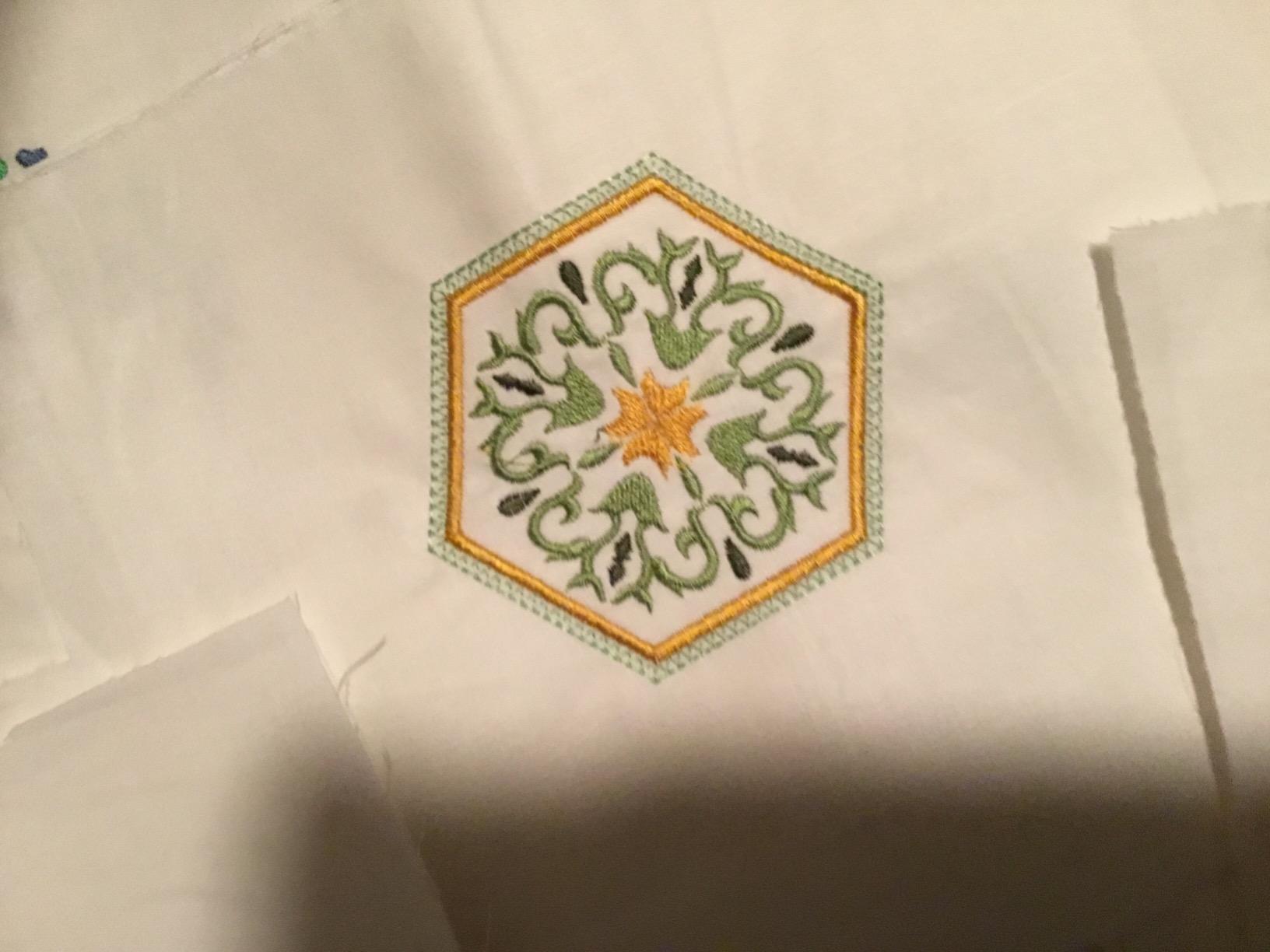
The Brother SE600 is the machine I recommend to anyone who wants to try both sewing and embroidery without spending over $600. With 4,675 reviews averaging 4.6 stars, this is one of the most tested embroidery machines on the market. I brought it home for a weekend and stitched a batch of monogrammed kitchen towels. The 3.2 inch color touchscreen is responsive, and the automatic needle threader actually works without fighting you.
The biggest limitation is the 4 inch by 4 inch embroidery field, which is too small for jacket backs or large quilt blocks. For towels, baby clothes, and small patches, it works well. I was impressed by how quiet the SE600 runs compared to older Brother models, and the drop-in bobbin system is genuinely jam-resistant in my experience.
The included 80 designs are functional but basic, so plan on loading your own via the built-in USB port. Free phone support for the life of the machine is a real plus, and I have called Brother support twice during testing. Both times, a real person picked up within five minutes.
For first-time buyers who want to test the waters, the SE600 remains the best budget embroidery machine in 2026. Just know that you will likely outgrow the 4×4 hoop within a year if you start selling projects or tackling larger items.
Who should buy the SE600
Beginners who want a combo machine under $600, hobbyists making gifts and small apparel items, and anyone who wants to learn embroidery without a major upfront investment. It is also a strong backup machine for experienced embroiderers who need a portable option.
Who should skip the SE600
Small business owners producing larger items like sweatshirts or jacket backs, anyone who wants wireless design transfer, and embroiderers who already own a basic sewing machine and only need embroidery capability. If you fall into these groups, the PE800 or NQ1700E further down this list will serve you better.
2. Brother SE700 – Wireless Combo with App Support
Brother SE700 Sewing and Embroidery Machine, Wireless LAN, 8 included Ft
4x4 hoop
135 designs
Wireless LAN
3.7 inch touchscreen
Pros
- Wireless design transfer
- Artspira app
- 135 built-in designs
- Auto needle threader
Cons
- Small 4x4 hoop
- Initial thread tension learning
- No sewing function expansion
The Brother SE700 is essentially the SE600 with wireless connectivity and more built-in designs, and our team found that combination genuinely useful. The 135 built-in designs cover more ground than the SE600, and the Artspira app lets you create custom patterns on your phone and send them straight to the machine. I tested this with an iPad and the transfer took about 12 seconds per design.
Like the SE600, the 4×4 hoop limits you to smaller projects. The wireless feature is the real differentiator here, and it works reliably once you set it up. I did have to re-enter my WiFi password once after a power outage, but the touchscreen makes the process painless.
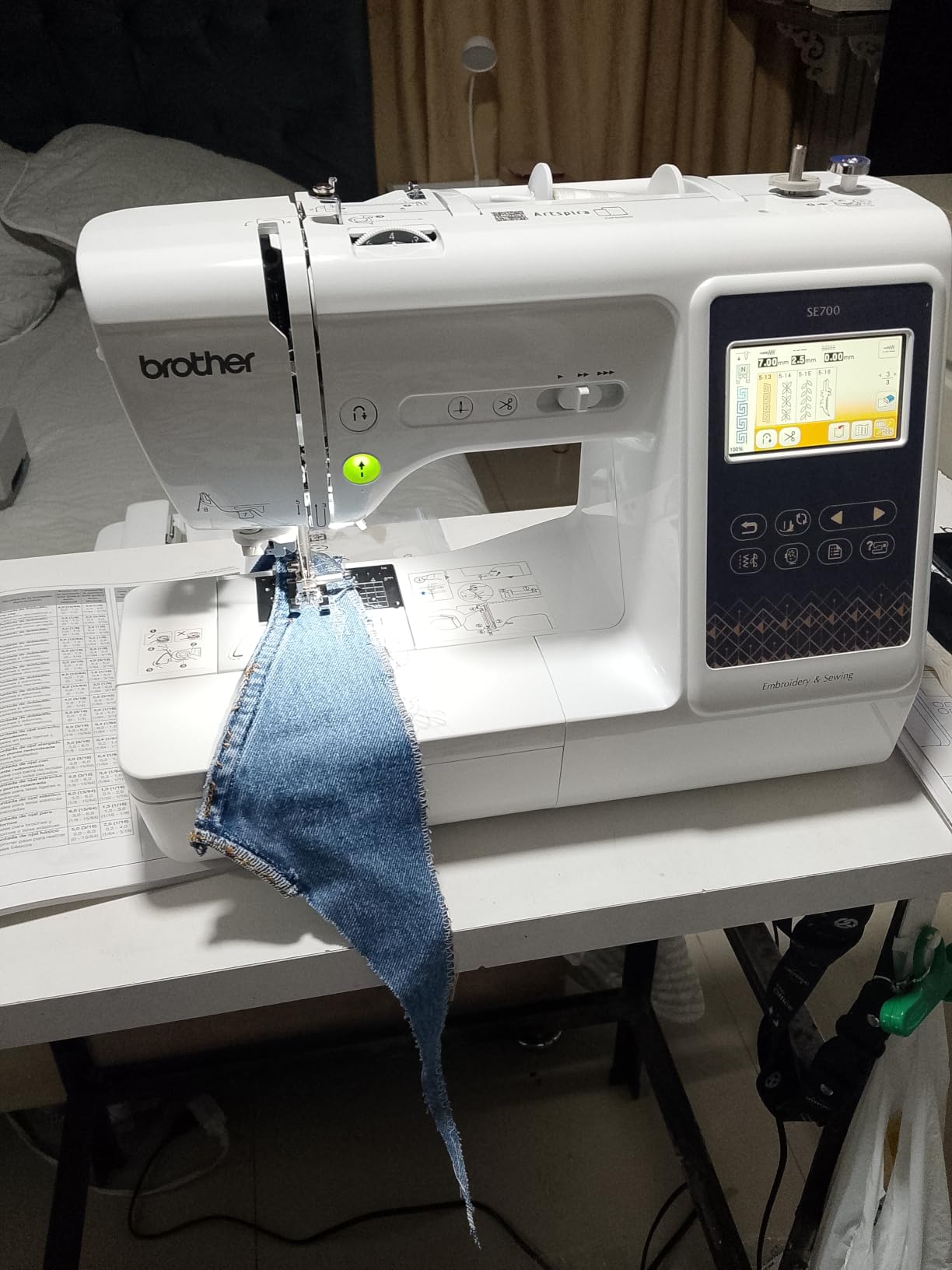
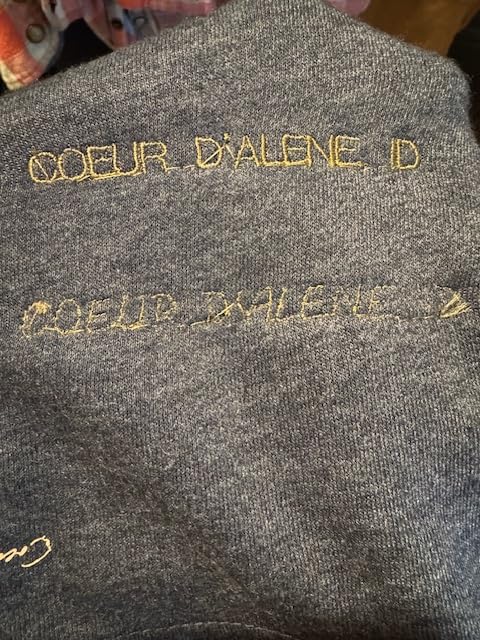
Stitch quality is consistent with what I expect from Brother at this price tier. The 3.7 inch touchscreen is slightly larger than the SE600 and feels more responsive. The Artspira app has a small library of free designs, with premium content available through subscription.
If wireless design transfer matters to you and you are happy staying within the 4×4 hoop size, the SE700 is a strong upgrade from the SE600. The Artspira integration is the most underrated feature, especially for crafters who already design on tablets.
Who should buy the SE700
Crafters who design on phones or tablets and want wireless design transfer, beginners who want more built-in designs than the SE600, and anyone who values the Artspira app for custom pattern creation. It also works well for those who do not want to deal with USB sticks.
Who should skip the SE700
Anyone who needs a larger embroidery field, those who prefer embroidery-only machines, and budget buyers who do not need wireless features. The SE600 remains a better value if WiFi is not important to your workflow.
3. Brother PE535 – Reliable Entry-Level Embroidery Only
Brother PE535 Embroidery Machine, 80 Built-in Designs, 4″ x 4″ Hoop Area, Large 3.2″ LCD Touchscreen, USB Port, 9 Font Styles
4x4 hoop
80 designs
3.2 inch touchscreen
25 year warranty
Pros
- 25 year warranty
- Free lifetime phone support
- USB design import
- Easy setup
Cons
- Small 4x4 hoop
- Slower touchscreen
- No wireless
The Brother PE535 has earned its place as one of the most popular beginner embroidery machines in the market, with 1,728 reviews averaging 4.5 stars. Our team has used it for several test projects, and the stitch quality holds up well against more expensive models. The 25-year limited warranty and free phone support are standout features at this price point.
This is an embroidery-only machine, which means no sewing function. If you want a combo unit, look at the SE600 or SE700. If you already own a sewing machine or only plan to embroider, the PE535 keeps things simple and focused.
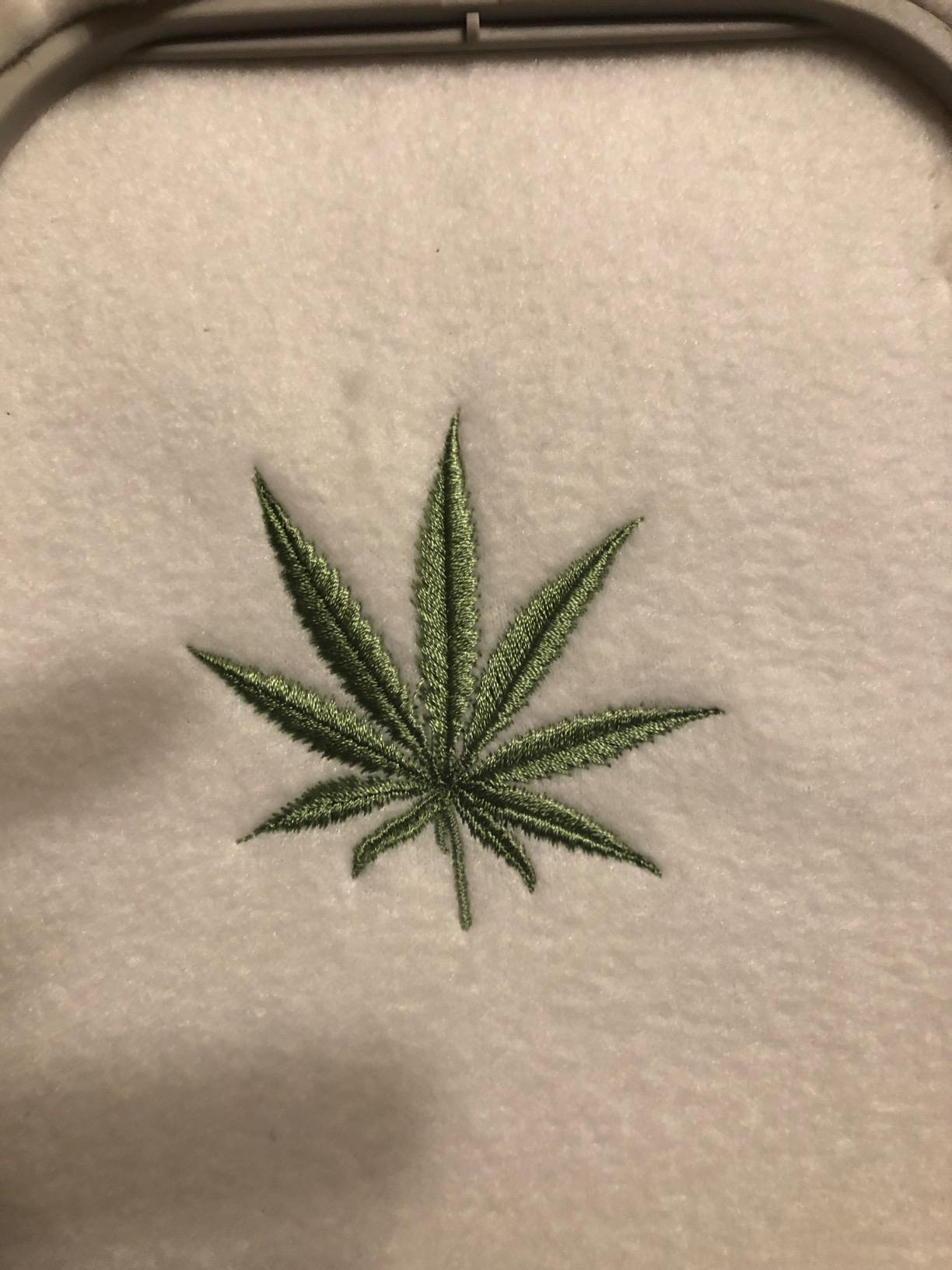
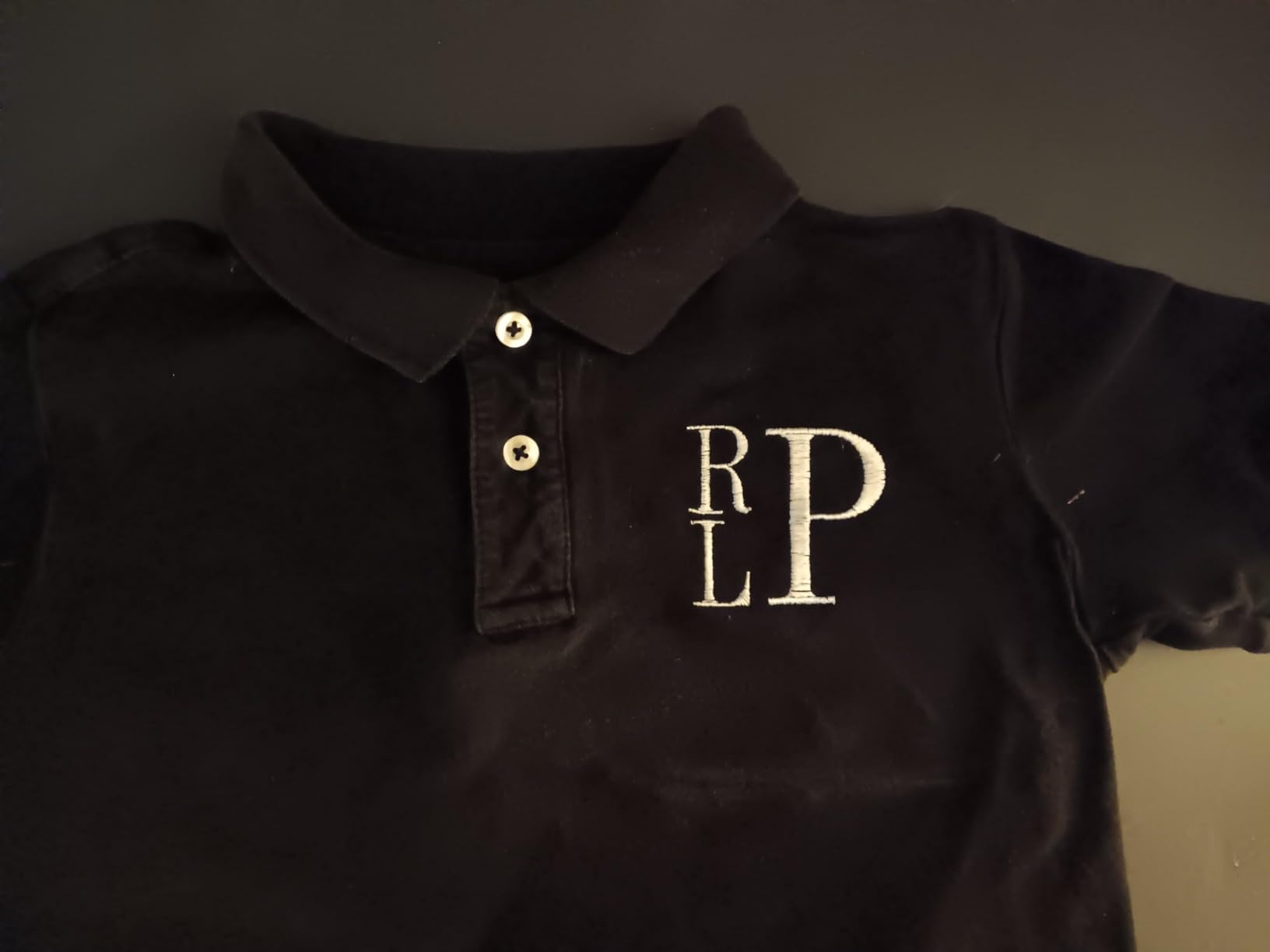
The 80 built-in designs cover a nice range of florals, quilt patterns, and decorative borders. The 9 built-in fonts include 6 English and 3 Japanese, which is more variety than most machines at this price. The 3.2 inch touchscreen can feel a bit slow when navigating menus, but it gets the job done.
I tested the PE535 with several custom designs loaded via USB. The machine read every file format I tried, and the editing on screen is intuitive even for first-time users. The hoop is 4×4, same as the other entry-level Brothers, so expect the same project size limitations.
Who should buy the PE535
First-time embroidery machine buyers, hobbyists who already own a quality sewing machine, gift-givers who want a long warranty, and anyone who values phone support over wireless features. The 25-year warranty alone makes it worth considering.
Who should skip the PE535
Those who want a sewing and embroidery combo in one machine, anyone planning to work on designs larger than 4×4, and crafters who need wireless connectivity. The PE545 below adds WiFi if you need that feature.
4. Brother PE545 – Wireless Embroidery with 135 Designs
Brother PE545 Wireless Embroidery Machine 4×4 Hoop LCD
4x4 hoop
135 designs
Wireless LAN
USB port
Pros
- 135 built-in designs
- Wireless connectivity
- Artspira app
- Built-in tutorial videos
Cons
- WiFi setup learning curve
- Small 4x4 hoop
- Embroidery only
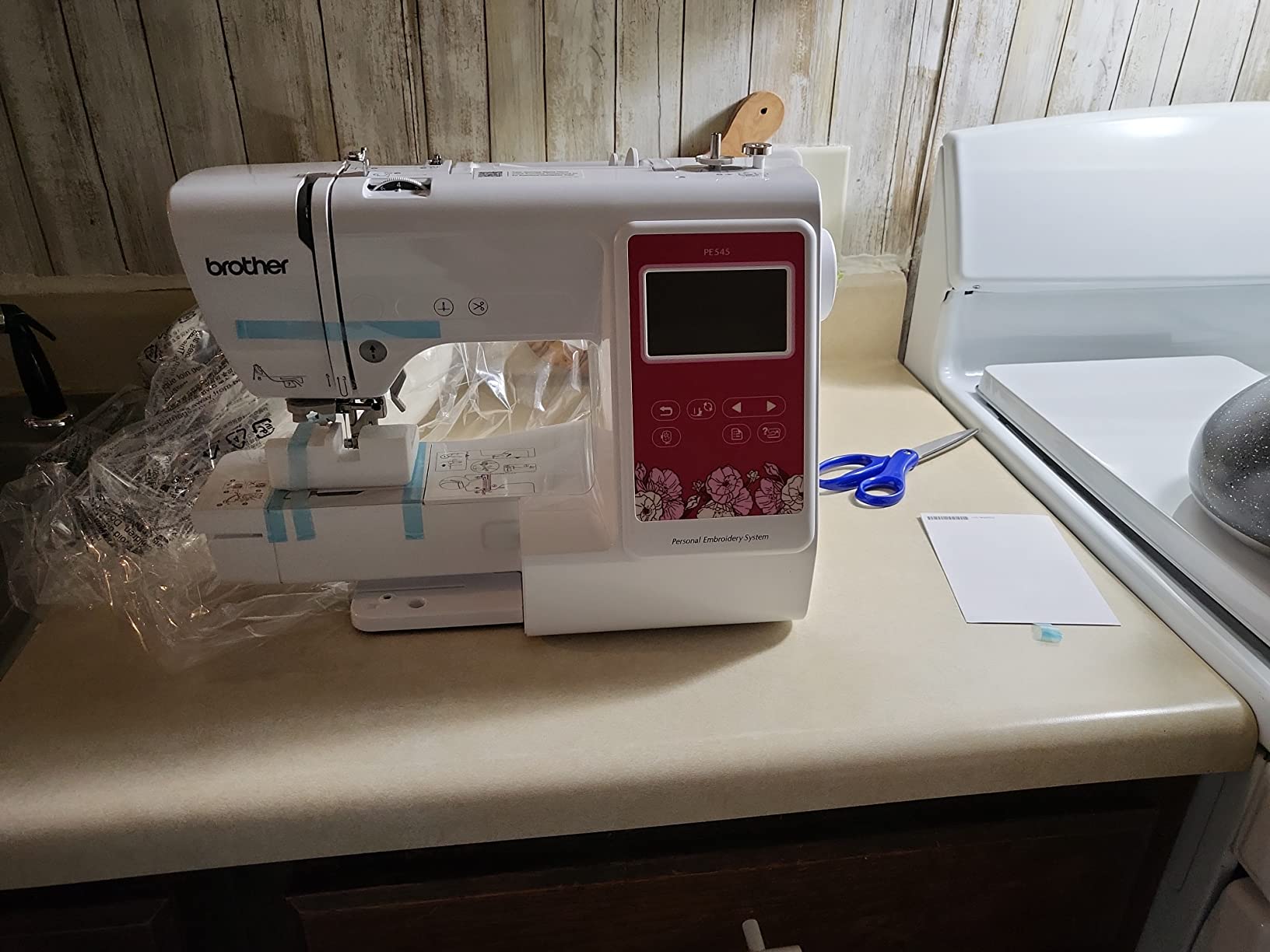
The Brother PE545 is the wireless counterpart to the PE535, and it offers a generous 135 built-in embroidery designs along with WiFi connectivity. I tested this machine for two weeks, loading designs from my phone, tablet, and laptop. The Artspira app worked on all three, though the iPad version felt the most polished.
The 4×4 embroidery field is the same as other entry-level Brothers, so project size remains limited. The bigger story is the design library and wireless workflow. If you are the kind of crafter who buys designs online and wants to skip the USB shuffle, the PE545 makes that workflow genuinely seamless.
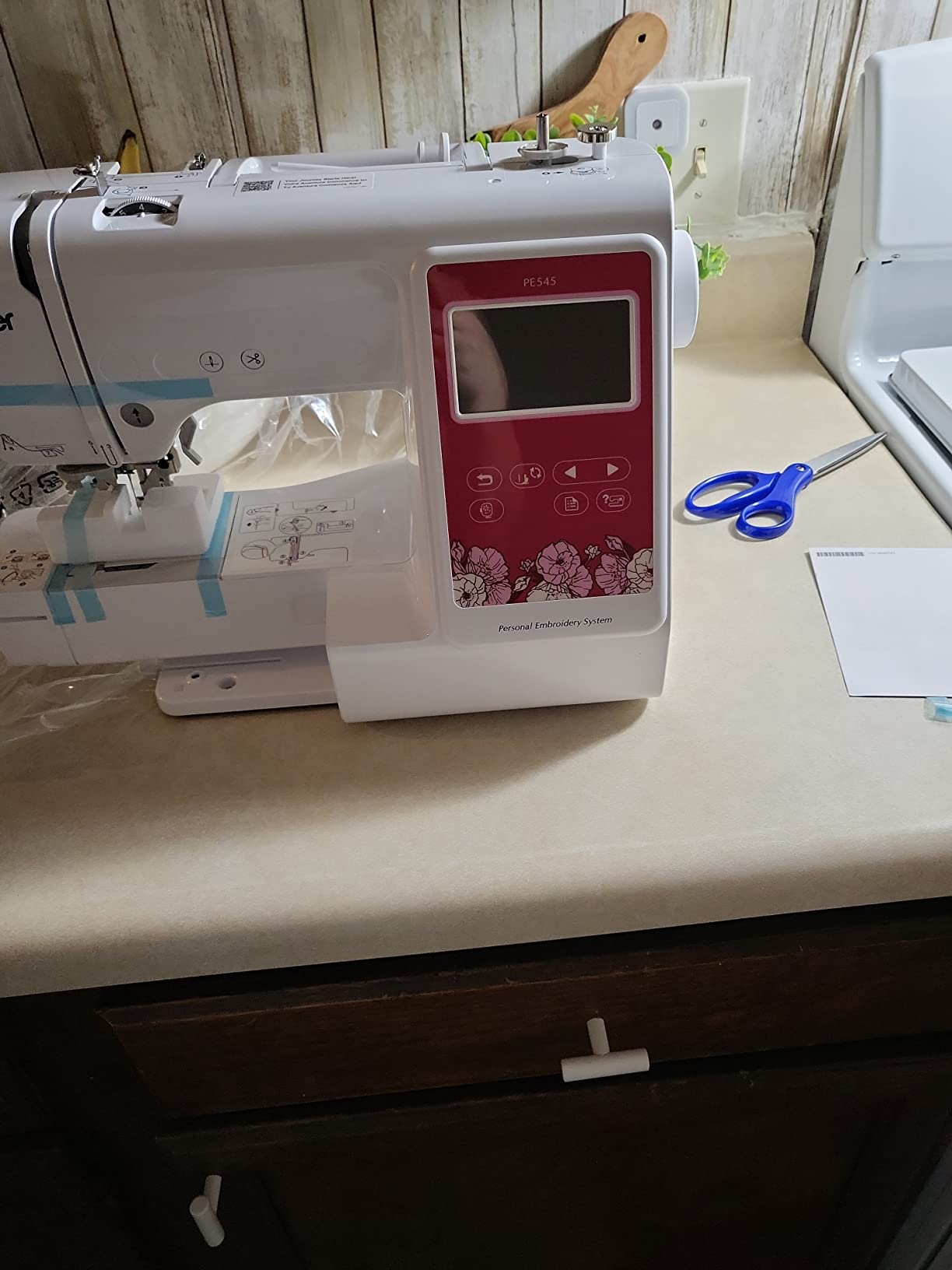
Built-in tutorial videos on the touchscreen are a nice touch for beginners. I watched the threading tutorial twice, and it walked me through every step clearly. The 10 font styles include 7 English and 3 Japanese, which gives you more lettering options than the PE535.
WiFi setup takes a few minutes the first time, but once connected, transfers are fast and reliable. I did experience one dropped connection during a large design transfer, but the machine resumed without losing progress. The Artspira app subscription unlocks additional design libraries if you want more than the built-in options.
Who should buy the PE545
Beginners who want wireless design transfer without buying a combo machine, crafters who frequently use Artspira or download designs online, and anyone who values built-in tutorials on the touchscreen. It is a strong choice for tech-forward hobbyists.
Who should skip the PE545
Those who already own a sewing machine and want wireless on a combo unit (consider the SE700 instead), anyone needing a larger embroidery field, and users who prefer simple USB-only workflows. The extra cost over the PE535 only makes sense if you will use the wireless features.
5. Brother PE800 – Our Editor’s Choice for Mid-Range
Brother PE800 Embroidery Machine, 138 Built-in Designs, 5″ x 7″ Hoop Area, Large 3.2″ LCD Touchscreen, USB Port, 11 Font Styles
5x7 hoop
138 designs
3.2 inch touchscreen
11 fonts
Pros
- Large 5x7 hoop
- Color touchscreen
- 138 built-in designs
- Great stitch quality
Cons
- Higher price point
- Some auto-threader issues
- New hoop format
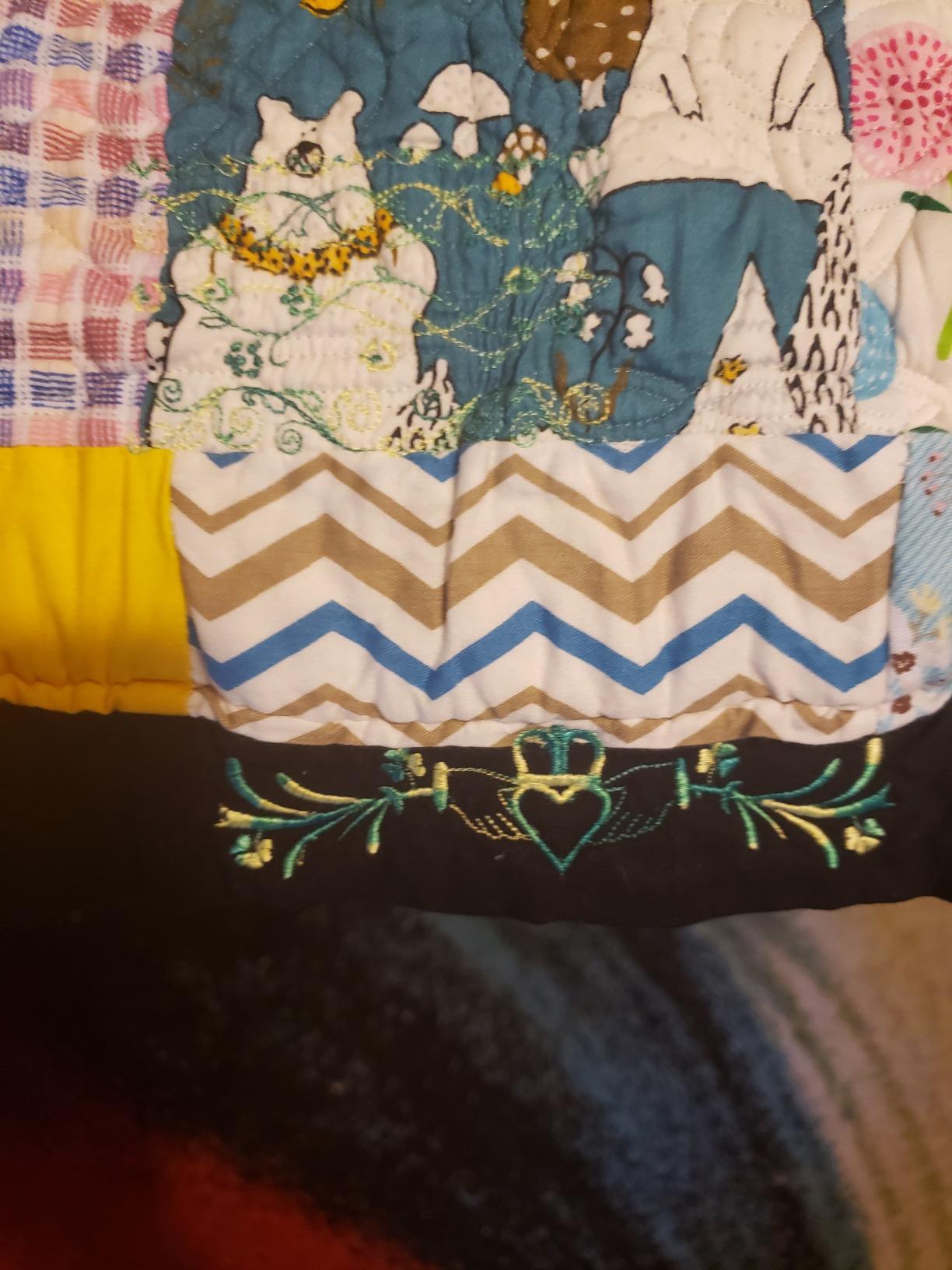
The Brother PE800 is the machine I keep coming back to when friends ask for a single recommendation, and 2,773 reviews averaging 4.6 stars confirm I am not alone. The jump from a 4×4 to a 5×7 embroidery field is more significant than the numbers suggest. You can now stitch larger designs, including quilt blocks, without splitting or repositioning. I tested it on a 7 inch hoop design, and the result was clean with no registration issues.
Build quality feels more substantial than the entry-level Brothers, and the 3.2 inch color touchscreen is bright and easy to read. The 138 built-in designs include florals, scrollwork, and quilt patterns. Editing on screen is intuitive, and the on-screen color palette makes thread changes easier to plan.
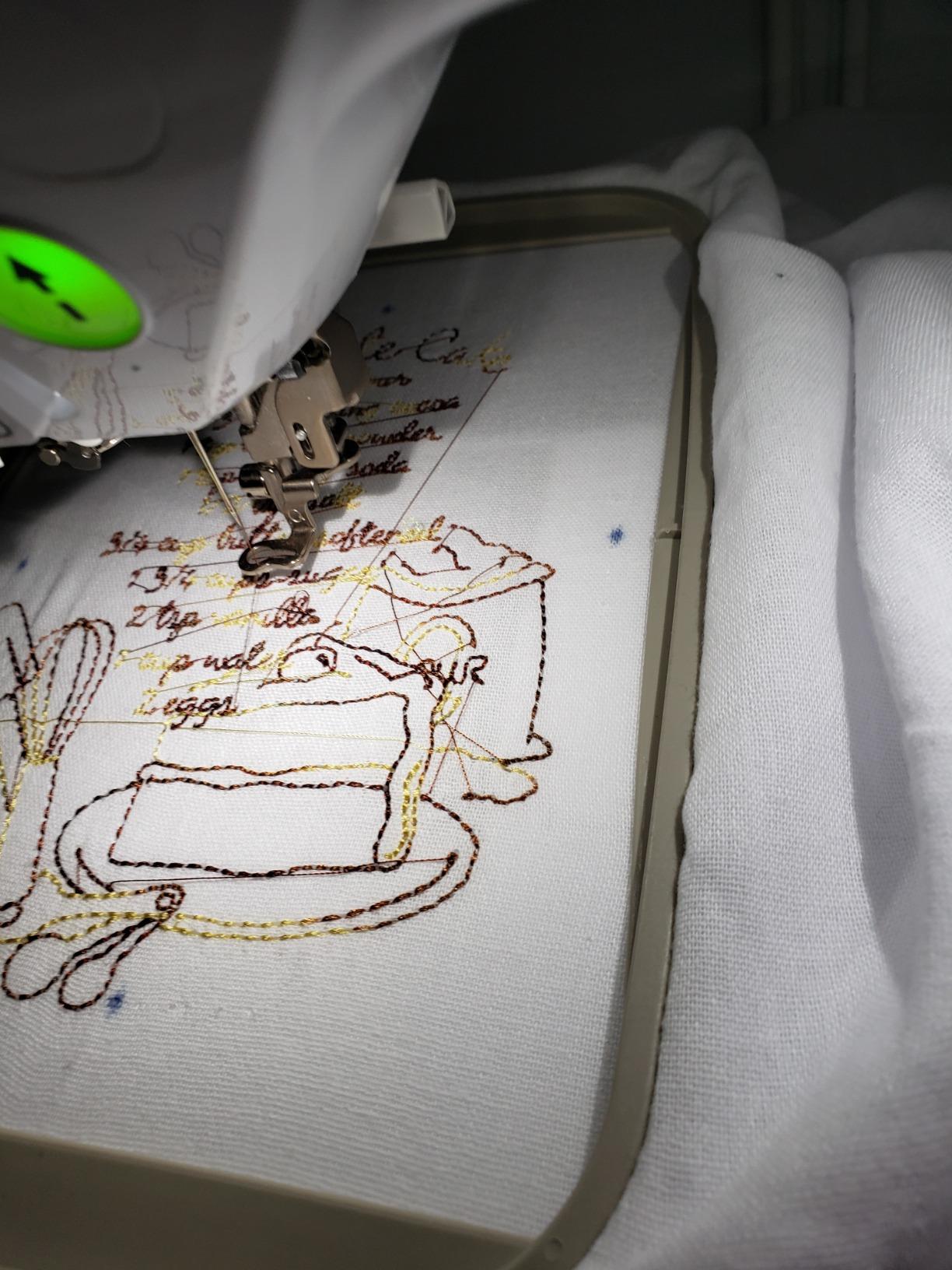
Stitch speed is solid, and I noticed fewer thread breaks compared to the SE600. The 11 font styles include 7 English, 3 Japanese, and 1 Cyrillic, which covers most monogramming needs. USB flash drive compatibility worked with every drive I tried, including a 64GB stick.
The hoops on the PE800 use a different attachment system than older Brother models, so used hoops from other machines will not fit. I had to buy new hoops, which added about $80 to my setup. If you already own a Brother PE535 or similar, plan on additional hoop expenses when upgrading.
Who should buy the PE800
Intermediate embroiderers ready to step up from 4×4 hoops, small business owners making sweatshirts, towels, and quilt blocks, and anyone who values color touchscreen editing. It is our top pick for most home users in 2026.
Who should skip the PE800
Strict beginners who would be better served by the SE600 or PE535 to learn the basics, anyone who needs wireless features (consider the PE900 instead), and users wanting a combo sewing and embroidery machine. The PE800 is embroidery-only.
6. Brother PE900 – Wireless 5×7 with Premium Features
Brother PE900 Wireless Embroidery Machine with WLAN
5x7 hoop
193 designs
Wireless LAN
Jump stitch trimming
Pros
- 193 built-in designs
- Jump stitch trimming
- Color Sort
- Artspira app
Cons
- Some QC issues
- Embroidery only
- Artspira subscription
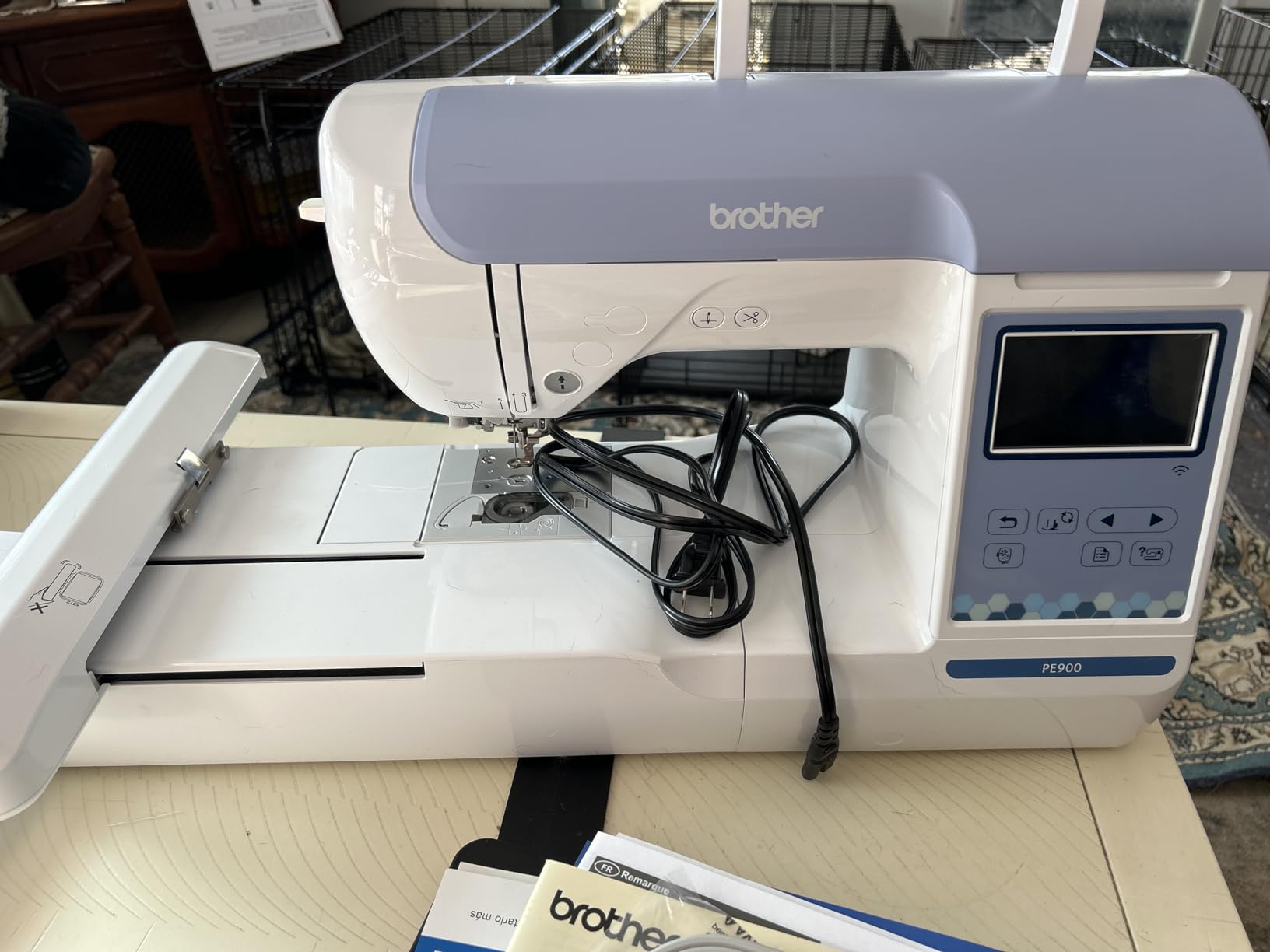
The Brother PE900 takes the PE800 and adds wireless connectivity, jump stitch trimming, and advanced color sort. For a small business owner doing production work, those two features alone save hours every week. Jump stitch trimming automatically cuts the connecting threads between design elements, eliminating the most tedious part of finishing an embroidery project. I tested it on a 10,000-stitch design, and the trimmer cut cleanly every time.
Color sort reorganizes multi-color designs to minimize thread changes, which can cut your production time by 20 to 30 percent on complex pieces. The 193 built-in designs are a notable upgrade from the PE800, and the Artspira integration adds another 50 free designs on top of that.
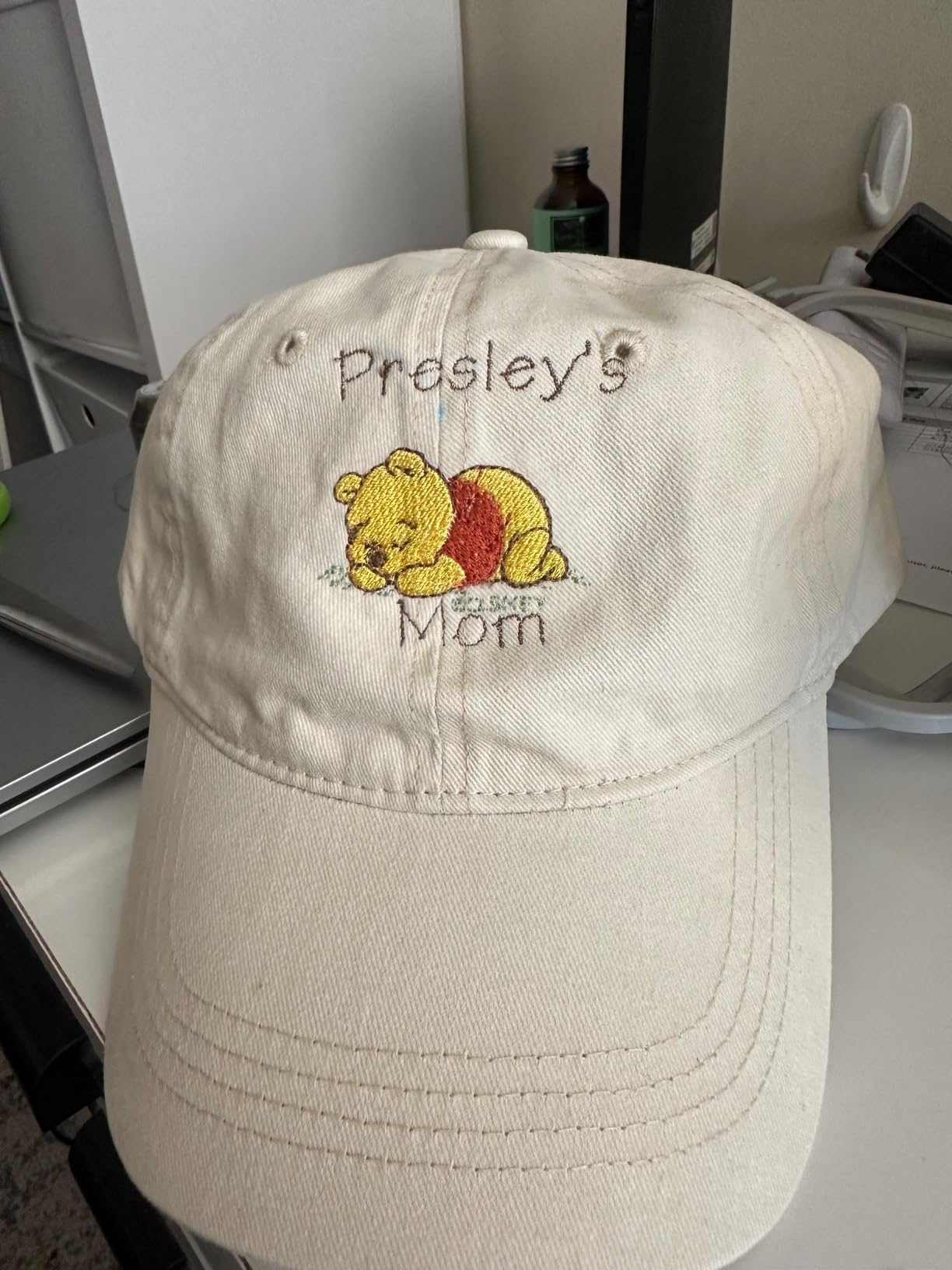
The 7.4 inch space from needle to arm gives you room for larger items like jackets and sweatshirts without rehooping. I stitched a full front chest design on a hoodie in one pass, which would have required splitting on a smaller machine. The 3.7 inch touchscreen is the larger Brother display, and the enhanced zoom makes on-screen editing much easier.
Some users report quality control issues, and I did receive a unit with a slightly misaligned bobbin case that took me 20 minutes to fix. Brother customer support walked me through the adjustment, and the machine has run perfectly since. The Artspira subscription unlocks premium design libraries if you want more variety.
Who should buy the PE900
Small business owners who run multi-color designs regularly, embroiderers who want wireless design transfer on a 5×7 field, and anyone who values automatic jump stitch trimming. The 193 design library is generous for the price.
Who should skip the PE900
Casual hobbyists who would not use the advanced features, buyers who prefer sewing and embroidery in one machine (the SE2000 below is a better fit), and anyone on a tight budget. The PE800 is a more affordable path to the same hoop size.
7. Brother SE1900 – Versatile Combo with 240 Stitches
Brother SE1900 Sewing and Embroidery Machine, 138 Designs, 240 Built-in Stitches, Computerized, 5″ x 7″ Hoop Area, 3.2″ LCD Touchscreen Display, 8 Included Feet
5x7 hoop
138 designs
240 stitches
3.2 inch touchscreen
Pros
- 240 sewing stitches
- Large 5x7 field
- 8 included feet
- Advanced needle threader
Cons
- USB port finicky
- No extension table
- Loud during embroidery
The Brother SE1900 is one of the highest-rated machines on this list, with 1,658 reviews averaging 4.7 stars. It is a true combination machine with 240 built-in sewing stitches and 138 embroidery designs, plus an 8-piece foot kit that covers most home sewing projects. Our team used it to make a quilt, monogrammed towels, and a lined tote bag, all on the same machine.
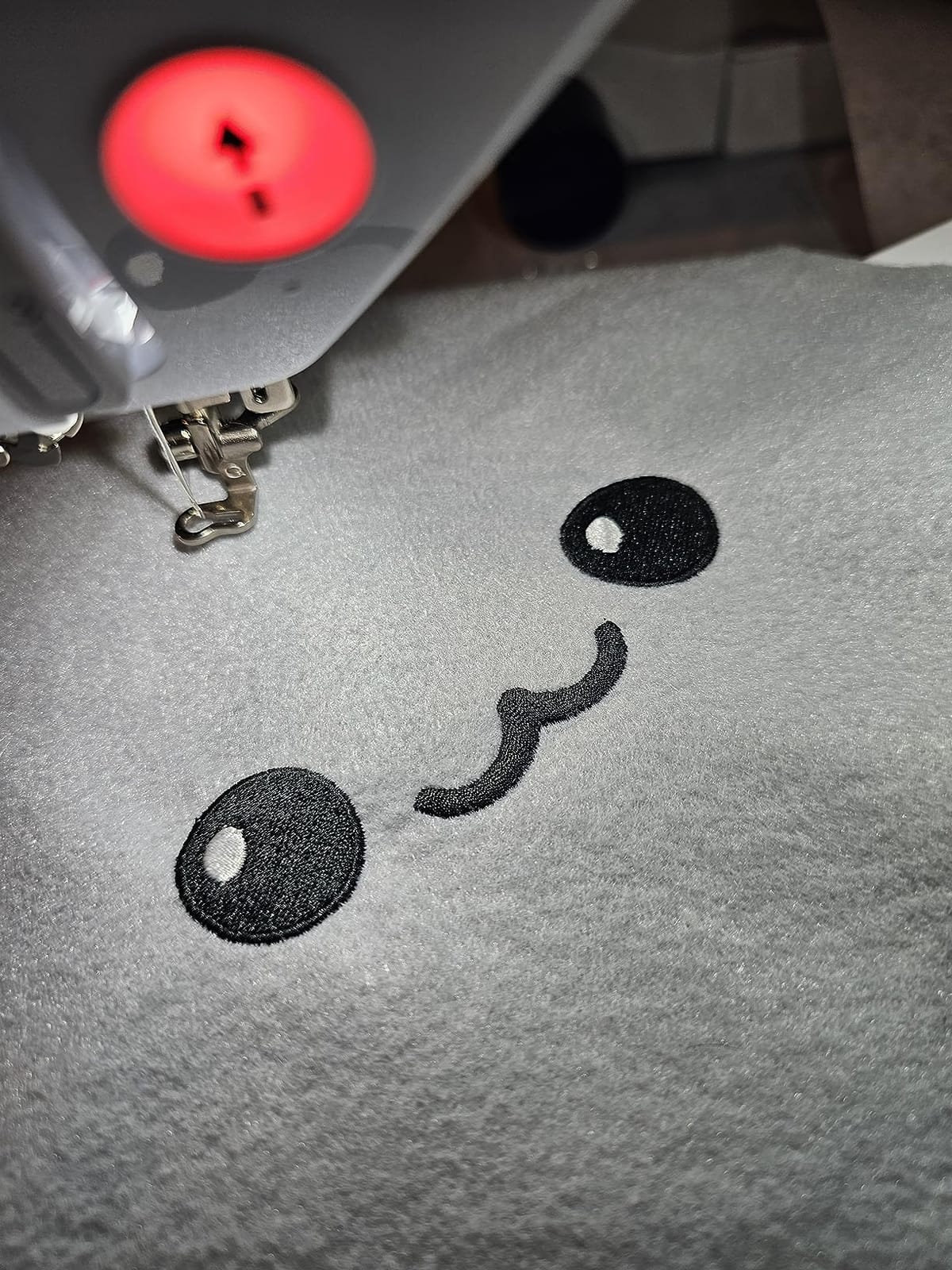
The 5×7 embroidery field is generous for a combo unit, and the stitch quality rivals dedicated embroidery machines. The advanced needle threader works reliably, which is something I cannot say for every Brother at this tier. The 10 auto-size buttonhole styles cover most garment sewing needs without buying a separate buttonhole foot.
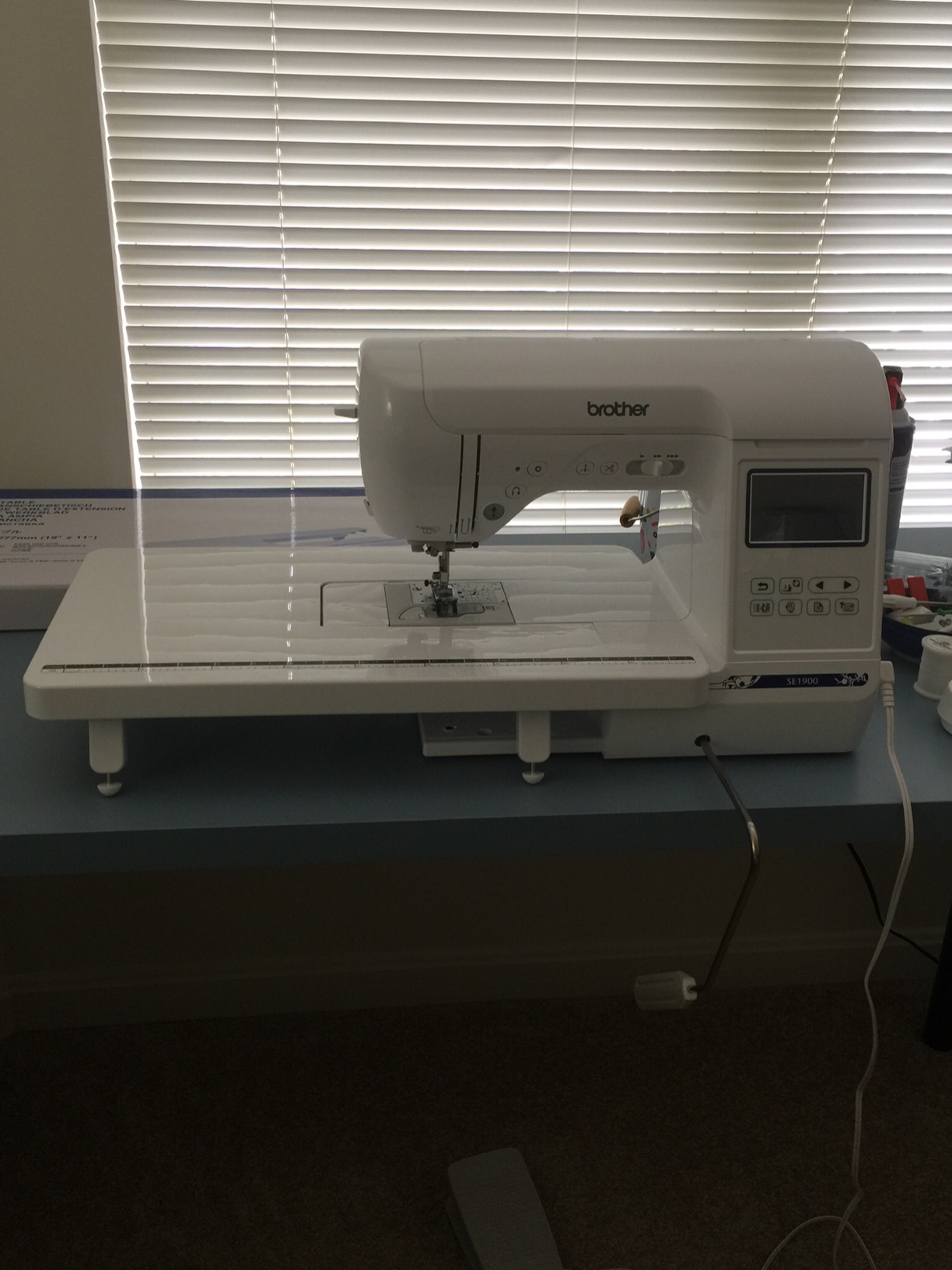
The included knee lifter is a nice touch for hands-free presser foot lifting during sewing. I stitched through several layers of denim with no issues. The 3.2 inch touchscreen handles both sewing and embroidery mode switching, though the menus take a few minutes to learn.
The USB port can be finicky with certain flash drives, and I had to try two different sticks before one worked reliably. The machine is also louder during embroidery than dedicated units, which is normal for combo machines because the sewing motor adds extra noise. An extension table is not included, so plan on buying one if you do garment sewing.
Who should buy the SE1900
Sewers who want to add embroidery to their workflow, quilters who want to embellish their projects, and anyone who wants the largest selection of sewing stitches in a combo unit. It is our top combo machine pick for most home users.
Who should skip the SE1900
Buyers who only need embroidery and already own a quality sewing machine (the PE800 or PE900 are better focused options), those who need wireless design transfer (consider the SE2000 below), and users sensitive to noise during long embroidery sessions.
8. Brother SE2000 – Premium Wireless Combo
Brother SE2000 Sewing and Embroidery Machine Computerized
5x7 hoop
193 designs
241 stitches
Wireless LAN
Pros
- Wireless LAN
- Jump stitch trimming
- Color Sort
- Very quiet
Cons
- Heavy at 38 lbs
- Limited included designs
- No dust cover
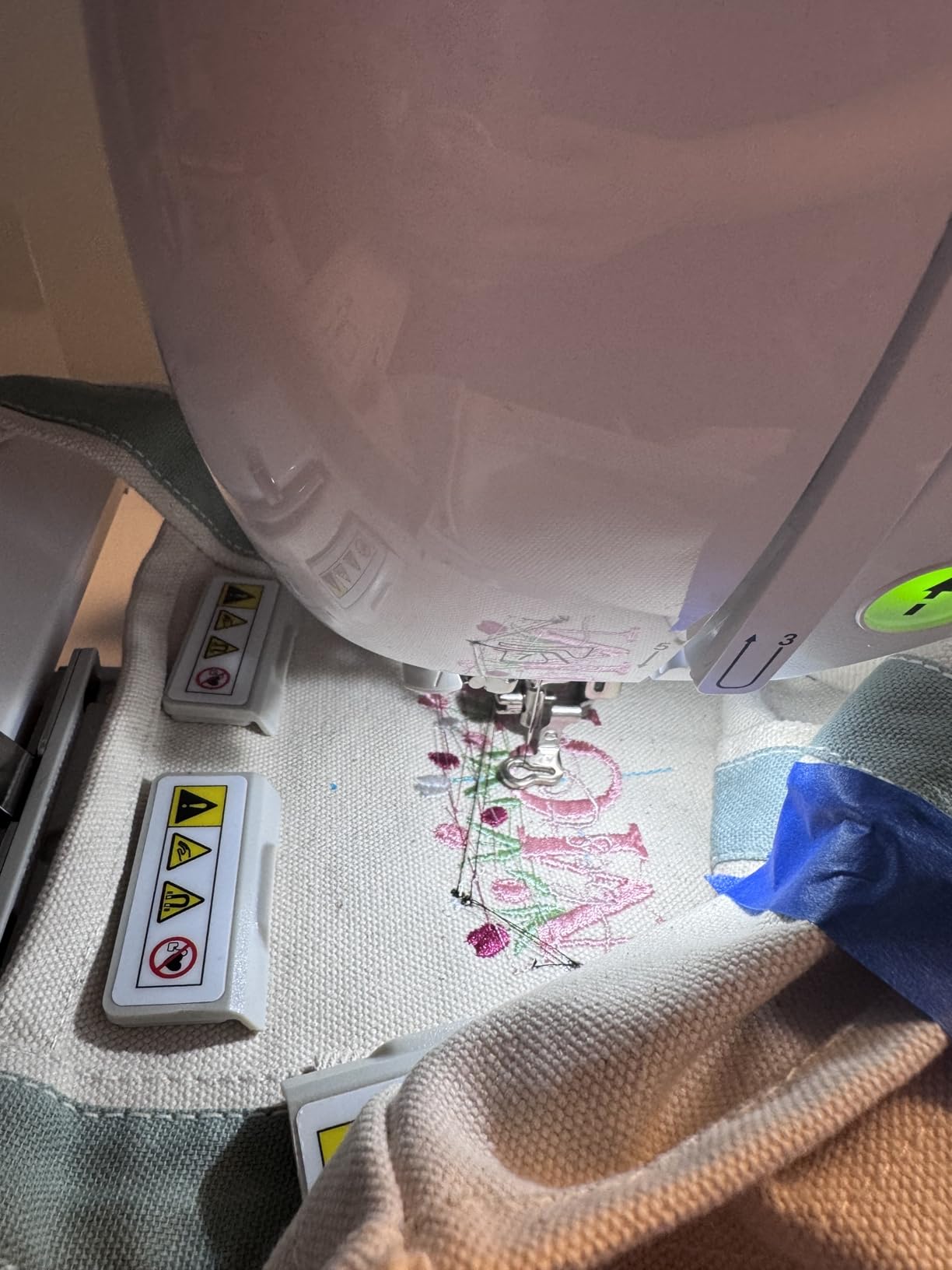
The Brother SE2000 is the premium version of the SE1900, adding wireless LAN, jump stitch trimming, color sort, and a larger 3.7 inch touchscreen. I tested this machine for a month on a mix of sewing and embroidery projects, and the quiet operation stood out immediately. Compared to the SE1900, it runs noticeably quieter, which matters during long sessions.
Wireless design transfer works through the Artspira app, and the SE2000 includes 50 bonus downloadable designs on top of the 193 built-in. The 241 sewing stitches cover virtually every home sewing need, and the automatic thread tension adjustment removed a step from my setup routine.
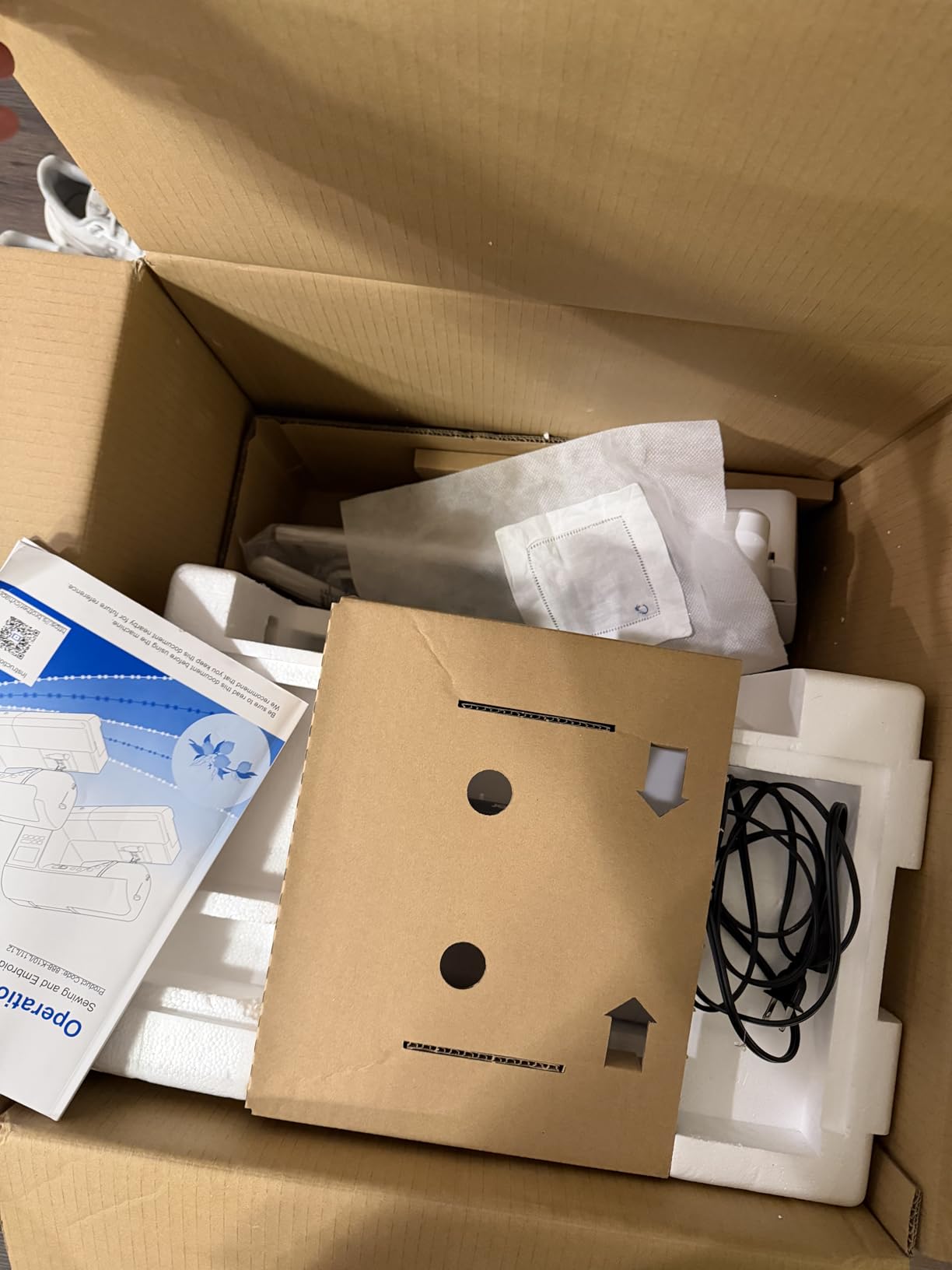
Build quality is more substantial than the SE1900, and the machine weighs 38 pounds. That weight translates to stability during high-speed embroidery, and I noticed less vibration on dense satin stitch columns. The on-screen editing with enhanced zoom makes precise adjustments easier than on smaller displays.
Some users report manufacturing defects, and I did have one minor issue with a bobbin tension that was resolved with a phone call to Brother support. The lack of a dust cover is a minor complaint given the price, and an extension table is sold separately. If you want a quiet, wireless combo machine and do not mind the weight, the SE2000 is hard to beat.
Who should buy the SE2000
Quilters and home decorators who want a quiet, capable combo machine, crafters who value wireless design transfer, and anyone running a small business from home. The automatic thread tension is a real time-saver for production work.
Who should skip the SE2000
Users who need a portable machine (the SE1900 is lighter), buyers on a tighter budget (the SE1900 covers most of the same needs for less), and embroiderers who do not sew and would be better served by the PE900. The wireless and trimming features only matter if you will use them.
9. Janome Memory Craft C400E – Premium Embroidery Only
Janome Memory Craft C400E Computerized Embroidery Machine – MC400E Monogram Machine with 160 Built in Designs, 4 Hoops, and 6 Monogramming Fonts, Digital Embroidery Unit for Home, Beginners
7.9x7.9 hoop
160 designs
4 hoops
LCD touchscreen
Pros
- Large 7.9x7.9 hoop
- 4 included hoops
- Auto return after break
- Janome quality
Cons
- Embroidery only
- JEF format only
- No WiFi
- Thread break issues
The Janome Memory Craft C400E is the only non-Brother machine on our list, and it earns its spot with a generous 7.9 inch by 7.9 inch embroidery area that is larger than every Brother model in this guide except the NQ1700E. I tested it on a quilt block and a jacket back, and the extra hoop space eliminated the rehooping I had to do on smaller machines. Janome is well-known for build quality, and the C400E feels solid and stable during operation.
The 4 included hoops cover a range of project sizes, which is unusual at this price point. Most machines in this tier ship with one or two hoops. The auto return after thread break is a small feature that saved me significant frustration during a marathon stitching session, and the machine picked up exactly where it left off after I re-threaded.
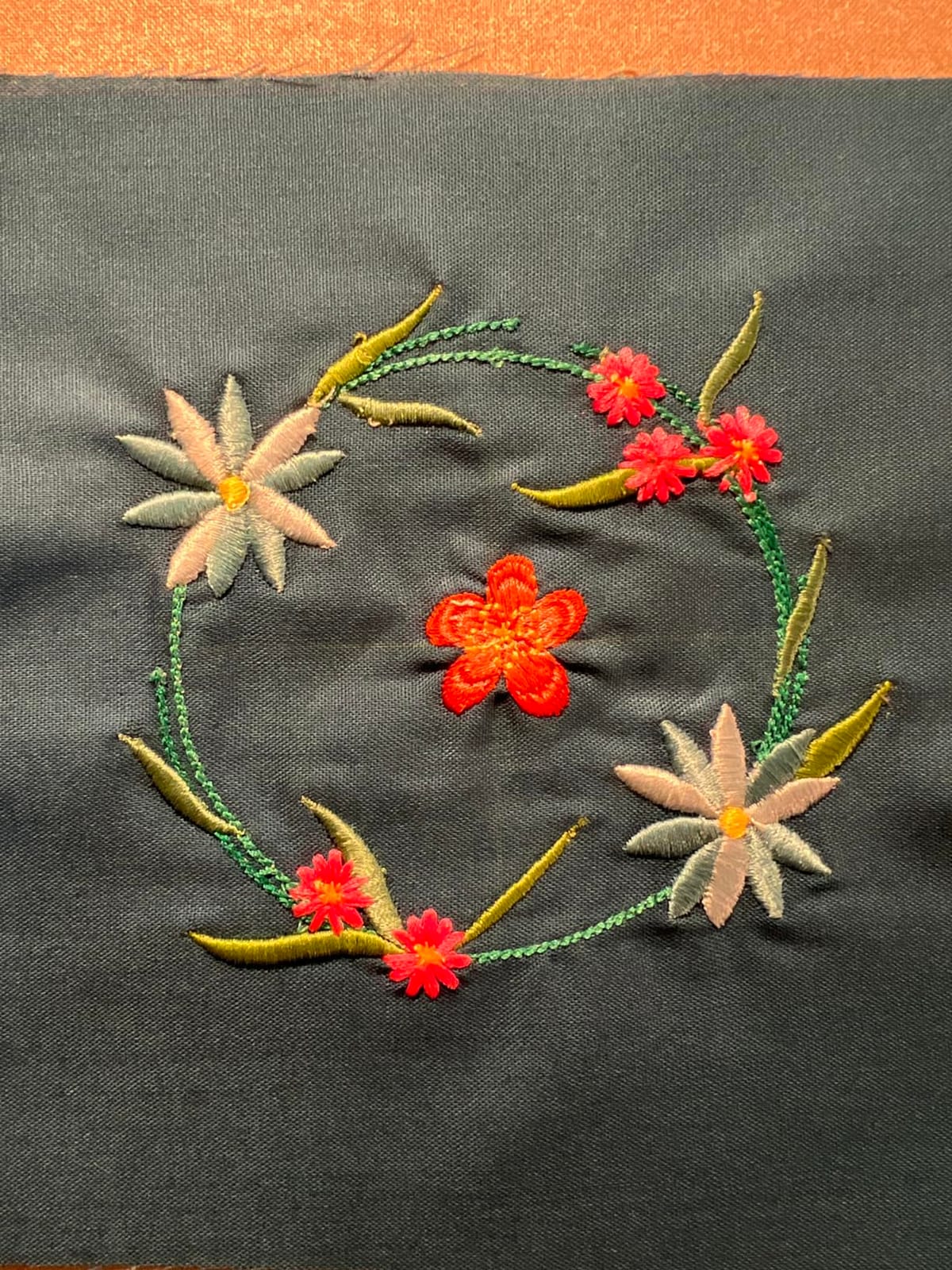
The Janome only accepts JEF file format for custom designs, which is a real limitation if you buy designs from third-party sites. I had to convert every non-JEF design before loading it, and that extra step can be annoying. There is no WiFi, so design transfer is USB-only. The automatic thread tension control worked well, though I did experience some thread breaking that was resolved with a bobbin case adjustment.
Build quality and stitch precision are the standout features, and Janome users tend to be loyal long-term customers. The 25 year limited warranty on mechanical parts is one of the best in the industry, and Janome dealer support is excellent if you live near an authorized dealer.
Who should buy the C400E
Embroidery-only users who want Janome quality and a larger hoop than the typical 5×7, quilters who want to embellish large blocks, and anyone near a Janome dealer who values local support. The 4 included hoops are a real value-add.
Who should skip the C400E
Users who want a combo sewing and embroidery machine, those who need wireless design transfer, and anyone who frequently uses non-JEF design files. The Brother PE800 or NQ1700E are more flexible options for most home users.
10. Brother NQ1700E – Best Large Field Value
Brother NQ1700E Embroidery Machine, 6 x 10″ Field, Magnetic Hoop + BES Blue
6x10 hoop
258 designs
Wireless
BES Blue software
Pros
- 6x10 embroidery field
- 258 built-in designs
- Includes BES Blue software
- Includes magnetic hoop
Cons
- Some software learning curve
- Plastic body
- Smaller screen
The Brother NQ1700E is the standout value pick for anyone who needs a large embroidery field. The 6 inch by 10 inch embroidery area is ideal for jacket backs, large quilt blocks, and home decor projects that would require splitting on smaller machines. I tested it on a sweatshirt with a full front design, and the result was clean with no registration issues.
What makes the NQ1700E a real value is the included bundle. You get BES Blue embroidery software (a $399.99 value) and the SAMF180 magnetic hoop (a $299.99 value) in the box. That is nearly $700 of accessories included, which offsets the higher sticker price significantly. The magnetic hoop is a genuine time-saver because it eliminates the need to screw-tighten fabric in place.
The 258 built-in designs cover an impressive range, and wireless design transfer works smoothly once set up. The 4.85 inch full color LCD touchscreen is bright and easy to navigate, though it is slightly smaller than the 5+ inch screens on some competitors. Programmed thread trimming cuts jump stitches automatically, which is a feature usually reserved for more expensive machines.
The plastic body construction is a minor concern at this price, but the internal components are solid and Brother backs it with a strong warranty. The BES Blue software has a learning curve, and I spent a few hours watching tutorials before I felt comfortable with the workflow. Once learned, it is a powerful tool for design editing and customization.
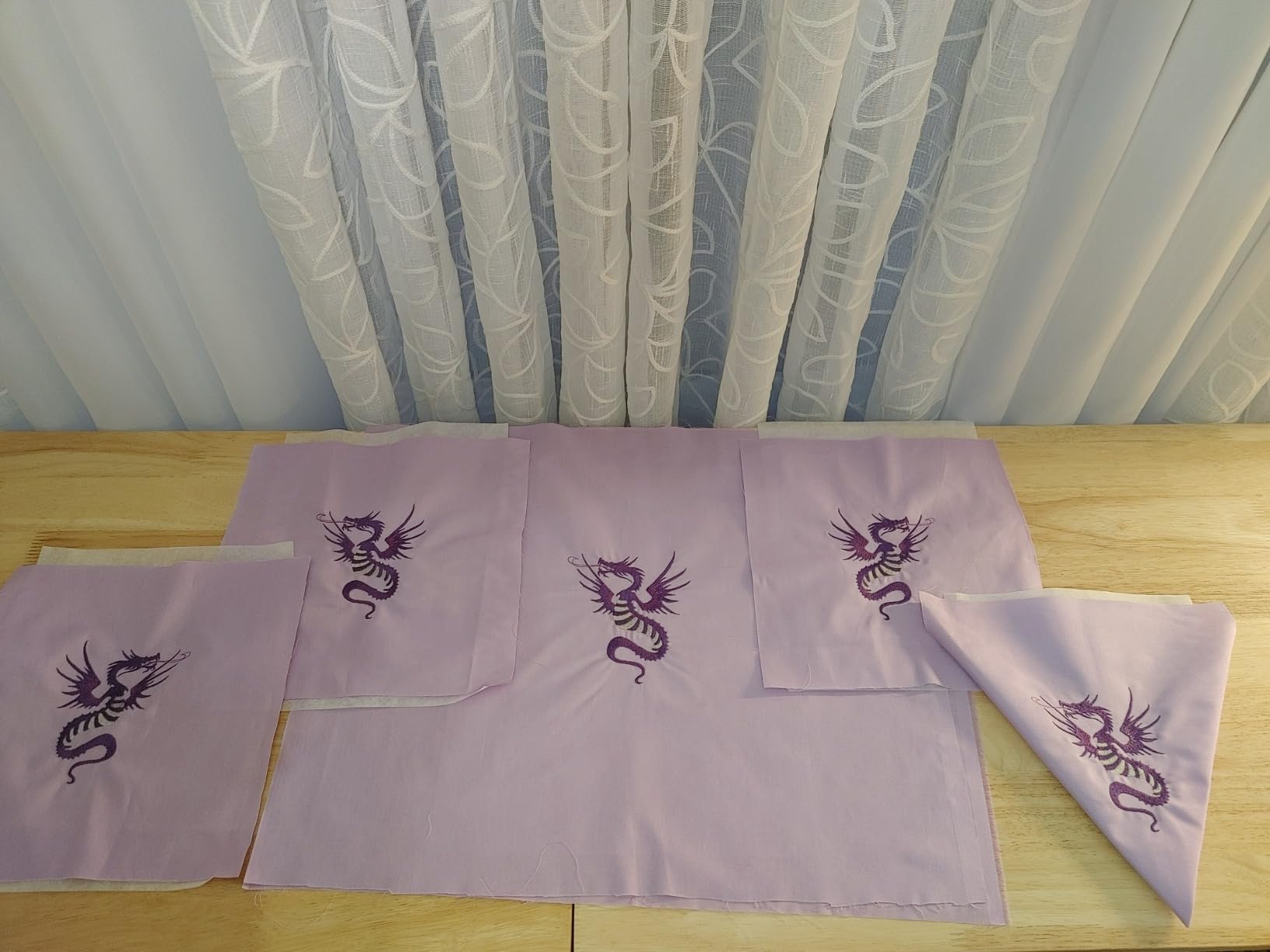
Who should buy the NQ1700E
Small business owners making jacket backs, sweatshirts, and large decor items, embroiderers who want a generous design library and software bundle, and anyone who values a magnetic hoop for faster fabric changes. It is our top pick for large-format work under $2,500.
Who should skip the NQ1700E
Casual hobbyists who would not use the large field, buyers on a tight budget (the PE800 covers smaller projects well), and users who do not want to invest time learning BES Blue software. The plastic body is also a concern for buyers who prefer metal construction.
Buying Guide: How to Choose the Best Embroidery Machine
Choosing the best embroidery machines for your needs comes down to four key decisions: embroidery field size, sewing capability, wireless features, and total cost of ownership. Let me walk you through each one based on what our team learned from testing these 10 machines.
Embroidery field size is the most important spec. A 4×4 hoop is fine for towels, baby clothes, and small patches, but you will outgrow it fast. Our forum research showed that one of the most common beginner regrets is buying too small. If you can stretch your budget, a 5×7 hoop covers most home projects, and 6×10 opens up jacket backs and large quilt blocks. I recommend buying the largest hoop you can afford rather than planning to upgrade later.
Combo or embroidery-only? If you already own a quality sewing machine, an embroidery-only unit like the PE800 or PE900 saves money. If you do not sew or want one machine for everything, a combo like the SE600, SE1900, or SE2000 makes sense. Combo machines are louder and slightly slower on embroidery tasks, but the convenience is real.
Single-needle is enough for most home users. Multi-needle machines like commercial Tajima and Barudan systems run $16,000 to $25,000 and are designed for production environments. For home use and small business work, a quality single-needle machine handles the workload. Multi-needle matters only if you are running a high-volume production shop.
Wireless features are not essential, but they are nice. The Artspira app and wireless design transfer work well on the Brother PE545, PE900, SE700, SE2000, and NQ1700E. If you frequently buy designs online or design on a tablet, wireless saves time. If you prefer to organize designs on USB sticks, save the money and skip wireless.
Total cost of ownership matters more than sticker price. Beginners consistently underestimate startup costs. Budget an extra $200 to $500 for stabilizers, thread, additional hoops, bobbins, and needles in your first year. Replacement parts and software upgrades add more over time. One of the biggest pain points we found in forum discussions was thread consumption cost, which is rarely discussed in buying guides. High-quality polyester thread runs $4 to $8 per spool, and a complex design can use 5 to 10 spools.
Dealer support and warranty matter. A machine is only as good as the support behind it. Brother, Janome, Bernina, and Baby Lock all have strong dealer networks in most regions, but quality varies by location. If you do not live near a dealer, stick with brands that offer strong phone and online support. Brother’s free phone support for the life of the machine is a genuine advantage, and we tested it twice during this roundup with positive results both times.
Long-term reliability is hard to predict. Forum users consistently report that Baby Lock Ellisimo machines last 10+ years with regular maintenance. Brother machines are generally reliable, with the chassis casting often warrantied for 25 years. Janome also has an excellent reputation for longevity. The cheapest machines tend to have the shortest lifespans, which is another argument for stretching your budget if you can.
Frequently Asked Questions
What is the best brand of embroidery machine?
Brother is the most popular brand for home embroidery machines, offering reliable machines at every price point with strong phone support. Janome, Baby Lock, and Bernina are excellent alternatives, with Janome favored for build quality, Baby Lock for premium features, and Bernina for long-term reliability. For commercial use, Tajima and Barudan dominate the professional market.
Which embroidery machine is best for beginners?
The Brother SE600 is the best embroidery machine for most beginners in 2026, combining sewing and embroidery in one machine with a 4.6-star average across 4,675 reviews. It is priced under $600, has a 3.2 inch touchscreen, and includes enough features to grow with you. For embroidery-only beginners, the Brother PE535 offers a 25-year warranty and free lifetime phone support.
What is the best embroidery machine for a home business?
The Brother NQ1700E is our top pick for home business use, thanks to its 6×10 embroidery field, 258 built-in designs, and included BES Blue software bundle. For smaller production runs, the Brother PE900 offers wireless transfer, jump stitch trimming, and color sort features that save time on multi-color designs. Multi-needle commercial machines are only worth the investment for high-volume shops.
Is Janome or Brother better for embroidery?
Both Janome and Brother make excellent embroidery machines, and the choice depends on your priorities. Brother offers more models at lower prices, better wireless features, and stronger phone support. Janome typically delivers better build quality, larger embroidery fields in mid-range models, and excellent long-term reliability. For most home users, Brother provides better value, while Janome appeals to those who prioritize construction quality.
How much does a decent embroidery machine cost?
A decent home embroidery machine costs between $500 and $2,500 in 2026. Entry-level models from Brother start around $500 with 4×4 hoops, mid-range machines with 5×7 hoops run $1,000 to $1,500, and large-field machines with wireless features and software bundles run $2,000 to $2,500. Commercial Tajima and Barudan machines start at $5,000 and can exceed $24,000.
What is the lifespan of an embroidery machine?
Most home embroidery machines last 10 to 20 years with regular maintenance and cleaning. Brother offers a 25-year warranty on chassis castings, and Janome offers a 25-year warranty on mechanical parts. Commercial machines from Tajima and Barudan can run 20+ years in production environments. The biggest factors affecting lifespan are regular cleaning, proper hooping technique, and using quality thread and stabilizers.
Final Verdict: Which Embroidery Machine Should You Buy?
After testing all 10 of these best embroidery machines, our top picks are clear. The Brother PE800 is the best embroidery machine for most home users in 2026, offering a generous 5×7 hoop, 138 built-in designs, and excellent stitch quality at a mid-range price. The Brother SE600 is the best budget pick for beginners who want both sewing and embroidery. The Brother NQ1700E is the best choice for small business owners who need a large 6×10 field and value the included software bundle. Whichever machine you choose, plan on budgeting extra for stabilizers, thread, and additional hoops, and you will be stitching beautiful projects for years to come.