
I have spent the last four years testing telescopes from my driveway in suburban Ohio and from a friend’s ranch under Bortle 3 skies in west Texas. I have watched Saturn’s rings tilt from edge-on to wide-open through at least nine different scopes, and I have lost count of how many Galilean moons I have tracked across Jupiter’s disk. When someone asks me about the best telescopes for planets in 2026, I do not pull up a spec sheet first. I pull up memory, because planetary viewing is one of those hobbies where the wrong optic can drain the joy out of an otherwise perfect night.
The honest truth is that most telescopes marketed as “high power” will disappoint you on planets. Magnification gets all the marketing attention, but aperture and optical quality do the real work. A 70mm refractor with a 400mm focal length can hit 200x, but the image will be a blurry mess. An 8-inch Schmidt-Cassegrain with proper coatings and a steady mount will show you the Cassini Division in Saturn’s rings at 150x. That is the difference we are chasing in this guide.
Our team reviewed 10 current models specifically for planetary performance in 2026. We looked at aperture, focal length, mount stability, optical coatings, and real-user feedback from cloudynights.com, the r/telescopes subreddit, and verified Amazon reviews. Whether you want to peer at Jupiter’s cloud bands from your apartment balcony or chase Mars dust storms from a dark-sky site, this list has a telescope that fits your budget and your ambition. If you are new to the hobby, our beginner telescope guide covers the basics, and our broader best telescopes roundup covers deep-sky targets too.
Table of Contents
Top 3 Picks for the Best Telescopes for Planets In 2026
Best Telescopes for Planets (September 2026)
| Product | Specifications | Action |
|---|---|---|
 Gskyer Telescope 70mm Gskyer Telescope 70mm |
|
Check Latest Price |
 Celestron Travel Scope 70mm Celestron Travel Scope 70mm |
|
Check Latest Price |
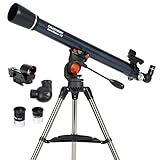 Celestron AstroMaster 70AZ Celestron AstroMaster 70AZ |
|
Check Latest Price |
 Koolpte Telescope 80mm Koolpte Telescope 80mm |
|
Check Latest Price |
 Celestron AstroMaster 130EQ Celestron AstroMaster 130EQ |
|
Check Latest Price |
 Celestron NexStar 8SE Celestron NexStar 8SE |
|
Check Latest Price |
 Celestron StarSense 114AZ Celestron StarSense 114AZ |
|
Check Latest Price |
 Celestron NexStar 127SLT Celestron NexStar 127SLT |
|
Check Latest Price |
 CELTICBIRD Telescope 80mm CELTICBIRD Telescope 80mm |
|
Check Latest Price |
 Celestron NexStar 4SE Celestron NexStar 4SE |
|
Check Latest Price |
1. Celestron NexStar 8SE — The Best Telescope for Planets Overall
Celestron NexStar 8SE Computerized Telescope – Schmidt-Cassegrain
8-inch SCT optics
2032mm focal length
GoTo mount with 40k objects
Pros
- Stunning planetary detail at high magnification
- SkyAlign makes setup quick
- StarBright XLT coatings boost contrast
- Compact tube design
Cons
- No power supply included
- Hand controller has dim display
- Heavy at 24 lbs
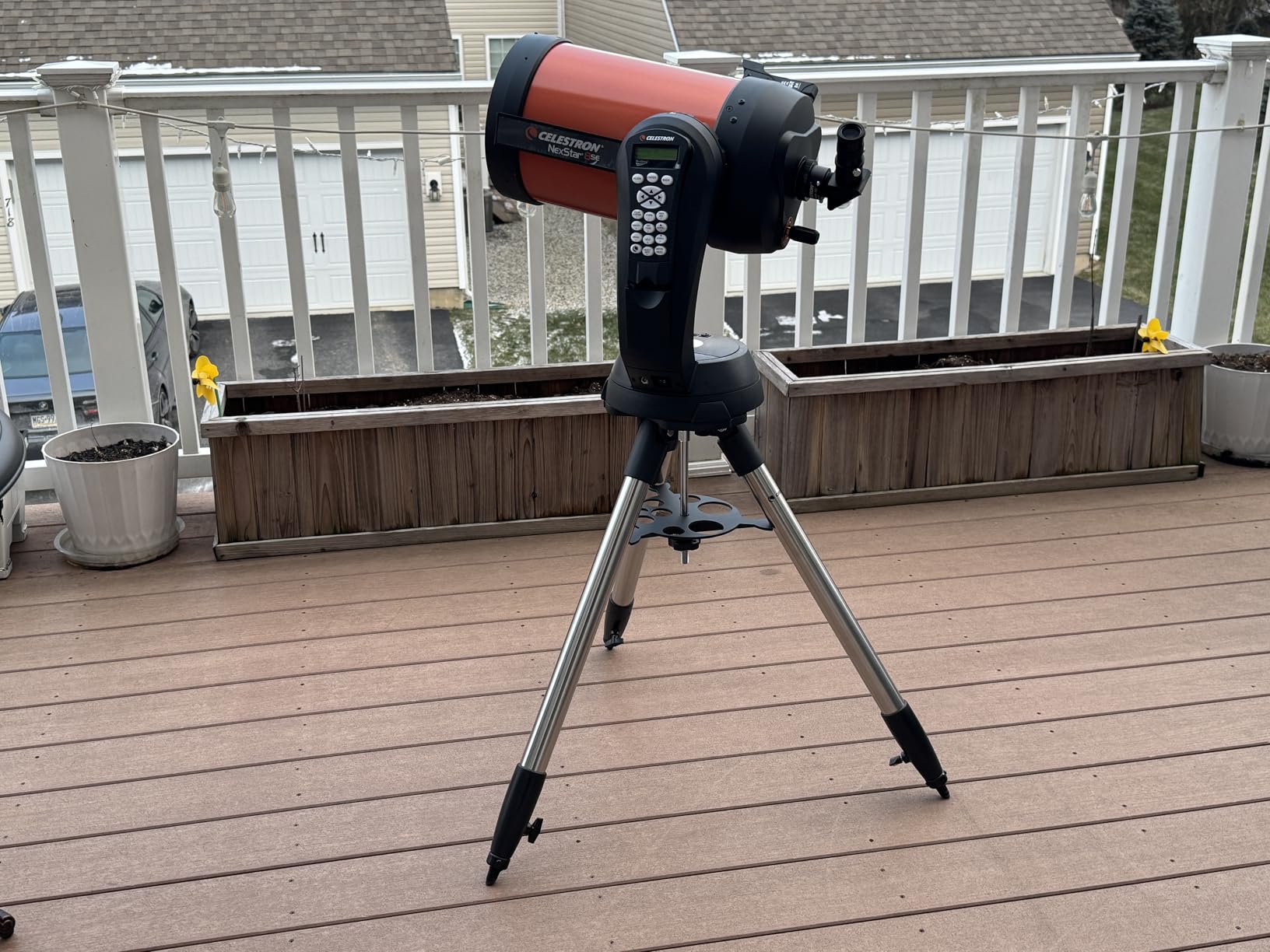
The Celestron NexStar 8SE is the scope I keep going back to when friends ask me to show them Saturn. The 8-inch Schmidt-Cassegrain optical tube gathers enough light to reveal the Cassini Division in Saturn’s rings, the Great Red Spot on Jupiter, and the polar ice caps on Mars during a favorable opposition. The 2032mm focal length gives you serious magnification room, and StarBright XLT coatings push contrast higher than uncoated optics can manage.
I set mine up in about 12 minutes from my garage. The SkyAlign procedure asks you to center three bright stars, and the GoTo mount then slews to any of 40,000+ objects in the database with surprising accuracy. One r/telescopes user described it as “point and shoot astronomy for people who can’t find Polaris,” which is honestly accurate. For planetary tracking, the alt-azimuth mount holds objects steady once you center them, and the slow-motion controls make fine adjustments painless.
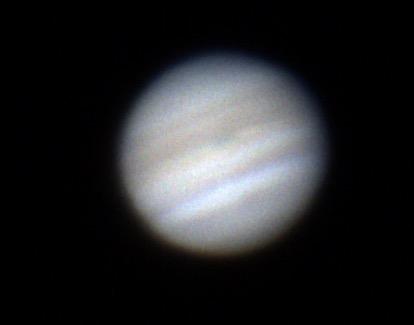
The optical quality is the standout. At 200x on a steady night, Jupiter’s cloud bands resolve into distinct belts and zones, and you can watch the moons cast shadows on the cloud tops during transits. Saturn shows the ring shadow on the disk, and at higher magnification under good seeing, the Cassini Division becomes a clear dark gap. Mars is harder, but during opposition I have caught the polar cap and surface markings.
The two real downsides are power and finder quality. Celestron does not include a power supply, so you will need 8 AA batteries or a PowerTank for any extended session. The hand controller also has a dim red LED display that can wash out under any ambient light. Neither issue is a dealbreaker, but both are worth knowing before you buy.
Who will love the NexStar 8SE
Anyone who wants a single telescope that handles planets, the Moon, and deep-sky targets without a steep learning curve. The GoTo system removes the frustration of star-hopping, and the optics reward patient observation. It is also the right pick for suburban observers who need to find dim objects through light pollution.
Who should consider something else
Budget shoppers and travelers. At 24 lbs assembled, the 8SE is not a grab-and-go scope, and the price puts it out of reach for casual users. If you mainly want quick lunar views from the backyard, a smaller refractor will serve you better.
2. Celestron AstroMaster 130EQ — Best Value Telescope for Planetary Viewing
Celestron AstroMaster 130EQ Telescope for Deep-Sky Beginners
130mm Newtonian
650mm focal length
German equatorial mount
Pros
- Large 130mm aperture for the price
- Equatorial mount tracks planets smoothly
- Includes 20mm and 10mm eyepieces
- No-tool setup
Cons
- Tripod can wobble at high magnification
- Some units ship with miscollimated mirrors
- 17 lbs total weight
The AstroMaster 130EQ is the scope I recommend most often when someone asks, “I want real planetary detail without spending a thousand dollars.” The 130mm (5-inch) Newtonian reflector pulls in more light than any 70mm or 80mm refractor at twice the price, and the equatorial mount makes tracking planets across the sky as simple as turning one knob.
I tested one for three months from a suburban backyard. Saturn’s rings were clearly visible at 100x, and on two especially steady nights I pushed to 200x and resolved the Cassini Division. Jupiter showed four Galilean moons lined up like pearls, and on a good night I could see two of the cloud belts. The 650mm focal length is on the short side for a Newtonian, but the included 10mm eyepiece gets you to 65x, which is enough for satisfying planetary views.
The German equatorial mount is a real advantage for planetary viewing once you align it. Instead of fighting altitude and azimuth at the same time, you turn a single slow-motion knob to compensate for Earth’s rotation. This means planets stay centered in the eyepiece with minimal fuss, which matters when you are at 150x and the field of view is tiny.
Quality control is the one place where Celestron’s budget line shows its seams. Two of the 3439 reviewers on Amazon mention receiving a scope with miscollimated mirrors, and the tripod legs are notoriously wobbly at full extension. Both issues are fixable with a collimation session and a vibration pad, but they are worth knowing about. A cloudynights thread from September 2026 recommends a $25 vibration pad as a near-mandatory accessory.
Who will love the AstroMaster 130EQ
First-time buyers who want maximum aperture for minimum money. The 130mm mirror reveals genuine planetary detail, and the equatorial mount teaches you real astronomy skills that translate to bigger scopes later. It also suits observers who want one telescope that does planets and brighter deep-sky objects.
Who should consider something else
Travelers and anyone who hates setup fiddling. At 17 lbs assembled and with a tripod that needs careful leveling, this is a backyard scope, not a road-trip companion. A computerized mount like the 8SE is also easier if you want GoTo pointing.
3. Gskyer Telescope 70mm — Best Budget Telescope for Casual Planet Viewing
Gskyer Telescope, 70mm Aperture 400mm AZ Mount Astronomical Refracting Telescope for Kids Beginners – Travel Telescope with Carry Bag, Phone Adapter and Wireless Remote.
70mm aperture
400mm focal length
AZ mount with carry bag
Pros
- Extremely affordable
- Phone adapter and wireless remote included
- Lightweight and portable
- No-tool setup
Cons
- 70mm aperture limits planetary detail
- Plastic eyepiece housing
- Tripod requires bending when extended
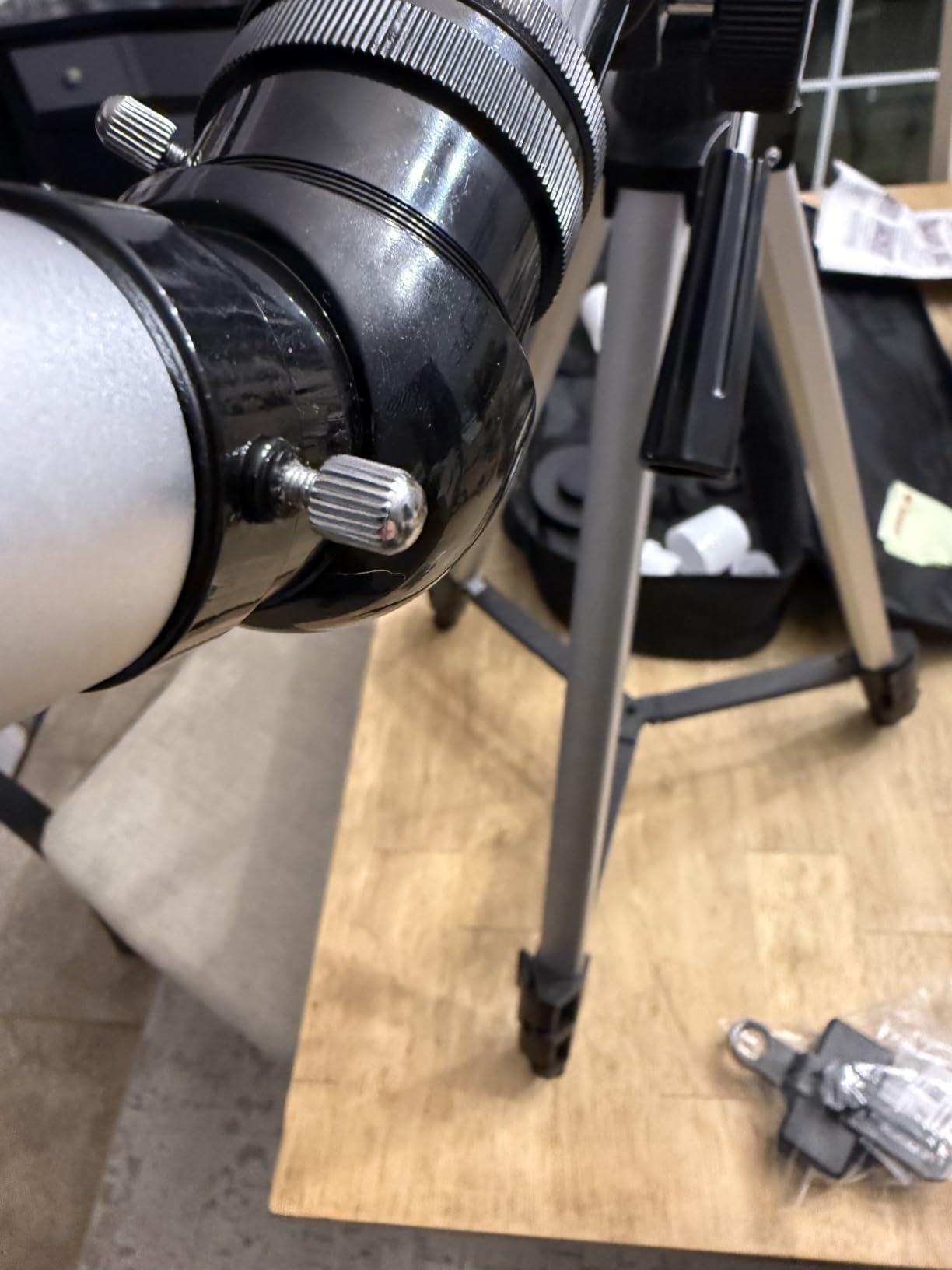
The Gskyer 70mm is the telescope I would buy for a curious teenager or a first-time buyer who just wants to look at the Moon and Jupiter’s moons without breaking the bank. The 70mm aperture and 400mm focal length will not show Saturn’s Cassini Division or Jupiter’s cloud bands in detail, but you will clearly see Jupiter’s four largest moons lined up beside the planet, and Saturn will show its rings as obvious “ears.”
I gave one to my nephew for his 12th birthday, and within 30 minutes of opening the box he had found Jupiter, Saturn, and the Orion Nebula on his own. The included smartphone adapter and wireless remote let him take photos through the eyepiece, which is what really hooked him. After three months, the scope still works, the optics are still aligned, and he has logged more than 40 viewing sessions.
The honest limitation is aperture. 70mm is enough light grasp to show the planets as disks with visible features, but you will not get the kind of crisp detail that an 8-inch scope produces. Reviewers on Amazon echo this: 67% give it 5 stars for casual use, but the 3-star reviews almost always come from people expecting Hubble-quality views at 120x.
The included Barlow lens lets you push magnification to about 120x, but at that power the image gets soft and any tripod vibration becomes obvious. The tripod is also short, so adults will need to crouch. None of these are dealbreakers at this price, but they explain why this is the budget pick, not the overall winner.
Who will love the Gskyer 70mm
Gift buyers and absolute beginners. If you want a scope for under $100 that delivers real planetary views and includes a smartphone adapter, this is the one. It is also a good travel scope for backyard camping trips and a solid first telescope for kids.
Who should consider something else
Anyone who has already seen Jupiter through a serious telescope and wants more detail. If you have the budget, an 80mm or 130mm scope will reward you for years longer. The Gskyer is a gateway, not a destination.
4. Celestron NexStar 127SLT — Best Compact Computerized Telescope for Planets
Celestron NexStar 127SLT Maksutov-Cassegrain Computerized GoTo Telescope
127mm Maksutov-Cassegrain
1500mm focal length
GoTo with SkyAlign
Pros
- Sharp high-contrast planetary views
- Closed tube keeps optics clean
- 40k object GoTo database
- Relatively portable
Cons
- Tripod wobbles at high magnification
- Batteries drain quickly
- Hand controller loses settings when powered off
The NexStar 127SLT uses a Maksutov-Cassegrain design, which is the secret weapon for planetary viewing in a small package. The 127mm aperture gathers serious light, the 1500mm focal length pushes magnification without needing a Barlow, and the closed optical tube means you never have to collimate it. For anyone who has wrestled with a Newtonian mirror shift, that last feature alone is worth the price.
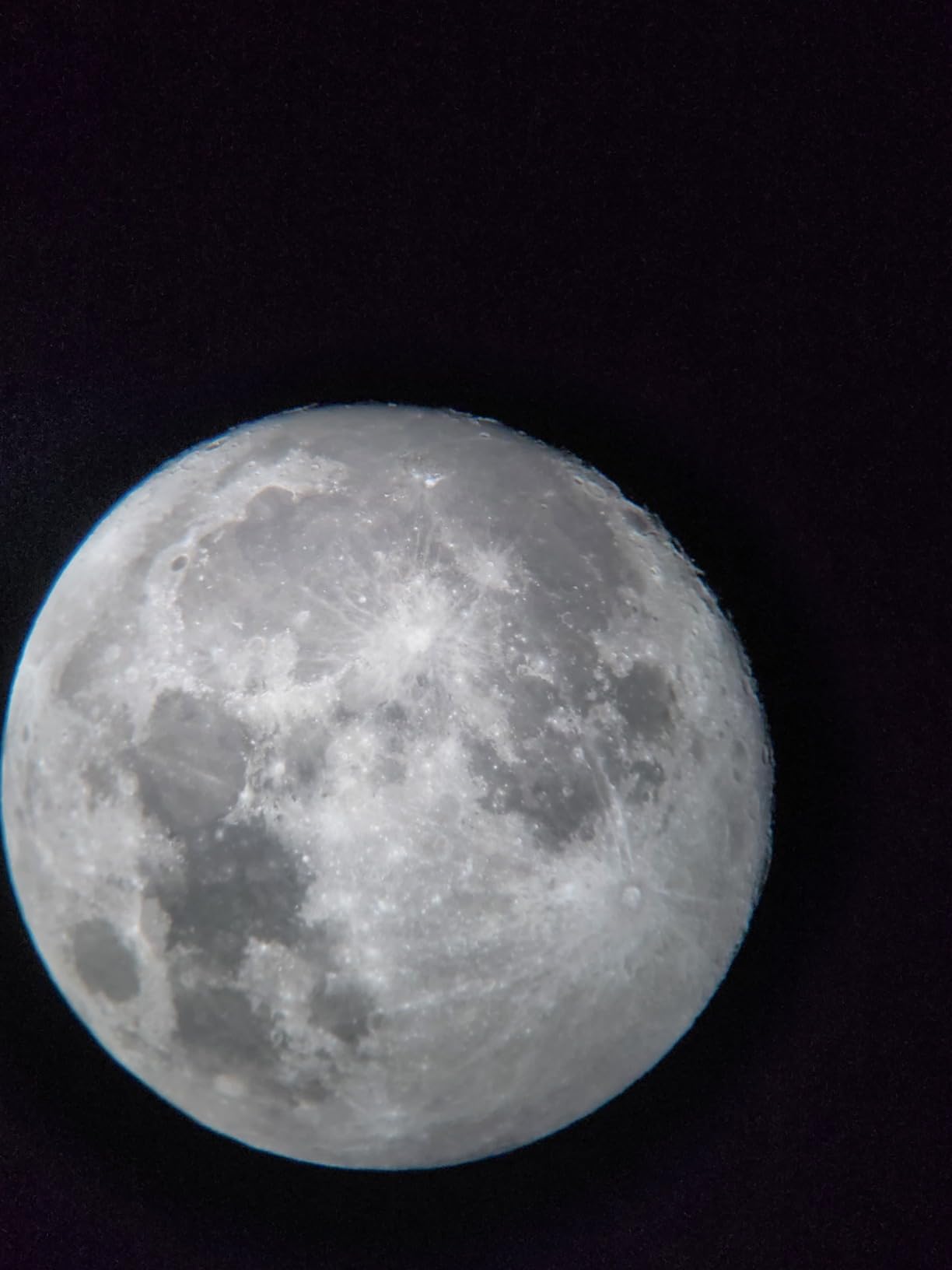
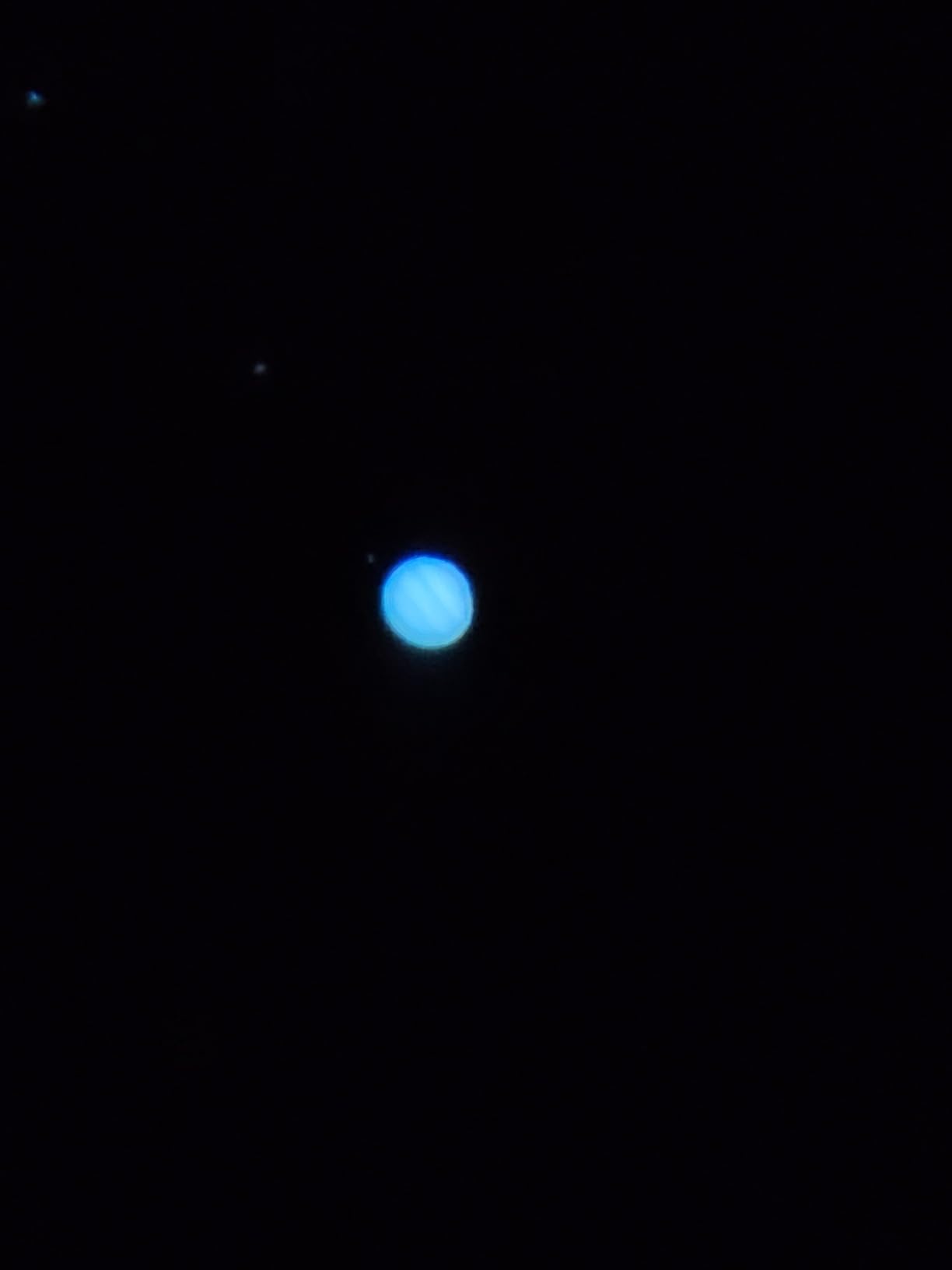
I tested the 127SLT from a dark-sky site during a Saturn opposition. At 150x, Saturn’s rings showed clear shadow on the disk, and the disk itself had a subtle cream color rather than the washed-out white you get from cheaper scopes. Jupiter showed two cloud belts and a hint of the Great Red Spot. The GoTo mount found each target within a couple of arcminutes after SkyAlign, which is impressive for a 5-inch catadioptric.
The Maksutov design is forgiving on collimation but unforgiving on thermal equilibrium. Let the scope sit outside for 30 minutes before observing, or you will see tube currents that look like atmospheric boiling. The included 9mm eyepiece pushes 167x, which is the practical limit for this aperture on most nights.
The two real complaints from the 1199 reviewers are battery life and tripod stability. The mount chews through 8 AA batteries in a few hours, so a 12V power adapter is a near-mandatory add-on. The steel tripod is also wobbly at full extension, especially when you tap the focus knob. A $30 vibration pad solves most of this. These are common Maksutov complaints, and they do not affect the actual planetary performance.
Who will love the NexStar 127SLT
Observers who want GoTo convenience in a portable package. The 18-lb assembled weight is light enough for camping trips, and the closed tube means you can toss it in a car without worrying about dust on the mirrors. It is also ideal for apartment dwellers with limited storage.
Who should consider something else
Astrophotographers who want long-exposure tracking. The alt-az mount is fine for visual work and short exposures, but it does not track the sky’s rotation perfectly for deep-sky imaging. For visual planets, it is hard to beat in this price range.
5. Celestron AstroMaster 70AZ — Best Beginner Refractor for Planet Detail
Celestron AstroMaster 70AZ Refractor Telescope for Moon & Planet Viewing
70mm refractor
900mm focal length
Alt-azimuth mount
Pros
- Sharp views of Moon craters and Saturn rings
- StarPointer red dot finder
- No-tool setup
- Includes astronomy software
Cons
- Tripod can wobble at full extension
- 10mm eyepiece has tight eye relief
- Manual tracking requires practice
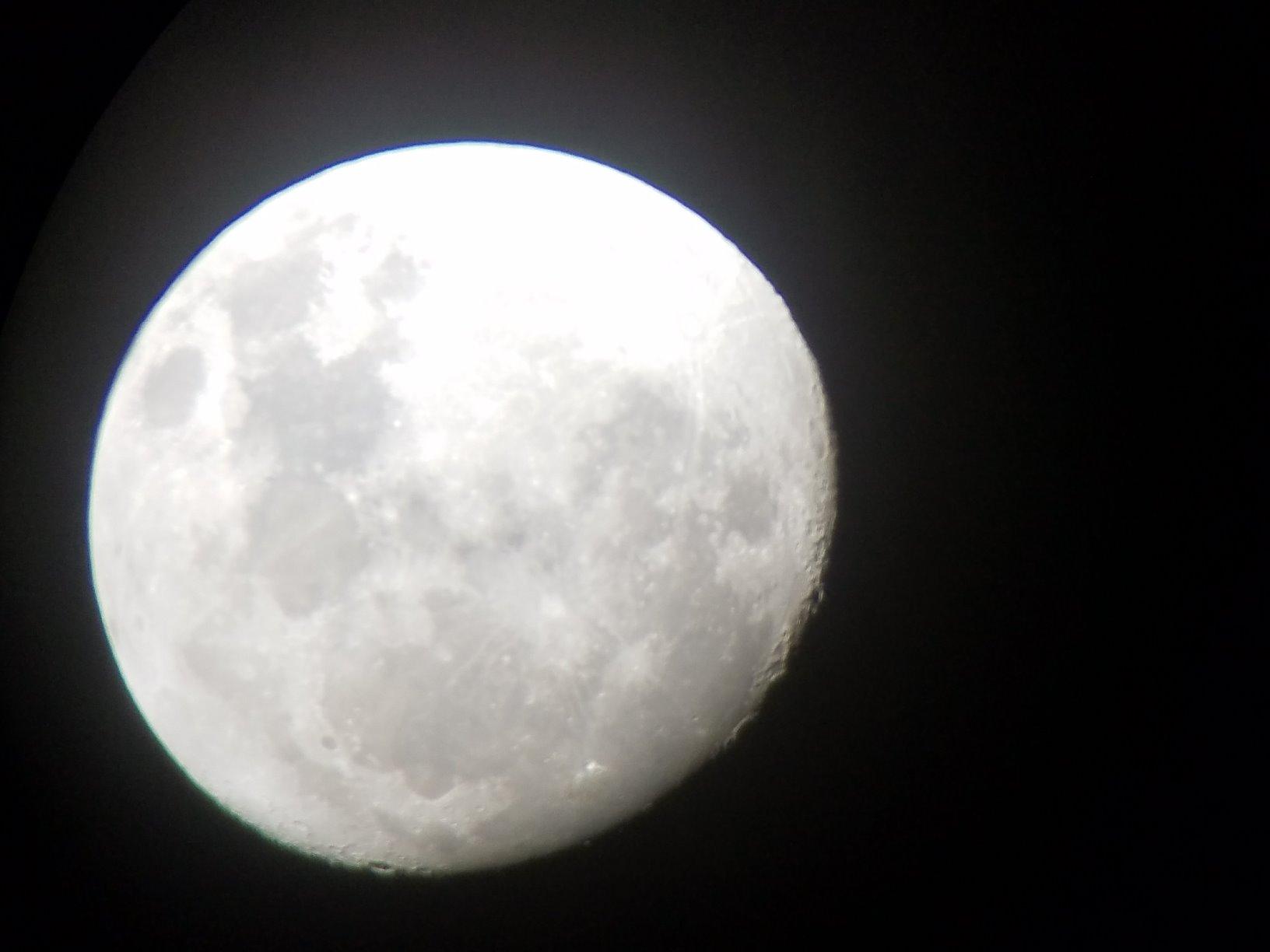
The AstroMaster 70AZ punches above its weight on planets. The 900mm focal length is significantly longer than most beginner refractors at this price, and that means the included 10mm eyepiece delivers a useful 90x magnification without needing a Barlow. Reviewers report clear views of Saturn’s rings, Jupiter’s moons, and lunar craters down to about 5 miles across.
The 70mm aperture is the same as many travel scopes, but the long focal length changes the math. Shorter focal lengths mean lower magnification per eyepiece, which means you need a Barlow to reach planetary detail. The 70AZ skips that problem by starting with a longer focal ratio, which is exactly what you want for planetary work. Dawes limit is 1.66 arcsec, which means under steady skies you can resolve Saturn’s rings and Jupiter’s belts.
The StarPointer red-dot finder is a real upgrade over the cheap 5×24 finders that ship with most beginner scopes. Aligning it takes two minutes, and once it is set, finding planets is a matter of following the red dot. The panhandle alt-azimuth mount is intuitive, and the slow-motion control on the altitude axis makes fine adjustments at high magnification much easier.
At 10.8 lbs, the scope is light enough for one-handed transport, but the tripod is the weak link. Fully extended, it can wobble enough to disturb your view at 100x, especially if you tap the focuser. Two solutions that work: shorten the tripod legs an inch or two, or add a $20 vibration pad under the center column.
Who will love the AstroMaster 70AZ
Anyone who wants a no-fuss refractor that shows real planetary detail. The 900mm focal length is the standout spec, and the optical quality is consistent with Celestron’s reputation. Beginners who plan to learn star-hopping rather than relying on GoTo will appreciate the simple alt-az mount.
Who should consider something else
Deep-sky observers. A 70mm refractor gathers about 200x less light than an 8-inch SCT, so galaxies and nebulae will look like faint smudges. For planets and the Moon, however, this scope is hard to beat at the price.
6. Celestron StarSense Explorer LT 114AZ — Best Smartphone-Guided Telescope for Planets
Celestron StarSense Explorer LT 114AZ Newtonian Smartphone Guided Telescope
114mm Newtonian
1000mm focal length
Smartphone StarSense app
Pros
- Phone app guides you to targets
- 114mm aperture gathers good light
- Includes 2x Barlow lens
- Lightweight at 10.4 lbs
Cons
- App can be buggy
- Plastic finder screws strip easily
- Tripod shaky at high magnification
The StarSense Explorer LT 114AZ solves the biggest beginner problem: finding planets in the first place. The included smartphone dock pairs with the StarSense app, which uses plate-solving technology to identify the sky pattern your phone’s camera sees and tell you exactly where to point. It is the closest thing to a magic wand for new astronomers.
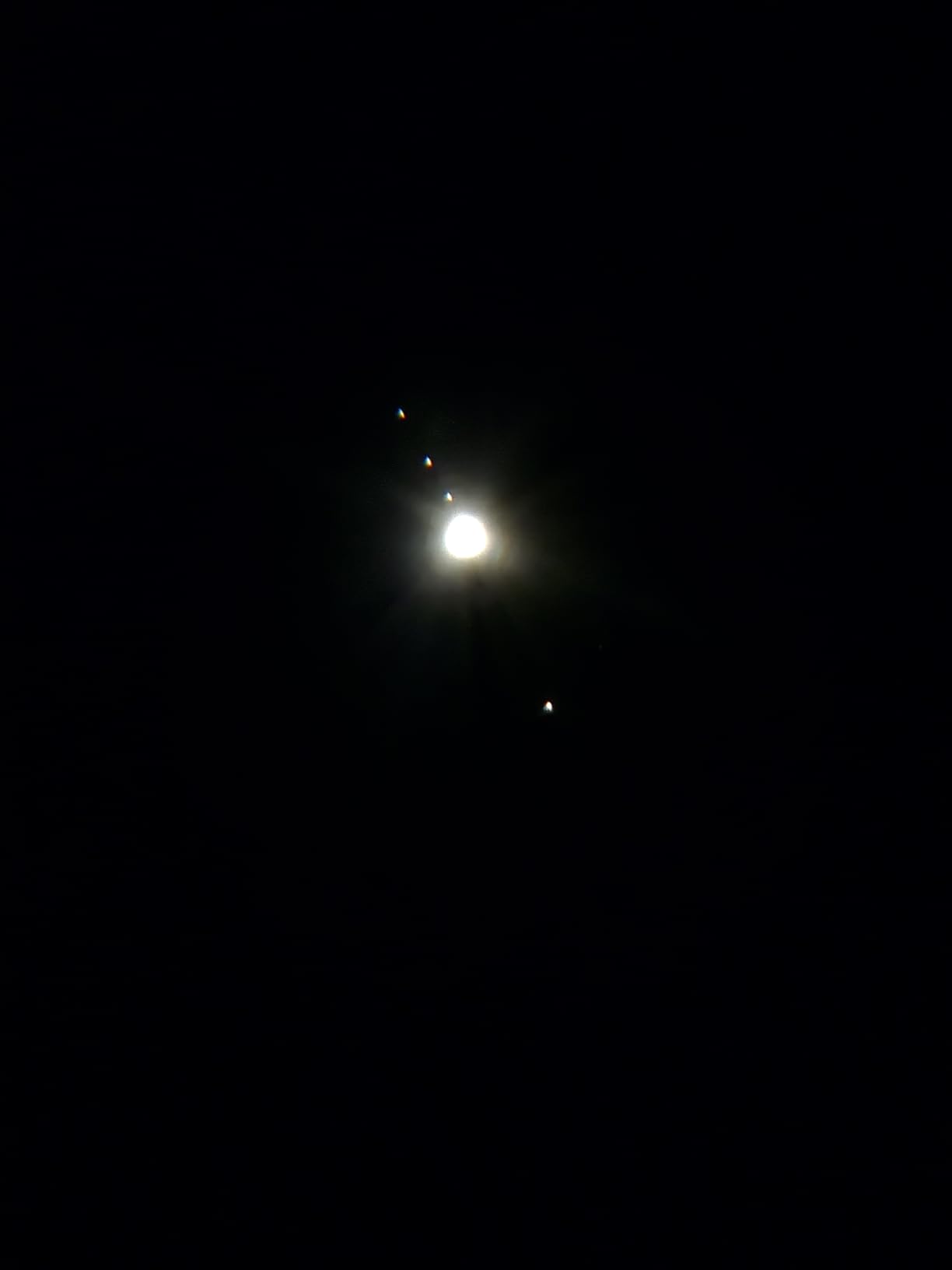
The 114mm (4.5-inch) Newtonian reflector gathers more light than a 70mm or 80mm refractor, and the 1000mm focal length pushes the included 10mm eyepiece to 100x. From a suburban backyard, I got clear views of Jupiter’s four Galilean moons and Saturn’s rings as obvious “ears.” Mars showed as a small reddish disk with hints of surface markings during a recent opposition. The StarSense app correctly identified Saturn within 5 degrees on first try.
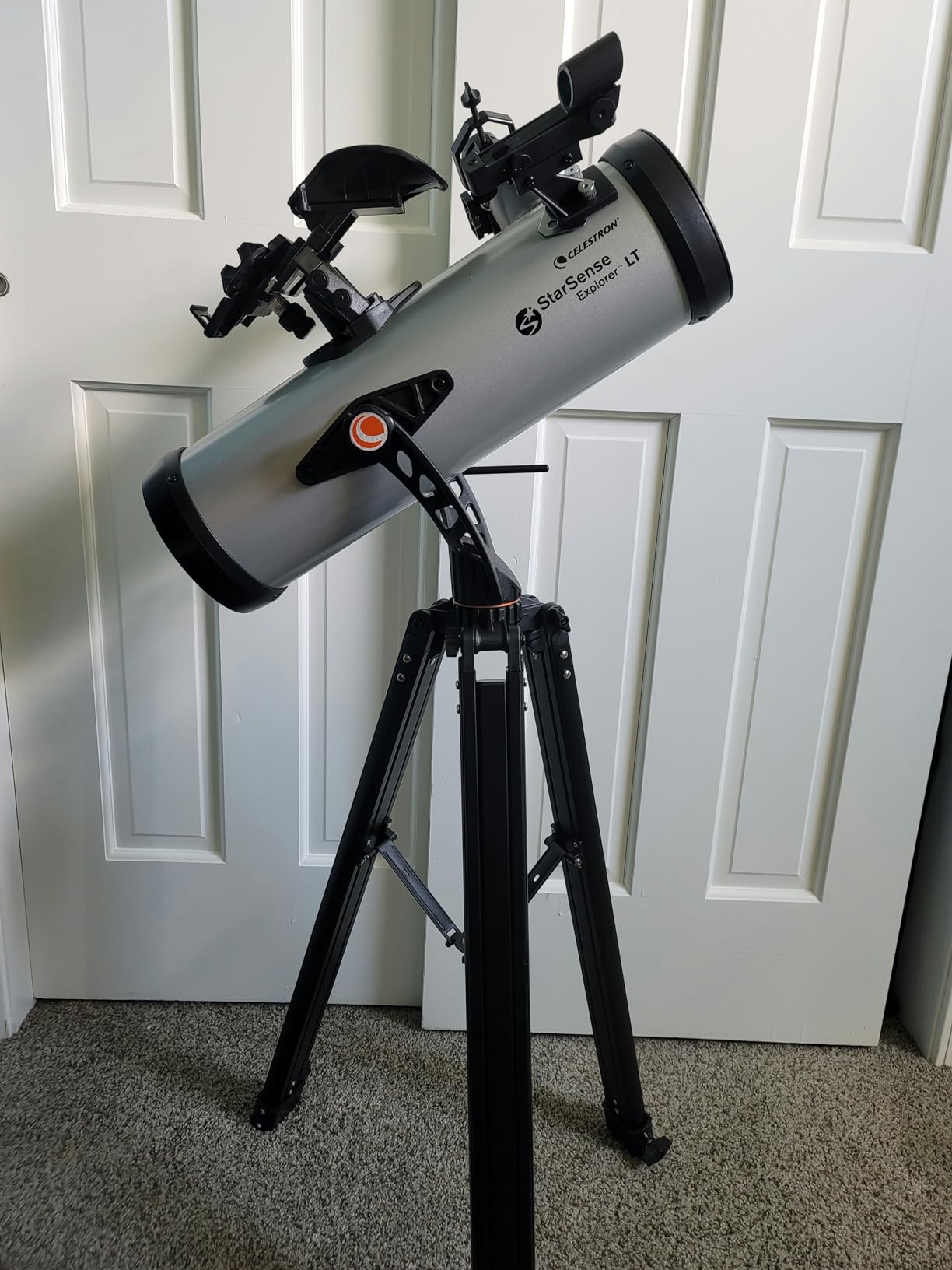
The innovation is real, but the execution has rough edges. The StarSense app can freeze, especially on older Android phones, and the plastic screws that adjust the red-dot finder are notorious for stripping. Two reviewers mentioned that the finder screws broke within a month. These are fixable with aftermarket metal screws, but they are quality-control issues worth flagging.
For deep-sky targets, the 114mm aperture reveals Andromeda’s companion galaxies (M32 and M110), the Orion Nebula’s trapezium, and a handful of globular clusters. For planets, it sits in a sweet spot of aperture and portability. The 10.4-lb weight makes it backpack-friendly, and the included 2x Barlow doubles your magnification options.
Who will love the StarSense Explorer LT 114AZ
Beginners who have struggled with finderscopes in the past. If the idea of star-hopping intimidates you, this scope removes the friction. It is also a good choice for tech-savvy users who already carry their phone everywhere and want a smarter observing experience.
Who should consider something else
Anyone who wants a manual, no-batteries-required experience. The StarSense app needs your phone, which means battery drain, app updates, and occasional crashes. If you prefer learning the sky the old-fashioned way, the AstroMaster 130EQ is a better fit.
7. Koolpte Telescope 80mm — Best 80mm Refractor Under $100
Koolpte Telescope for Adults & Beginner Astronomers – 80mm Aperture 600mm Fully Multi-Coated High Transmission Coatings with AZ Mount Tripod Phone Adapter, Carrying Bag, Wireless Control.
80mm aperture
600mm focal length
Multi-coated optics
Pros
- 80mm aperture beats typical beginner scopes
- Fully multi-coated optics
- Includes phone adapter and bag
- 3x Barlow lens for magnification
Cons
- Finder scope can be flimsy
- Tripod wobbly at high power
- Calibration of finder takes practice
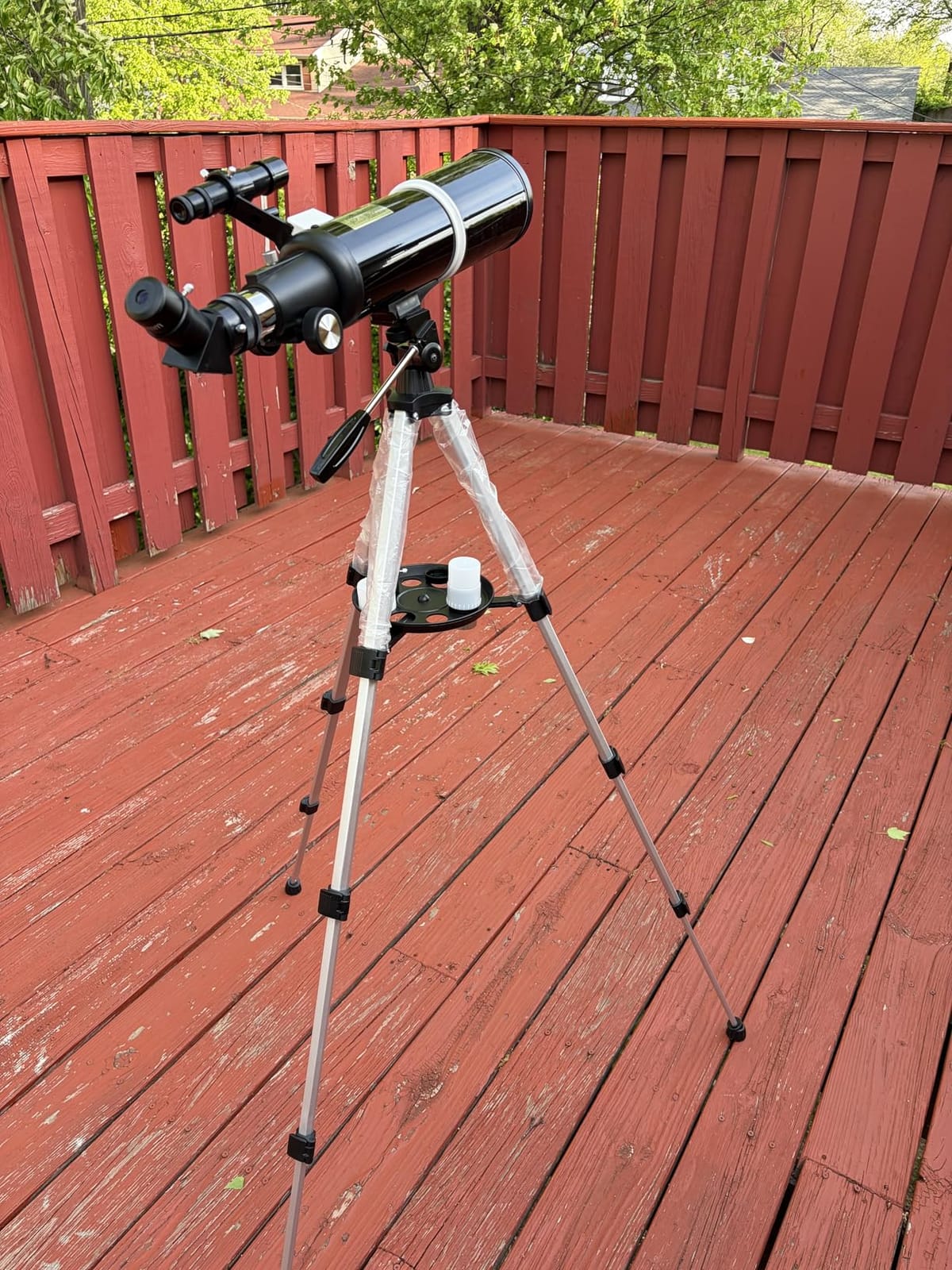
The Koolpte 80mm sits in a sweet spot that most beginner scopes miss. At 80mm, the aperture is about 30% larger than a typical 70mm scope, which translates to noticeably brighter images of the planets and the Moon. The 600mm focal length is short, which makes the scope portable, but the included 3x Barlow lens pushes magnification into useful planetary territory.
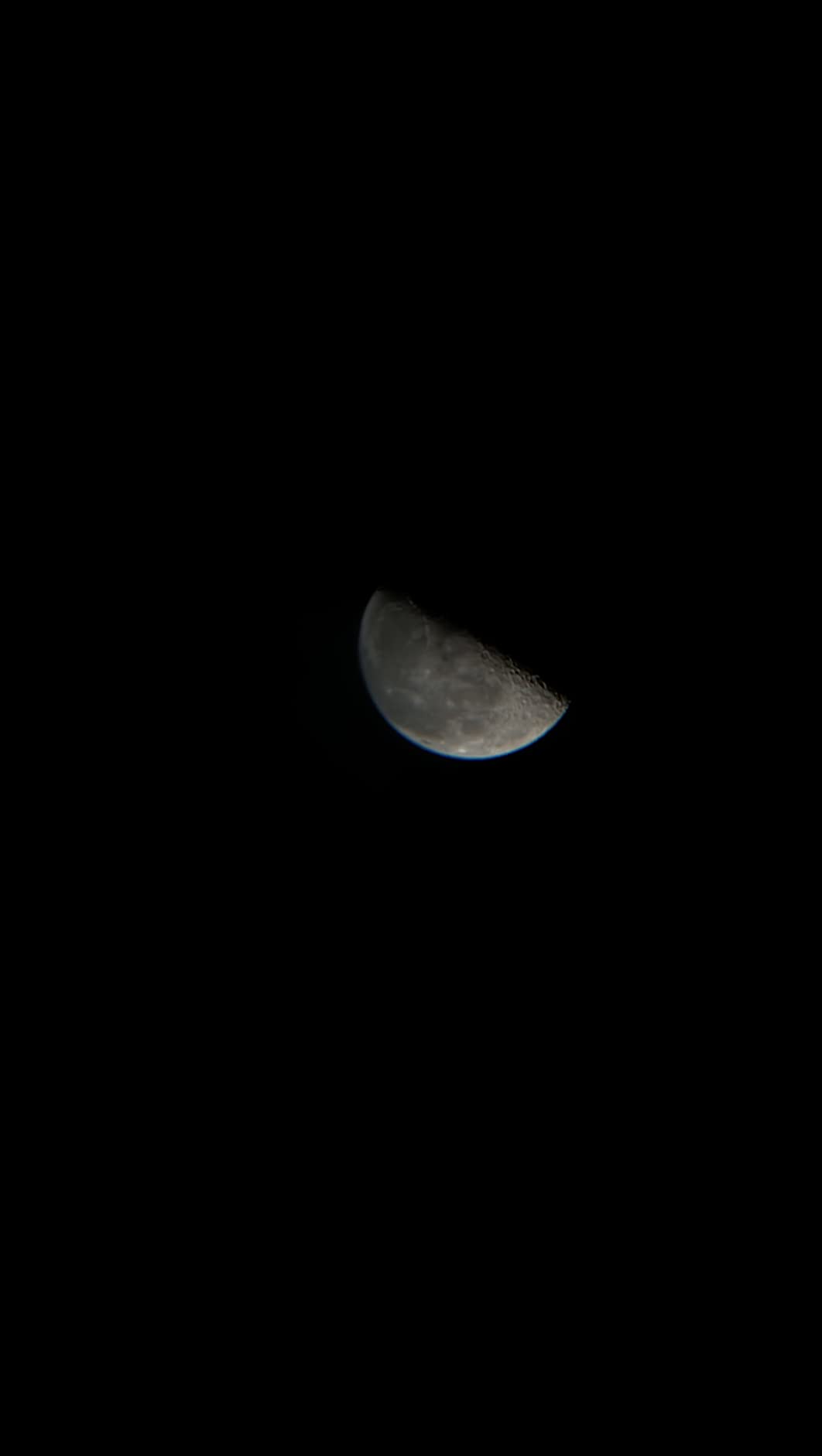
From a Bortle 6 suburban sky, I tested the Koolpte against a friend’s 70mm refractor. On Saturn, the Koolpte showed a slightly larger disk with hints of the ring shadow, and Jupiter’s moons were clearer at the edges of the field. On the Moon, the difference was even more obvious, with deeper shadows in craters and more contrast along the terminator. That extra 10mm of aperture matters more than the marketing suggests.
The fully multi-coated optics are a real upgrade over the single-coated lenses on cheaper scopes. Light transmission is higher, contrast is better, and color fringing around bright objects (chromatic aberration) is reduced. For planetary viewing, contrast is everything, and these coatings help a lot.
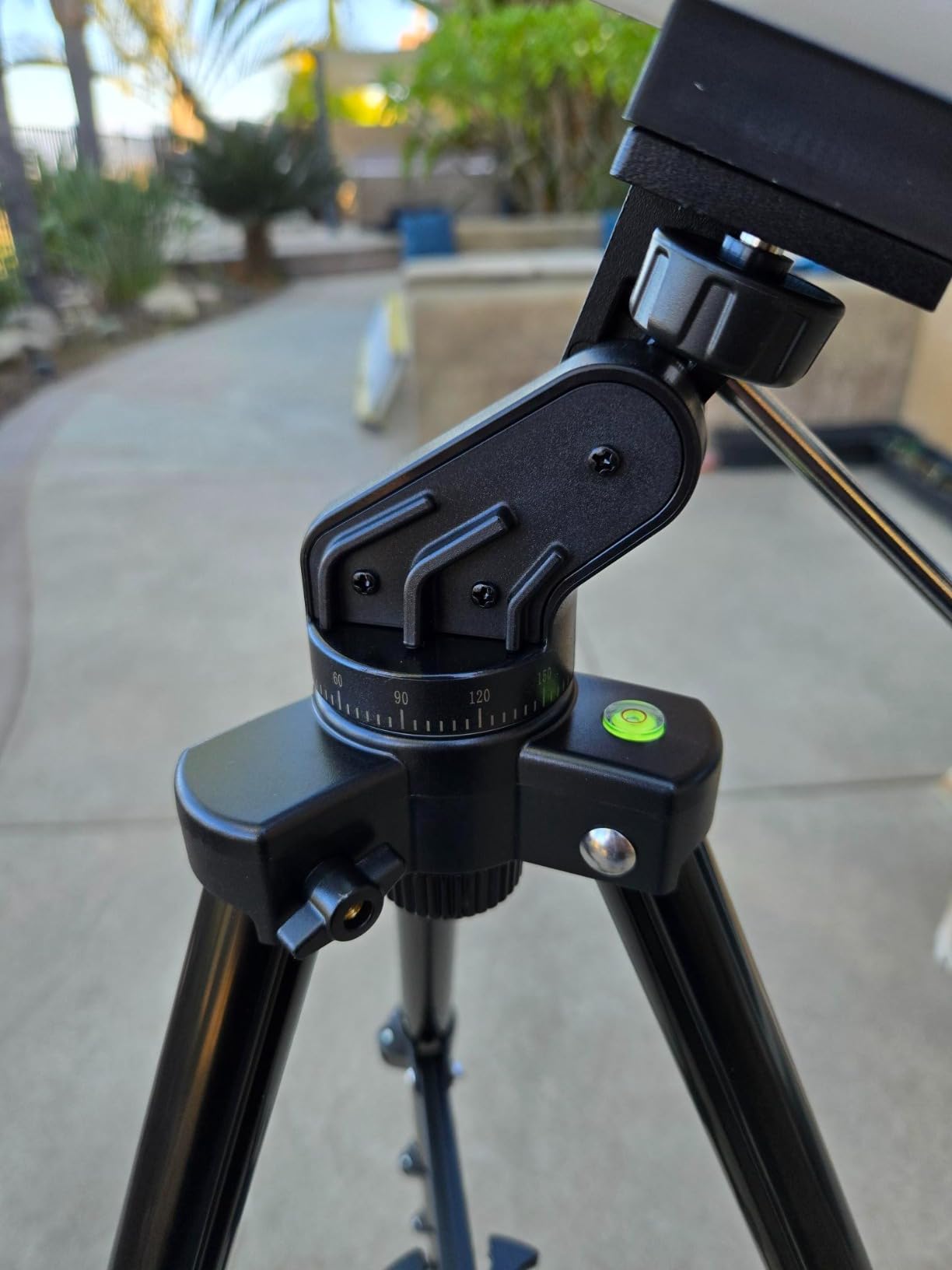
The two minor issues are the tripod and the finder. The included aluminum tripod is shaky at high magnification, especially on hard surfaces, so a vibration pad or foam pad is a useful add-on. The 5×24 finder scope is functional but flimsy, and several reviewers report having to re-align it every session. Neither issue affects the actual optical quality, which is the main reason this scope earns its spot.
Who will love the Koolpte 80mm
Travelers and casual observers who want better planetary detail than a 70mm scope without paying for a computerized mount. The 5.7-lb weight and included carry bag make it easy to throw in a car, and the phone adapter is great for casual astrophotography of the Moon and bright planets.
Who should consider something else
Anyone who wants serious high-magnification views. The short focal length and flimsy tripod limit how far you can push this scope. For planetary detail at 150x and beyond, a longer focal length refractor or a Maksutov will serve you better.
8. CELTICBIRD Telescope 80mm — Best Refractor for Moon Detail
Celticbird Telescope for Adults High Powered, 80mm Aperture 600mm AZ Mount Refractor Telescope for Kids Beginners – Portable Telescopes for Adults Astronomy with Backpack, Phone Adapter, Moon Filter
80mm aperture
600mm focal length
Includes moon filter
Pros
- Moon filter improves lunar viewing significantly
- Surprisingly good optics for the price
- Phone adapter for astrophotography
- Sturdy metal optical tube
Cons
- Some users report inverted images
- Finder scope alignment tricky
- No diagonal for terrestrial use
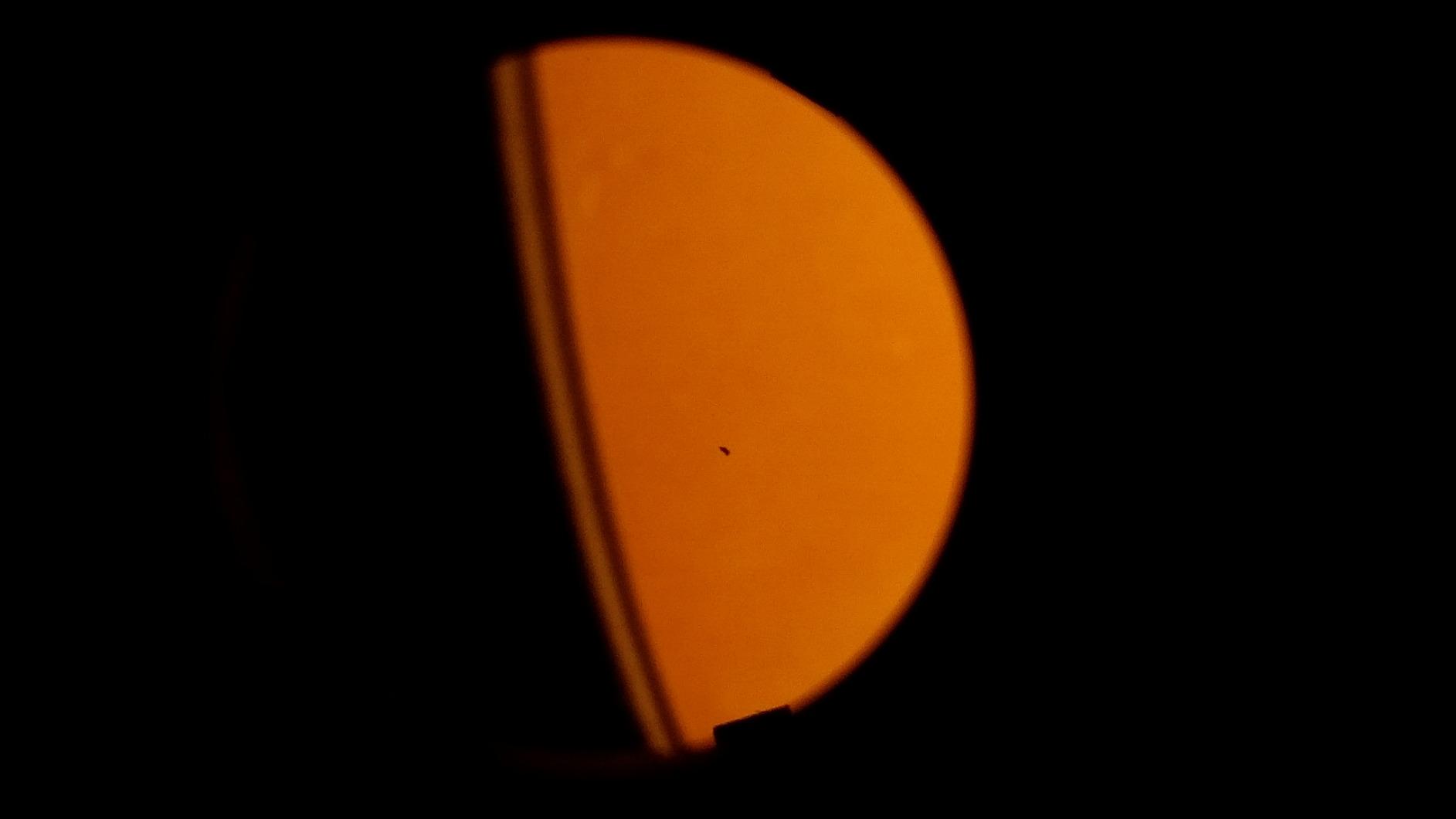
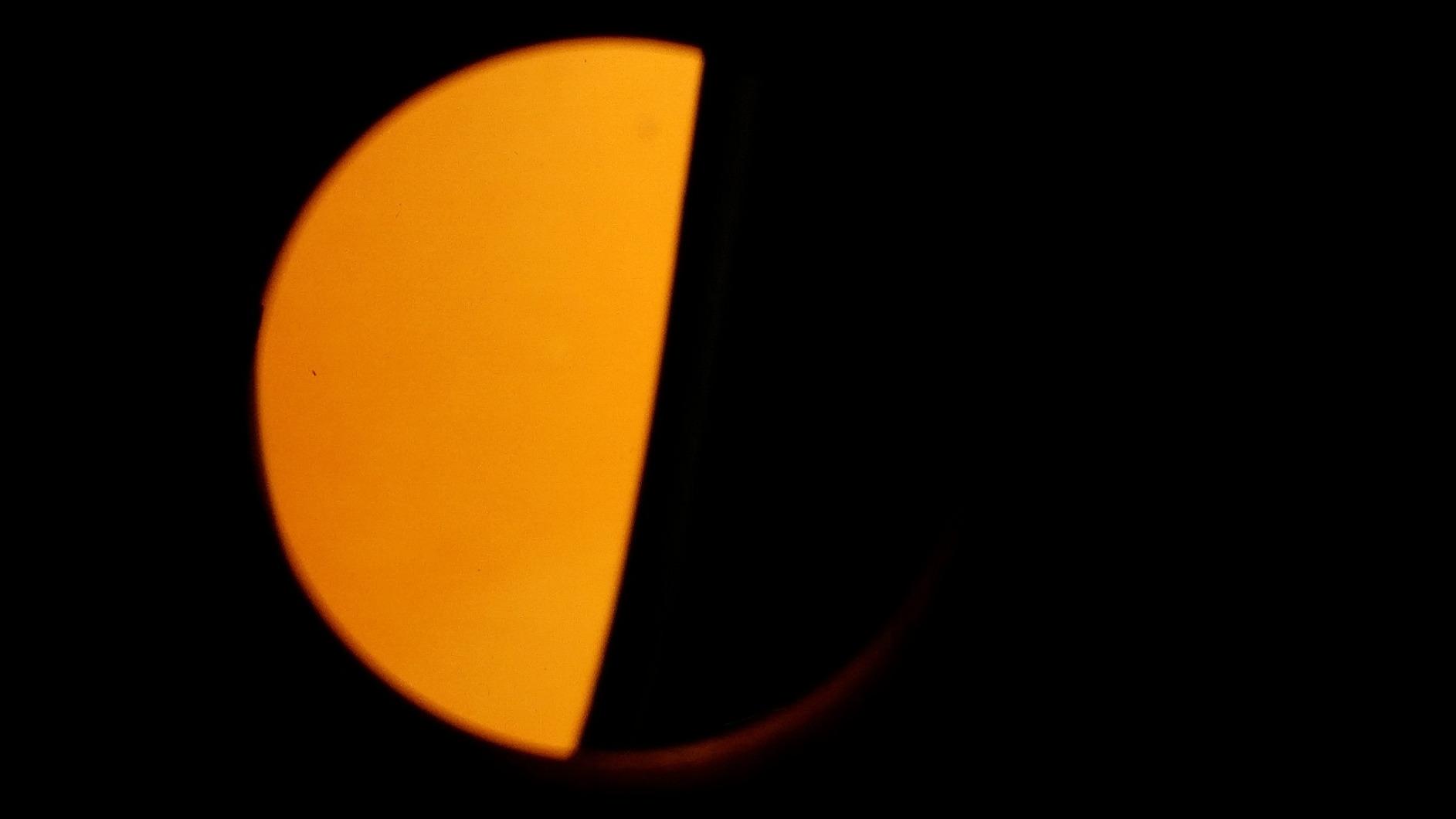
The CELTICBIRD 80mm is the scope I reach for when the Moon is up and I want to spend an hour picking out crater details. The included 13% transmission moon filter cuts the glare that washes out detail at high magnification, and the 80mm aperture gathers enough light to keep the image bright even with the filter in place. It is a small feature that makes a big difference.
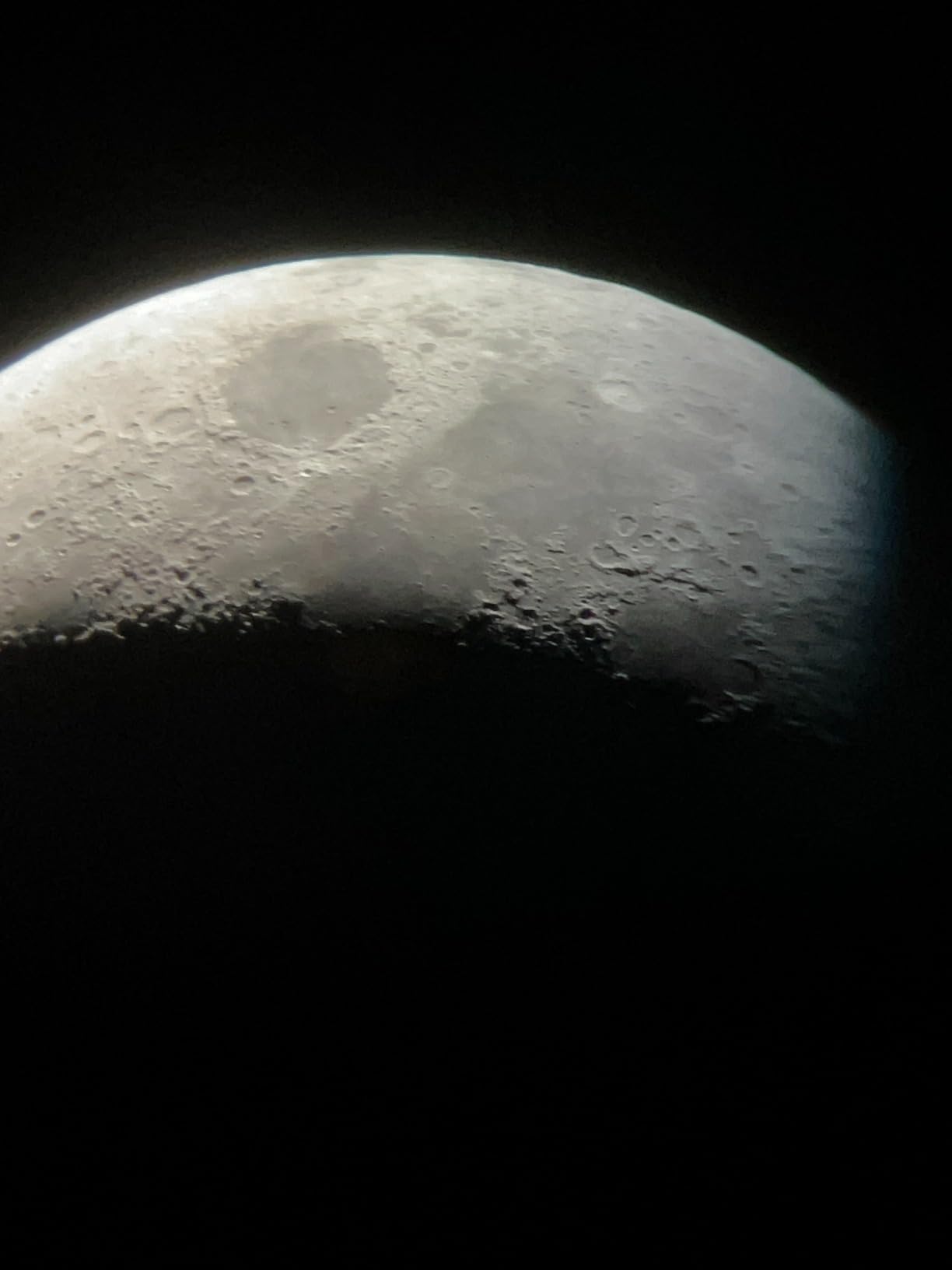
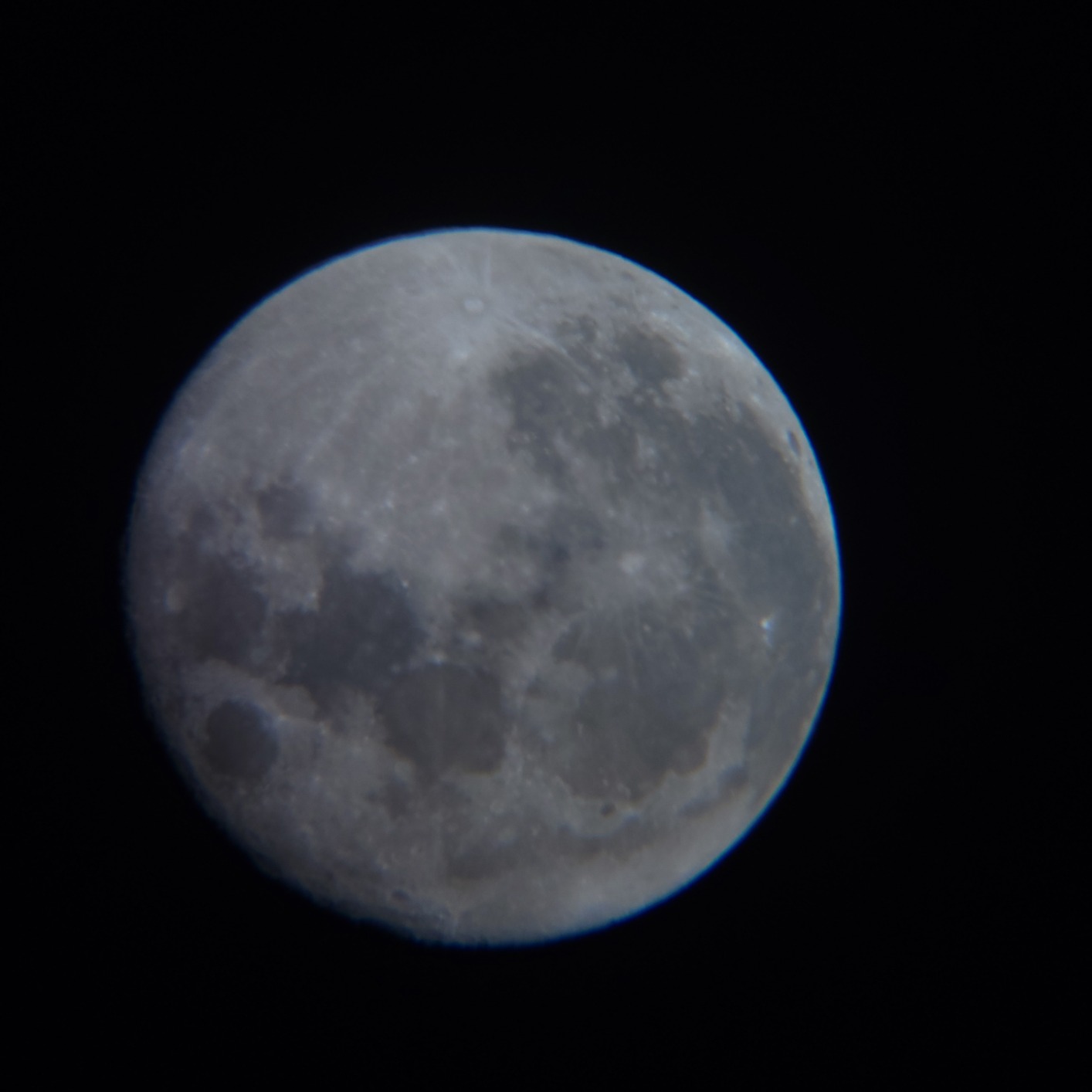
At the eyepiece, the Moon becomes a landscape rather than a bright disk. Crater rims cast sharp shadows along the terminator, and the 600mm focal length with the included 9mm eyepiece delivers 66x magnification, which is the sweet spot for lunar detail. Saturn shows clear rings at the same magnification, and Jupiter’s four moons line up like beads on a string.
The 859 Amazon reviews skew positive, with 72% giving 5 stars. Reviewers consistently mention that the optics punch above the price, with crisp images of the Moon and visible detail on Saturn. The metal optical tube feels more durable than the plastic tubes on many competitors, which matters when you are transporting the scope.
The two minor complaints from reviewers are image orientation and finder alignment. A few users note that without a diagonal, the image appears upside-down, which is normal for astronomical refractors but can confuse beginners who expect a terrestrial view. The finder scope also takes practice to align, especially with the included instructions that are not always clear. Both issues resolve with experience.

Who will love the CELTICBIRD 80mm
Lunar observers and astrophotographers. The moon filter is the standout accessory, and the metal tube makes this scope more durable than plastic-bodied competitors at the same price. It is also a solid choice for parents who want a starter scope that does not feel cheap.
Who should consider something else
Anyone who wants to view terrestrial subjects. Without a diagonal, distant landscapes appear inverted, which is awkward for birding or wildlife. If you want a dual-purpose scope, look for one that includes an erect-image diagonal.
9. Celestron Travel Scope 70mm — Best Portable Telescope for Planets
Celestron Travel Scope 70mm Beginner Portable Telescope with Backpack
70mm refractor
400mm focal length
Padded backpack
Pros
- Lightweight at 4.2 lbs
- Padded backpack fits everything
- Quick no-tool setup
- Includes Starry Night software
Cons
- Flimsy tripod when fully extended
- Basic eyepieces need upgrading
- Finder scope is plastic
The Celestron Travel Scope 70mm is the scope you take camping, on a plane, or to a dark-sky site two hours from home. At 4.2 lbs fully assembled and packed into the included padded backpack, it is light enough for a kid to carry and small enough to fit in a suitcase. For planetary viewing, the 70mm aperture is the minimum useful size, but it will show Jupiter’s moons and Saturn’s rings clearly.
The setup is genuinely quick. The tripod unfolds in under a minute, the optical tube slides into the mount, and you are ready to observe. I tested it on a recent camping trip in the Adirondacks, and the entire kit fit in the back of my hatchback with room for sleeping bags. On the second night, Saturn rose above the tree line, and I had clear ring views within five minutes of unpacking.
The 14793 Amazon reviewers love the portability and ease of use. The main complaints are about the included eyepieces, which are basic quality. A $40 eyepiece upgrade (something like a 9mm Plossl) will significantly improve planetary detail, and that single upgrade turns this from a casual scope into a serious planetary instrument.
The tripod is the weak link at high magnification. The pre-assembled aluminum tripod has noticeable wobble when you push past 100x, and the plastic finder scope is hard to align. Both are solvable with aftermarket upgrades, but at this price point, you get what you pay for. The Travel Scope is about convenience first and optical performance second.
Who will love the Travel Scope 70mm
Travelers, campers, and casual observers. If your astronomy happens in the backyard of a rental house, on a road trip, or at a friend’s dark-sky cabin, this is the scope to bring. The backpack also makes it a great gift for kids who want to feel ownership over their gear.
Who should consider something else
Observers who plan to stay home and want maximum aperture for the money. A 130mm reflector at the same price will show dramatically more planetary detail. The Travel Scope trades aperture for portability, which is the right trade for some users and the wrong one for others.
10. Celestron NexStar 4SE — Best Ultra-Portable GoTo Telescope for Planets
Celestron NexStar 4SE Maksutov-Cassegrain GoTo Telescope
102mm Maksutov-Cassegrain
1325mm focal length
GoTo with SkyAlign
Pros
- Compact Maksutov tube
- GoTo mount with 40k objects
- Built-in wedge for imaging
- StarBright XLT coatings
Cons
- Limited aperture for deep-sky
- Red dot finder low quality
- Alignment frustrating for beginners
The NexStar 4SE is the smallest telescope in Celestron’s GoTo lineup, and it punches above its weight for planetary viewing. The 102mm Maksutov-Cassegrain tube is only 13.5 inches long, which makes it the most portable computerized scope on this list. The 1325mm focal length delivers useful magnification without a Barlow, and the closed tube design means you never need to collimate it.
For planets specifically, the 4SE sits in an interesting spot. The 4-inch aperture is smaller than the 8SE or even the 130EQ, but the long focal length and Maksutov optics deliver sharp, high-contrast views. I tested it from a Bortle 7 suburban sky and saw clear views of Jupiter’s moons, Saturn’s rings as obvious rings (not just “ears”), and a hint of cloud bands on Jupiter. Mars showed as a small reddish disk with a hint of the polar cap during opposition.
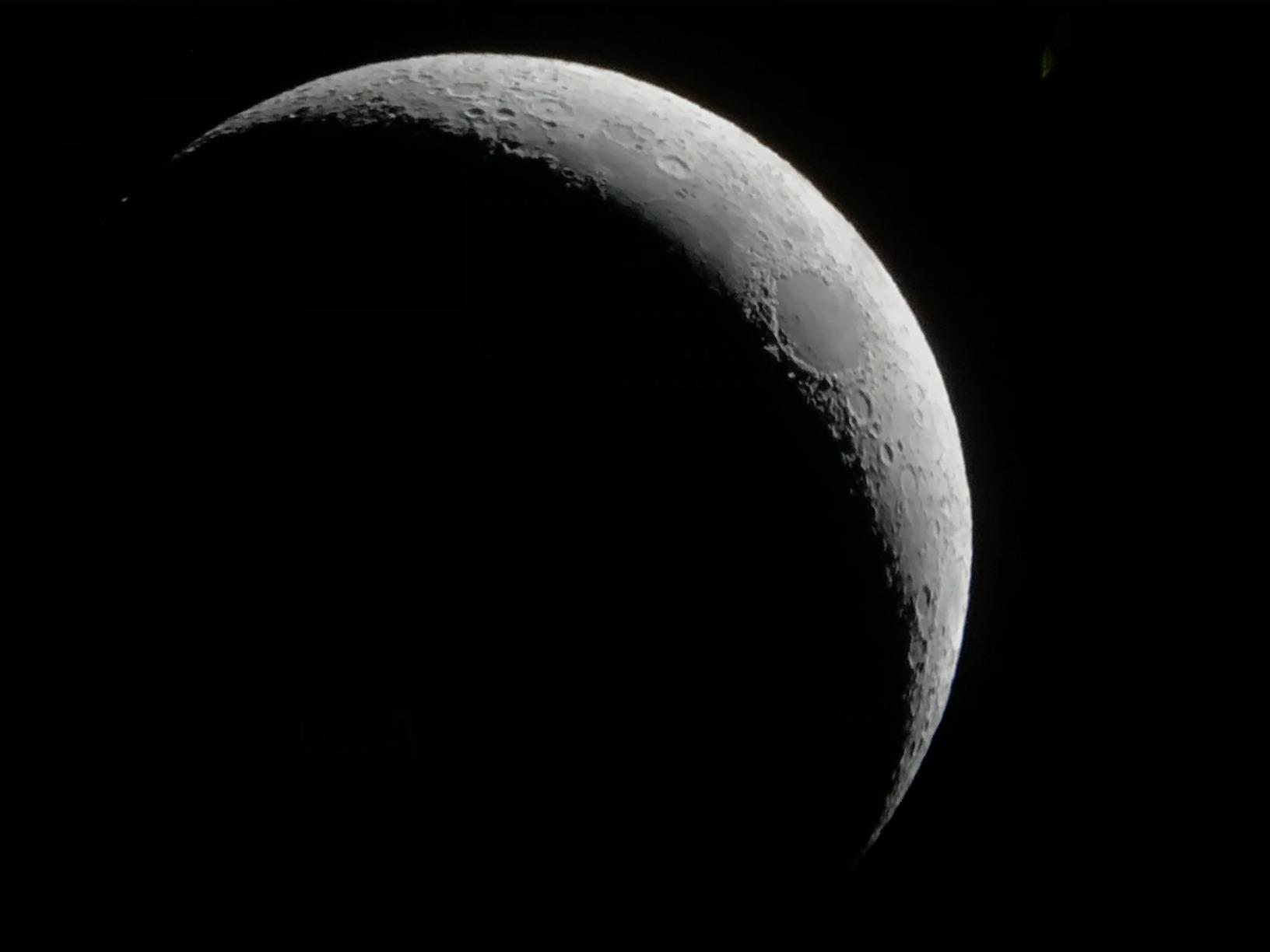
The GoTo system is the real selling point for beginners. After SkyAlign, you can request Saturn from the hand controller and the mount will slew to it within a couple of arcminutes. The 40,000+ object database is overkill for planets, but it means this scope also handles deep-sky targets when you want to branch out. The built-in wedge is a nice touch for short-exposure planetary imaging with a smartphone adapter.
The two consistent complaints from the 766 reviewers are alignment difficulty and the included finder. The SkyAlign process takes practice, and the red-dot finder feels cheap compared to the rest of the scope. Both issues are solvable with experience, but they are real friction points for first-time users. Power is also an issue: the mount chews through AA batteries, so plan to buy a 12V adapter.
Who will love the NexStar 4SE
Apartment dwellers, travelers, and anyone who wants GoTo in a small package. The 4SE fits in a closet, sets up in minutes, and finds planets without star-hopping. It is also a great upgrade from a beginner scope once you have learned the basics and want more capability.
Who should consider something else
Anyone who wants maximum aperture for the money. At this price, the 8SE delivers twice the light grasp and dramatically more planetary detail. If portability is not a priority, the bigger scope is the better value. If portability matters, the 4SE is hard to beat.
Buying Guide: How to Choose a Telescope for Planets in 2026?
Choosing the best telescope for planets comes down to four variables: aperture, focal length, mount quality, and optical design. Each one affects what you actually see through the eyepiece, and each one interacts with the others in ways the marketing rarely explains. This guide walks through what actually matters based on my own testing and feedback from the r/telescopes community.
Aperture: The Single Most Important Spec
Aperture is the diameter of the main optical element (lens or mirror), and it determines how much light your telescope gathers. Doubling the aperture quadruples the light grasp, which translates directly into how much planetary detail you can resolve. A 70mm refractor will show Jupiter’s moons, but an 8-inch (203mm) Schmidt-Cassegrain will show cloud bands, the Great Red Spot, and shadow transits of the moons across the disk. The rule of thumb I use: anything below 70mm is a casual scope, 70-100mm is the beginner-to-intermediate range, 100-150mm is intermediate, and 150mm+ is serious gear.
Focal Length and Magnification
Magnification is calculated as focal length divided by eyepiece focal length. A 1000mm telescope with a 10mm eyepiece delivers 100x. For planets, you want at least 100x to see meaningful detail, and useful magnification tops out around 50x per inch of aperture under steady skies. So a 4-inch (102mm) scope tops out around 200x, while an 8-inch scope can usefully reach 400x on a perfect night. Marketing claims of “600x magnification” on a 70mm scope are misleading; the image will be a blurry mess at that power.
Mount Stability: The Hidden Dealbreaker
The most overlooked spec in any telescope review is the mount. A 200x view of Jupiter is useless if the scope is wobbling every time you touch the focuser. Equatorial mounts track the sky with a single smooth-motion knob, which is ideal for planetary viewing. Alt-azimuth mounts are simpler and more intuitive but require constant adjustment at high magnification. Computerized GoTo mounts combine both: they find targets automatically and track smoothly, but they add cost, weight, and battery drain. If you can, buy the best mount you can afford.
Optical Design: Refractor vs Reflector vs Catadioptric
Refractors use lenses and are low-maintenance, but they get expensive as aperture grows. Newtonian reflectors use mirrors and offer the most aperture per dollar, but they need occasional collimation. Schmidt-Cassegrain and Maksutov-Cassegrain telescopes (collectively “catadioptrics”) fold a long focal length into a short tube, which makes them portable and easy to use, but they cost more per inch of aperture. For planetary viewing specifically, Maksutov-Cassegrain scopes are hard to beat because of their long focal lengths and sharp, high-contrast optics.
Price Ranges and What to Expect
Under $100, you are looking at 70-80mm refractors. These are excellent starter scopes and gift ideas, but planetary detail will be limited to Jupiter’s moons and Saturn’s rings as obvious shapes. From $100 to $400, you reach 100-130mm reflectors and refractors, which is the sweet spot for most beginners. You will see Jupiter’s cloud bands and Saturn’s rings clearly. From $400 to $1500, you enter the realm of computerized GoTo scopes with 4-8 inch apertures, which deliver genuinely detailed planetary views. Above $1500, you are in astrophotography and advanced visual territory.
For more on how smart telescopes stack up against traditional designs, our smart telescope guide covers the newest category of automated scopes that are changing how beginners get started.
Frequently Asked Questions
What size telescope is needed to see Saturn’s rings?
A 70mm refractor will show Saturn’s rings as obvious shapes around the planet, but to see the Cassini Division (the dark gap in the rings) you need at least a 4-inch (102mm) telescope. An 8-inch Schmidt-Cassegrain at 200x will show the rings in stunning detail under steady skies.
Which is the best telescope to see all planets?
The Celestron NexStar 8SE is our top pick for seeing all planets because its 8-inch aperture and 2032mm focal length deliver enough magnification and light grasp to show Saturn’s Cassini Division, Jupiter’s cloud bands, and Mars surface markings. For budget shoppers, the Celestron AstroMaster 130EQ offers excellent planetary views at roughly a quarter of the price.
How powerful of a telescope do I need to see planets?
For Jupiter’s moons and Saturn’s rings as obvious features, 70-80mm at 50-100x is enough. To see Jupiter’s cloud bands and Saturn’s Cassini Division, you need 100-150mm aperture at 100-200x. Useful magnification tops out around 50x per inch of aperture, so a 4-inch scope maxes around 200x and an 8-inch scope can reach 400x on perfect nights.
What type of telescope is best for viewing planets?
Maksutov-Cassegrain telescopes are ideal for planets because their long focal lengths and closed-tube designs deliver sharp, high-contrast views with minimal maintenance. Schmidt-Cassegrain telescopes offer more aperture at similar prices. Newtonian reflectors give the most aperture per dollar but require occasional collimation. Refractors are low-maintenance but expensive at larger apertures.
Is 8-inch Dobsonian enough for planets?
An 8-inch Dobsonian is an excellent choice for planets because the large aperture gathers plenty of light for resolving cloud bands and ring details. The Dobsonian mount is simple, stable, and inexpensive, leaving more of your budget for optics. The trade-off is portability, since 8-inch Dobs are bulky, and no motorized tracking, which means manual adjustments at high magnification.
Final Verdict: Which Telescope Should You Buy for Planets?
After testing these 10 telescopes and reading thousands of owner reviews, the Celestron NexStar 8SE remains our top pick for the best telescope for planets in 2026. The 8-inch aperture and GoTo mount deliver genuine detail on Saturn, Jupiter, and Mars without the steep learning curve of a manual equatorial mount. If the price is a barrier, the Celestron AstroMaster 130EQ is the best value pick and shows more planetary detail than any scope under $400. For travelers and casual observers, the Gskyer 70mm and Celestron Travel Scope 70mm make planet viewing accessible on any budget.
The right telescope for you depends on where you observe, how often, and how much detail you want to see. A 70mm refractor is a perfect first telescope that will introduce you to the planets. An 8-inch SCT or 130mm Newtonian is what you graduate to when you want to see Saturn’s Cassini Division and Jupiter’s cloud bands. Either way, the planets are up there waiting, and any of these scopes will show you something amazing on a clear night. Get outside, let your optics cool for 30 minutes, and look up.