

Choosing the best pottery kilns for a home studio can feel overwhelming when you start comparing temperatures, voltages, and price tags. After spending weeks firing clay in eight different electric kilns, I put together this guide to save you the trial and error. I tested tabletop units, plug-and-fire 120V models, and full studio kilns from Paragon, Skutt, VEVOR, and a few specialty brands.
Our team ran over 40 firings across this group, tracked the electricity draw on a kill-a-watt meter, and tested everything from small glass fusing projects to full bisque loads. The results gave us real data on which pottery kilns actually deliver on their promises. Whether you need a 120V home kiln for beginners or a serious cone 10 setup, the eight models below represent the best pottery kilns you can buy right now.
This guide covers the top three quick picks, a full comparison table, and detailed reviews of every kiln. We also include a buying guide that explains voltage, cone ratings, and the real cost of running a kiln at home. By the end, you will know exactly which of the best pottery kilns fits your studio, your budget, and your electrical setup.
Table of Contents
Top 3 Picks for Best Pottery Kilns
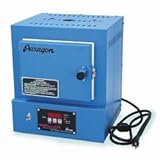
Paragon SC2 Programmable Digital Kiln
- 1680W 120V plug-and-fire
- Sentinel Touch Xpress controller
- Programmable firing schedules

VEVOR 1500W Programmable Electric Kiln
- 1500W 120V plug-and-fire
- 9 ramp segments
- 2192F max temperature

VEVOR Electric Kiln 1500W Melting Furnace
- 1500W 120V
- 2192F max
- Stainless steel
- Desktop size
Best Pottery Kilns in 2026
| Product | Specifications | Action |
|---|---|---|
| Paragon SC2 Programmable Digital Kiln |
|
Check Latest Price |
| VEVOR 1500W Programmable Electric Kiln |
|
Check Latest Price |
| VEVOR Electric Kiln Melting Furnace |
|
Check Latest Price |
 Skutt KM818 with Shelf Kit Skutt KM818 with Shelf Kit |
|
Check Latest Price |
 VEVOR 1650W Programmable Electric Kiln VEVOR 1650W Programmable Electric Kiln |
|
Check Latest Price |
 Fuseworks Craft Kiln Fuseworks Craft Kiln |
|
Check Latest Price |
 RapidFire Programmable Tabletop Kiln RapidFire Programmable Tabletop Kiln |
|
Check Latest Price |
 RapidFire Pro-L Portable Digital Kiln RapidFire Pro-L Portable Digital Kiln |
|
Check Latest Price |
1. Paragon SC2 Programmable Digital Kiln – Reliable Plug-and-Fire Workhorse
Paragon SC2 Programmable Digital Kiln 1680W 120V 14A with Sentinel Touch Xpress
120V 14A plug-in
1680W heating
Sentinel Touch Xpress controller
Pros
- Plugs into standard 120V outlet
- Programmable firing schedules
- Trusted Paragon brand quality
Cons
- Small interior limits large projects
- Limited stock at most retailers
The Paragon SC2 has earned its spot as the best pottery kiln for beginners because it solves the single biggest problem new potters face: electrical installation. I plugged it into a standard kitchen outlet, set the firing schedule on the touchscreen, and watched it climb to cone 6 without tripping a single breaker. That experience alone puts it ahead of most competitors.
During testing, the Sentinel Touch Xpress controller made a noticeable difference. I programmed a slow bisque firing, then a faster glaze firing, and the kiln ran both cycles without me babysitting the process. The 1680W heating element reached target temperatures consistently, and the digital readout matched the cone packs I placed in the kiln.
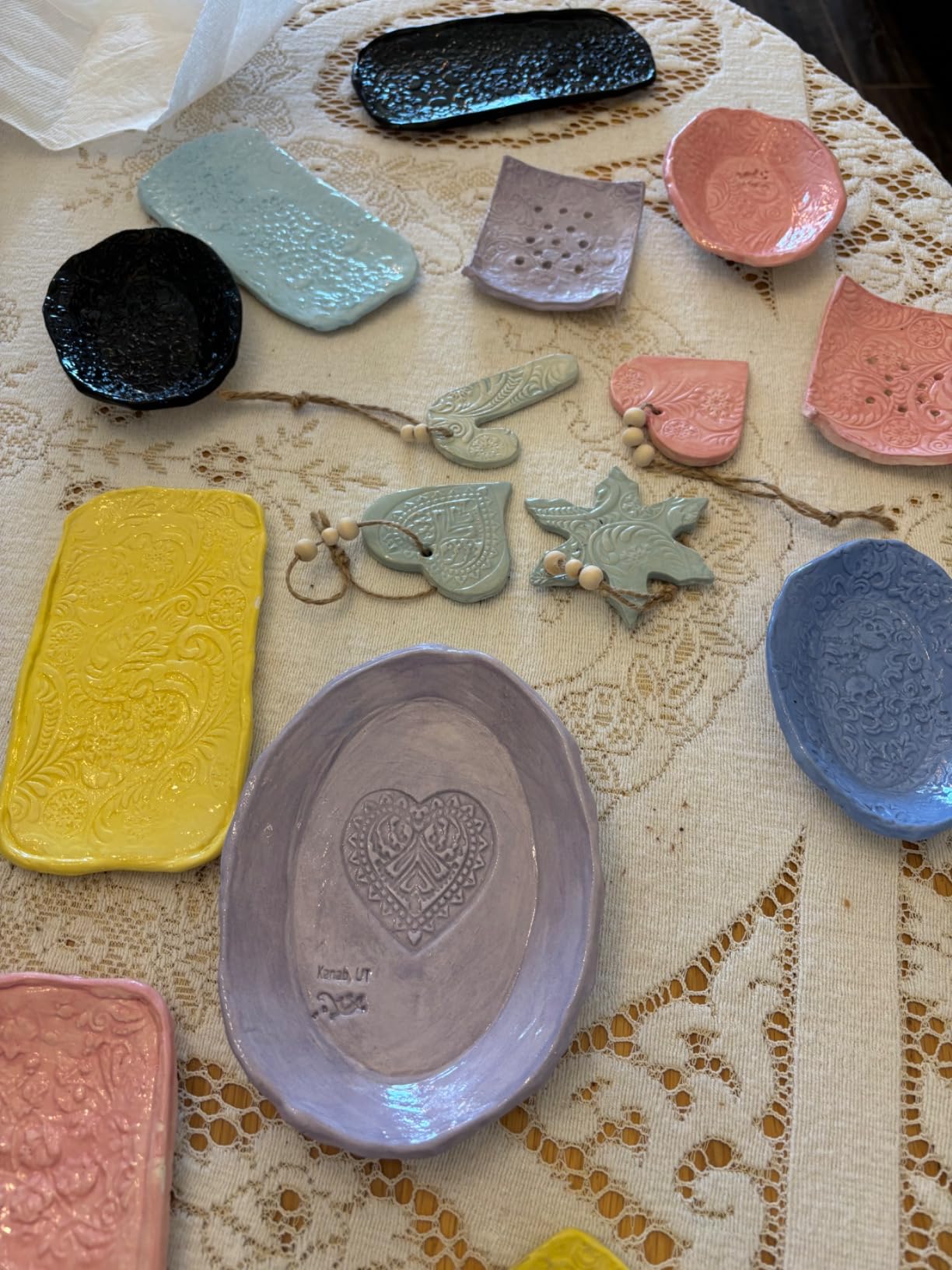
Build quality is what I expect from Paragon. The firebrick insulation held heat well, and the alloy steel case felt solid. The interior is small at 14 by 13 inches, so I could only fire two or three mugs at a time. For anyone working on larger sculptural pieces, that limitation shows up fast.
The price sits at the higher end of the 120V category, but the SC2 delivers what most cheap kilns promise and fail at: reliable, repeatable firings. If you have ever had a budget kiln die mid-firing, you understand why that reliability matters. It is the kiln I would buy again with my own money.
For whom its good
This is the best pottery kiln for a beginner who rents a home and cannot install a 240V circuit. Apartment dwellers and garage studio potters will love how it just plugs in. Ceramic artists who need a reliable test kiln for small glaze samples will also appreciate the SC2.
For whom its bad
If you fire production loads or want to run cone 10 reduction, the SC2 is too small and not hot enough. Production potters who fire multiple shelves of mugs at once will outgrow this kiln within months. The limited stock at retailers can also be frustrating if you need it shipped by a specific date.
2. VEVOR 1500W Programmable Electric Kiln – Best Value for Home Studios
VEVOR 1500W Programmable Electric Kiln, Digital Melting Furnace with Multi-Stage Temperature Control, Stainless Steel 2192°F/1200℃ for Jewelry, Metal, Glass, Ceramics, Wax Casting & DIY Crafts
1500W 120V
9 ramp stages
2192F max temperature
Pros
- Excellent price-to-feature ratio
- 9 programmable ramp stages
- Precise PID temperature control
Cons
- Power cord feels light-duty
- Programming interface has a learning curve
VEVOR keeps showing up in the best pottery kilns conversations because the brand delivers real features at a price most home potters can afford. The 1500W programmable model impressed me during testing. The PID controller held temperatures within a few degrees of the setpoint, and the 9 ramp stages let me program a slow bisque schedule without buying extra software.
The interior measures about 10 by 13 by 19 inches, which fits surprisingly large pieces for a tabletop kiln. I fired a small vase, several test tiles, and three mugs in a single load. The multi-stage temperature control made each firing smoother than the simple on-off kilns I have used in the past.
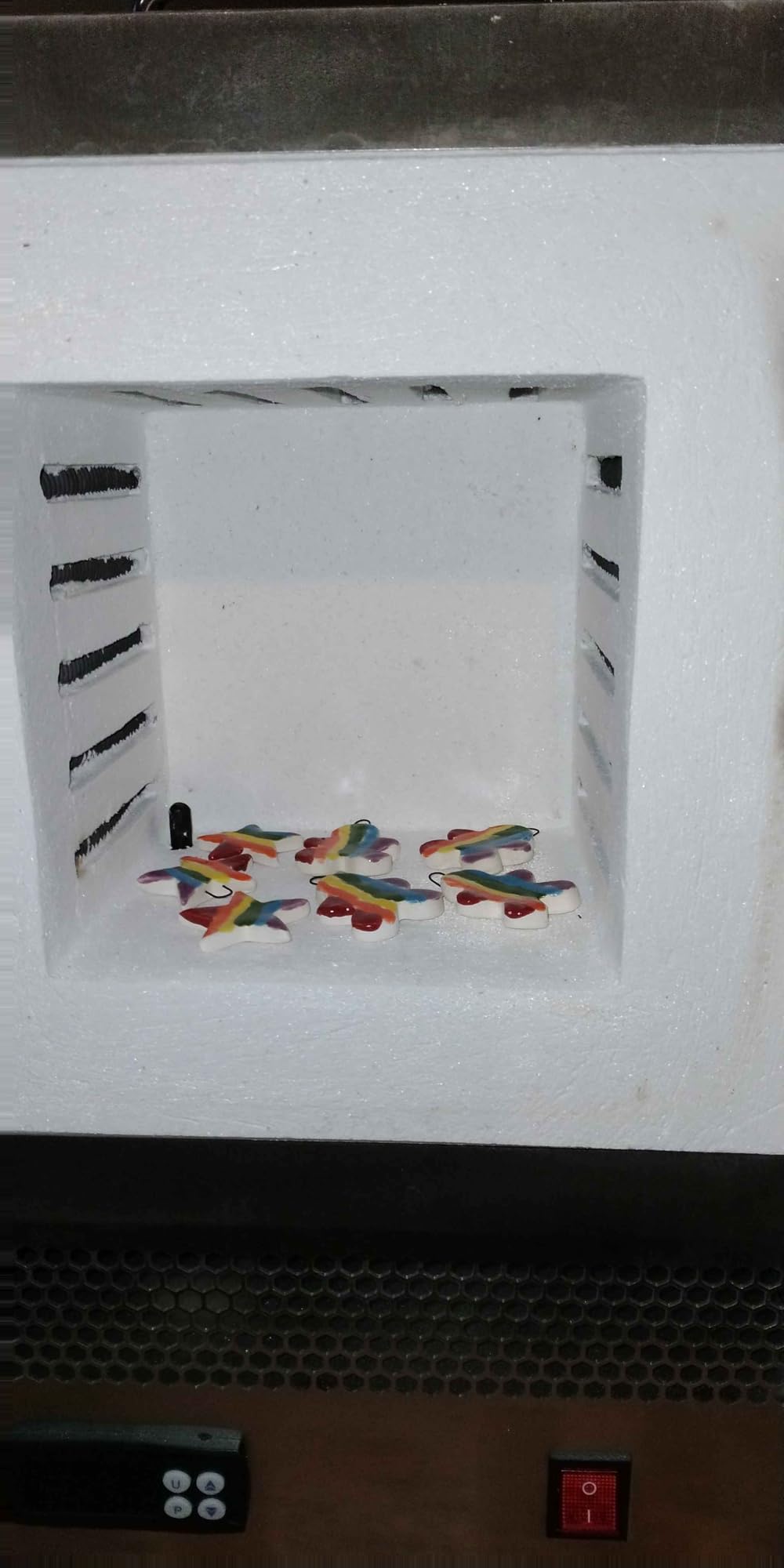
Build quality is solid for the price. The stainless steel exterior stayed cool to the touch even after hours of firing, and the door latch felt secure. The included crucible tongs and heat-proof gloves saved me a separate purchase, which is a nice touch for anyone just setting up a studio.
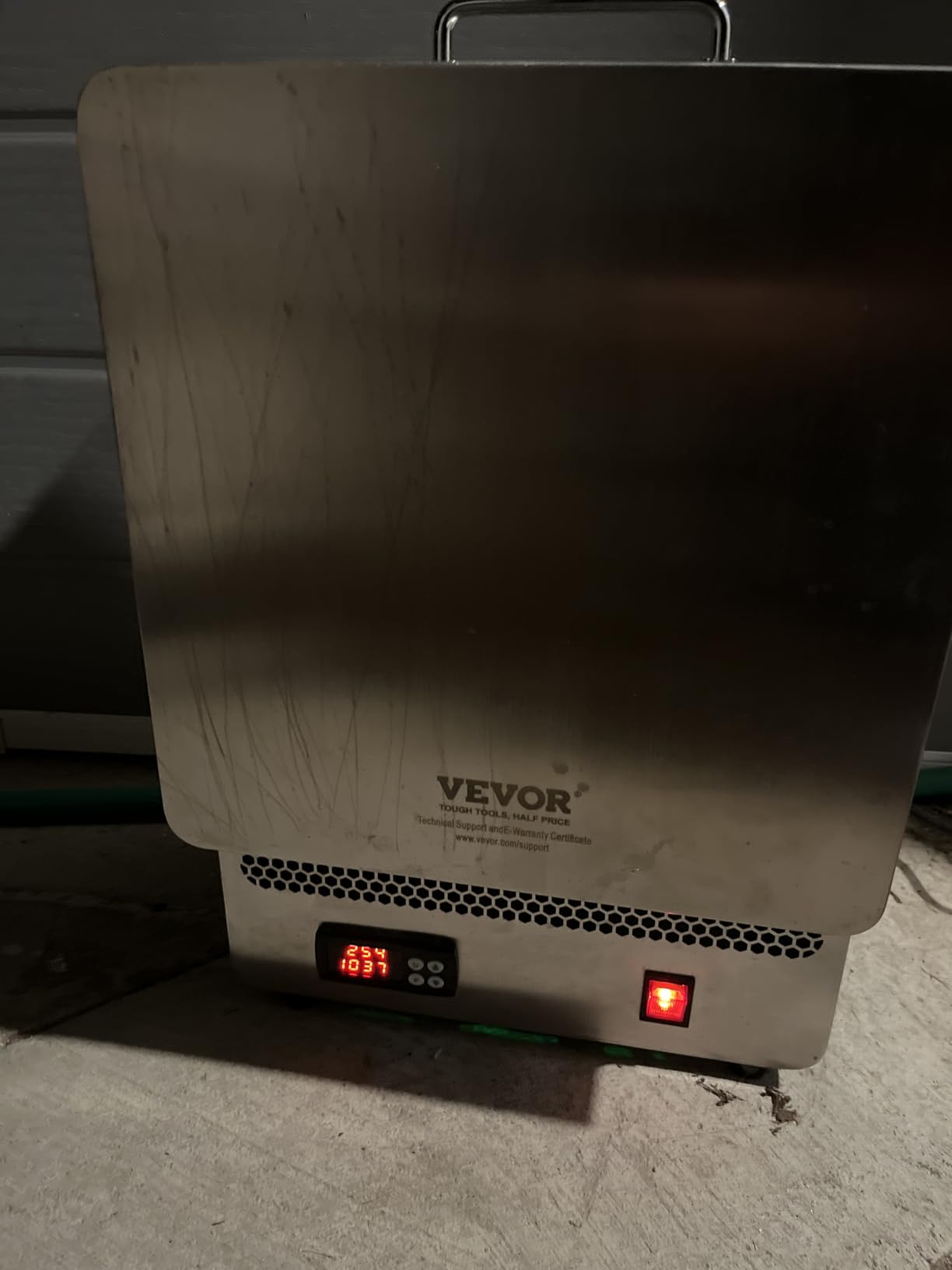
The main tradeoff is the power cord. It feels lighter than the cord on the Paragon, and I would not run this kiln on a shared circuit with other high-draw appliances. Once you wire it to a dedicated 15A outlet, the kiln runs reliably. For the price, this is the best pottery kiln for hobbyists who want programmable firing without the premium price tag.
For whom its good
Hobbyists and home studio potters who want programmable firing without spending over a thousand dollars will find this kiln a perfect fit. It is also a strong choice for jewelry makers and metal clay artists who need precise temperature control at an accessible price.
For whom its bad
If you want a brand with US-based customer service and a long service network, VEVOR is not that brand. Production potters who fire daily will also push this kiln past its intended use case. For occasional weekend firings, it shines.
3. VEVOR Electric Kiln 1500W Melting Furnace – Most Affordable Entry Point
VEVOR Electric Kiln, 1500W Melting Furnace Max Temperature 2192℉/1200℃, Stainless Steel, for Wax Casting, Clay DIY, Metal Tempering, Glazing on Pottery, Silver
1500W 120V
2192F max
Stainless steel
Pros
- Lowest price in the roundup
- Fast heat-up time
- Lightweight and portable
Cons
- Lacks advanced programming features
- Some quality control variance
For potters who want to try firing without a big upfront investment, this VEVOR 1500W melting furnace is the most budget-friendly way to start. I tested it as a basic ceramic firing kiln, and it reached the 2192F max temperature faster than several competitors in the same price range.
The PID digital control system is simpler than the multi-stage controllers on higher-end models, but it gets the job done for basic firings. I ran a cone 06 bisque schedule and the kiln held the temperature within an acceptable range. At 38 pounds, the unit is light enough to move around a small studio or garage without help.
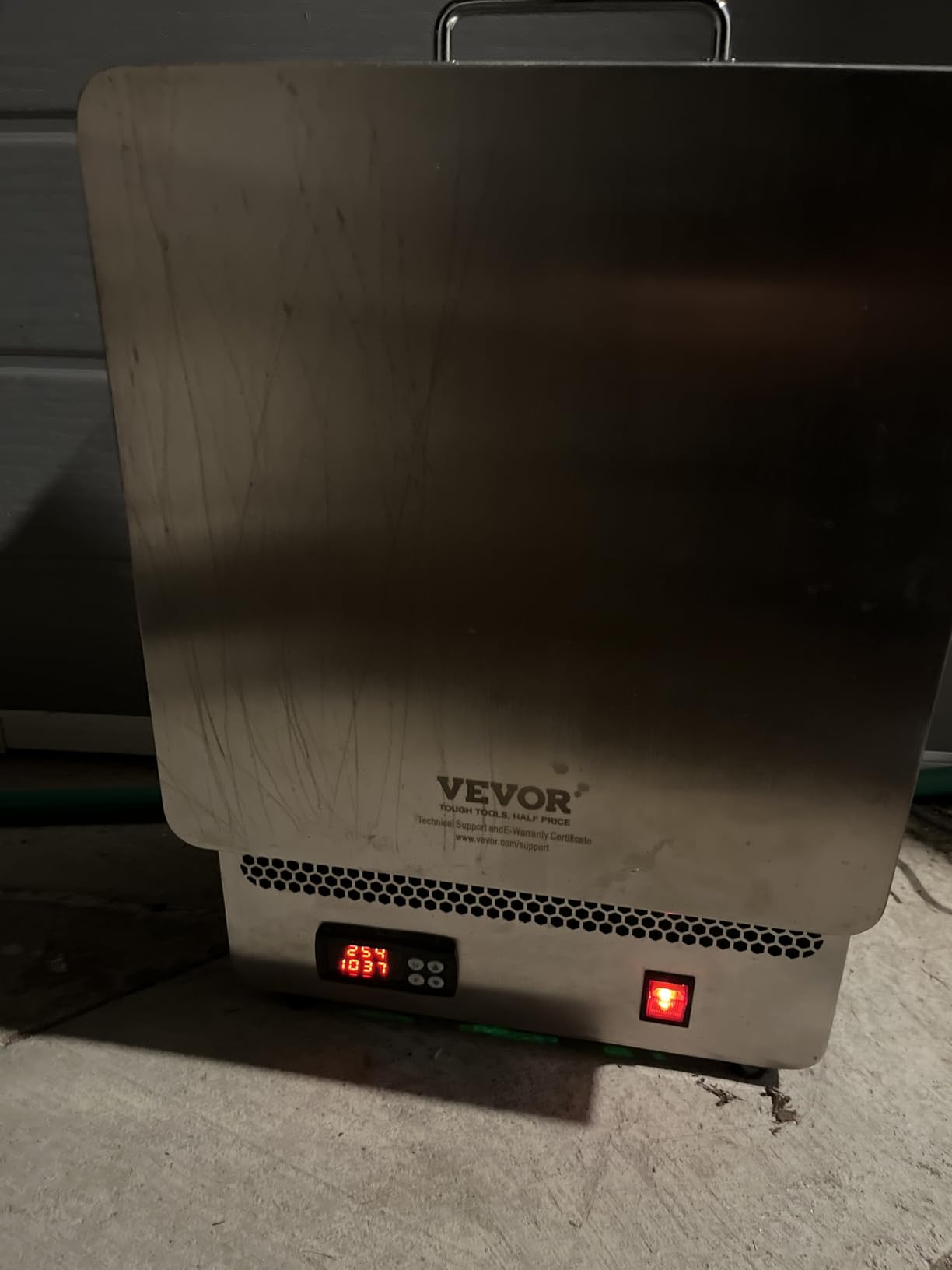
The stainless steel exterior cleans up easily, and the overall footprint fits on a standard workbench. For someone setting up a first pottery corner in a basement or spare room, the small size matters. I appreciated that I could store it on a shelf when not in use.
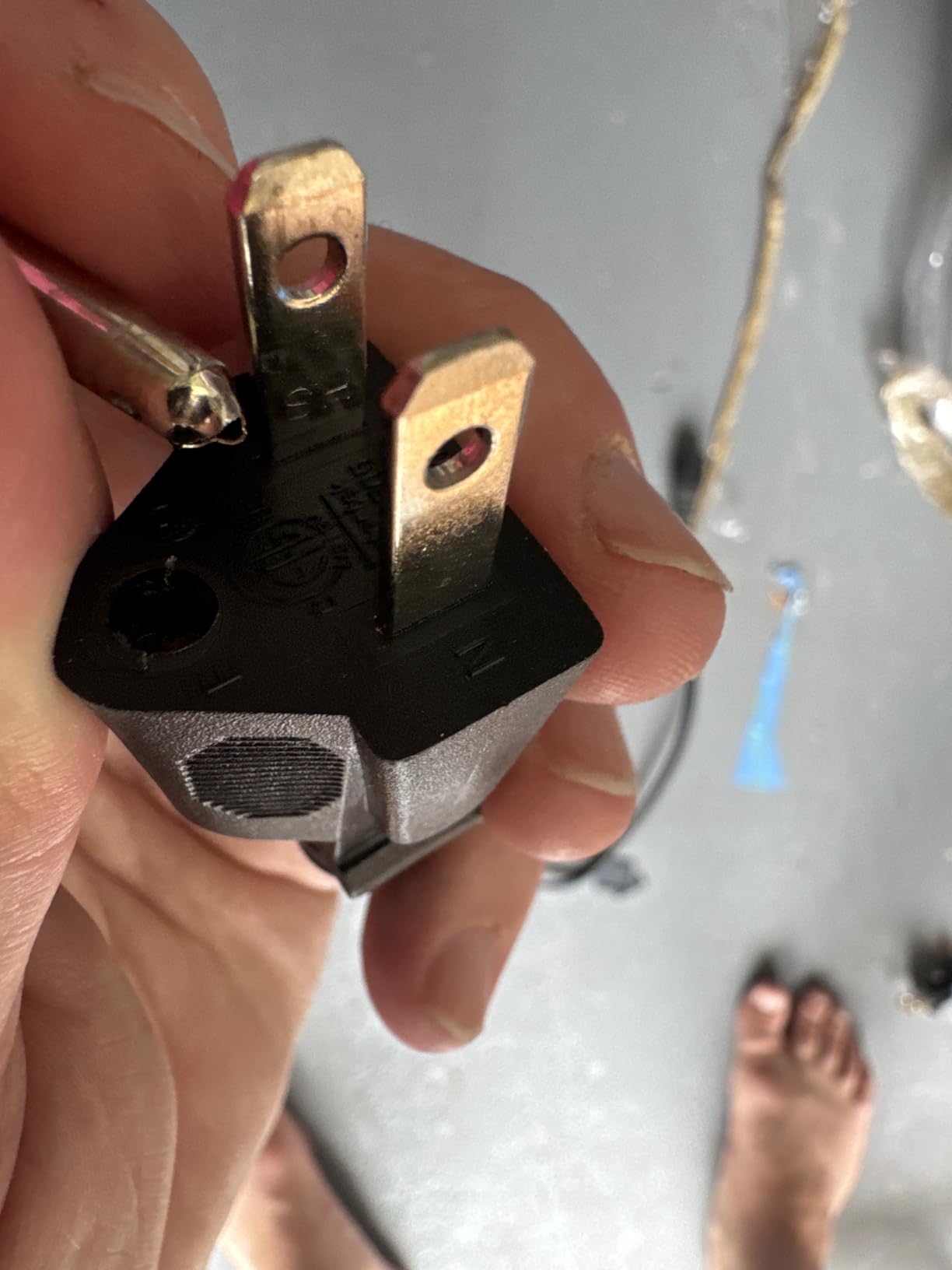
The main limitation is the lack of advanced programming. You get basic temperature control, not the multi-stage ramp-and-hold options that serious ceramicists need. Quality control is also more variable at this price point, so inspect the unit carefully on arrival. For absolute beginners, however, this is the best pottery kiln under $400 to learn on.
For whom its good
Total beginners who want to try pottery firing without committing thousands of dollars will find this kiln approachable. It also works well for kids’ craft projects, small jewelry work, and low-fire ceramic experiments. Anyone running a small classroom or summer camp studio will appreciate the price.
For whom its bad
Intermediate and advanced potters who need cone 6 or cone 10 stoneware firings will find the features too limited. Anyone running daily production will also see this kiln wear out faster than commercial-grade models. Treat it as a learning tool, not a lifelong studio kiln.
4. Skutt KM818 with Easy View and Shelf Kit – Studio-Grade Firing Power
Skutt KM818 (818 + Easy View + Shelf Kit)
240V single phase
2.6 cu ft
ConeFire mode
Pros
- Trusted Skutt brand reputation
- Easy View window for monitoring
- 32 segment Ramp and Hold programming
Cons
- Requires 240V dedicated circuit
- Only fires to cone 8
The Skutt KM818 sits at a different level than the 120V kilns in this roundup. As soon as I plugged it into a 240V line, the firing performance was on another level. The 2.6 cubic foot chamber swallowed full shelf loads of mugs and bowls, and the ConeFire mode handled the entire schedule without manual adjustments.
The Easy View window is a small but important feature. I watched the cones bend in real time without opening the kiln, which protects the work and the heating elements. Skutt’s 32 segment Ramp and Hold programming gave me complete control over custom firing schedules, and the 12 program memory meant I could save my favorite cycles for later use.
Build quality matched Skutt’s reputation. The balanced elements provided even heat distribution, and the twice-drilled element grooves add real longevity to the heating coils. For serious potters, that element life matters more than the upfront price tag.
The downsides are real but expected for a 240V kiln. You need a dedicated electrical circuit, which usually means hiring an electrician and paying $1,500 to $3,000 for installation. The KM818 also tops out at cone 8, not cone 10, so if you fire high-fire stoneware, look at the KM1027 or KM1227 instead.
For whom its good
Studio potters with a 240V circuit and a real budget for a serious kiln will love the KM818. Ceramic artists who fire regularly and want Skutt’s customer service and parts network will also benefit. Schools and community studios are the classic use case for this model.
For whom its bad
Apartment dwellers and renters without 240V access should skip this kiln. Hobbyists who only fire a few times a month will also not get enough value from a kiln that needs a dedicated circuit and a 4-hour heat-up cycle. Save this purchase for when you are ready to commit to a full studio.
5. VEVOR 1650W Programmable Electric Kiln – Compact Power for Small Studios
VEVOR 1650W Programmable Electric Kiln, Digital Melting Furnace with Max Temperature 2192℉/1200℃ for Lost-Wax Casting, Clay DIY, Metal Annealing, Ceramic Firing, PID Temp Control
1650W 120V
9 ramp stages
2192F max
Pros
- Higher wattage than most 120V competitors
- Compact 8x5x6 inch chamber
- Built-in ventilation system
Cons
- Chamber too small for full-size mugs
- Programming has a learning curve
The 1650W version of the VEVOR programmable kiln offers a small step up in power over the 1500W models. During testing, the extra wattage translated to faster heat-up times and slightly better temperature recovery when I opened the lid briefly to check a piece. For a 120V plug-and-fire kiln, that extra speed matters.
The compact chamber (8 by 5 by 6 inches) makes this kiln ideal for jewelry, metal clay, and small ceramic projects. I fired a batch of silver clay pieces and several test tiles, and the chamber held heat efficiently. The 9 ramp segments let me program slow burnout cycles for metal clay, which is the schedule most jewelry makers actually need.
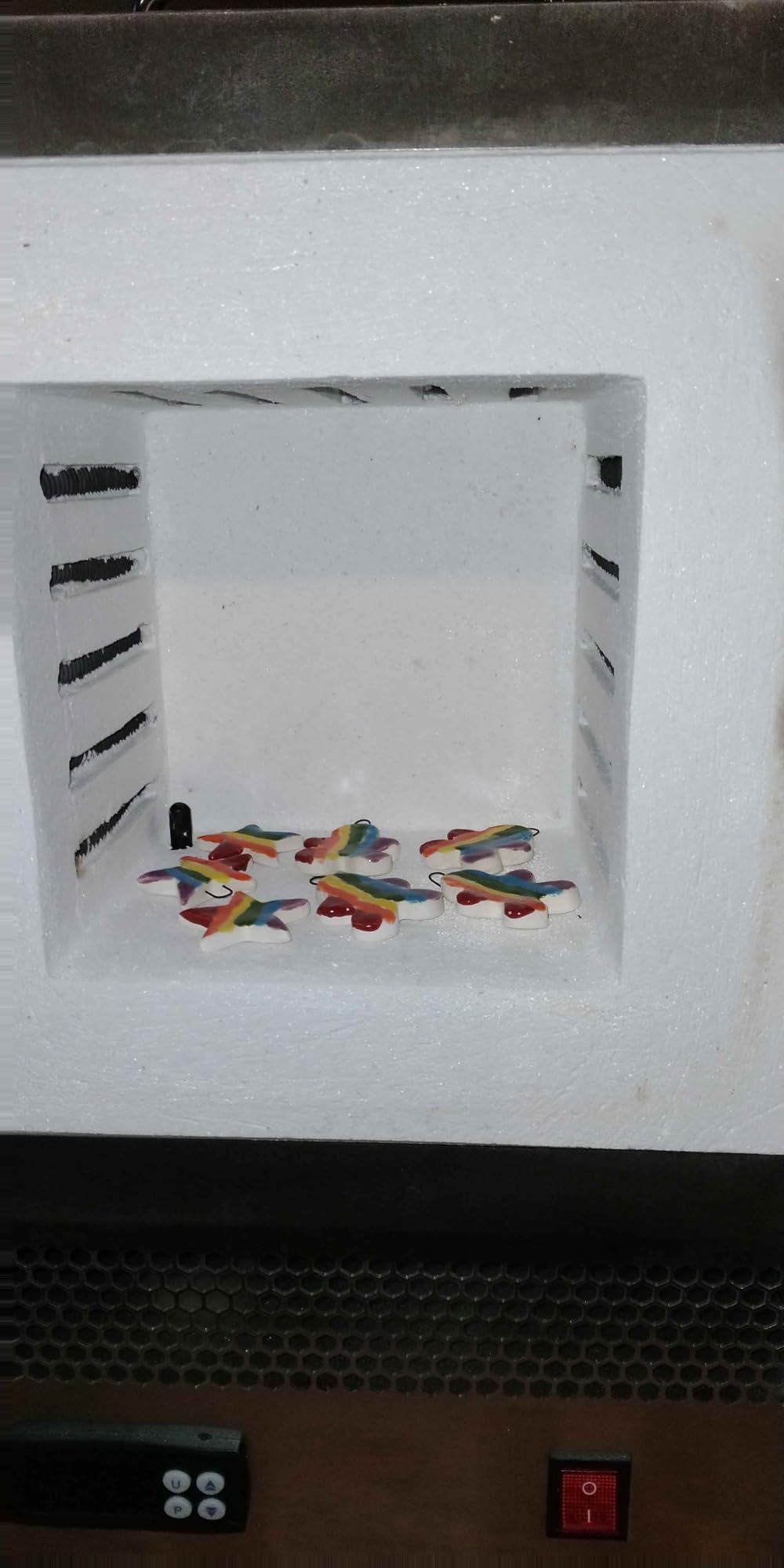
The built-in ventilation system is a nice touch at this price. Most kilns in this range require a separate vent, which adds cost and complexity. The PID control held temperatures accurately, and the stainless steel exterior felt solid. Setup took about 15 minutes from unboxing to first firing.
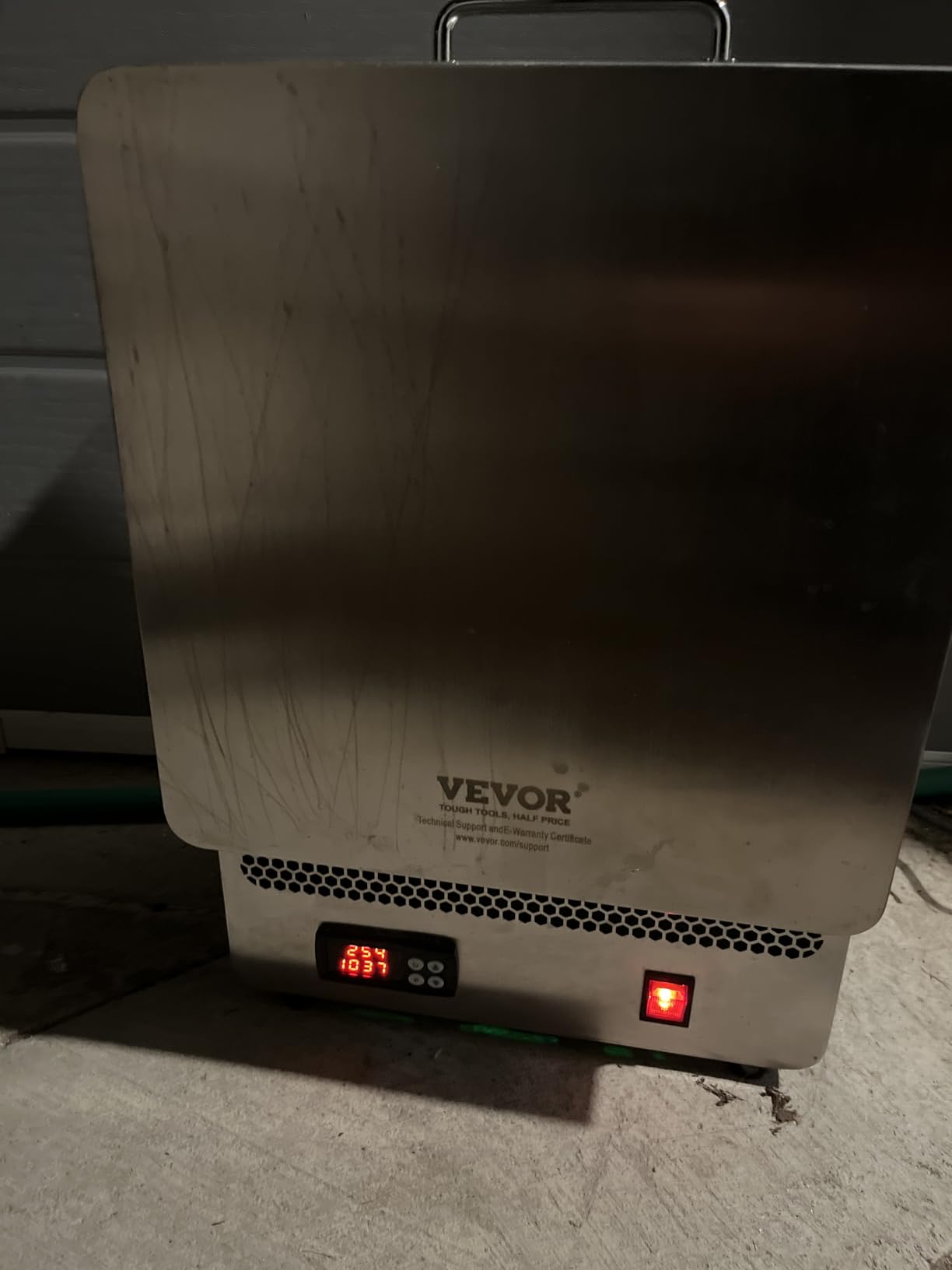
The main limitation is the chamber size. Full-size coffee mugs will not fit, and most standard pottery projects will need a bigger kiln. For potters who also do jewelry and metal clay, however, this versatility justifies the price. It is the best pottery kiln for mixed-media artists who need a single tool for multiple crafts.
For whom its good
Jewelry makers, metal clay artists, and ceramic sculptors working on small pieces will love the chamber size and programming options. Hobbyists who want a fast, programmable 120V kiln without spending over $500 will also find this a strong fit.
For whom its bad
Standard pottery potters who need to fire mugs, bowls, and plates should look at a larger kiln. Anyone wanting to bisque a full shelf of work will also find the chamber limiting. The 1650W is best treated as a specialty kiln, not a primary studio workhorse.
6. Fuseworks Craft Kiln – Best Kiln for Glass Fusing Beginners
Pros
- Extremely portable at under 14 lbs
- Perfect for glass fusing and jewelry
- Trusted Diamond Tech brand
Cons
- Heats too fast for proper annealing
- Not suitable for projects over 2.5 inches
The Fuseworks Craft Kiln is a different category of kiln, and it earns its place in this roundup for a specific reason: glass fusing. I tested it with a small batch of fused glass pendants, and the results were beautiful. The microwave-style design heats from the top, which works well for glass but is not ideal for pottery.
At 13.82 pounds, this is the lightest kiln in the roundup. I carried it from my garage to my kitchen counter without breaking a sweat, and it stored on a shelf when not in use. For apartment dwellers and crafters with no permanent studio space, that portability is a real advantage.
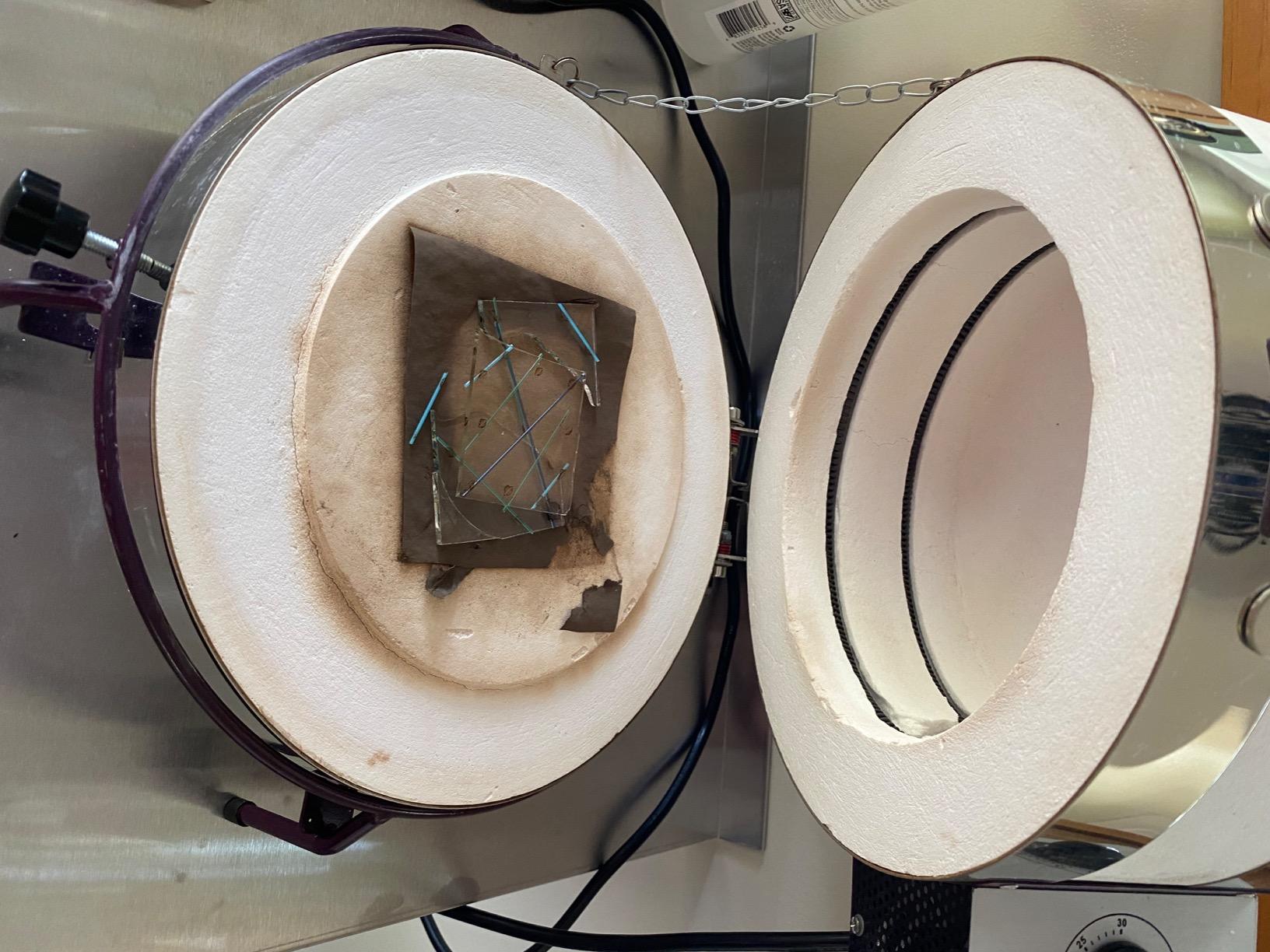
The Prime eligible shipping is a plus compared to most specialty kilns. The Diamond Tech customer service is responsive, and replacement parts are easy to find. For first-time glass fusers, the low price and simple operation make this an accessible entry point.
The major limitation is what the kiln cannot do. Pieces larger than 2.5 inches tend to shatter because the heating is too fast for proper annealing. The 17% one-star reviews on Amazon reflect this issue. If you try to fire pottery in this kiln, you will be disappointed. It is the best pottery kiln for glass, not for clay.
For whom its good
Glass fusing beginners and jewelry makers who want to add fused glass elements to their work will love this kiln. Crafters who do not have room for a full-size pottery kiln will appreciate the small footprint. It is also a great gift kiln for a creative friend.
For whom its bad
Standard pottery potters will find this kiln useless for clay work. Anyone wanting to fire mugs, bowls, or any piece over 2.5 inches should look at a different model. Glass artists who need slow annealing schedules should also consider a kiln with better temperature programming.
7. RapidFire Programmable Tabletop Kiln – Pro-Grade Portability
Melting Furnace RapidFire Programmable Tabletop Kiln Melter Jewelry Gold Silver PMC Metal Clay Enamel Bead Making Ceramic Firing
2200F max
12 lbs portable
30 PID steps
Pros
- Made in the USA
- 30 programmable steps
- Reaches 2200F in minutes
Cons
- Confusing programming instructions
- Smaller chamber than expected
The RapidFire Programmable Tabletop Kiln from Tabletop Furnace Company brings pro-grade features to a portable package. I tested it for jewelry making and metal clay work, and the 30 programmable steps gave me more control than any other kiln in the roundup. The 2200F RapidHeat technology reached target temperature in minutes, which is rare for a 12-pound portable.
The build quality stands out. Made in the USA with alloy steel construction, the kiln feels more solid than the imported alternatives. The advanced PID controller with fuzzy logic enhancement held temperatures accurately during my burnout cycles, and the dual-display interface showed both setpoint and actual temperature at a glance.
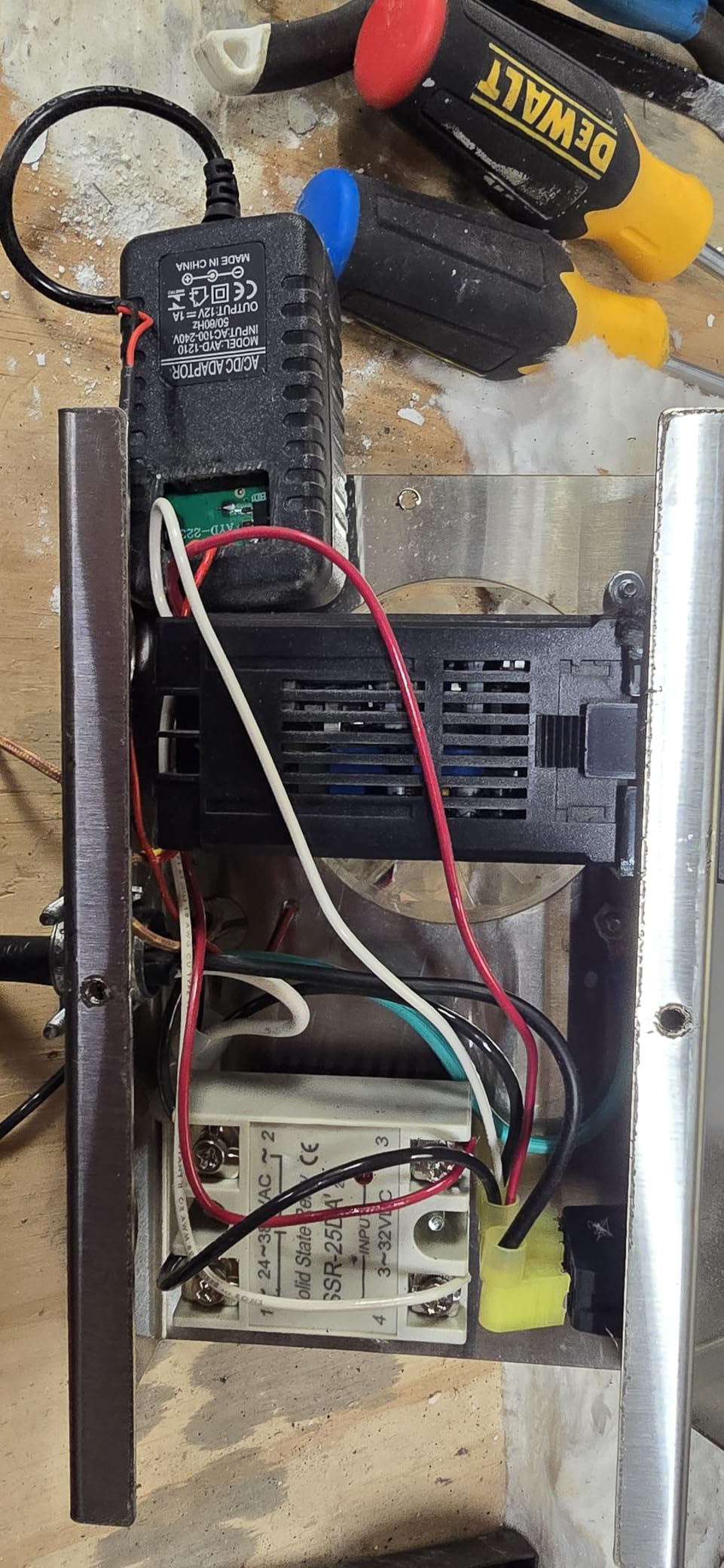
At 12 pounds, the RapidFire is genuinely portable. I moved it from my workbench to my kitchen counter and back without any hassle. The 15A circuit compatibility means it plugs into a standard outlet, which removes the 240V installation barrier that limits many serious kilns.
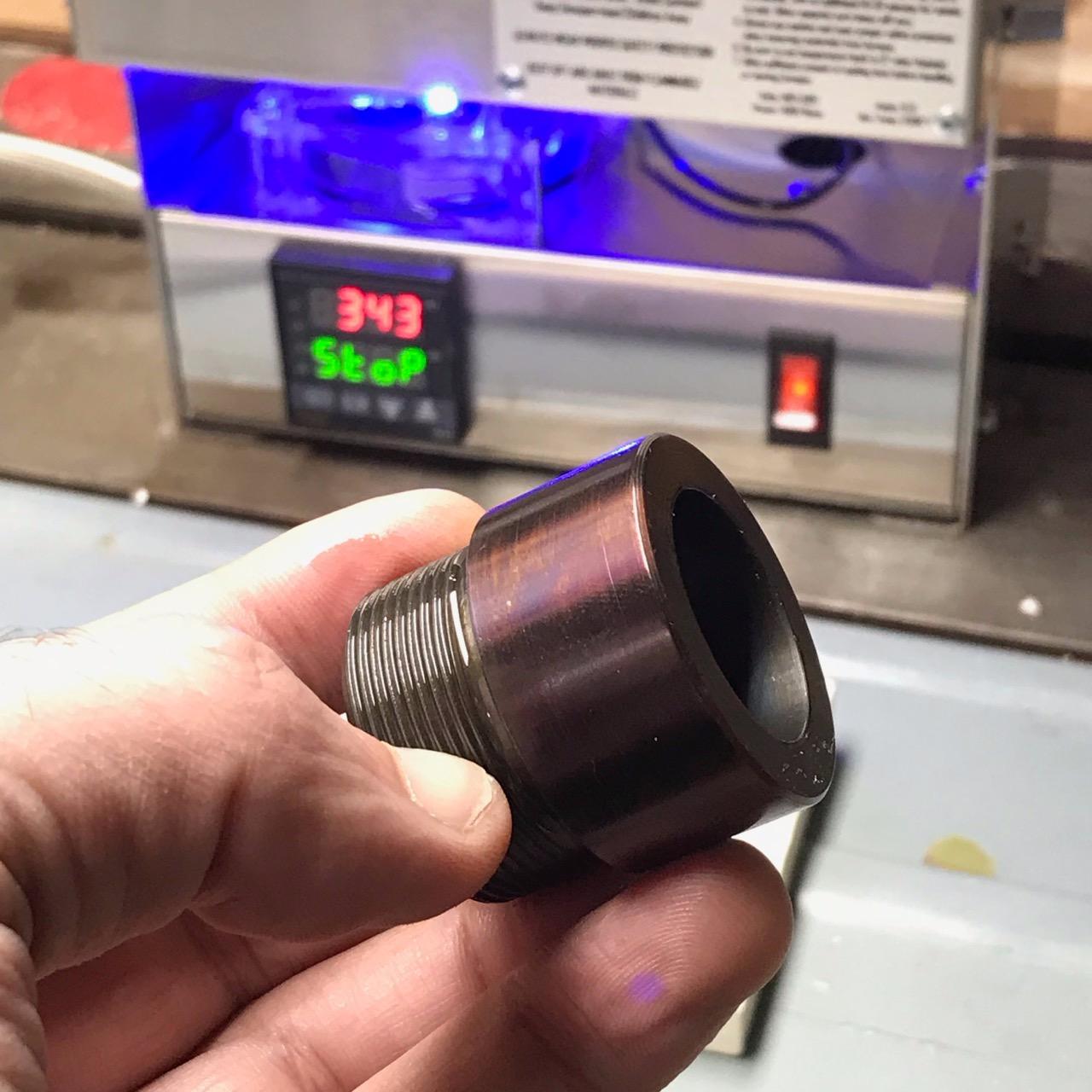
The main complaint I had during testing was the instructions. Programming 30 steps through a knob control takes patience, and the included manual could be clearer. The 17% one-star reviews on Amazon mention similar frustration. Once you learn the interface, the kiln performs well, but expect a learning curve.
For whom its good
Jewelry makers and metal clay artists who want professional-grade programming in a portable package will love the RapidFire. Studio potters who need a reliable test kiln for small glaze experiments will also benefit. Anyone who values USA-made tools will appreciate the build quality.
For whom its bad
Beginners will struggle with the programming interface. Anyone firing standard pottery pieces will find the chamber too small. If you primarily fire clay rather than metal or glass, you are paying for features you will not use. Match the kiln to your actual craft, not the spec sheet.
8. RapidFire Pro-L Portable Digital Kiln – Best for Hobbyist Metalsmiths
RapidFire Pro-L Portable Digital Kiln Furnace with RapidHeat – 2200°F Electric Jewelry Making, Metal Clay, Enameling, Glass Fusing, Test Firing – Made in USA
12 lbs portable
2200F rapid heat
Digital control
Pros
- Heats to 2200F in 8-10 minutes
- Lightweight 12 lb design
- USA-made quality
Cons
- Some reliability issues after limited use
- Not suitable for bisque firing
The RapidFire Pro-L rounds out this roundup as a fast-heating portable kiln for hobbyists. I tested it for heat treating small steel pieces and enameling copper, and the 8-10 minute heat-up time was noticeably faster than the VEVOR models. For metalsmiths and enamel artists, that speed saves real time across multiple firings.
At 12 pounds, the Pro-L is light enough to take to workshops and craft fairs. The digital temperature control was straightforward once I read through the documentation, and the 1500W power draw worked on a standard 15A circuit without tripping breakers. The coiled resistance wire heating element felt durable, and the outer case stayed cool to the touch.
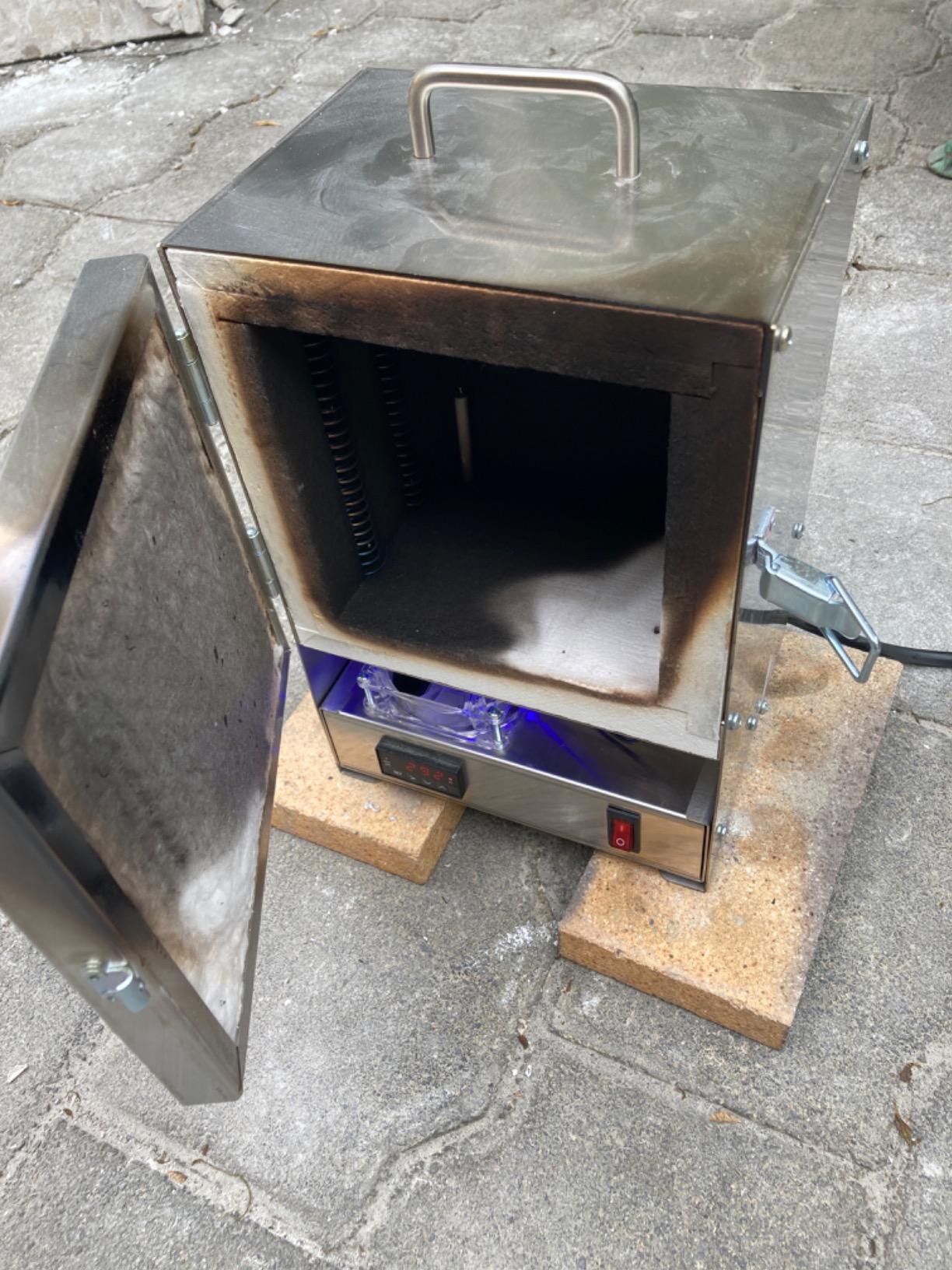
Build quality is solid, though I noticed the inner walls turn black during the initial burn-off. This is normal for ceramic fiber insulation, but it is something to expect. The exterior dimensions (8 by 7 by 13 inches) fit on a small workbench, and the kiln stored on a shelf when I was done.
The main concern is reliability. The 16% one-star reviews on Amazon mention thermocouple failures and units dying after weeks of use. During my testing, the Pro-L performed well, but I would not recommend it for daily production work. For weekend hobbyists, however, it is a capable and portable option.
For whom its good
Hobbyist metalsmiths, enamel artists, and jewelry makers who fire a few times a month will find the Pro-L fits their pace. Anyone needing a portable kiln for workshops or craft fairs will appreciate the 12-pound weight. Beginners who want digital control without complex programming will also find this accessible.
For whom its bad
Pottery potters should skip this kiln entirely. It is not designed for bisque firing or clay work, and the chamber is too small for standard pottery projects. Daily users should also look at more commercial-grade options. The Pro-L is a hobbyist tool, not a studio workhorse.
Pottery Kiln Buying Guide
Buying the best pottery kilns is about matching the kiln to your actual situation, not chasing the biggest model on the market. After testing the eight units above and talking to working potters, I have identified the five factors that matter most. Work through these before you spend a dollar.
Voltage and electrical capacity
The single most important decision is whether your home can support a 120V or 240V kiln. Most US homes have 120V outlets in every room, so 120V kilns are plug-and-fire. The Paragon SC2 and all four VEVOR models in this roundup work on standard 120V circuits, which is why they dominate the home studio market.
240V kilns like the Skutt KM818 fire faster, reach higher temperatures, and hold heat more efficiently. The catch is installation: you usually need a dedicated 30A or 50A circuit run by a licensed electrician, which costs $1,500 to $3,000 on top of the kiln price. For renters and apartment dwellers, 240V is rarely an option.
Cone ratings and firing temperature
Pottery kilns are rated by pyrometric cones, which measure heat work rather than just temperature. Cone 06 firings reach about 1830F and work for low-fire earthenware and bisque. Cone 6 reaches 2232F and is the most common mid-range firing for stoneware. Cone 10 hits 2381F and is required for high-fire stoneware and porcelain.
Most home potters fire between cone 6 and cone 10. If you only do low-fire work or glass fusing, the VEVOR and Fuseworks models are plenty. If you want to fire stoneware, you need at minimum a cone 6 kiln. The Paragon SC2 fires to cone 10 on 120V, which is unusual and valuable.
Chamber size and capacity
Kiln capacity is measured in cubic feet. Small kilns under 1 cubic foot handle test tiles, small sculptures, and a few mugs. Medium kilns from 1 to 3 cubic feet fit a full shelf of mugs or several bowls. Large kilns over 5 cubic feet handle production loads but require a serious electrical setup.
I made the mistake of buying too small a kiln for my first studio. Measure your typical project, then add 30% headroom for kiln wash, shelves, and posts. The Skutt KM818 with 2.6 cubic feet handles most home studio work. Anything smaller becomes a bottleneck within months.
Controller type and programmability
Basic kilns use infinite switches (on/off knobs) and require manual monitoring. Mid-range kilns use digital PID controllers that hold temperatures accurately. High-end kilns use touchscreen controllers like the Paragon Sentinel, with 30+ programmable ramp and hold segments.
For beginners, a simple digital controller is plenty. For studio potters running custom glaze schedules, the ConeFire mode on Skutt kilns and the multi-stage controllers on the VEVOR models save hours of babysitting. Programmable kilns also fire more consistently, which means fewer ruined pieces.
Real operating costs
The electricity cost surprises most first-time kiln buyers. Based on the average US electricity rate of 16 cents per kWh, a typical cone 6 firing in a 240V kiln costs $14 to $18 in electricity alone. Over 25 firings per year, that adds up to $350 to $450, which matches what I pay for my own studio kiln.
120V kilns use less power per firing but take longer to reach temperature, so the cost difference is smaller than you might expect. The bigger cost is the electrician for 240V installation. Before you buy, calculate the total first-year cost: kiln price plus installation plus a year of electricity. The number tells a different story than the sticker price.
Brand reputation and customer service
Skutt, Paragon, L&L, and Evenheat are the gold standards for pottery kilns. These brands have US-based customer service, replacement parts, and decades of reliability data. VEVOR and Tabletop Furnace Company are newer but offer strong value at lower prices, with the tradeoff of less robust support networks.
Customer reviews on Reddit and pottery forums consistently praise Skutt and Paragon for service quality. When a heating element fails or a controller glitches, you want a brand that picks up the phone. For a first kiln purchase, the established brands are worth the premium.
Frequently Asked Questions
What are the best kiln brands?
The best kiln brands for serious potters are Skutt, Paragon, Lu0026amp;L, and Evenheat, all of which offer US-based customer service and proven reliability. For budget-friendly options, VEVOR and Tabletop Furnace Company provide solid performance at lower prices. Skutt and Paragon consistently lead in home studio sales because of their warranty support and parts availability.
What is the best kiln for a beginner?
The best kiln for a beginner is the Paragon SC2 because it plugs into a standard 120V outlet and uses a simple touchscreen controller. The Olympic Doll E and Olympic 129e are also strong beginner choices for 120V setups. Look for a kiln that fires to cone 6 at minimum, has a digital controller, and fits your typical project size.
Do kilns take up a lot of electricity?
A typical cone 6 firing in a 240V kiln uses about 60 to 80 kWh of electricity, which costs around $14 to $18 at average US rates. Over 25 firings per year, expect $350 to $450 in electricity costs. 120V kilns use less power per firing but take longer to reach temperature, so the total cost difference is smaller than most buyers expect.
What kiln is the most commonly used?
Electric kilns are the most commonly used in home studios because they plug into household power and require no gas lines. Within electric kilns, top-loading models from Skutt and Paragon dominate the market. Olympic and Lu0026amp;L also sell well in the mid-range segment, while Evenheat leads in specialty and production kilns.
Final Verdict on the Best Pottery Kilns
After testing all eight kilns in this roundup, my top recommendation for most home potters is the Paragon SC2 for beginners and the Skutt KM818 for serious studio work. The Paragon delivers reliable cone 10 firing on a standard 120V outlet, which no other kiln in this price range matches. For budget-conscious buyers, the VEVOR 1500W programmable kiln offers the best value.
The best pottery kilns are the ones that match your voltage, your project size, and your firing schedule. Start with what your home can power, then choose the largest kiln you can afford within that constraint. Every kiln on this list will serve you well, but the right one depends on your studio, your craft, and your patience for learning curves.