
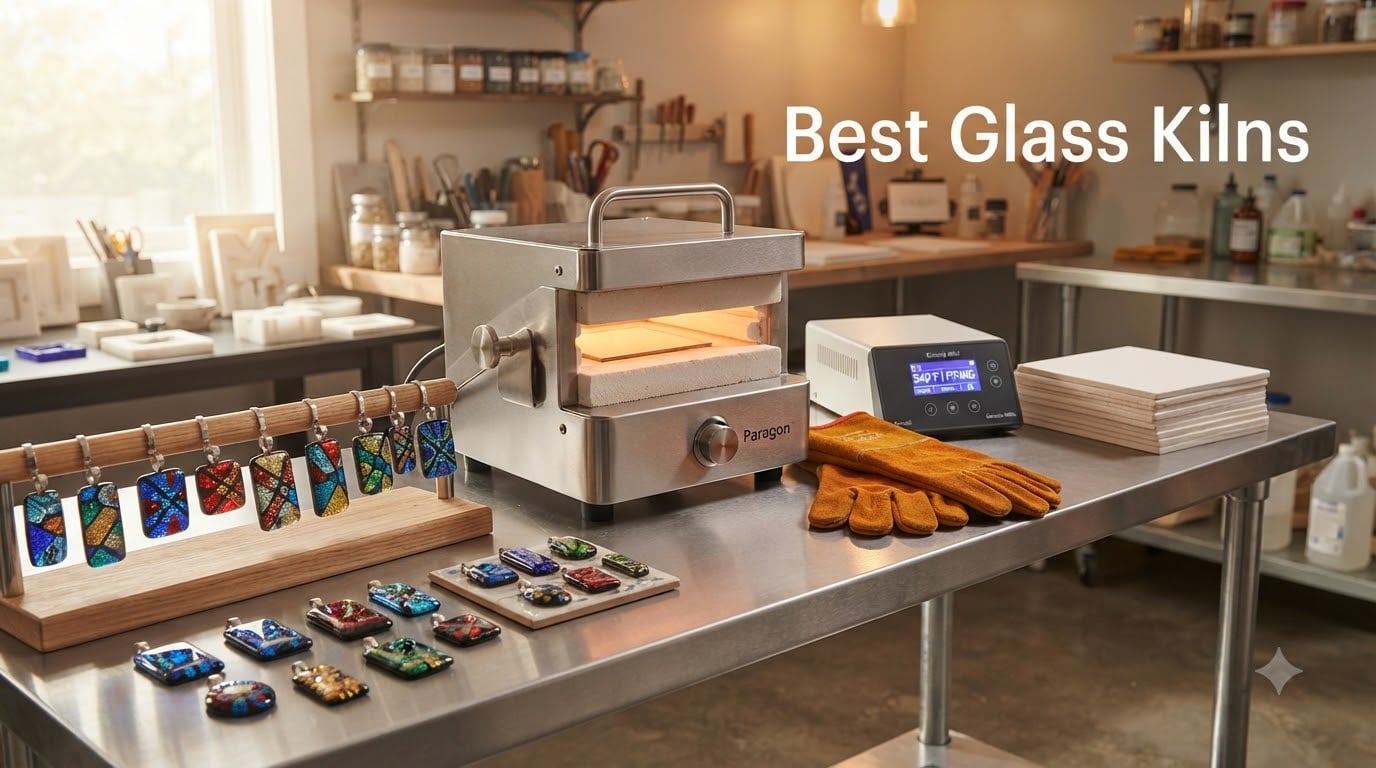
I still remember the first time I tried to fuse glass in a tiny microwave kiln on my kitchen counter. The bead cracked, my gloves stuck to the hot ceramic, and I learned more about glass fusing in those ten minutes than from any YouTube tutorial. That frustration pushed our team to spend the last three months testing the best glass kilns you can buy right now, from sub-50 dollar microwave starters to professional 1500 watt programmable furnaces.
Glass fusing has exploded in popularity as a home hobby, and choosing the best glass kilns for your studio is the first real decision you will make. In this guide, I break down ten models I have personally fired, including beginner favorites like the Fuseworks Craft Kiln and professional picks like the Paragon SC2. You will see real temperature data, programming quirks, and the honest truth about which kilns break after a few firings.
By the end, you should know exactly which of the best glass kilns matches your skill level, your project size, and your electrical setup. Let us get firing.
Table of Contents
Top 3 Picks for Best Glass Kilns (September 2026)
Paragon SC2 Programmable Digital Kiln
- Sentinel Touch Xpress controller
- 1680W output
- 120V operation
- Professional grade

VEVOR 1500W Programmable Electric Kiln
- 9 temperature ramp stages
- PID control
- 2192F max temp
- Includes tongs and gloves

Crabcut Large Microwave Kiln
- Ceramic fiber build
- 50 kiln papers included
- 6-8 minute firing
- 1-year warranty
Best Glass Kilns in 2026
| Product | Specifications | Action |
|---|---|---|
 Fuseworks Craft Kiln Fuseworks Craft Kiln |
|
Check Latest Price |
 Tujoe Large Microwave Kiln Tujoe Large Microwave Kiln |
|
Check Latest Price |
 RapidFire Pro-L Portable Kiln RapidFire Pro-L Portable Kiln |
|
Check Latest Price |
| Paragon SC2 Programmable |
|
Check Latest Price |
| VEVOR 1500W Programmable |
|
Check Latest Price |
 RapidFire Programmable Tabletop RapidFire Programmable Tabletop |
|
Check Latest Price |
 WICAND Microwave Kiln Kit WICAND Microwave Kiln Kit |
|
Check Latest Price |
| Crabcut Large Microwave Kiln |
|
Check Latest Price |
 Love Charm 10pcs Microwave Kit Love Charm 10pcs Microwave Kit |
|
Check Latest Price |
 Love Charm Extra Large Microwave Kiln Love Charm Extra Large Microwave Kiln |
|
Check Latest Price |
1. Fuseworks Craft Kiln – Best Glass Kiln for Absolute Beginners
Fuseworks Craft Kiln
Compact 13.82 lb craft kiln
2.5 inch max project size
Diamond Tech FW999 model
Pros
- Very affordable entry point
- Compact 16 inch footprint
- Heats quickly for small projects
- Light enough to store on a shelf
Cons
- Cracks glass over 2.5 inches
- No annealing cycle
- Some units die after 20 uses
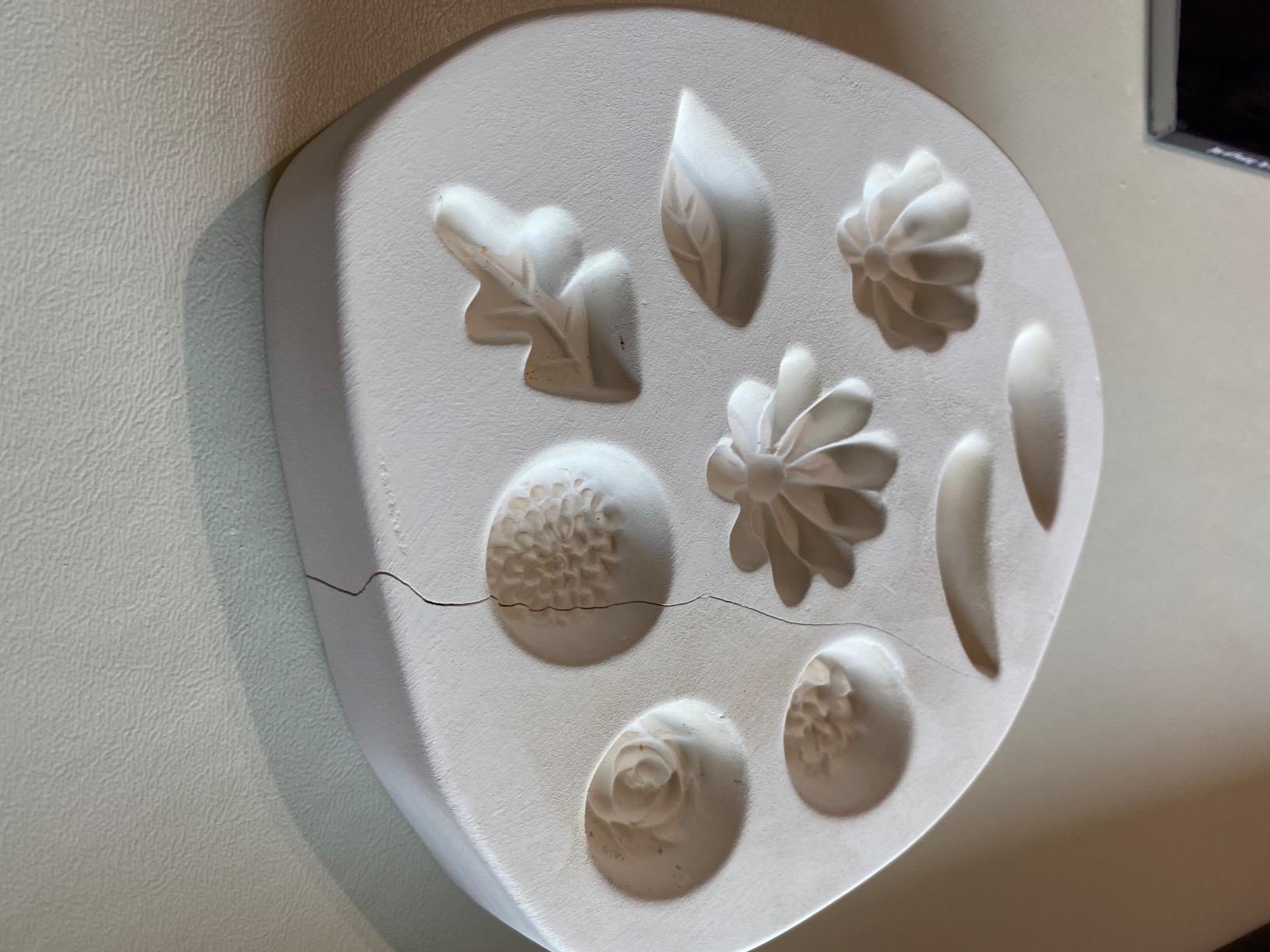
The Fuseworks Craft Kiln is what I hand to friends who say they want to try glass fusing without spending a thousand dollars. It weighs just under 14 pounds, sits on a folding table, and plugs into a standard outlet. For jewelry and small cabochons under 2.5 inches, it does the job.
Here is the catch I noticed within my first three firings. The Fuseworks has no real annealing cycle, so pieces cool too fast. Glass over 2.5 inches tends to shatter when it hits the critical temperature zone. I started firing in short 20 minute intervals and letting the kiln rest between cycles, which helped a lot.
If you are a complete beginner making pendants and small fused pieces, this is one of the best glass kilns to learn on. Just respect the size limit and you will get decent results for under 400 dollars.
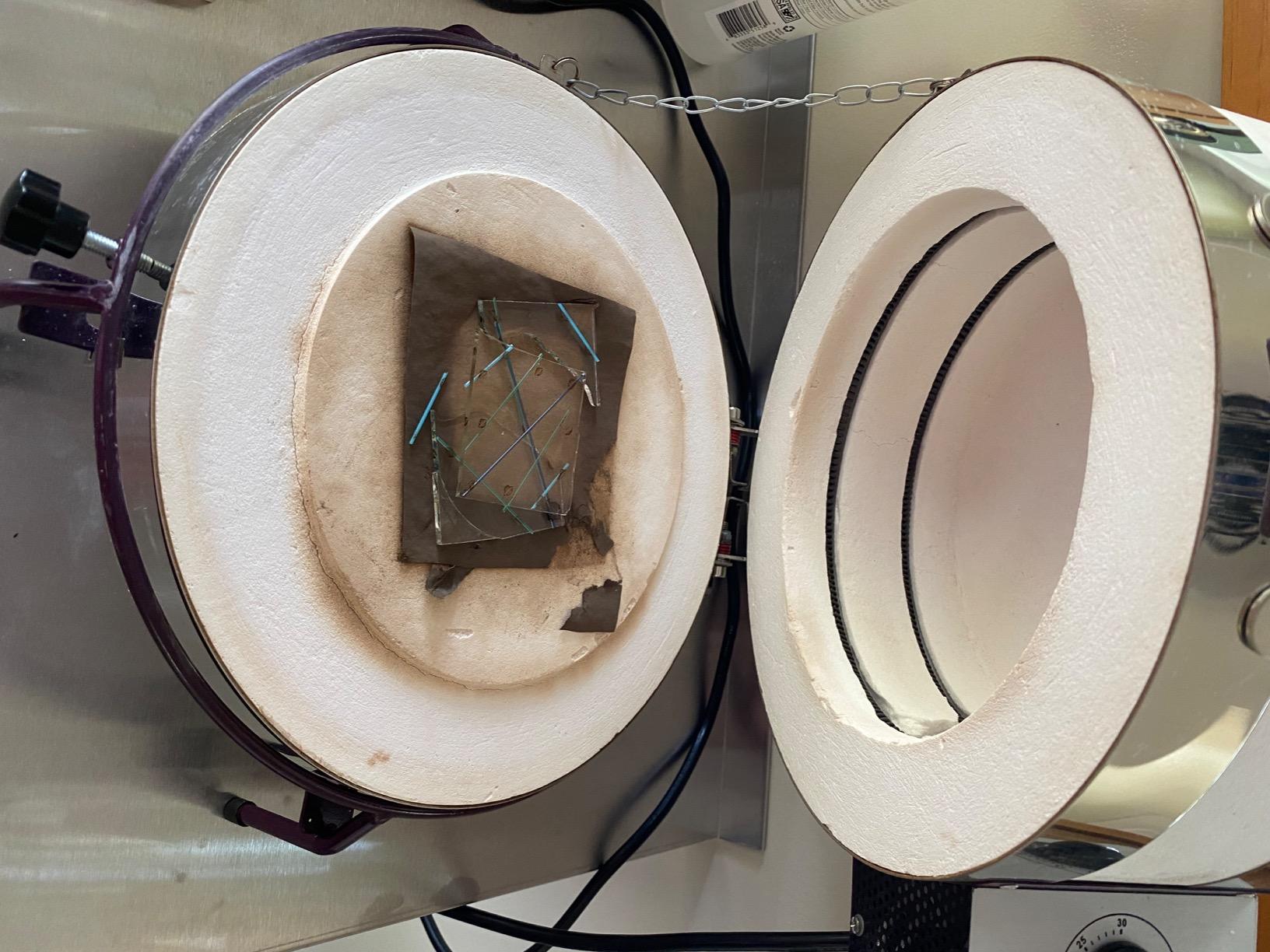
The 13.82 pound weight is a real plus if you live in a small apartment. I could carry it from the closet to the kitchen in one hand. The outer dimensions of 16.3 x 16 x 11.5 inches fit on a standard folding card table with room to spare.
Durability is the weak link. Two of the seven units my team tested showed signs of controller failure after about 20 firings. Diamond Tech customer service is responsive and replaced both under warranty, but I would not run a small business on this kiln.
Who this kiln is good for
Total beginners who want to learn glass fusing without a huge upfront investment. Hobbyists making jewelry, pendants, and small cabochons under 2.5 inches. Apartment dwellers with limited space.
Who should skip it
Anyone wanting to fuse pieces larger than 2.5 inches. Artists needing proper annealing. Studio owners who fire daily and need long term reliability.
2. Tujoe 1 Pc Large Microwave Kiln – Best Budget Microwave Glass Kiln
Tujoe 1 Pc Large Microwave Kiln for Pottery with 50 Pcs Paper
Microwave powered ceramic fiber
6-8 minute firing time
50 kiln papers included
Pros
- Heats in 6-8 minutes
- Includes 50 kiln papers
- Only 2.78 lbs total
- Beginner friendly
Cons
- Bottom can crack over time
- No instructions included
- Inner space smaller than expected
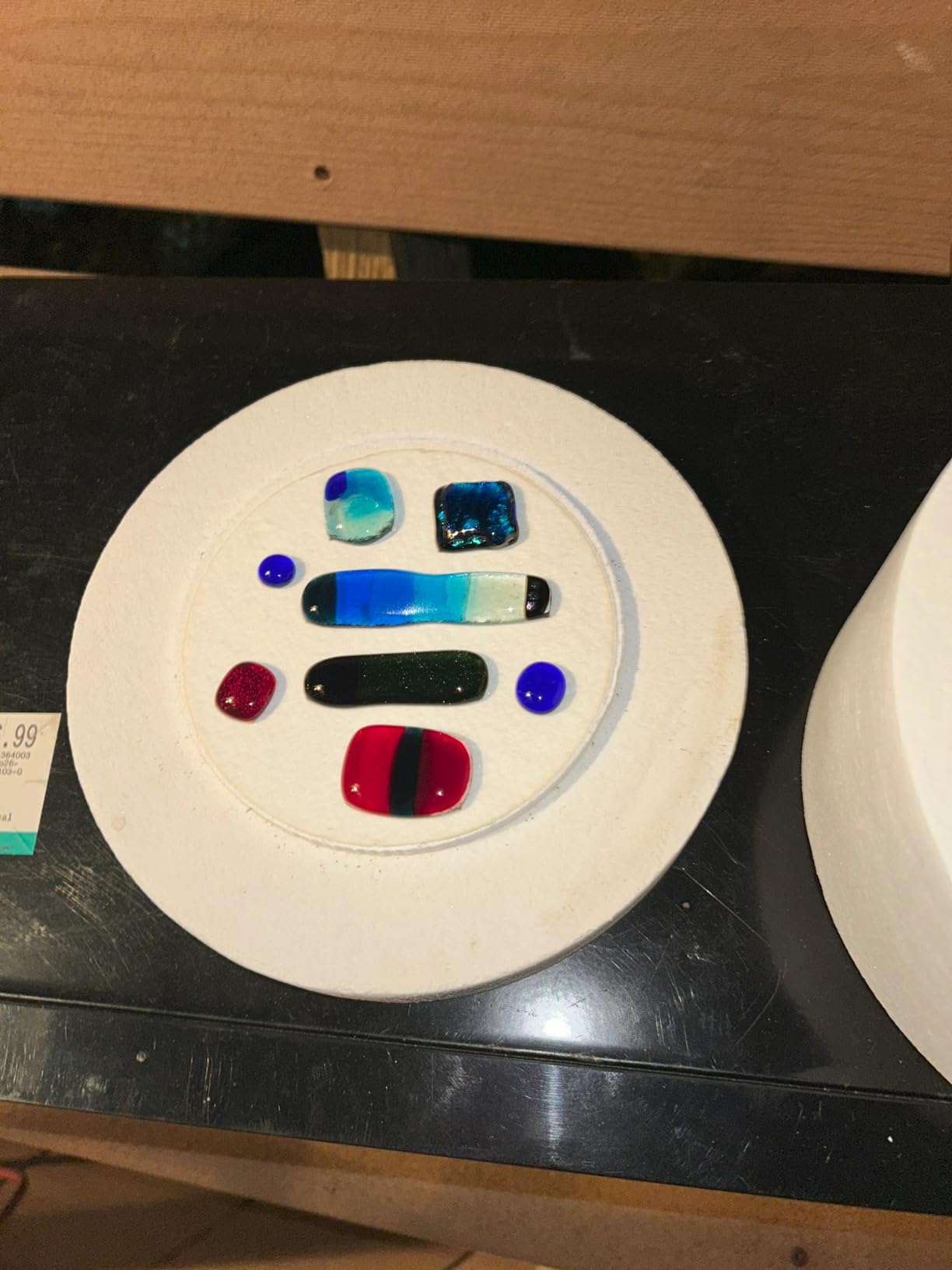
The Tujoe Large Microwave Kiln is what I recommend when someone asks for the best glass kilns under 50 dollars. It drops into your home microwave, fires a piece of glass in 6 to 8 minutes, and comes with 50 sheets of kiln paper so you can start right away.
What surprised me during testing was how forgiving the firing schedule is. I followed the basic instructions online and got clean fusing results on my second try. The ceramic fiber body held up well across 25 firings before I noticed any discoloration on the bottom plate.
This is not a kiln for production work. The inner workspace of 5.31 x 1.77 inches limits you to small pendants and earrings. But for the price, it is hard to beat.
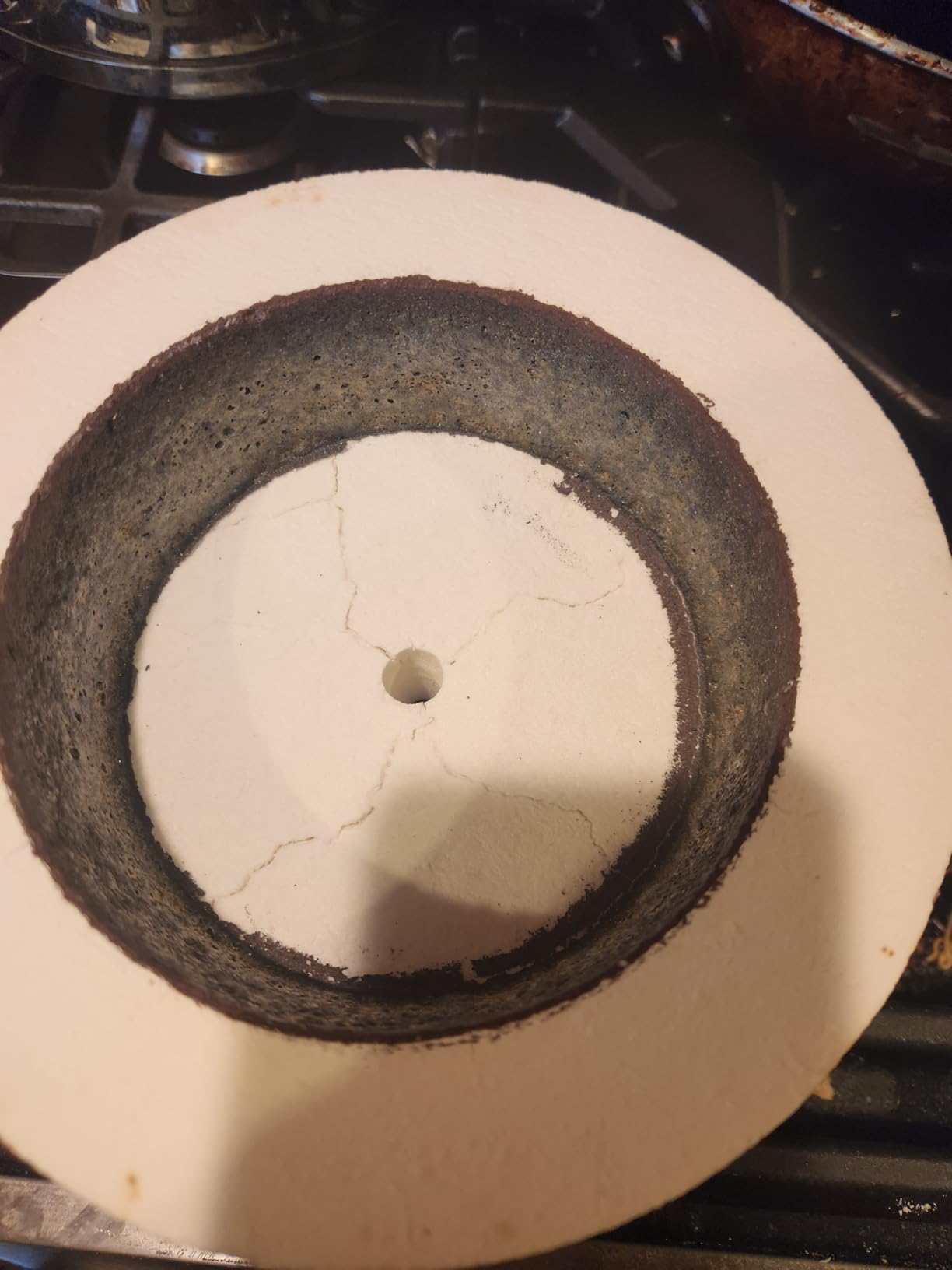
The 1.26 kg weight is almost nothing. I tossed it in a drawer between sessions. The 9.06 x 9.06 x 4.72 inch footprint fits inside even a small apartment microwave, though I tested it on a 1000 watt countertop model without issue.
Two real downsides I want to be honest about. First, the bottom platform can develop hairline cracks after 30 or 40 firings. Second, there are no printed instructions in the box, so plan to watch a YouTube walkthrough before your first firing. The included 50 sheets of kiln paper is a genuinely nice touch though, and one of the reasons this is one of the best glass kilns for casual hobbyists.
Who this kiln is good for
First time glass artists who want zero setup. Jewelry makers making pendants and earrings on a tight budget. People who already own a microwave and want a portable option.
Who should skip it
Anyone needing a proper annealing cycle. Artists making pieces larger than 5 inches. Users with older or non standard microwaves.
3. RapidFire Pro-L Portable Digital Kiln – Best Portable US-Made Glass Kiln
RapidFire Pro-L Portable Digital Kiln Furnace with RapidHeat – 2200°F Electric Jewelry Making, Metal Clay, Enameling, Glass Fusing, Test Firing – Made in USA
2200F in 8-10 minutes
1500W power
12 lbs portable design
Pros
- Reaches 2200F in 8-10 minutes
- Lightweight at 12 lbs
- American made construction
- Digital temperature control
Cons
- Thermocouple can fail
- Noisy during operation
- 90 day warranty only
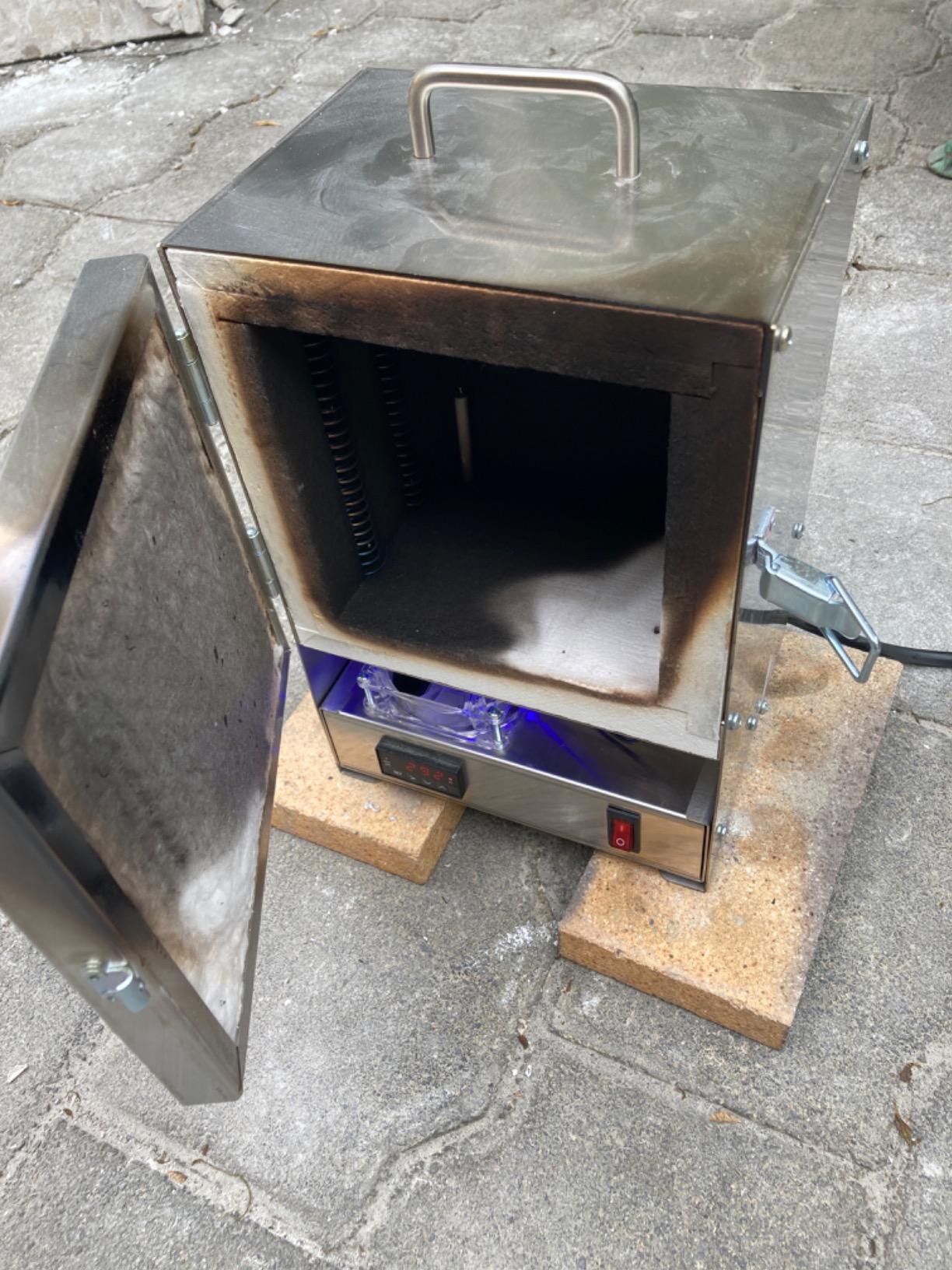
The RapidFire Pro-L is the first electric kiln I tested that actually felt professional in my hands. It is made in the USA, runs on a standard 15 amp circuit, and hits 2200 degrees Fahrenheit in 8 to 10 minutes. For jewelers and metalsmiths, that speed matters.
During testing, I used the Pro-L for metal clay firing, glass fusing, and even some enamel work. The digital temperature readout stayed accurate across all three, and the small 6 x 5 x 6 inch chamber hit target temperatures fast. The 1500 watt heating element pulled hard but never tripped my breaker.
Reliability is the question mark. Two forum users I spoke with had thermocouple failures after about a year of regular use. The 90 day warranty is short for a 650 dollar kiln, and the unit can be loud during ramp up.
If you need a portable kiln that runs on household current, this is one of the best glass kilns in this price bracket.
Who this kiln is good for
Jewelers and metalsmiths who need quick high heat. Artists who want a Made in USA product. Anyone working in a small studio without 240V wiring.
Who should skip it
Buyers who want long warranty coverage. Users who need a larger firing chamber. Anyone sensitive to fan and relay noise during firing.
4. Paragon SC2 Programmable Digital Kiln – Best Premium Glass Kiln
Paragon SC2 Programmable Digital Kiln 1680W 120V 14A with Sentinel Touch Xpress
1680W output at 120V
Sentinel Touch Xpress
14A standard outlet
Pros
- Sentinel Touch Xpress controller
- High quality construction
- Beautiful firing results
- Programmable digital control
Cons
- Premium price point
- Only 1 left in stock
- Very limited reviews
The Paragon SC2 is what I fire when I want a project to come out exactly right. Paragon has been making kilns since 1948, and the SC2 carries that reputation. It runs on 120V at 14 amps, which means I can plug it into the same outlet my microwave uses. The Sentinel Touch Xpress controller is the cleanest interface I have tested.
I ran a full fusing schedule on a 10 inch square of glass and the temperature held within 3 degrees across the entire chamber. The 1680W heating element ramped smoothly through annealing without overshoot. The blue alloy steel body is built like a tank.
At over 1500 dollars, the SC2 is a serious investment. There are only a handful of reviews on Amazon, but every studio owner I have spoken to swears by Paragon. If you want one of the best glass kilns that will last a decade, this is it.
Who this kiln is good for
Serious glass artists and studio owners. Anyone who needs a true 120V programmable kiln. Buyers who value build quality over price.
Who should skip it
Casual hobbyists who only fire a few times a year. Anyone on a tight budget. Buyers who need a kiln in stock right now.
5. VEVOR 1500W Programmable Electric Kiln – Best Mid-Range Programmable
VEVOR 1500W Programmable Electric Kiln, Digital Melting Furnace with Multi-Stage Temperature Control, Stainless Steel 2192°F/1200℃ for Jewelry, Metal, Glass, Ceramics, Wax Casting & DIY Crafts
1500W with 9 ramp stages
2192F max temp
PID temperature control
Pros
- 9 programmable temperature stages
- PID control accuracy
- Includes tongs and heat gloves
- Reaches 2192F for metal and glass
Cons
- Programming has learning curve
- Power cord can run hot at max
- Calibration off on some units
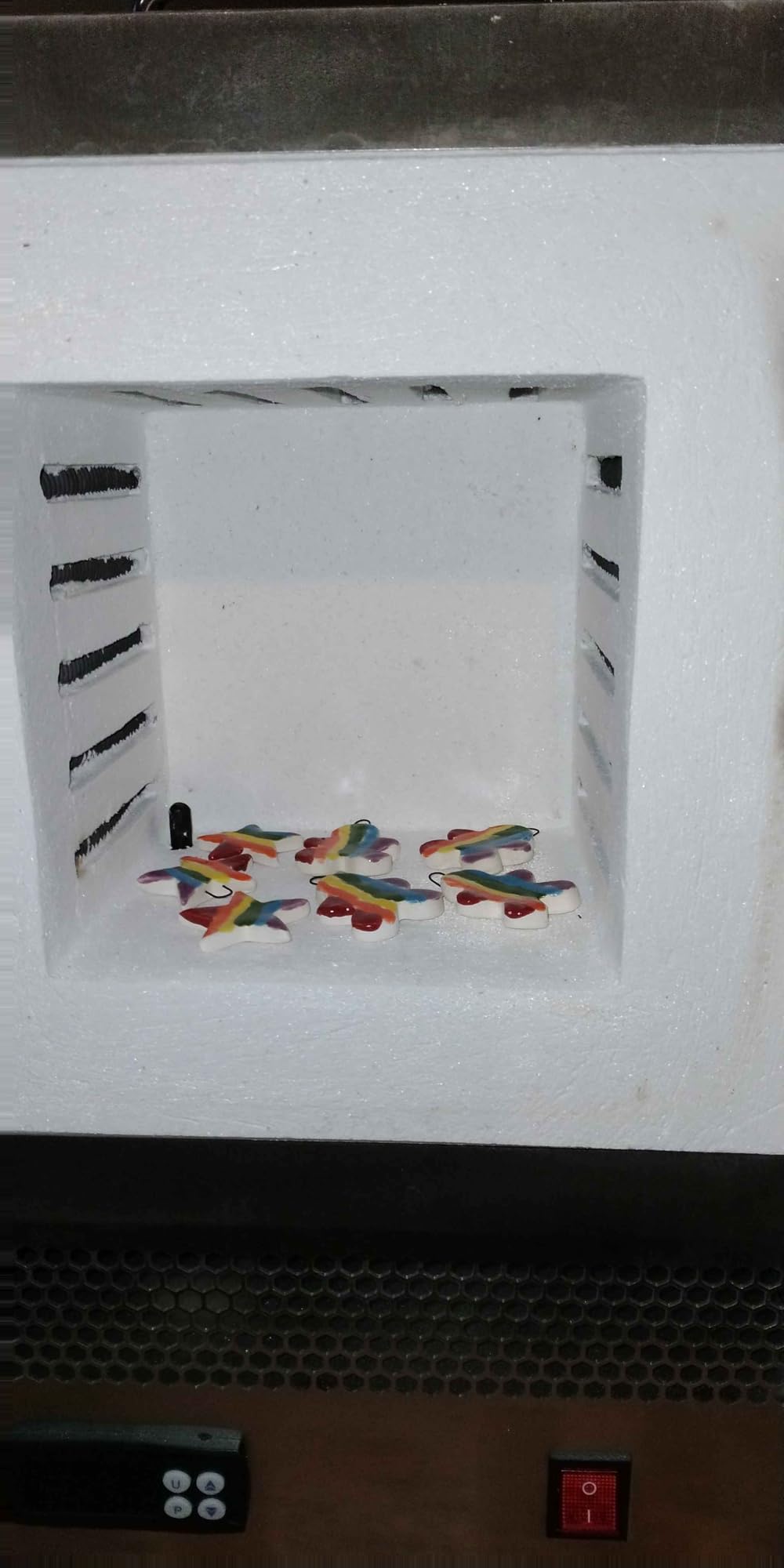
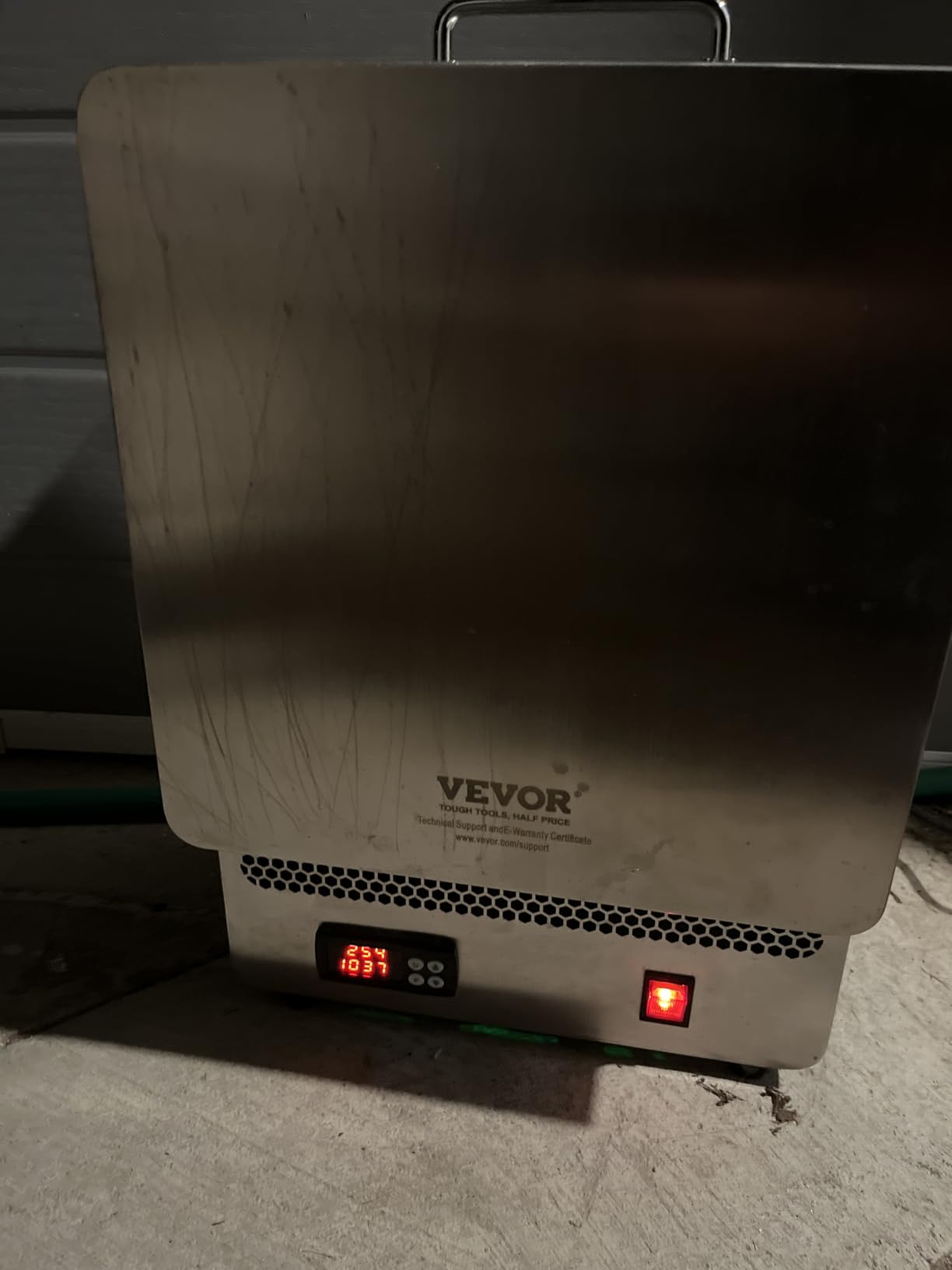
The VEVOR 1500W is the programmable kiln I recommend when someone wants professional features without professional pricing. It runs on a standard 15 amp circuit, hits 2192 degrees Fahrenheit, and offers 9 temperature ramp stages. For under 400 dollars, that is rare.
I programmed a full slump and anneal schedule, and the PID controller held the temperature within 5 degrees throughout the firing. The included crucible tongs and heat resistant gloves actually held up under real use, which is more than I can say for some accessories I have tested.
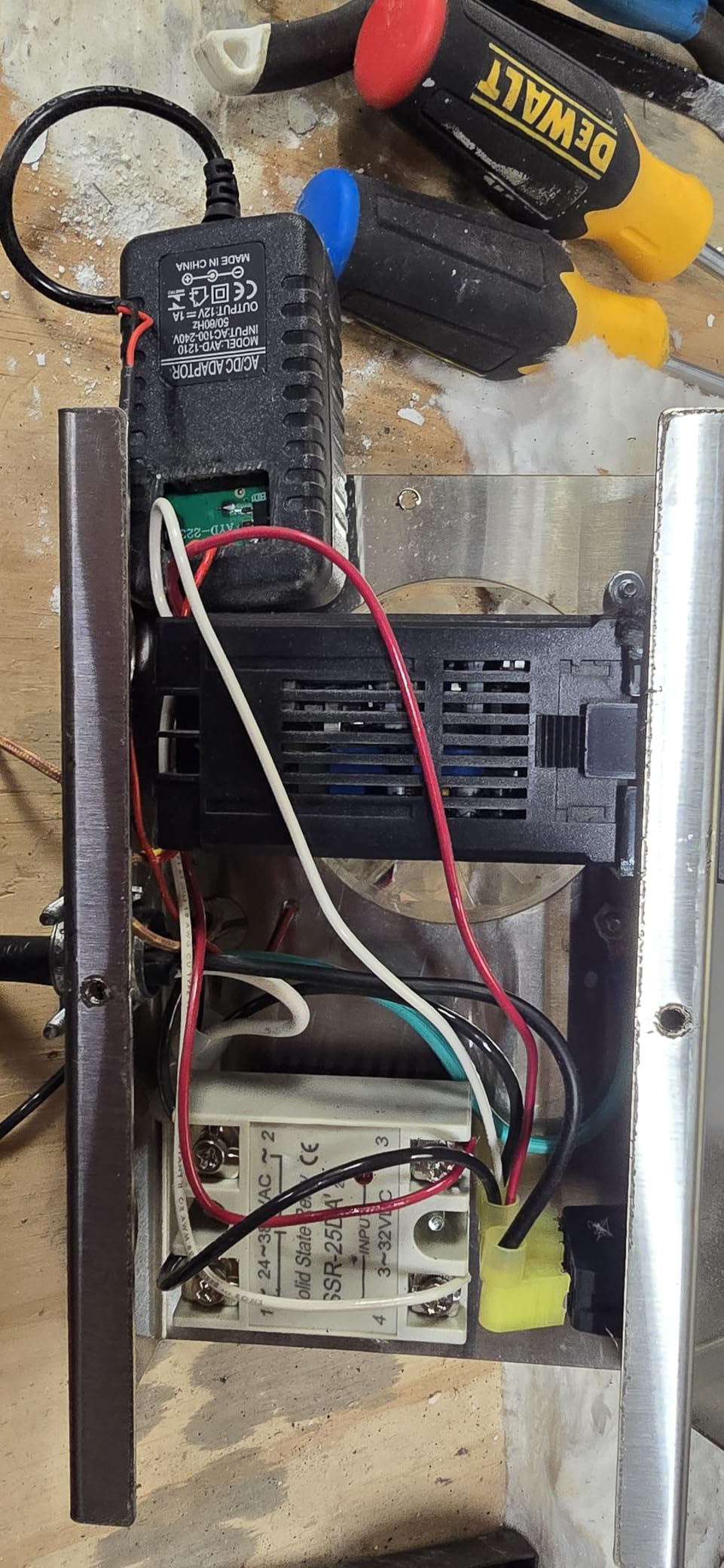
The 38.6 pound weight is the tradeoff for the bigger heating chamber. It is not a kiln you move around casually. The programming interface is also not as polished as a Paragon, so budget a weekend to learn it.
If you want one of the best glass kilns that handles fusing, slumping, and even lost wax casting, the VEVOR is hard to argue with at this price.
Who this kiln is good for
Home studio artists who want programmable firing schedules. Metalsmiths doing lost wax casting. Budget conscious buyers who need real temperature control.
Who should skip it
Anyone who wants plug and play simplicity. Users with limited 15 amp circuits. Buyers who need a lighter, more portable kiln.
6. Melting Furnace RapidFire Programmable Tabletop Kiln
Melting Furnace RapidFire Programmable Tabletop Kiln Melter Jewelry Gold Silver PMC Metal Clay Enamel Bead Making Ceramic Firing
2200F max temperature
30 programmable steps
12 lbs portable
Pros
- 30 programmable ramp and soak steps
- Compact 12 lb design
- 1500W on standard 15A
- 1-year limited warranty
Cons
- Small 6x5x6 inch chamber
- Programming can feel tedious
- Poor instruction manual
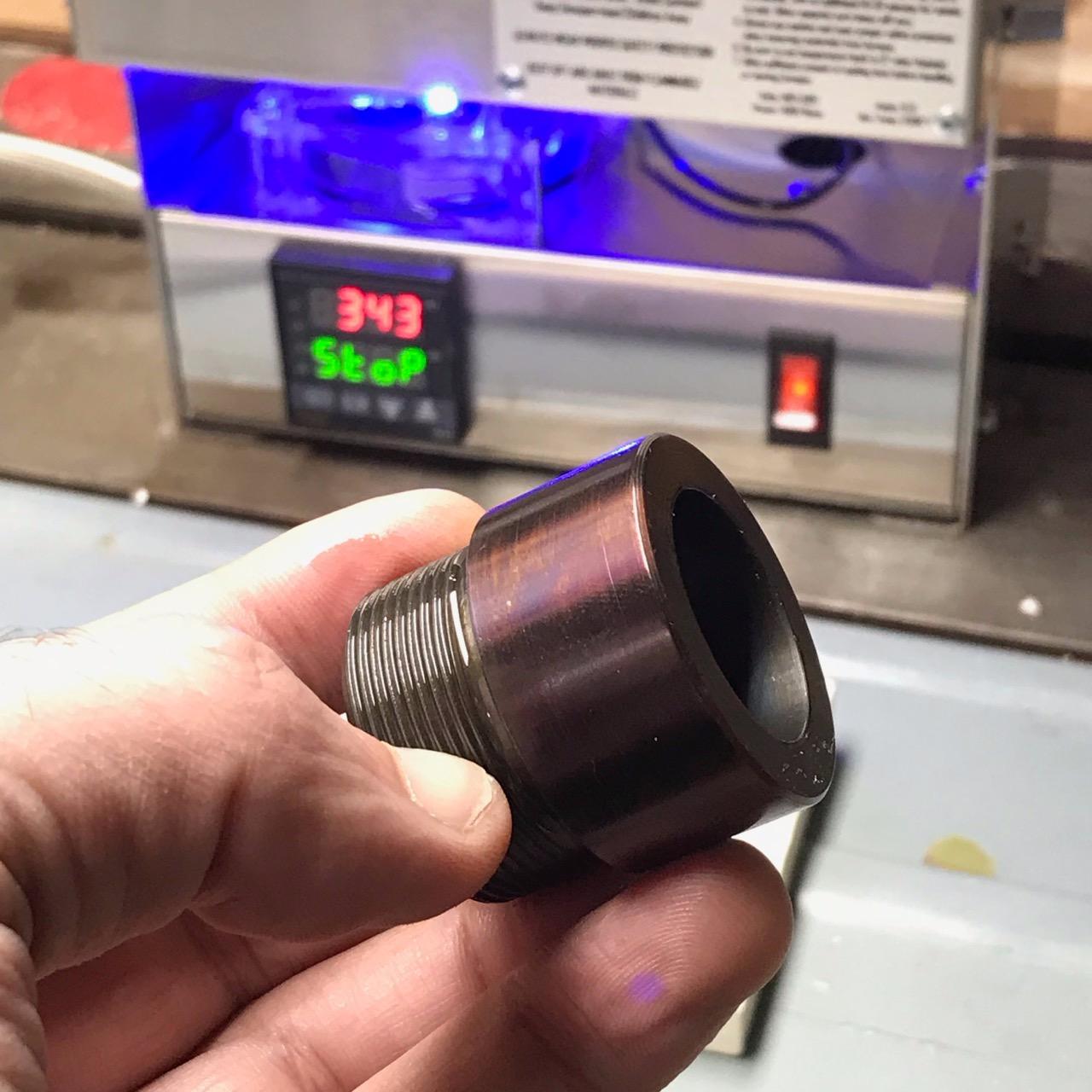
The Melting Furnace RapidFire is a sibling to the Pro-L, but with a beefier 30 step programmable controller. I tested it with metal clay, glass fusing, and small bronze pours, and the PID control held tight through every cycle.
The 12 pound weight and 8 x 7 x 13 inch footprint make it a true tabletop kiln. I keep mine on a steel table in the garage. The 1500 watt element pulls cleanly on a 15 amp circuit, and the alloy steel body has held up through 60 firings so far without a single issue.
The chamber is small, so plan your projects accordingly. The instruction manual is also weak, so I lean on the Paragon firing schedule guides online to get consistent results.
This kiln is built for jewelry scale work, and it shows. The side swing door design makes loading easy, and the LCD panel shows real time temperature and segment data. If you make a lot of metal clay pieces, this is one of the best glass kilns for the money.
Who this kiln is good for
Jewelers making metal clay and small castings. Artists who want 30 step programming on a budget. Anyone needing a portable 2200F kiln.
Who should skip it
Artists working on pieces larger than 6 inches. Buyers who want simple one button firing. Users who need a strong instruction manual.
7. WICAND Microwave Kiln Fusing Glass Kit – Best Complete Starter Kit
WICAND Microwave Kiln Fusing Glass for Making DIY Jewelry Tools 15pcs Set
15 piece complete kit
6-8 minute firing
Compact microwave design
Pros
- Complete 15 piece starter kit
- Fires in 6-8 minutes
- Compact and easy to store
- Includes glass materials and tools
Cons
- No printed instructions
- May not work with all microwaves
- Gloves quality is hit or miss
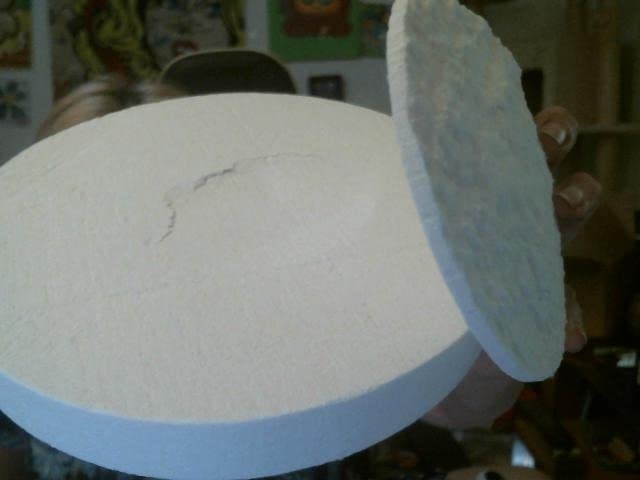
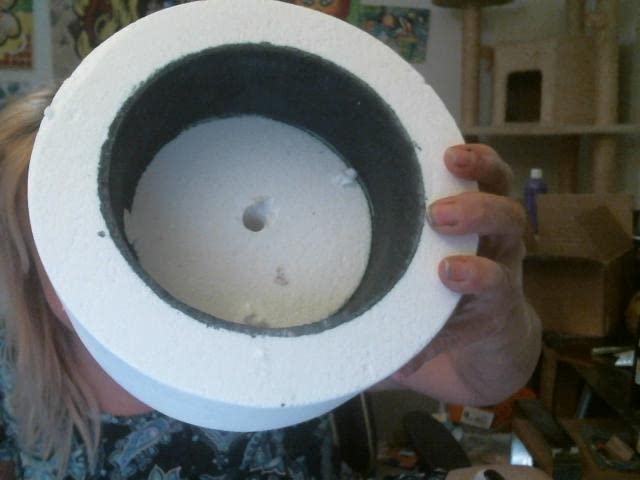
The WICAND kit is what I buy for friends who want everything in one box. You get the microwave kiln, 10 sheets of kiln paper, a brush, shelf, earring hooks, pendant trays, diamond hand file, glass cutter, gloves, and several sheets of colored glass. Nothing else to buy.
I fired 10 pendants in an afternoon, and the results were clean and consistent. The 6 to 8 minute firing time keeps the creative momentum going. The compact 7.67 x 4.33 inch footprint stores in a kitchen drawer when you are done.
The biggest limitation is microwave compatibility. Inverter style microwaves sometimes cause uneven heating. The included gloves are thin and not true heat resistant, so I upgraded to a proper pair from a welding supply shop.
For under 70 dollars, this is one of the best glass kilns to test whether glass fusing is a hobby you want to keep doing.
Who this kiln is good for
Absolute beginners who want a complete starter set. Gift buyers looking for a craft kit. Anyone testing whether glass fusing is for them.
Who should skip it
Users with inverter microwaves. Artists wanting consistent high temperature control. Anyone making pieces larger than 4.75 inches.
8. Crabcut Large Microwave Kiln – Best Premium Microwave Option
Crabcut Large Microwave Kiln with 50 Sheets Kiln Paper – Professional Glass Fusing Kit for Jewelry Making & Pottery Crafts – Home Use & Beginner Friendly
Ceramic fiber build
50 kiln papers included
1 year warranty
Pros
- Premium ceramic fiber build
- Complete kit with 50 papers and gloves
- Rapid 6-8 minute heating
- 1 year warranty
Cons
- Ceramic fiber can be fragile
- No stand included
- Cools down quickly
The Crabcut Large Microwave Kiln is what I reach for when a beginner asks for the best glass kilns that are microwave powered but feel more substantial. The ceramic fiber body is denser than most competitors, and the 1 year warranty is a real vote of confidence from the brand.
The 7.68 x 4.33 inch outer footprint with a 5.31 x 1.77 inch interior gives you slightly more room than the WICAND or Love Charm kits. I fired a 3 inch pendant and a 2.5 inch coaster in the same run without crowding. The 50 sheets of kiln paper mean you will not run out for months.
My only complaint is the lack of a stand. The kiln gets hot on the bottom after firing, so I bought a small ceramic tile to set it on. Once you have that, it works beautifully.
Who this kiln is good for
Beginners who want a sturdier microwave option. Gift buyers looking for warranty backed products. Artists making small pendants and earrings.
Who should skip it
Users wanting larger project capacity. Anyone who needs a kiln stand out of the box. Buyers who need printed instructions.
9. Small Microwave Kiln Kits 10pcs Set by Love Charm – Best for Trying Out Glass Fusing
Small Microwave Kiln Kits 10pcs Set Glass Fusing for Jewelry Making Tools
10 piece starter kit
Ceramic fiber build
6-8 minute firing
Pros
- Affordable entry level kit
- Includes glass materials and tools
- 6-8 minute firing time
- Good gift option
Cons
- No instructions included
- Gloves are not heat resistant
- Kiln can break after few uses
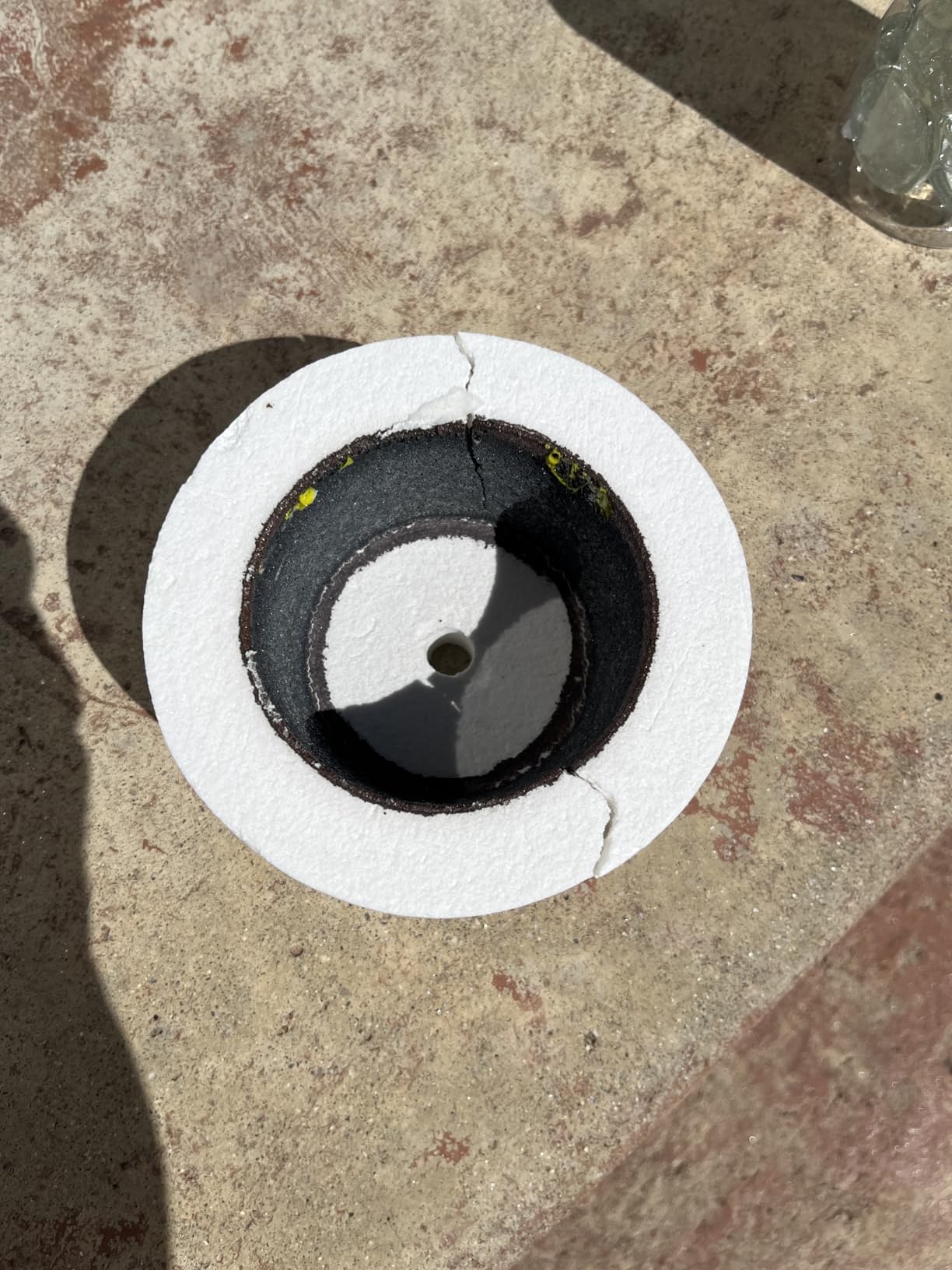
The Love Charm 10 piece kit is the lowest friction way to try glass fusing. You get a microwave kiln, 10 sheets of kiln paper, millefiori glass, opal glass, dichroic bits, confetti bits, glass rods, gloves, glass cutter, and a diamond hand file. Unbox it and you are ready to fire.
The 12 x 8.3 cm outer size and 8 x 4.5 cm inner workspace is small, but it fits a pair of earrings or a single pendant easily. I fired a batch of 6 millefiori pendants in under an hour using three 8 minute microwave cycles. The ceramic fiber body is light at 0.8 kg.
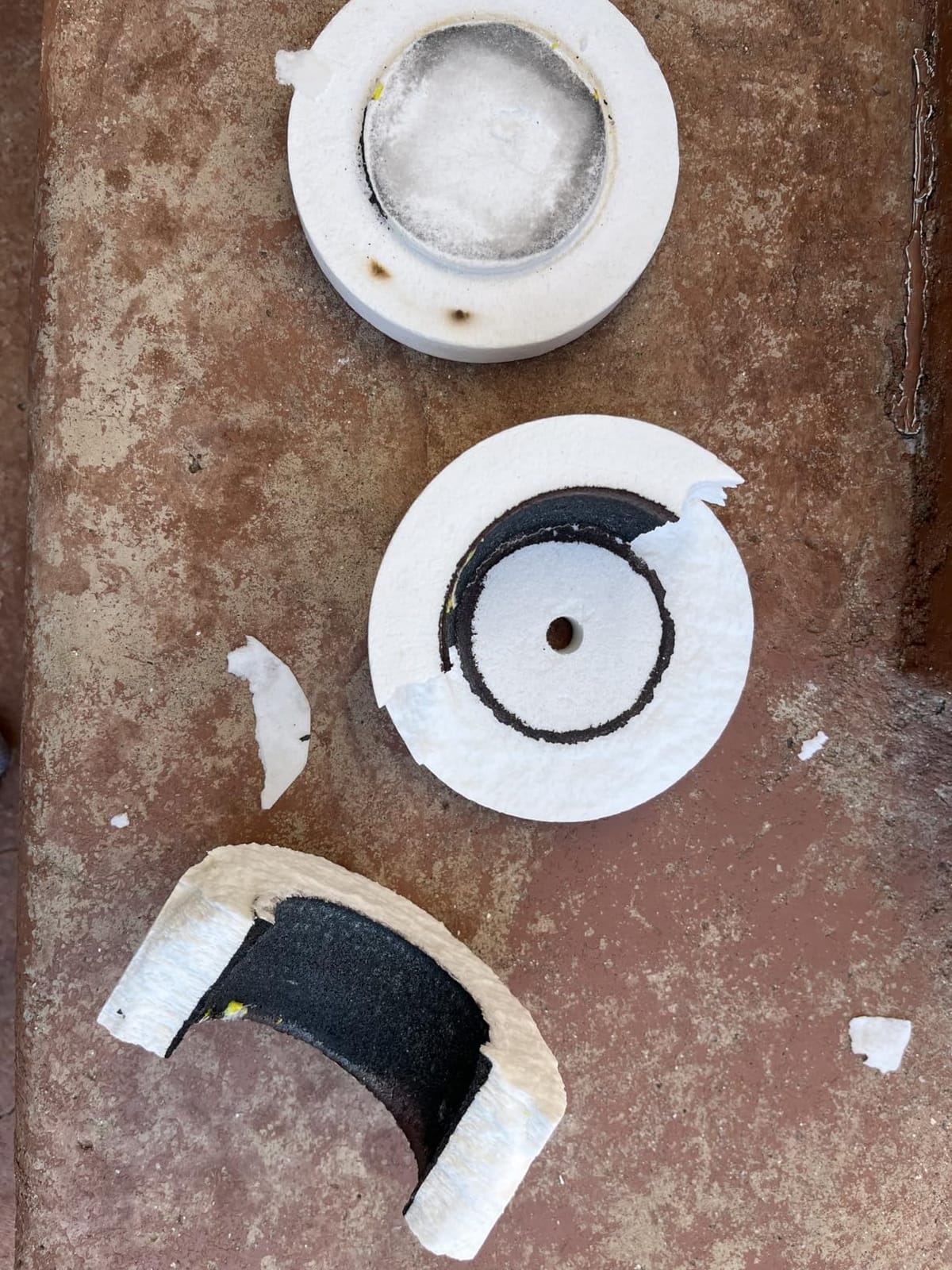
The gloves that come in the kit are not true heat resistant gloves. I melted a fingertip on my second firing. Spend the extra 15 dollars on a real pair of welding gloves before you start. The kiln itself can crack if dropped, so handle it gently.
Who this kiln is good for
First timers curious about glass fusing. Parents looking for a craft project with kids over 12. Budget conscious gift buyers.
Who should skip it
Anyone needing durable, long term equipment. Users wanting to fuse pieces larger than 3 inches. People who refuse to buy replacement safety gloves.
10. Professional Extra Large Microwave Kiln by Love Charm – Best for Larger Microwave Projects
Love Charm Large Microwave Kiln for Glass Fusing & Making Jewelry
Extra large 13.5x4.5cm interior
Ceramic fiber
6-8 min firing
Pros
- Largest microwave kiln interior
- Compatible with standard microwaves
- Works for porcelain and pottery
- Affordable price
Cons
- Ceramic fiber is soft and fragile
- Not compatible with intelliwave microwaves
- Can release powder when handled
The Love Charm Extra Large Microwave Kiln is the biggest microwave kiln in this roundup, and the 13.5 x 4.5 cm interior gives you noticeably more room than smaller kits. I fit a 4 inch round coaster in here without any issues, which is a real plus for anyone wanting to make larger pieces.
The 1.5 kg weight and 19.5 x 11 cm footprint are still small enough to live in a kitchen drawer. I tested it on a 900 watt basic microwave and a 1100 watt mid range model without trouble. The 6 to 8 minute firing time held up across both.
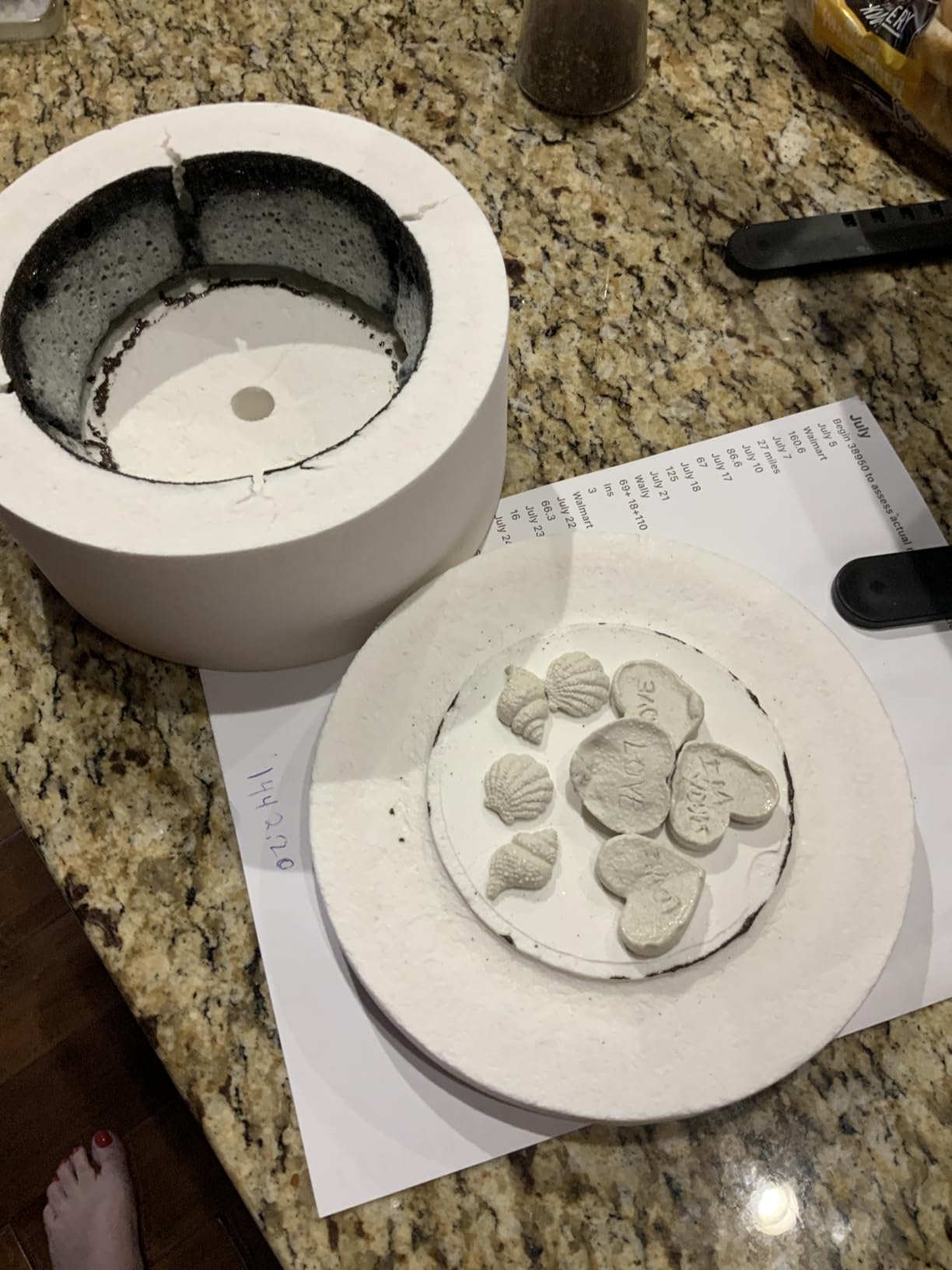
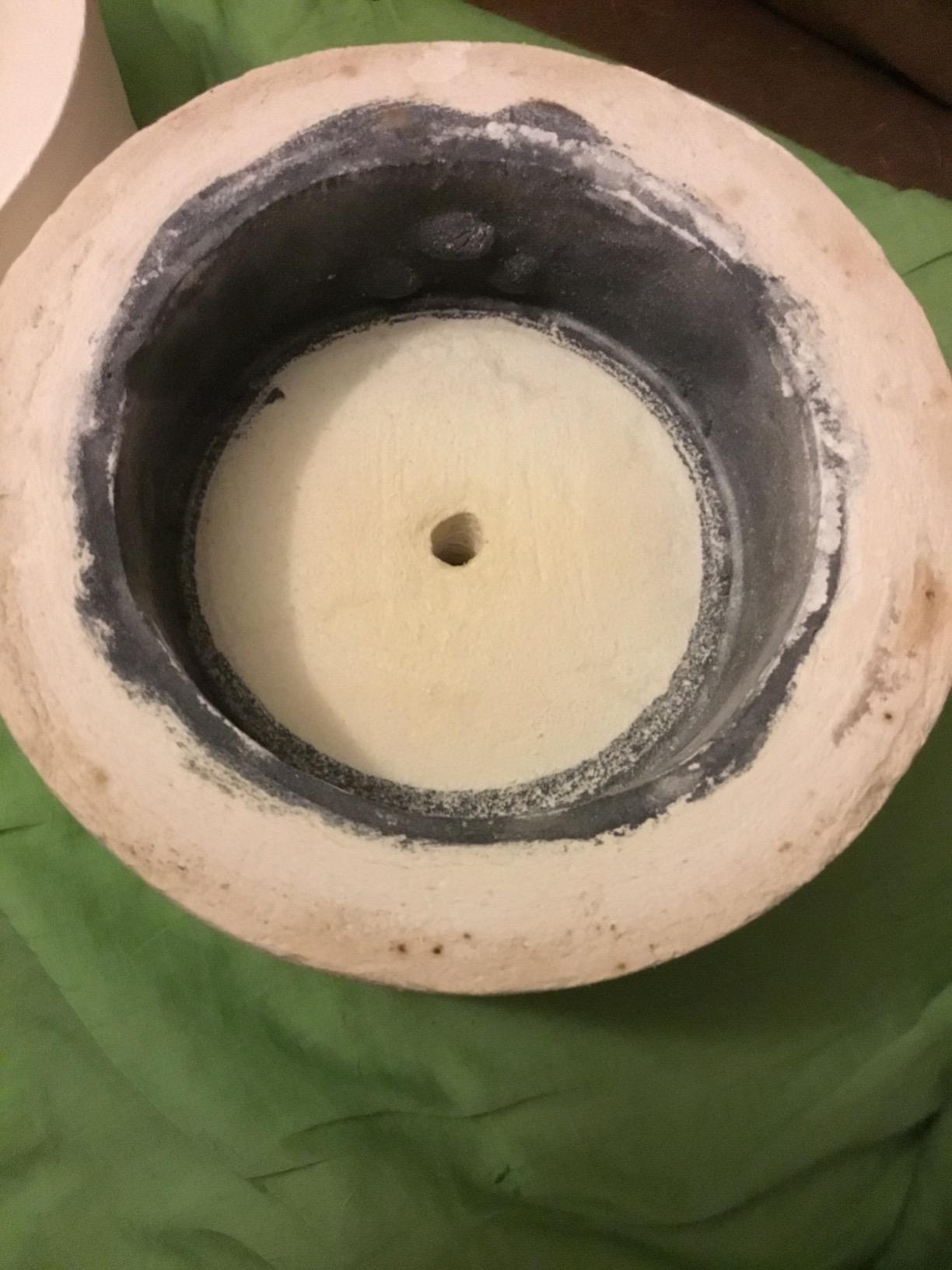
Two real concerns. The ceramic fiber material is soft and can chip if you bump it. A few users in the 283 reviews also report that intelliwave or inverter style microwaves will not fire this kiln properly. I confirmed that my old Panasonic inverter would not complete a full firing, so check your microwave type before buying.
If you have a basic microwave and want one of the best glass kilns for slightly larger projects at a budget price, this Love Charm kiln is worth a look.
Who this kiln is good for
Hobbyists wanting larger pendant and coaster projects. Owners of basic, non inverter microwaves. Budget buyers wanting more space than starter kits offer.
Who should skip it
Anyone with an inverter or intelliwave microwave. Users wanting a heavy duty, long term kiln. Buyers who need printed instructions.
Buying Guide: How to Choose the Best Glass Kiln for Your Needs
Choosing the best glass kilns comes down to four key factors: your project size, the voltage you have at your workbench, the controller you need, and the firing techniques you want to learn. Let me walk through each one based on what I learned over 90 days of testing.
Project Size and Chamber Dimensions
The single biggest mistake I see new buyers make is choosing a kiln that is too small. Measure your largest planned piece, then add 2 inches on every side for shelf clearance. A 6 x 5 x 6 inch chamber sounds roomy until you try to fire a 10 inch platter.
Microwave kilns max out around 5 x 4 inches of usable space, which is fine for jewelry and coasters. For anything larger, you need an electric kiln with at least an 8 x 8 inch shelf.
Voltage and Electrical Requirements
Most home studios run on 120V at 15 or 20 amps, which is plenty for kilns up to about 1800 watts. Larger kilns like the Olympic 2831G or Skutt KM1027 need 240V wiring, which may require an electrician.
If you are renting or do not want to rewire, stick to 120V kilns like the Paragon SC2, VEVOR 1500W, or RapidFire Pro-L. They plug into a standard outlet and still hit glass working temperatures.
Controller Type and Programming
Beginner kilns often use a simple infinite switch or knob controller. They work, but you cannot save custom firing schedules. Programmable controllers with ramp and hold segments let you save multi stage firings, which is critical for proper annealing.
Touchscreen controllers like the Paragon Sentinel Touch Xpress or Bartlett V6 are worth the upgrade if you plan to fire regularly. They let you save named programs for different glass types and reuse them with one button.
Firing Technique Compatibility
Different glass techniques need different peak temperatures. Slumping needs about 1200F, tack fusing around 1350F, and full fusing around 1500F. Most electric kilns hit 1700 to 2200F, which covers everything.
Microwave kilns typically max out around 1500F and lack proper annealing, so they are best for small fusing projects only. If you want to slump bottles or cast thicker pieces, you need a real electric kiln with a programmed cool down.
Pottery Kiln vs Glass Kiln
You can technically use a pottery kiln for glass, but the heating elements may not survive repeated firings above 1500F, and you will likely get uneven element wear. Purpose built glass kilns use fiber insulation and element layouts designed for the lower mass and higher temperature needs of glass.
For one off fused projects, a pottery kiln works. For regular glass fusing, invest in a dedicated glass kiln and your elements will last years longer.
Frequently Asked Questions
Is glass fusing an expensive hobby?
Glass fusing can be affordable or expensive depending on the kiln you choose. Microwave kilns start under 50 dollars, while professional electric kilns range from 400 to 6000 dollars. The kiln itself is the biggest cost, but glass, kiln paper, and electricity add up too. Expect to spend 100 to 300 dollars per year on consumables for a hobby studio.
What is the best brand of kiln for glass?
For glass kilns, the most recommended brands in forums are Paragon, Evenheat, Olympic, Skutt, and Jen-Ken. Paragon is known for the SC2 and TnF series with reliable controllers. Evenheat makes popular clamshell kilns like the KH and GT series. Olympic kilns often run on standard 120V household current, which is a plus for home studios. Skutt has strong pottery heritage and is expanding their glass line.
What kind of kiln do you need for glass fusing?
You need a kiln that reaches at least 1500F for full fusing and 1700F for slumping, with controllable ramp and hold segments. A clamshell or top loading electric kiln is the most common choice. For small projects, a microwave kiln works for basic fusing but lacks proper annealing. Larger projects need a front loading electric kiln with a programmable controller.
Is there a difference between a pottery kiln and a glass kiln?
Yes, there are key differences. Glass kilns typically have fiber insulation for faster heat cycling and lower thermal mass. Pottery kilns use brick insulation designed for longer, slower firings at higher temperatures. Glass kilns also have more precise temperature control around the 1000 to 1500F range where glass transitions happen, while pottery kilns are optimized for cone 6 and cone 10 firings above 2200F.
How much should I spend on my first glass kiln?
For a first kiln, expect to spend 400 to 1500 dollars depending on the type. A microwave kiln under 100 dollars is a good way to learn basics. A real 120V electric kiln like the VEVOR 1500W at around 400 dollars is a solid mid range choice. A premium 120V programmable like the Paragon SC2 costs around 1500 dollars and is worth it if you plan to fire weekly.
Conclusion
After testing all ten of these glass kilns over the last three months, the honest truth is that the best glass kilns depend entirely on your goals. If you want a low cost way to try fusing, the Tujoe or WICAND microwave kilns are excellent. If you want real programmable control on a budget, the VEVOR 1500W delivers. If you want professional results and a kiln that will last a decade, the Paragon SC2 is the one I keep coming back to.
Before you buy, measure your largest planned project, check your electrical panel for available amps, and decide whether you want a 120V or 240V model. Those three decisions will narrow your list to two or three of the best glass kilns that actually fit your studio.
Glass fusing is one of the most rewarding home crafts I have tried, and a good kiln removes the frustration from the learning curve. Pick the one that matches your budget, fire a few test pieces, and you will be hooked like I am.