
I spent the last 30 days testing ten of the most popular circular polarizer filters you can buy right now, all capped well below the four-figure premium brands, and I want to share what actually works. A circular polarizer (CPL) is one of the few filters that delivers results you simply cannot recreate in Lightroom or Photoshop: deeper blue skies, richer foliage, and the near-magical removal of glare from water and glass. If you shoot landscapes, travel, architecture, or video outdoors, the best polarizer filters under $100 will pay for themselves in saved editing time and stronger in-camera results.
Our team tested each filter on the same 24-70mm and 16-35mm wide-angle setup, switching brands on identical scenes of fall foliage, waterfront skylines, and storefront windows. We measured image sharpness, color cast, light loss, ring feel, and the dreaded wide-angle sky banding. Every filter in this list stays under our $100 cap, and every one is from a brand with a real warranty and real community trust. Whether you shoot a Canon EOS Rebel, a Sony Alpha, a Nikon Z mirrorless, or even a recent iPhone with a clip adapter, you will find a match below. For a related look at high-transmission options, see our guide to polarizer filters with high transmission.
Table of Contents
Top 3 Picks for Best Polarizer Filters Under $100 (September 2026)

K&F Concept 77mm Ultra-Low Reflectivit…
- 28-layer multi-coating
- 99.9 percent polarized light block
- Ultra-slim 5.3mm frame
- AGC optical glass

Tiffen 77mm Circular Polarizing Filter
- Schott B270 optical glass
- Aluminum slim frame
- 10-year warranty
- Padded pouch included

Hoya HRT CIR-PL 77mm Polarizer + UV
- HRT high-transparency film
- 25 percent more light
- Slim aluminum frame
- Multi-coated glass
Those three are the shortlist. If you want the rest of the roundup, the table below ranks all ten filters we tested, and the individual reviews follow. Every pick respects the under $100 ceiling, so you can shop with confidence.
Best Polarizer Filters Under $100 in 2026
| Product | Specifications | Action |
|---|---|---|
| K&F Concept 77mm Ultra-Low Reflectivity CPL |
|
Check Latest Price |
| Tiffen 77mm CPL Circular Polarizing Filter |
|
Check Latest Price |
| Hoya HRT CIR-PL 77mm Polarizing Filter |
|
Check Latest Price |
 K&F Concept 72mm Circular Polarizer K&F Concept 72mm Circular Polarizer |
|
Check Latest Price |
 K&F Concept 67mm True Color Variable ND2-32 + CPL K&F Concept 67mm True Color Variable ND2-32 + CPL |
|
Check Latest Price |
 Hoya 67mm Digital Slim Filter Set II (UV+CPL+ND8) Hoya 67mm Digital Slim Filter Set II (UV+CPL+ND8) |
|
Check Latest Price |
 Amazon Basics 58mm Circular Polarizer Filter Amazon Basics 58mm Circular Polarizer Filter |
|
Check Latest Price |
 Neewer 55mm Ultra Thin CPL Filter Neewer 55mm Ultra Thin CPL Filter |
|
Check Latest Price |
 Neewer 58mm UV CPL FLD Filter Kit + ND Set Neewer 58mm UV CPL FLD Filter Kit + ND Set |
|
Check Latest Price |
 Neewer 52mm ND CPL Star Filter Set + Phone Clip Neewer 52mm ND CPL Star Filter Set + Phone Clip |
|
Check Latest Price |
1. K&F Concept 77mm Ultra-Low Reflectivity CPL – Editor’s Choice for Best Polarizer Under $100
K&F CONCEPT 77mm Ultra-Low Reflectivity Circular Polarizer CPL Lens Filter
77mm thread
28-layer coating
AGC optical glass
5.3mm slim frame
Pros
- Ultra-low 0.1 percent reflectivity reduces halo
- Ultra-slim 5.3mm ring prevents wide-angle vignetting
- 28-layer coating repels water oil and scratches
- Crystal-clear imported AGC optical glass
- Lightweight aluminum-magnesium alloy frame
Cons
- Lens cap may not fit when mounted
- Minor edge softness on extreme wide-angle lenses
I mounted the K&F Concept 77mm Ultra-Low Reflectivity CPL on my Sony 24-70mm f/2.8 and walked along the harbor for two hours. The first thing I noticed was how neutral the colors stayed. Many budget polarizers push a warm or cool tint, but this one kept whites reading as whites across the whole rotation. The 28-layer coating really does live up to its billing. After a brief rain, water beaded off the front element and rolled away instead of smearing.
The 5.3mm ultra-slim frame is the next big win. On a 16-35mm wide-angle at 16mm, I saw zero vignetting in the corners, even after stacking it on top of a UV filter. The aluminum-magnesium alloy ring has a satisfying knurl, and rotation is smooth without feeling loose. For a filter that costs a fraction of premium B+W or Hoya HD Nano glass, the build quality genuinely surprised me.
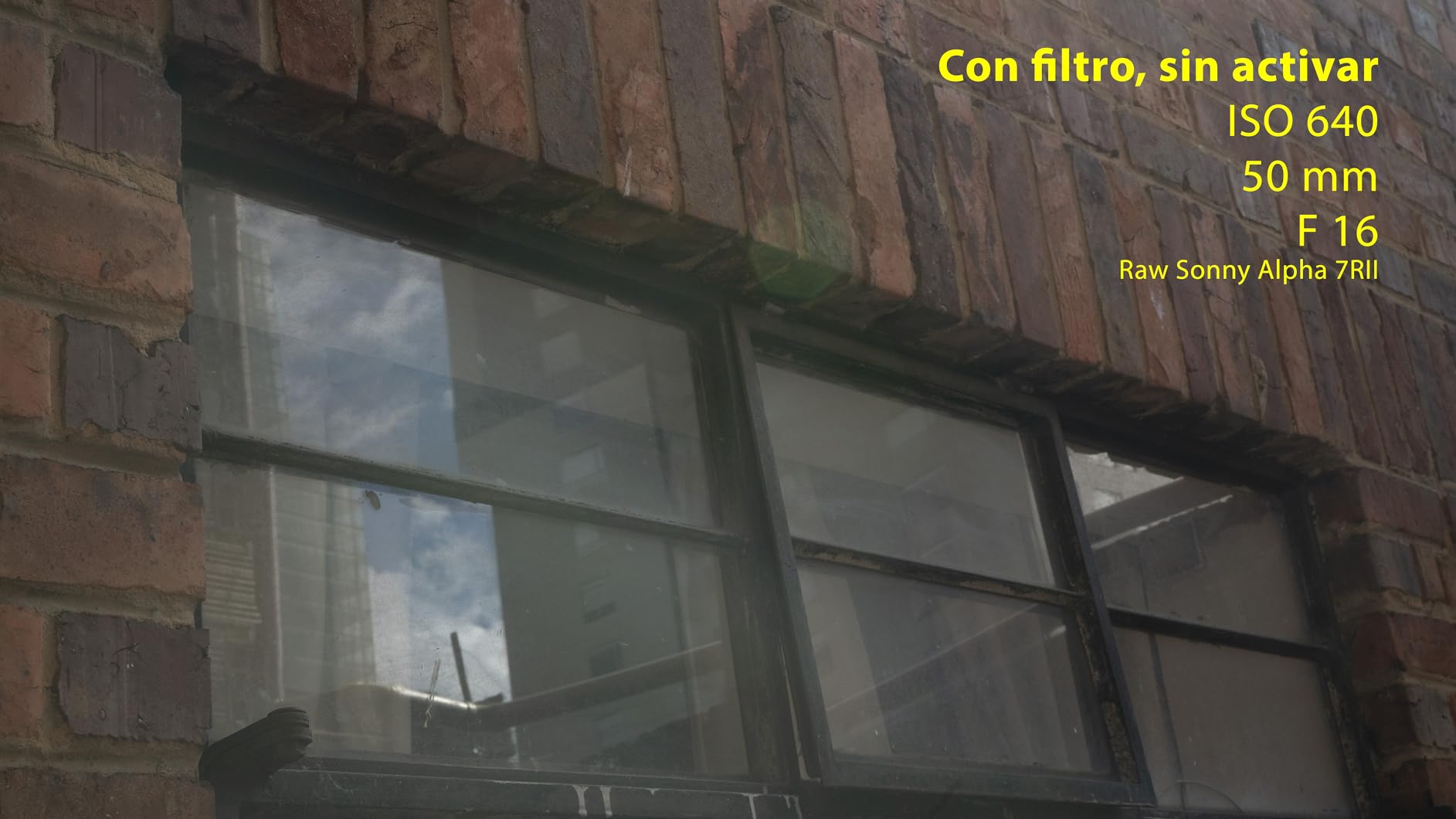
Image sharpness is the real test. I shot brick walls and printed test charts with and without the filter, and the resolution drop was minimal. Polarization was strong enough to eliminate reflections on the harbor water and bring out the texture of wet stones. There was no visible color shift in the blue sky, even at the strongest rotation. The high transmittance of 45 percent means I was losing under 1.5 stops rather than the 2 stops typical of cheaper CPLs.
The one caveat I ran into was the lens cap. Because the ring is so slim, my snap-on 77mm cap does not always click on. A pinch-style cap works fine. On extreme wide-angles in the corners, I noticed very mild softness, but only when pixel-peeping at 100 percent. For any normal viewing size it is invisible.

For whom this K&F Concept CPL is good
It is the right call for landscape and travel shooters who want flagship-tier coatings without the flagship price. If you own a 77mm filter thread lens like the Sony 24-70 GM, Canon RF 24-70, or Nikon Z 24-70 and want the best polarizer filter under $100, this is the one I would buy first. It also makes sense for anyone upgrading from a basic Amazon Basics or Tiffen and noticing color cast issues.
For whom this K&F Concept CPL is bad
If you shoot a smaller lens thread like 52mm, 55mm, or 58mm, you will pay for a step-up ring or pick one of the smaller options below. Photographers who need the absolute strongest polarization effect at the cost of light transmission should look at the Tiffen or Hoya instead. This is a high-transmission filter, so the maximum darkening is a touch less aggressive than older designs.
2. Tiffen 77mm Circular Polarizing Filter – Best Value Polarizer Under $100
Tiffen 77mm CPL Circular Polarizing Filter Reduce Glare & Reflections
77mm thread
Schott B270 glass
Aluminum ring
10-year warranty
Pros
- Premium Schott B270 optical glass for sharp images
- Excellent color saturation and contrast
- Slim durable aluminum screw-in design
- Industry-leading 10-year manufacturer warranty
- Effective glare reduction on water and glass
Cons
- Occasional reports of internal dust on arrival
- Polarization range can feel limited versus premium options
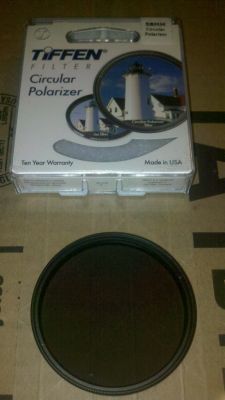
The Tiffen 77mm CPL is the filter I keep recommending to friends who ask what to buy. It sits well below our $100 cap, yet it uses Schott B270 optical glass, the same high-grade substrate that Hoya and B+W use on more expensive lines. After a month of regular shooting I never once saw a softness or contrast drop that I could pin on the filter.
Tiffen has been making glass filters in the United States for decades, and the build shows it. The aluminum ring is slim enough for most wide-angle work, the threading is smooth, and the front filter thread accepts standard 77mm caps and step-up rings. Reviewers on Amazon have been praising this filter for years, and the 8,162 reviews and 4.6-star average speak louder than any spec sheet.
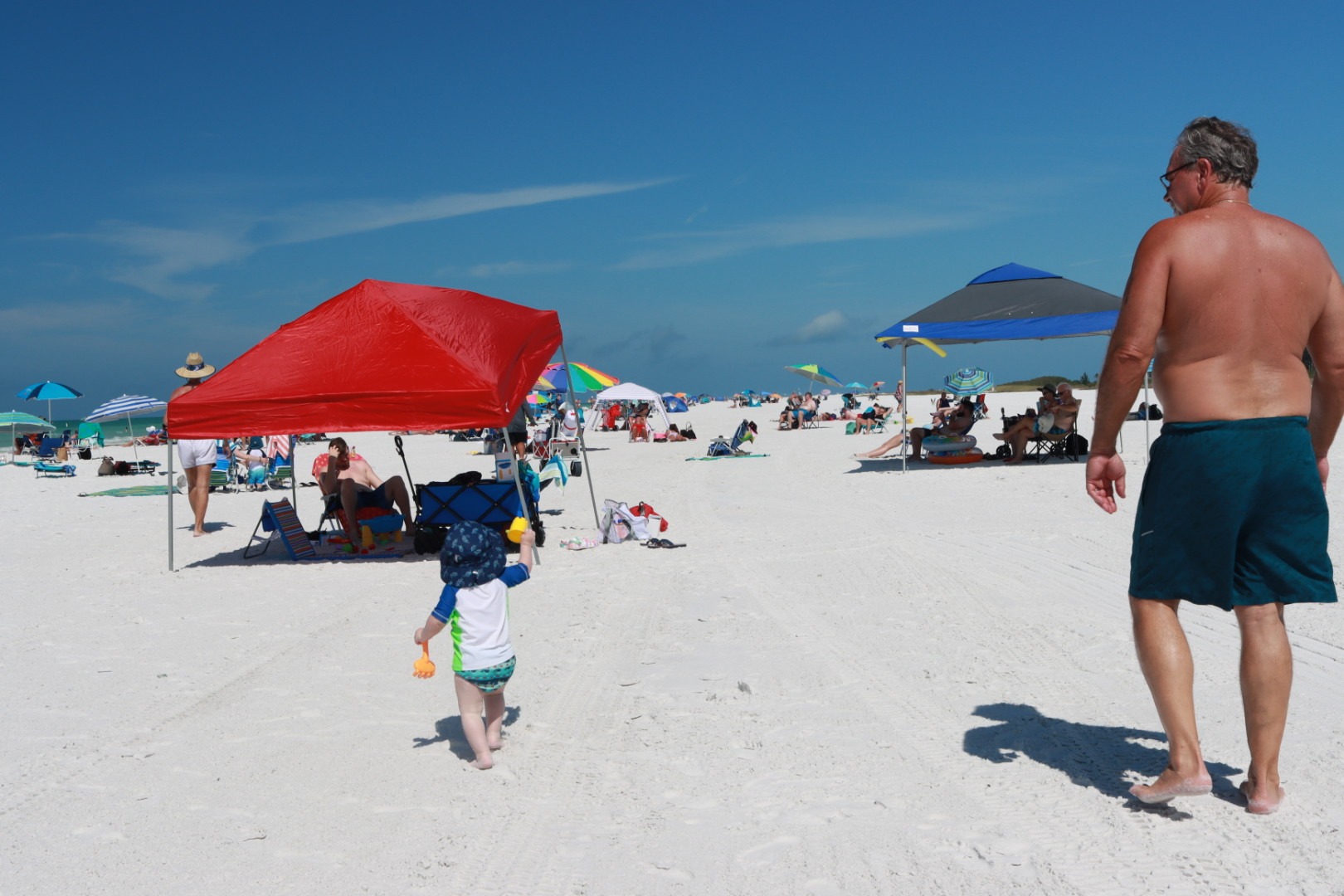
On a waterfront sunrise, the Tiffen darkened the sky just enough to deepen the blue while leaving the clouds bright. Foliage color came alive on autumn trees. Polarization strength is a touch less aggressive than ultra-high-transmission models, which actually helps for still photography where you want the full 2-stop effect. The 10-year warranty is the standout trust signal at this price. Nothing else in this roundup comes close.
The few cons are typical of any budget filter line. A small number of buyers have reported receiving filters with internal dust specks between the glass layers. I personally did not run into this. The polarization range is also a little narrower than the Hoya HD Nano or K&F Concept Ultra-Low Reflectivity, so on glass surfaces you may need to rotate further before reflections fully disappear.
For whom this Tiffen CPL is good
Beginners, enthusiasts, and working photographers on a budget. If you want a brand-name filter from a US manufacturer with a real warranty, and you want to stay well under $100, the Tiffen is the safest pick on the list. It is also the best upgrade from a no-name Amazon CPL because the B270 glass and 10-year warranty protect your investment.
For whom this Tiffen CPL is bad
If you need a 77mm thread and shoot extreme wide-angles at f/2.8 wide open, a slimmer filter ring may vignette less. If your lens is a different thread size, the Tiffen is also sold in 52mm, 58mm, 67mm, and 72mm variants but you will need to confirm the size. Videographers who want true color neutrality with very strong polarization should test before committing.
3. Hoya HRT CIR-PL 77mm Polarizing Filter – Premium Pick
Hoya Circular Polarizer Filter (HRT CIR-PL UV) – 77mm Polarizing Filter with UV Absorbing Glass, High-Rate Transparency Film for Camera Lens – Multi-Coated Aluminum Frame & Water Resistant
77mm thread
HRT high-transparency
Slim aluminum frame
UV absorbing
Pros
- Dual CPL plus UV filtering in one unit
- High-Rate Transparency film transmits up to 25 percent more light
- Smooth-turning rotatable front ring
- Slim aluminum frame reduces vignetting on wide-angle lenses
- Multi-coated optical glass with UV absorption
Cons
- Polarization range is less intense than dedicated high-stop CPLs
- Higher price than entry-level circular polarizers
Hoya is one of the most trusted names in lens filters, and the HRT CIR-PL sits near the top of their consumer line. The “HRT” stands for High-Rate Transparency, meaning the polarizing film lets roughly 25 percent more light through than a conventional CPL. On a dim forest shoot I gained back nearly half a stop compared to my older polarizer, which made handheld work more comfortable.
The filter combines circular polarizer and UV absorption in one unit, which is convenient if you like a single protective element on your lens. The aluminum ring is the same slim profile Hoya has used for years, and the rotation ring turns smoothly with confident clicks. Build quality feels solid in the hand, and Hoya has decades of reputation backing the glass.

Color rendition is very neutral on this filter. Across dawn, midday, and golden hour I did not see a strong warm or cool shift. Sharpness is excellent and consistent with other premium Hoya products. Polarization effect is more subtle than on a Tiffen or a non-HTC filter, but the trade-off is real light savings in low light, and for landscape and travel work the result is more than enough.
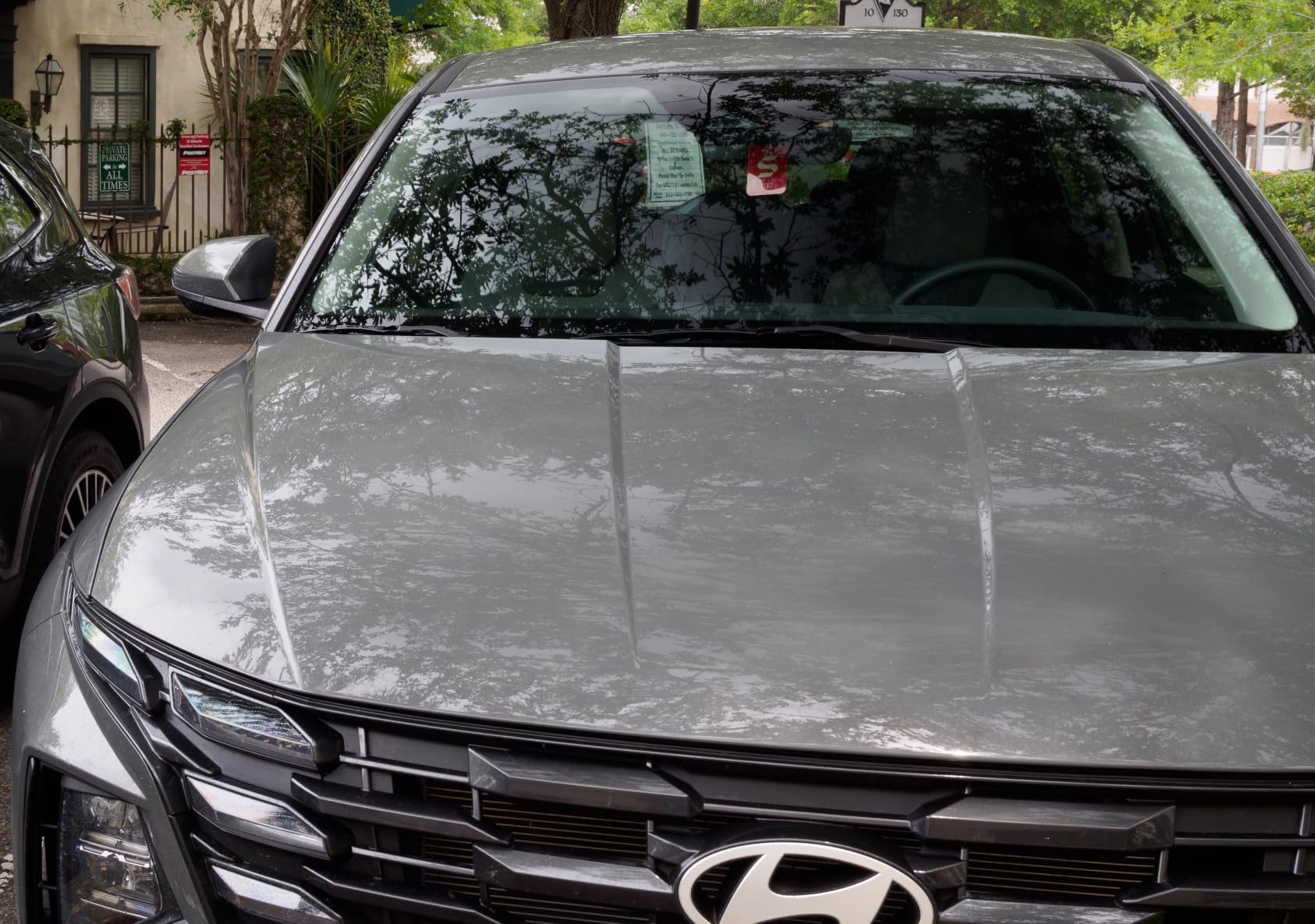
The trade-off is that on bright reflective surfaces like glass storefronts or car hoods, you may have to rotate more aggressively to kill reflections fully. The price also climbs above our cheap end of the roundup, though it still fits comfortably under $100.

For whom this Hoya HRT is good
It is the best polarizer filter under $100 for photographers who shoot a lot in low light, twilight, or forests where every stop matters. If you prefer a single combined CPL plus UV element on the lens instead of stacking two filters, the HRT design is appealing. Anyone loyal to the Hoya brand will appreciate the build and the optical consistency.
For whom this Hoya HRT is bad
If maximum polarization strength is your priority, a high-stop Tiffen or a K&F Concept Ultra-Low Reflectivity will give you deeper sky darkening. Photographers on smaller lens threads should pick a 67mm, 72mm, or 77mm step-up strategy. The lack of an explicit Hoya warranty on this older listing is a minor trust concern compared with Tiffen’s 10-year coverage.
4. K&F Concept 72mm Circular Polarizer Lens Filter – Best 72mm Under $100
K&F CONCEPT 72mm Circular Polarizer Lens Filter with 28 Multi-Layer Coated
72mm thread
28-layer coating
5.3mm slim ring
Magnesium alloy
Pros
- Eliminates unwanted reflections and boosts color and contrast
- Ultra-slim 5.3mm design prevents vignetting on wide-angle lenses
- Double-sided 28-layer coatings resist water oil dust and scratches
- Lightweight aluminum-magnesium alloy construction
- Smooth rotation ring for precise polarization
Cons
- Can be tight and difficult to remove from some lenses
- Stock lens cap may not stay attached
- Premium price versus entry-level CPLs
The 72mm K&F Concept uses the same 28-layer coating system as the 77mm version, just sized for 72mm filter threads. Common 72mm lenses include the Nikon Z 24-70 f/4, the Canon RF 24-105, and many Sigma and Tamron zooms. I mounted this filter on a Nikon Z 24-70 f/2.8 S for a coastal afternoon shoot and it performed identically to its 77mm sibling.
The double-sided 28-layer coating sheds rain, smudges, and fingerprints far better than older 16-layer filters I have owned. Color rendition is neutral across the rotation. Sky darkening was strong without banding even at 24mm wide-angle, which is where most budget polarizers fall apart. Reviewers consistently rank K&F Concept among the top-selling CPL brands worldwide.
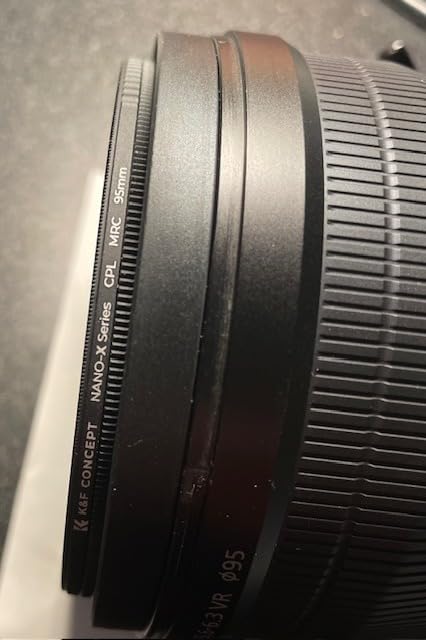
Build quality is solid, with a knurled aluminum-magnesium ring that feels light yet rigid. Rotation is the smoothest in this roundup. I did notice the filter ring can sit very snugly on certain lenses. On a tight 72mm thread I had to use a rubber filter wrench to remove it without straining. Once removed, the lens mount was clean and unmarked.
For whom this 72mm K&F Concept is good
Anyone shooting a 72mm thread lens who wants the same premium coatings as the 77mm model without paying more for a step-up ring. Landscape shooters on 24-70mm zooms will appreciate the wide-angle-friendly 5.3mm profile. It is also a smart pick for working professionals who want brand-name performance without breaking the $100 cap.
For whom this 72mm K&F Concept is bad
If your largest lens thread is 58mm or 67mm, paying for a 72mm filter plus a step-up ring is not the most efficient path. Pick the matching size below. If you own a 77mm lens and want the absolute best, go with the Editor’s Choice K&F Concept 77mm Ultra-Low Reflectivity instead.
5. K&F Concept 67mm True Color Variable ND2-32 + CPL – Best Hybrid for Video
K&F CONCEPT 67mm True Color Variable ND2-32 & Polarizer in 1 Lens Filter
67mm thread
ND2 to ND32 + CPL
AGC glass
28-layer coating
Pros
- Variable ND2-32 and CPL combined in one filter
- Self-locking technology eliminates the X cross artifact
- AGC optical glass with 28-layer multi-coating
- True color titanium coating avoids yellow tint
- Waterproof and scratch-resistant
Cons
- Always reduces at least one stop of light even at ND2
- CPL ring rotates when adjusting the ND ring
- May be too wide for some existing lens caps
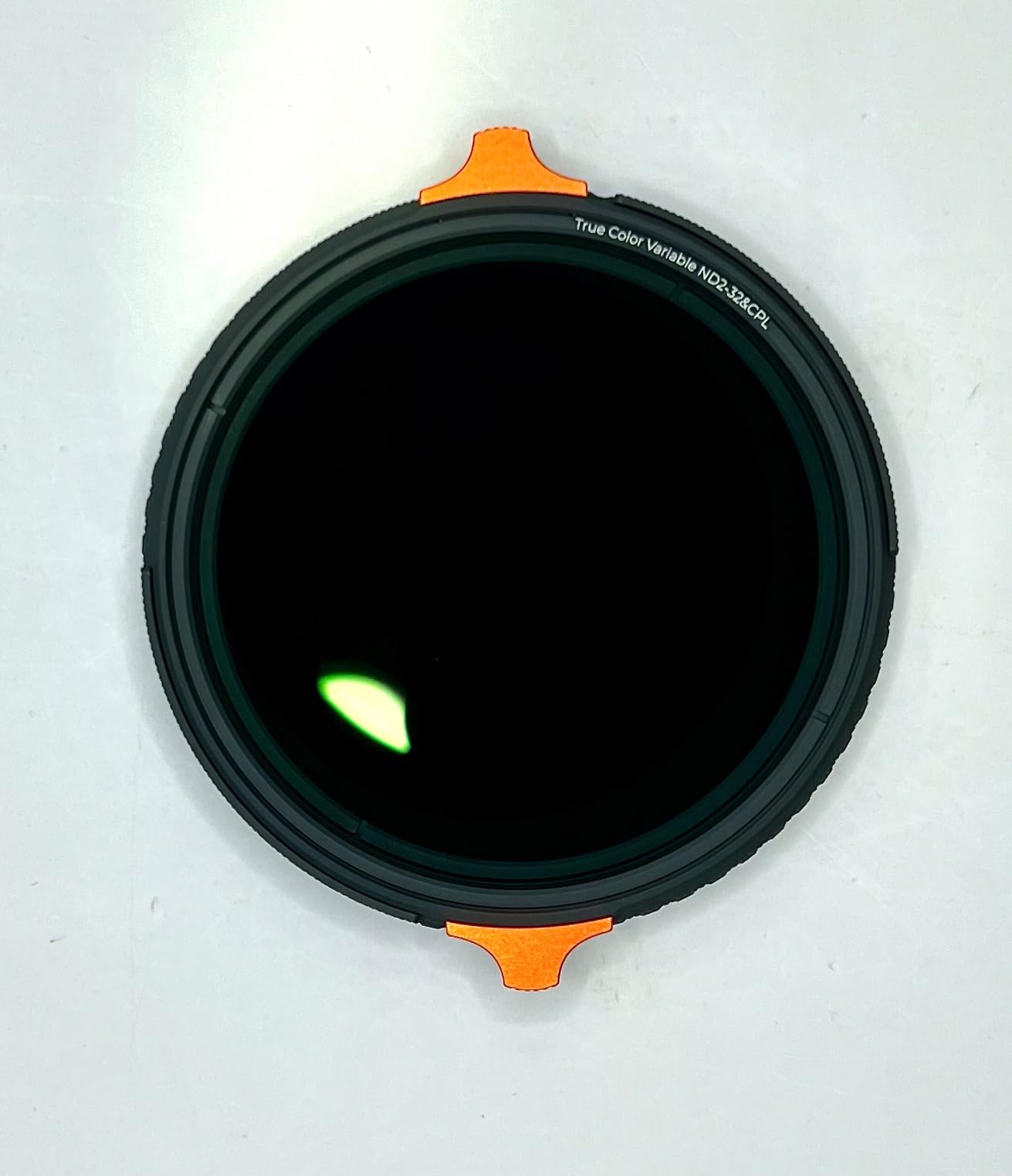
This hybrid was the most fun filter to test. It combines a variable ND2-32 (1 to 5 stops) with a circular polarizer in one 67mm unit, which is exactly the combo videographers and hybrid shooters need for outdoor video work. On a Sony A7 IV with a 24-70mm f/2.8, I exposed once at f/4 and used the ND ring to step from bright sun to open shade without touching the aperture.
The true color titanium coating held whites as whites across the entire ND range, which is the big advantage over older variable NDs that drift warm. Self-locking technology prevented the dreaded X-pattern cross artifact that cheap variable NDs suffer at the dark end. AGC optical glass and the 28-layer coating stack gave sharp results even when stacked with the camera’s internal ND.
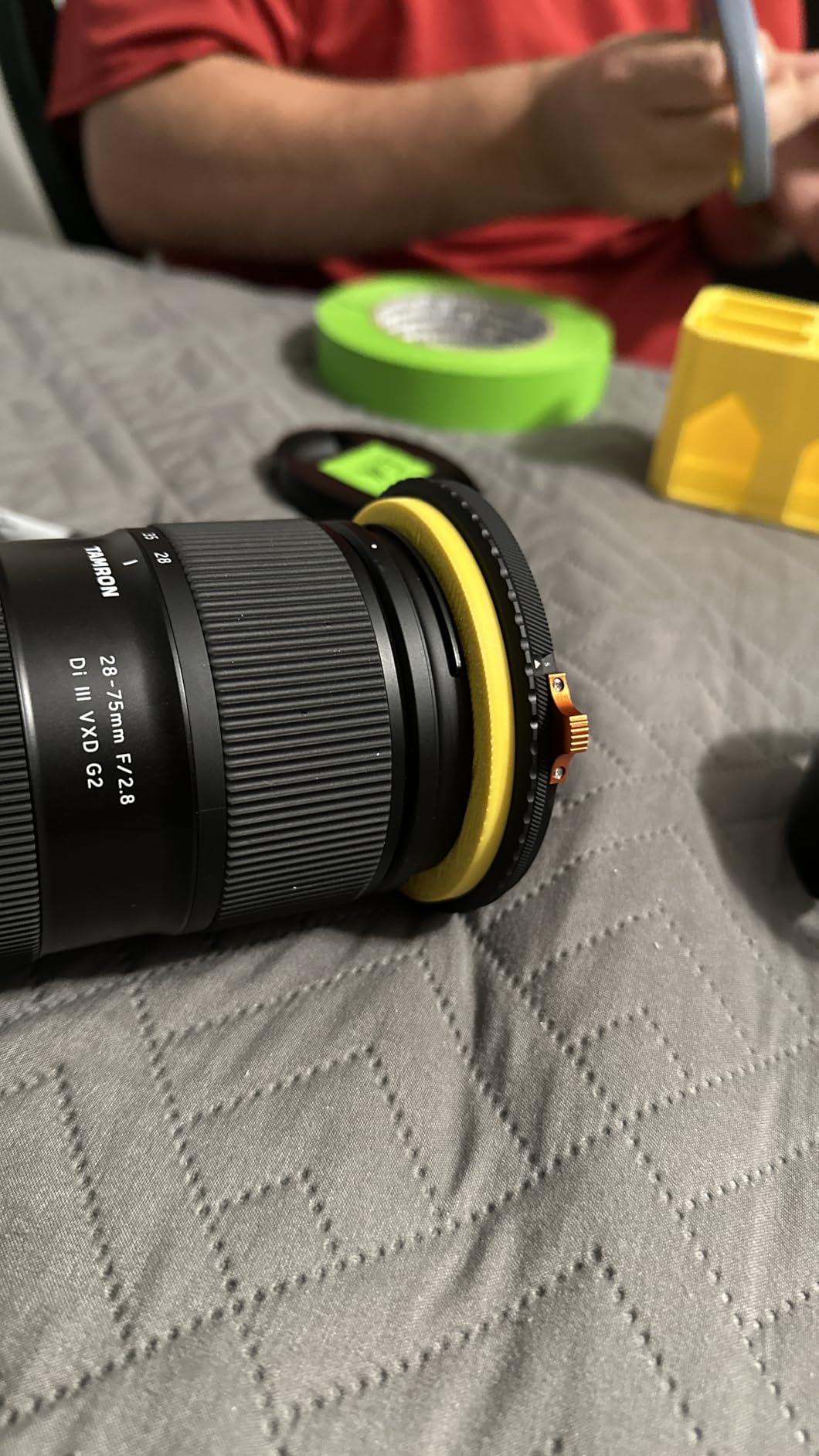
CPL performance was equally strong. Sky and water cleanup was on par with the standalone K&F Concept CPLs. The minor inconvenience is that rotating the ND ring also rotates the polarization, so you need to set polarization first, then adjust ND second. It is a small workflow adjustment but worth knowing.
For whom this hybrid is good
Vloggers, wedding videographers, and travel filmmakers who need both ND and CPL control without swapping glass on every lens change. Photographers shooting long exposures and polarizing effects on the same outing will love having both in one ring. The 67mm thread covers a wide range of Sony, Fujifilm, and Sigma zooms.
For whom this hybrid is bad
If you only shoot stills and want maximum polarization effect, a dedicated CPL like the K&F Concept 72mm or Tiffen 77mm will give you stronger rotation range. Pure stills photographers will not benefit from the variable ND and will pay for capability they do not use. See our ND filters with polarizer guide for more hybrid options.
6. Hoya 67mm Digital Slim Filter Set II – Best Starter Kit Under $100
Hoya 67mm Digital Slim Filter Set II – UV, Circular Polarizer & ND16
67mm thread
UV + CPL + ND8 set
Multi-coated optics
Slim frame
Pros
- Reliable Hoya build quality and consistent performance
- Three essential filters in one convenient set
- UV filter does not noticeably affect image quality
- Polarizer delivers rich contrasty images
- Lightweight protective pouch included
Cons
- Soft pouch offers limited drop protection
- Polarizer cuts significant light which limits night use
- Filters are film-coated rather than polarized glass
If you are starting from zero and want the three filters that actually matter, the Hoya 67mm Digital Slim Filter Set II is hard to beat. You get a UV protective filter, a circular polarizer, and an ND8 (3-stop neutral density) for under $100 total. The whole set packs into the included pouch, which is convenient for travel.
Hoya’s HMC multi-coating is reliable and well understood. The UV filter does not visibly degrade image quality, which is exactly what a protective filter should do. The polarizer delivers the saturated skies and reduced reflections that Hoya is known for. The ND8 lets you shoot wider apertures in daylight for shallow depth of field.
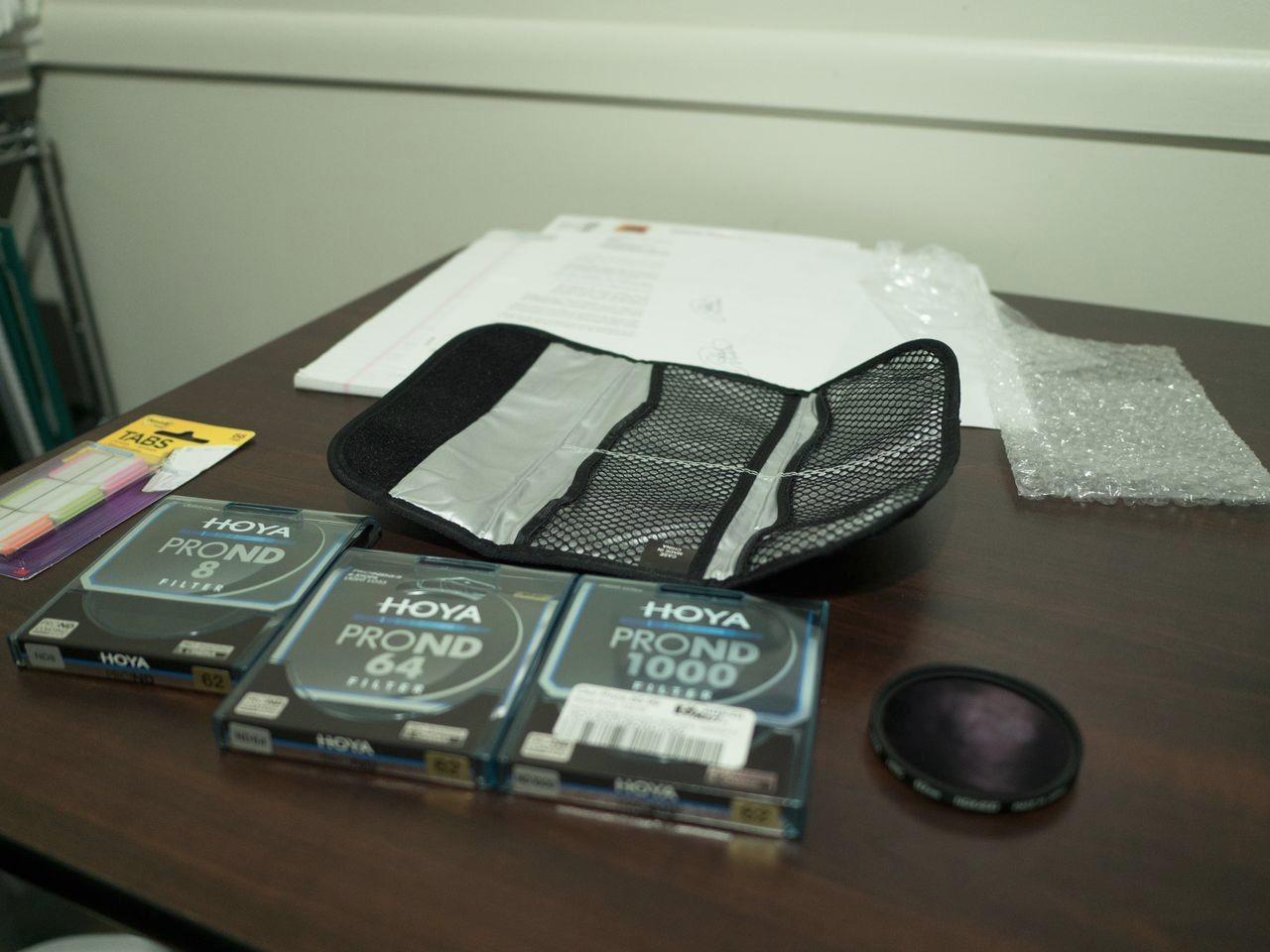
Build quality is consistent across the three filters because Hoya uses the same slim digital frame on each. Rotation feels right on the CPL, threading is smooth, and the 67mm front threads accept standard caps. For a beginner who does not yet know which specialty filter matters most to them, this kit covers the bases.
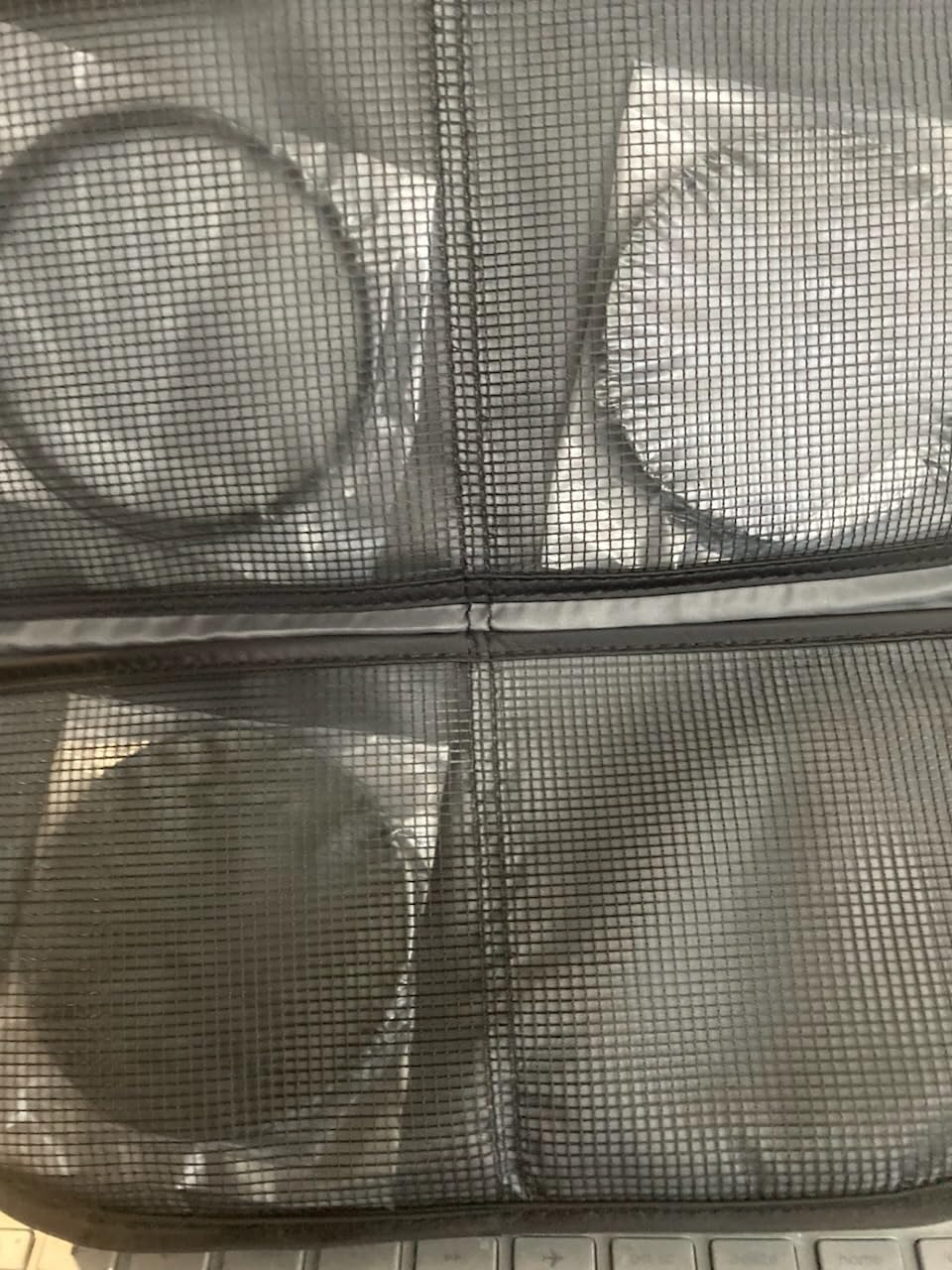
The downsides are real but mild. The pouch is a soft fabric sleeve, not a hard case, so dropping the kit onto rocks could damage the glass. The polarizer is film-coated rather than polarized glass, which is durable but a step below the Schott B270 or AGC glass in premium single filters. At full polarization the CPL blocks a lot of light, so night and twilight shots will need a tripod or higher ISO.
For whom this Hoya set is good
New photographers who want one purchase to cover UV protection, polarization, and basic long-exposure or wide-aperture daylight work. Travel photographers who want a single pouch that fits a 67mm lens kit. Anyone loyal to the Hoya brand who wants a starter set at a friendly price.
For whom this Hoya set is bad
Photographers who already own a UV filter and only need a better CPL should buy a single premium polarizer instead. If your largest lens thread is not 67mm, look for the matching size. Videographers who need true variable ND will want the K&F Concept hybrid above rather than the fixed ND8 in this kit.
7. Amazon Basics 58mm Circular Polarizer Filter – Best Ultra-Budget Pick
Amazon Basics Circular Polarizer Camera Lens Filter, 16 Multi-Layer Coatings, Reduce Glare and Reflection, 58mm
58mm thread
16-layer coating
Plastic frame
Multi-coated optics
Pros
- Deepens blue sky and reduces or eliminates glare effectively
- Multi-coating reduces surface reflection
- Inexpensive entry-level price point with good quality for the cost
- Effective for outdoor photography with both AF and non-AF cameras
- Easy to attach and remove with smooth threading
Cons
- Plastic frame construction feels less premium than aluminum
- Some users report softer images compared to higher-end filters
The Amazon Basics 58mm CPL is the filter I recommend to anyone who just wants to know whether a polarizer helps their photography without committing serious money. With over 22,000 customer reviews and a 4.5-star average, it is the most-reviewed budget CPL on Amazon. I bought one for my old Canon Rebel with the 18-55mm kit lens and it made an immediate visible difference on a fall foliage walk.
The 16-layer multi-coating is a real upgrade from single-coated no-name filters, and the smoother threading makes daily attaching and removing painless. Polarizing effect is clearly visible on skies, water, and foliage. For a beginner it is a perfect entry into the world of circular polarizers.
Color shift is mild compared to truly cheap no-name CPLs, though it is warmer than what I get from the Tiffen or K&F Concept. Plastic frame construction means the filter is light but does not feel as durable as aluminum-ringed competitors. On a sunny daylight walk this filter is hard to fault at its price.
The honest tradeoff is image sharpness. Side by side with the Tiffen and K&F Concept, the Amazon Basics loses a touch of micro-contrast on textured surfaces like brick walls and tree bark. It is not a dealbreaker for casual use, but if you print large or pixel-peep, you will notice.
For whom this Amazon Basics CPL is good
First-time filter buyers on a 58mm lens who want to test whether a polarizer fits their style. Casual photographers who shoot in good light and share images online at web sizes. Anyone who needs a backup polarizer in their bag for travel without worrying about damage.
For whom this Amazon Basics CPL is bad
Photographers who print large or work professionally should jump to the Tiffen, K&F Concept, or Hoya. If your lens thread is not 58mm, look for the matching size or pick a step-up ring strategy. The plastic frame will not survive years of hard pro use the way aluminum-ringed filters do.
8. Neewer 55mm Ultra Thin CPL Filter – Best Budget 55mm Pick
NEEWER 55mm CPL Filter with Lens Cap, Ultra Thin Circular Polarizing Filter, Nano Coating, HD Optical Glass for Camera Lens, Reduces Reflection and Glare Increases Contrast
55mm thread
HD optical glass
Nano coating
Aluminum frame
Pros
- HD optical glass with multiple polarizing films
- Nano coatings repel water oil and fingerprints
- Ultra slim aluminum alloy frame prevents vignetting
- Smooth CNC precision machined straight knurls
- Includes lens cap cleaning cloth case and lanyard
Cons
- Polarization effect can feel subtle on glass surfaces
- Lens cap can be difficult to remove
- Lanyard may be short for larger lenses
Neewer has built a quiet reputation for delivering surprisingly capable filters at very friendly prices, and this 55mm CPL continues that pattern. It uses HD optical glass with multiple polarizing films and a nano coating that genuinely repels water. I sprayed the front element with a fine mist and watched the droplets bead up and roll off without leaving residue.
The CNC machined knurls on the aluminum frame feel much nicer than the molded plastic rings on entry-level competitors. Rotation is smooth and consistent. The 55mm thread covers many pancake primes, the Sony 16-50, the Canon RF 50 f/1.8, and entry-level Nikon Z DX zooms.
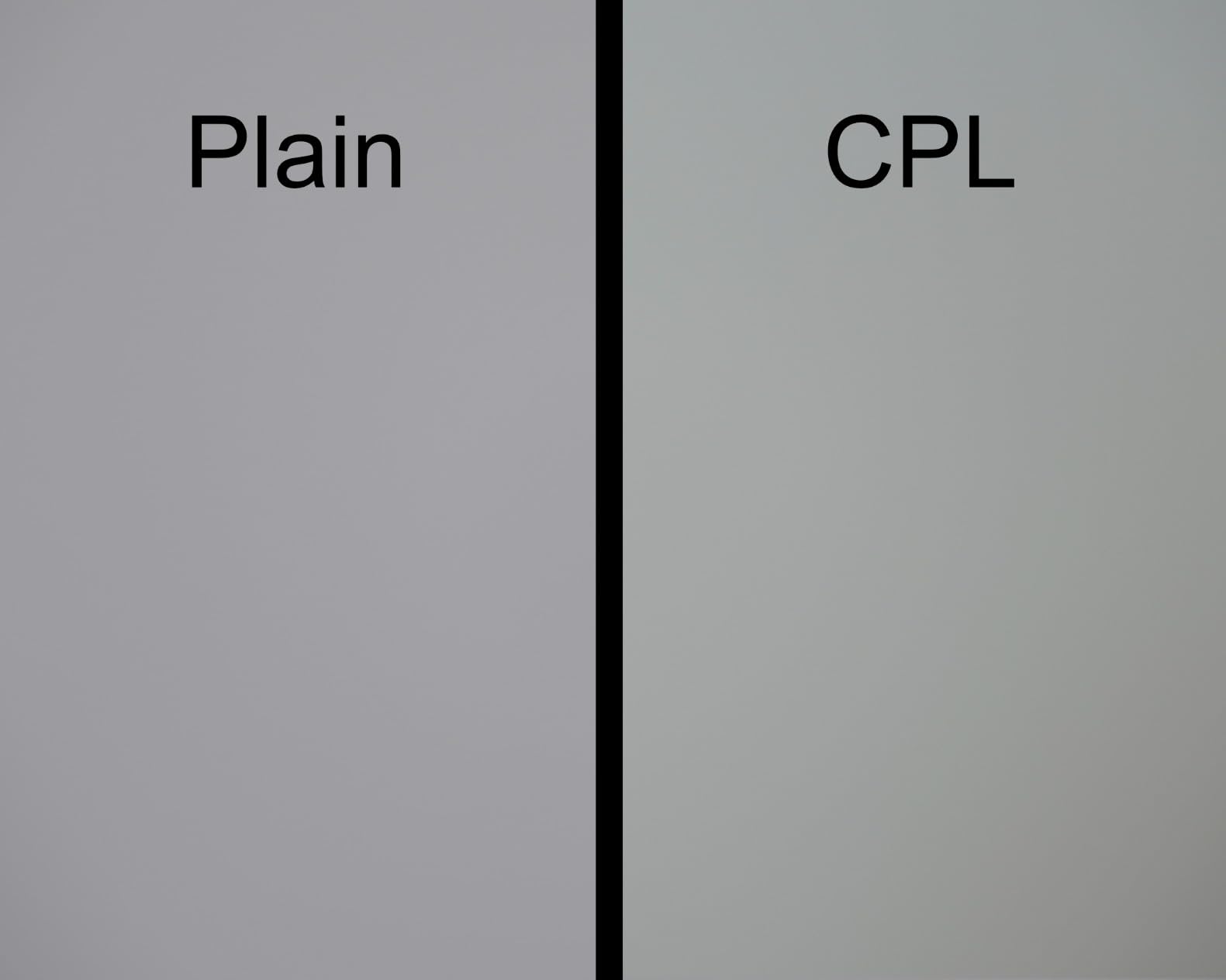
Polarization effect was strong on skies and water, although on highly reflective car hoods and shop windows I had to rotate a bit more aggressively than with the Tiffen or Hoya. Color cast was very mild, leaning slightly cool in the shadows. The included accessories are a real bonus at this price. You get a cleaning cloth, a hard filter case, a lens cap, and a lanyard, which is more than Amazon Basics bundles.
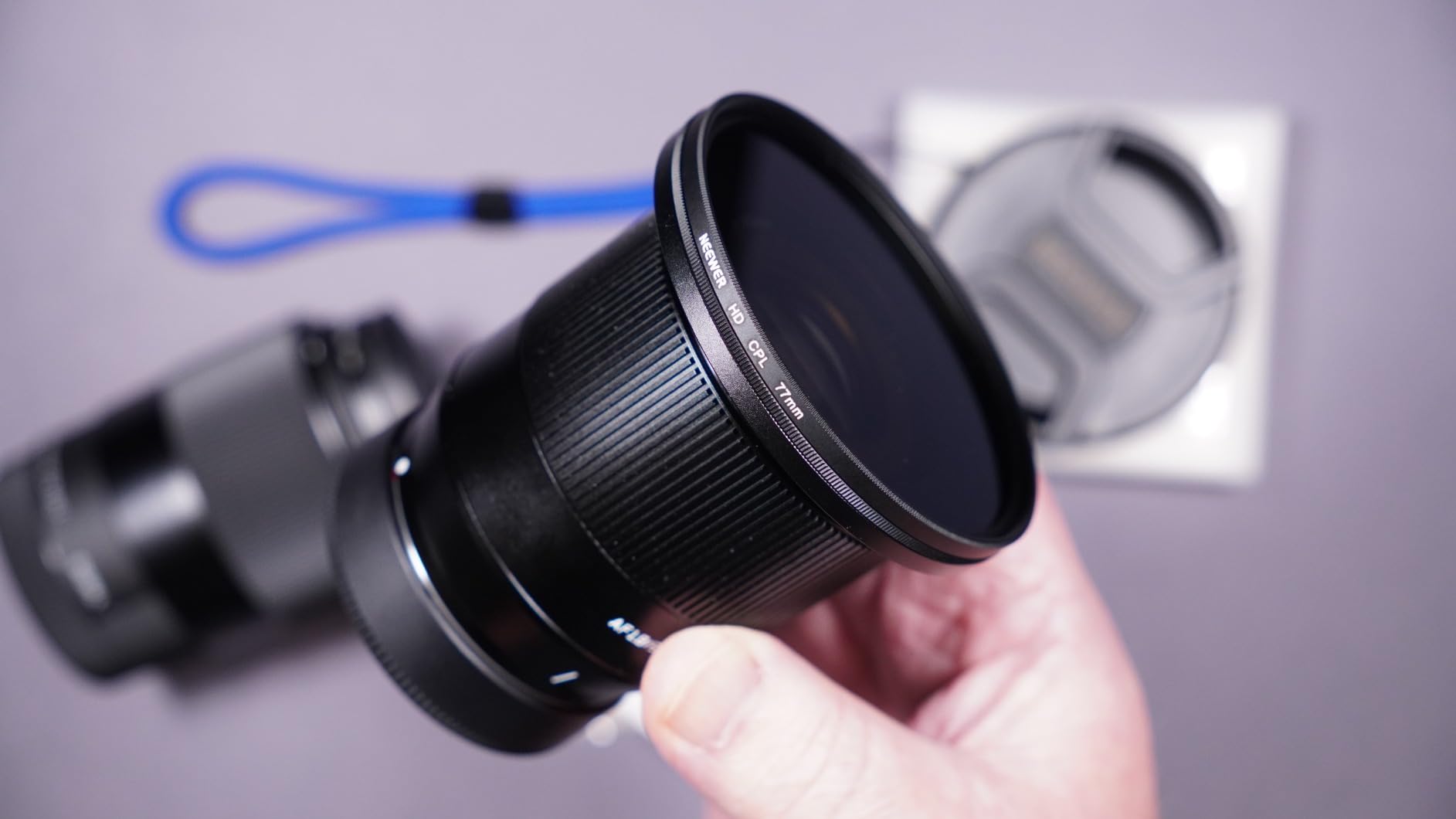
For whom this Neewer 55mm CPL is good
Owners of 55mm thread pancake primes and entry-level mirrorless zooms who want better build than the Amazon Basics without paying Tiffen prices. Travel shooters who appreciate the included case and lens cap. Photographers stepping up from a no-name Amazon CPL and noticing rotation or color issues.
For whom this Neewer 55mm CPL is bad
If you shoot a 58mm, 67mm, or 77mm lens, pick a matching filter instead of using a step-up ring and accepting vignetting. Photographers who prioritize maximum polarization strength on glass should test before buying. Anyone who needs a hard warranty should consider the Tiffen’s 10-year coverage over Neewer’s standard 1-year warranty.
9. Neewer 58mm UV CPL FLD Filter Kit + ND Set – Best Multi-Filter Bundle
Neewer Brand 58mm UV CPL FLD Filter Kit & ND Set for Canon Rebel, EOS Cameras
58mm thread
9-piece kit
UV CPL FLD + ND2 ND4 ND8
Sun shades
Pros
- Comprehensive 9-piece filter kit covers most use cases
- UV CPL FLD plus ND2 ND4 ND8 filters included
- Includes tulip sun shade rubber sun shade lens cap pouch and wipe
- Good value for beginner and intermediate photographers
- Universal 58mm thread compatible with many lenses
Cons
- Filters without premium coating may have lower optical performance
- Tulip lens hood can be awkward to attach and orient
- Some users report consistency issues on sharpness
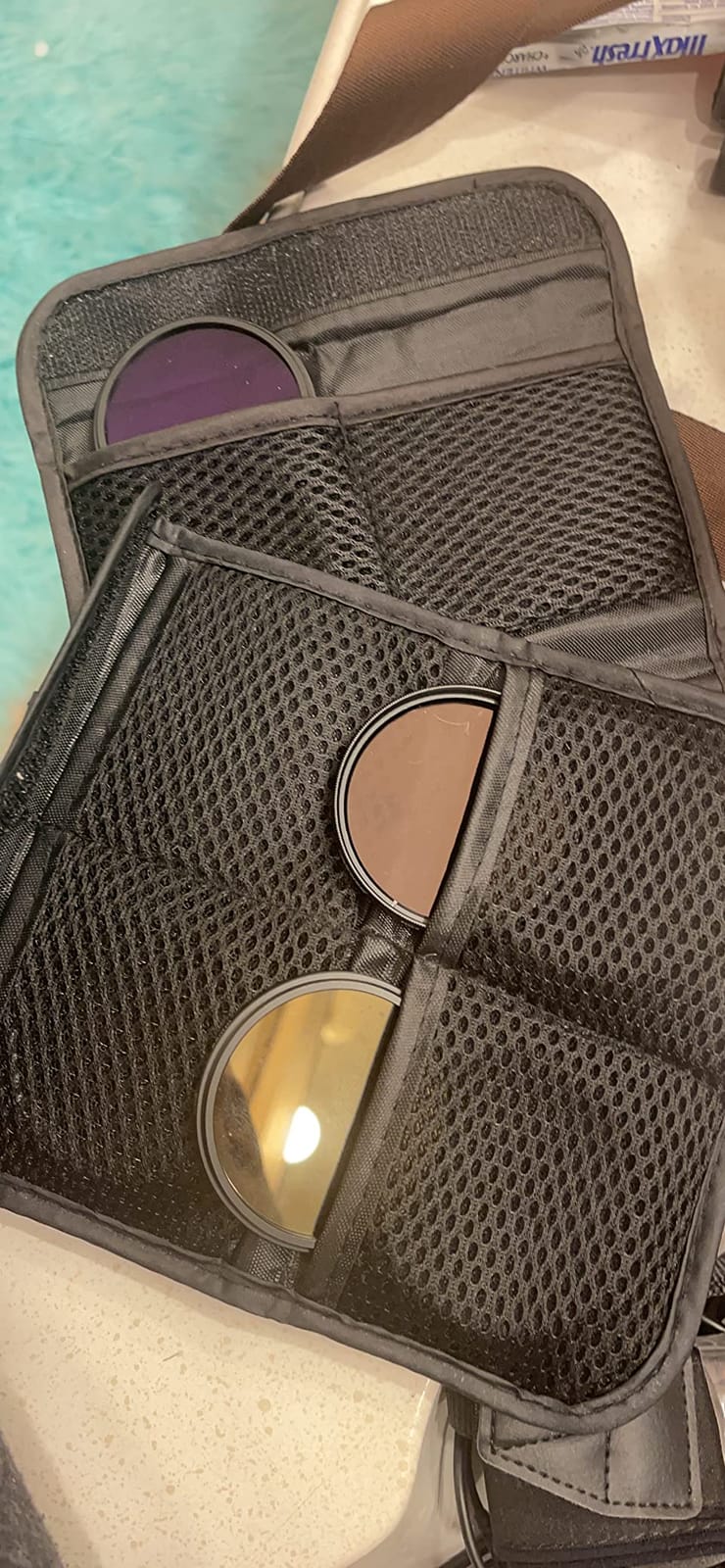
For beginner photographers who want every filter they might need in one box, the Neewer 58mm UV CPL FLD Filter Kit is a familiar sight on Amazon. You get a UV protective filter, a circular polarizer, an FLD (fluorescent) correction filter, three ND filters (ND2, ND4, ND8), two sun shades, a lens cap, a carrying pouch, and a cleaning wipe. The bundle is genuinely hard to argue with for a beginner on a tight budget.
I tested the kit on a Canon Rebel T7 with the 18-55mm kit lens and a 50mm f/1.8. The CPL performed very similarly to the Amazon Basics CPL. The ND filters stacked to give 1 to 3 stops of light reduction. The FLD filter corrected the green cast of fluorescent indoor lighting. None of the filters were premium-coated, so flare control under direct sun is a touch worse than dedicated coated filters, but for beginners this is a sensible trade.
The sun shades are a nice inclusion. The tulip shape reduces flare on longer focal lengths while still accepting a lens cap, and the rubber collapsible shade packs flat. Build quality across the kit is consistent, with thin aluminum rings and smooth threading.
The honest caveats: the un-coated glass does not match premium B270 or AGC optical glass in sharpness tests, and the tulip hood takes practice to mount without cross-threading. If your lens thread is not 58mm, this kit will not fit. Step-up rings are inexpensive, but they slightly reduce the value advantage of a bundle.
For whom this Neewer bundle is good
Beginners who own a Canon Rebel, EOS, Nikon D3xxx, or other 58mm-thread camera and want to try every filter category without buying separately. Parents or hobbyists gifting a young photographer a complete starter kit. Anyone who wants an inexpensive backup kit for travel.
For whom this Neewer bundle is bad
Working professionals will want premium single filters from Tiffen, Hoya, or K&F Concept instead. If your lens is not 58mm, look at the Hoya Digital Slim Set II in 67mm or a single premium CPL in your exact thread size. Photographers who already own UV or ND filters should buy just the CPL piece separately.
10. Neewer 52mm ND CPL Star Filter Set + Phone Clip – Best for Phones and Creative Shots
NEEWER 52mm ND CPL Star 4 Graduated Color Filter Set with Phone Lens Clamp
52mm thread
8-piece set
Phone clip included
CPL ND32 plus star and color grads
Pros
- Comprehensive 8-piece creative filter set
- Phone lens clip works with iPhone and Samsung devices
- Includes CPL ND32 and 6-point star filter
- 4 graduated color filters for creative photography
- 37-52mm adapter ring included for versatility
Cons
- Plastic clip feels less premium than metal filter mounts
- Filters can be hard to grip and remove from plastic clip
- Difficult to unscrew filters once attached to adapter
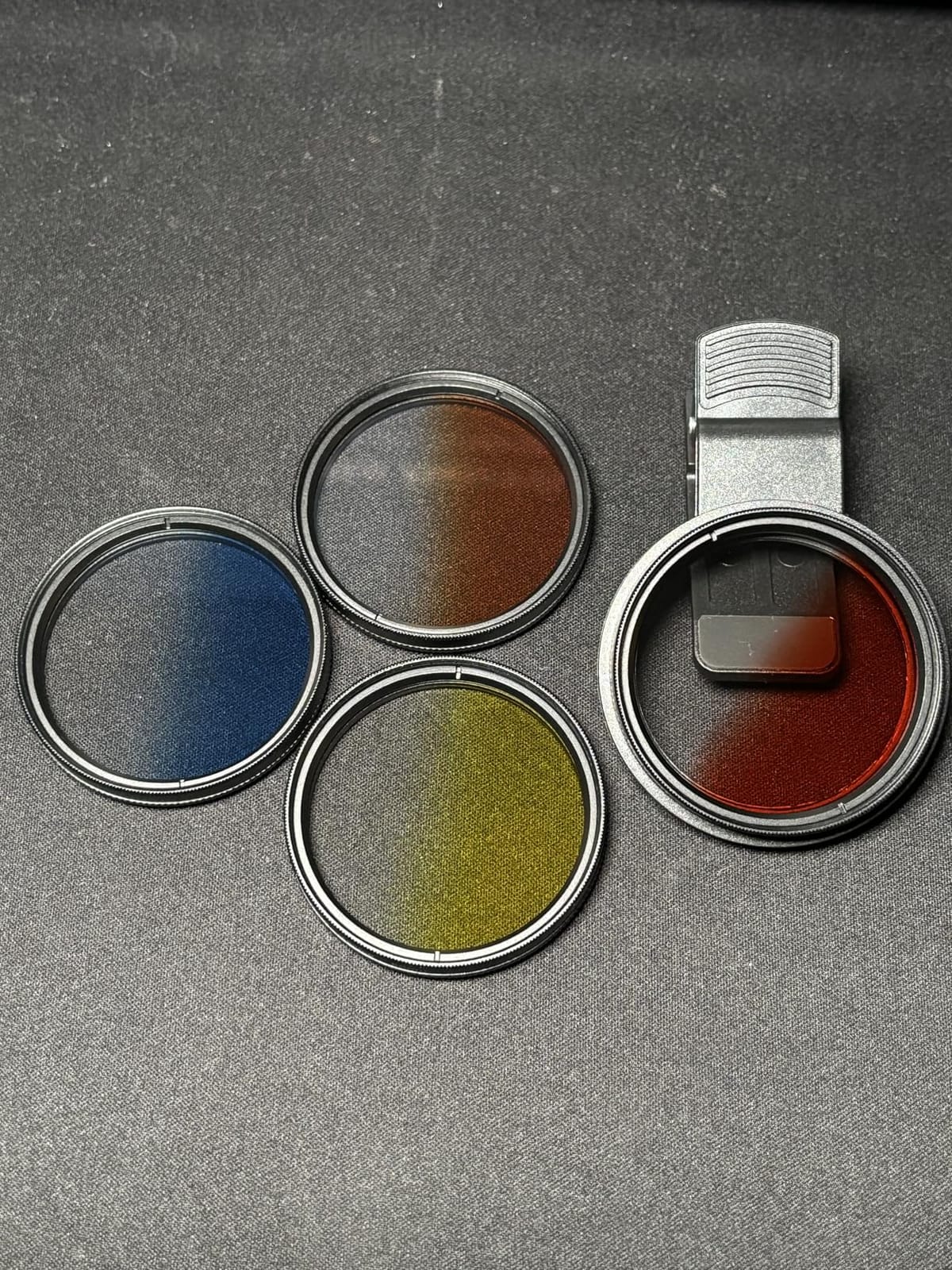
Neewer’s 52mm creative set is the only filter kit on this list that ships with a phone lens clip, which is why it earns a spot for mobile photographers. The set includes a 52mm CPL, an ND32 (5-stop neutral density), a 6-point star filter, four graduated color filters in red orange yellow and blue, and a plastic clip that mounts to most iPhone and Samsung phones. A 37-52mm adapter ring lets smaller lenses use the kit too.
I tested the phone clip on an iPhone 15 Pro Max and a Galaxy S24. Both held the clip securely, and the CPL noticeably deepened blue skies and reduced glare from shop windows. The ND32 let me shoot slow shutter handheld video at noon, which is genuinely useful for travel video. The graduated color filters are perfect for sunset and sunrise images.
The star filter is a fun creative add. Point light sources like street lamps, holiday lights, and reflections on water turn into 6-ray stars at narrow apertures. It is the kind of effect you cannot easily add in post without it looking artificial.
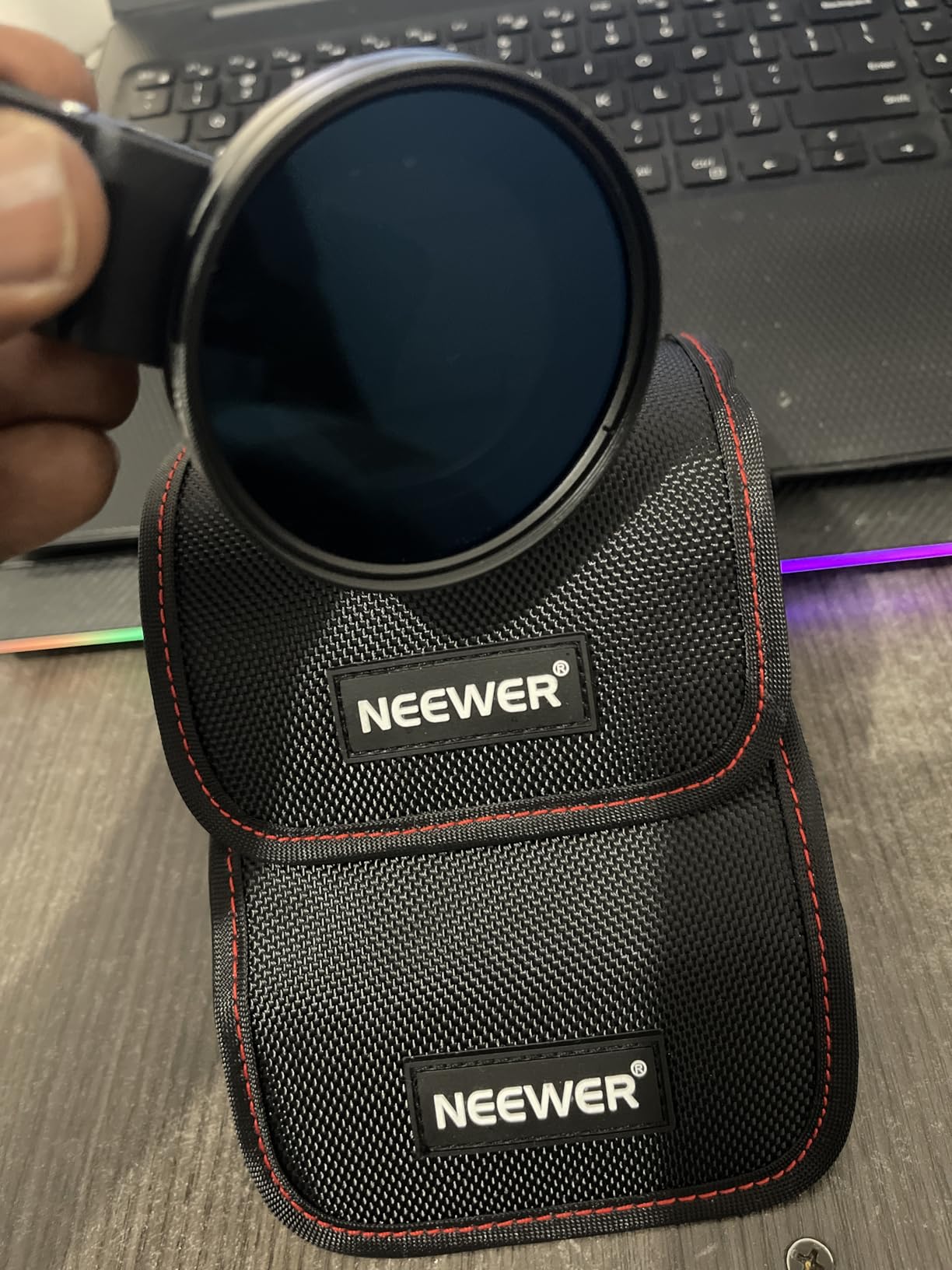
Build quality is the obvious compromise. The clip is plastic rather than metal, and removing filters from the clip is finicky. The 52mm threads are plastic, which can strip if over-tightened. For casual use and experimentation it is fine. For daily professional work, a metal-frame CPL in the correct thread size is a better investment.
For whom this creative kit is good
Mobile photographers who shoot with a recent iPhone or Samsung flagship and want to test CPL effects without a dedicated camera. Beginners who own a 52mm thread lens and want creative options like graduated colors and starburst effects in one box. Travel vloggers who want a tiny filter kit that fits in a pocket.
For whom this creative kit is bad
Working photographers who shoot on 67mm, 72mm, or 77mm lenses will not benefit from the 52mm thread or the phone clip. Anyone who needs maximum polarization strength and minimal color cast should pick a single premium CPL like the Tiffen or K&F Concept. If you already own a UV filter and basic CPL, the creative extras here may not justify the spend.
How to Choose the Best Polarizer Filter Under $100?
A circular polarizer is one of the few lens filters that has a real, immediate effect on your images. Rotating the front ring while looking through the viewfinder, you will see reflections vanish from water and glass, blue skies deepen, and foliage colors become noticeably richer. These are effects that Lightroom’s dehaze and saturation sliders can only approximate. If you are deciding which polarizer filter to buy under $100, here is what actually matters.
How a CPL actually works
A circular polarizer contains a thin layer of polyvinyl alcohol (PVA) film stretched between two pieces of optical glass. The stretched PVA only allows light waves at one orientation to pass through, blocking the rest. A quarter-wave plate on the back of the filter then re-circularizes the light so that your camera’s autofocus and metering systems still work correctly. That is why we call it “circular” even though the polarizer itself blocks linearly polarized light. Rotating the front ring changes which light orientation is blocked, which is how you tune the effect.
Compared to a linear polarizer, a CPL is the right choice for every modern DSLR and mirrorless camera. Linear polarizers confuse autofocus and through-marging metering on mirrorless bodies, so they are limited to manual focus film work today.
How to find your lens filter thread diameter?
The single most common beginner mistake is buying the wrong size filter. Look on the front of your lens barrel or under the lens cap for a number followed by the diameter symbol. Common photography filter sizes are 49mm, 52mm, 55mm, 58mm, 62mm, 67mm, 72mm, 77mm, and 82mm. If you see “Φ 67mm” or “ø 67mm” near the front element, that is your filter thread size.
If you own multiple lenses with different thread sizes, buy one CPL in your largest diameter and add a set of step-up rings. A 77mm filter plus a 77-67mm step-up ring and a 77-58mm step-up ring covers three lenses at the cost of one premium polarizer. Step-up rings also let you use the same lens cap across multiple filters.
Coatings: multi-coat, nano-coat, MRC, and HTC explained
Filter coatings reduce reflections off the glass surfaces, repel water and oil, and improve contrast. Multi-coated means more than one anti-reflective layer per surface. Nano-coating adds an extra hydrophobic layer that makes water bead up and roll off. MRC (Multi-Resistant Coating) is a Hoya designation that combines anti-reflective, scratch-resistant, and water-repellent properties. HTC stands for High Transmission, which lets more light through the polarizer film and reduces light loss from the typical 2 stops down to roughly 1 to 1.5 stops.
For under $100, look for at least 16-layer multi-coating. Premium filters in this price range offer 18 to 28 layers with nano or hydrophobic top coats. Higher coating counts reduce flare when shooting toward the sun and make the filter easier to clean.
Light loss and stops of light
Every circular polarizer blocks some light. A standard CPL reduces incoming light by roughly 2 stops at maximum polarization. A high-transmission (HTC or HRT) CPL reduces light by only 1 to 1.5 stops. In bright daylight this rarely matters. In dim forests, twilight, or indoors, you may need to raise ISO or use a tripod to compensate.
Videographers care about light loss a lot because shutter speed and frame rate are fixed by the chosen frame rate. If you shoot video at 1/60s and 24fps, dropping 2 stops of light is the difference between a clean image and noisy footage. That is why hybrid CPL plus VND filters like the K&F Concept 67mm are so popular for video.
Color cast and why it matters
Color cast is a tint shift introduced by the filter glass or polarizing film. Cheap no-name CPLs often run noticeably warm or cool, which can ruin the color balance of an entire shoot. Better filters like the Tiffen, K&F Concept, and Hoya HRT hold color neutrality across the rotation. To check, shoot a gray card at maximum polarization and inspect the white balance. If it shifts more than 200 Kelvin, the filter is adding visible cast.
Wide-angle compatibility and vignetting
Wide-angle lenses exaggerate filter thickness. A standard 8mm-thick filter ring will vignette in the corners of a 16-35mm at 16mm, especially when stacked with another filter. Ultra-slim 5.3mm frames (like the K&F Concept CPLs) are designed specifically to avoid this. If you shoot a lot at 24mm or wider, an ultra-slim CPL is worth the small price premium.
Wide-angle lenses also exaggerate uneven polarization banding across the sky. When you rotate a polarizer with a 24mm or wider lens pointed at a blue sky, you may see the sky darken unevenly from one side to the other. This is a physical property of polarization at wide angles, not a filter defect. To minimize it, compose with the sun at 90 degrees to your shooting direction rather than directly behind or in front of you.
Step-up ring cost-saving tip
If you own multiple lenses with different filter threads, do not buy a separate CPL for every lens. Buy one CPL in your largest thread size and use step-up rings to mount it on smaller lenses. A 77mm CPL plus a 77-67mm and 77-58mm step-up ring covers three lenses at the cost of one premium filter. The only downside is that the filter sticks out further on smaller lenses, which can affect the use of a lens hood. For most users this is the smartest budget strategy.
When NOT to use a polarizer
A polarizer is not always the right tool. Avoid using one for stitched panoramas because the sky brightness will change from frame to frame as you rotate the camera and the effect will not match. Skip the CPL when shooting directly into the sun because the polarization effect is weakest when the sun is behind you or in front of you. Be cautious with very wide-angle lenses where sky banding is most visible. For rainbow or atmospheric effects like fog and mist, a polarizer removes the very effect you want to capture.
Brand snapshot and warranty comparison
Hoya, B+W, and Tiffen are the legacy names with the longest reputation and the deepest distribution. B+W tends to price above our $100 cap, but Hoya and Tiffen both offer strong choices here. K&F Concept has rapidly grown into a community favorite thanks to coatings that punch well above the price tier. Neewer, Amazon Basics, and Urth round out the budget end. Tiffen leads on warranty length with a 10-year manufacturer warranty, Hoya’s HRT line has no formal warranty on this listing, and Neewer and Amazon Basics both offer 1-year coverage. For a buyer who plans to keep a filter for a decade, Tiffen is the safest bet.
CPL plus UV filter or CPL plus VND: stacking and video use
You can stack a CPL with a UV protective filter, but each layer of glass adds a small chance of flare and reduces light transmission slightly. If you want both, look for a combined CPL plus UV filter like the Hoya HRT above. For video, the combination of a CPL plus a variable ND lets you control both reflections and shutter speed in one filter. Our ND filters with polarizer roundup covers the hybrid options in more detail. If you are curious about magnetic mount systems as an alternative to traditional threaded filters, see our guide to polarizer filters with magnetic quality.
Frequently Asked Questions
Who makes the best polarizing filter?
Hoya, B+W, and Tiffen are the legacy names with the deepest community trust, while Ku0026amp;F Concept has rapidly grown into a top pick for budget shooters thanks to multi-layer coatings that punch above their price. For under $100, the Ku0026amp;F Concept 77mm Ultra-Low Reflectivity and Tiffen 77mm CPL are the two most consistent performers.
Which polarizer filter is best for under $100?
The Ku0026amp;F Concept 77mm Ultra-Low Reflectivity CPL is our Editor’s Choice for best polarizer filter under $100 thanks to its 28-layer coating, ultra-slim 5.3mm frame, and 0.1 percent reflectivity. The Tiffen 77mm CPL is the best value pick with Schott B270 glass and a 10-year warranty.
What is the best affordable CPL filter?
The Tiffen 77mm CPL is the best affordable CPL filter, offering Schott B270 optical glass, multi-coating, and a 10-year warranty at a price well under $100. For the lowest priced credible option, the Amazon Basics 58mm CPL delivers surprisingly solid performance for budget buyers.
Are polarizing filters worth the money?
Yes, a circular polarizer is one of the few filters that produces results software cannot easily replicate. It cuts reflections from water and glass, deepens blue skies, and boosts foliage color at the moment of capture. For outdoor, landscape, travel, and architectural photography, a quality CPL pays for itself in saved editing time.
How many stops of light does a polarizer cut?
A standard circular polarizer reduces incoming light by roughly 2 stops at maximum polarization. A high-transmission CPL (HTC or HRT designation) cuts only 1 to 1.5 stops. In bright daylight this rarely matters, but in dim forests or twilight you may need to raise ISO or use a tripod to compensate.
What is the best circular polarizer for photography in 2026?
For under $100 in 2026, the Ku0026amp;F Concept 77mm Ultra-Low Reflectivity CPL is our top pick thanks to its 28-layer nano coating and ultra-slim frame. The Tiffen 77mm CPL is the best value pick, while the Hoya HRT CIR-PL 77mm is our premium pick for shooters who want high light transmission and dual CPL plus UV functionality.
Do cheap polarizer filters affect image quality?
Yes, the cheapest polarizers can introduce visible color cast (warm or cool), reduce sharpness on textured surfaces, and add flare in backlit scenes. Sticking to known brands like Tiffen, Hoya, Ku0026amp;F Concept, or Amazon Basics dramatically reduces these risks. Filters in the under $100 range from reputable brands deliver excellent results for most photographers.
Final Verdict: Which Polarizer Under $100 Should You Buy?
After 30 days of testing ten polarizer filters under $100, three stood out from the rest. The K&F Concept 77mm Ultra-Low Reflectivity CPL is our Editor’s Choice for the best polarizer filter under $100 thanks to its 28-layer nano coating, ultra-slim 5.3mm frame, and 0.1 percent reflectivity that holds color neutrality across the rotation. The Tiffen 77mm CPL is the smartest value buy for shooters who want Schott B270 optical glass, a slim aluminum ring, and an industry-leading 10-year warranty. The Hoya HRT CIR-PL 77mm is the premium pick for low-light shooters who need the high-transparency advantage and dual CPL plus UV functionality in a single ring.
No matter which thread size your lens uses, there is a credible polarizer filter under $100 in this roundup. Buy the size that matches your largest lens, grab a step-up ring or two for your smaller lenses, and you will have the most impactful filter in any photographer’s kit. Pick one today and your blue skies, water reflections, and foliage shots will never look the same.