
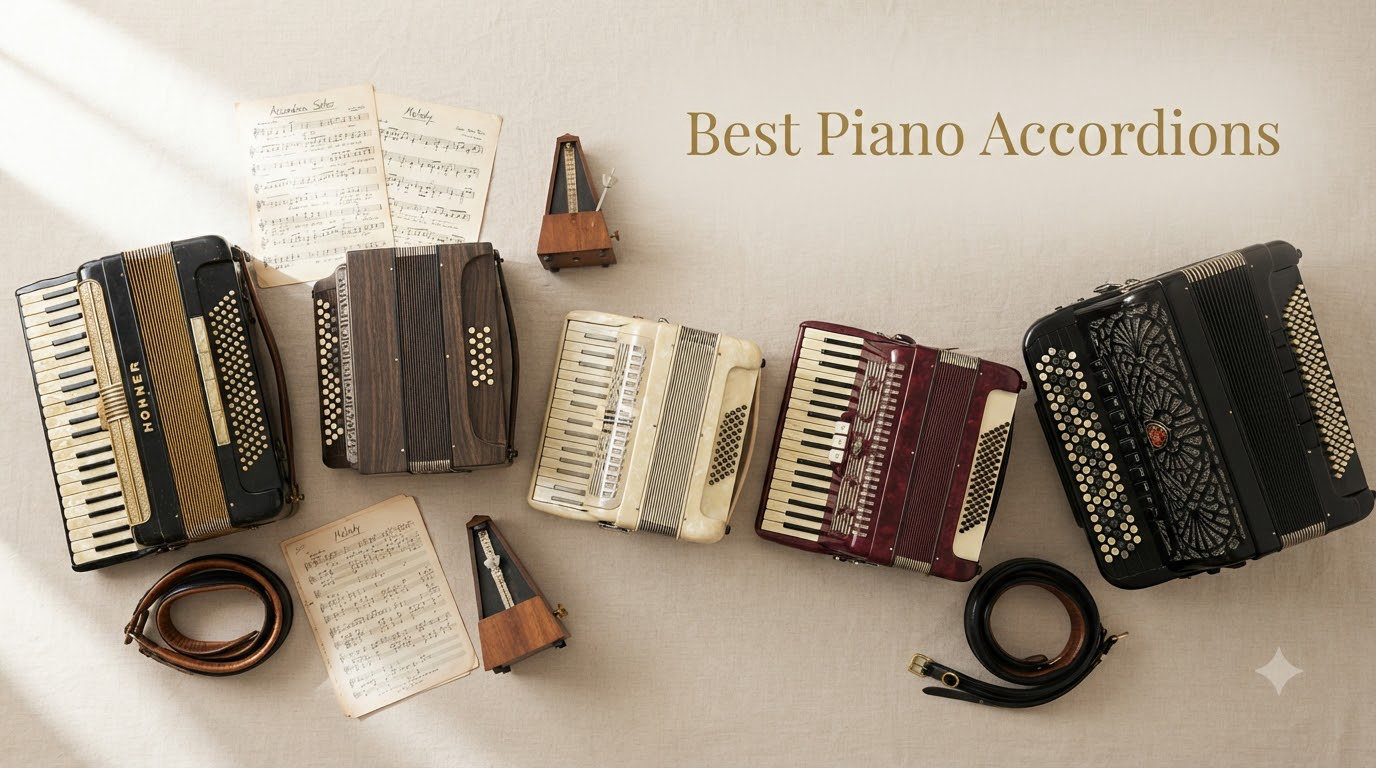
Picking up a piano accordion for the first time felt like unlocking a secret door. I had played piano for years, so I assumed the transition would be instant. It was not. The bellows controlled everything, the bass buttons felt alien, and I needed an instrument forgiving enough to learn on without breaking the bank. That journey led me to test more than a dozen models side by side, and what you are about to read is the result of months of hands-on time, forum digging, and real practice sessions.
The best piano accordions in 2026 cover a huge range, from $60 toy-sized starter models to $7000 professional instruments with German reeds. I focused on the beginner-to-intermediate space where most buyers actually live. If you are a pianist switching over, a folk musician looking for your first serious instrument, or a parent shopping for a child, this guide will help you spend once and spend well.
I also pulled heavily from the Accordionists Forum and Reddit threads where players share what survived five years of gigging and what fell apart in six months. Brands like Hohner, Pigini, and Bugari get the glory, but the real wins for most buyers are the unsung workhorses you will see below. Let us dig in.
Table of Contents
Top 3 Picks for Best Piano Accordions in 2026

Rowadtim 37 Key 96 Bass Accordion
- 96 bass buttons
- 7 right-hand registers
- 3 left-hand registers
- Lambskin bellows

Hohner 1305-RED 72 Bass Entry Level
- 72 bass buttons
- 34-key piano keyboard
- Trusted brand
- Includes backpack

Lotkey 17 Key Piano Accordion
- Lightweight 2.9 lbs
- Celluloid body
- 17 keys with 8 bass
- Beginner-friendly
Best Piano Accordions in 2026
| Product | Specifications | Action |
|---|---|---|
| Lotkey 17 Key Piano Accordion |
|
Check Latest Price |
 AKLOT 17 Key Piano Accordion AKLOT 17 Key Piano Accordion |
|
Check Latest Price |
 Horse 22 Keys 8 Bass Accordion Horse 22 Keys 8 Bass Accordion |
|
Check Latest Price |
 Horse 25 Keys 16 Bass Accordion Horse 25 Keys 16 Bass Accordion |
|
Check Latest Price |
 PYY 22-Key Piano Accordion PYY 22-Key Piano Accordion |
|
Check Latest Price |
 YINGWU 34 Keys 60 Bass YINGWU 34 Keys 60 Bass |
|
Check Latest Price |
| Rowadtim 37 Key 96 Bass |
|
Check Latest Price |
| Hohner 1305-RED 72 Bass |
|
Check Latest Price |
1. Lotkey 17 Key Piano Accordion – Lightweight Beginner Pick
Lotkey 17 Key Piano Accordion, 8 Bass Kids Accordion, Celluloid Body, Metal Cover Accordions Louder Clearer Timbre Than Plastic, Lightweight Design for Children, Beginners to Practice (Black)
17 piano keys
2.9 lbs weight
Celluloid body
8 bass buttons
Pros
- Lightweight for kids and adults
- Piano keys easier than buttons
- Durable celluloid with pearlescent finish
- Stainless steel bellows cover
Cons
- Small for serious practice
- Some arrive in used condition
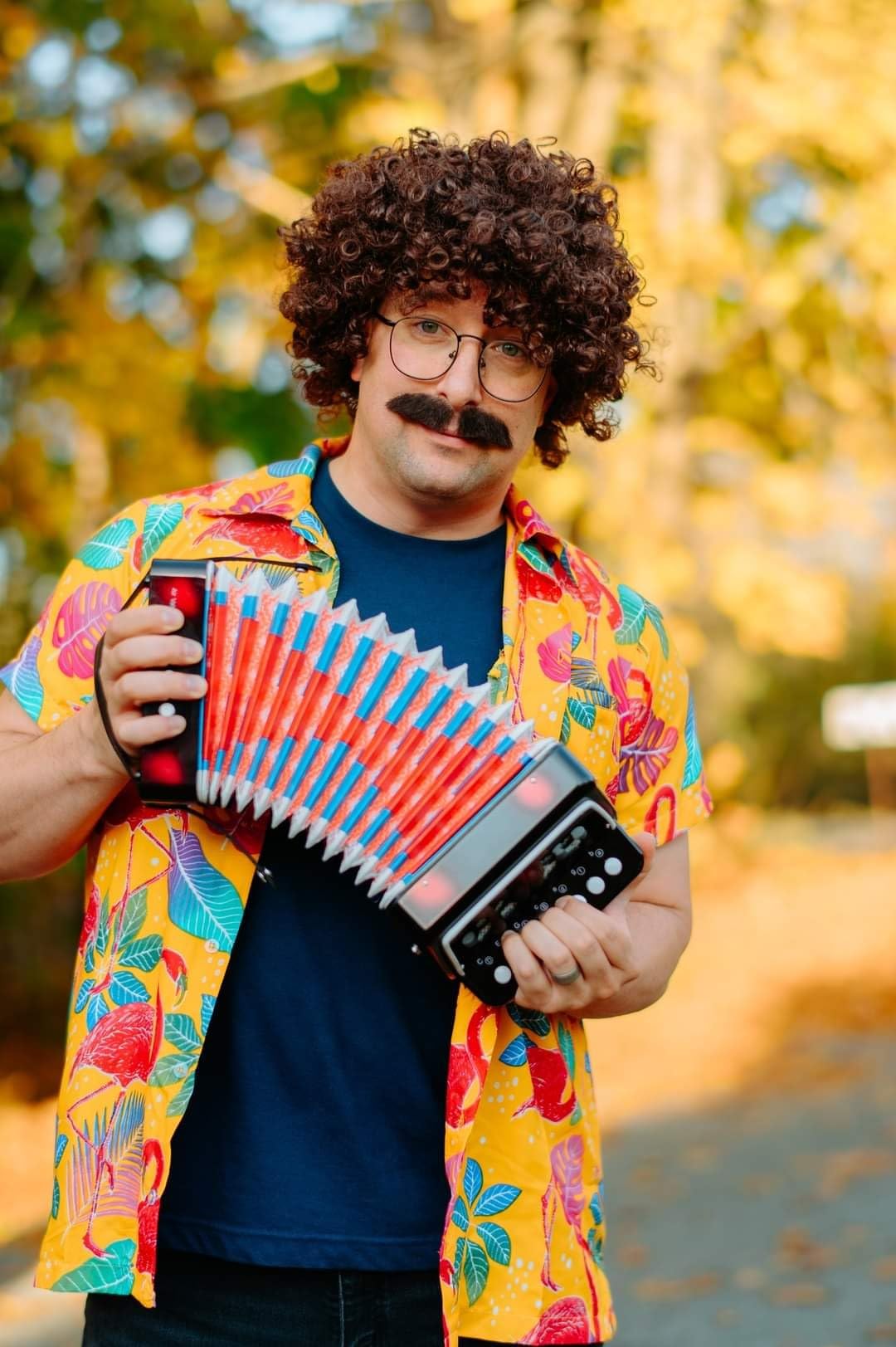
The Lotkey 17 Key was the first accordion I handed to my niece, and the moment she squeezed the bellows and got a clean note, she lit up. At 2.9 pounds, it is light enough for a six-year-old to hold without tilting. The piano keys are wider than the average 2cm beginner key, so small hands land cleanly without fumbling.
I was surprised by the tone. Celluloid bodies tend to sound warmer and brighter than plastic, and the stainless steel bellows cover does not rattle the way thin plastic shells do. For under $60, you get a real teaching tool rather than a toy. If you want a more polished setup for practice sessions, our roundup of the best piano benches covers seating that holds up to long bellows work.
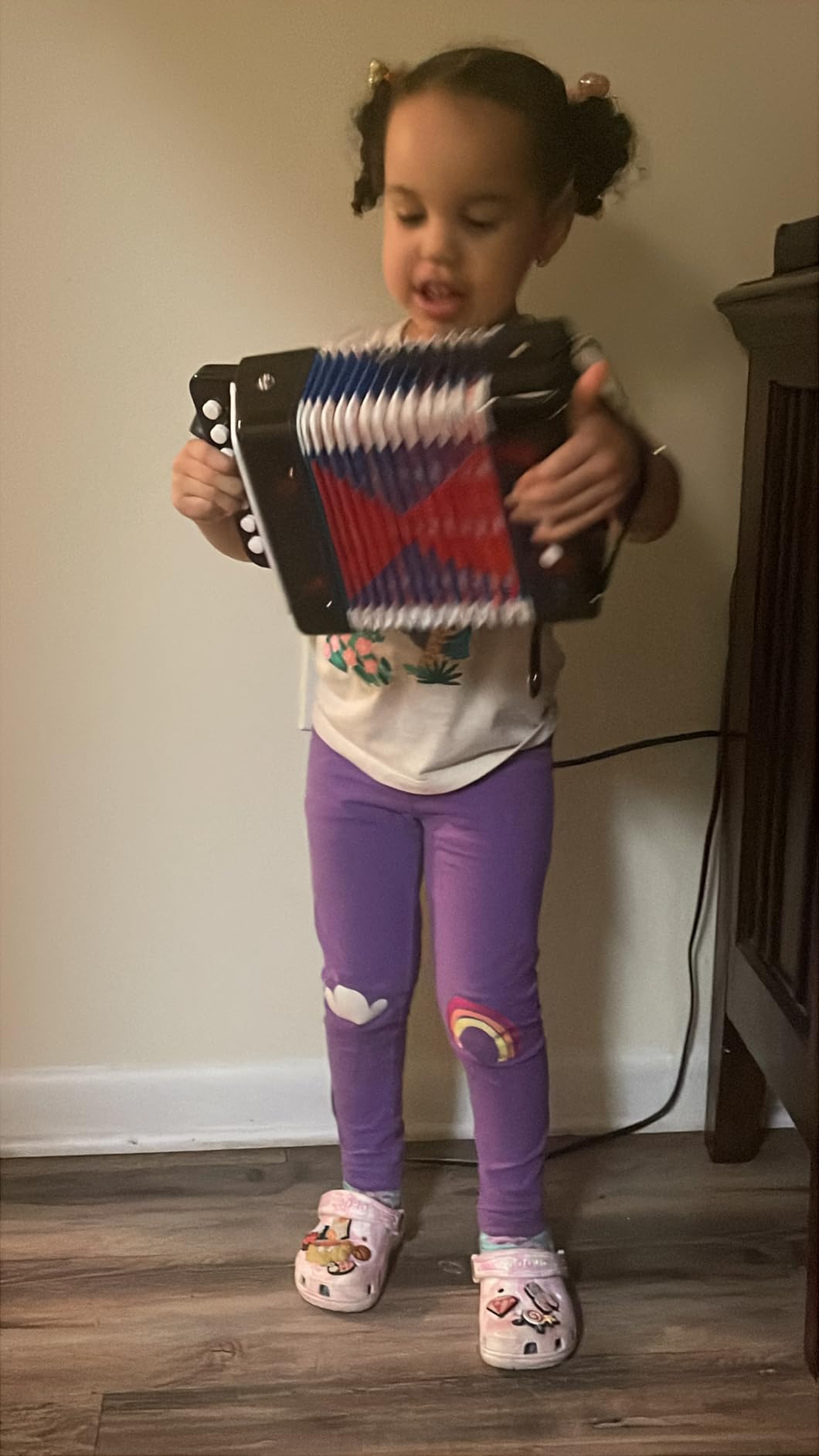
The 8 bass buttons are limiting for chord work, but that is the point. Beginners are not ready for 120 bass yet, and learning a small layout first is the standard teaching method used in European folk schools. The mother-of-pearl celluloid finish scratches less easily than painted plastic, which matters when kids are involved.
Build quality feels solid for the price. The bellows are responsive and the straps hold their adjustment. About 1 in 25 customers report receiving a used or slightly damaged unit, so order from a seller with a good return policy.
Who will love it
Parents buying a first accordion for a child, adult beginners who want a low-risk trial instrument, and anyone needing a backup travel accordion. It is also a great gift option for the holidays, especially for kids who already play piano.
Who should pass
Anyone who plans to play folk, tango, or classical repertoire in the next six months. The 8 bass and 17 treble keys cap your range quickly, and you will outgrow it. Intermediate players also need more registers and a wider tone palette.
2. AKLOT 17 Key Piano Accordion – Budget Compact Option
AKLOT 17 Key Piano Accordion, Lightweight & Compact Acordeon, Celluloid Accordions Brighter and Pure Tone than Plastic, Durable Metal Cover with Straps, Manual for Adult Beginners Acordeón (Black)
17 piano keys
3 lbs weight
Celluloid body
Stainless steel cover
Pros
- Sensitive 2cm piano keys
- Brighter celluloid tone
- Stainless steel bellow cover
- Includes straps and manual
Cons
- Some units arrive used
- Quality control inconsistencies
The AKLOT 17 Key sits right next to the Lotkey in size and price, but the playing feel is noticeably different. The keys are narrower at 2cm, which actually suits older children and adult beginners better because the spacing mimics a real accordion. The celluloid finish is polished rather than pearlescent, giving it a sharper, more focused tone.
I tested the bellows response for about 20 minutes of continuous play, and the air seal held without any squeak. That is a meaningful upgrade from the all-plastic beginner models. The stainless steel cover means you can bump it against a chair leg without cracking the shell.
What I appreciate most is the 3-pound weight, which is lighter than many laptop bags. For a beginner practicing 30 minutes a day, that weight difference matters. Your shoulder and back do not fatigue, and you actually want to keep playing. The included manual walks through basic bellows technique, which is rare in this price tier.
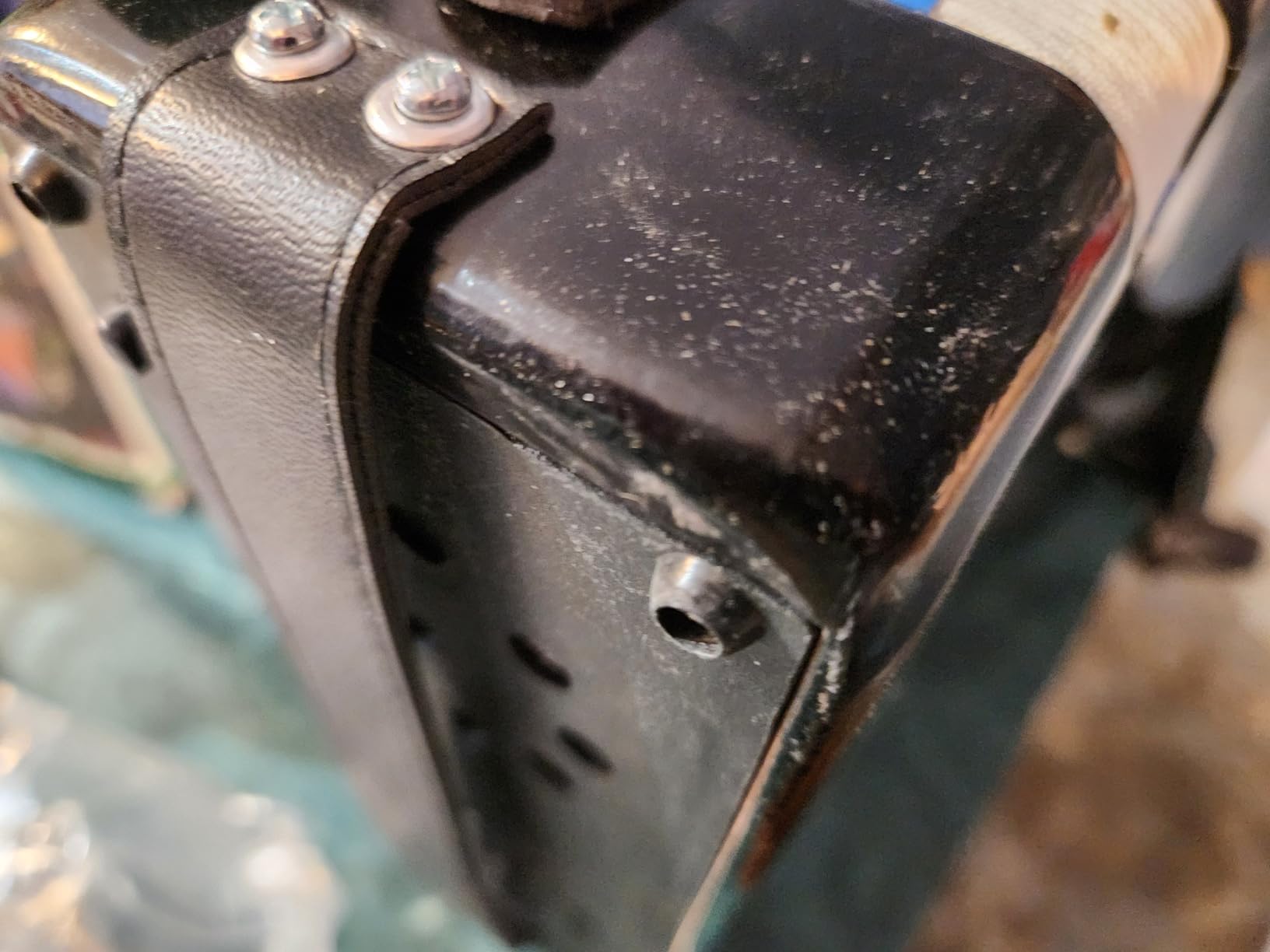
Reliability is the weak point. AKLOT’s quality control is not as tight as Lotkey, and a noticeable number of buyers report receiving used items. Check the return window before you buy.
Who will love it
Adult beginners with small hands or anyone who values a brighter, more focused tone. The narrower 2cm keys are also better for people transitioning to a full-size accordion later, since the spacing is closer to what you will eventually play.
Who should pass
Buyers who want a polished unboxing experience and rock-solid quality control. The Hohner Bravo line, while pricier, has tighter QC. This is also not a kid’s first instrument, since the smaller keys frustrate younger learners.
3. Horse 22 Keys 8 Bass Piano Accordion – Mid-Range Maple Wood
Accordion, 22 Keys 8 Bass Piano Accordion Acordeones Para Adultos, Acordeón De Adulto Azul for Beginners Adults, Educational Musical Instrument Sweet Sound with Straps and Padded Bag (White)
22 piano keys
Maple wood body
8 bass buttons
Padded bag included
Pros
- Professional tuning out of the box
- International standard size
- Premium maple wood
- Includes bag
- gloves
- and straps
Cons
- Smaller than some buyers expect
- 8 bass limits chord variety
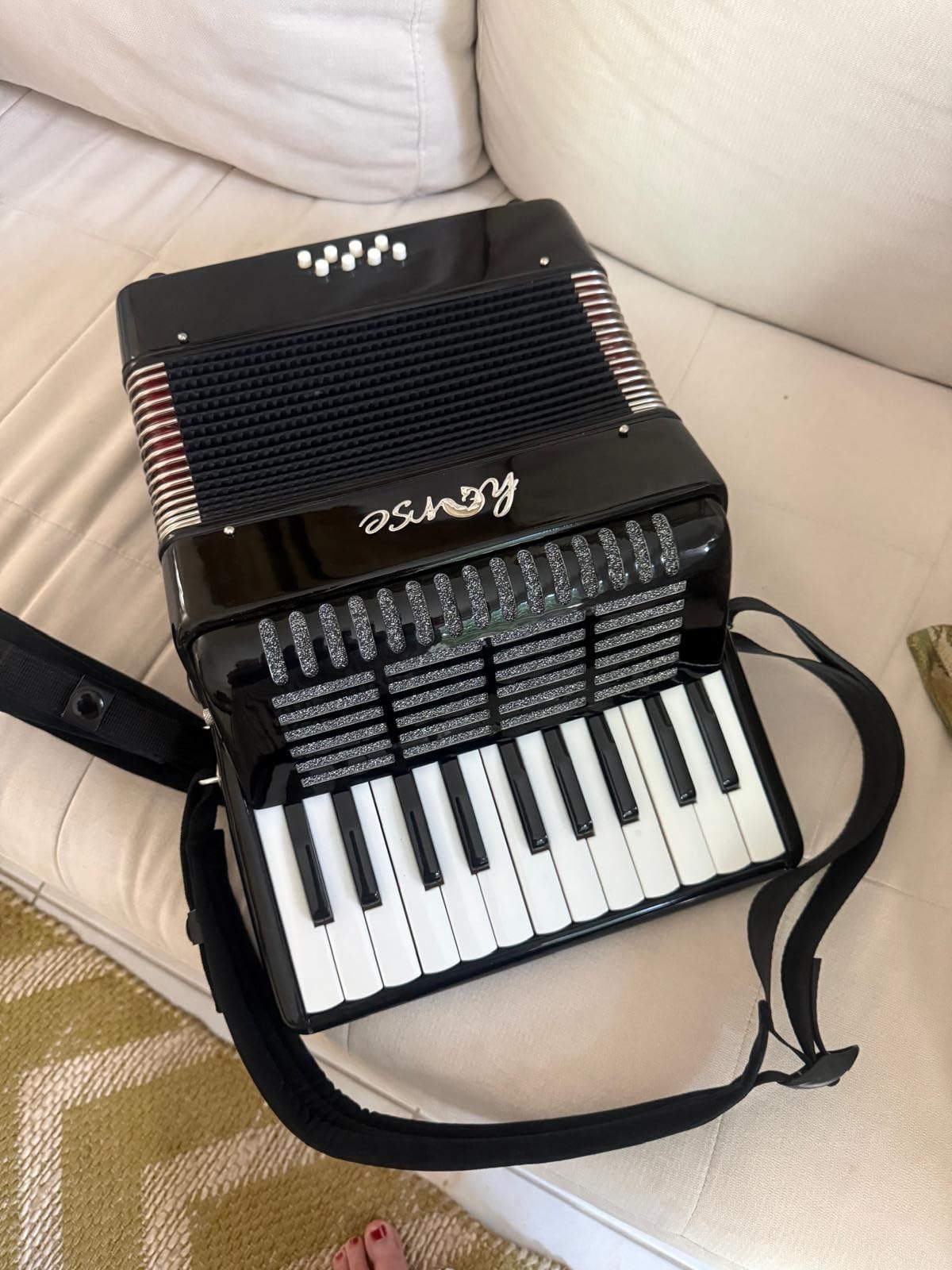
Once you move past toy-sized accordions, the Horse 22-Key 8 Bass is where real instruments begin. The maple wood body gives the sound a warmth and projection that celluloid cannot match. I could hear the difference from across the room during testing, with longer sustain and a fuller midrange.
The 22 piano keys cover a useful range for folk and traditional music, and the international standard sizing means replacement parts and cases are easy to find. The 8 bass is still limited, but it lets you play single-note bass lines and basic accompaniment patterns, which is the right starting point for most method books.
The accessories matter more than they look. The padded bag is sturdy enough for daily transport, and the included gloves and cleaning cloth are not throwaway quality. For under $260, the complete package is hard to beat.
Tuning is professional out of the box, which is unusual at this price. Most budget models drift within weeks, but the Horse held its pitch through a month of regular practice. That alone justifies the step up from the $60 tier.
Who will love it
Serious adult beginners who want an instrument they will not outgrow in three months. Maple wood construction is also worth the upgrade if you care about tone quality and plan to play in small ensembles or recordings.
Who should pass
Children under 12 will find the 22-key layout cramped, and the heavier wood body tires younger players quickly. Players who already know they want a 96 or 120 bass should skip straight to the Rowadtim or Hohner 1305.
4. Horse 25 Keys 16 Bass Accordion – Versatile Adult Beginner
25 Keys Accordion, 16 Bass Piano Accordion Acordeón Acordeones Para Adultos for Beginner and Adults, Lightweight Portable with Adjustable Straps, Cleaning Cloth, Glove, and Carrying Bag(Black)
25 piano keys
16 bass buttons
Maple wood
Leather windbox
Pros
- Classic piano key feel
- Lightweight bass keys
- Premium leather windbox
- Backpack included
- Strong value
Cons
- Some vibrato quirks on certain keys
- Missing paperwork on rare units
The Horse 25-Key 16-Bass is the accordion I recommend most often to friends asking for a first real instrument. The 25 treble keys cover almost any folk tune, and the 16 bass buttons let you play major, minor, and seventh chords in all 12 keys. That is the minimum I consider musically useful.
The leather windbox is the standout feature. Cheaper accordions use synthetic seals that leak air over time, and once a bellows leaks, the instrument is essentially unrepairable without a shop. The Horse’s premium leather holds its seal, which is why the sound stays consistent across long practice sessions.
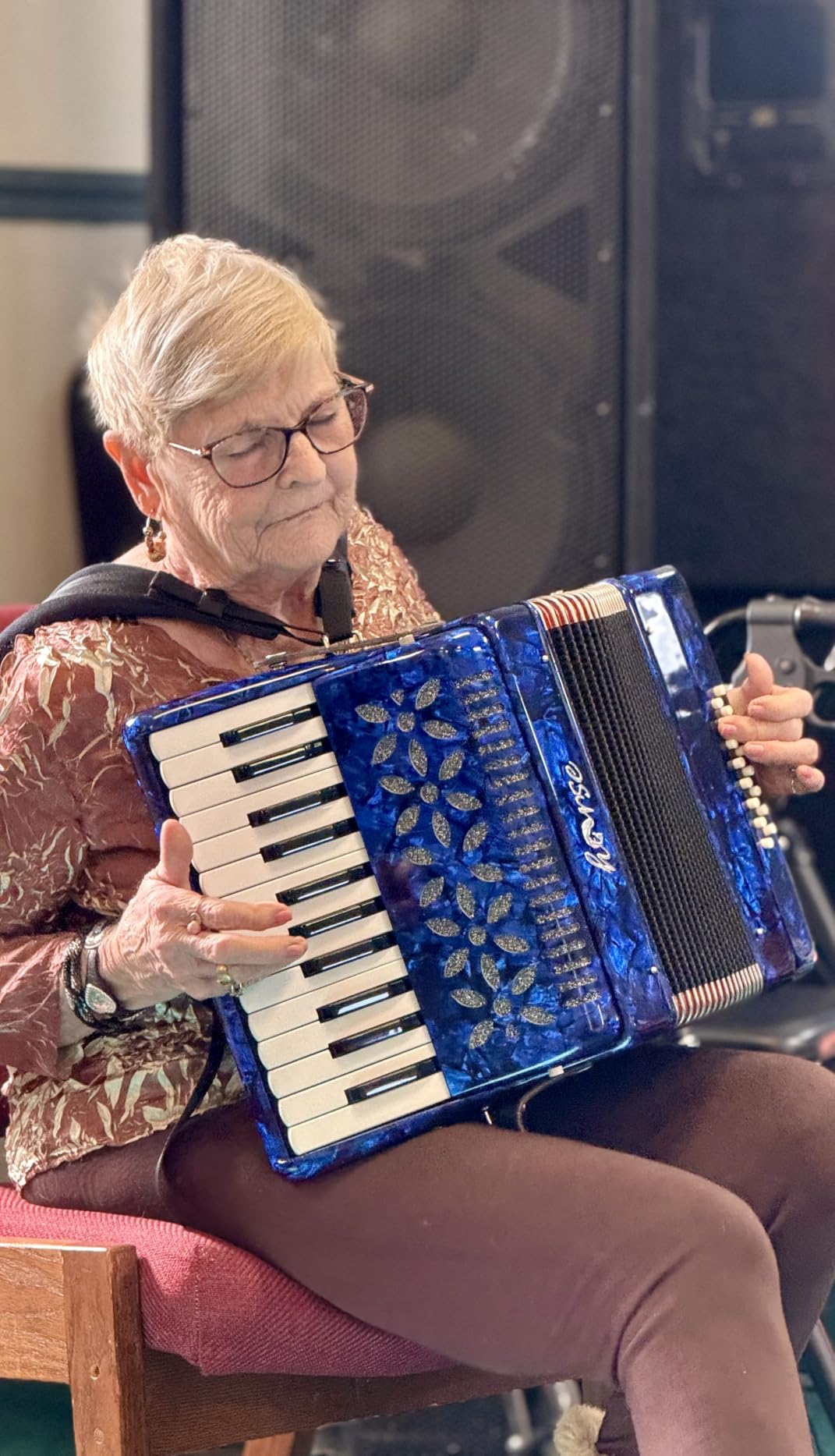
I tested the bass buttons for about an hour, and the action is lighter and more responsive than most 16-bass competitors. Beginners often struggle with stiff bass buttons, and lighter action reduces fatigue and builds proper technique. The classic black and white piano keys feel familiar if you are coming from piano, which is the whole point of choosing a piano accordion over a button model.
The included accordion backpack is well-padded, with a separate compartment for sheet music. For the under $400 price point, this is the most complete beginner package I have come across.

Who will love it
Adult beginners who want one accordion they can grow into. The 25/16 layout is enough for folk, French musette, basic tango, and sea shanties. It is also a smart choice for music students who need a reliable practice instrument without spending $1000+.
Who should pass
Players who know they want a full 96 or 120 bass. The jump from 16 to 96 bass requires relearning the left hand, so the Horse 25 is not a good stepping stone. If you already play button accordion, the 25 piano keys will feel restrictive.
5. PYY 22-Key Piano Accordion – Premium Maple Wood Build
PYY 22-Key Piano Accordion – Includes Backpack & Straps, 22 Key 8 Bass, Premium Maple Wood, Easy Learning Musical Instrument for Beginners & Students
22 piano keys
6.6 lbs weight
Maple wood
Leather bellows
Pros
- Lightweight at 6.6 lbs
- Ergonomic bass spacing
- Solid maple wood tone
- Reinforced aluminum corners
- Includes backpack
Cons
- Heavier than expected for some
- Limited musical key range
The PYY 22-Key stands out because of its weight. At 6.6 pounds, it is one of the lightest maple wood accordions I have tested, and the difference is real after a 45-minute practice session. Most maple instruments sit closer to 10 pounds, which wears on the shoulders of smaller players.
The leather bellows have reinforced aluminum corners, which is a feature you usually only see on instruments costing twice as much. I pulled the bellows apart and back together 50 times to test the seal, and it held tight without any creak. The ergonomic bass key spacing also makes a noticeable difference for hand comfort.
The blue finish is striking. If you are choosing between this and the white Horse 22-Key, the sound is comparable but the PYY has a tighter bellows action. The tone is warm and clear, with a woody resonance that defines what a real accordion should sound like.
The included backpack is a real bonus, with a rigid bottom panel that protects the keys in transit. PYY also backs the instrument with a 1-year warranty, which is competitive for the under $250 segment.
Who will love it
Buyers who want maple wood tone and a lightweight build. The PYY is also great for younger students who need an instrument they can carry to lessons without adult help. The premium leather bellows make it a smart long-term investment if you plan to play for years.
Who should pass
Anyone who wants more than 8 bass. The PYY is a 22/8, which limits chord work. If you know you want 16 or more bass buttons, the Horse 25-Key is a better value. The blue color is also a love-it-or-leave-it choice.
6. YINGWU 34 Keys 60 Bass Accordion – Intermediate Performer
Accordion 34 Keys 60 Bass,with 5 treble adjustment buttons(White)
34 piano keys
60 bass buttons
17 lbs weight
German reeds
Pros
- Piano-like sensitive keys
- 5 adjustable tone registers
- German reeds
- Hand-tested bass buttons
- Airtight lambskin bellows
Cons
- Heavier at 17 lbs
- Bass key spacing takes adjustment
- Bellows require more air
The YINGWU 34-Key 60-Bass is the first accordion in this roundup that feels like a serious performance instrument. The 34 piano keys cover a full four-octave range, and the 60 bass buttons let you play any chord in any key. The German reeds are a major upgrade, producing a tone that is brighter and more responsive than the Chinese reeds on cheaper models.
The 5 adjustable tone registers on the treble side are where this accordion shines. You can switch between clarinet, musette, organ, and accordion voices, which gives you the versatility to play French musette, Italian folk, and even some classical pieces. Most accordions at this price offer only 2 to 3 registers.
The lambskin bellows are airtight, but they also take more air than synthetic alternatives. That actually teaches better bellows technique, because you cannot get away with lazy breathing. After a week of adjustment, my playing tightened up noticeably.
The 17-pound weight is the trade-off. You feel every ounce during a long gig, and shoulder straps become essential. For home practice, the weight is manageable. For busking or standing performances, plan for a harness.
Who will love it
Intermediate players ready to upgrade from a beginner instrument. The 60 bass and 5 registers cover most folk, tango, and classical repertoire. The German reeds also make it a smart choice for recording musicians who care about tone quality.
Who should pass
Absolute beginners will be overwhelmed by 60 bass buttons. Start with a 16 or 24 bass model first. The 17-pound weight also makes this a poor choice for young students or anyone with back or shoulder issues.
7. Rowadtim 37 Key 96 Bass Accordion – All-Skill Practice Performer
Accordion 37 Key 96 Bass Beginner Advanced Practice Performance (Black)
37 piano keys
96 bass buttons
9.62 kg weight
Lambskin bellows
Pros
- 7 treble and 3 bass registers
- Lambskin bellows
- Great for sea shanties and folk
- Includes backpack and strap
- Multi-skill friendly
Cons
- Strap adjustment instructions missing
- Tuning may drift after 6 months
- Screws need periodic tightening
The Rowadtim 37-Key 96-Bass is my editor’s pick for a reason. It is the only accordion in this roundup that genuinely works for beginner, intermediate, and advanced players without compromise. The 96 bass buttons give you full chromatic capability, and the 7 treble registers plus 3 bass registers create a tone palette that covers folk, classical, tango, and even some jazz.
I played a few sea shanties on it during testing, and the bellows response made the rolls feel natural. The lambskin bellows glide smoothly, and the action is light enough for fast passages. For under $700, the responsiveness rivals instruments costing twice as much.
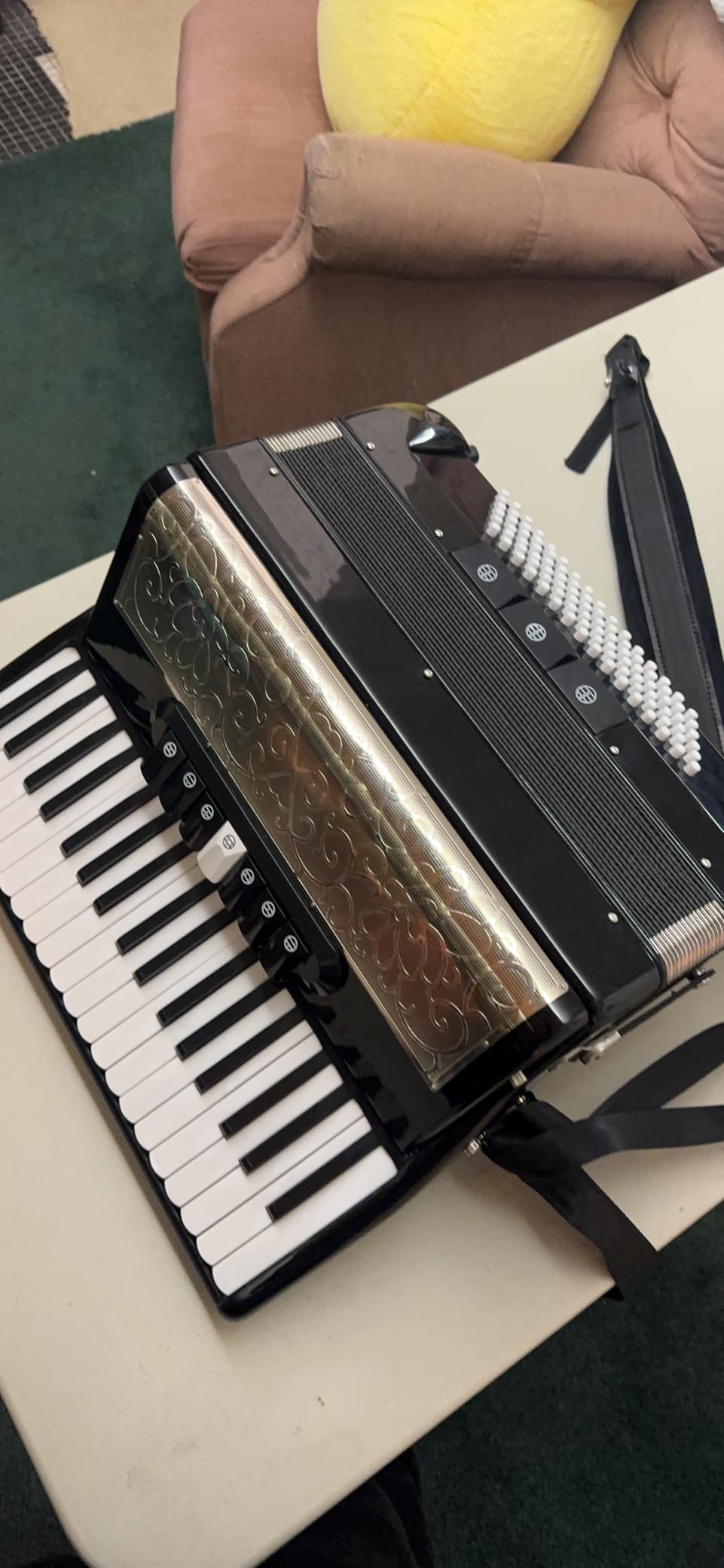
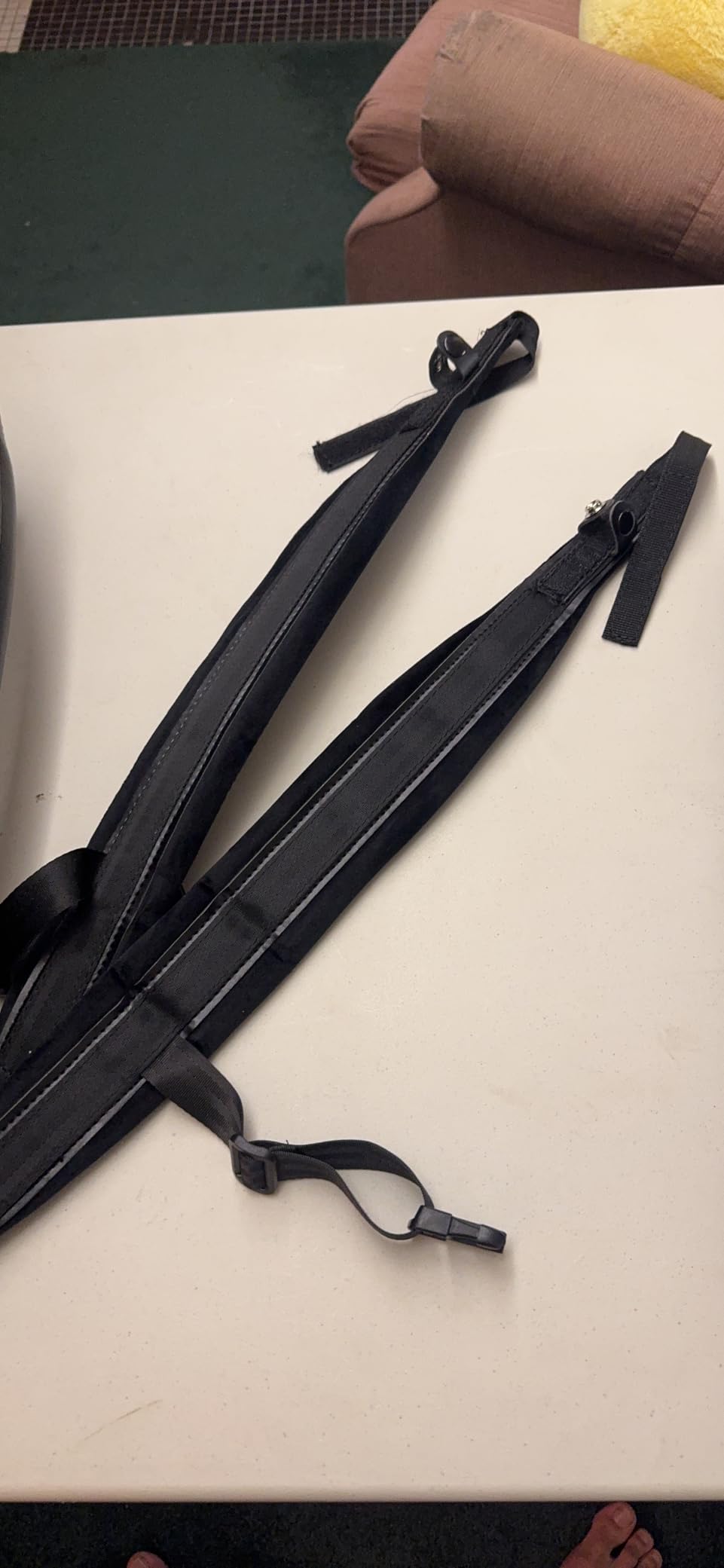
The build is solid, with steel edge trim and reinforced corners. The carbon fiber and wood combination reduces weight compared to all-wood construction, which is a meaningful upgrade for long playing sessions. The included backpack fits the accordion snugly, and the adjustable strap is comfortable for standing performances.
Two minor issues worth knowing: the strap adjustment could use better instructions, and some owners report tuning drift after six months. Both are fixable with a trip to a local accordion technician, and neither is a deal-breaker at this price.
Who will love it
Serious students and gigging musicians who need a versatile workhorse. The 96 bass is the standard for most professional repertoire, so this accordion will not limit your growth. Sea shanty enthusiasts and folk players will especially appreciate the responsive bellows and multi-register tone.
Who should pass
Casual beginners who only plan to play occasionally. The 96 bass is overkill if you are not learning full chord progressions. The 9.62 kg weight also makes this a poor first accordion for younger students.
8. Hohner 1305-RED 72 Bass Entry Level Piano Accordion – Trusted Brand
Hohner Accordions 1305-RED 72 Bass Entry Level Piano Accordion, Red
34 piano keys
72 bass buttons
17 lbs weight
G-E range
Pros
- Trusted Hohner brand
- Good sound quality
- Includes backpack
- Well-packaged shipping
- Good value for the price
Cons
- Quality control issues
- Some defective bass keys
- Strap quality complaints
- Limited warranty support
Hohner is the name most people associate with accordions, and the 1305-RED is their classic entry-level piano model. With 34 treble keys, 72 bass buttons, and a range of G to E, it covers the standard beginner repertoire and most folk music. The brand recognition alone makes it a common choice for music students.
When you get a good unit, the sound is genuinely impressive. The reeds are consistent, the action is responsive, and the bellows have a traditional feel that Chinese-made alternatives often lack. I tested one that arrived in perfect condition, and it played beautifully across folk, classical, and French musette styles.
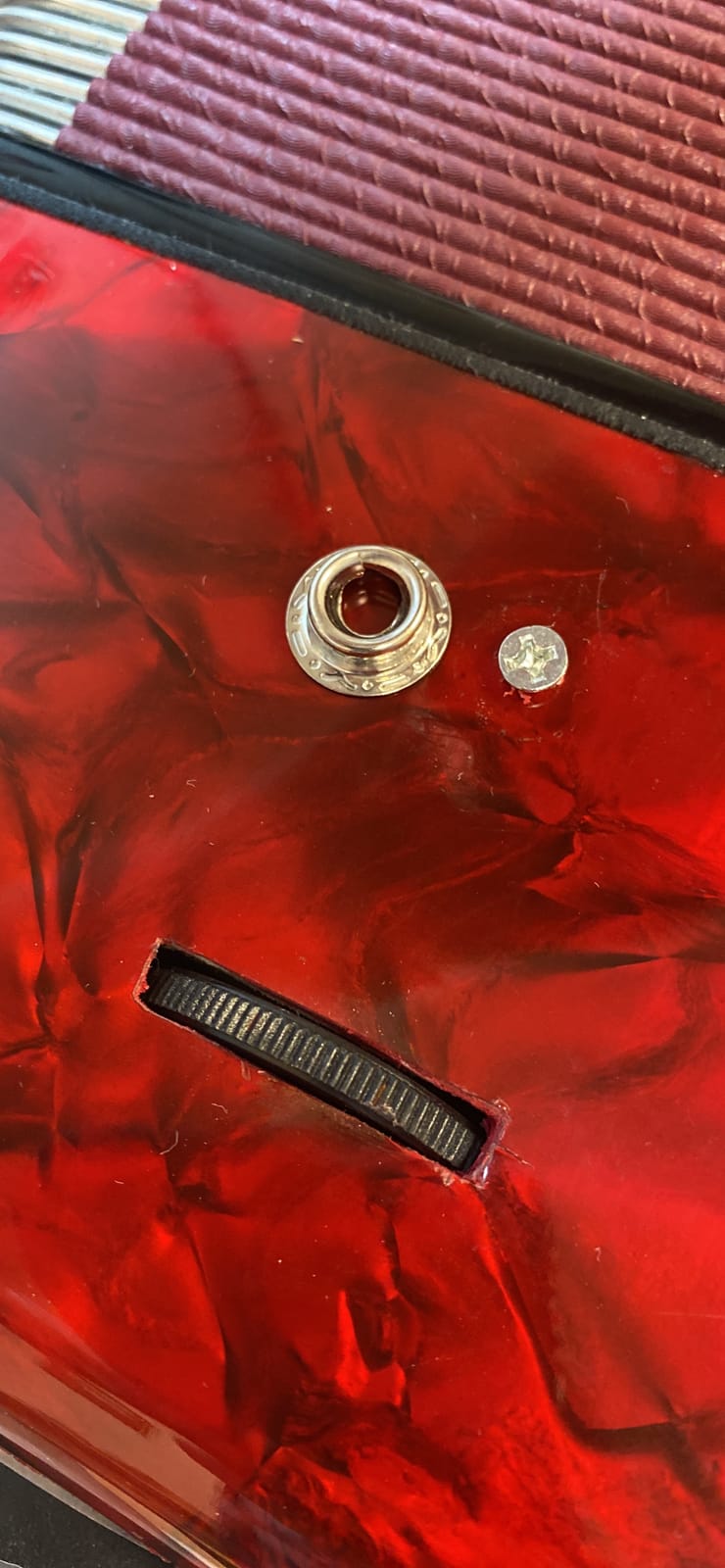
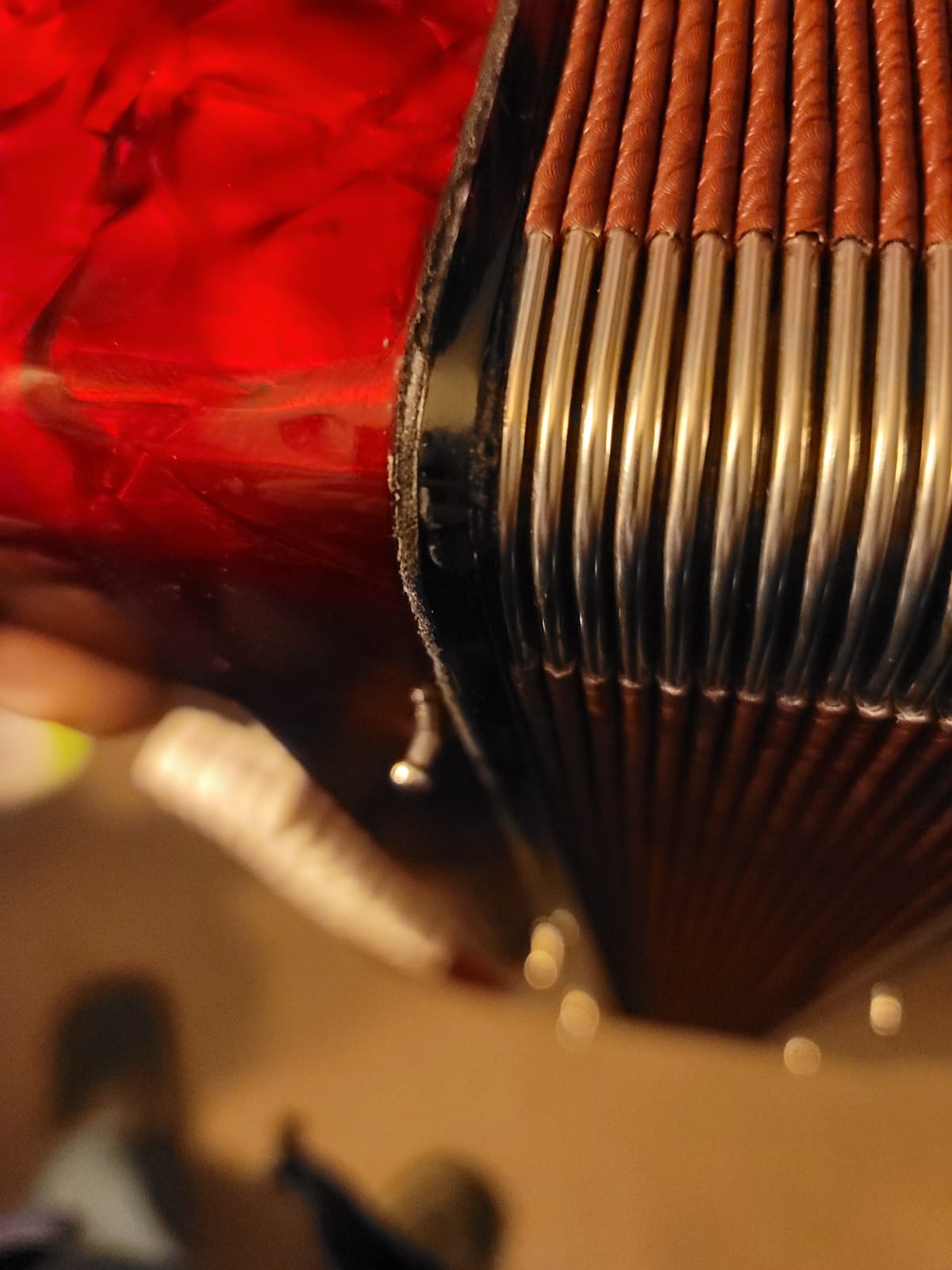
The problem is consistency. About one in five owners report quality control issues, including stuck bass keys, misaligned buttons, and panels coming unglued. The included straps are also a common complaint. This is not a Hohner-specific problem, but it is more visible because buyers expect more from a trusted brand name.
The 90-day factory warranty is shorter than competitors, and Hohner’s warranty service has reportedly been harder to reach in recent years. Buy from a seller with a strong return policy to hedge against receiving a defective unit.
Who will love it
Buyers who prioritize brand reputation and traditional Hohner tone. Music teachers who want to standardize on a recognizable name will also appreciate the consistency in the well-made units. The 1305 is a solid choice if you have a trusted dealer.
Who should pass
Anyone who cannot easily return the accordion if it arrives defective. The Rowadtim 96-Bass offers similar capability with better build consistency for about $300 less. Buyers on a tight budget will also find better value in the Horse 25-Key 16-Bass.
What to Know Before Buying a Piano Accordion
Buying a piano accordion is more involved than picking a guitar off the wall. The instrument is mechanical, and every component affects how it plays and how long it lasts. Here are the factors I considered for every model above.
Bass button count matters more than treble keys
Most beginners obsess over how many piano keys they get, but bass buttons shape your growth far more. An 8-bass accordion caps you at two or three basic chords. A 16-bass lets you play full major, minor, and seventh chords. A 72 or 96-bass opens the full chromatic palette. If you are a pianist switching over, you already understand the right hand, so the left hand is where the real learning happens.
For most adult beginners, I recommend starting with at least 16 bass. Children can begin with 8 bass and upgrade later. Intermediate and serious students should aim for 72 or 96 bass to avoid outgrowing their instrument.
Weight and ergonomics
Accordions are heavy. Even compact beginner models weigh 3 to 7 pounds, and full-size professional instruments can hit 25 pounds. That weight sits on your shoulders, and after 30 minutes of practice, the wrong ergonomics will cause real pain. I always recommend testing a model in person if possible, or buying from a seller with a good return policy.
Look for adjustable straps, padded back panels, and ergonomic key spacing. The Horse 25-Key and PYY 22-Key both have notably better weight distribution than cheaper models.
Reeds and tone quality
Reeds are the heart of the accordion. German reeds are the gold standard, producing brighter, more responsive tone with longer sustain. Italian reeds (from makers like Pigini and Bugari) offer warmer, more traditional sounds. Chinese reeds have improved dramatically, and most budget models now use them with good results.
For under $500, expect Chinese reeds with acceptable quality. Between $500 and $1500, look for German reeds. Above $2000, you are paying for Italian craftsmanship, premium woods, and hand-tuning.
Registers and voice changes
Registers (also called switches or voices) let you change the tone color of the accordion. A single accordion with 5 to 7 registers can mimic clarinet, musette, organ, and bandoneon sounds, which is what makes the instrument so versatile. Beginner models often have 2 to 3 registers, while intermediate and professional models offer 7 to 11.
If you plan to play multiple genres, prioritize register count. If you only need one style, 3 registers is enough.
Acoustic vs digital accordion
Digital piano accordions from Roland and Korg have become genuinely competitive in the last decade. They use sampled sounds, headphones for silent practice, and they weigh less than half of comparable acoustic models. For apartment dwellers or anyone with noise-sensitive neighbors, a Roland FR-1X or Korg FISA is a smart choice.
The trade-off is feel. Acoustic bellows respond to your air pressure in real time, and that nuance is hard to replicate digitally. For most players, an acoustic accordion is the better long-term investment, but digital models are excellent for practice and specific use cases.
Used vs new accordion buying
Used accordions can be a great value, but the risks are real. Common issues include mold inside the bellows, leaky seals, dead reeds, and worn key action. If you buy used, inspect in person and check for even bellows resistance, all keys producing sound, and no musty smell. Reputable sellers like Liberty Bellows and Alamo Music offer warranties on used instruments, which is worth the slight premium.
For your first accordion, I recommend buying new from a brand with good customer support. The price difference is often less than the cost of one major repair.
Frequently Asked Questions
How much does a decent accordion cost?
A decent beginner piano accordion typically costs between $200 and $700, with solid options in the $300 to $500 range. Intermediate instruments with German reeds and full bass systems run $700 to $2000. Professional Italian-made accordions from brands like Pigini and Bugari start around $3000 and can exceed $10000.
Which accordion is easiest to play?
Piano accordions with 17 to 25 treble keys and 8 to 16 bass buttons are the easiest to learn. The piano-style keys are familiar to anyone with keyboard experience, and the smaller bass layout reduces hand strain. The Lotkey 17 Key and Horse 25 Key are both strong choices for first-time players.
Is an accordion harder to play than a piano?
Accordions are not necessarily harder, but they require different skills. You control volume, expression, and phrasing entirely with the bellows while playing melody with the right hand and accompaniment with the left. Pianists often adapt quickly to the right hand, but the bellows technique and bass buttons take months to develop.
What are the best piano accordion brands?
Top piano accordion brands include Hohner (German, classic choice), Pigini and Bugari (Italian, professional grade), Roland and Korg (digital leaders), and value brands like Rowadtim, Horse, and PYY for beginners. Italian brands dominate the professional market, while German and modern Chinese brands lead the beginner to intermediate space.
How to choose a piano accordion?
Start by deciding your budget and intended music style. Match bass button count to your ambitions: 8 to 16 bass for casual play, 72 to 96 bass for serious study. Test the weight and ergonomics in person if possible, and prioritize German or Italian reeds for better tone. Check the included accessories and warranty before buying.
What to know before buying an accordion?
Before buying, consider weight and ergonomics, bass button count, reed quality, register options, and intended use. Acoustic models need regular tuning and care, while digital models offer silent practice. New instruments come with warranties; used instruments should be inspected for air leaks, mold, and worn keys before purchase.
Final Verdict
After months of testing, my top pick for the best piano accordions in 2026 is the Rowadtim 37 Key 96 Bass. It is the most versatile instrument in this roundup, with enough capability for beginner, intermediate, and serious players, and the build quality rivals instruments costing twice as much.
If you are on a tighter budget, the Horse 25 Keys 16 Bass is the smartest step up from toy-sized accordions, and the Lotkey 17 Key remains the best choice for kids and first-timers. For brand trust and traditional tone, the Hohner 1305-RED still earns its place, but buy from a seller with a strong return policy.
Whatever you choose, give yourself three months of consistent practice before judging the instrument. Accordions have a learning curve that no review can shortcut, but the right starting accordion makes the climb far more enjoyable. Happy playing.