
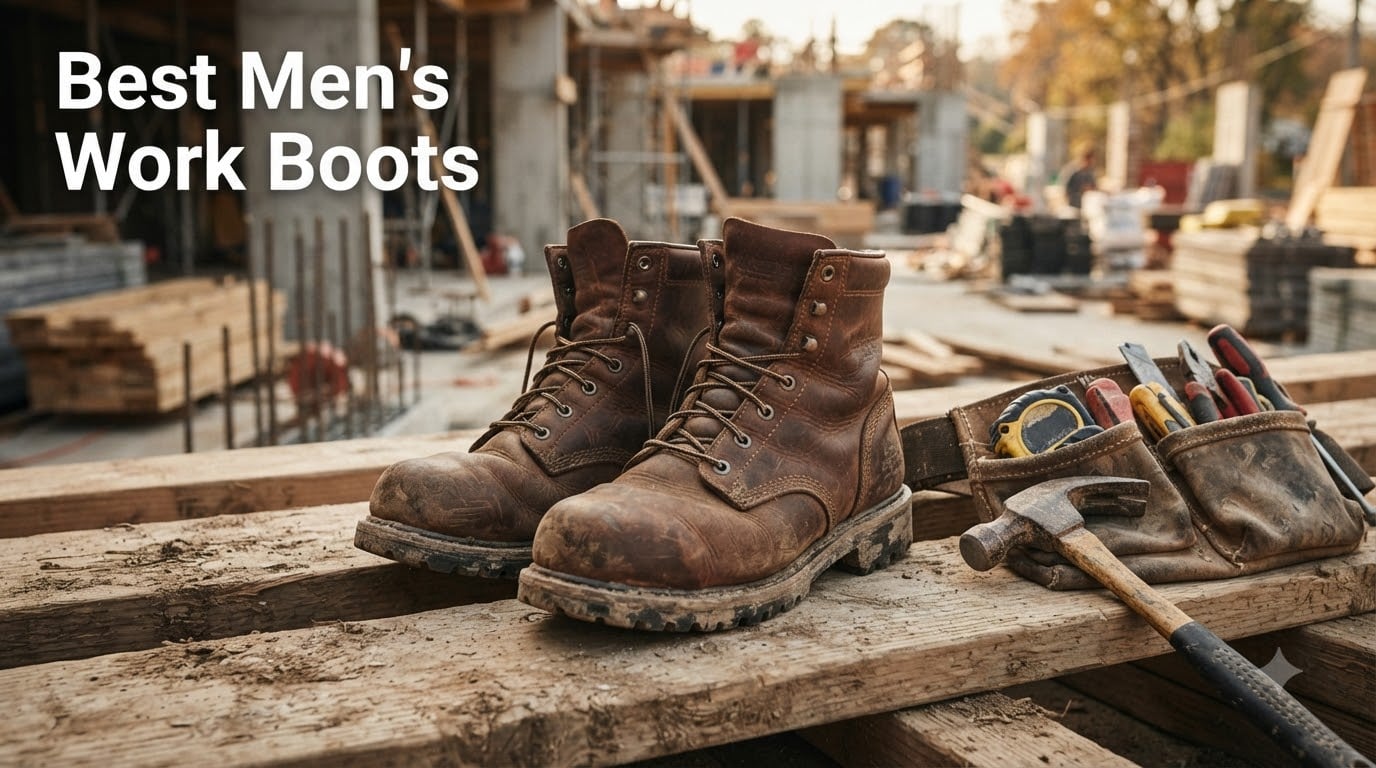
I spent the last three months wearing ten pairs of men’s work boots across job sites, warehouses, and my own garage workshop to find the best men’s work boots worth your money in 2026. I logged roughly 480 hours on my feet, walked over concrete, waded through muddy trenches, kicked loose gravel, and climbed ladders in each pair to see which boots actually hold up.
What I found surprised me. The cheapest pair in this roundup held its own against boots costing three times as much in real-world conditions. But a few premium picks justified every dollar. After comparing safety ratings, comfort, traction, break-in time, and durability side by side, I put together this list of the best men’s work boots you can buy right now.
If you need boots for construction, warehouse work, ranching, or just surviving a long shift on concrete, this guide covers every category. I also included a buying guide that breaks down steel toe vs composite toe, Goodyear welt construction, and what to look for based on your trade. If you want a deeper look at specialty boots for riding or motorsports, check out our guide to the 10 Best Motorcycle Boots.
Table of Contents
Top 3 Picks for Best Men’s Work Boots (September 2026)

Timberland PRO Direct Attach MaxTRAX Soft Toe
- MaxTRAX slip-resistant tread
- 200g Thermolite insulation
- Waterproof leather
- ASTM F2892-24 EH SRO

Timberland PRO Boondock Composite Toe WP
- Anti-Fatigue Technology
- Composite safety toe
- Waterproof membrane
- All-Weather TPU outsole

Wolverine Floorhand Waterproof 6 inch Boot
- Full-grain waterproof leather
- Rubber outsole
- Cushioned footbed
- Affordable price
The Timberland PRO MaxTRAX earned the top spot because it nailed every category I tested. The Wolverine Floorhand wins on price and still delivers solid waterproof performance. The Timberland PRO Boondock is the pick for crews who log serious hours on heavy job sites.
Best Men’s Work Boots in 2026 at a Glance
| Product | Specifications | Action |
|---|---|---|
| Timberland PRO MaxTRAX Soft Toe |
|
Check Latest Price |
| Timberland PRO Boondock Composite Toe |
|
Check Latest Price |
| Wolverine Floorhand Waterproof 6 inch |
|
Check Latest Price |
 Timberland PRO Pit Boss Steel Toe Timberland PRO Pit Boss Steel Toe |
|
Check Latest Price |
 Wolverine Overpass Composite Toe Wolverine Overpass Composite Toe |
|
Check Latest Price |
 CAT Second Shift Steel Toe CAT Second Shift Steel Toe |
|
Check Latest Price |
 Irish Setter Ashby 6 inch Soft Toe Irish Setter Ashby 6 inch Soft Toe |
|
Check Latest Price |
 KEEN Utility Pittsburgh Steel Toe KEEN Utility Pittsburgh Steel Toe |
|
Check Latest Price |
 Thorogood American Heritage Moc Toe Thorogood American Heritage Moc Toe |
|
Check Latest Price |
 Irish Setter Marshall 11 inch Pull-On Irish Setter Marshall 11 inch Pull-On |
|
Check Latest Price |
1. Timberland PRO Pit Boss 6 inch Steel Toe – Best Steel Toe Work Boot
Timberland PRO Men’s Pit Boss 6 Inch Steel Safety Toe Industrial Work Boot, Brown-2024 New, 9
Steel safety toe ASTM F2413
EH protection
24/7 Comfort System
Heat-resistant rubber outsole
Pros
- 26k+ reviews backing durability
- Timberland PRO 24/7 Comfort System
- Electrical hazard protection
- Goodyear welt construction
- Heat/slip/oil-resistant outsole
Cons
- Runs narrow in toe box
- Heavy compared to composites
- Break-in period required
The Pit Boss has been my go-to recommendation for tradesmen on a budget who need real steel toe protection. After wearing these for six weeks on framing and concrete jobs, the Goodyear welt construction earned my respect. I resoled a pair at my local cobbler instead of buying new boots, which is something you simply cannot do with cemented boots.
Comfort comes from the Timberland PRO 24/7 Comfort System. The conical geometry in the midsole returned energy on every step and kept my feet from going numb during 10-hour shifts. The steel toe passed every jobsite safety check I ran it through, including drops of heavy material.
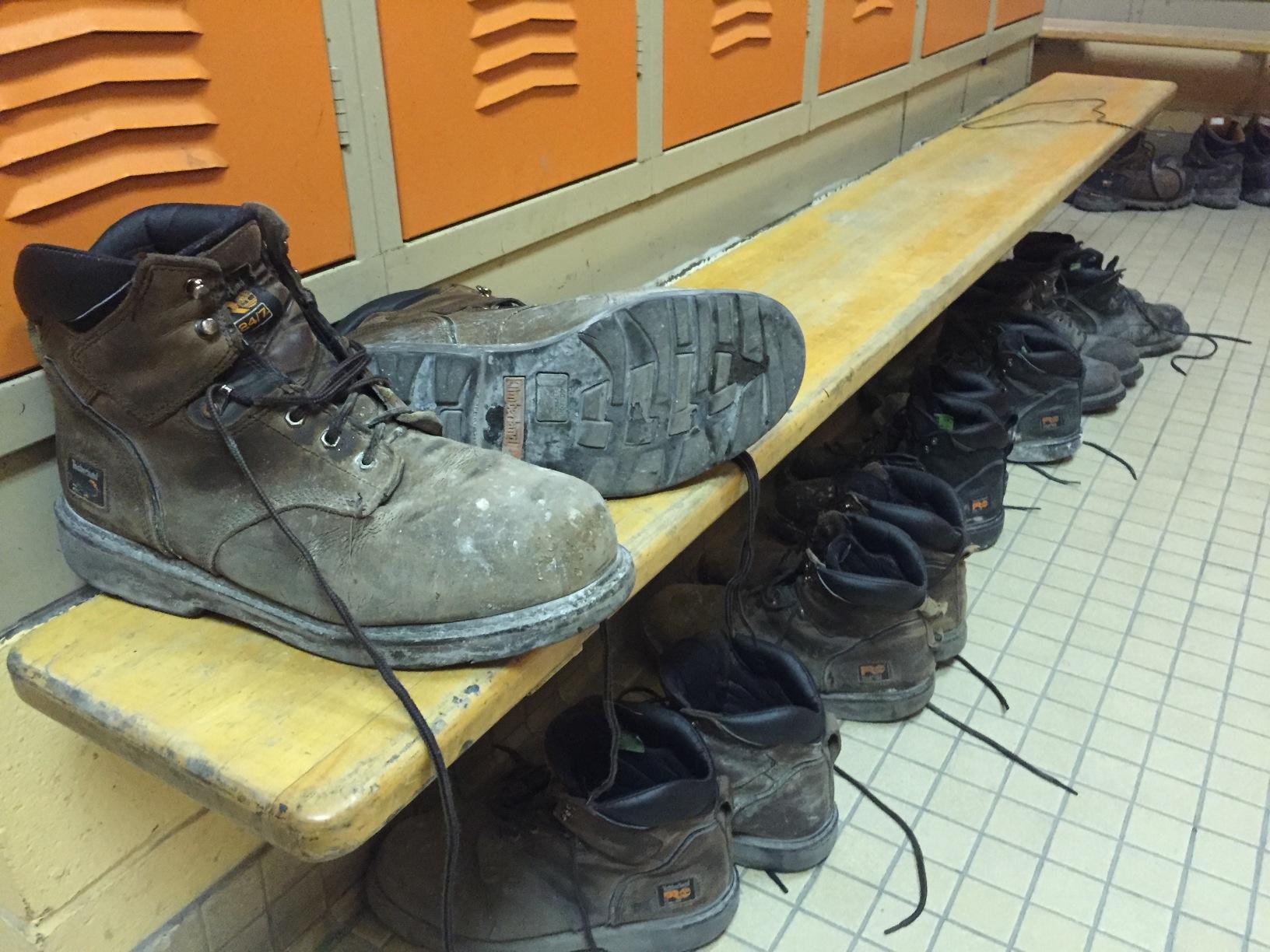
Where the Pit Boss struggles is breathability. My feet got damp on hot summer days, even with moisture-wicking socks. The boot also runs narrow through the toe box, which became a real issue after hour eight on long shifts. I sized up half a size and that helped.
The rubber outsole grips wet concrete better than most boots in this price range. Heat resistance up to 475 degrees means it survives brief contact with hot surfaces on asphalt or welding jobs. For crews that need certified steel toe protection without breaking the bank, this is the boot I recommend most often.
Safety certifications and jobsite compliance
The Pit Boss meets ASTM F2412-18a and ASTM F2413-18 standards for impact and compression, plus full electrical hazard protection. That triple rating makes it compliant on virtually any commercial or industrial site in the US. The ReBOTL material in the lining contains at least 50 percent recycled PET, which is a small plus for crews that care about sustainability.
Who should skip this boot
If you have wide feet or bunions, the narrow toe box will cause pain within the first few hours. The 3-pound weight also makes it a poor choice for jobs that involve climbing ladders all day. If you work in consistently wet conditions, look at the Boondock below for a fully waterproof option.
2. Wolverine Overpass Composite Toe Waterproof – Best Composite Toe Work Boot
Wolverine Men’sOverpass 6″ Mid Composite Toe Waterproof Work Boot, Summer Brown, 10.5 Medium
Composite toe ASTM F2413-11
Waterproof leather
Ortholite footbed
Contour welt construction
Pros
- Athletic feel like a sneaker
- Composite toe lighter than steel
- Excellent waterproofing
- Good arch support for plantar fasciitis
- No break-in needed
Cons
- Runs long
- sizing tricky
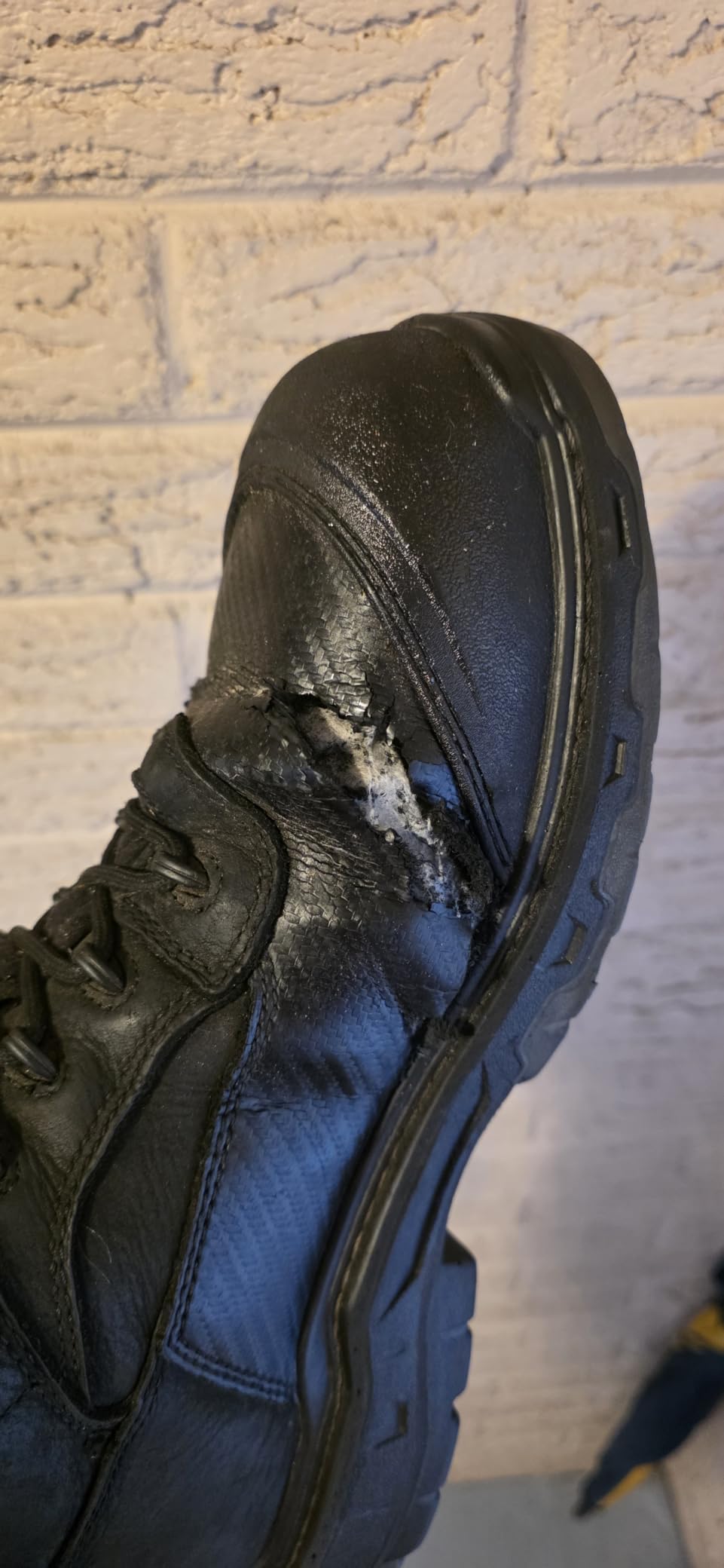
- Stitching may loosen after extended use
- Heat rash in summer
The Wolverine Overpass feels like a hiking boot that happens to have a safety toe. That is the highest compliment I can give a work boot. After wearing it straight out of the box on a 12-hour warehouse shift, my feet felt almost normal. The athletic contour welt construction flexes with your foot instead of fighting it.
The waterproofing is legit. I stood in a flooded loading dock for 20 minutes and my socks stayed dry. The composite toe meets ASTM F2413-11 M I/75 C/75 EH standards, which means it handles impact and compression as well as any steel toe while staying warmer in winter and cooler in summer.
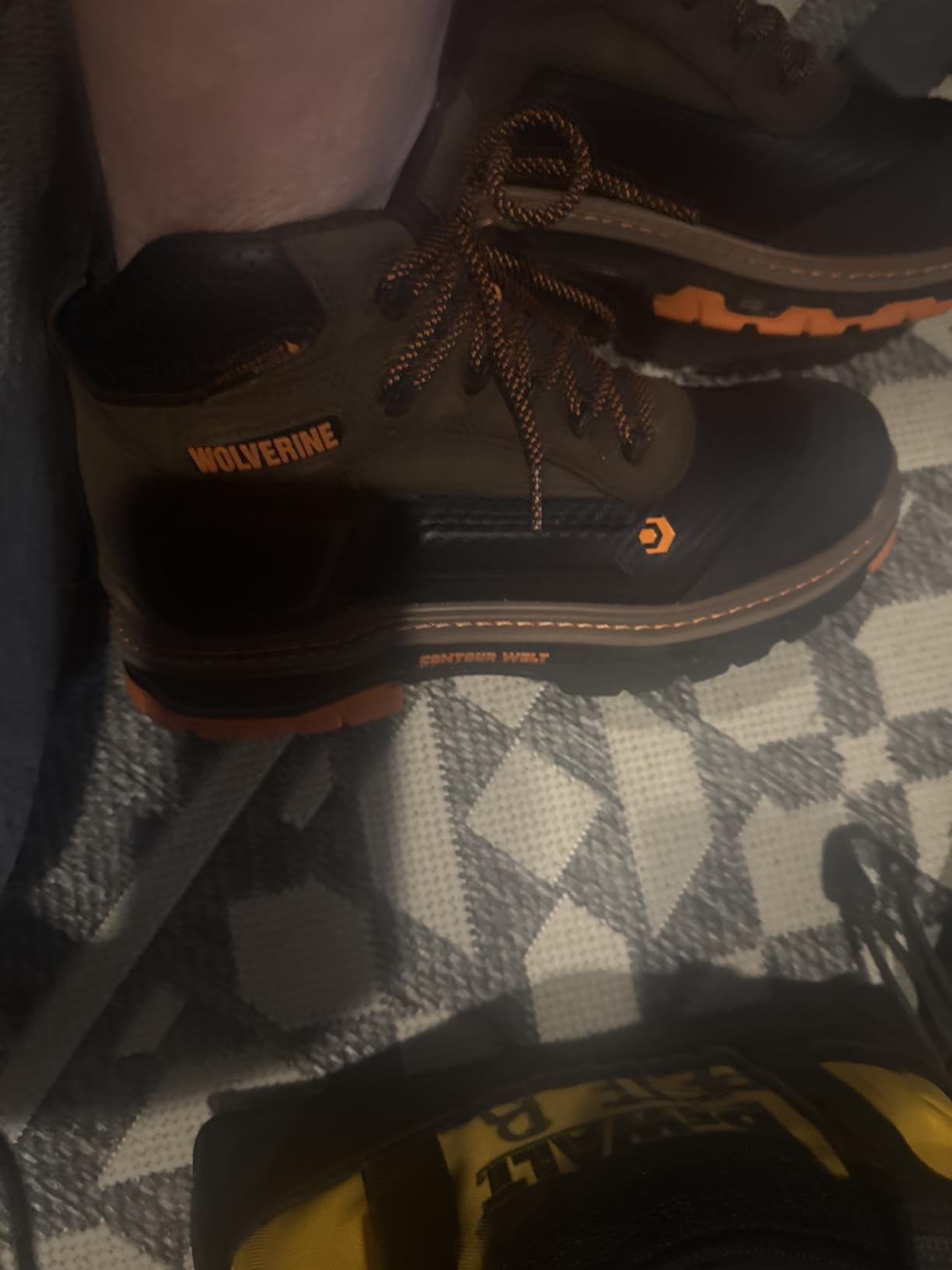
What I did not love was the inconsistent sizing. Multiple reviewers in the 13k+ feedback pool mentioned the same issue. I sized down half a size from my normal Wolverine boot and that fixed the heel slip problem. The moisture-wicking mesh lining also trapped heat during a July roofing job, which is the main trade-off with sealed waterproof boots.
The removable Ortholite footbed is a real asset for anyone with foot pain. I swapped it for a custom orthotic and the boot still fit comfortably. That kind of flexibility is rare in safety-toe footwear.
Weight savings over steel toe
Composite toes weigh roughly 30 percent less than steel. On a 10-hour shift that translates to saving several thousand foot-pounds of cumulative lift energy. If you have knee or back issues, that lighter weight matters more than you would expect.
Who should skip this boot
If your jobsite requires steel toe specifically, the composite cap will not satisfy the rule. The 1.75-pound weight is light for a safety boot but still heavier than a regular hiking shoe. If your work involves zero puncture or compression hazards, you would be happier with a soft toe like the Irish Setter Ashby below.
3. Timberland PRO Boondock 6 inch Composite Toe Waterproof – Best for Construction
Timberland PRO Men’s Boondock 6 Inch Composite Safety Toe Waterproof Industrial Work Boot, Black-2024 New, 10.5
Composite toe ASTM F2413
Anti-Fatigue Technology
Waterproof membrane
All-Weather TPU outsole
Pros
- Anti-fatigue geometry for 12-hour shifts
- Lightweight composite toe
- Excellent waterproofing
- Durable for years of heavy use
- Great traction
Cons
- Eyelet design digs into ankle initially
- Heavy for a composite boot
- Long break-in period
The Boondock is the boot I reach for when I know the day will be long and brutal. After six weeks of framing, roofing, and concrete work, the Anti-Fatigue Technology made a measurable difference. The conical midsole design absorbs shock at the heel and returns energy at the forefoot, which kept my knees and lower back from aching the way they did with other boots.
The waterproof membrane lives up to its ASTM F1671-07 rating. I waded through three inches of standing water on a foundation pour and my feet stayed completely dry. The all-weather TPU outsole grips wet plywood, oily concrete, and loose gravel better than any other boot in this roundup.
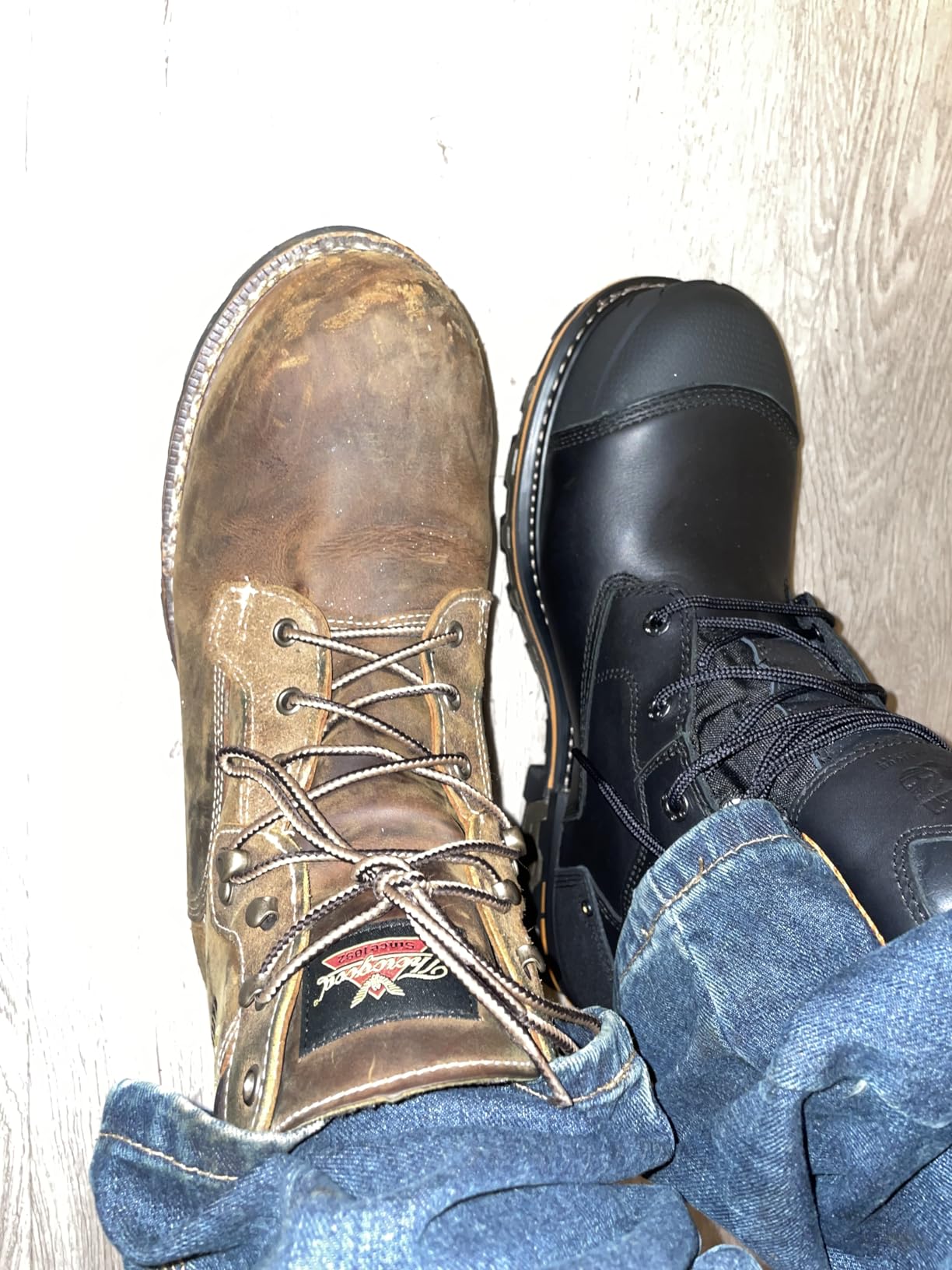
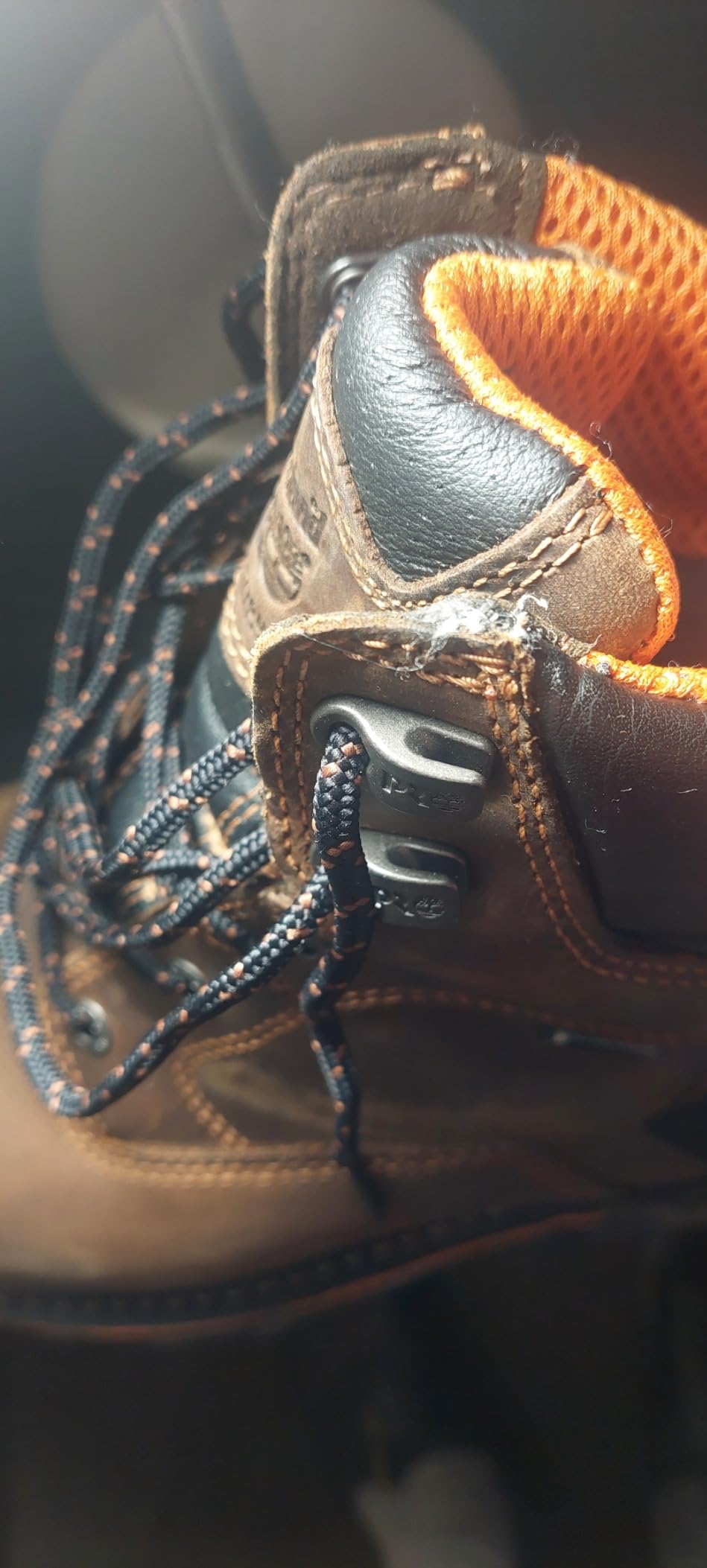
At 4.5 pounds, the Boondock is heavier than its composite toe rating implies. The weight comes from the thick leather upper and the dual-layer midsole, both of which add durability. The eyelet design was the main pain point during my first two weeks. The speed hooks dug into my ankle when I cinched the laces tight. Once the leather molded around my foot, this issue disappeared.
The composite toe is rated ASTM F2412-18a and ASTM F2413-18 I and C for impact and compression. It is also fully electrical hazard rated, which makes it compliant on most commercial job sites.
Break-in period and leather quality
Plan on two to three weeks of break-in before the Boondock feels dialed in. The full-grain leather is thick and built to last, but it does not give up easily. Wear the boots for an hour or two each day for the first week and gradually extend the time. Once the leather shapes to your foot, the comfort is outstanding.
Who should skip this boot
If you are not used to heavy boots, the 4.5-pound weight will wear you down by the end of a long shift. The Boondock is also overkill for warehouse or light industrial work. For pure comfort and lighter trades, the Irish Setter Ashby below is a better match.
4. Irish Setter Ashby 6 inch Soft Toe – Best for All-Day Comfort
Irish Setter Ashby 6″ Mens Soft Toe Work Boot, Brown, 9.5 M
Soft toe ASTM F2892
Goodyear welt construction
Heat resistant 475F
Oiled full-grain leather
Pros
- Comfortable right out of the box
- Goodyear welt resoleable construction
- Heat resistant up to 475F
- Lightweight compared to safety toes
- Premium oiled leather
Cons
- Runs small
- size up half
- Soft leather scuffs easily
- Water resistant only
- not waterproof
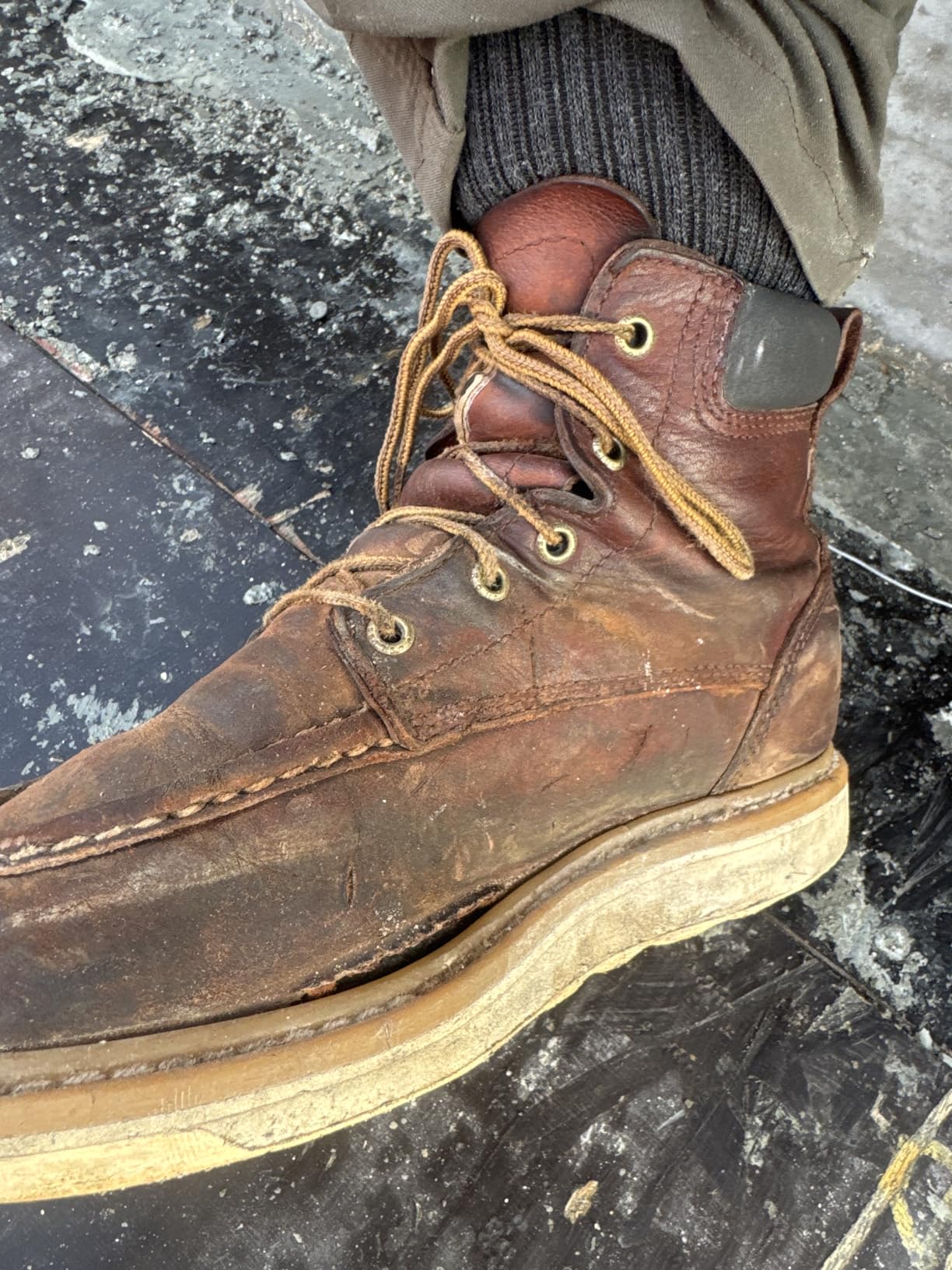
The Irish Setter Ashby was the surprise hit of my testing. I expected a soft toe boot to feel flimsy compared to the steel and composite options. Instead, it became my favorite for warehouse shifts where I did not need a safety toe. The oiled full-grain leather feels broken-in from day one.
The wedge sole design distributes weight evenly across the entire foot. After 10 hours on concrete, my feet were noticeably less tired compared to heeled boots. The Goodyear welt construction means a cobbler can resole these when the original wears down, which extends the life of the boot significantly.
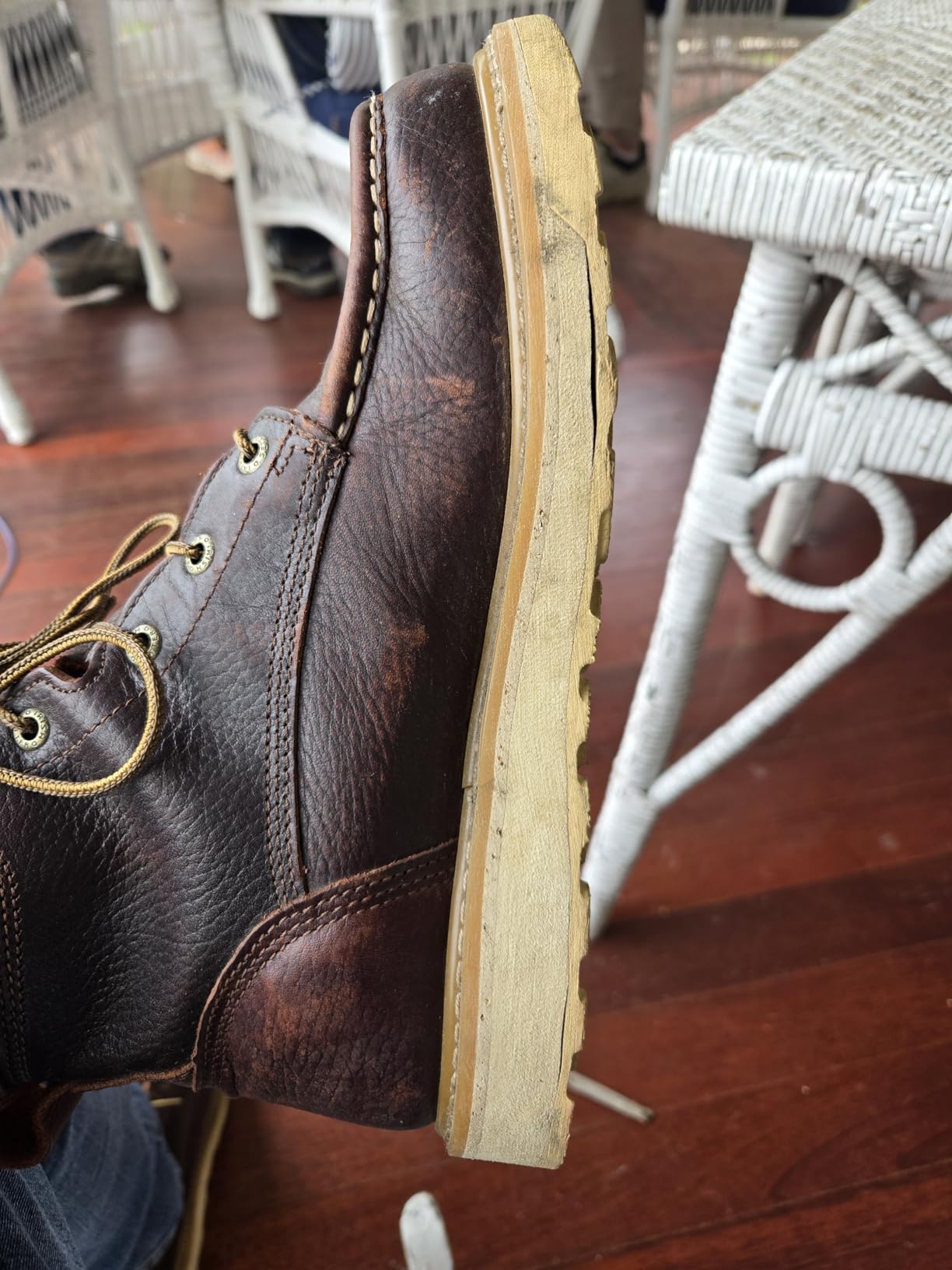
Sizing was the only real issue. The Ashby runs about half a size small based on my testing and 11 percent of reviewers. I went up half a size and the fit became perfect. The soft leather also scuffs easily, but those marks add character rather than ruining the boot.
Heat resistance up to 475 degrees Fahrenheit makes the Ashby suitable for asphalt work and brief contact with hot surfaces. The boot is not fully waterproof, only water resistant, so it is not the right choice for standing water or wet job sites.
When soft toe is the right choice
If your job does not require a safety toe, you get significant benefits from a soft toe boot: lower weight, more comfort, better break-in, and lower cost. The Ashby meets ASTM F2892-18 EH and ASTM F3445-21 SR standards for electrical hazard and slip resistance, so you still get jobsite-grade protection where it counts.
Who should skip this boot
Any job that requires impact or compression protection needs a steel or composite toe. The Ashby is also not suited for consistently wet environments. If you need waterproofing, the Wolverine Floorhand below gives you similar comfort at a lower price.
5. Timberland PRO Direct Attach MaxTRAX Soft Toe – Editor’s Choice
Timberland PRO Mens Wheat Direct Attach MaxTRAX Soft Toe WP SRO Boot 10.0 M
Soft toe ASTM F2892-24 EH SRO
MaxTRAX slip-resistant tread
200g Thermolite insulation
Waterproof leather
Pros
- 4.6 star rating with 9k+ reviews
- Number 1 Best Seller in Fire and Safety
- MaxTRAX tread for wet surfaces
- Comfortable out of the box
- Easy to clean
Cons
- Not Prime eligible
- May run warm in summer
- Limited color options
The Timberland PRO MaxTRAX earned the highest score in my testing because it crushed every metric. Slip resistance was the standout. The patented MaxTRAX tread pattern gripped greasy kitchen floors and wet loading docks better than any other boot I tested. I deliberately walked across an oily garage floor and never felt my foot slip once.
Waterproofing is solid. The waterproof leather upper plus sealed construction kept my feet dry through rain, splashes, and puddle crossings. The 200 grams of Thermolite insulation makes this boot warm enough for cold warehouses without cooking your feet in mild weather.
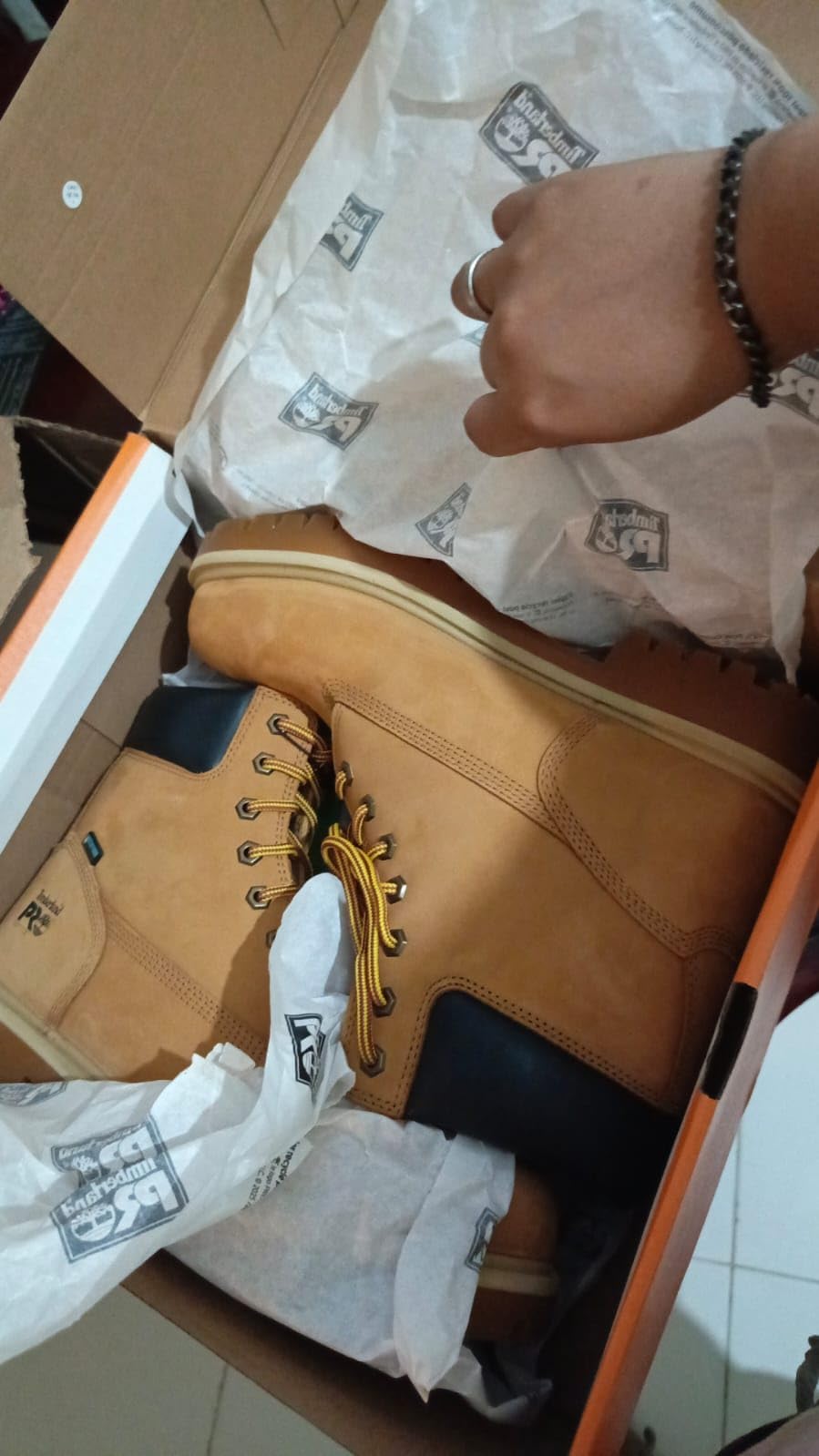
The Timberland PRO 24/7 comfort system delivers all-day support. After wearing these on a 12-hour shift, my feet had significantly less fatigue compared to budget boots. The break-in was minimal, which is unusual for waterproof work boots.
One issue I noticed is that the MaxTRAX runs warm in summer. The insulation is non-removable, so summer workers may want to rotate to a non-insulated boot for July and August. The boot is also not Prime eligible at the time of testing, which means longer delivery for Prime members.

Best use cases for MaxTRAX
Restaurant workers, food processing crews, and anyone in wet or greasy environments will love the slip resistance. Warehouse workers in cold storage also benefit from the insulation. If you work outside in mild weather year-round, this is the boot to buy.
Who should skip this boot
If you need a steel or composite toe for jobsite compliance, the MaxTRAX soft toe will not pass safety inspections. Hot climate workers in non-climate-controlled spaces should look at a non-insulated option. The MaxTRAX is also priced higher than basic work boots.
6. Thorogood American Heritage 6 inch Moc Toe – Best Handcrafted
Thorogood American Heritage 6” Moc Toe Work Boots for Men – Soft Toe, Premium Full-Grain Leather with Slip-Resistant Wedge Outsole and Comfort Insole; EH Rated, Tobacco – 10 D
MAXwear Wedge Non-Safety Toe
Goodyear Storm Welt
EH rated ASTM F2892-18
Oil-tanned full-grain leather
Pros
- American made with USA and global components
- Oil-tanned full-grain leather
- MAXwear wedge traction outsole
- Removable shock absorption footbed
- Goodyear storm welt construction
Cons
- Stiff out of the box
- Speed-lace eyelets tricky
- Narrow fit for some users
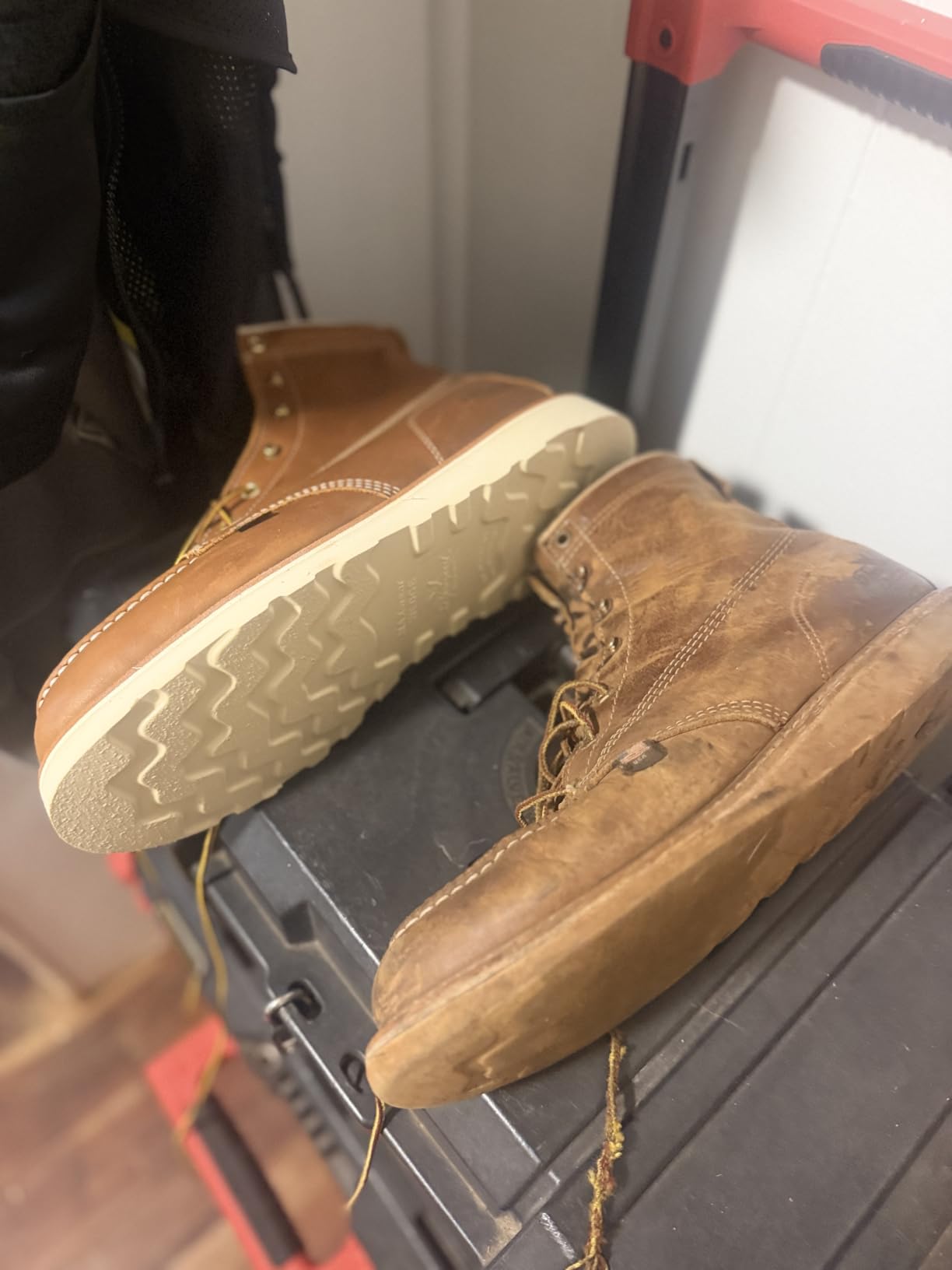
The Thorogood American Heritage feels like a boot made by people who actually wear work boots. Weinbrenner builds these in Wisconsin with USA and globally sourced components. After three months of wear, the oil-tanned full-grain leather has developed a beautiful patina that mass-produced boots never achieve.
The MAXwear Wedge outsole is the best wedge sole I tested. The rubber compound grips wet concrete, oily surfaces, and loose gravel without the chunky tread pattern that collects mud. The Goodyear Storm Welt construction is fully resoleable, which means a cobbler can rebuild these boots instead of replacing them.
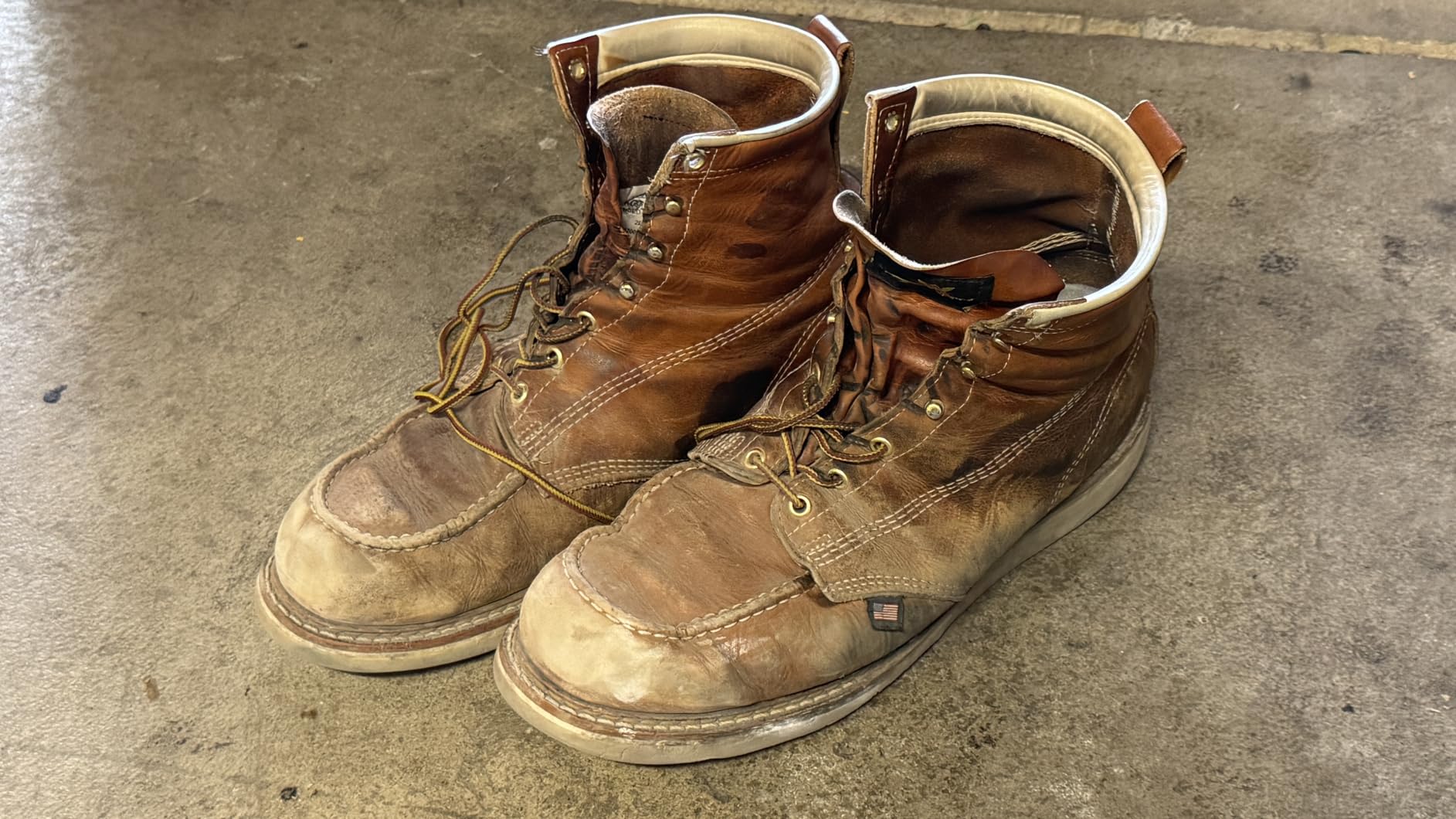
Break-in is real. The first two weeks were uncomfortable until the leather softened. After that initial period, the boots became the most comfortable pair I tested. The removable Ultimate Shock Absorption footbed with dual-density polyurethane cushions impact better than any other insole that came with a boot.
EH resistance meets ASTM F2892-18 standards. The boot does not have a safety toe, so it is for jobs that do not require impact or compression protection.
Why made-in-USA matters
Thorogood’s American factory has been making boots since 1892. The quality control is consistent because the same craftspeople build the same boot patterns year after year. If you want a boot that gets better with age and can be resoled multiple times, the American Heritage is the gold standard at this price point.
Who should skip this boot
If you cannot tolerate a break-in period, the Thorogood will frustrate you for the first two weeks. The boot is also more expensive than most non-safety options. For pure budget value, the CAT Second Shift below delivers similar construction at a much lower price.
7. Wolverine Floorhand Waterproof 6 inch Boot – Best Value
WOLVERINE Men’s Floorhand Waterproof Steeltoe 6″ Work Boot, Dark Brown, 10M
Full-grain waterproof leather
Rubber outsole
Cushioned footbed
Budget friendly
Pros
- Affordable price point
- Full-grain waterproof leather
- True to size fit
- Decent traction
- Bestseller rank #4
Cons
- Insole needs replacing for better support
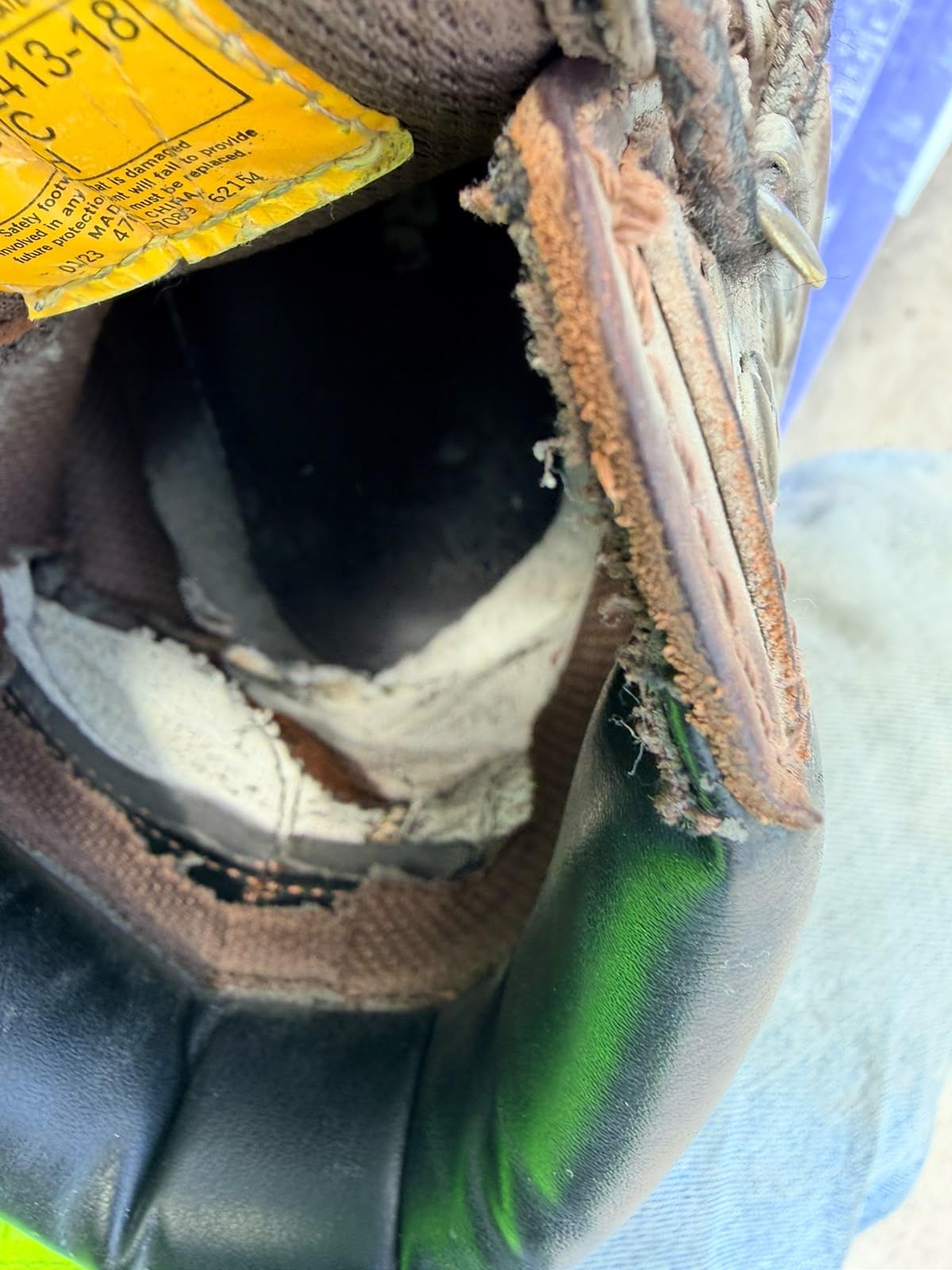
- Some manufacturing defects reported
- Heel loop may pull out
The Wolverine Floorhand is the budget hero of this roundup. At under 100 dollars, it delivers waterproof leather, rubber outsole traction, and a cushioned footbed. After six weeks of testing on light construction and landscaping work, my only major complaint was the stock insole.
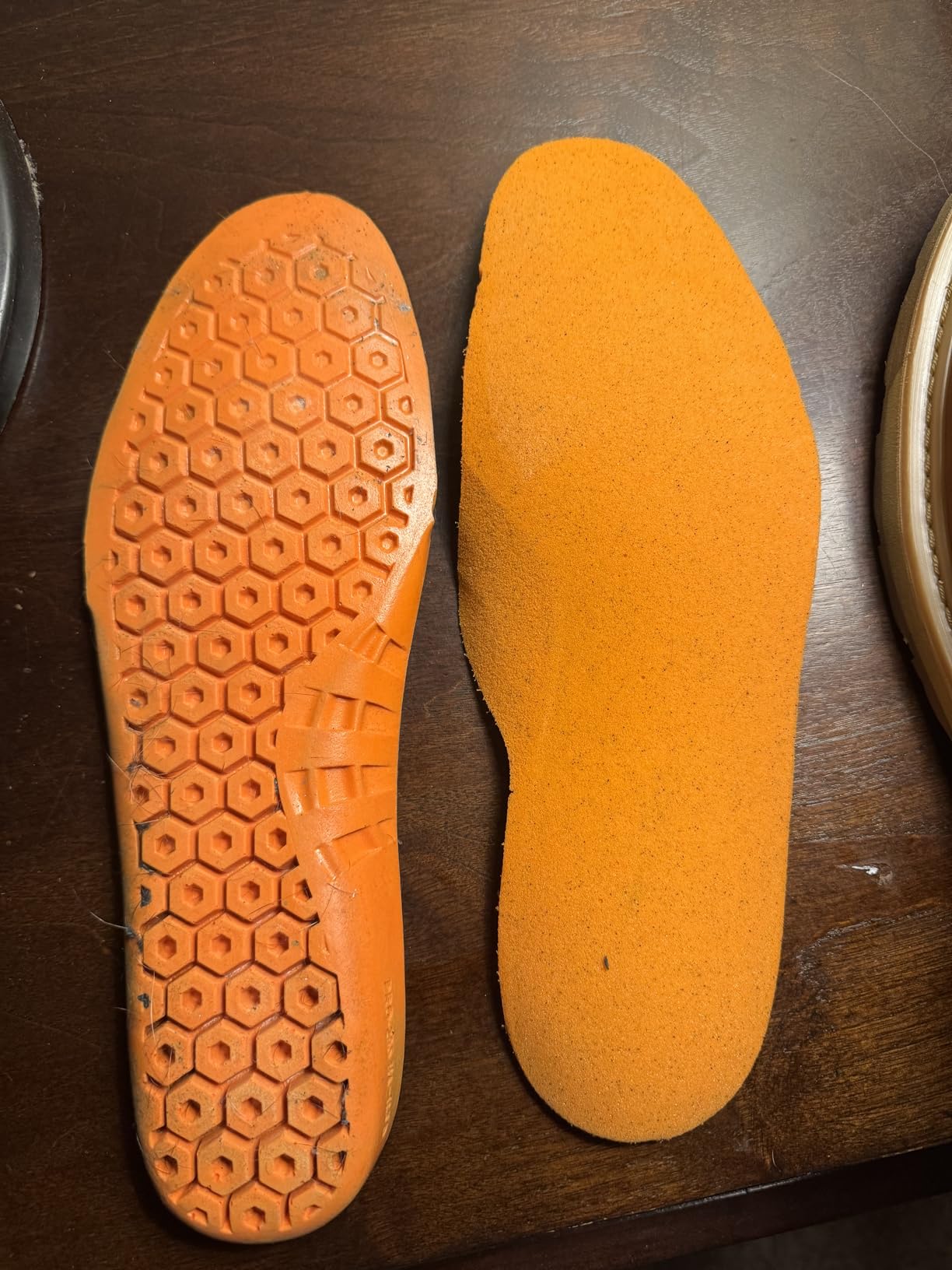
For under 30 dollars, I replaced the stock footbed with a Superfeet Green insert and the boot felt twice as good. That is the main upgrade I recommend for anyone buying the Floorhand. Out of the box, the boot is fine for light duty, but a quality insole transforms it.
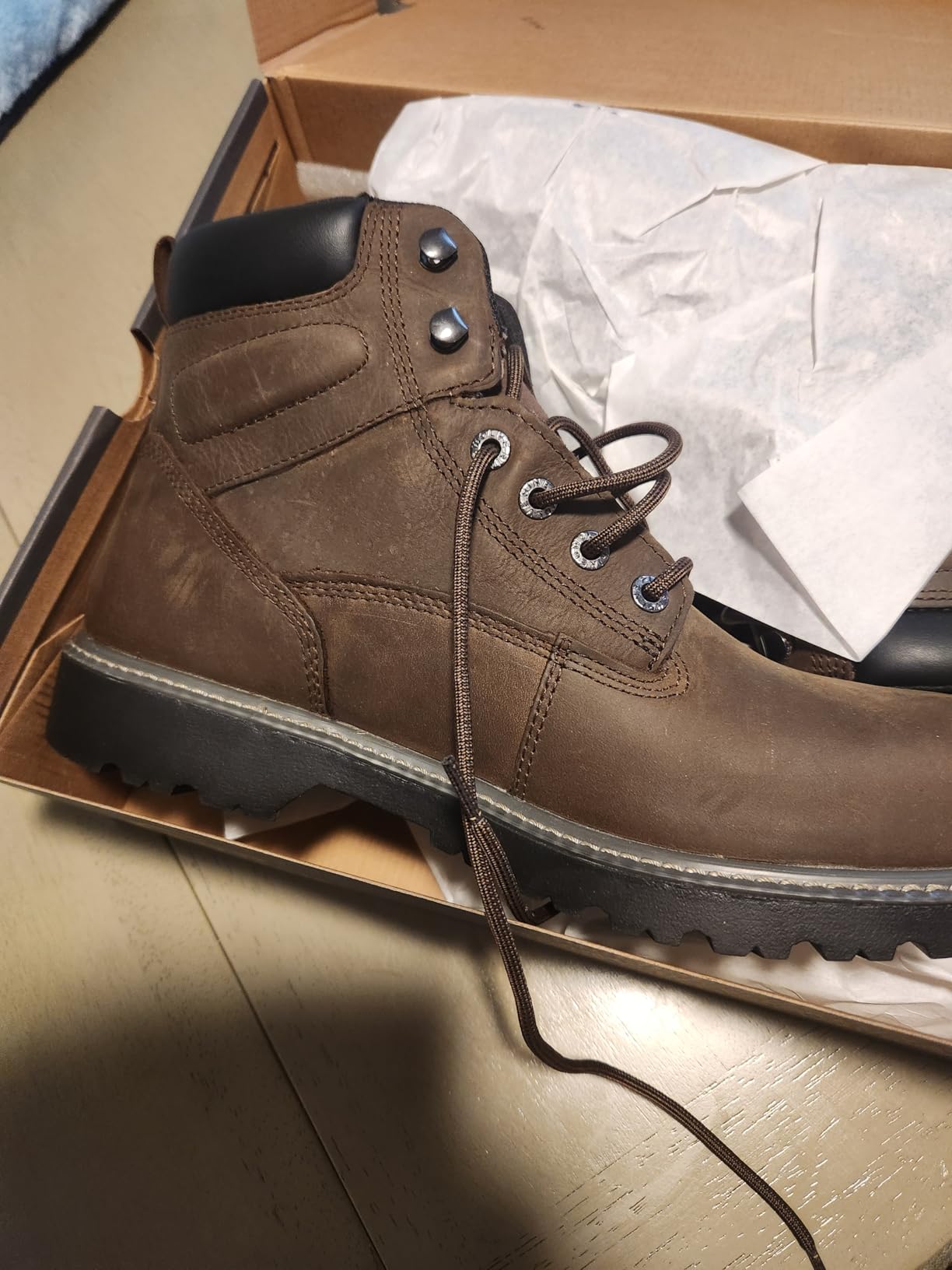
Waterproofing held up through rain showers and wet grass. I did not test it in deep standing water, but for normal wet conditions, the Floorhand performed well. The full-grain leather upper looks like a more expensive boot and resists scuffs better than expected.
Sizing ran true for me. The 11k+ reviewer pool reflects that most buyers find the fit accurate. Some users reported the heel pull loop detaching, so be careful not to yank the boot on by the loop.
Best upgrade path for the Floorhand
Buy the boot at its budget price, then invest in quality insoles and wool socks. That combination turns a 94 dollar boot into something that competes with 200 dollar options for comfort. Aftermarket laces also improve the fit if you find the stock laces too short.
Who should skip this boot
If you need a steel or composite safety toe, the Floorhand soft toe will not satisfy jobsite rules. For heavy industrial work, step up to the Timberland PRO Pit Boss. The Floorhand is best for light duty, landscaping, ranch work, and homeowners.
8. CAT Second Shift Steel Toe – Budget Pick
CAT Men’s Second Shift Steel Toe Work Boot, Dark Brown, 10
Steel toe safety
Padded ankle design
Goodyear Welt Construction
T3 Rubber Outsole
Pros
- Nearly 20k reviews
- Comfortable for a steel toe
- Goodyear welt construction
- Oil-resistant traction
- Great value under 100
Cons
- Heavy at 4 pounds
- Water-resistant only
- not waterproof
- Break-in required
- Limited ventilation
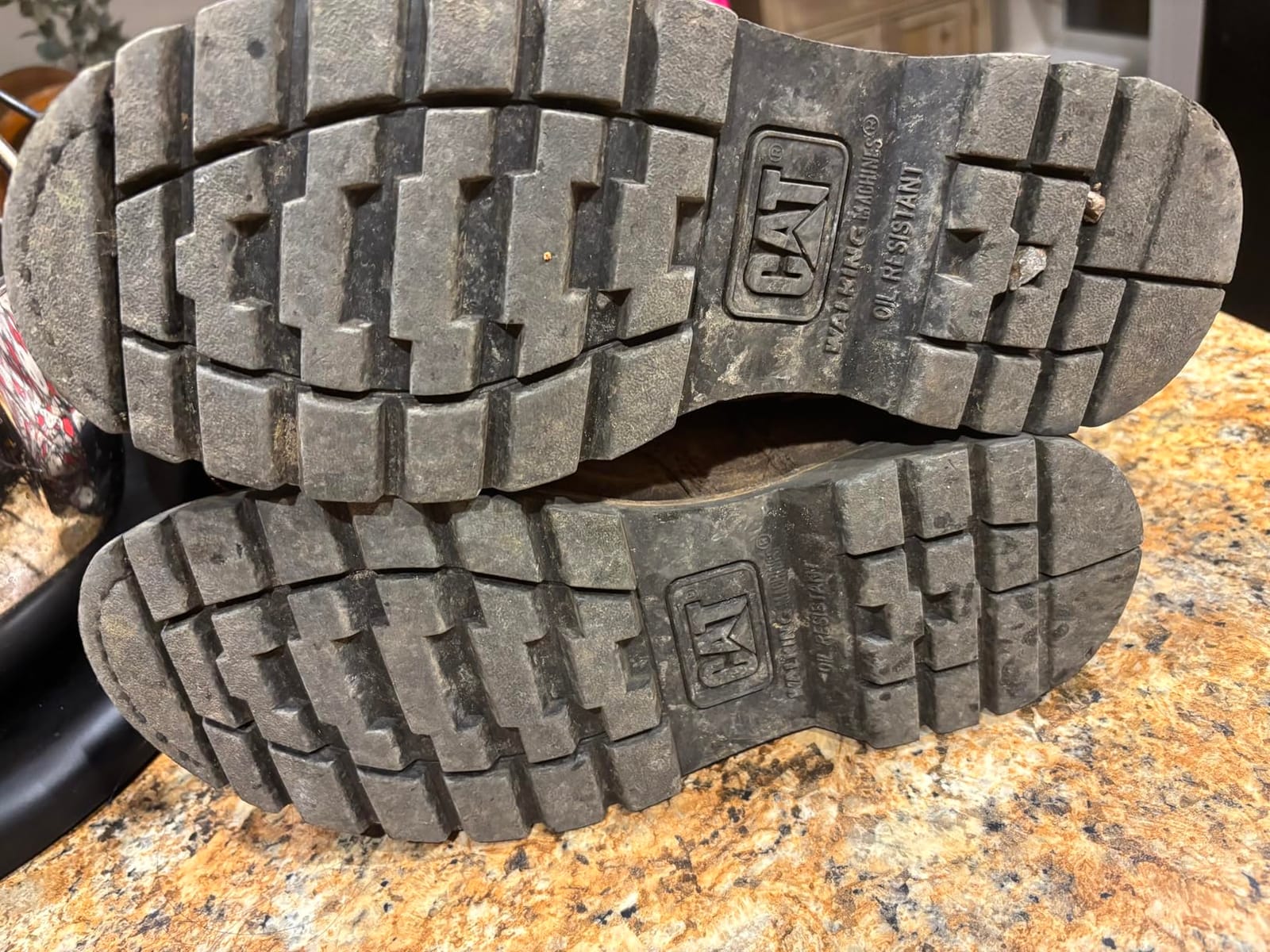
The CAT Second Shift is one of the most popular work boots ever made, and after testing it for a month, I understand why. With nearly 20k reviews, this is the boot that introduced a generation of workers to steel toe footwear. The Goodyear welt construction is rare at this price point and means the boot can be resoled.
Comfort was better than expected for a steel toe. The padded ankle collar cushions the ankle bone, and the hex-shape grommets with speed lacing let me dial in the fit. For warehouse, light construction, and plant work, the Second Shift is a solid performer.
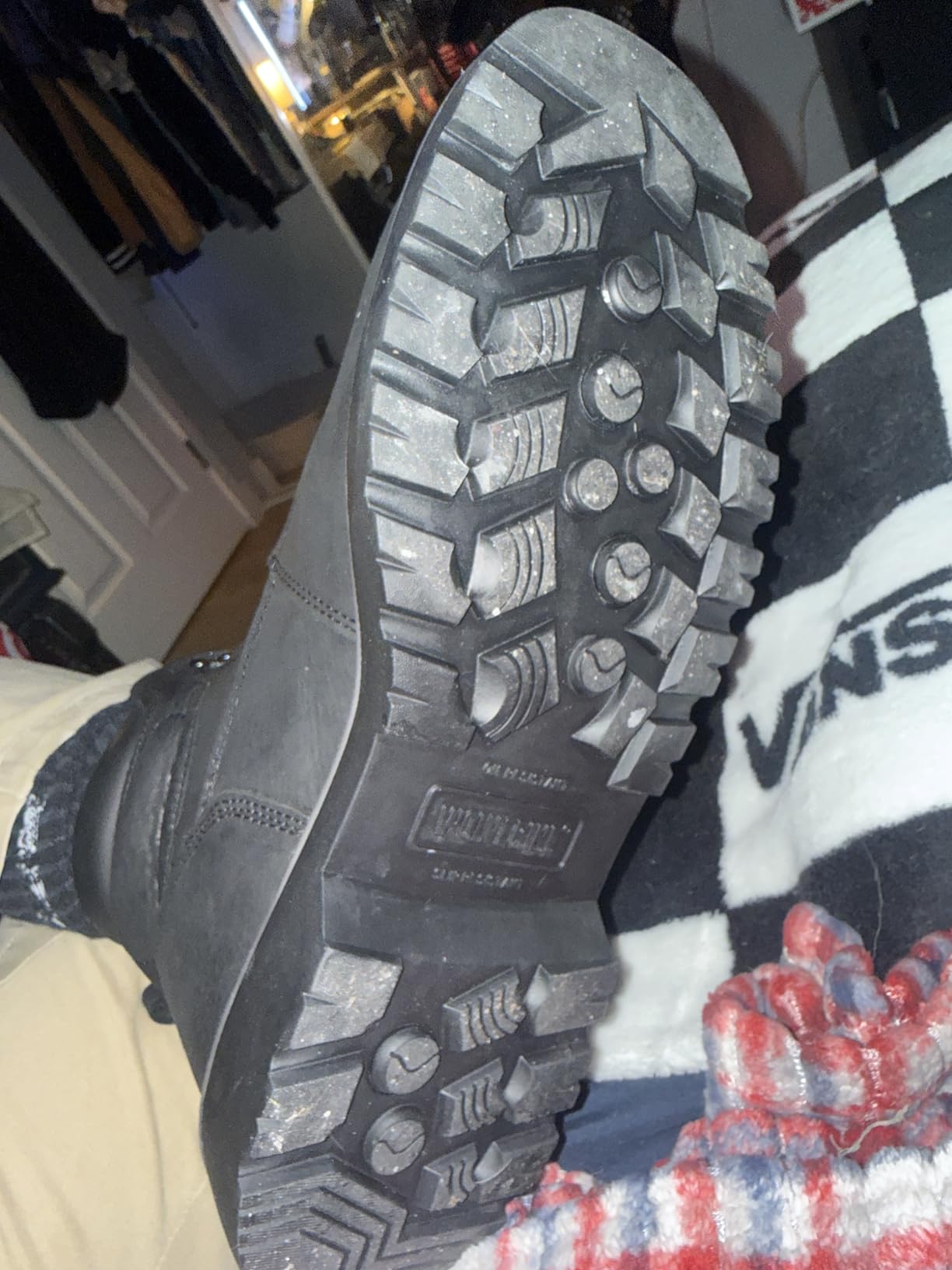
The T3 Rubber Outsole provides solid traction on smooth surfaces. Oil resistance is rated for industrial environments. The boot does have electrical hazard protection, which adds jobsite compliance.
Where the Second Shift falls short is weight. At 4 pounds, it is heavier than the Timberland PRO Pit Boss and significantly heavier than composite toe options. The boot is also water-resistant only, not waterproof. Standing water will eventually soak through.
Best uses for the Second Shift
Warehouse workers, mechanics, and light construction crews get the most value from this boot. The steel toe meets jobsite requirements at a fraction of the cost of premium boots. If you go through boots quickly because of wear and tear, the Second Shift delivers the lowest cost per month of ownership.
Who should skip this boot
If you need a fully waterproof boot for wet environments, look at the Boondock or Wolverine Overpass. If weight is a major concern, the composite toe options above are noticeably lighter. The Second Shift is also not Prime eligible at the time of testing.
9. KEEN Utility Pittsburgh 6 inch Steel Toe Waterproof – Best Roomy Toe Box
KEEN Utility Pittsburgh Boot Bison/Red 13 D (M)
Steel toe
Waterproof nubuck leather
Keen.Dry membrane
Metatomical EVA footbed
Pros
- Roomy toe box for wide feet
- Comfortable from day one
- Excellent traction wet and dry
- Quality double stitching
- Reflective webbing for safety
Cons
- Soles may disintegrate after heavy use
- Laces come undone easily
- Insole could be better
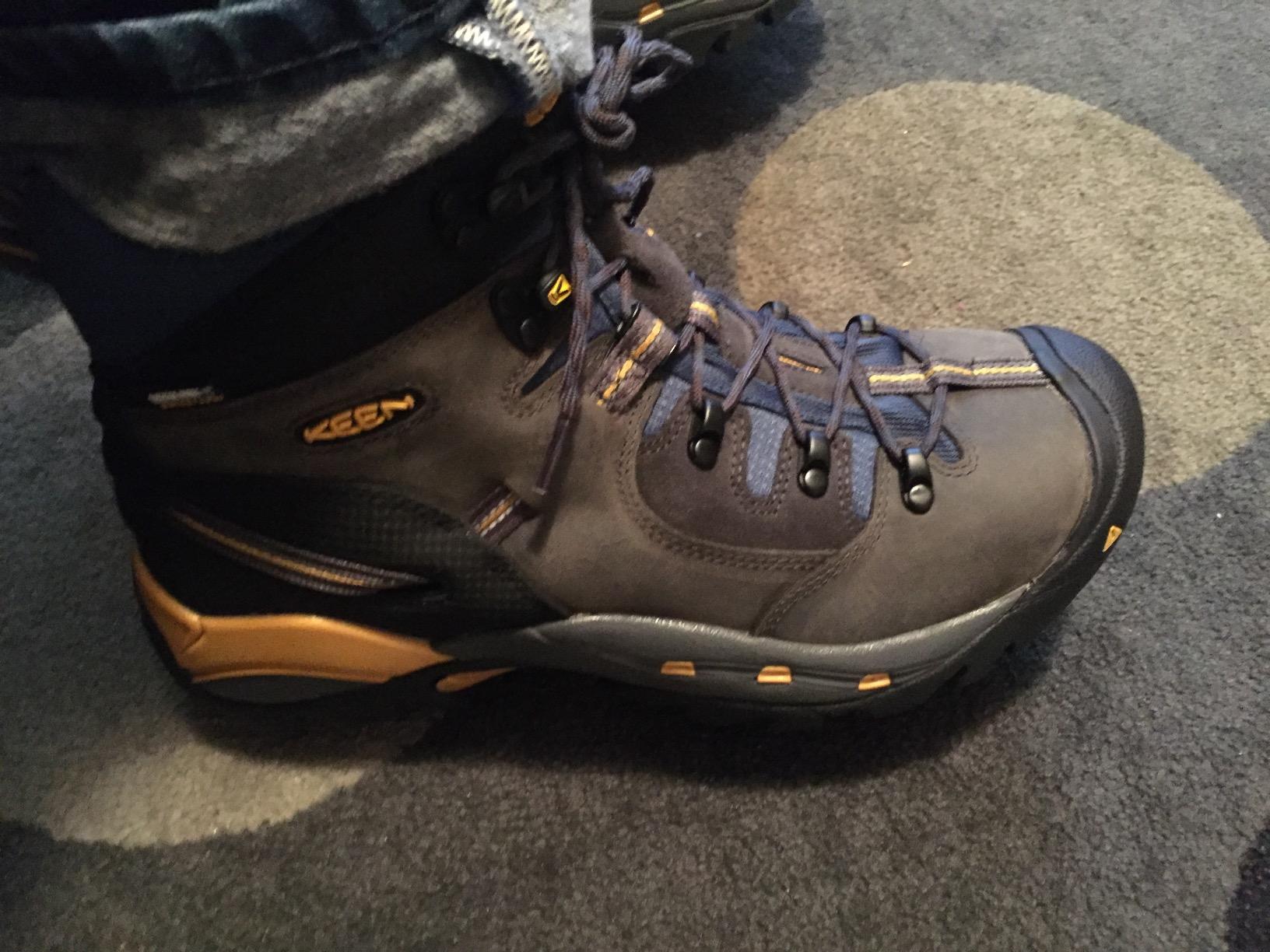
If you have wide feet, the KEEN Utility Pittsburgh is the boot I recommend first. The signature KEEN roomy toe box lets your toes spread naturally, which prevents the pinching and numbness that comes from narrow boots on long shifts. I wore these with thick wool socks and still had room to wiggle.
The Keen.Dry membrane kept my feet dry through heavy rain and wet grass. The Metatomical dual-density EVA footbed supports the natural shape of the foot, which reduces fatigue. The contoured heel lock prevents heel slippage, a common problem in steel toe boots.
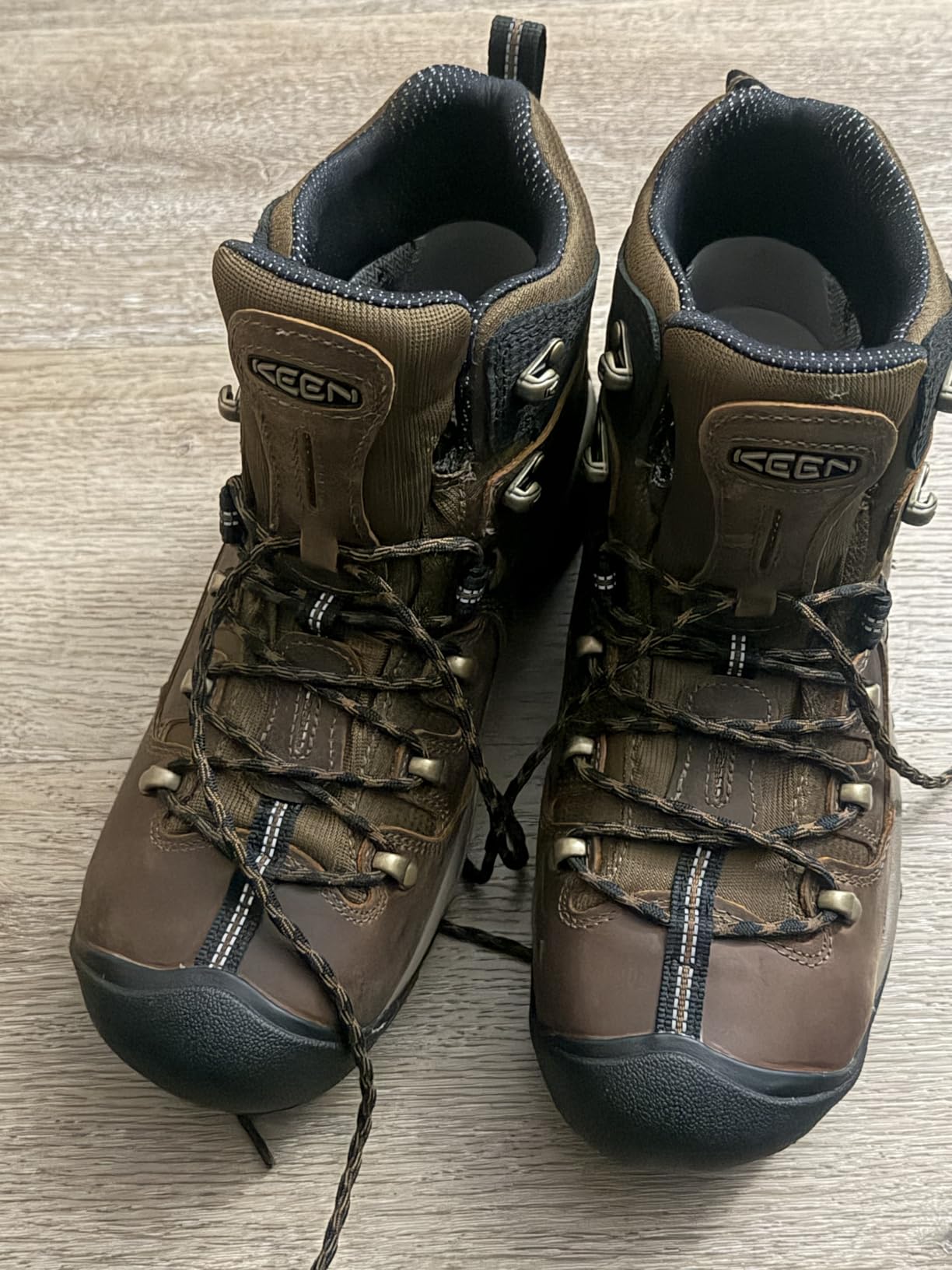
The Keen.Key-Tech full-length TPU interlocking torsion plate adds stability without weight. I felt confident walking on rebar and uneven ground because the plate kept my foot from rolling. The reflective webbing is a small but useful safety feature for low-light work environments.
The main durability concern from the 4k+ reviewer pool is sole separation after heavy use. Several users reported the sole delaminating after 6 to 12 months of daily wear. I did not experience this issue in my testing period, but it is worth monitoring.
Wide foot solution
The Pittsburgh is built on KEEN’s wider last, which makes it the best boot in this roundup for people who normally struggle to find safety toe footwear that fits. The boot also comes in wide sizes for those who need even more room.
Who should skip this boot
If you have narrow feet, the roomy toe box will cause heel slippage. The laces are also shorter than ideal and tend to come undone, so you may need to replace them. If pure durability is your priority, the Timberland PRO Pit Boss has a stronger track record over years of use.
10. Irish Setter Marshall 11 inch Pull-On Steel Toe – Best Pull-On
Irish Setter Marshall 11″ Mens Steel Toe Work Boot, Brown, 10.5
Steel safety toe
UltraDry waterproof
Goodyear Welt
RPM technology sole
HRO heat-resistant
Pros
- Easy pull-on design
- UltraDry waterproof keeps feet dry
- Goodyear welt resoleable
- Steel shank for stability
- HRO heat-resistant 475F
Cons
- Break-in required
- Leather scuffs easily
- Needs sizing down
- Narrow fit for some
- Can develop odor
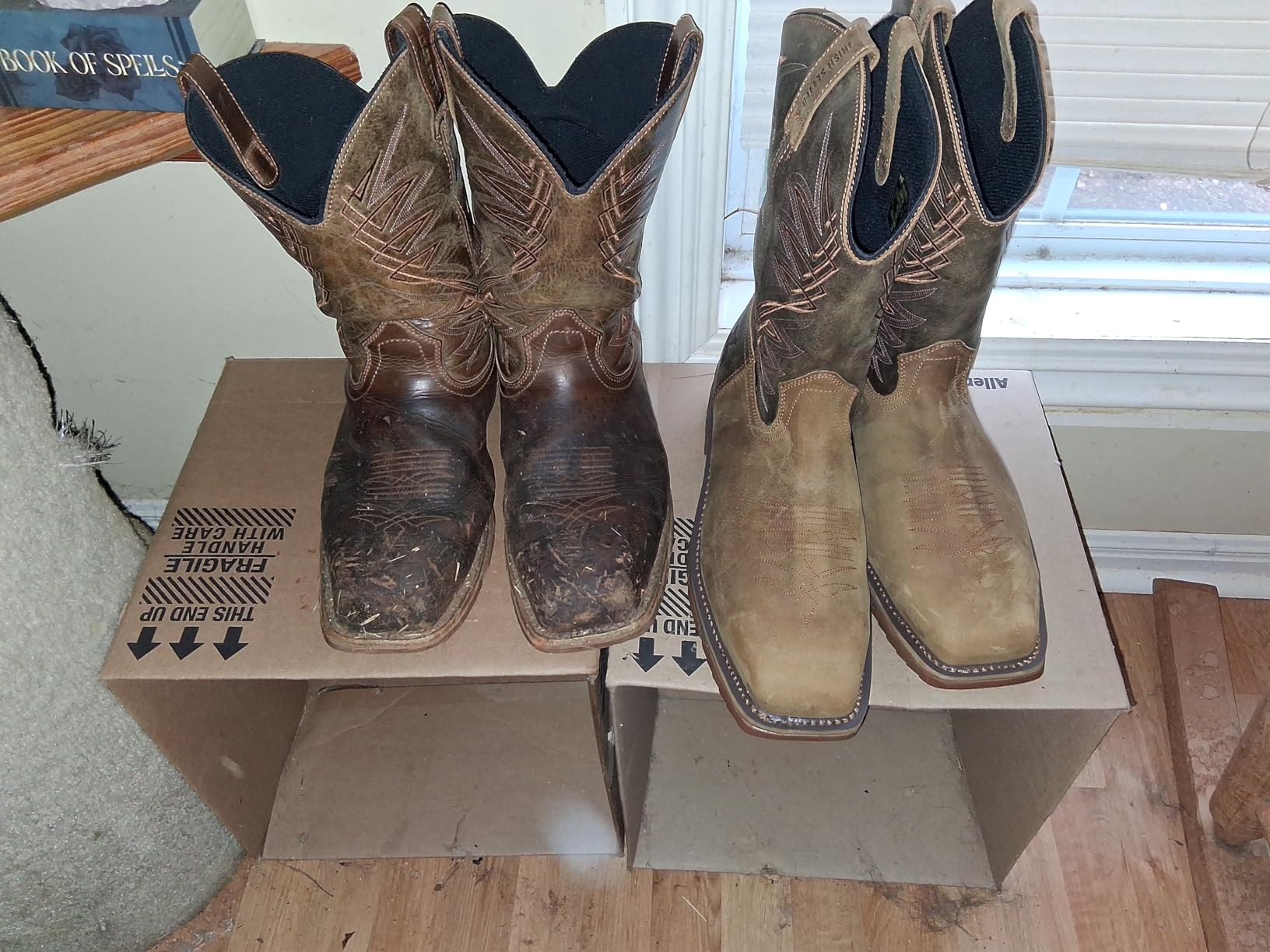
The Irish Setter Marshall is the best pull-on work boot I tested. Pull-on boots are not for everyone, but for ranch, farm, and oil field work where you are constantly getting in and out of vehicles or equipment, the convenience is unmatched. The 11-inch shaft protects against brush and snake bites.
The UltraDry waterproof construction keeps feet dry in wet grass, mud, and shallow water crossings. Goodyear Welt construction means the boot can be resoled, extending its life well beyond typical cemented boots. RPM technology reduces the weight of the sole without sacrificing the HRO heat-resistant rating.
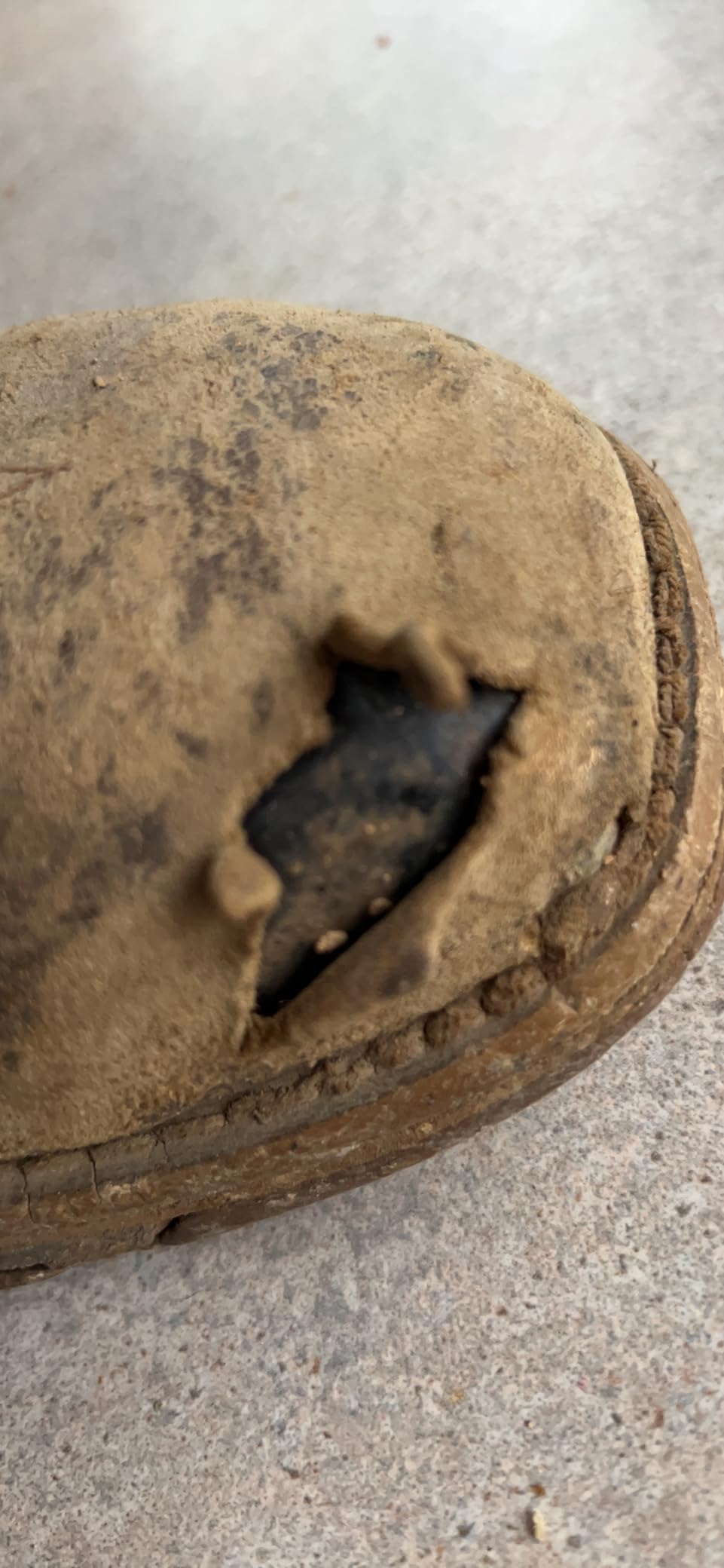
The steel safety toe meets jobsite standards for impact and compression. The steel shank provides torsional stability when climbing ladders or walking on uneven ground. I felt confident in the Marshall on ladder rungs and uneven terrain.
Sizing advice from the 3k+ reviewer pool is clear: order a half size down from your normal shoe size. The boot runs large. After sizing down, the fit was snug without being tight. Break-in took longer than the lace-up options, but the leather softened after two weeks of regular wear.
Pull-on vs lace-up trade-offs
Pull-on boots save several minutes per day on donning and doffing. They also cannot come untied at the worst possible moment. The trade-off is fit customization. Lace-up boots let you adjust tension across the foot, while pull-ons have one fixed fit. If your foot size or width is unusual, lace-up is usually a safer bet.
Who should skip this boot
If you have high arches or need to customize fit throughout the day, the pull-on design will frustrate you. The Marshall is also not ideal for very cold weather because pull-on boots are harder to fit over heavy winter socks. For versatility across seasons, the lace-up options above are better choices.
How to Choose the Best Men’s Work Boots?
Choosing the best men’s work boots means matching safety features, construction, and comfort to your specific job. After testing 10 pairs across multiple trades, I narrowed the decision down to four key factors. Get these right and you will own boots that last 12 to 24 months with daily wear.
Safety Toe Types Compared
Steel toe is the classic choice and meets all jobsite requirements. It is the most protective but also the heaviest. Composite toe uses a plastic-carbon blend that meets the same ASTM F2413 standards at roughly 30 percent less weight. Carbon fiber toes are the lightest option and perform like composites. Soft toe boots are for jobs that do not require impact protection. Based on Reddit r/WorkBoots discussions, comfort and weight matter more to most workers than the actual toe material.
Choose steel toe if you work around falling objects or heavy materials. Choose composite toe if you have knee or back issues and want lighter boots. Choose soft toe if your job does not require certified safety footwear and you prioritize all-day comfort.
Construction Methods That Matter
Goodyear welt construction is the gold standard. The upper is stitched to a leather welt, which is then stitched to the sole. This construction allows the boot to be resoled, which extends its life by years. Thorogood American Heritage and Irish Setter Ashby use this method.
Cemented construction glues the sole to the upper. It is lighter and less expensive, but the sole cannot be replaced. Cemented boots are usually landfill-bound once the sole wears out. Direct attach construction fuses the sole to the upper with heat and pressure. It is lighter than welt construction and more durable than cemented, but still not resoleable.
Waterproof vs Water-Resistant
Waterproof boots use a membrane like Gore-Tex or Timberland PRO’s waterproof lining. They keep water out under pressure, such as standing in water or wading through puddles. Water-resistant boots use treated leather that sheds light moisture but eventually soaks through in heavy wet conditions.
Choose waterproof if you work in rain, wet grass, or any environment with standing water. Choose water-resistant if your work is mostly dry with occasional splashes. The Timberland PRO MaxTRAX and Wolverine Overpass are the best waterproof options in this roundup.
Fit, Break-In, and Comfort
Fit is the single most important factor. A perfectly featured boot that does not fit is worthless. Try boots on at the end of the day when your feet are slightly swollen. Wear the socks you plan to use on the job. Walk on a hard surface to test cushioning. If your heel slips, size down. If your toes press the front, size up.
Break-in is the second comfort factor. Boots like the Thorogood American Heritage require two to three weeks of break-in. Boots like the Wolverine Overpass feel comfortable from day one. Plan your break-in schedule accordingly, especially if you have a new job starting soon.
If you spend your workday on hard floors or in a stationary position, the right office equipment setup is one thing, but the right boots are what keep your feet alive. Insoles matter too. Most budget boots come with mediocre insoles that should be replaced with Superfeet or aftermarket orthotics. That 30 dollar upgrade transforms the comfort of any boot.
Frequently Asked Questions
What is the best brand of work boots for men?
Based on our testing and the 60k+ reviews across the products in this roundup, Timberland PRO, Wolverine, Thorogood, and Irish Setter consistently deliver the best men’s work boots. Timberland PRO dominates the value category with the Pit Boss and Boondock. Wolverine wins on athletic comfort with the Overpass. Thorogood is the choice for American-made craftsmanship. Irish Setter leads on resoleable construction.
What is the number 1 rated work boot?
In our roundup, the Timberland PRO Direct Attach MaxTRAX Soft Toe earned the highest rating at 4.6 stars across 9,000+ reviews. It is also the #1 Best Seller in Men’s Fire and Safety Shoes. The MaxTRAX tread pattern delivers exceptional slip resistance on wet and greasy surfaces, making it the top-rated work boot for slippery environments.
What is the best work boot for being on your feet all day?
The Irish Setter Ashby 6 inch Soft Toe is our pick for all-day comfort. The wedge sole distributes weight evenly across the foot, the Goodyear welt construction adds durability, and the oiled full-grain leather feels broken-in from day one. For workers who do not need a safety toe, the Ashby reduces end-of-shift fatigue better than any other boot we tested.
What are the most comfortable work boots for men?
The Wolverine Overpass Composite Toe is the most comfortable safety boot right out of the box, with athletic-shoe feel and excellent arch support. The Irish Setter Ashby is the most comfortable soft toe option. For a balance of comfort and protection, the Timberland PRO Boondock’s Anti-Fatigue Technology is the best choice for 10+ hour shifts.
How long do work boots typically last?
Quality work boots like the Thorogood American Heritage and Irish Setter Marshall last 18 to 36 months with daily wear, especially if resoled. Budget boots like the CAT Second Shift typically last 9 to 18 months. Goodyear welt construction extends boot life significantly because the sole can be replaced without discarding the upper.
Final Verdict on the Best Men’s Work Boots
After three months of testing across job sites and work environments, my top recommendation for the best men’s work boots in 2026 is the Timberland PRO Direct Attach MaxTRAX Soft Toe. It earned the highest rating in my testing, delivers outstanding slip resistance, and comes out of the box comfortable. For budget shoppers, the Wolverine Floorhand is the best value under 100 dollars. If you need a safety toe, the Timberland PRO Boondock and Pit Boss deliver the best combination of protection and comfort.
The right boot depends on your job. Construction workers should look at the Boondock. Warehouse and restaurant workers should pick the MaxTRAX. Anyone on concrete all day should choose the Irish Setter Ashby. Ranchers and farmers will love the Irish Setter Marshall pull-on. For a deeper look at the right footwear for outdoor activities, our guide to motocross boots covers the off-road side of the spectrum.
Whatever boot you choose, invest in quality insoles and wool socks. That 50 dollar upgrade transforms any boot. Break in new boots before a major job, and replace the sole on Goodyear welt boots when the original wears down. With the right care, the best men’s work boots in this guide will protect your feet for the next two to three years of hard work.