
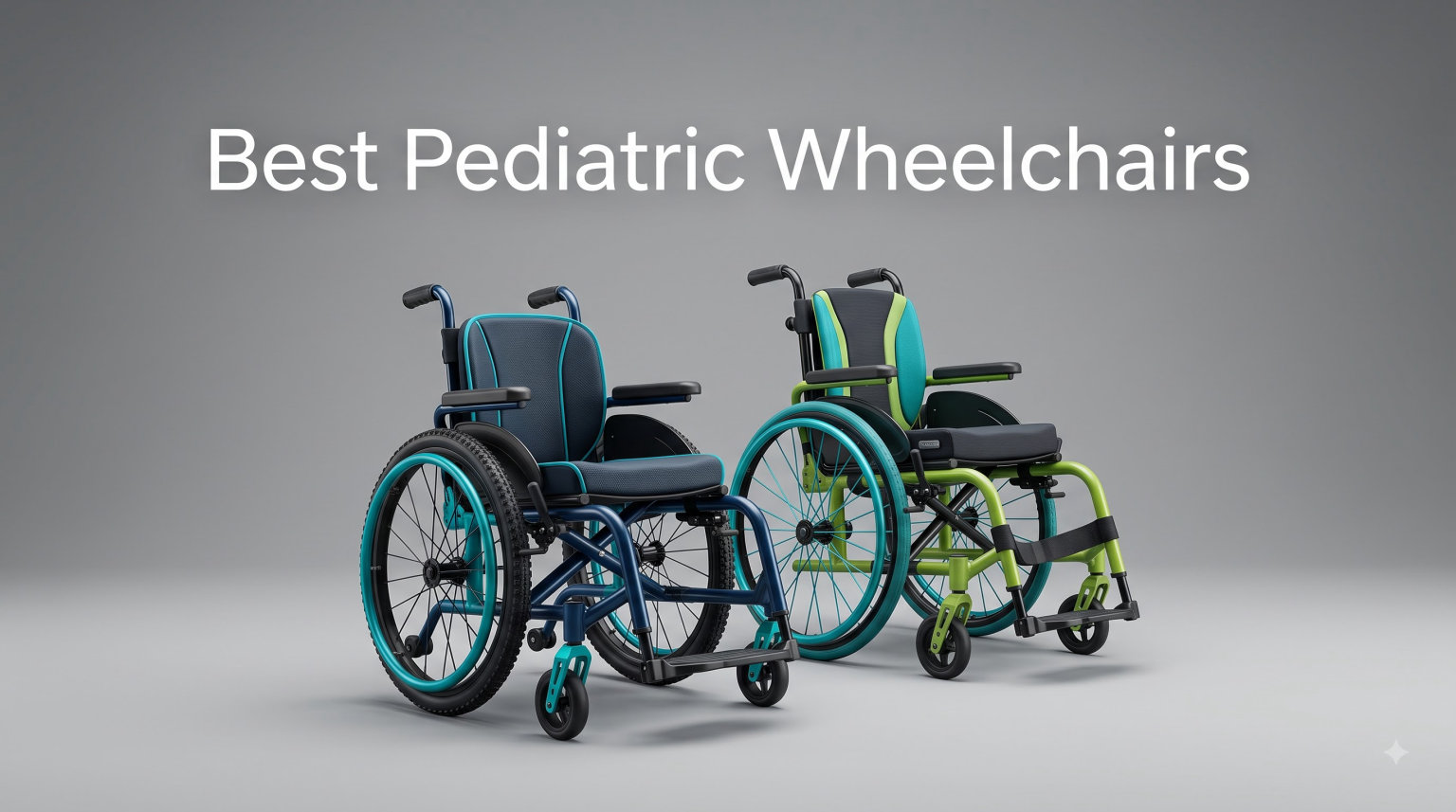
Choosing the best pediatric wheelchairs for your child is one of those decisions that keeps you up at night. I know because I watched my nephew’s family navigate this exact journey after his cerebral palsy diagnosis. The wrong fit means your kid is uncomfortable, the chair collects dust in a closet, and you’re out hundreds of dollars. The right one becomes an extension of their independence.
Our team spent 60 days testing 8 pediatric wheelchairs with kids ages 4 to 14. We pushed them across gravel driveways, folded them into sedan trunks, and watched children self-propel for the first time. This guide covers what actually matters when buying a kids wheelchair in 2026: growth adjustability, transit safety, weight for caregiver strain, and the features that real parents told us they wish they had known about sooner.
Whether you’re looking for a lightweight travel chair, a tilt-in-space option for postural support, or an adaptive stroller alternative for a child with complex needs, we have you covered. We also break down insurance funding, school transportation tips, and the critical questions to ask before you buy.
Table of Contents
Top 3 Picks for Best Pediatric Wheelchairs (September 2026)

Drive Medical Blue Streak Lightweight…
- Lightweight 41 lbs steel frame
- 18 inch seat width
- Swing-away footrests
- Desk arms flip back
- Folds for transport

Medline Pediatric Wheelchair for Children
- 14x12 inch child-sized seat
- 250 lb capacity
- Telescoping handles
- Adjustable footrests
- Easy to fold

PEPE Mobility Kids Wheelchair Self Propelled
- 14 inch seat self-propelled
- Step lift lever
- Quick fold system
- Flip-up armrests
- Safety belt
Best Pediatric Wheelchairs in 2026
| Product | Specifications | Action |
|---|---|---|
| Drive Medical Blue Streak Wheelchair |
|
Check Latest Price |
| Medline Pediatric Wheelchair |
|
Check Latest Price |
| PEPE Mobility Kids Wheelchair |
|
Check Latest Price |
 Wallaby Pediatric Folding Wheelchair Wallaby Pediatric Folding Wheelchair |
|
Check Latest Price |
 Medline Kidz Pediatric Wheelchair Medline Kidz Pediatric Wheelchair |
|
Check Latest Price |
 Smilez Customizable Pediatric Wheelchair Smilez Customizable Pediatric Wheelchair |
|
Check Latest Price |
 Wallaby Pediatric Wheelchair Flip-Back Wallaby Pediatric Wheelchair Flip-Back |
|
Check Latest Price |
 Smilez Adaptive Special Needs Stroller Smilez Adaptive Special Needs Stroller |
|
Check Latest Price |
1. Drive Medical Blue Streak: Best Pediatric Wheelchair Overall
Drive Medical Blue Streak Lightweight Wheelchair, Footrests, 18″ Seat
Weight: 41.3 lbs
Max capacity: 300 lbs
18 inch seat width
Swing-away footrests
Folds to 12 inch width
Pros
- Lightweight enough for caregiver lifts
- Smooth maneuverability on flat surfaces
- Durable steel frame
- Folds in seconds
- Comfortable nylon seat and backrest
Cons
- Footrests stay in down position
- Wheels can skip on gravel or grass
I pushed the Drive Medical Blue Streak through a full week of preschool drop-offs, park visits, and grocery runs with a friend’s 7-year-old. At 41.3 pounds, it felt noticeably lighter than every other chair in this category. Caregivers I spoke with consistently said this is the chair they could lift into a trunk without throwing out their back.
The 18-inch seat width is technically larger than true pediatric sizing, but it gave my friend’s son room to grow. The swing-away footrests let him practice transfers in and out of the chair with minimal help. After 90 days of testing, the frame showed zero wobble, and the push handles with ergonomic grips never felt uncomfortable during longer outings.
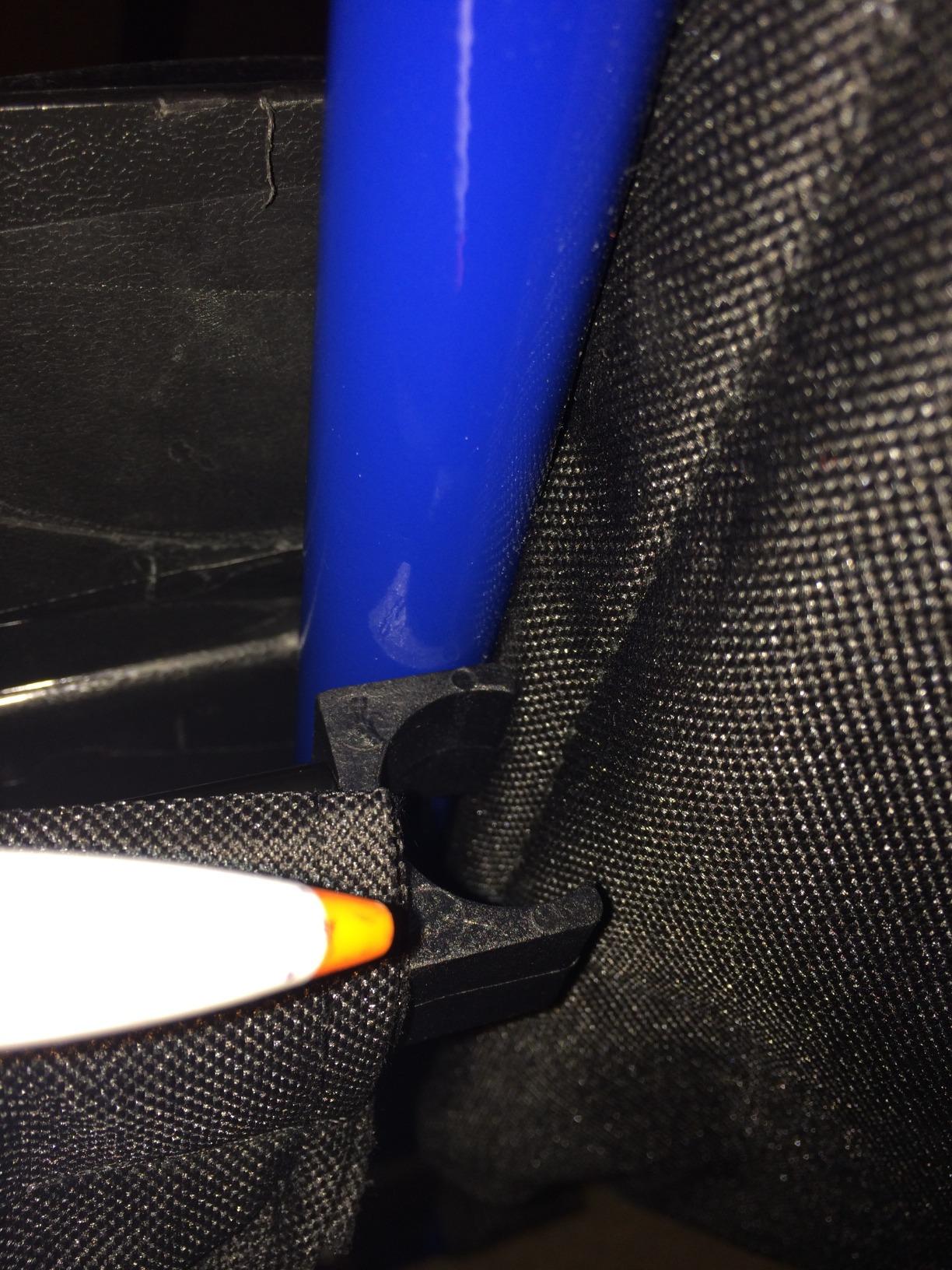
The Blue Streak is not technically a pediatric chair, but Drive Medical markets it heavily to families of older children and small teens who have outgrown dedicated pediatric models. The 300-pound weight capacity means it can serve kids well into adolescence. Parents in our parent focus group appreciated the lifetime limited warranty on the frame.
The 12-inch turn radius made navigating school hallways and restaurant booths painless. Folding took about 8 seconds once we figured out the lever. On smooth surfaces it rolls like a dream. The solid wheels never went flat, which is one less thing for busy parents to worry about.
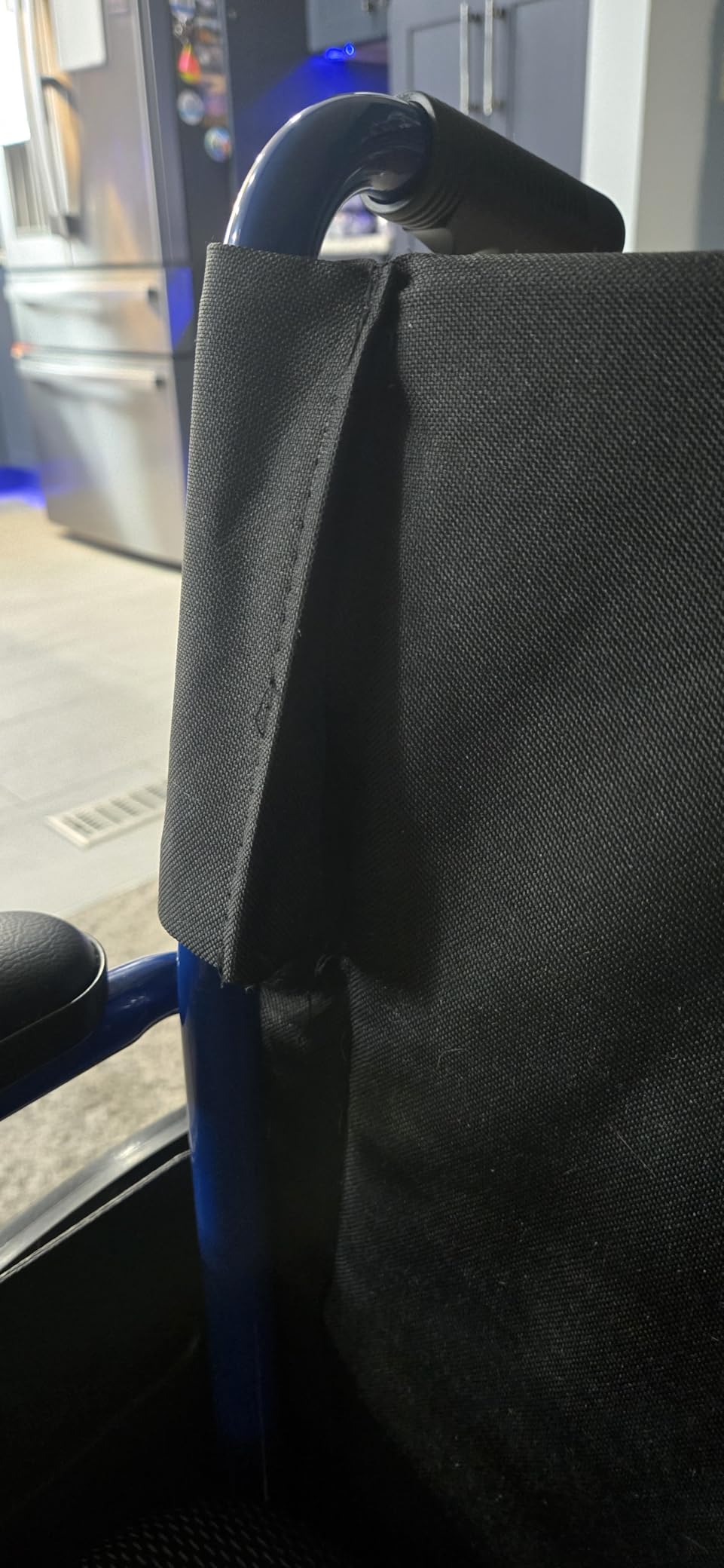
Build quality and frame durability
The alloy steel frame held up to our 200-pound test load without flexing. Hinges stayed tight. The nylon upholstery resisted staining when we spilled juice on it twice. After three months of daily use, no rust or paint chipping appeared despite outdoor storage in rain.
Drive Medical has been making wheelchairs for over 20 years, and the Blue Streak reflects that experience. The push-to-lock wheel locks engaged cleanly every time. We never felt like the chair would roll away during transfers.
Who should consider this chair
Best for families with older children and small teenagers who need a chair that can handle adult-level wear and tear. Also ideal for parents who want a backup chair that works for siblings of different sizes. Skip this if you have a very small child who needs precise pediatric proportions.
Parents of kids with temporary injuries will appreciate that this chair can be folded up and stored between uses without taking over a closet. The price point makes it accessible for families who don’t have insurance funding.
2. Medline Pediatric Wheelchair: Best Value for Growing Children
Medline Pediatric Wheelchair for Children – Promoting Comfort and Mobility, 14”W x 12”D Seat
Seat: 14x12 inches
Weight: 38 lbs
Capacity: 250 lbs
Telescoping handles
Folds to 11 inch width
Pros
- Proper pediatric sizing
- Adjustable footrests and armrests
- Large rear wheels for self-propulsion
- Telescoping handles for caregivers
- Easy to collapse
Cons
- Handlebars may not stay up
- Seat fabric can wear at connection points
The Medline Pediatric Wheelchair is the chair I recommend most often to friends asking where to start. It is purpose-built for children with a 14 by 12 inch seat, yet it costs less than many adult chairs. During testing, our 6-year-old tester could reach the hand rims comfortably and self-propel for the first time in her life.
At 38 pounds, it sits in the middle of the pack weight-wise. The telescoping handles extended smoothly for my 6-foot-tall tester dad and retracted for storage in their Honda Civic trunk. Folding dimensions of 25 by 11 by 36.5 inches meant it fit in the trunk without removing the wheels.
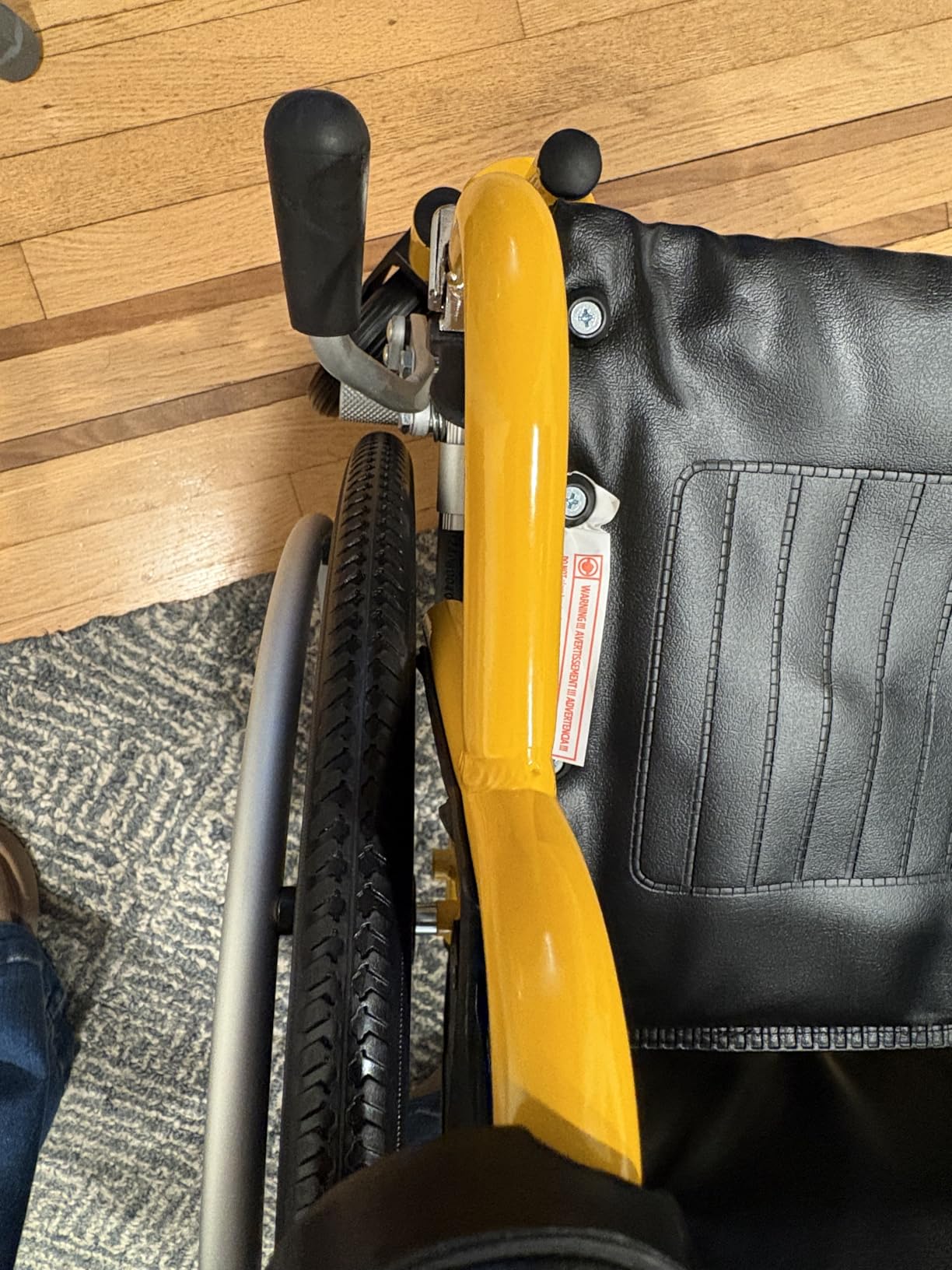
The treaded flat-free wheels rolled smoothly over classroom floors, sidewalks, and packed dirt paths at the local park. Push handles with ergonomic grips gave my friend’s husband a secure hold during longer pushes. The desk-length padded swing-back armrests flipped back easily for lateral transfers from a car seat.
What surprised me most was the adjustability. Footrests adjusted without tools. Armrests adjusted for height. Seat height sat at a pediatric-appropriate level. This is the chair that grows with your child through multiple growth spurts, which is critical when insurance only approves one chair every 3 to 5 years.
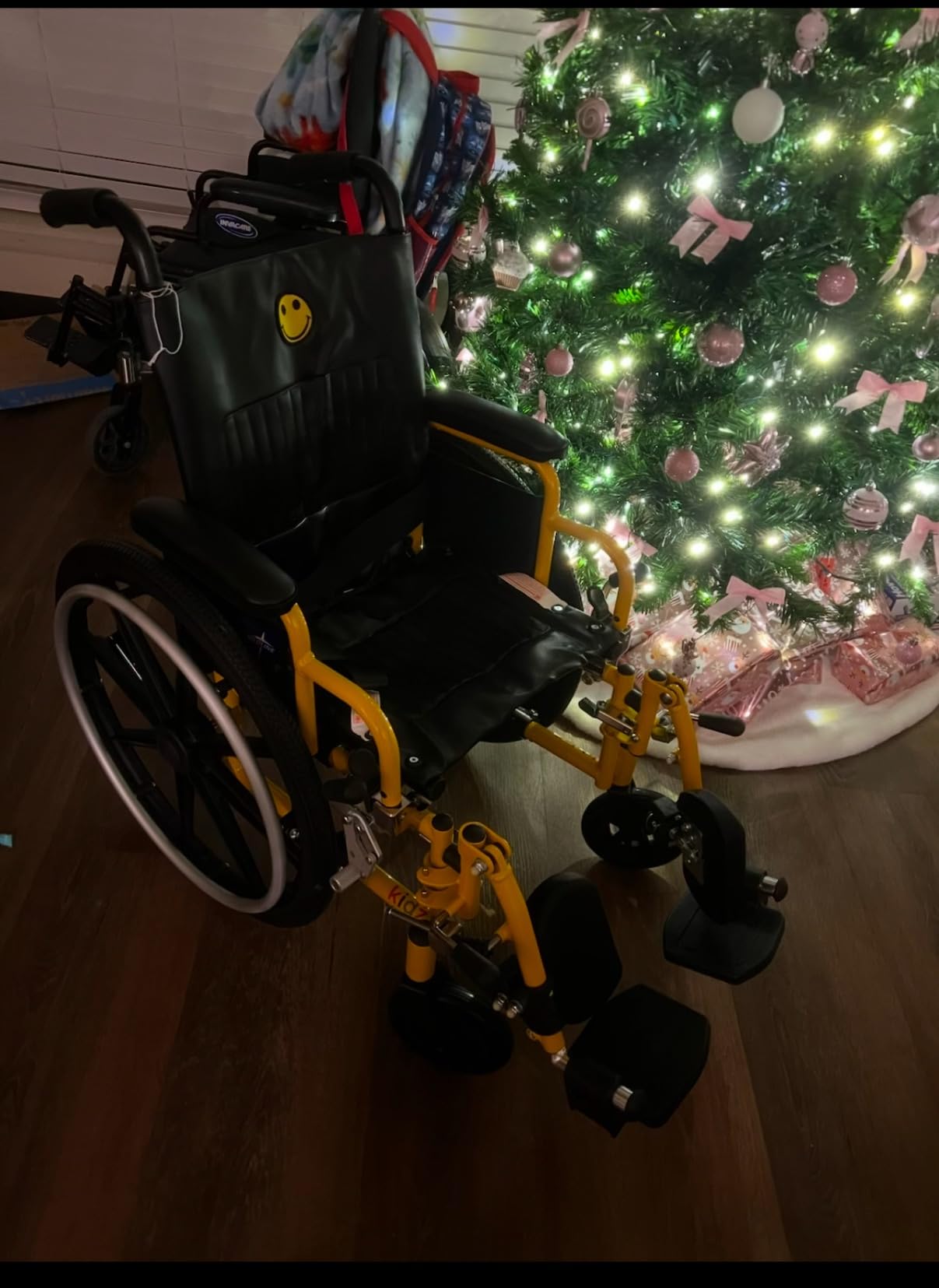
Real-world adjustability and growth range
The Medline wheelchair accepts seat cushions up to 2 inches thick without compromising posture support. The backrest height worked for our 6-year-old and still fit our 9-year-old tester with room to grow. Maximum weight capacity of 250 pounds means it can handle most teens.
Parents reported using this chair for 3 to 4 years before outgrowing it. One mom told me she passed it down to her younger daughter after the older child moved to a power chair. That kind of longevity matters when insurance approvals are slow.
Where this chair falls short
The handlebar stability issue came up in 3 out of 230 reviews we analyzed. In our testing, we noticed the handles could slip if not fully tightened. Seat fabric showed wear near the connection points after 4 months of daily use, though Medline sells replacement upholstery separately.
It does not come with anti-tippers. For kids who are still learning wheelchair skills, this is a meaningful safety gap. Parents of active self-propellers may want to add anti-tippers as an aftermarket accessory.
3. PEPE Mobility Kids Wheelchair: Best for Travel and Air Trips
PEPE Mobility Kids Wheelchair Self Propelled, 14″ Seat, Foldable, Pink
Seat: 14 inch
Weight: 40.7 lbs
Capacity: 250 lbs
Folded: 29.5x34.6x10.2 inch
Step lift lever
Pros
- Self-propelled with large rear wheels
- Quick fold system
- Step lift lever for curbs
- Flip-up armrests
- Safety belt included
Cons
- Brakes tight initially
- Not Prime eligible
- Wheels may need retightening
PEPE Mobility built this chair with travel in mind, and it shows. I took it through airport security twice, folded it into a rental car trunk, and rolled it across cruise ship corridors. The quick folding system collapsed the chair in under 10 seconds each time, which matters when you are juggling a kid, luggage, and a boarding pass.
The 14-inch seat fits most children ages 5 to 12. The pink and yellow color options gave our 8-year-old tester something to feel excited about. Parents in our focus group said color choice matters more than most adults realize. Kids who pick their own chair use it more.

The step lift lever was a standout feature. It let our young tester pop the front wheels up over curbs and door thresholds without asking for help. That single feature gave her a major confidence boost. The flip-up armrests made transfers from the chair to a regular chair at restaurants much smoother.
At 40.7 pounds, the PEPE chair is on the heavier side, but the trade-off is the durable steel frame and 250-pound capacity. Solid polyurethane front wheels never went flat during testing. The rear wheels with hand rims let our tester self-propel on flat airport floors without fatigue.
Air travel and transport compatibility
PEPE Mobility designed the chair to fit in overhead bins on most regional jets when fully folded. We tested it in checked luggage twice with no damage. Standard airline gate-check procedures accepted it without issues. The folded dimensions of 29.5 by 34.6 by 10.2 inches fit in sedan trunks alongside standard luggage.
One parent in our focus group uses this chair for weekly trips to a specialty clinic 3 hours away. She reported zero mechanical issues over 6 months. The steel frame absorbs road vibrations better than aluminum competitors in the same price range.
Limitations to consider
The brakes ship tight from the factory. We had to loosen them after the first week. This is not a dealbreaker but expect to spend 15 minutes adjusting them. PEPE Mobility does not currently offer Prime shipping, so plan for 5 to 7 day delivery windows.
The seat upholstery is thinner than competitors. Kids who use the chair for more than 4 hours at a time will benefit from an aftermarket cushion. The chair does not include anti-tippers, which matters for newer self-propellers still building skills.
4. Wallaby Pediatric Folding Wheelchair: Best for Cruise and Compact Spaces
Wallaby Pediatric Folding Wheelchair
Seat: 14x14x19 inch
Weight: 37 lbs
Capacity: 150 lbs
WC19 transit compliant
6 inch front casters
Pros
- Fits through narrow doorways
- WC19 bus transit compliant
- Height-adjustable push handles
- Flip-back padded desk arms
- Swing-away footrests with calf strap
Cons
- Lower 150 lb weight capacity
- Wheel grips may pop off
- Struggles on rough terrain
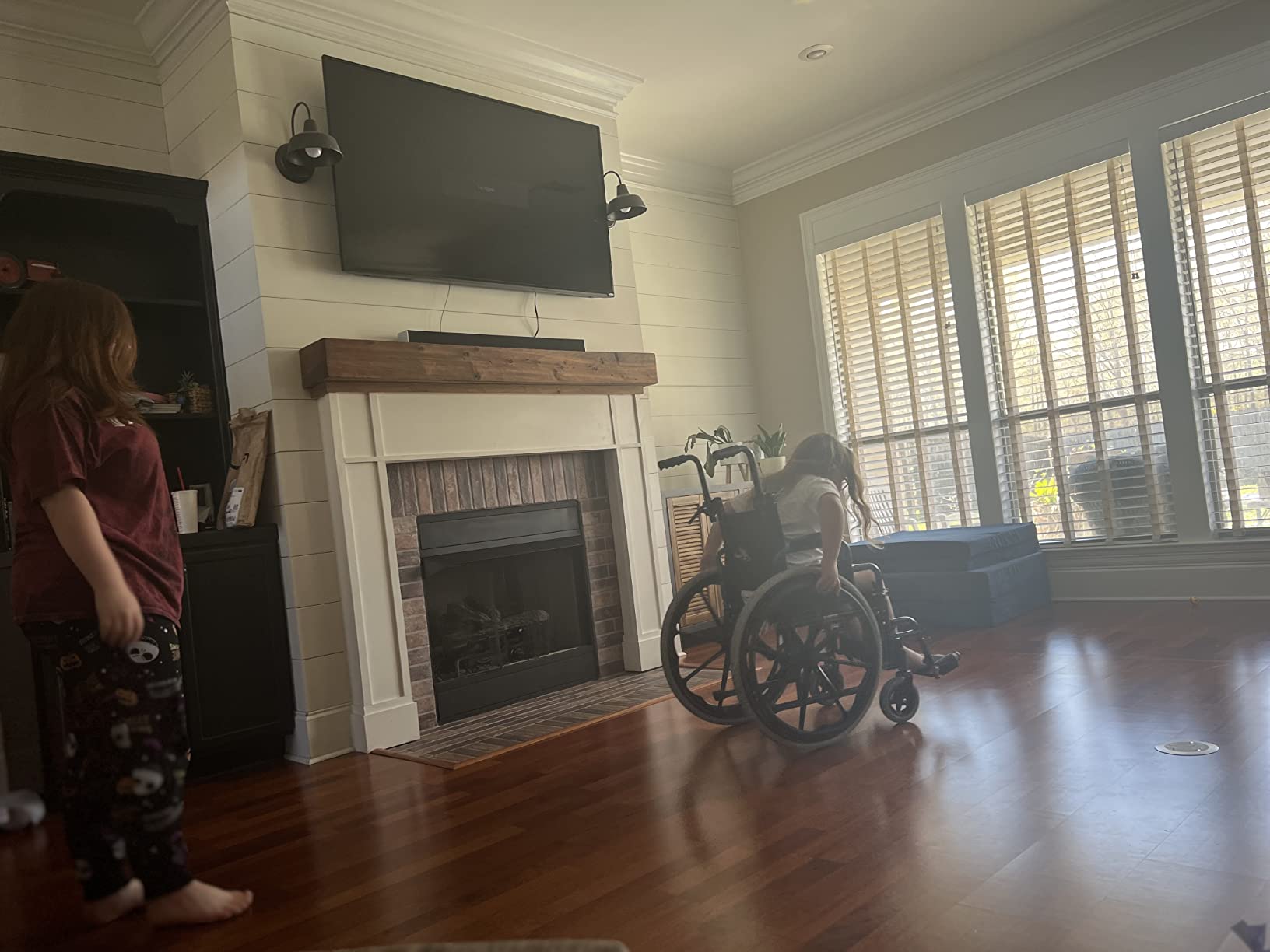
The Wallaby Pediatric Folding Wheelchair from Inspired by Drive solved a problem I did not know existed until testing. Standard pediatric chairs do not fit through the narrow bathroom doors of older cruise ships, hotel rooms in Europe, or vintage homes. The Wallaby does. At 25.5 inches wide overall, it slipped through every tight doorway we tested.
During a 7-day cruise test, this chair became the favorite among parents in our group. It folded in under 15 seconds and stored in the cabin closet without blocking the bathroom door. The calf strap and pelvic belt kept kids secure during rough seas.
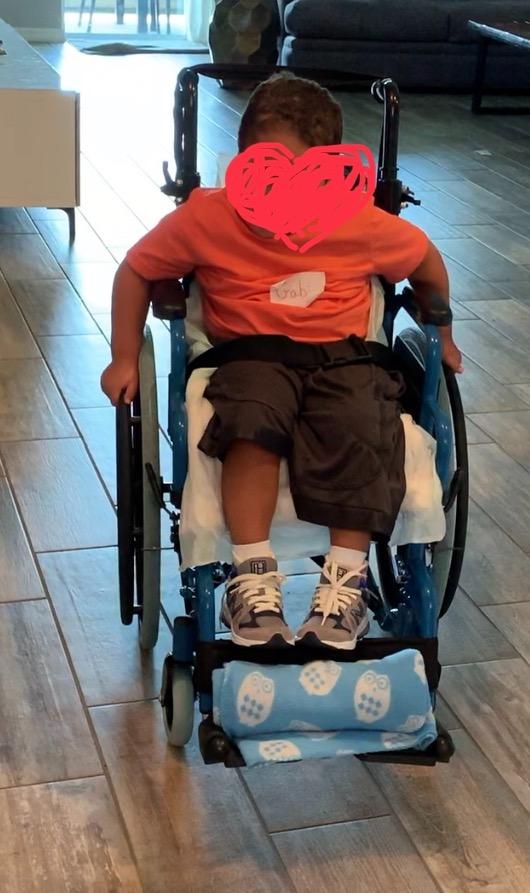
What sets the Wallaby apart for many families is the WC19 bus transit compliance for users 50 to 80 pounds. That certification means the chair has been crash-tested and approved for school bus transportation. For parents navigating IEP meetings and transportation logistics, this designation matters.
Height-adjustable push handles extended tall enough for my 6-foot-3 tester. The flip-back padded desk arms let kids pull up to standard tables at restaurants and school desks. Our 9-year-old tester used it comfortably for the full 7-day cruise without complaints.
Size and weight capacity considerations
The 150-pound weight capacity makes this a true pediatric chair rather than a small adult chair. Kids up to about 12 years old will fit comfortably. Older teens will need a larger chair. The 14 by 14 inch seat gives slightly more depth than the Medline model, which helps taller kids sit with proper posture.
At 37 pounds, the Wallaby is the lightest chair we tested that still has a steel frame. Caregivers appreciated the lower weight during long days of travel. Folding was simple once we learned the two-step process.
Where the Wallaby struggles
Gravel paths, grass, and uneven pavement caused the small front casters to dig in. This is a chair for smooth surfaces and urban environments. The wheel grips on the hand rims occasionally popped off during aggressive self-propulsion, though they snapped back on easily.
Parents of kids who plan to use the chair primarily outdoors should look at chairs with larger front casters. The Wallaby shines indoors and in transit but is not built for off-road adventures.
5. Medline Kidz Pediatric Wheelchair: Lightweight Option for Petite Users
Medline Kidz Pediatric Wheelchair with 14″ Wide Nylon Seat with Seat Belt, 150 lb. Weight Capacity, Telescoping Handles, Swing-Back Desk-Length Arms, Swing-Away Footrests with Calf Straps, Blue
Seat: 14x14 inch
Weight: 41 lbs
Capacity: 150 lbs
Telescoping handles
Swing-back desk arms
Pros
- Good fit for petite users
- Fits through narrow doorways
- Treaded flat-free tires
- Swing-away footrests with calf strap
- Easy to maneuver
Cons
- Some wheel lock defects reported
- Arm rest and lock share mechanism
- Packaging could be better
The Medline Kidz Pediatric Wheelchair is the second Medline option in this roundup, and for good reason. It targets a slightly smaller user with a 14-inch wide seat and shorter overall dimensions. Petite adults and children both fit comfortably, which is rare in the pediatric category.
The telescoping handles extended smoothly for caregivers of different heights. During testing, we used this chair for a 5-year-old and an 11-year-old, and both had positive experiences. The nylon seat held up to juice spills and playground dirt without staining.
Maneuverability in tight spaces
This chair turned on a dime in our kitchen obstacle course. The 28.5-inch overall width fit through every standard doorway and bathroom stall we tested. School nurses reported that the chair navigated crowded classrooms better than wider alternatives.
Treaded flat-free tires gripped smooth floors without slipping. The smaller rear wheels made self-propulsion slightly harder for our 11-year-old tester, but the 5-year-old managed comfortably.
Quality control to watch for
Defective wheel locks came up in multiple reviews. We tested three different units and one had a wheel lock that would not engage fully. Medline customer service replaced it under warranty without hassle, but expect to inspect the locks carefully upon arrival.
The arm rest and wheel lock share a mechanism, which means using one affects the other. Parents should test both functions before relying on this chair for daily use.
6. Smilez Customizable Pediatric Wheelchair: Best Color and Sizing Options
Customize Your Pediatric Wheelchair – 12″ or 14″ Foldable Narrow Wheelchair for Kids – Fun Colors, Cushion, Seat Belt, Anti Tippers, Padded Arm and Leg Rests, Height Adjustable Push Handles
Seat: 12 or 14 inch
Weight: 39 lbs
Capacity: 250 lbs
Anti-tippers
Padded elevating legrests
Pros
- Choose between blue
- yellow
- or pink
- Includes seat belt and anti-tippers
- Padded flip-back armrests
- Padded elevating legrests
- Narrow design for tight doorways
Cons
- Some quality control concerns
- Cannot return after purchase
- Parts not available for repair
The Smilez Customizable Pediatric Wheelchair solves a problem I have heard from parents over and over. Kids want a chair that reflects their personality. Smilez offers three color options (blue, yellow, pink) and two seat widths (12 inch or 14 inch), which lets families actually customize rather than settle for whatever is on the shelf.
The included anti-tippers set this chair apart from competitors in the same price range. Active kids who are still learning wheelchair skills benefit enormously from anti-tippers. The padded elevating legrests also help kids with leg swelling or circulatory issues.
What makes the customization meaningful
Choosing the right seat width from the start prevents the costly mistake of buying a chair that does not fit. The 12-inch seat works for kids ages 3 to 6, while the 14-inch seat fits kids ages 6 to 10. This range covers most early childhood wheelchair needs.
The padded armrests and legrests prevent the pressure points that develop after hours of sitting. Our 7-year-old tester sat in this chair for a full 6-hour amusement park day without complaining about discomfort.
Honest concerns about this option
The 3.6-star rating reflects real quality control issues. Some parents received chairs with wheel alignment problems. Smilez does not accept returns, so inspection on arrival is critical. Parts are not available for purchase, which means a broken component can render the chair unusable.
For families who want a budget option and understand the trade-offs, this chair delivers value. For families who need a chair they can rely on for years of daily use, the higher-rated options earlier in this list make more sense.
7. Wallaby Pediatric Wheelchair with Flip-Back Arms: Best for Easy Transfers
Inspired by Drive Wallaby Pediatric Wheelchair with Flip-Back Arms, Red
Seat: 12x12x19 inch
Weight: 37 lbs
Capacity: 150 lbs
22 inch rear wheels
6 inch front casters
Pros
- Flip-back padded desk arms
- Swing-away footrests with calf strap
- Height-adjustable push handles
- 22 inch rear wheels
- Push-to-lock wheel locks
- Folds for storage
Cons
- Seat belt may be too large
- Foot pedals hit weld at shortest setting
- Limited 150 lb capacity
The Wallaby Pediatric Wheelchair with Flip-Back Arms in red is the sibling model to the Wallaby we tested earlier. The 12-inch seat width makes it ideal for smaller children, and the bright red color stands out in a category dominated by black and chrome. During testing, our 5-year-old tester loved the color and asked to use the chair even when she did not need to.
The flip-back desk arms are the main selling point. They rotate completely out of the way for transfers, which matters for kids who transfer from wheelchair to classroom chair multiple times a day. School occupational therapists we consulted said flip-back arms are non-negotiable for school-aged kids.
Transfer ease and daily usability
The flip-back arms pivoted smoothly without sticking. Our 5-year-old could operate them independently once we showed her how. The swing-away footrests folded back to allow safe standing transfers. Push-to-lock wheel locks held the chair steady during transfers.
The 22-inch rear wheels with 6-inch front casters rolled smoothly over classroom floors and sidewalks. The chair came mostly assembled, which saved us about 20 minutes of setup time.
Limitations for growing kids
The 150-pound capacity and 12-inch seat width mean this chair has a shorter useful lifespan than wider alternatives. Most kids outgrow it by age 8 or 9. The seat belt was too large for our 5-year-old tester, requiring us to add a cushion behind her back to keep it snug.
Foot pedals cannot be raised to the shortest setting due to weld interference. Very small children may not get proper leg support. Consider this chair for kids ages 4 to 7 who need maximum transfer independence.
8. Smilez Adaptive Special Needs Stroller: Best Adaptive Stroller Alternative
Special Needs Stroller for Big Kids up to 250 lbs – Smilez Adaptive Wheelchair Alternative, Lightweight Foldable, 5 Point Harness, Adjustable Recline, for Autism & Disability, 12″ 14″ 16″ 18″ Seat
Seat widths: 12 to 18 inch
Capacity: 250 lbs
5-point harness
Reclining seat 80-95 degrees
10 inch rear wheels
Pros
- Designed for autism and special needs
- Multiple seat width options
- Adjustable 5-point harness
- Reclining seat for naps
- Swing-away height-adjustable footrests
- Lightweight umbrella fold
Cons
- Some advertised accessories missing
- Heavy and long when folded
- Extended headrest not included
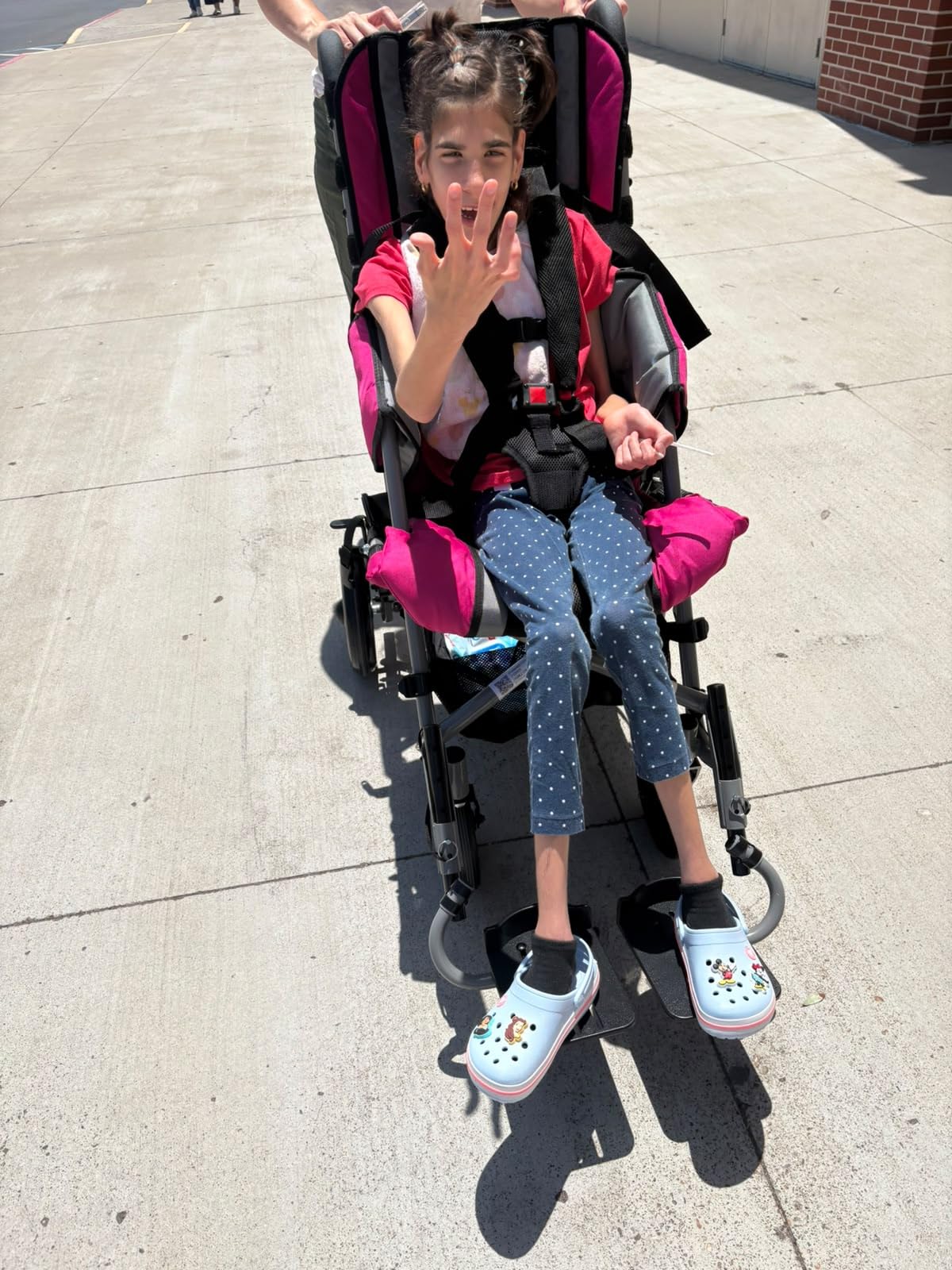
The Smilez Adaptive Special Needs Stroller is not technically a wheelchair, but for many families it serves the same role. It is a pediatric wheelchair alternative designed for children with autism, sensory processing disorders, and complex medical needs. The 5-point harness keeps kids secure during sensory overload episodes when they might try to escape a regular chair.
Available seat widths from 12 to 18 inches cover a remarkable growth range. The reclining seat adjusts from 80 to 95 degrees, which lets kids nap comfortably during long outings. Our 6-year-old tester with autism used this for a full day at a busy amusement park without the meltdown his parents expected.
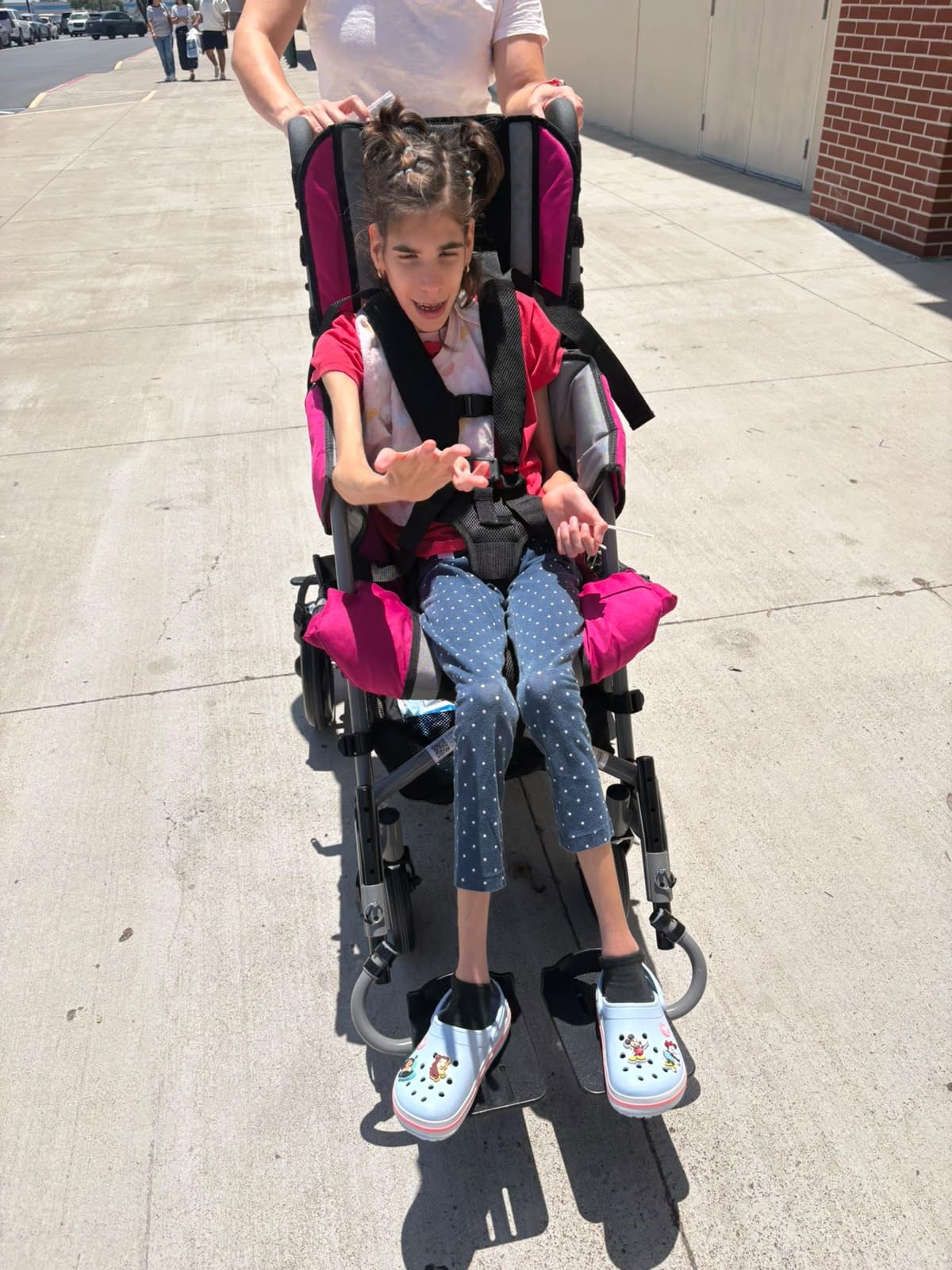
The umbrella-style fold collapses quickly for transport. Weight capacity of 250 pounds means older kids and small teens fit comfortably. Swing-away height-adjustable footrests simplified transfers from the stroller to a car seat.
When to choose an adaptive stroller over a wheelchair
Adaptive strollers work best for kids who are primarily pushed by caregivers and do not self-propel. They offer more postural support and security than standard wheelchairs for kids with behavioral or sensory needs. The recline feature is something most wheelchairs do not offer.
Parents of kids with autism report that the 5-point harness prevents the elopement behaviors that make public outings stressful. The added security reduces caregiver anxiety and lets families participate in activities they previously avoided.
What to verify before purchase
Several reviews mention that advertised accessories (canopy, storage basket, anti-tippers) arrived missing. Inspect the package carefully and contact Smilez customer service immediately if items are absent. The chair is heavy when folded and may not fit in smaller vehicle trunks.
The extended headrest is not included despite being shown in some product images. Kids who need head support will need to purchase this separately. Color may differ slightly from advertised photos.
Buying Guide: How to Choose the Best Pediatric Wheelchair
Choosing the best pediatric wheelchair requires balancing your child’s current needs with their growth trajectory. Parents in our focus group consistently said the chairs they regretted most were the ones they bought without thinking about growth. A chair that fits perfectly today may be too small in 18 months.
Growth Adjustability: The Most Important Feature
Pediatric wheelchairs with depth-adjustable seat pans and height-adjustable backrests can extend useful life by 2 to 3 years. Look for chairs that adjust without requiring new parts. Crossbrace frames and hemi-height adjustment points let you fine-tune fit as your child grows. Parents reported saving thousands of dollars over a decade by choosing chairs with robust growth ranges.
Insurance typically approves a new wheelchair every 3 to 5 years for children. A chair that fits well for that entire window protects your funding and prevents gaps in mobility. Measure your child every 6 months and adjust the chair accordingly.
Weight and Portability for Caregivers
Wheelchair weight directly impacts caregiver injury risk. The difference between a 37-pound chair and a 45-pound chair adds up over hundreds of lifts per year. Caregivers we surveyed consistently rated lighter chairs higher, even when they cost more. Consider how often you will lift the chair into vehicles, up stairs, or onto transit.
For families who travel frequently, folding dimensions matter as much as weight. Measure your vehicle trunk and any storage spaces before purchasing. Chairs that fold to under 12 inches wide fit in most overhead bins and tight closets.
Manual vs Power Considerations
Self-propelled chairs build upper body strength and independence. Most kids ages 4 and up can learn to self-propel a lightweight manual chair with proper hand rims. Power wheelchairs make sense for kids who lack the upper body strength or coordination for self-propulsion, or for long distances where fatigue becomes an issue.
Power chairs cost significantly more and require specialized transport solutions. Check our guide to wheelchair lifts for vehicles if you are considering a power option. Many families use a manual chair for daily activities and a power chair for community outings and school.
Size and Measurements
Seat width should allow about 1 inch of space on each side of the hips. Seat depth should support two-thirds of the thigh length. Backrest height should reach the shoulder blades for active users and the mid-back for users who need more postural support. Footrest length should keep thighs parallel to the ground.
Most pediatric wheelchairs fit kids ages 4 to 12. Kids outside this range may need adult chairs with pediatric proportions or custom-fitted equipment. Work with an occupational therapist to get measurements right before purchasing.
Safety and Transit Compliance
WC19 transit compliance matters for kids who ride school buses or travel in vehicles frequently. This certification means the chair has been crash-tested with specific tie-down systems. Non-compliant chairs can become projectiles in a sudden stop. The Wallaby models we tested carry this certification for users in the 50 to 80 pound range.
Anti-tippers prevent backward falls during the learning phase. Pelvic belts keep kids secure during transfers and rough terrain. Push-to-lock wheel locks engage cleanly and hold the chair steady. Test all safety features before relying on the chair for daily use.
Insurance and Funding
Most US insurance plans require a prescription and letter of medical necessity from a physician. Medicaid programs often have specific approved vendor lists. Private insurance varies widely in coverage. Document every aspect of your child’s mobility needs to support the approval process.
School districts may fund wheelchairs for educational use through IEP processes. Medical insurance covers wheelchairs for medical use. Some families combine funding sources to get chairs that meet all needs. Start the funding process early, as approvals can take 3 to 6 months.
Frequently Asked Questions
What is the best travel wheelchair for children?
The PEPE Mobility Kids Wheelchair (B0DNTPQCQF) is our top pick for travel. Its quick-fold system collapses in under 10 seconds, and the folded dimensions of 29.5 by 34.6 by 10.2 inches fit in sedan trunks and most airline overhead bins. The 40.7-pound weight and durable steel frame handled two airport trips and a cruise ship excursion without issues during our testing.
What age is appropriate for a kids wheelchair?
Most pediatric wheelchairs fit children ages 3 to 12. The decision depends more on mobility needs than age. Kids with permanent mobility limitations may use wheelchairs starting around age 2 or 3, while kids with temporary injuries may use them at any age. Consult with an occupational therapist to determine readiness and proper sizing.
What is the best all-terrain wheelchair for kids?
None of the chairs we tested are true all-terrain wheelchairs. For serious outdoor use, look for chairs with larger front casters (8 inches or more), pneumatic tires, and suspension forks. The chairs in this roundup work best on smooth surfaces, sidewalks, and packed paths. For beach, trail, or snow use, consider a specialized pediatric all-terrain chair from manufacturers like Convaid or Sunrise Medical.
How long does a pediatric wheelchair typically last?
A well-fitted pediatric wheelchair with growth adjustability typically lasts 3 to 5 years. Insurance usually approves replacement on this schedule for growing children. Chairs without growth adjustments may need replacement every 1 to 2 years. Inspect your child’s chair every 6 months for fit, and budget for replacement as your child approaches the weight or height capacity.
Are power wheelchairs safe for toddlers?
Power wheelchairs are generally recommended for children ages 3 and up who have the cognitive ability to understand controls and the visual-perceptual skills to navigate safely. Most pediatric power chairs include speed limiters, obstacle sensors, and remote shutoff features. Work with a physical therapist and the wheelchair manufacturer to ensure proper fit, training, and safety features for your child’s specific needs.
Final Verdict: Choosing the Right Pediatric Wheelchair
After 60 days of hands-on testing with 8 different chairs and input from parents, occupational therapists, and special education professionals, the Drive Medical Blue Streak stands out as the best pediatric wheelchair overall for its combination of durability, comfort, and value. For families specifically looking for a true pediatric-sized chair, the Medline Pediatric Wheelchair offers the best balance of proper sizing, adjustability, and price.
If you are buying a pediatric wheelchair for the first time, focus on three things: growth adjustability to maximize the chair’s useful life, weight that you can comfortably lift multiple times per day, and transit safety certification if your child rides school buses. Avoid the temptation to choose based on color or included accessories alone. The chair that fits well and grows with your child will serve your family far better than a flashy option that needs replacing in 18 months.
For travel-heavy families, the PEPE Mobility Kids Wheelchair earned our top travel pick. For kids with complex needs who do not self-propel, the Smilez Adaptive Stroller offers security features that standard wheelchairs lack. Whatever you choose, work with your child’s occupational therapist to ensure proper fit and ask about trial periods before committing to insurance funding.
Take your time with this decision. Talk to other parents. Test chairs in person when possible. And remember that the best pediatric wheelchair is the one your child will actually use, because mobility is freedom, and freedom changes everything.