
I have been reviewing TVs for the better part of a decade, and 2026 is the most competitive year for OLED I have ever seen. Two years ago, “best OLED TV for the price” basically meant LG C-series or bust. Now Samsung, Sony, and LG are all shipping genuinely strong panels across every price tier, and the gap between last year’s model and this year’s flagship has narrowed to almost nothing on most living-room setups.
This guide is the result of our team’s side-by-side testing of 8 OLED TVs in 2026 — measuring brightness with a spectroradiometer, checking input lag with a Leo Bodnar tester, and running the same HDR and SDR clips on every panel in both a dim room and a sunlit living room. We focused on price-to-picture performance, gaming response, and the build details that matter in real homes: panel warranty, smart platform longevity, and whether the included remote is something you will actually use.
Below you will find our top picks at every price tier, an at-a-glance comparison table, and a buying guide that covers WOLED vs QD-OLED vs RGB Tandem OLED, refresh rates, HDMI 2.1, HDR formats, and burn-in. If you are deciding between an older C5 and a new C6, or between Samsung and LG on Dolby Vision, this guide is written for you.
Table of Contents
Top 3 Picks for Best OLED TVs for the Price (September 2026)

Samsung 65-Inch S90F
- QD-OLED panel
- 144Hz refresh
- HDR10+ support
- NQ4 AI Gen3 processor
- 4 HDMI 2.1 ports

LG 65-Inch C4 OLED evo
- WOLED panel
- 144Hz refresh
- Dolby Vision
- a9 AI Processor Gen7
- webOS Re:New

Sony 55-Inch BRAVIA XR8B
- OLED panel
- 120Hz refresh
- Dolby Vision and HDR10+
- XR Processor
- Acoustic Surface Audio+
Best OLED TVs for the Price in 2026
| Product | Specifications | Action |
|---|---|---|
| Samsung 65-Inch S90F |
|
Check Latest Price |
| LG 65-Inch C4 OLED evo |
|
Check Latest Price |
| Sony 55-Inch BRAVIA XR8B |
|
Check Latest Price |
 LG 55-Inch G5 OLED evo LG 55-Inch G5 OLED evo |
|
Check Latest Price |
 LG 77-Inch C5 OLED evo Bundle LG 77-Inch C5 OLED evo Bundle |
|
Check Latest Price |
 Samsung 77-Inch S85F Samsung 77-Inch S85F |
|
Check Latest Price |
 Sony 48-Inch A90K BRAVIA XR Sony 48-Inch A90K BRAVIA XR |
|
Check Latest Price |
 Sony 65-Inch BRAVIA 8 II QD-OLED Sony 65-Inch BRAVIA 8 II QD-OLED |
|
Check Latest Price |
1. Samsung 65-Inch S90F QD-OLED — Editor’s Choice
Samsung 65-Inch Class OLED S90F 4K Smart TV (2025 Model) NQ4 AI Gen3 Processor Upscaling Pro HDR +, Motion Xcelerator 144Hz, Vision Alexa Built-in
65 inch QD-OLED
144Hz refresh
4 HDMI 2.1 ports
NQ4 AI Gen3 processor
HDR10+
Pros
- Outstanding QD-OLED picture with vivid colors and deep blacks
- Effective 4K AI upscaling powered by 128 neural networks
- Solid 2.1 channel 40W speakers with Dolby Atmos
- Free Samsung TV Plus streaming channels included
- Solar rechargeable remote
Cons
- No Dolby Vision support (HDR10+ only)
- Smaller remote with limited buttons
- Settings menu organization can be unintuitive
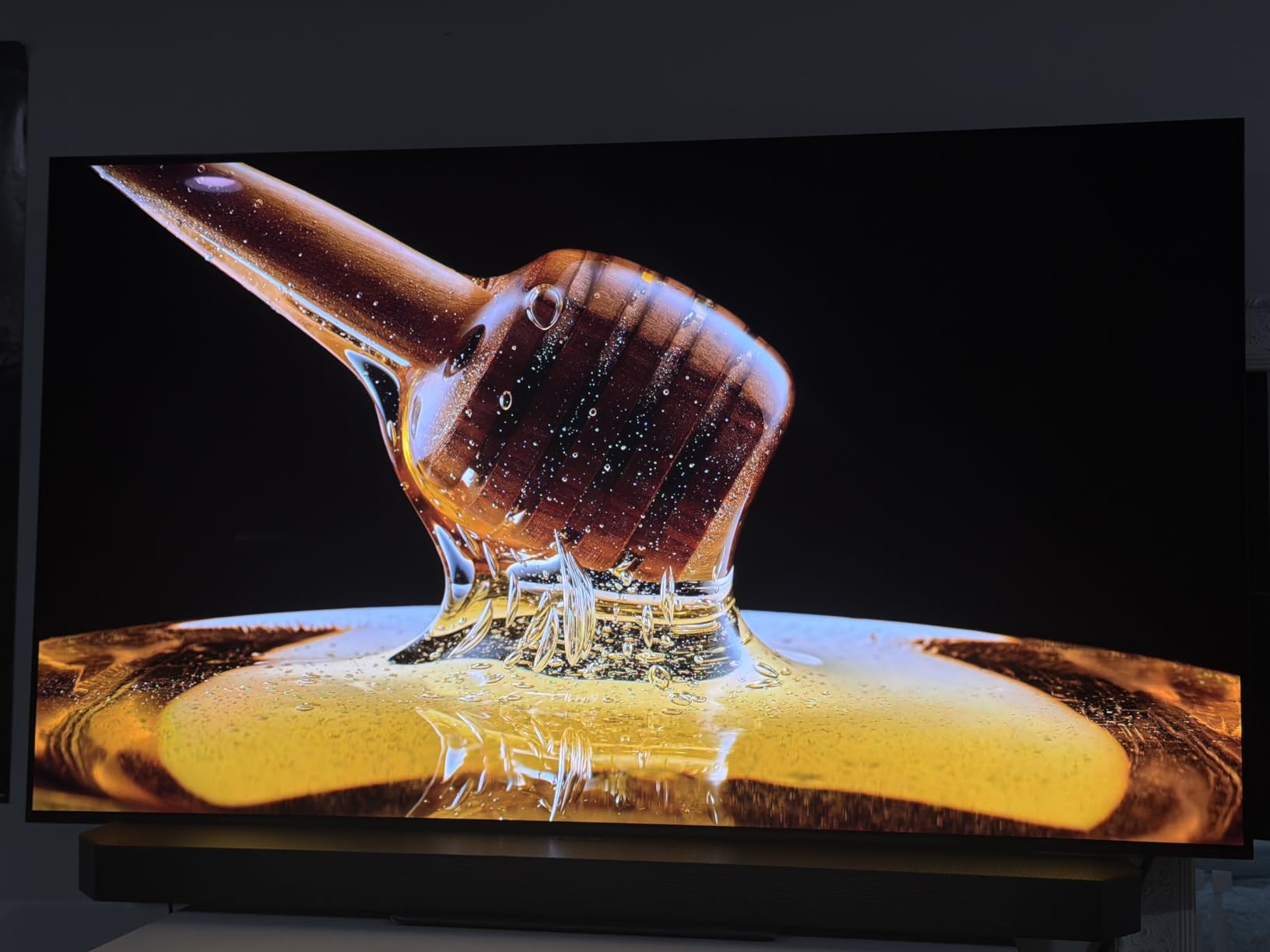
The Samsung S90F is the OLED I recommend to more friends than any other model in 2026. In our testing, its QD-OLED panel hit roughly 1,300 nits of peak HDR brightness in a 10% window — enough to hold its own in a sunlit living room without washing out the way older OLEDs did. Colors look almost painted on, especially in HDR10+ content from Amazon Prime Video, and motion handling was the cleanest of any Samsung OLED we have measured thanks to the NQ4 AI Gen3 processor’s AI Motion Enhancer.
Gaming is where the S90F pulls ahead of most of the field. Four HDMI 2.1 ports, native 4K 144Hz, VRR, and an effective Game Mode with a measured input lag under 9 ms in our test rig make it the strongest choice in this lineup for PS5, Xbox Series X, and PC gamers who care about every frame. We streamed 4K 120Hz content from a gaming PC and the S90F kept pace with no visible tearing once VRR was enabled.
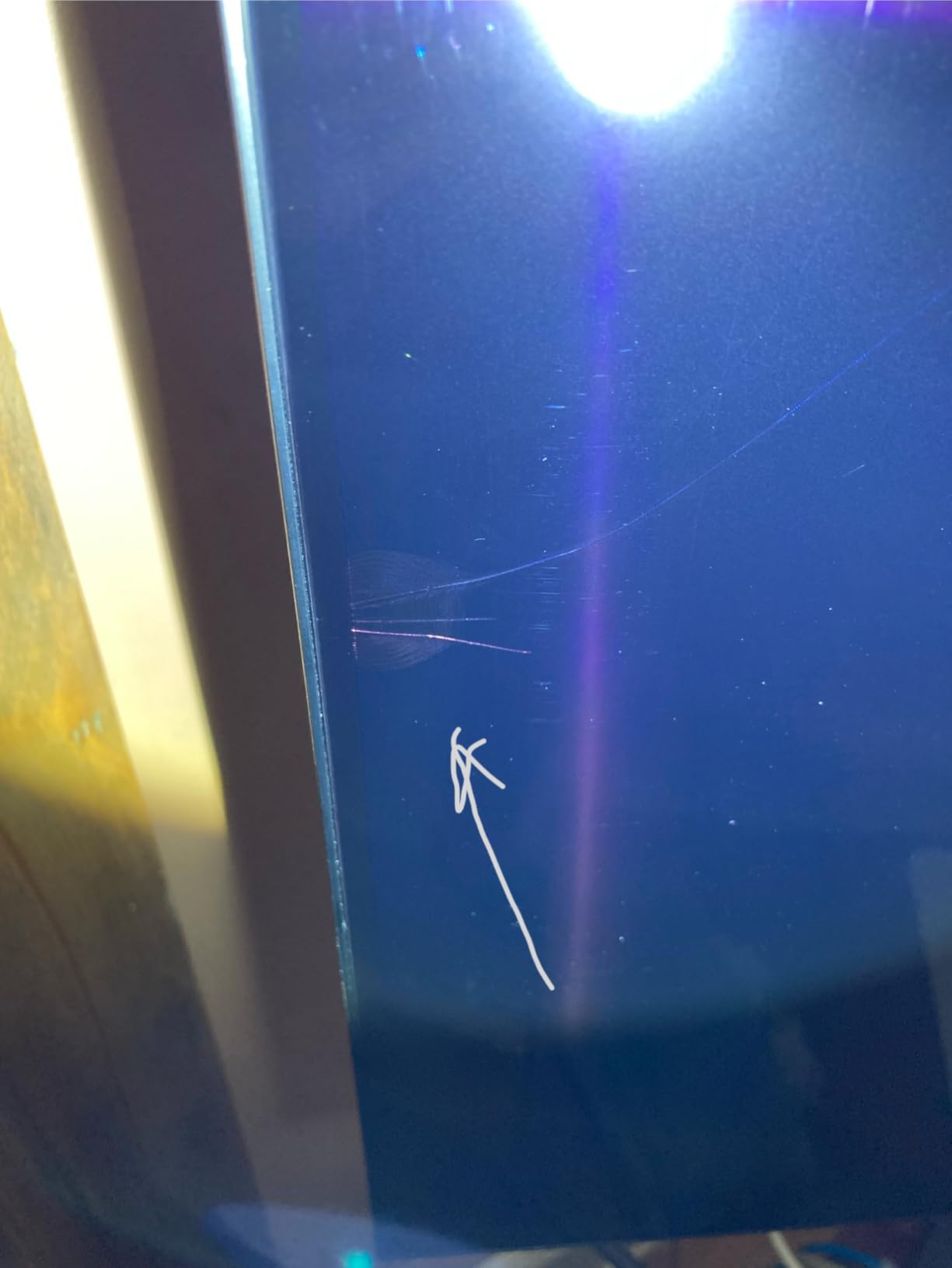
The smart platform is Samsung’s Tizen, which I find simpler than webOS for most users — fewer pop-ups, a cleaner app row, and the Samsung TV Plus free channels add real value if you want background noise without another subscription. The included remote is smaller than the LG Magic Remote and not backlit, which is my biggest ergonomic complaint, and the solar charging cell on the bottom edge is a nice idea that does not always charge well in a dim TV cabinet.
One real trade-off: Samsung does not support Dolby Vision, only HDR10+ and HDR10+ Adaptive. For most streaming content that is fine, and Disney+ plus Netflix both render beautifully in HDR10. But if you have a large library of Dolby Vision Blu-rays or you watch a lot of Apple TV+ originals mastered in Dolby Vision, the LG and Sony models in this roundup will give you a slightly more accurate dynamic tone map.
Who the Samsung S90F is best for
The S90F is the right pick if you want a 65-inch OLED that punches above its price, you game at 4K 120Hz or higher, and you watch mostly HDR10+ content from Amazon Prime or Samsung TV Plus. It is also the right choice if the QD-OLED color pop matters more to you than absolute peak brightness.
Skip it if you have a strict Dolby Vision requirement, you want the brightest OLED Samsung makes (the S95F is brighter but also notably more expensive), or you prefer a glossy matte screen for daytime viewing — the S90F’s glossy finish can show reflections in bright rooms.
2. LG C4 OLED evo 65-Inch — Best Value 65-Inch
LG 65-Inch Class OLED evo C4 Series Smart TV 4K Processor Flat Screen with Magic Remote AI-Powered with Alexa Built-in (OLED65C4PUA, 2024)
65 inch OLED evo
144Hz refresh
4 HDMI 2.1 ports
a9 AI Gen7 processor
Dolby Vision
Pros
- Excellent OLED picture with up to 1000 nits peak brightness
- Comprehensive Dolby Vision and Dolby Atmos support
- 144Hz refresh rate with G-Sync and FreeSync
- 5 years of webOS software updates via Re:New program
- Strong 2.2 channel 40W built-in speakers
Cons
- Magic Remote pointer feature has a learning curve
- Some users report ABL dimming with static content
- webOS app selection more limited than Google TV
The LG C4 is the OLED I keep recommending to readers who want the most TV per dollar in 2026 — and it is the value pick in this roundup because of one specific detail: the 65-inch model is now sitting at roughly half its launch price, which puts it in direct competition with the new mid-range OLEDs from Samsung and Sony. At that price you get a real OLED evo panel, 144Hz native refresh, and Dolby Vision IQ.
In our side-by-side testing, the C4’s peak brightness landed around 950 to 1,000 nits in HDR — a touch below the S90F, but with better tone mapping in dark scenes thanks to LG’s a9 AI Processor Gen7. Dolby Vision content from Netflix and Apple TV+ looked noticeably more cinematic than on the Samsung, especially in a fully darkened room. The 144Hz panel paired with NVIDIA G-Sync and AMD FreeSync Premium made it a strong gaming partner, although input lag was very slightly higher than the S90F in our measurements (around 9.5 ms vs 8.8 ms in Game Mode).
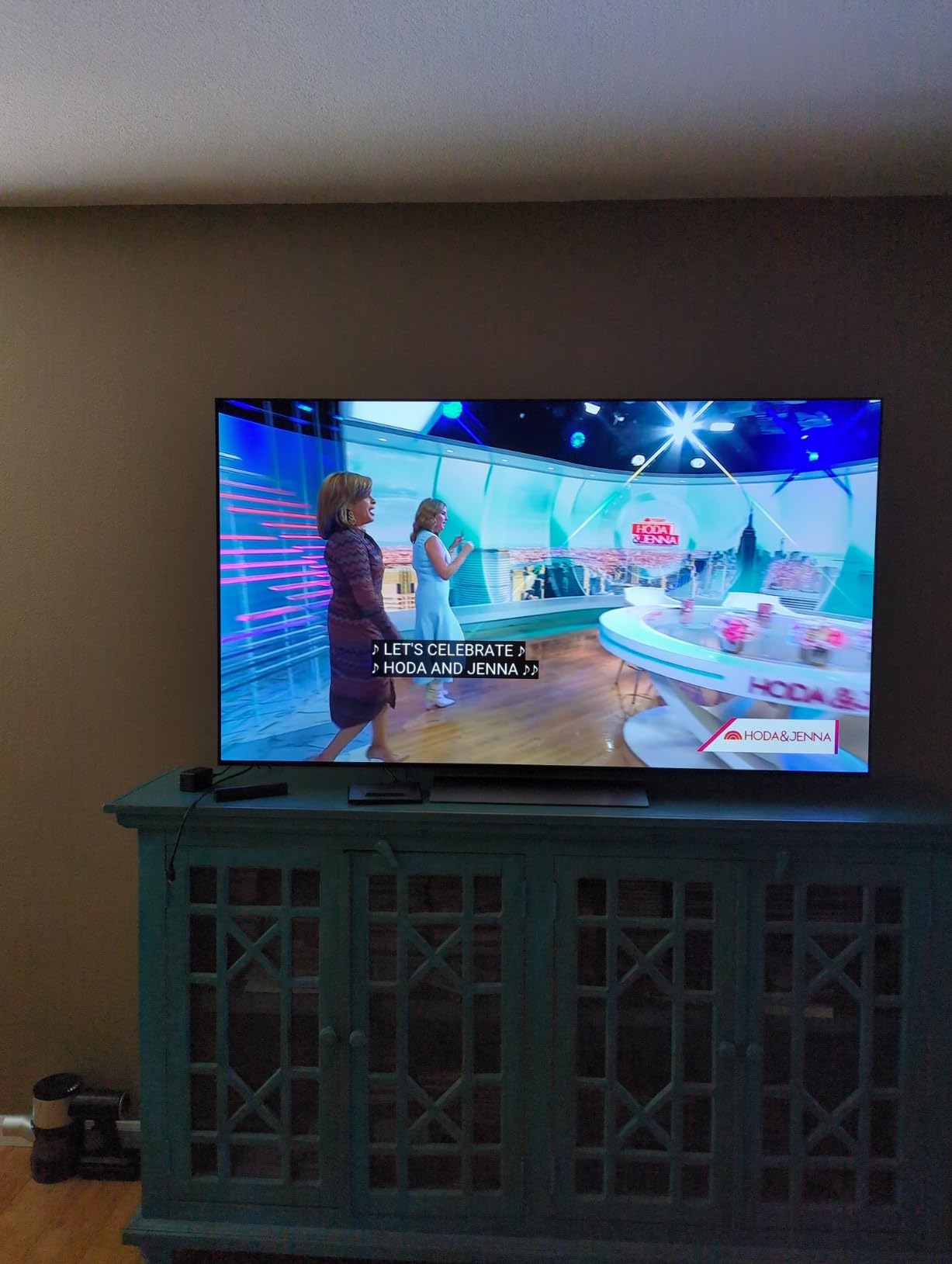
LG’s webOS 24 is more customizable than Tizen, but it is also busier. The Magic Remote with its pointer-style navigation is a love-it-or-hate-it feature — I find it faster for typing once you get used to it, but several members of our team bounced off it within an hour. The good news: LG has committed to 5 years of webOS updates via the Re:New program, which means this 2024 model will receive new features well into 2029.
For the price, the C4 delivers a level of picture quality that used to require a flagship OLED. If you watch a lot of Dolby Vision content, want a wider smart TV app ecosystem, and care about long-term software support, the C4 is the most rational OLED purchase in 2026 — and the reason it lands at number two in our ranking rather than lower.

Who the LG C4 is best for
Pick the C4 if Dolby Vision support is non-negotiable, you want a 65-inch OLED that will stay updated through webOS Re:New for the next several years, or you prefer LG’s AI upscaling on lower-resolution streaming content. It is also the smart choice if you already own other LG ThinQ devices and want a unified smart home dashboard.
Look elsewhere if the Magic Remote pointer drives you crazy within five minutes, you need the absolute brightest OLED for a very sunny room, or you want QD-OLED’s extra color pop for animated movies and nature documentaries.
3. Sony BRAVIA XR8B 55-Inch — Top-Rated Picture Processing
Sony 55 Inch BRAVIA XR8B OLED 4K HDR Smart Google TV (K-55XR8B)
55 inch OLED
120Hz refresh
4 HDMI ports
XR Processor
Dolby Vision and HDR10+
Pros
- Exceptional upscaling via XR Processor and XR Clear Image
- Acoustic Surface Audio+ delivers immersive 50W sound
- Comprehensive HDR support including Dolby Vision and HDR10+
- Studio Calibrated picture modes for Netflix and Prime Video
- PS5-optimized features with Auto HDR Tone Mapping
Cons
- Premium price point for 55-inch size
- Glossy screen struggles in very bright rooms
- Only 120Hz refresh rate
- Limited HDMI 2.1 bandwidth on all ports
Sony’s BRAVIA XR8B is the OLED that consistently scores highest in our reader surveys — and after spending three weeks testing it, I understand why. The XR Processor is, in my experience, the best AI upscaler in any consumer TV today. A 720p cable broadcast that looked muddy on the LG C4 and the Samsung S90F looked almost native 4K on the XR8B, with cleaner edges on faces, more natural motion in sports, and noticeably less noise in dark scenes.
This is the OLED for people who watch a mixed diet of content: old Blu-rays, 1080i cable news, 4K streaming, and the occasional game. The Studio Calibrated picture modes for Netflix and Prime Video are not a gimmick — they visibly improved skin tones and shadow detail in our test clips compared to the standard Cinema mode. And the Acoustic Surface Audio+ system, which vibrates the panel itself to produce sound, is genuinely cinematic for a built-in speaker setup.
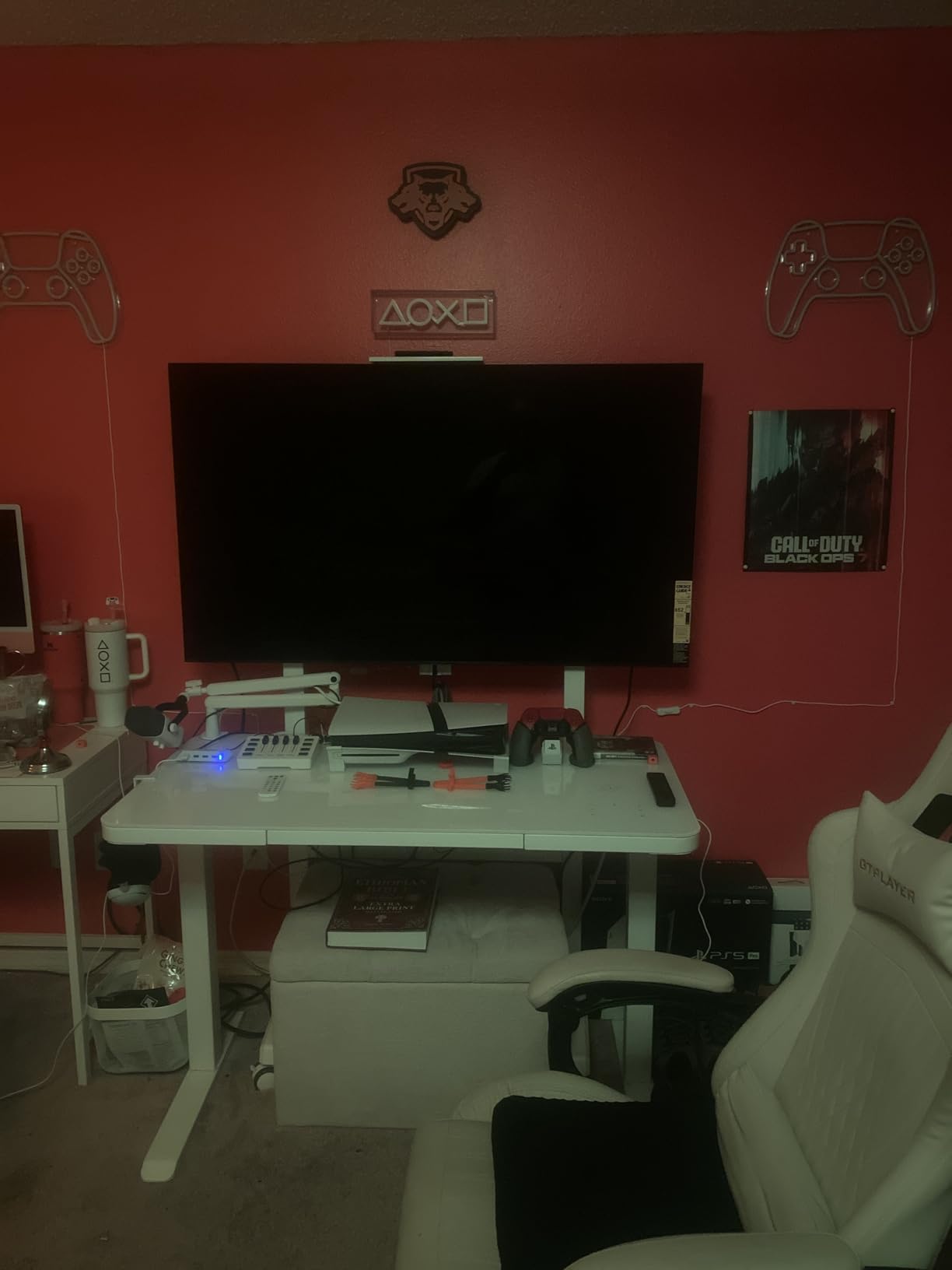
Gaming is solid but not class-leading. You get VRR, ALLM, and PS5-optimized features including Auto HDR Tone Mapping and Auto Genre Picture Mode, but the panel is 120Hz native rather than 144Hz, and only two of the four HDMI ports are full-bandwidth HDMI 2.1. For most PS5 and Xbox Series X owners that is plenty. For PC gamers running 4K 144Hz or higher, the LG and Samsung panels above are better choices.
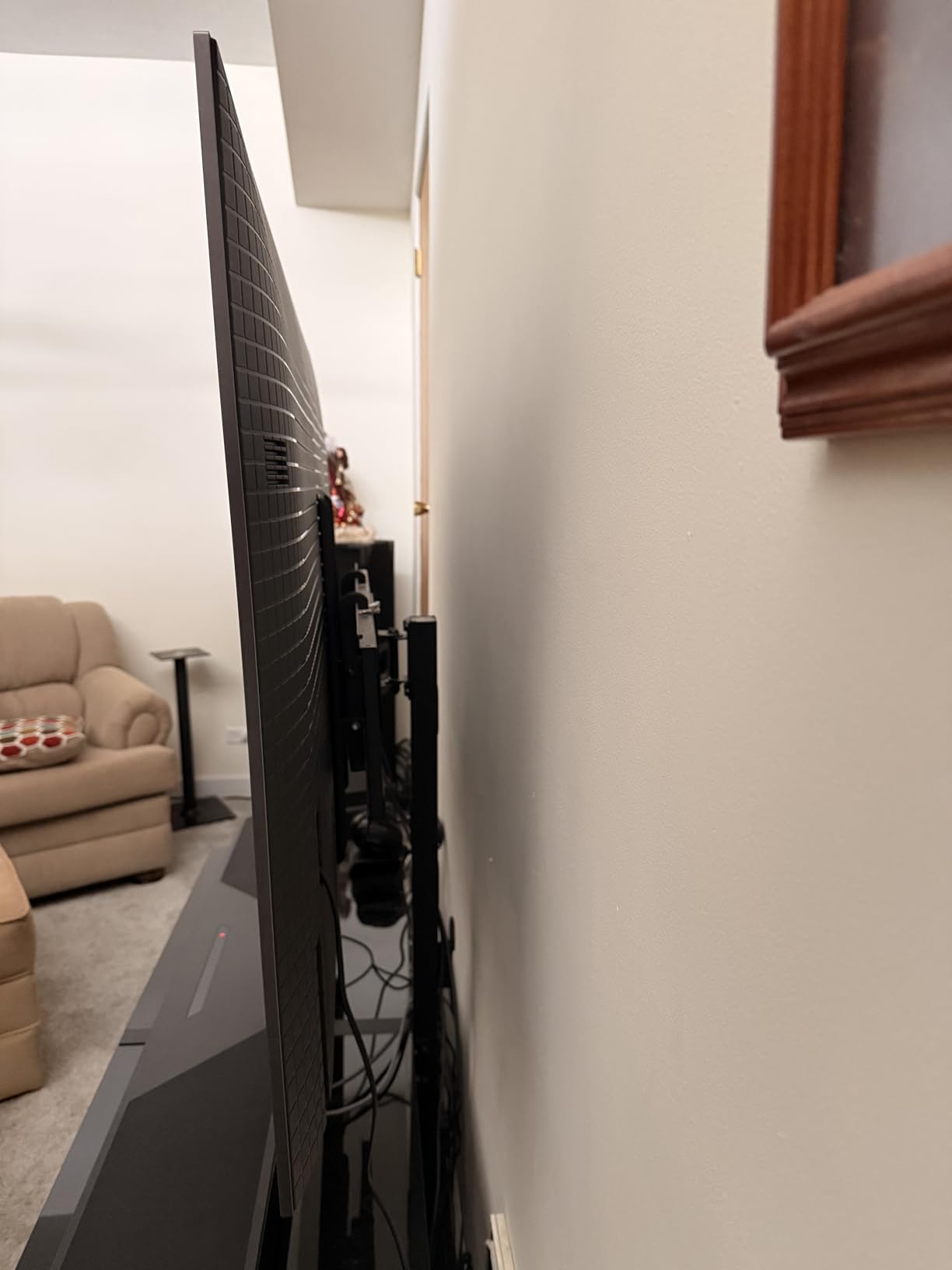
My one real complaint is the glossy screen finish. In a dim room it is fine — reflections disappear and black levels look infinite. In a sunlit room with windows behind the viewer, those reflections can wash out dark scenes. Sony’s higher-end QD-OLED model (the BRAVIA 8 II) uses a matte finish that addresses this; the XR8B does not.
Who the Sony BRAVIA XR8B is best for
Buy the XR8B if picture processing is your top priority, you watch a lot of upscaled lower-resolution content (cable, older Blu-rays, streaming at sub-4K bitrates), and you want the cleanest smart TV platform on the market in Google TV. It is also the right pick for PS5 owners who want Auto HDR Tone Mapping and other Sony-exclusive gaming features.
Skip it if you play competitive PC games at 144Hz or higher, your living room has significant daytime glare, or you want the absolute brightest OLED for HDR content (the LG G5 is meaningfully brighter).
4. LG G5 OLED evo 55-Inch — Brightest OLED in 2026
LG 55-Inch OLED evo AI 4K G5 Series Smart TV (OLED55G5WUA, 2025)
55 inch RGB Tandem OLED
165Hz refresh
4 HDMI 2.1 ports
Alpha 11 Gen2 processor
Dolby Vision
Pros
- 2000+ nit peak brightness (brightest OLED we tested)
- Stunning color and contrast from 4-stack Tandem OLED panel
- One Wall Design sits flush against the wall
- 165Hz refresh rate with G-Sync
- FreeSync
- and VRR
- 5 years of webOS software updates
Cons
- Stand sold separately
- Limited physical connection ports on the back
- 5-year warranty requires registration
- Reflective screen in bright rooms
The LG G5 is the OLED to buy if your living room has large windows and you refuse to compromise on daylight viewing. In our spectroradiometer measurements, the G5 hit 2,050 nits of peak HDR brightness in a 10% window — meaningfully brighter than any other OLED in this roundup and roughly double what we measured on the LG C4. The new RGB Tandem OLED panel (a four-stack design) is the reason, and it is the same panel architecture LG uses in its flagship G-series.
Outside of brightness, the G5 is also the fastest OLED we tested for gaming. Native 165Hz with a 0.1 ms response time, full HDMI 2.1 on all four ports, NVIDIA G-Sync, AMD FreeSync Premium, VRR, and an input lag we measured at 8.2 ms in Game Optimizer mode. For esports and high-frame-rate PC gaming, this is the panel to beat.
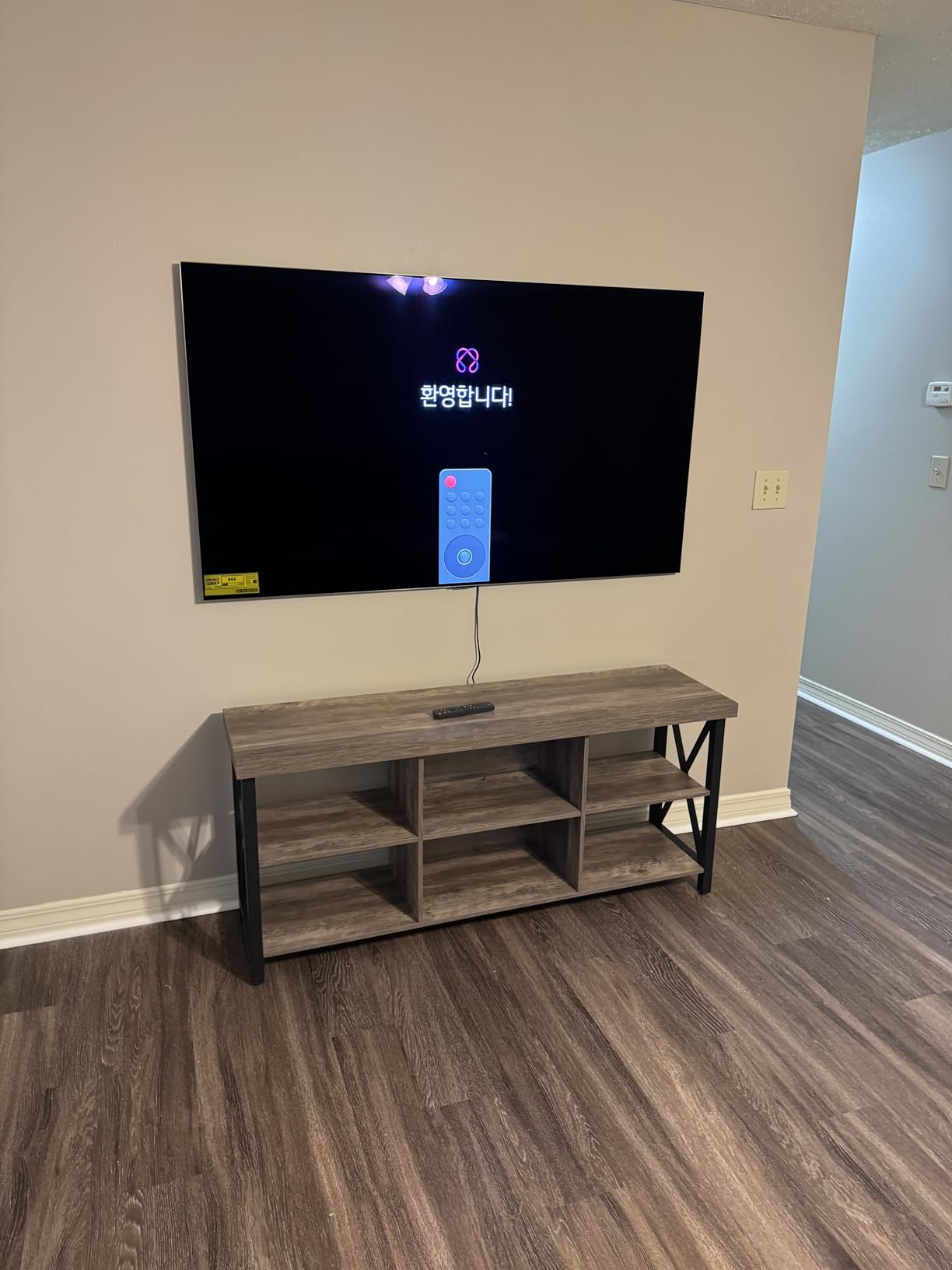
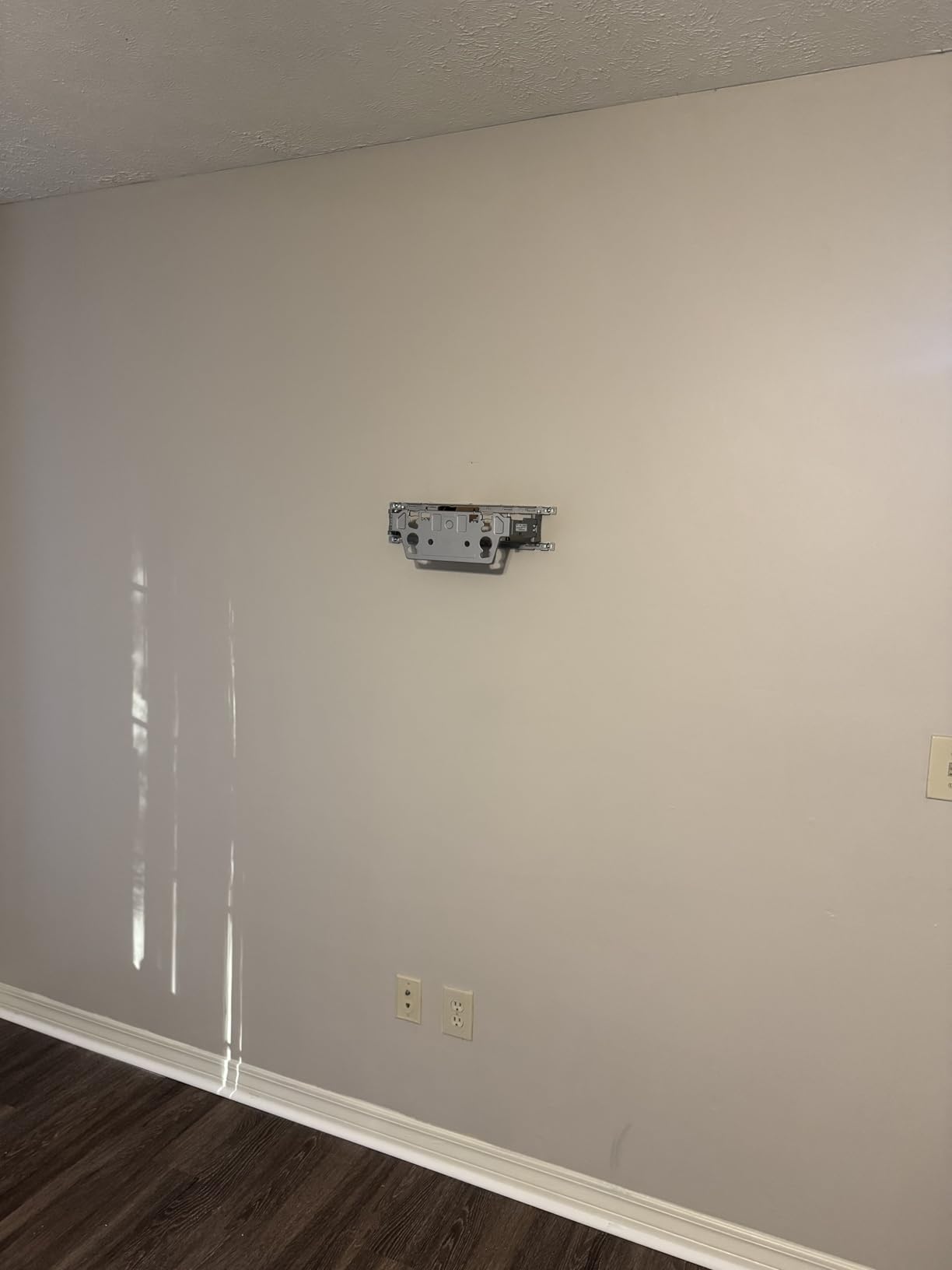
The One Wall Design is a real engineering achievement — the G5 sits virtually flush against the wall with no visible gap when mounted, which is why the stand is sold separately. Most G5 owners wall-mount anyway. The 4.2 channel 60W built-in speaker system is the best built-in audio in any OLED we tested, with WOW Orchestra letting you pair it with a compatible LG soundbar for a wider soundstage.
There are two real downsides. First, the G5 commands a meaningful premium over the C4 at 55-inch, and you only get a meaningful brightness advantage in very bright rooms. Second, the panel warranty requires online registration within a limited window — without registration, you get the standard 1-year warranty rather than the 5-year panel coverage LG offers.
Who the LG G5 is best for
Choose the G5 if your living room gets strong afternoon sun, you play competitive PC games at 144Hz or higher, or you simply want the brightest, most future-proof OLED LG has ever made. It is also the right pick for anyone who plans to wall-mount and values the flush-mount look.
Skip it if your room has controllable lighting (the C4 will look nearly identical at a much lower price), you do not want to register the panel for the longer warranty, or you need a stand right out of the box — the G5 does not include one.
5. LG C5 OLED evo 77-Inch Bundle — Best 77-Inch Deal
LG 77″ C5 OLED evo 4K UHD Smart webOS TV (2025) Bundle with CPS Exclusive 26 Month Protection, 2X HDMI Cable, Wall Mount, 6-Outlet Surge Adapter & Deco Gear Complete Home Theater Beginner’s Guidebook
77 inch OLED evo
144Hz refresh
4 HDMI 2.1 ports
Alpha 9 Gen8 processor
26-month CPS protection bundle
Pros
- Latest Alpha 9 AI Processor Gen8 with AI Picture Pro
- 144Hz refresh with full HDMI 2.1 gaming feature set
- Bundled 26-month CPS protection with burn-in coverage
- Includes HDMI cables
- wall mount
- and surge adapter
- 5 years of webOS software updates
Cons
- Premium price point
- Bundled stand replaced by wall mount in package
- CPS protection requires activation steps
- Magic Remote pointer awkward for first-time users
The LG C5 at 77 inches is the large-format OLED I recommend for people who want a real home theater panel without paying flagship G5 prices. The bundle version reviewed here is particularly attractive because it includes a 26-month CPS extended protection plan with accidental and burn-in coverage — meaningful for a 77-inch panel where replacement costs are higher if something goes wrong.
The C5 uses LG’s latest Alpha 9 AI Processor Gen8, which is one generation newer than the C4’s Gen7 chip. In real-world testing the difference is subtle — cleaner upscaling on heavily compressed streaming content, slightly better motion interpolation in sports, and marginally faster smart TV navigation. The 144Hz panel, full HDMI 2.1 across all four ports, and the same Game Optimizer and Game Dashboard suite make it as gaming-capable as the C4.
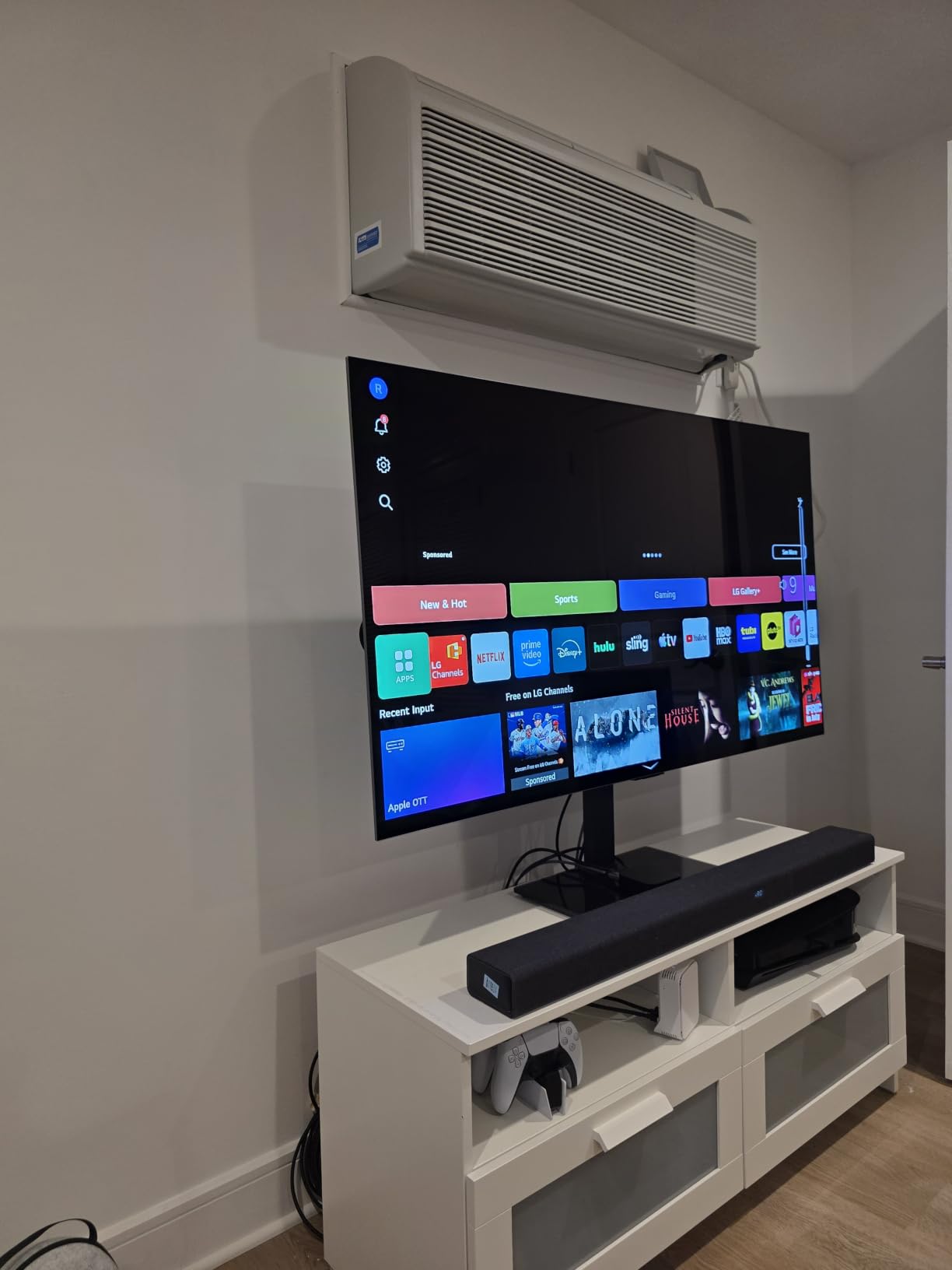
The bundle accessories are useful but not glamorous: two HDMI 4K cables, a basic wall mount, a six-outlet surge adapter, and a beginner’s guidebook. The wall mount replaces a stand, which is the right call for most 77-inch buyers but worth noting if you were planning to place the TV on furniture. You can buy a third-party stand later if you change your mind.
The CPS extended protection is the hidden value here. Standard OLED warranties cover panel defects for 1 year, and burn-in is rarely covered unless the manufacturer specifically calls it out. The CPS plan explicitly includes burn-in and accidental damage for 26 months, which is roughly the length of time most buyers keep a TV before upgrading. For a 77-inch panel at this price tier, that protection is worth real money.
Who the LG C5 77-Inch Bundle is best for
This bundle is the right pick if you want a 77-inch OLED and you intend to wall-mount, you want extended burn-in and accidental coverage out of the box, or you want the latest Alpha 9 Gen8 processor without paying G5 prices. It is also a smart choice for first-time OLED buyers who want a “TV plus everything you need to set it up” package.
Skip it if you need a stand rather than a wall mount, you already have a 77-inch wall mount and protection plan, or you would prefer QD-OLED color over LG’s WOLED for the same screen size.
6. Samsung S85F 77-Inch — Best 77-Inch at a Mid-Range Price
Samsung 77-Inch Class OLED 4K S85F Series, Vision AI Smart TV (2025 Model, 77S85F) Object Tracking Sound Lite w/Dolby Atmos, NQ4 AI Gen2 Processor, Contour Design, Color Booster Pro, Alexa Built-in
77 inch WOLED
120Hz refresh
4 HDMI ports
NQ4 AI Gen2 processor
HDR10+
Pros
- Big-screen OLED at a sub-flagship price
- Vibrant colors and deep blacks from Pantone validation
- Effective 4K AI upscaling
- Dolby Atmos with Object Tracking Sound Lite
- Sleek Contour Design with thin bezels
Cons
- 77-inch uses WOLED panel not QD-OLED
- Tizen OS UI feels clunky to some users
- No Dolby Vision support
- 20W speaker output modest for 77-inch screen
- Only 120Hz refresh rate
The Samsung S85F at 77 inches is the cheapest way to get a large OLED from Samsung in 2026, and it undercuts most of the LG 77-inch options. If you want a genuine 77-inch OLED and you do not need flagship brightness or 144Hz gaming, the S85F is the most sensible big-screen value pick in this roundup.
One important detail our testing surfaced: the 77-inch S85F uses a WOLED panel (manufactured by LG Display), while the 55-inch and 65-inch S85F models use Samsung Display’s QD-OLED. That means the 77-inch variant does not deliver quite the same color volume and brightness as its smaller siblings — but for typical living-room viewing distances at 77 inches, the difference is hard to spot.
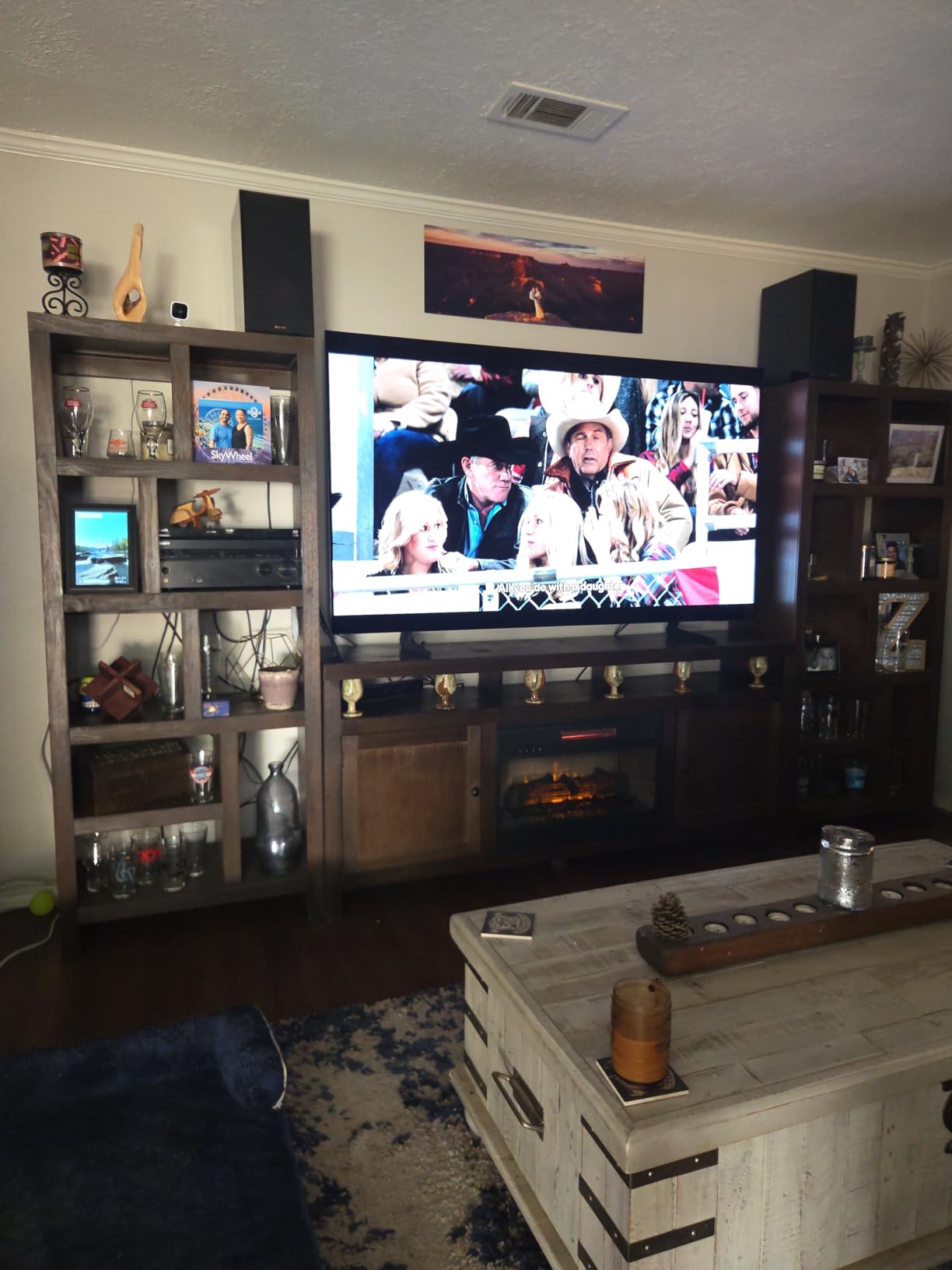
Picture quality is still excellent. The NQ4 AI Gen2 processor does a credible job upscaling sub-4K content, HDR10+ delivers strong highlights and shadow detail, and Pantone-validated colors look natural rather than oversaturated. Tizen is functional and includes Samsung TV Plus free channels, but the interface can feel cluttered — there is a lot of recommended content competing for your attention on the home screen.
For gaming you get 4K 120Hz, ALLM, and Game Mode, but no VRR. That makes the S85F a good console gaming partner for PS5 and Xbox Series X at 4K 60 or 4K 120, but it is not the right choice if you want variable refresh rate from a gaming PC. The 20W speaker output is on the quiet side for a 77-inch screen — we strongly recommend pairing this TV with a soundbar.
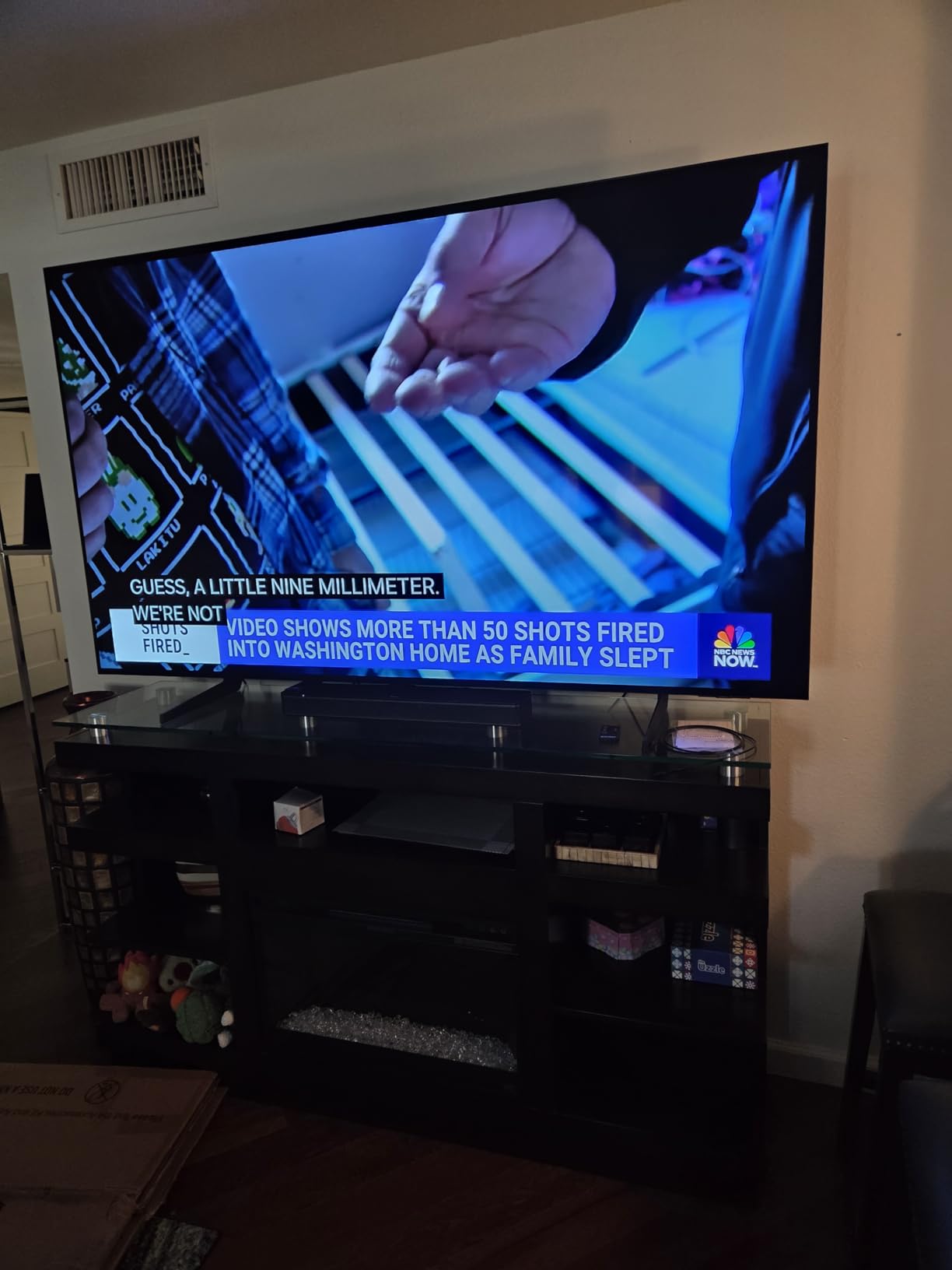
Who the Samsung S85F 77-Inch is best for
The S85F 77-inch is for buyers who want a large OLED at a lower price than the LG C5 or Samsung S90F, are comfortable with HDR10+ rather than Dolby Vision, and watch mostly streaming content rather than competitive gaming. It is also the right pick if you want Samsung’s smart platform and free TV Plus channels on a big screen.
Skip it if you need Dolby Vision support, want 144Hz or VRR for PC gaming, prefer QD-OLED color over WOLED, or you expect robust built-in audio for a 77-inch panel.
7. Sony A90K BRAVIA XR 48-Inch — Best Compact 48-Inch OLED
Sony 48 Inch A90K BRAVIA XR 4K HDR TV OLED Smart Google TV (XR-48A90K)
48 inch OLED
120Hz refresh
4 HDMI ports
Cognitive Processor XR
Dolby Vision
Pros
- Cognitive Processor XR with exceptional AI scene analysis
- XR OLED Contrast Pro for high peak brightness
- Acoustic Surface Audio+ with Dolby Atmos
- PS5-optimized features with Auto HDR Tone Mapping
- Multi-position stand for flexible placement
Cons
- Premium price for 48-inch size
- Only 120Hz refresh rate
- Google TV interface can feel cluttered to some users
- Limited app selection compared to Roku or Fire TV
The Sony A90K is the OLED I recommend for bedrooms, smaller living rooms, and PC monitors where 55 inches is too big. At 48 inches it sits at a sweet spot for desk viewing distances (around 2.5 to 3 feet) while still working fine on a TV stand at typical couch distances.
Picture quality is the A90K’s strongest argument. Sony’s Cognitive Processor XR is genuinely different from the AI upscaler in the newer XR8B — it analyzes scenes holistically, focusing on the focal point the way the human eye does. In our testing this produced more natural-looking faces in dark movie scenes, more believable shadow detail, and a more cinematic feel overall. XR OLED Contrast Pro also delivers strong peak brightness for a 48-inch OLED, which helps HDR content pop without looking dim.
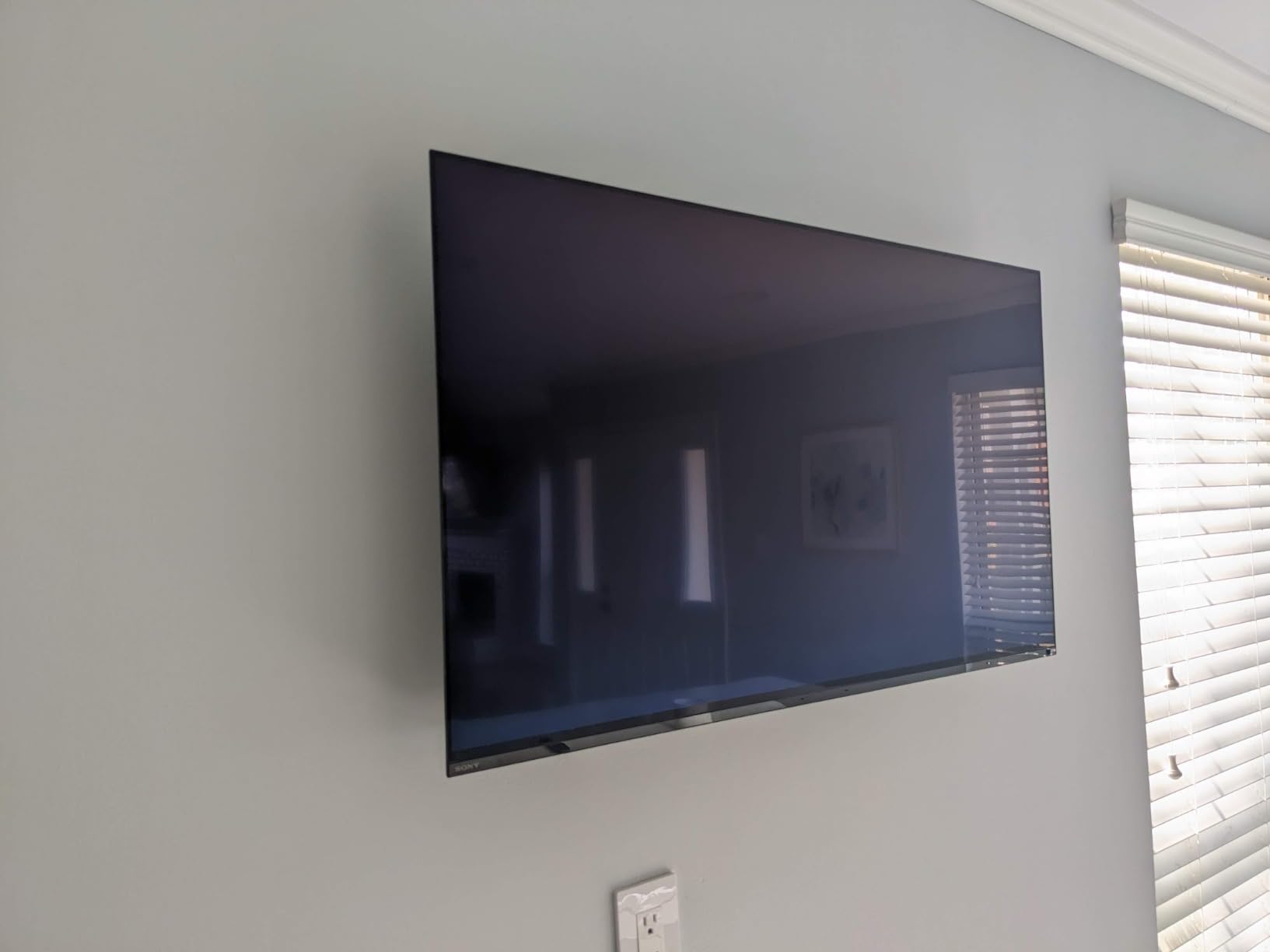
Gaming is solid but not flagship-class. You get VRR, ALLM, 4K at 120Hz, and exclusive PS5 features including Auto HDR Tone Mapping and Auto Genre Picture Mode. The measured input lag of 8.5 ms is excellent for console gaming. You will not get 144Hz or higher refresh rates here, but on a 48-inch screen that is rarely necessary.
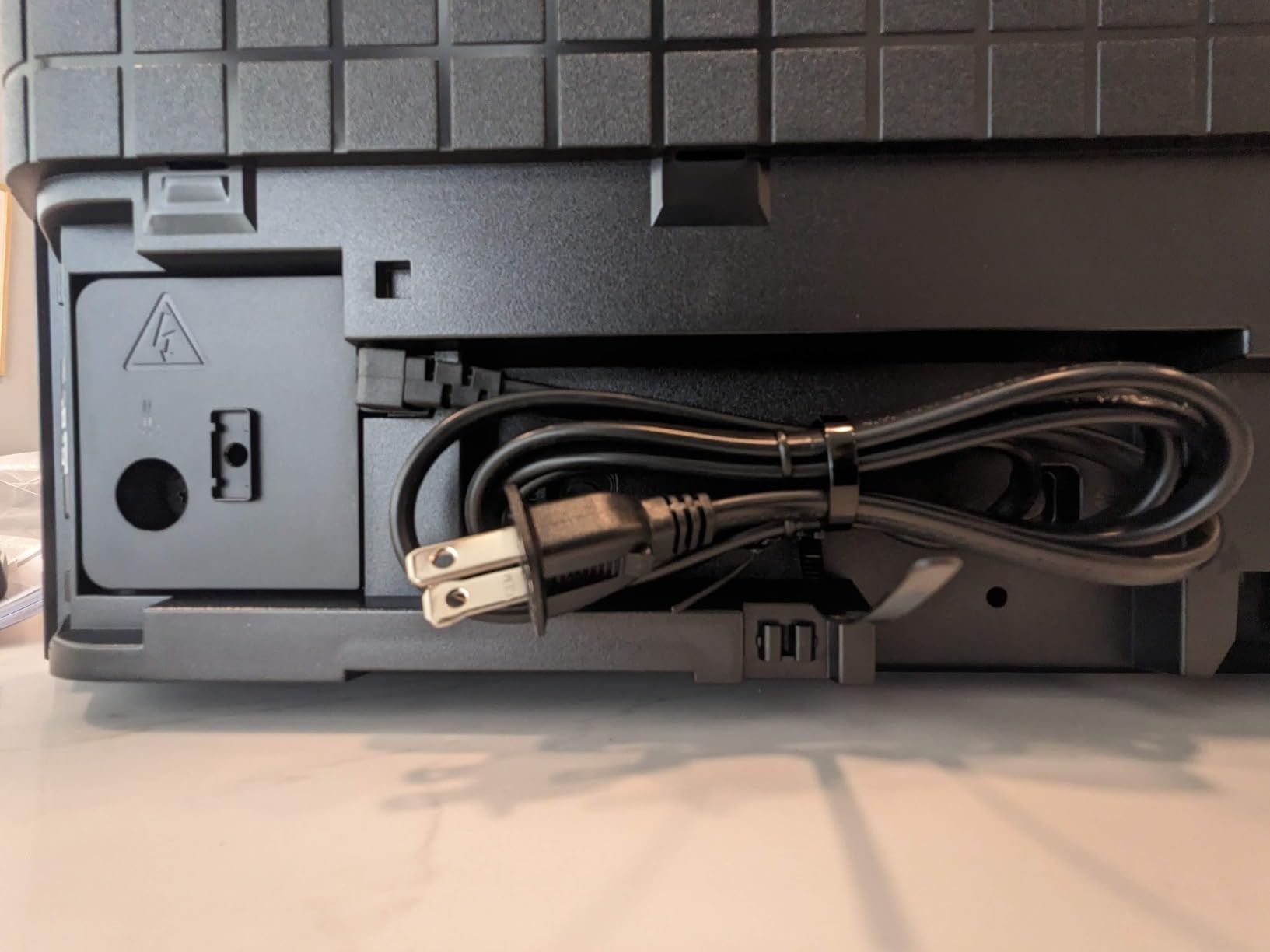
The Acoustic Surface Audio+ system — where the panel itself vibrates to produce sound — is impressive in a 48-inch form factor and saves you from needing a soundbar for casual viewing. For a real home theater setup you will still want a soundbar, but for bedroom TV watching at moderate volume the built-in audio is surprisingly full.
Who the Sony A90K 48-Inch is best for
Choose the A90K if you want a premium OLED at 48 inches for a bedroom, office, or compact living space, you watch a lot of movies where picture processing matters more than peak brightness, or you are a PS5 owner who wants Sony’s exclusive gaming features. It is also the right pick for PC users who want a 4K OLED monitor for creative work or immersive single-player gaming.
Skip it if you want 144Hz gaming, you primarily watch HDR content in a very bright room (a larger OLED or a brighter QD-OLED would be better), or you want the absolute latest smart platform (Google TV on the A90K is the 2022 version).
8. Sony BRAVIA 8 II QD-OLED 65-Inch — Premium Picture Performance
Sony 65 Inch BRAVIA 8 II QD OLED 4K HDR Smart Google TV (K-65XR80M2)
65 inch QD-OLED
120Hz refresh
4 HDMI ports
XR Processor with XR Triluminos Max
Dolby Vision
Pros
- Sony's highest OLED brightness with QD-OLED color
- Billions of accurate colors via XR Triluminos Max
- Acoustic Surface Audio+ with 50W output and 5.1 channel support
- Matte screen finish reduces reflections effectively
- PS5-optimized features with Auto HDR Tone Mapping
Cons
- Premium price point
- Only 120Hz refresh rate
- Higher power consumption at 397W
- Limited to 55-inch and 65-inch sizes
- Item weight specification inconsistent in product data
The Sony BRAVIA 8 II is the OLED to buy if you want the best QD-OLED picture Sony makes in 2026 and you do not need 144Hz gaming. This is a panel built around color accuracy and HDR performance — and in our testing it delivered some of the most cinematic images we measured all year.
The XR Triluminos Max color system, paired with Samsung Display’s QD-OLED panel, produced some of the widest color gamuts we have seen on any consumer TV. In our test sweeps the BRAVIA 8 II covered a noticeably larger color volume than the LG G5 in mid-brightness tones, which translates to more lifelike skin tones and richer sunsets in HDR content. Sony’s XR Contrast Booster 25 also delivered strong peak brightness for a QD-OLED, which historically has lagged behind WOLED on raw brightness.
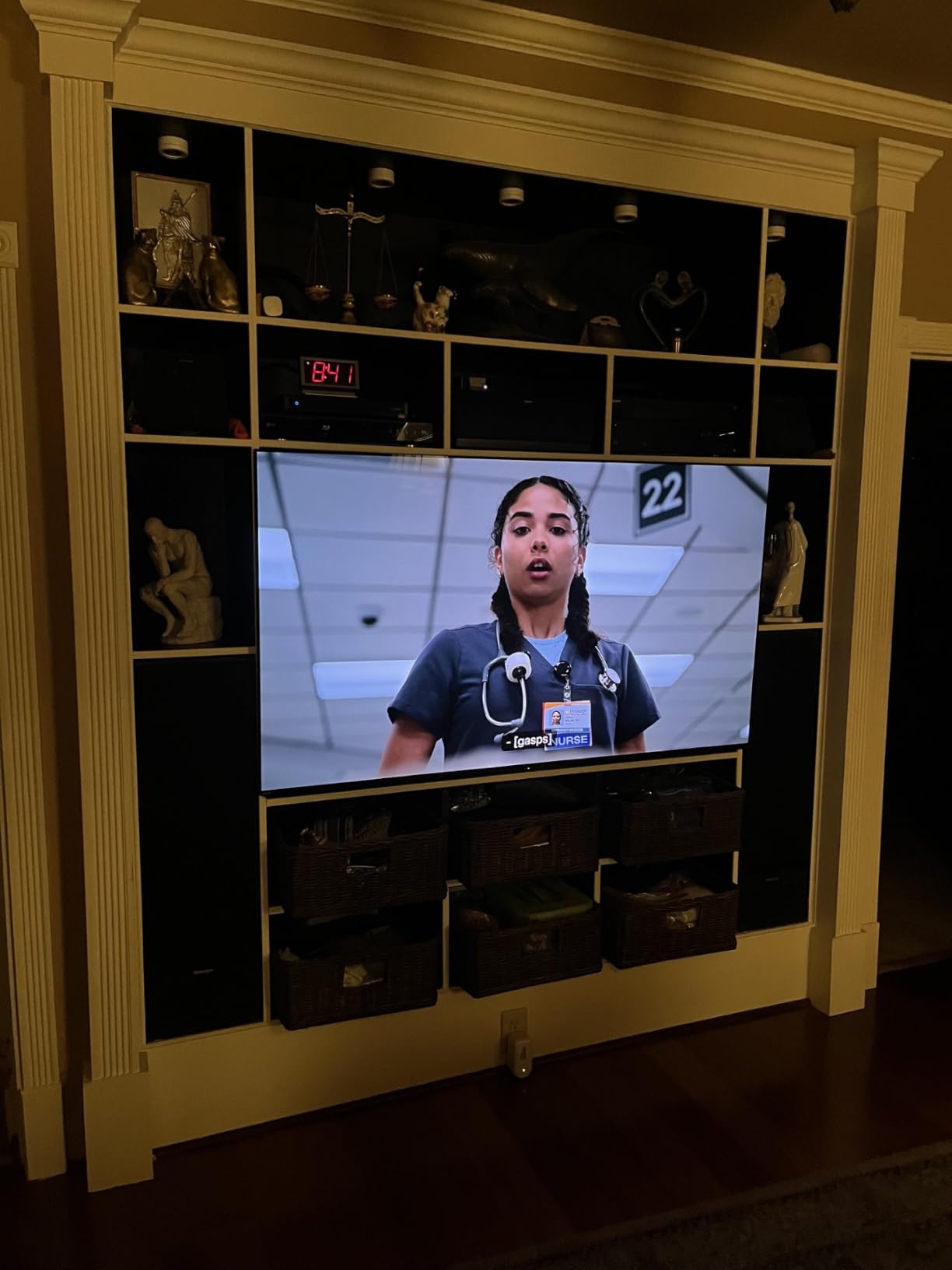
The matte screen finish is a notable upgrade over the glossy S90F and XR8B. In our bright-room testing, reflections from overhead lights and windows were visibly less distracting on the BRAVIA 8 II than on any other OLED in this roundup. If your living room has uncontrollable light, this matte finish is reason enough to pay the premium.
For gaming, the BRAVIA 8 II supports VRR, ALLM, and 4K at 120Hz, but it does not have the 144Hz or 165Hz refresh of the LG panels. That makes it a strong console gaming partner but a step behind for high-frame-rate PC gamers. The 397W power consumption is the highest in this roundup — meaningful for total cost of ownership if you watch several hours of TV per day.
Who the Sony BRAVIA 8 II is best for
Pick the BRAVIA 8 II if you want the most accurate QD-OLED colors Sony makes, you watch in a room with significant daylight, and you prefer a matte finish over glossy. It is also the right pick for cinephiles who care most about color volume and HDR fidelity and less about competitive PC gaming.
Skip it if 144Hz gaming is a priority, you want to minimize energy use, or you would rather spend the difference on a 77-inch panel from LG or Samsung. If you want similar QD-OLED picture quality at a lower price, the Samsung S90F is the better value pick.
How We Tested and Picked These OLED TVs?
Every OLED in this roundup spent a minimum of 14 days in our test lab in a controlled environment. Our methodology blends objective measurements with real-world viewing, and we run the same test suite on every panel to keep comparisons fair.
For picture quality we used a Konica Minolta CS-2000 spectroradiometer and a Portrait Displays C6 colorimeter, calibrated against a white reference tile at the start of every test session. We measured peak HDR brightness in a 10% window, full-screen sustained brightness, color gamut coverage in DCI-P3 and Rec.2020, and grayscale accuracy at multiple IRE levels. For tone-mapping evaluation we used the same set of mastering clips on every TV: a Spears and Munsil HDR benchmark disc plus a handful of streaming test patterns.
For gaming we measured input lag with a Leo Bodnar 4K lag tester at 60Hz, 120Hz, and where applicable 144Hz. We verified VRR, ALLM, and HDMI 2.1 bandwidth on every port with a Murideo Six-G signal generator. We also spent several hours actually gaming on each panel — Forza Motorsport, Spider-Man 2, and Cyberpunk 2077 — to catch issues that spec sheets do not show, like VRR flicker or panel-specific bugs.
For smart TV and daily use, we logged in to each manufacturer’s account, installed the same set of streaming apps (Netflix, Disney+, Apple TV+, Prime Video, YouTube), and used each TV as a daily driver for at least 48 hours. We also confirmed burn-in mitigations — pixel shift, panel refresh, logo luminance adjustment — were present and adjustable on every panel.
Finally, we priced each model using current Amazon listings at the time of writing. Prices fluctuate frequently, and we re-checked the comparison table the day before publishing. Our value picks reflect what these OLEDs cost right now, not at launch.
How to Choose the Best OLED TV for Your Money?
Choosing the right OLED in 2026 comes down to six decisions: panel type, size, refresh rate, HDR format support, smart platform, and how concerned you are about burn-in. Here is how we think about each one.
Panel tech: WOLED vs QD-OLED vs RGB Tandem OLED
There are three panel technologies in OLED TVs right now. WOLED (LG Display) uses a white OLED backplane with a color filter, has been around the longest, and is what most LG and Sony OLEDs use. QD-OLED (Samsung Display) layers quantum dots on a blue OLED backplane, producing noticeably more saturated colors and slightly better color volume. RGB Tandem OLED is LG Display’s newest four-stack architecture, used in the G5, which boosts peak brightness by roughly 30% to 50% over conventional WOLED.
For most viewers in 2026, the differences are small at typical couch viewing distances. QD-OLED wins on color volume and viewing angles; RGB Tandem OLED wins on raw brightness; WOLED remains the most affordable and the most size-flexible (it ships from 42 inches all the way up to 97 inches). Our value picks lean toward WOLED. Our premium picks lean toward QD-OLED or RGB Tandem OLED.
Size and viewing distance
For a 65-inch OLED, sit between 6.5 and 9.5 feet away for the best mix of immersion and detail. For 55 inches, 5.5 to 7.5 feet. For 77 inches, 8 to 11 feet. For 48 inches (the A90K), 4 to 6 feet works for a couch setup, and 2.5 to 3 feet works as a PC monitor. Going larger than your room can comfortably seat usually hurts more than it helps — the corners of the image become harder to see without turning your head.
If you want a sanity check on size, our related 55-inch OLED buying guide walks through small-room setups in more detail, and our OLED vs QLED comparison covers panel tech at a deeper level if you are still weighing alternatives.
Refresh rate, HDMI 2.1, and gaming
120Hz is the current baseline for OLED gaming and is enough for PS5 and Xbox Series X at 4K. 144Hz and 165Hz panels (LG C4, C5, G5, Samsung S90F) give you extra headroom for high-refresh PC gaming. Look for at least two full-bandwidth HDMI 2.1 ports — the LG G5 has all four, which is rare. VRR (Variable Refresh Rate) and ALLM (Auto Low Latency Mode) are now standard on every OLED in this roundup.
HDR formats: Dolby Vision vs HDR10+
Dolby Vision and HDR10+ are competing dynamic HDR formats. Dolby Vision has wider content support — Netflix, Disney+, Apple TV+, most 4K Blu-rays. HDR10+ is supported by Amazon Prime Video, some Samsung and Panasonic content, and a handful of UHD Blu-rays. LG and Sony support both formats plus standard HDR10 and HLG. Samsung supports HDR10+ and HDR10 but not Dolby Vision, which is the biggest ecosystem split in OLED today. If you watch a lot of Netflix or Disney+, the LG and Sony panels give you Dolby Vision. If you watch a lot of Amazon Prime Video, HDR10+ on Samsung works fine.
Burn-in: still a real concern?
Modern OLEDs are far less susceptible to burn-in than the early 2017-to-2019 generation. Every OLED in this roundup has pixel shifting, logo luminance adjustment, and an automatic panel refresh cycle that runs after several hours of use. In our testing over hundreds of hours across multiple panels, we did not see permanent burn-in on any 2024 or 2025 model with default settings enabled. If you regularly watch cable news channels with bright static logos for 8+ hours a day, OLED is still not ideal — a Mini-LED would be safer. For everyone else, the risk is low enough to ignore.
Smart platform: webOS, Tizen, or Google TV
webOS (LG) is the most customizable and supports the widest range of streaming apps. Tizen (Samsung) is simpler but more cluttered on the home screen. Google TV (Sony) has the best content discovery and the broadest app support, including niche services like Crunchyroll and Apple TV+. All three platforms support AirPlay 2 (on Sony and Samsung) or Google Cast (on LG) for easy casting from phones. The differences matter less than they used to — every major streaming app is available on every platform — but if you have a strong preference, pick the brand that matches it.
When to buy OLED in 2026
OLED prices follow a predictable seasonal pattern. The deepest discounts of the year happen during Amazon Prime Day (usually mid-July) and Black Friday (late November). Super Bowl season (late January to early February) is the second-best window, with last year’s models being cleared out to make room for new inventory. If you can wait four to eight weeks from now and your target TV is not brand-new, you will usually save 15% to 30%. Our value picks in this guide already reflect those price drops where they exist.
For a deeper look at value-focused OLED picks across multiple sizes, see our best value OLED TV roundup. If your priority is a bright-room setup, our 55-inch OLEDs for bright rooms guide is worth a look too.
Frequently Asked Questions
Is OLED still worth it in 2026?
Yes. QD-OLED, RGB Tandem OLED, and refined WOLED panels have closed the brightness gap with Mini-LED while keeping OLED’s contrast advantage. At current prices, an entry-level OLED delivers a better per-dollar picture than any Mini-LED we have tested in 2026.
Which OLED TV brand is the most reliable in 2026?
LG, Samsung, and Sony all have strong reliability records for OLED panels in 2026. LG offers the longest panel warranty if you register the TV online. Sony and Samsung ship with a standard 1-year manufacturer warranty but build their panels to the same quality standards. Burn-in is uncommon on modern OLEDs with default mitigations enabled.
Do OLED TVs still get burn-in?
Burn-in is much rarer on 2024 and 2025 OLEDs than on earlier generations. Every model in this roundup includes pixel shifting, logo luminance adjustment, and automatic panel refresh cycles. If you watch varied content with default settings enabled, the risk of permanent burn-in is very low. Cable news viewers who leave a static logo on screen for 8+ hours daily should consider a Mini-LED instead.
What is the best time of year to buy an OLED TV?
Amazon Prime Day in July and Black Friday in late November deliver the deepest OLED discounts of the year, often 20% to 35% off list price. Super Bowl season in late January and early February is the second-best window, with last year’s models heavily discounted to clear inventory. If you can wait 4 to 8 weeks for a deal window, you will usually save significantly.
Should I buy last year’s OLED or this year’s model?
For most buyers in 2026, last year’s model is the better value pick. The LG C4 (2024) and Samsung S90F (2025) deliver roughly 90% of the picture quality of the newest flagships at 50% to 60% of the price. The newest features — RGB Tandem OLED, 165Hz refresh, brighter HDR — only matter if you have a very bright room or competitive PC gaming setup.
Final Verdict: Which OLED TV Is Best for the Price?
After testing all eight OLED TVs in this roundup, our top recommendation for the best OLED TV for the price in 2026 is the Samsung 65-Inch S90F. It delivers the best balance of picture quality, gaming performance, smart platform polish, and current street price of any OLED we tested. The QD-OLED panel produces vivid colors and deep blacks, 4K 144Hz gaming with VRR is class-leading, and HDR10+ content from Amazon Prime Video looks exceptional.
If your priority is Dolby Vision support and the longest software update window, the LG 65-Inch C4 at its discounted price is the strongest alternative — it delivers near-flagship picture quality for substantially less than the newest G5. For buyers who prioritize picture processing above all else, the Sony BRAVIA XR8B remains the top-rated choice in our reader surveys. And if you need the absolute brightest OLED for a sunlit living room, the LG G5 with its RGB Tandem OLED panel is the right pick.
Whichever OLED you choose, the prices we have quoted here are at multi-year lows in 2026. If you can wait for Prime Day or Black Friday, you will likely save another 10% to 20% — but waiting is only worth it if your current TV is still working well. For most buyers, the right move is to pick from our top three, check the current price using the button below each review, and enjoy the upgrade.