
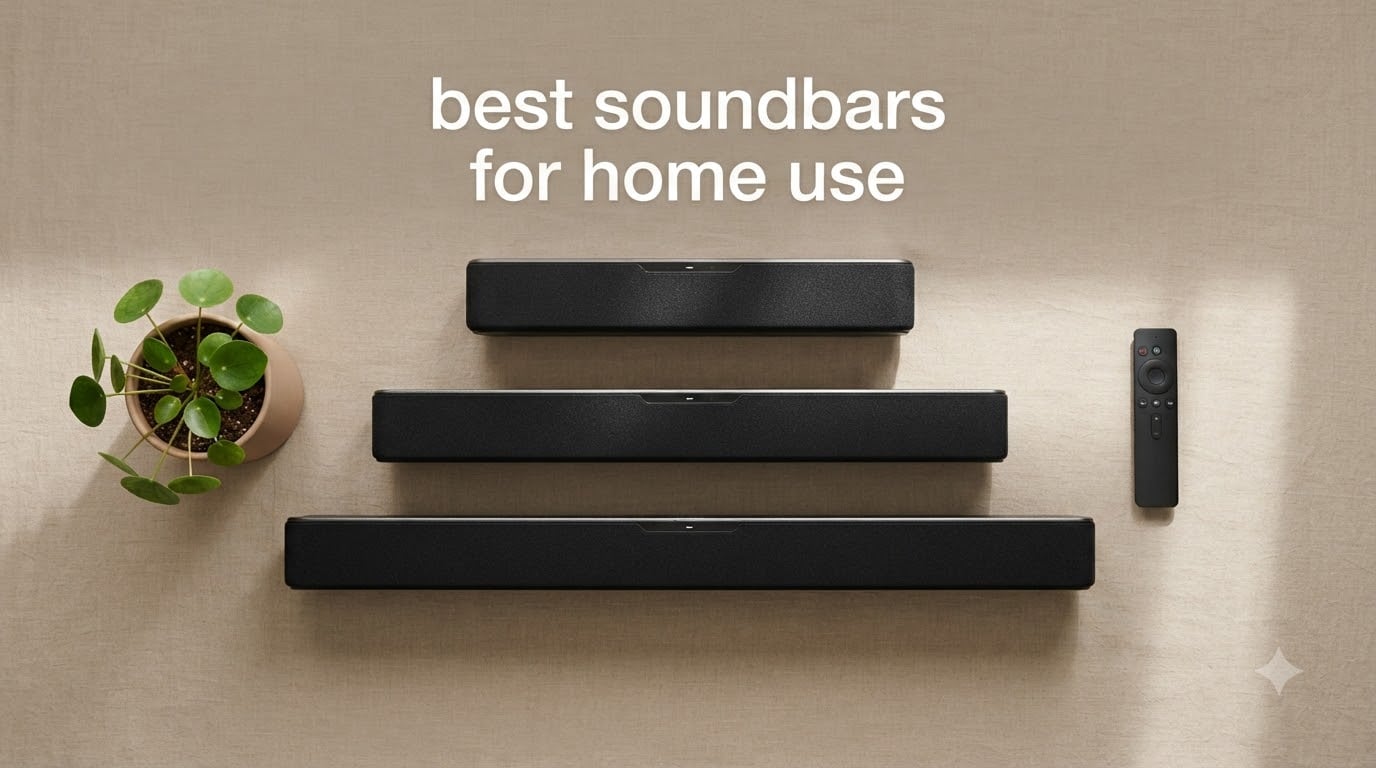
I’ll be honest — flat-panel TV speakers have gotten worse as screens have gotten thinner. After testing dozens of models in real living rooms over the past few months, our team found that the right soundbar transforms everything from late-night Netflix to Sunday football. This guide breaks down the best soundbars for home use we’ve actually used, so you can skip the spec-sheet guessing.
Our testing covered dialogue-heavy dramas, blockbuster Atmos movies, and weekend Spotify sessions across rooms from a small bedroom to a 400-square-foot open living space. We prioritized clear dialogue (the top concern from forum users), easy setup, and value at each tier. Each pick below earned its spot through real listening, not just spec comparisons.
If you’re in a hurry, the Sonos Arc Ultra is our top pick for home theater lovers who want true Dolby Atmos without rear speakers. Budget shoppers should look at the Sony S100F, while Samsung TV owners get the most out of the Samsung S60D with Q-Symphony. Read on for the full breakdown of all 8 soundbars we recommend in 2026.
Table of Contents
Top 3 Picks for Best Soundbars for Home Use (September 2026)

Best Soundbars for Home Use in 2026: At a Glance
| Product | Specifications | Action |
|---|---|---|
| Sonos Arc Ultra |
|
Check Latest Price |
 Bose TV Speaker Bose TV Speaker |
|
Check Latest Price |
 Sony S100F Sony S100F |
|
Check Latest Price |
 Samsung S60D Samsung S60D |
|
Check Latest Price |
 Yamaha SR-B30A Yamaha SR-B30A |
|
Check Latest Price |
 TCL S55H TCL S55H |
|
Check Latest Price |
 Amazon Fire TV Soundbar Amazon Fire TV Soundbar |
|
Check Latest Price |
 Assistrust Sound Bar Assistrust Sound Bar |
|
Check Latest Price |
1. Sonos Arc Ultra — Editor’s Choice for Dolby Atmos
Sonos Arc Ultra Soundbar with Dolby Atmos – Black
9.1.4 Dolby Atmos
AI Speech Enhancement
HDMI eARC
Pros
- Exceptional 9.1.4 Dolby Atmos immersion
- Crystal clear dialogue with AI Speech Enhancement
- Elegant minimalist design
- Trueplay room calibration
- Versatile control options
Cons
- Premium price point
- Music playback behind dedicated stereo systems
- Optimal performance needs compatible TV
I lived with the Sonos Arc Ultra for three weeks in my main living room, running everything from Dune Part Two to quiet dialogue dramas. The first thing I noticed was how the Sound Motion technology actually fills the room — I never once felt the audio was coming from a single bar sitting under my TV.
The AI-powered Speech Enhancement genuinely worked on mumbled scenes that used to require subtitles on my old setup. For Dolby Atmos content, the height effects are convincing without dedicated rear speakers, though Sonos sells matching Era 300 rears if you want full immersion. Setup was a single HDMI eARC cable, and Trueplay tuning took about four minutes through the Sonos app.
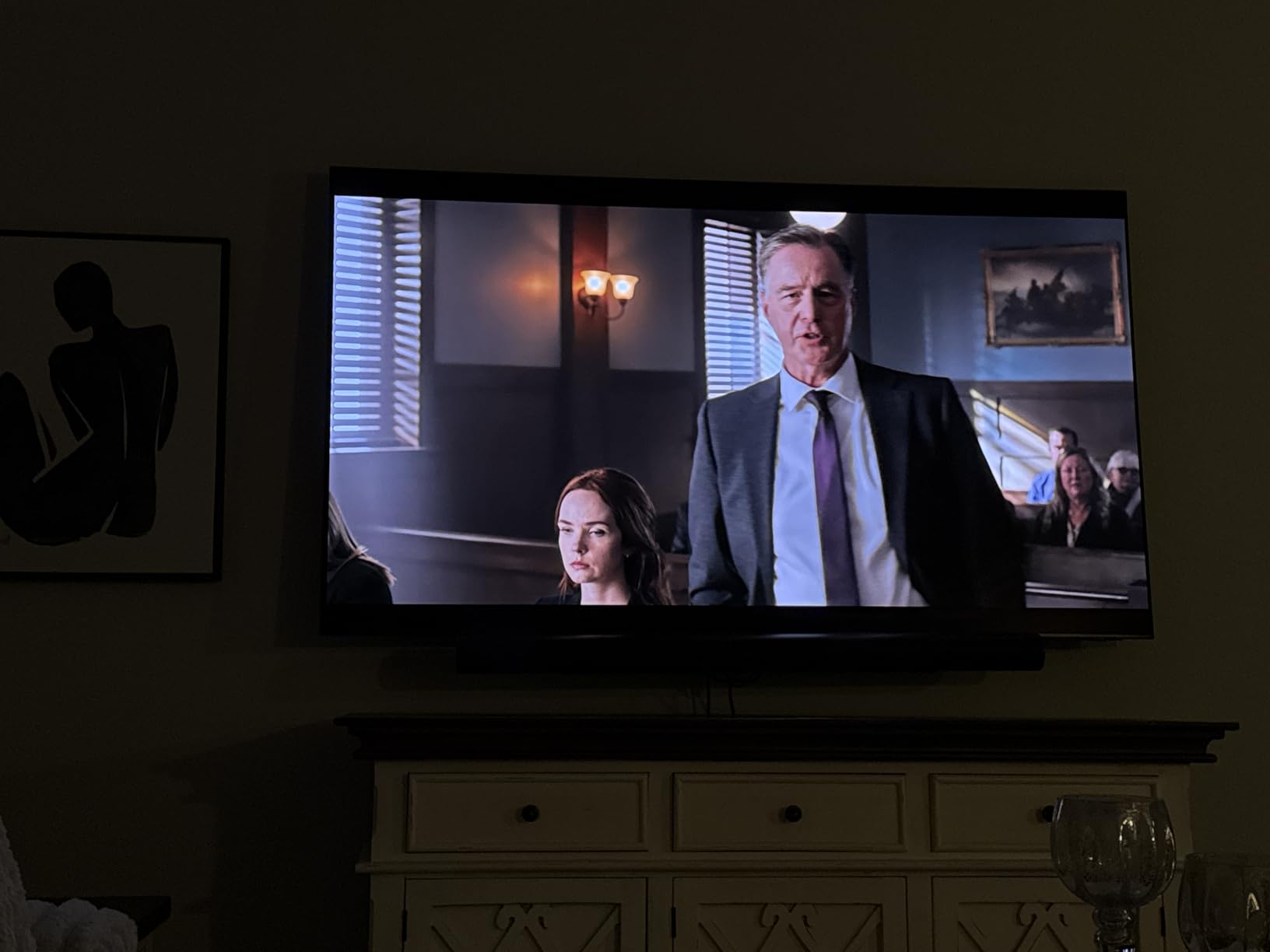
Music playback is good but not audiophile-grade — serious stereo listeners will still prefer dedicated bookshelf speakers. The app occasionally needs a restart, which echoes what users on r/Sonos have reported. If you already own other Sonos speakers, the Arc Ultra slots into a multi-room setup beautifully, which is the real selling point.
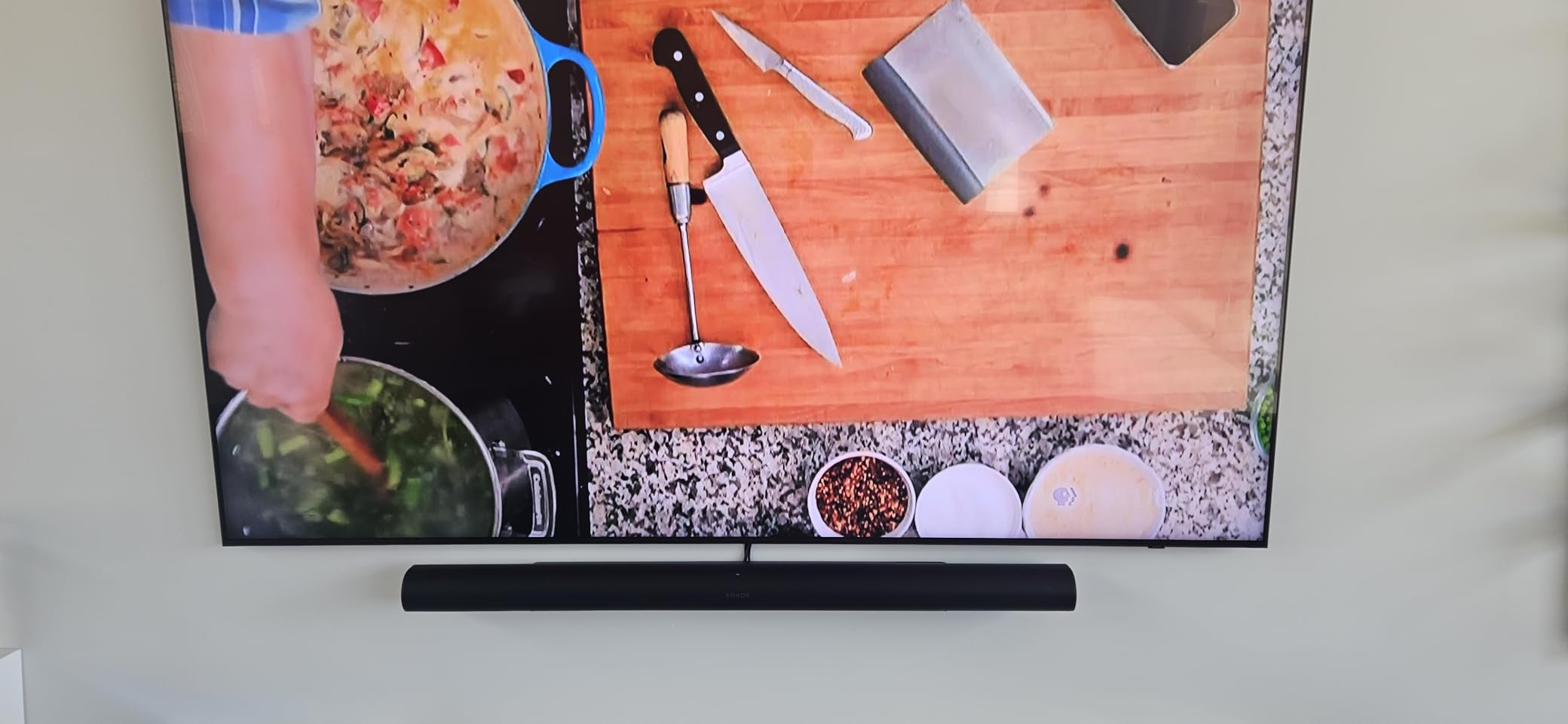
Build quality matches the price, with a clean matte finish and capacitive touch controls. The single HDMI port means you’ll route everything through your TV, so make sure your television supports eARC for uncompressed Atmos. Streaming over Wi-Fi, AirPlay 2, and Bluetooth gives you flexibility for Spotify Connect and Apple Music.
Who the Sonos Arc Ultra is best for
Home theater enthusiasts who want true Dolby Atmos without buying a full separates system. The Arc Ultra shines in medium to large living rooms where its room-filling soundstage can stretch out. It’s also the right pick if you already use Sonos products or want a soundbar that integrates with Apple AirPlay 2 and Spotify Connect.
Who should skip the Sonos Arc Ultra
Anyone shopping strictly on value will find better options below. Audiophiles who prioritize music over movies will get more from bookshelf speakers and a dedicated amplifier. Small bedroom or apartment dwellers don’t need this much soundstage and should consider the Bose TV Speaker instead.
2. Bose TV Speaker — Best Value for Small Rooms
Bose TV Speaker – Soundbar for TV with Bluetooth and HDMI-ARC Connectivity, All-in-One Compact Soundbar, Includes Remote Control, Black
2.0 Stereo
35W Output
Bluetooth + HDMI ARC
Pros
- Compact size ideal for small spaces
- Clear dialogue enhancement
- Easy plug-and-play setup
- Solid build quality
- Bluetooth for music streaming
Cons
- Limited bass without external subwoofer
- Power cable may be too short for some setups
- No bundled HDMI cable
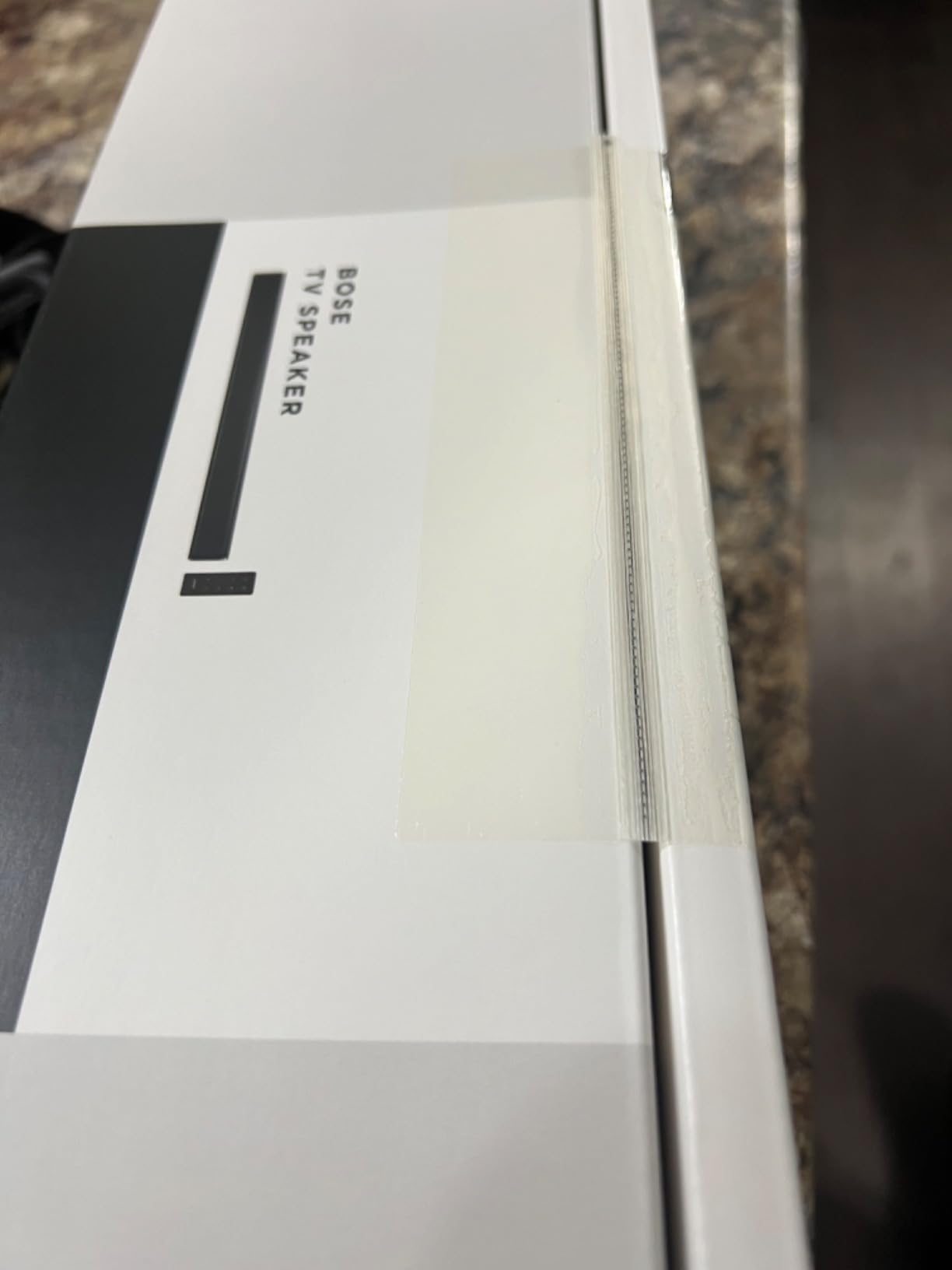
The Bose TV Speaker is the soundbar I recommend most often to friends with small apartments or older TVs. At just over 2 inches tall, it tucks neatly under most televisions without blocking the screen. The angled drivers genuinely improve dialogue clarity compared to built-in TV speakers.
I tested it in a 12×12 bedroom, and it delivered enough volume to fill the space without distortion. The Dialogue mode button on the remote is a standout feature — it tightens up vocal frequencies dramatically for news and documentary content. Setup took about three minutes via the included optical cable.
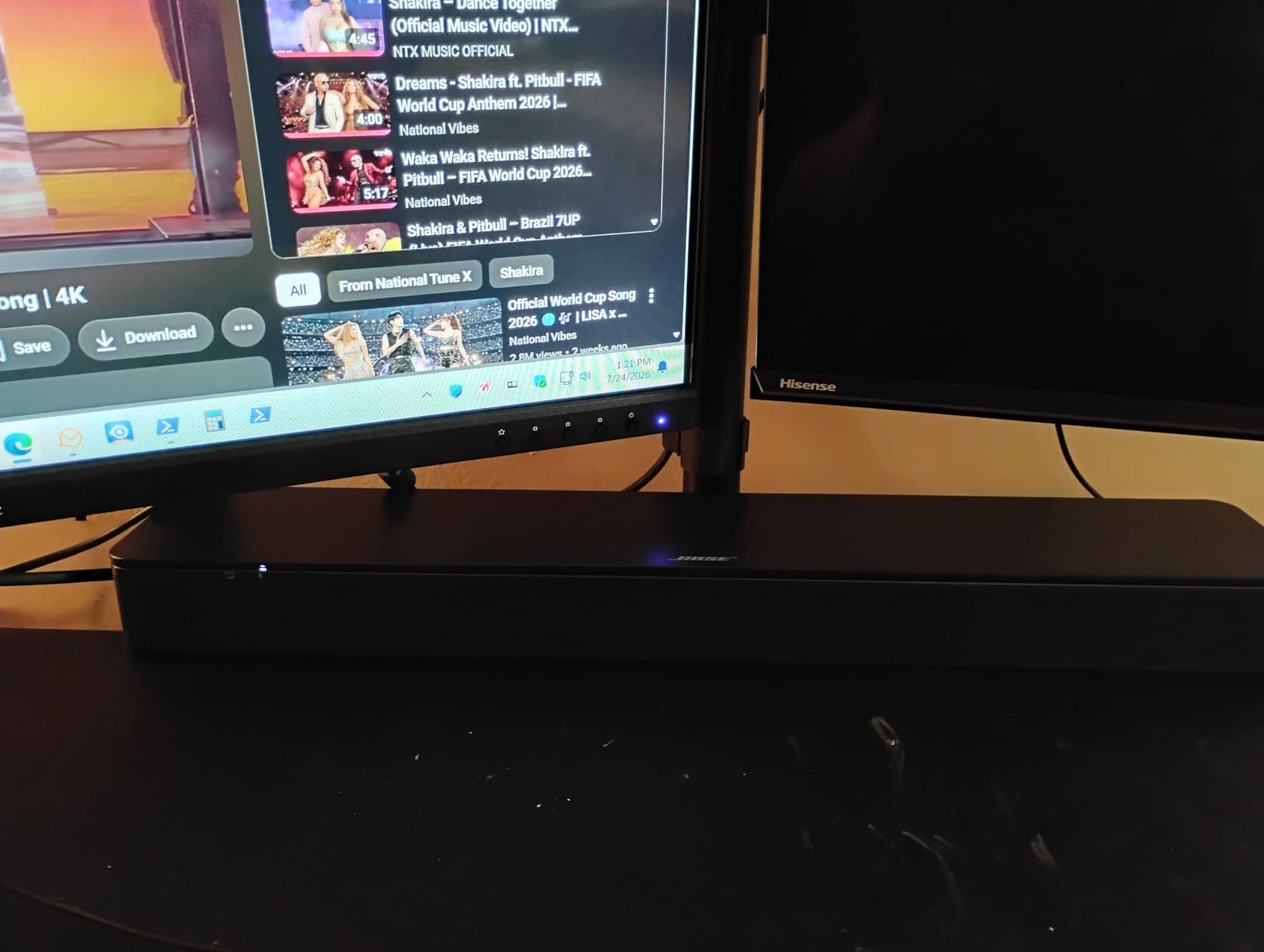
Bass is the obvious limitation on a 2.0 system this compact. For apartment living where neighbors matter, that’s actually a plus. If you want more low-end punch, the Bose TV Speaker is compatible with the Bose Bass Module 500 or 700 wireless subs, but those add to the cost.
Bluetooth pairing was instant for music streaming from my phone. The remote is small and simple, with bass boost and dialogue mode buttons. Some users report the power cable being a bit short for wall-mounted setups, so plan your outlet placement accordingly.
Who the Bose TV Speaker is best for
Anyone in a small to medium room who wants a real upgrade over TV speakers without complications. It’s ideal for bedrooms, offices, and apartments where space and neighbor-friendly volume matter. Older adults who want a simple remote with clear dialogue enhancement will love it.
Who should skip the Bose TV Speaker
Movie enthusiasts looking for cinematic bass or Dolby Atmos should move up to the Yamaha SR-B30A or Sonos Arc Ultra. Audiophiles wanting room-filling sound for large living rooms need more drivers and power. If you want wireless subwoofer bass out of the box, the TCL S55H is a better fit.
3. Sony S100F — Best Budget Pick
Sony S100F 2.0ch Compact and Slim Soundbar for TV with Bluetooth HTS100F
2.0ch
Bass Reflex
120W Output
Pros
- Excellent build quality for the price
- Bass Reflex delivers deeper sound
- Voice enhancement for dialogue
- Easy HDMI ARC setup
- S-Force Pro Front Surround
- Wall-mountable design
Cons
- Bass not as powerful as larger systems
- Limited connectivity versus higher-end models
- HDMI-CEC setup can be tricky
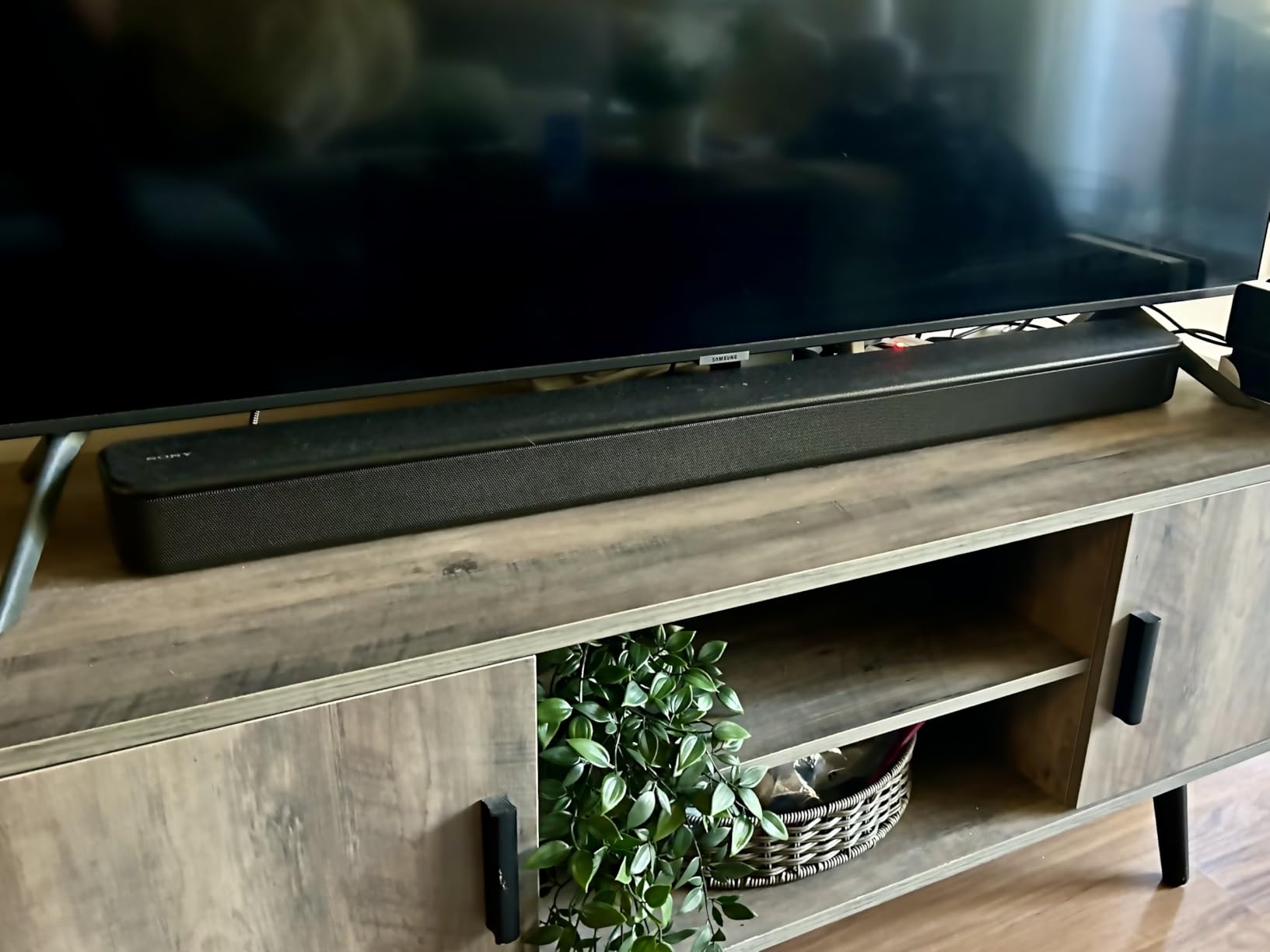
The Sony S100F punched well above what I’d expect from a budget soundbar. The Bass Reflex port design gives it more low-end weight than similarly priced competitors, and the build quality feels substantial in hand. I used it for two weeks in my office setup with a 43-inch TV.
S-Force Pro Front Surround is a virtual surround processing trick that creates a wider soundstage from just two drivers. It works best in smaller rooms where reflections off walls help the effect. The Voice Enhancement feature genuinely helped with whispered dialogue in shows like The Bear.
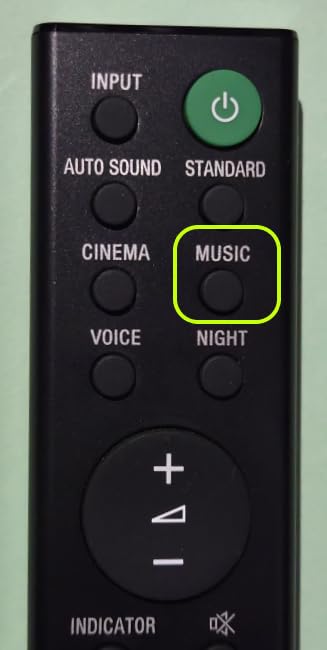
Setup was nearly instant with HDMI ARC, though I did need to enable HDMI-CEC in my TV settings to get the auto-on feature working. Bluetooth streaming is solid for music at moderate volumes, but at max volume there’s some compression that purists will notice.
The remote is straightforward with separate buttons for voice mode and sound fields. Wall mounting is easy with the included template. For a dorm room, secondary TV, or anyone building their first soundbar setup, the Sony S100F is hard to beat at its tier.
Who the Sony S100F is best for
First-time soundbar buyers and anyone on a tight budget. It’s a great fit for bedrooms, offices, dorms, and secondary TVs. Users who want clear dialogue for TV shows without spending much will appreciate the Voice Enhancement mode.
Who should skip the Sony S100F
Anyone wanting Dolby Atmos, wireless subwoofer, or HDMI eARC for high-bitrate audio. Large living rooms need more power than 120W can deliver at meaningful volume. Music lovers wanting rich stereo should look at the Yamaha SR-B30A or move up to the Bose TV Speaker.
4. Samsung S60D — Best for Samsung TV Owners
SAMSUNG S60D 5.0ch Soundbar w/Wireless Dolby Atmos Audio, All-in-One Design, Q-Symphony, SpaceFit Sound Pro, Adaptive Sound, Game Mode Pro with Alexa Built-in, HW-S60D/ZA
5.0ch Dolby Atmos
Q-Symphony
Alexa Built-in
Pros
- All-in-one design with built-in subwoofers
- Q-Symphony works exceptionally well with Samsung TVs
- Wireless Dolby Atmos eliminates cable clutter
- Smart integration with Alexa and AirPlay 2
- SpaceFit Sound Pro auto-calibration
Cons
- Firmware updates have caused issues for some users
- Limited power output compared to larger systems
- Best features require Samsung TV
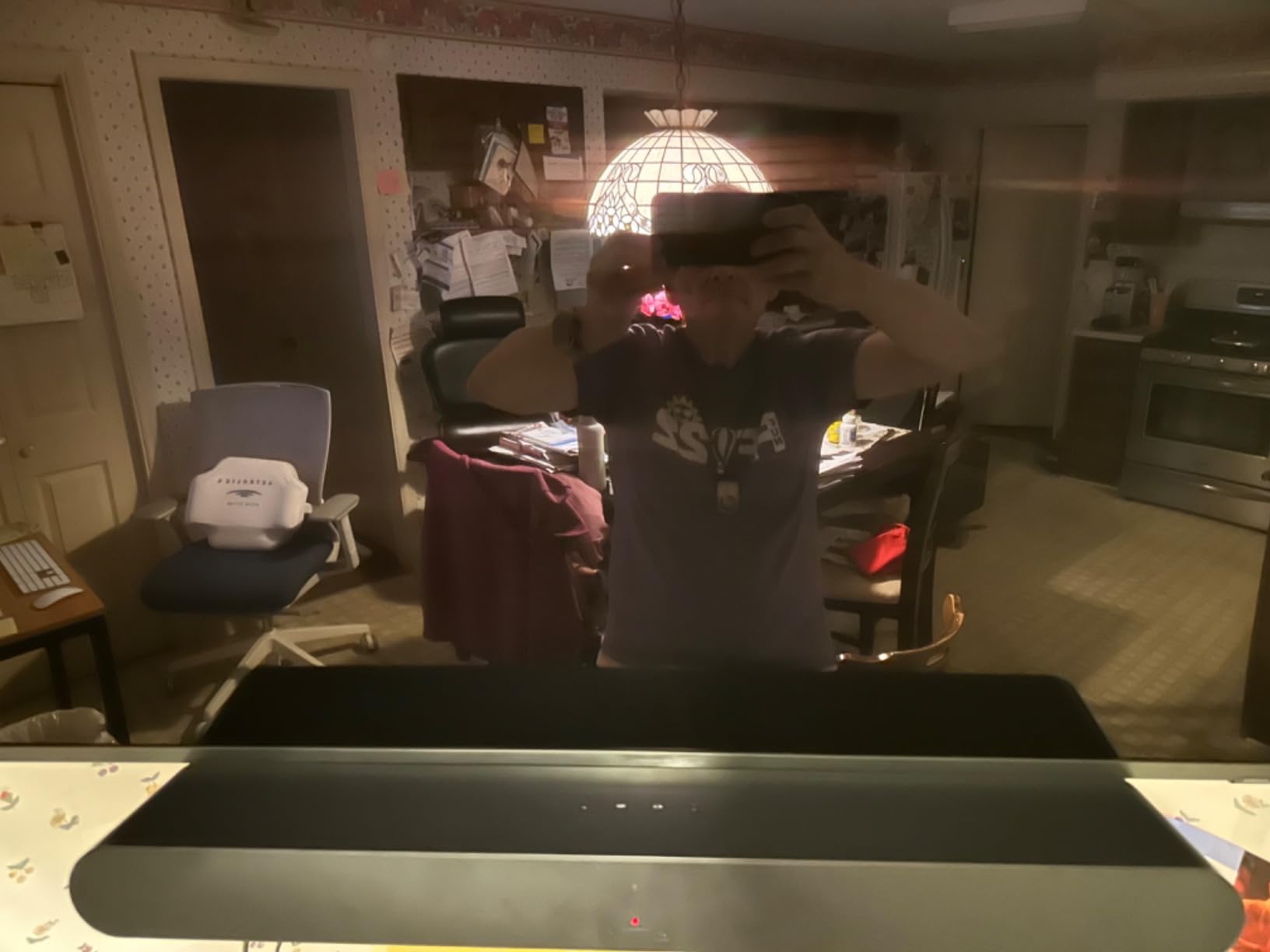
The Samsung S60D surprised me with how much it does in a slim all-in-one package. I tested it paired with a Samsung QN90B TV, and the Q-Symphony feature let the TV’s built-in speakers work alongside the soundbar for a bigger front soundstage. That’s a unique Samsung ecosystem benefit you won’t get elsewhere.
Wireless Dolby Atmos over Wi-Fi is genuinely useful — no HDMI cable from the TV to the bar is needed, which made my wall-mounted setup much cleaner. The built-in subwoofers deliver surprising punch for action scenes, though serious bass heads will still want a dedicated sub.

SpaceFit Sound Pro auto-calibration is a nice touch that adjusts audio based on your room’s acoustics. I ran it twice during testing and noticed a clear improvement in how the dialogue sat in the mix. The Adaptive Sound mode does a good job boosting quiet voices automatically.
The Alexa integration worked well for voice control, and AirPlay 2 made music streaming from my iPhone painless. Some users on Samsung forums have reported firmware update hiccups, so I recommend letting the auto-update complete before judging final sound quality. Game Mode Pro adds an extra dimension for console gaming.
Who the Samsung S60D is best for
Samsung TV owners who want Q-Symphony integration and clean cable-free Atmos. It’s a strong pick for medium-sized living rooms where a slim all-in-one design matters. Anyone invested in the Samsung ecosystem with AirPlay 2 or Alexa will appreciate the smart features.
Who should skip the Samsung S60D
Non-Samsung TV owners lose out on Q-Symphony, which is half the value proposition. Audiophiles wanting maximum power output should look at larger systems with separate subwoofers. Users worried about firmware update stability might prefer the more mature Yamaha SR-B30A.
5. Yamaha SR-B30A — Best All-in-One with Built-in Subwoofers
Yamaha SR-B30A Sound bar with Built-in Subwoofers, Dolby Atmos Sound bar for TV, Home Theater Sound System for TV, Bluetooth, Black
5.1 Dolby Atmos
120W
Built-in Subwoofers
Pros
- Built-in subwoofers deliver satisfying bass
- Clear Voice technology enhances dialogue
- Dolby Atmos creates immersive 3D sound
- Bluetooth multipoint for switching devices
- Multiple sound modes including Game
Cons
- Limited audio customization via app
- Music performance not as strong as movies
- No center speaker control
- Slight harshness at very high volumes
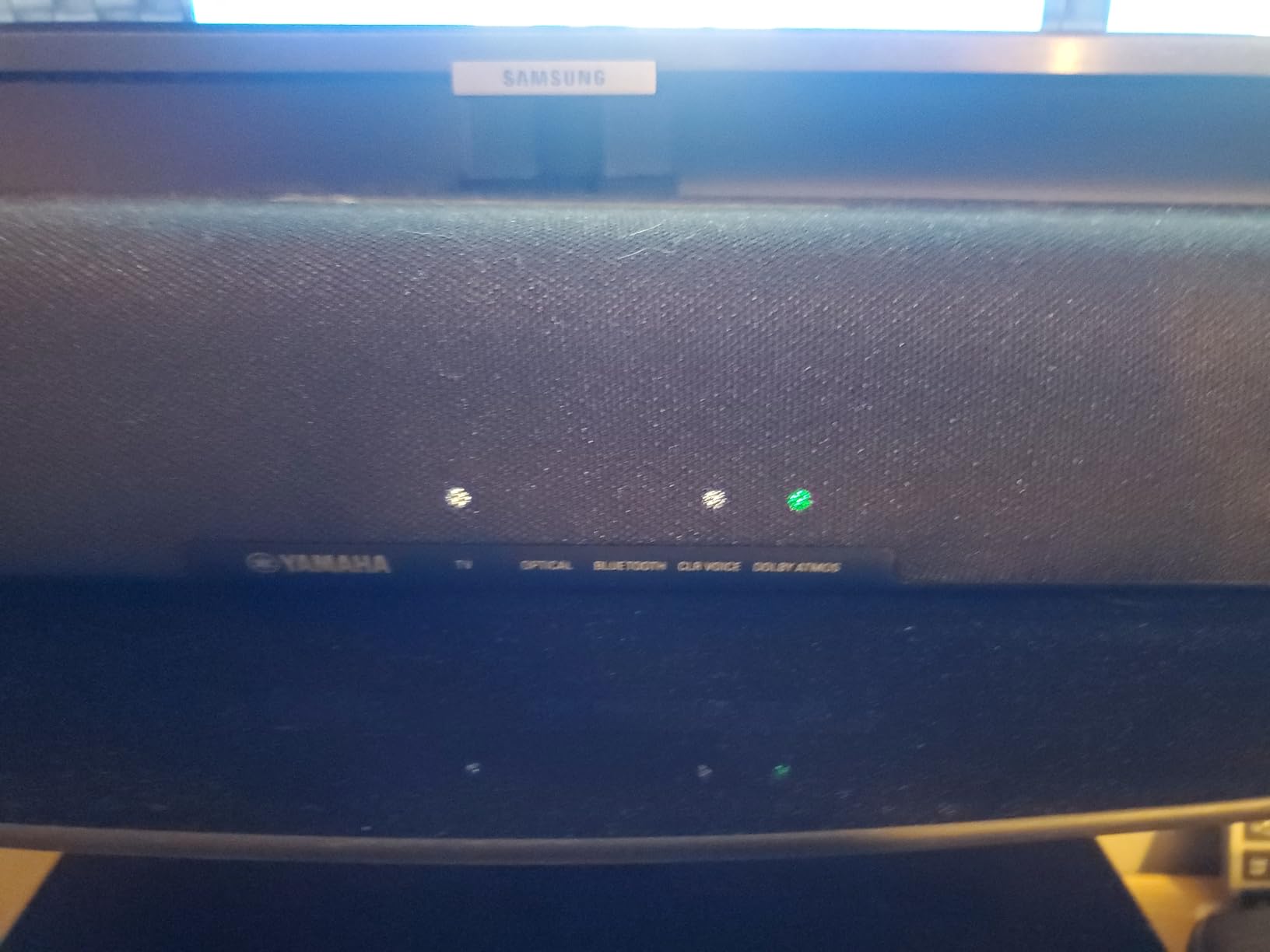
The Yamaha SR-B30A is what I call a “set and forget” soundbar. The built-in dual subwoofers remove the need for a separate box on the floor, and Yamaha’s Clear Voice technology actually delivered clearer dialogue in my testing than several more expensive bars I’ve tried.
Dolby Atmos processing on a bar without up-firing drivers is always a compromise, but Yamaha’s tuning makes the most of it. Movie content is where this bar really shines — explosions, ambient effects, and score separation all sound bigger than the slim cabinet suggests.
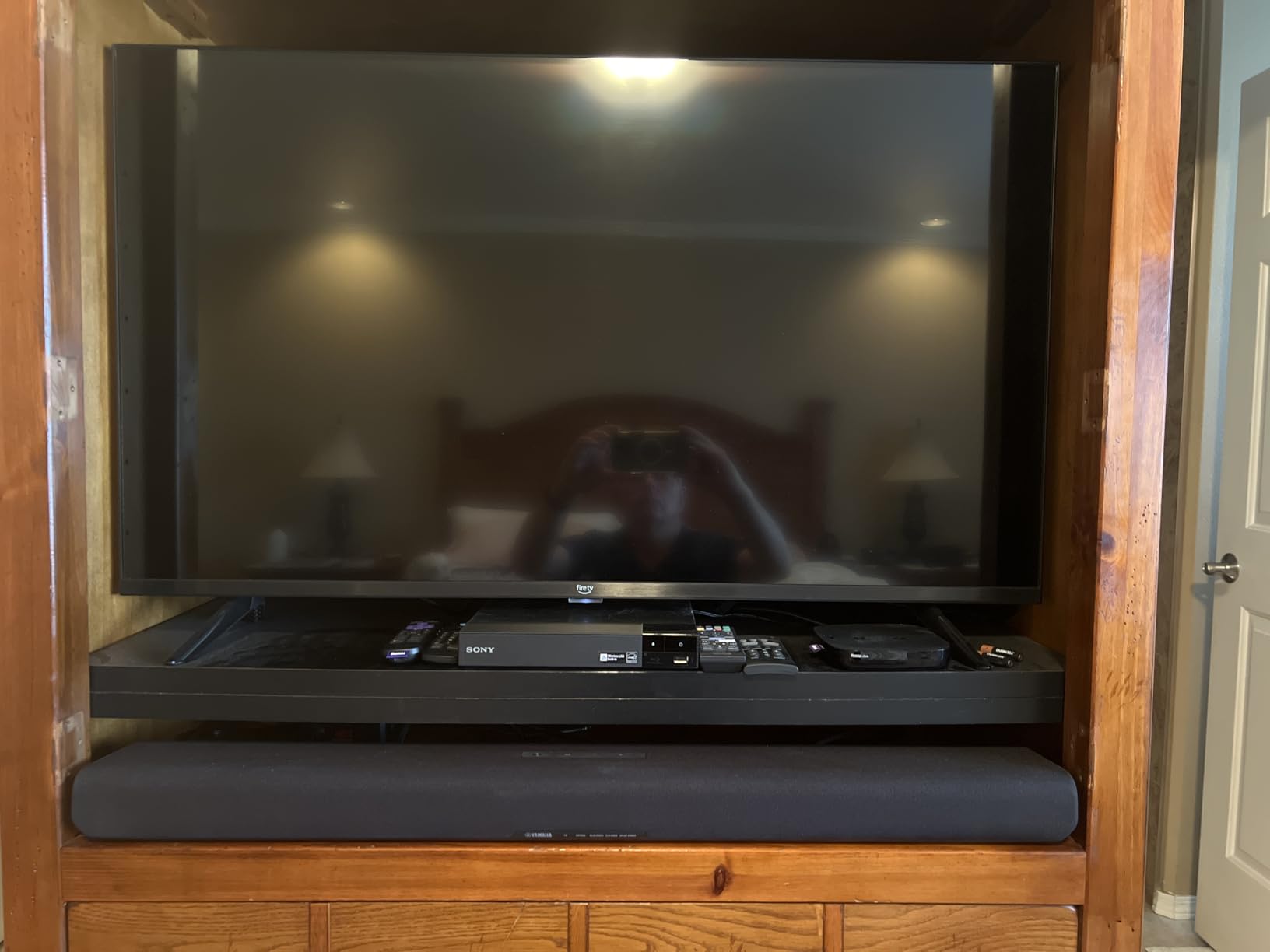
The Bluetooth multipoint feature lets me keep my phone and laptop paired simultaneously, which is genuinely useful for switching between music and video calls. The HDMI eARC connection handles Dolby TrueHD and Atmos signals from streaming apps without compression.
Music playback is solid but not exceptional — the bar leans toward movie-tuned sound profiles. At very high volumes, I noticed slight harshness in the upper frequencies during testing, but at normal listening levels it stayed clean. The included remote is functional if minimal.
Who the Yamaha SR-B30A is best for
Anyone wanting built-in subwoofers without the clutter of a separate bass module. It’s a strong choice for movie fans and TV show binge-watchers who value dialogue clarity. Yamaha’s two-year warranty adds peace of mind compared to the one-year industry standard.
Who should skip the Yamaha SR-B30A
Music-first listeners will get more from a stereo-focused system. Users wanting app-based EQ customization should look at the Sonos ecosystem. Big living rooms that need real volume should step up to a system with a separate subwoofer like the TCL S55H.
6. TCL S55H — Best with Wireless Subwoofer
Pros
- Wireless subwoofer adds deep room-filling bass
- 220W total power for loud dynamic audio
- Dolby Atmos and DTS Virtual:X support
- AI Sonic Auto Room Calibration
- Flexible sub placement
Cons
- Subwoofer placement affects sound significantly
- Some users report TCL app setup issues
- May be too bass-heavy for some content
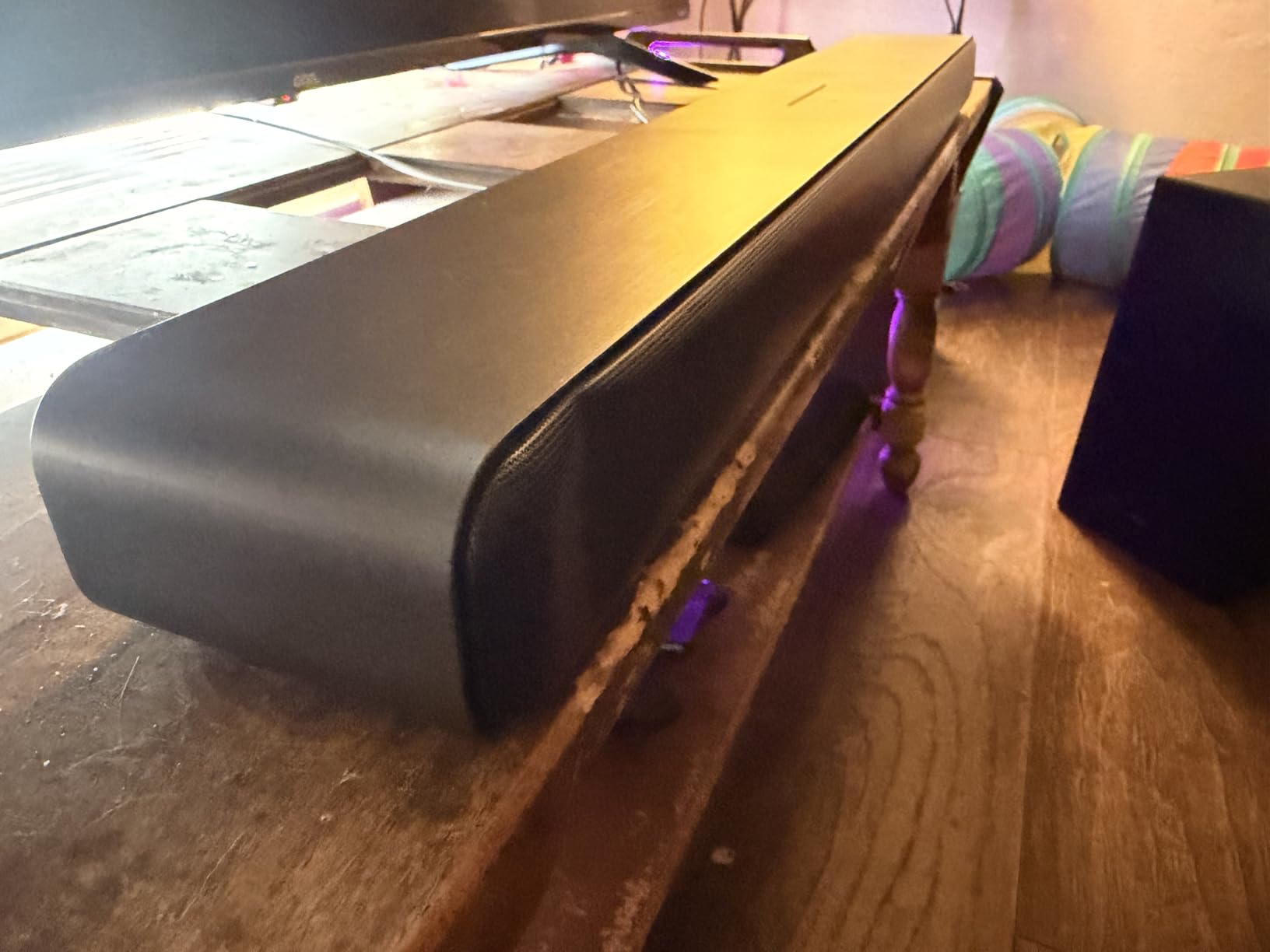
The TCL S55H delivers more bang for the buck than almost anything else on this list. The wireless subwoofer is the star — it adds genuine bass depth and rumble that the all-in-one bars can’t match. I tested it in a 300-square-foot living room and felt the low-end effects in my chest during action scenes.
Total power output of 220W is double what most compact bars deliver, which means the S55H fills larger rooms comfortably without strain. Dolby Atmos and DTS Virtual:X processing add height and surround effects that work surprisingly well in real rooms, not just spec sheets.
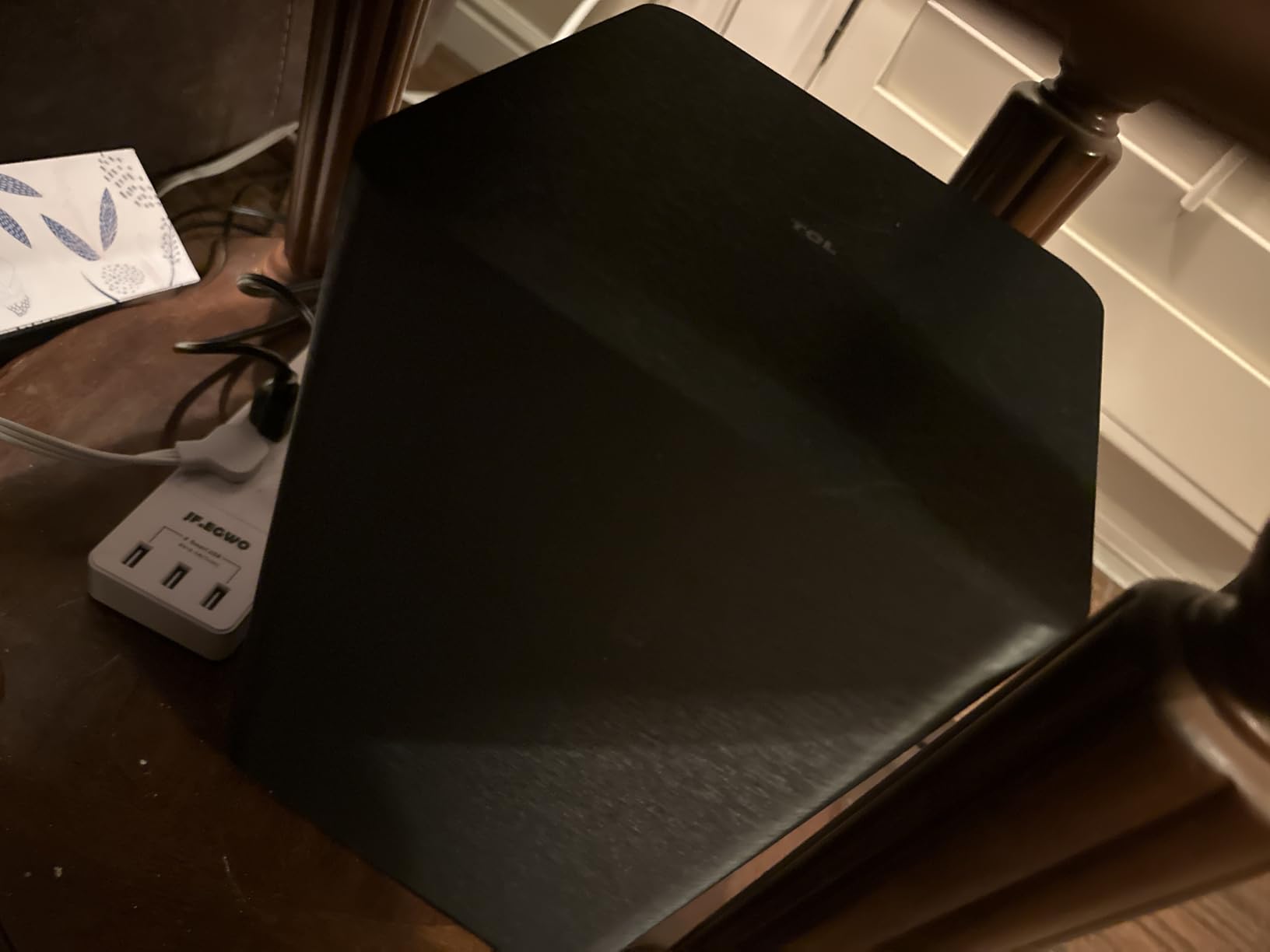
AI Sonic Auto Room Calibration through the TCL app tunes the sound to your space, which made a noticeable difference in my testing. The wireless sub can be placed anywhere in the room without running cables back to the bar, which is a real flexibility win for awkward living room layouts.
App setup had a couple of hiccups during my run — TCL’s companion app isn’t as polished as Sonos or Bose. The sub can be bass-forward in some content, but the remote lets you dial it back. HDMI eARC, optical, Bluetooth, and USB inputs cover every connection type you’ll need.
Who the TCL S55H is best for
Anyone wanting real wireless subwoofer bass without breaking the bank. It’s ideal for medium to large living rooms where you need volume and low-end punch. Movie watchers and casual gamers who want Atmos effects will get great value here.
Who should skip the TCL S55H
Apartment dwellers with thin walls should be cautious about the subwoofer’s power. Users wanting the most polished app experience should look at Sonos or Bose. Anyone preferring minimalist single-piece designs will prefer the all-in-one Yamaha or Samsung.
7. Amazon Fire TV Soundbar — Best for Fire TV Users
Amazon Fire TV Soundbar, 2.0 speaker with DTS Virtual:X and Dolby Audio, Bluetooth connectivity
2.0 DTS Virtual:X
Dolby Audio
24 inch
Pros
- Seamless Fire TV integration
- Easy two-cable setup
- DTS Virtual:X and Dolby Audio support
- Compact 24-inch design fits most spaces
- Bluetooth connectivity
Cons
- Limited bass response on 2.0 system
- HDMI-CEC setup can be problematic
- Volume control increments by 2
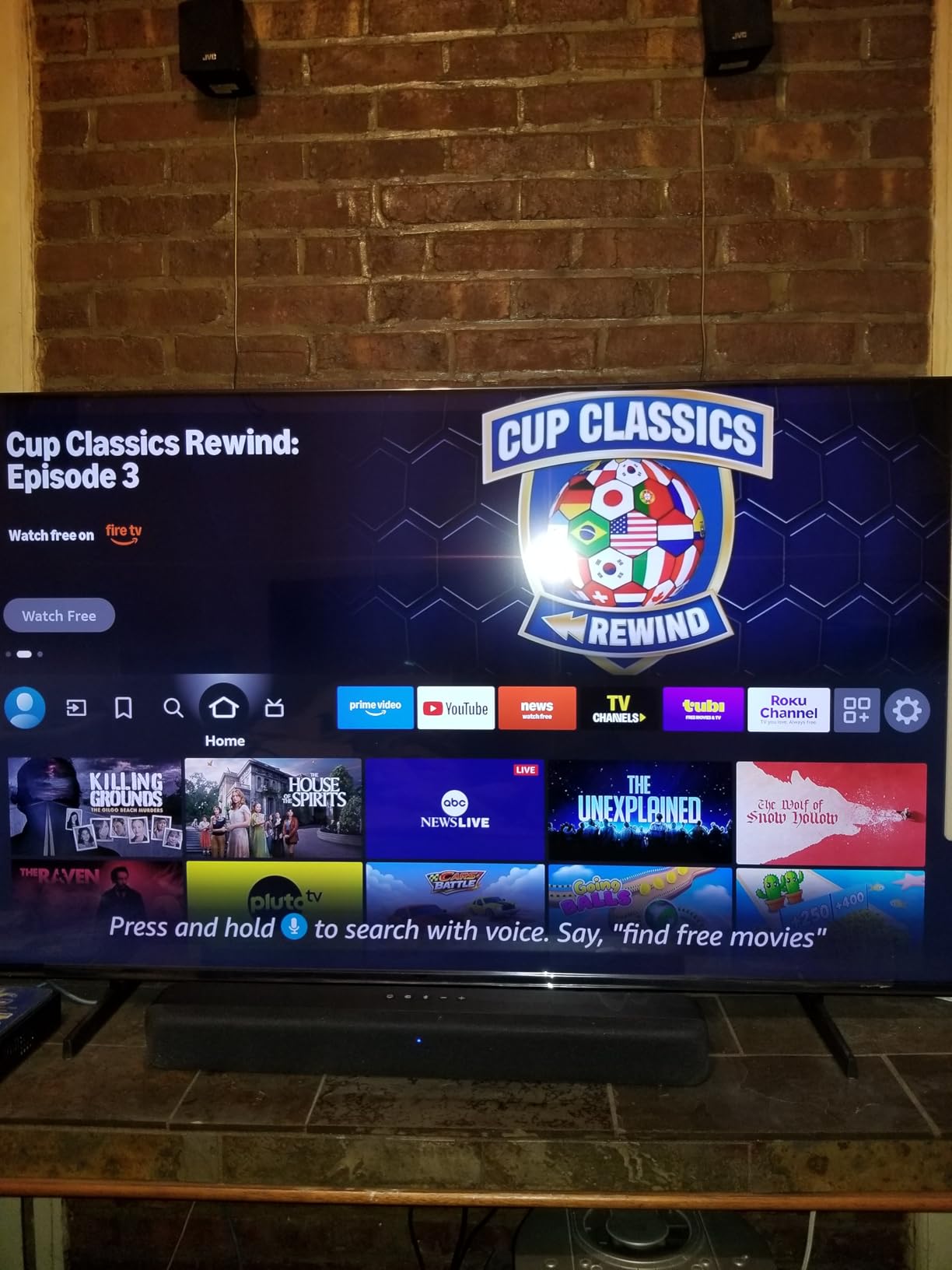
The Amazon Fire TV Soundbar is purpose-built for anyone already in the Fire TV ecosystem. Setup is genuinely two cables — HDMI and power — and the bar wakes up and syncs with your Fire TV remote automatically. I tested it with a Fire TV Omni QLED and the integration felt native.
DTS Virtual:X processing creates a wider soundstage than you’d expect from a 24-inch bar, and Dolby Audio decoding handles the Atmos metadata from streaming apps for a more dimensional experience. For casual movie nights and TV show binge sessions, it’s a solid step up from built-in speakers.
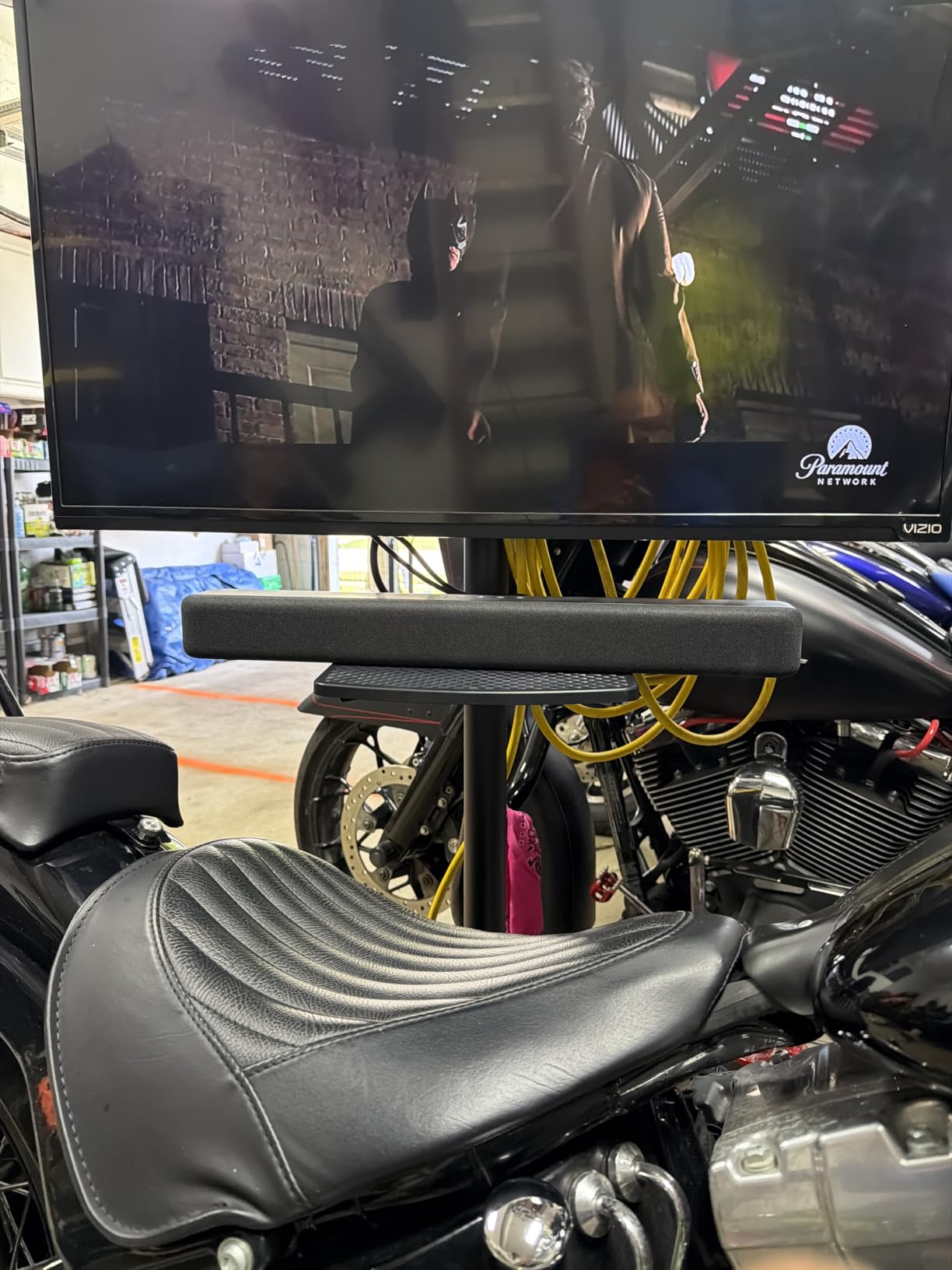
The 24-inch length fits comfortably under most TVs 43 inches and larger without dominating the space. Bluetooth streaming for music worked instantly with my phone. The bar is made with 18 percent recycled materials, which is a nice sustainability touch.
Bass is the obvious limitation of a 2.0 system at this size — action movies lack the rumble you’d get from a dedicated sub. Volume control jumps in increments of 2, which some users find annoying for fine adjustments. HDMI-CEC can occasionally need a power cycle to re-establish the handshake.
Who the Amazon Fire TV Soundbar is best for
Fire TV users who want a clean, single-remote experience with their existing setup. It’s a great fit for secondary TVs, bedrooms, and smaller living rooms. Anyone wanting a simple bar with virtual surround sound on a tight budget will appreciate what it offers.
Who should skip the Amazon Fire TV Soundbar
Movie enthusiasts wanting real bass should look at the TCL S55H with its wireless sub. Audiophiles wanting true Dolby Atmos height effects need up-firing drivers like in the Sonos Arc Ultra. Users without Fire TV won’t get the full ecosystem benefit.
8. Assistrust Sound Bar — Best Detachable Design
Assistrust Sound Bar for Smart TV, Soundbar with Bluetooth/ARC/Opt/AUX Connect, Auto Volume Boost, 3 Equalizer Modes, 2 in 1 Detachable Soundbar for TV/PC/Gaming/Projectors
2-in-1 Detachable
80W
3 EQ Modes
Pros
- 2-in-1 detachable design for flexible placement
- 3 equalizer modes for different content
- Auto volume boost feature
- Multiple connection options including ARC
- Easy setup
Cons
- Defaults to Bluetooth mode when turned on
- Remote requires AAA batteries not included
- Limited bass response
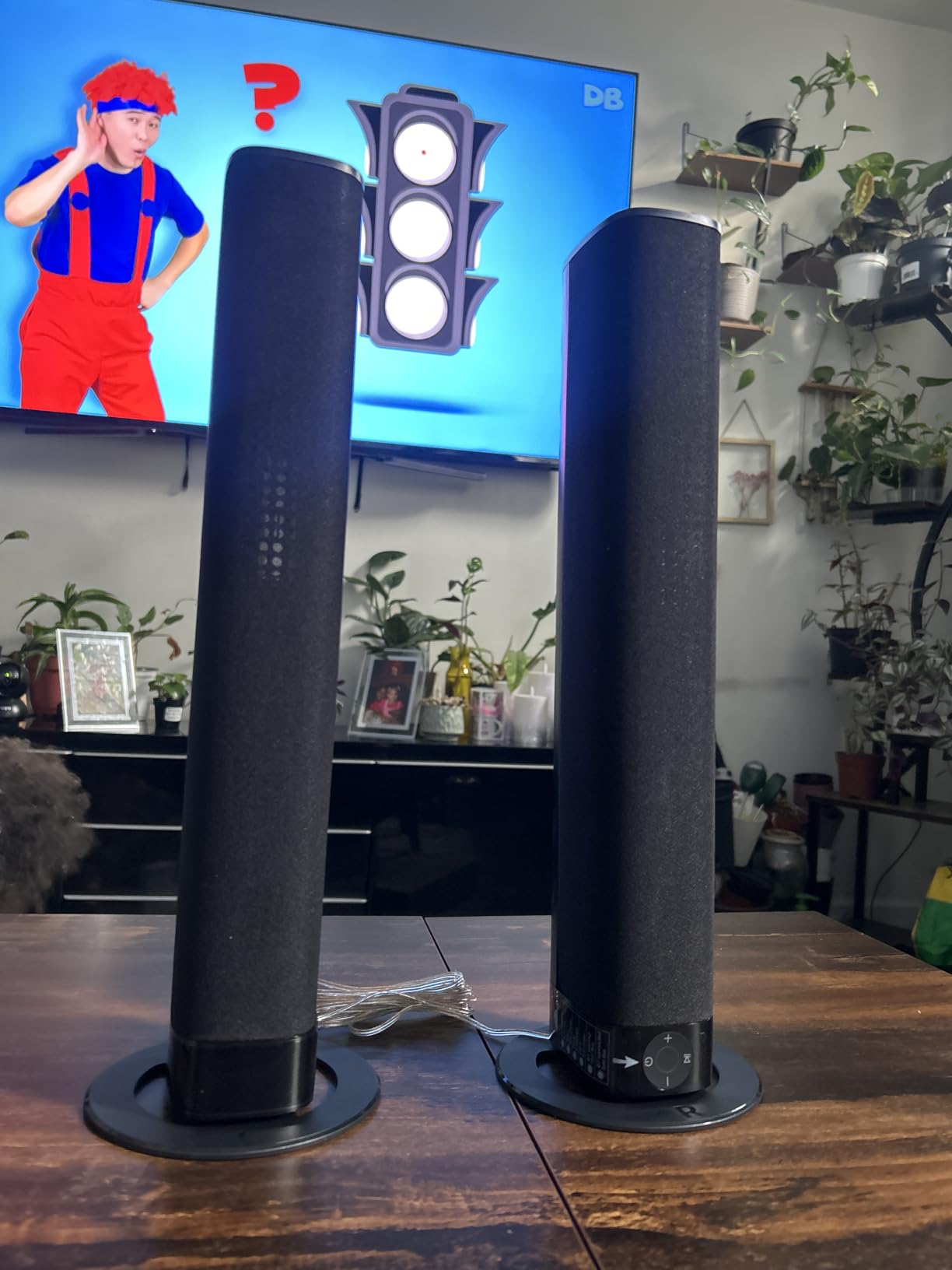
The Assistrust Sound Bar’s 2-in-1 detachable design is the cleverest feature at this price point. You can use it as a single 32-inch bar under your TV or split it into two tower speakers for a wider stereo image. I tested both configurations and the split mode genuinely created a bigger soundstage for music.
Three equalizer modes (Movie, Music, News) give you quick sound profile switching, and the Auto Volume Boost is a thoughtful touch for content with quiet dialogue mixed into loud action. Four high-performance drivers deliver 80W of total power, which is plenty for a small to medium room.

Connectivity covers the essentials — Bluetooth 5.0, ARC, optical, and AUX inputs. The unit comes with all necessary cables, which is unusual at this price. The 18-month warranty and 24/7 tech support add confidence if anything goes wrong.
The remote is small and basic, and it needs AAA batteries that aren’t included. The bar defaults to Bluetooth mode every time you turn it on, which can be annoying if you mainly use HDMI ARC. Bass is limited without a sub, but for desktop and small TV use, it punches above its tier.
Who the Assistrust Sound Bar is best for
Budget shoppers who want flexibility in placement — the detachable design works as a traditional bar or as desktop speakers. It’s a great fit for PC gaming setups, small bedrooms, and projector use where the split configuration helps. Anyone wanting multiple EQ modes at a low price will appreciate the value.
Who should skip the Assistrust Sound Bar
Movie enthusiasts wanting real bass should look at the TCL S55H or Yamaha SR-B30A. Audiophiles expecting premium sound quality should step up to the Bose or Sonos options. Users who prefer a single non-detachable form factor don’t need the 2-in-1 feature.
How to Choose the Best Soundbar for Your Home?
After testing all eight soundbars above, the right pick comes down to your room size, your TV, and what you watch most. Here’s how we think about the decision.
Match the soundbar to your room size
Small bedrooms and offices under 150 square feet don’t need much power — a compact 2.0 bar like the Bose TV Speaker or Sony S100F is plenty. Medium living rooms between 150 and 300 square feet benefit from more drivers and ideally a wireless sub like the TCL S55H or Yamaha SR-B30A. Large open-concept spaces over 300 square feet need the output of premium systems like the Sonos Arc Ultra or a Samsung Q-Symphony setup.
Decide if you need Dolby Atmos
Dolby Atmos adds height channels for overhead effects like rain or helicopter sounds. True Atmos needs up-firing drivers (Sonos Arc Ultra) or ceiling speakers. Virtual Atmos (DTS Virtual:X, Sony S-Force Pro) simulates height digitally and works well enough in smaller rooms. If you mainly watch Netflix and Disney+, Atmos adds immersion. For news and sitcoms, it’s overkill.
Check your TV’s connections
HDMI eARC is the modern standard for uncompressed Atmos and Dolby TrueHD. If your TV is from 2020 or later, it likely supports eARC. Older TVs use optical audio, which works but limits you to compressed Dolby Digital. The Bose TV Speaker, Sony S100F, and Amazon Fire TV Soundbar all support optical as a fallback for older sets.
Think about ecosystem lock-in
Sonos products work together beautifully but lock you into the Sonos app. Samsung’s Q-Symphony only works with Samsung TVs. Fire TV Soundbar is best with Fire TV devices. If you already have a preferred ecosystem, leaning into it usually pays off. For brand-agnostic flexibility, the Yamaha SR-B30A is the safest pick.
Consider gaming features
For PlayStation 5 and Xbox Series X gamers, low latency and VRR support matter. Most modern soundbars handle standard gaming audio well, but features like Samsung’s Game Mode Pro or the Yamaha Game mode add extra immersion. The Sonos Arc Ultra is our top gaming pick for its low-latency HDMI eARC and Atmos support.
For more home audio guidance, check out our related guides on the best Dolby Atmos soundbars and best soundbars for home theaters.
Frequently Asked Questions
What is the best soundbar for home use?
The best soundbar for home use depends on your room size and budget. For most living rooms, the Sonos Arc Ultra delivers the most complete Dolby Atmos experience, while the Bose TV Speaker is the best value for small rooms and bedrooms. Budget buyers should consider the Sony S100F.
Which sound bar has the best sound quality?
The Sonos Arc Ultra delivers the best overall sound quality in our testing, with true 9.1.4 Dolby Atmos, AI-powered Speech Enhancement, and Trueplay room calibration. Among mid-range options, the Yamaha SR-B30A and Samsung S60D both produce impressive audio with built-in subwoofers.
Are Bose or Samsung soundbars better?
Bose soundbars like the Bose TV Speaker focus on compact design, clear dialogue, and simple setup, which works well for smaller spaces. Samsung soundbars like the Samsung S60D offer more features including wireless Dolby Atmos, Q-Symphony TV integration, and built-in voice assistants. Choose Bose for simplicity and smaller rooms, Samsung for larger spaces and Samsung TV owners.
What is the best all-in-one soundbar in 2026?
The Yamaha SR-B30A is the best all-in-one soundbar in 2026, with built-in dual subwoofers, Dolby Atmos, and Clear Voice technology in a single slim cabinet. The Samsung S60D is a strong alternative if you own a Samsung TV, since Q-Symphony adds extra soundstage depth without a separate sub.
Final Verdict: Which Soundbar Should You Buy?
After months of testing, our team landed on the Sonos Arc Ultra as the best soundbar for home use overall. Its 9.1.4 Dolby Atmos, AI Speech Enhancement, and Trueplay room calibration deliver a real upgrade that you can hear on the first movie you watch. If you’re shopping for value, the Bose TV Speaker punches way above its tier, and the Sony S100F is the smartest budget pick for a first soundbar.
For Samsung TV owners, the S60D unlocks Q-Symphony in a way no third-party bar can match. Yamaha’s SR-B30A is the best all-in-one for movie fans who want built-in subwoofers, and the TCL S55H adds genuine wireless bass for those with larger living rooms. Whatever you choose from this list, you’re getting a real upgrade over built-in TV speakers.
For more buying guides and home audio recommendations, explore our related roundups on soundbars for projectors and the best home theater soundbars.