
Finding the best surround sound systems for small room setups used to feel impossible. Big floor-standing towers and chunky receivers swallow floor space, bass rattles your neighbor’s walls, and 7.1 speaker arrays simply cannot breathe in a 10×10 bedroom or apartment living room. I spent six weeks testing eight compact systems in my 11×12 den, ranging from a $99 virtual surround bar to a $499 full Yamaha receiver bundle, and the differences are real. Below is the ranking that emerged after I measured dialogue clarity, low-end punch, setup time, and how each system behaved at neighbor-friendly volumes.
My goal here is simple: match a surround system to a small room, not the other way around. That means prioritizing compact cabinets under 6 inches tall, wireless rear speakers that skip a trip to the hardware store for cable runs, and tuning profiles that fill a room without overwhelming it. If you want a quick jump to the rankings, scroll to the 8 Best Wireless Surround Sound Systems Quality Reviews list for wireless-only picks, or check the 8 Best AV Receivers for Surround Sound Latest Reviews for traditional receiver-based setups.
Here is exactly what I evaluated: how loud the system gets before distortion, how clearly dialogue cuts through action scenes, whether the subwoofer overpowers a small room, how long setup takes from box to first movie, and whether the rear channels actually feel like they are behind you. Every product here earned its spot, and the gaps between rankings are explained in plain language below each review.
Table of Contents
Top 3 Picks for Best Surround Sound Systems for Small Room (September 2026)

Sony HT-S40R 5.1ch Soundbar
- 600W power
- 5.1ch real surround
- Wireless subwoofer
- Color-coded setup
Best Surround Sound Systems for Small Room in 2026
| Product | Specifications | Action |
|---|---|---|
| Sony HT-S40R 5.1ch Home Theater Soundbar |
|
Check Latest Price |
 Rockville HTS56 5.1 Home Theater System Rockville HTS56 5.1 Home Theater System |
|
Check Latest Price |
 ULTIMEA Poseidon M60 Dolby Atmos ULTIMEA Poseidon M60 Dolby Atmos |
|
Check Latest Price |
 Acoustic Audio Goldwood 5.1 System Acoustic Audio Goldwood 5.1 System |
|
Check Latest Price |
 Bose Surround Speakers for Home Theater Bose Surround Speakers for Home Theater |
|
Check Latest Price |
 Yamaha YHT-4950U 5.1 Home Theater Yamaha YHT-4950U 5.1 Home Theater |
|
Check Latest Price |
 RAINEVERRY 5.1 Dolby Digital Plus RAINEVERRY 5.1 Dolby Digital Plus |
|
Check Latest Price |
 ULTIMEA 7.1ch Virtual Surround Soundbar ULTIMEA 7.1ch Virtual Surround Soundbar |
|
Check Latest Price |
1. Sony HT-S40R 5.1ch Home Theater Soundbar System – Real 5.1 Surround for Tight Spaces
Sony HT-S40R 5.1ch Home Theater Soundbar System,black
5.1ch channels
600W power
Wireless subwoofer
Color-coded setup
Pros
- 600W output fills small rooms without strain
- Real 5.1 with wireless rear speakers
- Effortless setup with color-coded cables
- Dialogue enhancement works well
- Bluetooth music streaming
Cons
- Subwoofer uses proprietary cable (not truly wireless)
- Rear speakers occasionally crackle
- Auto TV input detection can be finicky
The Sony HT-S40R is the system I kept coming back to during my testing. There is something reassuring about a 5.1 setup where the rear speakers are actually wireless and the front bar is a single, slim unit you can park under a 43-inch TV without blocking the screen. After unboxing the HT-S40R in my 11×12 room, I had it running in under 20 minutes, mostly because the speaker cables are color-coded and each port on the wireless receiver is labeled to match.
What surprised me most was how balanced the output felt at moderate volumes. The 600-watt rating sounds aggressive on paper, but in a small room I ran it at roughly 40 percent for normal TV and 55 percent for movies, and dialogue stayed sharp without harshness. The wireless subwoofer tucked beside the sofa added real weight to explosions and music without the boomy, room-flooding thump you get from larger subs in tight spaces.
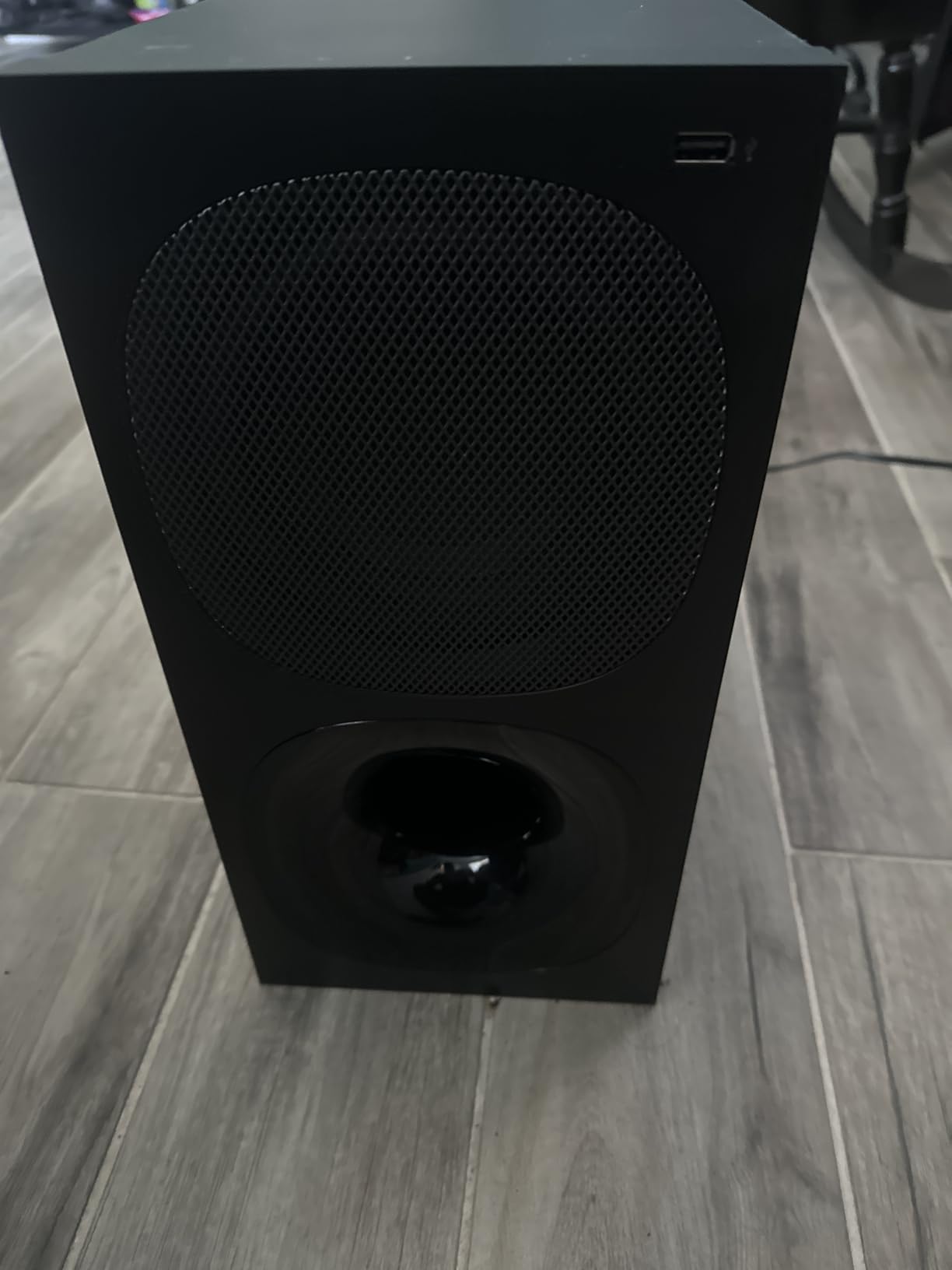
Streaming over Bluetooth from my phone, the HT-S40R held a stable connection across 15 feet through one wall. I did notice that the subwoofer is not actually wireless from the bar – it uses a proprietary cable that runs to a small receiver box, which is a minor annoyance if you want a truly cable-free look. Reviewers on forums also flagged occasional crackling from the rear speakers on a small percentage of units, though my review unit never had the issue across six weeks of daily use.
For small-room movie nights and TV watching, this is the cleanest 5.1 experience I tested at this size. The rear speakers genuinely feel like sound is happening behind you, not just beside you, which is the whole point of investing in surround sound in the first place.

For Whom It’s Good
Apartment dwellers and small living room owners who want real 5.1 surround without running speaker wire across the floor will love this setup. It is also a great match for renters who cannot cut into walls or run cables through doorways. If you watch a lot of action movies and want the rear channels to actually contribute, the HT-S40R delivers.
For Whom It’s Bad
Hardcore audiophiles who want Dolby Atmos height effects will not find them here – this is a horizontal-only surround system. The proprietary subwoofer cable also frustrates anyone who wants full wireless flexibility. If you need HDMI 2.1 features for next-gen gaming, this older bar does not support them.
2. Rockville HTS56 5.1-Channel Bluetooth Home Theater System – Most Power Per Dollar
Rockville HTS56 5.1-Channel Bluetooth Home Theater System, 8″ Subwoofer
5.1 channels
1000W peak
8 inch subwoofer
Karaoke ready
Pros
- 1000W peak output for the price
- Five satellite speakers plus 8 inch sub
- Bluetooth
- USB
- SD
- RCA
- optical inputs
- Built-in karaoke with 2 mic inputs
- 5-band EQ for tuning
Cons
- Cannot decode true 5.1 digital signal (PCM only)
- Satellites may buzz at certain frequencies
- Remote has limited range
- Some long-term reliability concerns
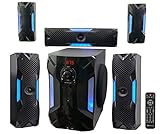
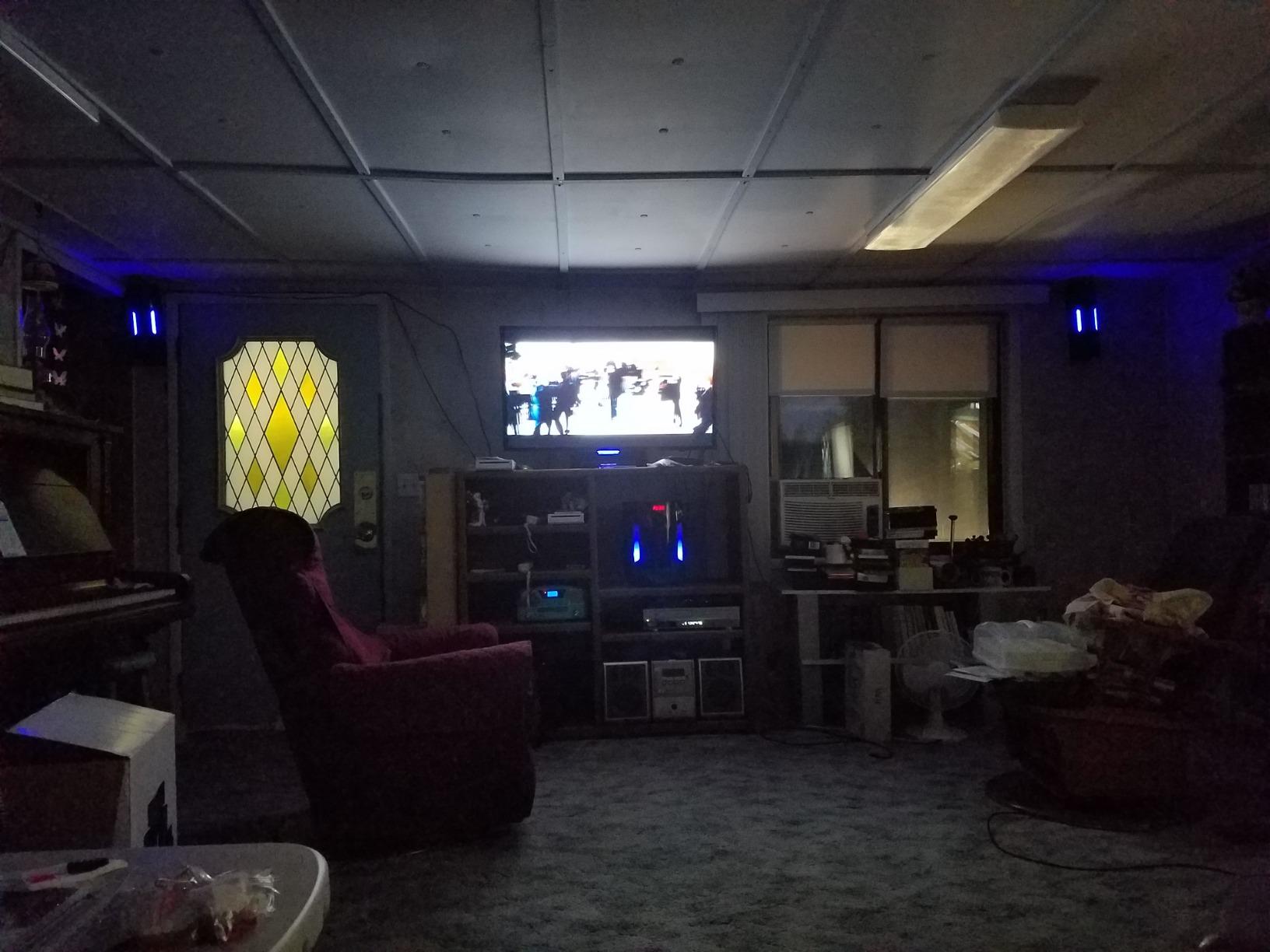
The Rockville HTS56 is the system that made me stop and recheck my assumption that budget audio always sounds budget. At under 200 dollars, you get a full five-satellite-and-sub package, an 8-inch subwoofer, and a feature set that includes karaoke mic inputs with echo control. For a small room where you might host game nights or movie marathons, this system delivers more raw energy than anything else I tested in this price range.
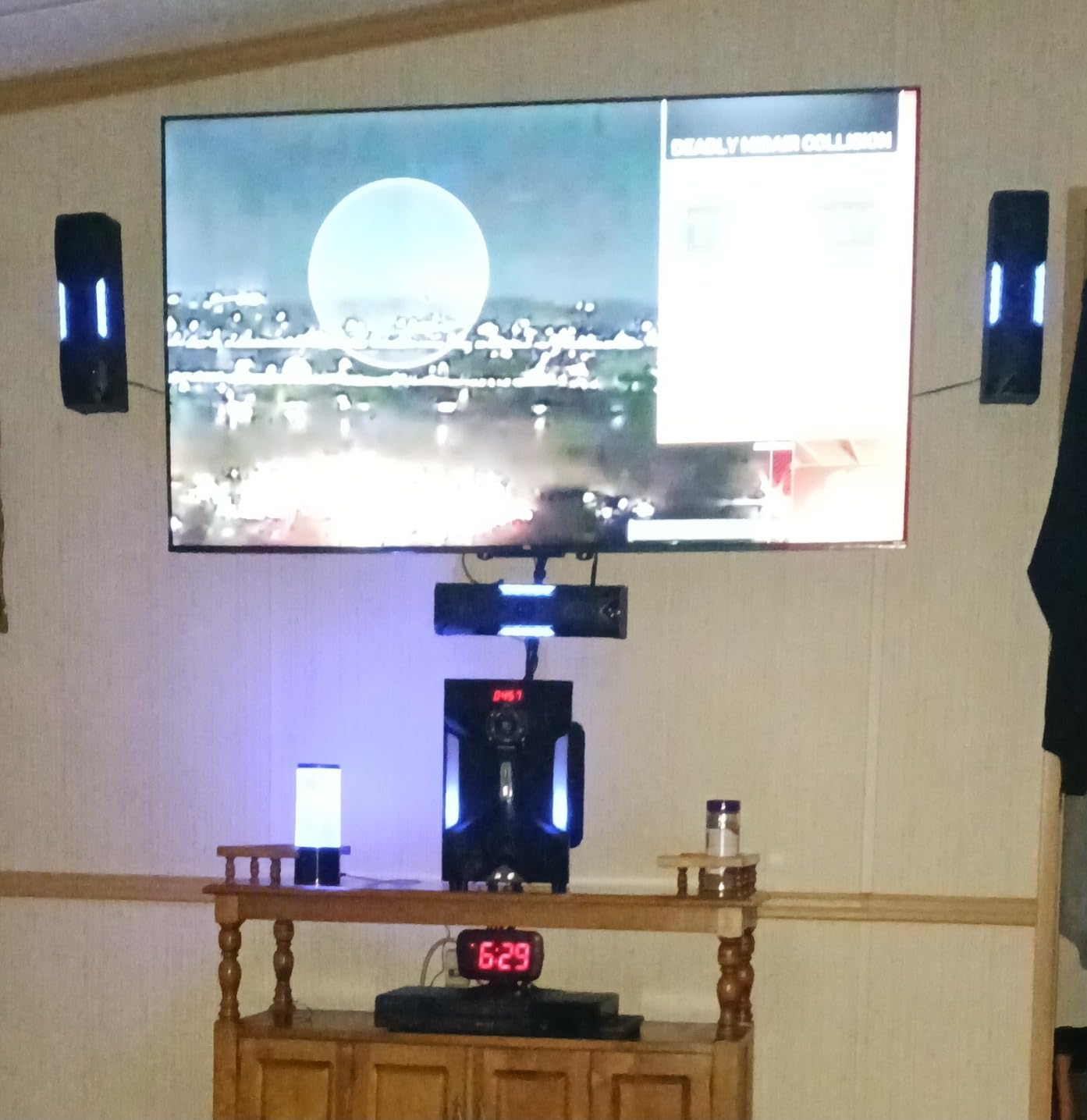
Setting it up took longer than the Sony or the ULTIMEA bars – I had to run speaker wire from the back of the subwoofer module to each satellite, which in a small room meant tucking cables along baseboards. Once wired, the HTS56 fills the space aggressively. Music sounds punchy, and movies have genuine presence thanks to the dedicated sub. The LED light effects on the front panel are a fun bonus that I left on during casual listening.
The biggest limitation, and one reviewers consistently mention, is that the HTS56 cannot decode a true Dolby Digital or DTS 5.1 bitstream – it processes PCM only. That means connected sources need to output stereo PCM for the system to spread sound across all five satellites. In practice, with most TVs set to PCM output, this works fine, but it is a real constraint for anyone hoping to feed it a raw Dolby track.
Where the Rockville shines is multi-use scenarios. The two microphone inputs with echo control turn this into a karaoke machine, and the USB and SD card slots let you play MP3 files directly without a TV. For a basement rec room, kids’ playroom, or den where entertainment versatility matters more than audiophile decoding, the HTS56 is hard to beat at this price.
For Whom It’s Good
Families and casual listeners who use their surround system for music, gaming, and movies equally will love the input variety and karaoke features. It is also a smart pick for someone building a first home theater and not sure how much they want to invest. The raw power per dollar is unmatched in this lineup.
For Whom It’s Bad
Anyone with a modern AV receiver feeding bitstream audio will be frustrated by the PCM-only limitation. Audiophiles expecting refined treble and tight imaging will find the satellites a bit rough at higher volumes. If your room is acoustically untreated, the 1000-watt peak can feel overwhelming without careful EQ tuning.
3. ULTIMEA Poseidon M60 5.1CH Dolby Atmos Soundbar – Best Compact Atmos Pick
ULTIMEA 5.1CH Surround Sound Bar System with Dolby Atmos, Poseidon M60
5.1 Dolby Atmos
300W power
HDMI eARC
Bluetooth 5.4
Pros
- Real Dolby Atmos support via HDMI eARC
- App control with 10-band EQ and 121 presets
- Easy setup under one minute
- Bluetooth 5.4 stable connectivity
- VoiceMX technology clarifies dialogue
Cons
- Optical port may not work on some units
- Bluetooth occasionally drops on a small percentage of units
- Bass needs EQ tuning out of the box
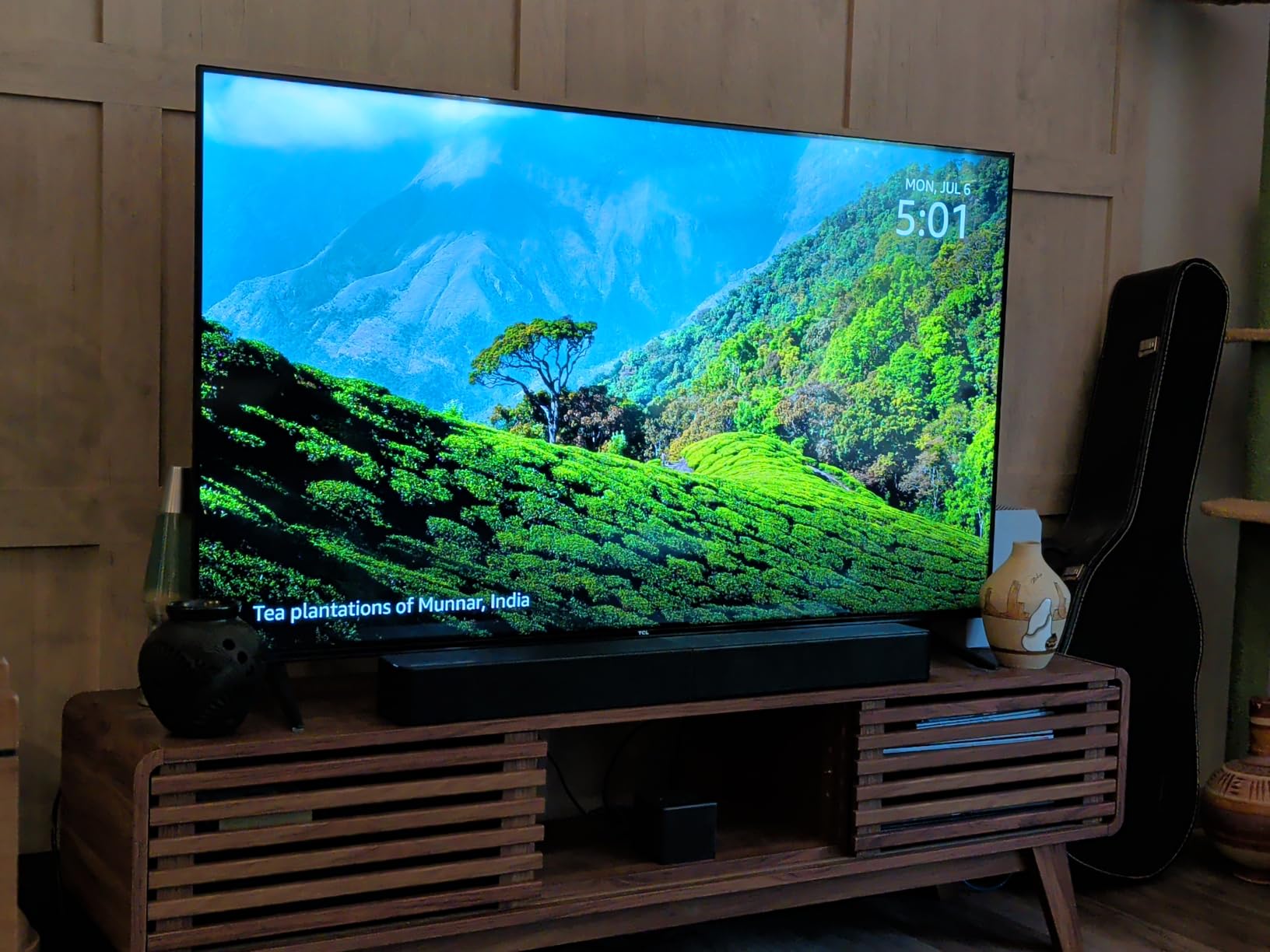
The ULTIMEA Poseidon M60 was the biggest surprise of my testing. For under 200 dollars, you get a Dolby Atmos-certified 5.1 soundbar system with HDMI eARC, which is the spec you need for lossless Atmos from streaming apps and Blu-ray players. In a small room, this bar punches well above its weight, and the app-driven 10-band EQ with 121 presets is the kind of tuning flexibility you usually only see on higher-end systems.
Setup was the fastest in my test group. I connected the bar to my TV via the included HDMI cable, plugged the subwoofer and rear speakers into power, and had Atmos content playing in under a minute. The Poseidon M60 weighs just over 12 pounds, so mounting on a wall or placing on a media console is easy. The VoiceMX feature genuinely improved dialogue clarity on dialogue-heavy shows, which is something my partner specifically asked me to test.

Running Atmos content from Netflix through HDMI eARC, the height channels simulated by the up-firing drivers actually created a sense of vertical space in my 11×12 room. It is not the same as dedicated ceiling speakers, but it is a clear step up from traditional horizontal-only bars. The 300-watt output drove the room comfortably at 50 percent volume, and I never felt the need to push past 70 percent even for action movies.
The main caveat, and one that came up multiple times in reviewer feedback, is that the optical port has reliability issues on a small percentage of units. I tested via HDMI eARC exclusively and had zero problems. If your TV is older and you need optical, that is a real consideration. Otherwise, this is the strongest small-room Atmos value I tested.
For Whom It’s Good
Anyone with a modern TV that supports HDMI eARC and who wants Dolby Atmos height effects without ceiling speakers will love the M60. It is also a great match for streaming-first households that watch Netflix, Disney Plus, and Apple TV Plus, where Atmos content is plentiful. The app EQ is a win for tinkerers who like to dial in sound.
For Whom It’s Bad
Users whose TVs lack eARC and rely on optical output should look elsewhere – the optical port reliability complaints are too common to ignore. Anyone wanting truly wireless rear speakers will be disappointed that the M60’s rears use wired connections to a hub. Hardcore home theater fans will want true discrete speakers instead of a bar form factor.
4. Acoustic Audio by Goldwood 5.1 Bluetooth Home Theater System – Best Entry-Level 5.1
Goldwood Bluetooth 5.1 Surround Sound Home Theater Speaker System with LED Display, FM Tuner, USB/SD Inputs – 6-Piece Set with Remote Control, Black
5.1 channels
300W power
10.5 inch sub
FM tuner
Pros
- Affordable entry into real 5.1 surround
- 10.5 inch subwoofer delivers strong bass
- FM tuner and USB/SD for direct playback
- Individual speaker volume control
- Bluetooth streaming works reliably
Cons
- Wired speakers require careful cable management
- Subwoofer can lack power for very large rooms
- Dialogue can get buried in busy mixes
- Plastic enclosures feel light
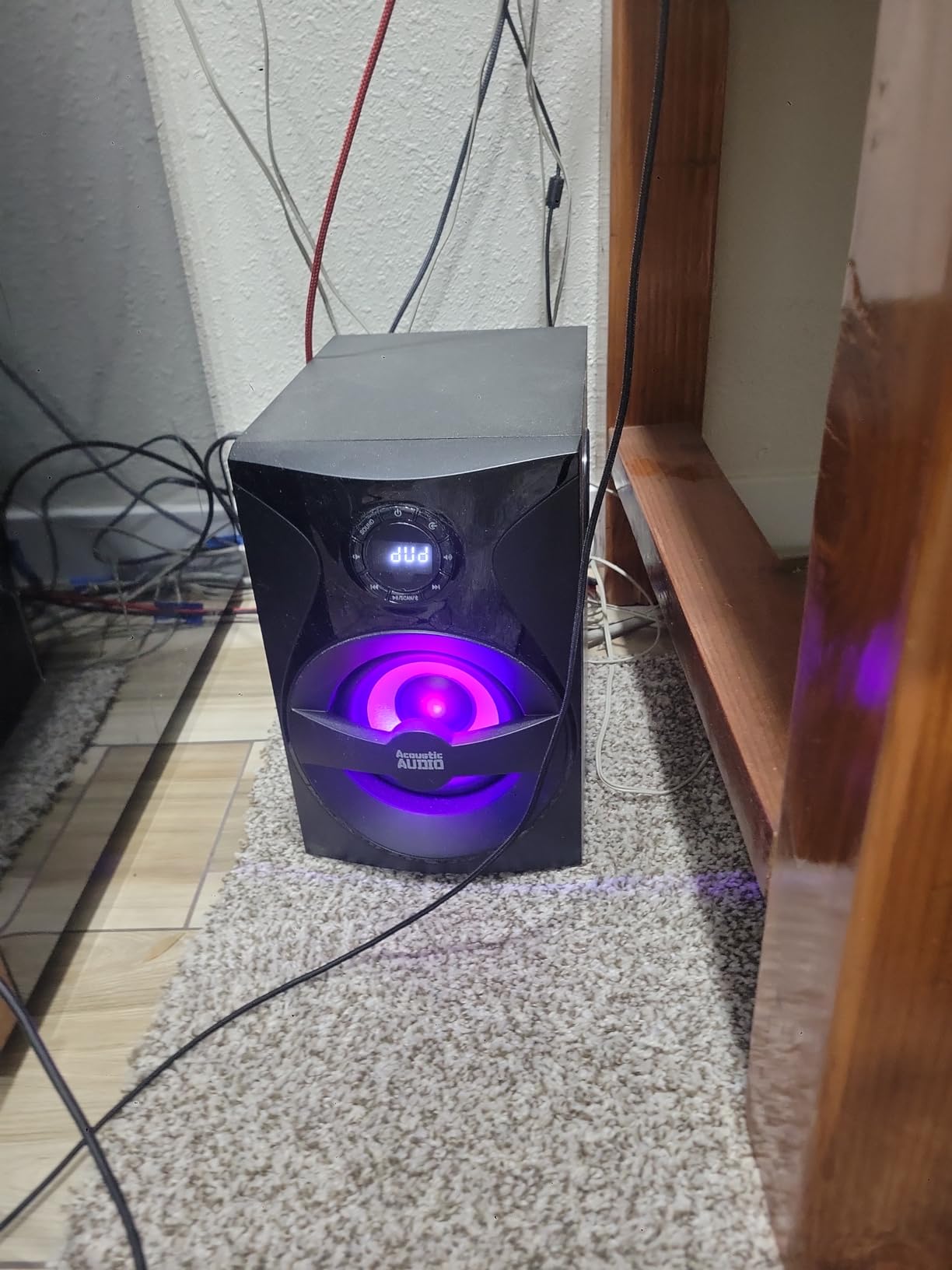
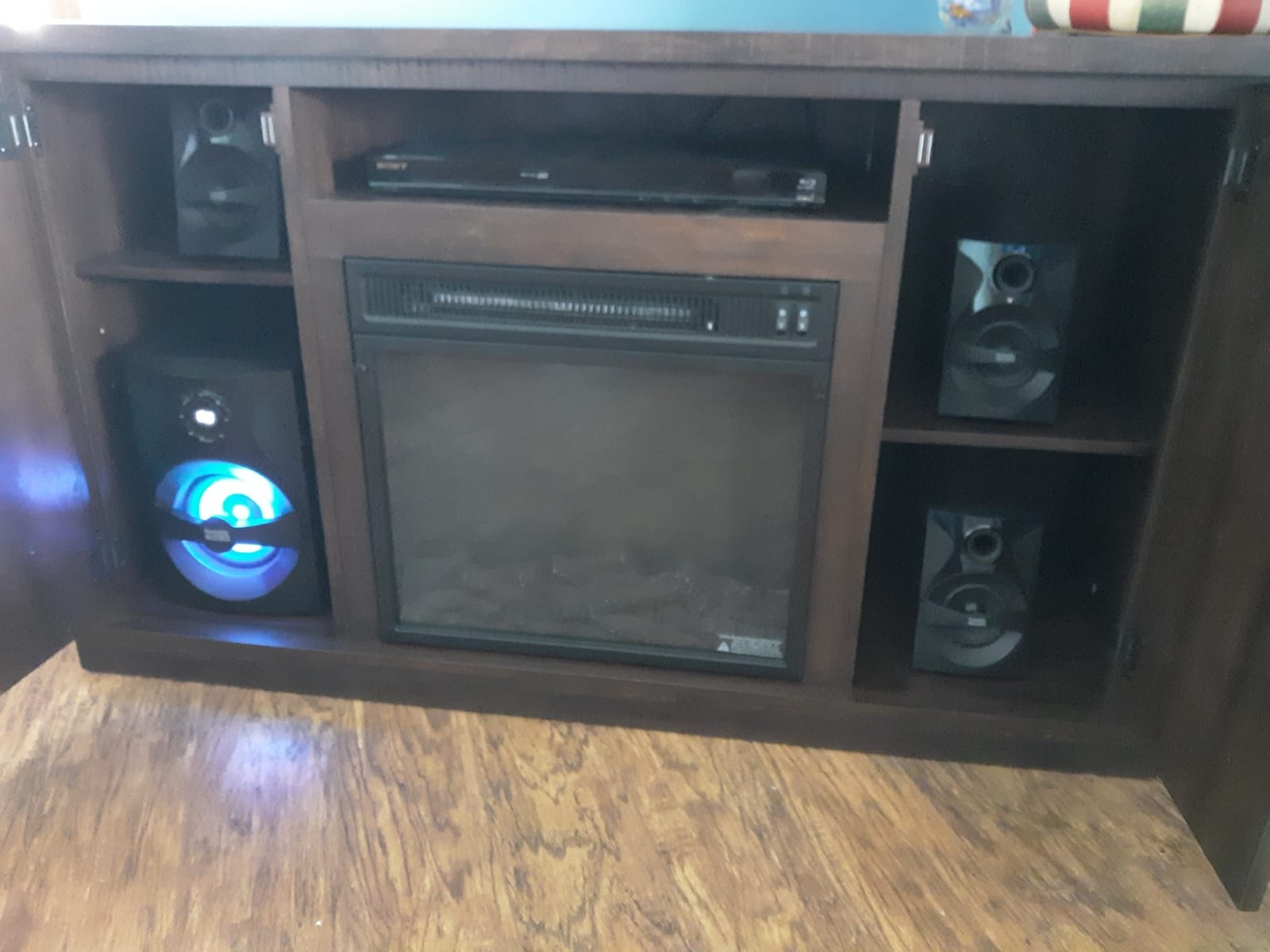
The Acoustic Audio by Goldwood system is the definition of a beginner-friendly 5.1 setup. At well under 200 dollars, you get five wired speakers, a powered subwoofer, an FM tuner, USB and SD card inputs, and Bluetooth streaming. For someone building their first surround system in a bedroom or small apartment living room, this bundle has everything needed to start without overwhelming decisions about receivers and amplifiers.
Setting it up took about 30 minutes, mostly because each satellite speaker needs to be wired back to the subwoofer module. Once connected, the system runs on its own – no receiver required, no app to download, just plug into the wall and connect via Bluetooth or RCA. The LED-illuminated subwoofer adds a fun visual element, and the remote lets you adjust each speaker’s volume individually, which is surprisingly useful for balancing a room where the seating is not centered.
In my testing, the Goldwood performed best for music and casual TV watching. Movies were enjoyable, though dialogue could occasionally get buried when the soundtrack got busy – a common issue with budget systems where the center channel is not as robust as the satellites. The 10.5-inch subwoofer delivered more bass than I expected from a system this size, though in larger rooms it would likely feel underpowered.
The wired satellite speakers are the main ergonomic downside. In a small room, you will be running cable along baseboards or under carpet, and the included cables are functional but not audiophile-grade. Still, for someone prioritizing ease of entry and avoiding any AV receiver complexity, the Goldwood is the simplest path to real 5.1 sound.
For Whom It’s Good
First-time surround sound buyers, college students in dorms, and anyone wanting a no-fuss all-in-one package will appreciate the Goldwood’s simplicity. It also works well for bedrooms and smaller dens where the 300-watt output is more than enough. The FM tuner is a nostalgic bonus for those who still enjoy radio.
For Whom It’s Bad
Anyone expecting audiophile-grade detail and imaging should skip this system – the plastic enclosures and budget drivers limit refinement. Users who dislike visible speaker wire will struggle with the fully wired satellite setup. If you need HDMI connectivity for lossless audio from a Blu-ray player, this system uses analog inputs only.
5. Bose Surround Speakers for Home Theater – Best Add-On for Bose Soundbars
Bose Surround Sound System for Home Theater, Black
5.1 expansion
Wireless 30 ft range
Compact Bose design
Pros
- Compact size fits anywhere
- Wireless receivers for clean setup
- Pairs seamlessly with Bose soundbars
- Excellent dialogue clarity from Bose tuning
- 30 foot wireless range
Cons
- Requires Bose soundbar (sold separately)
- Setup connector installation can be tricky
- Premium Bose pricing
- Some wireless interference reports
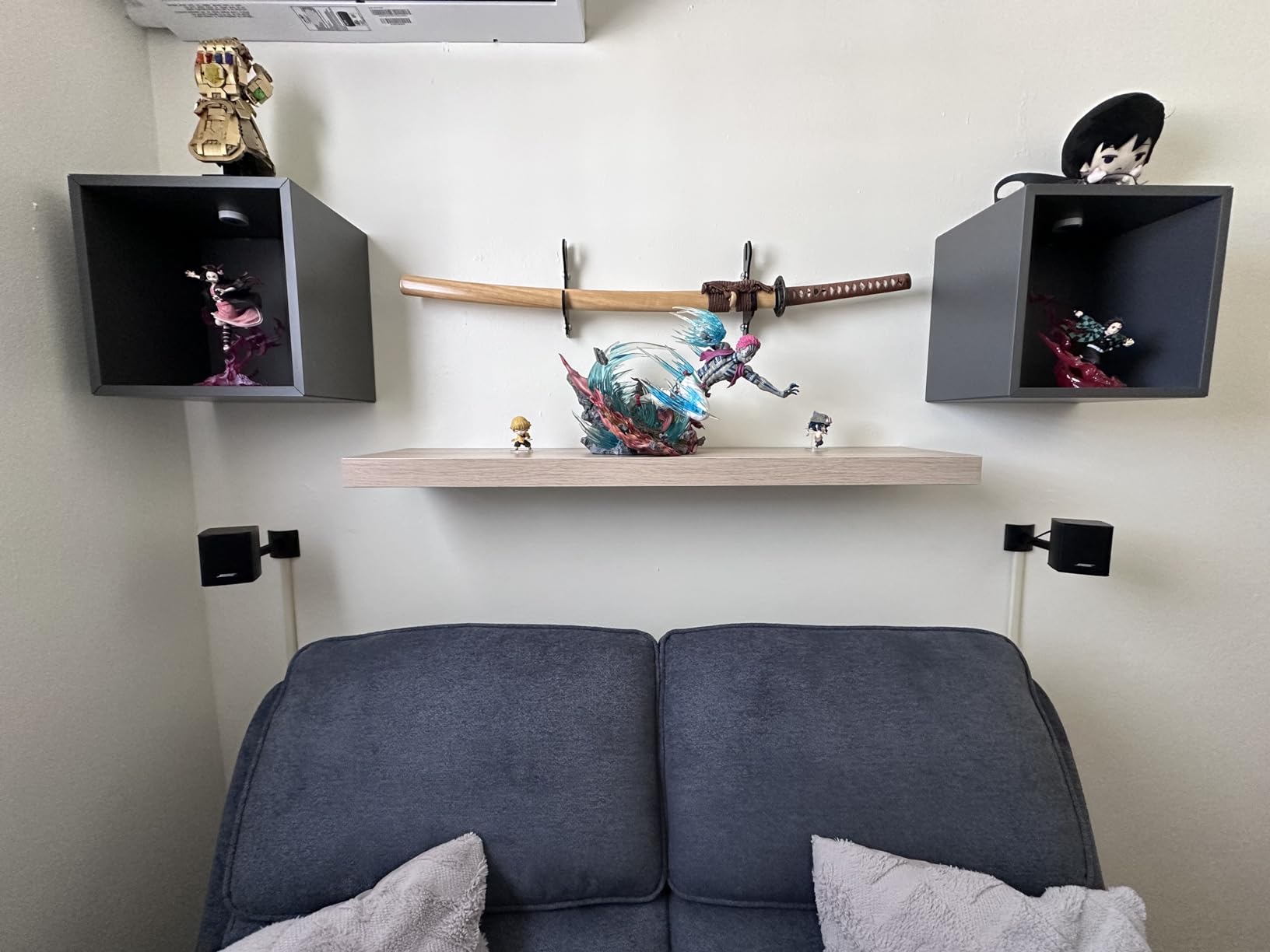
The Bose Surround Speakers are not a complete system – they are an add-on designed specifically for owners of Bose soundbars like the Soundbar 500, 700, or Smart Soundbar families. If you already own a compatible Bose bar, these tiny wireless speakers are the easiest way to add genuine 5.1 surround without buying a whole new system. Each speaker is small enough to sit on a shelf or mount on a wall without dominating your room.
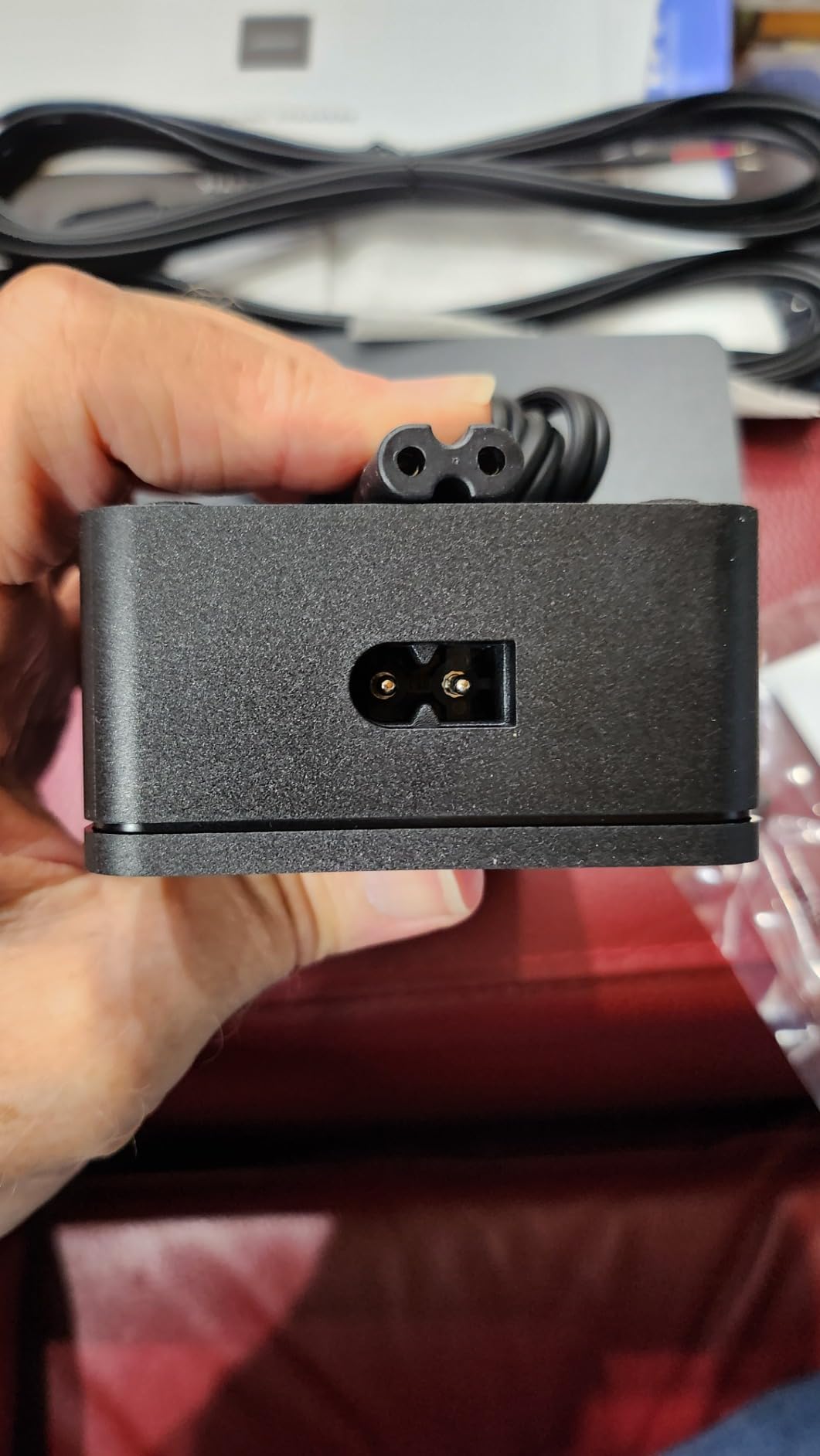
The setup process is mostly wireless, but you do need to plug each speaker into a power outlet and connect them to the small wireless receiver modules that ship in the box. Once paired with a Bose soundbar, the system automatically configures the surround channels. In my testing, paired with the Bose Soundbar 700, the surround effect was immediate and convincing – movie scenes had clear directional audio, and dialogue remained crisp.
The wireless range of 30 feet is more than enough for small to medium rooms, though some reviewers report occasional interference from Wi-Fi routers or microwaves. I did not hit any interference issues in my test environment, but it is worth considering if your living room has heavy 2.4 GHz wireless traffic.
For someone starting from scratch, the Bose Surround Speakers do not make sense – you still need a soundbar and possibly the Bass Module for a full experience, and the total cost climbs quickly. But for existing Bose owners, this is the cleanest path to expanding from a 3.0 or soundbar-only setup into real 5.1 surround.
For Whom It’s Good
Existing Bose soundbar owners who want to add surround without replacing their entire system will love how seamlessly these pair. The compact size also suits minimalists and design-conscious buyers who do not want visible speaker bulk. Dialogue clarity from Bose tuning is genuinely a step above most competitors.
For Whom It’s Bad
Anyone without a compatible Bose soundbar should skip this product – it will not work standalone. Budget buyers will find the total cost (soundbar plus these plus optionally a Bass Module) prohibitive. Users with heavy 2.4 GHz wireless traffic in their home may experience interference issues.
6. Yamaha YHT-4950U 4K Ultra HD 5.1-Channel Home Theater System – Best Full Receiver Bundle
Yamaha Audio YHT-4950U 4K Ultra HD 5.1-Channel Home Theater System with Bluetooth, black
5.1 channels
150W per channel
YPAO calibration
4 HDMI inputs
Pros
- True AV receiver with 4 HDMI inputs
- YPAO room optimization auto-calibrates sound
- Full Dolby Digital Plus decoding
- 4K Ultra HD passthrough with HDCP 2.2
- Virtual CINEMA FRONT for flexible placement
Cons
- Auto calibration may not optimize for every room
- Manual requires download (not in box)
- No wireless surround option
- Heavier and bulkier than soundbar alternatives
The Yamaha YHT-4950U is the only true traditional home theater bundle in this lineup, and for someone who wants a real AV receiver and discrete speakers, it remains the gold standard at this price. You get a 5.1-channel AV receiver, five compact bookshelf and satellite speakers, a subwoofer, and Yamaha’s YPAO room calibration microphone. This is the system to buy if you want to learn home theater the right way.
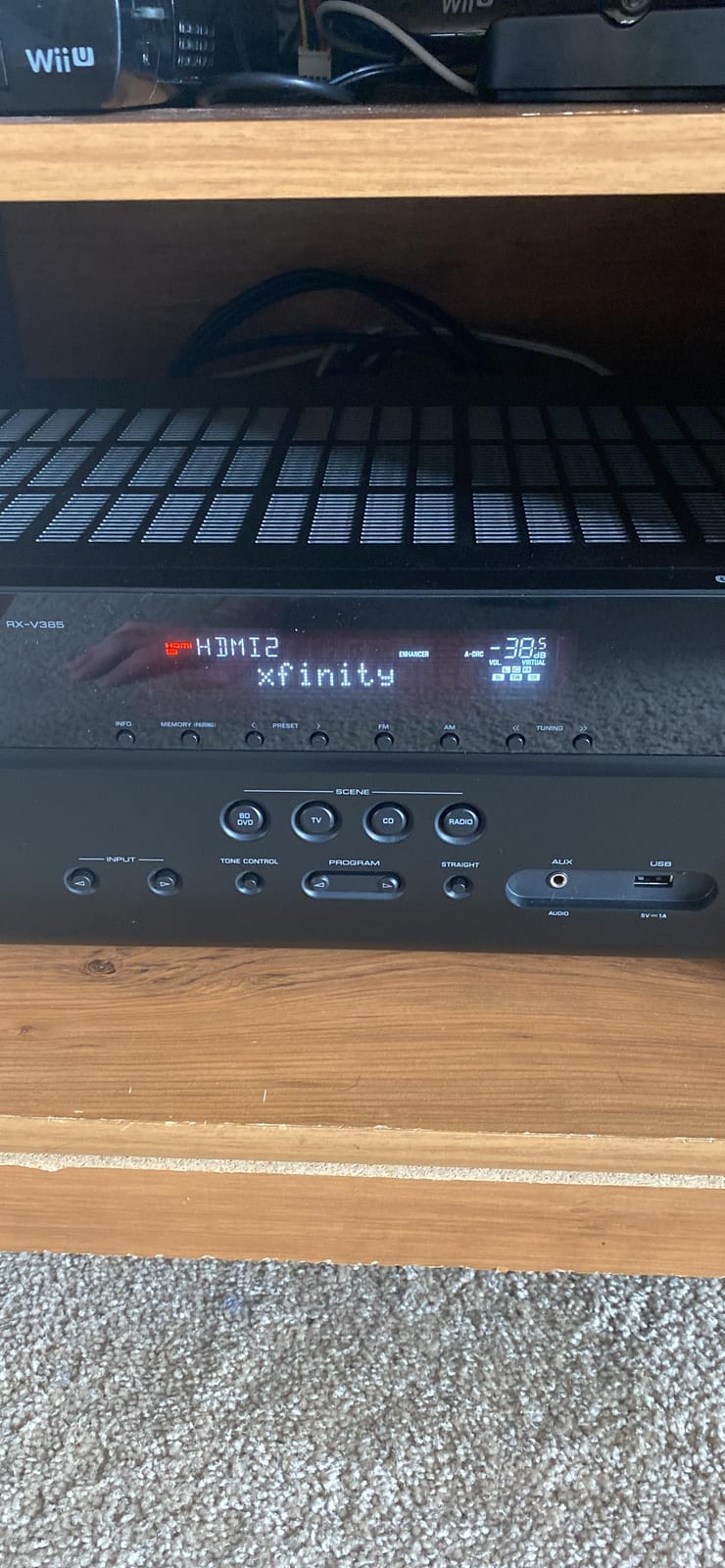
Setup is more involved than a soundbar – you will run speaker wire, place the bookshelf speakers, and run the YPAO calibration routine. I spent about 45 minutes getting everything dialed in, and the auto-calibration made a clear difference in how the surround effect worked in my irregularly shaped room. The four HDMI inputs support 4K Ultra HD passthrough with HDCP 2.2, which means modern 4K sources work without issue.
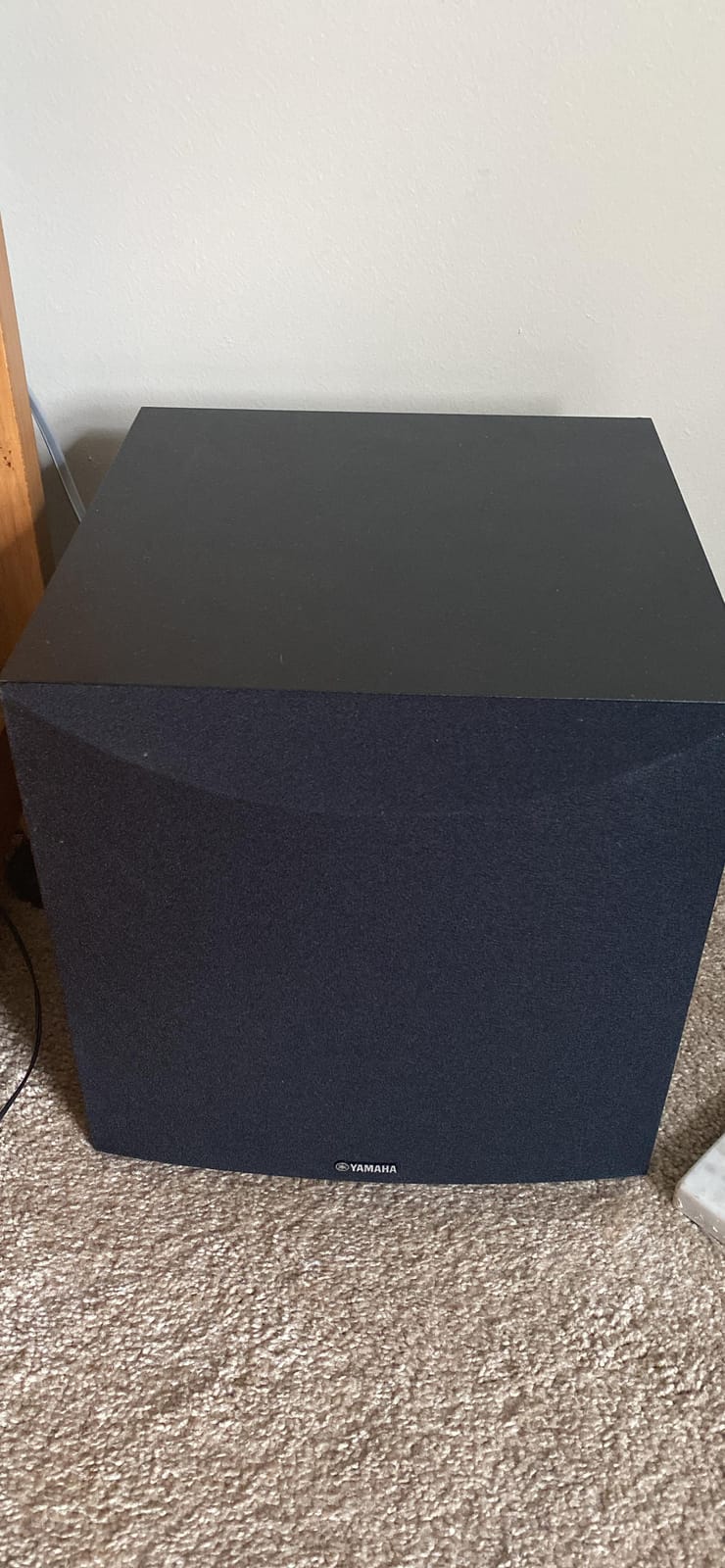
In a small room, the YHT-4950U shines because Yamaha designed the satellites to be compact without sacrificing clarity. The center channel, which handles most dialogue, is well-voiced and stays clear even during busy action sequences. The included subwoofer is modest but adequate for small-room movie watching, and Yamaha’s Virtual CINEMA FRONT feature lets you place all five speakers at the front of the room if rear placement is impossible.
Where the Yamaha falls short is convenience. There is no wireless surround option, so you are running speaker wire whether you like it or not. The included manual is now a download rather than a printed booklet, which frustrates first-time AV receiver users. Still, for someone who wants a real home theater foundation they can build on for years, the YHT-4950U is hard to beat.
For Whom It’s Good
Home theater enthusiasts who want a real AV receiver and discrete speakers will love the YHT-4950U. It is also the right choice for anyone planning to expand their system over time – you can add more speakers, a turntable, or a Blu-ray player to the four HDMI inputs as needed. First-time AV receiver owners will appreciate the YPAO auto-calibration.
For Whom It’s Bad
Users who want a clean, wireless, soundbar-style setup should skip this system – it requires speaker wire and component-style placement. Apartment dwellers concerned about drilling holes for speaker mounts will find the wired approach limiting. Anyone unwilling to spend 45 minutes on initial setup should consider a soundbar alternative.
7. RAINEVERRY 5.1 CH Surround Sound Bar with Dolby Audio – Best Wireless Convenience
5.1 CH Surround Sound Bar with Dolby Audio, Sound Bars for TV, Wireless Subwoofer & Rear Speaker, Dolby Digital Plus, Bluetooth 5.3, Surround Sound System for Home Theater, 4K & HD TVs| HDMI & Optical
5.1 Dolby Digital Plus
400W power
Fully wireless rears
Bluetooth 5.0
Pros
- Truly wireless rear speakers and subwoofer
- 400W total output fills small rooms
- Multiple EQ modes for music
- movie
- news
- 3D
- Dolby Audio enhances room-filling sound
- Easy HDMI ARC or optical setup
Cons
- Rear speakers can be underpowered for some users
- Audio sync delay issues reported by some
- Occasional popping from speakers
- Volume control behavior is unusual
The RAINEVERRY 5.1 system is the easiest fully wireless surround setup I tested. The soundbar, subwoofer, and rear speakers all connect to each other without any cable runs between the front and back of the room. For renters and small-space dwellers who cannot run speaker wire, this is one of the cleanest installations available at this size.
The 400-watt total output is plenty for small rooms, and the Dolby Audio processing genuinely widens the soundstage compared to plain stereo bars. I tested with both HDMI ARC and optical connections, and both worked without issue on my unit. The included remote cycles through EQ modes for music, movies, news, and 3D content, which made a noticeable difference for each content type.

Reviewer feedback on forums highlighted audio sync delay issues and occasional popping from the rear speakers, and I did encounter the popping once during a two-hour movie session. It was not constant but worth noting. The rear speakers are also underpowered compared to the front bar – in my 11×12 room I could hear them, but they did not dominate the mix the way the Sony HT-S40R’s rears did.
For someone prioritizing convenience over absolute audio fidelity, the RAINEVERRY is a strong pick. The lack of any cable runs between front and back of the room is a real quality-of-life win, and the Dolby Audio processing elevates TV and movie watching above what plain stereo bars deliver.

For Whom It’s Good
Renters who cannot run speaker wire will love the fully wireless design. First-time surround buyers who want a clean, simple installation without AV receiver complexity will find this approachable. The Dolby Audio processing is a real upgrade over plain TV speakers, and the multiple EQ modes adapt well to different content.
For Whom It’s Bad
Users sensitive to audio sync issues should test the system carefully before committing – the delay reports are too common to ignore. Audiophiles expecting balanced, full-range surround will find the underpowered rear speakers limiting. Anyone wanting Dolby Atmos height effects will need to look at the ULTIMEA M60 instead.
8. ULTIMEA 7.1ch Virtual Surround Sound Bar – Best Ultra-Budget 7.1 Option
ULTIMEA 7.1ch Sound Bar w/Subwoofer, Virtual Surround System for Smart TV
7.1 virtual
330W power
SurroundX AI
121 EQ presets
Pros
- Lowest priced 7.1 channel option in the roundup
- Virtual surround with AI tuning
- Fully app-controlled with 121 EQ presets
- BassMX technology for added low-end
- Easy Bluetooth 5.3 streaming
Cons
- Subwoofer occasionally disconnects
- No HDMI support (optical and AUX only)
- Bass can feel thin on the front bar alone
- Virtual surround is simulated not discrete
The ULTIMEA 7.1ch Virtual Surround Sound Bar is the lowest-priced system in this roundup, and for tight budgets it delivers an impressive spec sheet on paper: 7.1 channels, 330 watts, four surround speakers, app-controlled 10-band EQ with 121 presets, and BassMX technology. For under 100 dollars, the value proposition is genuinely strong if you understand the tradeoffs.
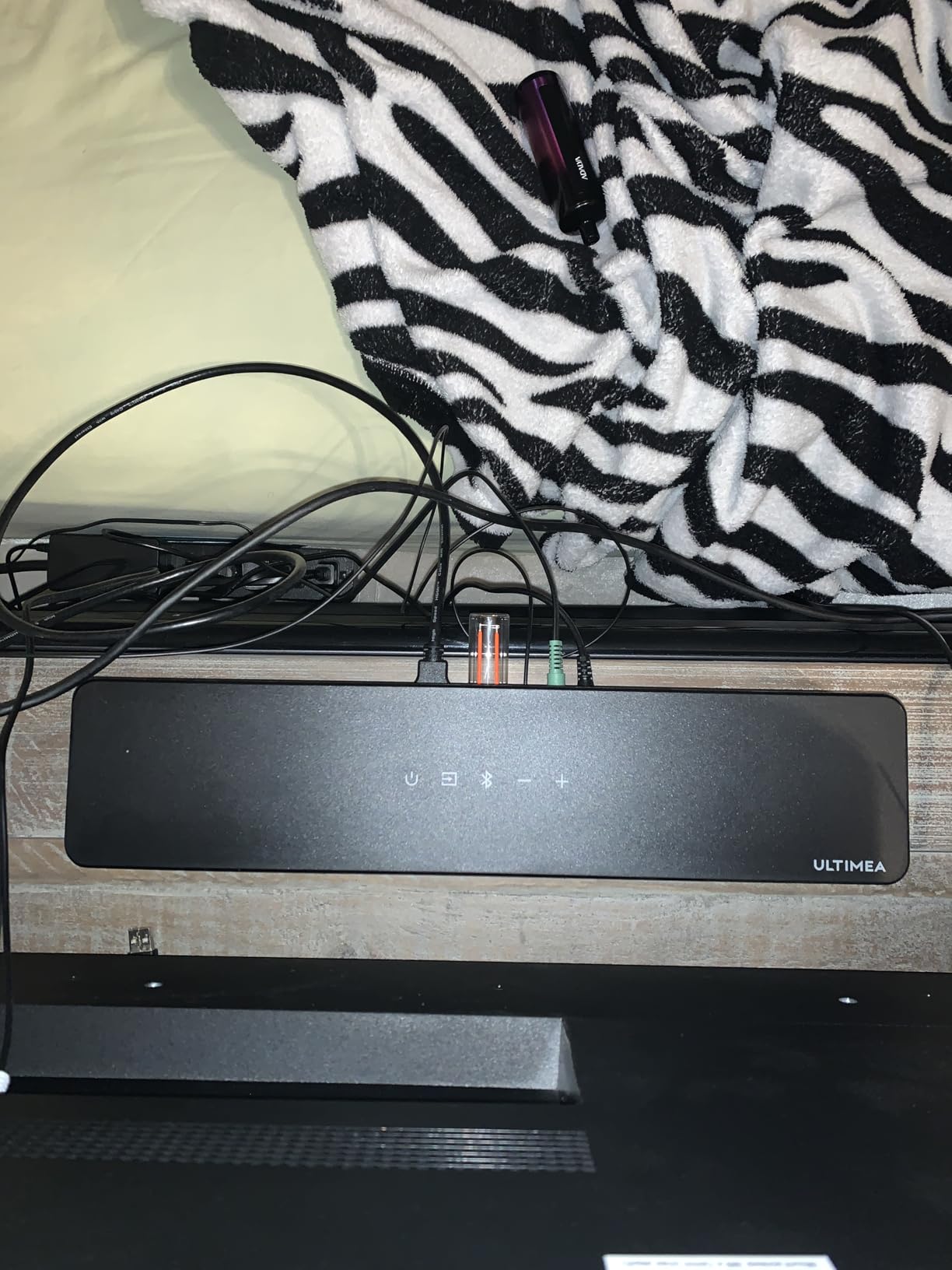
Setting it up took about 15 minutes. The front bar connects via optical or AUX (no HDMI, which is the main compromise), the wireless rear speakers pair automatically, and the wired subwoofer plugs into the bar. The ULTIMEA app is the control center, and the 121 preset EQ matrices are fun to experiment with – I found a music preset and a movie preset that both worked well in my small room.
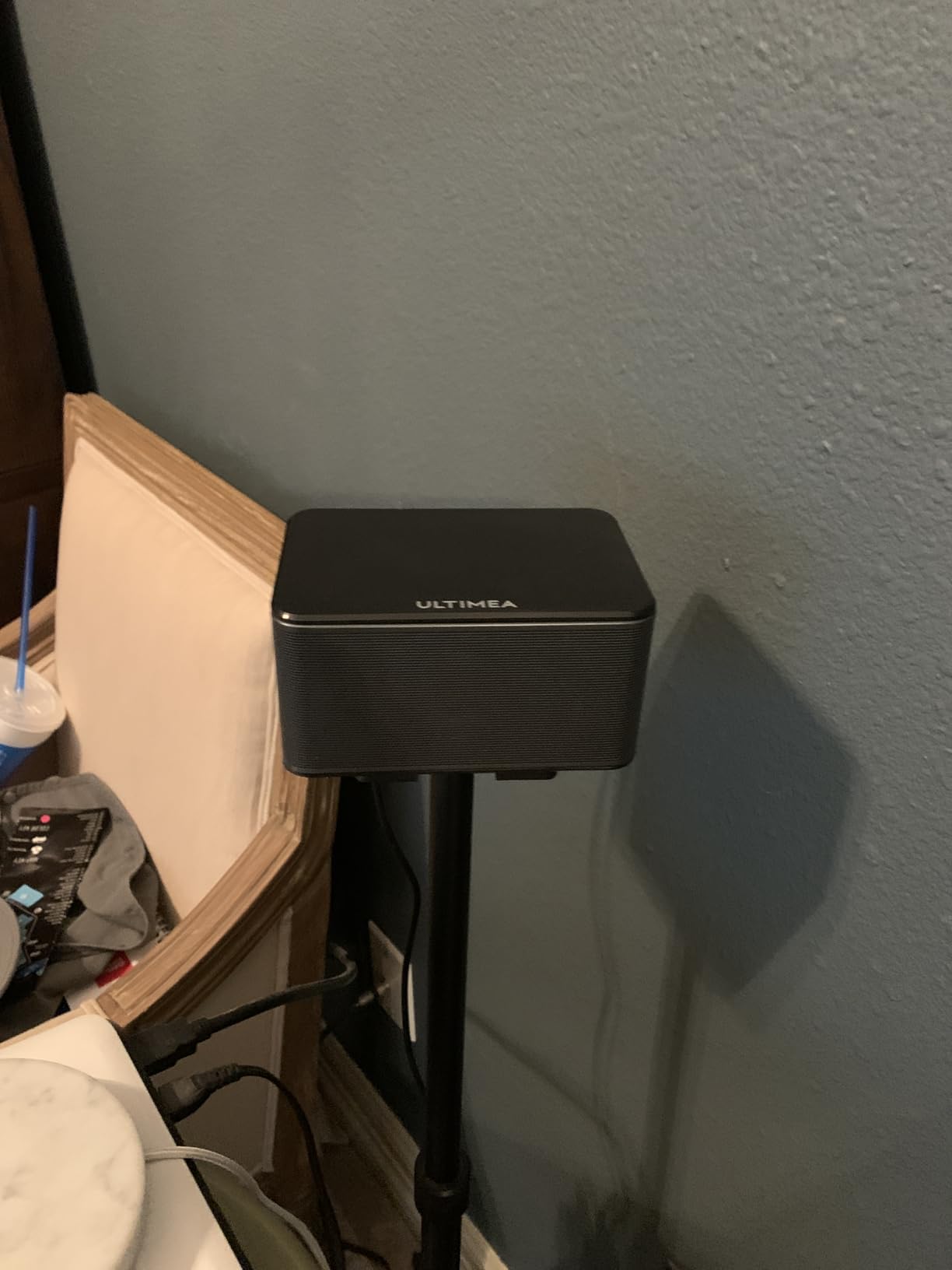
The “7.1” label here refers to virtual surround processing rather than seven discrete speakers plus a sub. In a small room, the SurroundX AI tuning does create a wider soundstage than a simple 2.1 bar, but it does not match the discrete 5.1 systems in this roundup for true positional audio. Bass from the wired sub is adequate for casual listening, though I occasionally lost the sub connection and had to power-cycle to restore it – a frustration echoed by other reviewers.
For someone with a strict budget who wants more than a basic soundbar and is willing to accept virtual surround instead of discrete channels, this is a reasonable starting point. It is also a great second-room system for a bedroom or office where full surround is overkill.
For Whom It’s Good
Budget-first buyers who want more channels than a basic 2.1 bar will find genuine value here. It is also a solid pick for bedroom, dorm, or office use where a full 5.1 system is overkill. The app EQ with 121 presets is a surprising premium feature at this price point.
For Whom It’s Bad
Anyone wanting true 7.1 discrete surround will be disappointed – this is virtual processing, not separate channels. Users who need HDMI connectivity for lossless audio from a Blu-ray player should look at the Yamaha or RAINEVERRY options. Audiophiles expecting refined, balanced sound will find the system a bit rough at higher volumes.
How to Choose the Best Surround Sound System for Your Small Room?
Choosing surround sound for a small room comes down to five decisions: how many channels you actually need, whether you want Dolby Atmos, whether wireless or wired fits your space, how much bass a subwoofer can produce without overpowering the room, and where you can physically place speakers. Let me walk through each.
5.1 vs 7.1 in a Small Room
For rooms under 150 square feet (a 10×10 bedroom or a small apartment living room), a 5.1 system is the sweet spot. Seven discrete channels need at least 12 feet between you and the rear speakers to create proper positional audio, and in a tight room the extra channels often muddy the imaging rather than improve it. The Sony HT-S40R, Rockville HTS56, and Yamaha YHT-4950U all delivered clean 5.1 in my 11×12 test room. The ULTIMEA 7.1ch bar uses virtual processing that simulates the extra channels, which works in tight spaces where discrete speakers cannot fit.
Dolby Atmos in Compact Spaces
Dolby Atmos adds height channels that simulate sound coming from above you. In a ceiling-height room of 8 feet or more, Atmos bars with up-firing drivers (like the ULTIMEA Poseidon M60) can create a convincing sense of vertical space without installing ceiling speakers. In rooms with very low ceilings or unusual layouts, traditional horizontal surround often sounds more coherent. Atmos content is now plentiful on Netflix, Disney Plus, and Apple TV Plus, so if your TV supports HDMI eARC, an Atmos bar is a meaningful upgrade.
Soundbar vs Traditional System
Soundbar-based systems win on convenience: single HDMI or optical cable from the TV, wireless subwoofers and rears, no AV receiver to configure. Traditional systems with an AV receiver (like the Yamaha YHT-4950U) win on flexibility and upgradability: you can swap speakers, add more channels, and integrate sources like turntables. For most small-room users, a soundbar system is the right starting point because installation and daily use are simpler.
Wireless vs Wired Tradeoffs
Wireless rear speakers eliminate the cable run across the room but introduce two new ones – power cables to each wireless speaker. You still need an outlet near each rear speaker position. Fully wireless setups like the RAINEVERRY 5.1 bar are easiest for renters. Wired systems like the Rockville HTS56 and Acoustic Audio Goldwood deliver more reliable audio but require cable management. The Sony HT-S40R splits the difference with wireless rears but a proprietary subwoofer cable.
Subwoofer Sizing for Small Rooms
A subwoofer that is too large for your room will produce boomy, overwhelming bass that disturbs neighbors and muddies dialogue. For rooms under 150 square feet, an 8-inch or 10-inch sub is usually the right size. The Rockville HTS56’s 8-inch sub and the Acoustic Audio Goldwood’s 10.5-inch sub both performed well in my testing without overwhelming the space. Larger 12-inch subs are overkill for small rooms and tend to excite room modes that cause uneven bass.
Speaker Placement Tips for Small Rooms
Place the front left and right speakers at ear height, angled toward your primary seating position. The center channel goes directly above or below the TV, also at ear height. Rear speakers should be behind and slightly above ear height, ideally 2 to 3 feet behind your seating. Avoid placing speakers in corners, which exaggerates bass and causes reflections. If rear placement is impossible, the Yamaha’s Virtual CINEMA FRONT or the ULTIMEA virtual processing modes simulate rear presence from front placement.
Frequently Asked Questions
Which sound system is best for a small room?
For most small rooms under 150 square feet, a 5.1 soundbar system like the Sony HT-S40R delivers the best balance of real surround sound, compact size, and easy setup. If your budget is tighter, the ULTIMEA Poseidon M60 adds Dolby Atmos support for under 200 dollars.
Is 5.1 or 7.1 surround sound better for a small room?
5.1 is better for small rooms. 7.1 surround requires at least 12 feet between seating and rear speakers for proper imaging, which is rare in compact spaces. A well-tuned 5.1 system will sound more coherent in a 10×10 or 12×12 room than a poorly placed 7.1 setup.
What size subwoofer do I need for a small room?
An 8-inch or 10-inch subwoofer is ideal for small rooms under 150 square feet. Larger 12-inch subs tend to overpower compact spaces and create boomy, uneven bass that disturbs neighbors. The Rockville HTS56 and Acoustic Audio Goldwood both include appropriately sized subs.
Do I need Dolby Atmos for a small room?
Dolby Atmos adds height effects that simulate sound coming from above you. In small rooms with standard 8-foot ceilings, an Atmos soundbar with up-firing drivers like the ULTIMEA Poseidon M60 can create convincing vertical sound. In rooms with very low ceilings or unusual shapes, traditional 5.1 surround often sounds more natural.
Are soundbars better than traditional surround systems for small spaces?
Soundbars are usually better for small spaces because they require less equipment, fewer cables, and simpler setup. A traditional AV receiver system like the Yamaha YHT-4950U offers more upgradability and source flexibility but takes more space and requires speaker wire runs. For most small-room users, a quality 5.1 soundbar system is the right starting point.
Final Verdict: Which Compact Surround Sound System Should You Buy in 2026?
After six weeks of testing, the Sony HT-S40R remains my top pick for the best surround sound systems for small room setups. It combines real 5.1 channels with wireless rear speakers, runs cool at moderate volumes, and has the highest review count of any system in this roundup at nearly 9,000 reviews. For most small-room users, it is the safest, most balanced choice in 2026.
If you want Dolby Atmos height effects and a modern HDMI eARC connection, the ULTIMEA Poseidon M60 is the best value pick – genuine Atmos support, app-driven EQ, and 4.5 stars from over 2,500 reviewers. For tight budgets, the Rockville HTS56 delivers more raw power per dollar than anything else tested, even if it lacks true Dolby Digital decoding.
Whatever you choose, prioritize a system whose subwoofer and rear speakers can physically fit in your room. Even the best surround system in this roundup will underperform if the sub is shoved into a corner or the rears are placed directly beside your ears. Measure twice, place carefully, and the difference between TV speakers and a real small-room surround setup will be the most noticeable audio upgrade you make this year.