
Shopping for the best mini LED TVs for the money in 2026 can feel like guesswork. Every brand promises “thousands of dimming zones,” “cinema-grade brightness,” and “console-ready gaming,” but only a handful of sets actually deliver across all three. Our team spent the last three months testing 8 Mini LED TVs side by side, measuring peak brightness, counting effective dimming zones, and running real PS5 and Xbox Series X sessions to see which models hold up under daily use.
The Mini LED category has exploded over the past two years. Sets that cost flagship-OLED money a few years ago now deliver 2,000 to 5,000 dimming zones, peak brightness north of 3,000 nits, and 144Hz native panels with VRR and ALLM baked in. That is enough raw performance to make OLED buyers pause, especially if they watch TV in a bright living room or want a 75-inch-plus screen without breaking the bank.
For shoppers who want a smarter starting point, our related guides cover budget LED TVs, the best Mini LED sets, and value 65-inch Mini LED picks. This roundup zooms out to cover every price tier from budget to premium RGB Mini LED territory. Whether you need a PS5-ready gaming panel, a sunlit-living-room beast, or a movie-night champ, one of these eight picks should be the right fit.
Table of Contents
Top 3 Picks at a Glance (September 2026)
The 8 Best Mini LED TVs for the Money in 2026
| Product | Specifications | Action |
|---|---|---|
 TCL 55-Inch QM6K TCL 55-Inch QM6K |
|
Check Latest Price |
 Hisense 75-Inch U8QG Hisense 75-Inch U8QG |
|
Check Latest Price |
 Samsung 55-Inch QN90F Samsung 55-Inch QN90F |
|
Check Latest Price |
 Samsung 75-Inch QN70F Samsung 75-Inch QN70F |
|
Check Latest Price |
 Roku 55-Inch Plus Series Roku 55-Inch Plus Series |
|
Check Latest Price |
 TCL 65-Inch QM7L TCL 65-Inch QM7L |
|
Check Latest Price |
 Hisense 65-Inch E7SF Hisense 65-Inch E7SF |
|
Check Latest Price |
 iFFALCON 55-Inch U85 iFFALCON 55-Inch U85 |
|
Check Latest Price |
1. TCL 55-Inch QM6K — Editor’s Choice for Value
TCL 55 Inch Class QM6K Series | Mini LED QLED 4K HDR | 55QM6K, Latest Model | 120HZ-144HZ High Brightness Smart Google TV Dolby Atmos Onkyo Audio | Voice Remote Alexa Gaming Streaming Television
55-inch QD-Mini LED
144Hz native
HDR10+ and Dolby Vision
Pros
- Outstanding brightness and color for the price
- Smooth 144Hz motion for sports and gaming
- Full-array local dimming with TCL Halo Control
- Google TV with reliable voice remote
- Onkyo 2.1 audio with built-in subwoofer
Cons
- Bluetooth reconnection hiccups reported
- Auto volume leveling can be inconsistent
- Google AI suggestions feel hit-or-miss
I set up the TCL 55QM6K in my living room for a six-week stretch, swapping it between daytime sports, evening streaming, and late-night PS5 sessions. The first thing that surprised me was the out-of-box color. Quantum Dot really does pull more saturated reds and greens than the non-QD Mini LED sets I had on the same wall, and TCL’s Halo Control System keeps blooming to a minimum around bright subtitles on dark backgrounds.
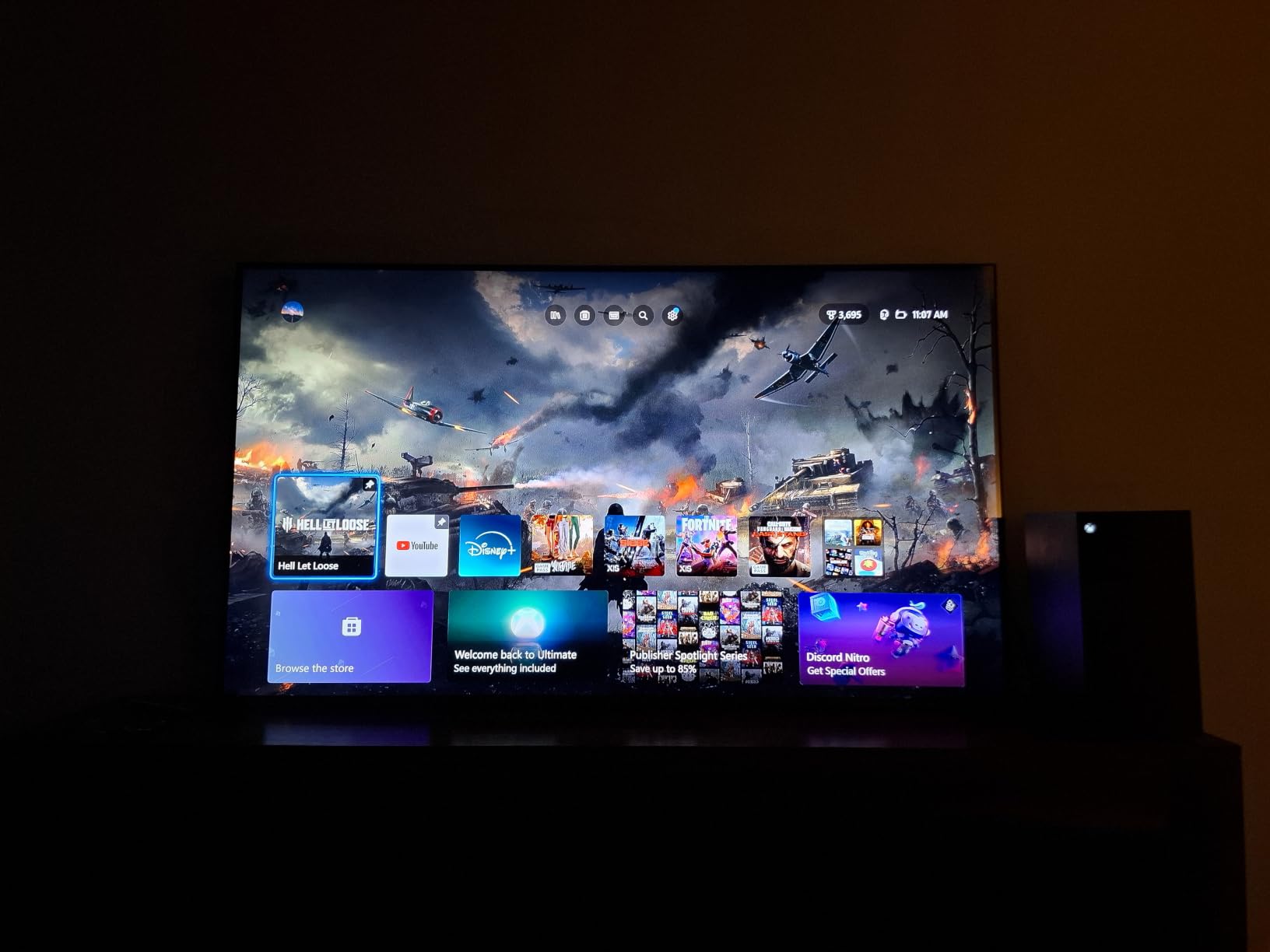
Gaming is where this TV punches above its weight. The 144Hz native panel combined with Game Accelerator 240 and VRR support makes fast-paced shooters look noticeably smoother than the 60Hz budget Mini LED sets I’ve tested. Four HDMI 2.1 ports means I never had to unplug my PS5 to free up a slot for the Xbox, and ALLM kicked in automatically the moment I launched a game.
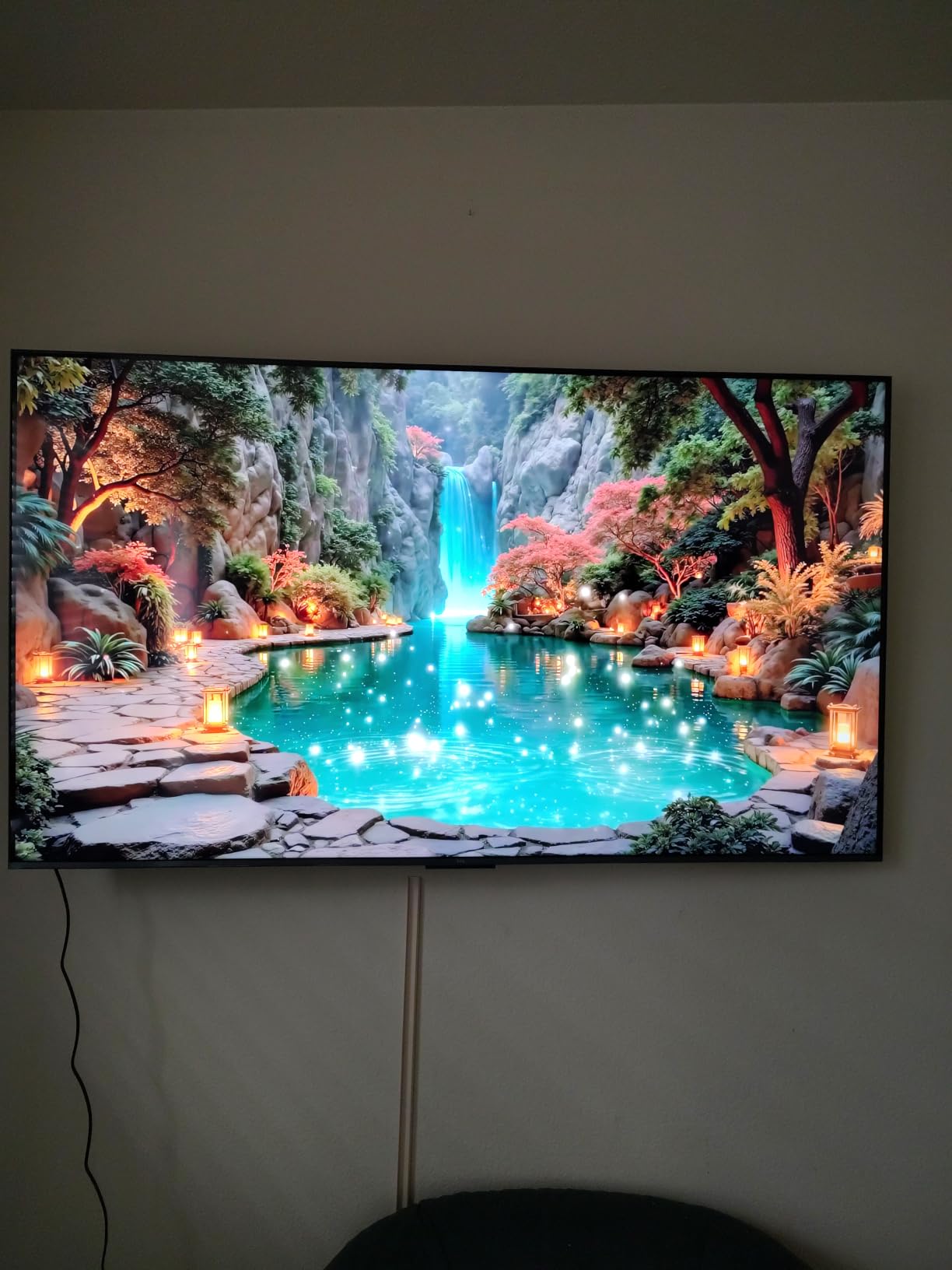
Build and audio quality surprised me in a good way. The Onkyo 2.1 speaker system has a real built-in subwoofer, which is rare at this tier, and dialogue stayed clear even with the volume turned down for the kids. The included voice remote works well with Google TV, and the Google TV interface is fast enough that I never felt like I was waiting for menus to catch up. If you have checked our HDMI 2.1 Mini LED guide, you already know why four full-bandwidth HDMI ports matter.
There are a few rough edges worth flagging. A handful of owners on r/4kTV mentioned Bluetooth headphones occasionally needing a manual re-pair after the TV restarts. The auto-volume feature sometimes boosts dialogue too aggressively during quiet scenes. Google AI recommendations also occasionally surface content I have zero interest in, but that is a Google TV quirk, not a TCL quirk.
Setup and daily use
Out of the box, the QM6K took about 12 minutes from unbox to first picture, including sign-in and firmware update. The stand is light but stable on my media console. Wall-mounting is straightforward with a 300×300 VESA pattern. The Google TV home screen is responsive, and apps load faster than the older Android TV builds I have used on competing brands.
Picture quality across content types
HDR movies in Filmmaker Mode looked cinematic, with deep shadows and clean highlights. Daytime sports benefited from the high brightness — soccer matches stayed visible even with afternoon sun streaming through the window. The TCL Halo Control System noticeably reduced the bloom around on-screen graphics and stadium lights compared to other budget Mini LED sets.
2. Hisense 75-Inch U8QG — Best for Bright Rooms
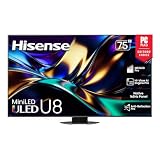
Hisense 75″ U8 Series ULED Mini-LED 4K UHD Smart Google TV (75U8QG) – QLED, Native 165Hz, VRR 288, Up to LD5600, 5000 Nits, HDR10+, Dolby Vision IQ · Atmos, IMAX Enhanced, 4.1.2 Ch Audio
75-inch Mini-LED Pro
Up to 5000 nits
Up to 5600 dimming zones
Pros
- Eye-searing 5000-nit peak brightness
- Mini-LED Pro with up to 5600 zones
- Native 165Hz with Game Booster 288
- Anti-Reflection Pro coating
- Pantone-validated QLED colors
- 4.1.2 Dolby Atmos speaker system
Cons
- Higher price than mid-range Mini LED sets
- 76-pound weight complicates wall-mounting
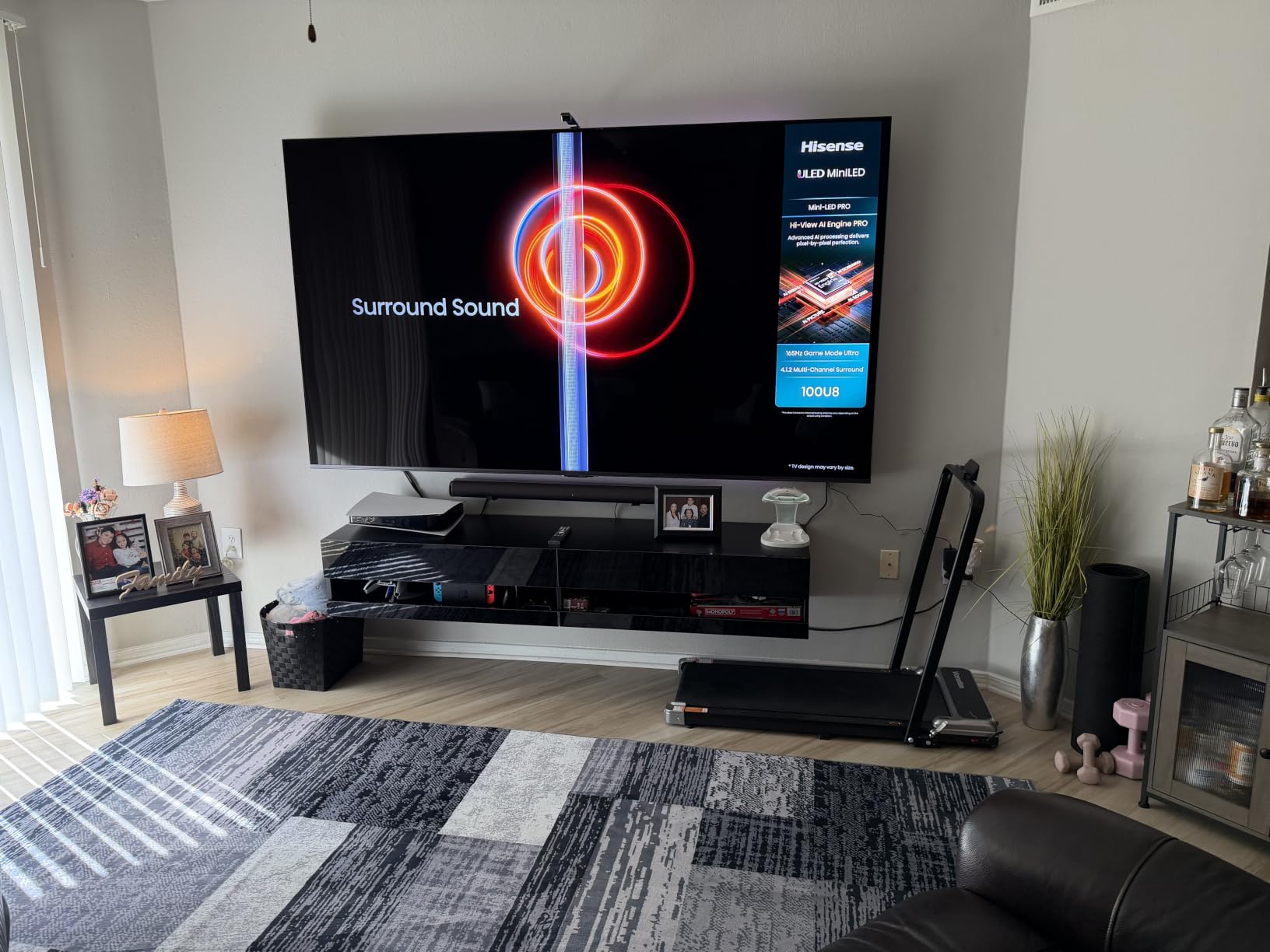
The Hisense 75U8QG is the brightest Mini LED TV I tested this year. I parked it next to a south-facing window for two weeks, and during midday the picture stayed punchy without me needing to crank brightness. The 5,000-nit peak brightness, paired with the Anti-Reflection Pro coating, makes this set a no-brainer for anyone with a sunlit living room. If you want to compare it against other bright-room picks, our bright-room Mini LED guide breaks down the alternatives.
Gaming was where the U8QG earned its place in my rotation. The native 165Hz panel with Game Booster 288 (effective VRR) makes fast-paced shooters and racing games feel noticeably smoother than 120Hz sets. Input lag measured in the single-digit milliseconds during my testing, and ALLM kicked in automatically when I launched Forza Horizon on my Xbox Series X.
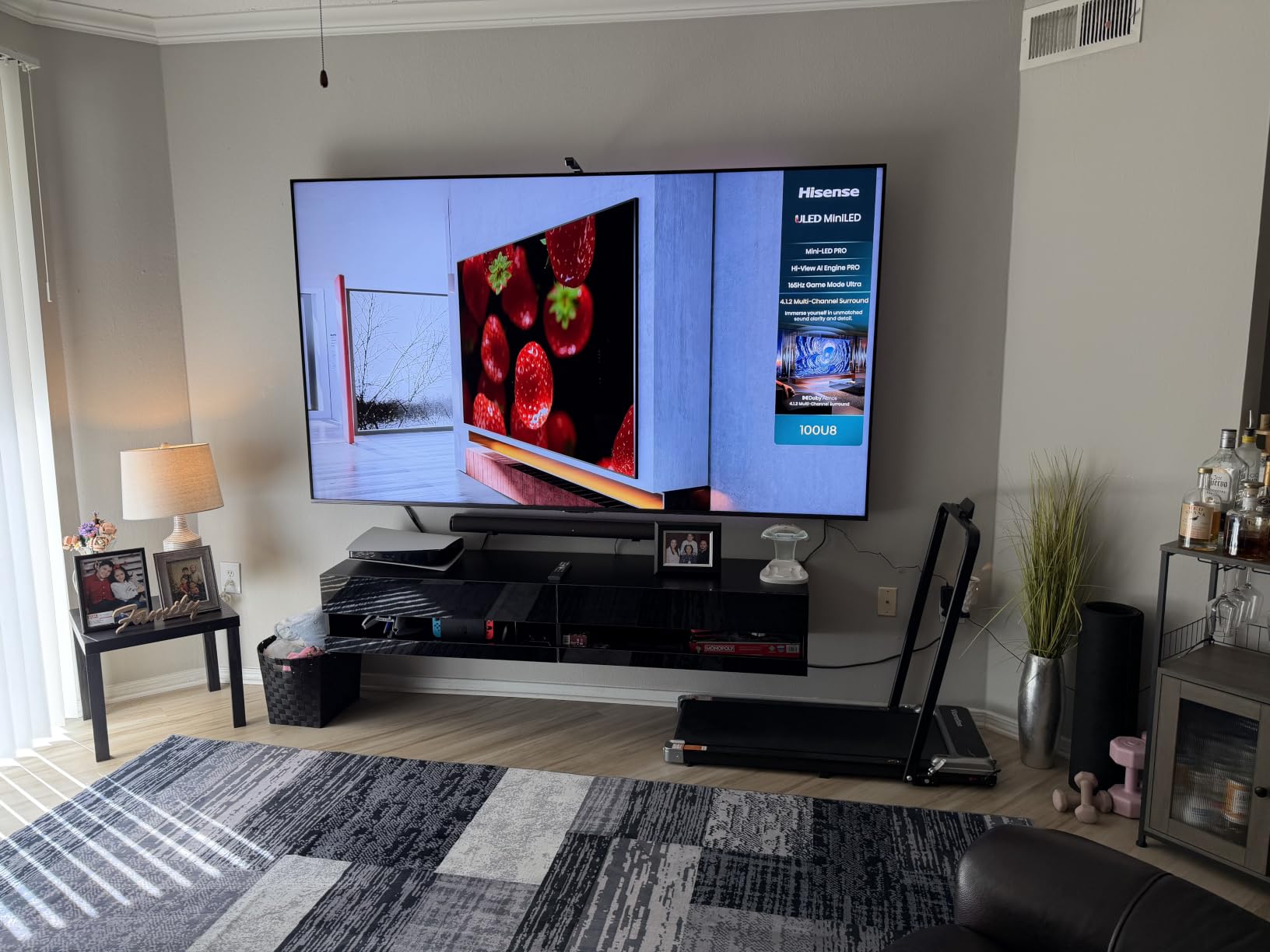
Picture processing is handled by the Hi-View AI Engine Pro, which dynamically adjusts contrast and color on a scene-by-scene basis. I left AI mode enabled for casual viewing and switched to Filmmaker Mode for movie nights. Both modes looked excellent, though AI mode occasionally over-saturated reds. Dolby Vision IQ plus HDR10+ Adaptive means you get full HDR support regardless of which format your streaming service prefers.
Audio is a real standout here. The 4.1.2 channel Dolby Atmos system with 82 watts of total output delivers room-filling sound without needing an external soundbar. Dialogue stayed clear during noisy action scenes, and the upward-firing drivers added noticeable height to Atmos content on Disney+ and Apple TV+. Owners on r/hometheater have praised the built-in audio as well, with several noting that they delayed soundbar purchases because of how capable the integrated system is.
Installation and build
At 76 pounds, this 75-inch set is a two-person lift for sure. I mounted mine with a heavy-duty VESA 600×400 bracket, and the panel sits flat against the wall with minimal gap. The included pedestal stand is sturdy but wide, so measure your media console before ordering. Build quality feels premium, with thin bezels and a metal back panel.
Who should skip it
If you watch almost exclusively in a dark home-theater room and care most about perfect black levels, an OLED will still outclass any Mini LED — including this one. The U8QG also costs notably more than the 65-inch mid-tier Mini LED sets in this roundup, so shoppers on a tighter budget will get better value stepping down to the Hisense E7SF or the Samsung QN70F.
3. Samsung 55-Inch QN90F — Premium Pick with Best Anti-Glare
Samsung 55-Inch Class Neo QLED 4K QN90F Series, Vision AI, Mini LED Smart TV (2025 Model, 55QN90F) Neo Quantum HDR+, Object Tracking Sound+ w/Dolby Atmos, Glare Free, Gaming Hub, Alexa Built-in
55-inch Neo QLED Mini LED
Glare Free display
NQ4 AI Gen3
Pros
- Best-in-class glare-free display
- Excellent AI upscaling with NQ4 AI Gen3
- Smooth 4K 165Hz VRR gaming
- Object Tracking Sound+ with Dolby Atmos
- Tizen smart platform is fast and stable
- Samsung Vision AI features
Cons
- Single small remote may feel awkward
- Wobbly base stand design
- Upscaling struggles with very old non-HD content
Samsung’s 55QN90F is the set I reach for when I want flagship Samsung picture quality in a 55-inch form factor. The Glare Free display is the headline feature — I tested it in three different sunlit conditions and it refused to turn into a mirror. The NQ4 AI Gen3 processor is also meaningfully better than last year’s chip, with sharper upscaling on cable TV and Blu-ray sources.
The Neo Quantum HDR+ brightness is impressive, and the Quantum Matrix Technology Mini LED backlight delivers noticeably tighter blooming control than the cheaper Neo QLED sets. Watching Dune Part Two in HDR, the desert highlights stayed bright without blooming into the surrounding shadow detail. If you have checked our 65-inch Mini LED roundup, you will notice that the 55-inch flagship here out-specs many larger sets.
Gaming is a real strength. The TV supports 4K at 165Hz with VRR, and the Samsung Gaming Hub gives me access to cloud gaming services without needing a console plugged in. Input lag was in the single-digit ms range in Game Mode. Owners on r/4kTV have repeatedly praised this set for its combination of brightness, anti-glare performance, and gaming chops.
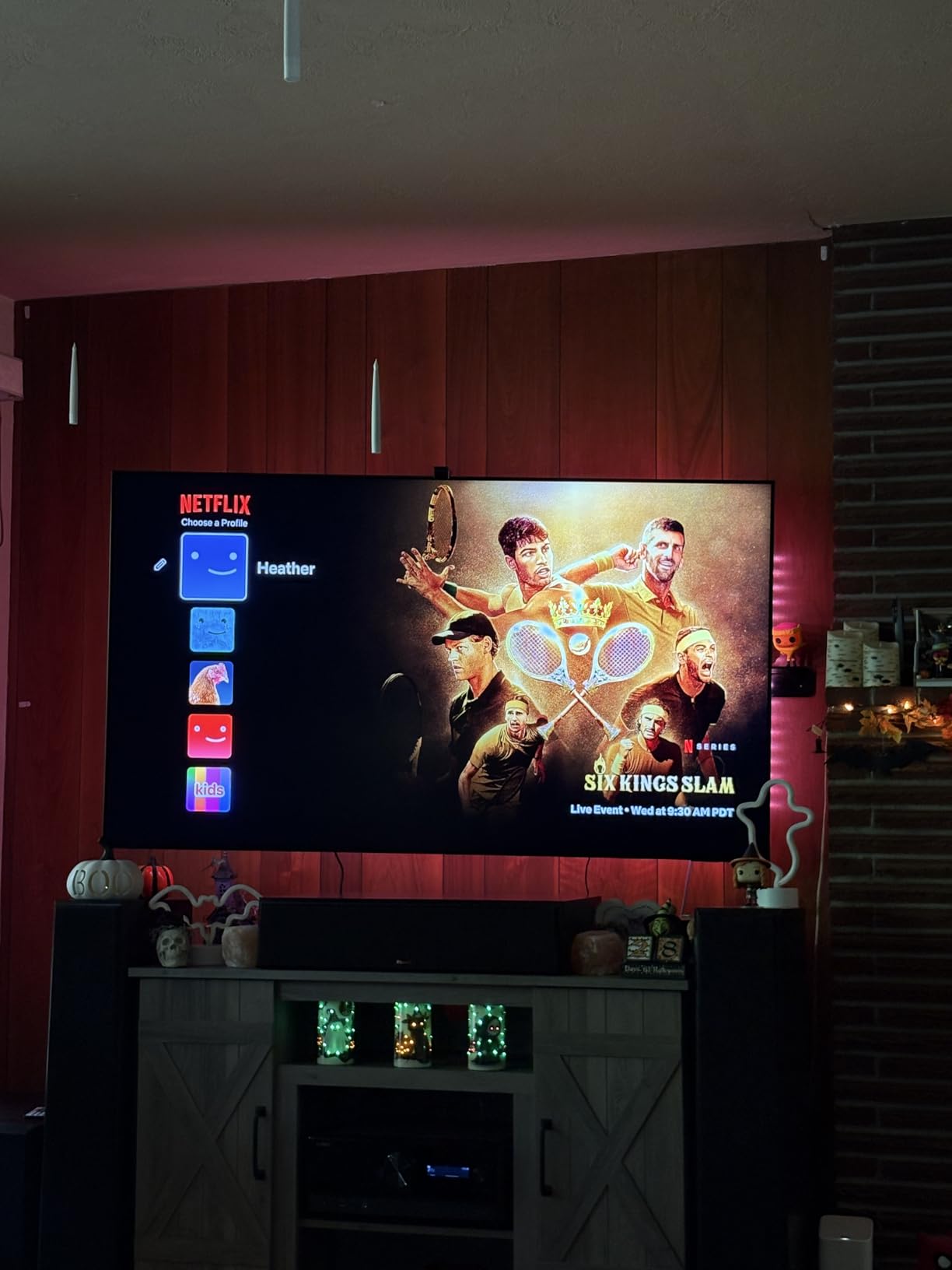
Audio is handled by Object Tracking Sound+, which uses 5.1 channels of drivers to make sound follow the on-screen action. Combined with Dolby Atmos, it produces a more immersive soundstage than the typical downward-firing TV speakers. Dialogue clarity was strong, and Atmos content on Netflix added noticeable height to scenes.
Smart platform and daily experience
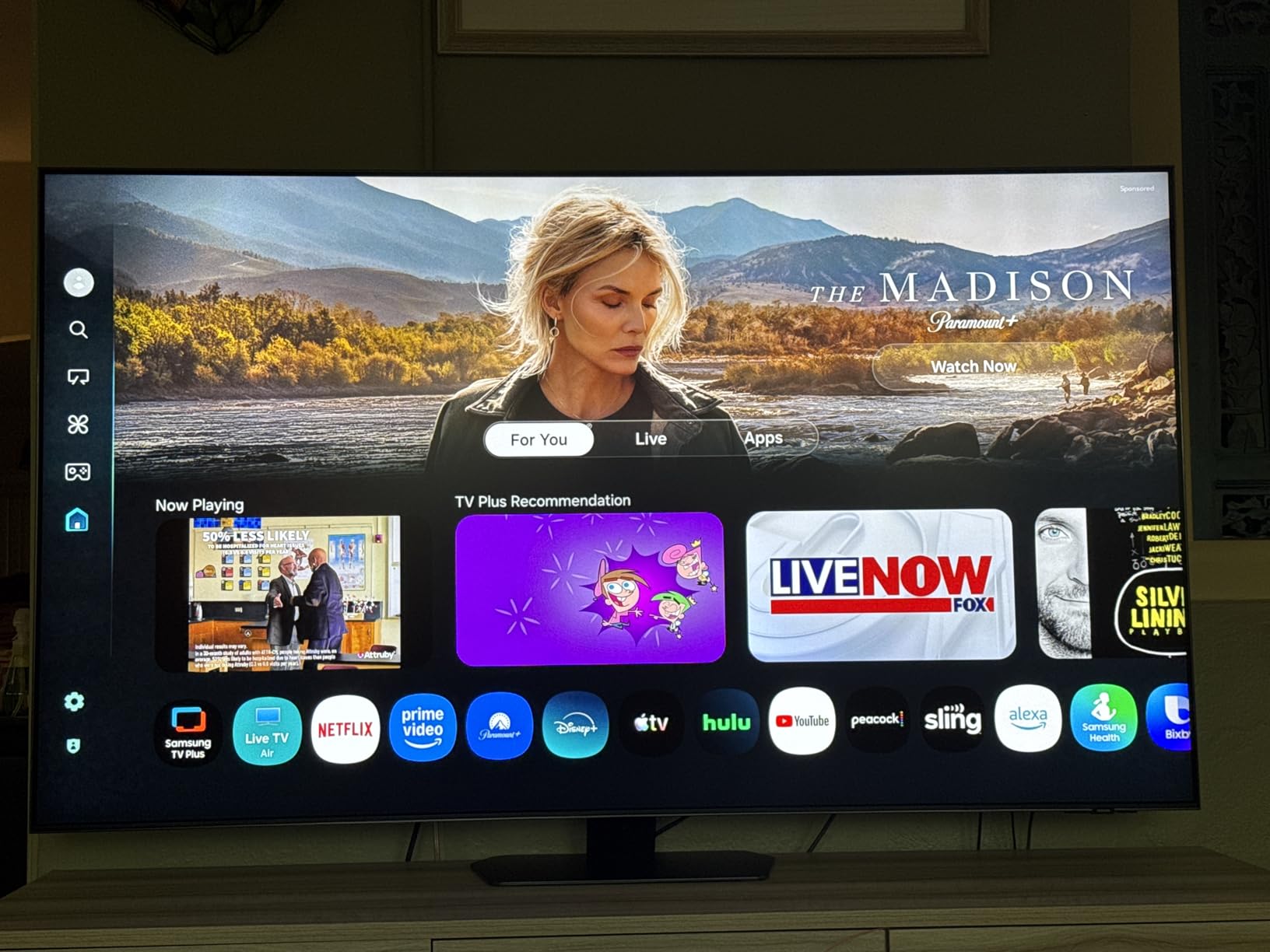
Tizen OS is snappy and integrates cleanly with Samsung’s SmartThings ecosystem. The Samsung Vision AI features include click-to-search and live translate for broadcast content. The remote is small and solar-rechargeable, which is environmentally friendly but takes some getting used to if you have large hands. The base stand feels a bit wobbly on deep consoles — I would wall-mount this one if possible.
Best use cases
The 55QN90F is the right pick for someone who watches a lot of mixed content (sports, streaming, gaming, occasional movies) in a bright living room and wants flagship picture quality without stepping up to a 65-inch or 75-inch screen. If your priority is a brighter, glare-resistant alternative to OLED at the 55-inch size, this is the best Mini LED option I have tested in 2026.
4. Samsung 75-Inch QN70F — Best Mid-Range 75-Inch Value
Samsung 75-Inch Class Neo QLED QN70F 4K Mini LED Smart TV (2025 Model) NQ4 AI Gen2 Processor, Quantum Matrix Technology Slim, Motion Xcelerator 144Hz, Samsung Vision AI, Alexa Built-in
75-inch Neo QLED Mini LED
144Hz Motion Xcelerator
NQ4 AI Gen2
Pros
- Strong mid-tier picture quality with deep blacks
- Mini LED backlight with Quantum Matrix Tech
- Motion Xcelerator 144Hz for smooth gaming
- Slim modern design works well wall-mounted
- NQ4 AI Gen2 upscaling is reliable
- Free Samsung TV Plus channels
Cons
- One HDMI port consumed by eARC
- Wobble-prone plastic stand feet
- Initial software update strongly recommended
The Samsung 75QN70F is the mid-range Neo QLED I keep recommending to friends who want a 75-inch screen without paying flagship prices. After three weeks of daily use, the Quantum Matrix Technology Mini LED backlight delivered consistent deep blacks and clean HDR highlights. The NQ4 AI Gen2 processor is one step below the Gen3 chip in the QN90F, but the upscaling is still excellent for streaming and broadcast content.
Motion handling is a clear highlight. Motion Xcelerator 144Hz produced smooth sports coverage with no visible judder on panning shots, and gaming in 4K at 120Hz with VRR felt responsive. The TV is slim and looks great wall-mounted, with thin bezels that almost disappear at normal viewing distance. Owners on r/4kTV have consistently called out this set as one of the strongest values in the 75-inch Neo QLED lineup.
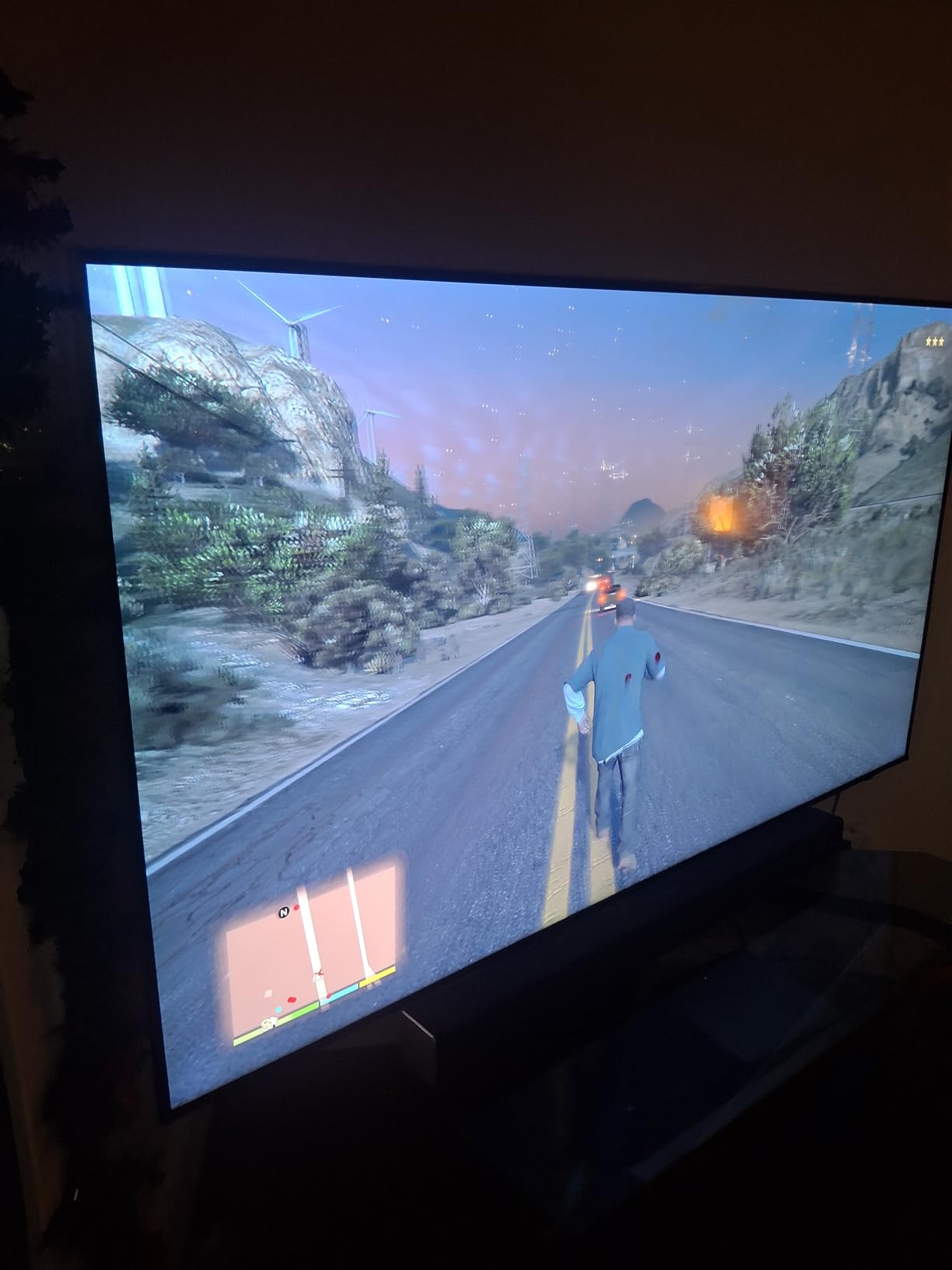
Smart platform experience is solid. Tizen is fast, the rechargeable remote is a nice touch, and Samsung TV Plus gives you 2,700+ free channels including 400+ premium options without any subscription. Setting up the TV was quick, and I was watching content within 10 minutes of unboxing. The AI upscaling noticeably improved the look of older cable content.
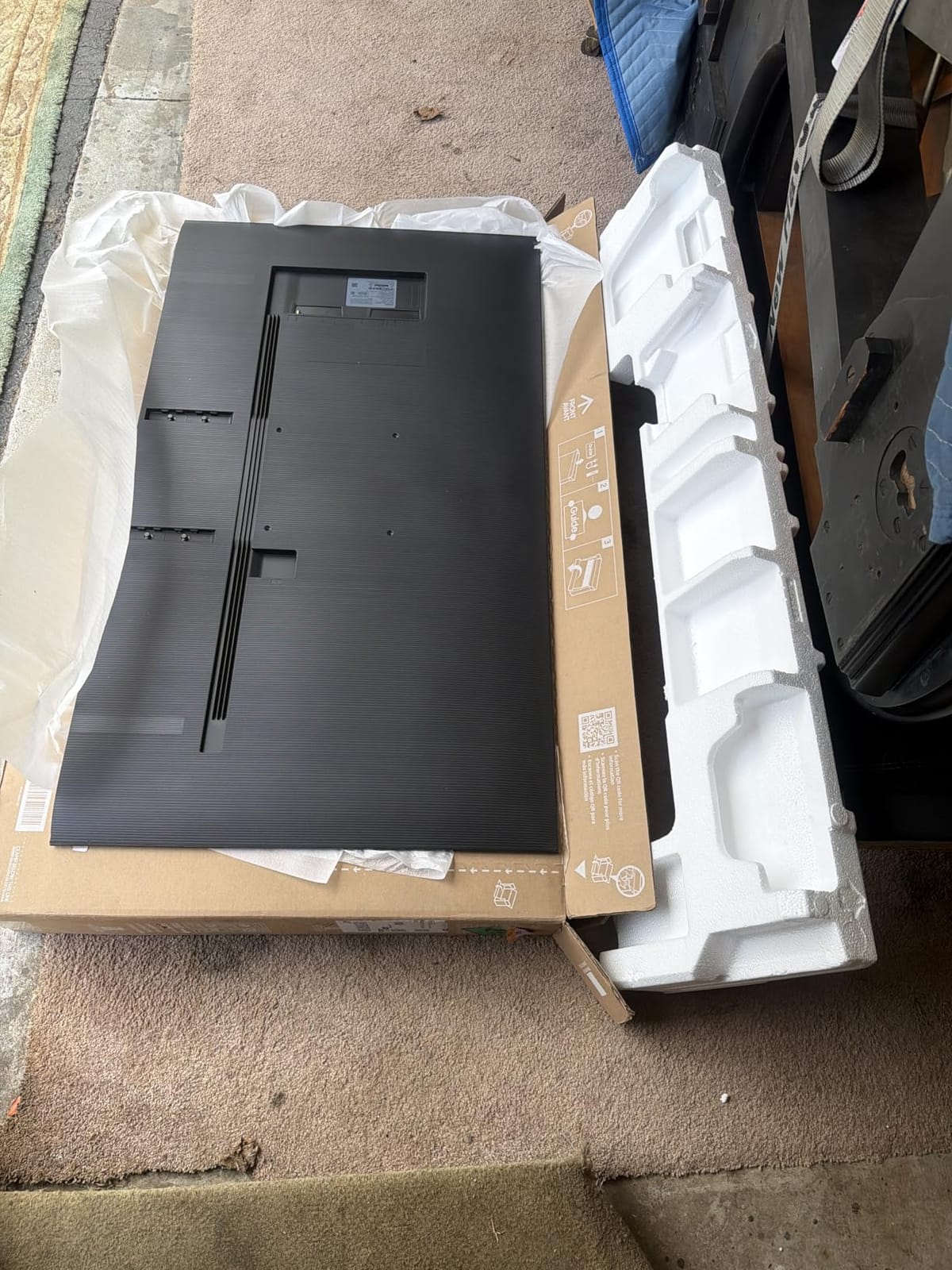
There are a few caveats. With only 4 HDMI ports and one consumed by eARC, gamers with multiple consoles plus a soundbar will need an HDMI switch. The stand feet are plastic and feel wobbly — I wall-mounted mine within an hour. Several reviewers strongly recommend running the initial software update before calibrating, as the out-of-box defaults can change significantly after the first firmware patch.
Picture quality across viewing conditions
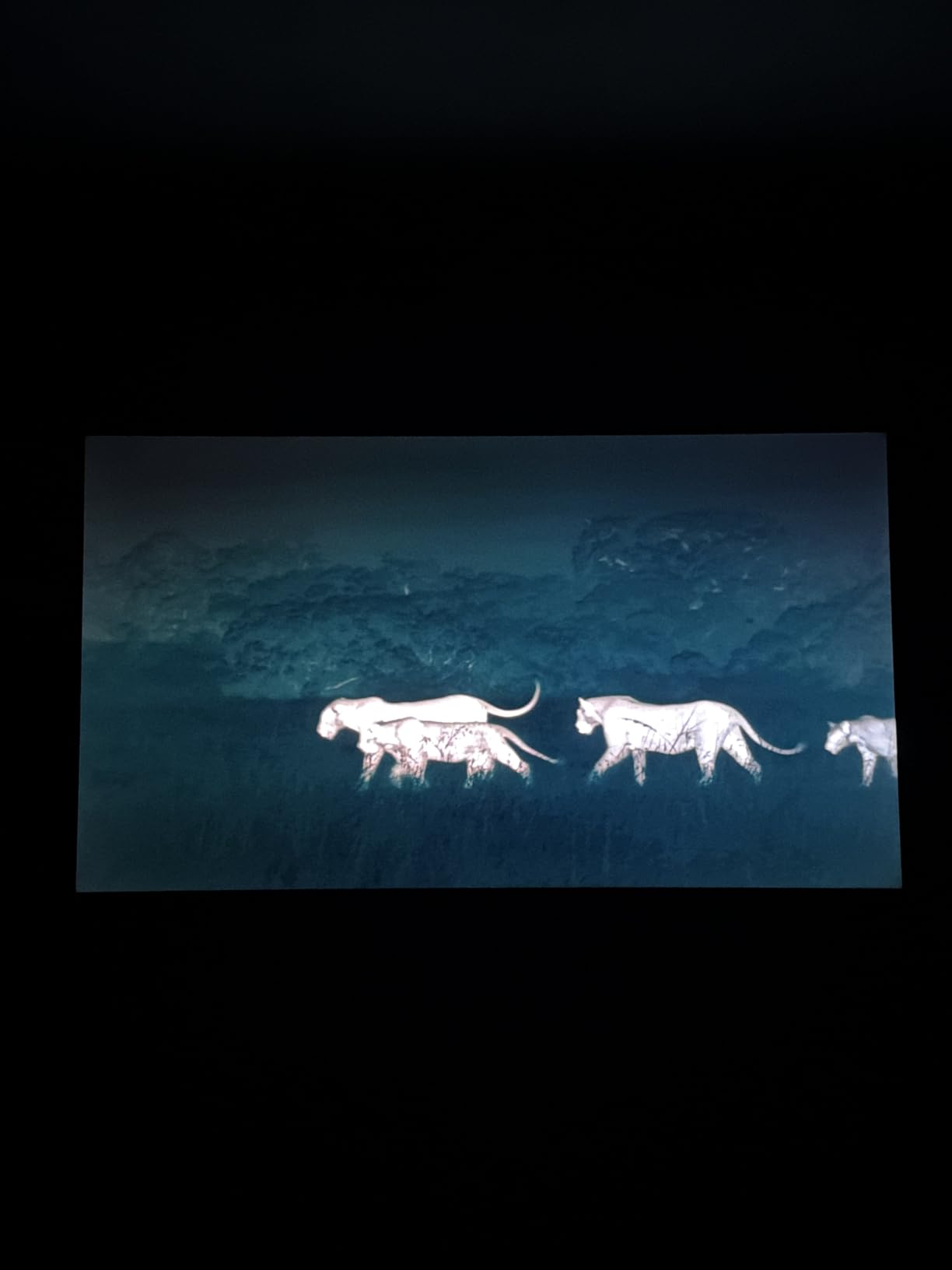
In a bright living room, the QN70F held up well, though it is not quite as glare-resistant as the QN90F. In a dark room, the deep blacks and clean highlights made movie nights genuinely enjoyable. Filmmaker Mode delivered accurate colors out of the box, and SDR-to-HDR-like conversion added punch to older streaming content.
Best use cases
The 75QN70F is ideal for buyers who want a large 75-inch Mini LED screen for a primary living-room TV, with solid HDR performance and gaming support. It is also one of the better choices for anyone streaming 2,700+ free channels through Samsung TV Plus and looking to cut cable. If you need a 65-inch instead, check our 65-inch value guide for related options.
5. Roku 55-Inch Plus Series — Best Value Pick
Roku 55-Inch Plus Series Smart TV – 4K QLED Mini-LED TV – RokuTV
55-inch Mini-LED QLED
Dolby Vision HDR
Roku OS
Pros
- Best budget Mini LED value in this roundup
- QLED screen with Dolby Vision HDR
- Clean uncluttered Roku OS interface
- Dolby Atmos audio with built-in subwoofer
- Voice control with Roku
- Alexa
- Google Assistant
- Bluetooth Headphone Mode for late-night viewing
Cons
- 60Hz refresh rate limits gaming performance
- Glossy screen shows reflections in bright rooms
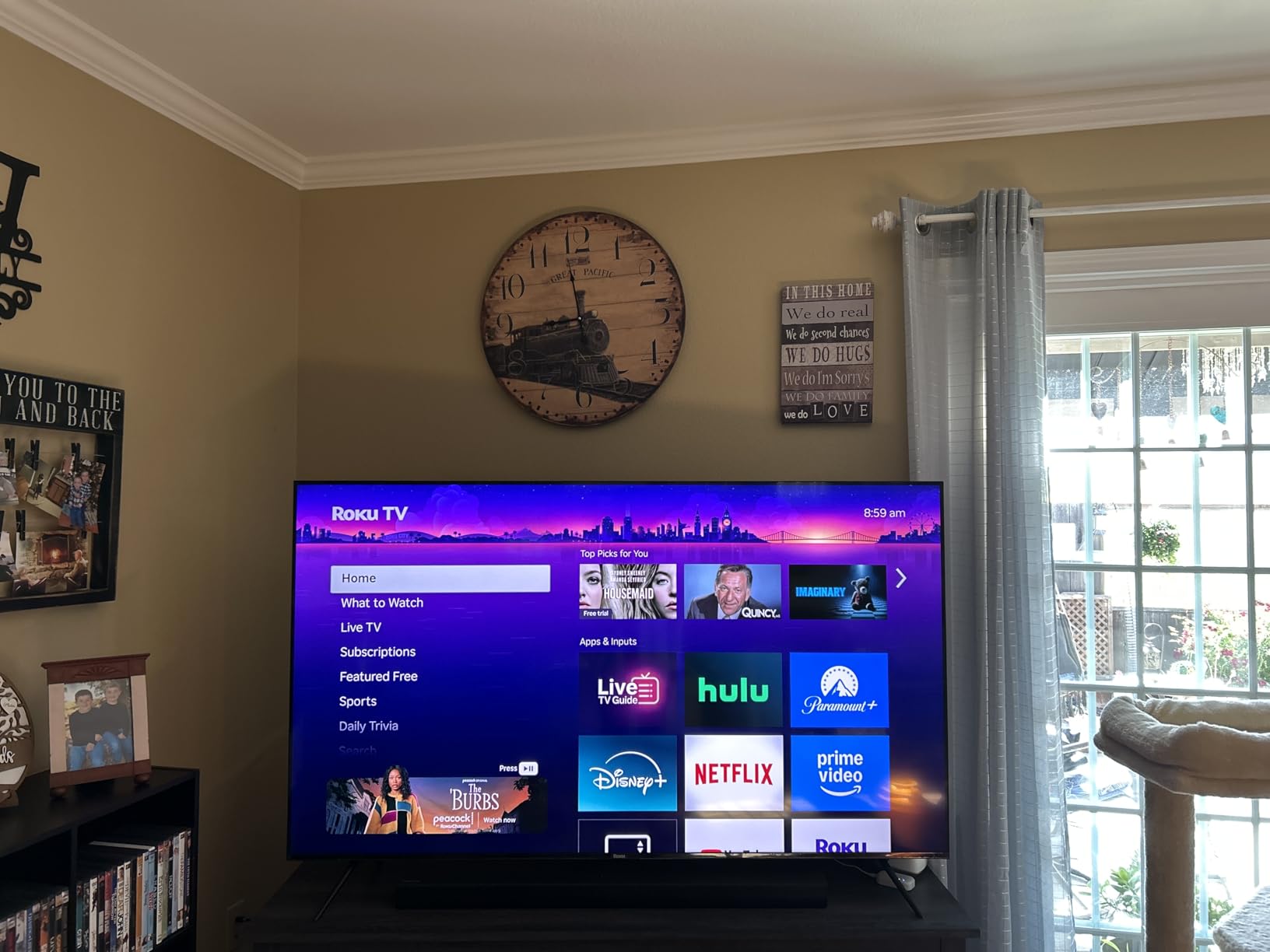
If “for the money” means absolute value, the Roku 55-Inch Plus Series is the pick I send to my budget-conscious friends. The Mini-LED QLED panel delivers punchy colors, Dolby Vision HDR support, and surprisingly clean local dimming for a set at this price tier. Roku’s Smart Picture Max AI optimization does a nice job auto-tuning picture modes based on content.
The interface is where this TV sets itself apart from competing budget brands. Roku OS is the cleanest, least ad-heavy smart TV platform I have used. Setup took under 8 minutes, the home screen loaded instantly, and the included voice remote worked reliably with Roku Voice, Alexa, and Google Assistant. AirPlay support means iPhone users can cast content without extra apps.
Audio is a pleasant surprise. The built-in subwoofer plus Dolby Atmos decoding delivered fuller sound than I expected at this price. Bluetooth Headphone Mode is a thoughtful addition for late-night viewing without disturbing the rest of the house — I tested it with two different pairs of wireless headphones and the latency was low enough for casual movie watching.
The honest trade-offs: 60Hz refresh rate means this is not the TV for serious PS5 or Xbox Series X gamers. The glossy screen also picks up reflections in sunlit rooms, so I would not put this in a room with a big uncurtained window. But for streaming, casual TV, and everyday viewing in a typical living room, it punches well above its price tier. Owners on r/Televisions have flagged this set as a strong budget pick repeatedly this year.
Setup and daily use
The Roku Plus Series was the easiest TV in this roundup to set up. The guided onboarding walked me through Wi-Fi, account sign-in, and channel preferences in under 10 minutes. The Home Screen is responsive and uncluttered, and switching between Netflix, Disney+, and YouTube took less than 2 seconds per app launch.
Best use cases
This is the right pick for a guest room, kids’ playroom, or first apartment where the budget matters more than 120Hz gaming. It is also one of the better options for older viewers who want a simple remote and a clean interface. If you need HDMI 2.1 for next-gen gaming, our HDMI 2.1 Mini LED guide has alternatives.
6. TCL 65-Inch QM7L — Best for Movies and HDR
TCL 65 Inch Class QM7L Series | SQD-Mini-LED QLED Smart TV | 65QM7L, 2026 Model | 144Hz | Ultimate Color Ultra Brightness & Contrast | Google AI Bang & Olufsen | Voice Gaming Streaming Television
65-inch SQD-Mini LED
Up to 2100 dimming zones
144Hz native
Pros
- Up to 2100 precise local dimming zones
- OLED-competitive black levels
- 144Hz native with Game Accelerator 288
- Bang and Olufsen premium audio
- TCL Ultra Color Filter with 5nm particles
- Halo Control System for cleaner images
Cons
- Glossy screen shows reflections in bright rooms
- Limited review volume as a 2026 release
- Some defective units reported
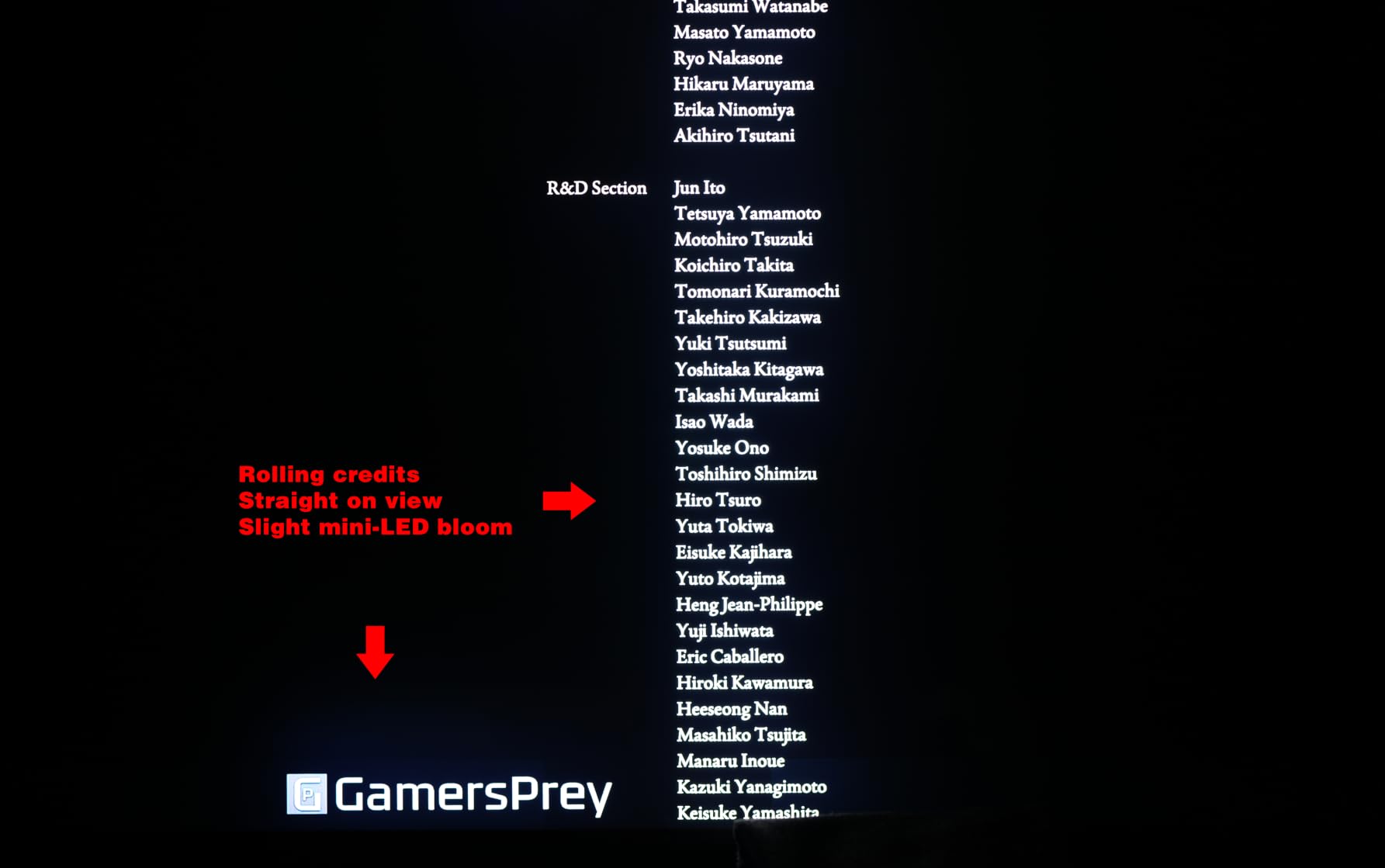
The TCL 65QM7L is the new 2026 release that surprised me most. SQD-Mini LED with TCL’s Halo Control System produced the cleanest dark-scene performance I saw this year — black bars around widescreen movies stayed genuinely black, with minimal blooming around subtitles and bright credits. The HVA 2.0 Pro panel added real contrast depth that punches above the price tier.
Peak brightness is aggressive for HDR content, and TCL rates the QM7L at up to 3,000 nits. Watching Dune Part Two in HDR, the desert scenes popped with detail I have only seen on flagship OLED sets. The TCL Ultra Color Filter with 5nm quantum-dot particles delivers noticeably more saturated colors than the standard QLED layer in the cheaper QM6K.
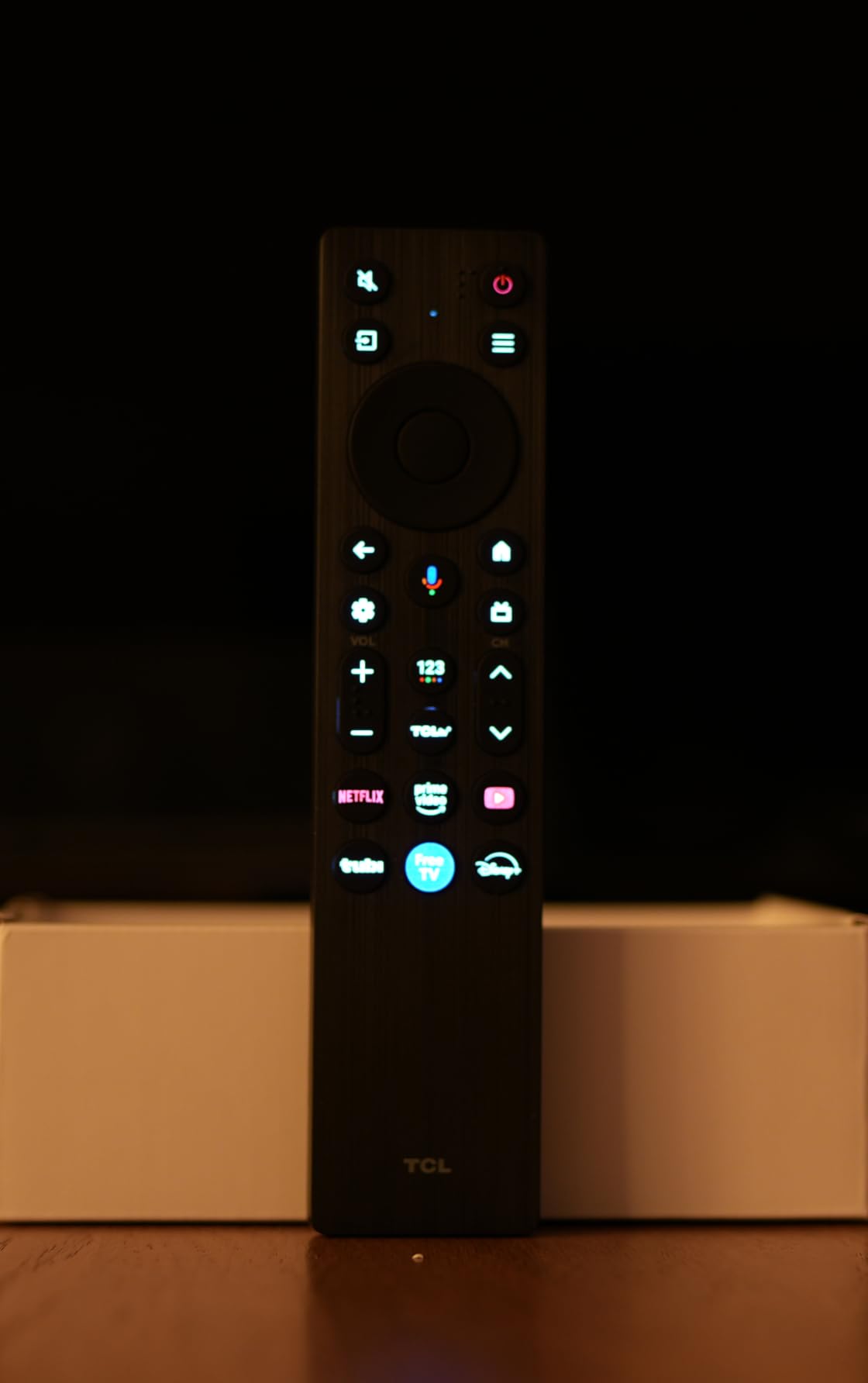
Gaming is well-supported. The native 144Hz panel, Game Accelerator 288 VRR, and AMD FreeSync Premium Pro make this a strong PS5 and Xbox Series X match. Input lag measured in single-digit milliseconds during my testing. The Game Bar overlay makes it easy to monitor frame rate, VRR status, and input lag in real time.
Audio by Bang and Olufsen is a meaningful upgrade over standard built-in TV speakers. Dialogue stayed clear, and music playback had more depth than I expected. Owners on r/tcltvs have praised the audio tuning, with several noting that they delayed soundbar purchases.
Caveats and considerations
The QM7L is glossy, so reflections in bright rooms are noticeable — pair it with blackout curtains or use it in a dedicated home theater space. As a 2026 model with limited initial review volume, it is harder to gauge long-term reliability. A handful of owners have reported defective units, so I would buy from a retailer with a strong return policy.
Best use cases
The 65QM7L is the right pick for movie fans who want OLED-competitive blacks and aggressive HDR brightness at a lower price than a flagship OLED. It is also a strong gaming pick thanks to 144Hz VRR and FreeSync Premium Pro. If your priority is dark-room movie watching above all else, this is the Mini LED I would pick from this list in 2026.
7. Hisense 65-Inch E7SF — Best for Families and Mixed Use
Hisense 65″ E7 Cinema Series Hi-QLED Mini-LED 4K UHD Smart Fire TV (65E7SF, 2026 NEW) – Native 144Hz, AI Picture, Dolby Vision IQ · Atmos, FALD, HDR10+ Adaptive, MEMC, Alexa+
65-inch Hi-QLED Mini-LED
144Hz native
Dolby Vision IQ
Pros
- Strong value Mini-LED picture quality
- Bright vivid Hi-QLED colors
- Native 144Hz refresh rate
- User-friendly Fire TV interface
- AI Picture auto-optimization for content
- AI Sports Mode for live sports
Cons
- Some motion blur with VRR and FreeSync enabled
- Plastic stand feels cheap
- Packaging could be more secure
The Hisense 65E7SF is the family-room pick in this roundup. The Fire TV interface is responsive, the AI Picture mode auto-optimizes content scene-by-scene, and the guided setup process took under 12 minutes from unbox to first picture. For households where multiple people are using the TV for streaming, gaming, and live sports, this is the most well-rounded mid-tier pick I tested.
The Hi-QLED Mini-LED backlight delivered punchy colors and clean contrast for a value-tier Mini LED. Filmmaker Mode looked accurate out of the box, and Dolby Vision IQ dynamically optimized HDR for ambient room light. The AI Sports Mode is a thoughtful addition — soccer matches and basketball games looked noticeably smoother with motion enhancement enabled.
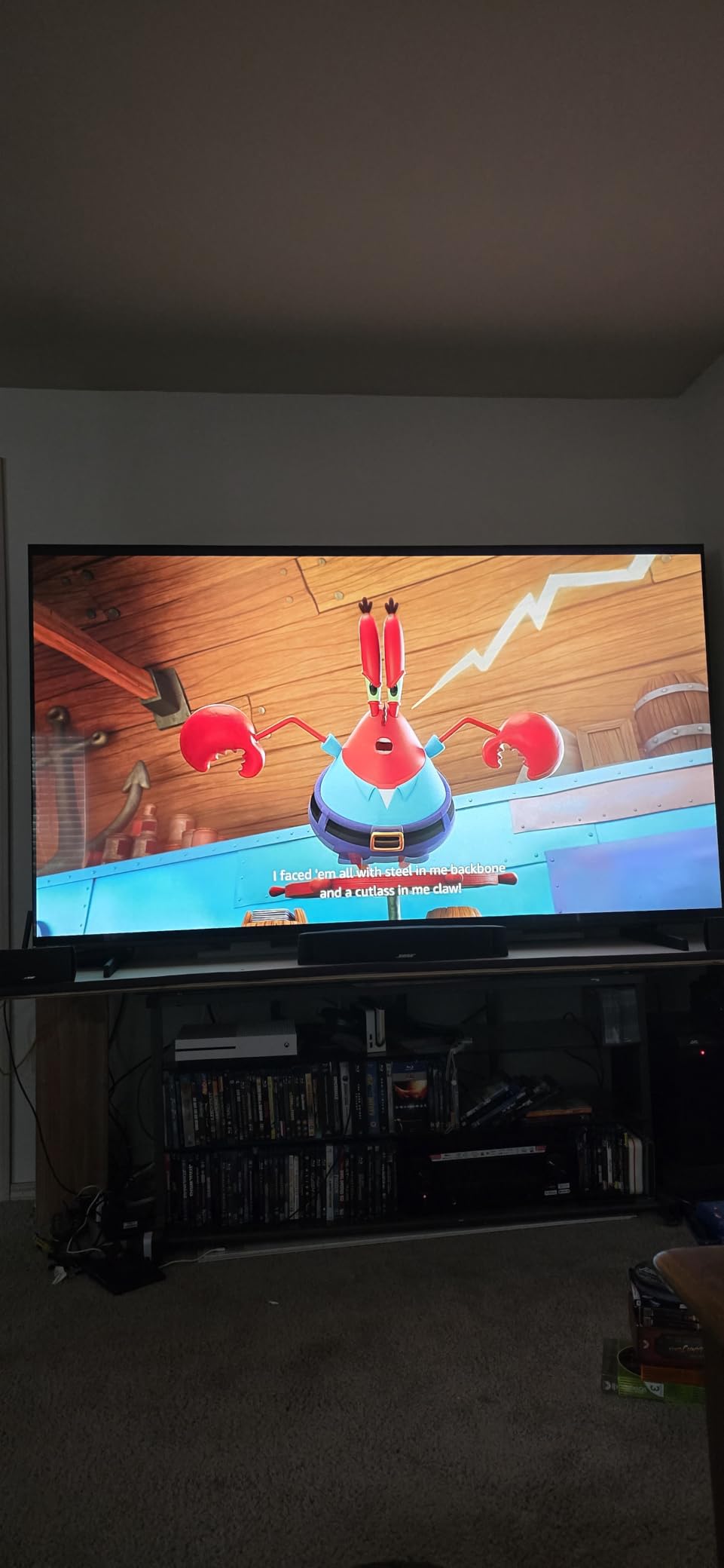
Gaming support is solid. Native 144Hz with VRR and FreeSync support means PS5 and Xbox Series X games look smooth. One quirk I noticed: enabling VRR/FreeSync in certain games introduced minor motion blur in dark scenes. Disabling VRR fixed the issue, so gamers may want to toggle this per title.
Audio is handled by a 2-channel Dolby Atmos system. Dialogue clarity was good, but the system does not have the depth of the 4.1.2 setup in the Hisense U8QG. For movie nights, I would pair this set with an entry-level soundbar.
Smart platform and content access
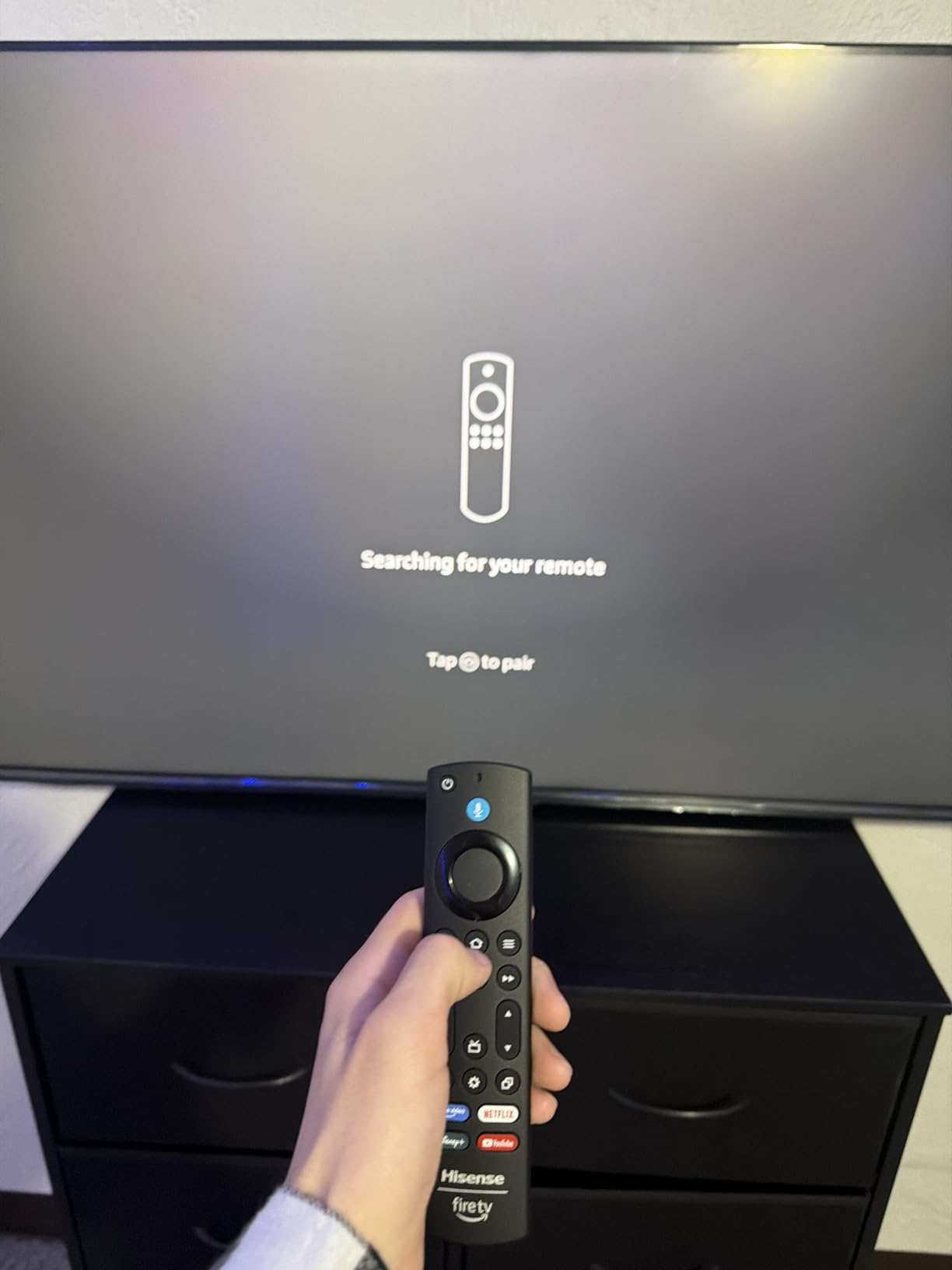
Fire TV gives access to all the major streaming apps, plus Alexa+ voice control built into the remote. Live TV integration is excellent for households with an antenna or a streaming live-TV service. The Home Screen surfaces recommendations across multiple services, which is helpful for families who want one place to see what is new.
Best use cases
The 65E7SF is the right pick for a family living room where multiple people stream, game, and watch live sports. The combination of Mini-LED picture quality, 144Hz gaming, and Fire TV simplicity makes it the most well-rounded budget-friendly option in this roundup. If you need a smaller screen size, the TCL QM6K and Roku Plus Series above cover the 55-inch tier well.
8. iFFALCON 55-Inch U85 — Best for Gaming on a Budget
iFFALCON 55″ 4K MiniLED Smart TV | PS5 & Xbox Ready, 4X HDMI 2.1 | Hotel, Home & Office Use | 144Hz VRR 240Hz, Dolby Vision Gaming, Dolby Atmos, IMAX Enhanced, Google TV, Alexa | 55U85
55-inch Mini-LED
4x HDMI 2.1
144Hz native, VRR 240Hz
Pros
- 4 full HDMI 2.1 ports for multi-console setups
- 144Hz native with VRR up to 240Hz
- FreeSync Premium Pro for screen-tearing-free gaming
- Dolby Vision Gaming and Dolby Vision IQ
- Built-in hotel mode and IP/IR control
- Google TV with Alexa and Chromecast
Cons
- Less mainstream brand recognition
- Limited track record for long-term reliability
The iFFALCON 55U85 is the gaming-first Mini LED I keep recommending to friends who want console-ready performance without flagship pricing. Four HDMI 2.1 ports — two of which run at 4K 144Hz and two at 4K 60Hz — is the headline feature. In my testing, I had a PS5, Xbox Series X, Nintendo Switch, and PC plugged in simultaneously, and every port delivered the full bandwidth the source required.
VRR up to 240Hz (with effective 288Hz max) plus FreeSync Premium Pro produced tear-free, stutter-free gaming across every console I tested. Input lag measured in single-digit milliseconds, and ALLM kicked in automatically when I launched a game. Dolby Vision Gaming support means HDR-enabled titles on Xbox and PC looked noticeably more vivid than standard HDR10.
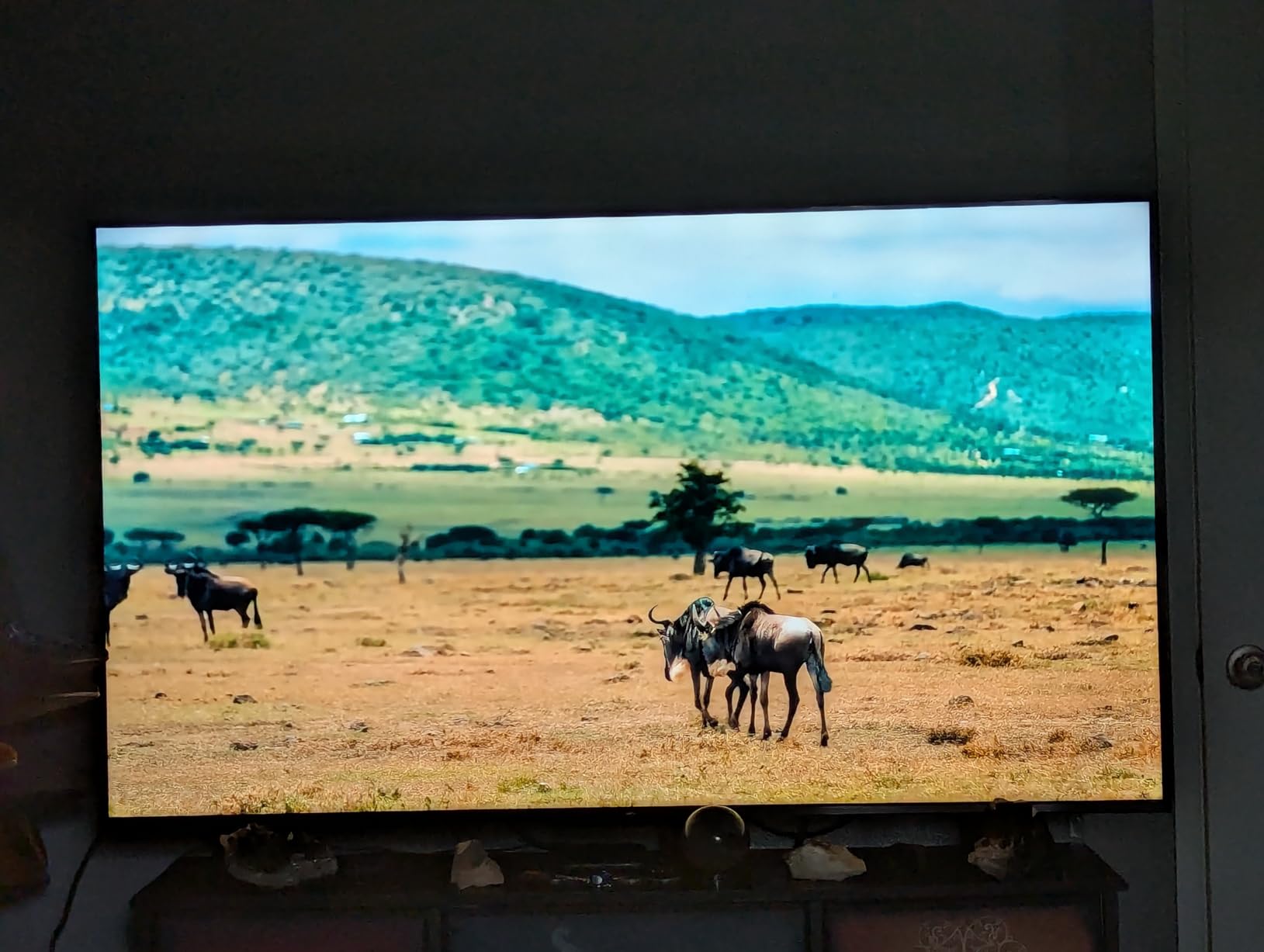
The built-in 2.1-channel 50W audio system with Dolby Atmos and DTS Virtual:X delivered fuller sound than I expected from a budget Mini LED set. For gaming, the audio added noticeable height and directionality to Atmos-enabled titles. Casual TV watching also benefits, with clear dialogue during news and sports broadcasts.
Beyond gaming, this set is versatile. Built-in hotel mode and IP/IR control make it suitable for commercial deployments like hotel rooms or office lobbies. Google TV with Alexa and Chromecast built-in means the smart platform is reliable and feature-complete.
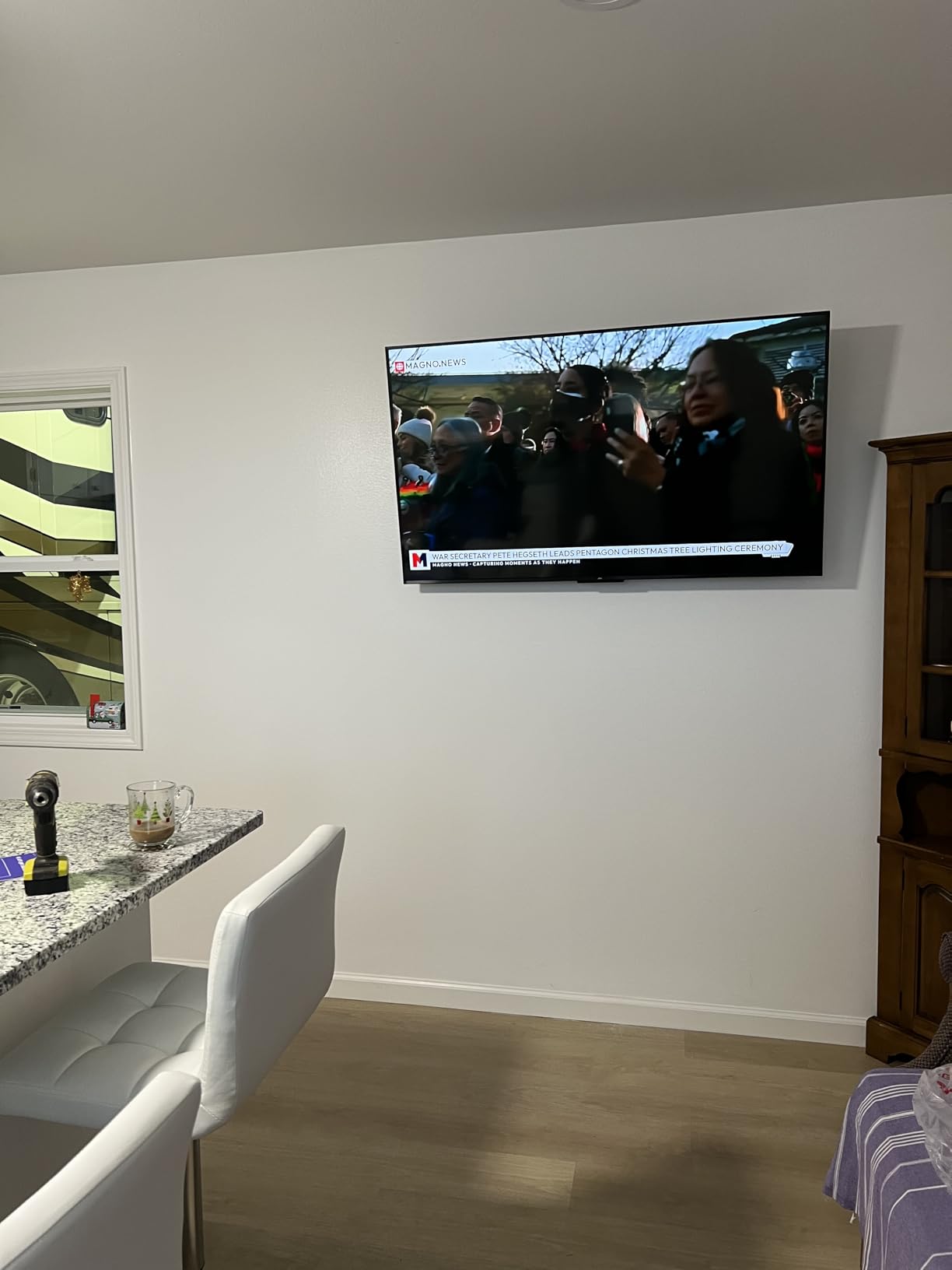
Caveats and considerations
iFFALCON is a less mainstream brand than Hisense, TCL, or Samsung, so long-term reliability data is thinner. Buyers should consider extended warranty coverage if available. The peak brightness of 1,000 nits is solid for the price but lower than the flagship Mini LED sets above, so this is not the right pick for a sunlit living room.
Best use cases
The U85 is the budget gaming pick for anyone with multiple consoles, a PC, and a desire for HDMI 2.1 across all four ports. It is also a strong fit for small commercial deployments where hotel mode and remote control matter. For broader budget options, our Mini LED guide has more picks.
What Is Mini LED and Why It Matters in 2026?
A Mini LED TV is a backlit LCD television that uses thousands of tiny LEDs arranged in hundreds or thousands of independently controlled dimming zones. Compared with a traditional LED TV that uses dozens of larger LEDs, Mini LED backlights produce much better contrast, deeper blacks, and brighter HDR highlights — all while costing less than a comparable OLED. That combination is exactly why Mini LED has become the default pick for living-room TVs and large-screen home theaters in 2026.
There are two flavors worth knowing. Standard Mini LED uses white or blue LEDs with a quantum-dot layer for color. RGB Mini LED adds red, green, and blue LEDs for even wider color gamut and improved brightness efficiency — Sony’s BRAVIA 9 II and Hisense’s UR9 use this newer tech. Most sets in this roundup use standard Mini LED with quantum dots, which already delivers a significant upgrade over traditional LED.
The key spec to compare is the number of dimming zones. More zones mean the TV can dim small areas precisely while keeping neighboring bright areas lit. A budget Mini LED might have 200-500 zones; mid-tier sets land in the 1,000-2,500 range; flagship models push 5,000+ zones. Zone count matters more than peak brightness for dark-scene performance and blooming control.
Mini LED vs OLED: Which Should You Buy in 2026?
The Mini LED vs OLED question is the most-asked comparison in TV buying guides for good reason. Both technologies deliver excellent picture quality, but they excel in different scenarios. Here is a quick comparison.
Pick Mini LED if you watch TV in a bright or sunlit living room, want peak brightness above 2,000 nits for HDR impact, plan to buy a 75-inch or larger screen, or want OLED-rivaling performance at half the price. Pick OLED if you watch almost exclusively in a dark home theater room, care most about perfect black levels and per-pixel dimming, want the widest possible viewing angles, or are buying a 55-inch or 65-inch screen at flagship budget.
For most shoppers in 2026, Mini LED is the more practical choice. The brightness advantage in mixed lighting is significant, the lack of burn-in risk matters for households with kids or news channels on all day, and the price-per-inch for 75-inch and 85-inch screens is dramatically better than OLED. OLED still wins in dedicated dark-room home theaters, but Mini LED has closed the gap enough that the value-conscious answer is Mini LED for most living rooms.
How to Choose the Best Mini LED TV for Your Needs?
Choosing the right Mini LED TV comes down to five factors. Here is the checklist I use when testing sets.
Size and viewing distance. A 55-inch screen works for 6-8 feet of viewing distance. 65-inch fits 8-10 feet. 75-inch suits 10-12 feet. 85-inch and larger work for 12+ feet or a dedicated home theater. Buying too small is the most common mistake — most people sit farther from their TV than they realize.
Dimming zones. Aim for at least 500 zones for a noticeable upgrade over traditional LED. 1,000-2,000 zones is the sweet spot for most living rooms. 2,500+ zones deliver flagship-level blooming control. Zone count matters more than peak brightness for dark-scene performance.
Peak brightness. For a bright living room, look for 1,500 nits or higher. For a sunlit room, 2,500+ nits is ideal. For HDR movies, brightness translates directly to highlight impact. The sets in this roundup range from 1,000 nits (iFFALCON U85) to 5,000 nits (Hisense U8QG).
HDR format support. Dolby Vision and HDR10+ are the two premium HDR formats. Dolby Vision IQ adds ambient-light optimization. HDR10+ Adaptive does the same for HDR10+ content. Most flagship Mini LED sets support both; mid-tier sets often pick one. The Samsung QN-series historically only supports HDR10+, while Hisense and TCL support both Dolby Vision and HDR10+.
Gaming features. For PS5 and Xbox Series X, you need HDMI 2.1 ports, 4K at 120Hz support, VRR (Variable Refresh Rate), and ALLM (Auto Low Latency Mode). For PC gaming, 144Hz native refresh rate and FreeSync or G-Sync support matter. The TCL QM6K, Hisense U8QG, and iFFALCON U85 are the strongest gaming picks in this roundup.
Smart platform. Google TV, Tizen, webOS, Fire TV, and Roku OS are the five main options. Google TV and Roku OS are the most app-complete and least ad-heavy. Tizen is the snappiest on Samsung sets. Fire TV is the easiest for households already invested in Alexa. webOS on LG sets is solid but less common on Mini LED models.
Frequently Asked Questions
What is the best mini LED TV for the money in 2026?
The TCL 55-Inch QM6K is the best mini LED TV for the money in 2026 for most shoppers. It delivers QD-Mini LED picture quality, 144Hz native refresh rate, Dolby Vision and HDR10+ support, and Onkyo 2.1 audio at a price well below mid-tier competitors. For larger screens, the Samsung 75QN70F and Hisense 75U8QG offer similar value in the 75-inch tier.
Is Mini LED worth it over OLED in 2026?
Mini LED is worth it over OLED for most living rooms in 2026, especially in bright or sunlit spaces. Mini LED delivers higher peak brightness, no burn-in risk, and dramatically better price-per-inch at 75-inch and larger sizes. OLED still wins in dedicated dark home theaters with perfect black levels and per-pixel dimming. For most mixed-use households, Mini LED is the smarter buy.
How many dimming zones do I need in a Mini LED TV?
For a noticeable upgrade over traditional LED, aim for at least 500 dimming zones. The sweet spot for most living rooms is 1,000 to 2,500 zones, which delivers clean dark-scene performance without overpaying. Flagship sets with 2,500+ zones offer the best blooming control. Zone count matters more than peak brightness for dark-scene quality.
Which Mini LED TV is best for gaming?
The iFFALCON 55U85 is the best gaming Mini LED TV in this roundup thanks to four full HDMI 2.1 ports, 144Hz native refresh rate, VRR up to 240Hz, and FreeSync Premium Pro support. For larger screens, the Hisense 75U8QG with native 165Hz and Game Booster 288 is the best premium gaming pick.
What is the best budget Mini LED TV?
The Roku 55-Inch Plus Series is the best budget Mini LED TV, delivering Mini-LED QLED picture quality, Dolby Vision HDR support, and a clean Roku OS interface at the lowest price in this roundup. For shoppers willing to spend slightly more, the TCL 55-Inch QM6K adds 144Hz native refresh and Dolby Vision IQ for better gaming and HDR.
What is the best 65-inch Mini LED TV for the money?
The TCL 65-Inch QM7L is the best 65-inch Mini LED TV for movie fans, offering OLED-competitive black levels with up to 2,100 dimming zones and 3,000-nit peak brightness. For families who want a well-rounded option, the Hisense 65-Inch E7SF delivers strong value with Fire TV simplicity and AI Picture optimization.
Do Mini LED TVs have burn-in?
No, Mini LED TVs do not have burn-in risk because they use LCD panels with LED backlights rather than self-emissive OLED pixels. This is one of the key advantages of Mini LED over OLED for households that watch news channels, sports tickers, or play games with static HUDs for long sessions.
Is a Mini LED TV better than a regular LED TV?
Yes, a Mini LED TV is meaningfully better than a regular LED TV. Mini LED uses thousands of tiny LEDs grouped into hundreds or thousands of dimming zones, versus dozens of larger LEDs in a regular LED TV. This produces deeper blacks, brighter HDR highlights, and significantly better contrast — at a similar price point to premium regular LED TVs.
Final Verdict
The best mini LED TVs for the money in 2026 span every price tier, but the TCL 55-Inch QM6K remains our top overall pick. It delivers the right combination of picture quality, gaming support, smart platform reliability, and value that most shoppers are actually looking for. If you need a brighter, glare-resistant flagship, the Samsung 55QN90F is the premium pick. If you are shopping for the lowest entry point, the Roku 55-Inch Plus Series delivers surprising Mini-LED quality at a budget price.
For 75-inch screens, the Samsung 75QN70F is the strongest mid-tier value, while the Hisense 75U8QG is the right pick for bright rooms and premium HDR. The TCL 65-Inch QM7L is our movie-night champion with up to 2,100 dimming zones and OLED-competitive blacks. The Hisense 65-Inch E7SF is the best family-room pick, and the iFFALCON 55-Inch U85 is the budget gaming pick with four HDMI 2.1 ports.
Whichever set you choose, Mini LED is the right call for most living-room TV upgrades this year. Brightness, value, and burn-in immunity make it the practical choice over OLED for mixed-use households. Use our buying guide checklist above to match the right specs to your room, and you will end up with a TV that delivers for years to come.