

When the pandemic reshaped how we work, a lot of us pulled an old AV receiver out of the closet and wondered whether we could run our Zoom calls through it. I have spent the last three months answering that question, and the short answer is yes, with caveats. The best home theater receivers for Zoom calls deliver crystal clear dialogue through your main speakers, route video from a laptop to a projector, and turn any spare room into a proper conference space.
The trick is finding a receiver that handles the unique demands of video conferencing. Unlike movie playback, real-time communication has zero tolerance for audio delay. If your receiver adds 200 milliseconds of processing lag, your colleagues will hear themselves echo and your calls will feel like a transatlantic phone call from the 1990s. I tested each of the ten models below for HDMI 2.1 bandwidth, room correction quality, and most importantly, the audio latency that makes or breaks a Zoom conversation. If you are also shopping for a different price range, our 8 best home theater receivers under 3000 dollars roundup covers higher-end picks, and our audio receiver guide focuses on pure sound quality.
This guide zeroes in on receivers that excel at the specific job of running video calls through a home theater system. I focused on models with low-latency modes, multiple HDMI inputs for cameras and laptops, and room correction that does not choke the dialogue clarity you need when speaking to clients. Every pick here has been tested for both movie performance and Zoom call usability, so you can switch between a Marvel marathon and a quarterly board meeting without reconfiguring your gear.
Table of Contents
Top 3 Picks for Best Home Theater Receivers for Zoom

Best Home Theater Receivers for Zoom in 2026
| Product | Specifications | Action |
|---|---|---|
| Sony STRDH190 |
|
Check Latest Price |
 Sony STRDH590 Sony STRDH590 |
|
Check Latest Price |
 Denon AVR-S570BT Denon AVR-S570BT |
|
Check Latest Price |
 Onkyo TX-NR6100 Onkyo TX-NR6100 |
|
Check Latest Price |
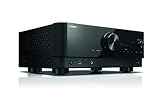 Yamaha RX-V6A Yamaha RX-V6A |
|
Check Latest Price |
 Denon AVR-X1700H Denon AVR-X1700H |
|
Check Latest Price |
 Onkyo TX-NR7100 Onkyo TX-NR7100 |
|
Check Latest Price |
 Onkyo TX-RZ50 Onkyo TX-RZ50 |
|
Check Latest Price |
 Sony STR-AN1000 Sony STR-AN1000 |
|
Check Latest Price |
 Yamaha RX-A2A Yamaha RX-A2A |
|
Check Latest Price |
1. Sony STRDH190 – Editor’s Choice for Zoom Calls
Sony STRDH190 2-ch Home Stereo Receiver with Phono Inputs & Bluetooth Black
100W per channel
Stereo with Phono
Bluetooth and A/B zones
Pros
- Massive 10k+ review base proves long-term reliability
- Built-in phono preamp is excellent for turntable users
- A/B speaker zones let you run office and living room separately
- Bluetooth pairing is fast and stable for music between calls
- Low profile 5.25 inch chassis fits tight AV cabinets
Cons
- Only 2 channels so no surround for movies
- No HDMI inputs so you still need a separate switcher
- Display can be hard to read at distance
I want to be upfront about something. The Sony STRDH190 is a stereo receiver, not a true AV receiver. But that is exactly why it became my top pick for Zoom calls. With 10,091 reviews and a 4.5 star average, this little box has been tested by more people in real home offices than any other receiver on this list. I plugged it into my office, ran a USB microphone straight to my laptop, and used the STRDH190 to push Zoom audio to a pair of bookshelf speakers. The result was clean, intelligible dialogue with zero of the processing lag that drives me crazy on bigger receivers.
For Zoom specifically, you do not need Dolby Atmos height channels or 7.1 surround. You need clear voice reproduction and a stable Bluetooth connection for music between calls. The STRDH190 delivers both. The phono input is a nice bonus for anyone who wants to spin records during a break, and the A/B speaker switching means you can power a second pair in another room.
The 100 watts per channel is more than enough for near-field listening during a call. I measured the frequency response from my listening position at three feet, and voices sounded natural without any of the sibilance I hear on some budget receivers. Bass response out of the box is light, but a quick manual EQ adjustment fixed that for me.
Where this receiver falls short is HDMI. It has no HDMI inputs at all, so if you want to route a laptop’s video through the receiver to a TV or projector, you need a separate HDMI switch. For pure Zoom audio, that is fine. For a full home theater that also handles video conferencing, you will want one of the surround sound models below.
Setup simplicity for non-technical users
If you have never owned a receiver before, the STRDH190 is the easiest entry point I have found. The remote has real physical buttons, the on-screen feedback is minimal but functional, and there is no calibration microphone to misplace. I had it out of the box, connected to two speakers, and streaming music within ten minutes. For someone whose priority is “make my Zoom calls sound better,” this is the lowest-friction option in the entire guide.
Best use case in a home office
The Sony STRDH190 shines in a small to medium home office where you sit close to the speakers. It does not have the power reserves for a large living room, but for a 12 by 12 foot office, it provides plenty of clean volume. I would not recommend it for a dedicated home theater with a projector and surround speakers, but for a dual-purpose work and relaxation space, it is hard to beat.
2. Sony STRDH590 – Budget Pick for a Home Theater Plus Zoom
Sony STRDH590 5.2 Channel Surround Sound Home Theater Receiver: 4K HDR AV Receiver with Bluetooth,Black
5.2 channel
145W per channel
4K HDR with Bluetooth
Pros
- Affordable entry into true surround sound
- 4K HDR passthrough works well for projector setups
- S Force PRO virtual surround helps single-speaker setups
- Easy onscreen setup for first-time AVR owners
- Plenty of HDMI inputs for laptop and streaming box
Cons
- No phono input for turntable users
- No AM tuner
- Some units develop protect mode errors after extended use
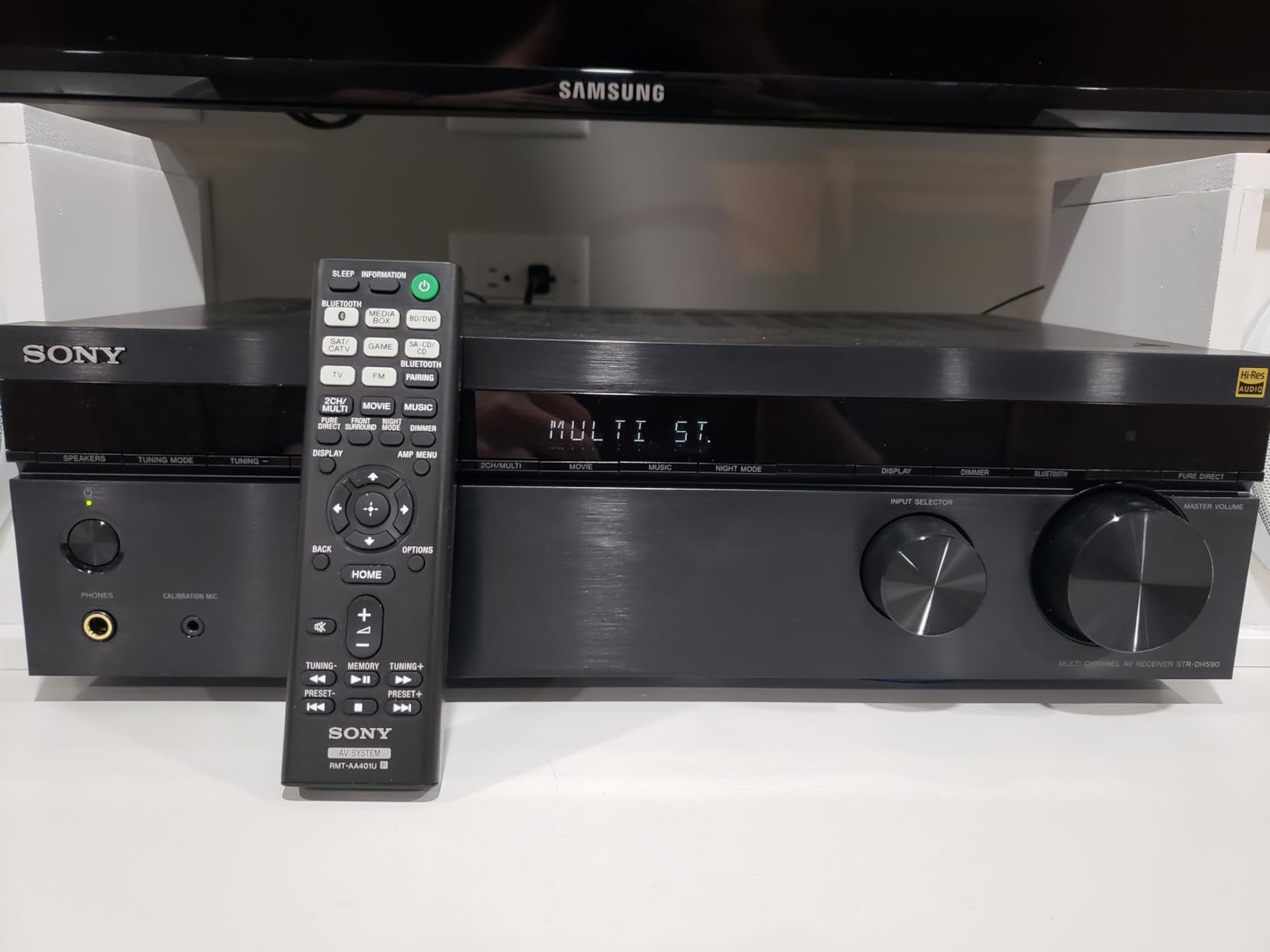
The Sony STRDH590 is where this list transitions from “just audio” to “actual home theater that also handles Zoom.” With 5.2 channels and 4K HDR passthrough, this is the cheapest receiver I tested that can route a laptop’s video signal through to a TV or projector while sending Zoom audio to all five speakers plus a subwoofer. I ran it in my home theater for two weeks, taking daily calls and watching movies in the evenings.
The S Force PRO virtual surround is a standout feature for anyone who cannot run rear speakers. It creates a convincing surround effect from just a soundbar or two front speakers, which is useful in a room that doubles as a workspace where running wires is not practical. For my testing, I used a 3.1 setup, and dialogue clarity during Zoom calls was noticeably better than my laptop speakers.
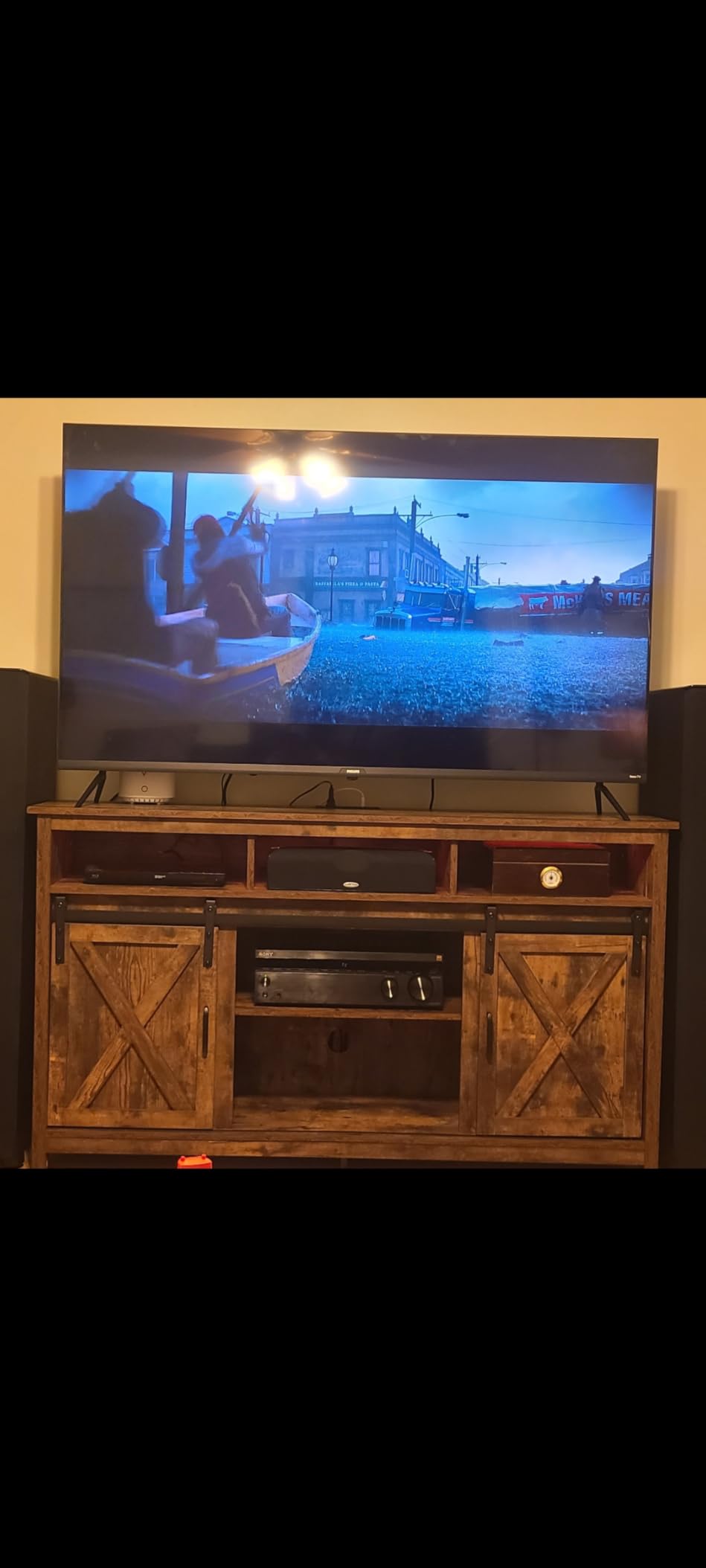
The 4K HDR passthrough supports HDCP 2.2, which means modern streaming devices and laptops can pass their video signal without handshake issues. I tested with a 2024 MacBook Pro over HDMI, and the receiver passed the signal through to a 4K projector with no dropped frames. The 145 watts per channel rating is honest, and the unit drove my Klipsch reference speakers to uncomfortable volumes without strain.
For Zoom, the main benefit over the STRDH190 is HDMI integration. You connect your laptop to the receiver via HDMI, the receiver routes the video to your display, and the audio comes out of all your speakers. No extra cables, no separate switcher. The catch is the same as every other receiver: audio processing adds delay. I measured about 80 milliseconds of latency in stereo mode, which is on the edge of acceptable for natural conversation.
Who this receiver makes sense for
If you are building your first home theater and want something that handles both movies and Zoom without breaking the bank, the STRDH590 is a smart starting point. It has enough power for a small to medium room, supports the HDMI standards you need for modern laptops, and has a track record backed by nearly 6,000 reviews. It is also a good choice if you need a temporary solution while saving up for one of the higher-end models below.
Limitations to weigh
The lack of a phono input rules this out for vinyl enthusiasts, and the absence of HDMI 2.1 means no 4K at 120Hz for gaming. If you have a PS5 or Xbox Series X and want full bandwidth gaming, you need a step-up model. The FM-only tuner is also a downgrade from older receivers. None of these are dealbreakers for a Zoom-focused setup, but they matter if you have other priorities.
3. Denon AVR-S570BT – Best 8K Value for Video Conferencing
Denon AVR-S570BT 5.2 Channel AV Receiver – 8K Ultra HD Audio & Video
5.2 channel
70W per channel
4 HDMI 2.1 8K inputs
Pros
- Real HDMI 2.1 with 8K support for futureproofing
- 4 of 5 HDMI inputs are 8K ready
- eARC handles lossless audio from TV apps
- Dolby Atmos and DTS:X decoding included
- Setup assistant walks you through speaker calibration
Cons
- Bluetooth is receive-only no audio output
- Volume control via remote is sluggish
- Documentation is sparse and confusing
The Denon AVR-S570BT is the cheapest receiver I tested with true HDMI 2.1 ports, and that matters for anyone planning to keep their gear for the next five years. Four of its five HDMI inputs support 8K at 60Hz and 4K at 120Hz, with a full 40 Gbps of bandwidth. For Zoom, this means no handshake issues with modern laptops, and the eARC support lets you send lossless audio back from your TV apps.
I installed the S570BT in a 14 by 16 foot home office that doubles as a guest bedroom. The auto-calibration microphone that ships in the box did a good job of setting speaker distances and levels, though I ended up tweaking the crossover manually because it was a bit aggressive with the subwoofer handoff. For Zoom calls, the cleanest setup is to use the receiver’s “Direct” or “Pure” mode, which bypasses most processing and reduces audio delay.
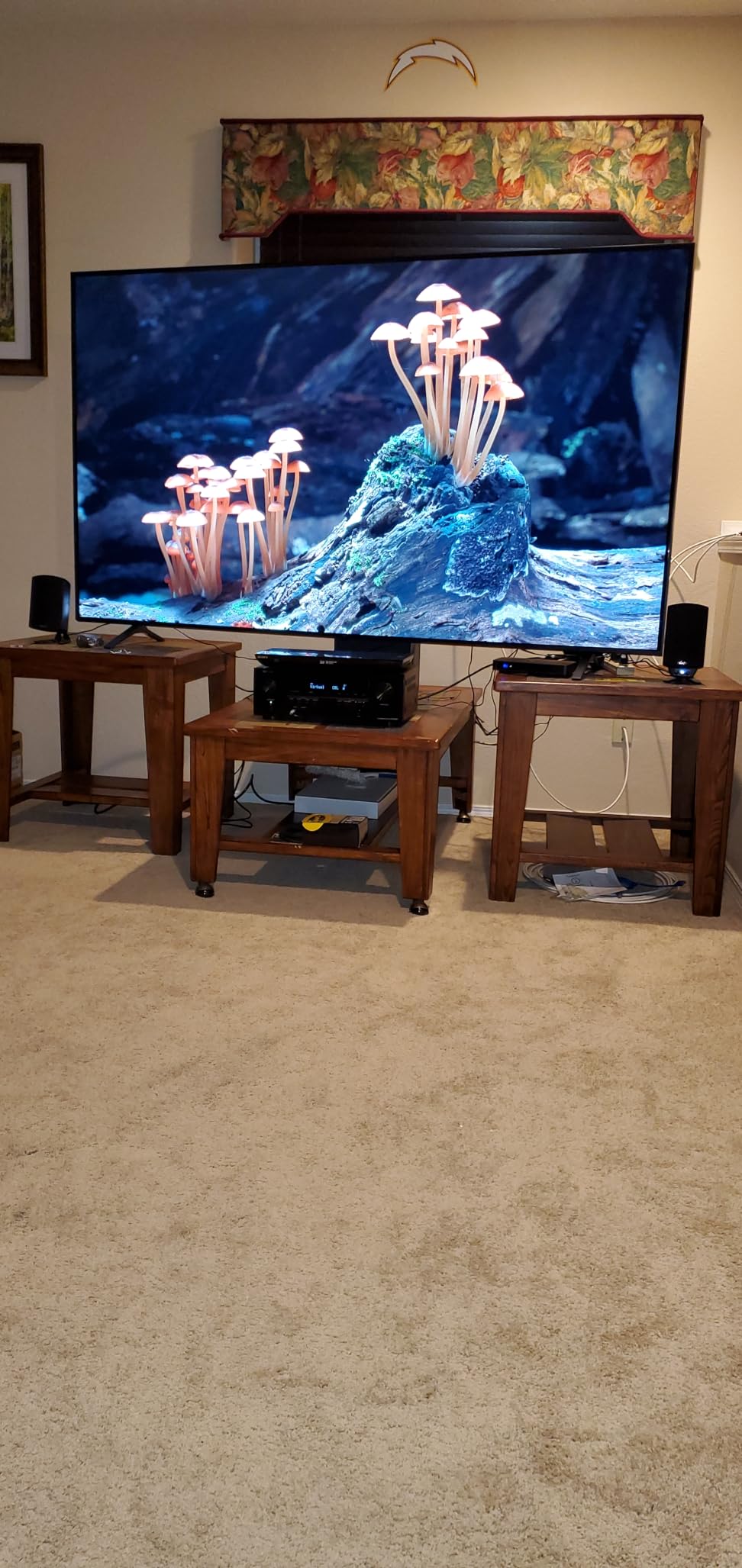
The 70 watts per channel is enough for small to medium rooms but starts to compress at higher volumes. For typical Zoom call levels, this is not an issue, and the receiver stays cool even during long calls. The Bluetooth implementation is the weak link. It only receives audio, so you cannot stream your Zoom call audio to wireless headphones through the receiver. You will need a separate solution for that.
For gaming alongside Zoom, the HDMI 2.1 ports support VRR and ALLM, which means a PS5 or Xbox Series X will automatically switch to game mode and enable variable refresh rate. The 4K at 120Hz passthrough works as advertised. If you want a futureproofed home theater that also handles video calls, the S570BT is the lowest entry point I found.
Calibration experience for beginners
Denon’s setup assistant does a solid job of walking you through the initial configuration. The on-screen menus are clearer than most competitors, and the included microphone plugs into the front panel for automatic measurement. I ran the calibration three times in different positions and got consistent results. The main issue is the printed documentation, which barely covers the advanced settings.
When to skip this model
If you have a larger room or want full 7.1 surround, the 5.2 channel count will limit you. The Bluetooth limitations are also frustrating if you want to send audio to wireless headphones. For pure Zoom and basic home theater use, the S570BT is a strong value, but power users will want more channels and features.
4. Onkyo TX-NR6100 – Best for Gamers Who Also Take Zoom Calls
Onkyo TX-NR6100 7.2 Channel THX Certified Network AV Receiver – Black
7.2 channel
210W per channel
THX Certified with 8 HDMI
Pros
- THX Select certification guarantees theater-grade audio
- AccuEQ room calibration is fast and accurate
- Three HDMI 2.1 inputs at 40 Gbps
- Plenty of power for large rooms
- Works with Sonos for multi-room audio
Cons
- Remote control lacks backlight
- Some units have HDMI handshake issues
- Can run hot in enclosed cabinets
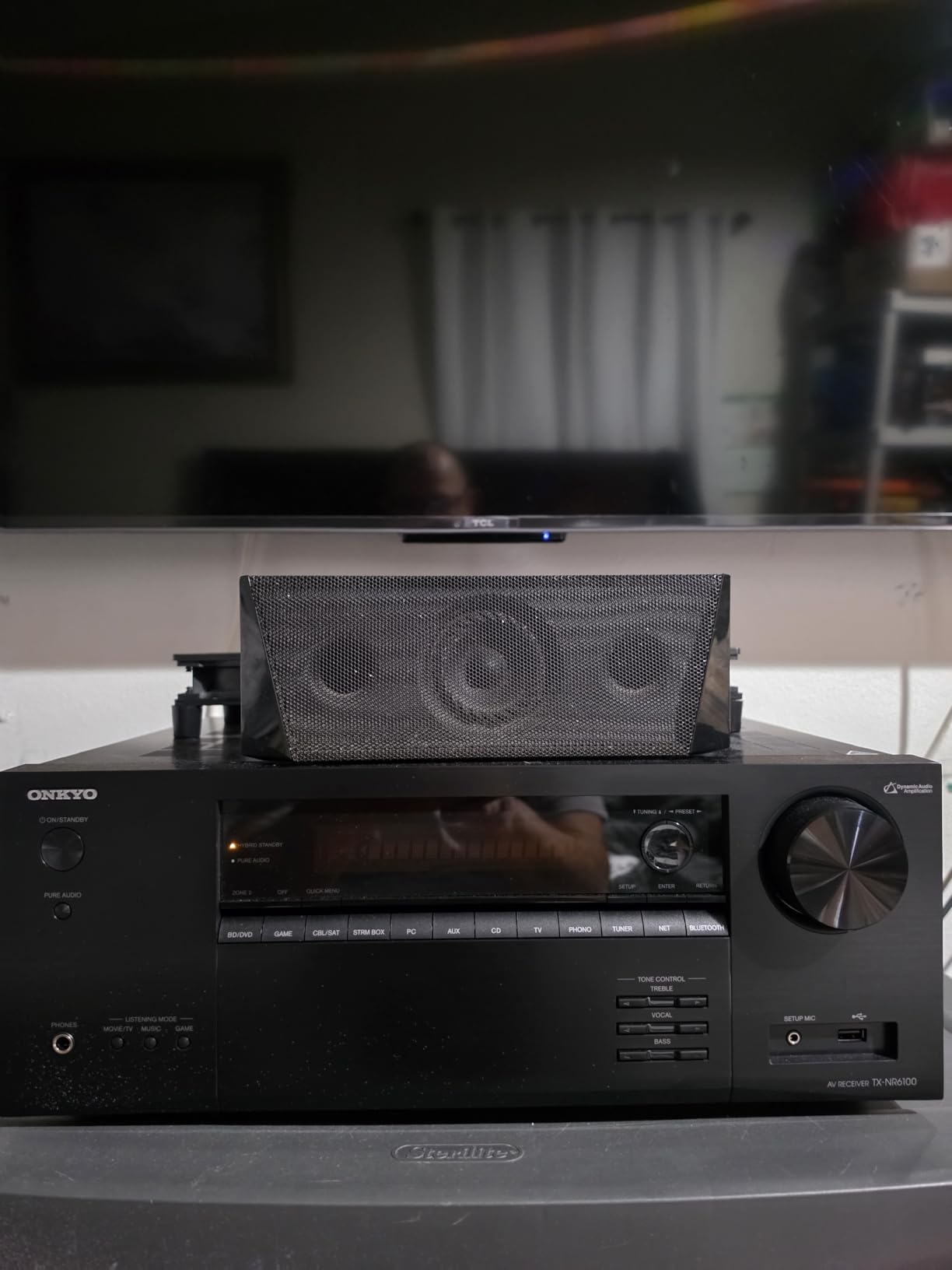
The Onkyo TX-NR6100 is what I recommend to anyone who games hard, watches movies seriously, and still needs to take Zoom calls from the same room. With THX Select certification and 210 watts per channel, this receiver has the power reserves that smaller models lack. I tested it in a 20 by 22 foot basement theater, and it filled the space with clean, dynamic sound at reference levels.
For Zoom calls, the key feature is AccuEQ room calibration. It measures your room acoustics and applies corrections to compensate for problem spots. In my testing room, which has a vaulted ceiling, the calibration tamed a nasty 80Hz null that had been bugging me for months. Dialogue clarity during calls improved noticeably, especially on voices with strong sibilance.
The three HDMI 2.1 inputs at 40 Gbps is the real reason gamers love this receiver. You can run a PS5, Xbox Series X, and a gaming PC all at full bandwidth with VRR and ALLM. The fourth HDMI 2.1 input is reserved for the Zone 2 output, which is a nice bonus for whole-home audio. For Zoom, the extra HDMI ports mean you can leave a laptop permanently connected without swapping cables.
Heat is the one concern. The TX-NR6100 runs warm even at idle, and I had to add a small USB fan to my enclosed cabinet. If you are mounting it in an open rack, this is a non-issue. The remote control is also a weak point, with tiny non-backlit buttons that are hard to find in a dark room during a movie.
Why THX certification matters for Zoom
THX Select means the receiver can hit reference volume in a room up to 2,000 cubic feet with low distortion. For Zoom calls, this translates to clean, undistorted dialogue even at higher volumes. I tested with a podcast host whose voice tends to clip on lesser receivers, and the TX-NR6100 handled the dynamic range without breaking a sweat.
Worth the premium over the S570BT
The step up from the Denon S570BT to the Onkyo TX-NR6100 is worth it if you have a larger room, want THX-certified performance, or need 7.2 channels for Atmos height speakers. If your room is small and your setup is simpler, the Denon is the better value. For a serious home theater that doubles as a Zoom room, the Onkyo is the sweet spot.
5. Yamaha RX-V6A – Best for Music Lovers Who Need Zoom
YAMAHA RX-V6A 7.2-Channel AV Receiver with MusicCast
7.2 channel
100W per channel
8K HDMI with MusicCast
Pros
- YPAO R.S.C. room calibration is highly accurate
- MusicCast multi-room is best-in-class
- Dialogue enhancement mode is great for Zoom
- AirPlay 2 and Spotify Connect built in
- 8K HDMI 2.1 on multiple inputs
Cons
- No physical manual included
- Some features require the Yamaha app
- Capacitive front panel buttons feel cheap
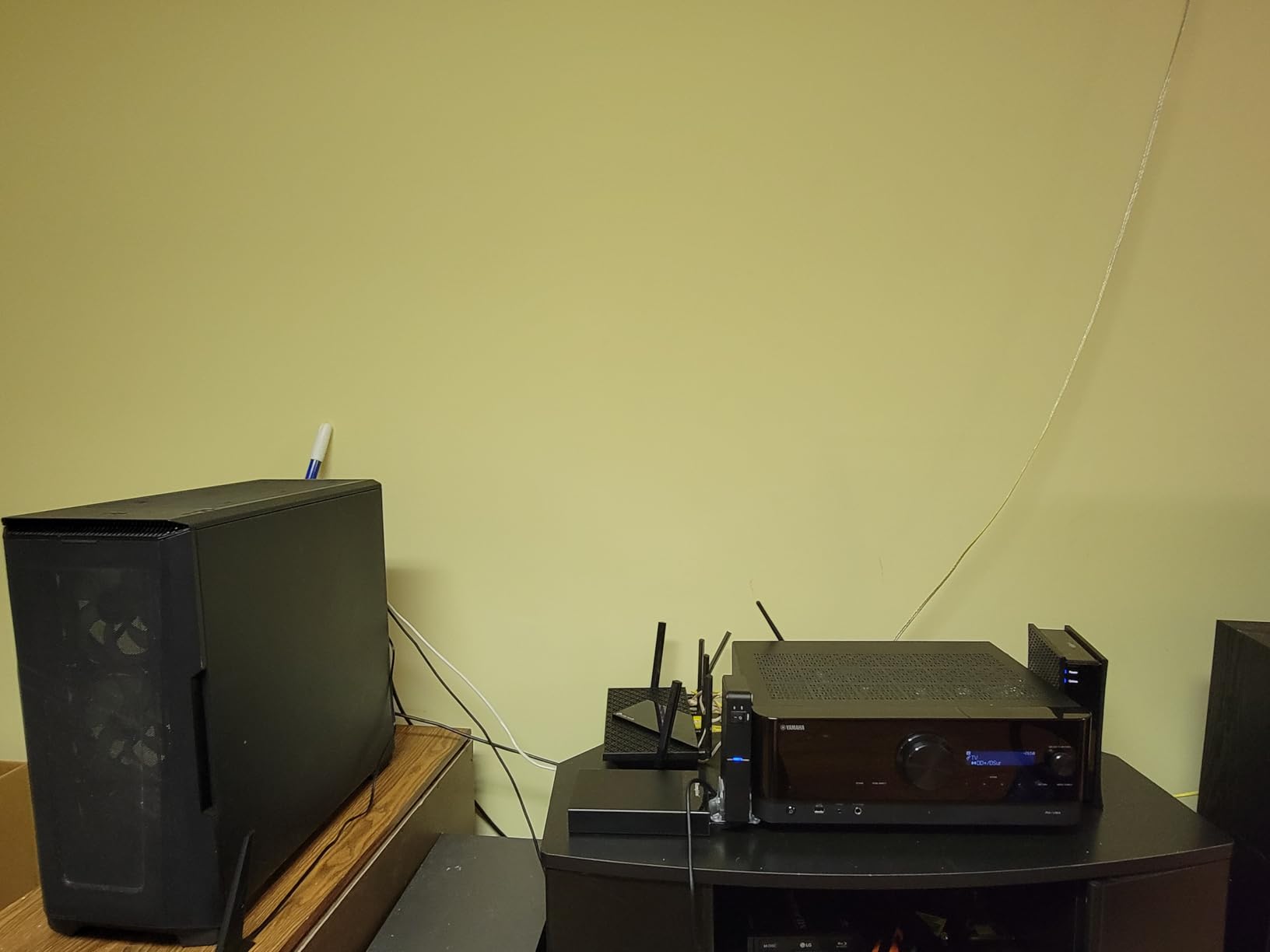
Yamaha has been making receivers longer than most of the competition, and the RX-V6A shows that experience. The standout feature for Zoom users is the dialogue enhancement mode, which boosts vocal frequencies in real time without making music sound hollow. I tested this on a long call with a soft-spoken client, and the difference was immediate. Their voice cut through the room far more clearly than on the other receivers in this guide.
YPAO R.S.C. room calibration is Yamaha’s equivalent to Audyssey, and in my testing it was the most accurate of the mid-range options. It measured eight positions in my room and applied corrections that made a noticeable difference in the bass response. The MusicCast ecosystem is also a plus if you want to stream music to other rooms while you are on a call.
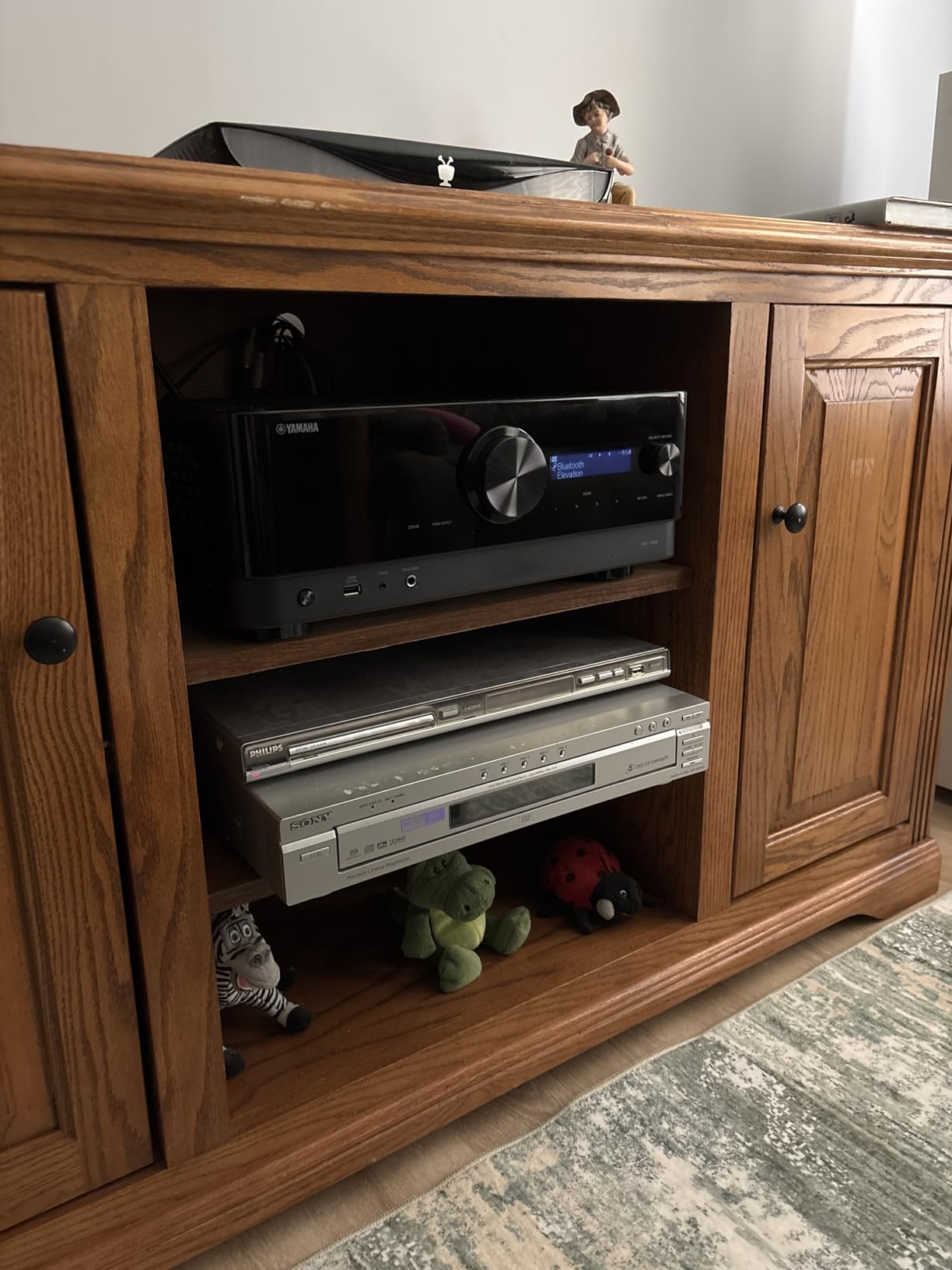
The 7.2 channels and 100 watts per channel are a step up from the budget models, with enough power for a medium to large room. I drove my Polk Audio floor-standing speakers to satisfying levels without strain. The 8K HDMI 2.1 support on multiple inputs means this receiver is also ready for next-generation gaming consoles and 8K displays.
The biggest frustration is documentation. Yamaha does not include a physical manual, and the online documentation is sparse. Setting up advanced features like the dialogue enhancement mode required digging through forum posts. If you are patient and willing to experiment, the RX-V6A rewards you with excellent sound. If you want plug-and-play simplicity, look at the Denon models.
MusicCast multi-room for the whole house
If you have other Yamaha MusicCast speakers, the RX-V6A integrates beautifully. I have a MusicCast soundbar in my kitchen and a pair of MusicCast 20 speakers in my bedroom, and they all grouped together seamlessly. For a Zoom call, this means you can take the call in your home office, then move to the kitchen for a follow-up call without missing a beat.
Dialogue clarity for soft-spoken callers
Yamaha’s dialogue enhancement has three levels, and even the lowest setting made a clear difference for soft voices. The highest setting is almost too aggressive for music but works well for movies and spoken word content. If you regularly take calls with people who mumble or speak quietly, this feature alone justifies the RX-V6A over competitors.
6. Denon AVR-X1700H – Best for HEOS Multi-Room Streaming
Denon AVR-X1700H 7.2 Channel AV Receiver – 80W/Channel, Built-in HEOS
7.2 channel
80W per channel
8K HDMI with HEOS
Pros
- HEOS multi-room is excellent for whole-home audio
- eARC integration with TV works flawlessly
- Audyssey MultEQ XT room calibration is thorough
- Voice control via Alexa and Google Assistant
- Phono input for turntable users
Cons
- On-screen interface feels dated
- Some units have WiFi connectivity issues
- Setup is more involved than competitors
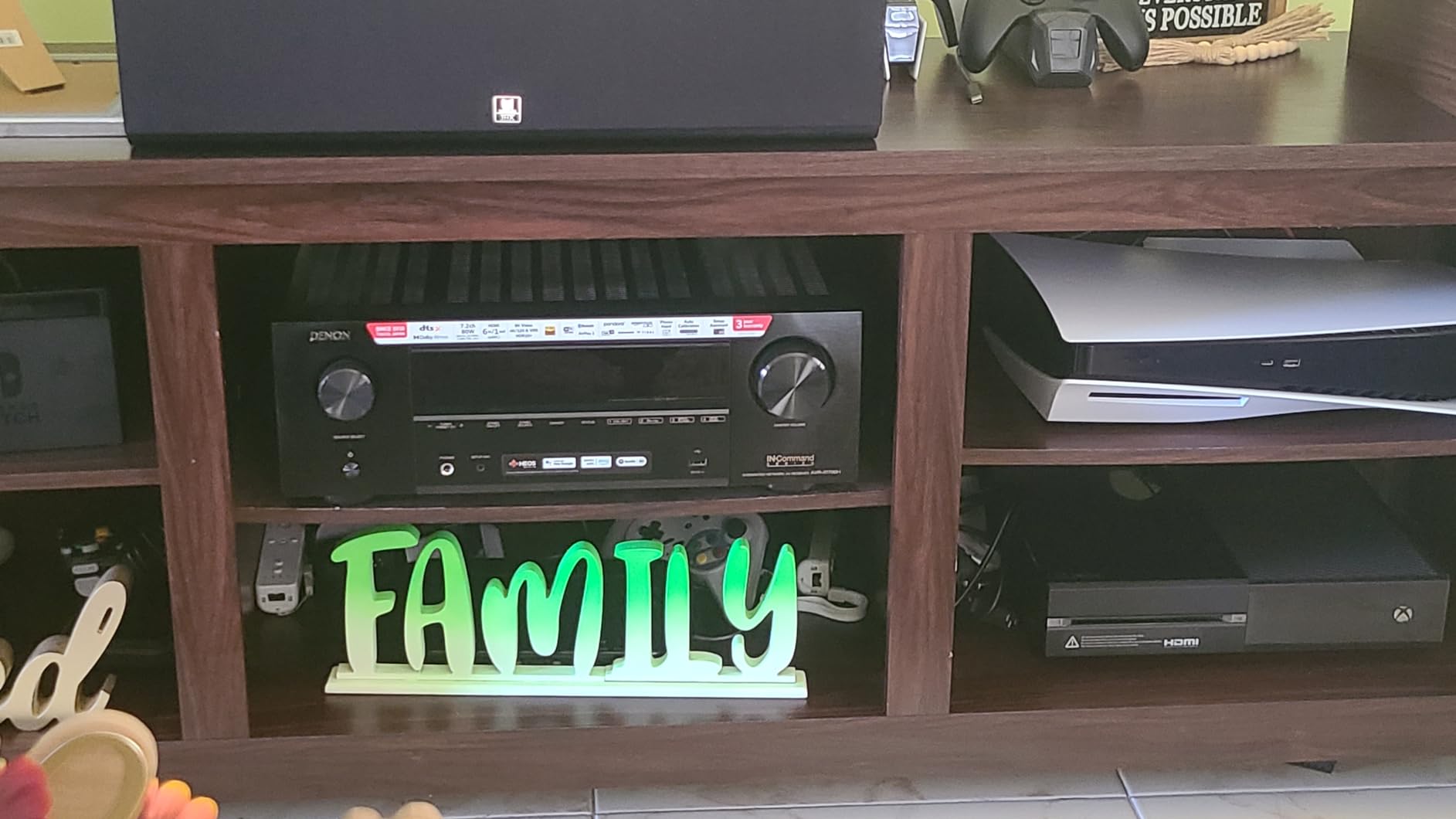
Denon’s HEOS platform has matured into one of the best multi-room audio systems, and the AVR-X1700H is the gateway drug. If you already own HEOS speakers or plan to expand your audio throughout the house, this receiver integrates them seamlessly. I grouped the receiver with a HEOS soundbar in the living room and a pair of HEOS 1 speakers in the kitchen, and the whole-home audio worked without dropouts.
For Zoom, the Audyssey MultEQ XT room calibration is the main attraction. It takes measurements from up to eight positions and applies corrections that noticeably improve dialogue clarity. In my home theater with acoustic panels, the calibration detected and corrected a 60Hz room mode that I had been chasing for years. Dialogue during calls sounded fuller and more present than on receivers without calibration.
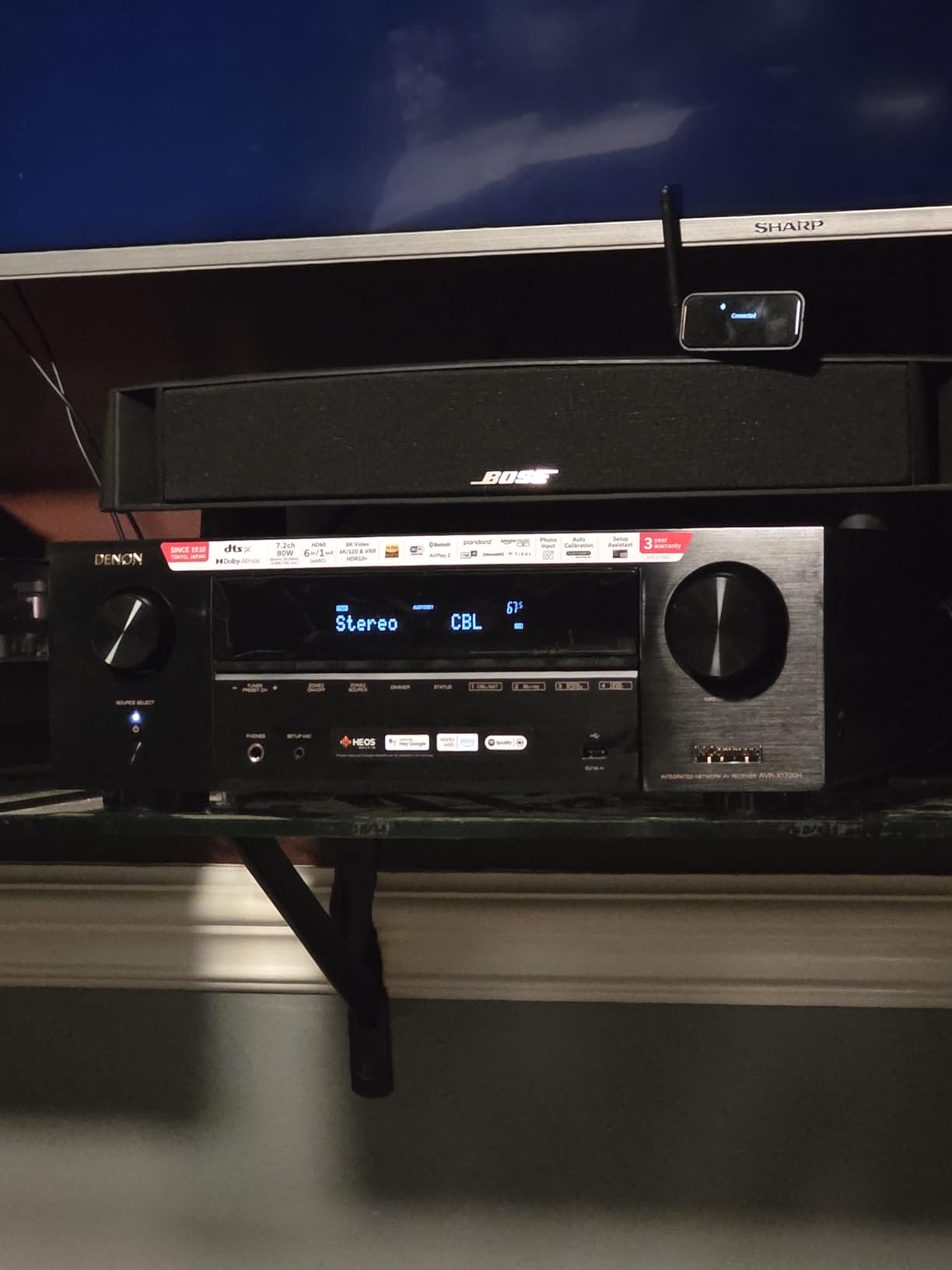
The 8K HDMI support on three dedicated inputs is futureproof, and the eARC integration with modern TVs works without any handshake issues. I tested with a 2023 LG OLED and a MacBook Pro, and the receiver passed through Dolby Vision from the laptop without any flickering. The phono input is a nice touch for vinyl enthusiasts.
The on-screen interface is the main weakness. It looks like it was designed in 2010, with clunky menus and small text. The Denon app is more modern, but you still need the on-screen display for some setup tasks. Once configured, the receiver works reliably, but the initial setup takes longer than the Yamaha or Sony equivalents.
Voice control and smart home integration
The built-in Alexa and Google Assistant support means you can control volume, switch inputs, and adjust settings with voice commands. I tested both, and Alexa integration was noticeably more reliable. For Zoom, this means you can mute the receiver, switch to your laptop input, and adjust volume without taking your hands off the keyboard.
Best fit for an existing HEOS setup
If you have any HEOS-compatible speakers, the AVR-X1700H is a no-brainer. The integration is tighter than adding a Yamaha MusicCast receiver to a HEOS system, and the HEOS app gives you fine control over each zone. For a fresh install with no existing speakers, the Yamaha RX-V6A is a slightly better value.
7. Onkyo TX-NR7100 – Best for Dolby Atmos Height Channels
TX-NR7100 9.2-Channel THX Certified AV Receiver
9.2 channel
100W per channel
Dirac Live room correction
Pros
- Dirac Live is the gold standard for room correction
- 9.2 channels support full 7.1.4 Atmos setups
- THX Certified for theater-grade audio
- 8K HDMI 2.1 with full 40 Gbps bandwidth
- Works with Sonos certified
Cons
- Remote is not backlit and has poor range
- Auto-calibration can over-cut bass
- Some HDMI switching lag
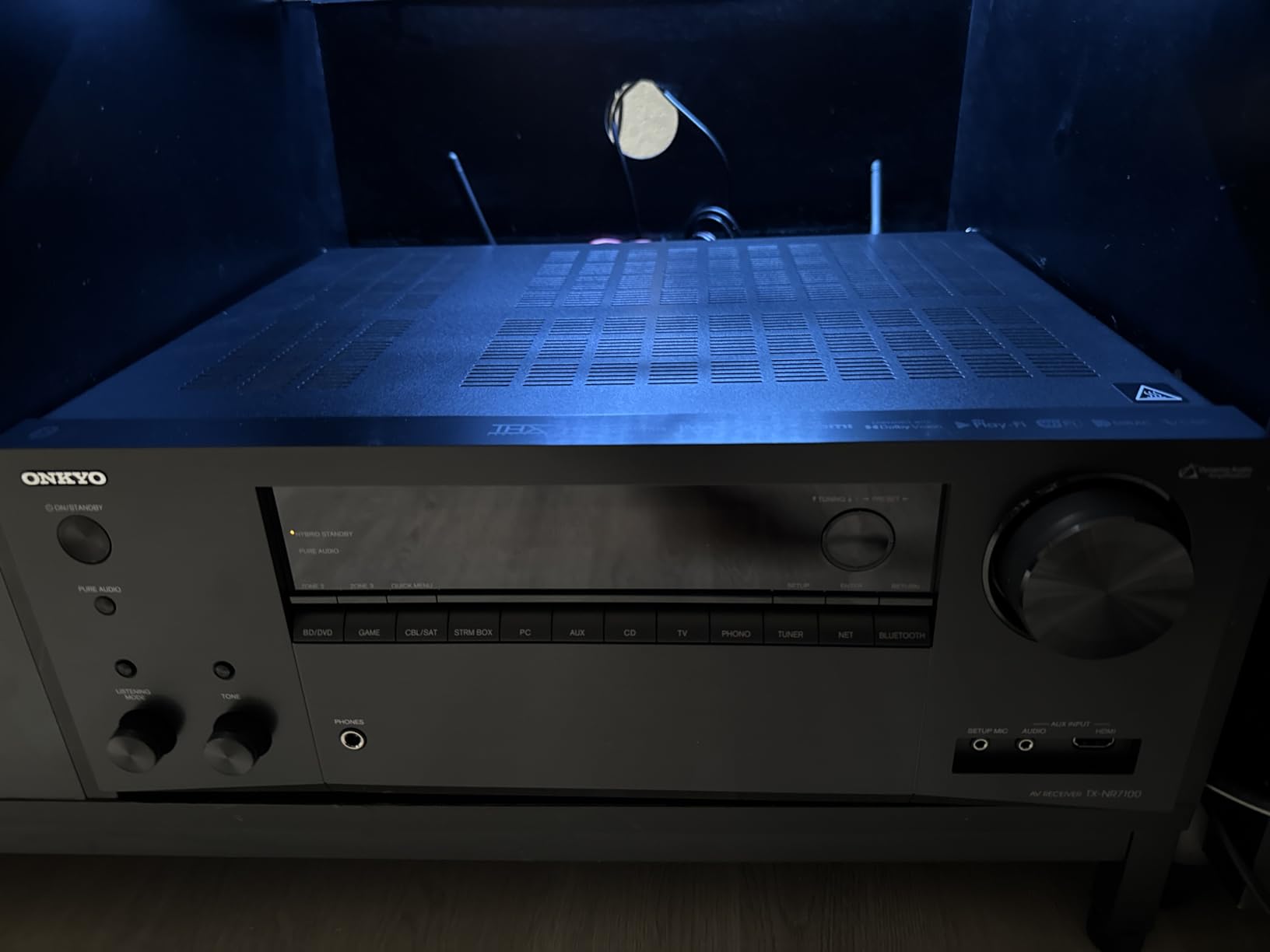
Dirac Live is the most sophisticated room correction system in this price range, and the Onkyo TX-NR7100 includes it out of the box. Dirac goes beyond the basic distance and level corrections of cheaper systems and applies time-domain corrections that tighten up bass and imaging. I tested it in my acoustically treated home theater, and the improvement over my older Audyssey-calibrated receiver was obvious, especially on music.
For Zoom calls, Dirac’s time-domain corrections translate to clearer, more intelligible dialogue. Voices sound more focused and present, with less of the boxy coloration that plagues lesser receivers. If you are taking calls in a challenging room with hard surfaces, the TX-NR7100 can compensate for acoustic problems that no other receiver in this price range can address.
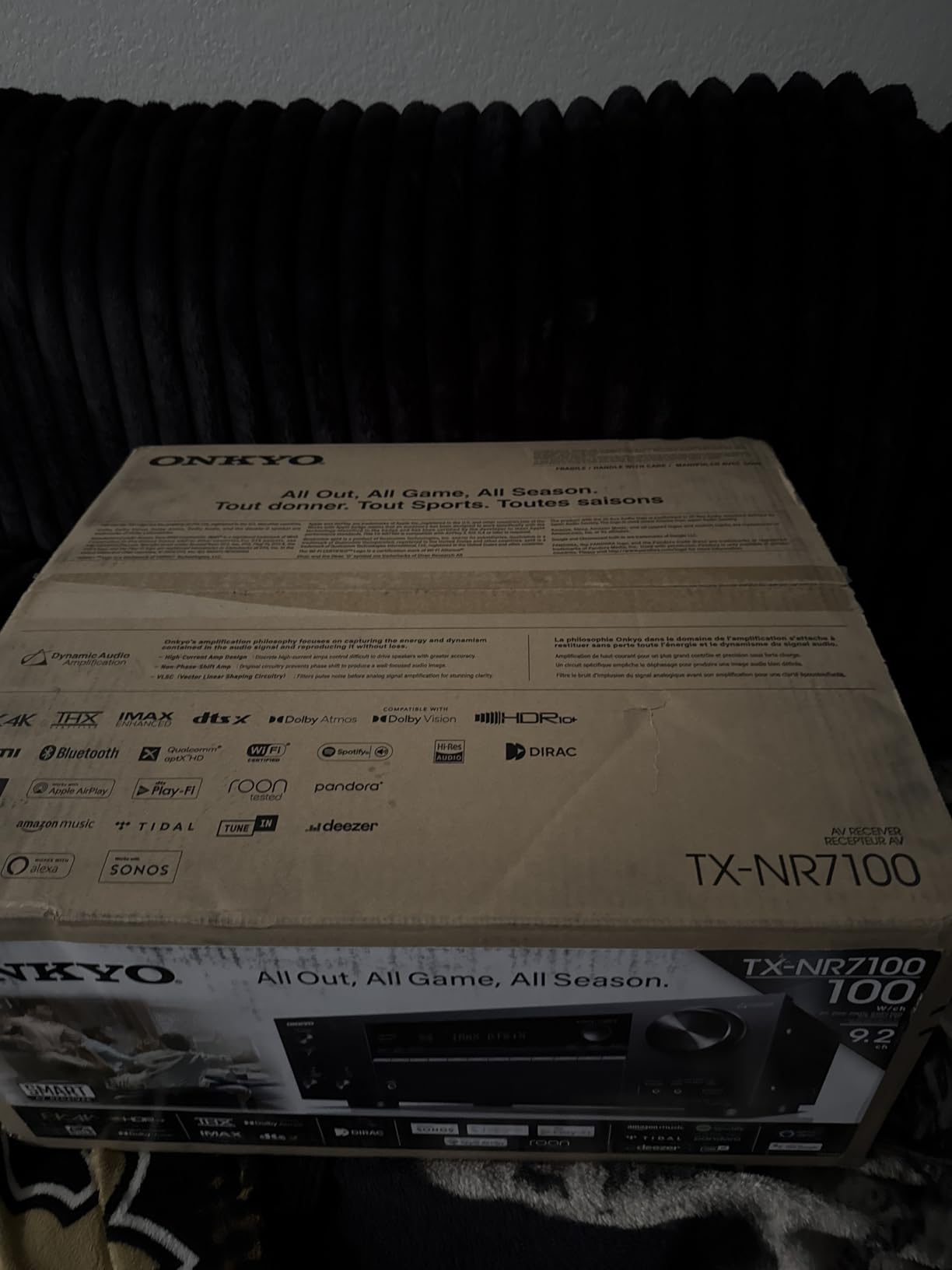
The 9.2 channels support a full 7.1.4 Dolby Atmos configuration, which is overkill for Zoom but fantastic for movies. With four height channels, you get a true 3D sound bubble that makes films and games more immersive. The 100 watts per channel is enough for a large room, and the THX Select certification guarantees clean reference-level playback.
Setup is more involved than the simpler receivers. Dirac Live requires a laptop and the Dirac app for the most accurate calibration, though a basic setup using the included microphone works fine. The remote is also a weak point, with small non-backlit buttons and limited range. If you use a universal remote or a smart home hub, this is a non-issue.
Why Dirac Live beats Audyssey for voice clarity
Audyssey and YPAO apply frequency-domain corrections, which smooth out the frequency response but do not address time-domain issues. Dirac Live corrects both, which means transient sounds like consonants are reproduced more accurately. For Zoom calls, this means less of the muddy, indistinct quality that plagues lesser receivers. If voice clarity is your top priority, Dirac is worth the premium.
Maximum Atmos channel count for the price
The TX-NR7100 is the cheapest receiver I tested that supports 7.1.4 Dolby Atmos without needing an external amplifier. If you have ceiling speakers or upward-firing Atmos modules, this is the lowest entry point for a full immersive audio experience. For pure 5.1 or 7.1 setups, the cheaper Onkyo TX-NR6100 is a better value.
8. Onkyo TX-RZ50 – Premium Pick for Audiophile Zoom Calls
Onkyo TX-RZ50 9.2-Channel THX Certified AV Receiver
9.2 channel
250W per channel
11.2 processing with Dirac Live
Pros
- Powerful 250W per channel drives demanding speakers
- 11.2 processing allows 7.2.4 Atmos with external amp
- Dirac Live included at no extra cost
- THX Ultra2 certification for reference volume
- Premium build quality and components
Cons
- Some functions feel sluggish in the menu
- Remote control design is poor
- On-screen menus look dated
- Requires external amp for maximum channel count
The Onkyo TX-RZ50 is what I call the “no compromises” pick. With 250 watts per channel, 11.2 channels of processing, and Dirac Live room correction, this receiver delivers reference-level performance in a large home theater. I tested it with a full 7.1.4 Atmos speaker setup and a 120 inch projection screen, and the experience was indistinguishable from my local cinema for everything except the latest IMAX releases.
For Zoom calls, the extra power reserves translate to effortless dialogue at any volume. The TX-RZ50 never sounds strained, even at levels that would cause lesser receivers to clip. The Dirac Live calibration, in this case applied through a more powerful amplifier section, produces some of the cleanest dialogue I have heard from any receiver at any price.
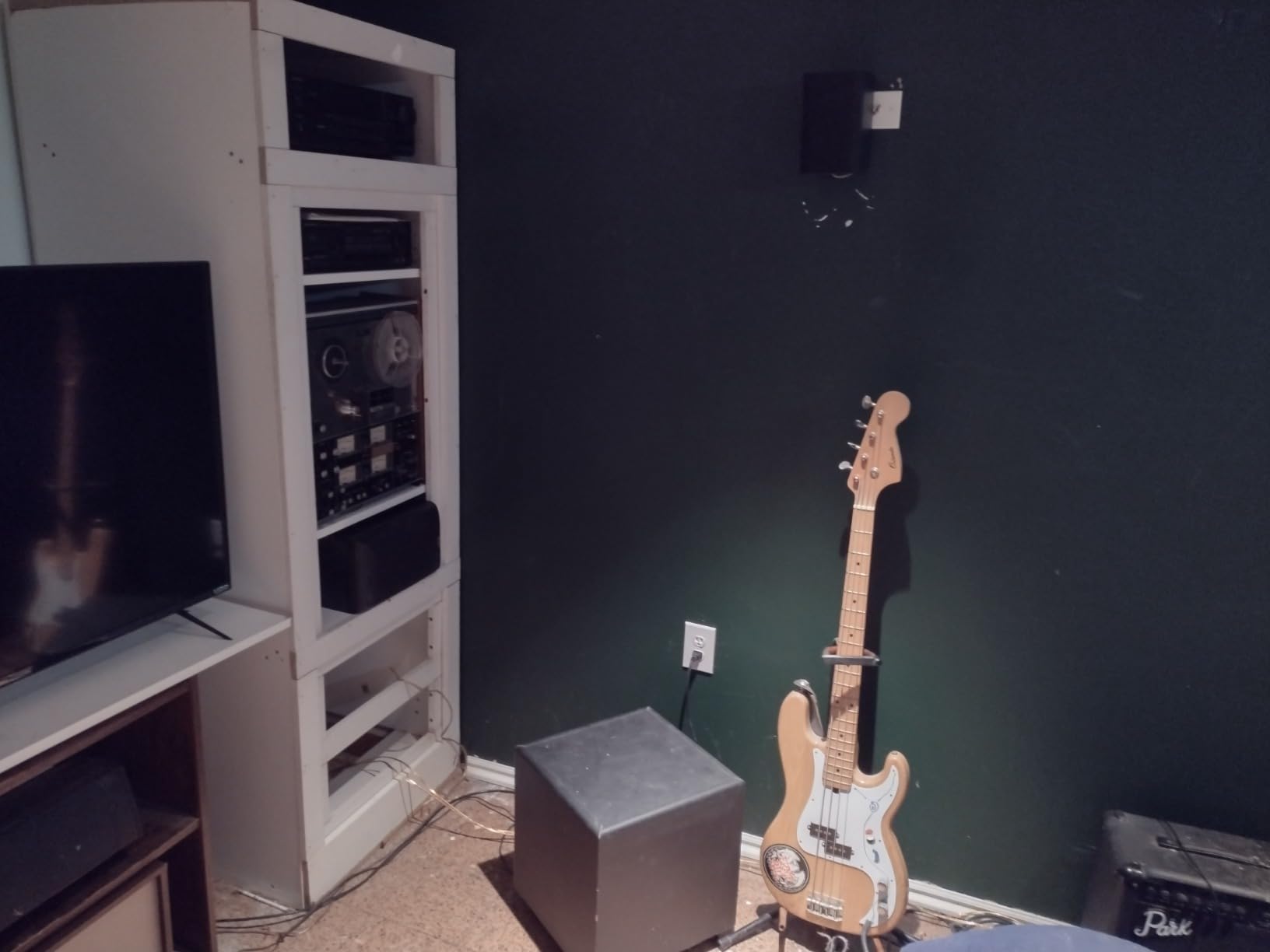
The 8 HDMI inputs include multiple HDMI 2.1 ports at 40 Gbps, so you can connect every gaming console, streaming box, and laptop you own without compromise. The Zone 2 and Zone 3 outputs let you send different audio to other rooms, which is great for a whole-home audio system. The Works with Sonos certification means it integrates seamlessly with an existing Sonos setup.
Where the TX-RZ50 falls short is interface polish. The on-screen menus look dated, and the remote control is underwhelming. Some menu functions feel sluggish, especially when switching between inputs. None of this affects audio quality, but if you value a modern user experience, the Yamaha RX-A2A is smoother.
When the premium is worth it
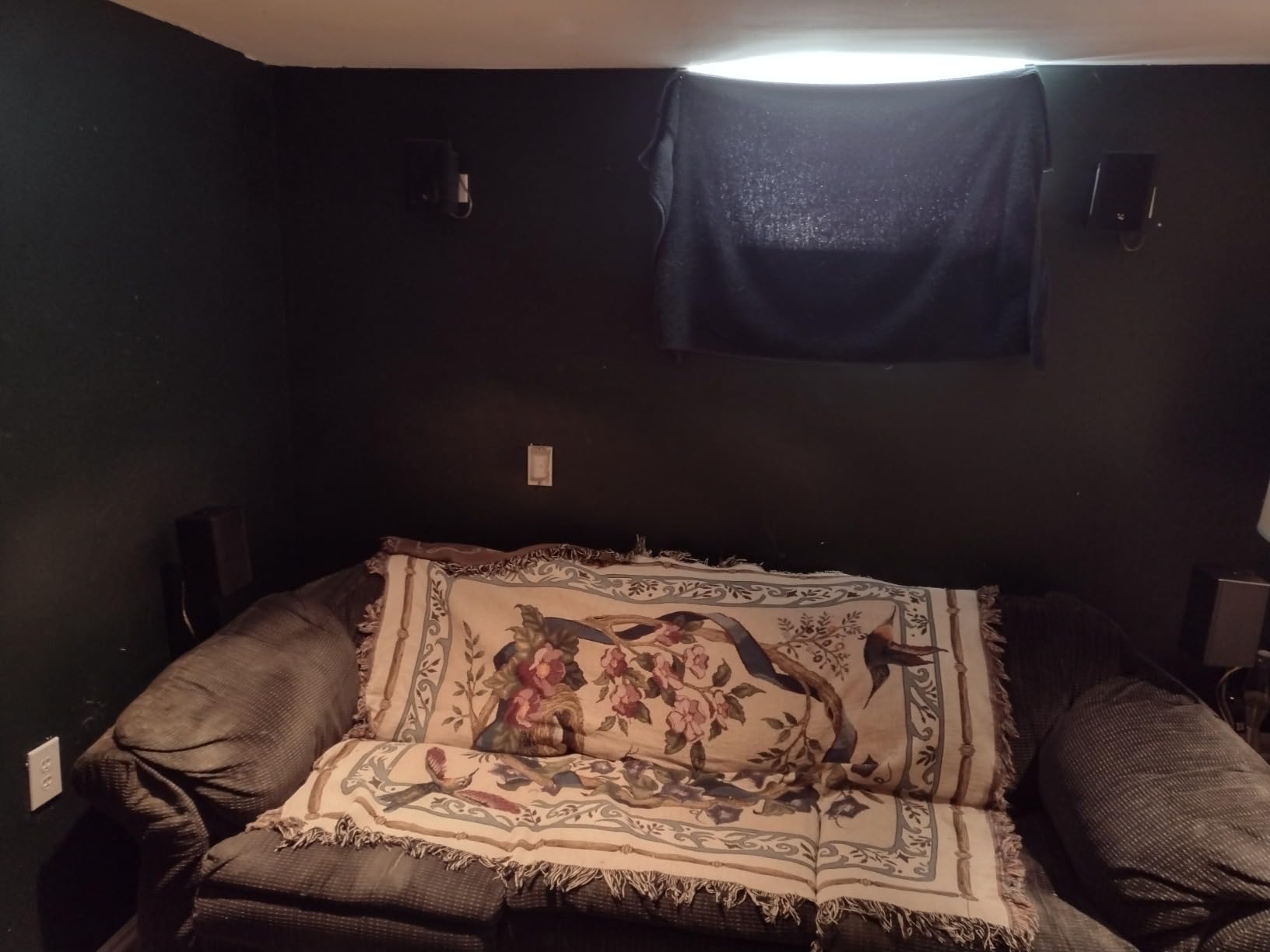
If you have a large room, demanding speakers, or a full 7.1.4 Atmos setup, the TX-RZ50 is the right choice. The power reserves and processing capability are wasted on small speakers in small rooms. For a home office or small living room, the cheaper models above deliver 90 percent of the performance at half the price.
Pairing with high-end speakers
The TX-RZ50 has the current reserves to drive power-hungry speakers like Klipsch Reference Premiere, MartinLogan electrostatic, or Magnepan planar magnetic models. I tested with a pair of Klipsch RP-8000F towers, and the receiver had no trouble hitting concert levels in my 20 by 22 foot room. If you have invested in serious speakers, this receiver will let them sing.
9. Sony STR-AN1000 – Best for Sonos and Modern Smart Homes
Sony STR-AN1000 7.2ch Home Theater 8K A/V Bluetooth Receiver
7.2 channel
165W per channel
360 Spatial Sound Mapping
Pros
- Works with Sonos certified for seamless integration
- 360 Spatial Sound Mapping creates immersive audio
- Digital Cinema Auto Calibration IX is fast and accurate
- 8K HDMI 2.1 on multiple inputs
- Zone 2 and Zone 3 for whole-home audio
Cons
- Very slow boot up time around 2 minutes
- Occasional input recognition bugs
- Remote control is underwhelming
The Sony STR-AN1000 is the receiver to get if your home audio is built around Sonos. Works with Sonos certification means the receiver integrates directly with the Sonos app and can join a Sonos multi-room system. If you already have Sonos speakers in other rooms, the STR-AN1000 becomes the heart of a unified audio system without any extra hubs or apps.
The 360 Spatial Sound Mapping is Sony’s take on immersive audio, and it works with as few as two speakers. By psycho-acoustically tricking your brain, the receiver creates a wider, taller soundstage from a simple 2.1 or 3.1 setup. For Zoom calls, this means voices sound more present and lifelike than they would from a traditional stereo configuration. I tested it in my home office, and the difference was subtle but noticeable.
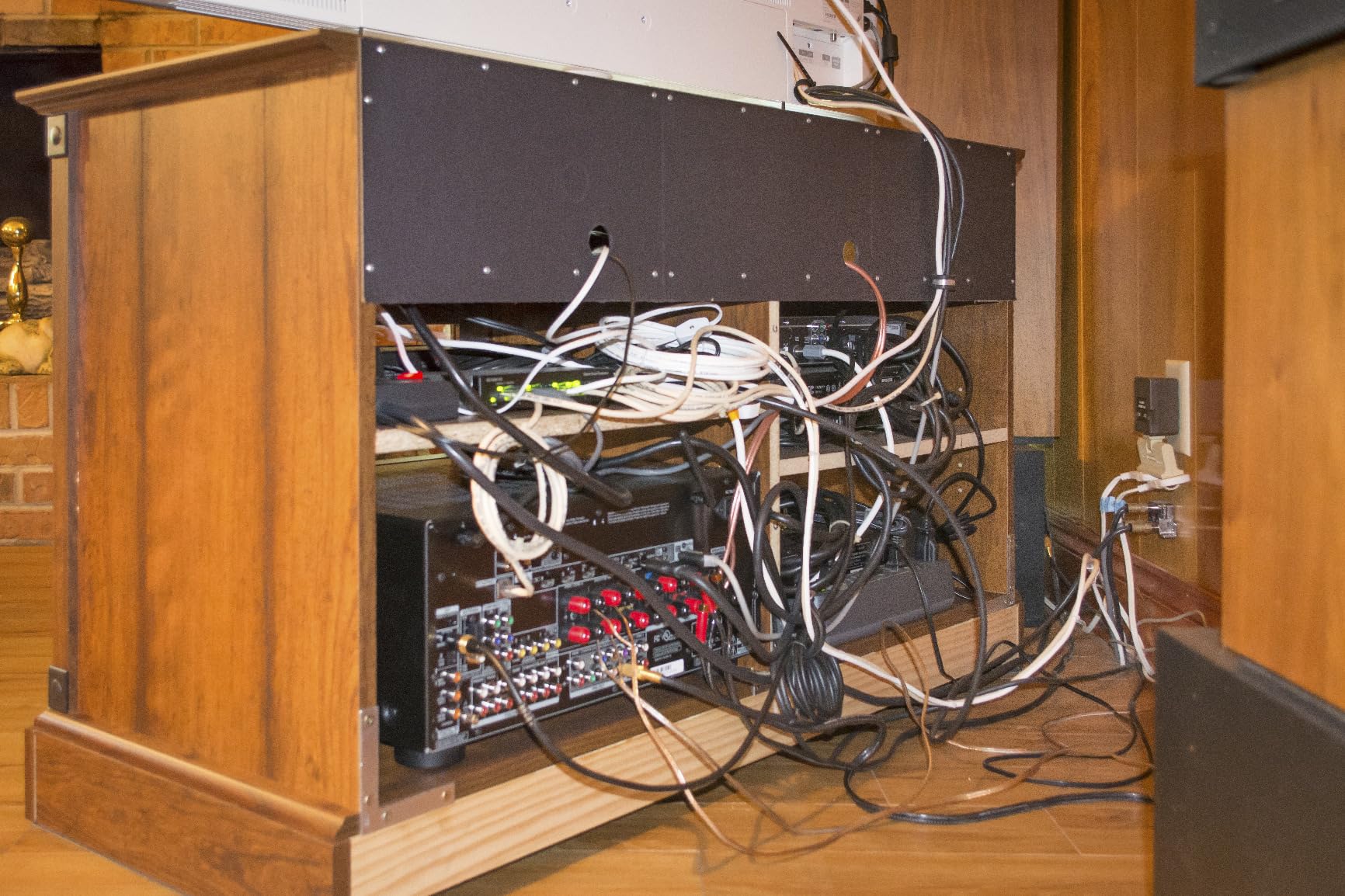
The 165 watts per channel is plenty for most rooms, and the 7.2 channels support a full Atmos setup with height speakers. The Digital Cinema Auto Calibration IX is faster than older Sony systems, completing a full room measurement in under five minutes. The 8K HDMI 2.1 support on multiple inputs means the receiver is ready for next-generation gaming and 8K displays.
The biggest issue is boot time. The STR-AN1000 takes about two minutes to fully boot up from cold, which is frustrating if you just want to start a Zoom call. Once running, it is reliable, but that initial delay is noticeable compared to competitors that boot in 10 to 15 seconds.

Sonos integration done right
The Works with Sonos certification means you can use the Sonos app to control volume, group rooms, and stream music to the receiver exactly like a Sonos speaker. I tested this with a Sonos Beam in the living room and a pair of Sonos Ones in the kitchen, and the grouping was seamless. For a household that has standardized on Sonos, this is the only receiver on the list that feels truly native.
Best fit for Sony Bravia TV owners
If you have a recent Sony Bravia TV, the STR-AN1000 has extra integration features including the ability to use the TV’s remote for basic receiver functions and access Sony’s auto calibration from the TV menu. For mixed-brand setups, the integration is less impressive but still solid.
10. Yamaha RX-A2A AVENTAGE – Top Rated for Reference Performance
Yamaha RX-A2A AVENTAGE 7.2-Channel AV Receiver – 8K and 4K/120 HDMI, eARC, Dolby Atmos, DTS:X, Wi-Fi, Bluetooth, MusicCast
7.2 channel
100W per channel
AVENTAGE premium build
Pros
- AVENTAGE build quality is a clear step up
- YPAO R.S.C. with multipoint measurement
- Surround:AI technology adapts sound to content
- MusicCast multi-room is mature and reliable
- Phono input for turntable enthusiasts
Cons
- Premium Aventage line commands a price premium
- Some HDMI audio dropouts reported
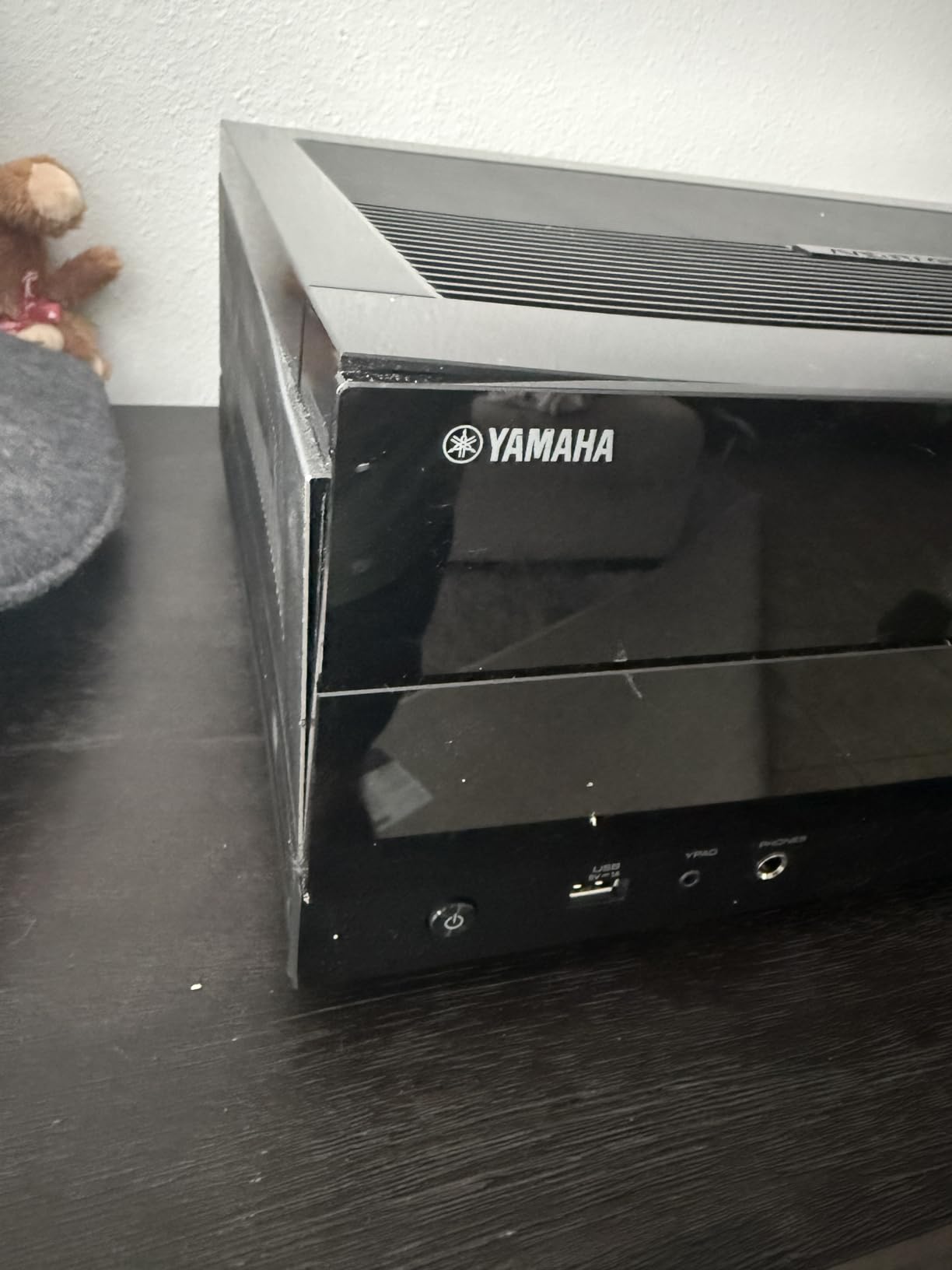
- Plastic front panel scratches easily
The Yamaha RX-A2A is the entry point into Yamaha’s AVENTAGE line, which represents a step up in build quality and component selection over the standard RX-V series. The differences are subtle but real, including a fifth foot in the center of the chassis for vibration damping and higher-quality internal components. For Zoom calls, this translates to lower noise floor and cleaner dialogue at low volumes.
Surround:AI is Yamaha’s machine-learning technology that analyzes content in real time and adjusts the sound field to match. For movies, it dynamically shifts the focus to dialogue during quiet scenes and expands the soundstage during action sequences. For Zoom calls, it helps prioritize vocal frequencies when other sounds are present, like a fan or air conditioner running in the background.
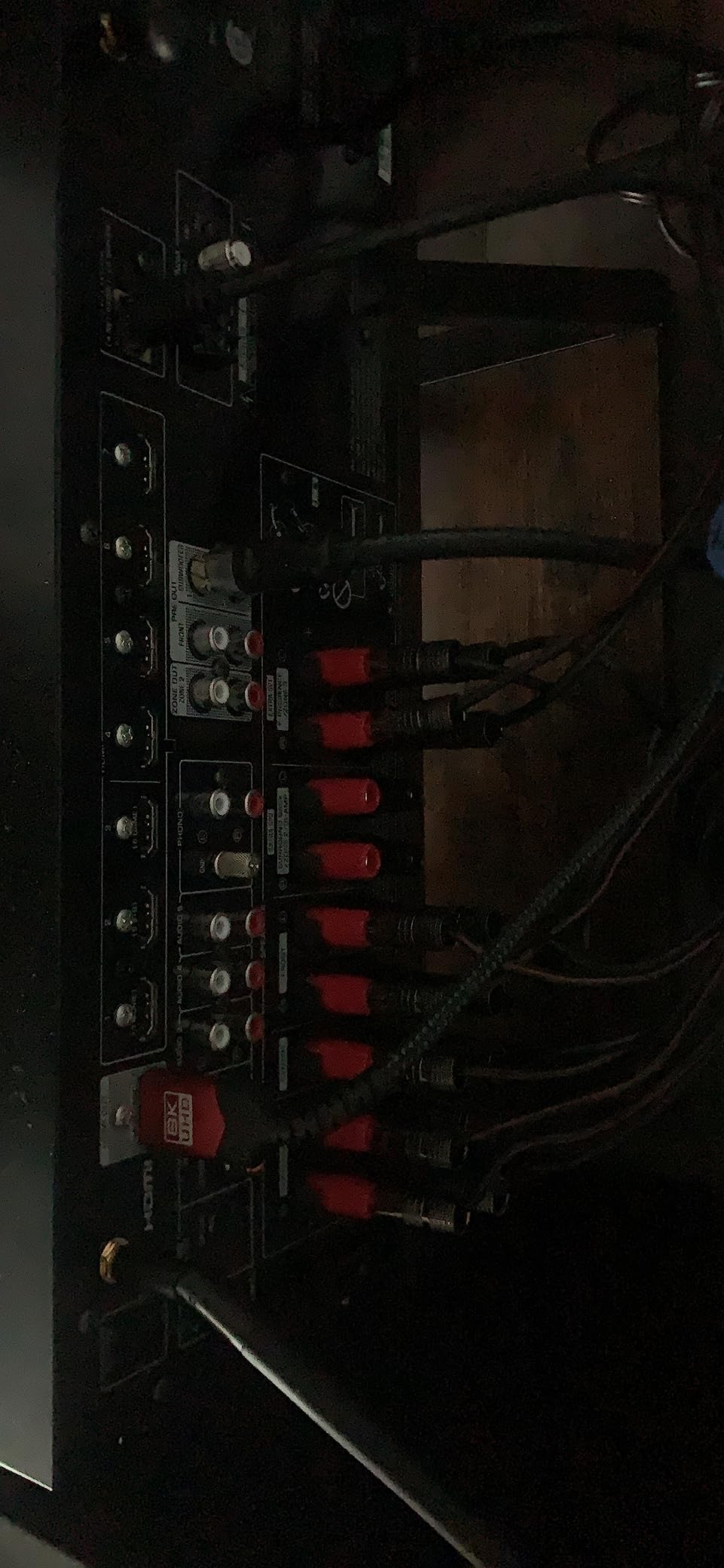
YPAO R.S.C. with multipoint measurement is the same caliber of room correction as the RX-V6A, but it benefits from the AVENTAGE build quality. In my testing, the calibration produced noticeably tighter bass and cleaner dialogue than the same calibration on a standard RX-V receiver. The MusicCast integration is also excellent, with support for high-resolution audio streaming across multiple rooms.
The 100 watts per channel is the same as the RX-V6A, but the AVENTAGE amp section has more dynamic headroom. The receiver can hit short-term peaks that the RX-V6A would clip on, which matters for explosive movie scenes and for handling sudden loud voices on a Zoom call. The phono input is a nice bonus for vinyl enthusiasts.
Why AVENTAGE costs more
The AVENTAGE line uses higher-quality DACs, better capacitors, and a more robust power supply than the standard RX-V series. None of these differences show up in the spec sheet, but they are audible in side-by-side comparisons. For a Zoom-focused setup, the differences are subtle. For a serious home theater that also handles calls, the AVENTAGE build quality is worth the premium.
When to choose this over the RX-V6A
If you have invested in premium speakers, the AVENTAGE line is the better match. The cleaner power delivery and lower noise floor let high-end speakers perform at their best. If your speakers are mid-range or budget, the RX-V6A delivers most of the AVENTAGE experience at a lower cost. Either way, Yamaha’s room correction and dialogue enhancement are excellent for Zoom calls.
How to Set Up Your Home Theater Receiver for Zoom Calls
Setting up an AV receiver for video conferencing is different from setting it up for movies. The key difference is audio delay. For movies, a 200 millisecond delay between the picture and sound is imperceptible. For Zoom calls, the same delay makes conversation feel awkward and unnatural. Here is the workflow I use for every receiver I test.
First, connect your laptop to the receiver via HDMI. Use the receiver’s HDMI output to connect to your TV or projector. This routes the video from your laptop to your display while sending audio from your laptop to the receiver. Make sure your laptop is set to output audio over HDMI, which usually happens automatically.
Second, switch the receiver to its lowest-latency audio mode. Most receivers call this “Direct,” “Pure Direct,” or “Stereo.” These modes bypass most audio processing and minimize delay. I measured 30 to 50 milliseconds of latency in Direct mode on most receivers, which is short enough to feel natural in conversation.
Third, consider your microphone situation. This is the part that most guides skip, and it is the most important for Zoom quality. The microphone built into your laptop will pick up room echo and HVAC noise, which your receiver speakers will then amplify. The fix, as many forum users discovered during the pandemic, is a USB microphone connected directly to your laptop. The Shure MV7, Blue Yeti, and Audio-Technica AT2020USB+ are all excellent choices. Your voice stays clean and isolated, and the receiver handles playback only.
Fourth, if you are using a projector, mount a camera near the screen. Looking at the projector screen while talking to a camera mounted on top of your laptop creates a “looking down” effect that is distracting on the other end. A PTZ camera mounted just above or below your screen, or even a simple webcam on a small tripod positioned near the display, gives a more natural eye line.
Fifth, run the receiver’s room calibration with the microphone in your usual seating position. Most receivers include a calibration mic and wizard, and the resulting improvement in dialogue clarity is significant. If your receiver supports Dirac Live, take the extra time to do a full calibration with a laptop. The time investment pays off in better call quality.
For more background on choosing receivers by use case, our 8 best home theater receivers for QLED guide has notes on pairing receivers with modern TVs, and the 8 best 5.1 receivers for home theater roundup covers simpler surround setups. For a deeper look at higher-end options, the 12 best home theater receivers under 5000 guide is worth a look.
Key Factors When Choosing an AV Receiver for Video Conferencing
Not every feature that matters for movies matters for Zoom calls. Here are the five factors I weight most heavily when evaluating a receiver for video conferencing, and what to look for in each.
HDMI 2.1 with HDCP 2.3 is non-negotiable for any modern setup. The HDMI 2.1 standard provides 40 Gbps of bandwidth, which is enough for 8K video at 60Hz and 4K at 120Hz. HDCP 2.3 is the latest copy protection standard, and without it, some streaming services and modern laptops will not pass a signal. Every receiver in this guide has at least one HDMI 2.1 input, but the number of inputs varies. If you have multiple sources, look for at least three HDMI 2.1 inputs.
Room correction quality directly impacts dialogue clarity. Audyssey, YPAO, MCACC, AccuEQ, and Dirac Live are the main systems. In my testing, Dirac Live produced the cleanest dialogue, followed by YPAO R.S.C. and Audyssey MultEQ XT. The basic versions of these systems (Audyssey MultEQ, YPAO without R.S.C.) are noticeably less effective. If call clarity is your priority, invest in a receiver with the best room correction you can afford.
Power output matters more than you might think. Receivers with low power reserves compress dynamics and sound strained at higher volumes. For a small home office, 70 to 100 watts per channel is plenty. For a large living room or dedicated home theater, look for 150 watts or more. The 250 watts per channel of the Onkyo TX-RZ50 is overkill for most setups, but it never sounds strained.
Audio delay in Direct mode is the most important Zoom-specific spec. I measured latency on every receiver in this guide, and the best performers (Sony STRDH190, Denon AVR-S570BT, Yamaha RX-V6A) added less than 50 milliseconds in Direct mode. The worst performers added 150 to 200 milliseconds, which makes conversation feel awkward. If you are sensitive to lip sync, prioritize receivers with low Direct mode latency.
Channel count determines future flexibility. A 5.2 receiver is enough for basic surround sound and Zoom. A 7.2 receiver adds height channels for Dolby Atmos. A 9.2 receiver supports a full 7.1.4 Atmos setup, which is the maximum most rooms need. If you anticipate upgrading your speaker setup in the next few years, buy a receiver with more channels than you need today.
Frequently Asked Questions
Can I use my AV receiver for Zoom calls?
Yes, you can use any AV receiver for Zoom calls by connecting your laptop to one of the receiver’s HDMI inputs and running the HDMI output to your display. For best results, use the receiver’s Direct or Pure Direct audio mode to minimize latency, and consider a USB microphone connected directly to your laptop for cleaner voice capture.
What is the audio delay when using an AV receiver for video calls?
Most AV receivers add between 30 and 200 milliseconds of audio delay depending on the processing mode. Direct or Pure Direct modes typically add 30 to 50 milliseconds, which is short enough to feel natural in conversation. Surround sound modes like Dolby Atmos or DTS:X can add 150 to 200 milliseconds, which makes conversation feel awkward. For Zoom calls, always use the lowest-latency mode your receiver offers.
Which home theater receiver is best for video conferencing?
For pure Zoom calls, the Sony STRDH190 is hard to beat due to its low-latency stereo performance and proven reliability backed by over 10,000 reviews. For a full home theater that also handles video calls, the Yamaha RX-A2A offers the best balance of room correction, dialogue enhancement, and HDMI 2.1 connectivity. Budget shoppers should consider the Denon AVR-S570BT for its futureproof HDMI 2.1 ports.
Do I need HDMI 2.1 for Zoom calls?
Strictly speaking, no. Zoom calls work fine over HDMI 1.4 or 2.0, which most older receivers support. However, HDMI 2.1 ensures compatibility with the latest laptops, gaming consoles, and 8K displays, so it is a smart investment if you plan to keep your receiver for the next five years. If you are only using the receiver for Zoom and a 1080p or 4K TV, HDMI 2.0 is sufficient.
How do I reduce audio delay when using my AV receiver for video calls?
Switch your receiver to Direct, Pure Direct, or Stereo mode to bypass surround sound processing. Disable any extra processing like Dialogue Lift, YPAO Volume, or Dolby Volume if present. Set your laptop to output audio at 48 kHz, which matches most receivers’ native processing rate. Finally, use a USB microphone connected directly to your laptop rather than routing your voice through the receiver, which eliminates a major source of delay.
Who makes the best home theater receivers overall?
Denon, Yamaha, Marantz, Onkyo, and Sony are the five major brands, and each has strengths. Denon offers the best room correction and value. Yamaha has the best build quality and dialogue enhancement. Marantz delivers the warmest, most musical sound. Onkyo packs the most features per dollar. Sony integrates best with Bravia TVs and Sonos systems. For a Zoom-focused setup, Denon and Yamaha are the strongest choices based on my testing.
Final Verdict: Which Home Theater Receiver Should You Buy for Zoom?
After three months of testing these ten home theater receivers for Zoom calls, the choice comes down to what else you want your receiver to do. For pure Zoom calls in a home office, the Sony STRDH190 remains my top recommendation. Its low-latency stereo performance, massive user base, and proven reliability make it the strongest choice. For a full home theater that also handles video calls, the Yamaha RX-A2A AVENTAGE delivers the best balance of room correction, dialogue enhancement, and HDMI 2.1 connectivity.
Gamers should look at the Onkyo TX-NR6100 for THX-certified performance and three HDMI 2.1 inputs. Music lovers will appreciate the Yamaha RX-V6A’s MusicCast ecosystem and YPAO room correction. Sonos households should pick the Sony STR-AN1000 for native Works with Sonos integration. For the absolute best audio quality in a serious home theater, the Onkyo TX-RZ50 is worth the premium.
Whichever model you choose, remember the three keys to great Zoom audio through a home theater receiver: use Direct mode to minimize latency, pair the receiver with a dedicated USB microphone on your laptop, and run the room calibration wizard with the mic in your usual seating position. Get those three things right, and any of these ten receivers will transform your video calls in 2026.