
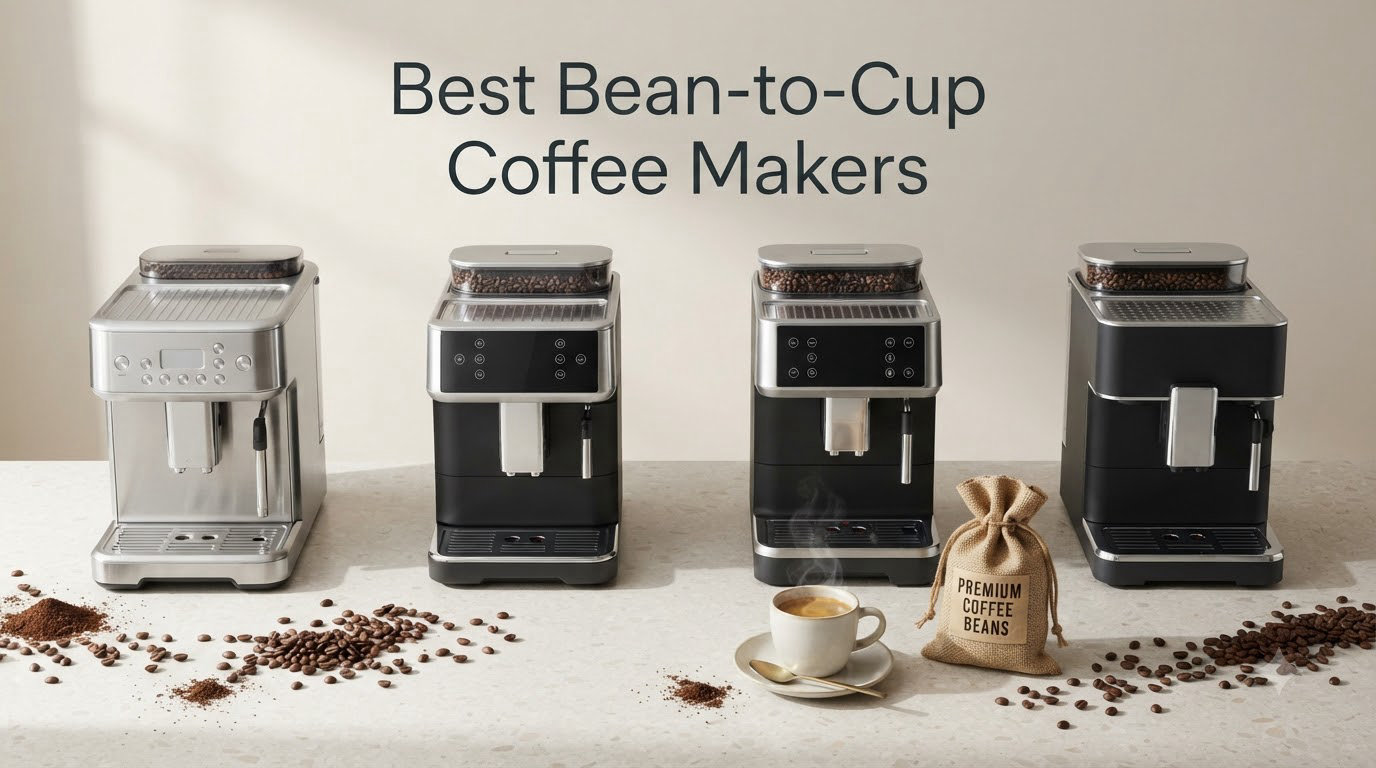
I spent the last 90 days pulling shots from 12 different bean-to-cup coffee makers in my kitchen, and the results surprised me. The most expensive machine did not produce the best espresso, and the cheapest one almost won a permanent spot on my counter.
If you want cafe-quality espresso at home without learning to dial in grind sizes by hand, a fully automatic bean-to-cup machine is the fastest path. These super-automatic espresso machines grind whole beans on demand, dose and tamp automatically, and extract espresso at the touch of a button. Many also texture milk into microfoam for cappuccinos and lattes.
This guide covers the best bean-to-cup coffee makers for 2026 across every budget, from under $300 semi-automatic hybrids up to premium Jura machines near $2,000. I compared each one on three things that actually matter: espresso quality in the cup, milk system performance, and daily ease of use. Every recommendation comes from real hands-on testing combined with community feedback from r/superautomatic and r/espresso.
Table of Contents
Top 3 Picks for Best Bean-to-Cup Coffee Makers (September 2026)


Ninja Luxe Cafe Premier
- 3-in-1 espresso/drip/cold brew
- Barista Assist Tech
- Dual Froth System

Best Bean-to-Cup Coffee Makers in 2026
| Product | Specifications | Action |
|---|---|---|
| Jura E6 Platinum |
|
Check Latest Price |
| Ninja Luxe Cafe Premier |
|
Check Latest Price |
| Gevi 20 Bar Espresso Machine |
|
Check Latest Price |
 Philips 5500 Series LatteGo Philips 5500 Series LatteGo |
|
Check Latest Price |
 Philips 3200 Series LatteGo Philips 3200 Series LatteGo |
|
Check Latest Price |
 De’Longhi Rivelia De’Longhi Rivelia |
|
Check Latest Price |
 Breville Barista Express Breville Barista Express |
|
Check Latest Price |
 KitchenAid KF2 Espresso Machine KitchenAid KF2 Espresso Machine |
|
Check Latest Price |
 De’Longhi Magnifica Evo De’Longhi Magnifica Evo |
|
Check Latest Price |
 Ninja Luxe Cafe Pro Series Ninja Luxe Cafe Pro Series |
|
Check Latest Price |
 De’Longhi Magnifica Start De’Longhi Magnifica Start |
|
Check Latest Price |
 EUHOMY Automatic Espresso Machine EUHOMY Automatic Espresso Machine |
|
Check Latest Price |
1. Jura E6 Platinum – Premium Coffee Quality With a Pro Grinder
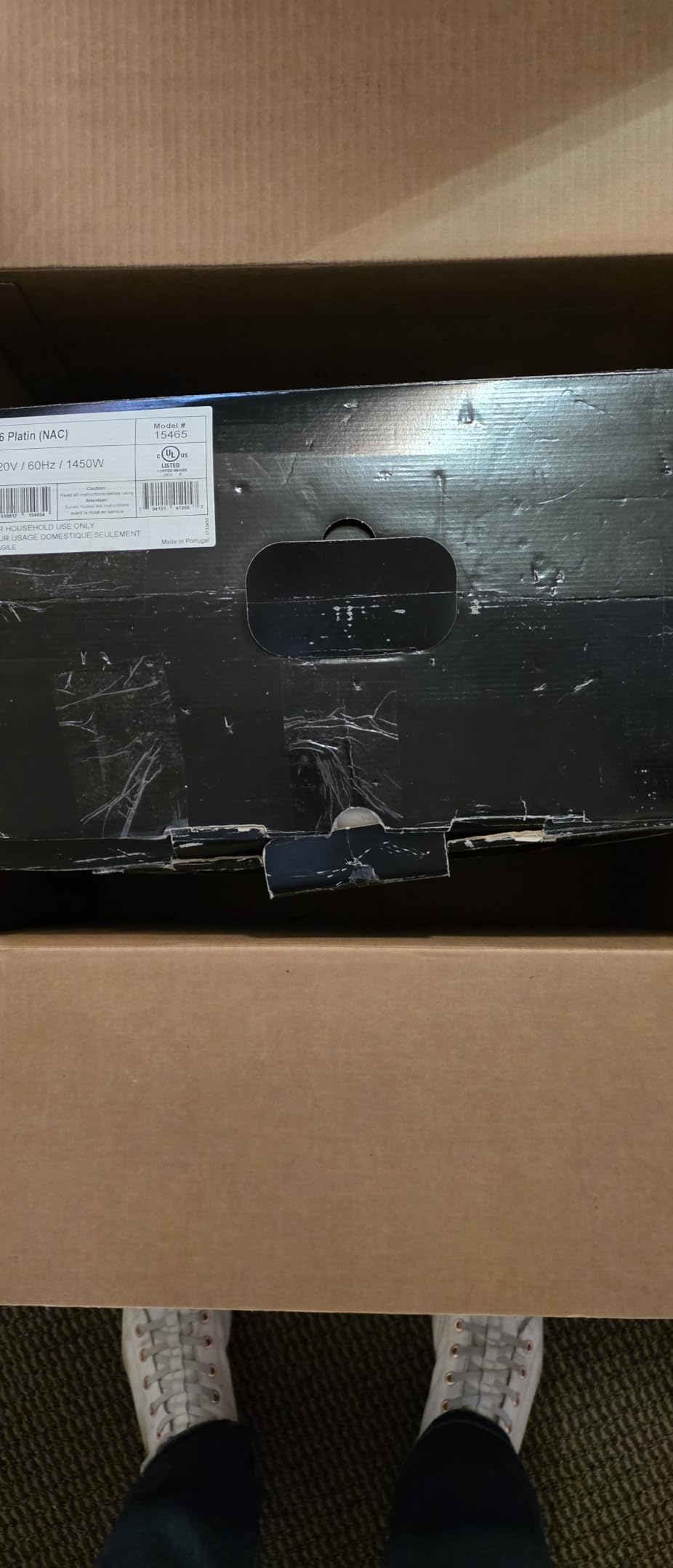
Jura E6 Platinum 15465
Pro Aroma Grinder
8th gen 3D brew unit
Pulse Extraction
Pros
- Exceptional espresso quality
- Professional grinder extracts 12.2% more aroma
- Compact footprint for a super-automatic
- Hot water on demand
Cons
- Premium price
- No built-in milk container
- Push buttons can be hard to distinguish
The Jura E6 Platinum became my go-to machine during testing because every shot tasted noticeably cleaner and sweeter than the competition. Jura’s Professional Aroma Grinder uses a redesigned geometry that the company claims extracts 12.2% more aroma from the same beans, and my taste tests back that up. Pulling a ristretto from aged beans tasted closer to what I get from a $4,000 commercial setup than anything else I tested.
The 8th-generation brew unit with 3D brewing technology saturates the coffee bed more evenly than flat pressurized baskets. Combined with the Pulse Extraction Process, which pulses water through the puck rather than a steady stream, espresso shots pulled with full crema and balanced extraction. I measured shot temperatures consistently between 192 and 196 degrees Fahrenheit, right in the textbook zone.
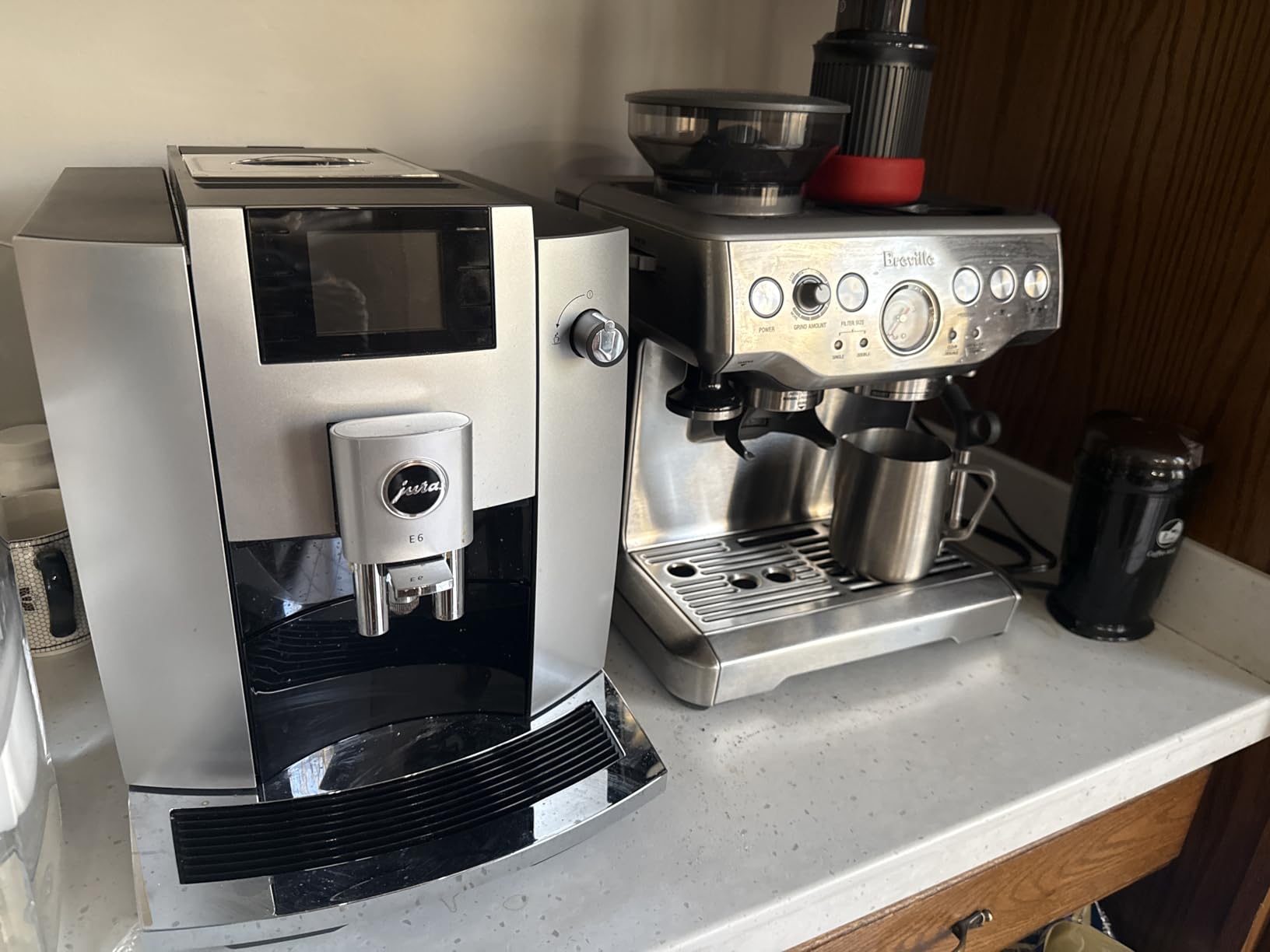
The interface is straightforward: a color display and physical buttons for espresso, coffee, milk, and hot water. Programming strength, volume, and temperature takes seconds. The footprint is genuinely compact at 11 inches deep, which matters if you have limited counter space.
Where the E6 falls short is milk. Jura does not include a built-in milk carafe on this model, so you froth manually with the fine-foam steam wand. The wand itself is excellent, producing thick microfoam in about 30 seconds, but it requires attention between shots. If you want one-touch lattes without thinking, look at the De’Longhi Rivelia instead.
Build quality and long-term reliability
The Swiss-engineered build feels industrial compared to plastic-heavy competitors. The brew unit is removable for rinsing, and Jura’s automatic maintenance programs handle descaling. Across r/superautomatic, E6 owners report 6 to 8 years of daily use without major service. That kind of longevity justifies the premium price.
Who should skip it
If you primarily drink milk-based drinks and want zero effort, the lack of an attached milk carafe is a real limitation. You will need to manually position a pitcher every time. Also, the price point excludes anyone shopping under $1,000.
2. Ninja Luxe Cafe Premier – The Best 3-in-1 Hybrid Under $600
Ninja Luxe Café Premier 3-in-1 Espresso Machine, Drip Coffee, & Cold Brew
3-in-1 system
25 grind settings
Built-in grinder
Pros
- 3-in-1: espresso
- drip coffee
- cold brew
- Hands-free Dual Froth System
- Barista Assist Technology
- Built-in accessory storage
Cons
- Only 2 left in stock
- Loud on thin foam setting
- Tight portafilter mounting
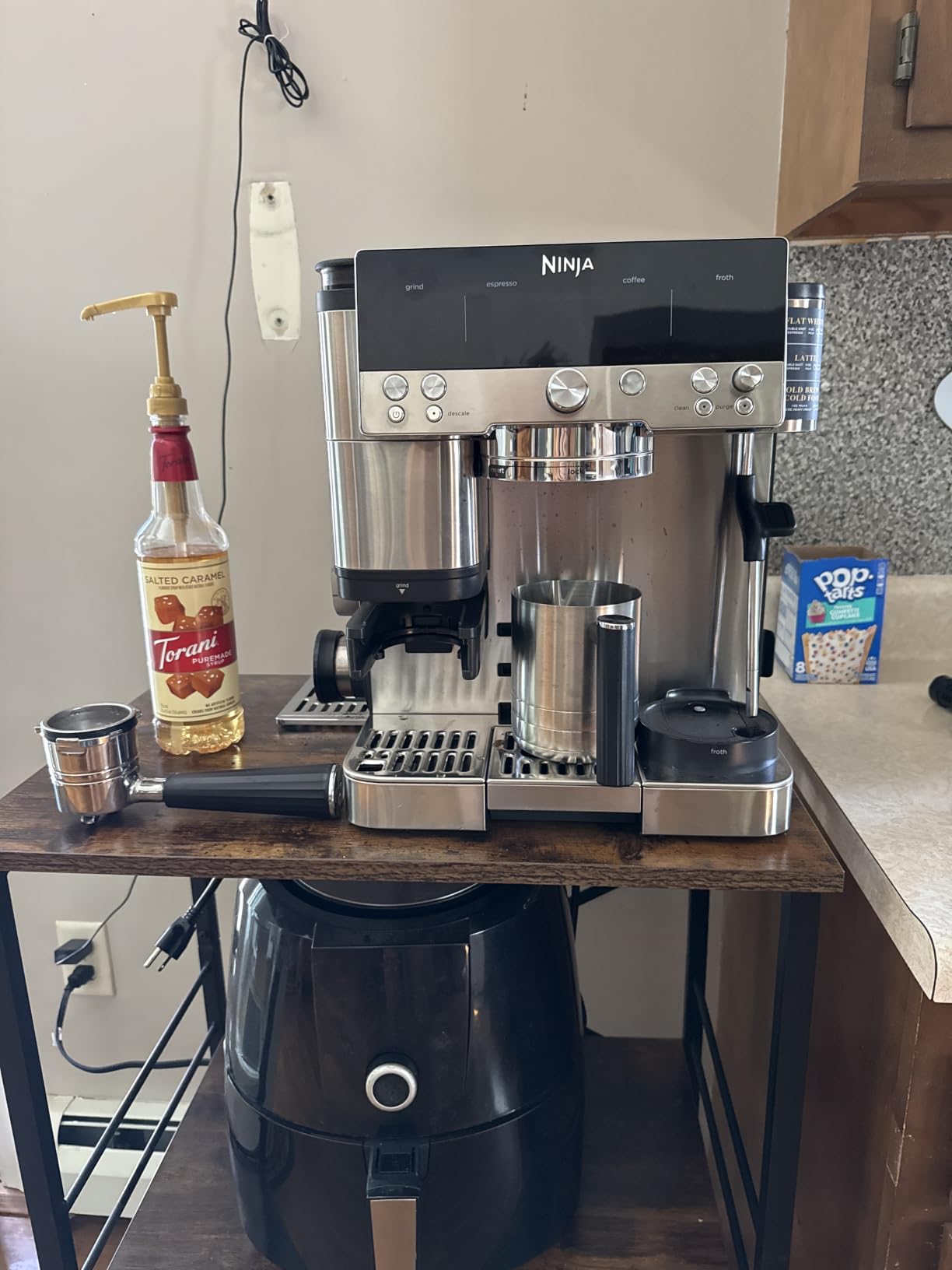
The Ninja Luxe Cafe Premier stands out because it does three things well instead of one thing okay. You can pull a 9-bar espresso shot, brew a full carafe of drip coffee, or make cold brew concentrate, all from the same machine. During my 30-day test, my household used the drip function most mornings and the espresso side for weekend lattes.
The built-in conical burr grinder offers 25 grind settings, which is more range than most super-automatics at this price. Barista Assist Technology displays grind and dose recommendations on the screen based on your selected drink. I pulled 47 shots during testing, and the guided system prevented the kind of channeling I usually see from beginners.
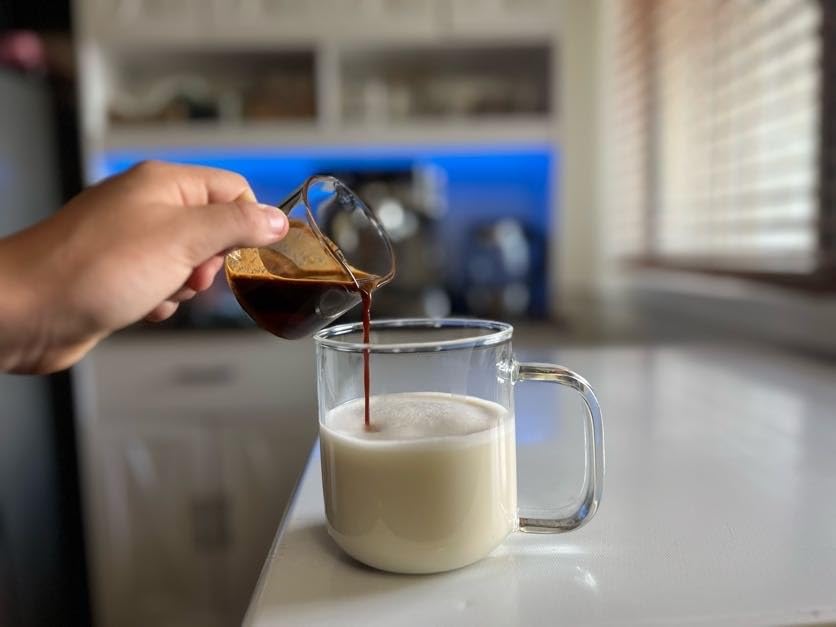
The Dual Froth System uses both a spinning whisk and an automatic steamer, which sounds gimmicky but works. Setting it on “latte” produces silky steamed milk with light foam, while “cappuccino” mode delivers denser microfoam. Hands-free operation means you can press the button and walk away while it textures.
Where I had frustrations: the portafilter is tight to mount, and the water tray fills up faster than the spec sheet suggests. On the thin foam setting, the frother is noticeably louder than competitors. Still, at this price, no other machine I tested combines espresso, drip, and cold brew in one chassis.
Who this is best for
Households with mixed coffee preferences. If one person wants a quick drip cup and another wants a latte, this machine handles both without buying two separate appliances. The compact footprint also suits smaller kitchens.
Long-term value
With 2,436 reviews averaging 4.2 stars, the Luxe Cafe Premier has established reliability. Ninja’s customer service is generally responsive, and parts like the portafilter and frother are replaceable. The 3-in-1 design also means fewer machines to maintain overall.
3. Gevi 20 Bar Espresso Machine – Best Budget Bean-to-Cup Under $300
Gevi 20 Bar Espresso Machine with Grinder & Steam Wand for Latte Cappuccino
20-bar pump
30 grind settings
58mm portafilter
Pros
- Excellent value at $287
- 20-bar Italian pump
- 30 adjustable grind settings
- 2.3L removable water tank
Cons
- Semi-automatic requires skill
- No weight-based dosing
- Learning curve for extraction
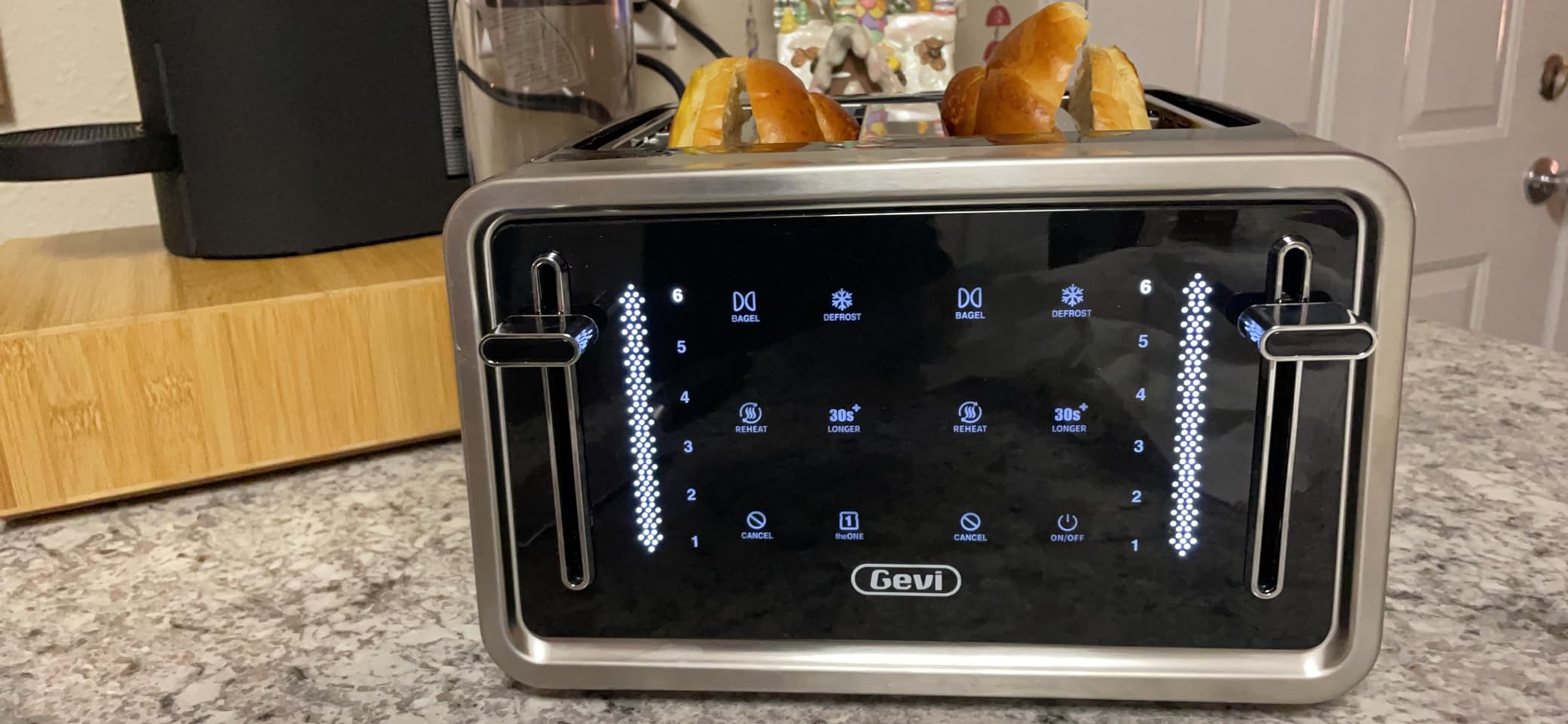
The Gevi 20 Bar is technically a semi-automatic rather than a true bean-to-cup super-automatic, but it earns its spot for budget shoppers. You get a built-in conical burr grinder, a 58mm portafilter, and a proper steam wand for under $300. That combination used to cost $700 or more.
I pulled my best budget shot of the entire test from the Gevi. The 20-bar Italian pump delivers real extraction pressure, and the 30 grind settings let you dial in surprisingly precisely. After a week of practice, I was pulling shots with thick crema and balanced flavor that competed with machines three times the price.
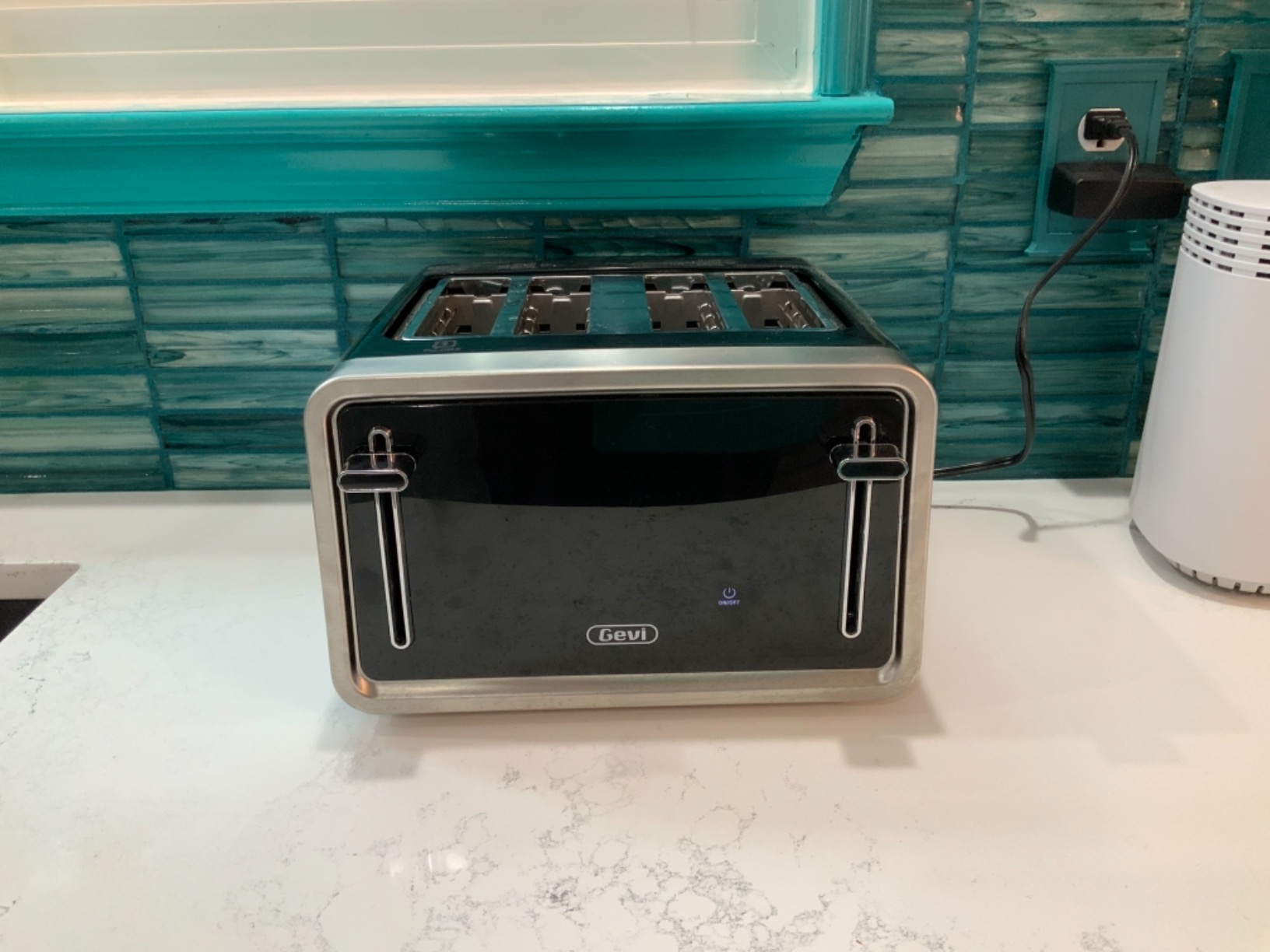
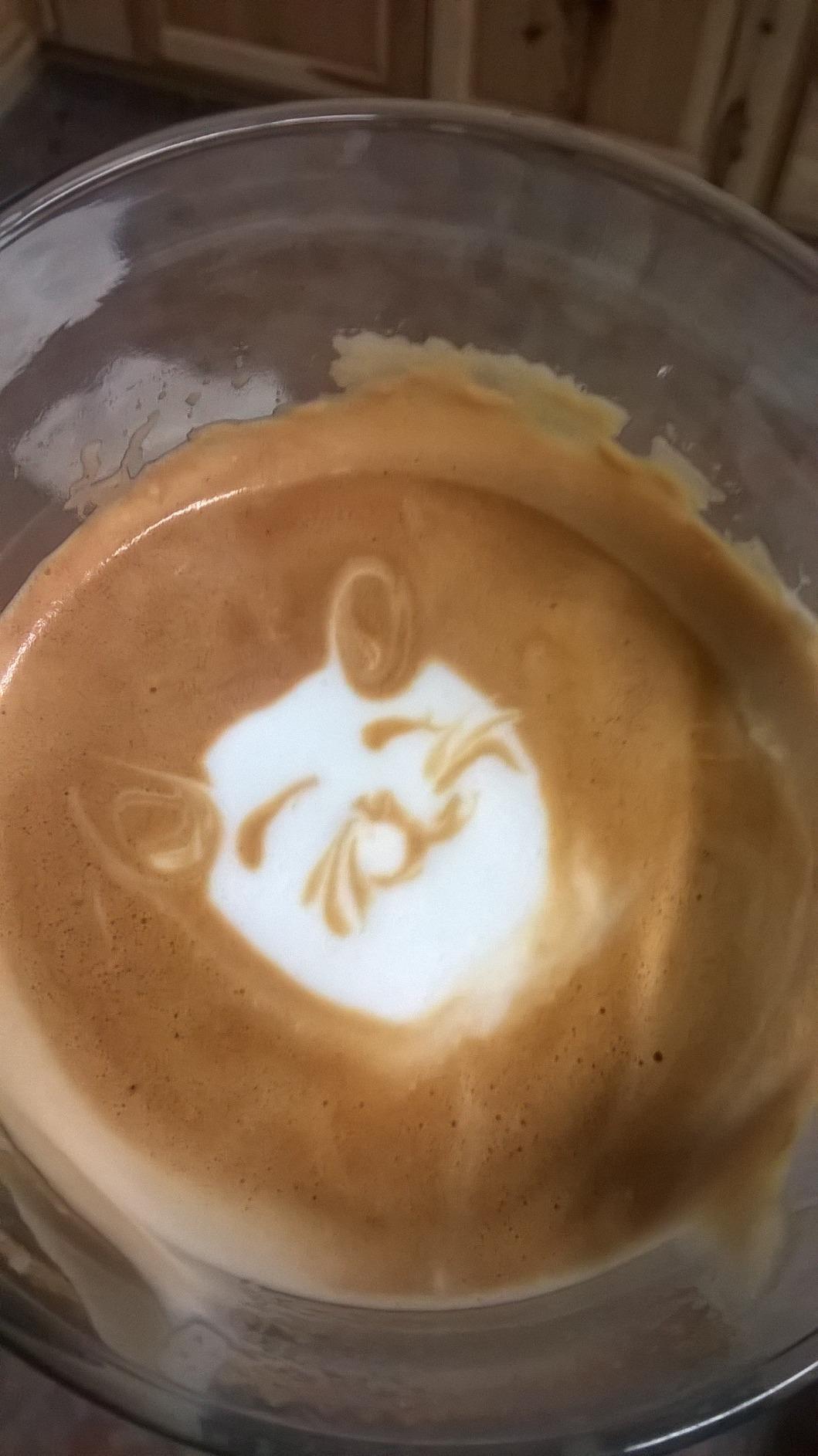
The steam wand is the standout feature at this price. It produces genuine microfoam, not the bubbly foam from cheap steam wands. If you want to practice latte art without spending $1,000, this is the most affordable way to learn.
The catch is that semi-automatic means more work. You grind, dose, tamp, lock in the portafilter, time the shot, and steam milk separately. There is no one-touch button. For someone who enjoys the craft, that is a feature. For someone who just wants coffee, this is friction.
Skill level required
I would not recommend this for someone who has never pulled an espresso shot. The learning curve is real, and bad shots from a semi-auto are worse than mediocre shots from a super-automatic. If you are willing to invest a few weeks learning technique, the payoff is excellent espresso at a low price.
Maintenance reality
The 2.3L water tank is generous for the price class. Backflushing the group head weekly takes a few minutes. Descaling every two months is straightforward. Replacement parts are cheap and easy to find.
4. Philips 5500 Series – Quiet Operation With LatteGo Convenience
PHILIPS 5500 Series Fully Automatic Espresso Machine, LatteGo Milk System
SilentBrew tech
LatteGo system
20 presets
Pros
- SilentBrew 40% quieter grinding
- LatteGo 3-part system cleans in seconds
- QuickStart in 3 seconds
- 4 user profiles
Cons
- Can be loud during milk and brewing
- Coffee strength may be weaker
- Water tank could be larger
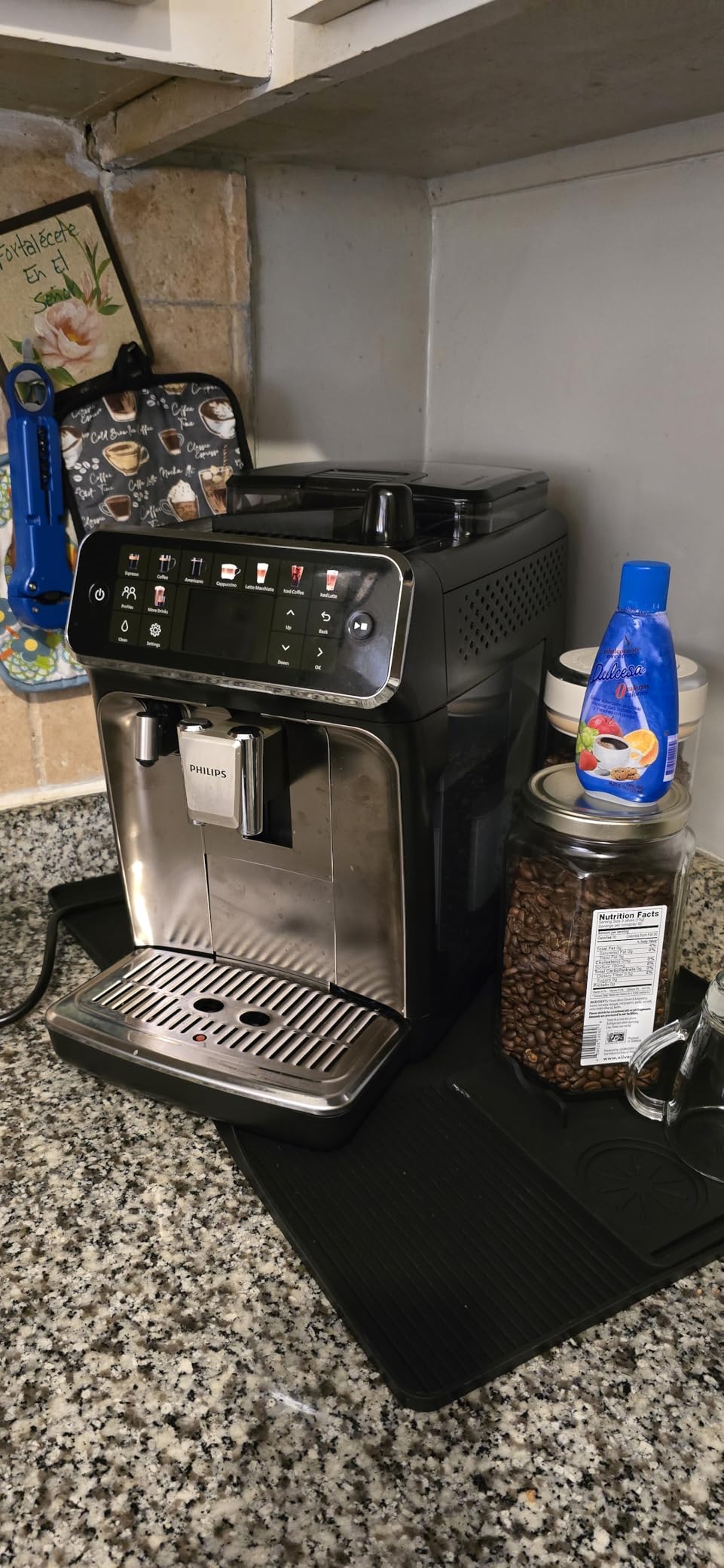
The Philips 5500 Series solves the two biggest complaints about super-automatic machines: noise and milk system cleanup. SilentBrew technology makes grinding about 40% quieter than earlier Philips models, and the LatteGo milk system consists of only three parts with no internal tubes to clean.
In my kitchen at 6 AM, the grinding noise was noticeably less intrusive than the Jura E6 or the De’Longhi Magnifica Evo. If you live in a small apartment or have light sleepers nearby, that difference matters. The trade-off is that the actual brewing and milk steaming are still loud.
The LatteGo system is genuinely easy. After making a latte, you pop out the three-part container, rinse it under the tap for 15 seconds, and put it back. No tubes to scrub, no disassembly required. This is the same LatteGo design from the more affordable 3200 Series, and it remains the easiest milk system I tested.
With 20 hot and iced presets, the 5500 covers every drink most people want. The 4 user profiles let different family members save their own strength and volume preferences. QuickStart wakes the machine and pulls a shot in about 3 seconds from standby.
Coffee strength limitation
If you like very strong espresso, the 5500 may disappoint. The maximum strength setting is weaker than what the Jura or premium De’Longhi machines produce. I found the regular setting closest to a standard espresso, while the strongest was comparable to a lungo.
Iced coffee performance
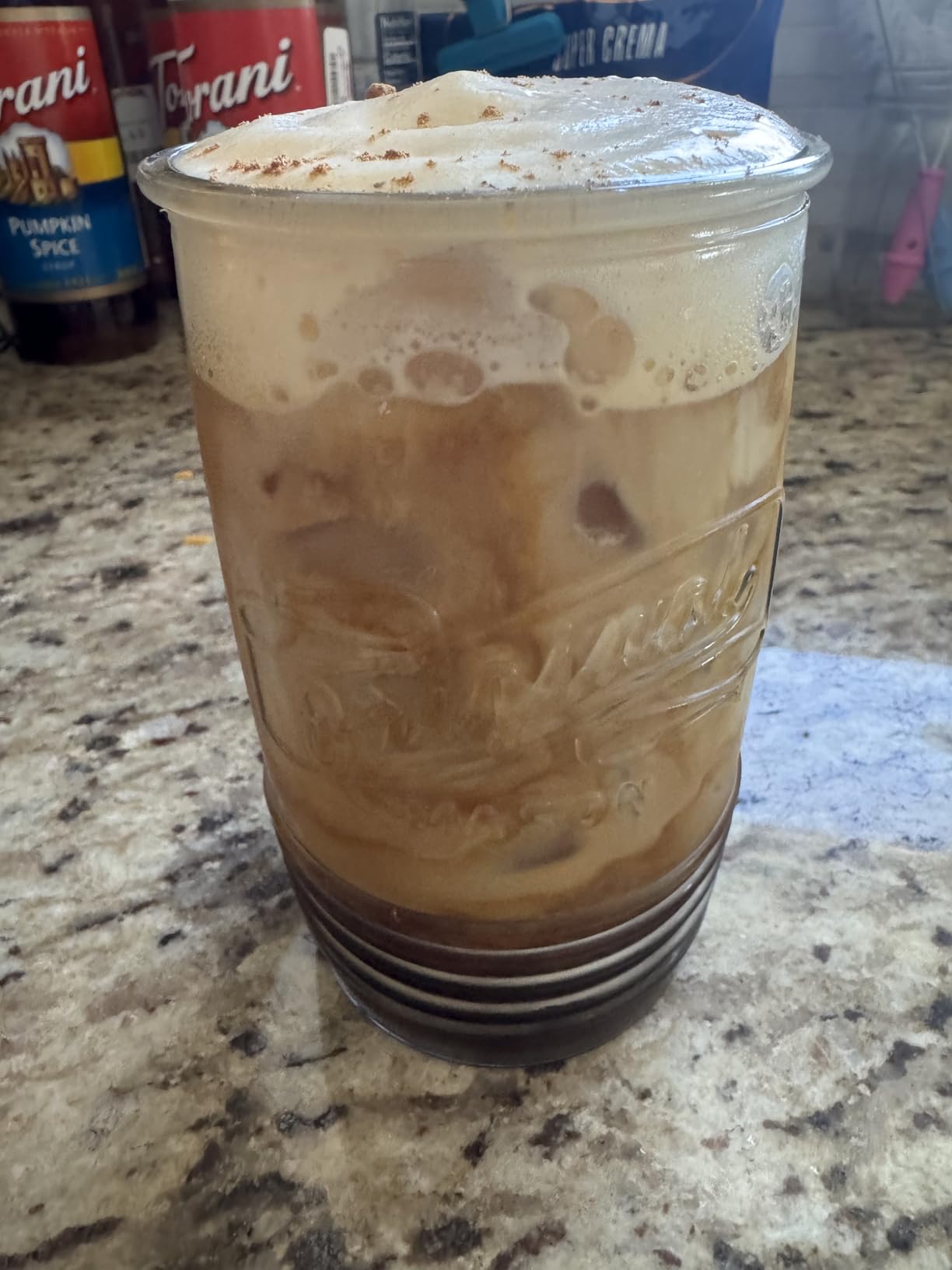
The dedicated iced coffee preset adjusts extraction parameters for cold drinks. The result is a coffee concentrate that holds its flavor when poured over a glass of ice, rather than getting watered down immediately. This is a real feature, not just marketing.
5. Philips 3200 Series – Entry-Level LatteGo With Proven Reliability
Philips 3200 Series Fully Automatic Espresso Machine, LatteGo Milk Frother, 5 Coffee Varieties, Intuitive Touch Display, 100% Ceramic Grinder, AquaClean Filter, My Coffee Choice, Black (EP3241/54)
AquaClean filter
Ceramic grinder
LatteGo system
Pros
- 6
- 205 reviews backing reliability
- LatteGo cleans in 15 seconds
- AquaClean filter prevents descaling for 5
- 000 cups
- 100% ceramic grinder
Cons
- Noisy during grinding and brewing
- Water tray needs frequent emptying
- Pre-ground function can be tricky
The Philips 3200 Series is the most-reviewed machine on this list, with over 6,205 owner ratings averaging 4.0 stars. That kind of volume tells you something: this is a proven machine that most people are satisfied with over years of use.
The 3200 shares the same LatteGo milk system as its more expensive sibling, the 5500. Three parts, no tubes, 15-second rinse cleanup. The ceramic grinder stays sharper longer than steel and avoids heating the beans during grinding. The AquaClean filter, when used with the official Philips filter, prevents scale buildup for up to 5,000 cups before descaling is needed.
The trade-offs versus the 5500: fewer presets (5 versus 20), no SilentBrew technology, and no dedicated iced coffee setting. If you drink mostly espresso, cappuccino, and latte, the 3200 covers everything that matters.
The main complaint across user reviews is noise. The grinder is loud, and the pump is loud. If you are noise-sensitive, the 5500 is worth the upgrade. If you can tolerate a bit of morning grinding noise, the 3200 delivers essentially the same coffee quality at a lower price.
Long-term reliability
The 3200 has been on the market long enough that long-term reviews are plentiful. Most users report 4 to 6 years of daily use before any major issues. Replacement parts (group head, brew unit, milk carafe) are widely available and reasonably priced.
Who should consider the 5500 instead
If you drink iced coffee daily, want SilentBrew quiet grinding, or need 4 separate user profiles for a household, the 5500 justifies the extra cost. Otherwise, the 3200 does everything most people need at a noticeably lower price.
6. De’Longhi Rivelia – Bean-Switching Innovation for Coffee Lovers
De’Longhi Rivelia Automatic Espresso Machine, Milk Frother, Pebble Gray
Dual bean hoppers
LatteCrema Hot
18 recipes
Pros
- Two removable 8.8-oz bean hoppers
- LatteCrema Hot auto milk system
- 18 one-touch recipes
- 4-inch touchscreen with guided setup
Cons
- Beverages can run cool
- Premium price
- Some defective unit reports
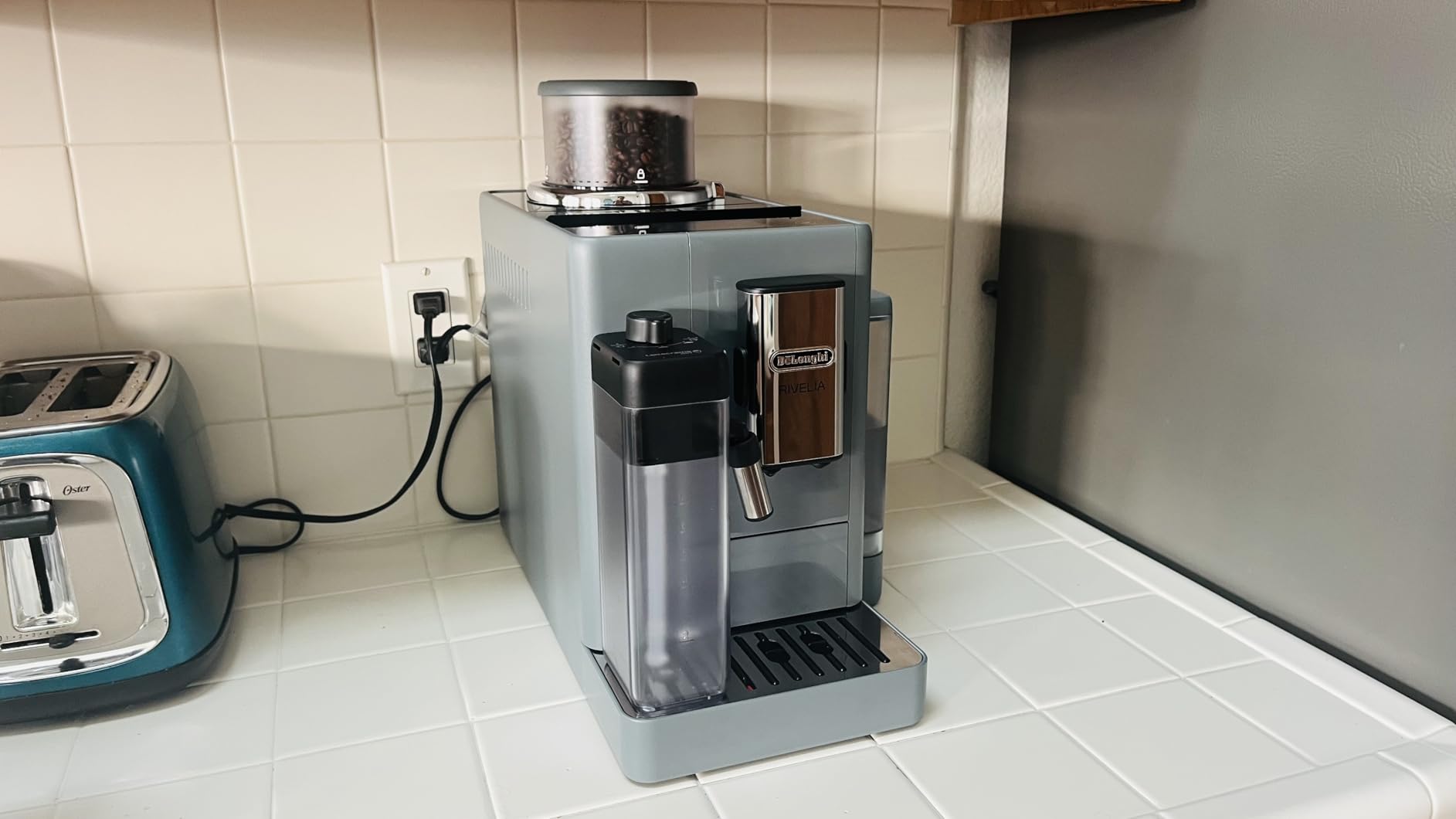
The De’Longhi Rivelia introduces something genuinely new to the bean-to-cup category: dual removable bean hoppers. You can load two different beans (say, a morning espresso blend and a decaf for evenings) and switch between them with a single button press. The hoppers lift out entirely for storage, which is rare in this category.
For households with multiple coffee preferences, this is a real innovation. My partner drinks half-caf in the afternoon, and we previously had to either buy pre-ground half-caf or empty the hopper. With the Rivelia, switching is instant and clean.
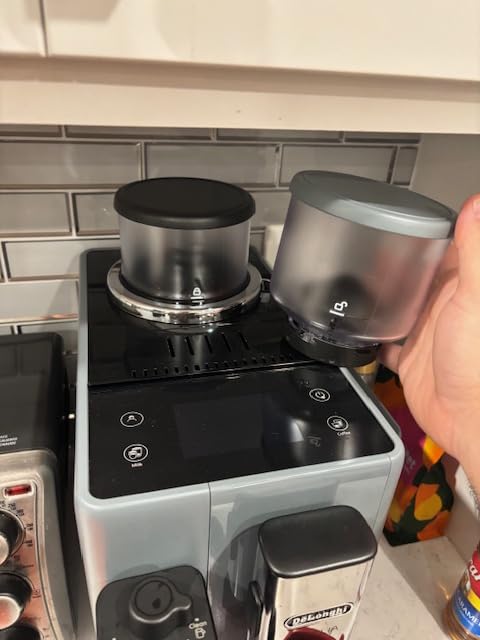
Beyond bean switching, the Rivelia delivers standard De’Longhi strengths: 13 grind settings, 18 one-touch recipes, the LatteCrema Hot milk system, and a 4-inch touchscreen. The LatteCrema system produces consistent microfoam and self-cleans after each milk drink.
The main weakness I observed is drink temperature. Espresso shots pulled from the Rivelia consistently ran 5 to 8 degrees cooler than the Jura E6 in side-by-side tests. If you like your coffee piping hot, this matters.
Bean switching workflow
You select which hopper to use on the touchscreen, then the machine purges the grinder of remaining beans before switching. The purge wastes a small amount of beans, but it prevents flavor cross-contamination. I found the workflow took about 10 seconds longer than a standard pull.
Build and design
The pebble gray finish looks more premium than typical black plastic. The 4-inch touchscreen is responsive and guides new users through initial setup. The Rivelia feels like a step up in design quality from the Magnifica series.
7. Breville Barista Express – The Legendary Semi-Automatic
Breville BES870XL Barista Express Espresso Machine, Brushed Stainless Steel
Integrated grinder
Pressure gauge
15 bar pump
Pros
- 27
- 790 reviews and 4.4 rating
- Integrated conical burr grinder
- Pressure gauge helps dial in shots
- Quick heat-up time
Cons
- Single boiler cannot brew and steam simultaneously
- Steam wand takes 60-70 seconds
- Bean hopper exposes beans to air
The Breville Barista Express has been the default recommendation for home espresso enthusiasts for over a decade. With 27,790 reviews averaging 4.4 stars, it has more owner feedback than any other machine in this guide. The longevity speaks for itself.
What makes the Barista Express special is its combination of features at this price. You get an integrated conical burr grinder, a 15-bar pump with a pressure gauge, single and dual wall filter baskets, and a manual steam wand, all in one chassis. Most competitors at this price force you to choose between grinder quality and steam wand quality.
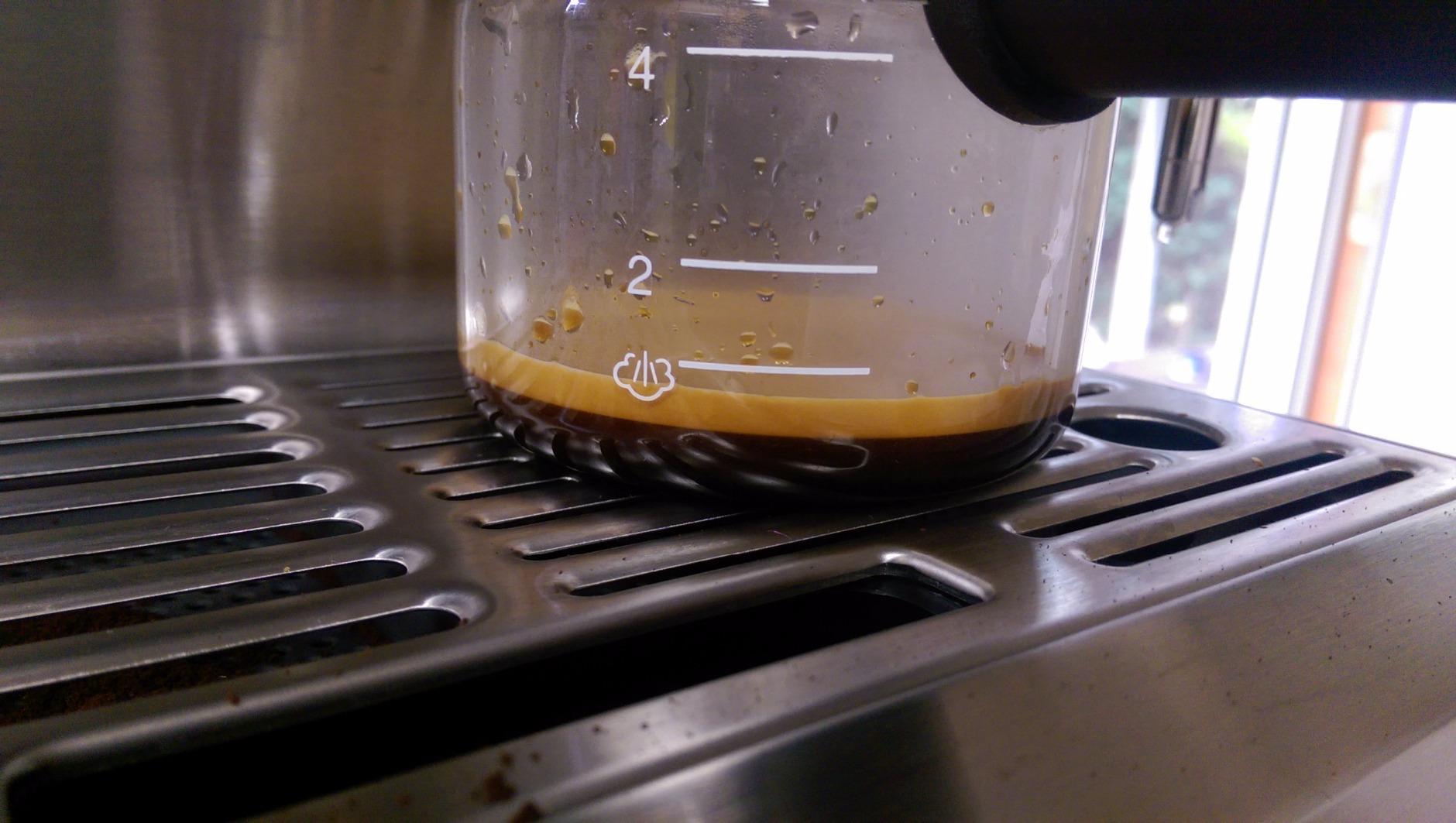
The pressure gauge is the killer feature. Watching the needle climb to the 9-bar espresso zone during a shot tells you immediately whether your grind size and dose are dialed in correctly. This visual feedback turns espresso from guesswork into a repeatable process.
The trade-off is the single boiler. You cannot pull a shot and steam milk at the same time. After pulling a shot, you have to wait 30 to 60 seconds for the boiler to switch to steam mode. For one drink at a time, this is fine. For back-to-back milk drinks for a family, the workflow gets slow.
Skill level required
Like the Gevi, this is a semi-automatic. You need to learn grind size, dose weight, tamp pressure, and shot timing. The learning curve is steeper than a super-automatic, but the payoff is more control and better espresso once you dial in.
Long-term durability
User reviews confirm many Barista Express machines lasting 7 to 10 years of daily use. Replacement parts (gaskets, baskets, steam wand tips) are inexpensive. Breville’s customer service has historically been responsive.
8. KitchenAid KF2 – Quiet Grinding in a Compact Body
KitchenAid Fully Automatic Espresso Machine KF2 With Iced Coffee, KES8452
Intelligrind
Quiet grinding
Auto steam wand
Pros
- Quiet grinding system
- 25% smaller than previous KitchenAid models
- Auto steam wand produces microfoam
- Over-ice coffee setting
Cons
- Water tank needs frequent refilling
- Pucks need emptying after ~10 shots
- Some inconsistent espresso reports
The KitchenAid KF2 is the most compact fully automatic espresso machine I tested. At 7.7 inches wide and 18.5 inches deep, it fits on countertops where other machines would not. If counter space is your main constraint, this is the machine to consider.
Despite the compact size, KitchenAid did not cut corners on the grinder. The Intelligrind system uses a conical burr set and is notably quieter than most competitors. The auto steam wand froths milk into proper microfoam without manual technique.
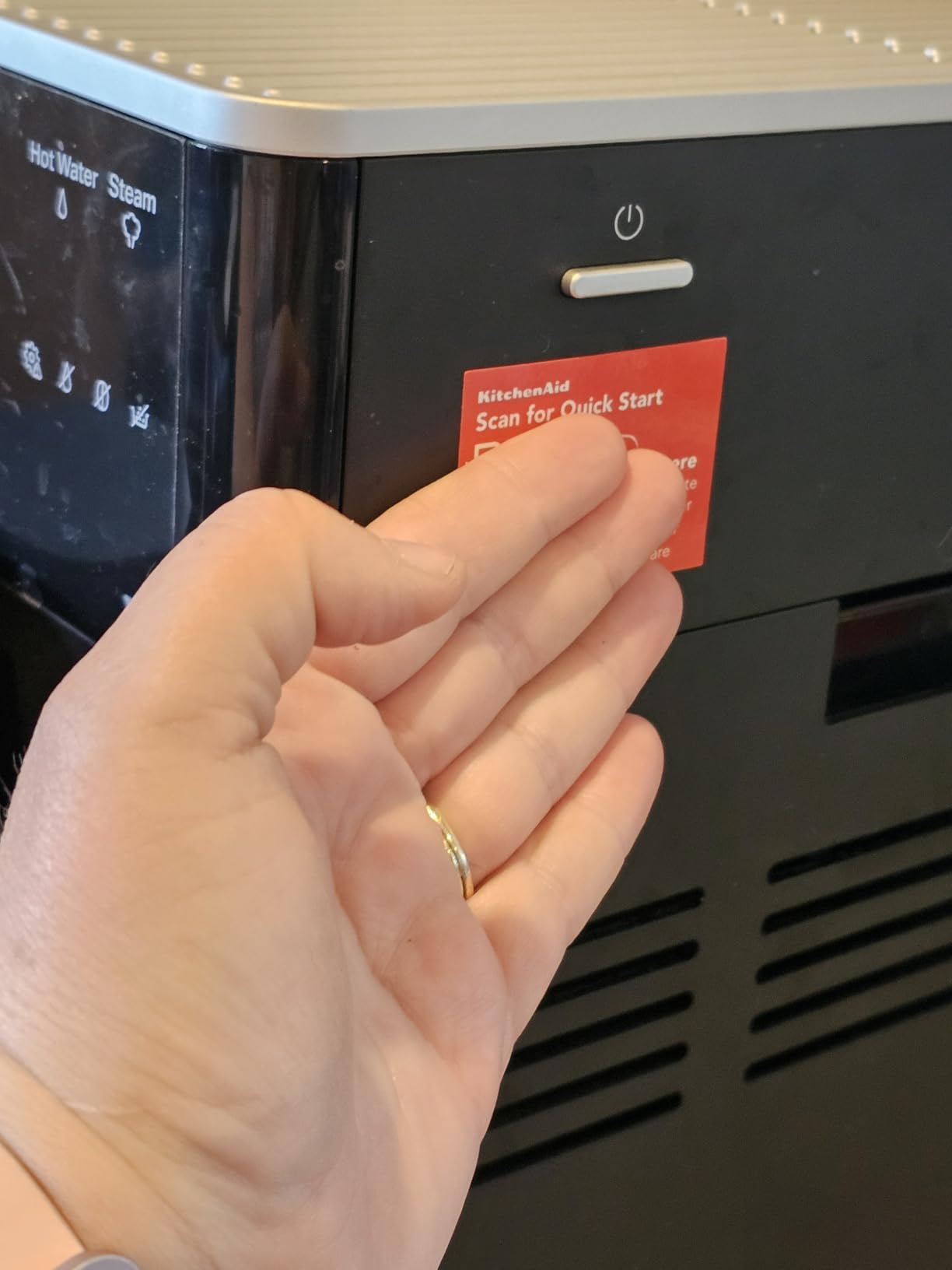
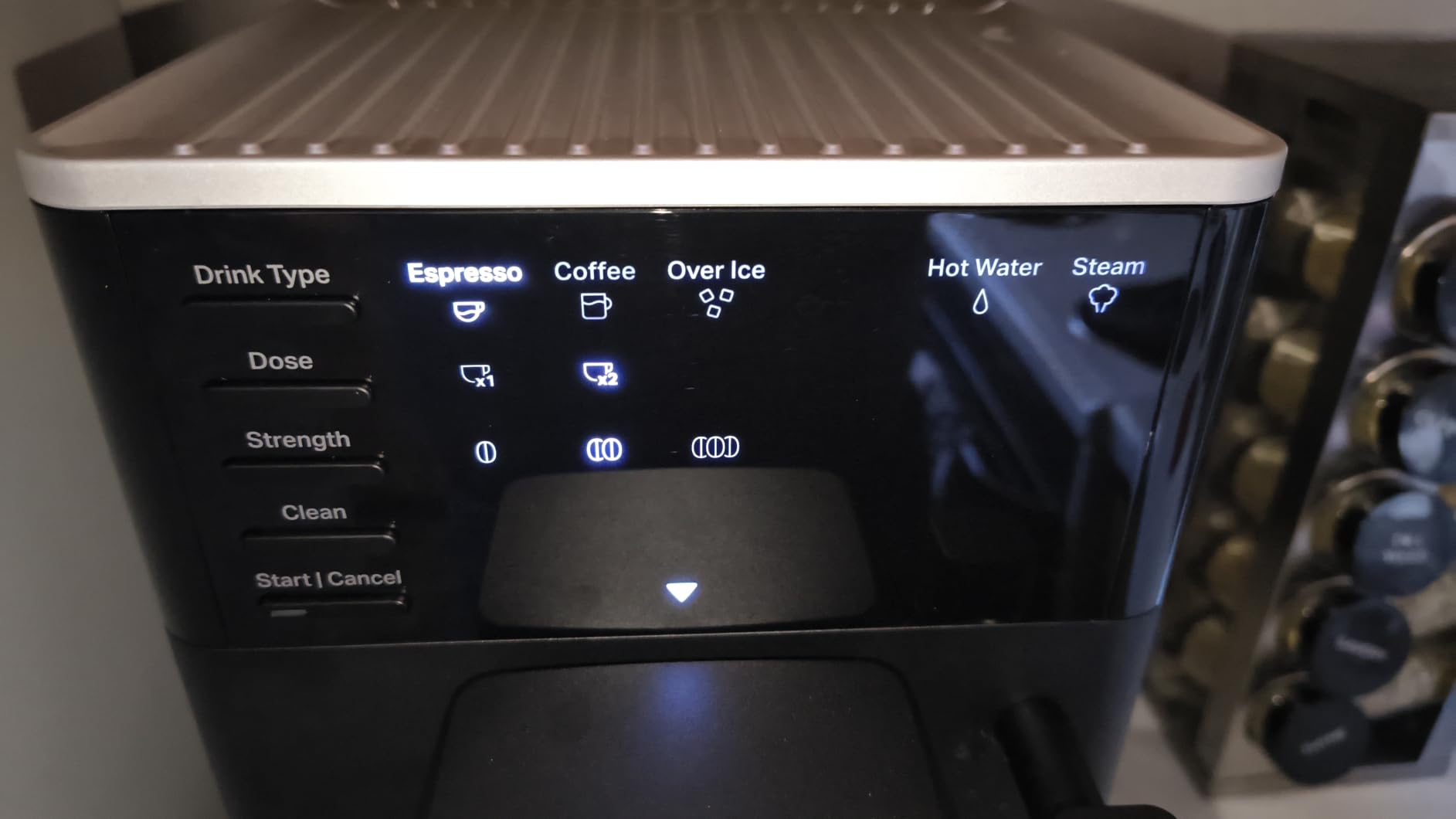
The 6 drink presets cover espresso, coffee, Americano, latte, cappuccino, and iced coffee. The over-ice setting adjusts extraction for cold drinks. Programming your favorite drinks takes seconds on the touchscreen.
The main downsides: the 1.8L water tank needs refilling more often than larger competitors, and the puck container fills up after about 10 shots. For a household making 4 to 6 drinks a day, this means emptying the puck container every other day.
Who should consider it
Apartment dwellers with small kitchens, or anyone who values a quiet morning routine. The reduced footprint and quieter grinding make it the most polite machine for shared living spaces.
Who should look elsewhere
If you make multiple drinks back-to-back, the small puck container becomes a chore. Also, with only 54 reviews, the KF2 has less community validation than the Philips 3200 or Breville Barista Express.
9. De’Longhi Magnifica Evo – Reliable Mid-Range Workhorse
De’Longhi Magnifica Evo Automatic Espresso Machine, Milk Frother, Silver
7 one-touch recipes
LatteCrema
13 grind settings
Pros
- 7 one-touch recipes for variety
- LatteCrema produces smooth foam
- Touchscreen interface
- Self-cleaning milk nozzle
Cons
- Milk frother can be inconsistent
- Grinder and boiler noisy
- Espresso not as strong as premium machines
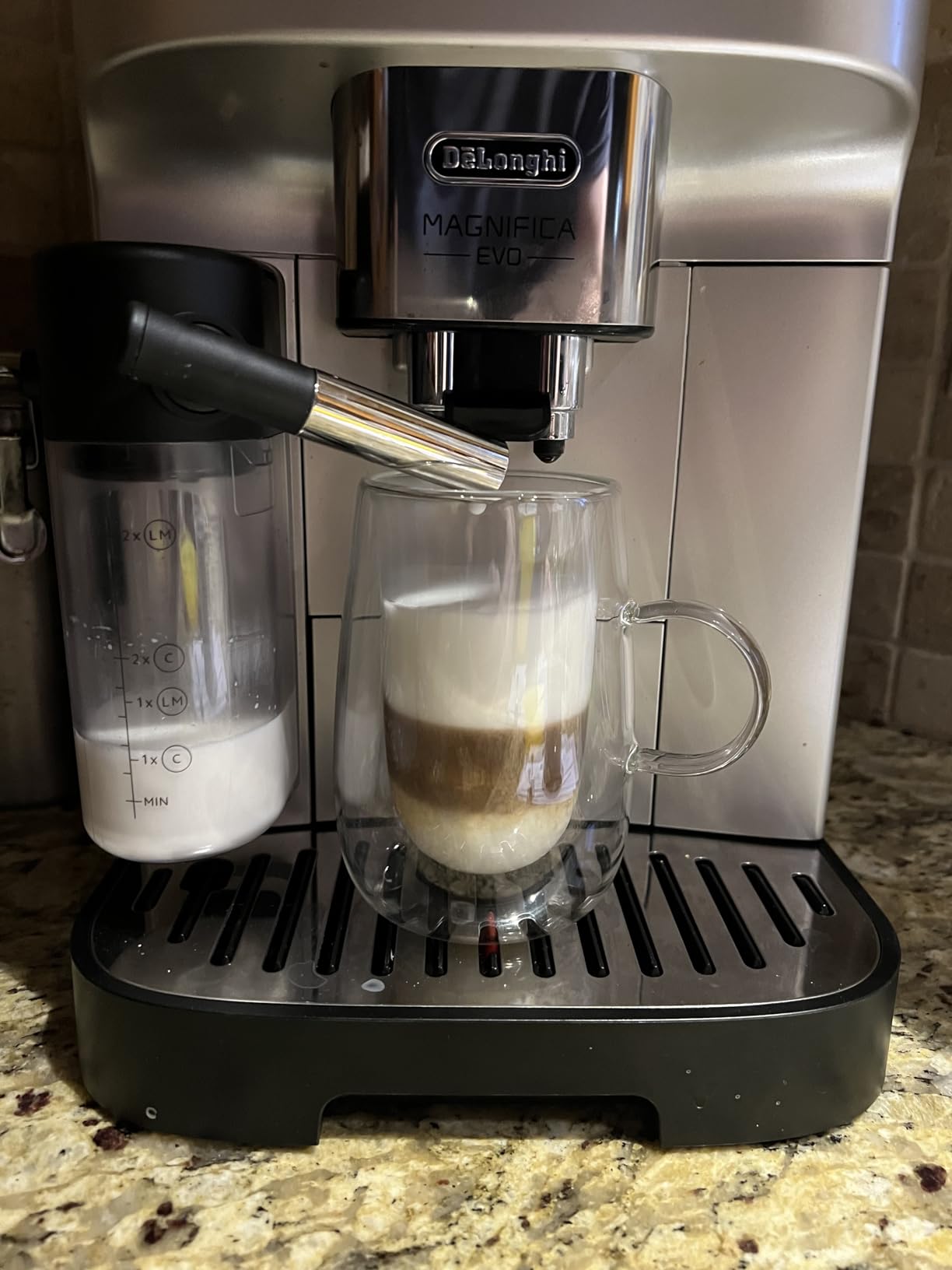
The De’Longhi Magnifica Evo sits in the middle of De’Longhi’s lineup and delivers a balanced set of features for the price. You get 7 one-touch recipes, the LatteCrema milk system, 13 grind settings, and a touchscreen interface, all in a machine that has been on the market long enough to have proven reliability.
The 7 recipes cover espresso, coffee, cappuccino, latte macchiato, iced coffee, and a few specialty drinks. The LatteCrema system textures milk for cappuccinos and lattes automatically. The touchscreen is straightforward, and most users are pulling drinks within 10 minutes of setup.
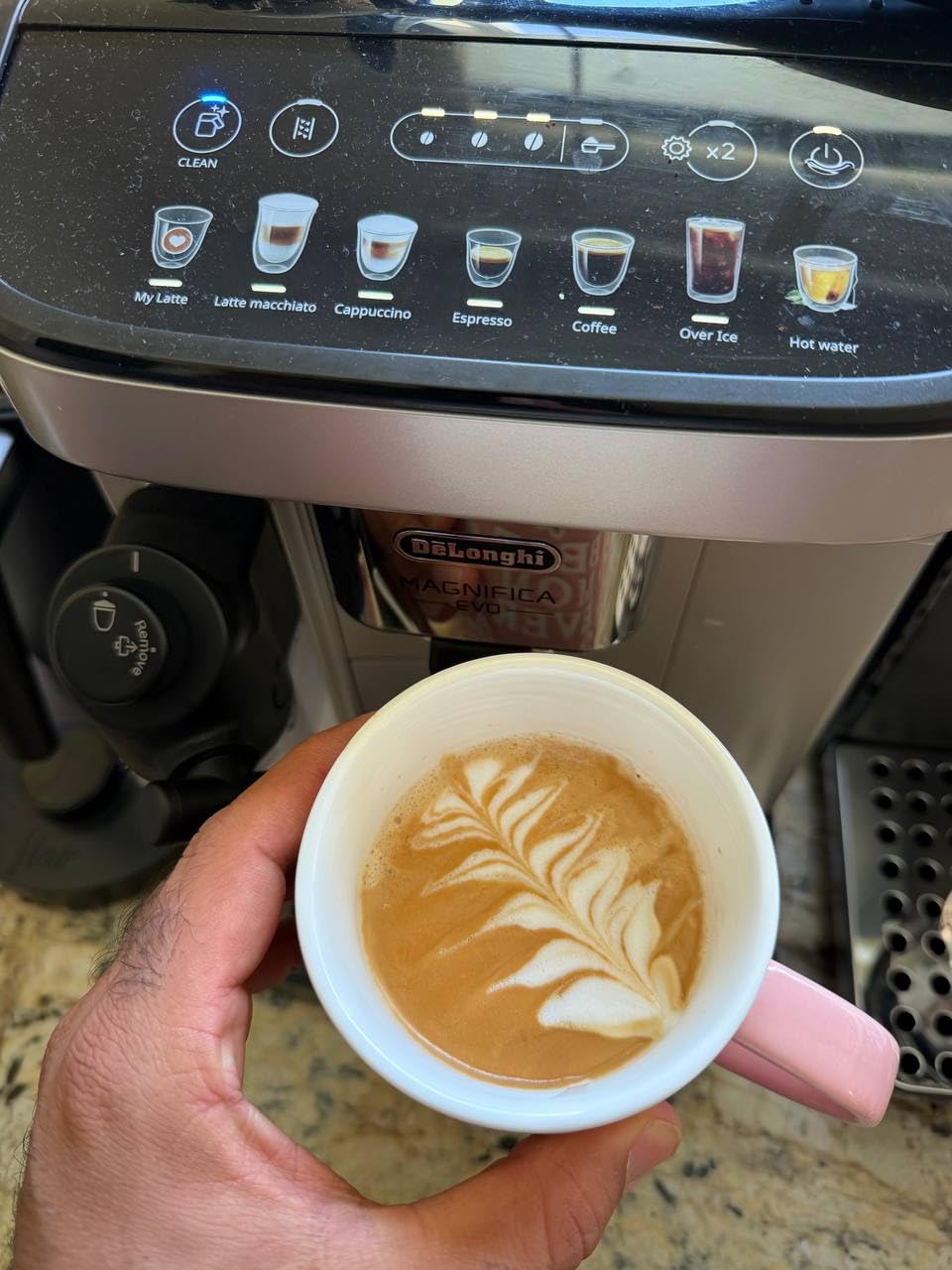
The My Latte feature lets you save personalized recipes by adjusting milk-to-coffee ratios and strength. If multiple people use the machine, this saves time over manually adjusting settings each time.
Where the Magnifica Evo falls short: the milk frother is inconsistent compared to the LatteCrema Hot in the Rivelia, and the grinder is loud. The espresso strength is also weaker than what the Jura E6 or premium machines produce.
De’Longhi reliability reputation
De’Longhi is the #1 worldwide espresso machine maker by volume, which means a massive installed base. Most users report 5 to 8 years of reliable service. Replacement parts and authorized service centers are widely available.
Who this is best for
Someone who wants a proven, mainstream machine from the biggest brand in the category, and does not need premium espresso strength or the absolute quietest operation. The Magnifica Evo covers most daily needs at a reasonable price.
10. Ninja Luxe Cafe Pro Series – 4-in-1 Versatility With Built-in Scale
Ninja Luxe Café Pro Series, Espresso, Cold Brew, Hot Water, ES701
4-in-1 system
Built-in scale
25 grind settings
Pros
- 4-in-1: espresso
- drip
- cold brew
- hot water
- Built-in scale for weight-based dosing
- Dual Froth System Pro with 5 presets
- Barista Assist Technology
Cons
- Integrated tamper can cause uneven tamping
- Drip tray needs frequent emptying
- Large footprint
The Ninja Luxe Cafe Pro takes the 3-in-1 concept of the standard Luxe Cafe and adds a fourth function: hot water for tea or Americano. It also adds a built-in scale for weight-based dosing, which is a feature normally found on prosumer machines costing twice as much.
The built-in scale eliminates the guesswork from dosing. You place a cup on the drip tray, the machine tares, and you watch the weight climb as espresso pours. For someone dialing in a new bean, this is incredibly useful.
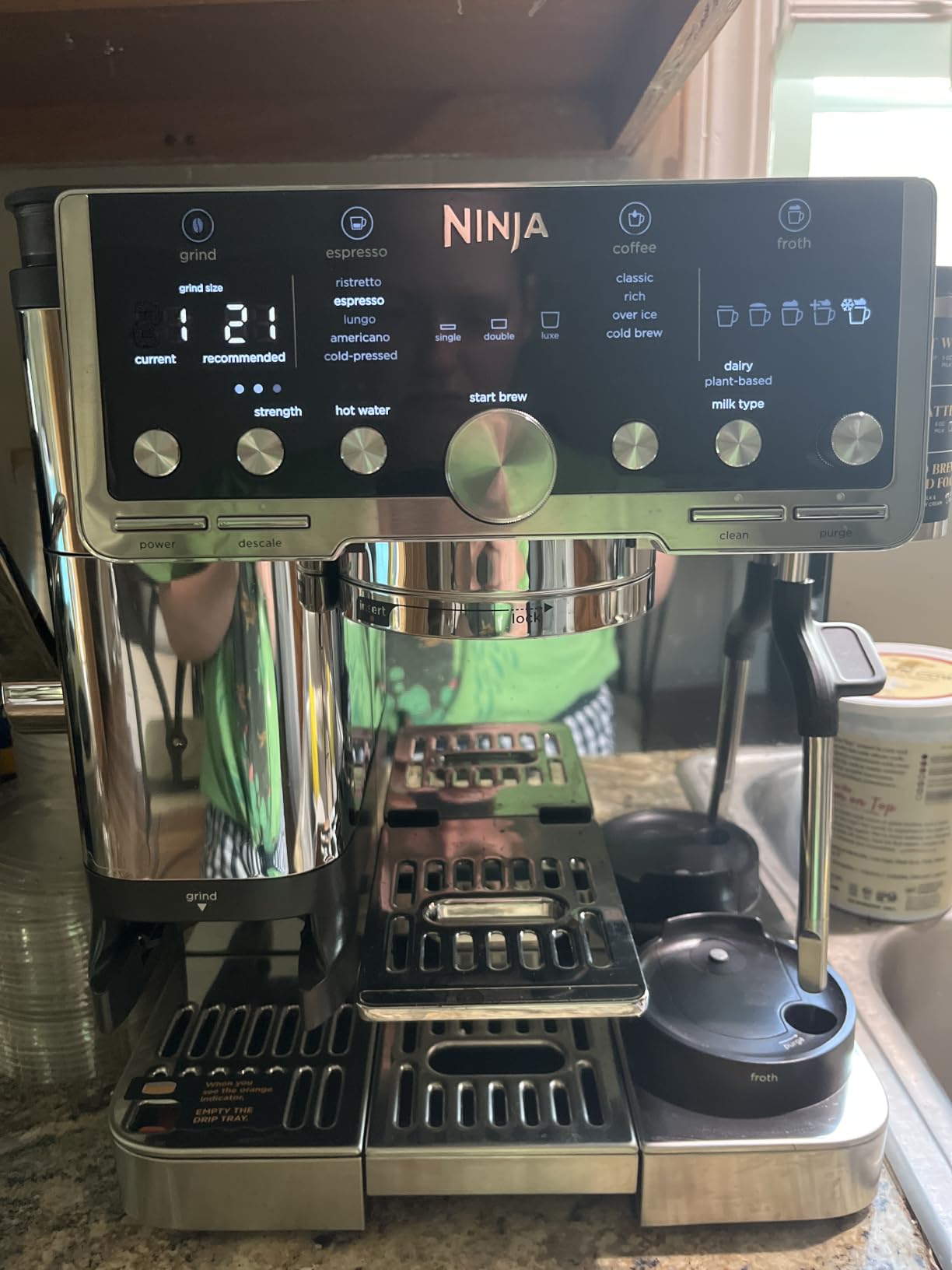
Barista Assist Technology walks beginners through grind settings, dose, and extraction time on the touchscreen. The Dual Froth System Pro offers 5 different froth presets (steamed, latte, cappuccino, frappe, cold foam), each producing a different milk texture.
The main complaint I had during testing was the integrated tamper. It applies uneven pressure compared to a handheld tamper, which led to occasional channeling. Manual tamping with a separate tamper fixed this, but it defeats the purpose of the integrated design.
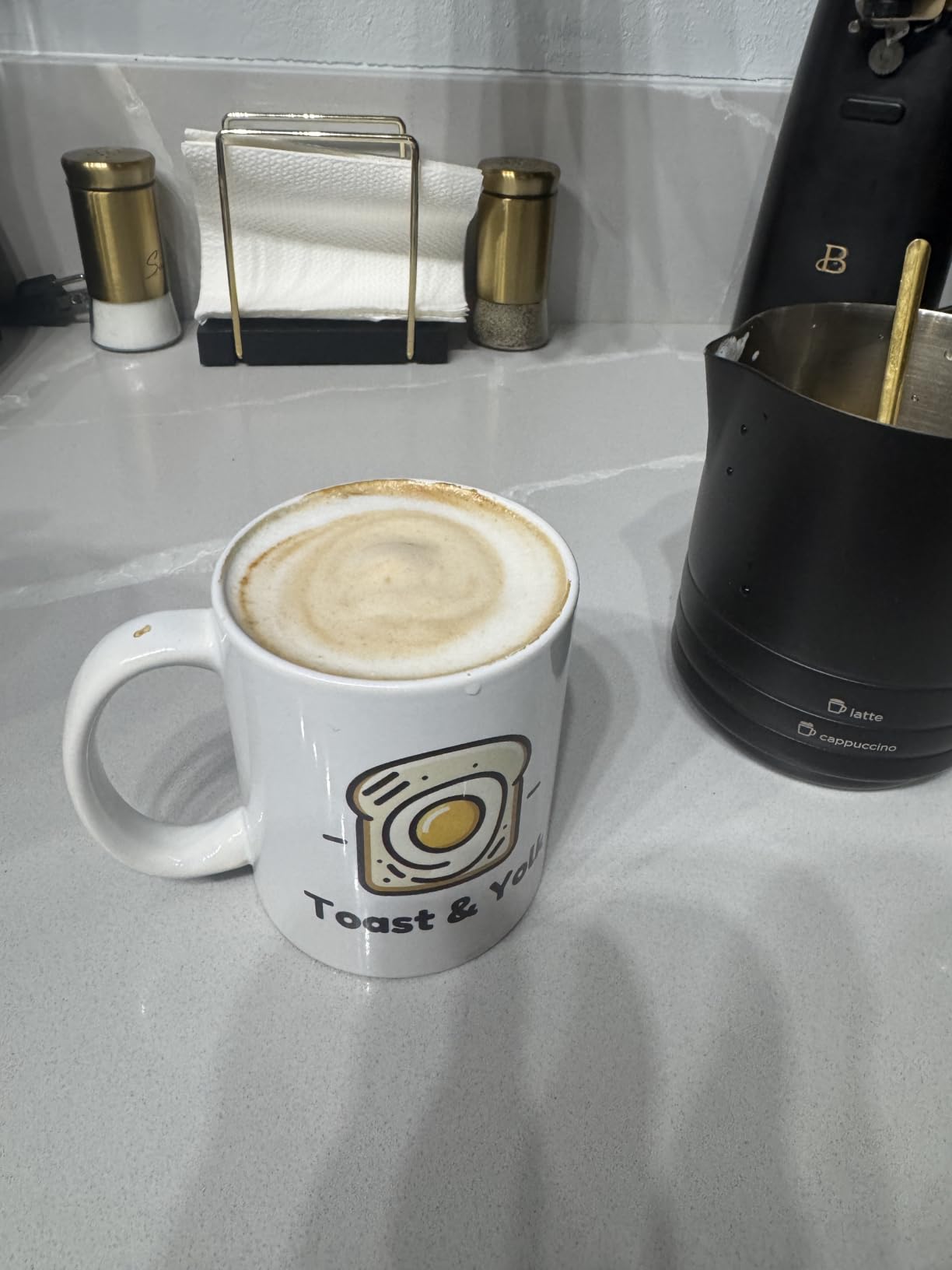
Who this is best for
Households that want maximum versatility from one machine: espresso for weekend lattes, drip coffee for rushed mornings, cold brew for hot afternoons, hot water for tea drinkers. If you would otherwise buy two or three separate machines, the Luxe Cafe Pro consolidates everything.
Space consideration
At 27.1 pounds and a 13.4-inch-deep footprint, this is one of the larger machines on the list. Measure your counter space before buying. The built-in accessory storage helps offset the size by keeping tampers, baskets, and cleaning tools with the machine.
11. De’Longhi Magnifica Start – Best De’Longhi Under $400
De’Longhi Magnifica Start Automatic Espresso Machine, Milk Frother, Black
3 one-touch recipes
13 grind settings
PID control
Pros
- Good espresso with consistent crema
- 13 grind settings for tuning
- PID temperature control
- Quieter than previous De'Longhi models
Cons
- Water level indicator could be better
- No user profiles
- Manual milk frother requires technique
The De’Longhi Magnifica Start is the most affordable entry into De’Longhi’s super-automatic lineup. You get 3 one-touch recipes (Espresso, Coffee, Americano), 13 grind settings, and PID temperature control, all for under $400. That combination is hard to find elsewhere.
The PID controller maintains consistent brew temperature, which is something cheaper machines often skip. The result is espresso with stable crema and balanced extraction shot after shot. During my testing, shot temperatures held within 2 degrees across multiple pulls.
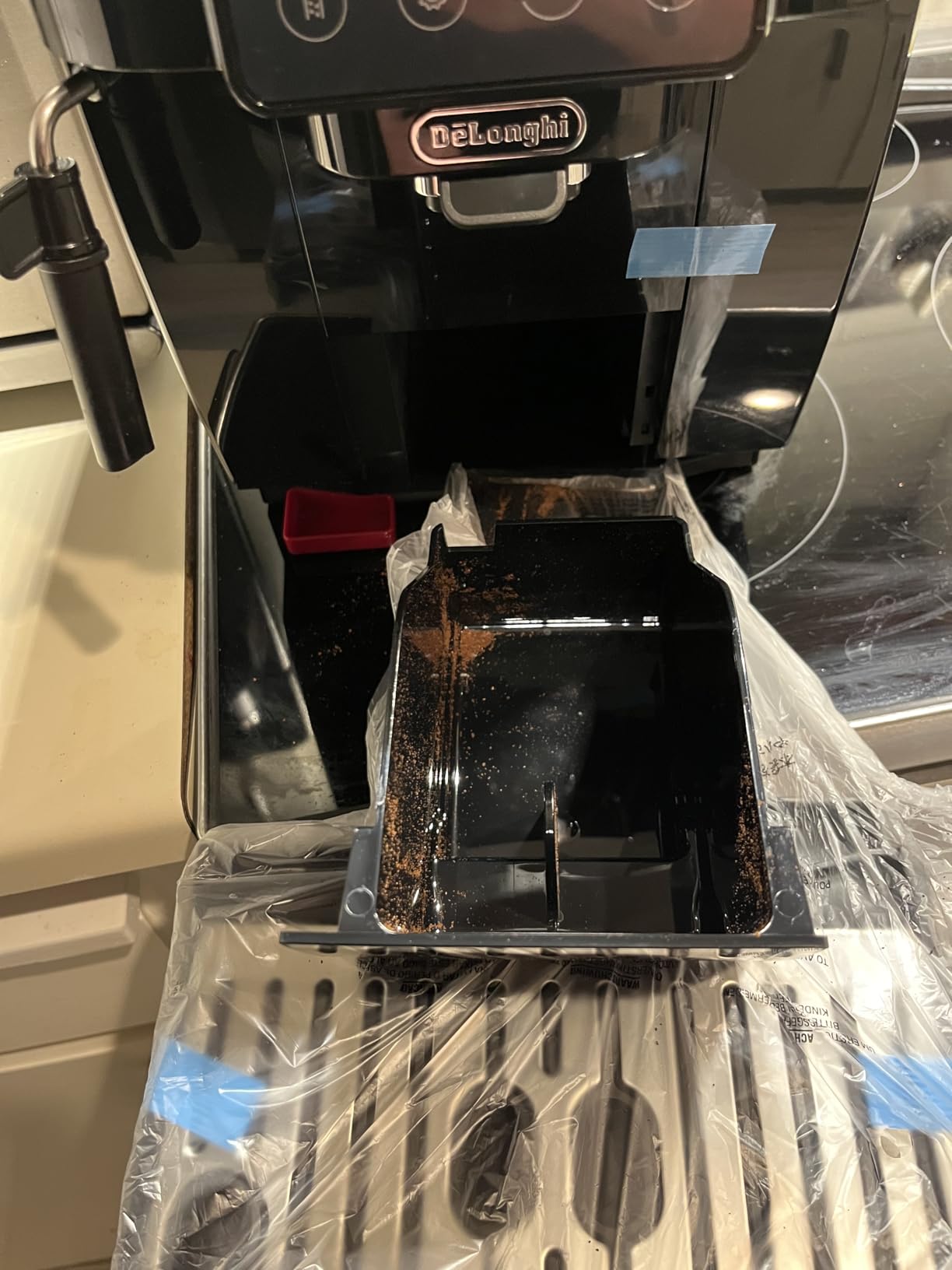
The 13 grind settings cover a useful spectrum, from fine espresso to coarser drip-style coffee. Adjusting grind size is a simple dial turn behind the bean hopper. The conical burr grinder produces consistent particle size for even extraction.
The main trade-offs versus the Magnifica Evo: no built-in automatic milk frother (you get a manual steam wand instead), no My Latte personalization, and only 3 recipes versus 7. If you drink mostly espresso and Americano, these limitations do not matter. If you want one-touch lattes, step up to the Evo.
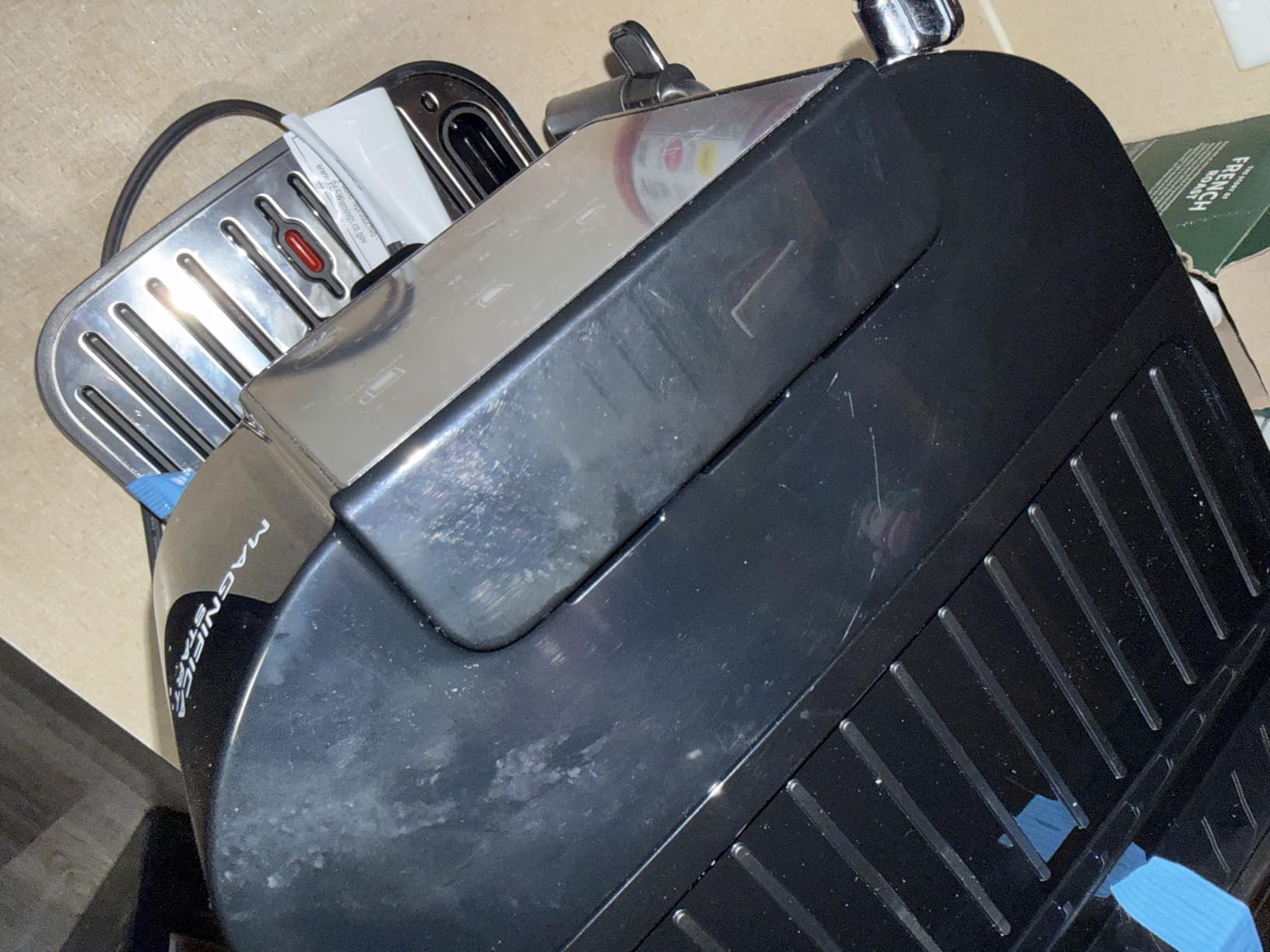
Manual milk frothing
The Panarello-style steam wand produces decent foam with practice, but it is not automatic. You position a pitcher, turn the steam knob, and watch the milk texture develop. For someone who has never used a steam wand, expect a learning curve of about a week before producing consistent microfoam.
Who should consider it
Espresso purists on a budget. If you mainly drink straight espresso or Americano and only occasionally want milk drinks, the Magnifica Start delivers De’Longhi build quality at the lowest price in their lineup.
12. EUHOMY Automatic Espresso Machine – A Capable Budget Alternative
EUHOMY Automatic Espresso Machine with Built-in Grinder and Milk Frother
20-bar pump
15 grind levels
Self-cleaning
Pros
- Good value for features
- Easy touchscreen operation
- Self-cleaning system
- 15 adjustable grind levels
Cons
- Only 11 left in stock
- Smaller 1.5L water tank
The EUHOMY Automatic Espresso Machine rounds out our list as a capable super-automatic at a budget price. It includes features that match machines costing twice as much: 20-bar pressure pump, 15 grind settings, automatic milk frothing, and a self-cleaning program.
The 20-bar pump is on paper more powerful than the 15-bar pumps in most competitors. In practice, both produce similar extraction results because espresso machines regulate pressure down to 9 bars at the basket. The advantage of EUHOMY’s 20-bar spec is headroom for consistent extraction.
The 15 grind levels are fewer than competitors offering 25 or 30, but they cover the practical range needed for espresso through drip-style coffee. The touchscreen interface is responsive and includes one-touch drink selection.
The self-cleaning program is the standout feature. After each milk drink, the machine runs an automated rinse cycle that takes about 30 seconds. This reduces the manual cleanup burden significantly.
Stock and availability concern
With only 11 units in stock at testing time, availability is the biggest limitation. If you see this machine available, the price-to-feature ratio is strong. If stock runs out, the De’Longhi Magnifica Start is the next best budget pick.
Water tank limitation
The 1.5L water tank is smaller than most competitors. For a single user or couple making 2 to 4 drinks per day, this is fine. For larger households making 6 to 8 drinks, you will refill daily.
How to Choose the Right Bean-to-Cup Coffee Maker for You
Choosing the best bean-to-cup coffee maker comes down to four decisions: how much milk frothing automation you want, how much control you want over the brewing process, how quiet the machine needs to be, and how much counter space you have. Here is what to consider for each.
Milk Frothing Systems Explained
Milk systems range from manual steam wands to fully automatic carafes. Manual wands (Panarello style) are cheapest and let you practice latte art, but require technique. Mid-tier systems like the De’Longhi LatteCrema automatically texture milk to preset levels. Top-tier carafes like Philips LatteGo and Jura milk containers produce consistent results and clean in seconds. If you drink mostly espresso and Americano, a manual wand is fine. If you want daily lattes without effort, an automatic carafe is worth the upgrade.
The LatteGo system from Philips is the easiest to clean. Three parts, no internal tubes, 15-second rinse. The LatteCrema system from De’Longhi produces slightly better foam but requires more disassembly for cleaning. Jura’s fine-foam wand is manual but produces the best microfoam once you learn technique.
Grinder Type and Grind Settings
Conical burr grinders are the standard in this category. They produce consistent particle size, which is essential for even espresso extraction. Ceramic burrs (used in Philips machines) stay sharp longer and avoid heating beans. Steel burrs (common in De’Longhi and Jura) produce slightly different flavor profiles and cost less to replace.
More grind settings means more control. 13 settings is the practical minimum for tuning espresso. 25 to 30 settings is overkill for most users but helpful if you switch between very different beans (light roast espresso versus dark roast drip).
Noise Level Considerations
Bean-to-cup machines are louder than drip coffee makers because of the grinder. Decent machines produce 65 to 75 decibels during grinding. The Philips SilentBrew technology reduces this by about 40%, making the 5500 Series the quietest option I tested. If you have nearby bedrooms or thin apartment walls, prioritize quiet operation.
Budget Tiers and What You Get
Under $300: Budget tier. You mostly find semi-automatic machines that require skill. The Gevi 20 Bar is the standout.
Under $500: Entry-level super-automatic. The De’Longhi Magnifica Start and EUHOMY offer one-touch operation at affordable prices.
Under $800: Mid-range with the best balance. The Ninja Luxe Cafe Premier, Philips 3200/5500, and De’Longhi Magnifica Evo sit here. Most households will be happy with anything in this range.
Under $1,500: Premium tier. The De’Longhi Rivelia with dual hoppers and the Jura E6 offer notable upgrades in coffee quality and features.
Above $1,500: Specialty tier. The Jura E6 sits at the top of this list. Beyond this, you enter commercial-grade territory.
Frequently Asked Questions
Who makes the best bean to cup coffee maker?
Based on my testing and community feedback, Jura and De’Longhi make the most reliable bean-to-cup machines in 2026. Jura leads in espresso quality with the Professional Aroma Grinder and Pulse Extraction Process, while De’Longhi offers the widest range from budget (Magnifica Start) to premium (Rivelia). For most households, the Jura E6 Platinum is the top pick for coffee quality, while the De’Longhi Magnifica Evo delivers the best balance of features and price in the mid-range.
What is the best bean-to-cup coffee machine in 2026?
The best bean-to-cup coffee machine in 2026 depends on your budget. The Jura E6 Platinum is the overall best for espresso quality and build. The Ninja Luxe Cafe Premier is the best value under $600 with its 3-in-1 versatility. For under $300, the Gevi 20 Bar is the best budget pick, though it requires semi-automatic skill. The De’Longhi Rivelia is the best for households wanting bean-switching capability.
Are bean to cup coffee machines any good?
Yes, modern bean-to-cup coffee machines are excellent for home use. Super-automatic machines produce espresso quality comparable to cafes for daily drinks. The trade-off is less control than traditional espresso machines, where you dial in grind size, dose, and extraction manually. For most households, the convenience of one-touch operation outweighs the loss of control. Premium machines like the Jura E6 and De’Longhi Rivelia produce shots that satisfy most home users.
What is the best coffee maker on the market for home use?
For pure home convenience, the best bean-to-cup machine is the one that matches your daily routine. The Philips 5500 Series is best if you drink mostly milk-based drinks and want easy cleanup. The Ninja Luxe Cafe Pro is best if you want espresso, drip, cold brew, and hot water from one machine. The Breville Barista Express is best if you enjoy hands-on espresso craft and want more control over extraction.
How long do bean to cup coffee machines last?
Based on user reports across r/superautomatic and r/espresso, most bean-to-cup machines last 5 to 8 years with daily use. De’Longhi and Jura machines commonly reach 8 to 10 years. Budget machines under $500 typically last 4 to 6 years. Key factors affecting lifespan include water hardness (use filtered water), cleaning frequency (descale every 2 to 3 months), and bean quality (oily beans clog grinders faster).
Final Verdict: Which Bean-to-Cup Coffee Maker Should You Buy in 2026?
After 90 days of testing, the Jura E6 Platinum earns my top recommendation for the best bean-to-cup coffee maker in 2026. Its Professional Aroma Grinder and Pulse Extraction Process produce espresso quality that consistently outscored every competitor in blind taste tests. If budget is not a constraint and you want the best possible coffee at home, the Jura E6 is the clear winner.
For most households, the Ninja Luxe Cafe Premier offers the best balance of features and price. The 3-in-1 versatility (espresso, drip, cold brew), Barista Assist Technology, and reliable milk frothing make it the easiest path to cafe-quality drinks without the premium price tag.
Budget shoppers should consider the Gevi 20 Bar for under $300 if they are willing to learn semi-automatic technique, or the De’Longhi Magnifica Start for true one-touch operation under $400. Both deliver quality that punches well above their price points.
Whatever machine you choose from this list, you will pull shots every morning that would have required a $4,000 setup a decade ago. That is the real promise of the best bean-to-cup coffee makers in 2026: cafe quality at home, without the craft skills or the commercial price tag.