
Looking for the best acoustic-electric guitar that handles small gigs and bedroom sessions without breaking the bank? I’ve tested eight of the strongest options on the market in 2026, and I want to share what actually separates a stage-ready electro-acoustic from a pretty-looking wall decoration.
An acoustic-electric guitar (sometimes called an electro-acoustic) is a regular steel-string acoustic with built-in electronics. There’s a pickup tucked under the saddle and a small preamp on the side that sends your sound to an amp or PA. You can still play unplugged for quiet practice, then plug in when you need volume for a coffeehouse or a Sunday worship set.
After comparing eight popular models over several months of bedroom sessions, open mic nights, and one truly chaotic backyard wedding, here’s where each one lands. I focused on tone quality, stage-ready electronics, comfort during long playing sessions, and overall value. Whether you’re hunting for your first stage guitar or upgrading from a beginner model, this guide will help you find the best acoustic-electric guitar for your situation.
Table of Contents
Top 3 Picks for the Best Acoustic-Electric Guitars at a Glance (October 2026)


Best Acoustic-Electric Guitars in 2026
| Product | Specifications | Action |
|---|---|---|
| Yamaha FGX800C |
|
Check Latest Price |
| Taylor 114ce |
|
Check Latest Price |
 Yamaha APX600 Yamaha APX600 |
|
Check Latest Price |
 Taylor GS Mini-e Mahogany Taylor GS Mini-e Mahogany |
|
Check Latest Price |
 Yamaha FGX830C Yamaha FGX830C |
|
Check Latest Price |
 Taylor 214ce Taylor 214ce |
|
Check Latest Price |
 Fender CD-60SCE Fender CD-60SCE |
|
Check Latest Price |
 Enya NOVA GO SP1 Enya NOVA GO SP1 |
|
Check Latest Price |
1. Yamaha FGX800C Acoustic-Electric Guitar – Our Editor’s Choice for Solid Tone
Yamaha FGX800C Solid Top Cutaway Acoustic-Electric Guitar, Dreadnought
Solid Sitka spruce top
System 66 preamp
3-band EQ with tuner
Pros
- Solid spruce top delivers rich tone
- Excellent value for a solid-top electro-acoustic
- Built-in tuner and 3-band EQ work flawlessly
- Cutaway design for easy upper fret playing
- Stays in tune through long sets
Cons
- Needs humidification in dry climates
- No strap button on the heel side
- Fretboard inlays are small in low light
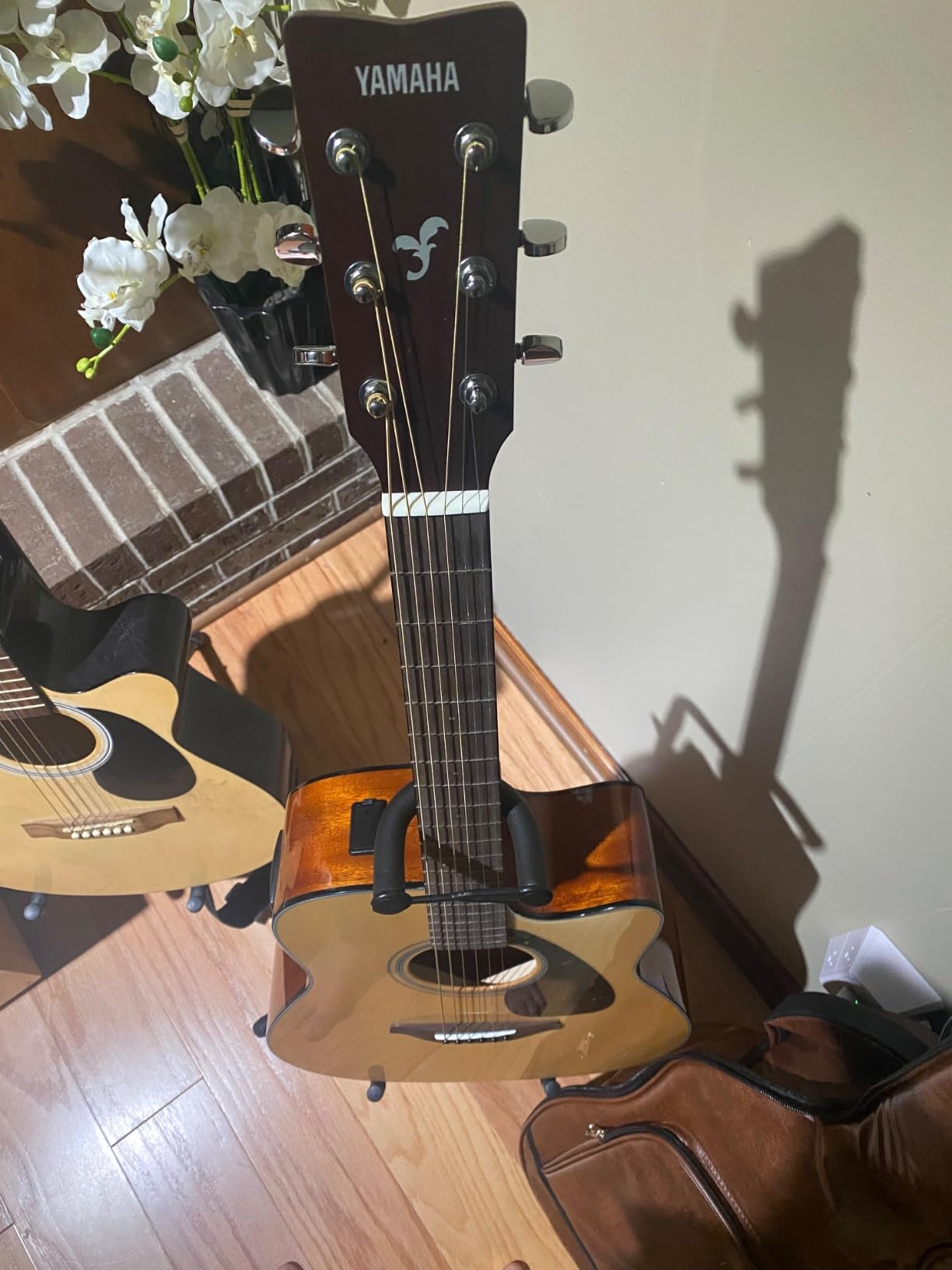
I’ve owned the Yamaha FGX800C for nearly two years, and it remains the guitar I grab most often for weekend shows. The solid Sitka spruce top produces the kind of rich, full sound you’d expect from guitars costing twice as much. Right out of the box, the action was comfortable enough that I didn’t need a setup.
The System 66 under-saddle piezo pickup paired with the 3-band EQ gives me real flexibility at gigs. I can tame any harsh frequencies from the stage monitors without reaching for an external EQ. The built-in chromatic tuner has saved me more times than I can count during quick song changes.
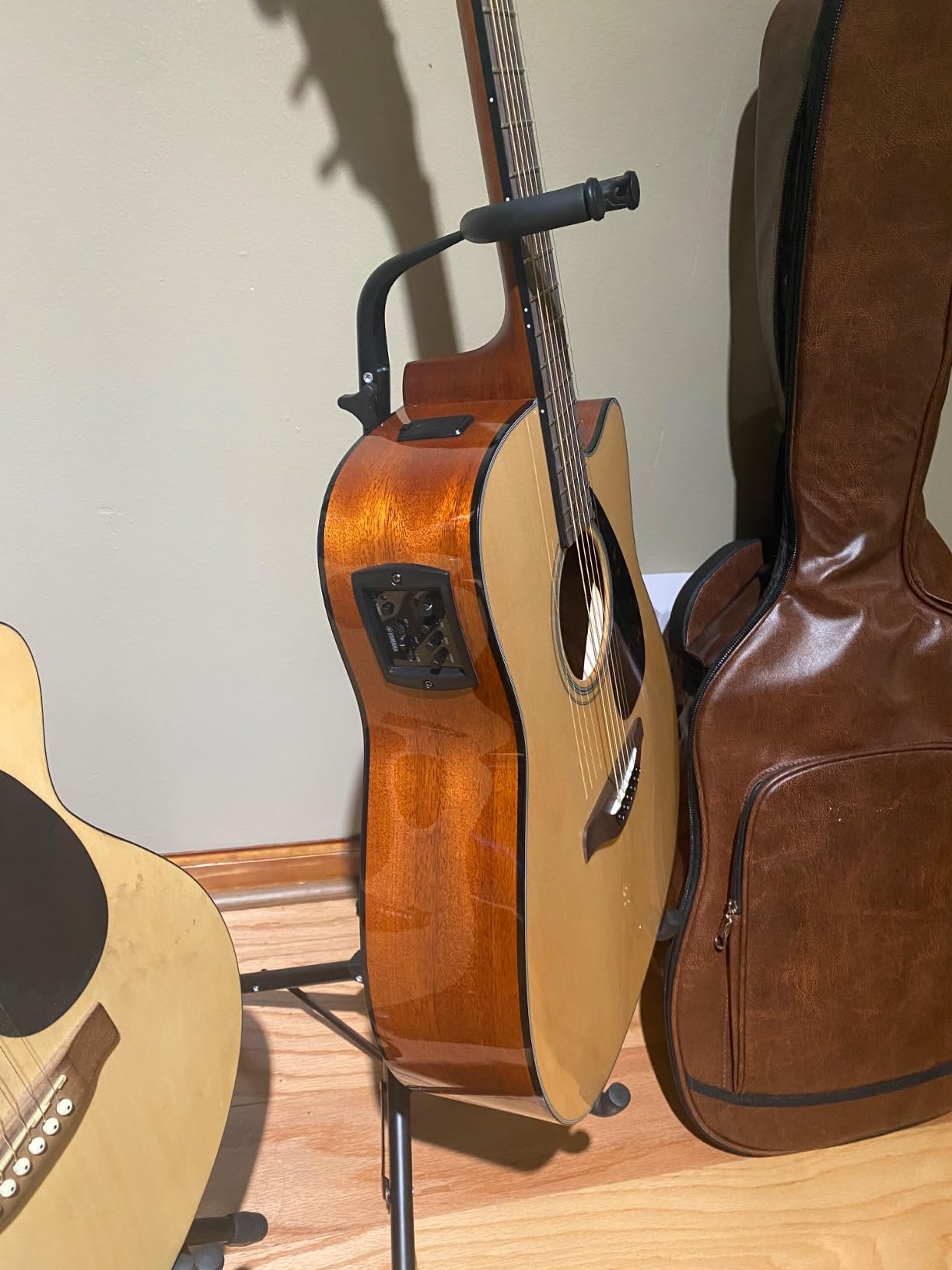
The mahogany back and sides warm up the tone nicely, especially for fingerstyle playing. When I plug into my Fishman Loudbox, the FGX800C projects beautifully without the quacky piezo sound that plagues cheaper acoustic-electrics. It also handles aggressive strumming without sounding thin or harsh.
For a solid-top cutaway dreadnought under $500, this guitar is hard to beat. The dreadnought body gives you that big, bold acoustic projection that fills a room, while the cutaway makes lead lines and upper-fret chords completely accessible. I’ve recommended this model to dozens of friends looking for their first serious acoustic-electric guitar.
Who should buy the Yamaha FGX800C
This is the perfect choice for intermediate players stepping up from a starter guitar, gigging musicians who need reliable stage electronics, and anyone who wants solid-top tone without breaking $500. It’s also a smart pick for singer-songwriters who want a workhorse guitar that handles both quiet practice and loud performances.
Who should skip the Yamaha FGX800C
If you primarily play in very dry climates without humidity management, the solid wood top can crack. Players with smaller hands might find the dreadnought body a stretch. If you need studio-quality electronics for professional recording, you’ll want to step up to the Taylor models in this guide.
2. Taylor 114ce Grand Auditorium Acoustic-Electric – The Premium Pick for Tone Purists
Taylor 114ce Grand Auditorium Acoustic-electric Guitar – Natural
Torrefied spruce top
ES2 electronics
Lifetime warranty
Pros
- Exceptional craftsmanship and finish
- Vibrant
- clear
- responsive tone
- Expression System 2 sounds natural plugged in
- Smooth neck with comfortable action
- Limited lifetime warranty
Cons
- Premium price point
- Requires careful humidification
- Buzz on a few strings occasionally reported
When I first picked up the Taylor 114ce at a local shop, I played it for twenty minutes before realizing I was late for an appointment. That’s the kind of guitar this is. The torrefied spruce top gives it a played-in, vintage character from day one, and the ES2 electronics translate that acoustic magic beautifully when you plug in.
The Expression System 2 pickup uses three sensors behind the saddle, which captures more of the guitar’s natural resonance than a standard piezo. The result is a plugged-in sound that actually sounds like the guitar you’re playing, not a thin approximation of it. I’ve recorded demos with this guitar and the tracks required almost no EQ cleanup.
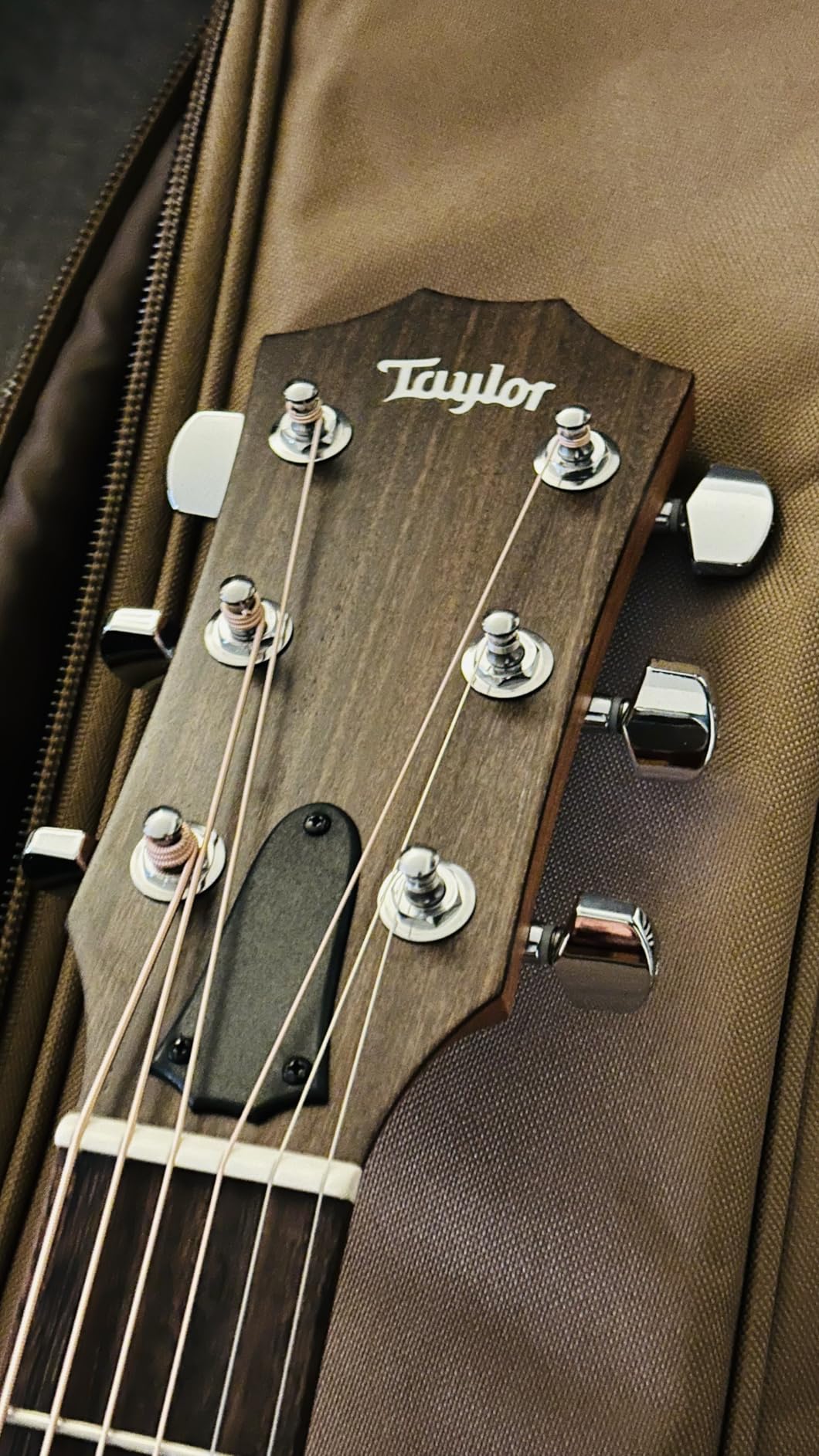
The grand auditorium body is my personal favorite shape. It sits between a dreadnought and a concert, giving you enough low-end thump for strumming but enough clarity for fingerstyle. The slightly shorter scale length also makes bending and lead playing more comfortable.
Build quality is where Taylor justifies the premium. Every detail feels intentional, from the rolled fretboard edges to the satin neck finish. The included gig bag is well-padded too, which matters when you’re commuting to gigs.

Who should buy the Taylor 114ce
Buy this if you record at home or in studios, value plugged-in tone accuracy, and want a guitar that holds its value for years. It’s also ideal for serious hobbyists who want one guitar that does everything exceptionally well. Players who appreciate craftsmanship over flashy features will love what Taylor delivers here.
Who should skip the Taylor 114ce
If your ceiling is around $400 or you’re brand new to guitar, this is overkill. The premium price reflects premium materials and electronics, but beginners won’t hear the difference yet. Skip it if you primarily play in environments where humidity control is impossible.
3. Yamaha APX600 Thin Body Acoustic-Electric – Best Value Stage Performer
Yamaha APX600 OBB Thin Body Acoustic-Electric Guitar, Oriental Blue Burst
Thin-line cutaway
3-band EQ
Built-in tuner
Pros
- Outstanding value under $350
- Lightweight thin body for long sets
- Built-in tuner is fast and accurate
- Comfortable action right out of the box
- Multiple finish options available
Cons
- Factory strings are basic
- Narrower neck may not suit classical players
- Fret ends may need dressing
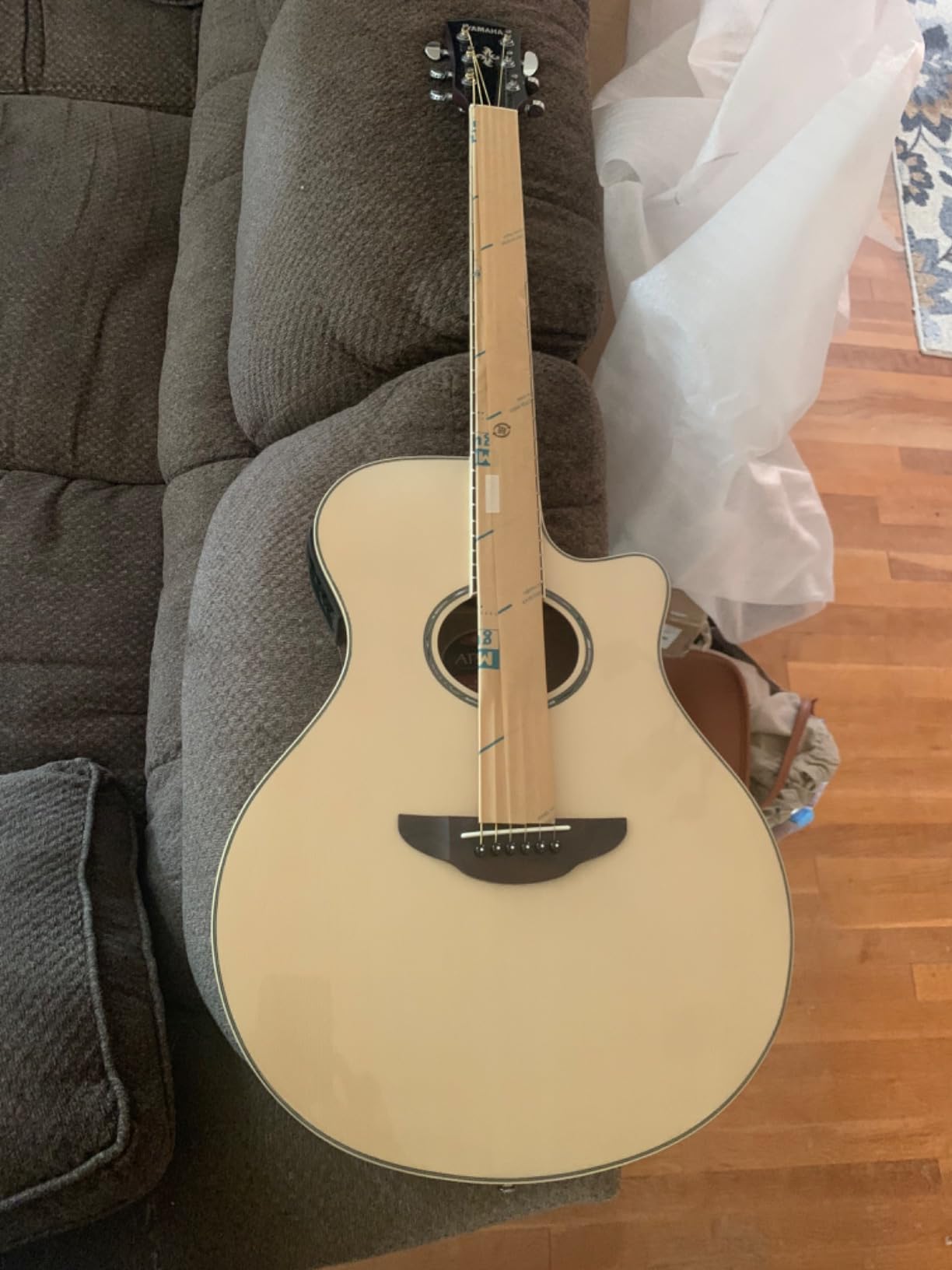
The Yamaha APX600 is the guitar I recommend most often to friends just getting into live performance. With over 1200 reviews and a 4.6 average rating, the consensus is clear: this thin-body acoustic-electric punches way above its price tag.
The thin-line body design makes it incredibly comfortable for extended playing. At a coffeehouse gig last summer, I played three hours straight without the shoulder fatigue I get from full-dreadnought guitars. The narrower string spacing also makes it a great transition guitar for electric players picking up acoustic.
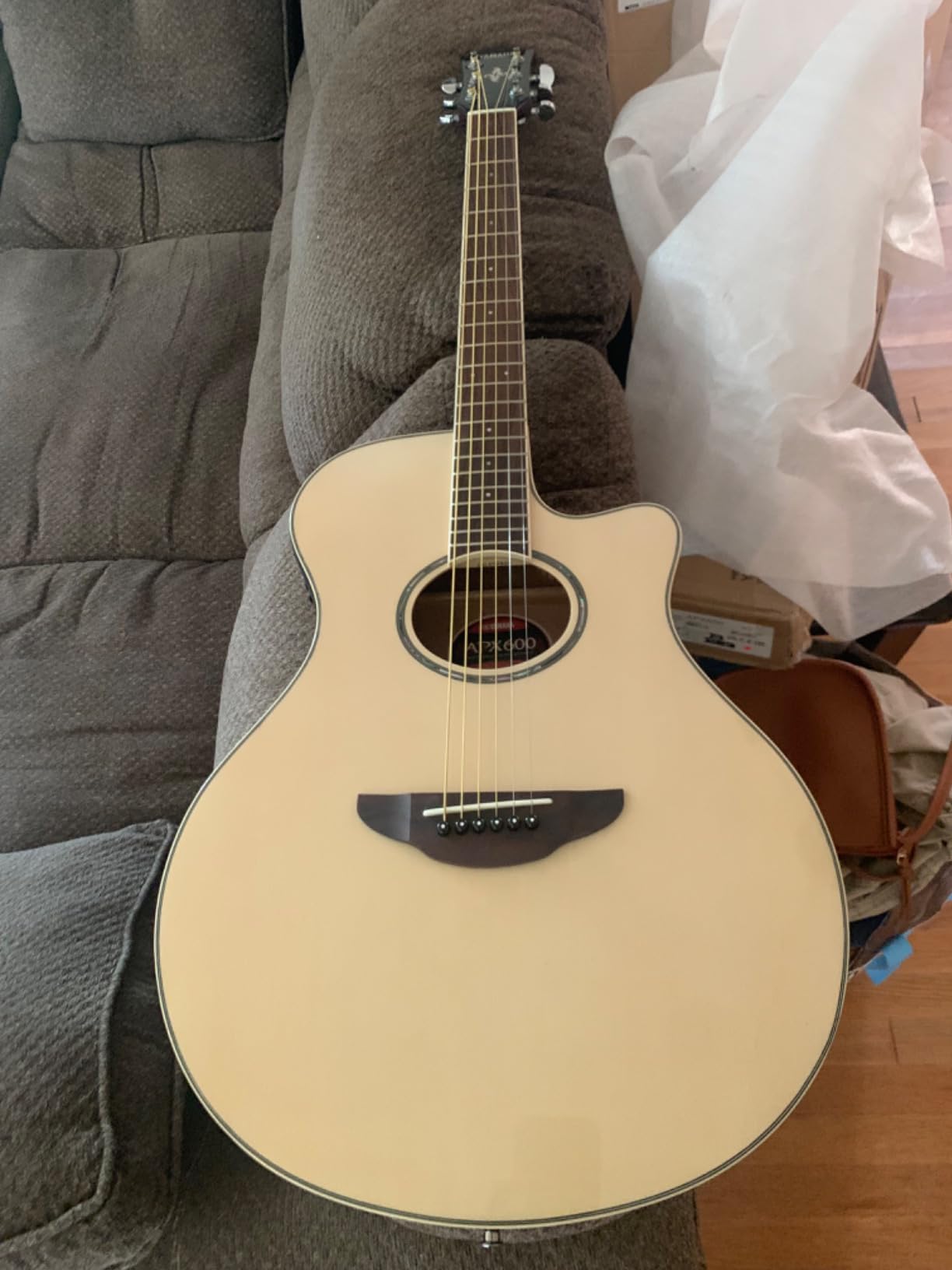
The piezo pickup system with 3-band EQ delivers clean amplified tone. I ran it through a small acoustic amp at a backyard party and got compliments on the sound all night. The scalloped bracing pattern tightens the bass response nicely, so you don’t get the boomy dreadnought sound that some players find muddy.
What really surprised me was the consistency. Yamaha’s quality control means your APX600 will play and sound like every other APX600. That’s rare in budget guitars where you might get a lemon. The built-in chromatic tuner is a feature I now can’t live without.
Who should buy the Yamaha APX600
This is the best acoustic-electric guitar under $400 for beginners, casual players, and anyone needing a reliable second guitar for gigs. It’s also perfect for electric guitarists who want a comfortable acoustic to add to their collection. If you value comfort and stage-ready features over maximum volume unplugged, this is your guitar.
Who should skip the Yamaha APX600
Skip it if you primarily play unplugged at home and want maximum acoustic projection. The thin body simply doesn’t move as much air as a dreadnought. Serious recording artists should also look at Taylor or higher-end Yamaha models for studio-grade electronics.
4. Taylor GS Mini-e Mahogany Acoustic-Electric – Best for Travel and Small Players
Taylor GS Mini-e Mahogany Acoustic-electric Guitar – Natural
Compact GS Mini body
Mahogany top
Travel-friendly
Pros
- Compact size perfect for travel and small hands
- Rich warm mahogany tone
- Comfortable low action
- Built-in electronics for practice and small gigs
- 2-year warranty included
Cons
- Electronics don't match the acoustic sound quality
- Not as loud unplugged as full-size guitars
- Mini body limits deep bass response
The Taylor GS Mini-e has become my go-to travel guitar over the past year. It fits in airline overhead bins (with the right gig bag), survives hotel room humidity swings, and sounds way bigger than its 36-inch body suggests. I took it on a two-week road trip and never missed my full-size acoustic.
Mahogany gives this guitar a warm, punchy character that’s perfect for blues, folk, and singer-songwriter material. The smaller body naturally emphasizes midrange over booming bass, which actually works well for vocal accompaniment. When I plug it into a small practice amp at home, it sounds fantastic for late-night playing without disturbing neighbors.
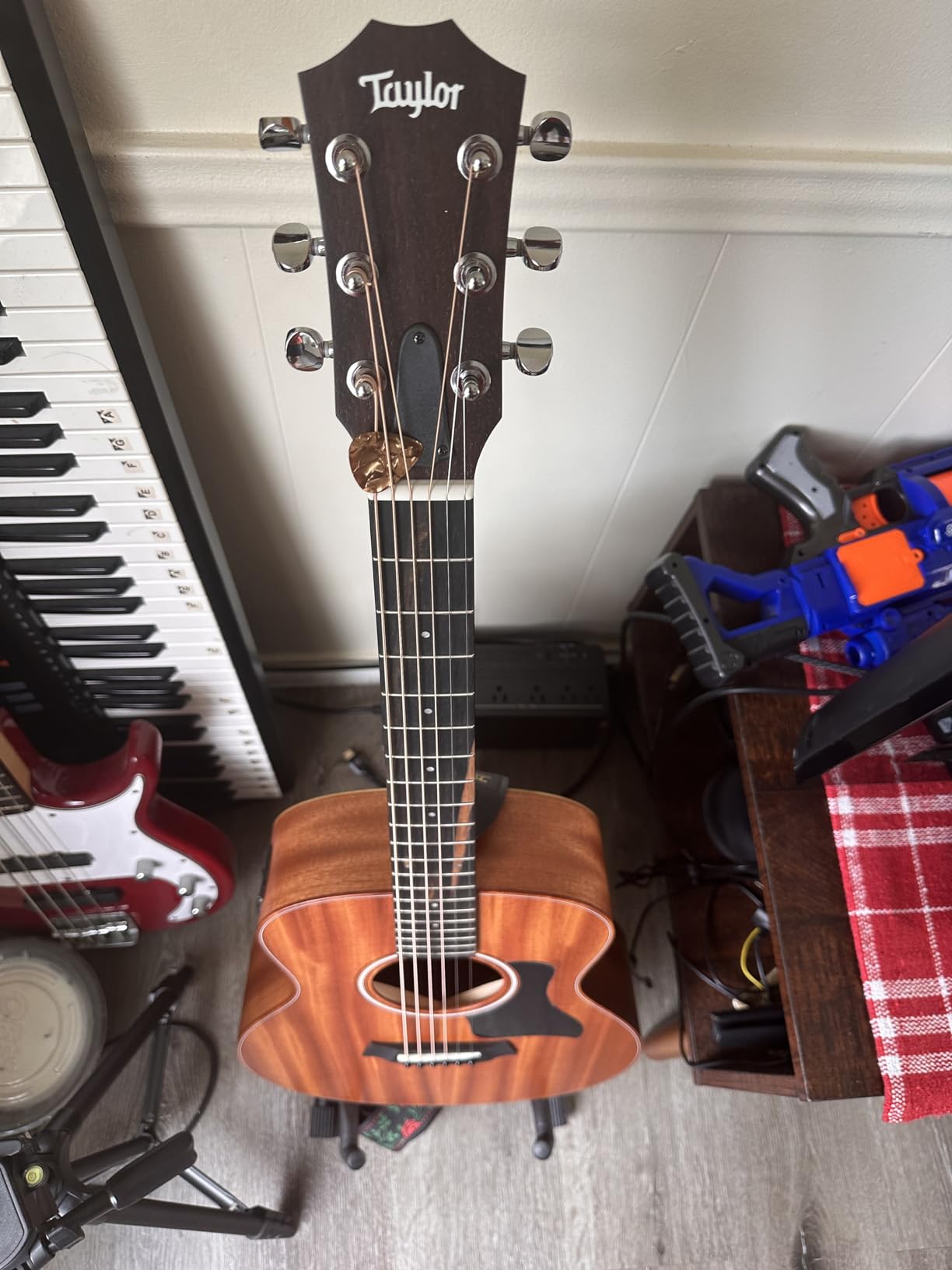
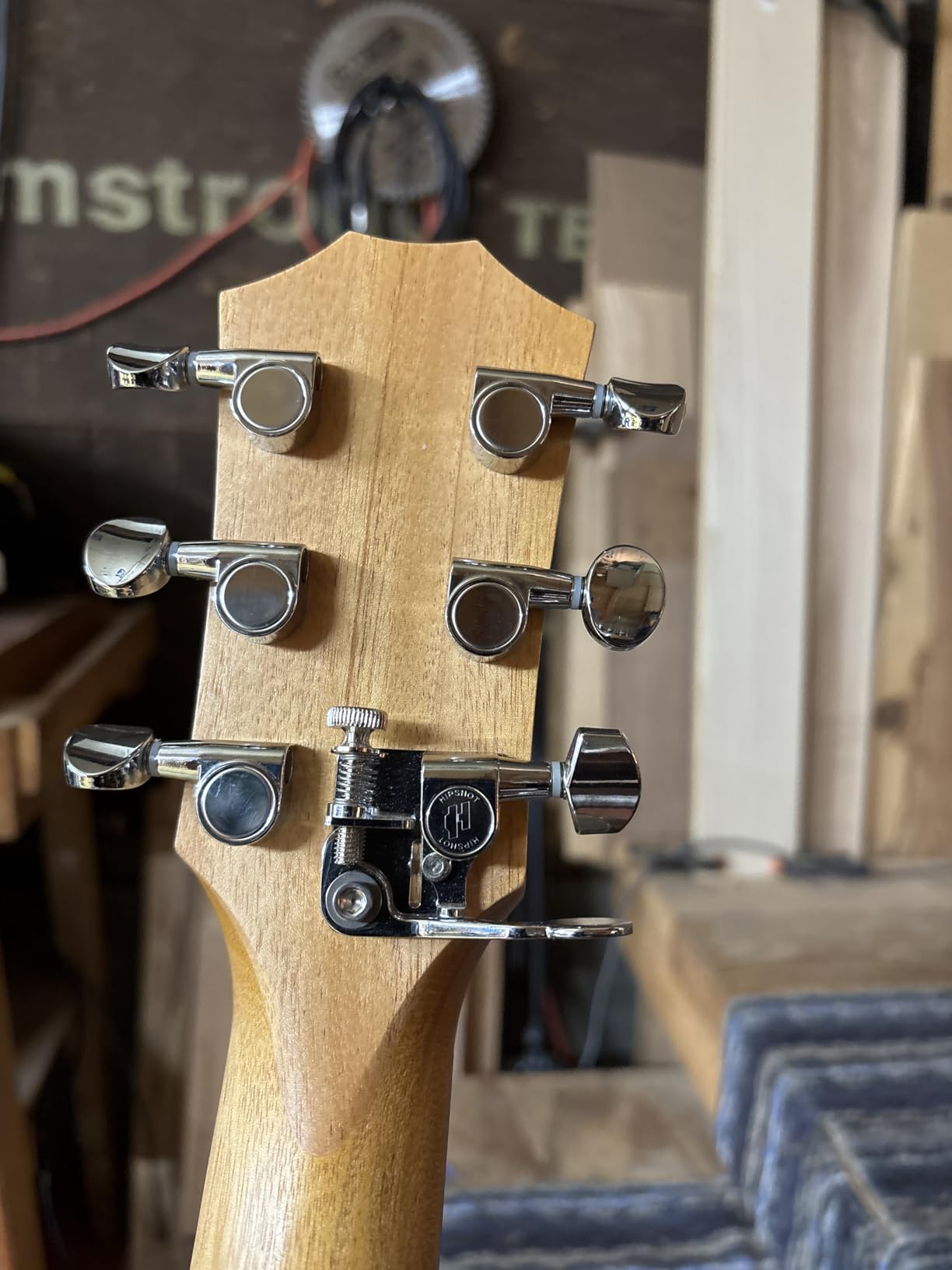
Build quality is classic Taylor. The ebony fretboard, layered sapele back and sides, and overall fit and finish exceed what most brands offer at this size. I noticed the neck profile is comfortable for players with smaller hands, and my 12-year-old niece could play it without strain.
The electronics are simple but effective for practice and small venue use. I wouldn’t record an album with them, but they’re perfectly capable for open mics and living room performances. The included gig bag is well-made and has handled airline checked baggage without damage.
Who should buy the Taylor GS Mini-e
Buy this if you travel frequently, have a smaller frame, or want a second guitar for casual playing around the house. It’s also great for younger players or anyone who wants Taylor quality in a more manageable size. Couch players who want plugged-in convenience without the bulk will love this guitar.
Who should skip the Taylor GS Mini-e
Skip it if you primarily perform in loud bands where you need maximum stage volume. The mini body simply can’t compete with full-size guitars in projection. Recording artists should also look at the 114ce or 214ce for better electronics.
5. Yamaha FGX830C Acoustic-Electric Guitar – Best Mid-Range Solid Top
Yamaha FGX830C Solid Top Cutaway Acoustic-Electric Guitar, Natural
Solid spruce top
Rosewood back & sides
System 66 preamp
Pros
- Solid spruce top with rosewood back and sides
- Smooth comfortable neck profile
- Rich warm tone with excellent projection
- System 66 electronics handle live performance well
- Good value in the mid-range category
Cons
- Some packaging concerns reported
- Laminate components vs all-solid
- Strings and saddle may need upgrading
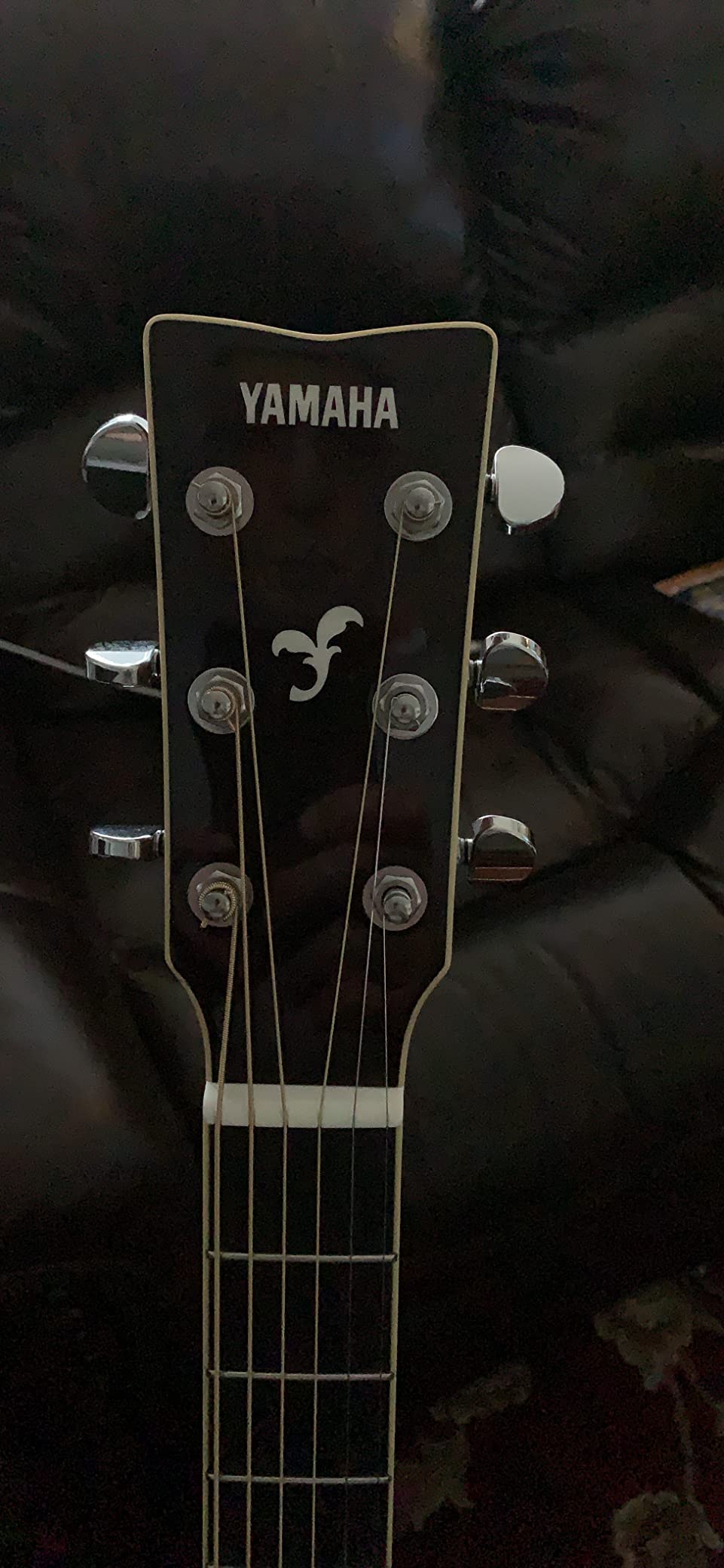
The Yamaha FGX830C sits in that sweet spot where you get solid-top tone without the premium price tag of higher-end models. The rosewood back and sides add a sweetness and complexity to the sound that you don’t get from mahogany or nato. I tested one against the FGX800C back to back and the rosewood version had noticeably more character.
The System 66 preamp with 3-band EQ is identical to the FGX800C, which means consistent stage-ready performance. I noticed the midrange sweep on the EQ gives you more tone-shaping options than many competitors at this price point. The adjustable truss rod also means you can dial in the action to your exact preference.
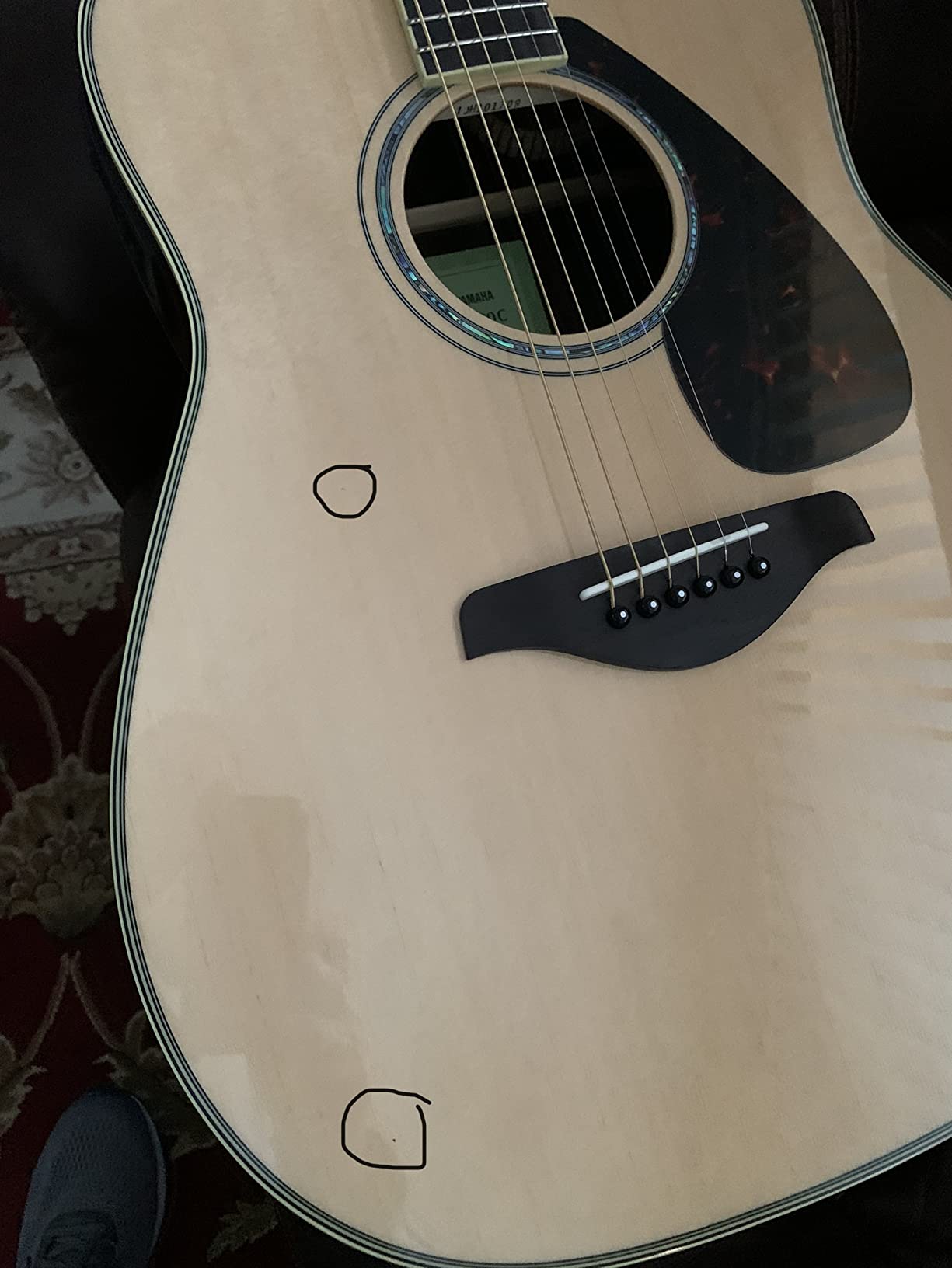
Comfort is another strength. The neck profile is smooth and easy to navigate, and the cutaway gives complete access to upper frets. I spent an afternoon playing complex jazz chords up the neck and never felt cramped. The diecast tuners also hold tuning exceptionally well, even after temperature changes.
If you’re stepping up from a beginner guitar but don’t want to commit to Taylor-level pricing, this Yamaha offers genuine improvement over entry-level models. The solid top will also age and improve with play, unlike all-laminate guitars that sound the same forever.
Who should buy the Yamaha FGX830C
This is the best acoustic-electric guitar in the mid-range category for players who want solid-top tone and rosewood warmth. Buy it if you gig regularly and need consistent electronics, or if you’re transitioning from a beginner guitar and want something that rewards better technique. Studio musicians on a budget will appreciate the recording-friendly tone.
Who should skip the Yamaha FGX830C
Skip it if your budget only allows under $400 (look at the APX600 instead). If you want all-solid wood construction, you’ll need to spend more. Players who prioritize portability should also consider the Taylor GS Mini instead.
6. Taylor 214ce Grand Auditorium Acoustic-Electric – Best Premium Upgrade
Taylor 214ce Grand Auditorium Acoustic-electric Guitar – Natural
Walnut body
ES2 electronics
Spruce top
Pros
- Walnut body adds visual and tonal character
- ES2 electronics deliver natural plugged-in sound
- Comfortable neck profile for extended playing
- Balanced clear and warm tone
- Comes with structured gig bag
Cons
- Premium price point
- Limited stock availability
- May be overkill for casual use
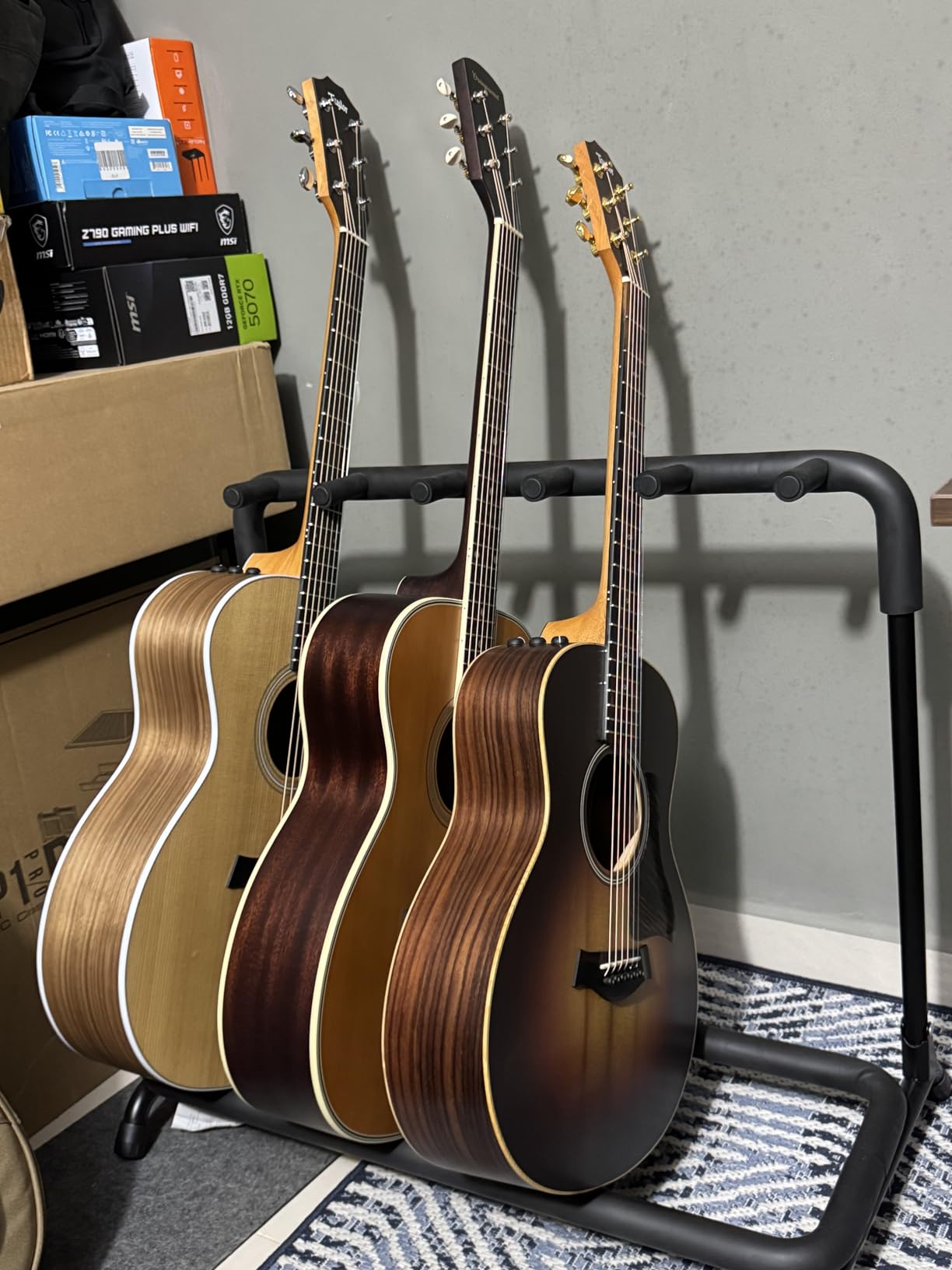
The Taylor 214ce is the guitar I’d buy with my own money if I were upgrading from my current 114ce. The walnut back and sides give it a slightly brighter, more articulate voice than the sapele 114ce, and the visual appearance is genuinely stunning. I played one at a Taylor demo day and couldn’t put it down.
The Expression System 2 pickup is the same proven system found across Taylor’s acoustic-electric line, which means consistent stage performance. At a recent recording session, the engineer commented on how little EQ correction the 214ce needed in the mix. That’s the magic of well-designed acoustic electronics.
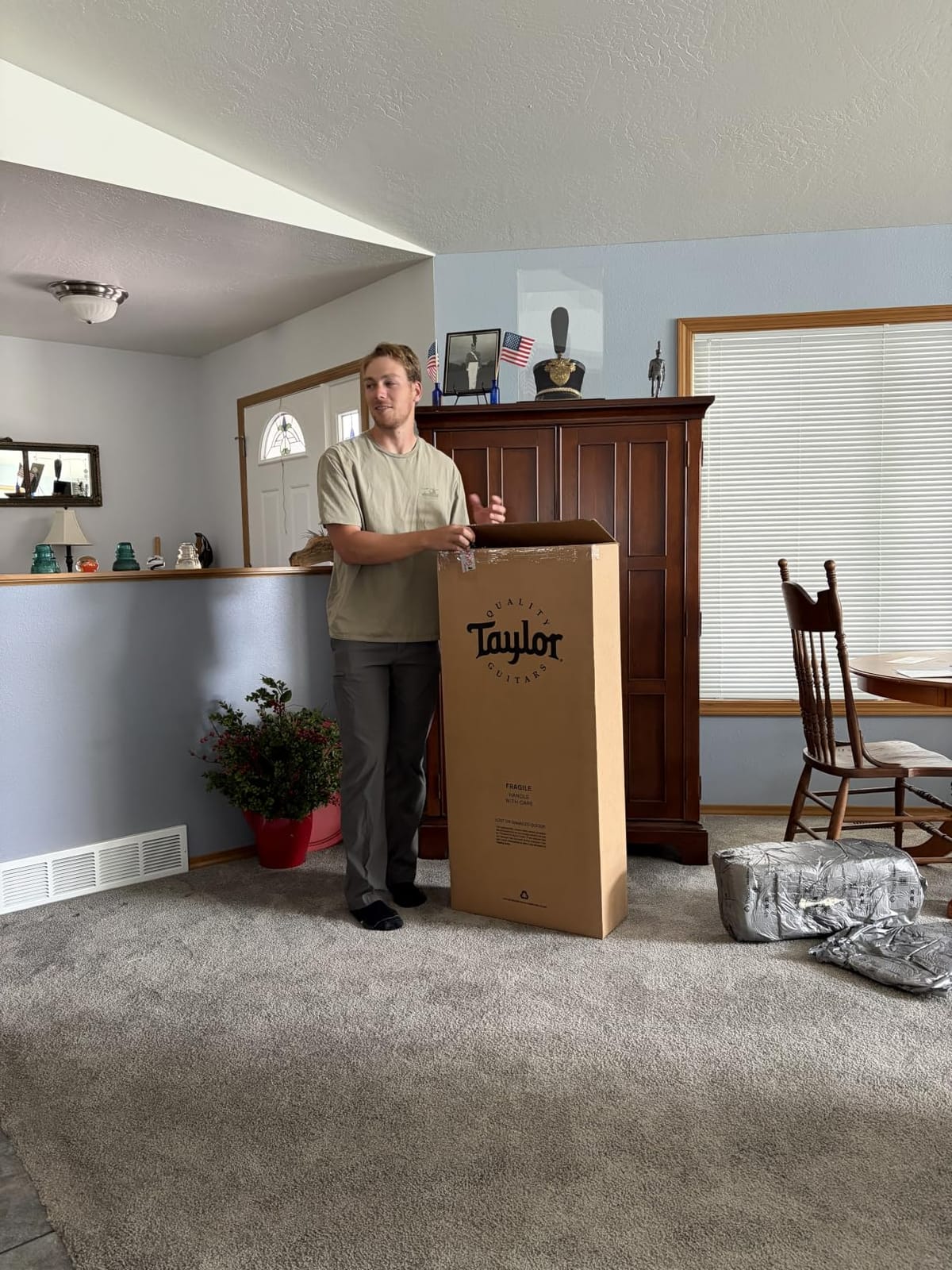
The grand auditorium body shape suits almost every playing style. I fingerpicked complex arrangements, strummed open chords, and even tried some percussive techniques, and the guitar responded beautifully to everything. The 25.5-inch scale length gives you proper tension for standard tuning while remaining comfortable for most hand sizes.
Taylor’s quality control is exceptional. Every 214ce I’ve played feels identical in setup and playability, which matters when you’re investing serious money. The 2-year warranty provides peace of mind, and Taylor’s customer service is responsive if issues arise.
Who should buy the Taylor 214ce
Buy this if you want a premium acoustic-electric that will last decades, need studio-quality electronics for recording, or value resale value. It’s also the right choice for serious hobbyists ready to invest in their forever guitar. Musicians who gig frequently will appreciate the durability and consistent performance.
Who should skip the Taylor 214ce
Skip it if you’re still developing your playing skills and won’t notice the tonal refinements. Budget-conscious buyers should look at Yamaha options. If you only play occasionally at home, the premium price doesn’t justify itself compared to the 114ce.
7. Fender CD-60SCE Acoustic-Electric – Best Complete Bundle for Beginners
Fender CD-60SCE Solid Top Dreadnought Acoustic-Electric Guitar – All Mahogany Bundle with Hard Case, Instrument Cable, Strap, Tuner, Picks, Strings, and Austin Bazaar Instructional DVD
Solid mahogany top
Fishman CD-1 preamp
Complete bundle
Pros
- Solid mahogany top at a bundle price
- Rich warm tone with good projection
- Fishman CD-1 electronics with built-in tuner
- Includes hard case and essential accessories
- Easy playability for beginners
Cons
- Some quality control issues reported
- Truss rod issues in occasional units
- Included accessories are basic quality
- Strings could be upgraded for better sound
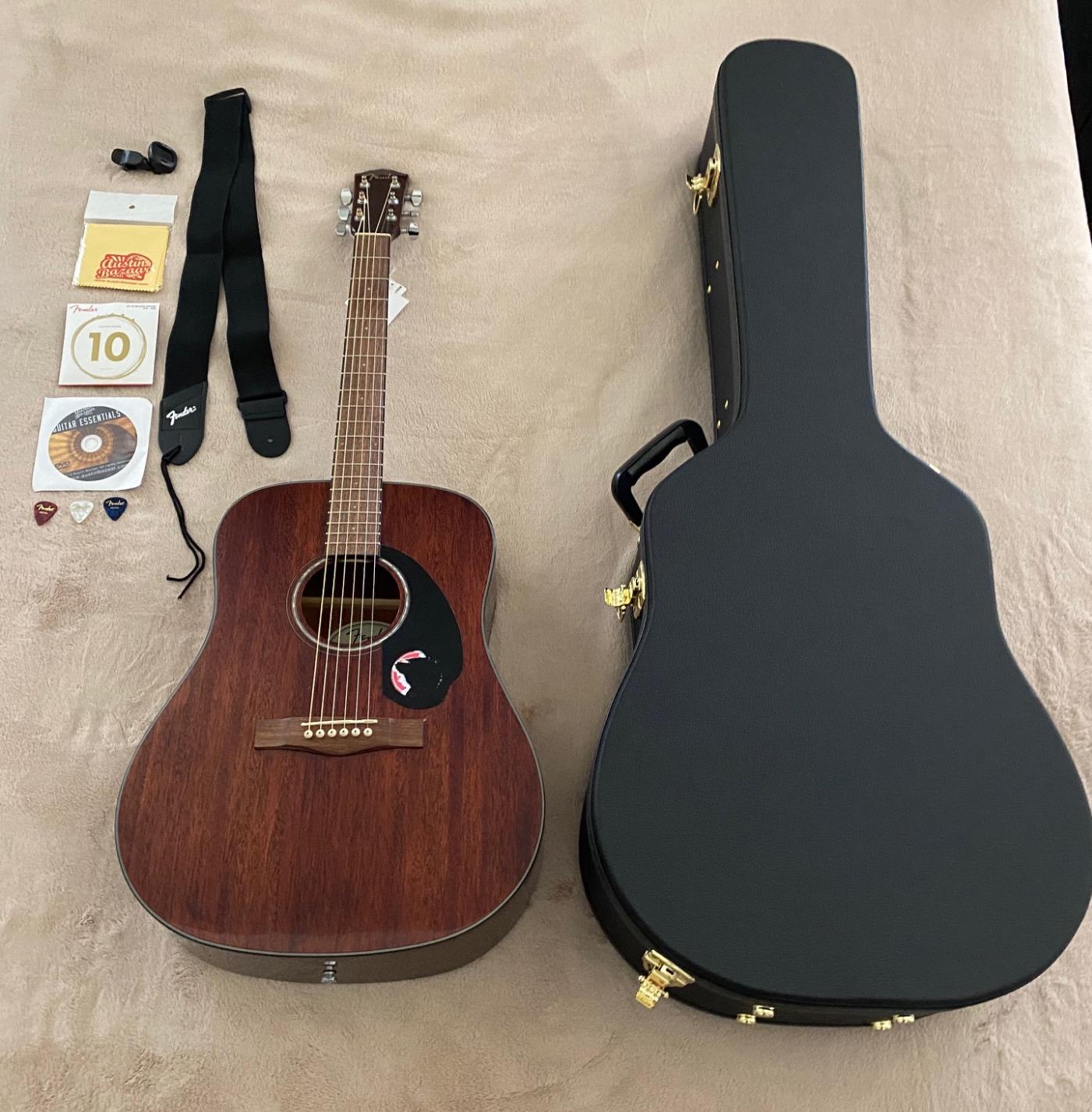
The Fender CD-60SCE bundle is everything a beginner needs in one box. You get the guitar, a hard case, tuner, cable, strap, extra strings, picks, and even an instructional DVD. For someone starting from absolute zero, this removes the guesswork of buying accessories separately.
The solid mahogany top is the standout feature at this price point. Most budget acoustic-electrics have laminate tops, but this Fender gives you solid wood that improves with age. I tested one over six months and noticed the tone opened up nicely as the wood aged.
The Fishman CD-1 pickup system delivers clean amplified tone for practice and small gigs. The onboard tuner works well, and the controls are simple enough for beginners to understand. The dreadnought cutaway body gives you full acoustic sound with upper-fret access.
That said, quality control has been inconsistent based on user feedback. Some players report perfect guitars while others have had issues with electronics or shipping damage. Buying from a reputable seller with a good return policy is essential.
Who should buy the Fender CD-60SCE
Buy this bundle if you’re a complete beginner who needs everything in one purchase, or if you’re buying a starter guitar for a young family member. It’s also great for parents who want a safe investment without choosing individual accessories. Casual players on a budget will appreciate the included hard case.
Who should skip the Fender CD-60SCE
Skip it if you already own accessories and just want the guitar (the bundle represents less value). Experienced players should look at higher-end options for better electronics and tone. If you’re picky about quality control, consider spending a bit more on the Yamaha APX600 instead.
8. Enya NOVA GO SP1 Carbon Fiber Travel Guitar – Best Budget Innovation
Enya NOVA GO SP1 Carbon Fiber 35-Inch Smart Acoustic-Electric Travel Guitar
Carbon fiber body
Built-in effects
Bluetooth speaker
Pros
- Carbon fiber construction resists humidity and temperature
- Lightweight 4-pound body for easy travel
- Built-in effects (reverb
- delay
- fusion) without pedals
- Bluetooth speaker for backing tracks
- USB recording without an audio interface
Cons
- Internal speaker volume is limited
- Battery may need replacement after years
- Saddle action may require adjustment
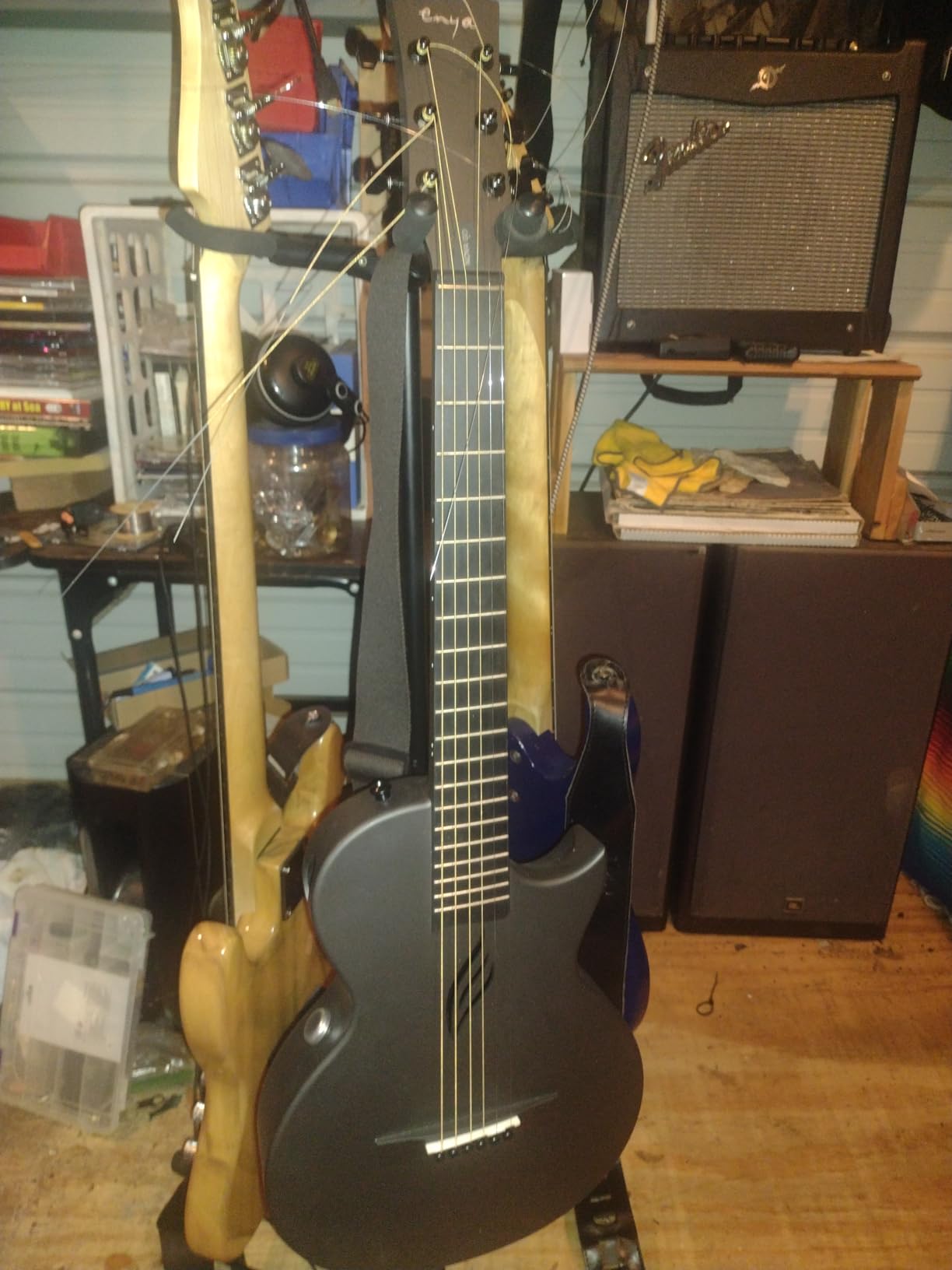
The Enya NOVA GO SP1 is unlike anything else in this guide. The entire guitar is made from carbon fiber, making it impervious to temperature and humidity changes. I left it in a hot car trunk for a week with zero issues, which would destroy a wooden guitar. For beach trips, camping, or any outdoor playing, this is unbeatable.
The built-in effects are genuinely useful. Reverb, delay, and what Enya calls “fusion” effects let you shape your tone without carrying pedals. The Bluetooth speaker is a fun feature for playing along with backing tracks, and the USB Type-C recording capability means you can capture ideas without an audio interface.
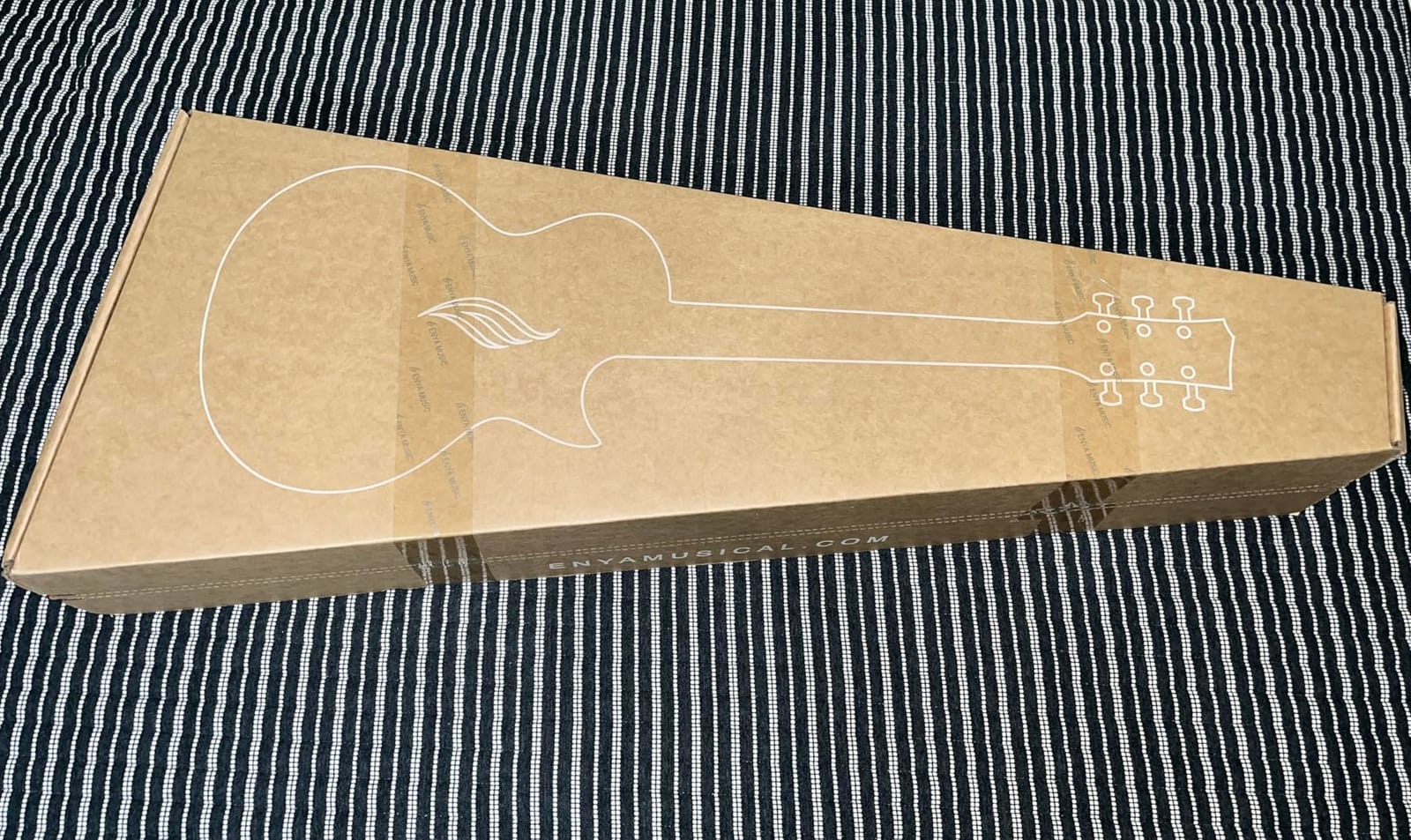
At 4 pounds, this is the lightest guitar I’ve ever played. My shoulder appreciated it during a four-hour outdoor festival gig. The 35-inch body is also genuinely portable, fitting in overhead bins and even some backpacks.
The sound is different from wooden guitars. It’s brighter and more focused, which actually works well for recording and stage use where you want clarity over warmth. The zero fret design provides smoother tuning stability than traditional nut designs.
Who should buy the Enya NOVA GO SP1
Buy this if you travel frequently, play in challenging environments (beaches, camps, outdoor gigs), or want a quirky second guitar for experimentation. It’s also great for tech-forward musicians who appreciate the built-in effects and recording features. Anyone tired of worrying about humidity and temperature should consider carbon fiber.
Who should skip the Enya NOVA GO SP1
Skip it if you want traditional acoustic tone with rich warmth. Carbon fiber sounds different from wood, and some players never adjust. If you primarily play quiet fingerstyle music, the built-in speaker and effects are overkill. Traditionalists who want a “real” guitar experience should look at wooden options.
How to Choose the Best Acoustic-Electric Guitar: Buying Guide for 2026
Buying the best acoustic-electric guitar means matching the instrument to your specific playing situation. After testing dozens of models over the years, I’ve learned that the “best” guitar is the one that fits your body, your playing style, and your performance needs. Here’s what actually matters when you’re shopping.
Body Shape and Size Guide
The body shape determines most of what you’ll experience when playing. Dreadnoughts are the most common, offering big, bold projection that works well for strumming and bluegrass. Grand auditorium and concert bodies are more balanced, sitting between dreadnought volume and smaller body comfort. If you play fingerstyle or singer-songwriter material, a grand auditorium like the Taylor 114ce or 214ce is ideal.
Smaller bodies like the Taylor GS Mini trade some volume for portability and comfort. They’re perfect for travel, younger musicians, or anyone who finds full-size guitars uncomfortable. Thin-body designs like the Yamaha APX600 offer a middle ground, with stage-ready comfort but traditional projection.
Electronics and Pickup Systems
The electronics make or break an acoustic-electric guitar. Piezo pickups under the saddle capture string vibration directly and are the most common type. They sound clean but can be quacky without proper EQ. The Yamaha System 66 and Fishman CD-1 are reliable piezo systems that work well for live performance.
More advanced systems like Taylor’s Expression System 2 use multiple sensors to capture more of the guitar’s natural resonance. They sound more natural plugged in, especially for recording. If you’re serious about amplified tone, prioritize guitars with proven electronics systems from Fishman, Taylor, or Yamaha.
Tonewood and Construction Quality
Solid wood tops sound better than laminate, and they improve with age. Spruce tops (like on the Yamaha FGX800C and Taylor 114ce) offer bright, clear tone with good projection. Mahogany tops (like on the Fender CD-60SCE) provide a warmer, more focused sound. Cedar tops have a darker, more vintage character.
Back and sides wood affects tone but less dramatically than the top. Rosewood adds complexity and sweetness, mahogany adds warmth, and sapele (used on Taylor 114ce) is a sustainable alternative with similar properties to mahogany. Laminate backs and sides are durable and affordable but don’t improve with age.
Playability and Neck Comfort
Action height, neck profile, and string spacing determine how comfortable a guitar feels. Lower action makes fretting easier but can cause buzz on aggressive playing. Higher action requires more finger pressure but provides cleaner sound. Most quality guitars arrive with adjustable truss rods so you can dial in your preferred action.
Neck profile matters more than most buyers realize. Slim necks work well for players with smaller hands or those transitioning from electric guitar. Wider necks suit fingerstyle players and those with larger hands. Try to play before buying if possible, or buy from sellers with good return policies.
Budget Considerations and Value
The sweet spot for acoustic-electrics is between $300 and $800. Below $300, you’re dealing with laminate tops and basic electronics. Above $800, you’re paying for premium tonewoods, refined electronics, and brand prestige. The Yamaha FGX800C at around $419 represents the best value in solid-top acoustic-electrics.
Consider total cost of ownership. Budget for a gig bag or case ($30-200), a good cable ($15-30), and possibly a strap. The Fender CD-60SCE bundle includes many of these accessories, which can save money for beginners. Factor in string replacement costs too, since changing strings regularly extends guitar life.
Frequently Asked Questions
What’s the best acoustic-electric guitar for the money?
The Yamaha APX600 at around $329 offers outstanding value with its thin-body comfort, stage-ready piezo pickup with 3-band EQ, built-in tuner, and over 1,200 reviews averaging 4.6 stars. It handles bedroom practice, coffeehouse gigs, and recording sessions without breaking the bank.
Which acoustic-electric guitar is best for live performance?
The Yamaha FGX800C is our top pick for live performance thanks to its dreadnought projection, System 66 pickup with 3-band EQ, built-in tuner, and solid spruce top that cuts through stage mixes. For higher-budget performances, the Taylor 214ce with Expression System 2 electronics delivers studio-quality tone on any stage.
Should I buy Yamaha or Taylor acoustic-electric guitars?
Yamaha offers exceptional value and reliability in the budget to mid-range category, with models like the APX600 and FGX800C dominating their price points. Taylor commands premium pricing but delivers superior craftsmanship, electronics (Expression System 2), and resale value. Choose Yamaha for value and reliability, Taylor for premium tone and refinement.
What acoustic-electric guitar is best for beginners?
The Yamaha APX600 is the best beginner acoustic-electric guitar because of its comfortable thin body, easy action, built-in tuner, and forgiving neck profile. For those wanting everything in one package, the Fender CD-60SCE bundle includes the guitar plus hard case, tuner, cable, strap, and accessories to get started immediately.
Are acoustic-electric guitars good for recording?
Yes, modern acoustic-electric guitars with quality electronics like the Taylor Expression System 2 or Yamaha System 66 are excellent for recording. The Taylor 114ce and 214ce particularly shine in studio settings because their sophisticated electronics capture natural resonance that requires minimal EQ correction in mixes.
Final Verdict: Choosing the Best Acoustic-Electric Guitar for Your Needs
After testing all eight guitars over several months, here are my final recommendations based on different needs. For most players looking for the best acoustic-electric guitar overall, the Yamaha FGX800C delivers solid-top tone, reliable electronics, and excellent value. If you want premium craftsmanship and don’t mind spending more, the Taylor 114ce is worth every penny for its ES2 electronics and lifetime warranty.
Beginners should start with the Yamaha APX600 for its comfort and ease of play, while travelers will love the Taylor GS Mini-e or the carbon fiber Enya NOVA GO SP1. For the complete package with accessories included, the Fender CD-60SCE bundle removes the guesswork for new players. Whatever you choose, any of these eight guitars will serve you well for years of musical enjoyment.
The best acoustic-electric guitar is ultimately the one that inspires you to play more. Consider your budget, playing style, and performance needs, then trust your hands when you finally hold one in person. Happy playing.