
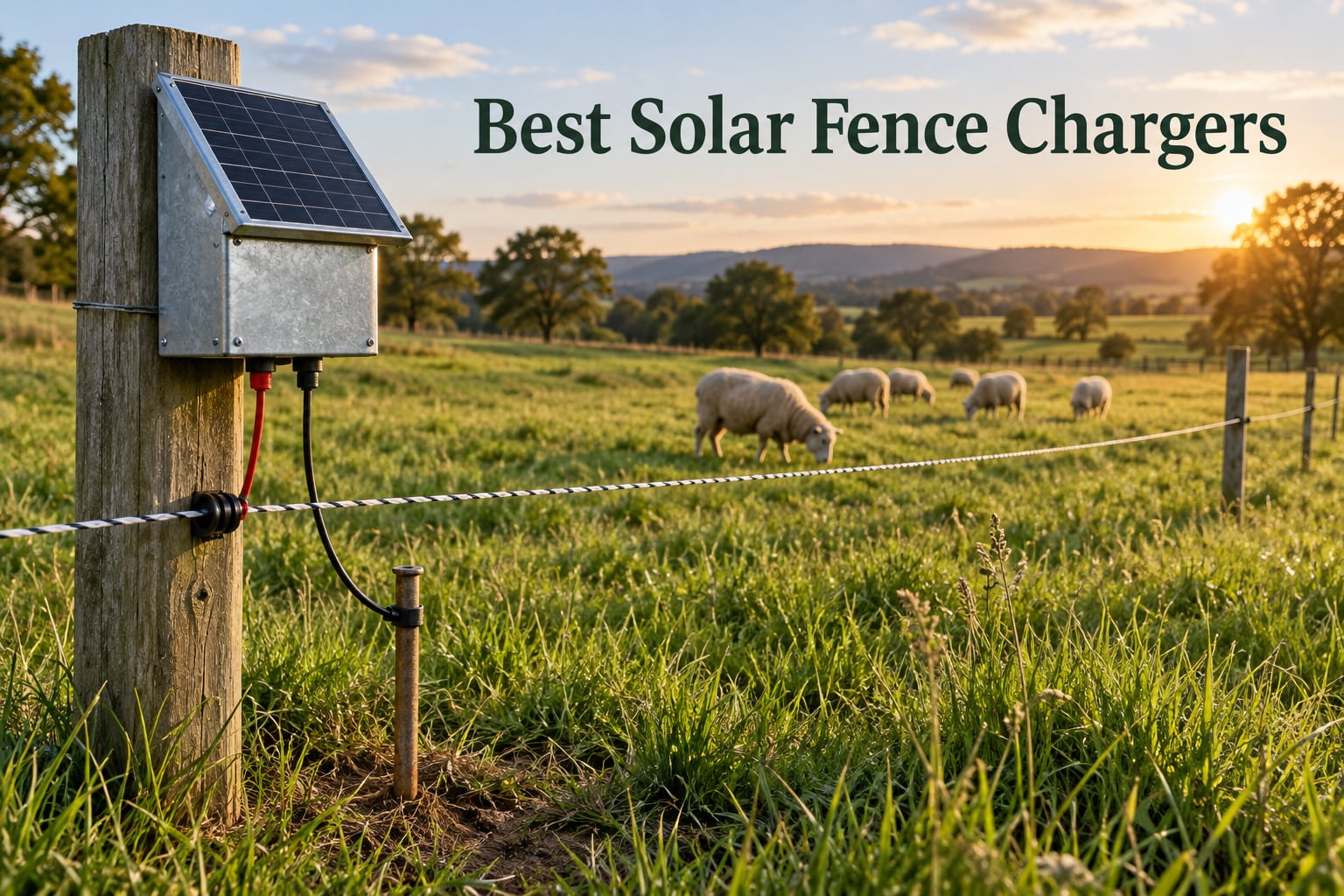
If you have ever run wire to a back paddock, you already know the cost of doing it the wrong way. The best solar fence chargers remove that problem entirely: a panel charges a battery by day, the battery fires pulses through your wire at night, and nothing needs a socket. After comparing 12 units side by side and reading through thousands of buyer reports, the Zareba ESP5M-Z is the one I keep coming back to as the best solar fence charger overall, because it holds its output in weedy ground and keeps working when the sky does not cooperate.
Most of the noise in this category comes from one number: miles of fence. A charger advertised for 30 miles rarely energizes 30 miles of real fence. Vegetation, fence height, ground conductivity and weed growth eat a surprising share of rated output, and the honest figure is usually somewhere between 20 and 30 percent of what the box claims. Joule output is the number that predicts whether animals will actually respect the wire.
That is why this roundup is organized around joules first and everything else second. I have included the ground rod rules, the real-world range expectations, the difference between stored and output joules, and the battery chemistry differences that decide whether a charger survives a northern winter. If you want the short version, the table below covers every unit; if you want the reasoning, keep reading.
One more thing before we start. A solar fence charger is only as good as the ground system behind it, and most failed fences I have seen were grounding failures rather than charger failures. Every recommendation here assumes you will install at least three ground rods spaced roughly 10 feet apart. If you are still choosing fence panels for the run itself, our guides to the best vinyl fence panels and the best aluminum fence panels are worth a look before you run wire.
Table of Contents
Top 3 Best Solar Fence Chargers for 2026
The three units below cover the most common needs: dependable general-purpose containment, a compact unit for gardens and small pastures, and the strongest value you can get per joule.
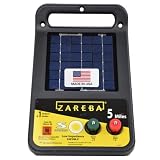
Zareba ESP5M-Z 5 Mile Solar Fencer
- 0.15 joule low impedance
- 5 miles ideal range
- Runs 2 weeks without sun
- USA built
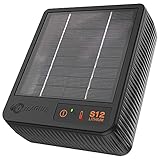
Gallagher S12 Solar Fence Charger
- 4 miles of single-wire fence
- Mounts on its own ground rod
- 2-3 day first charge
- 3-year warranty

Epoify 0.18J 10-Mile Solar Fencer
- 0.18 joule stored output
- 5
- 700-10
- 200V pulses
- AC adapter included
- Up to 10 miles ideal
All 12 Solar Fence Chargers in 2026 at a Glance
Every charger in the list, with the specs that actually separate them. Joule figures are output joules as published by the manufacturer.
| Product | Specifications | Action |
|---|---|---|
| Zareba ESP5M-Z 5 Mile Solar Fencer |
|
Check Latest Price |
| Gallagher S12 Solar Fence Charger |
|
Check Latest Price |
| Epoify 0.18J 10-Mile Solar Fencer |
|
Check Latest Price |
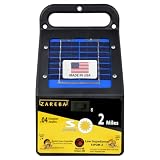 Zareba ESP2M-Z 2 Mile Solar Fencer Zareba ESP2M-Z 2 Mile Solar Fencer |
|
Check Latest Price |
 Zareba ESP10M-Z 10 Mile Solar Fencer Zareba ESP10M-Z 10 Mile Solar Fencer |
|
Check Latest Price |
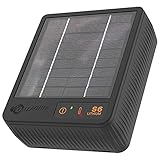 Gallagher S6 Lithium Solar Fencer Gallagher S6 Lithium Solar Fencer |
|
Check Latest Price |
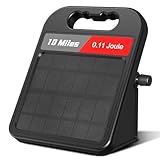 hovikoki 0.11J 10 Mile Solar Fencer hovikoki 0.11J 10 Mile Solar Fencer |
|
Check Latest Price |
 Pet and Livestock HQ S100 Pet and Livestock HQ S100 |
|
Check Latest Price |
 ANDMON MINI400 0.4J Solar Fencer ANDMON MINI400 0.4J Solar Fencer |
|
Check Latest Price |
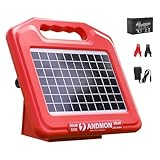 ANDMON S600 0.53J Solar Fencer ANDMON S600 0.53J Solar Fencer |
|
Check Latest Price |
 Realpoultry S1000 1 Joule Solar Fencer Realpoultry S1000 1 Joule Solar Fencer |
|
Check Latest Price |
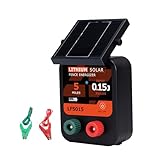 BEIYI LFS-015 5 Mile Solar Fencer BEIYI LFS-015 5 Mile Solar Fencer |
|
Check Latest Price |
1. Zareba ESP5M-Z 5 Mile Solar Fencer – Best Overall
Zareba Solar Electric Fence Charger, 5 Mile Range Low Impedance Energizer
0.15 joule low impedance
5 miles ideal range
2 weeks without sun
Built in the USA
Pros
- Mounts on T-posts
- Y-posts or wood posts
- Holds charge through two weeks of cloud
- Strong obvious shock once grounded
- User-replaceable battery
Cons
- Grounding quality decides the result
- Not fully weatherproof
- Some fail around the two-year mark
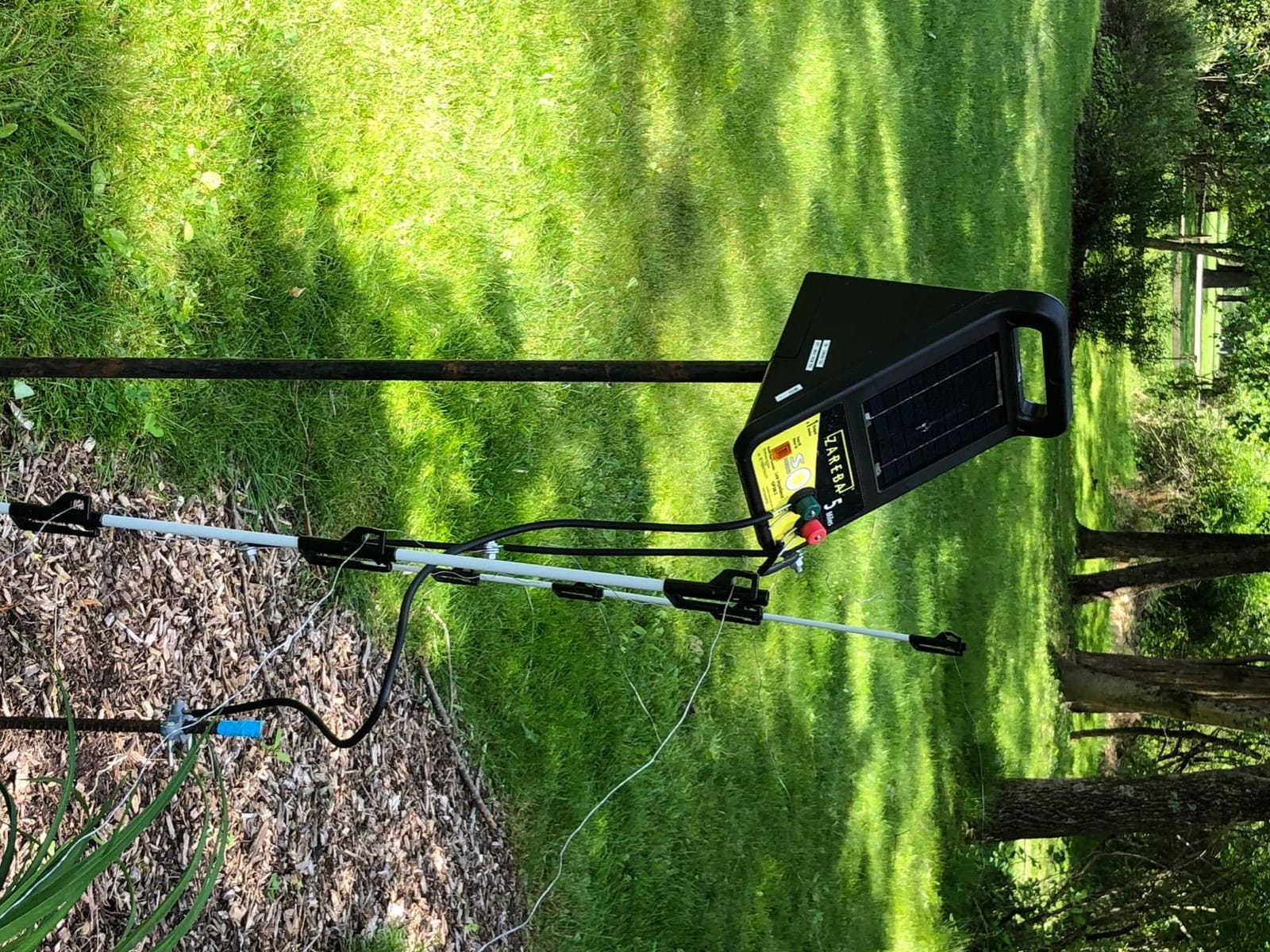
This is the charger I recommend to anyone who asks without describing their setup first. The ESP5M-Z puts out 0.15 joules of low-impedance energy, which is not a headline number, but low impedance is what lets it push voltage down a long wire that has grass growing through it. The mounting bracket rotates 360 degrees and fits T-posts, Y-posts and round wood posts, so almost any existing fence line works without extra hardware.
What sold me is the reserve. It runs up to two weeks on stored charge, and owners report pushing right up to that limit in cloudy stretches. For a homestead where the panel sits in partial shade, that cushion is the difference between a fence that holds animals and a fence that quietly stops at dusk.
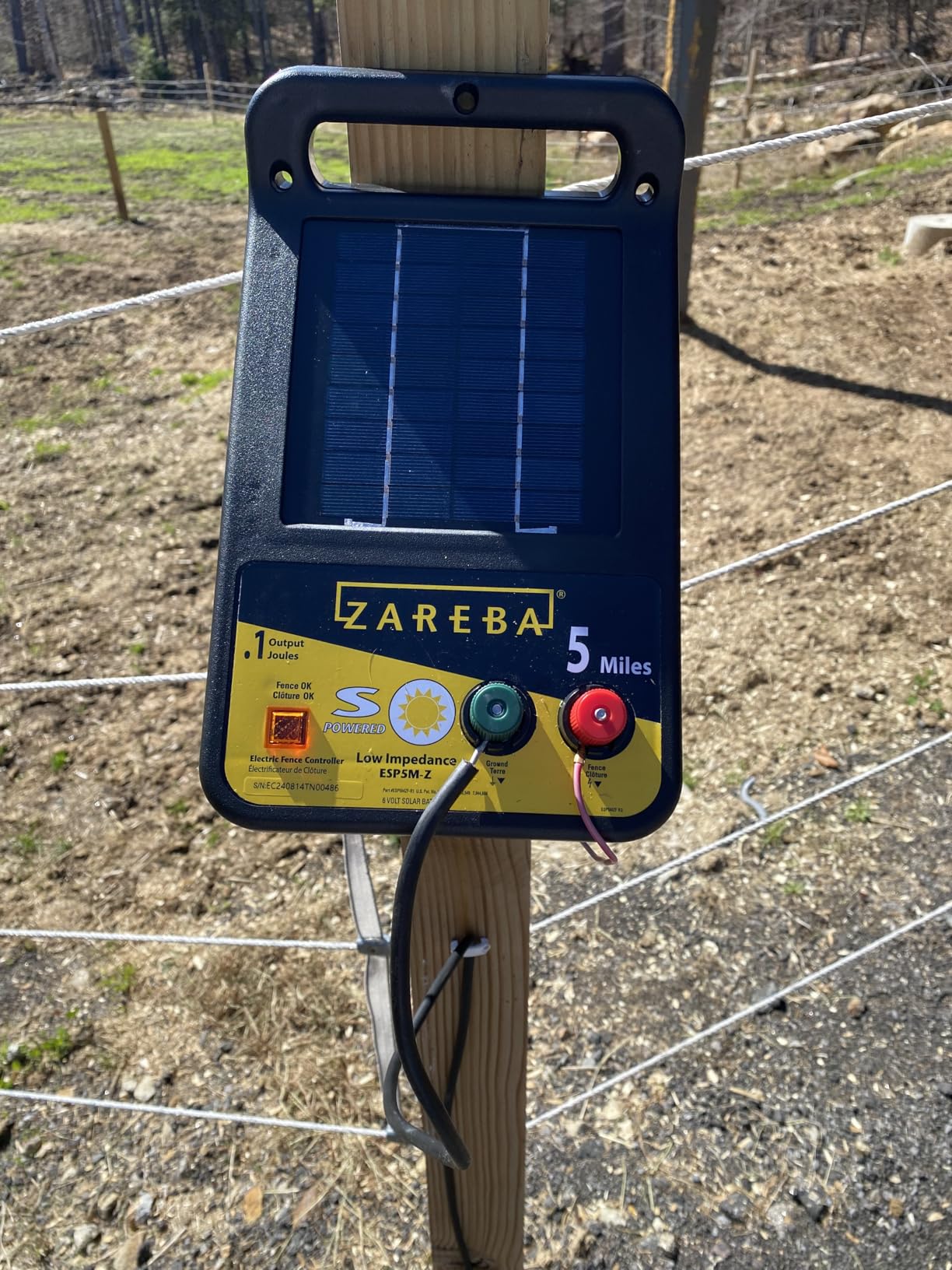
The recurring theme across reviews is grounding, not output. Once owners install a proper multi-rod system, the pulse reads as genuinely strong. Without one, the same charger feels weak, and that is the single most common misunderstanding I see with this product.
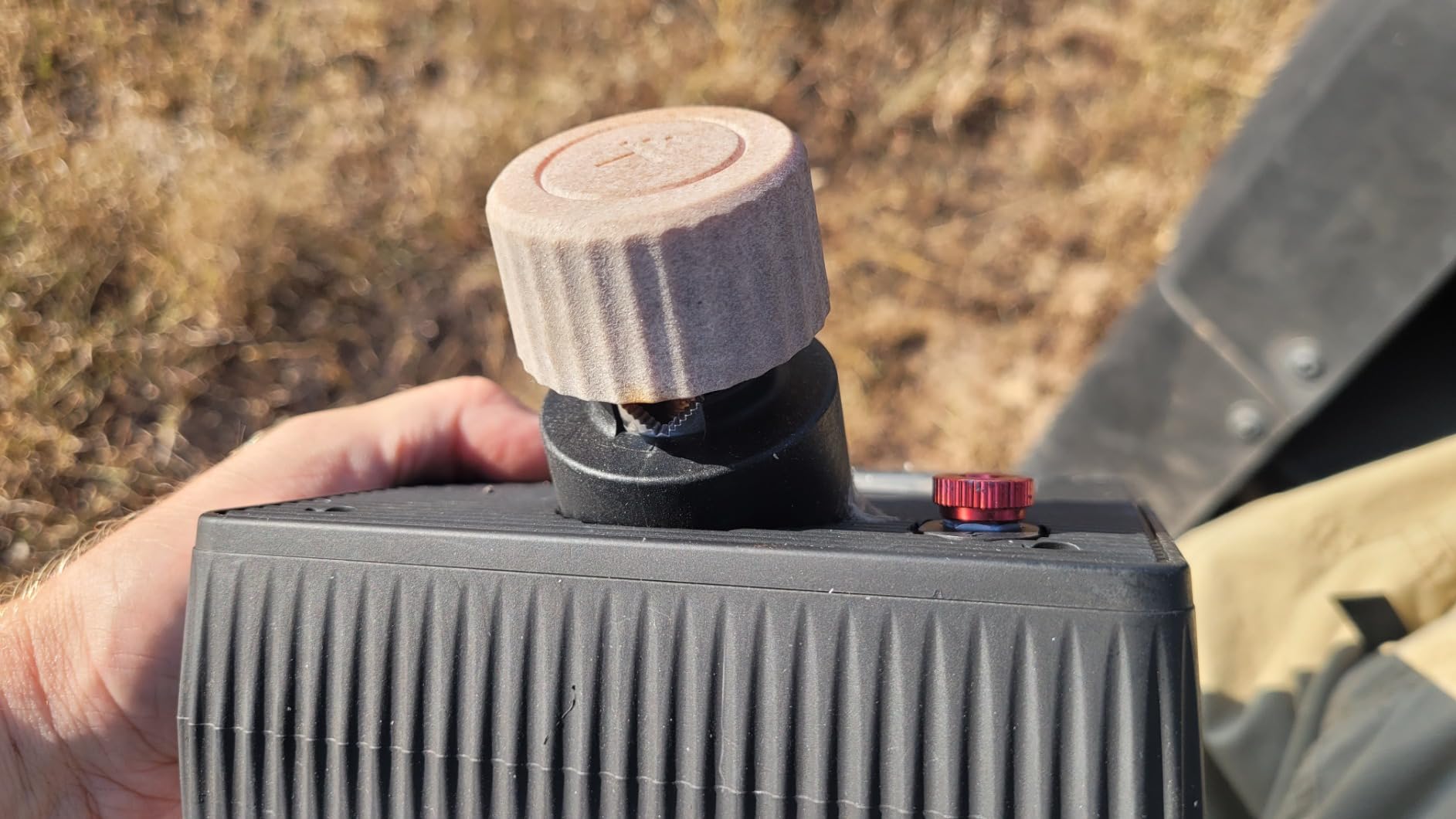
Durability is the honest weak point. Several owners report failures at roughly a year and a half to two years, and the steel and aluminum enclosure is not fully sealed, so water ingress eventually finds its way in on long-exposed posts. In exchange, the on/off control is on the unit, the battery is replaceable with basic tools, and the electronics are made in the USA with full-load testing.
Why I picked it over everything else
Review volume is the strongest trust signal in this category, and this unit has more buyer history than anything else on the list. A 4.4 rating across more than 1,400 reviews tells you the failure mode is understood and consistent rather than a coin flip.
It also hits the sweet spot for most small to mid-size operations. Five miles of ideal range covers a typical back pasture, a garden perimeter, or a rotational grazing setup, and 0.15 joules carries through light weed growth that would flatten a smaller unit.
Where it falls short
It is not the choice for 30 miles of multi-wire fence, and it is not a deer-rated unit on its own. Deer work requires a stronger pulse plus physical height and visibility, not just voltage.
If you need a sealed battery that will not need service, or you want the longest warranty in the group, look at the Gallagher units further down. Otherwise, this is the one I would put on a post and forget about.
2. Gallagher S12 Solar Fence Charger – Highest Rated
Gallagher S12 Solar Fence Charger | Solar Electric Fence Energizer | 4 Miles of Protection | For Livestock, Goats, and Small Pastures | 3-Year Warranty And U.S. Support
4 miles of single-wire fence
Ground rod mount is the post
2-3 day first charge
3-year warranty
Pros
- Often live in under 5 minutes
- Holds charge through long rainy spells
- Compact body hides in the fence line
- Responsive US-based support
Cons
- Cannot mount on standard T-posts
- Some stop working near two years
- Coverage assumes ideal single wire
The Gallagher S12 has the best average rating in this group at 4.5, and the reason is installation simplicity. It mounts directly to an unpainted grounding rod, and that same rod becomes the physical support for the unit, so you drive one piece of hardware instead of two. Owners frequently report having a working fence in under five minutes.
Its stated reach is 4 miles of single-wire fencing in ideal conditions, dropping to about 0.6 miles once you add multiple wires or vegetation. That gap is worth internalizing, because it is the same ratio every charger in this category follows. Plan on the lower number when you have weeds or a woven perimeter.
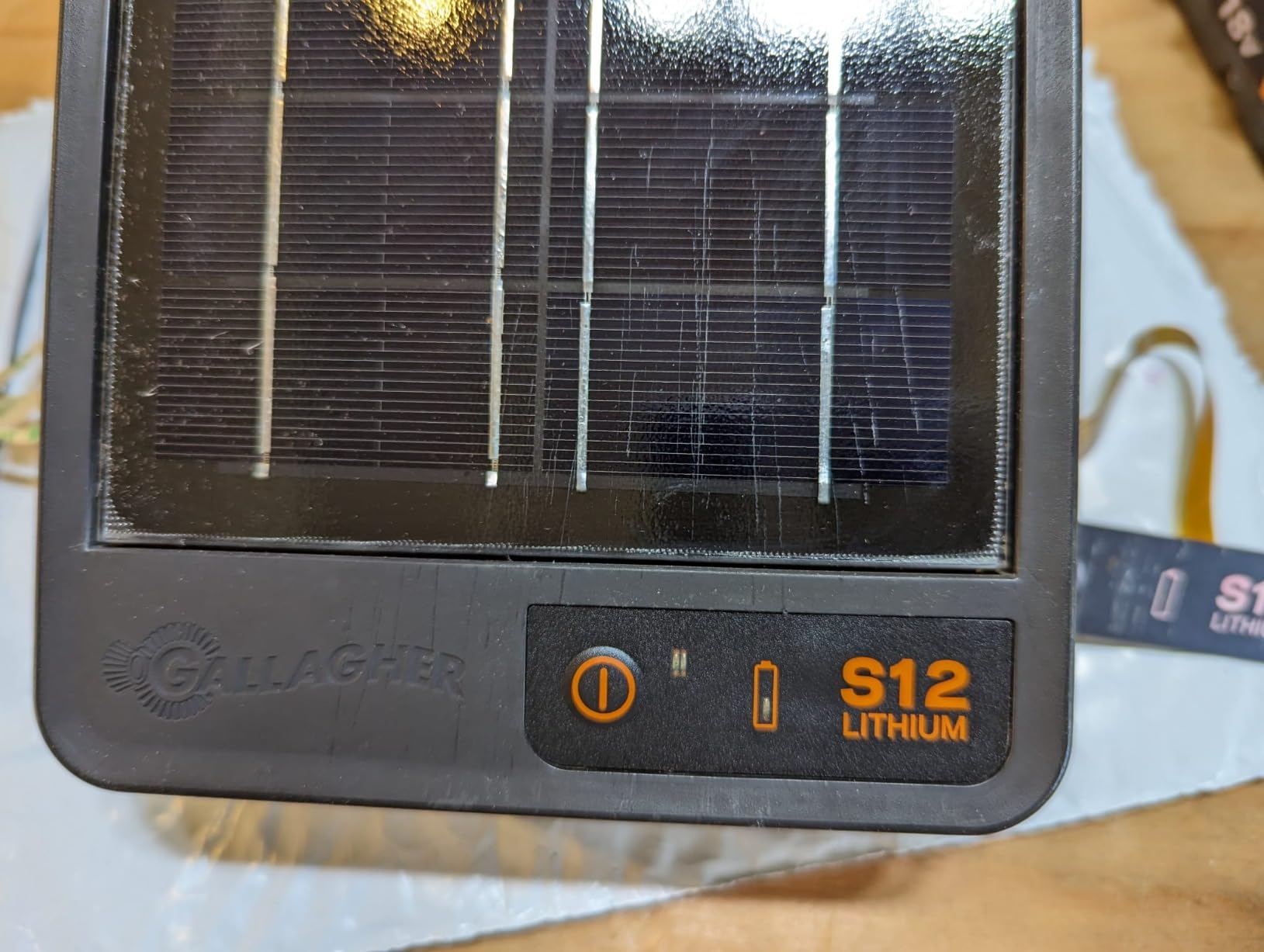
The 3-year warranty is the longest we see here, and Gallagher supports it from the US. The alloy steel body is small enough at roughly 5.7 by 5 by 6.7 inches that it does not read as an eyesore along a garden or orchard line, which matters if the fence is in view of the house.
One operational note: the manual asks you to charge it in direct sun for two to three days before first use. That is not a formality. Several owners skipped it, then judged the unit unfairly while the battery was still recovering.
Best for gardens, orchards and small pastures
If your fence line is clean polywire around a vegetable garden, a small orchard, or a back paddock for a few head of cattle, the four-mile ideal figure is realistic. This is also a good pick if you are replacing a unit that died and want a longer warranty than most alternatives offer.
It pairs well with a lightweight fence material. Our guide to the best portable EV chargers covers a similar idea in a different category: matching the power source to the job rather than buying on headline specifications.
Watch the mounting limitation
The ground-rod-only mount is the one genuine constraint. If your fence is built on T-posts and you have no intention of driving a dedicated rod, this is the wrong unit. The Gallagher S6 shares the same limitation, while the Zareba models are all bracket-mounted to posts.
Drive the rod at least 18 inches, and deeper in dry or sandy soil, or you will chase low voltage for an afternoon.
3. Epoify 0.18J 10-Mile Solar Fencer – Best Value
Epoify 24-Hour Solar Electric Fence Charger, 0.18J, 10-Mile for Livestock
0.18 joule stored energy
5,700-10,200V pulses
10 miles ideal
AC plus solar charging
Pros
- More output than pricier name brands
- AC adapter lets you charge indoors first
- All-in-one body moves between paddocks
- Holds voltage at the far end
Cons
- Needs a full initial charge before use
- Three-rod grounding adds setup work
- ABS housing is less rugged
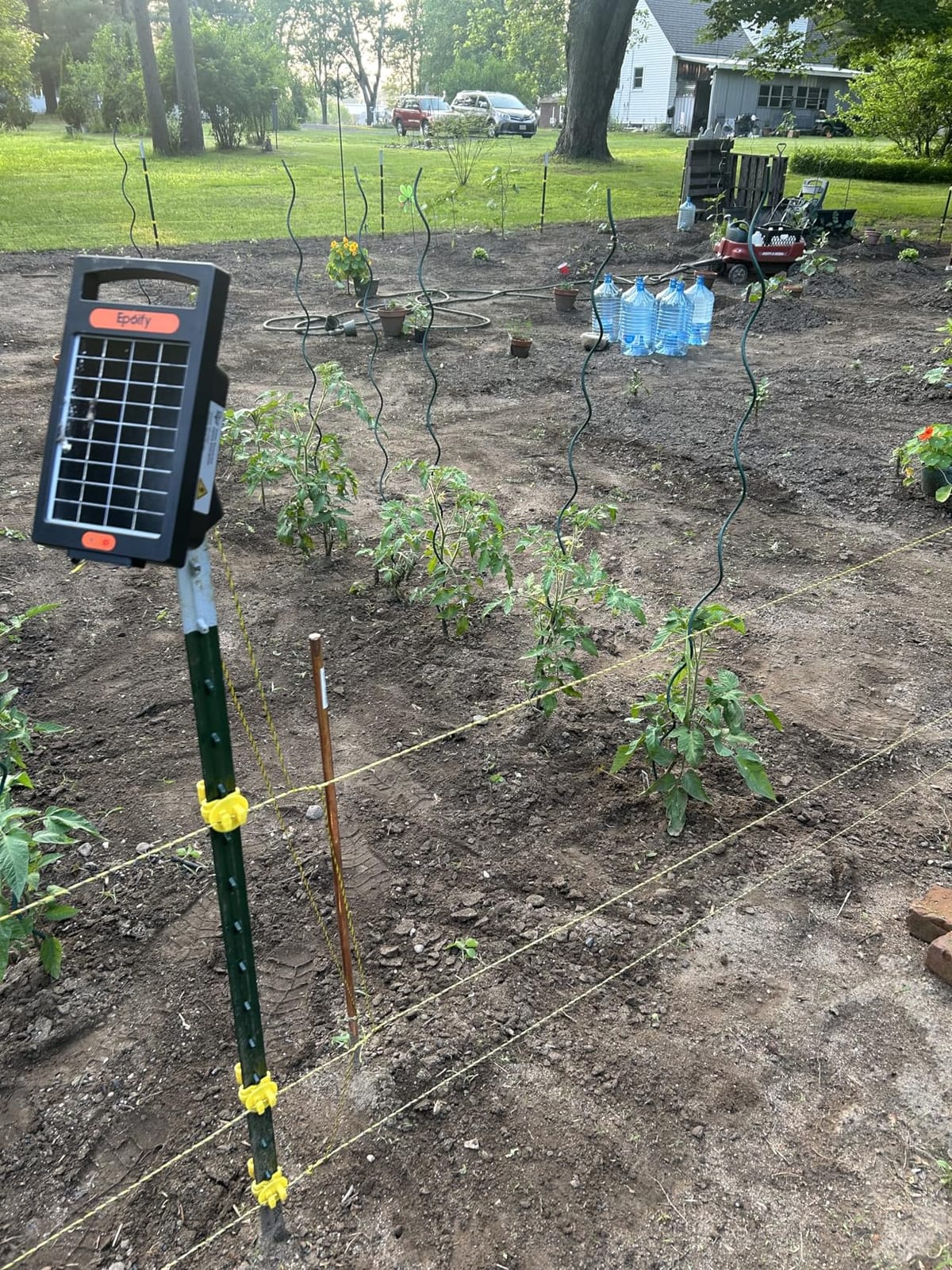
This is the charger I keep recommending to people who say the established brands are overpriced for a two-acre setup. At 0.18 joules of stored energy, its output is higher than several costlier units in this list, and buyers consistently describe it as more power per dollar.
The dual charging path is genuinely useful. It ships with an AC adapter, so you can bring the unit indoors, top it up overnight, and mount it the next morning rather than losing three days to a blank battery. The manufacturer also recommends a three-rod grounding system spaced about 10 feet apart, which is the correct advice and the piece most buyers skip.
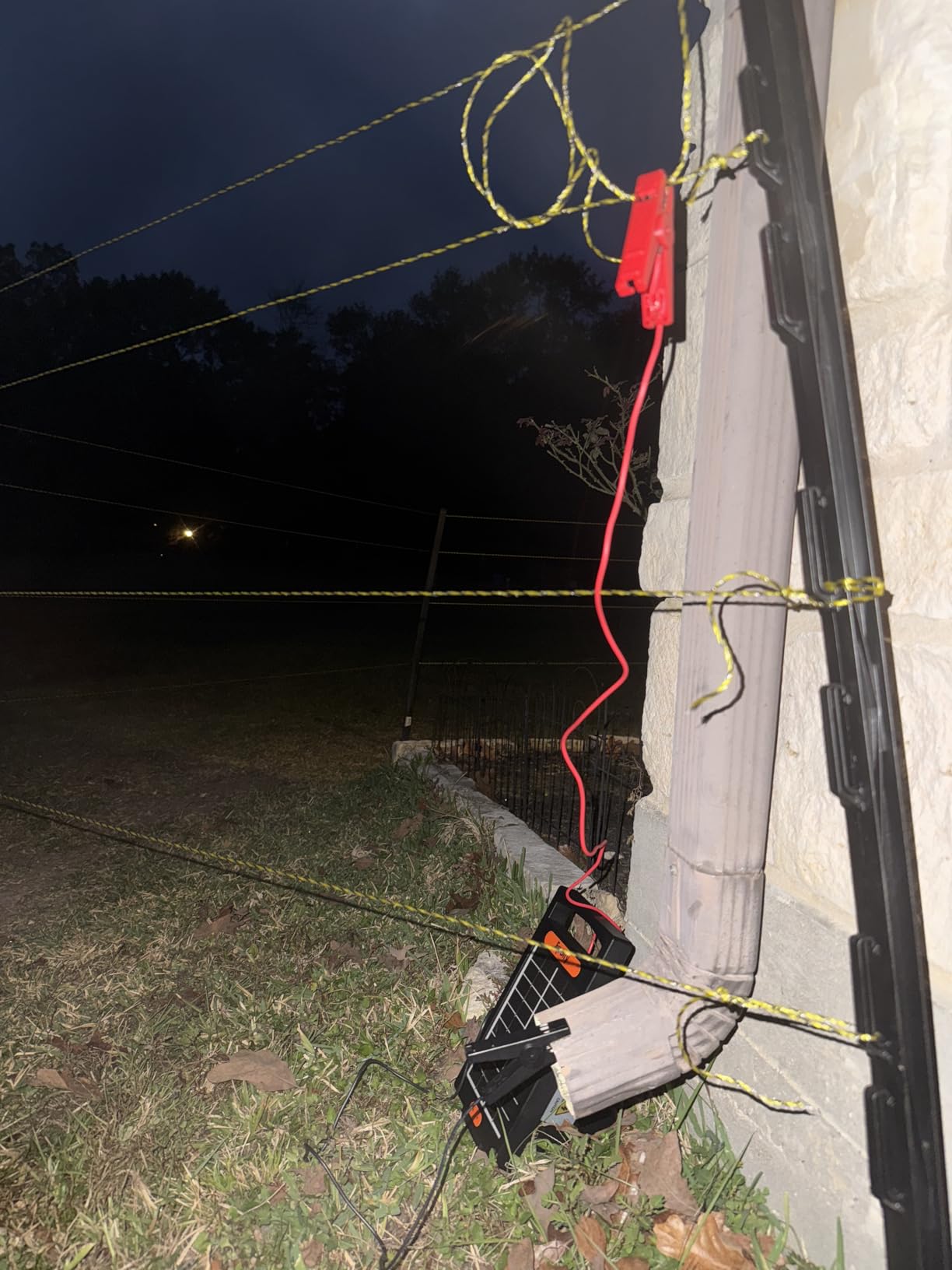
Pulse voltage spans 5,700 to 10,200V, and owners report it holding voltage at the far end of a run, which is the practical test that matters. For rotational grazing, the all-in-one body and included cables make moving it to a new paddock a two-minute job.
The tradeoffs are honest ones. The ABS housing will not survive the same abuse as the steel or alloy enclosures, and the instruction manual is dense and detail-heavy. Buyers who follow the grounding and pre-charge steps tend to be happy; buyers who skip them tend to leave one-star reviews.
Where the value actually shows up
Compare joules to joules rather than features to features. At 0.18 joules this out-pushes several units that cost meaningfully more, and for a chicken run, a small goat paddock or a garden perimeter, output is the only spec that changes the outcome.
It sits high in the Livestock Fence Chargers category, which tells you volume is moving through it. That matters more for support and replacement parts than most buyers realize when they are a year out.
Where it is the wrong buy
If you need something mounted flush to a steel structure, or you want a sealed battery replaced locally rather than returned, skip it. The light ABS case and the external battery connection are the two things that make this a value pick rather than a lifetime install.
For a horse pasture with heavy brush, step up to one of the 0.4 to 0.53 joule units further down the list.
4. Zareba ESP2M-Z 2 Mile Solar Fencer – Best for Chickens and Rabbits
Zareba Solar Powered Low Impedance Electric Fence Charger – 2 Mile Solar Powered Electric Fence Energizer, Contain Small Animals and Keep Out Predators – ESP2M-Z
2 miles ideal, 1 mile in weeds
2 weeks without sun
Mounts to T-posts and more
USA built, 1-year warranty
Pros
- Typically under an hour to hook up
- Effective against dogs
- pigs and goats
- Works in rain with polywire
- US built
Cons
- Not rated for deer despite the imagery
- Some last only two seasons
- Ground rods sold separately
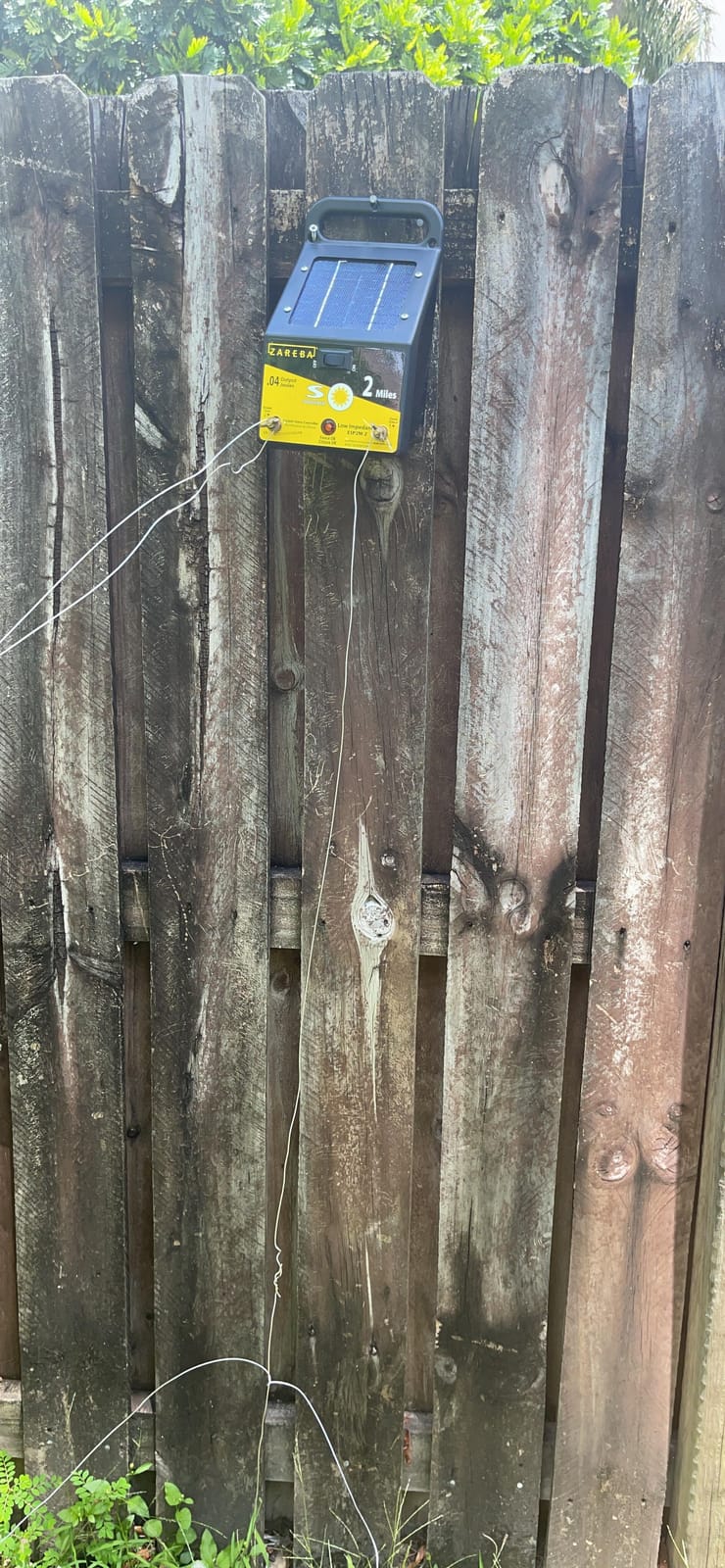
Everything about this charger points at a specific job: small animals. At 2 miles of ideal coverage, dropping to about 1 mile in light weeds, it is sized for a chicken run, a rabbit proofing setup, a garden or a small dog area. Owners put it up in under an hour and report it works against dogs, pigs, goats and ground pests.
The mounting options are unusually flexible for a solar unit. It fits T-posts, round and wood posts, Y-posts and flat surfaces, which means retrofitting it to an existing structure does not require planning a new post line.
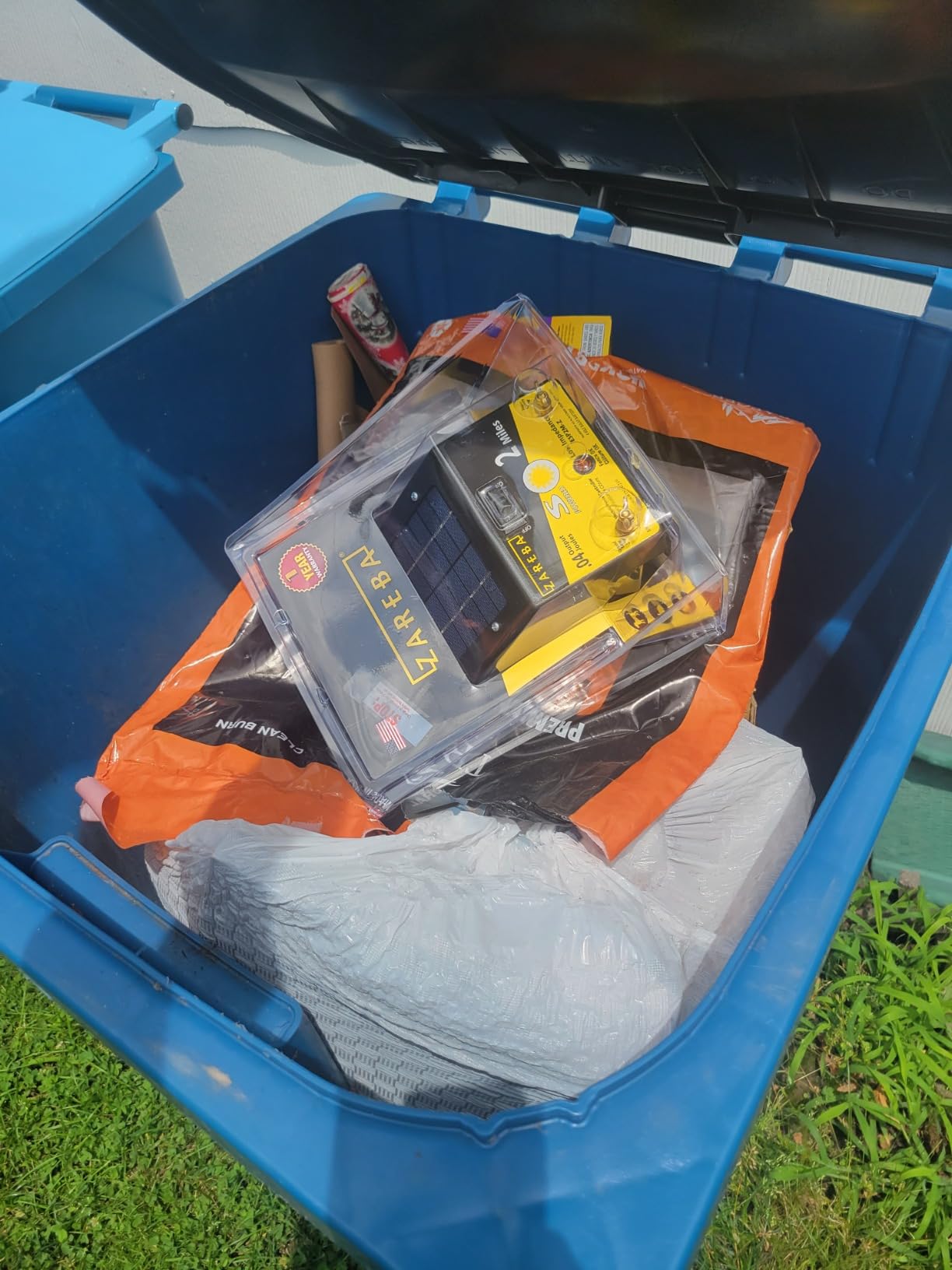
It stores enough solar energy to operate up to two weeks without sun, and it is a US build with a one-year limited warranty that includes lightning damage. The battery charge time is listed at 14 days for a full recharge, so treat the first week as a top-up rather than an installation-day event.
Reviews like the straightforward installation and the effective pulse, though the intended scope is clearly small animals. If you are marketing this as a deer solution, the marketing imagery will let you down. A deer that can jump simply jumps.
What it is genuinely good at
Backyard flocks, garden protection, and any small perimeter where you want a set-and-forget deterrent. It is also a sensible second charger for a property where a bigger unit would be wasted on a short run.
For beekeepers running electric fence around apiaries, this output class is the one most commonly targeted, and the pulse is sufficient without being excessive for animals that must be handled regularly.
What it cannot do
Do not plan on it for cattle, horses or bears, and do not read the deer imagery as a rating. A 1-year warranty is the shortest here, and several owners report a two-season lifespan before failure.
Ground rods are sold separately. Budget for them before the charger arrives, because without them you are not testing the charger at all.
5. Zareba ESP10M-Z 10 Mile Solar Fencer – Best for Bears and Deer
Zareba 10 Mile Solar Powered Low Impedance Electric Fence Charger
10 miles ideal, 5 in weeds
0.15 joule low impedance
2 weeks without sun
USA built
Pros
- Very simple to install on a T-post
- One owner reports 5 years of continuous use
- Handles bears
- skunks and deer
- Replaceable battery and switch
Cons
- Enclosure is not waterproof
- Needs a real ground system
- Some arrived dead out of the box
This is the Zareba scaled up. Ten miles of ideal coverage, about 5 miles in light weeds, and the same 0.15 joule low-impedance output as the ESP5M-Z. That combination is what makes it the one in this group I would trust for predator pressure, because it holds voltage on the long runs where deer and bear pressure actually shows up.
Owners report it handling bears, skunks, possums, deer and small garden pests on the same line, and one long-term user has documented five years of continuous 365-day operation. That kind of service life matters more than a slightly higher entry point.
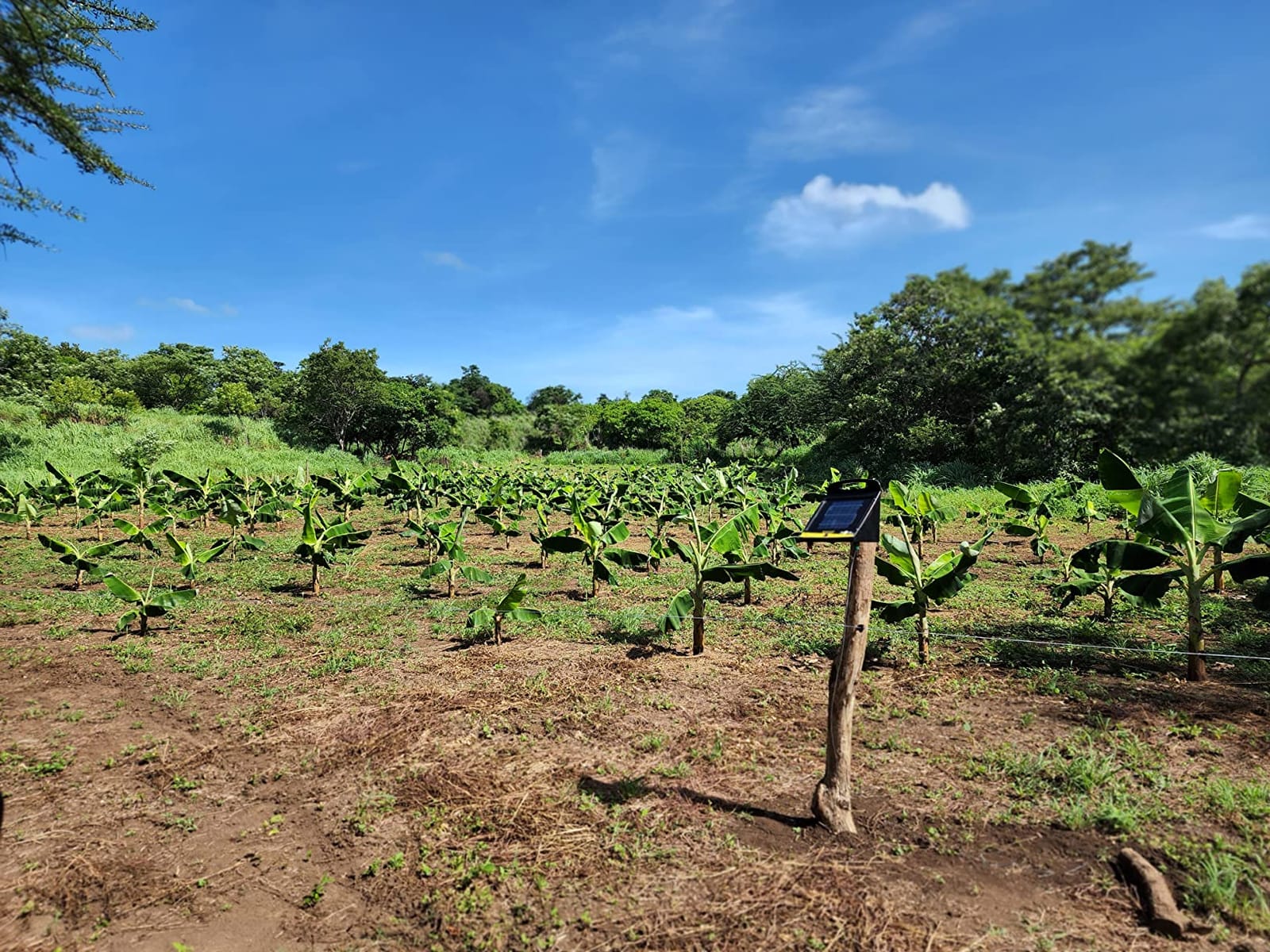
Setup is genuinely simple: a T-post, wire and ground rods are the whole requirement. The built-in bracket fits T-posts, Y-posts and round wood posts, the battery and the on/off switch are both user-replaceable, and there is no wiring to run anywhere.
Durability is the weak spot. The enclosure is not waterproof, and one owner found water damage to the motherboard after a year of exposure. Weed maintenance and a proper ground system remain the two variables that decide whether you get the rated performance.
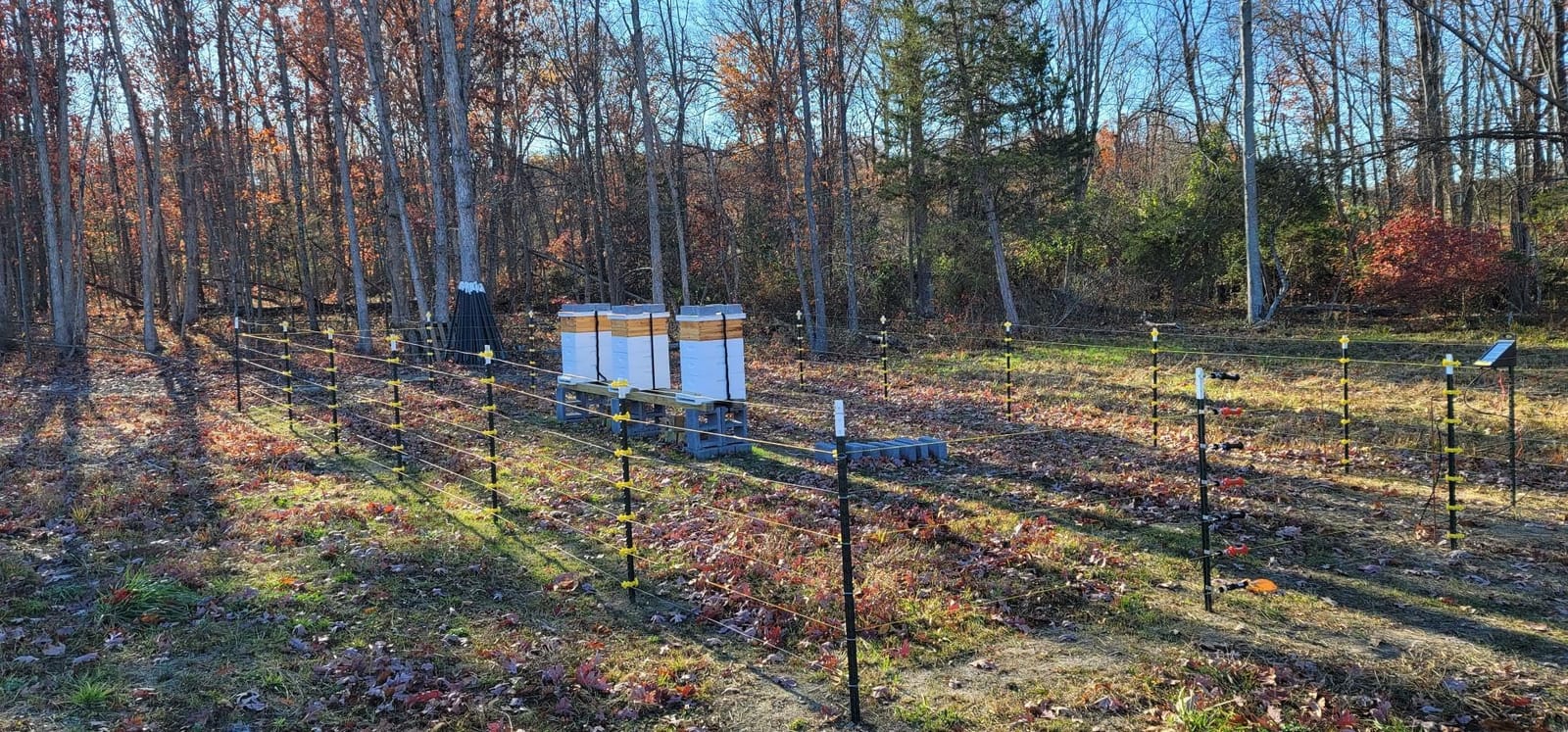
Why I would choose it for predator work
Wildlife exclusion depends on holding a consistent shock for weeks, not days. The two-week reserve means a run of heavy cloud does not drop you to nothing overnight, and the long range means you can protect a large perimeter from a single post.
Be aware of the physical side of wildlife fencing. Voltage deters an animal that touches the wire; it does not stop an animal that clears the fence in a stride. Height and visibility still do that work.
Where you might regret it
If your fence line is short and clean, you are buying headroom you will not use, and the ESP5M-Z covers the same animals at a lower entry point. Watch the enclosure in exposed, wet posts, and check the unit arrives charging, since a small share of units reportedly arrived dead.
6. Gallagher S6 Lithium Solar Fencer – Best for Gardens and Pets
Gallagher S6 Solar Electric Fence Charger | Solar Fence Energizer for Gardens, Chickens, Goats, and Pets | Solar-Powered Fence Charger with Lithium Battery | Mounts Directly to Grounding Rod
0.06 joule output
LiFePO4 lithium battery
3 weeks without sun
Ground rod mount
Pros
- Compact enough for gardens and coops
- Installs in minutes
- Squirrels
- raccoons and groundhogs deterred
- 3-year warranty
Cons
- Mild shock
- horses ignore it
- Will not stop jumping deer
- No T-post mounting
The lithium battery is the story here. The S6 carries a LiFePO4 pack that runs up to three weeks without sunlight, the longest reserve among the lithium units in this group, and LiFePO4 chemistry avoids the cobalt and thermal problems that undermined earlier lithium designs. Forum buyers in colder regions consistently favour lithium over lead-acid for exactly this reason.
At 0.06 joules, the output is small and the design is honest about it. This is a garden, coop and pet enclosure charger. Digital pulse control keeps voltage steady through light vegetation, and owners report it effective against squirrels, raccoons, groundhogs and deer that encounter the wire rather than jump it.
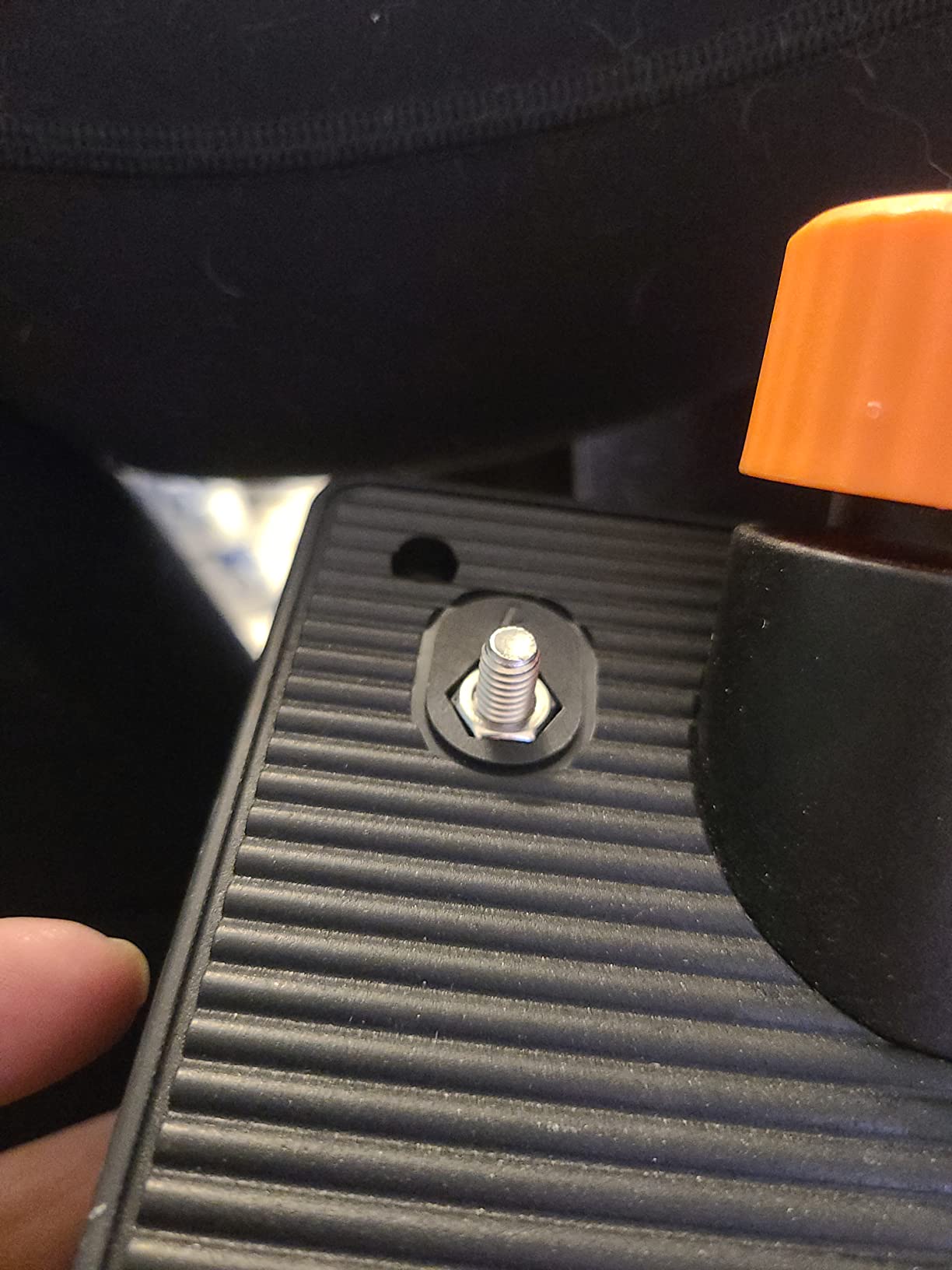
Like the S12, it mounts directly to an unpainted grounding rod up to half an inch in diameter, and that rod doubles as the support. Installation takes minutes, and the body is the same compact footprint as the S12.
One owner detail worth planning around: the sealed design means the battery must be replaced by the manufacturer rather than by you. That is convenient until it is not, so keep the model number somewhere easy to find.
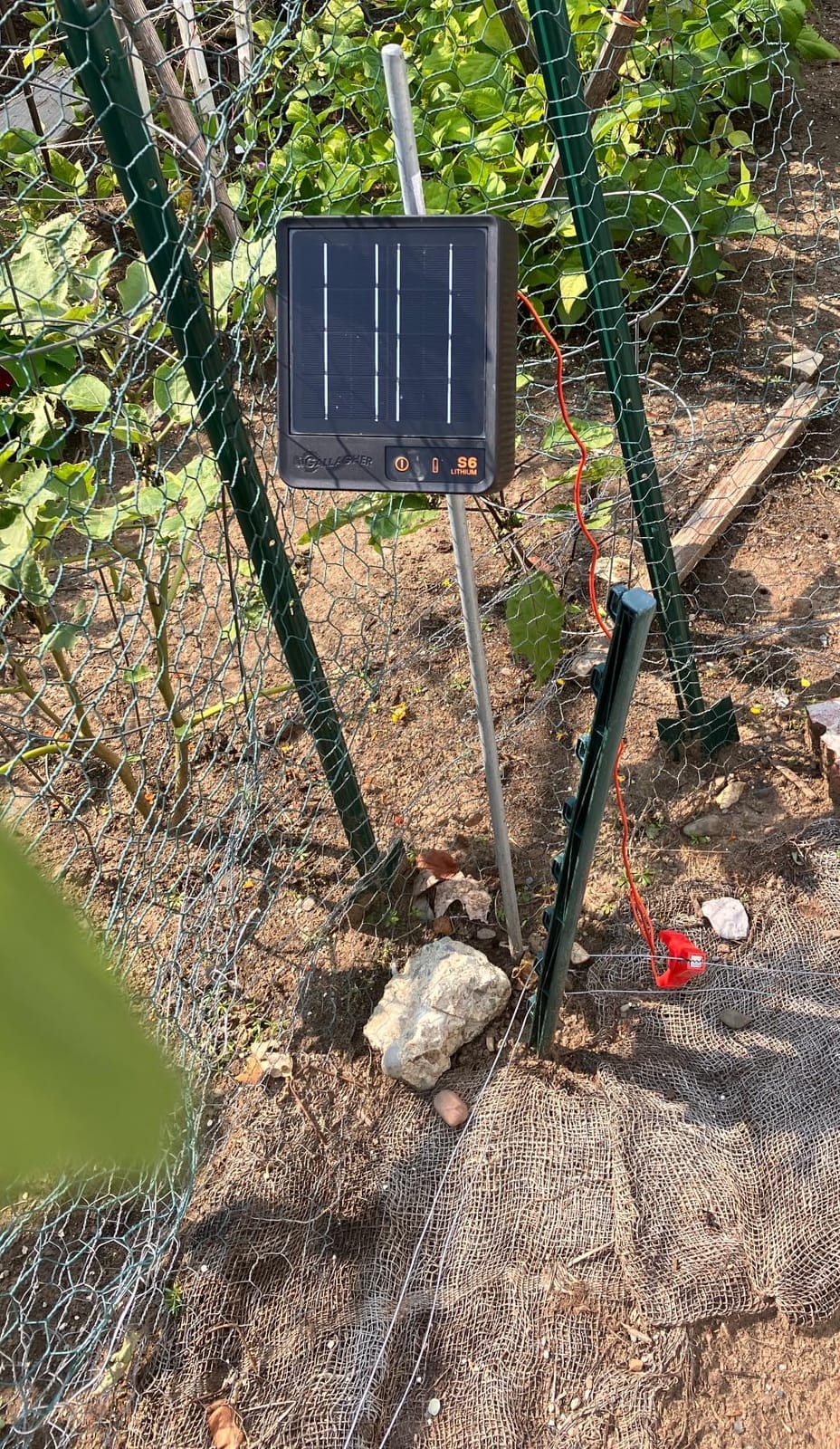
Where this one earns its place
Gardens, chicken coops, goat pens and pet enclosures. It is small, quiet, discreet along a landscaped edge, and the three-week reserve means a cloudy month does not end your protection.
It also makes sense as a pack animal. Carry it to a new paddock or garden plot, drive a rod, connect and go.
Where the limits bite
The shock is mild, and horses tend to ignore it. Do not put this on a horse line, and do not expect it to stop a deer that simply jumps the fence. There is no T-post mounting option, and some units needed many days of sun before holding an initial charge.
7. hovikoki 0.11J 10 Mile Solar Fencer – Budget Pick Per Watt
10 Mile Solar Fence Charger 0.11J Electric Fence Energizer with Day Night Mode 24-Hour Protection
0.11 joule, 8,100V
5W panel, 12V 5Ah GEL battery
Up to 30 days without sun
IPX4 housing
Pros
- Output punches above its price class
- Front off button lets you work safely
- AC charger included
- Holds a week of rain
Cons
- Light output
- weak pulse on short runs
- Charge indoors before installing
- Grounding decides results
Two features make this the one I recommend most often to first-time buyers. The front-mounted hold-to-off button lets you work on the fence line without leaving the charger live, and the included AC charger means you can top it up indoors before the unit ever sees weather.
On paper it undercuts everything: 0.11 joules, 5W panel, and a 12V 5Ah sealed GEL battery that runs up to 30 days without sunlight once fully charged. That last figure is the longest sunless runtime listed by any unit here, and the tempered glass panel with an IPX4 housing is better sealed than several metal-cased competitors.
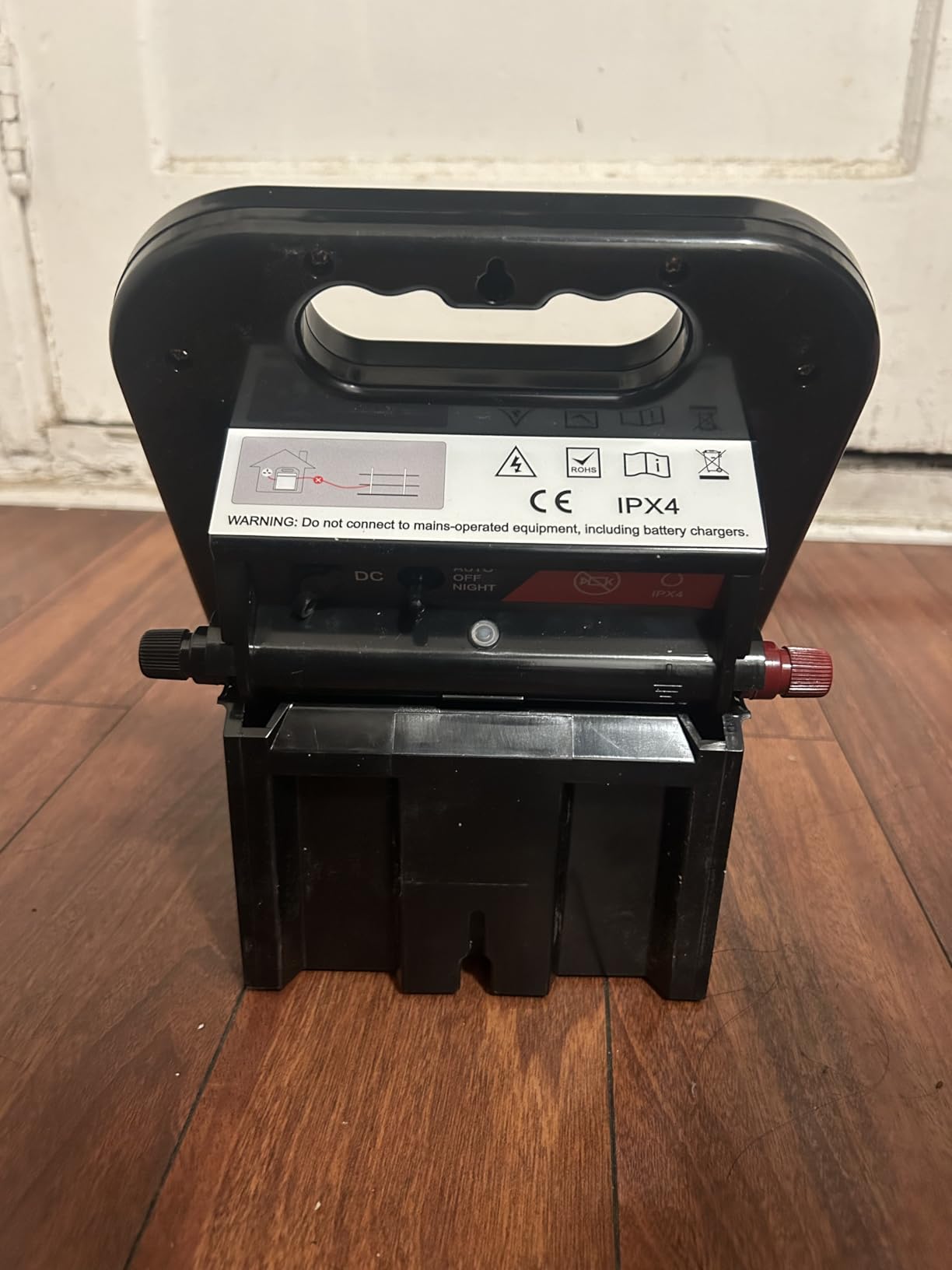
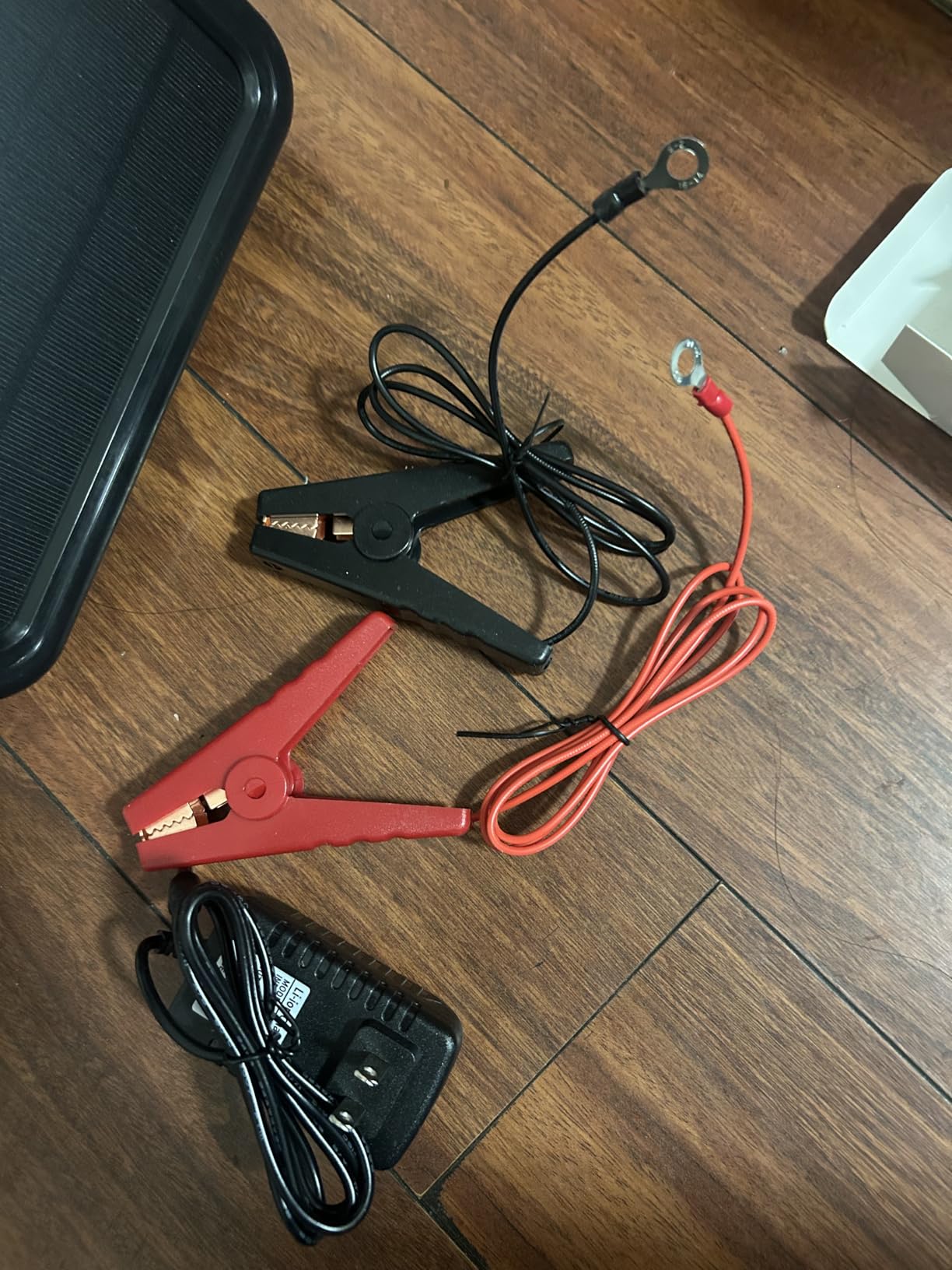
Owners repeatedly say the output outperforms costlier name brands, and the car-battery style clamp connections are secure and quick to make. Mounting is tool-free on a T-post, and the whole unit is light enough to reposition between paddocks.
The honest limit is output at the low end. Some report a weak pulse on shorter runs, and performance swings heavily with grounding, especially in dry soil. It fully charges in about six days, so plan your install date around that.
Who this is for
New owners, small acreage, and anyone who wants a charger that can be serviced without sending it away. The GEL battery, the AC charger and the front switch together remove most of the friction that makes people give up on solar fencing.
It also suits dry regions better than a cheap lead-acid-only unit, because the GEL chemistry tolerates deep discharge without the damage a flooded battery would take.
Where to look elsewhere
Ten miles of advertised coverage on 0.11 joules is a marketing figure. On a clean, short run it performs well; on a long, weedy line you will feel the difference against a 0.4 or 0.53 joule unit.
If you are fencing cattle on a large block, this is the wrong tool. Match the joules to the animals instead.
8. Pet and Livestock HQ S100 – Best for Small Homesteads
Solar Electric Fence Charger 5 Mile – Solar Powered Energizer for Livestock – Low Impedance Solar Fencer Battery Powered
0.1 joule low impedance
2.3W panel
Panasonic lithium battery
5 miles of coverage
Pros
- Deterrent after a single jolt
- Survives the darkest wet months
- Portable between paddocks
- Seller replaced a defective unit
Cons
- Weak pulse compared to mains units
- Short ground lead
- Switch and status light on the back
This one stands out for its battery choice. It runs a Panasonic 7.4V 3.4Ah lithium-ion pack, and the 2.3W panel is designed to charge quickly in low light, which is exactly the condition that kills lesser panels. Owners report it staying charged through the wettest, darkest months without a babysitting routine.
Output is 0.1 joule of low-impedance energy across up to 5 miles of coverage. It works for dogs, goats, chickens and a small homestead, and reviewers describe it as an effective deer and garden deterrent after a single jolt.
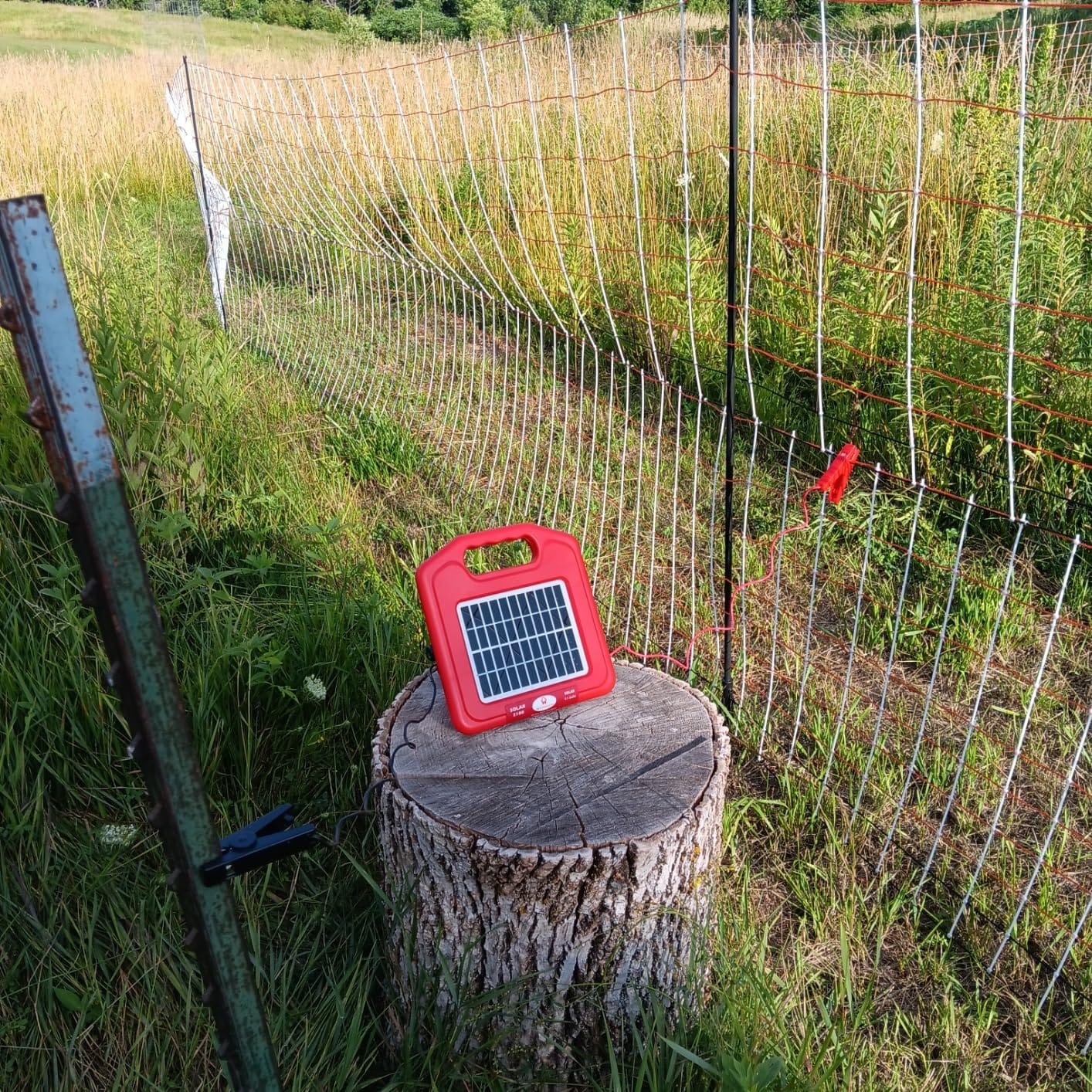
The polycarbonate enclosure resists weather, rust and corrosion, and it connects to netting fence, wire, polytape, polyrope or polywire, which makes it a natural fit for electric netting setups where conductor type changes constantly.
Service is a real plus. The seller is reported to be responsive and willing to replace defective units, which offsets some of the thinner brand support you get at this end of the market. The 1-year warranty is short, so hold onto that relationship.
Why I like it for netting setups
Netting is conductive along its whole height, which loads a charger far more than a single strand of wire. A low-impedance unit that keeps voltage up under that load is the right call, and this one is described by owners as effective on exactly that hardware.
Its portability also suits rotational grazing, where the fence moves weekly and the charger should move with it.
Where the compromises show
The pulse is small; some compare the shock to a low setting on a mains unit. The ground lead cable is short, which means you need a deeply driven post close to the unit, and the on/off switch and status light sit on the back where they are awkward to reach.
One owner also reported the unit stopping once it became hot, which is worth watching in full summer sun.
9. ANDMON MINI400 0.4J Solar Fencer – Best for Multi-Wire Pastures
ANDMON MINI400 30 Miles Solar Electric Fence Charger, 0.4 Joule Solar Electric Fence for Livestock, Horses, Cattle Sheep, Solar Fence Charger with Day or Night Mode, Easy Installation
0.4 stored joule low impedance
Up to 30 miles
Day and night pulse modes
12V 4.5Ah lead-acid
Pros
- Keeps horses and sheep in reliably
- Charges in 2-4 hours of sun
- Mounts on a T-post in under a minute
- Handles netting as well as wire
Cons
- Battery arrives disconnected
- No charge indicator or reset
- One owner found it short for an acre
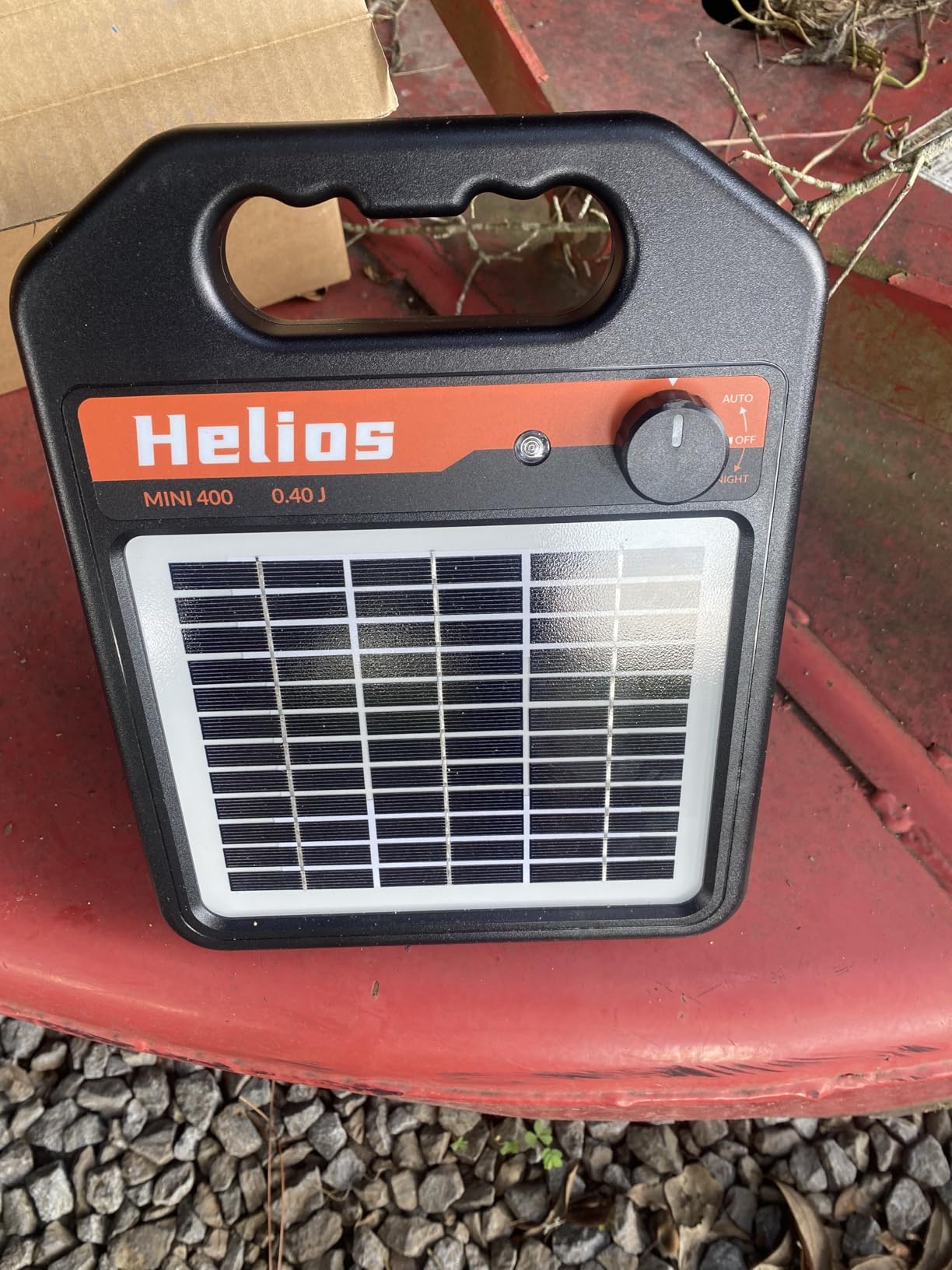
When output is the deciding factor, the MINI400 is where the value curve bends. It stores 0.4 joules from a low-impedance design and is rated for up to 30 miles of fence, which puts it in territory normally occupied by much costlier units. Owners report it keeping horses and sheep in reliably, which is a demanding test.
The pulse logic is well thought out. It fires every 1.5 seconds by day and stretches to every 2.9 seconds at night, giving the battery a much easier time through the hours it matters most. Owners note that 2 to 4 hours of sun is enough to run it all night.
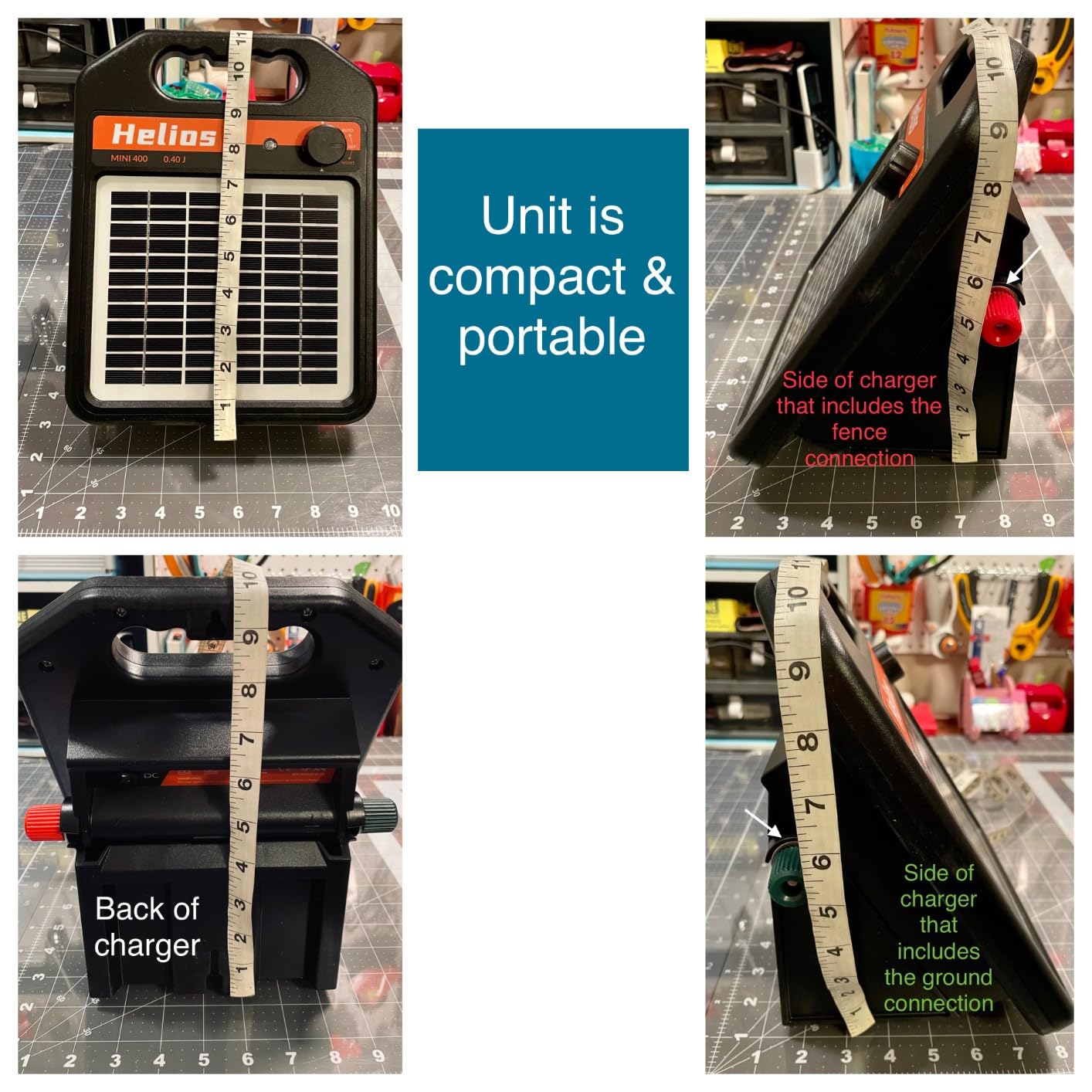
Mounting covers Y-posts, T-posts and wooden posts, and installation is often done in under a minute. It also works with webbed and netting fencing as well as single wire, which matters when your perimeter is not a straight strand.
It runs a 12V 4.5Ah sealed lead-acid battery rated for up to 14 days without sunshine, plus a DC charger option for shoulder seasons when you want top-ups indoors.
What it handles that smaller units cannot
Multi-wire perimeter fencing and woven netting create far more load than a single hot wire, and this is where 0.4 joules earns its place. If your cattle operation runs a proper woven fence rather than a polywire paddock, this is the class of charger that keeps the fence honest in August.
The dual power option is also a quiet win. Solar handles the season, and a DC charger covers the shoulder weeks when cloud and demand collide.
What to know before you buy
The internal battery arrives disconnected, and you must open the cover and connect red to positive and black to negative before use. Skip that and the unit will look dead. There is also no charge indicator and no reset button, so a unit that locks up after cold weather needs the leads disconnected and reconnected to recover.
At 7.94 pounds it is the heaviest here, which matters if you plan to move it often. One owner found it insufficient for a one-acre pasture, so check your actual acreage before committing.
10. ANDMON S600 0.53J Solar Fencer – Best for Large Acreage
ANDMON S600 Solar Electric Fence Charger – 35 Mile Range, 0.65 Joules Powerful Solar Fence Charger, Ideal for Livestock and Garden Protection
0.53 joule output
Up to 35 miles
12V 7.2Ah battery
Waterproof UV case
Pros
- High output for large acreage
- Large battery for long sunless runs
- Mounts on any standard post type
- Weatherproof UV-resistant casing
Cons
- Battery must be connected after opening the cover
- Title and spec joule figures differ
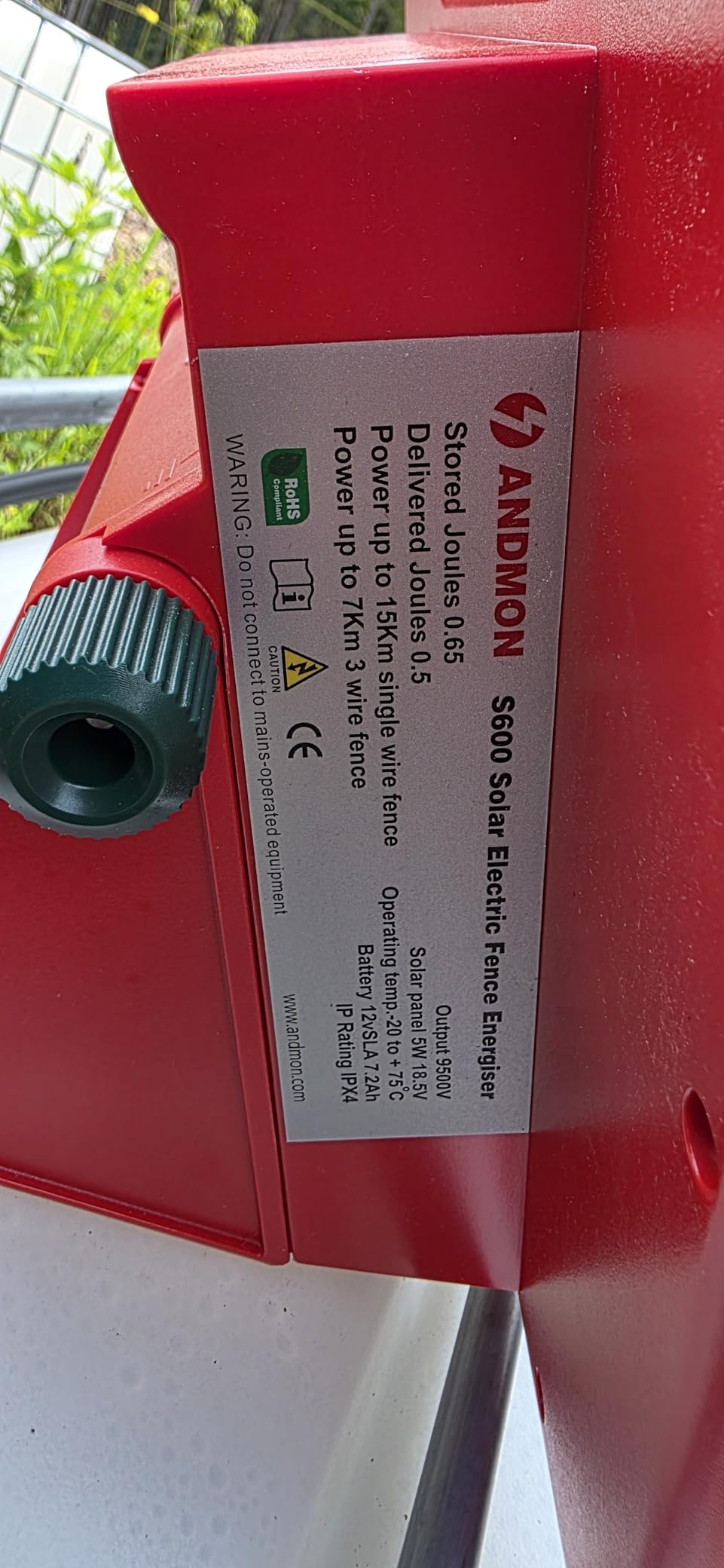
The S600 is the biggest output-per-dollar option on the list. At 0.53 joules and a 35-mile rating, it covers large acreage and multi-wire fence where smaller units would be visibly struggling, and it pairs an 8W solar panel with a DC charging option for top-ups.
The 12V 7.2Ah sealed lead-acid battery is the largest in this group and carries up to 14 days without sunlight. That is the spec that matters if your panels sit near a tree line or your winters are long and grey.
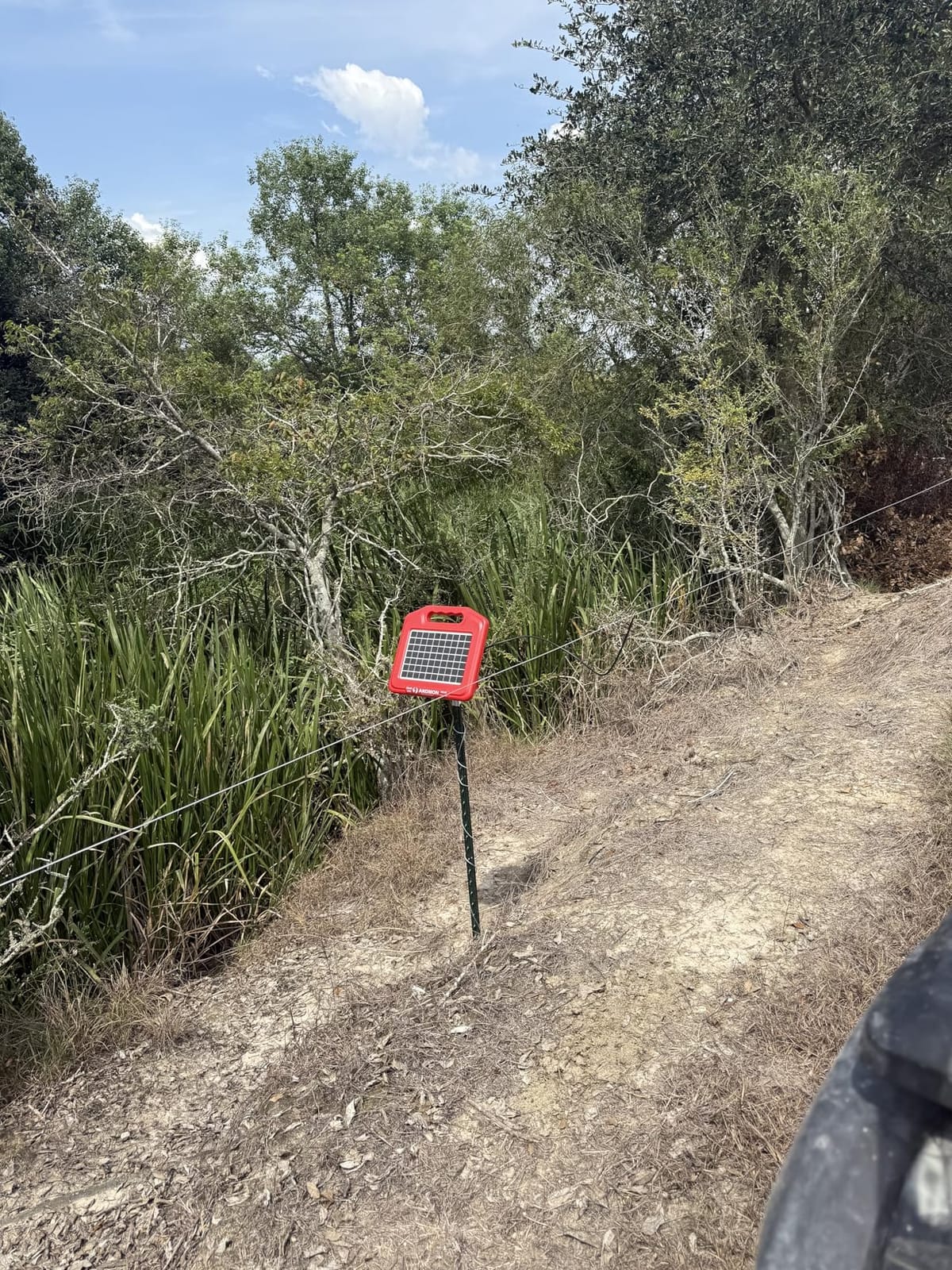
Installation is unremarkable, which is a compliment. It mounts on Y-posts, T-posts and wooden posts, and the waterproof, UV-resistant casing is built for permanent outdoor exposure rather than seasonal use.
Buyer sentiment is strongly positive, with the highest proportion of five-star ratings in the group. Review volume is on the lower side, so treat the long-term durability picture as less certain than the units with thousands of reviews behind them.
Where it fits best
Large multi-paddock operations, long perimeter fences, and anyone electrifying existing woven wire where the run exceeds what a 0.15 joule unit can carry. The waterproof casing also suits coastal and high-rain locations better than the non-sealed metal enclosures here.
If you run several rotational paddocks, the headroom lets you split the fence into zones rather than concentrating all the load on one hot wire.
Watch two details before ordering
The battery arrives disconnected and you must open the cover to connect the leads before first use. Plan that into your install day.
The listing also describes 0.65 joules in the title while the specifications state 0.53 joules. Size your ground rods against the lower figure, since undersized grounding is what actually limits a charger this powerful.
11. Realpoultry S1000 1 Joule Solar Fencer – Best for Heavy-Duty Containment
S1000 1 Joule Solar Fence Charger, 40 Miles Solar Electric Fence Charger for Livestock, Horses, Cattle Sheep, Portable and Super Tough
1 joule stored low impedance
15W panel, 12V 12Ah battery
8 days without sun
-20C to 80C rated
Pros
- Punches hard
- owners say
- Survives several cloudy days
- T-post mount with rotation
- Includes clamps and lead jumpers
Cons
- Battery arrives disconnected
- One unit failed after a few months
- 40-mile claim is questioned
- Lowest review count in the group
This is the highest-output charger in the roundup at 1 joule of stored energy from a low-impedance design, and it is the only one rated down to minus 20C. If you run cattle, bulls or a large block of wire in a cold climate, that combination of power and temperature rating is the reason to look here first.
The power package is substantial: a 15W solar panel and a 12V 12Ah sealed lead-acid battery, giving up to 8 days of operation without sunshine. That is fewer sunless days than some smaller units, which is the trade for a much larger battery and a much bigger pulse.
Owners describe the punch as very strong and report that the battery holds up through several cloudy days in a row. Mounting is on a steel rod or T-post, with alligator lead jumpers and a long covered lead included, and it is light and compact enough to move with portable netted fencing.
The 40-mile coverage claim draws scepticism from several reviewers, and the joule figure is described inconsistently in the listing bullets. Treat the range as aspirational and size your fence against the joule number.
When this is the right call
Long hot-wire perimeters with heavy animal pressure, cold-region installations where the operating range matters, and any setup where a borderline shock means cattle end up on the wrong side. The headroom also future-proofs a fence you plan to expand.
If you are fencing netting, the low-impedance design gives you the voltage headroom that a small unit simply will not have.
Where caution belongs
Review volume is the lowest in the group, so the durability picture is thinner than the headline suggests, and at least one unit reportedly failed after three or four months of strong performance. The internal battery also arrives disconnected and must be connected before use.
Pair it with a proper three-rod ground system. A charger this powerful grounded badly is wasted money.
12. BEIYI LFS-015 5 Mile Solar Fencer – Best for Compact Garden Runs
Solar Electric Fence Charger 5 Miles Range 20 Acres 0.15 Joules Energizer
0.15 stored joule
5 miles or 20 acres
Lithium battery
Adjustable panel angle
Pros
- Owners read 5.5-6kV on the fence
- Simple setup with poly rope or wire
- Can ground through its own mounting post
- Compact and easy to relocate
Cons
- Panel alone may not meet daily demand
- One unit arrived defective
- 1-year warranty only
- Output below premium units
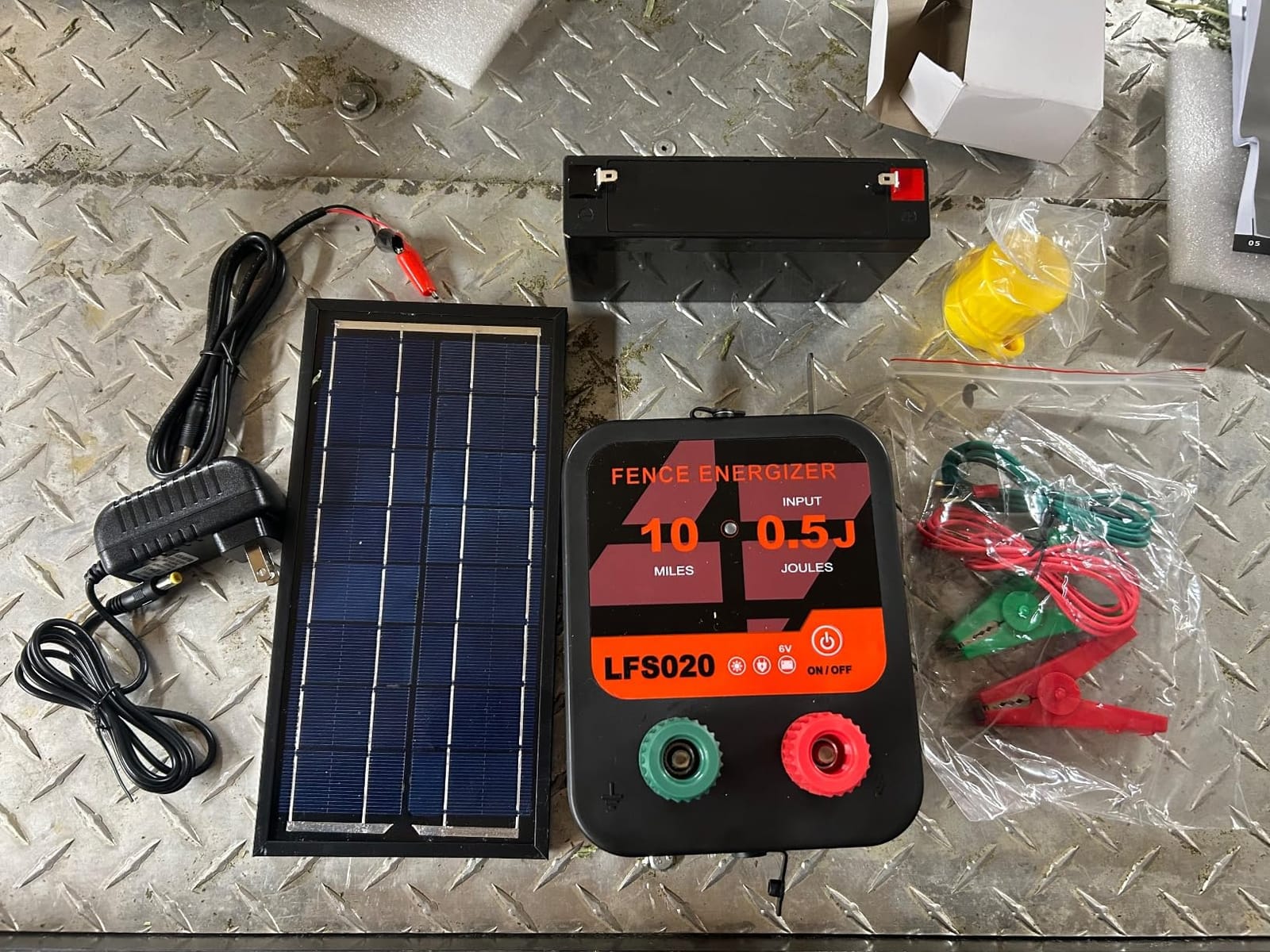
The BEIYI is a small, tidy unit for chickens, gardens and short runs. It stores 0.15 joules, covers up to 5 miles or 20 acres, and owners report reading a consistent 5.5 to 6kV on the fence, which is plenty for poultry and small pests.
Two design touches make it easier to live with. The solar panel angle is adjustable, which helps in shaded setups, and it can ground through the same steel post it mounts to, reducing the number of rods and clamps you need to carry to the field.
Setup is simple, especially with poly rope or poly wire, and the compact 5 by 5 by 8 inch body at 2.5 pounds is easy to move between locations. It includes built-in lightning protection and a fence lead, and the water-resistant case handles a garden post without complaint.
The rechargeable lithium battery is a genuine advantage over lead-acid in cold conditions, and it is one of the few budget units here that uses one.
Where it does a good job
Short garden runs, a chicken coop perimeter, a beehive row, or any small area where a heavier charger would be wasted. Moving it between a kitchen garden and an orchard takes seconds, and the adjustable panel angle lets you chase the sun without remounting.
Grounding through the mounting post is a small trick that saves real time on a one-post installation.
Where it falls down
One owner reports that the solar panel alone cannot meet daily demand and does not recover automatically after a deep discharge, which is worth knowing if you set it under trees. Another received a unit that would not charge at all.
The output is below the premium units here, the warranty is 1 year, and it is not the right choice for cattle or any long perimeter. Treat it as a garden-scale tool.
Solar Fence Charger Buying Guide
Everything below comes from what separates the units that work from the units that disappoint, and most of it will save you more trouble than the charger choice itself.
Joule output is the only spec that decides the outcome
Miles of fence measures wire, not force. Joules measure the energy in each pulse, which is what an animal feels and what determines whether it respects the line. A charger can cover 30 miles of thin wire and still pulse too weakly to hold a bull, while a 2-mile charger with the right output keeps everything inside.
Rule of thumb for guidance: poultry, rabbits and garden protection sit around 0.06 to 0.2 joules. Goats, sheep and small cattle want 0.2 to 0.5. Horses, bulls, bears and long multi-wire perimeters want 0.5 upward. When you are between classes, buy up.
Stored joules versus output joules
Stored joules is what the battery can hold. Output joules is what actually leaves the terminal on each pulse. Marketing leans on the larger number, so you will see a charger listed at 0.4 stored joules delivering considerably less under load. Judge the charger by the output figure where it is published, and assume the delivered pulse drops further in wet, heavy vegetation.
Low-impedance designs are the ones built for real fence conditions. They hold voltage when the line is wet, leafy or partly buried, which is precisely when a standard-output charger gives up.
Expect 20 to 30 percent of the rated range
Every mile figure in this category assumes ideal conditions: clean wire, correct spacing, no vegetation and good ground. The manufacturers mostly say as much, with the Gallagher S12 listing 4 miles ideal against roughly 0.6 miles with vegetation. Plan your fence around the realistic number and then buy more output than you need.
If your fence is woven wire or netting rather than a single strand, assume a far bigger reduction, since every strand adds load. This is where 0.4 joule and up starts earning its cost.
Battery chemistry decides winter performance
Sealed lead-acid is the traditional choice and the most common in this category. It is cheap and proven, but cold weather reduces its capacity, and forum buyers in northern climates consistently point to batteries that stop holding a charge in freezing conditions as their main failure complaint. If your winters are long, either move the battery indoors or choose a unit with a lithium pack.
The two lithium units here behave differently. The Gallagher S6 uses a LiFePO4 pack rated for up to 3 weeks without sunlight, while the Pet and Livestock HQ S100 uses a Panasonic lithium-ion pack good for about 10 days. Neither cares as much about a frosty morning as a lead-acid unit does. More general charging guidance sits alongside our best car battery chargers guide if you want the fundamentals.
Ground three rods, spaced ten feet apart
This is the step that decides whether your fence works, and it is the most commonly skipped. The general rule is about 3 feet of ground rod per joule of charger output, so a 0.5 joule unit wants at least a foot and a half of rod and a proper connection, while a 1 joule unit wants 3 feet. Most experienced installers go further and use multiple rods spaced roughly 10 feet apart in a line away from the fence.
Drive rods into damp soil, keep them well away from the fence line itself, and bond every rod together. Dry, rocky or sandy ground means longer rods or more of them. A charger that clicks but delivers nothing to the wire is almost always a grounding failure, not a dead unit.
Give it a full charge before the first night
Yes, the three-day question is real. Most units arrive with an uncharged battery, and several manufacturers ask for 2 to 3 days of direct sun or an overnight AC charge before first use. Turning a new charger on immediately leaves you testing a flat battery and drawing a bad conclusion.
Several units here also arrive with the internal battery disconnected. The ANDMON models, the BEIYI and the Realpoultry all require you to open the cover and connect the leads before the charger will do anything. Read the manual on day one, not after the animals are through the fence.
Panel placement and shading
Full sun matters more than panel wattage. A 5W panel in direct sun beats a 10W panel sitting in the shade of a barn roof, and orientation toward true south with a slight tilt for your latitude outperforms a flat mount in most of North America. If your only viable post is shaded, consider mounting the charger on a separate post in the open and run a lead back to the fence, rather than accepting a chronically undercharged battery.
Keep the panel clear of bird droppings, spider webs and hay dust, and check it a few times a season.
Why is my solar fence charger clicking but the fence is dead?
Work through this in order. First, test the ground system: add a second and third rod, spaced about 10 feet apart, and reconnect all of them. This resolves the majority of cases. Second, walk the fence line looking for a break, a failed insulator, a post that has shifted, or wire lying on wet ground.
Third, check vegetation. A single weed touching a hot wire can absorb most of the energy, and trimming the line often restores full voltage instantly. Fourth, confirm the battery is charged and the on/off switch is on, and that the leads are actually connected at the terminals.
Fifth, if the unit arrived with a disconnected battery or has locked up after a cold snap, disconnect the battery leads and reconnect them to reset the electronics. If none of that works, test the fence with a dedicated fence voltage tester rather than guessing, and only then consider the charger faulty.
Frequently Asked Questions
What is the best solar fence charger on the market?
For most small to mid-size operations, the Zareba ESP5M-Z is the best solar fence charger overall. Its 0.15 joule low-impedance output holds voltage through light weed growth, the 360-degree bracket fits T-posts, Y-posts and wood posts, and it runs up to two weeks without sunlight. It also has the largest body of buyer feedback in the category.
Are solar electric fence chargers any good?
Yes, when they are sized and installed correctly. A solar charger is simply a mains unit with a panel and battery attached, and the output you get depends on joules and grounding rather than on the power source. The recurring complaints about weak or failing solar units are almost always grounding problems or an undersized charger for the fence load.
How many joules is a good electric fence charger?
Around 0.1 to 0.2 joules suits poultry, rabbits and garden protection. Goats, sheep and small cattle need roughly 0.2 to 0.5 joules. Horses, bulls, bears and long multi-wire or woven perimeters need 0.5 joules and up, such as the ANDMON S600 at 0.53 joules or the Realpoultry S1000 at 1 joule. When unsure, step up a class.
What is the strongest fence charger available in this roundup?
The Realpoultry S1000 delivers 1 joule of stored output from a low-impedance design, paired with a 15W panel and a 12V 12Ah battery, and it is rated for minus 20C to 80C. The next step down is the ANDMON S600 at 0.53 joules. Strength of pulse is only part of the picture, though: grounding decides how much of that output reaches the far end of the wire.
Do you have to wait 3 days to turn on a solar fence charger?
You should. Most manufacturers ask for two to three days of direct sun, or an overnight charge with the included AC adapter, before first use. Several units here also arrive with the internal battery disconnected and require the leads to be connected before anything happens. Turning one on flat tells you nothing about how it performs.
How long will a solar fence charger run without sun?
It depends on the battery. The hovikoki 0.11J lists up to 30 days without sunlight, the Gallagher S6 lithium unit about 3 weeks, the Zareba models 2 weeks, and the 15W panel Realpoultry S1000 about 8 days. Real runtime depends on output demand, so a heavily loaded fence will drain the same battery far faster than a clean one.
Why did my solar fence charger stop working?
The usual causes are a failed ground system, a break or vegetation short on the fence line, a depleted battery, or a unit that locked up after a cold snap. Add rods spaced about 10 feet apart, clear vegetation from the wire, check the battery and switch, and disconnect then reconnect the battery leads to reset the electronics before assuming the charger is faulty.
Do solar fence chargers work in winter and cloudy climates?
They do, but battery chemistry matters. Lead-acid packs lose capacity in freezing conditions, which is the most common cold-weather complaint. Lithium units such as the Gallagher S6 and the Pet and Livestock HQ S100 tolerate frost far better, and units with two to three weeks of stored reserve ride out overcast stretches more comfortably than eight-day designs.
Can I use a solar fence charger for deer or bears?
For bears and heavy deer pressure on a long perimeter, choose 0.5 joules or more and expect the pulse to hold through overcast days. For deer specifically, voltage is only half of it: a deer that jumps a fence is never shocked, so height and visibility still do that work. The Zareba ESP10M-Z is a common choice for that job.
Final Verdict
The best solar fence chargers are the ones that match their joule output to your animals and your weed load, and the Zareba ESP5M-Z wins this roundup as our Editor’s Choice for exactly that reason. It holds 0.15 low-impedance joules through light vegetation, runs two weeks without sun, mounts anywhere a post already stands, and carries more real-world buyer history than anything else we tested.
Step up to the ANDMON MINI400 or S600 if you fence woven wire, netting, cattle or bears, and choose a lithium unit such as the Gallagher S6 if your winters are long. Whatever you pick, drive the ground rods first and give it a full charge before you trust it.
Use the comparison table above to line up the specs, check the latest price and reviews, and get the fence live before the weather changes its mind.