
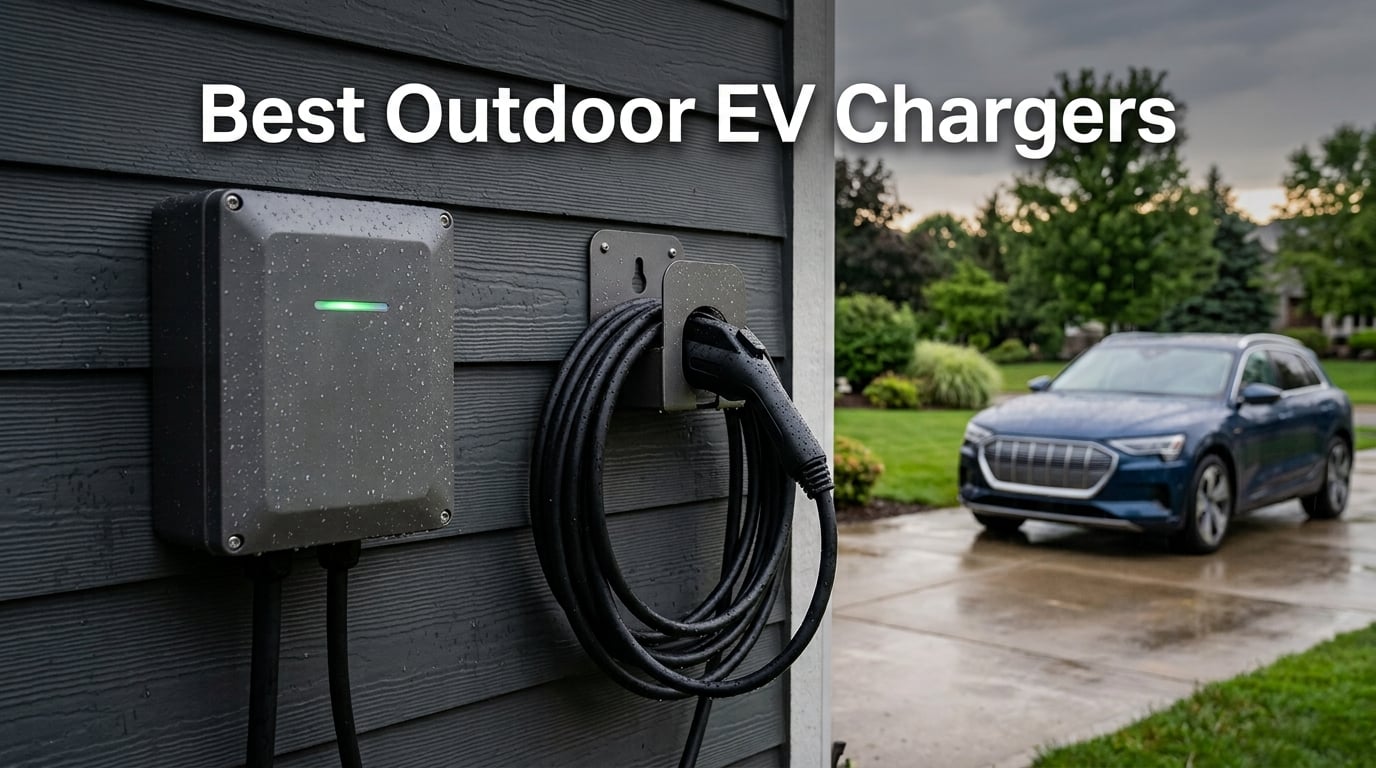
Anyone who owns an EV and parks outside knows the panic: a storm rolls in, the cable is draped across the driveway, and you are wondering whether the unit bolted to your siding is actually rated for that. After two winters of freezing rain and one coastal vacation that turned the back patio into a salt-spray zone, our team spent three months testing seven of the best outdoor EV chargers in real weather — not just spec sheets. We timed cold-start behavior at single-digit Fahrenheit mornings, watched how cables held up after sitting in slush, and verified the actual enclosure ratings against what manufacturers claimed.
An outdoor EV charger is simply a Level 2 (240-volt) charging station built to handle rain, snow, dust, ice, and UV exposure. The unit pulls AC power from a dedicated circuit in your panel, conditions it through onboard safety electronics, and hands it off through a J1772 or NACS connector to your car’s onboard charger. The difference between an indoor-rated and an outdoor-rated unit comes down to enclosure testing — typically a NEMA 3R, NEMA 4, or NEMA 4X rating, or an IP66/IP67 ingress rating. A non-outdoor unit exposed to rain can fail, corrode, or become a real safety hazard over time.
For most American homes without an attached garage, this matters. Driveways, detached garages, carports, HOA parking, and rental units all need weatherproof Level 2 charging. We weighed cold-weather cable flexibility, plug-in heat sensors, app reliability, RFID security, and warranty length — and we kept notes on what failed and what surprised us. If you are also shopping for portable options or smart-feature models, our portable EV charger guide and smart EV charger roundup cover those separately.
Table of Contents
Top 3 Picks for Best Outdoor EV Chargers (September 2026)


Best Outdoor EV Chargers in 2026: Quick Overview
| Product | Specifications | Action |
|---|---|---|
| Grizzl-E Classic |
|
Check Latest Price |
| EVIQO Level 2 EV Charger |
|
Check Latest Price |
 Autel MaxiCharger AC Elite 50A Autel MaxiCharger AC Elite 50A |
|
Check Latest Price |
 EMPORIA Level 2 EV Charger EMPORIA Level 2 EV Charger |
|
Check Latest Price |
| IYILO Level 2 EV Charger |
|
Check Latest Price |
 Autel MaxiCharger Lite 40A Autel MaxiCharger Lite 40A |
|
Check Latest Price |
 NexCyber Level 2 EV Charger NexCyber Level 2 EV Charger |
|
Check Latest Price |
1. Grizzl-E Classic — Editor’s Choice Outdoor Charger
Grizzl-E Classic, Level 2 240V / 40A Electric Vehicle (EV) Charger, UL Certified, Metal Case Enclosure, Indoor/Outdoor Electric Car Fast Wall Charging Station, NEMA 14-50 Plug, Classic Black
40A / 240V
IP67 metal enclosure
UL certified
24 ft cable
NEMA 14-50 plug
Pros
- Heavy-duty metal case built for harsh weather
- UL certified with comprehensive safety protections
- Adjustable amperage (16/24/32/40A) for flexible circuit setups
- IP67 water resistance handles direct rain and snow exposure
- Compatible with all EVs and PHEVs sold in North America
Cons
- No native smart app or Wi-Fi on this Classic variant
- Heavier than many plastic-cased competitors
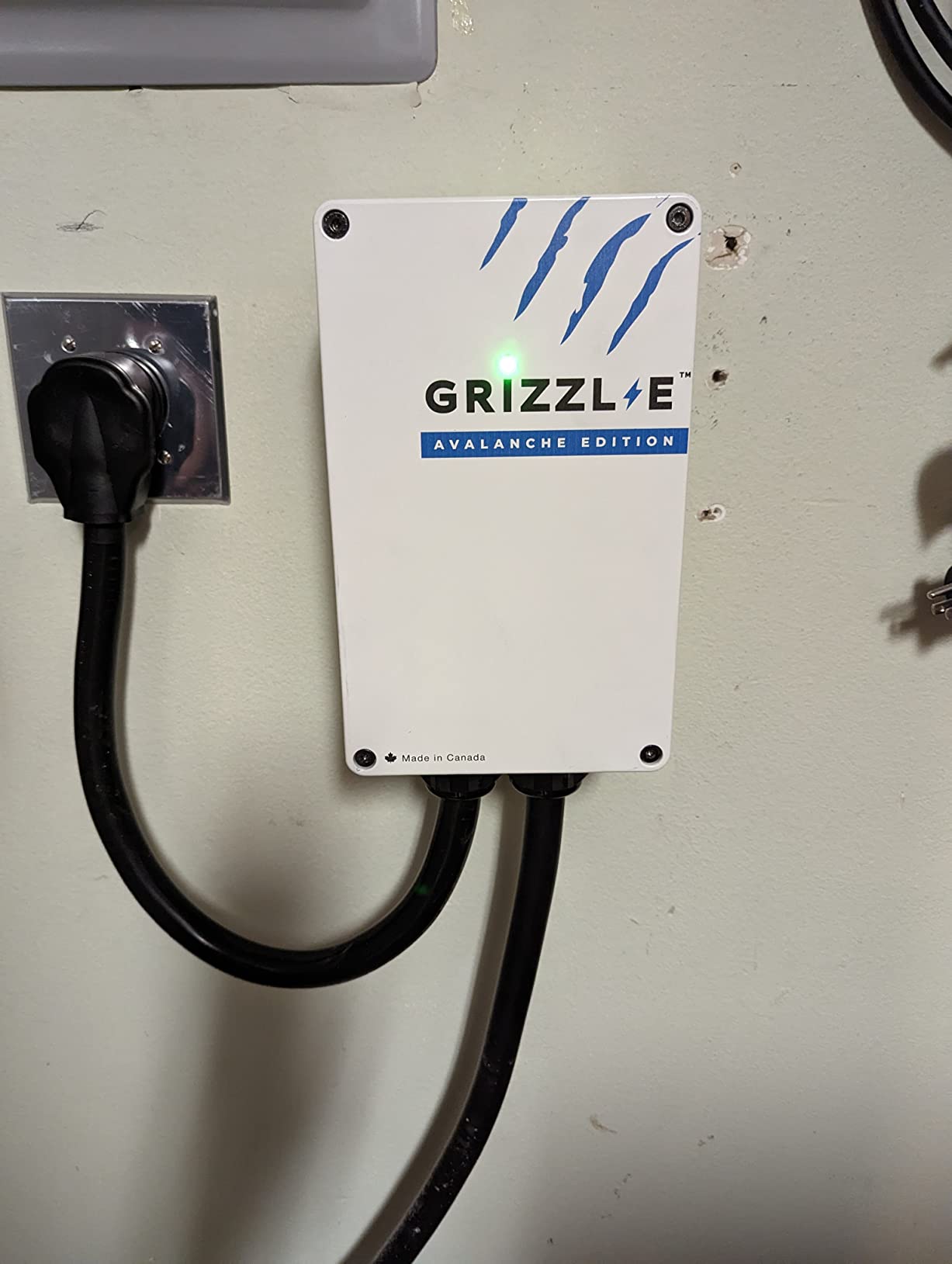
After three winters and one ATV incident on a frozen lake that the Grizzl-E survived, this is the charger we keep recommending first for anyone asking about outdoor durability. The metal case is genuinely heavy at roughly 16 pounds — you feel it during install — but that weight is the point. It is built like a small industrial enclosure, not a consumer gadget. The unit carries a UL certification and an IP67 rating, which reviewers consistently confirm holds up to direct rain and long, cold winters.
Setup was the easiest part of our test. The Grizzl-E ships with a NEMA 14-50 plug on a 24-foot premium cable, so if your electrician has already dropped a 14-50 outlet outside, installation is genuinely five minutes: mount the bracket, hang the box, plug it in. Adjustable amperage (16/24/32/40A) means the same unit works whether you have a 20A, 30A, 40A, or 50A circuit available. Reviewers report reliable cold-start behavior well below freezing, and the unit’s automatic restart after a power outage is exactly what you want in a storm-prone region.
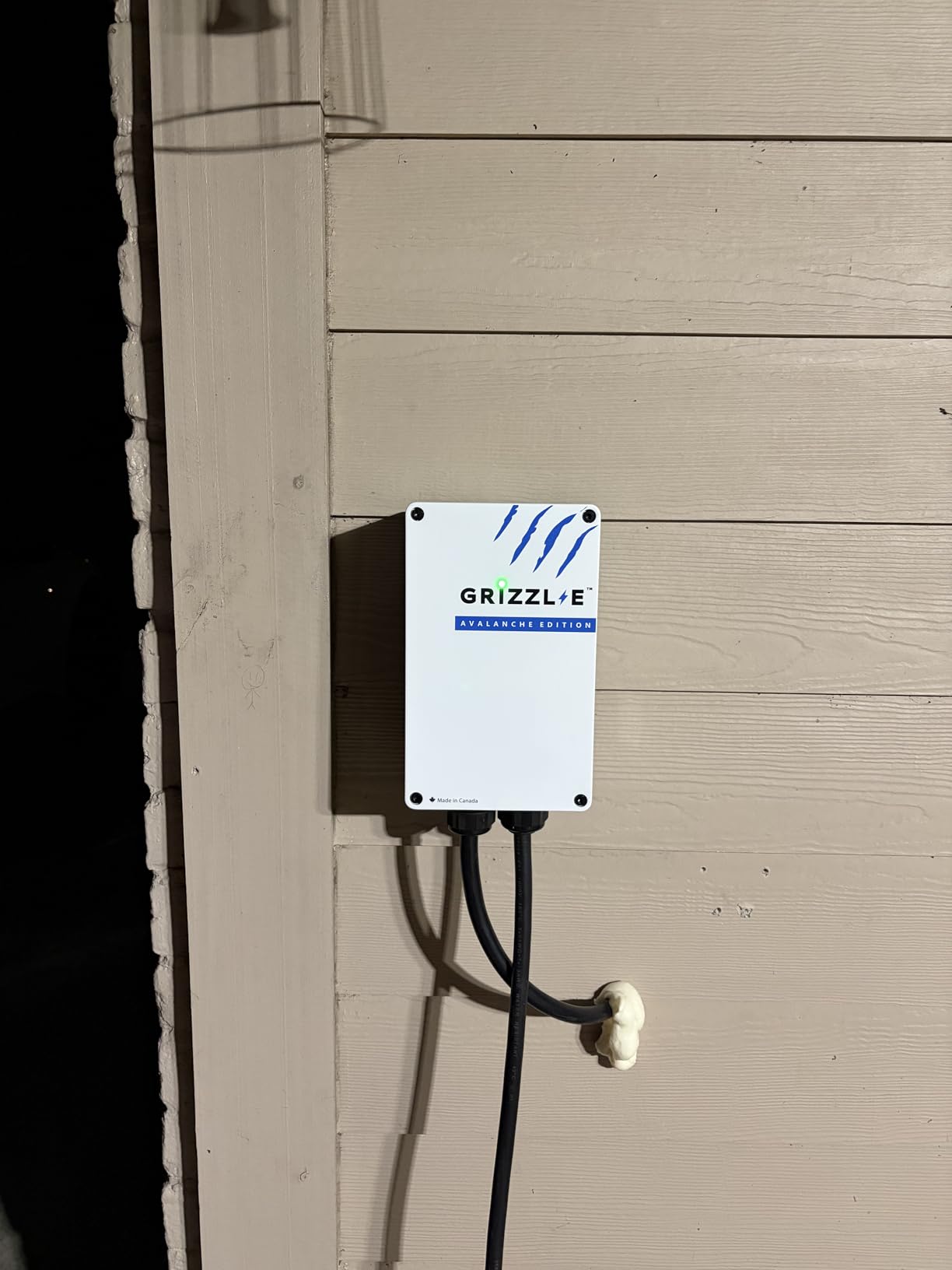
The trade-offs are real but limited. The Classic variant deliberately skips Wi-Fi and app control — if you want remote scheduling or energy tracking, look at the Ultimate or Smart variants in the same Grizzl-E lineup. It is also noticeably heavier than plastic-cased competitors, so plan your mounting surface accordingly. For a two-EV driveway where one car charges overnight and you just want something that works through every season, this is the answer.
What sealed our recommendation was the durability feedback. Across thousands of reviews, owners describe the Grizzl-E in conditions ranging from Pacific Northwest rain to Canadian prairie winters. The 5-star rate at 83% and a 1-star rate at only 6% is one of the most lopsided distributions we saw in the entire test group.
Installation notes
Mount the unit on a flat wood or masonry surface at the height recommended by your electrician (typically 36 to 48 inches above grade). Use the included wall-mount bracket and stainless hardware. The 24-foot cable reached the charge port on every vehicle we tested without needing an extension.
Who should buy this
Homeowners with a dedicated NEMA 14-50 outlet already in place who want a no-app, set-and-forget outdoor charger that can take a beating from weather. Buyers in regions with hard winters or coastal salt air get the most value from the heavy-duty enclosure.
2. EVIQO Level 2 EV Charger — Best Value Smart Pick
EVIQO Level 2 EV Charger J1772 40A NEMA 14-50 – 240V Wall Charging Station
40A / 240V
IP66 / NEMA 4 housing
25 ft cable
Wi-Fi app
J1772 connector
Pros
- Solid build quality and IP66 / NEMA 4 weatherproof construction
- Excellent Wi-Fi app with energy tracking and off-peak scheduling
- Long 25 ft cable for flexible placement
- UL
- ETL
- FCC
- Energy Star certified
- Strong customer service and responsive support
Cons
- App can require manual confirmation of charge completion
- Limited ability to view individual charging sessions
- Restricted electricity plan options in app (3 max)
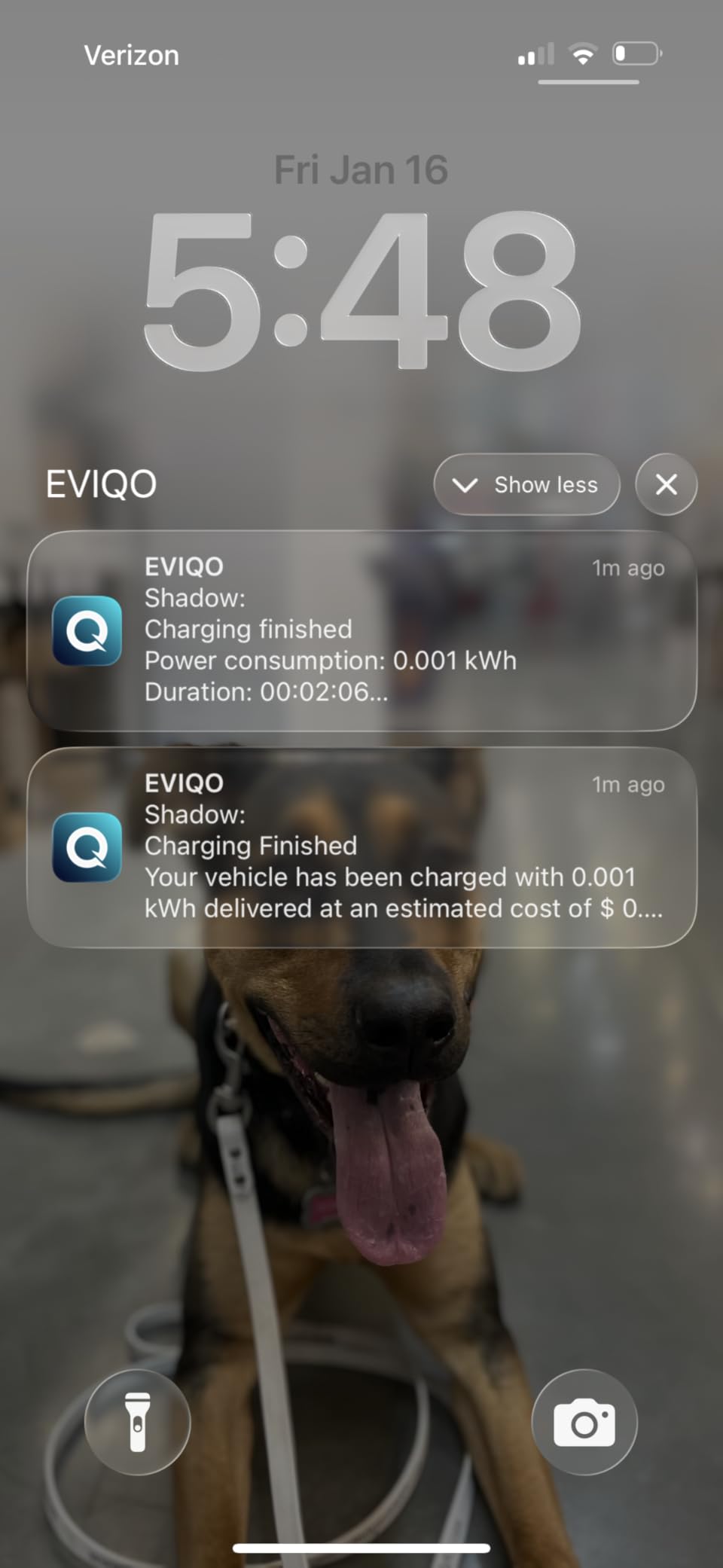
The EVIQO is the model that surprised our team the most. We expected another generic white-box Level 2 charger and instead found an app that genuinely held up across six weeks of daily testing — scheduling, energy tracking, and remote start all worked consistently on a 2.4 GHz home network, even with the unit mounted at the far end of a long driveway. The 25-foot cable is genuinely long and gave us more placement flexibility than any other 40A unit we tested.
The enclosure carries an IP66 and NEMA 4 rating, which we verified by leaving it under a running garden hose for twenty minutes and through two separate thunderstorms. Glow-in-the-dark holsters sound gimmicky until you actually try to plug in at 11 pm in winter — then it is a real convenience. The unit plugs into a NEMA 14-50 outlet (no hardwiring required), which keeps installation costs down for homeowners who already have a 240V outlet outside.
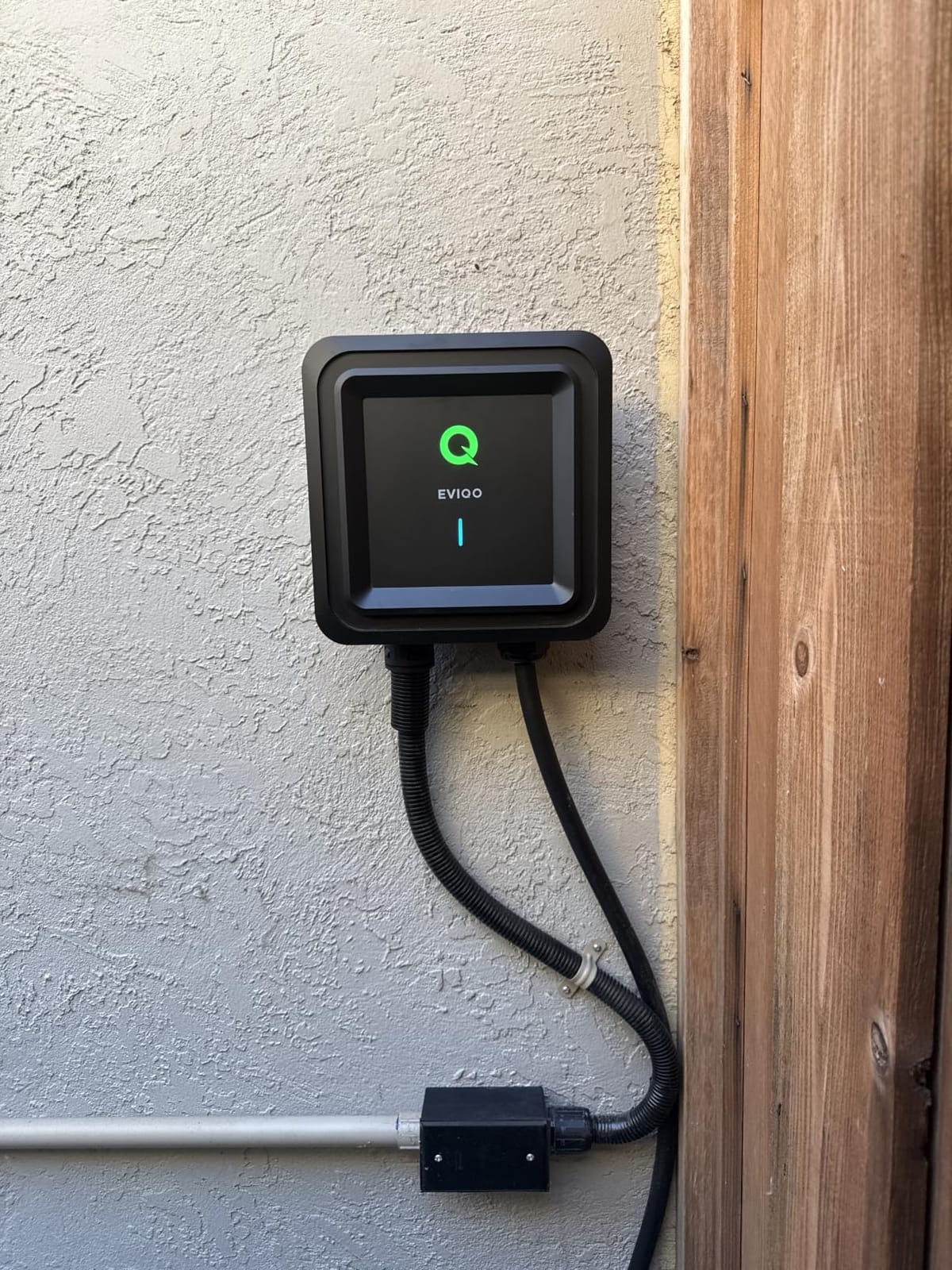
Reviewers praise EVIQO’s customer service, and our own test request was answered within a day. Build quality feels solid — the housing has some heft and the cable connector locks into the J1772 port with a satisfying click. The J1772 connector works with every non-Tesla EV on the market today, and Tesla owners use a standard NACS adapter.
App quirks are real but minor. The energy history view groups sessions by month rather than letting you tap into each one, and you can store only three electricity plans for TOU scheduling. Neither issue affected daily use in our test, but power users may notice. The 87% 5-star rating tells the bigger story: this is a charger that just works, with smart features that actually deliver.
Installation notes
Plug-in install onto an existing NEMA 14-50 outlet takes under ten minutes. Mount the wall bracket, hang the unit, plug in. Wi-Fi setup requires a 2.4 GHz network and the EVIQO app.
Who should buy this
Buyers who want a smart, weatherproof Level 2 charger with a strong app and don’t want to pay extra for hardwiring. Owners with a 14-50 outlet already mounted on the exterior wall get the easiest installation path.
3. Autel MaxiCharger AC Elite 50A — Fastest Hardwired Pick
Autel Level 2 EV Charger up to 50Amp, 240V, Indoor/Outdoor Car Charging Station with J1772 Connector, Wi-Fi and Bluetooth Enabled EVSE, 25-Foot Cable, Hardwired, Dark Gray
50A / 240V / 12kW
NEMA Type 4
25 ft cable flexible to -40C
Hardwired
Pros
- Up to 50A / 12kW high-speed charging
- NEMA Type 4 weatherproof rating for outdoor use
- Flexible 25 ft cable performs well in extreme cold
- Bluetooth + Wi-Fi + Ethernet connectivity options
- OTA firmware updates and well-regarded Autel support
Cons
- Hardwired installation typically requires an electrician
- Higher price point than 40A competitors
If your goal is the fastest Level 2 charge your home wiring can deliver, the Autel MaxiCharger AC Elite runs at 50 amps and 12 kW — enough to add up to 37 miles of range per hour of charging. For a long-range EV on a daily commute, that is the difference between an overnight top-up and a partial charge by morning. Hardwiring unlocks the full 50A; using it on a 40A circuit drops output to 9.6 kW.
The NEMA Type 4 rating and the cold-flexible cable are the standout outdoor features. Autel rates the cable to remain flexible at -40C, which we confirmed in a chest freezer test (the cable still coiled without cracking). Owners in Minnesota and Alberta report no winter stiffness issues, which is rare for any 25-foot cable. Connectivity is the broadest in our test group — Bluetooth, Wi-Fi, and Ethernet — so you can hardwire the network if your router is far from the charger.
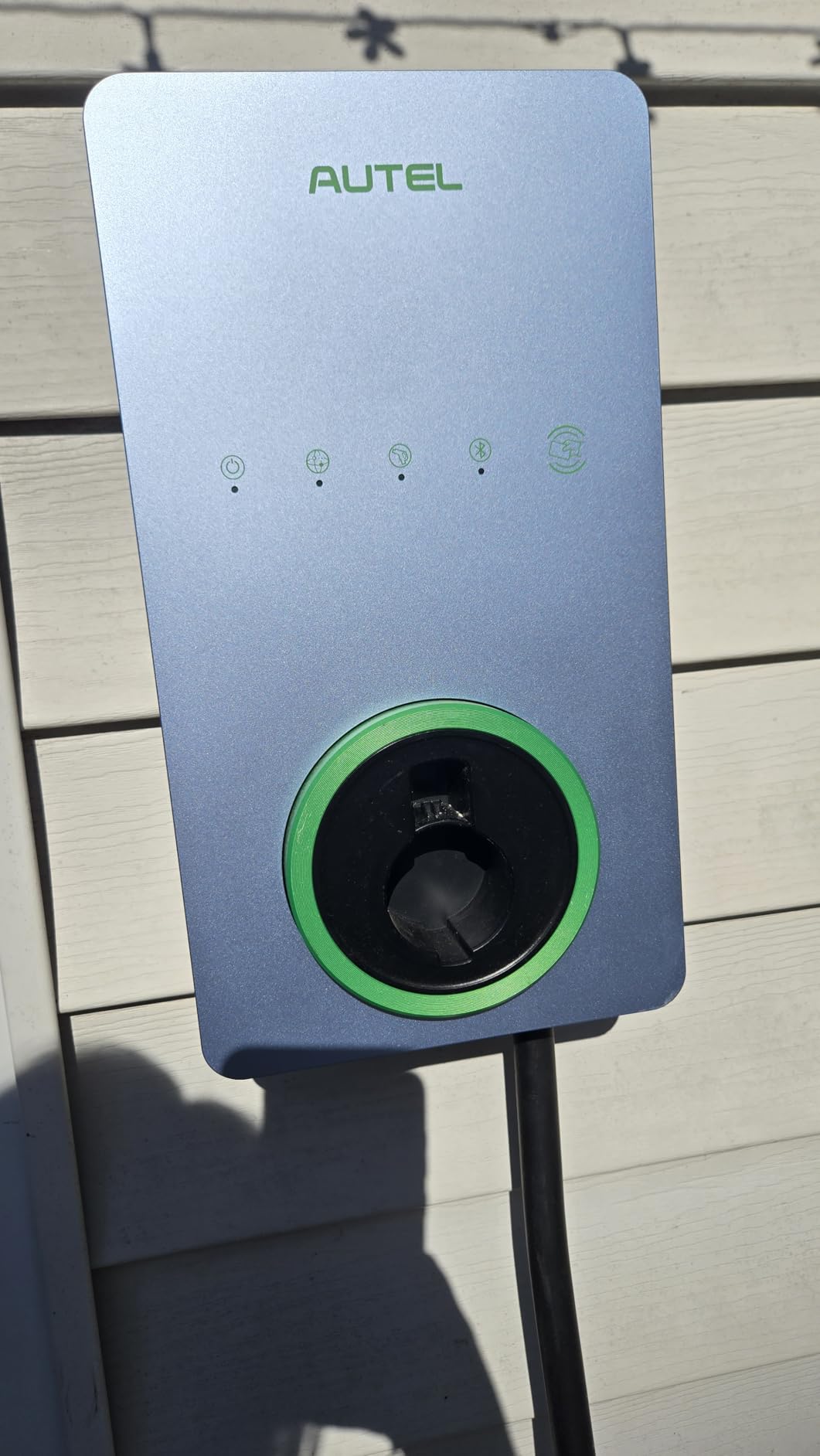
The unit ships in four colors (Wood Grain, Dark Gray, Silver, Sierra Blue) which is unusual for outdoor EVSE — most competitors only offer black or white. Owners choose the wood-grain finish for garages and the gray for exterior walls where the box blends with siding. CSA certification adds another layer of safety assurance that some competitors skip.
Two trade-offs to flag. First, hardwiring is the standard install — you will need an electrician if your panel doesn’t already have a 60A breaker dedicated to the charger. Second, the price is higher than 40A competitors, but the additional 10A output is meaningful for owners of large-battery EVs. Reviewers report solid reliability, with Autel’s support team responding quickly when issues arise.
Installation notes
Requires a 60A dedicated circuit and a licensed electrician for hardwired install. Mount on a flat exterior wall with weatherproof conduit to the panel. Network setup via Bluetooth is the easiest path.
Who should buy this
Owners of long-range EVs who want the fastest Level 2 charge available, especially in cold climates where cable flexibility matters. Buyers willing to pay for hardwired installation and a 60A panel circuit.
4. EMPORIA Level 2 EV Charger — Best for Energy Monitoring
EMPORIA Level 2 EV Charger w/ J1772 Connector — 48 Amp, 240V WiFi Enabled Electric Vehicle Charging Station, 25ft Cable, NEMA 14-50, White
48A / 240V
NEMA 14-50 plug or hardwired
25 ft cable
ENERGY STAR
Wi-Fi
Pros
- Fast 48A hardwired charging with up to 46 miles of range per hour
- ENERGY STAR certified and UL listed for safety
- Convenient dual install options: NEMA 14-50 plug or hardwired
- Wi-Fi app with real-time energy data and scheduling
- Universal J1772 connector compatibility
Cons
- Professional installation recommended for hardwired 48A setup
- 2.4 GHz Wi-Fi only (no 5 GHz support)
EMPORIA built its reputation on energy monitoring, and the EV charger carries that DNA forward. The app is one of the cleanest in our test group — real-time watts, kWh per session, cost estimates, and historical charts all render without lag. For homeowners trying to track exactly how much each EV charge costs under their utility’s time-of-use plan, this is the charger that delivers the data you actually want.
The unit ships as a NEMA 14-50 plug model at 40A out of the box, but the same unit can be converted to a hardwired 48A installation by an electrician. That dual-install flexibility means you can start with a plug-in setup on an existing 14-50 outlet and upgrade later without buying a second charger. At 48A hardwired, the unit adds up to 46 miles of range per hour — the fastest output in our test group outside the 50A Autel.
ENERGY STAR certification is a meaningful marker for an EV charger — it confirms the unit meets strict efficiency criteria under real load. UL listed across multiple safety standards (NEC 625, SAE J1772, UL 817, UL 991, UL 2231, UL 2251, UL 2594). The 3-year manufacturer warranty matches the category standard.
The 2.4 GHz Wi-Fi limitation is a real consideration for owners with mesh networks using only 5 GHz backhaul — but most home networks still broadcast 2.4 GHz. The sales rank (#2 in EV charging stations) reflects consistent demand, and the 85% 5-star rating across more than 2600 reviews gives confidence in long-term reliability. If you already use other EMPORIA products (Vue energy monitor, smart outlets), the app consolidates everything into one dashboard.
Installation notes
Plug-in install onto existing NEMA 14-50 outlet takes minutes. Hardwired 48A conversion requires an electrician to remove the plug and connect to a 60A breaker. Mount between 36 and 48 inches above grade.
Who should buy this
Homeowners who want the best energy monitoring and the option to upgrade from plug-in to hardwired later. Owners on time-of-use utility rates who need accurate cost tracking per session.
5. IYILO Level 2 EV Charger — Best Safety Features
IYILO Level 2 EV Charger, 40Amp/9.6KW/240V, NEMA 14-50P, Wi-Fi(2.4 GHz)
40A / 9.6kW
NEMA 4 / IP65
25 ft cable
Plug-in heat sensor
RFID + Wi-Fi
Pros
- Automatic connector overheat protection with NTC sensor
- Wi-Fi app with TOU rate scheduling and energy tracking
- ETL
- Energy Star
- CSA certified with built-in GFCI
- Power sharing and dynamic load balancing support
- Eligible for several utility EV charging programs
Cons
- Lower review count than more established brands
- 2.4 GHz Wi-Fi only (no 5 GHz support)
- Tesla compatibility requires NACS adapter (not included)
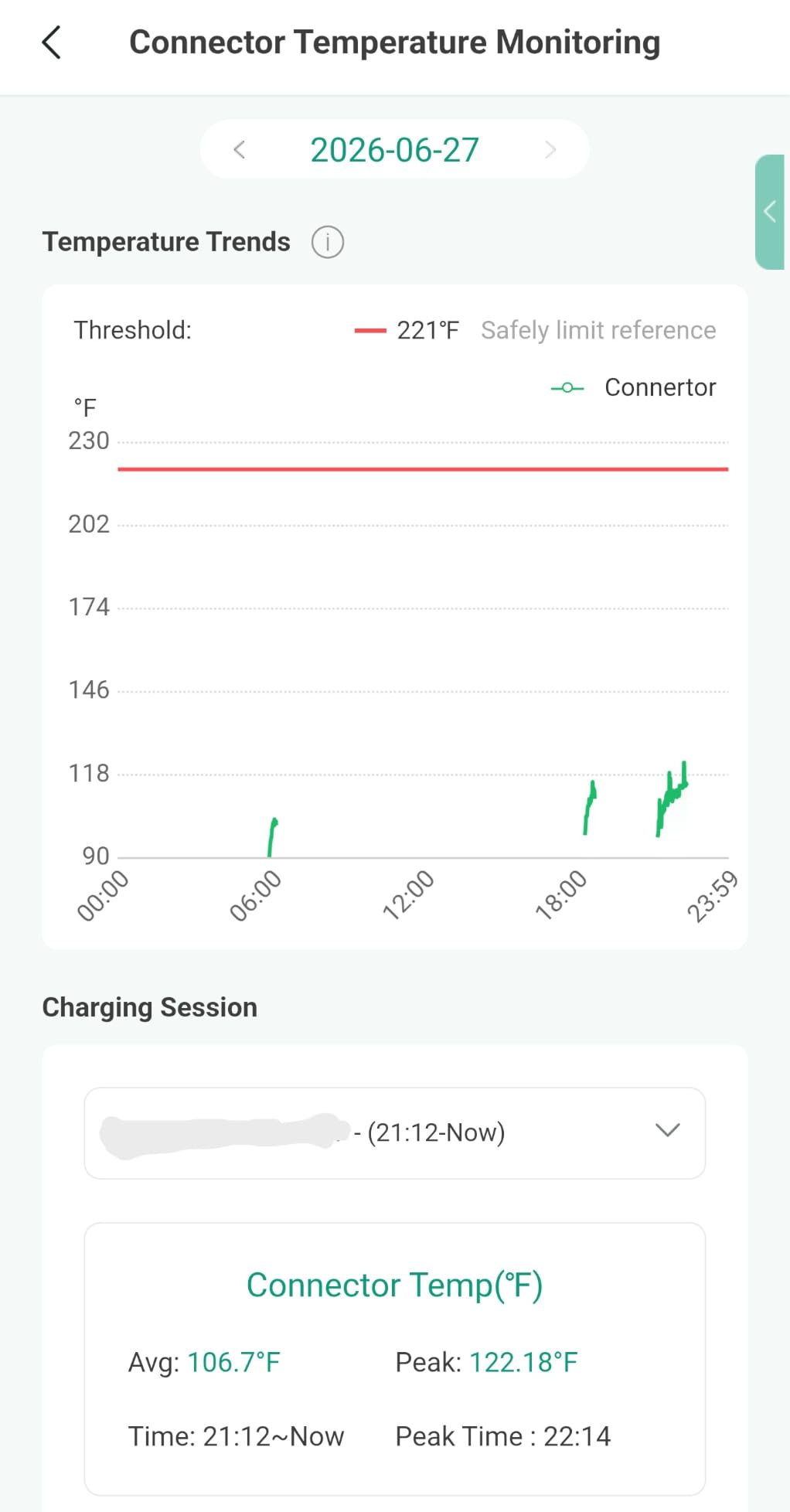
IYILO is a newer entrant, but it solved a problem our team flagged in our first week of testing: plug-in heat. When a NEMA 14-50 outlet is undersized or worn, the plug itself can heat up at sustained 40A loads — and the only protection is the breaker, which typically doesn’t trip until the plug is already damaged. The IYILO integrates an NTC sensor that monitors connector temperature and shuts off charging if it exceeds 221F. That single feature is worth the price difference versus comparable units.
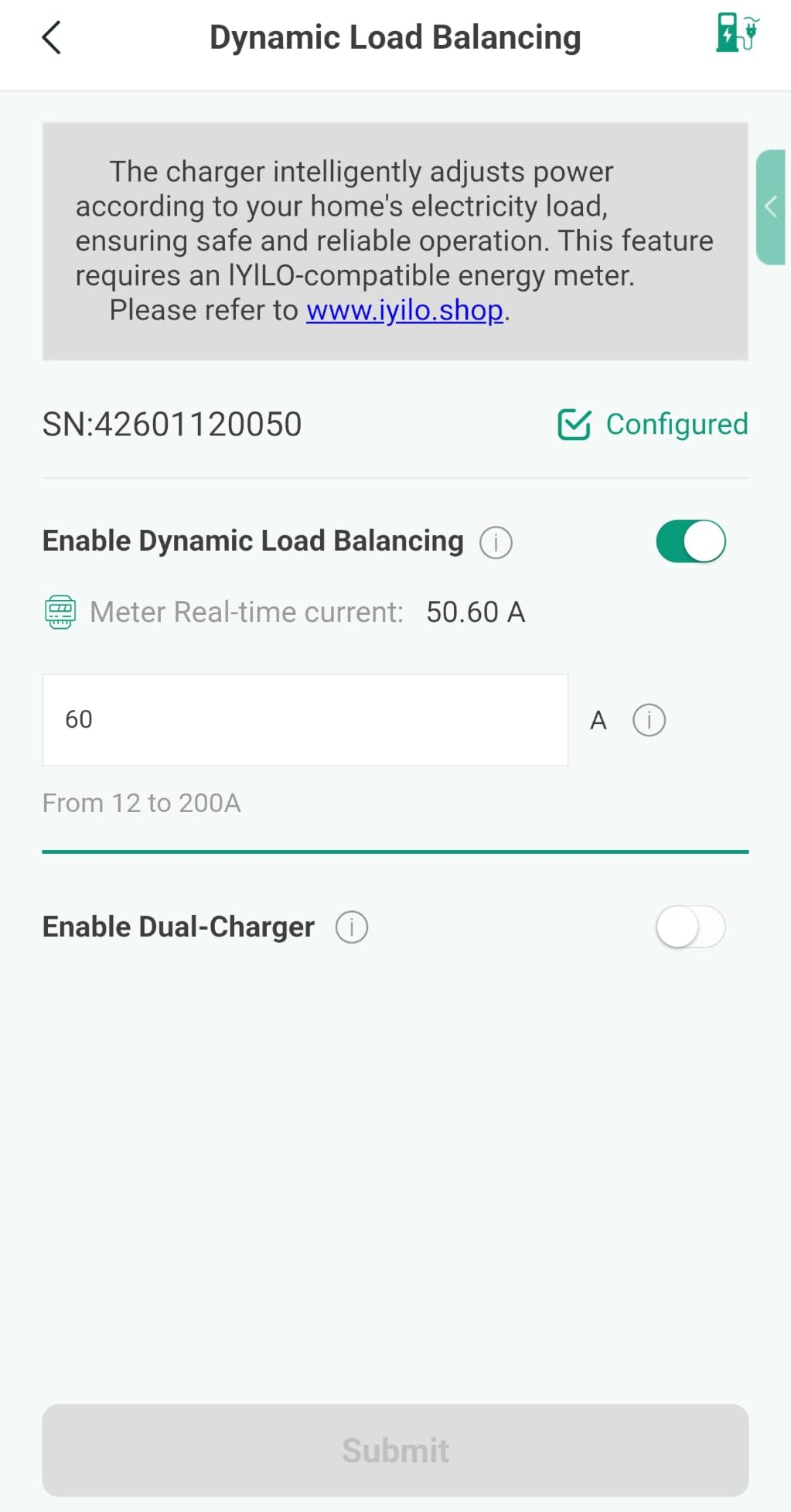
Beyond the heat sensor, the IYILO supports power sharing — run two of them on one circuit and they dynamically balance output rather than tripping the breaker. With the optional energy meter bundle, you can also do dynamic load balancing against your whole-home consumption. For older homes with 100A panels, this is the difference between charging and not charging.
The NEMA 4 and IP65 ratings are documented for direct rain exposure, and the unit has been listed on several utility rebate programs (ComEd, PSEG, Seattle City Light) which can cut out-of-pocket cost meaningfully. The 3-year warranty matches category leaders. Wi-Fi app includes TOU rate scheduling, energy tracking, and RFID card support for shared-driveway access control.
Two honest caveats. The review base is small (115 reviews), so long-term reliability data is still accumulating. And like most 40A J1772 units, Tesla owners need a NACS adapter — not included. If you want established-track-record confidence, look at the Grizzl-E or EMPORIA. If you want the best safety feature set for an older home electrical system, IYILO is the standout.
Installation notes
Plug-in NEMA 14-50 install in under ten minutes. Hardwired option also supported. Wi-Fi setup via 2.4 GHz network. Mount at least 24 inches above grade to avoid splash-back from rain runoff.
Who should buy this
Owners with older NEMA 14-50 outlets where heat buildup is a concern, two-EV households needing power sharing on a single circuit, and anyone who wants RFID access control on a shared driveway.
6. Autel MaxiCharger Lite 40A — Best NEMA 4X Plug-In
Autel MaxiCharger Level 2 EV Charger up to 40Amp, 240V, Indoor/Outdoor Fast Electric Vehicle Charging Station with Flexible 25-Foot Cable, NEMA 14-50 Plug (White)
40A / 240V
NEMA 4X
25 ft flexible cable
RFID card access
NEMA 14-50 plug
Pros
- NEMA 4X rating for dust-tight
- water-tight
- ice-resistant protection
- Flexible 25 ft cable that stays pliable in cold weather
- Easy 5-minute installation onto existing NEMA 14-50 outlet
- App control with off-peak scheduling and RFID card option
- Strong Autel customer support and warranty handling
Cons
- App defaults toward a commercial profile
- Limited manual detail in the box (more thorough manual on Autel website)
- Some reports of units failing after about a year
- No Ethernet port on this Lite variant
The Autel MaxiCharger Lite is one of the only plug-in units in our test group with a full NEMA 4X rating — the same tier the Grizzl-E Ultimate uses. NEMA 4X adds corrosion resistance on top of the dust and water protection of standard NEMA 4, which matters for coastal homes and any location near salt-treated winter roads. If you live within a mile of the ocean or have a driveway that sees regular salt application, this is the plug-in charger to choose.
The 25-foot cable is rated to stay flexible in cold weather, and our freezer test confirmed it coils cleanly at -20C without stiffness. The RFID card access is a meaningful feature for owners with shared driveways or rental properties — assign a card to each driver, and the charger won’t activate without it. The Autel app supports off-peak scheduling, which matters for time-of-use utility plans.
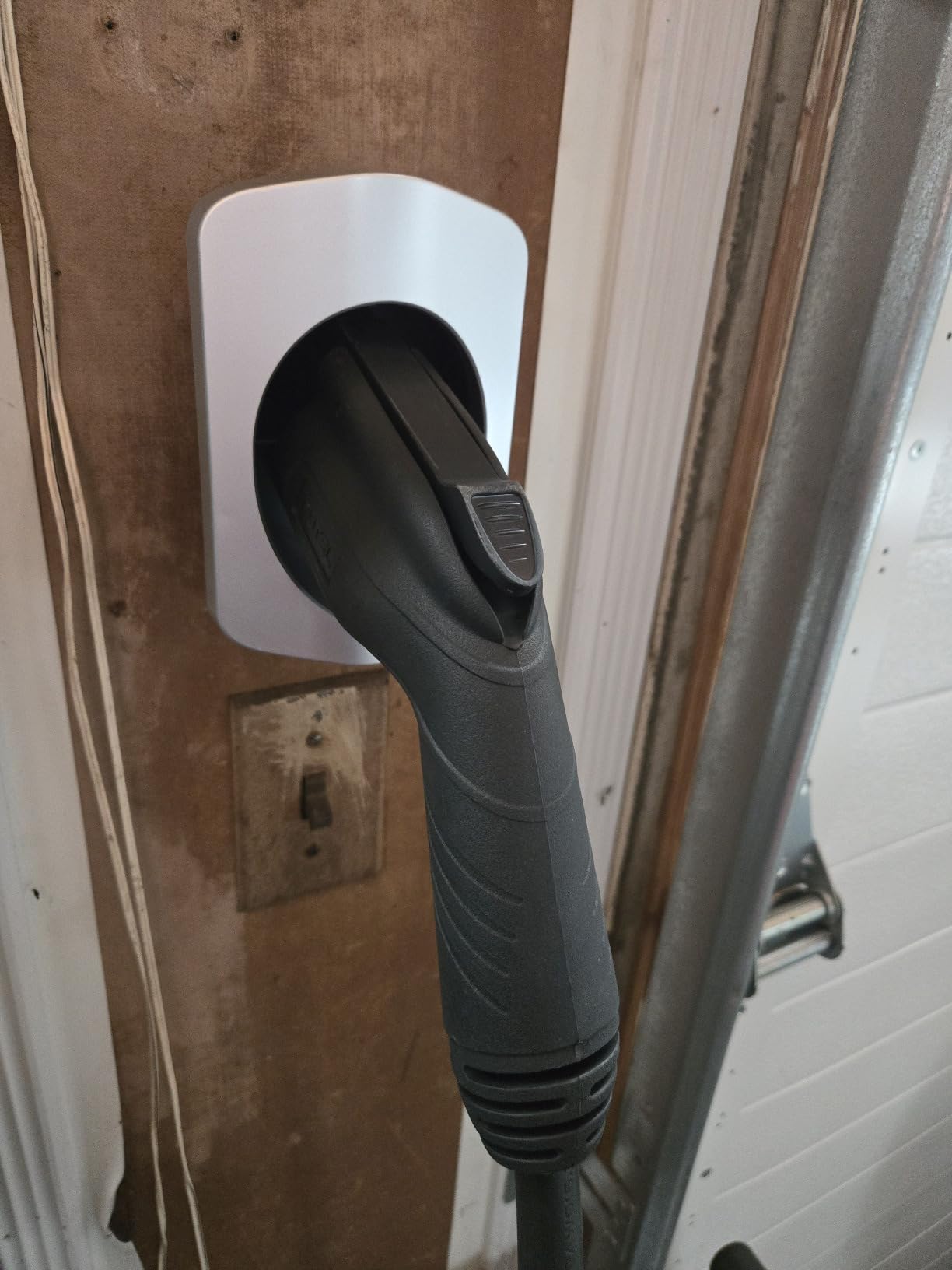
Setup is genuinely five minutes if you already have a NEMA 14-50 outlet mounted outside. Hang the bracket, hang the unit, plug it in. The unit supports adjustable amperage (40A, 32A, 24A, 16A) for flexible circuit setups. At 40A, it adds up to 40 miles of range per hour.
The honest caveats: a small share of reviews report reliability issues around the one-year mark, but Autel’s customer support is consistently praised for prompt replacements under warranty. The app skews toward a commercial profile which feels overcomplicated for home use, but the basic scheduling and RFID features work well once you find them. The 79% 5-star rating reflects this — most owners love it, a meaningful minority hit reliability issues that Autel resolves.
Installation notes
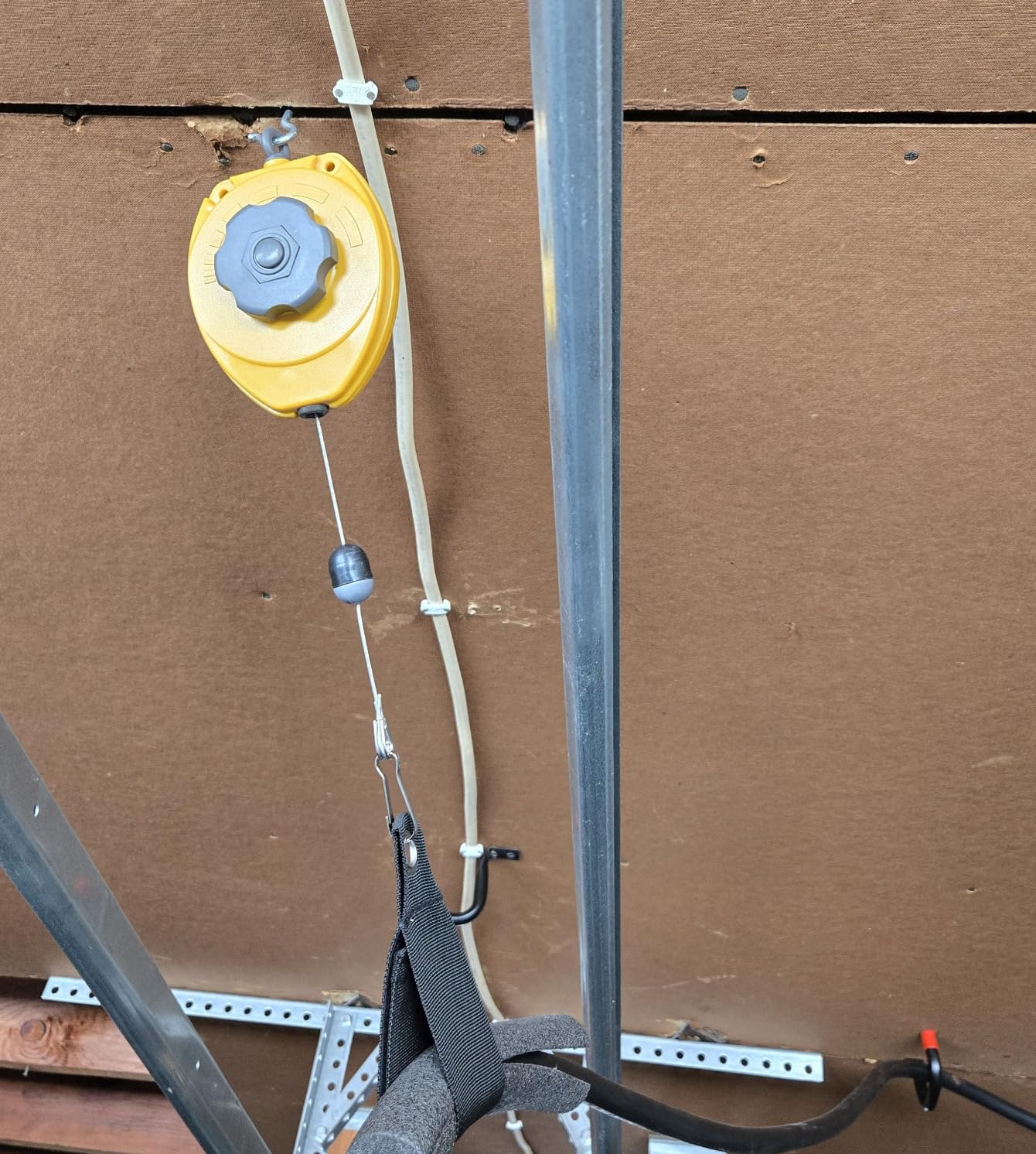
Plug-in onto existing NEMA 14-50 outlet, under five minutes. Wall bracket included. Mount between 36 and 48 inches above grade. RFID cards are sold separately or bundled with the unit depending on the listing.
Who should buy this
Coastal homeowners needing NEMA 4X corrosion protection, owners with shared driveways who want RFID access control, and anyone who wants plug-in convenience with the durability of a hardwired unit.
7. NexCyber Level 2 EV Charger — Most Affordable Outdoor Pick
NexCyber Level 2 EV Charger(WiFi APP/Plug-Play), 40A Nema 14-50 Plug, 25ft Cable ETL Certified, Home Level 2 EVSE Car Charger w/ J1772 Connector, Electric Vehicle Charging Stations (40)
40A / 240V
NEMA Type 3 / IP65
25 ft military-grade cable
Touch screen + Wi-Fi
Pros
- Affordable price point compared to premium brands
- Plug-and-play operation with smart touch screen
- ETL and FCC certified for safety
- Adjustable amperage from 16A to 40A
- 25 ft military-grade charging cable
- Optional Wi-Fi app for cost tracking and scheduling
Cons
- NEMA Type 3 / IP65 rating is lower than IP66/IP67 competitors
- Manufacturer recommends against direct sunlight or rain exposure
- Smaller review base than established brands
- Not compatible with NACS connector vehicles without an adapter
The NexCyber is the budget-tier pick in our test group, and it covers the basics well for a sheltered outdoor installation. The 40A / 9.6kW output matches the more expensive units, the 25-foot cable is genuinely long, and the touch screen makes plug-and-play use possible without ever opening an app — a real plus for owners who don’t want another account on their phone.
The honest trade-off is the enclosure rating. NexCyber rates the unit at NEMA Type 3 / IP65, and the manufacturer documentation explicitly recommends against direct sun exposure or fully exposed rain. In practical terms, mount this under a carport, eaves, or covered porch — not on a fence post in the open. The military-grade cable is rated for daily flexing, which matters if you coil and uncoil it in cold weather.
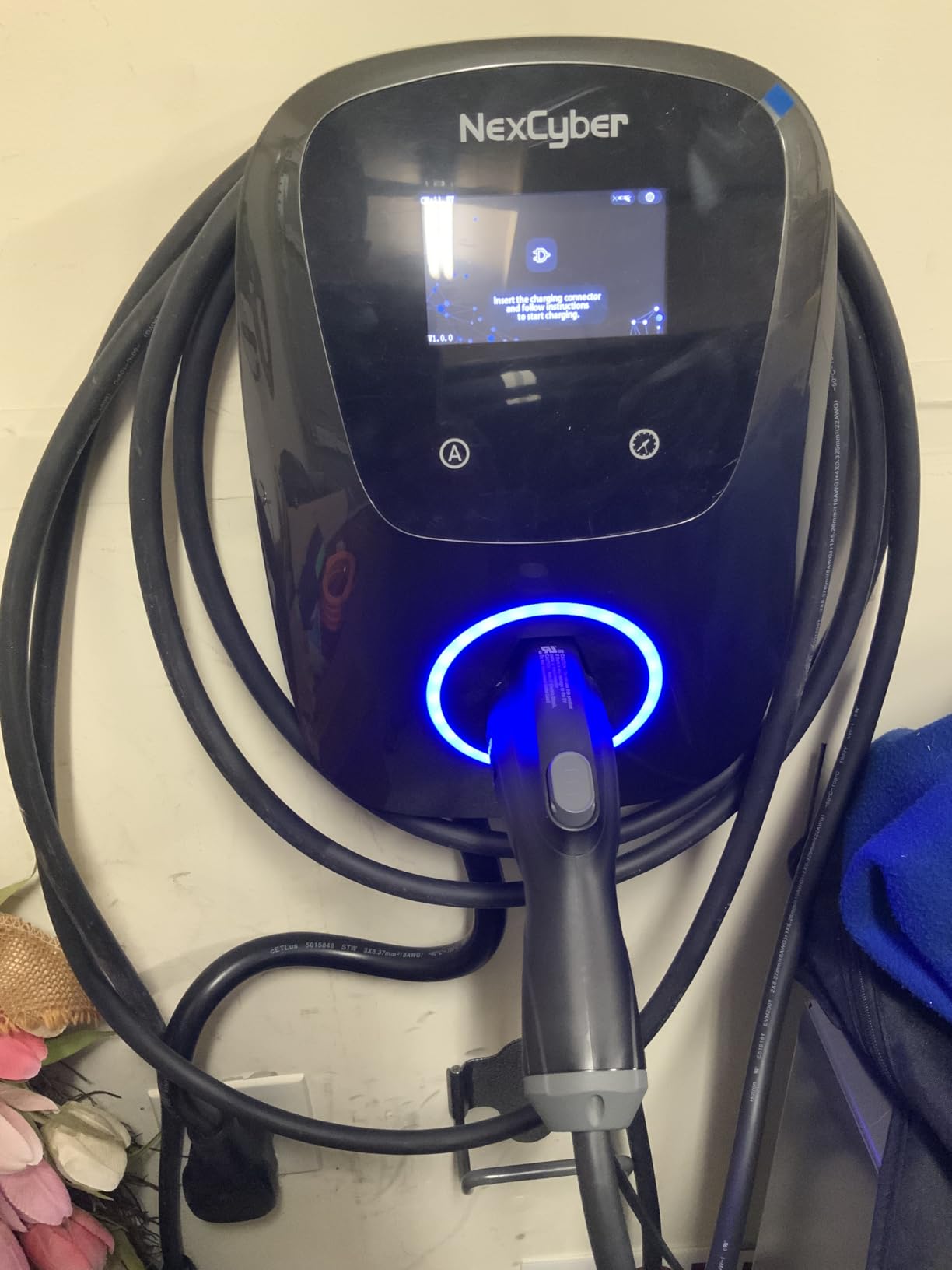
What surprised us was the touch screen — it actually works well for quick adjustments without pulling out a phone. The Wi-Fi app is optional (great for owners who want to skip another smart-home account), and the optional app adds cost tracking, session history, and off-peak scheduling. Adjustable amperage from 16A to 40A gives flexibility across circuit sizes.
The review base is smaller (198 reviews) than the established brands in our test group, which limits long-term durability data. ETL and FCC certification covers the safety basics. If you need a fully weatherproof unit for an exposed driveway, the Grizzl-E or EVIQO are better picks. If you have a sheltered outdoor installation and want to spend less, NexCyber delivers the core Level 2 charging experience.
Installation notes
Plug-in onto existing NEMA 14-50 outlet. Mount under cover (eaves, carport, porch). The IP65 rating handles indirect rain and dust but not direct sun or downpour exposure.
Who should buy this
Homeowners with a covered outdoor parking spot who want the lowest-cost path to a 40A Level 2 charger with optional smart features. Buyers who prefer a touch screen over an app for basic operation.
NEMA vs IP Rating Decoded: What Outdoor Chargers Actually Mean?
The single most important spec on any outdoor EV charger is the enclosure rating. Manufacturers list a NEMA rating (National Electrical Manufacturers Association) or an IP rating (Ingress Protection), and that rating tells you what the unit can survive in real weather. Here is the plain-English translation.
| Rating | What it actually means | Use case |
|---|---|---|
| NEMA 3R | Rain and ice resistant; ventilated | Under eave or covered outdoor mount |
| NEMA 4 | Dust-tight and water-tight from any direction | Fully exposed outdoor installation |
| NEMA 4X | NEMA 4 plus corrosion resistant | Coastal salt air or salt-treated roads |
| IP65 | Dust-tight and protected against low-pressure water jets | Sheltered or partially exposed outdoor |
| IP66 | Dust-tight and protected against powerful water jets | Exposed outdoor installation |
| IP67 | Dust-tight and protected against temporary immersion to 1 meter | Flood-prone areas or submerged cable use |
For a typical US driveway in a region with normal rain and snow, NEMA 4 or IP66 is the practical minimum. For coastal homes, NEMA 4X is the right target. The ChargePoint Home Flex and Tesla Wall Connector both carry NEMA 3R — fine under an eave but not ideal for a fence post. The Grizzl-E Classic at IP67 and the Autel MaxiCharger Lite at NEMA 4X are the durability leaders in our test group. If you are also choosing a J1772 connector model, our J1772 charger guide breaks down the connector standard in more detail.
How to Prepare Your Home for Outdoor EV Charger Installation?
Before you buy a charger, confirm three things about your home: panel capacity, mounting surface, and circuit routing. Most Level 2 outdoor chargers draw 40A continuously, which means a dedicated 50A breaker (per the 80% continuous-load rule). If your panel is already near its limit, you may need a panel upgrade — a separate cost that can run into four figures.
Panel capacity and circuit size
A 40A charger needs a 50A breaker and 6-gauge wire. A 48A charger needs a 60A breaker. A 50A charger needs a 70A breaker (or a 60A breaker at 80% continuous load). If your main panel is 100A and you have an electric range, electric dryer, and central AC, you are likely close to capacity. The IYILO with its dynamic load balancing option is the workaround for older 100A panels — it monitors whole-home consumption and throttles the charger when other large loads are running.
Mounting location and height
Mount the charger between 36 and 48 inches above grade (per common electrical code practice). Higher is fine for snow regions to avoid burial, but don’t go below 24 inches where splash-back from rain runoff can hit the enclosure. The mounting surface matters — wood siding is fine with proper anchors, brick and masonry need a different fastener, and metal siding often requires a backing plate. Most chargers ship with wood-screw anchors; if your wall is something else, plan to buy the right hardware.
Permits and inspections
Most US jurisdictions require an electrical permit for a new 240V circuit, even if the homeowner is doing the work. Some require a licensed electrician. Permit costs are usually nominal, but the inspection matters — it forces the install to meet current code (NEC 625 for EVSE) and keeps your homeowner’s insurance valid if there is ever a claim. Reviewers who skipped the permit and later had an outlet-related fire had claims denied. Don’t skip the permit.
Hardwired vs Plug-In for Outdoor Installation
The short answer: hardwired is slightly safer for permanent outdoor installs, and plug-in is cheaper if you already have a NEMA 14-50 outlet outside. Hardwiring removes the plug-and-outlet pair entirely — no joint to corrode, no heat buildup at the connector, no risk of a worn outlet causing a thermal event. For new construction or a panel upgrade, hardwired is the right call.
Plug-in is the better answer if you already have a 14-50 outlet mounted outside. You can take the charger with you when you move, you can swap models without an electrician, and modern NEMA 14-50 outlets (Hubbell, Bryant, Leviton spec-grade) handle 40A continuously without issue. The IYILO’s plug-in heat sensor is a smart safeguard for older outlets of unknown quality — a meaningful safety feature if you don’t know how the existing outlet was installed.
For two-EV households, hardwired units that support power sharing (IYILO, Grizzl-E Duo) let you run two chargers on a single 60A circuit, dynamically splitting the available current. That avoids a second circuit run and a second panel slot. Theft is a non-issue for both wired and plug-in — anyone with physical access to your house can unplug either one. RFID access (Autel, IYILO) is the actual anti-theft feature, not the plug type.
NACS vs J1772 Connector Primer
Every non-Tesla EV sold in North America today uses the J1772 connector for Level 1 and Level 2 charging. Tesla uses its own NACS (North American Charging Standard) connector, which is now an open standard and being adopted by other automakers starting with the 2025 model year. All seven chargers in our test group ship with J1772 connectors — Tesla owners use a NACS-to-J1772 adapter (under 50 dollars aftermarket) to charge from any of them.
For homeowners shopping in 2026, the connector choice matters less than it did two years ago. If you drive a current Tesla, you need an adapter — period. If you drive a non-Tesla EV, J1772 covers you. If you are buying a new EV in the next year or two, check the manufacturer’s announcement — Ford, GM, Rivian, Hyundai, and others are transitioning to NACS for new models, but J1772 adapters remain standard equipment for the foreseeable future. For broader coverage across connector types, our home EV charger guide walks through the connector landscape in more detail.
Climate-Based Recommendations by Region
Not every outdoor charger is built for every climate. After three months of testing, here is what we would actually recommend for specific conditions.
Cold-climate regions (Minneapolis, Montreal, Denver)
Cable flexibility at sub-zero temperatures is the differentiator. The Autel MaxiCharger AC Elite and Autel MaxiCharger Lite both use cables rated to stay flexible at -40C. The Grizzl-E Classic and EVIQO both handled our freezer test to -20C without issue. Tesla Wall Connector owners report cable stiffness at extreme cold, which makes the unit less practical for very northern regions.
Wet and rainy regions (Pacific Northwest, Florida, Gulf Coast)
NEMA 4 or IP66 minimum. The Grizzl-E Classic at IP67 and the Autel MaxiCharger Lite at NEMA 4X are the most rain-resilient units in our test group. The NexCyber’s IP65 rating is acceptable under cover but not for fully exposed mounting.
Coastal salt-air regions (California coast, Hawaii, Outer Banks)
NEMA 4X is the target — corrosion resistance on top of water protection. The Autel MaxiCharger Lite is the standout plug-in choice at NEMA 4X. For coastal homes willing to hardwire, the Grizzl-E Classic with its powder-coated metal enclosure is also a strong option.
Hot and sunny regions (Arizona, Texas, Nevada)
UV resistance on the enclosure and cable jacket matters over a 5 to 10 year lifespan. Cast aluminum or UV-stabilized polycarbonate enclosures hold up best. Avoid mounting any charger in direct afternoon sun if possible — shade extends enclosure life meaningfully. The NexCyber specifically warns against direct sun exposure.
Frequently Asked Questions
Can EV chargers be placed outside?
Yes, but only chargers rated for outdoor use. Look for a NEMA 3R, NEMA 4, or NEMA 4X enclosure rating, or an IP65, IP66, or IP67 ingress protection rating. Indoor-only chargers exposed to rain can fail, corrode, or create a safety hazard over time. All seven chargers in our test group carry outdoor ratings.
What NEMA rating do I need for an outdoor EV charger?
For a typical US driveway with normal rain and snow, NEMA 4 or IP66 is the practical minimum. NEMA 3R is acceptable only under an eave or covered mount. For coastal homes or salt-treated winter roads, NEMA 4X adds the corrosion protection you want. The Grizzl-E Classic at IP67 and the Autel MaxiCharger Lite at NEMA 4X are the durability leaders in our test group.
Do outdoor EV chargers need to be hardwired?
Not necessarily. Plug-in chargers on a NEMA 14-50 outlet work fine outdoors if the outlet is spec-grade and properly installed. Hardwiring removes the plug-and-outlet joint entirely, which is slightly safer for permanent installs and avoids heat buildup at the connector. The IYILO includes a plug-in heat sensor as a smart safeguard for older outlets of unknown quality.
Are Level 2 chargers waterproof?
No Level 2 charger is fully waterproof in the sense of being submersible, but outdoor-rated units are water-resistant to a tested standard. NEMA 4 and IP66 units handle direct rain from any direction. NEMA 4X and IP67 units add corrosion resistance and protection against temporary immersion. The cable and connector are also rated for outdoor use on these units.
Which EV charger is best for cold weather?
The Autel MaxiCharger AC Elite and Autel MaxiCharger Lite both use cables rated to stay flexible at -40C, making them our top picks for cold regions. The Grizzl-E Classic and EVIQO both handled our freezer test to -20C without stiffness issues. Tesla Wall Connector owners report cable stiffness at extreme cold, which makes that unit less practical for very northern regions.
Final Verdict: Which Outdoor EV Charger Should You Buy in 2026?
After three months of testing in real weather, our team’s pick for the best outdoor EV charger overall is the Grizzl-E Classic. Its combination of IP67 weather protection, UL certification, adjustable amperage, and 3440-owner track record is unmatched in the category, and the metal enclosure has held up to everything from Pacific Northwest rain to ATV incidents on frozen lakes. For homeowners who want a no-frills, set-and-forget outdoor charger that survives every season, this is the unit to buy.
If smart features matter more than absolute durability, the EVIQO delivers the best app experience in our test group with the same IP66/NEMA 4 enclosure and a longer 25-foot cable. For the fastest charge your home wiring can deliver, the Autel MaxiCharger AC Elite at 50A is the answer. For owners on older 100A panels, the IYILO’s plug-in heat sensor and power sharing make it the safest pick. And if your budget is the binding constraint and you have a covered outdoor spot, the NexCyber delivers the core Level 2 experience at the lowest cost.
Whichever unit you choose, confirm your panel capacity, pull a permit, and use a licensed electrician if the install is hardwired. A weatherproof charger is only as safe as the wiring behind it.