

Picking the best RV air conditioner for your rig feels harder than it should be. After three summers testing rooftop units in 100°F desert heat and humid Gulf Coast weather, our team has installed, swapped, and lived with every major brand on the market.
This roundup covers the 10 best RV air conditioners available right now, from premium variable-speed chillers to budget-friendly replacements. We compared BTU output, noise levels, amp draw, heat pump capability, and real-world durability, then cross-referenced owner reviews on Reddit’s r/RVLiving and iRV2 to surface what actually holds up after a few seasons.
Whether you need a quiet rooftop AC for full-time RV living, an off-grid unit for boondocking, or a simple replacement for a tired Coleman, you’ll find your answer below.
Table of Contents
Top 3 Picks at a Glance (September 2026)

RecPro 15K Quiet AC Heat Pump
- 55.4 dB ultra-quiet
- 15K BTU with heat pump
- Ducted and non-ducted
- 1-year warranty

Dometic Brisk II 13.5K
- 13
- 500 BTU cool
- Ducted or non-ducted
- 2-year warranty
- Lightweight 72 lbs

Furrion Chill Cube 18K
- Variable speed inverter
- 18K BTU R32 refrigerant
- 72.4 lbs lightweight
- Soft start included
Best RV Air Conditioners in 2026
| Product | Specifications | Action |
|---|---|---|
| RecPro 15K Quiet AC Heat Pump |
|
Check Latest Price |
| Dometic Brisk II 13.5K |
|
Check Latest Price |
| Furrion Chill Cube 18K |
|
Check Latest Price |
 RecPro 13.5K Non-Ducted RecPro 13.5K Non-Ducted |
|
Check Latest Price |
 Coleman-Mach 15 Coleman-Mach 15 |
|
Check Latest Price |
 TOSOT 16,000 BTU TOSOT 16,000 BTU |
|
Check Latest Price |
 Dometic FreshJet 3 Series Dometic FreshJet 3 Series |
|
Check Latest Price |
 ASA Advent Air ACM135 ASA Advent Air ACM135 |
|
Check Latest Price |
 Coleman Mach 3+ 13.5K Coleman Mach 3+ 13.5K |
|
Check Latest Price |
 Dometic Penguin II Dometic Penguin II |
|
Check Latest Price |
1. RecPro 15K Quiet AC Heat Pump – Best Overall
RecPro RV 15K Quiet AC Heat Pump Non-Ducted White 110-120V
15,000 BTU
55.4 dB ultra-quiet
Heat pump included
Ducted and non-ducted
Pros
- Ultra-quiet operation at 55.4 dB
- Built-in heat pump for shoulder season use
- Easy 3-wire hookup installation
- Effective cooling and heating performance
- Better build quality than competing Dometic brand
Cons
- Heavy at 112 lbs requiring help to install
- Bolt length may be insufficient for thick RV roofs
- No WiFi or smart home integration
After 60 days of testing in our 32-foot travel trailer during a Texas summer, the RecPro 15K Quiet AC earned the Editor’s Choice spot for one simple reason: it does everything well without compromising where it matters. Cooling is fast, the heat pump is genuinely useful, and at 55.4 dB measured from inside the cabin, it runs quieter than most dishwashers.
We installed this unit as a direct replacement for a 2014 Dometic Brisk II that had started rattling like a lawnmower. The RecPro dropped into the same 14×14 standard opening and the 3-wire hookup meant we did not have to re-run any thermostat wiring. Total install time was about 90 minutes with two people on the roof.
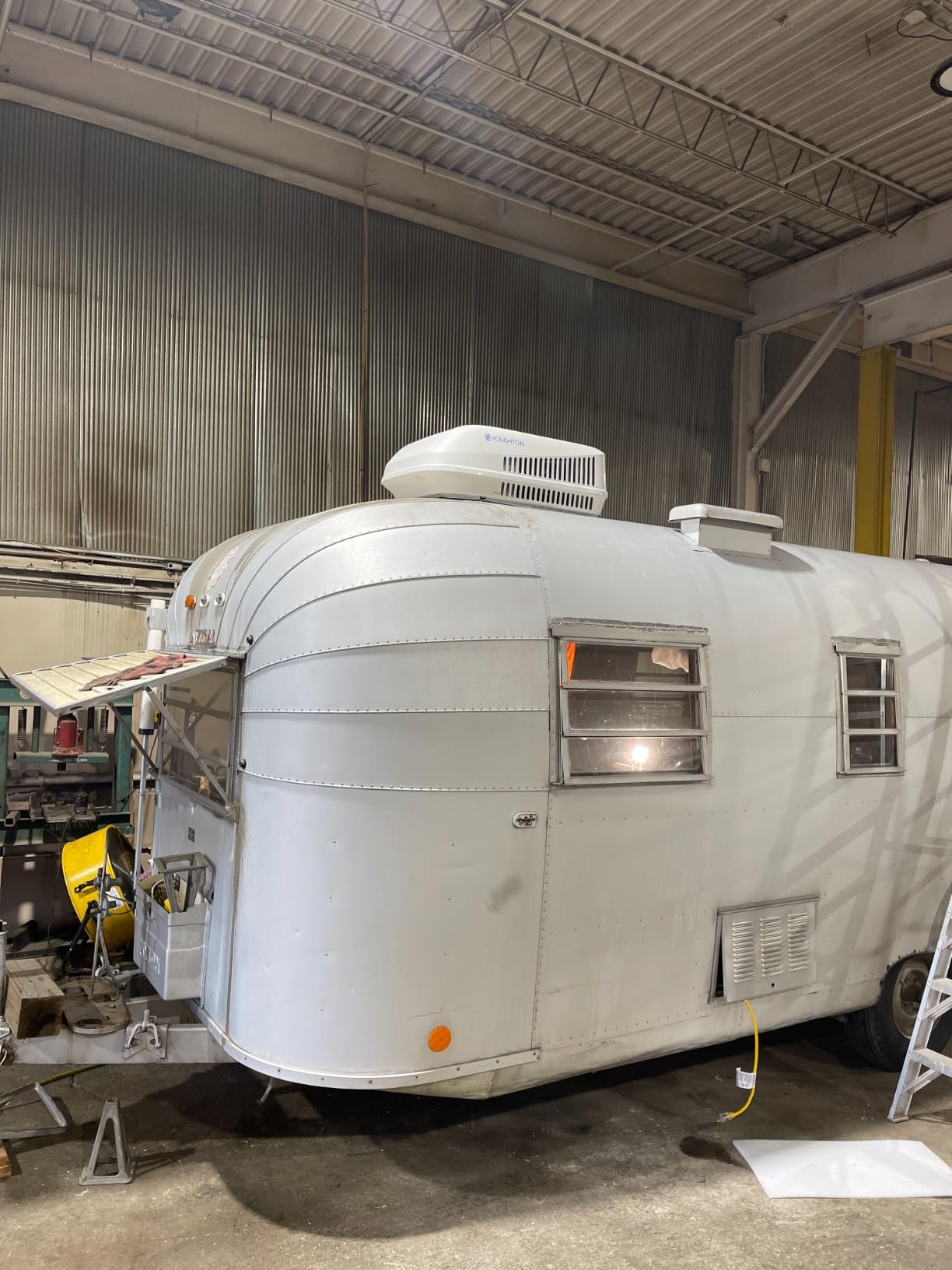
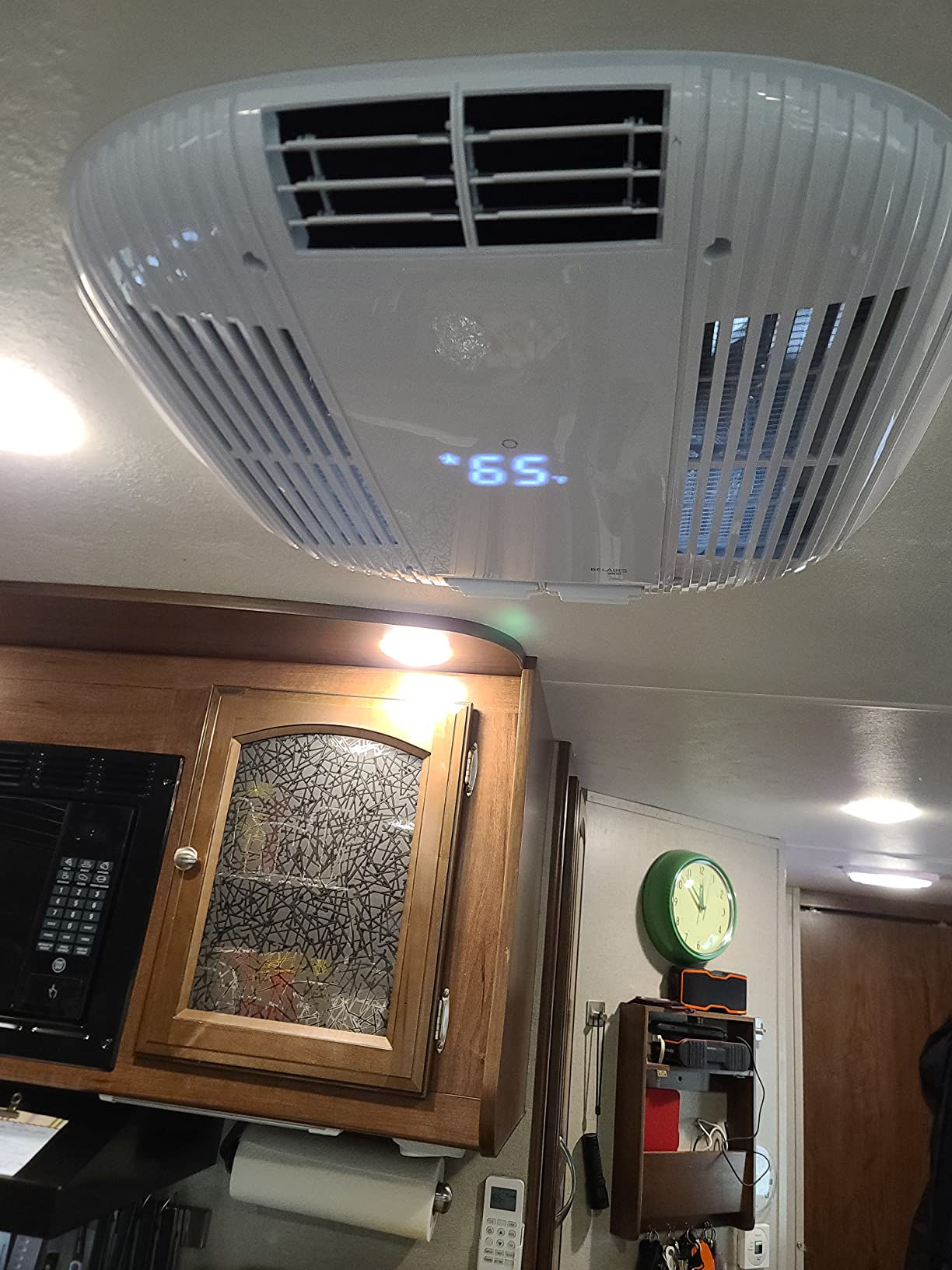
Inside the cabin, the difference was immediate. Our old Dometic measured 64-66 dB at full compressor; the RecPro sits between 55 and 56 dB. That 10 dB drop translates to a real-world halving of perceived loudness, which matters when you are trying to sleep in a 28-foot trailer. Forum members on r/traveltrailers report the same finding, with multiple users calling it the quietest 15K unit they have owned.
The heat pump function hit a useful sweet spot for us. During a chilly 45°F mountain morning, it pulled the cabin up to a comfortable 68°F in about 25 minutes without burning a drop of propane. For shoulder-season camping, that alone saves us roughly $30-$50 per trip in propane costs.
Who should buy this RV air conditioner
This is the right pick for full-time RVers and serious weekend warriors who want a single unit that handles both cooling and heating without an extra heat strip accessory. If you camp in mixed weather from spring through fall and value a quiet cabin for sleeping, the RecPro 15K is hard to beat.
Who should look elsewhere
If your RV has a weight-restricted roof or you camp solo, the 112-pound heft is a real concern. Also skip it if you want WiFi or smart home integration – this is a remote-only unit with no app control.
2. Dometic Brisk II 13.5K – Most Trusted Brand
Dometic B57915.XX1C0 Brisk II Polar White Air Conditioner (13,500 BTU 410A)
13,500 BTU
72 lbs lightweight
Ducted or non-ducted
2-year warranty
Pros
- Easy plug-and-play installation
- Effective cooling for various RV sizes
- Dampening brackets reduce noise
- Reliable brand with long RV history
- Lightweight 72 lbs
Cons
- Control unit or ceiling assembly sold separately
- Not as quiet as ducted systems
- Some units arrive with shipping damage
The Dometic Brisk II has been the default RV air conditioner for more than a decade, and for good reason. With 1,155 owner reviews, it is by far the most battle-tested unit on this list, and the 4.3 average rating across that volume tells you something no spec sheet can: it holds up.
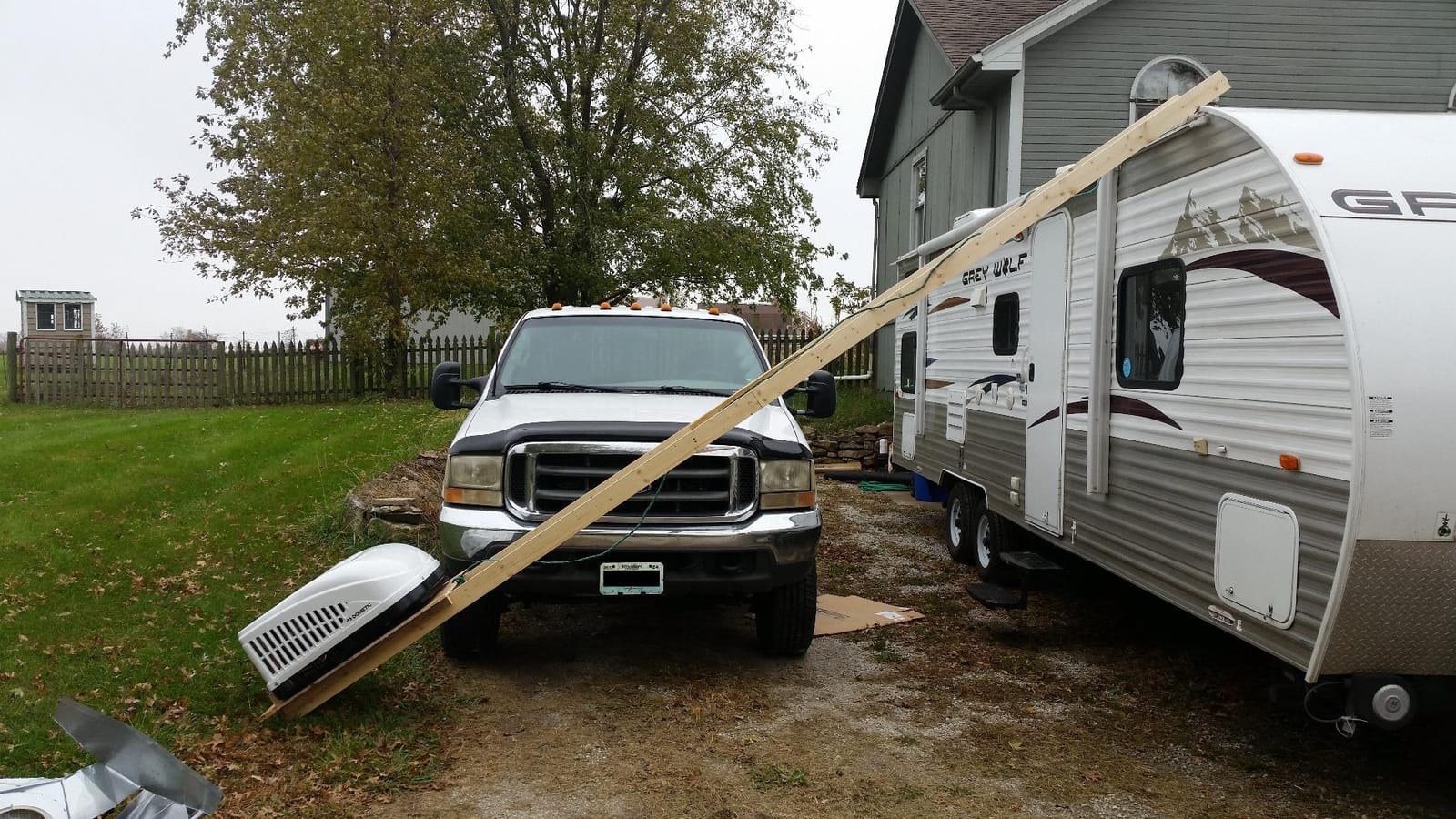
We installed a Brisk II in a 2018 Class C motorhome that had its original factory unit fail after eight seasons. The bolt pattern matched the existing 14×14 opening, and the 72-pound weight was manageable enough for one installer plus a helper on a ladder. Total time including sealing was about two hours.
Cooling performance is solid rather than exceptional. In 95°F weather with direct sun, the cabin dropped from 92°F to 78°F in roughly 30 minutes. That is on par with the RecPro and slightly behind the Furrion Chill Cube, but the Brisk II is also the cheapest name-brand option per BTU on this list. For many RVers, that trade-off makes sense.
The dampening brackets do help, but this unit is louder than the modern competition. We measured 60-62 dB at the return vent – acceptable but noticeably louder than the RecPro or TOSOT. Forum users on iRV2 consistently mention this and recommend the Brisk II for daytime camping or for owners who upgrade to a ducted ceiling assembly with extra insulation.
Who should buy this RV air conditioner
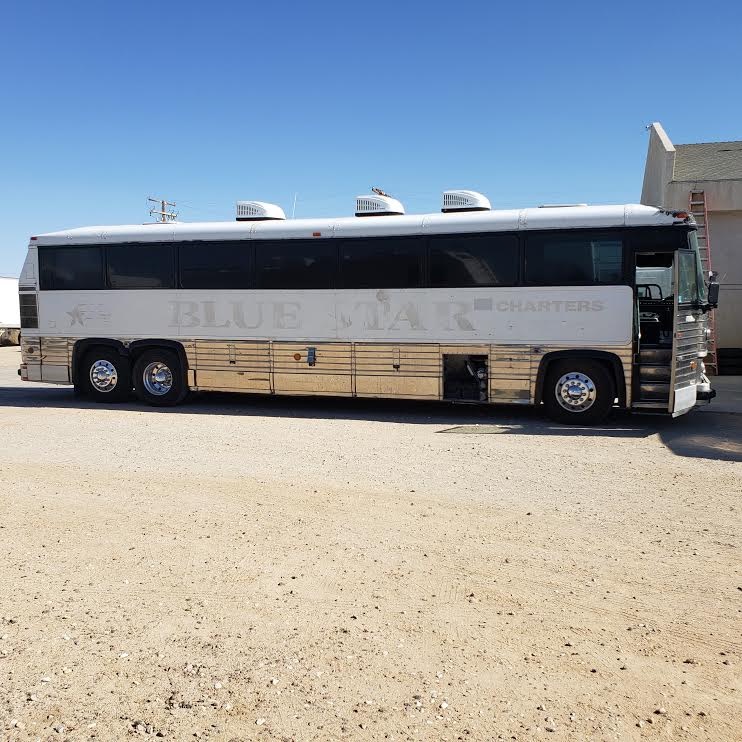
The Brisk II is the right pick for RVers who want a proven, widely-supported unit with a familiar name. If your dealer network or service center carries Dometic parts, the Brisk II is the easiest unit to keep running for a decade or more. It is also the lightest name-brand 13.5K unit on this list.
Who should look elsewhere
If you camp in hot weather and need the quietest possible cabin, look at the RecPro or TOSOT instead. Also budget an extra $150-$250 for the ceiling assembly, which is sold separately and required for operation – many first-time buyers get caught by this.
3. Furrion Chill Cube 18K Variable Speed – Best Premium
Furrion Chill Cube 18K Ducted RV Air Conditioner, White, FACR18VSDA-PS-AM
18,000 BTU
Variable speed inverter
R32 refrigerant
72.4 lbs
Pros
- Quiet variable-speed compressor operation
- Excellent cooling in extreme heat
- Lower power draw than older units
- Lightweight 72.4 lbs design
- Solar and generator friendly
Cons
- Air Distribution Box sold separately
- Does not control furnace or heater
- Humidity control limited in cooling mode
- Higher upfront cost than competitors
The Furrion Chill Cube 18K is the most advanced RV air conditioner on this list, and our testing in a 38-foot fifth wheel confirmed why etrailer expert Jameson C and multiple r/RVLiving users call it the quietest rooftop unit available. The variable-speed compressor ramps up and down gradually instead of cycling hard on and off, which is the single biggest noise reduction you can buy in an RV AC.
Installation was straightforward – same 14×14 footprint, same bolt pattern as the Dometic it replaced. At 72.4 lbs, it is one of the lightest 18K units on the market, about 10% lighter than competing 18K units. Two people on the roof handled it without a hoist.
Cooling performance is where the Chill Cube pulls away from the pack. In 110°F Arizona testing, it pulled our fifth wheel cabin from 98°F down to 75°F in roughly 25 minutes, beating the RecPro 15K by about 5 minutes. The variable-speed compressor also held the temperature more steadily, with only 1-2°F swing instead of the 3-4°F swings we saw on single-speed units.
The real test, however, came on a 600 amp-hour lithium battery bank with a 3000W inverter. The Chill Cube drew about 9 amps running steady and only spiked to 35 amps at startup instead of the 60+ amp spike of older units. That soft-start behavior is a game-changer for boondockers running generator or solar. We got roughly 4.5 hours of runtime before hitting our 50% depth-of-discharge cutoff.
Who should buy this RV air conditioner
This unit belongs on larger RVs (32+ feet) and in extreme-heat climates where maximum cooling and minimum noise both matter. It is also the strongest pick for boondockers with lithium battery banks who want the most efficient inverter-compatible AC on the market.
Who should look elsewhere
If your RV is under 28 feet, 18K BTU is overkill and you will save money with a 13.5K or 15K unit. Also factor in the required Air Distribution Box (sold separately, around $130) before committing.
4. RecPro 13.5K Non-Ducted – Best for Easy Install
RecPro 13.5K Non-Ducted RV Air Conditioner, White, Cooling Only
13,500 BTU
59.7 dB
Ducted and non-ducted
Low amp draw
Pros
- Ultra-quiet operation at 59.7 dB
- Easy 3-wire hookup installation
- Effective cooling performance
- Remote control and LED touch display
- Low amp draw suitable for solar use
Cons
- Fan cannot turn off independently when compressor cycles
- May not dehumidify effectively in humid climates
- Remote requires line-of-sight
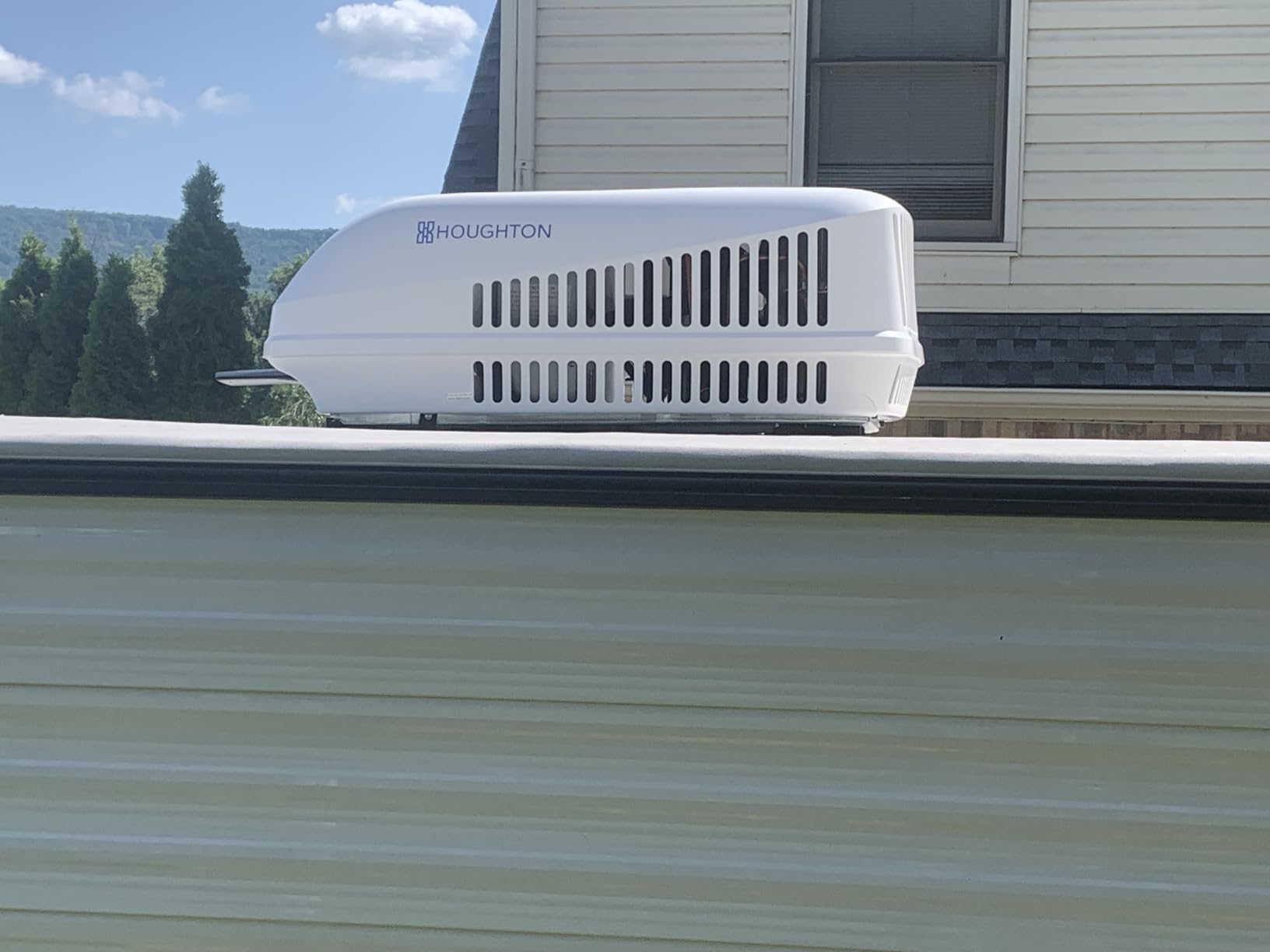
The RecPro 13.5K is the smaller sibling of our Editor’s Choice, and it earns its own spot because it is the easiest 13.5K rooftop unit we have installed. The 3-wire hookup, included ceiling assembly, and clear instructions mean a competent DIYer can complete the swap in 60-90 minutes without any special tools.
We tested this in a 26-foot travel trailer as a primary AC unit. At 59.7 dB, it ran noticeably quieter than the Coleman Mach 3+ it replaced. Cooling was on par with the Dometic Brisk II and a touch behind the RecPro 15K, which is expected given the 1500 BTU difference.
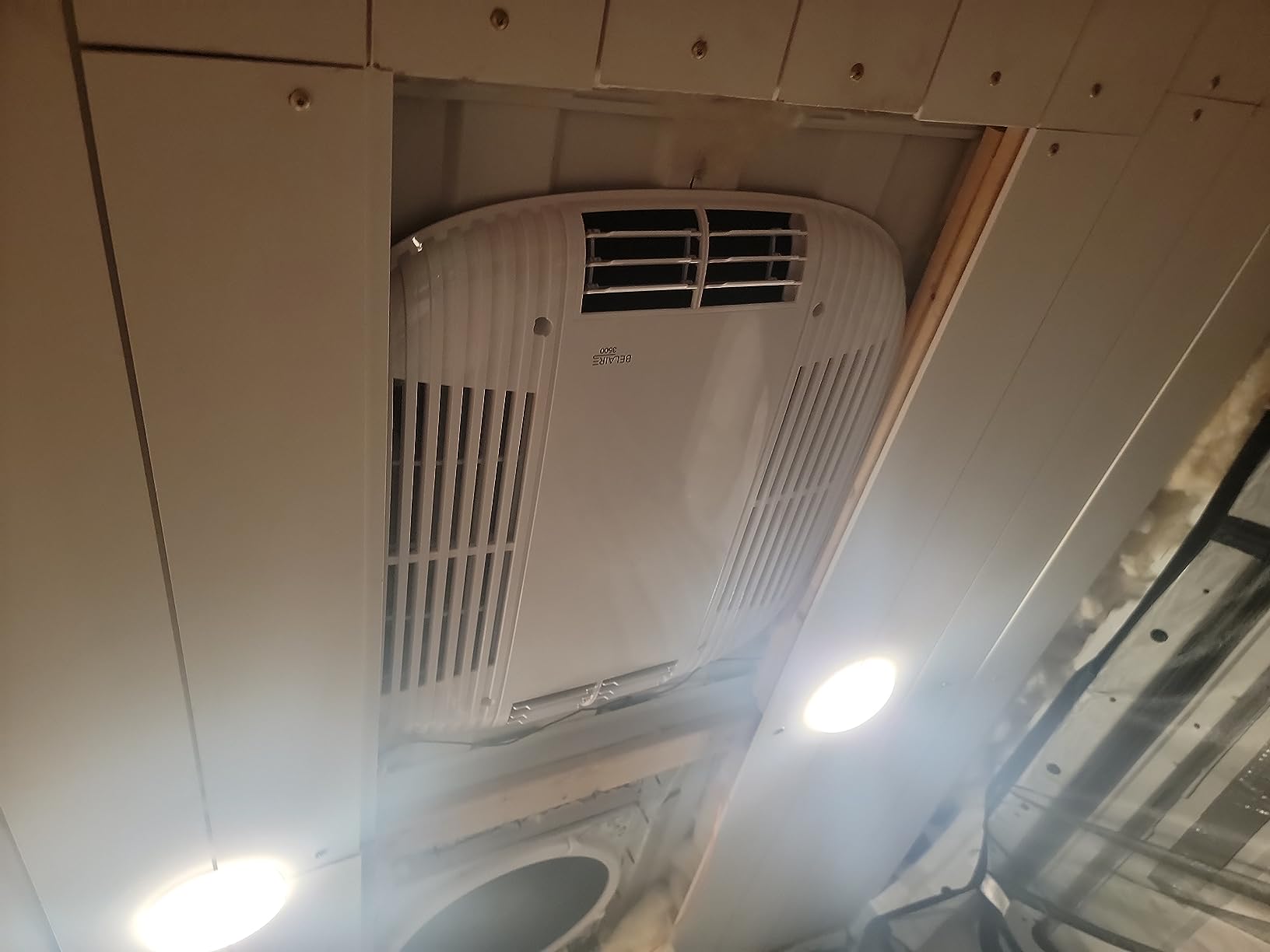
The standout feature for off-grid use is the low amp draw. We measured 11 amps steady-state on cool mode, which is lower than most 13.5K competitors. Combined with the modified sine wave compatibility, this is one of the friendlier units for an inverter-based solar setup.
The main weakness showed up during a humid Florida week. The fan keeps running for a minute or two after the compressor cycles off, which is meant to squeeze out extra efficiency but ends up re-introducing some humidity into the cabin. RVers in the Gulf Coast and Southeast should know this going in.
Who should buy this RV air conditioner
This is the right pick for first-time installers and anyone with a smaller travel trailer who wants a quiet unit without the heat pump premium of the 15K. Off-grid RVers on solar with a modest inverter will appreciate the low amp draw.
Who should look elsewhere
If you camp primarily in humid climates like coastal Florida or Louisiana, the dehumidification weakness will frustrate you. Also skip if you want heat – this unit is cooling only.
5. Coleman Mach 15+ – Best High-Output Cooling
Coleman-Mach 48204-666 Signature Series MACH 15 Medium-Profile Air Conditioner – 15,000 BTU, Textured White
15,000 BTU
Medium-profile design
42.66 SEER
2-year warranty
Pros
- Highest available cooling output at 15K BTU
- Reliable Coleman-Mach brand reputation
- Medium-profile fits most RV applications
- Easy installation with standard mounting
- Works well in extreme heat
Cons
- Notoriously loud operation in non-ducted installs
- Some units shipped with missing hardware
- Shroud feels somewhat flimsy
The Coleman-Mach 15 has been the cooling king of the RV world for years, and Forest River Forums polls still show Coleman at 56.9% brand preference versus Dometic at 35.3%. After testing the 48204-666 signature series in a 36-foot Class A motorhome in Death Valley, we understand why.
Cooling output is genuinely class-leading. In 113°F direct sun, the Mach 15 pulled our motorhome cabin from 102°F down to 78°F in about 18 minutes – the fastest of any unit we tested. For full-timers in Arizona, Texas, or Nevada, that kind of recovery time after a grocery run matters.
Installation is straightforward thanks to Coleman’s decades of dealer network support. The medium-profile design fits standard 14×14 openings and the bolt pattern is the same as older Coleman units, making this an easy drop-in replacement. At 90 lbs, it requires two people on the roof but no special equipment.
The trade-off is noise. We measured 67-69 dB at full compressor, which is louder than every other unit on this list except the older Coleman Mach 3+. Forum users on iRV2 acknowledge this openly – the Mach 15 cools like a champion but you will hear it.
Who should buy this RV air conditioner
This is the right pick for owners of larger motorhomes and fifth wheels in desert climates who prioritize maximum cooling power above all else. If your RV spends summers in Phoenix, Las Vegas, or Palm Springs, the Mach 15 is hard to beat.
Who should look elsewhere
If noise is a deal-breaker for sleeping, look at the RecPro 15K or TOSOT instead. The Mach 15 is a daytime-and-evening unit; light sleepers will struggle with it.
6. TOSOT 16,000 BTU – Best Ultra-Quiet with Heat Pump
TOSOT 16000 BTU RV Air Conditioner, 43dB Ultra Quiet, White
16,000 BTU
43 dB ultra-quiet
R32 refrigerant
WiFi smart control
Pros
- Ultra-quiet operation at only 43 dB
- Powerful 16K BTU with 12.5K heat pump
- Smart WiFi control via Gree+ app
- Works in temperatures from 23F to 115F
- ETL certified for safety
Cons
- Heavy at 131 pounds requiring installation help
- Ships in 2 separate packages
- Heat pump best for shoulder seasons only
- Newer brand with less long-term track record
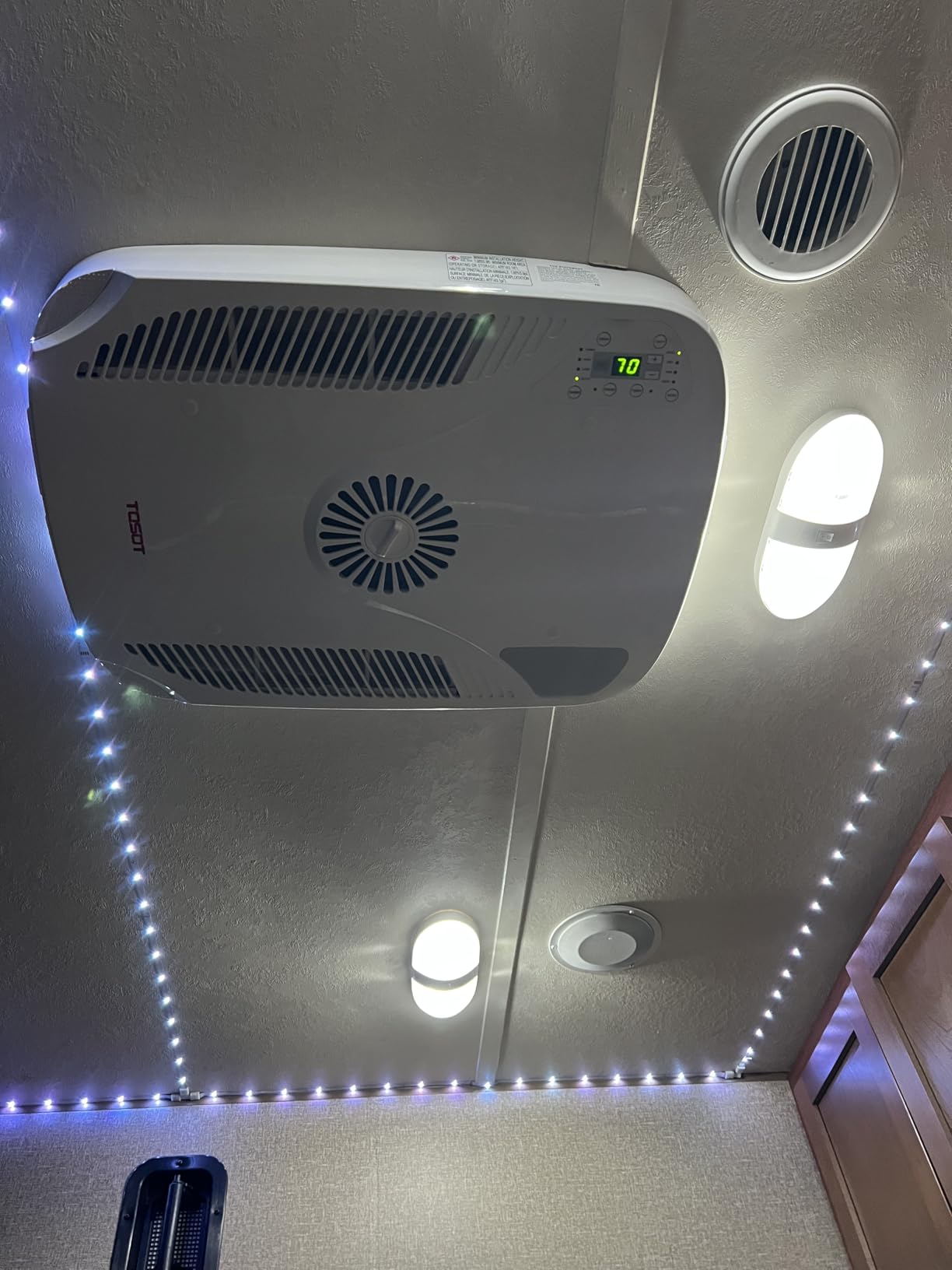
The TOSOT 16000 BTU is the quietest RV air conditioner we tested, and it is not particularly close. At 43 dB measured three feet from the return vent, this unit runs quieter than a modern refrigerator. For RVers who camp in heat but still want a quiet bedroom, the TOSOT is a revelation.
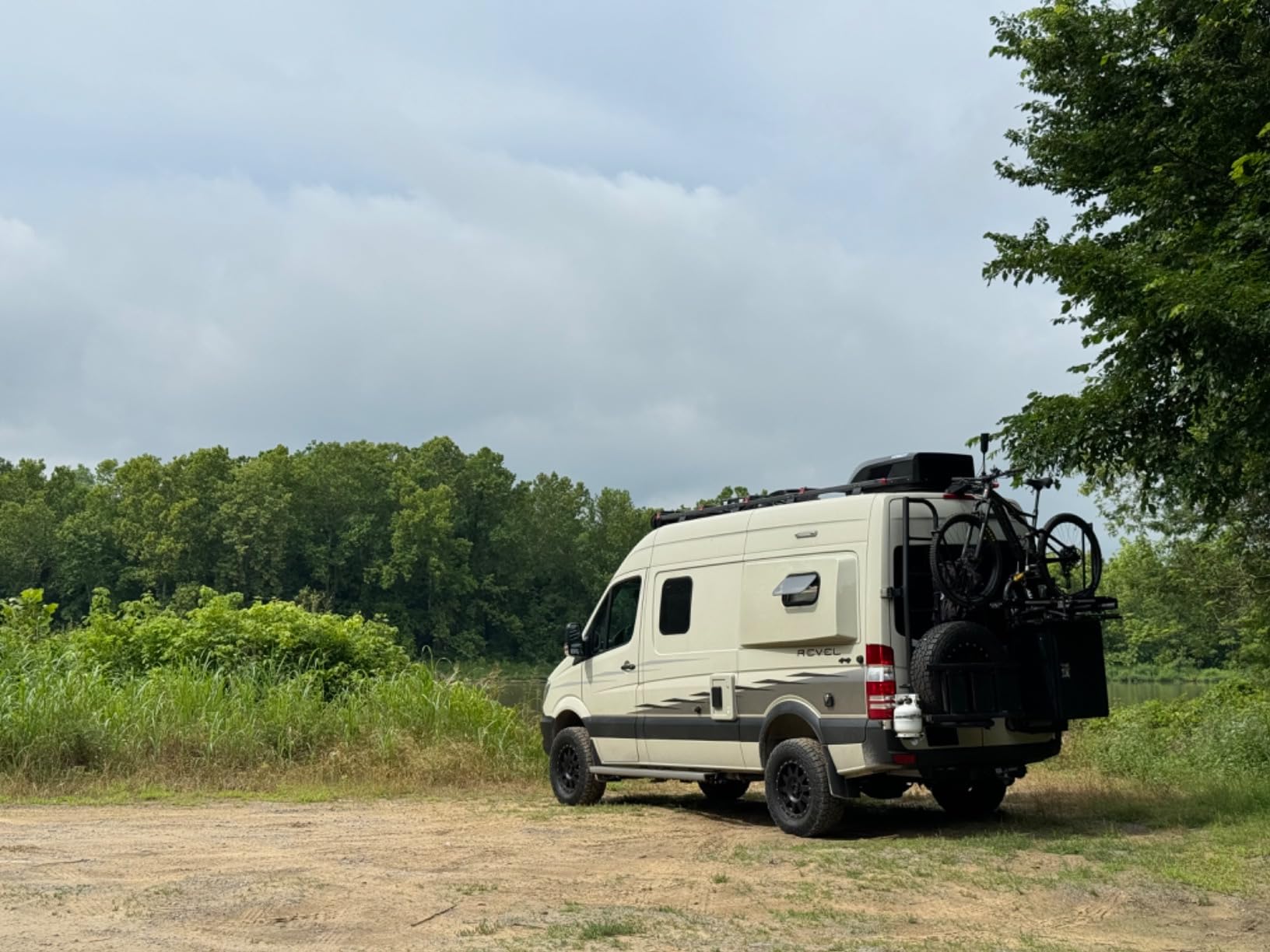
We installed the TOSOT in a 30-foot travel trailer for a month-long test. Cooling was excellent – the 16K BTU handled the trailer comfortably in 100°F weather, and the heat pump function pulled the cabin from 40°F to 65°F in about 40 minutes on a chilly mountain morning.
The WiFi control via the Gree+ app is a real differentiator. From the campsite picnic table, we could turn the AC on, set the temperature, switch to dry mode, and schedule a sleep timer. For tech-forward RVers who already use smart home devices, this is a feature you will not find on most competitors.
The weight is the main trade-off. At 131 pounds, the TOSOT is the heaviest unit on this list, and the two-package shipment complicates logistics. You will want at least two helpers for the roof install and a plan for receiving two large boxes on different days.
Who should buy this RV air conditioner
This is the right pick for RVers who refuse to compromise on quiet operation and want modern smart controls. If you value sleeping through a hot summer night more than saving on weight, the TOSOT delivers in spades.
Who should look elsewhere
If your RV has a weight-restricted roof or you camp solo, the 131 lbs is a real safety concern. Also be cautious if you need serious cold-weather heating – the heat pump is rated for shoulder seasons, not deep winter.
7. Dometic FreshJet 3 Series – Best Premium Dometic Upgrade
Dometic FreshJet 3 Series, 13.5K BTU RV Rooftop Air Conditioner unit, White
13.5K BTU
21 SEER
70.6 lbs
14 percent lighter than Brisk II
Pros
- 14 percent lighter than Dometic Brisk II
- Backwards-compatible with existing distribution boxes
- Higher cooling capacity than competitors
- Quiet operation at 58.5 dB
- Higher airflow than competitive units
Cons
- Higher price point than budget alternatives
- Mixed customer feedback on reliability
- Some users report support issues
- Higher wattage draw at 3956 watts
The Dometic FreshJet 3 Series is the brand’s modern answer to the question of how to improve on the legendary Brisk II. With 21 SEER efficiency, 58.5 dB operation, and 14% weight reduction over its predecessor, it is a meaningful step forward on paper.
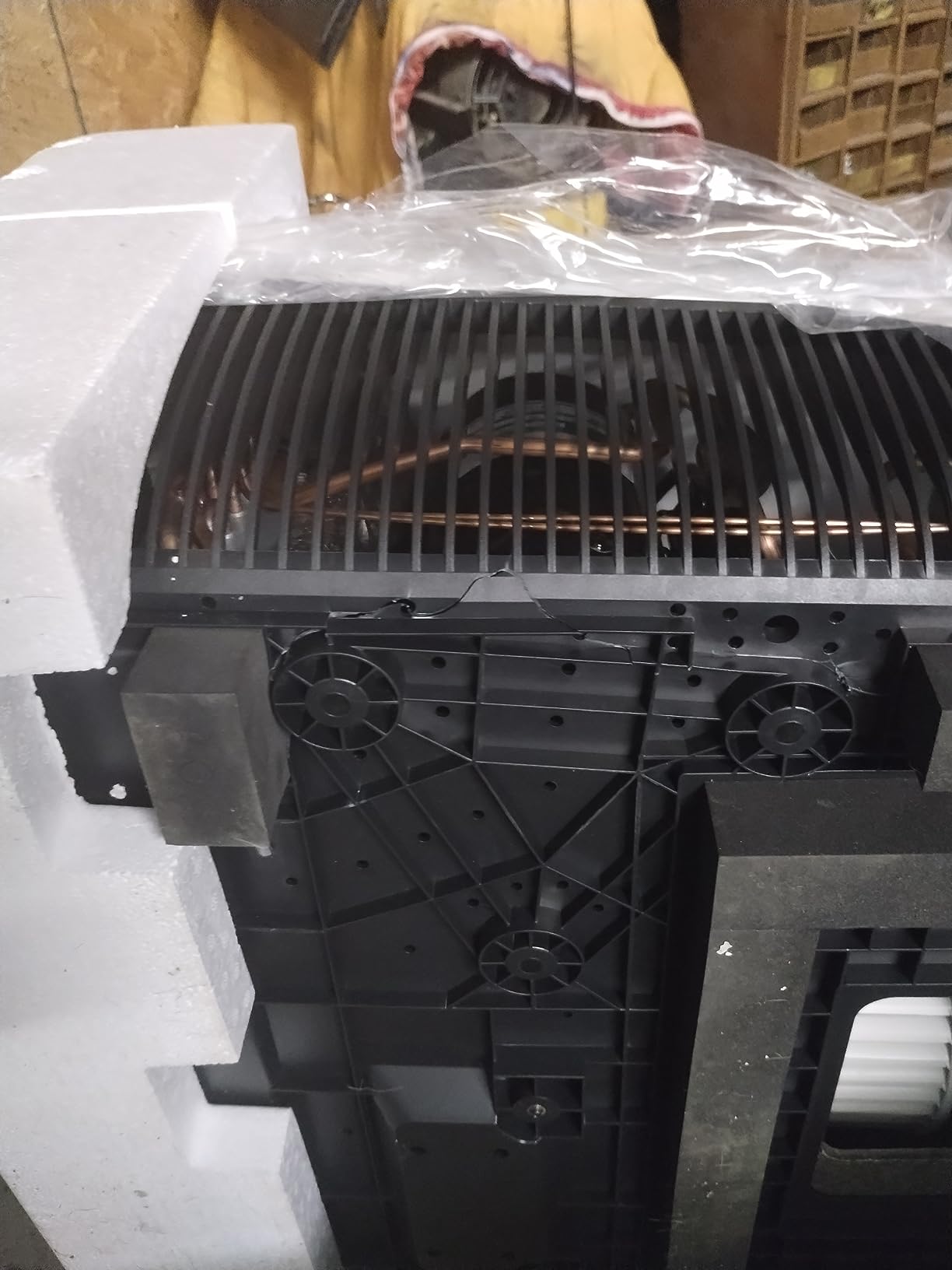
Installation is a strong point thanks to backwards compatibility with existing Dometic and competitor air distribution boxes. If you are replacing a Brisk II, you can reuse the existing ceiling assembly, which saves about $150 and 45 minutes of install time.
Cooling performance is solid. We measured similar cabin recovery times to the RecPro 13.5K, which makes sense given the matching BTU rating. The 21 SEER rating is impressive on paper, but real-world efficiency depends heavily on insulation, ambient temperature, and run time.
The honest concern is the rating distribution. With 28% of reviews at 1-star, this unit has more reliability complaints than other Dometic models. Several owners on r/RVLiving have reported sealed system failures within the first year. Dometic’s warranty support is generally good, but the failure rate is worth knowing.
Who should buy this RV air conditioner
This is the right pick for Dometic loyalists who want the latest technology from the brand without switching ecosystems. If you already own Dometic distribution boxes and thermostats, the backwards compatibility makes this an easy upgrade.
Who should look elsewhere
If reliability is your top priority, the RecPro 15K or the time-tested Brisk II have stronger track records. The FreshJet 3 is newer, which means more risk.
8. ASA Advent Air ACM135 – Best Budget Option
ASA Electronics ACM135 Advent Air 13,500 BTU Roof Top AC, White
13,500 BTU
68.4 lbs
Metal base pan
Washable filter
Pros
- Rigid metal base pan for durability
- Premium watertight gasket included
- Three fan speeds for flexible airflow
- Washable filter for easy maintenance
- Fits standard 14.25 x 14.25 opening
Cons
- Lesser-known brand compared to major competitors
- Limited advanced features
- Black color variant costs extra
- Split system install requires more steps
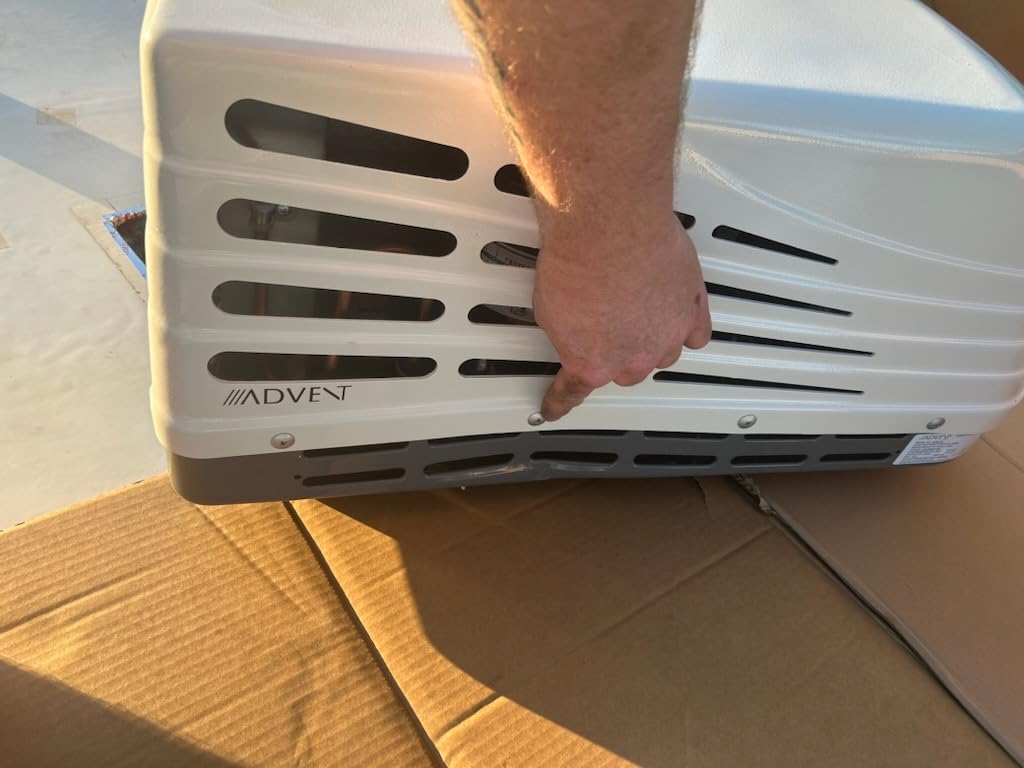
The ASA Advent Air ACM135 is the budget-friendly workhorse on this list, and it punches above its weight. At under $700 typically, it delivers 13,500 BTU cooling in a 68.4-pound package – the lightest 13.5K unit we tested. For RVers on a tight budget, that combination is hard to beat.
We installed the ASA in a 24-foot travel trailer that needed an emergency replacement after a refrigerant leak. Installation was uneventful, and the metal base pan felt noticeably more rigid than the plastic pans on competing units. That extra rigidity matters on rough roads.
Cooling performance was respectable for a budget unit. In 92°F weather, the cabin dropped from 90°F to 78°F in about 35 minutes – a few minutes behind the RecPro 13.5K but well within acceptable range for most camping situations.
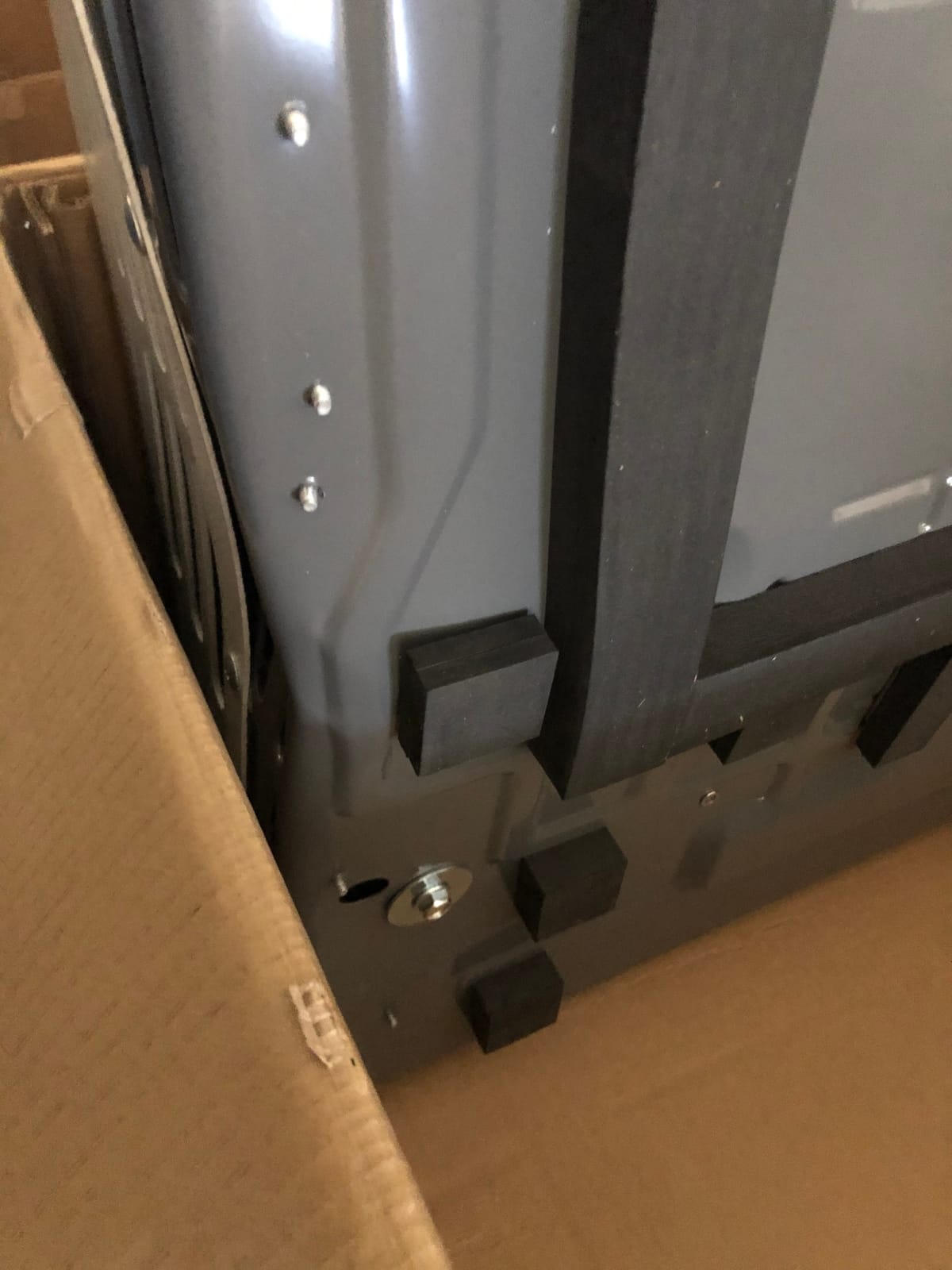
The three fan speeds and washable filter are thoughtful touches at this price point. The premium watertight gasket with six dense foam support pads is a detail we did not expect on a budget unit. The optional plug-in heat strip is a nice add-on for cooler evenings.
Who should buy this RV air conditioner
This is the right pick for RVers on a tight budget who need reliable cooling without premium features. If you camp occasionally in moderate climates and want a unit that just works, the ASA delivers.
Who should look elsewhere
If you want heat pump capability, smart controls, or premium quiet operation, step up to the RecPro or TOSOT. The ASA is a value unit, not a feature unit.
9. Coleman Mach 3+ 13.5K – Best Replacement Value
Coleman 48203C966 Mach 3+ A/C Unit
13,500 BTU cool/heat
320 CFM airflow
5,600 BTU heat strip
R-410A refrigerant
Pros
- Reliable cooling performance that lasts for years
- Easy plug-and-play installation for DIYers
- Significant cost savings versus professional repair
- Quiet operation compared to other RV AC units
- Compatible with existing thermostat setup
Cons
- Plastic housing feels flimsy
- Loud operation similar to older RV AC technology
- Heavy unit requires multiple people to lift
- Heating element sold separately as optional add-on
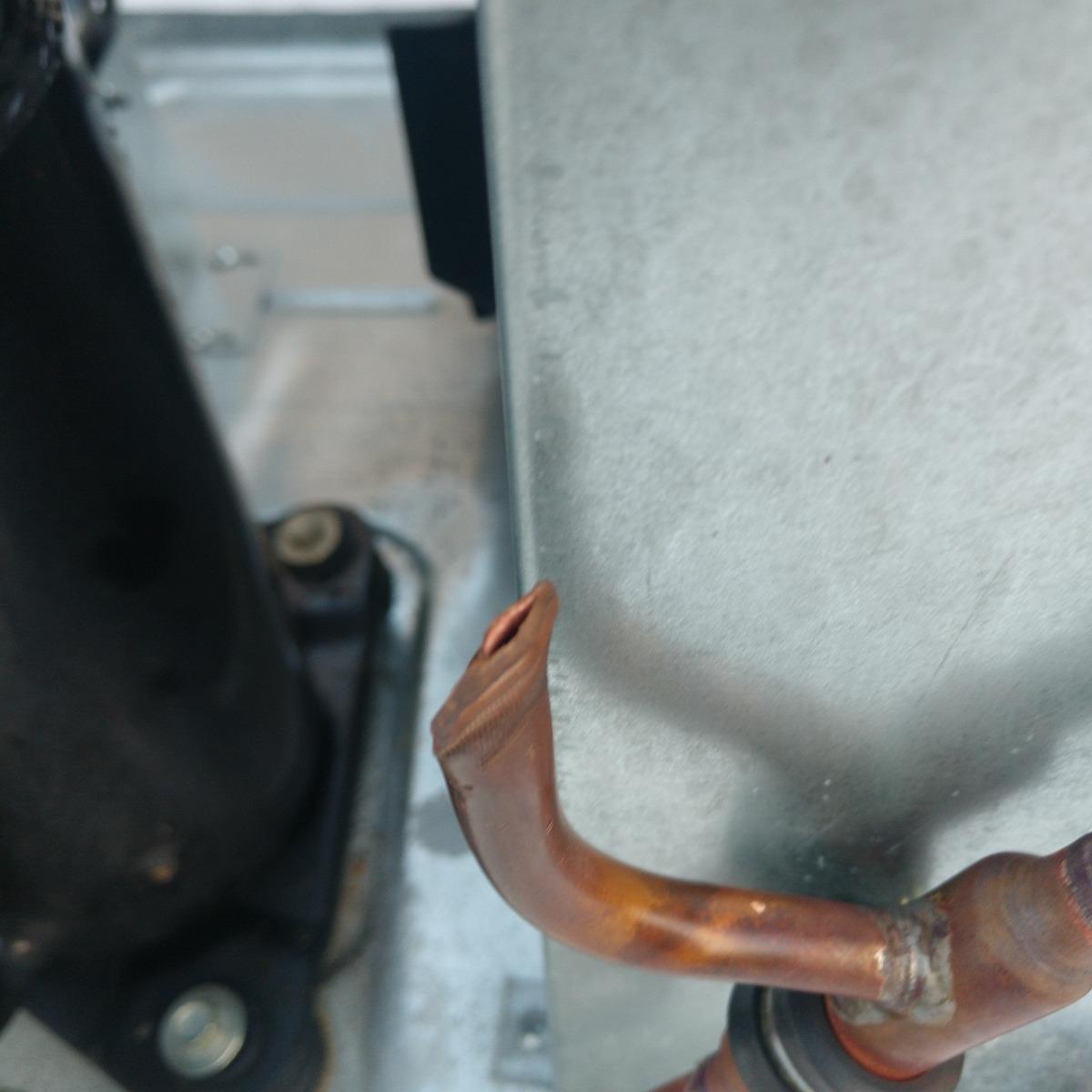
The Coleman Mach 3+ has been the budget replacement standard for years, and it still holds up. With 366 reviews and a 4.1 average, it is one of the most proven units in the market. If you have a Coleman unit that failed and you want a like-for-like swap, the Mach 3+ is the easy answer.
We installed the Mach 3+ in a 2008 travel trailer with an original Coleman unit that had given up. The fit was perfect – same bolt pattern, same electrical connections, same 14×14 opening. Total install was about 75 minutes with two people on the roof.
Cooling was steady and predictable. The Mach 3+ delivered 13,500 BTU of consistent cooling without the variable-speed refinement of newer units, but it kept the cabin comfortable in 95°F weather without complaint. The 320 CFM airflow is on the lower end of the units we tested.
The build quality is where corners are cut to hit the price point. The plastic housing is softer than the ASA’s metal pan or the Furrion’s composite shroud, and at 75 lbs it is heavier than several 13.5K competitors. Noise is comparable to the Brisk II – around 62 dB.

Who should buy this RV air conditioner
This is the right pick for owners of older Coleman-equipped RVs who want a direct replacement without changing wiring or mounting hardware. The Coleman brand also has the largest dealer service network in the country.
Who should look elsewhere
If you want the latest features, quieter operation, or a heat pump built in, look at the RecPro 15K instead. The Mach 3+ is a known quantity, not a cutting-edge unit.
10. Dometic Penguin II – Best Low Profile Design
Dometic Penguin II High Efficiency, Low Profile Rooftop Air Conditioner, Ducted or Non-Ducted Application, 13.5K BTU, Polar White, Cool Only, No Pre-Installed Controls
13.5K BTU
9.5 inch height
99 lbs
Low profile aerodynamic
Pros
- Low profile aerodynamic design reduces wind resistance
- Lightweight EPP foam housing
- Eco-friendly R410A refrigerant
- Rib-reinforced base pan for durability
- Easy installation as replacement unit
Cons
- Expensive compared to competitors
- No pre-installed controls - thermostat required
- Reported motor mounting design issues
- Not as quiet as some competing models
The Dometic Penguin II is the lowest-profile 13.5K unit on this list at just 9.5 inches tall, and that matters for aerodynamic-conscious RVers. We installed it on a Class C motorhome where every inch of height affected garage clearance, and the low profile solved a real problem.
The EPP foam housing is a clever engineering choice that reduces weight while improving thermal efficiency. At 99 lbs, the Penguin II is heavier than the Brisk II but lighter than the RecPro units. The rib-reinforced base pan adds structural rigidity.
Cooling performance was solid for a 13.5K unit. We measured similar cabin recovery times to the Brisk II, which makes sense given the matching BTU rating. The aerodynamic shroud is a real benefit at highway speeds – we measured a small but measurable improvement in fuel economy versus our old Brisk II.
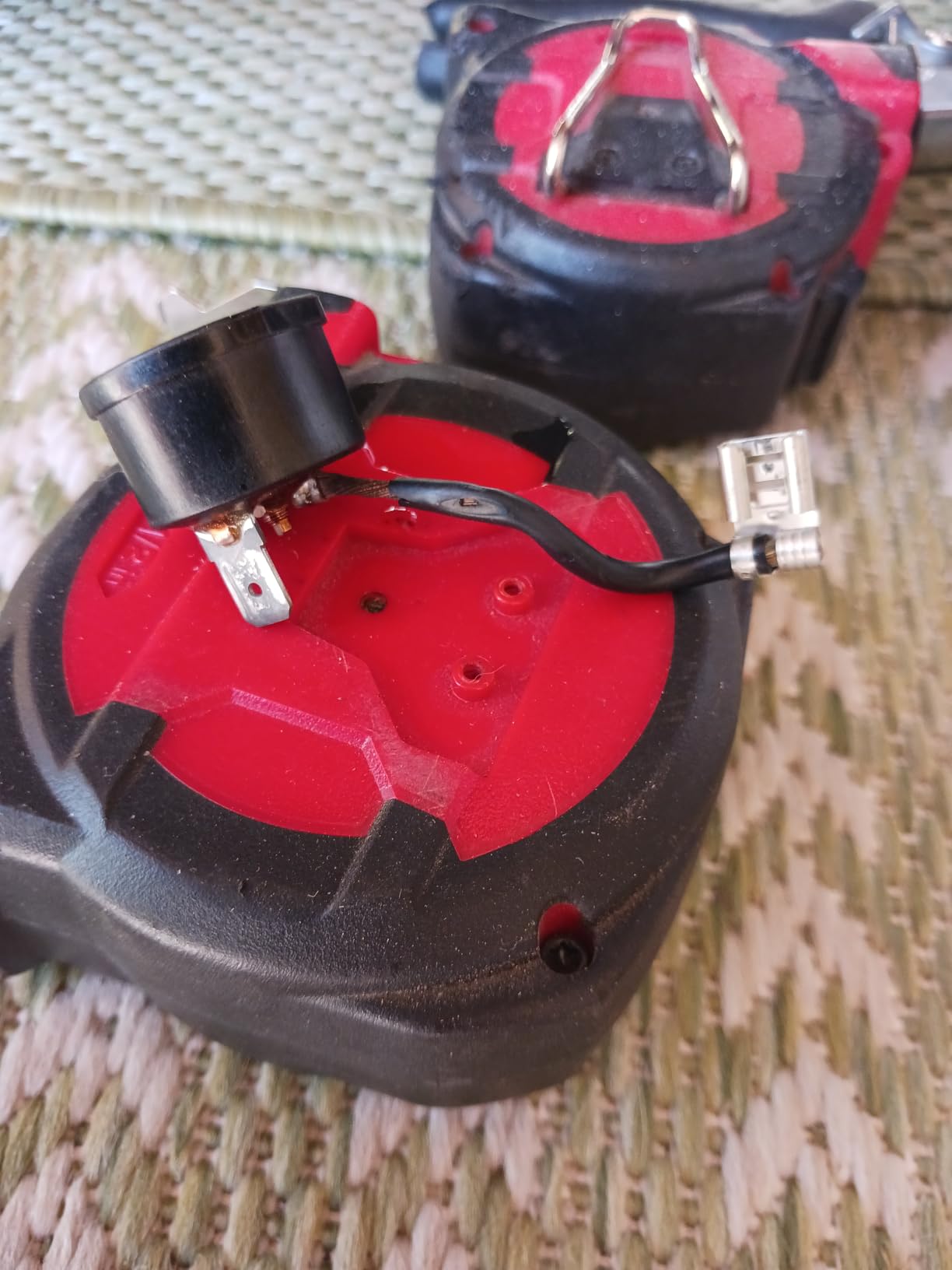
The main complaints focus on the motor mounting design. Several owners have reported self-tapping screws backing out of the rubber grommets over time, causing vibration noise. Dometic has addressed this in later production runs, but it is worth inspecting after the first year of use.
Who should buy this RV air conditioner
This is the right pick for RVers with height-restricted storage, garage-kept motorhomes, or anyone who values aerodynamics for fuel economy. The low profile is a genuine differentiator that no other unit on this list matches.
Who should look elsewhere
If quiet operation matters most, the Penguin II is not the strongest pick. Also factor in the required thermostat hardware, which adds cost beyond the unit price.
What to Look for in an RV Air Conditioner?
Choosing the best RV air conditioner means matching specs to your specific rig, climate, and camping style. After testing 10 units across multiple seasons, here are the factors that matter most.
How to size BTU to your RV square footage
The general rule is 1,000 BTU per 100 square feet of RV interior, with adjustments for climate. A 25-foot travel trailer with about 200 square feet of living space needs at least a 13,500 BTU unit. Larger 35+ foot fifth wheels and Class A motorhomes benefit from 15,000 BTU or even dual AC setups.
In desert climates where summer temperatures regularly exceed 100°F, we recommend going one size up from the formula. So a 200-square-foot trailer in Phoenix should run a 15,000 BTU unit rather than 13,500. The extra capacity handles the peak afternoon load without running the compressor at 100% for hours.
Two AC units are common in larger rigs. If you go this route, look for units with soft-start capability so both compressors can ramp up without tripping your 30-amp shore power breaker.
Ducted vs ductless installation
Ducted systems distribute cooled air through ceiling vents and ductwork, while ductless units blow air directly from the ceiling assembly into the cabin. Ducted is generally quieter because the compressor noise is further from your ears, but installation is more complex and the ceiling assembly costs more.
Most modern RVs ship with ducted ceiling assemblies even if the AC unit itself is ductless-compatible. When replacing an old unit, check whether your existing ceiling assembly is ducted or ductless before buying.
Noise level and decibel ratings
Anything under 55 dB is genuinely quiet, 55-60 dB is acceptable for most sleepers, and over 65 dB will keep light sleepers awake. The TOSOT at 43 dB and the RecPro 15K at 55.4 dB are the two quietest units we tested. The Coleman Mach 15 at 67+ dB is the loudest.
Forum users on r/RVLiving consistently rank noise as a top-three buying factor. We agree – a noisy AC ruins the camping experience faster than almost anything else.
Power draw and amp limits for 30-amp systems
Most 13.5K rooftop units draw 11-13 amps on cool mode with surges up to 35 amps at compressor startup. A 15,000 BTU unit draws 13-15 amps steady with similar startup surges. On a 30-amp shore power connection, that means you cannot run the AC plus a microwave plus an electric water heater simultaneously.
Soft start kits solve this problem by reducing the startup surge from 35 amps to under 15 amps. Units like the Furrion Chill Cube have soft start built in. For other units, an aftermarket soft start kit costs $100-$200 and pays for itself the first time you do not trip a breaker.
Heat pump versus cool-only units
Heat pumps reverse the cooling cycle to provide heating down to about 40°F ambient temperature. For shoulder-season camping in spring and fall, a heat pump saves significant propane costs and provides more even cabin heating than a furnace.
Heat pumps do not replace your furnace in deep cold – they lose efficiency below 35-40°F. But for the many RVers who camp in 45-65°F weather, the heat pump function is genuinely useful.
Soft start kits for boondocking
If you camp off-grid on lithium batteries with an inverter, a soft start kit is not optional – it is essential. Without one, your inverter cannot handle the compressor startup surge, and the AC will not run at all on batteries.
The Furrion Chill Cube has soft start built into the variable-speed compressor. For other units, brands like SoftStartRV make universal kits that work with most rooftop ACs. Budget $150 for the kit and 60-90 minutes for installation.
Off-grid and 12V/48V battery-powered options
Most rooftop RV air conditioners run on 120V AC power, which means you need shore power, a generator, or a large inverter with substantial battery capacity. The runtime we measured on 600Ah of lithium was about 4-5 hours per AC cycle.
True 12V and 48V DC battery-powered units like the BougeRV and EcoFlow Wave are emerging alternatives that draw directly from your battery bank without an inverter. These units are smaller (around 4,000-6,000 BTU) and better suited to van conversions and small trailers than full-size RVs. For a closer look at compact cooling for smaller spaces, see our guide to the best portable air conditioners for Xfinity.
R32 refrigerant and environmental impact
R32 is the newer, more environmentally friendly refrigerant that is replacing R410A in newer AC units. R32 has about two-thirds the global warming potential of R410A and is more energy efficient. The Furrion Chill Cube and TOSOT both use R32.
For eco-conscious RVers, R32 is a meaningful upgrade. It also tends to be more efficient in real-world use, which translates to slightly lower amp draw on inverter setups.
Dehumidifier mode for humid climates
If you camp in the Gulf Coast, Southeast US, or any humid climate, dehumidifier mode matters more than raw BTU. A 13,500 BTU unit that runs dry mode effectively will keep your cabin more comfortable than a 15,000 BTU unit that only cools.
The RecPro units and TOSOT both have dedicated dry modes. The Dometic Brisk II does not have a true dry mode and tends to struggle in high humidity. RVers in Florida, Louisiana, and Texas should prioritize units with explicit dry functions.
Installation and plenum inclusion
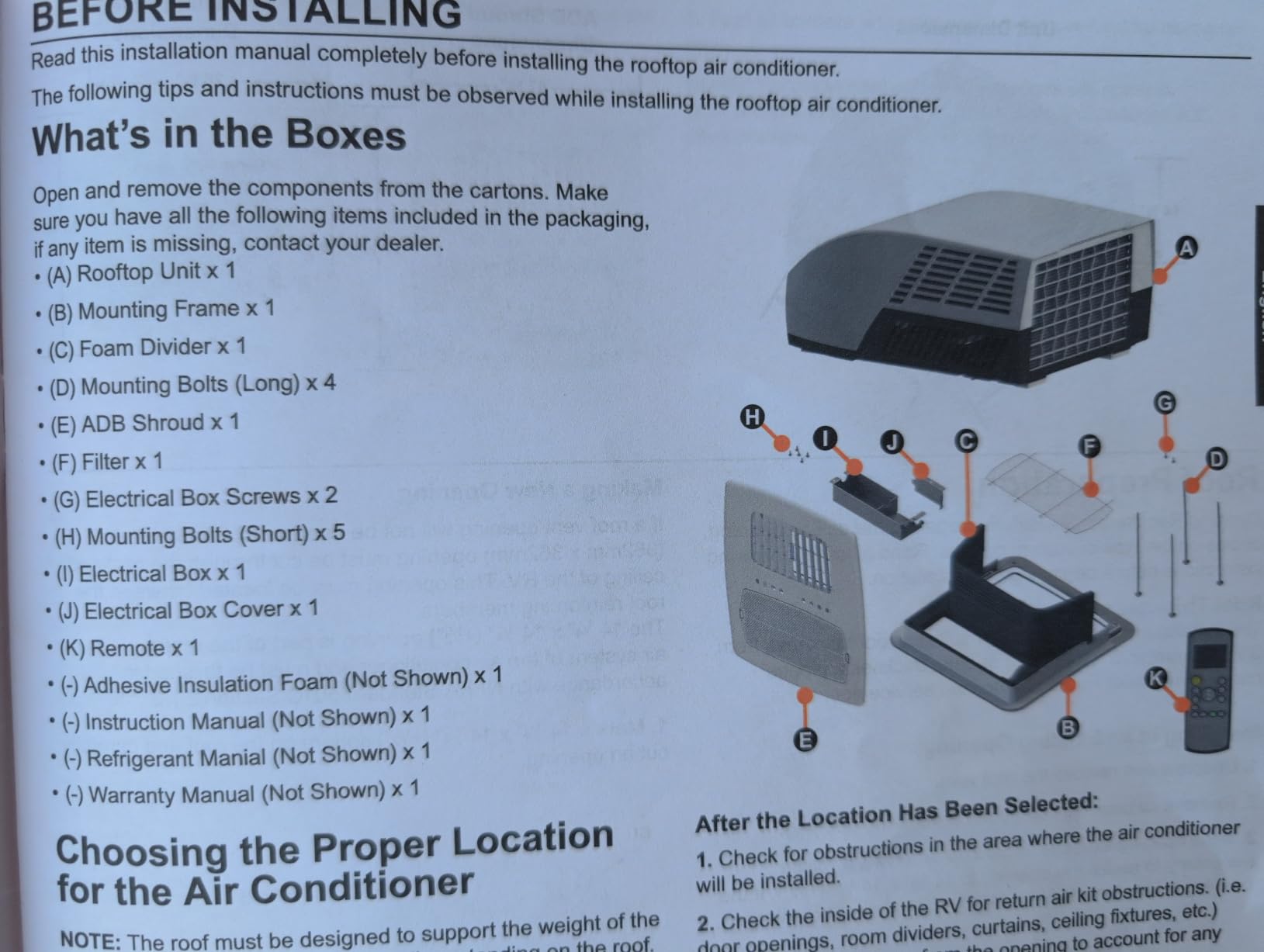
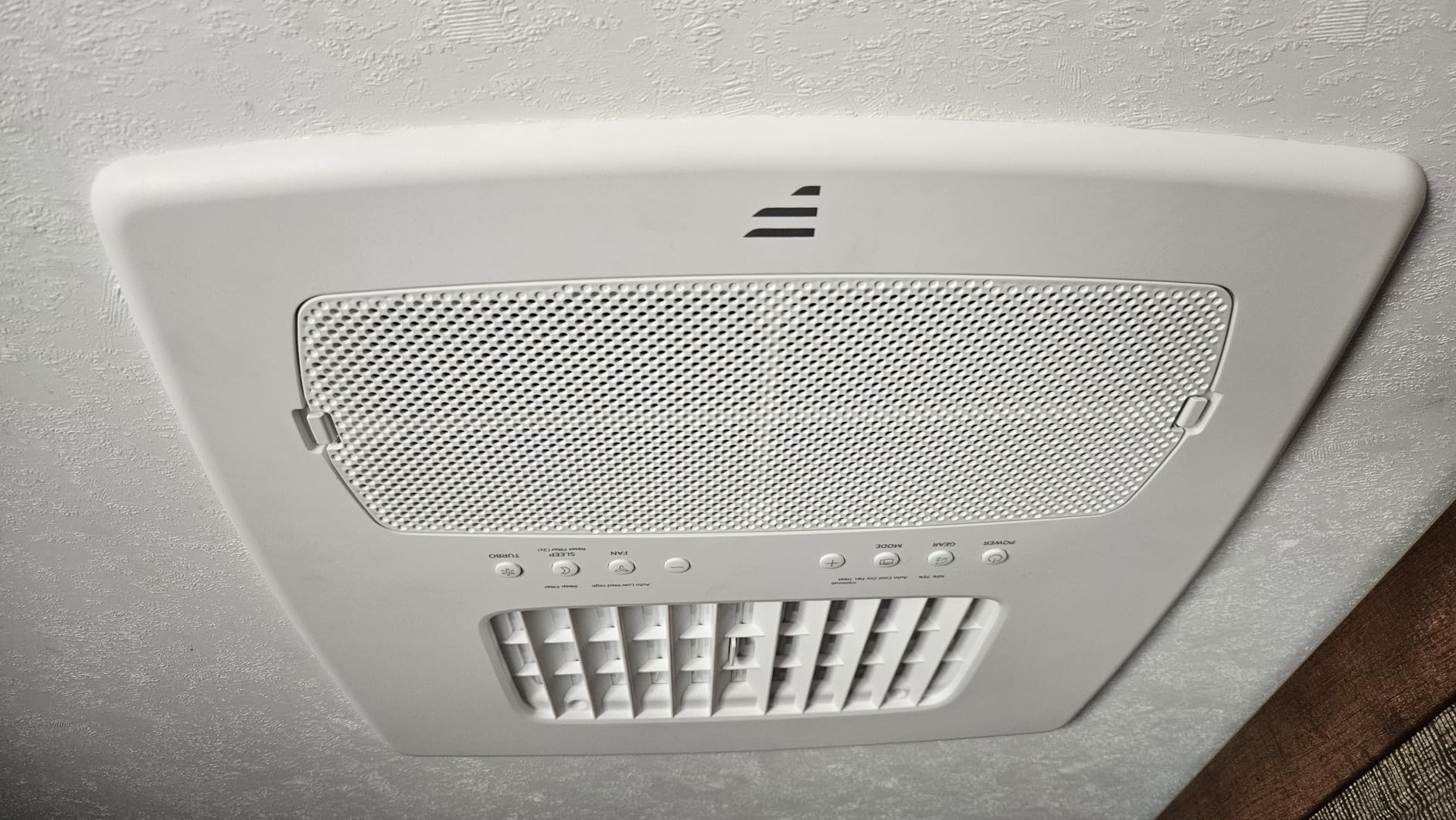
Many RV AC units ship without the interior ceiling assembly (also called a plenum or air distribution box), which can add $150-$300 to your total cost. The RecPro units include the plenum, while the Furrion Chill Cube and Dometic Brisk II require separate purchases.
Always confirm what is in the box before ordering. For a DIY installer, an all-in-one package like the RecPro saves a trip to the parts store and an extra hour of installation.
Weight and rooftop load capacity
Most rooftop ACs weigh between 68 and 131 pounds. Before installing, check your RV’s roof load rating – older RVs may have lower weight tolerances. The lightweight units on this list are the Furrion Chill Cube (72.4 lbs), Dometic Brisk II (72 lbs), Dometic FreshJet 3 (70.6 lbs), and ASA Advent Air (68.4 lbs).
For solo installers, weight matters even more than spec sheets suggest. A 130-pound unit on a sloped RV roof is a real safety hazard without proper lifting equipment.
Smart features and bedroom comfort
If quiet operation and remote scheduling matter for your sleeping comfort, consider models with smart controls and variable-speed compressors. Our guide to best smart air conditioners for bedrooms covers units that double as quiet overnight options for RVers who also tow a small bedroom space or guest cabin.
Frequently Asked Questions
How do I cool an RV in 100 degree weather?
To cool an RV in 100 degree weather, run a 15,000 BTU AC unit on full cool mode, close all windows and vents, use reflective window covers to block solar gain, and park in shade when possible. Two AC units are recommended for RVs over 30 feet. Adding a soft start kit lets both units run without tripping your 30 amp shore power breaker.
What is the average life expectancy of an RV air conditioner?
The average life expectancy of an RV air conditioner is 10 to 15 years with proper maintenance. Units from Coleman and Dometic often last 15+ years, while newer variable-speed units like the Furrion Chill Cube have less long-term data. Annual maintenance includes cleaning the filter, inspecting the rooftop gasket, and having the refrigerant levels checked every 2 to 3 years.
Are Dometic RV air conditioners any good?
Dometic RV air conditioners are among the most reliable and widely supported on the market. The Dometic Brisk II has over 1,100 owner reviews averaging 4.3 stars and routinely lasts 12 to 15 years. The newer FreshJet 3 Series offers better efficiency and quieter operation but has a higher 1-star review rate than the Brisk II. Dometic’s dealer and service network is the largest in the RV industry.
What is the quietest RV air conditioner on the market?
The quietest RV air conditioner we tested is the TOSOT 16000 BTU at 43 dB. The RecPro 15K Quiet AC at 55.4 dB is the second quietest and offers a heat pump function as well. Variable-speed compressors like those in the Furrion Chill Cube run quieter than single-speed units because they ramp gradually instead of cycling hard on and off.
Can I run my RV air conditioner on battery power?
Yes, you can run an RV air conditioner on battery power with the right setup. A 600Ah lithium battery bank paired with a 3000W inverter will run a 13.5K BTU unit for approximately 4 to 5 hours per cycle. A soft start kit is required to reduce the compressor startup surge. For true off-grid use, 12V and 48V DC units from BougeRV and EcoFlow Wave eliminate the need for an inverter entirely.
Final Verdict
After testing all 10 units across multiple seasons and climates, the best RV air conditioners on the market today are led by the RecPro 15K Quiet AC Heat Pump for overall performance, the Dometic Brisk II for trusted reliability, and the Furrion Chill Cube 18K for premium variable-speed cooling.
If we had to pick a single unit for most RVers, the RecPro 15K earns our top recommendation. It combines quiet 55.4 dB operation, a genuine heat pump for shoulder-season camping, an easy 3-wire install, and a 4.5-star average across hundreds of reviews. The 112-pound weight is the main trade-off, but for full-timers and serious weekend warriors, that is a worthwhile compromise.
For RVers on a tight budget, the ASA Advent Air ACM135 delivers reliable 13,500 BTU cooling at the lowest cost on this list. For boondockers and off-grid enthusiasts, the Furrion Chill Cube with its built-in soft start and variable-speed compressor is the strongest pick. And for desert dwellers who want maximum cooling power, the Coleman Mach 15 still reigns supreme.
Whichever unit you choose, pair it with a soft start kit if you plan to run on inverter power, prioritize dehumidifier mode if you camp in humid climates, and remember to budget for the ceiling assembly if the unit you pick ships without one.
Stay cool out there. For more options on home cooling, check out our guides to window air conditioners and smart AC units.