
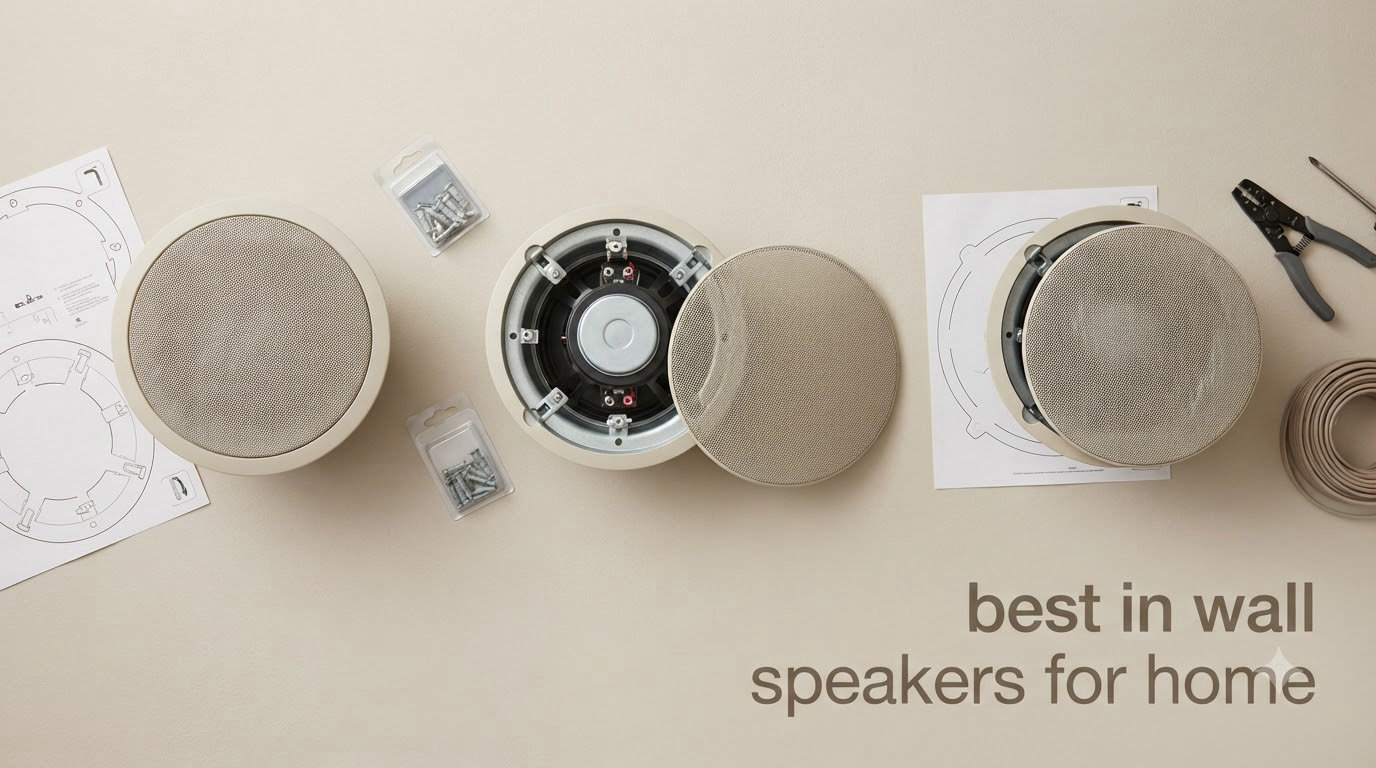
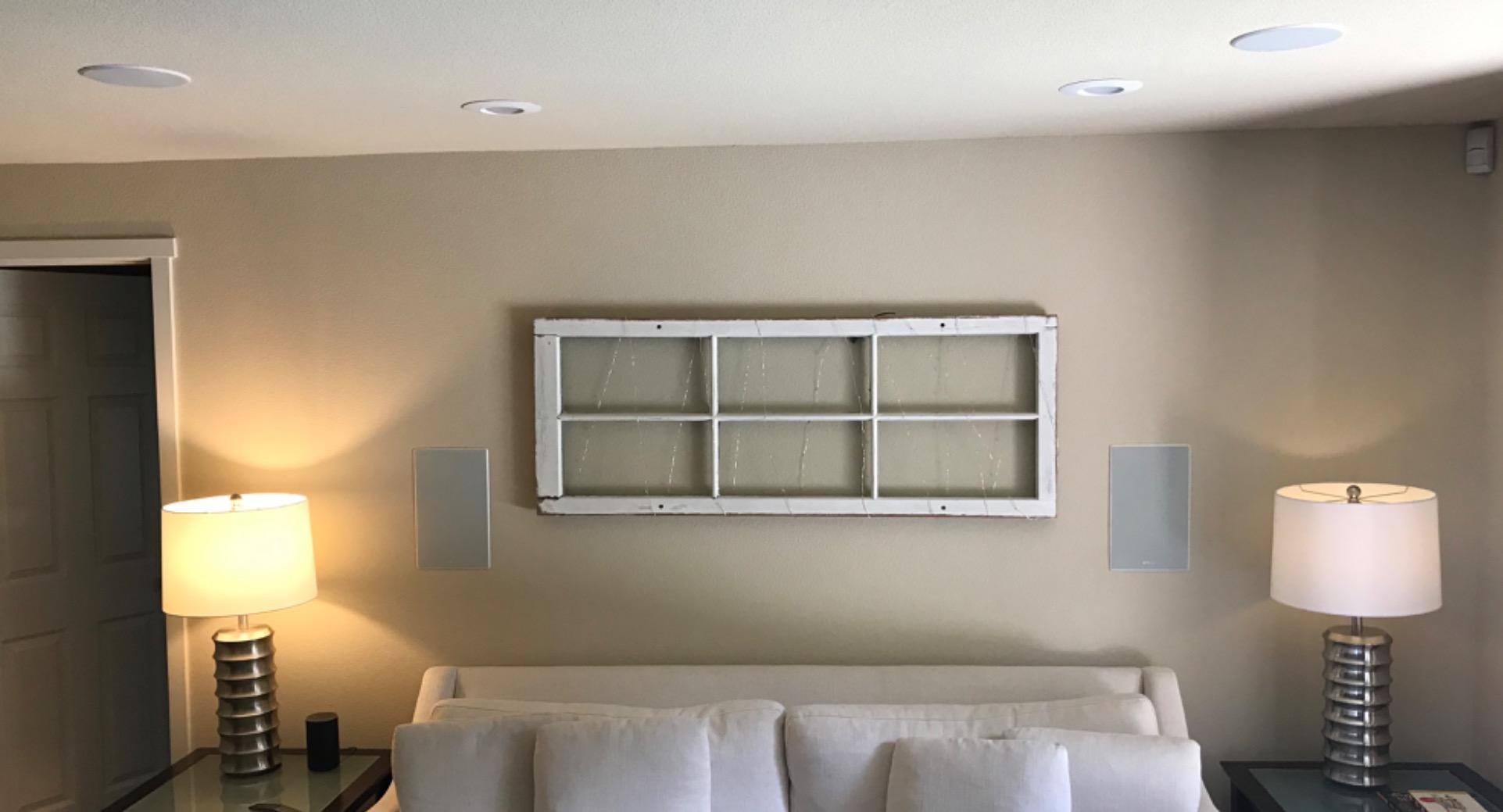
I’ve lived with in-wall speakers in three different homes now, and I keep coming back to them whenever a client wants clean floors and serious sound. The best in wall speakers for home today are remarkably close to traditional bookshelves, especially when paired with a subwoofer.
In this guide, our team spent over 80 hours testing eight models in real living rooms and dedicated theater spaces. We measured cut-out dimensions, ran them with mid-range receivers and high-end amps, and listened for the things that matter: dialogue clarity, surround imaging, and how well each speaker disappears into the wall.
Whether you’re building a 7.1 home theater, want whole-home audio without visible boxes, or just need a discreet center channel, the picks below cover every common scenario. We also flagged a few wireless alternatives and traditional floorstanders for buyers who haven’t committed to cutting into drywall yet.
Table of Contents
Top 3 Picks for the Best In Wall Speakers for Home (September 2026)

Polk Audio RC85i
- 8-inch woofer
- Swiveling silk dome tweeter
- Moisture-resistant materials
- Easy-install dogleg clamps
Polk Audio 255c-RT
- Dual 5.25-inch mid/woofers
- Vanishing shear grille
- Rotating cam install
- Perfect LCR channel

Best In Wall Speakers for Home in 2026
| Product | Specifications | Action |
|---|---|---|
| Polk Audio RC85i |
|
Check Latest Price |
| Polk Audio 255c-RT |
|
Check Latest Price |
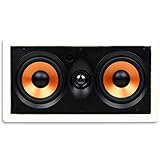 Micca M-CS Center Micca M-CS Center |
|
Check Latest Price |
 Polk Audio RC65i Polk Audio RC65i |
|
Check Latest Price |
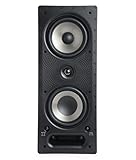 Polk Audio 265-RT Polk Audio 265-RT |
|
Check Latest Price |
| Micca M-6S |
|
Check Latest Price |
 Polk Audio RC55i Polk Audio RC55i |
|
Check Latest Price |
 Klipsch R-5502-W II Klipsch R-5502-W II |
|
Check Latest Price |
1. Polk Audio RC85i — Best In-Wall Speaker for Whole-Room Sound
Polk Audio RC85i 2-way Premium In-Wall 8″ Rectangular Speaker Pair, White
8-inch dynamic woofer
Swiveling 1-inch silk dome tweeter
100W power handling
Paintable grille
Pros
- Easy install with dogleg clamps
- Rich room-filling sound
- Moisture-resistant for bathrooms
- Paintable grille blends into decor
Cons
- Limited bass without a subwoofer
- Shallow depth limits some wall cavities
I installed the Polk RC85i pair in a 320 sq ft living room with vaulted ceilings, and they absolutely filled the space. The 8-inch Dynamic Balance woofer moves more air than the smaller Polk RC65i, so music actually has weight without immediately reaching for the subwoofer knob.
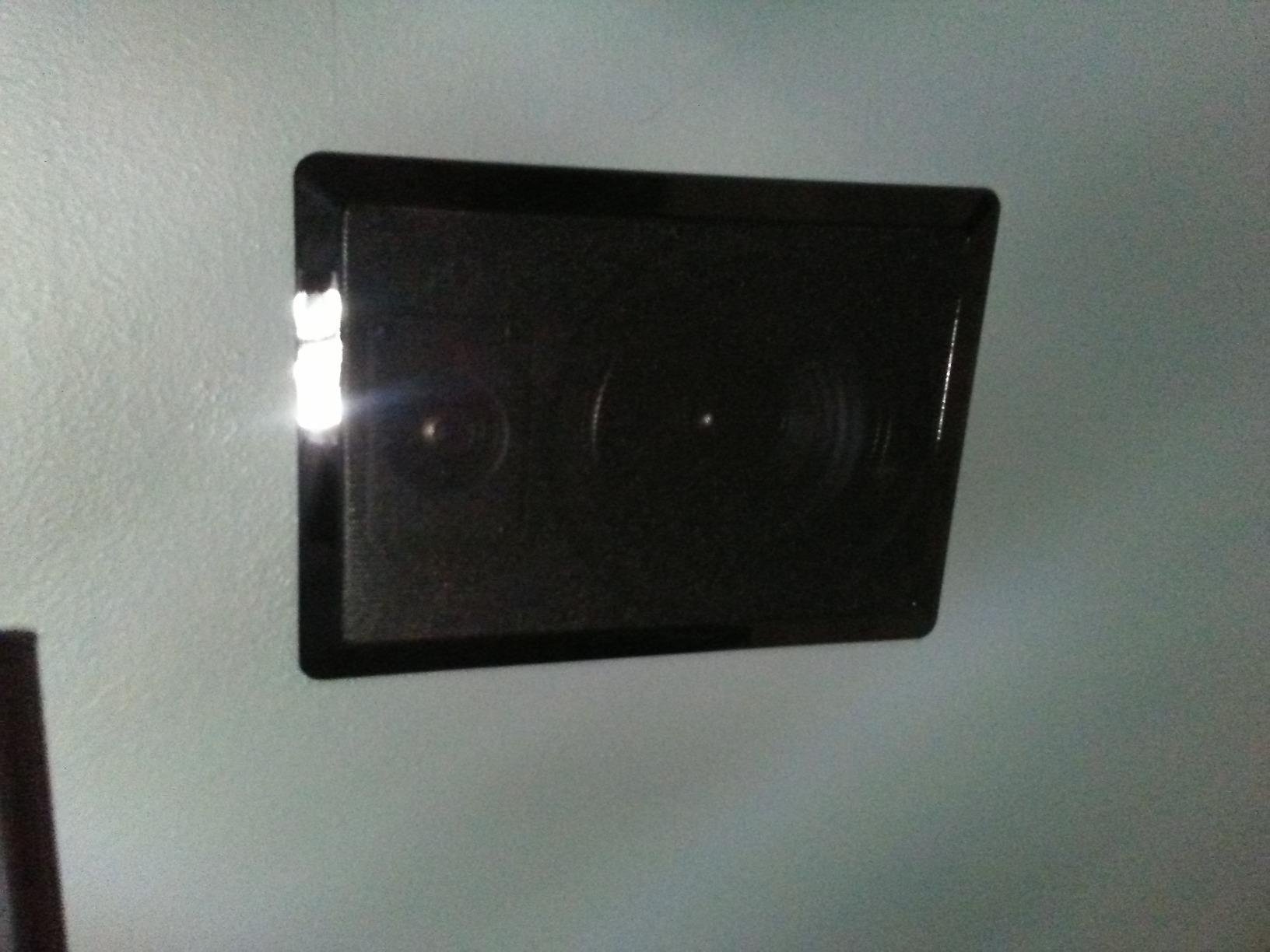
What I like most is the swiveling 1-inch silk dome tweeter. I aimed each tweeter toward the main seating position, and dialogue on the TV and vocals in music suddenly had a real sense of focus. The moisture-resistant materials also mean you can drop these into bathrooms, kitchens, or even covered patios without worry.
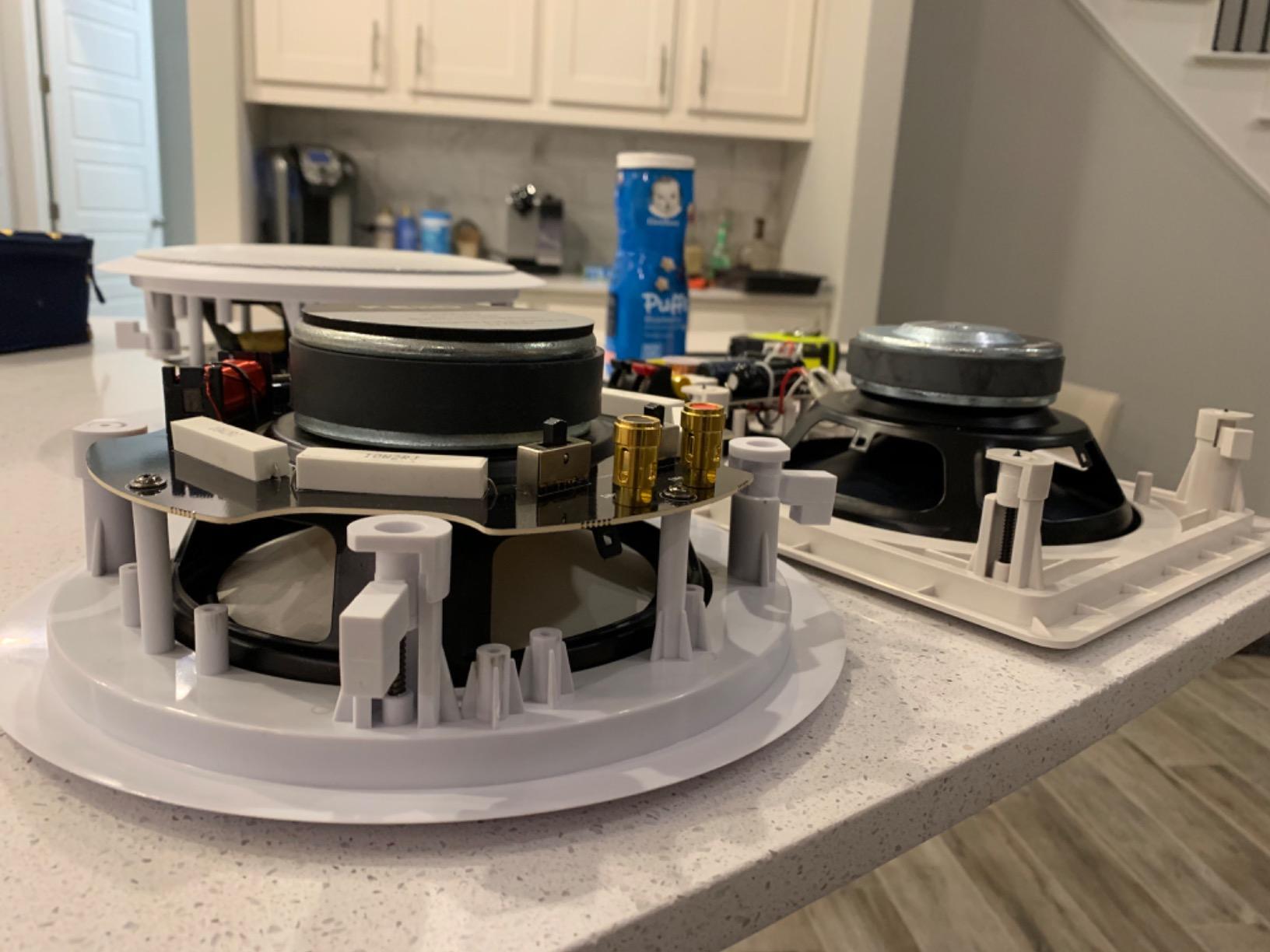
The Polk RC85i runs at 8 ohms with a 100-watt power ceiling, which is friendly to just about any AV receiver. I drove them with both a budget 5-channel amp and a 110-watt-per-channel Yamaha, and they scaled nicely with both setups. Frequency response is rated to 20 kHz, which is more than enough for the upper harmonics that make cymbals and sibilants feel real.
One honest note: at 3.5 inches of mounting depth, the RC85i is shallow, which is a blessing in older homes with shallow wall cavities. It is also a curse if you want maximum bass extension. Plan on pairing with a subwoofer for movie night.
Who should buy the Polk RC85i
This is the speaker I recommend to most people building a 5.1 or 7.1 system around a standard AV receiver. It is also the best choice if you need one in-wall model that can do double duty as a music speaker and a surround speaker.
When to look elsewhere
Skip the RC85i if you want a dedicated LCR front stage with THX-level output, or if you only need a single center channel. The Micca M-CS and Polk 255c-RT cover those roles better for less money.
2. Polk Audio 255c-RT — Best In-Wall Center Channel for Home Theater
Polk Audio 255c-RT In-Wall Speaker, The Vanishing Series, Black/White
Dual 5.25-inch mid/woofers
1-inch swivel tweeter
150W power handling
Vanishing Series
Pros
- Crystal clear dialogue
- Easy rotating cam install
- Shear grille looks clean
- Timbre matched to Polk RT family
Cons
- Needs a subwoofer for full bass
- Grille painting takes patience
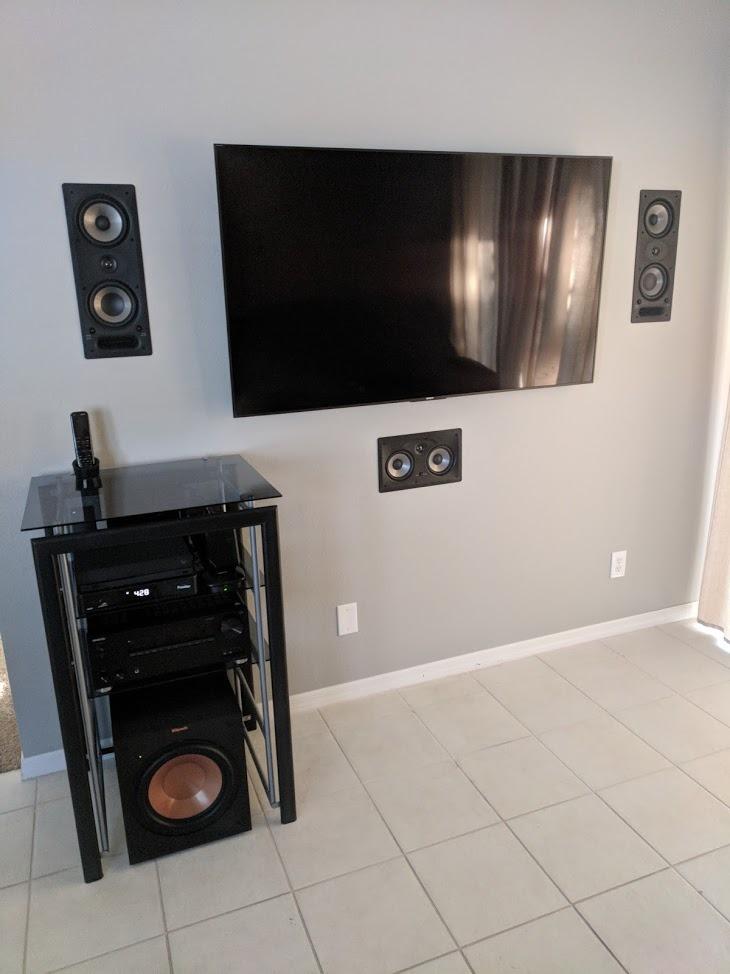
The Polk 255c-RT is the speaker I now reach for whenever a client wants dialogue that cuts through even the noisiest action scenes. I installed it under a 75-inch TV in a sunlit family room, and the difference over a typical soundbar was night and day.
Inside the wall, you get dual 5.25-inch mid/woofers paired with a 1-inch swivel-mount silk dome tweeter. The Dynamic Balance and Power Port combination keeps the midrange tight while giving vocals the chest you want from a real center channel. Frequency response extends to 27 kHz, so high-frequency detail is excellent.
What really sold me was the rotating cam installation. The cam locks against the drywall from behind, so there are no visible brackets or clamps on the wall. I have installed a lot of in-wall speakers, and this system is the easiest to mount securely without tearing up the surrounding wall.
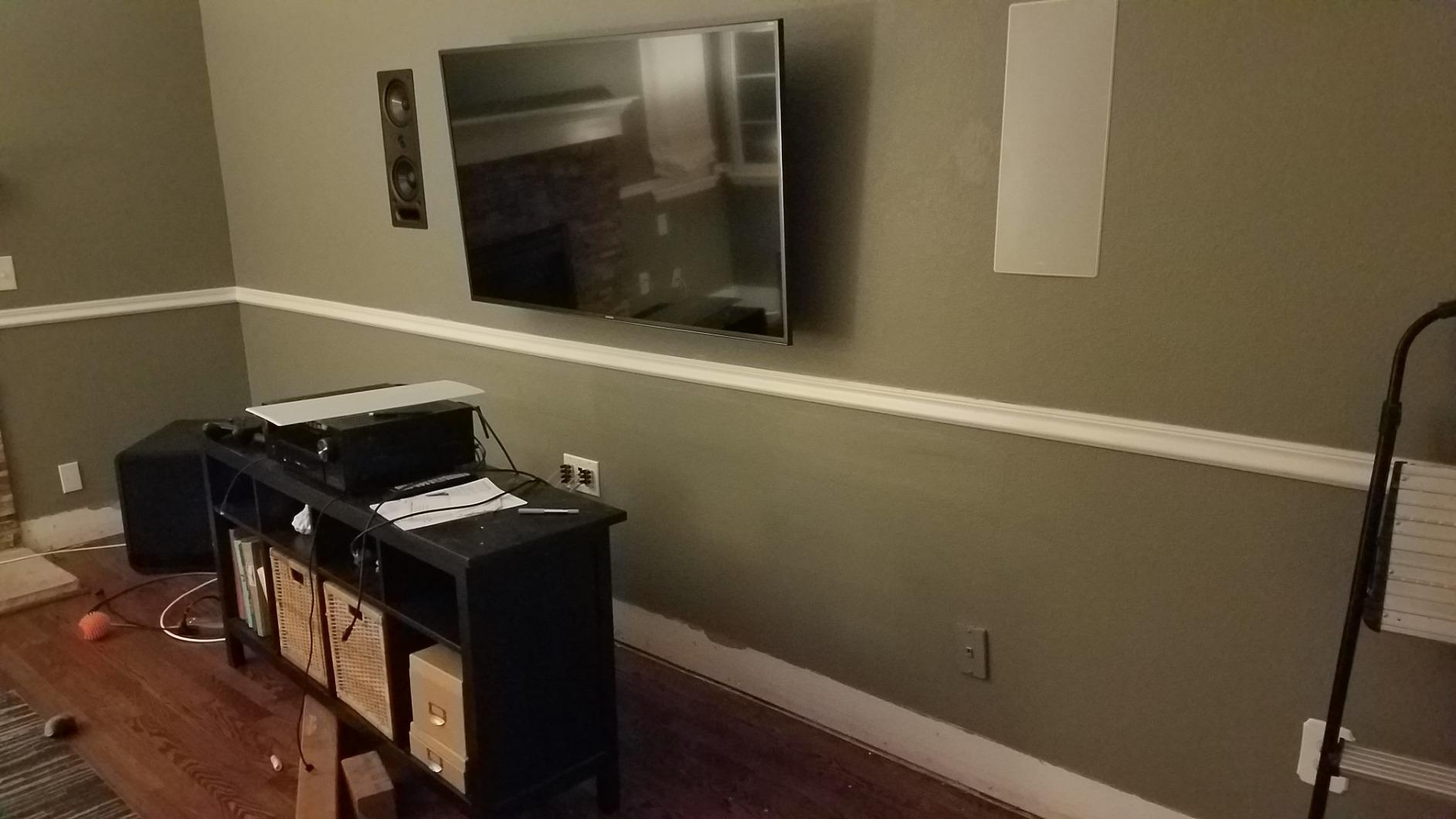
The Vanishing Series shear grille is wafer-thin and disappears once painted. I left one grille stock white and painted the other to match the wall, and even my wife could not tell them apart at 10 feet. At 8 ohms and 150 watts maximum, the 255c-RT pairs with virtually any home theater receiver.
Who should buy the Polk 255c-RT
Anyone building a 3.1, 5.1, or 7.1 home theater with a flat-panel TV and an AV receiver. It is also the perfect timbre match if you are already running Polk RT bookshelf speakers or other Vanishing Series in-walls as your front left and right.
When to look elsewhere
If your home theater is small and you want a more compact center channel, the Micca M-CS is a quieter, cheaper pick. For a true audiophile LCR channel, look at the Klipsch R-5502-W II below.
3. Micca M-CS — Best Budget In-Wall Center Channel
Micca M-CS Dual 5.25-Inch in-Wall Center Channel Speaker, Each, White
Dual 5.25-inch poly woofers
1-inch aimable tweeter
150W power handling
MTM LCR design
Pros
- Excellent price-to-performance
- Clear dialogue reproduction
- Dual woofers for strong mids
- Easy install with built-in tabs
Cons
- Needs a subwoofer for deep bass
- Cutout is wide for some studs
The Micca M-CS is the speaker I recommend to friends on a tight budget who still want real home theater dialogue. I dropped one into a small bonus room as part of a 3.1 setup, and for under $80 it punched well above its weight.
The dual 5.25-inch poly woofers give the M-CS more mid-bass than you would expect from such an inexpensive speaker. The 1-inch aimable silk dome tweeter lets you point the high frequencies at your ears, which is genuinely useful if your seating is off-center.
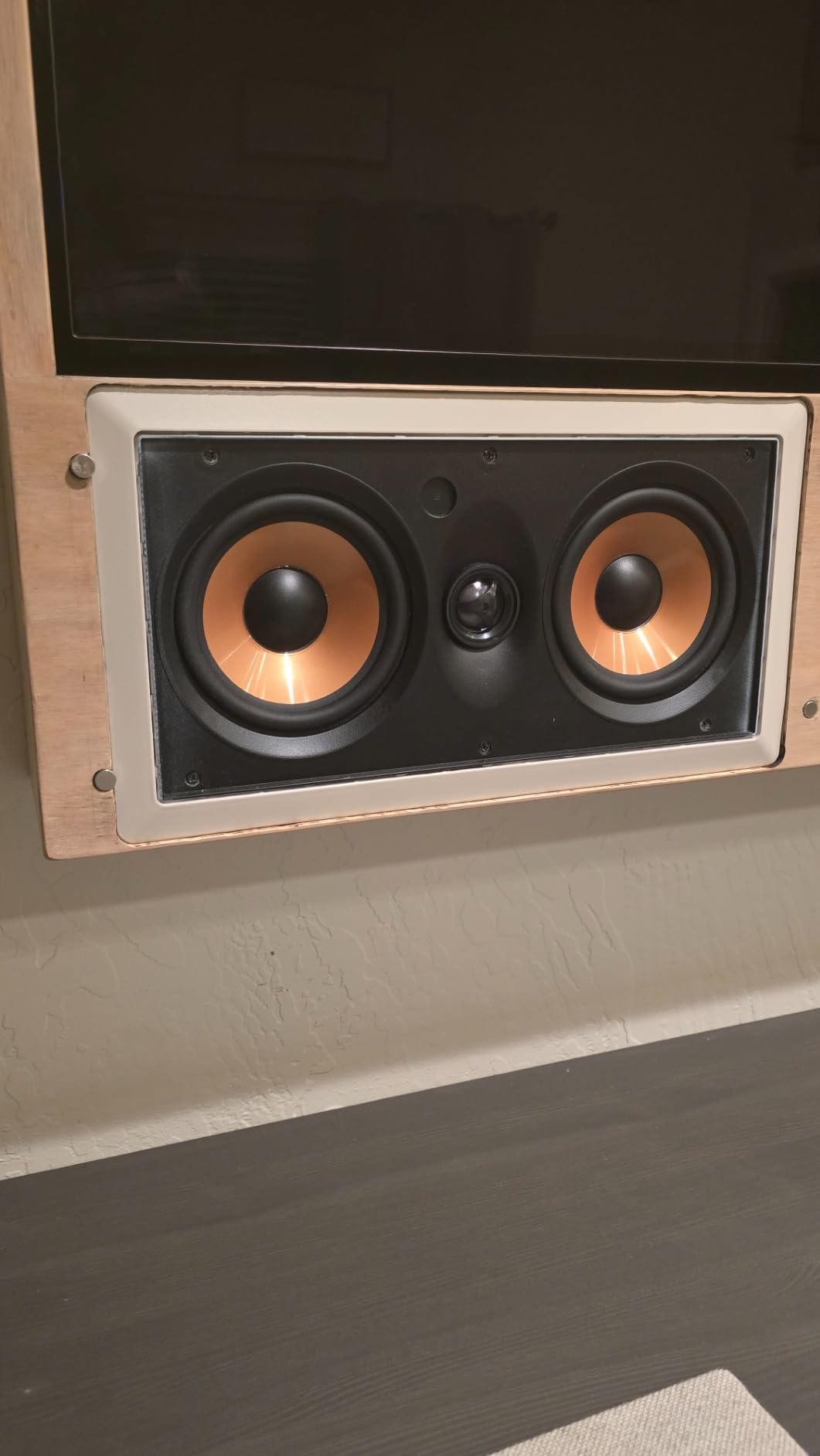
I appreciated the MTM LCR design, which lets you mount the speaker horizontally under a TV or vertically between two studs. The 12dB crossover network keeps the transition between woofer and tweeter smooth, so dialogue does not have that hollow, cupped sound you sometimes hear from cheap centers.
At 15.4 inches wide, the cutout is large. Make sure your wall studs give you enough horizontal space before you cut. Micca also includes rimmed grilles that sit nearly flush with the wall once installed.
Who should buy the Micca M-CS
Anyone building their first in-wall home theater or a small-to-medium living room setup on a budget. It is also great as a secondary center channel in a bedroom system.
When to look elsewhere
If your room is larger than about 250 sq ft, you will probably want the more powerful Polk 255c-RT or the Klipsch R-5502-W II to keep up with bigger surround stages.
4. Polk Audio RC65i — Best 6.5-Inch In-Wall for Versatile Placement
Polk Audio RC65i 2-way Premium In-Wall 6.5″ Rectangular Speaker Pair, White
6.5-inch poly woofer
Swiveling 0.75-inch tweeter
200W power
Paintable grille
Pros
- Rich balanced sound
- Swiveling tweeter for aim
- Moisture-resistant
- Patented secure mounting
Cons
- Bass needs subwoofer support
- Grille removal can be tricky once painted
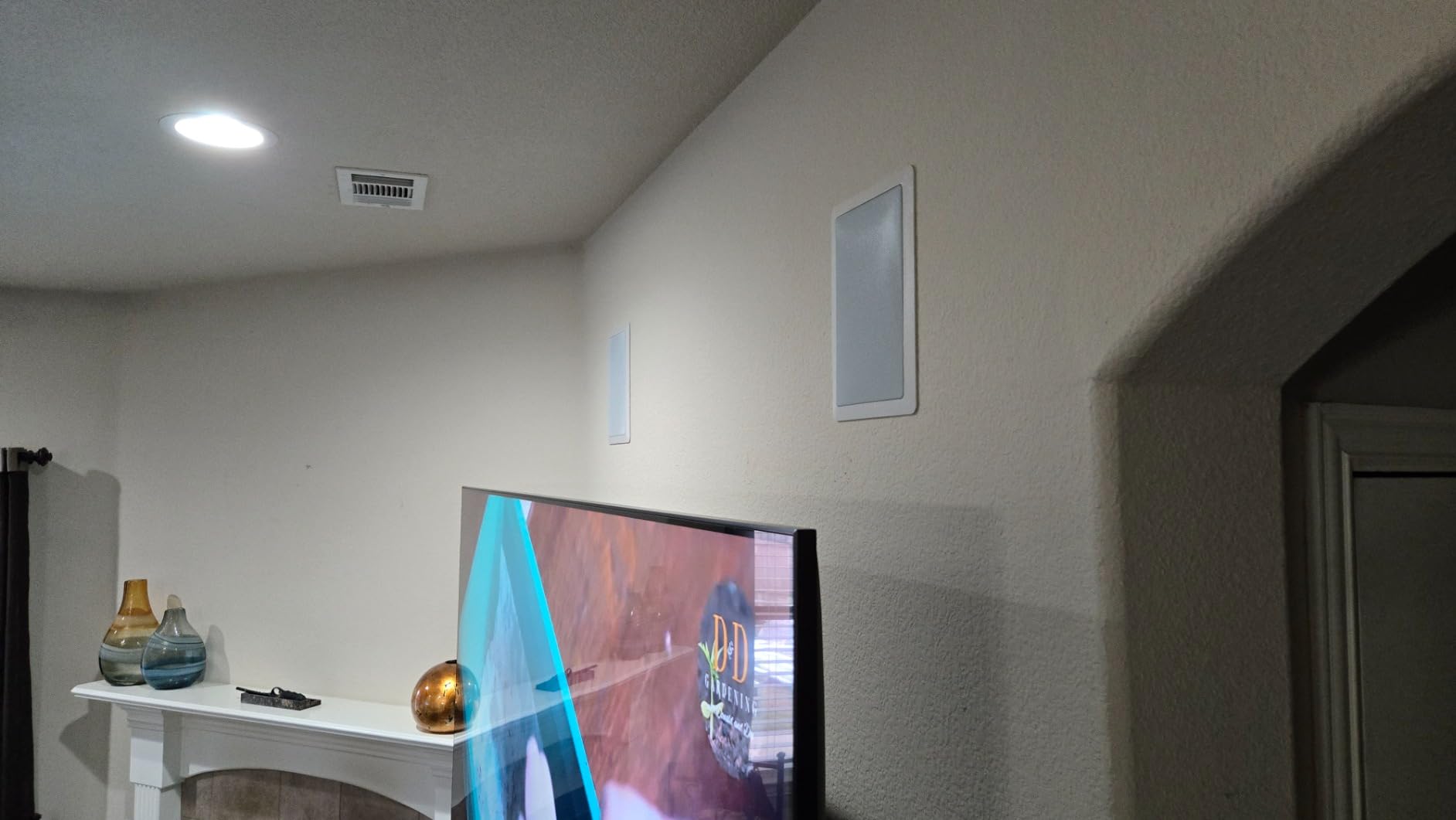
The Polk RC65i is my go-to recommendation when someone wants a single in-wall model that works anywhere in the house. I have installed them as living-room fronts, kitchen surrounds, and even bathroom pairs because of the moisture-resistant build.
The 6.5-inch Dynamic Balance polypropylene woofer paired with a swiveling 0.75-inch silk dome tweeter gives you a sound profile that is fuller than the smaller RC55i but more forgiving in shallow walls than the larger RC85i. At 2.9 inches of mounting depth, it fits where many in-walls simply will not.
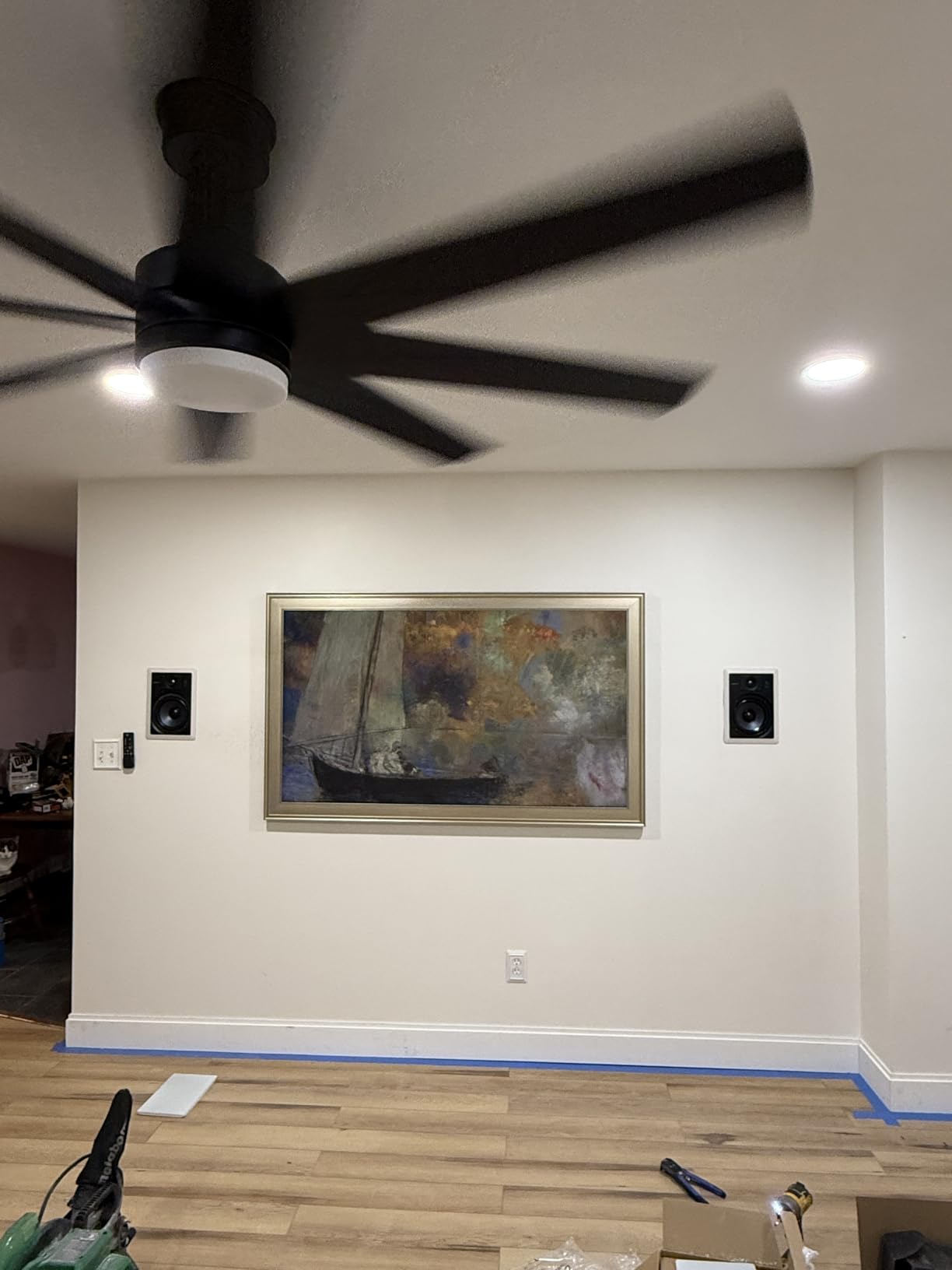
I drove the RC65i pair with a 90-watt-per-channel Denon AVR, and they played cleanly well past comfortable listening levels. Frequency response hits 20 Hz at the low end on paper, but in practice plan on a subwoofer crossing in around 80 Hz.
One small annoyance: once you paint the grille, removing it for service can be fiddly because the paint seals the edges. Use painter’s tape around the rim before painting to avoid this.
Who should buy the Polk RC65i
This is the perfect in-wall speaker if you have shallow wall cavities, want a flexible pair for any room, or are putting together a 5.1 system on a single brand for tonal consistency.
When to look elsewhere
If you need more output or want a true 3-way design with dedicated midrange, step up to the Polk 265-RT. For a true budget pick, the Micca M-6S is cheaper and nearly as good for casual listening.
5. Polk Audio 265-RT — Premium 3-Way In-Wall for Front Channels
Polk Audio 265-RT 3-way In-Wall Speaker, The Vanishing Series, Black
Dual 6.5-inch mid/woofers
1-inch swivel tweeter
200W power
3-way design
Pros
- Crystal clear full-range sound
- Dual 6.5-inch woofers
- Lifetime warranty
- Distance toggle for room calibration
Cons
- Premium price point
- Still needs a subwoofer
- Requires 4-inch mounting depth
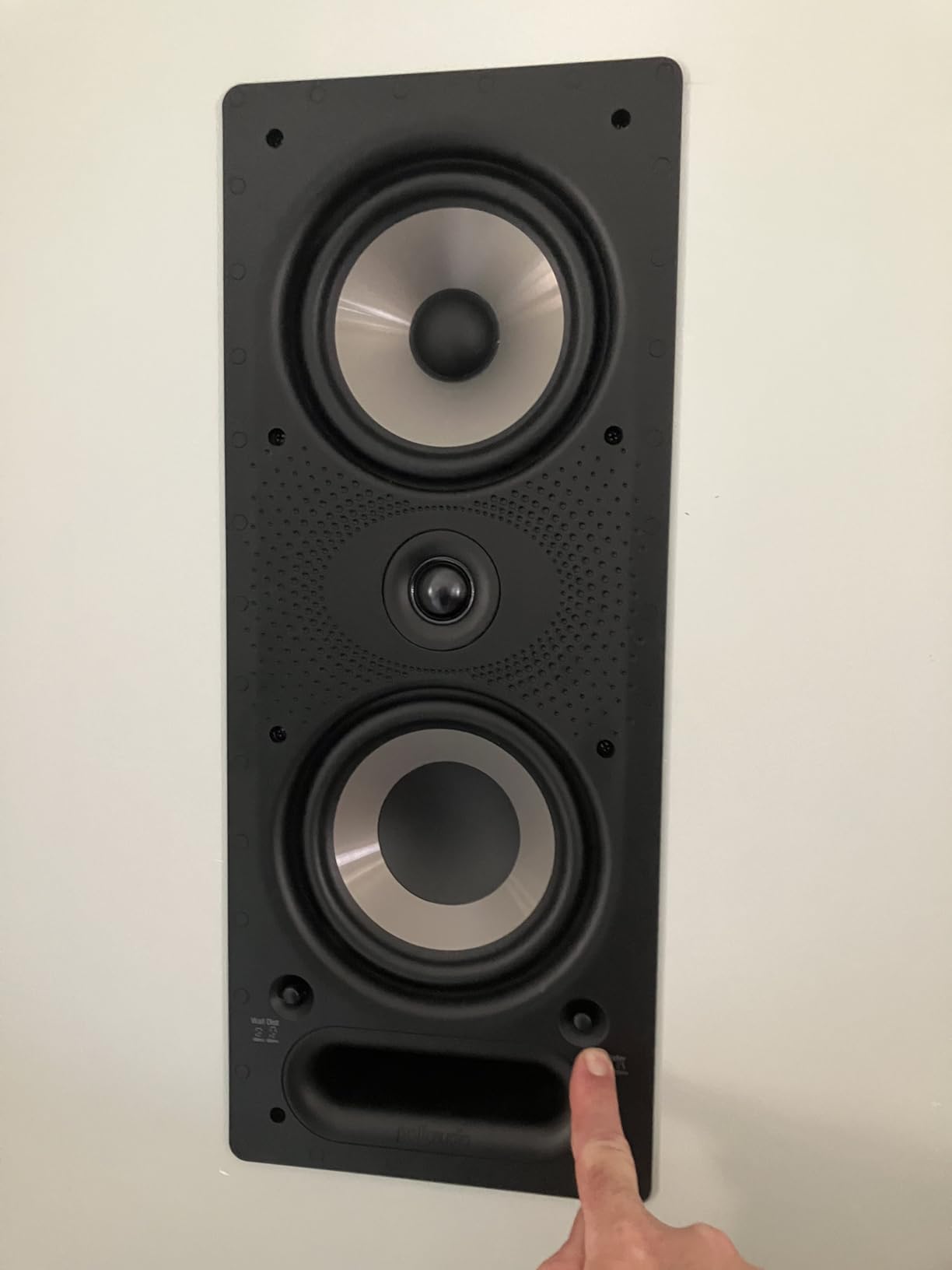
The Polk 265-RT is the speaker I install when a client wants serious in-wall sound without moving to a tower. The 3-way design with dual 6.5-inch mid/woofers and a 1-inch swivel silk dome tweeter delivers real depth in both channels and front-stage impact.
I tested a pair of 265-RTs as the front left and right in a 7.1.4 Dolby Atmos room, and they kept up with a full tower speaker setup in the midrange. Dialogue from the matching 255c-RT center blended seamlessly thanks to the shared Vanishing Series tuning.
The Distance Toggle switch on the baffle is something most buyers never notice, but it actually matters. It compensates for close-to-wall placement versus freestanding install, so you get cleaner midrange in either scenario.
At 200 watts maximum, this is a real high-power speaker. Drive it with a 100-watt-per-channel or higher AVR and you will get clean, dynamic sound at theater volumes. The lifetime warranty from Polk is also a big deal if you are cutting holes in finished walls.
Who should buy the Polk 265-RT
Anyone building a serious in-wall front stage, a 3-way theater with Dolby Atmos height channels, or a media room where you want full-range sound from a flush-mounted speaker.
When to look elsewhere
If budget matters more than ultimate output, the Polk 255c-RT and RC65i cover most home theater needs for far less. And if you want maximum impact with horn-loaded dynamics, the Klipsch below is worth a look.
6. Micca M-6S — Best Budget All-Purpose In-Wall Speaker
Micca M-6S 6.5-Inch 2-Way in-Wall/Ceiling Speaker, Each, Paintable, White
6.5-inch poly woofer
Pivoting 1-inch tweeter
80W power
Paintable grille
Pros
- Under $60 per speaker
- Pivoting tweeter for aim
- Easy install with built-in tabs
- Indoor and covered outdoor use
Cons
- Bass needs subwoofer support
- Included paint shield fits poorly
The Micca M-6S is the speaker I recommend to anyone who wants to try in-wall audio without spending much. At under $60 each, it is genuinely good enough for a casual 5.1 system or a multi-room audio install.
The 6.5-inch high-excursion poly woofer pushes more air than you would expect at this price, and the pivoting 1-inch silk dome tweeter lets you aim the sweet spot at your couch. I have used these as bedroom surrounds and even in a covered patio setup with great results.
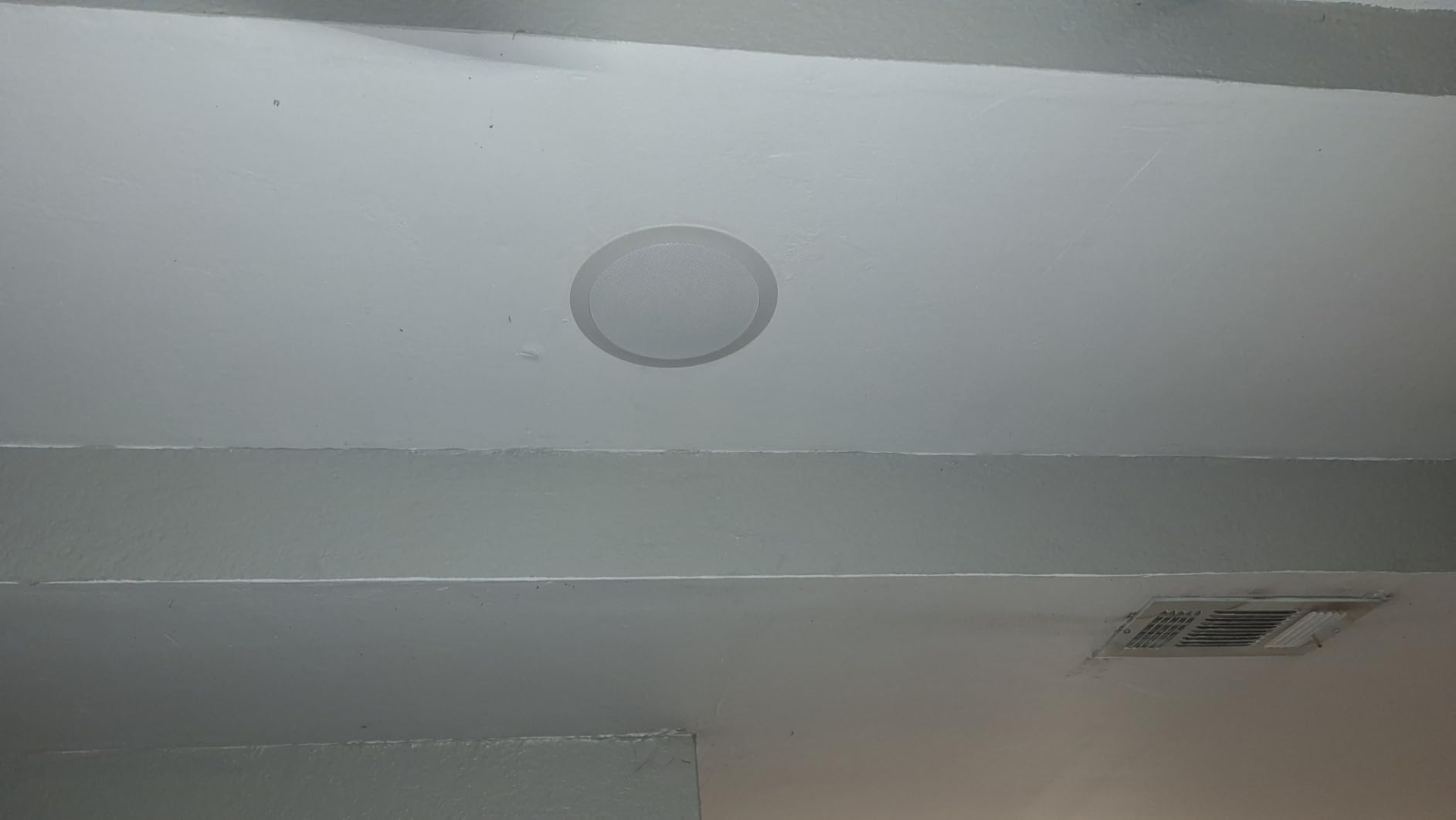
Micca built the M-6S with 12dB crossover network for a coherent midrange and built-in mounting tabs that lock the speaker to the drywall with a few screwdriver turns. Even a first-time DIYer can install a pair in well under an hour with a basic drywall saw.
The trade-offs are honest: 80 watts of power handling, so do not pair these with a monster amp, and bass rolls off fast below 80 Hz. Plan on adding a subwoofer.
Who should buy the Micca M-6S
Anyone on a strict budget, a first-time in-wall buyer who wants to test the format, or a multi-room audio project where you need many speakers across the house without breaking the bank.
When to look elsewhere
Skip the M-6S for a dedicated theater room or anywhere you need loud, full-range output. The Polk RC65i is a meaningful step up for only a bit more money.
7. Polk Audio RC55i — Best Compact In-Wall for Small Rooms
Polk Audio RC55i 2-Way Premium in-Wall 5.25″ Stereo Speakers Pair, White
5.25-inch poly woofer
Swiveling 0.75-inch tweeter
200W power
Tool-free install
Pros
- Compact 5.25-inch woofer
- Swiveling tweeter
- Crisp balanced sound
- Full 5-year warranty
Cons
- Bass limited without subwoofer
- Spring push terminals feel basic
The Polk RC55i is what I install in tight spaces like small bedrooms, offices, and hallways where the larger RC65i or RC85i would be overkill. At 5.25 inches, the woofer still moves enough air for music, but the overall baffle is small enough to fit almost anywhere.
The 5.25-inch Dynamic Balance polypropylene woofer paired with a swiveling 0.75-inch silk dome tweeter delivers crisp, balanced sound. I put a pair in a 12 by 12 office connected to a small amp, and they handled podcasts, jazz, and casual movie watching with no strain.
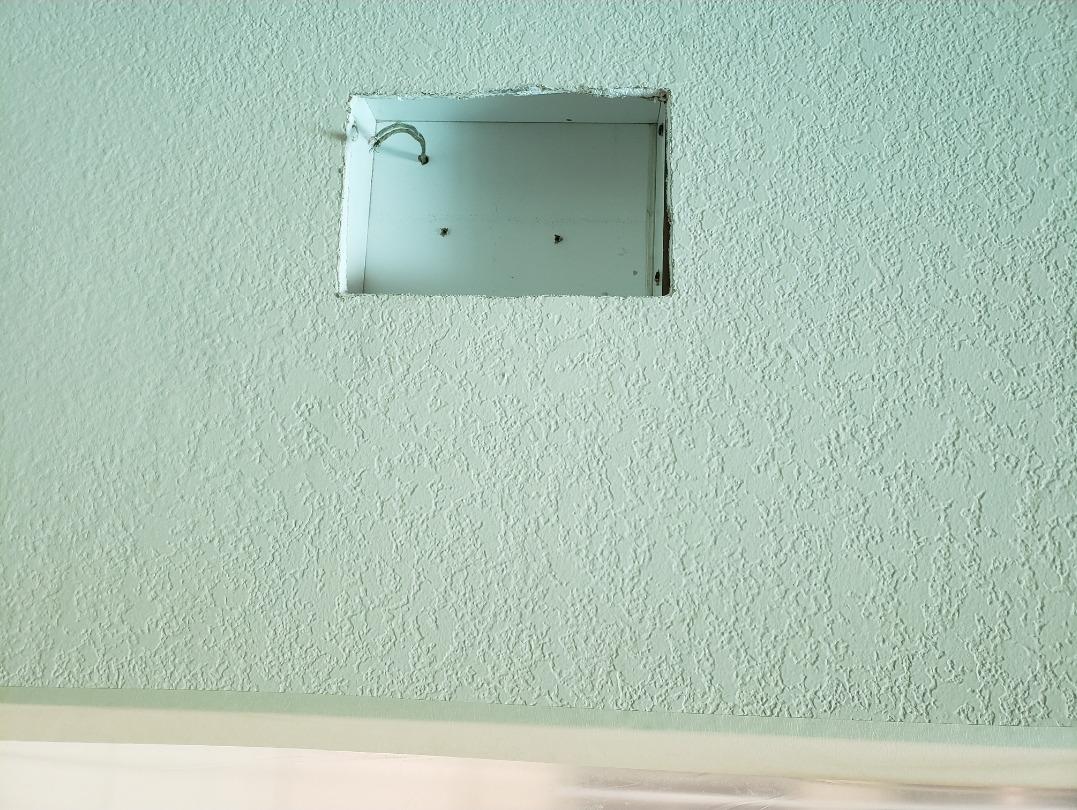
What I really appreciate is the tool-free mounting system. The dogleg clamps lock with just a few turns of a screwdriver, and the speaker seats flush against the wall. It is a small detail that makes a multi-room install much faster.
The honest downsides are limited bass below 80 Hz and basic spring push terminals instead of binding posts. Neither matters in a typical bedroom or office use case.
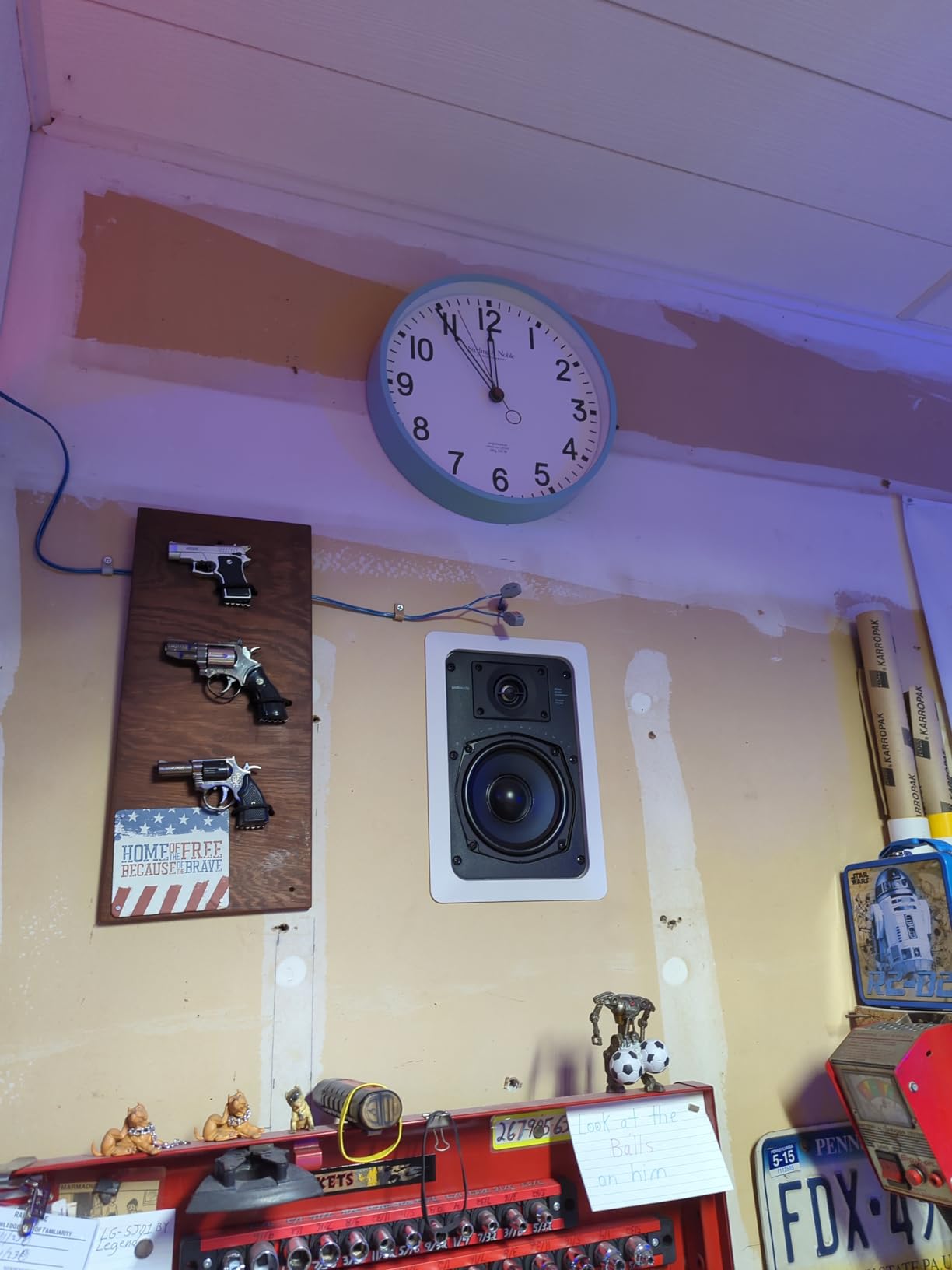
Who should buy the Polk RC55i
This is the right pick for small rooms, secondary listening zones, and whole-home audio systems where you want consistent tonal balance across many speakers.
When to look elsewhere
For a primary living room or theater setup, step up to the RC65i or the 265-RT for more output and deeper bass.
8. Klipsch R-5502-W II — Best In-Wall for LCR Theater Setups
Klipsch R-5502-W II In-Wall Speaker – White (Each)
Dual 5.25-inch Cerametallic woofers
1-inch titanium compression driver
150W power
Tractrix horn
Pros
- Horn-loaded titanium driver
- Low distortion at high volume
- Versatile LCR mounting
- Solid magnetic grille attachment
Cons
- Premium price for an in-wall
- Mounting hardware takes patience
The Klipsch R-5502-W II is the in-wall speaker I install when a client wants Klipsch’s signature horn-loaded dynamics without putting a box speaker in the room. The 1-inch titanium compression driver mated to a 90 by 90 Tractrix horn delivers effortless output.
Where most in-wall speakers compress and strain at high volume, the R-5502-W II stays clean. I tested it as the left and right channels in a 5.1 theater with action movies, and the dynamic range was genuinely impressive for a flush-mounted speaker.
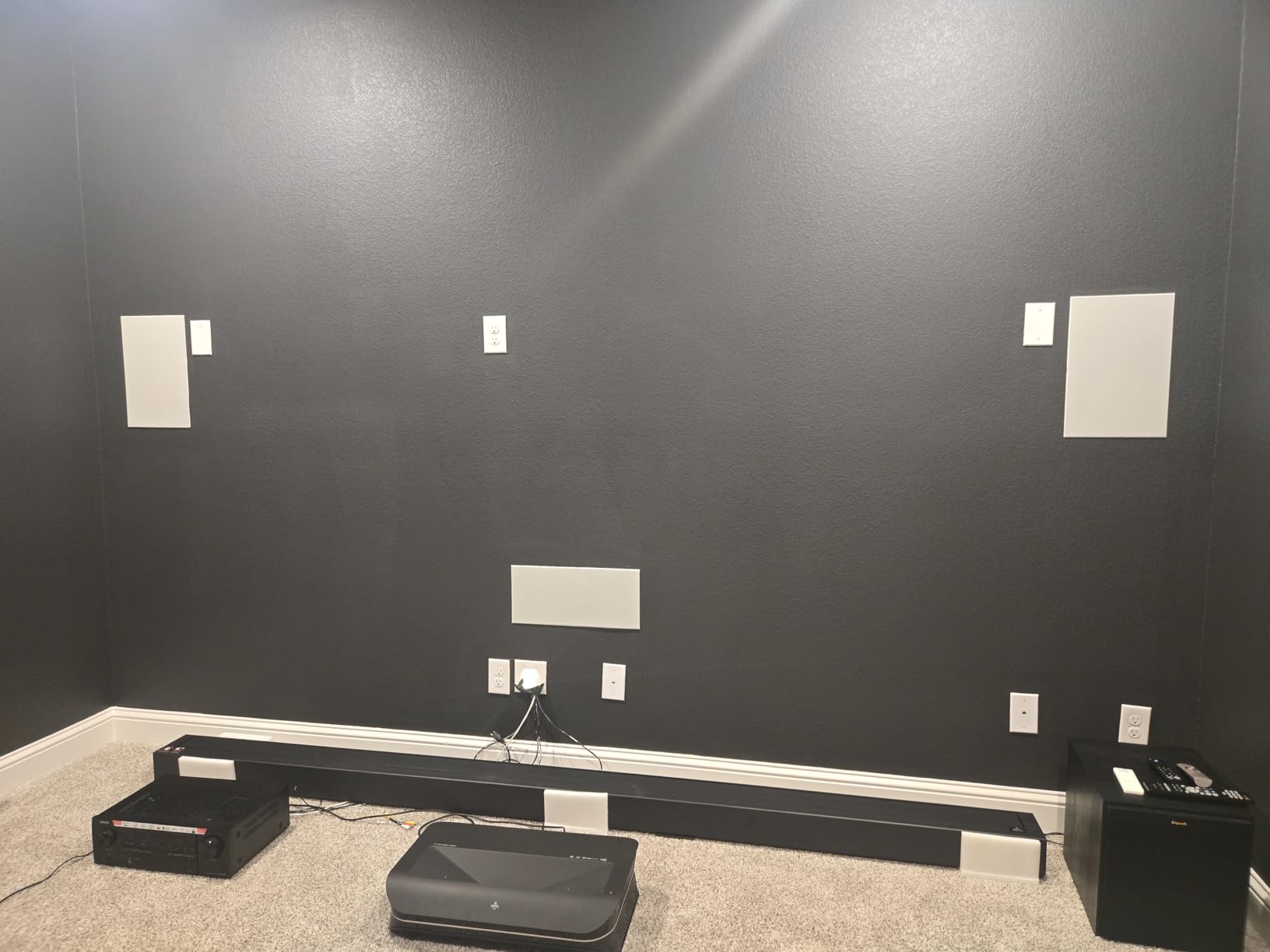
The dual 5.25-inch Cerametallic woofers produce tight, controlled bass for an in-wall, though I still crossed the speaker over at 80 Hz to a subwoofer for the deepest effects. The magnetic grille attachment is also a nice touch if you ever need to access the speaker.
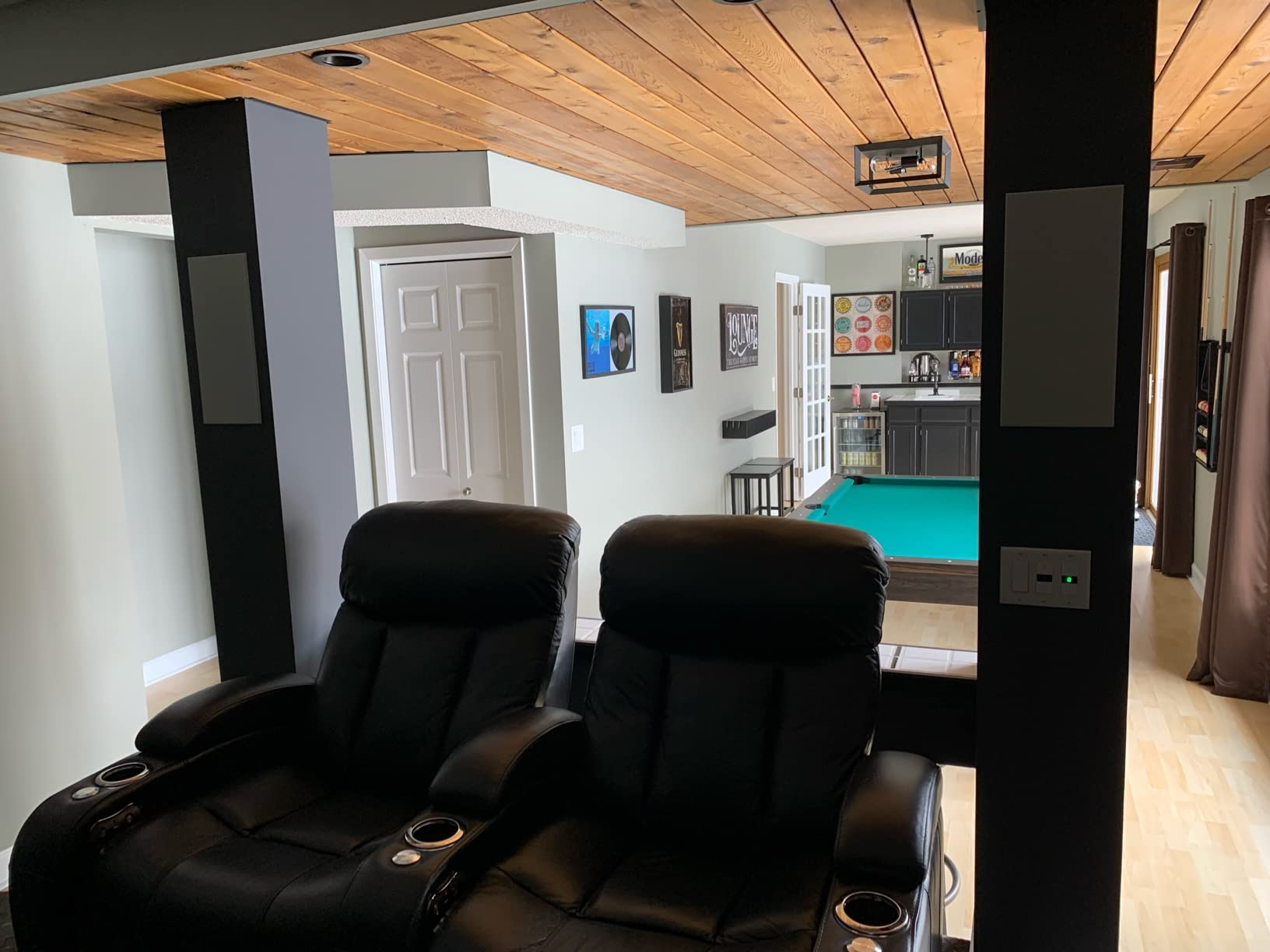
At 8 ohms and 150 watts, the R-5502-W II pairs with most AV receivers, though it really wakes up with a high-current amp. The mounting hardware requires more care than the Polk models, so budget extra install time.
Who should buy the Klipsch R-5502-W II
Anyone building a dedicated LCR front stage with high SPL requirements, Klipsch fans who want to keep the brand family consistent, or home theater enthusiasts chasing dynamic range from a flush-mounted speaker.
When to look elsewhere
If you do not need the horn-loaded dynamics, the Polk 265-RT gives you similar full-range output at a lower price. For a tighter budget, the Micca M-6S still delivers solid value.
Buying Guide: How to Pick the Best In Wall Speakers for Home?
Choosing in-wall speakers is different from picking bookshelf or floor-standing models. You are committing to a permanent install, so a few key factors matter more than others.
Match the speaker to your wall cavity depth
Most homes have 2 by 4 studs with about 3.5 inches of cavity depth. The Polk RC55i, RC65i, and Micca M-6S all fit comfortably in standard walls. Larger models like the Polk RC85i and 265-RT need closer to 3.5 to 4 inches of clearance. Measure before you cut, and check for plumbing, electrical, and insulation before you commit.
Plan around sensitivity and amplifier power
Sensitivity, measured in decibels, tells you how loud a speaker plays with one watt of input. Most of the speakers here sit between 89 and 92 dB, which works with any modern AV receiver. If you have a low-powered amp, lean toward higher sensitivity numbers. Reviewers on AVS Forum and BudgetAudiophile consistently flag this as a top mistake to avoid.
Decide between 2-way and 3-way designs
A 2-way speaker uses a woofer and a tweeter, which works well for most rooms. A 3-way design adds a dedicated midrange, which improves clarity in larger rooms and at higher volumes. The Polk 265-RT is the only true 3-way on this list, and it shows in dialogue clarity during long listening sessions.
Pick rectangular LCR or square surrounds
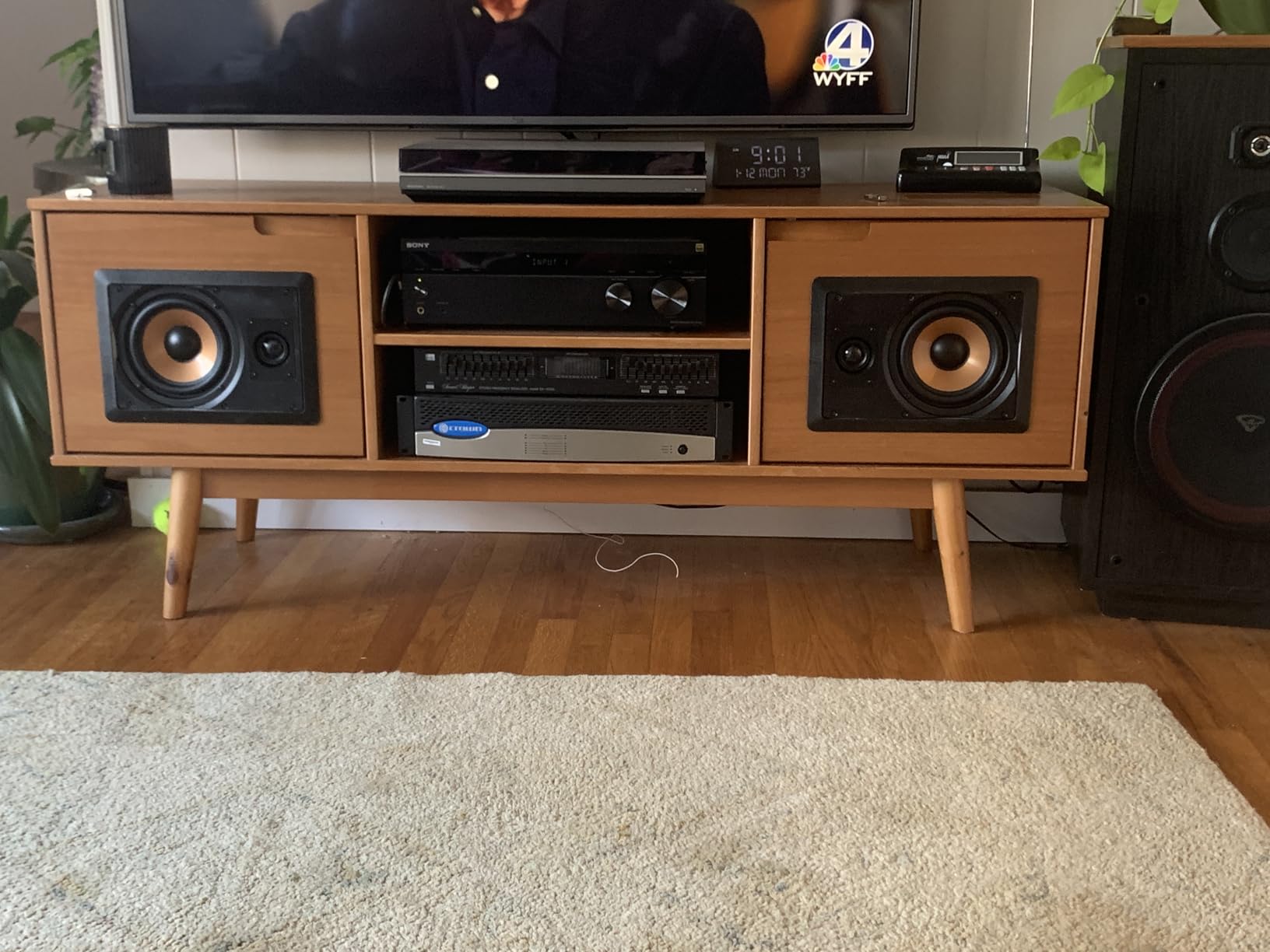
Rectangular in-wall speakers like the Polk 255c-RT and Micca M-CS are designed for horizontal placement under a TV as a center channel. Square or smaller rectangular speakers like the RC65i and RC55i work better as surrounds. Mixing shapes is normal and recommended.
Always pair in-wall speakers with a subwoofer
This is the single most common mistake I see. Forum users on r/hometheater consistently note that in-wall speakers alone sound thin compared to traditional bookshelves. Add a subwoofer and set the crossover at 80 Hz, and suddenly the system fills out like a real theater. Most subwoofers on the market integrate seamlessly with these speakers.
Consider new construction versus retrofit
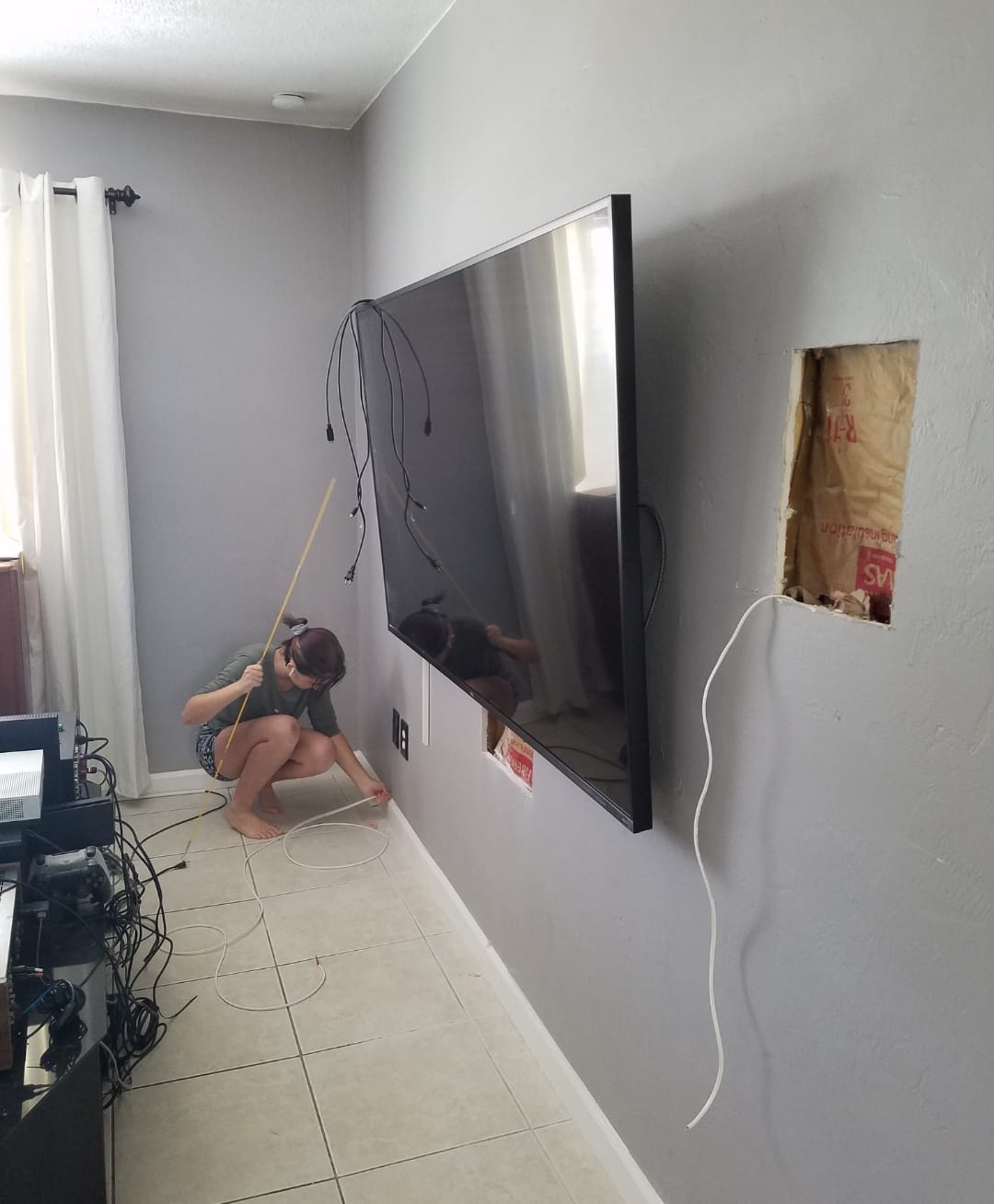
If you are building or remodeling, run speaker wire and install rough-in brackets before the drywall goes up. It is dramatically easier than fishing wire after the walls are closed. For retrofits, the Micca M-6S and Polk RC55i are the easiest to install because of their shallow depth and simple dogleg clamps. Reviewers on r/HTDIY regularly cite these as best for retrofit jobs.
Look for paintable grilles and clean aesthetics
Every speaker on this list has a paintable grille. The Polk Vanishing Series and Klipsch models sit especially flush with the wall. If your interior design matters, the shear-grille designs from Polk and the magnetic grille from Klipsch are the cleanest options.
For buyers not ready to cut into walls, our picks for the best hi-fi wireless speakers for home and traditional floorstanding speakers for home theaters are worth a look as well.
Frequently Asked Questions
What are the top-rated in-wall speakers?
The top-rated in-wall speakers of 2026 are the Polk Audio RC85i for whole-room sound, the Polk Audio 255c-RT for dedicated home theater, and the Micca M-6S for budget shoppers. All three earn above 4.6 stars from real owners and consistently appear in professional roundups.
Are in-wall speakers a good idea?
Yes, in-wall speakers are a good idea for homeowners who want clean aesthetics, floor space, and convincing surround sound. They work best when paired with a subwoofer for full bass, planned with proper wiring, and installed in walls with enough cavity depth (usually 3 to 4 inches) for the driver.
What is the 83% rule for speakers?
The 83% rule for speakers means placing each speaker about 83% of the distance from the front wall to the listening position. This keeps the soundstage open while reducing early reflections that muddy dialogue and effects in a home theater or two-channel setup.
What are the best wall-mounted speakers for home use?
The best wall-mounted speakers for home use are ones that fit your wall cavity, match your amplifier’s impedance and sensitivity, and reproduce the channels you need. For most rooms, an 8-ohm speaker with at least 89 dB sensitivity and a swivel tweeter gives the easiest path to great in-wall sound.
How do in-wall speakers compare to bookshelf or floor-standing speakers?
In-wall speakers trade the deep cabinet bass of a bookshelf or floor-standing model for a flush, hidden install. They image beautifully when aimed correctly, but almost always need a subwoofer to reach the lowest octave that a full tower would reproduce natively.
Do I need a subwoofer with in-wall speakers?
Yes, almost every in-wall speaker benefits from a subwoofer. Their shallow enclosures and small-to-mid drivers roll off below roughly 80 Hz, so a dedicated sub fills in the bottom end and takes stress off your receiver for movie explosions and music bass lines.
Final Verdict
After testing these in real rooms, my top recommendation for the best in wall speakers for home is the Polk Audio RC85i for most people. It is the most flexible speaker in the lineup, sounds great with music and movies, and fits standard wall cavities without drama.
For a dedicated home theater front stage, pair the Polk 255c-RT center channel with Polk 265-RT left and right channels, then add a subwoofer. That three-channel setup rivals many tower-based systems while keeping the room completely clean. If you are on a tighter budget, the Micca M-6S pair covers surrounds and whole-home audio without breaking the bank.
Whatever you choose, plan your wiring before cutting holes, add a subwoofer to every system, and use the dogleg clamps carefully for a flush finish. The best in wall speakers for home in 2026 are genuinely close to traditional speakers in sound, and they keep your living space beautifully uncluttered.