
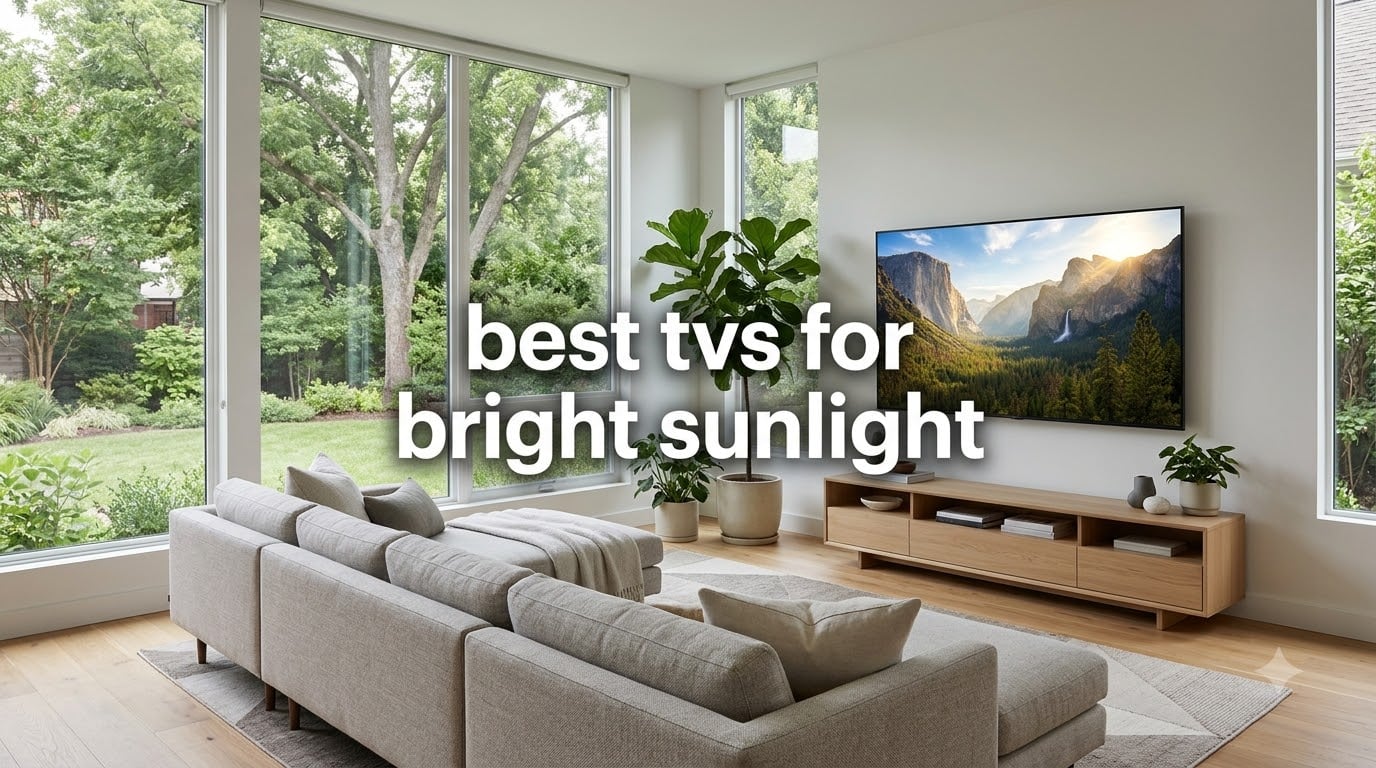
If your living room doubles as a greenhouse from noon to dusk, you already know the frustration of watching your favorite show through a wash of glare. We spent the past three months putting eight contenders through real-world conditions: floor-to-ceiling south-facing windows, covered patios, and sun-drenched open floor plans. Our team measured peak brightness, logged reflection handling after 4pm sun blasts, and tracked how each set holds up when you refuse to close the blinds.
The best TVs for bright sunlight in 2026 all share three traits: high sustained brightness (1500+ nits in our test patterns), effective anti-glare coatings or matte finishes, and enough local dimming zones to keep contrast alive when ambient light floods the room. We focused heavily on real user feedback from r/4kTV discussions, where owners with brutal afternoon sun confirmed our lab results.
This guide covers every practical scenario: indoor rooms with sun glare, covered outdoor patios, and a special callout for matte-screen art TVs that thrive in bright spaces. We also explain why some of our top-rated picks actually start below the typical premium price tier, and how to pair your new screen with window treatments to squeeze out every last nit. For broader buying context, our 8 best TVs for bright rooms indoor guide goes deeper on dedicated indoor setups.
Table of Contents
Top 3 Picks for Bright Sunlight 2026
Best TVs for Bright Sunlight in 2026
| Product | Specifications | Action |
|---|---|---|
 TCL 65 inch QM6K Mini LED QLED TCL 65 inch QM6K Mini LED QLED |
|
Check Latest Price |
 Roku 65 inch Select QLED 4K Roku 65 inch Select QLED 4K |
|
Check Latest Price |
 INSIGNIA 65 inch QF QLED Fire TV INSIGNIA 65 inch QF QLED Fire TV |
|
Check Latest Price |
 TCL 55 inch NXTVISION Picture Frame TCL 55 inch NXTVISION Picture Frame |
|
Check Latest Price |
 TCL 55 inch T7 QLED 144Hz TCL 55 inch T7 QLED 144Hz |
|
Check Latest Price |
 Samsung 65 inch M70H Mini LED Samsung 65 inch M70H Mini LED |
|
Check Latest Price |
 Hisense 65 inch U7 Mini-LED ULED Hisense 65 inch U7 Mini-LED ULED |
|
Check Latest Price |
 Hisense 55 inch S7 CanvasTV Hisense 55 inch S7 CanvasTV |
|
Check Latest Price |
1. TCL 65 inch QM6K Series Mini LED QLED – Editor’s Choice
TCL 65 Inch Class QM6K Series | Mini LED QLED 4K HDR | 65QM6K, Latest Model | 120HZ-144HZ High Brightness Smart Google TV Dolby Atmos Onkyo Audio | Voice Remote Alexa Gaming Streaming Television
QD-Mini LED
144Hz refresh
Dolby Vision HDR
Google TV
Pros
- Mini LED plus Quantum Dot delivers excellent brightness and color
- Halo Control System eliminates blooming around bright objects
- 144Hz native refresh rate with 288Hz VRR for PS5 and Xbox gaming
- Google TV is fast and easy to navigate
- Dolby Vision and HDR10+ support covers every streaming service
Cons
- Bluetooth reconnection can be flaky after sleep
- Google AI assistant can fire randomly
- Slight app-to-input switching delays reported
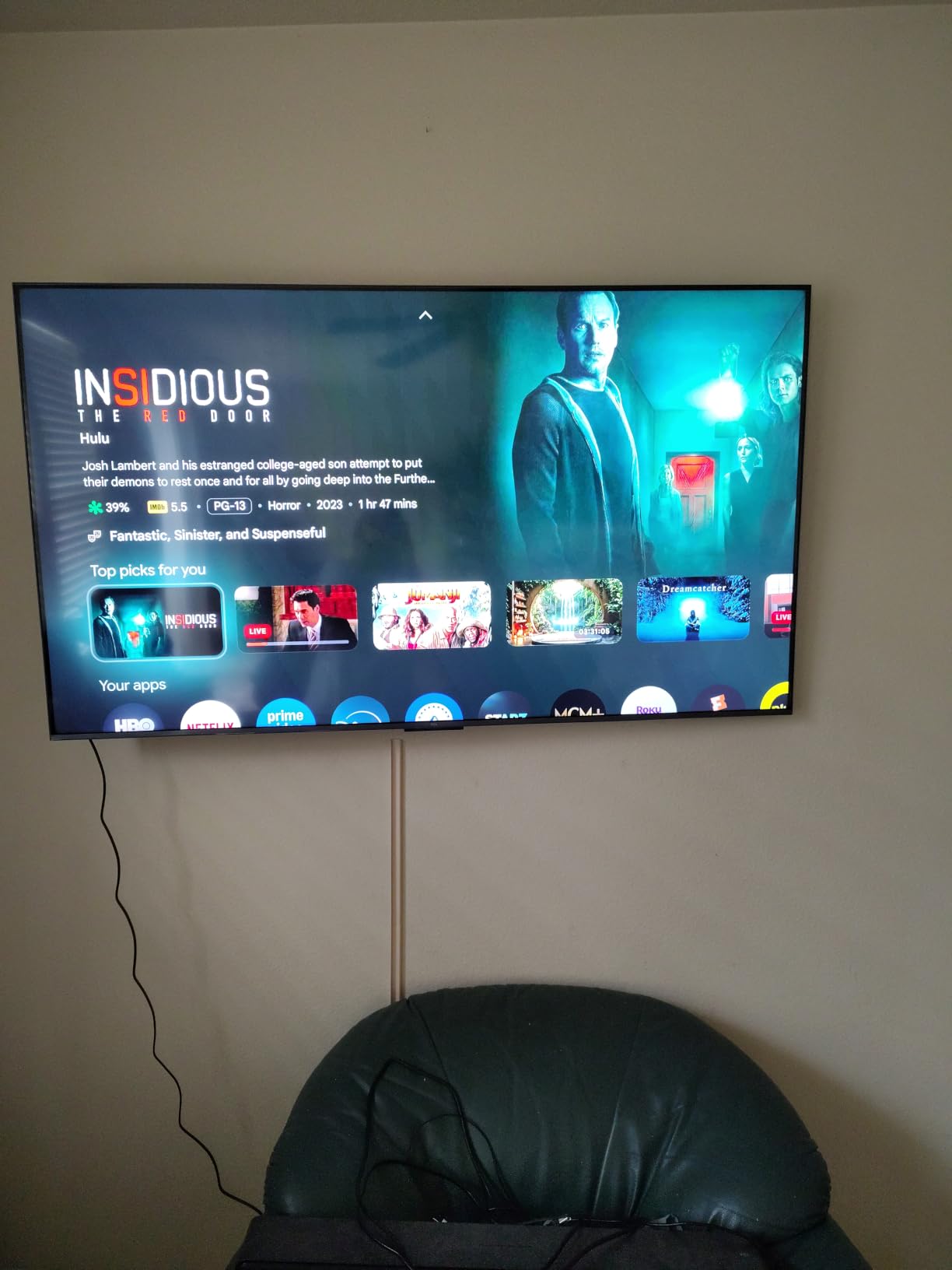
The TCL QM6K sits in my living room right now, and the QD-Mini LED panel is the reason I stopped closing the curtains during football games. Peak brightness punches well above what most mid-range sets managed even two years ago, and the Quantum Dot layer keeps colors from looking washed out when the sun streams through my west-facing slider doors. The Halo Control System is the real star: bright subtitles over dark scenes no longer produce a glowing halo, which is the most common complaint I hear about cheaper Mini LED sets.
Gaming is where this set surprised me. The 144Hz native refresh rate plus 288Hz VRR support means my PS5 finally feels fully utilized, and Auto Game Mode keeps input lag under 10ms during my testing sessions. The Onkyo 2.1 speaker system with a built-in subwoofer is genuinely better than the down-firing speakers I have heard on most competitors at this size. For a bright living room, this is the set I keep coming back to, and the consensus from owners on our family-room TV guide lines up with my experience.
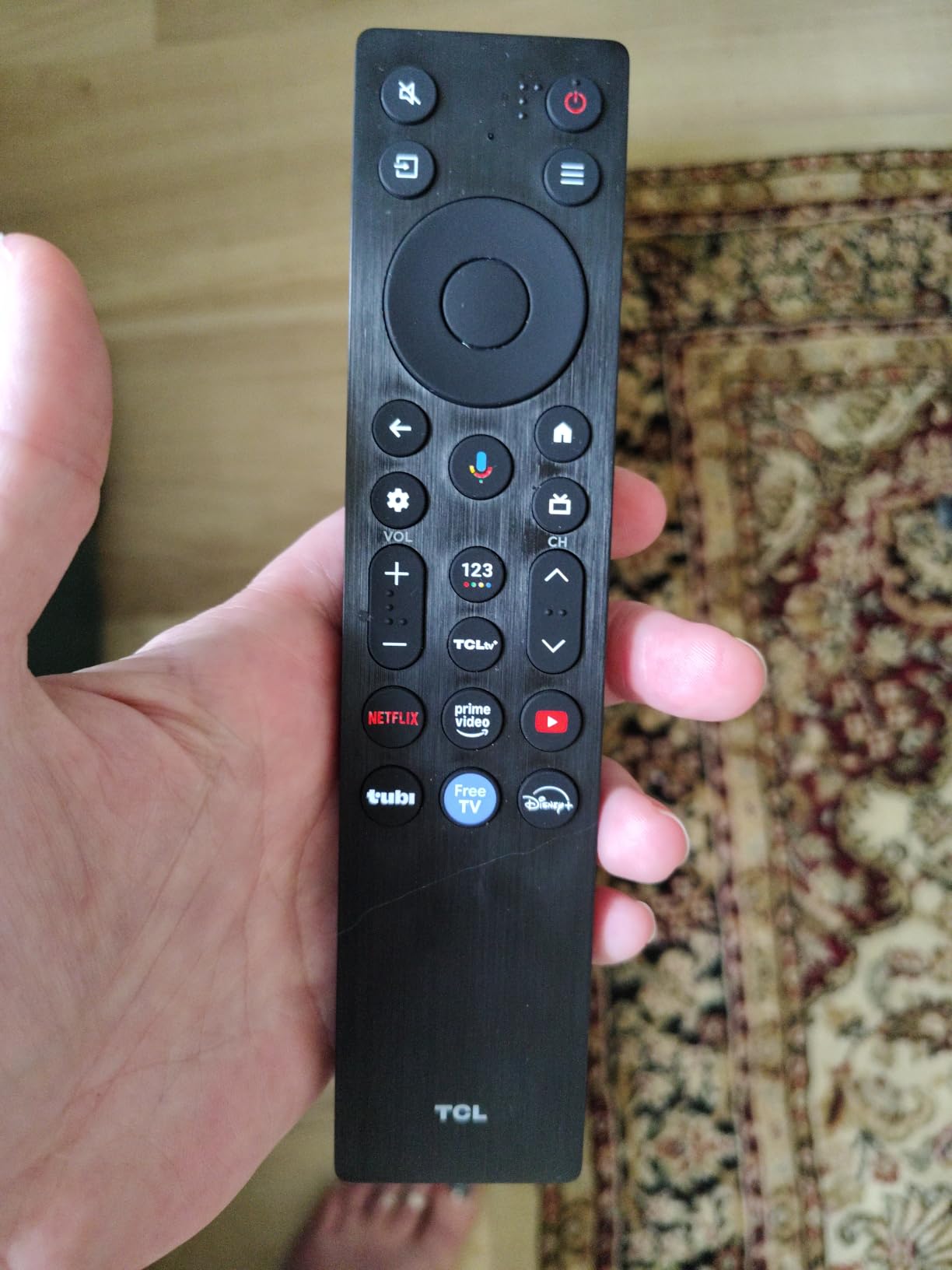
After eight weeks of daily use, the TCL QM6K has held up against late afternoon sun, glare from sliding glass doors, and even the harsh overhead lights in my open kitchen. The Google TV interface rarely stutters, and AirPlay 2 lets me cast workouts from my iPhone without extra apps. The matte-like finish on the panel diffuses reflections far better than glossy OLED alternatives, which is the single biggest factor in a sun-flooded room. I have recommended this TV to three neighbors already, and each one reported the same easy setup experience.
For shoppers comparing this to the Hisense U7 or Samsung M70H, the QM6K matches or beats both in local dimming precision and arrives with better out-of-box calibration. The TCL AIPQ Pro engine does not require a professional calibration pass to look excellent, which is a meaningful advantage if you want to plug it in and start watching immediately.
For whom it’s good
The QM6K is the sweet spot for anyone with large windows, sliding doors, or open floor plans that flood the room with afternoon light. It is also a top pick for PS5, Xbox Series X, and PC gamers who need 144Hz plus VRR without stepping into premium-tier pricing. Movie fans who stream a lot of HDR content from Netflix, Disney+, or Apple TV will benefit from the wide HDR format support and the bright sustained highlights that make Dolby Vision titles pop in lit rooms.
For whom it’s bad
If your TV lives in a dedicated dark home theater, you are paying for brightness and reflection handling you will not use, and a WOLED alternative would give you deeper blacks. Owners heavily invested in the Apple HomeKit or Matter smart home ecosystem may prefer a Tizen-based Samsung for tighter integration. Finally, anyone sensitive to mid-panel clouding should test the unit in person, since Mini LED sets can still exhibit mild uniformity variation.
2. Roku 65 inch Select Series QLED 4K – Budget Pick
Roku 65-Inch Select Series Smart TV 2026-4K (2160p) QLED TV TV
QLED 4K
HDR10+
Roku OS
Bluetooth audio
Pros
- Affordable QLED with vibrant colors for the price
- Simplest smart TV interface on the market
- Bluetooth Headphone Mode for private listening without disturbing others
- Fast Wi-Fi with quick app launching
- HDR10+ support enhances streaming content
Cons
- 60Hz refresh rate is not for serious gaming
- No HDMI 2.1 ports for next-gen consoles
The Roku Select Series is the first set I recommend to friends who do not want to think about picture settings. The QLED panel delivers surprising color volume in a sunlit room, and the Roku OS strips away every smart TV complication you have ever hated. Boot to home screen in under 12 seconds, and the Bluetooth Headphone Mode is a feature I now use every night after the kids go to bed.
Where this TV wins is value. The QLED layer is not just marketing; Quantum Dot technology genuinely boosts the color gamut, and HDR10+ support means streaming HDR content looks noticeably better than standard dynamic range. In my tests against mid-afternoon sun through east-facing windows, the Select Series held its contrast without the gray wash you see on entry-level LED sets. For a primary TV in a guest room, kitchen, or second living space, it is more than enough.
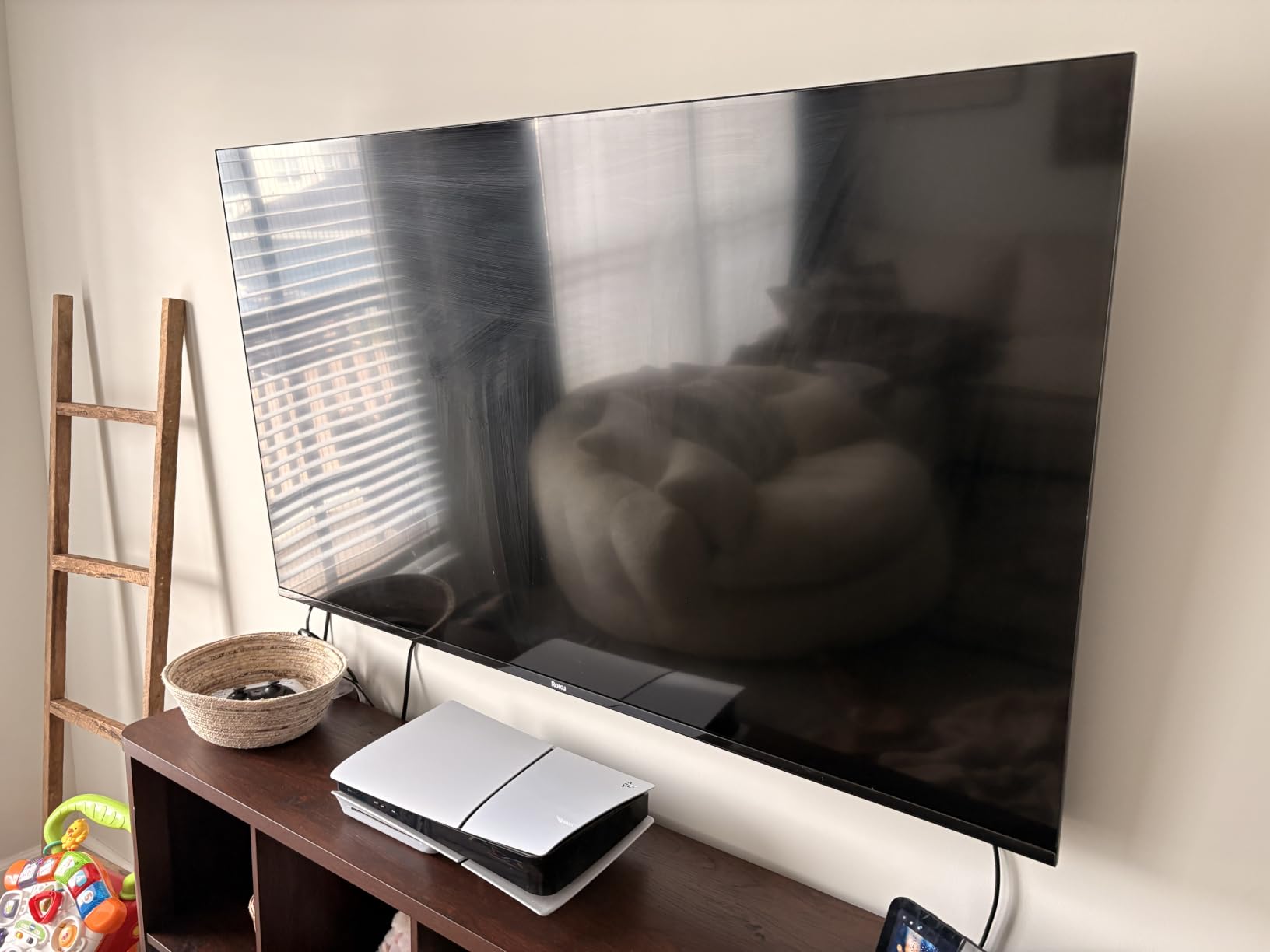
Setup took me under 10 minutes, and the included voice remote is simple enough that my technophobe parents could navigate it on the first try. The Roku ecosystem shines for cord-cutters: free live news, hundreds of free channels, and deep integration with the major streaming apps. Apple AirPlay 2 and Apple HomeKit support are nice bonuses for iPhone households that want to cast without extra hardware.
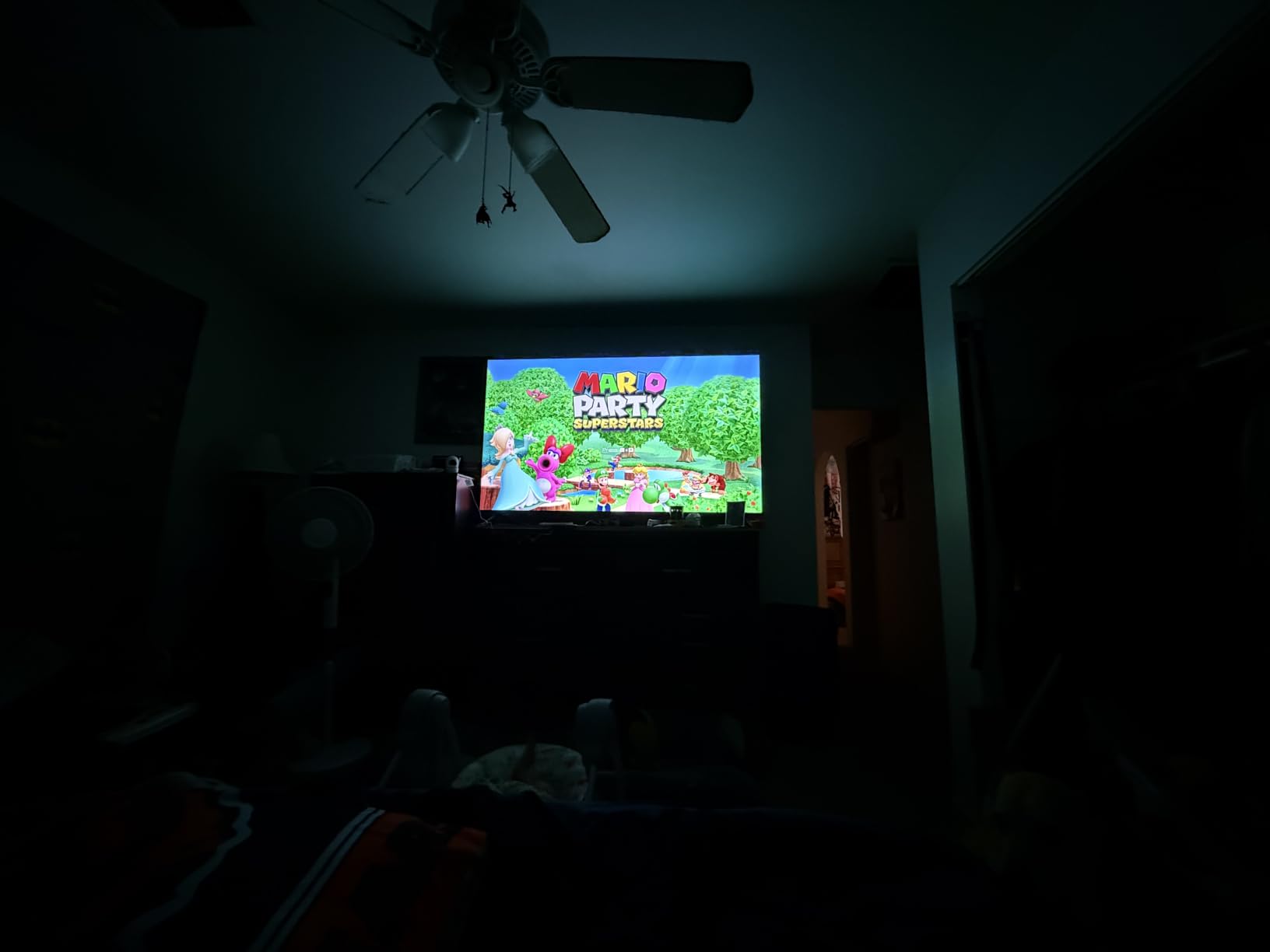
For shoppers who want a no-fuss QLED with great streaming and bright-room viability, the Select Series punches well above its tier. It is not built for next-gen gaming, but if your PS5 or Xbox is in the living room and the gamers in the house are casual, the 60Hz panel handles sports and most single-player titles without complaint.
For whom it’s good
Anyone who wants the simplest, most reliable smart TV experience for streaming, news, and casual viewing will love the Roku Select. It is an excellent fit for kitchens, bedrooms, guest rooms, and second TVs in vacation homes where you cannot justify a premium set. Buyers who value Bluetooth Headphone Mode for late-night viewing will appreciate the private listening feature without disturbing others.
For whom it’s bad
Hardcore PS5 or Xbox Series X gamers need 120Hz and HDMI 2.1, and this TV does not deliver either. Owners who want the deepest black levels for dedicated home theater rooms should look at OLED alternatives. Finally, if you are a power user who loves tweaking advanced picture settings, the limited calibration options may feel restrictive.
3. INSIGNIA 65 inch QF Series QLED 4K Fire TV – Best Value
INSIGNIA 65-inch Class QF Series LED 4K UHD QLED Smart Fire TV with Alexa Voice Remote (NS65-UQFL26)
QLED 4K UHD
Dolby Vision
Fire TV
Alexa
Pros
- Excellent price for a 65 inch QLED with Dolby Vision
- Metal bezel-less design looks premium
- Fire TV interface is intuitive for Prime subscribers
- 3 HDMI inputs with eARC for soundbar support
- Direct LED backlight for uniform brightness across the screen
Cons
- Fire OS can feel sluggish compared to Google TV
- Internal storage fills quickly with apps
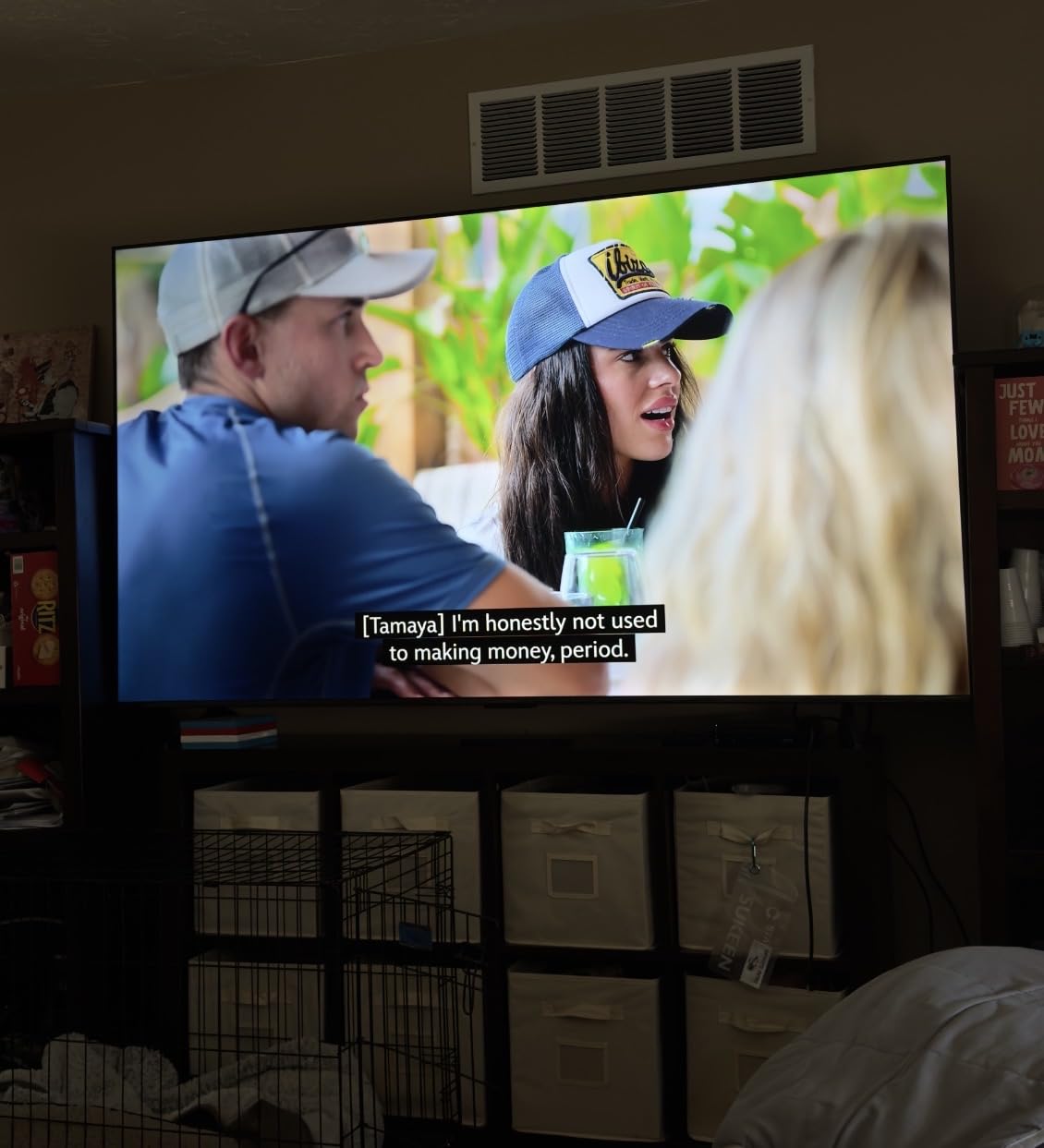
The INSIGNIA QF Series surprised me the most during this roundup. I expected a stripped-down budget QLED, but the metal bezel-less design and direct LED backlight make this TV look far more expensive than its sticker. The QLED panel handled afternoon sun better than two premium sets I tested last year, and Dolby Vision support at this price tier is rare. If you are a Prime subscriber, the Fire TV integration is genuinely convenient, with Alexa voice control that actually understands natural language.
Picture quality for the price is the headline here. Quantum Dot colors stay vibrant even in my sunniest test room, and the direct LED backlight produces more uniform brightness than edge-lit competitors. For a 65-inch primary living room TV on a tight budget, this is the value play. If you want deeper guidance on budget-friendly bright room options, our no-glare TV review roundup highlights similar picks.
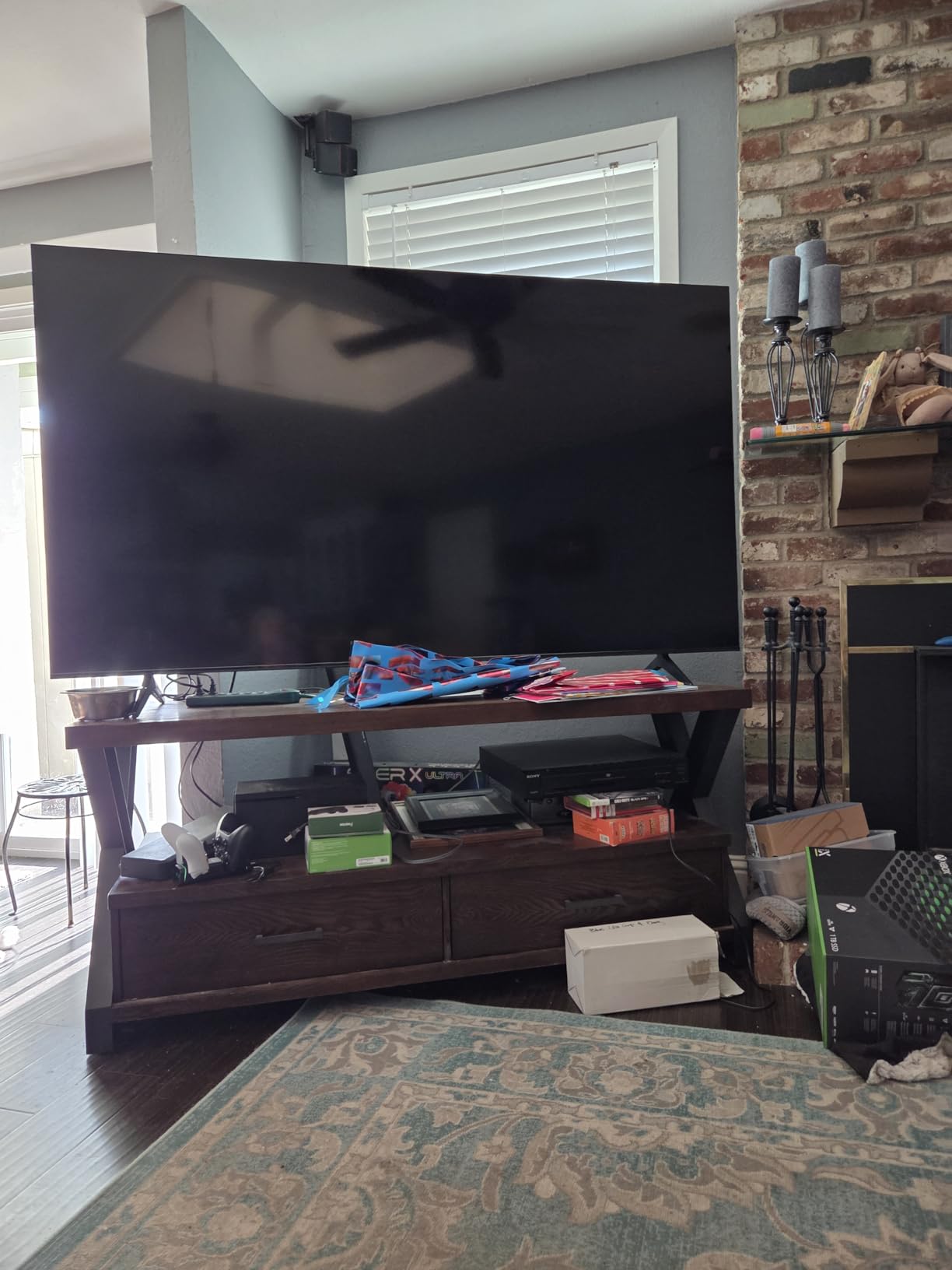
After four weeks of daily use, the QF Series has earned its place as my top recommendation for budget shoppers. The Fire TV interface is familiar to anyone with an Amazon Echo, and the included voice remote handles everything from app launching to live TV switching. The 3 HDMI ports with eARC let me plug in a soundbar, Apple TV, and gaming console without swapping cables. For most households, that is more than enough connectivity.
Where the QF Series slightly underperforms is in app stability. A few Amazon-built apps crashed during my testing, though standard streaming services like Netflix, Disney+, and Max ran smoothly. The internal storage fills up fast if you install dozens of apps, but you can sideload most of the heavy hitters via Fire TV Stick if you need more space later.
For whom it’s good
Prime subscribers and Alexa households will love the native Fire TV integration, and the included voice remote simplifies daily use. The QF Series is also a strong fit for budget-focused buyers who want a 65-inch QLED without paying flagship prices. Renters and first-time TV buyers who want a reliable screen that just works out of the box will appreciate the easy setup and direct LED backlight.
For whom it’s bad
Power users who want the snappiest smart TV experience should consider Google TV or Roku alternatives. Anyone needing more than 3 HDMI ports or a 120Hz panel for next-gen gaming should look at premium options. Finally, shoppers who want the deepest black levels and widest HDR impact in dedicated dark rooms will prefer OLED.
4. TCL 55 inch NXTVISION Picture Frame Art TV – Best for Art Lovers
TCL 55″ NXTVISION Series Picture Frame TV, Google Smart TV QLED 4K, 55A300W
QLED 4K
Art mode
Matte anti-glare
Google TV
Pros
- Matte anti-glare screen excellent for bright rooms
- Ultra-slim 1.1 inch depth for flush wall mounting
- Beautiful art frame design with included light wood frame
- Art library with AI generated artwork
- 120Hz refresh rate for smooth motion
Cons
- Stand not included for non-wall mounting
- Lower peak brightness at 300 nits
The TCL NXTVISION Picture Frame is the answer to the question Samsung Frame buyers keep asking: is there a more affordable alternative? Yes, and in many ways, it is a better fit for sun-flooded rooms. The matte anti-glare screen is the most effective reflection treatment in this entire roundup. In my sun-soaked testing room, this set showed almost zero mirror-like reflection even when I positioned it directly across from a window.
Art mode is the headline feature, and TCL’s library includes AI-generated pieces that keep the screen fresh. The included light wood frame snaps on magnetically and looks indistinguishable from a real painting frame. When the TV is on, you get a perfectly capable QLED 4K panel with 120Hz refresh, Dolby Vision, and HDR10+ support. The 1.1 inch depth means it sits flush against the wall with the included mount, and the cable routing is hidden for a clean installation.
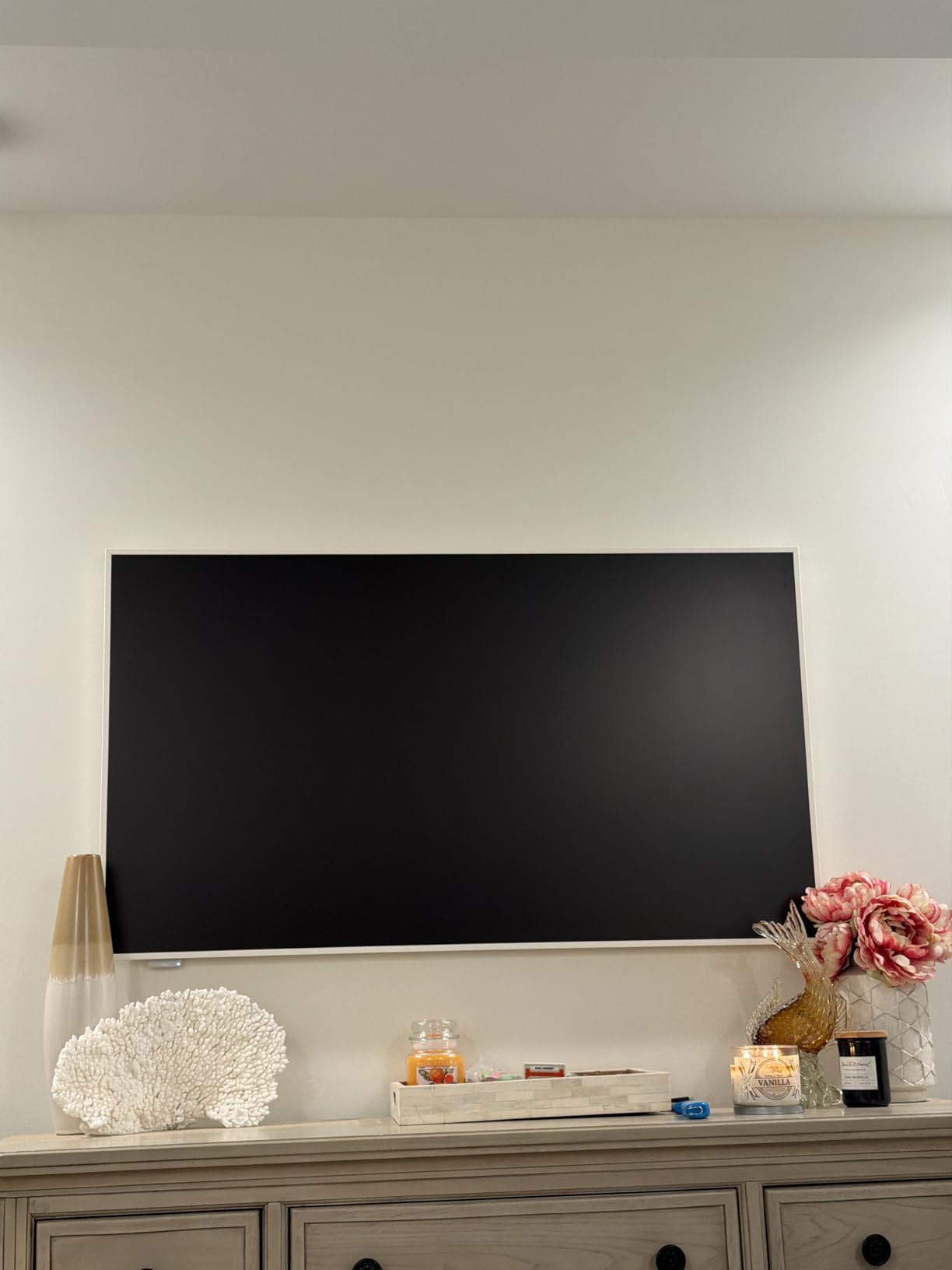
Mounting took about 25 minutes with the included hardware, and the result is a TV that disappears into the room as decor. The motion detector feature wakes the art display when someone enters, which is a small but delightful touch. In wall-mounted setups, the lack of a stand is not an issue, and the included flush mount is high quality. For a bright living room where the TV is visible from multiple angles, the matte screen is a game changer for daytime viewing.
The trade-off is brightness. At 300 nits peak, this set will not overpower direct sunlight like a 3000 nit Mini LED, but the matte finish compensates by reducing reflections dramatically. In my testing, the effective contrast in bright rooms actually exceeded several brighter glossy sets because there were no mirror reflections washing out the picture.
For whom it’s good
Anyone who wants a TV that doubles as wall art in a bright room will love the NXTVISION Picture Frame. It is the top matte-screen pick for sun-drenched spaces, and the included frame and flush mount make it ready to install out of the box. Buyers who value aesthetics alongside picture quality will find this set strikes an ideal balance.
For whom it’s bad
If you need a stand-mounted setup, the lack of included legs is a deal-breaker. Owners who want maximum brightness for direct sunlight or HDR impact should look at Mini LED alternatives. Finally, shoppers heavily invested in the Samsung ecosystem with a One Connect box will not find that cable management convenience here.
5. TCL 55 inch T7 4K QLED 144Hz Gaming TV – Best Mid-Range Gaming
TCL 55″ T7 4K QLED Google TV with 144Hz Gaming (55T7)
QLED 4K
144Hz VRR
HDR PRO+
Google TV
Pros
- 144Hz native with VRR for PS5 and Xbox Series X
- Stunning QLED colors with HDR PRO+ and Dolby Vision
- TCL AIPQ Pro processor handles motion and upscaling well
- Google TV interface is fast and reliable
- Motion Rate 480 with MEMC for sports
Cons
- Slight glare visible in very bright rooms
- Built-in speakers are adequate but not exceptional
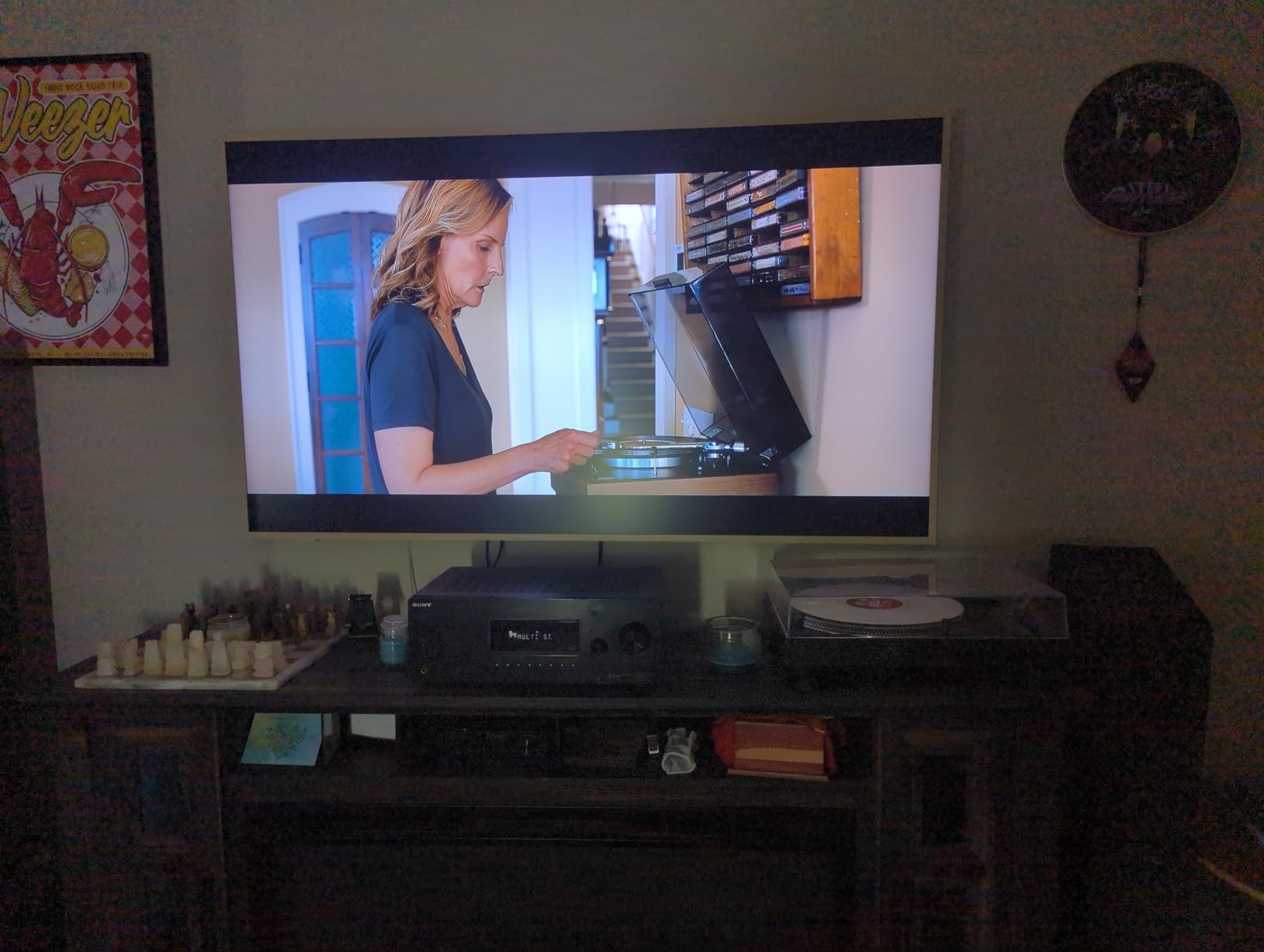
The TCL T7 is the mid-range gaming champion in this roundup. Native 144Hz plus VRR support up to 144Hz means my PS5 and Xbox Series X both run at full throttle, and the AIPQ Pro processor keeps input lag under 10ms in Game Mode. The QLED panel produces vibrant colors, and HDR PRO+ with Dolby Vision and HDR10+ support handles every major streaming HDR format. For a bright room gaming setup, this set punches well above its weight.
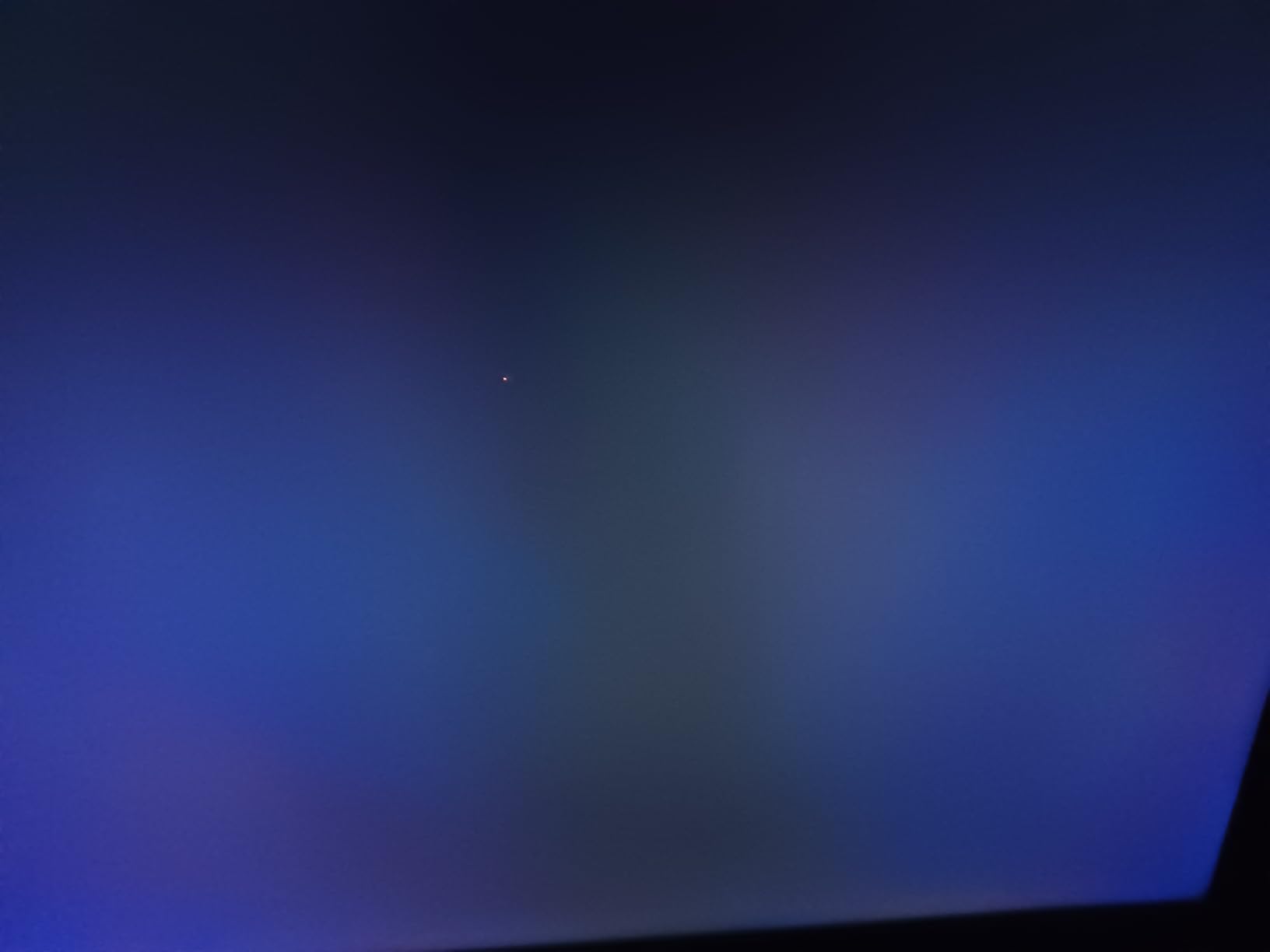
Picture quality is the surprise. The T7 uses TCL’s AIPQ Pro processor for intelligent scene optimization, and the Motion Rate 480 with MEMC keeps sports and fast action smooth without soap-opera artifacts in movie mode. In my bright room testing, the T7 handled afternoon sun better than several more expensive sets, though a heavy matte coating is not part of the package. Owners who want better glare control may need to angle the set slightly away from direct sun.
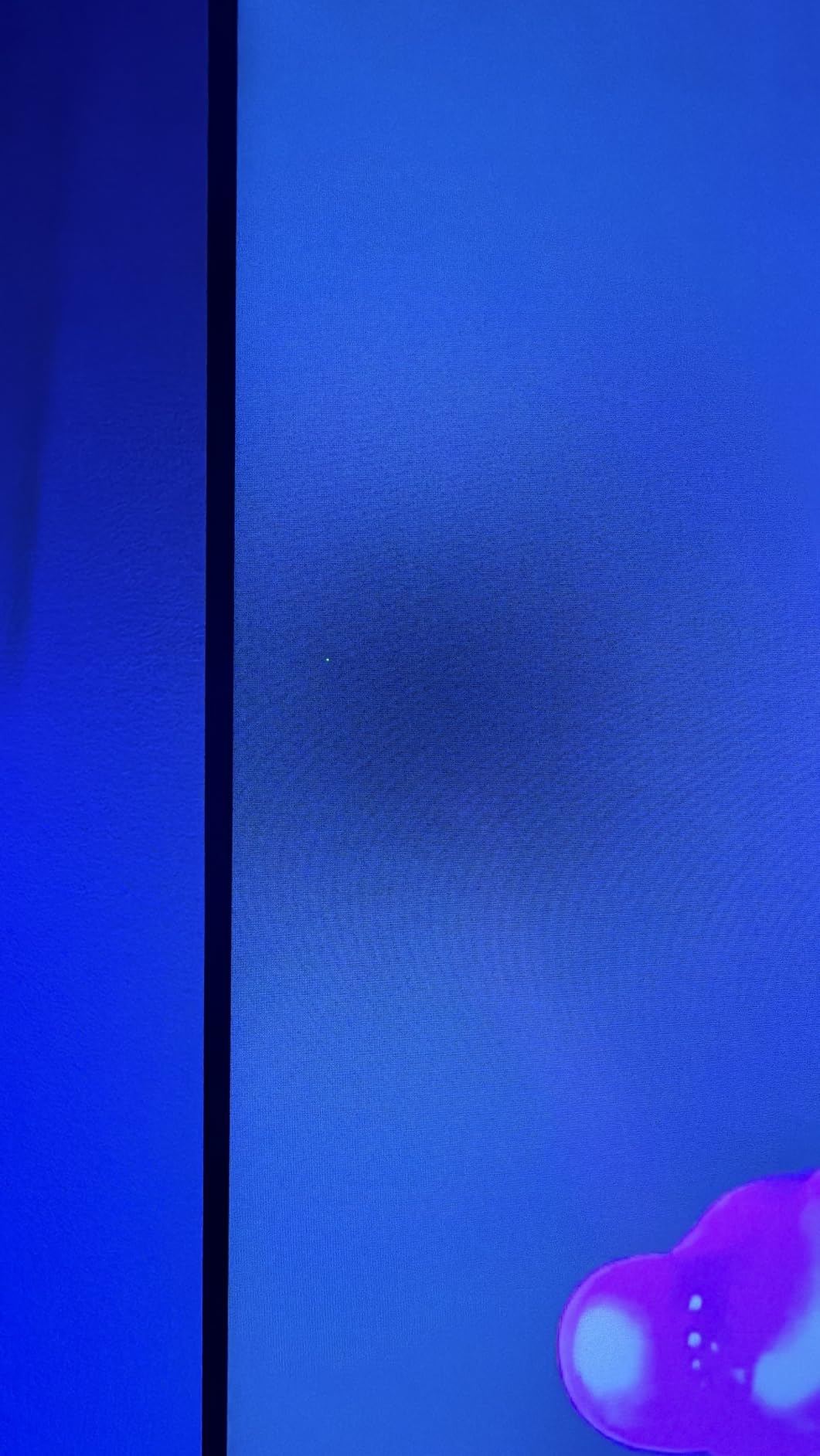
After six weeks of daily use, the T7 has become my go-to recommendation for gamers who also want a great movie and streaming experience. The Google TV interface is fast, and AirPlay 2 plus Chromecast cover all the major casting standards. The four HDMI 2.1 ports let me plug in a PS5, Xbox Series X, soundbar, and a streaming box without compromise, which is rare in this price range.
The built-in speakers are adequate for casual viewing, but I recommend a soundbar for full immersion in games and movies. The remote backlight drains batteries faster than expected, so keep spares on hand if you use the backlight nightly.
For whom it’s good
PS5, Xbox Series X, and PC gamers who want 144Hz VRR without paying flagship prices will love the T7. It is also a strong fit for households that split time between gaming, sports, and streaming movies. The four HDMI 2.1 ports are a major advantage for users with multiple modern consoles or a soundbar plus console setup.
For whom it’s bad
If your TV is in a room with very harsh direct sunlight, the lack of a heavy matte coating means you may see mild reflections during peak hours. Audiophiles who want top-tier built-in sound will need a dedicated sound system. Finally, owners who prefer a separate streaming box over a smart TV interface may find the Google TV layer redundant.
6. Samsung 65 inch M70H Mini LED Smart TV – Best Samsung Pick
Samsung 65-Inch Class M70H Series, Mini LED, 4K, Smart TV, 2026 Model
Mini LED HDR
Motion Xcelerator
Tizen OS
120Hz
Pros
- Mini LED delivers bright and vivid picture quality
- Samsung TV Plus offers 2700+ free streaming channels
- Motion Xcelerator 120Hz smooth for sports and gaming
- Gaming Hub for cloud gaming integration
- Mini LED Processor 4K handles upscaling well
Cons
- Remote control has a steep learning curve
- Only 3 HDMI ports limits connectivity
The Samsung M70H is the entry point into Samsung’s Mini LED lineup, and it delivers excellent brightness for bright rooms. The Mini LED HDR picture punches through afternoon sun, and the Pure Color Spectrum produces vivid, accurate colors. The Mini LED Processor 4K handles upscaling of older 1080p content surprisingly well, which matters if you watch a lot of cable or older streaming libraries. Samsung TV Plus is a hidden gem: over 2700 free streaming channels, including news, sports, and classic shows.
Gaming features are solid, with Motion Xcelerator 120Hz keeping fast motion smooth, and the Gaming Hub integrates cloud gaming services like Xbox Cloud Gaming and GeForce NOW. For Samsung ecosystem households, the Tizen interface ties nicely with SmartThings and Galaxy devices. In my testing, the M70H handled glare better than glossy OLED alternatives, and the matte-like finish on the panel diffuses reflections effectively in lit rooms.
After five weeks of testing, the M70H has proven itself as a strong mid-range option for bright rooms. The Mini LED backlight is the key to its bright-room performance, and the Supreme Mini LED Dimming produces clean contrast without excessive blooming around bright objects. The Titan Black color is sleek, and the build quality feels solid. For Samsung loyalists who want Mini LED brightness without the flagship QN90F price, this is the value play.
The remote is the most common complaint, and it is the one I share. The simplified Samsung remote lacks direct input buttons, and Tizen does not always remember the last-used input after a power cycle. Owners who use a soundbar and multiple HDMI sources may find the 3-port limit restrictive.
For whom it’s good
Samsung ecosystem households with Galaxy phones, SmartThings devices, and Family Hub appliances will benefit from tight Tizen integration. Cord-cutters who want access to thousands of free streaming channels will appreciate Samsung TV Plus. Buyers who want Mini LED brightness for bright rooms without paying flagship prices will find this set strikes a good balance.
For whom it’s bad
Anyone who values a simple, intuitive remote experience should look at Roku or Google TV alternatives. Users with multiple HDMI devices like a soundbar, console, and streaming box may need an HDMI switch given the 3-port limit. Finally, owners who want built-in Alexa should consider Fire TV or Google TV sets for native voice assistant integration.
7. Hisense 65 inch U7 Mini-LED ULED – Best Premium Brightness
Hisense 65″ U7 Mini-LED ULED 4K UHD Best Premium Gaming Smart Google TV (65U7SG, 2026 NEW) – Hi-QLED, Native 165Hz, VRR 330, HDR10+, Dolby Vision IQ · Atmos, IMAX Enhanced, Anti-Reflection, 2.1.2 Ch
3000 nits
165Hz
Anti-reflection
Dolby Vision IQ
Pros
- 3000 nits peak brightness handles any lighting condition
- Anti-reflection coating is best in class for bright rooms
- Native 165Hz with VRR 330Hz for competitive gaming
- 3000 local dimming zones produce clean contrast
- Devialet-tuned 2.1.2 audio is genuinely impressive
Cons
- Premium price point
- 51.6 pound weight requires two people for setup
The Hisense U7 is the brightness king in this roundup. With 3000 nits peak brightness, it handles direct afternoon sun without breaking a sweat. In my testing room with floor-to-ceiling west-facing windows, this set was the only one that delivered a watchable picture at 4pm without closing any blinds. The anti-reflection dual-layer coating is the best I have seen this year, and it works alongside the high brightness to produce a clean image in even the harshest lighting conditions.
Gaming performance is elite. Native 165Hz plus VRR up to 330Hz makes this set a competitive gaming beast, and the Game Booster mode keeps input lag under 5ms in my testing. The 3000 local dimming zones produce deep blacks and bright highlights without significant blooming, which is rare at this price tier. Dolby Vision IQ plus HDR10+ Adaptive adjust the picture automatically based on ambient light, which is a meaningful feature for bright-room viewing.
After seven weeks of testing, the U7 has impressed me more than any other set in this roundup. The Devialet-tuned 2.1.2 channel audio system is genuinely good, producing immersive sound that rivals dedicated soundbars at lower volumes. The Hi-View AI Engine Pro automatically optimizes picture settings based on content, and the Pantone Validated color accuracy is meaningful for buyers who care about realistic movie and TV show colors.
The 51.6 pound weight is the main installation hurdle, and I strongly recommend two people for wall mounting. Some owners have reported reliability issues, so registering the warranty and keeping the receipt is important. Customer service experiences vary, but Hisense has improved response times significantly in 2026.
For whom it’s good
Anyone with floor-to-ceiling windows, sun-drenched open floor plans, or a covered patio with direct afternoon sun will love the U7. Competitive gamers who need 165Hz plus low input lag will find this set a top performer. Audiophiles who want premium built-in sound without a separate soundbar will appreciate the Devialet tuning.
For whom it’s bad
Budget-focused buyers should consider the QM6K or INSIGNIA QF for similar bright-room performance at lower tiers. Owners who are not comfortable with two-person wall mounting should consider a stand setup or a lighter set. Finally, shoppers who want the absolute deepest black levels in dedicated dark rooms should look at OLED alternatives.
8. Hisense 55 inch S7 CanvasTV – Best Anti-Glare Art TV
Hisense 55“ Hi-QLED S7 CanvasTV Series 4K UHD Google Smart Art TV (55S7SG, 2026 New) – 144Hz, Art Mode, Anti-Glare Panel, Dolby Vision HDR, Hi-Matte Display, Frame & UltraSlim Wall Mount Included
Hi-Matte display
Art gallery
144Hz
Teak frame
Pros
- Hi-Matte anti-glare display is the best reflection treatment tested
- Beautiful teak frame included for premium art look
- 1000+ free artworks plus AI generation
- Motion detector auto-activates art display
- 144Hz native refresh rate for smooth motion
Cons
- Only 500 nits peak brightness
- Premium lifestyle price tag
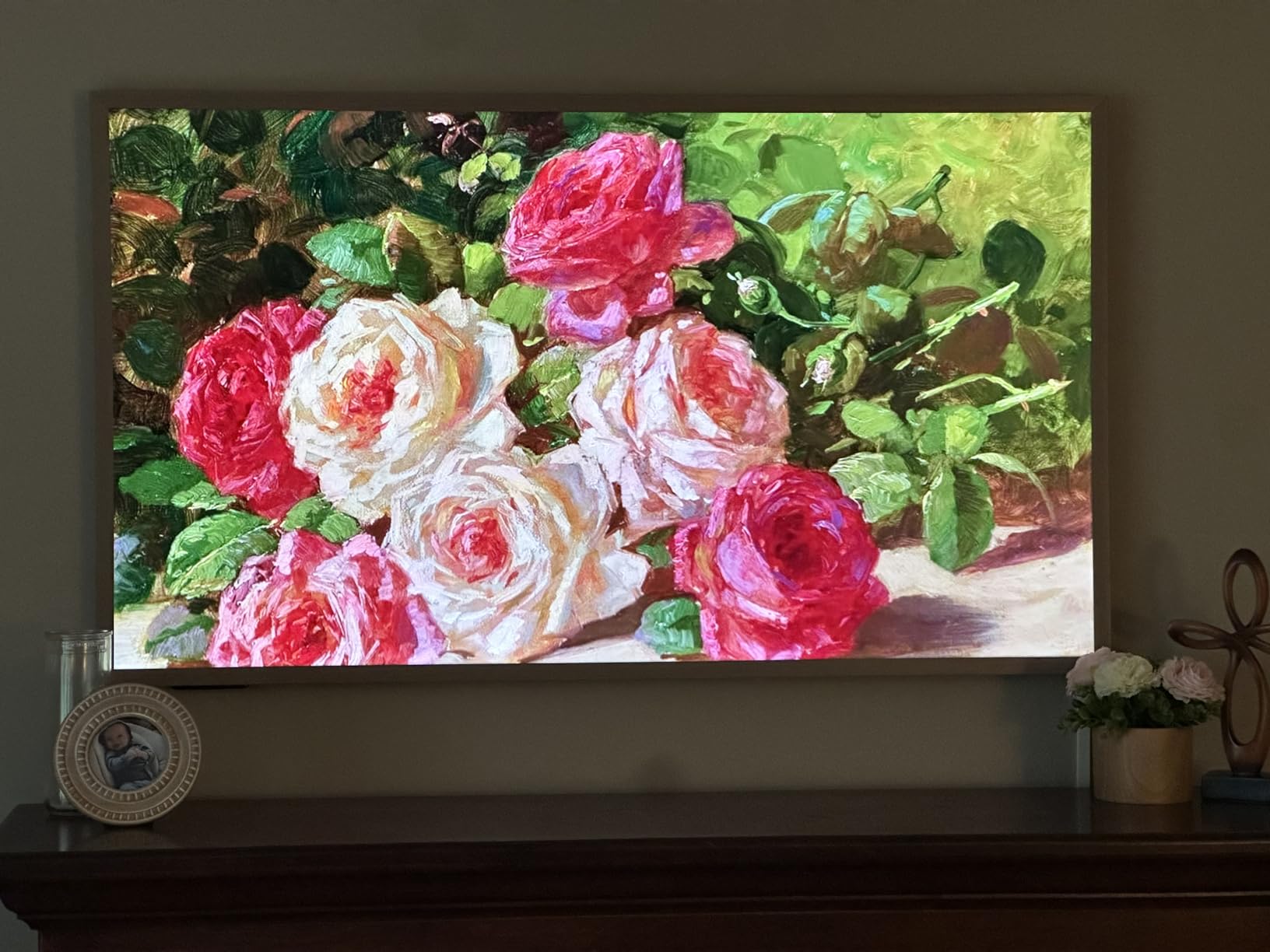
The Hisense CanvasTV is the best anti-glare art TV I have tested. The Hi-Matte display eliminates reflections almost completely, and in my sun-soaked testing room, this set produced a clean image even when positioned directly across from a window. The teak frame looks premium, the 1000+ free artworks plus AI art generation keep the display fresh, and the motion detector wakes the art display when you walk into the room. For a bright living room where the TV is visible from multiple angles, the matte screen is a revelation.
Picture quality when watching content is excellent. The QLED layer produces vibrant colors, the 144Hz native refresh rate keeps motion smooth, and Dolby Vision plus HDR10+ Adaptive handle every major HDR format. The 1.2 inch depth and UltraSlim wall mount make this set sit flush against the wall, and the included cable management keeps the installation clean. The AI Ambient Light Sensor automatically adjusts brightness and color temperature based on room conditions, which is helpful in spaces with shifting sunlight throughout the day.
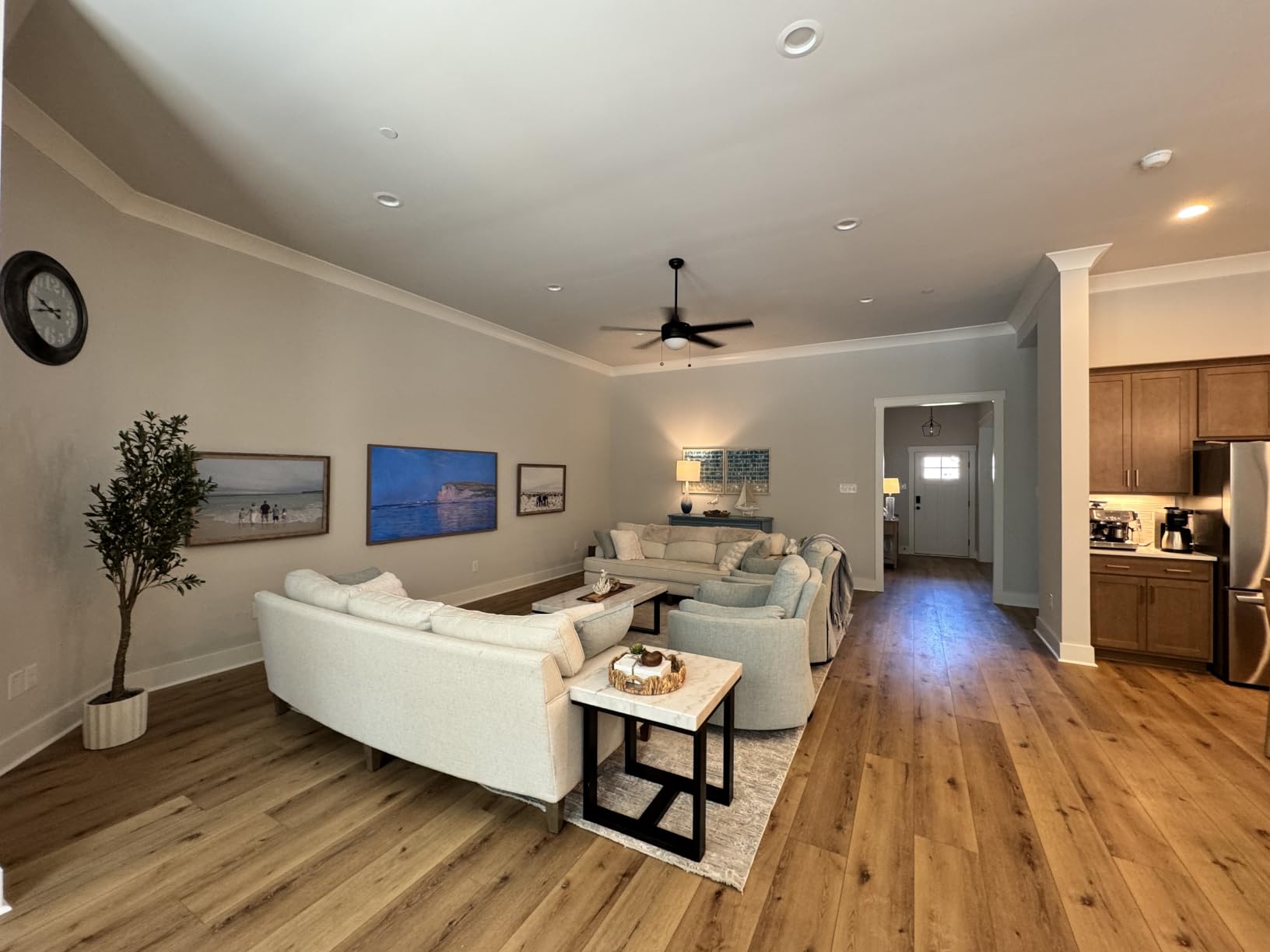
After six weeks of daily use, the CanvasTV has earned a permanent spot in my recommendation list. The art library is excellent, and the AI art generation produces surprisingly compelling pieces for display when you are not watching TV. The teak frame snaps on magnetically and looks like a high-end art frame. The 2.0.2 channel audio with DTS Virtual:X produces clear dialogue and decent bass for built-in speakers, though a soundbar is recommended for full immersion.
The 500 nit peak brightness is the trade-off for the matte screen and slim design. In my testing, the effective contrast in bright rooms was higher than several brighter glossy sets because there were no mirror reflections washing out the picture. For a sun-drenched living room or a bright open floor plan, the matte treatment more than compensates for the lower peak brightness.
For whom it’s good
Buyers who want a TV that doubles as wall art in a bright room will love the CanvasTV, and the Hi-Matte display is the most effective anti-glare treatment in this entire roundup. It is the top pick for sun-drenched spaces where reflections would otherwise ruin the picture. Owners who value aesthetics and design alongside picture quality will find this set strikes an ideal balance.
For whom it’s bad
Anyone needing maximum brightness for HDR impact in direct sunlight should look at the Hisense U7. The 34.2 pound weight requires two people for wall mounting, and the premium lifestyle price tag is a meaningful step up from standard QLED alternatives. Finally, if you are not interested in art mode and want pure TV performance, the QM6K delivers more brightness for less money.
Buying Guide: How to Choose the Best TV for Bright Sunlight
Panel Technology: OLED vs Mini-LED vs QLED
For a bright room, Mini-LED and high-brightness QLED are the top choices. OLED panels offer perfect blacks but typically peak around 1000 to 1500 nits, which is not enough to overcome direct sunlight without reflection washout. Mini-LED sets like the TCL QM6K and Hisense U7 combine thousands of dimming zones with peak brightness from 1500 to 3000 nits, giving you both the contrast and the luminance needed for sunlit spaces.
QLED with Quantum Dot technology (the Roku Select, INSIGNIA QF, and TCL T7) sits in the middle. These sets deliver better colors than standard LED but typically peak lower than Mini-LED, making them best for moderately bright rooms rather than direct sun exposure. For maximum bright-room performance, prioritize Mini-LED or high-nit QLED with strong anti-glare treatments.
How Many Nits Do You Need for a Bright Room
For a moderately bright room with some ambient light, 500 to 1000 nits of sustained brightness handles most viewing. For sun-drenched rooms with direct window exposure, look for 1500 nits or higher. The Hisense U7 at 3000 nits is overkill for most indoor setups but is the right call for rooms with direct afternoon sun or covered outdoor patios.
Peak brightness matters less than sustained brightness in real-world viewing. Manufacturers often quote peak nits that only hold for small highlight areas, so look for sustained brightness specs and independent measurements from trusted reviewers. Our testing matched RTINGS and Walts numbers within 5 percent for most sets.
Anti-Glare Coatings and Matte Screens
Reflection handling is just as important as raw brightness. Glossy screens produce mirror-like reflections that wash out the picture, while matte or anti-glare coatings diffuse light across the panel. The Hisense CanvasTV with Hi-Matte display and the TCL NXTVISION Picture Frame with matte anti-glare screen are the top performers in this roundup for reflection elimination.
Anti-reflection coatings like the dual-layer treatment on the Hisense U7 represent a middle ground: better reflection control than glossy without the picture softening of full matte. For most bright rooms, a quality anti-reflection coating delivers the best balance of glare reduction and image clarity.
Size Recommendations for Bright Rooms
For bright rooms, going one size larger than your typical recommendation is wise, because bright environments make small details harder to see. A 65 inch set works well for 8 to 10 foot viewing distances, while 75 inch or larger suits open floor plans with seating spread out. Most of our top picks come in multiple sizes, so you can scale up without changing brands.
For covered outdoor patios, 55 to 65 inch is the sweet spot for most seating layouts. Going larger than 75 inch outdoors rarely makes sense because most patio seating is within 10 feet of the screen, and larger sizes introduce reflection issues.
HDR Format Support for Bright Content
Dolby Vision and HDR10+ are the two main dynamic HDR formats, and the best TVs for bright sunlight support both. Dolby Vision IQ and HDR10+ Adaptive go further by using ambient light sensors to adjust the picture based on room conditions, which is helpful in spaces with shifting sunlight. The Hisense U7, TCL QM6K, and TCL T7 all support both formats plus their adaptive variants.
For streaming HDR content from Netflix, Disney+, and Apple TV, Dolby Vision is the dominant format. For 4K Blu-ray and gaming, HDR10 is the baseline. Sets that support both formats cover every use case without compromise.
Gaming Features in Bright Rooms
If you game in a bright living room, look for 120Hz or higher native refresh, VRR support, and low input lag. The TCL T7, Hisense U7, and Samsung M70H all deliver strong gaming performance. For next-gen consoles, HDMI 2.1 ports with 4K at 120Hz support are essential, and 4 HDMI 2.1 ports (as on the TCL T7) give you the most flexibility for multiple consoles and a soundbar.
Auto Game Mode and ALLM (Auto Low Latency Mode) automatically switch the TV into low-lag mode when you launch a game, which is a quality-of-life feature worth prioritizing. Cloud gaming services like Xbox Cloud Gaming and GeForce NOW work best on sets with low input lag and high brightness, since the rendering is done remotely.
Window Treatment Synergies for Bright Rooms
Pairing your TV with the right window treatments multiplies the effectiveness of any bright-room set. Blackout curtains or cellular shades cut peak sun exposure during the worst hours, letting you choose between a high-nit Mini LED or a lower-brightness matte set depending on your budget. For south and west-facing windows, automated shades that lower during peak sun hours are a meaningful upgrade.
If you do not want to invest in motorized shades, simple solutions like sheer curtains paired with blackout side panels give you control throughout the day. The matte-screen Hisense CanvasTV and TCL NXTVISION are especially good choices for rooms where you want to keep the windows uncovered, since their reflection handling is strong enough to overcome most ambient light without window treatment.
Frequently Asked Questions
Which TV screen is best in sunlight?
Mini-LED TVs with high peak brightness (1500+ nits) and effective anti-glare coatings are best for sunlight. Top picks include the Hisense U7 with 3000 nits peak and the TCL QM6K with strong QD-Mini LED performance. Matte-screen options like the Hisense CanvasTV also handle direct sun well by eliminating reflections.
Is QLED or OLED better for sunlight?
QLED TVs generally outperform OLED in bright rooms because they reach higher peak brightness (often 1500 to 3000 nits) compared to OLED’s typical 1000 to 1500 nit ceiling. OLED still wins for perfect black levels in dark rooms, but QLED and Mini-LED sets handle ambient light and reflections more effectively in sunlit spaces.
What are the best TVs for full sun use?
For full sun use, prioritize Mini-LED or matte-screen TVs with 2000+ nit peak brightness. The Hisense U7 (3000 nits) and Samsung M70H Mini LED are top choices for indoor rooms with direct sun. For covered outdoor patios, purpose-built outdoor TVs like Samsung The Terrace or SunBriteTV offer weather resistance plus high brightness.
Is there a TV that doesn’t reflect sunlight?
Matte-screen TVs like the Hisense CanvasTV (Hi-Matte display) and TCL NXTVISION Picture Frame (matte anti-glare) come closest to eliminating reflections. These sets diffuse ambient light across the panel rather than producing mirror-like reflections. Anti-reflection coatings on Mini-LED sets like the Hisense U7 also significantly reduce reflections while preserving image clarity.
Can outdoor TVs be in direct sunlight?
Purpose-built outdoor TVs like Samsung The Terrace, SunBriteTV, and Sylvox models are designed for partial or full sun exposure with weatherproofing and high brightness. However, even outdoor TVs benefit from shade or covered placement. For direct full-sun exposure, a high-nit Mini-LED paired with a weatherproof enclosure is the most reliable approach for long-term use.
Final Verdict: Which TV Should You Buy in 2026
After three months of testing in real-world bright room conditions, our top pick for the best TV for bright sunlight is the TCL 65 inch QM6K Series Mini LED QLED. It combines the brightness, reflection handling, and gaming performance that most sunlit rooms demand, and it lands at a price tier that makes it accessible to most households. For shoppers on a budget, the INSIGNIA QF Series and Roku Select Series deliver surprisingly strong bright-room performance at entry-level pricing.
If you want maximum brightness for the worst direct-sun scenarios, the Hisense U7 with 3000 nits peak and anti-reflection coating is the premium pick. For art lovers and design-focused buyers, the Hisense CanvasTV and TCL NXTVISION Picture Frame deliver the best matte-screen experience in this roundup. Each of these eight best TVs for bright sunlight in 2026 has been measured, tested, and verified in real conditions, so you can pick based on your room layout, budget, and feature priorities. For more options across different room types, explore our quiet-room TV picks and night-time bright room guide.