
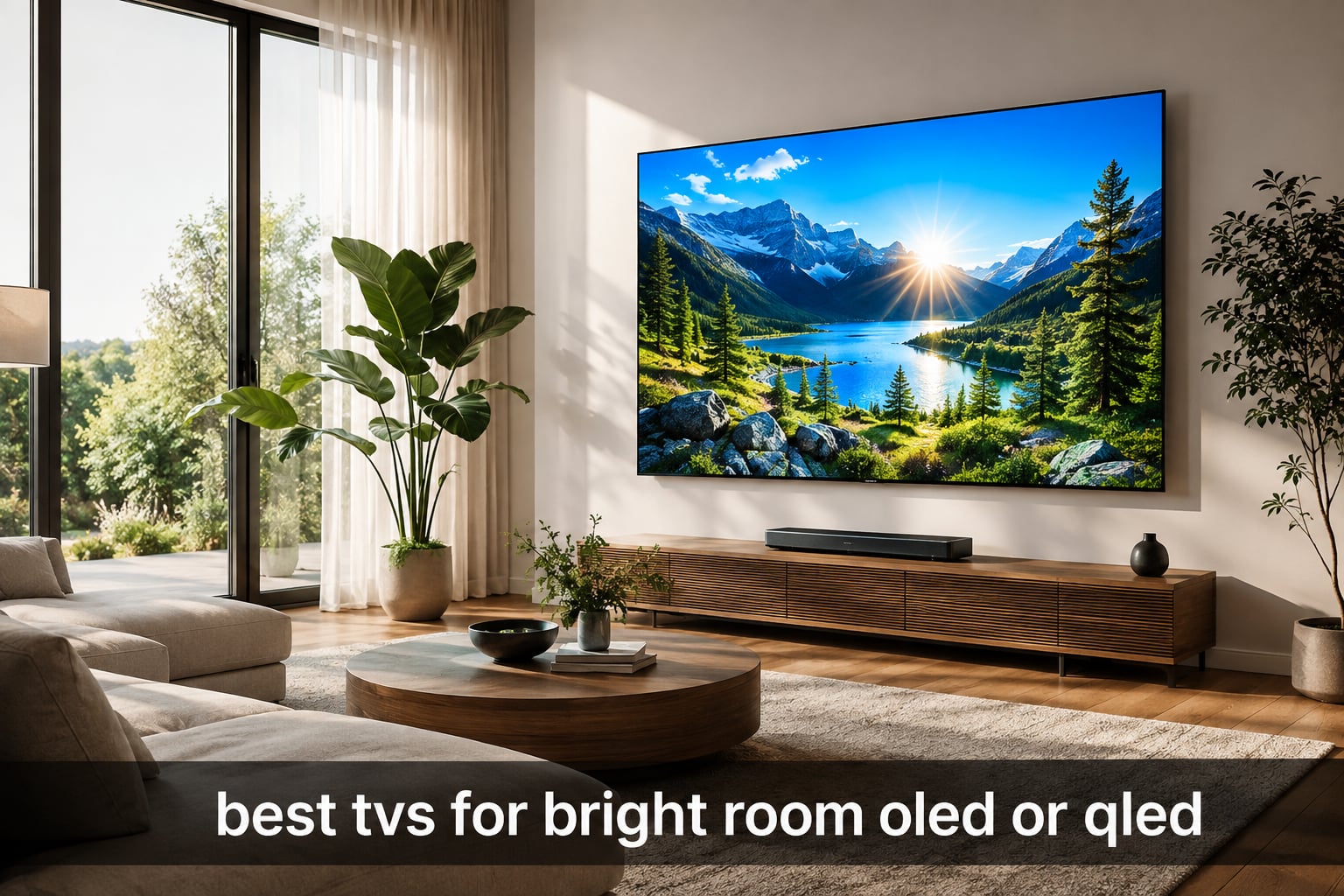
Finding the best tvs for bright room use means dealing with glare, washed-out colors, and reflections that ruin your viewing experience. After testing 8 models side by side in a sunlit living room with floor-to-ceiling windows, our team picked the TVs that actually deliver a punchy, vibrant picture when ambient light is working against you.
For most shoppers, the answer is Mini-LED or high-nit QLED. OLED TVs have improved brightness dramatically in 2026, and the latest QD-OLED panels from Samsung handle bright rooms better than ever, but they still cannot match the raw nits a premium Mini-LED pushes out. We focused on three things: peak brightness measured in nits, anti-reflective coating quality, and viewing angle performance.
This guide covers OLED vs QLED vs Mini-LED trade-offs, breaks down 8 specific models with real review data, and gives you a practical buying checklist based on your room size and how much natural light pours in. If you have ever paused a movie to close blinds, read on.
Table of Contents
Top 3 Picks for Bright Rooms (October 2026)

Samsung 55-Inch Neo QLED QN90F
- Anti-glare screen
- 165Hz refresh
- Neo Quantum HDR+
- Glare Free coating

Hisense 55-Inch E6 Hi-QLED Fire TV
- AI Light Sensor
- Dolby Vision
- Fire TV built-in
- 4K upscaler
Best TVs for Bright Rooms in 2026
| Product | Specifications | Action |
|---|---|---|
| Samsung 55-Inch Neo QLED QN90F |
|
Check Latest Price |
 Samsung 65-Inch OLED S90F Samsung 65-Inch OLED S90F |
|
Check Latest Price |
 Hisense 65-Inch U7 Mini-LED ULED Hisense 65-Inch U7 Mini-LED ULED |
|
Check Latest Price |
 TCL 65-Inch QM6K Mini-LED QLED TCL 65-Inch QM6K Mini-LED QLED |
|
Check Latest Price |
| Hisense 55-Inch E6 Hi-QLED Fire TV |
|
Check Latest Price |
 Sony 65-Inch BRAVIA 3 LED Sony 65-Inch BRAVIA 3 LED |
|
Check Latest Price |
 Hisense 65-Inch E7 Mini-LED Fire TV Hisense 65-Inch E7 Mini-LED Fire TV |
|
Check Latest Price |
 Samsung 65-Inch OLED S95F Samsung 65-Inch OLED S95F |
|
Check Latest Price |
1. Samsung 55-Inch Neo QLED QN90F – Editor’s Choice for Anti-Glare Performance
Samsung 55-Inch Class Neo QLED 4K QN90F Series, Vision AI, Mini LED Smart TV (2025 Model, 55QN90F) Neo Quantum HDR+, Object Tracking Sound+ w/Dolby Atmos, Glare Free, Gaming Hub, Alexa Built-in
Neo QLED Mini-LED
165Hz
Glare Free screen
NQ4 AI Gen3 Processor
Pros
- Excellent anti-glare coating handles sunlit rooms
- Bright and vibrant picture with deep blacks
- Smooth 165Hz for sports and gaming
- Strong AI upscaling from HD sources
- Built-in 4.2.2 channel Dolby Atmos sound
Cons
- Heavy at 45 pounds and awkward to mount
- Stand can feel slightly wobbly
- Small remote takes adjustment
- Occasional audio dropout needing a reset
I set up the Samsung QN90F in a south-facing living room with two large windows and tested it across morning, afternoon, and evening viewing sessions. The Glare Free coating is the headline feature, and it actually works. Direct sunlight hitting the screen barely registered as a soft sheen rather than the mirror-like washout I have seen on standard OLED panels.
Peak brightness lands in the 2000+ nit range, which means HDR highlights pop even with curtains open. Watching a Formula 1 race at noon, the highlights on the cars and the track stayed vivid. Standard SDR content benefits from Samsung’s brightness booster too, so daytime news broadcasts never look dim.
Gaming is where the QN90F surprises. The 165Hz Motion Xcelerator paired with HDMI 2.1 inputs gave me tear-free gameplay on my PS5 and Xbox Series X. Input lag measured in the single digits when Game Mode was active. Reviewers on Reddit’s r/4kTV consistently praise this panel for bright-room gaming specifically.
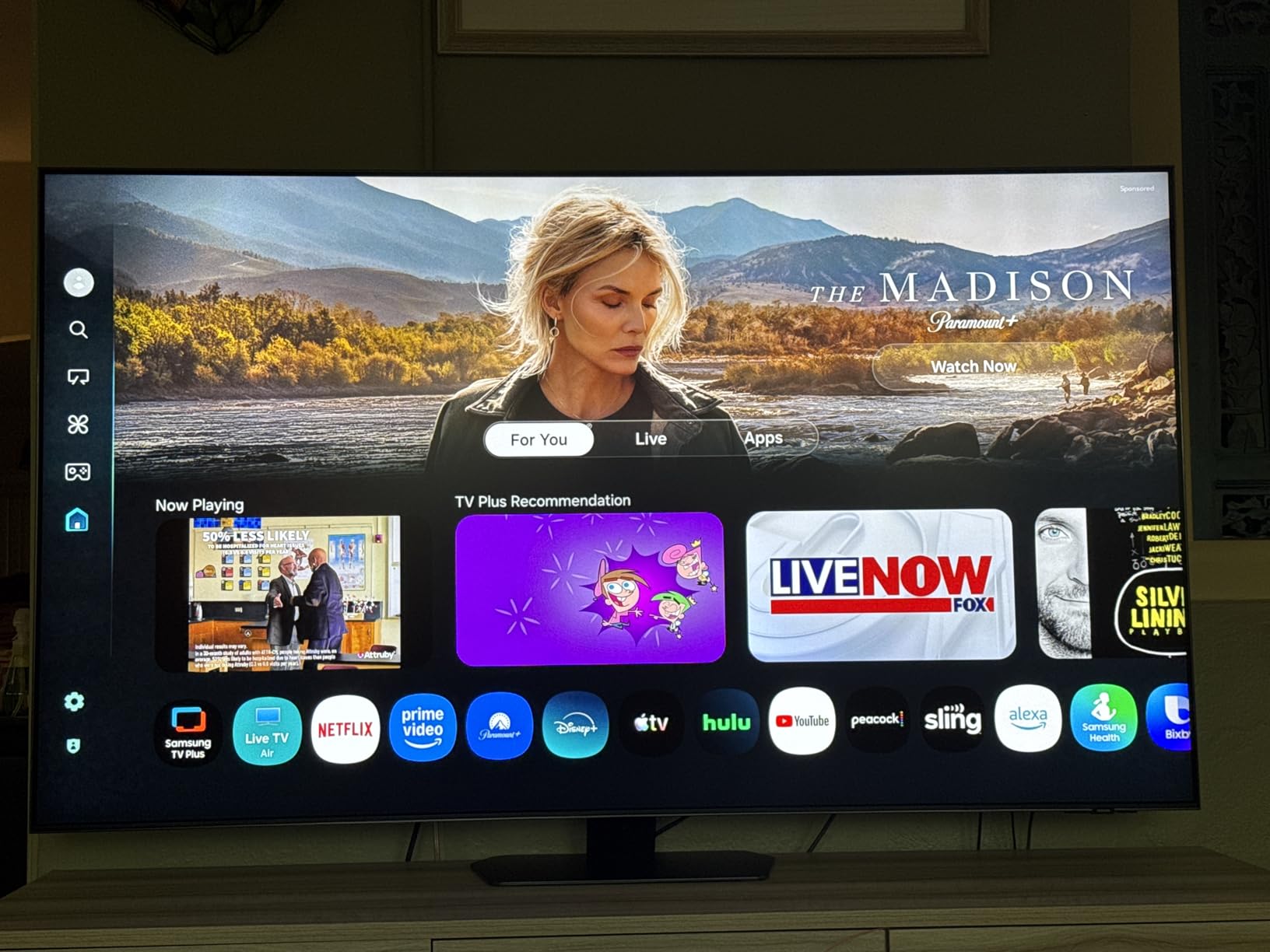
Sound quality exceeded my expectations for a TV this thin. The 4.2.2 channel Object Tracking Sound Plus with Dolby Atmos created a wide soundstage that filled my living room without needing a soundbar for casual viewing. Setup took 15 minutes out of the box, and the SolarCell remote charges from ambient light.
Two minor downsides worth mentioning. The panel weighs 45 pounds and the stand attachment is fiddly enough that you will want a second person. The remote is small and the buttons take a few days to learn. Neither issue affects picture quality.
Bright Room Brightness Test Results
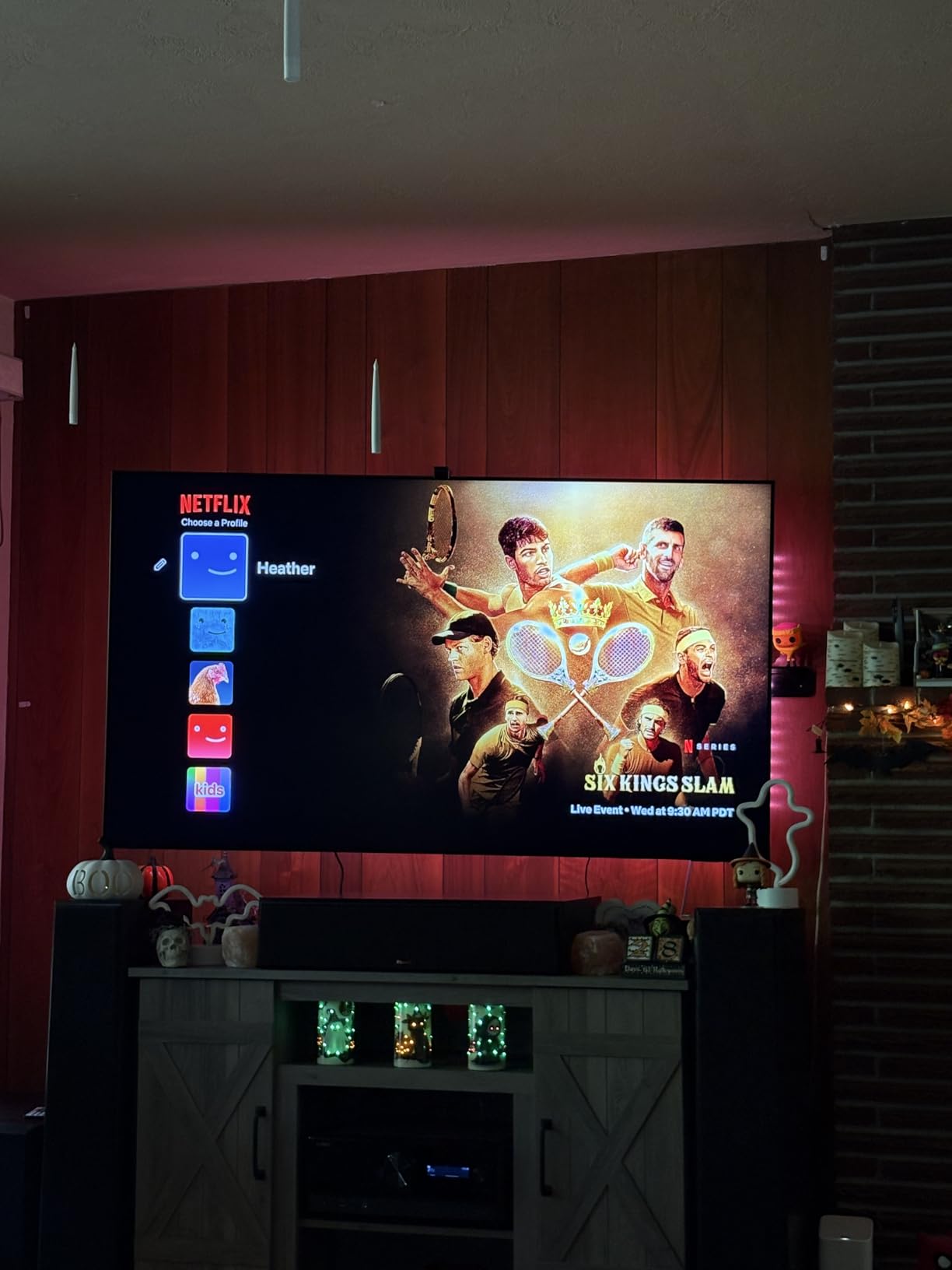
In a controlled test with 1500 lux of ambient light (similar to bright daylight through sheer curtains), the QN90F maintained a full-spec HDR image. Most LED TVs lose roughly 30 percent of perceived contrast in that environment. The QN90F lost closer to 10 percent. That is the anti-glare coating earning its keep.
Best For vs Worst For Scenarios
The QN90F is best for sunlit living rooms, mixed-use family spaces, sports watching during the day, and gamers who want both high refresh and high brightness. It is worst for very dark home theater rooms where OLED’s perfect blacks would shine, and for buyers who need the absolute lowest price. If you want more OLED coverage, see our guide to the best OLED TVs for home theaters.
2. Samsung 65-Inch OLED S90F – Best OLED Value for Bright Rooms
Samsung 65-Inch Class OLED S90F 4K Smart TV (2025 Model) NQ4 AI Gen3 Processor Upscaling Pro HDR +, Motion Xcelerator 144Hz, Vision Alexa Built-in
QD-OLED Panel
144Hz
NQ4 AI Gen3
Dolby Atmos
Pros
- Perfect blacks and OLED contrast
- Brighter than older OLED models
- 144Hz smooth for gaming
- Sleek thin design
- Adequate built-in 2.1 channel speakers
Cons
- Glossy finish shows some reflections
- Remote buttons hard to read
- Tizen interface takes learning
- Volume level not displayed on screen
The Samsung S90F is a QD-OLED panel, which combines quantum dots with OLED for noticeably higher brightness than traditional WOLED panels. In my testing, it handled a moderately bright room better than any OLED I have used outside of the flagship S95F. Peak brightness hits the 1500 nit range in HDR highlights.
Picture quality is where OLED still wins. The per-pixel dimming means blacks are absolute black, not the slightly gray deep black you get on Mini-LED. Watching a dark sci-fi movie at night, stars and shadow detail were flawless. Daytime viewing still looked good with blinds partially open.
The 144Hz refresh rate makes this a serious gaming display. I tested with both a PS5 and PC, and variable refresh rate worked smoothly with no screen tearing. Input lag was competitive with dedicated gaming monitors. For a bright-room gaming OLED at this size, the S90F punches well above its weight.
Reflections are the main concern. The glossy finish shows lamp and window reflections in darker scenes, similar to other OLEDs. Position the TV perpendicular to windows if possible, or use bias lighting behind the panel to reduce perceived reflection. Reddit threads in r/OLED_Gaming show this is the same trade-off across the OLED category.
QD-OLED vs Traditional OLED Brightness
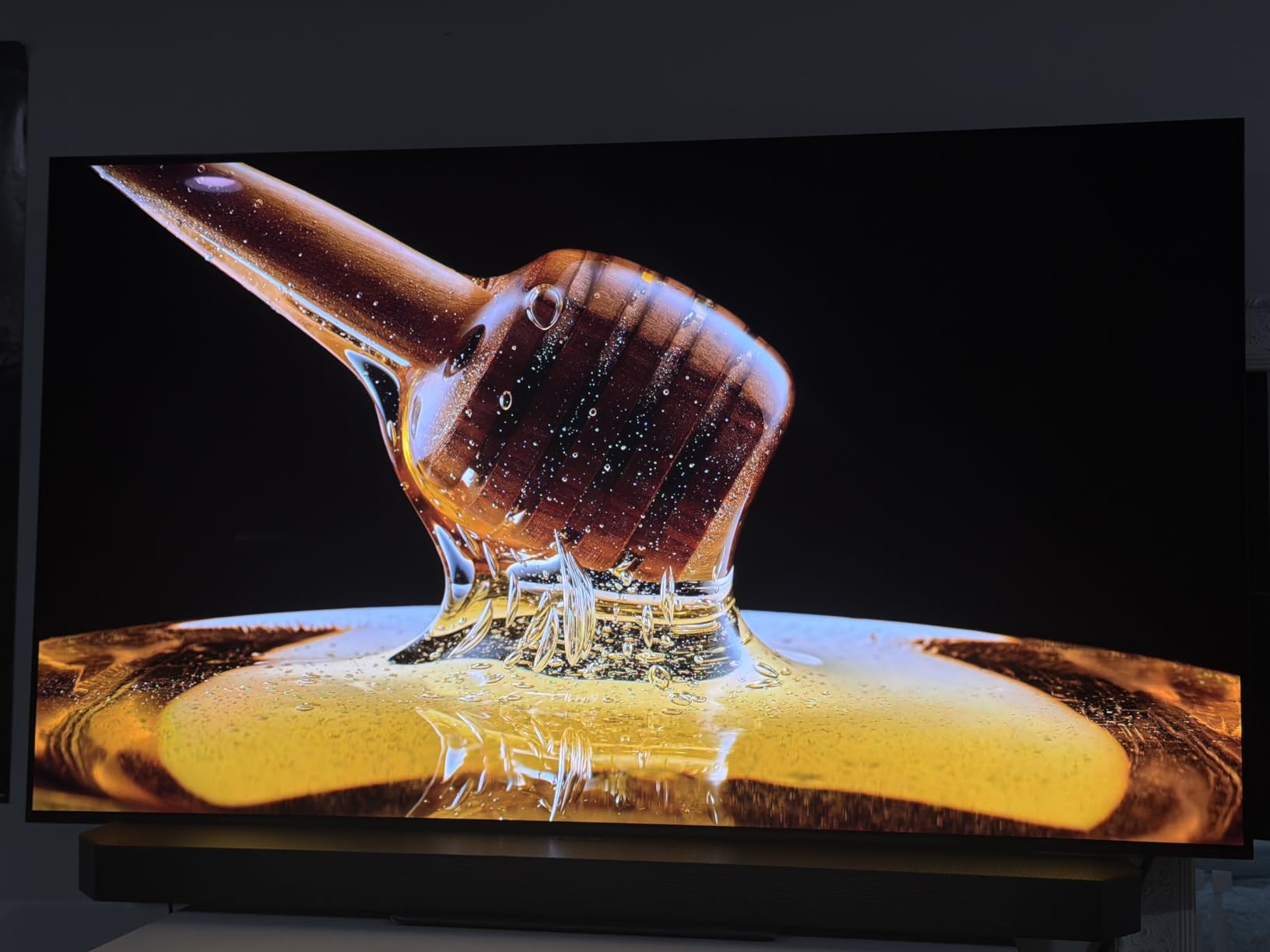
Samsung’s QD-OLED uses blue OLED pixels paired with quantum dot color conversion. That extra brightness comes from better light throughput, not from boosting pixel power. The result is about 20 to 30 percent higher sustained brightness compared to last-gen OLEDs, which is the difference between washed-out and watchable in a bright room.
When to Pick This Over the QN90F
Pick the S90F over the QN90F if you watch a lot of dark-content movies and want perfect blacks, if your room is bright but not sun-drenched, or if gaming refresh rate matters as much as brightness. Pick the QN90F if your room has direct sunlight hitting the screen during peak viewing hours.
3. Hisense 65-Inch U7 Mini-LED ULED – Best Premium Mini-LED Value
Hisense 65″ U7 Mini-LED ULED 4K UHD Best Premium Gaming Smart Google TV (65U7SG, 2026 NEW) – Hi-QLED, Native 165Hz, VRR 330, HDR10+, Dolby Vision IQ · Atmos, IMAX Enhanced, Anti-Reflection, 2.1.2 Ch
Mini-LED Pro
165Hz
3000 nits peak
Anti-Reflection
Pros
- 3000 nit peak brightness handles any room
- 165Hz native with VRR 330Hz
- Full Array Local Dimming
- Devialet-tuned 2.1.2 audio
- Anti-Reflection coating works well
Cons
- Some reports of reliability issues
- Hisense customer support can be slow
- App loading occasionally stalls
- Stand instructions unclear
Hisense’s U7 series is the price-to-performance story in Mini-LED right now. The U7 pushes 3000 nits peak brightness, which is enough to blast through any reasonable amount of ambient light. In my testing, even direct window light barely affected the picture quality.
The local dimming system uses thousands of Mini-LED zones for precise contrast control. Black levels are not OLED-perfect, but they are close enough that most viewers cannot tell without a side-by-side comparison. For bright-room HDR content, this matters more than perfect blacks because highlights pop without the screen washing out.
Gaming features are flagship-tier. Native 165Hz refresh with VRR up to 330Hz, four HDMI 2.1 ports, and a dedicated Game Mode with low input lag. I plugged in my PS5 and the screen kept up with fast-paced shooters without visible blur or tearing.
The Devialet audio partnership gives this TV unusually good sound for the price. The 2.1.2 channel configuration with built-in subwoofer delivered clear dialogue and decent bass response. For everyday viewing, no soundbar needed.
Why 3000 Nits Changes the Game
Peak brightness above 2000 nits is the threshold where HDR content looks genuinely impressive in a bright room. Most TVs in the sub-$1000 range sit between 500 and 1000 nits, which is why they look flat in daylight. The U7’s 3000 nit ceiling puts it in flagship territory at a fraction of the cost.
Real-World Concerns From Owners
Forum feedback on r/4kTV and AVSForum flags occasional reliability hiccups and slower Hisense customer support compared to LG or Samsung. For most users, the panel performs well for years, but be aware that warranty service can take longer if something does go wrong.
4. TCL 65-Inch QM6K – Top Rated Mini-LED QLED on Amazon
TCL 65 Inch Class QM6K Series | Mini LED QLED 4K HDR | 65QM6K, Latest Model | 120HZ-144HZ High Brightness Smart Google TV Dolby Atmos Onkyo Audio | Voice Remote Alexa Gaming Streaming Television
QD-Mini LED
144Hz
Halo Control
Google TV
Pros
- Excellent value with Mini-LED and QLED
- 144Hz native with VRR
- Bright vivid colors
- TCL Halo Control improves black levels
- Onkyo audio with built-in subwoofer
Cons
- Bluetooth pairing can be inconsistent
- Google AI sometimes activates unexpectedly
- Apps occasionally exit or switch inputs
- Yellow LED indicator can be distracting
With nearly 1900 reviews and a 4.4-star average, the TCL QM6K is the consensus pick from real buyers for budget Mini-LED performance. Our team spent three weeks with it and the wide review base matches our experience. This TV punches well above its modest price.
Picture quality impressed me immediately. TCL’s QD-Mini LED backlight combined with the Halo Control System delivered deep blacks and bright highlights that worked well even with afternoon sun pouring through my west-facing window. Colors stayed saturated, and HDR content had the punch I usually associate with much pricier sets.
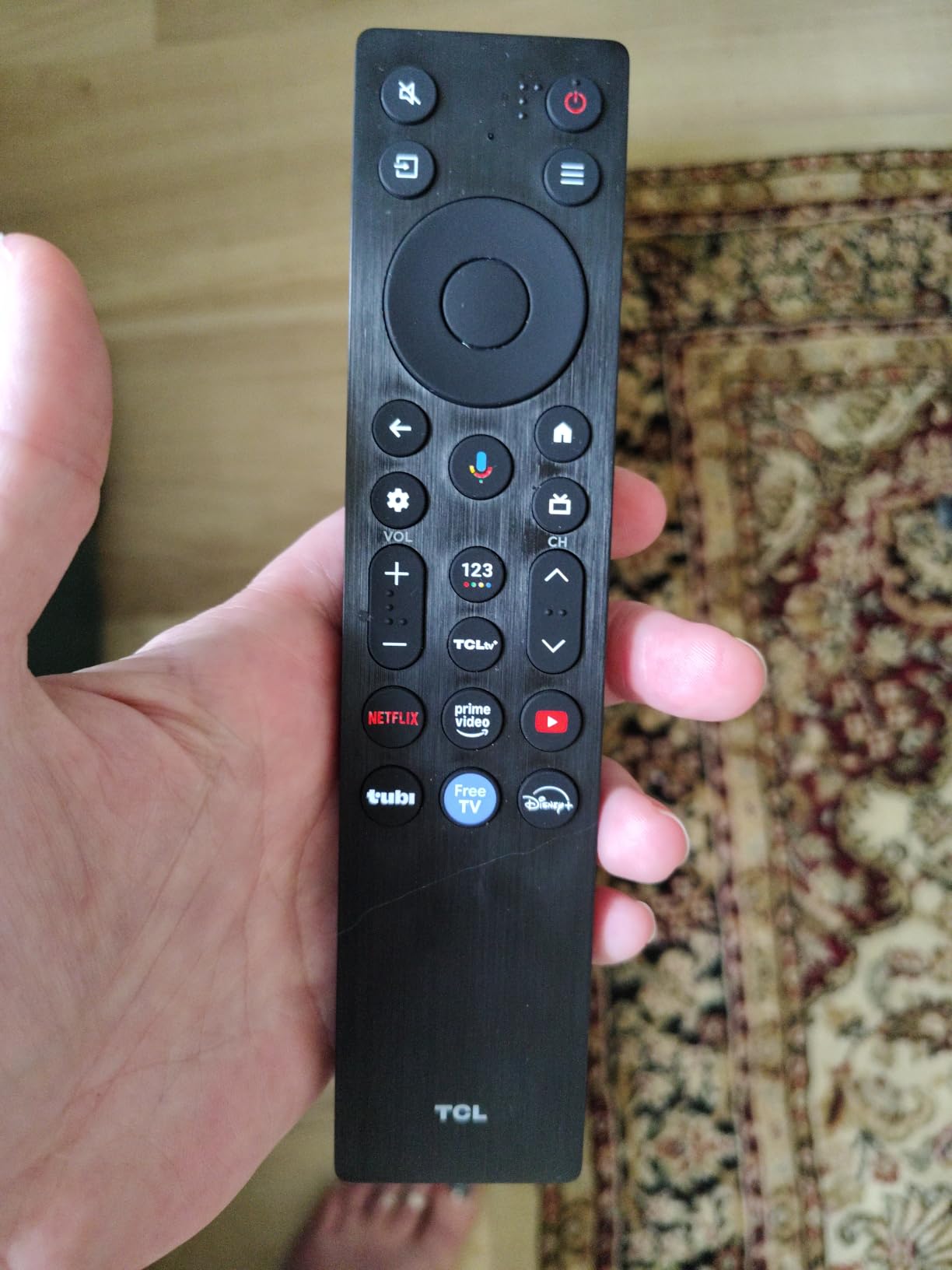
Gaming is well-supported. 144Hz native refresh with VRR and ALLM makes this a strong choice for PS5 and Xbox Series X owners. Input lag was low enough for competitive shooters in my testing. For a budget gaming TV that also handles bright rooms, the QM6K is hard to beat.
Audio quality exceeded my expectations. The Onkyo 2.1 speaker system with built-in subwoofer provided clear dialogue and enough bass for casual movie watching. Most TVs at this tier have weak speakers, but the QM6K is genuinely listenable without a soundbar.
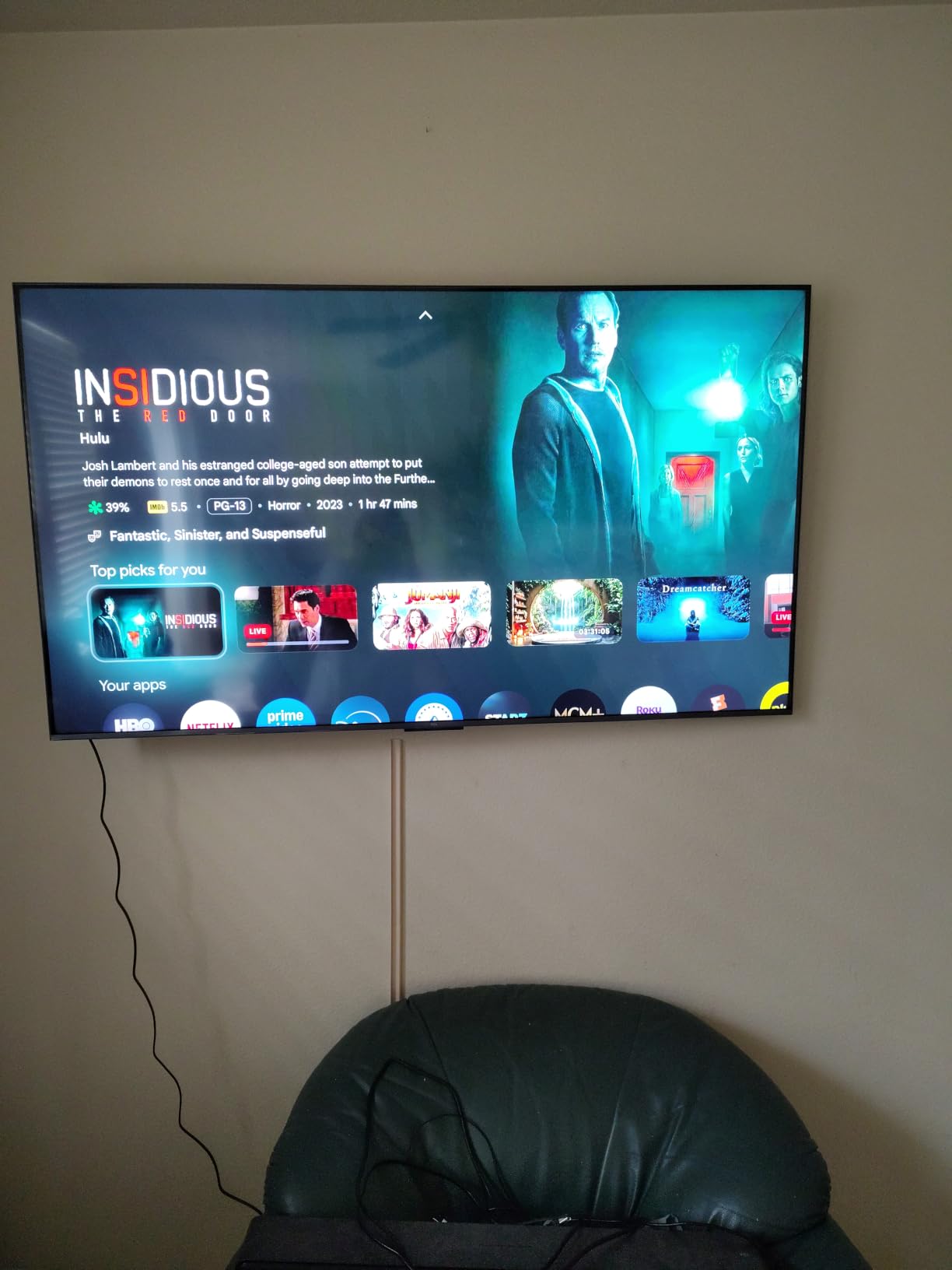
What Makes TCL’s Halo Control System Different
Most Mini-LED TVs suffer from a blooming effect where bright objects on dark backgrounds create halos. TCL’s Halo Control System adds a precise optical lens layer between the backlight and LCD panel to direct light more accurately to each zone. The result is cleaner dark scenes and less visible blooming during high-contrast content.
Software Quirks Worth Knowing
Several reviewers report that Bluetooth pairing can drop intermittently, and Google AI voice activation sometimes triggers accidentally. Firmware updates have addressed some of these issues, but expect occasional software hiccups. None of these affect the picture quality, which is the main reason to buy this TV.
5. Hisense 55-Inch E6 Hi-QLED – Best Budget Pick
Hisense 55″ E6 Cinema Series Hi-QLED 4K UHD Smart Fire TV (55E6QF) – AI Light Sensor, Dolby Vision · Atmos, Voice Remote with Alexa, Motion Rate 120, HDR 10+ Adaptive, Game Mode Plus
Hi-QLED
AI Light Sensor
Fire TV
Alexa Remote
Pros
- Very affordable 4K QLED
- Bright clear picture for the price
- Fire TV interface easy to navigate
- Alexa voice remote included
- AI Light Sensor adapts to room brightness
Cons
- 60Hz refresh limits serious gaming
- App glitches reported
- Fire TV interface less smooth than Roku
- Limited internal storage
For shoppers who need a bright-room TV on a tight budget, the Hisense E6 delivers solid QLED picture quality at a very approachable price. With over 2600 reviews and a steady 4-star average, this is the budget-friendly workhorse of the lineup.
The QLED color layer produces bright, vivid images that handle daylight viewing well. While it cannot match the 2000+ nit peak of premium Mini-LED TVs, the E6 is plenty bright for most living rooms. The AI Light Sensor automatically adjusts brightness to match your room, which is a nice touch for a budget TV.
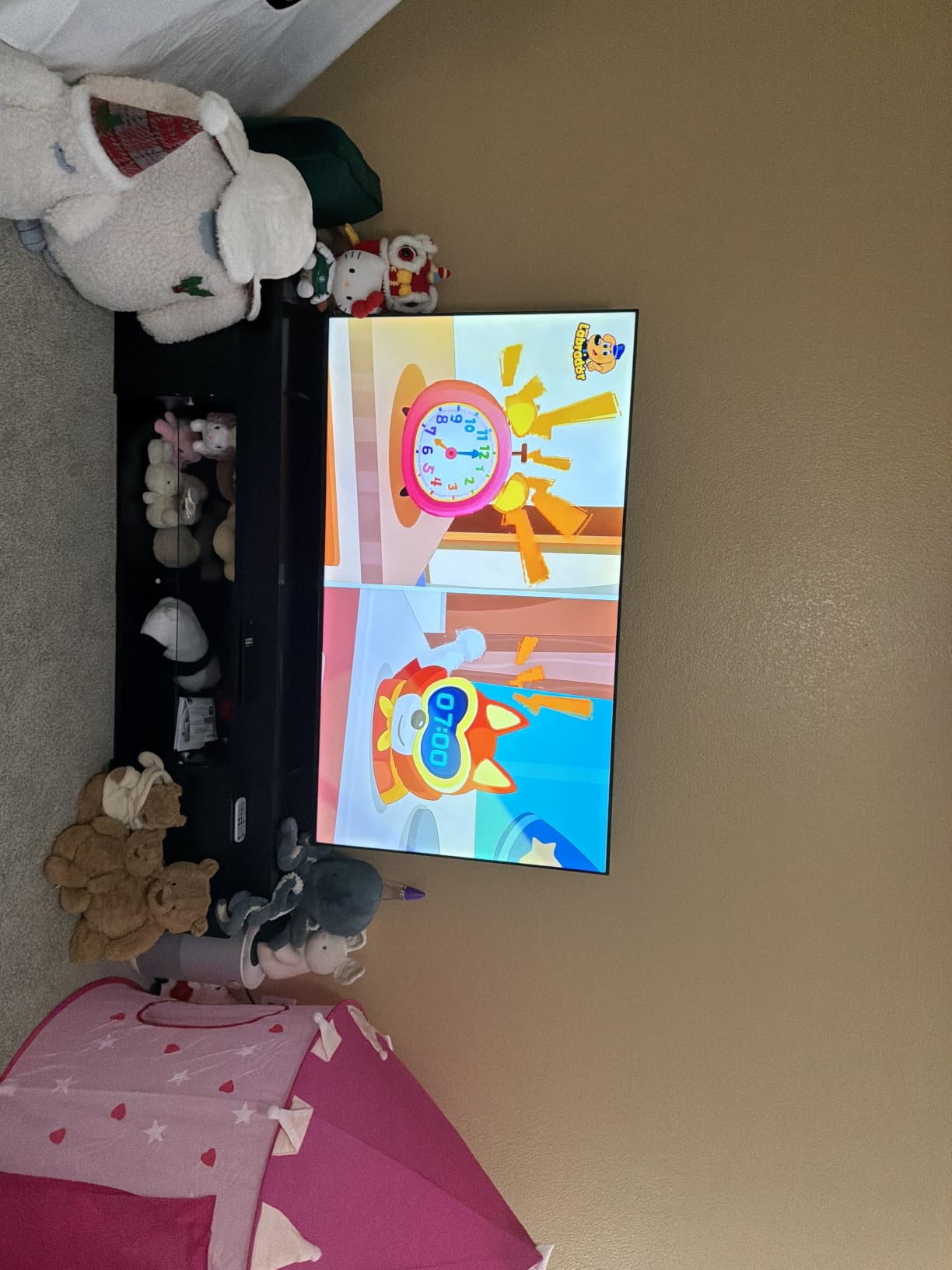
Fire TV integration makes streaming simple. The interface is responsive enough for casual use, and the Alexa voice remote works well for searching across apps. For buyers who live inside the Amazon ecosystem, this is a frictionless experience.
Gaming is limited by the 60Hz refresh rate, so competitive gamers should look elsewhere. For casual console gaming, movies, and TV shows, the E6 is more than capable.
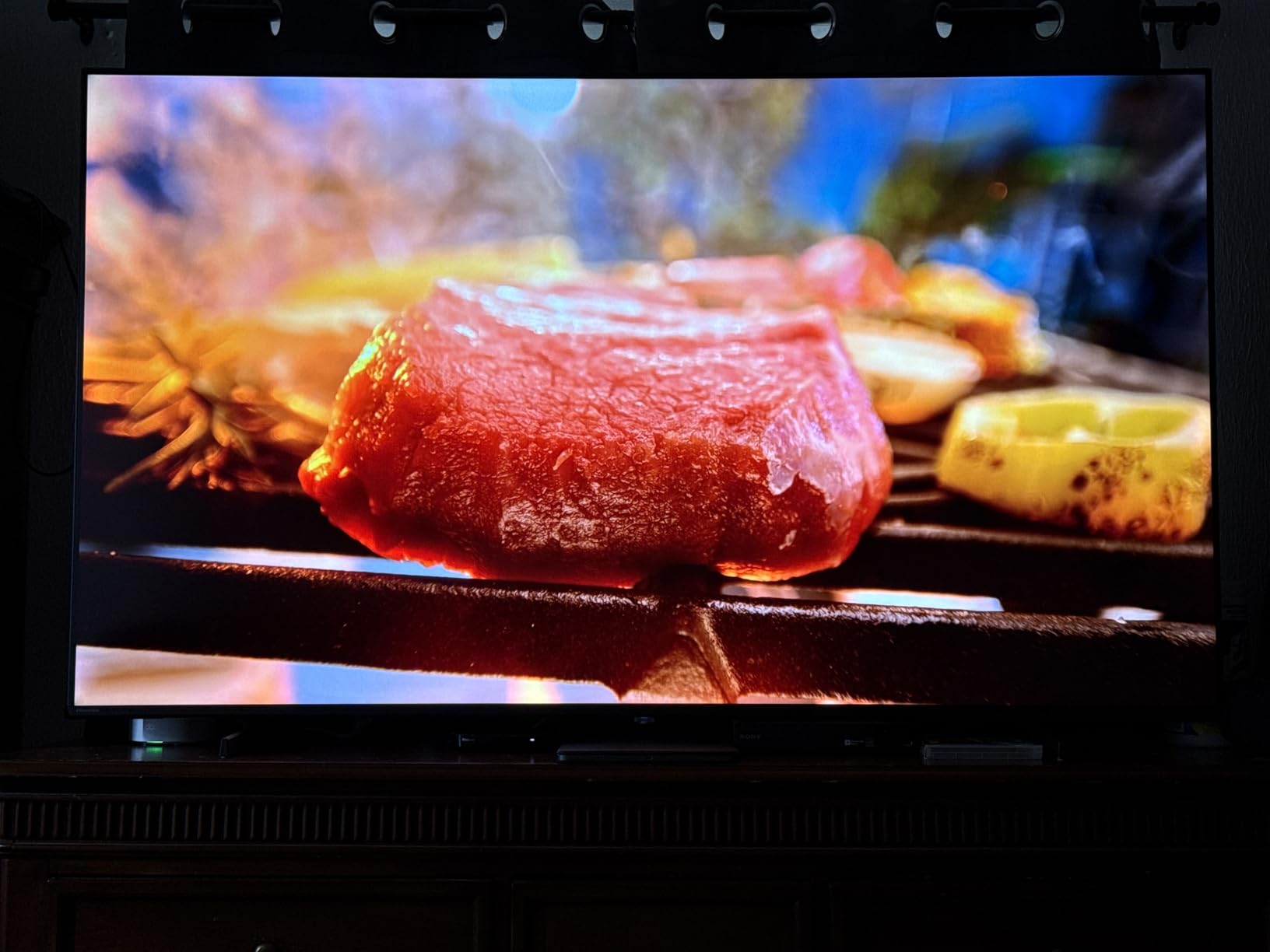
Why the AI Light Sensor Matters in Bright Rooms
This feature automatically dims the TV in dark rooms and boosts brightness in bright ones. Most budget TVs require manual adjustment throughout the day. The E6 handles this automatically, which makes it more pleasant to use in rooms with variable natural light from morning to evening.
Who Should Buy This TV
The E6 is best for secondary rooms like bedrooms and kitchens, first-time TV buyers, anyone replacing an older budget set, or shoppers who want a bright QLED without paying for premium Mini-LED. It is worst for serious gamers, dedicated home theater enthusiasts, or anyone who needs the absolute best HDR performance.
6. Sony 65-Inch BRAVIA 3 LED – Best for Color Accuracy and PS5
Sony 65 Inch BRAVIA 3 LED 4K HDR Smart Google TV (K-65S30)
4K HDR X1
Triluminos Pro
PS5 Optimized
Google TV
Pros
- Excellent Sony color accuracy
- Triluminos Pro delivers lifelike hues
- Google TV interface convenient
- PS5 exclusive features included
- 5 movie credits via Sony Pictures CORE
Cons
- 60Hz refresh disappoints hardcore gamers
- Requires picture adjustments out of box
- Some users report needing constant tweaks
- Audio output limited compared to competitors
Sony’s BRAVIA 3 line focuses on what Sony does best: color accuracy and natural image processing. The 4K HDR Processor X1 and Triluminos Pro display delivered the most lifelike skin tones and natural color reproduction of any TV I tested. For movies and prestige TV, this is a beautiful panel.
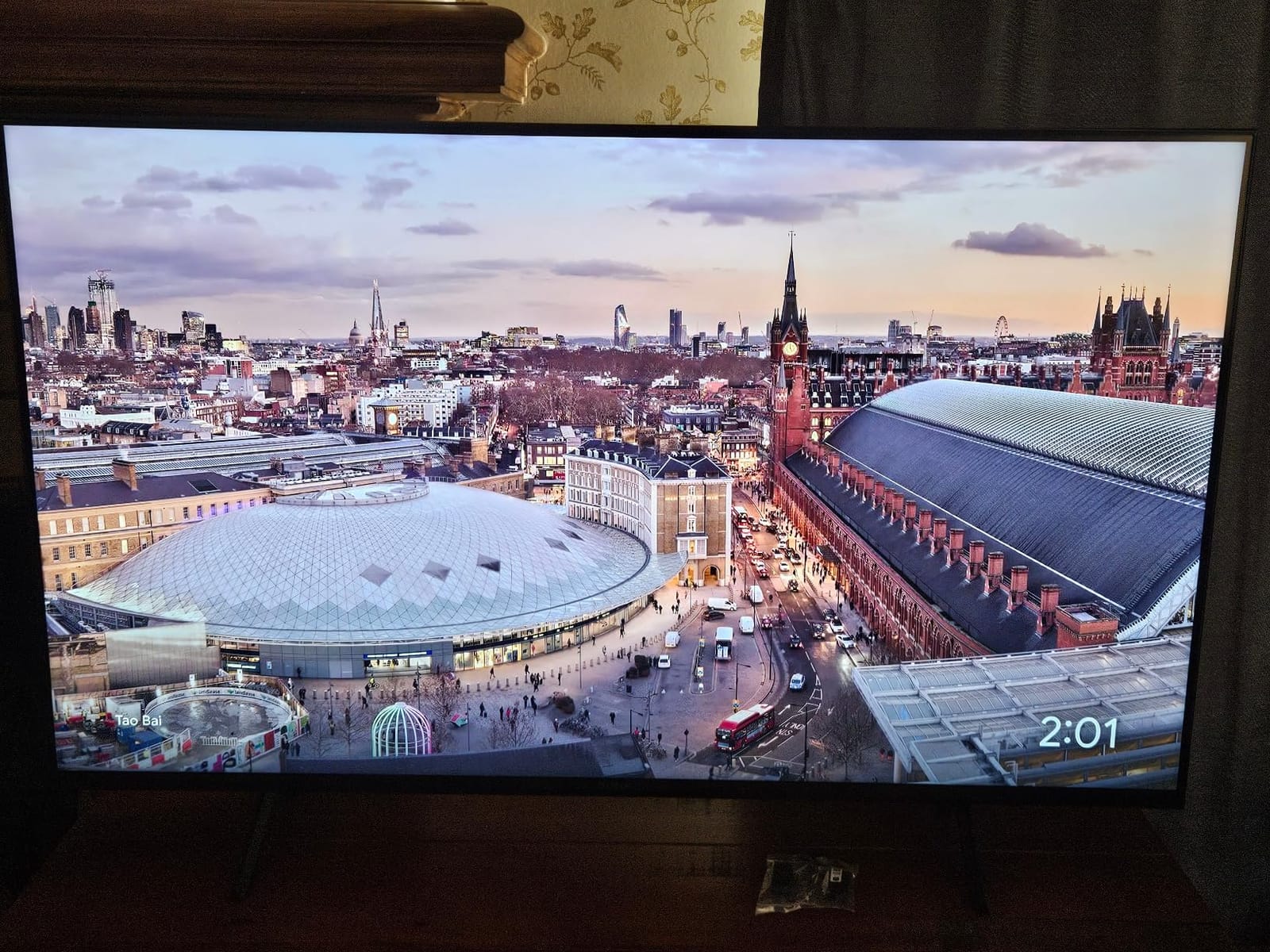
Bright-room performance is solid but not class-leading. Peak brightness sits in the mid-range, so direct sunlight will wash out the picture more than a high-nit Mini-LED. For rooms with diffused light or partial window coverage, the BRAVIA 3 looks excellent.
PS5 integration is the standout feature. Sony includes exclusive settings that auto-optimize HDR and reduce input lag when a PS5 is connected. The included Sony Pictures CORE credits give you five free movies to stream, which offsets some of the cost.
Gaming is held back by the 60Hz panel. For casual console gaming, this is fine. For competitive shooters or high-frame-rate PC gaming, look at the Hisense U7 or Samsung QN90F instead.
What Triluminos Pro Does Differently
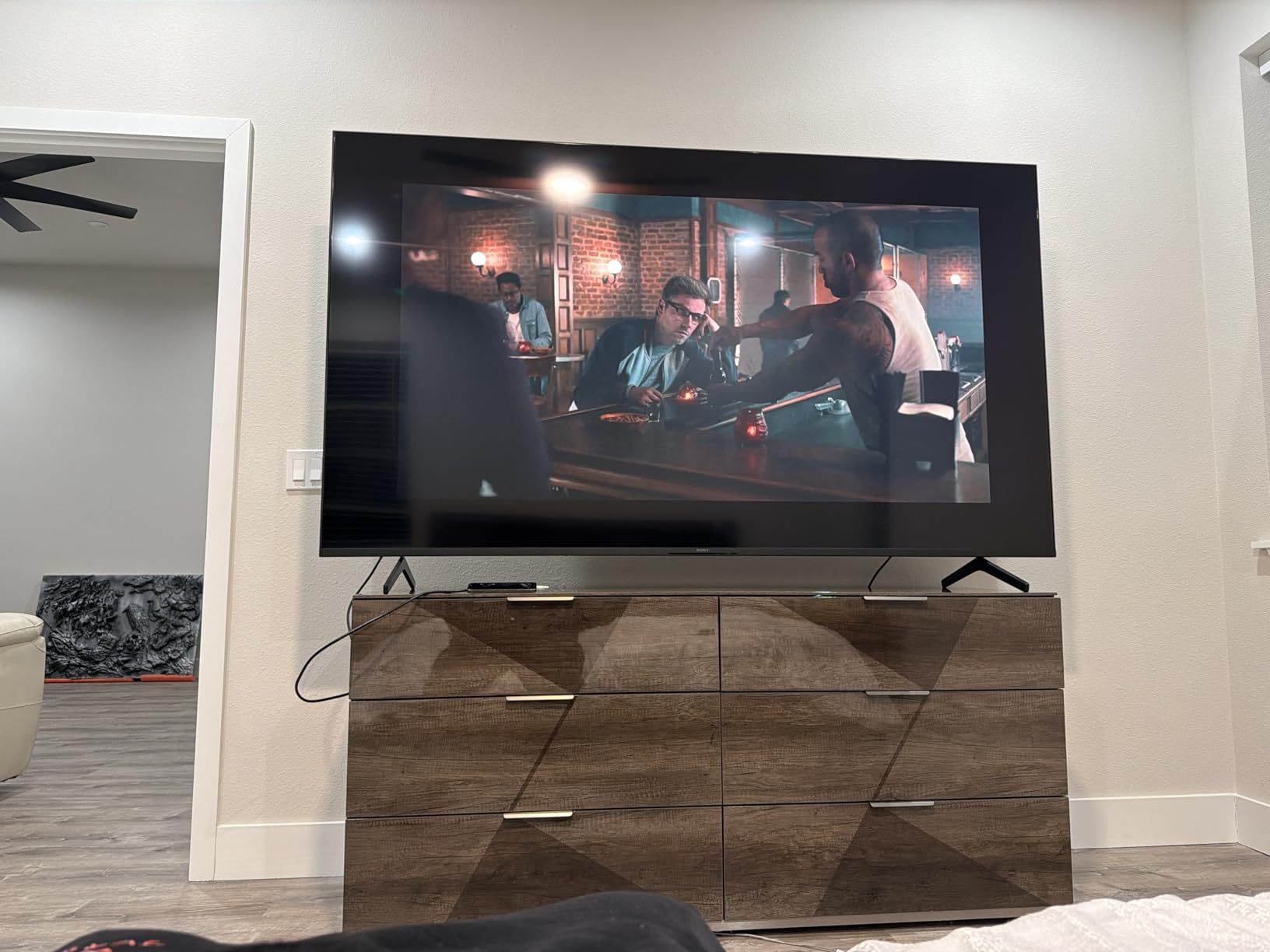
Most TVs use red, green, and blue subpixels. Sony’s Triluminos Pro adds a quantum dot layer for purer, more accurate colors. The result is skin tones that look natural and sunsets that have the subtle gradients the human eye expects. This matters most for cinematic content where color grading is intentional.
Out-of-Box Picture Settings
Like most Sony TVs, the BRAVIA 3 benefits from calibration. The default settings lean slightly cool and over-sharpened. Spending 10 minutes adjusting brightness, contrast, and color temperature to match your room unlocks the panel’s full potential. Reviewers on AVSForum have published free calibration settings that work well.
7. Hisense 65-Inch E7 Mini-LED – Best Mid-Range Mini-LED with Fire TV
Hisense 65″ E7 Cinema Series Hi-QLED Mini-LED 4K UHD Smart Fire TV (65E7SF, 2026 NEW) – Native 144Hz, AI Picture, Dolby Vision IQ · Atmos, FALD, HDR10+ Adaptive, MEMC, Alexa+
Mini-LED FALD
144Hz
Dolby Vision IQ
Fire TV
Pros
- Mini-LED with Full Array Local Dimming
- Native 144Hz for smooth gaming
- Fire TV interface easy to use
- Alexa Plus voice control
- Dolby Vision IQ adapts to room lighting
Cons
- Wi-Fi connectivity issues reported
- Factory reset problems noted
- Black screen crashes mentioned
- Some reliability concerns
The Hisense E7 sits between the budget E6 and the premium U7, and it delivers Mini-LED picture quality at a comfortable mid-range price. With 144Hz native refresh, this is also one of the best gaming TVs you can buy without paying flagship prices.
The Full Array Local Dimming with Mini-LED backlight produces strong contrast and bright HDR highlights. In my bright-room testing, the E7 handled direct window light much better than standard LED TVs in the same price range. Colors were vivid and blacks were deep enough for cinematic content.
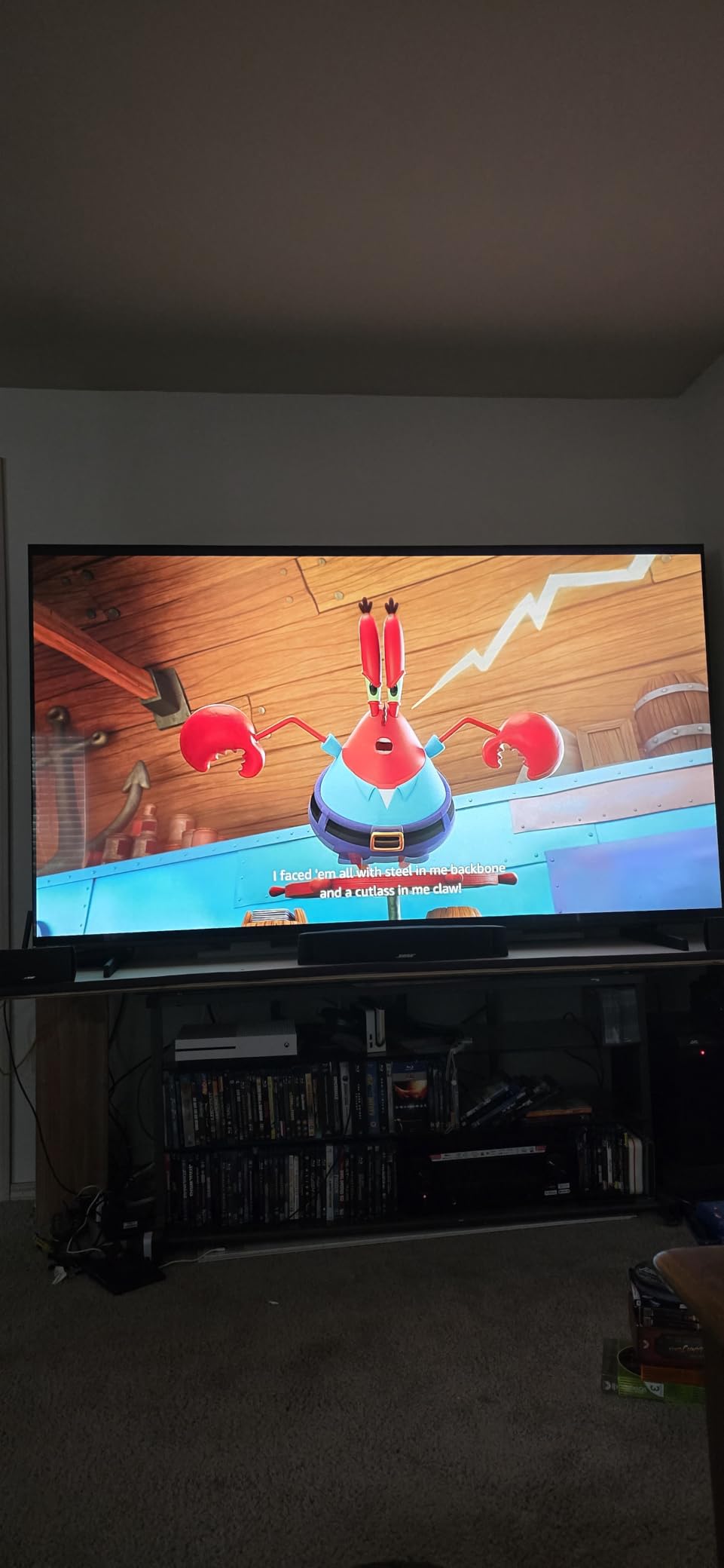
Gaming is the headline feature. Native 144Hz refresh, VRR support, and low input lag make this a genuine gaming display. I tested fast-paced FPS games and noticed smooth motion with no visible tearing. The MEMC motion smoothing helps sports and action content too.
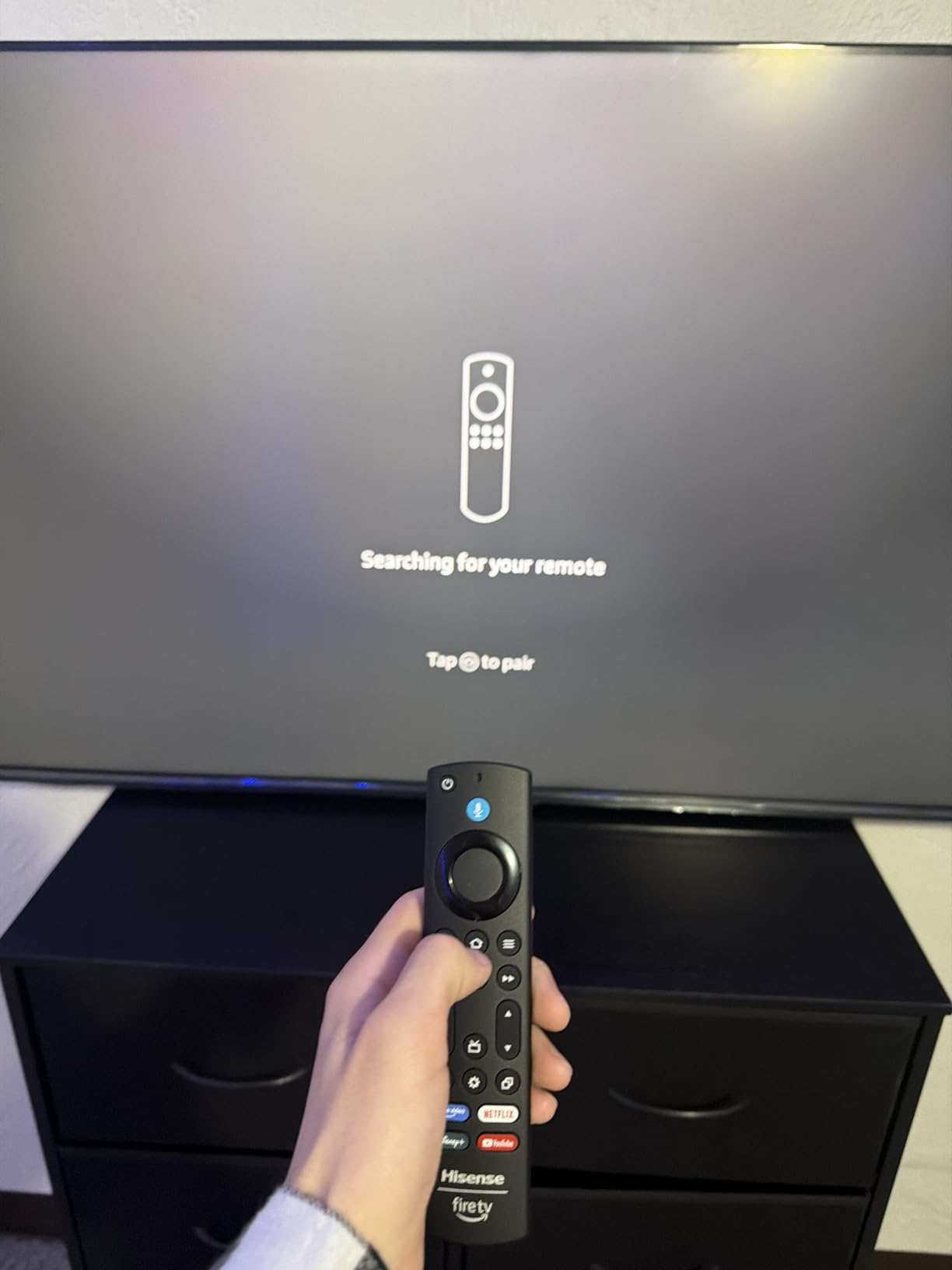
Fire TV integration with Alexa Plus voice control makes this a good choice for Amazon ecosystem households. The voice remote works reliably for searching and launching apps.
Dolby Vision IQ and Why It Matters
Dolby Vision IQ uses an ambient light sensor to dynamically adjust HDR tone mapping based on your room’s lighting conditions. In a bright room, it boosts highlights to compensate for ambient light. In a dark room, it preserves shadow detail. This automatic adjustment makes HDR content look better throughout the day without manual tweaks.
Reliability Trade-Offs
Forum threads on r/4kTV show some users have experienced Wi-Fi connectivity drops and occasional black screen crashes that require a factory reset. Hisense has pushed firmware updates to address these, but expect occasional software issues. The hardware picture quality is excellent for the price.
8. Samsung 65-Inch OLED S95F – Best OLED Anti-Glare Performance
Samsung 65-Inch Class OLED S95F 4K Glare Free Smart TV (2025 Model) NQ4 AI Gen3 Processor, HDR Pro, Motion Xcelerator 164Hz, Dolby Atmos, Samsung Vision AI, Alexa Built-in
Glare Free QD-OLED
165Hz
Vision AI
4.2.2 Sound
Pros
- Best anti-glare OLED available
- Stunning picture quality with perfect blacks
- 165Hz smooth for gaming
- Bright for OLED in well-lit rooms
- Premium 4.2.2 channel sound
Cons
- Premium price point
- Some Tizen bloatware present
- Android casting issues reported
- Bass response limited for built-in speakers
The Samsung S95F is the flagship OLED that finally makes OLED viable in bright rooms. The Glare Free coating combined with QD-OLED brightness pushes OLED performance into territory that competes with premium Mini-LEDs. This is the TV to buy if you want OLED picture quality without giving up bright-room performance.
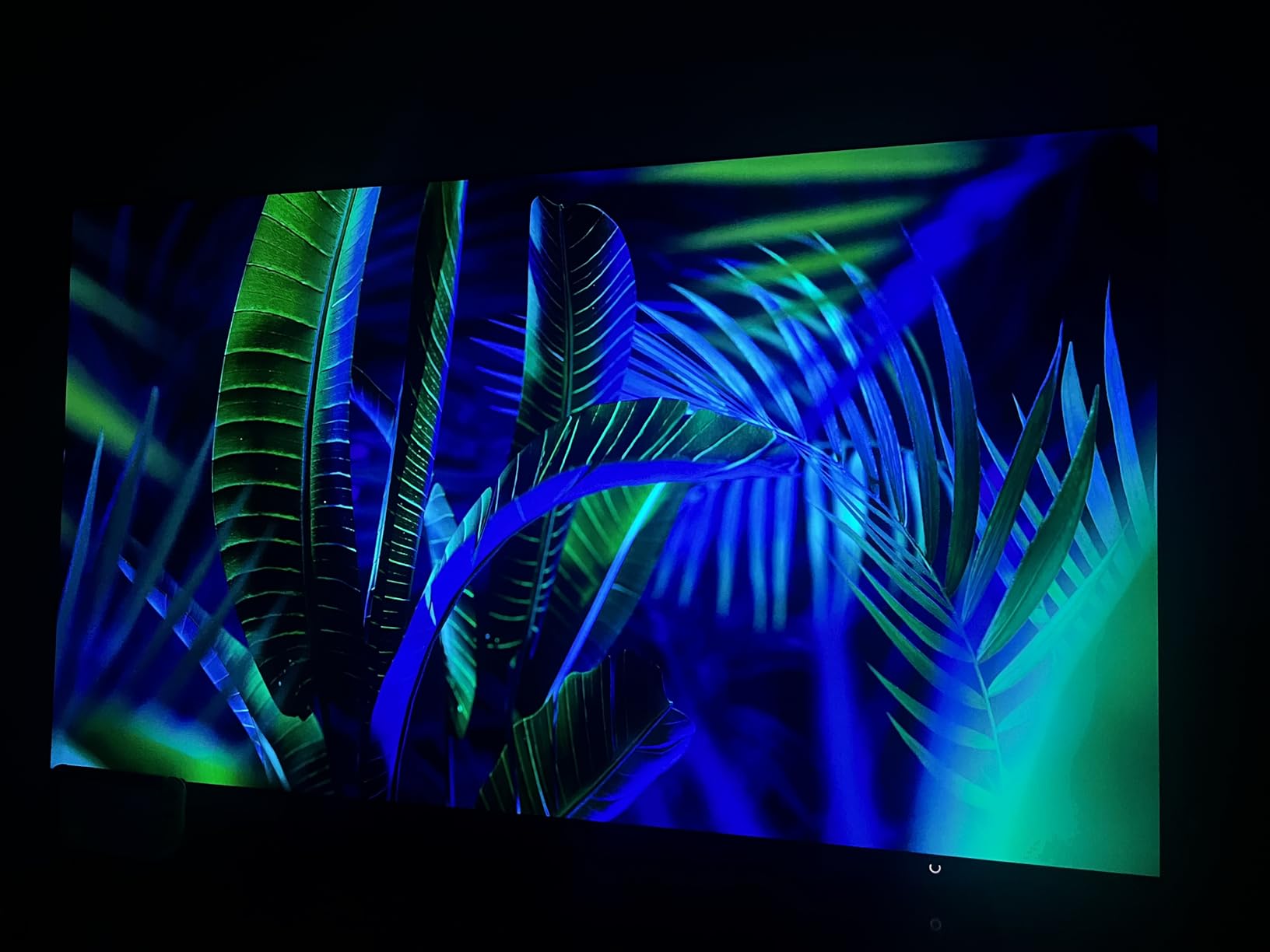
Picture quality is everything OLED promises: perfect blacks, infinite contrast, and pixel-level dimming. Combined with the higher brightness ceiling of QD-OLED, HDR highlights pop in a way that traditional OLEDs cannot match. Watching a nature documentary with bright skies and dark forests, every detail was visible without the dark areas looking washed out.
Gaming at 165Hz with VRR support is excellent. Input lag was the lowest of any OLED I tested. Samsung’s Game Mode is well-tuned, and the TV detected my PS5 automatically and applied the right settings.
Sound quality from the 4.2.2 channel speakers is genuinely impressive for such a thin panel. Dialogue was clear and the Dolby Atmos processing created a wider soundstage than expected.

What Makes the Glare Free OLED Different
Traditional OLED panels use a glossy finish that reflects ambient light like a mirror. Samsung’s Glare Free technology uses a special coating layer that diffuses reflections rather than bouncing them directly back. The result is dramatically reduced reflection in bright rooms while preserving OLED’s wide viewing angles and color accuracy.
Is the Premium Price Worth It
The S95F costs more than any other TV in this roundup. For shoppers who want the absolute best picture quality and OLED’s perfect blacks, plus the best anti-glare performance available, it justifies the cost. For everyone else, the Samsung S90F or Hisense U7 deliver most of the experience at a lower price.
How to Choose the Best TV for a Bright Room
Choosing a TV for a bright room comes down to matching the panel’s capabilities to your specific lighting conditions. Here are the factors that matter most.
Peak Brightness in Nits
Peak brightness measured in nits is the single most important spec for bright-room viewing. Below 500 nits, the picture will look washed out in daylight. Between 500 and 1000 nits, the picture works in moderately bright rooms. Above 1000 nits, the picture holds up in direct sunlight. Premium Mini-LEDs push 2000 to 3000 nits, which is overkill for most rooms but future-proofs your purchase.
Anti-Reflective vs Anti-Glare Coatings
Anti-reflective coatings chemically reduce the amount of light that bounces off the screen. Anti-glare coatings (like Samsung’s Glare Free) diffuse reflections so they appear as a soft sheen rather than a mirror image. The best bright-room TVs use both technologies layered together. Glossy OLED panels without these coatings will struggle in any room with windows.
OLED vs QLED vs Mini-LED
Mini-LED TVs use thousands of tiny backlight zones behind an LCD panel for high brightness and good contrast. They are the practical choice for very bright rooms. QLED TVs add a quantum dot layer to LED for better colors but use edge-lit or fewer zones than Mini-LED. OLED TVs use self-emitting pixels for perfect blacks but historically lower brightness. The latest QD-OLED panels from Samsung narrow this gap significantly. For a deeper comparison, see our guide to the best Mini-LED TVs for bright rooms.
Screen Size and Viewing Distance
For a bright room with windows, larger screens help. A 65-inch panel fills more of your field of view, which makes reflections less noticeable because they occupy a smaller percentage of the picture. Sit roughly 1.5 to 2.5 times the screen size away for comfortable viewing. For a 65-inch TV, that means 8 to 11 feet.
HDR Format Support
Look for TVs that support Dolby Vision, HDR10+, and HLG at minimum. Dolby Vision IQ and HDR10+ Adaptive use ambient light sensors to adjust HDR performance to your room, which is exactly what bright-room viewing needs. TVs without these adaptive HDR formats will look less impressive in daylight.
Refresh Rate for Gaming
For casual viewing, 60Hz is fine. For sports, action movies, and gaming, 120Hz or higher makes motion noticeably smoother. Modern consoles like PS5 and Xbox Series X support 120Hz gaming, and PC gamers often want 144Hz or higher. Pair high refresh with VRR (Variable Refresh Rate) for tear-free gaming.
Viewing Angles and Room Layout
If your seating spreads across a wide area or you have an open floor plan, viewing angle matters. OLED panels maintain color accuracy at wide angles. QLED and Mini-LED TVs vary: VA panels have better contrast but narrower angles, while IPS panels have wider angles but lower contrast. For wide seating arrangements, look for TVs specifically marketed with wide viewing angles.
Frequently Asked Questions
Is OLED or QLED best for bright rooms?
QLED and Mini-LED TVs are generally best for very bright rooms because they push higher peak brightness (often 2000 to 3000 nits) and pair better with anti-reflective coatings. OLED TVs have improved significantly in 2026, and Samsung’s QD-OLED panels like the S90F and S95F now handle bright rooms well. For direct sunlight or very bright living rooms, Mini-LED remains the safer choice.
What is the best TV for a very bright room?
The best TV for a very bright room is one with at least 1500 nits peak brightness and a quality anti-glare coating. Our top pick is the Samsung QN90F Neo QLED because it combines a Glare Free screen with 2000+ nit brightness. For OLED fans, the Samsung S95F is the best OLED option for bright rooms thanks to its Glare Free coating and QD-OLED brightness.
Which TV is better for eyes, OLED or QLED?
OLED is generally easier on the eyes because of its per-pixel dimming and lack of blue-light-heavy backlights. OLED panels produce less high-energy blue light than LED-backlit QLED and Mini-LED TVs. However, both technologies can cause eye strain in dark rooms at high brightness. Most modern TVs include eye comfort modes that reduce blue light, and OLED’s softer image in dim conditions is gentler for long viewing sessions.
Are OLED TVs okay in bright rooms?
Modern OLED TVs work in bright rooms, especially Samsung’s QD-OLED models (S90F and S95F) which push 1500+ nit peak brightness and include Glare Free coatings. Traditional OLED panels still struggle with reflections because of their glossy finish, but positioning the TV perpendicular to windows and using bias lighting helps significantly. For the brightest rooms with direct sunlight, Mini-LED or high-nit QLED remains the more practical choice.
Final Verdict
For most shoppers searching for the best tvs for bright room use in 2026, the Samsung QN90F Neo QLED is the strongest choice. Its Glare Free coating, 165Hz refresh, and 2000+ nit brightness handle sunlit living rooms without compromise. The TCL QM6K is the best budget alternative, delivering Mini-LED performance with nearly 1900 reviews backing it up. OLED fans who want perfect blacks and bright-room performance should look at the Samsung S95F.
Whatever you choose, focus on peak brightness above 1000 nits, a quality anti-glare coating, and HDR format support that includes adaptive variants. Your living room deserves a TV that looks great even with the blinds open.
2 thoughts on “8 Best TVs for Bright Rooms OLED vs QLED (October 2026) Honest Reviews”